
Miami today is Florida’s cultural, economic, and business center — a sprawling metropolis known worldwide. But at the start of the 20th century, it was barely a town. When the U.S. took control of Florida in 1821 after Spain sold it for five million dollars, the land that would become Miami was little more than wilderness. The city was officially incorporated in 1896 with a population of just 300 people. By 1900, that number had only grown to 1,681.
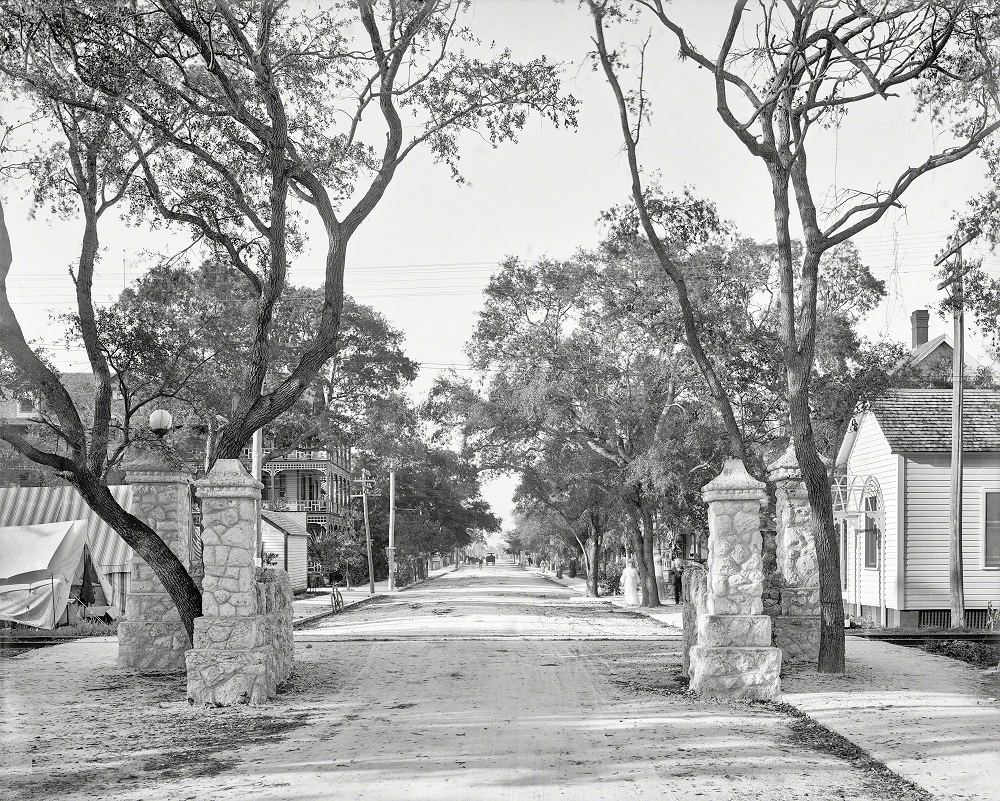
The early photographs of Miami tell the story of a city finding its footing. Streets were narrow, buildings were modest, and the waterways — the Miami River and Biscayne Bay — were central to daily life. These images capture a world that no longer exists, one that was rapidly changing decade by decade.
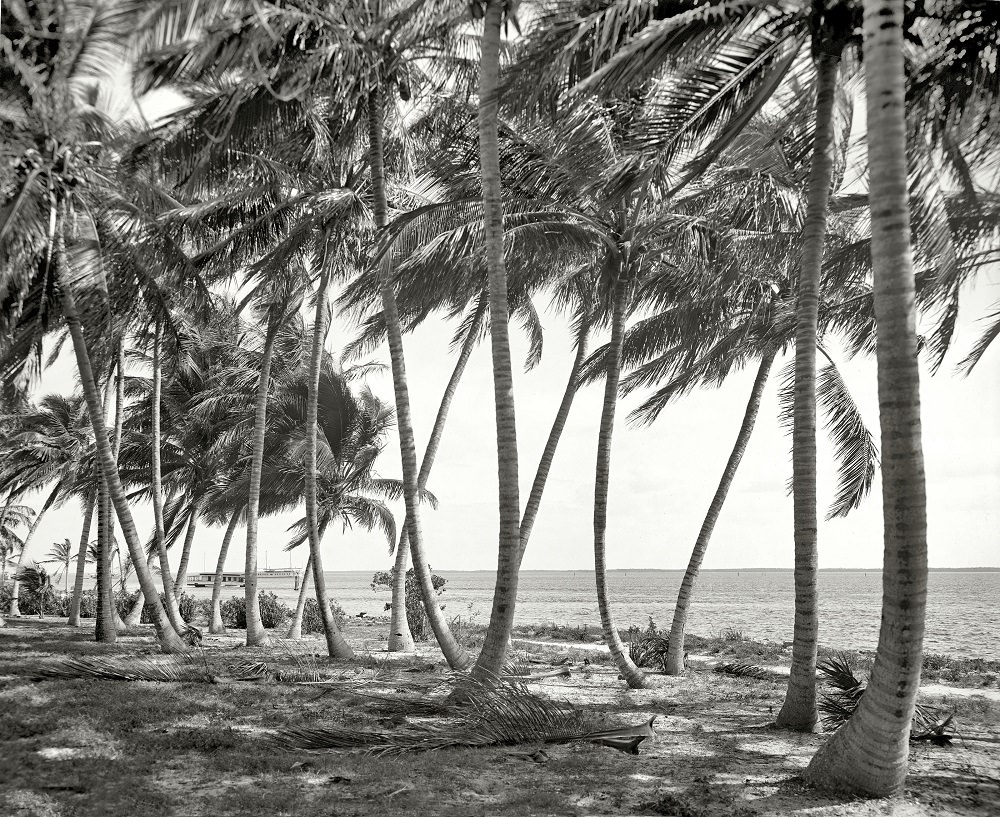
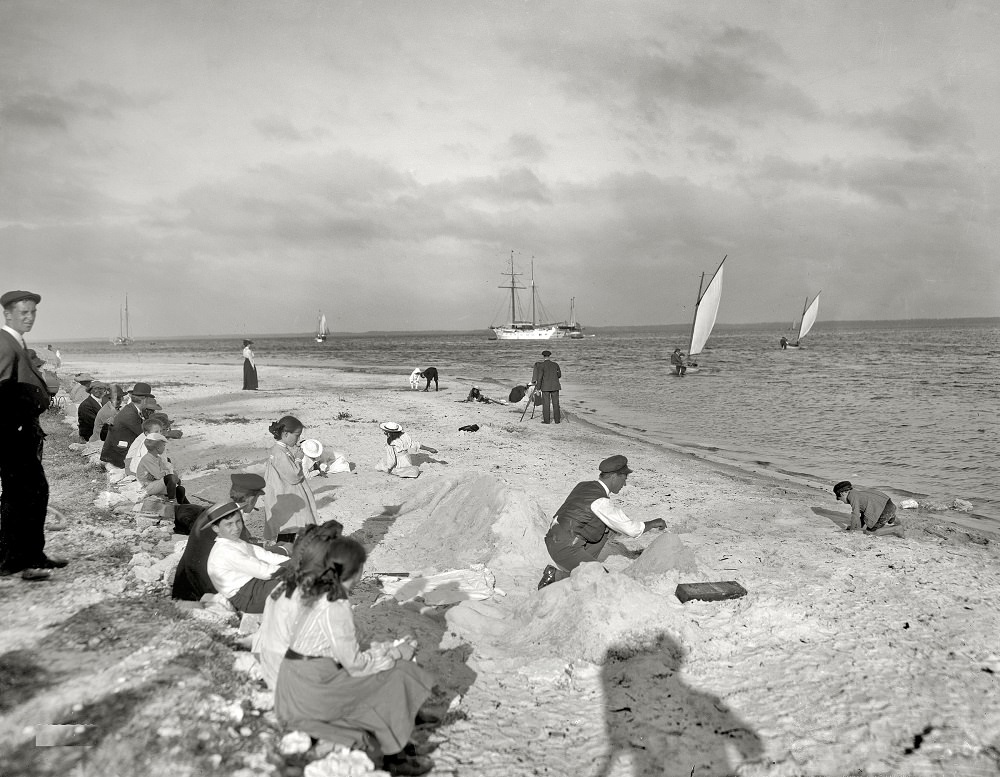
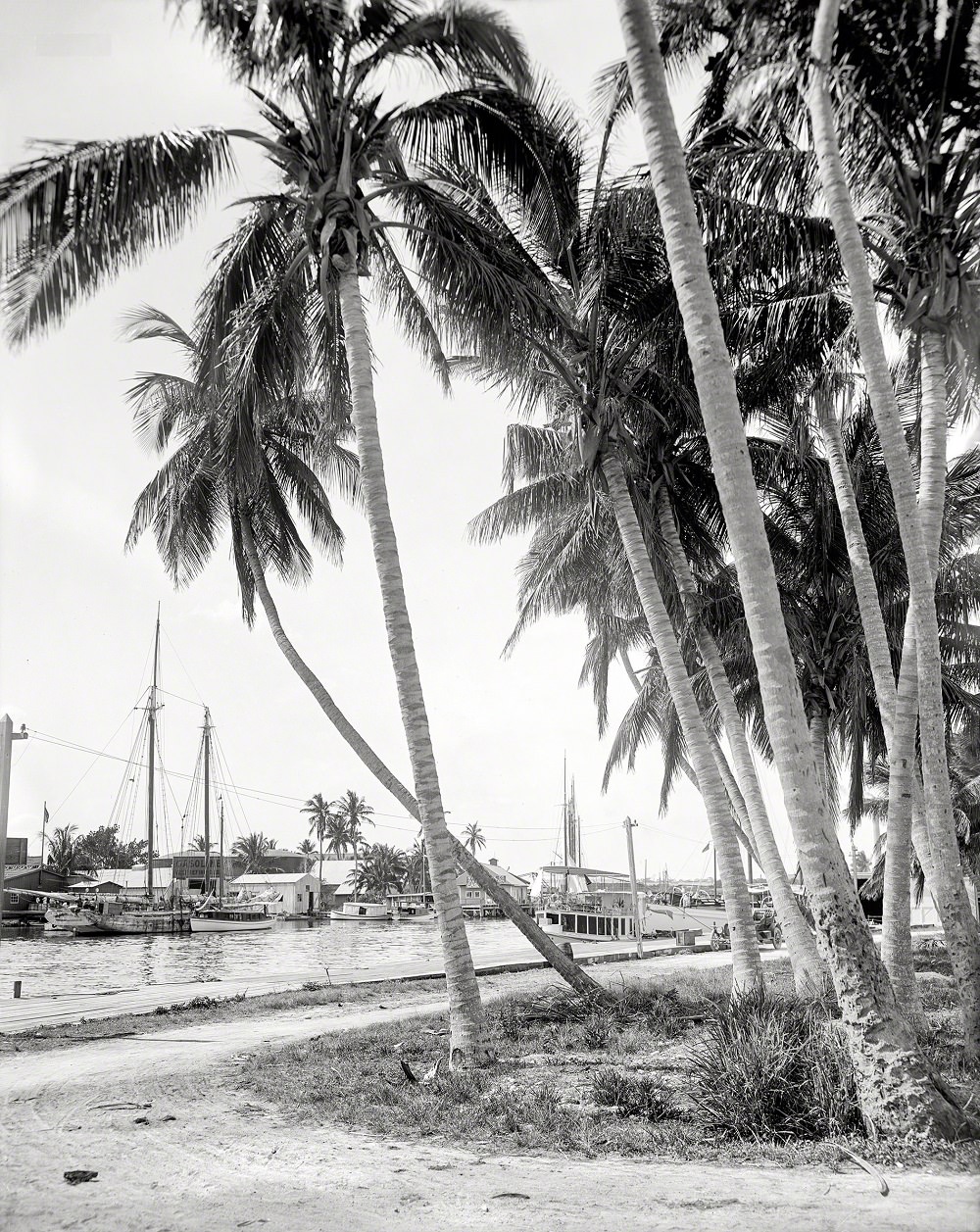
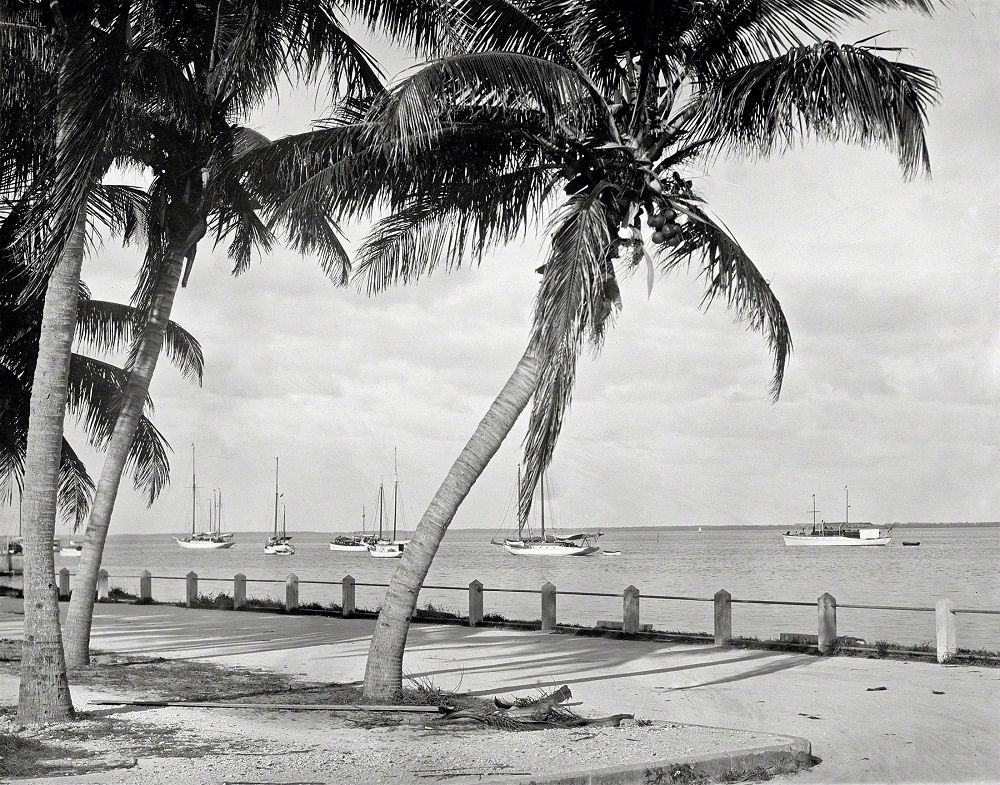
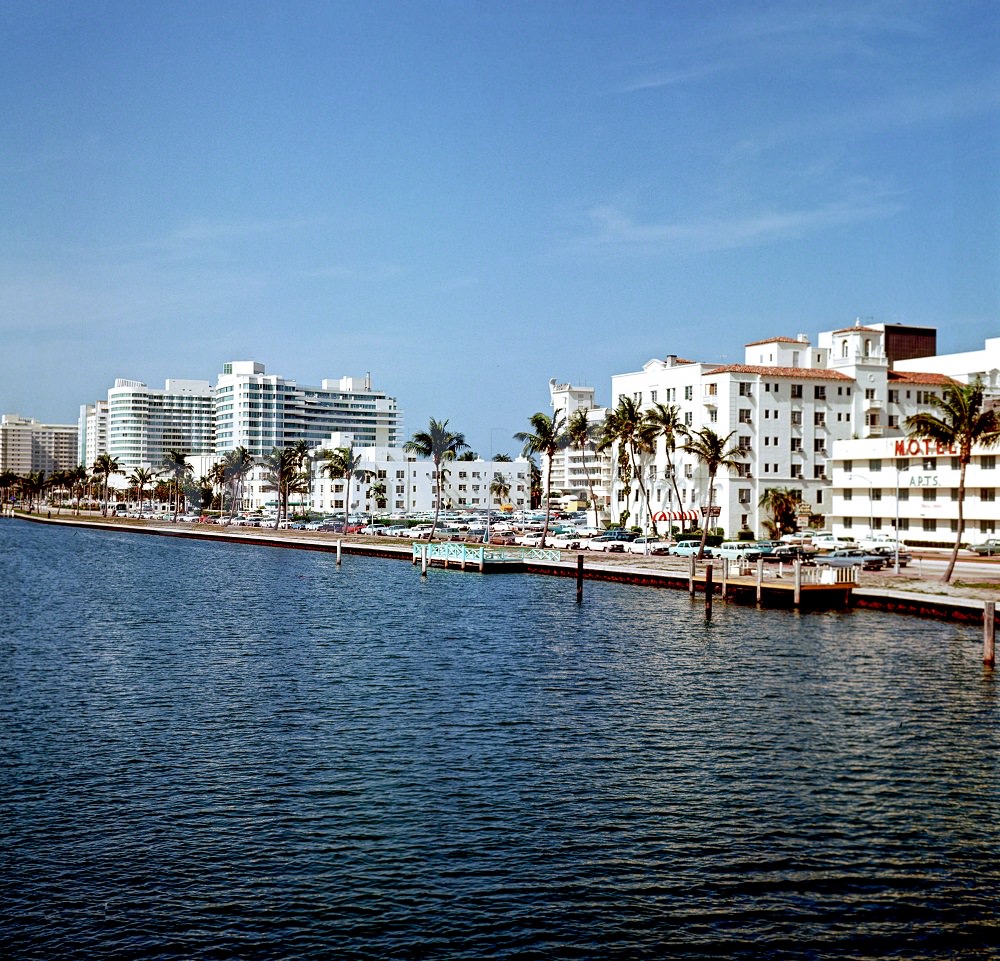
In the earliest years of the 1900s, Biscayne Bay was one of Miami’s most striking natural features. The calm blue waters bordered by coconut palms gave the city a tropical character that set it apart from anywhere else in the country. Residents and visitors alike were drawn to the shoreline, and the bay became a defining symbol of Miami’s identity.
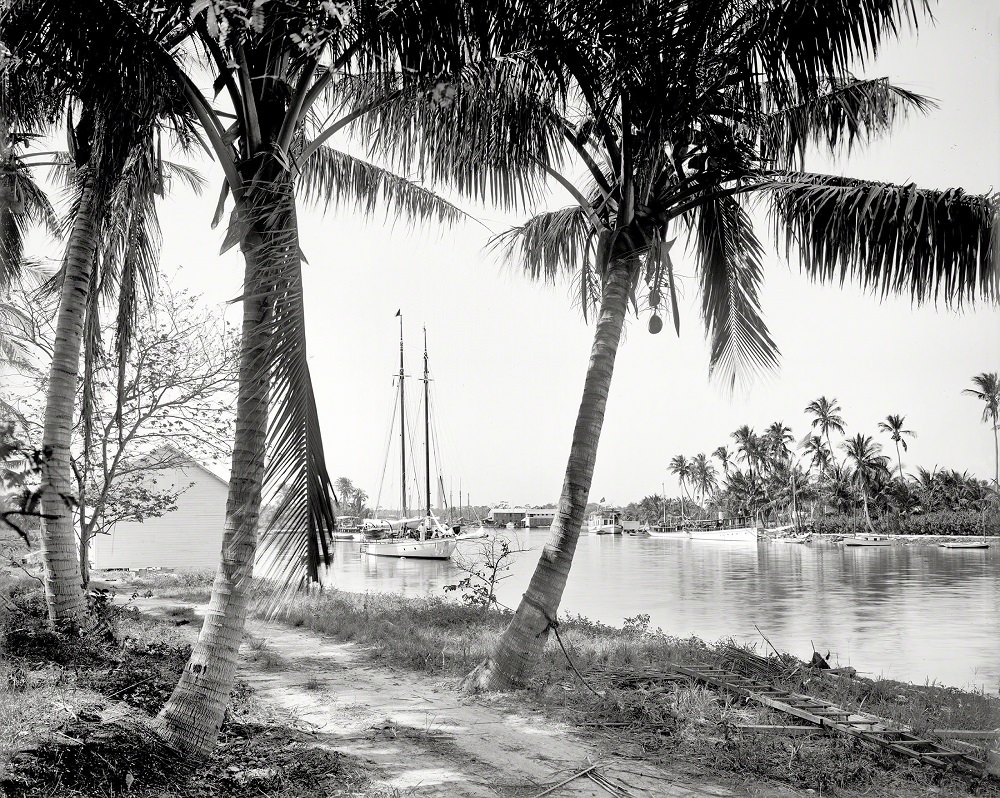
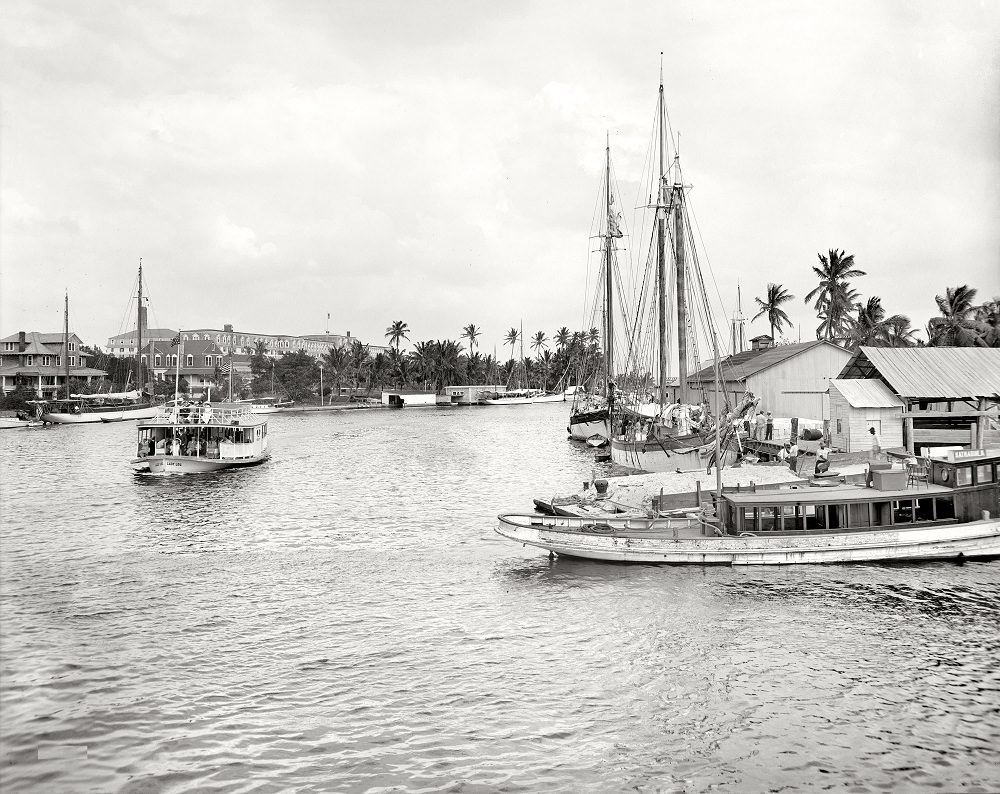
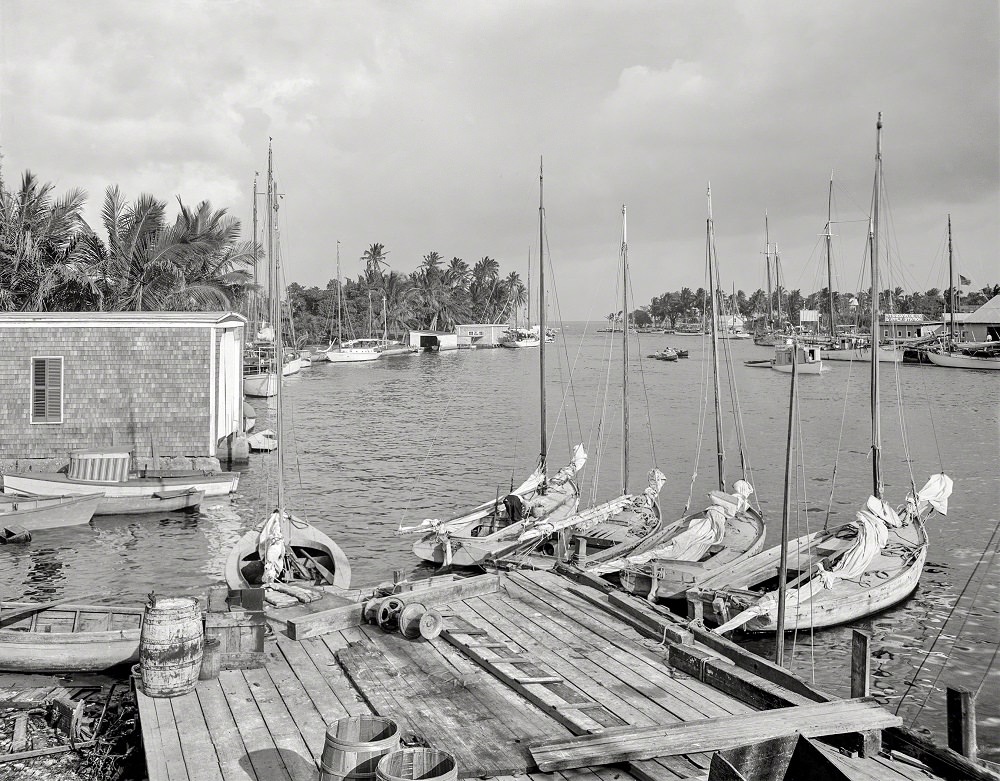
Along the Miami River, small docks and modest structures lined the banks. The river served as a working waterway — a lifeline for commerce and transportation. Photographs from 1904 and 1912 show a river far less developed than what exists today, with boats and trees dominating the scene.
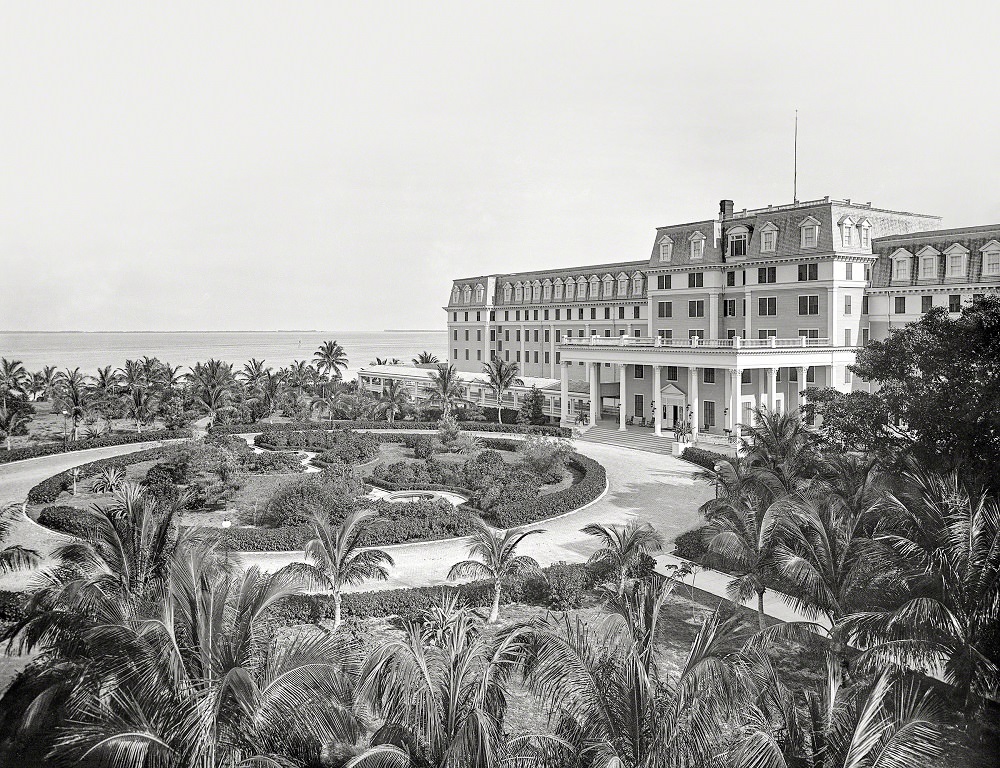
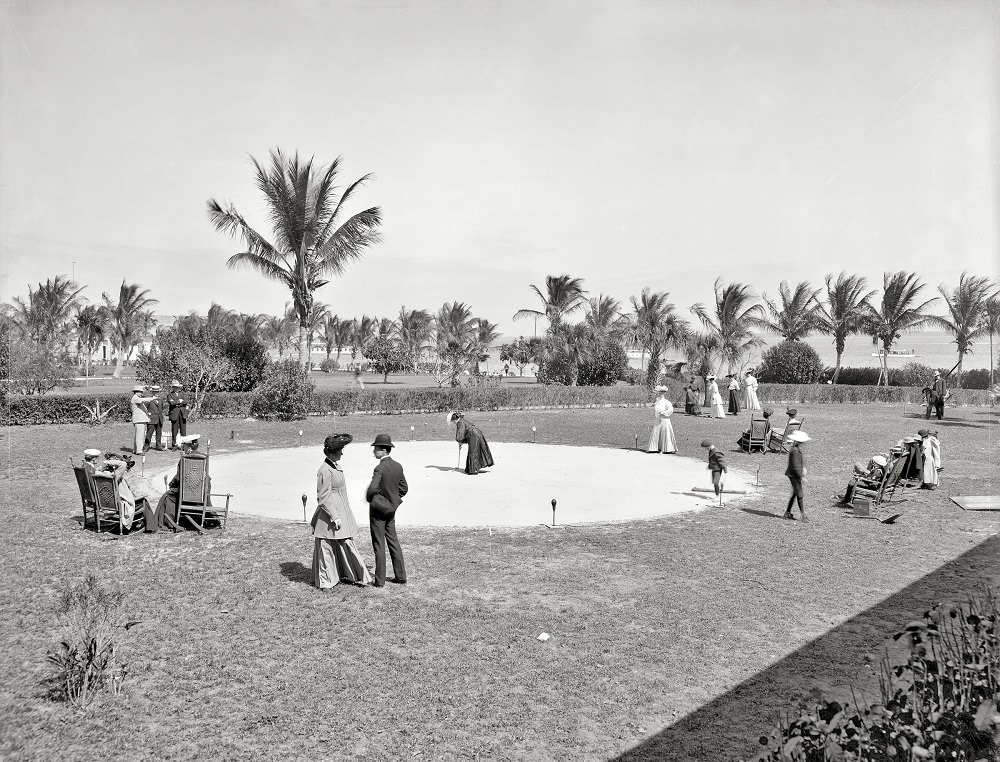
The Royal Palm Hotel was one of Miami’s earliest and most prestigious landmarks. Built by Henry Flagler, it stood at the mouth of the Miami River where it meets Biscayne Bay. The hotel attracted wealthy visitors from the Northeast who traveled south by rail. Photos from around 1901 and 1905 show guests playing clock golf on its manicured grounds — a glimpse into the leisure culture that was already taking shape in early Miami.
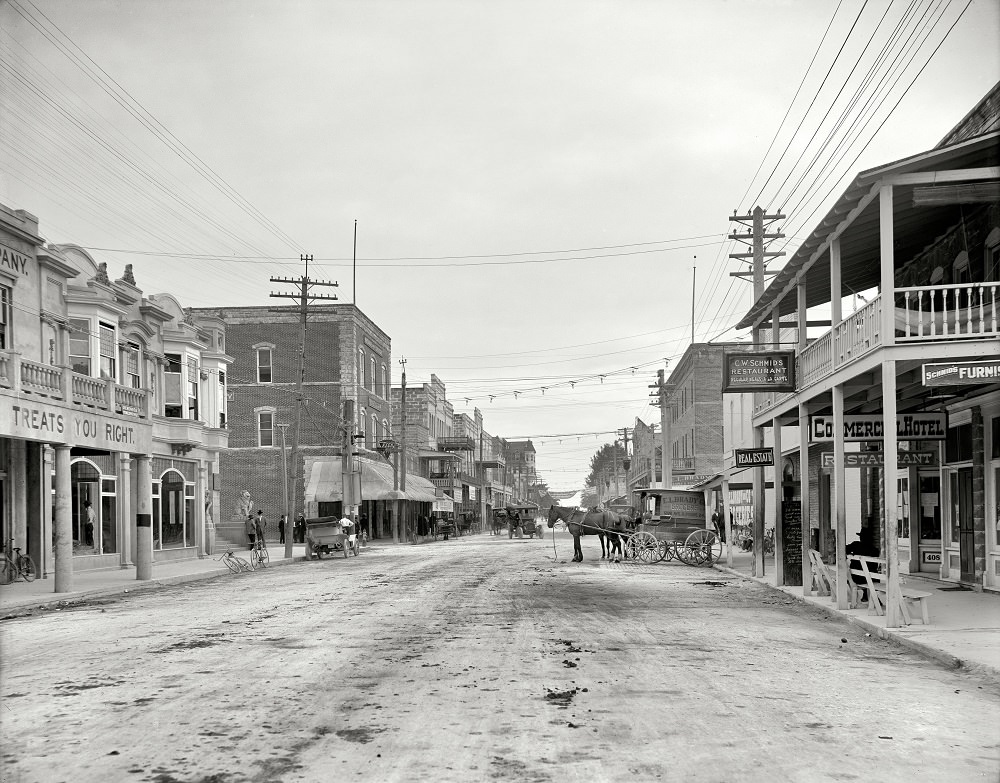
Downtown Miami’s streets in the early 1900s were lined with two-story storefronts and unpaved or newly paved roads. Avenue C, photographed in 1904, reflects the city’s brief experiment with lettered street names before the grid was reorganized. The Miami Club, captured in 1907, offers another window into the social fabric of the era.
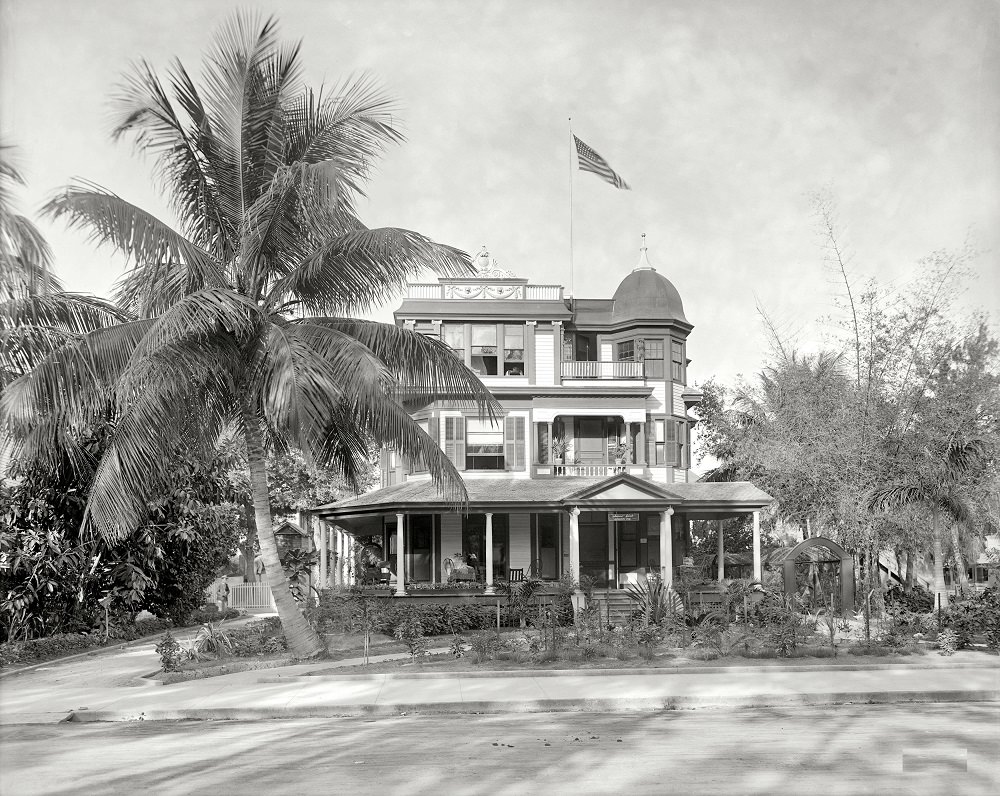
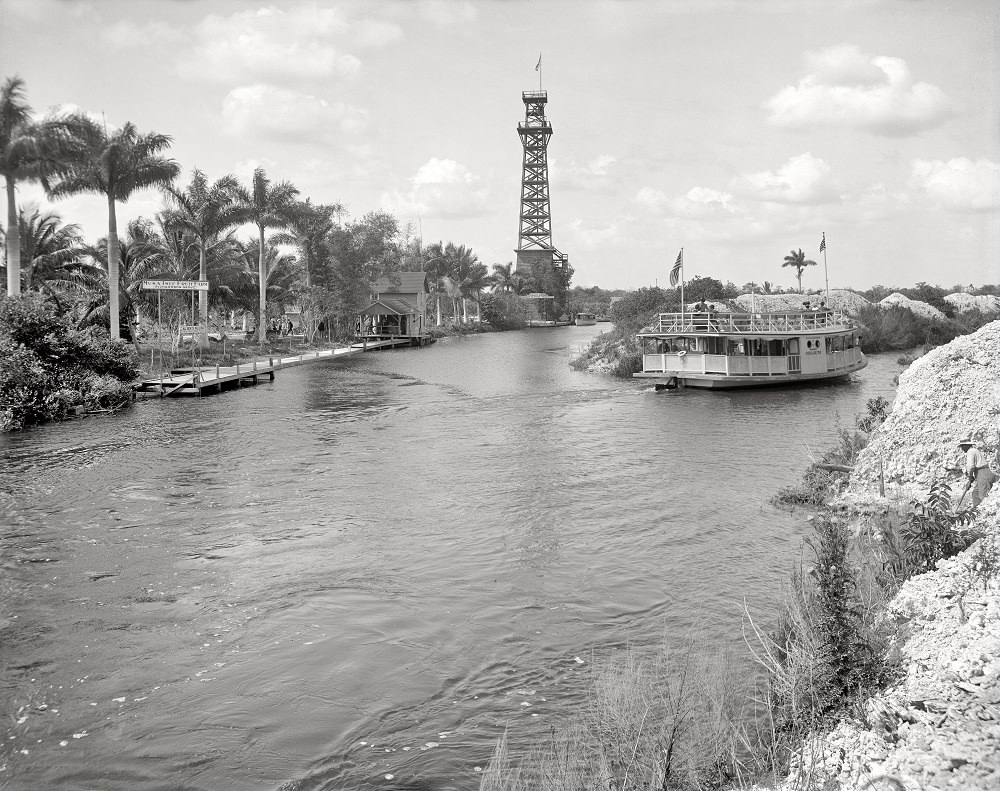
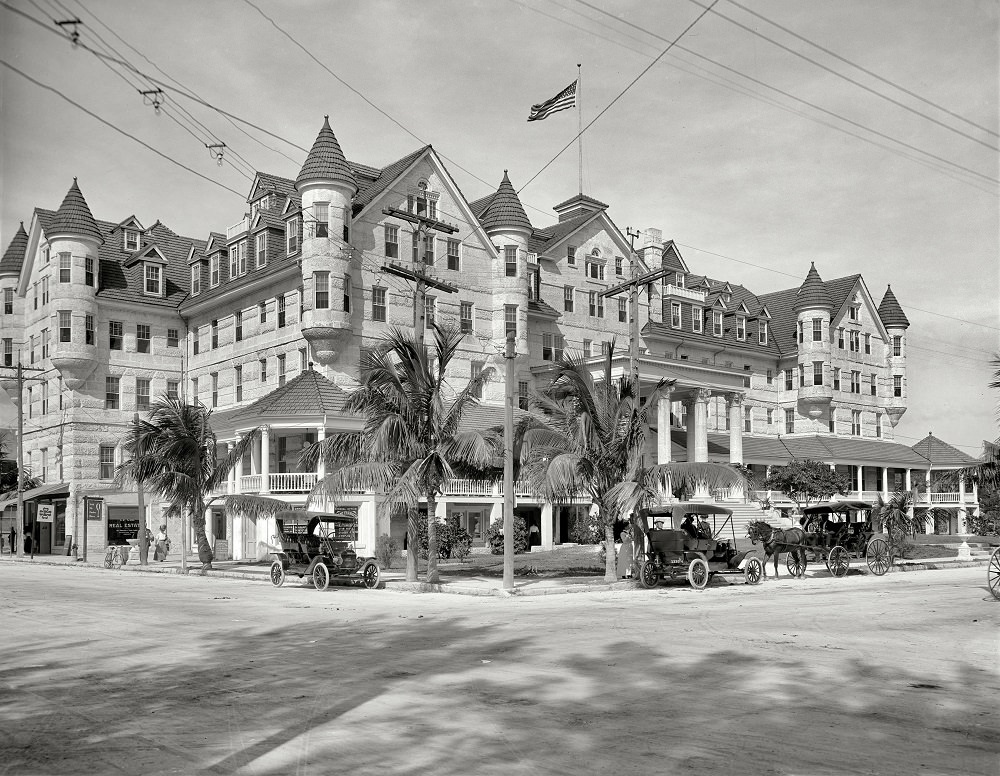
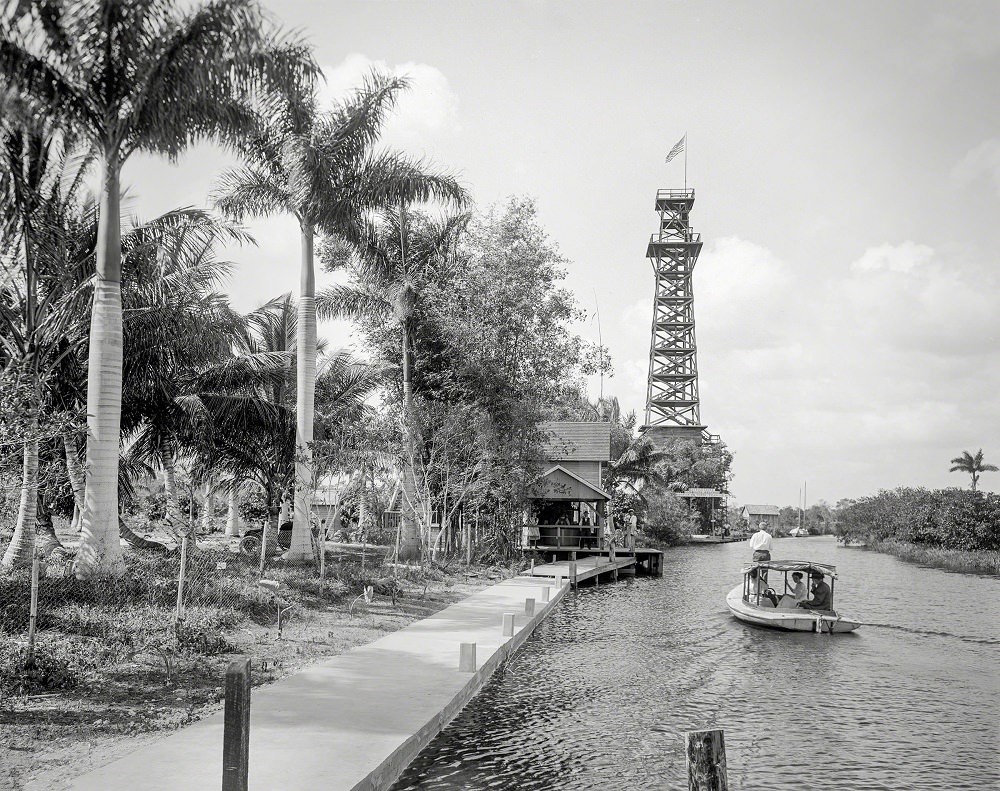
By 1910, Miami’s downtown was becoming more structured. The Halcyon Hotel on 12th Street and Avenue B was a prominent fixture, and photographs from 1910 and 1912 show the surrounding blocks filling in with commercial buildings. The Car’Dale Tower, photographed in 1912, marked the head of navigation on the Miami River — a key point in the city’s developing infrastructure.
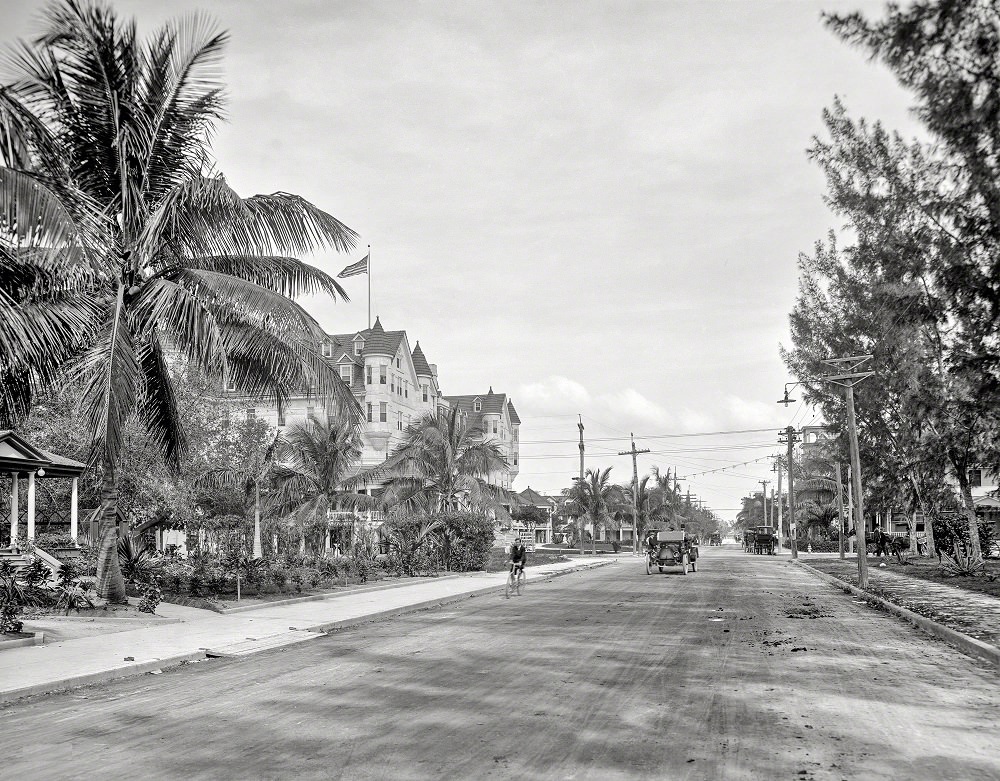
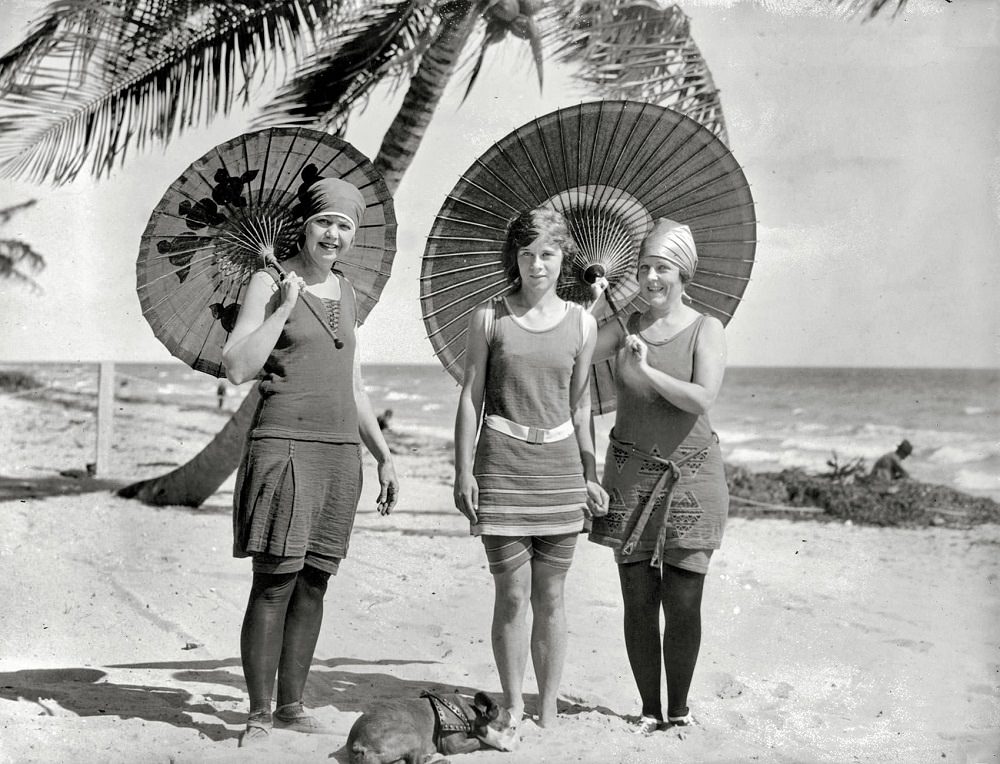
Miami Beach was developed starting in 1913 and quickly became one of the most sought-after destinations in America. Hotels, shops, nightclubs, and high-rise buildings went up at a fast pace. Authorities allowed gambling, which pulled in even more visitors. The population of greater Miami doubled between 1920 and 1923 alone. Photos from around 1923 show well-dressed residents enjoying the city’s prosperity.
Then came the setbacks. The Miami Hurricane of 1926 tore through the region, leaving between 25,000 and 50,000 people homeless. The booming real estate market collapsed. Before Miami could fully recover, the Great Depression arrived, throwing more than 16,000 residents out of work. The city that had grown so fast in the 1920s was now struggling to survive.
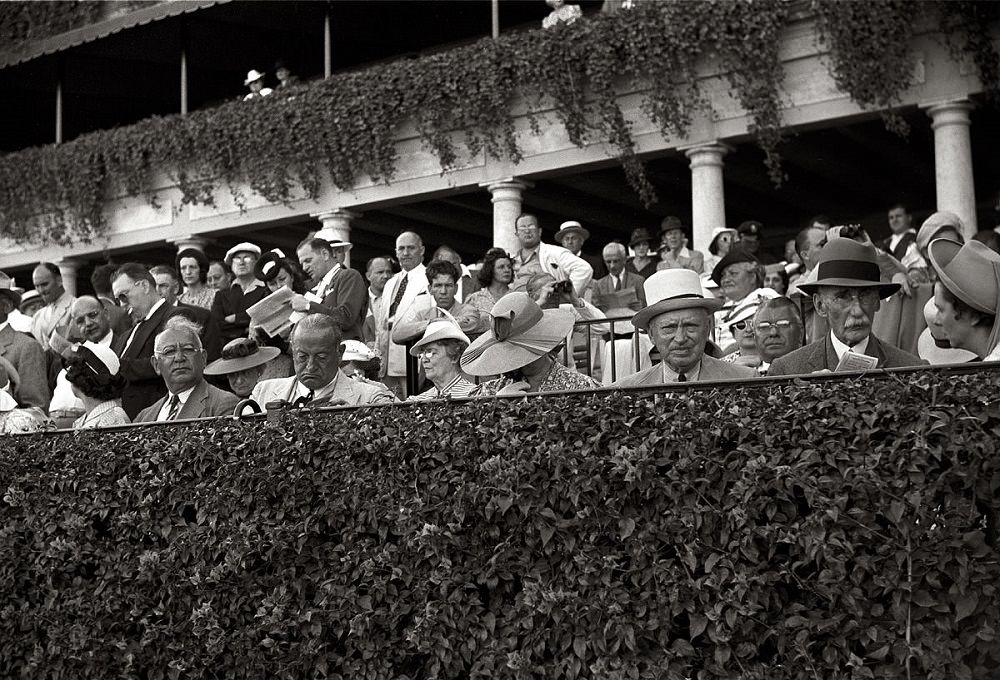
By the late 1930s, Miami Beach had rebuilt much of its glamour. The Raleigh Hotel on Collins Avenue, photographed in 1939 and 1941, was part of a wave of Art Deco construction that gave Miami Beach its distinctive look. Horse racing at Hialeah Park, captured in February 1939, drew large crowds and reflected the city’s renewed appetite for entertainment.
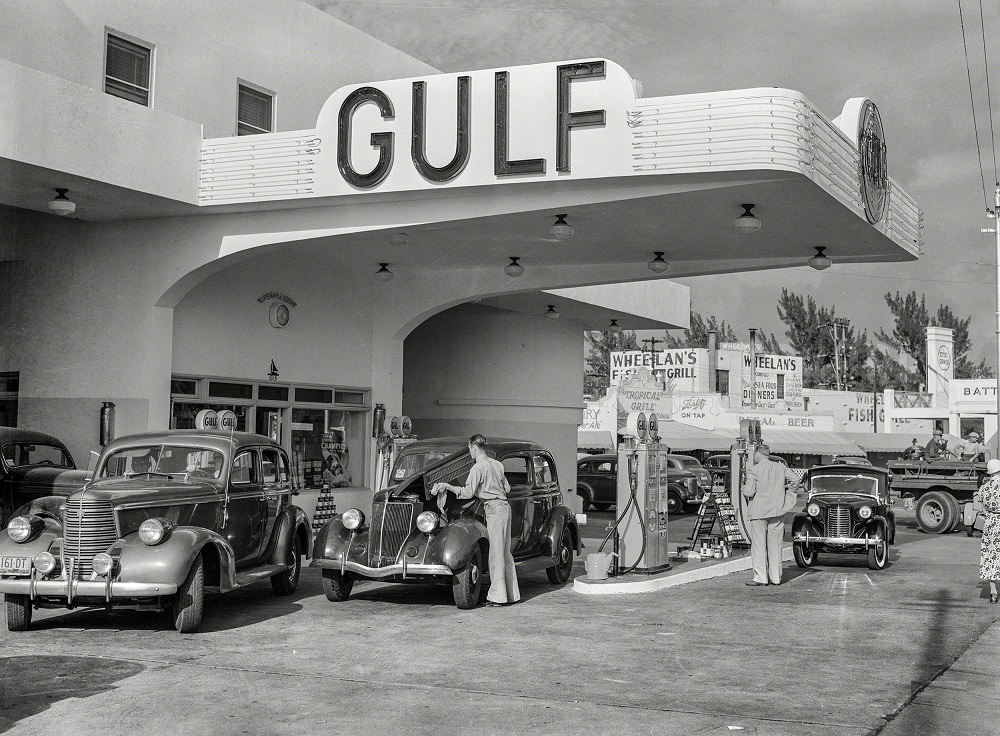
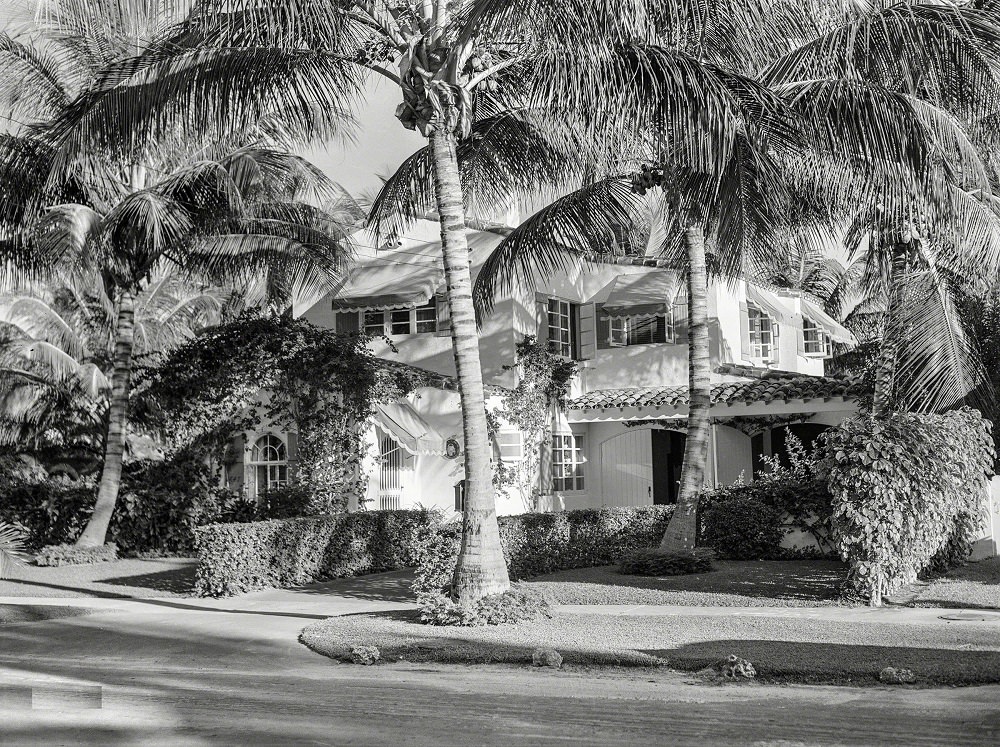
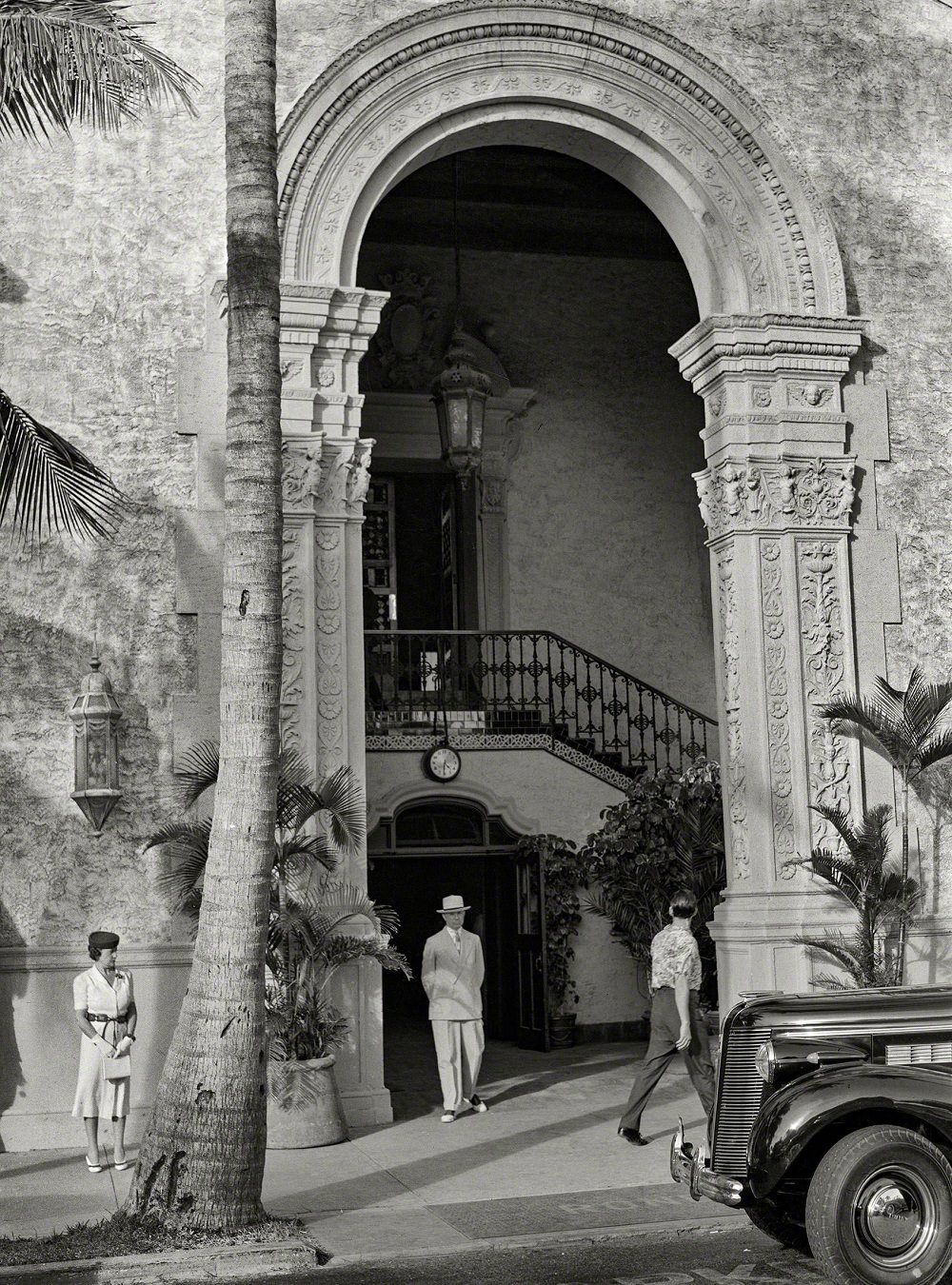
When World War II began in the early 1940s, Miami’s recovery was once again interrupted — but this time the city played an active military role. The U.S. Navy took control of Miami’s docks, and the Air Force established bases at local airports. Despite the wartime atmosphere, civilian life continued. A January 1941 photograph shows an apartment hotel along the Miami River, and images from Flagler Street in 1942 document everyday commercial activity.
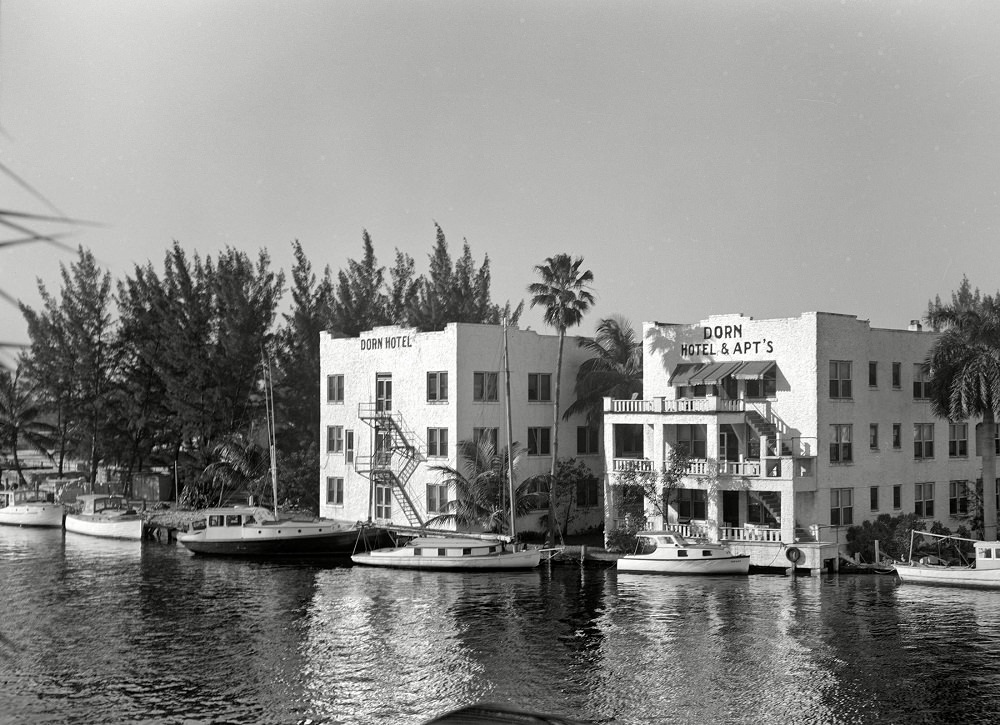
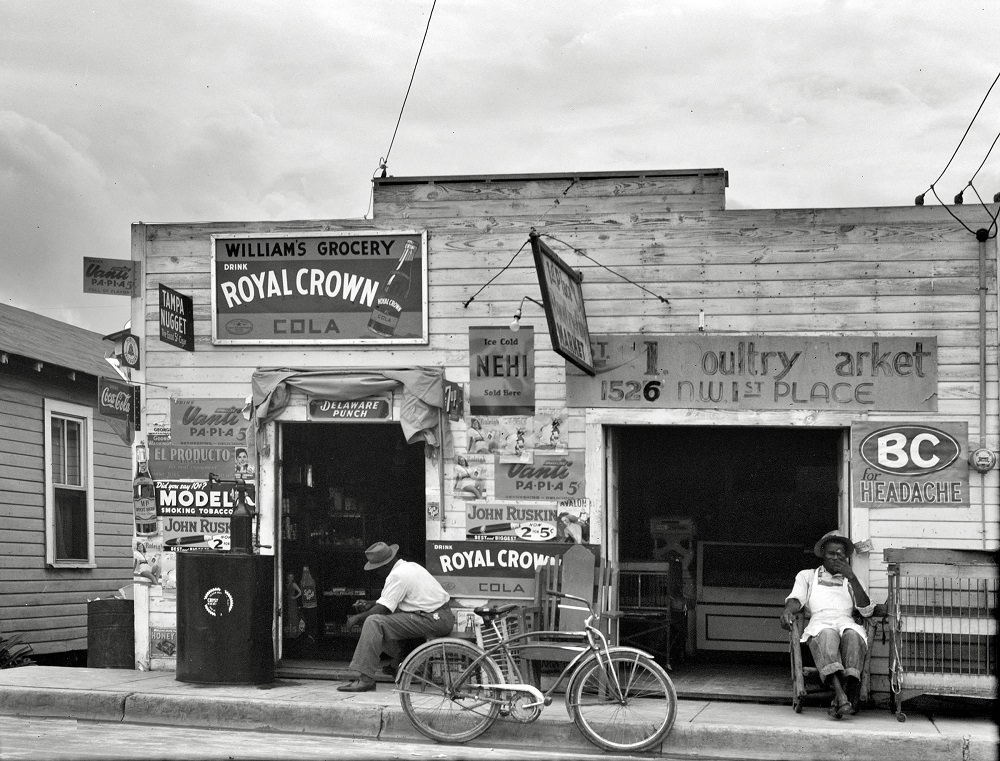
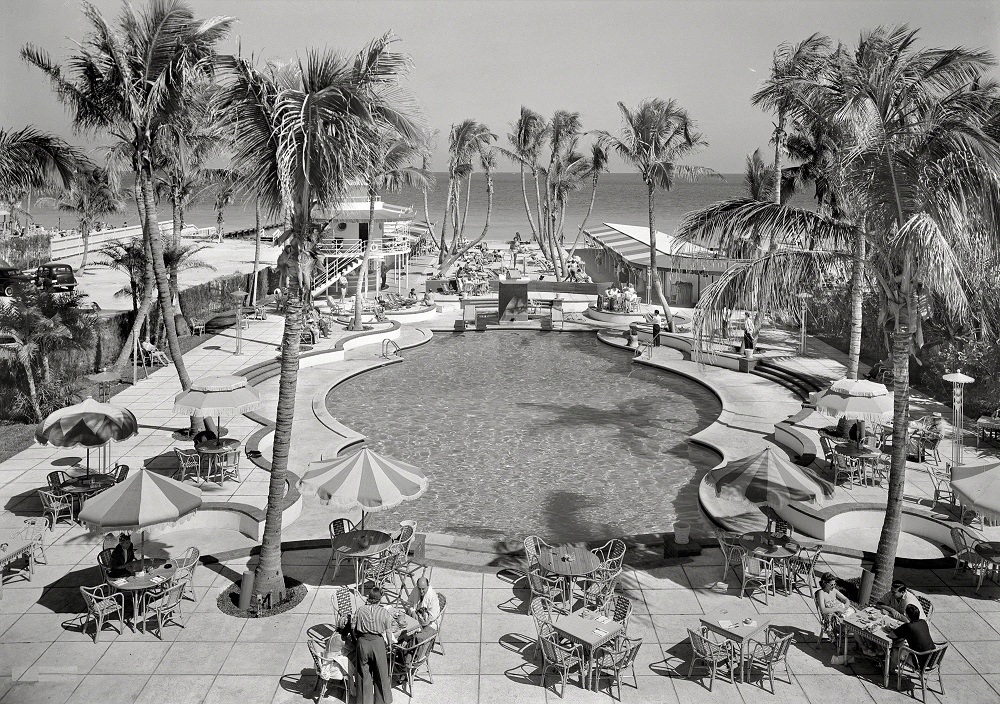
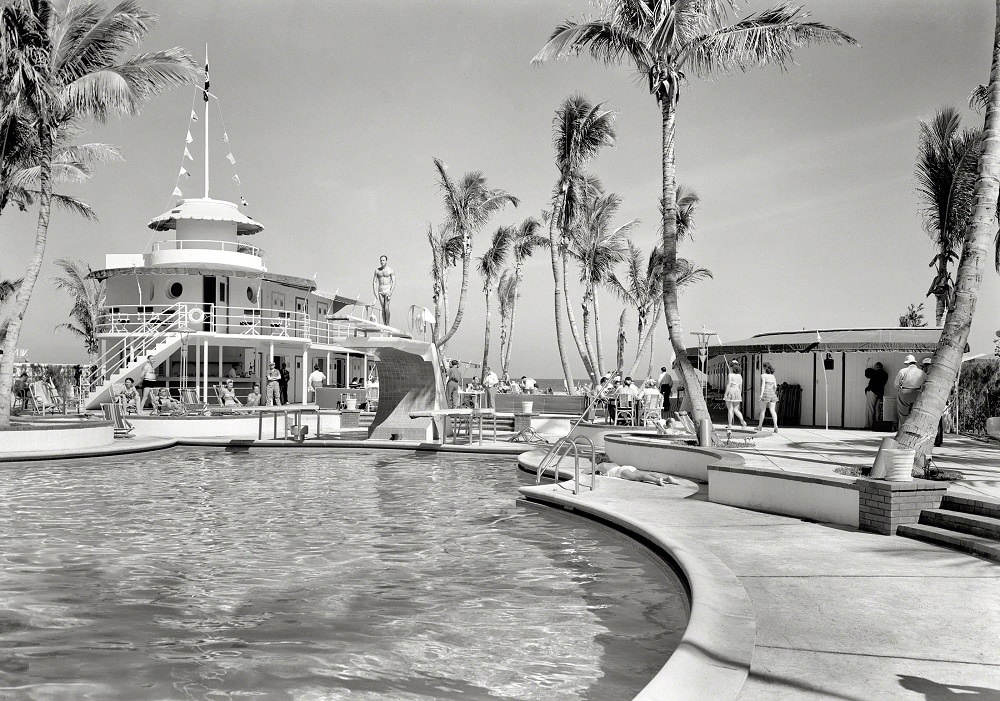
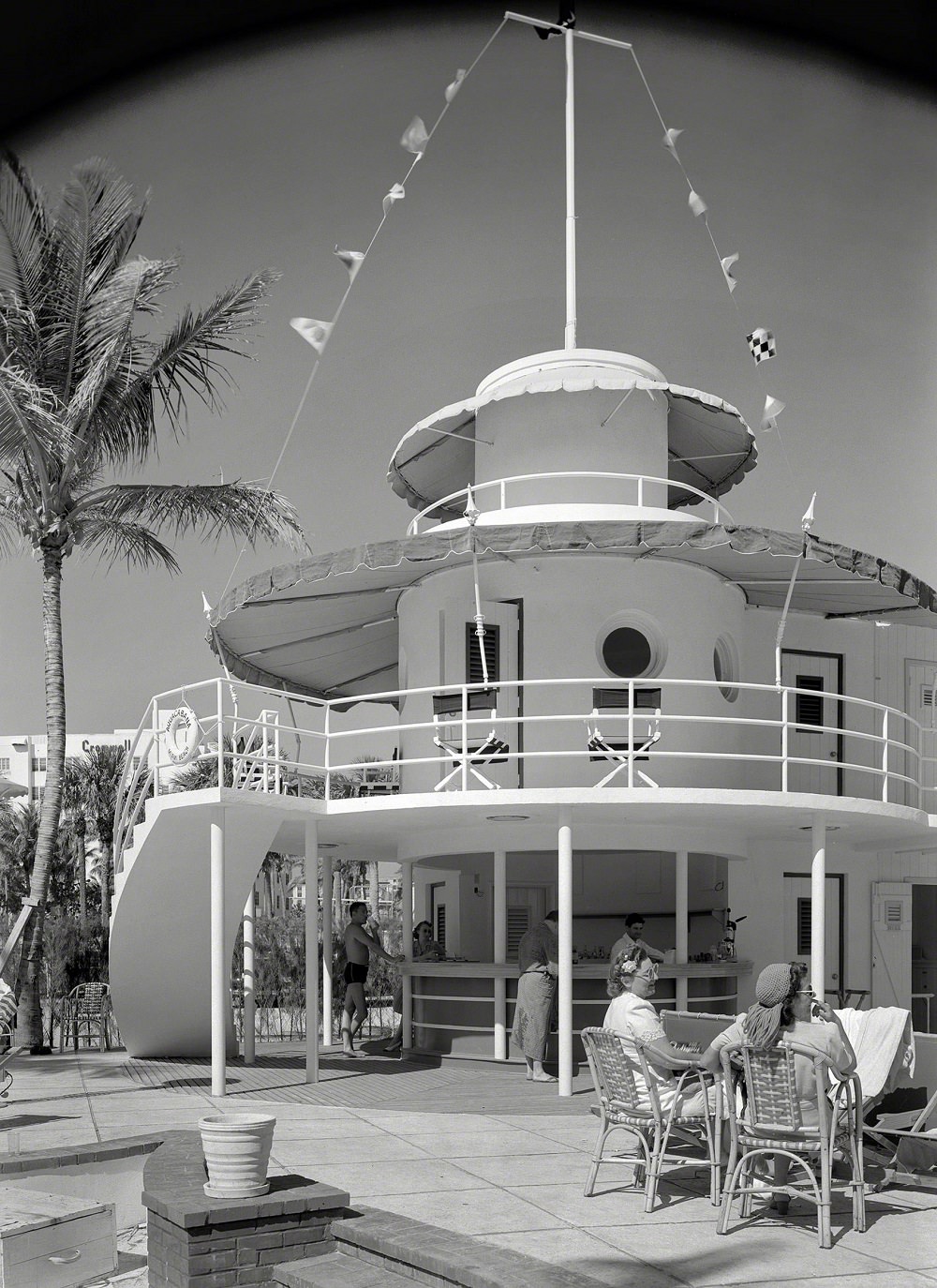
The postwar years brought a new wave of development to Miami Beach. The Fontainebleau Hotel, which opened on Collins Avenue in the mid-1950s, became the crown jewel of Miami Beach luxury. Photographs from March and throughout 1955 show its sweeping architecture, rooftop pool, and cabana gardens — a bold statement that Miami had fully arrived as a premier destination.
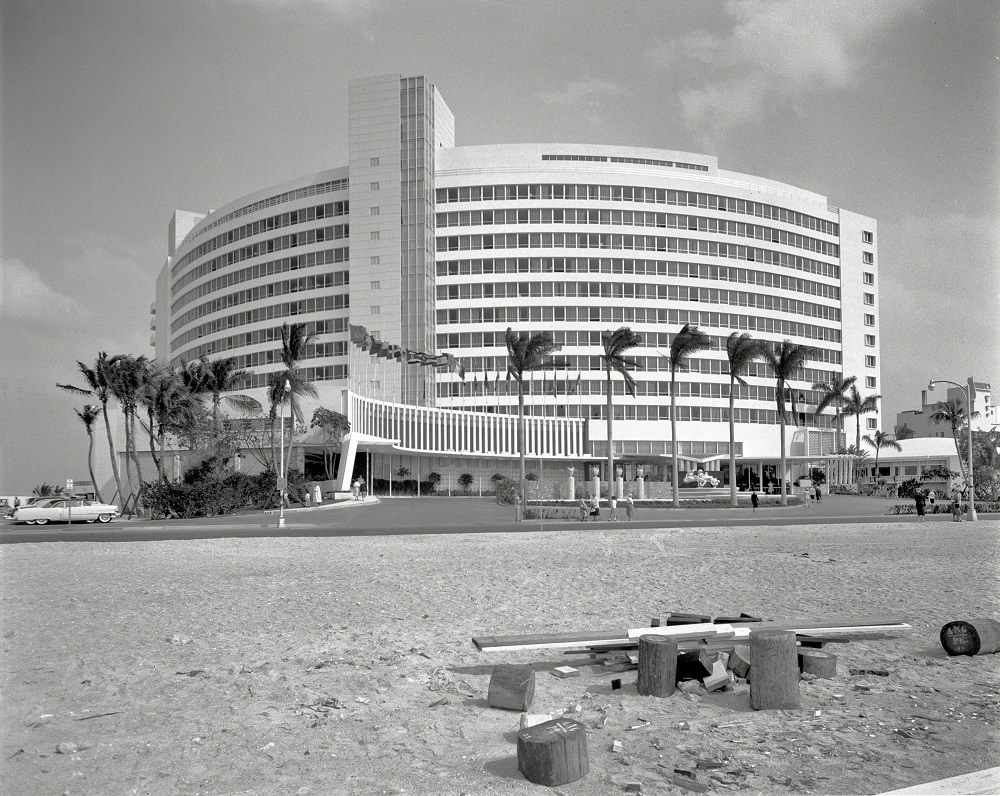
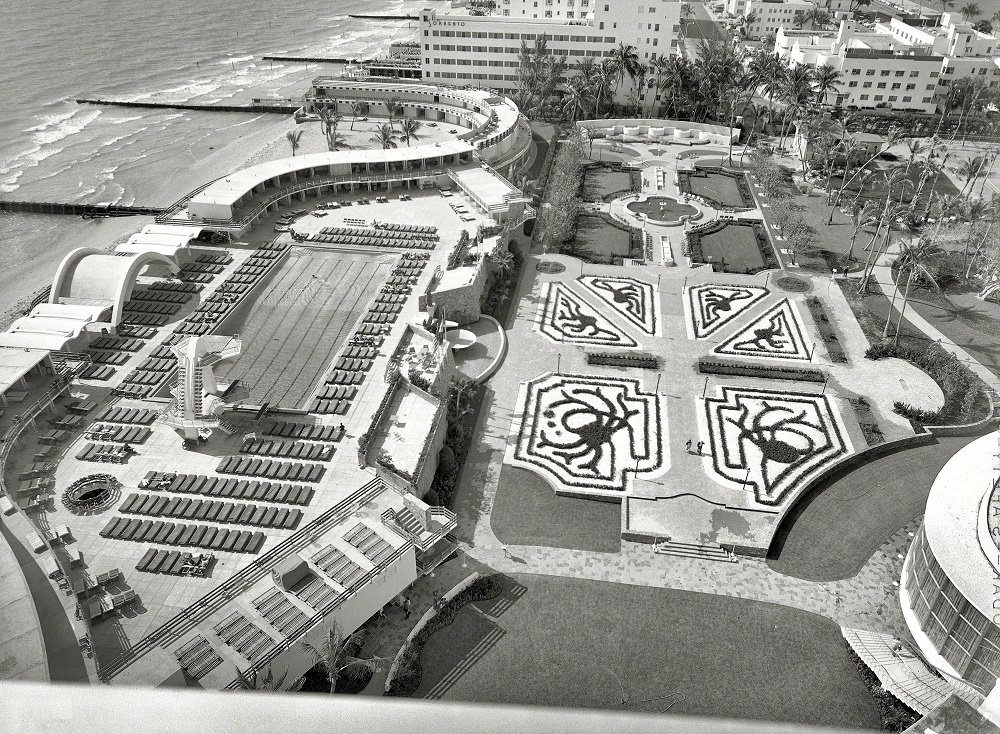
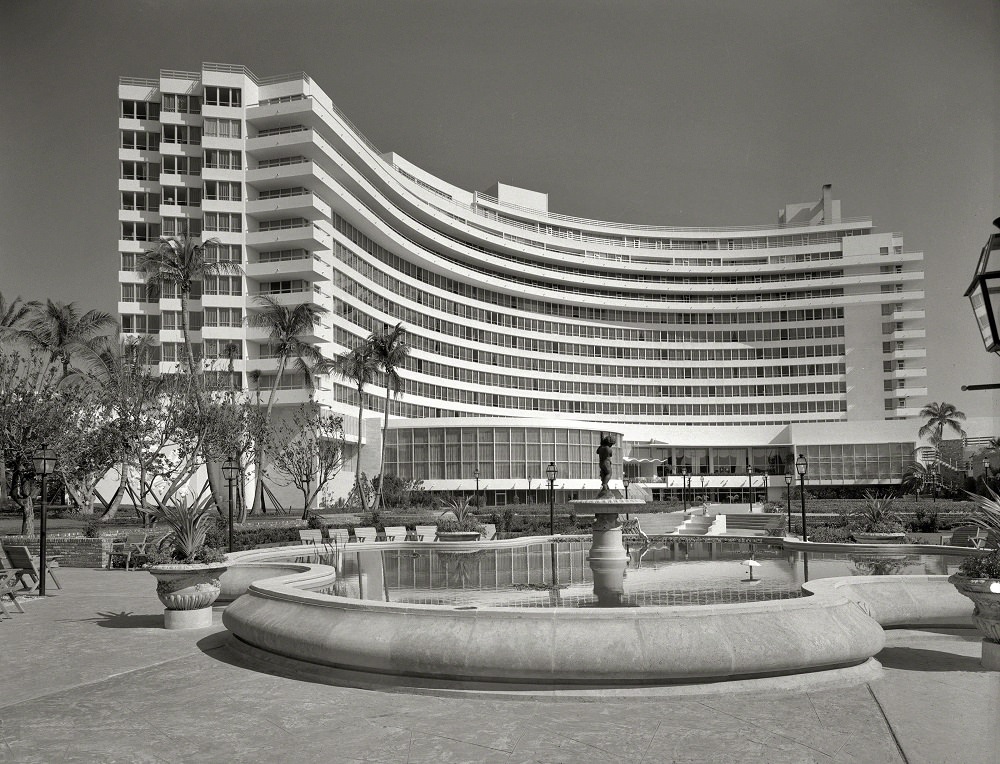
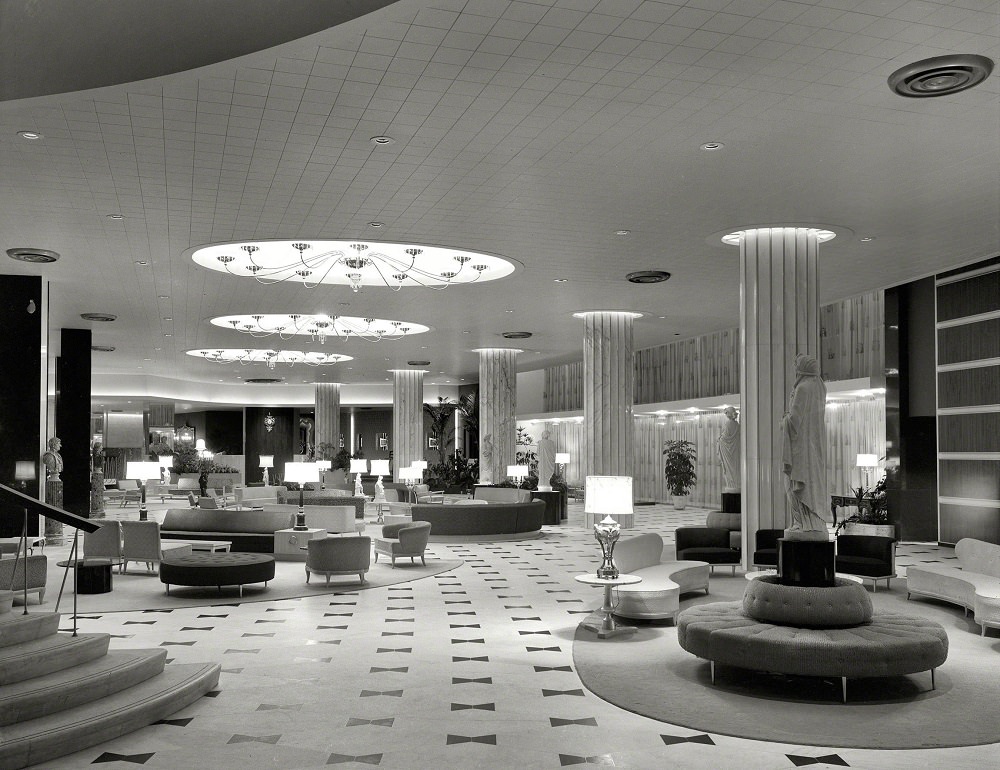
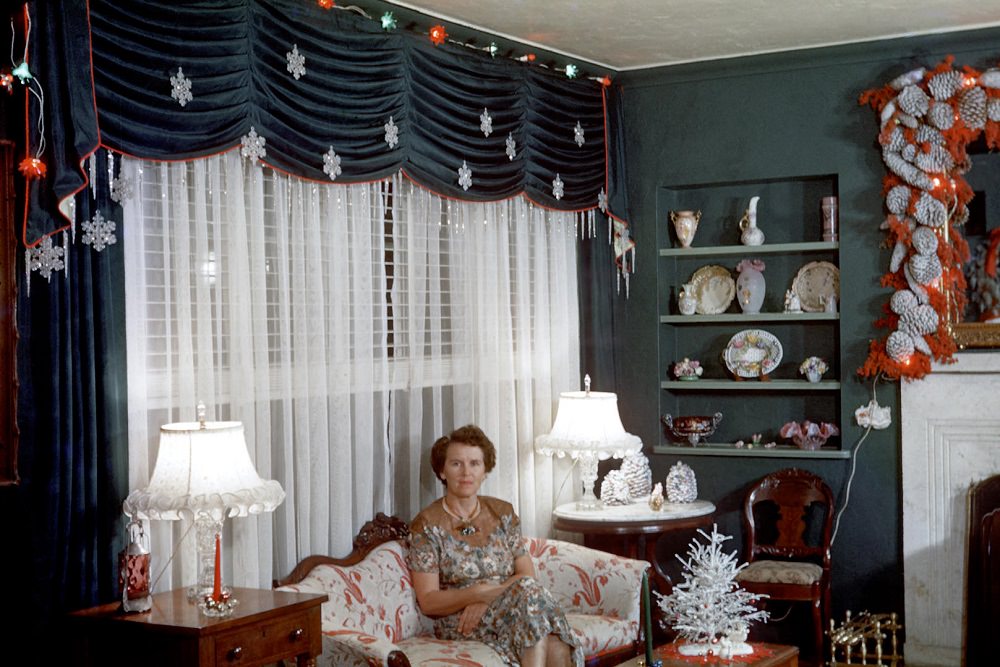
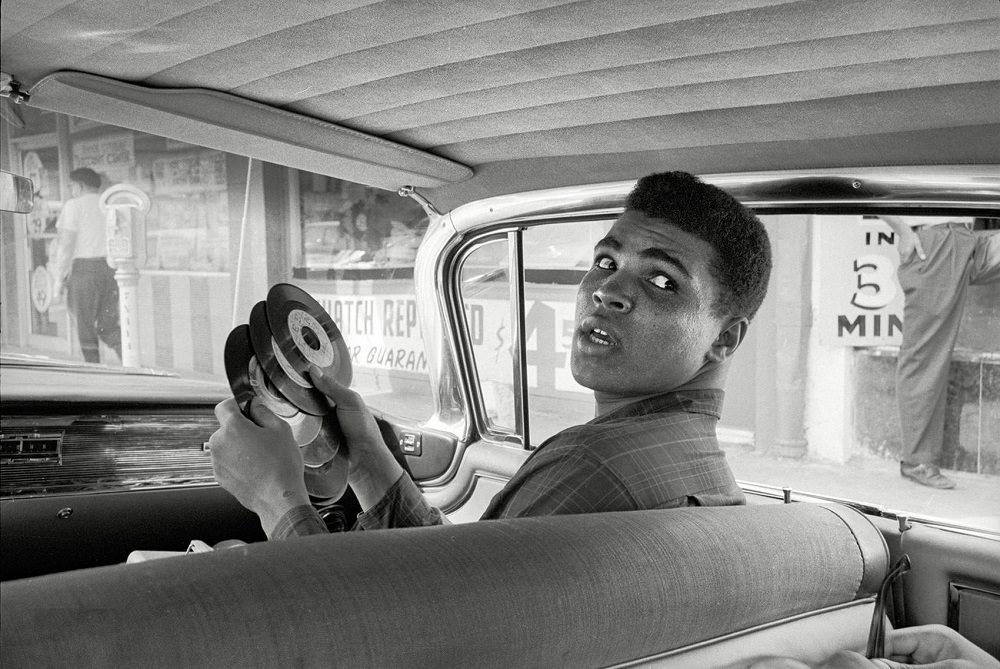
The 1950s and 1960s brought new faces and new energy to the city. A 1954 Christmas photograph shows a Miami woman in her living room — a quiet, domestic image that stands in contrast to the grand hotels and busy boulevards. In 1960, a young Muhammad Ali was photographed in his Cadillac in Miami, where he trained at the Fifth Street Gym before his championship fights.
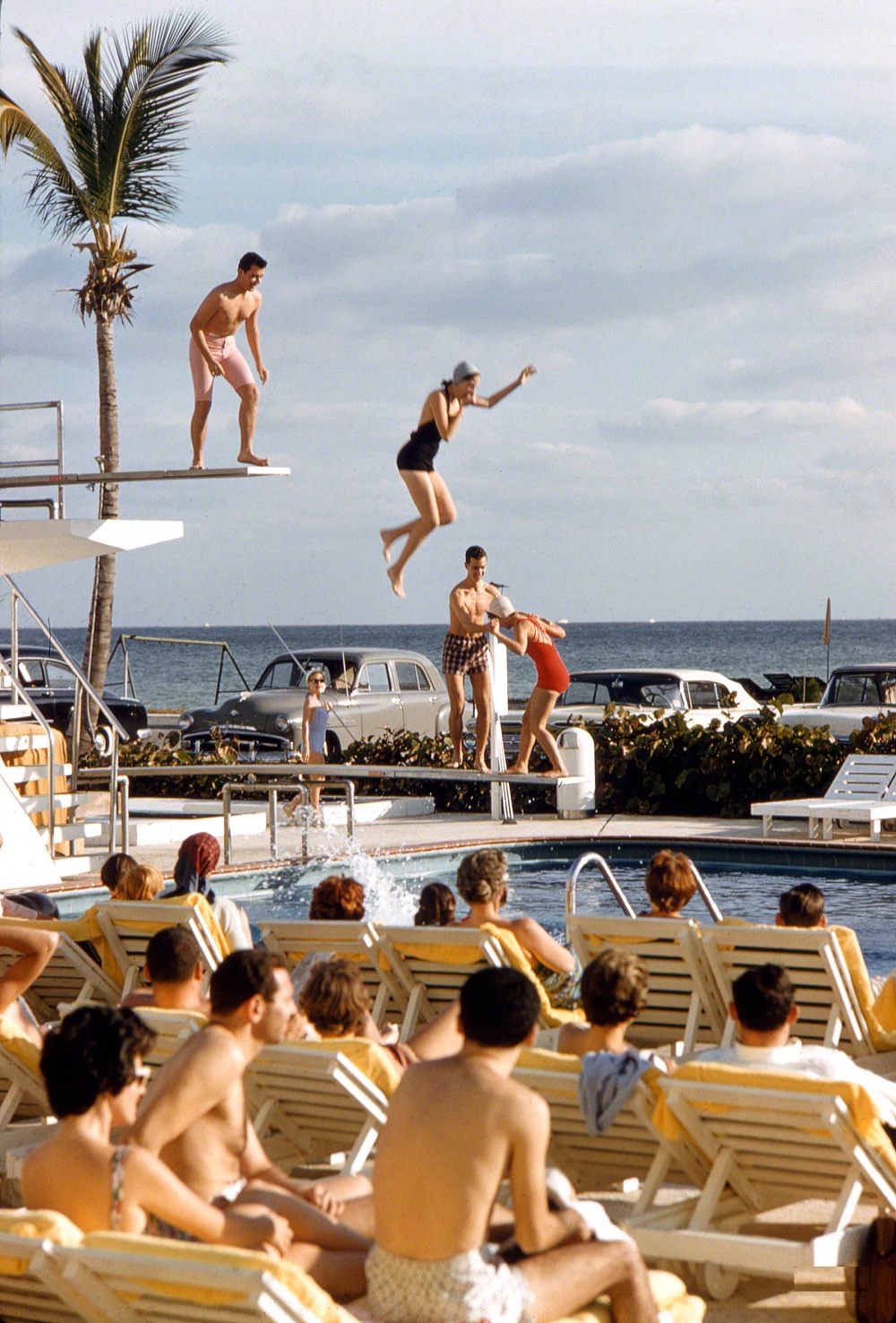
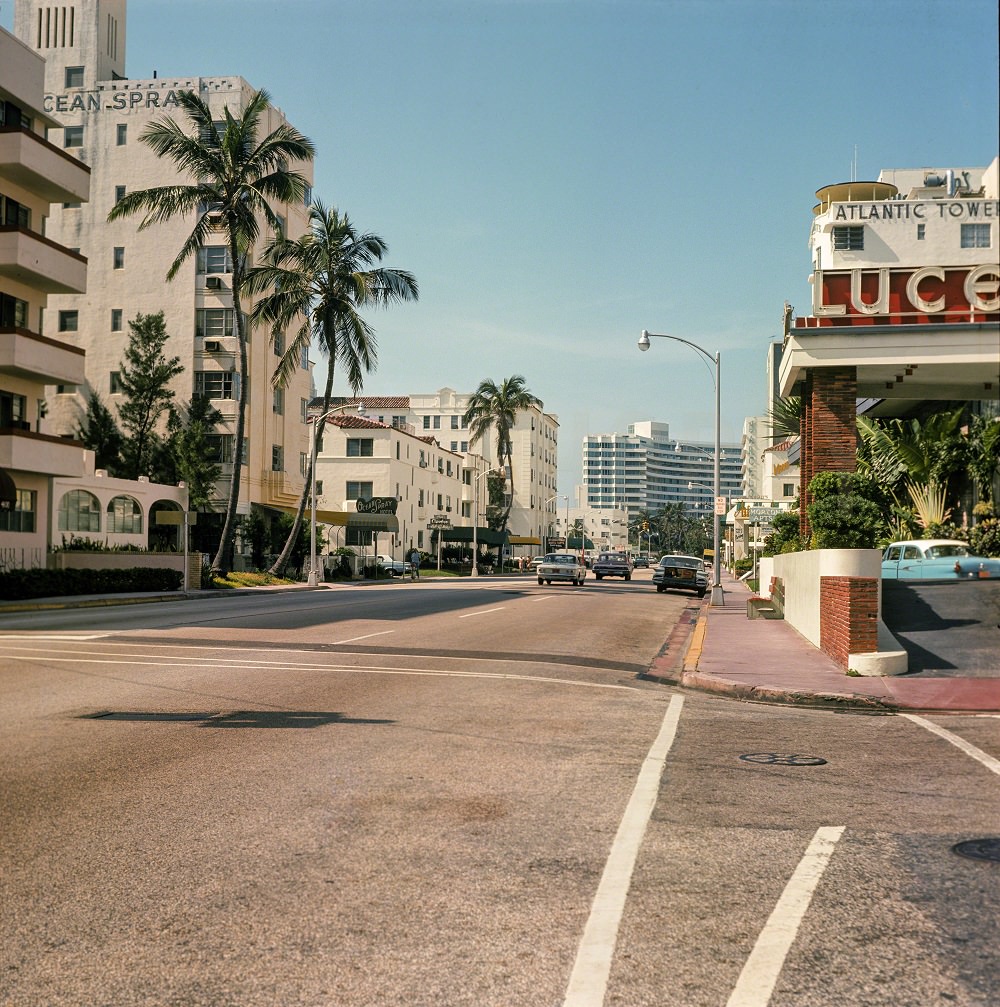
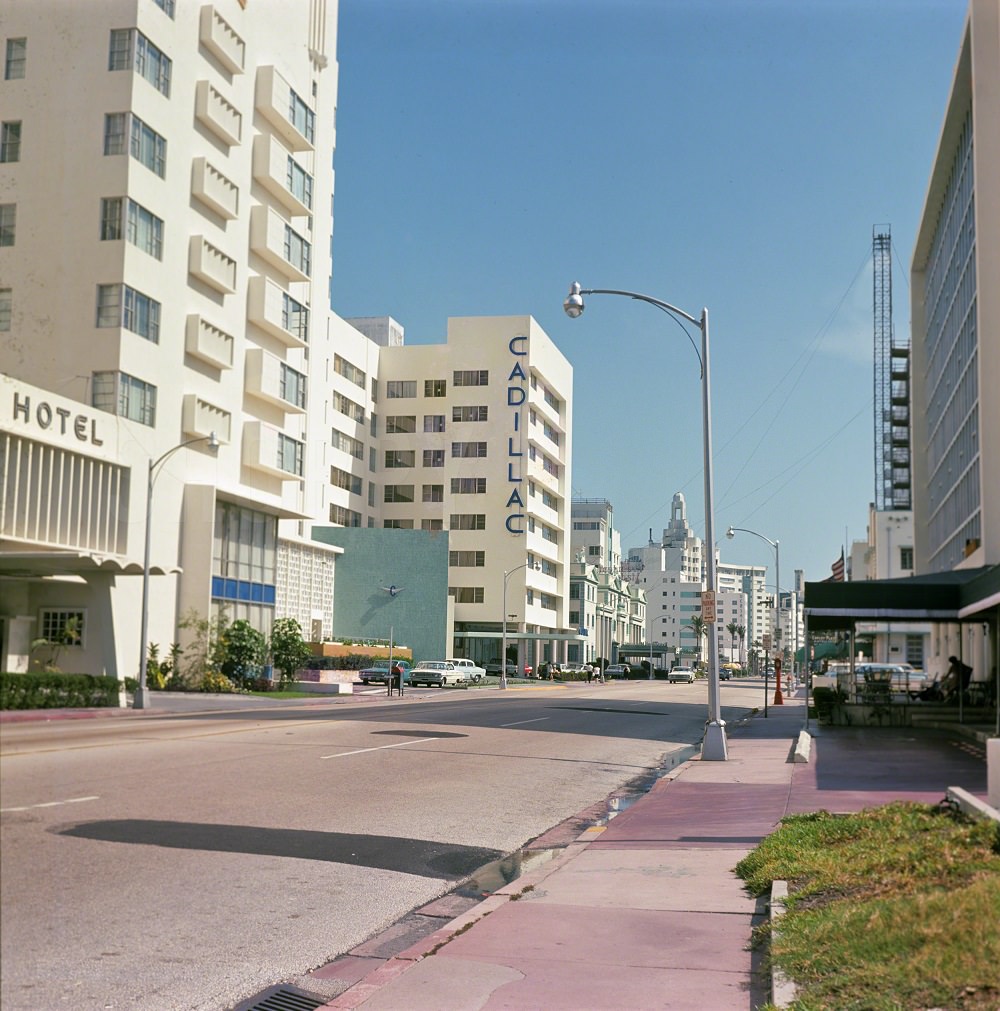
By 1964, Collins Avenue had transformed into a corridor of modern hotels and tourist shops. Photos from that year show a busy, sun-drenched strip that bore little resemblance to the quiet shoreline seen in photographs from 1905. Indian Creek and the surrounding waterways still offered glimpses of natural beauty, but Miami Beach had become a fully built-out resort destination.





It was a different time, man. Now it’s all wannabe rappers and trust fund bros in Lambos, Ninja bikes bouncing off redlines, and women with sharp nails and neon green like Seattle Seahawks players.
Sick. Broward was still a swamp.
Until the advent of air conditioning, Florida was largely swampy.
I have a few pictures, but I’m interested in acquiring some of the ones I don’t already have.
Great post! Thank you for sharing it. I had the opportunity to visit Tampa recently and was amazed by their success in preserving historical architecture while simultaneously integrating modern buildings. It’s quite remarkable that a smaller city like Tampa has accomplished this, and it reminds me of how Chicago has preserved and developed its architecture over time. It’s unfortunate that more cities haven’t taken similar steps to protect their architectural heritage.
It’s amazing to see how the city has evolved over time, from its early days as a small, seaside town to the vibrant, multicultural hub it is today. I particularly love the images of the city’s iconic Art Deco architecture, which still stands as a testament to Miami’s unique identity and spirit.
Wow, these historic photos of Miami are a true blast from the past! It’s fascinating to see how the city looked and felt in the mid-1900s, with its mix of old-world charm and modern amenities. From the bustling downtown streets to the sun-soaked beaches, these photos offer a glimpse into a bygone era that’s hard to imagine today.
Coconut threes on the beach! Awesome sight
So glamorous! Sad husk of what it once was
Coconut threes on the beach! Awesome sight!
So glamorous! Sad husk of what it once was 😢
Man if they didn’t salvage some of these buildings for historical purposes, there’s no chance anything left is sacred. Everything up for grabs for developers
Hurricanes destroyed a lot of historic buildings.
Especially the big one in 1925/1929 I forget which year it was. That one leveled half the city.
Will you pay for the upkeep?
I have some postcards I bought at Books and Books a few years ago that are from this time period but include images of Seminoles and African Americans. If there is interest I can scan them and figure out how to post em.
Please do, that sounds fascinating
Wild shot in the dark but do you go to FIU? You remind me of someone I know
Scared to say lol. In what way do I remind you?
Just your comment alone instantly made me think of the person, like it took no effort kinda thing
Why would it have taken effort? lol
I just added that at the end, idk why I said that
I’m gonna be 100% honest, if you’re the person i’m thinking about, i had a huge crush on you
Yes, that would be so cool thank you! I think I’ve seen those in some books about Miami’s history! 🙂 they’re super cool and honestly surreal sometimes to see how much everything has developed and how different it was back then. I can try to see if I can post them too one day :)!
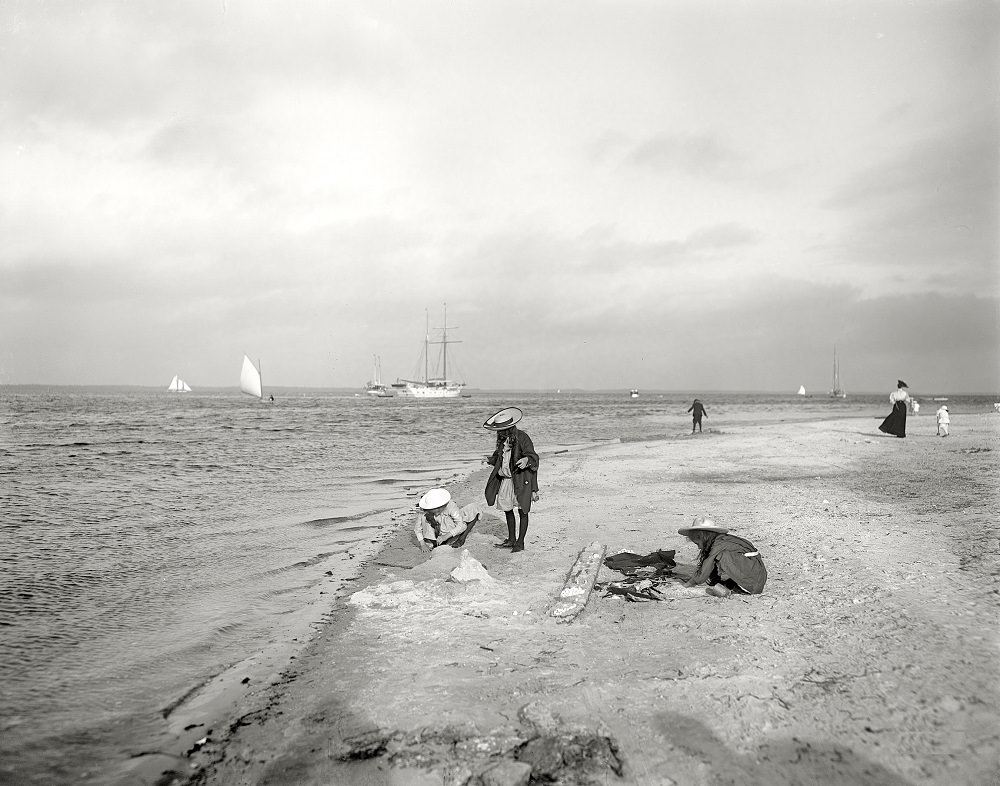
I cannot imagine going to the beach in oxfords with socks on, then proceeding to kneel to make a sand castle.
At that point you’re just a masochist whose pain of choice is sand in your freshly ruined shoes.
I love photos series like these but I always get depressed. It was so segregated it takes the luster out of the photos.
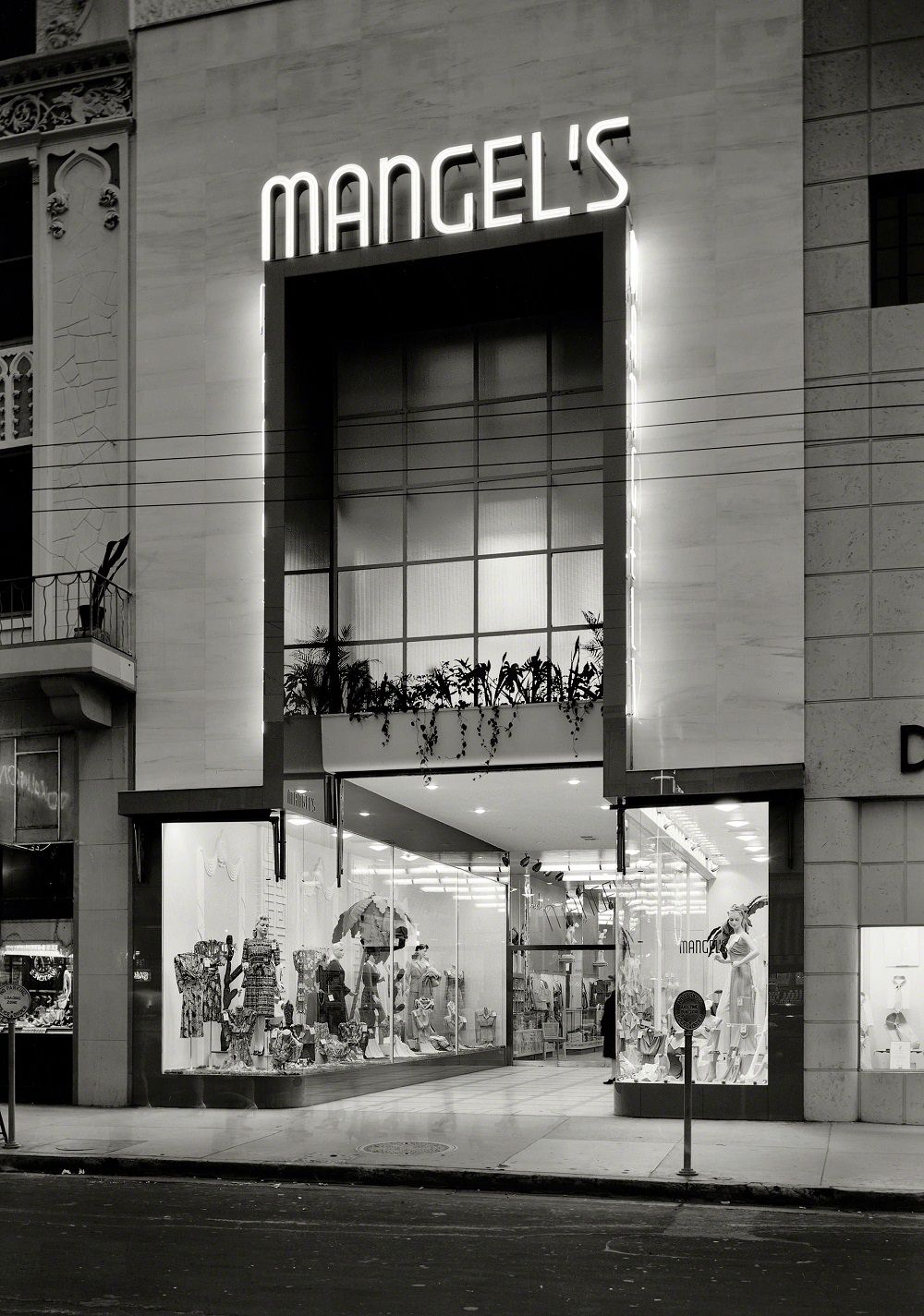
that mangels building might still be up but that area is pretty run down at this point
Don’t forget most if not all Latinos living in or visiting Miami during that time were plantation owners…
“Latinos”
These are great! Thank you for sharing. Also… Did they used to spell “coconut” differently?
I miss Hialeah Park. But at least the racing heyday lasted long enough for me to experience it.