In 1950, a couple set off on a vacation that took them to two of the most exciting destinations in the Western Hemisphere — Miami, Florida and Havana, Cuba. Both cities were at their peak, drawing tourists with glamour, warm weather, and a buzzing social scene. These photographs capture their journey in vivid detail.
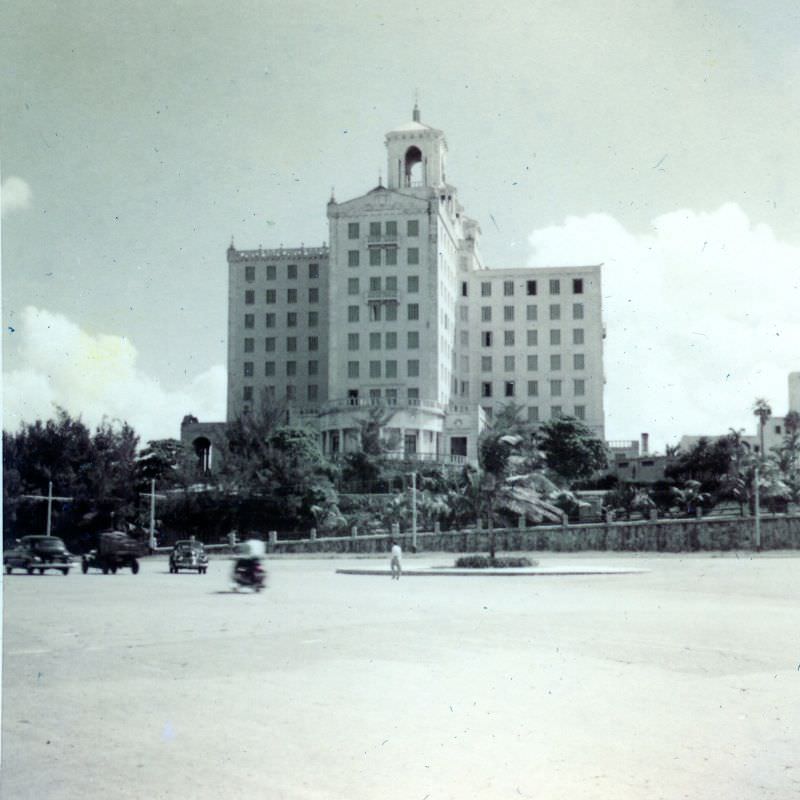
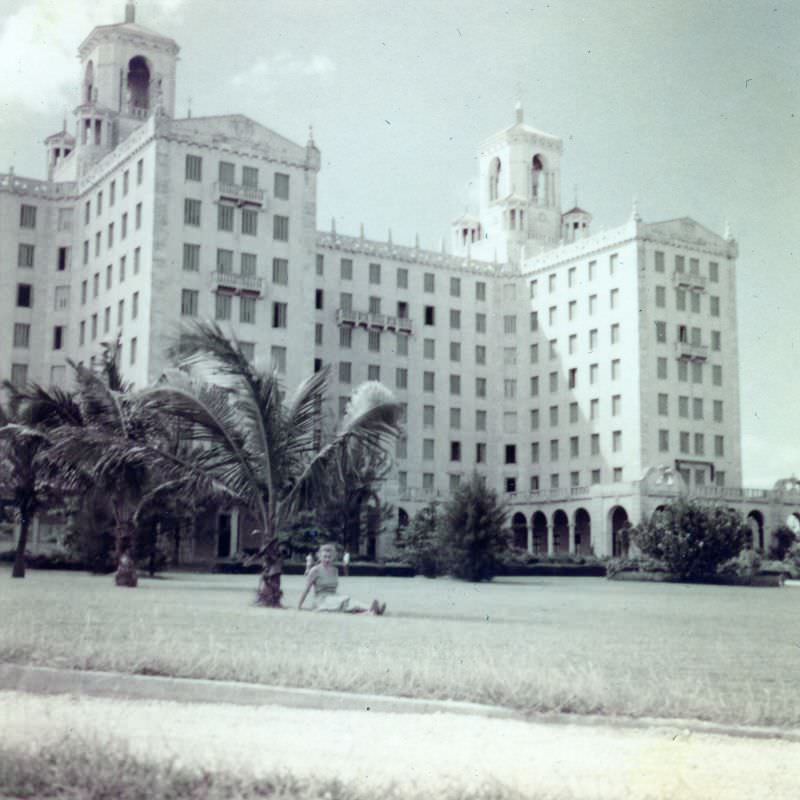
Their stay in Havana centered on the Hotel Nacional de Cuba, a grand landmark perched above the Malecón waterfront. The hotel had already welcomed heads of state, Hollywood stars, and famous musicians by the time the couple arrived. From their room, they looked out over the sparkling Caribbean Sea.
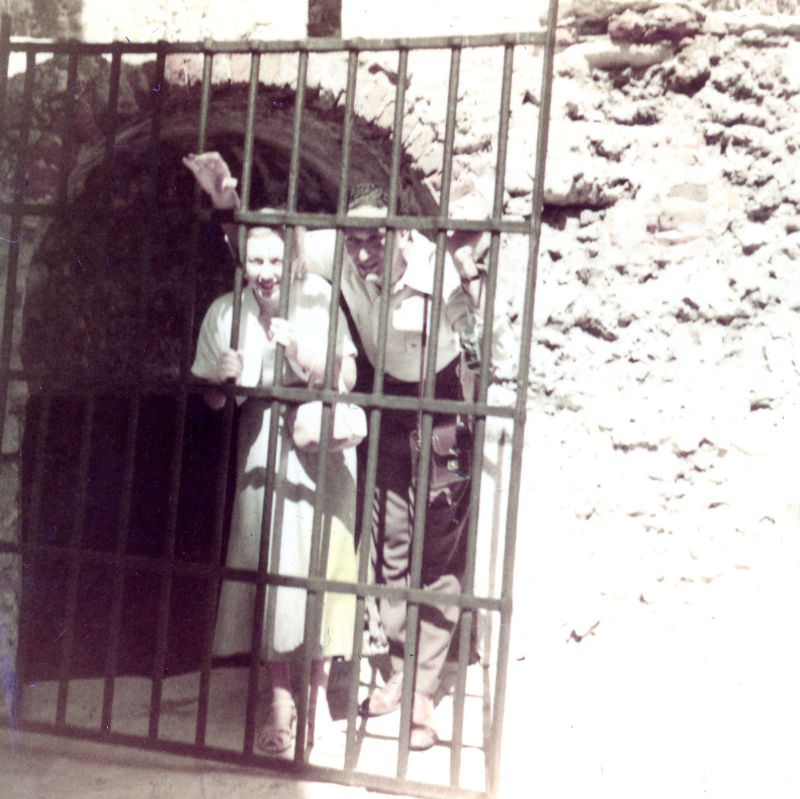
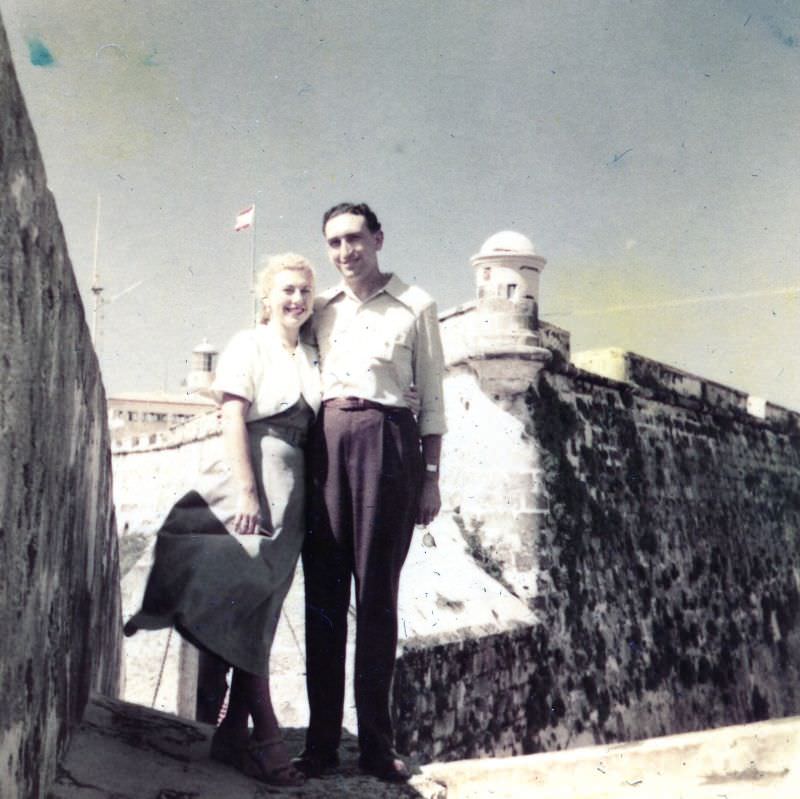
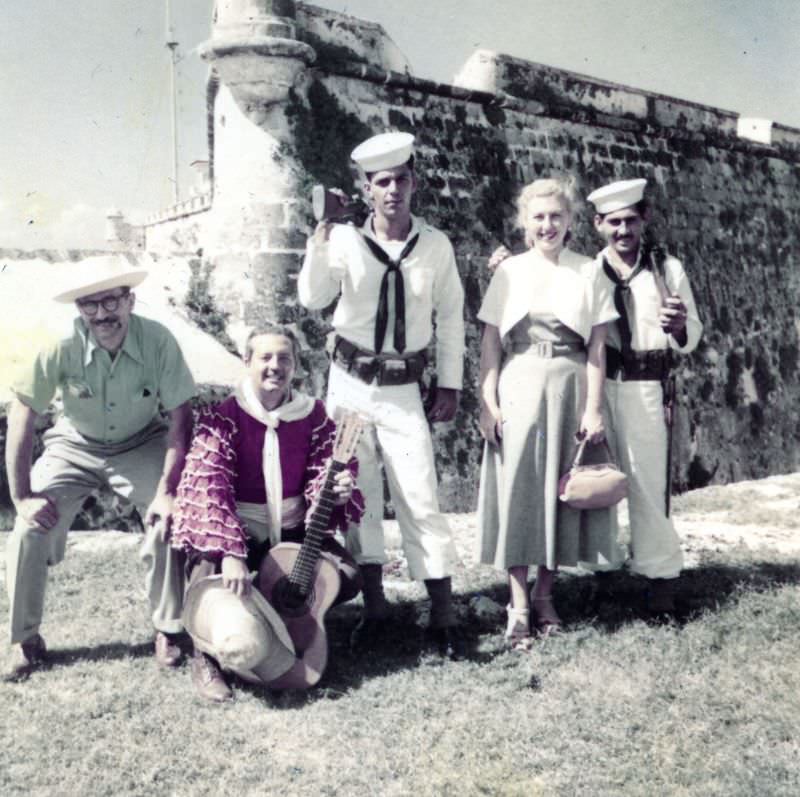
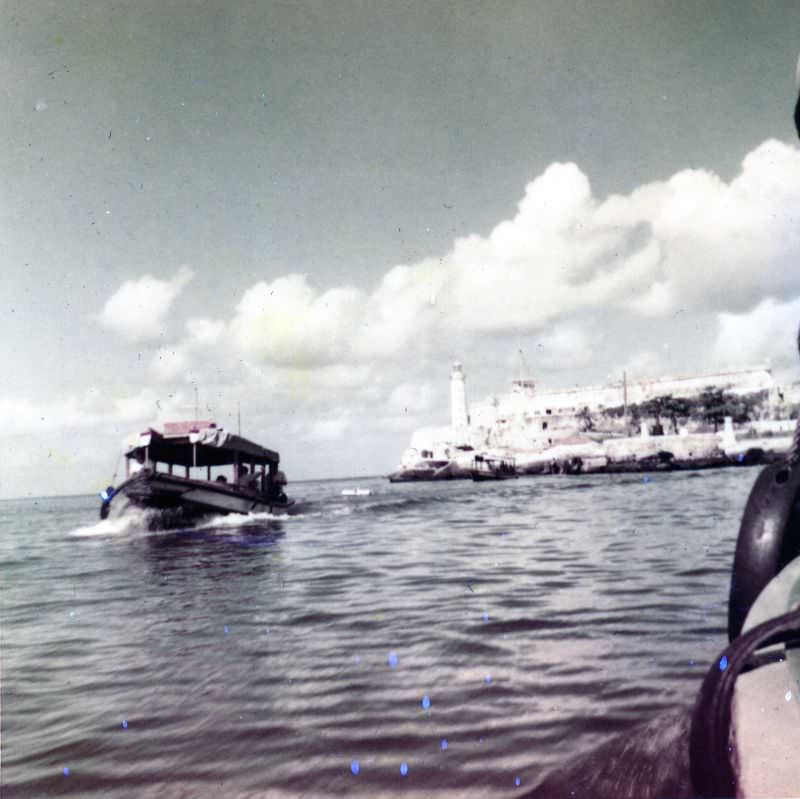
No trip to Havana was complete without a visit to Morro Castle, the 16th-century fortress standing guard at the entrance to Havana Harbor. Built by the Spanish to protect the city from pirates and naval attacks, the castle was one of Havana’s most recognized landmarks by the 1950s.
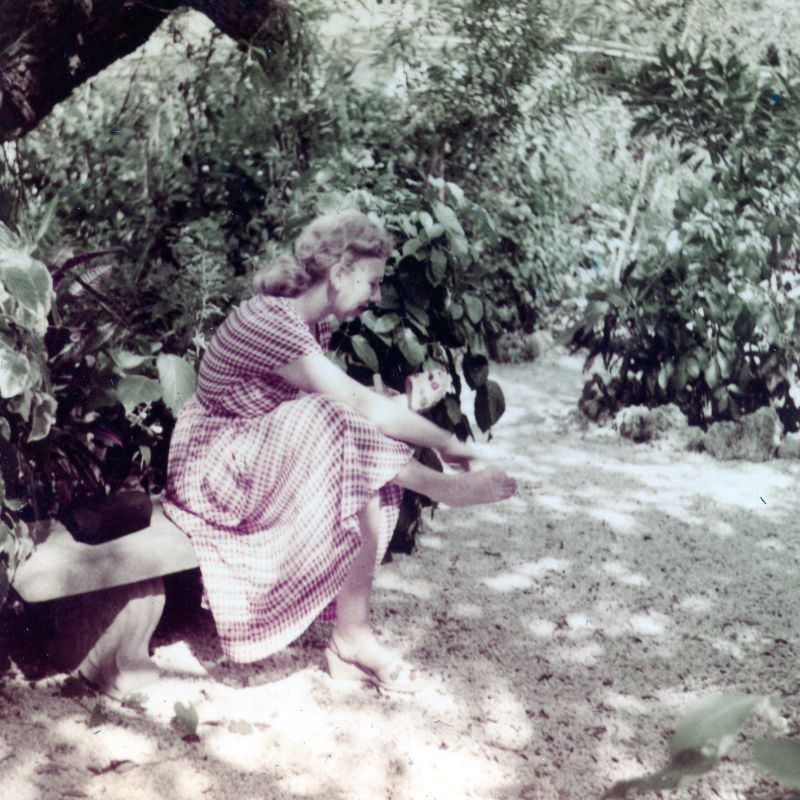
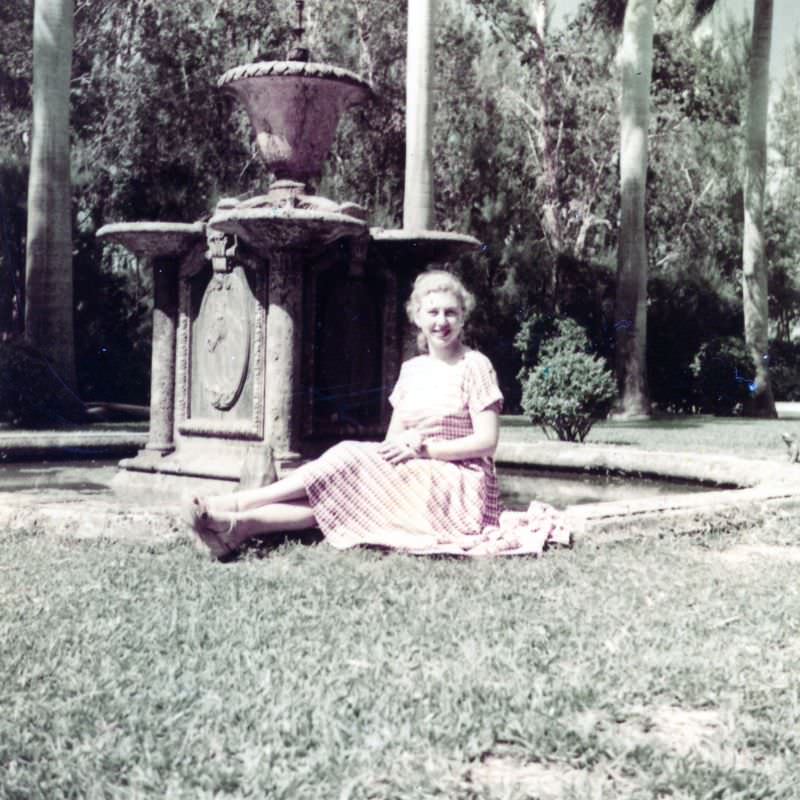
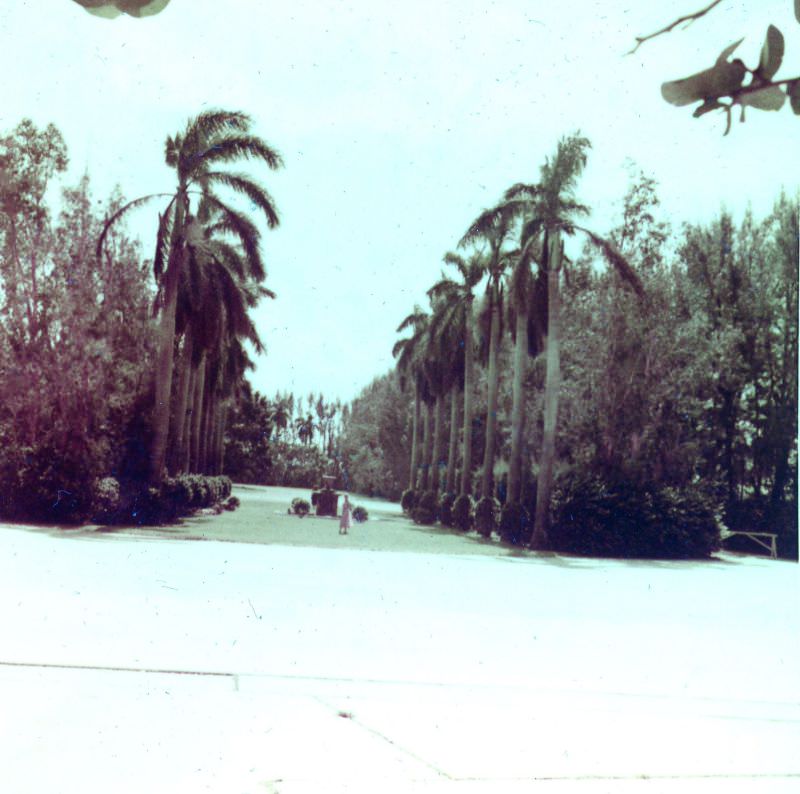
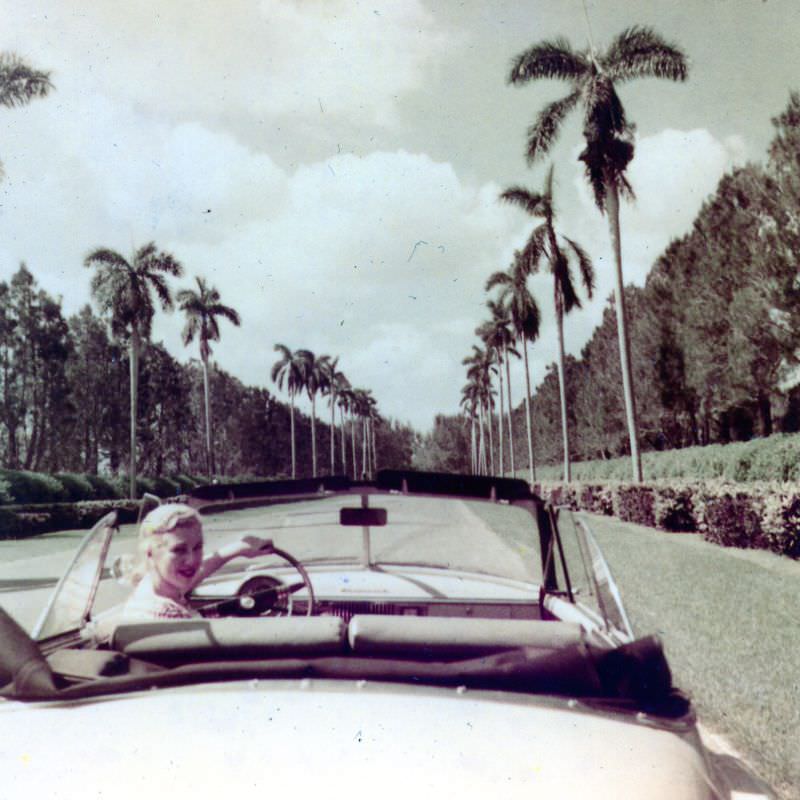
The couple also explored Havana’s lush tropical gardens, a quiet contrast to the city’s lively streets. Havana’s music scene pulled them in at night, where salsa, rumba, and cha-cha-cha filled every club and dance hall.
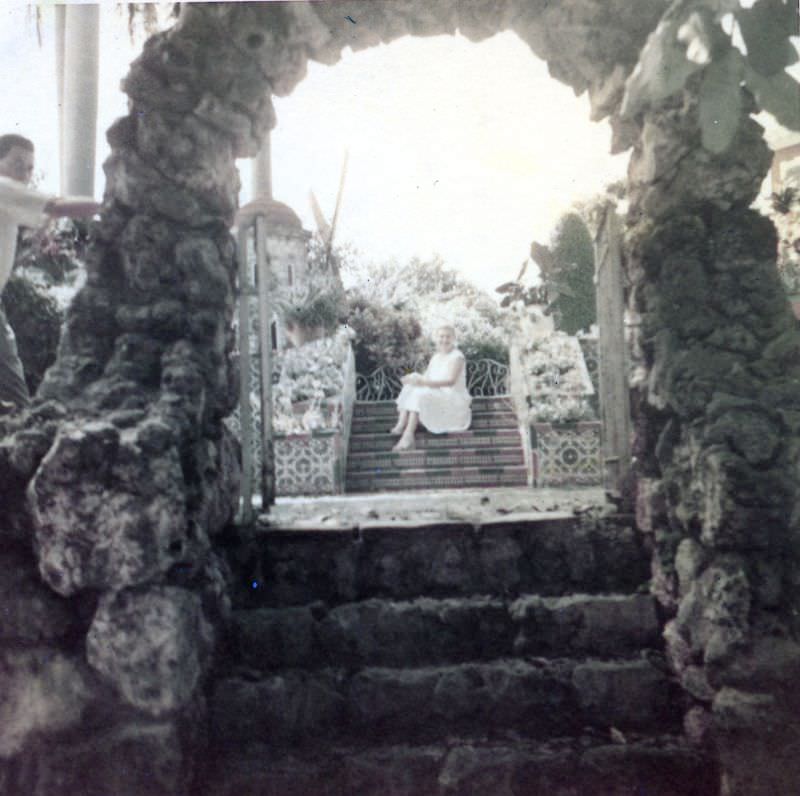
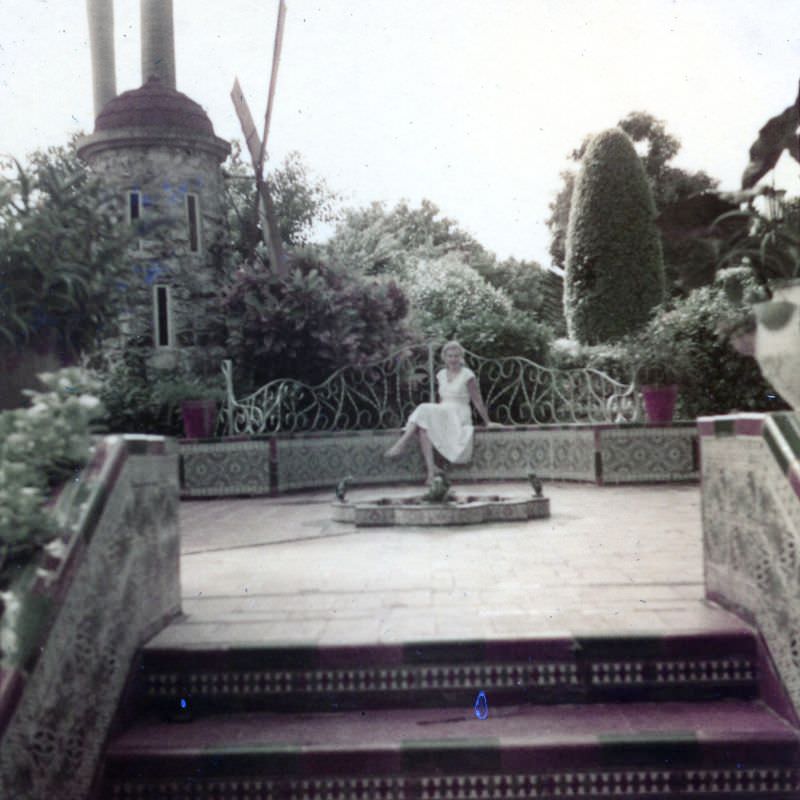
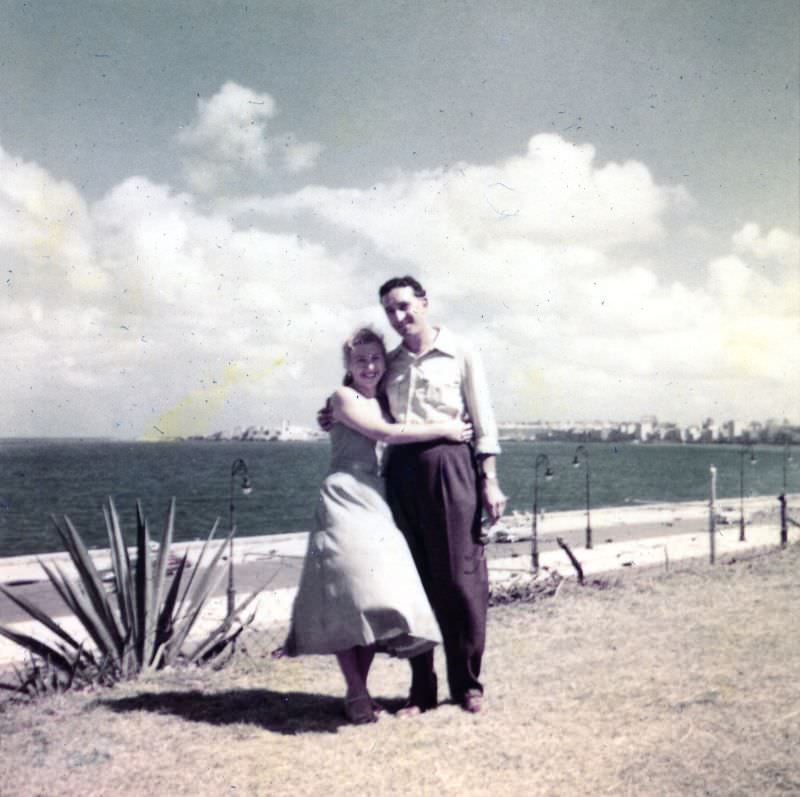
Back in Miami, the couple spent time at Hialeah Park, one of the most beautiful horse racing tracks in the United States. Opened in 1925, the park was famous for its manicured grounds, Spanish-Mediterranean architecture, and a flock of live flamingos that roamed the infield.
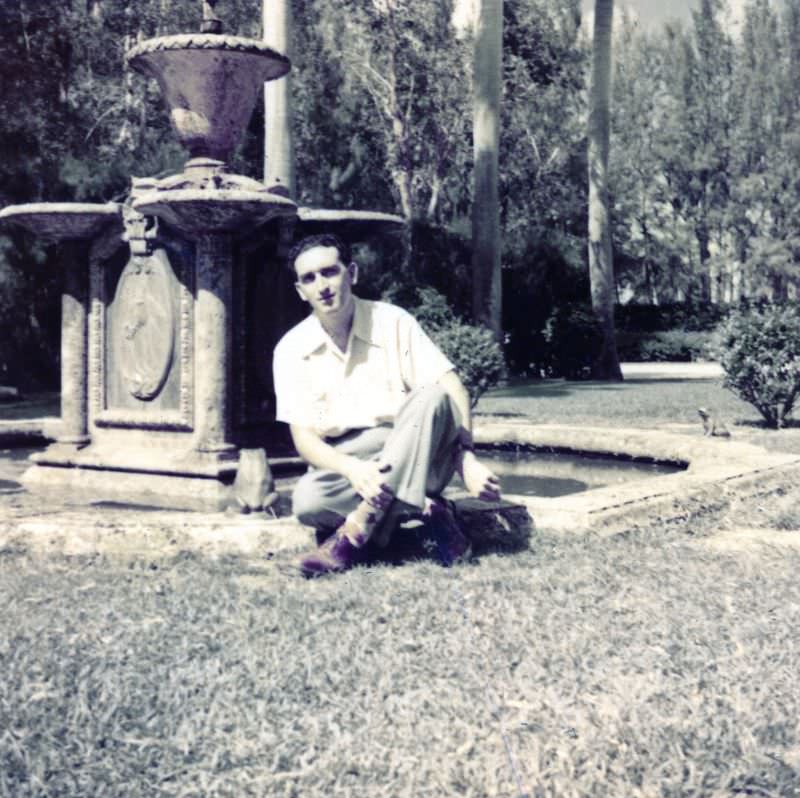
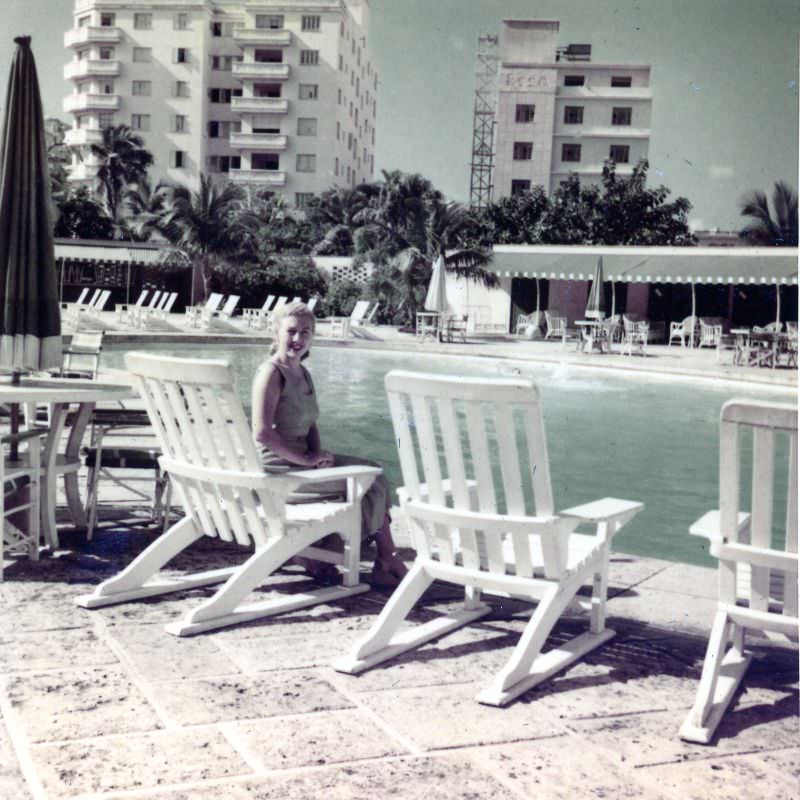
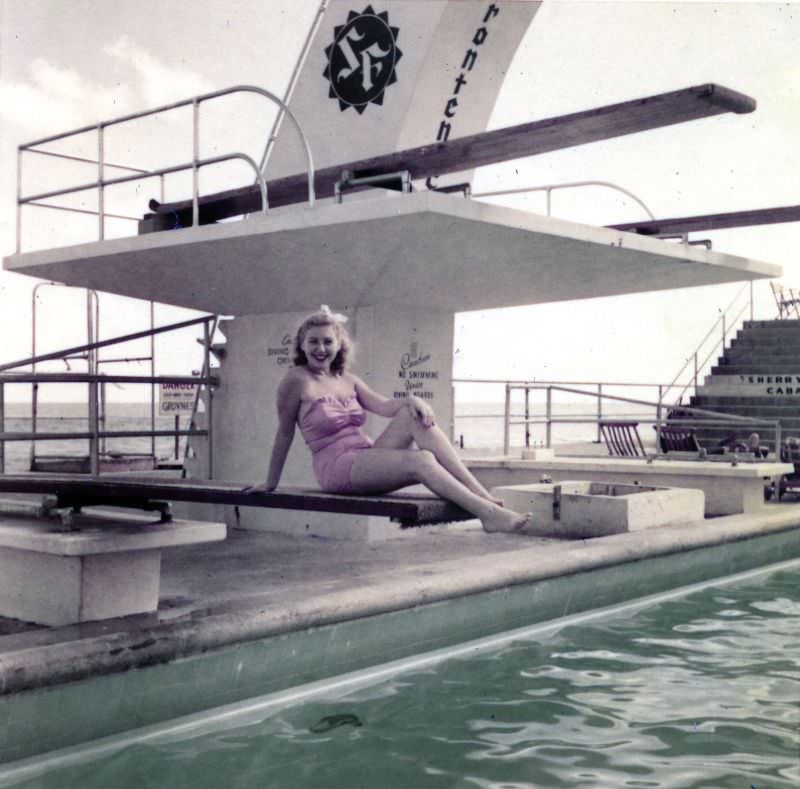
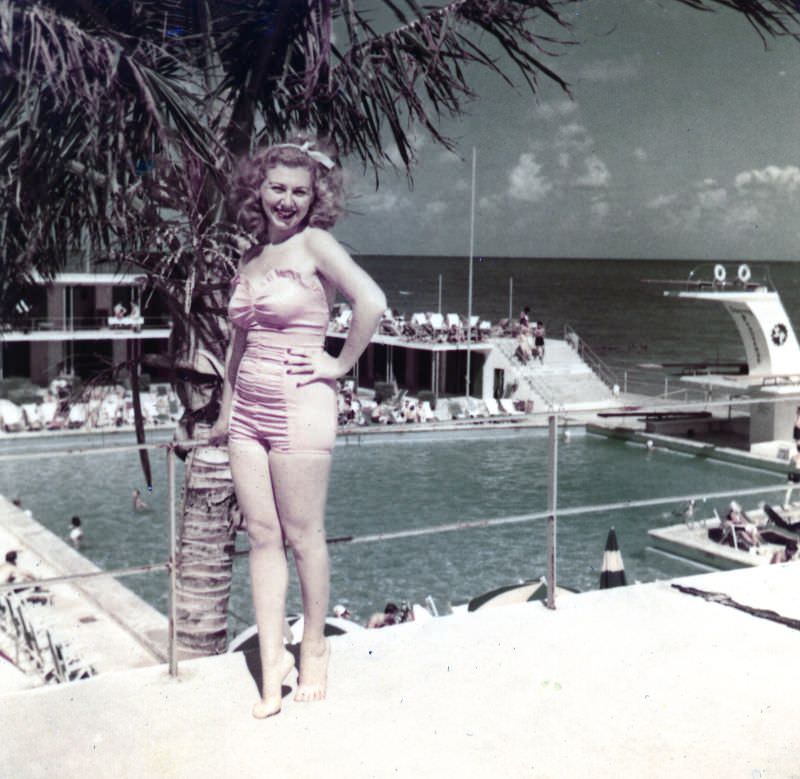
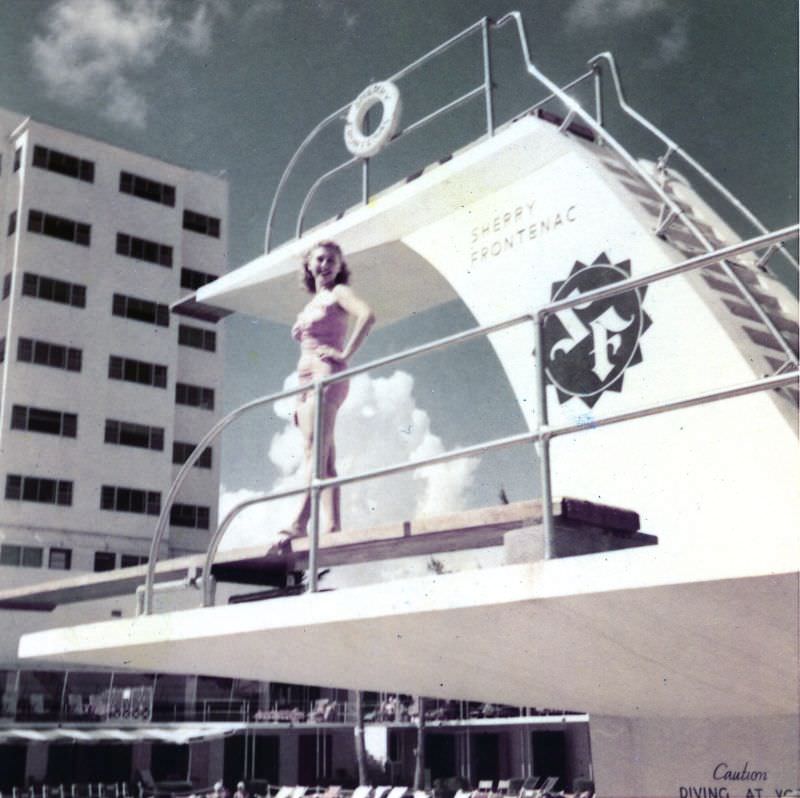
They also checked in at the Sherry Frontenac Hotel on Miami Beach’s Collins Avenue. The hotel was a staple of 1950s Miami luxury, known for its sleek design and well-heeled guests who flocked to the area every winter season.
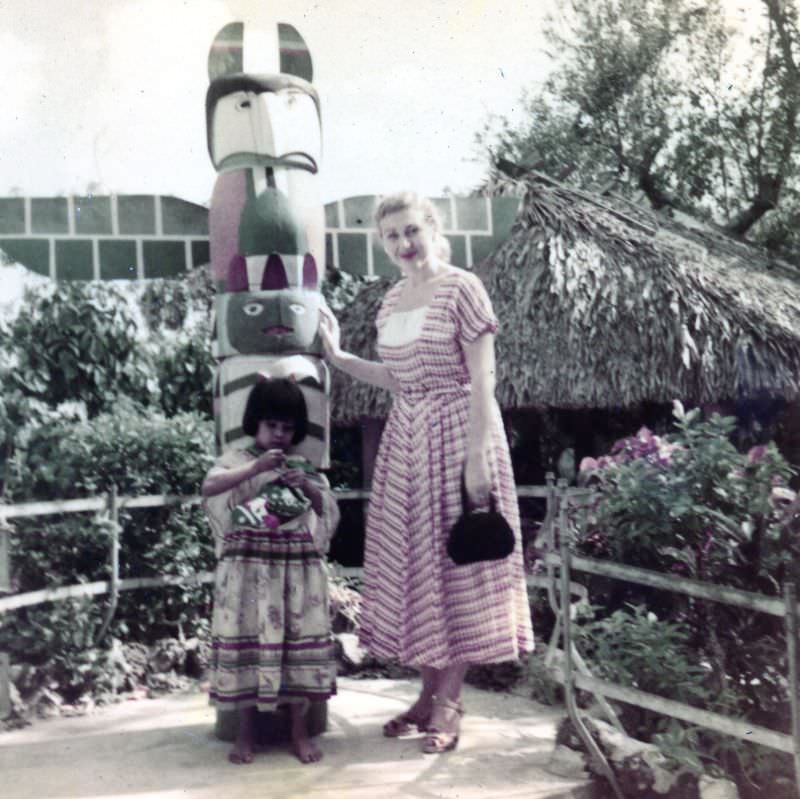
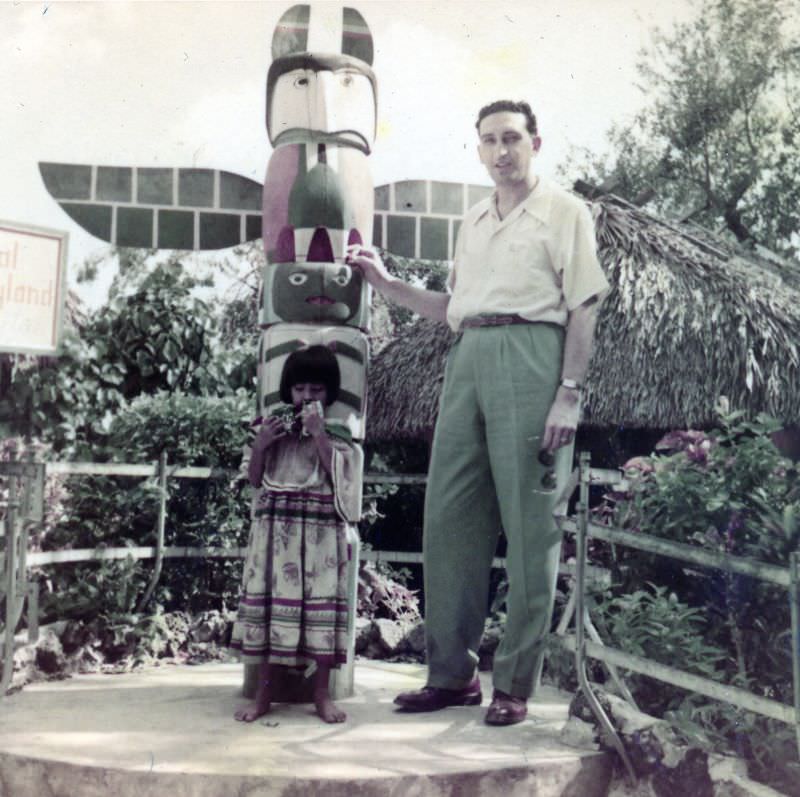
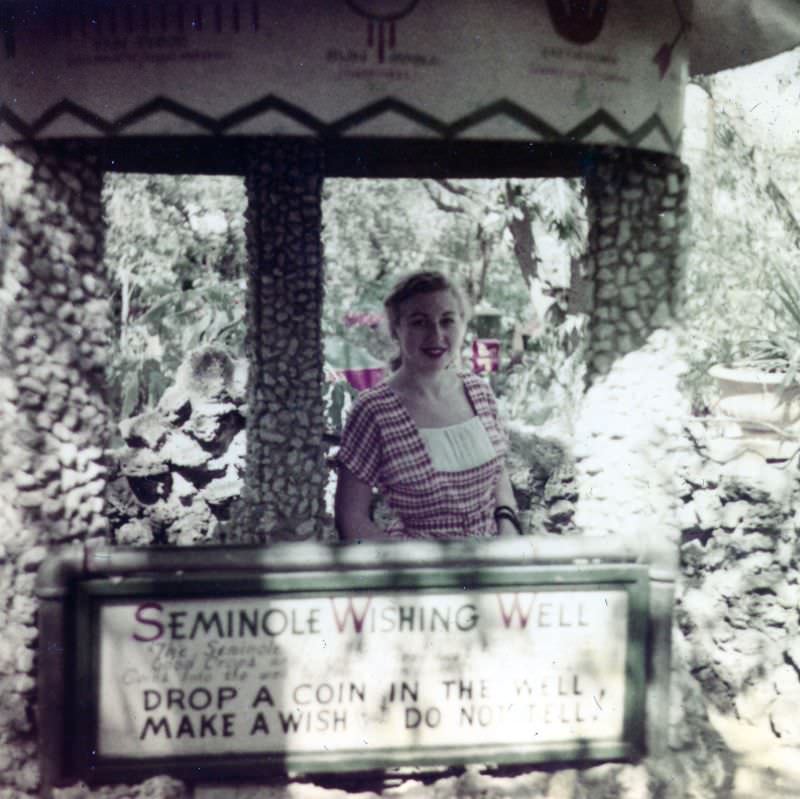
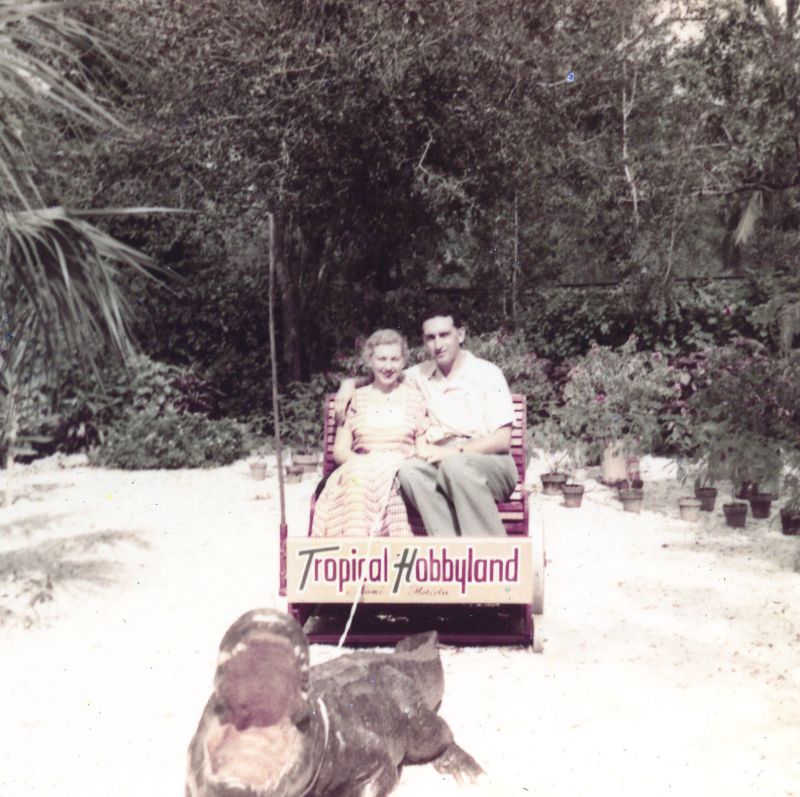
One of Miami’s more unique stops was Tropical Hobbyland, a roadside attraction that served as a Seminole Native American village. Visitors could watch Seminole men wrestle alligators, browse handmade crafts, and see traditional thatched-roof chickee huts up close. It was a fixture of mid-century Florida tourism.