Olive Pierce was a documentary photographer based in Massachusetts whose career spanned several decades and crossed many different subjects. She photographed landscapes and people in Maine during the 1960s, political protests in Cambridge during the 1970s, and everyday life in the Jefferson Park neighborhood during that same era. She later traveled to Iraq between 1999 and 2003 to photograph children living in war zones, and she documented anti-war protests back in the United States. But one of her most focused and personal projects was right in her own school.
Pierce worked as a photography teacher at Cambridge Rindge and Latin School in Cambridge, Massachusetts. That position gave her direct access to student life in a way that few outside photographers ever get. Over three years, she photographed students across the school — in classrooms, hallways, gyms, locker rooms, and cafeterias. The project resulted in a 1986 book titled No Easy Roses: A Look at the Lives of City Teenagers. The photographs were taken in black and white, and they capture the full texture of what it meant to be a teenager in an urban public high school in the 1980s.
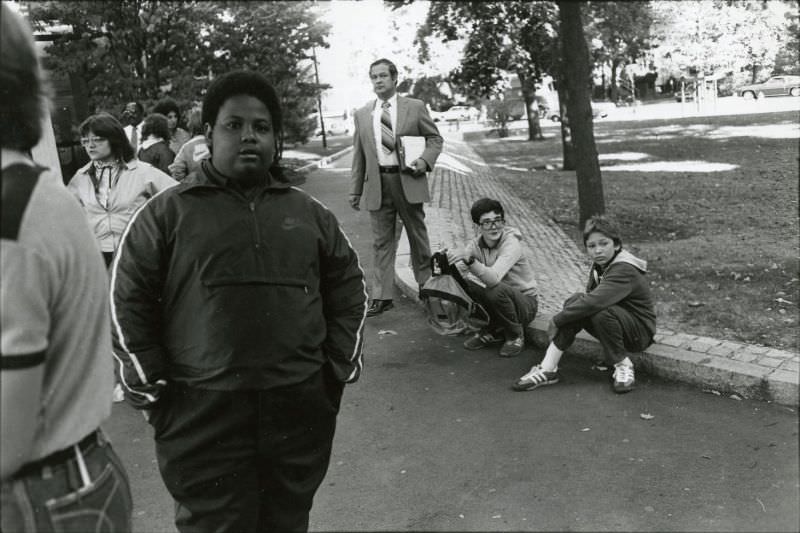
The first day of high school carries a particular kind of tension. Freshmen walking into Cambridge Rindge and Latin for the first time were entering one of the most diverse public schools in the country. Founded in 1838, the school drew students from across Cambridge — a city that mixed working-class families, university staff, and immigrant communities within a relatively small area. Pierce was there to document all of it, and she started at the beginning.
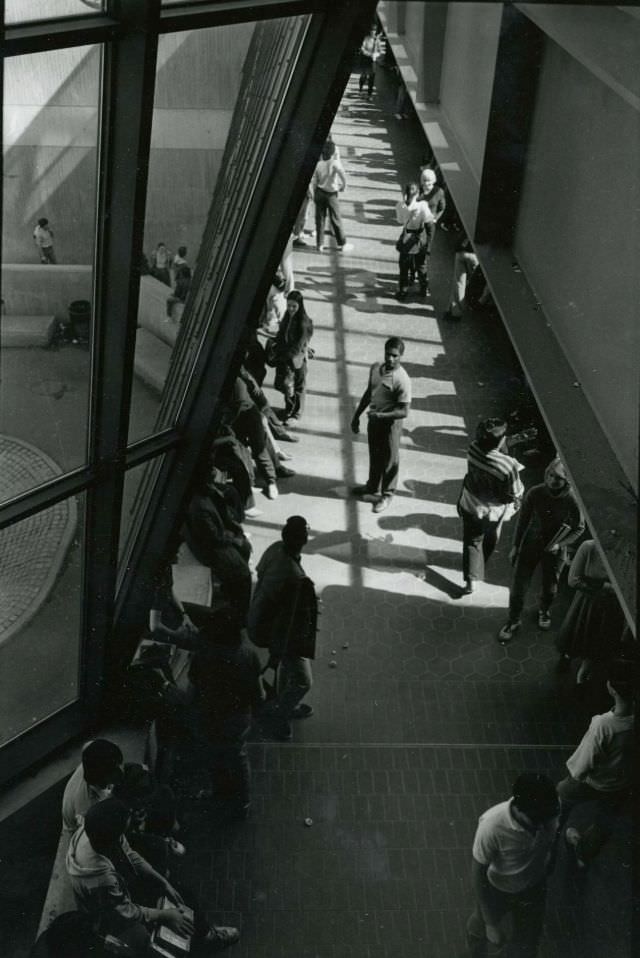
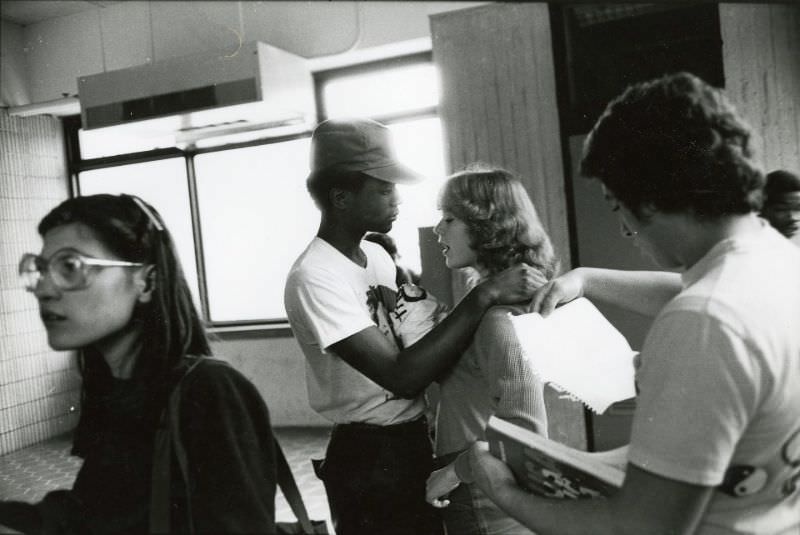
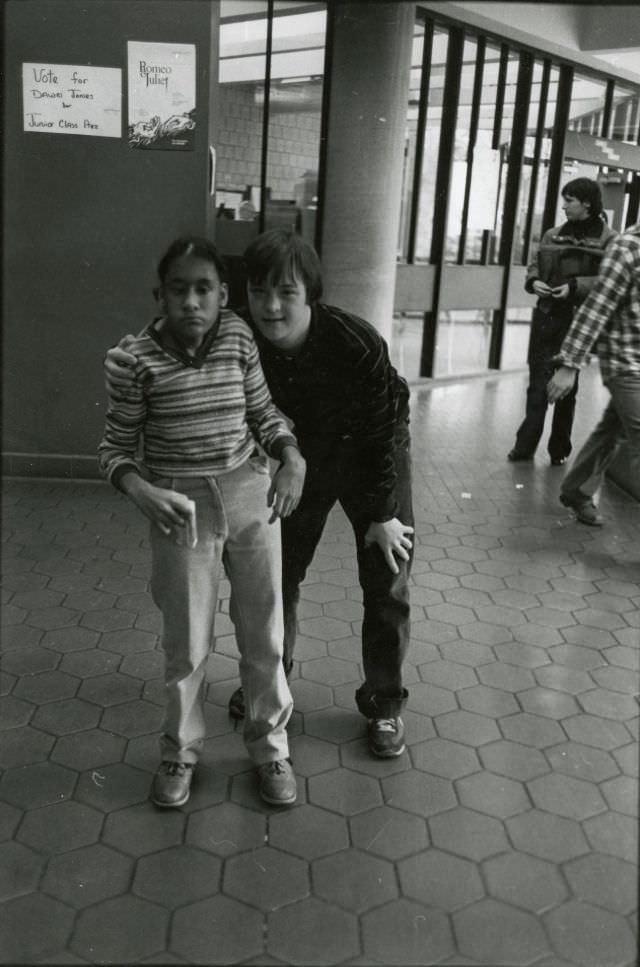
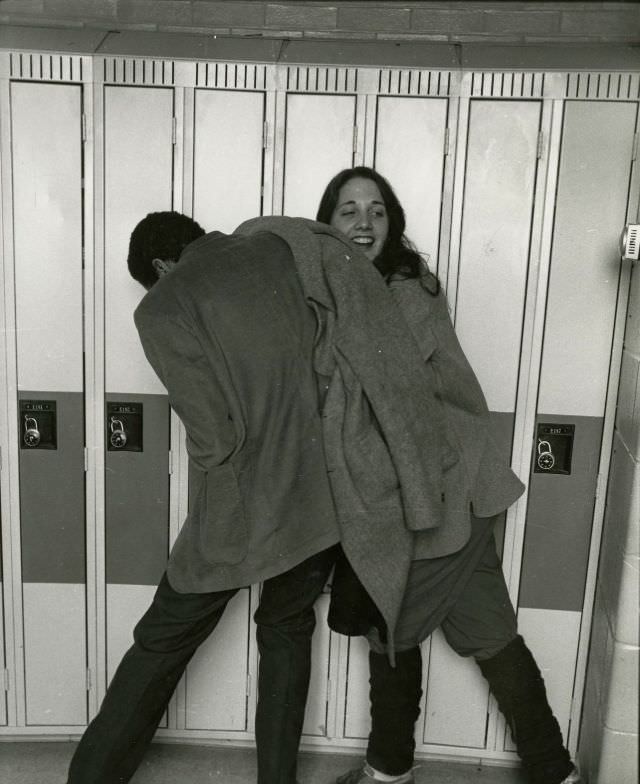
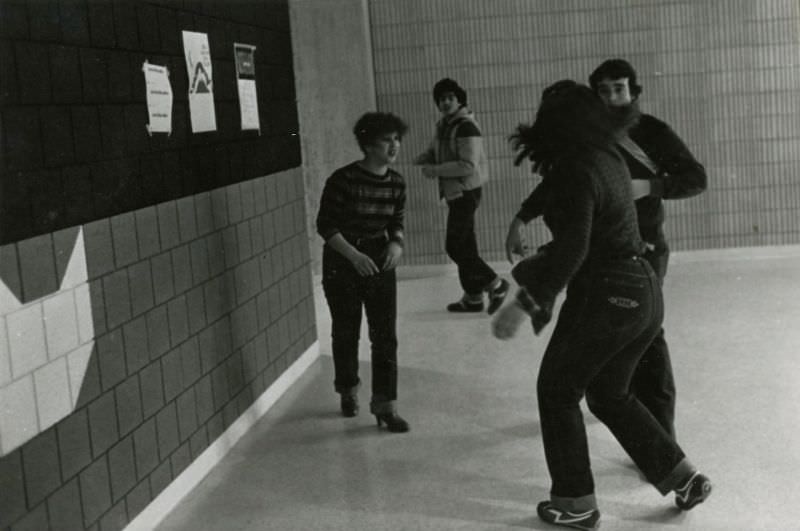
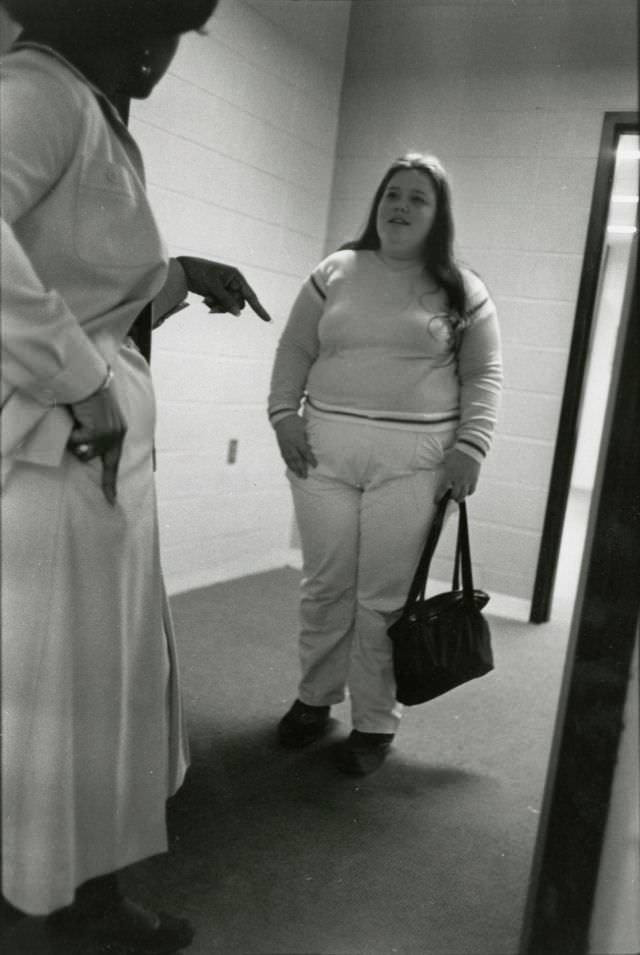
The hallways of the school were as much a social space as the classrooms. Students moved between classes, lingered by lockers, and held conversations that had nothing to do with the school day’s curriculum. Pierce captured these in-between moments without staging them. Her background in documentary photography meant she was interested in what was actually happening — not a posed version of it.
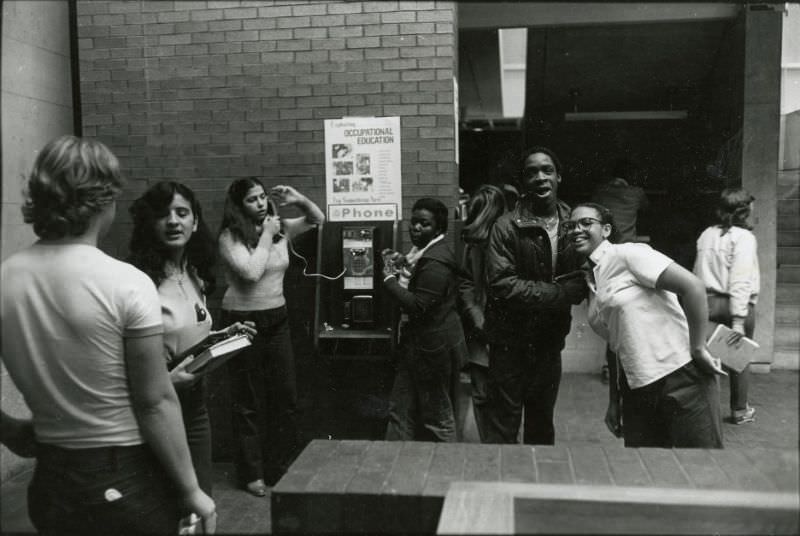
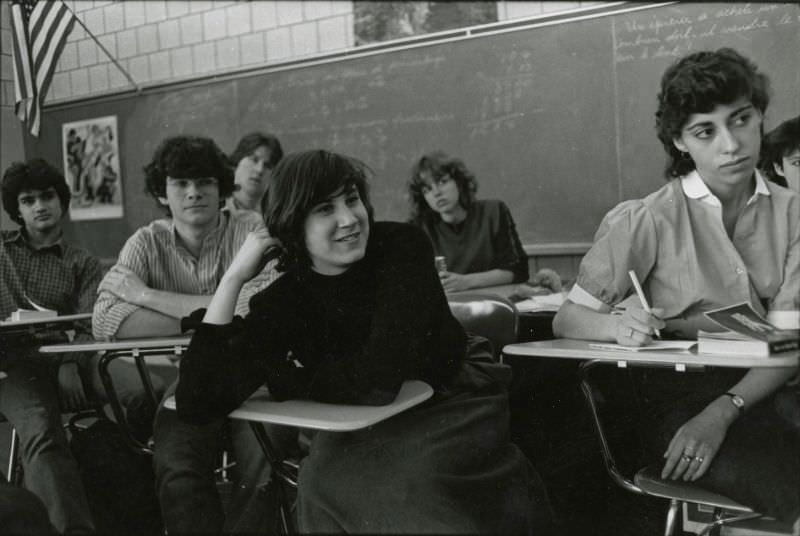
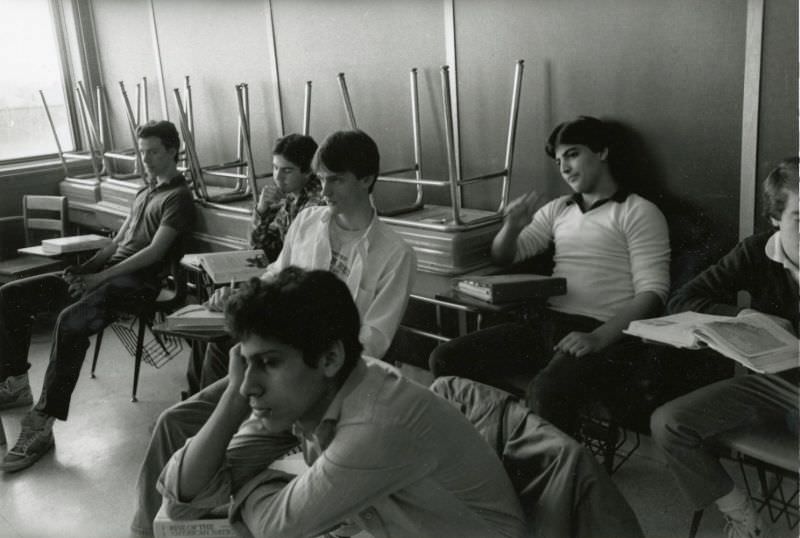
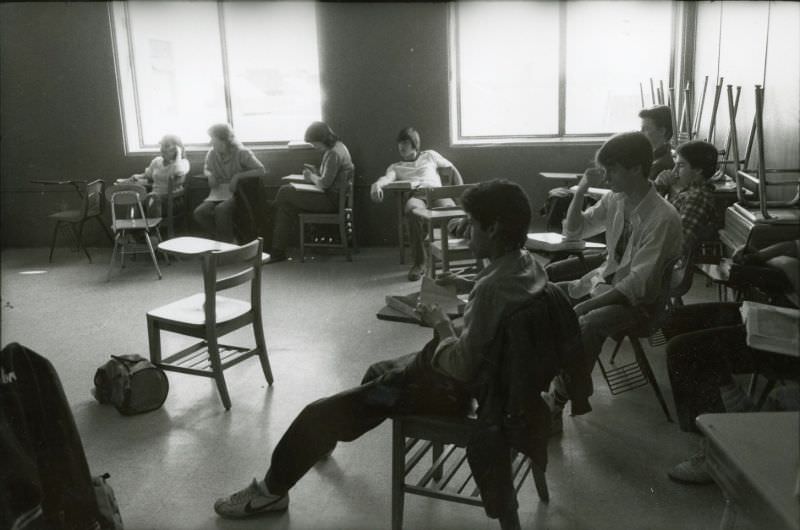
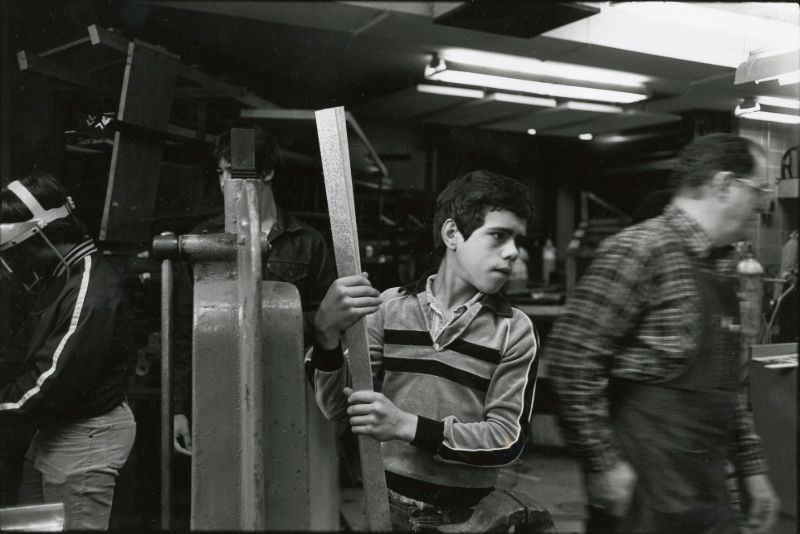
Classrooms were a central focus of the project. Pierce photographed a wide range of academic settings, from standard lecture-style rooms to hands-on technical courses. The school offered vocational tracks alongside traditional academics, meaning students could take carpentry, drafting, and shop classes as part of their regular schedule.
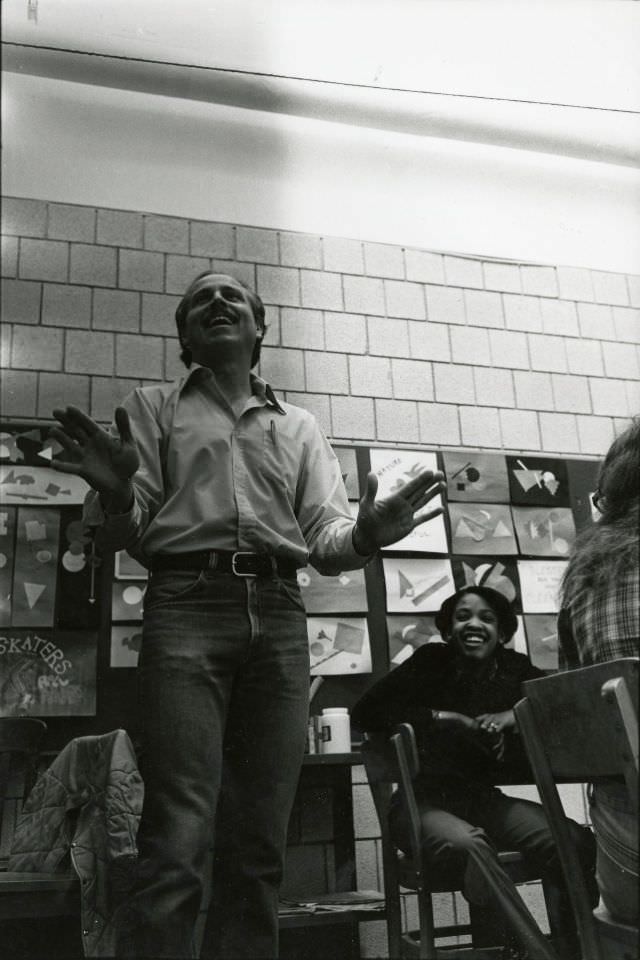
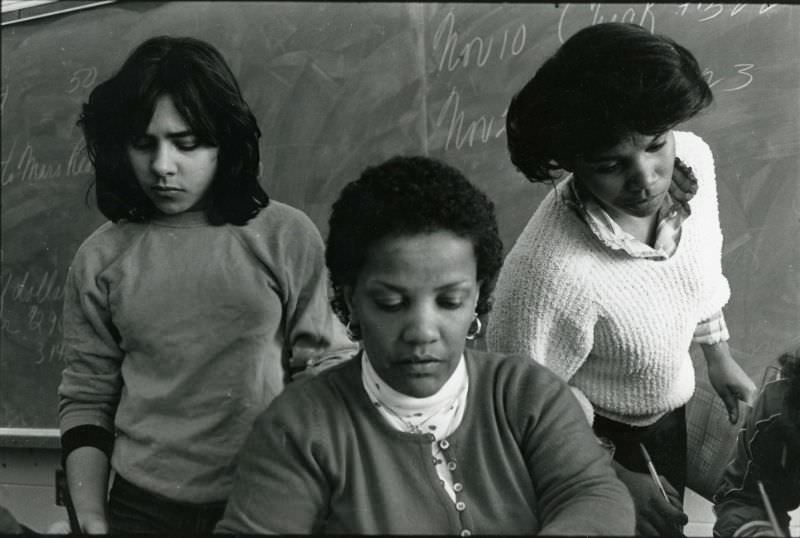
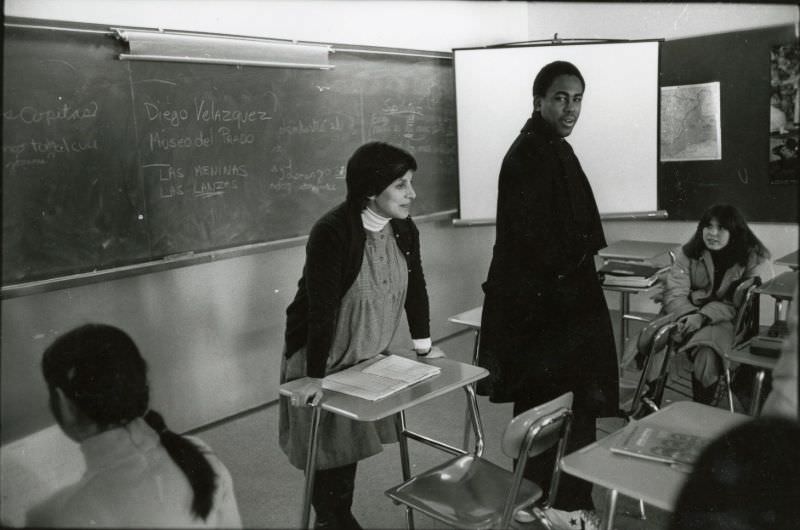
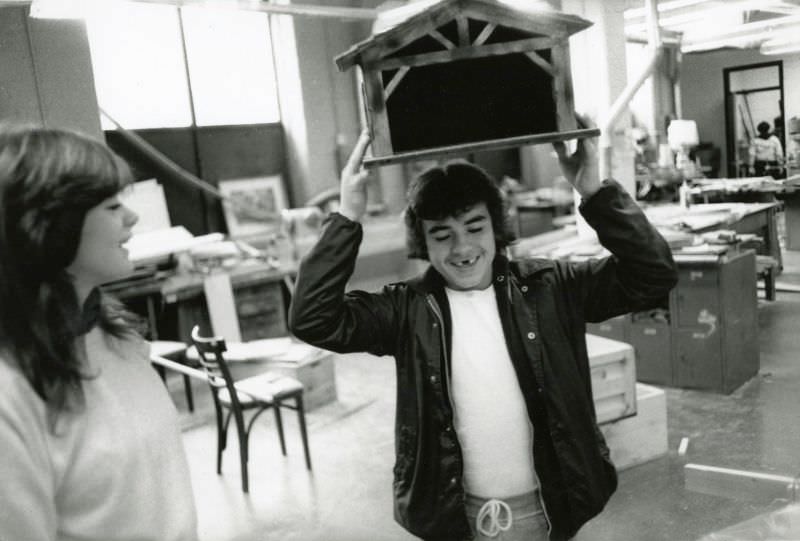
Some of the most vivid classroom photographs come from the vocational courses. In carpenter class, students worked with real tools on real projects, and the dynamic between teachers and students in those rooms was different from a standard lecture setting. The stakes were more immediate — both in terms of what was being built and how discipline was handled.
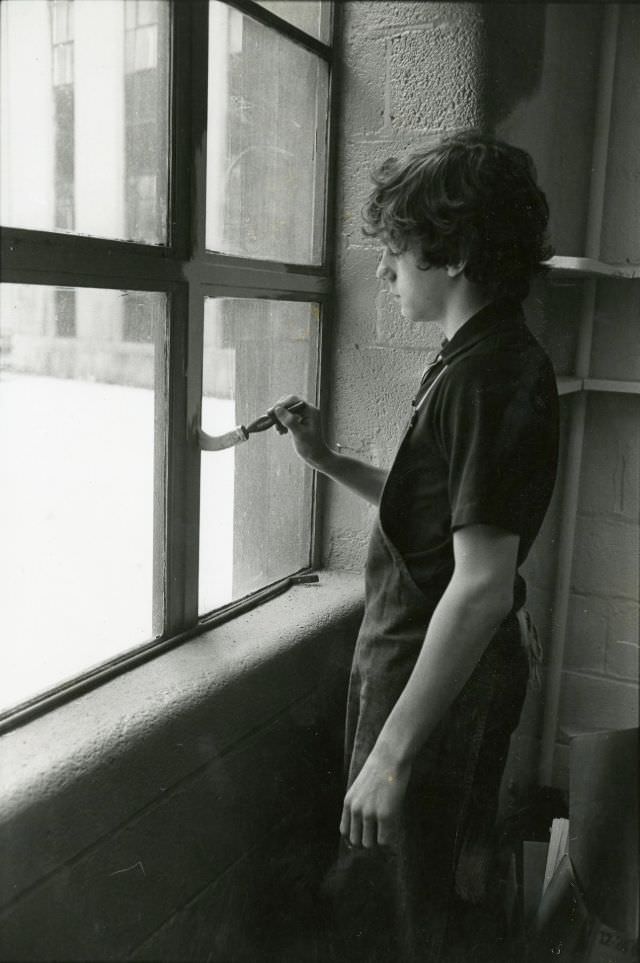
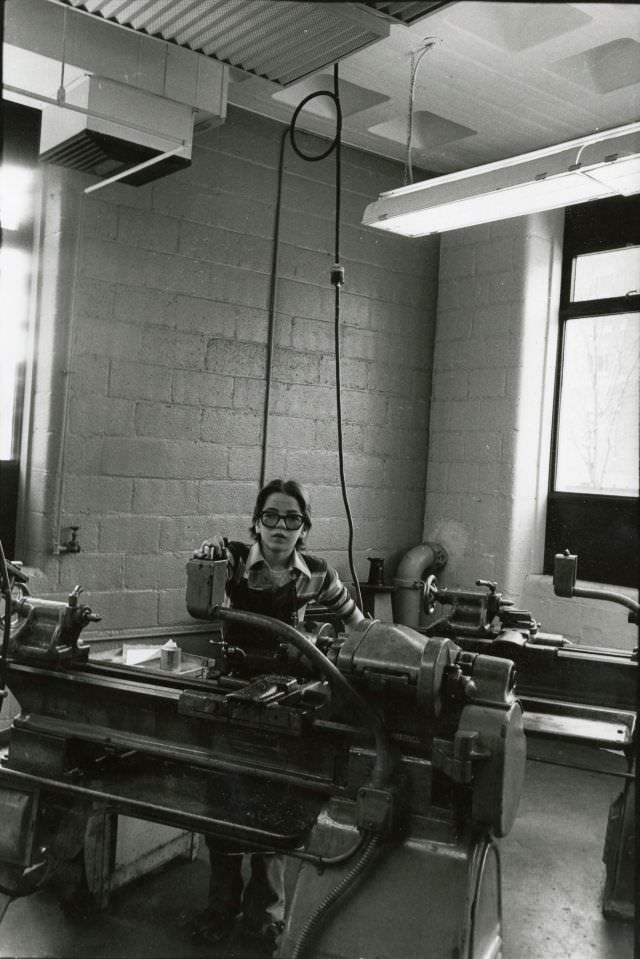
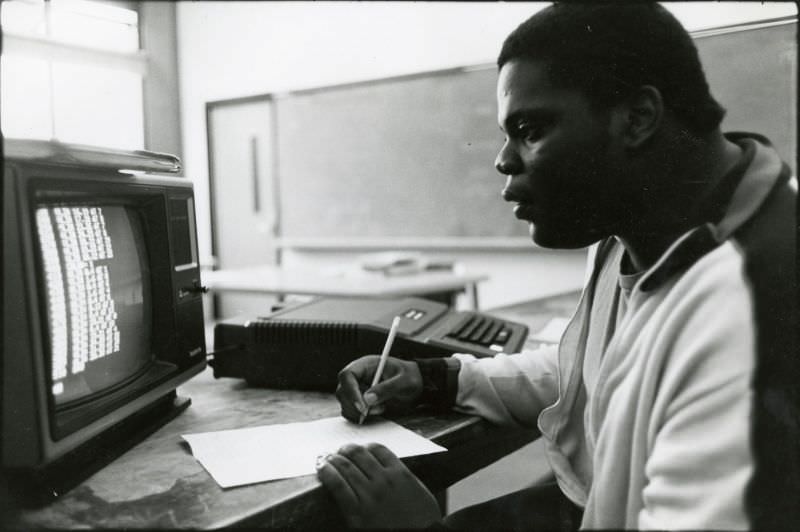
The school also offered courses that were forward-looking for their time. A computer class in the early 1980s put students in front of machines that most households didn’t yet own. A drafting class taught technical drawing by hand — a skill that was still standard in design and engineering before computer-aided tools took over. Biology labs meant frog dissections and close-up work with specimens.
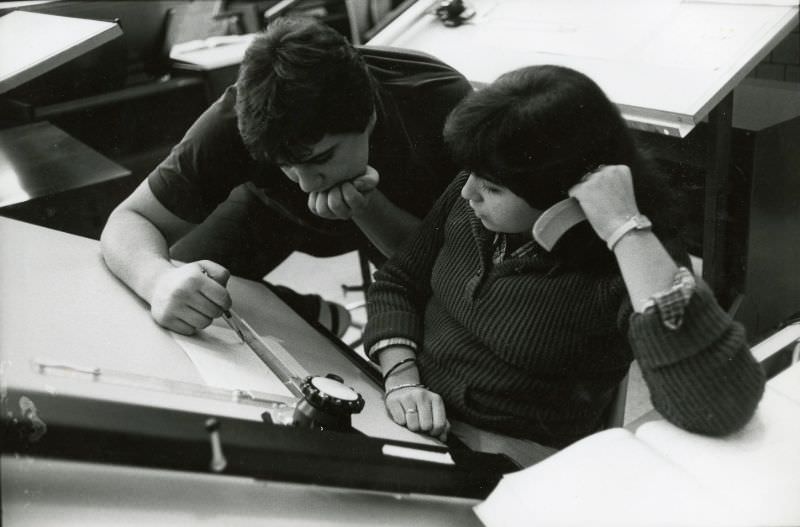
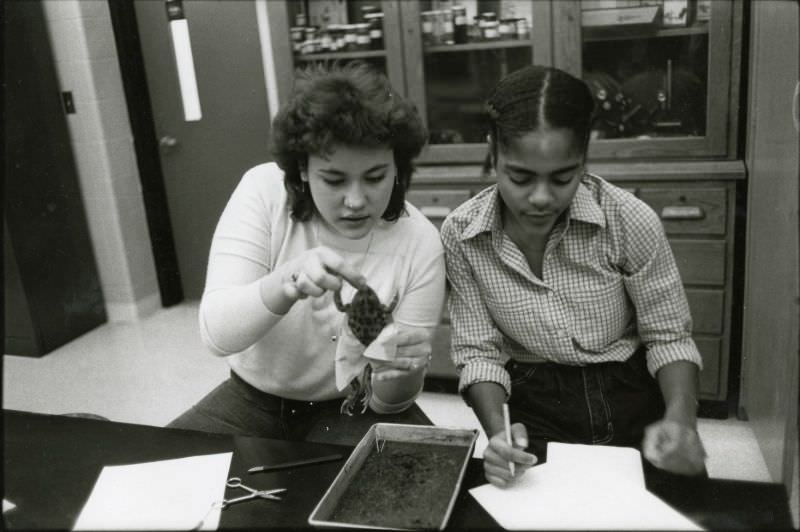
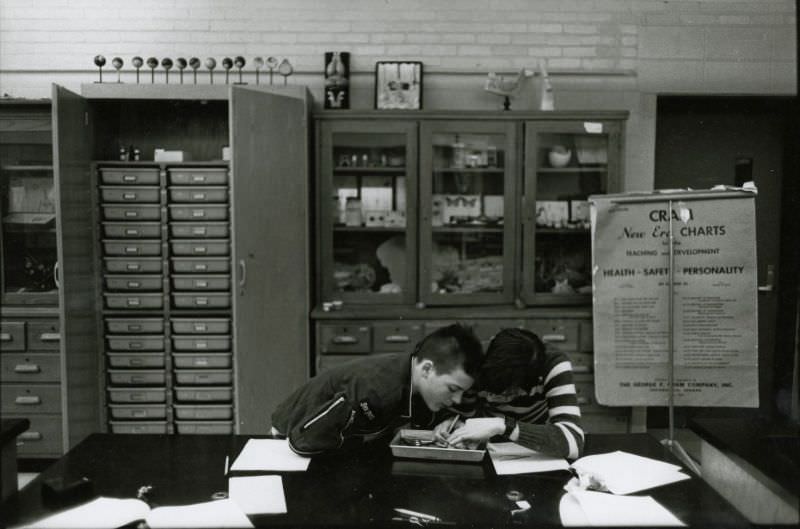
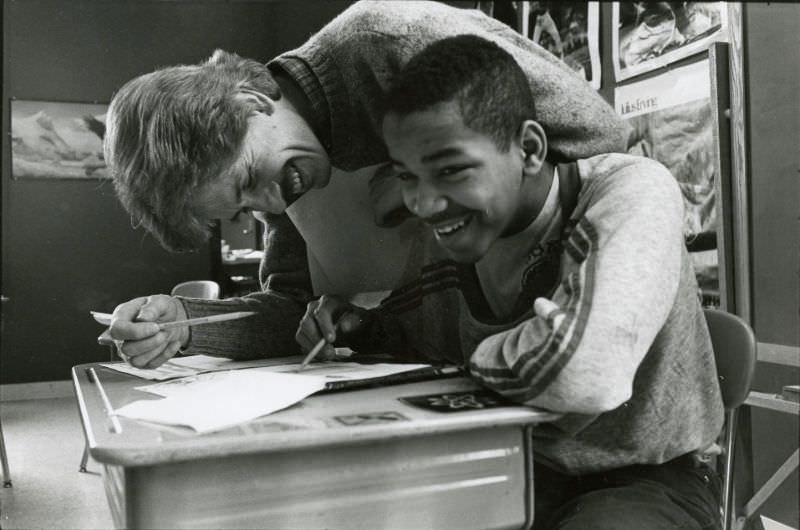
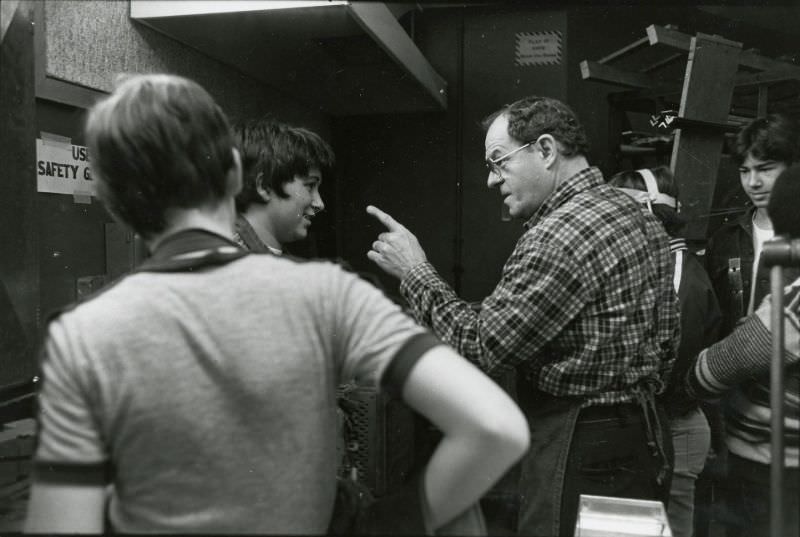
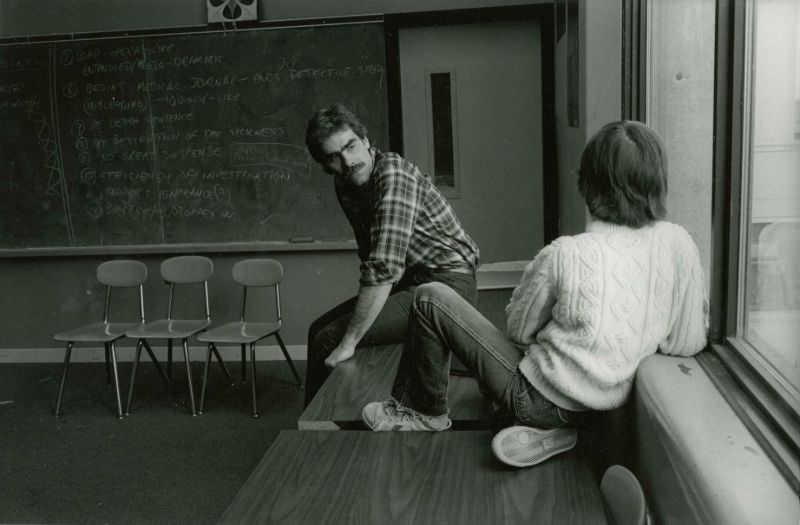
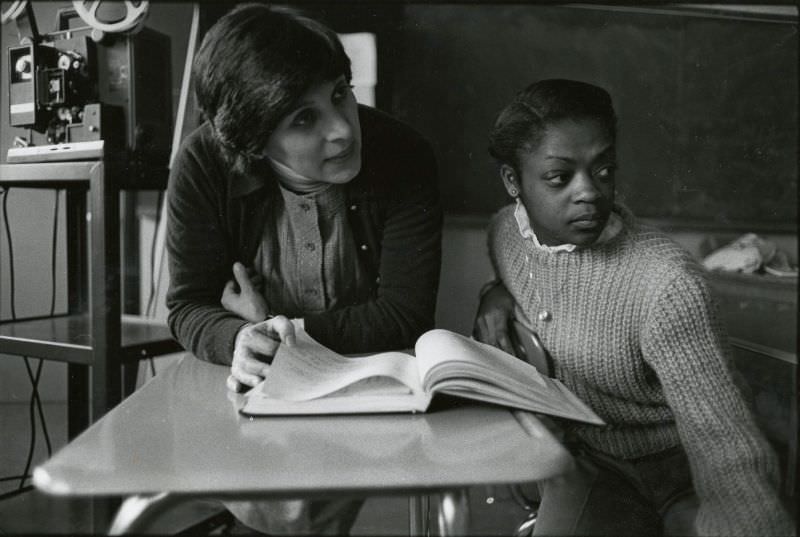
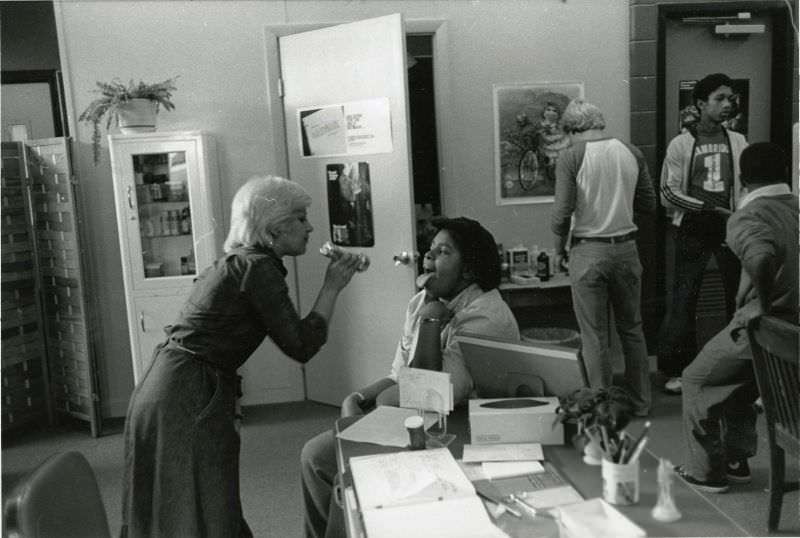
Pierce also documented teacher-student interactions throughout the building — not just in moments of conflict, but in the quieter, more ordinary exchanges that made up most of a school day. A teacher leaning over a student’s desk. A conversation in a hallway. These images show the relational side of school that doesn’t usually make it into any official record.
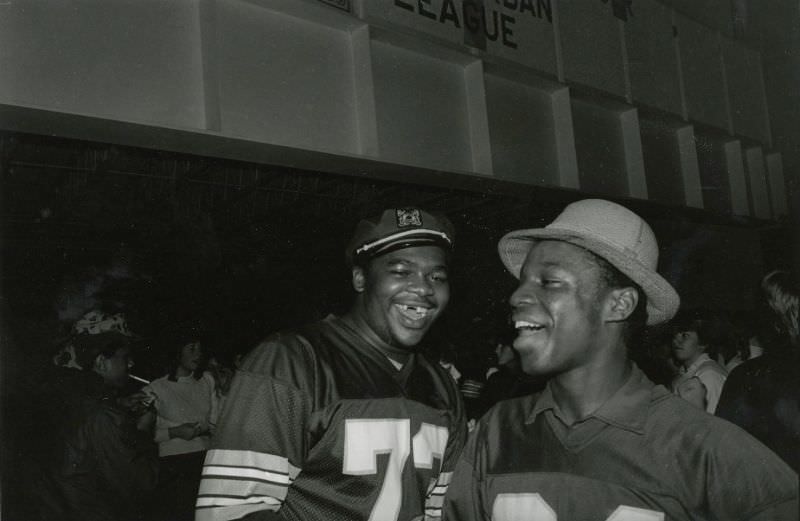
Sports were a major part of school life, and Pierce gave them significant attention in her project. Basketball in particular stands out across multiple photographs — games in progress, coaches addressing their teams, and players together in locker rooms after competition. The gym was a place where school pride and individual effort came together in a very visible way.
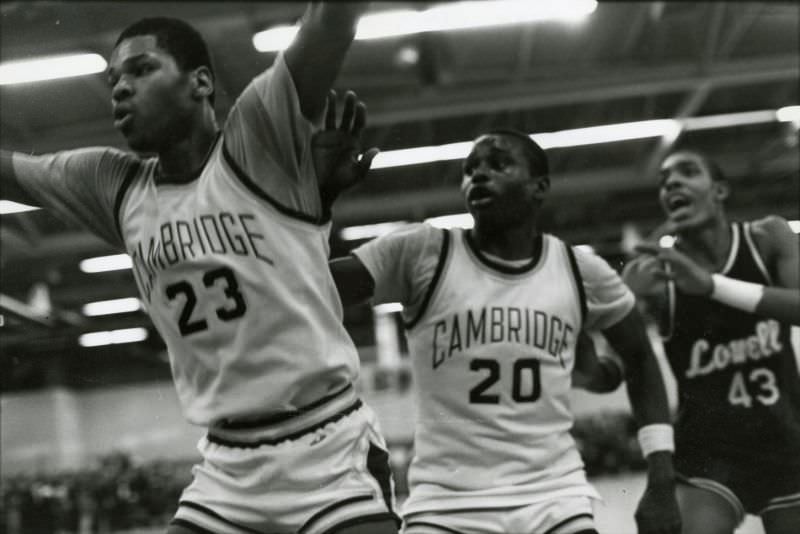
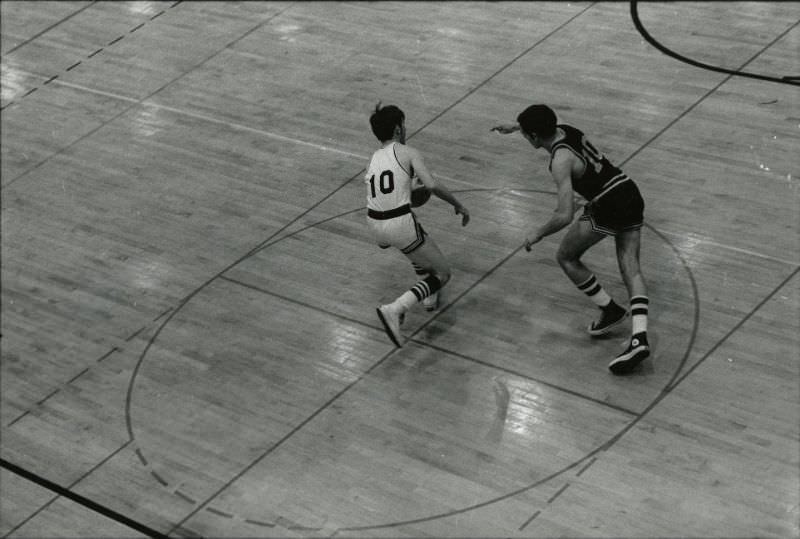
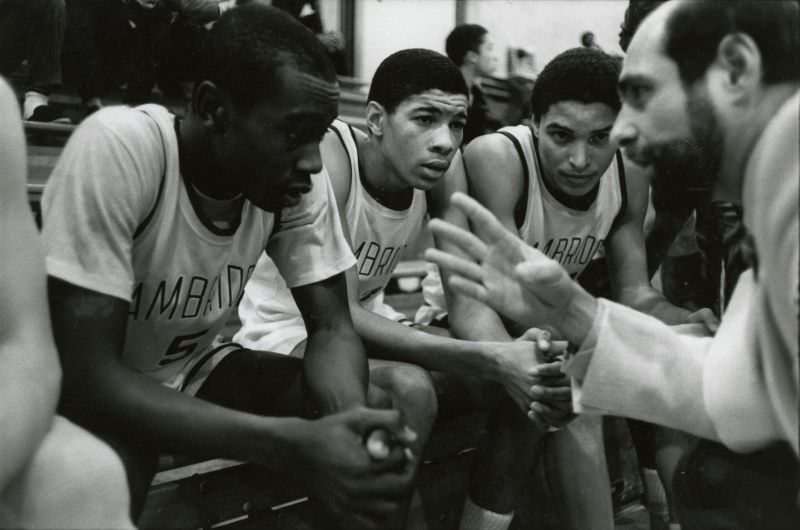
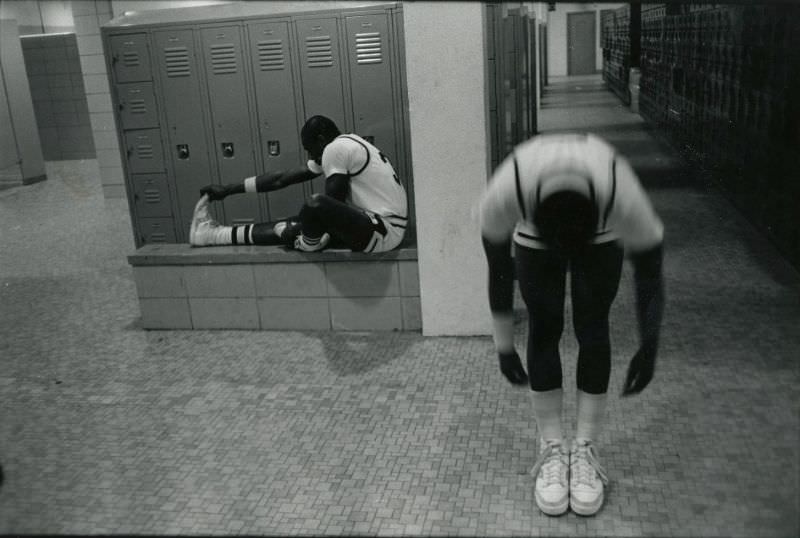
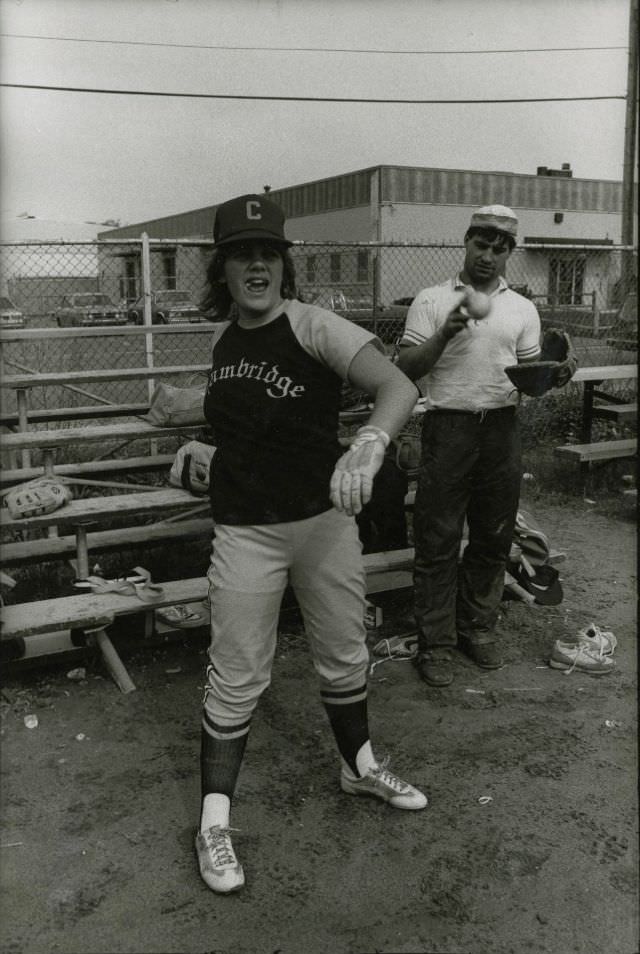
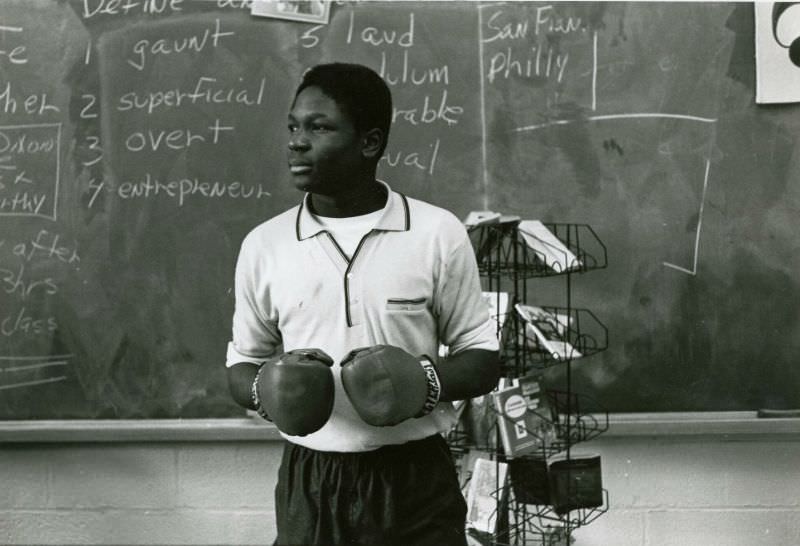
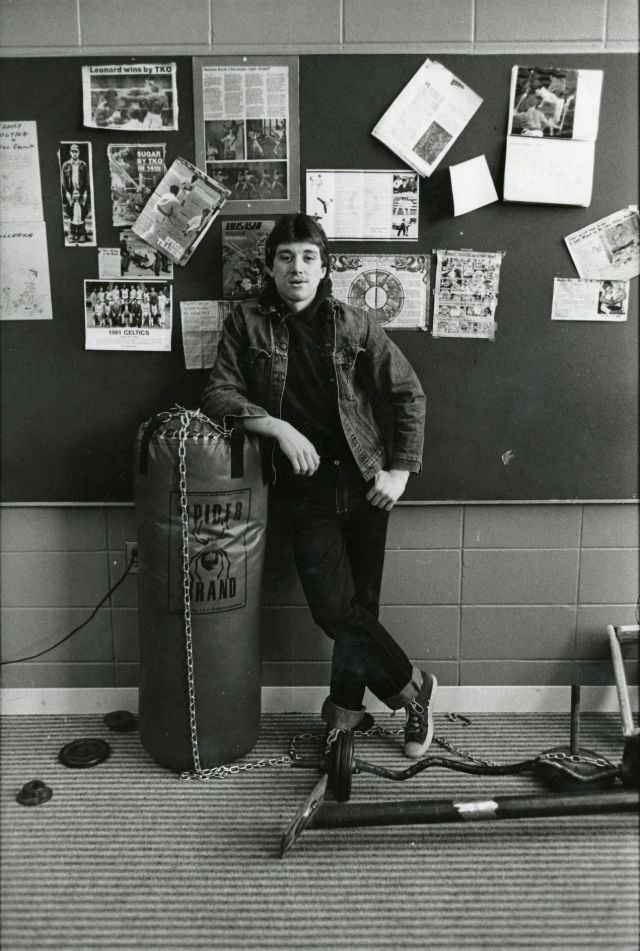
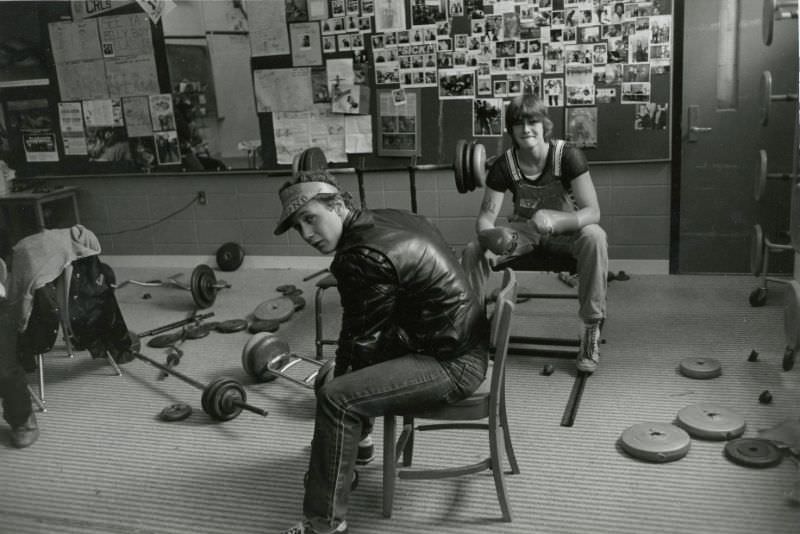
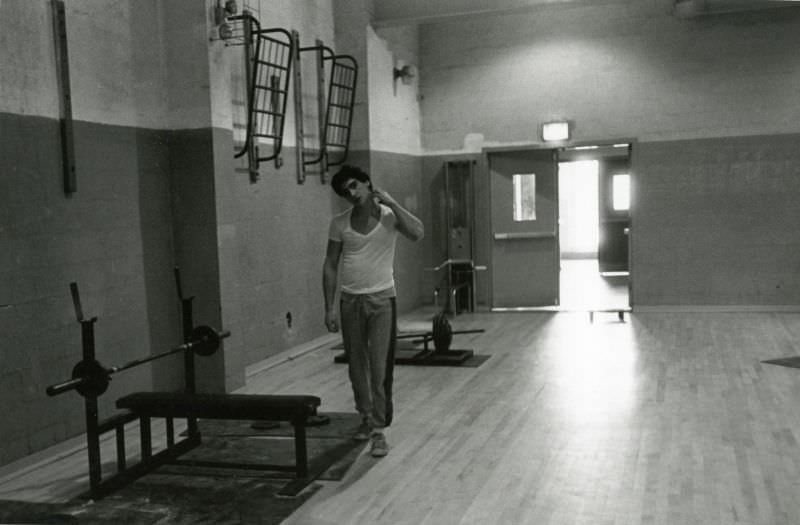
Beyond basketball, Pierce photographed girls’ softball, boxing, and other athletic activities happening in and around the school. Some of the gym spaces in the photos were makeshift — rooms that had been converted or repurposed for physical activity. That improvised quality was part of what made the images honest about conditions in an urban public school.
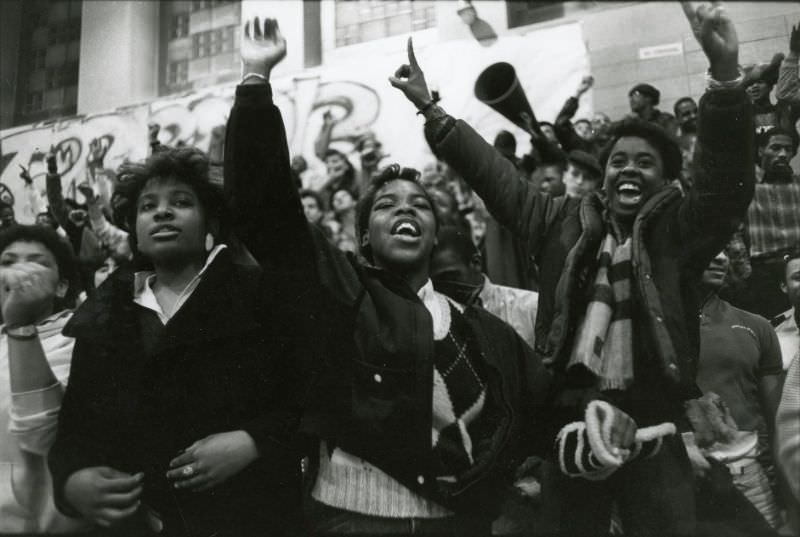
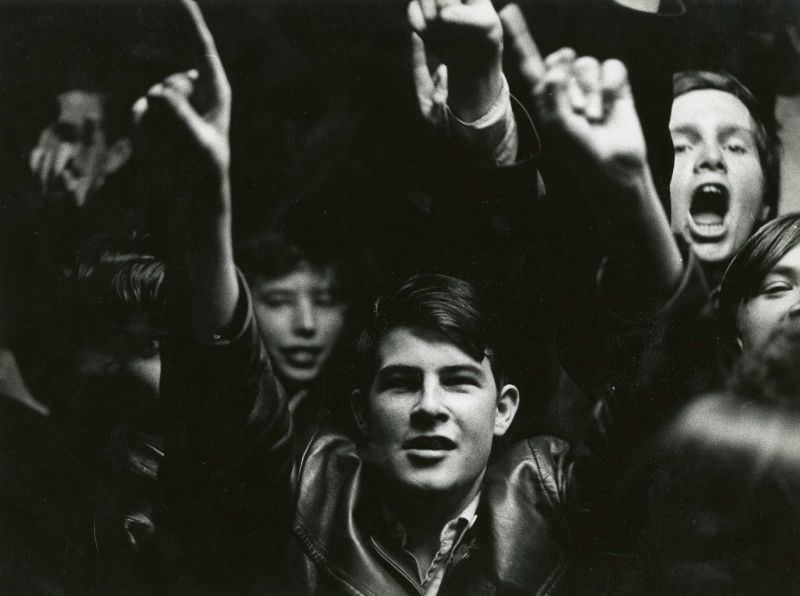
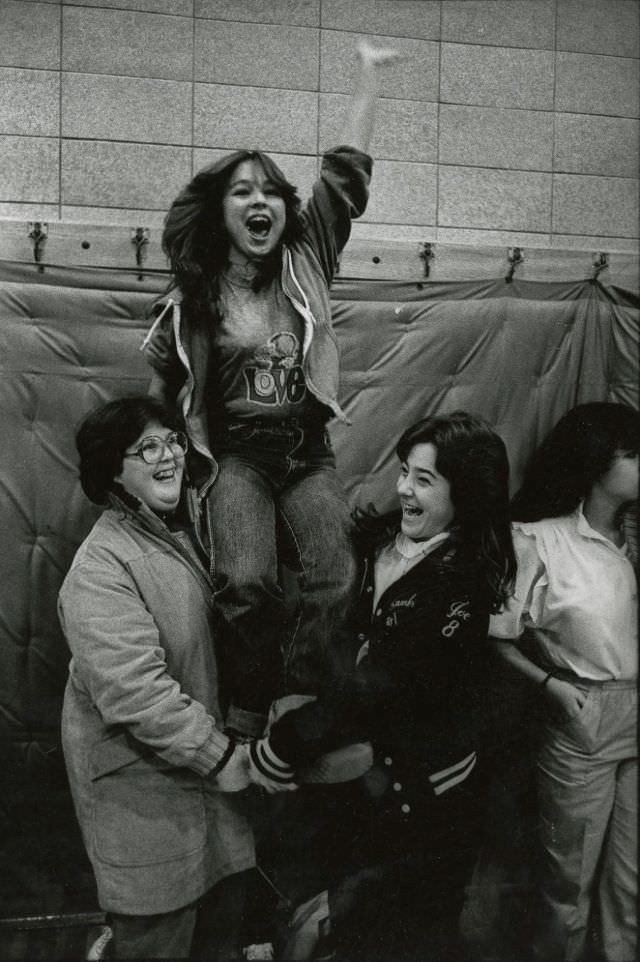
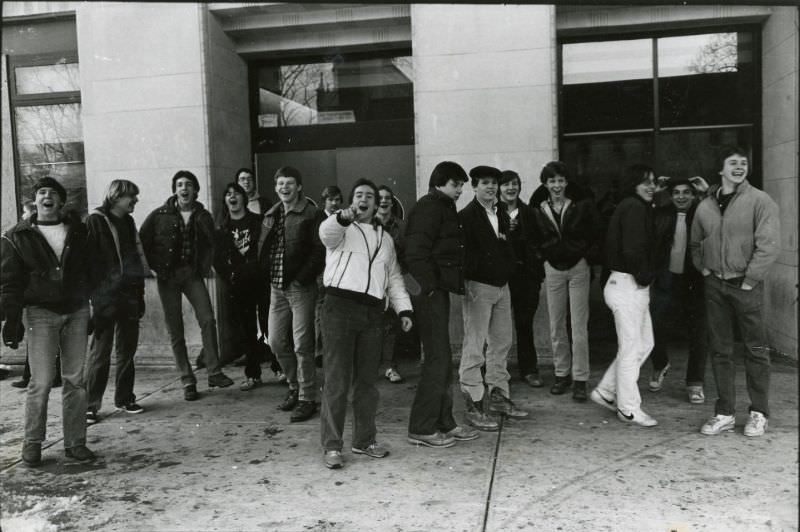
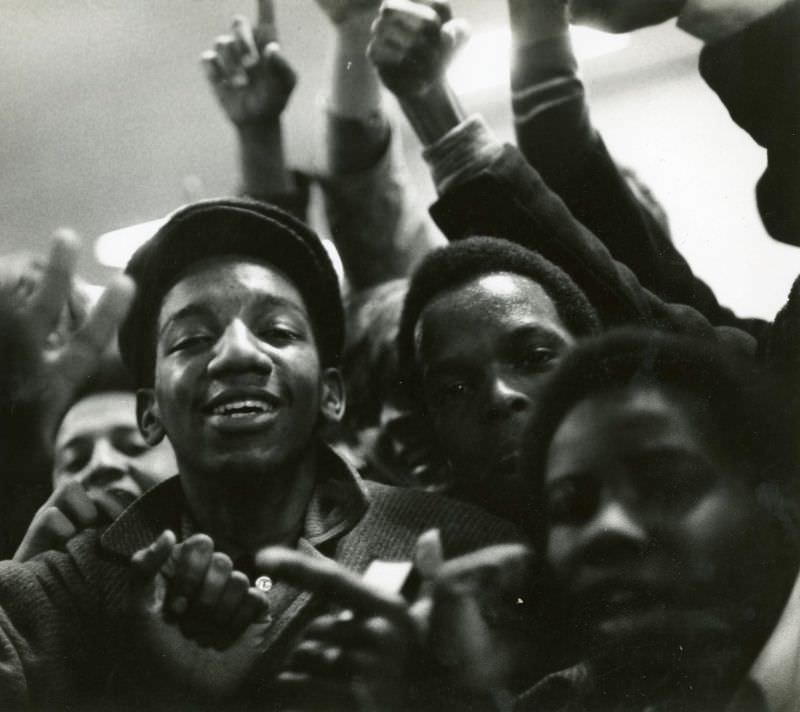
Cheering, crowds, and school spirit showed up repeatedly in Pierce’s photographs. Students packed into the gym for games, lifting each other up — sometimes literally — and filling the space with energy. These moments of collective excitement are some of the most lively images in the collection.
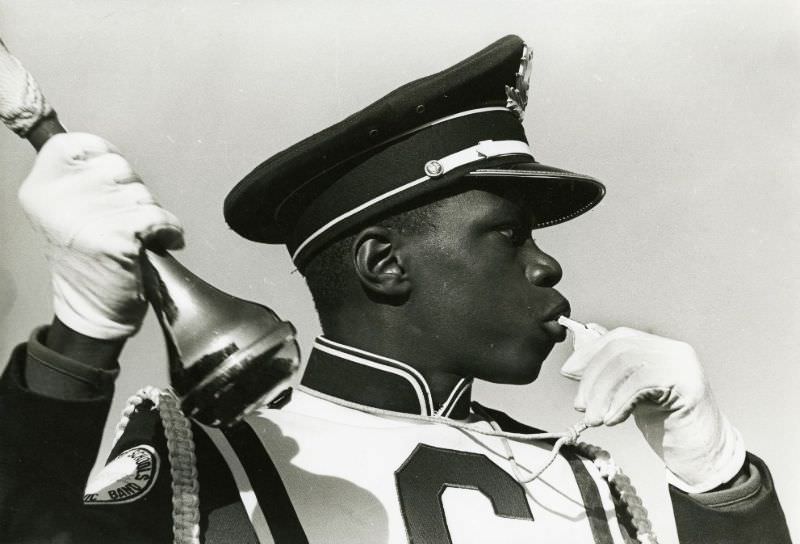
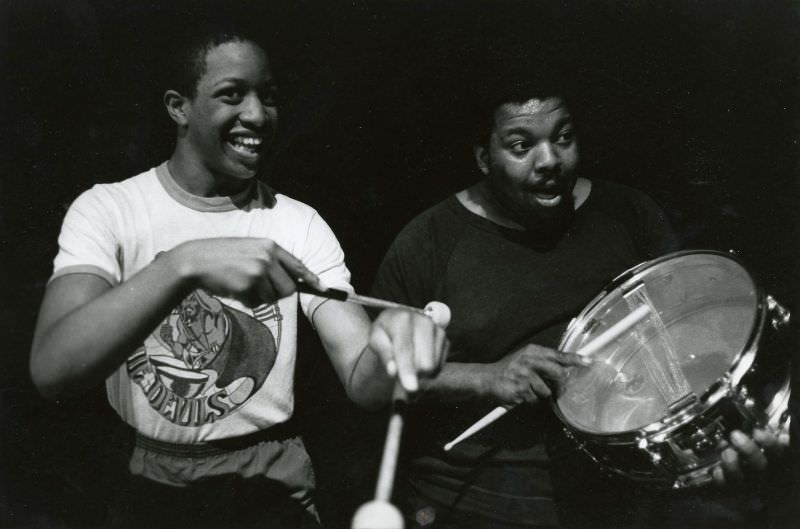
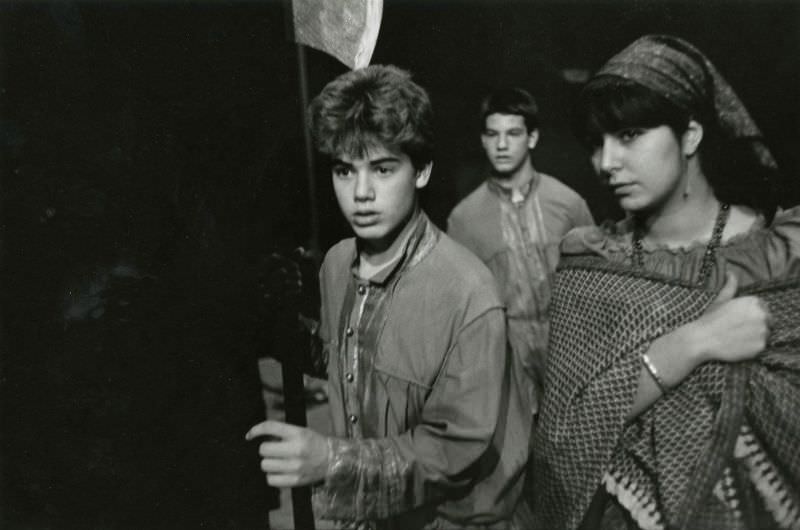
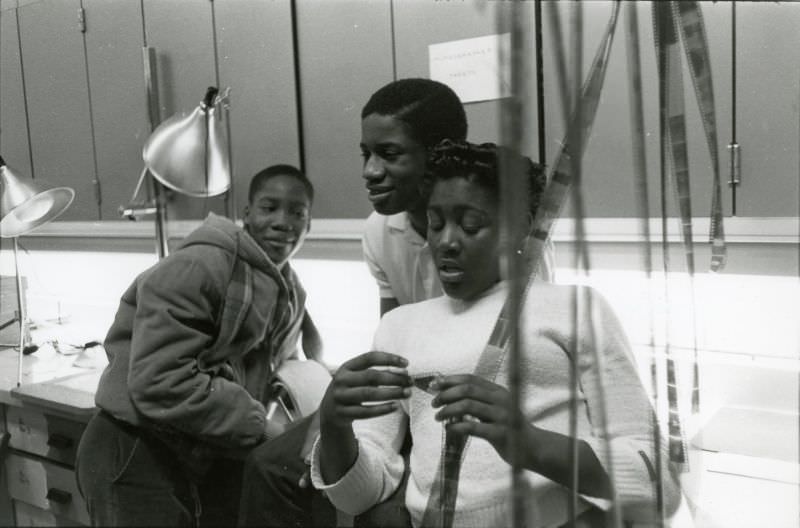
The school’s arts and performance programs also appear throughout the project. The marching band, theater productions, and the photo lab all made it into Pierce’s lens. Students in costumes, drummers mid-performance, and young photographers developing their own prints — these photos show an institution that offered more than just academic coursework.
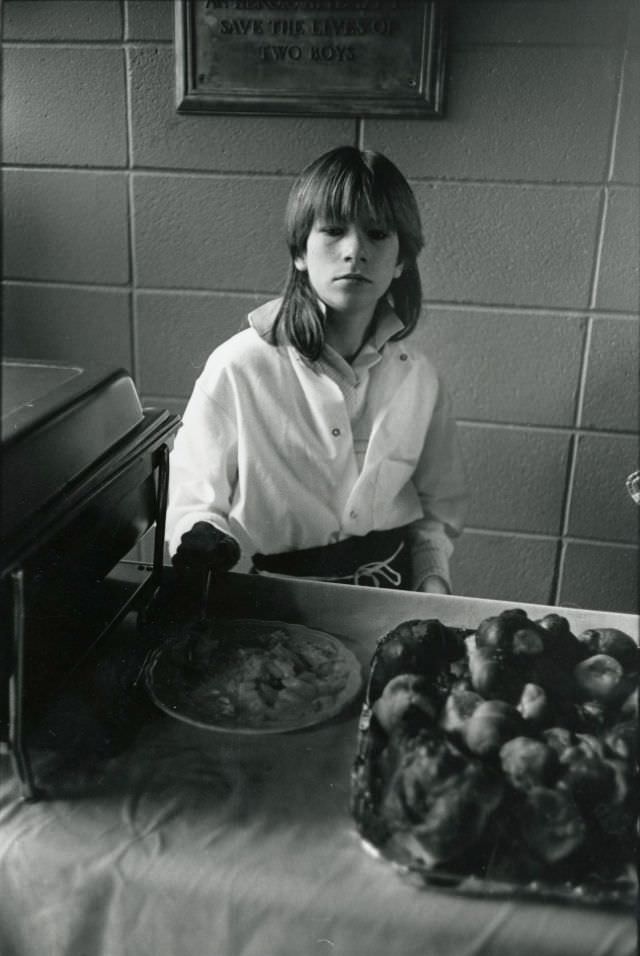
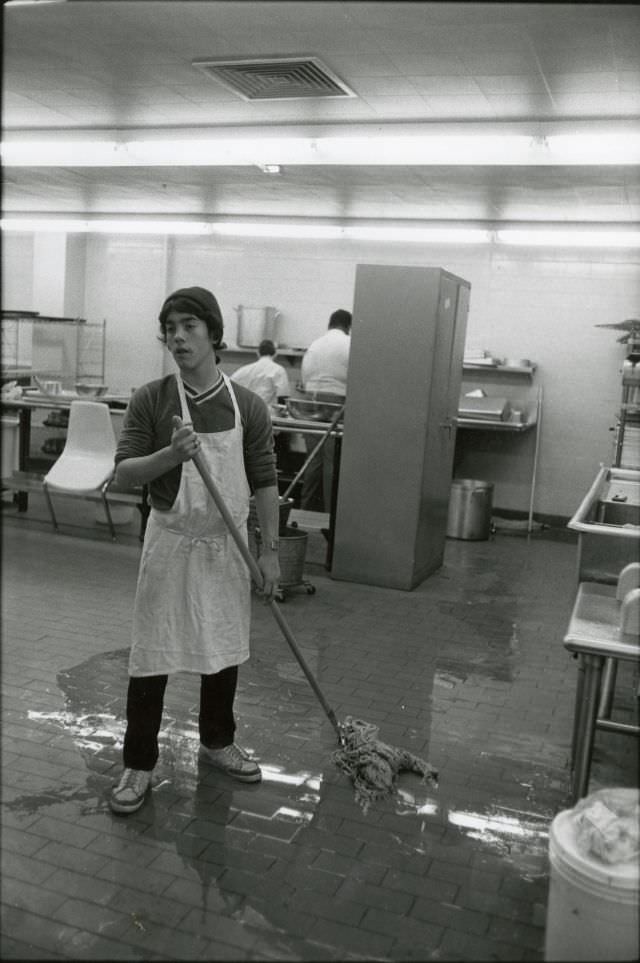
Students also worked jobs inside the school itself. Some served food in the cafeteria, while others mopped kitchen floors. These were real jobs with real responsibilities, not just class exercises. Work-study arrangements were common in urban public schools of the era, and Pierce documented them matter-of-factly.
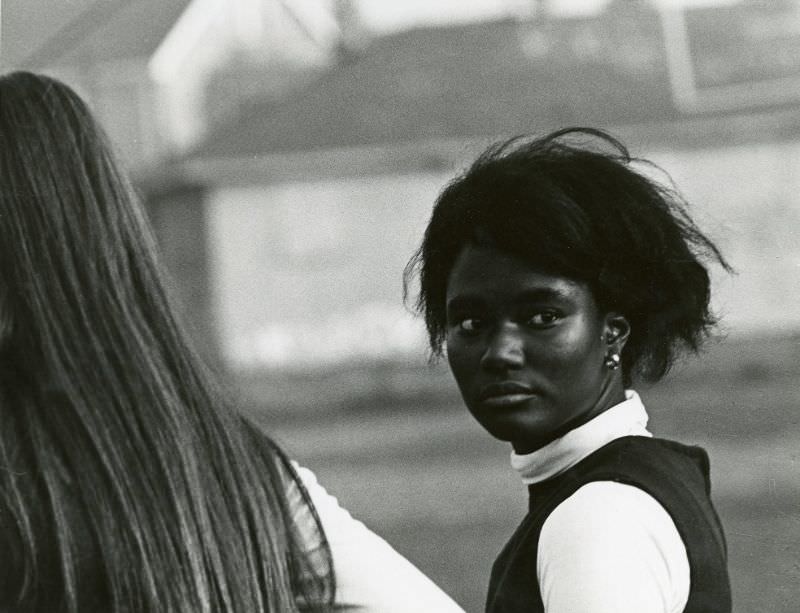
Not all of Pierce’s photographs were action shots or group scenes. She also made individual and small-group portraits throughout the project. These images slow things down and put individual faces at the center. One portrait is labeled simply as Ho Bachtran — a name that speaks to the diversity of the student body during a decade when Cambridge was home to many recent immigrant families.
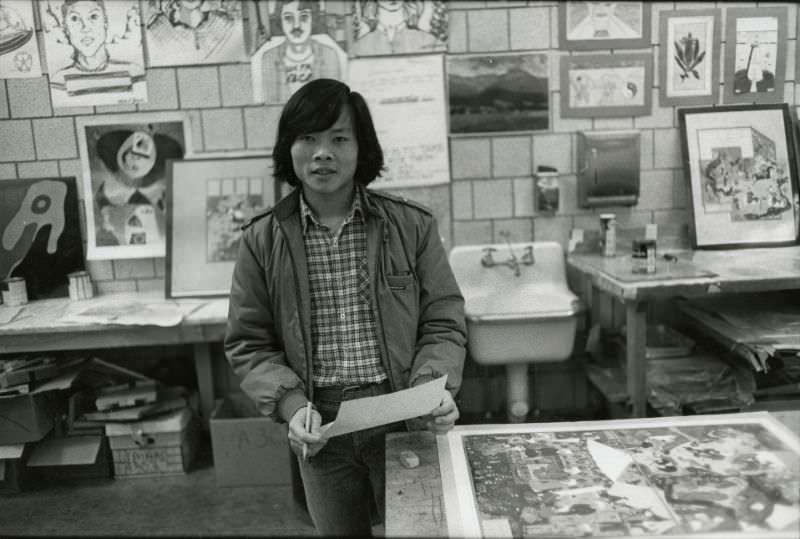
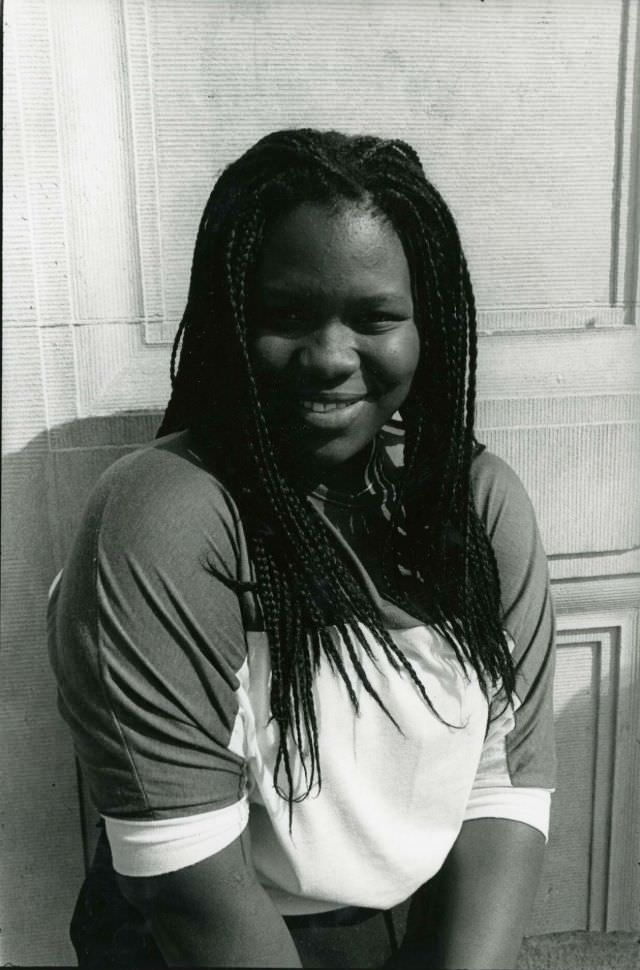
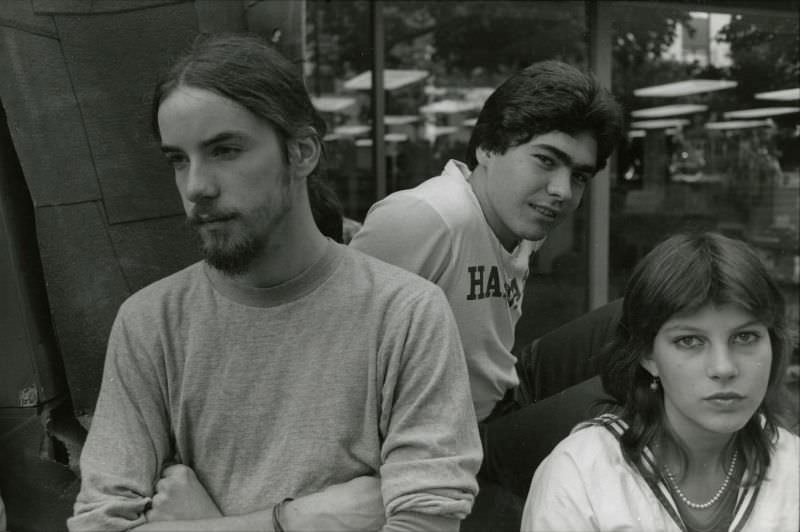
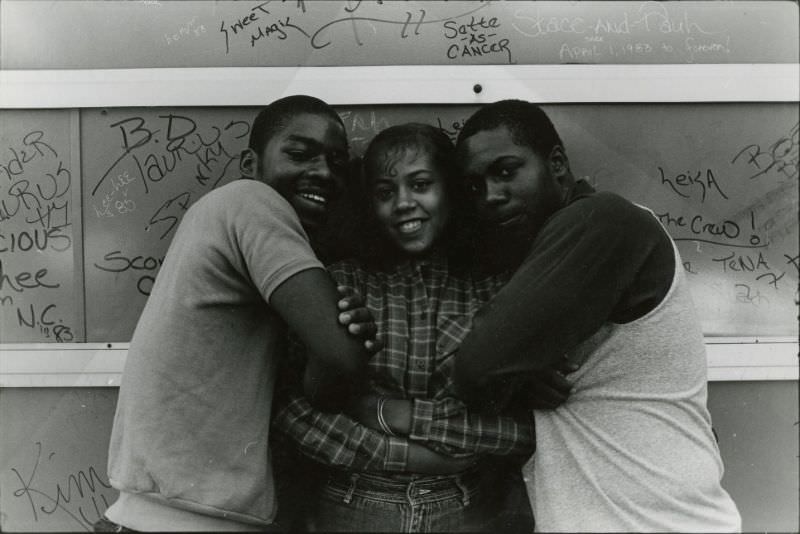
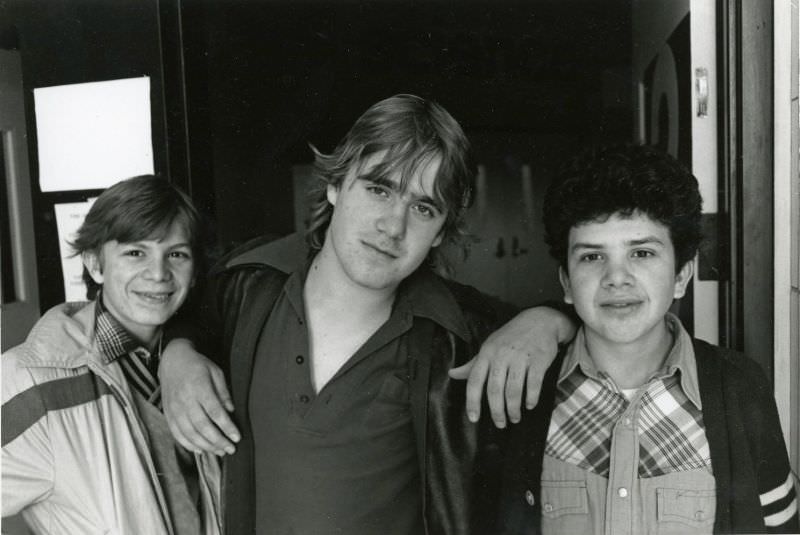
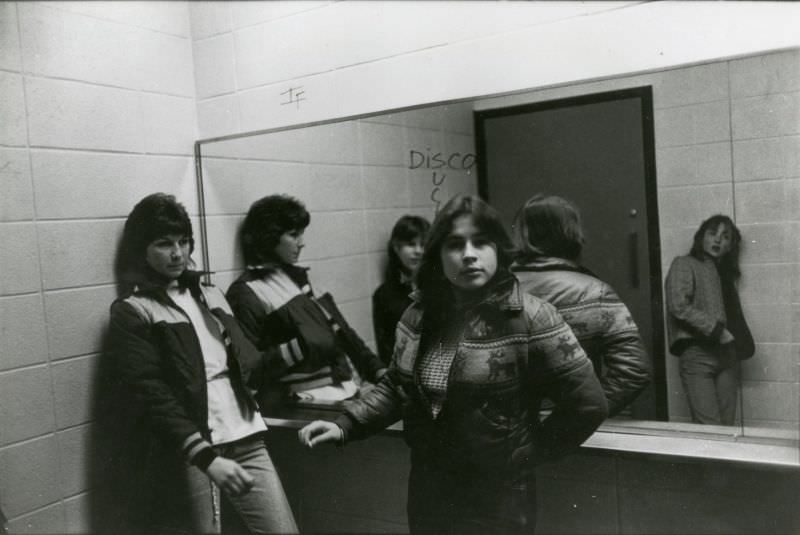
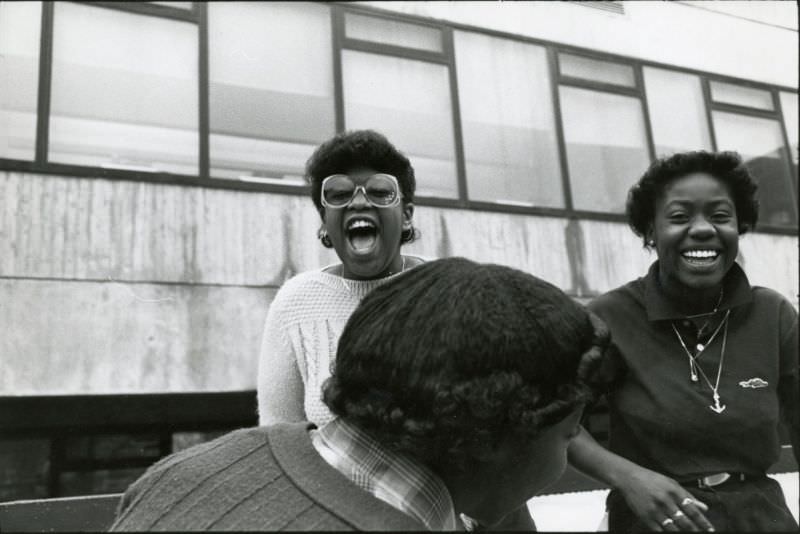
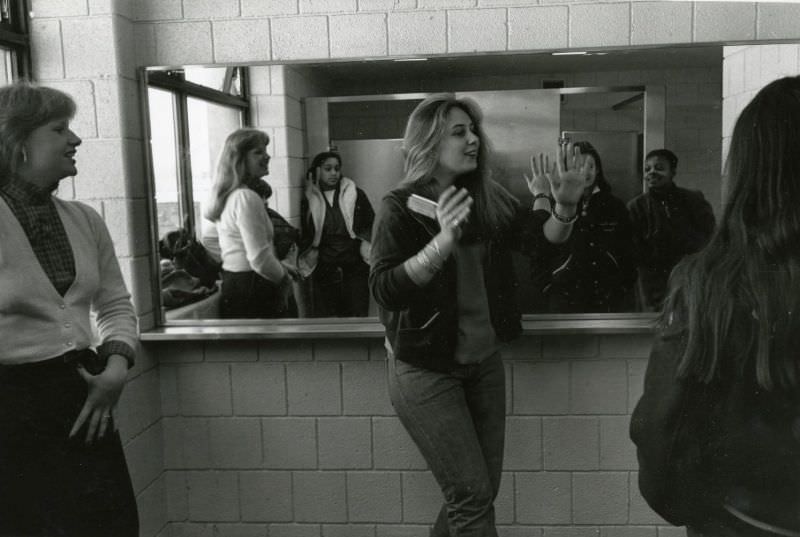
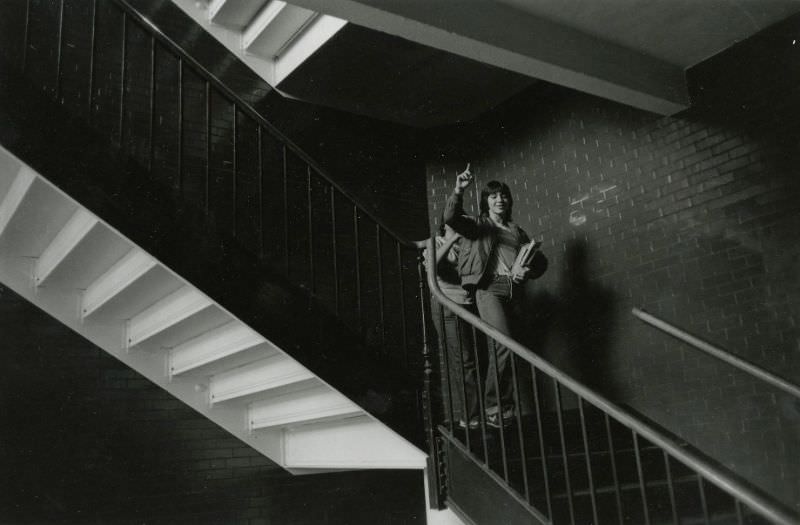
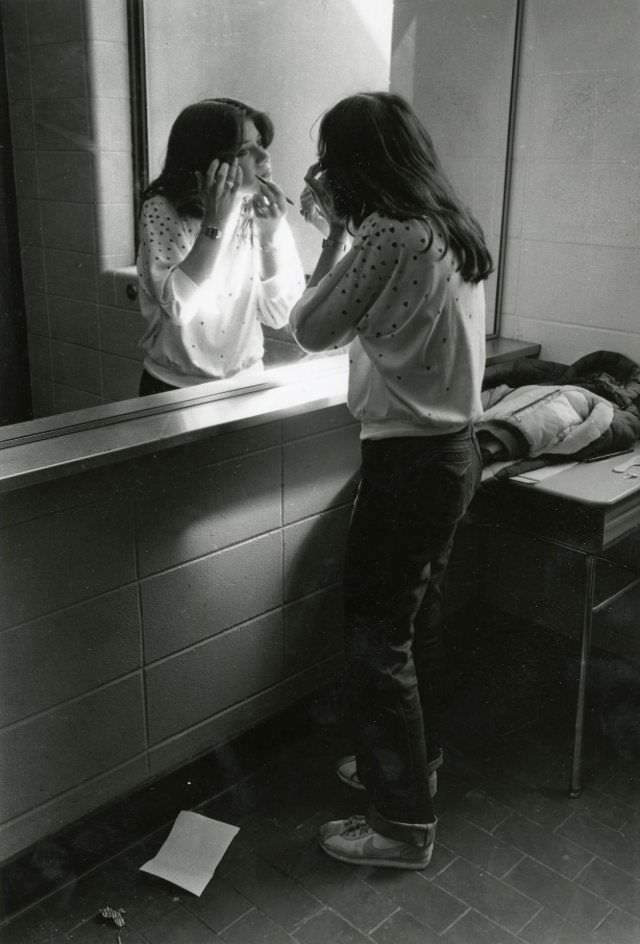
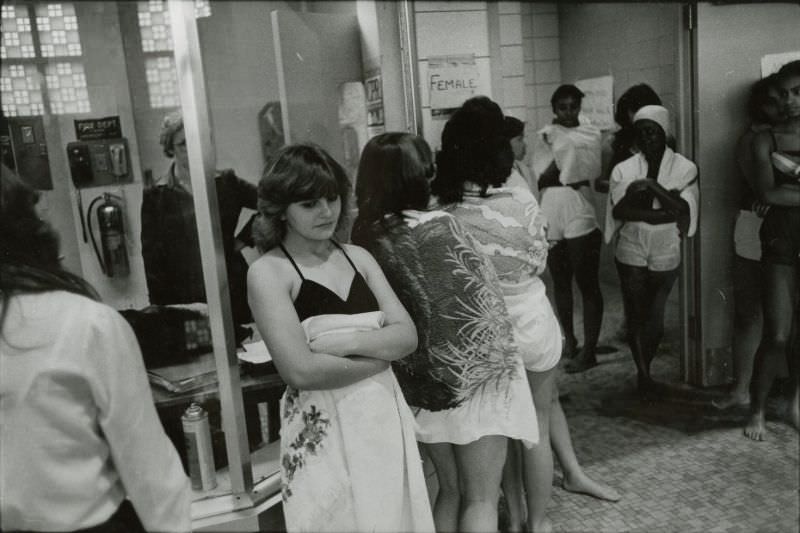
Pierce also captured the unguarded, social moments that teenagers tend to remember most. Students laughing together in stairwells, socializing in bathrooms, or goofing off for the camera. These photos carry the casual energy of people who are not performing for an audience — or at least are comfortable enough with the photographer to forget she’s there.
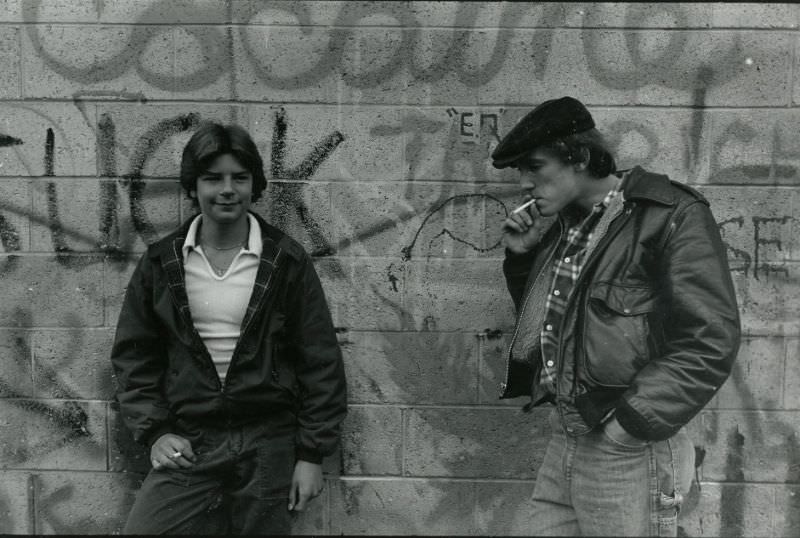
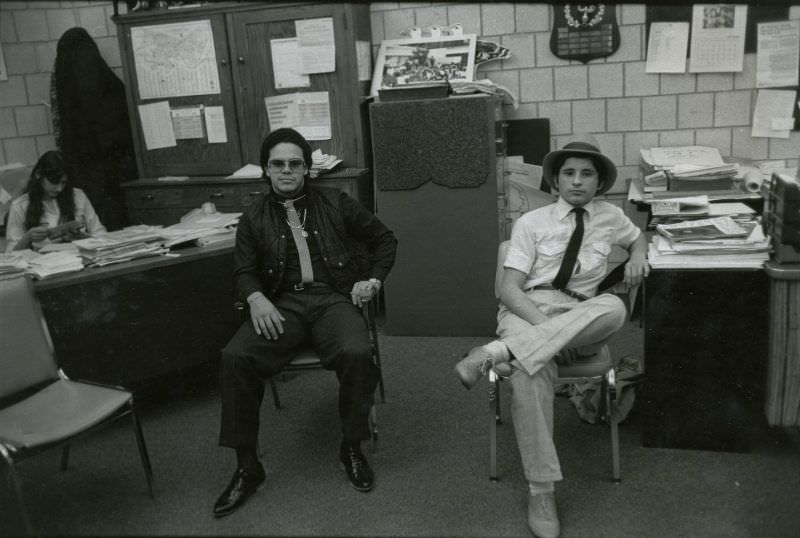
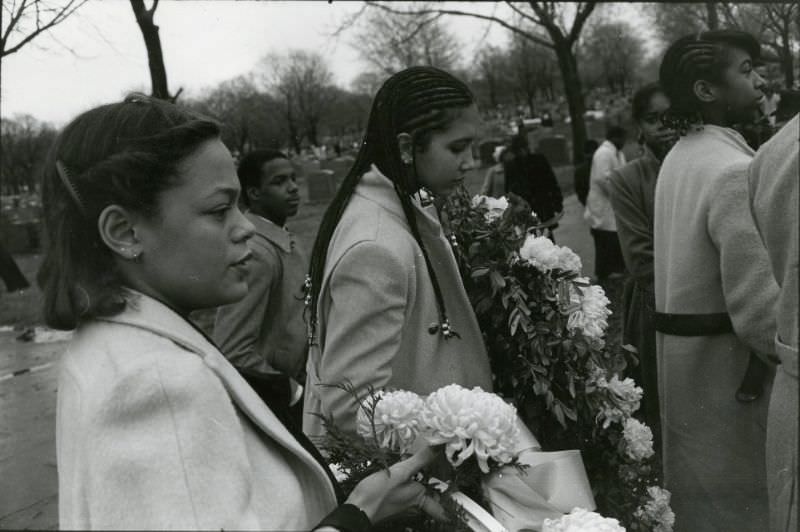
Some photographs document the harder edges of teenage life. Two teenagers smoking against a wall. Students sitting in the school office — a room that usually meant trouble. A school nurse examining a student. A group of students at a funeral. Pierce did not edit out the difficult parts of adolescence, and the book’s title — No Easy Roses — made that intention clear from the start.
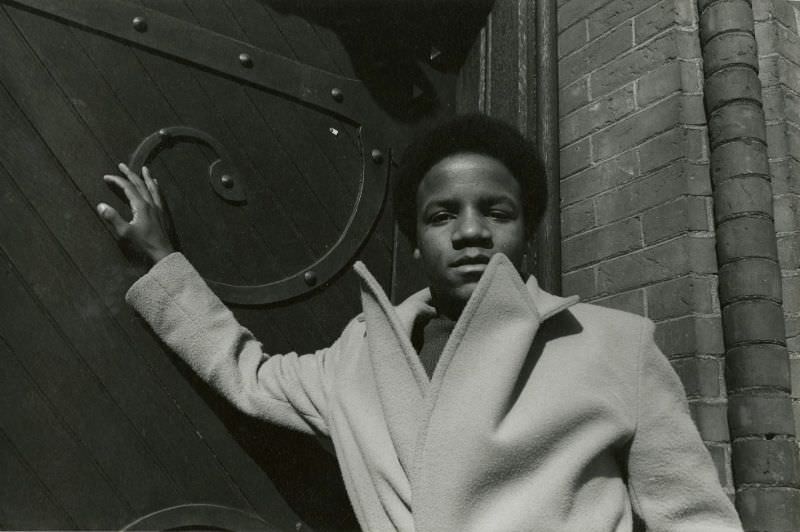
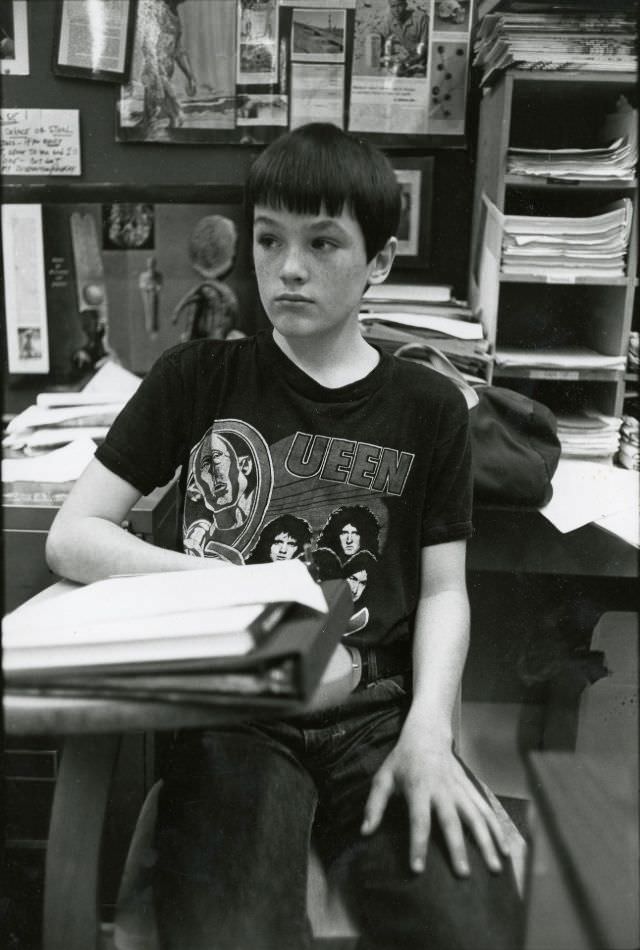
Other photographs show the small, specific rituals that make up a school day. A student applying makeup in a mirror. Girls waiting outside a locker room. A boy proudly holding up a wooden construction he built. A student posing in front of an ornate door. A boy in a Queen t-shirt staring out from a classroom. These details, small on their own, add up to a full picture of what daily life actually looked like.
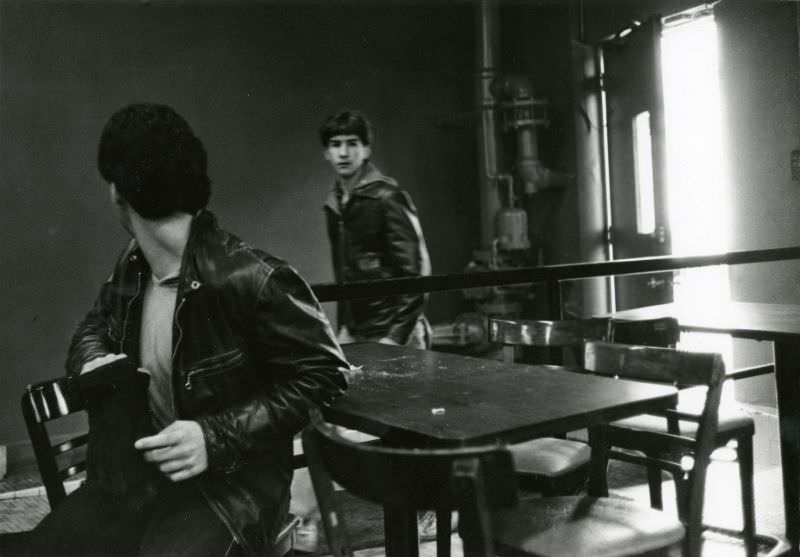
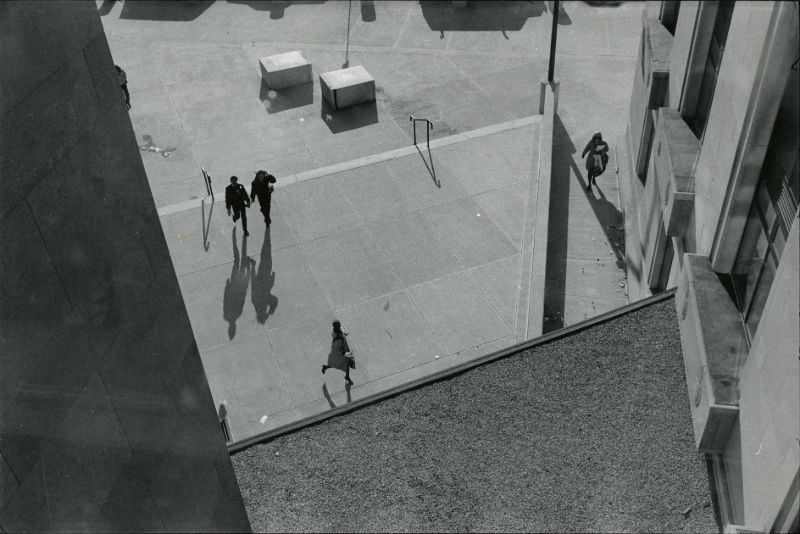
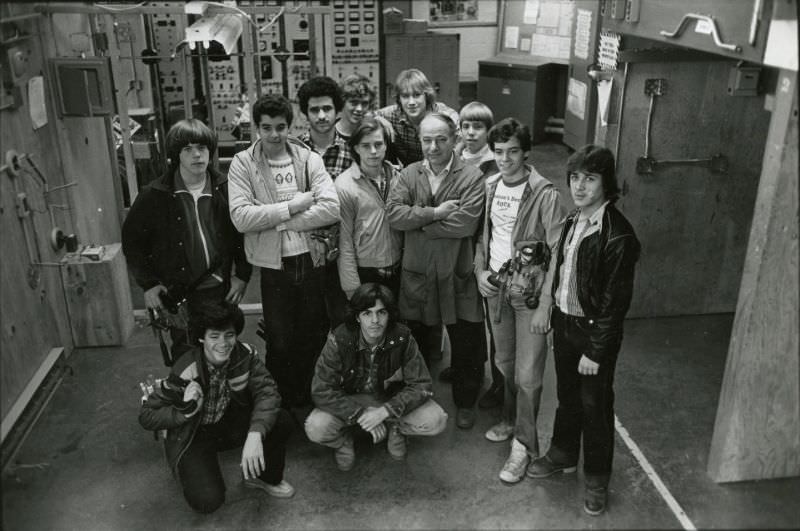
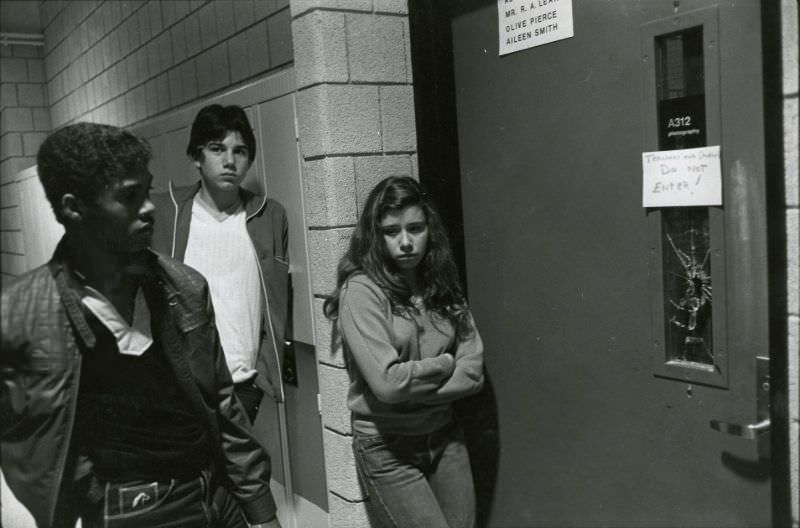
The photographs also show parts of the school building that rarely appear in any official documentation. A view into the courtyard from above. The mechanical room, where a teacher and students posed together among pipes and machinery. Three students standing outside the photography room. These spaces reveal the full physical environment that students moved through every day — not just the polished classrooms that appear in yearbooks.
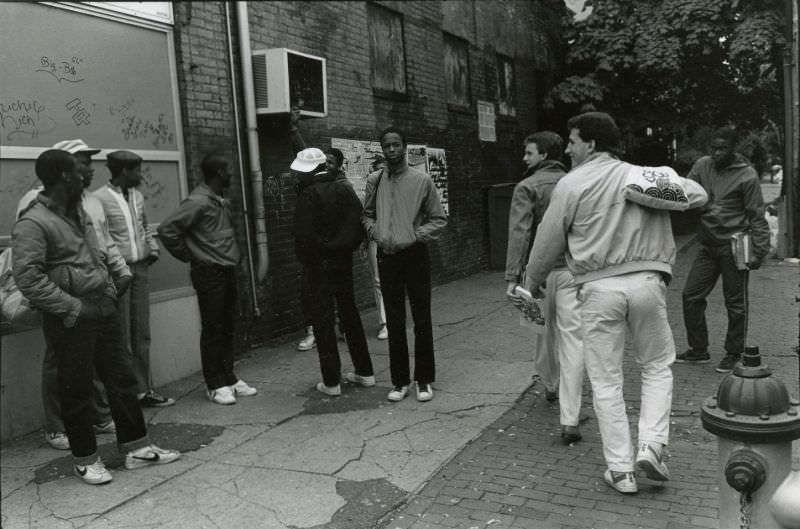
The remaining photographs round out the project with more scenes from across the school — additional classroom moments, students hanging out outside the building, and candid portraits in common areas. Together, they form a record of a specific time and place: Cambridge Rindge and Latin School in the early 1980s, as seen by someone who was both a teacher inside it and a photographer documenting it from the outside.