Masako Katsura was born in Tokyo on March 7, 1913. When she was just 12 years old, she lost both of her parents. She moved in with her older sister and brother-in-law, who ran a small billiard room. It was a humble setting, but it changed the course of her life entirely.
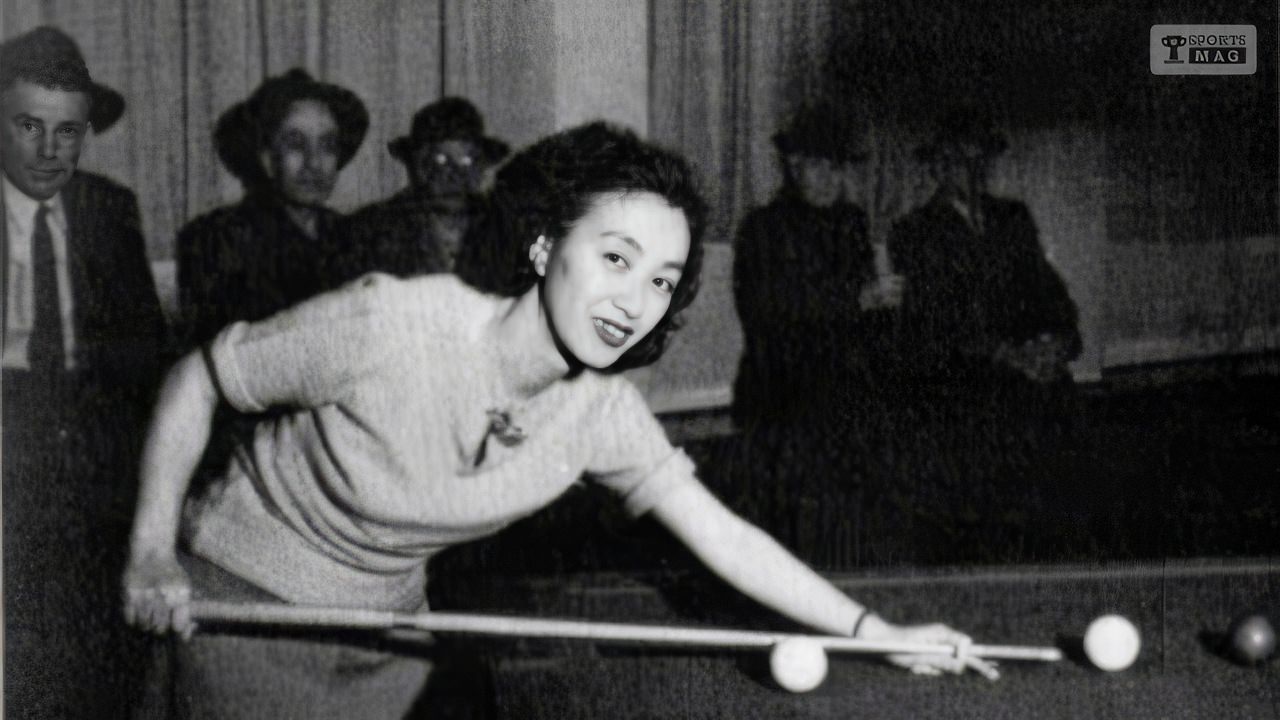
Katsura threw herself into the work of the billiard room — retrieving balls, arranging them for play, and polishing cues. She watched the players closely, absorbing every shot and angle she could. Her sister noticed her growing obsession and gifted her a small practice table. That table became her training ground. By age 15, she had sharpened her skills enough to win a championship among her peers.
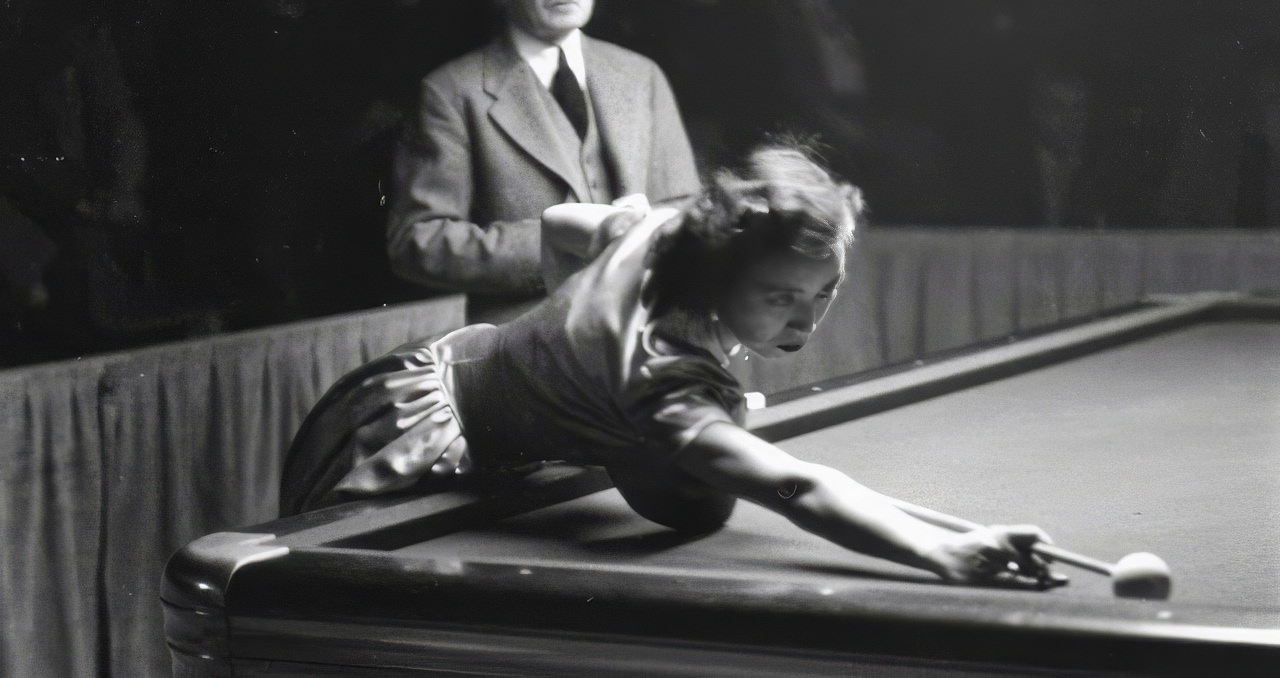
Billiards in Japan at the time was a sport built around men. Women were not expected to compete, let alone excel. Katsura ignored that boundary entirely. She practiced for hours every day, pushing her technique further with each session.
In 1937, a critical meeting changed her trajectory. She crossed paths with Kinri Matsuyama, a world-renowned billiards champion. Matsuyama immediately recognized her as a prodigy. He took her under his mentorship, and under his guidance her game reached an entirely new level. Her technical ability grew rapidly, and her name began to travel far beyond Japan’s borders.
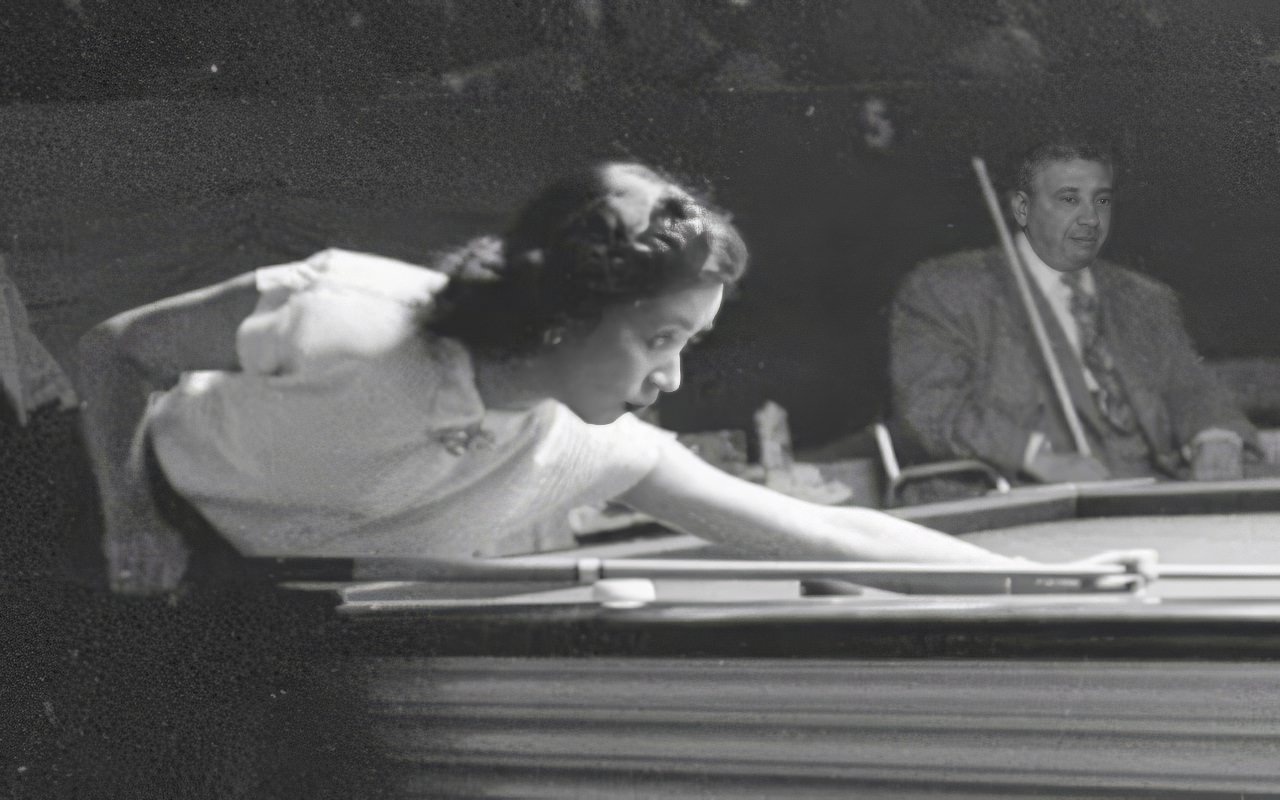
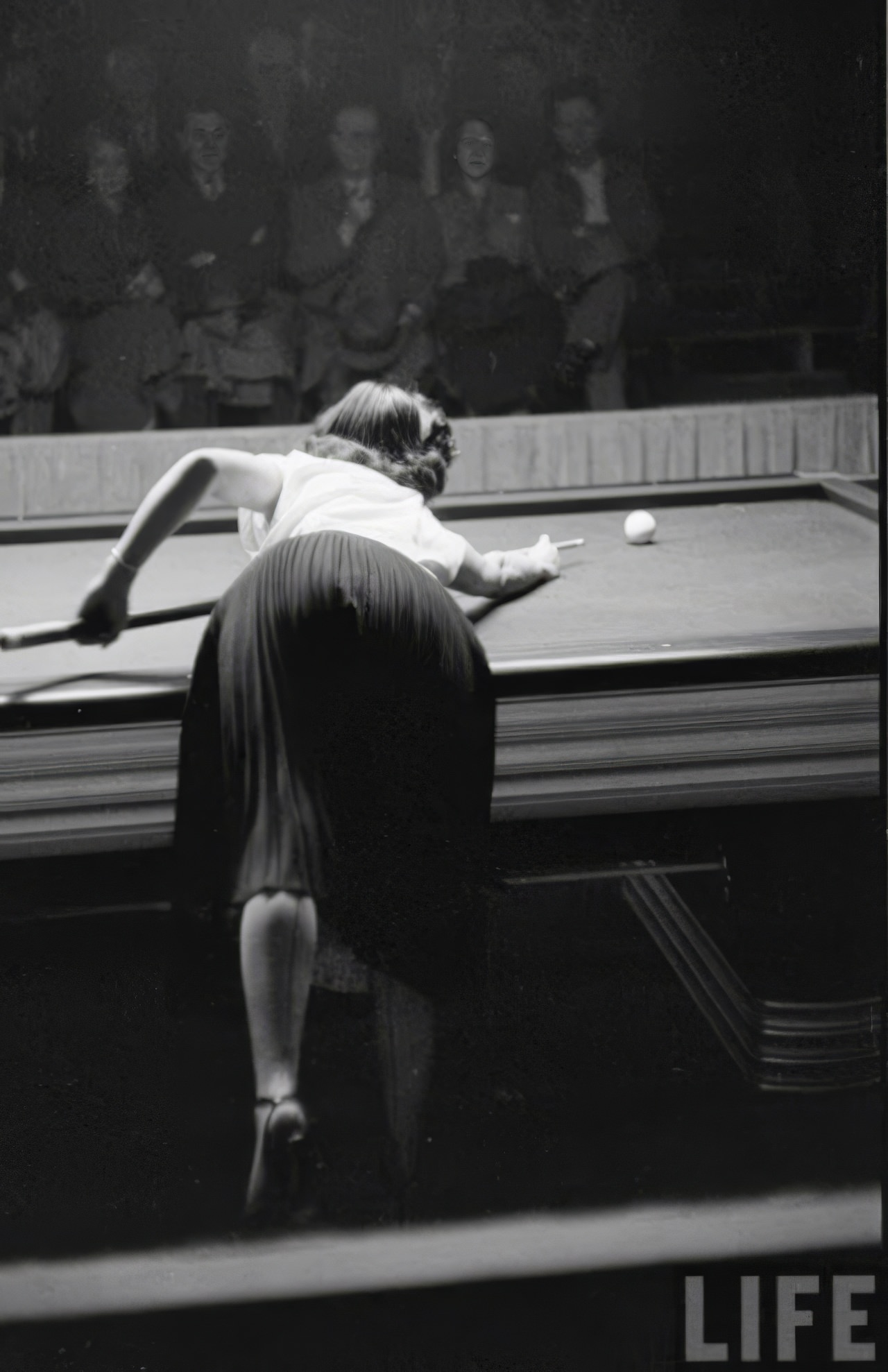
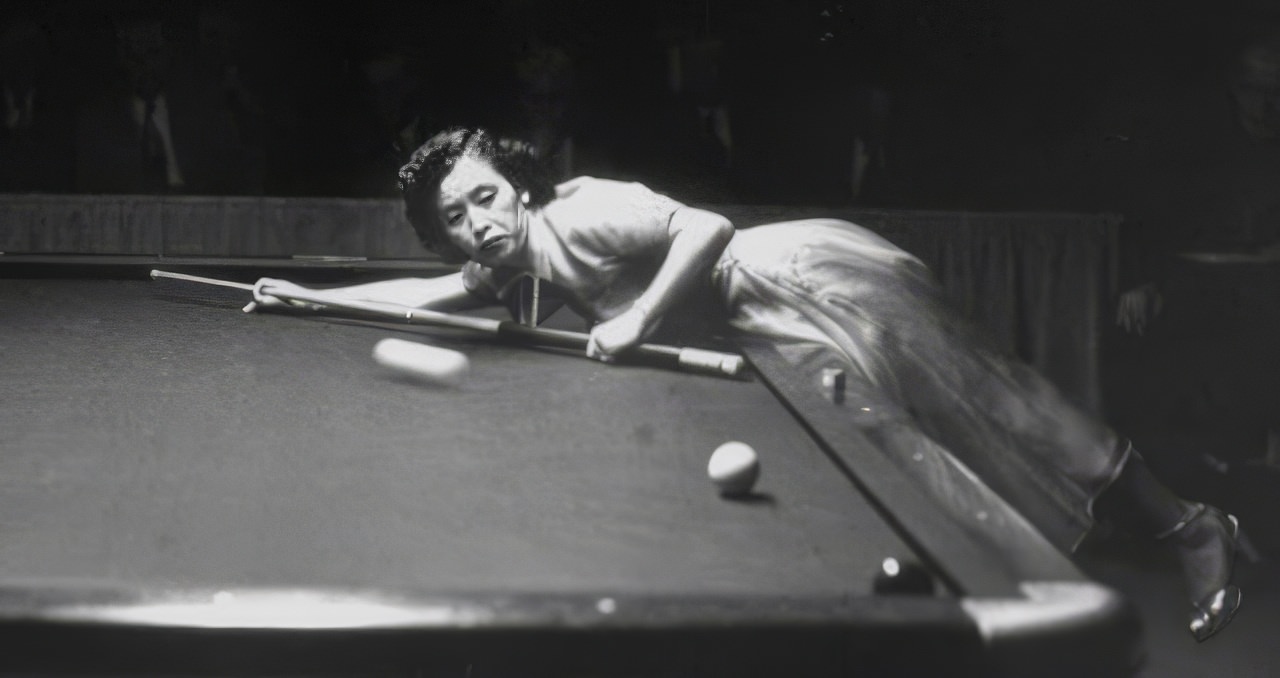
Katsura specialized in three-cushion billiards, one of the most demanding disciplines in the sport. In this format, the cue ball must contact at least three cushions before hitting the second object ball. Success requires precise calculation of angles, exact control of speed, and a deep understanding of spin. Katsura mastered all of it.
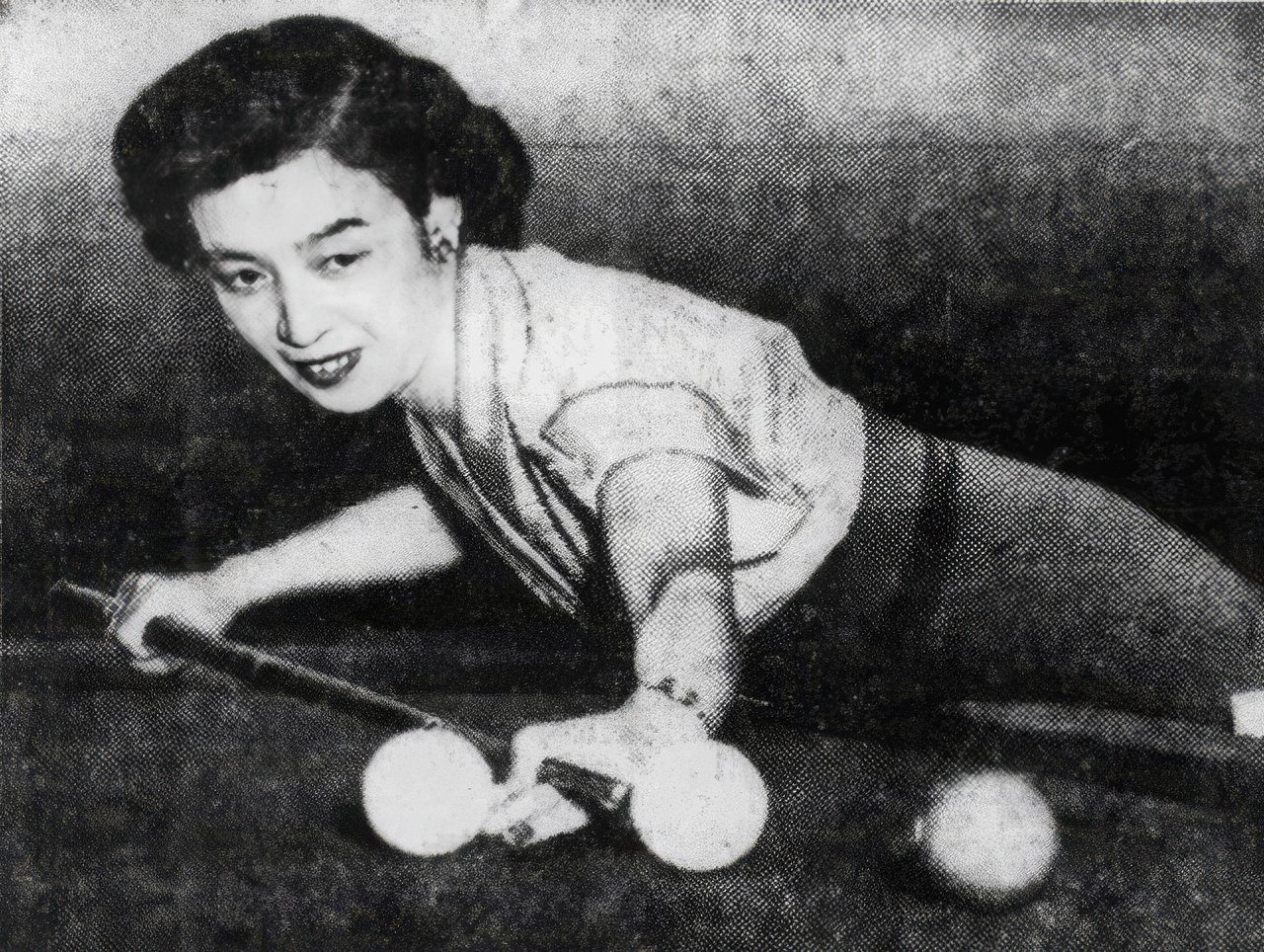
Her execution at the table was flawless. Each shot reflected hours of deliberate practice and an almost instinctive feel for the geometry of the game. She competed in events that had previously been the exclusive territory of men, and she won the respect of audiences and opponents alike on an international stage.
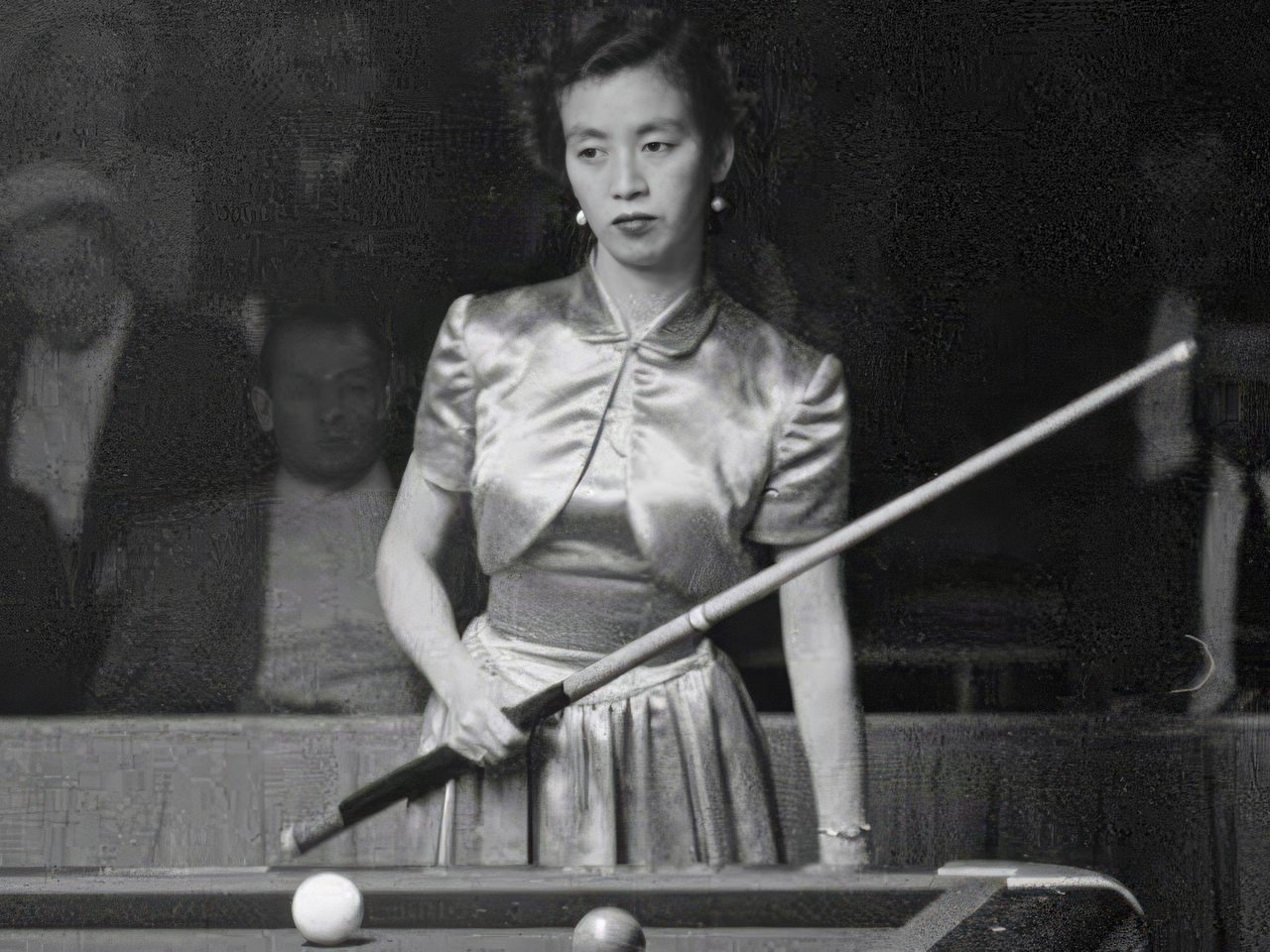
The world of billiards responded to her talent with a title that stuck: “The First Lady of Billiards.” It was more than a nickname. It marked her status as the first woman to compete at the highest levels of a sport that had never made room for women before. She did not simply participate — she dominated.
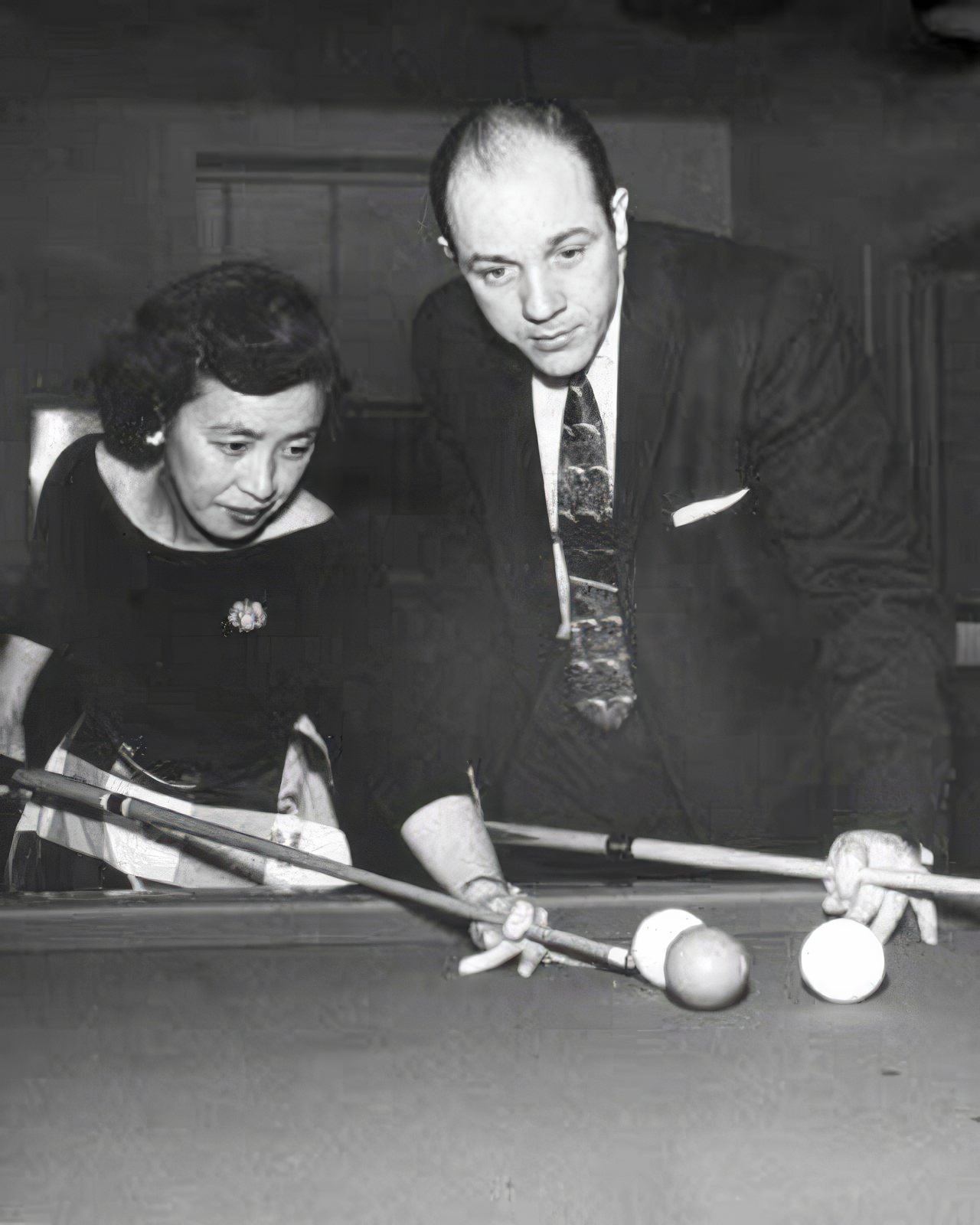
Masako Katsura died in 1995. Her path — from a grieving 12-year-old polishing cues in a small Tokyo billiard room to a celebrated international competitor — was built entirely on discipline, precision, and an unrelenting drive to compete at the highest level regardless of what convention said about her place in the sport.