Hey There! Before You Go. 😧
Get the best vintage content straight into your inbox!

Don't worry, we don't spam

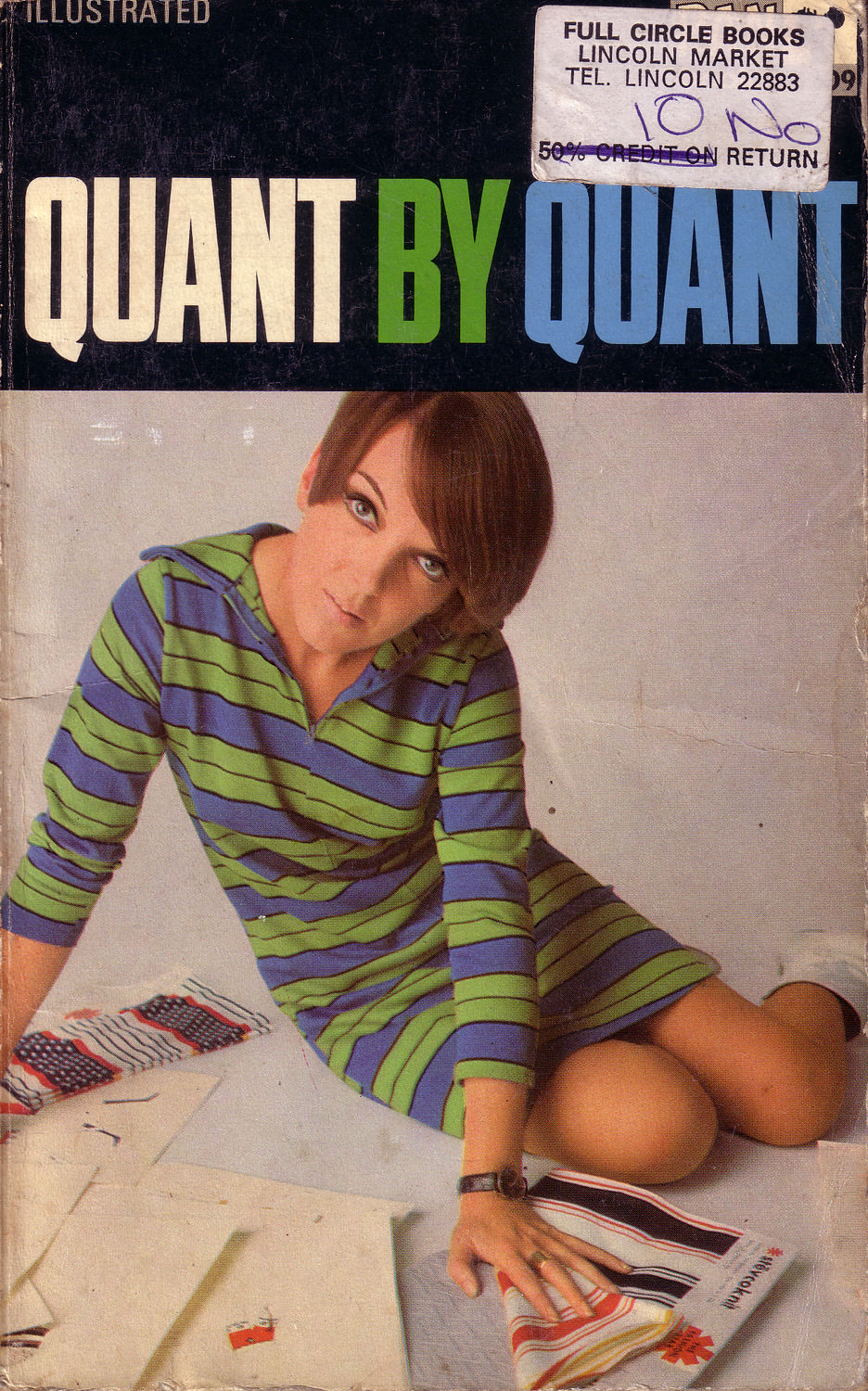
Mary Quant, the Kings Road, and the Mini-Skirt: Exploring the True Origins of the Iconic 60s Fashion Trend

Mary Quant was born on February 11, 1934, in Blackheath, London, to Welsh parents who fostered her creative instincts early on. After studying at Goldsmiths College, she channelled that energy directly into fashion. In 1955, she opened her boutique Bazaar on the King’s Road in Chelsea — a decision that would reshape how a generation dressed.
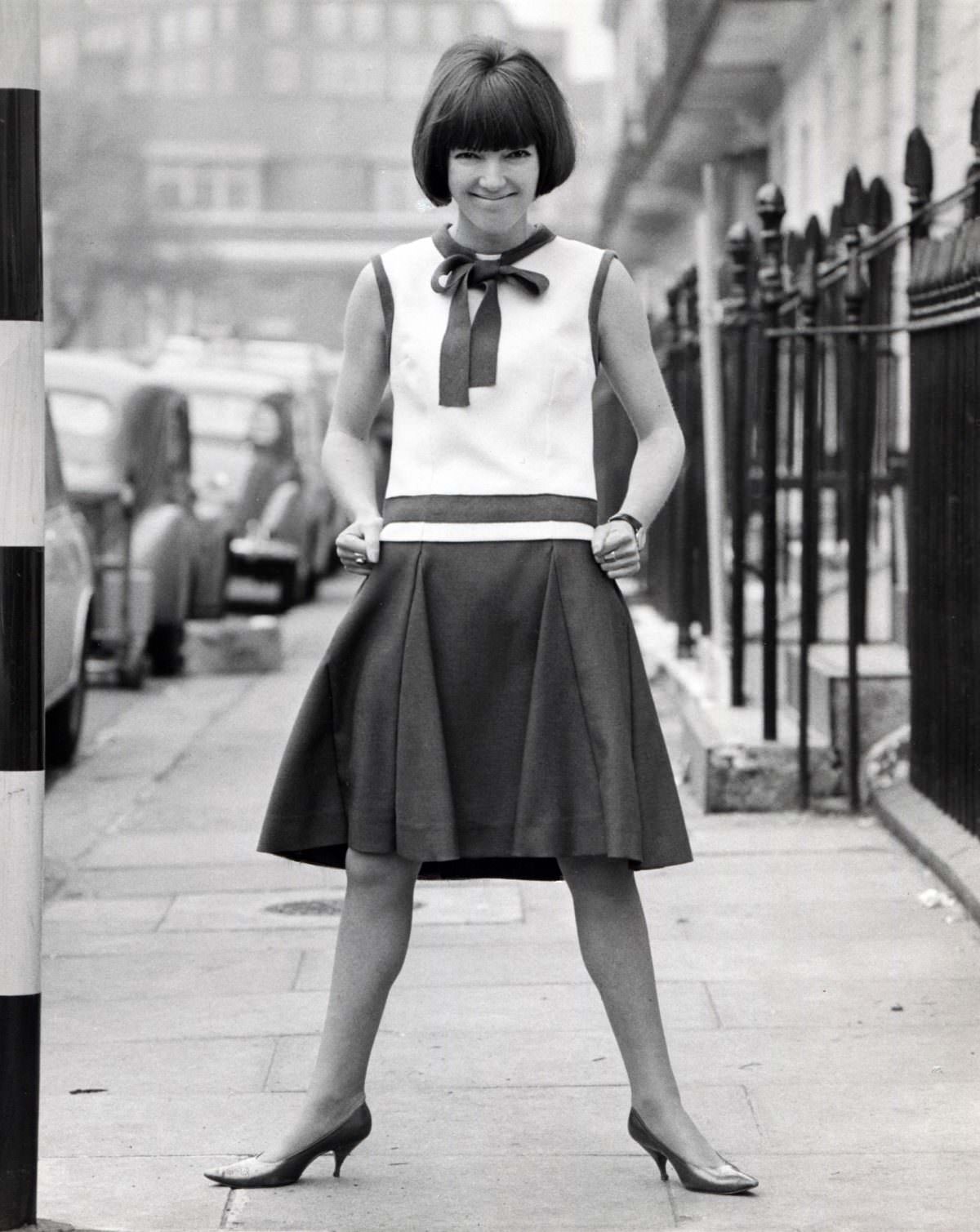
Mary Quant by Vic Singh, c1961

The King’s Road was the beating heart of London’s youth culture in the 1960s. Artists, musicians, photographers, and socialites gathered there, drawn by its energy and its rejection of stuffy, post-war convention. Quant described this crowd — the Chelsea Set — as a world of “painters, photographers, architects, writers, socialites, actors, con-men, and superior tarts.”
Mary Quant, the Kings Road, and the Mini-Skirt: Exploring the True Origins of the Iconic 60s Fashion Trend

One key gathering spot that fed into this scene was the Fantasie coffee bar, which opened in 1955. Owned by Archie McNair, who lived above it, the café attracted Quant, her boyfriend Alexander Plunkett-Greene, and their circle regularly. Vodka was illegally added to drinks, local bands like the Chas McDevitt Skiffle Group performed, and ideas about fashion and culture flowed freely.
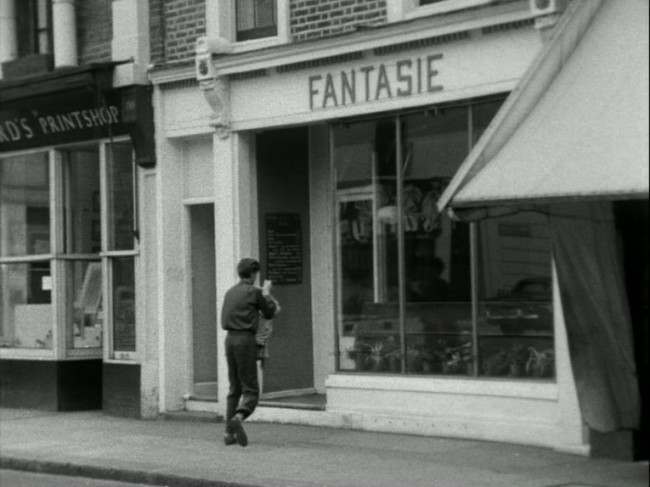
The Fantasie coffee bar in 1955/6. A screen grab of the Free Cinema film Food For a Blush (1959).
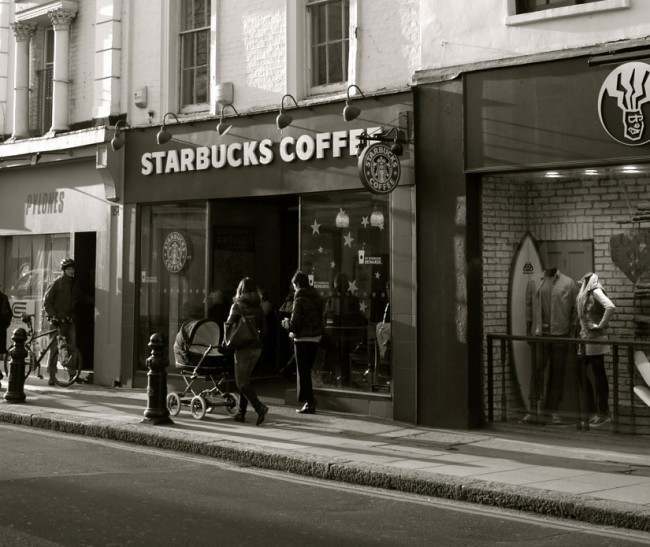
The first UK Starbucks was opened on the King's Road and in the same premises as the Fantasie.
The first UK Starbucks was opened on the King’s Road and in the same premises as the Fantasie.

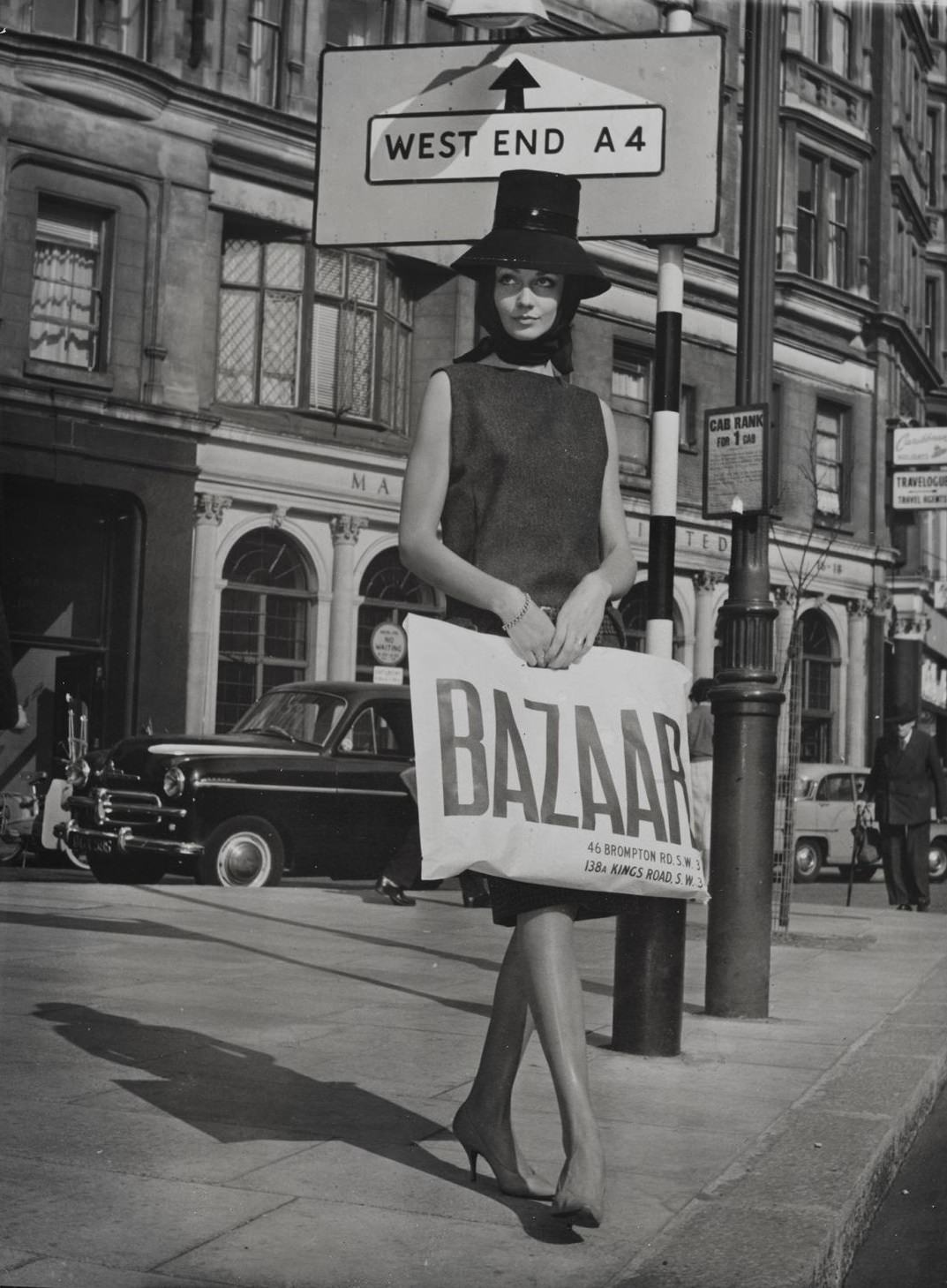
Bazaar itself stood apart from every other shop on the street. Its colorful, youthful clothing was a direct challenge to the formal, structured fashion that dominated the era. Young women responded immediately — the boutique became a landmark for the Chelsea Set and a template for a new kind of retail experience.
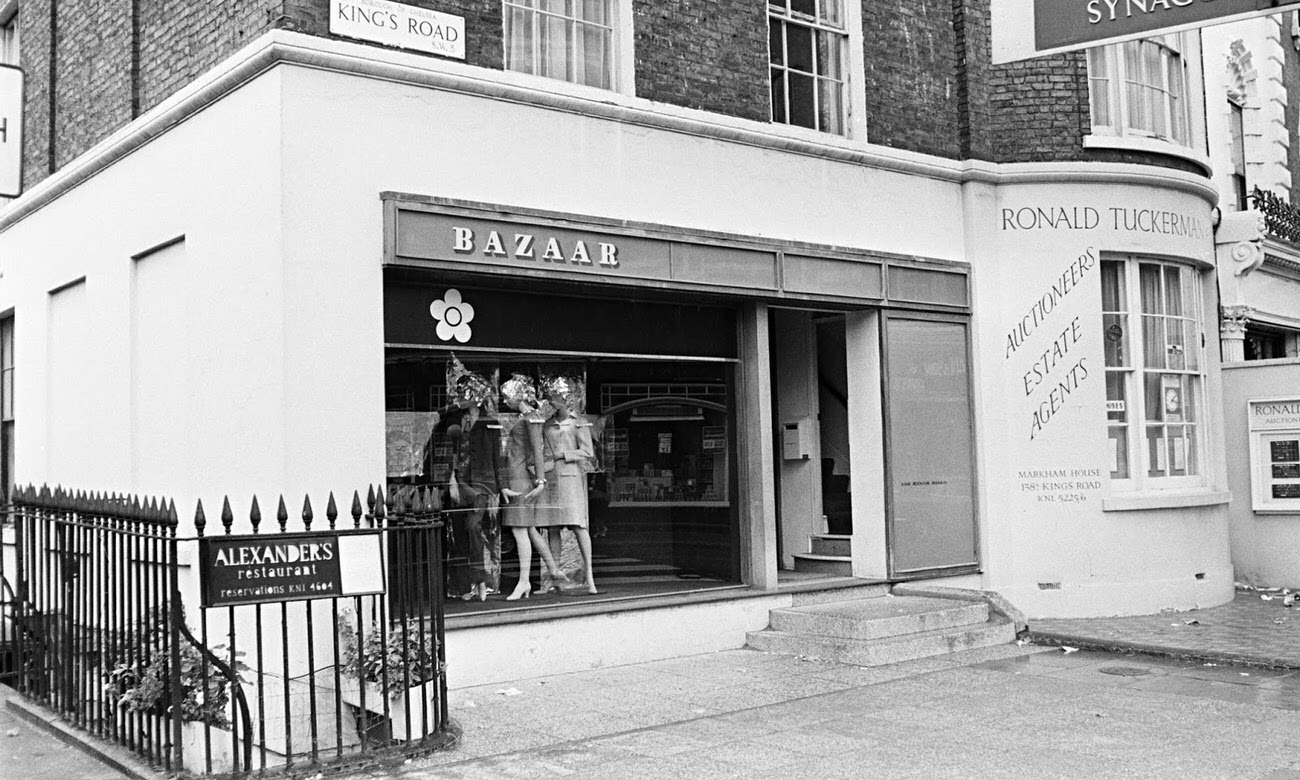
Mary Quant's Bazaar boutique on the King's Road c.1960
Mary Quant’s Bazaar boutique on the King’s Road c.1960
Model holding a Bazaar bag outside Bazaar and the Markham Arms on the King's Road c.1959
Model holding a Bazaar bag outside Bazaar and the Markham Arms on the King’s Road c.1959

By 1959, Quant had opened a second Bazaar branch in Knightsbridge. Her designs were moving fast and so were hemlines. As skirts crept shorter in the early 1960s, Quant named her version of the short skirt after her favourite car — the Mini. It was a deliberate signal: modern, fast, and unapologetically young.
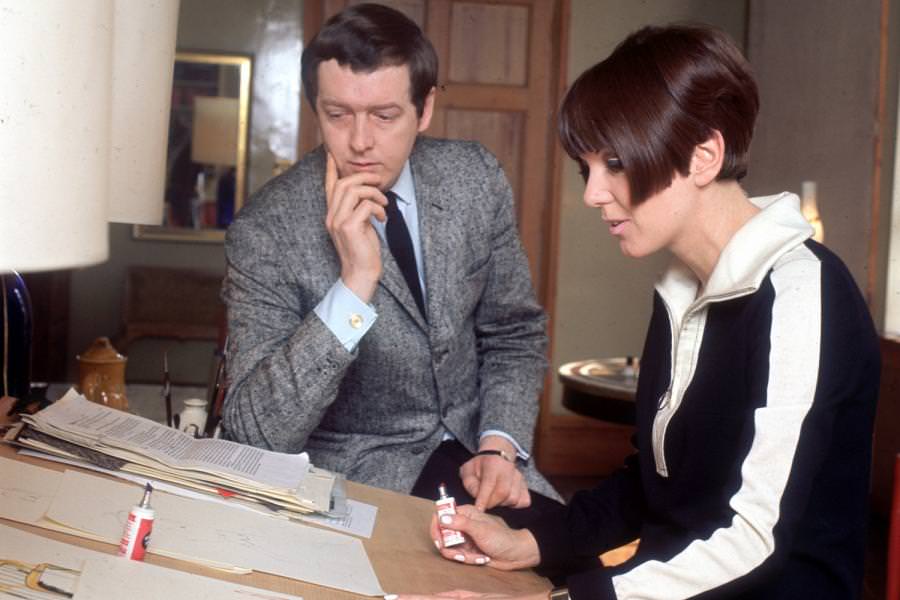
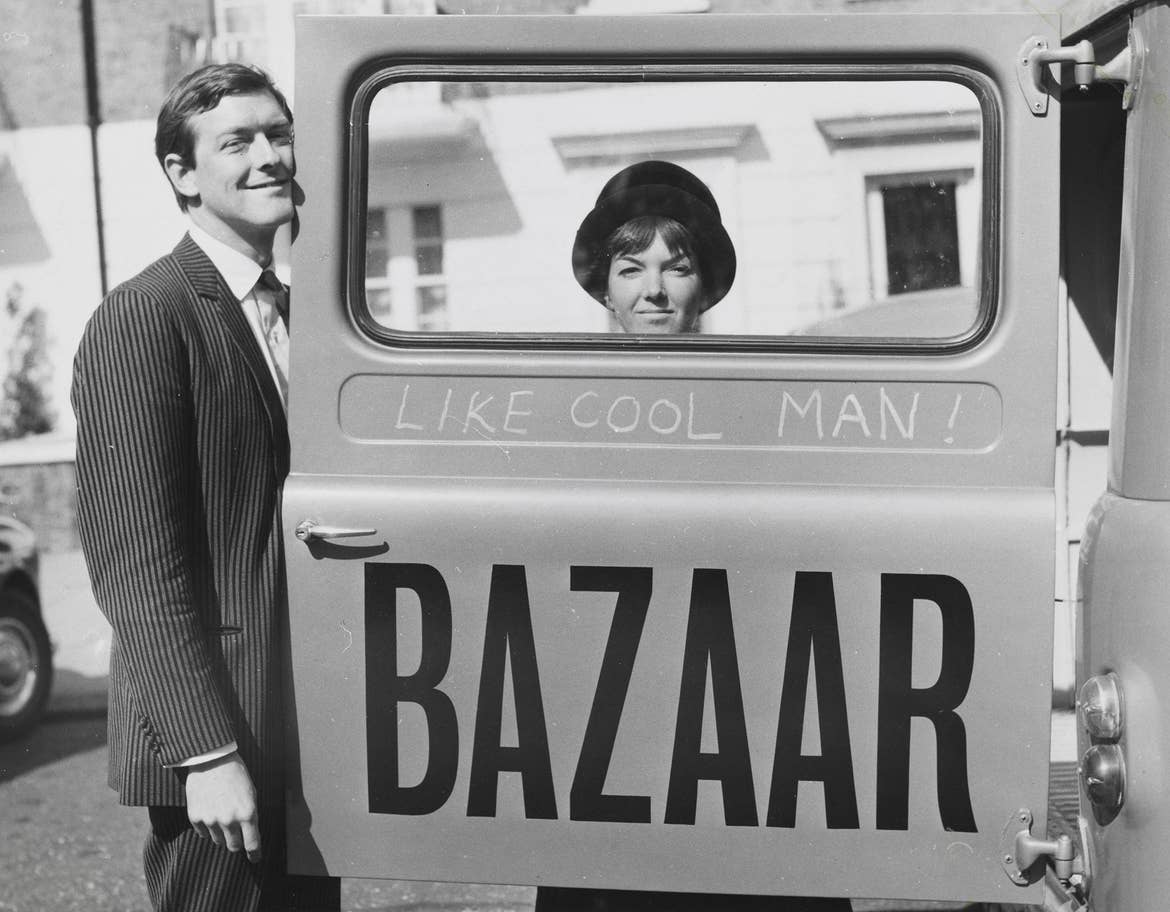
Mary Quant in her newly opened Knightsbridge brance of Bazaar in 1959.
Quant and husband Alexander Plunket-Greene in 1960 John Cowan

The mini-skirt’s origins were not Quant’s alone. Designers John Bates and André Courrèges were also experimenting with shorter hemlines at the same time. But Quant was the one putting these styles directly into the hands of everyday young women through Bazaar, at accessible prices, in a shop that felt like theirs.
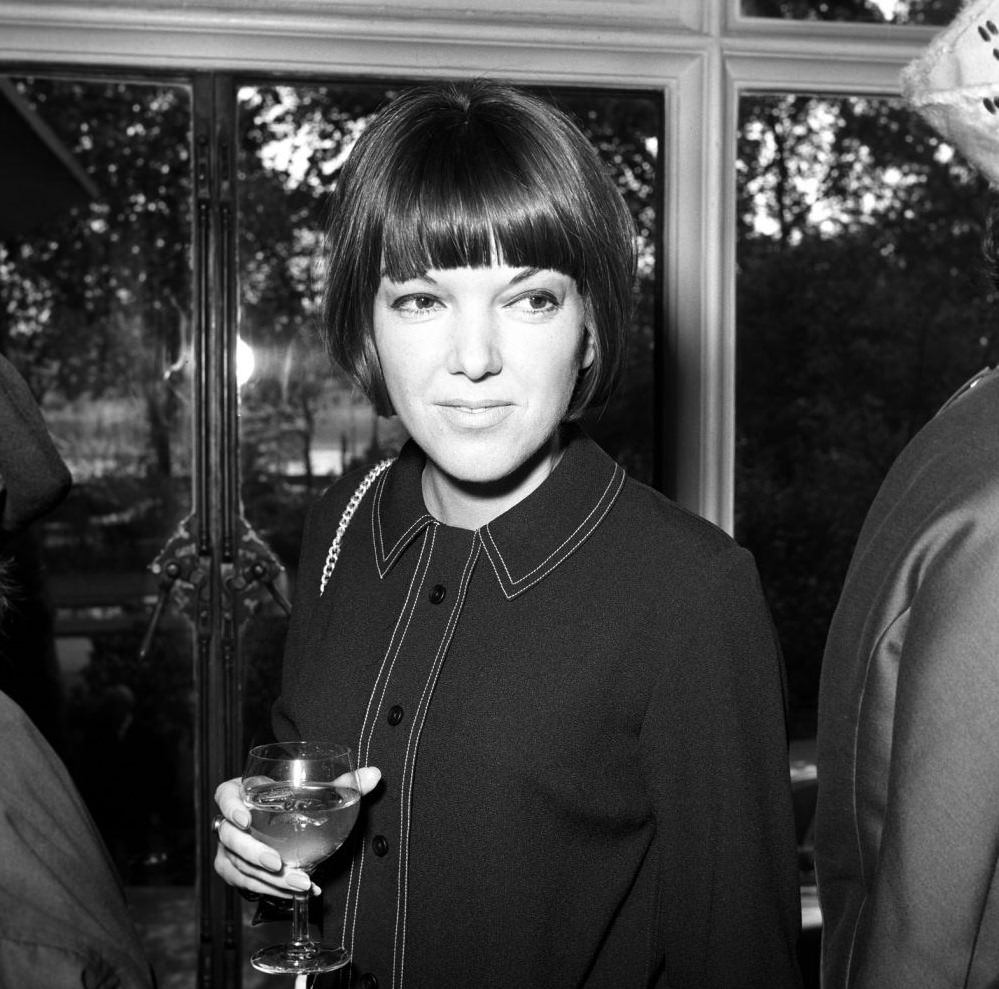
Mary Quant (fashion designer)10th October 1963

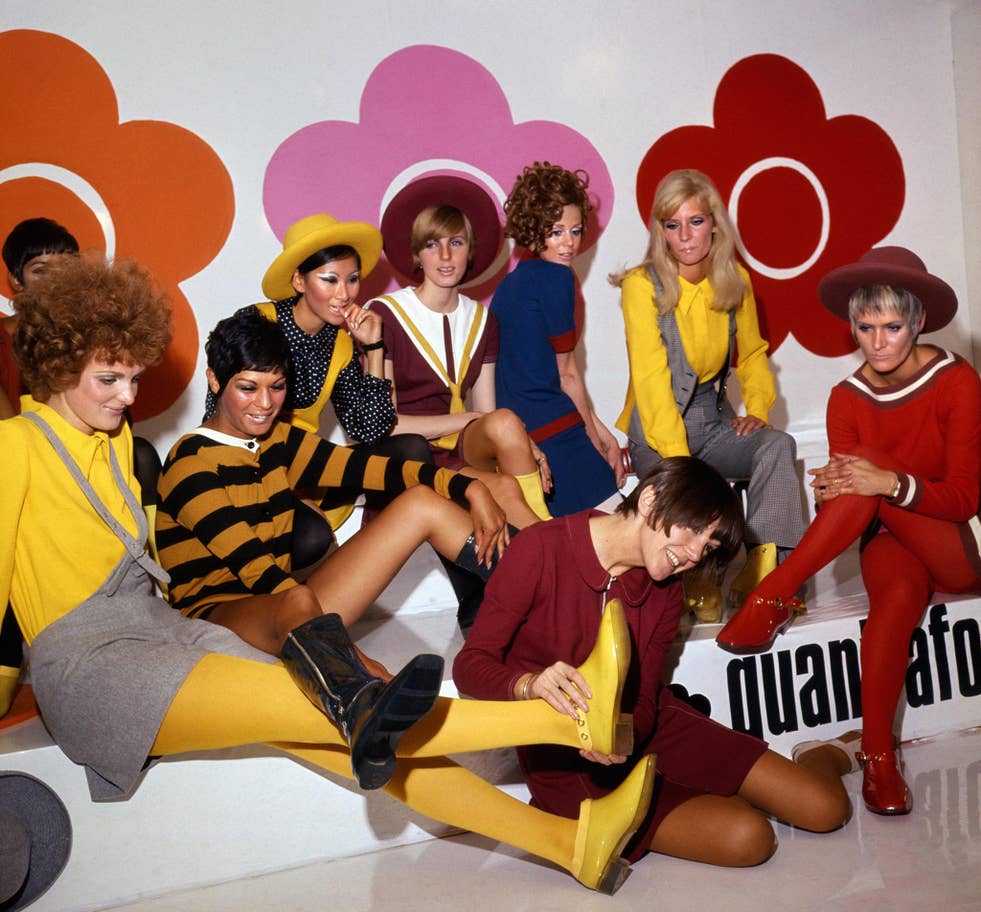
The rise of tights was just as important as the skirt itself. Before the 1960s, women wore stockings, which made very short skirts impractical. Quant pushed colored and patterned tights as a core part of her look, turning a functional necessity into a bold fashion statement.
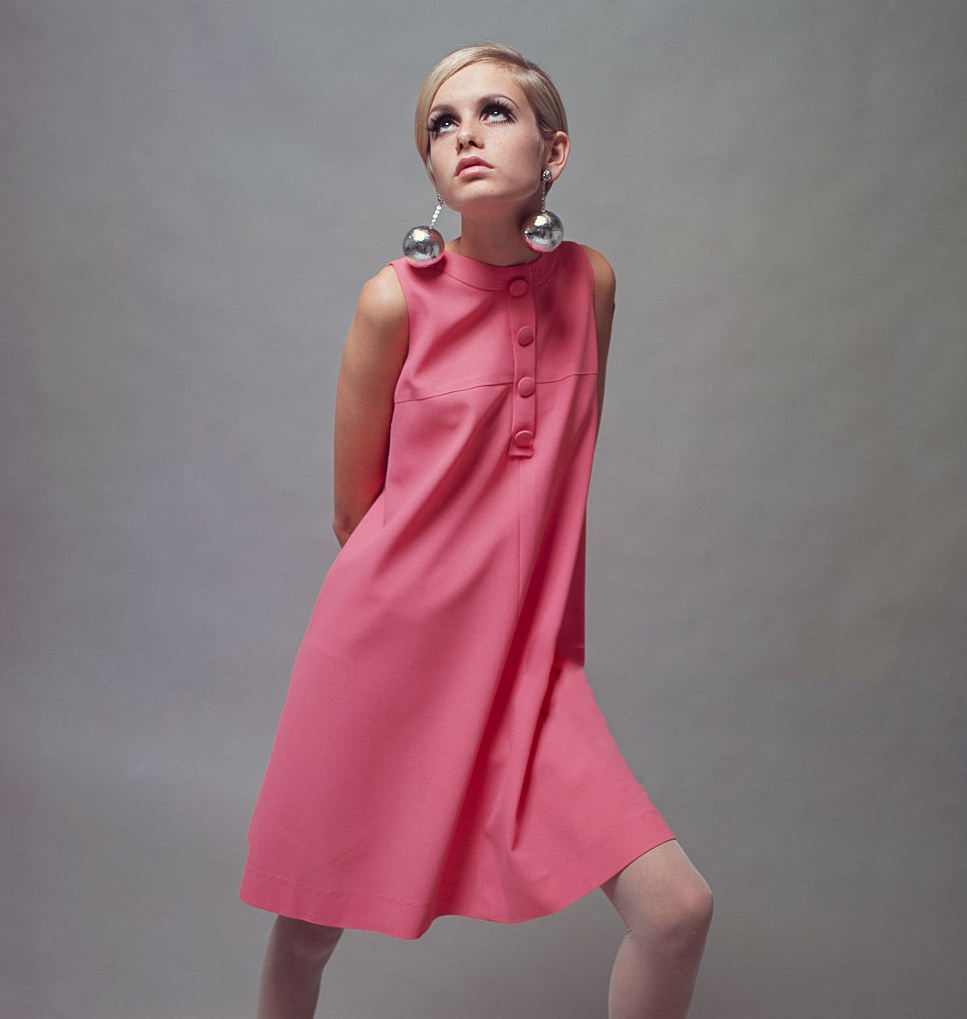
Twiggy became synonymous with Quant's designs during the Sixties, in particular this pink a-line dress from 1966
Twiggy became synonymous with Quant’s designs during the Sixties, in particular this pink a-line dress from 1966
Quant shows off her new shoe creations in 1967
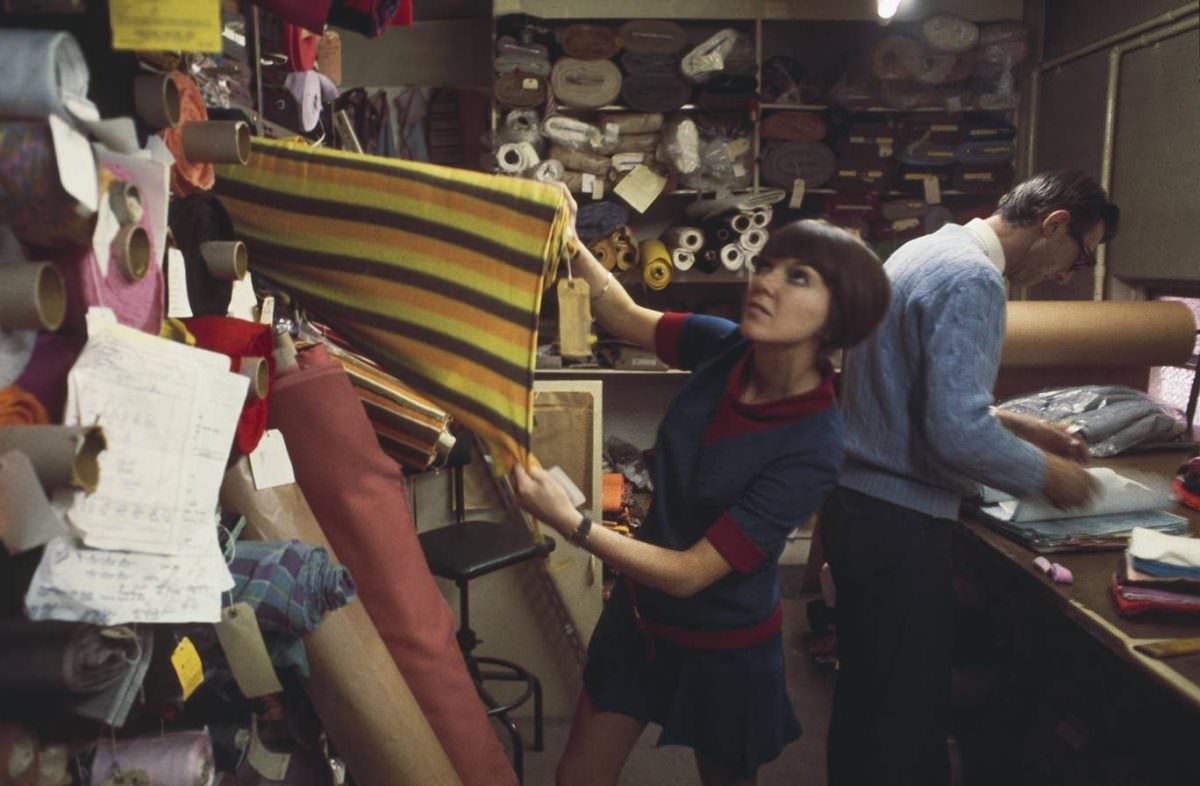
Mary Quant selects rolls of fabric from a warehouse store in London to create samples for a future collection in 1967

Quant’s collaboration with hairdresser Vidal Sassoon further cemented her status. His sharp, geometric cuts paired perfectly with her clean, simple silhouettes. Together, they defined a visual identity for the decade.
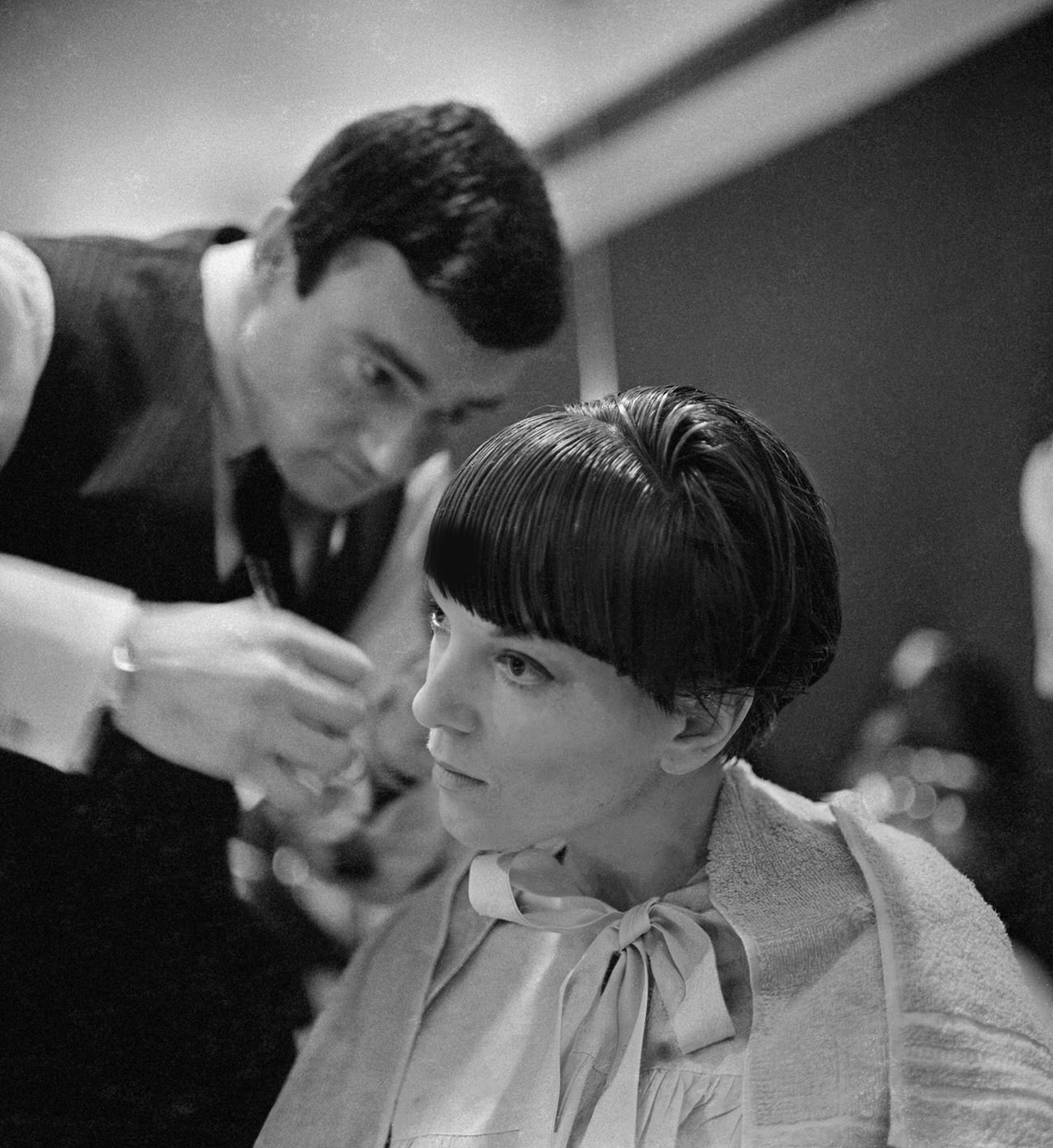
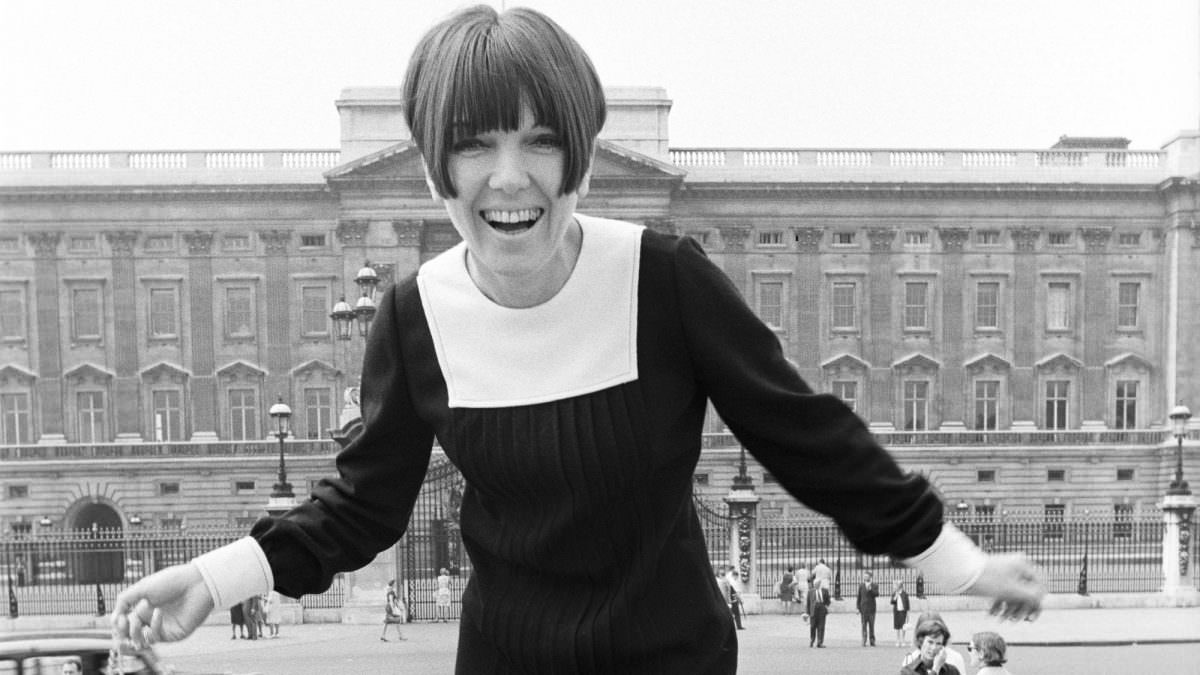
Quant And Sassoon, 1964
Mary Quant, the Kings Road, and the Mini-Skirt: Exploring the True Origins of the Iconic 60s Fashion Trend

Quant’s reach extended well beyond clothing. Her branded cosmetics — including signature eyeliner crayons — brought the same bold aesthetic to makeup, expanding the Quant identity into a full lifestyle.
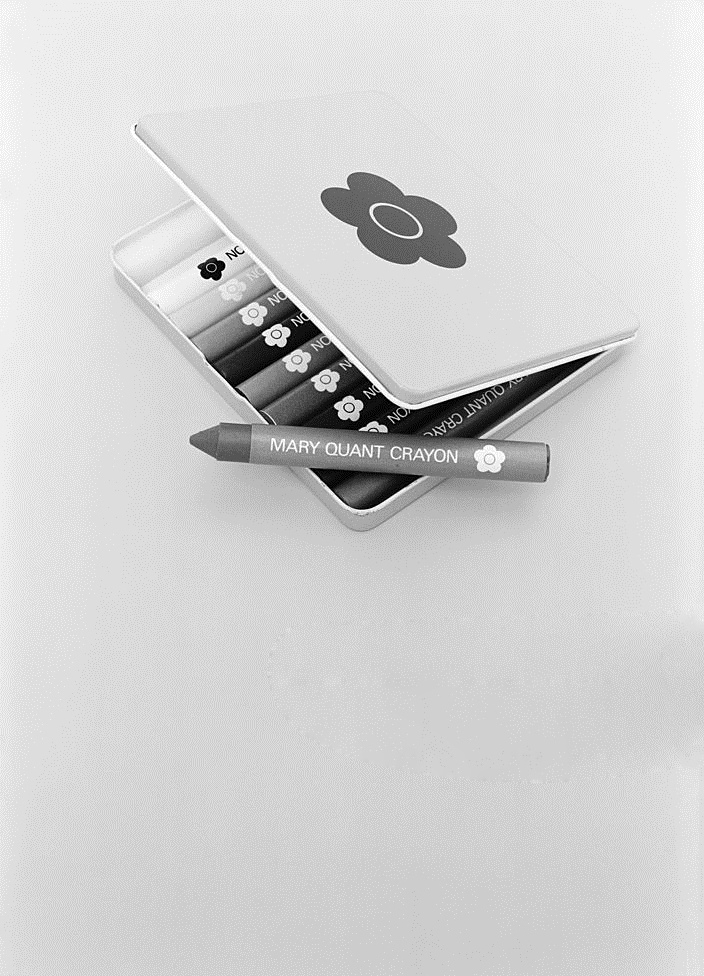
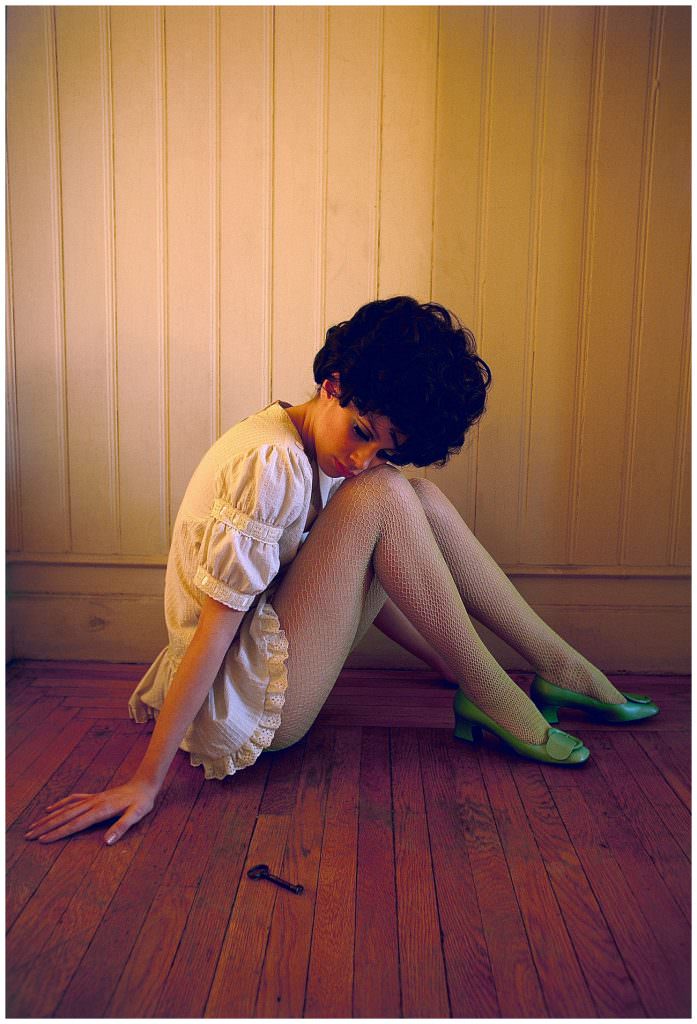
A box of Mary Quant eyeliner crayons c. 1966
Model wearing a mini-dress by Mary Quant in 1968, photo by Art Kane

By the late 1960s, Quant’s collections were shown internationally, with models presenting her work at formal hotel events as well as on London streets. The mini had traveled far from its King’s Road birthplace.
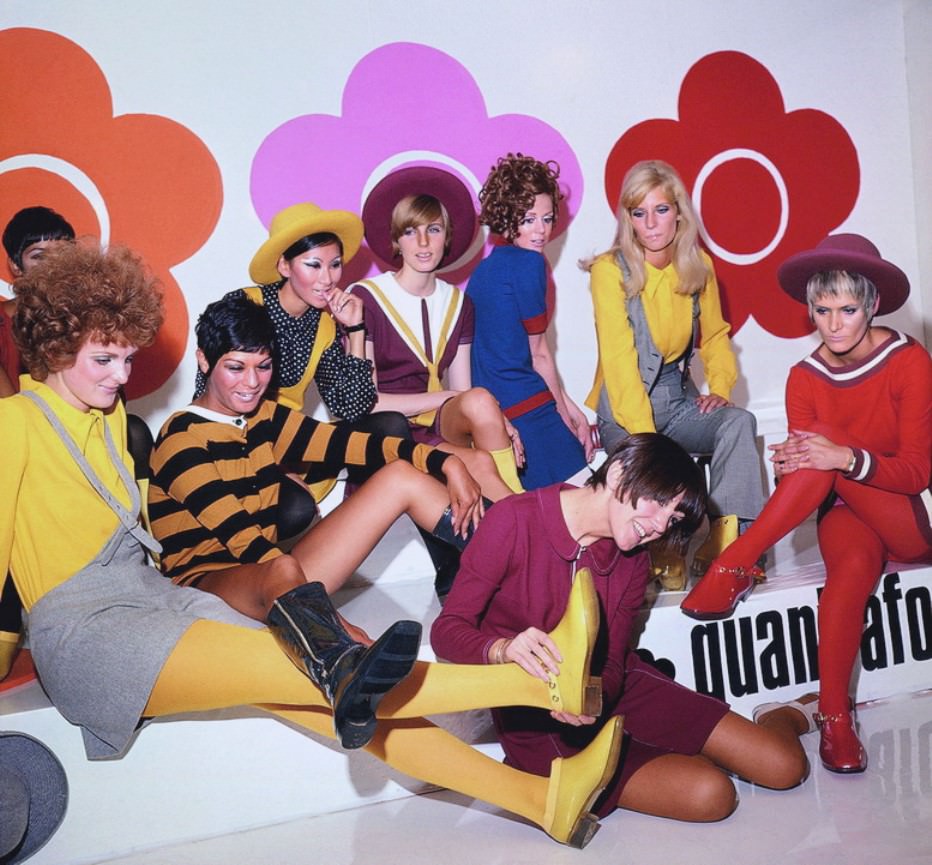
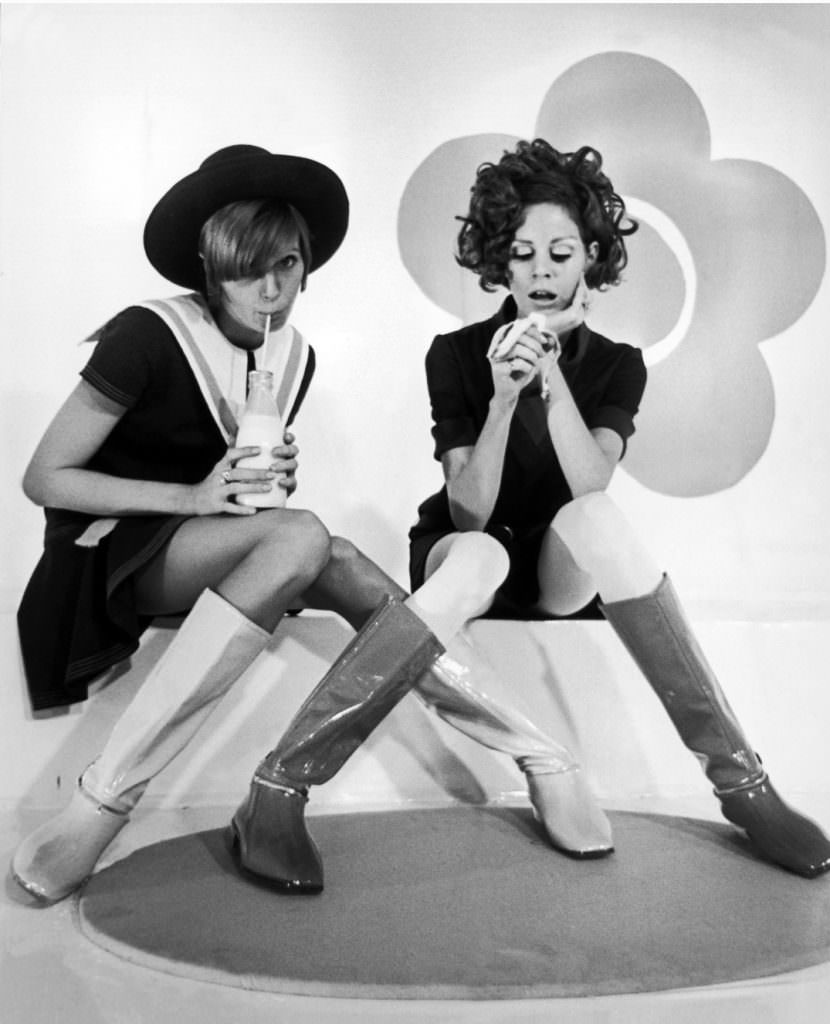
Mary Quant with models, 1967
The Models Murph And Jackie Bowyer Presenting Clothing Styles By Mary Quant At The Carlton Hotel, On August 15, 1967
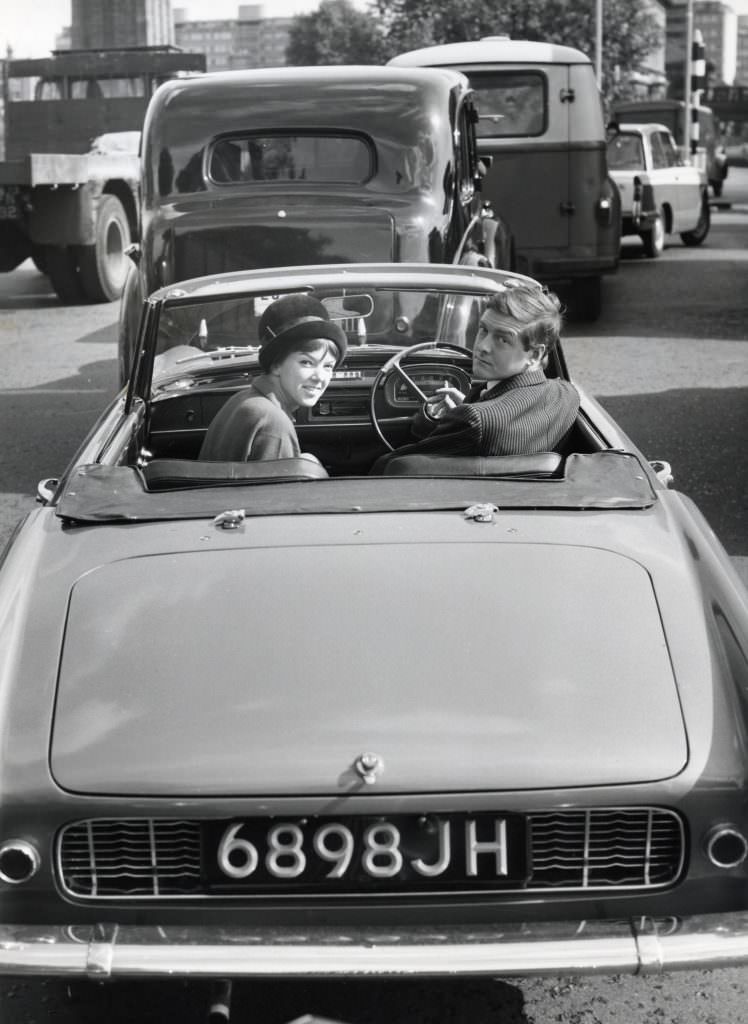
MARY QUANT UK fashion designer and husband Alexander Plunkett Greene in 1965
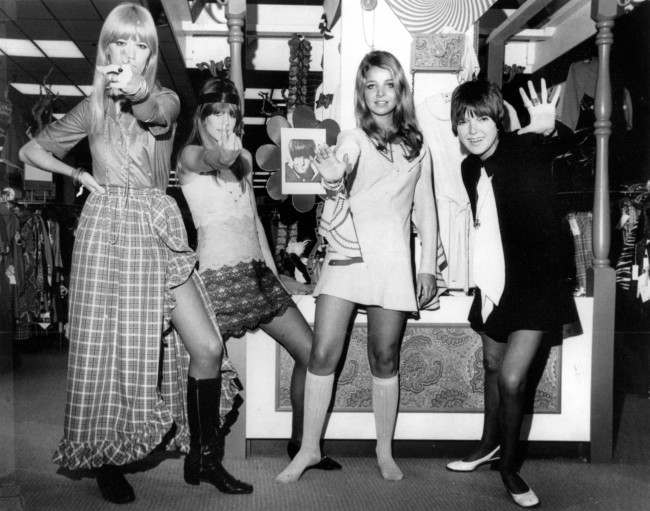
Mary Quant waves as she poses with models on Oct. 25, 1968. The models, from left, are, Amanda Tear, Rory Davis and Penny Yates.
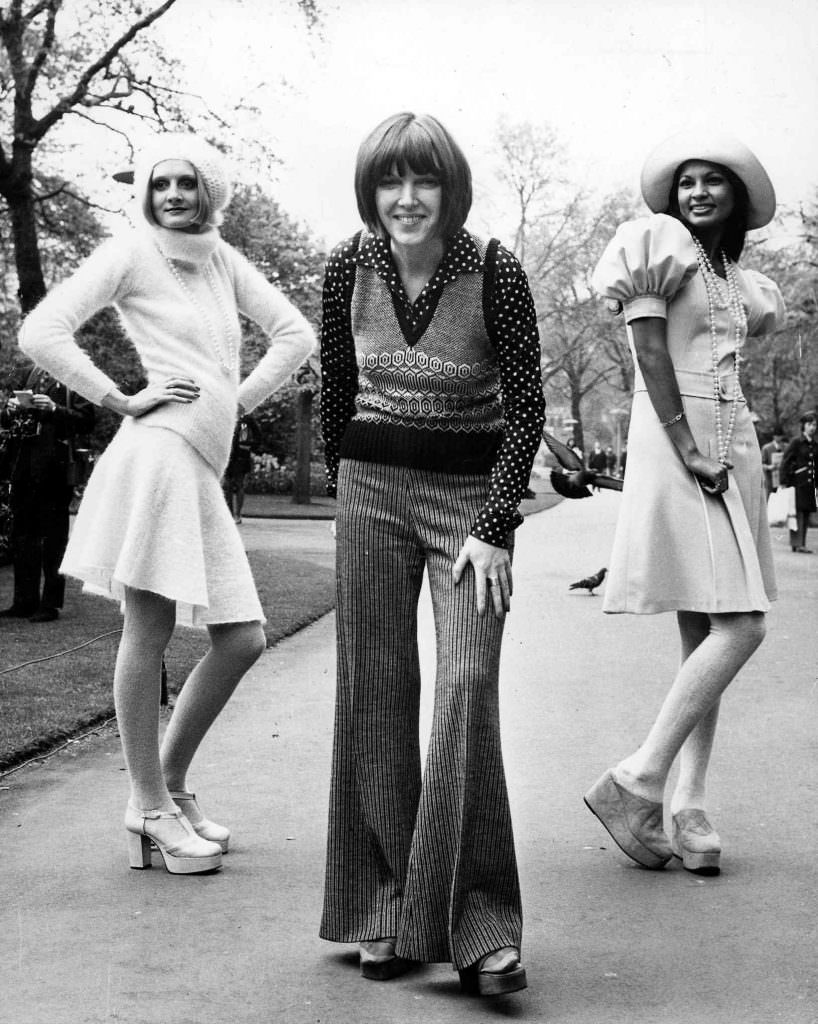
Mary Quant – posing with two of her autumn collection outfits in May 1972
Enjoyed this post? Get new ones in your inbox.

Leave a Comment

Your email address will not be published. Required fields are marked *

Share this Post 🥺

Please take a moment to share this content. Your support is greatly appreciated! 🙌🙏

Share this Post 🥺

Please take a moment to share this content. Your support is greatly appreciated! 🙌🙏
Scroll to Top
 
Hey Friend, Before You Go.. Please like & follow for more interesting content