
Martha Hyer was one of Hollywood’s most elegant actresses of the 1950s and 1960s. Born in Fort Worth, Texas, she developed an early passion for performance and went on to study speech and drama at Northwestern University in Illinois. Her path to the screen was not immediate — both Paramount and 20th Century Fox rejected her early on, pushing her toward stage work instead. That detour proved valuable. While performing at the Pasadena Playhouse, an RKO agent spotted her talent in 1946, and her film career was set in motion.
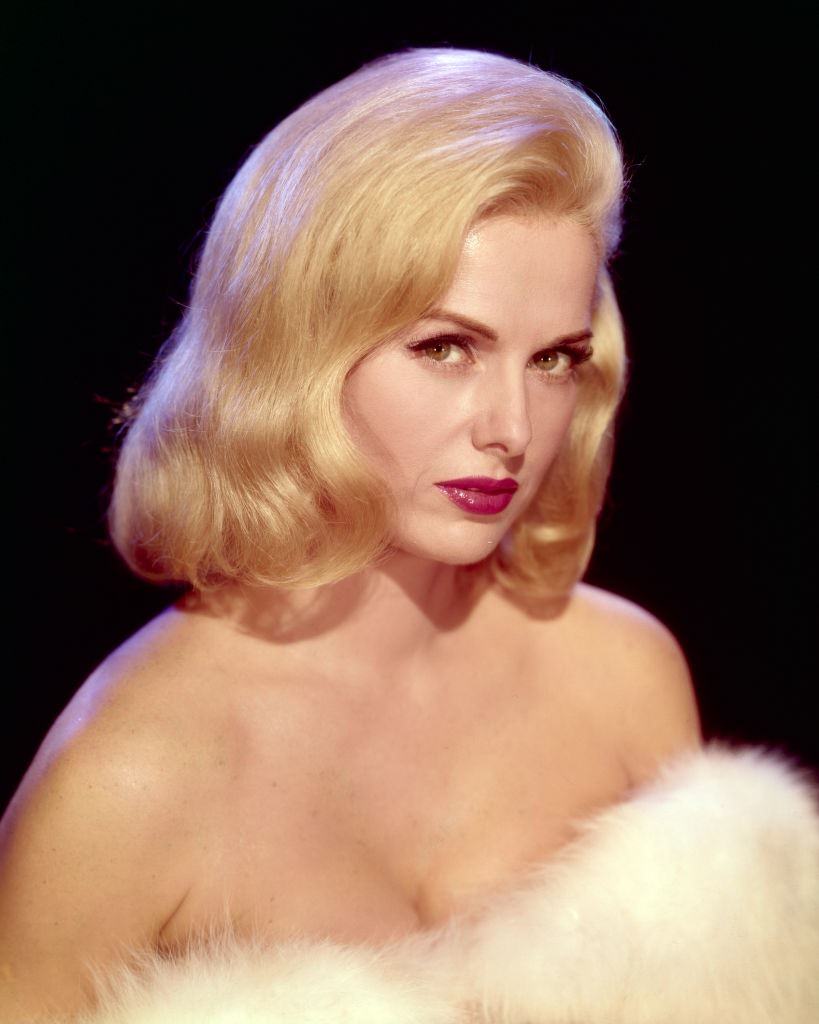
Hyer made her screen debut the same year with an uncredited role in the 1946 thriller “The Locket.” For several years after that, she worked steadily in B-movies and television, building her craft without much fanfare. It was a slow climb, but she stayed consistent. Her early work gave her a strong foundation, and by the mid-1950s, that foundation was ready to hold something bigger.
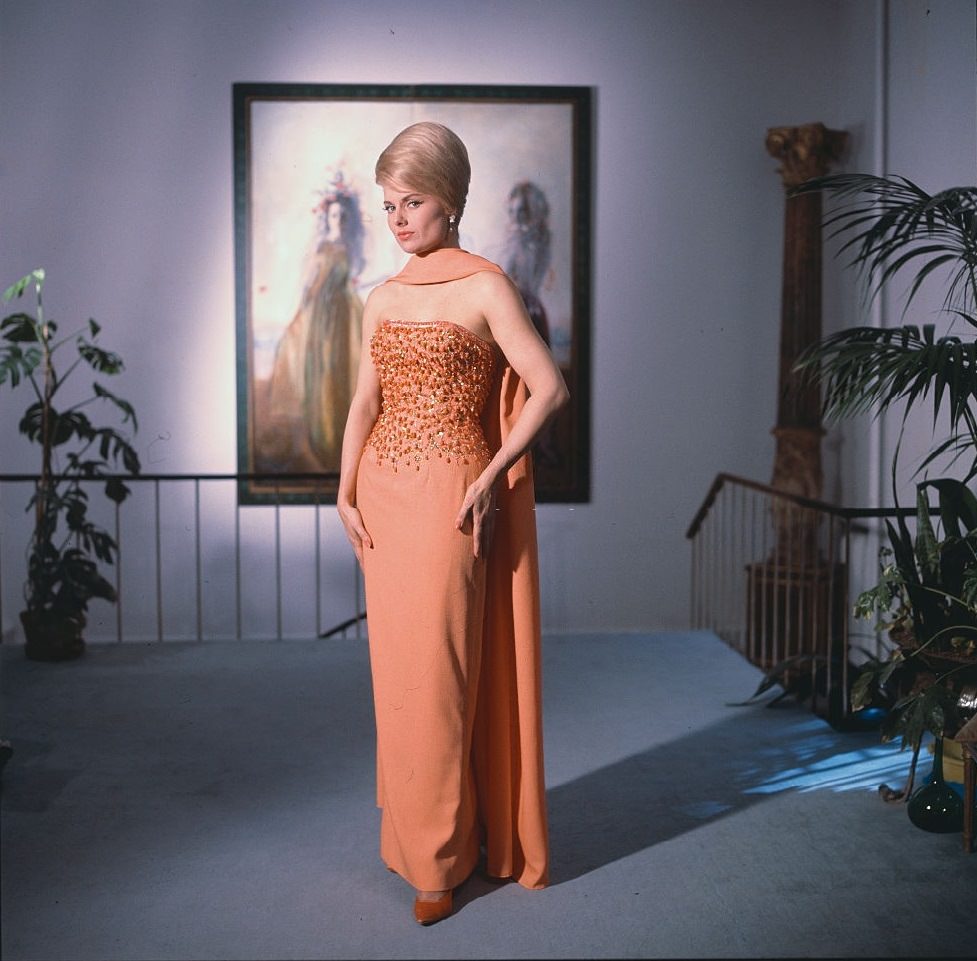
Her breakout came when she landed roles in major Hollywood productions. “Some Came Running” (1958), directed by Vincente Minnelli and starring Frank Sinatra and Dean Martin, earned Hyer an Academy Award nomination for Best Supporting Actress. She followed that with “The Best of Everything” (1959), cementing her place among the top actresses of her era. These weren’t small parts — she held her own alongside some of the biggest names in the business.
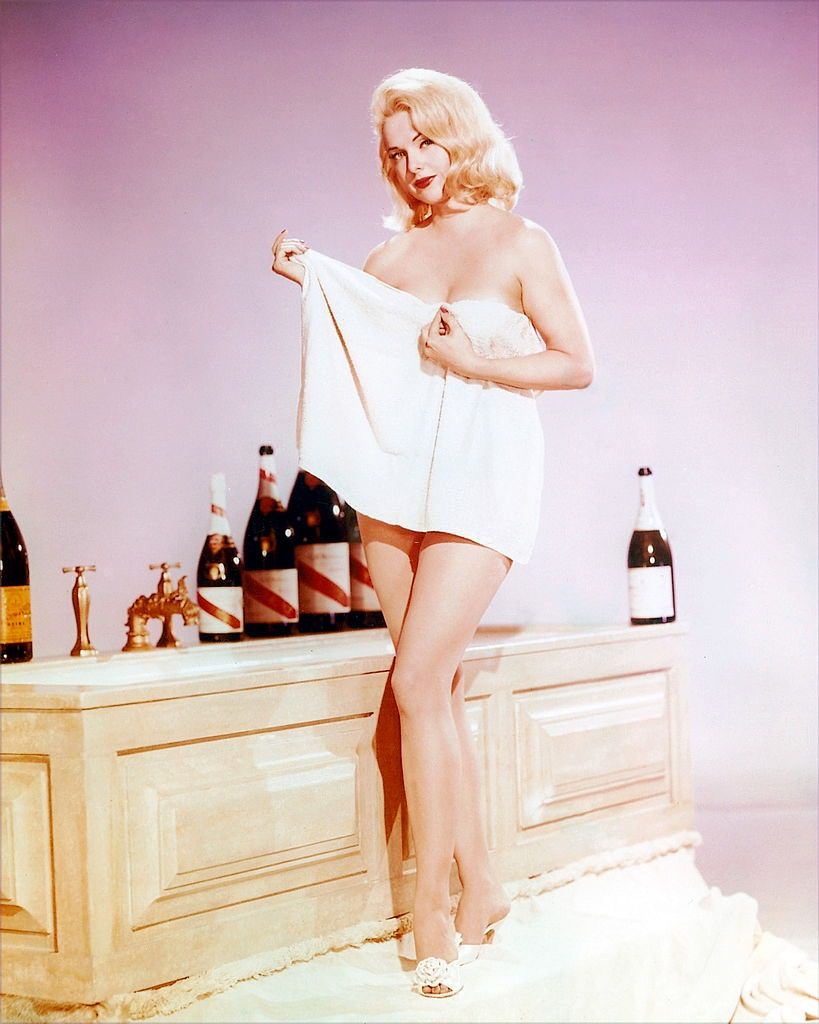
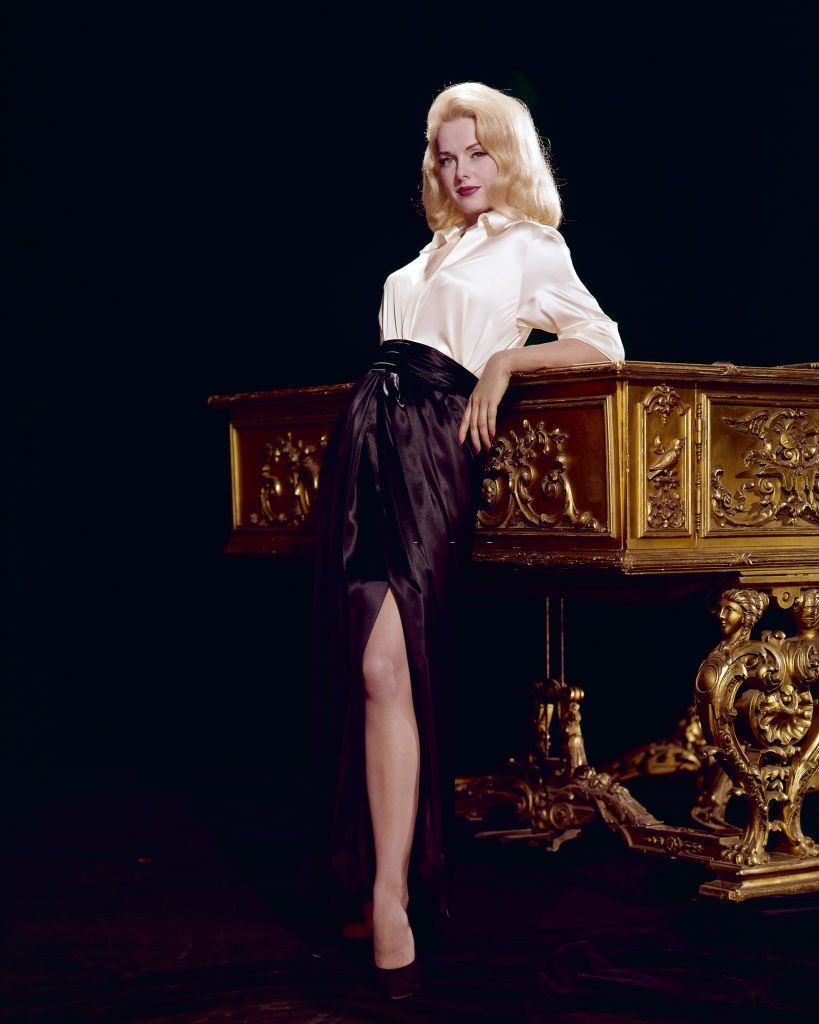
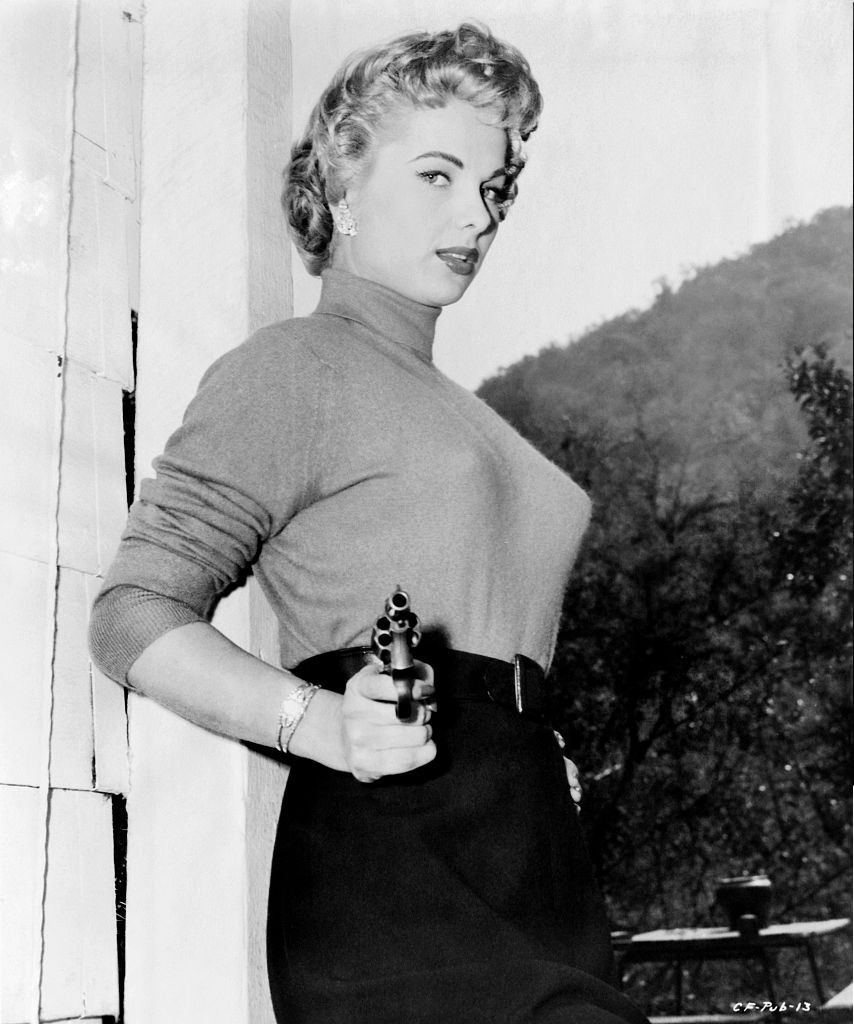
Throughout the 1950s, Hyer was a fixture in Hollywood both on and off the screen. She appeared in Westerns, dramas, and comedies, showing real range as a performer. Her screen presence was refined and composed, which made her well-suited for roles that called for sophistication. She worked alongside major stars of the era and appeared in a wide variety of productions that kept her name in front of audiences year after year.
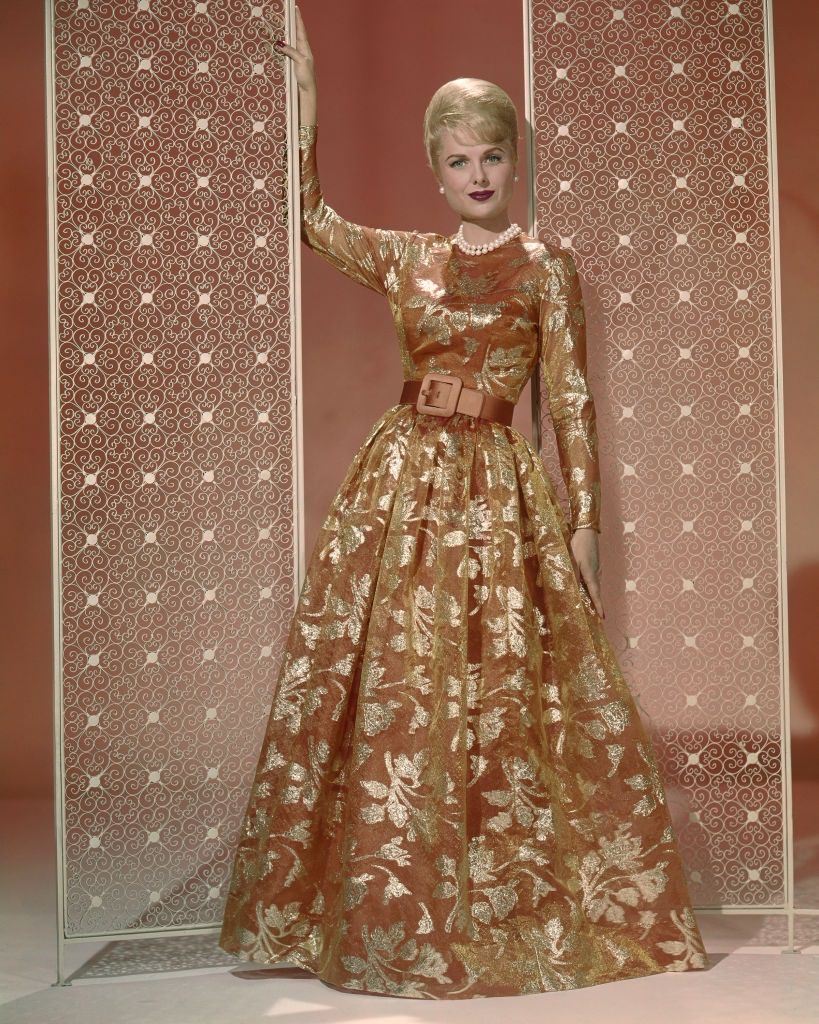
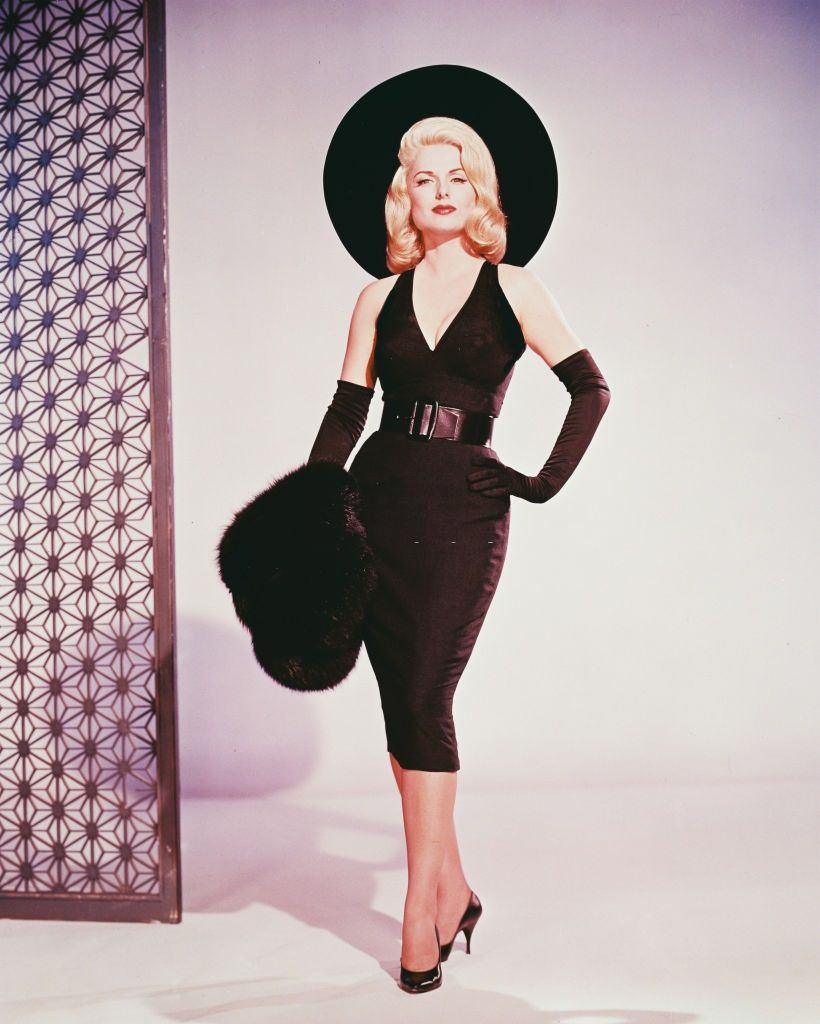
Her personal life had its share of turns as well. In 1951, while filming “Oriental Evil,” Hyer met producer Ray Stahl. The two married shortly after and spent a year living in Japan together. The marriage ended in 1954 after three years. Then in 1966, she married producer Hal B. Wallis, a man with decades of Hollywood history behind him, having produced films like “Casablanca” and “True Grit.” The two remained together until Wallis died in 1986.
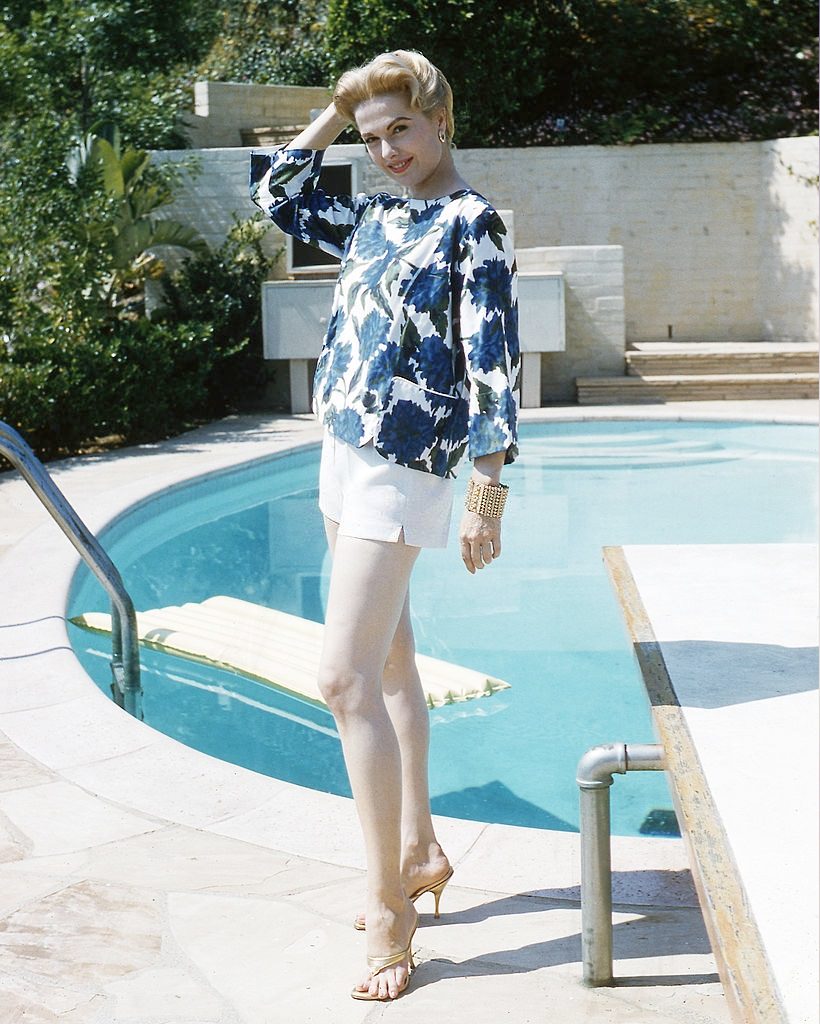
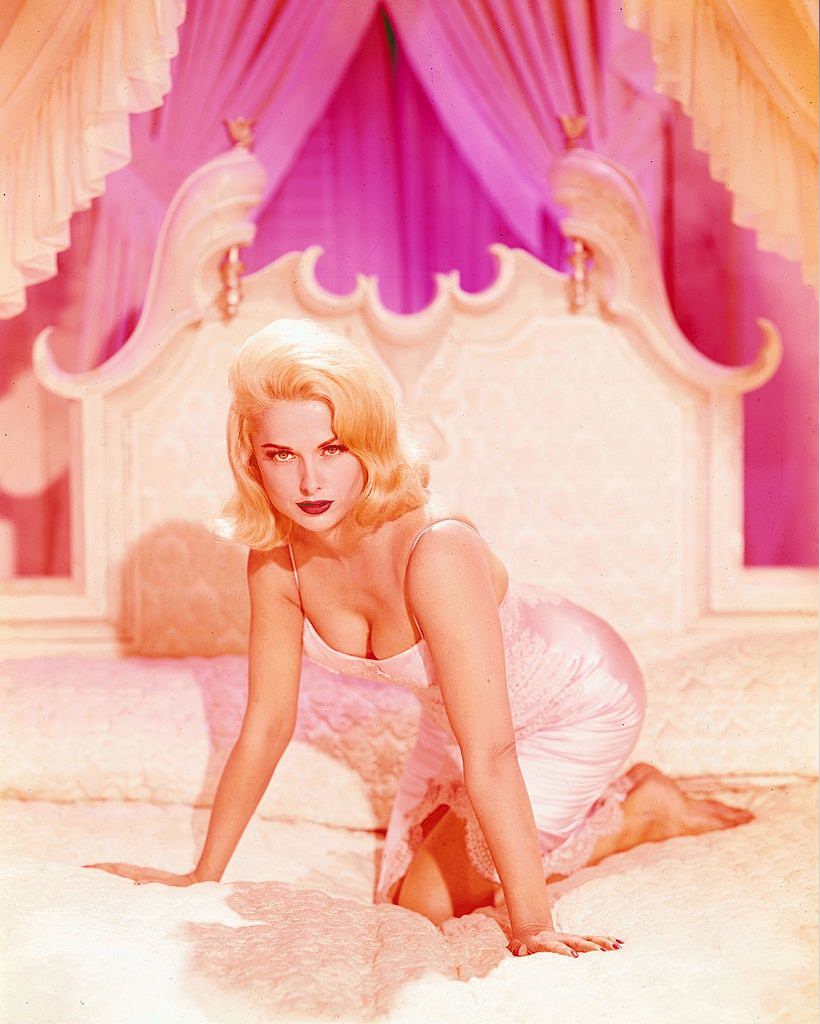
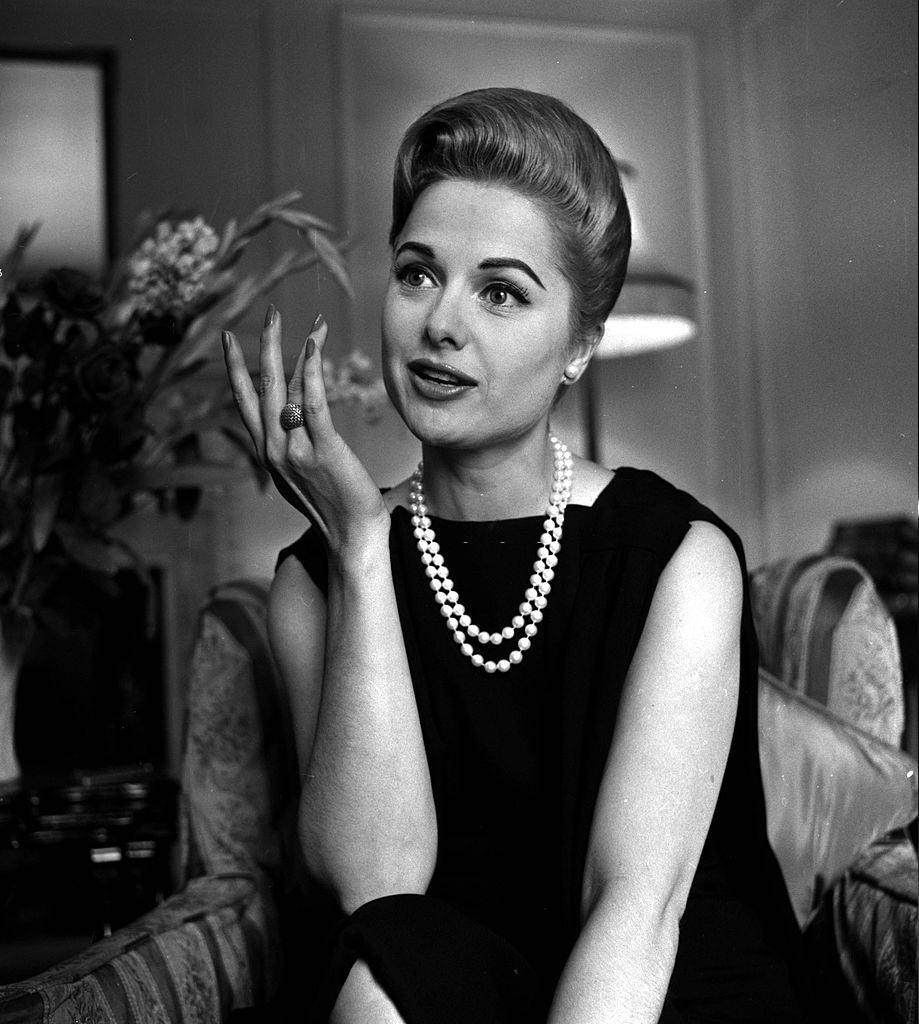
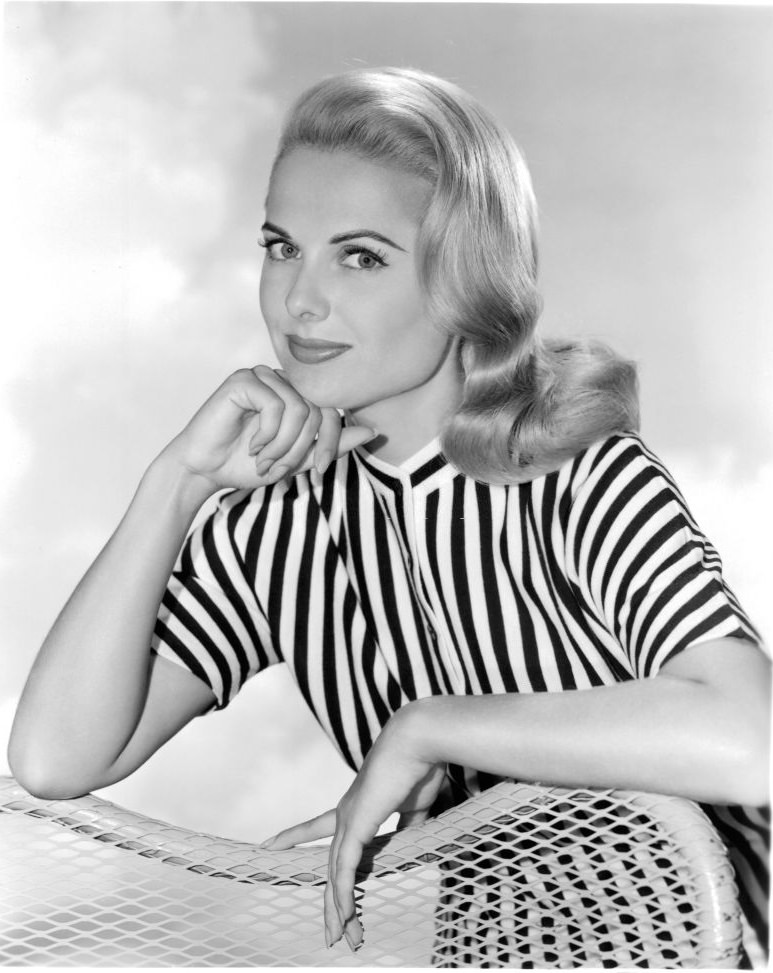
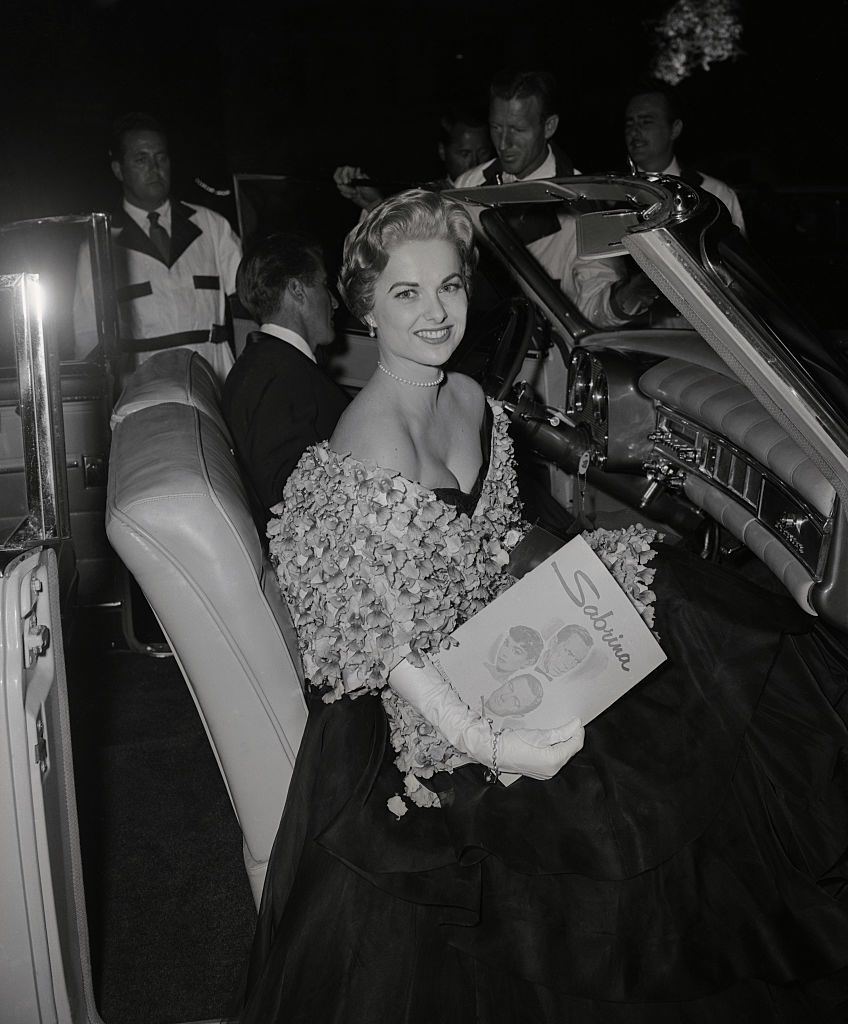
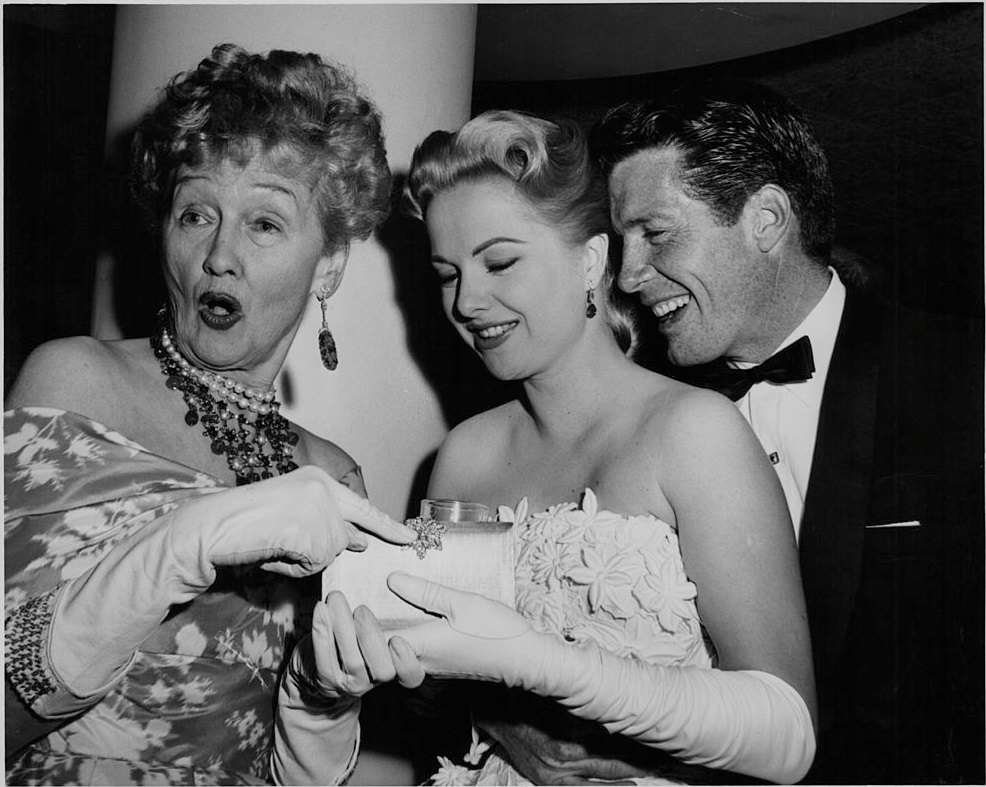
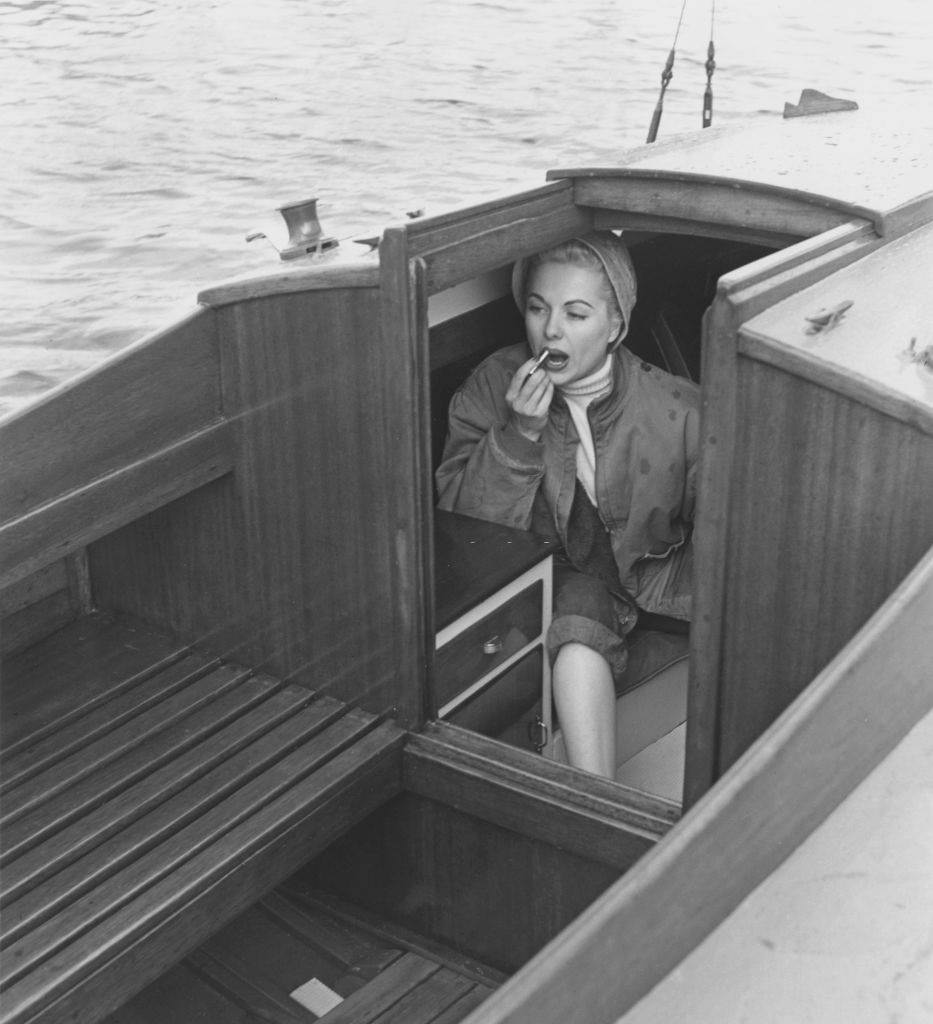
By the late 1950s, Hyer was photographed frequently in and around her Beverly Hills home, capturing a slice of the glamorous life that came with her success. Candid shots from this period show a woman at ease with her surroundings — poolside, at home by the fireplace, and out in the California sun. These images offer a rare, relaxed look at one of the era’s most polished stars.
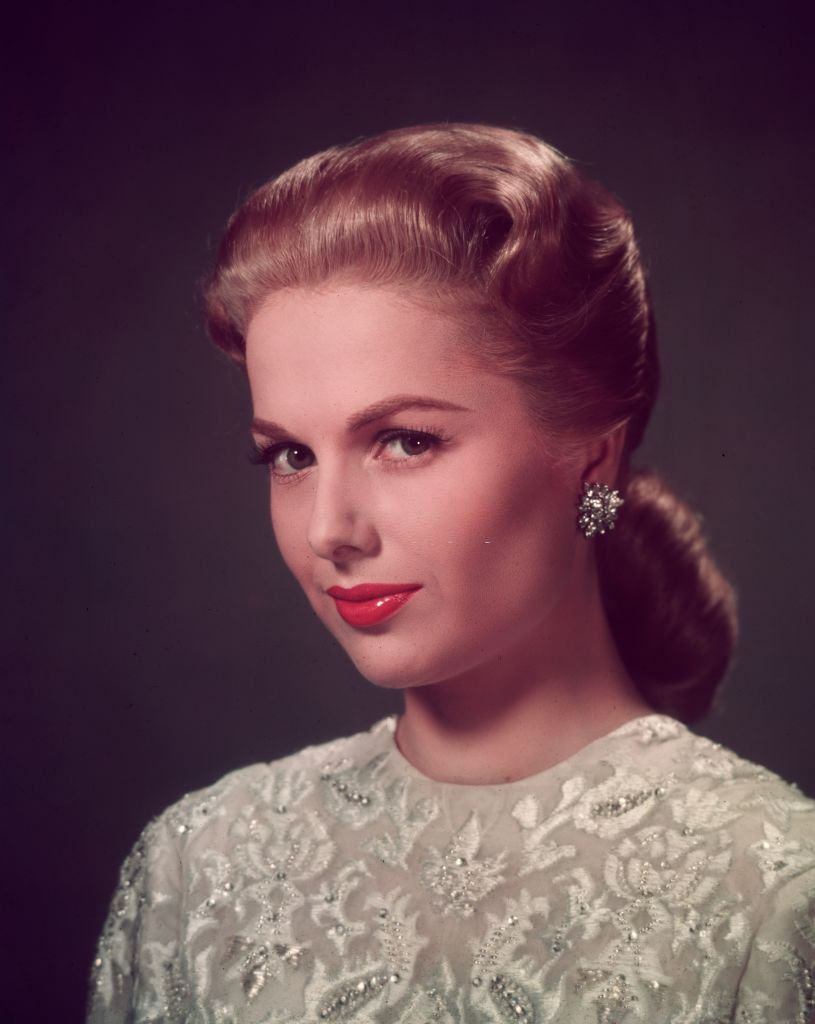
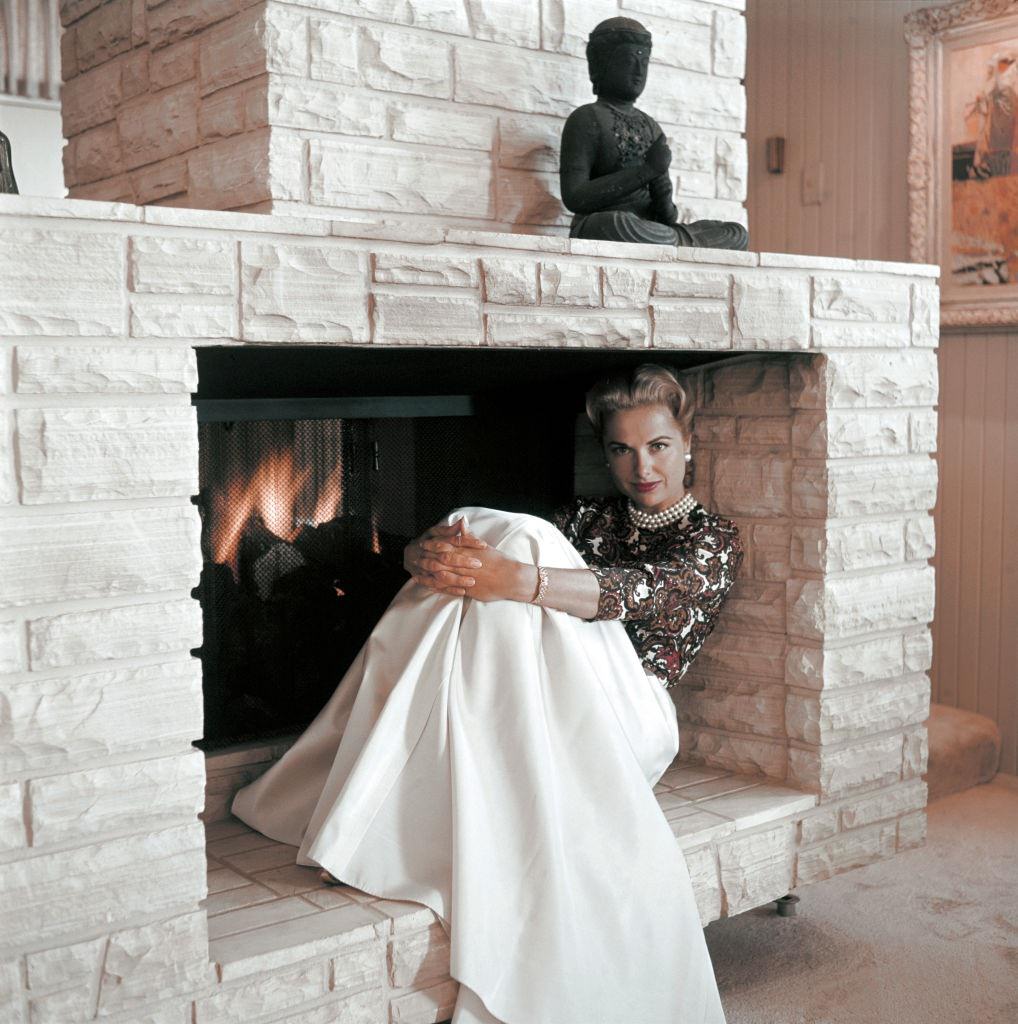
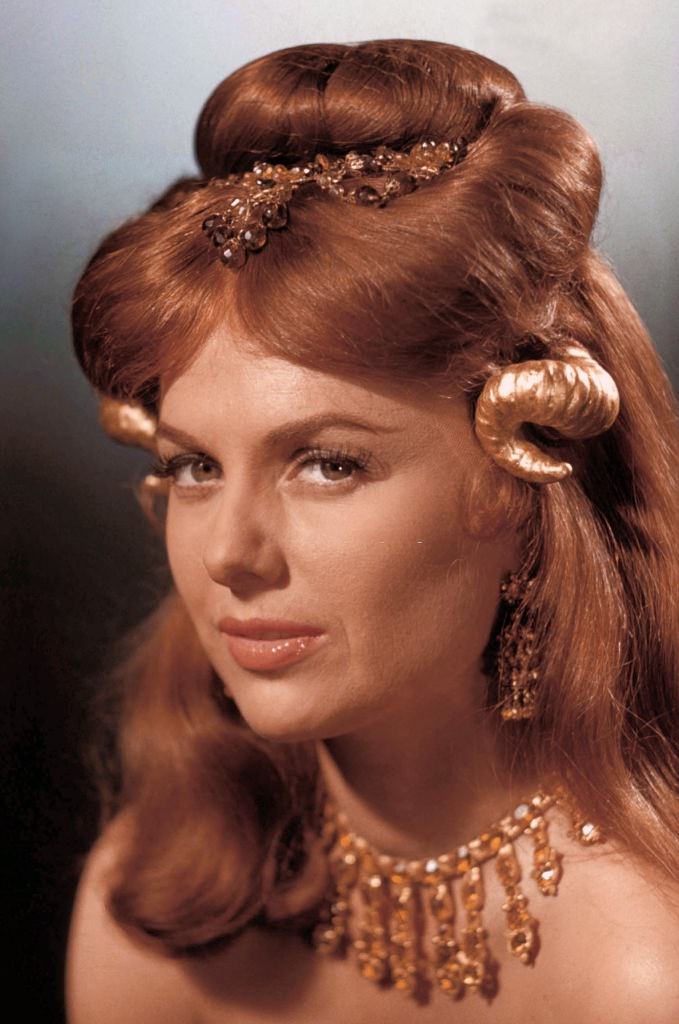
The year 1959 was especially busy for Hyer. In addition to her continued film work, she was photographed extensively in Beverly Hills and appeared in “The Big Fisherman,” a biblical epic in which she played a key role opposite Herbert Lom. Her film work that year showed both her dramatic range and her ability to take on ambitious, large-scale productions.
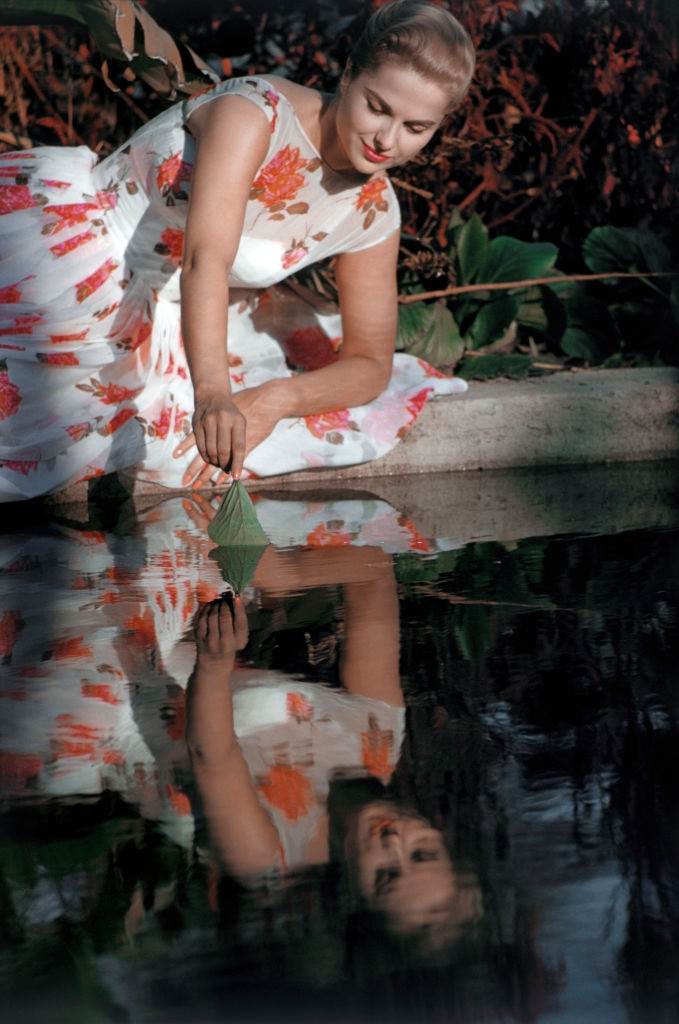
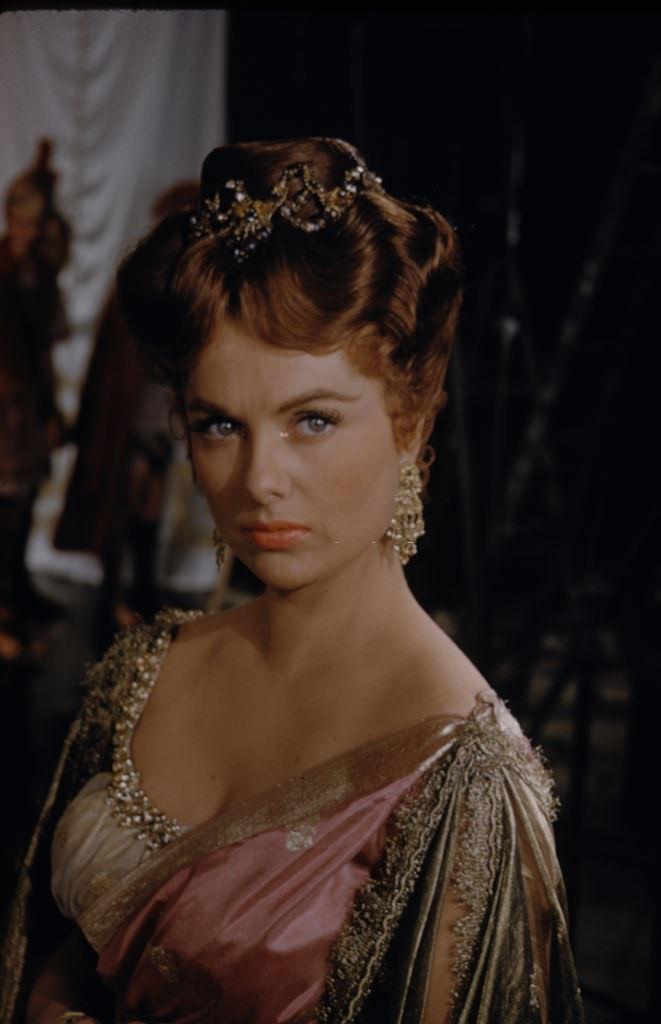
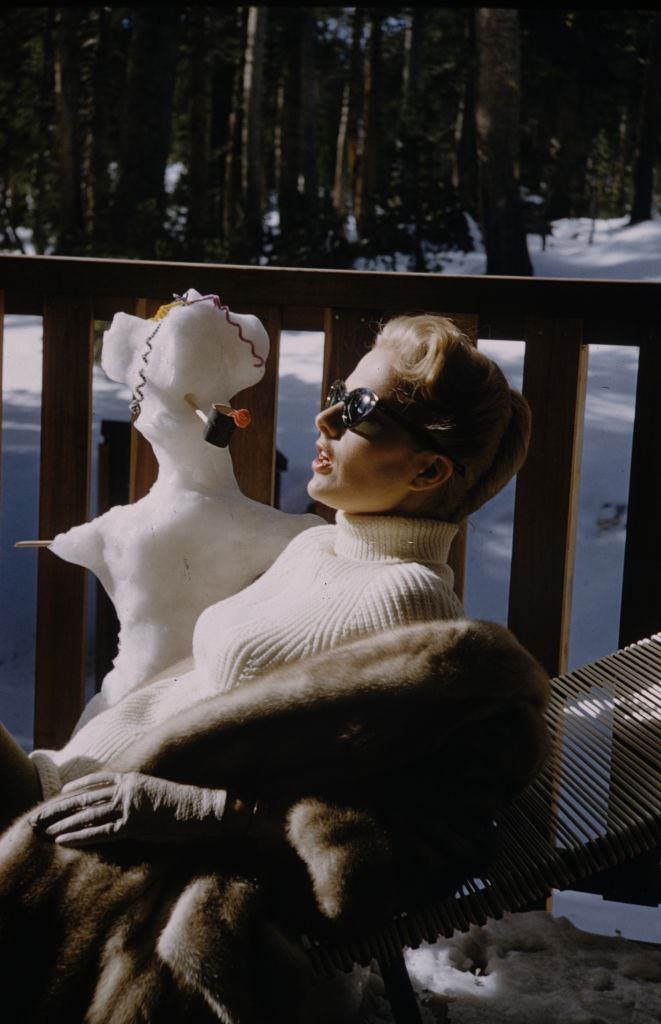
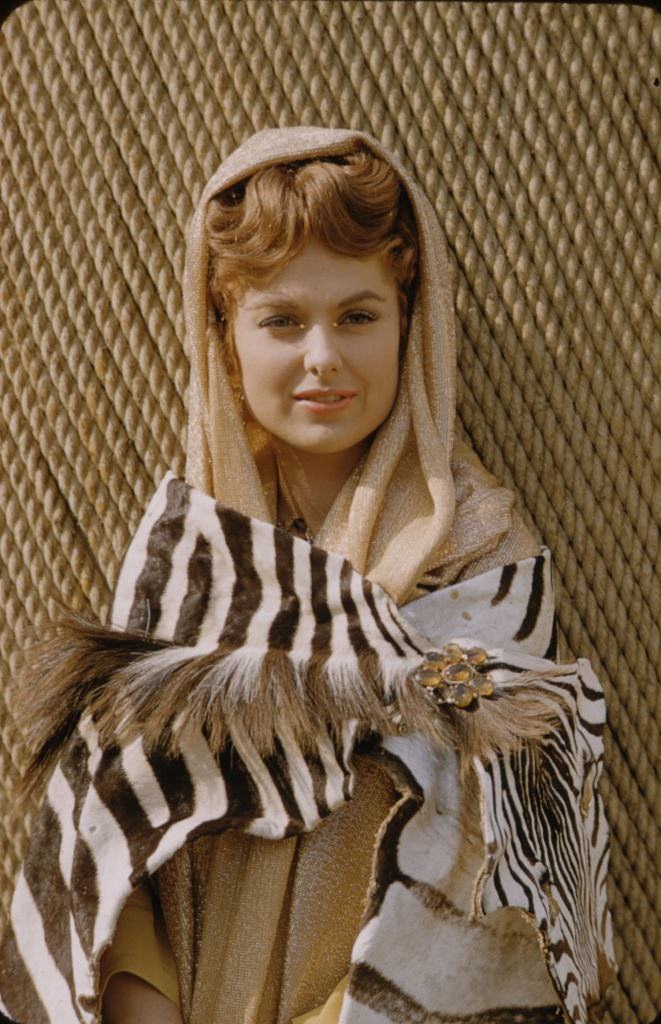
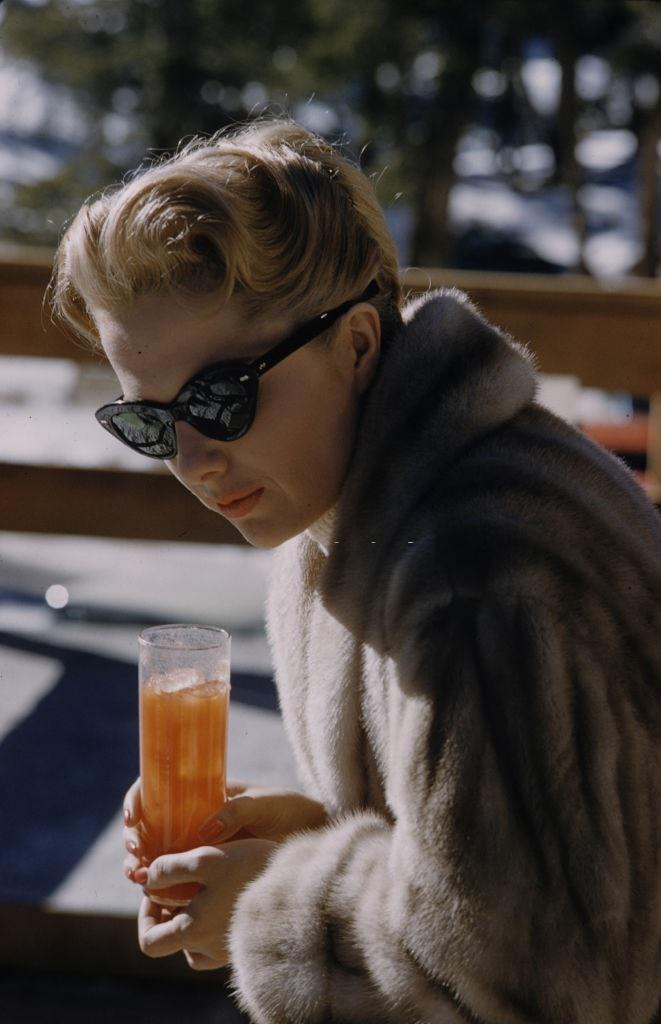
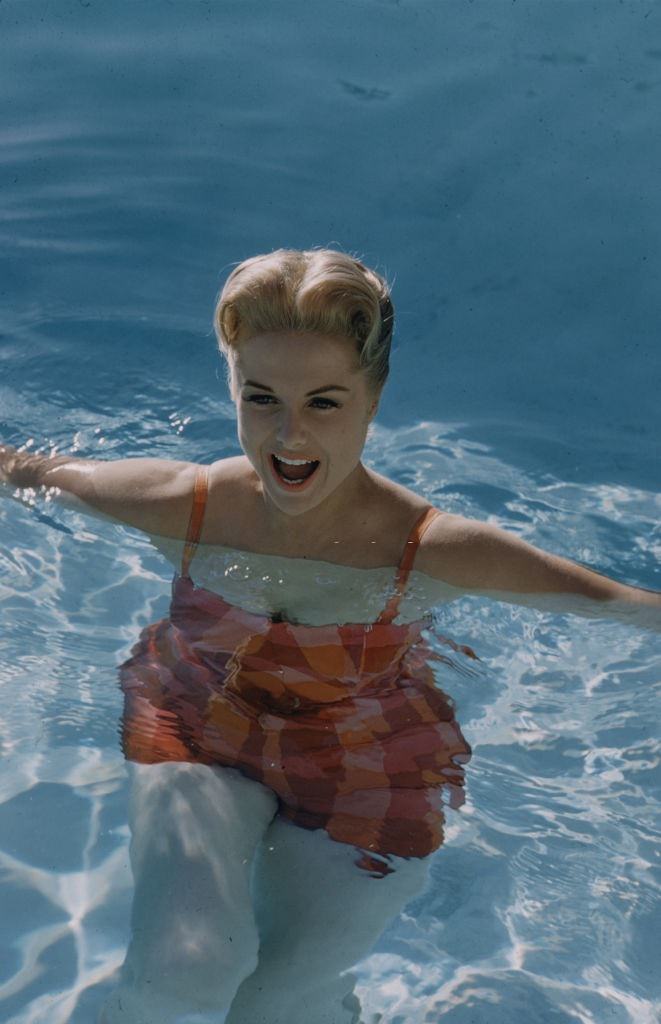
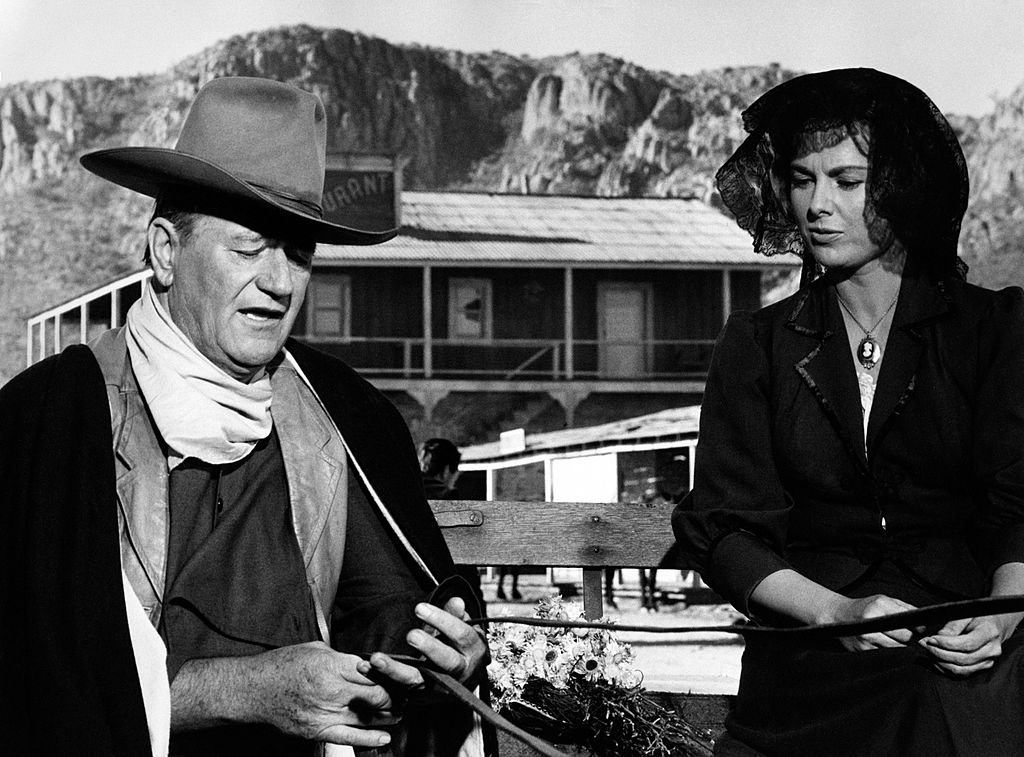
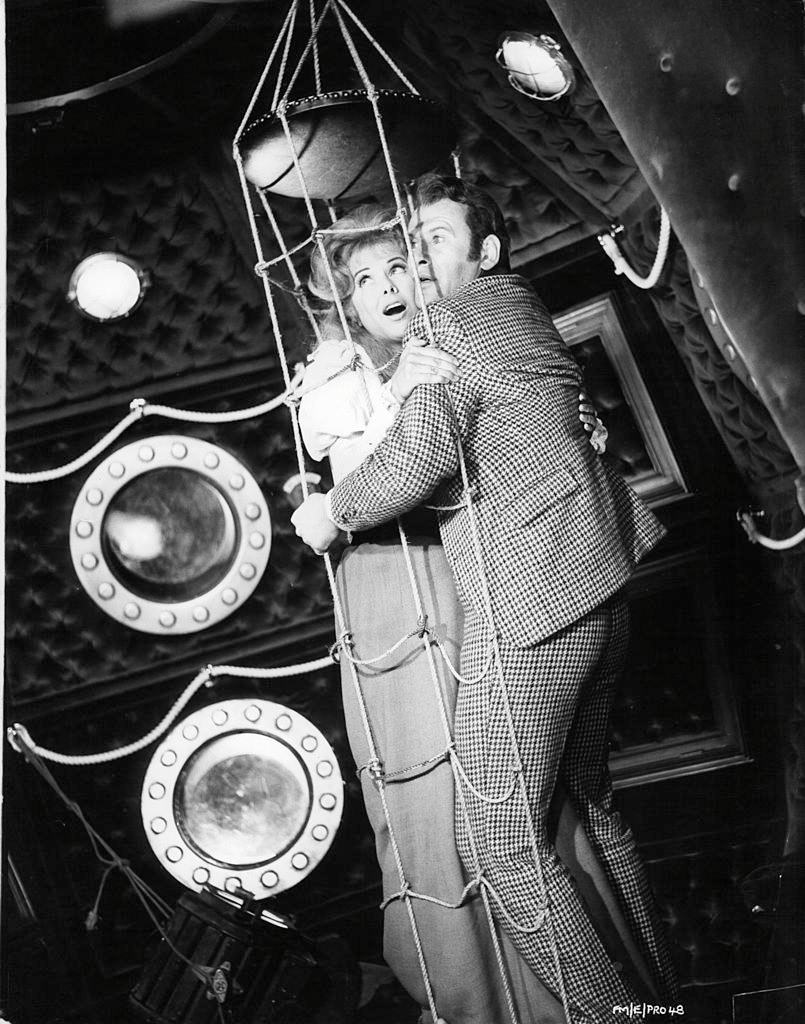
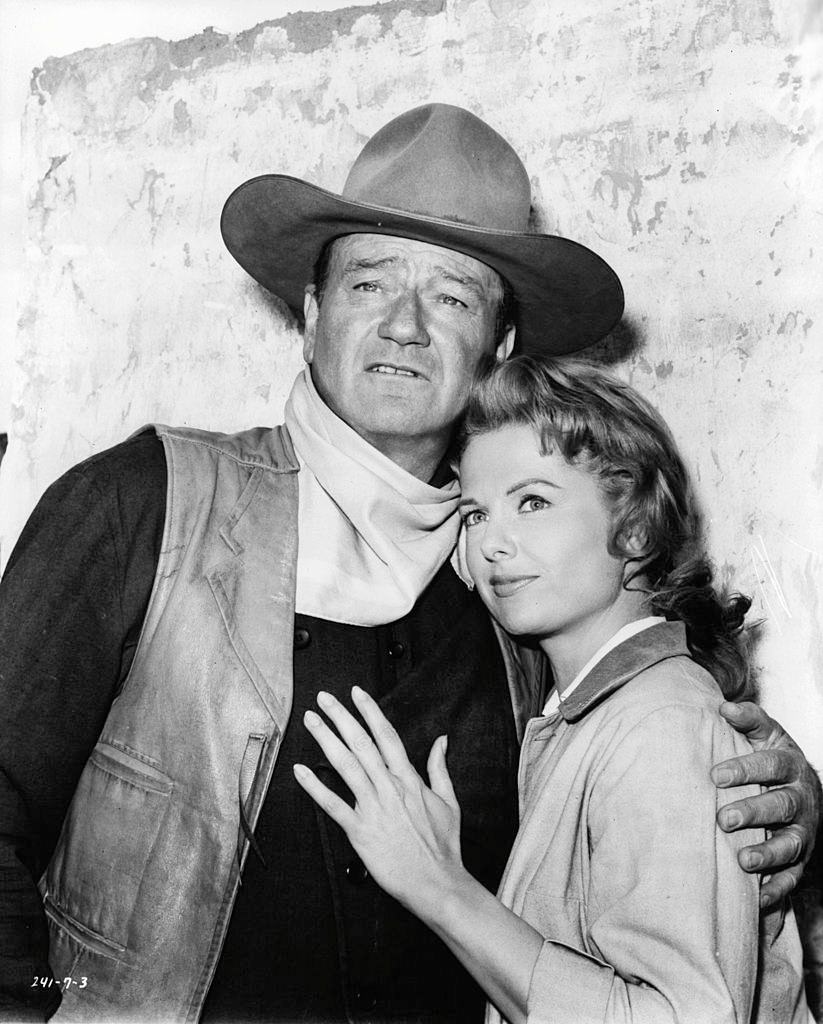
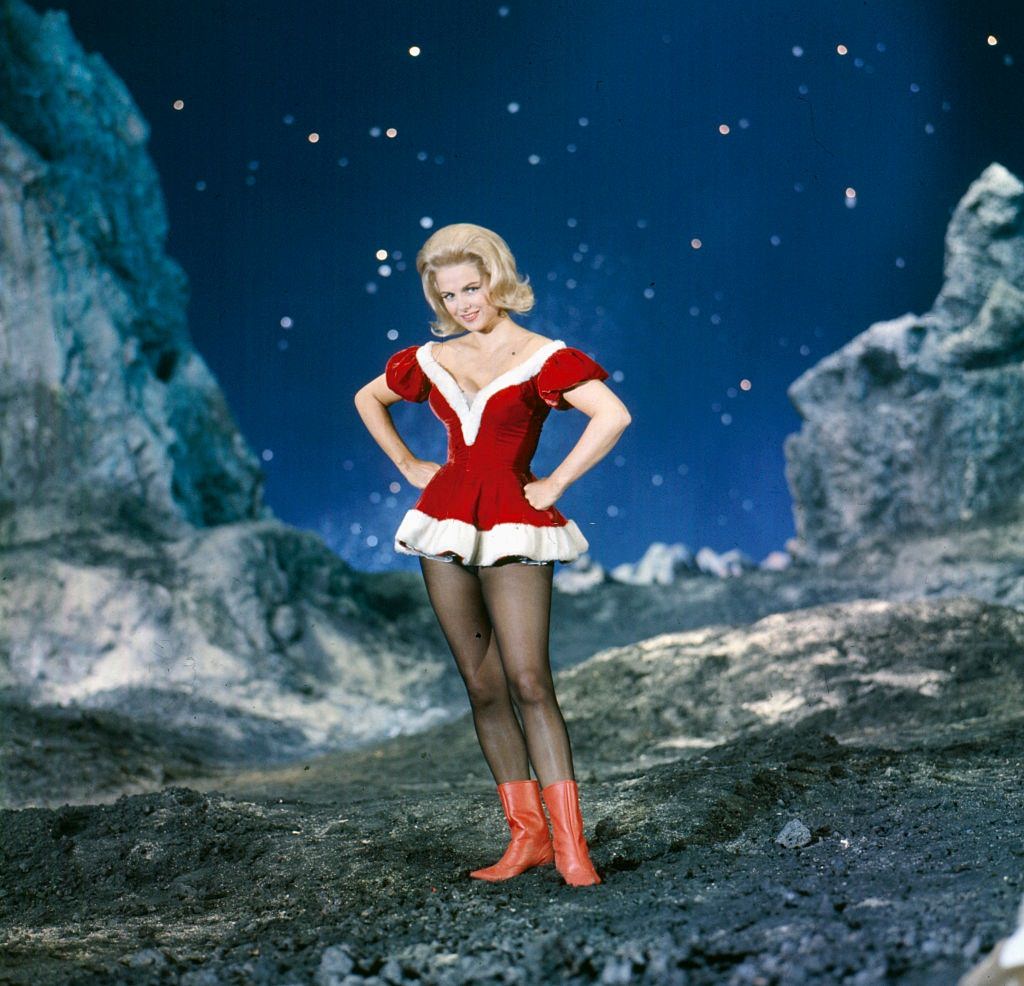
In the 1960s, Hyer continued to take on varied film roles. She appeared in “The Carpetbaggers” (1964), a high-profile drama based on Harold Robbins’ novel. She also worked opposite John Wayne in “The Sons of Katie Elder” (1965), a Western that was among the more popular films of that year. Her role in “First Men in the Moon” (1964) showed she was willing to step outside the glamour roles and try something entirely different.
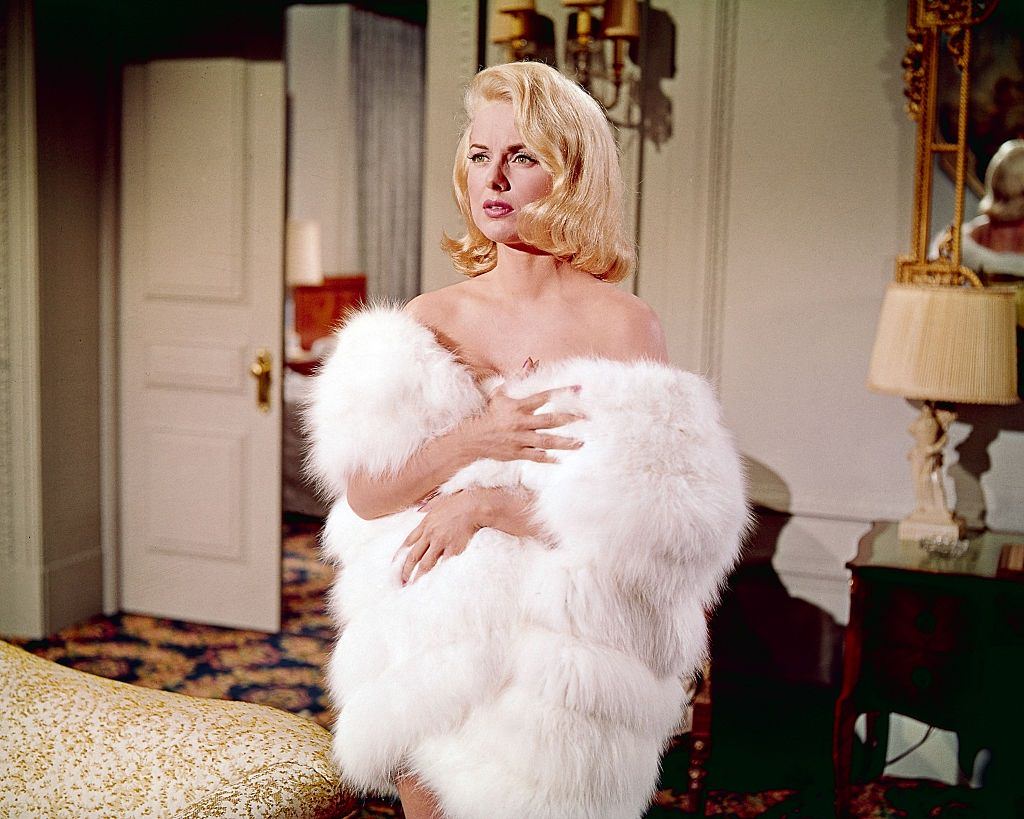
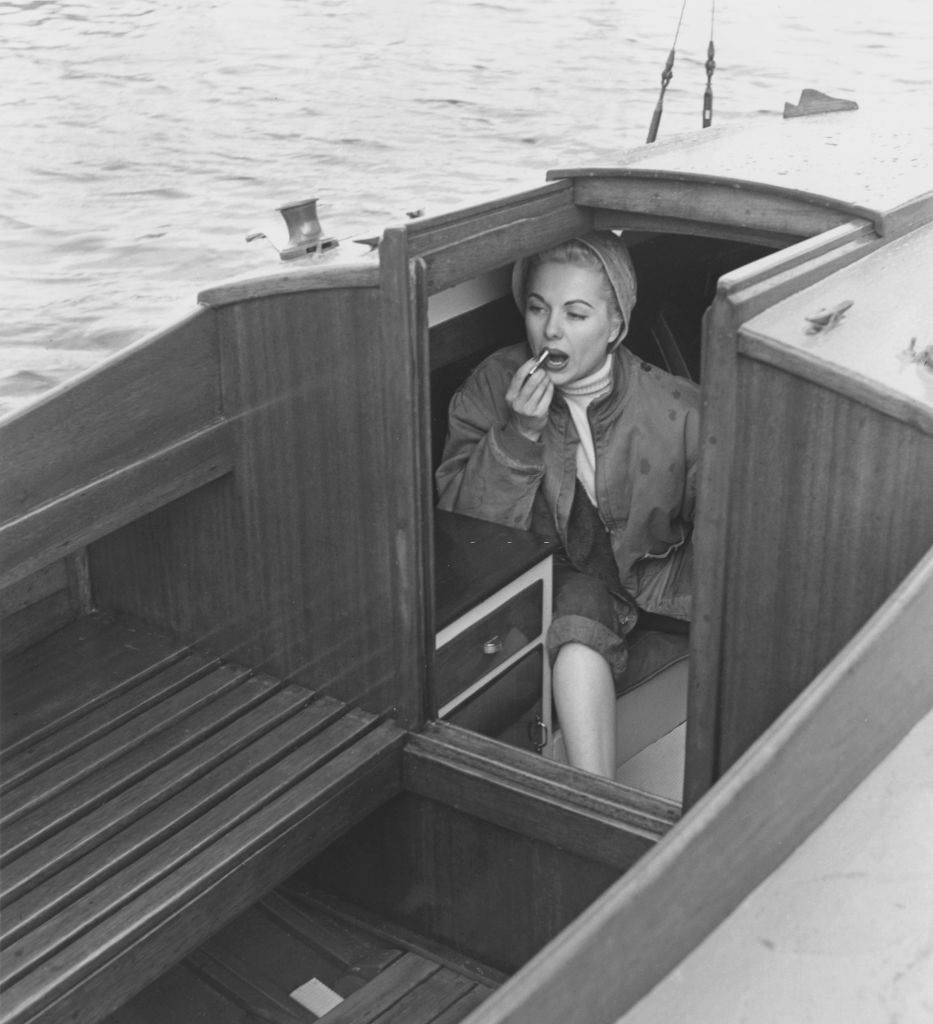

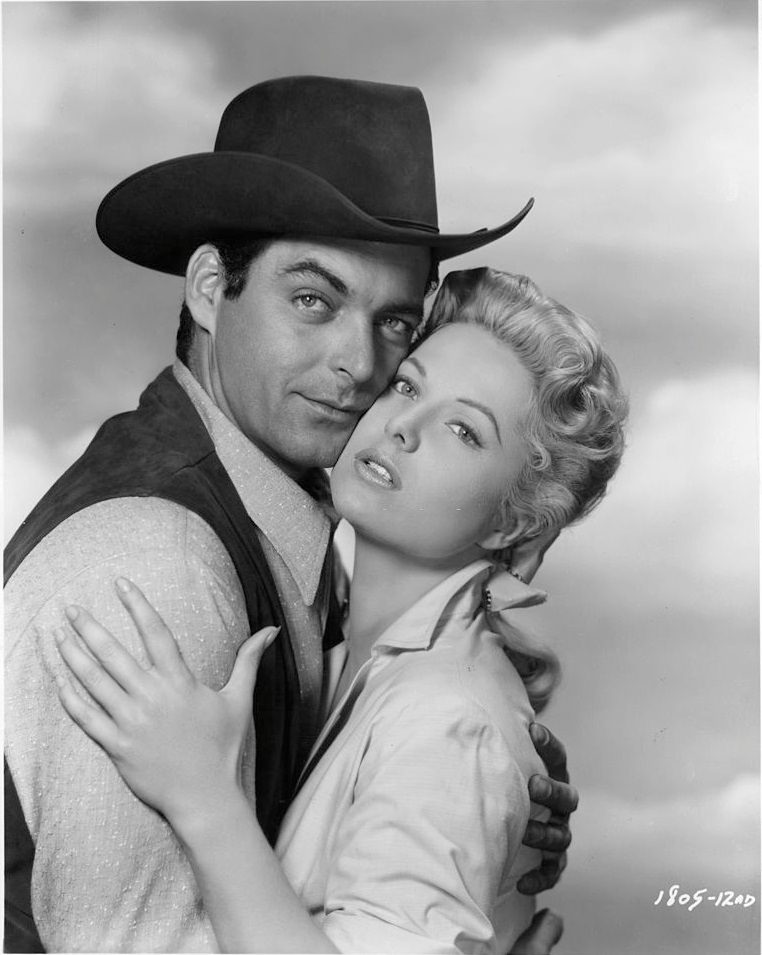
The mid-1950s had also seen Hyer working across a range of genre films. She starred alongside Rory Calhoun in the Western “Red Sundown” (1956), and appeared with Tony Curtis in “Mister Cory” (1957). That same year, she appeared in the comedy “My Man Godfrey” and shared the set with Jerry Lewis on “The Delicate Delinquent.” No two consecutive roles were quite the same, which kept her career moving at a steady pace.
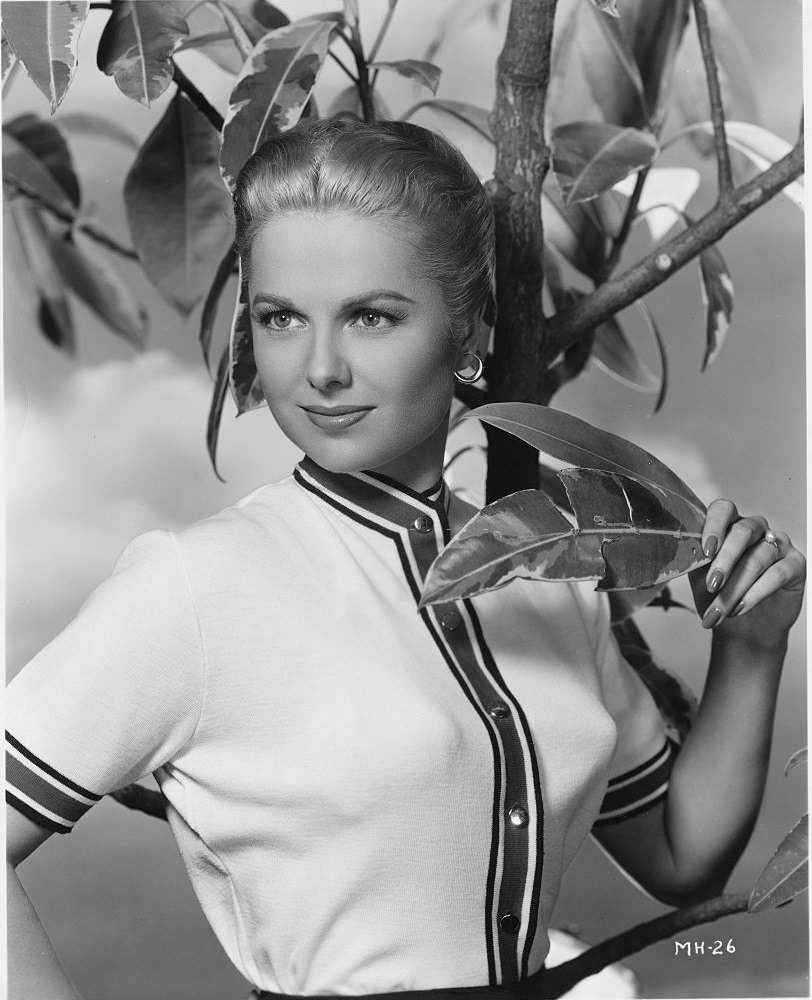
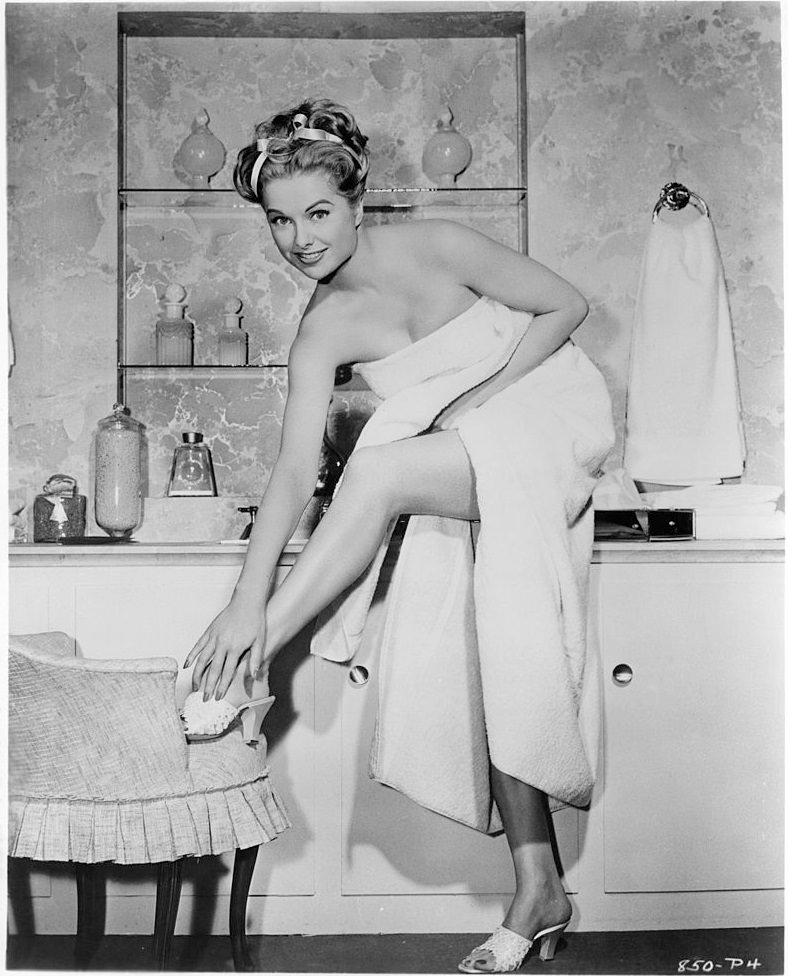
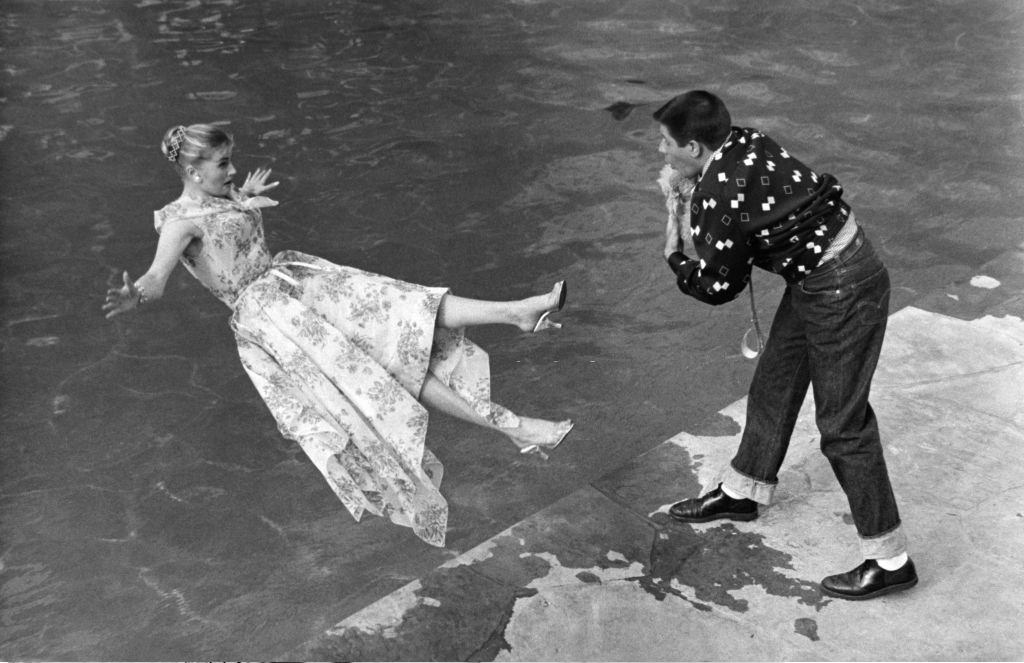
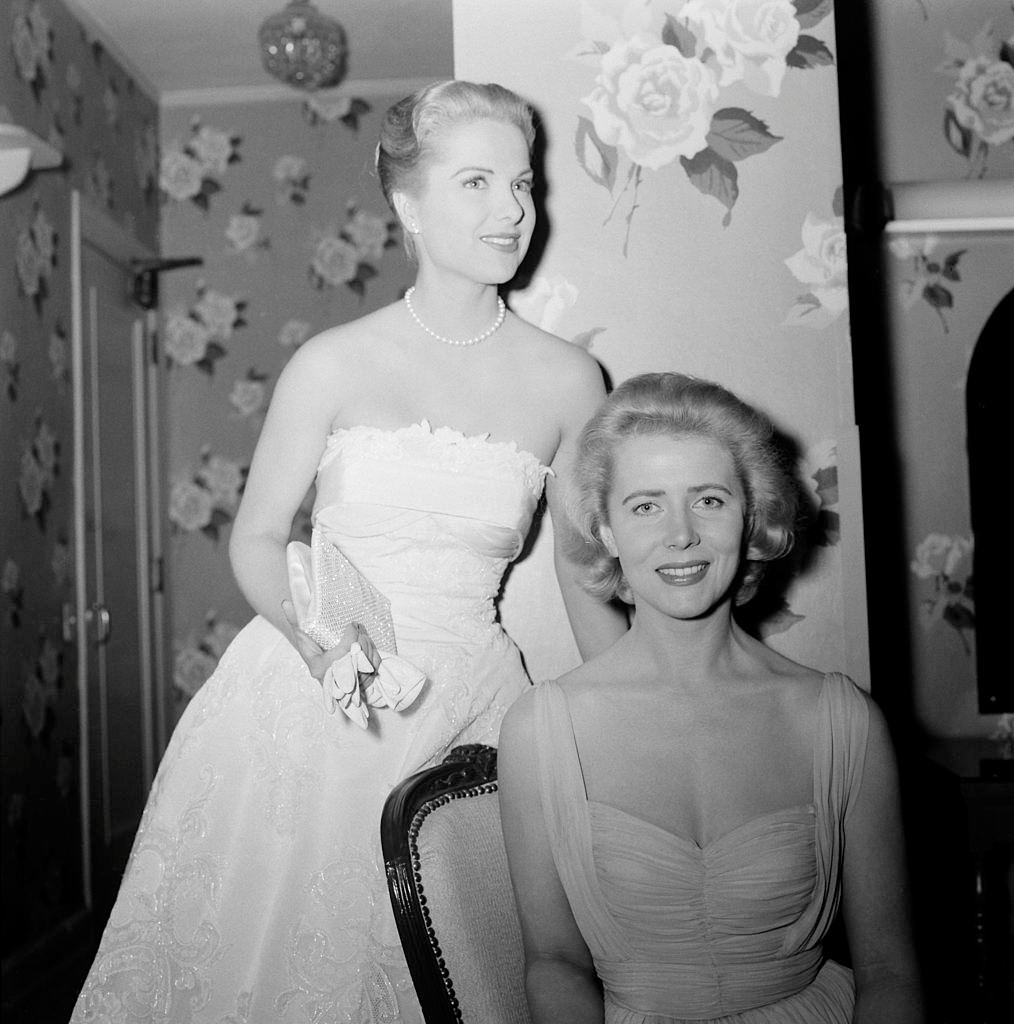
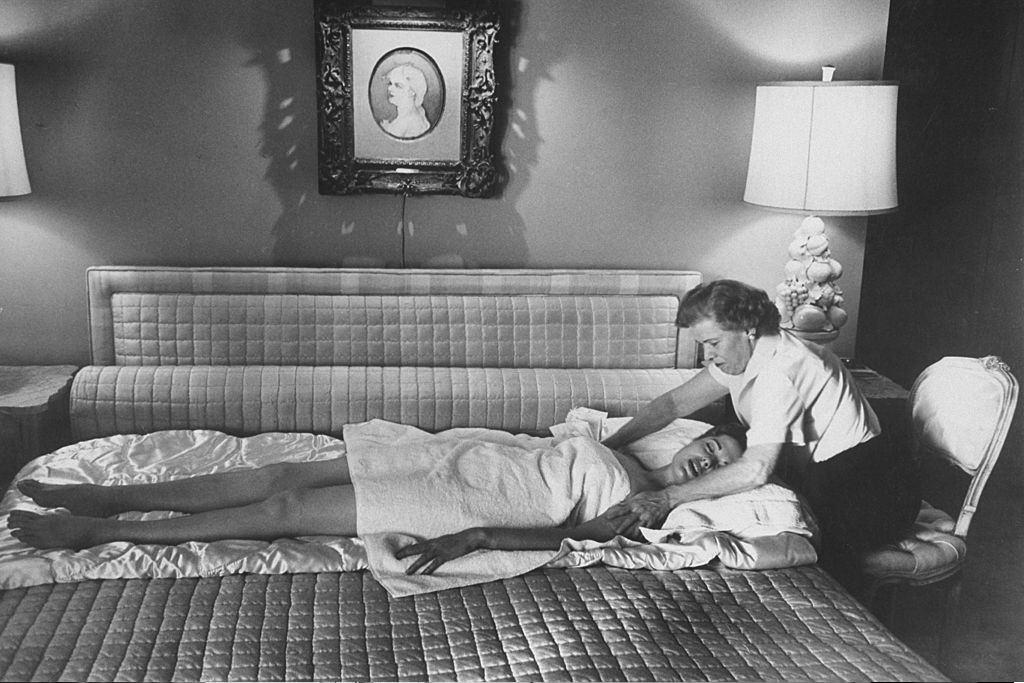
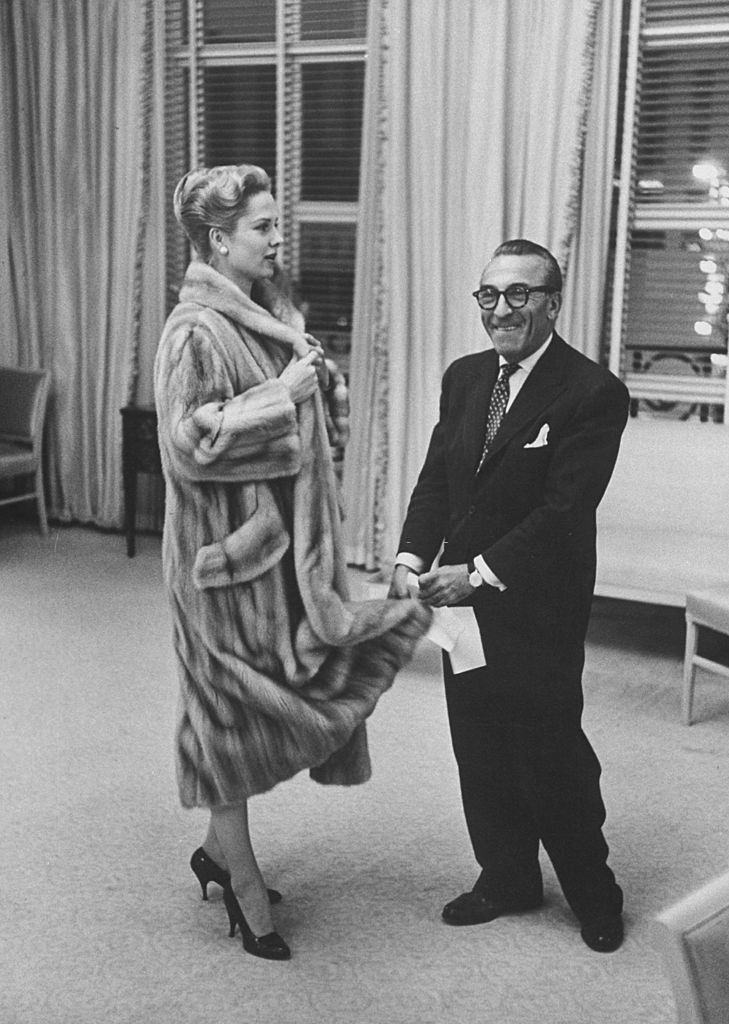
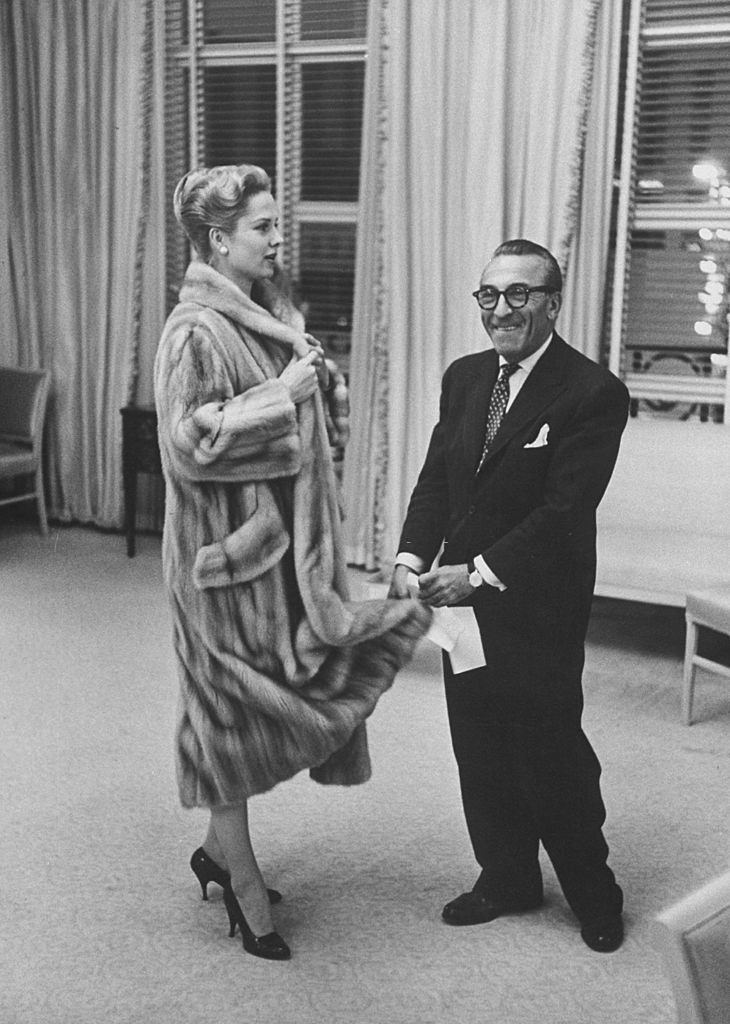
Off the set, Hyer lived well and was photographed in domestic settings that reflected her status as a top Hollywood star. Images from her home show her receiving a massage, discussing alterations to her mink coats with a furrier, and entertaining guests. These behind-the-scenes glimpses paint a picture of the lifestyle that accompanied top billing in 1950s Hollywood.
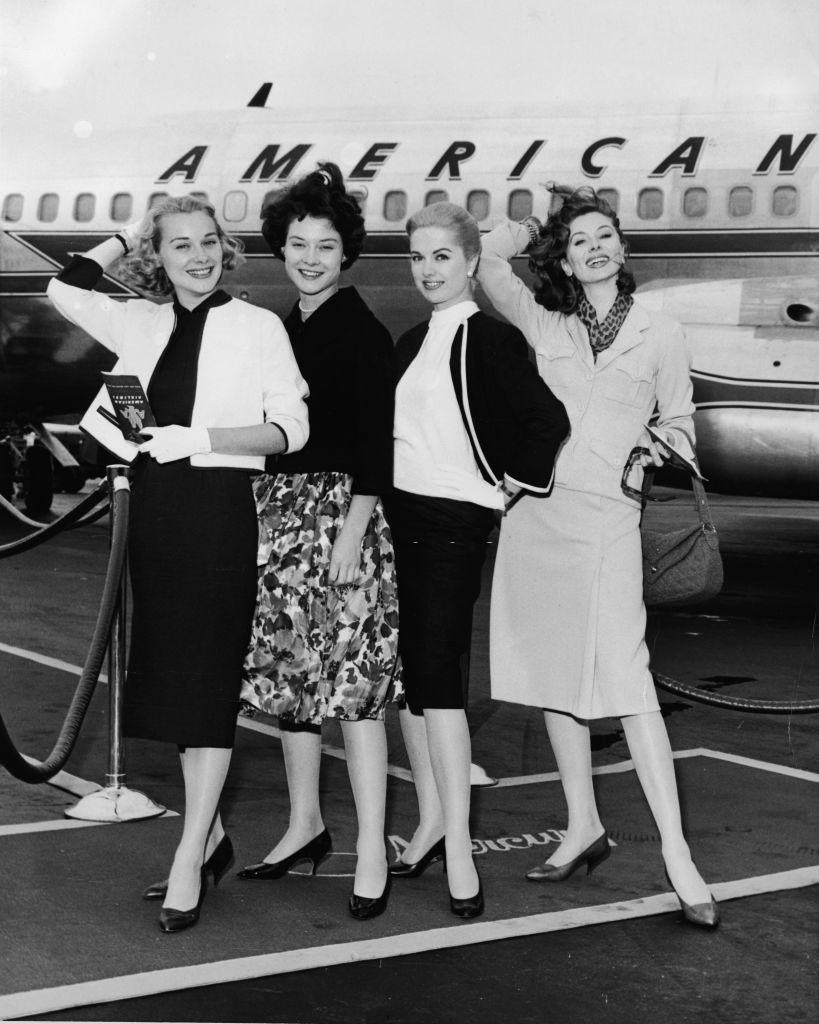
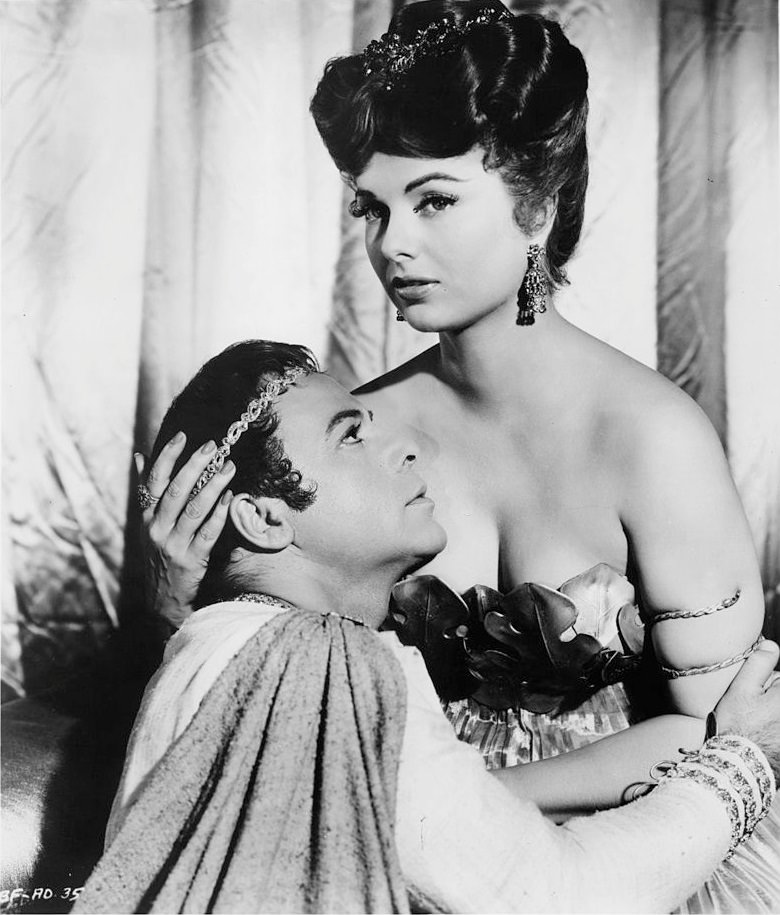
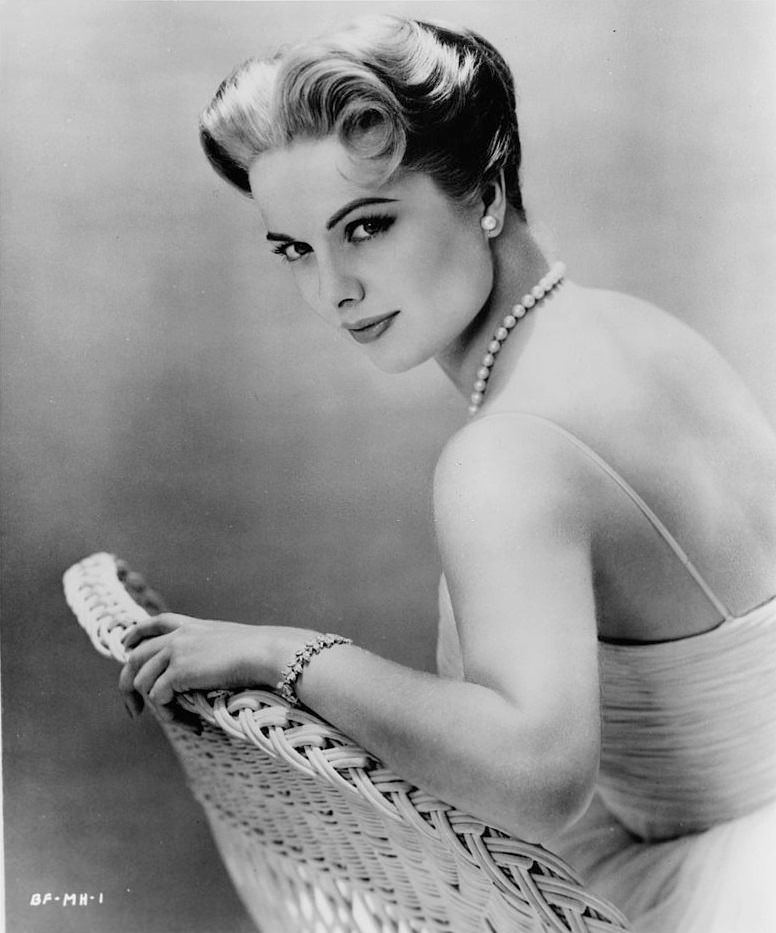
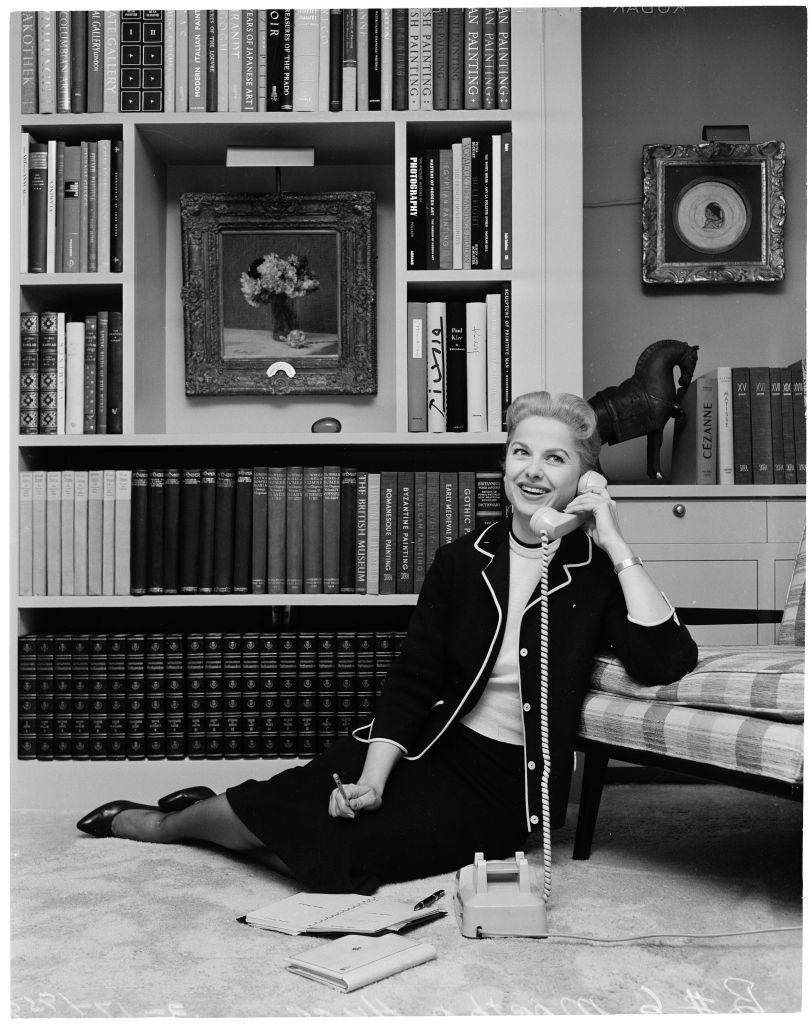
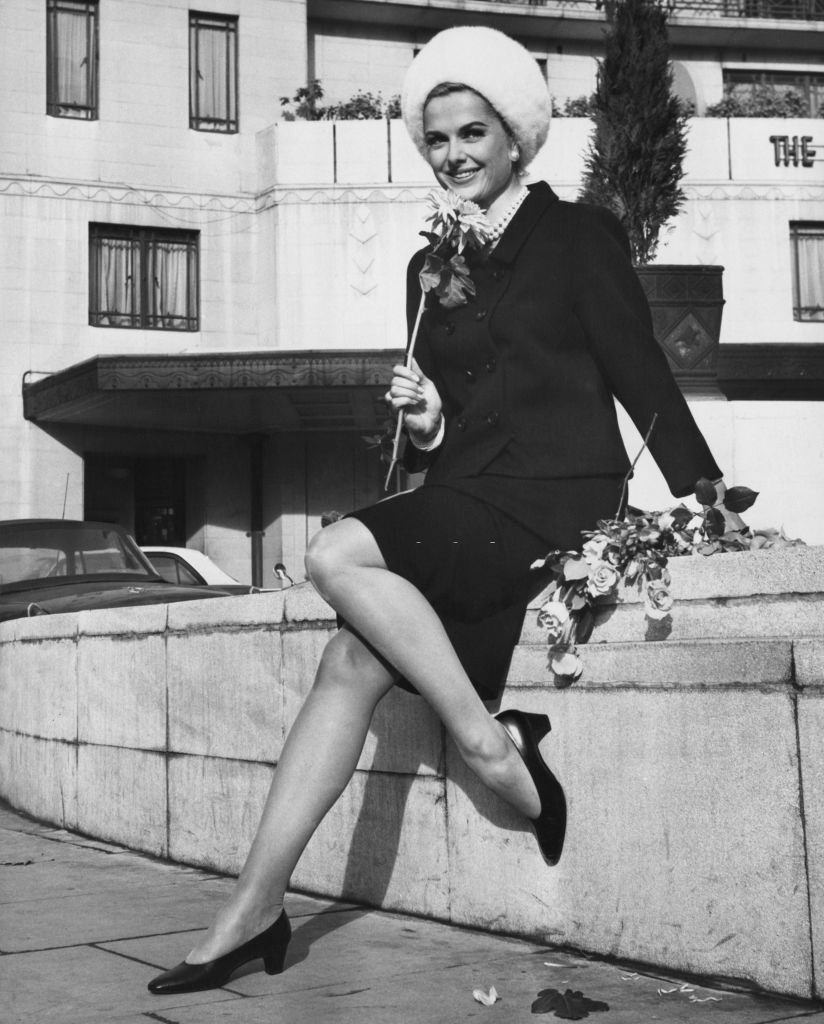
Hyer’s career took her overseas as well. In 1960, she was photographed at the Dorchester Hotel in London, one of the city’s most prestigious addresses. Her international visibility during this period reflected just how far she had traveled from those early rejections by the major studios. She was photographed with Frank Sinatra in 1959, a natural pairing given their work together on “Some Came Running.”
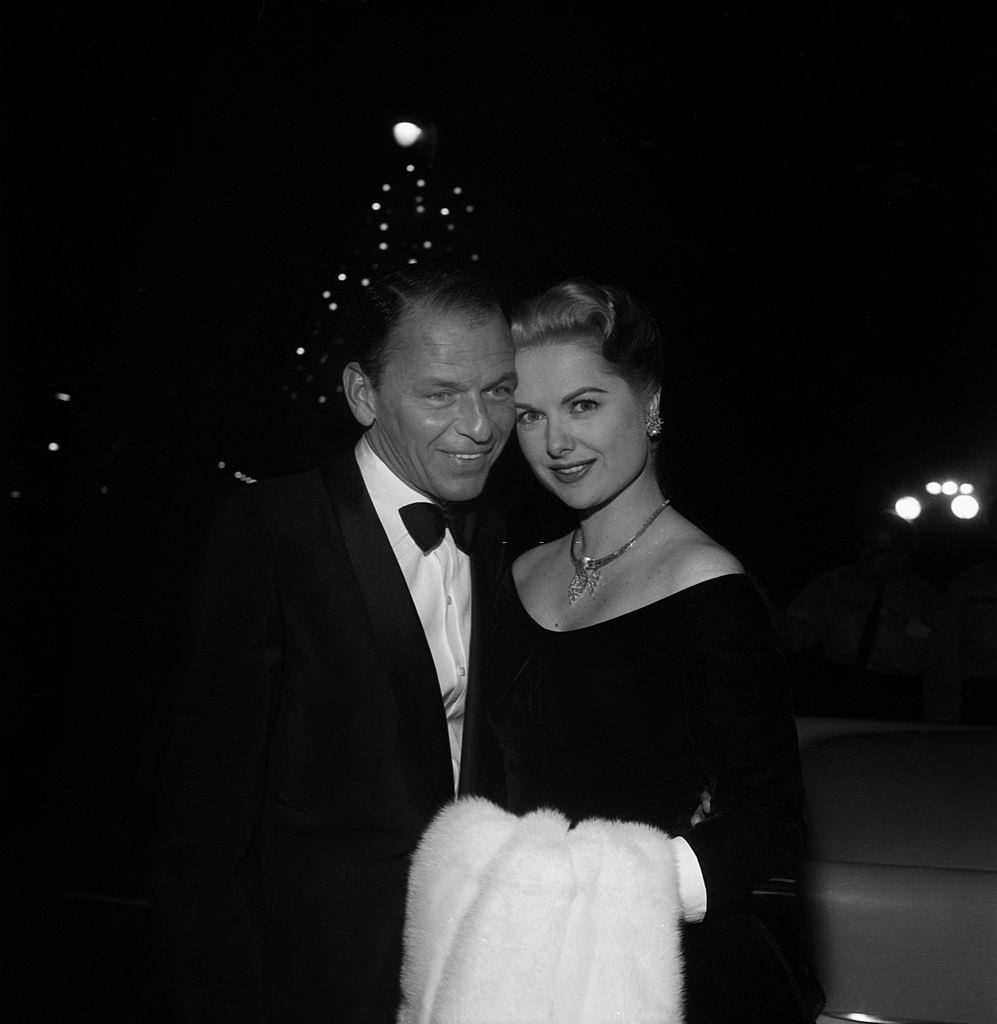
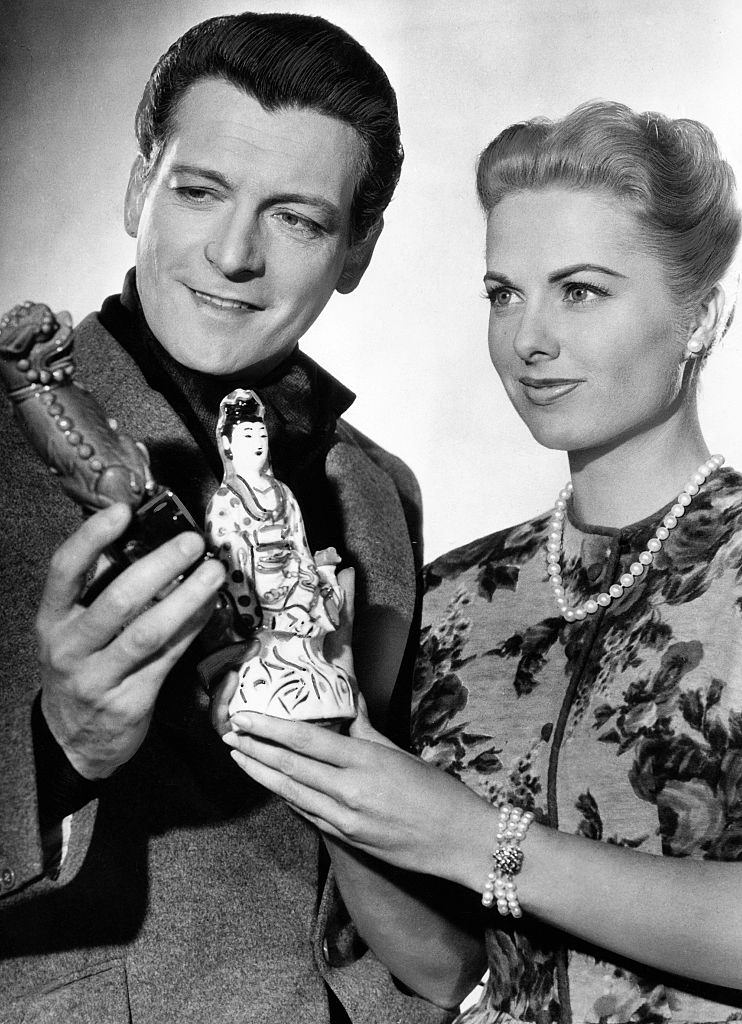
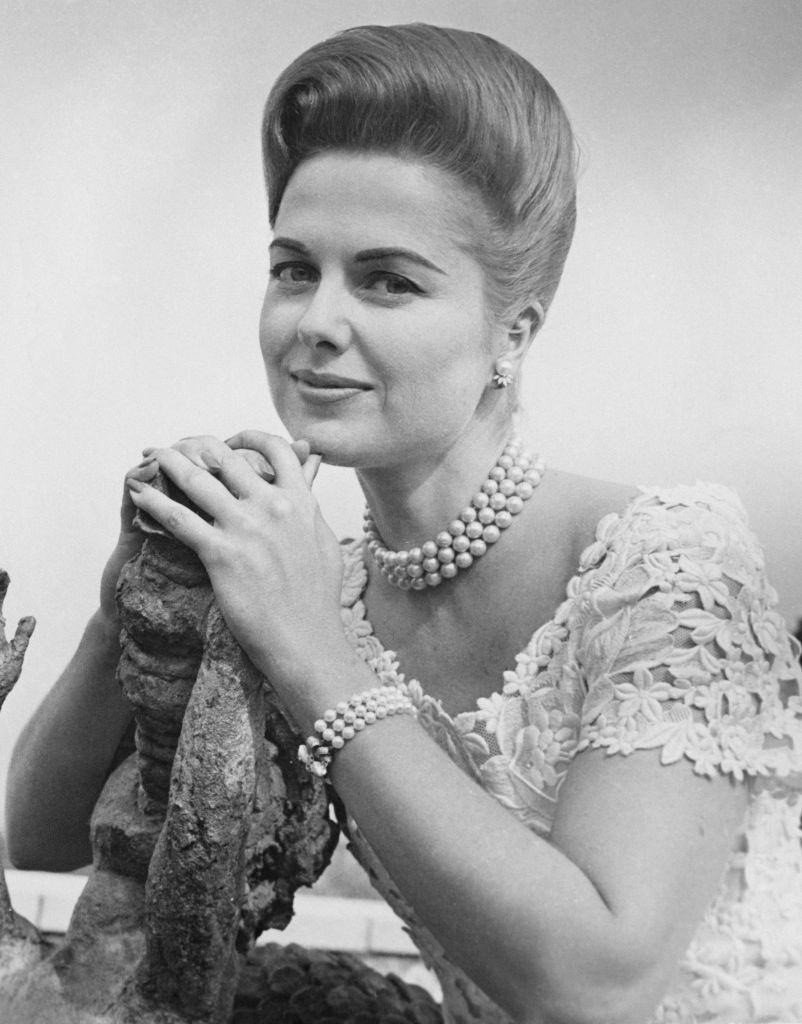
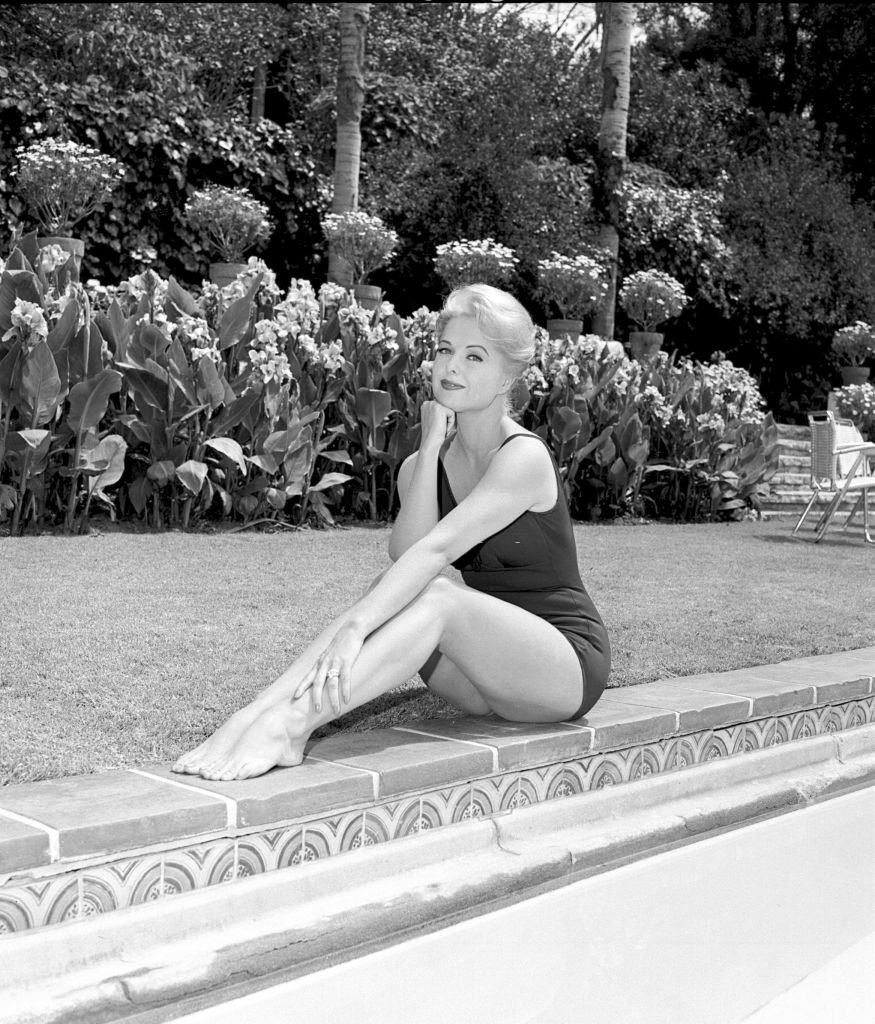
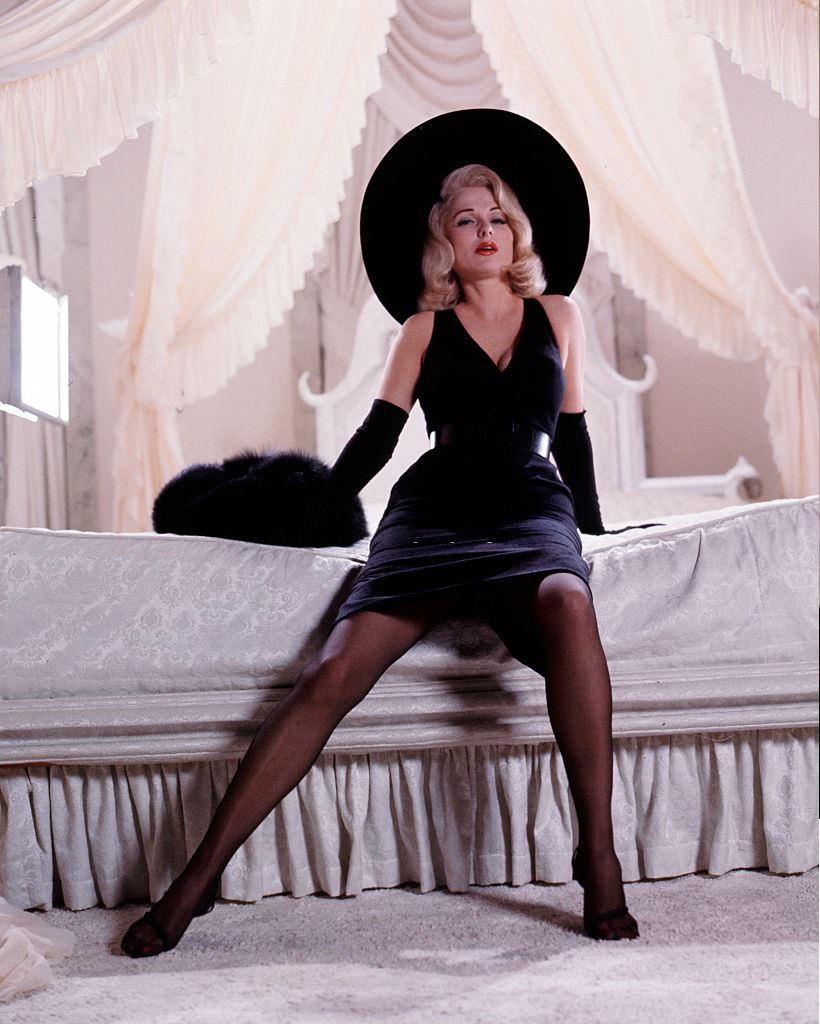
Television was also part of Hyer’s career throughout the 1960s. She appeared on “The Alfred Hitchcock Hour” in 1962, adding a suspense credit to her already diverse résumé. Her television work complemented her film appearances and kept her in front of audiences between big-screen projects. She also appeared in films like “Wives and Lovers” (1963) with a publicity campaign that produced some of the most striking portraits of her career.
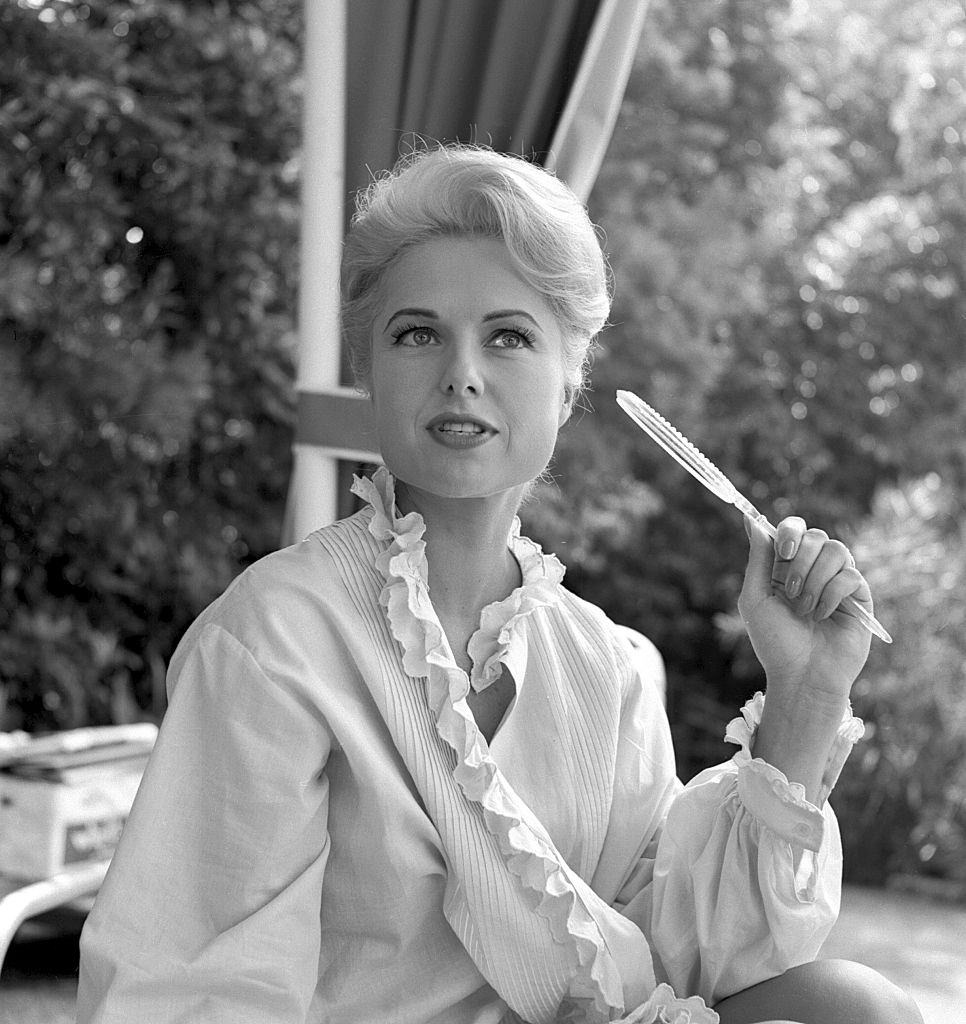
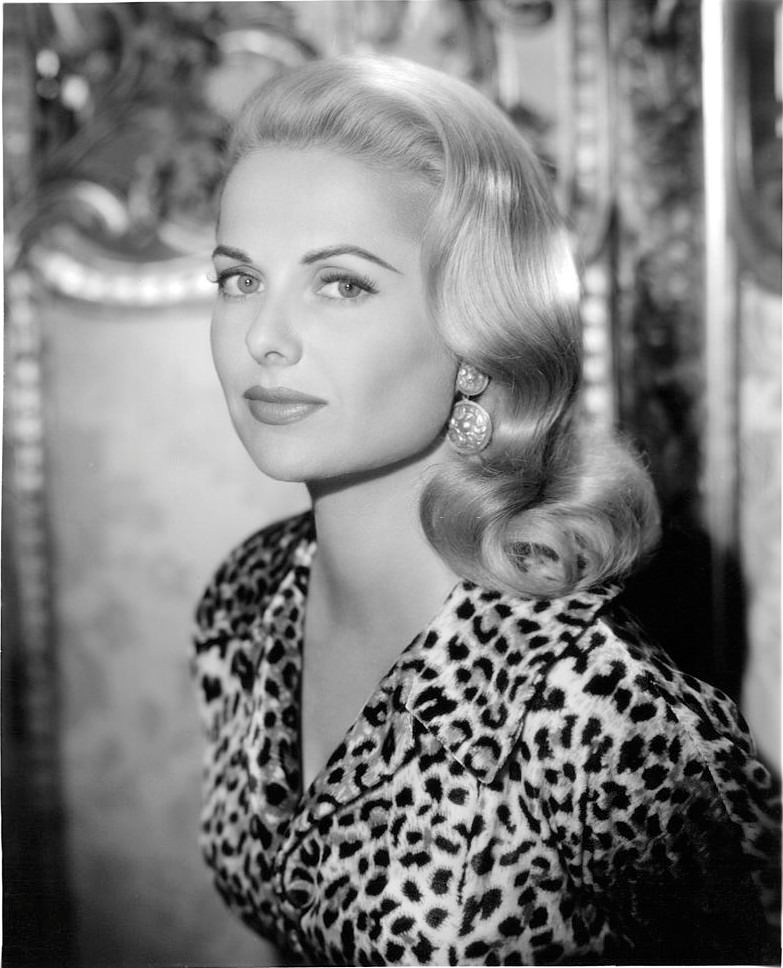
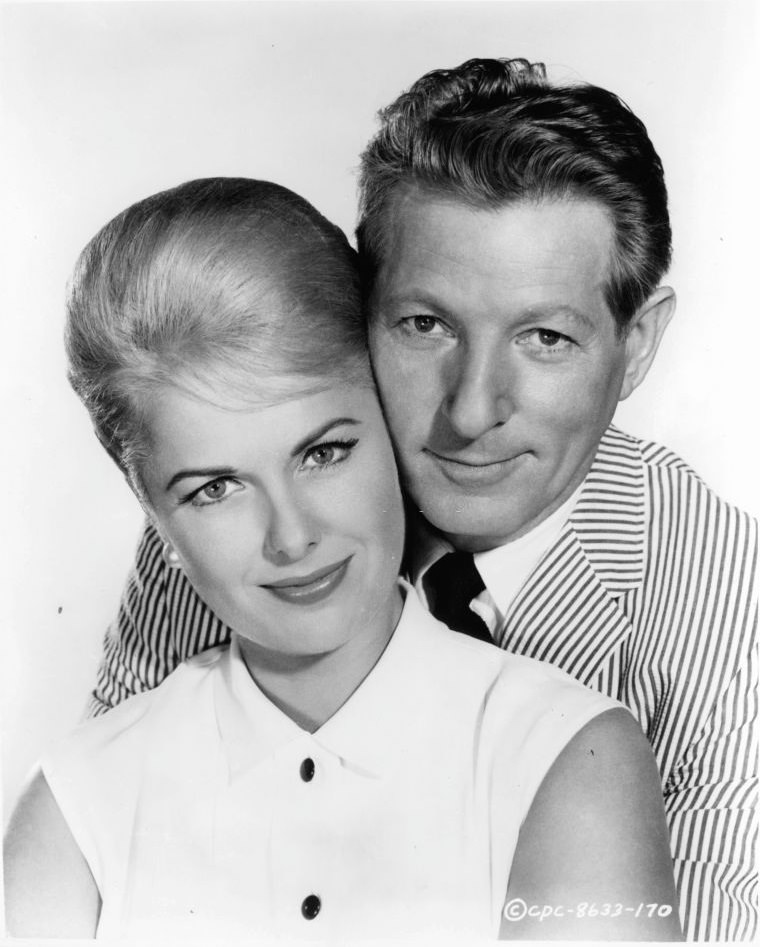
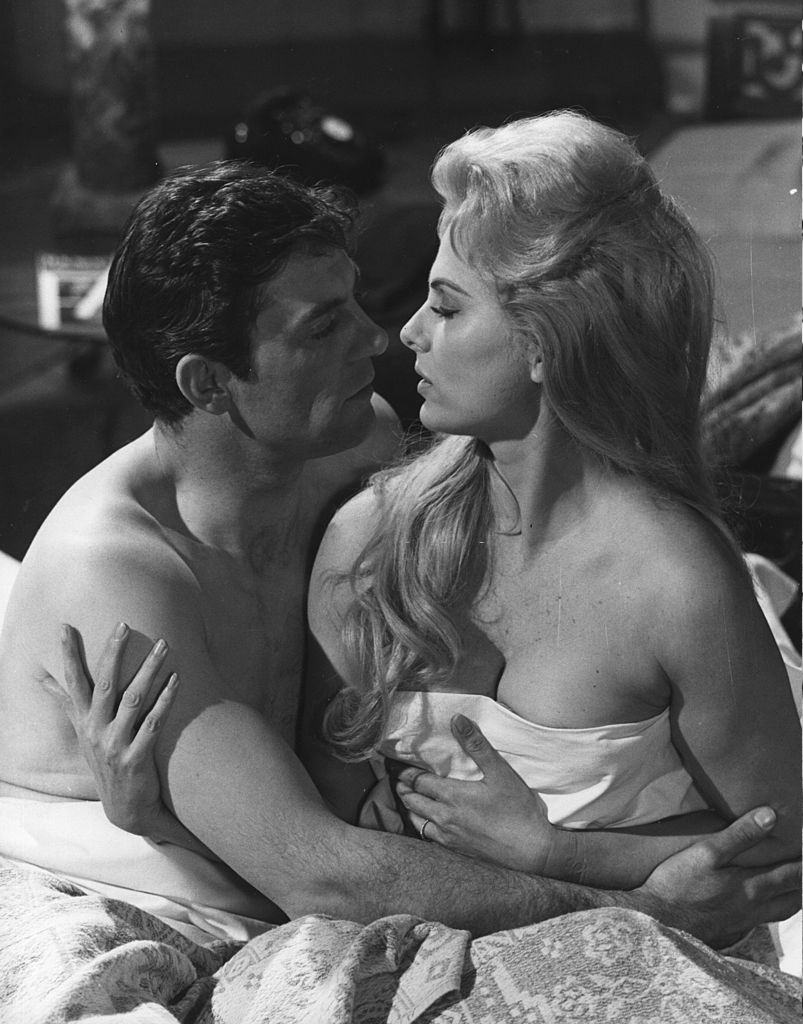
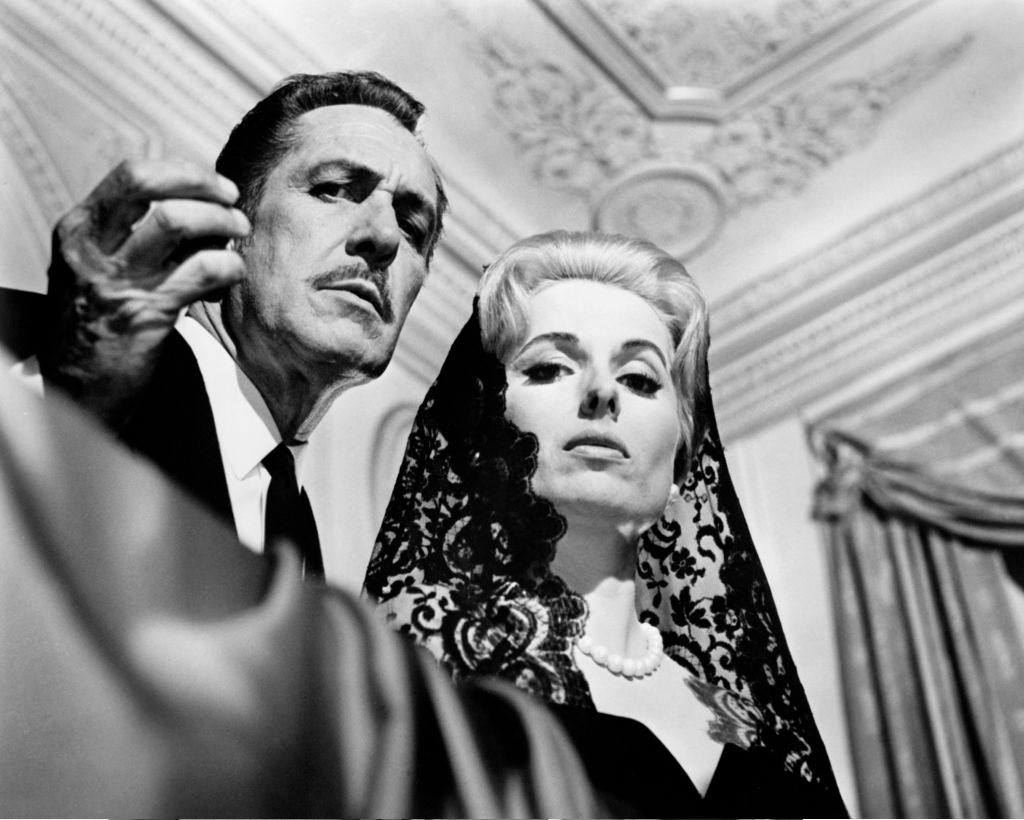
In the later part of the 1960s, Hyer took on darker material. She appeared with Vincent Price in “House of 1,000 Dolls” and starred in “They Also Kill,” both films that leaned into the more sinister side of genre cinema. These were a sharp contrast to the polished dramas that had defined her peak years, but they showed she was willing to work in whatever stories interested her. Her final screen appearance came in 1971 in “The Day of the Wolves.” At 50, she retired from acting and relocated to Paris. In 1990, she published her autobiography, “Finding My Way: A Hollywood Memoir.” Martha Hyer died on May 31, 2014, at the age of 89.



Thanks for share these pictures, Mrs. Morris.
It´s an awasome collection.
What an amazing career Martha Hyer had, and such a beautiful woman. Thank you for sharing the photos Ms. Morris.