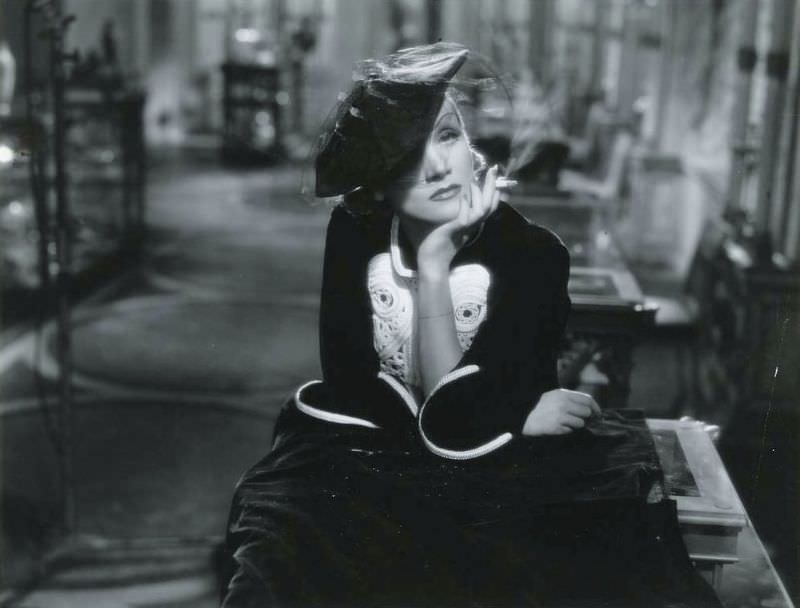
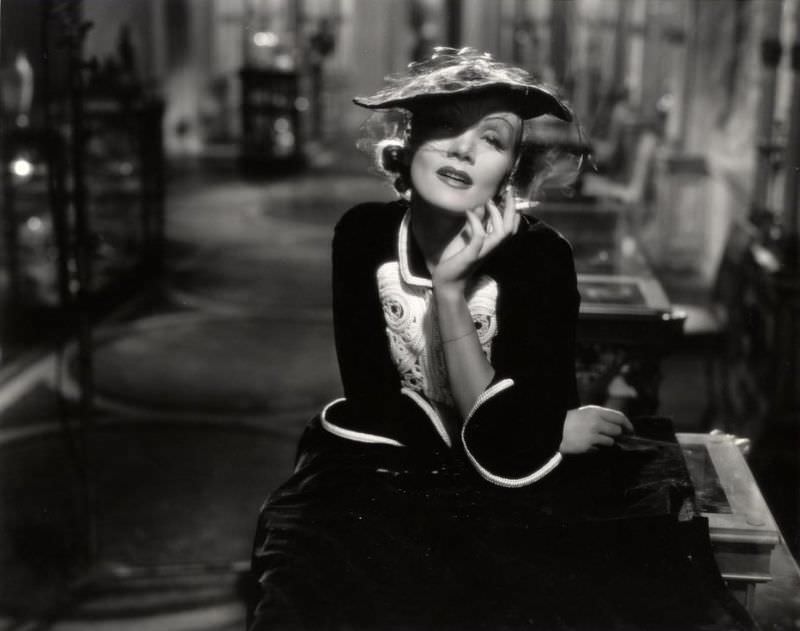
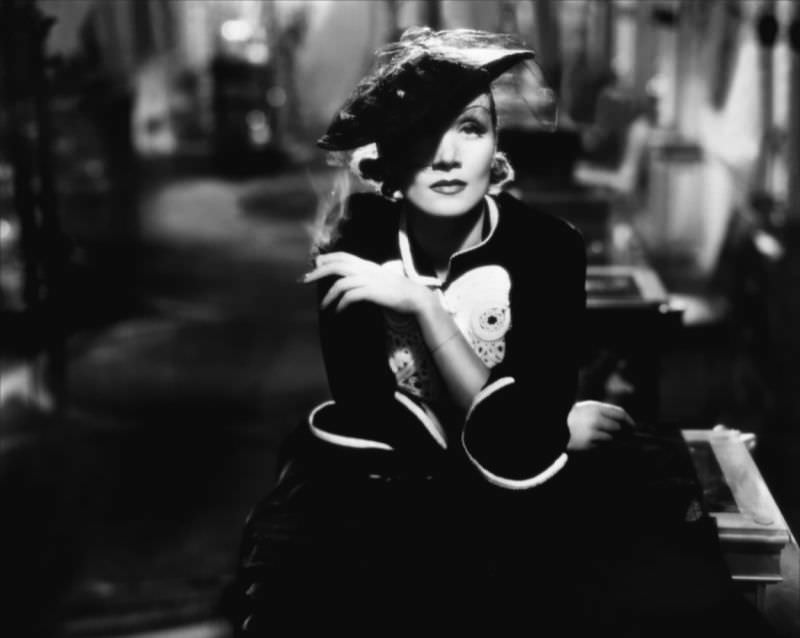
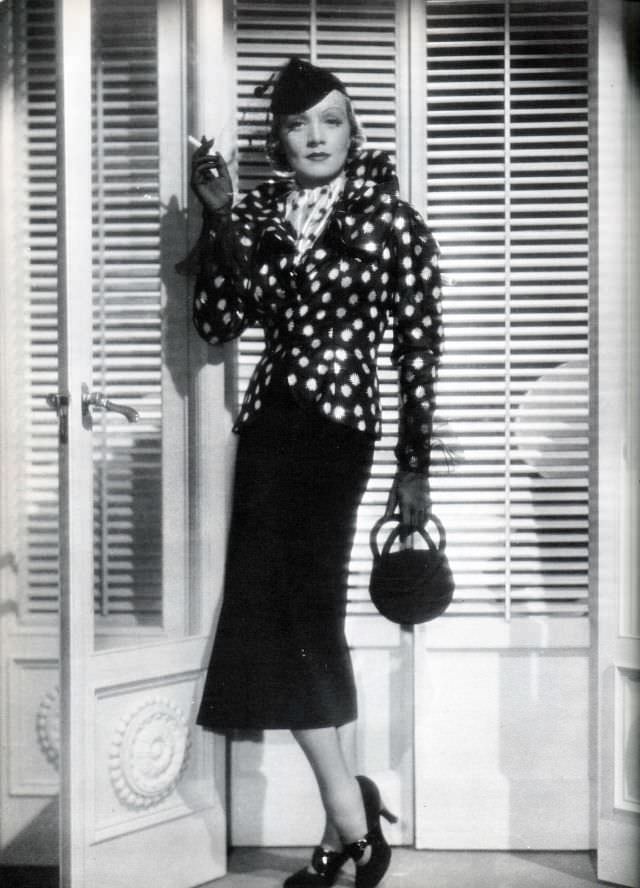
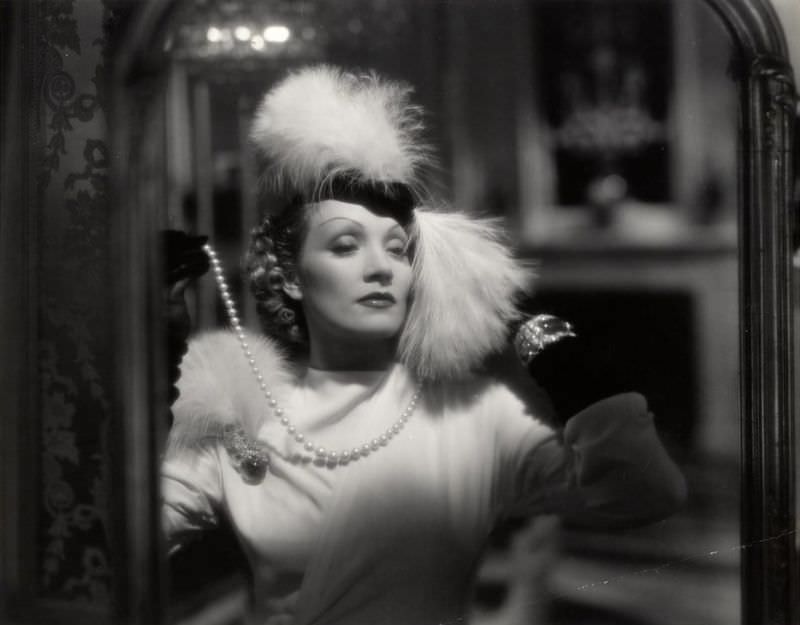
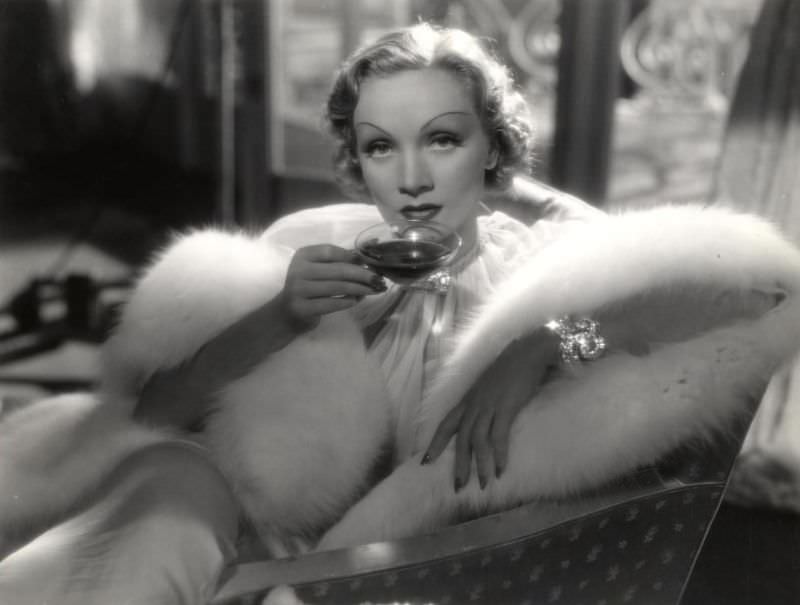
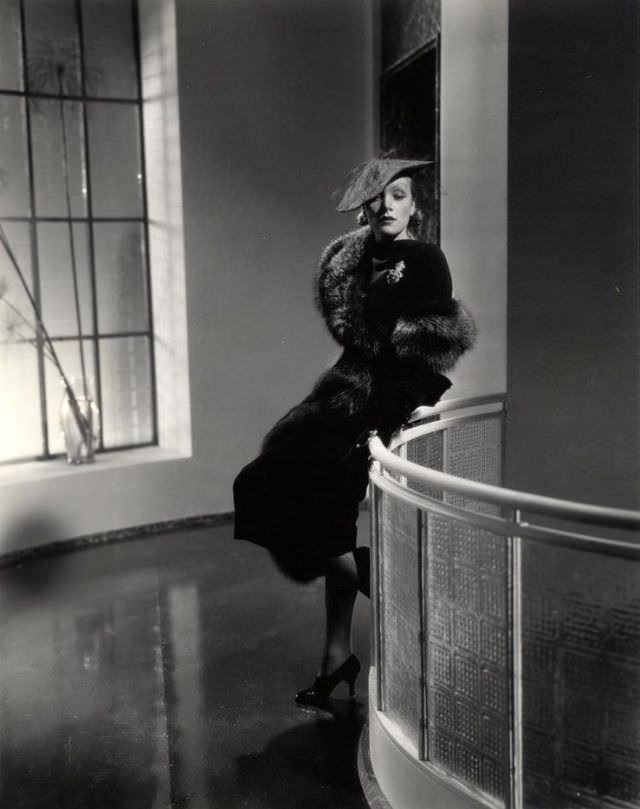
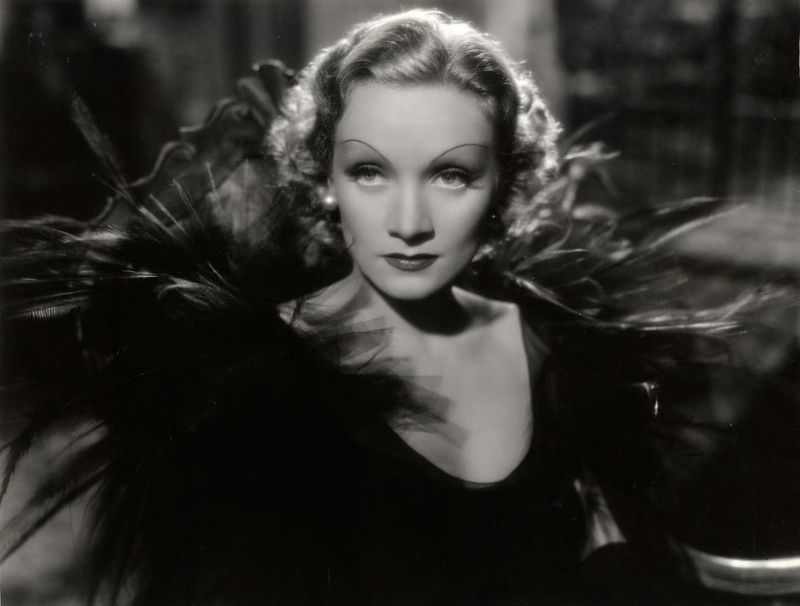
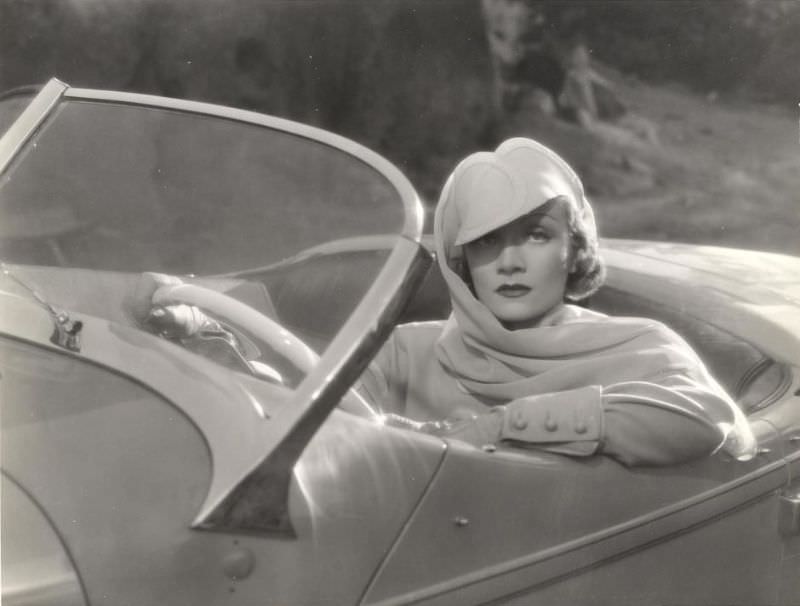
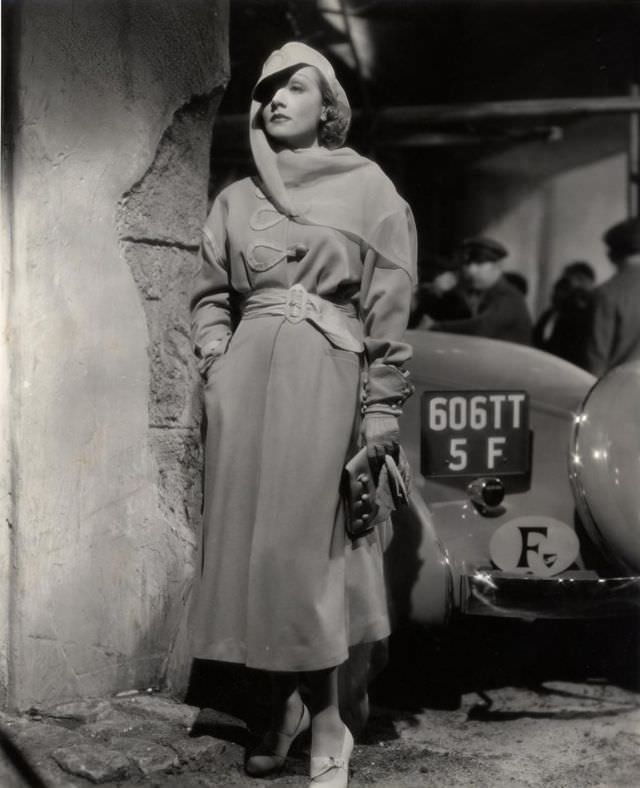
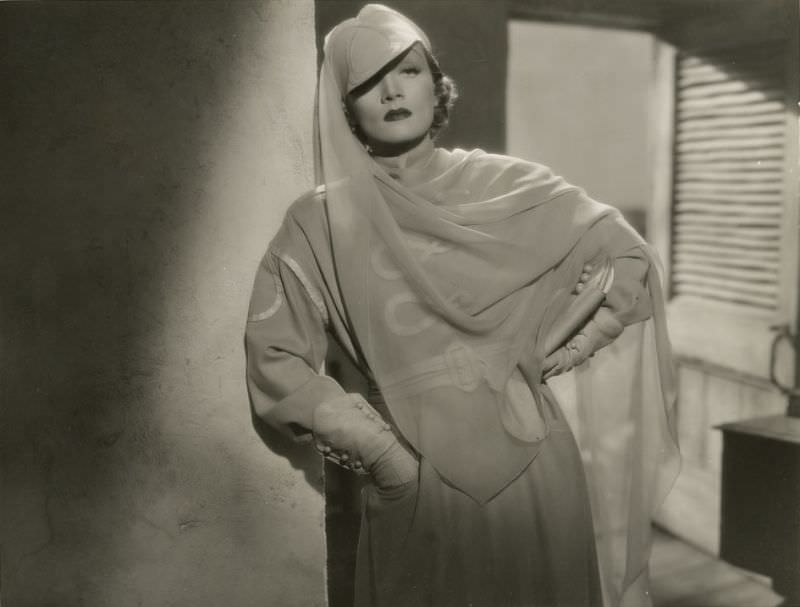
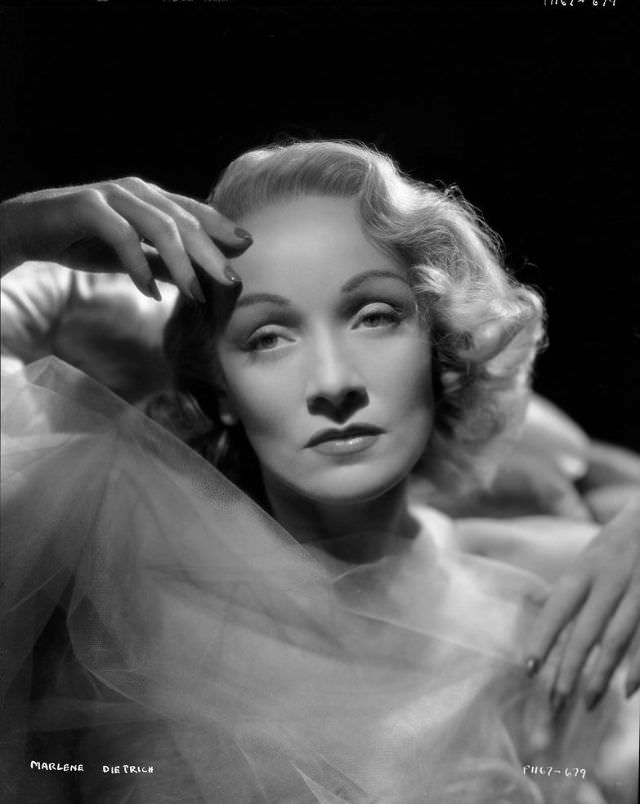
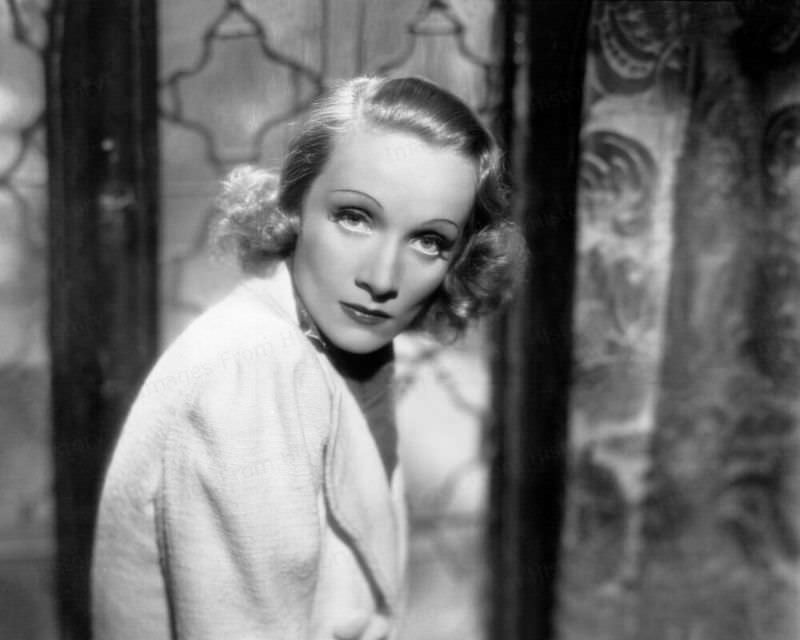
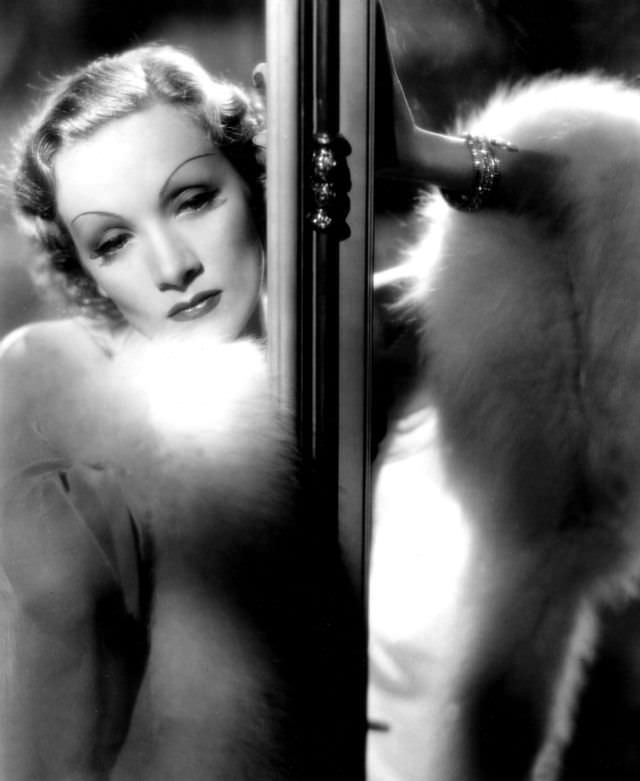
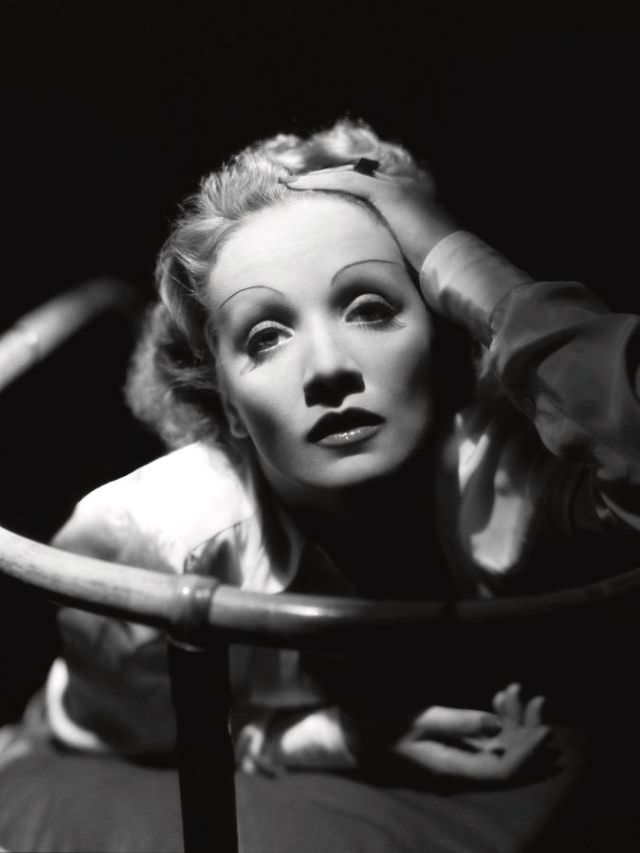
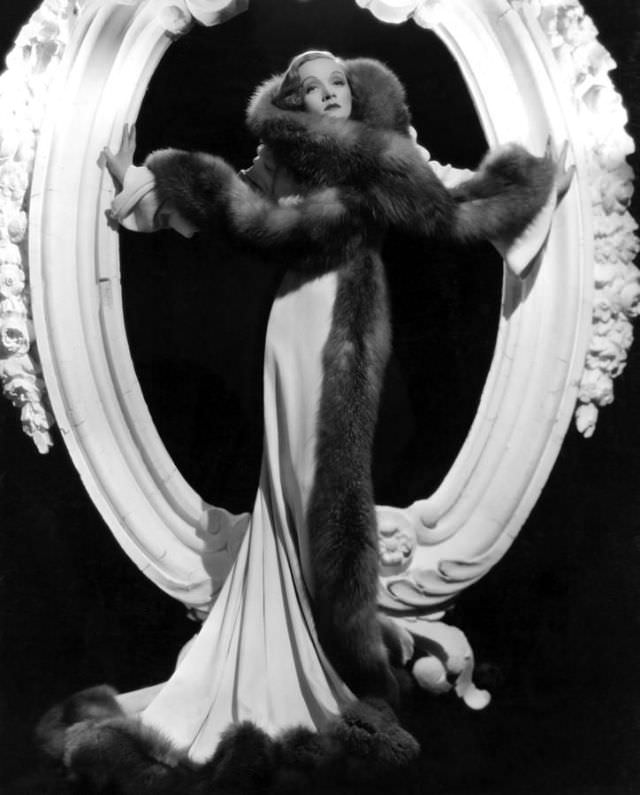
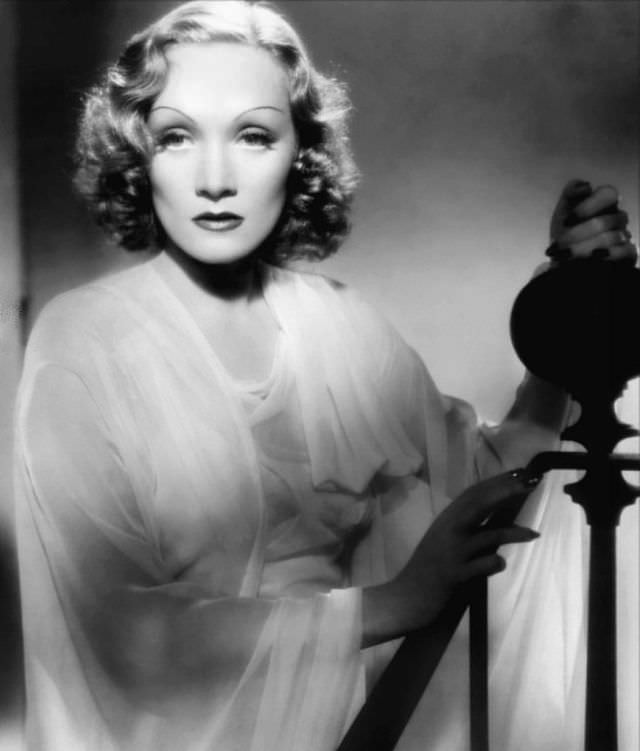
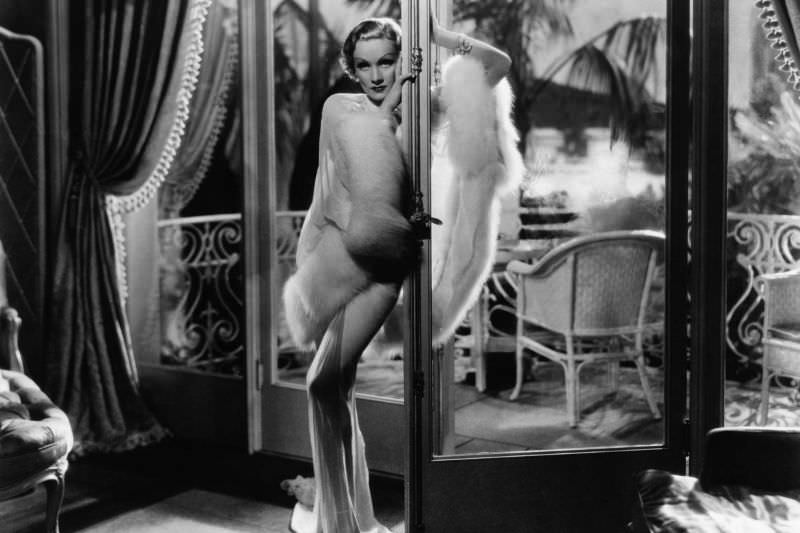
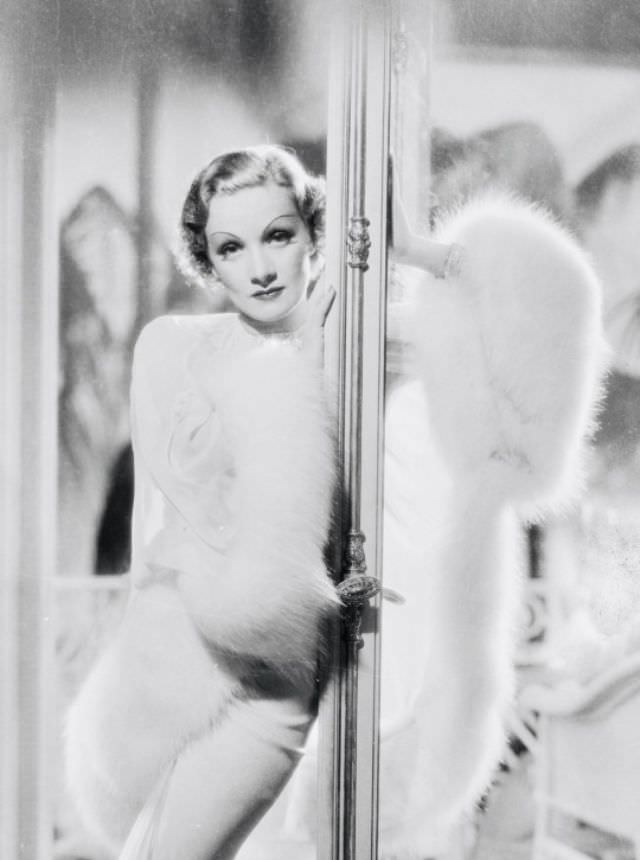
Desire is a 1936 romantic comedy-drama film starring Marlene Dietrich and Gary Cooper. Frank Borzage directed the film, and the producers were Borzage and Ernst Lubitsch. Based on Hans Székely’s and Robert A. Stemmle’s plays Die Schönen Tage von Aranjuez, Samuel Hoffenstein, Edwin Justus Mayer, and Waldemar Young wrote the screenplay. Charles Lang and Victor Milner shot the cinematography, and Frederick Hollander composed the music score.
In the film, Dietrich plays a sophisticated jewel thief who robs a Parisian jeweler of a necklace full of pearls. Her car breaks down as she flees the city. Gary Cooper, an American on vacation, saves the day. In the next town, where she runs into Cooper again, she ditches him and meets up with her accomplices. Naturally, they fall in love. Generally, this is a fun movie to watch, one that can be watched over and over again. Cooper and Dietrich have made two films, the first being “Morocco”. There is excellent chemistry between them. In the movie, Dietrich sang one song while playing the piano, “Awake in a Dream”. This is one of this reviewer’s favorite Dietrich films. It would remain Dietrich’s best film after leaving director Josef von Sternberg, and for my money, her most outstanding romantic comedy. In the future, Cooper appeared in a few other comedies. He had a delightful, subtle touch in his first foray into the genre.
Marlene Dietrich worked on this film as a contract player for Paramount Studios for the last time. The public was starting to tire of her after she left Josef Von Sternberg, her mentor (or he had left her). Her performance in this film was more relaxed, more at ease, and she seemed to be having a great time, not to mention looking stunning in each costume.