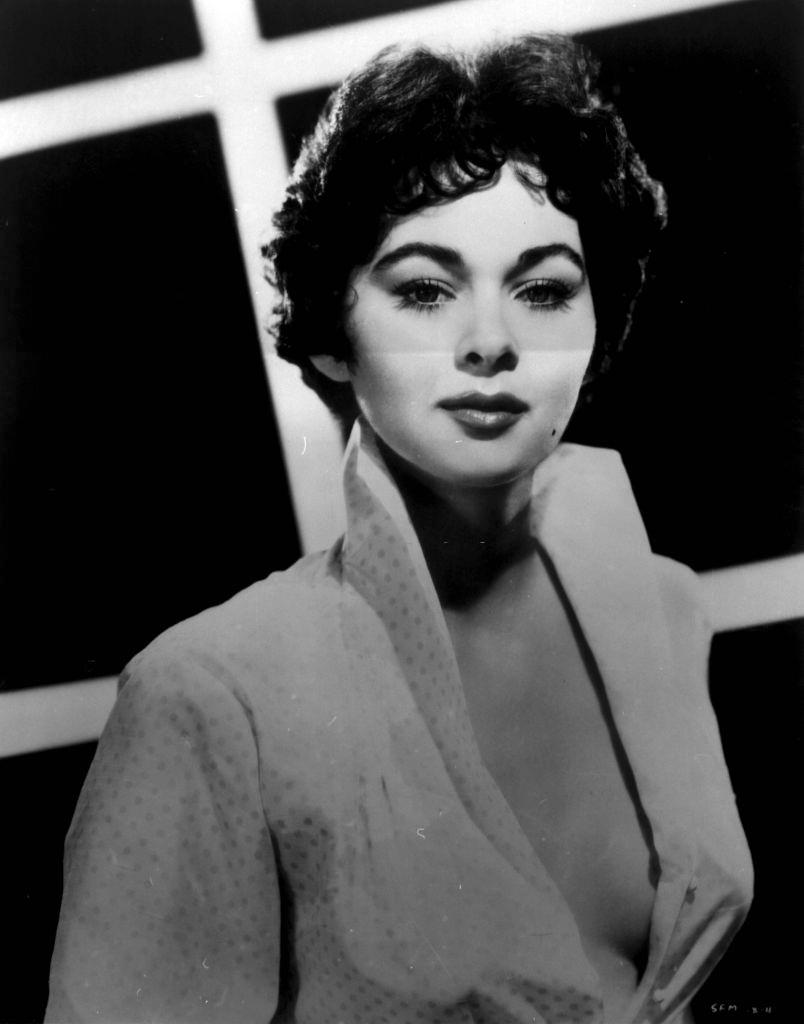
Marla English packed more into a few years than most people manage in a lifetime. She was an actress, a fashion model, a beauty queen, and a familiar face at Hollywood premieres — all before she turned 22. Her career was short by any measure, but it left behind a sharp and striking record of what it looked like to be young, talented, and ambitious in 1950s Hollywood.
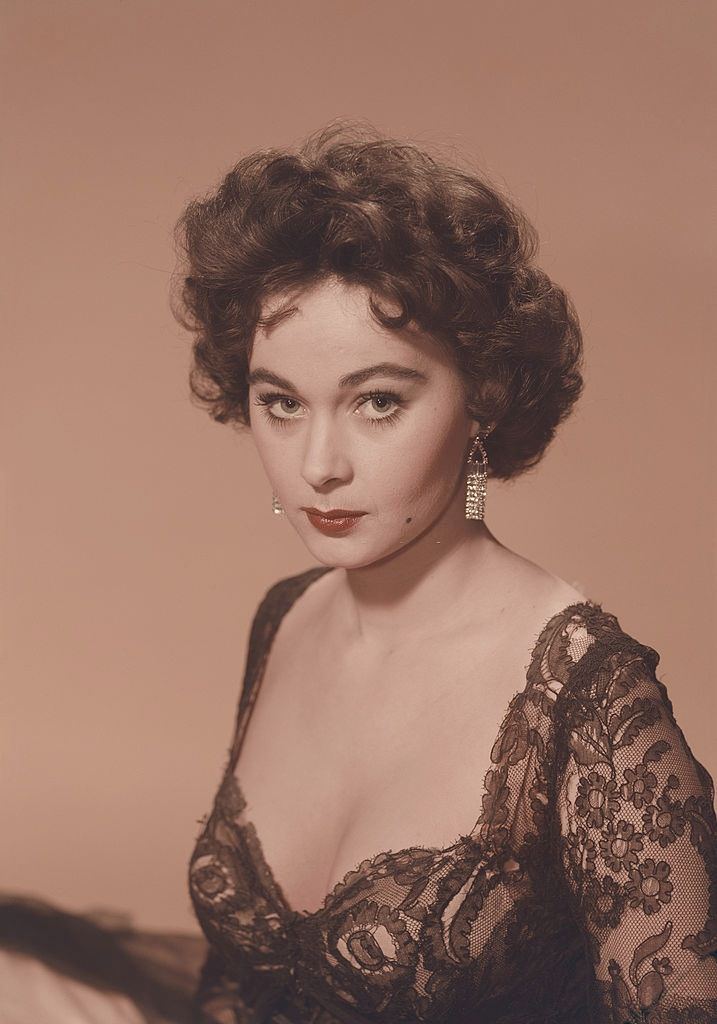
Marla was born in the early 1930s and started modeling at just 12 years old. By the time she was in high school, she had already joined San Diego’s Globe Theatre, where she performed in stage productions including “Mad Woman of Chaillot” and “Cricket on the Hearth.” She balanced stage work and modeling at the same time, an early sign of the drive that would carry her into film a few years later.
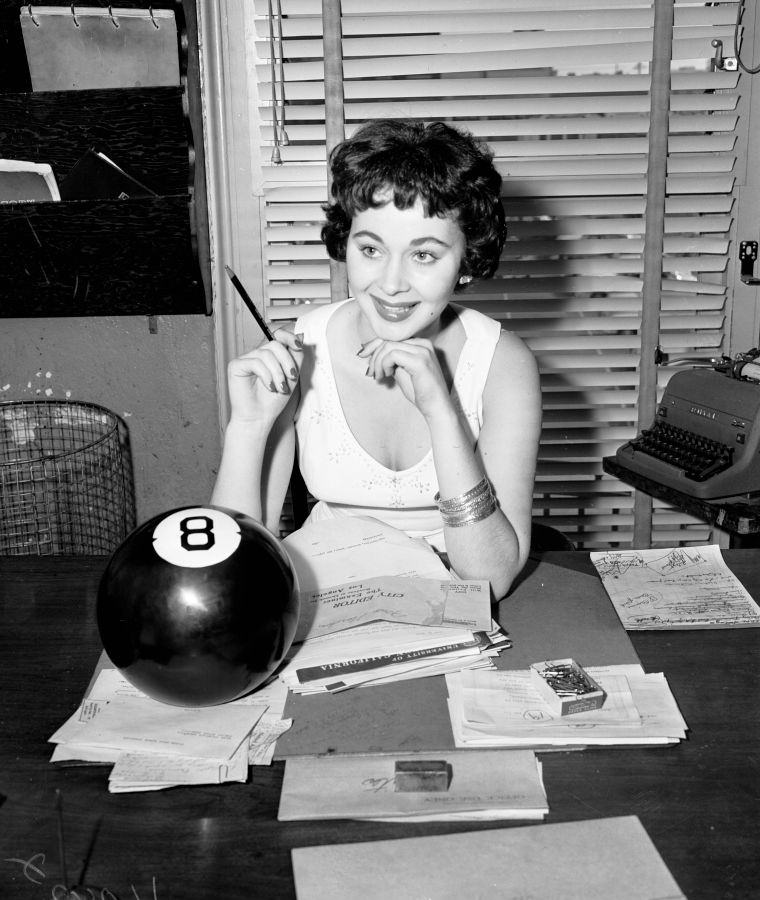
In 1952, Marla won the San Diego beauty pageant known as “Fairest of the Fair.” The win raised her public profile in the region, but her ambitions pointed toward the screen. By 1954, she was working steadily as a model in Los Angeles and beginning to make her way through Hollywood circles, turning up at studio events and film premieres.
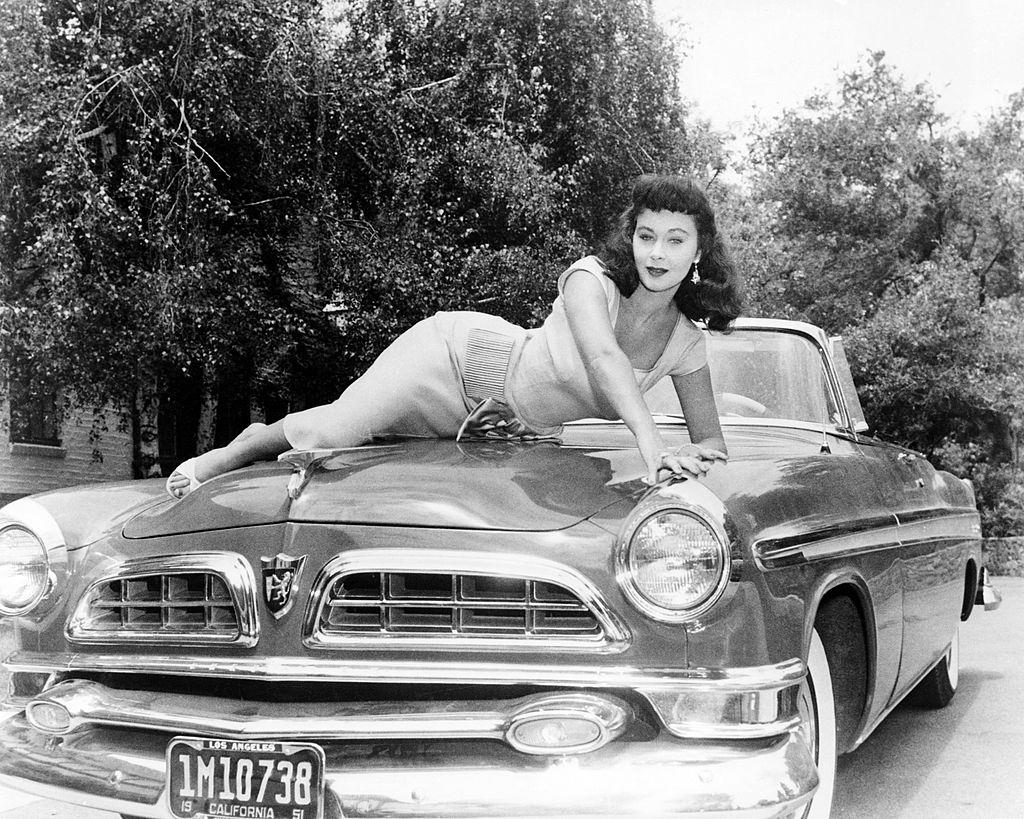
She signed a contract with Paramount Pictures and began appearing in films, typically in smaller supporting roles. But it was the B-movie circuit where Marla made the strongest impression on audiences. These were low-budget genre films — horror, war, crime — made quickly and aimed at drive-in crowds. They were not prestige productions, but they had real followings, and Marla stood out in them.
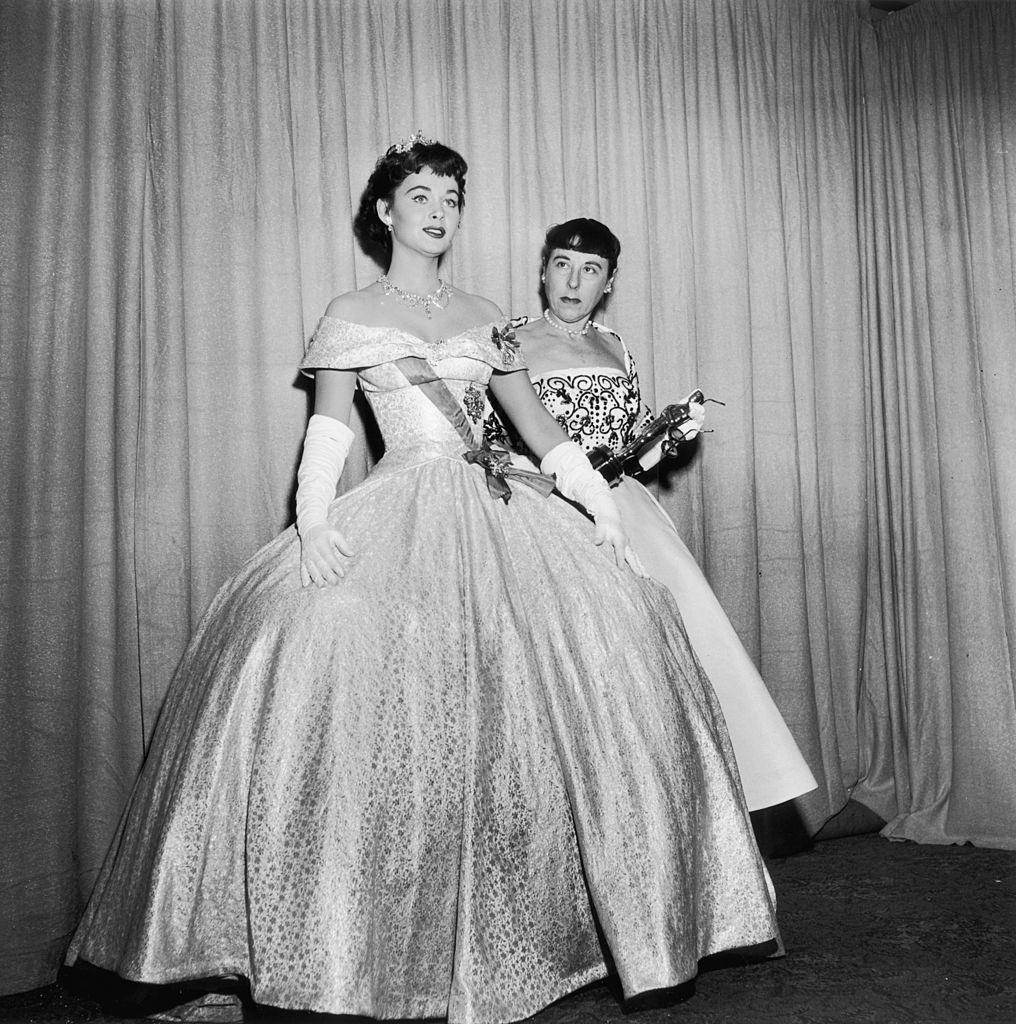
Her presence at Paramount brought her into contact with some of the biggest names in the industry. A 1954 photo shows her alongside legendary costume designer Edith Head, who dressed some of the most iconic women in Hollywood history. That kind of access reflected just how quickly Marla had moved into serious industry circles after arriving in Los Angeles.
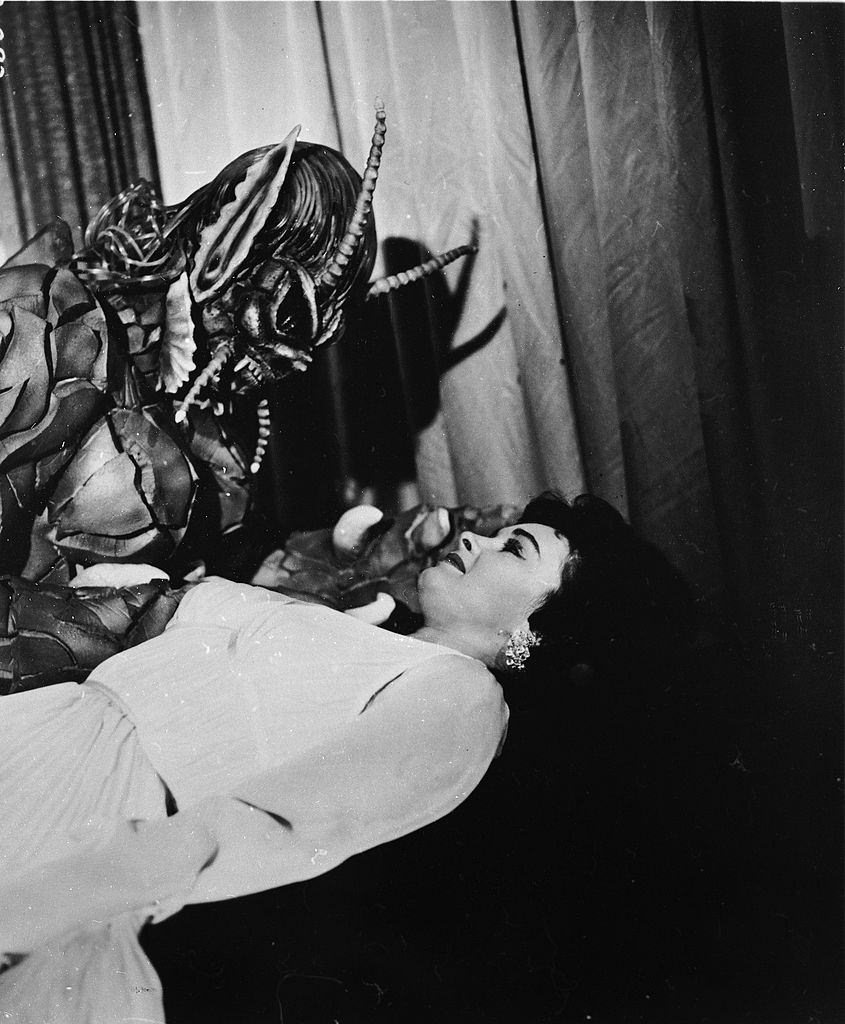
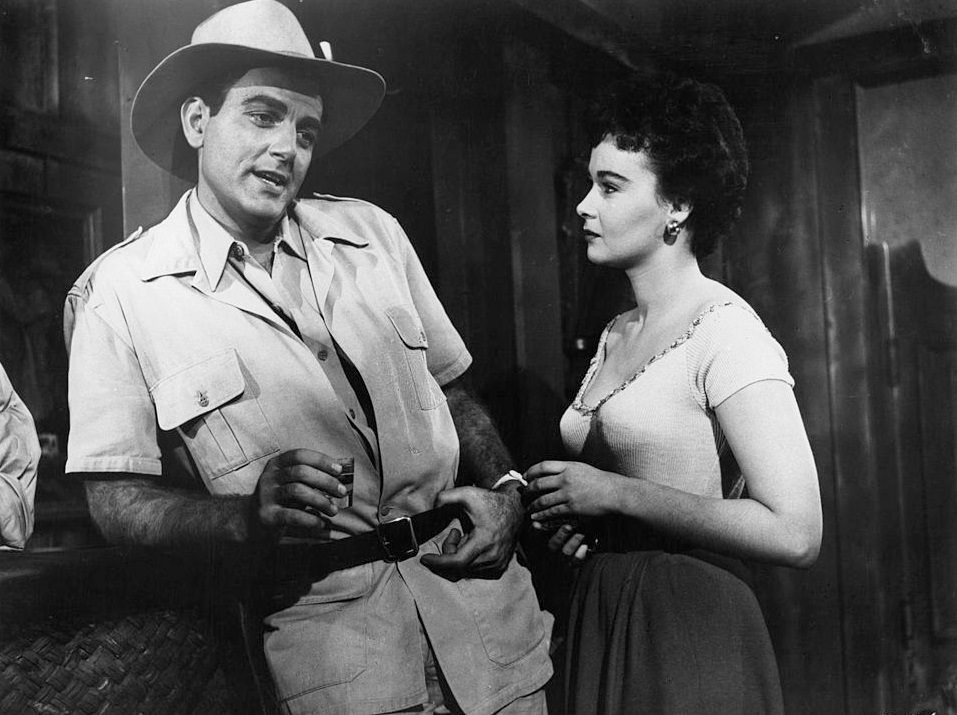
One of Marla’s most notable genre roles came in “The She-Creature” (1956), a horror film that became a cult classic. She also appeared in “Voodoo Woman” (1957), another low-budget horror film produced by American International Pictures. These were exactly the kinds of movies that defined the B-film era — fast, strange, and full of atmosphere. Marla played them with a cool intensity that matched the tone of each film.
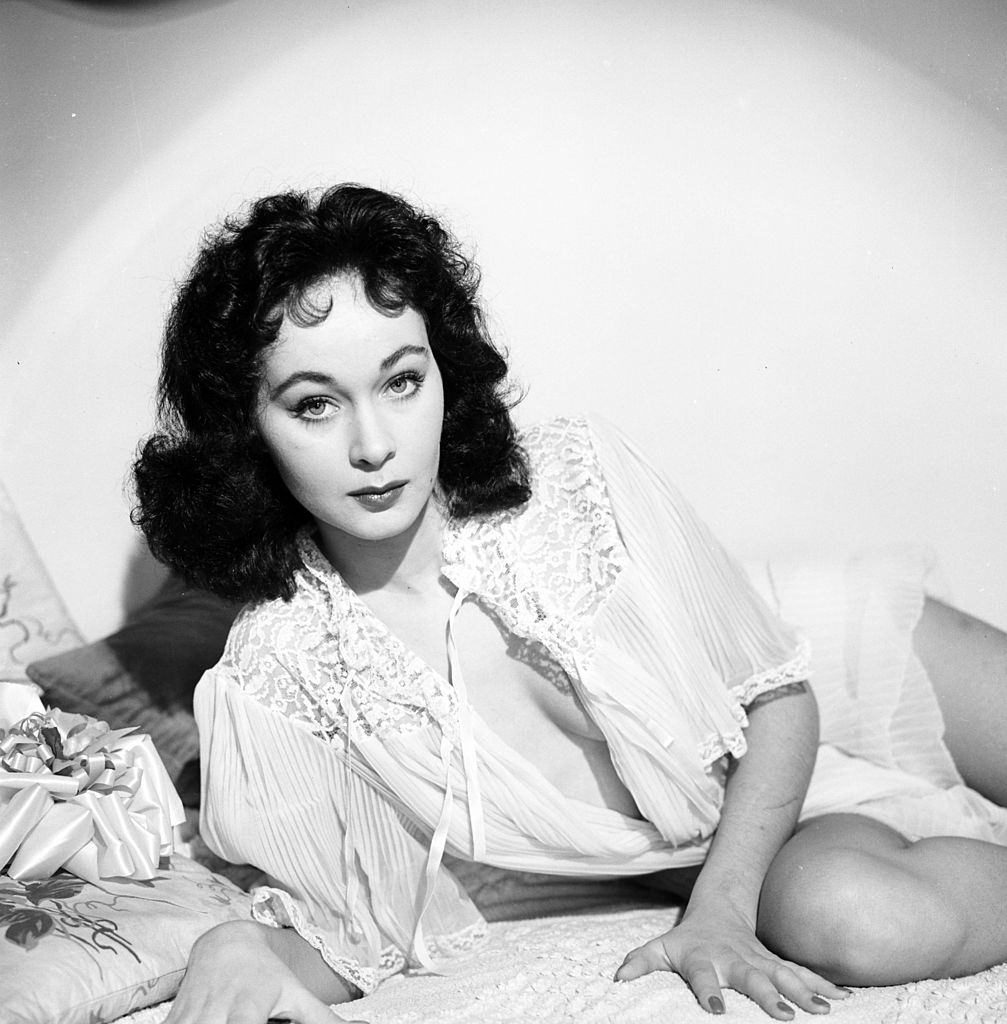
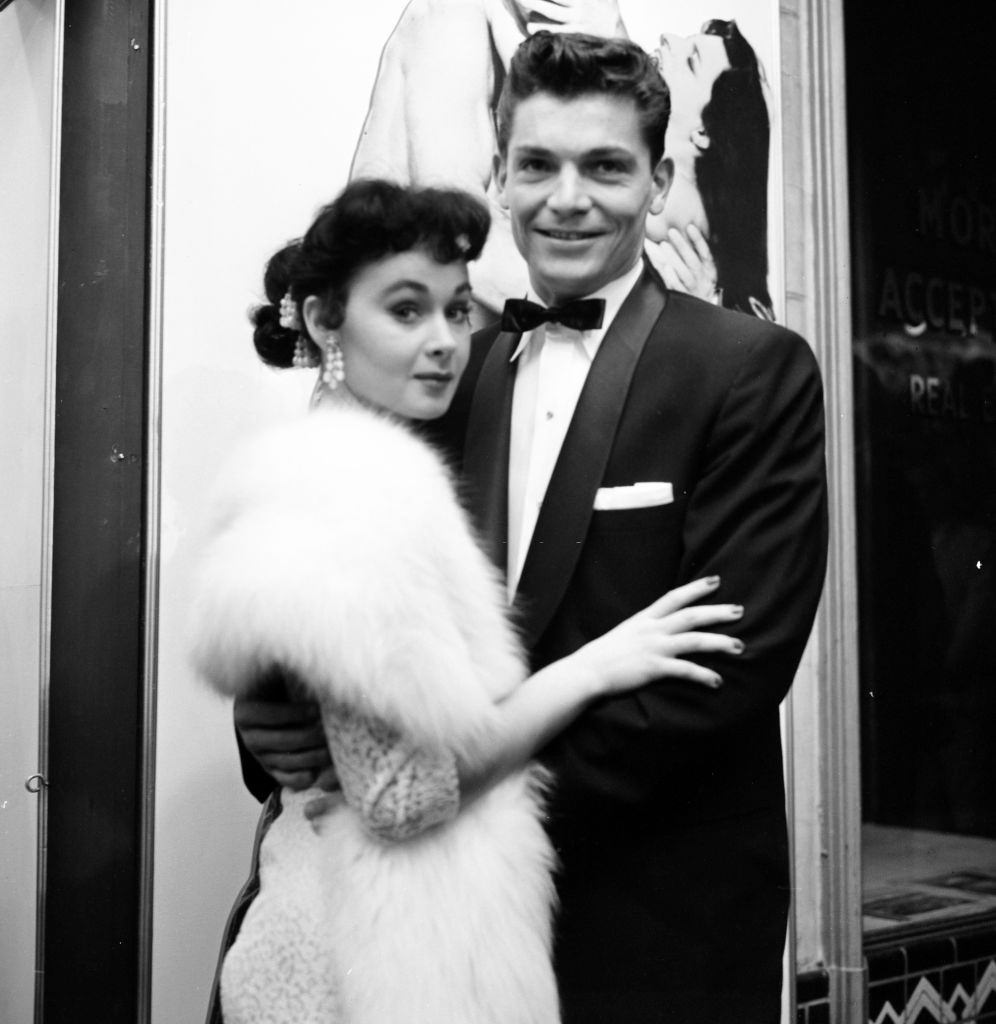
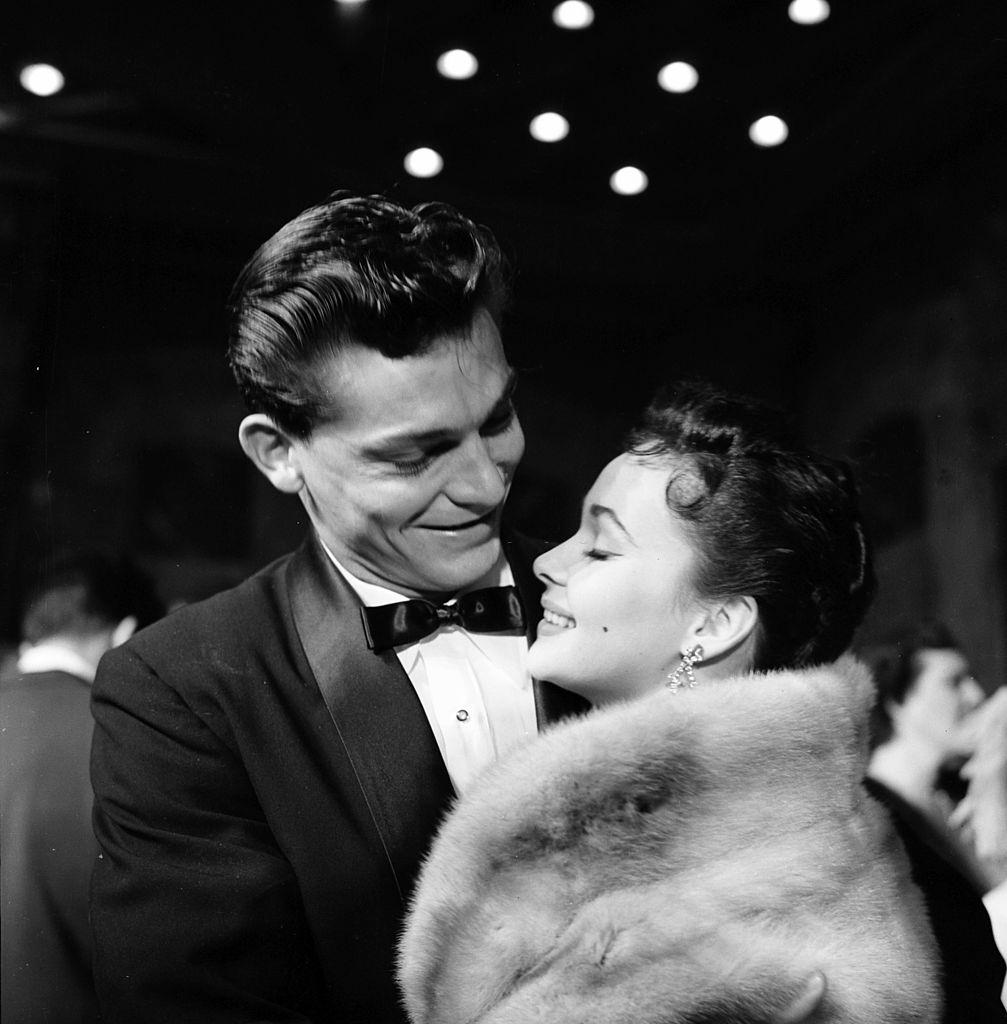
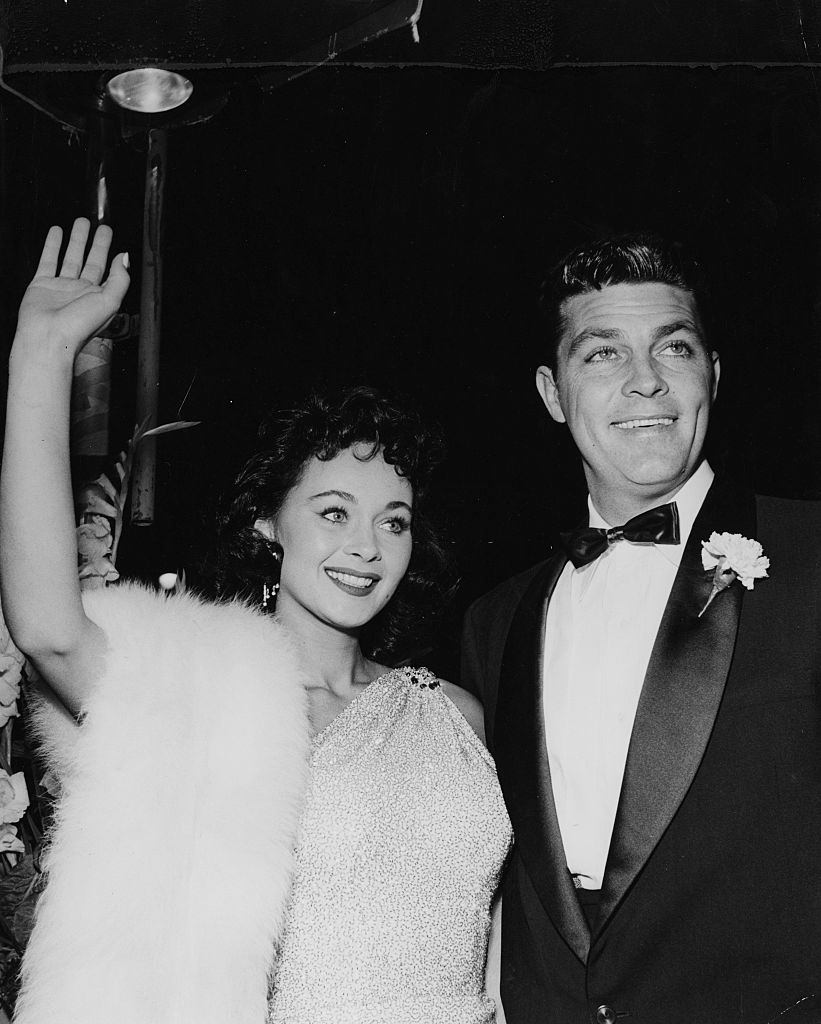
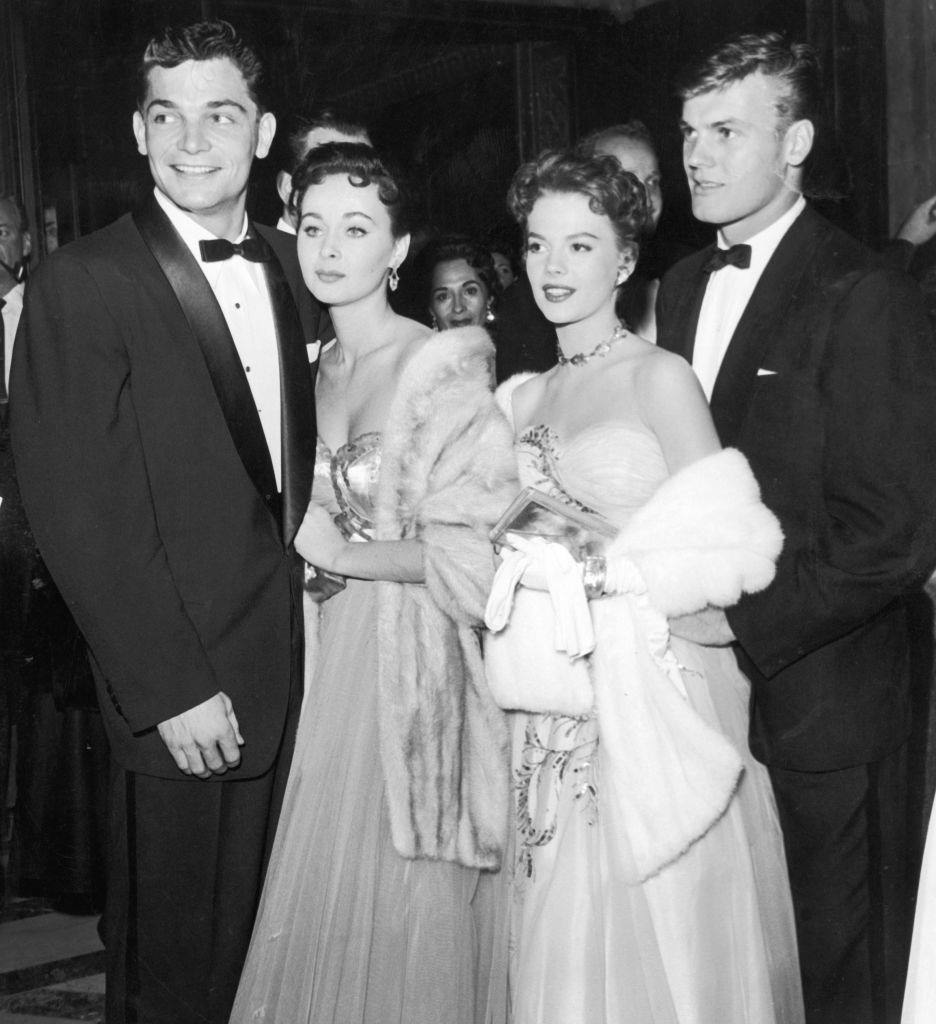
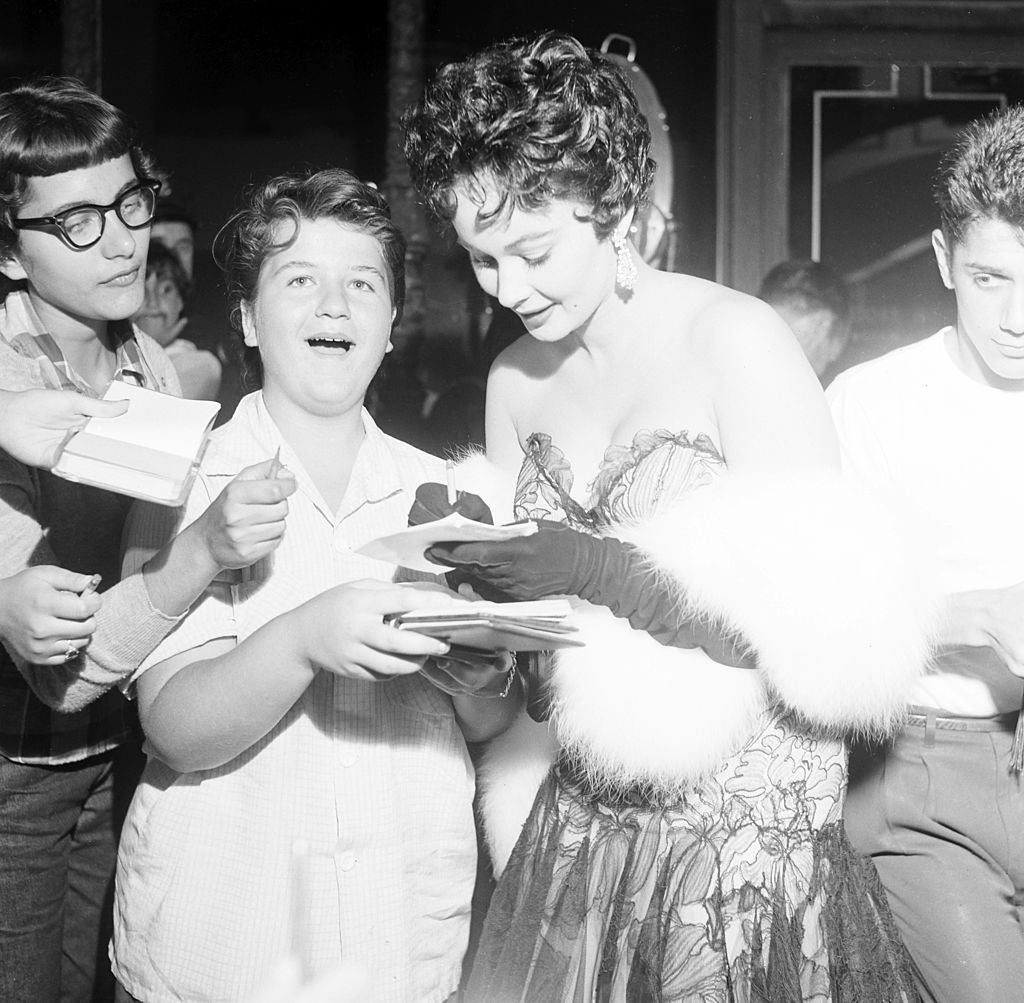
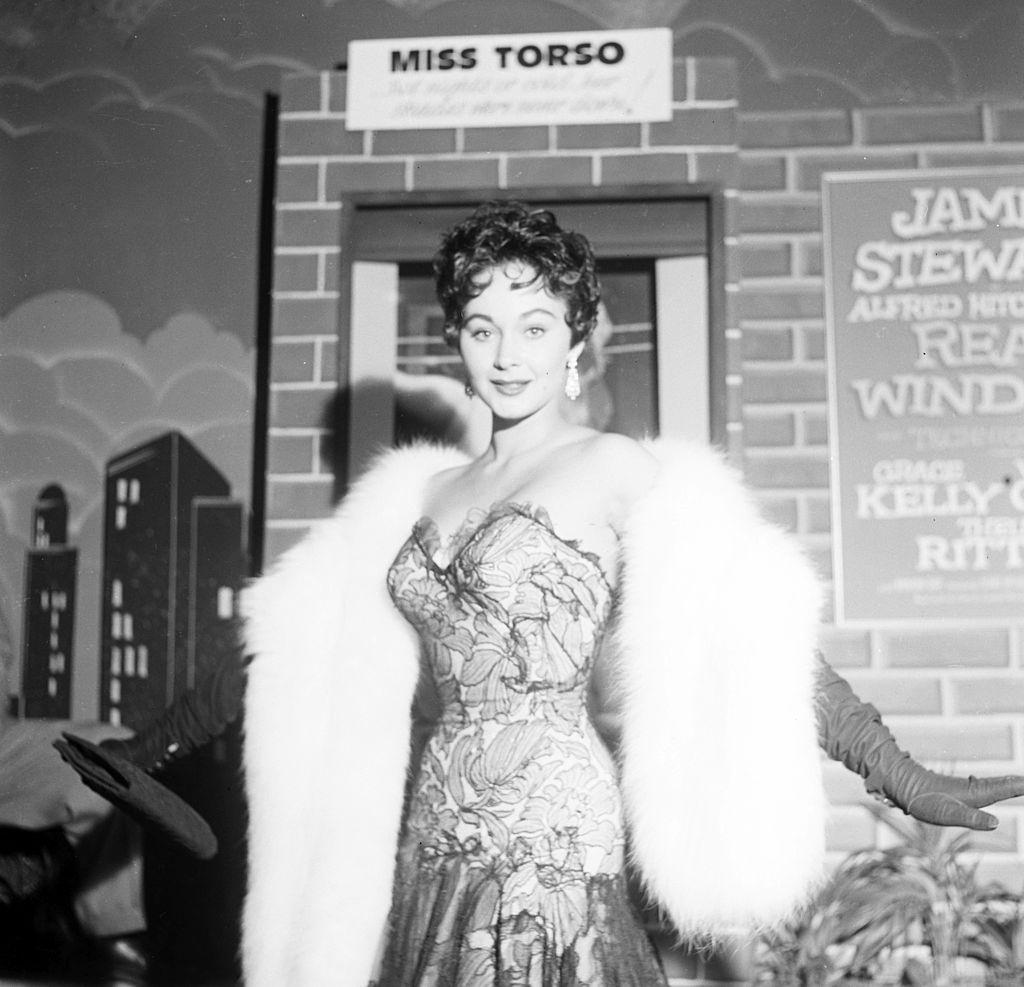
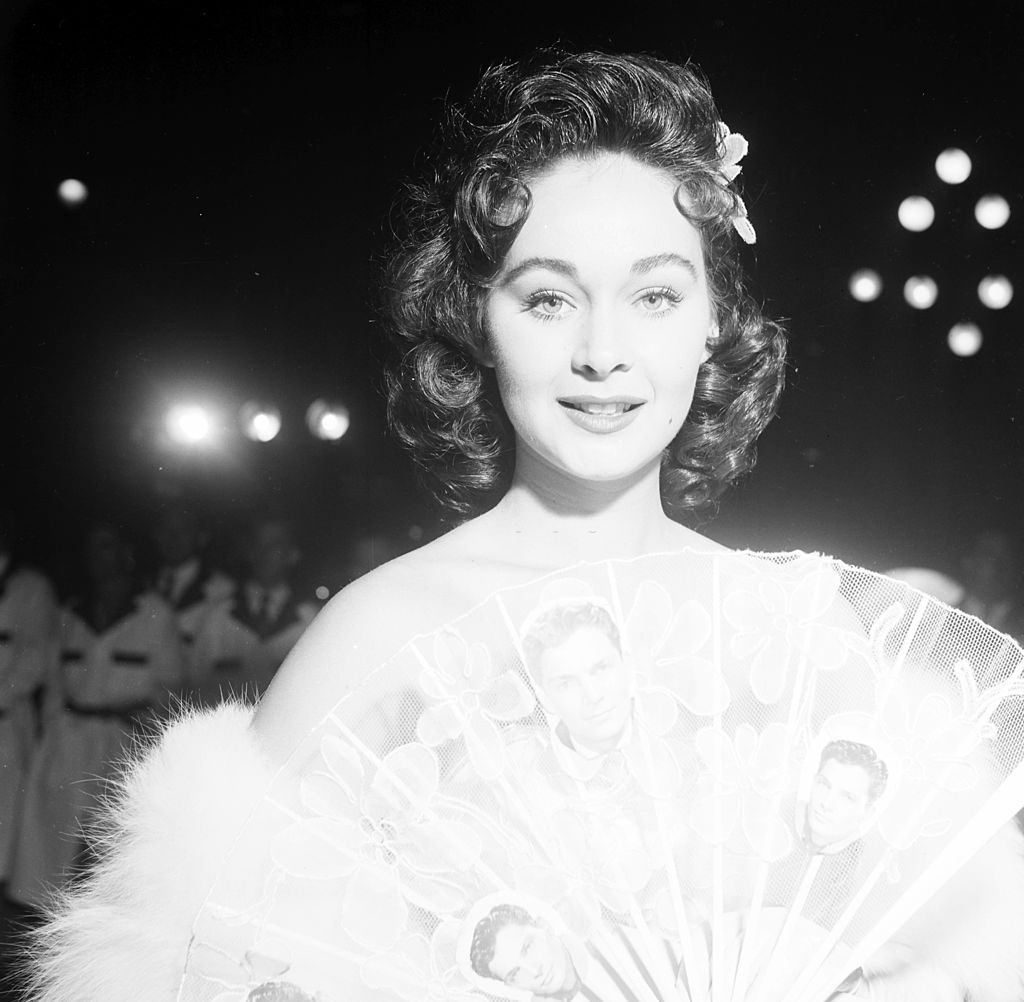
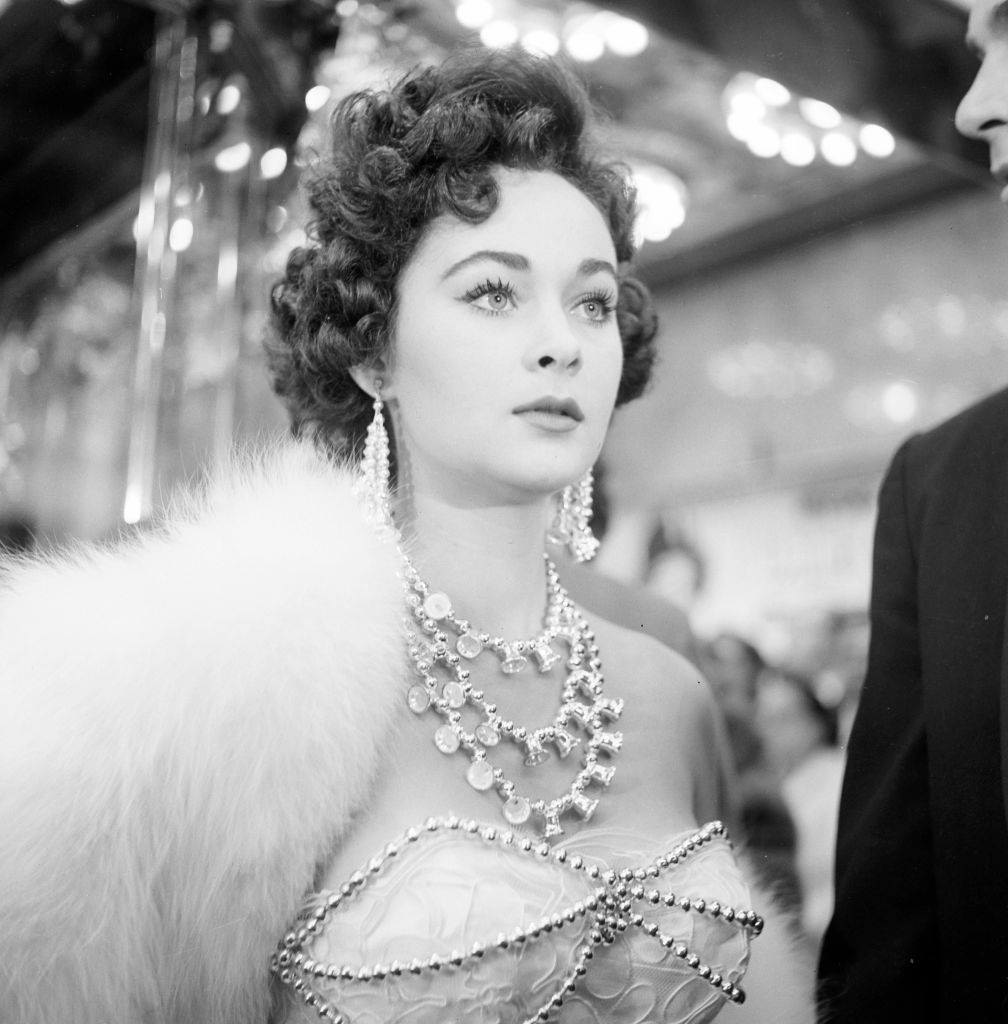
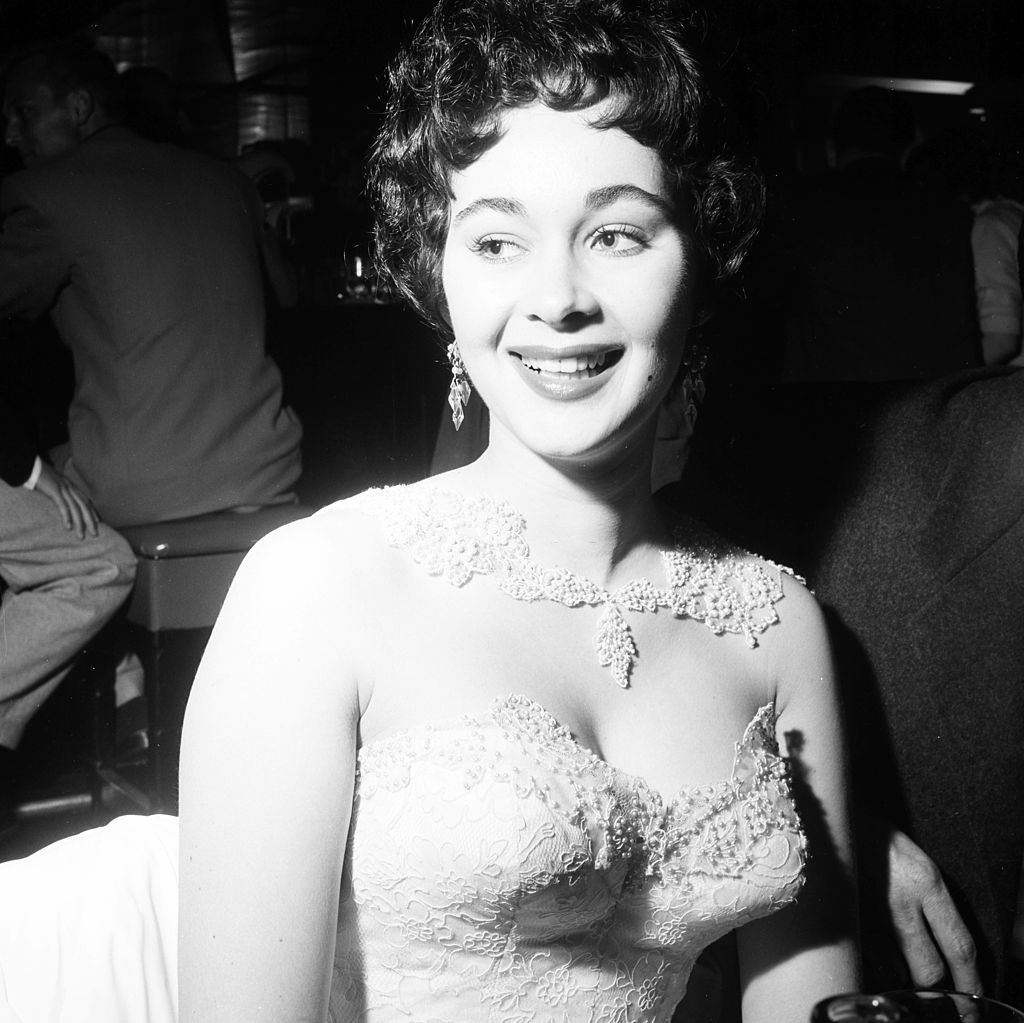
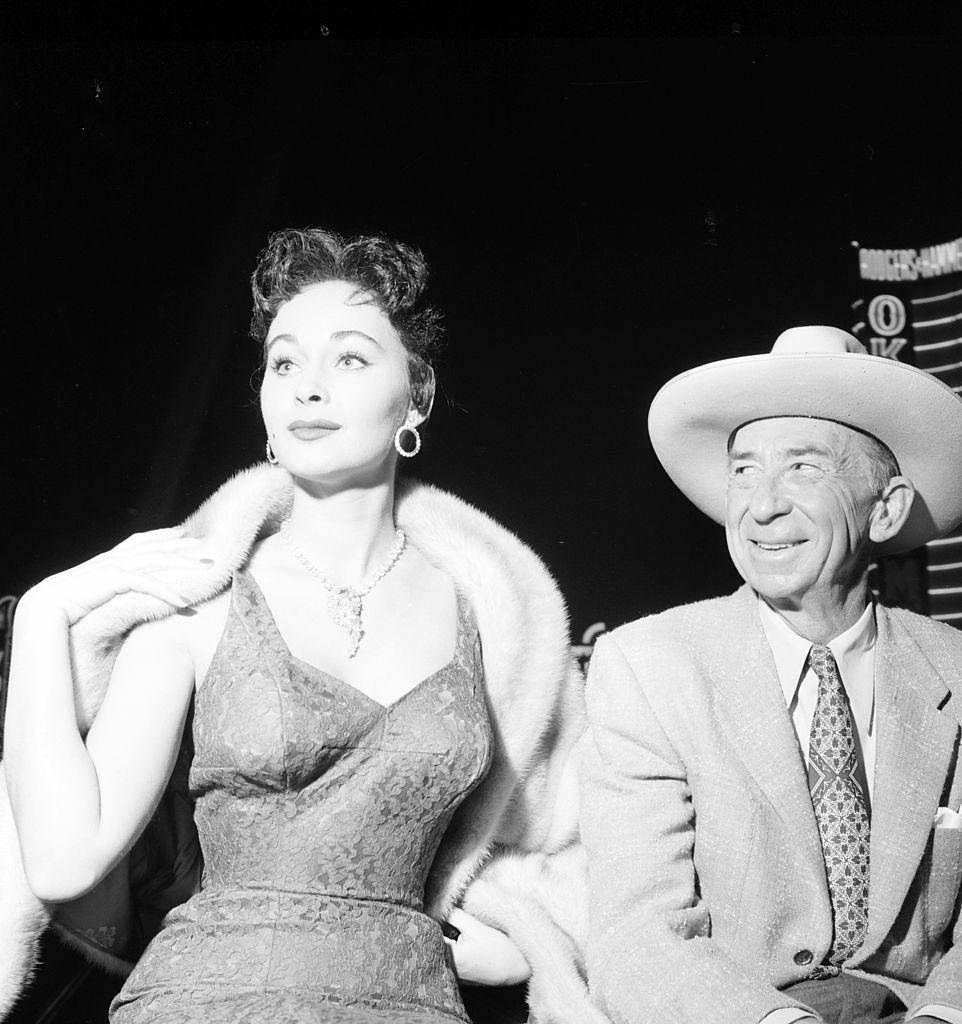
Outside of her genre work, Marla was a regular fixture at Hollywood premieres throughout 1954 and 1955. She attended the opening of “White Christmas,” the premiere of “Red Garters,” and other high-profile events. She was consistently photographed alongside well-known actors, including frequent appearances with Larry Pennell and a notable evening out with Dale Robertson.
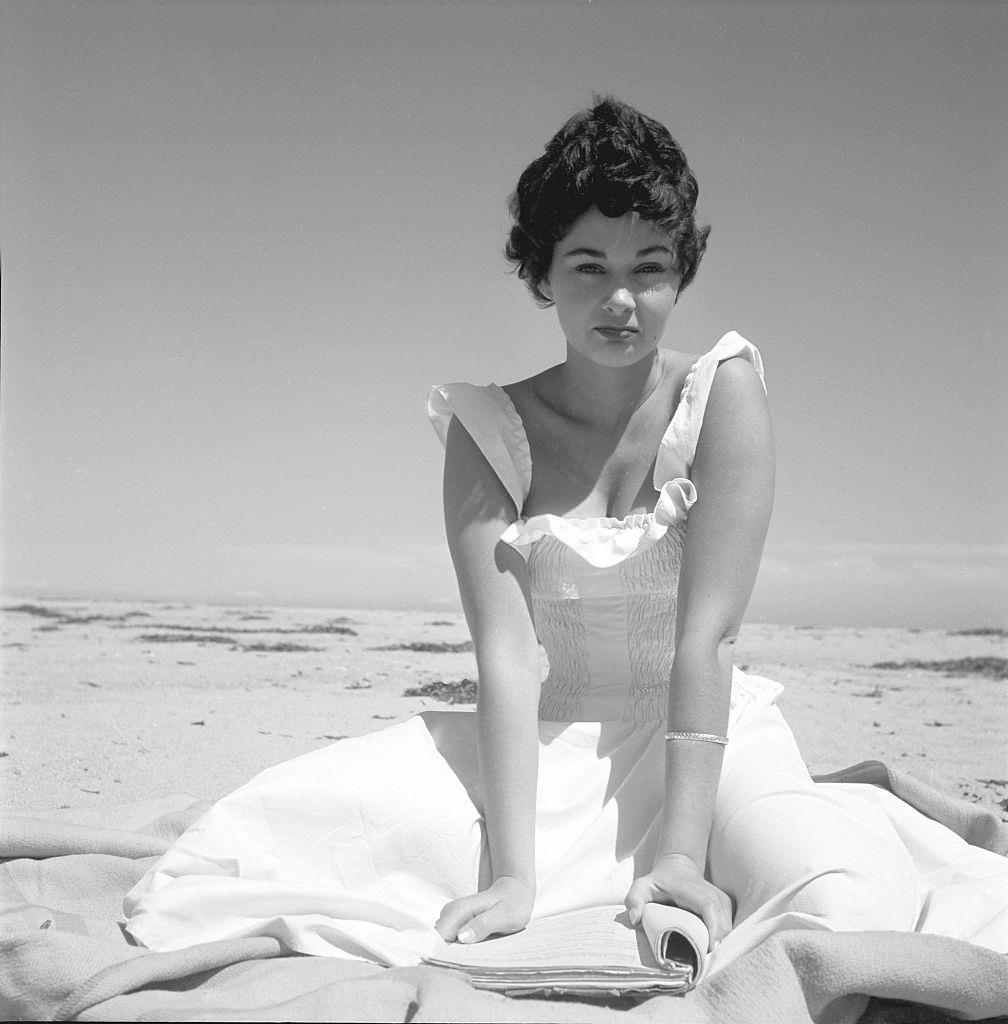
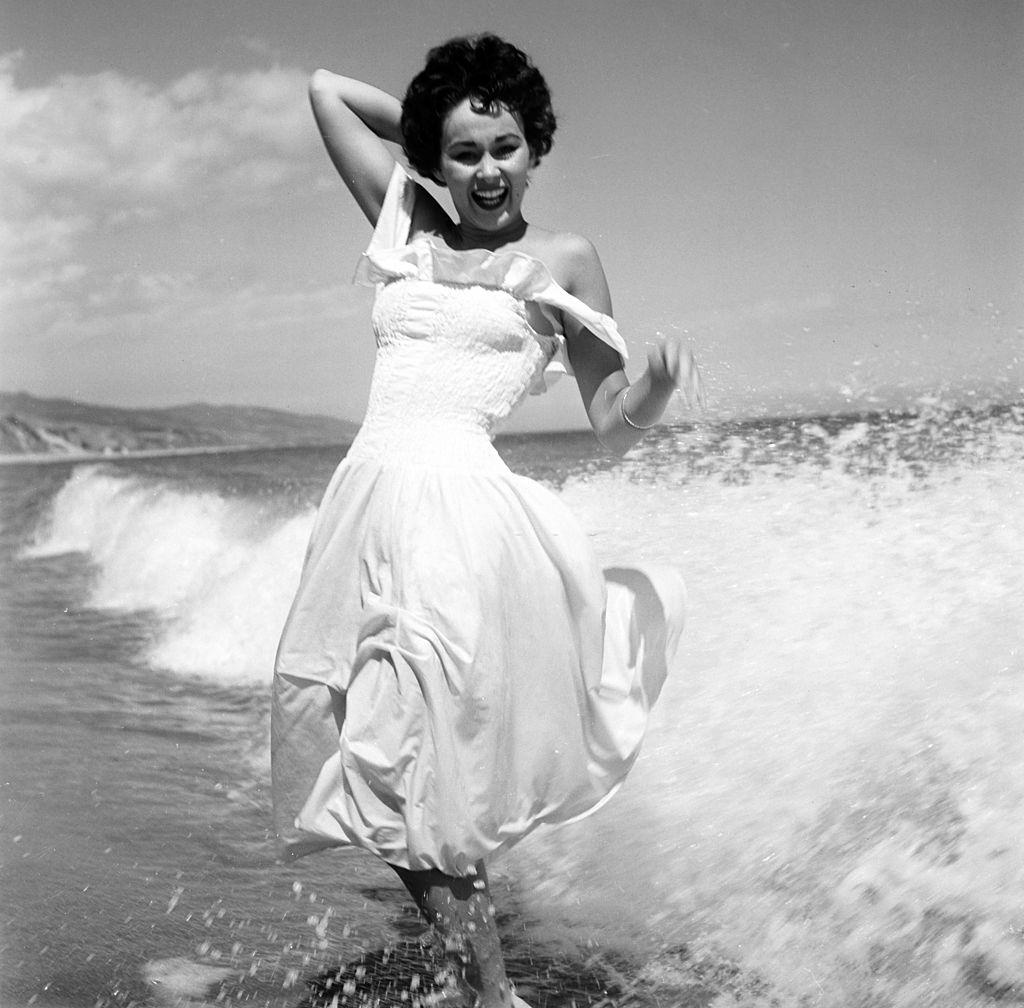
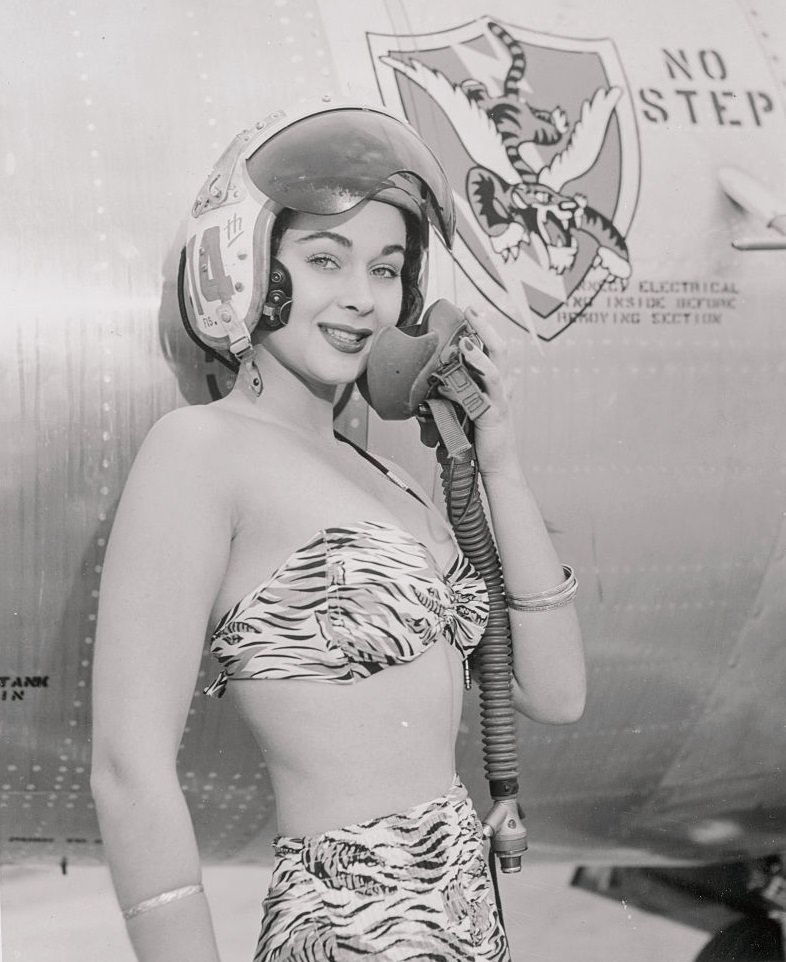
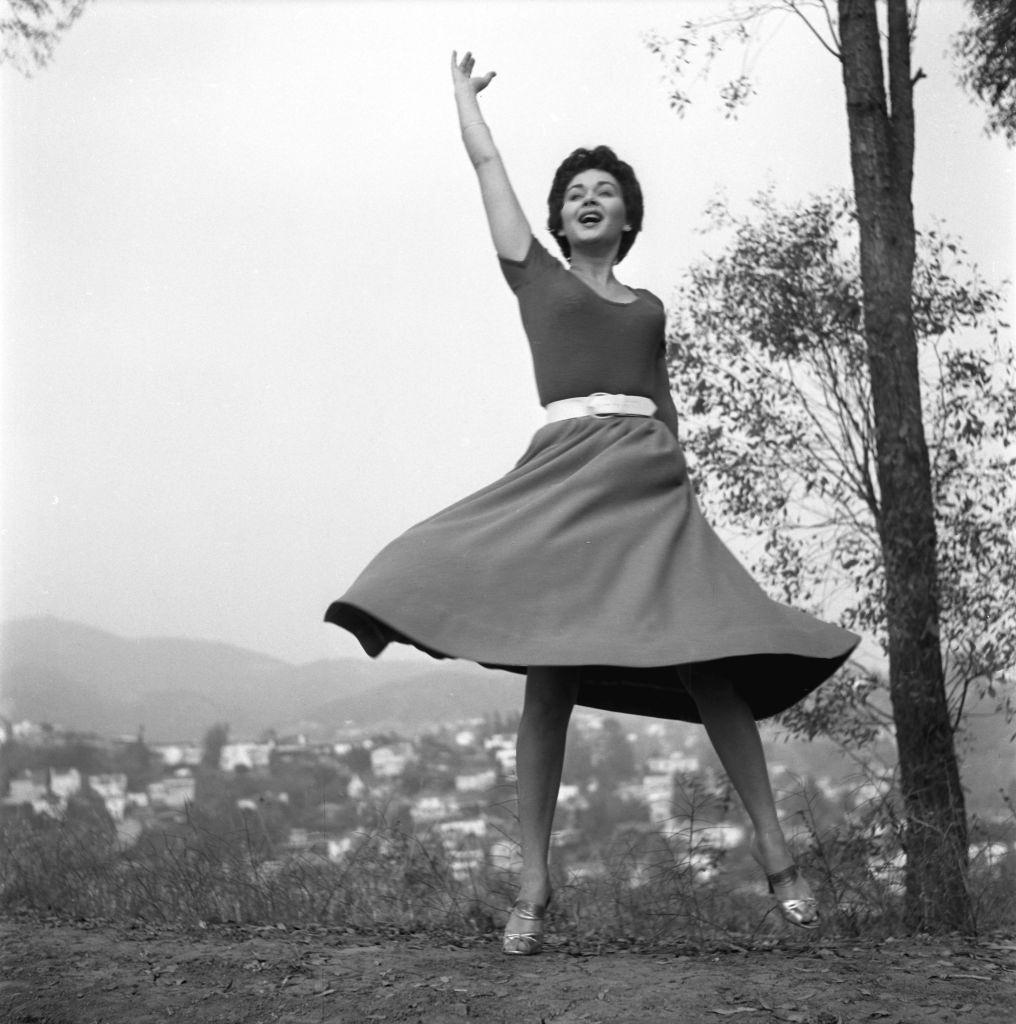
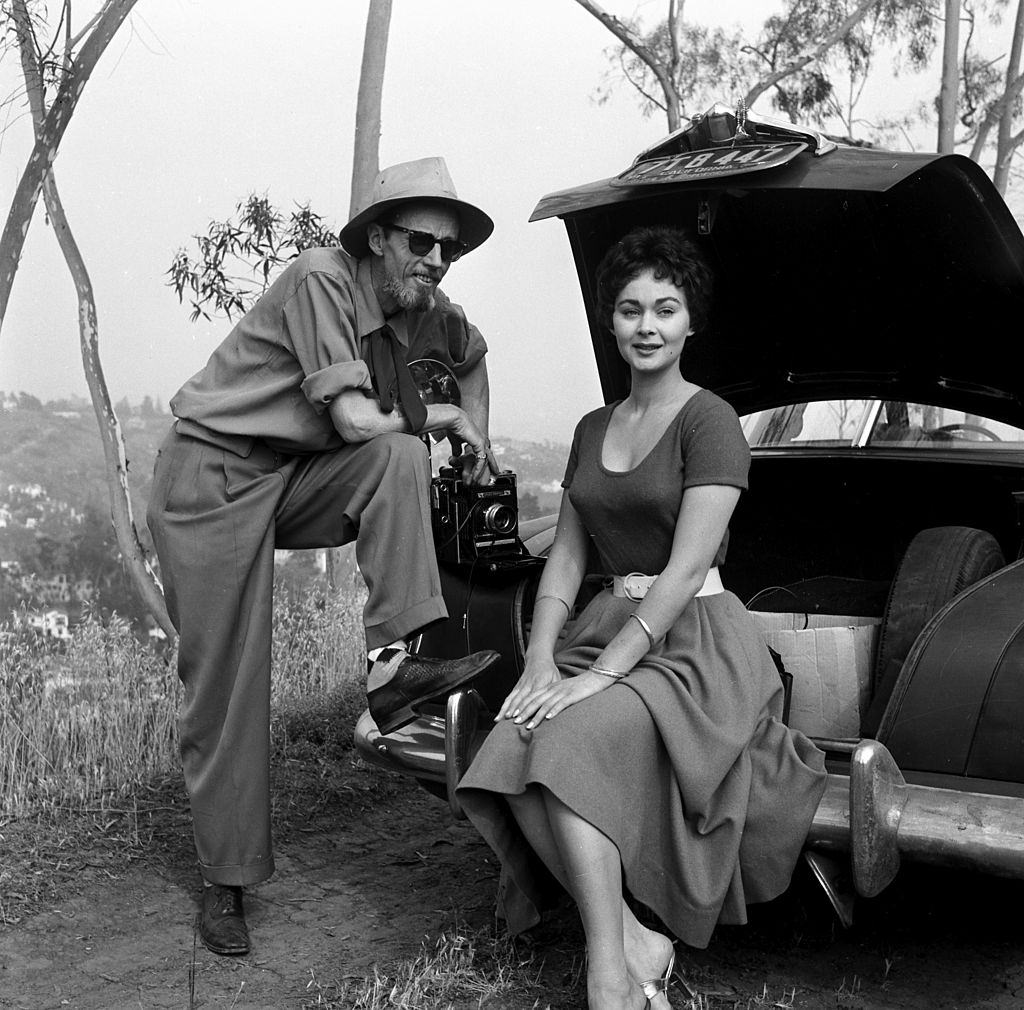
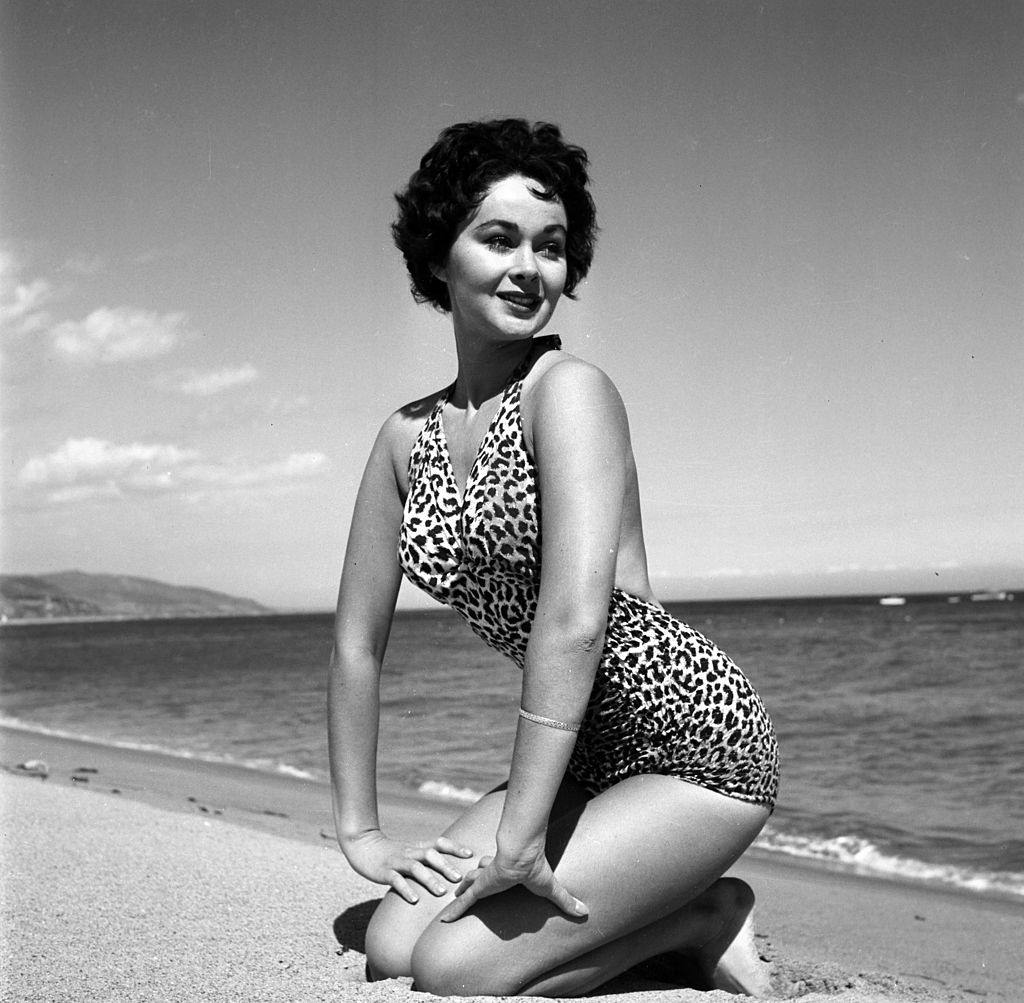
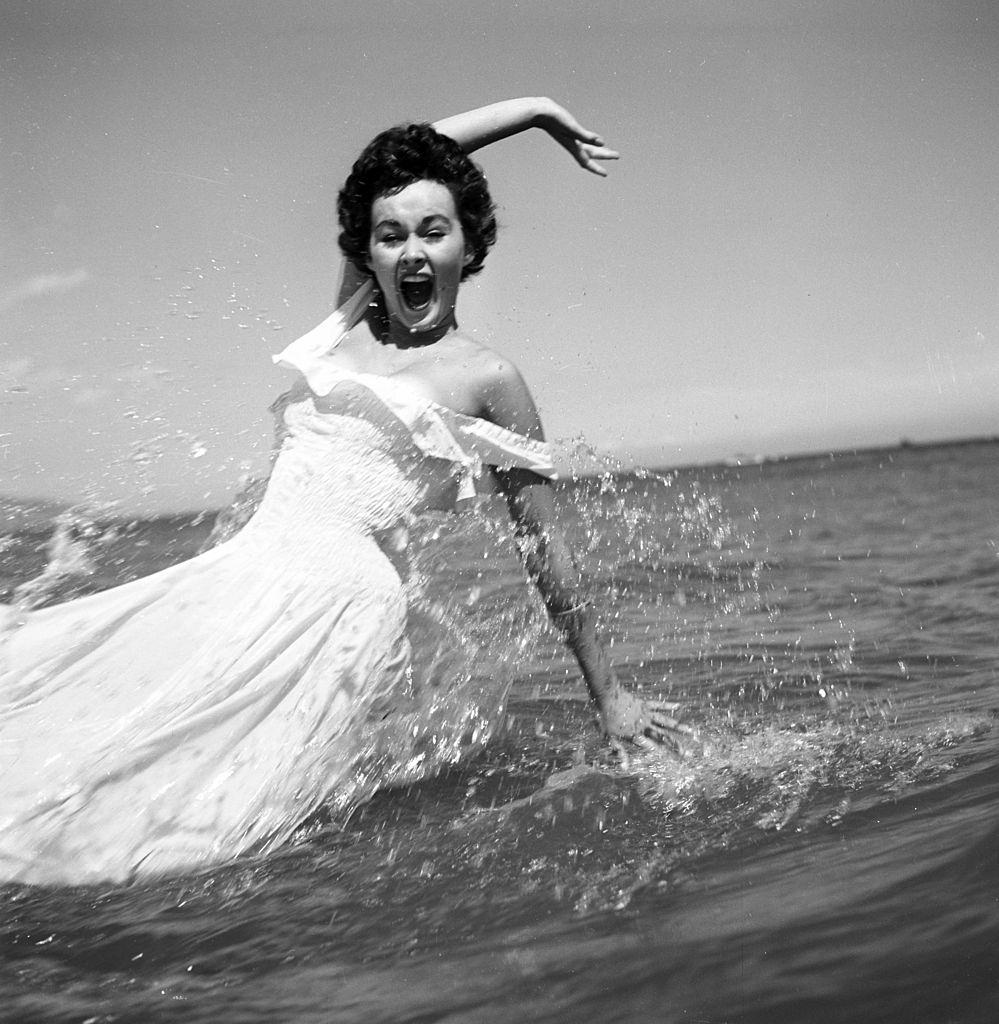
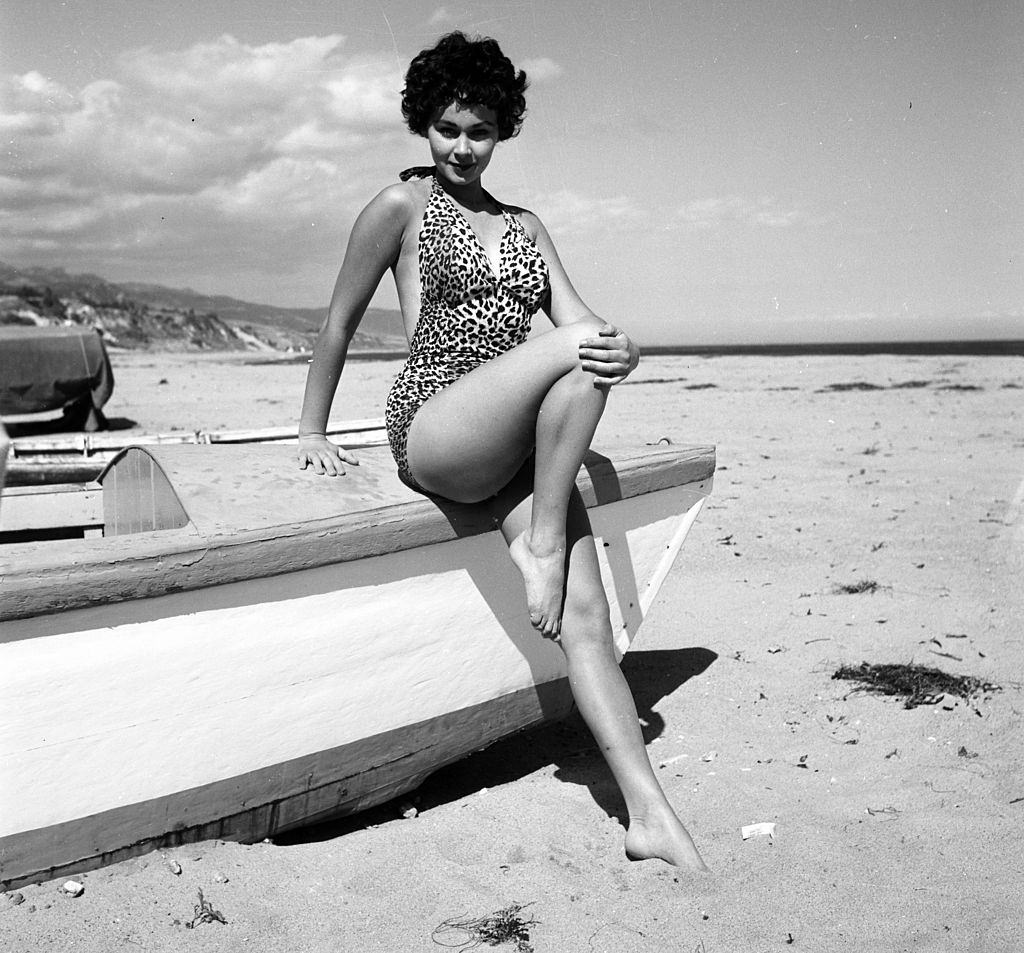
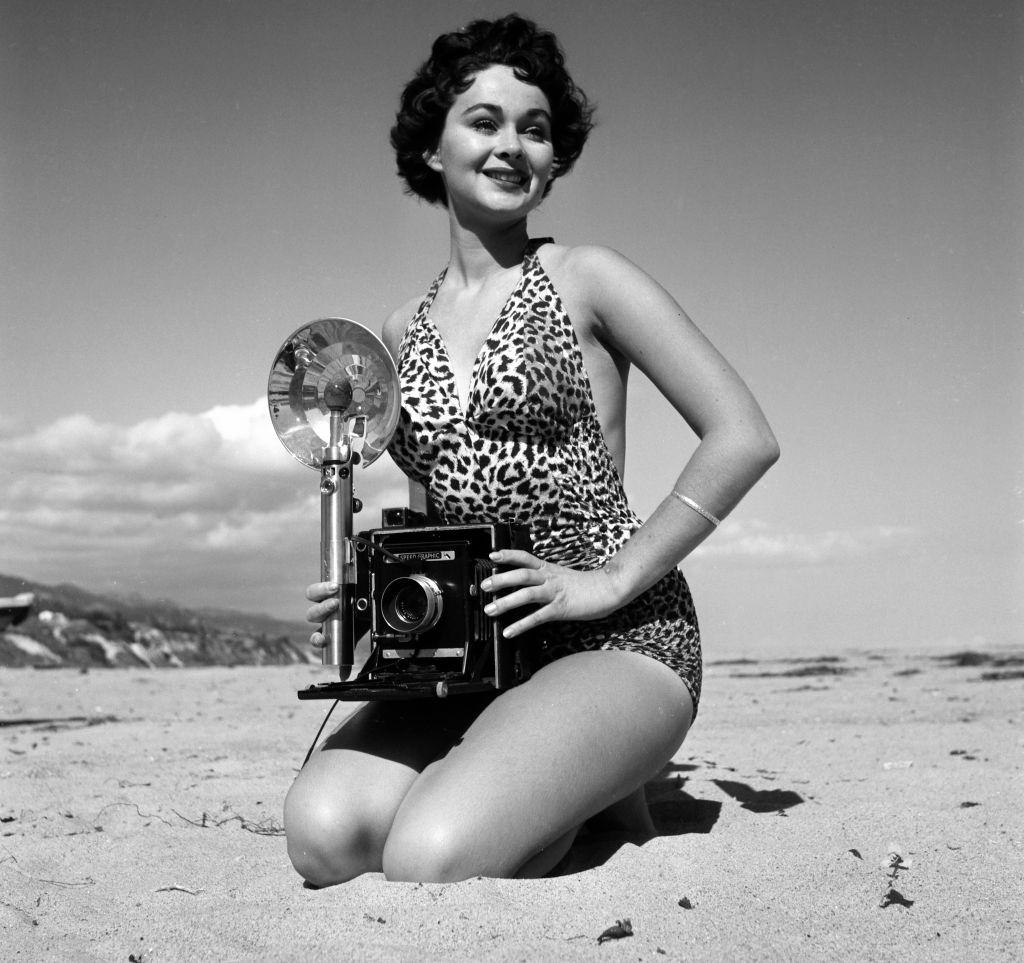
Her modeling work ran parallel to her acting career throughout this period. Fashion photo shoots, beach sessions, and promotional appearances filled her schedule alongside film sets. The photographs from 1954 and 1955 show a young woman at ease in front of the camera — confident, poised, and clearly experienced from years of modeling that began in childhood.
In 1956, Marla landed the role that represented the peak of her acting career. She was cast opposite Spencer Tracy in “The Mountain,” a major Paramount production. Tracy was one of the most respected actors of his generation, and appearing alongside him in a feature film marked a significant step up from the B-movie work that had defined most of her screen time. It was the kind of credit that pointed toward a long career.
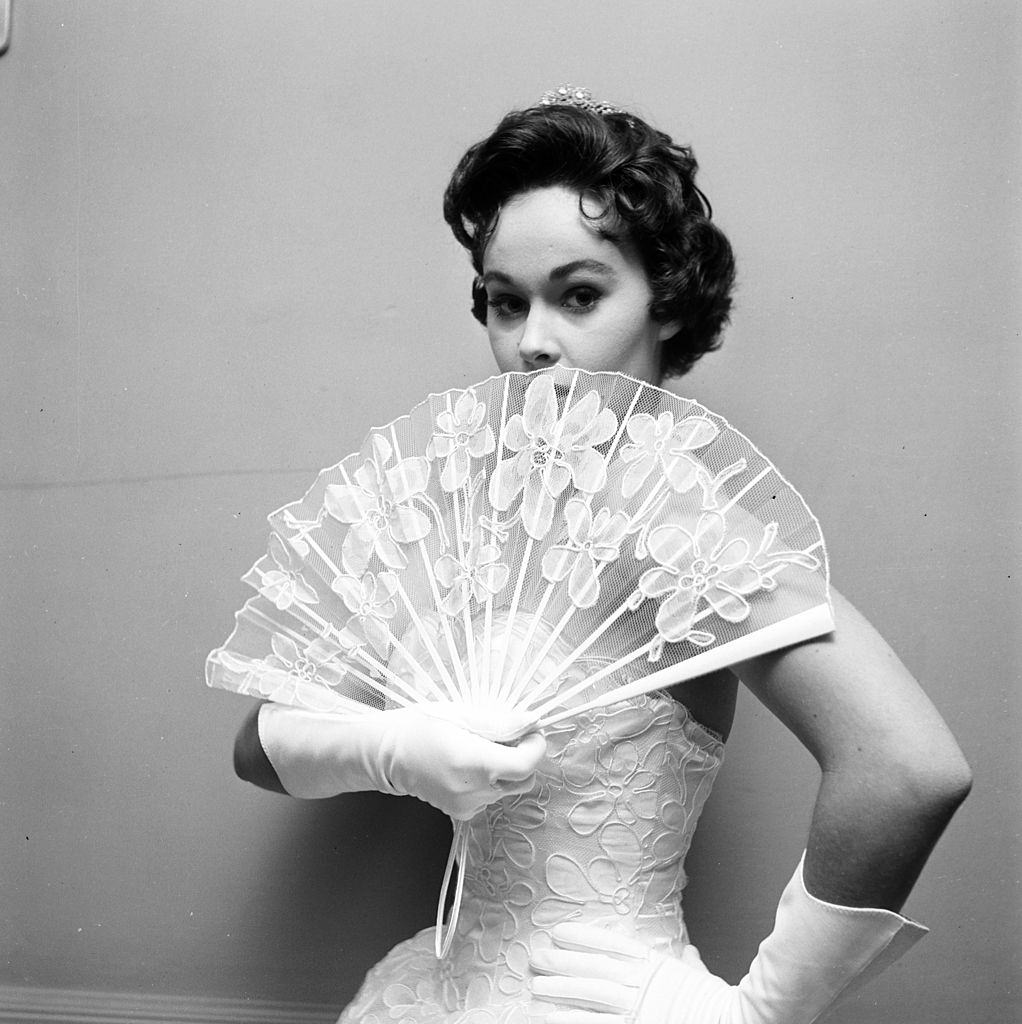
That same year, Marla English retired from acting entirely. She was 21 years old. The reason was straightforward: she became engaged to A. Paul Sutherland, a businessman based in San Diego. She left Hollywood and did not return to the screen. The decision closed one of the shortest serious acting careers of the era — barely three years at full pace.
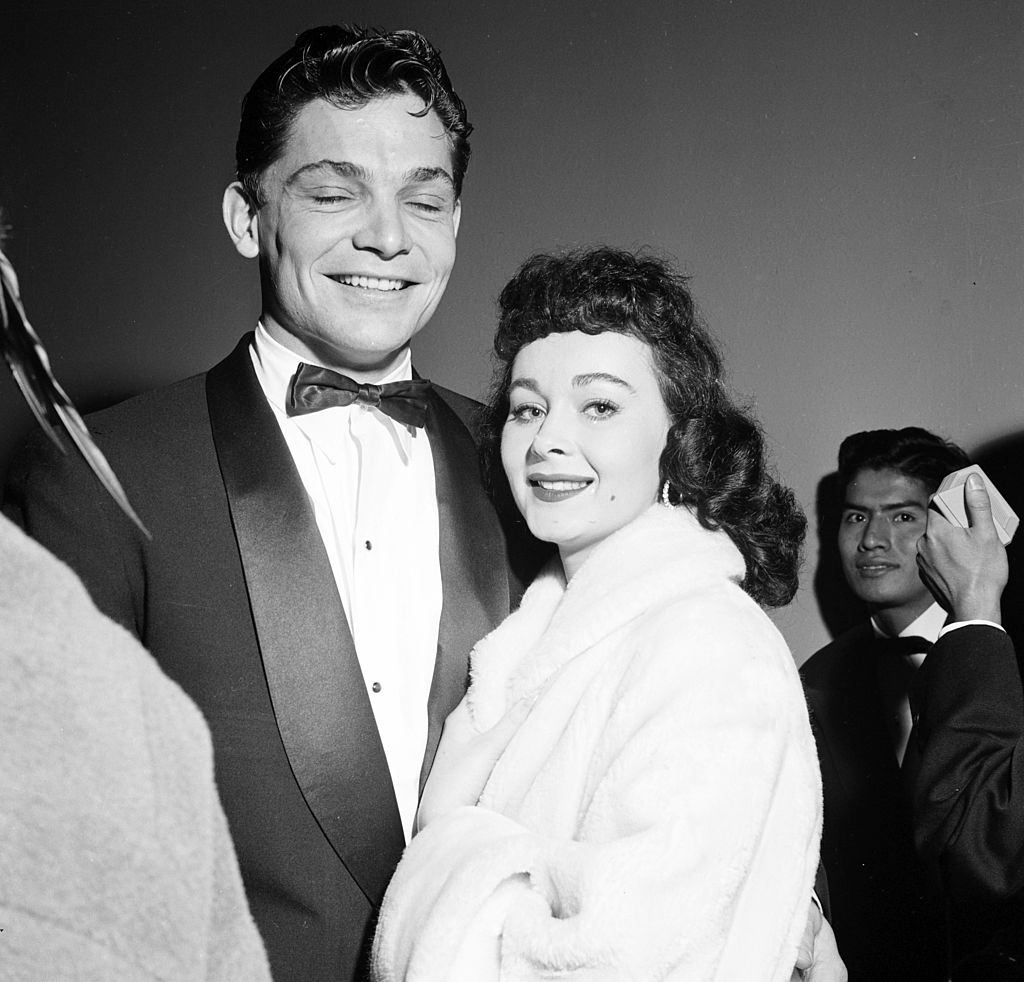
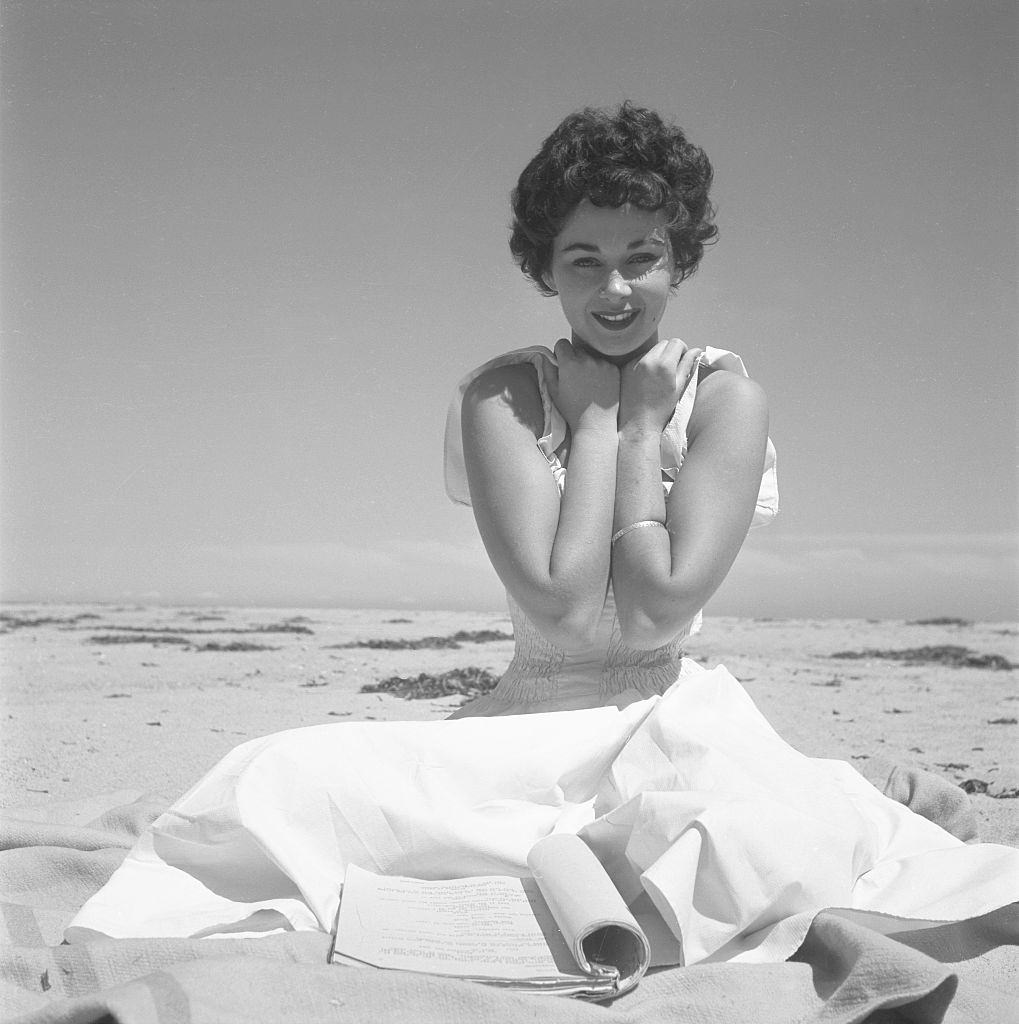
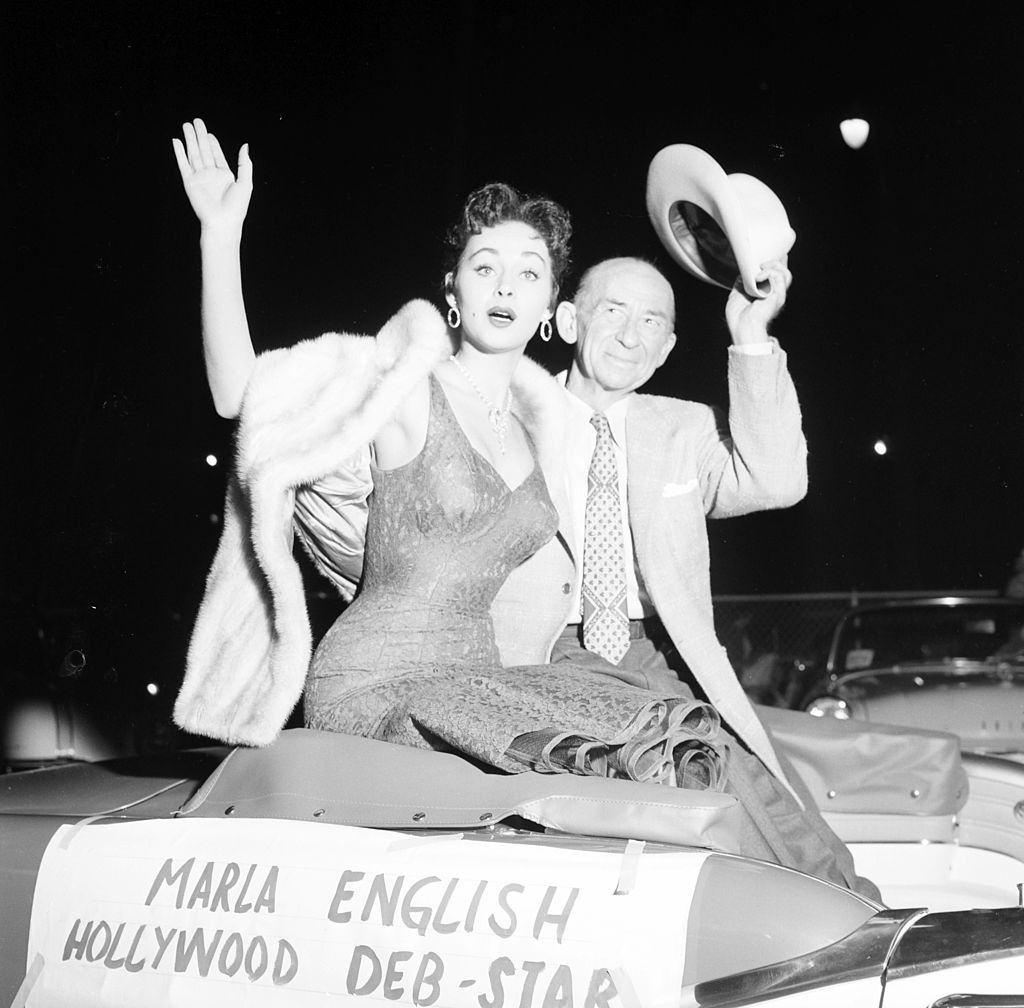
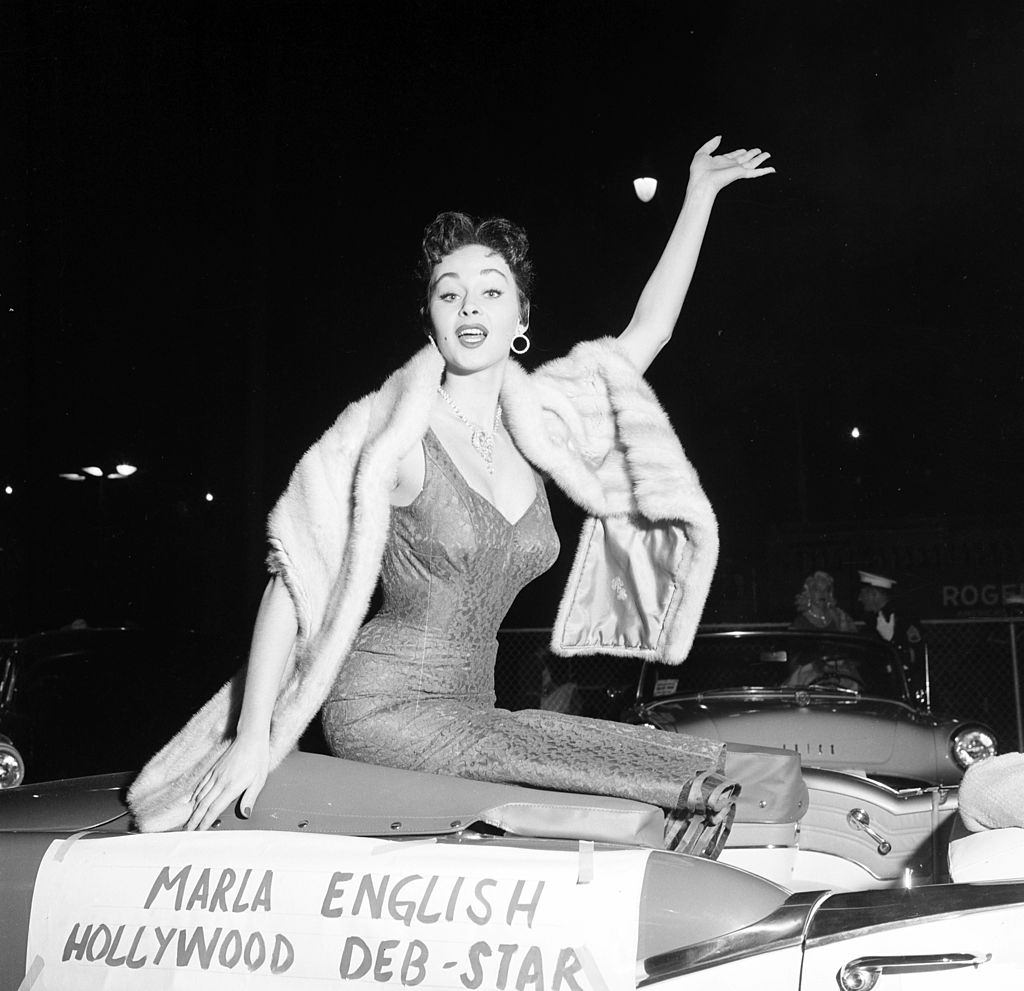
During her active years, Marla also earned recognition as the “Hollywood Deb-Star,” a title that reflected her standing among the new wave of young actresses and models breaking into the industry in the mid-1950s. She appeared in public events tied to that role alongside actor Roscoe Ates, and the photographs from those occasions capture the kind of glamour that was carefully constructed around young talent in that period.
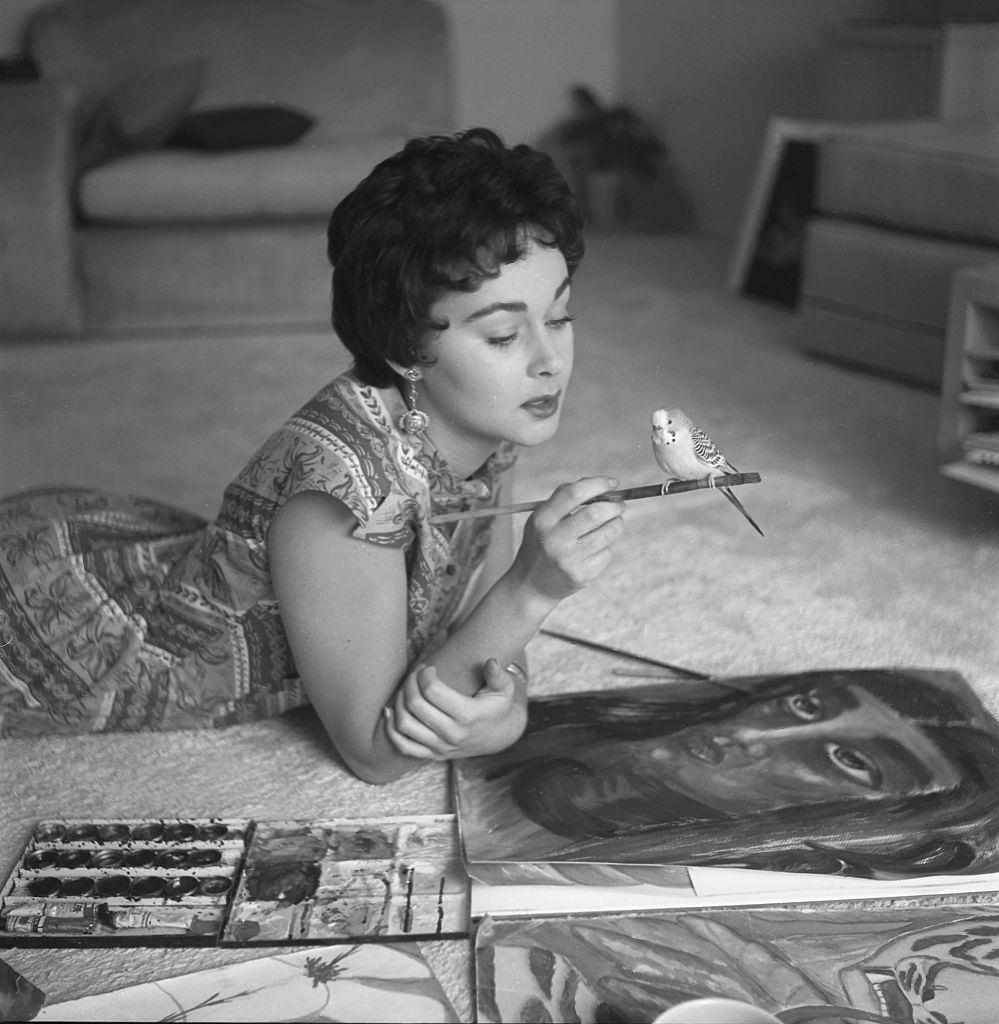
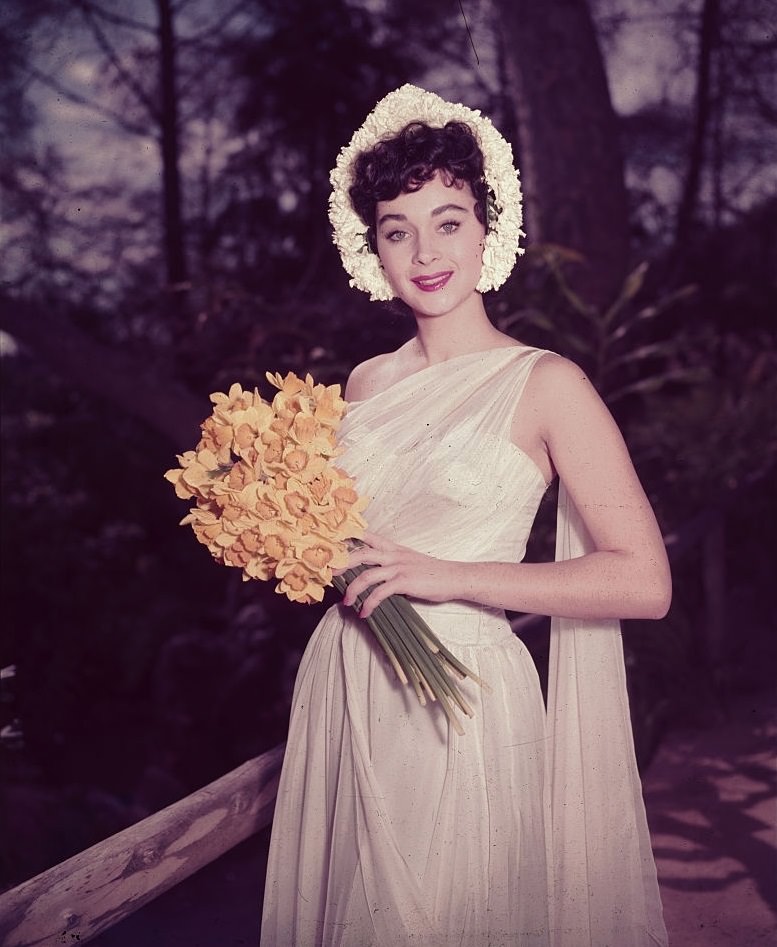
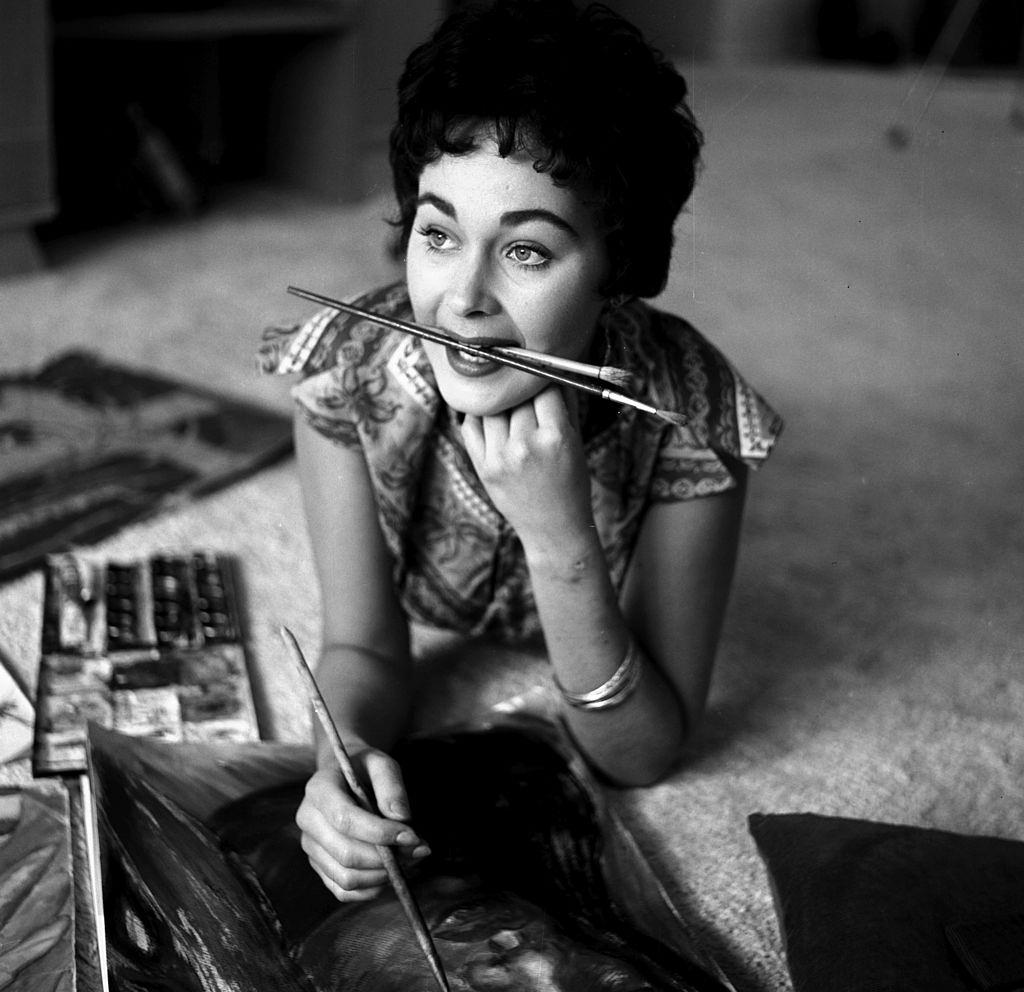
Away from the camera, glimpses of Marla’s everyday life in Los Angeles come through in candid photographs from 1954. She is pictured painting at home, spending time on the beach, holding flowers, and going about her day — images that strip away the studio gloss and show someone living a full life outside the frame of her professional roles.
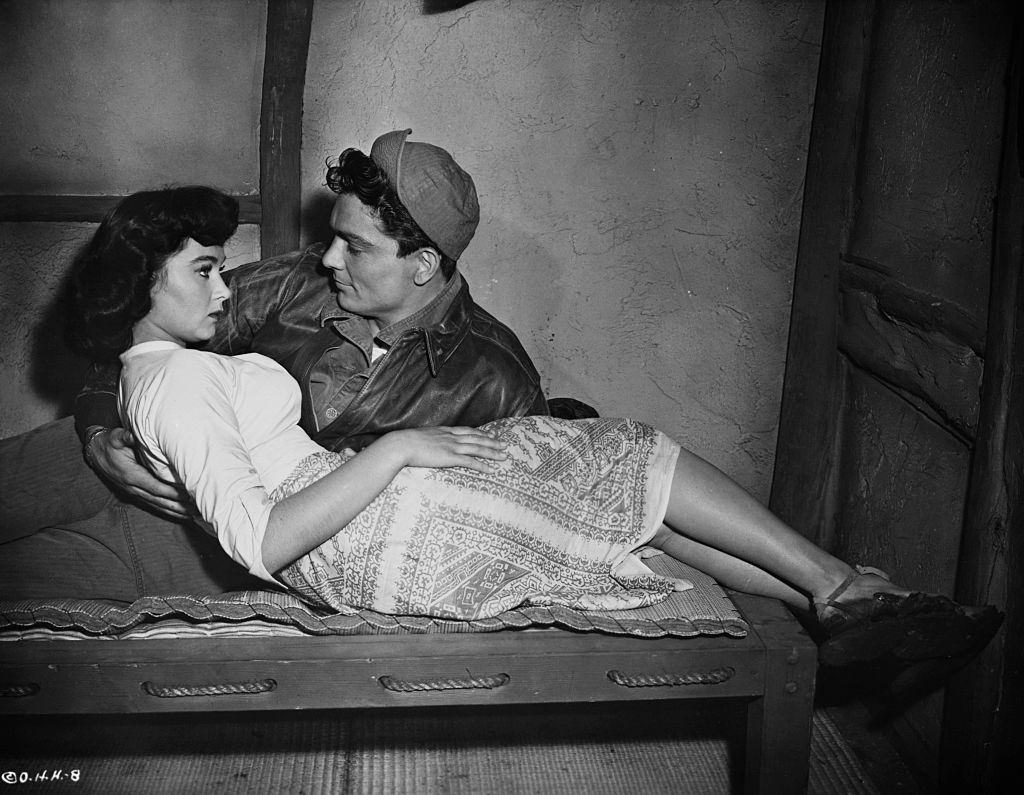
Her war film appearance in “Hell’s Horizon” (1955) added another dimension to her brief filmography. The film starred Larry Pennell, with whom Marla was photographed on numerous occasions throughout 1955 and 1956. The two appeared together at multiple premieres, and their on-screen pairing in the film gave audiences a look at Marla in a more serious dramatic setting than the horror films she was best known for.
Marla English died in Tucson, Arizona, after a long battle with cancer. She was 77 years old. The photographs and film clips she left behind document a career that, despite its brevity, covered a remarkable amount of ground — stage work, modeling, beauty pageants, B-movies, and a major studio production with one of Hollywood’s greatest actors.