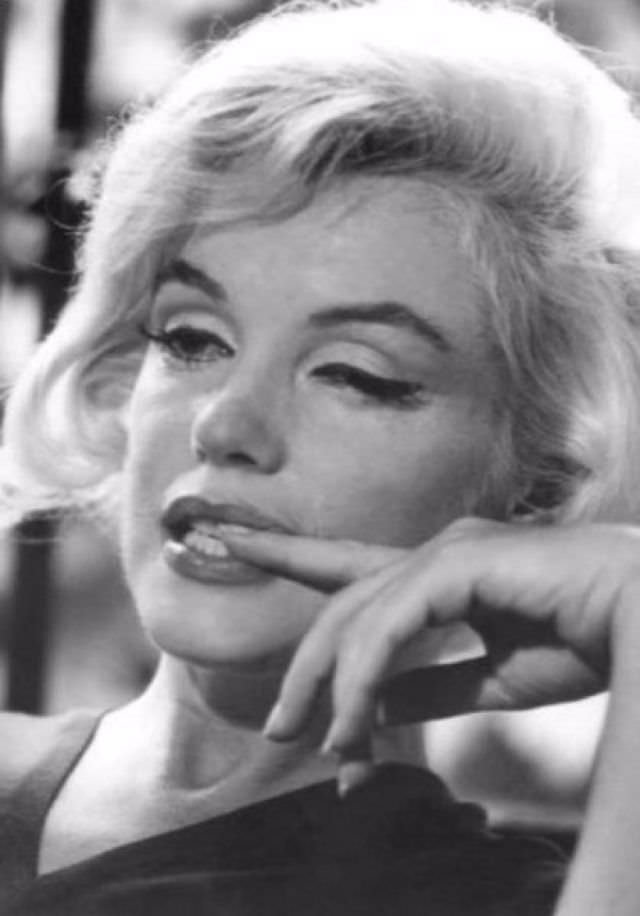
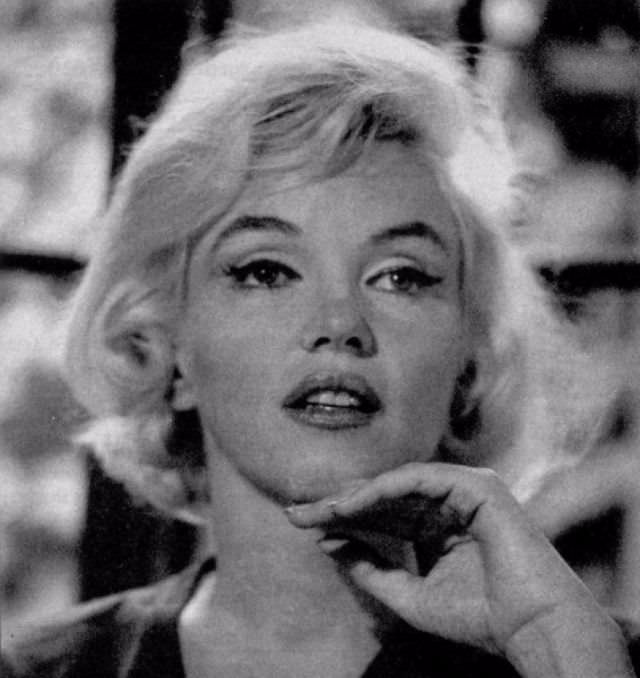
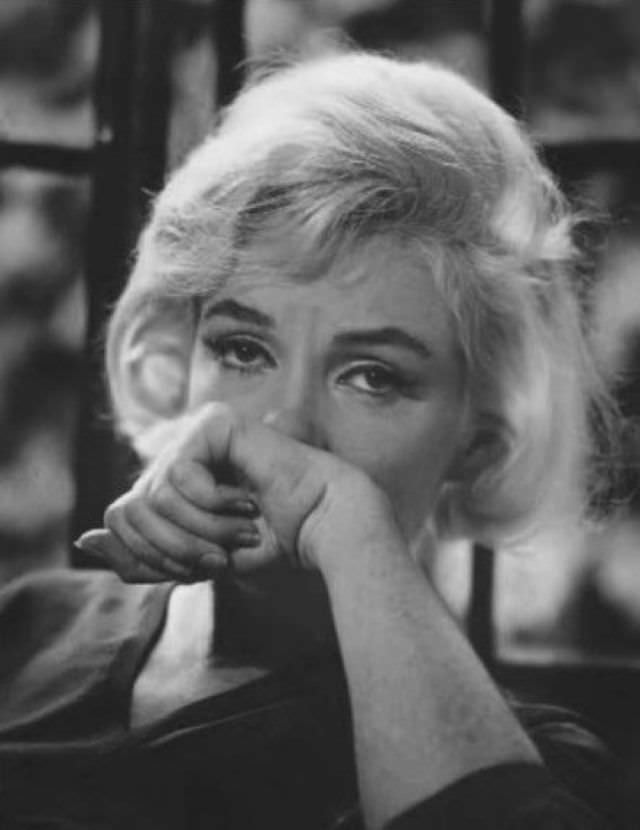
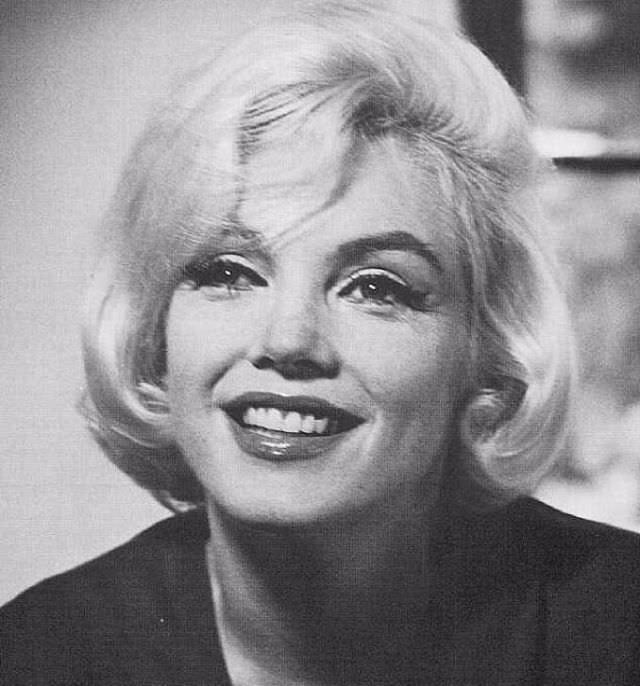
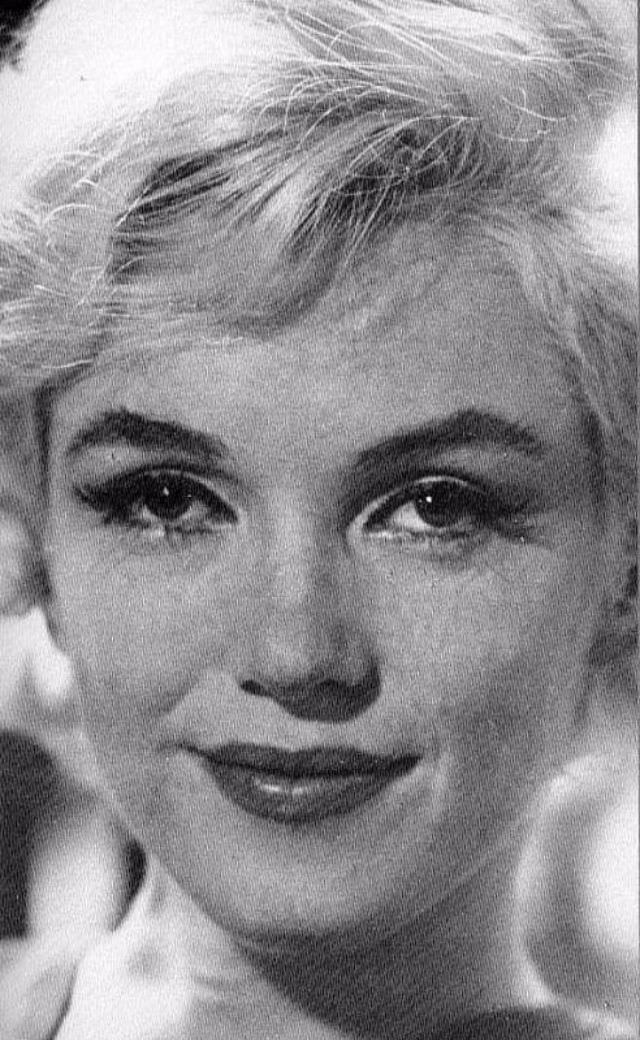
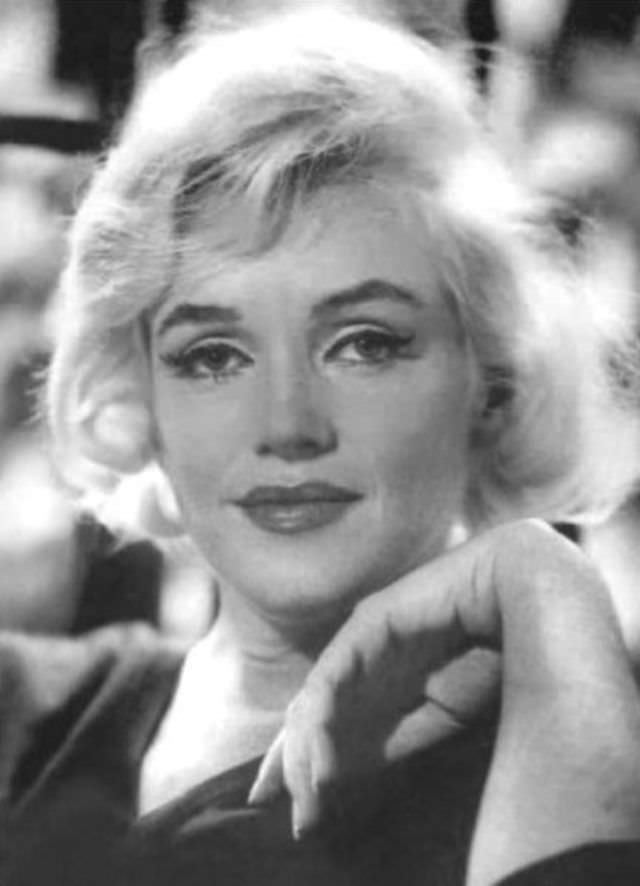
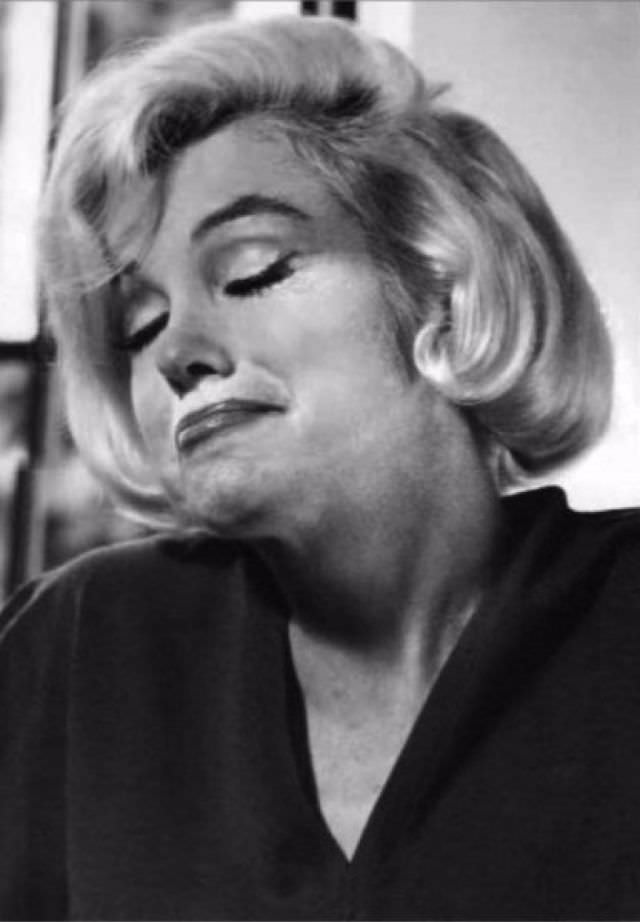
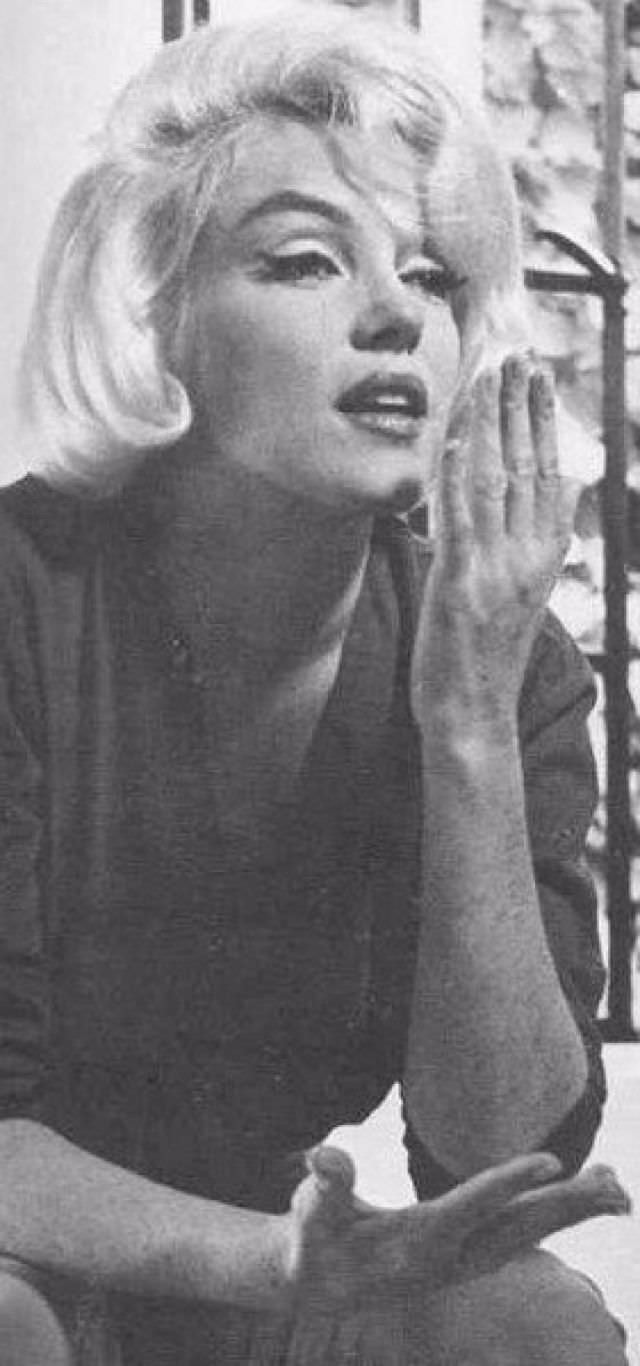
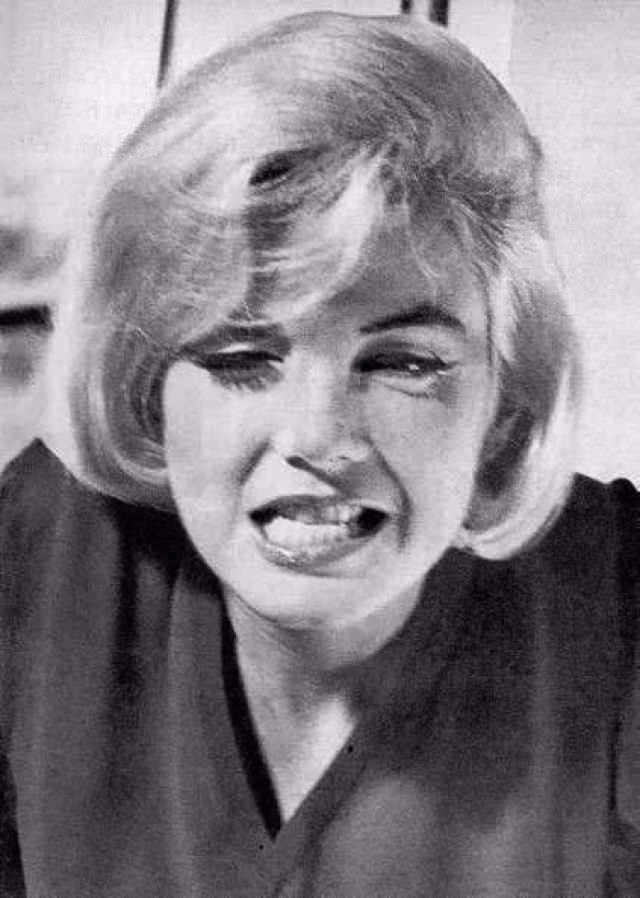
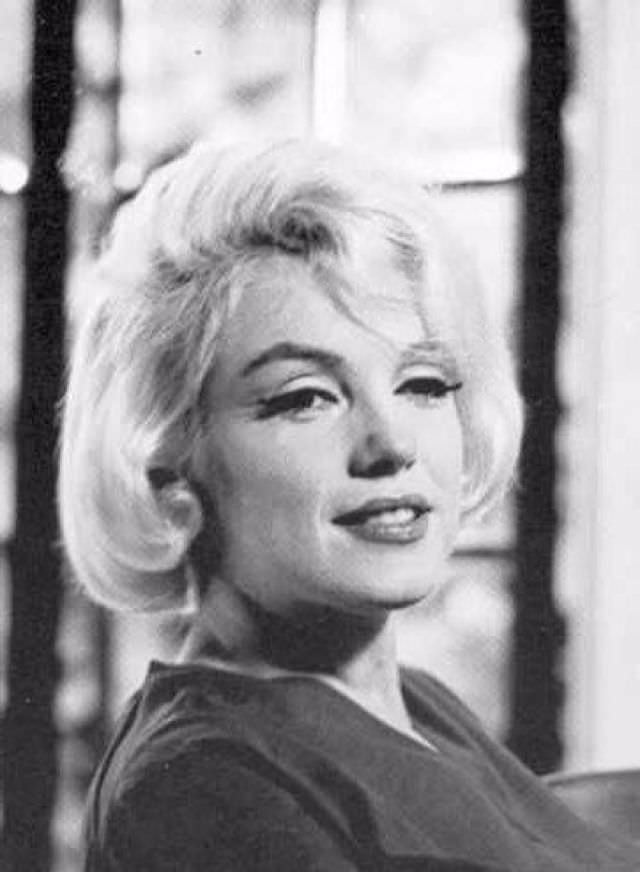
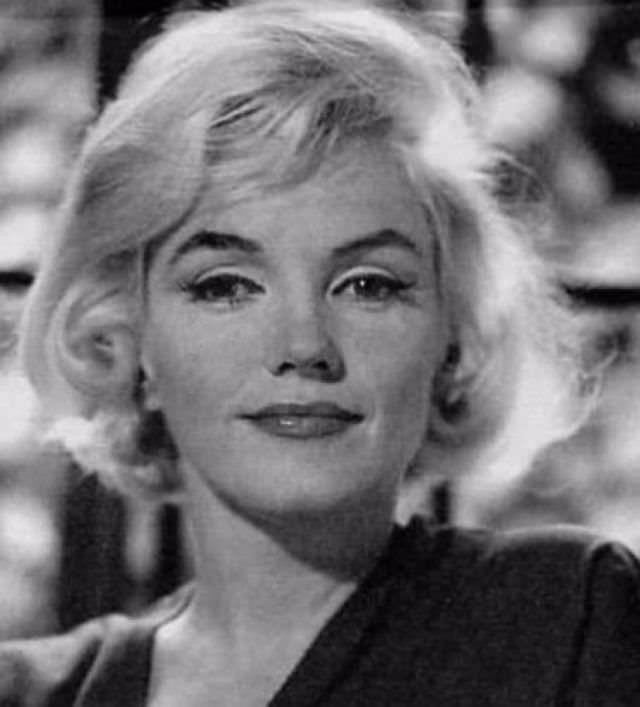
In the summer of 1962, journalist Richard Meryman sat down with Marilyn Monroe for a long-form interview that ran in LIFE magazine. It turned out to be her last major interview. The words she spoke that day were candid and revealing, but it was the photographs taken alongside them that history would remember most.
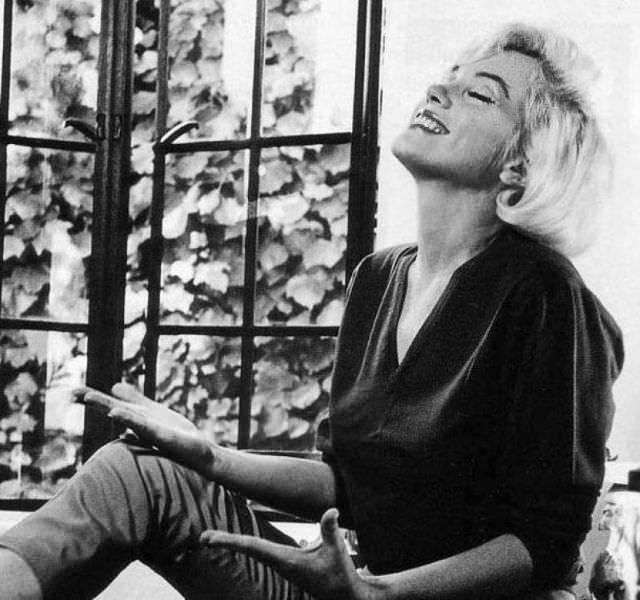
LIFE magazine assigned photojournalist Allan Grant to shoot the session. Grant was not a glamour photographer. He built his career documenting real people in real moments — and that made him exactly the right choice for what this assignment would become.
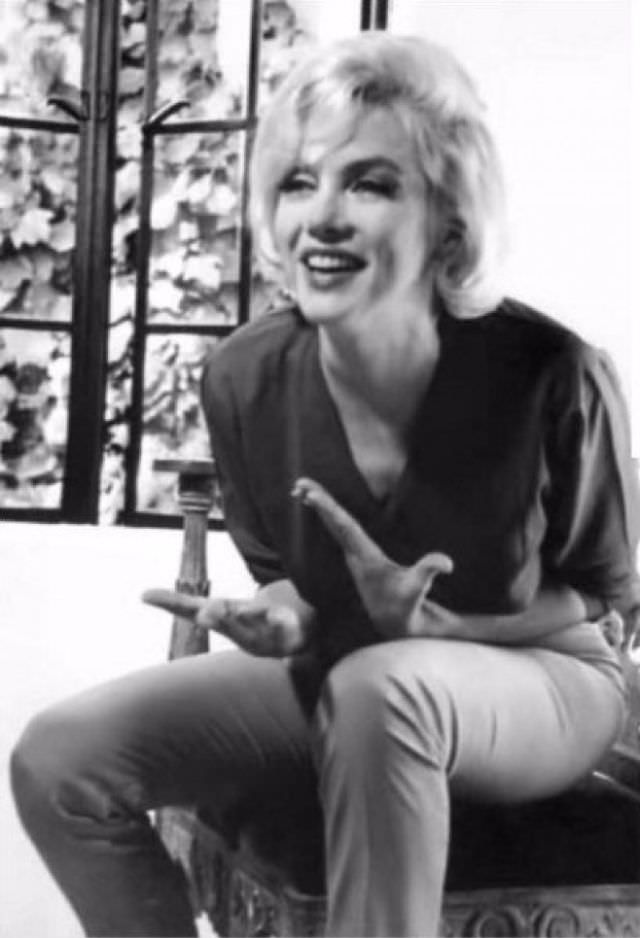
Monroe was not eager to do another photo shoot. By mid-1962, she had endured a turbulent stretch — her firing from the film Something’s Got to Give, personal difficulties, and relentless public scrutiny. She eventually agreed, but on one condition: the session would take place at her own home.
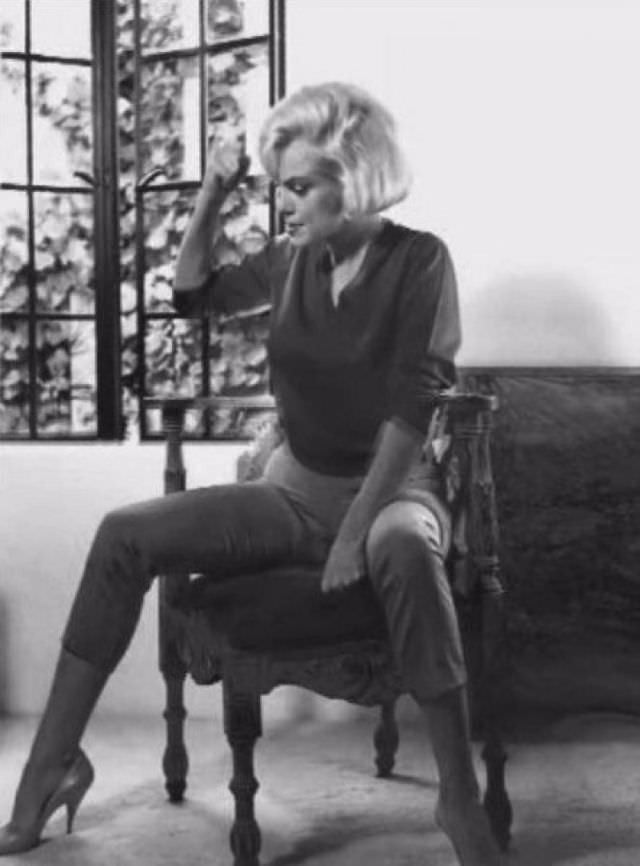
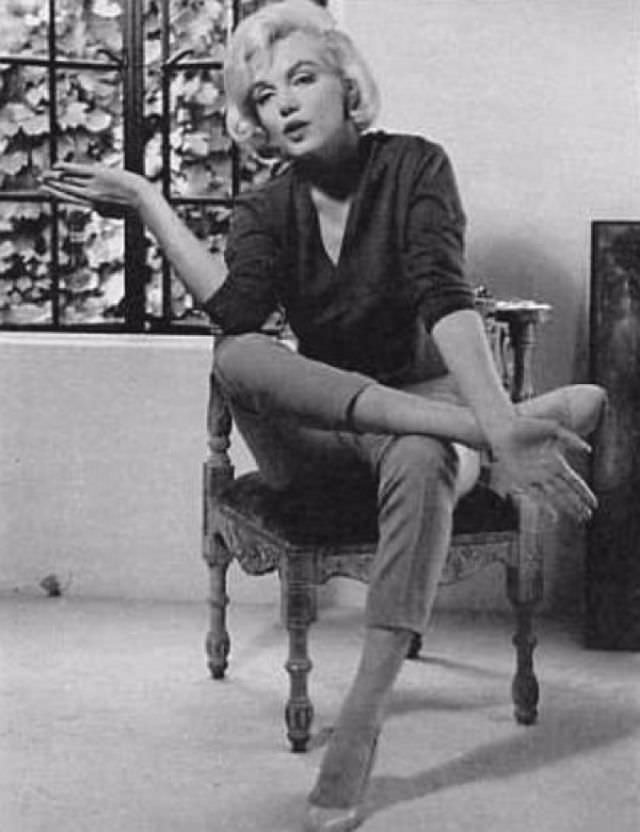
That home was 12305 Fifth Helena Drive in Brentwood, California — a modest Spanish-style house Monroe had purchased earlier that year. It was the first and only home she ever owned. Choosing it as the backdrop for the shoot set the entire tone of what Grant captured.
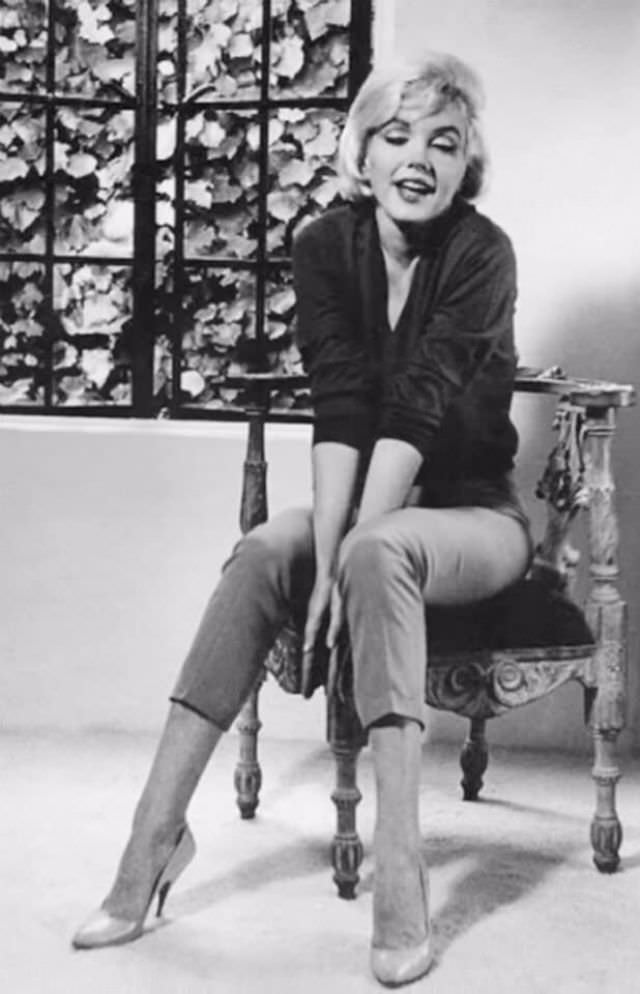
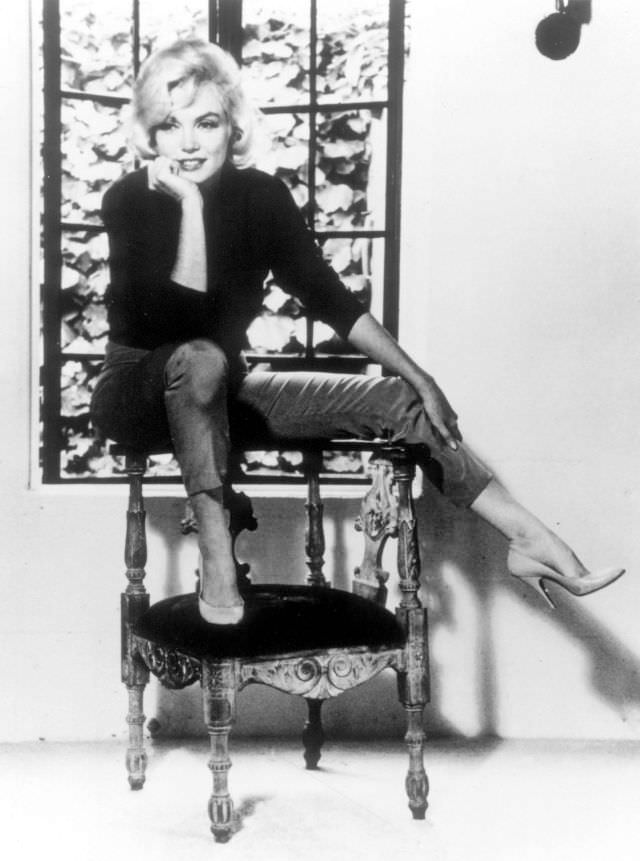
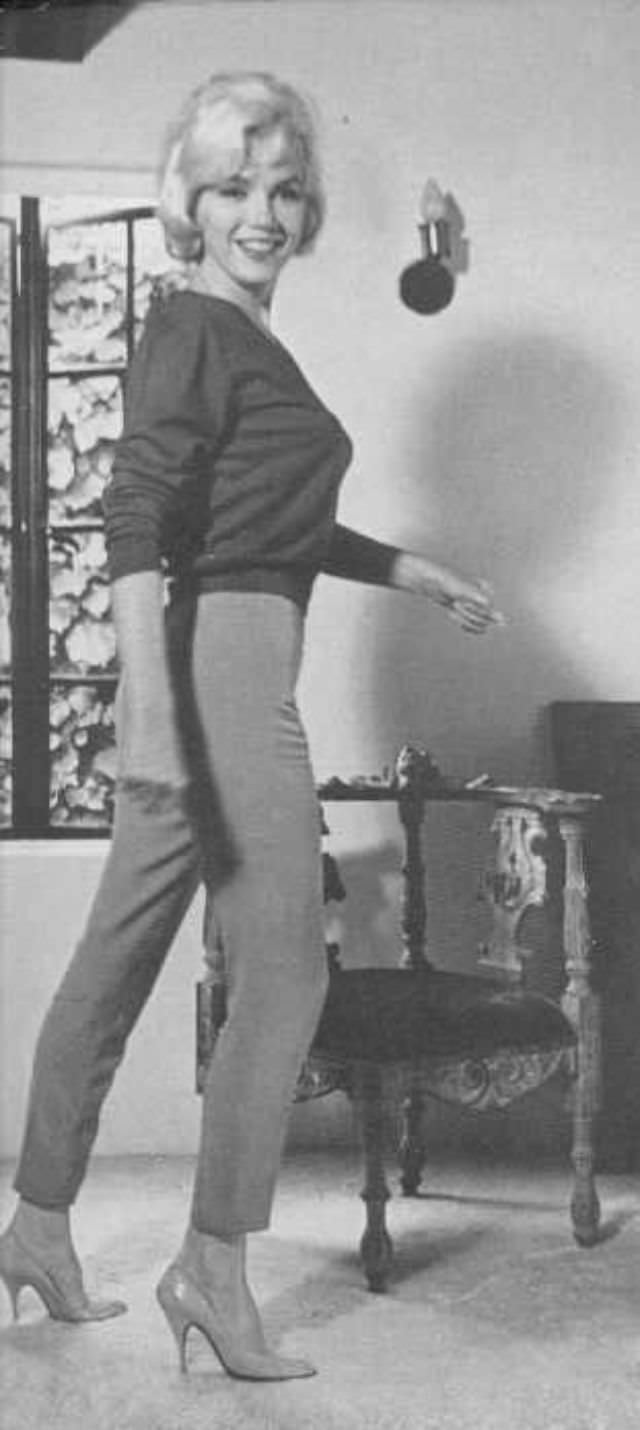
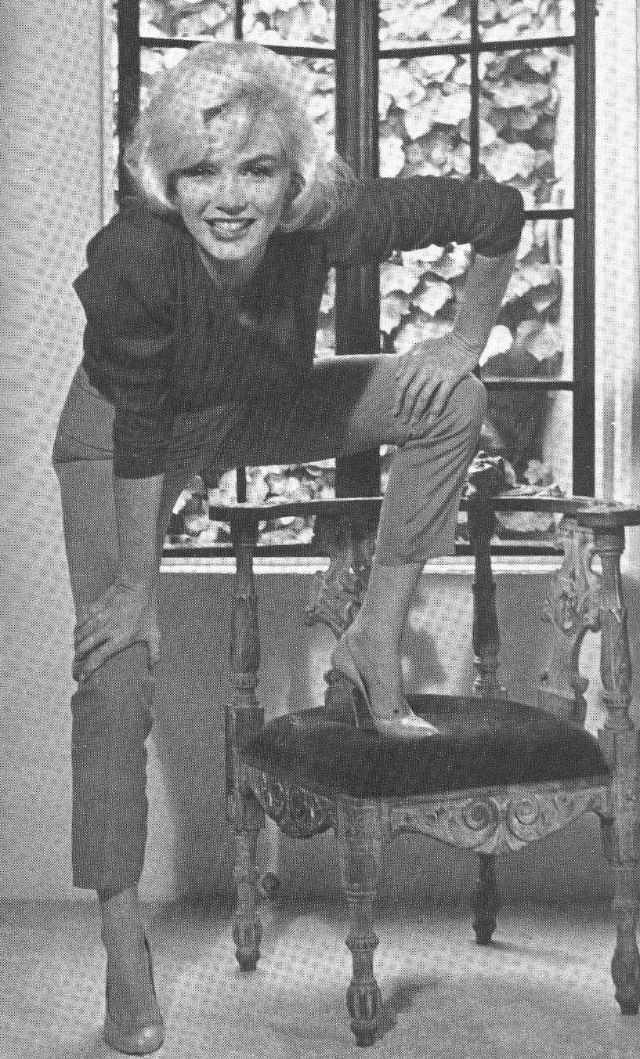
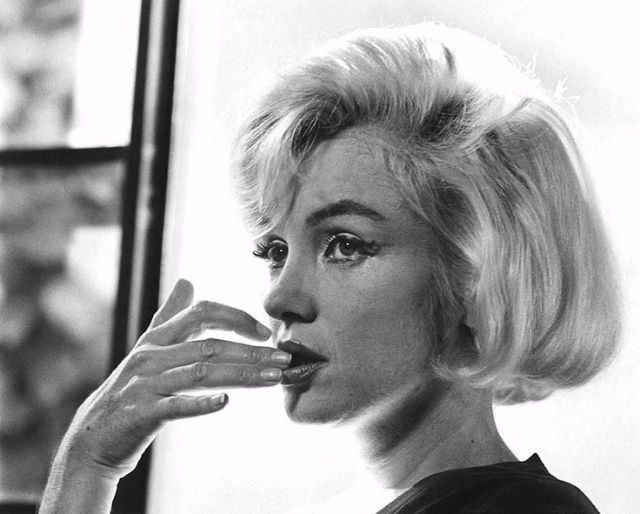
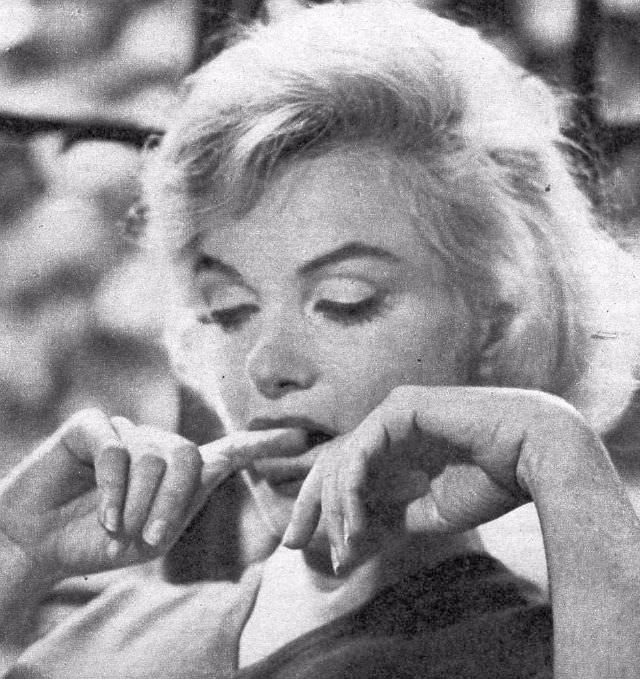
Grant worked without artificial staging. There were no studio lights, no manufactured backdrops, no direction to perform. He let Monroe move through her own space and photographed what unfolded. The result was a series of images that felt nothing like the polished studio portraits the world was used to seeing.
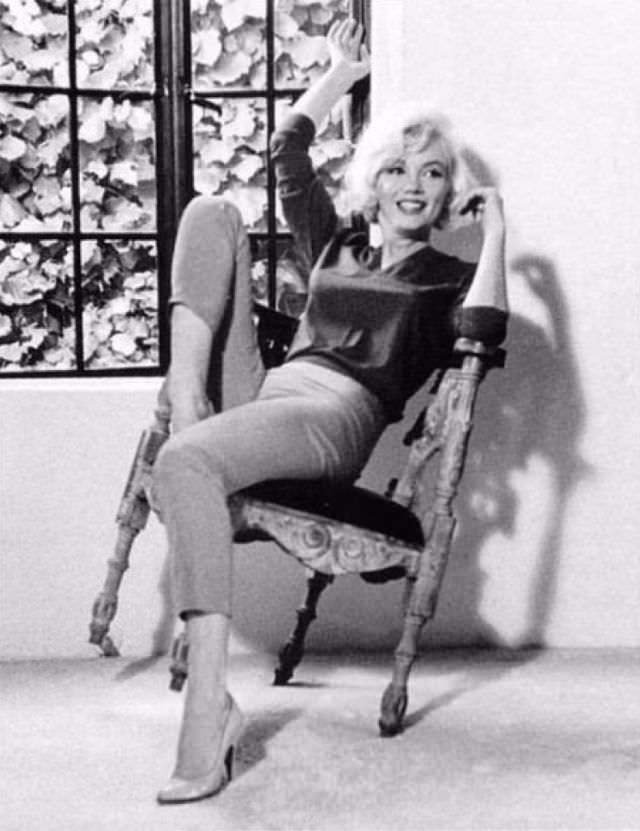
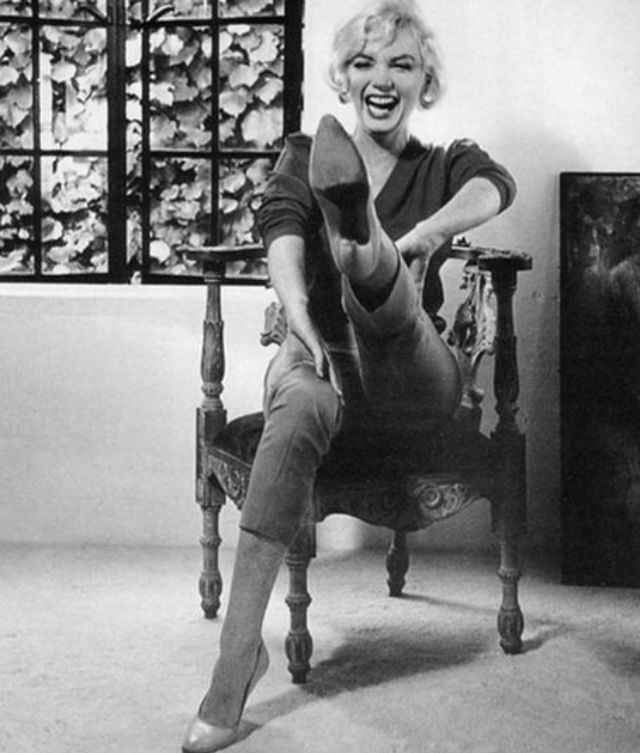
The photos show Monroe in a green top in several frames, relaxed and unguarded. Some images catch her laughing. Others show a quieter, more reflective expression — the kind rarely visible in her carefully managed public appearances. The range across the session is striking.
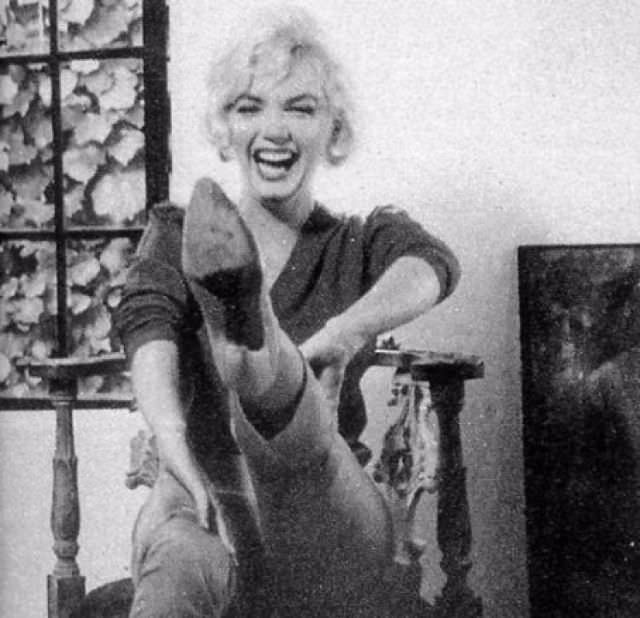
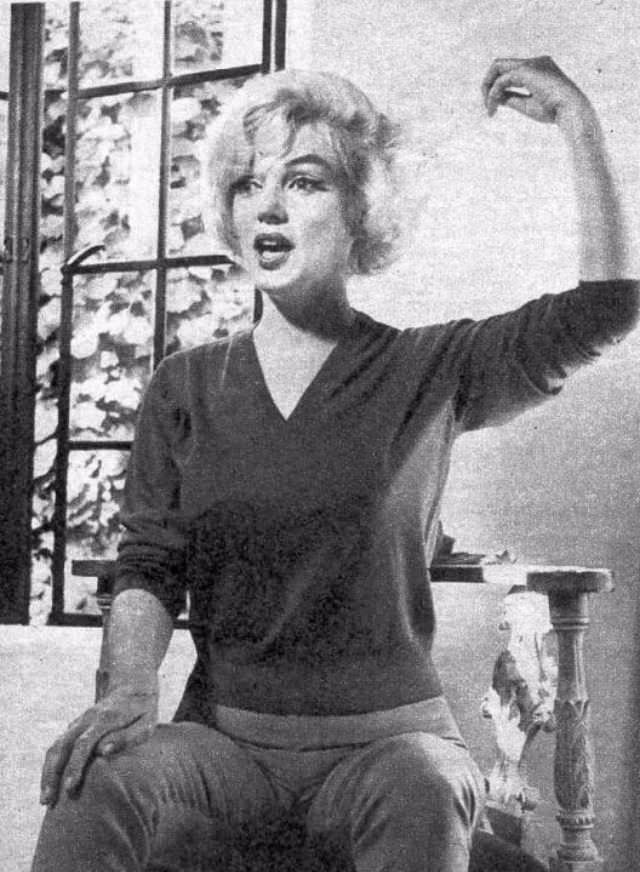
Glimpses of her furniture and personal decor appear throughout the frames, offering a rare look inside the private world of one of the most public figures on earth. This wasn’t a curated set — it was where she actually lived.
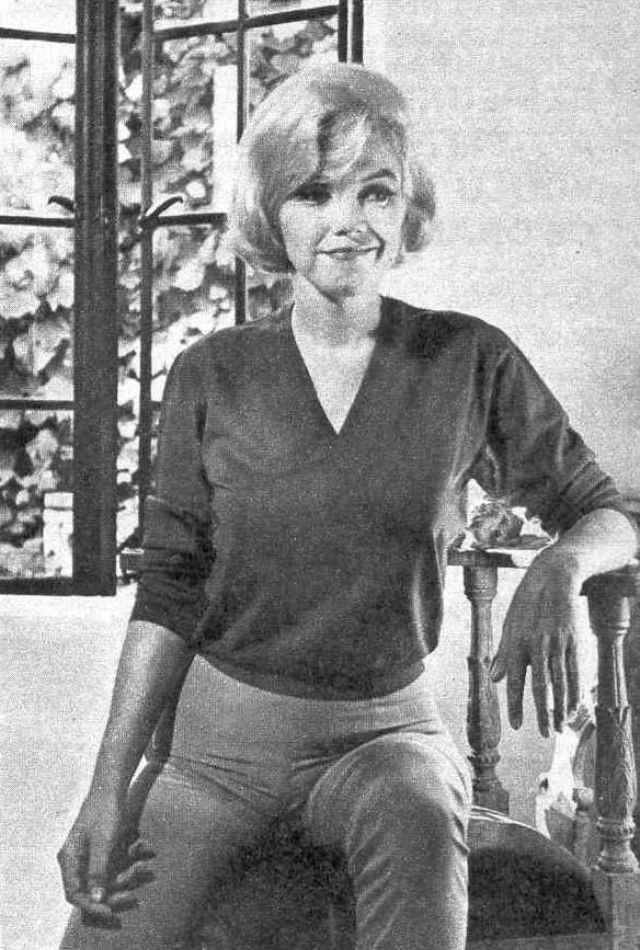
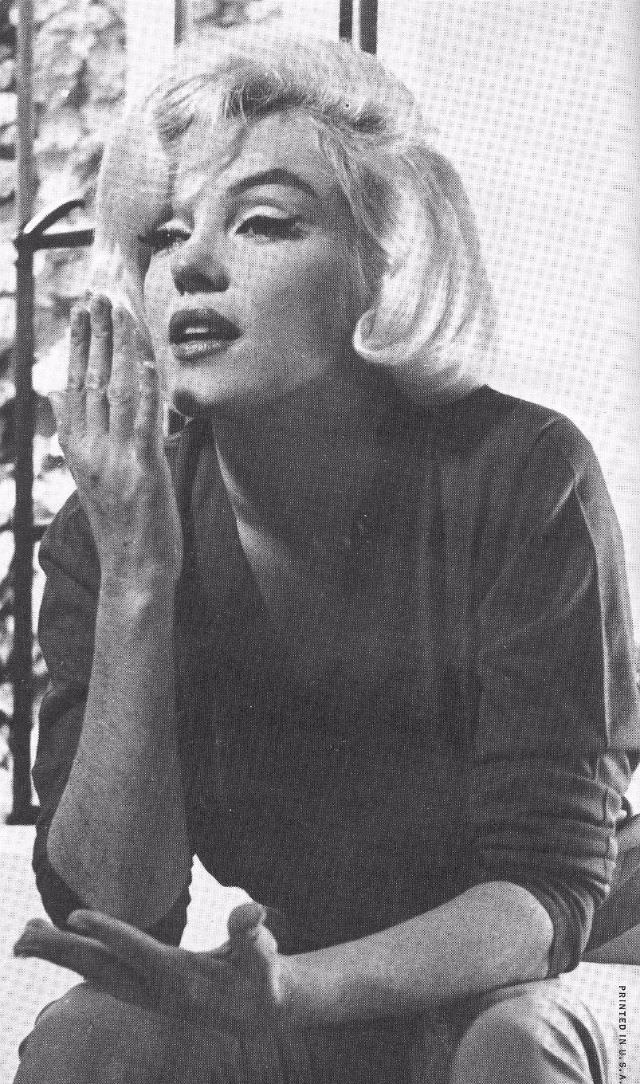
The photographs were published in LIFE to accompany Meryman’s interview. At the time, they were simply editorial images meant to illustrate a profile piece. Then, on August 4, 1962 — just weeks after the session — Marilyn Monroe died at the age of 36.
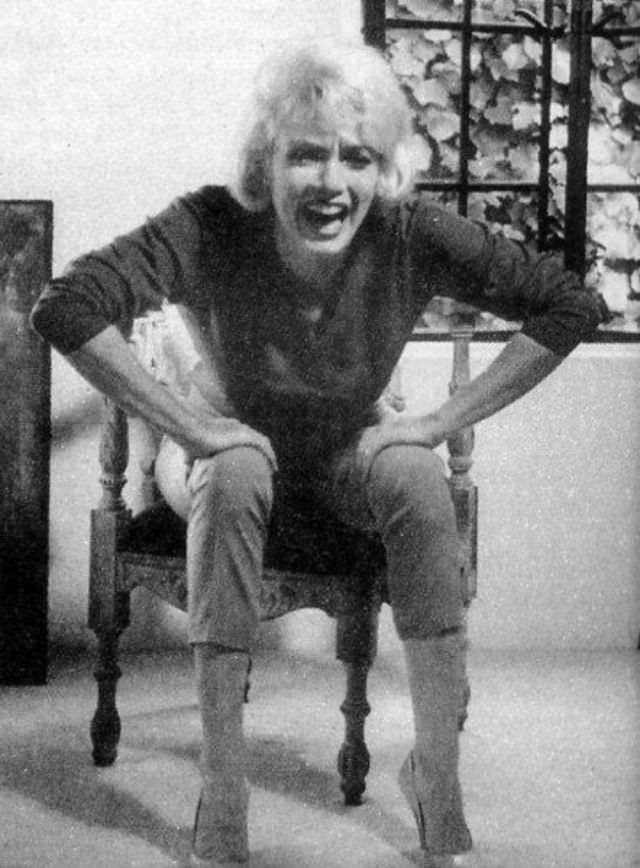
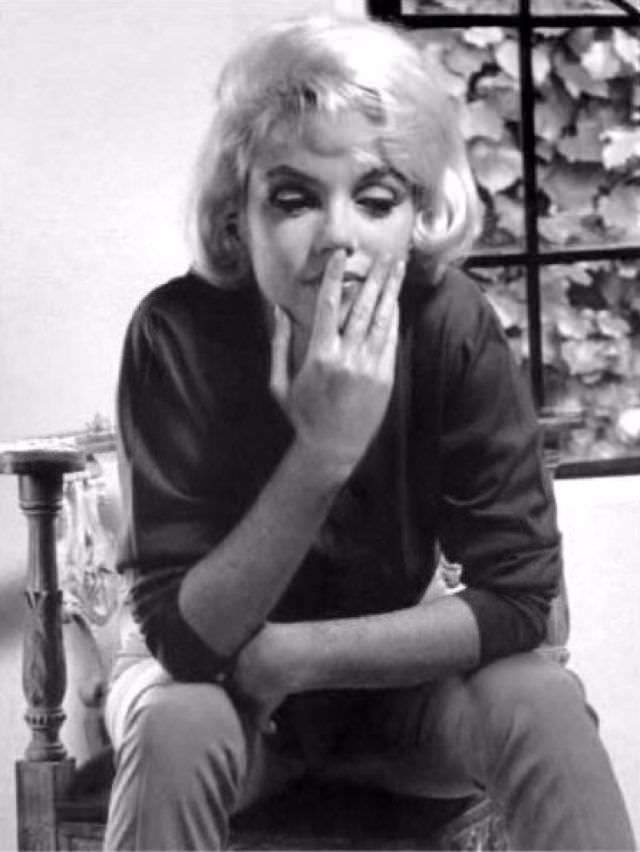
Her death instantly transformed what Grant had shot. These were no longer supporting images for a magazine article. They were the last professional photographs ever taken of Marilyn Monroe. That fact gave them a weight no one had anticipated when the shutter clicked.
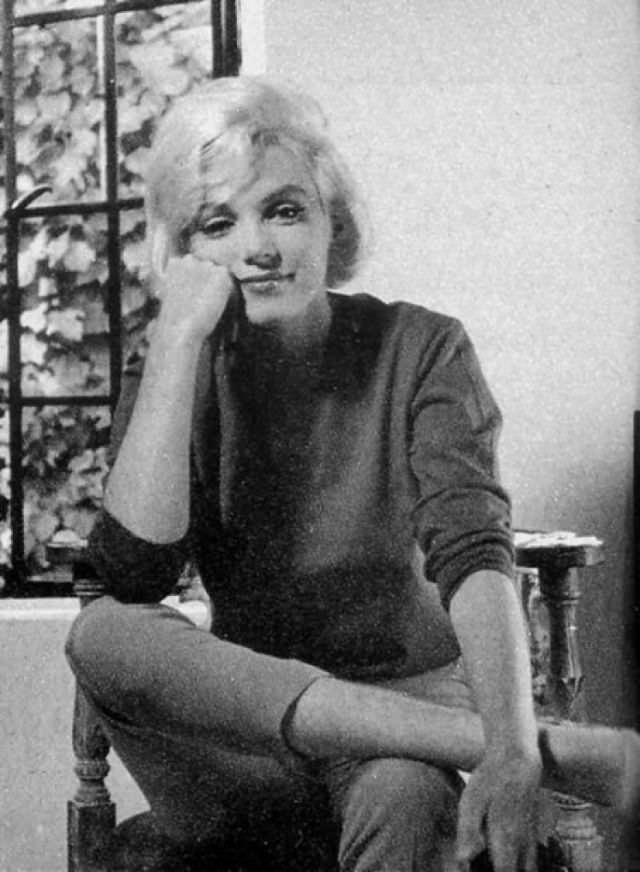
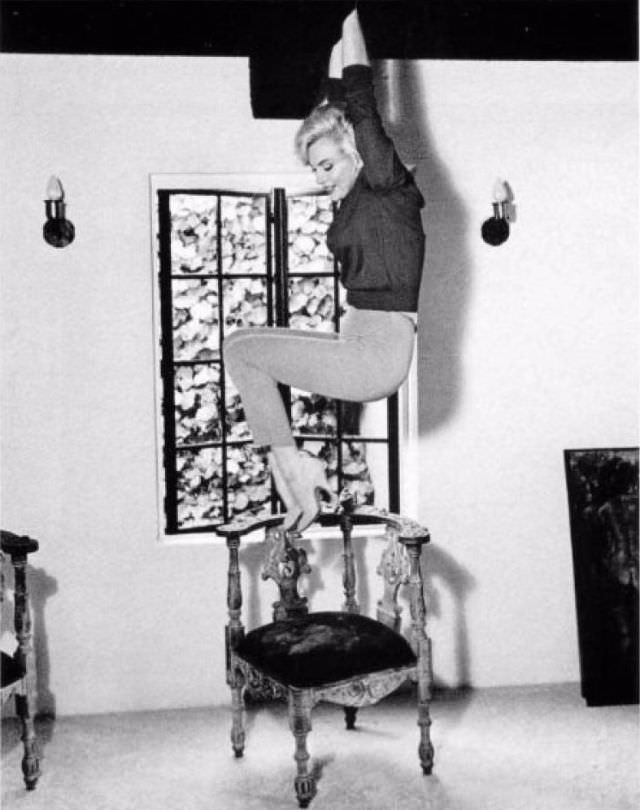
What separates Grant’s work from the bulk of Monroe’s photographic record is the absence of performance. The iconic images — the white dress, the pin-up poses, the studio glamour shots — all show a carefully constructed persona. Grant’s frames show a woman at home, unposed, and present.
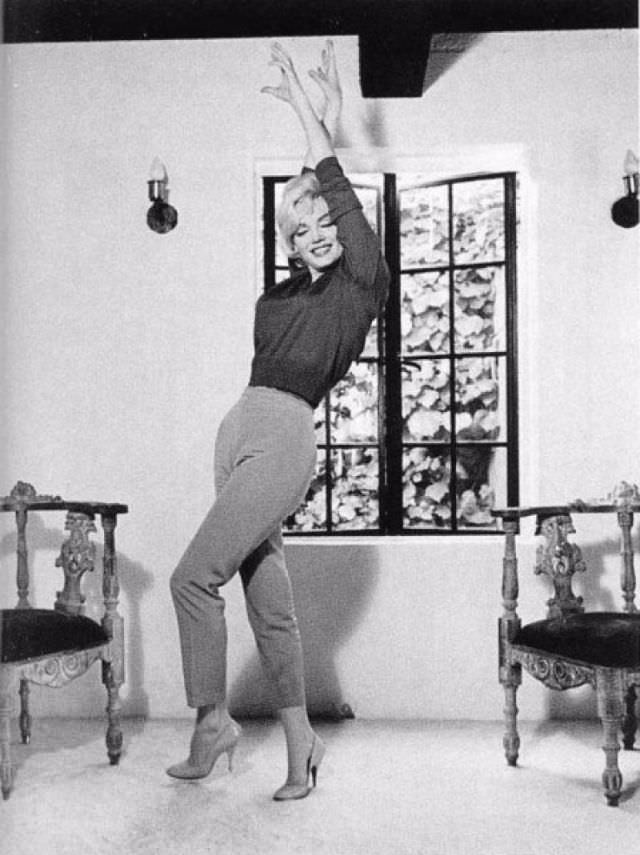
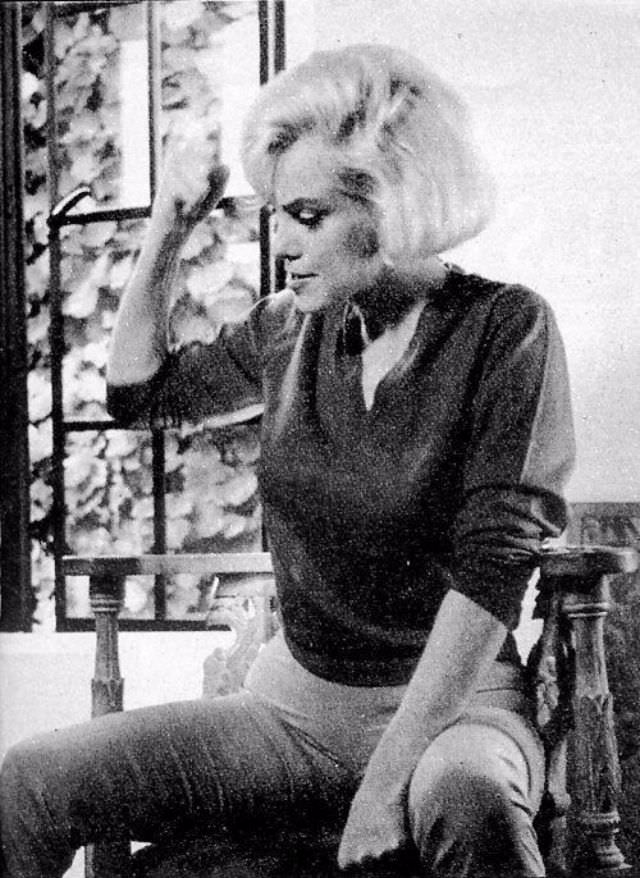
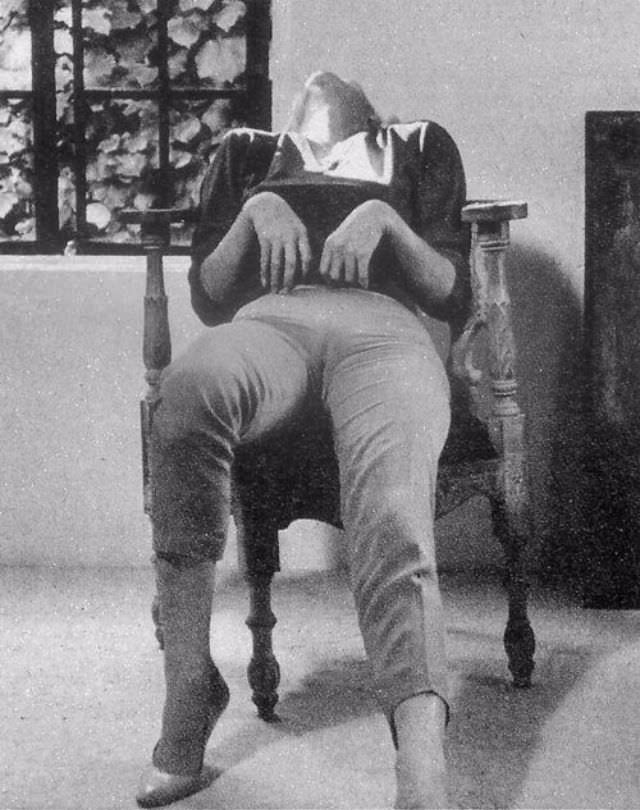
That rawness is precisely what makes the session so historically valuable. These images document Marilyn Monroe as she was in the final weeks of her life — not as Hollywood built her, but as she actually appeared on an ordinary afternoon in her own living room.