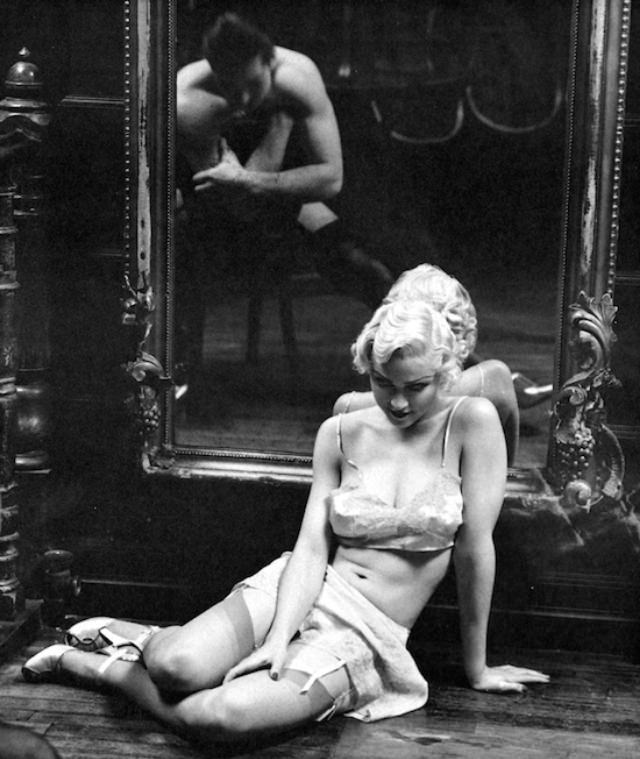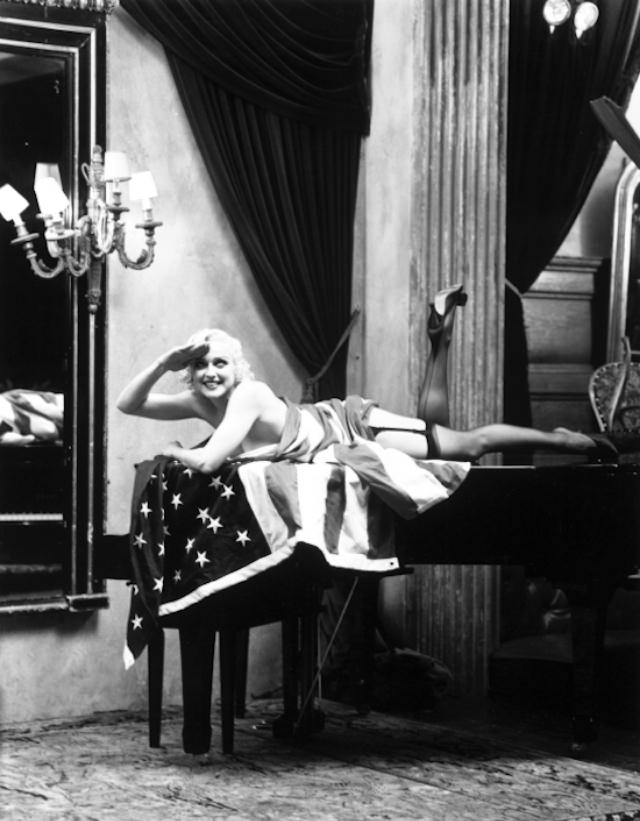

In June 1991, Madonna appeared on the cover of Rolling Stone magazine in one of the most talked-about features of her career. It was not a routine celebrity profile. The issue included a full photo spread that put her provocative persona front and center, shot by one of the most respected names in fashion photography.
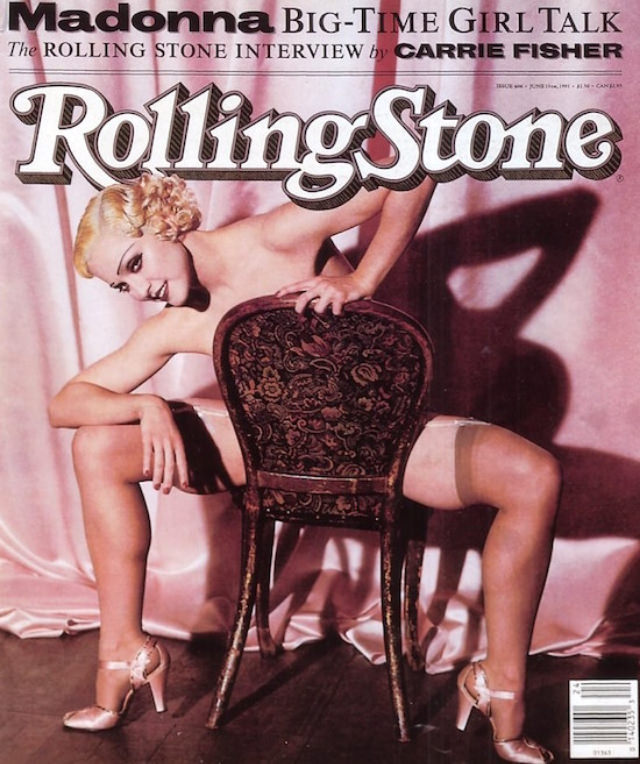
Steven Meisel was the photographer behind the lens. By 1991, Meisel was already a major figure in both fashion and entertainment photography, known for images that were bold, stylized, and visually confrontational. His work paired naturally with Madonna’s public image. Together, they had collaborated on multiple projects, and their Rolling Stone session was one of the most high-profile results of that working relationship.
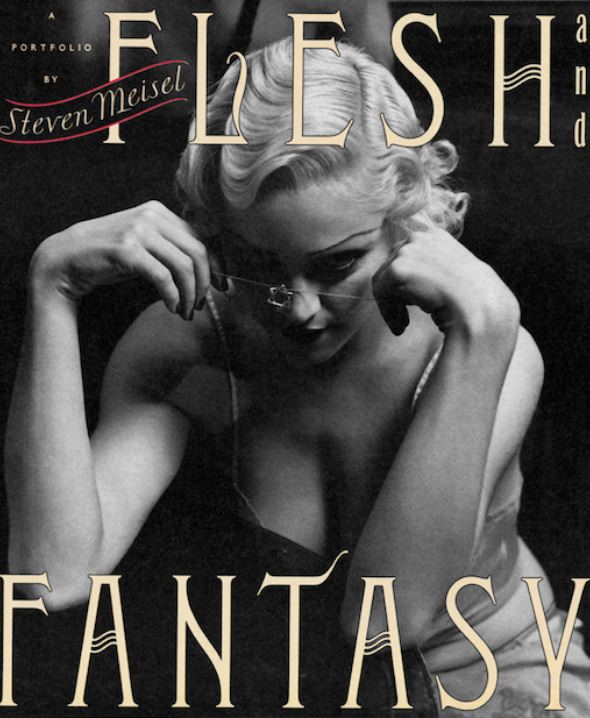
The photoshoot leaned directly into themes of female sexuality and personal power. The images were striking and deliberately provocative, reflecting Madonna’s well-established habit of pushing against what was considered acceptable in mainstream media. She was not interested in softening her image for a wider audience.
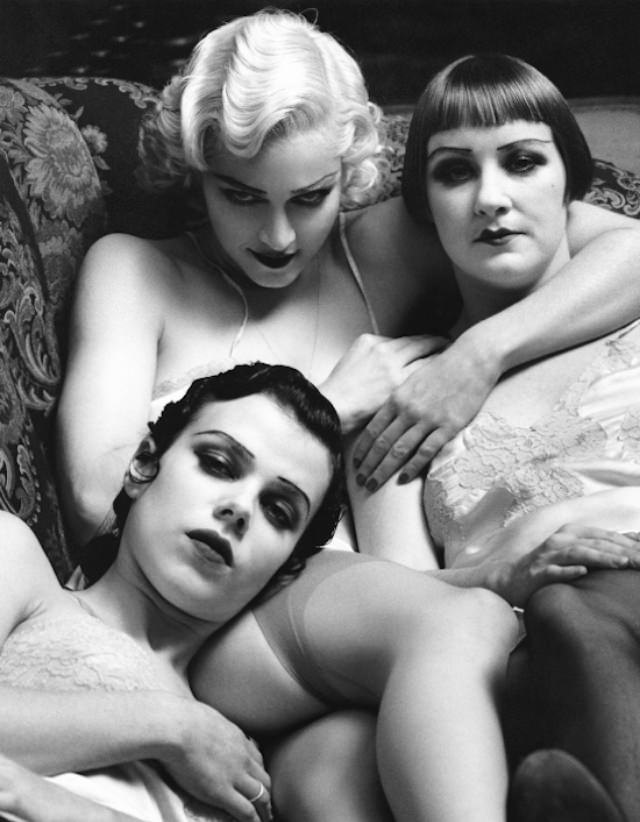
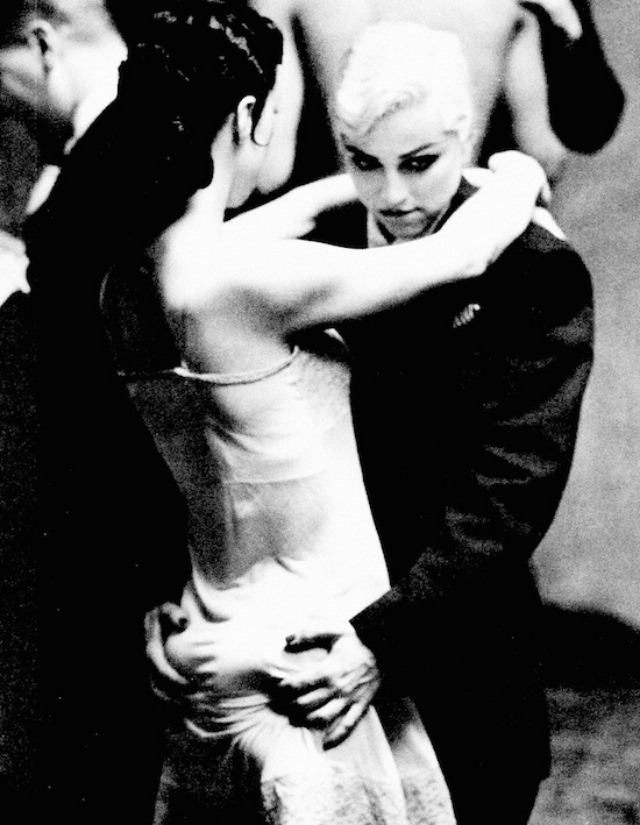
By this point in her career, Madonna was at a genuine peak. She had built a reputation for reinventing herself with each new project, and 1991 placed her at the center of broader cultural conversations about gender, sexuality, and power in the entertainment industry. The Rolling Stone feature was a direct extension of that.
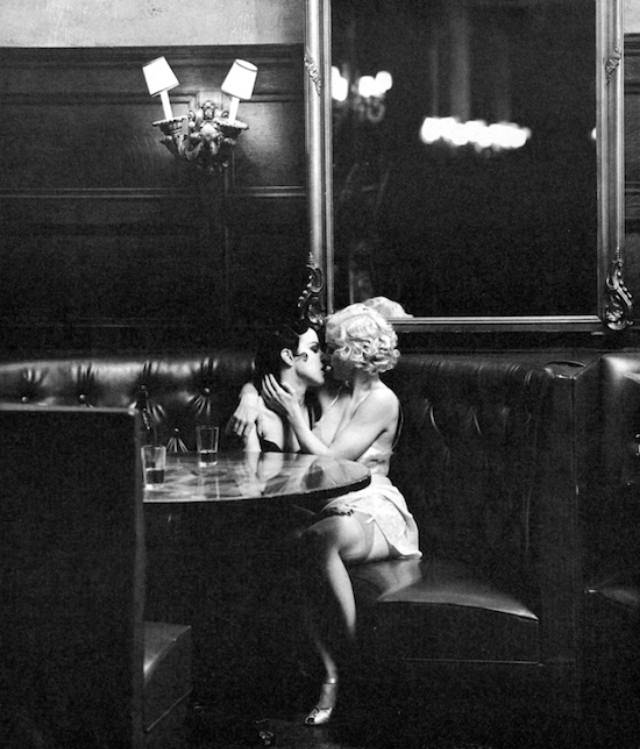
Meisel’s photography style brought a sharp, avant-garde quality to the images. His compositions were deliberate, and the visual tone matched Madonna’s own unfiltered approach to self-expression. Each frame functioned as a statement rather than just a portrait.
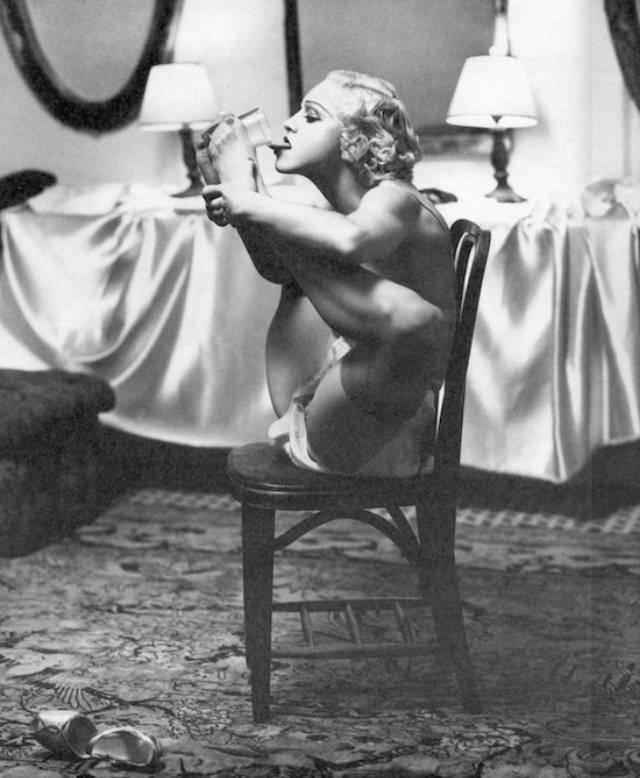
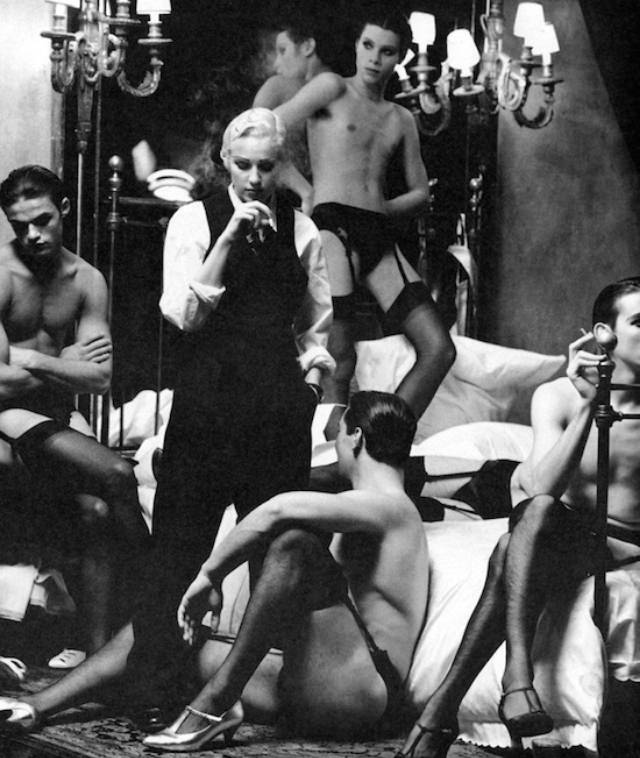
The spread challenged traditional ideas about how women were presented in major publications. Madonna used the platform to assert control over her own image, a move that was consistent with how she operated throughout this era. The magazine gave her space to do exactly that, and the result was a set of images that sparked immediate public reaction.