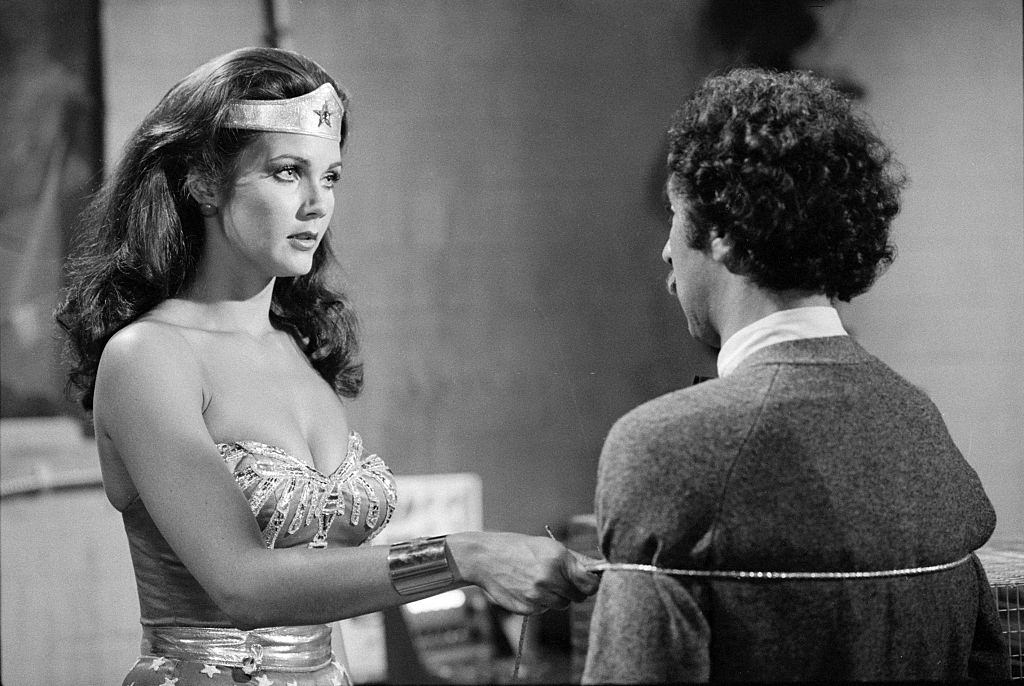
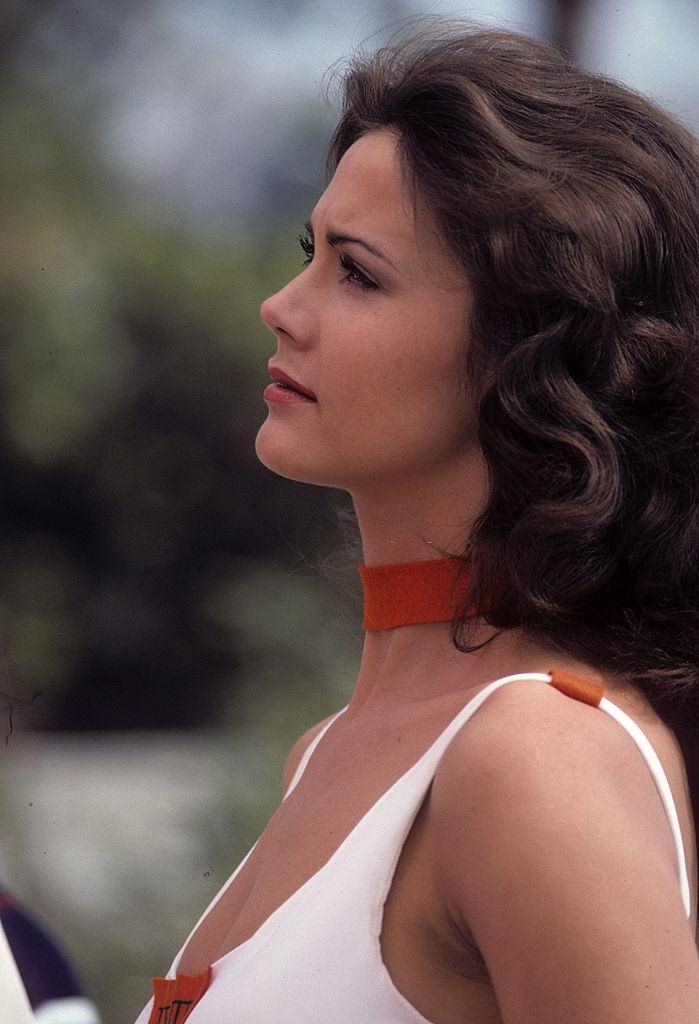
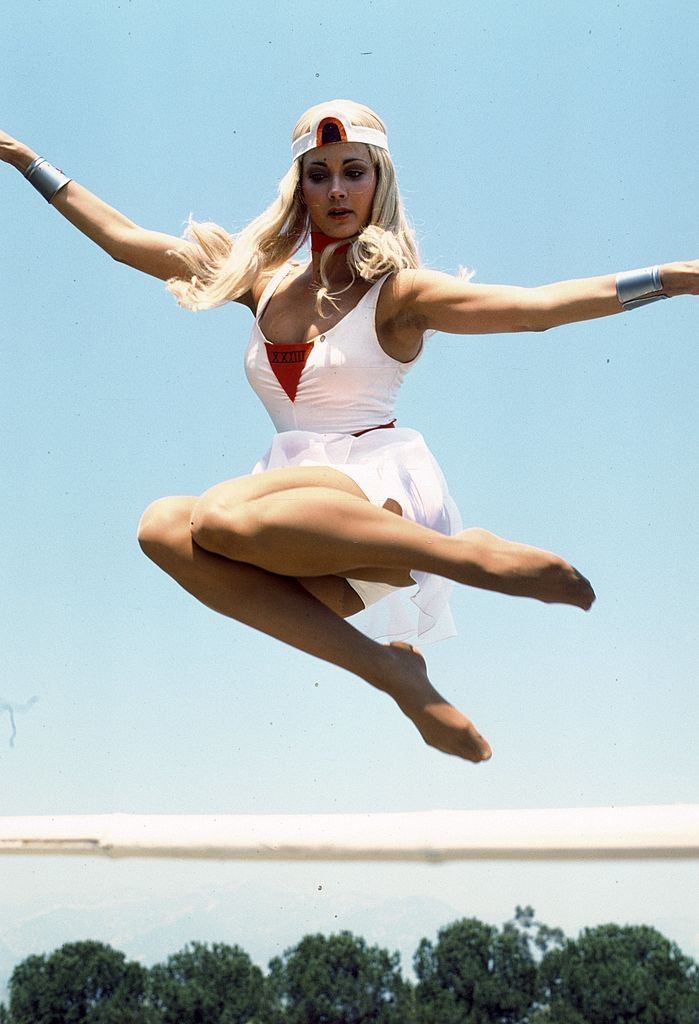
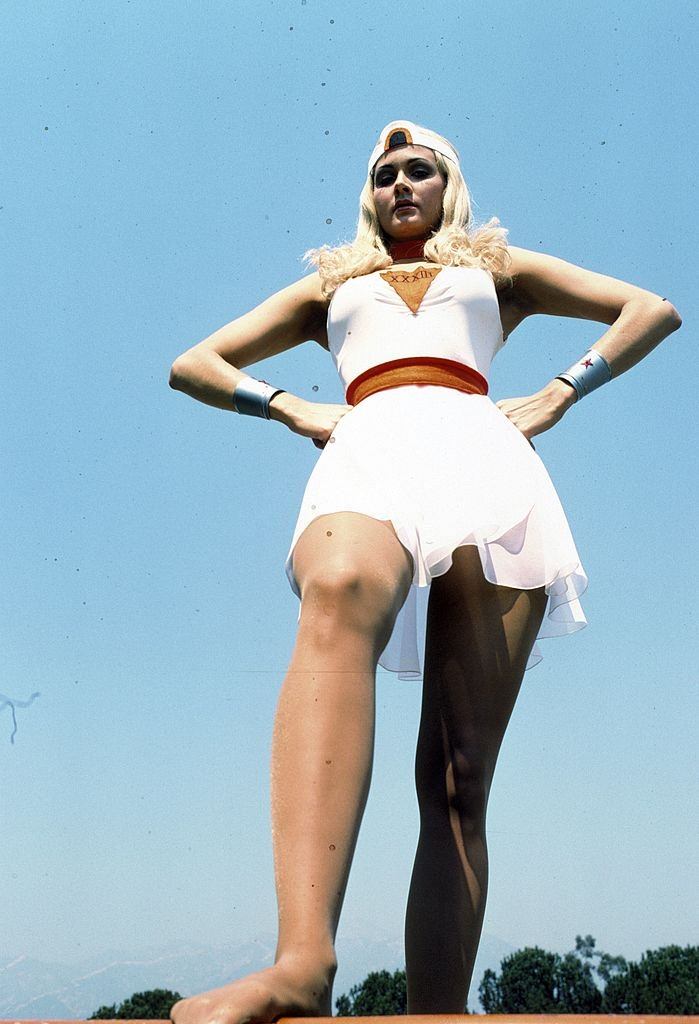
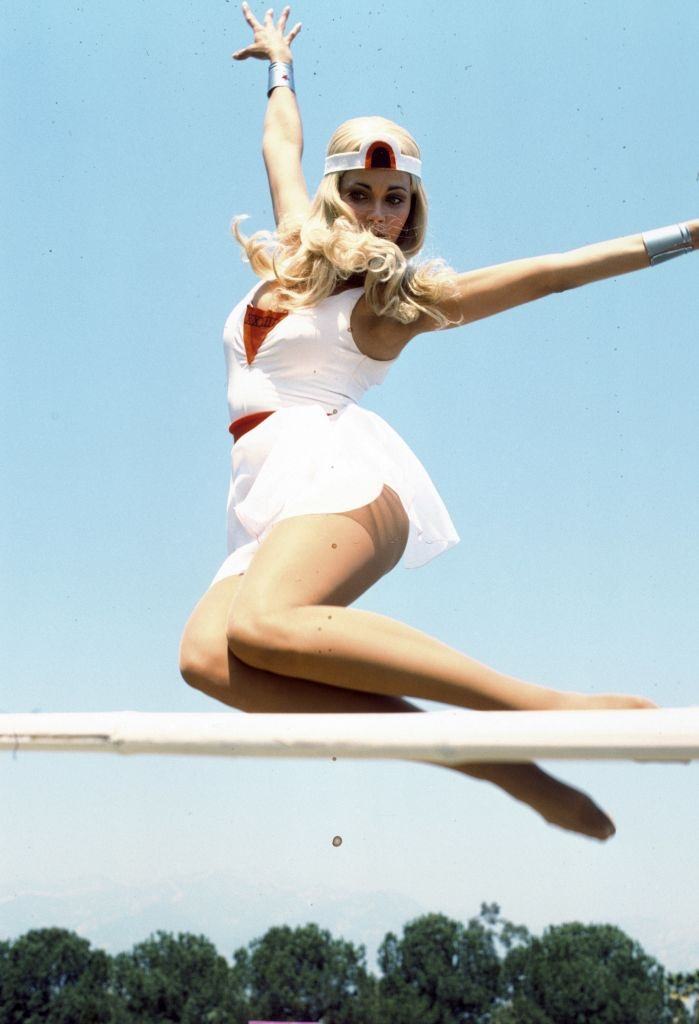
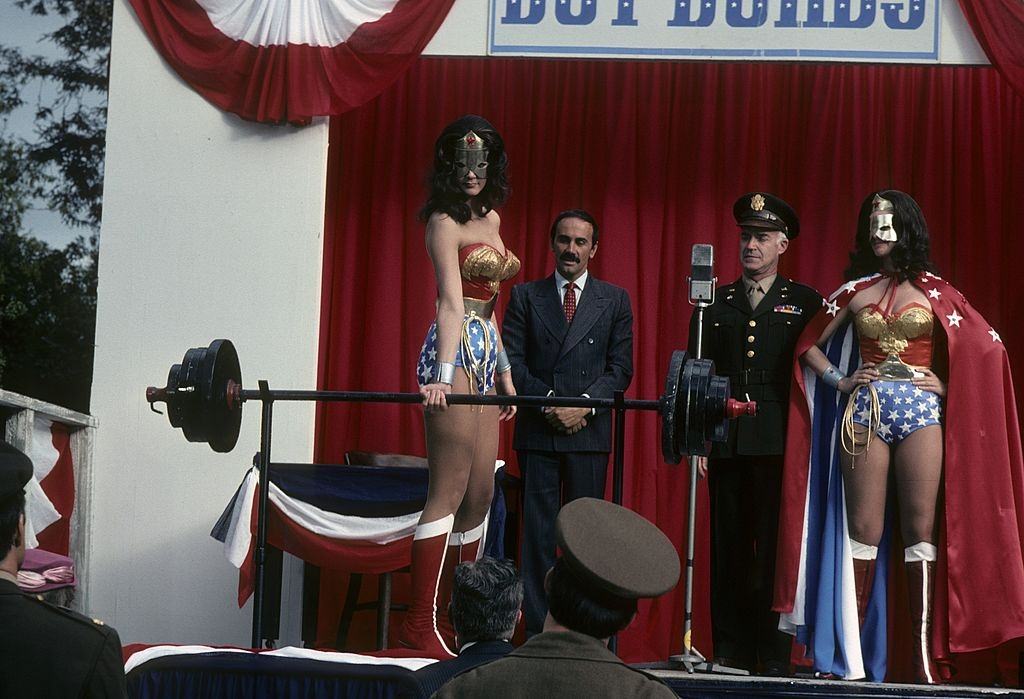
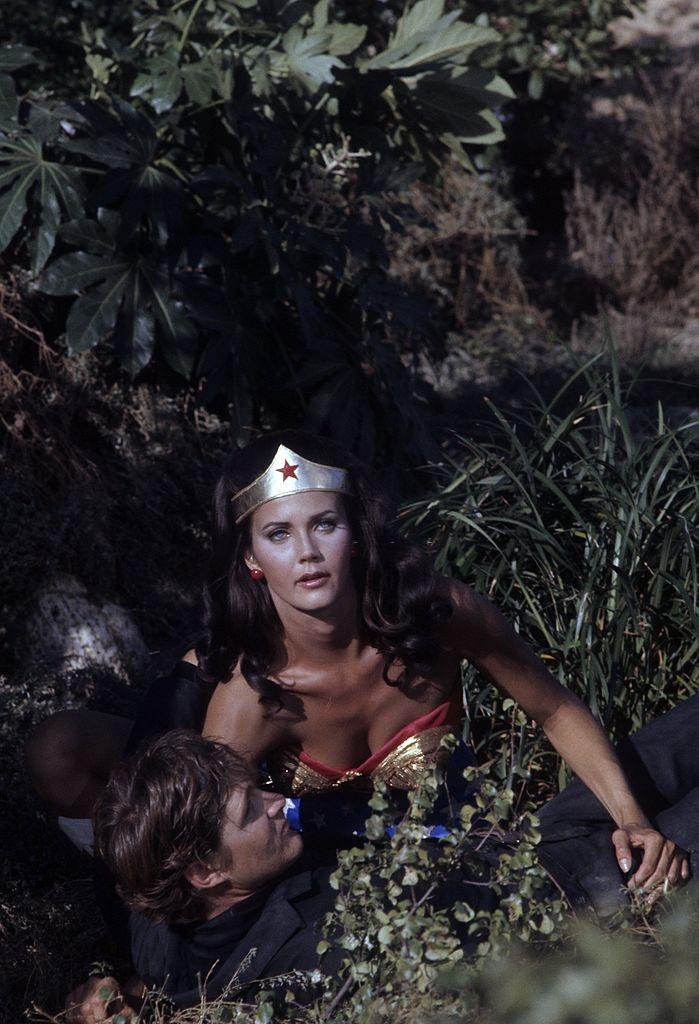
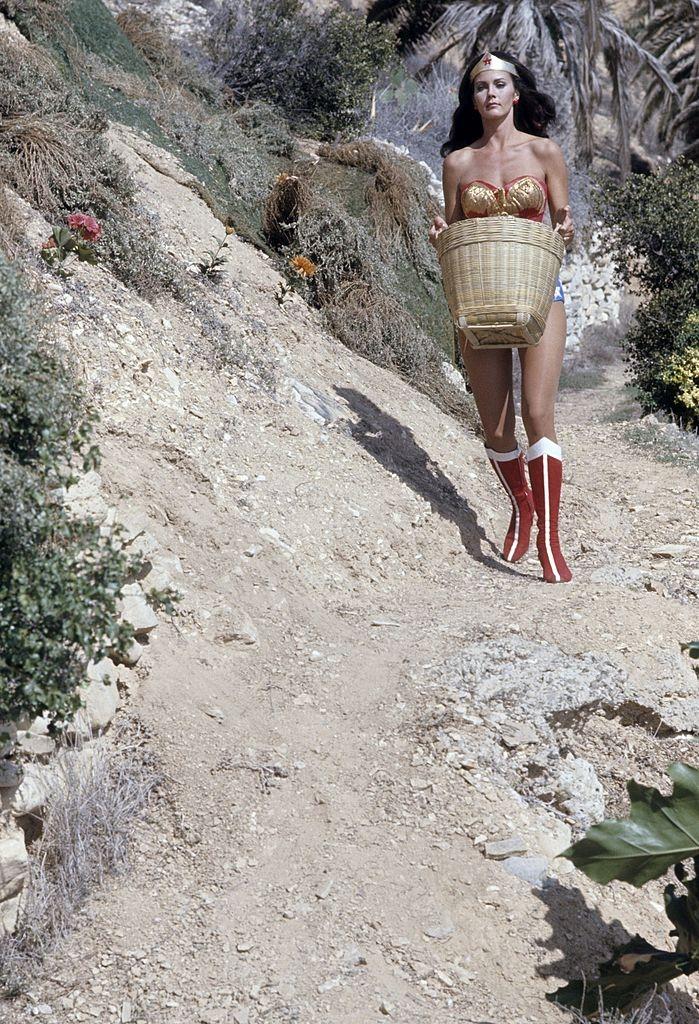
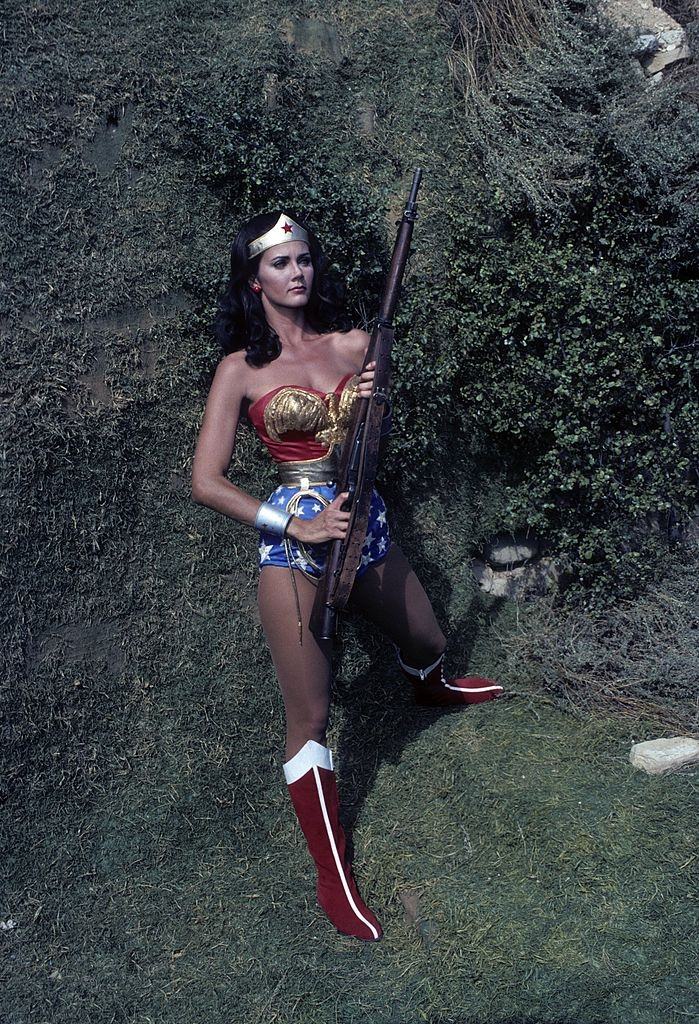
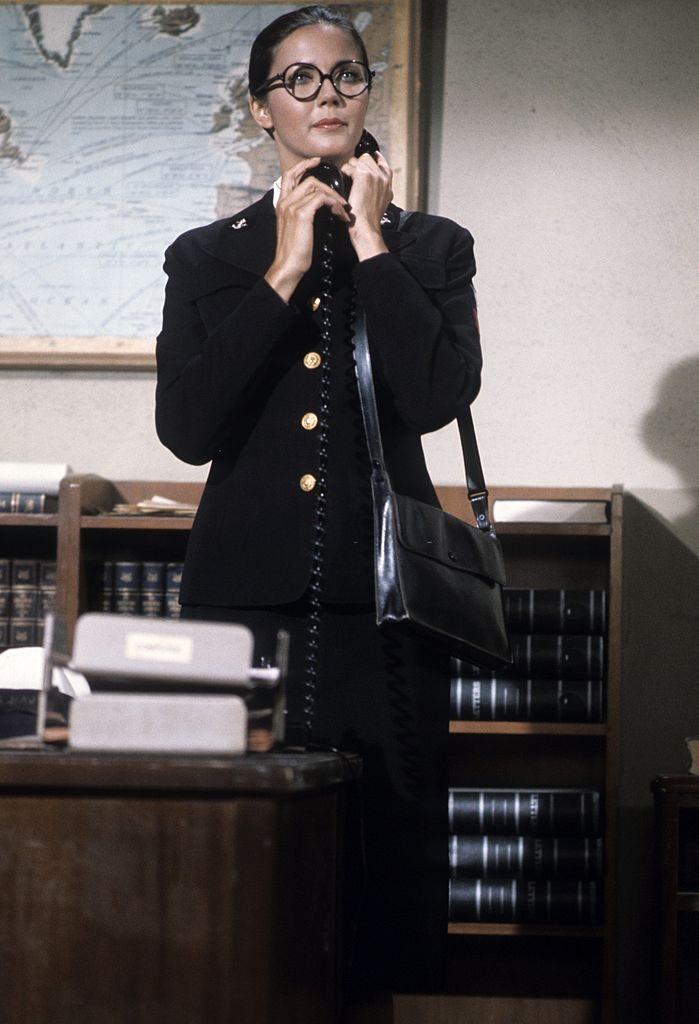
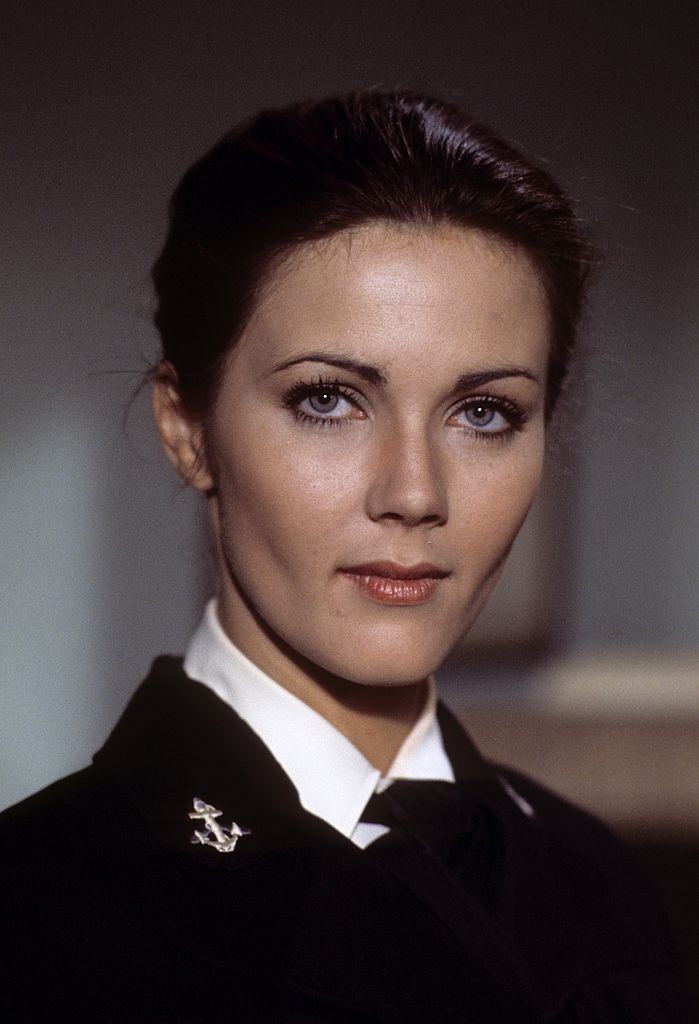
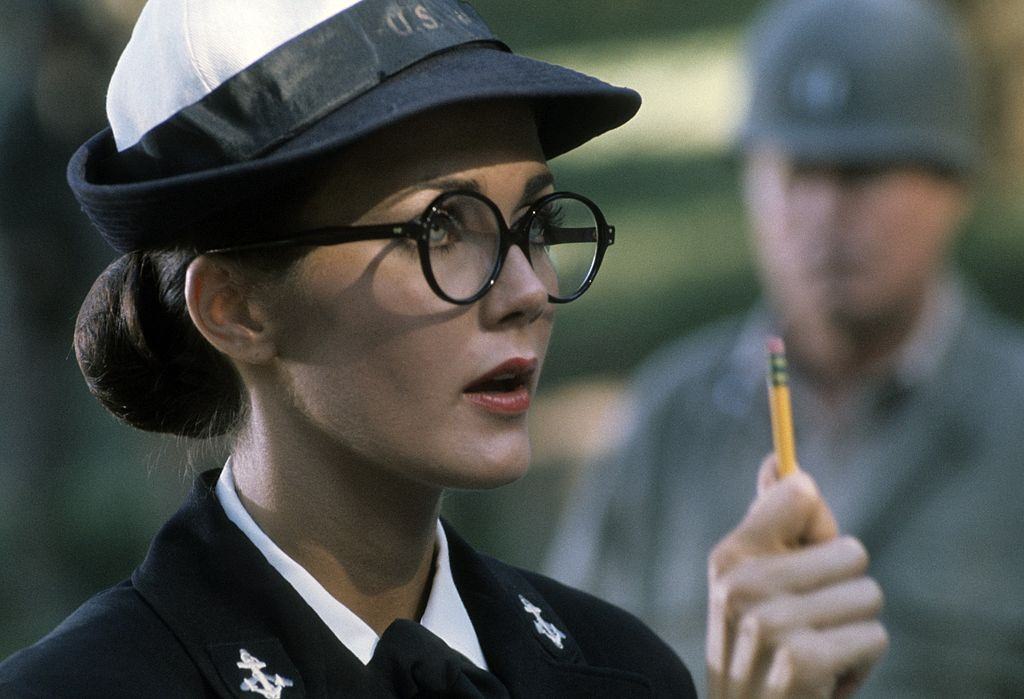
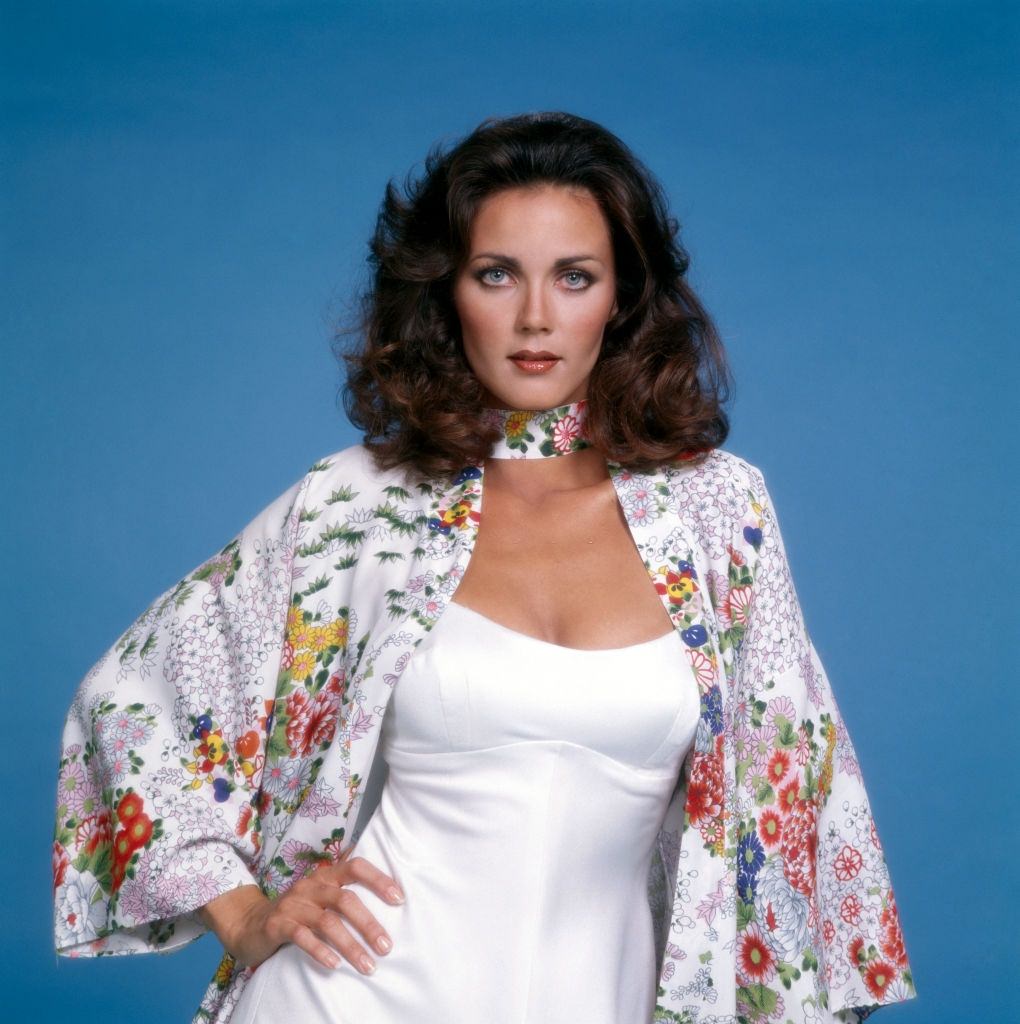
Before Wonder Woman, Lynda Carter was a working actress with modest credits and a background in beauty pageants — she won Miss World USA in 1972. When she landed the title role in the ABC television series in 1975, everything changed. Carter played both Wonder Woman and her secret identity, Diana Prince, and she brought a quality to the role that producers had struggled to define on paper: a genuine sense of goodness. She wasn’t simply playing a superhero. She was playing a person the audience could believe in.
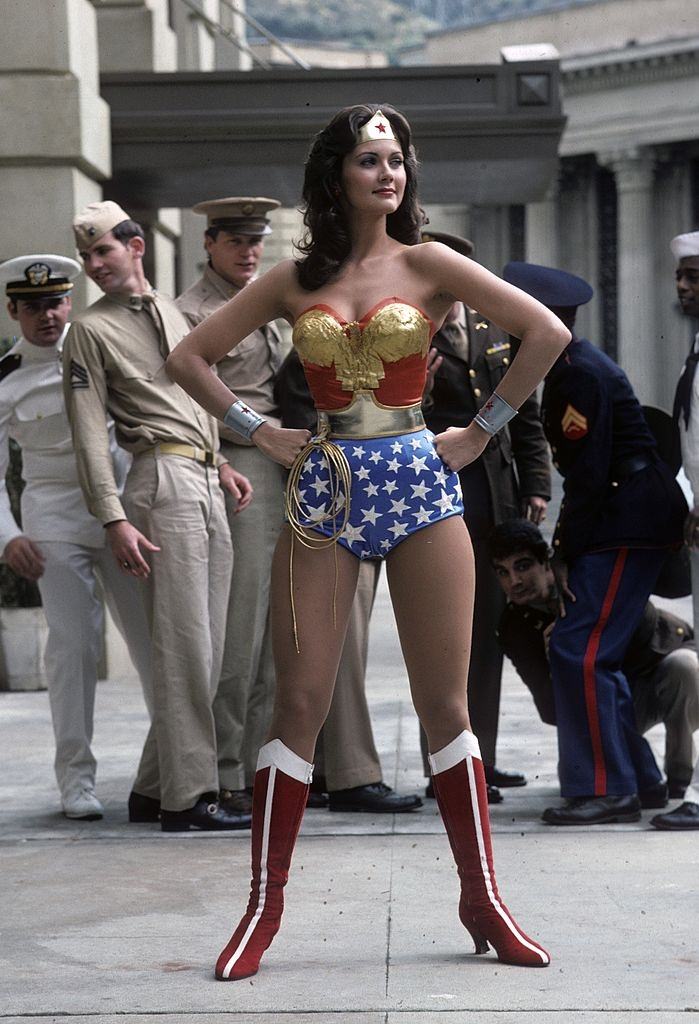
The show’s first season aired on ABC under the title ‘The New, Original Wonder Woman’ and was set during World War II, closely matching the character’s comic book origins. The following seasons moved to CBS and updated the setting to the present day, running under the banner ‘The New Adventures of Wonder Woman.’ The series ran until 1979, spanning four years and two networks.
Before the series launched, there were real concerns among network executives that audiences wouldn’t accept a female lead in an action-driven superhero show. Those concerns turned out to be unfounded. Both female and male viewers tuned in consistently. The show built a broad fanbase and proved that a woman could anchor a prime-time action series.
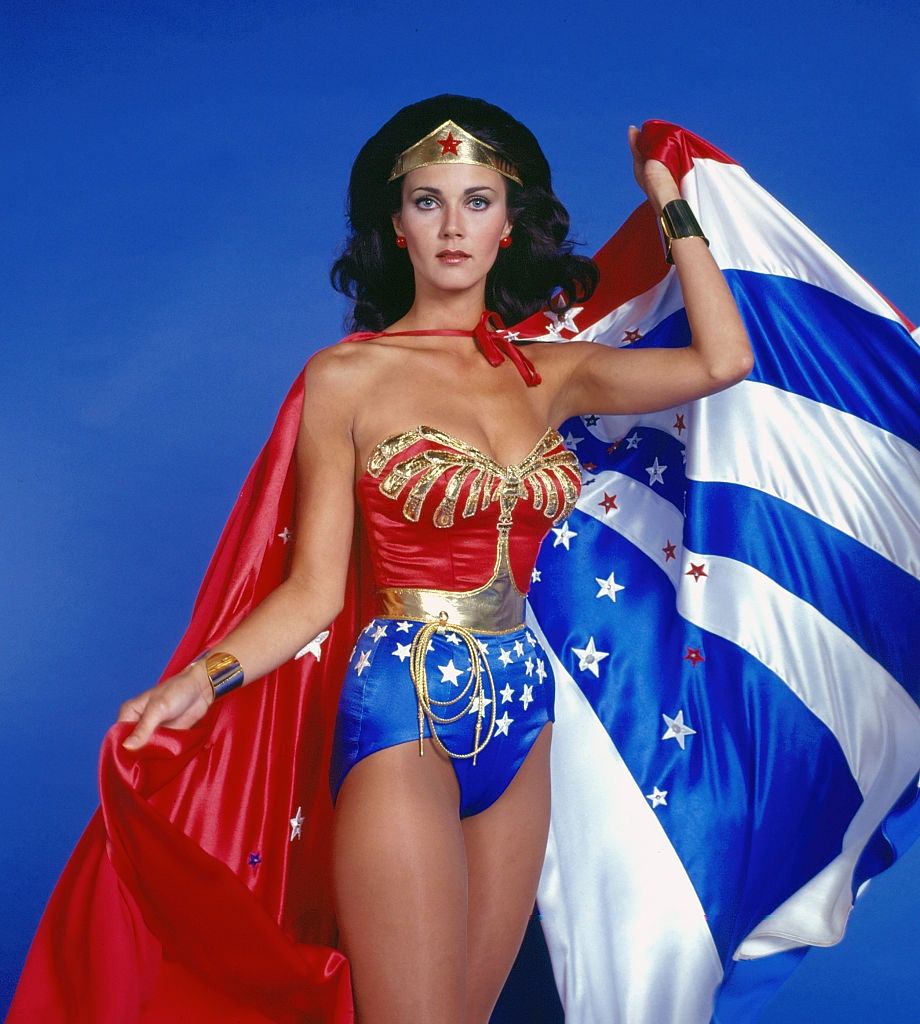
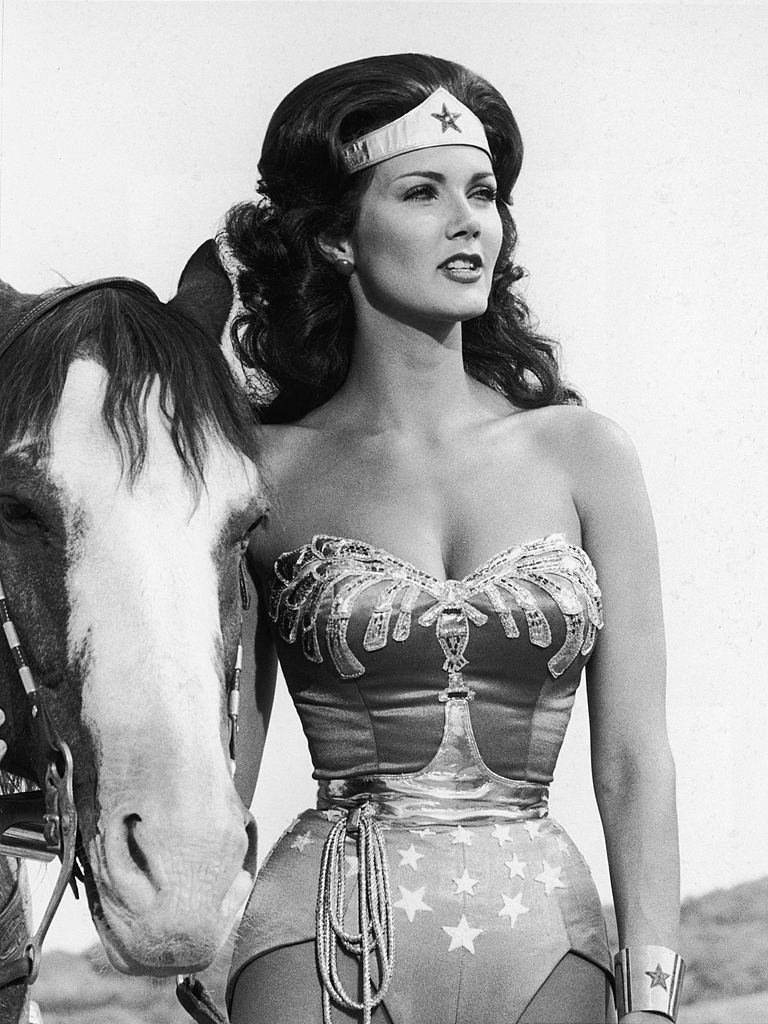
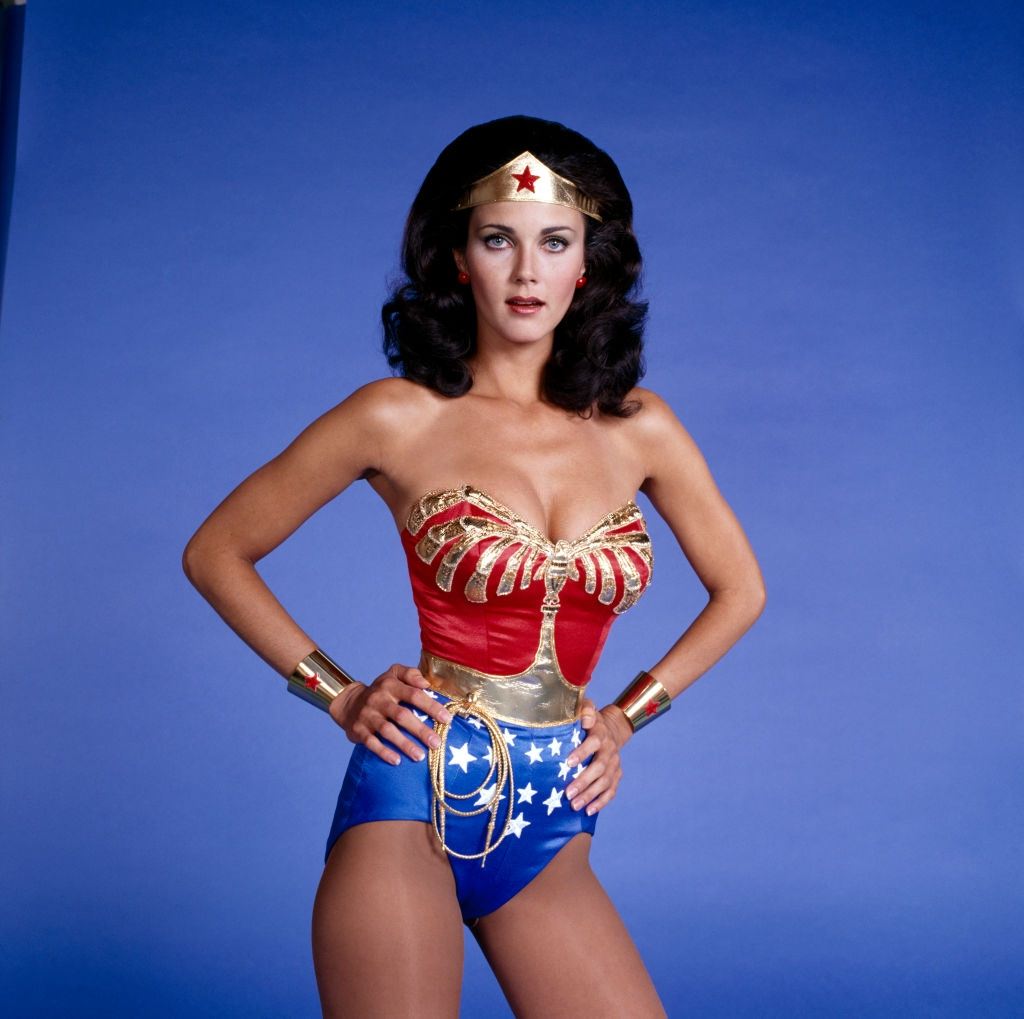
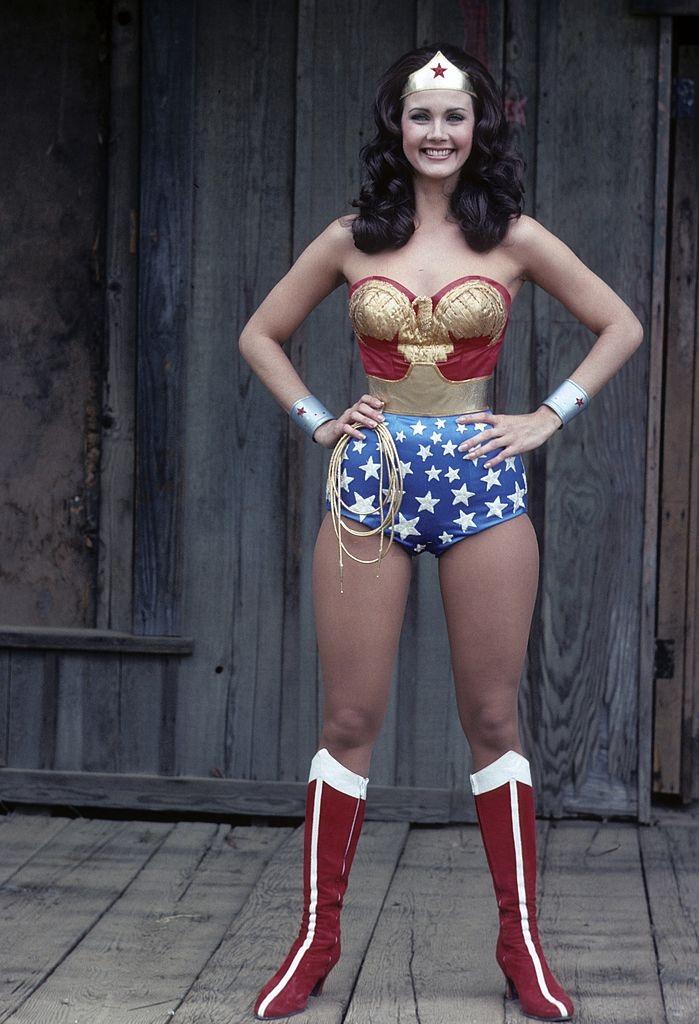
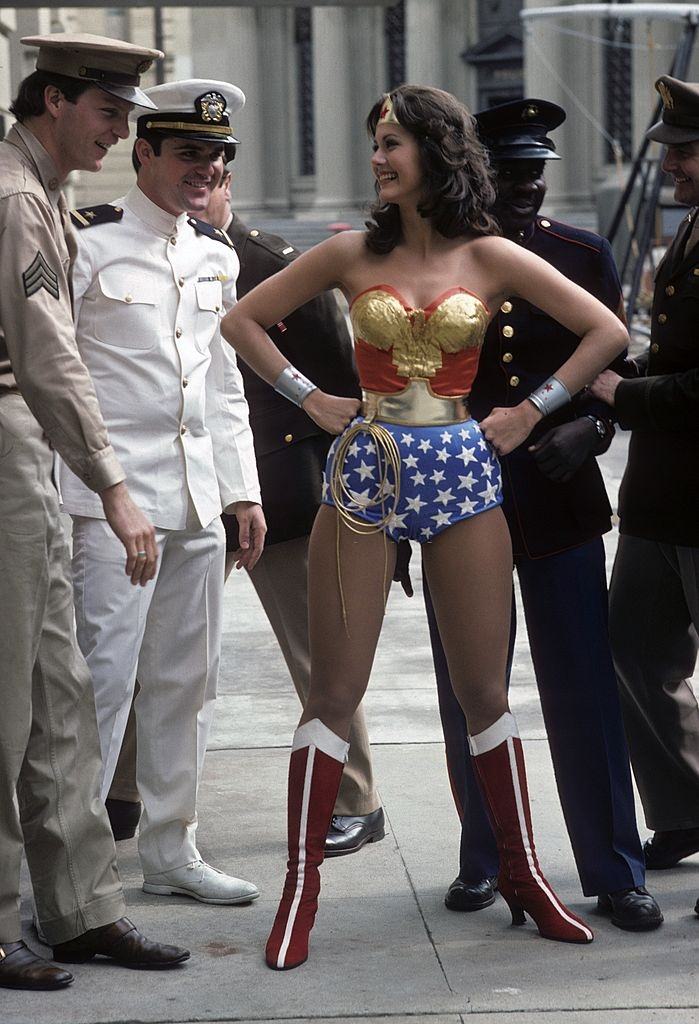
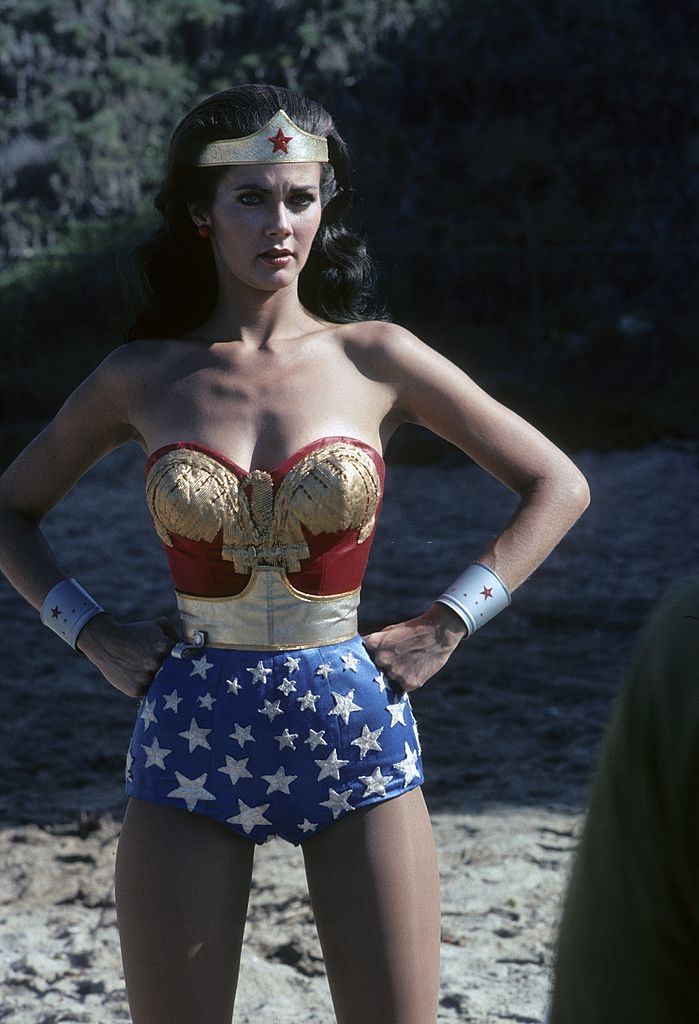
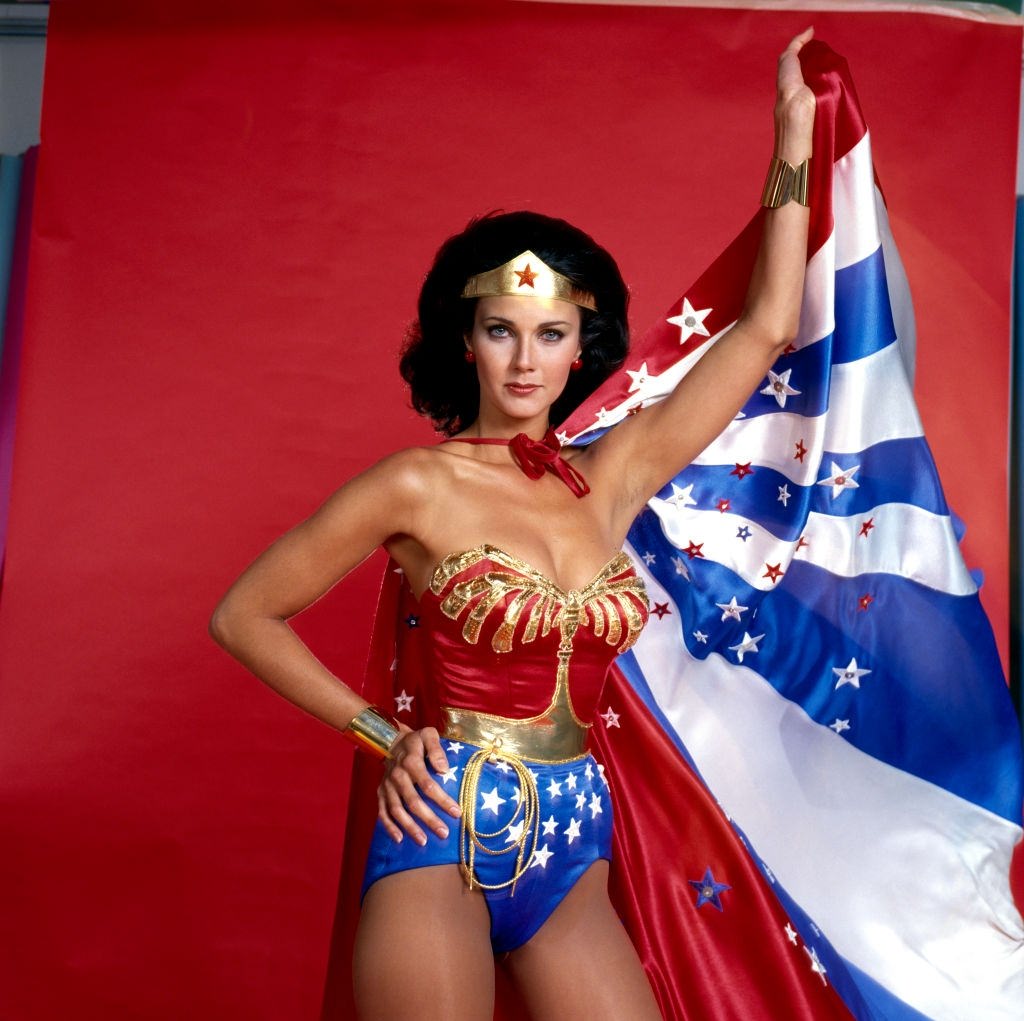
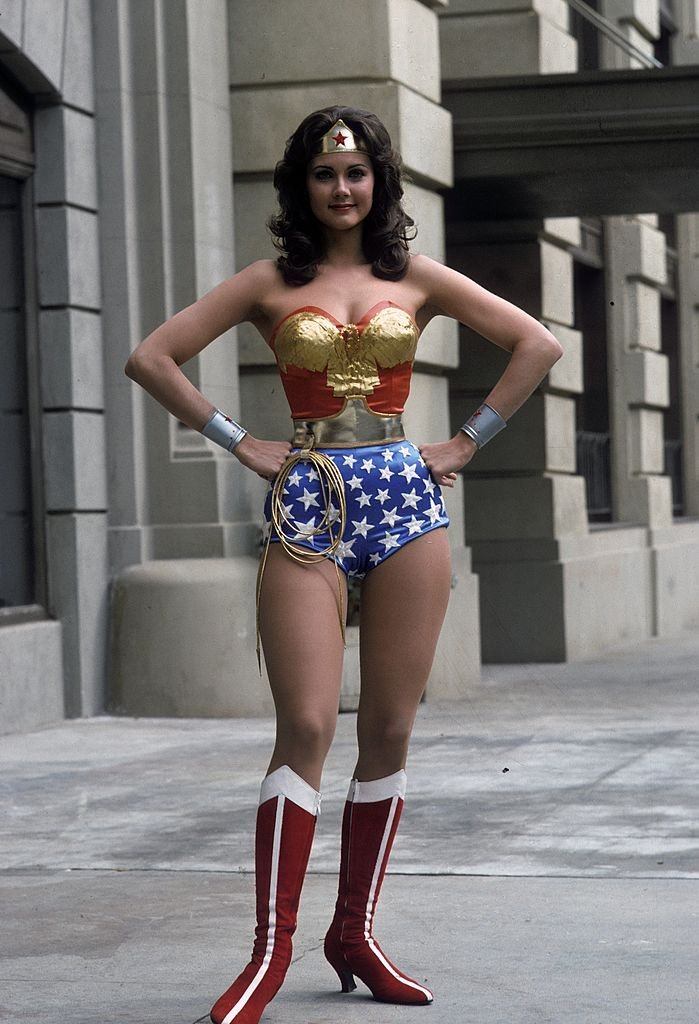
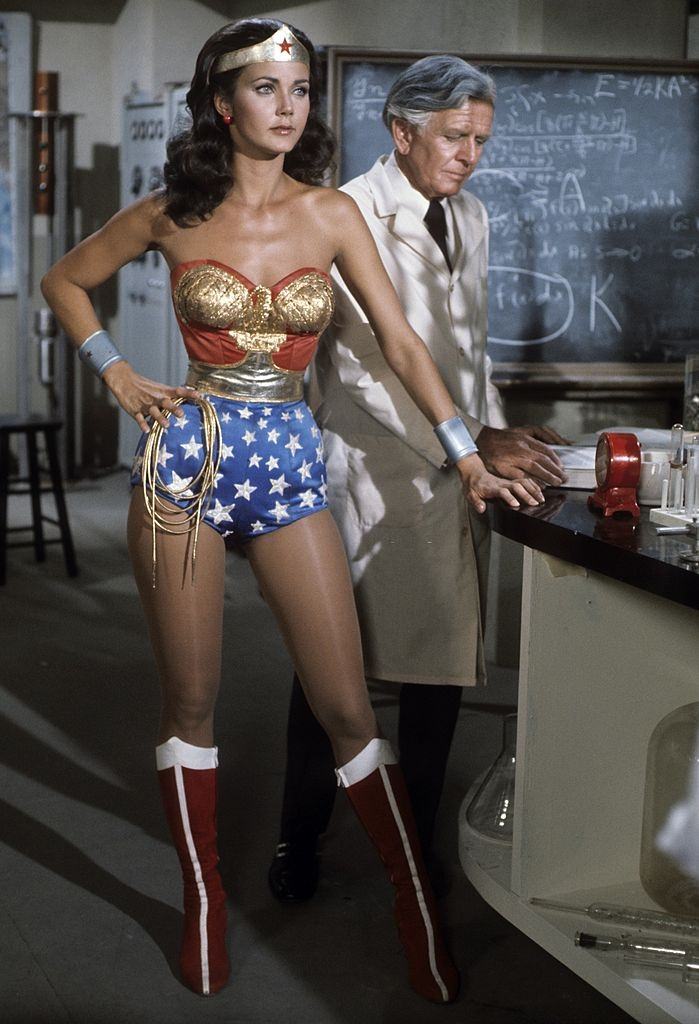
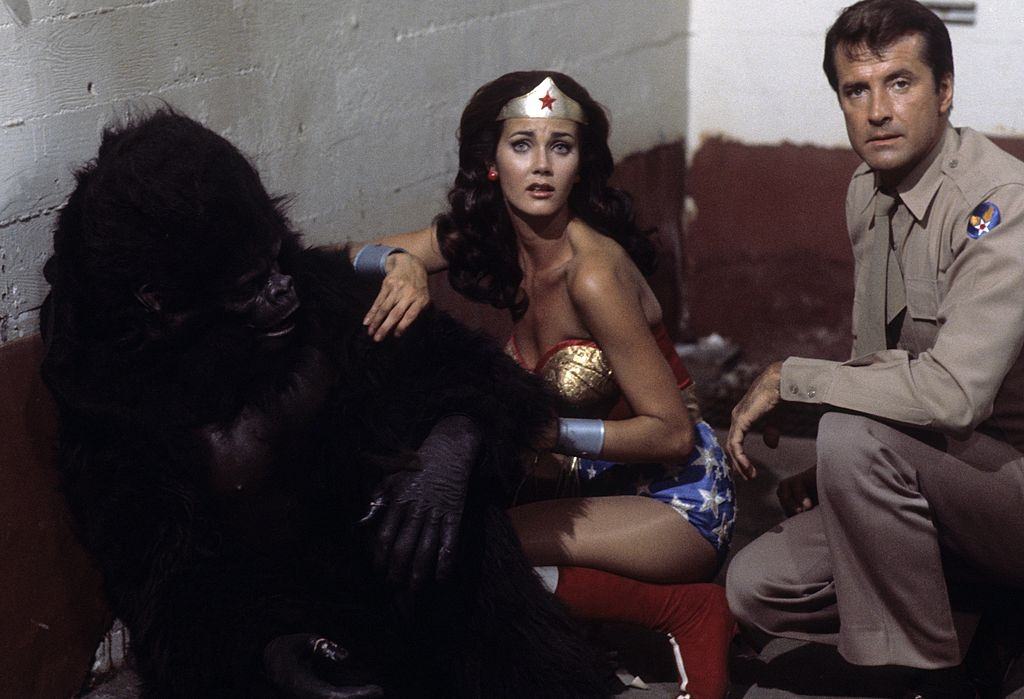
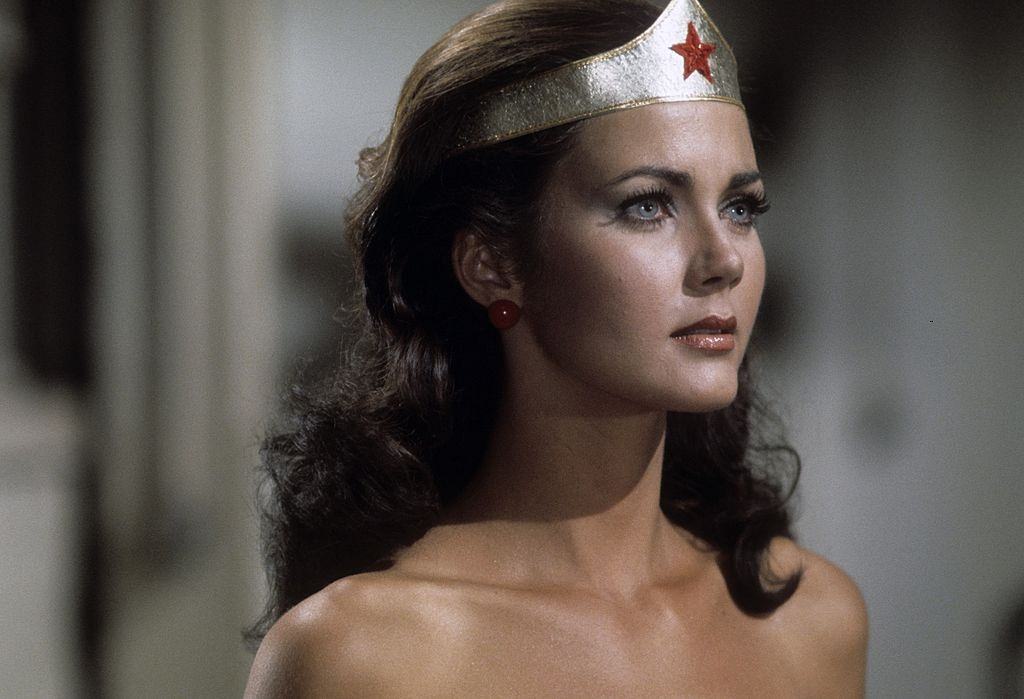
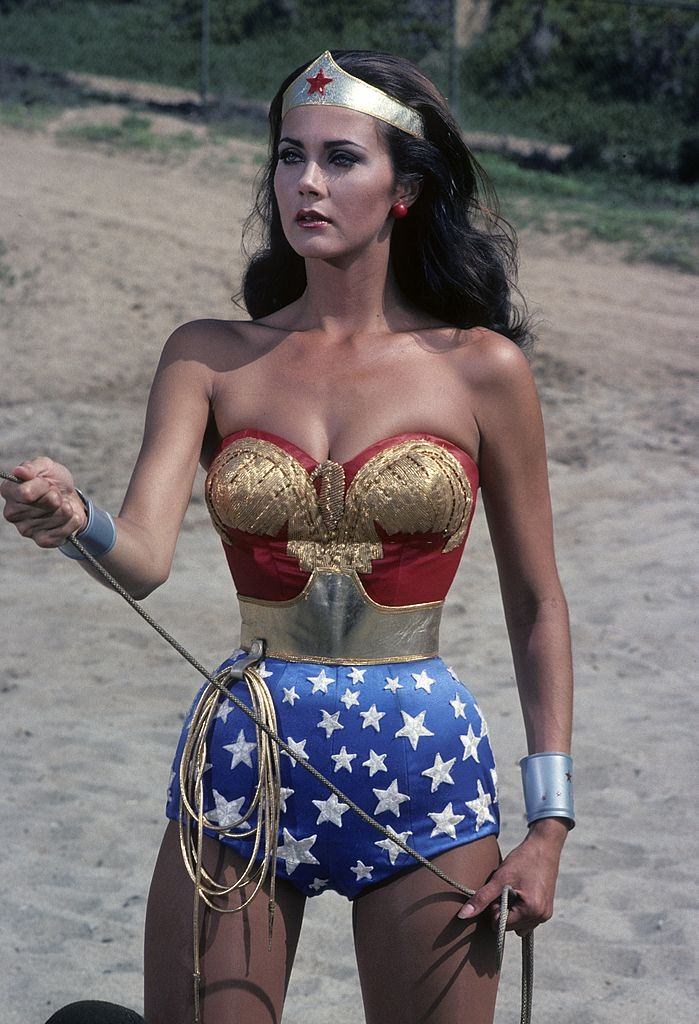
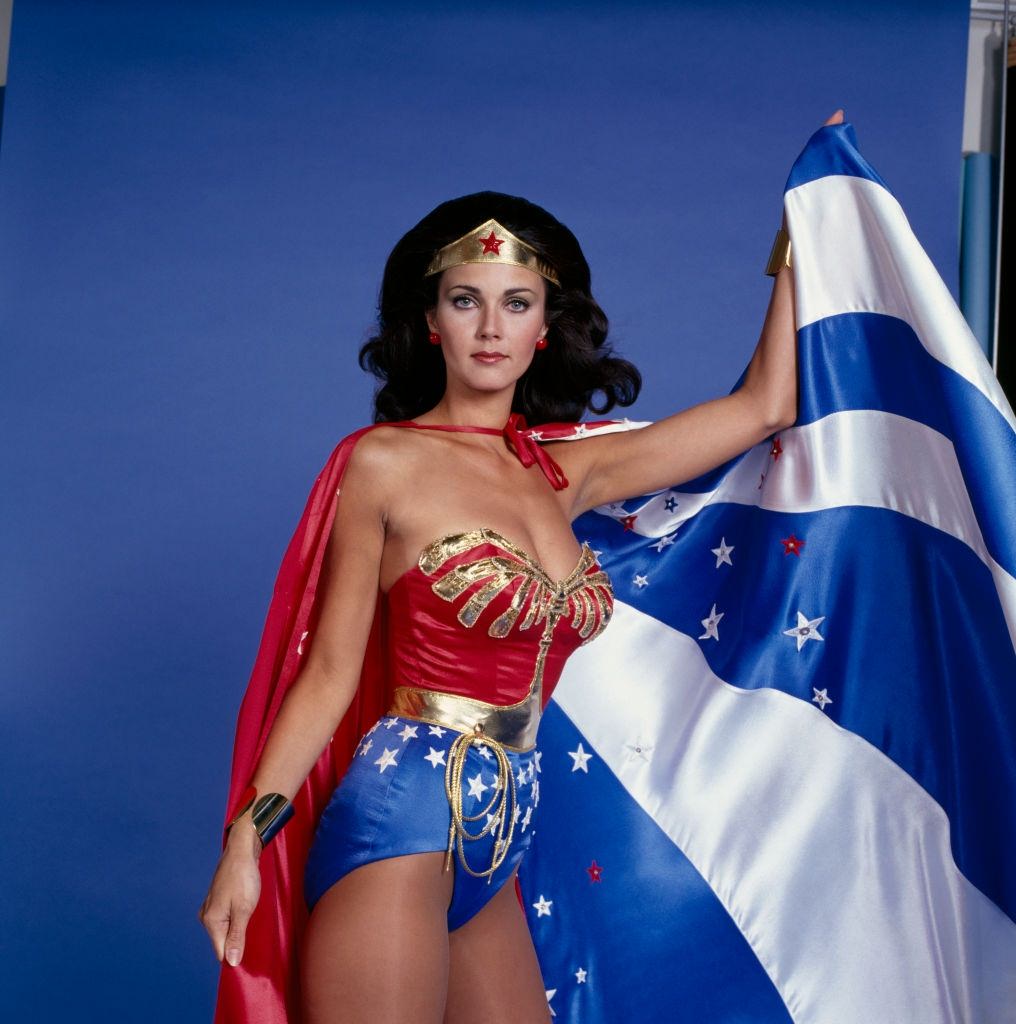
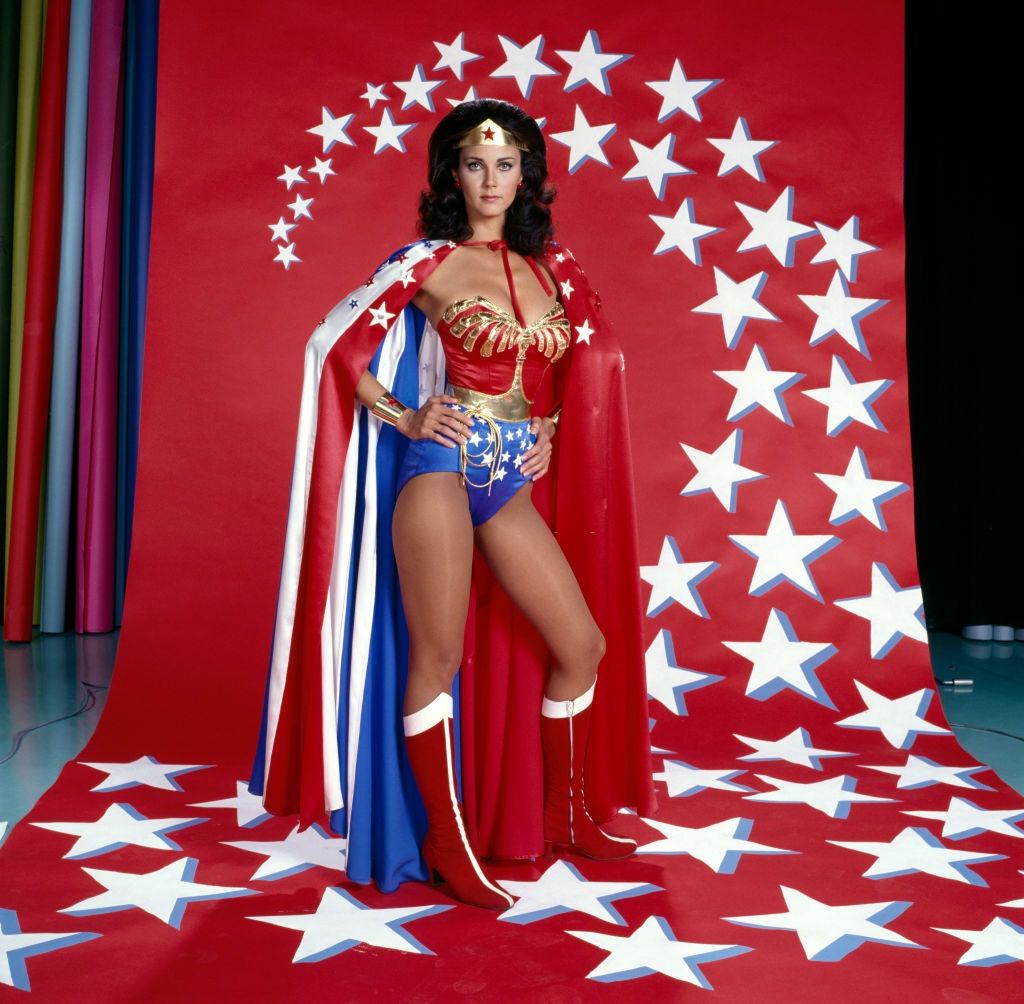
The costume Carter wore was designed to match the comic book version as closely as possible. Wonder Woman’s look in the comics — a red bodice with a gold eagle, blue shorts with white stars, red boots, a gold tiara, a gold belt, and silver bracelets on her wrists — translated directly onto the screen. The accuracy of the costume mattered to the show’s identity. It told viewers immediately that this was not a reimagined or modernized take on the character. This was the Wonder Woman they knew from the page.
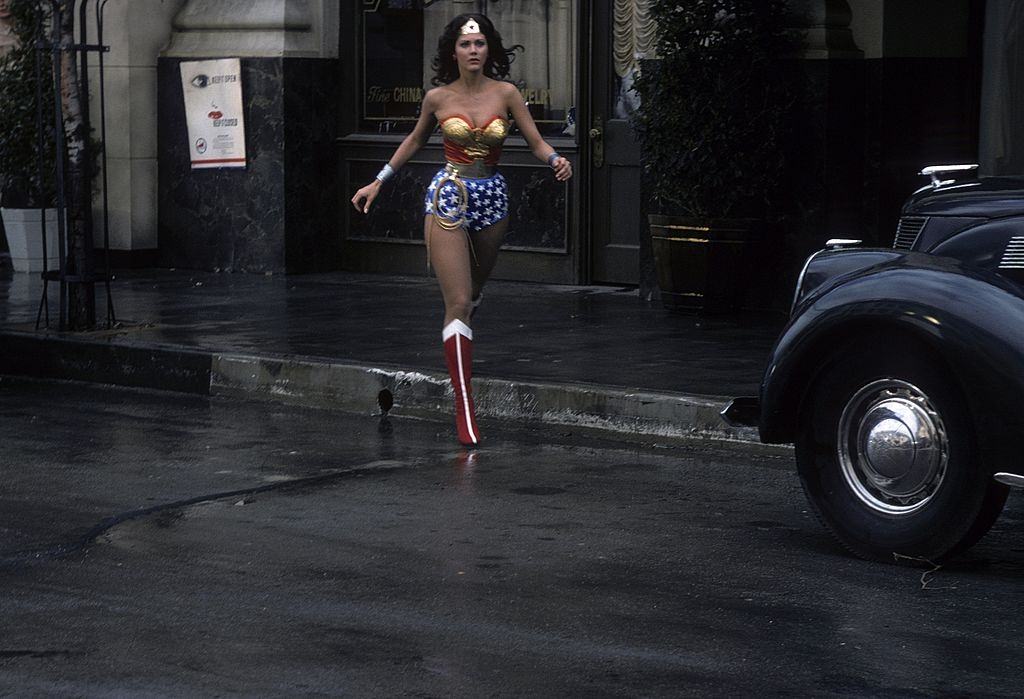
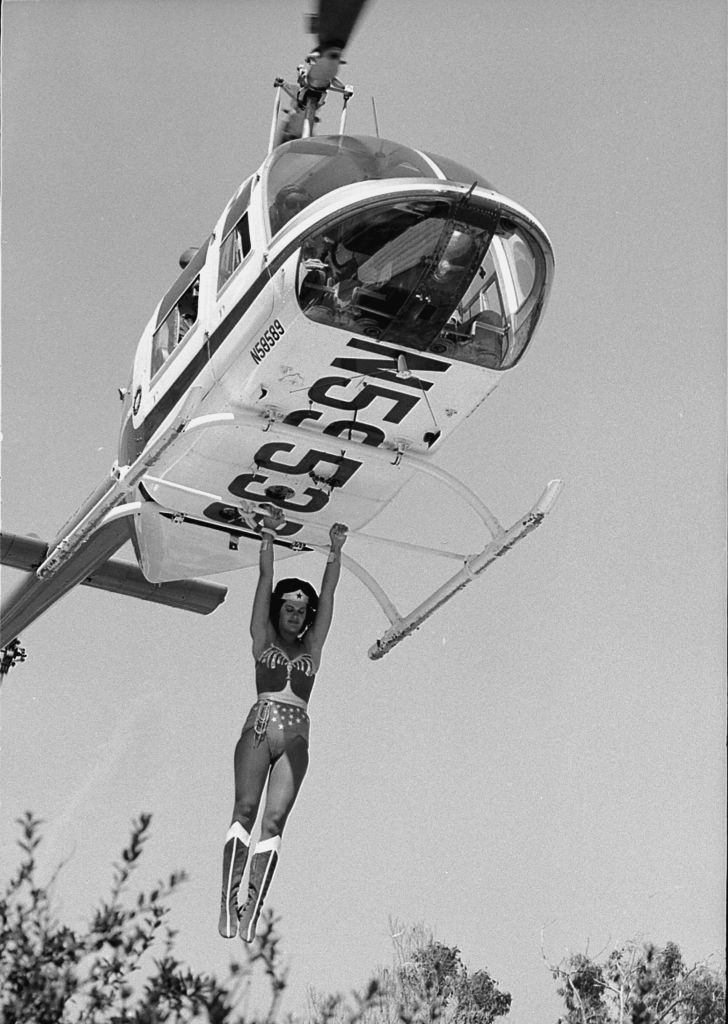
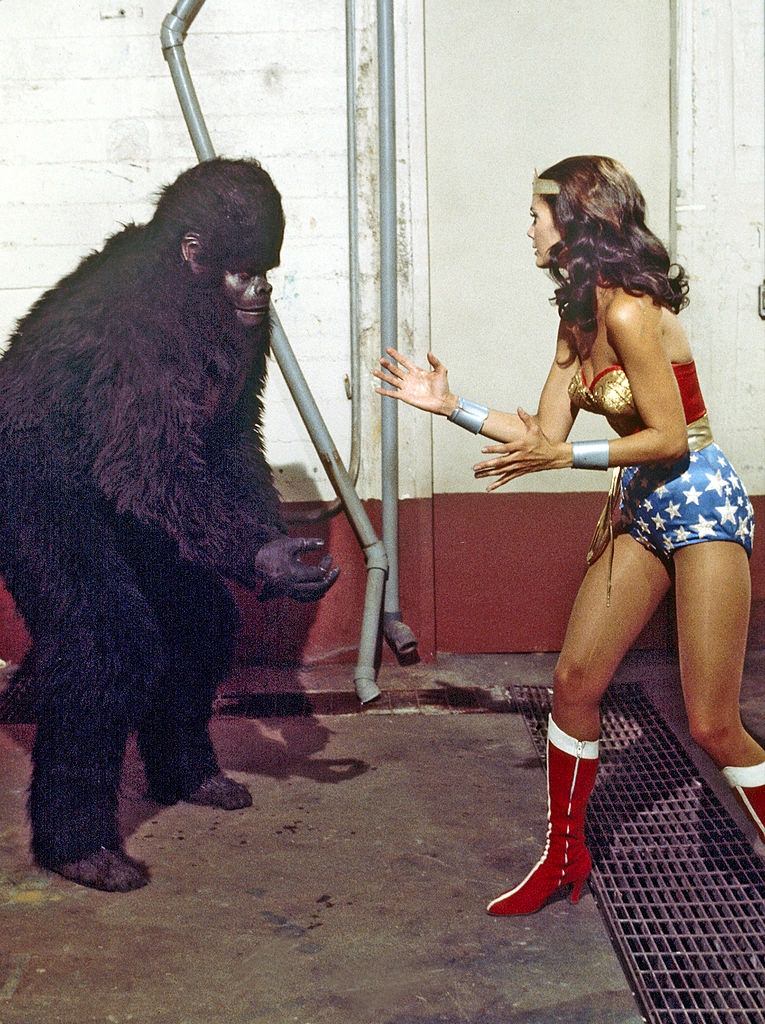
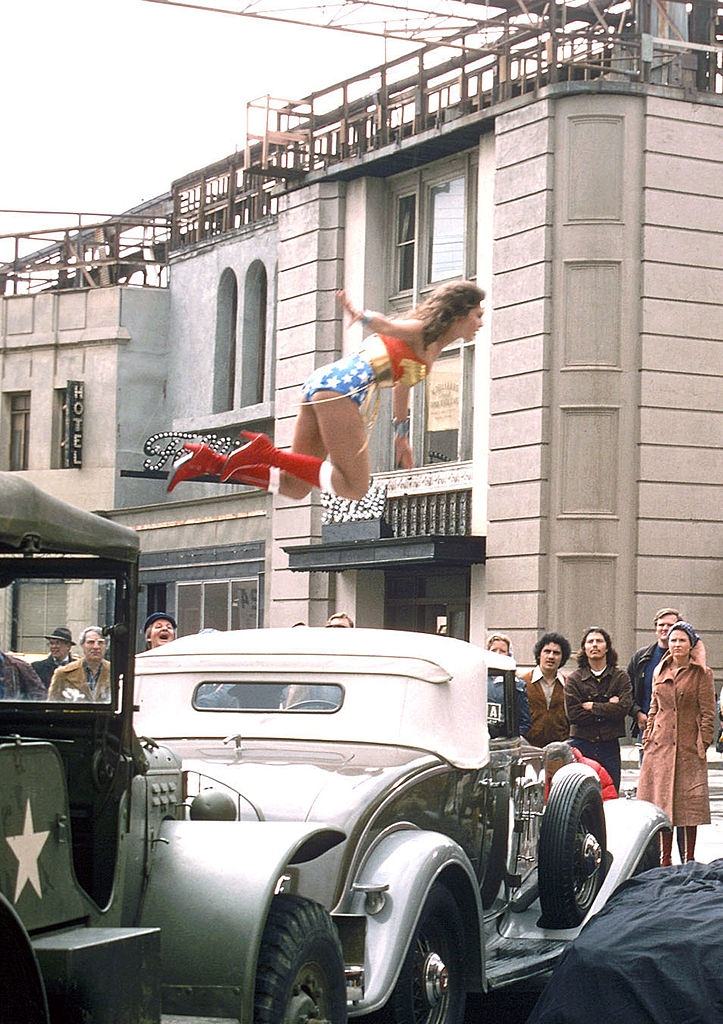
The action sequences were a central part of each episode’s appeal. Carter performed many of her own physical scenes, and the production made the most of Wonder Woman’s abilities — running down vehicles, deflecting bullets with her bracelets, and demonstrating superhuman strength. The special effects were by no means seamless. The invisible plane, for instance, was visibly outlined rather than truly invisible. But the show leaned into its own style, and audiences accepted it as part of the fun.
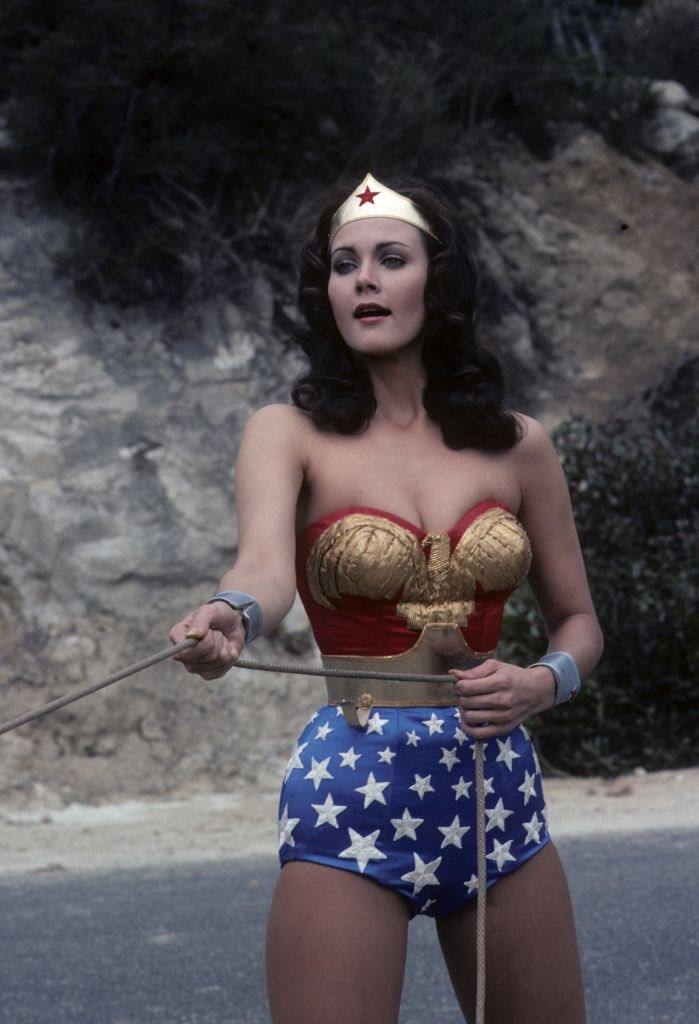
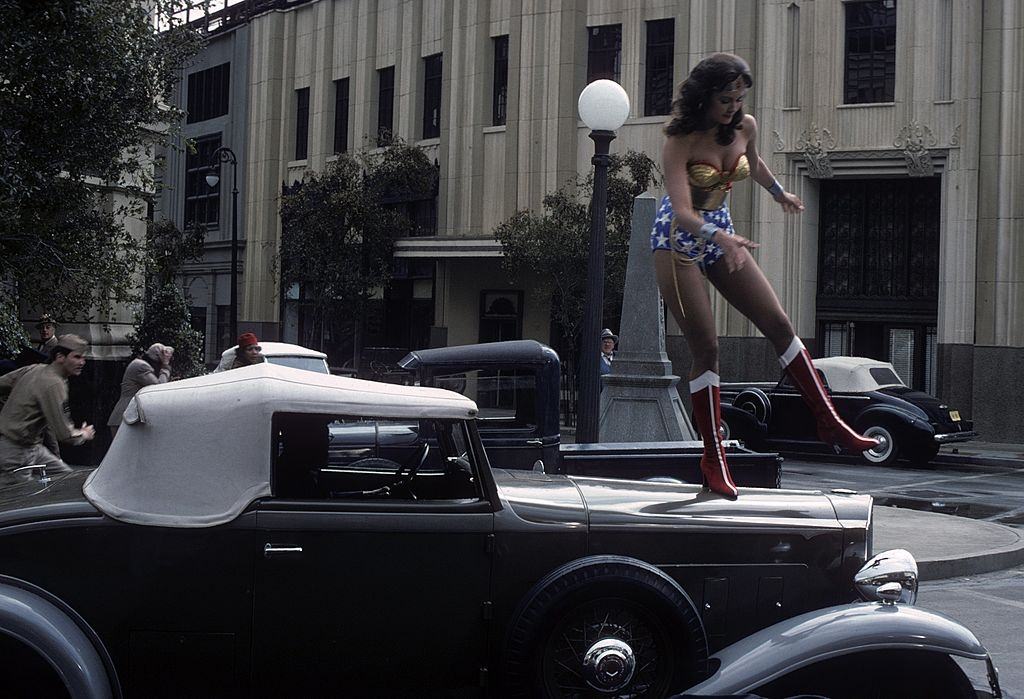
Each episode was framed visually in a way that recalled the panels of a comic book. Camera angles, action beats, and staging all reinforced the source material’s look and feel. The show walked a fine line — it frequently touched the edge of camp, the exaggerated, theatrical style common to many 1970s genre series, but it always told its stories straight. There was no winking at the audience or undercutting the drama with irony. Carter played her role sincerely, and that sincerity kept the show grounded.
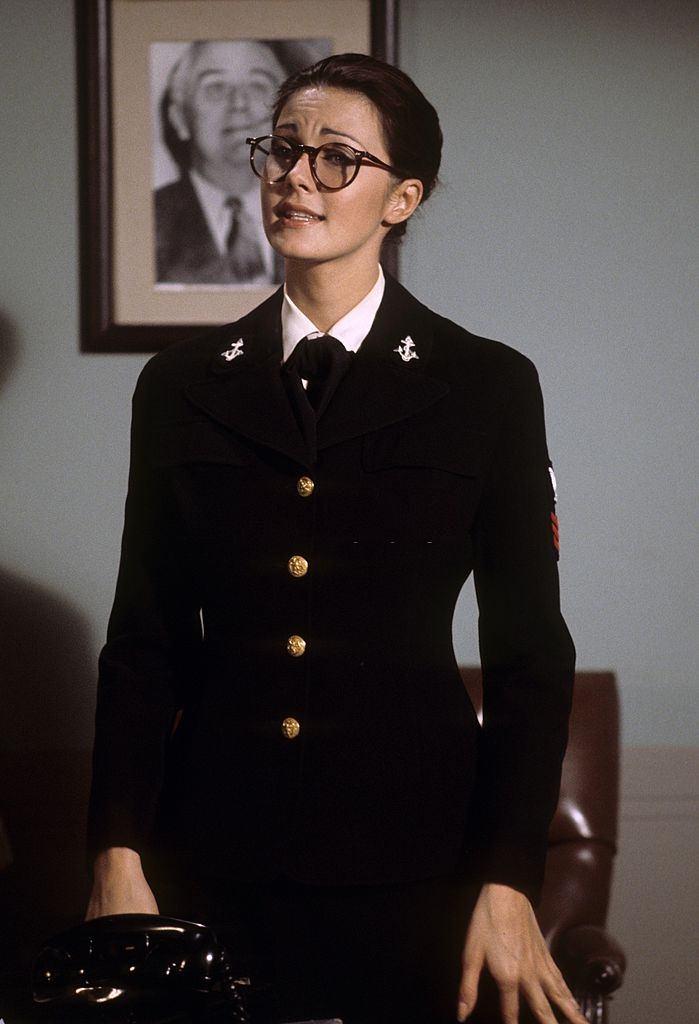
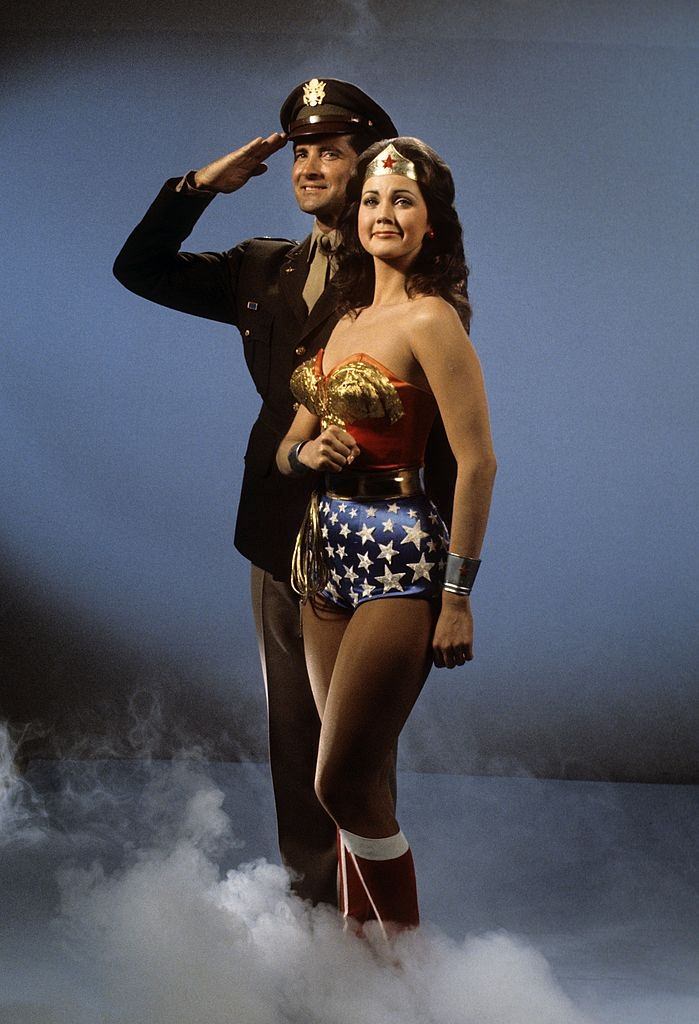
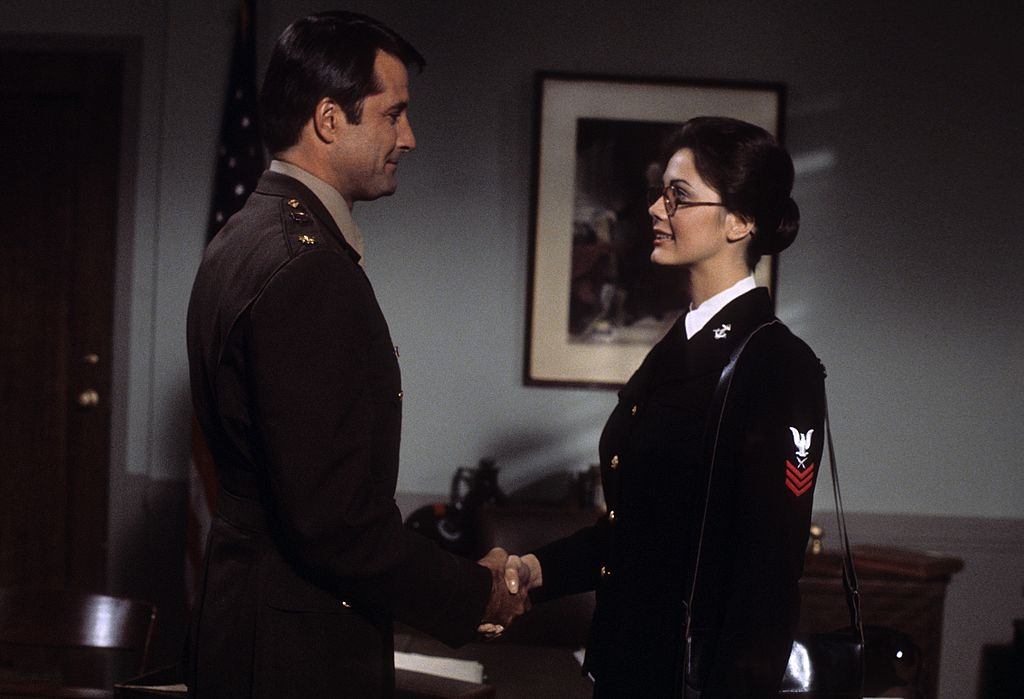
Alongside Carter, Lyle Waggoner played Major Steve Trevor, the American pilot whose crash on Paradise Island sets the original Wonder Woman story in motion. In the comics, Trevor eventually realizes that his colleague Diana Prince is the same superhero who keeps saving him — a deliberate gender reversal of the Lois Lane and Clark Kent dynamic from Superman.
The character of Wonder Woman was created by William Moulton Marston, writing under the pen name Charles Moulton, for DC Comics. She first appeared in a backup story in All Star Comics No. 8, published in December 1941. The origin story established in that era remained the foundation for everything that followed. An American pilot named Steve Trevor crashes his plane over Paradise Island, the home of the Amazons. Princess Diana nurses him back to health. When the Amazons hold a tournament to choose who will escort Trevor back to the outside world — referred to as “Man’s World” — Diana is forbidden from entering. She competes anyway, in disguise, wins, and receives the Wonder Woman costume as a result. She then travels to the United States under the alias Diana Prince.
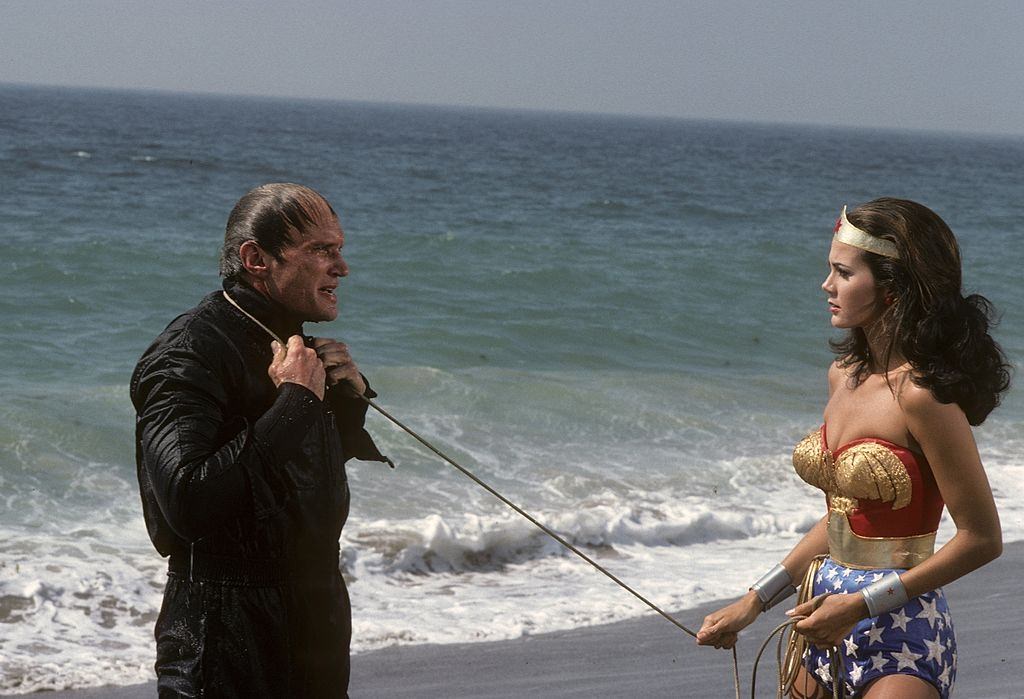
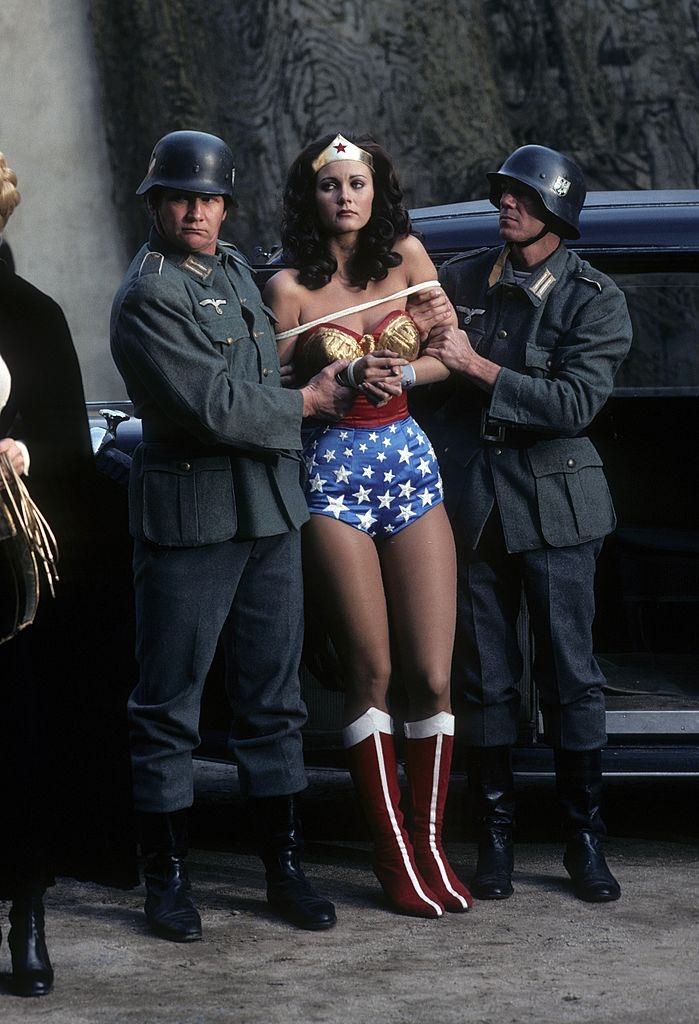
The television series drew heavily from this origin for its first season. The World War II setting gave the show a clear backdrop — Nazi villains, wartime intrigue, and espionage plots that fit naturally with Wonder Woman’s wartime comic book roots. Episodes like ‘Fausta: The Nazi Wonder Woman’ and ‘Wonder Woman Meets Baroness Von Gunther’ put Carter directly against antagonists pulled from the comic’s early history.
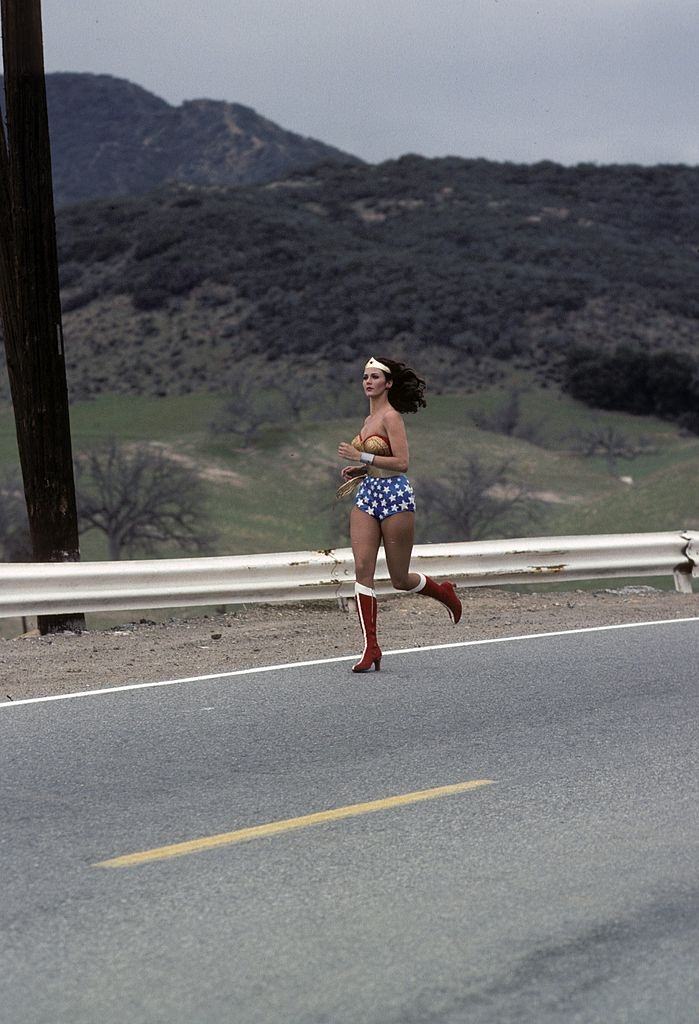
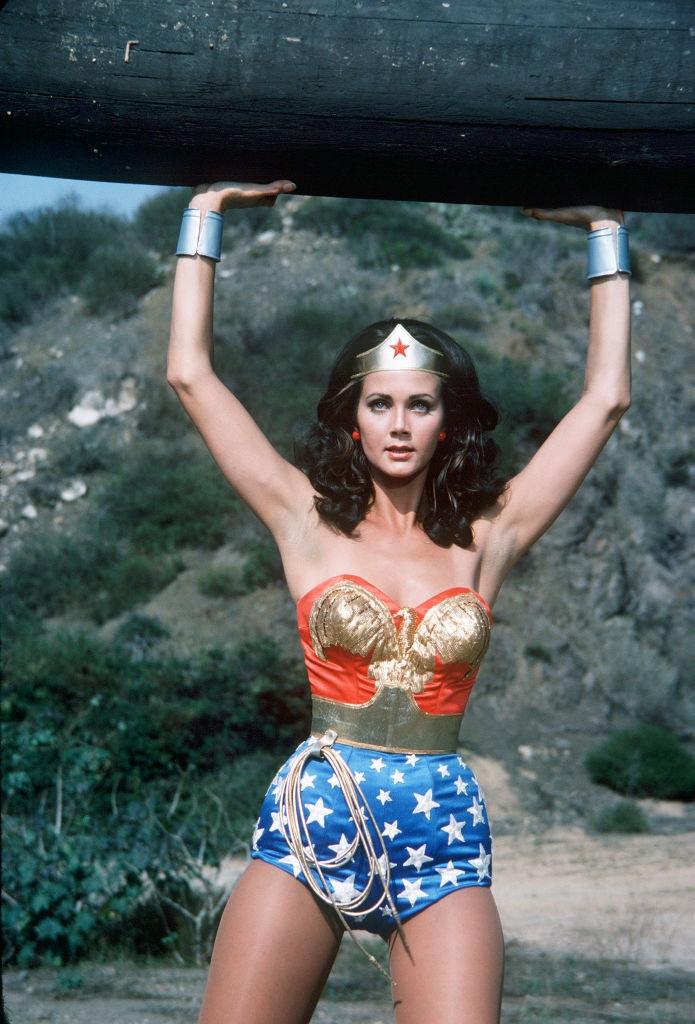
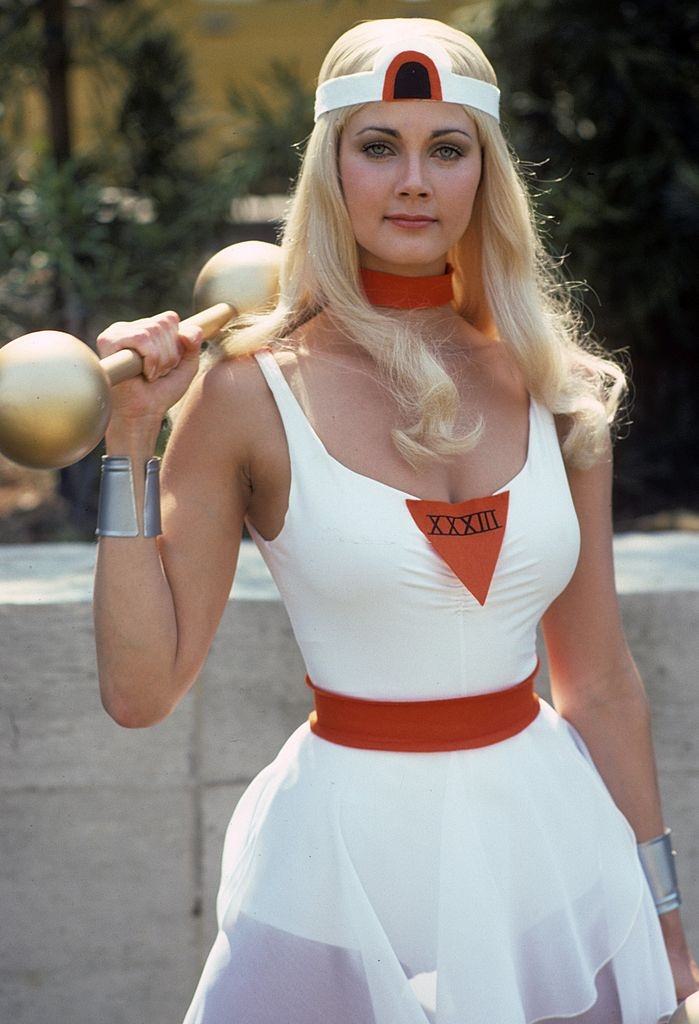
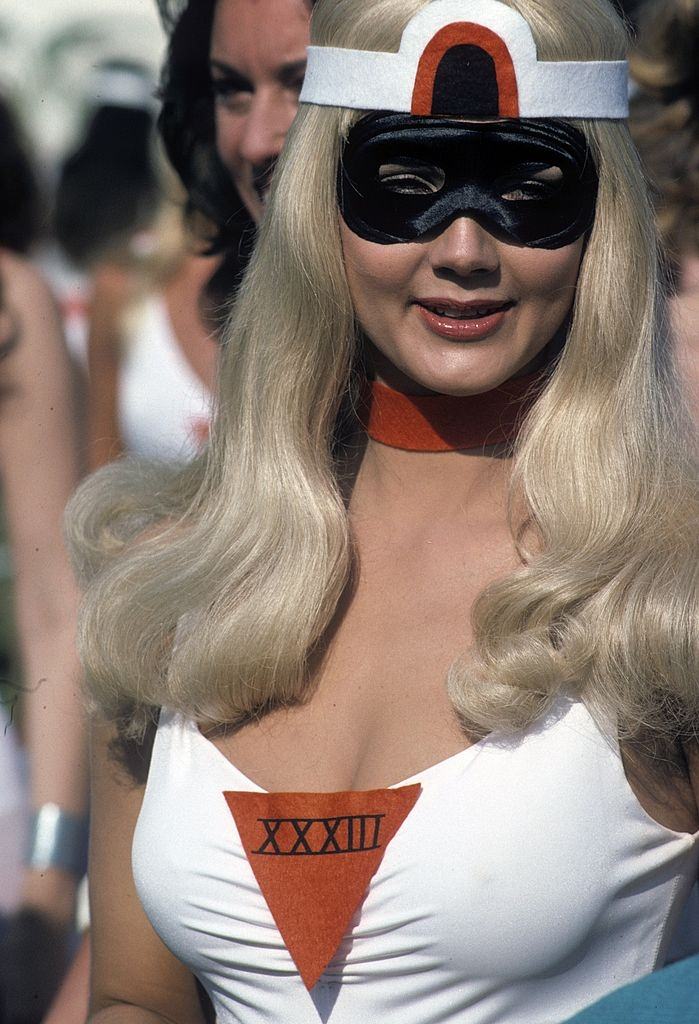
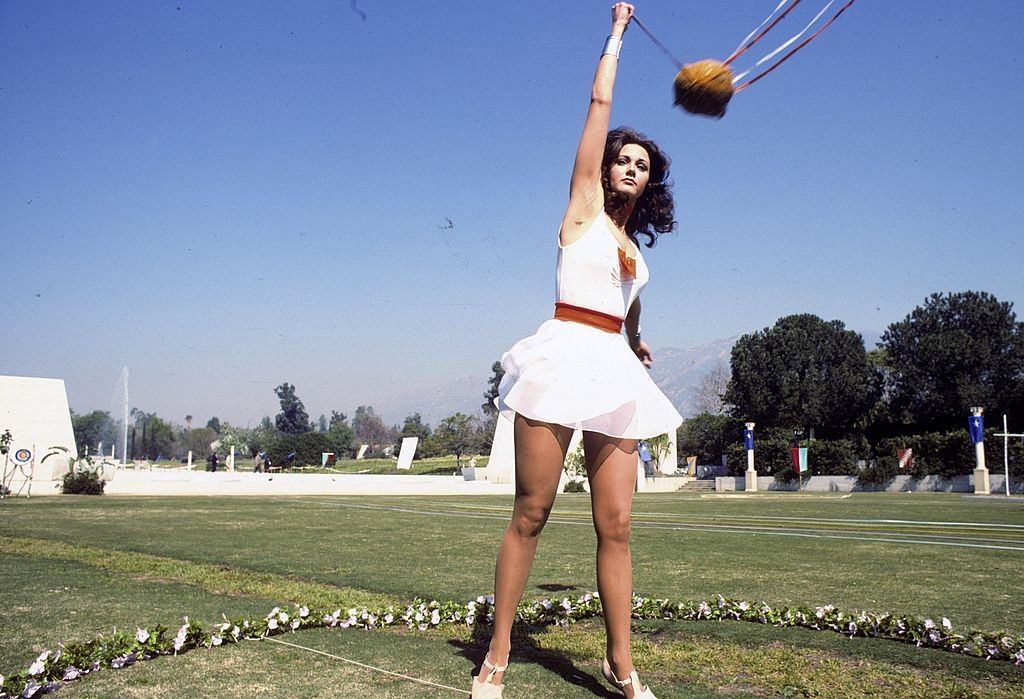
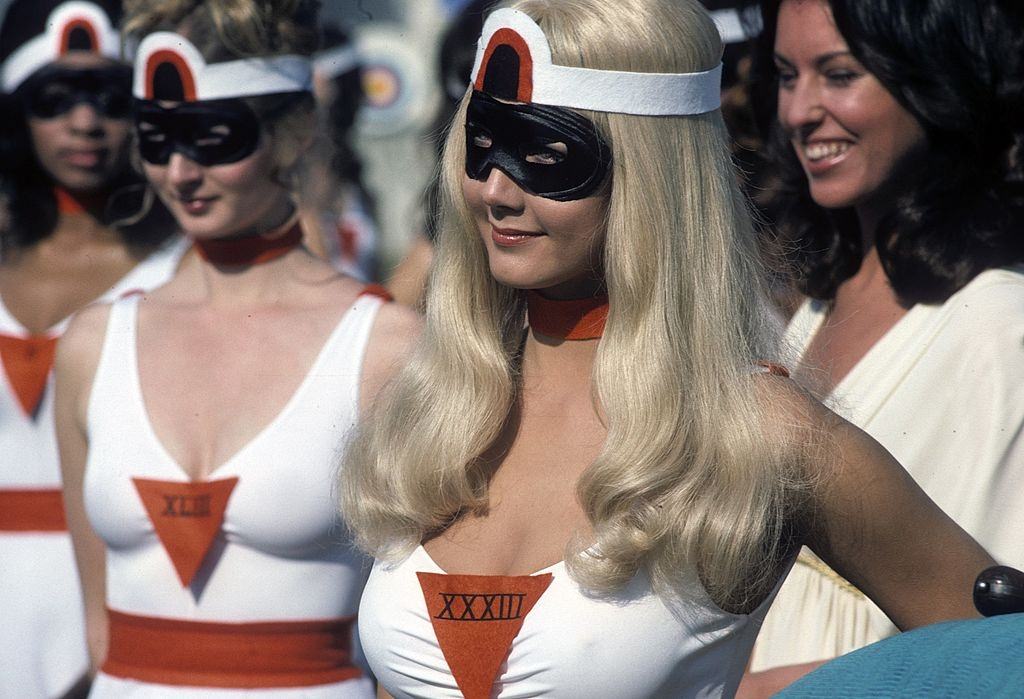
The ‘Beauty on Parade’ episode in 1976 featured Carter going undercover in a beauty contest to expose a sabotage operation — a setup that played directly to her real-world background as a pageant winner, while placing Wonder Woman in a distinctly civilian environment. The episode is an example of how the series balanced action with character-driven stories.
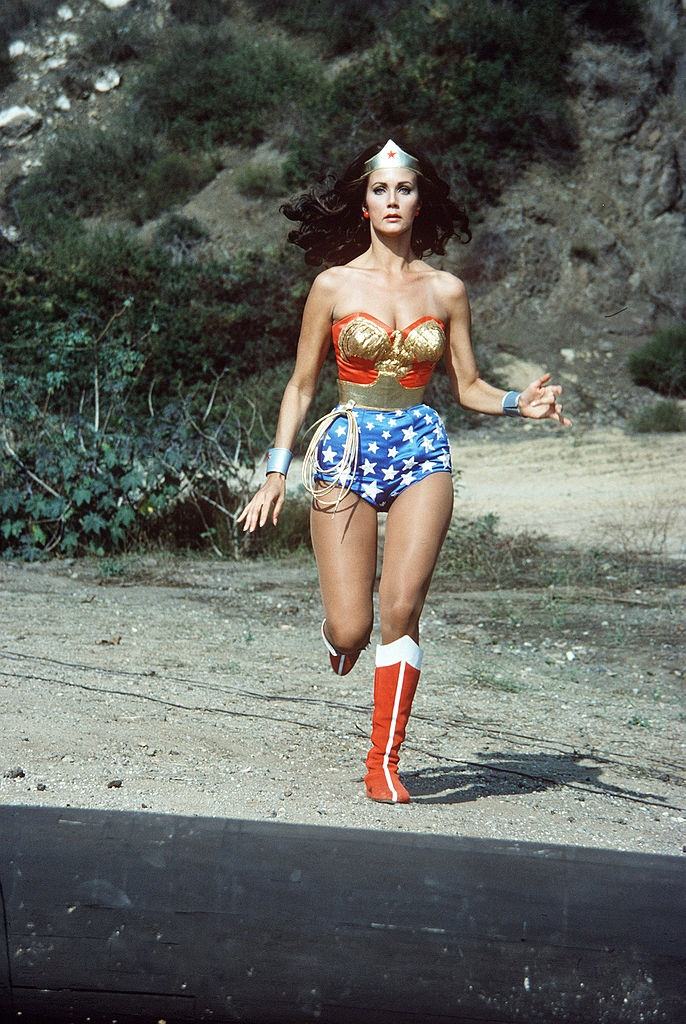
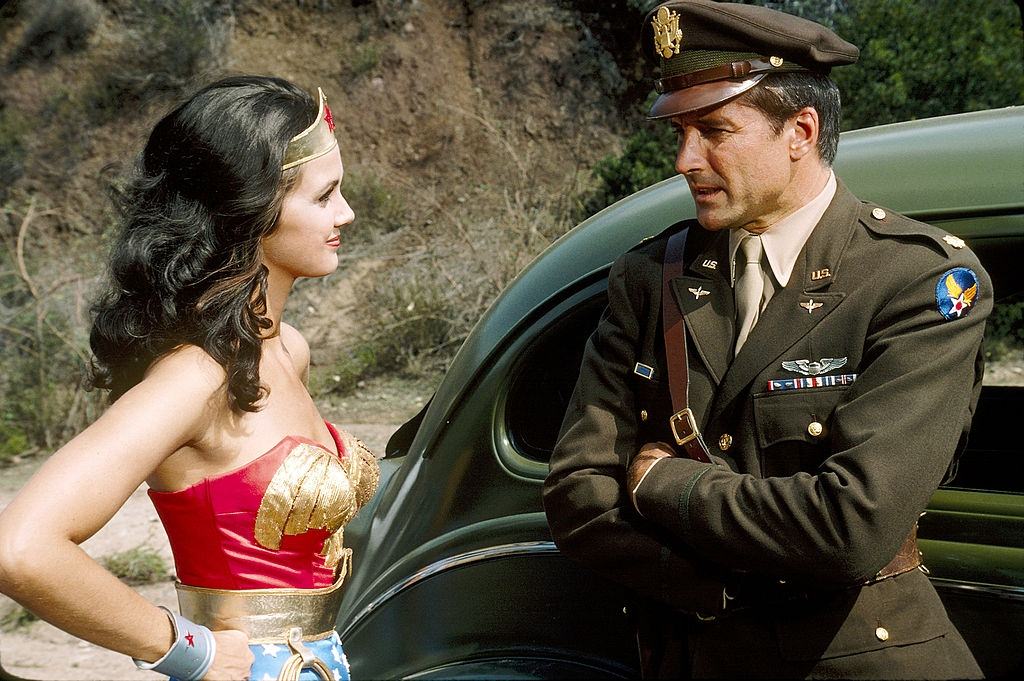
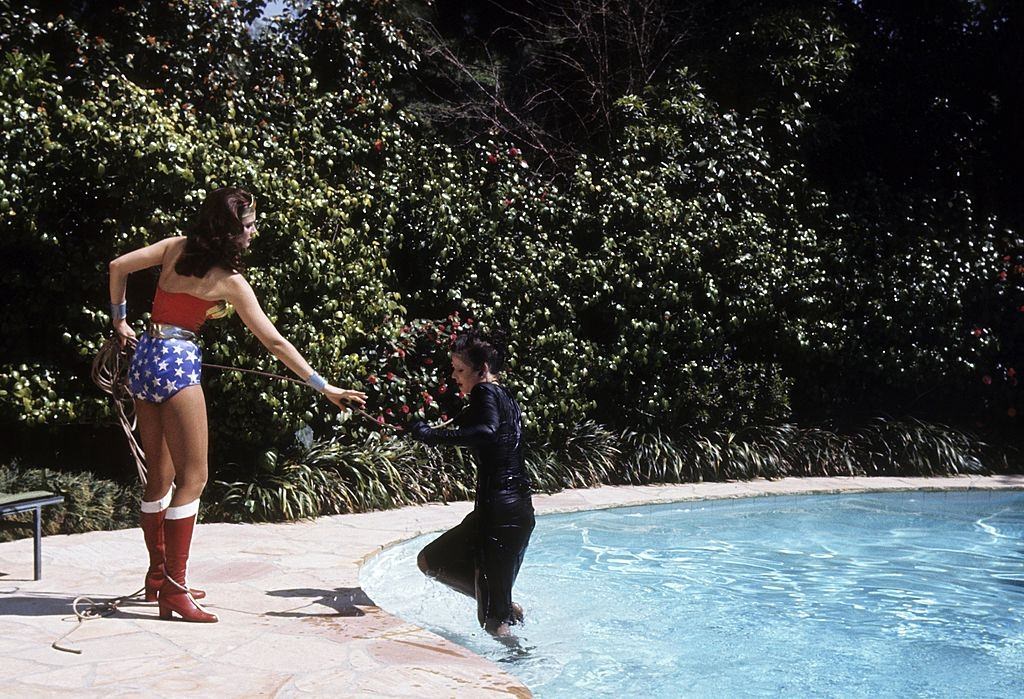
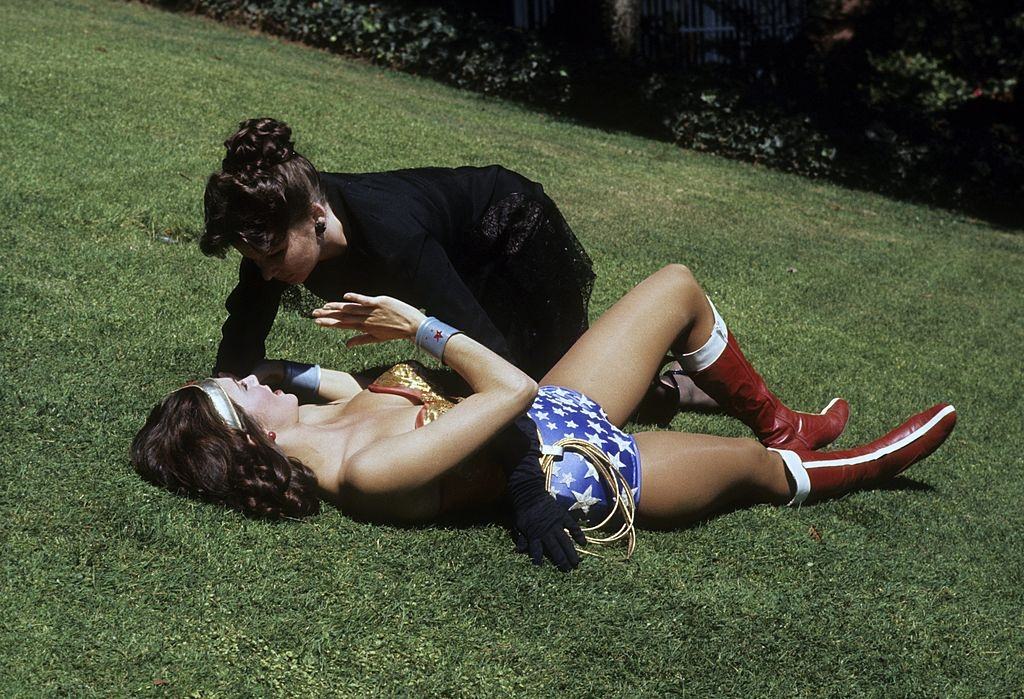
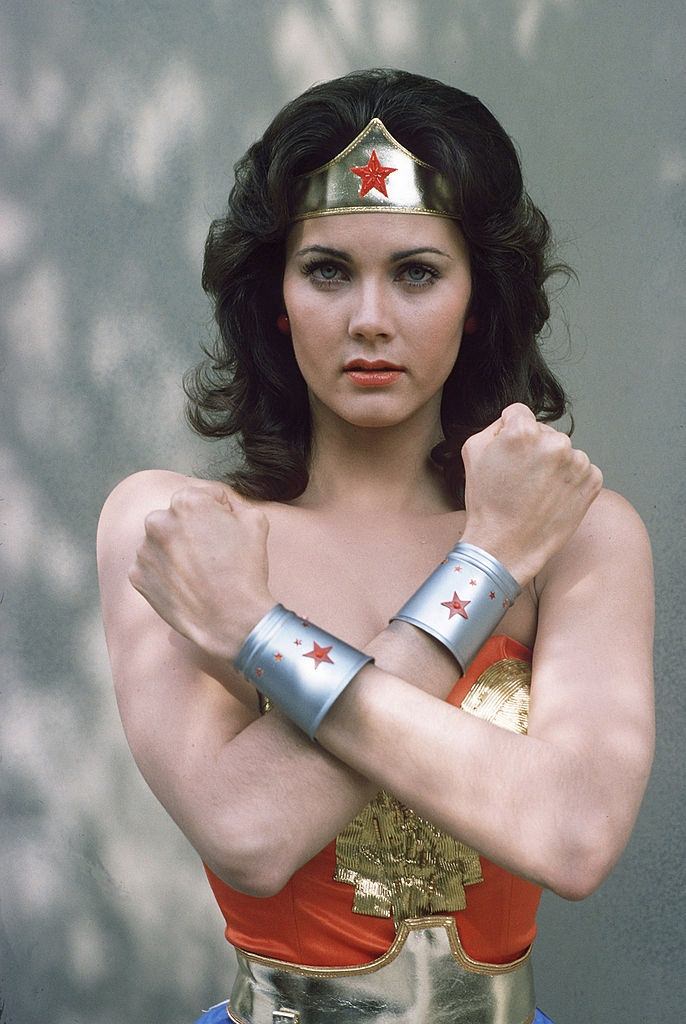
Fame brought complications Carter hadn’t anticipated. After the show ended, she spoke openly to US Weekly about what it was like to be perceived as a sex symbol. “I never meant to be a sexual object for anyone but my husband,” she said. “I never thought a picture of my body would be tacked up in men’s bathrooms. I hate men looking at me and thinking what they think. And I know what they think. They write and tell me.” The role had made her one of the most recognized women in America, but not always in the way she had intended.
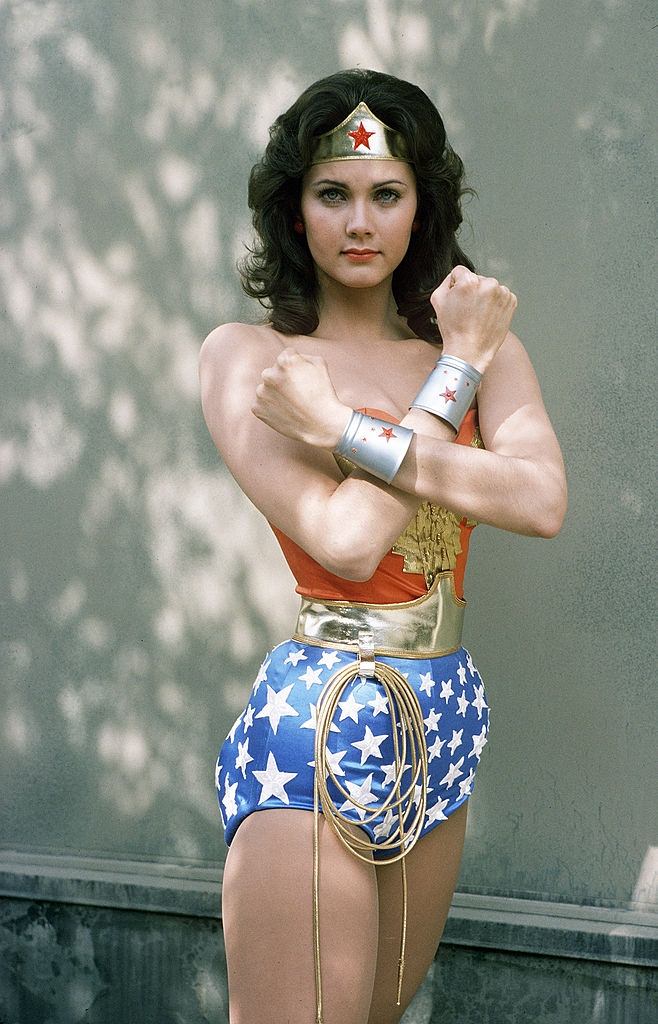
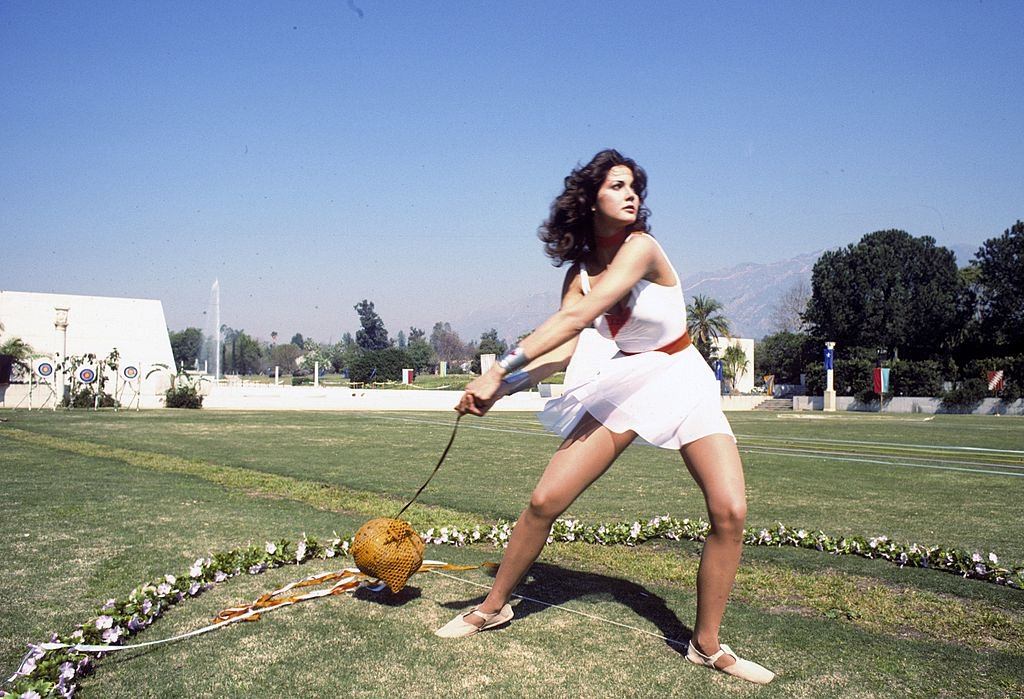
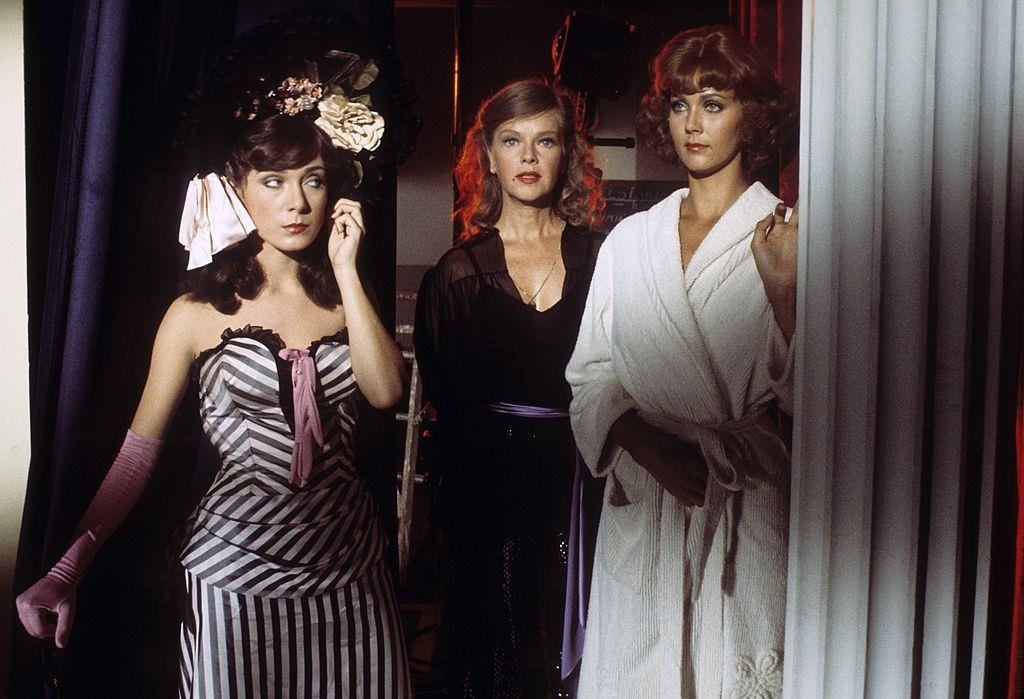
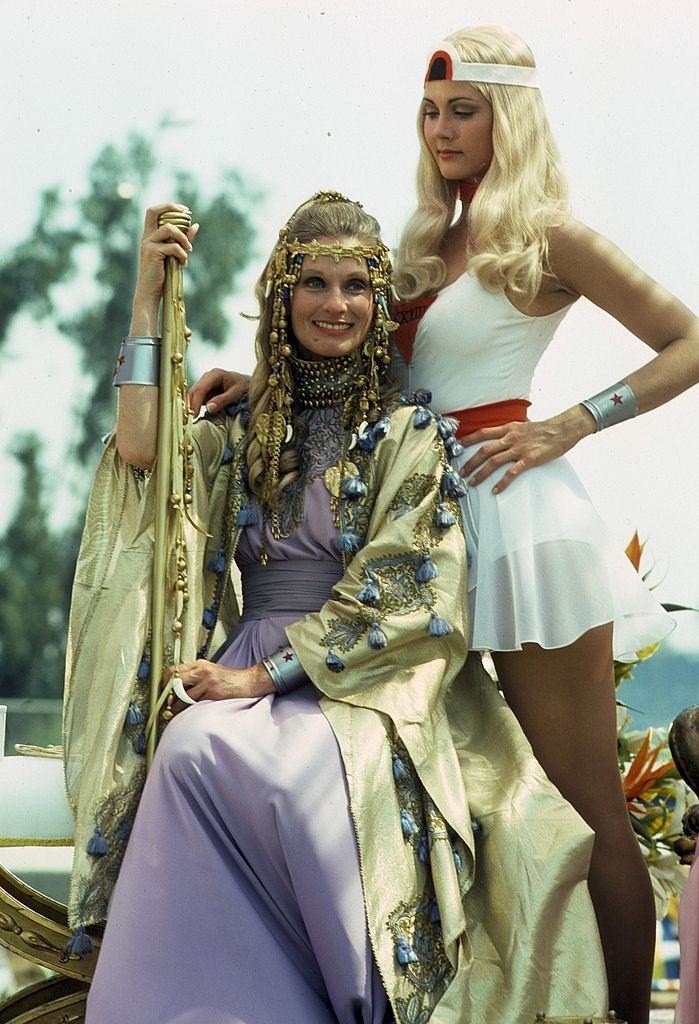
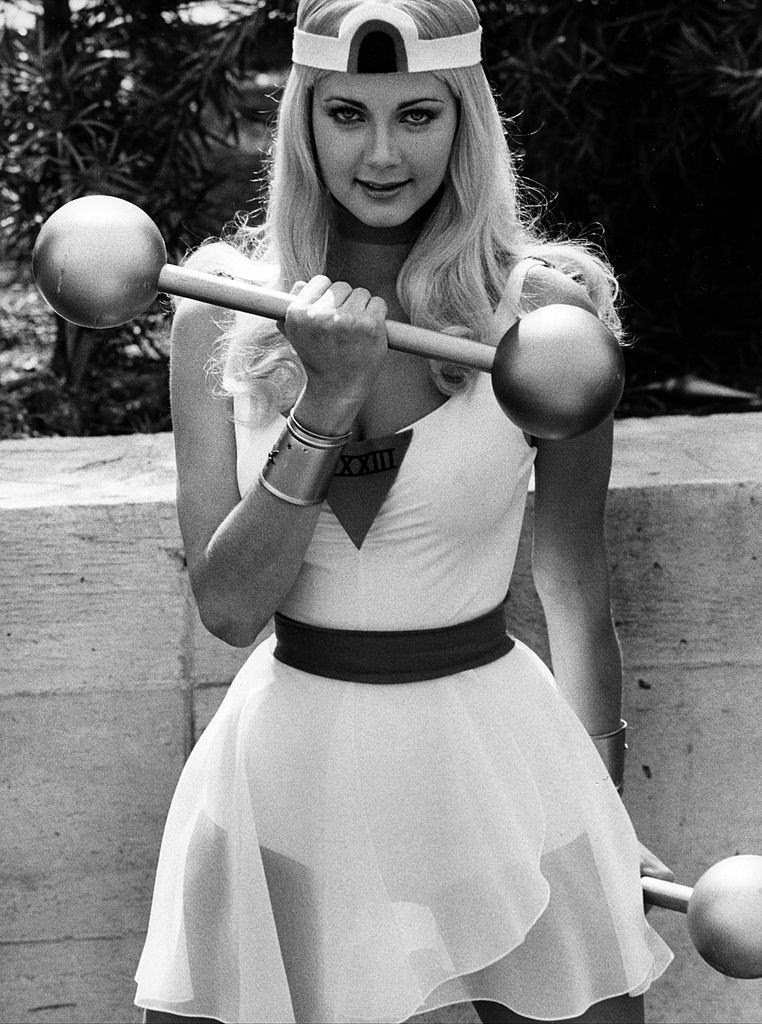
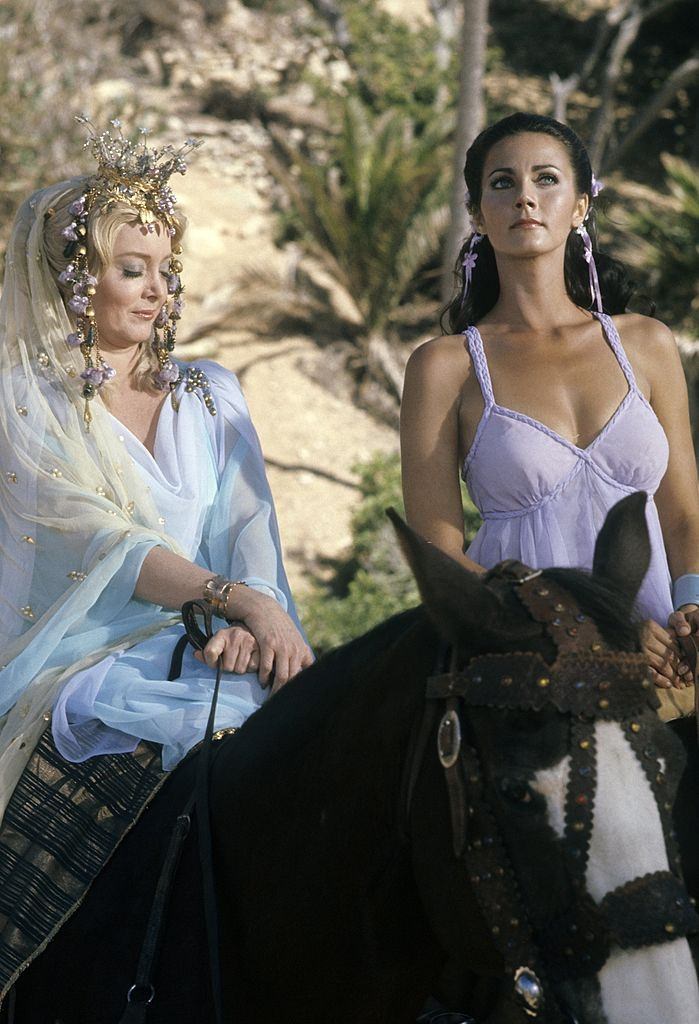
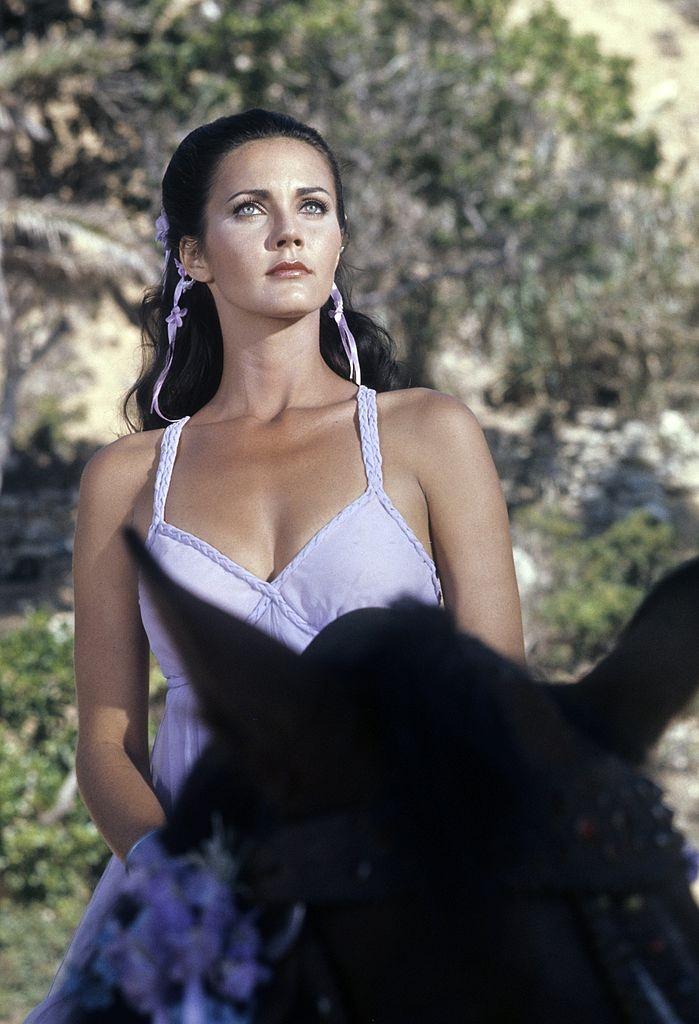
The ‘Feminum Mystique’ episodes from 1976 brought Paradise Island itself to screen, introducing Carter to a wider cast of Amazons and giving the series a chance to explore Wonder Woman’s origins more directly. Carolyn Jones appeared in the episode, one of several guest stars from the era who lent the show credibility beyond its genre fanbase.
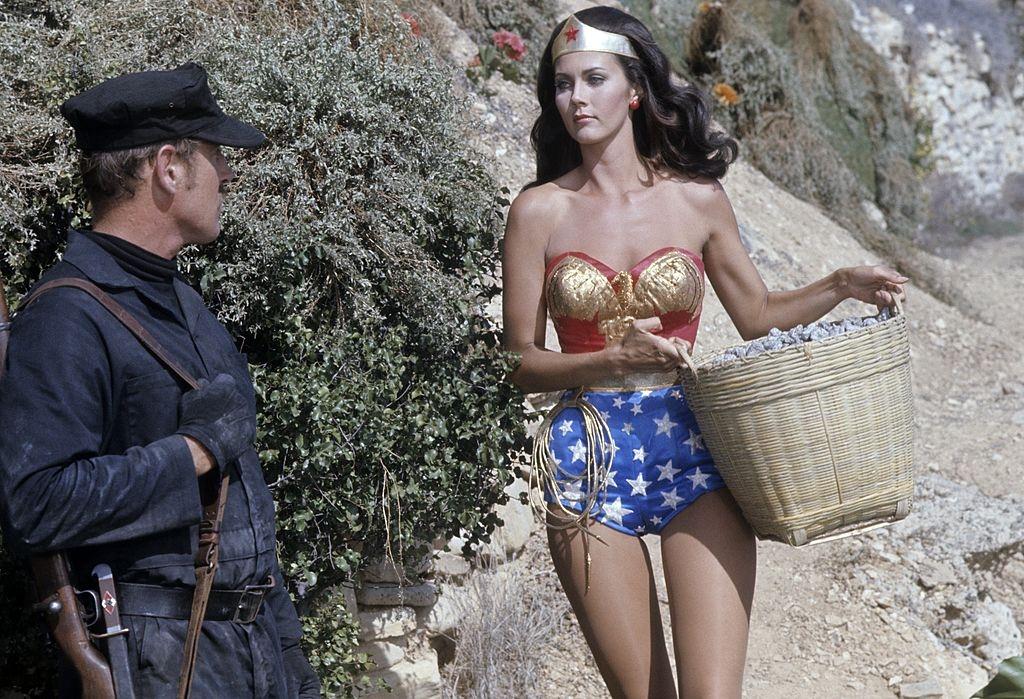
In the DC Comics of the 1970s, writers moved their stories back to the World War II setting specifically to align with the television series. DC’s editorial framework resolved the timeline by establishing that the wartime Wonder Woman lived on Earth-Two — a parallel world in DC continuity where she had begun her adventures in the 1940s and joined the Justice Society of America. This kept the comics connected to the show without disrupting the modern continuity.
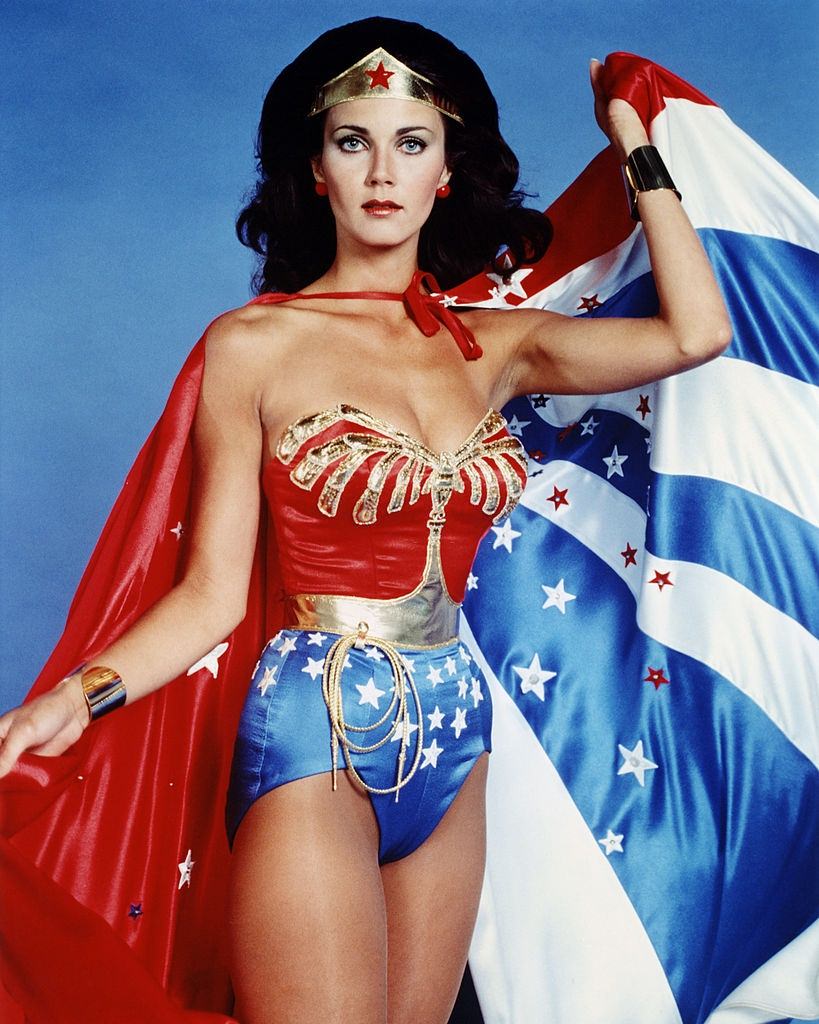
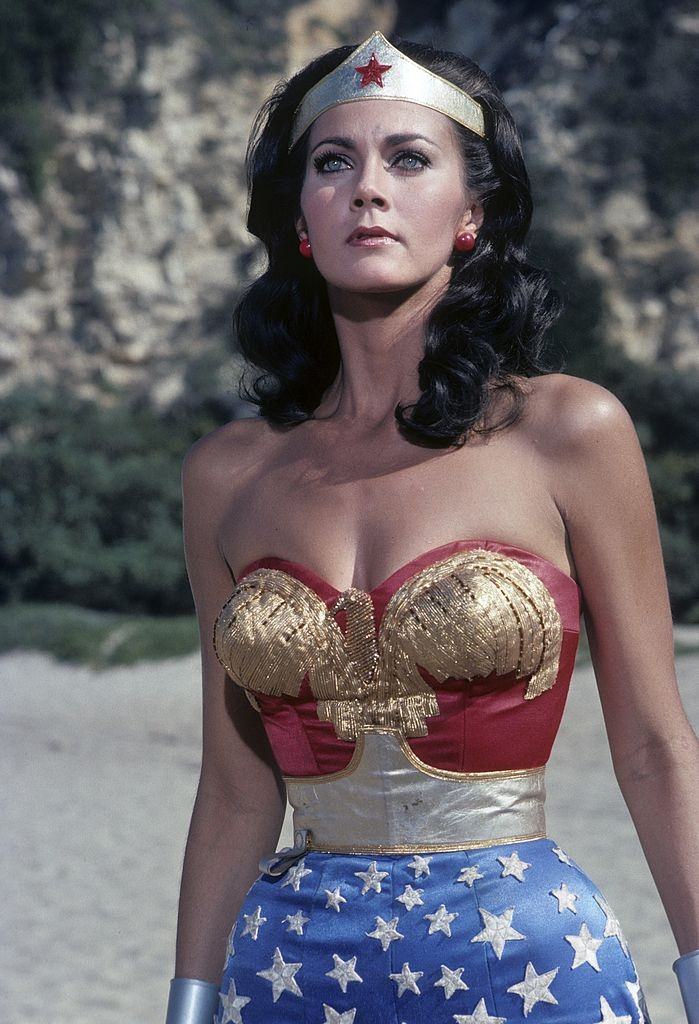
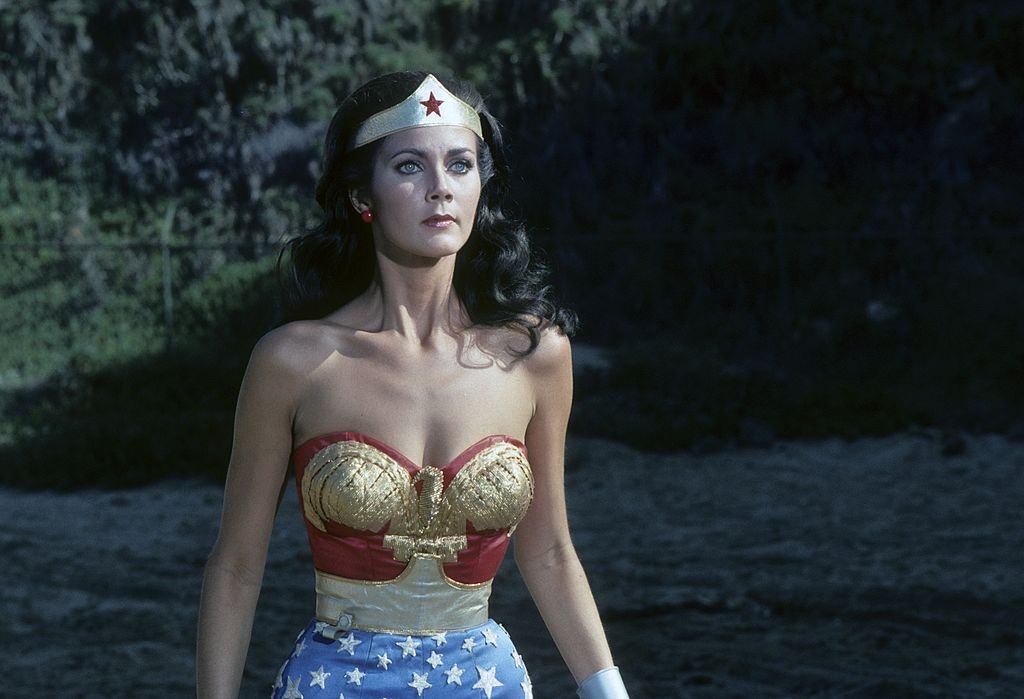
By 1977, the series had moved to CBS and updated its setting to the contemporary era. The retitled ‘New Adventures of Wonder Woman’ kept Carter in the lead role but placed Diana Prince in a modern intelligence agency rather than a wartime military unit. The tone shifted slightly — fewer Nazi villains, more Cold War-era threats — but Carter’s performance remained consistent. The catchy theme song, which had become instantly recognizable by this point, stayed with the show throughout its run.
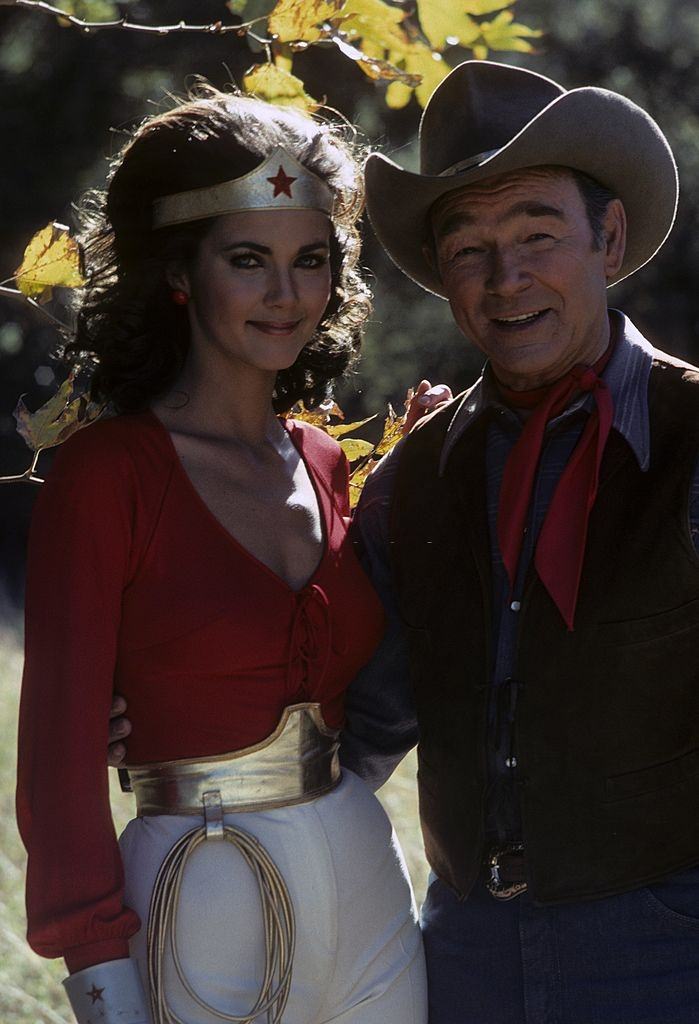
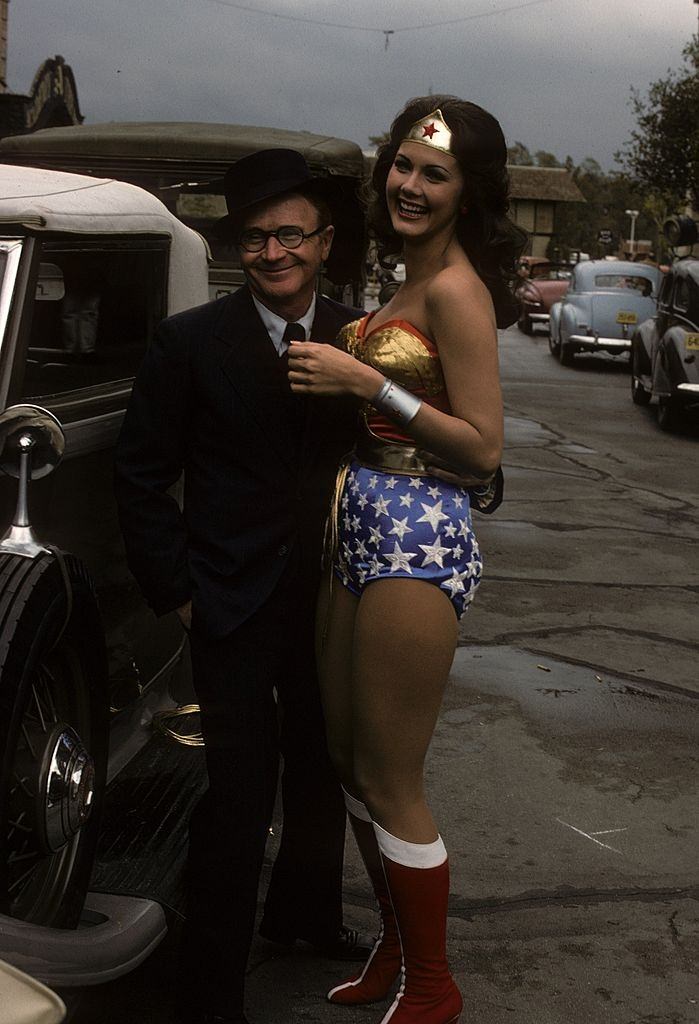
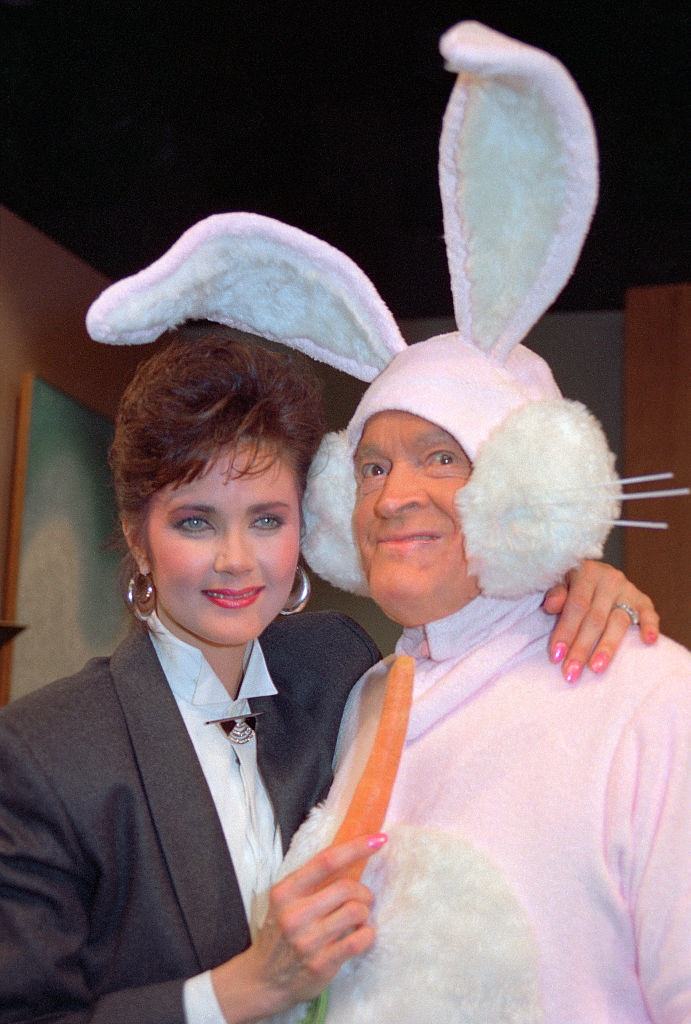
The CBS seasons featured a wider range of guest stars. Roy Rogers appeared in ‘The Bushwackers’ in 1977, and Bob Hope appeared alongside Carter in a later episode. These cameos were a deliberate strategy — pairing Carter with well-known names from American entertainment history gave the show a broader appeal and drew in viewers who might not have been regular fans of the series.
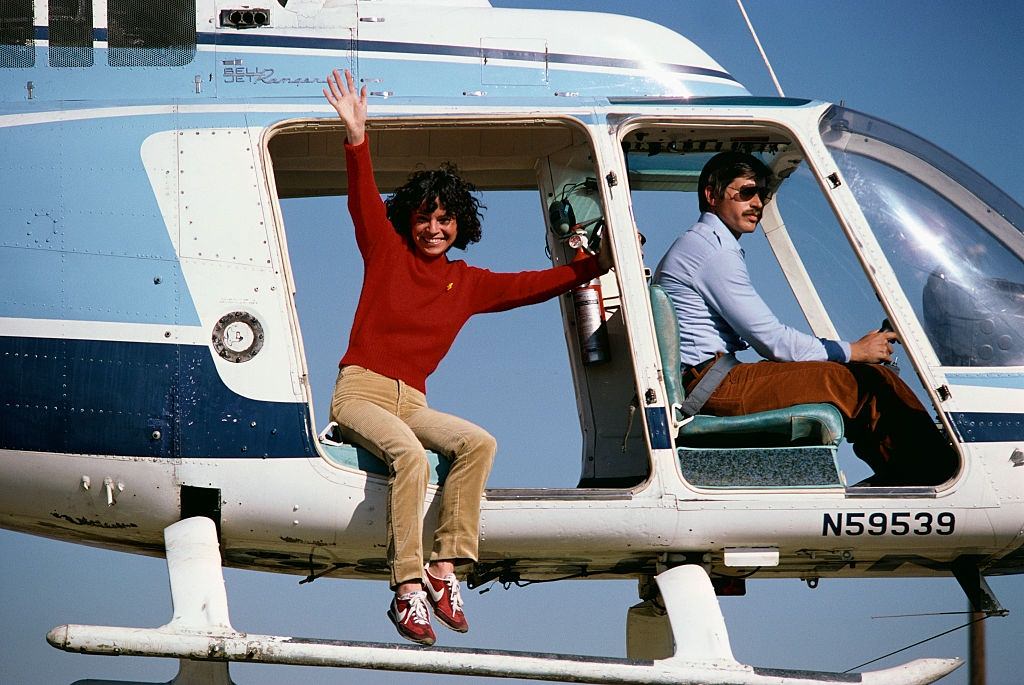
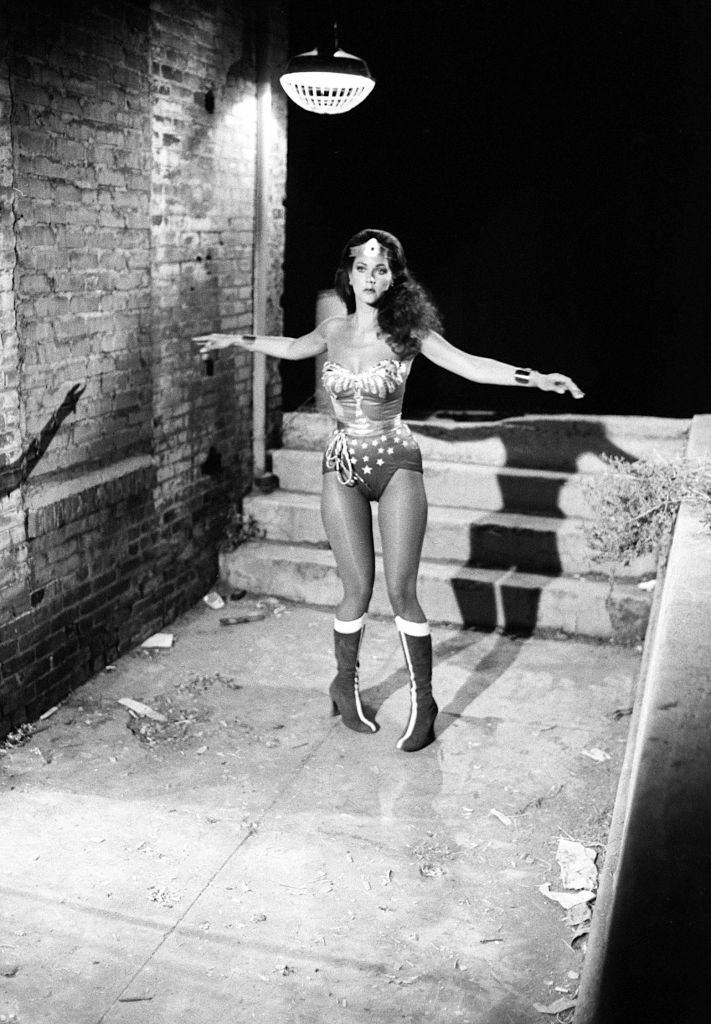
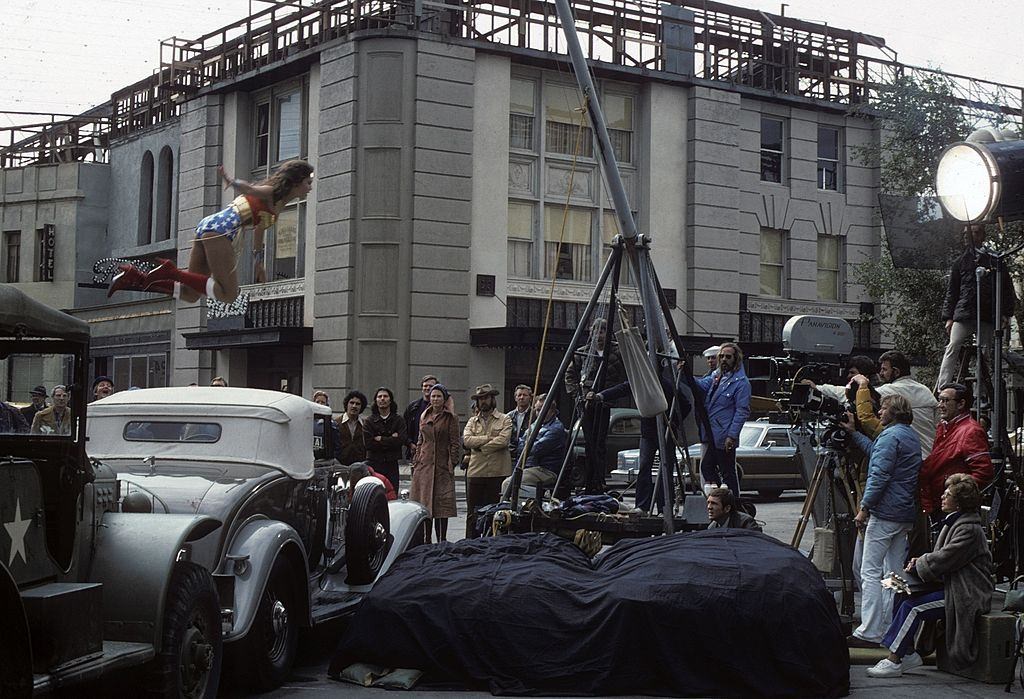
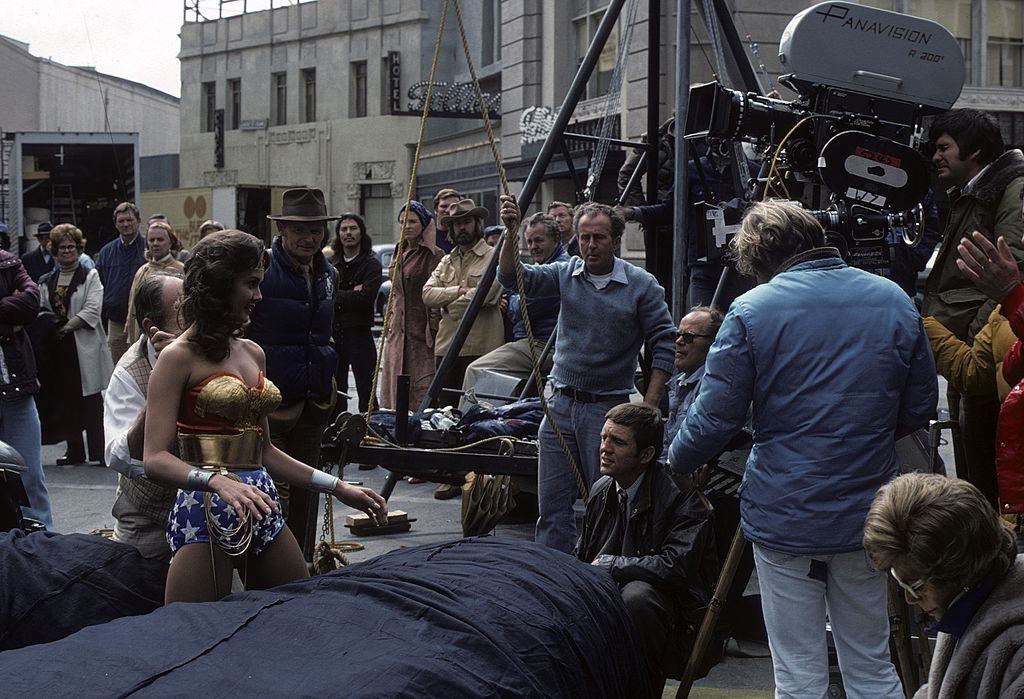
Stunt work was a regular part of the production. A dedicated stunt performer stood in for Carter on the more dangerous sequences, including helicopter work. The combination of Carter’s own physical commitment to the role and her stunt double’s work gave the action scenes a level of energy that viewers responded to. Behind-the-scenes photographs from the production show the amount of physical preparation that went into each episode.