London in the 1950s was a city caught between its wartime past and a cautiously optimistic future. World War II had ended less than a decade earlier, and its scars were still visible across the city. Bomb-sites sat vacant on street corners, houses waited unrepaired, and gardens that had been dug up for food production during the war years remained as allotments. Temporary prefab homes dotted residential neighborhoods, a stopgap solution to a serious housing shortage.
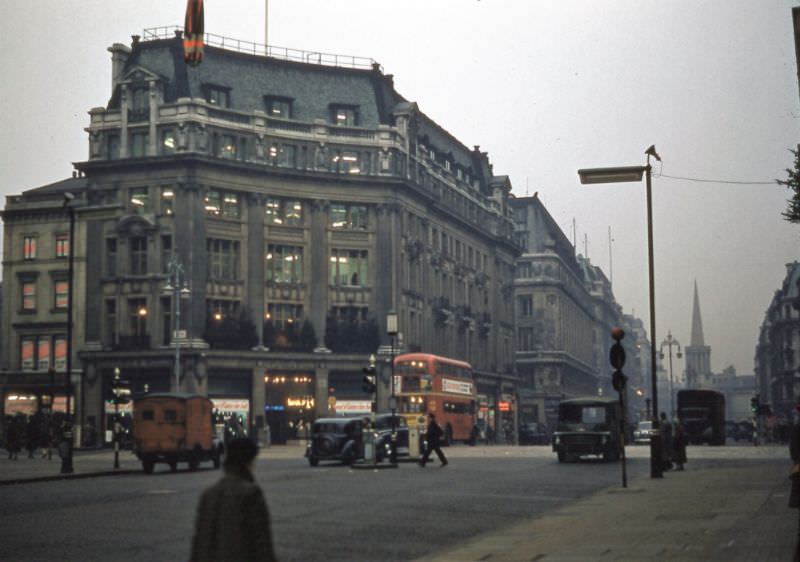
Despite the physical reminders of the war, life was moving forward. Rationing, which had dragged on years after the fighting stopped, finally came to an end. Council housing gave working-class families a real alternative to overcrowded slums. The welfare state was expanding, and household appliances — televisions, washing machines, refrigerators — were arriving in British homes for the first time. For many families, the 1950s represented a genuine rise in living standards.
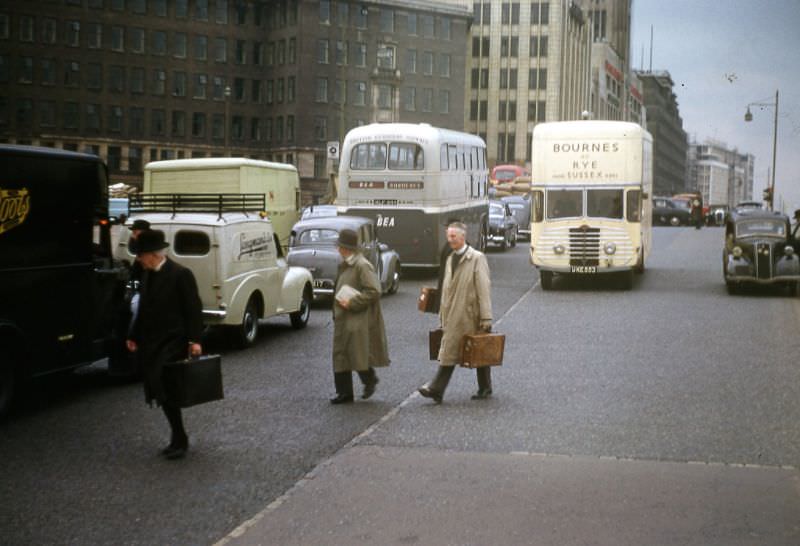
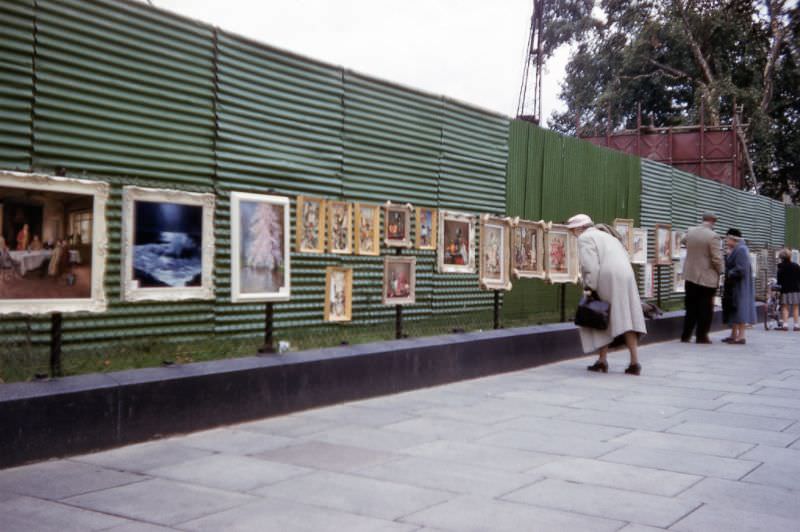
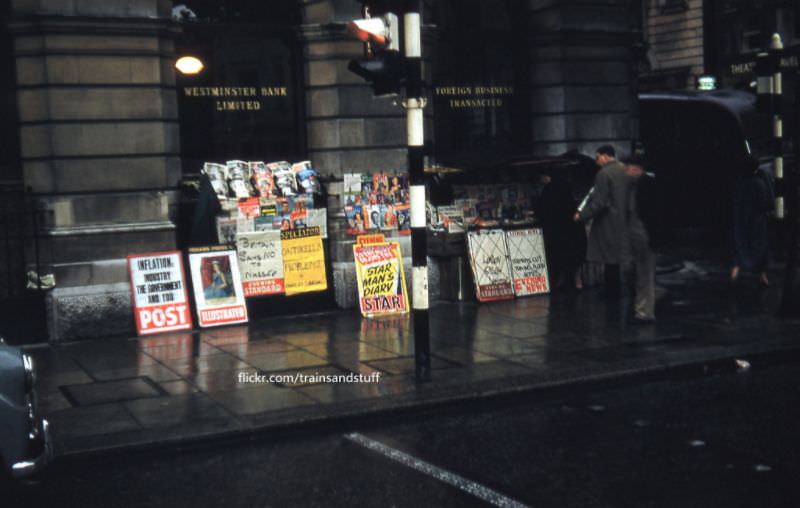
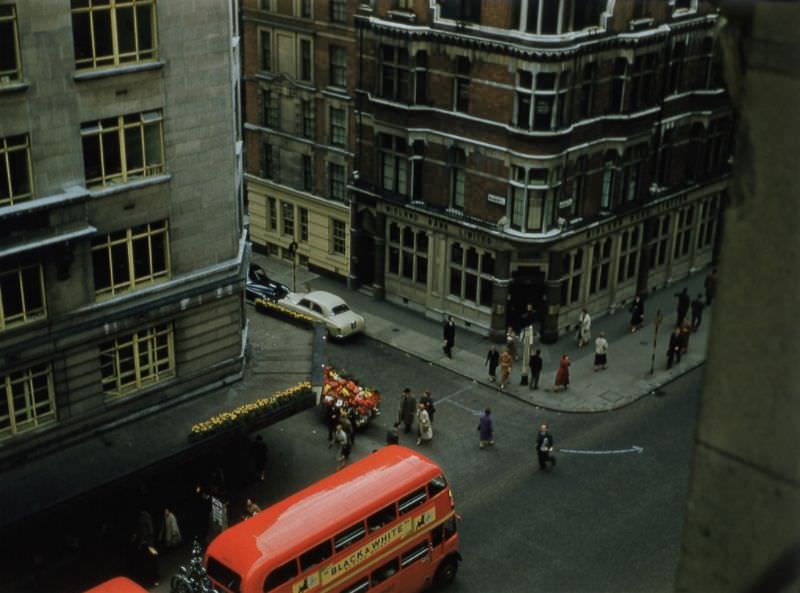
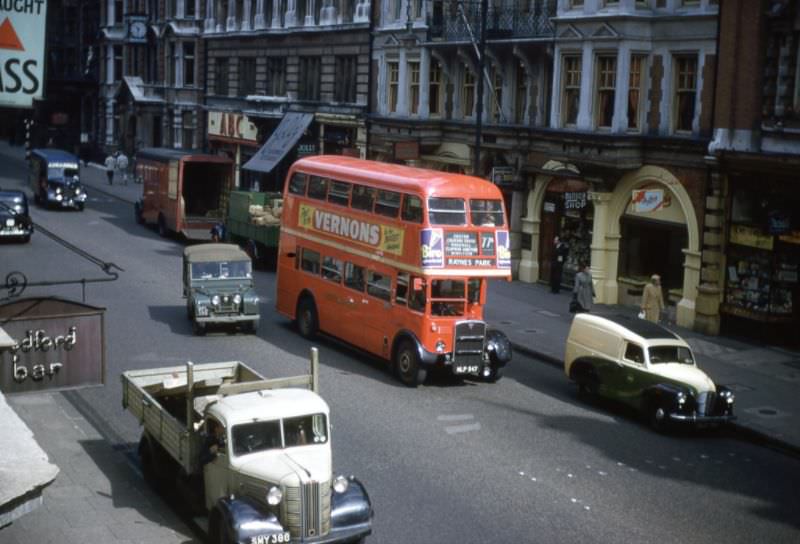
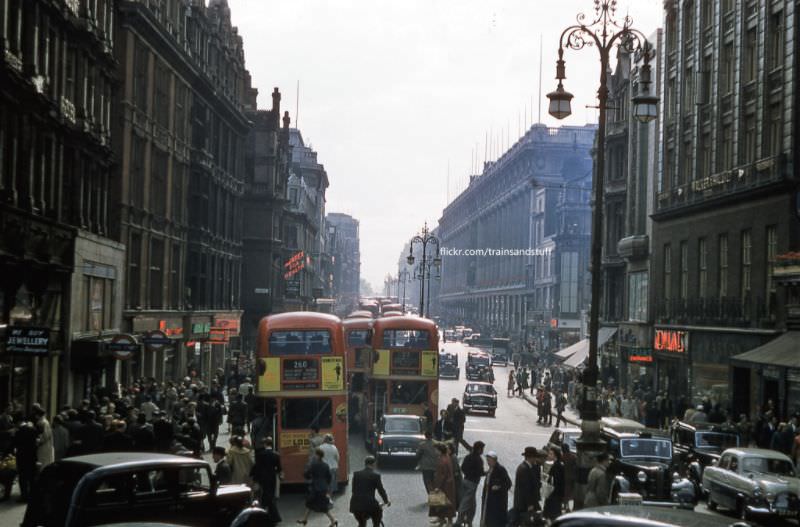
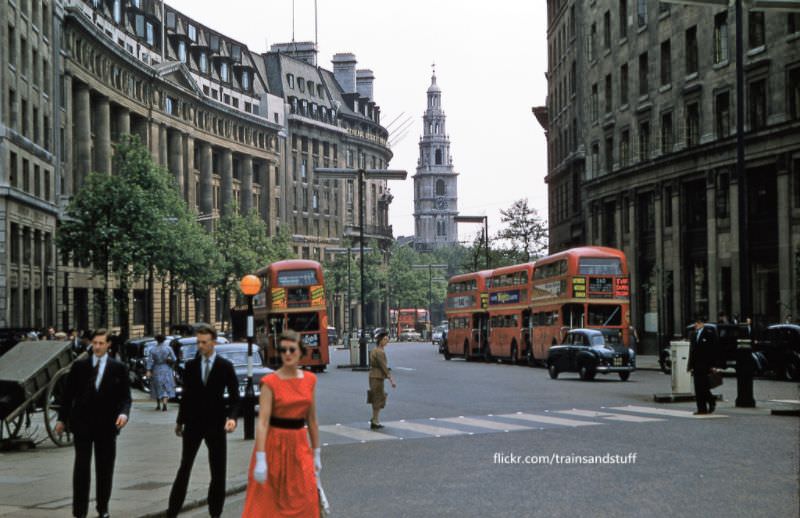
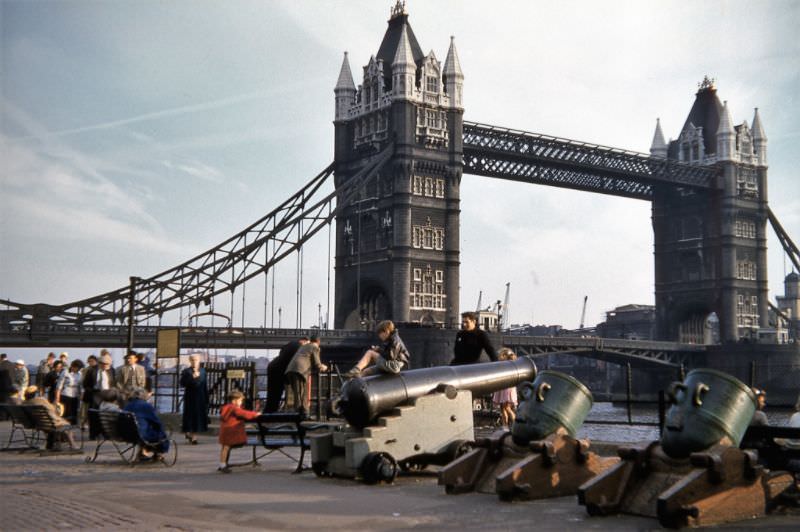
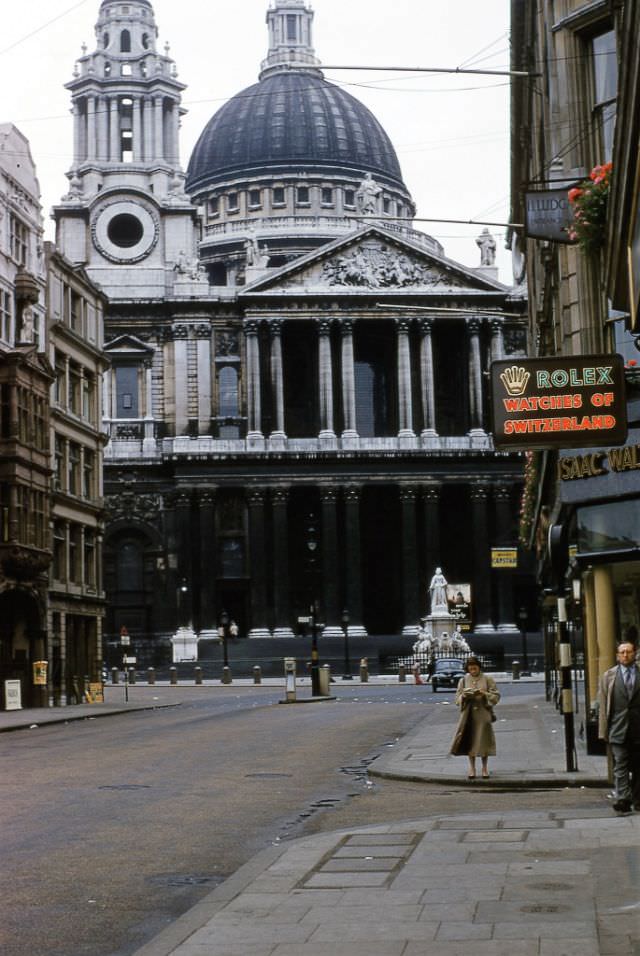
The streets of London told the story of this transition. Shoppers filled Oxford Street and Oxford Circus, double-decker buses rumbled past grand landmarks, and street traders set up along pavements just as they had for generations. The city’s iconic sites — St Paul’s Cathedral, Tower Bridge, Trafalgar Square — stood as anchors of continuity amid rapid change.
Not everything about postwar London was promising. The city’s industrial activity pumped heavy pollution into both the air and the River Thames. In December 1952, a mass of cold air trapped coal smoke and industrial fumes over the city, creating a thick, choking smog that lasted five days. The Great Smog of 1952 killed more than 4,000 Londoners directly, with thousands more dying in the weeks that followed from respiratory illness. It remains one of the worst air pollution disasters in recorded history.
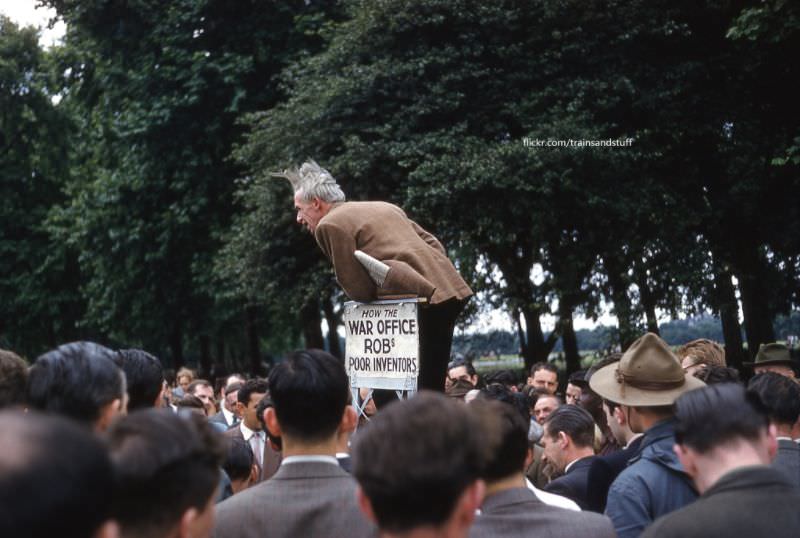
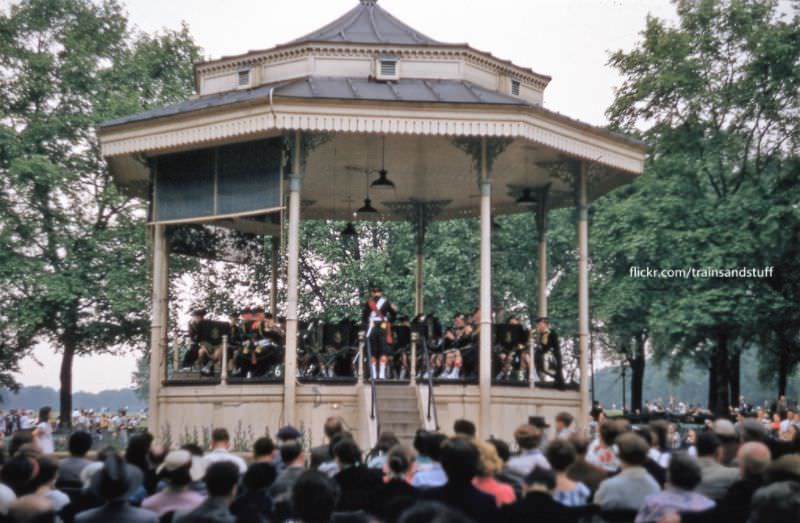
Parks provided a vital escape from the grime and noise. Hyde Park drew Londoners for weekend relaxation, outdoor concerts at the bandstand, and the famous open-air debates at Speakers’ Corner, where anyone could step up and hold forth on any subject. These spaces were deeply woven into the fabric of daily London life.
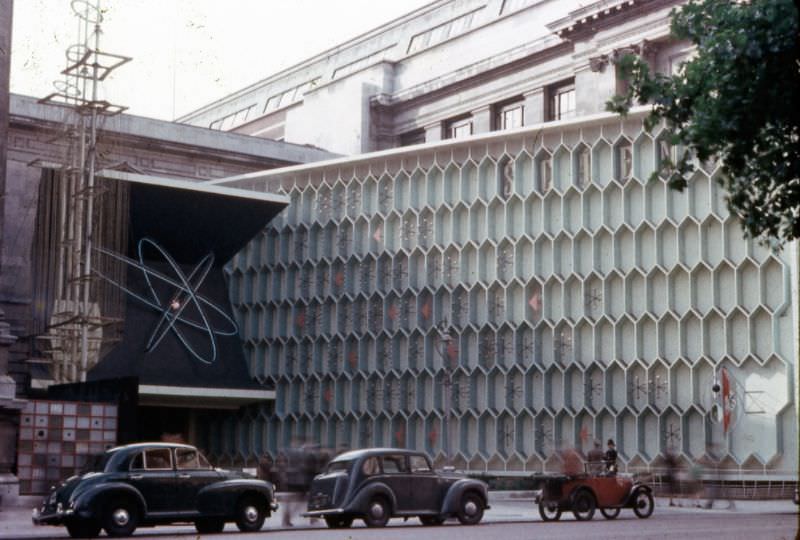
One of the decade’s brightest moments came at the very start. In 1951, the Festival of Britain was held across several sites, including the Pleasure Gardens at Battersea Park and the Science Museum on Exhibition Road. The festival was a nationwide celebration designed to lift spirits, showcase British innovation, and signal that the country was ready to look forward. Millions of visitors attended, and it injected a rare burst of colour and excitement into a city still shaking off austerity.
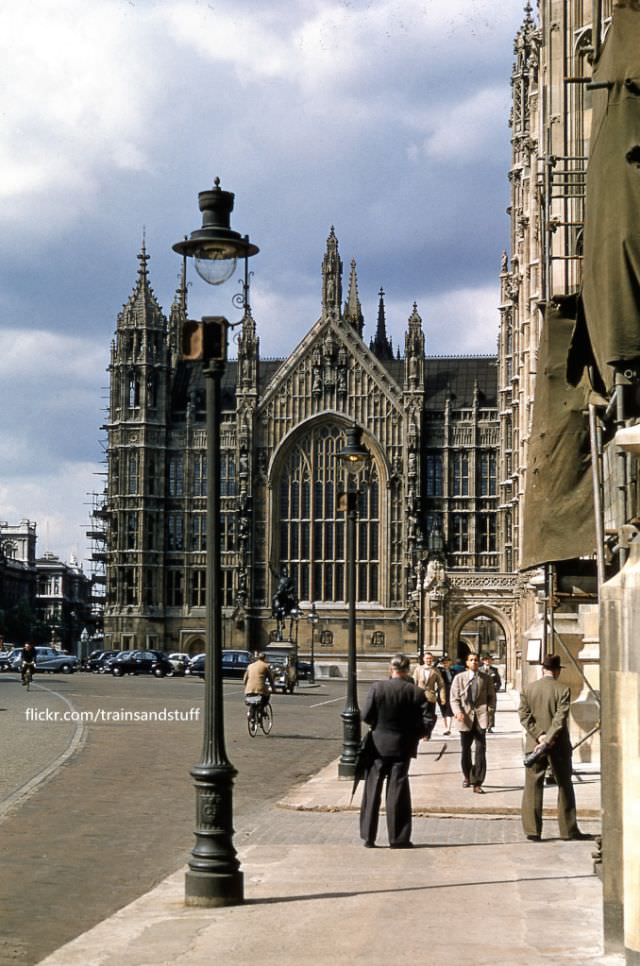
The Kodachrome photographs from this era carry a particular power. Kodachrome film, known for its rich, saturated colours and exceptional sharpness, renders 1950s London not as a grey, worn-out city but as a vivid, living place full of people going about their days. Buses gleam red, market stalls burst with colour, and the stone faces of churches and government buildings glow in the afternoon light.
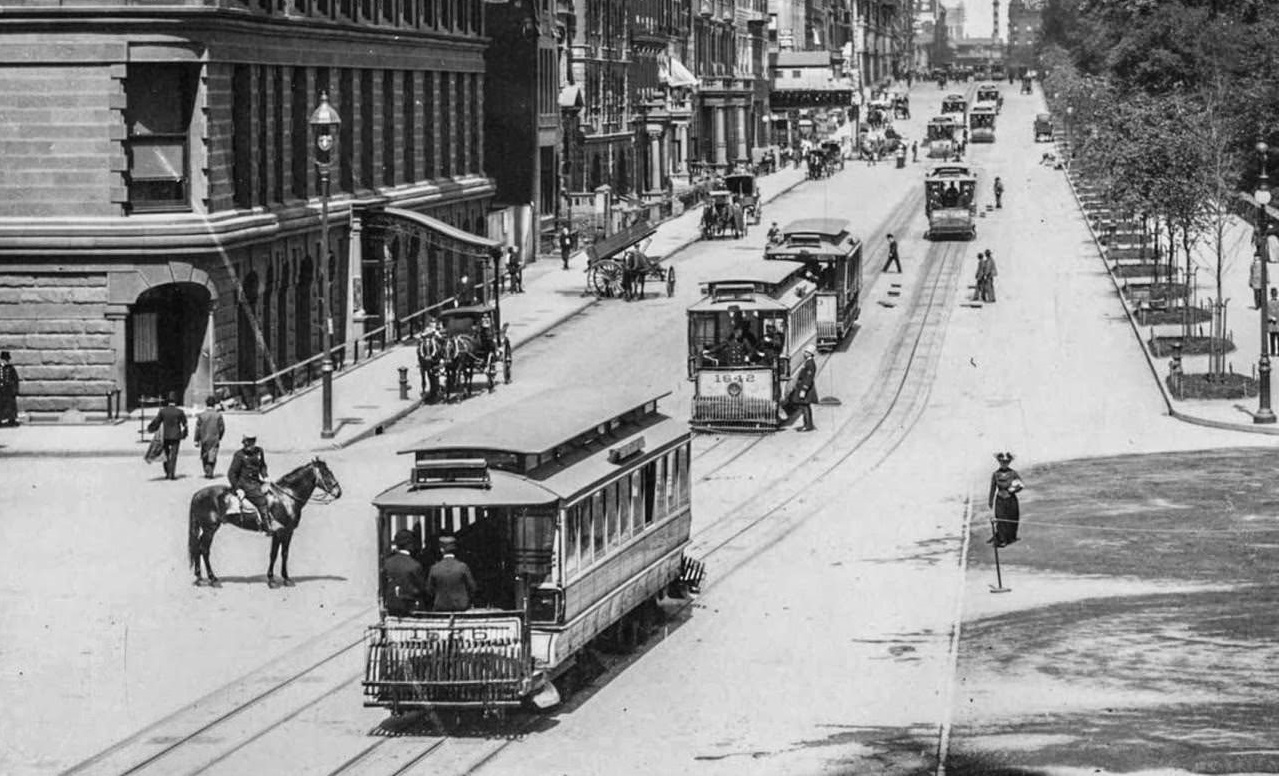
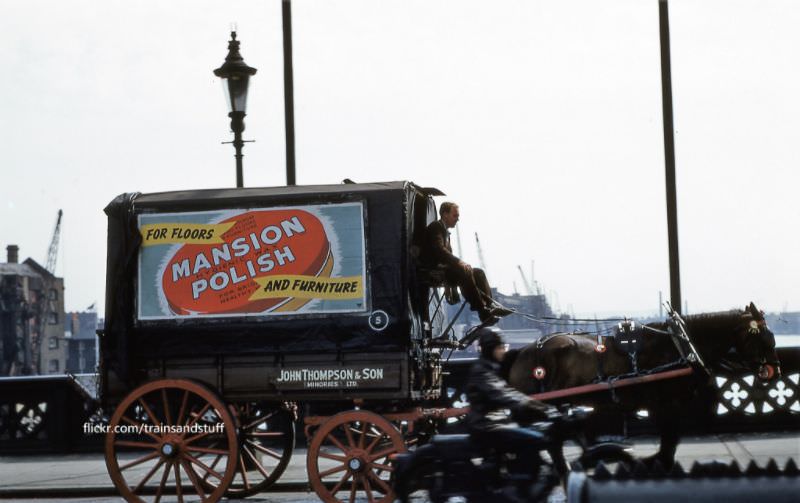
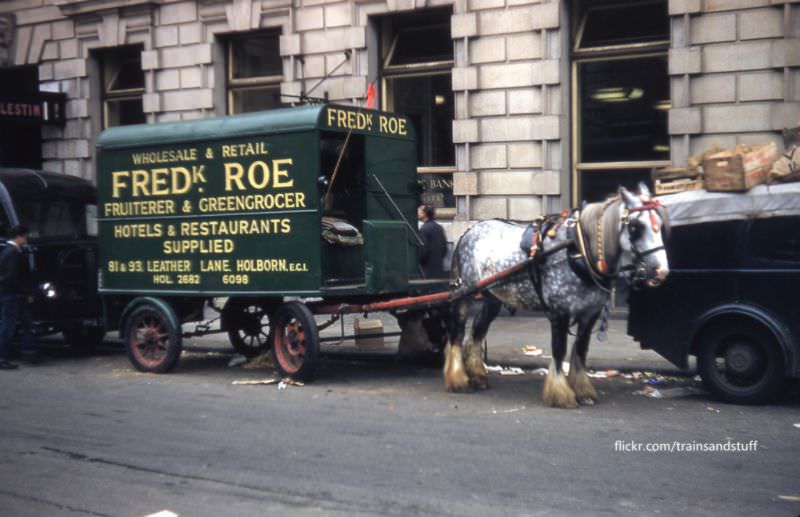
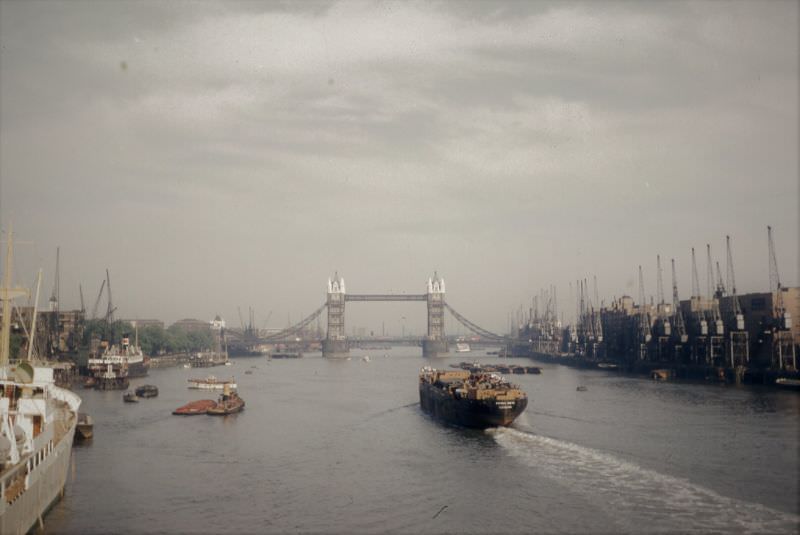
Horse-drawn carts still shared the road with motor vehicles in some parts of the city. Tower Bridge saw both old and new forms of transport crossing its spans. Meanwhile, Covent Garden remained a working fruit and vegetable market, loud and fragrant every morning, decades before it was redeveloped into the tourist destination it later became.
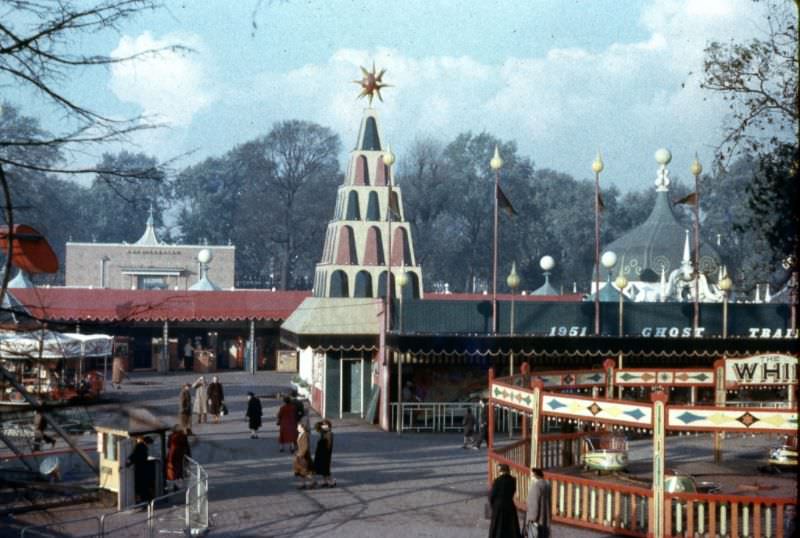
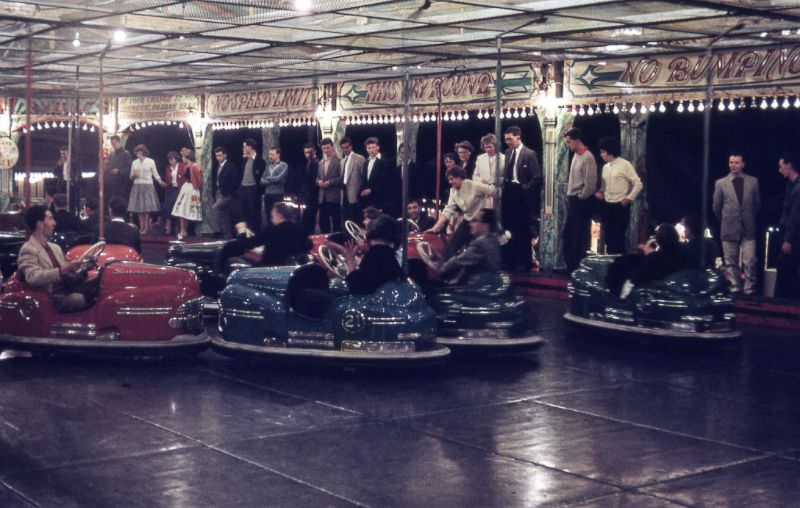
The Festival of Britain’s science exhibits at Exhibition Road drew crowds eager to see what British engineering and research had achieved. It was a deliberate counterpoint to the bleakness of the postwar years — a government-backed statement that Britain still had something to offer the world.
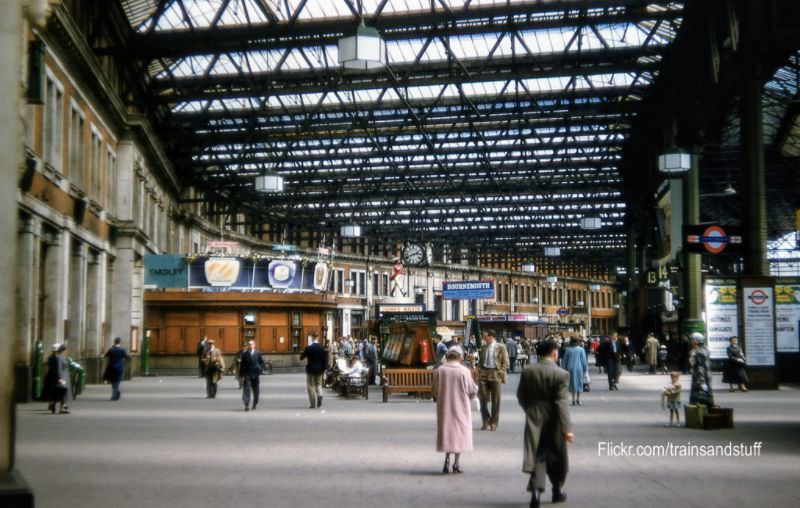
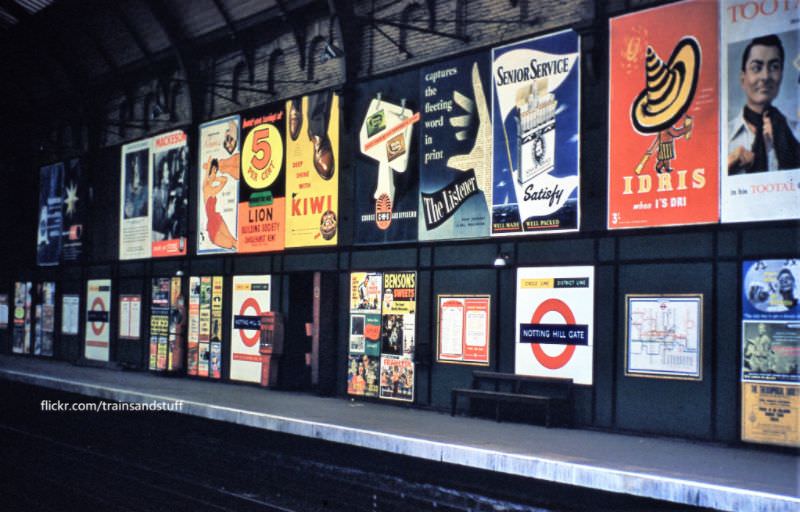
Waterloo Station was one of the busiest transit hubs in the country, funneling commuters in and out of the city every day. The underground network, already decades old, continued to serve millions of Londoners, with stations like Notting Hill Gate acting as gateways to distinct neighborhoods, each with its own character and community.
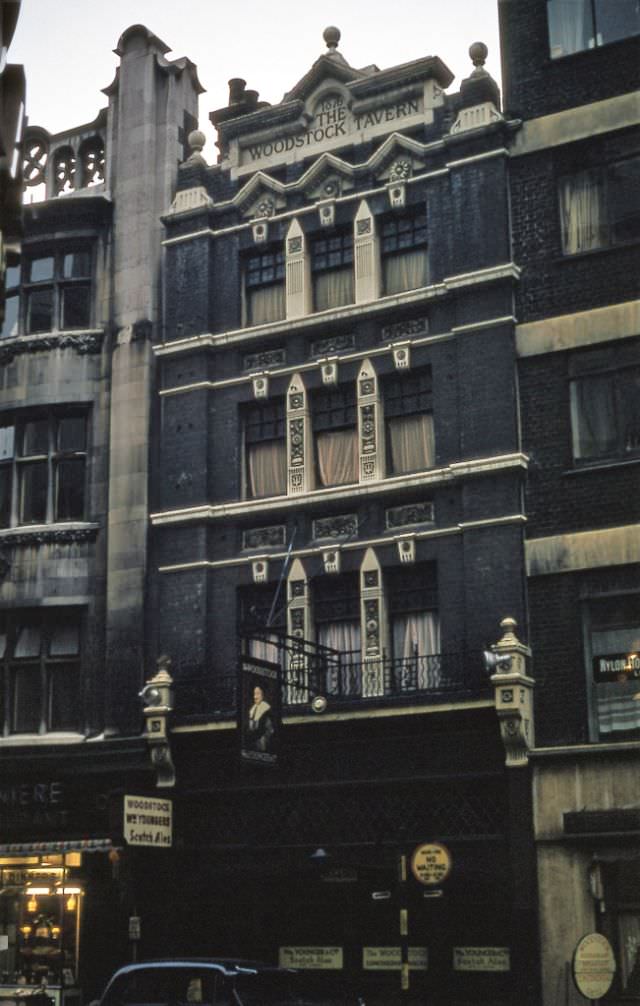
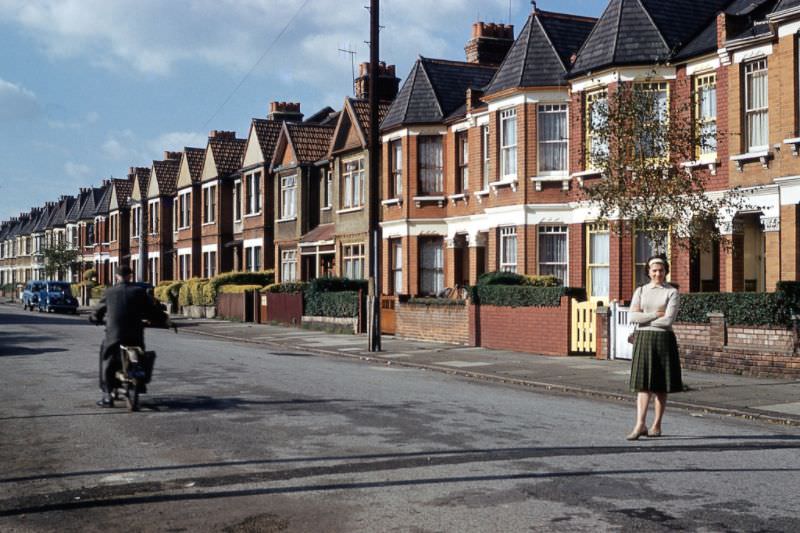
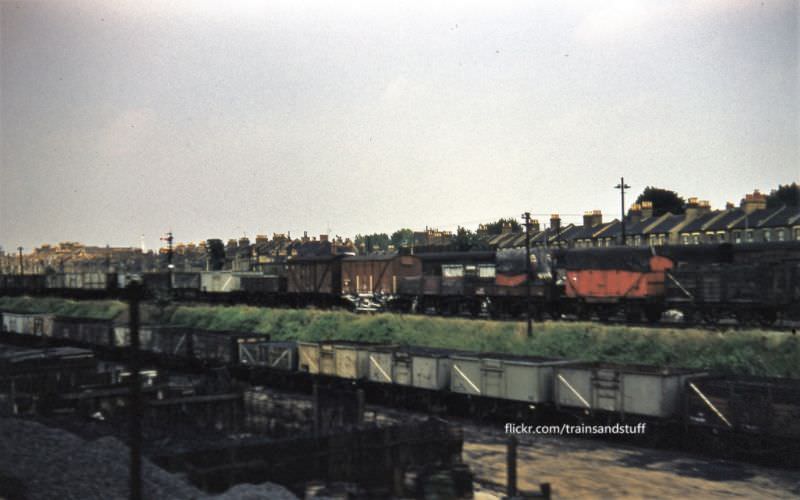
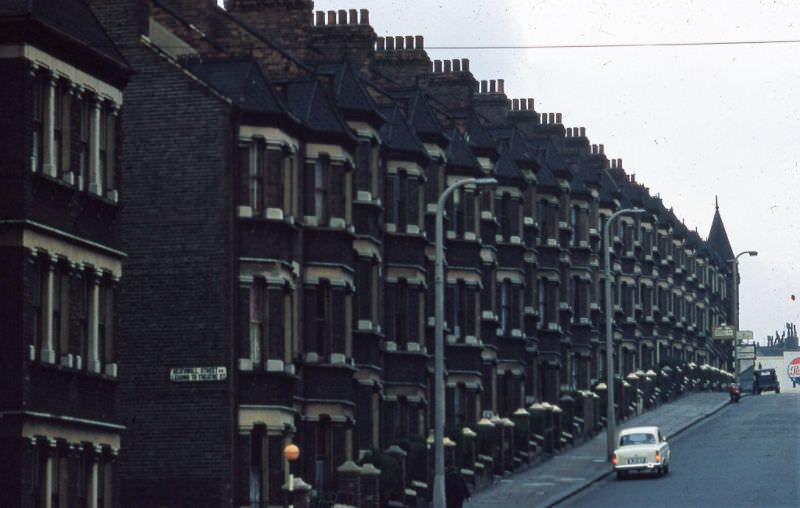
Residential streets in areas like Battersea and Wood Green showed the quieter rhythms of London life — local pubs, corner shops, terraced houses, and the slow work of rebuilding a neighborhood. These streets were home to the working families who kept the city running.
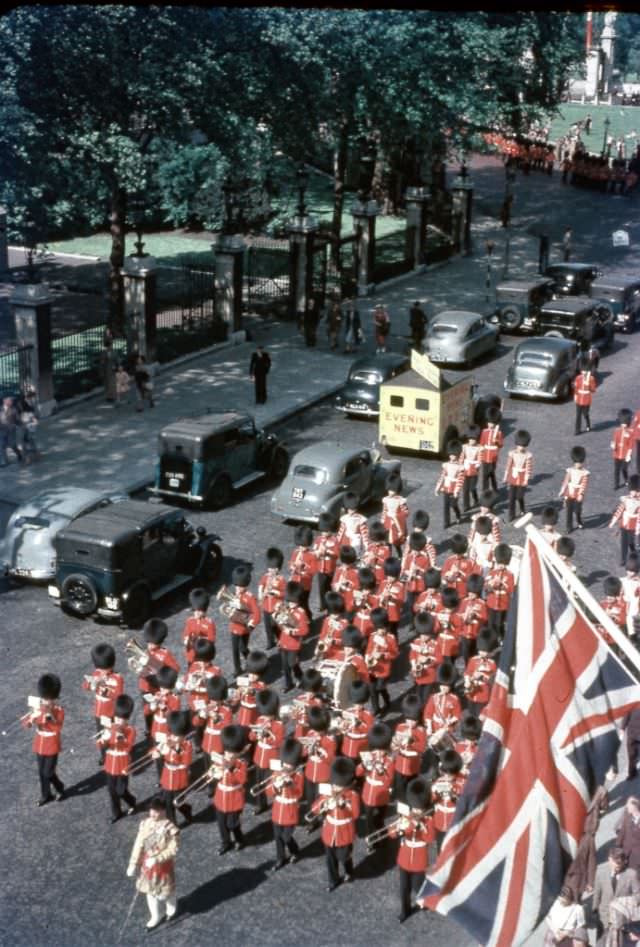
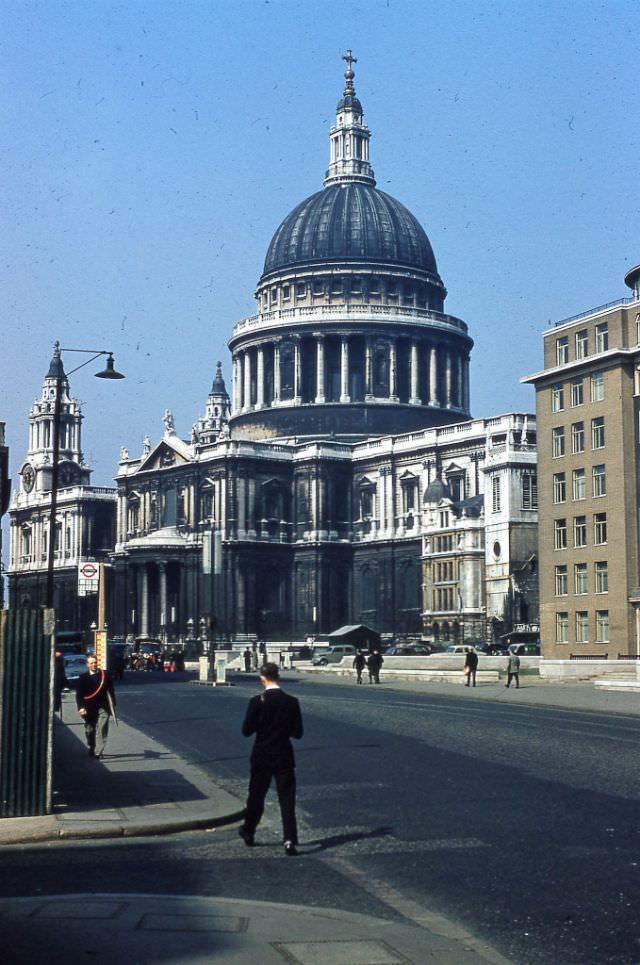
St Paul’s Cathedral stood as a powerful symbol throughout this period. Its survival of the Blitz — surrounded by devastation but left largely intact — made it an enduring emblem of London’s resilience. By the 1950s it was already a landmark that drew visitors from across the world, framed by the Pool of London and the working docks that still lined the Thames.
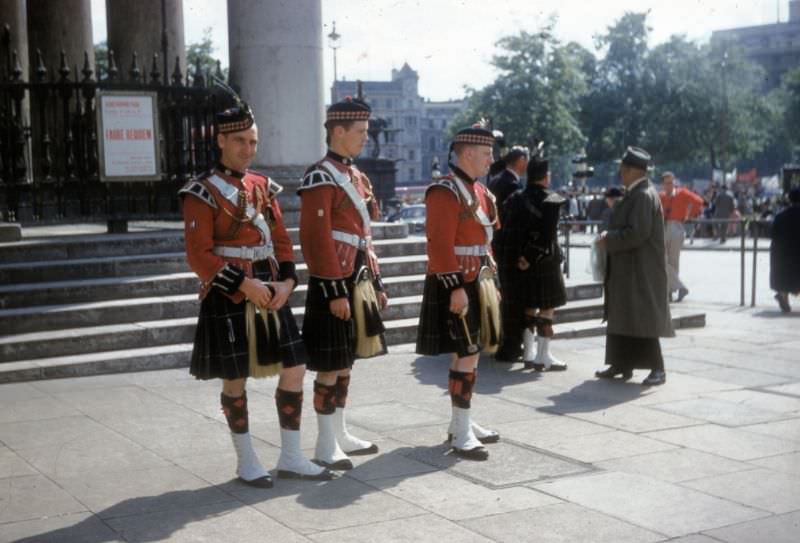
Trafalgar Square and its surrounding streets remained the civic heart of the capital. St Martin-in-the-Fields hosted regular concerts and served as a shelter for the homeless. St Martin’s Place was a natural gathering spot, connecting the square to the National Portrait Gallery. These photographs, shot in vivid Kodachrome colour, preserve a London that was simultaneously ancient and urgently modern.