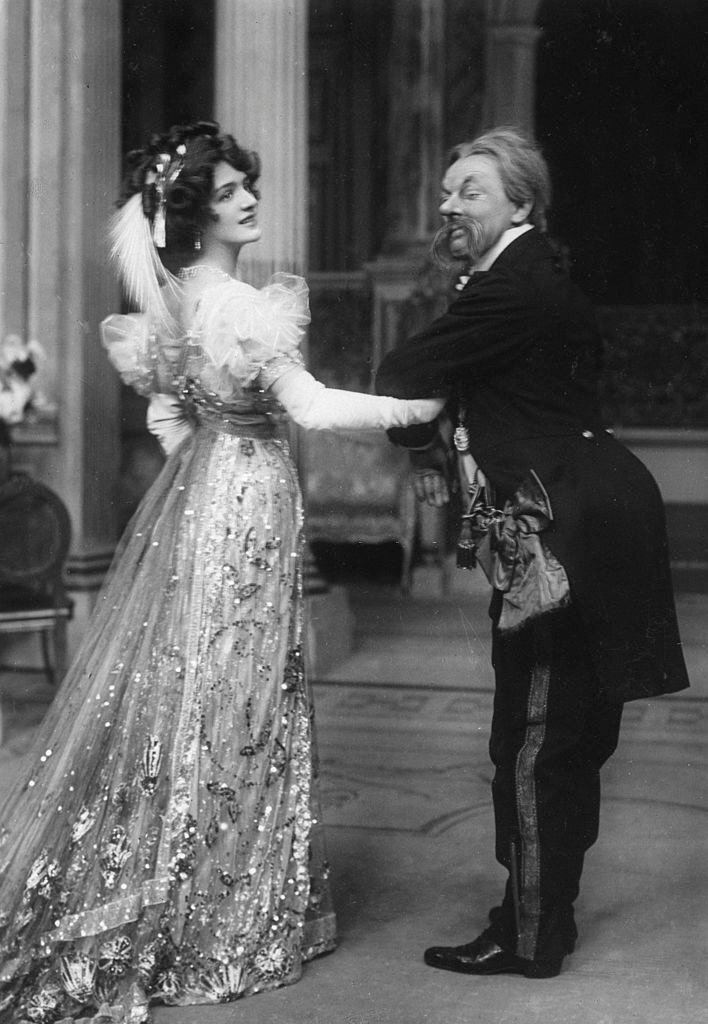
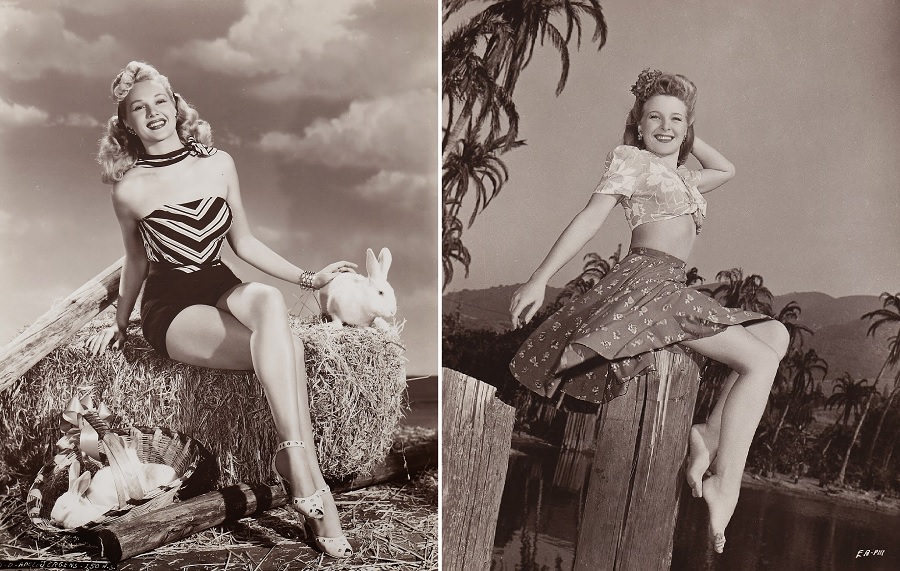
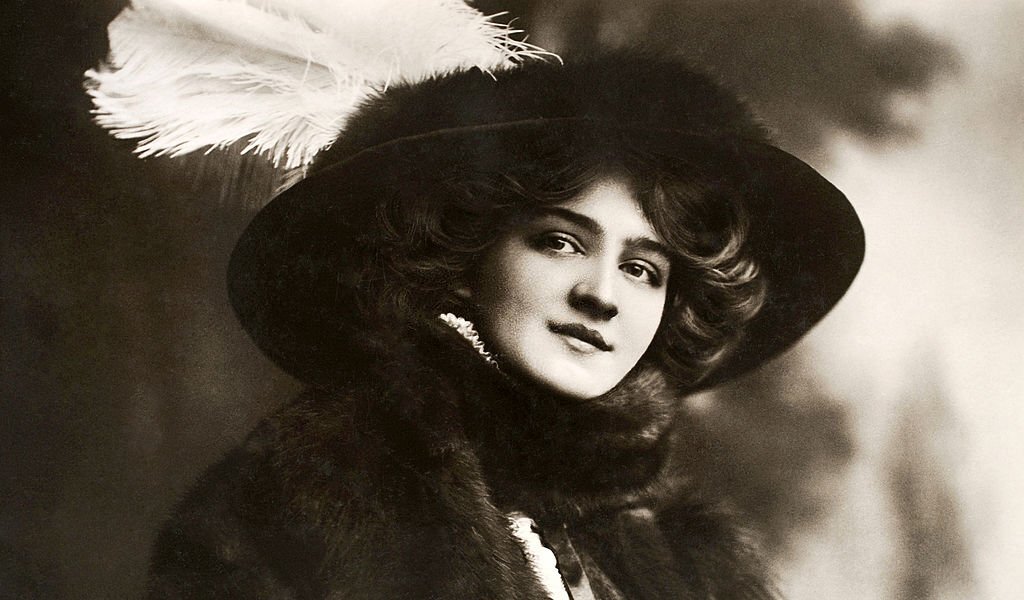
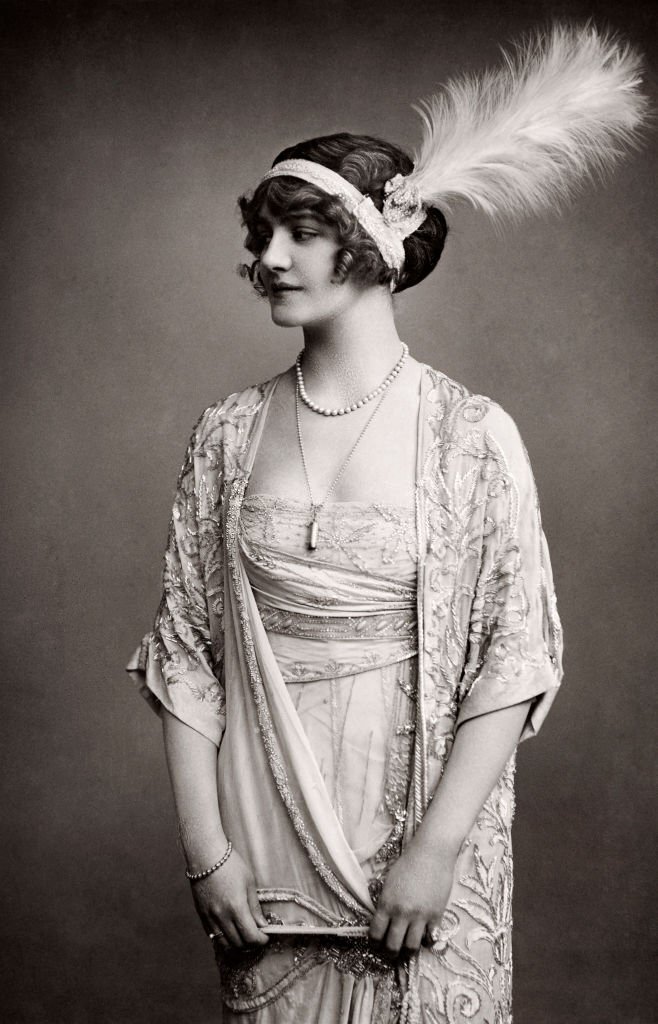
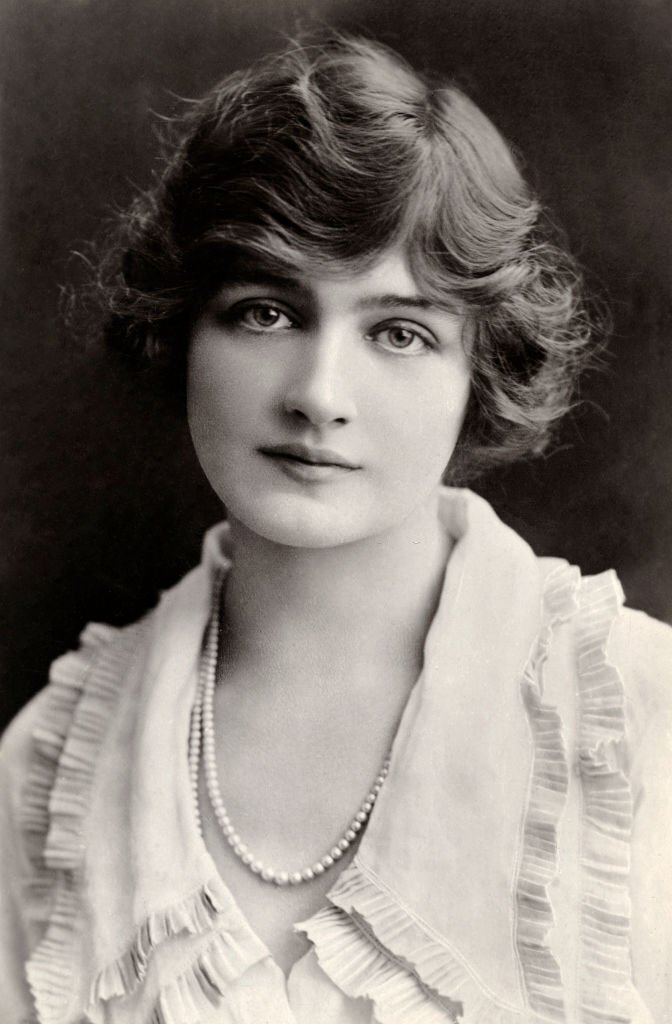
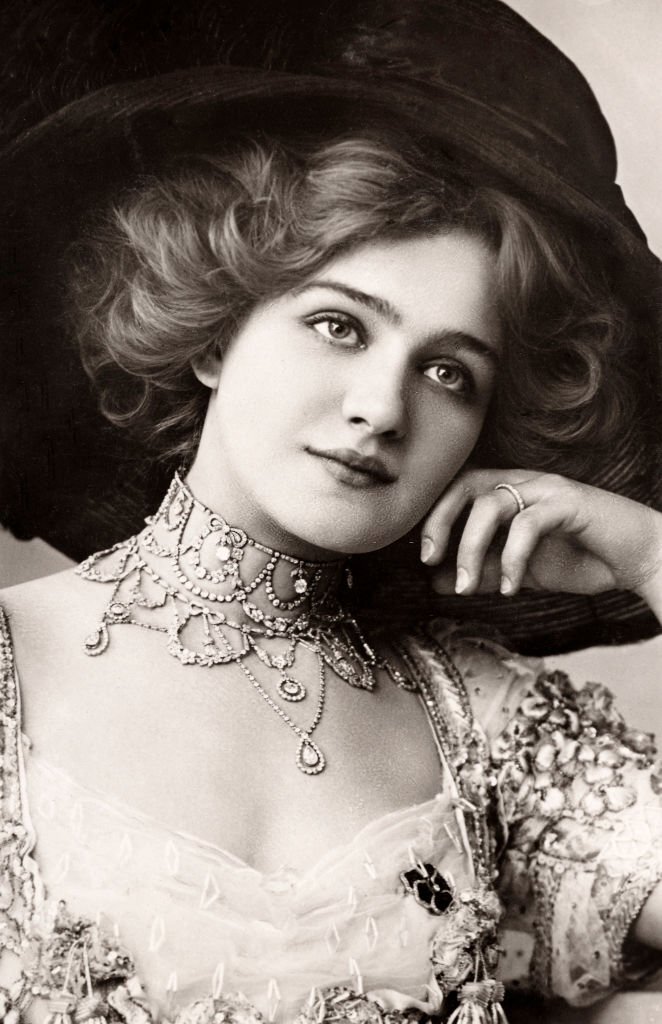
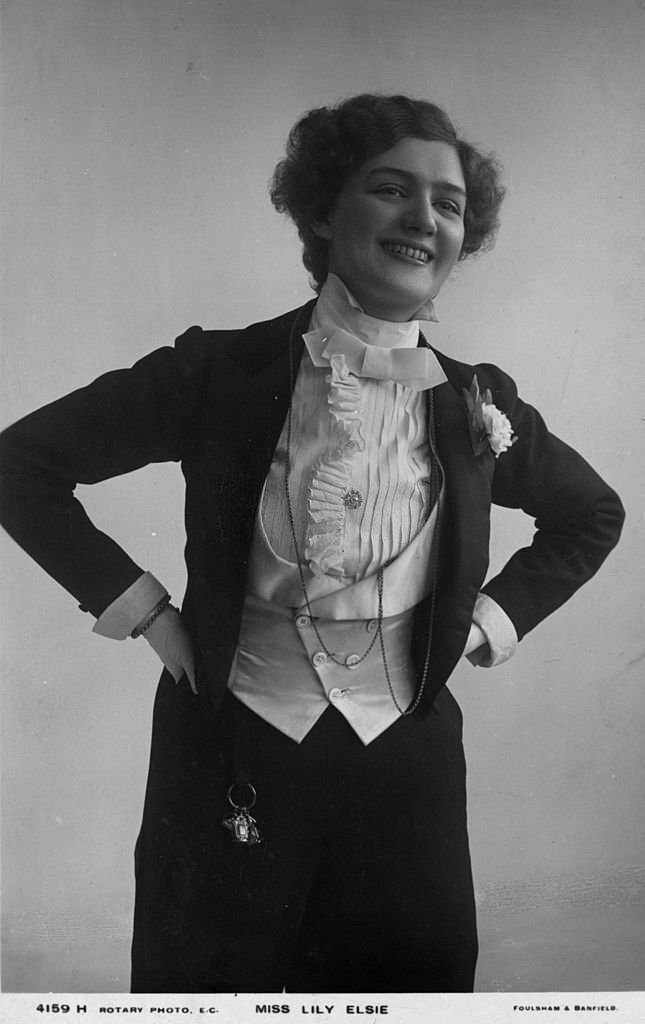
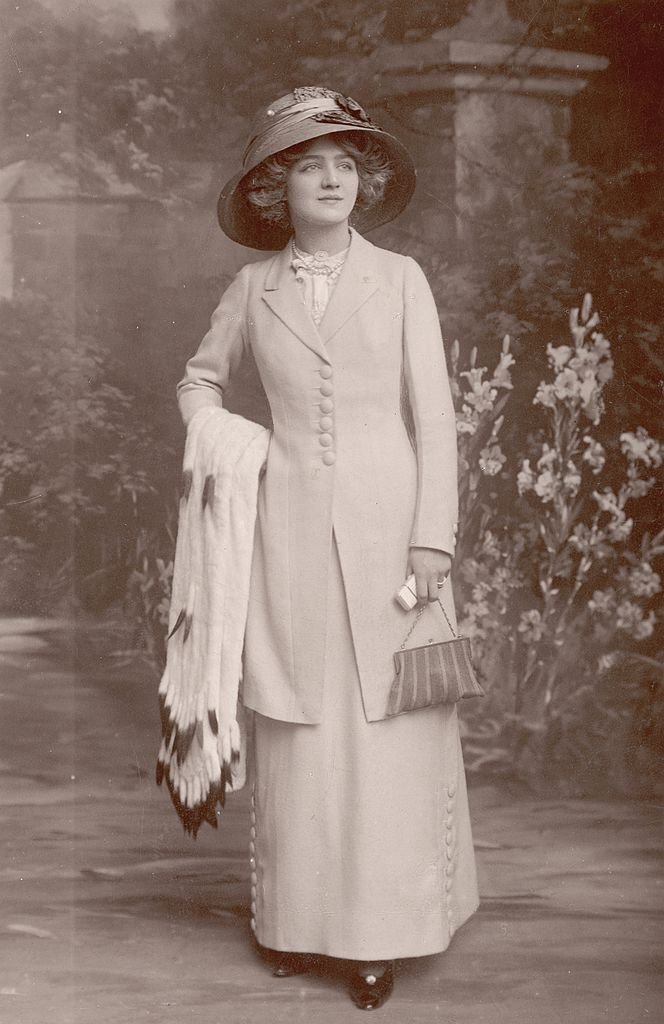
Lily Elsie was the most celebrated stage actress of the Edwardian era. Her brunette hair, doe eyes, and quiet elegance made her a fixture in the hearts of Victorian and Edwardian audiences alike. Yet behind the fame was a deeply shy woman who almost turned down the role that would define her career.
She was born Elsie Hodder in 1886 in West Riding, Yorkshire. She grew up performing in the Salford music halls under the stage name “Little Elsie,” making her debut as a child impersonator in the mid-1890s. Her voice was thin but sweet, and her stage presence was impossible to ignore. At just ten years old, she played the title role in Little Red Riding Hood, a production that ran six weeks on stage and another six weeks on tour.
In 1898, she made her London debut, touring with the musical comedies that would come to define Edwardian theatre. Around 1900, she changed her name to “Lily Elsie” and joined producer George Edwardes’ company at Daly’s Theatre in London.
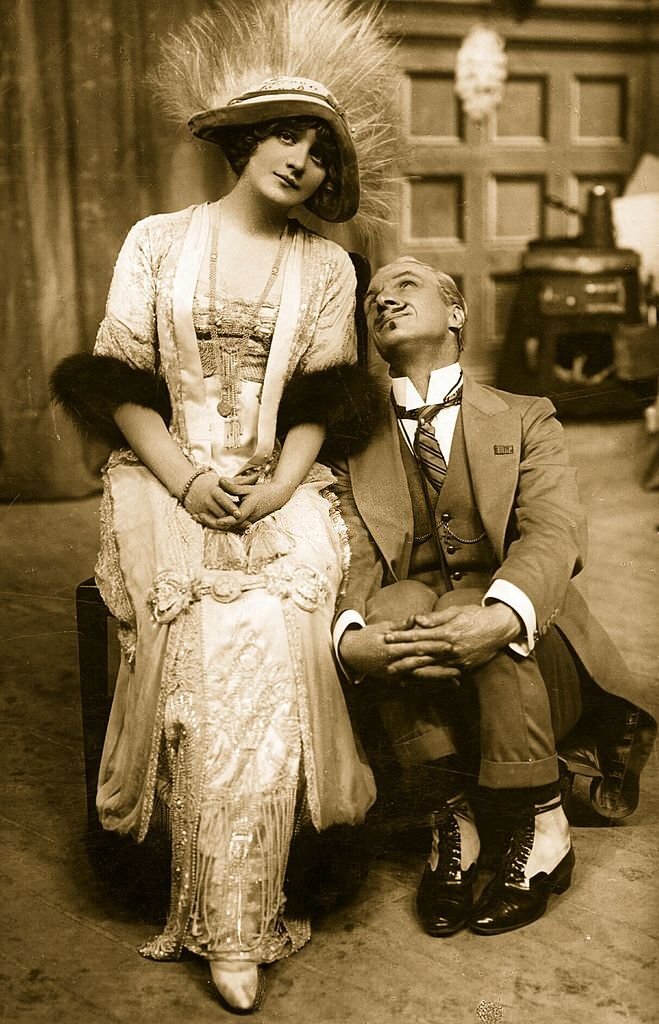
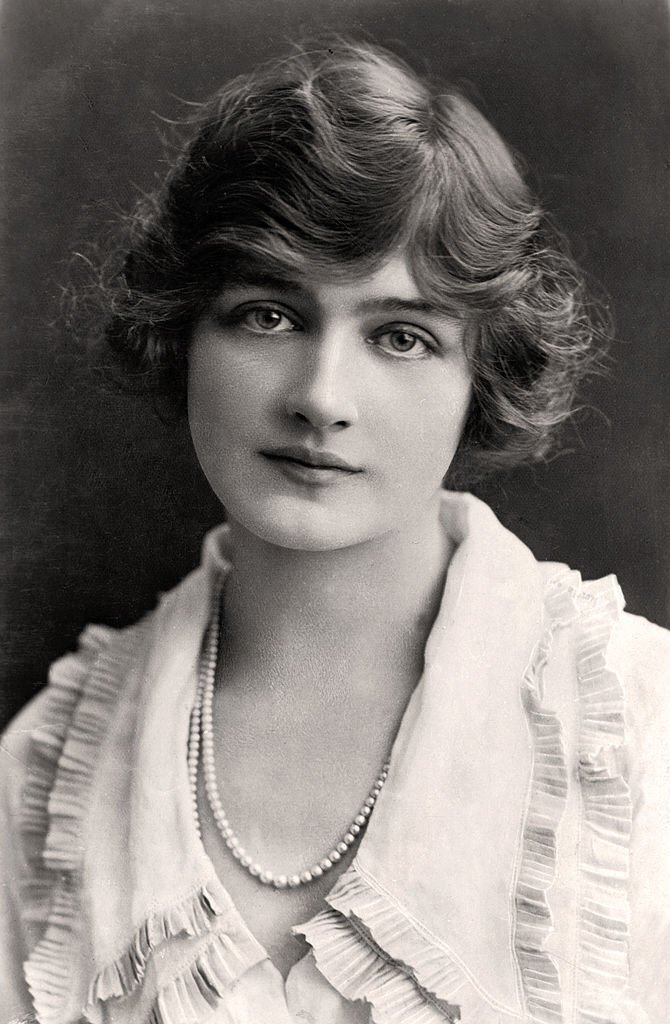
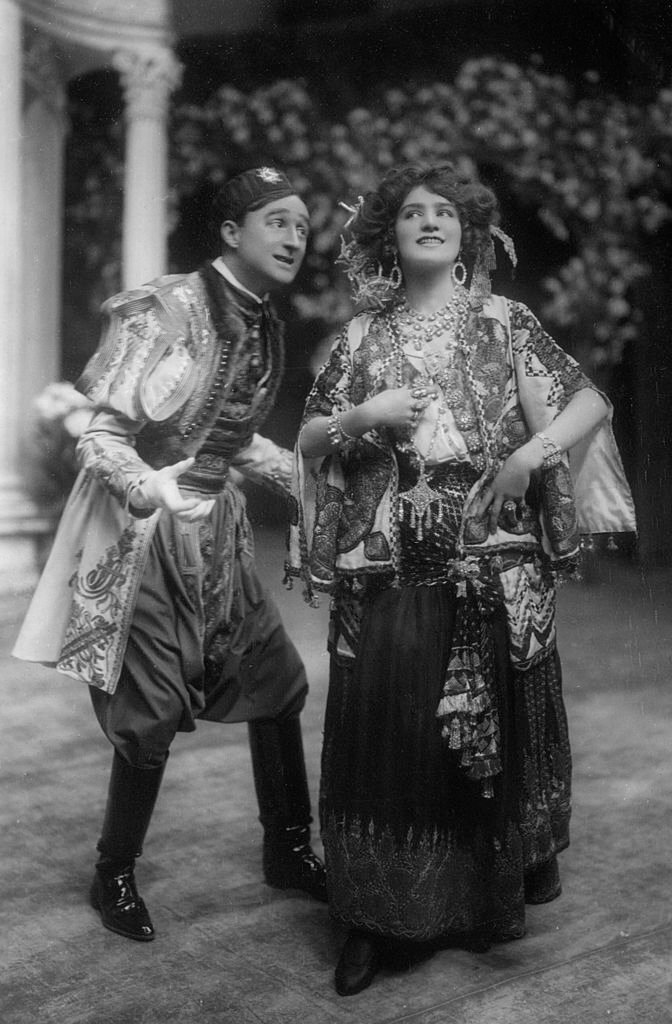
In 1903, she played Princess Soo-Soo in the hit musical A Chinese Honeymoon. The role caused a stir because she wore a full Chinese costume — at a time when white actors portraying non-European characters typically wore only token ethnic accessories rather than full traditional dress. Edwardes briefly fired her after catching her pulling a prank on stage, but rehired her soon after in smaller roles. Between 1903 and 1906, she appeared in fourteen productions for his company.
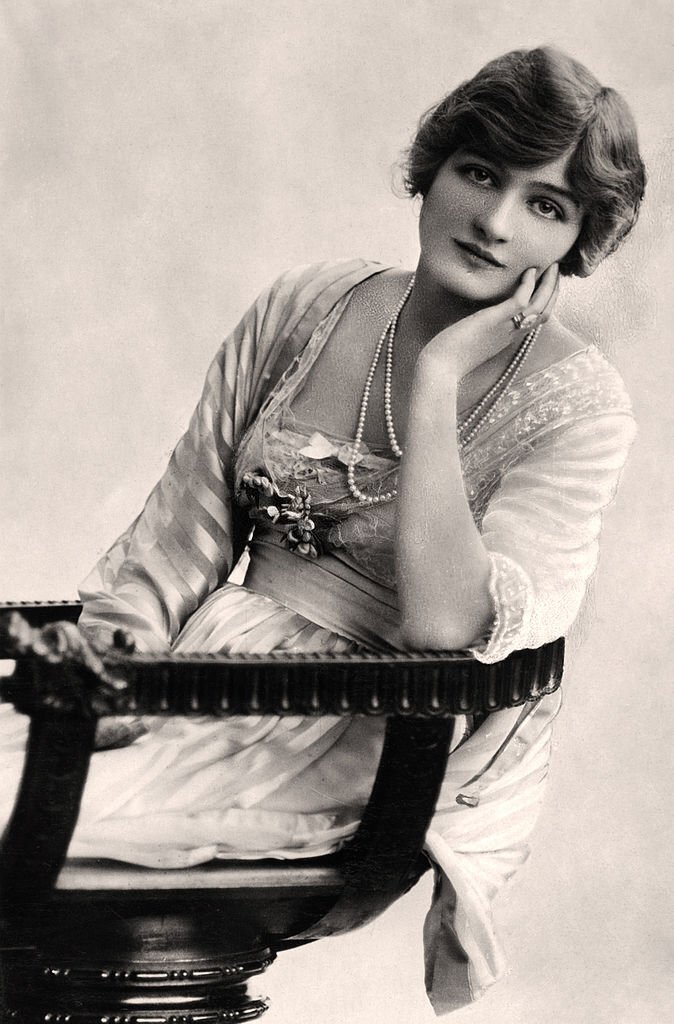
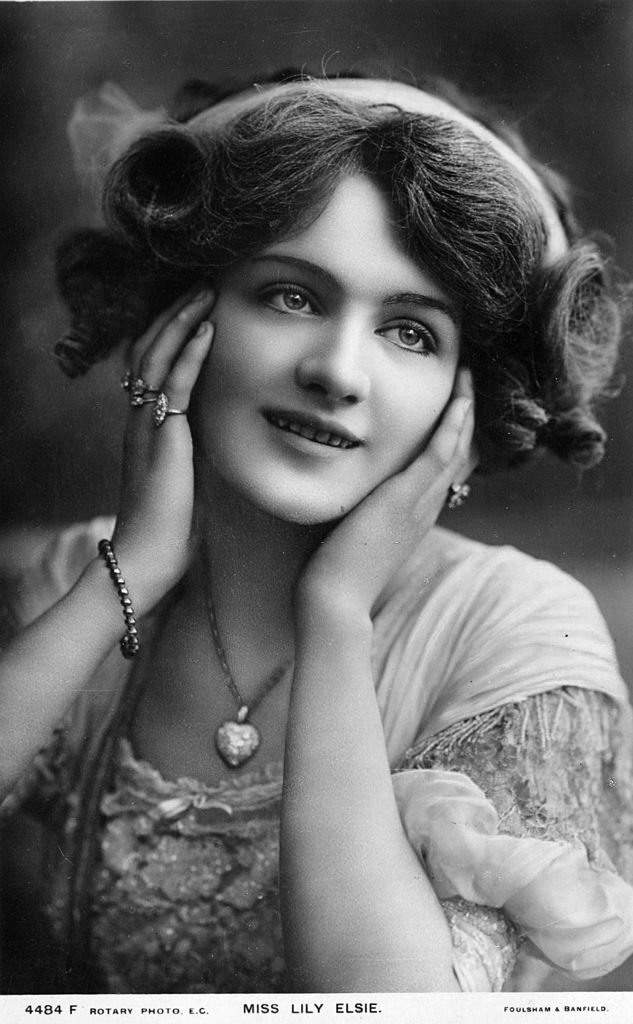
Her big break came by accident. When Edwardes decided to stage The Merry Widow, he took Elsie to Berlin to watch Die Lustige Witwe, the original German production. He wanted her for the lead. She resisted, convinced her voice was too small for the role. Edwardes persisted. Fashion designer Lucile stepped in to coach her in movement and grace and designed her costumes for the show.
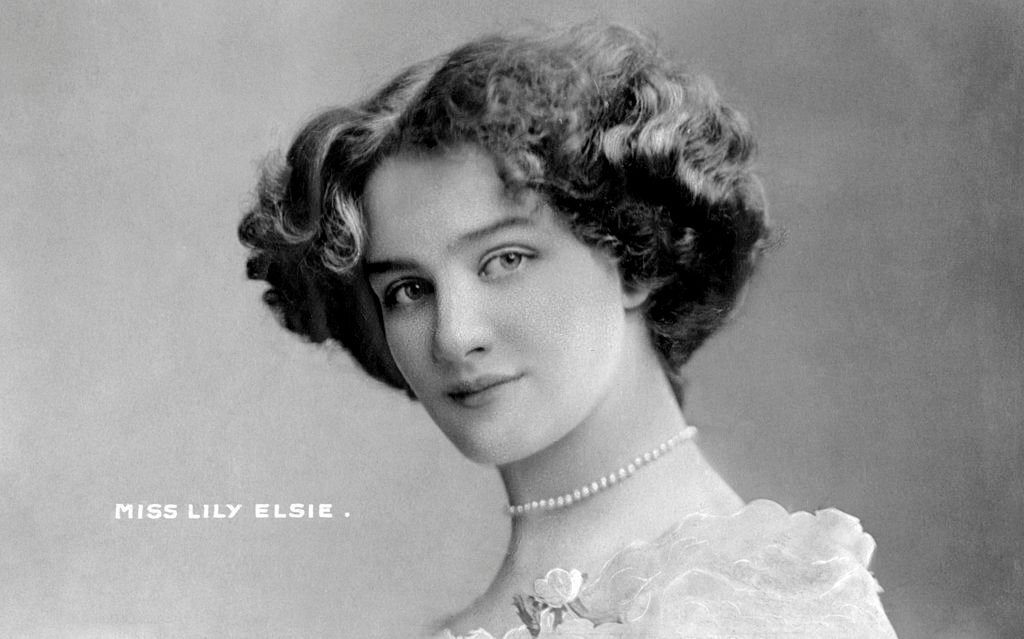
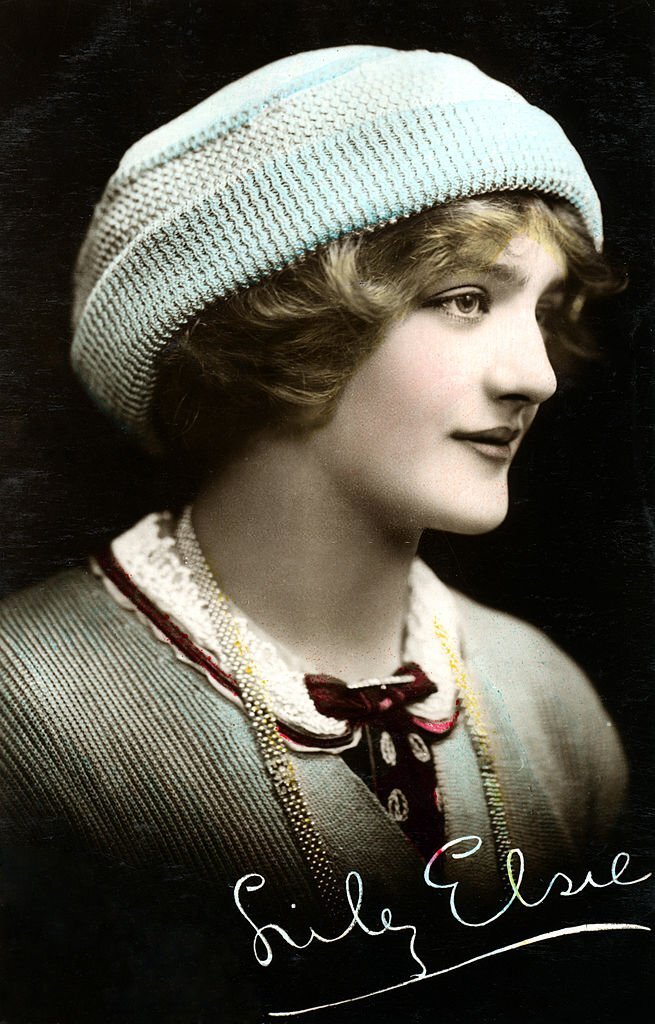
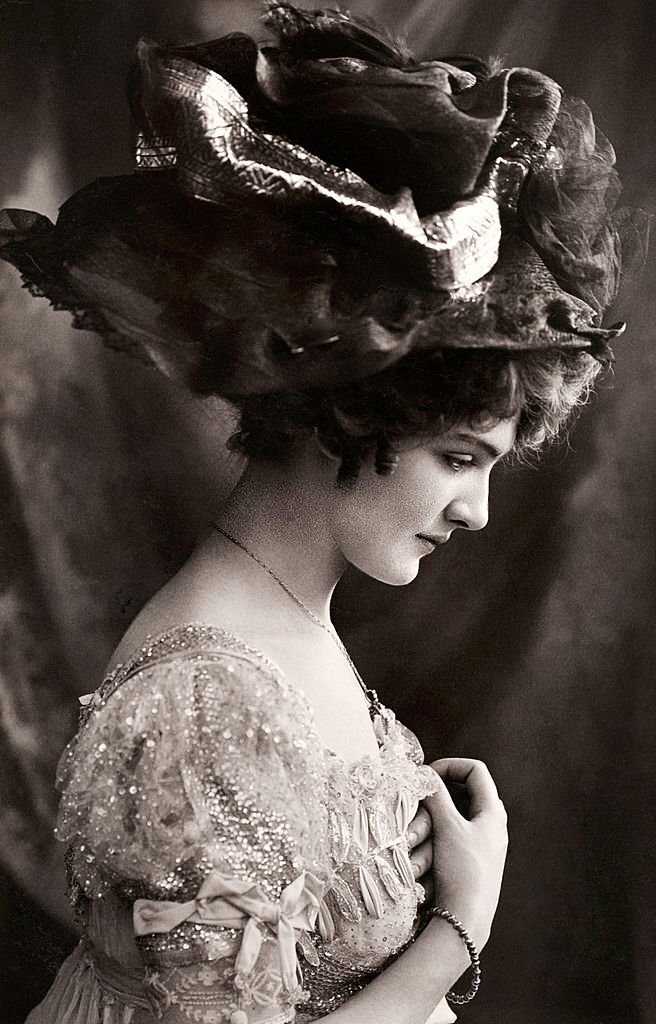
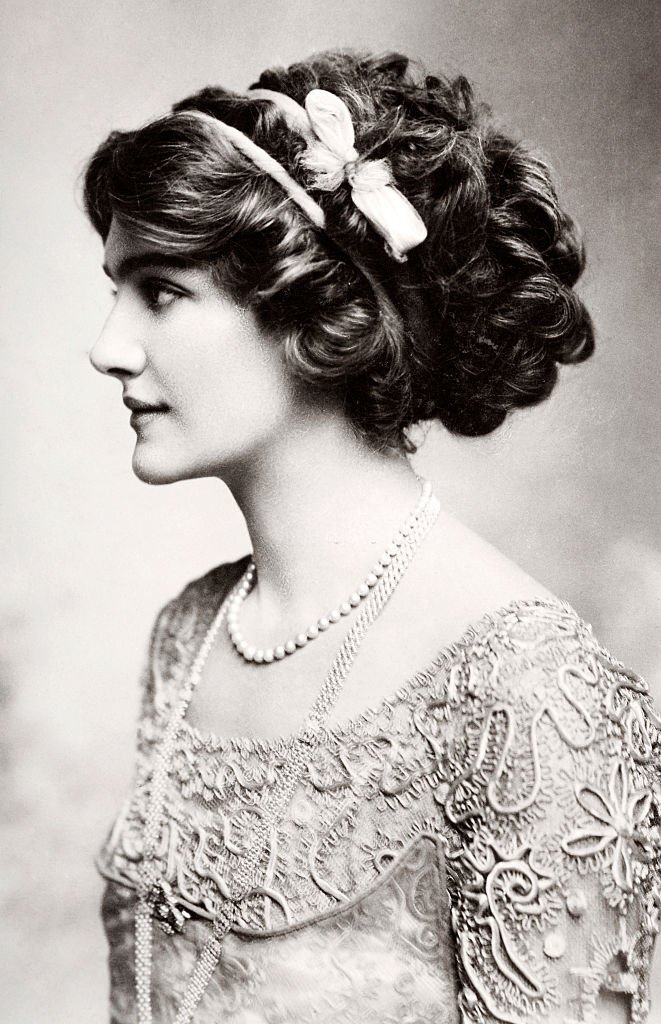
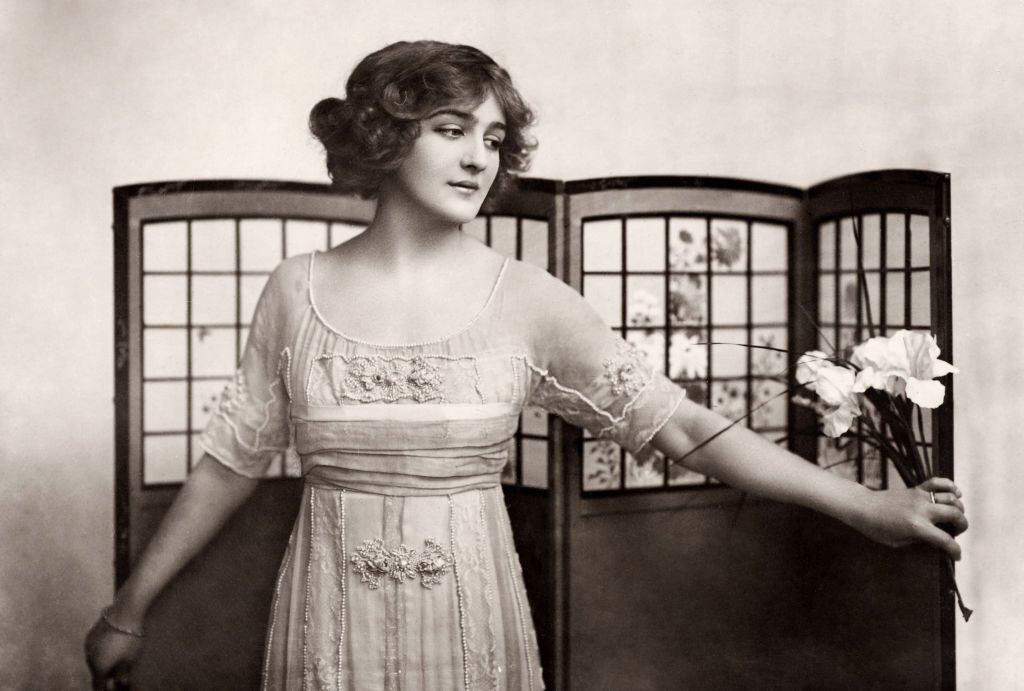
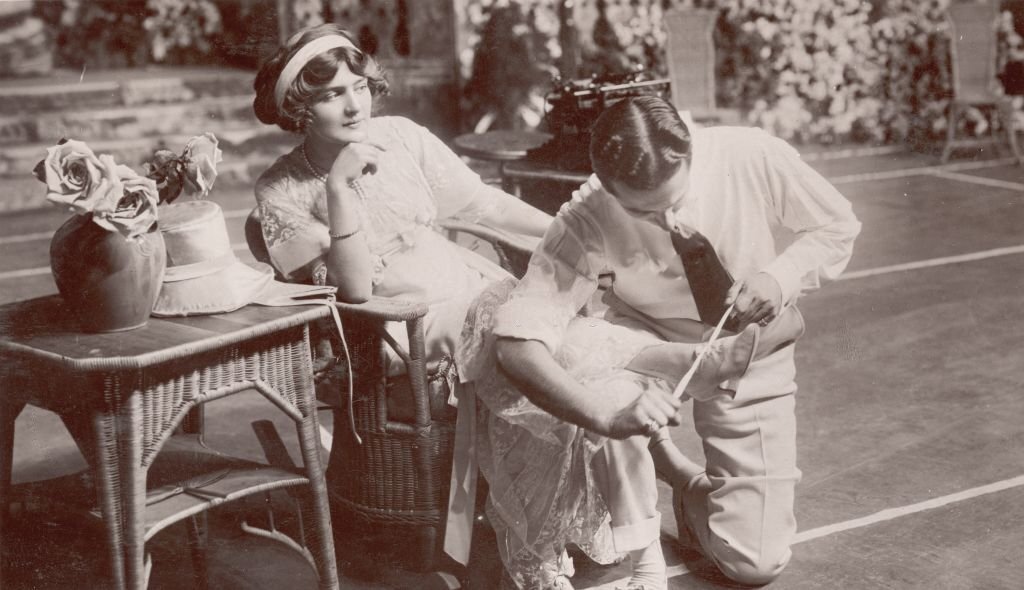
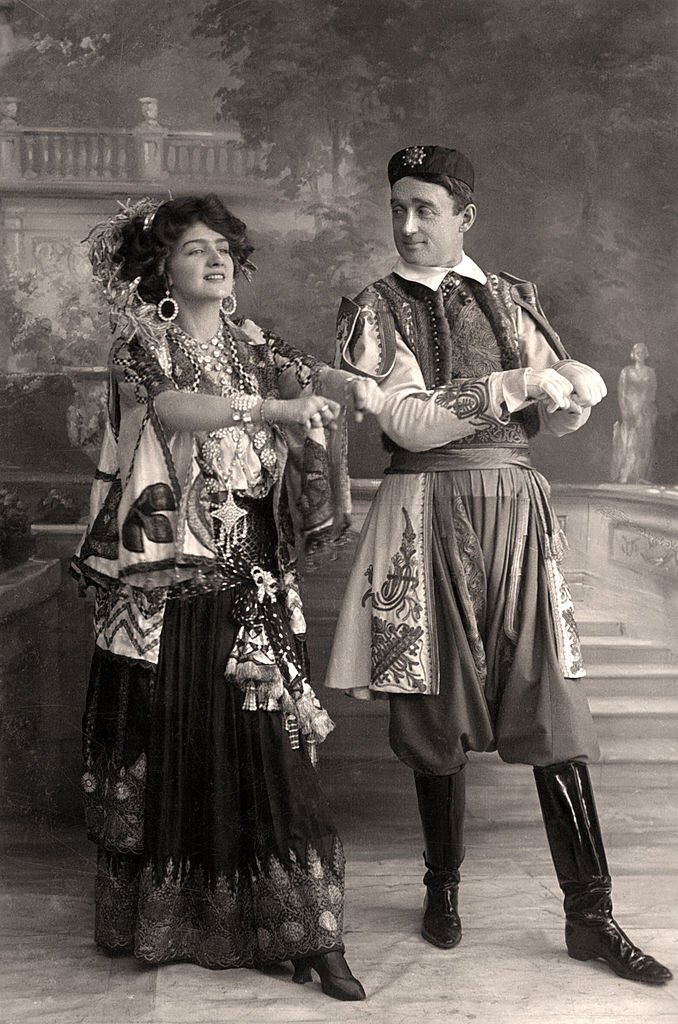
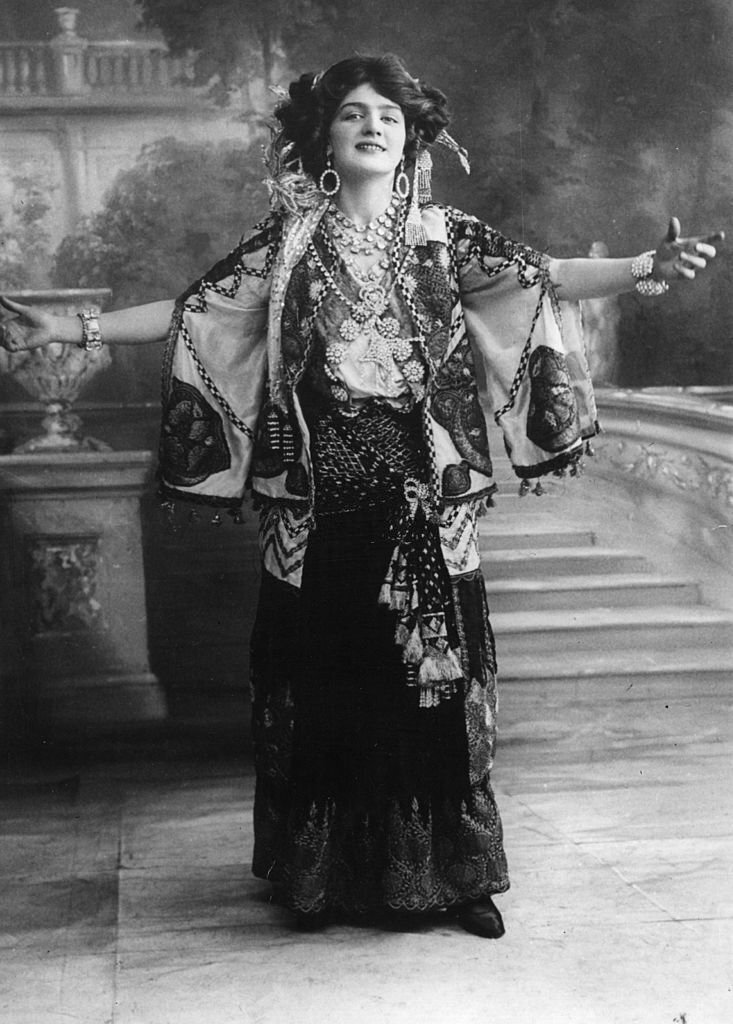
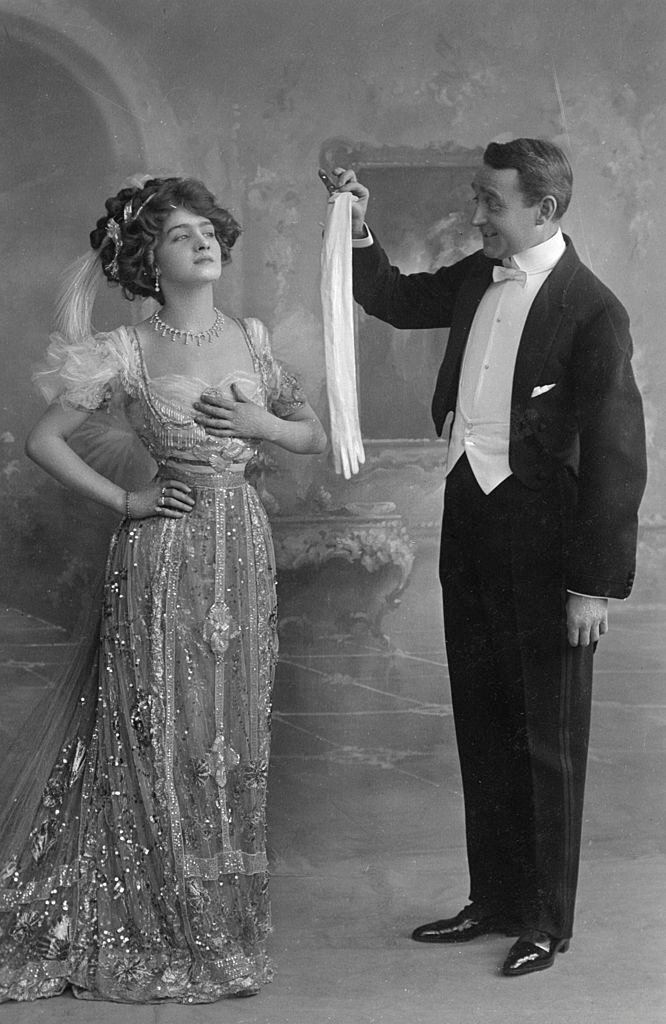
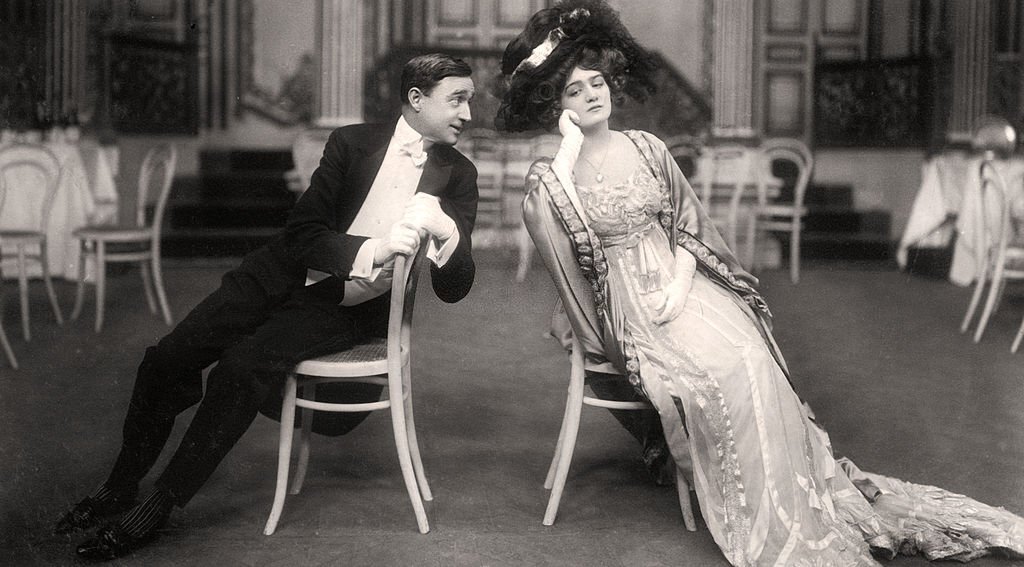
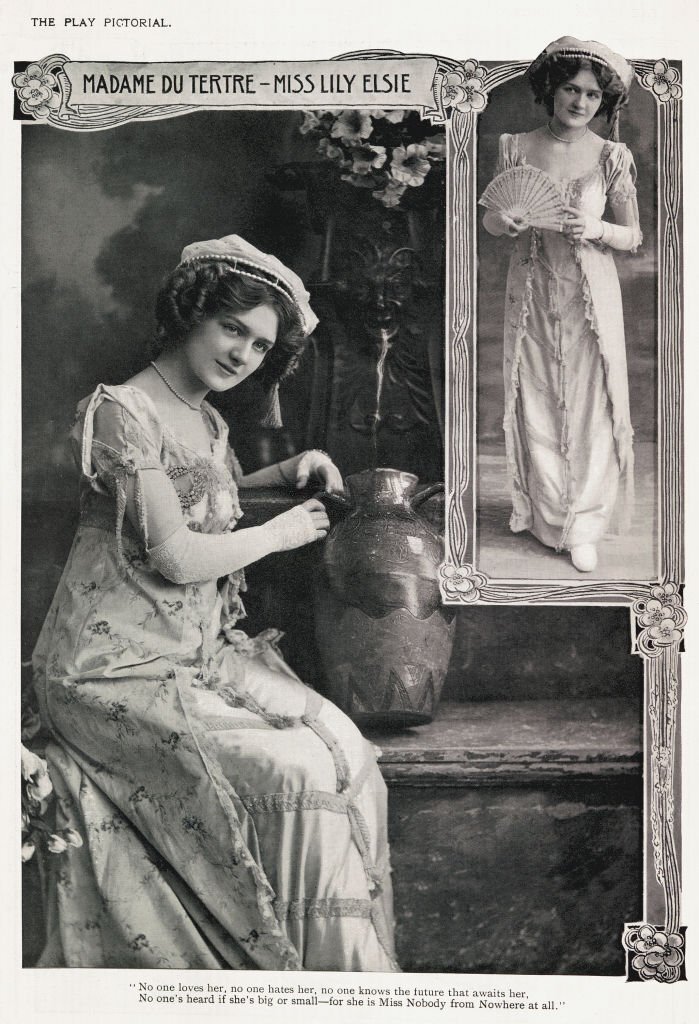
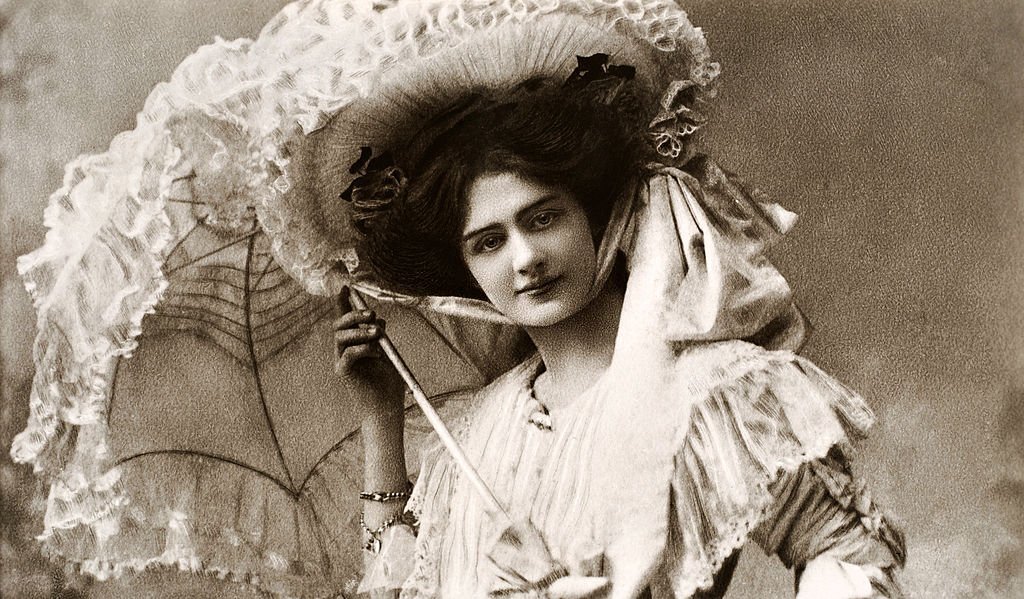
The Merry Widow opened at Daly’s Theatre with English lyrics by Adrian Ross and ran for an astonishing 778 performances. Elsie became the most photographed actress of the Edwardian era almost overnight. Her image was everywhere, and the wide-brimmed hat Lucile designed for the production became known simply as the Merry Widow hat.
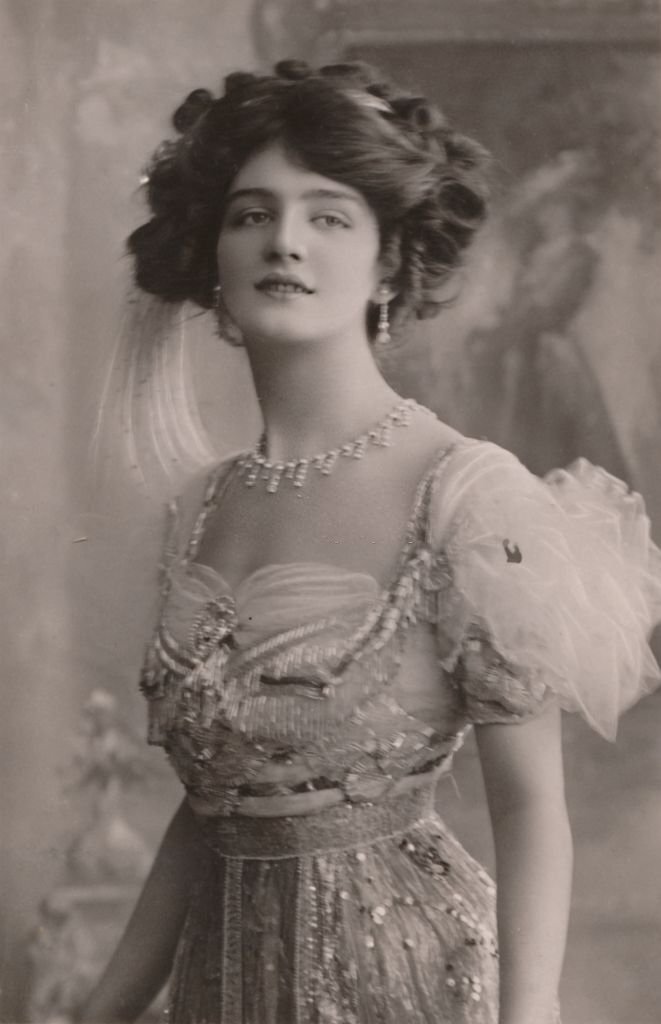
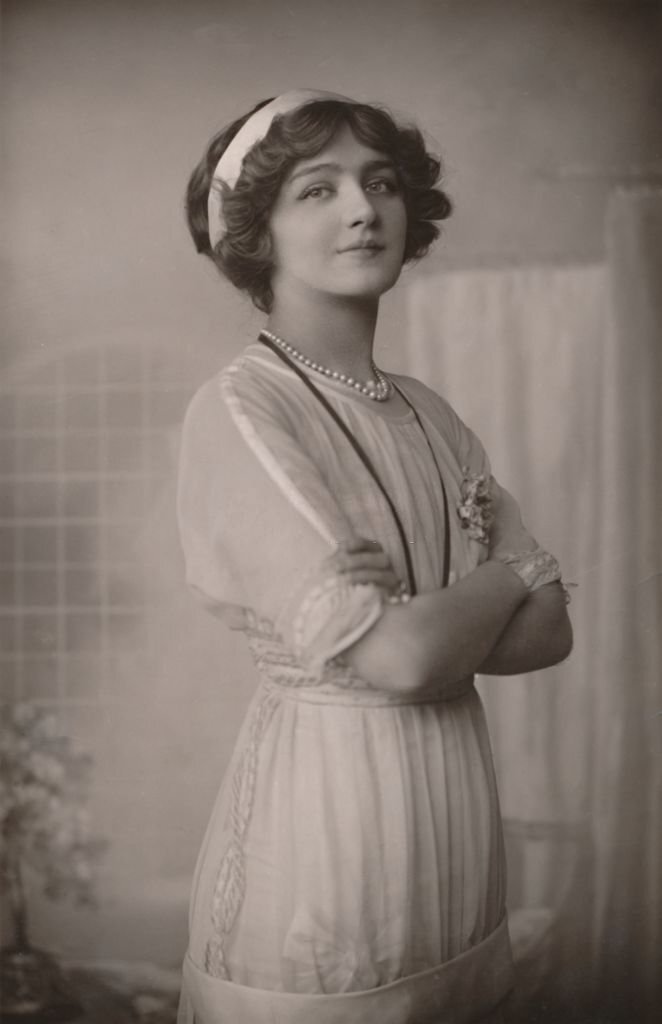
The operetta went on tour in 1908, cementing her status as a national icon. She was not simply famous — she was adored. Photographs of her sold across the country, and her face became synonymous with the grace and glamour of the Edwardian age.
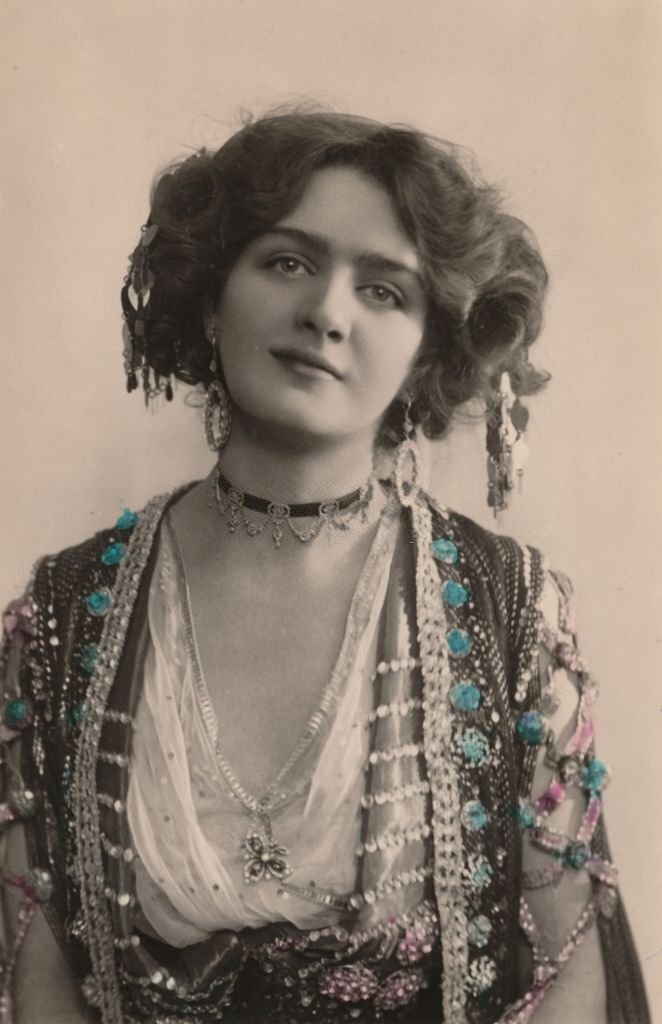
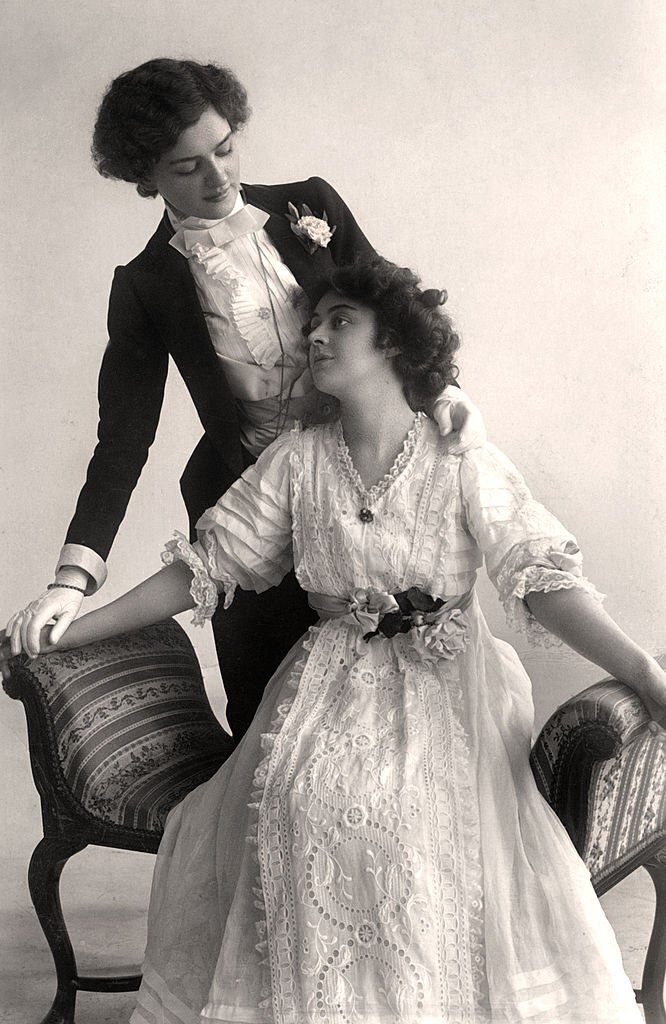
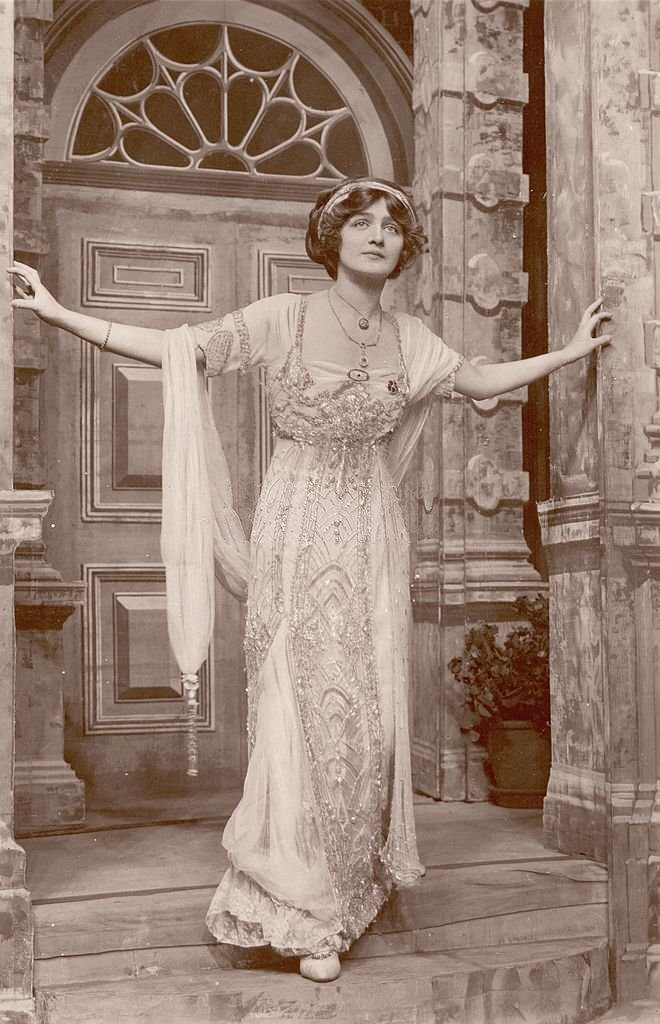
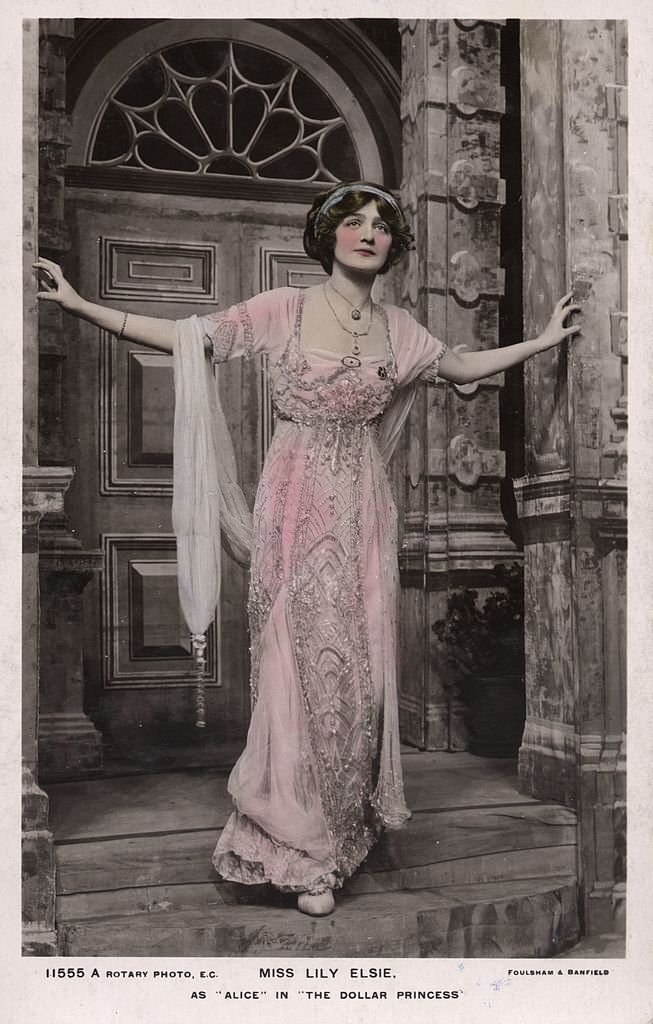
Following The Merry Widow, Elsie performed in sixteen more musical comedies. These included The Dollar Princess in 1909, A Waltz Dream in 1911, and The Count of Luxembourg in 1911. She played the role of Alice in The Dollar Princess at Daly’s Theatre to packed houses, once again earning widespread praise.
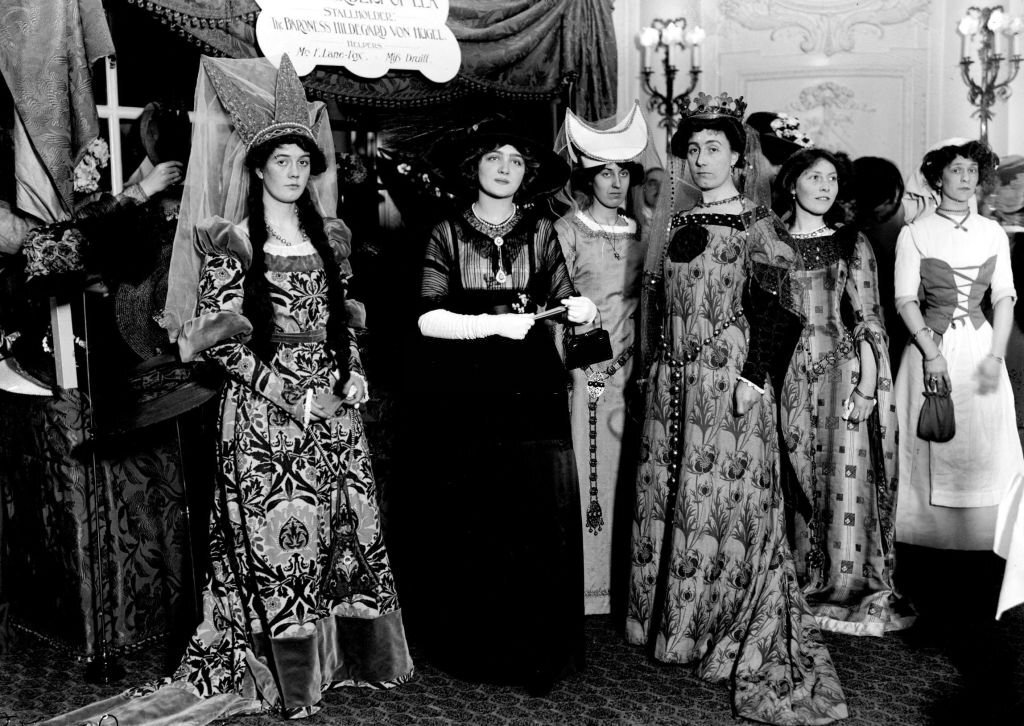
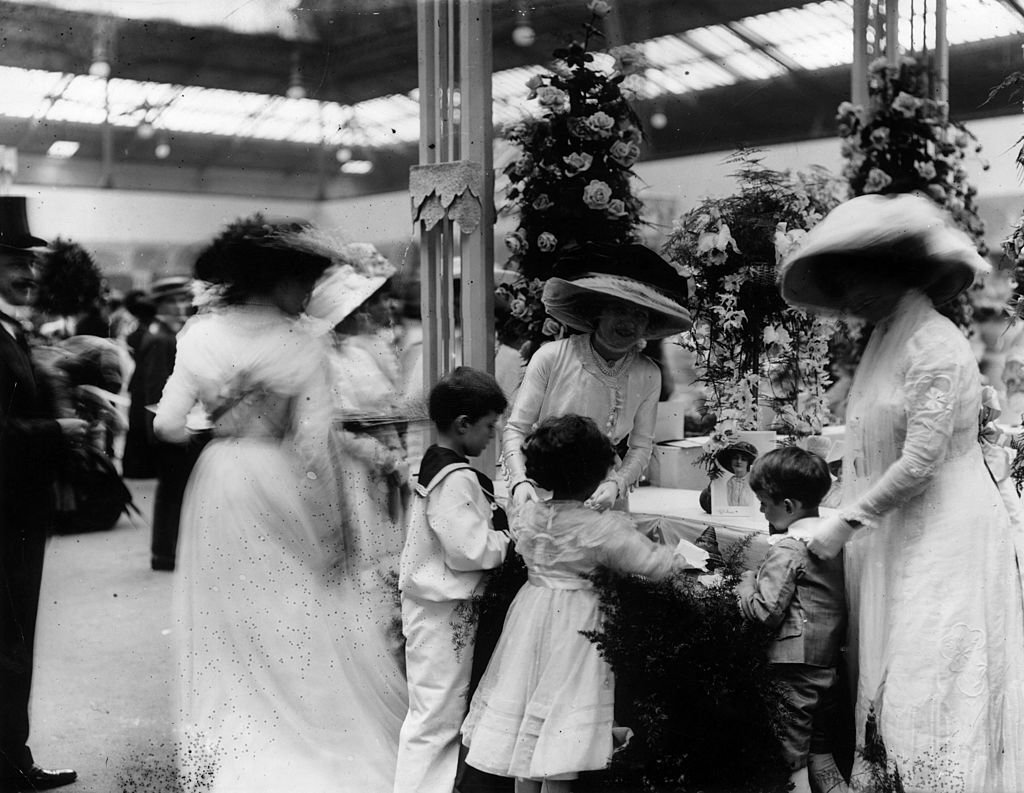
Off stage, Elsie was known for her charitable work. In 1909, she ran a stall at a Midsummer Fete at Olympia in aid of Great Ormond Street Children’s Hospital, one of many public appearances she made outside the theatre.
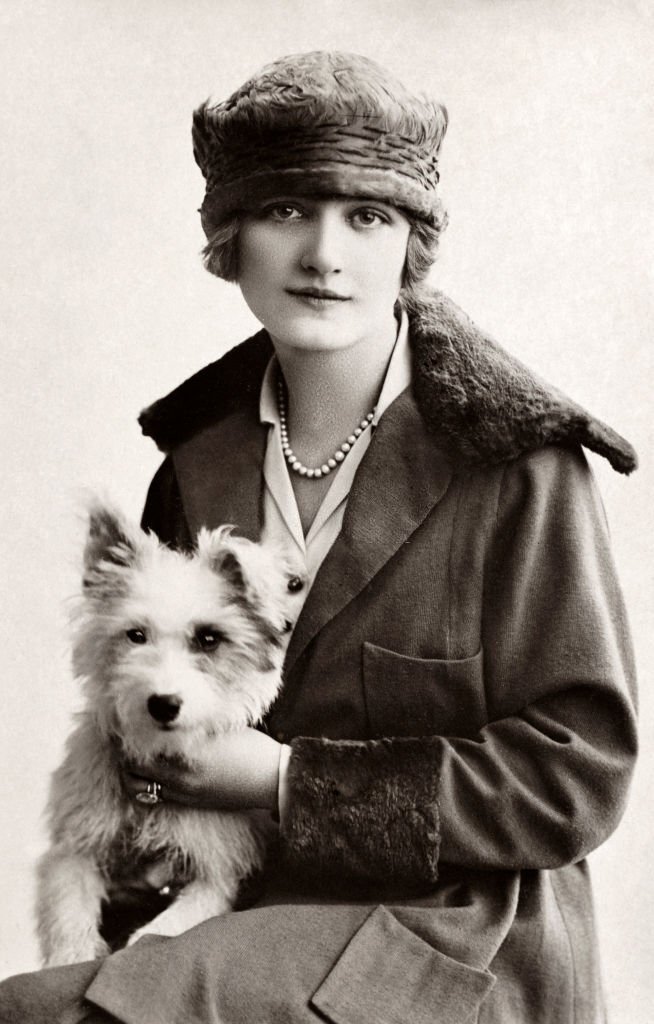
Elsie married Major John Ian Bullough, the son of a wealthy textile manufacturer. When the Great War broke out, Bullough pressed her to leave the stage. Given her naturally retiring nature, she agreed. The marriage, however, was never a happy one. After settling in Gloucestershire in 1920, she enjoyed country society for a time before the pull of the stage drew her back.
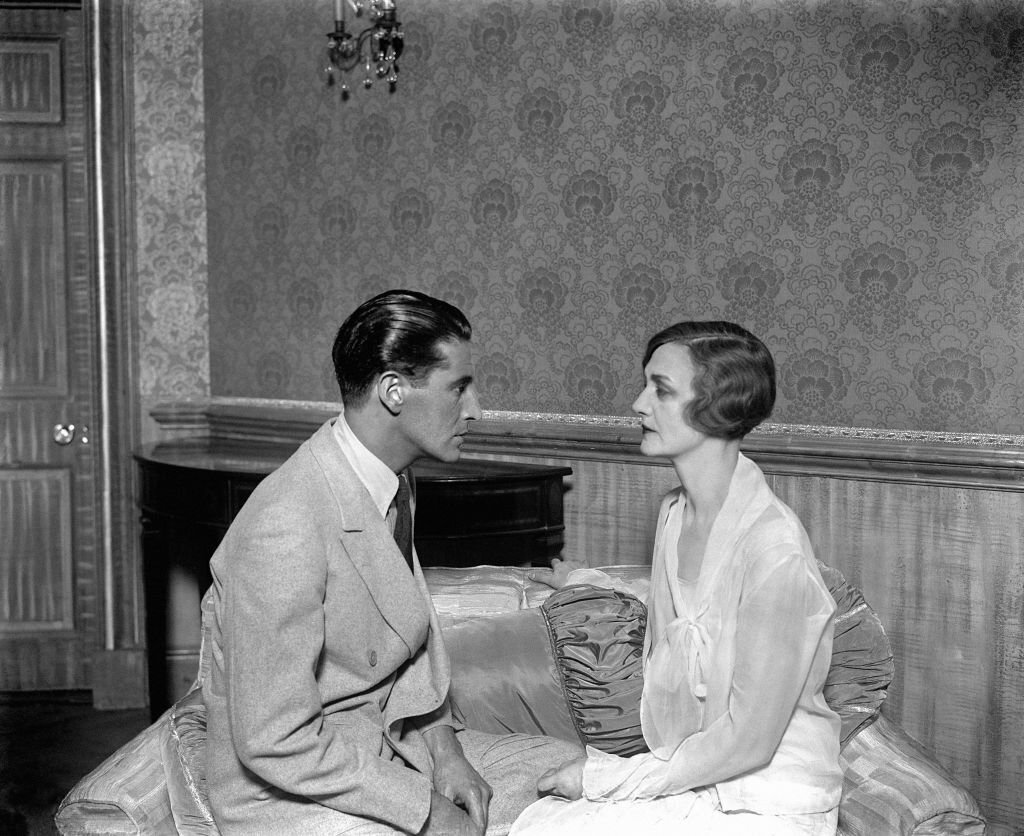
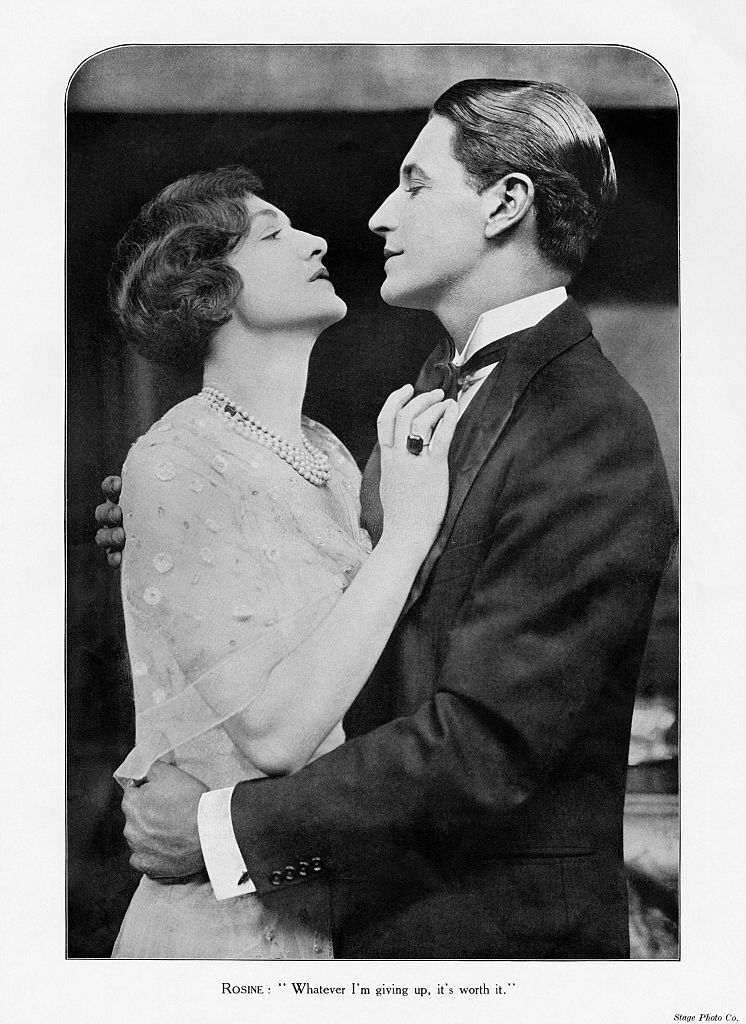
She returned to touring in the late 1920s. In 1929, she appeared alongside Ivor Novello in his play The Truth Game, playing Rosine Brown. It was her final role. After that production closed, she retired from the stage for good.
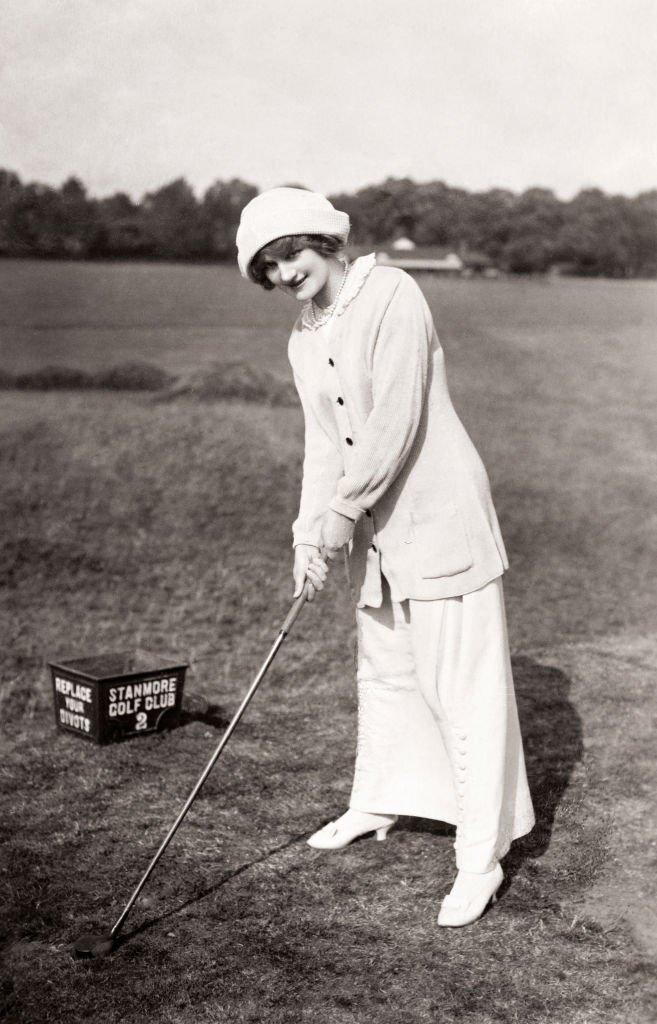
Her later years were difficult. Illness and hypochondria shadowed her as she moved between nursing homes and Swiss sanatoriums. The vibrant woman who had once commanded stages across Britain spent decades far removed from the spotlight she had so reluctantly claimed.
Lily Elsie died in 1962 at the age of 76, following brain surgery that had briefly improved her health. She had started her life on a Salford music hall stage as a ten-year-old in a red riding hood costume and ended it as one of the most recognizable faces of a golden theatrical age.