The Edwardian era in Britain ran from 1901 to 1910, though many historians stretch it to the start of the First World War. It began the moment Queen Victoria died in January 1901, ending a reign that had shaped Britain for over six decades. Her son, Edward VII, stepped into power as a man already deeply connected to a fashionable, cosmopolitan elite inspired by art and culture from continental Europe. Where Victoria had been reserved and domestic, Edward was outgoing and stylish — and that difference showed up across British society.
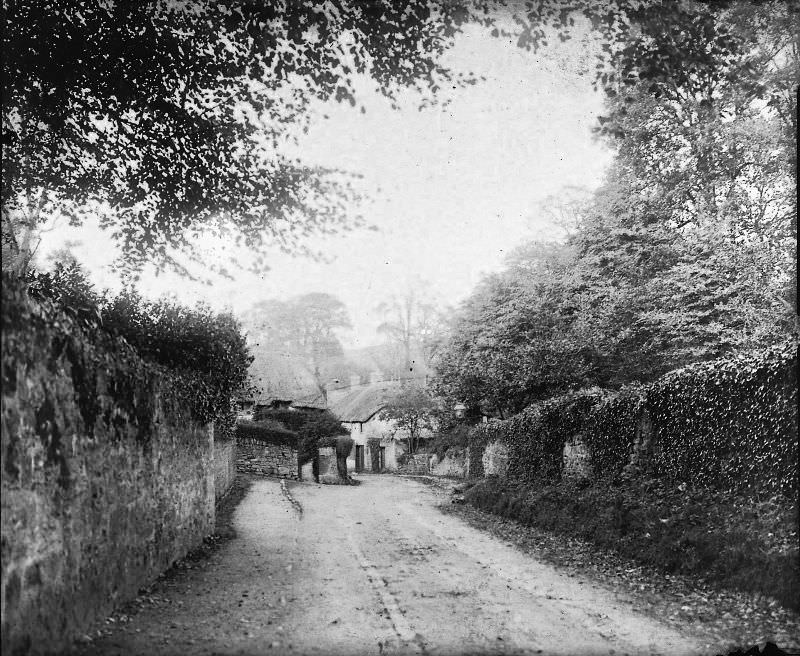
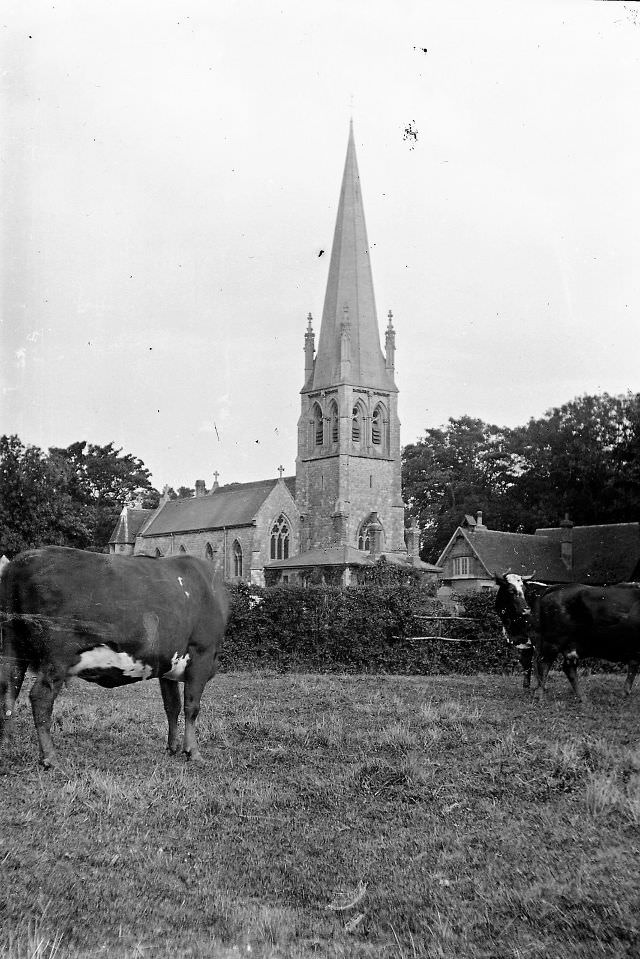
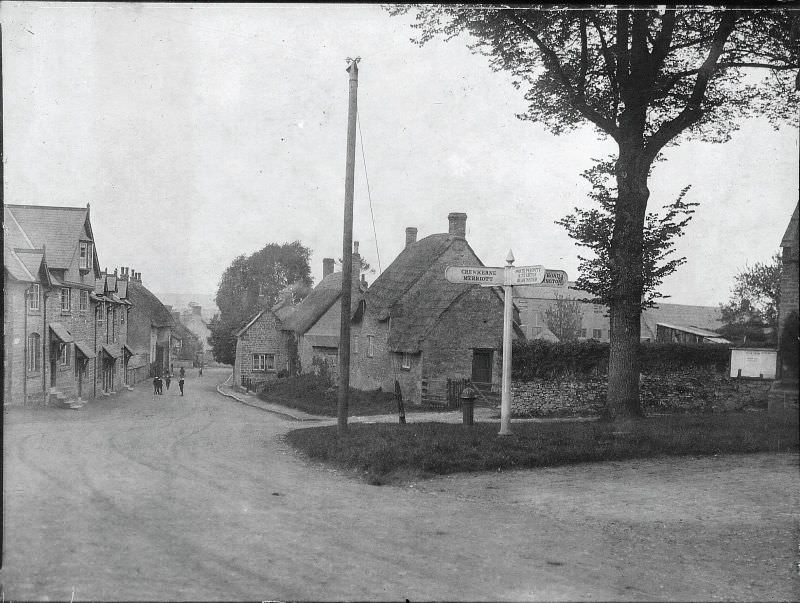
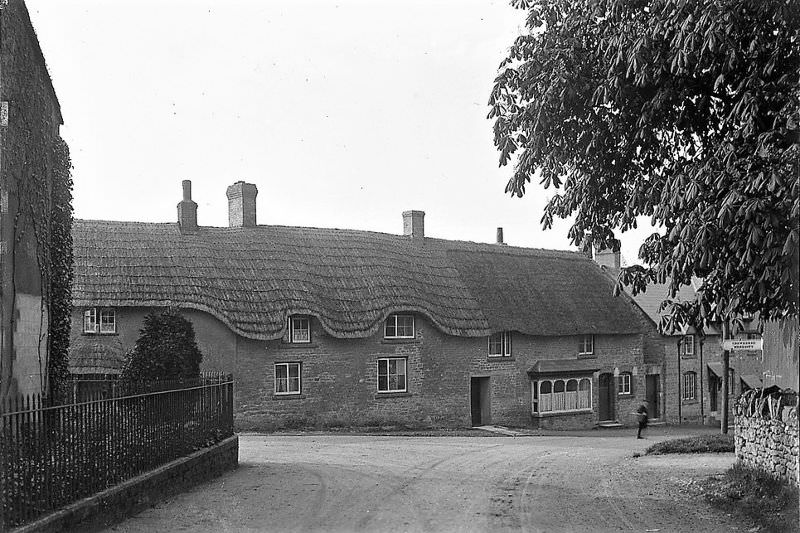
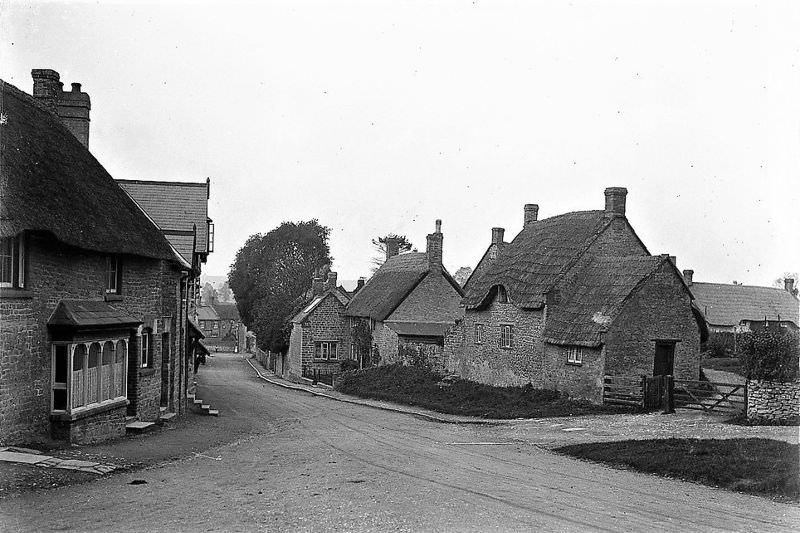
Rural England during this period still carried the quiet, unhurried pace visible in its villages and country lanes. Small communities like Osmington in Dorset and Haselbury Plucknett in Somerset retained a deeply traditional character. Church buildings stood at the center of local life, both physically and socially. These were not just places of worship — they anchored communities through seasons, harvests, and generations.
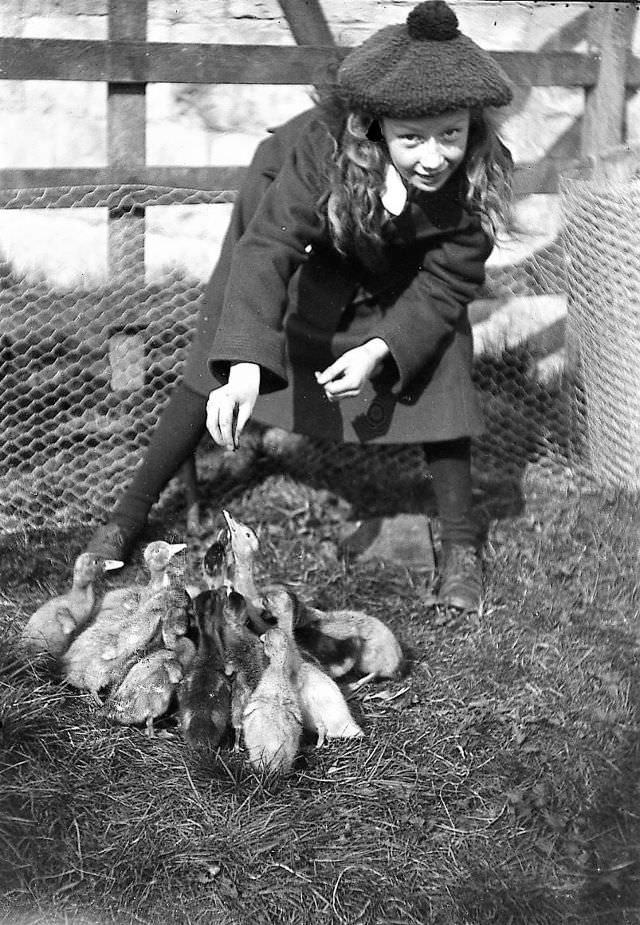
Childhood looked very different in the Edwardian era compared to the Victorian period that came before it. Child labor, which had consumed the early years of countless working-class children, was coming to an end. Children now had more time for the simple pleasures captured in photographs like feeding ducks by a pond. In 1907, Lord Baden-Powell formalized this new vision of boyhood by founding the Boy Scout movement, which pushed values of duty, discipline, and good citizenship.
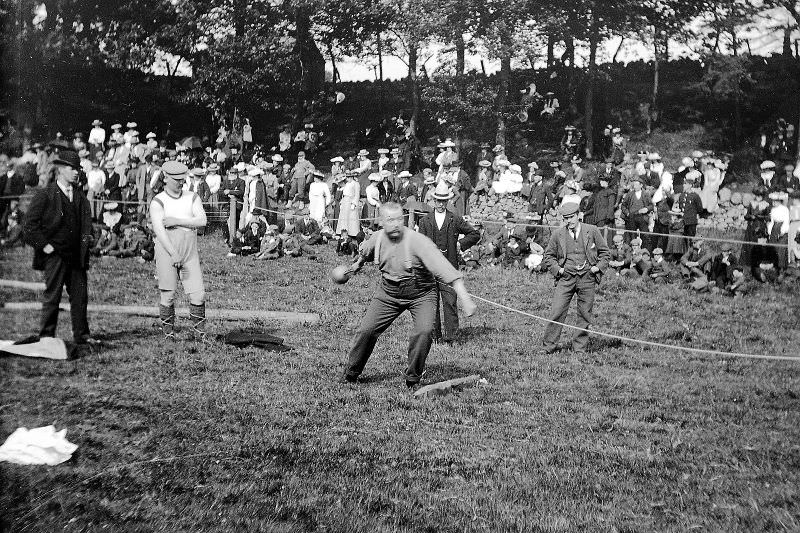
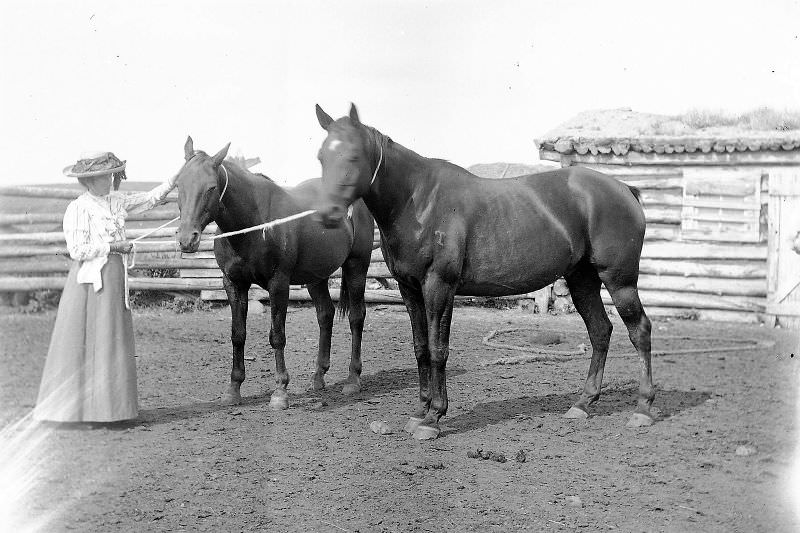
Leisure was a defining feature of Edwardian life, especially for the upper and middle classes. Sports events, outdoor gatherings, and social outings became fixtures of the calendar. The Highland Games drew crowds who came to watch traditional feats of strength and athletic competition. Meanwhile, women were increasingly visible in public spaces in ways that would have been unusual just a generation earlier.
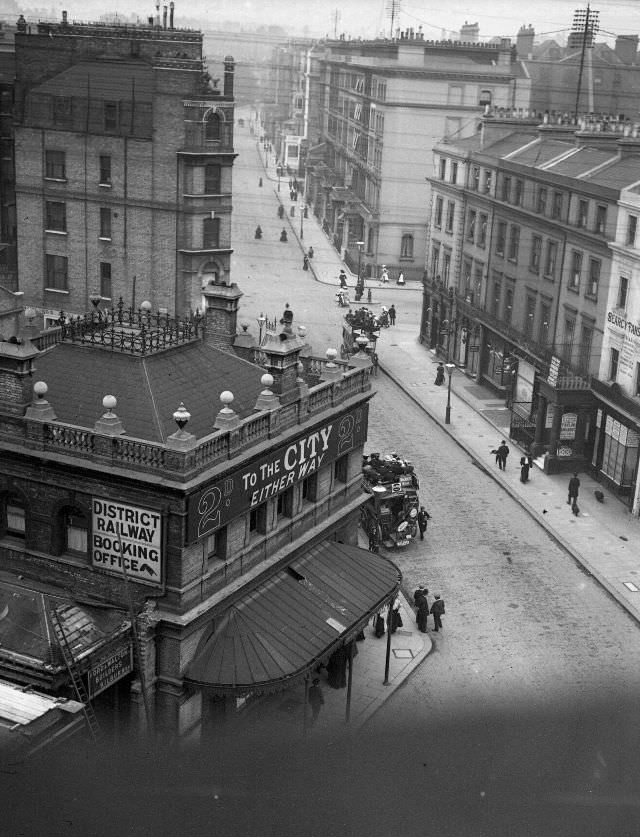
London was the beating heart of the empire, and its infrastructure reflected that status. The underground railway system was already well established, with stations like Gloucester Road serving a growing urban population. Trams ran along major streets, and horse-drawn carriages competed with the first motor vehicles for road space. The city was noisy, crowded, and constantly moving.
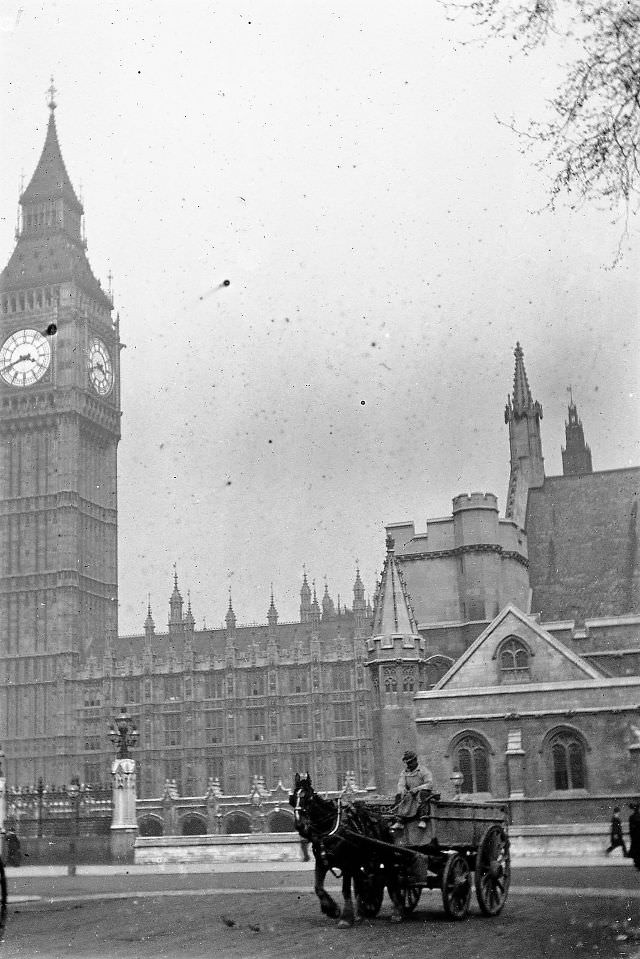
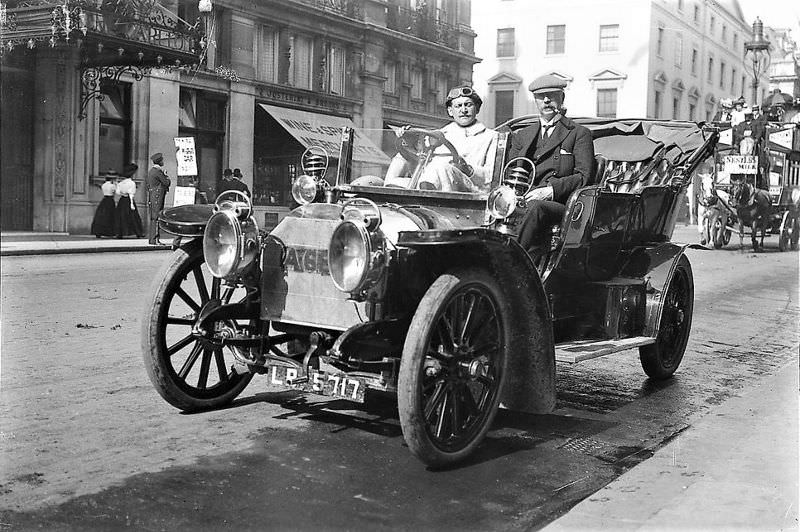
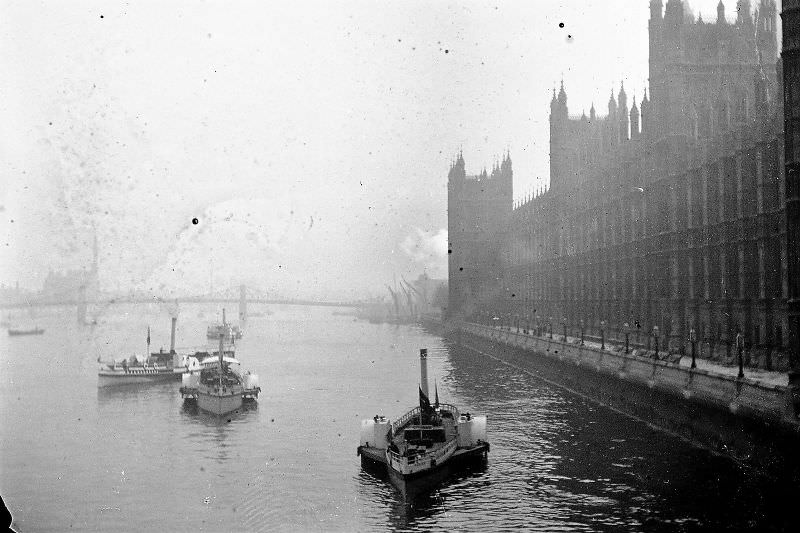
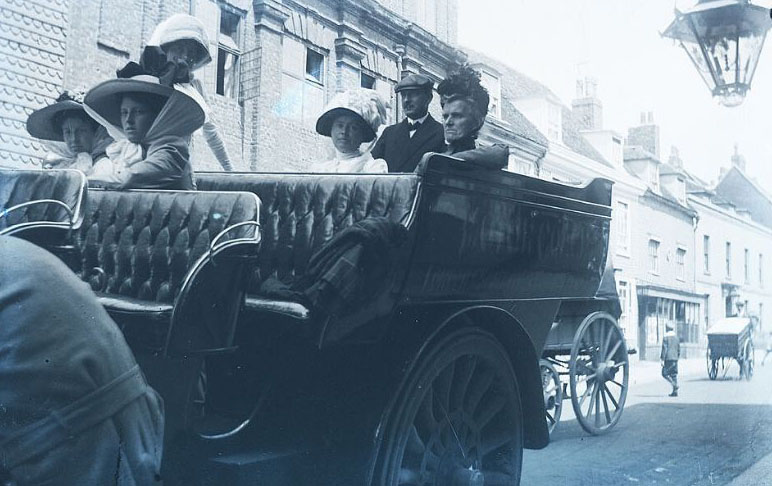
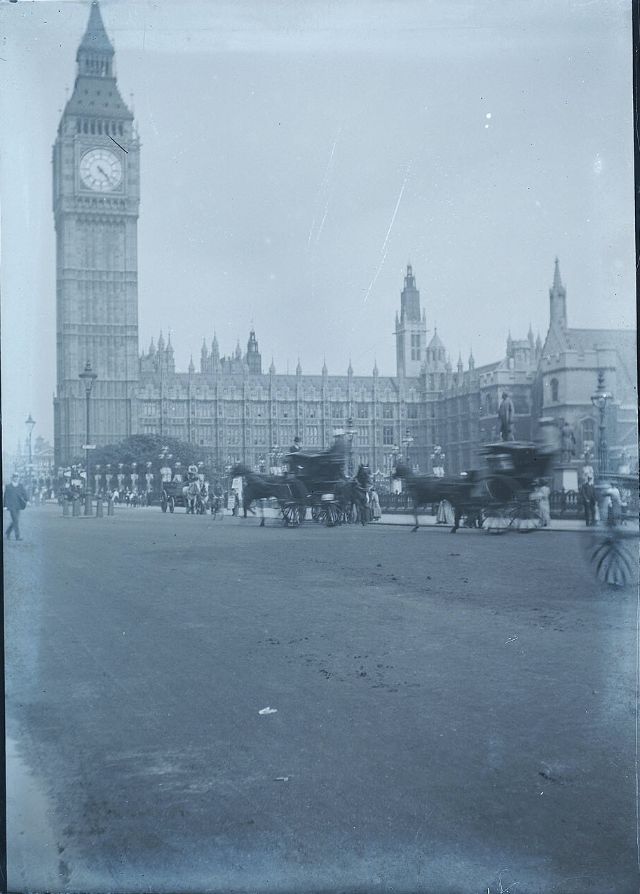
The automobile was still a novelty for most people, but the wealthy embraced it quickly. Being seen in a motor car was a statement of status. William Cochrane parked across from the Carlton Hotel represents exactly that kind of public display — wealth made visible on the street. At the same time, the Houses of Parliament loomed as the seat of a government facing enormous pressure for reform, particularly around voting rights.
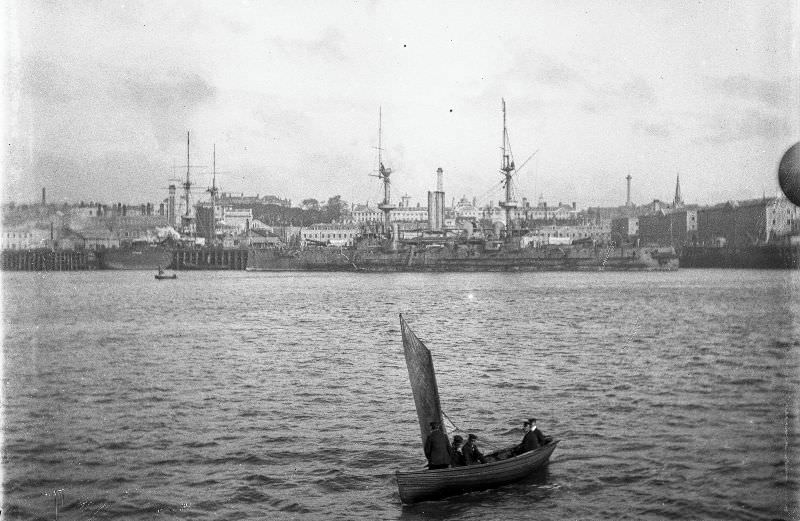
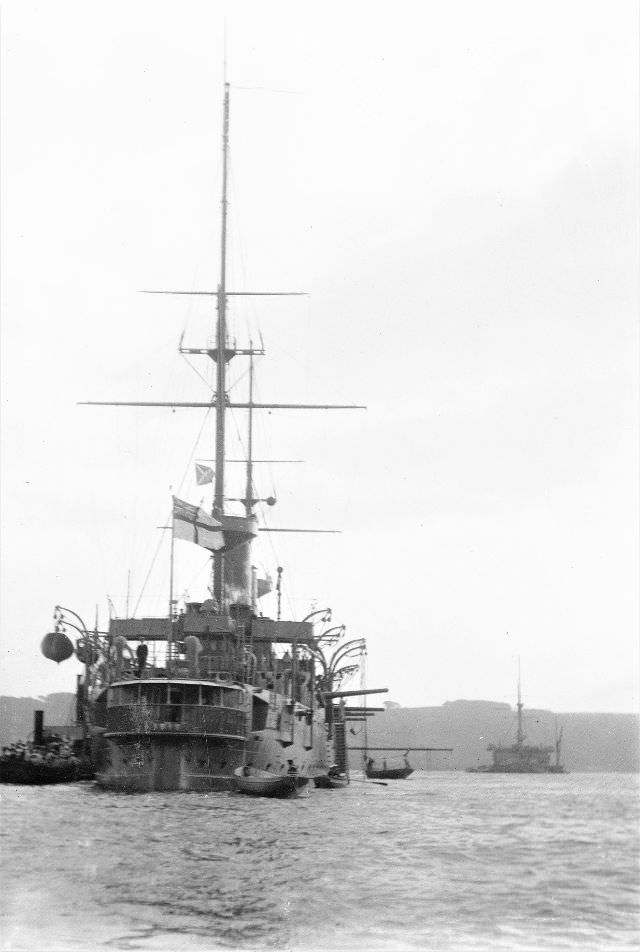
Britain’s naval power was on full display at Portsmouth, one of the Royal Navy’s most important bases. The harbour was a working port but also a point of national pride. Ships of all kinds — from steamers to warships — moved through British waters during this period. The Royal Navy was actively preparing and expanding as international tensions began to build across Europe.
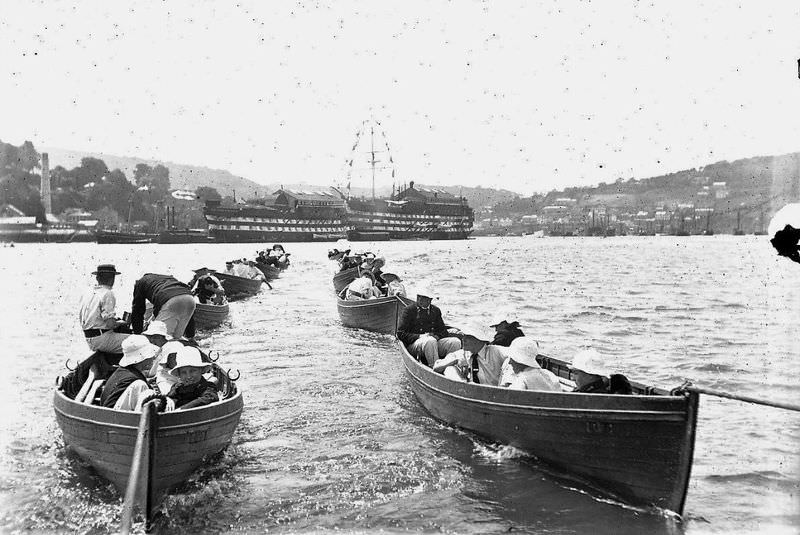
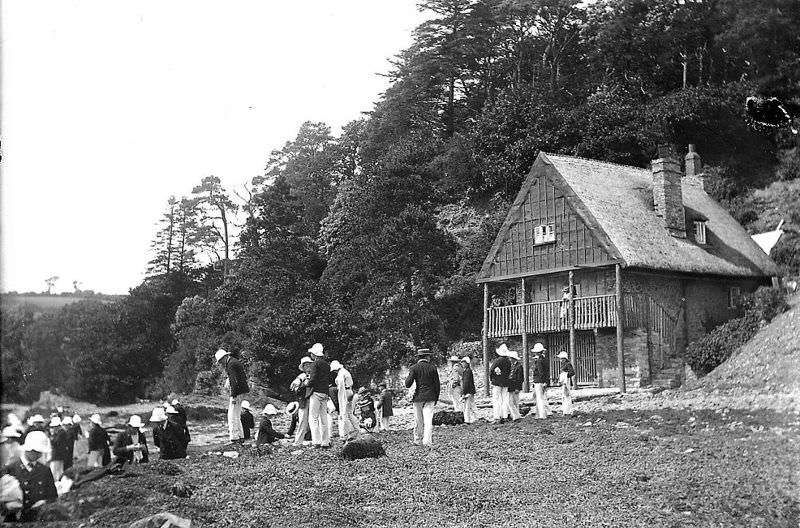
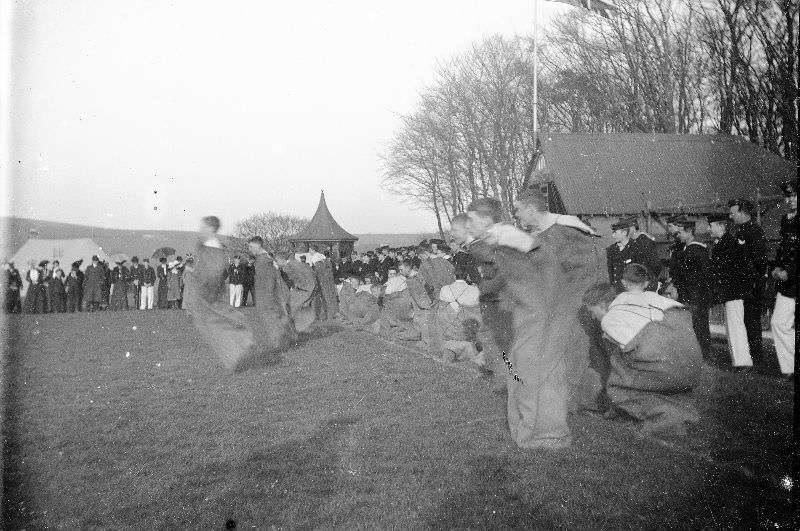
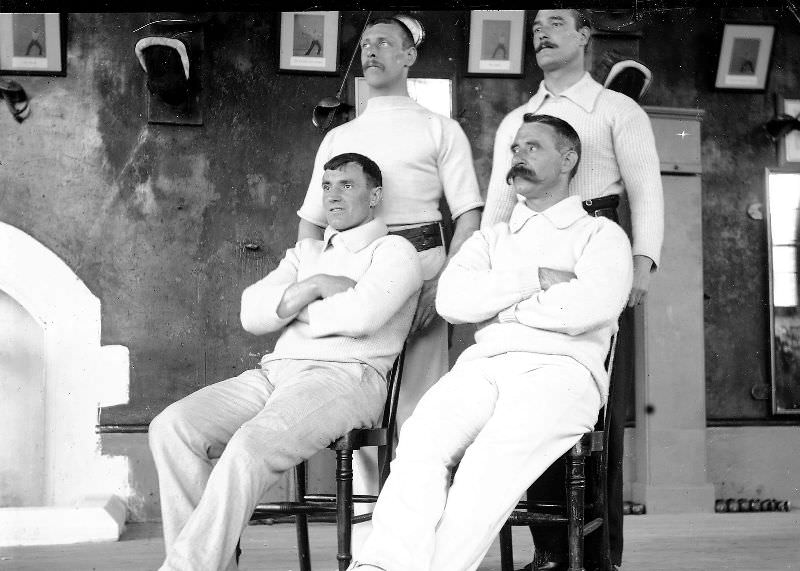
The Royal Navy trained its cadets rigorously, instilling a sense of discipline from a young age. These boys represented Britain’s future military strength at a time when naval rivalry with Germany was intensifying. Outside of formal training, everyday recreation still had its place — the sack race was a staple of village fetes and school sports days, drawing laughter from both participants and spectators.
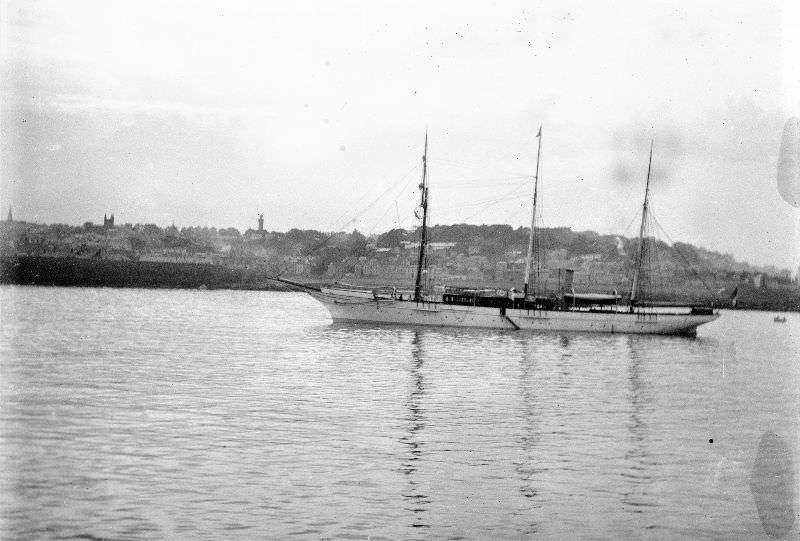
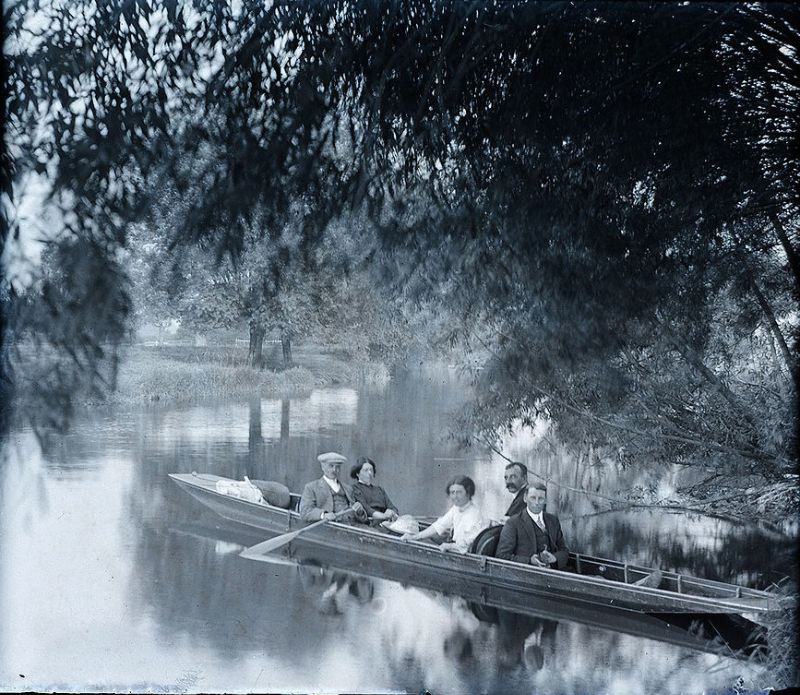
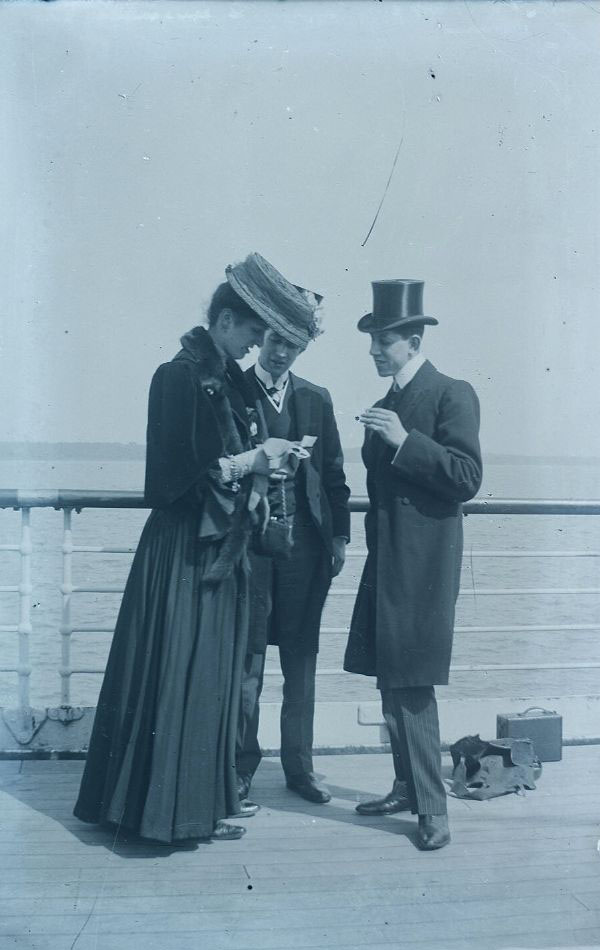
Britain’s relationship with the sea extended well beyond its navy. Trade, travel, and fishing all depended on coastal and river routes. Side-wheelers churned along the Thames, carrying passengers between the city’s bridges, while sailing-steam hybrid vessels navigated the Channel off Guernsey. The waterways of England were central to commerce and daily movement in ways that roads had not yet fully taken over.
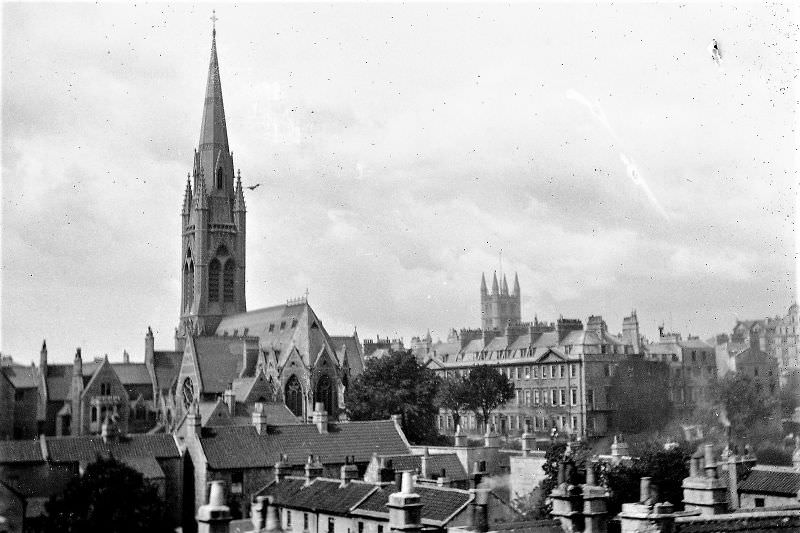
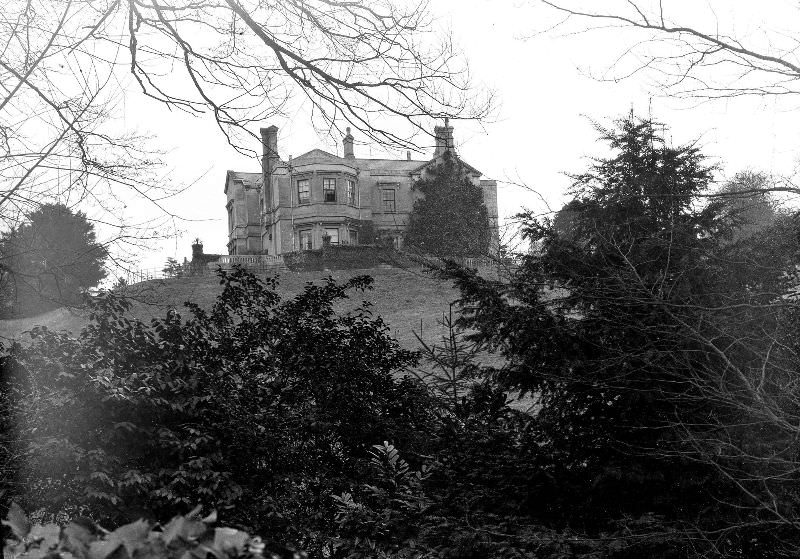
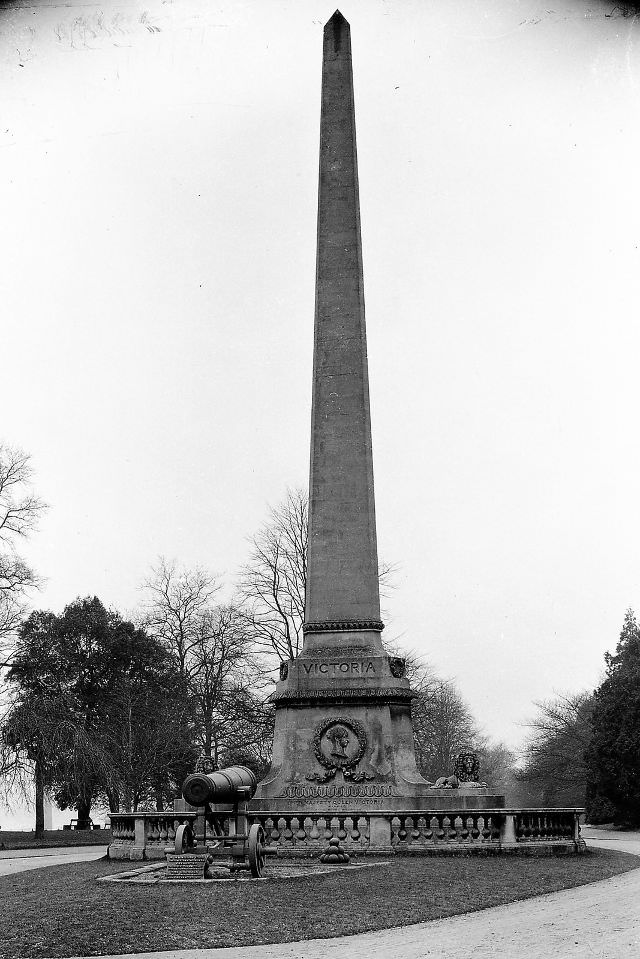
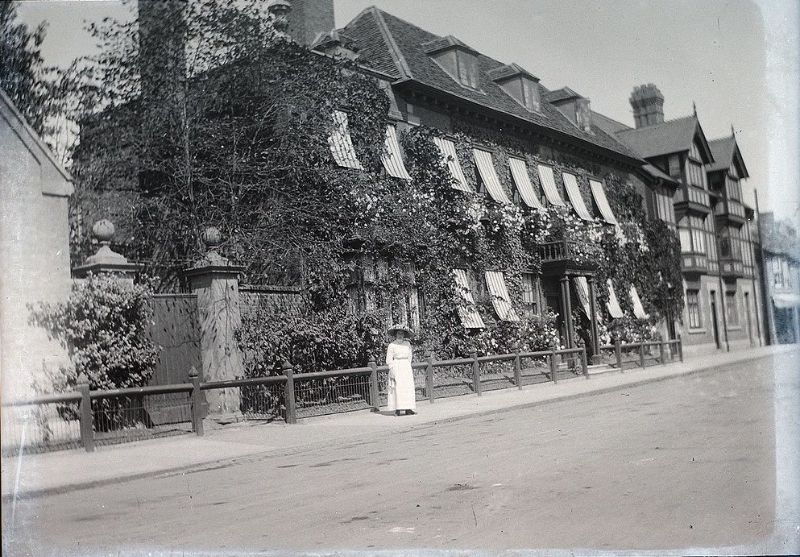
Somerset’s cities and villages presented a striking contrast between old stone architecture and the changes of modern life arriving by rail. Bath, viewed from a passing train, showed its Georgian rooflines alongside church towers that had stood for centuries. The Victoria Monument at Royal Victoria Park honored the queen who had just passed, while the county’s quieter corners, like Haselbury Plucknett, remained largely unchanged.
The Edwardian era saw women push hard against the boundaries that had long confined them. The Suffragette movement gained serious momentum starting in 1906, led by Emmeline Pankhurst and her daughters, who founded the Women’s Social and Political Union. The campaign for women’s right to vote and hold office was fierce. Many women were arrested and imprisoned for their activism. At the same time, women were entering new professional roles, including work as typists, which gave them a greater foothold in the workplace.
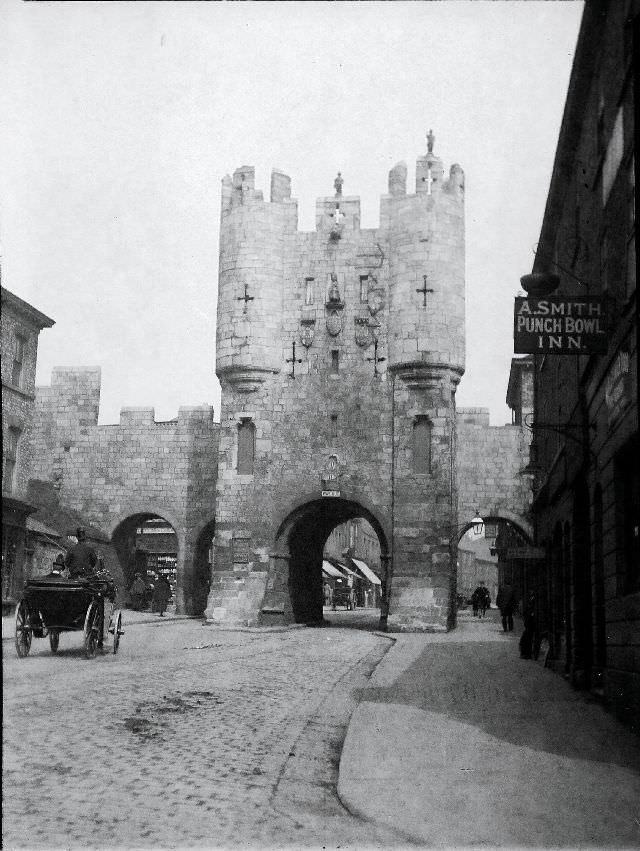
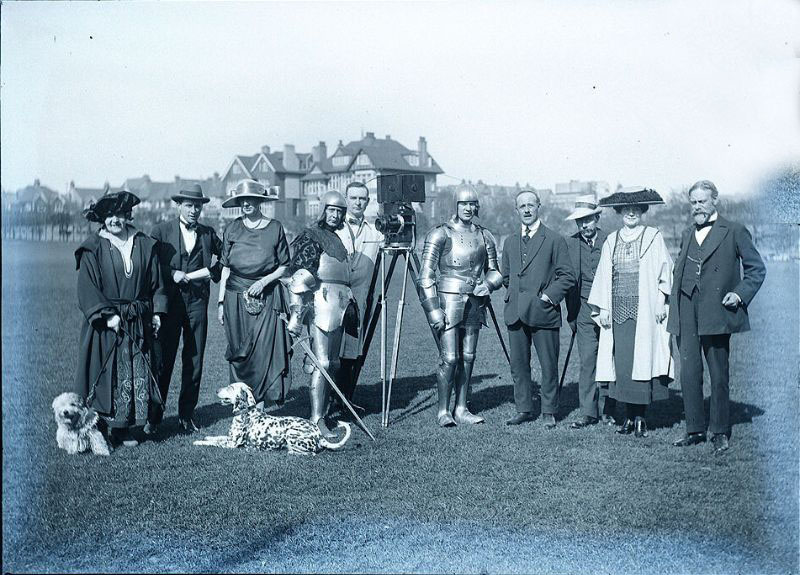
Historic cities like York preserved medieval landmarks such as Micklegate Bar, one of the city’s ancient gateways. These sites coexisted with thoroughly modern activities — including early filmmaking. A cine camera being set up alongside actors in armour shows that the British film industry was already finding its footing, drawing on history for its stories even as it used brand-new technology to tell them.
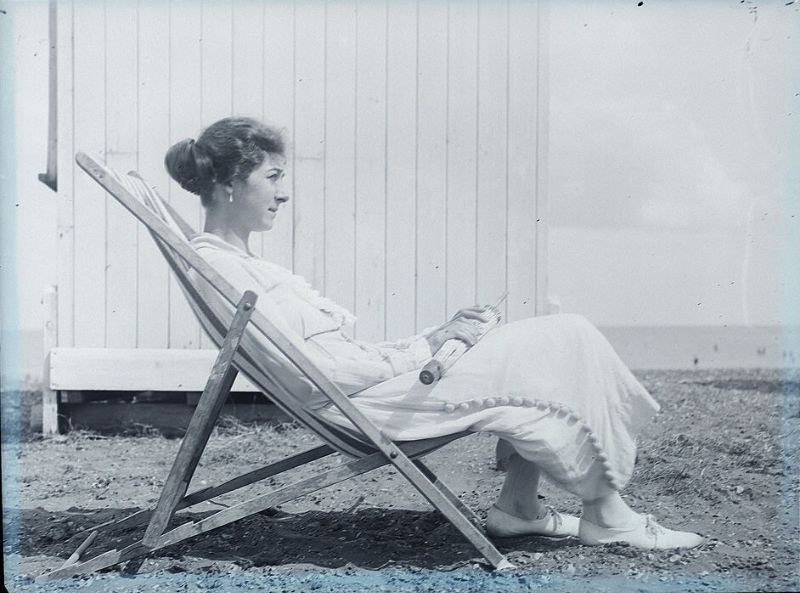
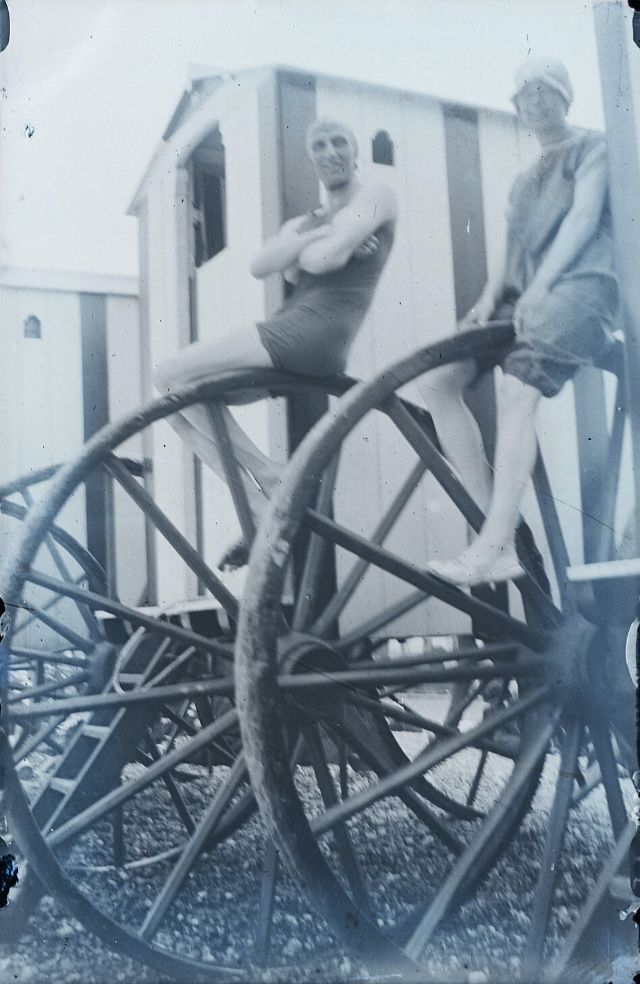
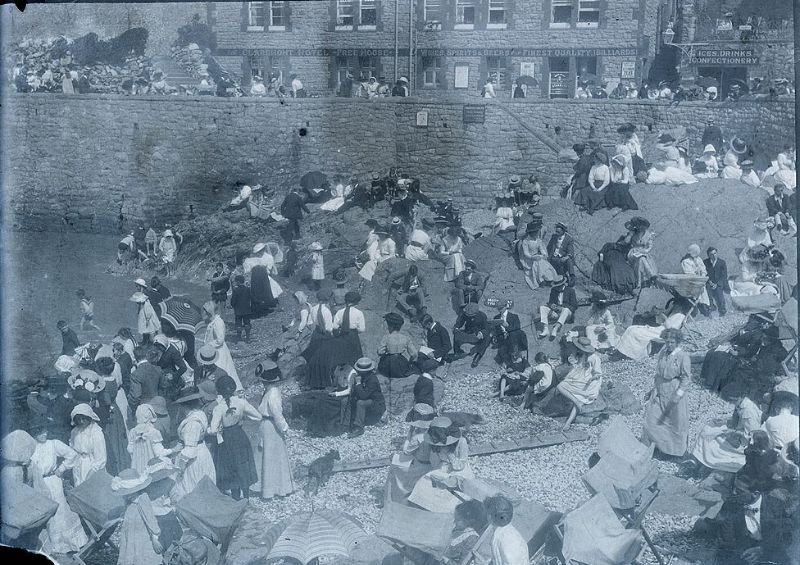
The seaside was the great equalizer of Edwardian leisure. Working-class and middle-class families alike flocked to coastal resorts when they could. Beaches like Weston-Super-Mare’s front drew enormous crowds, with bathing huts lined up along the shore providing modest changing facilities. A day by the sea was one of the most common shared experiences of the era, regardless of class.
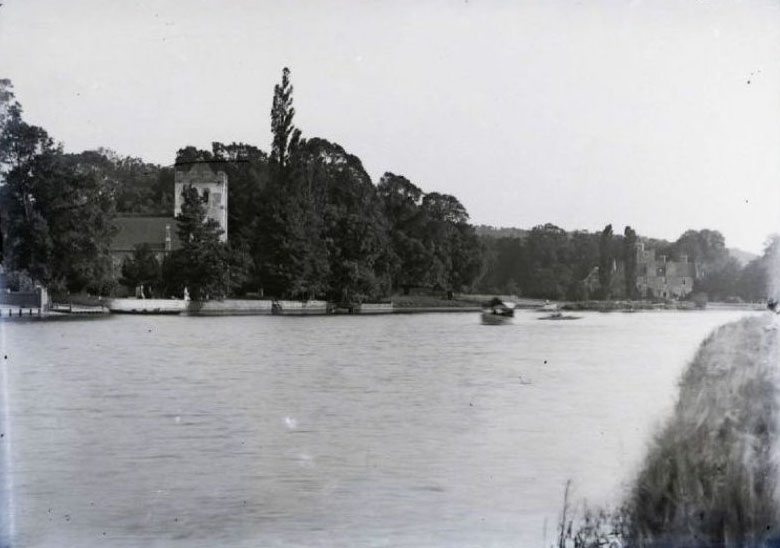
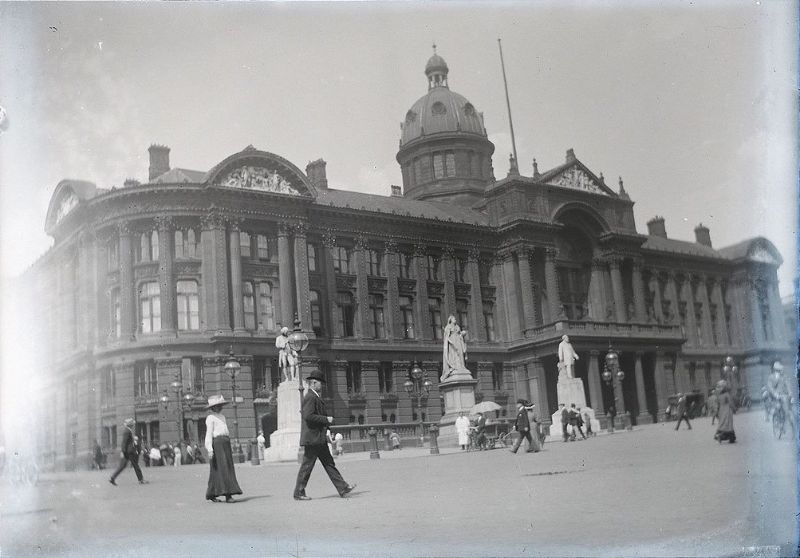
Berkshire and the Midlands each reflected the Edwardian period in their own ways. All Saints Church in Bisham stood as a medieval structure still actively serving its community. Meanwhile, Birmingham’s Council House represented civic ambition — a grand public building that signaled the city’s pride in its own growth and governance. These two structures, centuries apart in age, both shaped the communities around them.
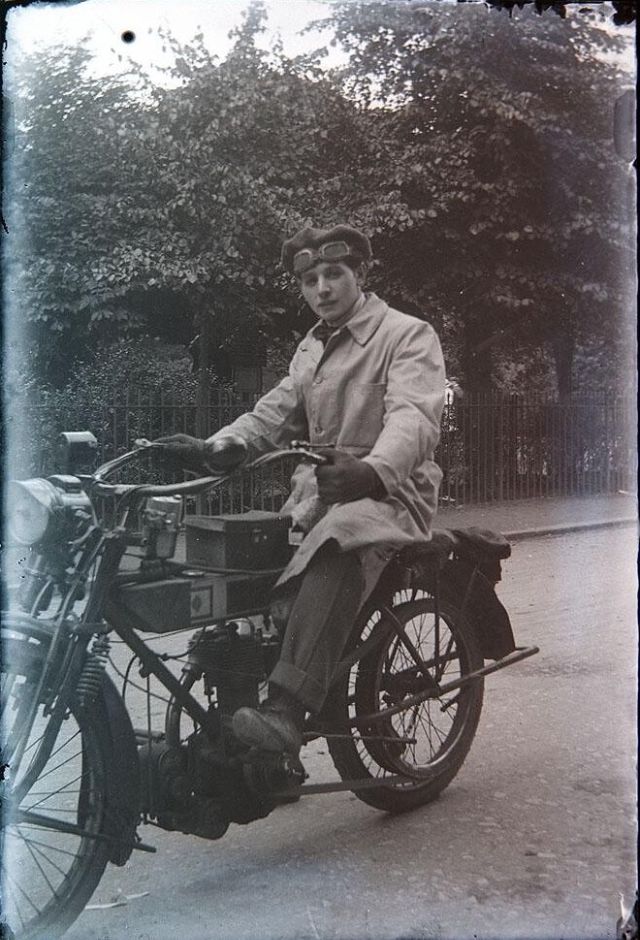
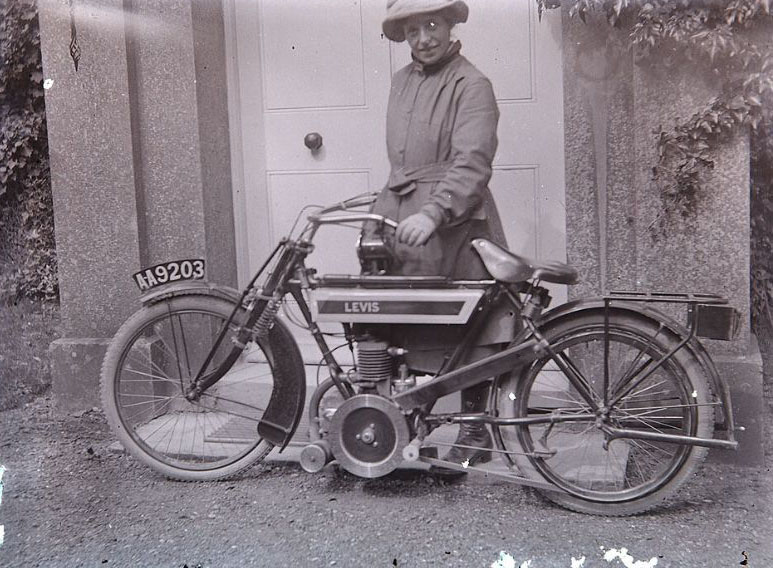
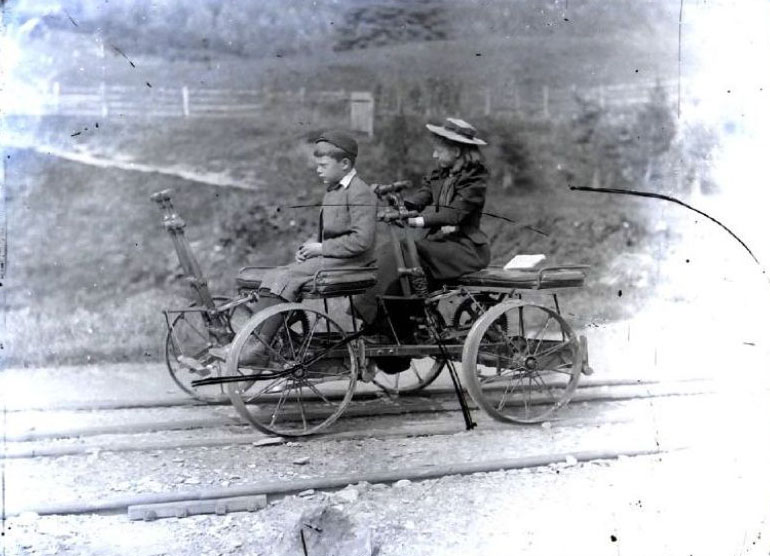
The motorcycle was one of the most exciting new machines of the era. Bradbury and Levis were among the British manufacturers producing early models, and these machines drew enormous public interest. They were loud, fast by the standards of the day, and represented a kind of personal freedom that suited the Edwardian appetite for mobility and adventure. The roads of Britain were changing fast.
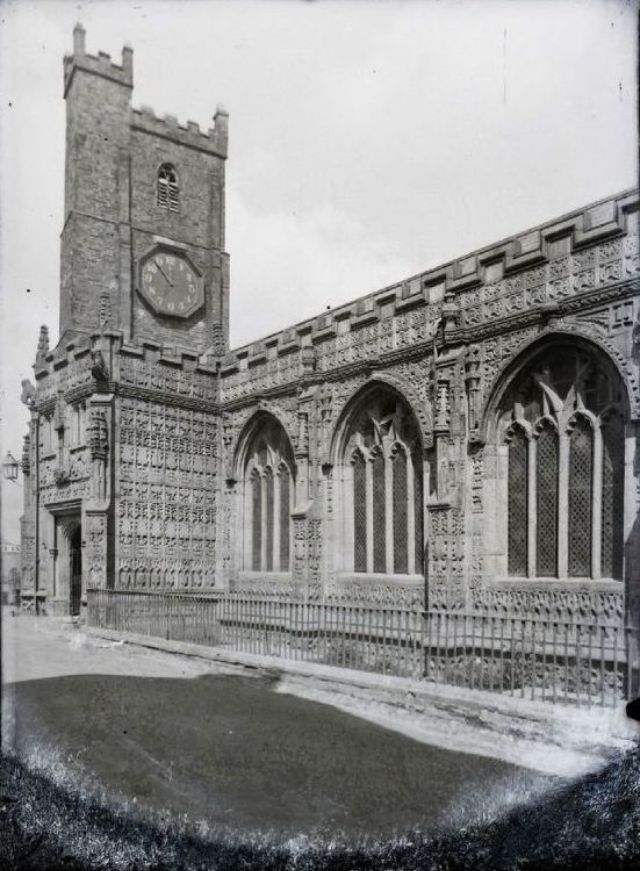
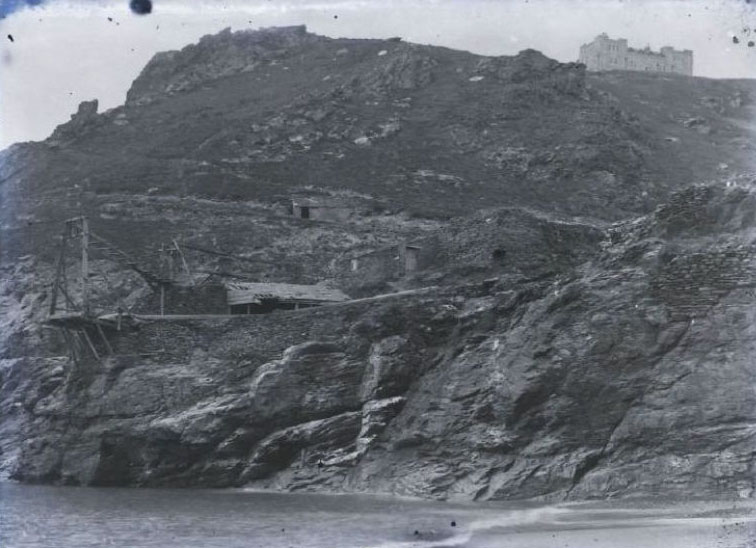
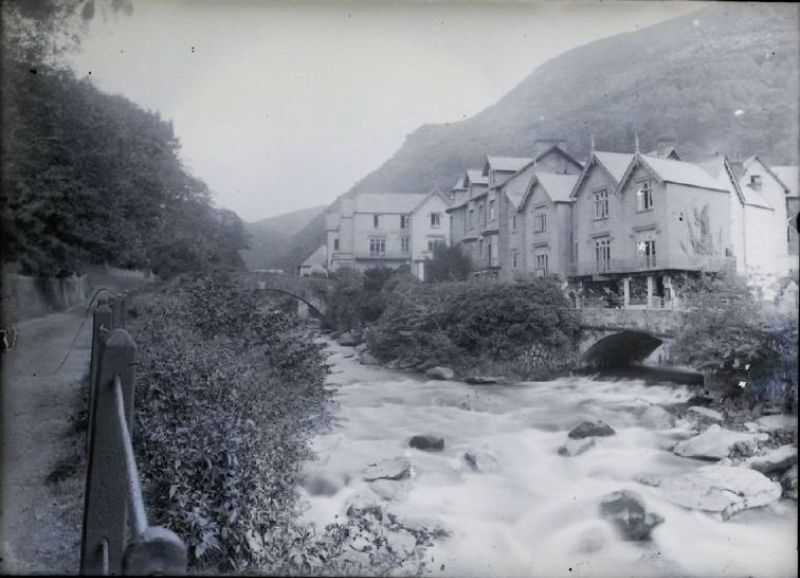
Cornwall attracted visitors drawn to its rugged coastline and ancient history. Tintagel, with its Arthurian legends, was already a tourist destination, and the Camelot Castle Hotel catered to those who made the journey. Further inland, Devon’s coastal town of Lynmouth looked peaceful in photographs taken before the catastrophic floods that would later reshape it entirely.
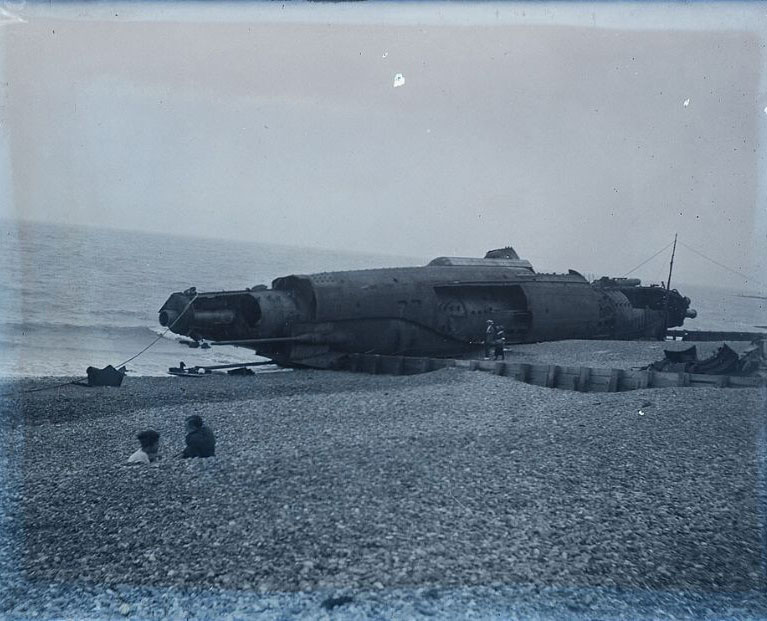
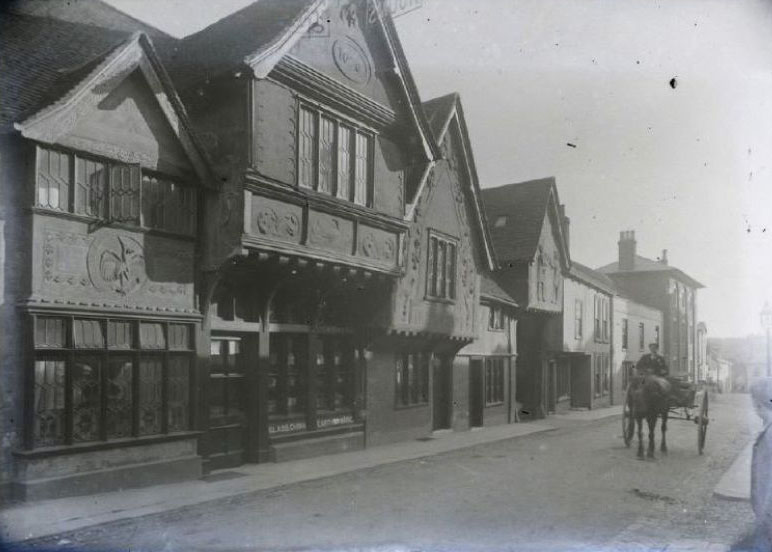
The shadow of coming conflict occasionally broke through the surface of Edwardian life. A beached submarine at Hastings — possibly the German U-Boat U131 — offered a jarring glimpse of the underwater warfare technology that would define the coming war. Essex’s market towns, by contrast, preserved a quieter history. The Old Sun Inn at Saffron Walden, with its ornate plasterwork, was already centuries old when these photographs were taken.
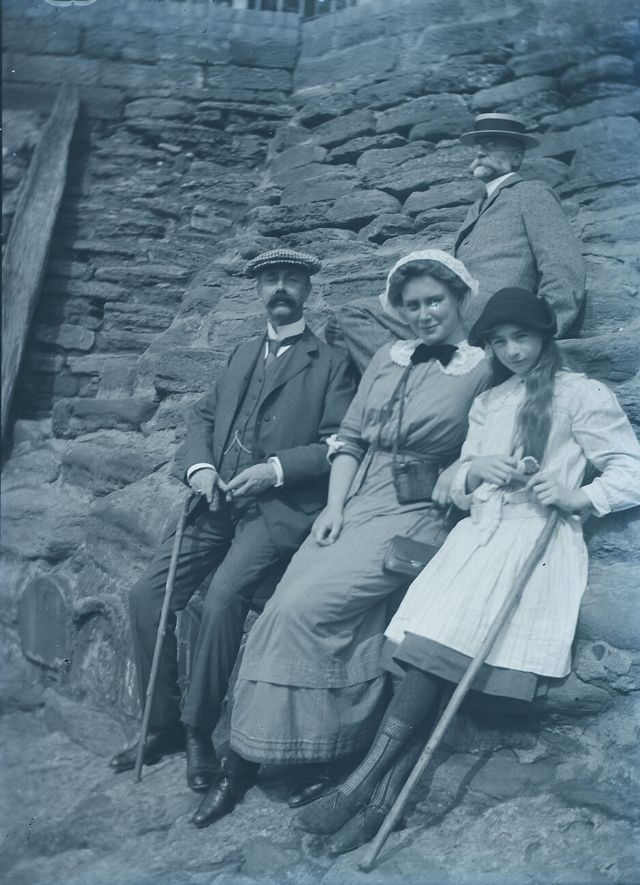
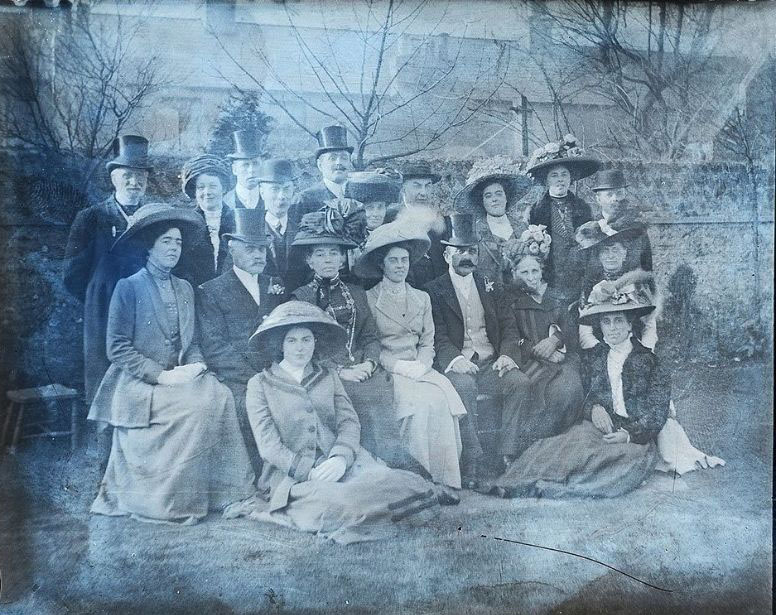
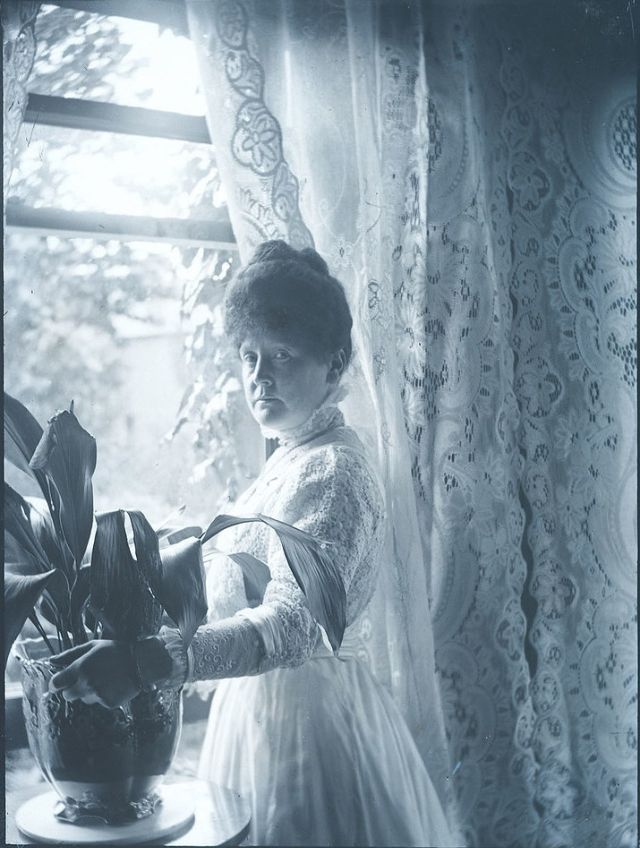
Family life in the Edwardian era was structured and formal, yet photographs show moments of genuine warmth and ease. A family gathered at the seaside, a large formal portrait taken in a parlour, a woman tending to her prized aspidistra plant by a window — these images capture the domestic texture of the time. The aspidistra was almost a cultural symbol of the era, a hardy houseplant kept by respectable households across the country.
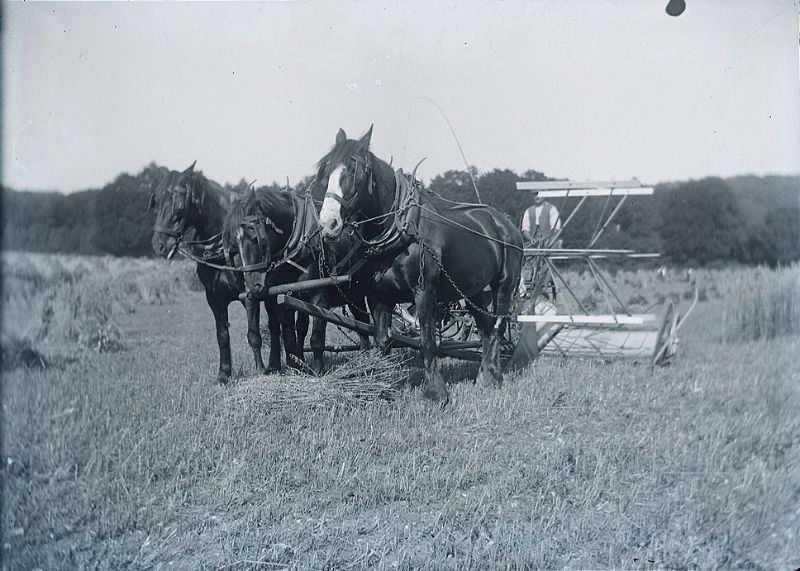
Agriculture still relied heavily on animal power. Horse-drawn reaper harvesters worked the fields as they had for decades, though mechanization was slowly creeping in. Industrial operations like the Thames Ironworks produced coaches, ships, and machinery that kept Britain’s economy running. The gap between these agricultural and industrial worlds was enormous, but both were essential to how the country functioned.
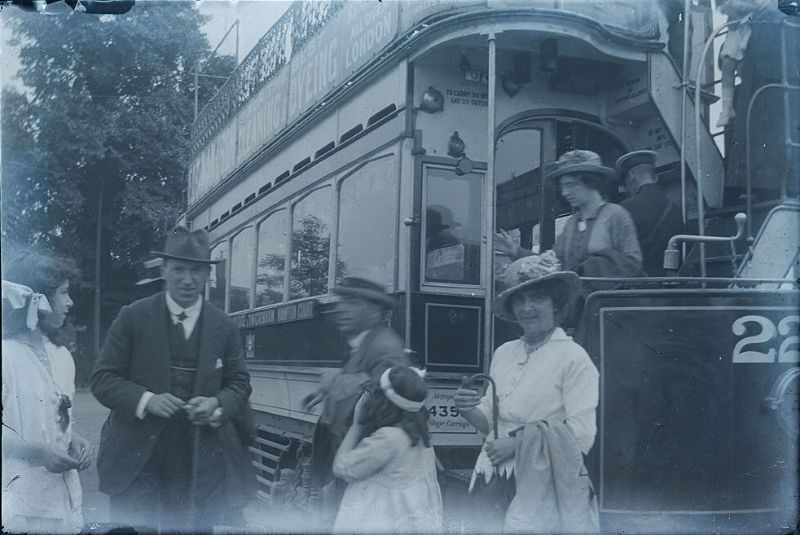
London’s tram network expanded significantly during the Edwardian period. The London United Tramways cars carried thousands of passengers daily, connecting suburbs to the city center at a price working-class Londoners could afford. The city’s streets were a layered mix of old and new — gas lamps alongside electric ones, horses alongside motorcars, ancient stone buildings alongside modern iron structures.
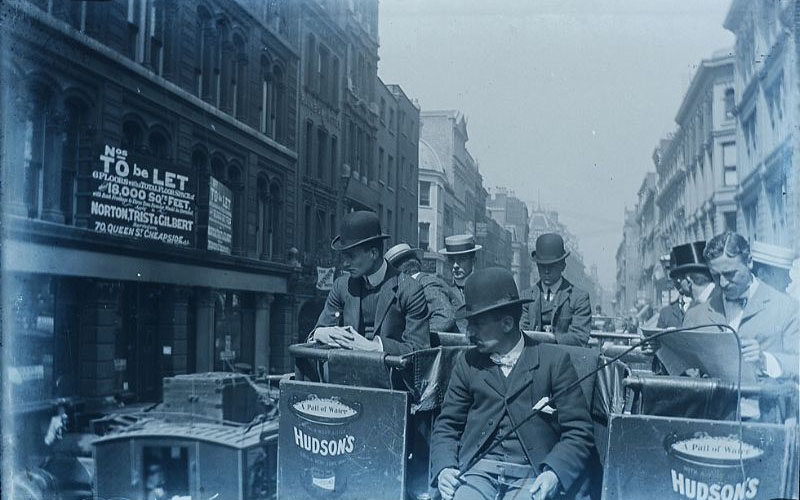
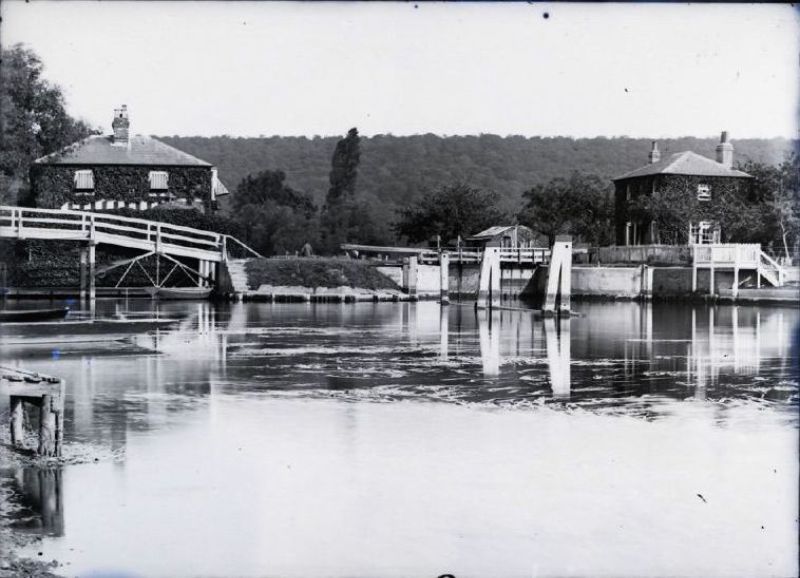
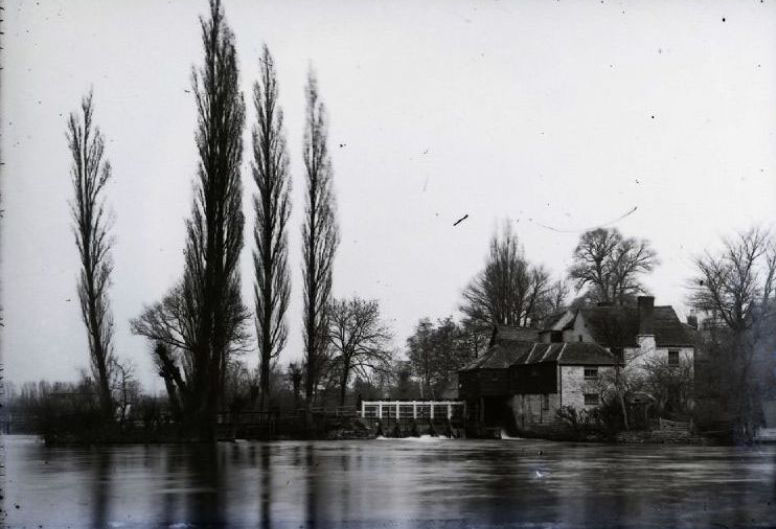
Newgate Street in London carried centuries of grim history — Newgate Prison had stood nearby until its demolition in 1902. By the Edwardian era, the street was a busy commercial thoroughfare. Along the Thames, riverside cottages and locks near Marlow offered a peaceful contrast to the city’s pace. Oxfordshire’s Iffley Mill, sitting on the river south of Oxford, was another such scene — a working mill in a setting that had barely changed in generations.
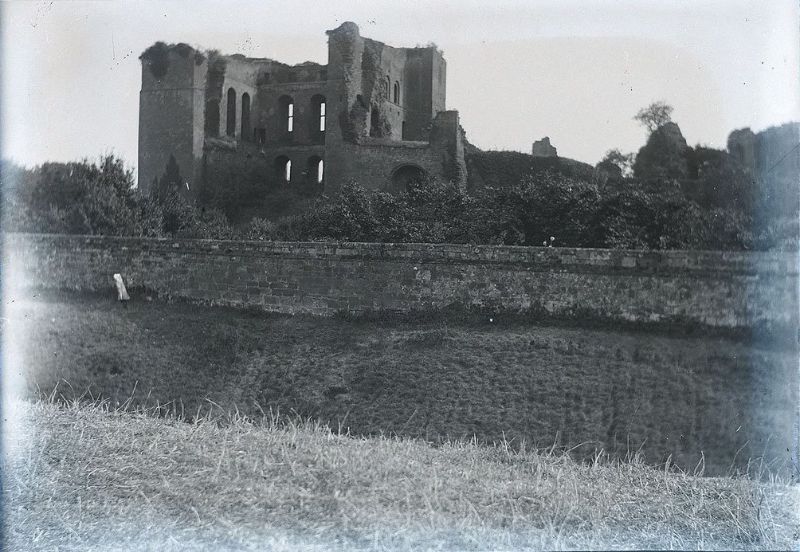
Warwickshire’s historic sites drew visitors interested in England’s medieval past. Kenilworth Castle’s keep, ruined since the Civil War, still loomed impressively over the surrounding landscape. Stratford-upon-Avon’s Mason Croft, connected to the literary world of the era, reflected the Edwardian interest in cultural heritage. These were places where history felt tangible.
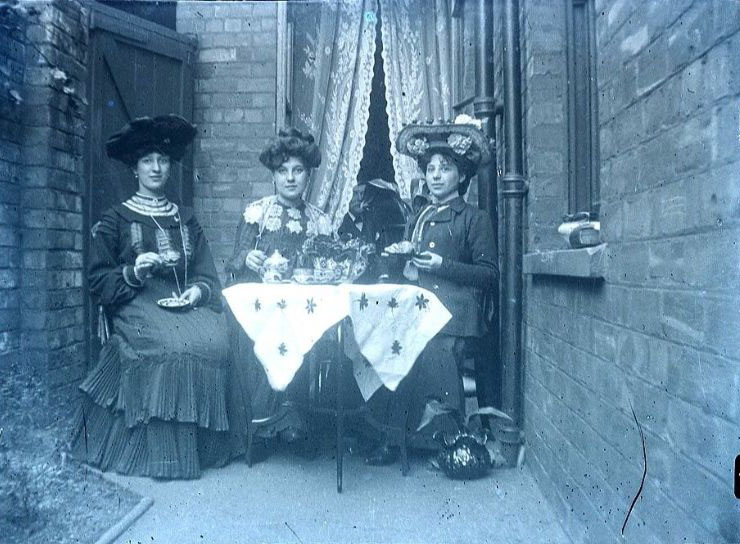
Social rituals like afternoon tea were taken seriously in Edwardian England. For the middle and upper classes, it was a structured event with specific etiquette. Fashion was equally rigid, particularly for women. Tight corsets and long skirts defined the female silhouette at the start of the era. As leisure sports grew more popular, clothing gradually began to adapt — but Edwardian women were the last generation in Britain to wear corsets as a standard part of daily dress.
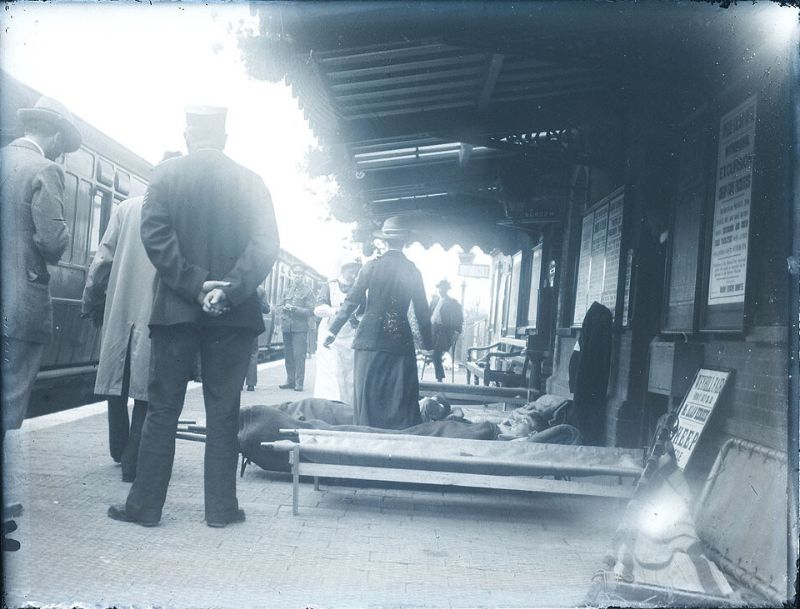
By the time the era drew to a close, the world that had seemed so settled was fracturing. The assassination of Archduke Franz Ferdinand in 1914 pulled Britain into the First World War, and photographs of wounded soldiers on railway platforms told the story of what that meant in human terms. Men who had grown up scouting, swimming at seaside resorts, and watching trams roll down London streets were now returning broken from the trenches of France and Belgium.