
In the 1960s, Kyiv was the capital of the Ukrainian Soviet Socialist Republic and one of the most important cities in the entire Soviet Union. With a population of around 2.7 million people, it was a major hub for industry, culture, and politics. The city was expanding fast — new apartment buildings, schools, hospitals, and factories were going up across the landscape. Industries like machine building, metallurgy, and food processing were growing alongside the population. At the same time, the Soviet government was pushing reforms that loosened some economic controls and placed a heavy emphasis on science and technology. Life in Kyiv during this decade was shaped by all of these forces at once.
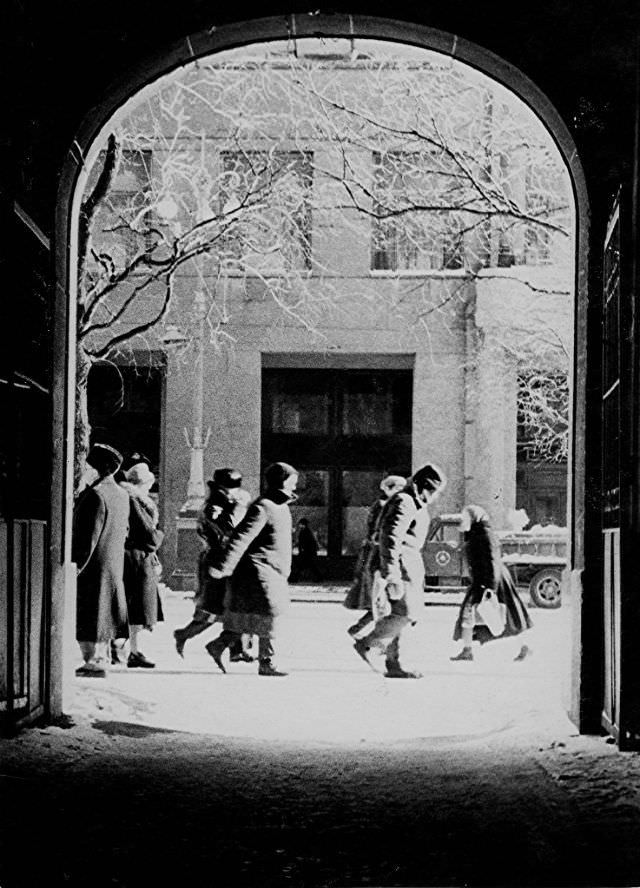
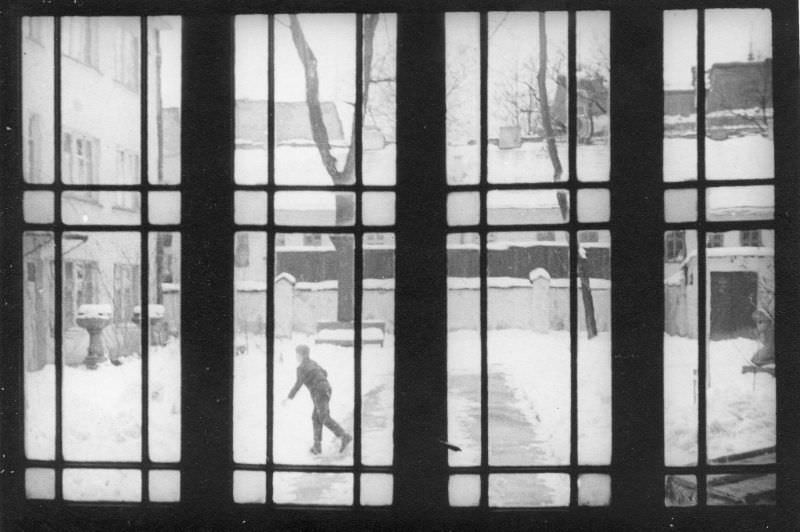
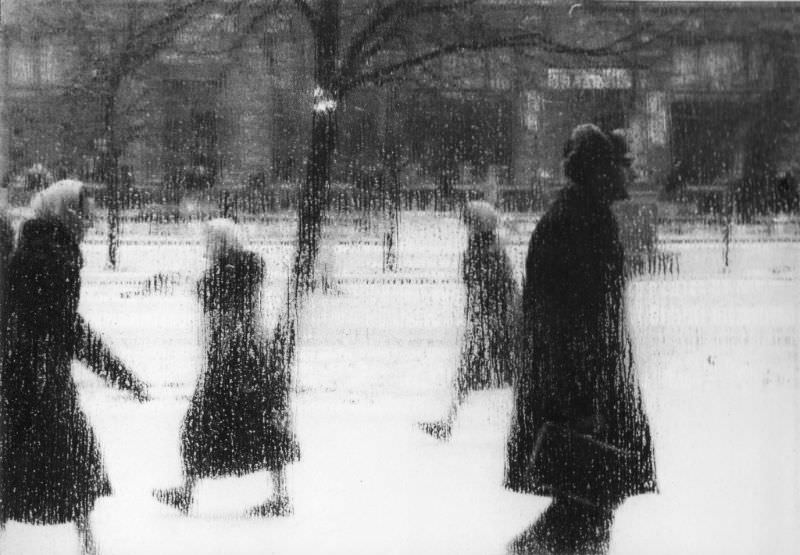
Winters in Kyiv were harsh, and the early 1960s were no exception. January brought freezing temperatures and heavy snow to the city’s streets, but daily life carried on regardless. People bundled up and went about their routines — working, shopping, and moving through the city on foot and by tram. The cold was simply part of life.
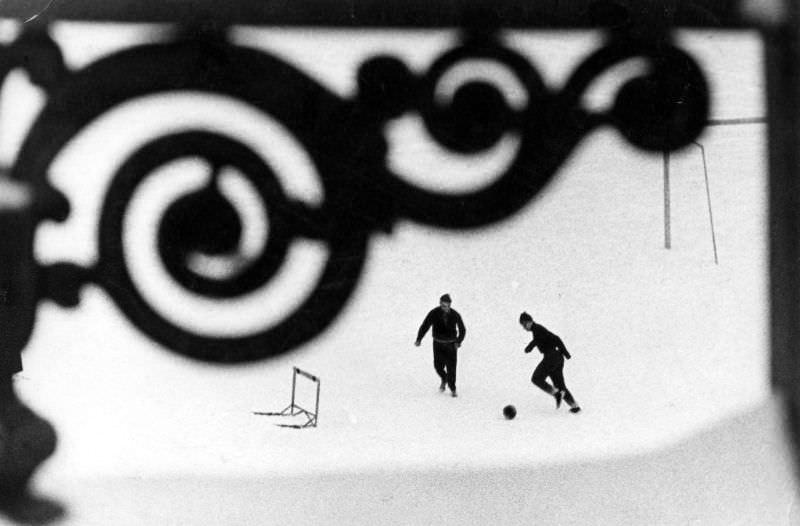
Even in winter, Kyiv’s residents found ways to stay active. Football was a beloved pastime, and games continued on snow-covered pitches without hesitation. Sport was a central part of Soviet civic life, encouraged by the state as a way to build community and physical fitness.
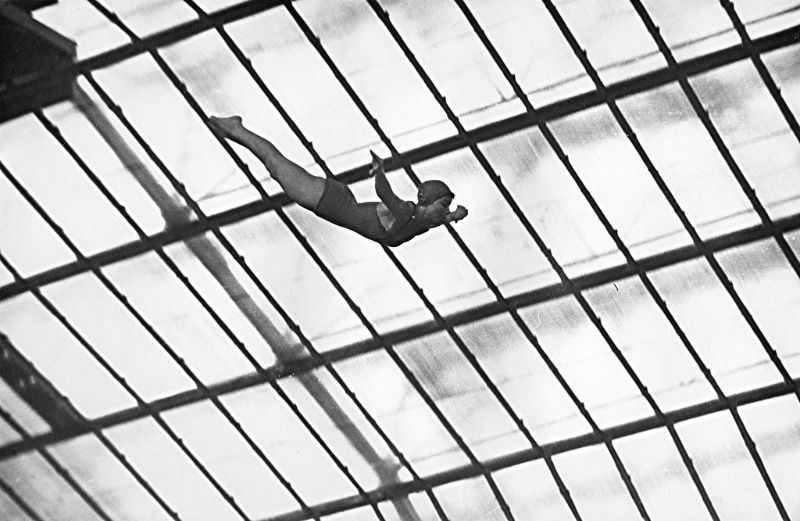
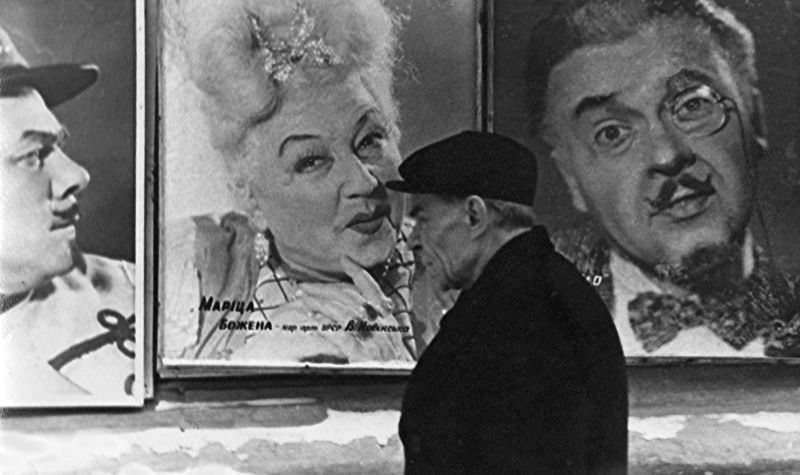
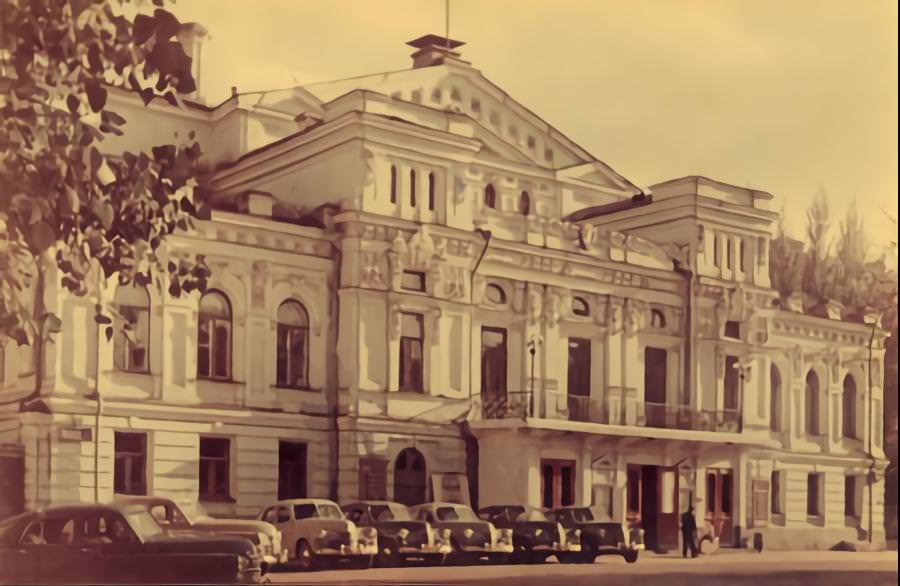
The city had a rich cultural life. Kyiv was home to several major theatres, including the Ivan Franko Drama Theater and the Taras Shevchenko Opera and Ballet Theatre. These institutions were well-funded and well-attended. For many residents, theatre and the arts were not luxuries — they were a regular part of life.
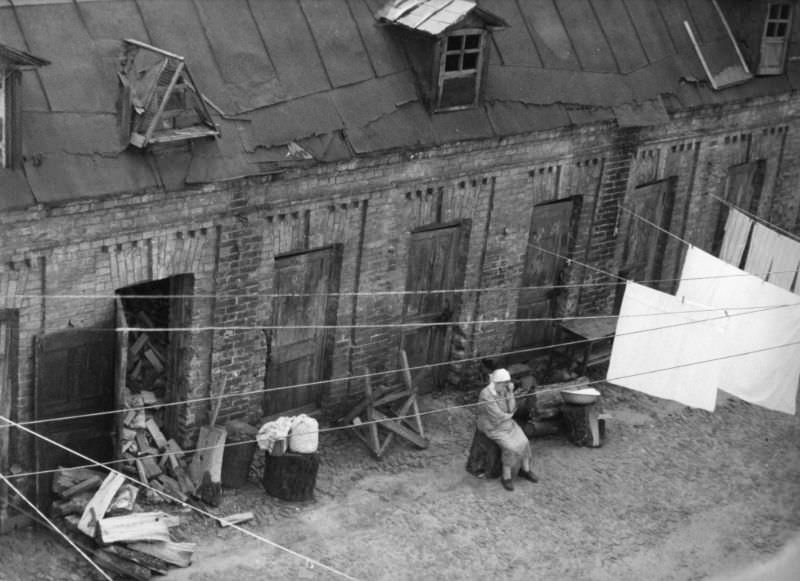
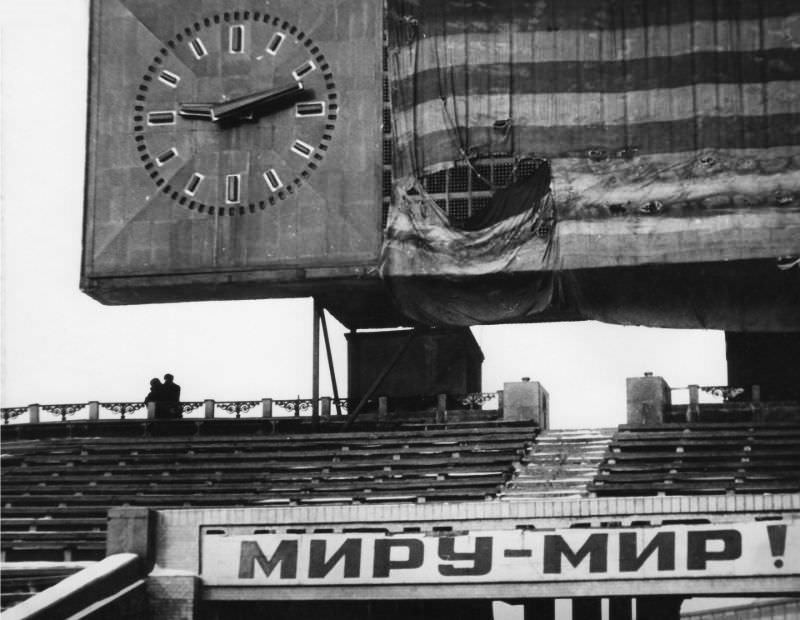
By the mid-1960s, Kyiv’s urban landscape was a mix of the old and the new. Soviet-era concrete structures stood alongside pre-revolutionary buildings. Public spaces — parks, squares, stadiums — were large and intentionally grand. When they were full, they buzzed with activity. When empty, they had a stark, quiet weight to them.
Public marches and demonstrations were a fixture of Soviet life. State-organized parades marked key dates on the Communist calendar, such as May Day and the anniversary of the October Revolution. Participants — workers, students, officials — filled the city’s main streets in organized columns, often carrying banners and portraits of Soviet leaders.
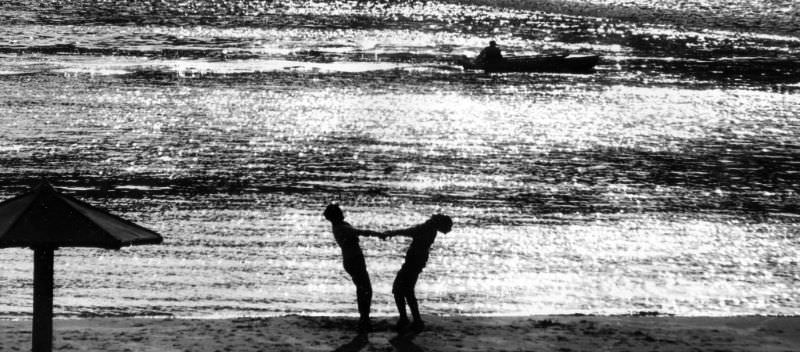
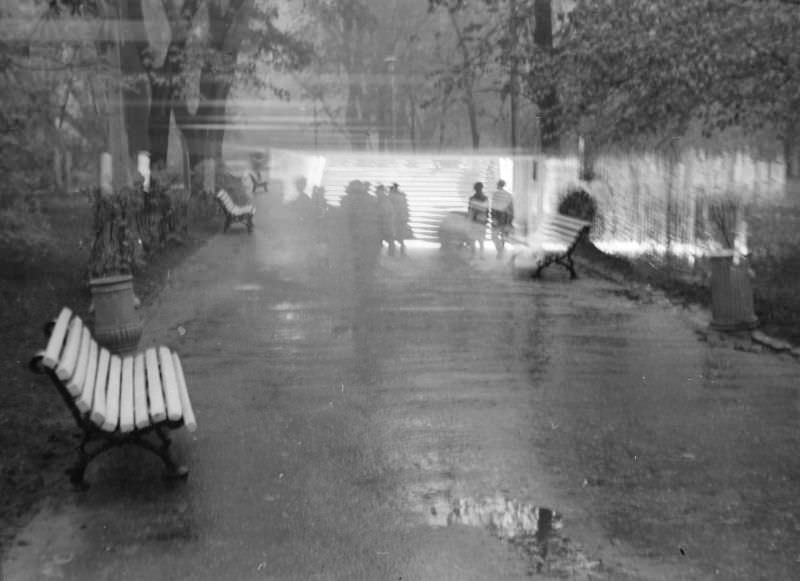
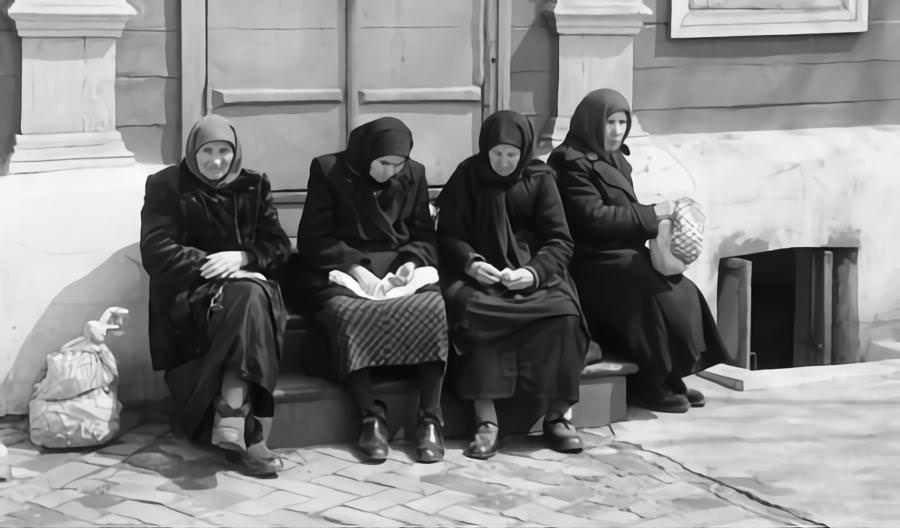
Away from the politics and construction, everyday moments defined what the city actually felt like. Children played in the streets. Neighbors gathered on steps and in courtyards. The human scale of the city — its markets, its corner conversations, its small routines — told a story that official Soviet photography rarely captured.
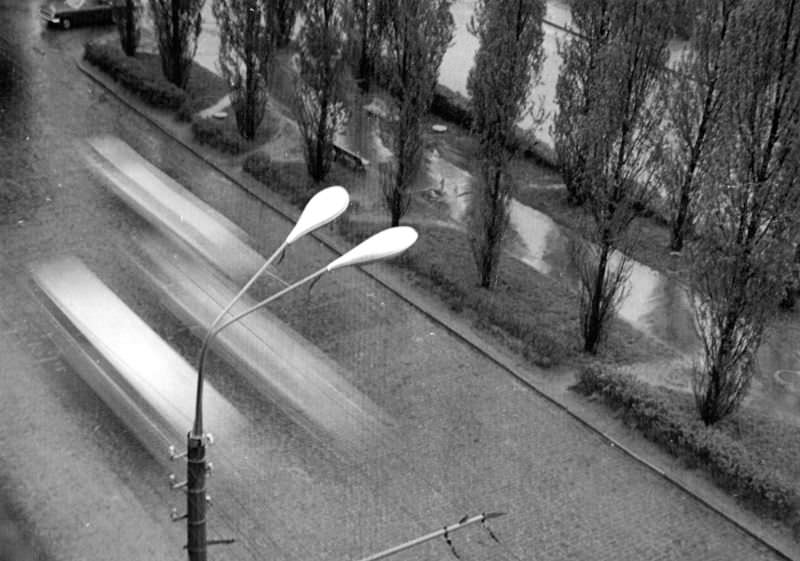
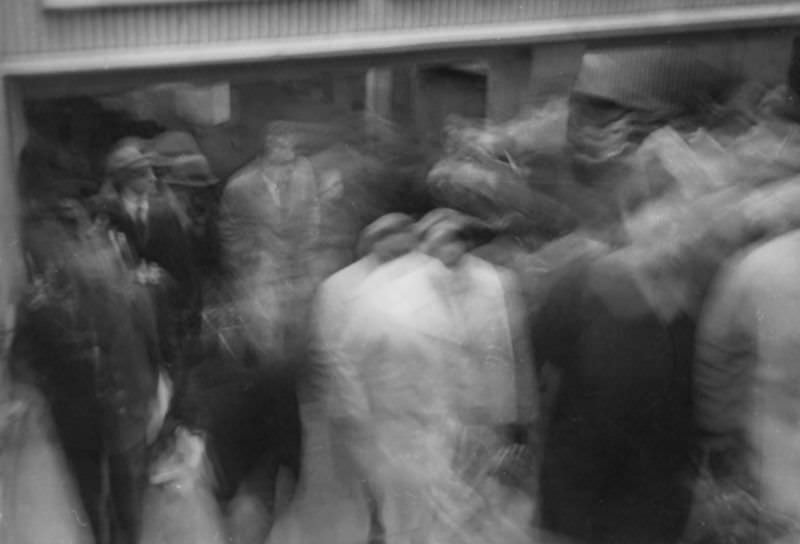
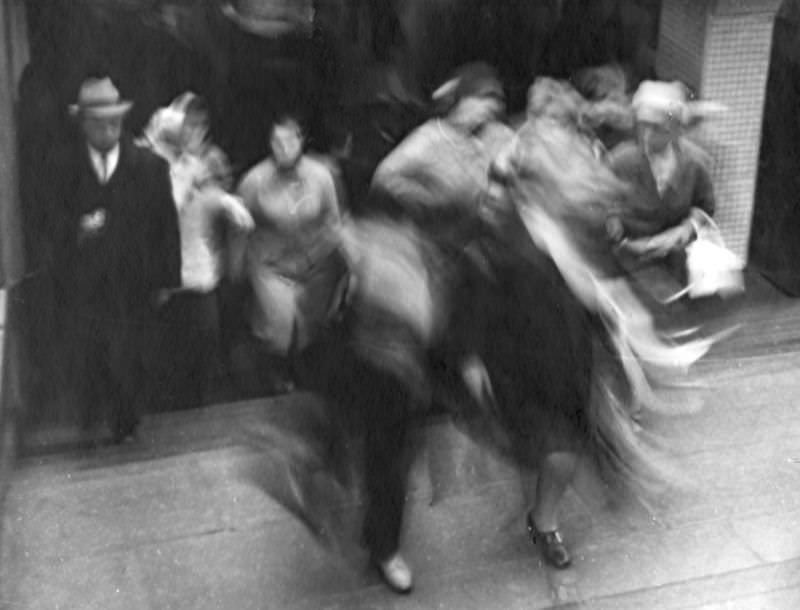
By the end of the decade, Kyiv was unmistakably a large, busy city. Streets filled with commuters during rush hours, and the pace of life had picked up noticeably compared to the early part of the decade. The metro, which had begun opening its first stations in 1960, was now moving hundreds of thousands of people each day across the city.
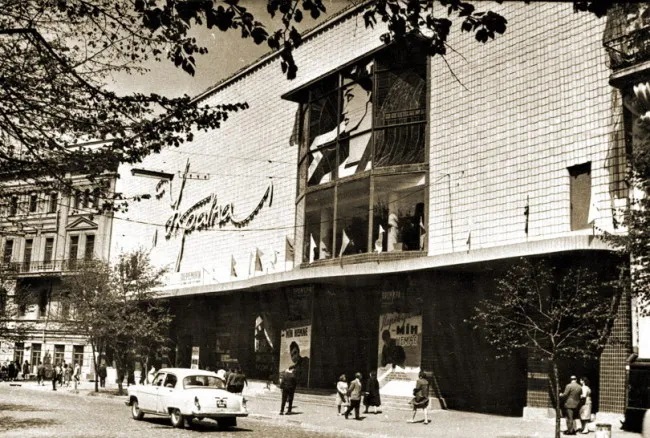
Cinema was one of the most popular forms of entertainment in Soviet Kyiv. The Cinema Ukraine on Gorodetsky Street was one of the city’s main venues. Films — many of them Soviet productions — drew large audiences, and going to the cinema was a regular social activity for families and young people alike.
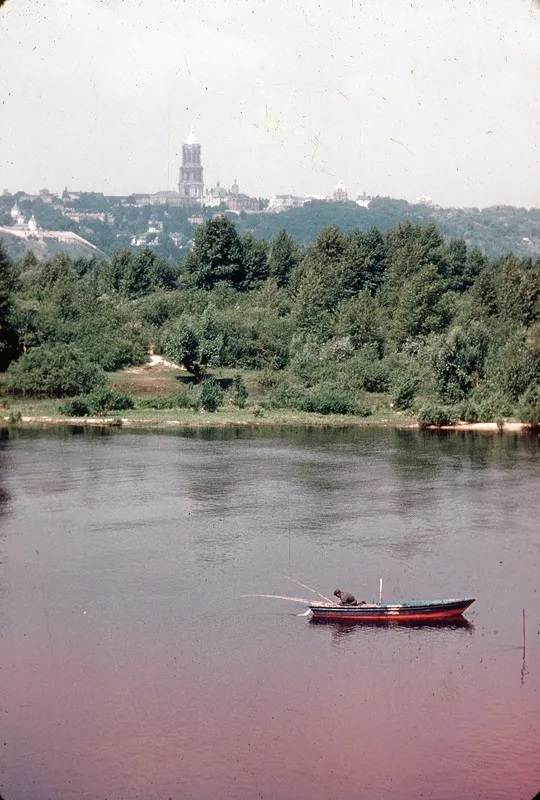
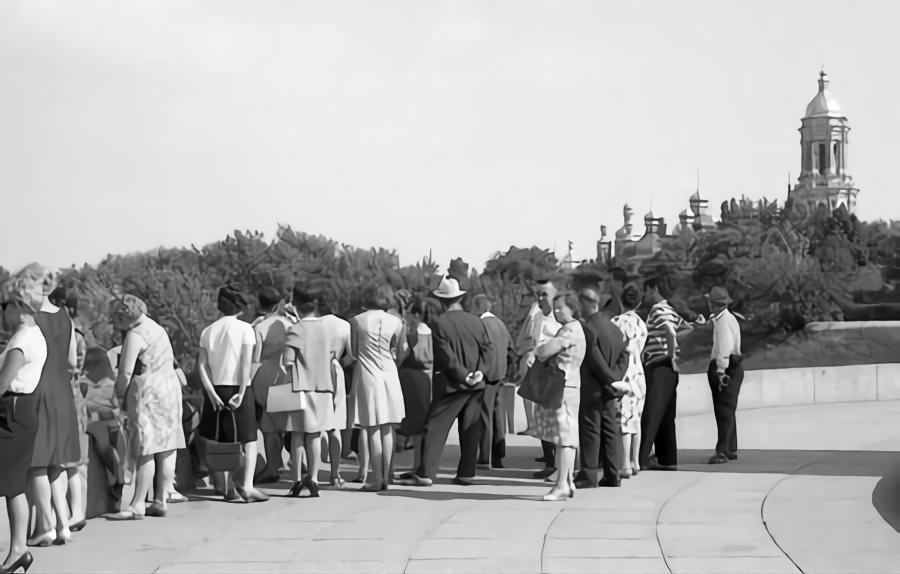
The Kyiv-Pechersk Lavra — also known as the Monastery of the Caves — was one of the oldest and most important religious sites in Eastern Europe, founded in 1051. During the Soviet era, the monastery operated under state control, with parts of it converted into a museum. Despite the government’s official stance against religion, the site remained a powerful symbol of Ukrainian history and identity.
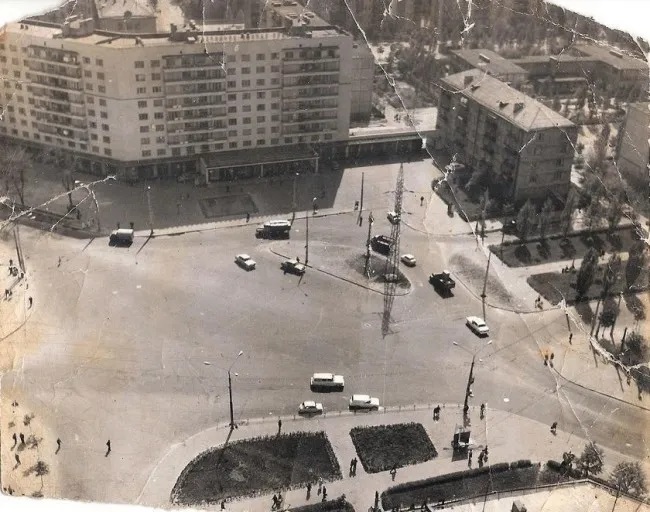
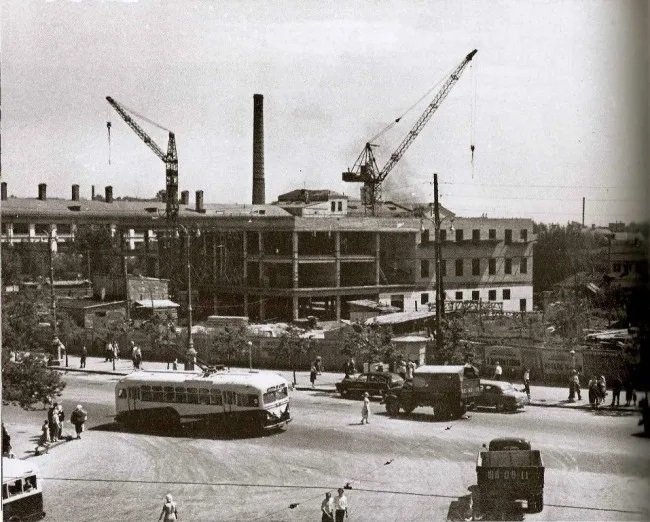
Infrastructure development was constant throughout the 1960s. The construction of a new central bus station reflected the city’s growing need to move more people more efficiently. Road networks, bridges, and transit lines were all expanding to keep pace with the rising population. The skyline changed year by year.
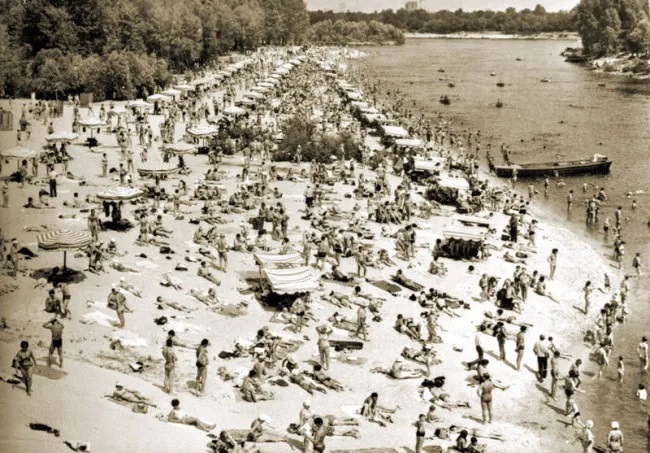
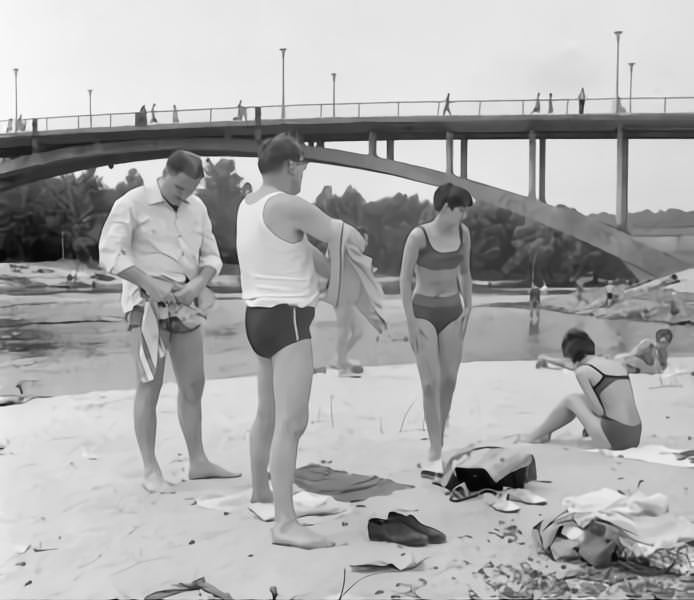
In warmer months, the Dnieper River was a major gathering place. Hydropark — an island recreational area on the Dnieper — was a favorite destination for Kyiv residents looking to swim, sunbathe, and relax. Access to leisure spaces like this was promoted by the Soviet state as part of its vision for the ideal socialist lifestyle.
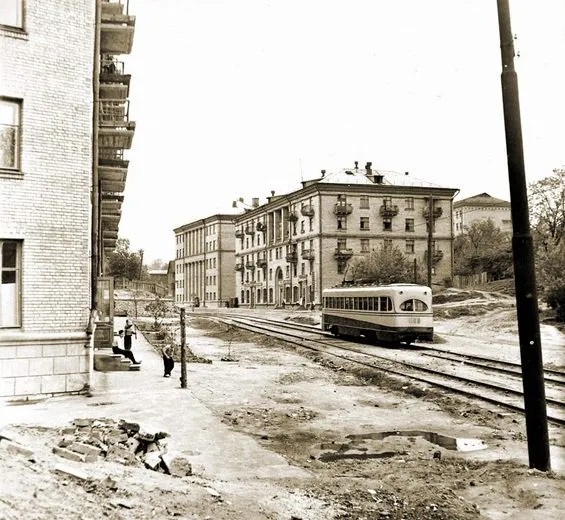
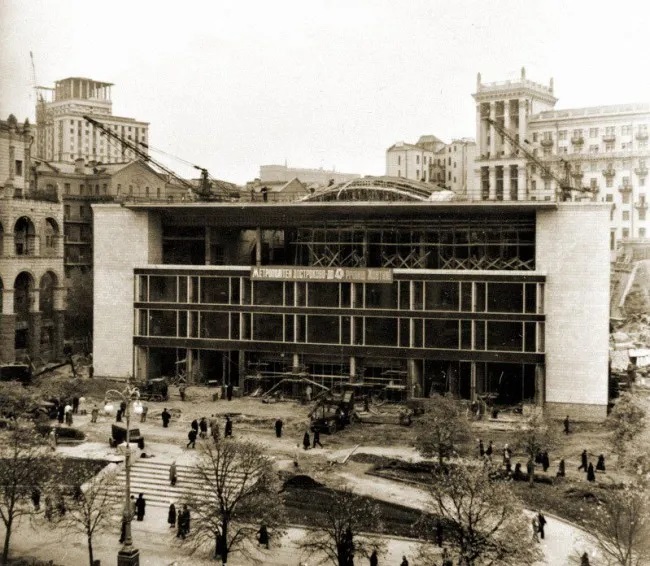
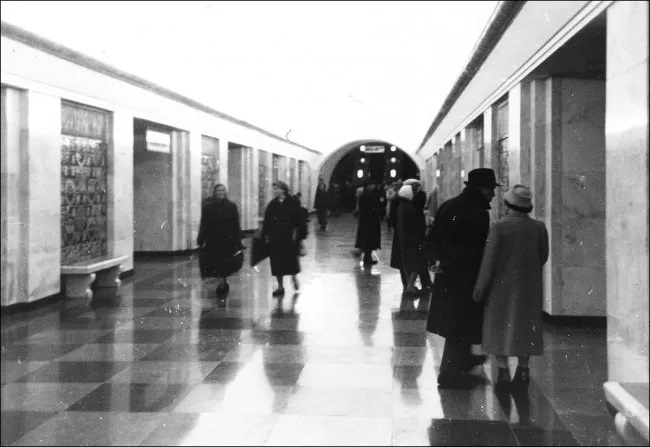
One of the biggest events in Kyiv’s modern history came on November 6, 1960, when the city’s first metro line opened to the public. The Khreshchatyk station — at the heart of the city’s main boulevard — was among the first to open. The stations were built in the grand Soviet style, with vaulted ceilings, decorative columns, and polished stone floors.
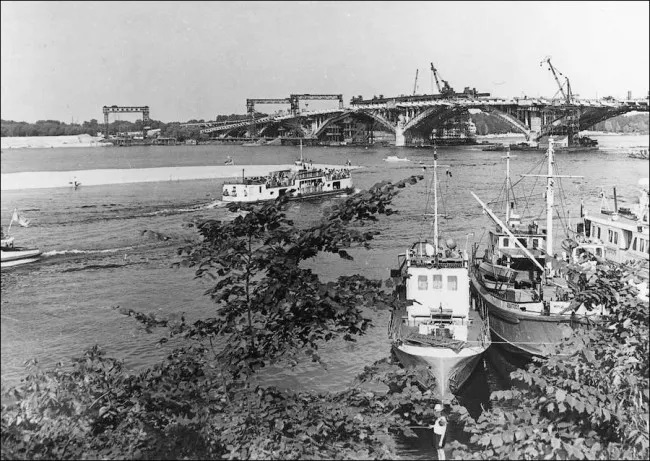
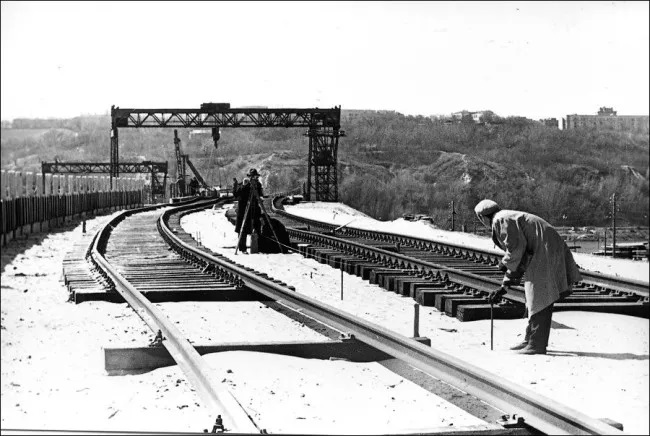
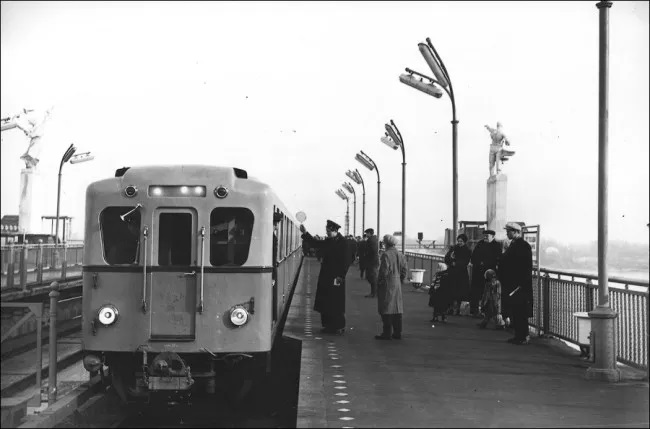
To connect the metro across the Dnieper River, a dedicated Metro bridge was constructed during the 1960s. This was a significant engineering project that linked the city’s older central districts with the expanding neighborhoods on the left bank of the river. Construction required laying track across one of Europe’s longest rivers.
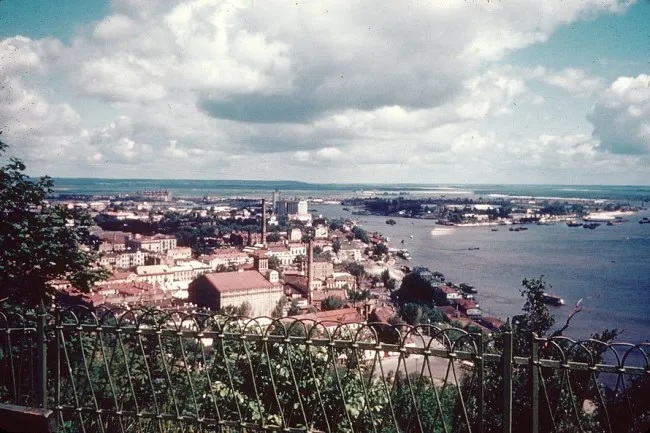
Podil, the historic lower district of Kyiv along the Dnieper River, had been a center of trade and commerce for centuries. By 1960, it retained much of its older architectural character, with merchant-era buildings mixed in among Soviet additions. It stood in clear contrast to the more modern districts being built elsewhere in the city.
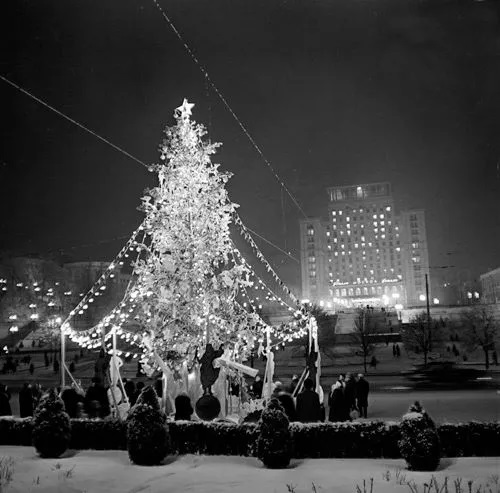
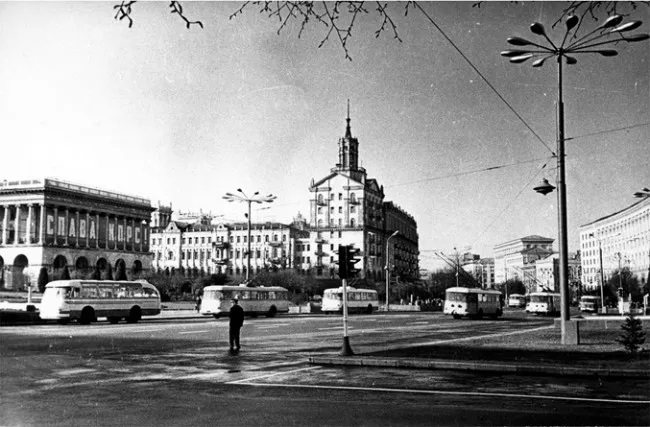
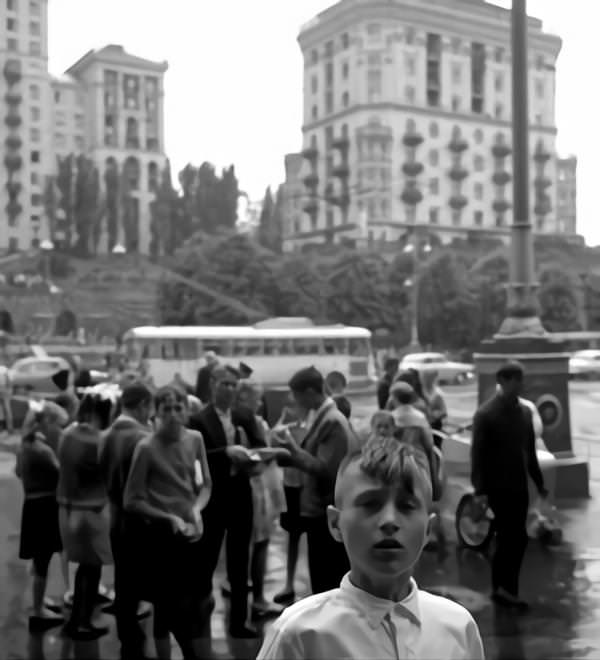
October Revolution Square — now known as Independence Square, or Maidan Nezalezhnosti — was one of the most important public spaces in Kyiv. During the Soviet era, it hosted political gatherings, state celebrations, and seasonal events. The Hotel Moskva, visible in the background of many period photos, was a landmark building on the square and later renamed the Hotel Ukraine.
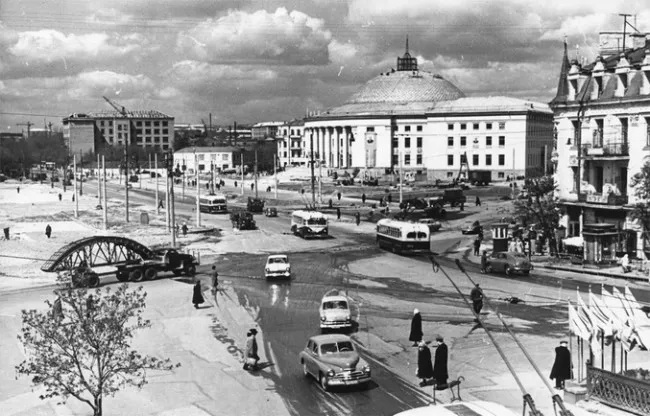
Victory Square was another key public space in the city, home to the Kyiv State Circus. The circus was enormously popular in Soviet society, seen as wholesome entertainment for families. State-run circus troupes performed regularly, and a permanent circus building was a mark of a major Soviet city.
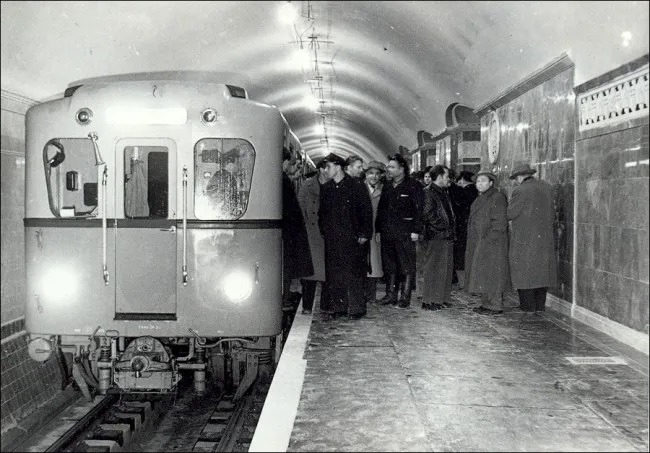
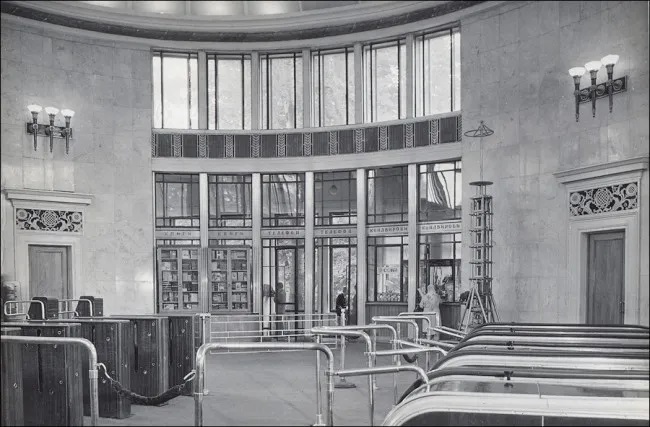
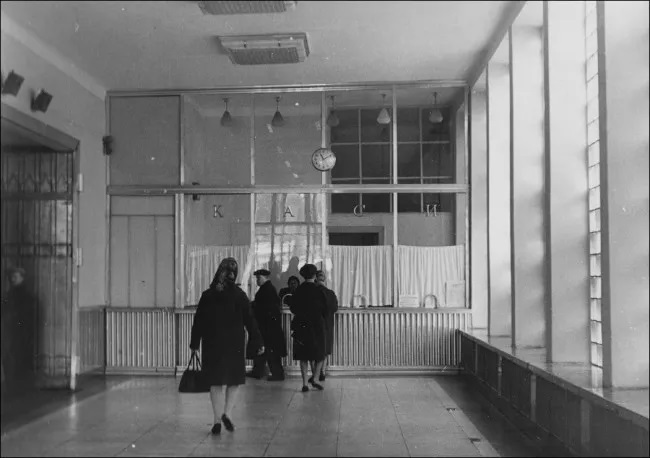
Before the metro opened to the public, trial runs were conducted to test the trains and equipment. The University station was one of the stops on the initial line. Photos from inside the stations at this time show the ticketing infrastructure already in place — cash registers, booths, and turnstiles ready for the city’s first metro commuters.
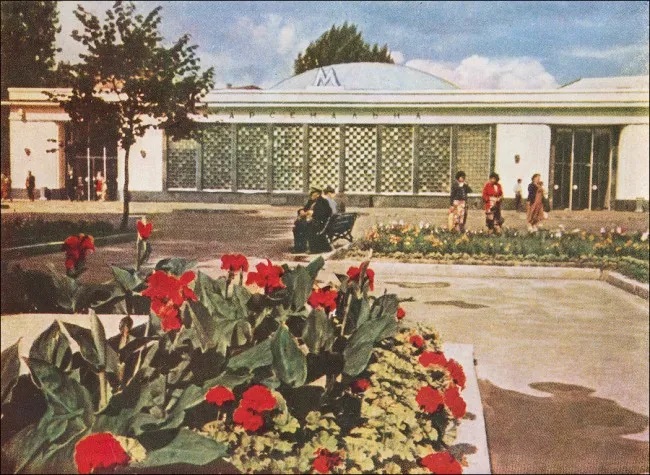
Arsenalna station deserves particular note. When it opened in 1960, it was the deepest metro station in the world — a title it still holds today, at roughly 105 meters below street level. The depth was necessary due to the high hills above. Riders descend on some of the longest escalators in existence to reach the platform.
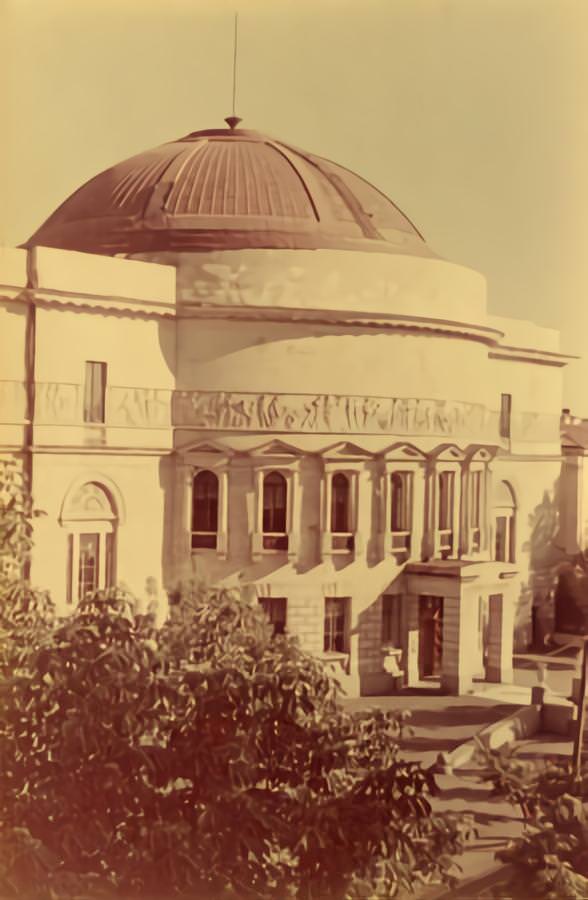
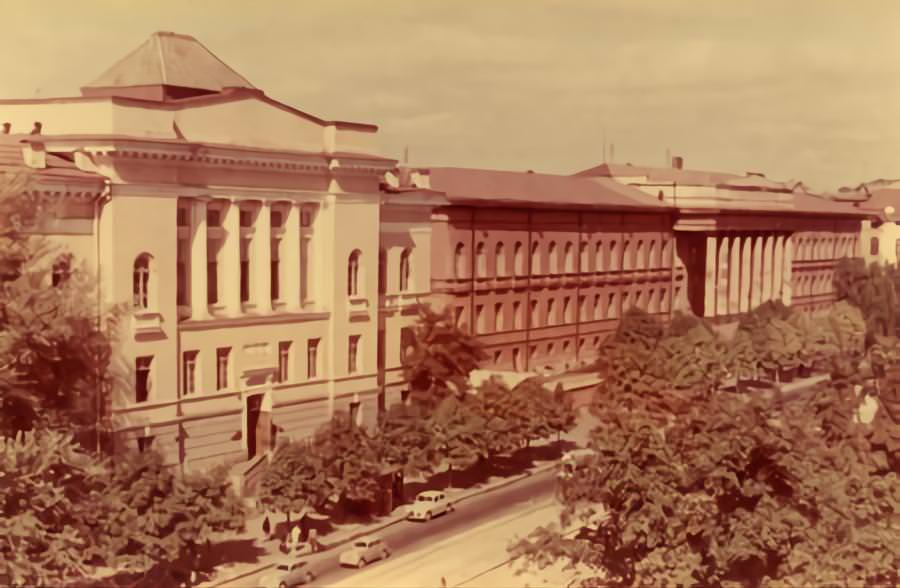
Kyiv was home to numerous institutions of higher learning. Taras Shevchenko National University was the most prominent, and its red-brick main building on Volodymyrska Street was one of the city’s most recognized architectural landmarks. Education was heavily prioritized under the Soviet system, and Kyiv attracted students from across the republic and beyond.
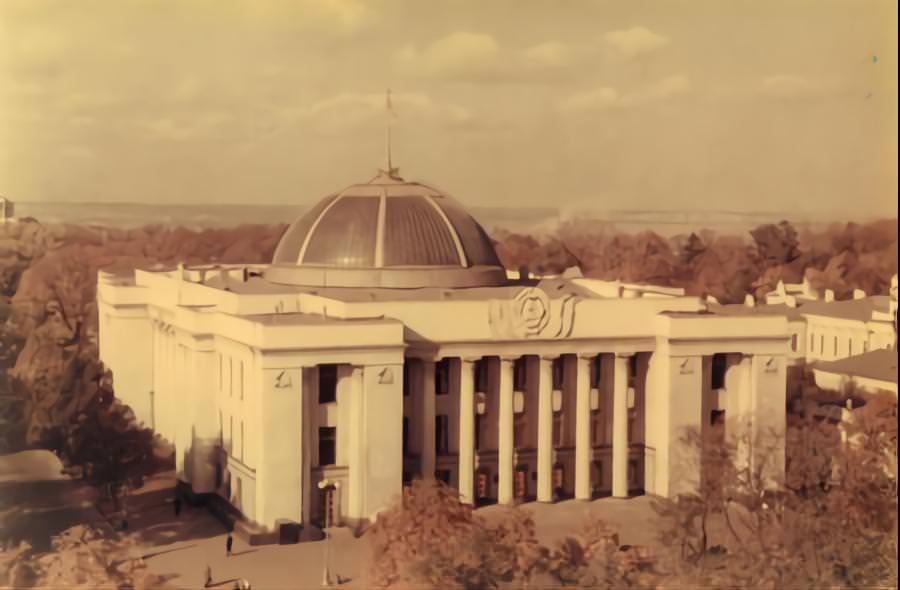
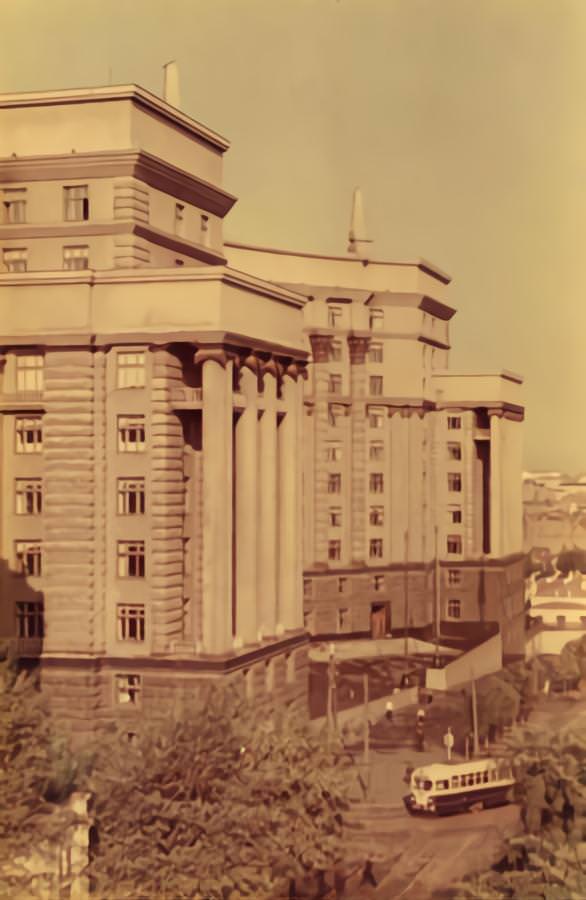
The Building of the Supreme Soviet of the Ukrainian SSR was the seat of the republic’s legislative body. Though ultimate power rested in Moscow, the Supreme Soviet handled local governance and policy. The building itself was a serious, imposing structure typical of Soviet government architecture — designed to project stability and authority.
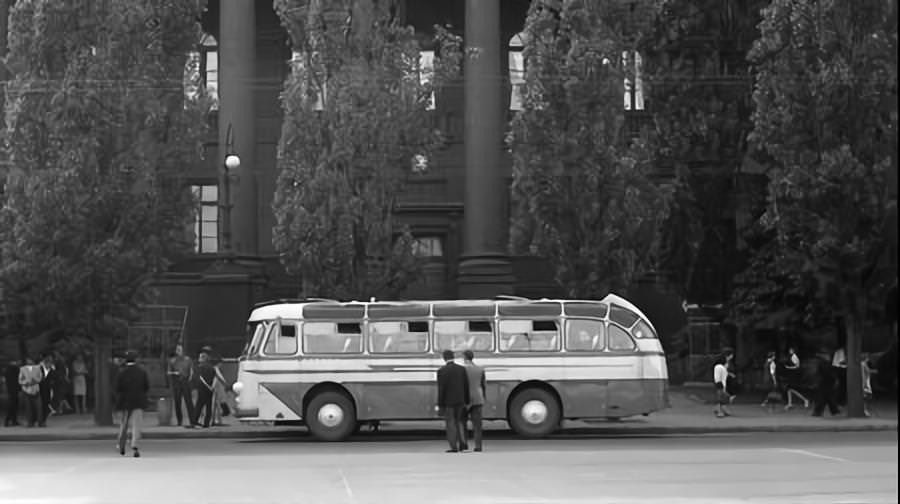
Public transport was the backbone of daily movement in the city. Trolleybuses, trams, and buses connected residential neighborhoods to workplaces, shops, and cultural sites. For most Kyiv residents, private car ownership was not yet realistic. The streets and transport stops were lively, social places where the city’s daily rhythms played out.
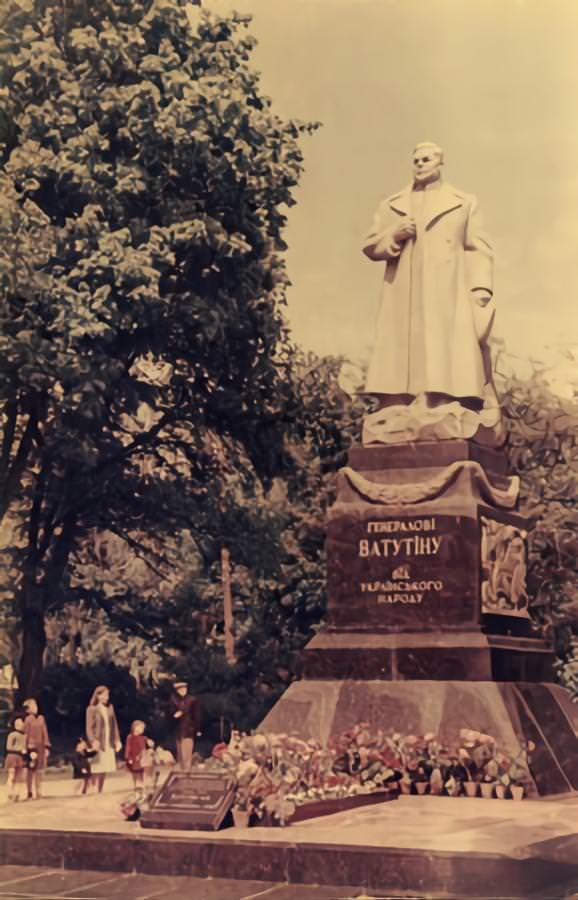
The monument to General Nikolai Vatutin, the Soviet commander who led the liberation of Kyiv from Nazi German occupation in November 1943, stood in one of the city’s parks. Vatutin died in 1944 from wounds sustained in a partisan ambush. His memorial was a significant site during the Soviet era, representing both military sacrifice and the official narrative of the war.
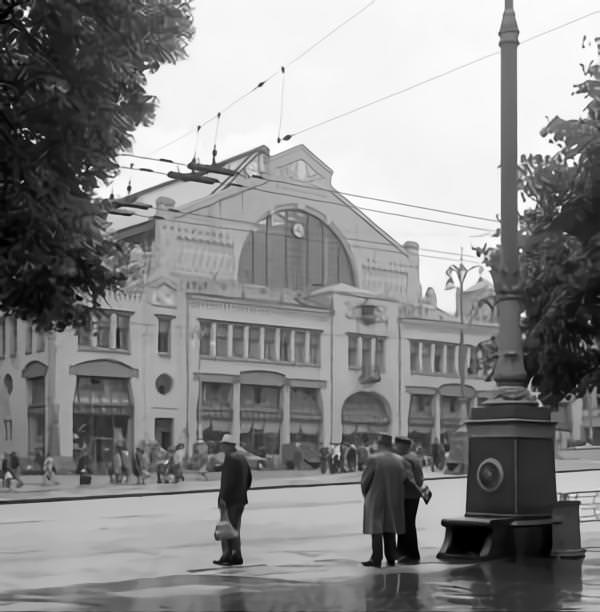
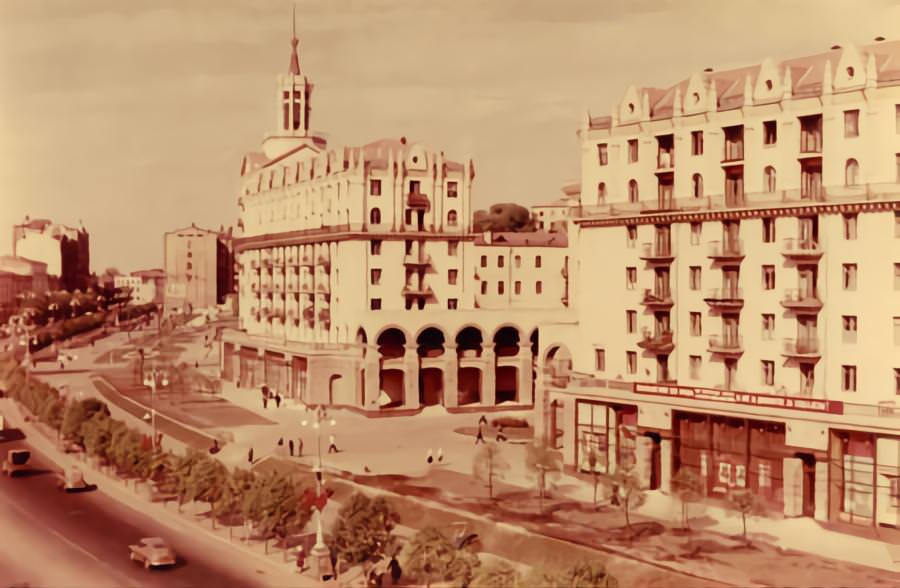
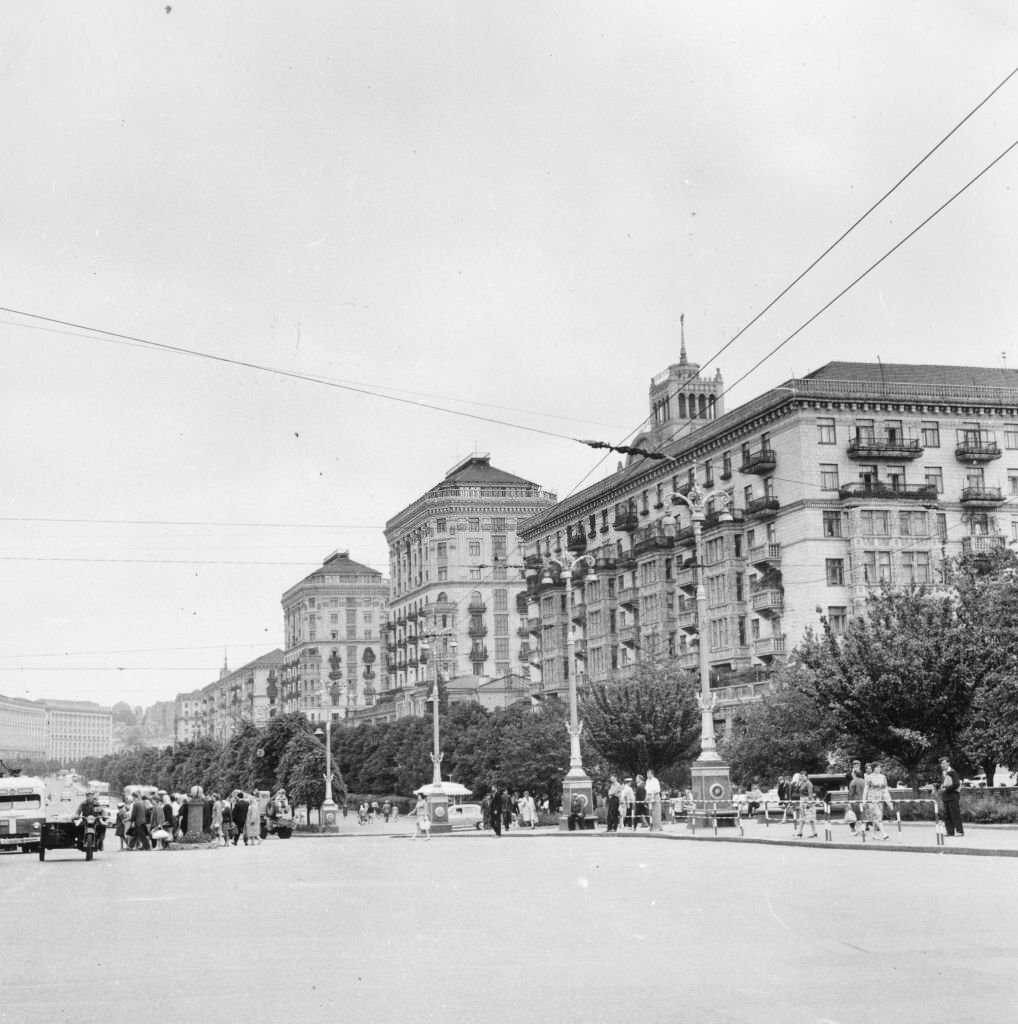
Khreshchatyk was Kyiv’s main boulevard and the city’s most important street. Rebuilt almost entirely after being destroyed during World War II, it was lined with Stalinist-era buildings featuring grand facades, wide sidewalks, and open plazas. By the 1960s, it was the commercial and social center of the city — the place where people gathered, shopped, and were seen.
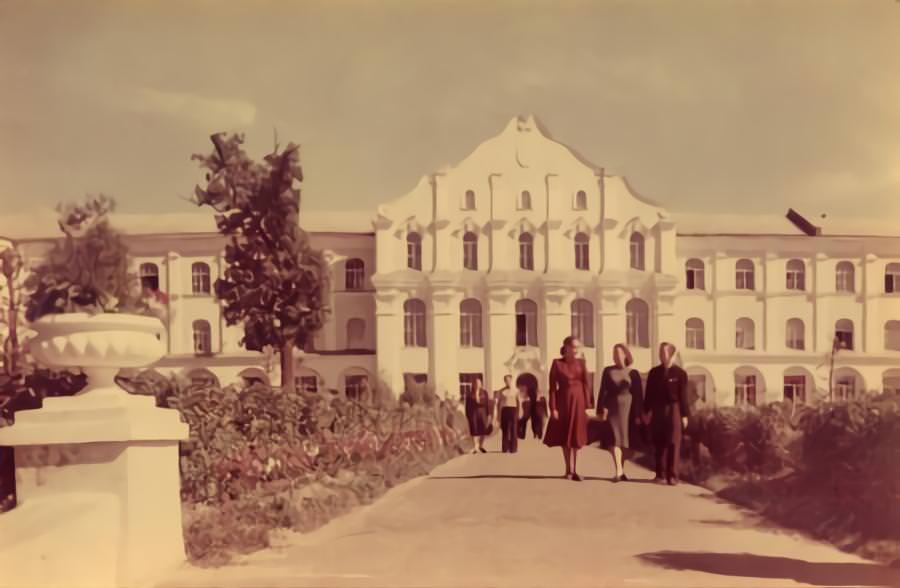
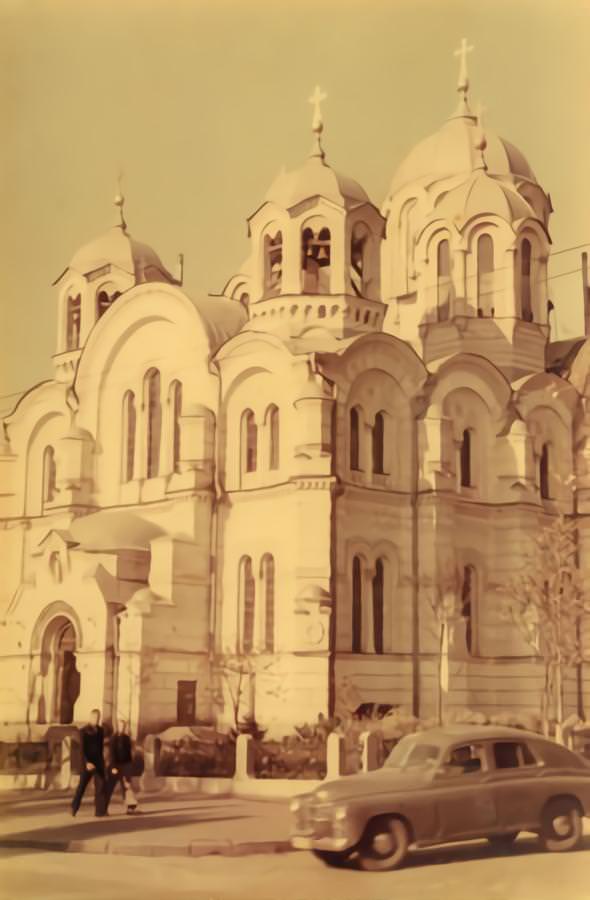
St. Volodymyr’s Cathedral, built in the late 19th century, was one of the most visually striking religious buildings in the city. During the Soviet period it functioned as a museum, as the state had no interest in maintaining it as an active place of worship. Its interior murals, painted by artists including Mikhail Vrubel and Viktor Vasnetsov, remained intact.
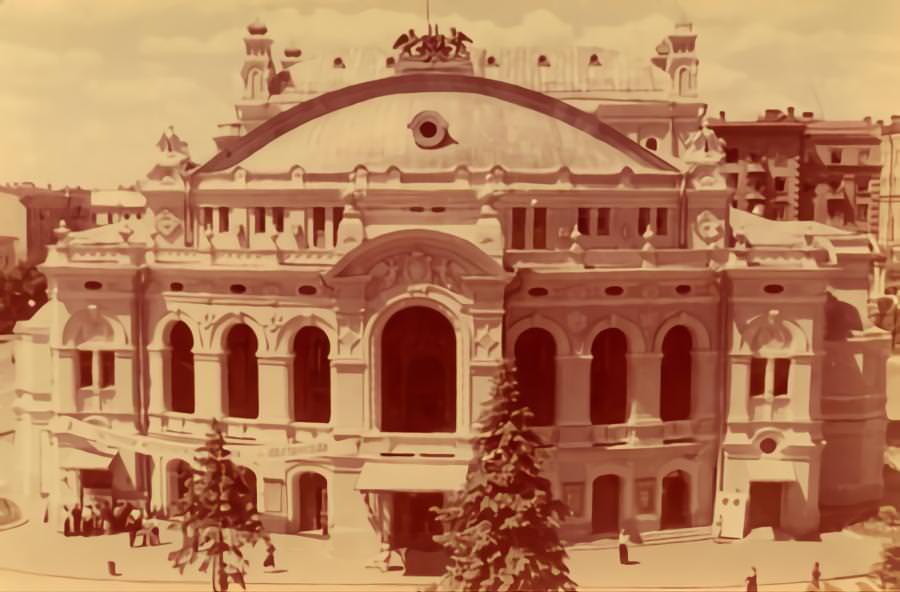
The Taras Shevchenko National Opera of Ukraine was one of the premier performing arts venues in the Soviet republic. Named after Ukraine’s most celebrated poet, the building dated to the late 19th century and hosted both opera and ballet productions. Attendance at the opera carried social prestige, and performances were often attended by party officials as well as the general public.
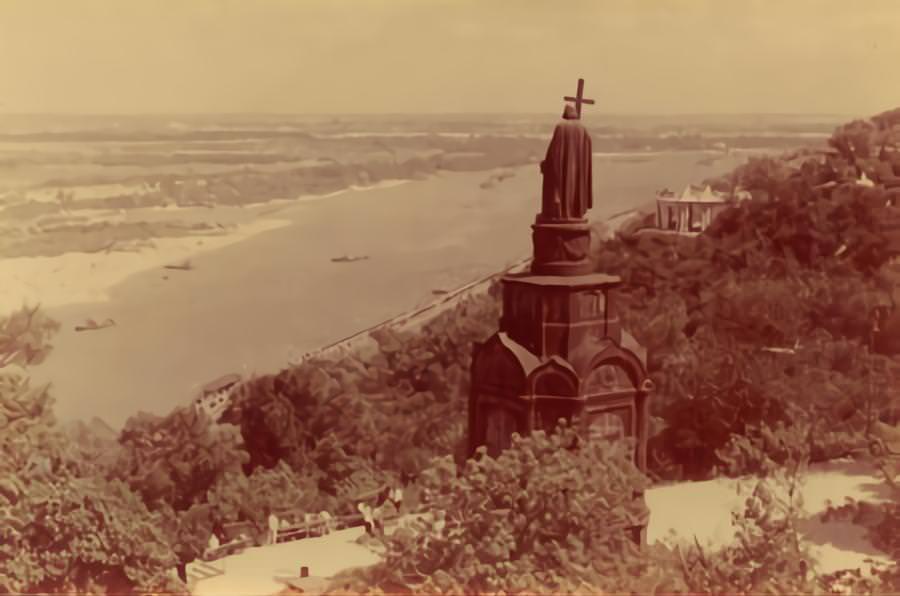
The Dnieper River was central to Kyiv’s geography and identity. From the high bluffs of Volodymyrska Hill, the river spread out broadly to the east, dividing the hilly right bank — where the historic city center sat — from the flat, rapidly developing left bank. The view from the hill had been famous for centuries, and in the 1960s it looked out on a city actively remaking itself.
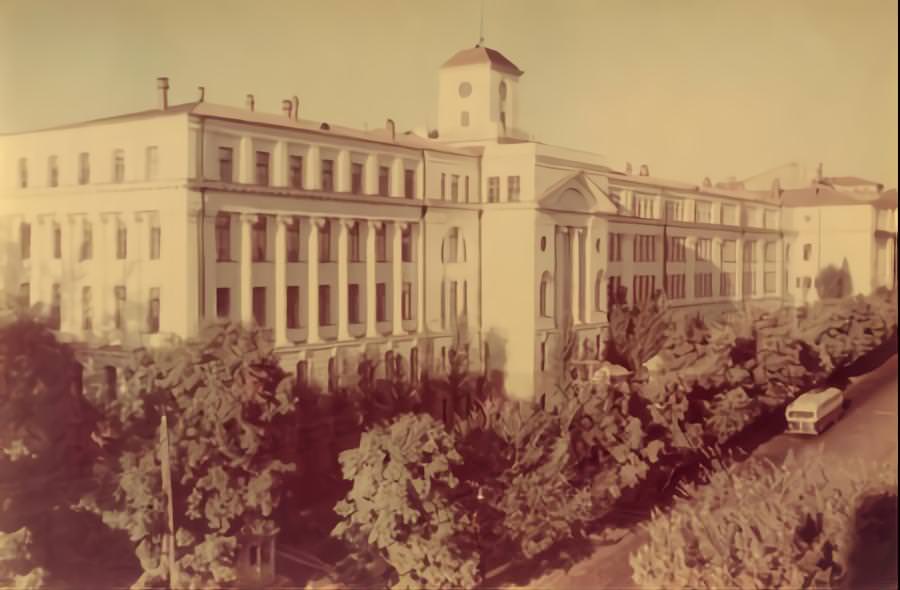
The Academy of Sciences of the Ukrainian SSR was one of the most important research institutions in the republic. Scientists working there contributed to fields ranging from mathematics and physics to biology and materials science. The Soviet government invested heavily in scientific research during the 1960s, driven in large part by competition with the United States during the Space Race.
Saint Sophia’s Cathedral, one of the oldest surviving churches in Eastern Europe, dated back to the 11th century. It was designated a museum during Soviet times and drew visitors from across the USSR and from abroad. Its golden domes and Byzantine mosaics made it one of the most photographed sites in the city.
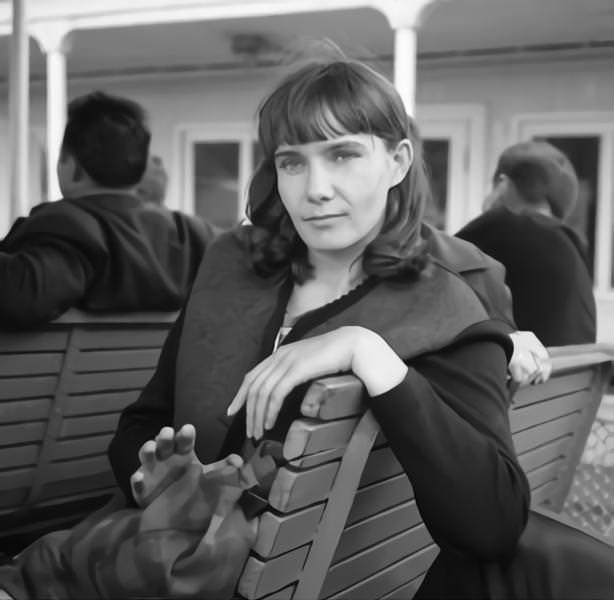
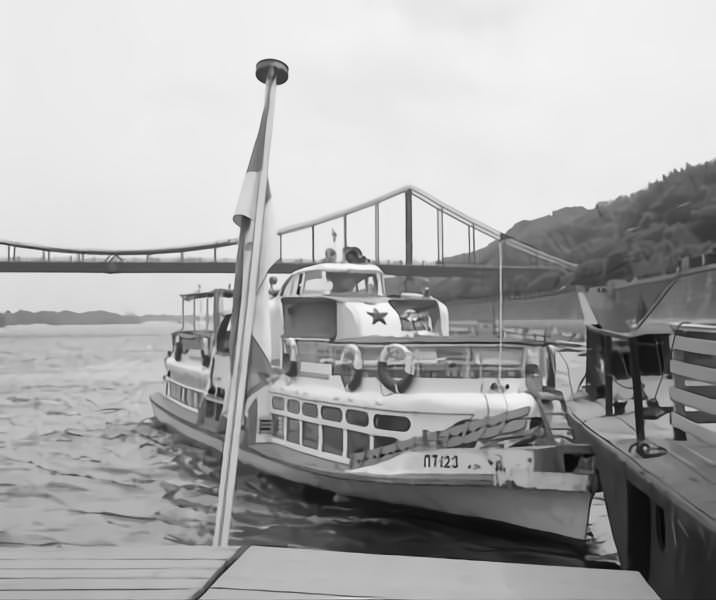
River travel on the Dnieper was a common experience for both residents and visitors. Passenger steamers carried tourists and locals along the river, offering guided tours of the city’s landmarks from the water. The Dnieper served as a leisure route in summer, and river transport remained an active part of Kyiv’s transit infrastructure throughout the decade.
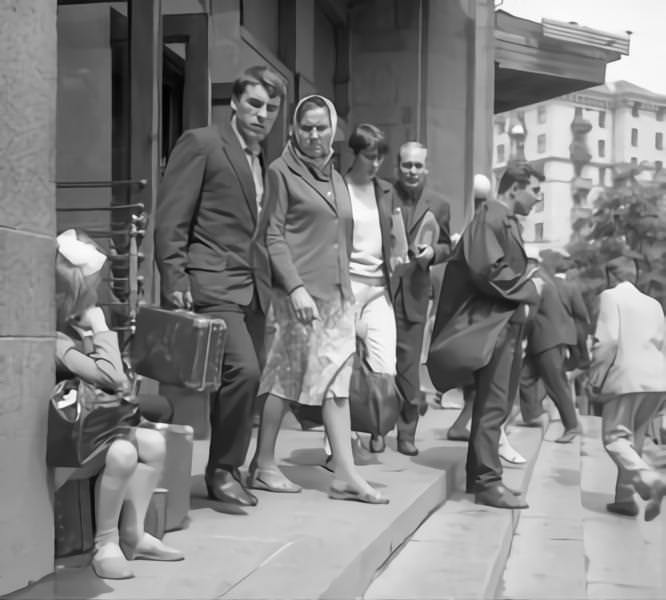
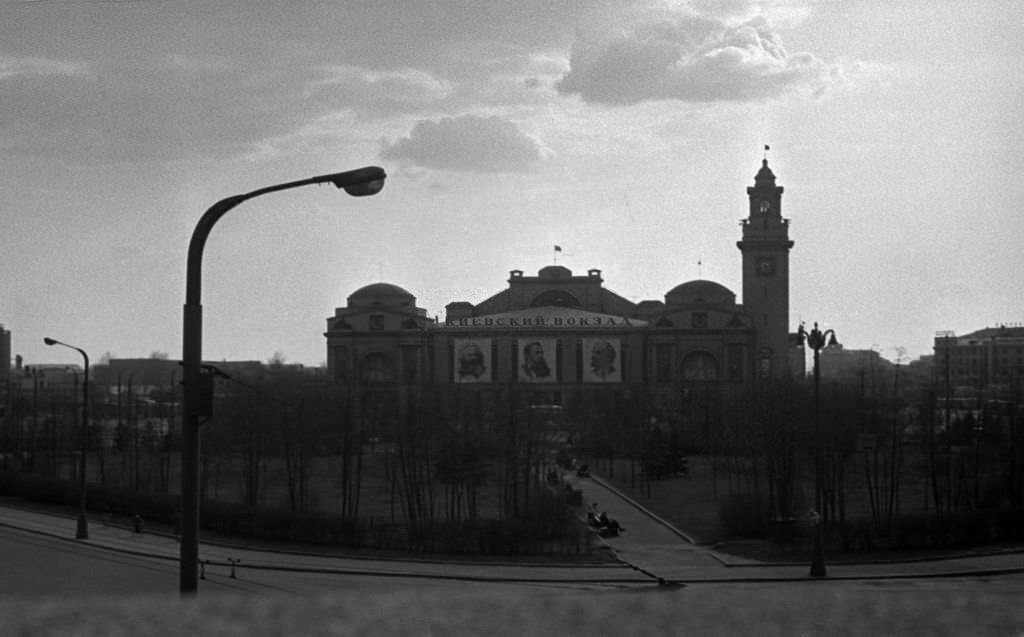
Travel and migration were common features of life in the Soviet Union. People moved between cities for work assignments, education, and family reasons. Train stations and bus terminals in Kyiv were busy places, full of people arriving with luggage and waiting with their belongings — a snapshot of a society in constant motion.
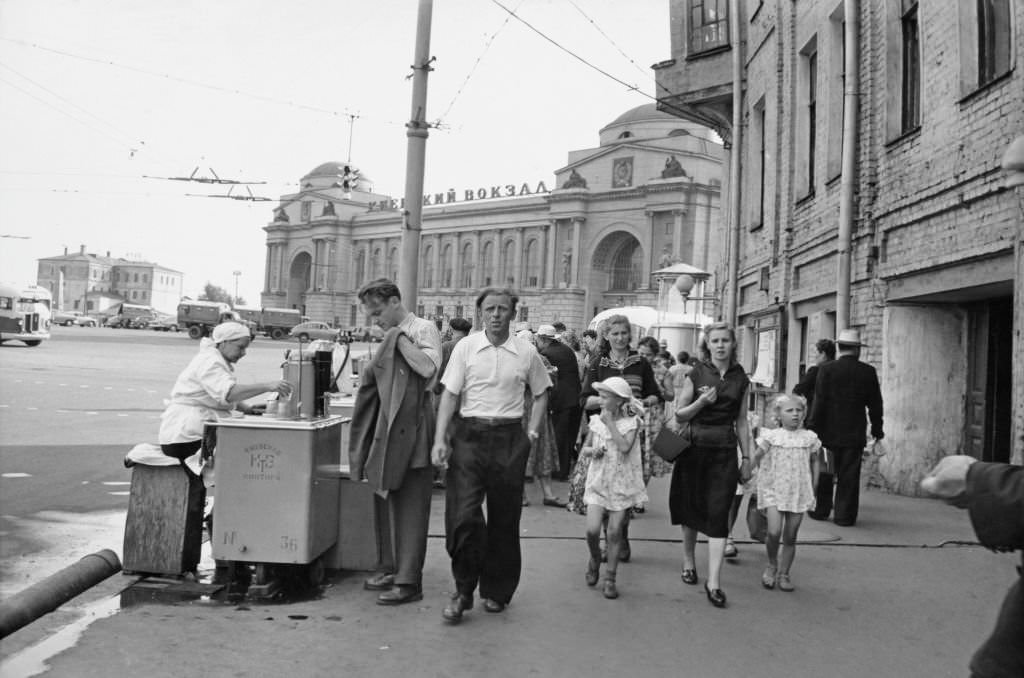
Street vendors were a familiar sight in Kyiv throughout the 1960s. They sold ice cream, drinks, newspapers, and small goods from carts and kiosks along busy pedestrian streets. Despite the centrally planned economy, small-scale street commerce was a visible and accepted part of daily urban life.
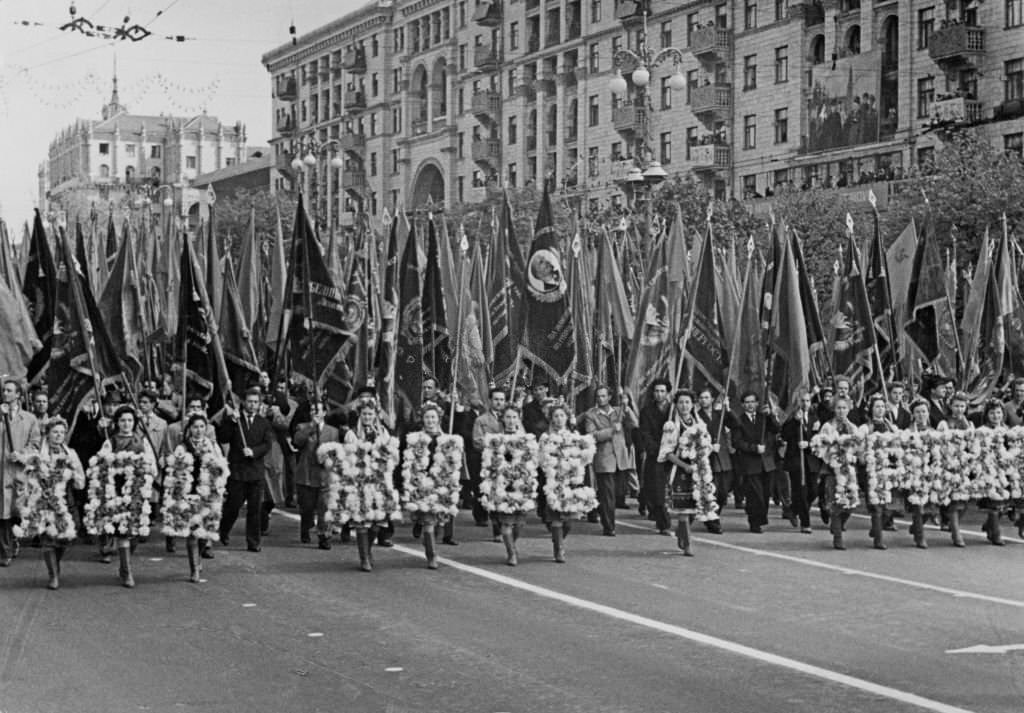
Political pageantry was woven into the fabric of Soviet public life. State celebrations featured performers in traditional Ukrainian dress alongside Communist Party symbols — a pairing that reflected the Soviet project of presenting Ukrainian cultural identity within the framework of Soviet ideology. Folk costume and Lenin’s portrait appeared side by side at official events.
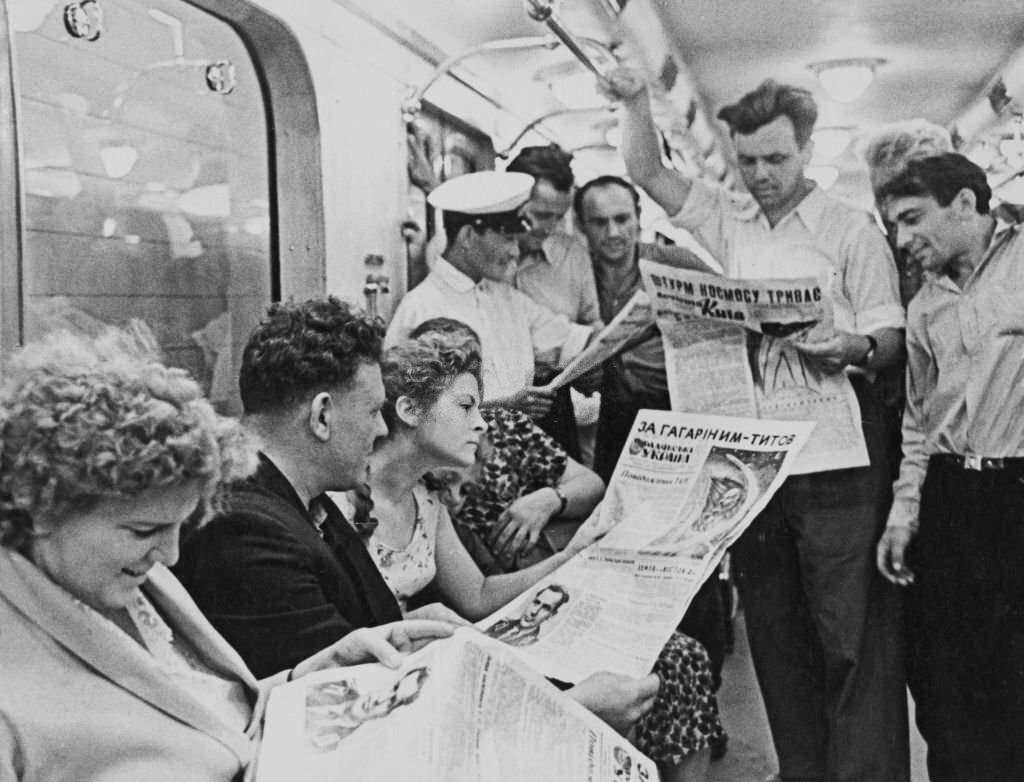
In August 1961, Soviet cosmonaut Gherman Titov became the second human to orbit the Earth, completing 17 orbits aboard Vostok 2. The news was massive across the Soviet Union. Kyiv commuters on the metro read about it in their newspapers, pride evident in a country that was winning the Space Race at that moment. Science and space exploration carried enormous cultural weight in the USSR.
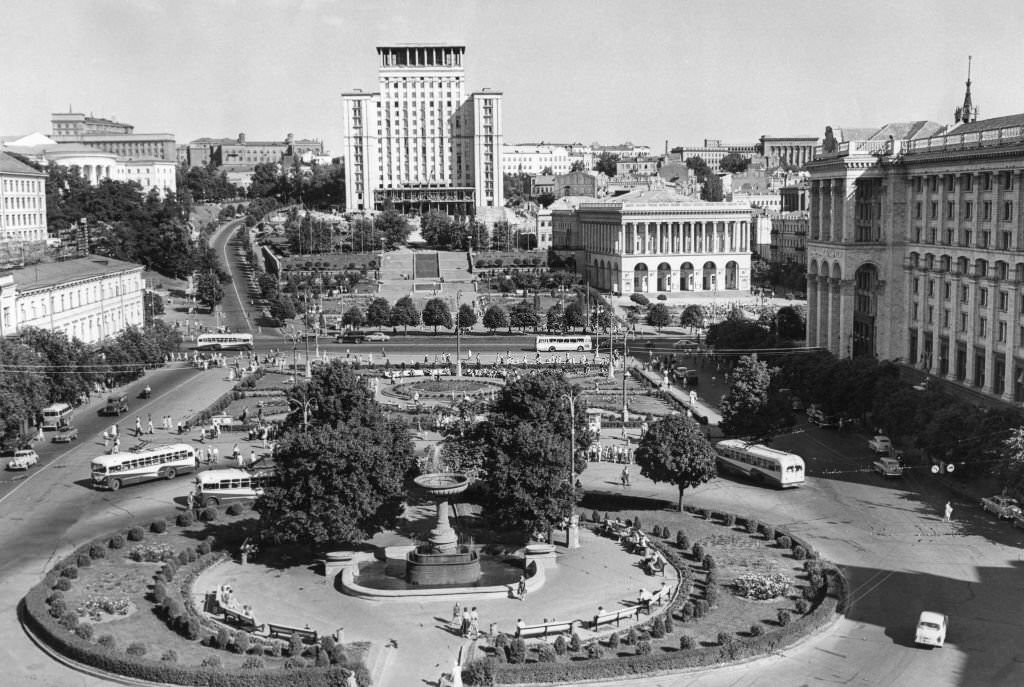
Independence Square (Maidan) in Kyiv, capital of Ukraine, at the time of the USSR, with the Moskva hôtel (now Ukraine hôtel) in the background.
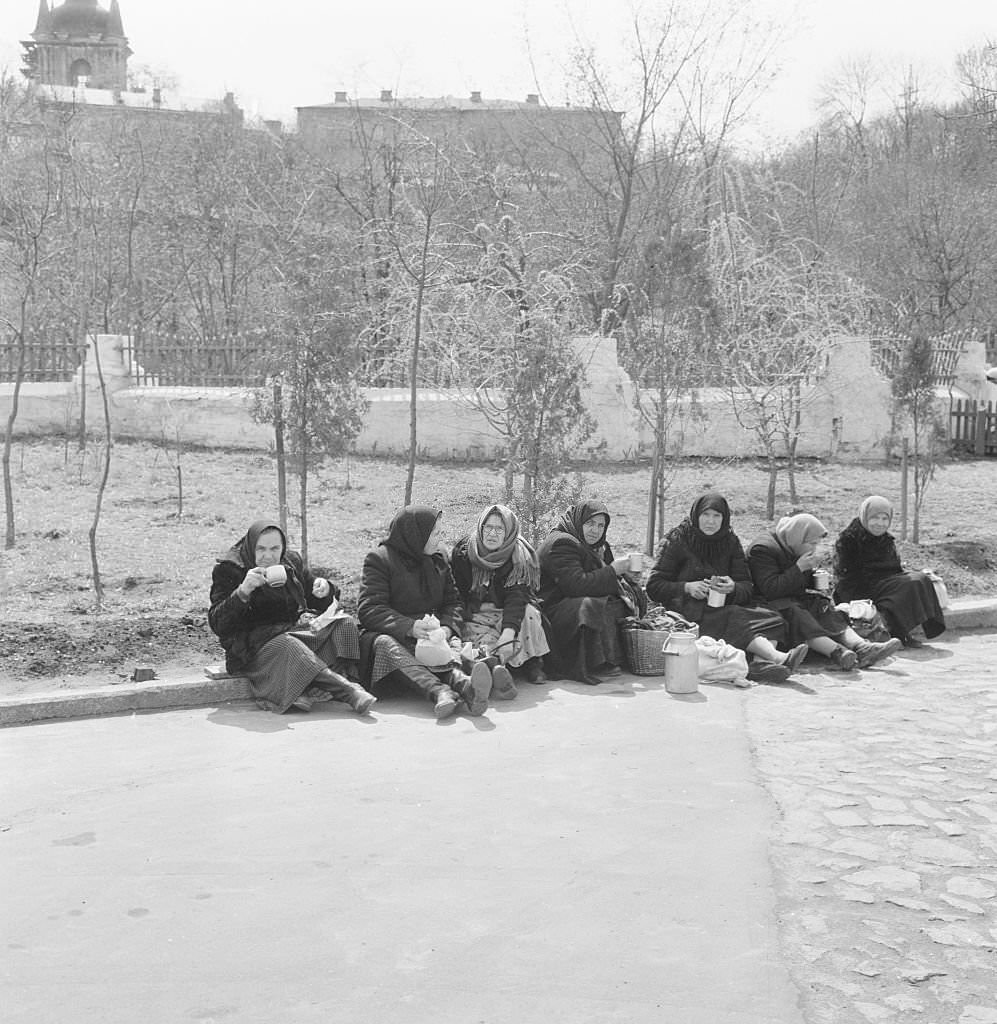
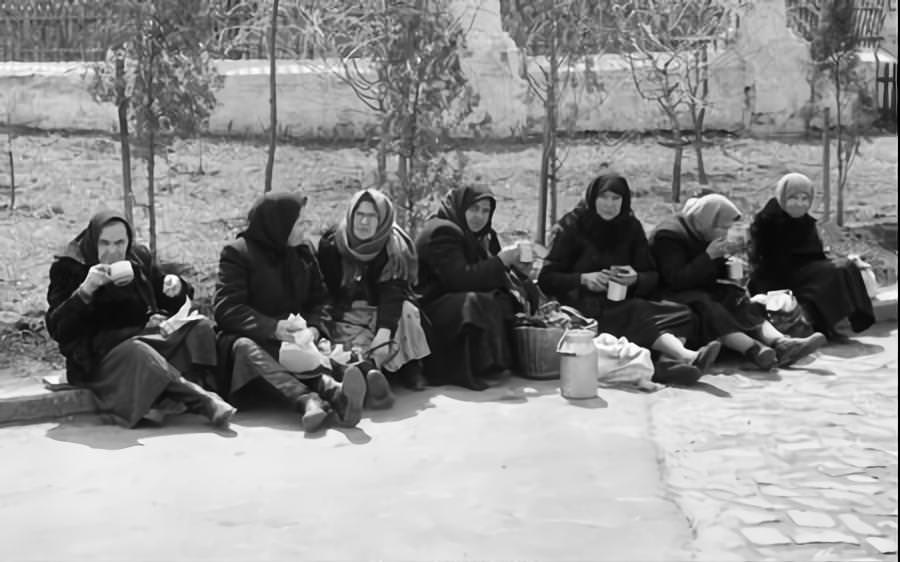
Parks and green spaces were well-maintained and widely used in Soviet Kyiv. Workers took their lunch breaks outdoors when the weather allowed, gathering in groups on benches and lawns. The Soviet work schedule built in breaks, and public parks served as the informal social spaces of city life — places to rest, talk, and breathe before heading back to the factory or the office.
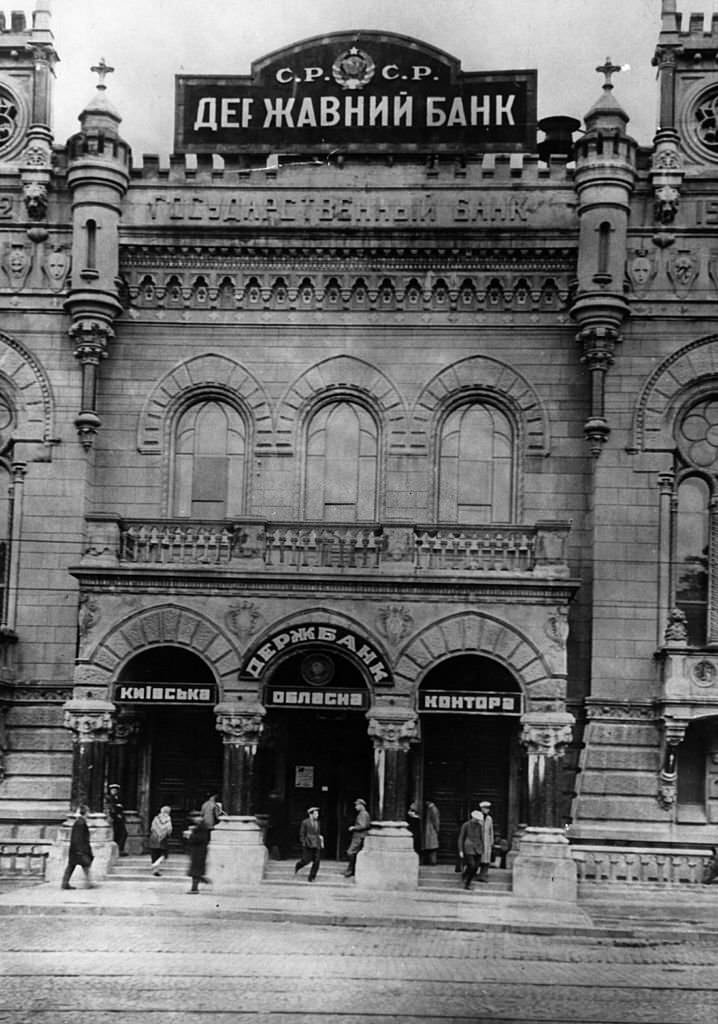
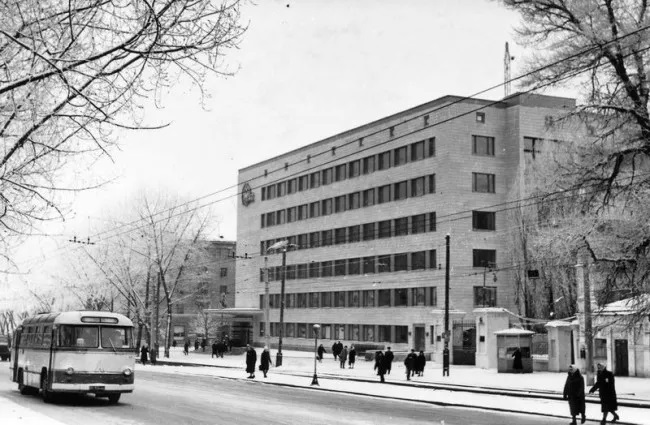
The State Bank of Kyiv was a central institution in the city’s economic administration. Under the Soviet planned economy, the state bank managed financial transactions, wages, and the flow of money across state enterprises. Its building, like most major civic structures in the city, was an architectural statement — built to project permanence and governmental authority.




