By the mid-1980s, Kodak’s Kodacolor film had become one of the most recognized names in consumer photography. The ads behind it were just as memorable as the product itself. Bold, saturated, and full of life, these print campaigns ran through magazines and storefronts across the country, turning a roll of film into a symbol of preserving what mattered most.
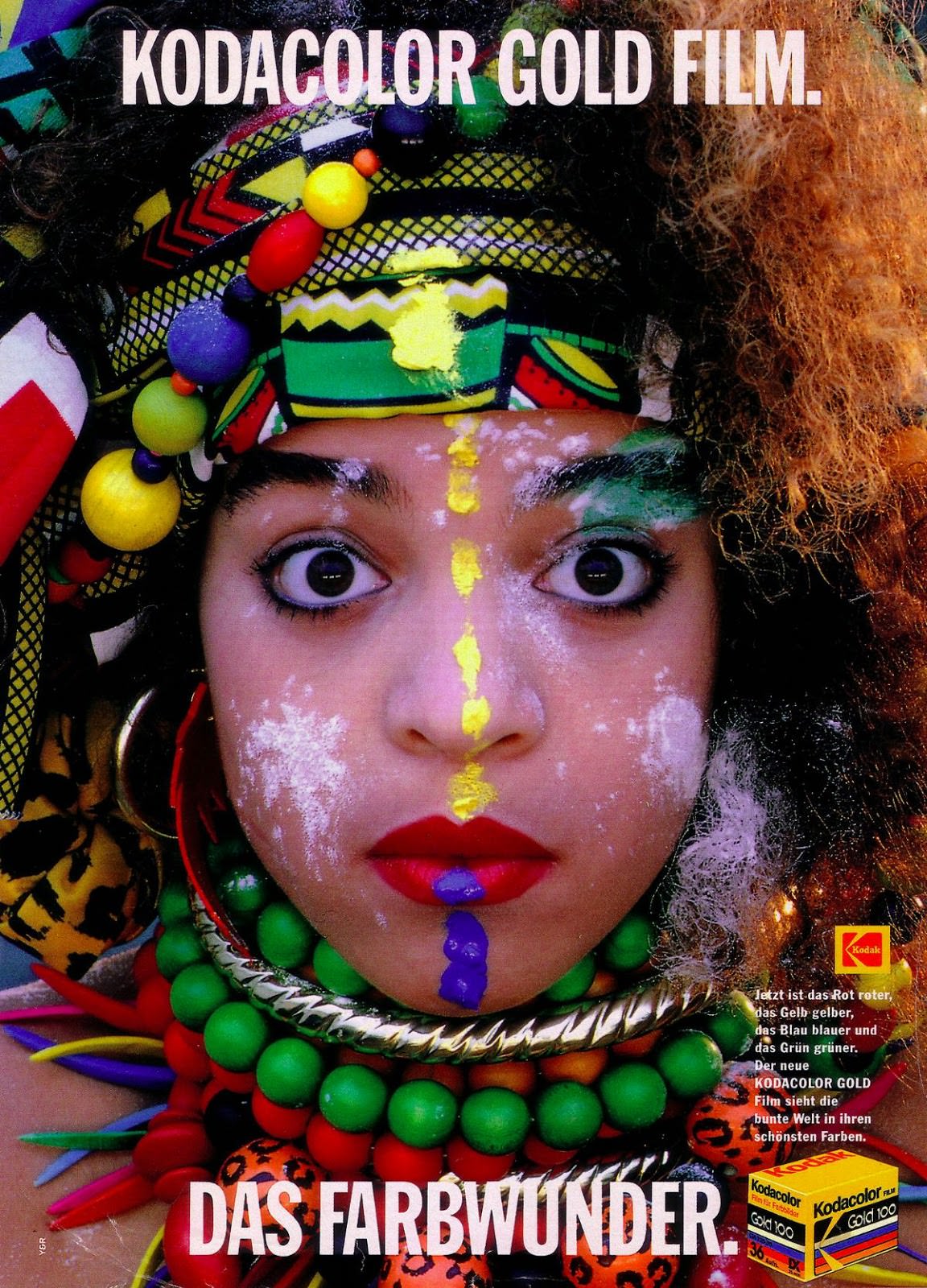
The Kodacolor Gold 100 line launched with a sharp focus on true-to-life color reproduction. Ads from 1986 highlighted the film’s ability to render skin tones, natural light, and everyday scenes with striking accuracy. The message was direct: this film captured the world the way your eyes actually saw it.
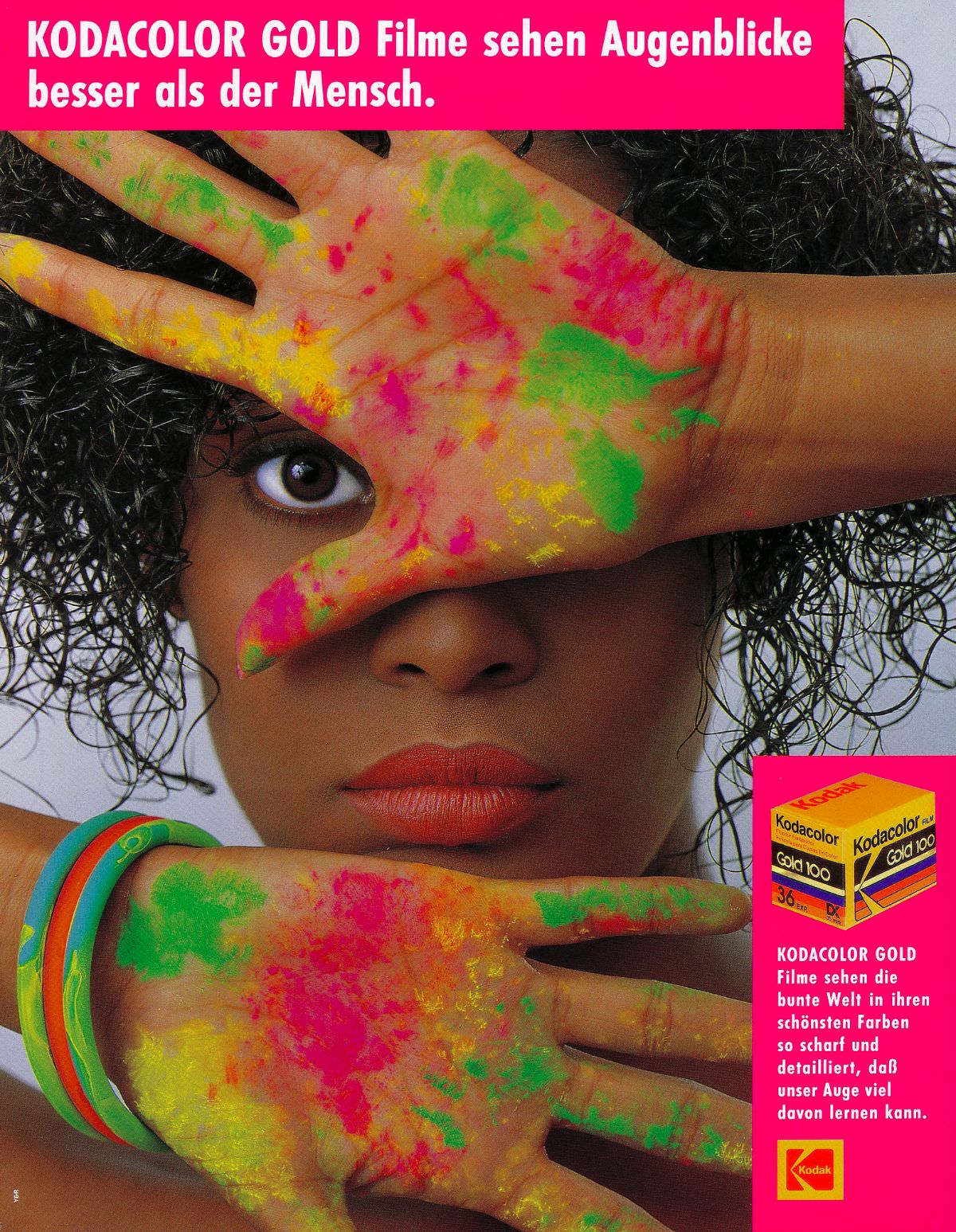
By 1990, the campaigns leaned heavily into family moments — birthday parties, backyard gatherings, holiday mornings. These weren’t staged studio shots. Kodak’s ads showed real-looking people in relatable settings, reinforcing that Kodacolor Gold 100 was built for the moments that actually happened in people’s lives.
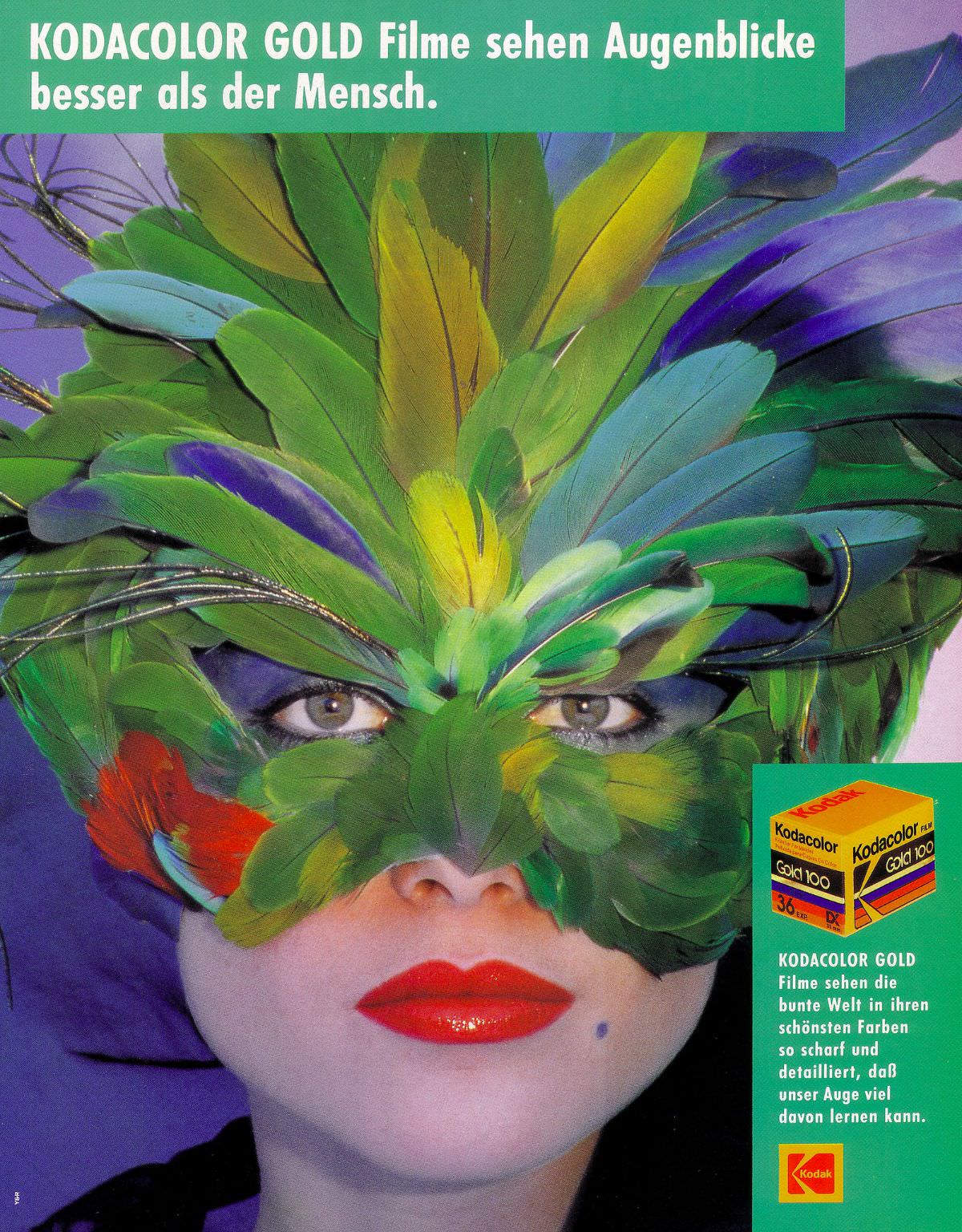
Multiple ads ran in the same year, each targeting a different slice of everyday life. Whether it was a summer vacation shot or a candid moment indoors, the ads made one consistent point: with the right film, no moment was too small to be worth keeping.
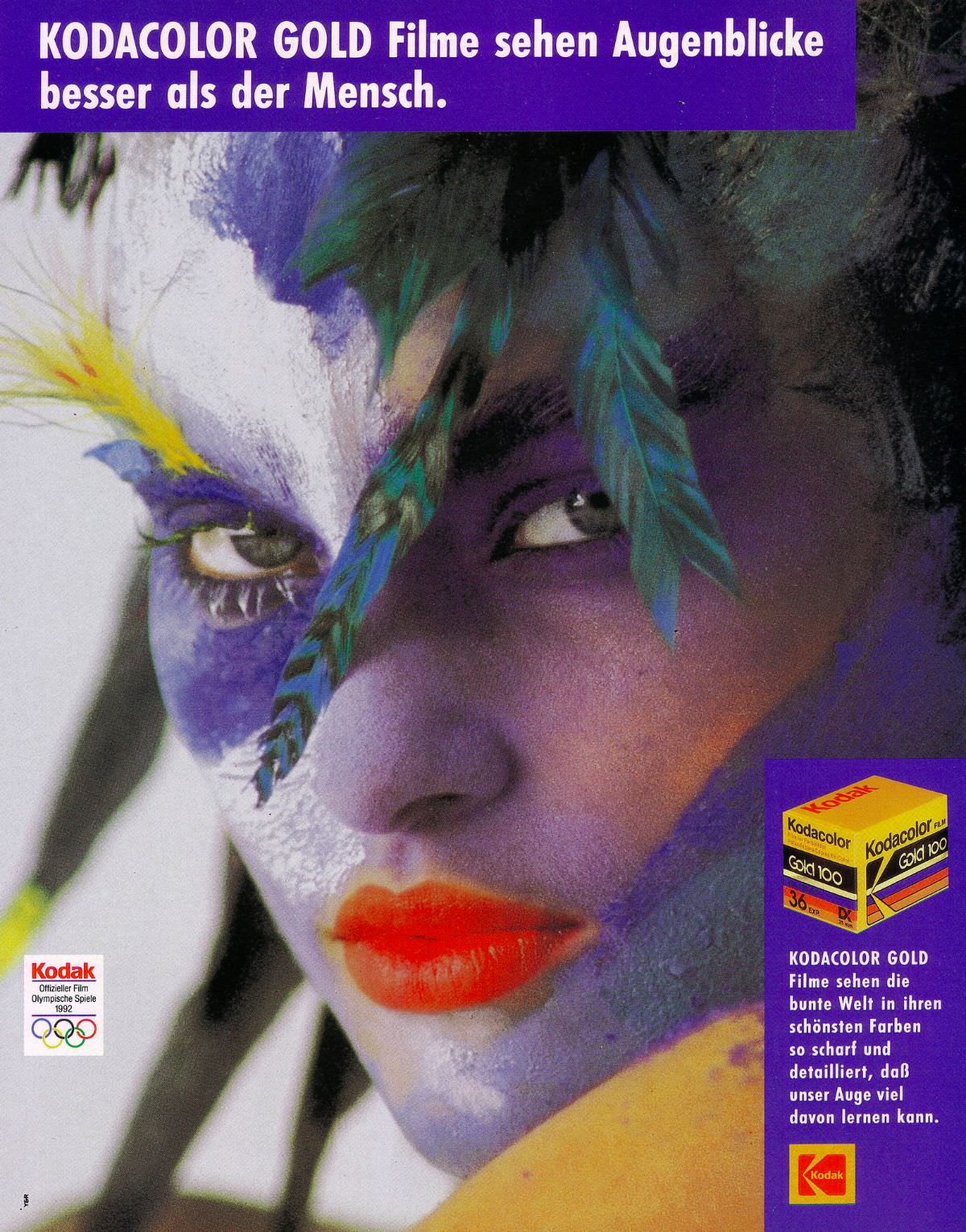
The 1991 campaign continued building on that emotional pull. Fashion and home interiors in the ads reflected the era clearly — bold patterns, warm interiors, and the distinctly early-90s color palette that defined the time. Kodacolor wasn’t just selling film; it was documenting a specific cultural moment.
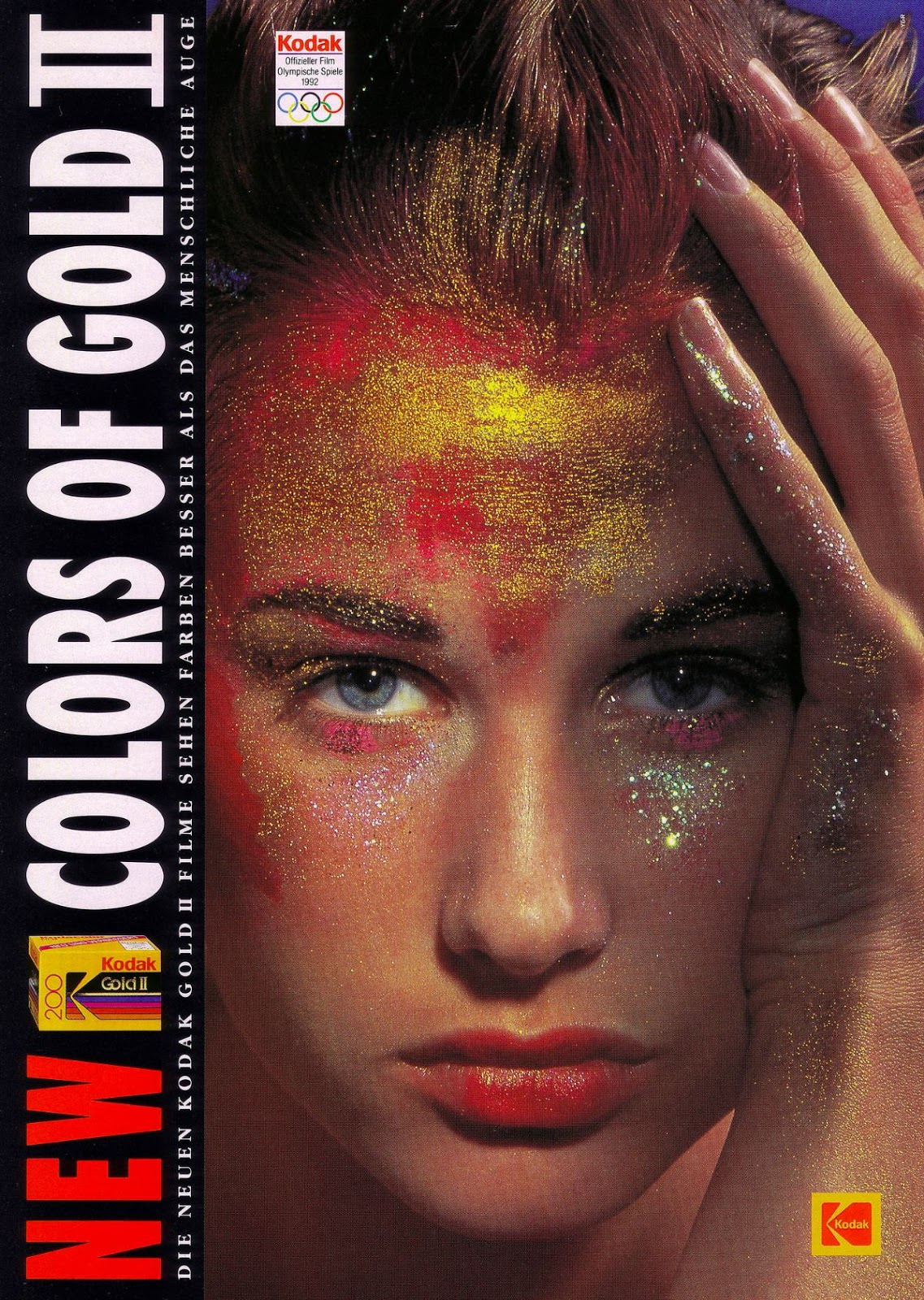
In 1992, Kodak shifted to its Gold II 200 film, a faster emulsion designed for a wider range of lighting conditions. The ads reflected this upgrade — showcasing photos taken indoors without flash, at dusk, and in shaded outdoor spaces. Speed and versatility became the new selling points.
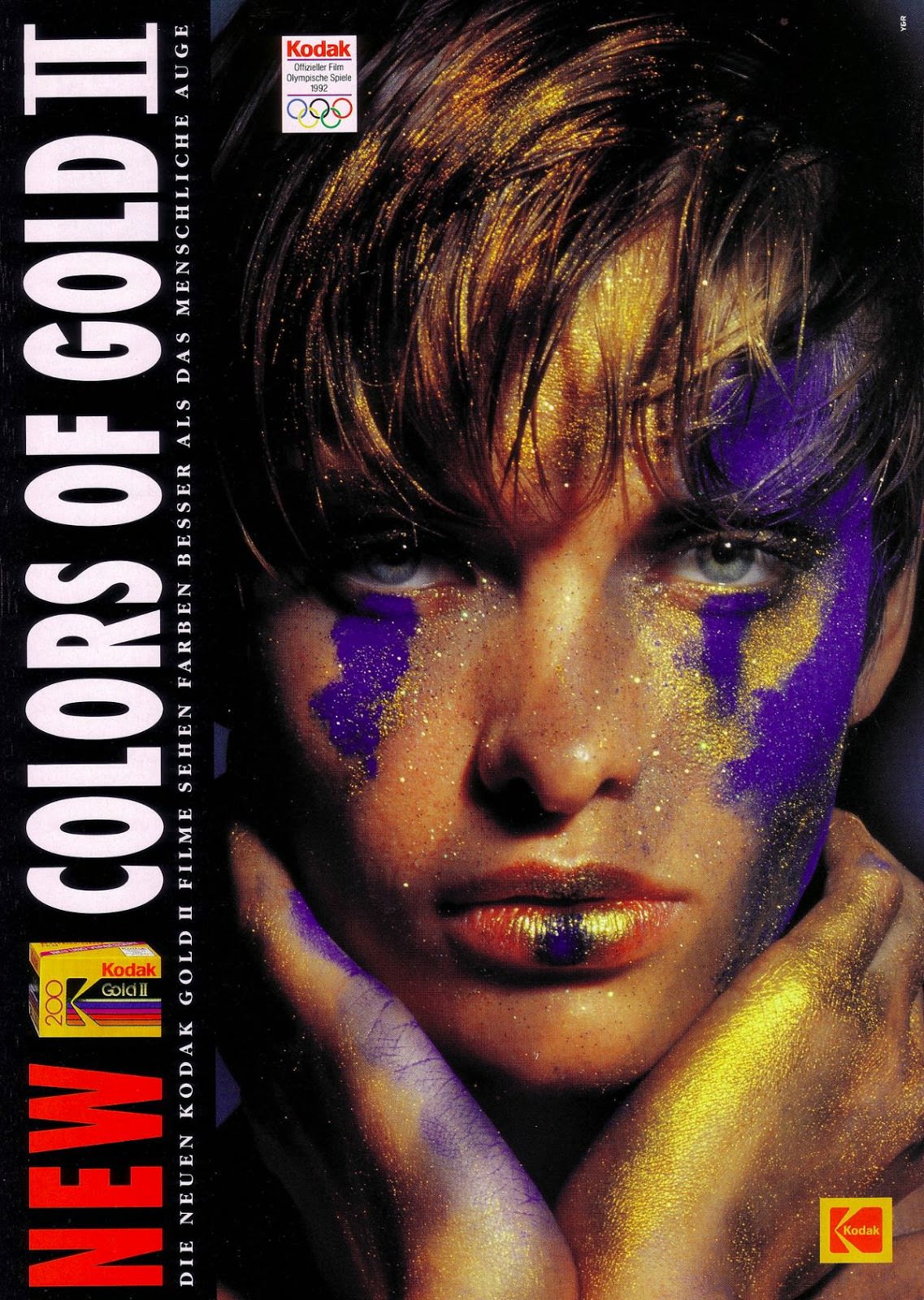
A second 1992 Gold II 200 ad pushed the theme further, featuring vivid prints that demonstrated the film’s color range across different subjects and environments. Side-by-side photo comparisons within the ads made the quality argument visually — no technical language needed.
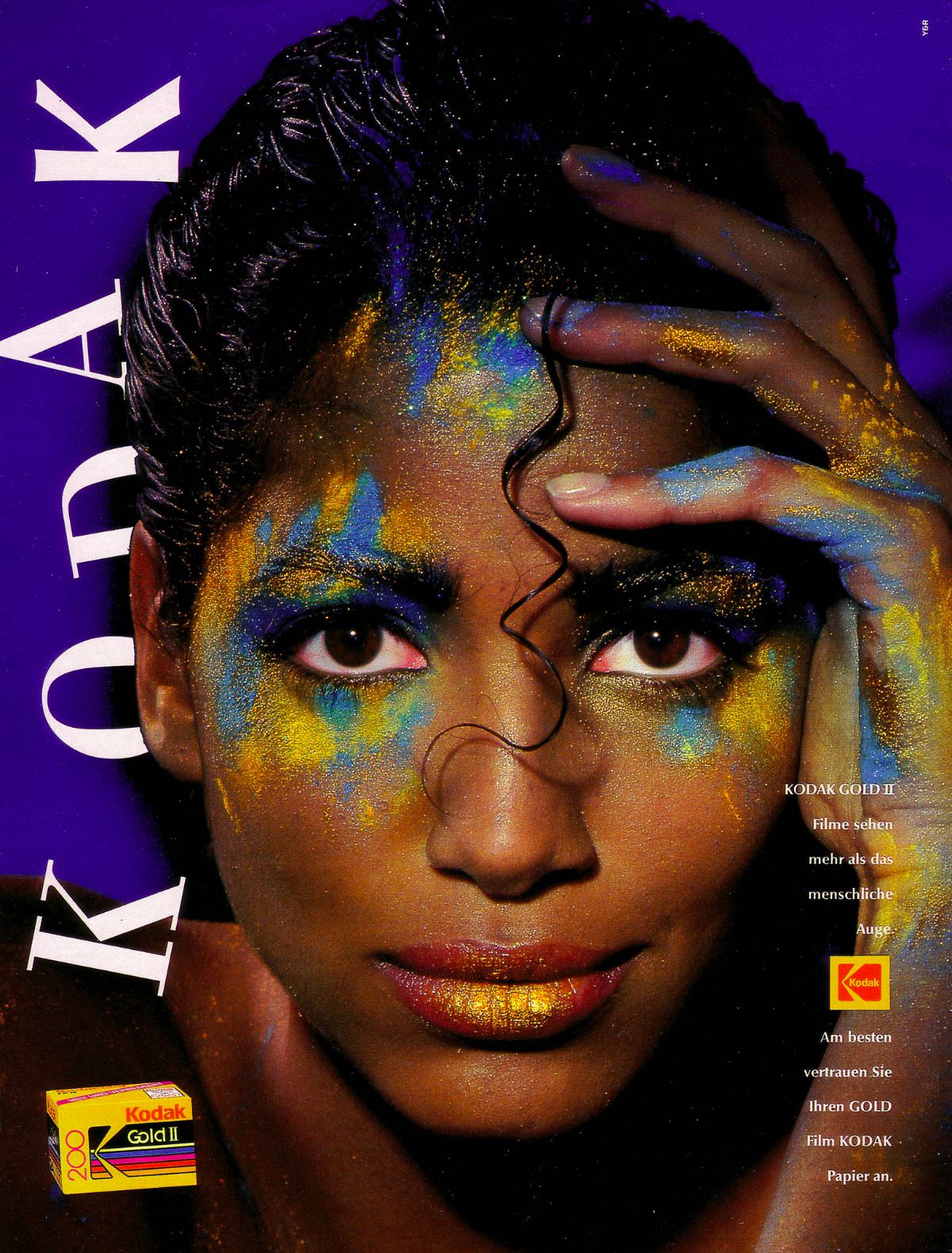
By 1993, the Gold II 200 campaign had settled into a confident rhythm. Ads from this year placed the finished photograph at the center — not the camera, not the equipment, just the print itself. Kodak’s strategy was clear: the photo was the product, and the film was simply how you got there.