Knitting is one of the oldest fabric-making methods in the world. It uses needles and a continuous strand of yarn or wool to build up rows of interlocked loops. The exact moment humans first started knitting is still unknown, but some of the earliest examples of knitted cotton socks were discovered inside Egyptian pyramids. From those ancient beginnings, knitting eventually became one of the defining crafts of everyday life — and by the mid-20th century, it had turned into a full-blown fashion movement.
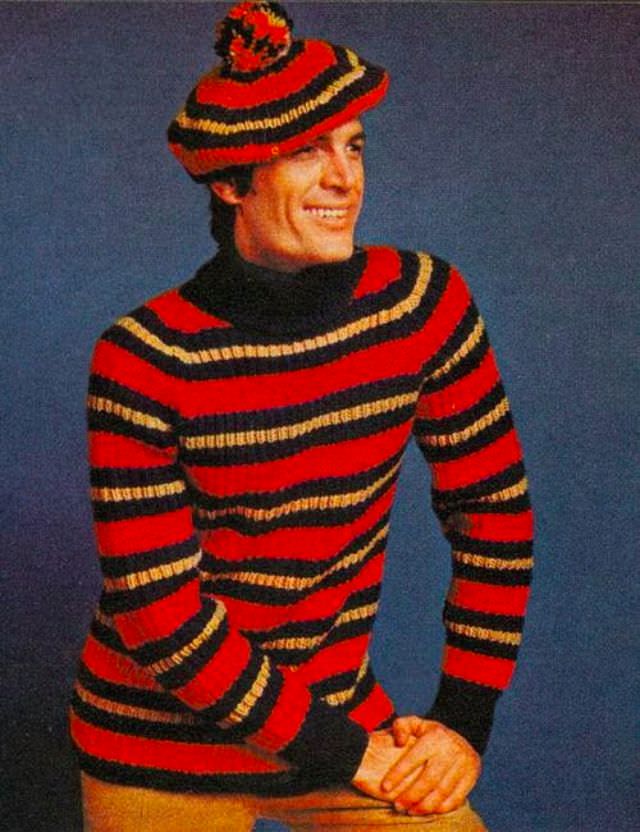
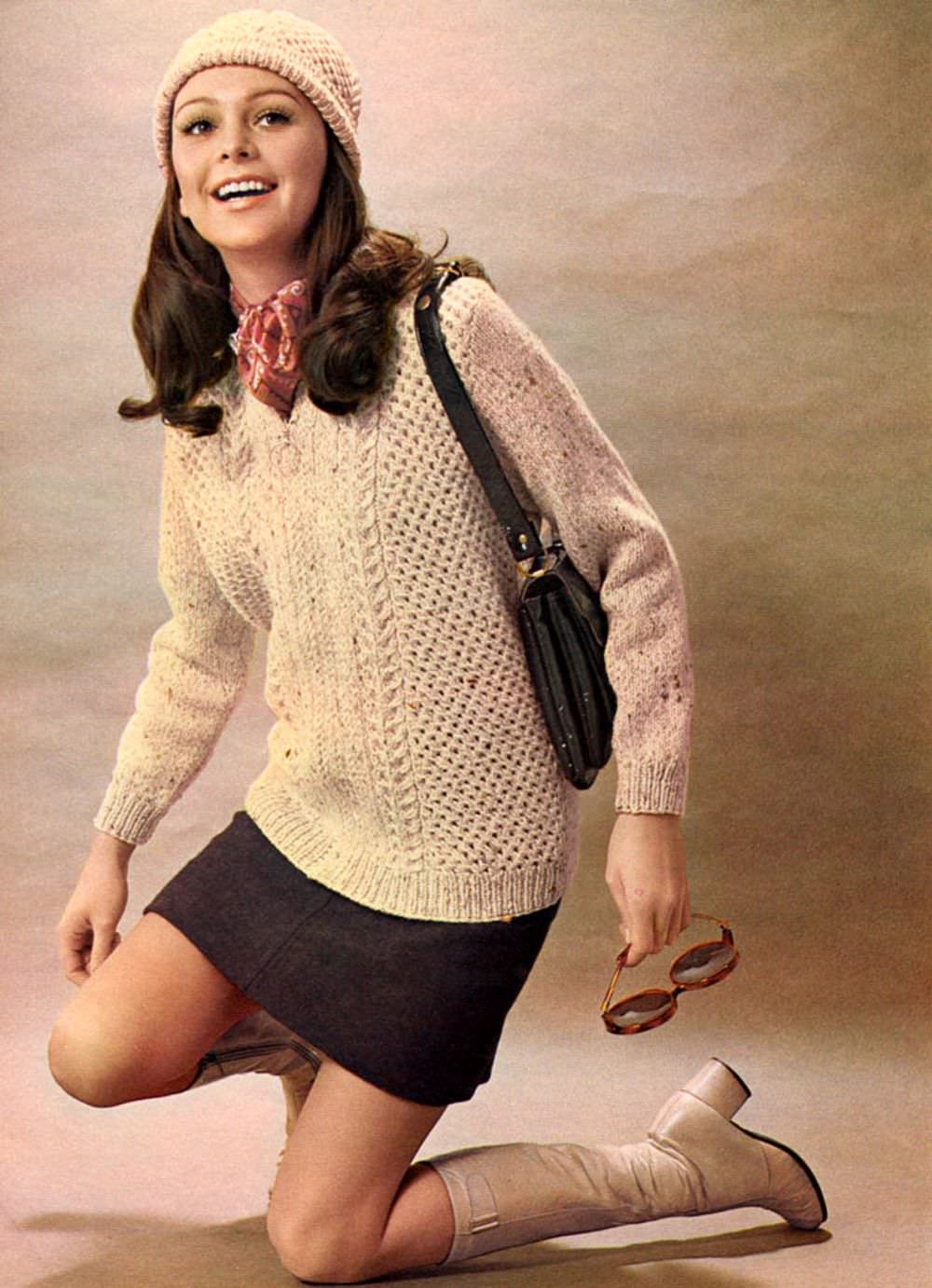
From the 1960s through the 1980s, knitwear was everywhere. It was not just a cold-weather thing. Yes, sweaters, hats, gloves, and scarves were part of it — but so were sheath dresses, skirts, shorts, pants, and everyday shirts. Knitwear covered nearly every item in a person’s wardrobe. Designers and home knitters alike pushed the craft into bold new territory, producing pieces with rich textures, vivid colors, geometric patterns, and complex cable stitches that no flat-woven fabric could replicate.
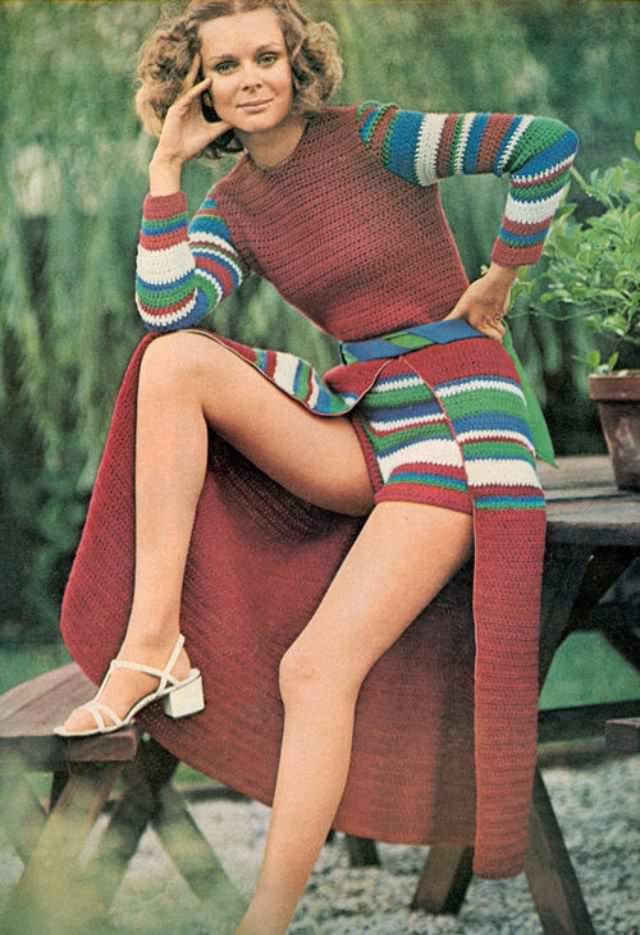
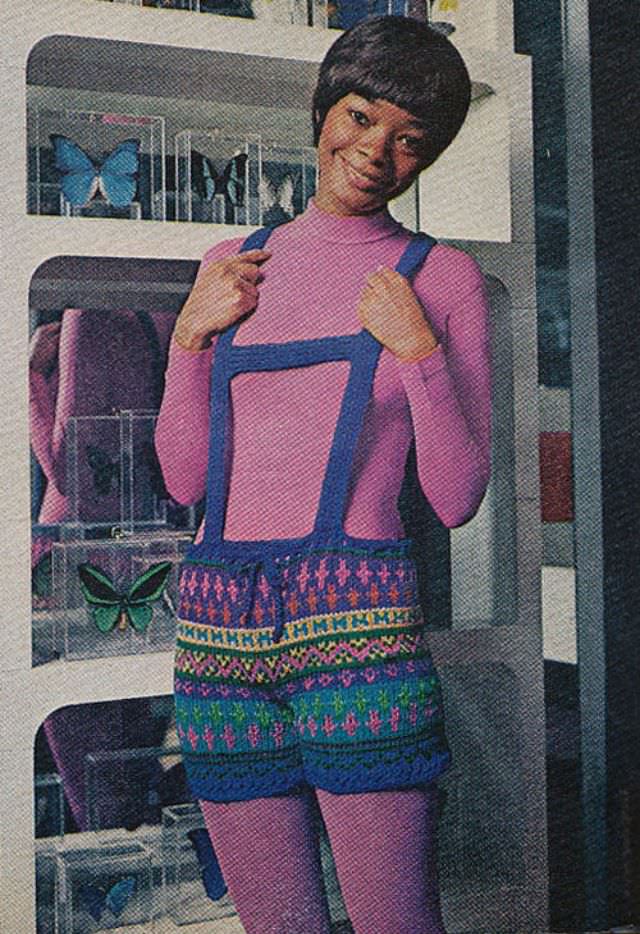
Knitting was deeply woven into everyday culture, not just closets. Girls were taught to knit in school during this era because it was considered a genuinely useful life skill, not simply a pastime. Mothers passed patterns to daughters. Neighbors swapped techniques. Women’s magazines printed knitting guides alongside recipes and home advice. The craft carried real social weight.
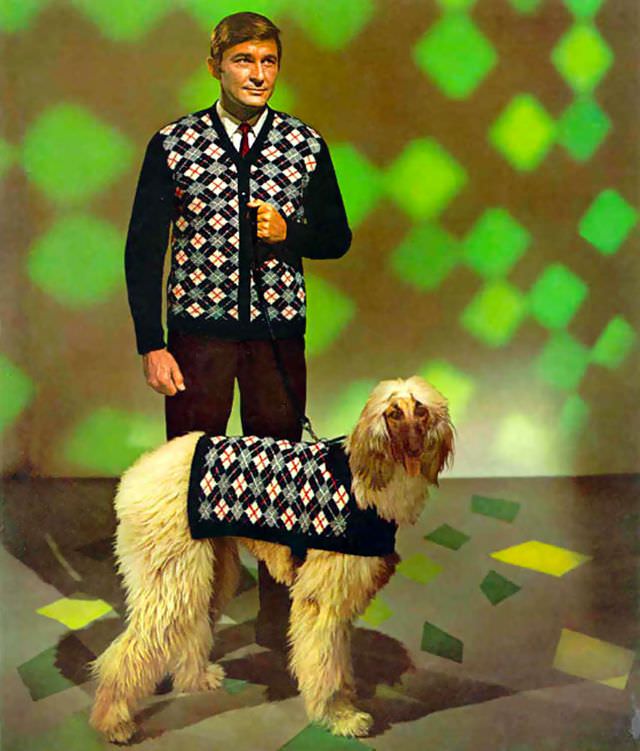
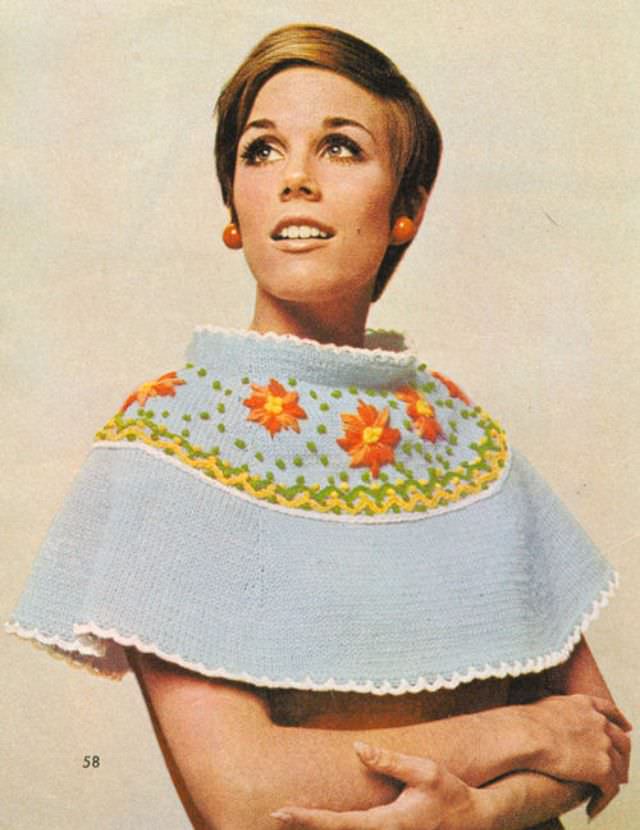
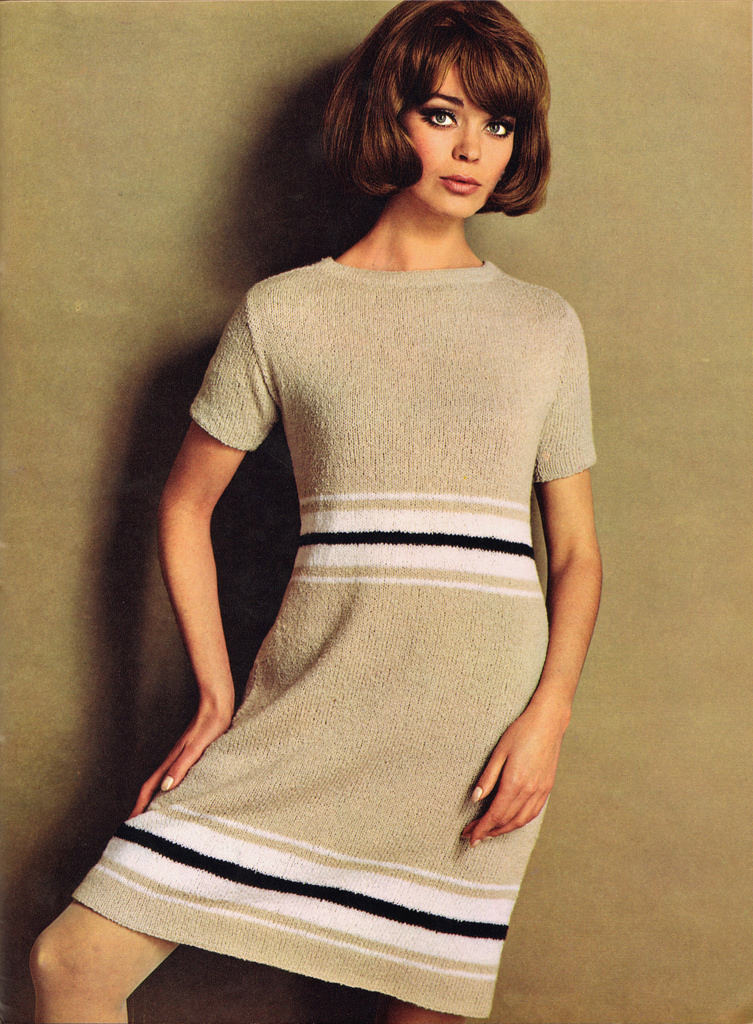
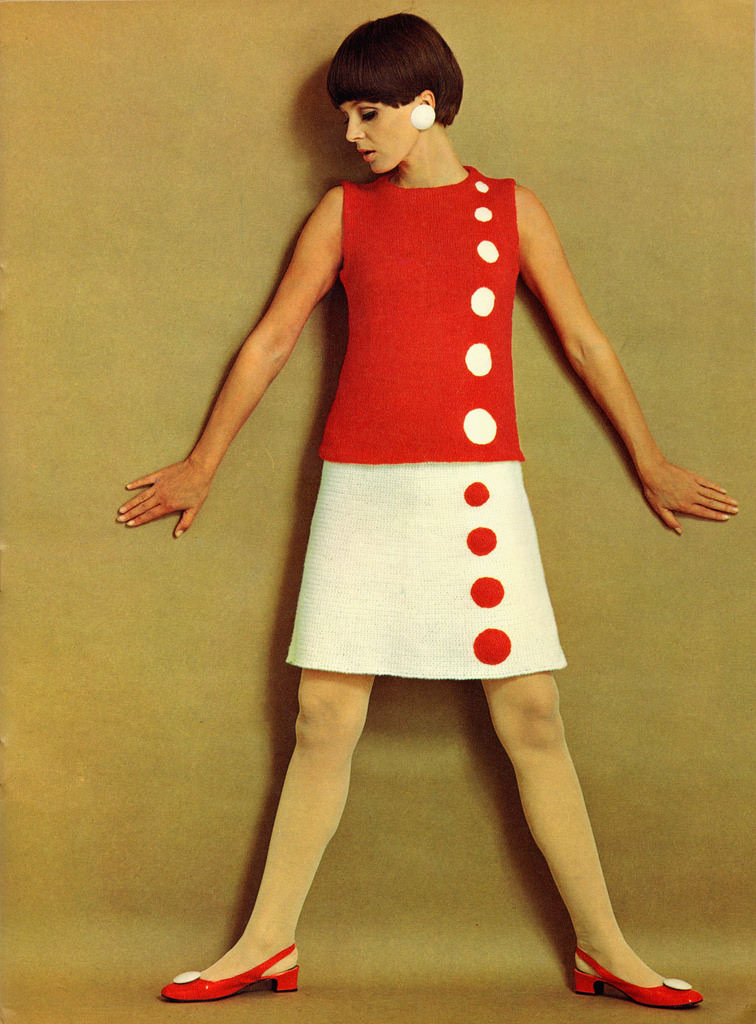
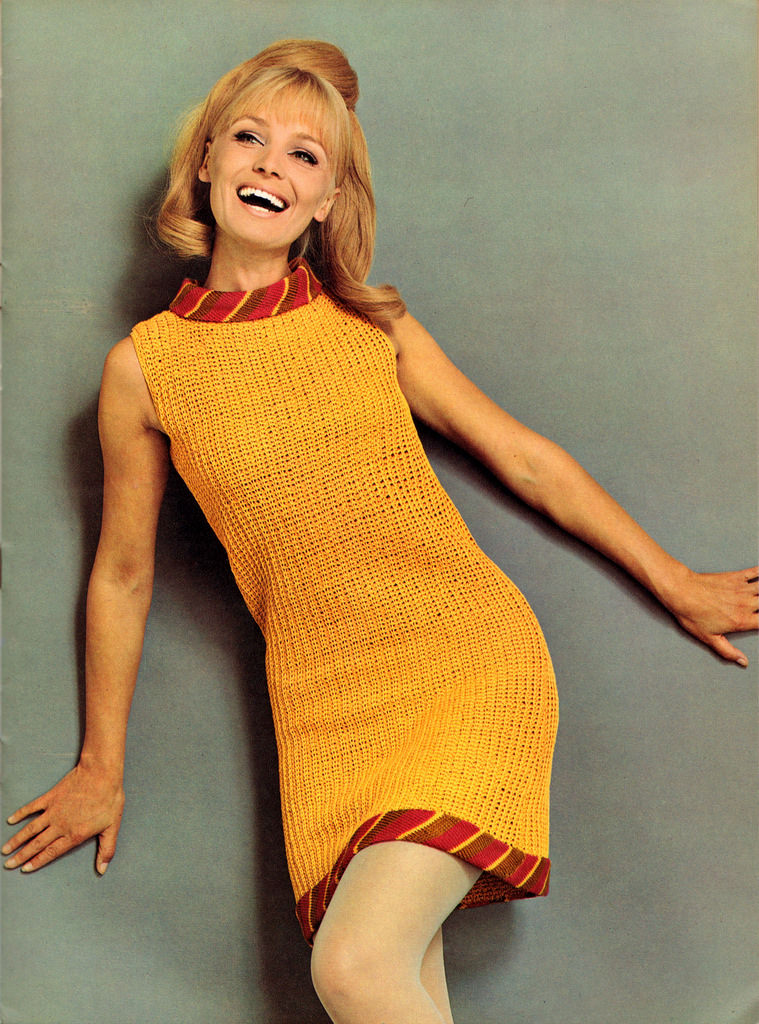
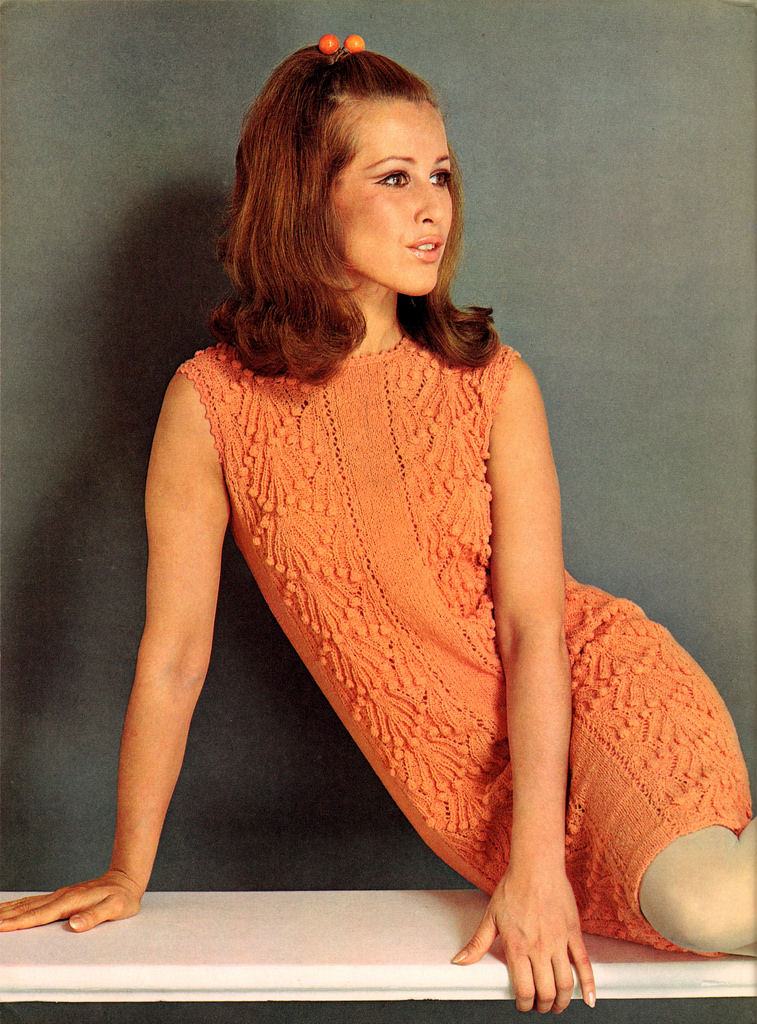
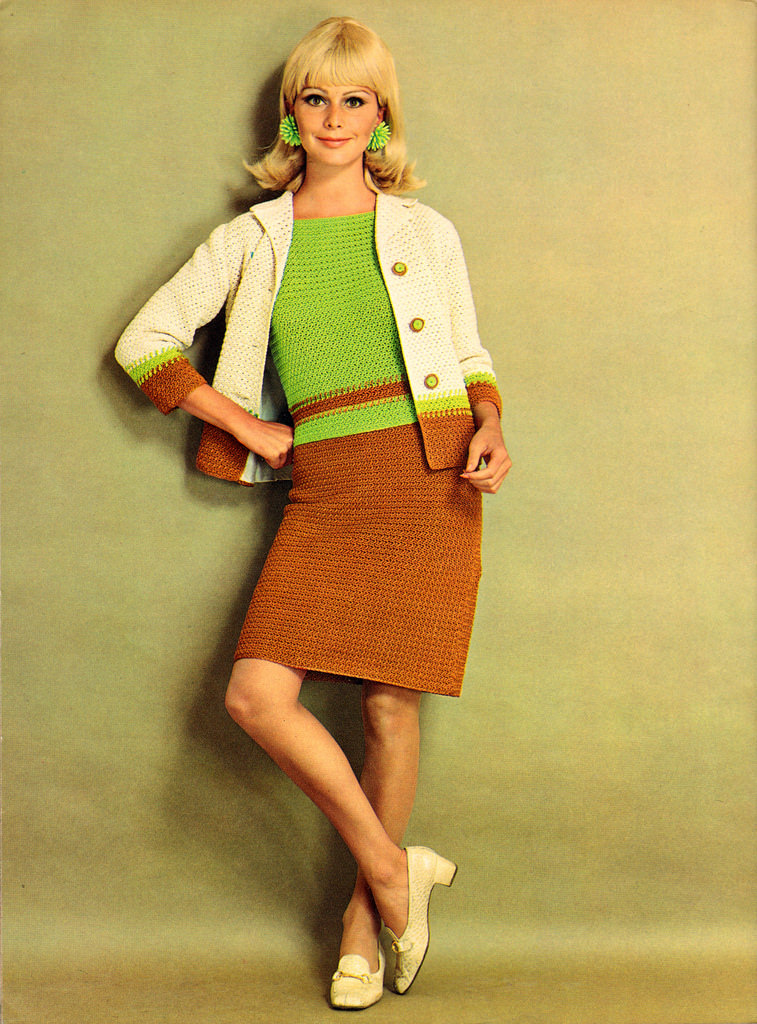
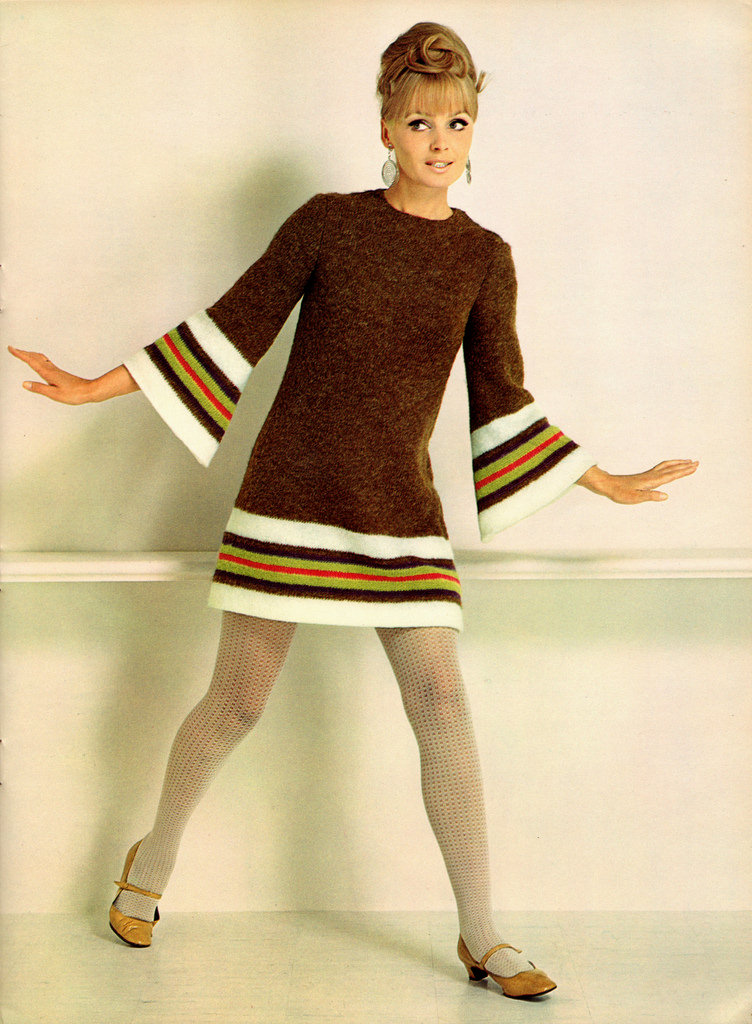
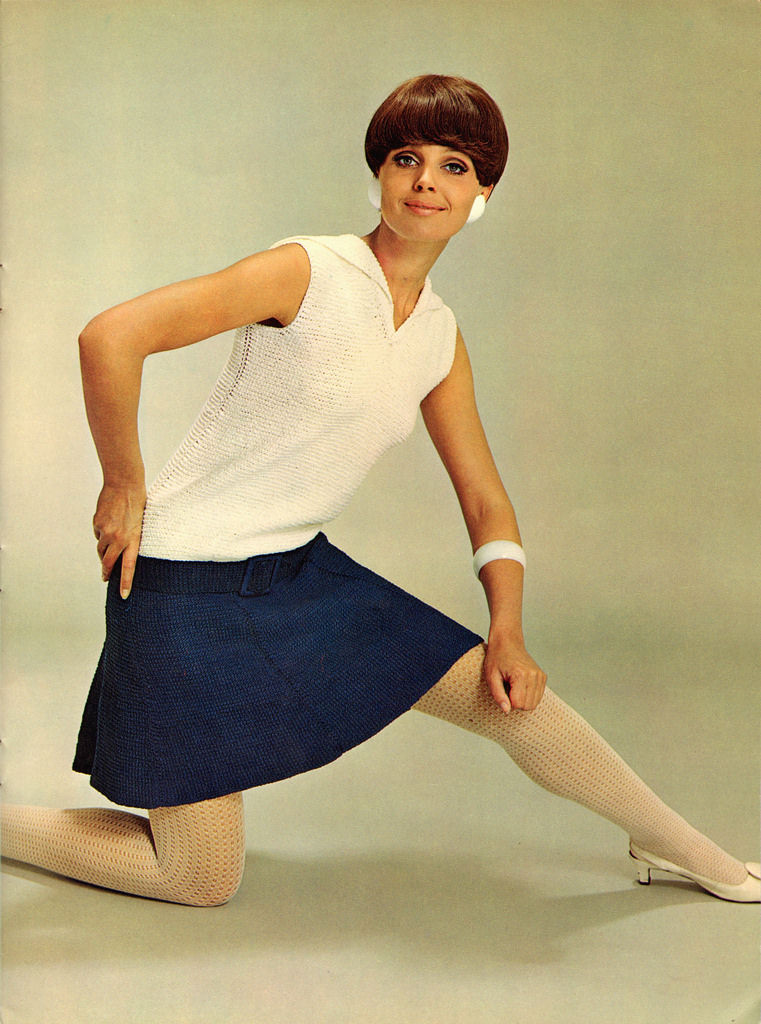
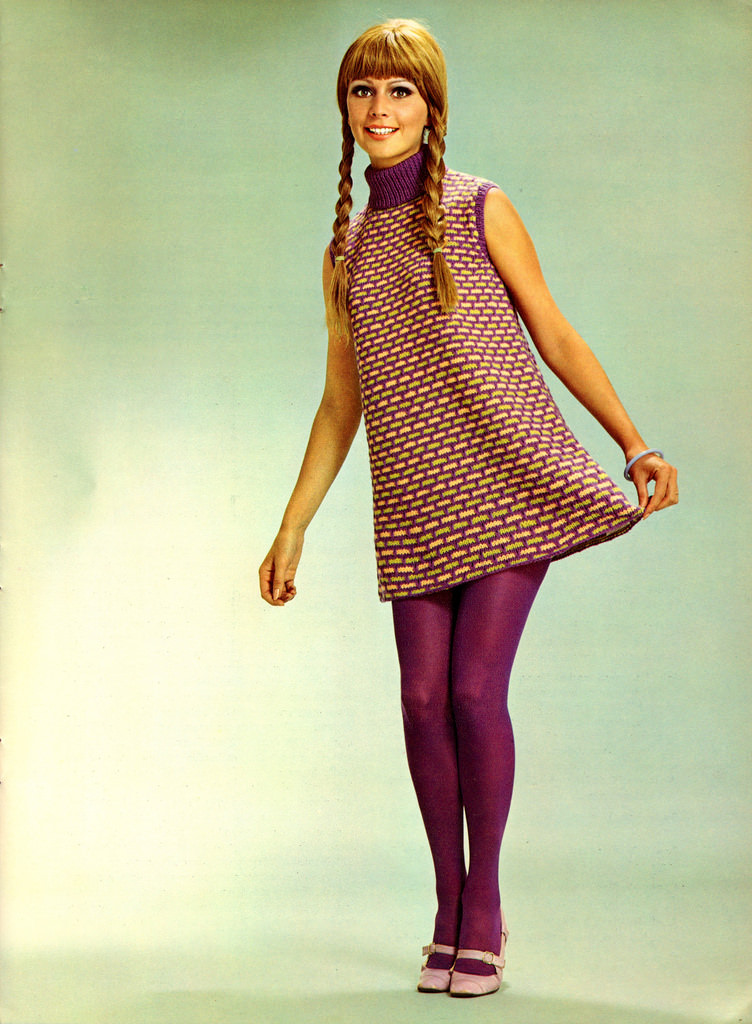
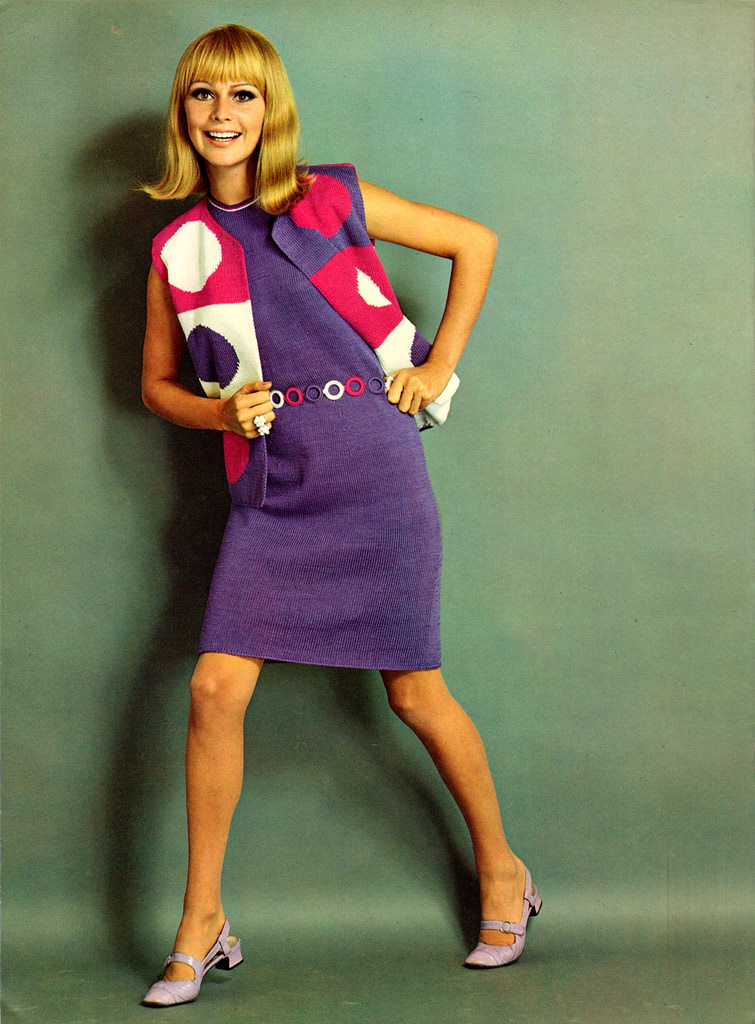
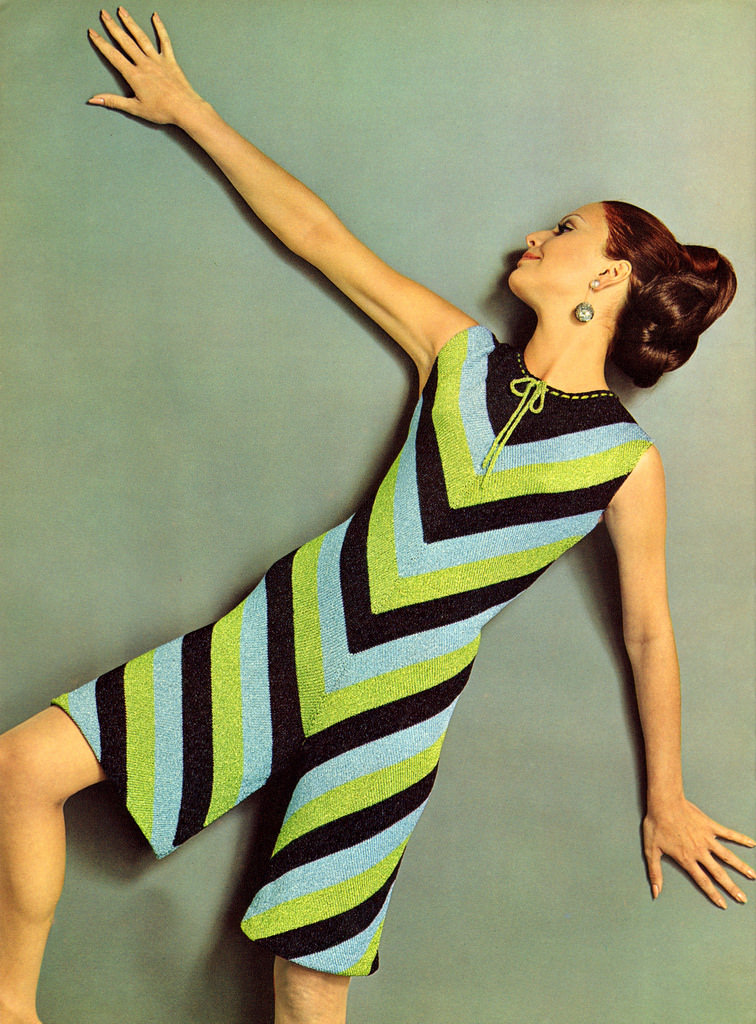
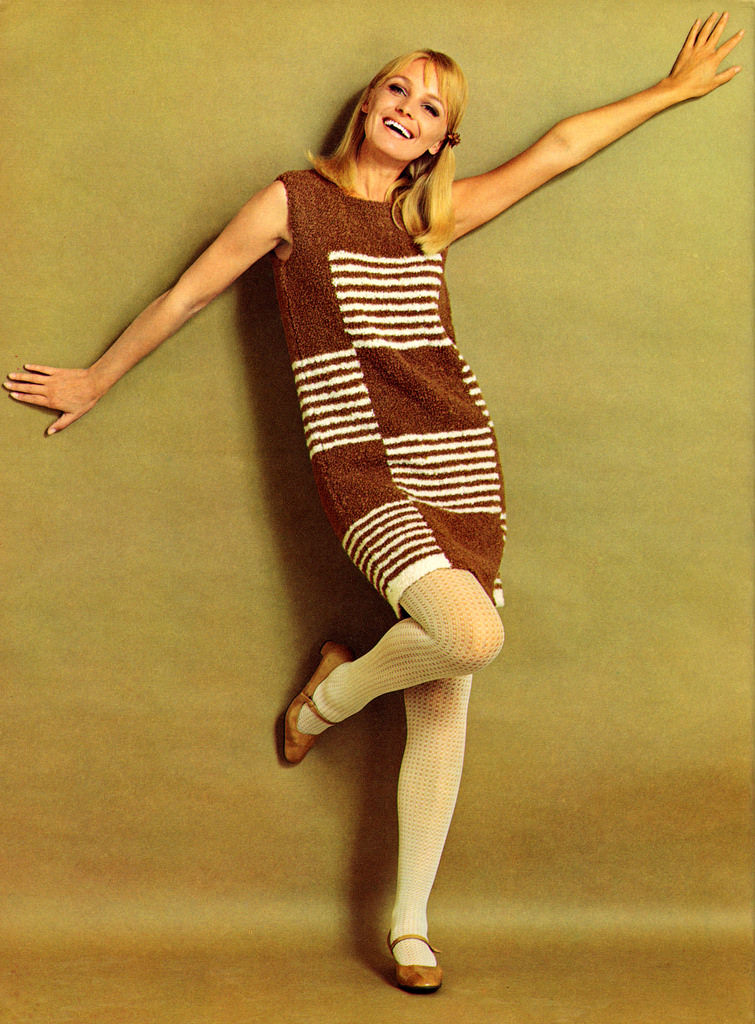
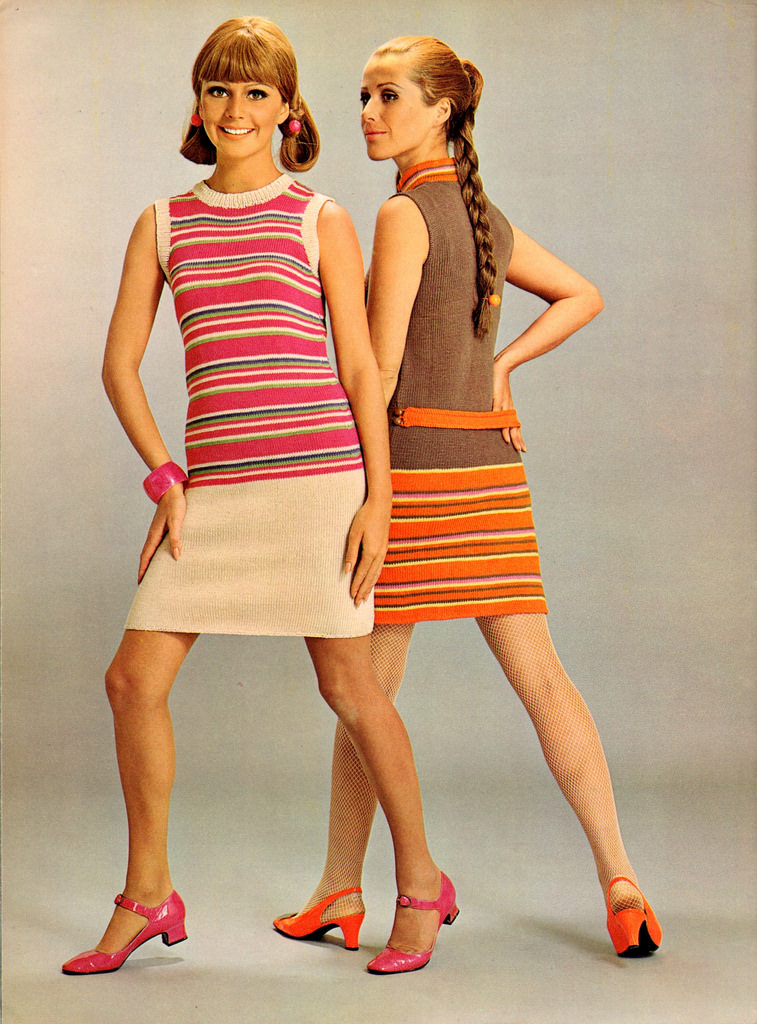
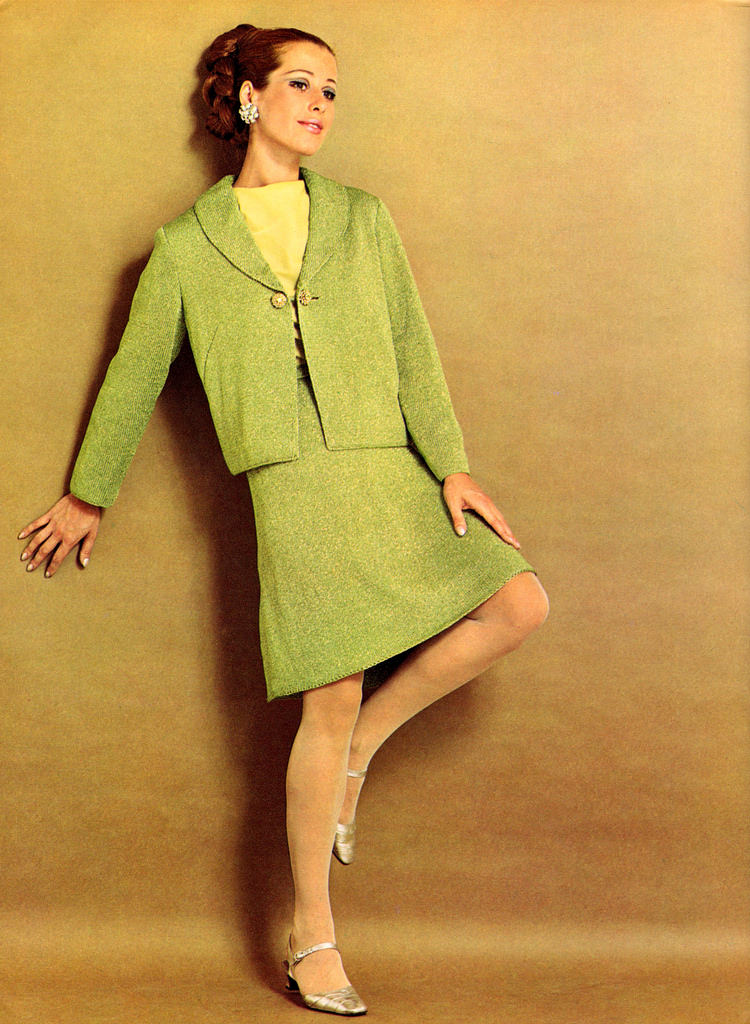
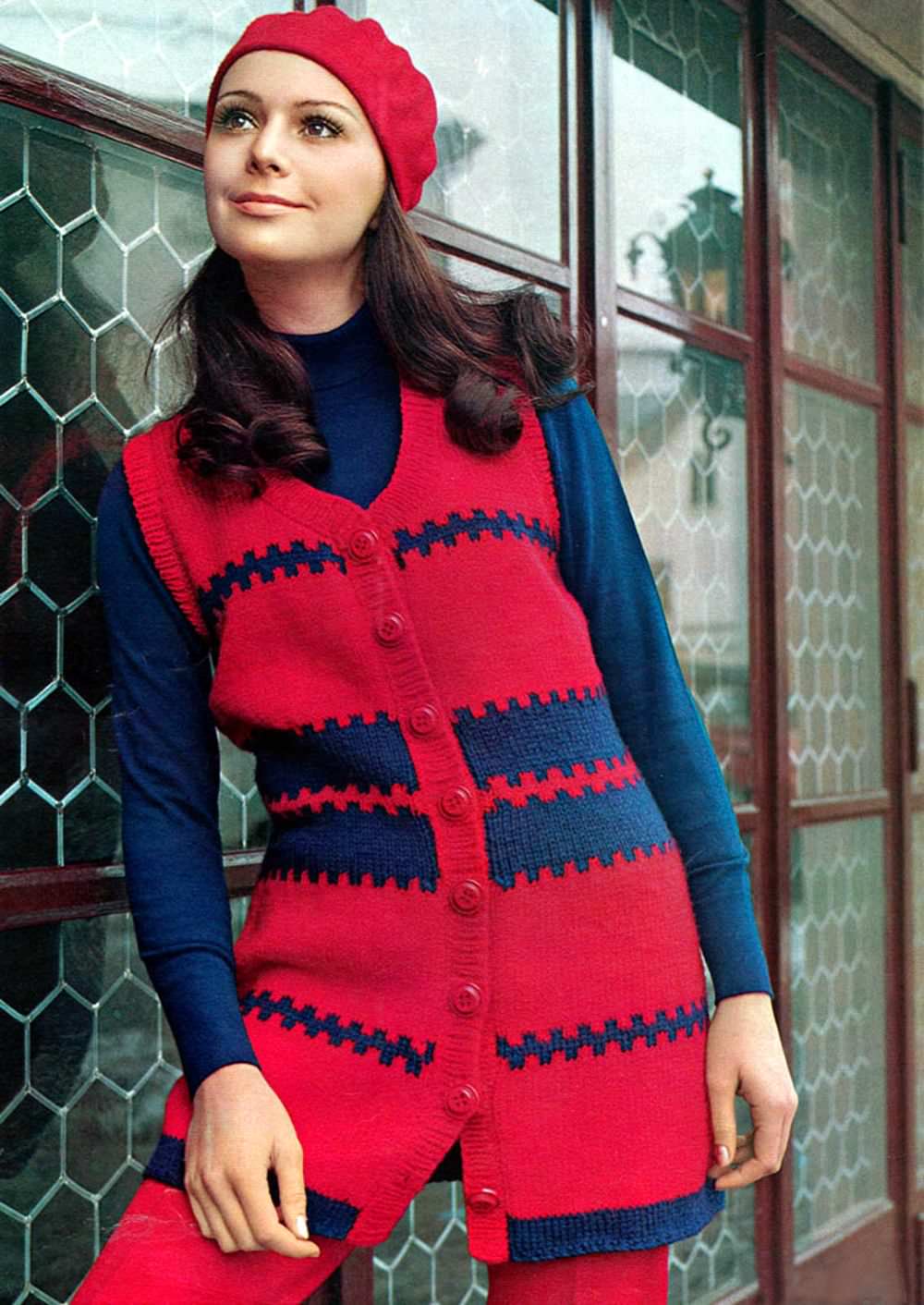
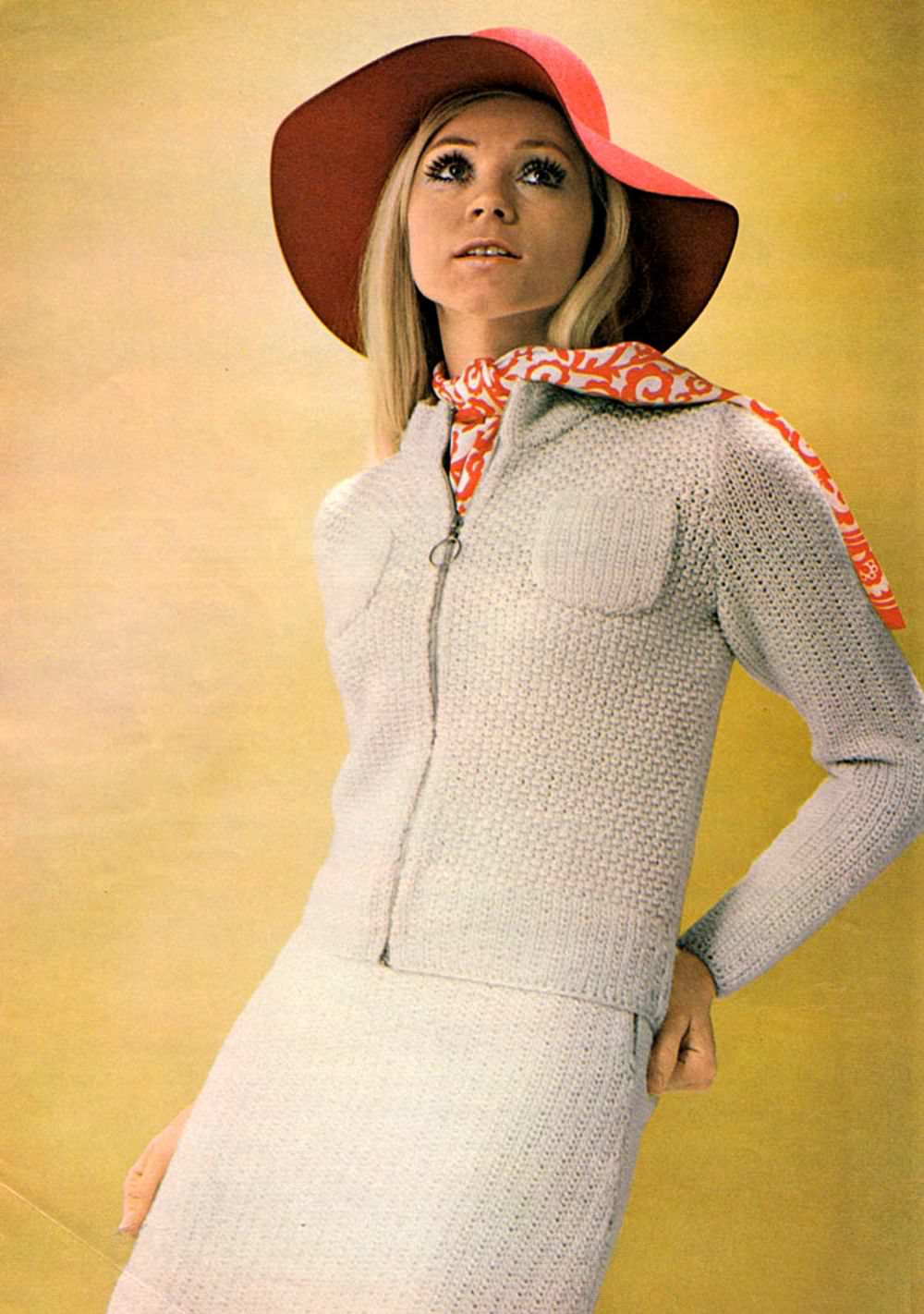
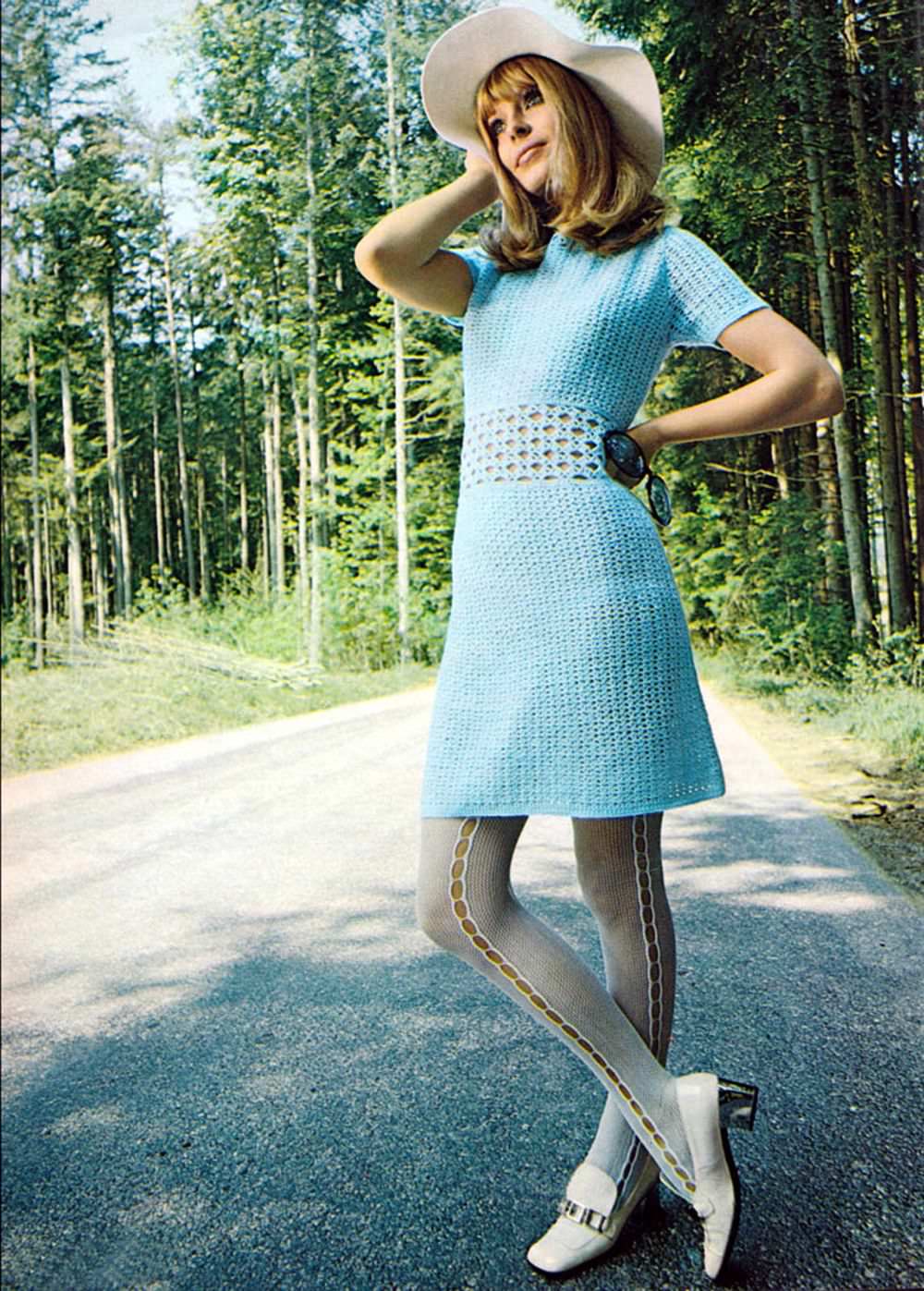
The 1960s brought knitwear into sharp, modern silhouettes. Knitted shift dresses and form-fitting tops matched the clean lines that defined the decade’s style. Bold color blocks and graphic patterns turned simple garments into statements. A knitted miniskirt or sleeveless dress looked just as current as anything coming off a designer’s cutting table.
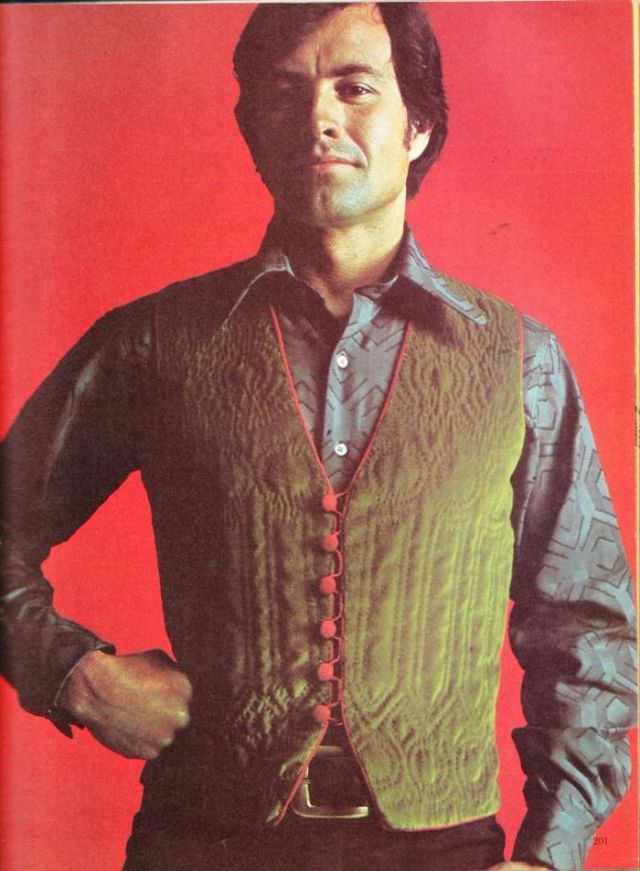
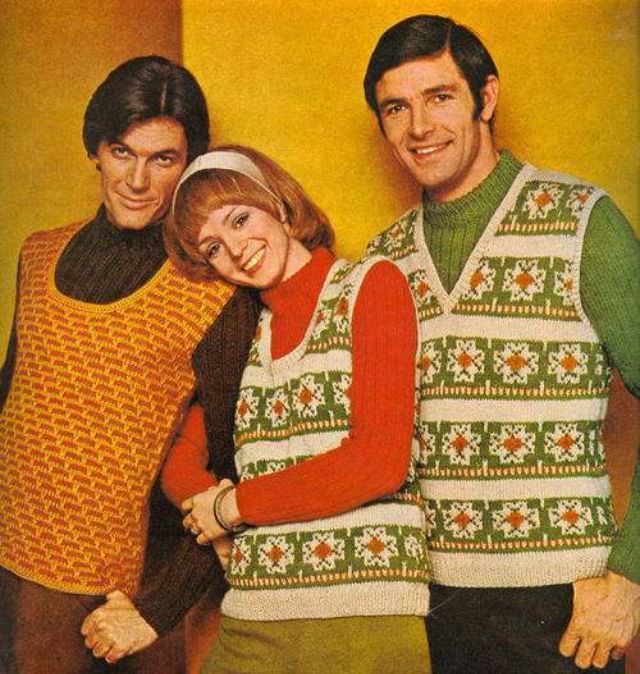
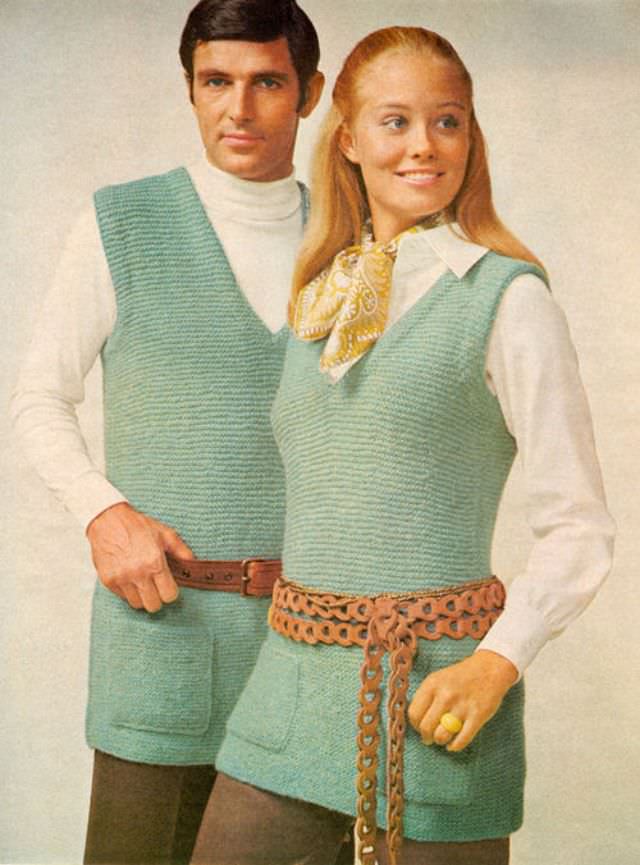
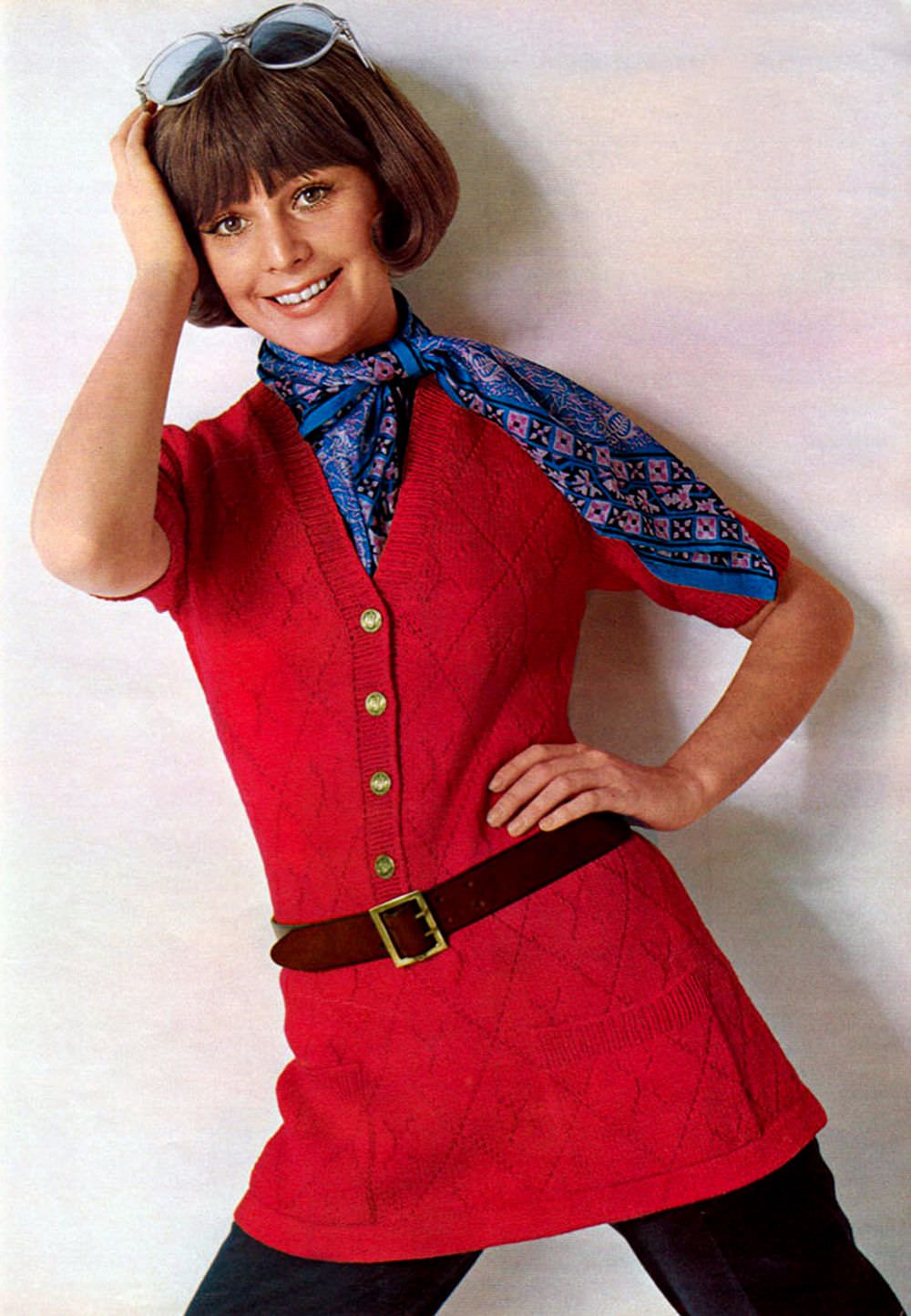
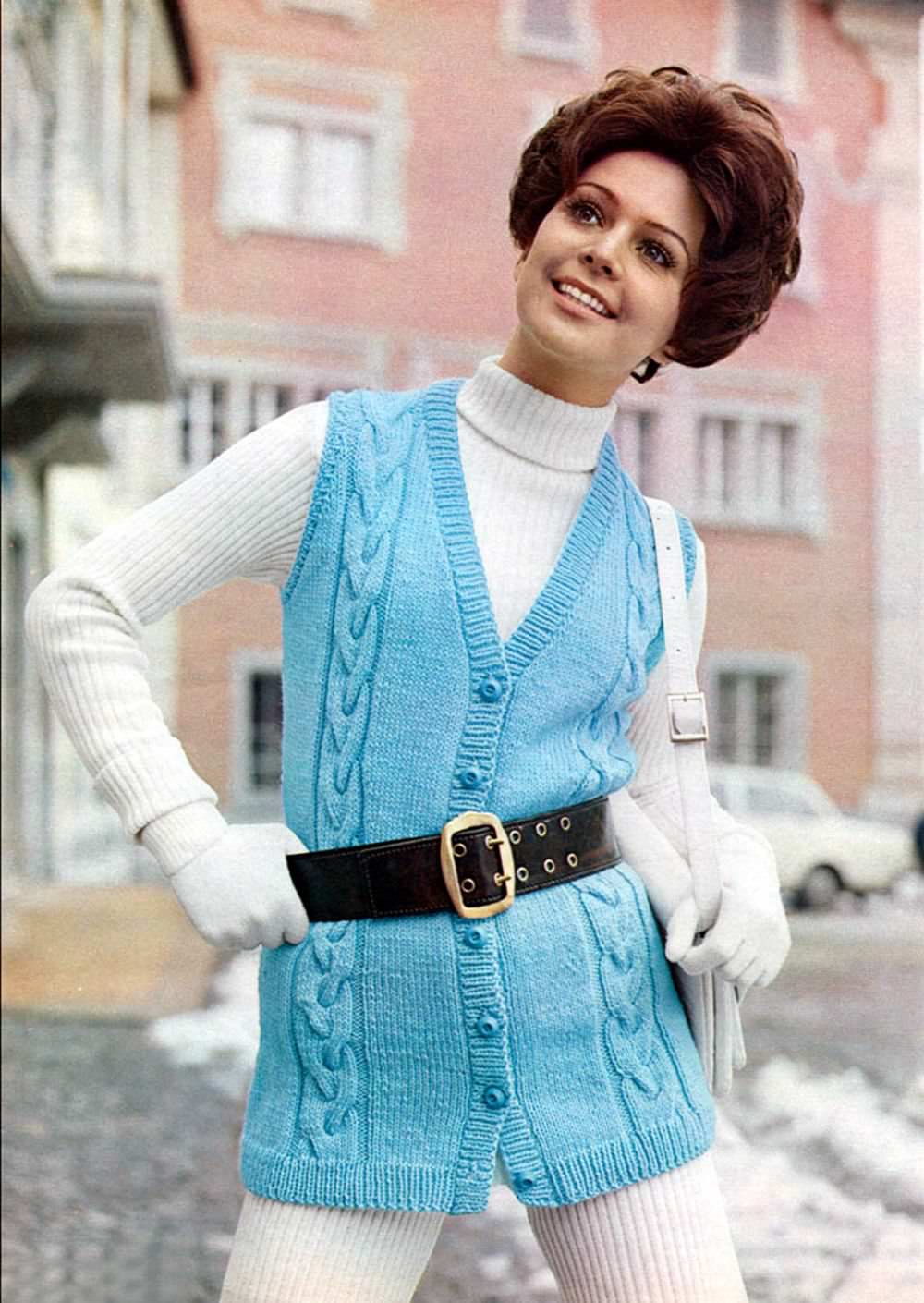
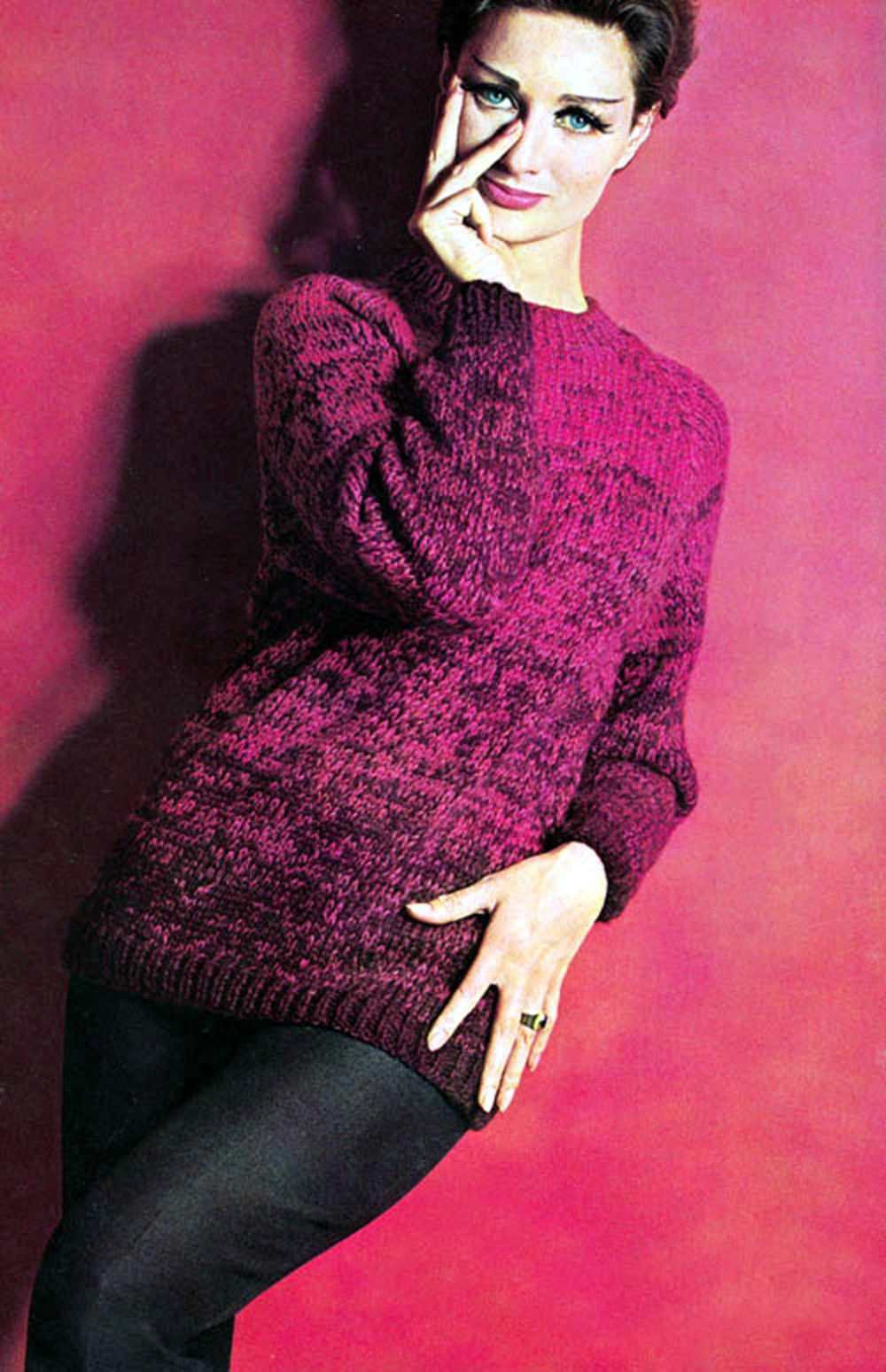
By the 1970s, knitwear took on a warmer, more relaxed personality. Earthy tones, chunky textures, and oversized fits dominated. Long knitted cardigans became a staple. Ponchos, vest tops, and wide-leg knitted trousers reflected the decade’s laid-back aesthetic. The yarns got thicker, the stitches more visible, and the overall look more casual — but no less fashionable.
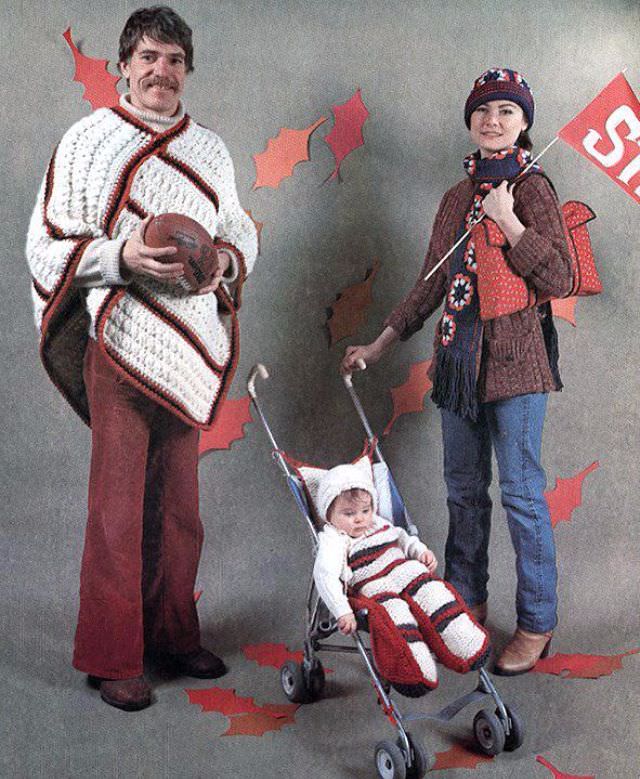
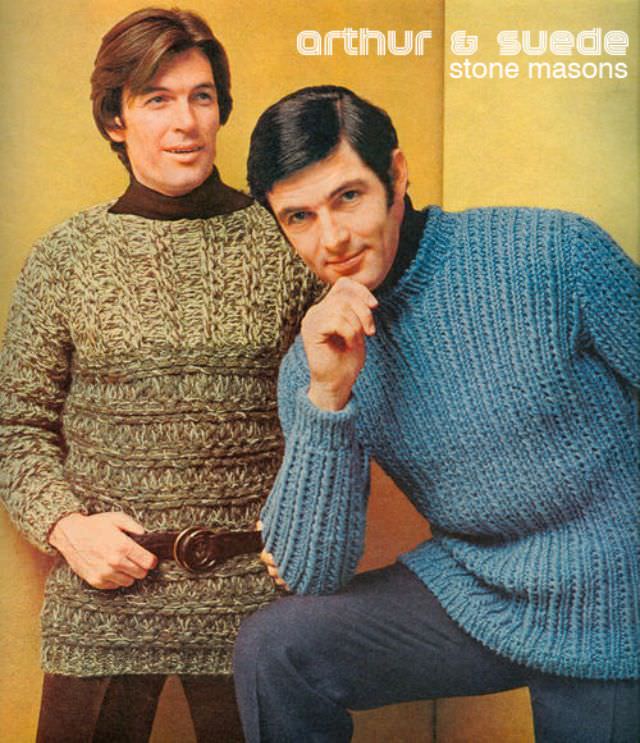
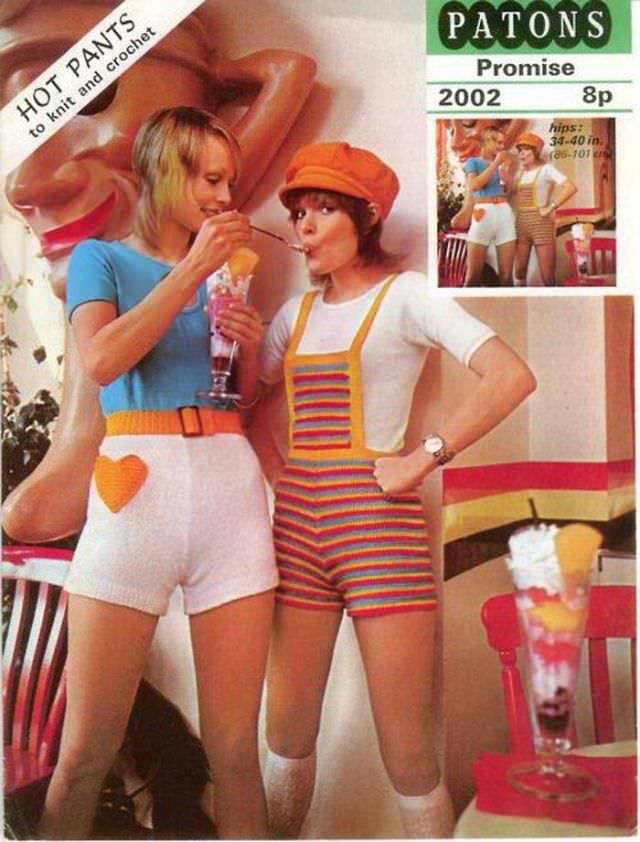
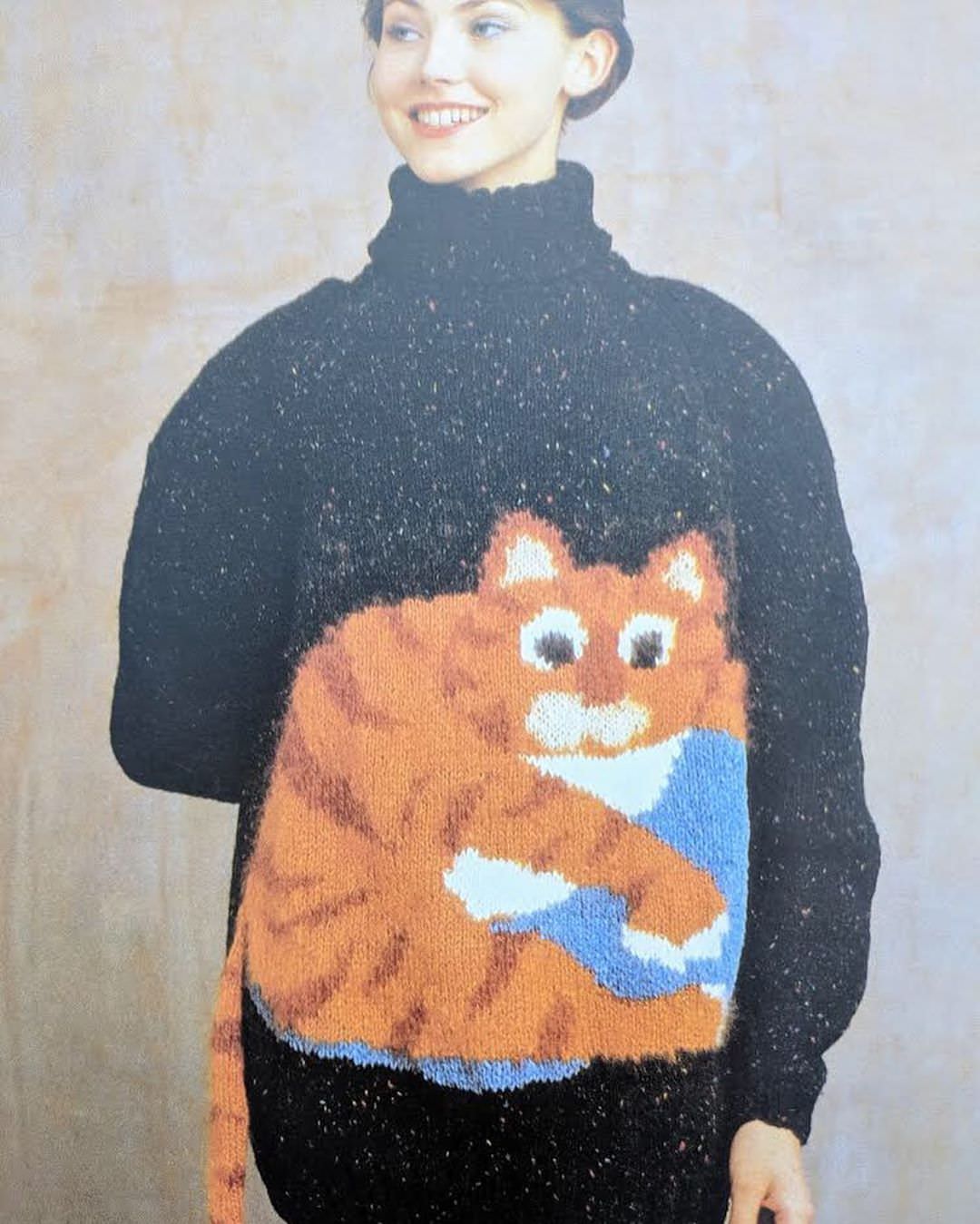
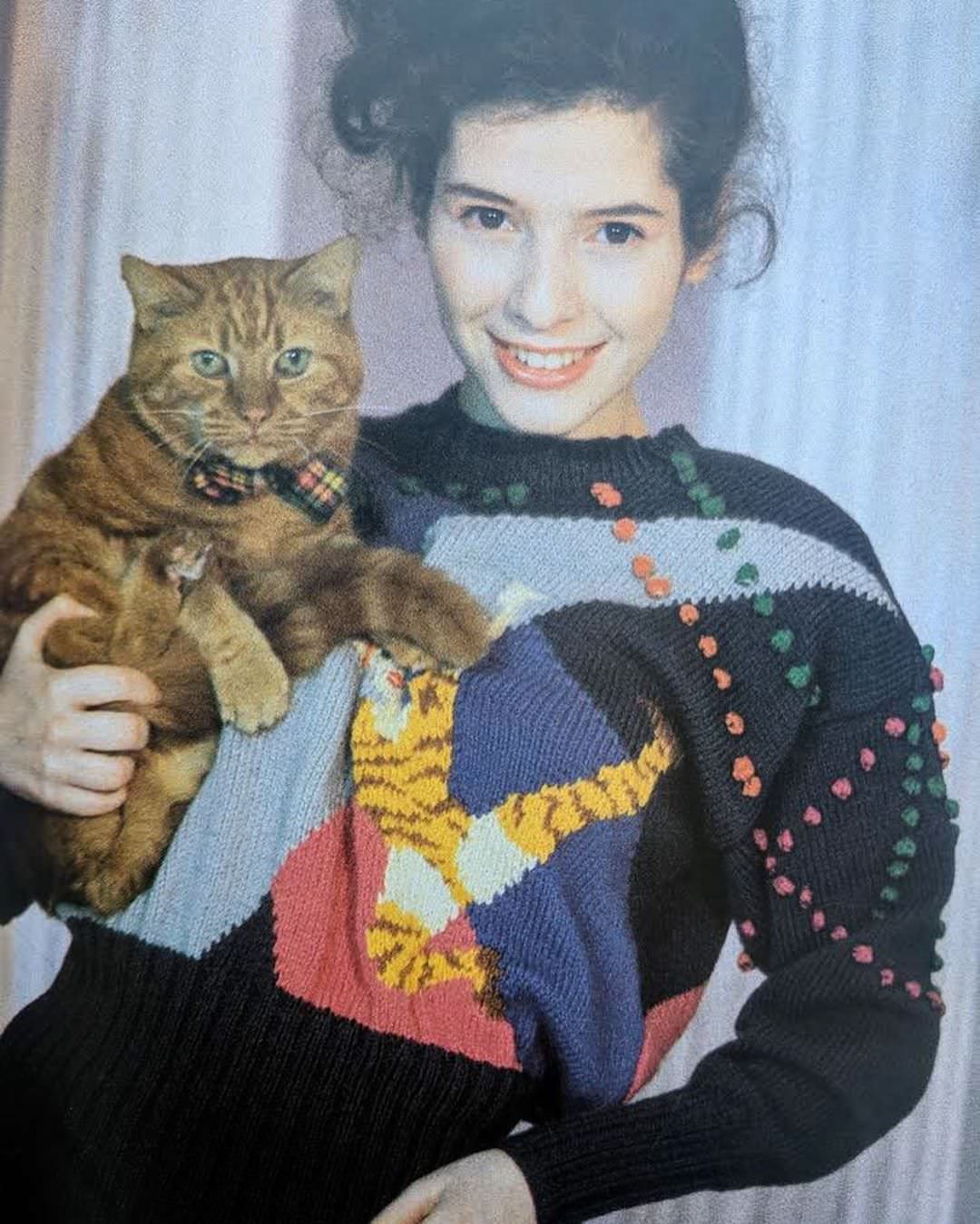
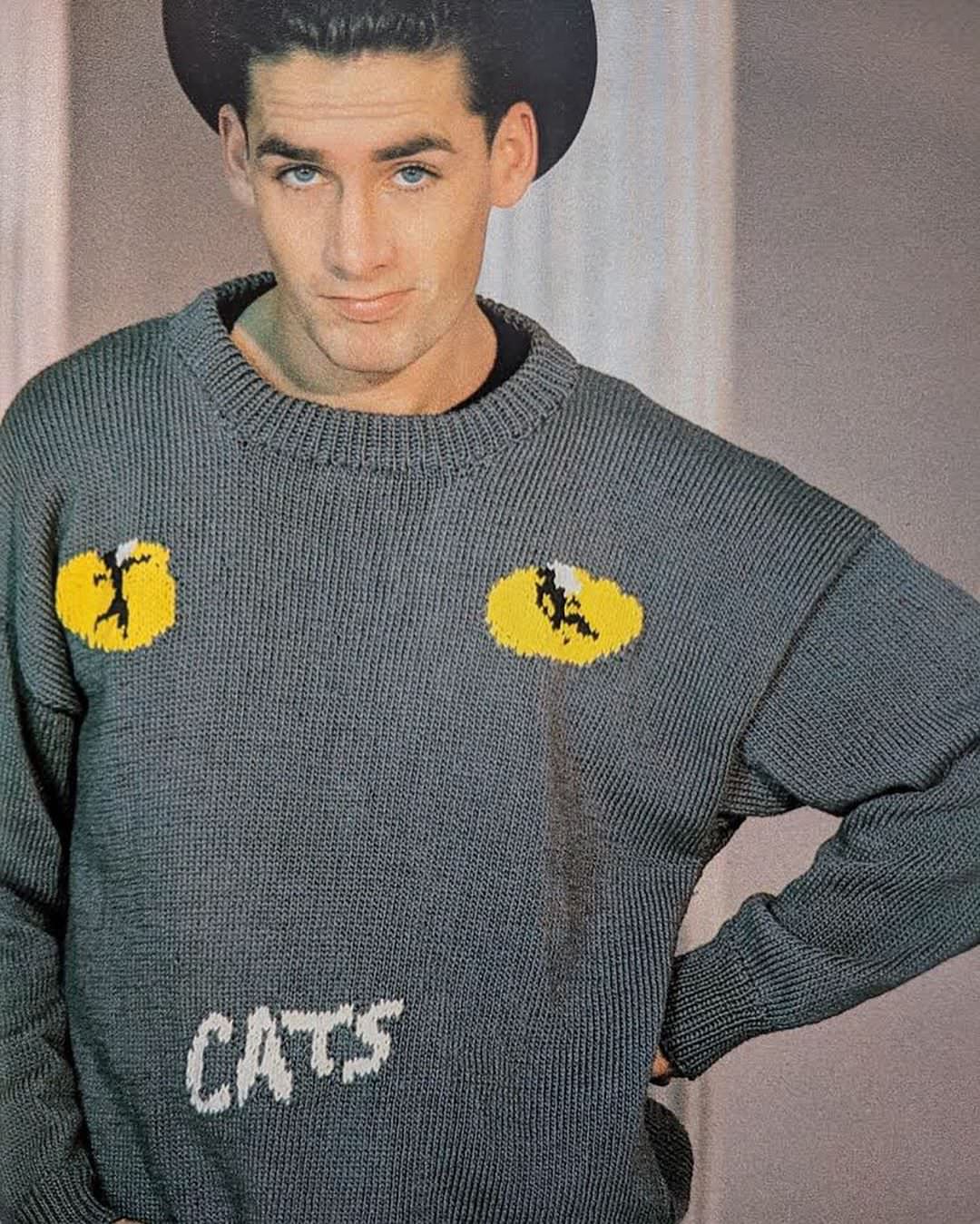
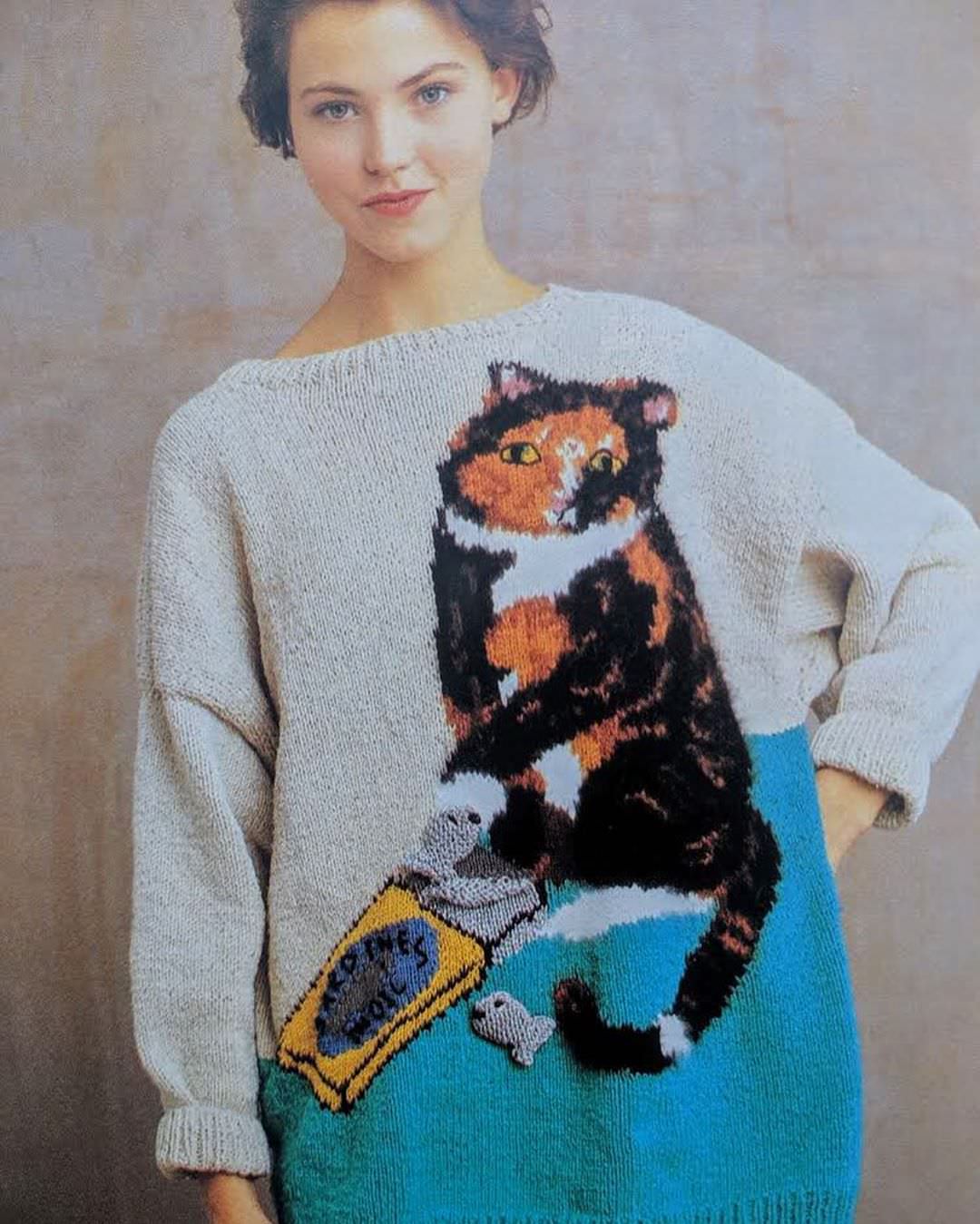
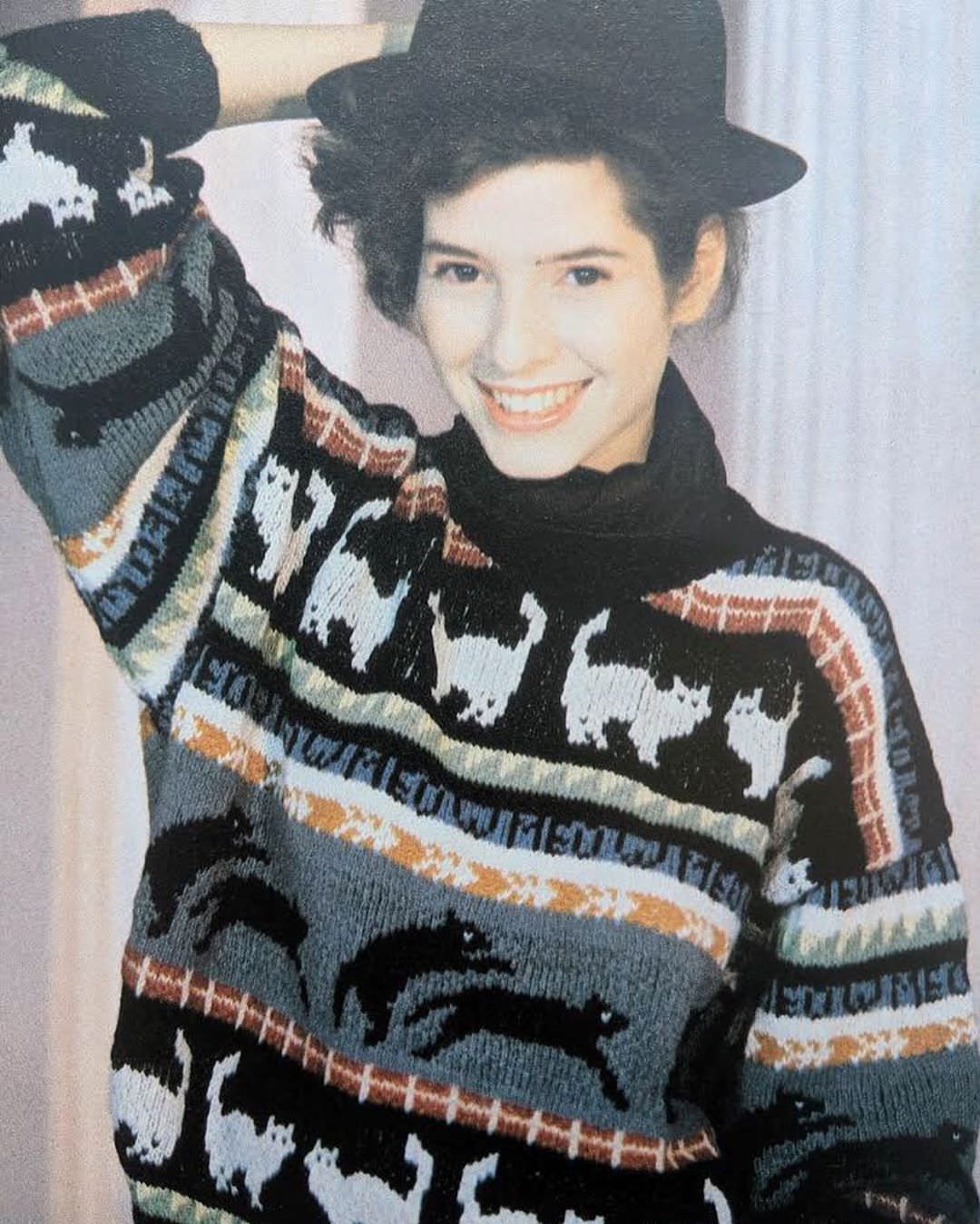
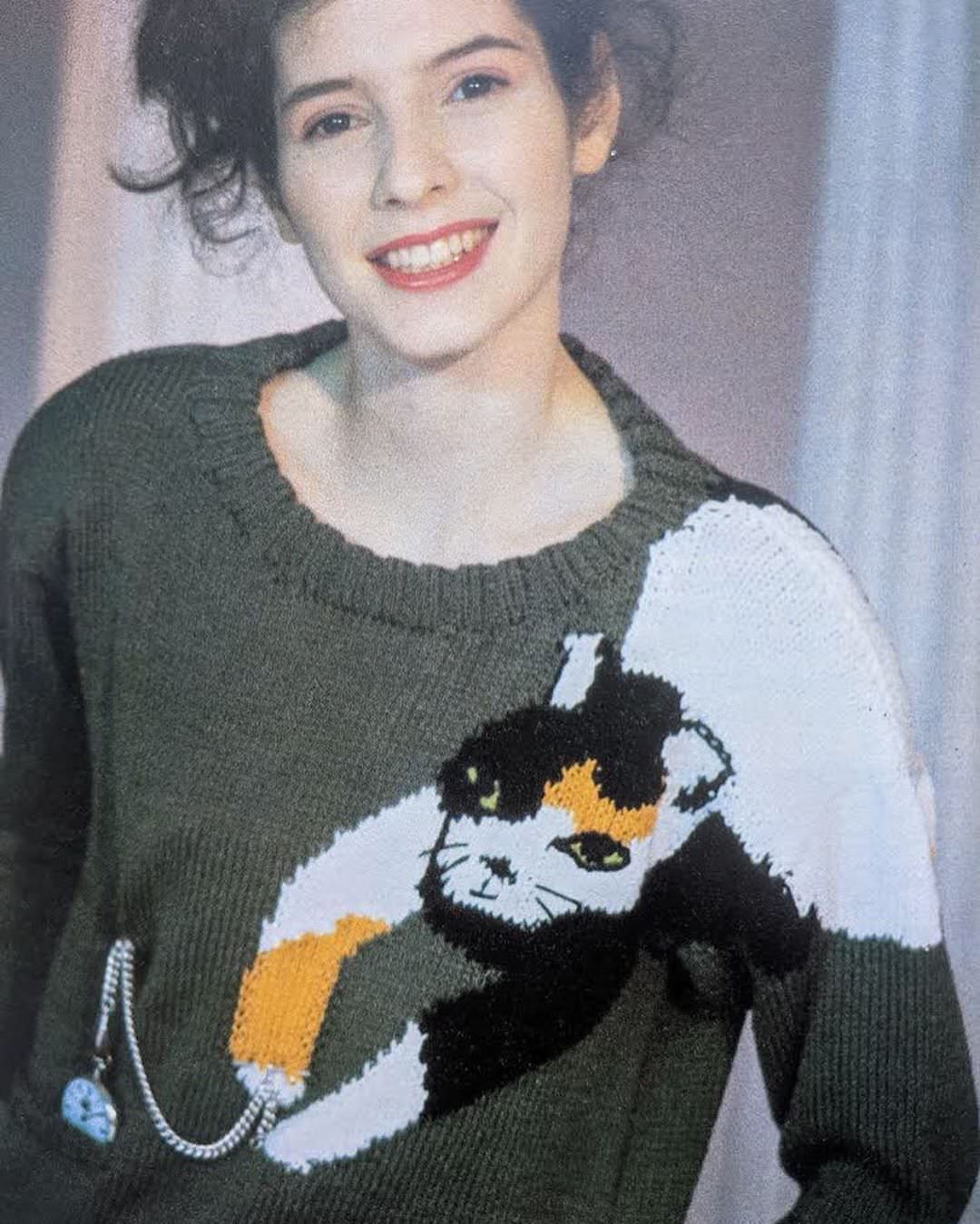
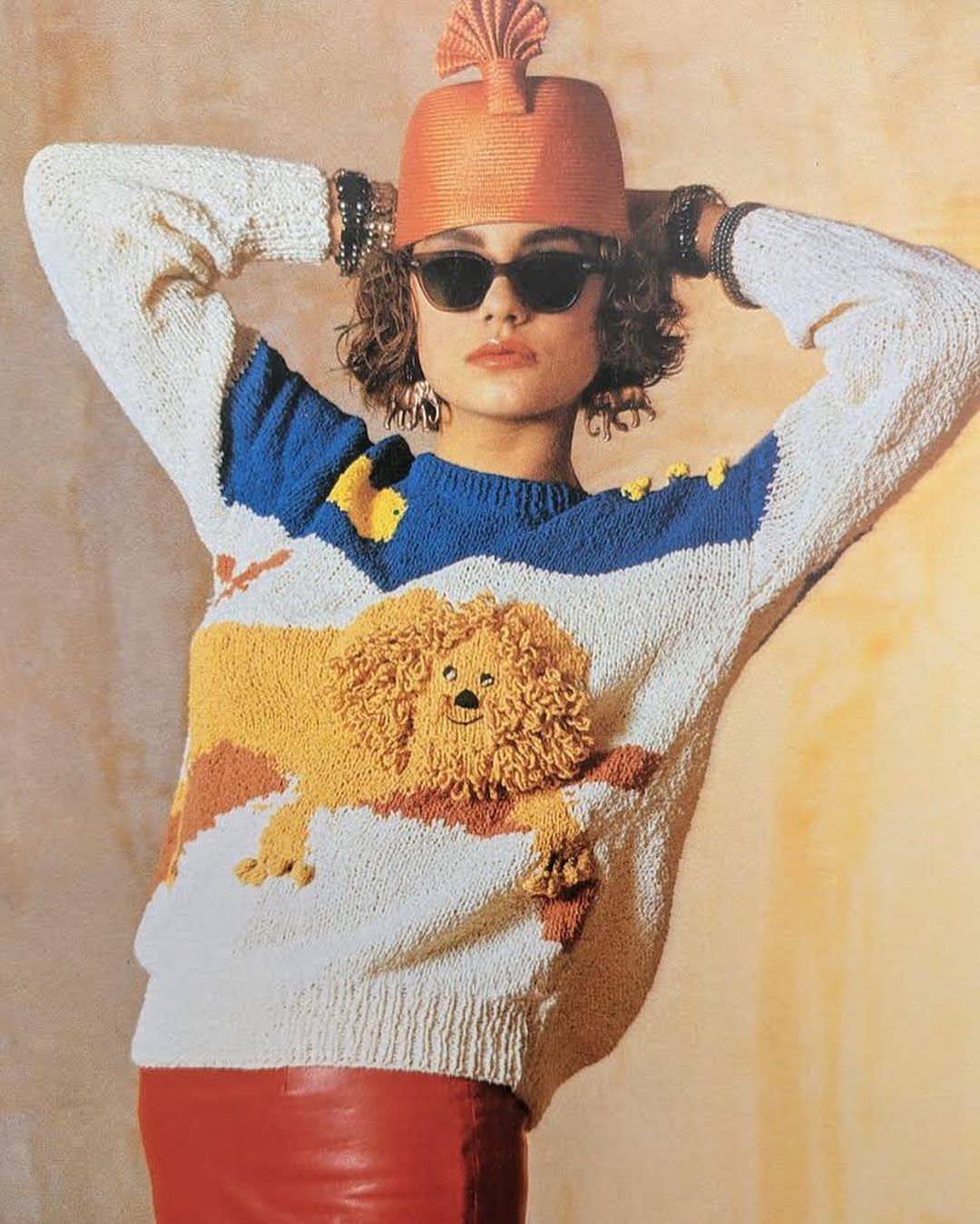
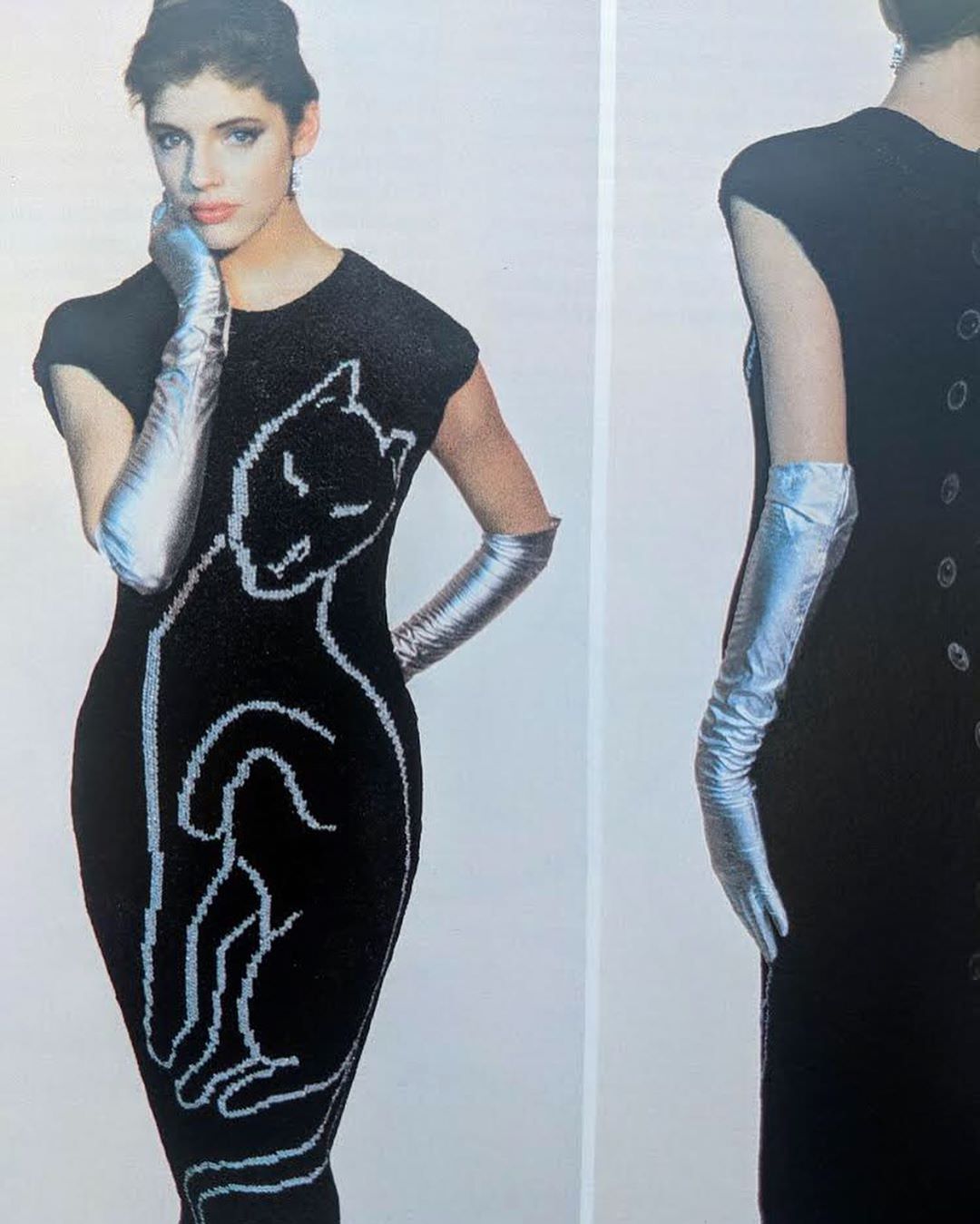
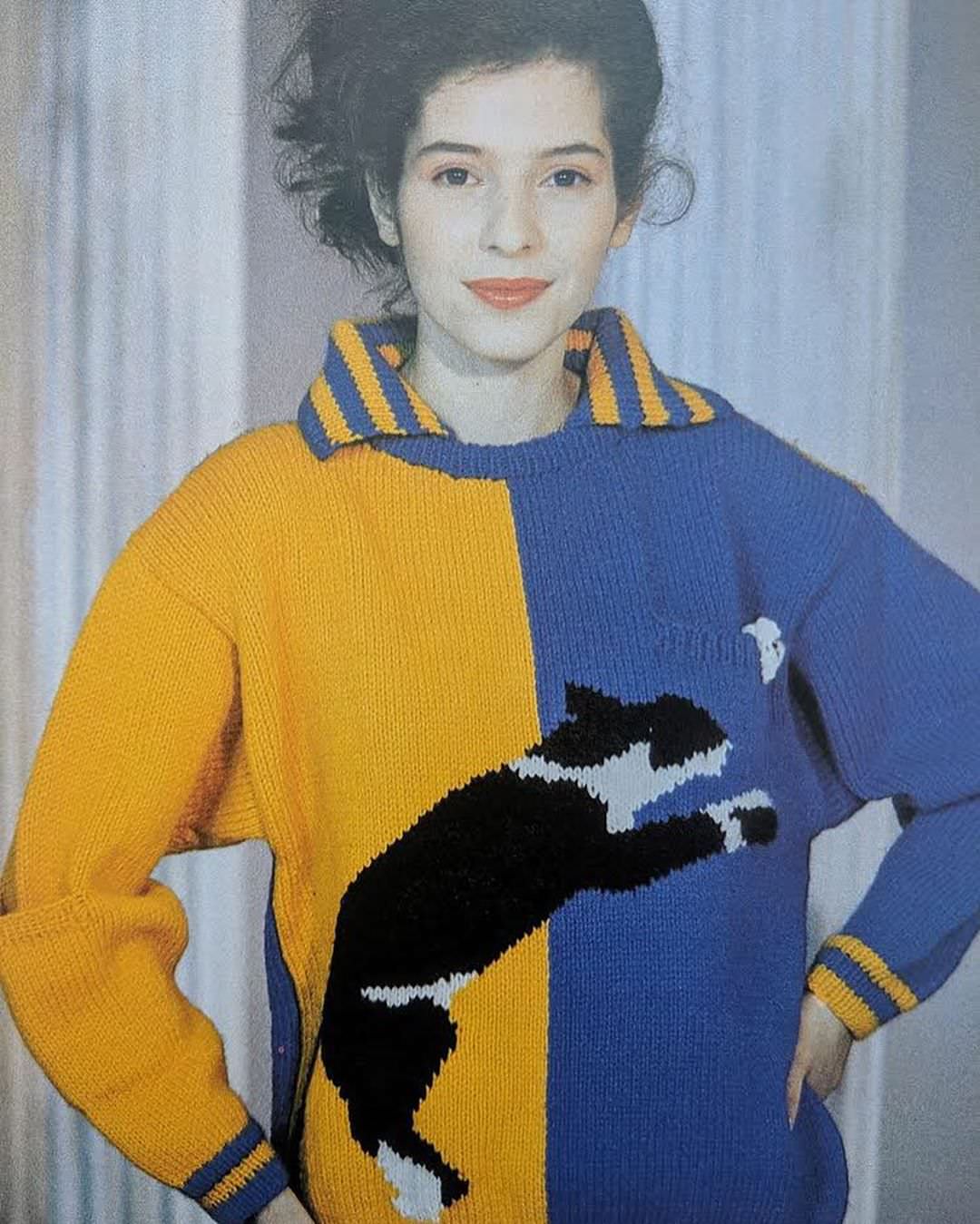
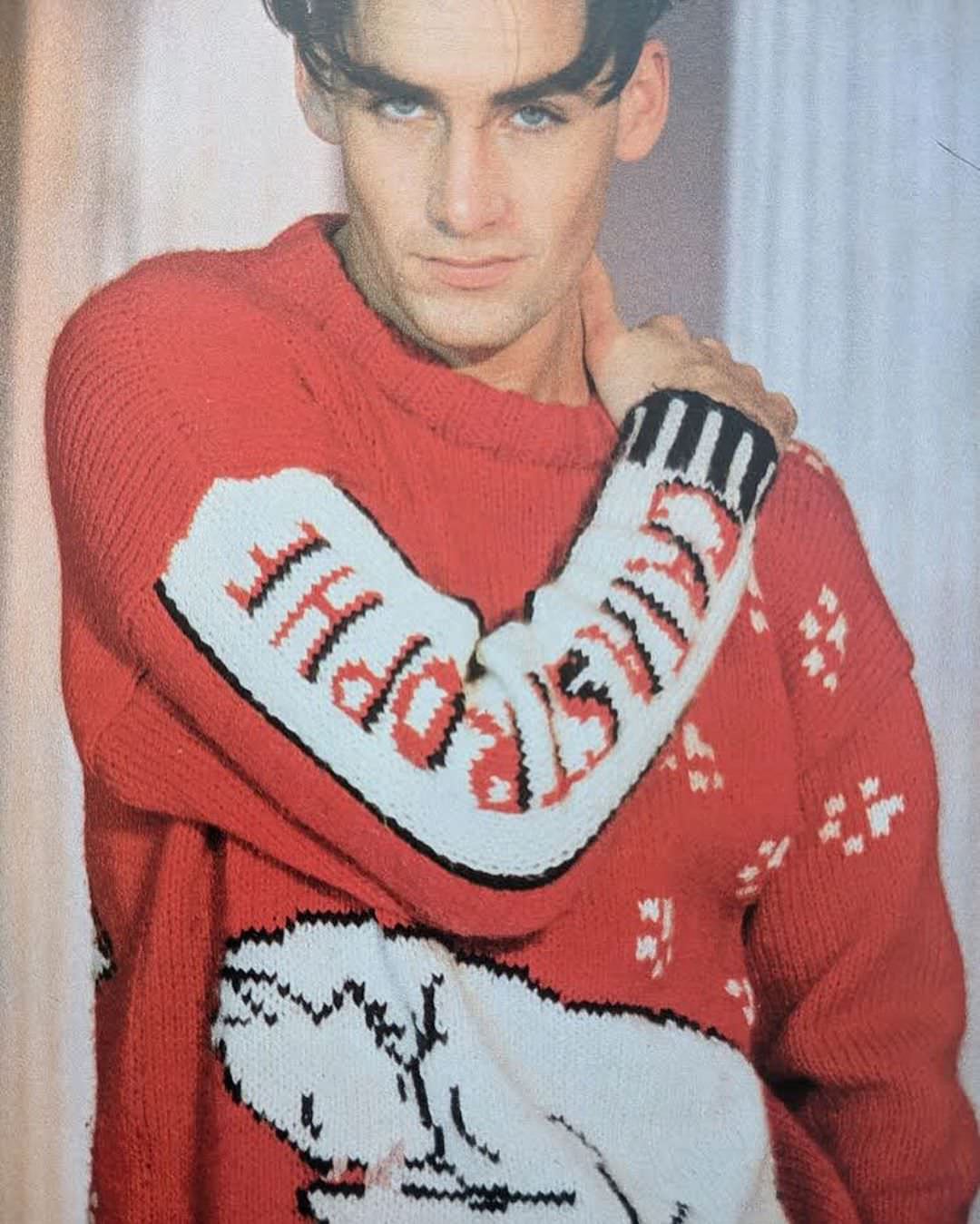
The 1980s pushed knitwear into bolder, louder territory. Shoulder pads appeared in knitted jackets. Neon colors and oversized silhouettes came in strong. Novelty knits — pieces with animals, logos, or abstract prints built directly into the fabric — had a moment of their own. The handmade quality of knitwear contrasted sharply with the decade’s flashier synthetic fabrics, giving it a distinct identity.
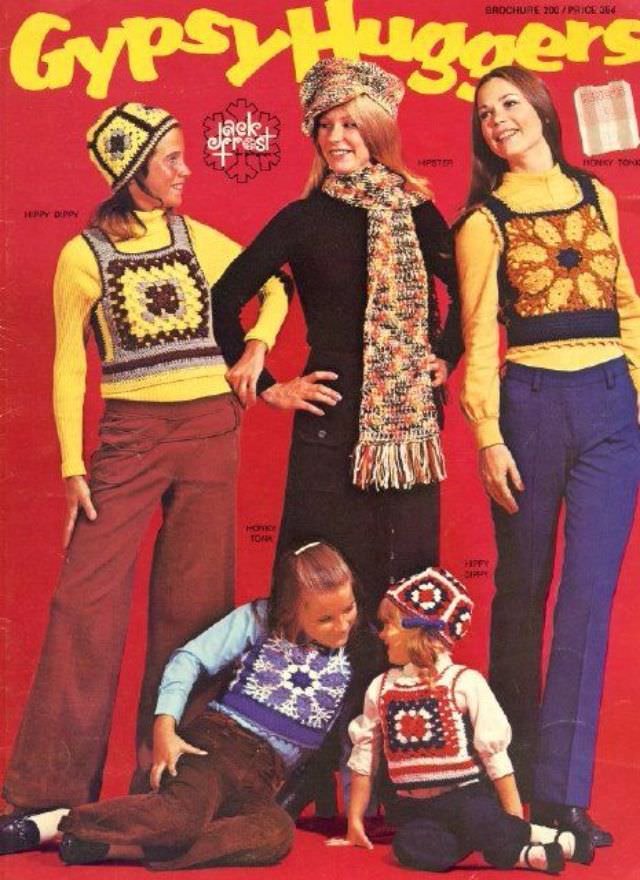
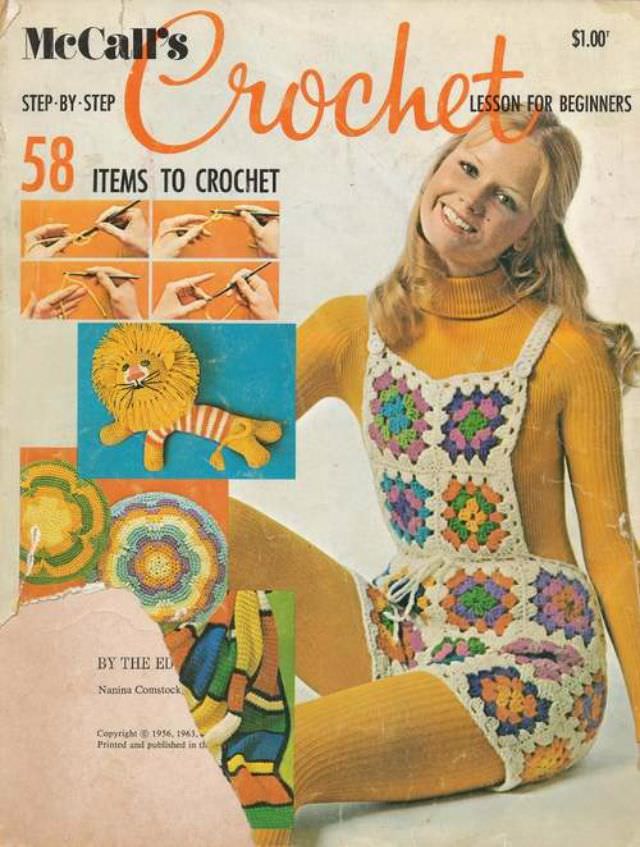
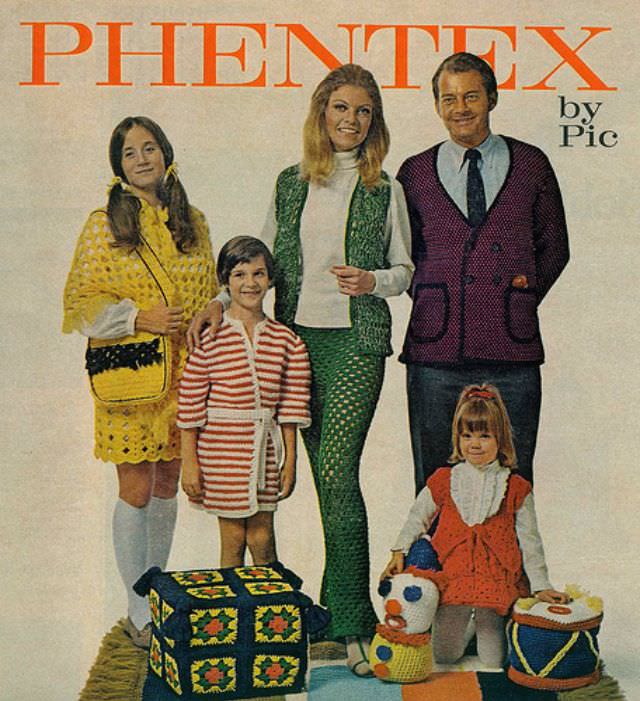
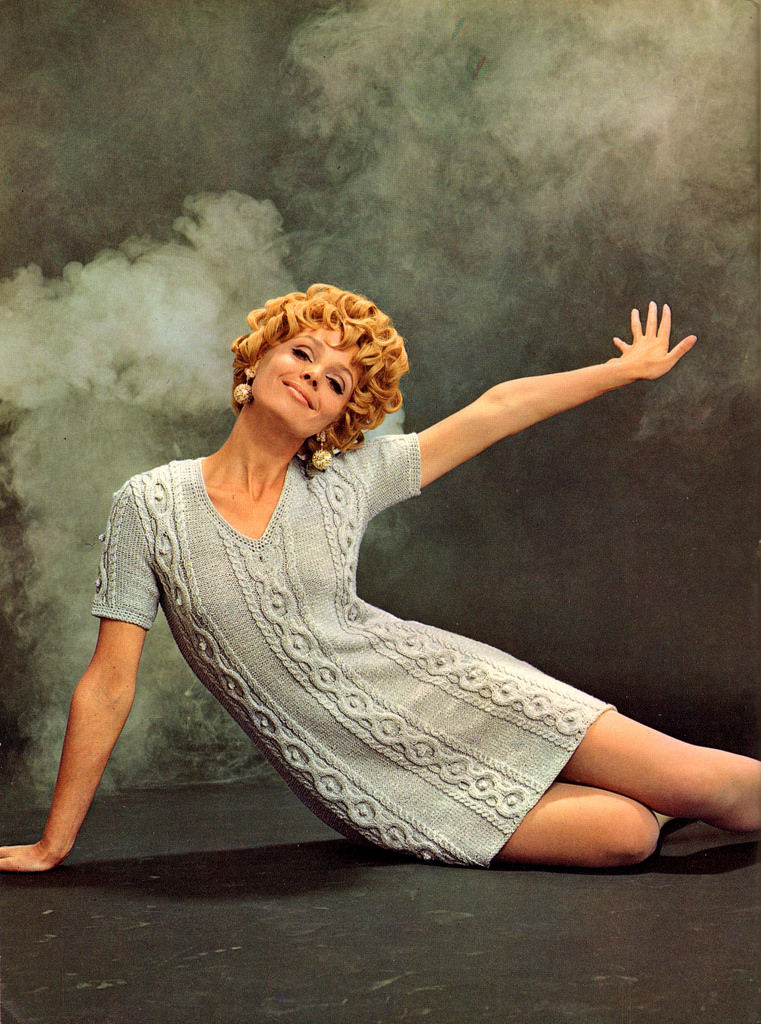
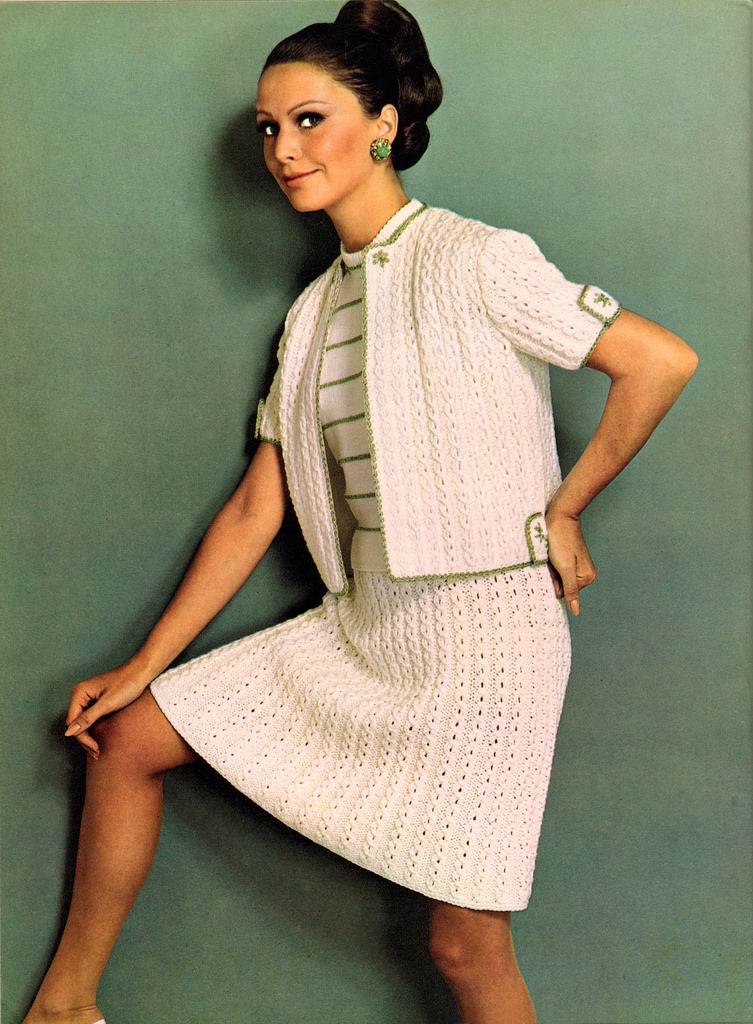
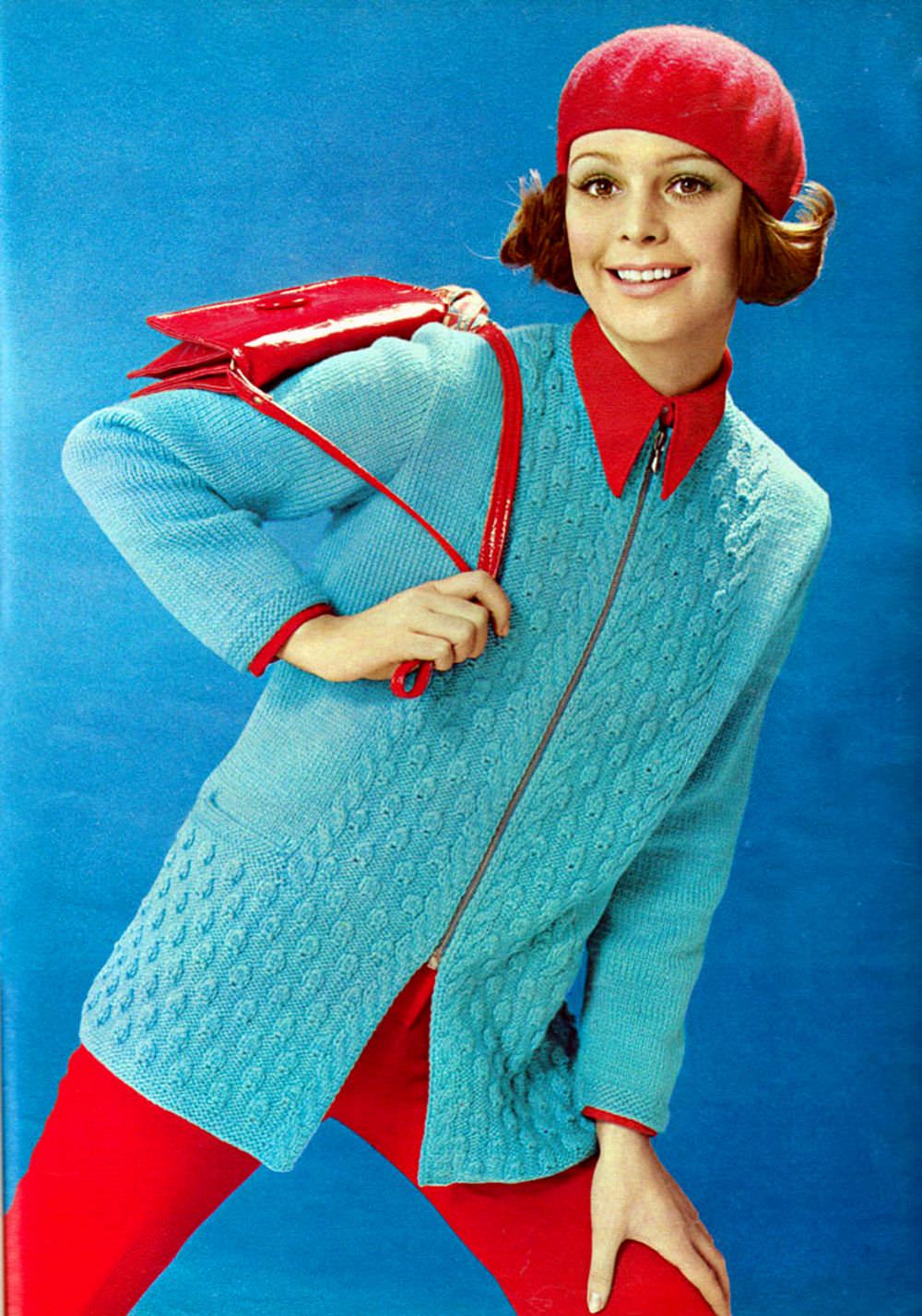
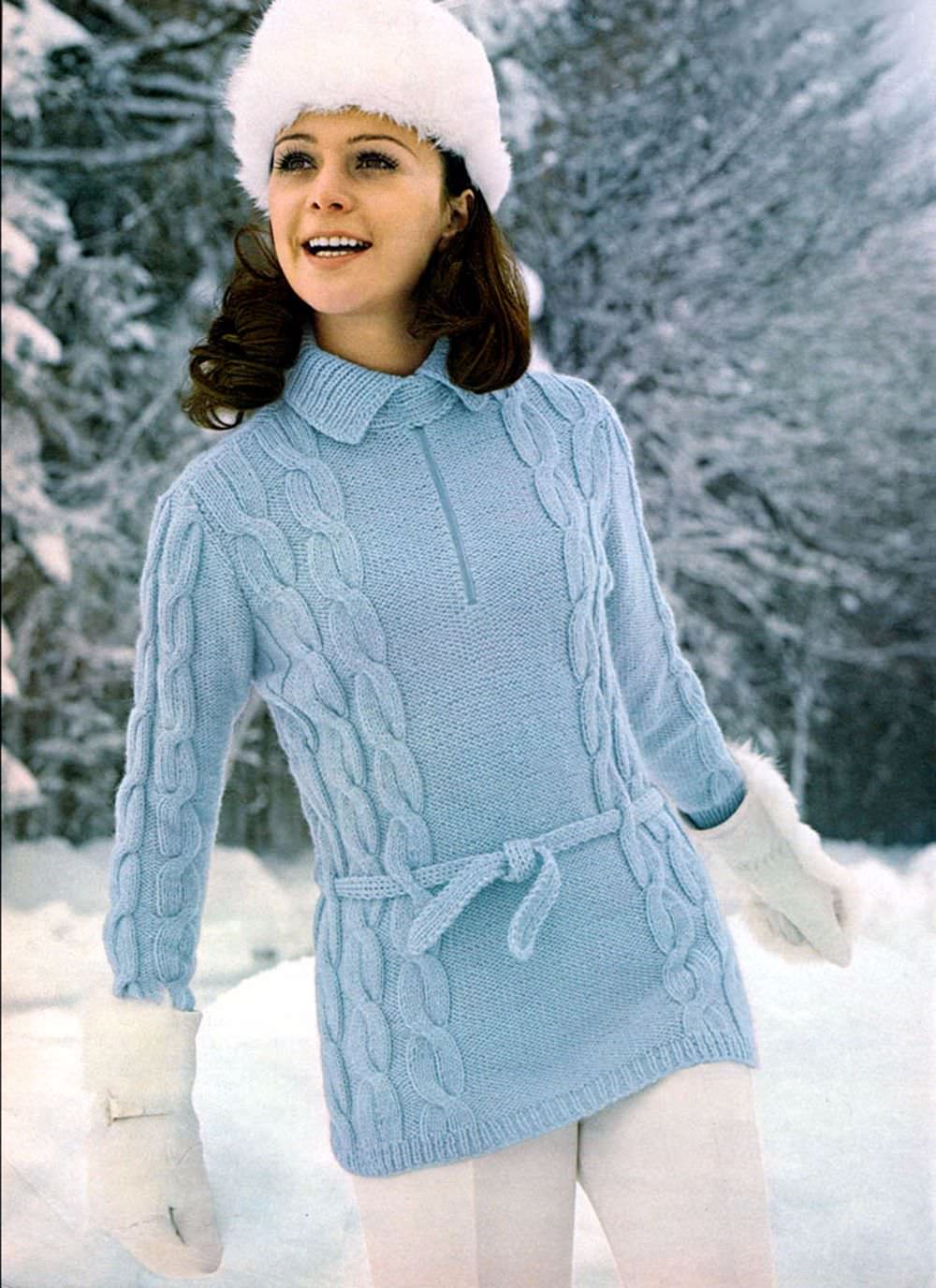
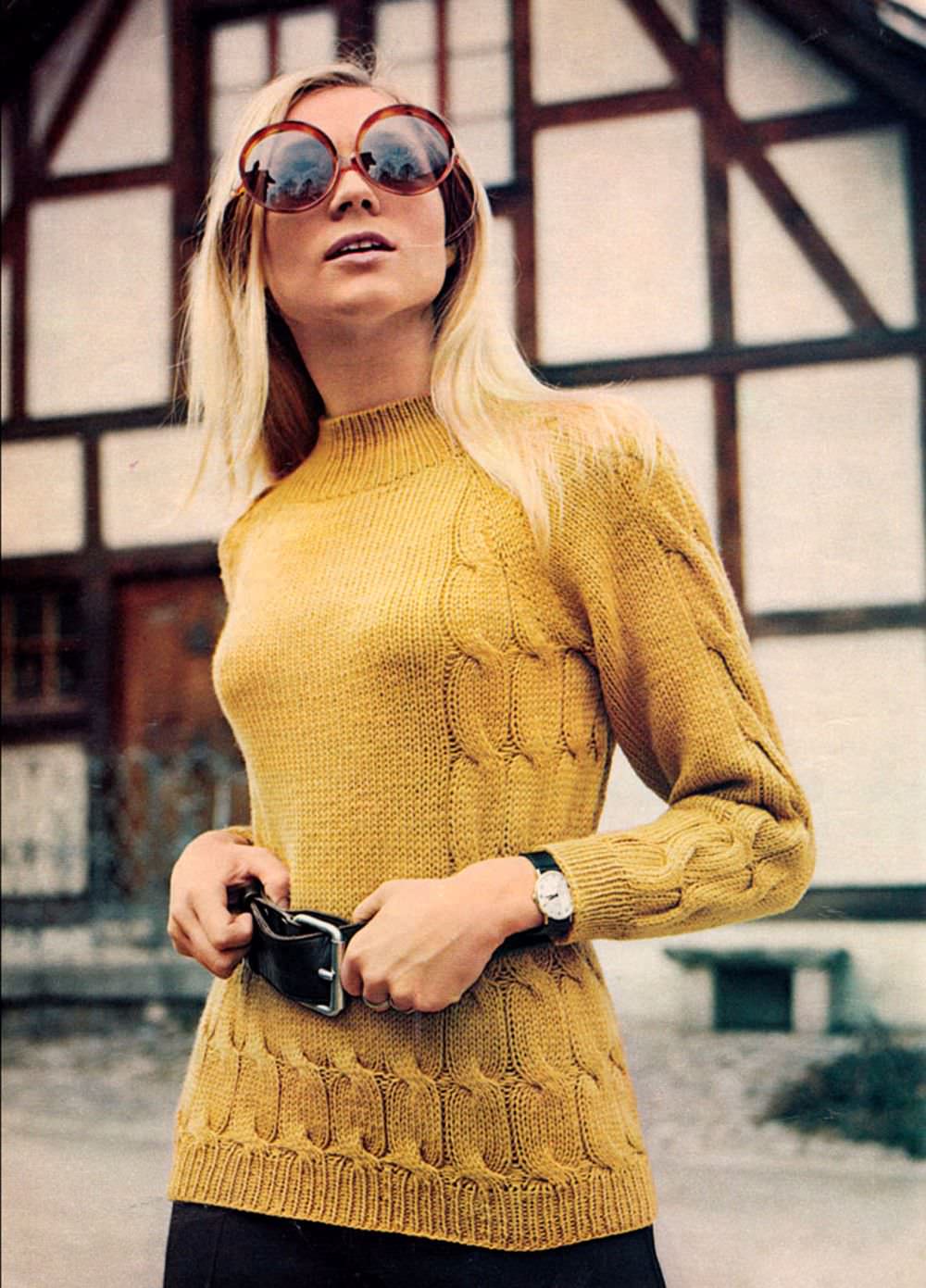
What made knitwear so versatile was the range of textures it could produce. Basic stitches created smooth, close-fitting fabrics. More advanced techniques produced raised cables, bobbles, lace-like open weaves, and ribbed panels. A single knitted garment could combine several different stitch types, giving it a depth and visual interest that machine-woven cloth rarely matched.
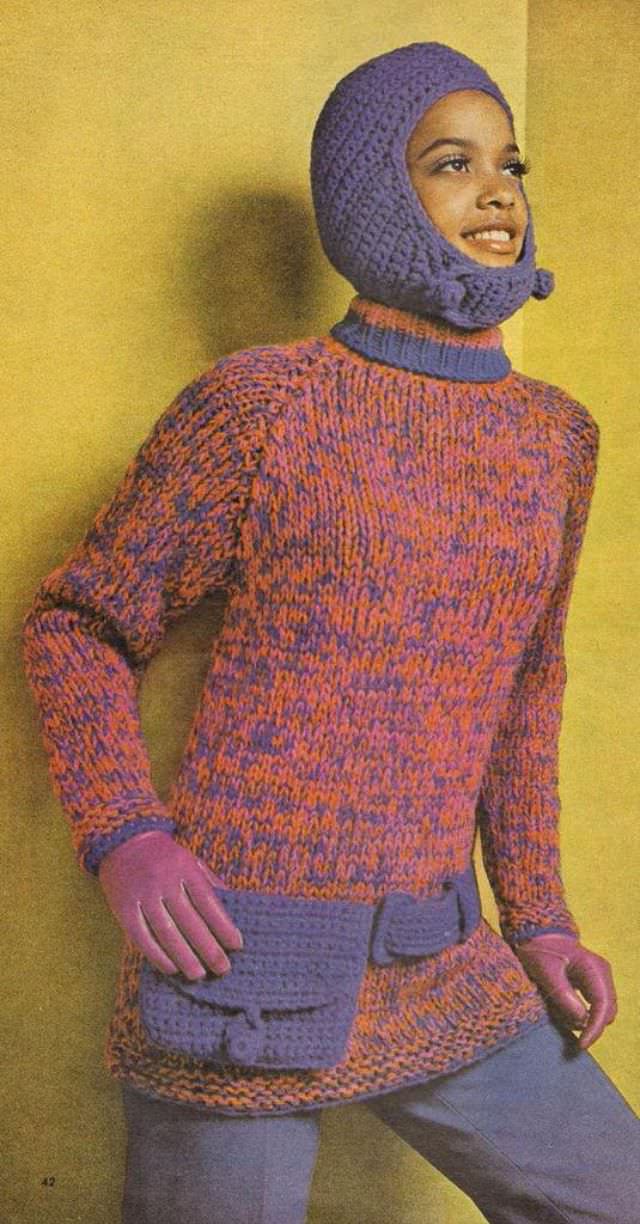
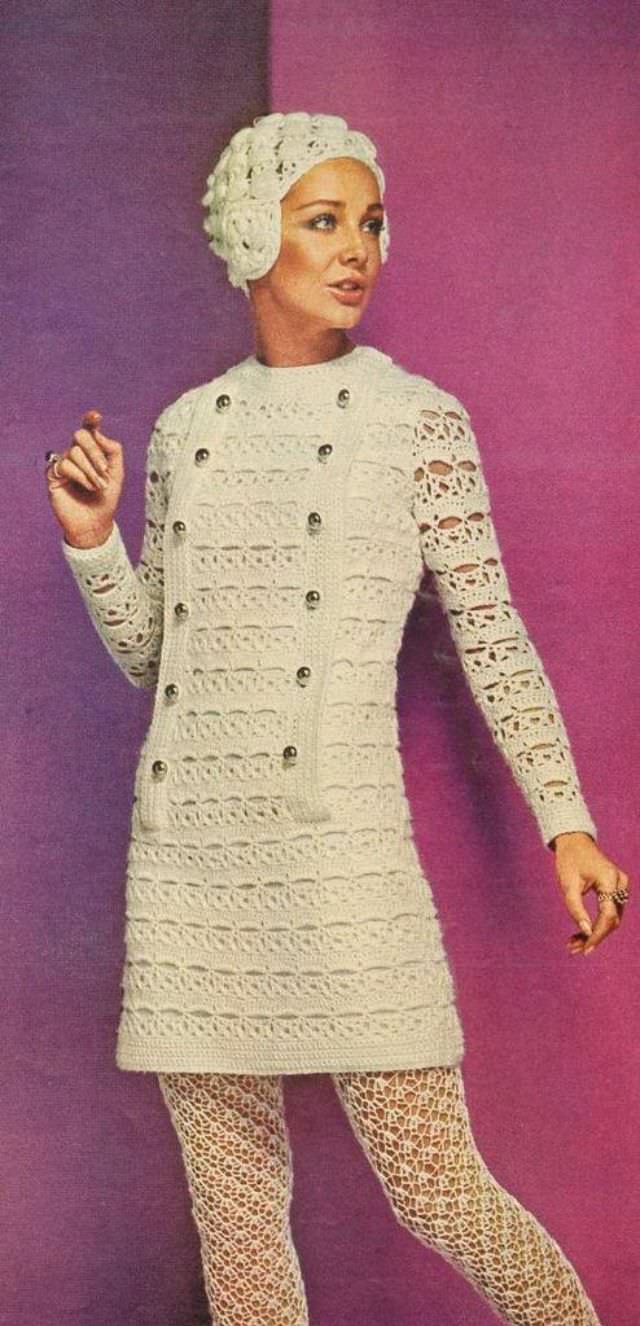
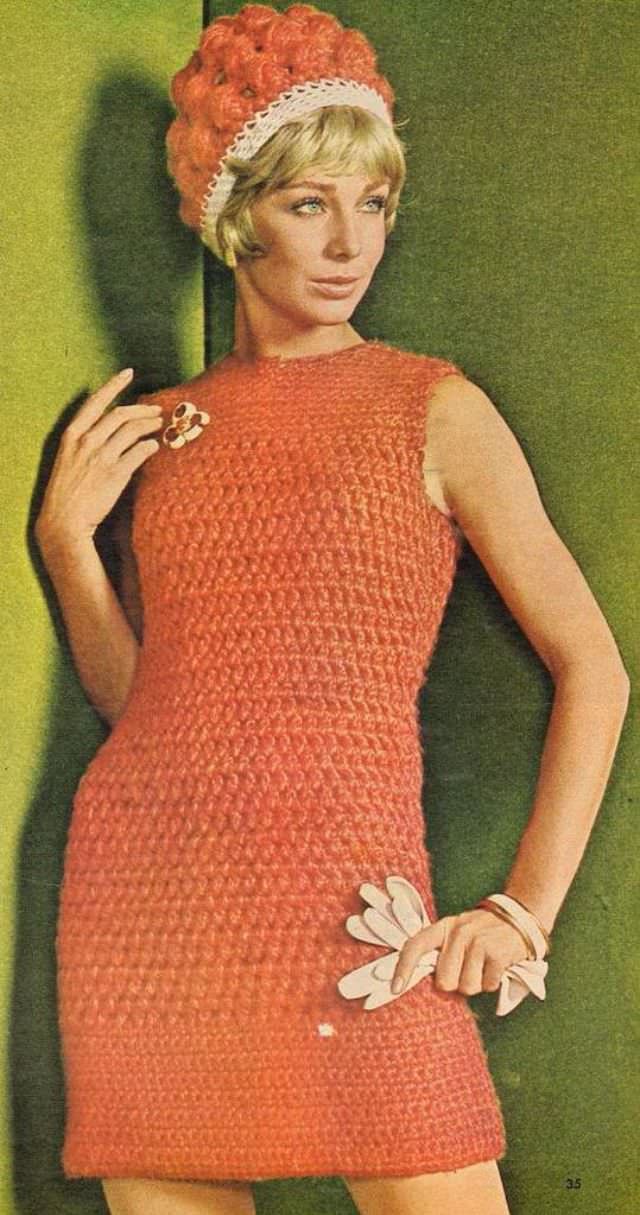
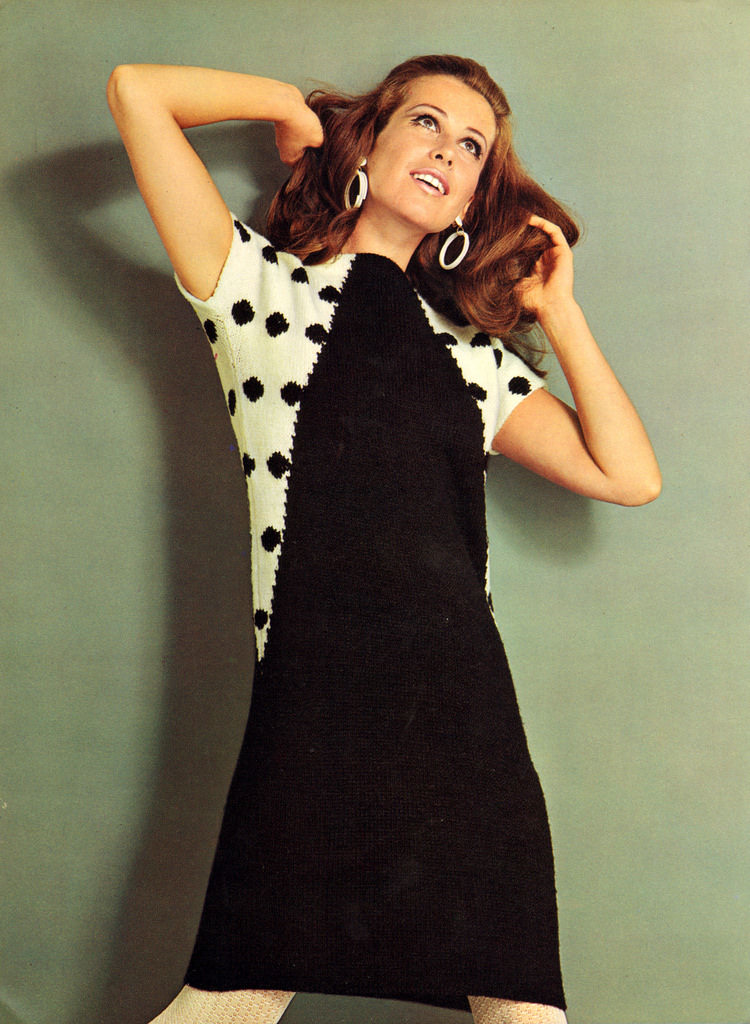
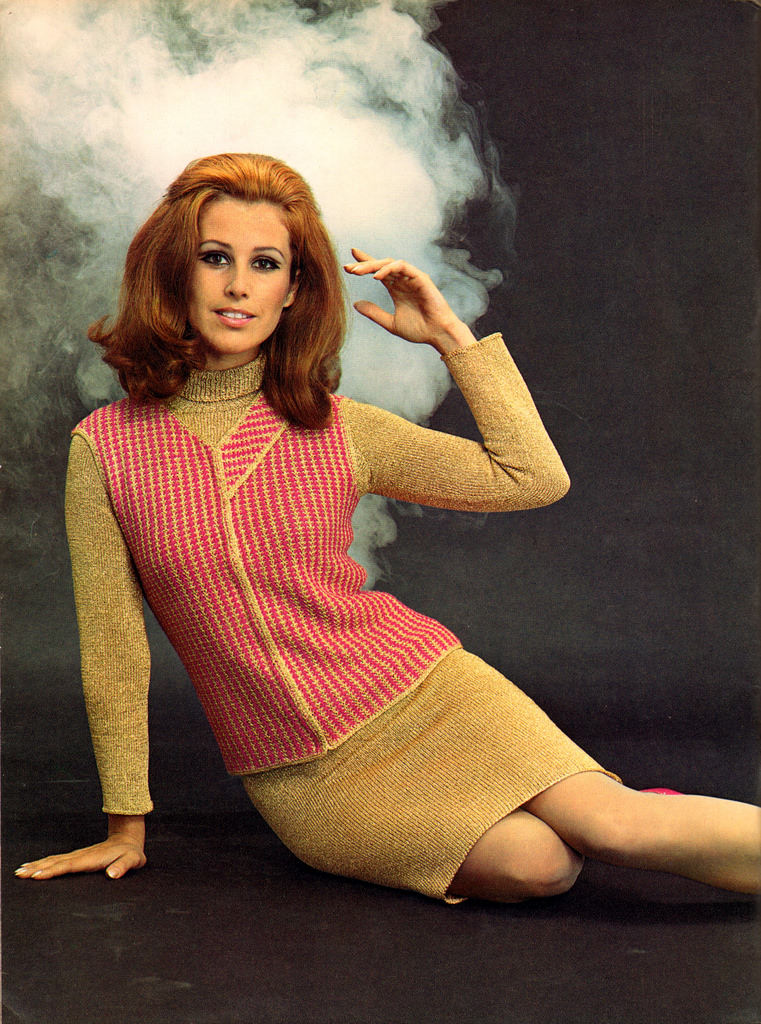
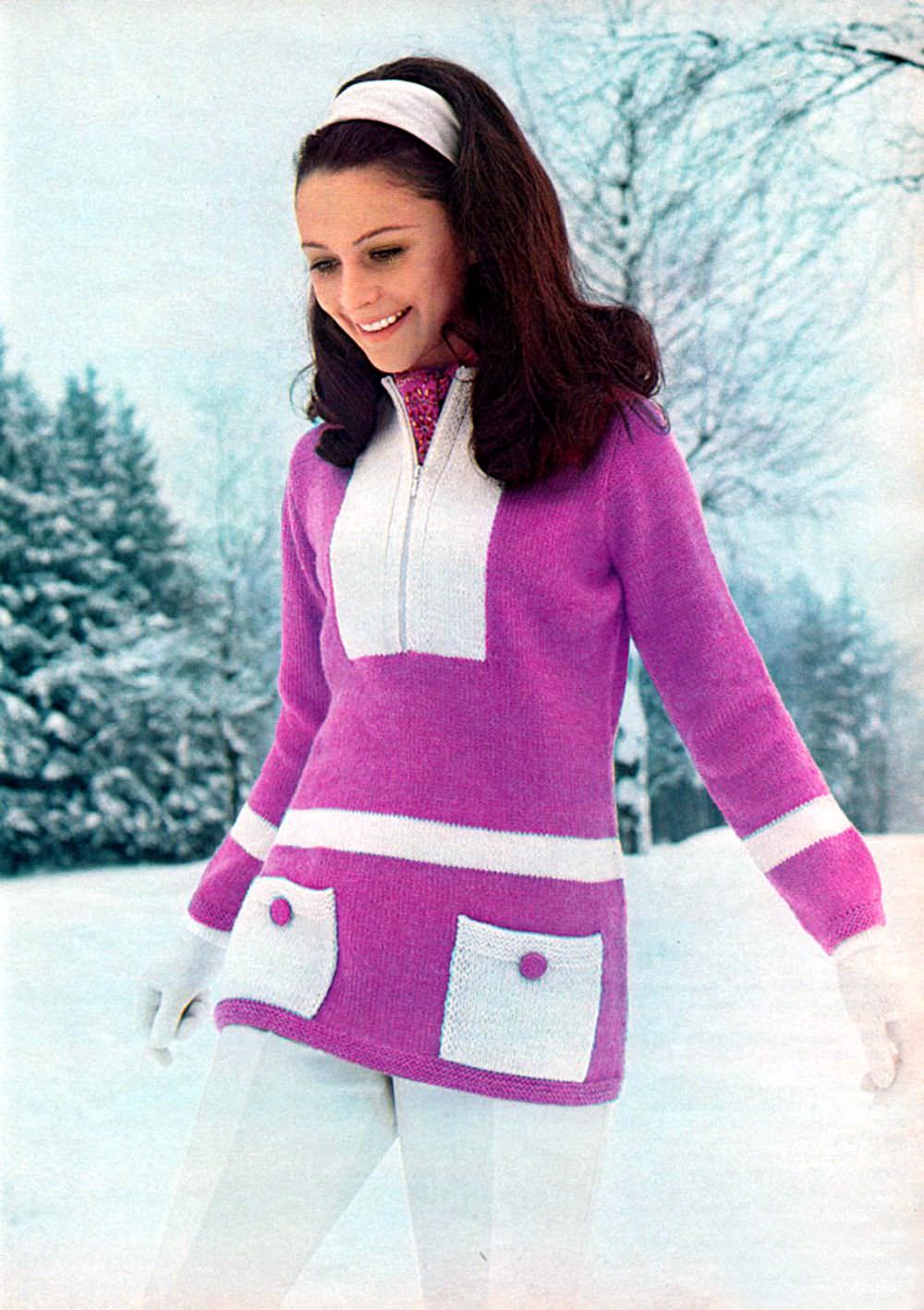
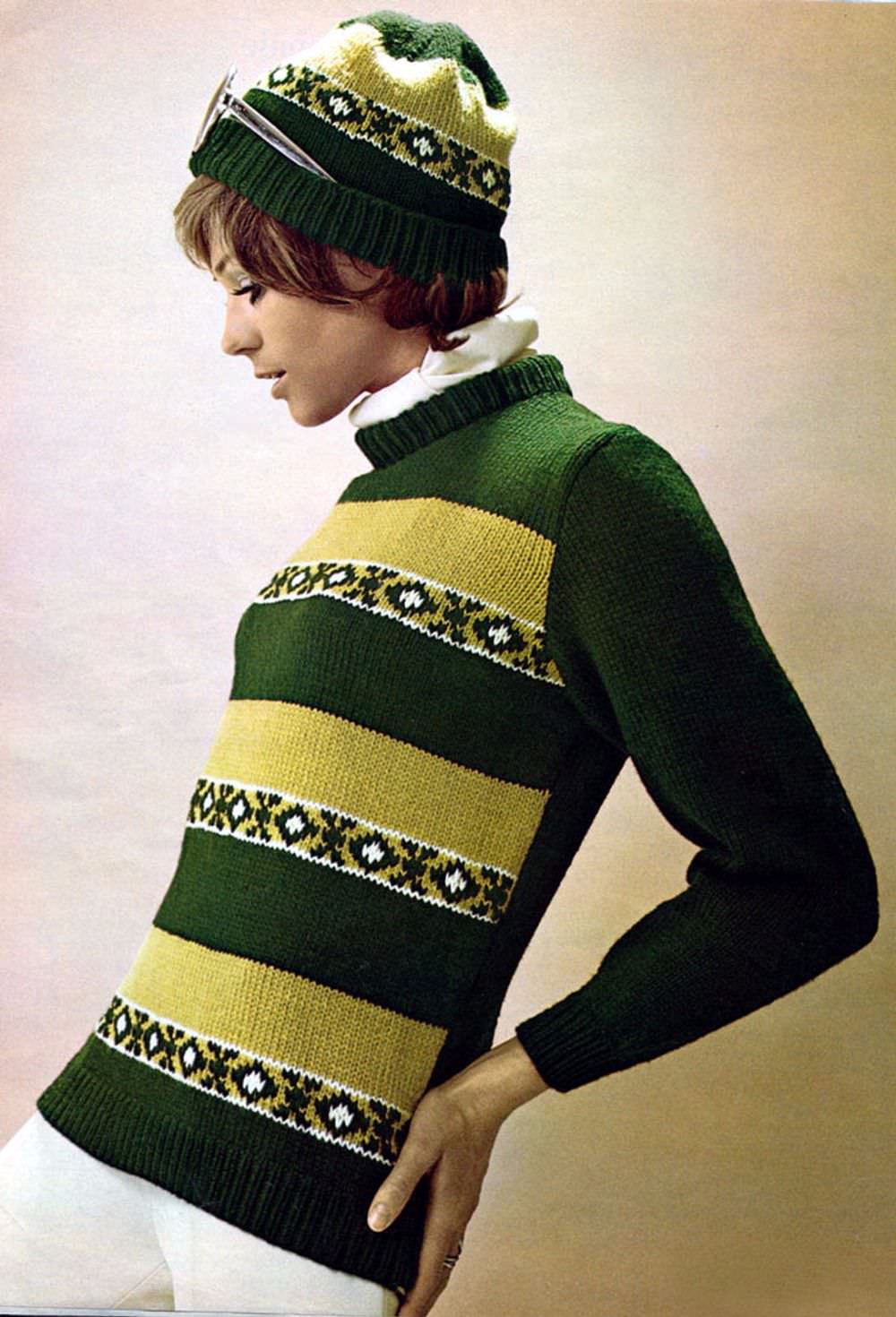
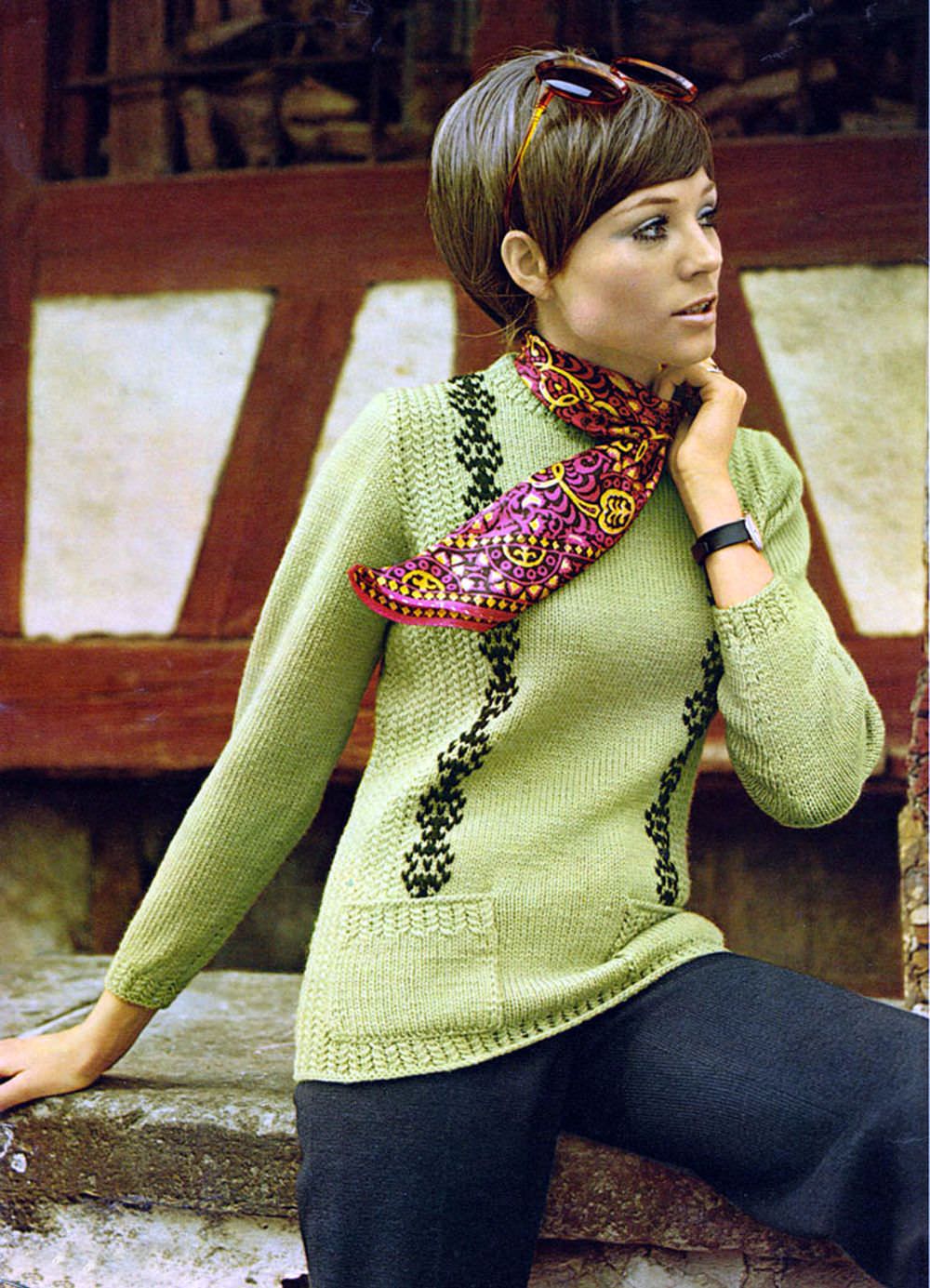
Color was another strength. Knitters could work multiple shades into a single piece using techniques like Fair Isle, where two or more colors alternate across a row to build up detailed repeating patterns. Intarsia knitting allowed large blocks of color to form pictures or geometric shapes. These were things that required skill and patience, and the finished garments showed it.
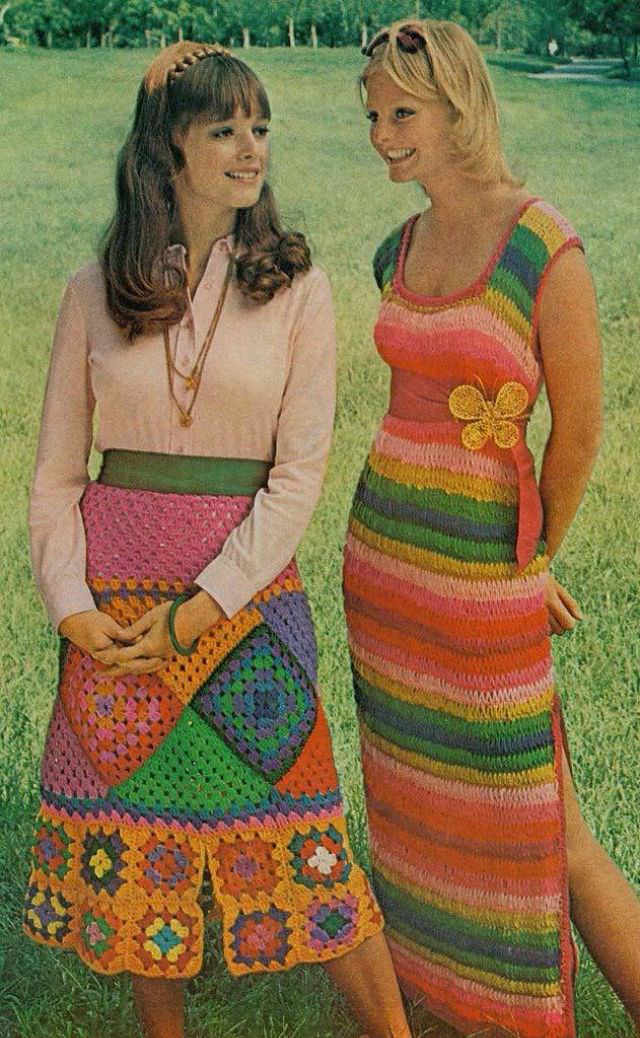
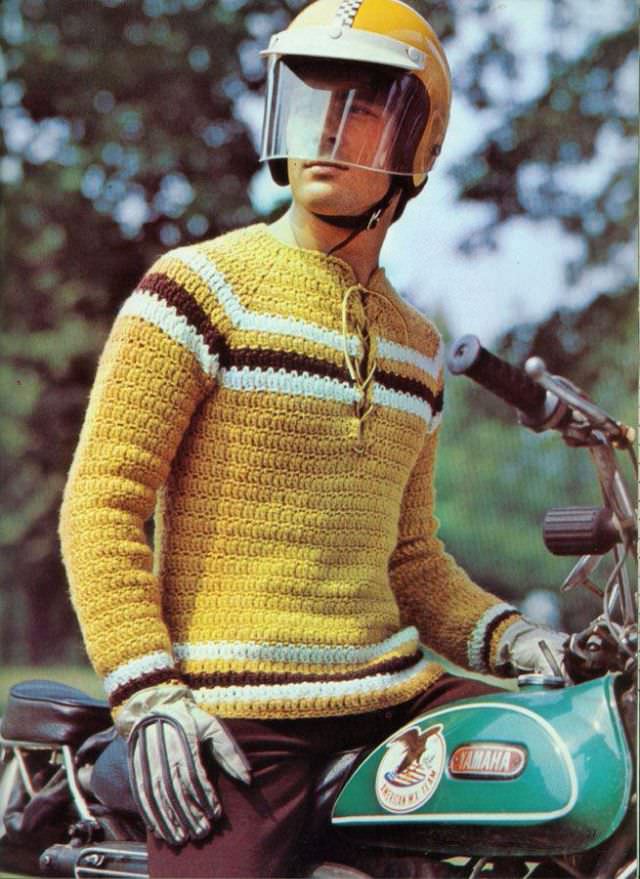
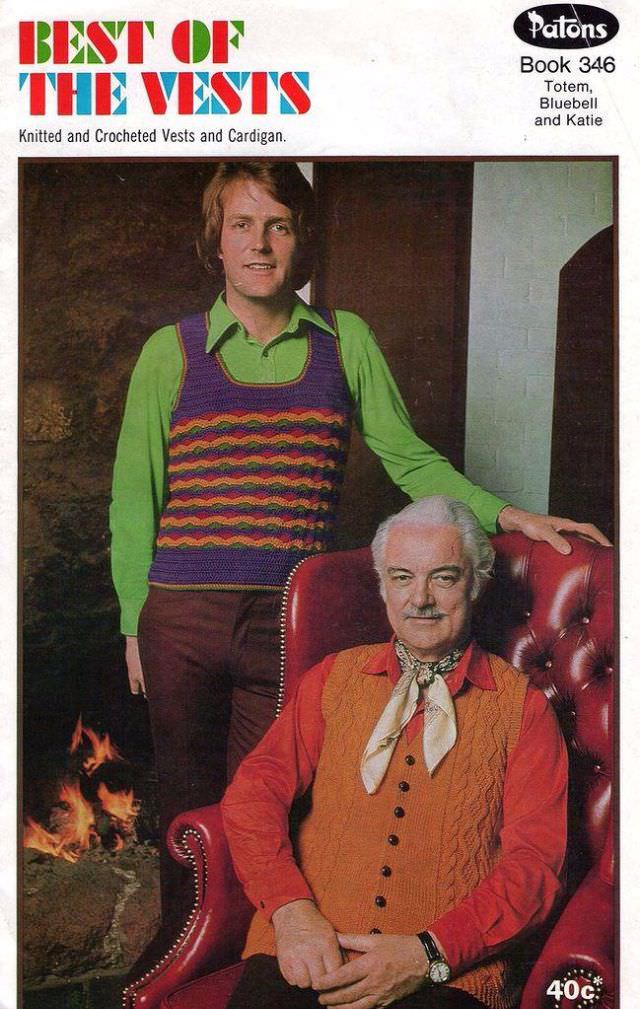
Knitwear also had a practical side that kept it popular across all three decades. Knitted fabrics stretch with the body. They breathe. A well-made knitted dress or sweater moved comfortably and held its shape over years of wear. Compared to rigid woven fabrics, knitwear offered a natural ease of fit that required little tailoring.
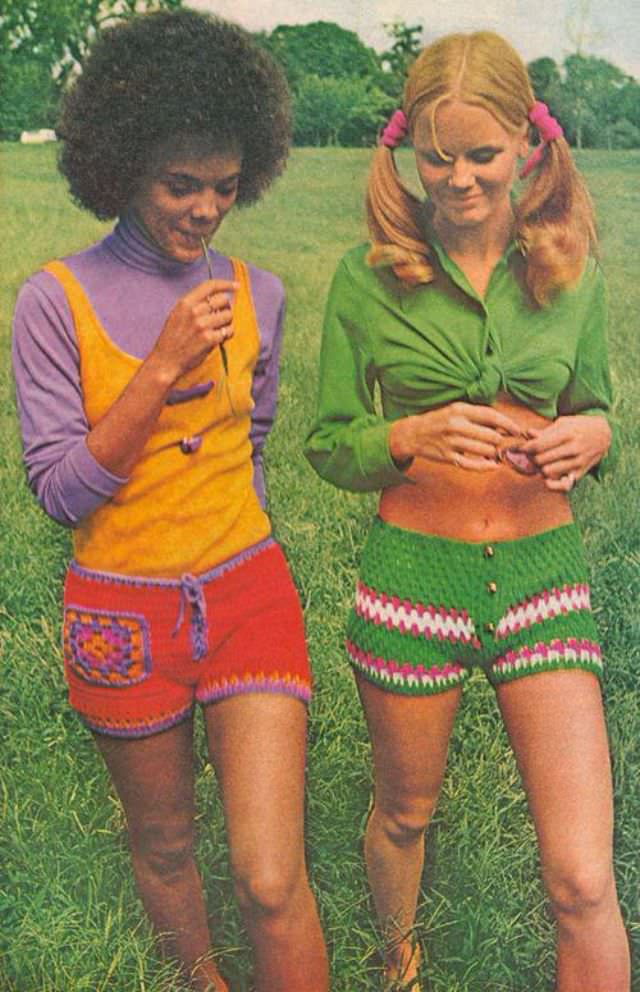
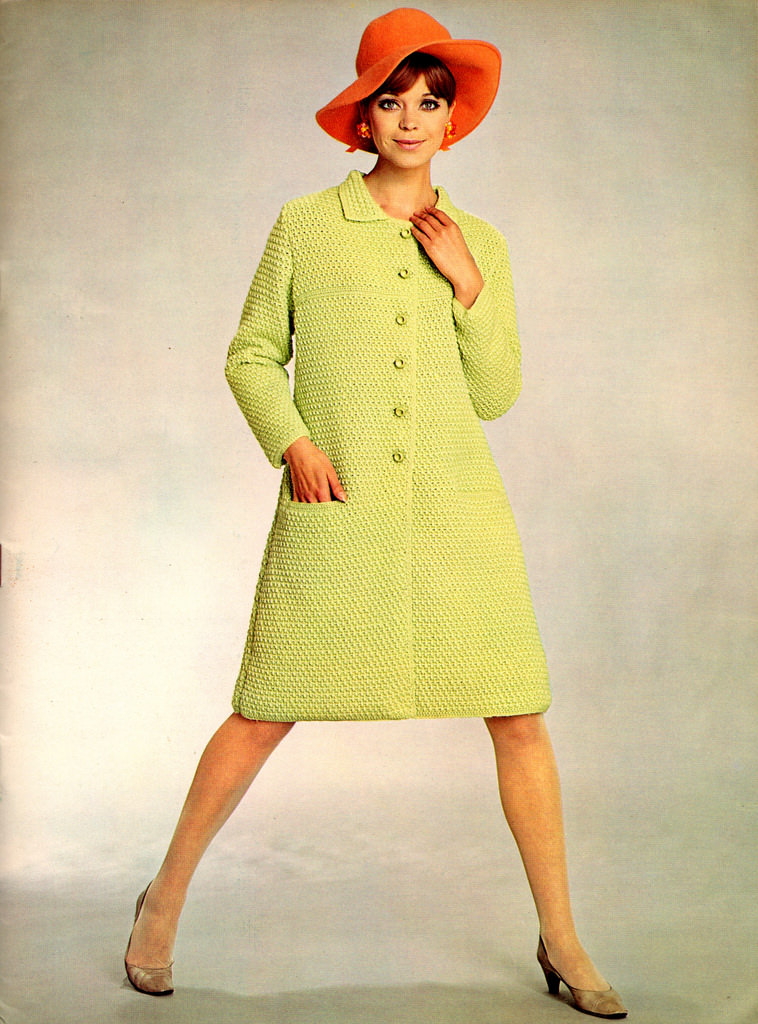
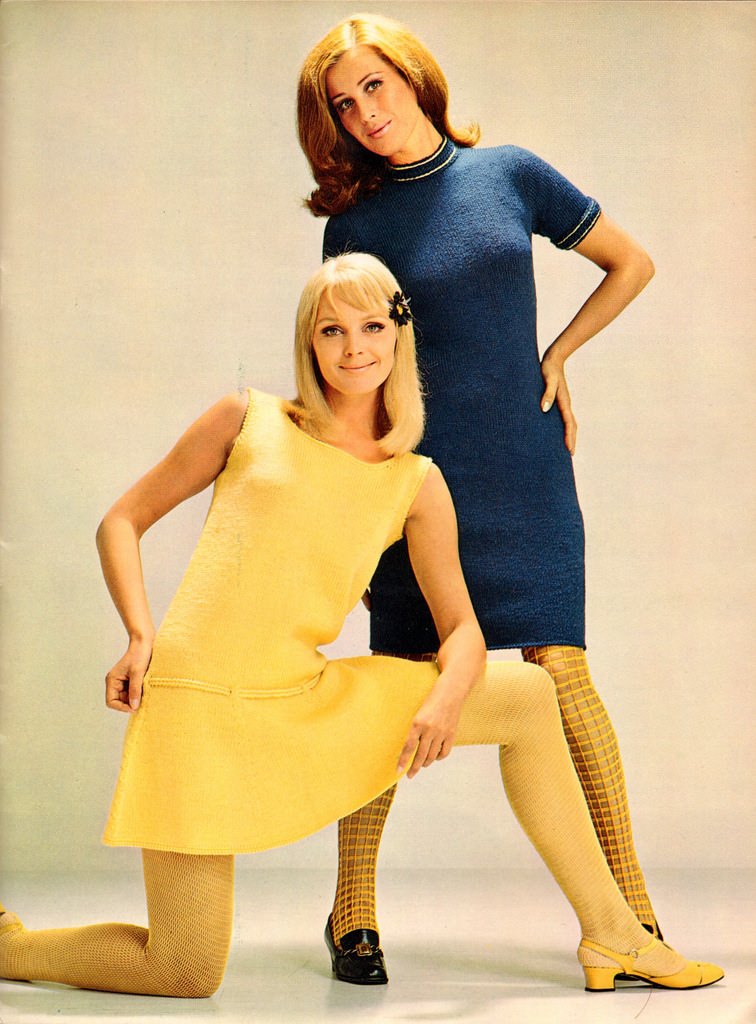
The slow decline of knitwear as a mainstream fashion force came with rising industrialization. As factories scaled up, cheap machine-made clothing flooded the market. These garments were faster to produce and cheaper to buy. Handknitting, which required hours of skilled labor for a single piece, could not compete on price. Patterns that once circulated through magazines and community groups started to disappear.
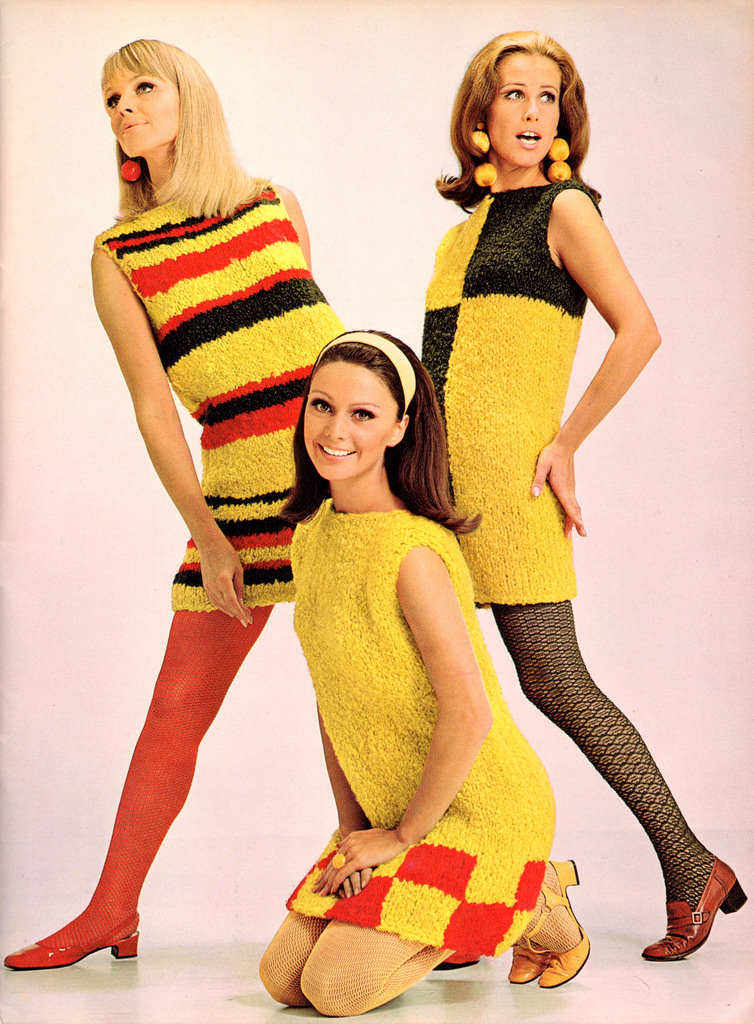
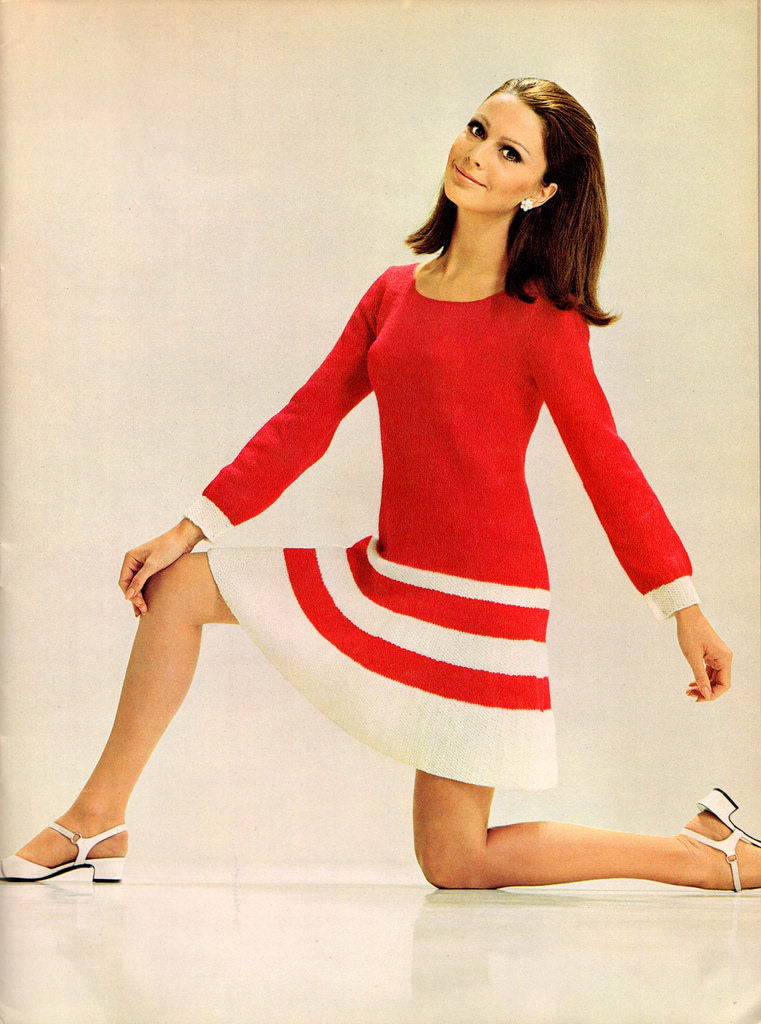
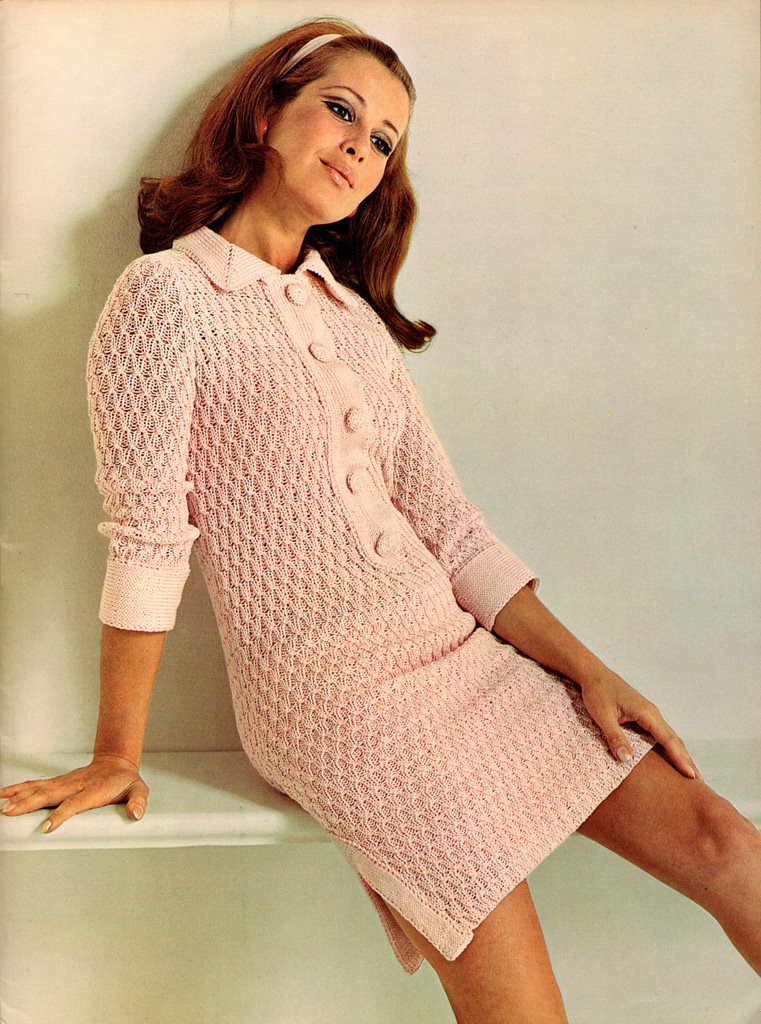
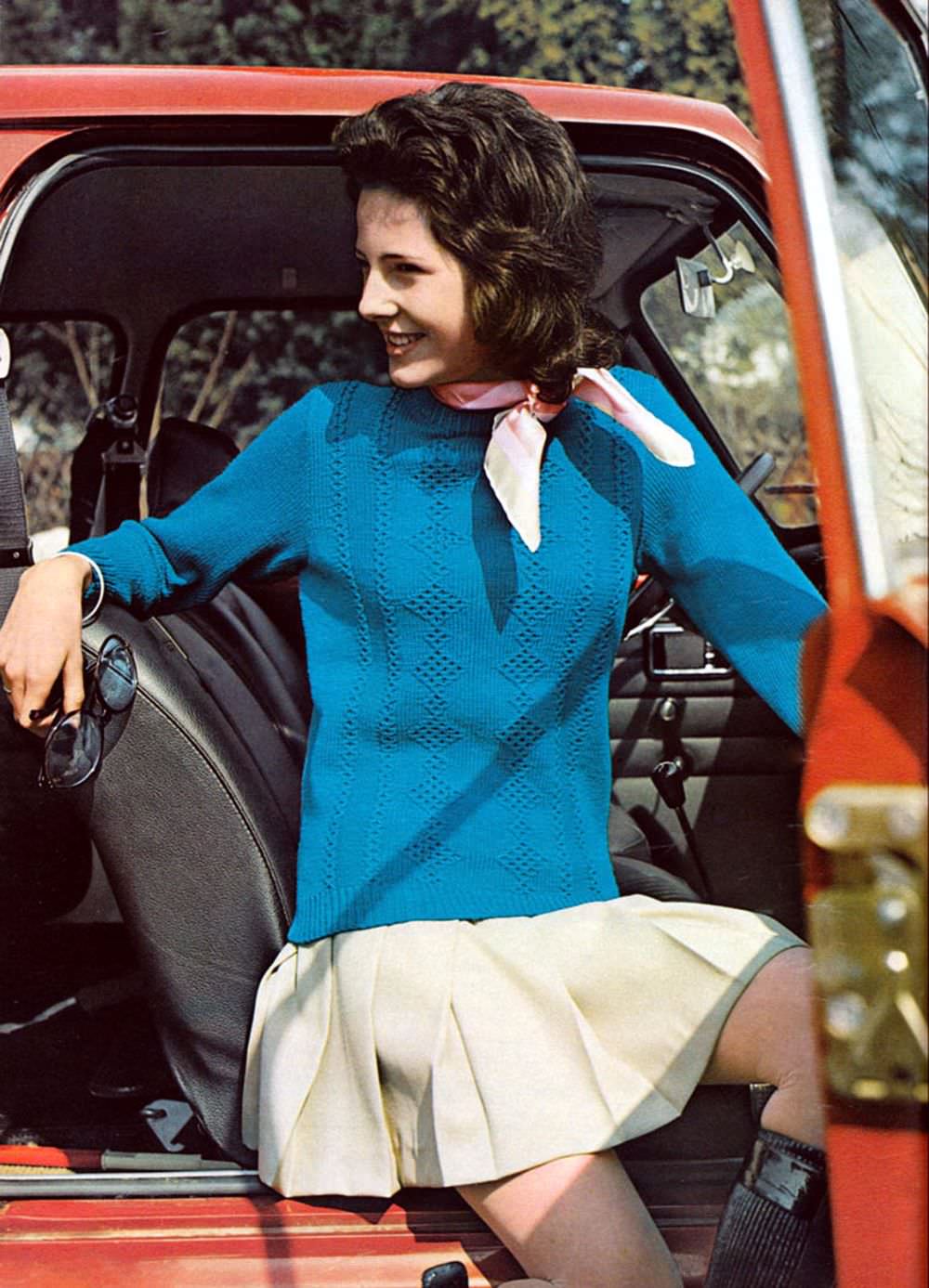
The garments shown here represent a wide cross-section of what knitwear looked like during its peak decades. Dresses that hug the figure in bold geometric patterns. Cardigans with deep cable-knit panels running from collar to hem. Two-piece knitted sets pairing a fitted top with wide-leg trousers. Brightly striped tops worn casually over slim-cut pants. Each piece reflects a specific moment in mid-century fashion.