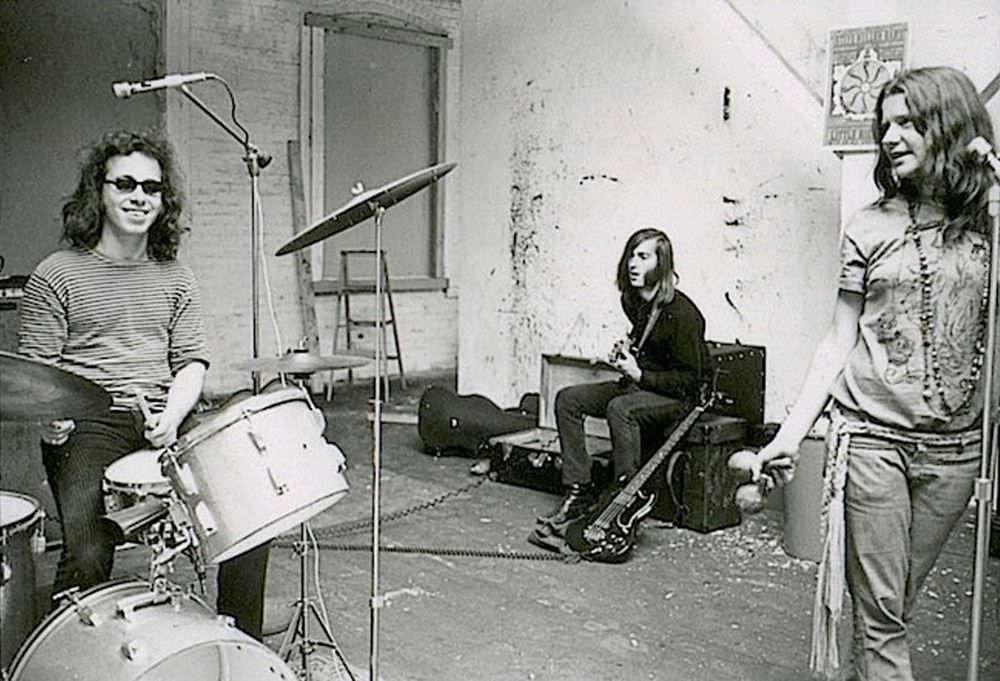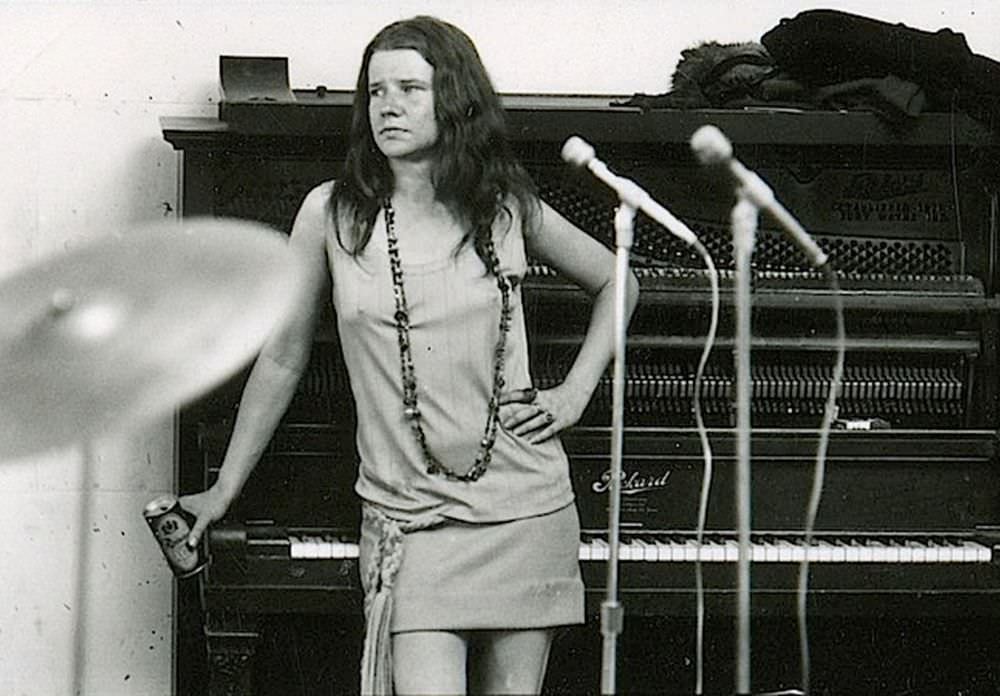

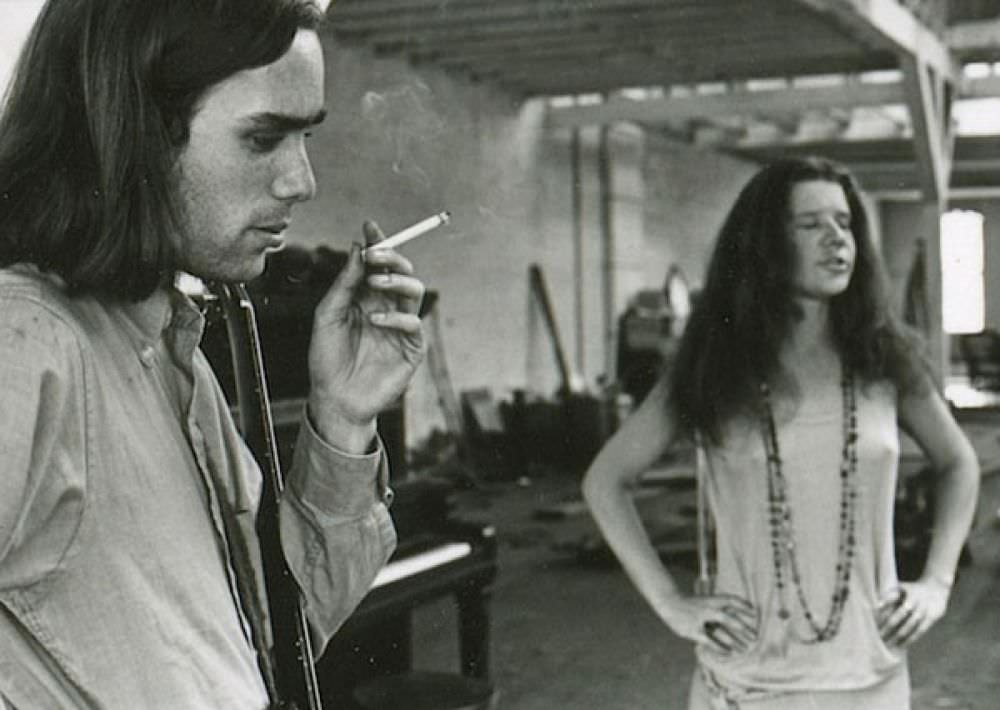
In 1967, San Francisco was the center of a musical revolution, and few bands embodied that moment more than Big Brother and the Holding Company. That year, photographer Bob Seidemann earned rare access to the band’s rehearsal warehouse, spending time with the group as they prepared for what would become one of the most important albums of the decade. The photographs he took are unposed and immediate — a direct window into the working life of a band on the edge of stardom.
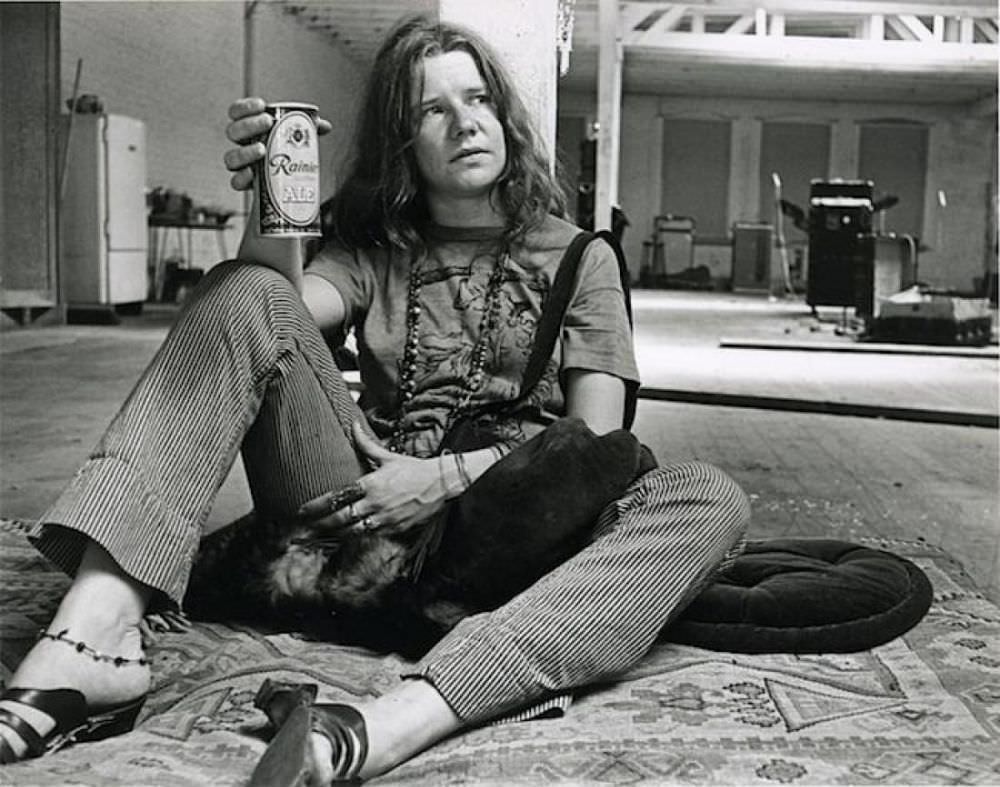
Seidemann was no stranger to the rock world. His work appeared on some of the most iconic record album covers of the 1960s and 1970s. But these rehearsal shots are different — they’re loose, personal, and unguarded. They show musicians not performing for a crowd but working through arrangements, debating song structures, and simply existing together in a shared space. That candid quality is what makes them so striking decades later.
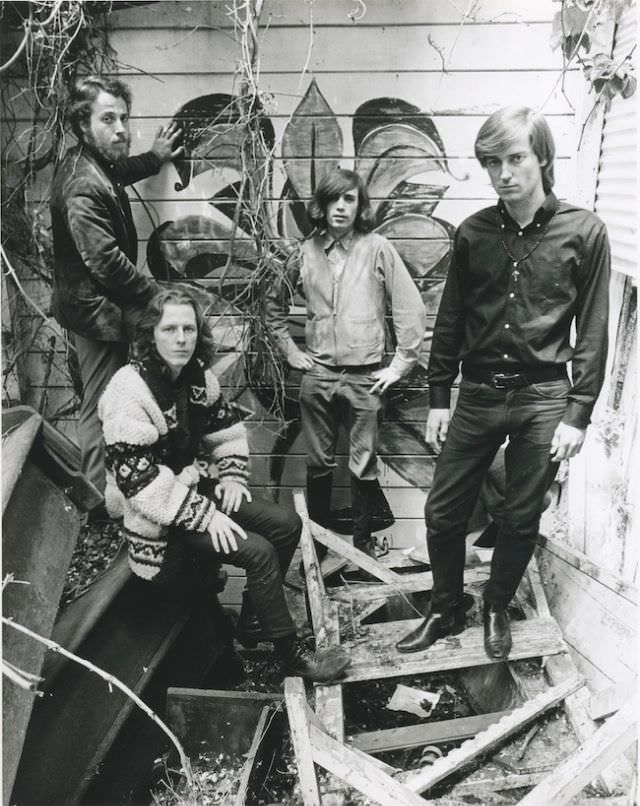
Big Brother and the Holding Company formed in San Francisco in 1965. Before Janis Joplin joined in June 1966, lead guitarist James Gurley was the band’s biggest draw. His raw, feedback-heavy style had built the group a loyal following in the Bay Area’s psychedelic club scene. Gurley’s playing was unpredictable and electric, making him the focal point of the band’s early performances.
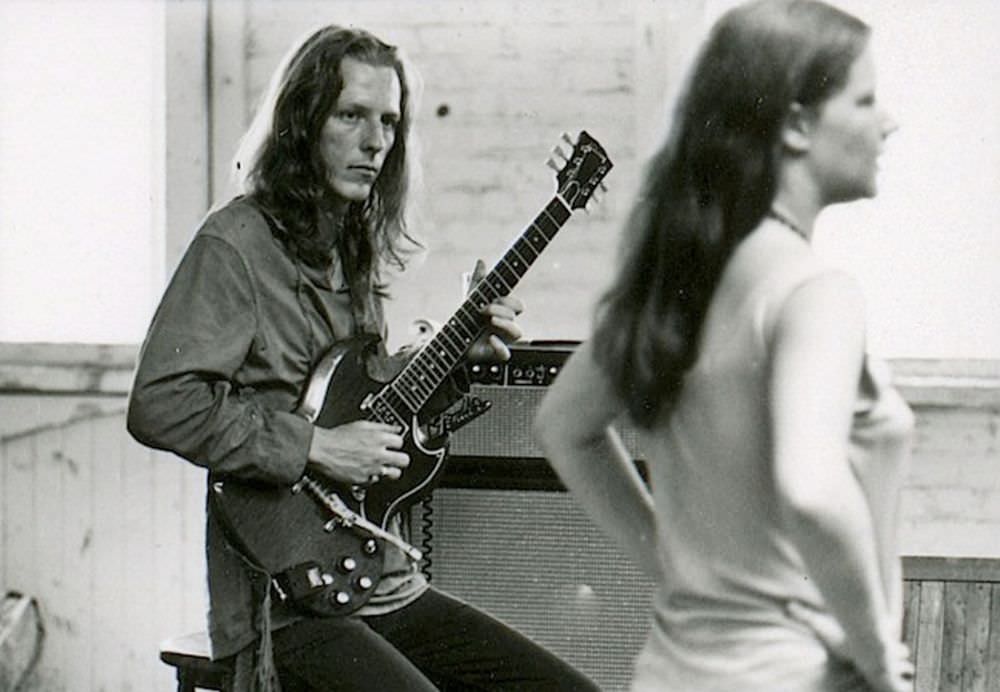
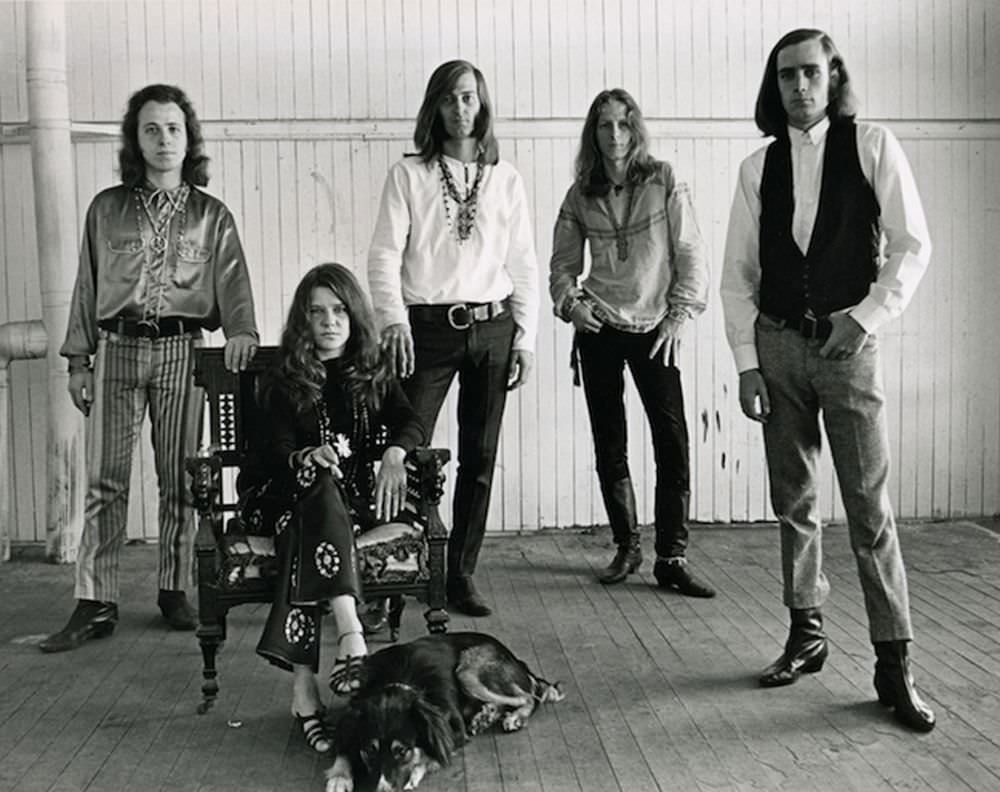
The full band lineup that recorded and performed through 1967 included Gurley alongside Sam Andrew on guitar, Peter Albin on bass, and Dave Getz on drums. Together, they created a sound that was loud, loose, and deeply rooted in the blues. Joplin’s voice sat on top of that noise like nothing audiences had heard before — raw, powerful, and completely unrestrained.
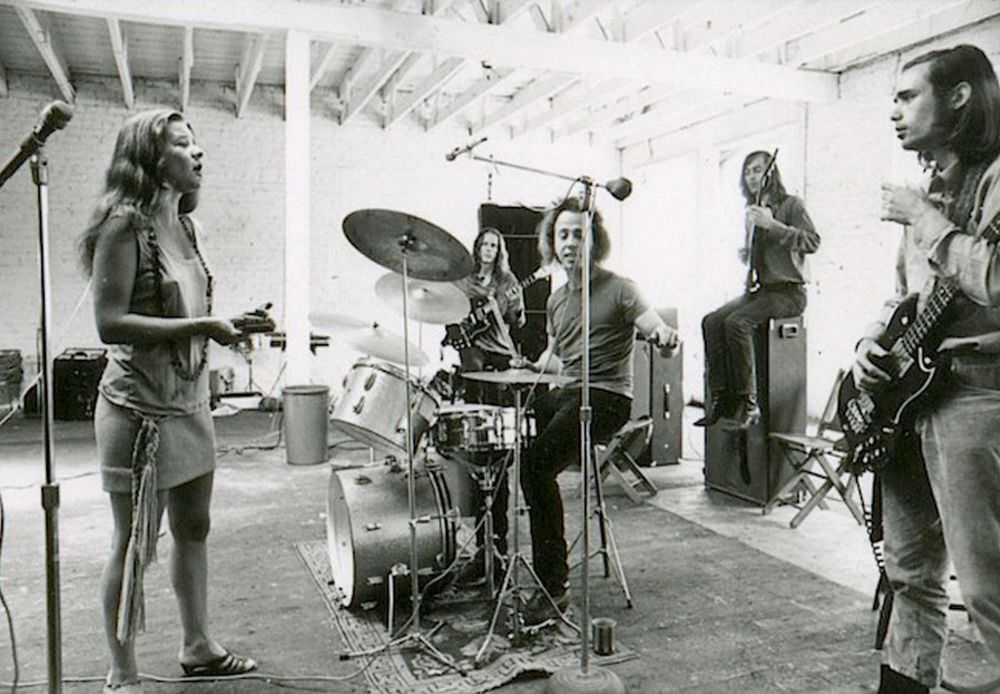
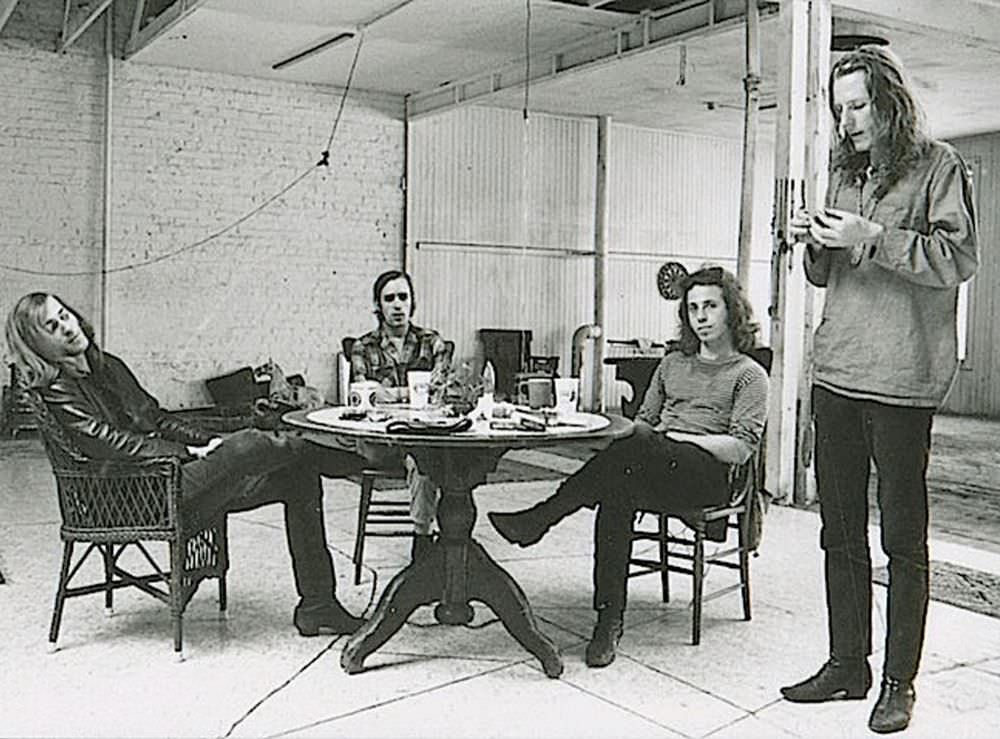
Seidemann’s photographs were taken after the band’s performances at the Monterey Pop Festival in June 1967 — a turning point that changed everything. Joplin’s set at Monterey introduced her to a national audience. She was so commanding that fellow performers watched from the wings in disbelief. By the time these rehearsal photos were taken, she was no longer just a local sensation. She was becoming a full-fledged rock star, with all the pressure and excess that came with it.
The rehearsal warehouse was located at the corner of Golden Gate and Van Ness avenues in San Francisco. Seidemann photographed Joplin arriving there — a moment that feels both ordinary and historically loaded given what was unfolding around her. In one shot, she wears a T-shirt featuring the woman from the JOB cigarette-papers brand. In another, she’s in pin-striped jeans cinched at the waist with a braided belt and kitten-heeled sandals. Her style, like her voice, was entirely her own.
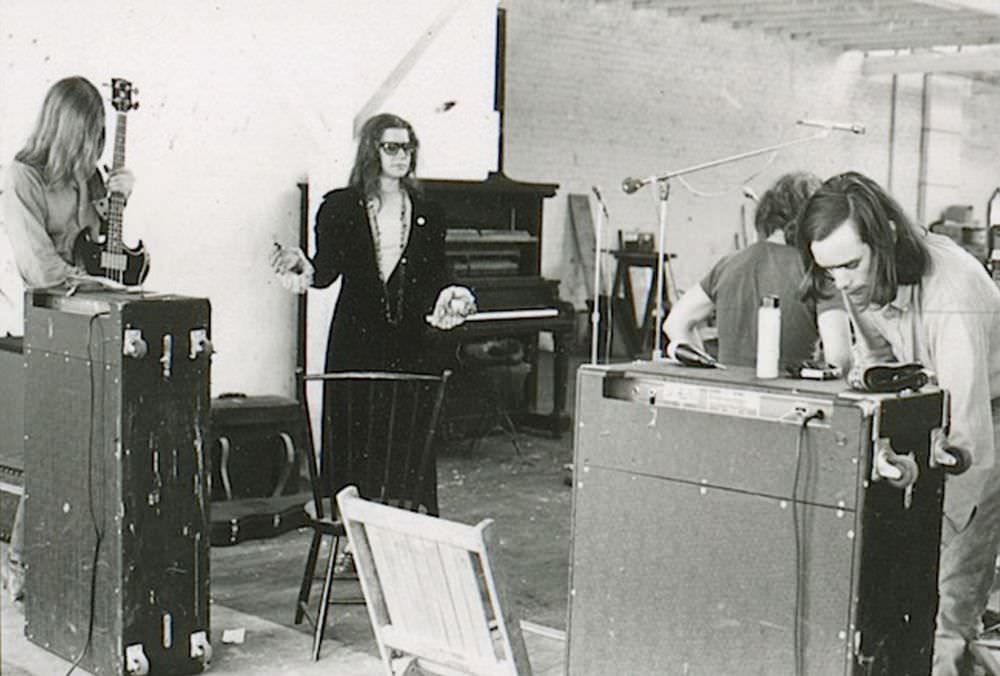
Inside the warehouse, the work was collaborative and constant. Joplin and bassist Peter Albin are captured together in several frames, deep in conversation, working through the details of the music. The two shared a close creative bond within the band, and that comfort shows on film.
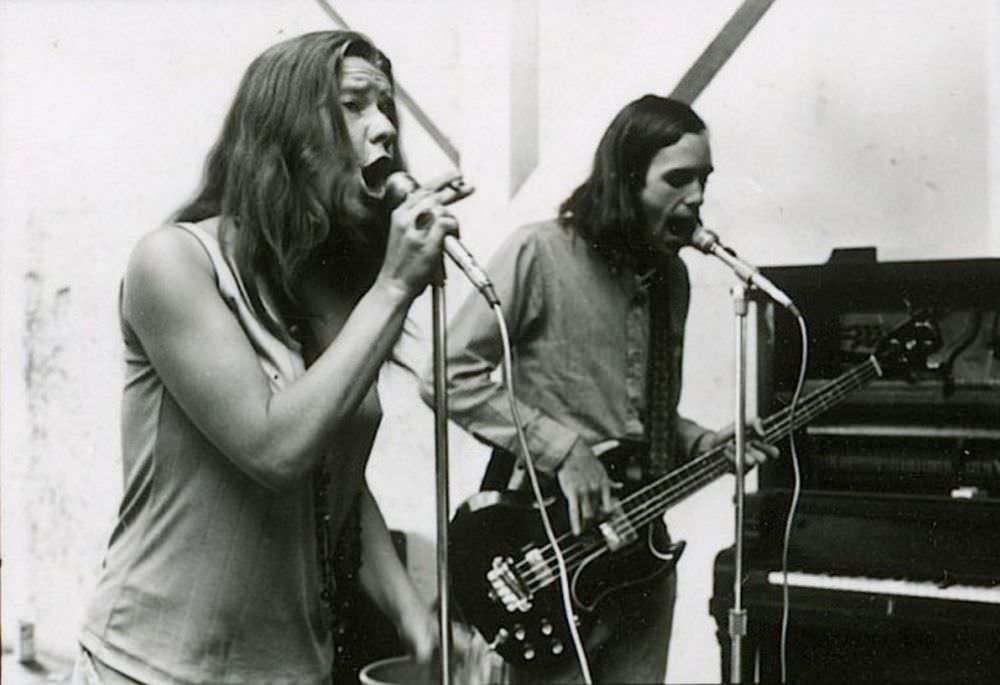
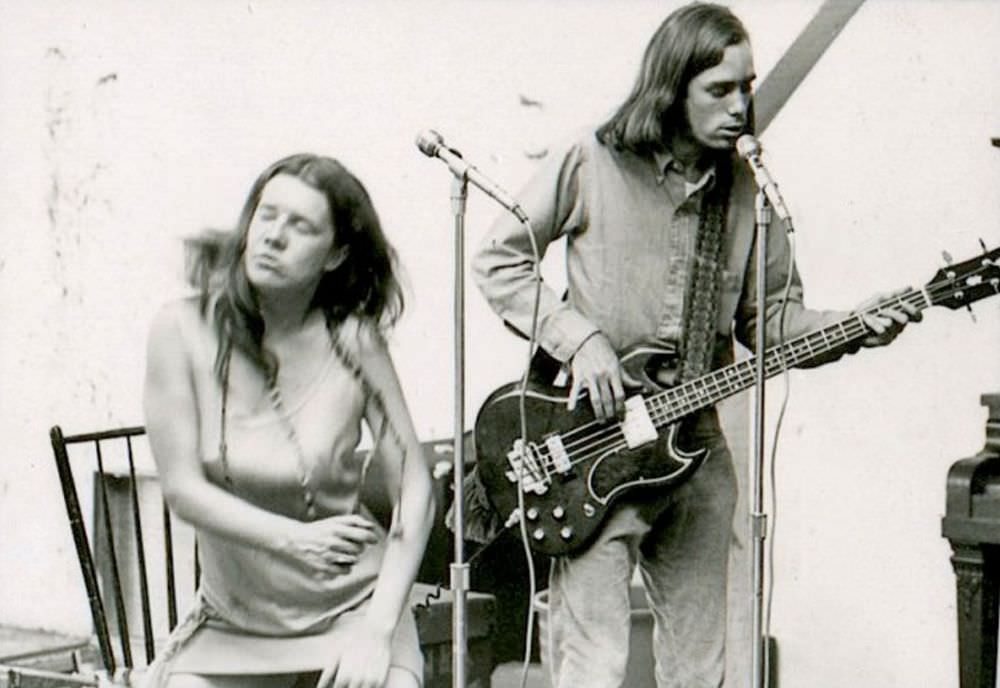
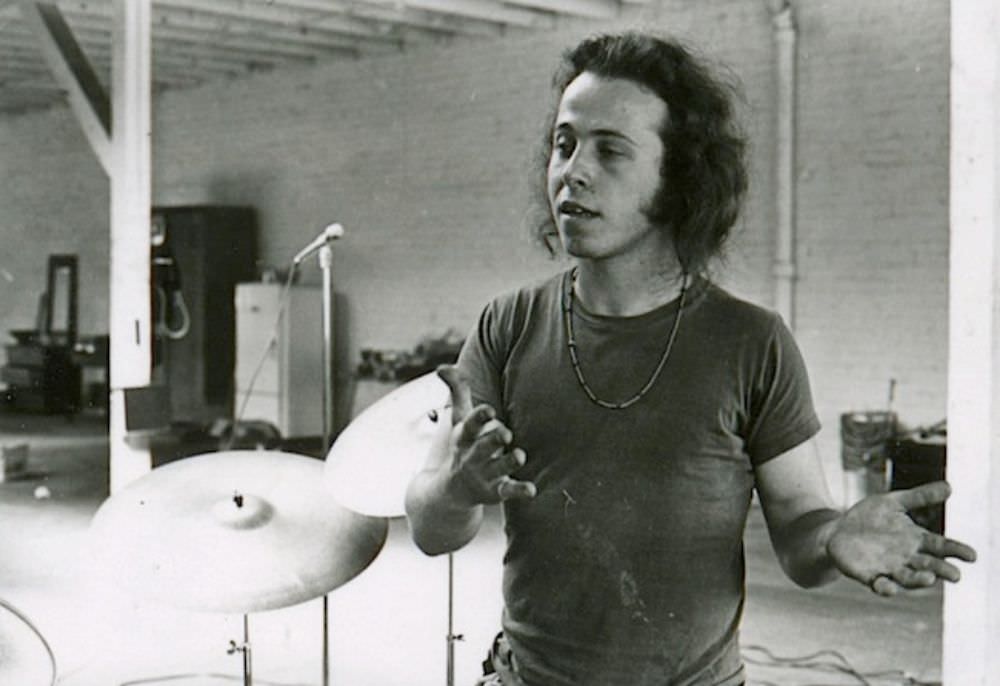
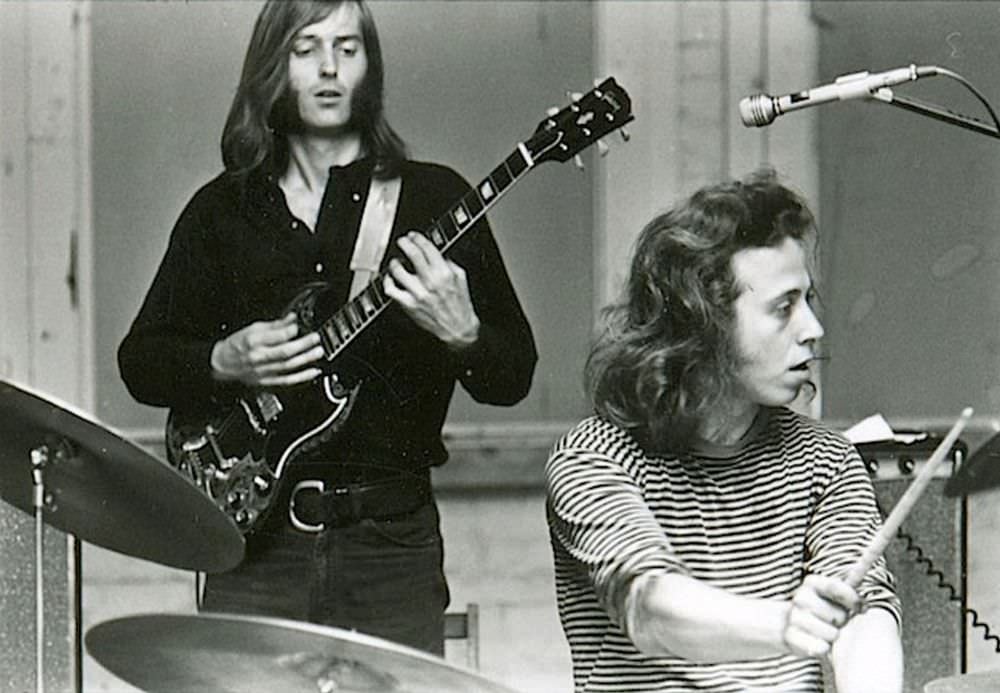
Dave Getz, who worked part time at the Old Spaghetti Factory before the band’s fortunes rose, is photographed mid-discussion about a song’s arrangement. Getz was the rhythmic anchor of Big Brother’s often chaotic sound, and his role in shaping the structure of each song was essential to how the band functioned.
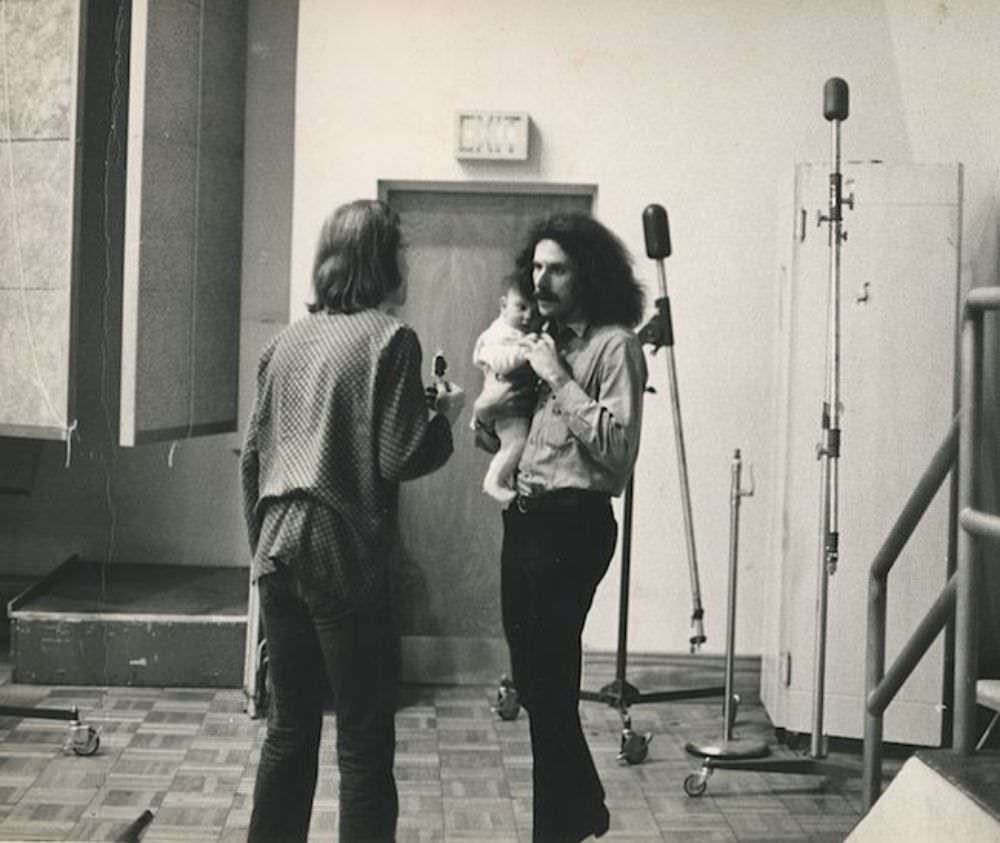
Not every photo in Seidemann’s collection shows the musicians playing. One image captures him directly — holding a band member’s baby while talking with Big Brother’s road manager, David Richards. It’s a reminder that these rehearsals weren’t formal sessions. They were community events, with friends, family, and crew all moving through the same space.
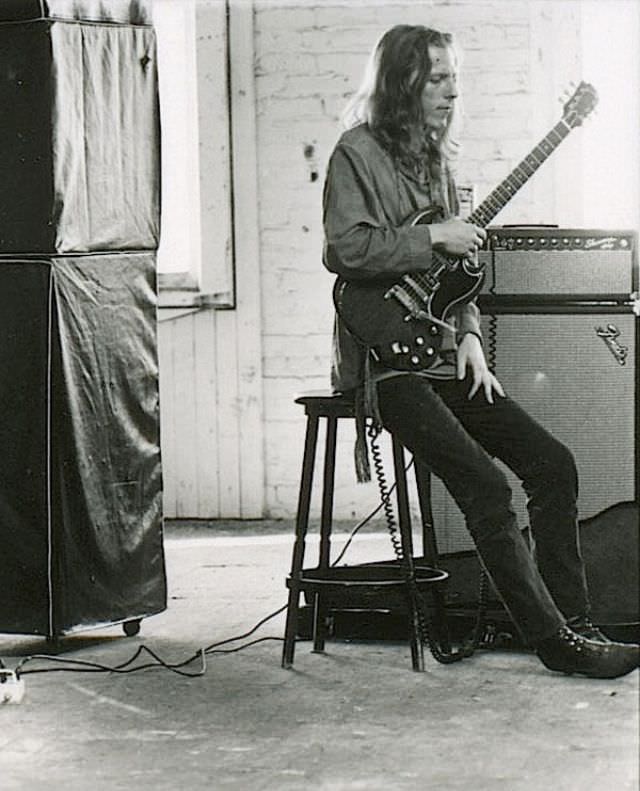
James Gurley appears in his own dedicated frame — focused, slightly apart from the group energy, exactly as his reputation suggested. His guitar work defined the band’s early sound, and even as Joplin’s presence reshaped the group’s identity, Gurley remained a central force in how Big Brother approached its music.
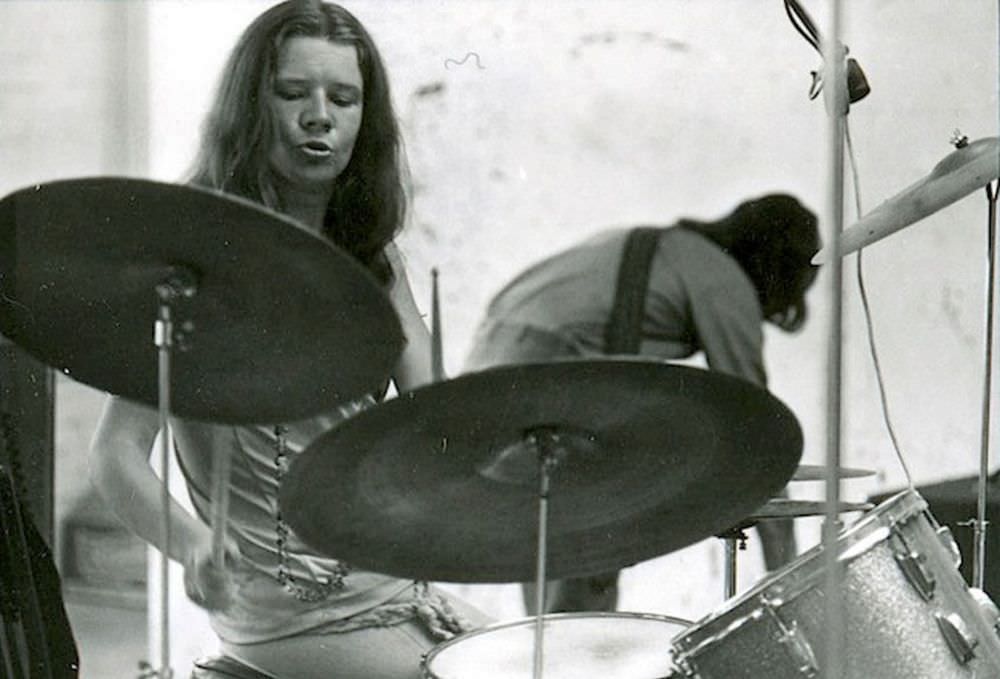
One of the most playful images in the set shows Joplin sitting behind Dave Getz’s drum kit, playing around on the set. It’s a small moment, but it says something real about how she moved through the world — curious, physical, always engaged with the music around her, not just the microphone in front of her.
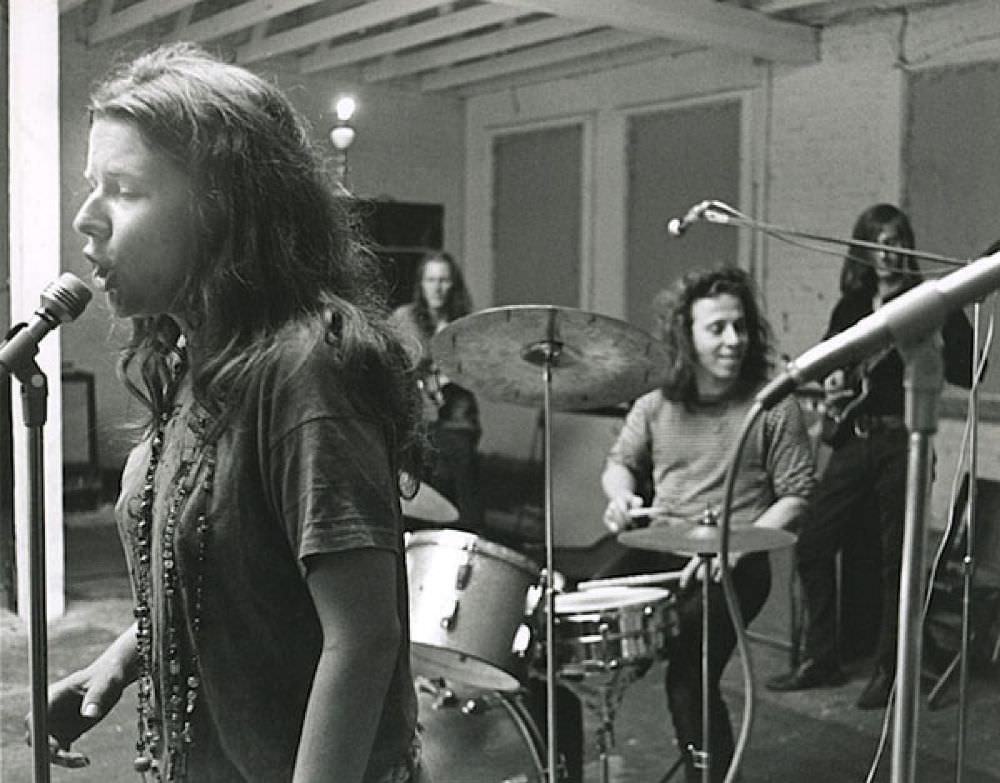
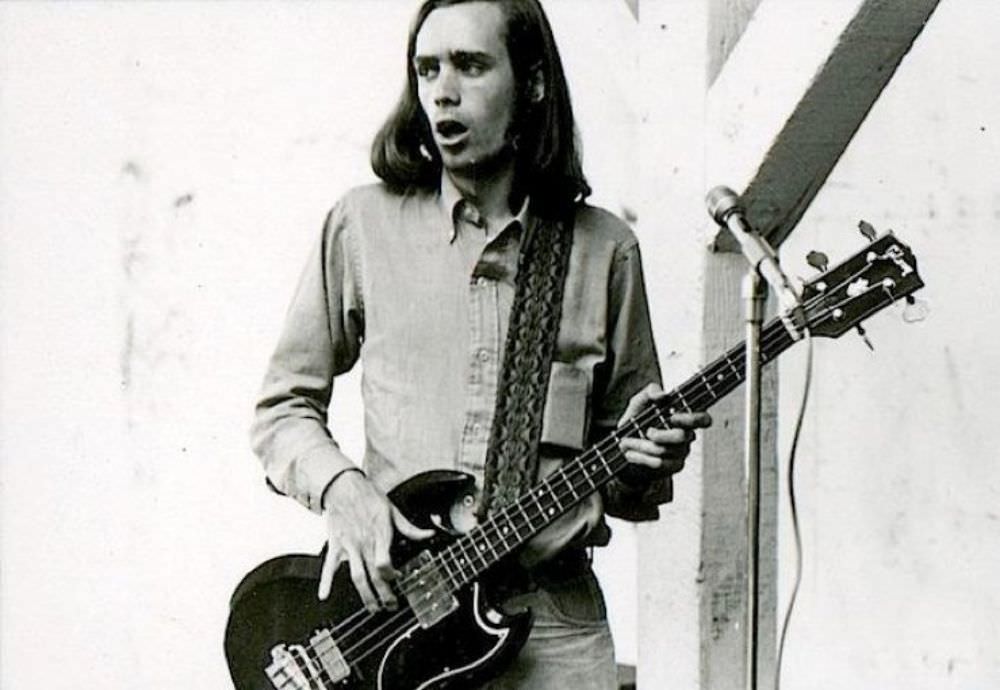
Peter Albin, photographed alone in one frame, reflects the quieter side of the band’s personality. While Joplin commanded the room and Gurley commanded the stage, Albin was a steady, grounding presence — a co-founder of the group who had been building toward this moment for years.
One photograph of Joplin can be precisely dated thanks to a poster visible just behind her head — advertising a Steve Miller concert in September 1967. That detail places the image firmly in the fall of 1967, a few months after Monterey and deep into the period when the band was recording their major-label debut. The world was paying attention now, and the rehearsal warehouse at Golden Gate and Van Ness was one of the places where history was quietly being made.