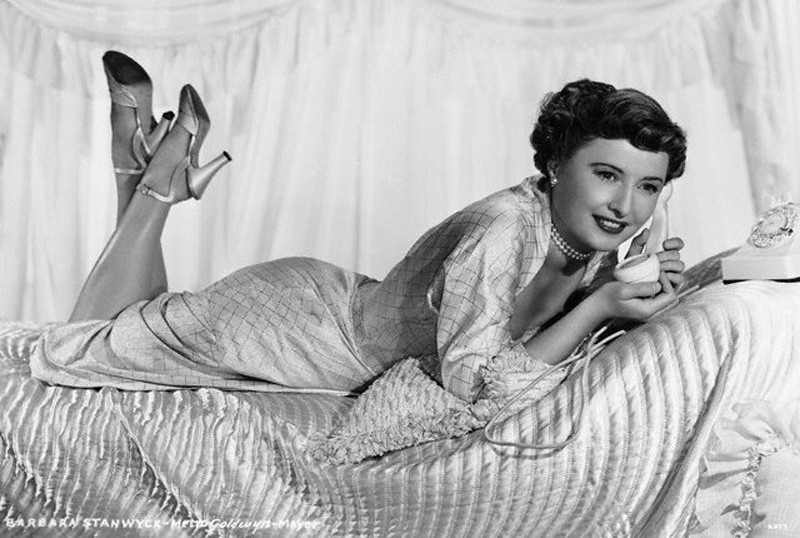
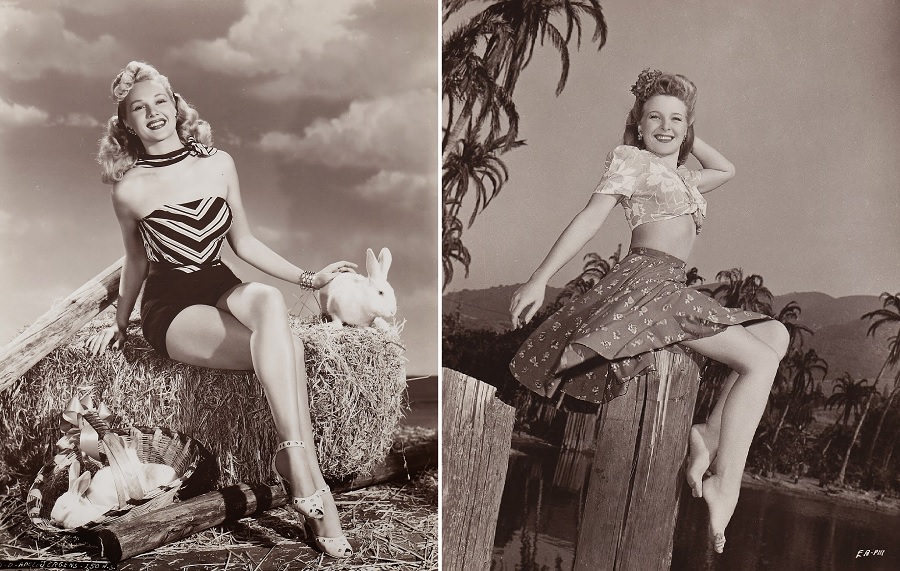
Jet Magazine launched on November 1, 1951, founded by John H. Johnson of the Johnson Publishing Company in Chicago, Illinois. Johnson originally billed it as “The Weekly Negro News Magazine,” and from its very first issue, it set out to do something no other major publication was doing at the time — deliver news, culture, and entertainment directly to the African-American community every single week.
The magazine was printed in a compact digest-sized format, mostly in black and white, and it covered everything from Hollywood starlets and society women to hard-hitting civil rights news. During the early years of the civil rights movement, Jet reported on Emmett Till’s murder, the Montgomery bus boycott, and the work of Martin Luther King Jr. — stories that many mainstream publications ignored or buried.
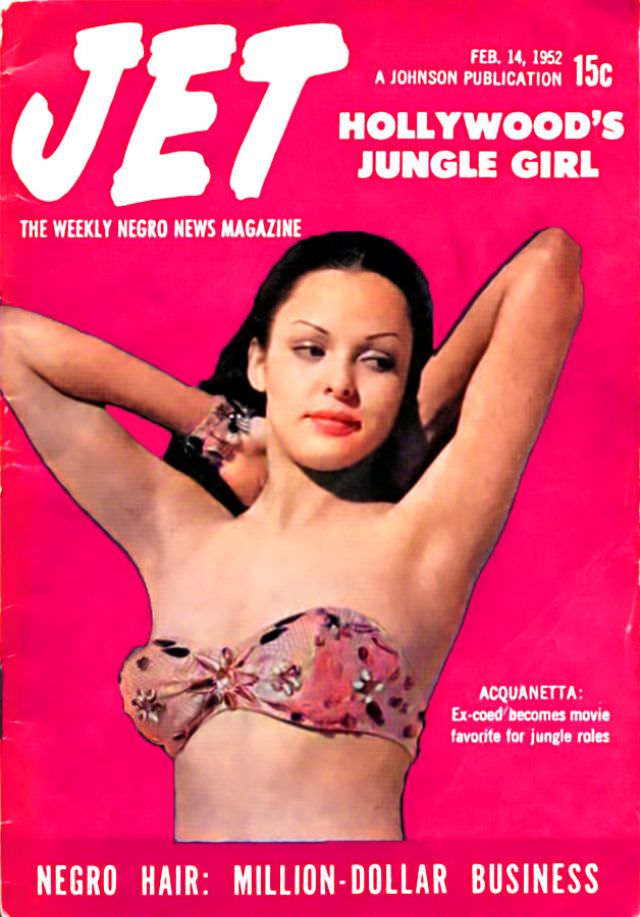
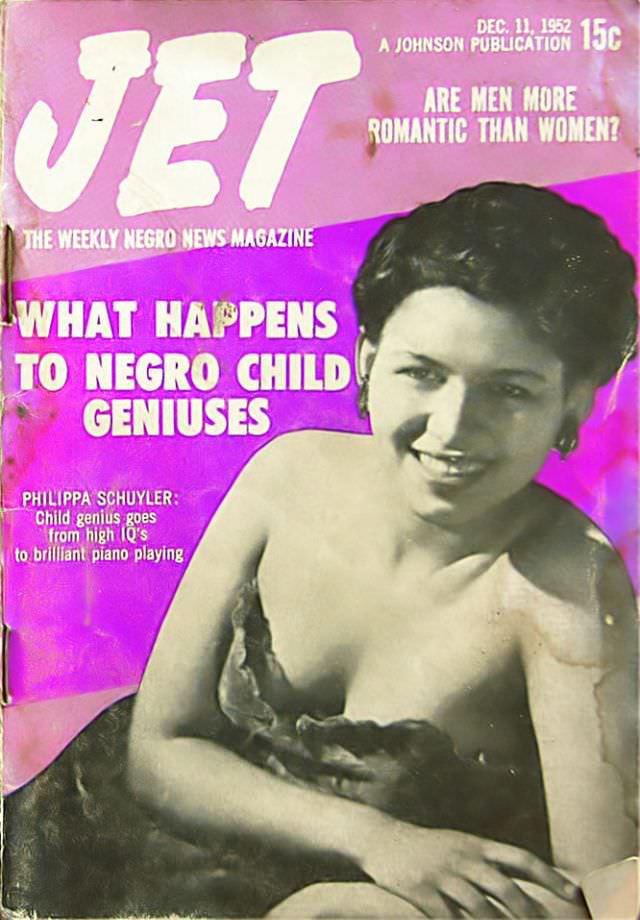
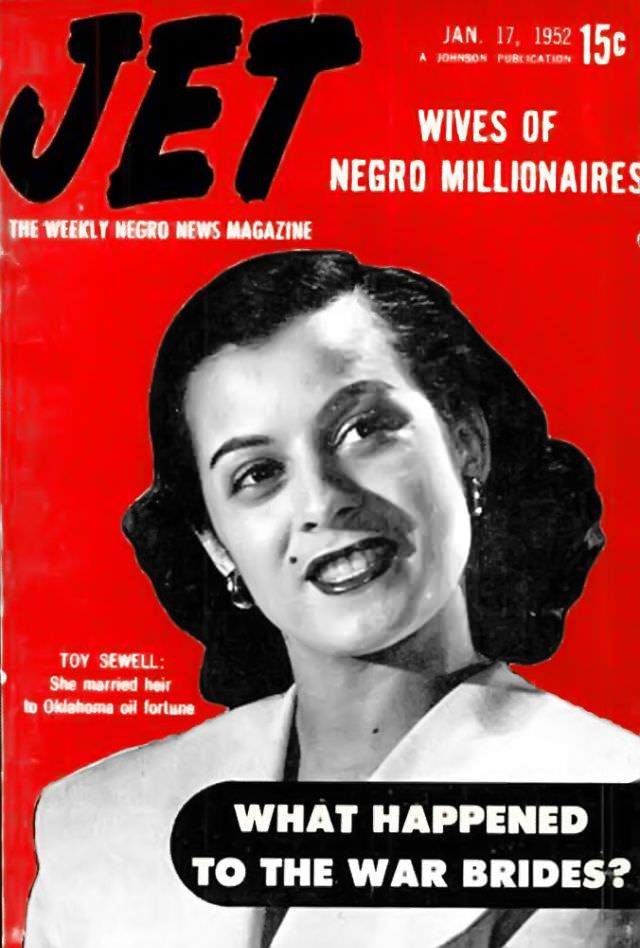
The 1952 covers showed the magazine’s broad range right away. Jet put Hollywood figures, society women, and Broadway performers on its cover in the same year it was covering racial injustice and community news. That mix was intentional — Johnson understood that Black readers wanted to see their full world reflected, not just the struggles.
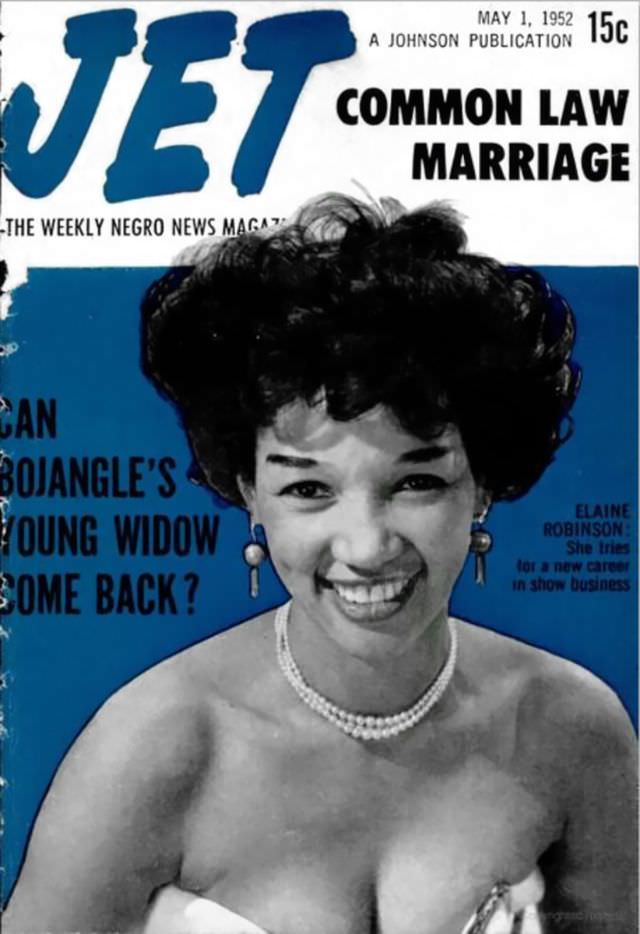
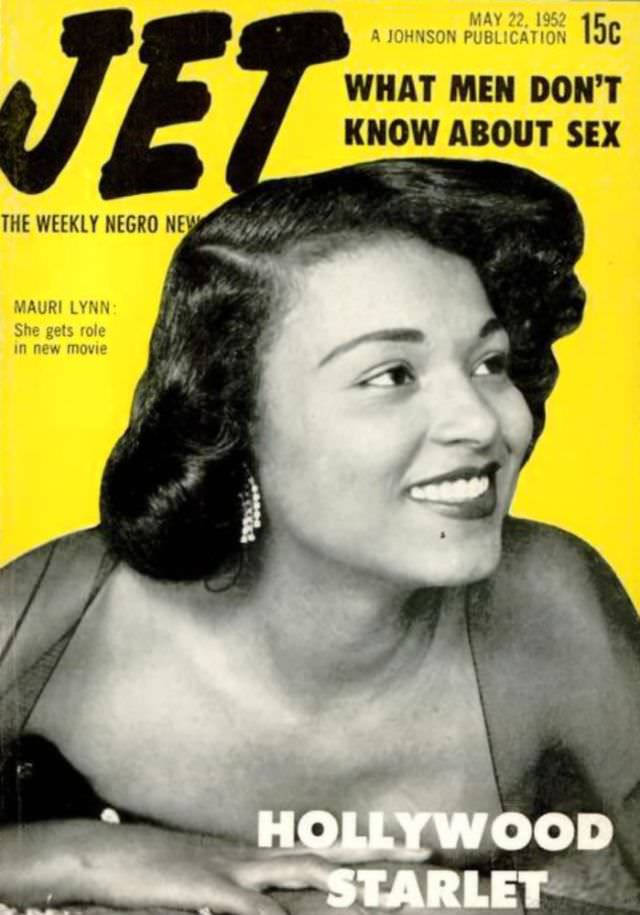
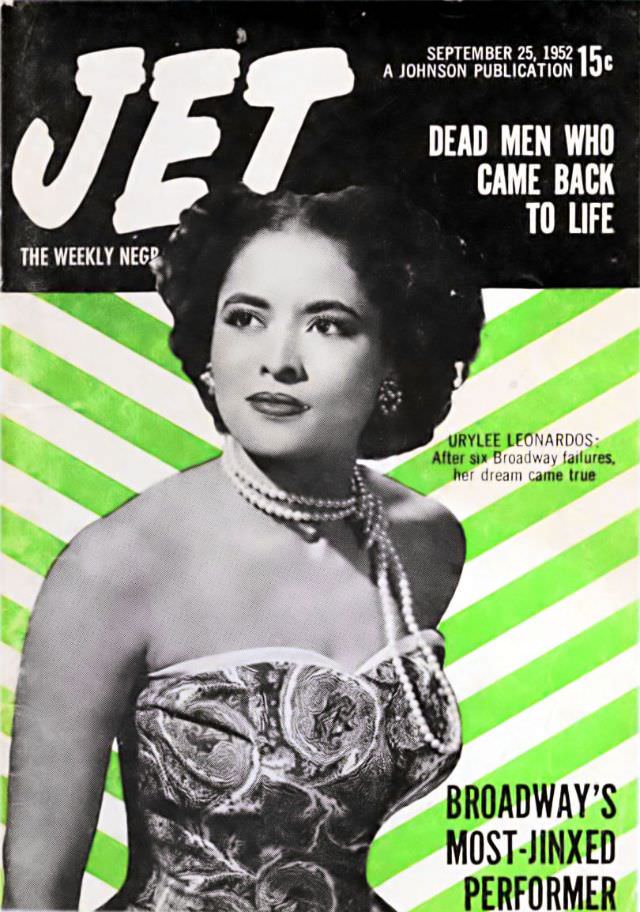
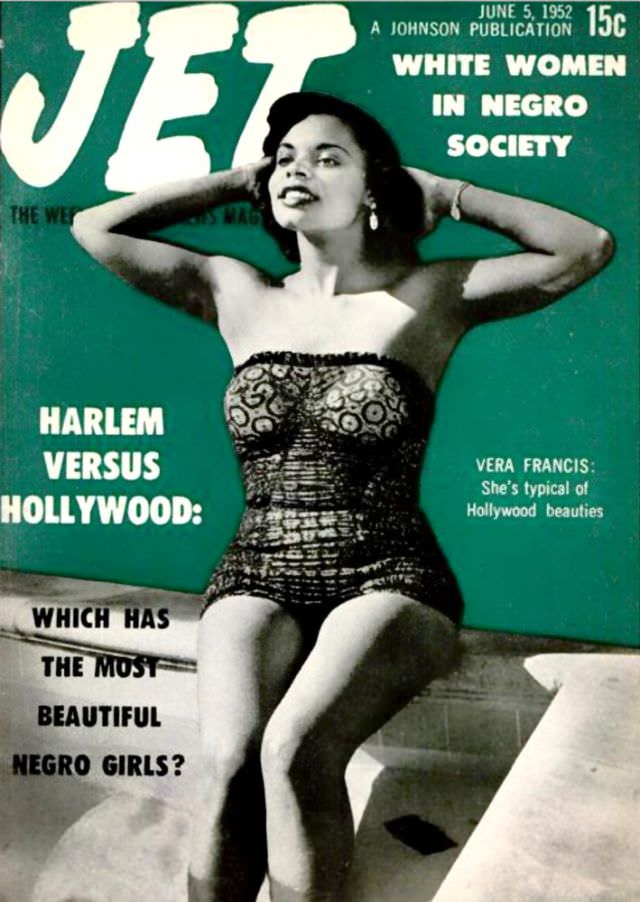
Child prodigies, millionaires’ wives, and young talent all found their way onto Jet’s covers in its first year. The magazine was already establishing itself as the go-to weekly record of Black American life — glamorous, serious, and community-driven all at once.
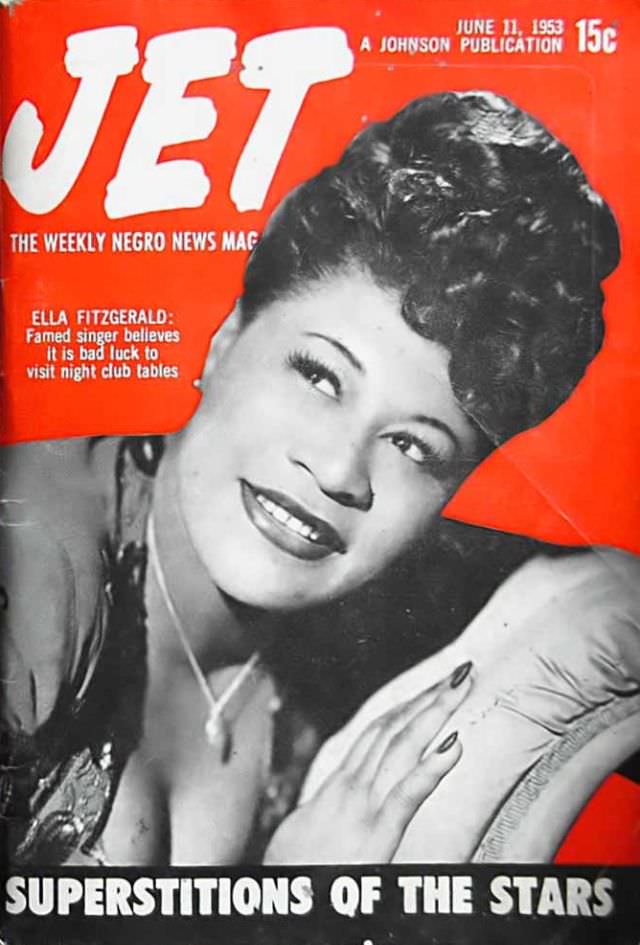
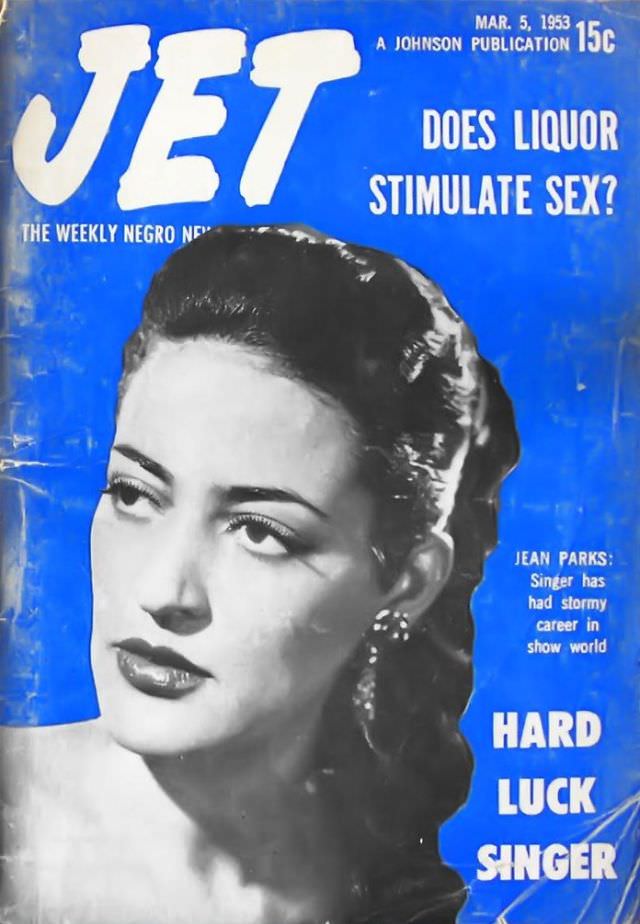
By 1953, Jet was featuring some of the most recognizable names in Black entertainment. Jazz legend Ella Fitzgerald appeared on the June cover, while singers, models, and performers from across the country filled out the year’s lineup. The covers captured a moment when Black entertainers were pushing into spaces that had long been closed to them.
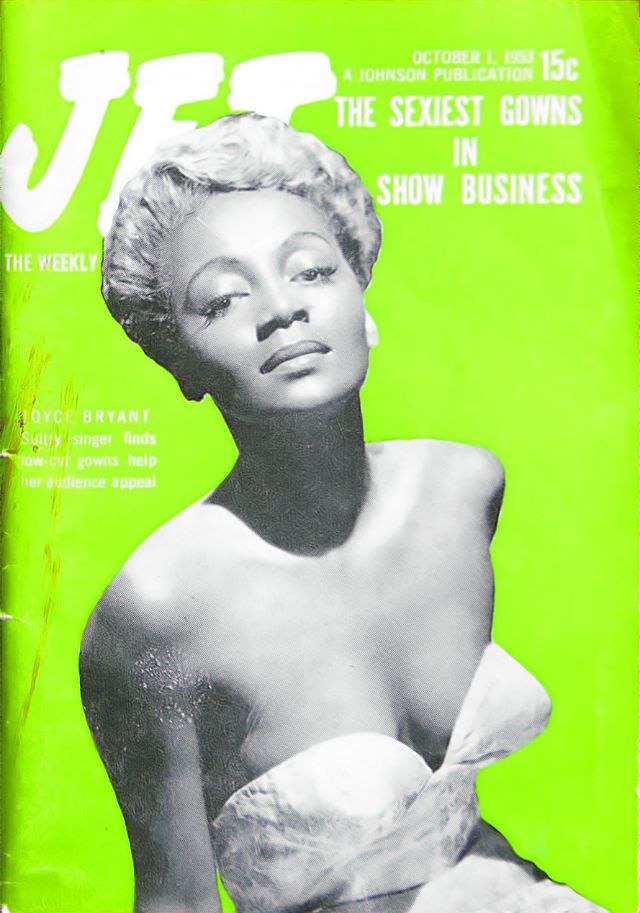
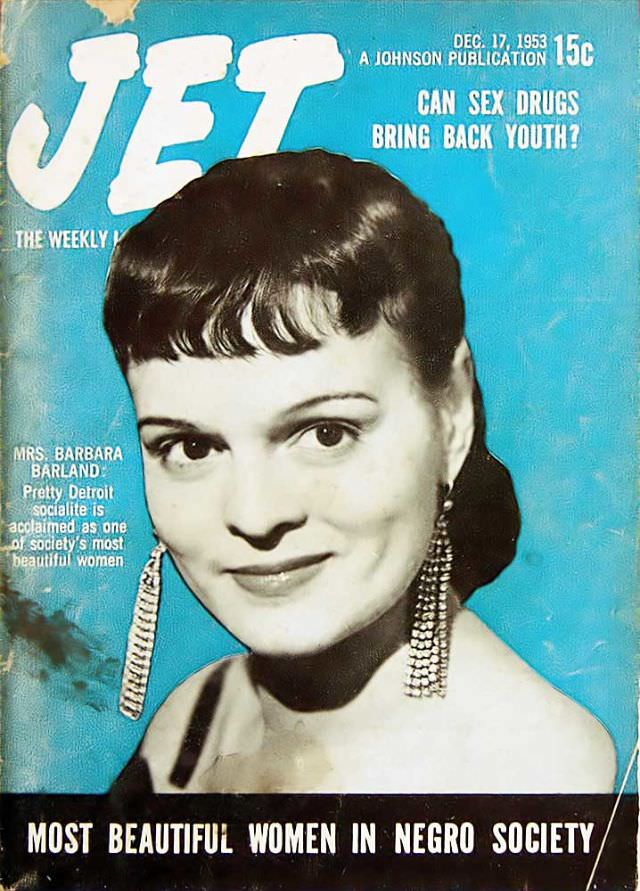
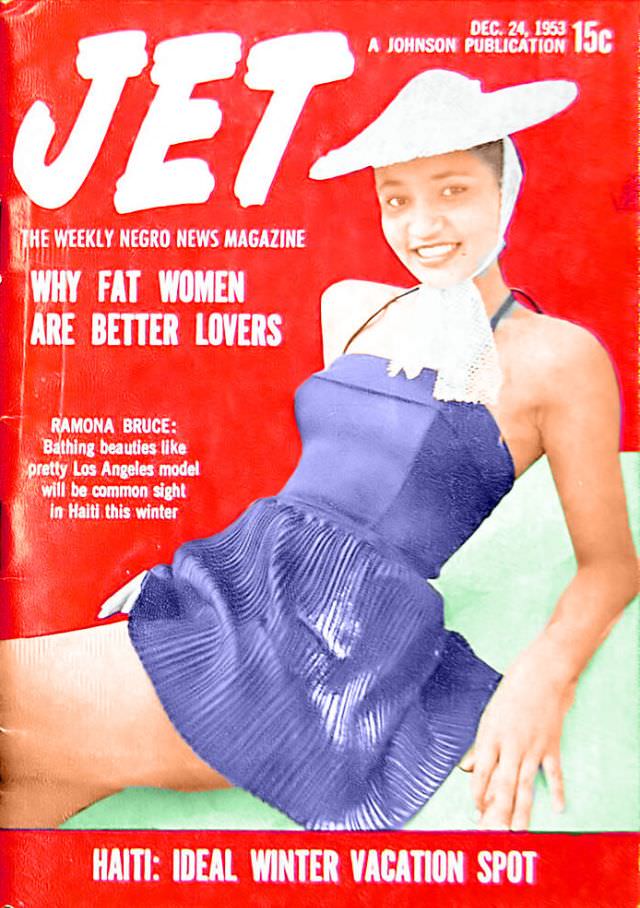
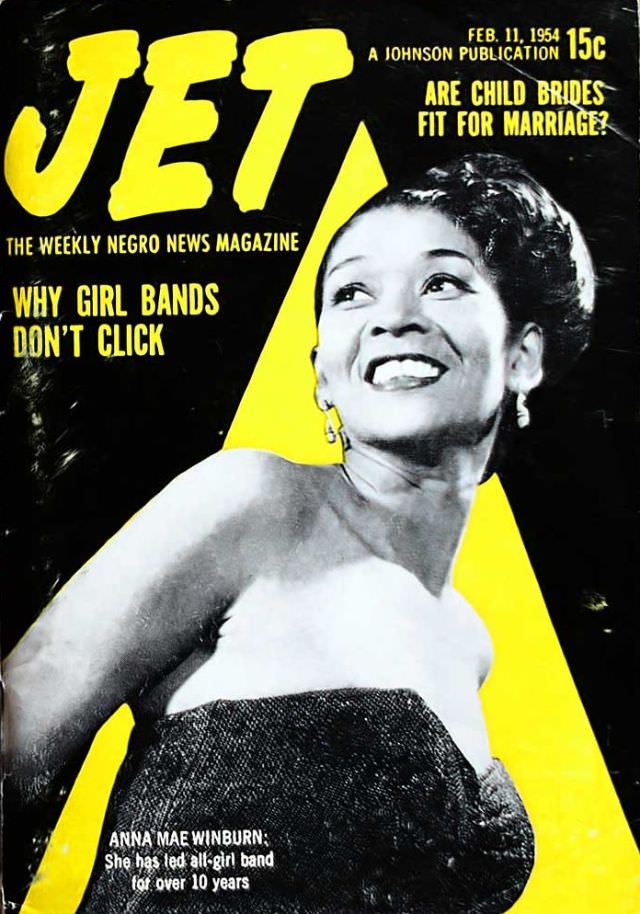
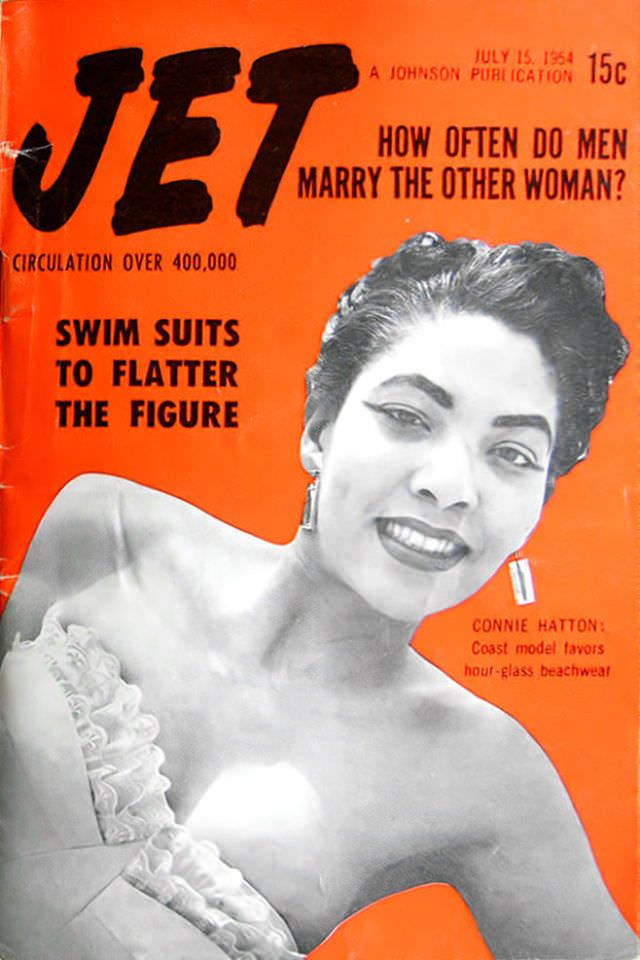
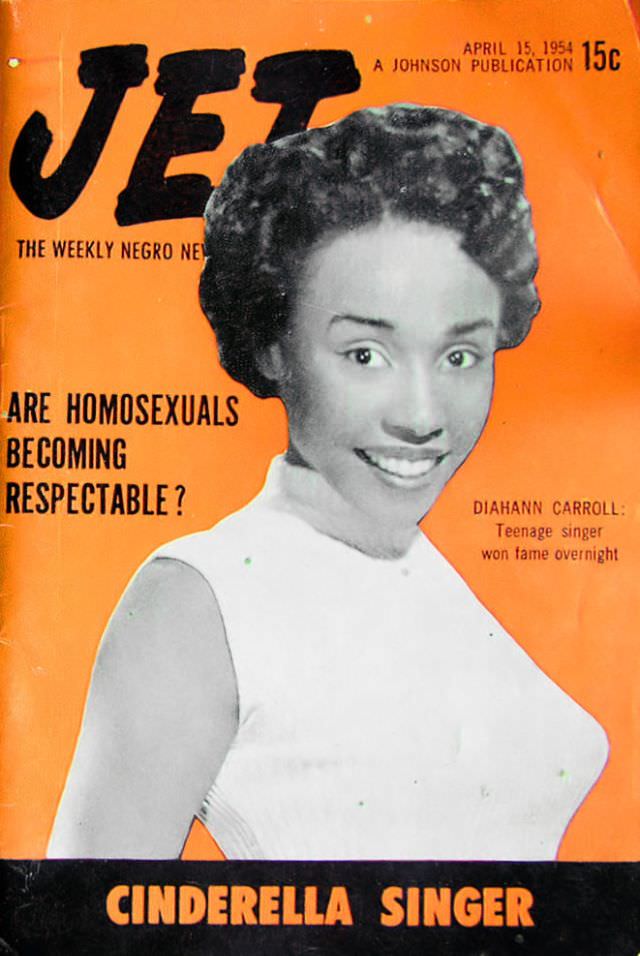
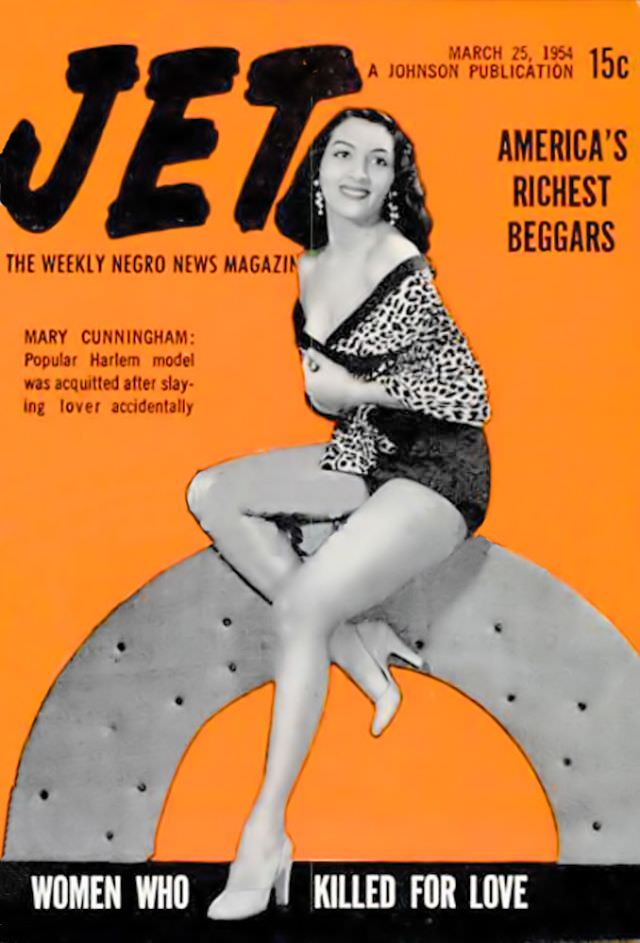
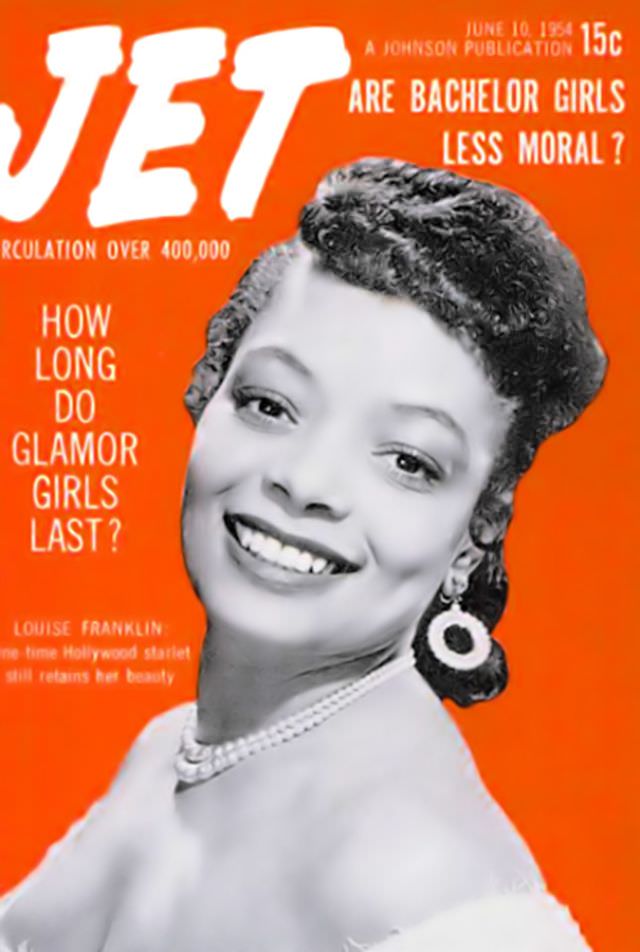
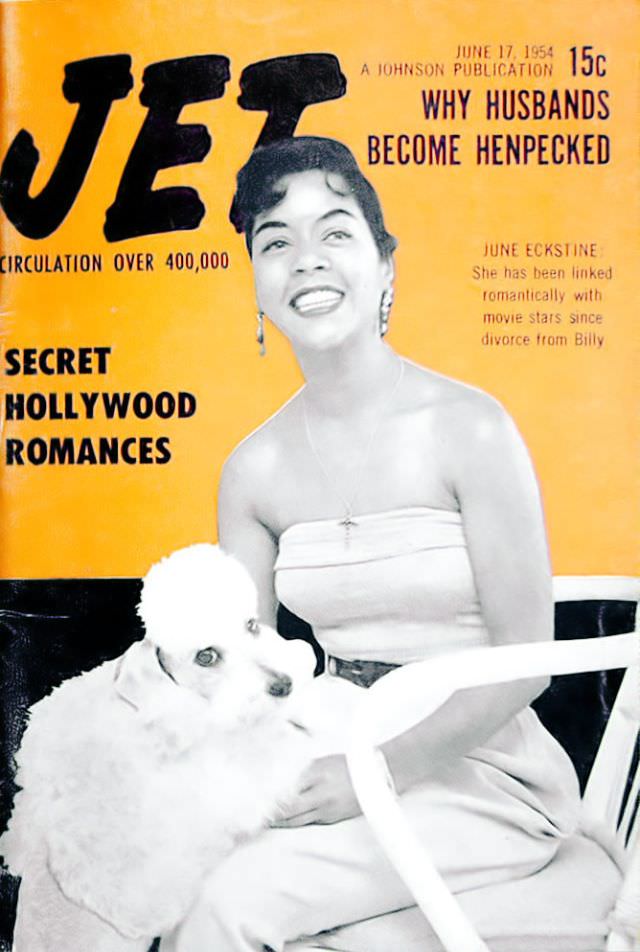
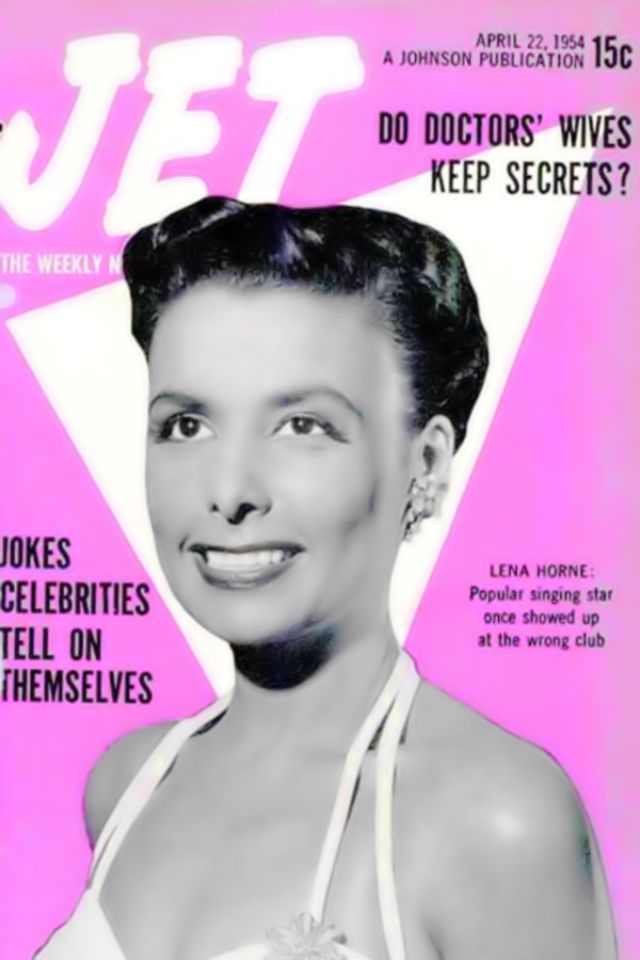
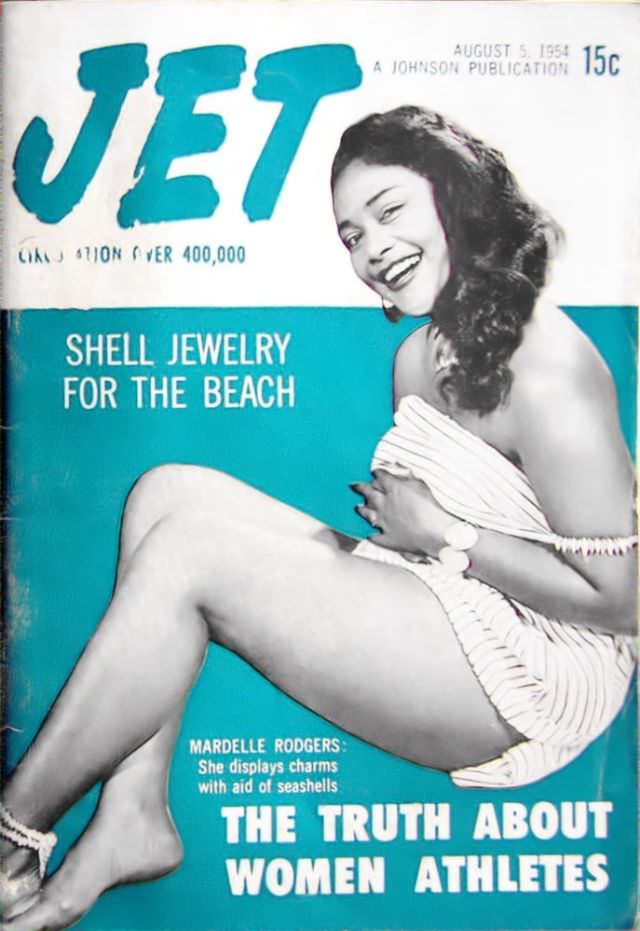
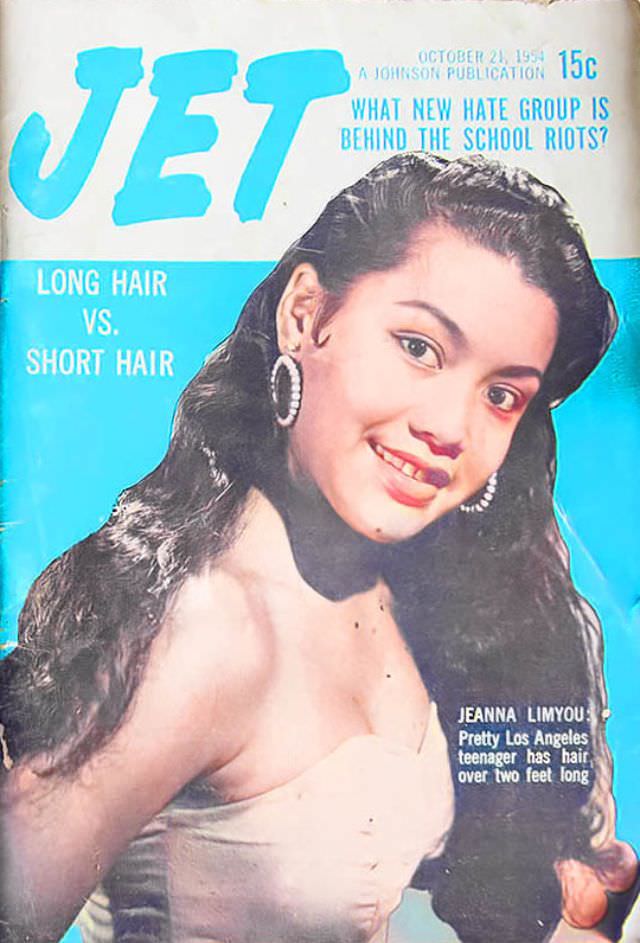
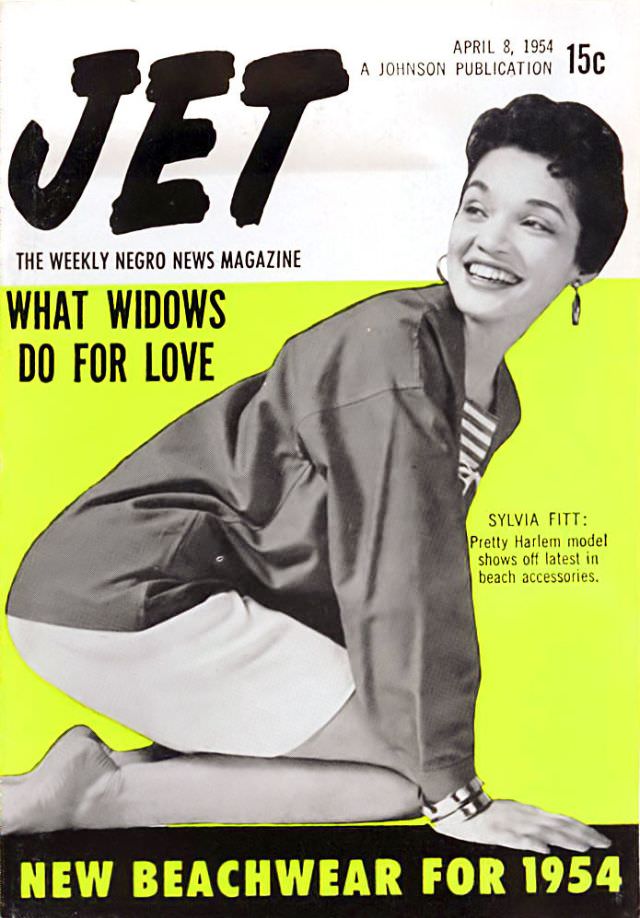
The 1954 covers were among the most varied of the decade. Jet featured bandleader Anna Mae Winburn, rising star Diahann Carroll, and the iconic Lena Horne. The magazine also ran covers that reflected real community stories — including Harlem model Mary Cunningham, whose cover story dealt with a fatal shooting. Jet never shied away from difficult truths.
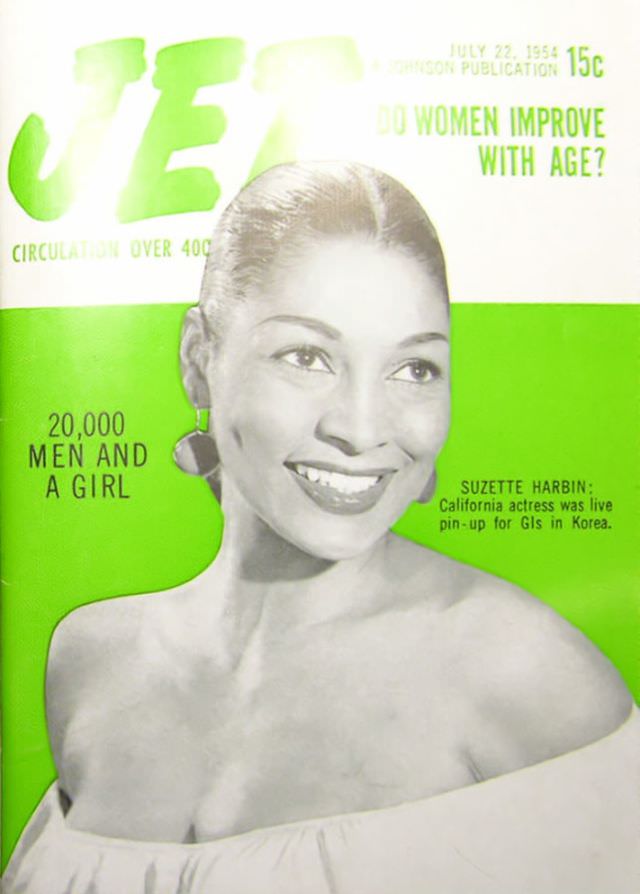
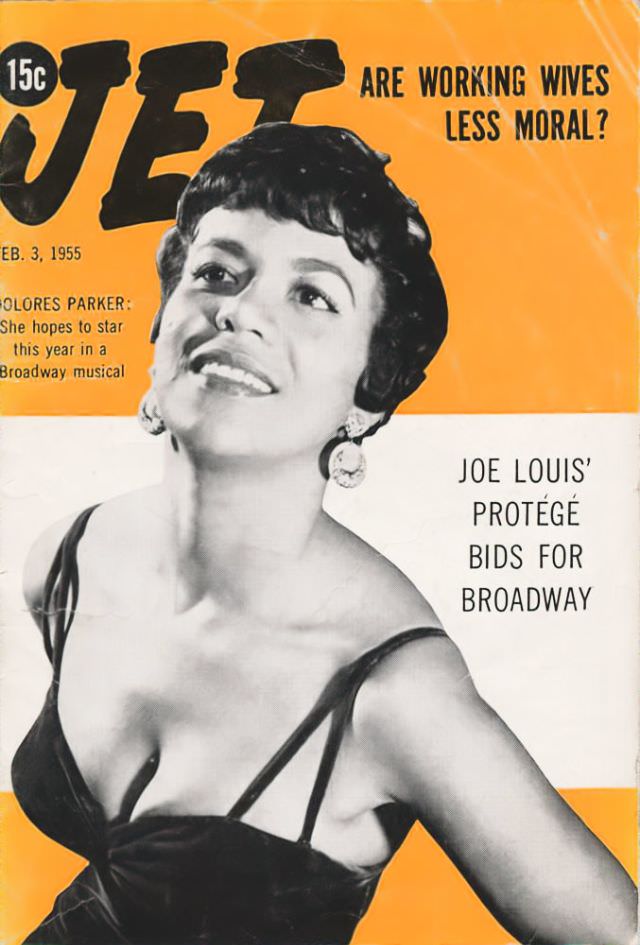
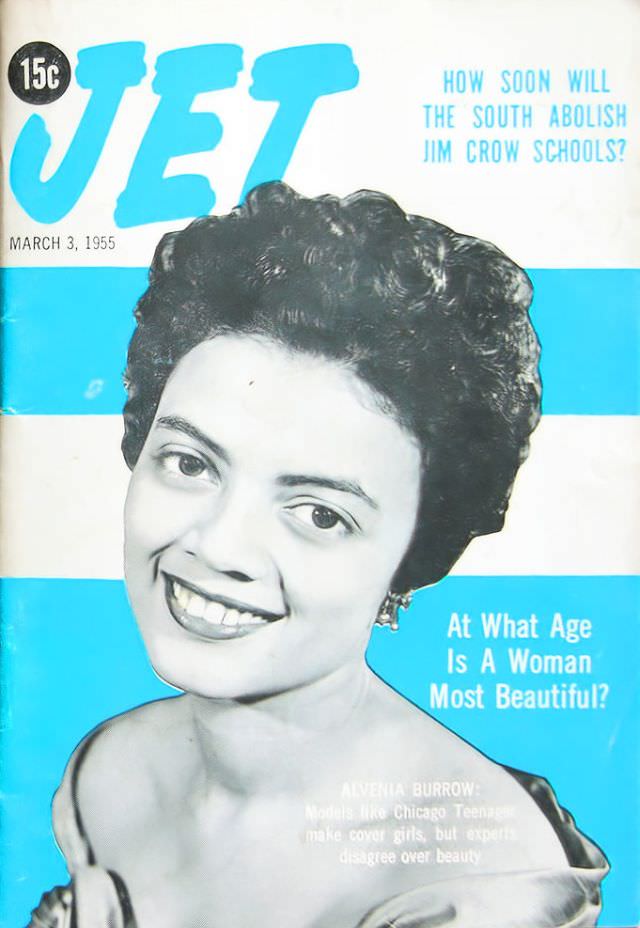
In 1955, Jet’s covers reflected the tension of the era head-on. Alongside beauty queens and society women, the magazine ran bold headlines like “Should Negroes Leave Mississippi?” — published just months after Emmett Till’s murder shocked the nation. Dorothy Dandridge’s Oscar buzz and Sugar Ray Robinson’s boxing comeback also made the covers that year.
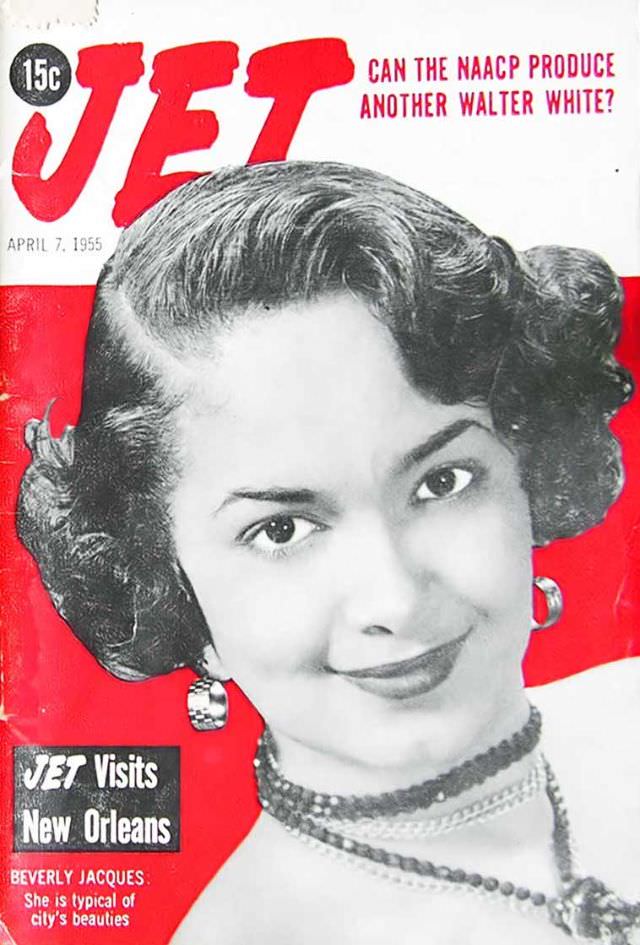
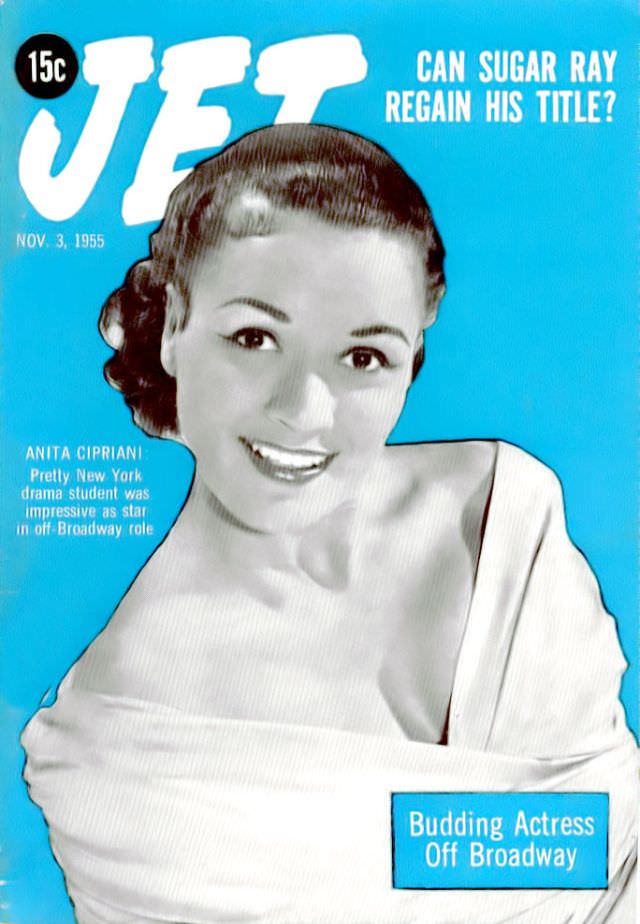
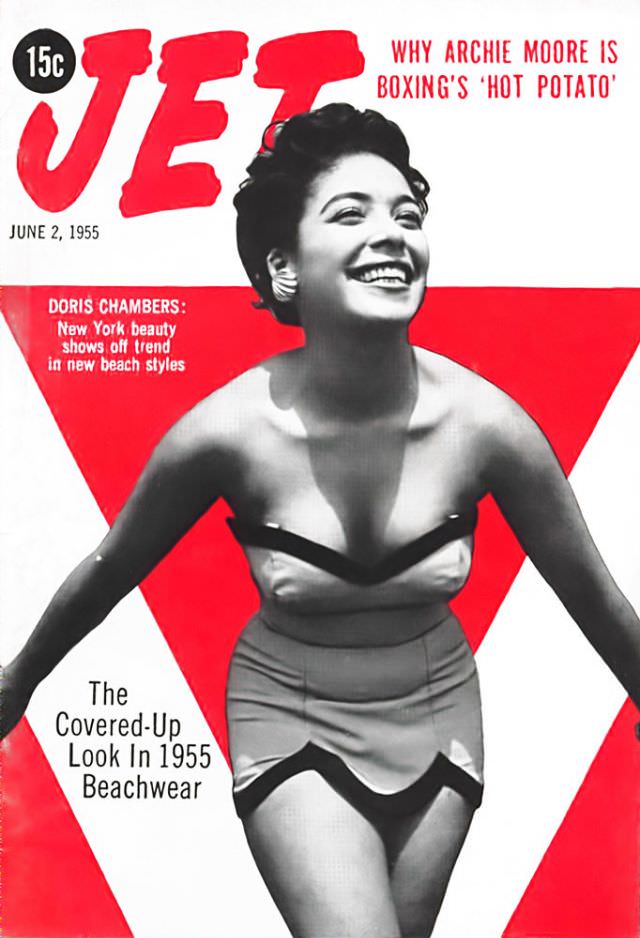
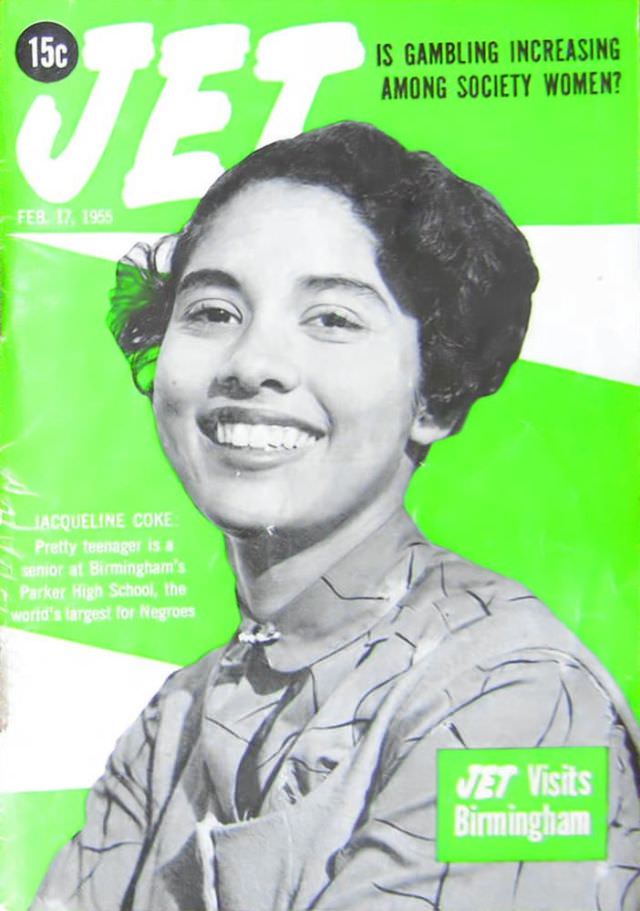
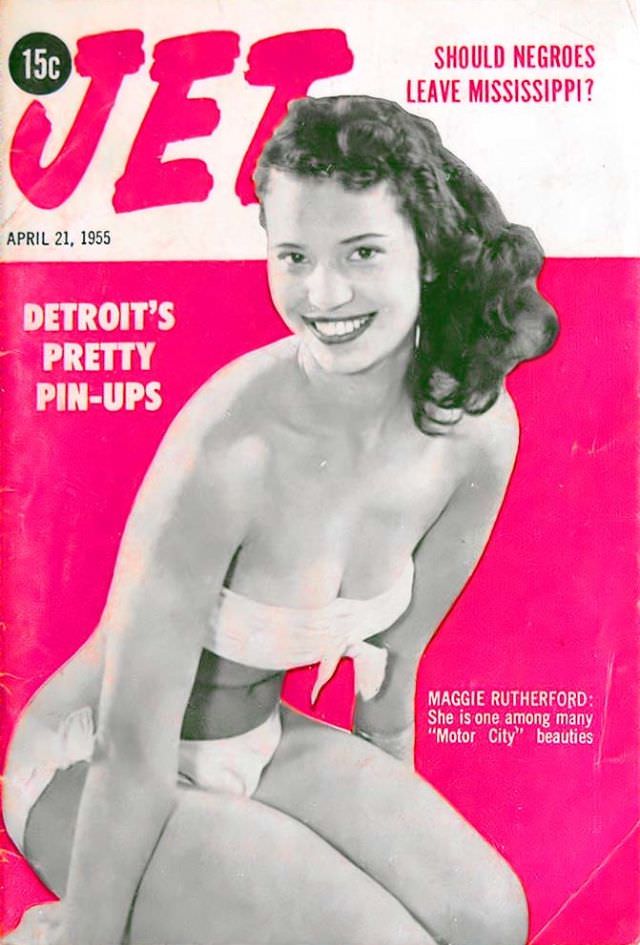
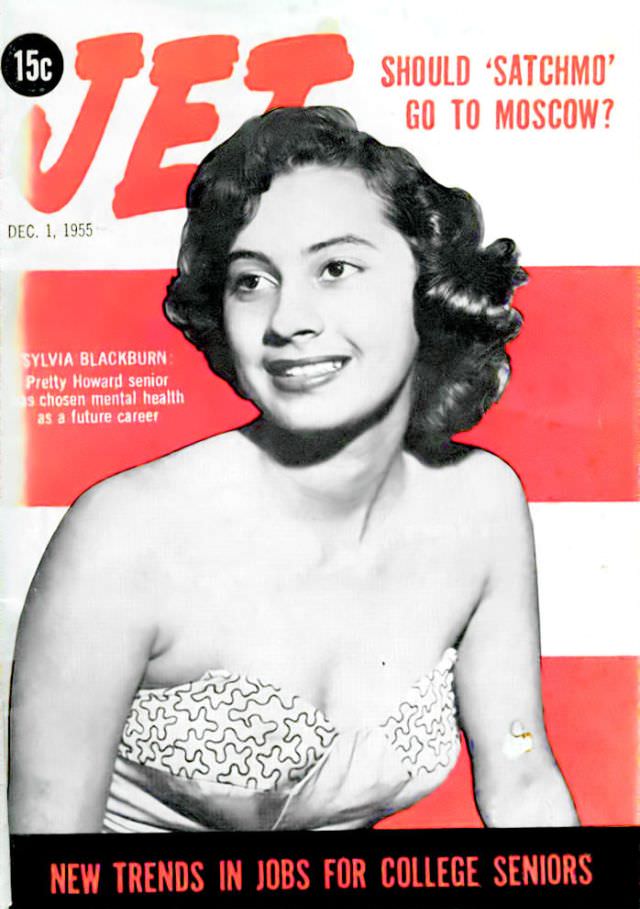
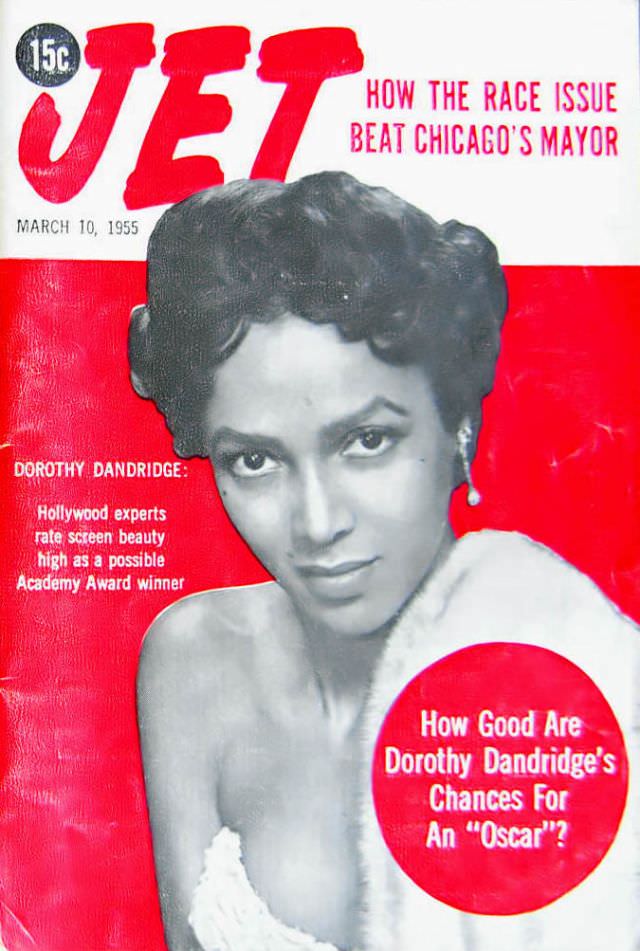
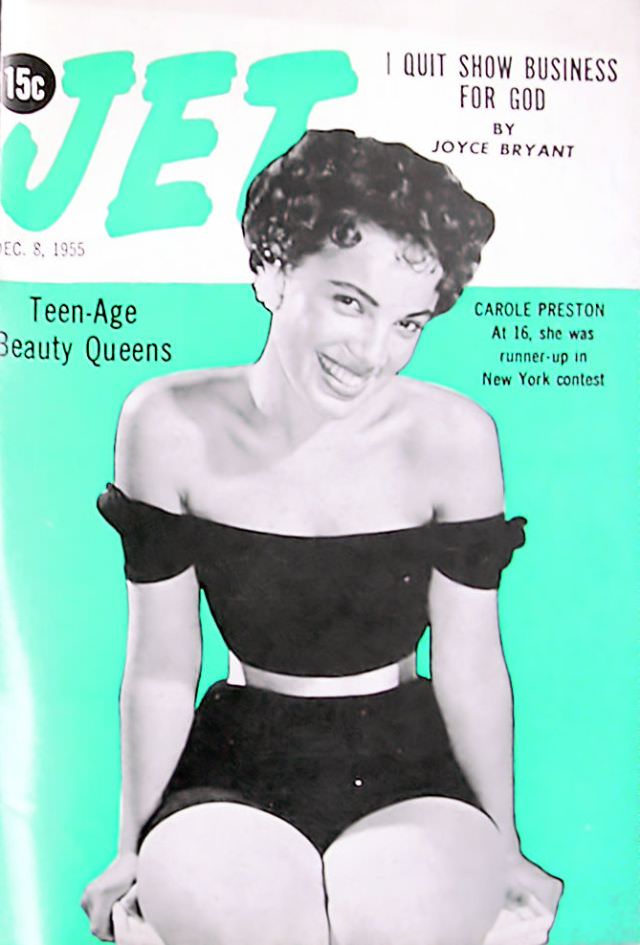
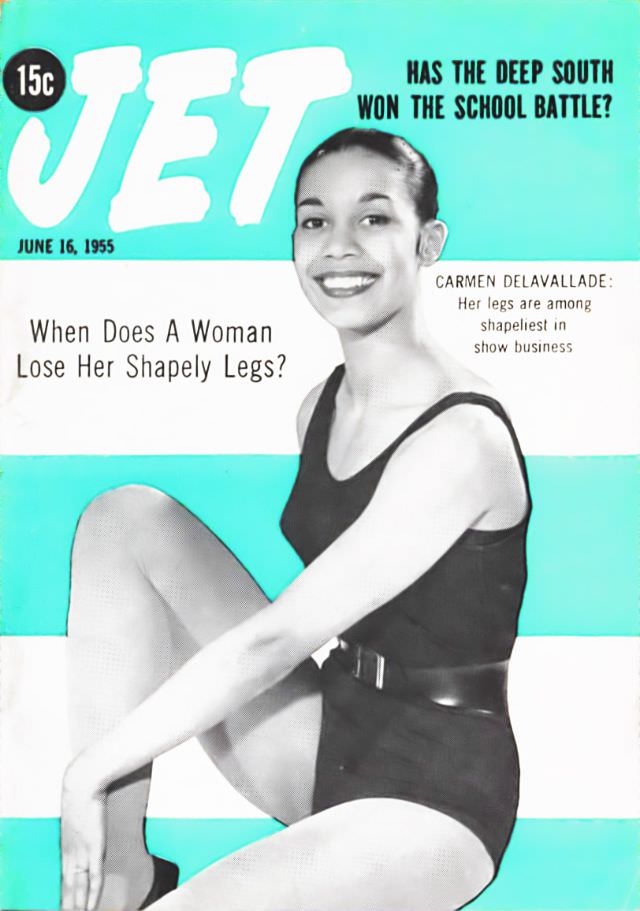
The 1956 and 1957 covers continued to blend politics with pop culture. One cover asked why Black voters had switched their support to Eisenhower in the 1956 presidential election — a sharp political question posed right alongside covers featuring pin-up models and vacation beachwear. Jet always understood that its readers were thinking about all of these things at once.
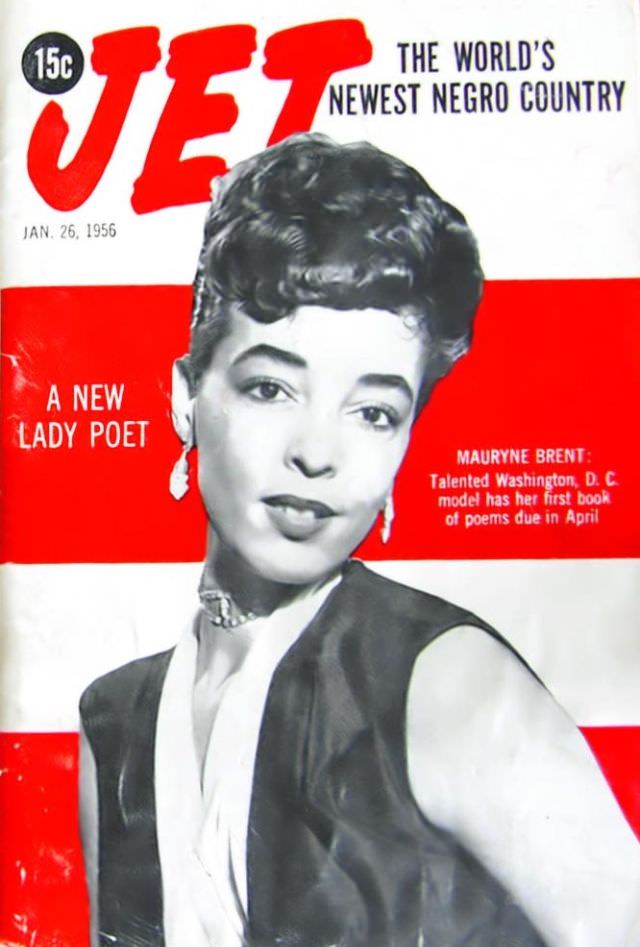
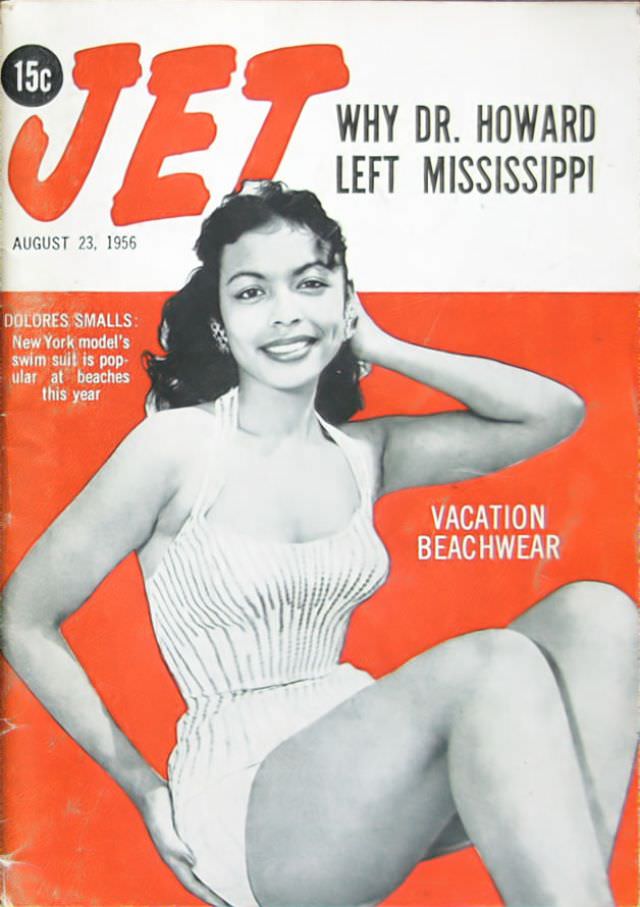
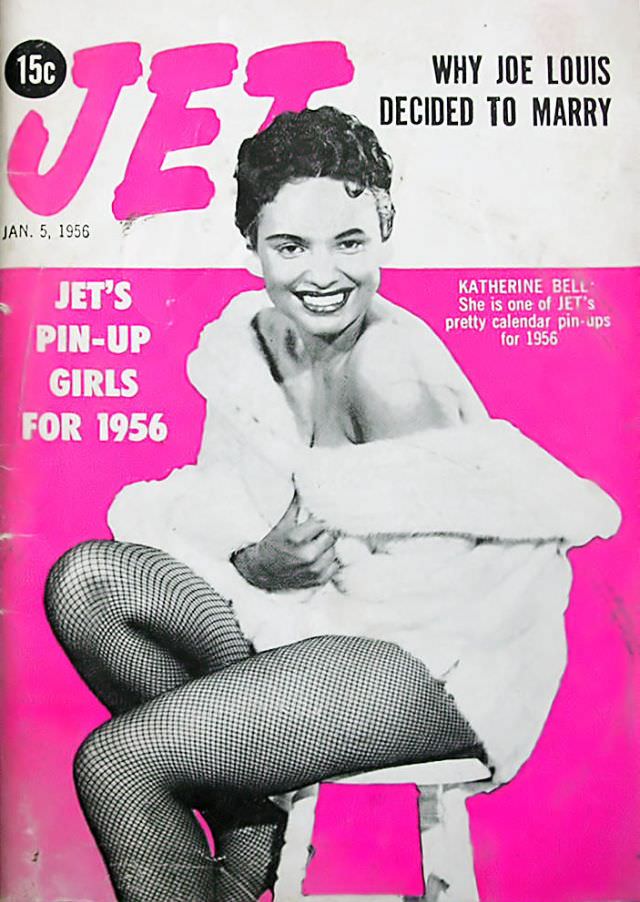
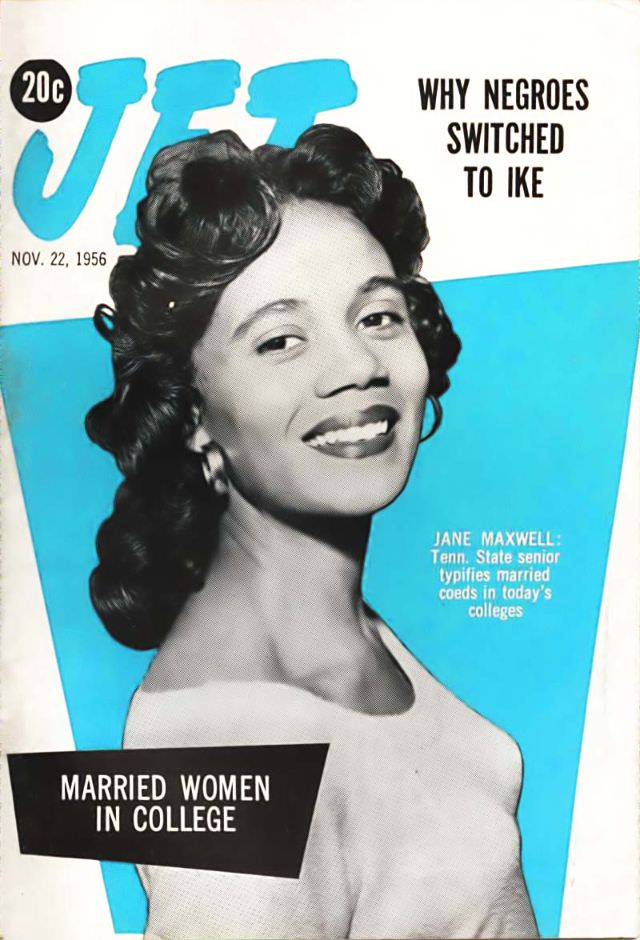
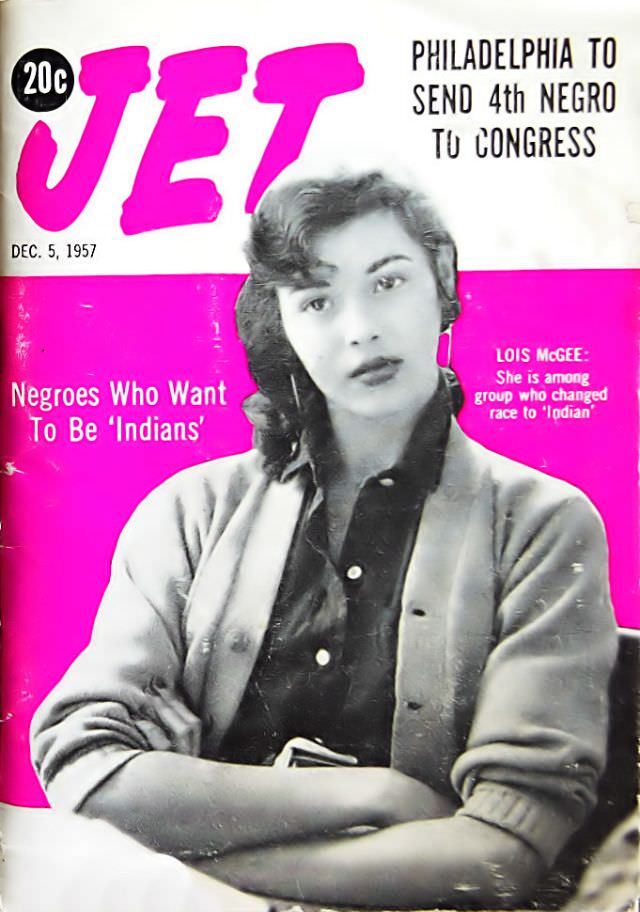
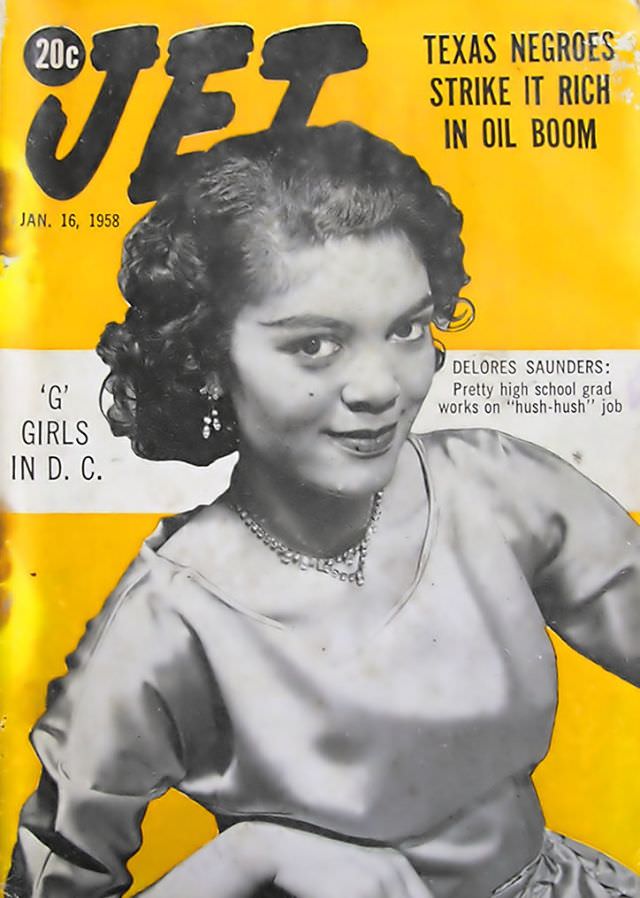
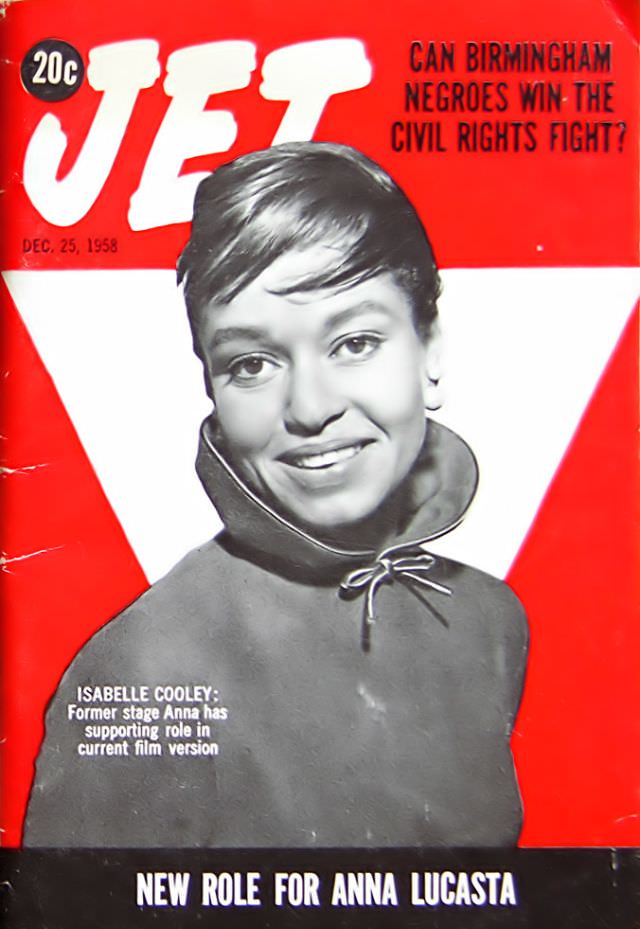
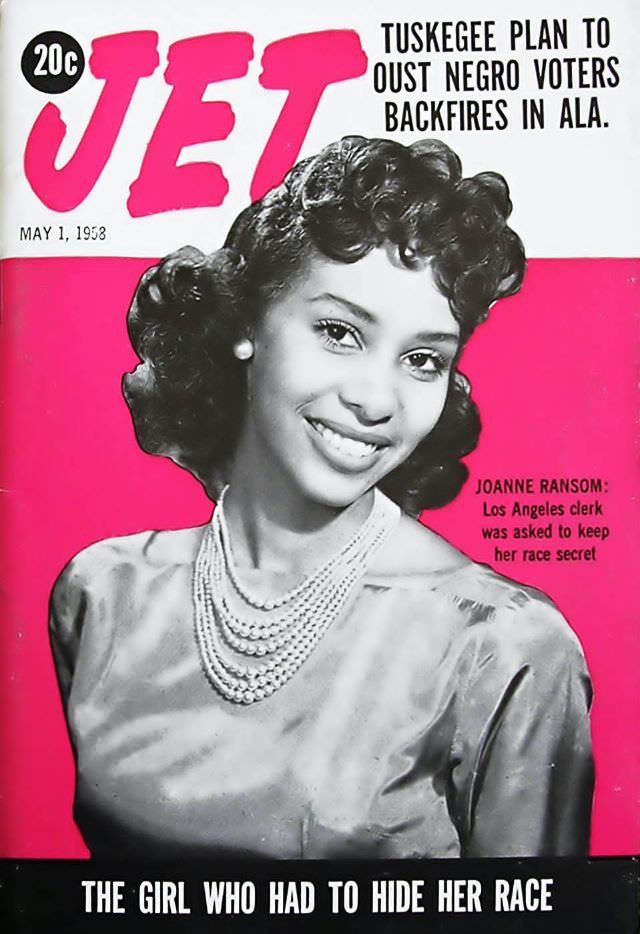
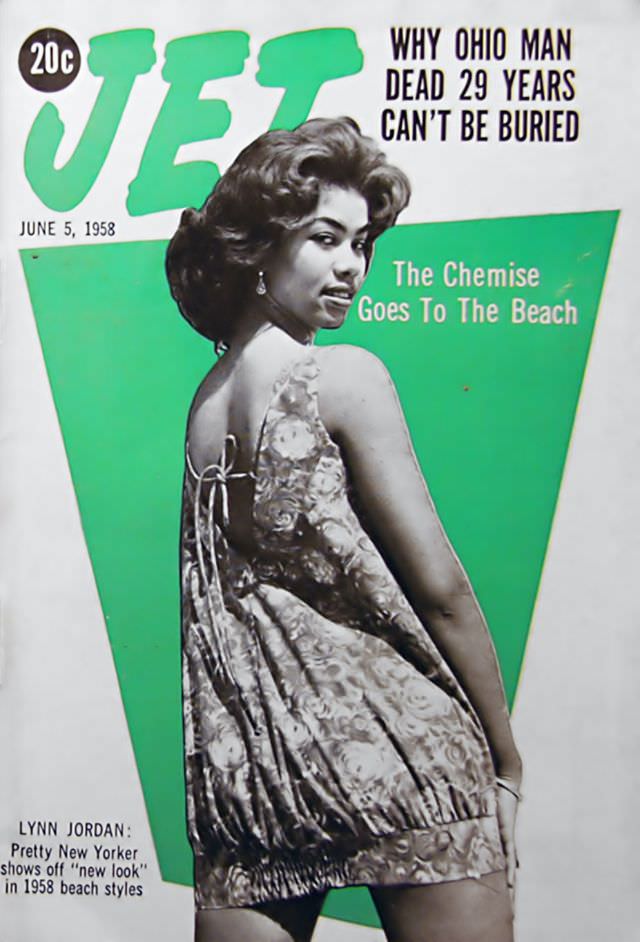
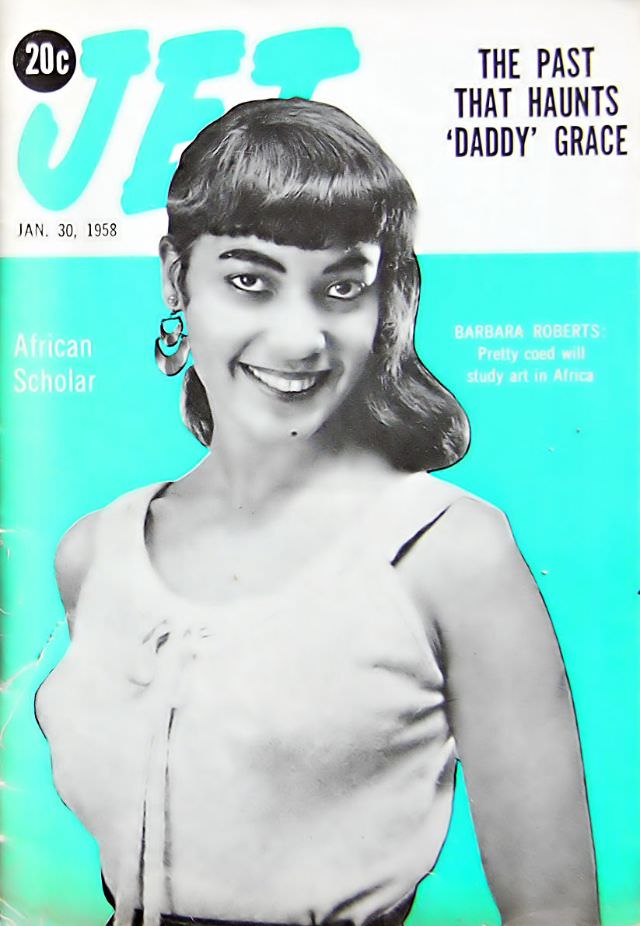
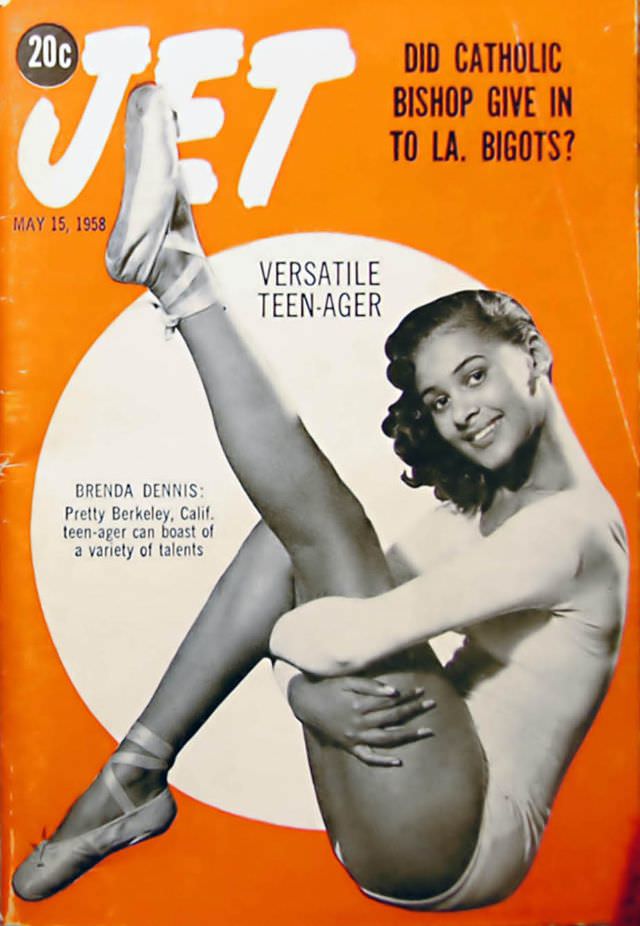
The final covers of the decade, from 1958, show a magazine still full of energy and curiosity. Models, coeds, and entertainers graced the covers, while stories like Joann Ransom’s — a woman who had hidden her race — reminded readers that identity and belonging were never simple questions in 1950s America. Jet put those questions on newsstands every single week.
Jet ran its final print issue on June 23, 2014, after more than six decades in publication. In 2009, it had already expanded some weekly issues into monthly double issues as circulation declined across the print industry. Johnson Publishing sold Jet and its sister magazine Ebony to the private equity firm Clear View Group in 2016, and the combined company became known as Ebony Media Corporation. The magazine continued as a digital-only publication after print ended.