Jean Arthur built one of Hollywood’s most distinctive careers on the back of an unlikely asset: a voice that cracked, squeaked, and rasped in all the right ways. Part husky, part high-pitched, it was a voice that critics and audiences found instantly magnetic. Combined with sharp comic timing and an effortless warmth on screen, it earned her the title of Hollywood’s quintessential comedic leading lady. Yet behind the laugh lines and the glittering studio lights, Arthur was a deeply private, often tormented woman who was never quite comfortable with the fame she had worked so hard to earn.
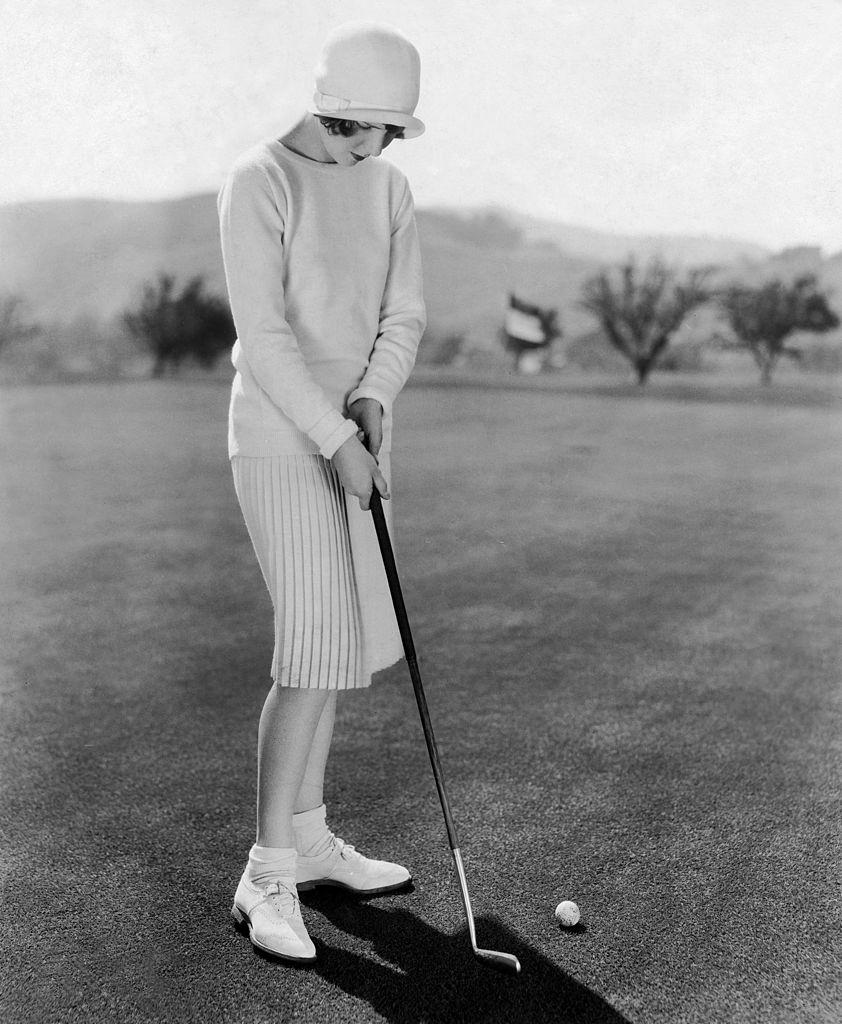
She was born Gladys Georgianna Greene on October 17, 1900, the daughter of a photographer. Growing up as the only girl among older brothers shaped her into a self-described tomboy. Her childhood was peripatetic, moving through Florida, New York, and Manhattan, and that constant uprooting made lasting friendships difficult. It was a pattern that followed her into adulthood, leaving her solitary by habit and preference. After working briefly as a stenographer during World War I, she transitioned into fashion modeling in the early 1920s, where her striking looks attracted immediate attention.
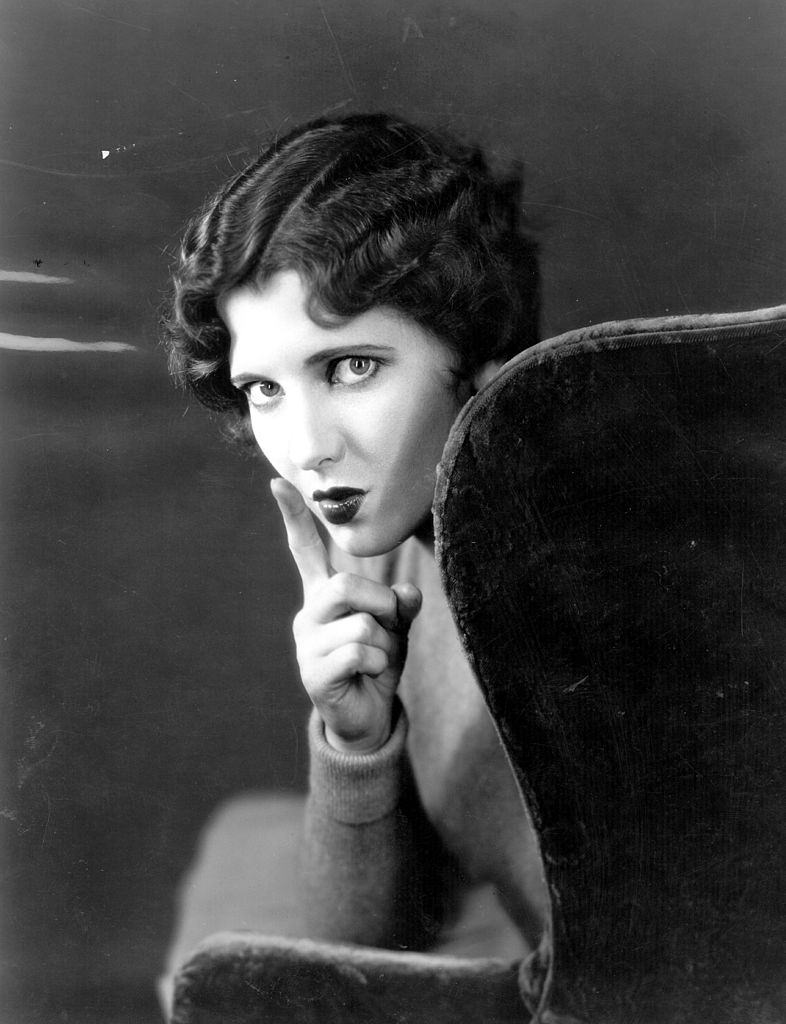
A Fox Film scout noticed her while she was modeling in her early twenties, and the studio offered her a one-year contract. She chose her stage name with deliberate symbolism, drawing from two of history’s great figures: Joan of Arc (Jeanne d’Arc) and the legendary King Arthur. The name Jean Arthur suited the persona she was still building. Her first screen appearance came in 1923 in the silent comedy ‘Cameo Kirby,’ but the early years were rough. She was fired from her second picture, spent time grinding through comedy shorts, and then endured a punishing stretch in low-budget westerns filmed in California’s blistering desert heat.
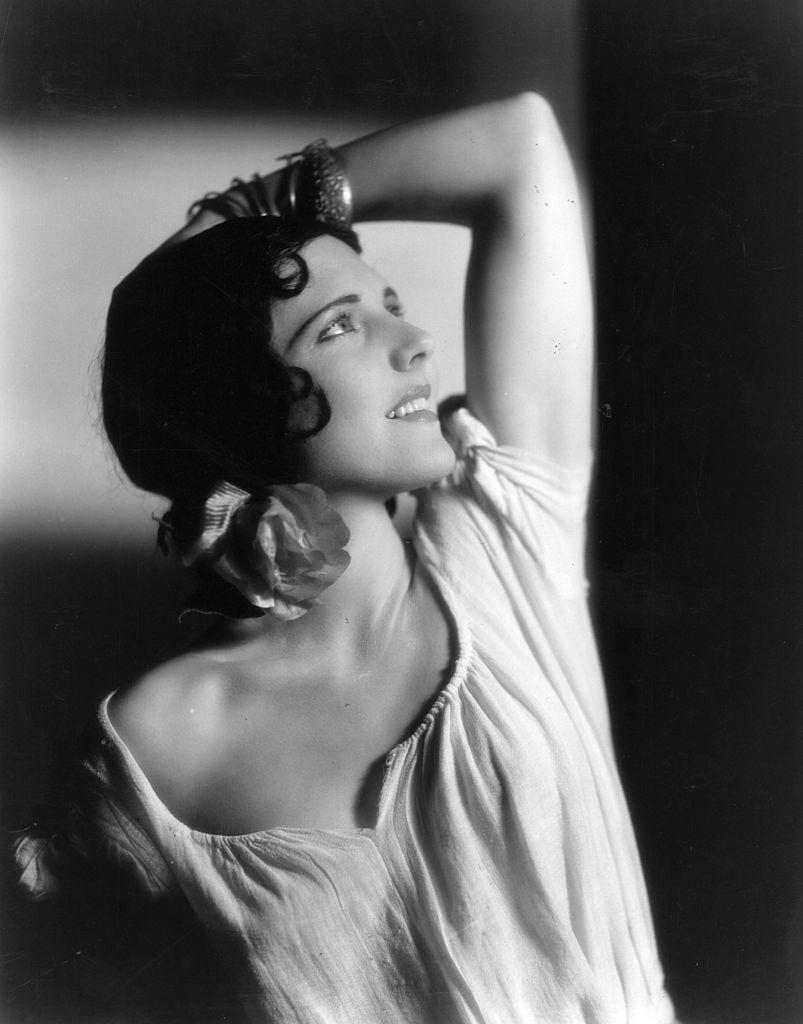
Recognition came gradually. Her 1927 role in ‘Husband Hunters,’ playing a gold-digging chorus girl, finally got audiences to take notice. That same year, ‘Horse Shoes’ broadened her reach further. ‘The Poor Nut’ added another hit to her name. But after seven years of grinding work in Hollywood, she was still only a mid-level player at thirty years old. Rather than accept that ceiling, she moved to New York to pursue proper theatrical training on Broadway. It was a bold pivot, and it paid off in ways she hadn’t anticipated.
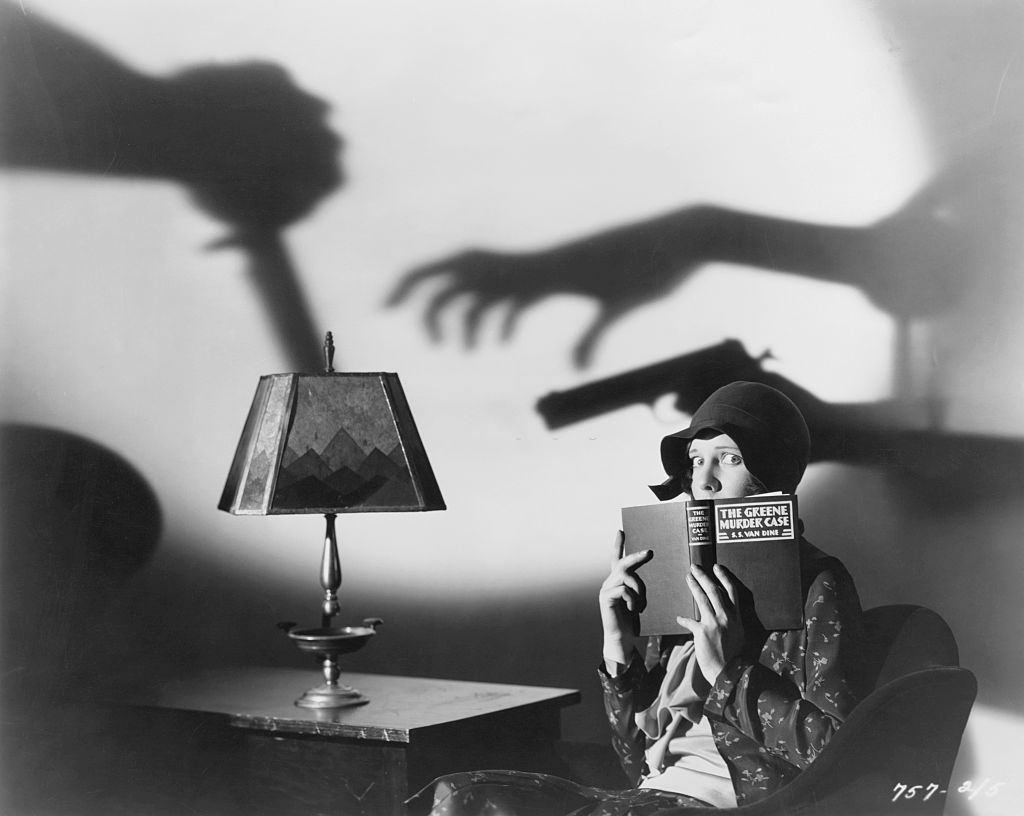
The arrival of sound films in the late 1920s changed everything for Jean Arthur. Where many silent film stars struggled with the transition, Arthur thrived. Her voice — that distinctive throaty, squeaky instrument — was perfectly engineered for screwball comedy. It made every line feel spontaneous, every emotion feel real. In 1933, she appeared in ‘The Past of Mary Holmes,’ and by 1935, ‘The Whole Town’s Talking’ had firmly re-established her as a bankable star. The 1936 film ‘Mr. Deeds Goes to Town,’ directed by Frank Capra and co-starring Gary Cooper, made her an international name.
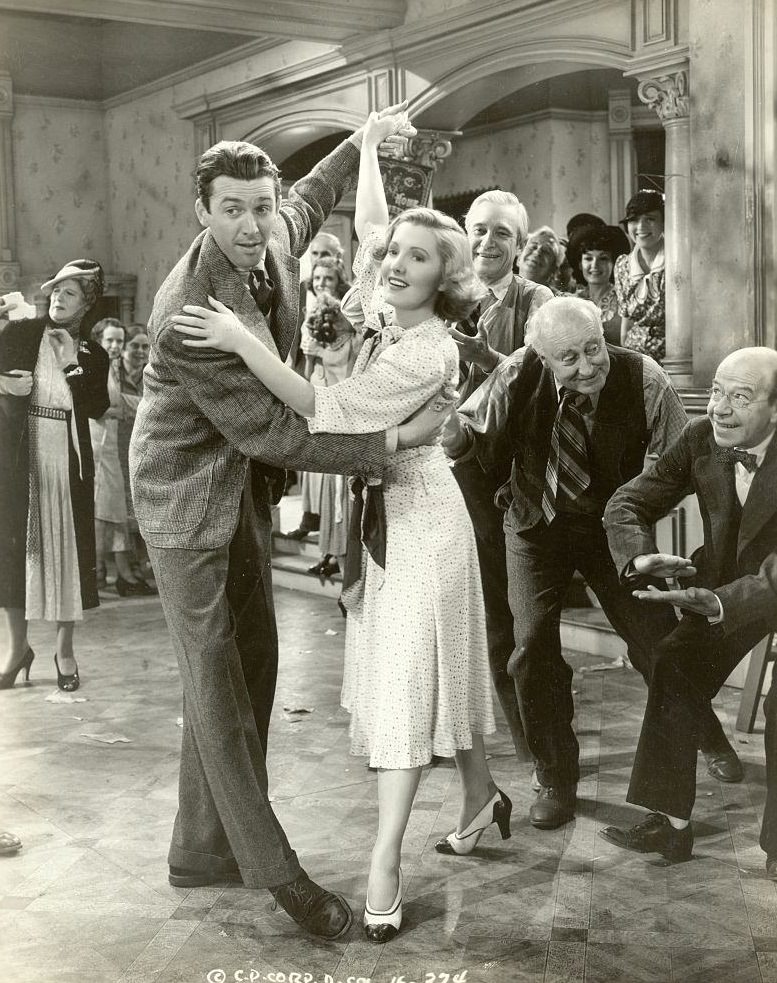
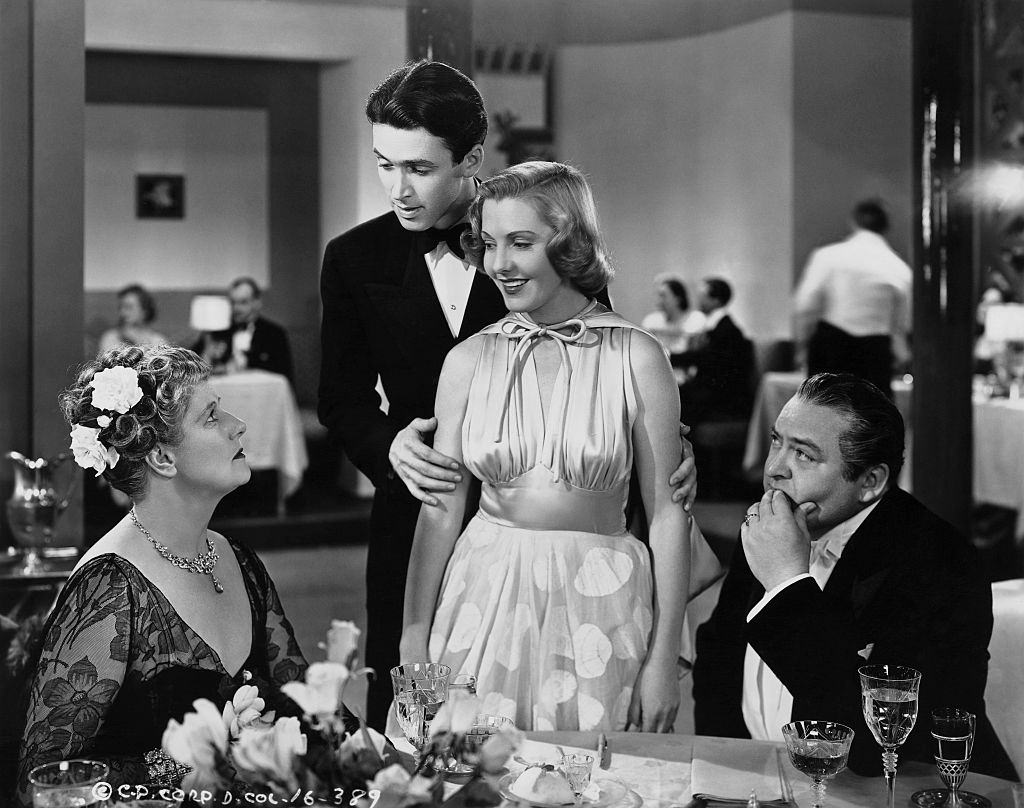
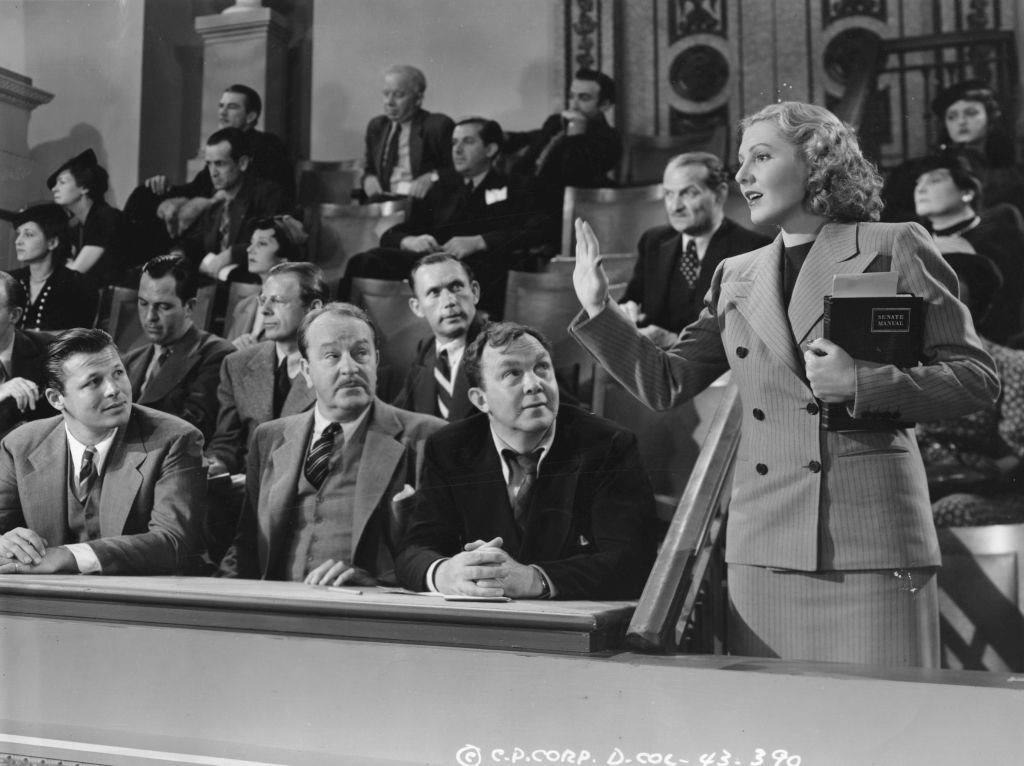
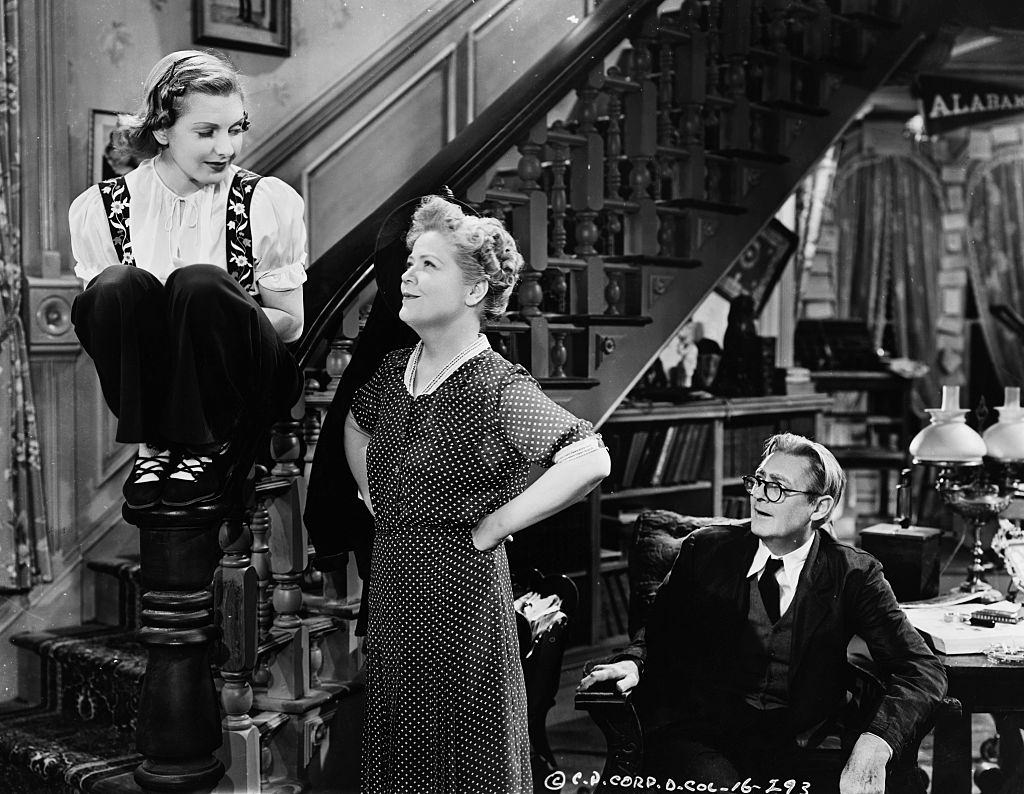
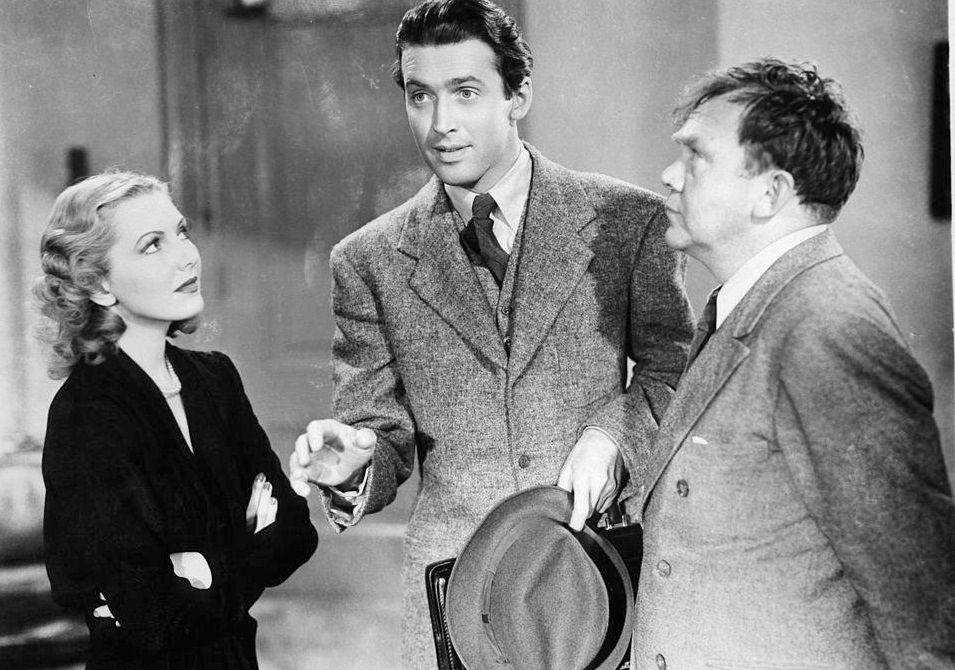
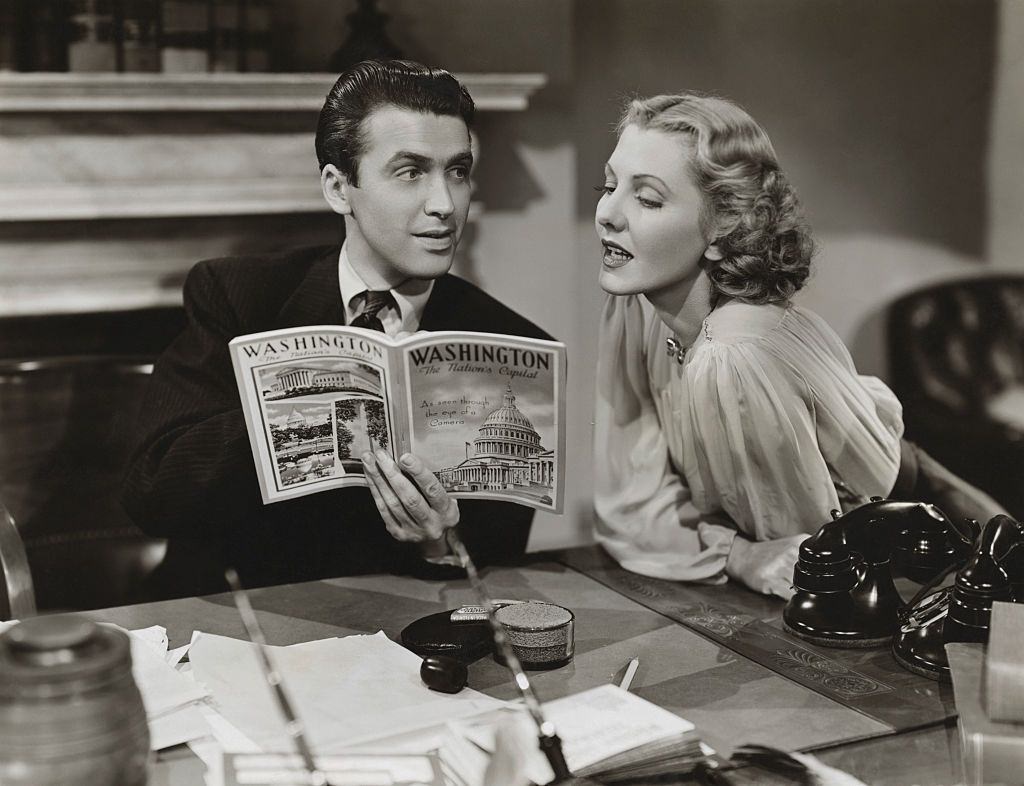
The late 1930s were Arthur’s commercial and critical peak. ‘You Can’t Take It with You’ (1938), directed again by Capra, co-starred Lionel Barrymore, James Stewart, and Edward Arnold. It became the highest-grossing film of that year. Then came ‘Mr. Smith Goes to Washington’ (1939), another Capra collaboration with James Stewart, cementing her reputation as the ideal screen partner for idealistic, earnest leading men. Her ability to balance wit with warmth made her the anchor of these films even when sharing the frame with major male stars.
Away from the cameras, Arthur’s personal life was complicated and largely kept from public view. She married photographer Julian Anker in 1928, but the marriage lasted a single day before being annulled. In 1932, she married film producer Frank Ross Jr. That union lasted seventeen years before ending in divorce in 1949. She had no children from either marriage. Giving interviews was something she found almost unbearable. In her own words, she would rather have her throat cut than sit through one. She detested what she called the exploitation, cruelty, and brutality of the film industry.
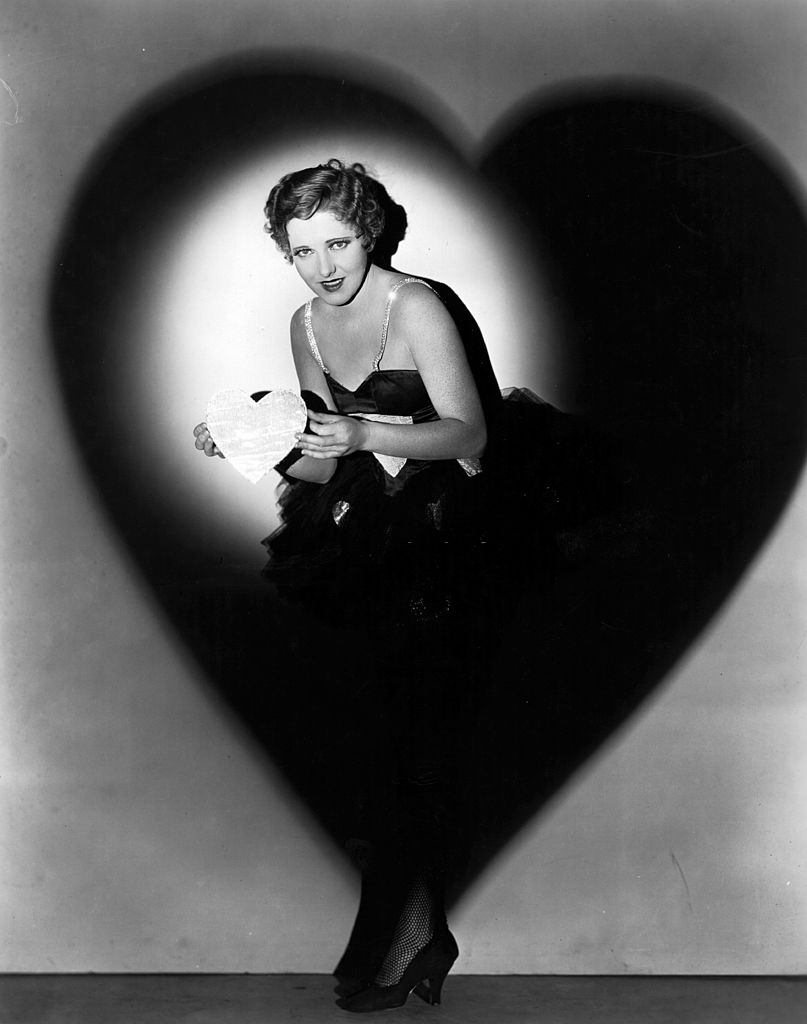
Every role took a physical toll. Arthur suffered from severe nerves before and during filming, and the emotional exhaustion left her drained after each production. By 1944, she walked away from her contract with Columbia Pictures. When the studio announced her release, she reportedly ran through the backlot shouting, ‘I’m free! I’m free!’ The declaration was genuine. She had spent years building a career she was simultaneously brilliant at and deeply conflicted about.
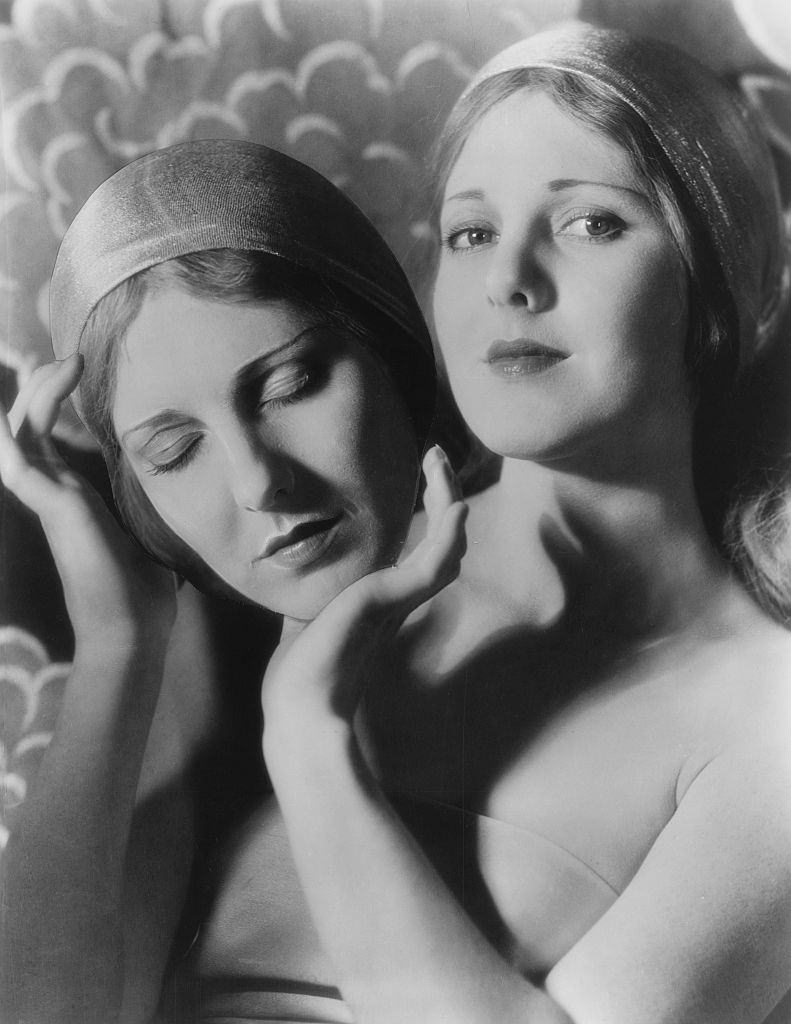
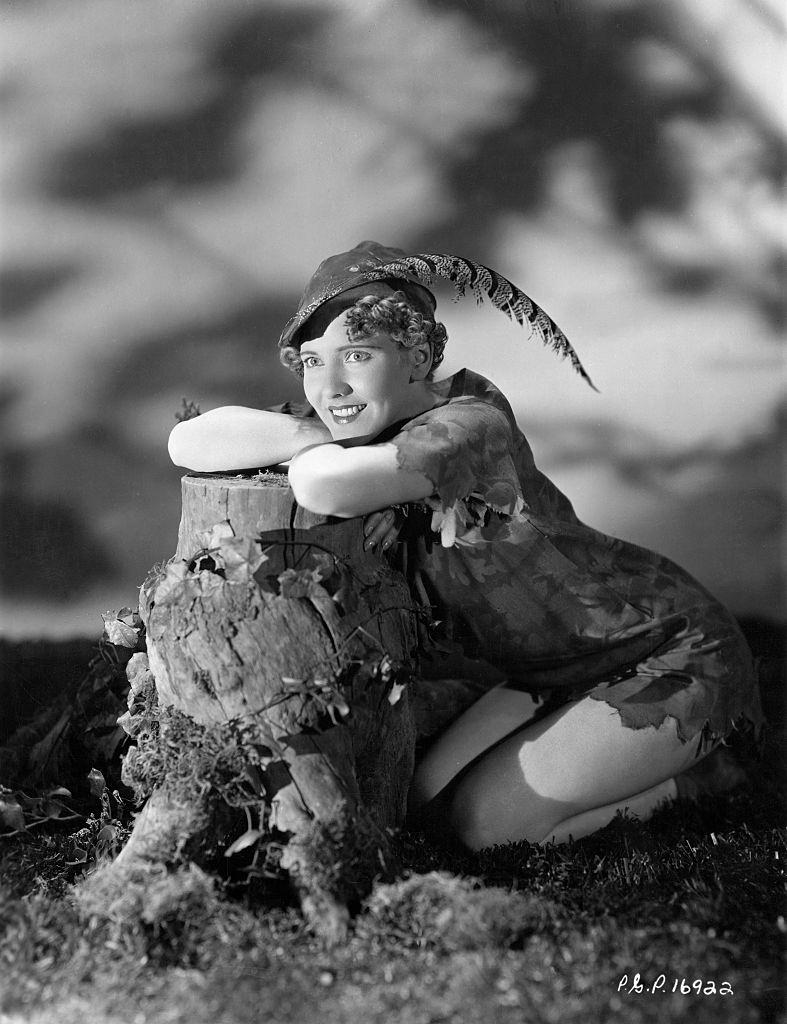
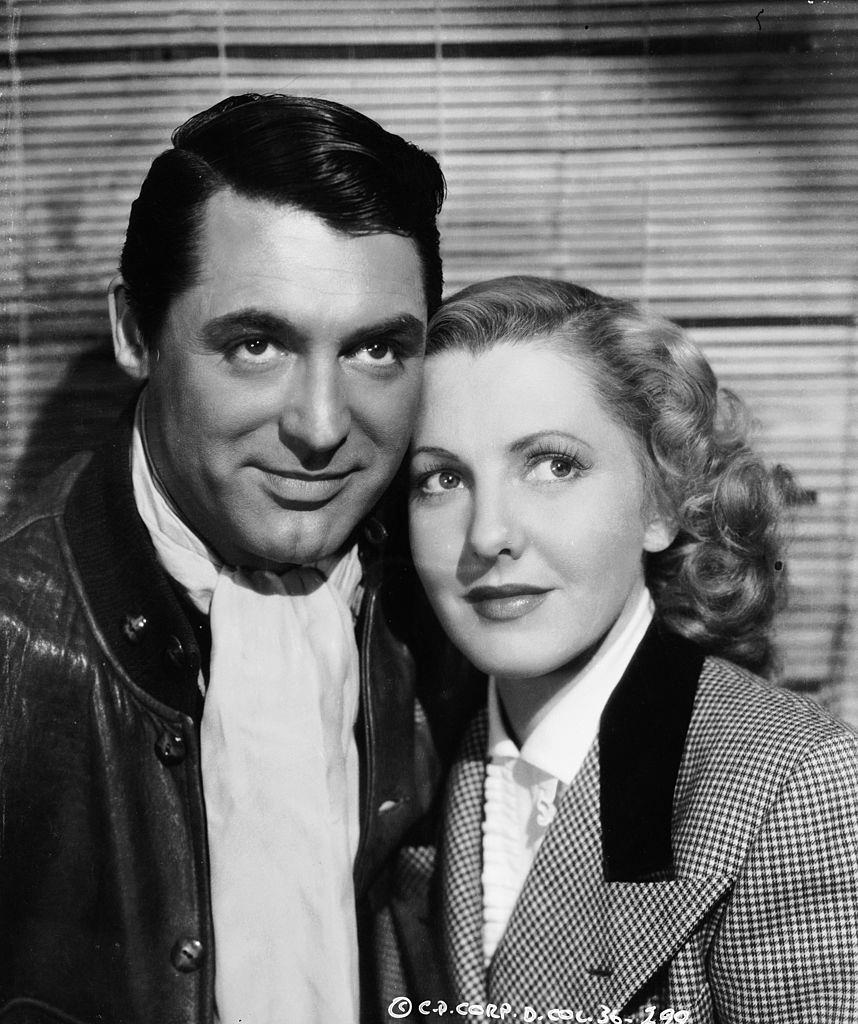
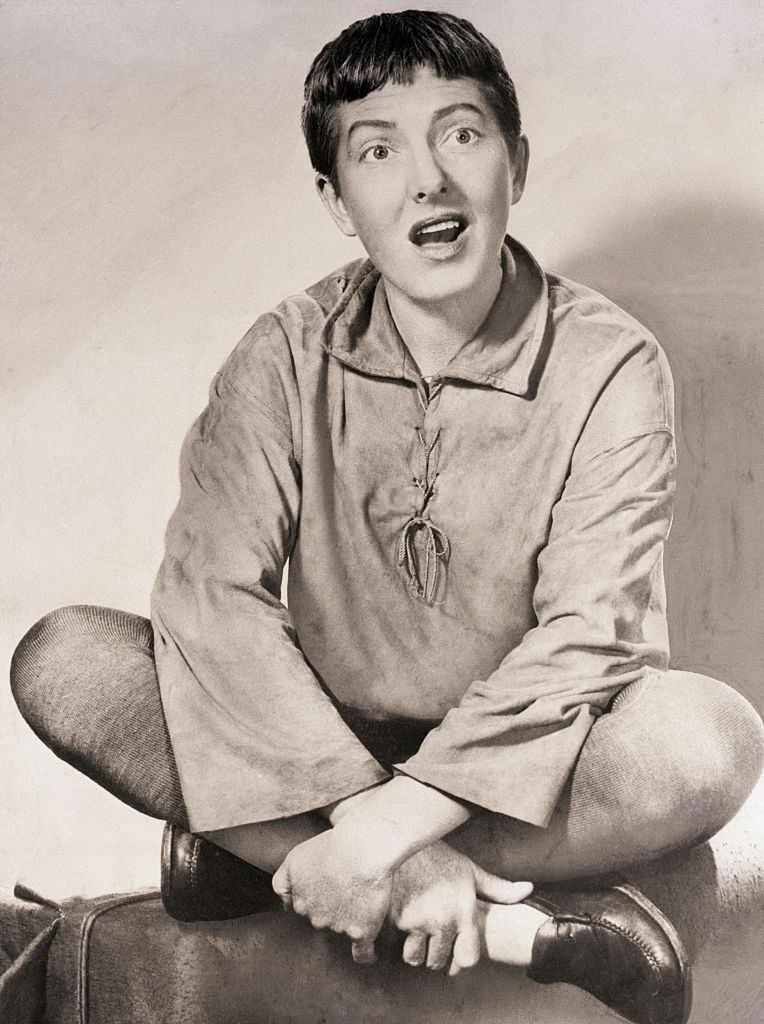
The 1940s also brought some of her finest film work before the break. ‘The Talk of the Town’ (1942) with Cary Grant and ‘The More the Merrier’ (1943) with Joel McCrea were both box-office successes. ‘The More the Merrier’ earned Arthur an Academy Award nomination for Best Actress. She returned to Broadway in 1950 to play Peter Pan, a role that suited her playful screen persona, though her growing fear of crowds and public life made sustained stage work increasingly difficult.
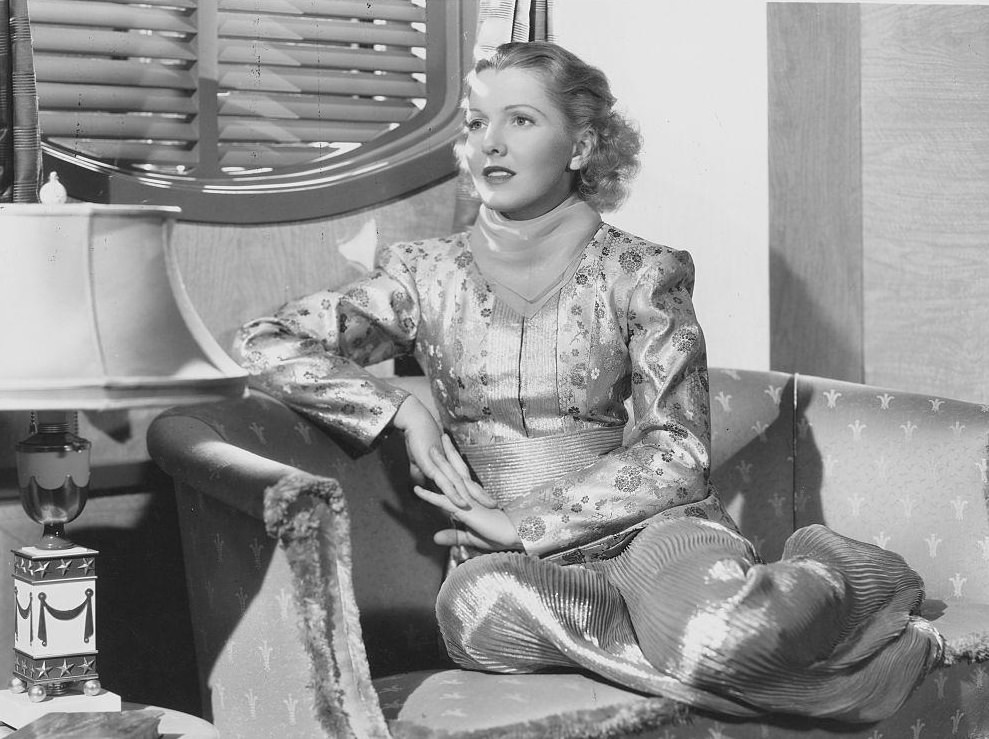
She made one more significant return to the screen with ‘Shane’ in 1953, playing a homesteader’s wife opposite Alan Ladd. The film was a critical and commercial success, and Arthur’s performance was widely praised. After that, she retreated almost entirely from public life. A brief television series attempt in the early 1960s fizzled out. She eventually turned to teaching drama, first at Vassar College and then at the North Carolina School of the Arts. Among her students at Vassar was a young Meryl Streep.
Arthur spent the final decades of her life in deliberate seclusion. She avoided public appearances, rarely gave statements, and kept her circle of acquaintances very small. The shyness that had made childhood friendships hard to form had, by the end of her life, made public life almost unbearable. Jean Arthur died of heart failure on June 19, 1991, at the age of 90. No funeral services were held. Her remains were cremated and scattered off the coast of Point Lobos, California — a quiet, private end for a woman who had always preferred quiet and privacy.
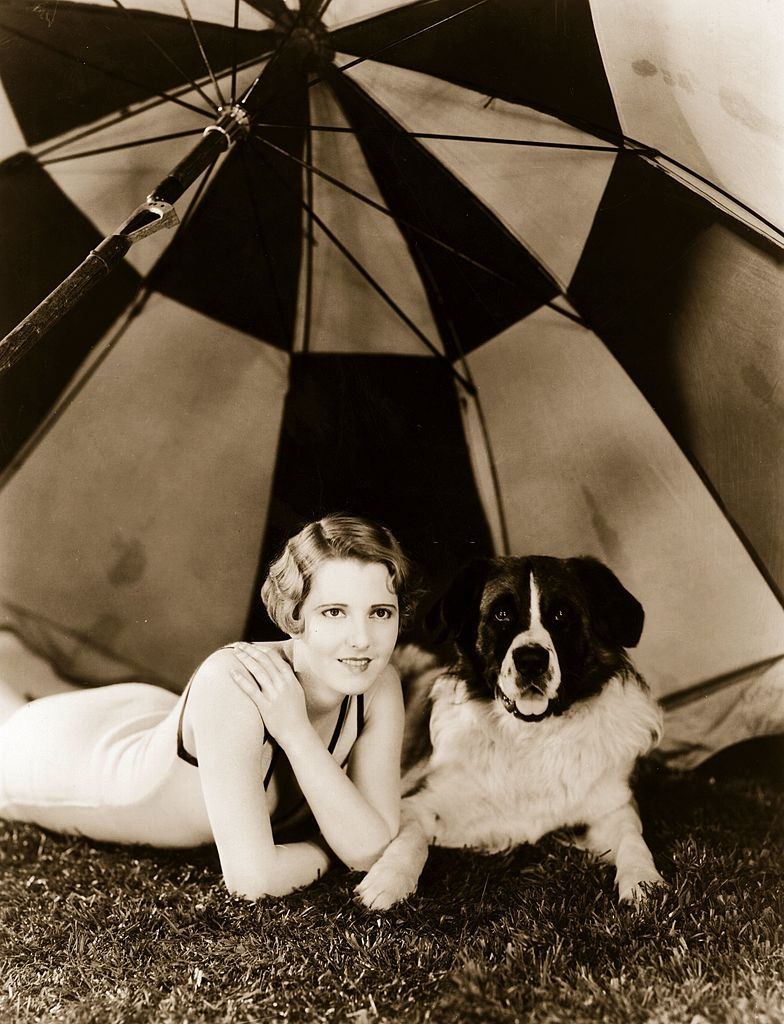
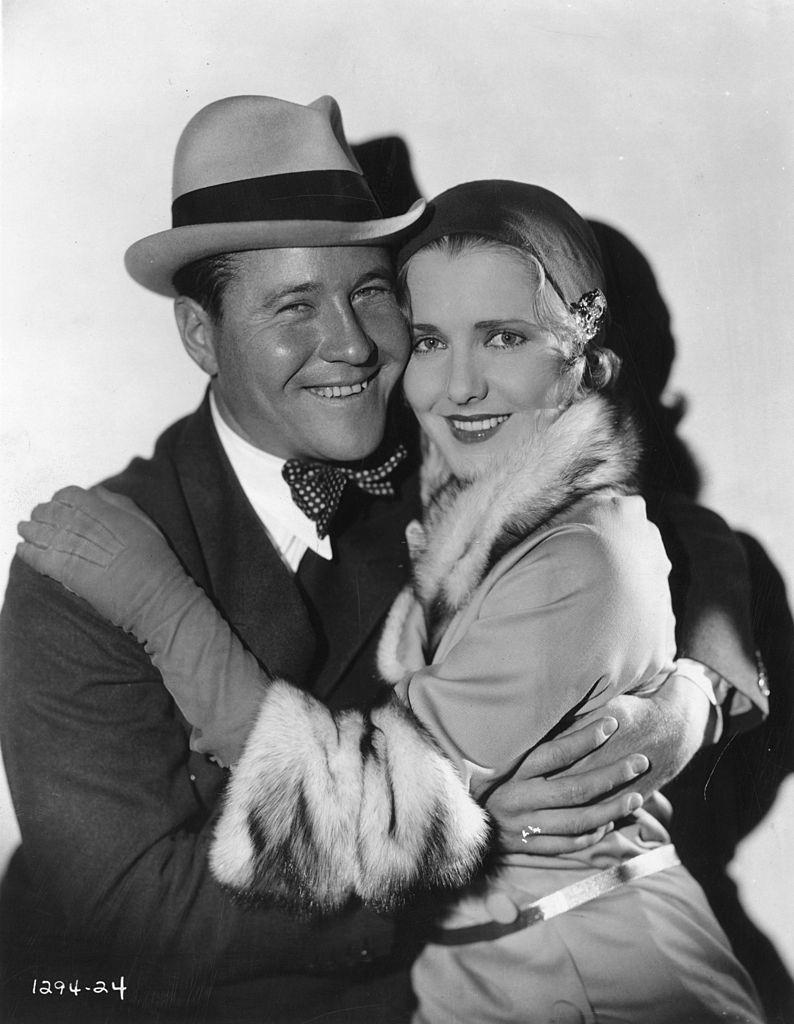
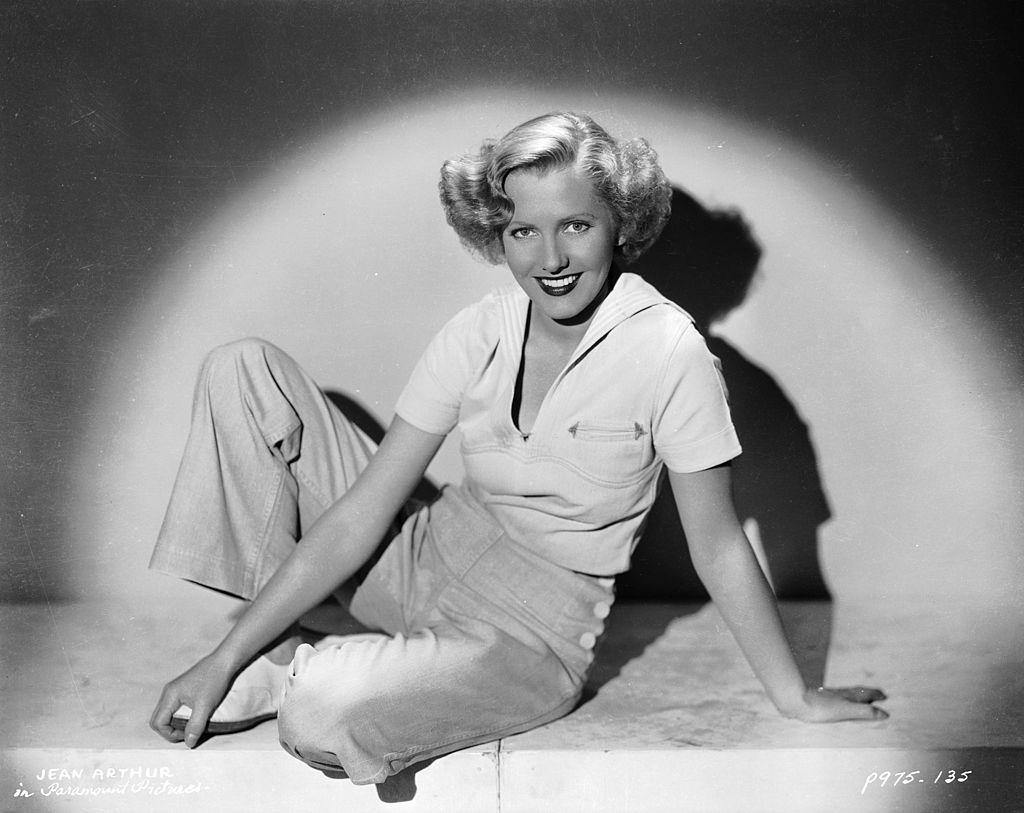
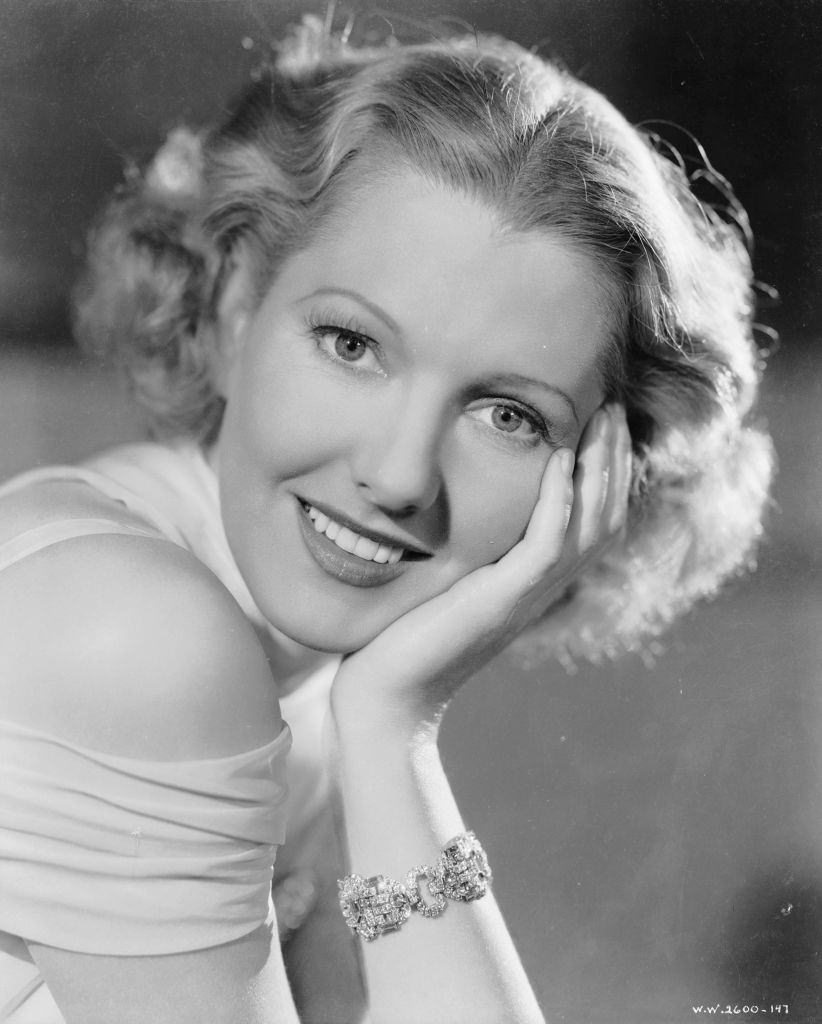
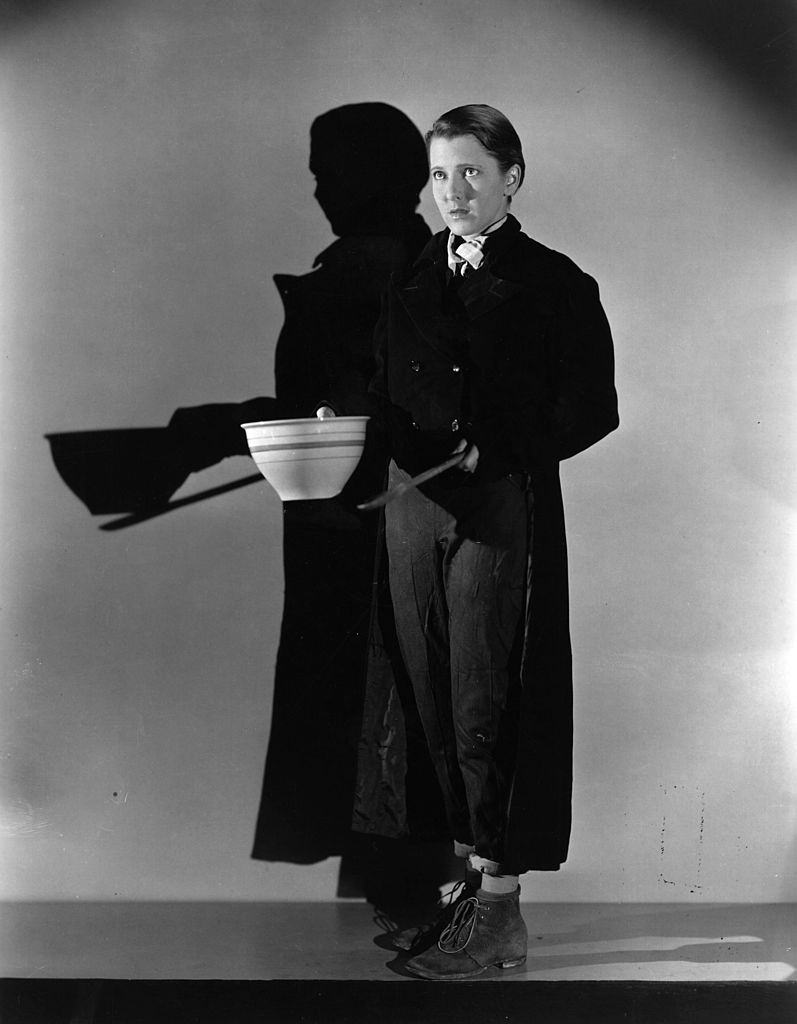
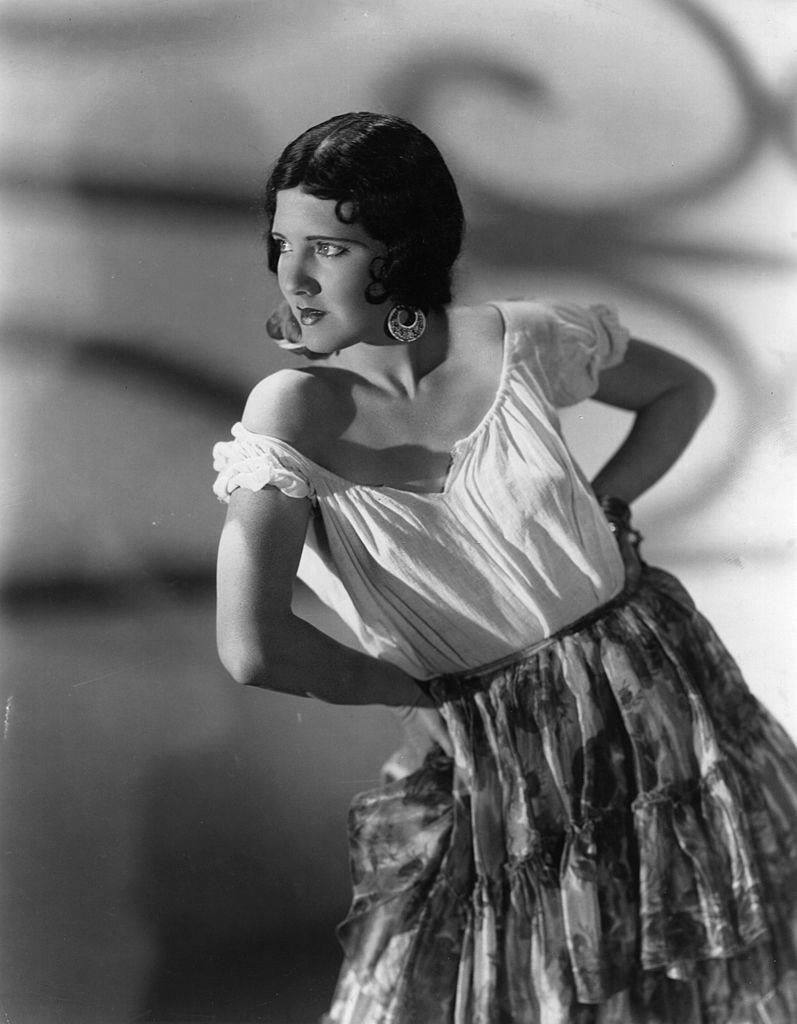
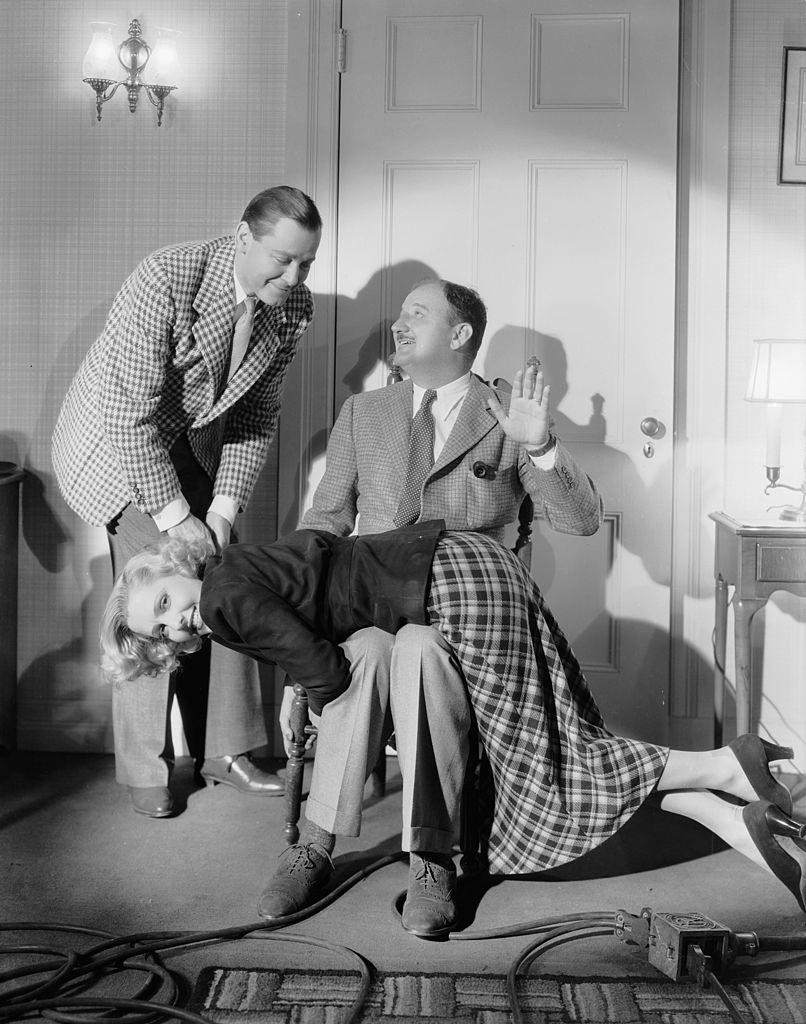
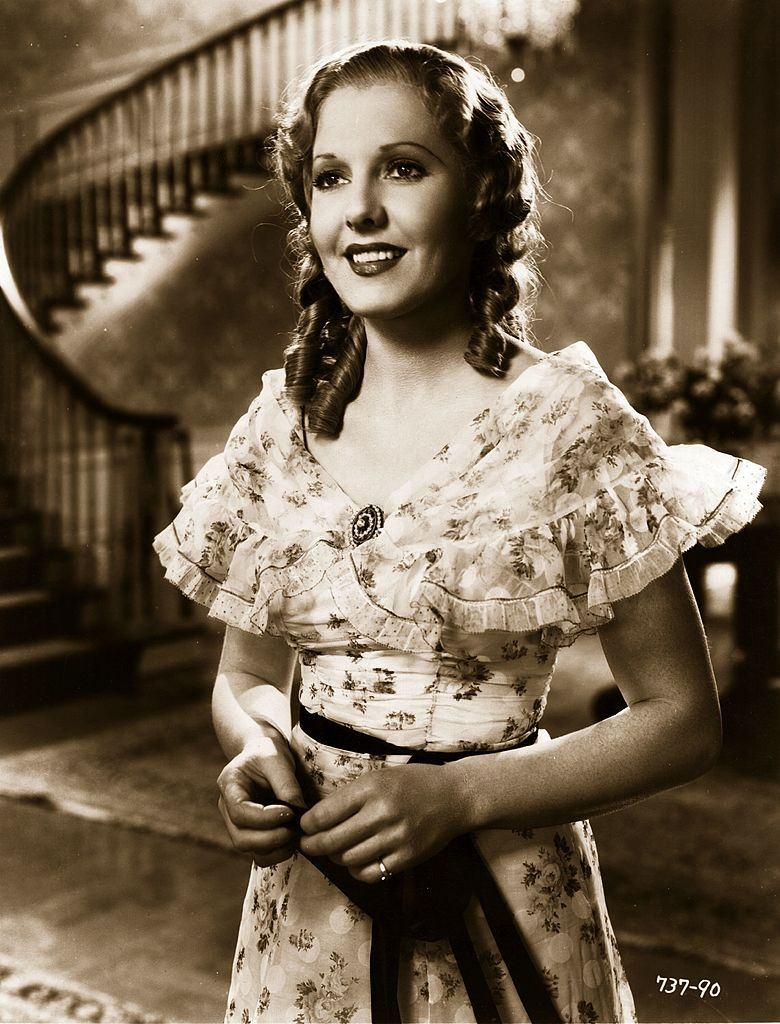
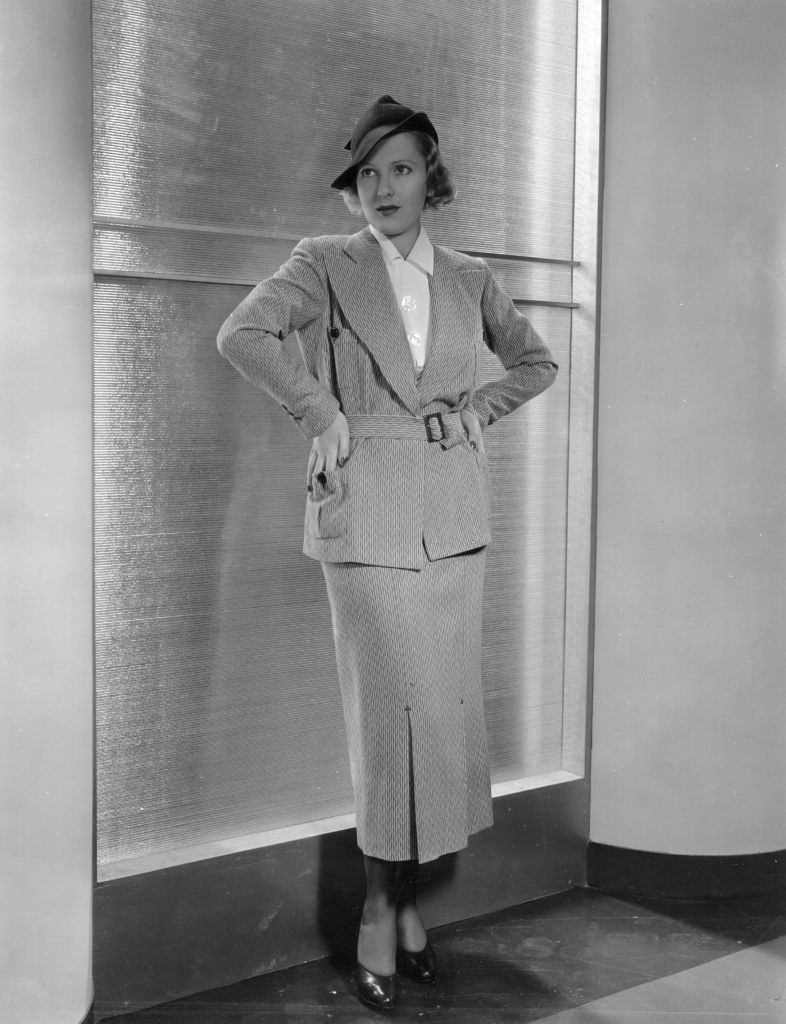
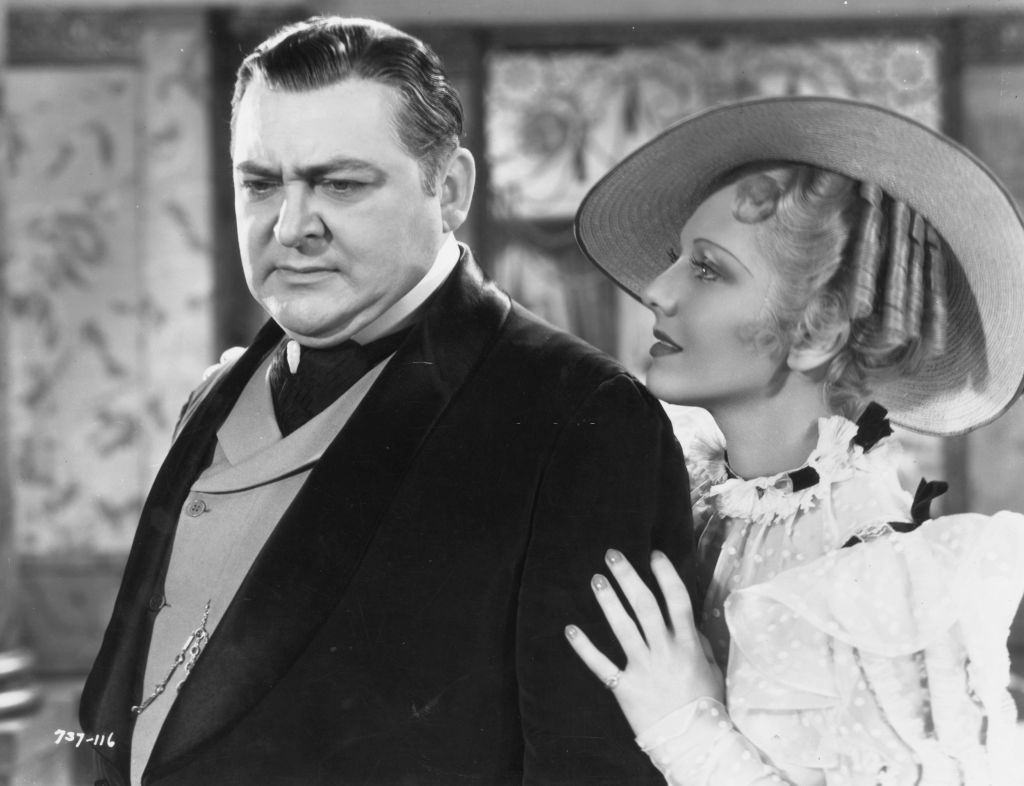
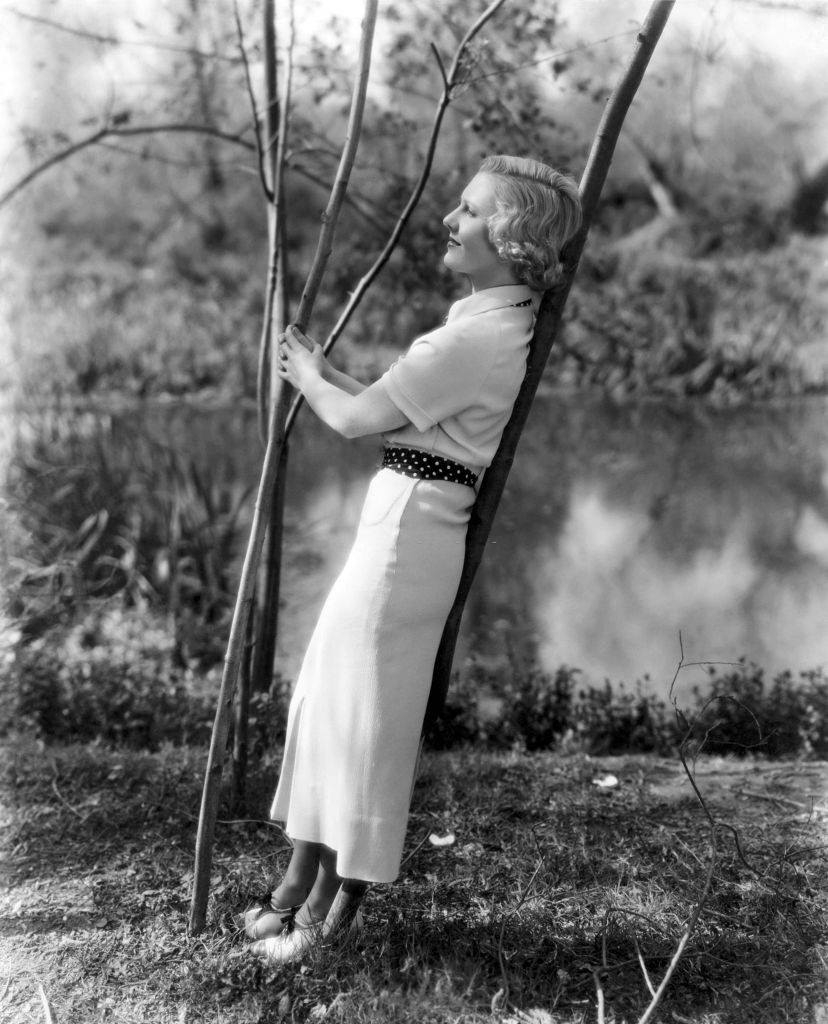
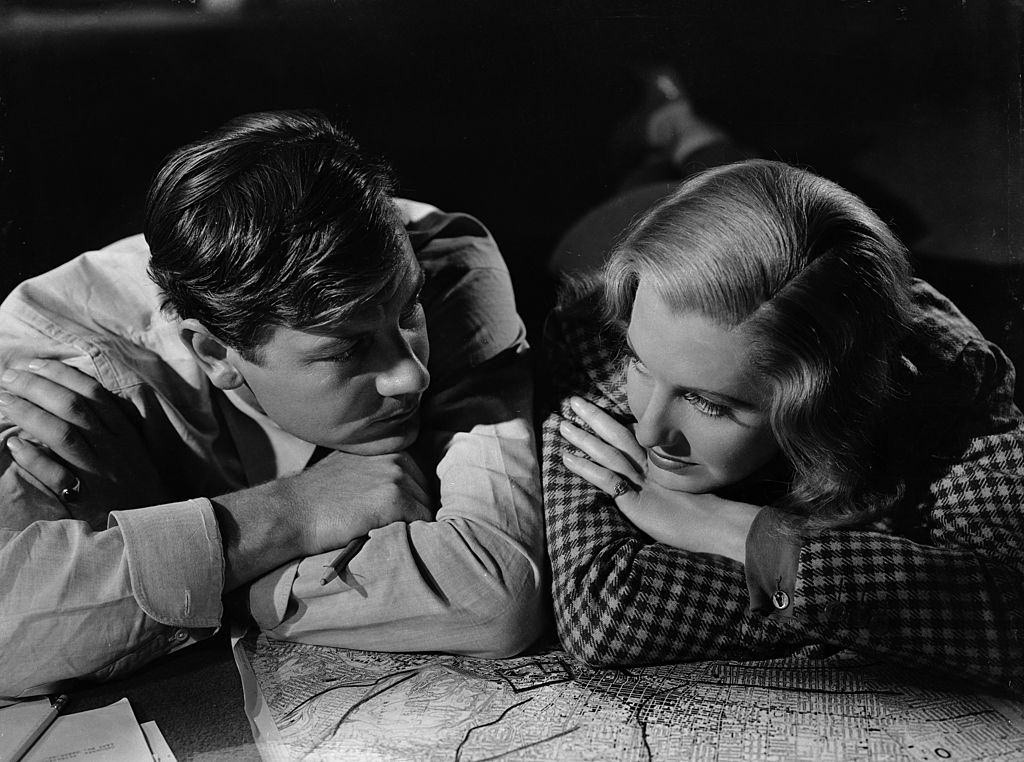
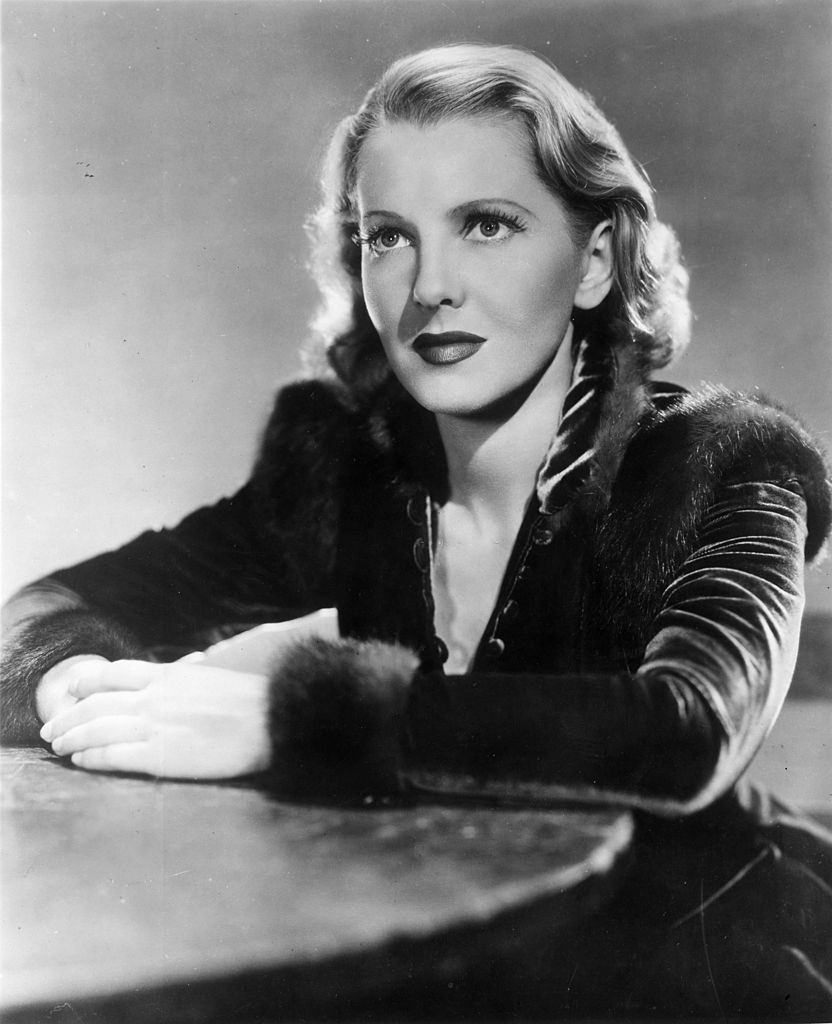
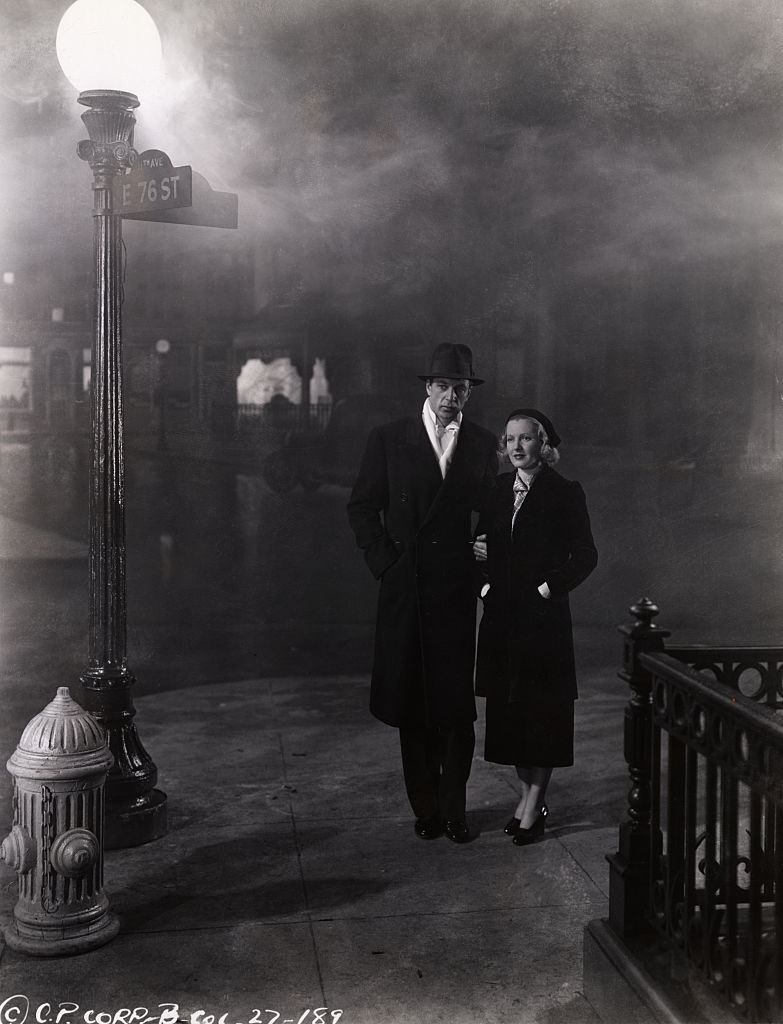
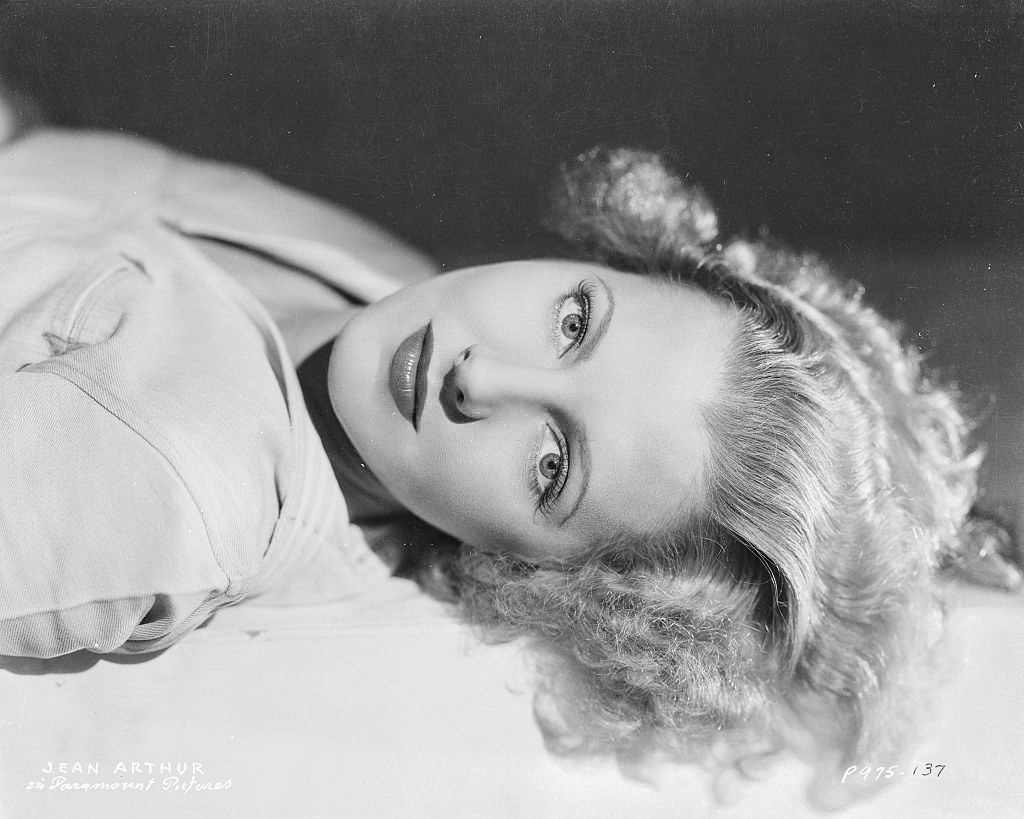
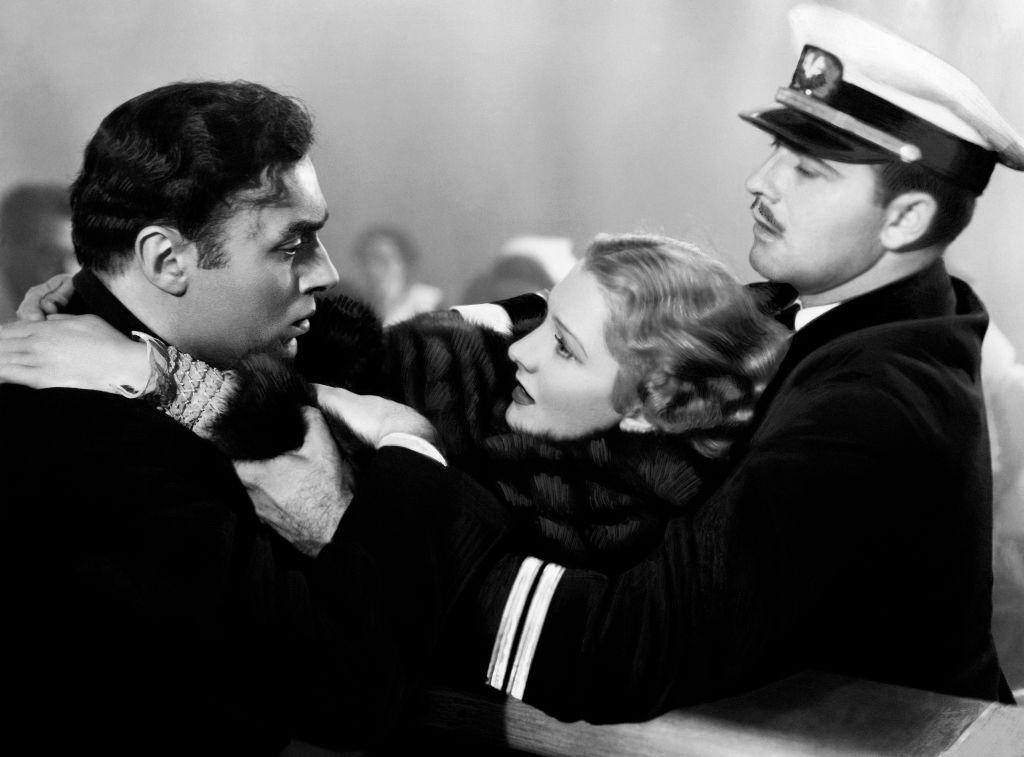
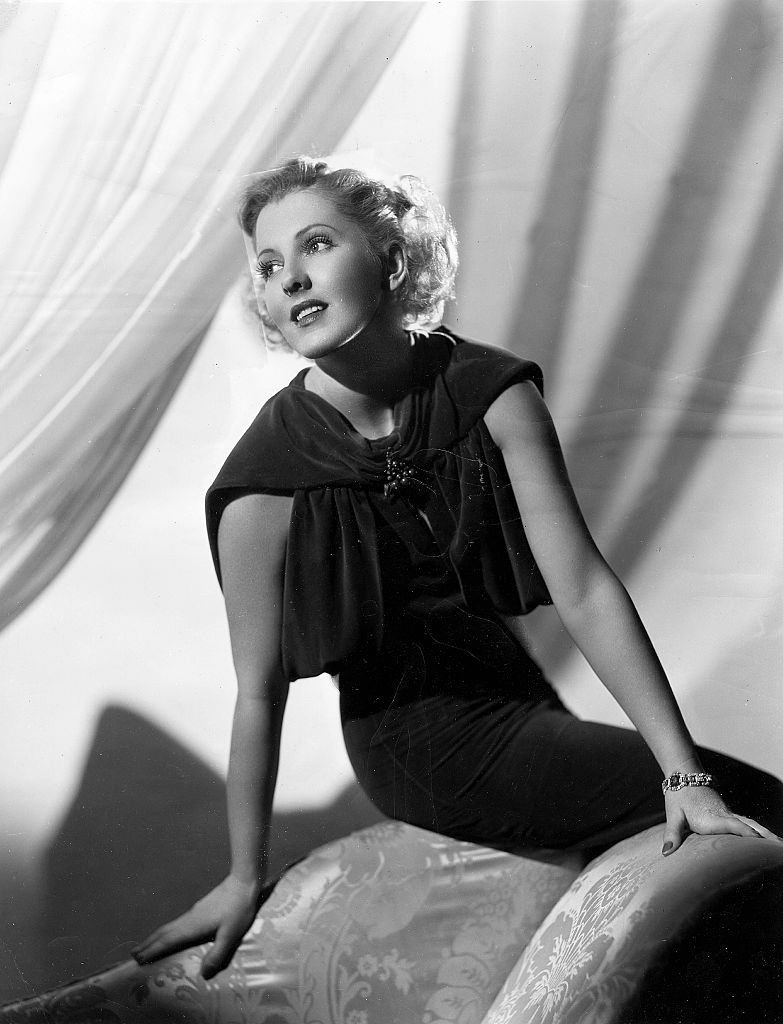
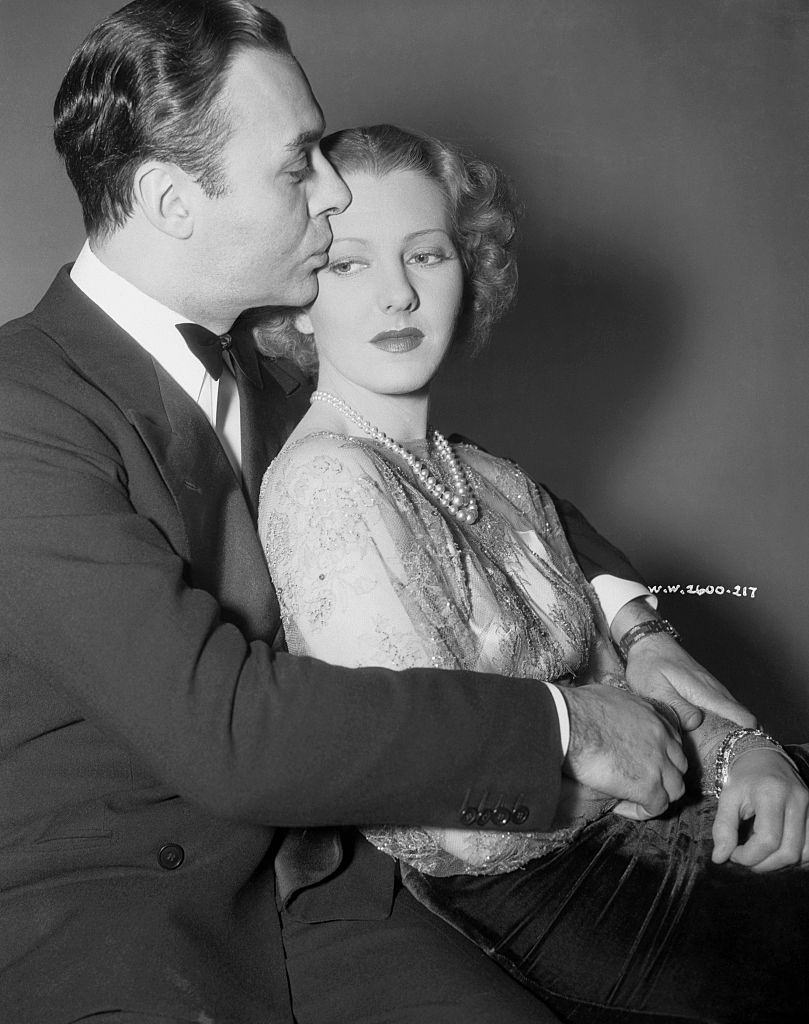
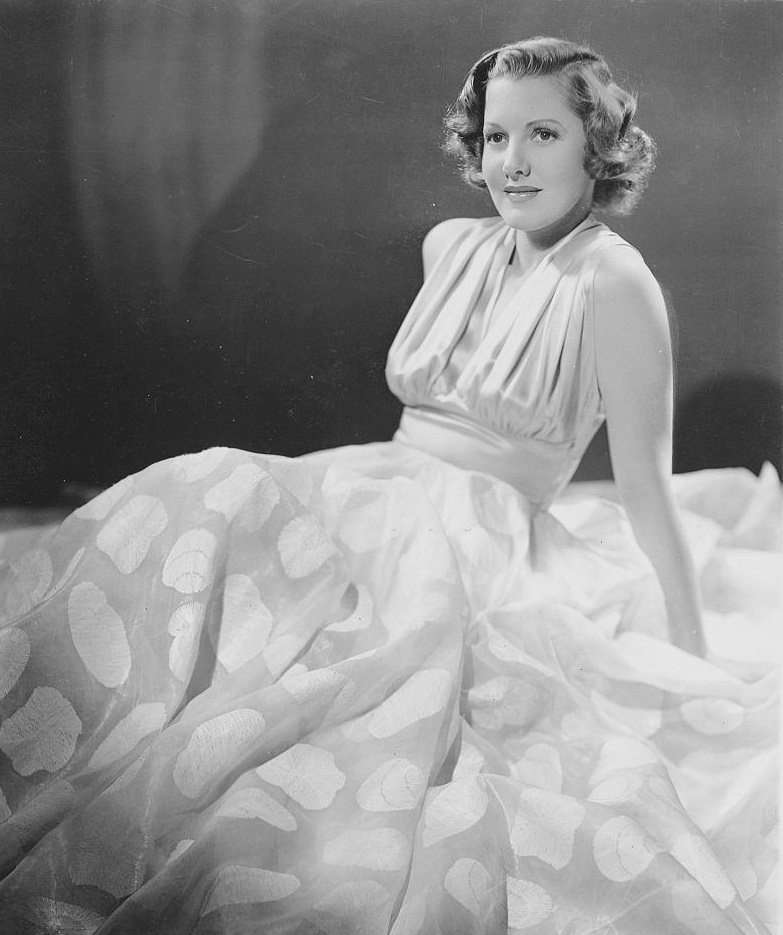
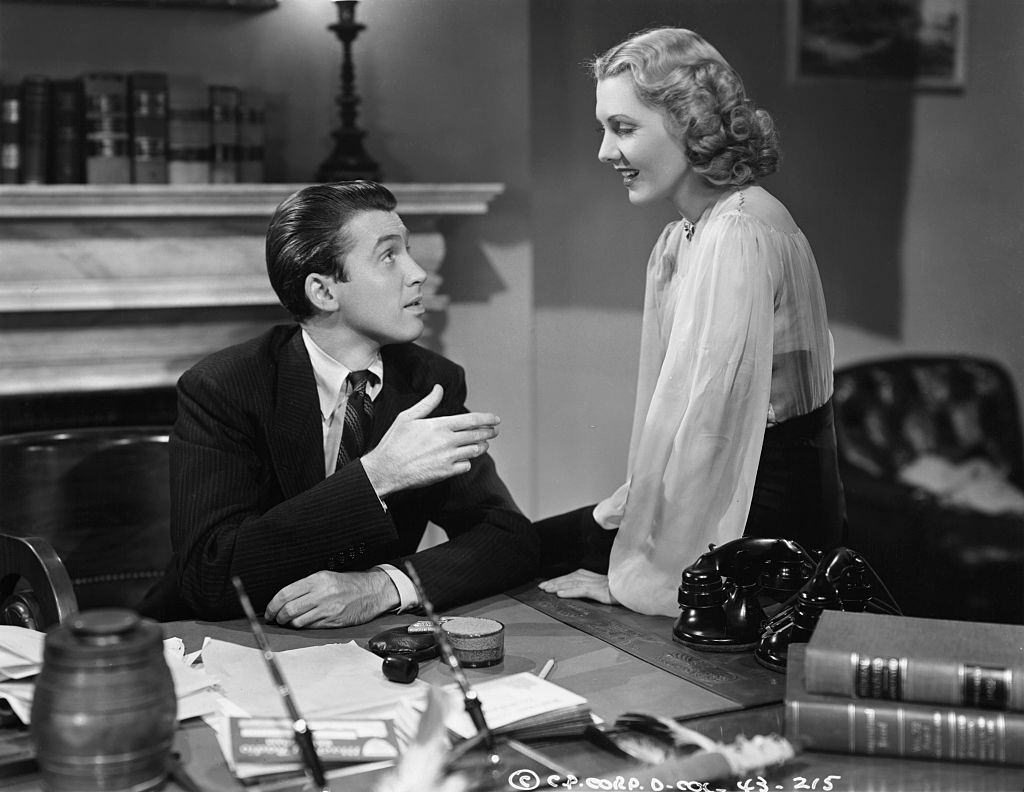
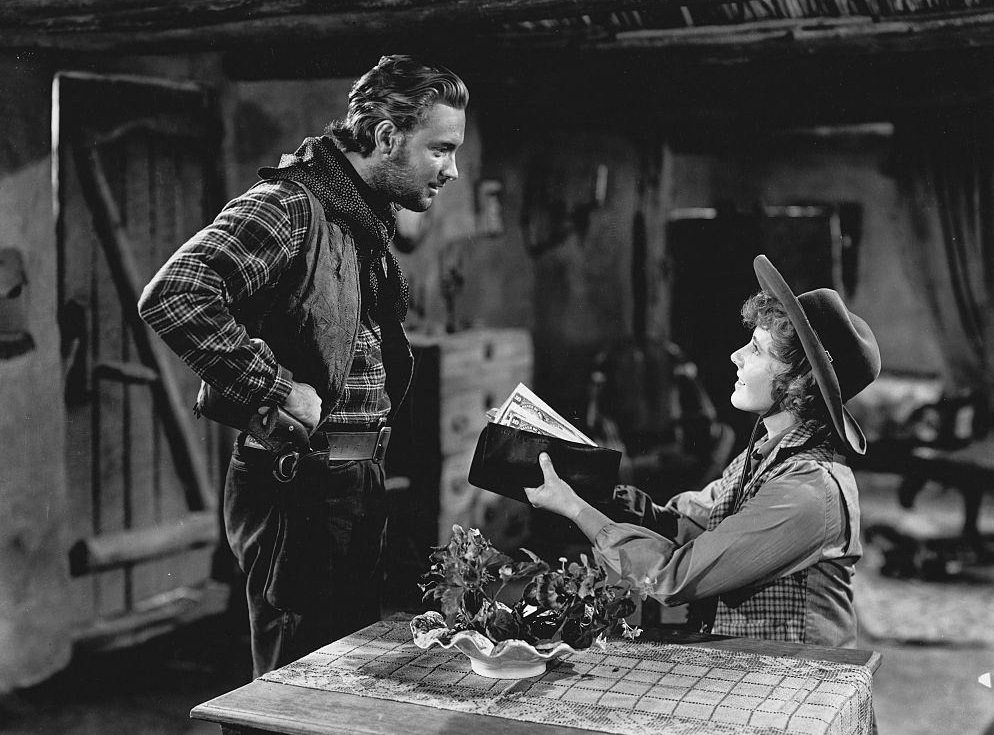
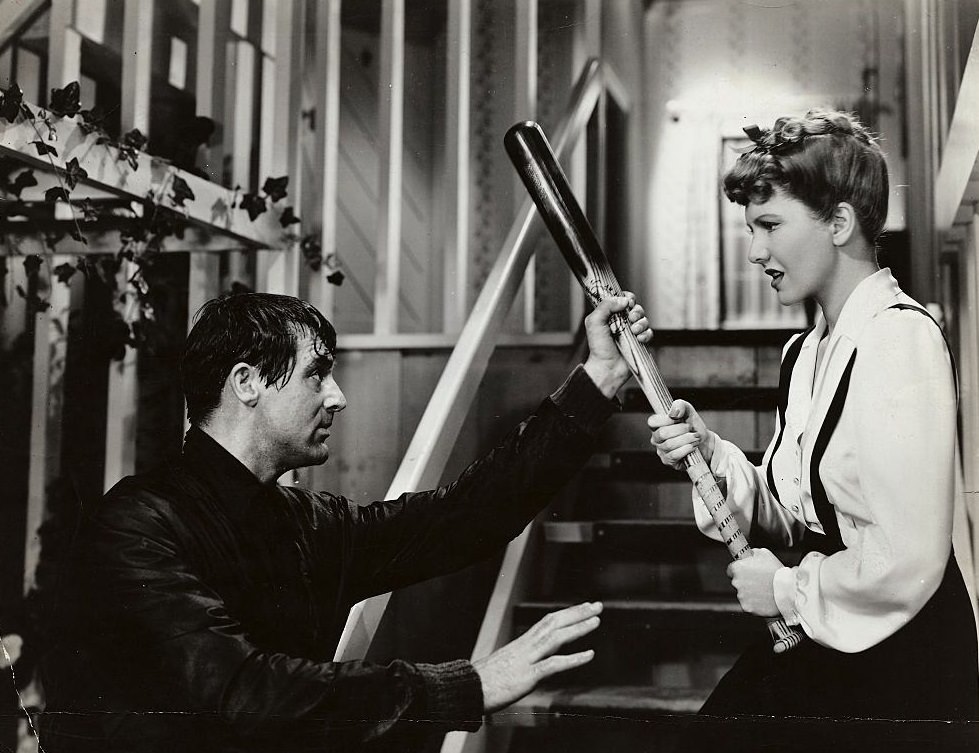
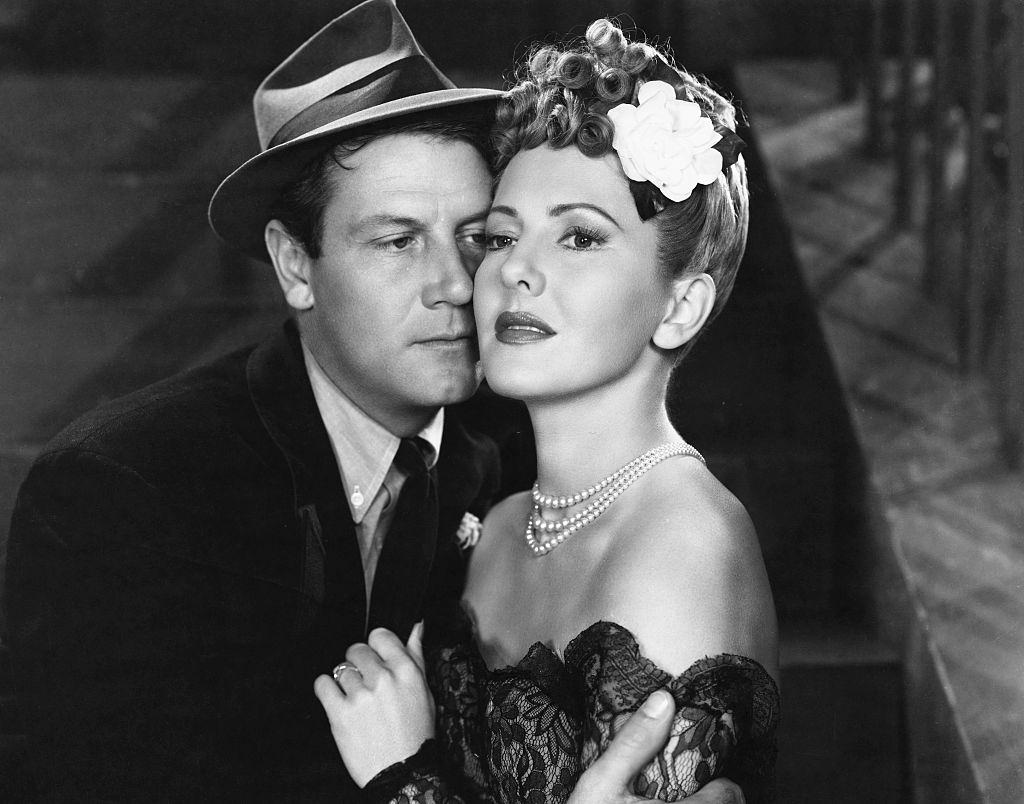
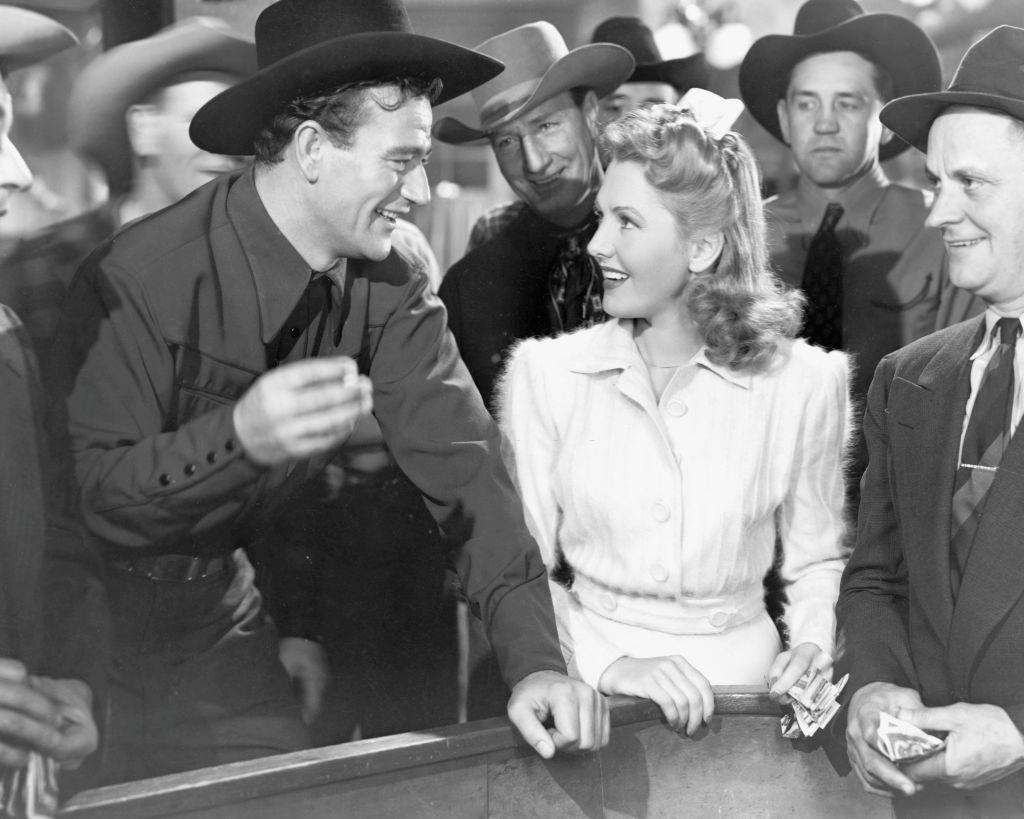
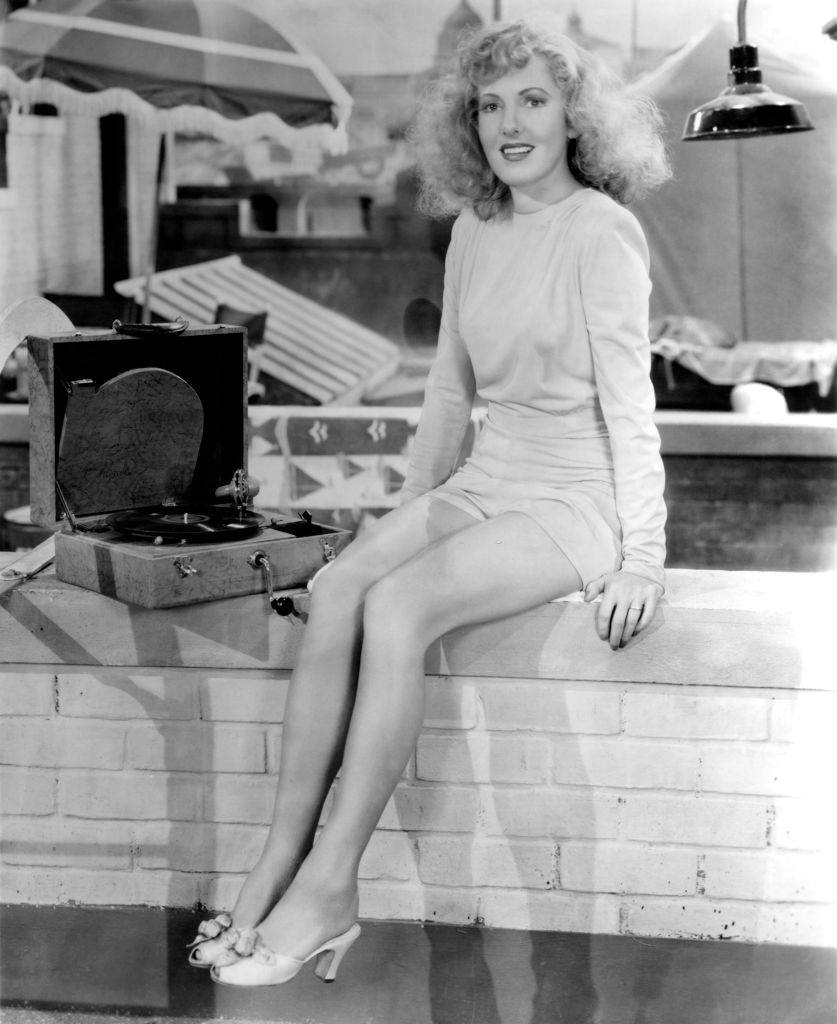
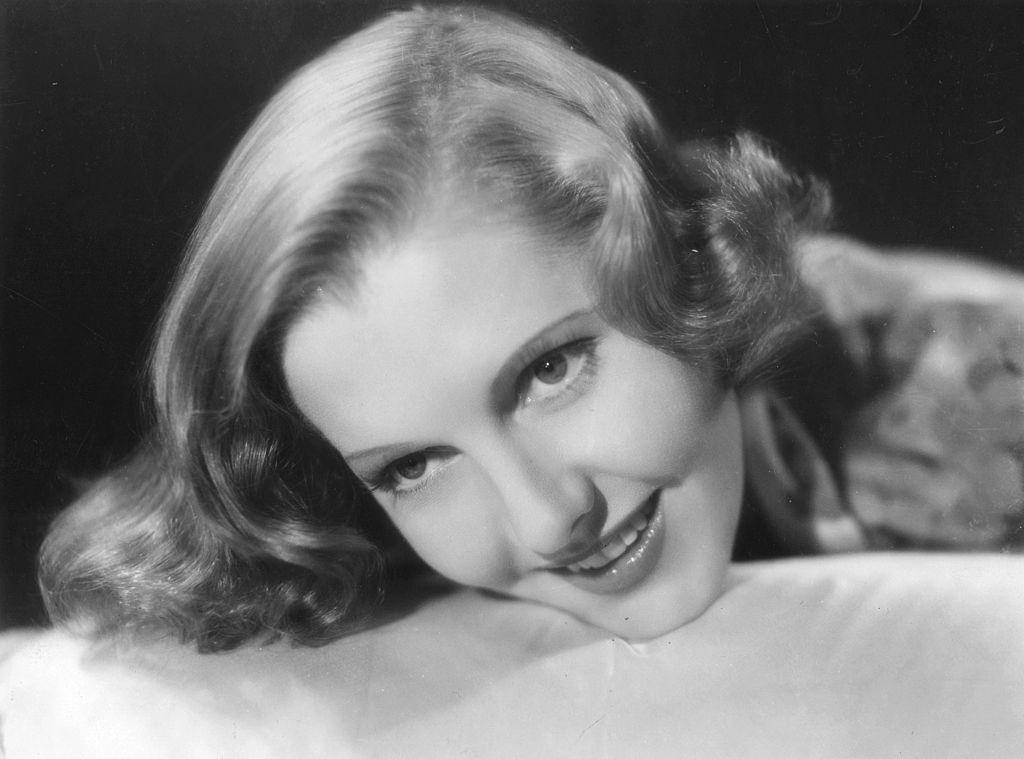
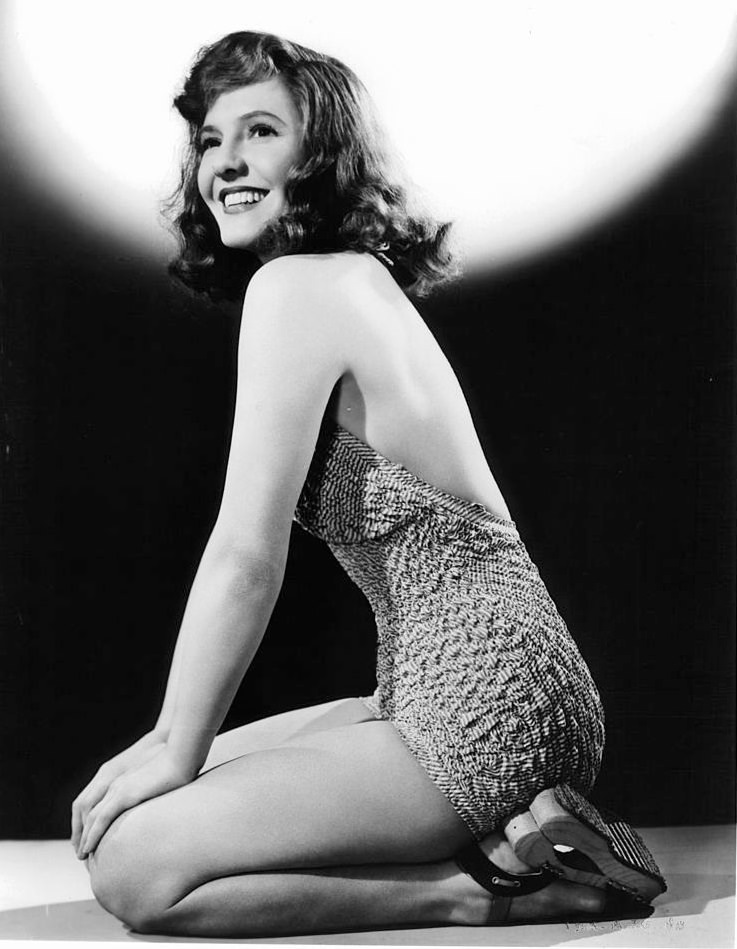
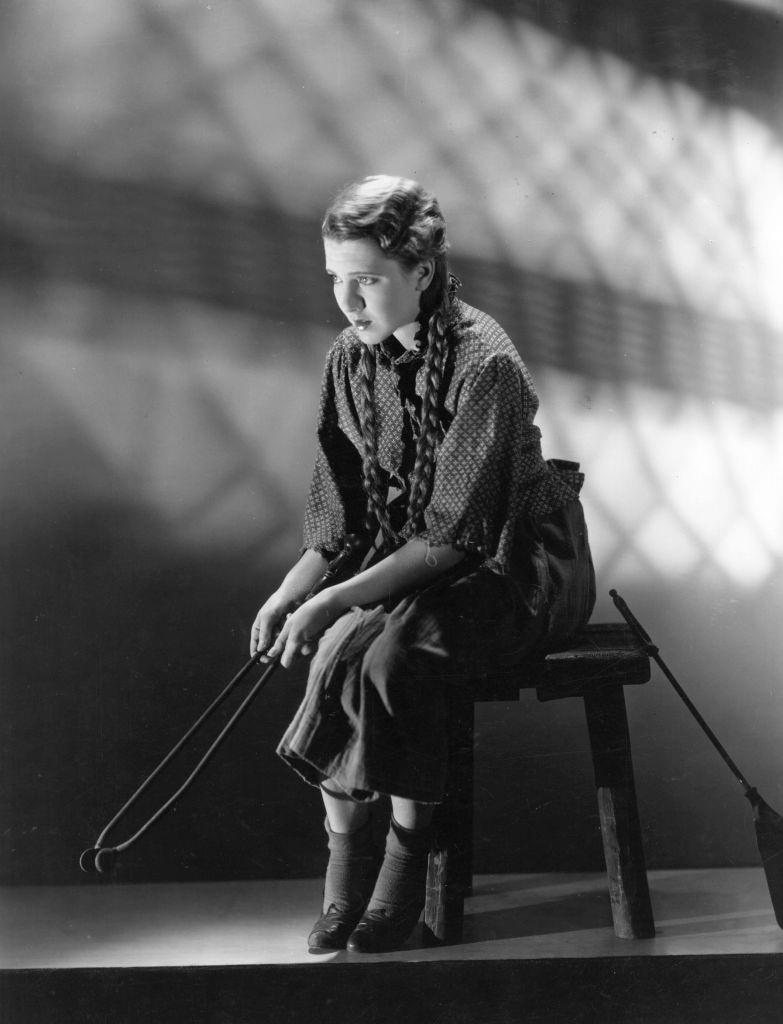
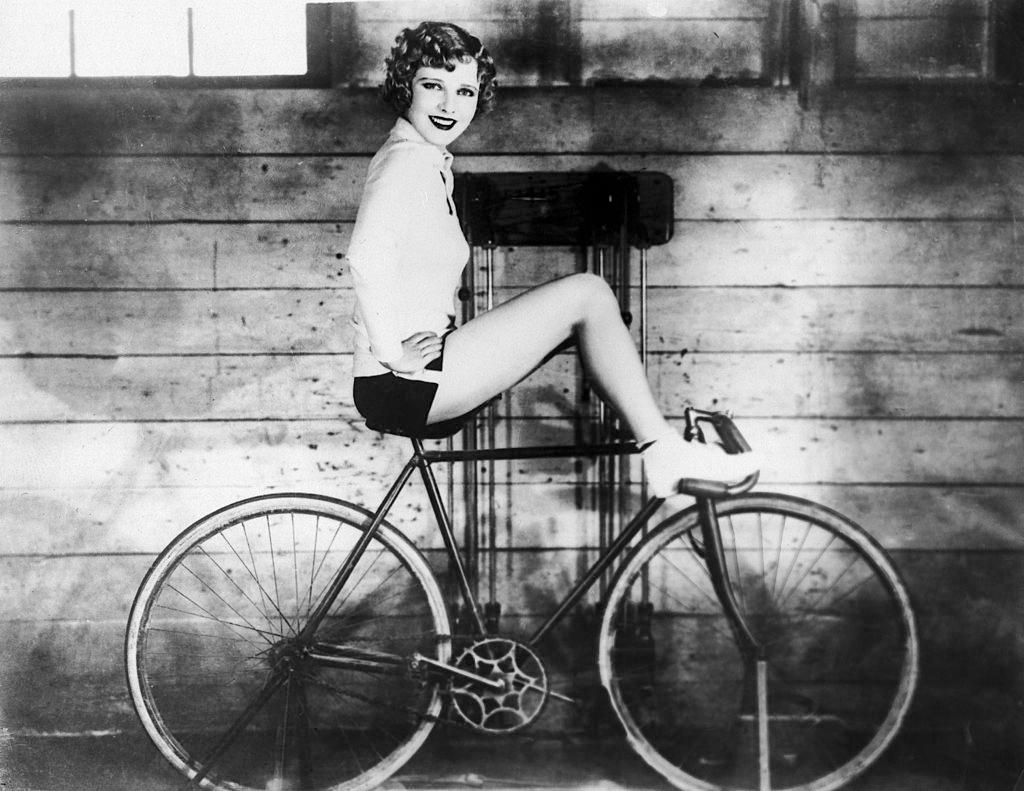
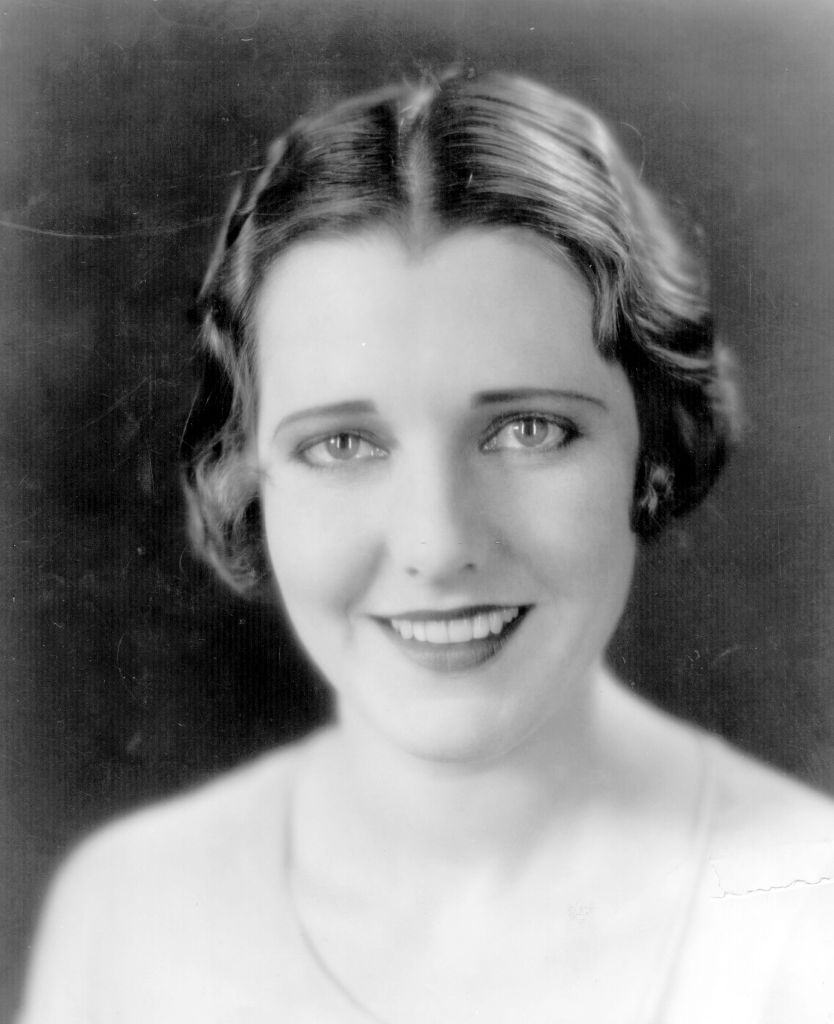
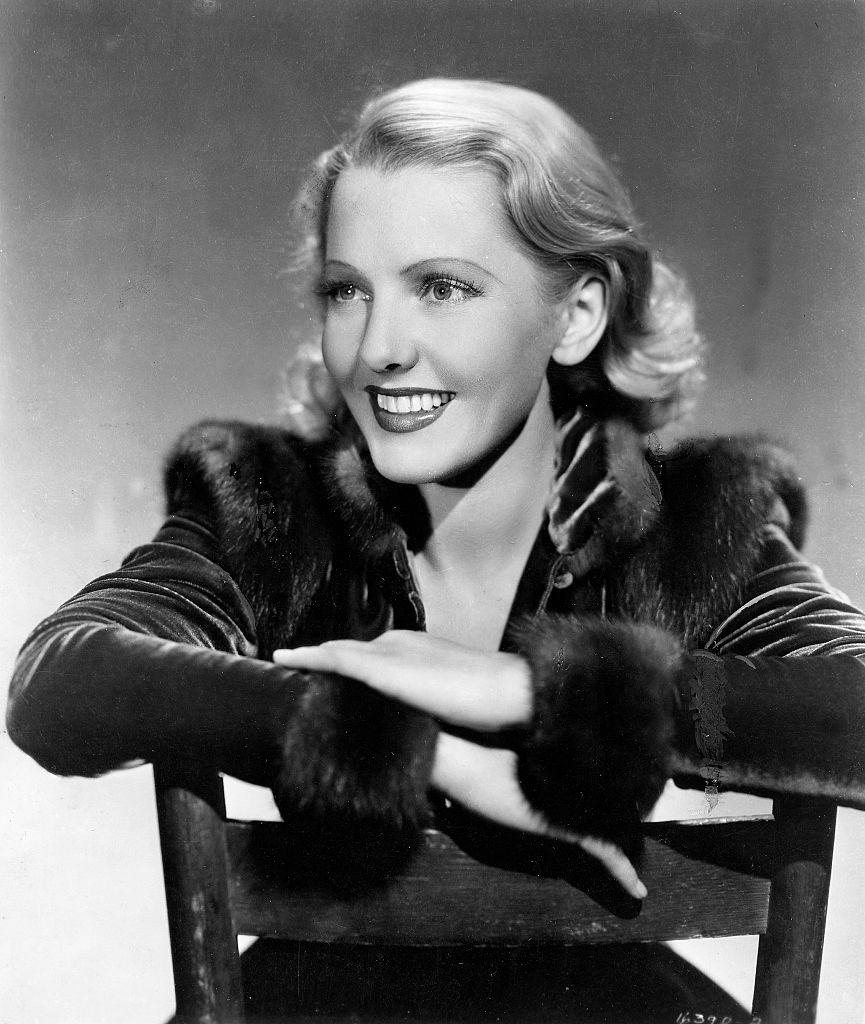
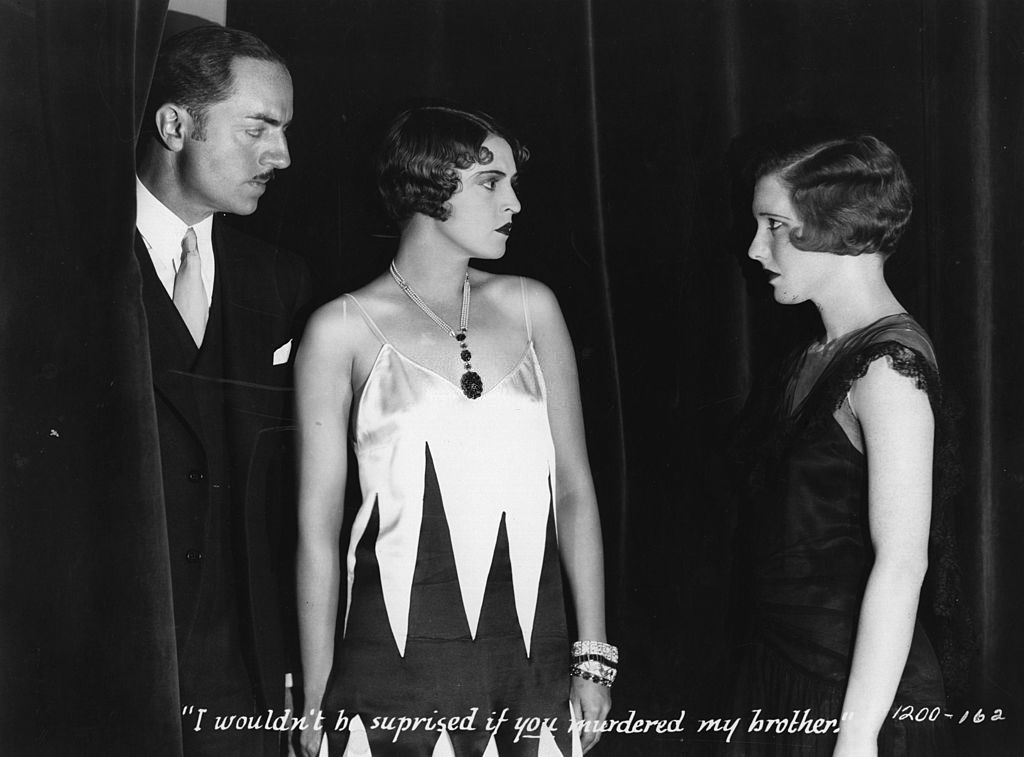
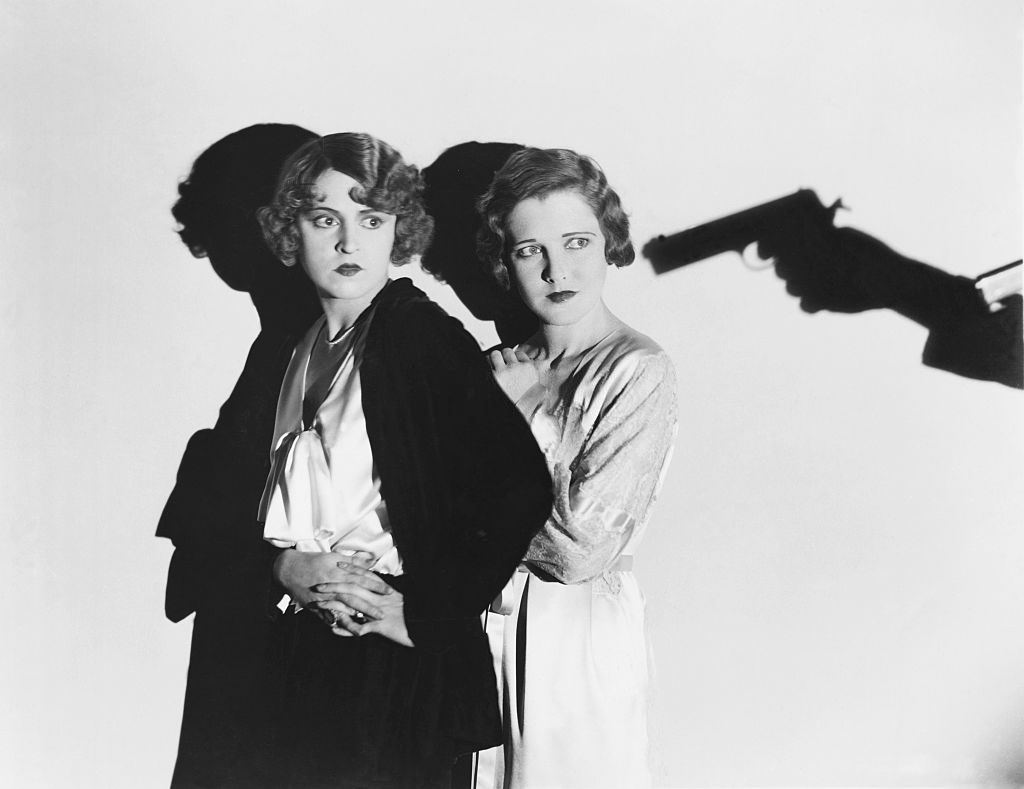
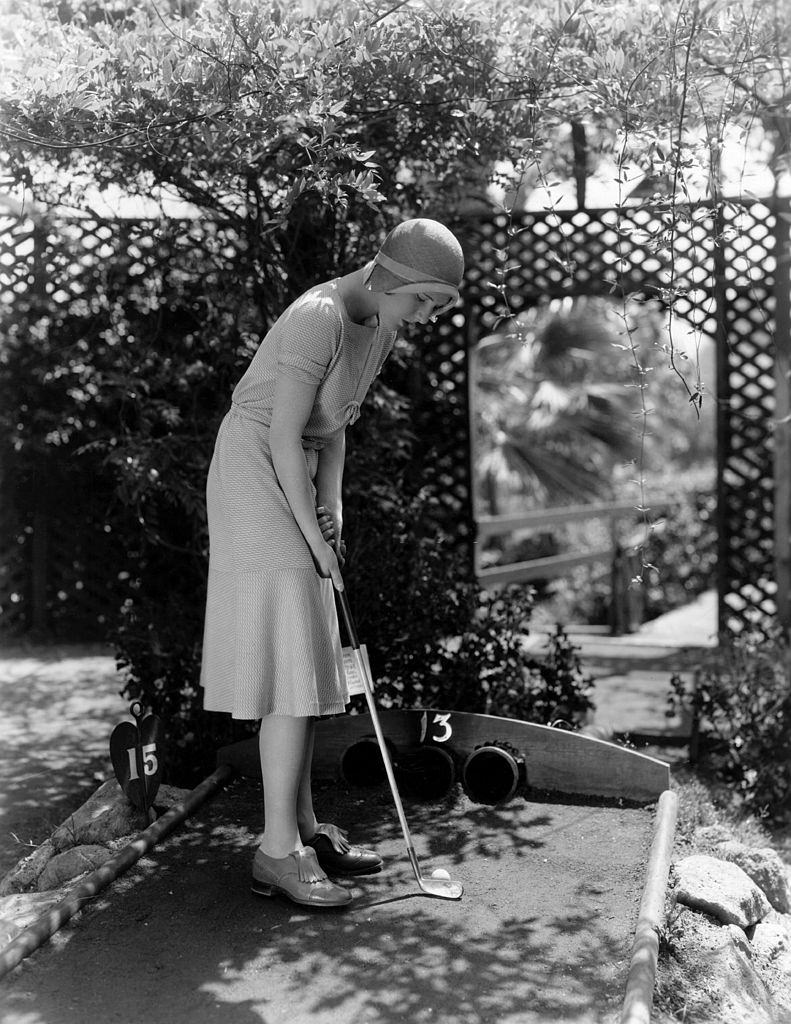
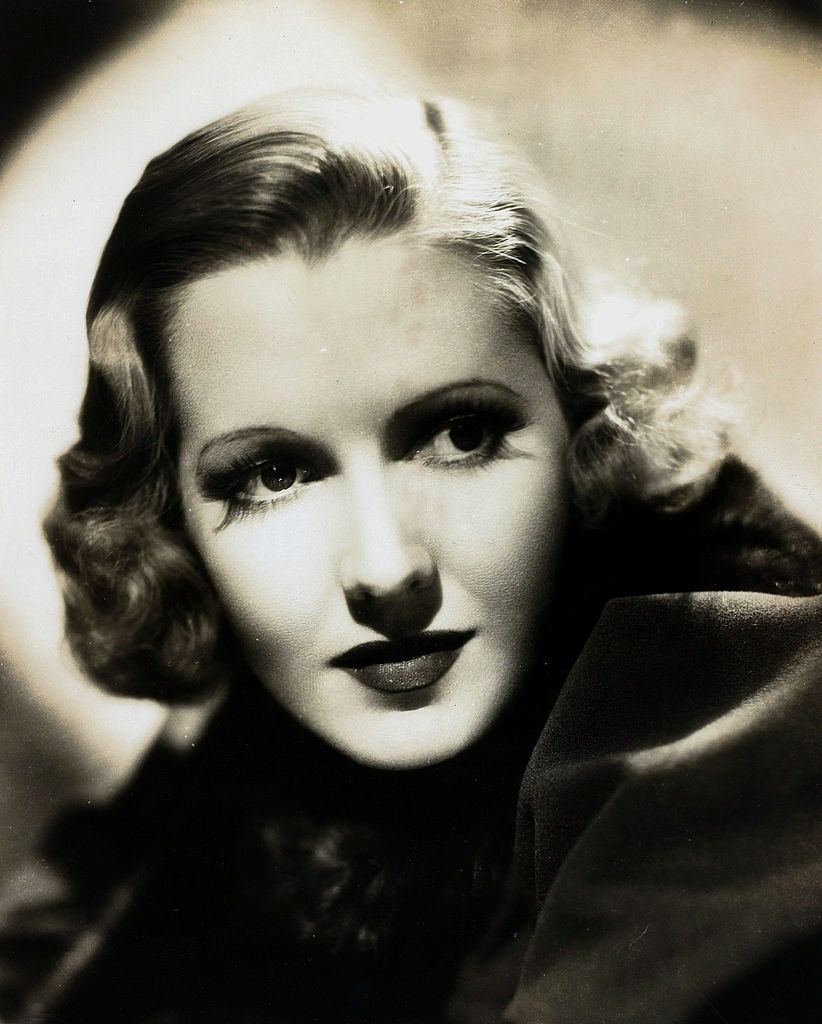
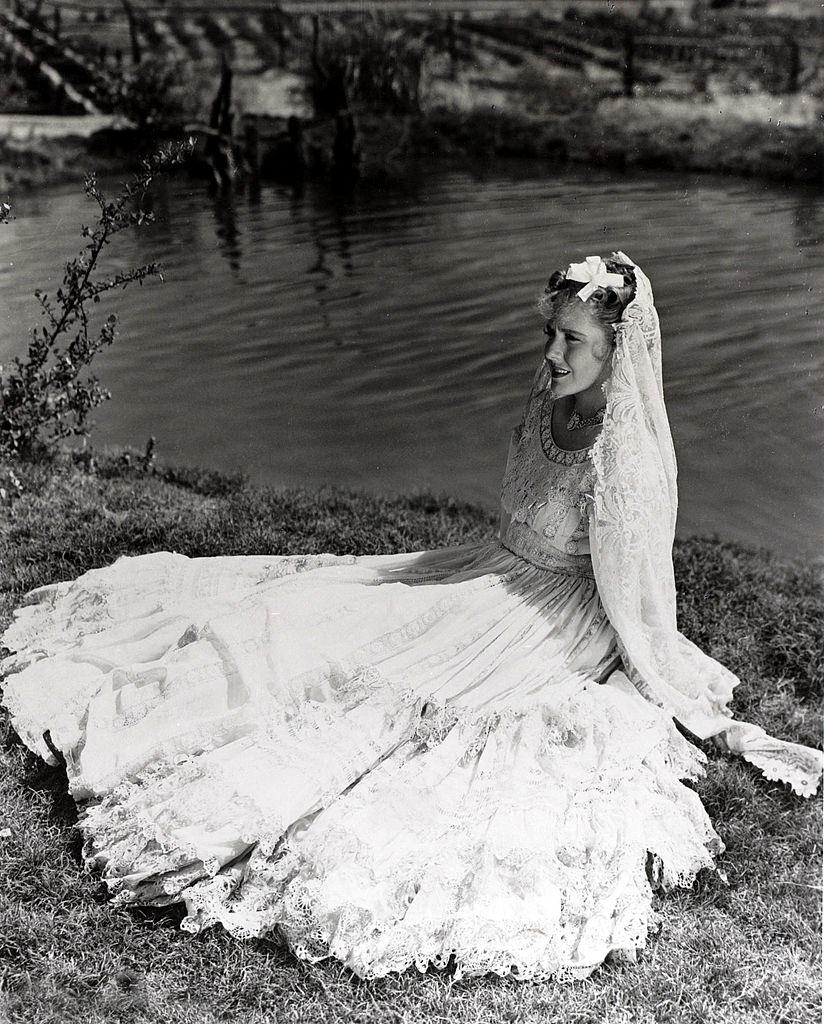
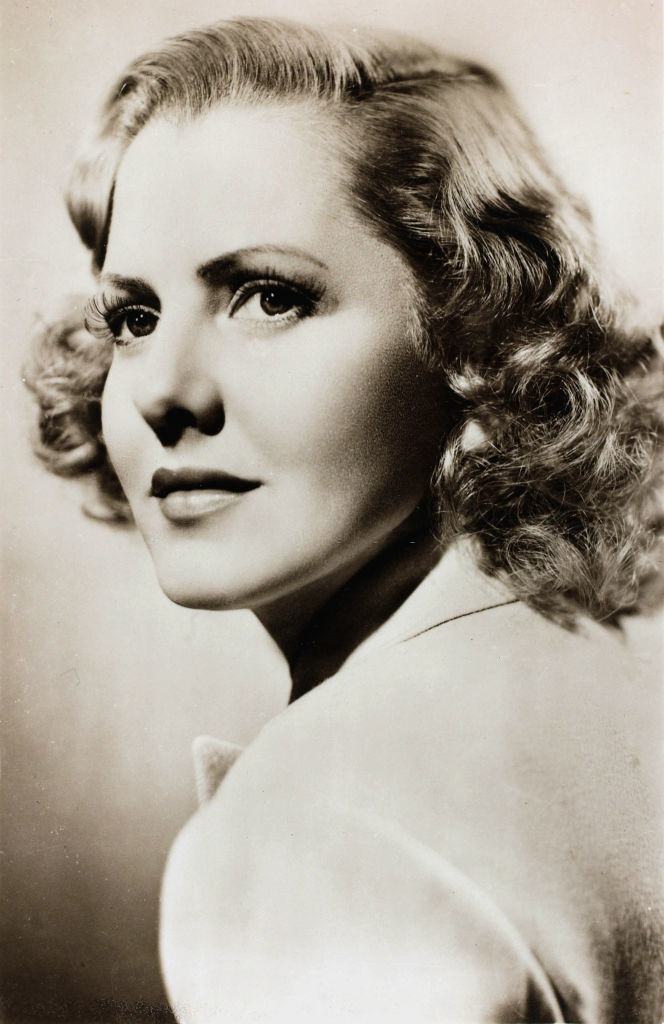
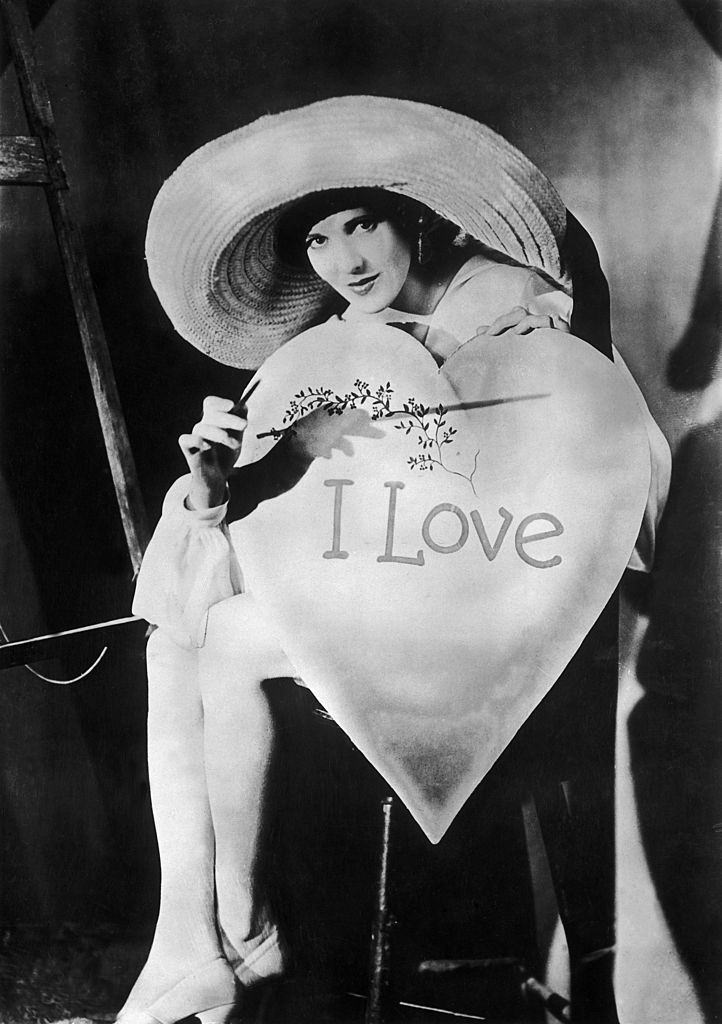
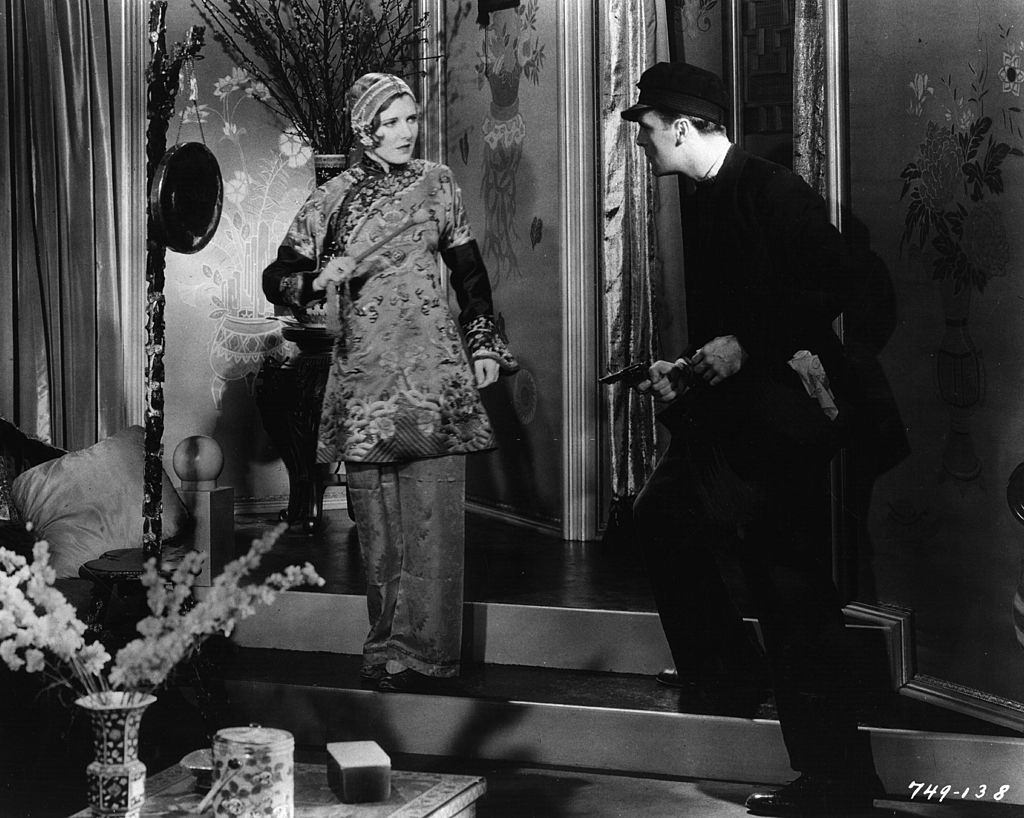
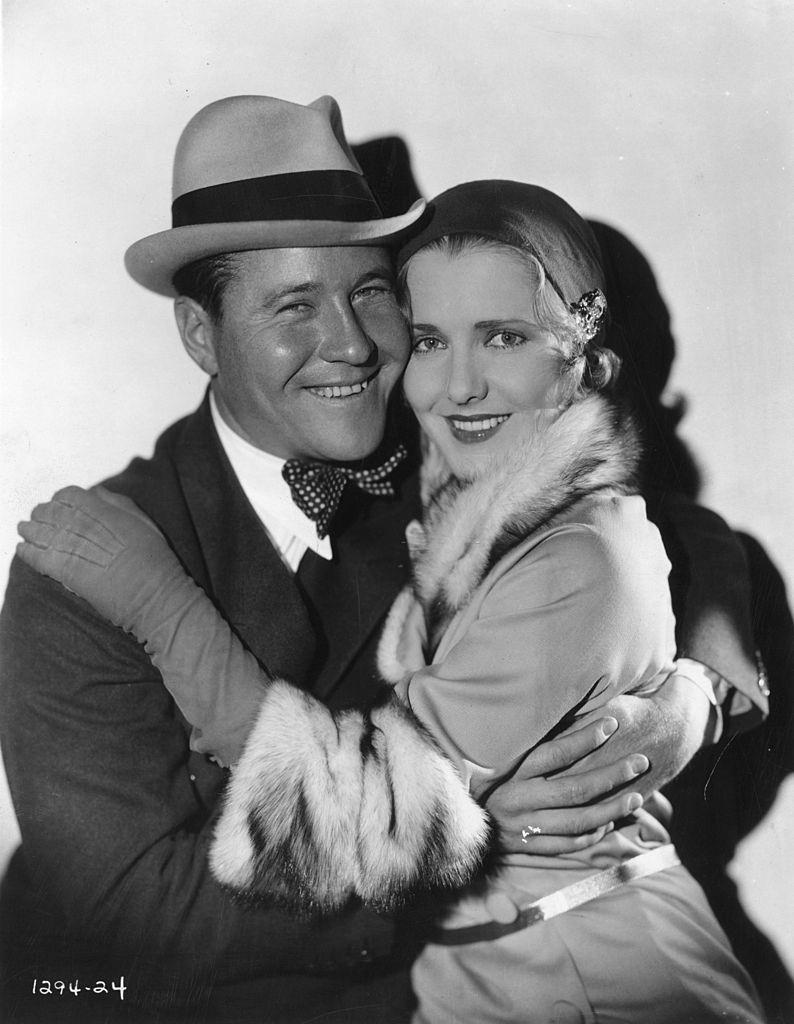
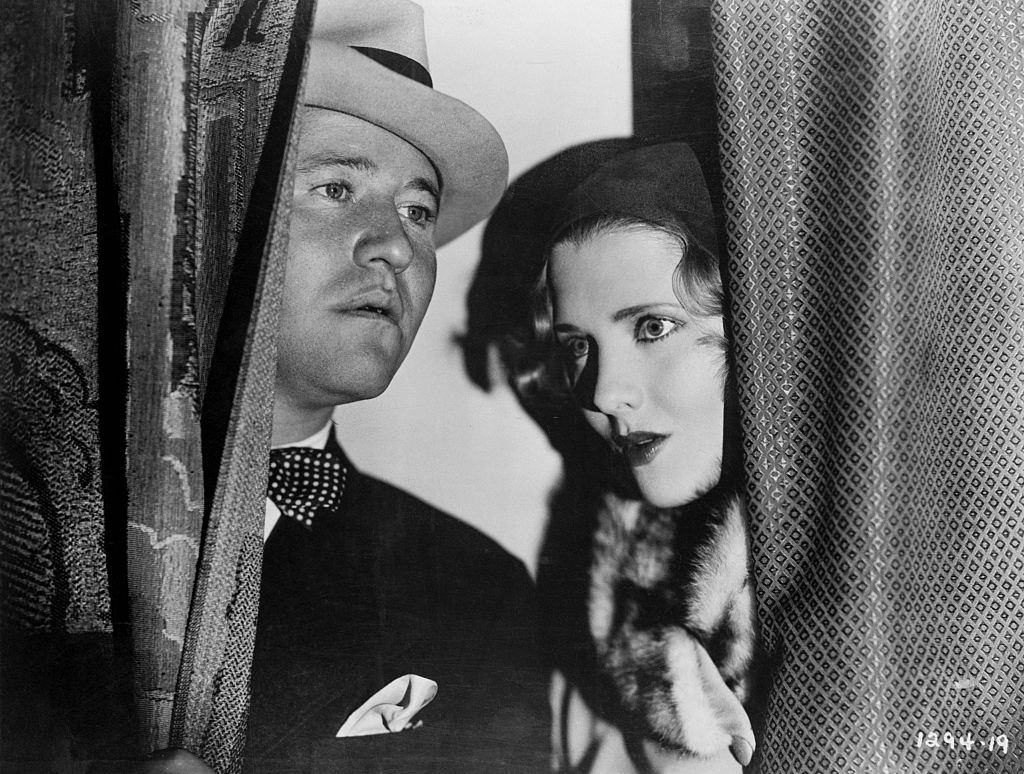
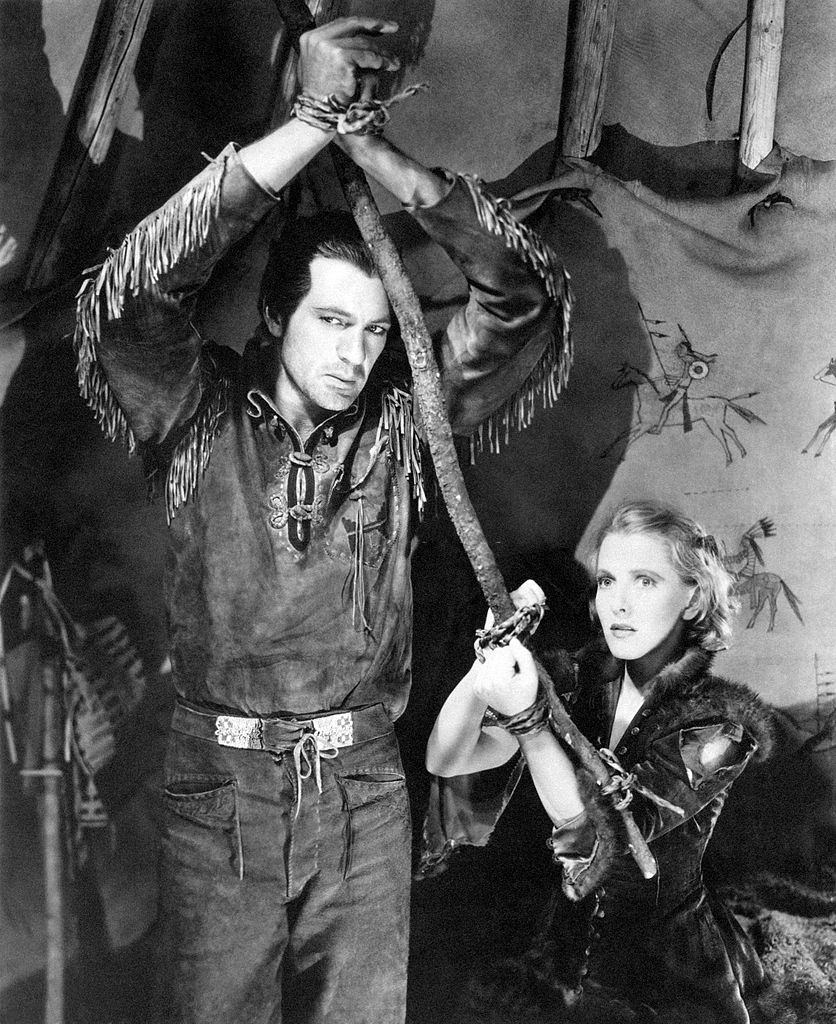
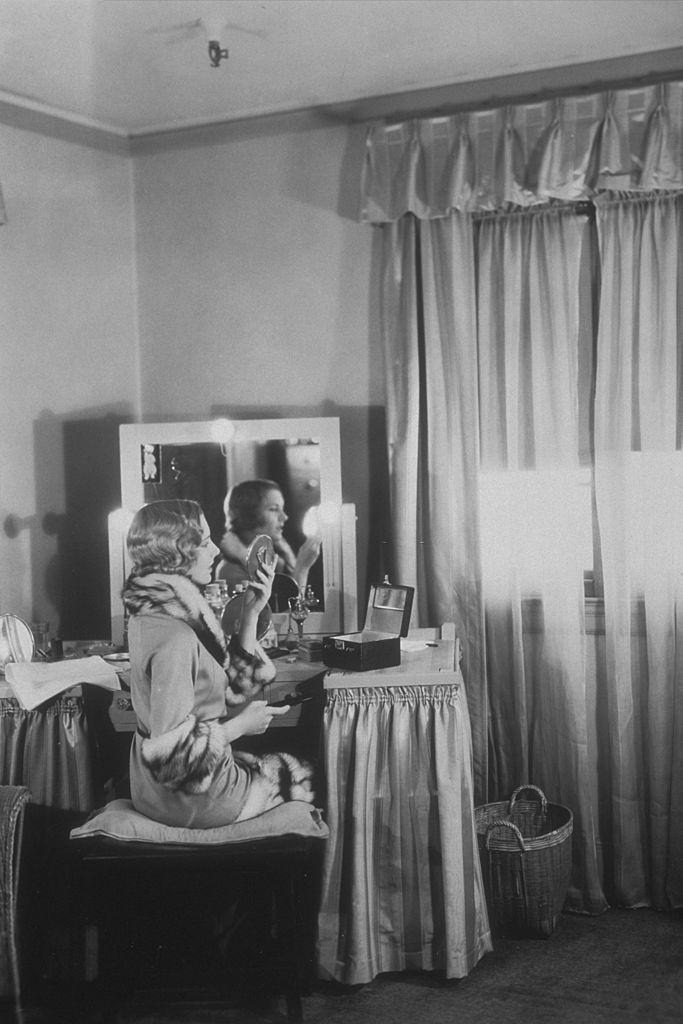
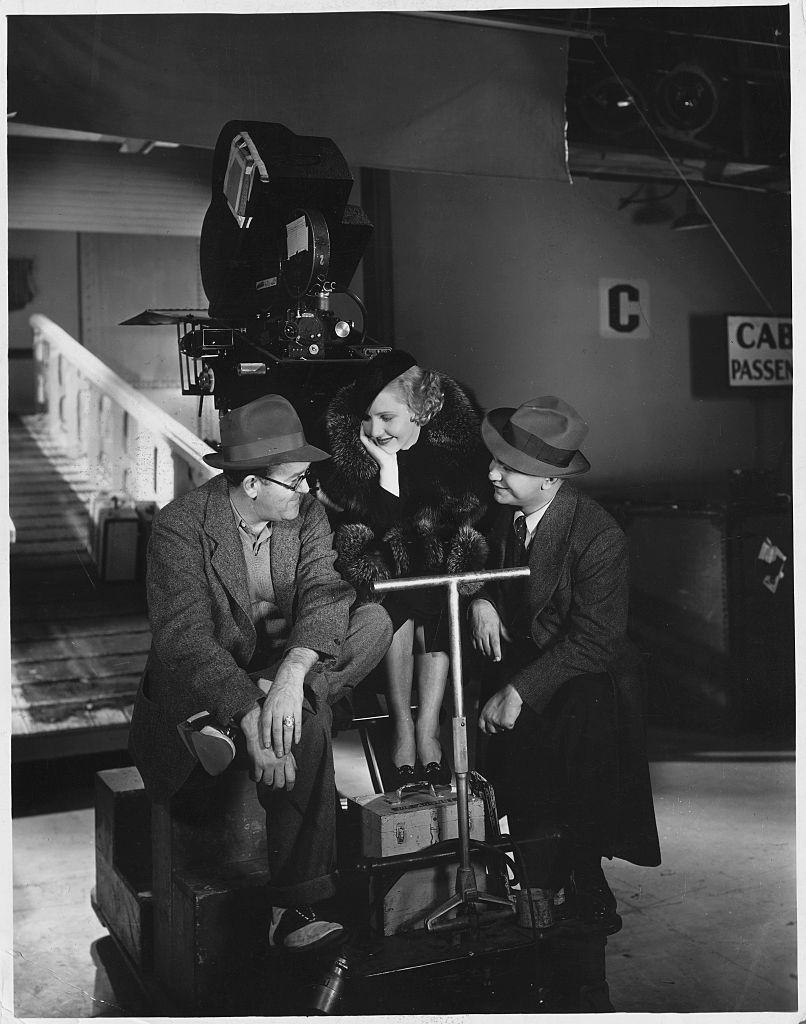
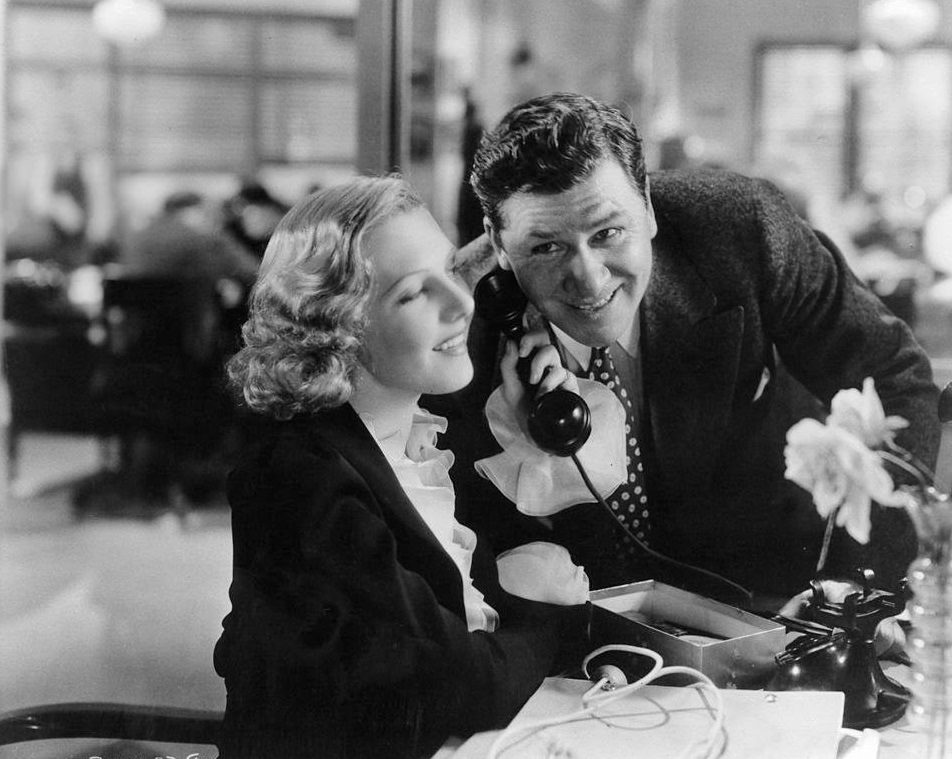
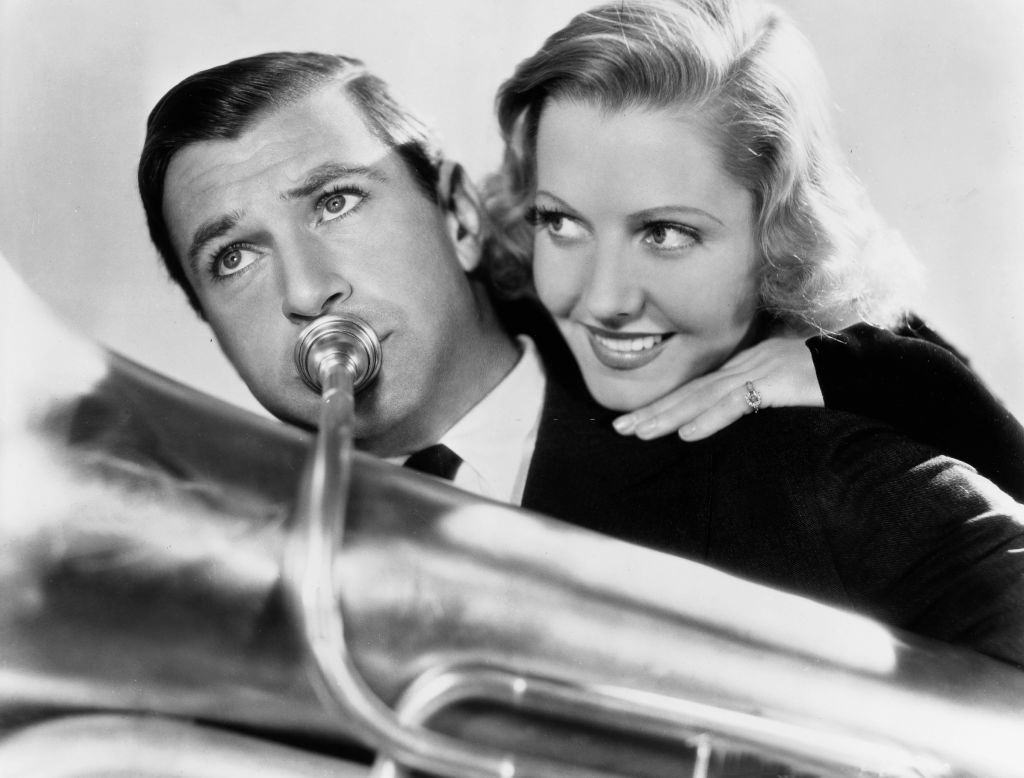
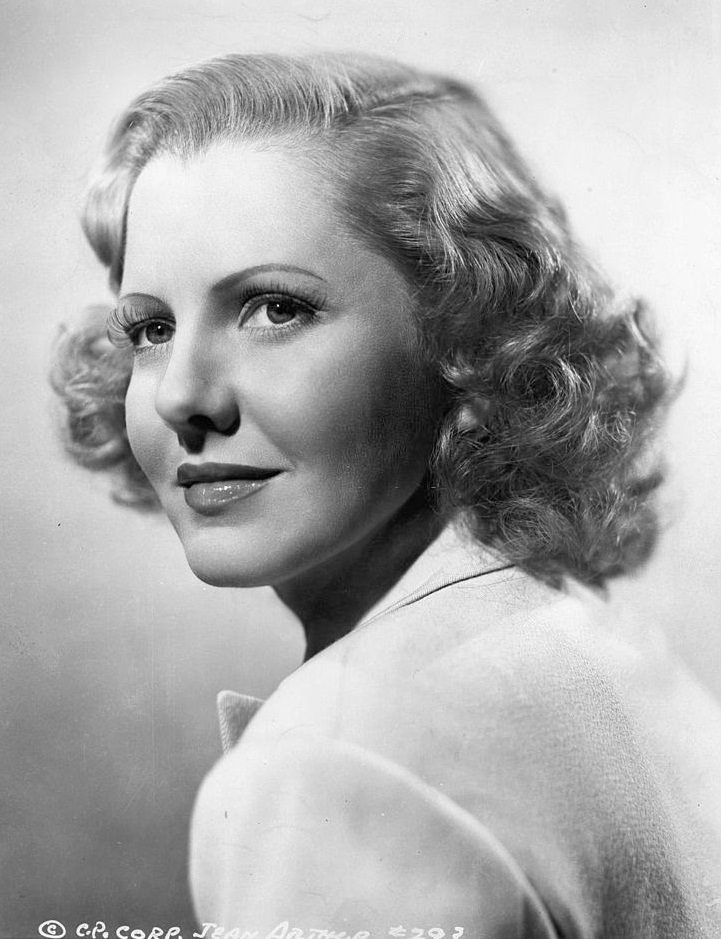
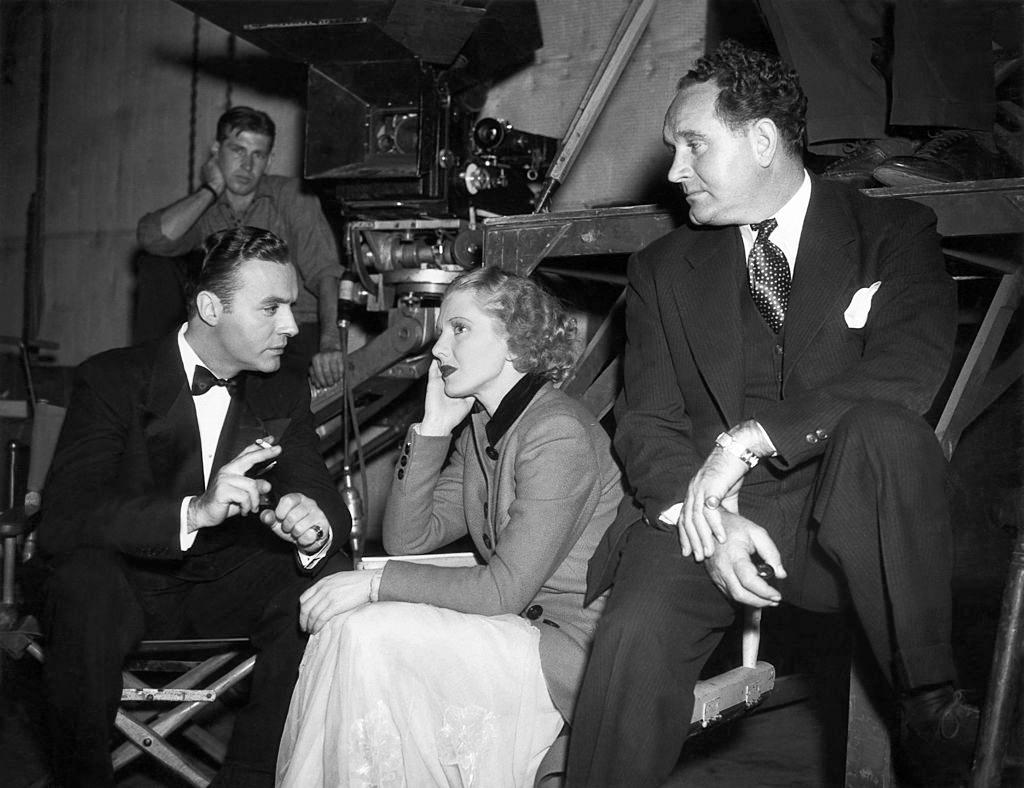
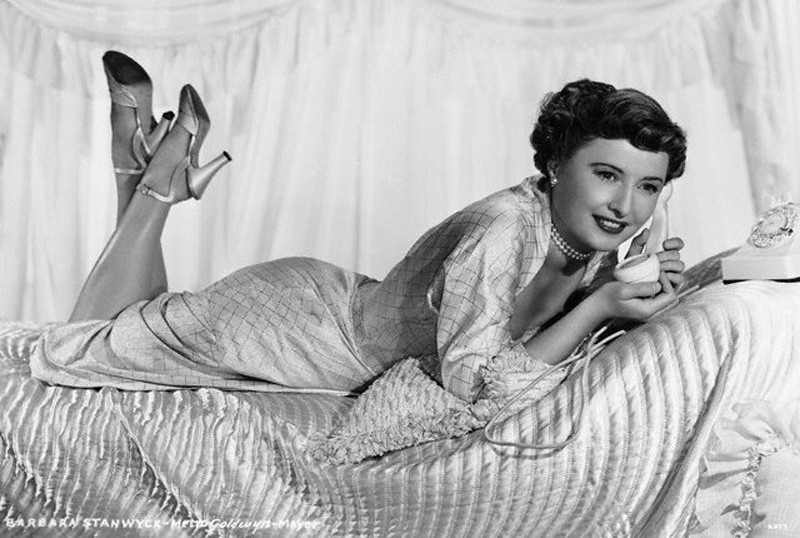
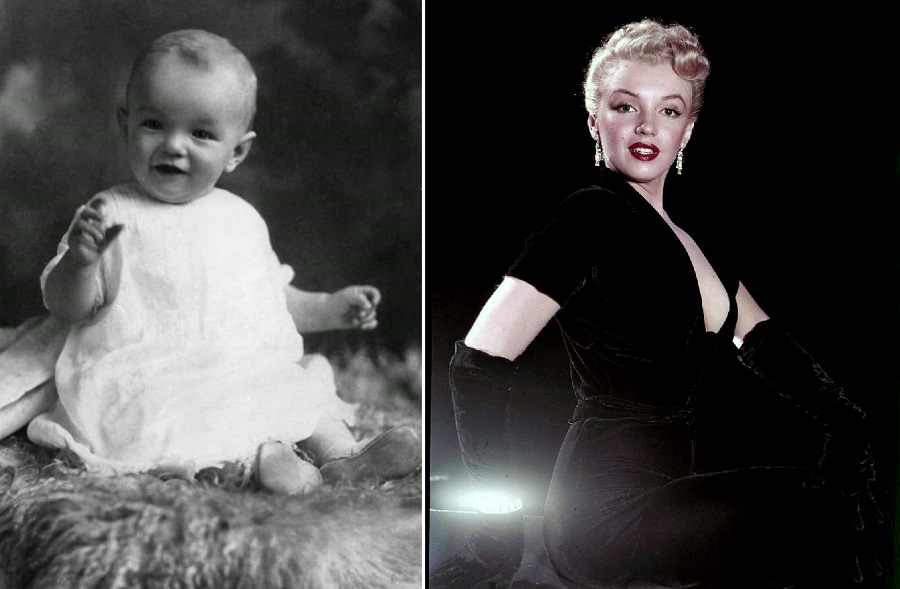
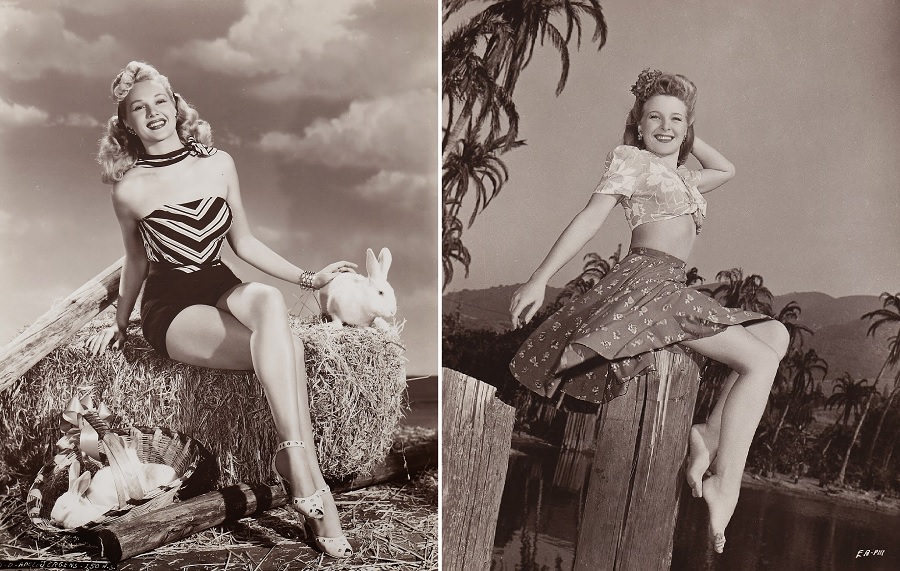
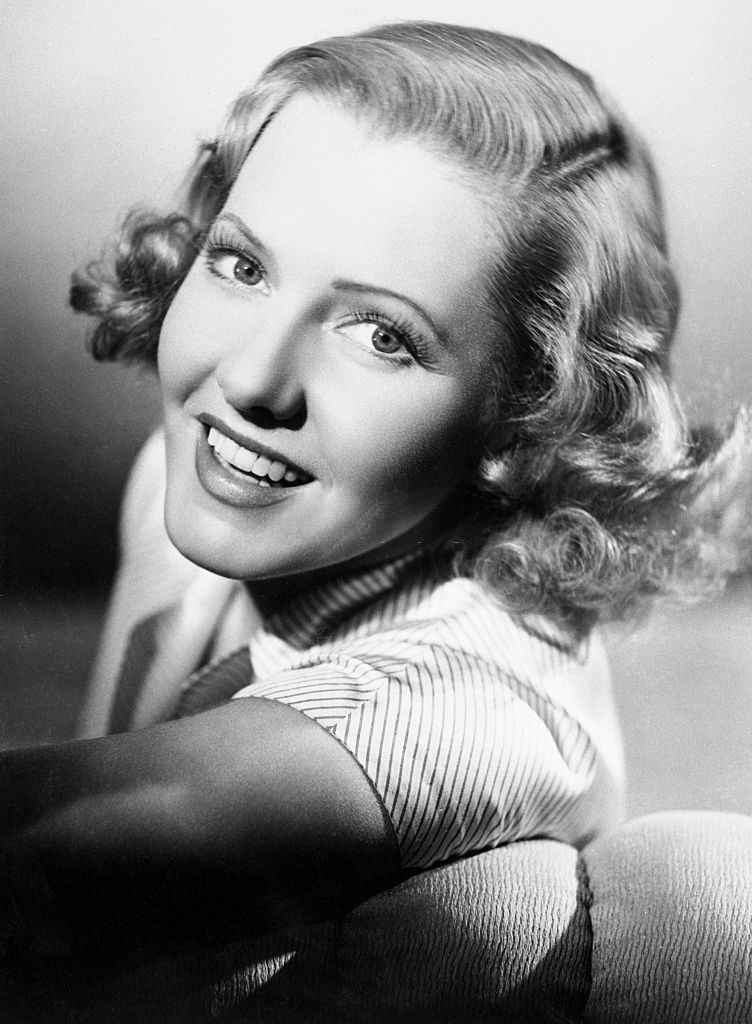
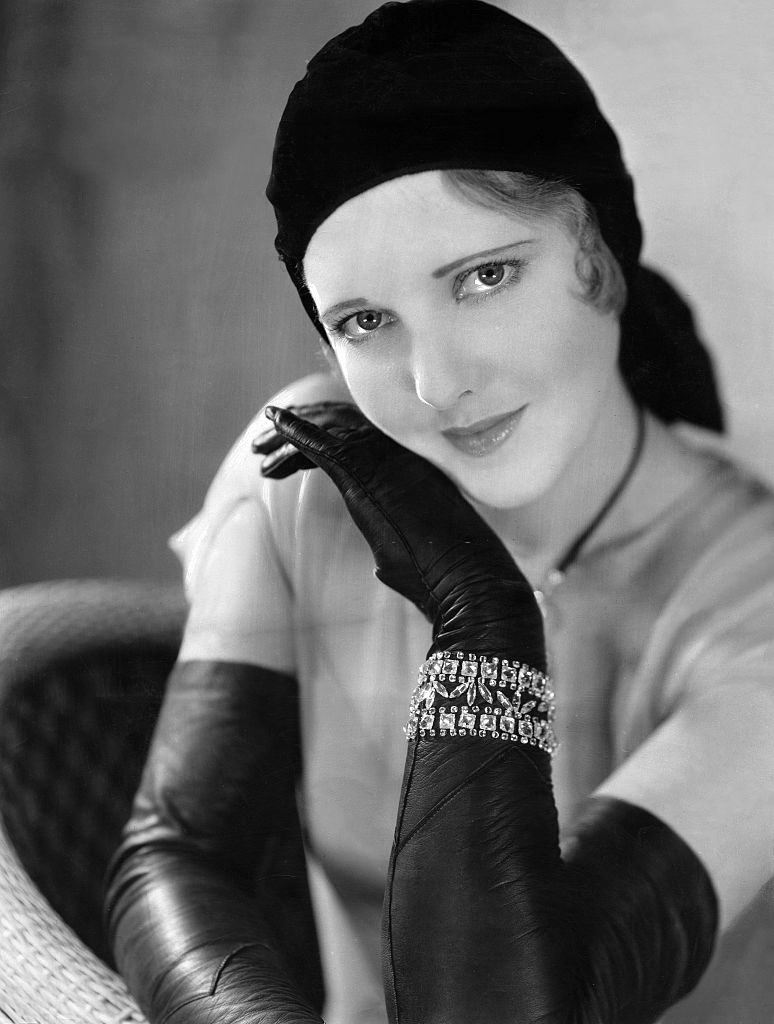
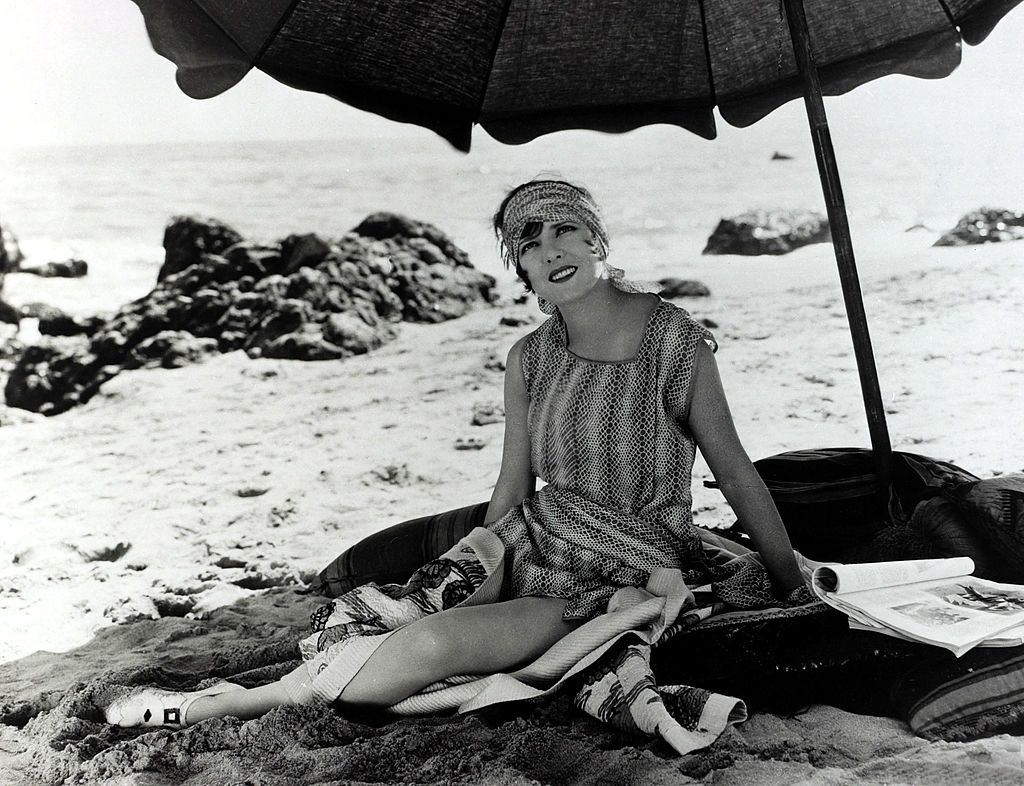
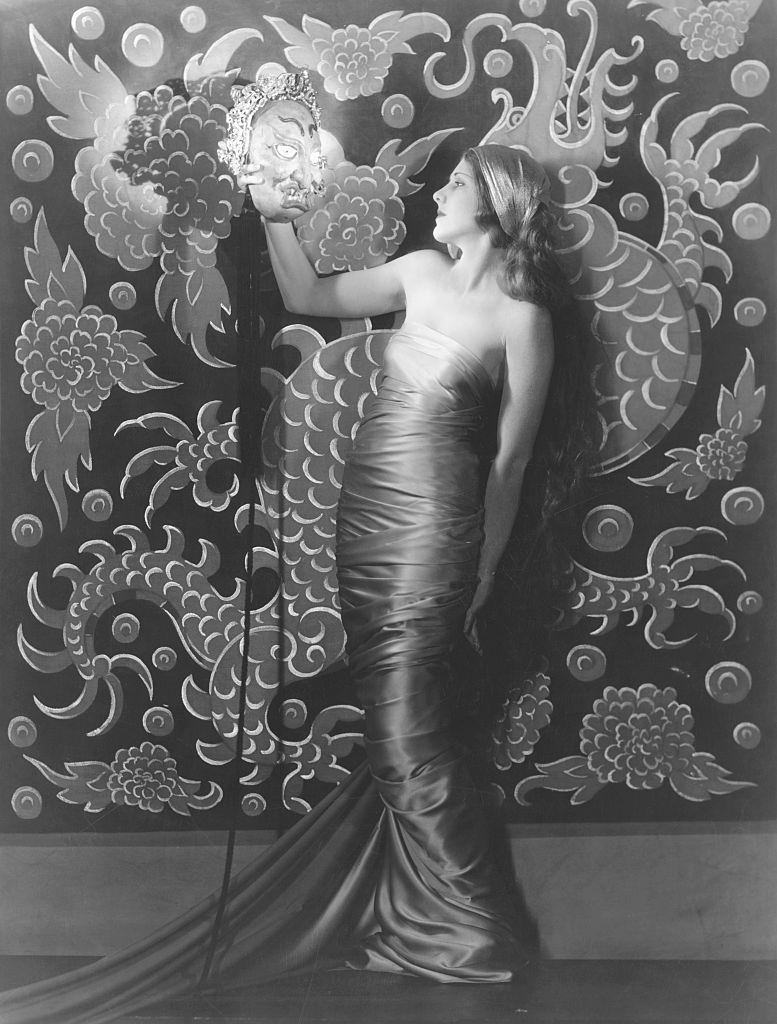
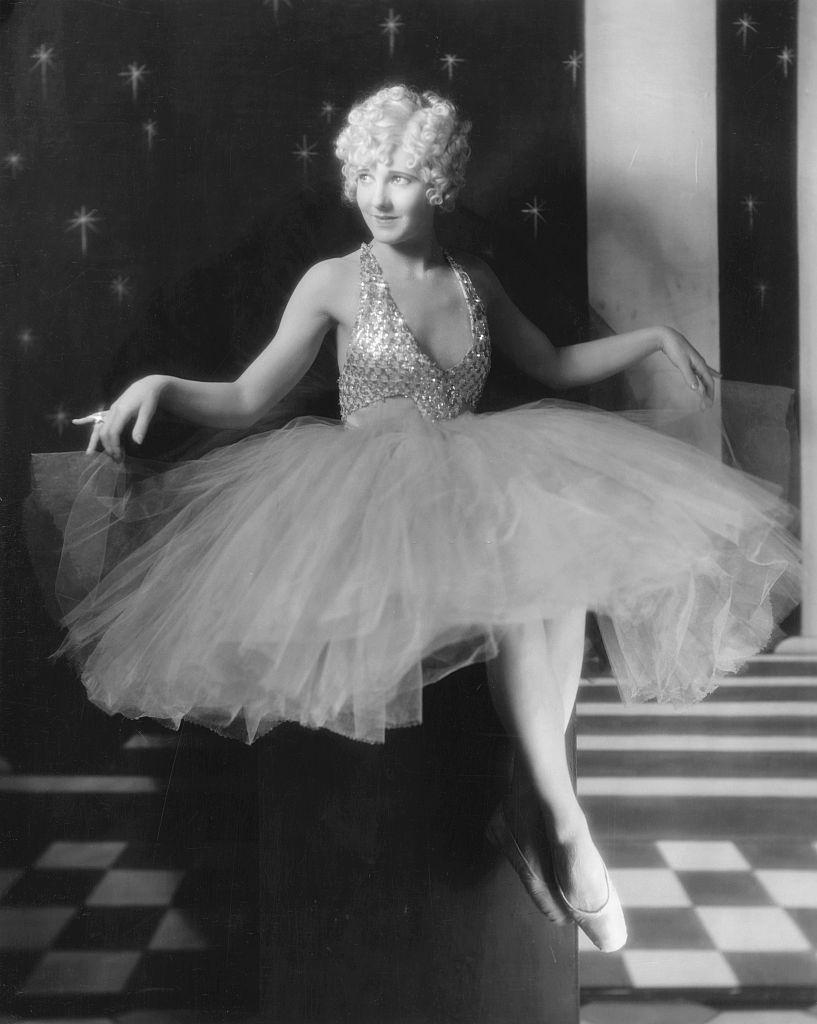
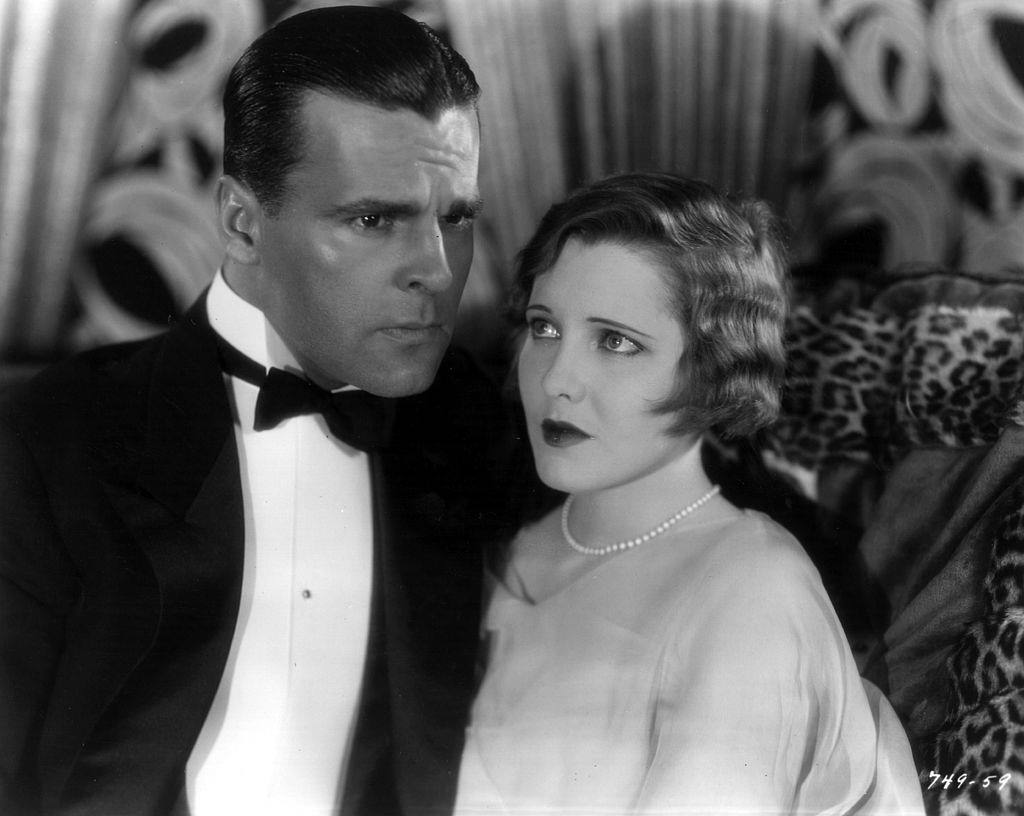
Film critic Charles Champlin captured her appeal precisely: ‘To at least one teenager in a small town, Jean Arthur suggested that the ideal woman could be — ought to be — judged by her spirit as well as her beauty. The notion of the woman as a friend and confidante, as well as someone you courted and were nuts about, someone whose true beauty was internal rather than external, became a full-blown possibility as we watched Jean Arthur.’ Below are glamorous photos of the beautiful and talented Jean Arthur from across her remarkable career.