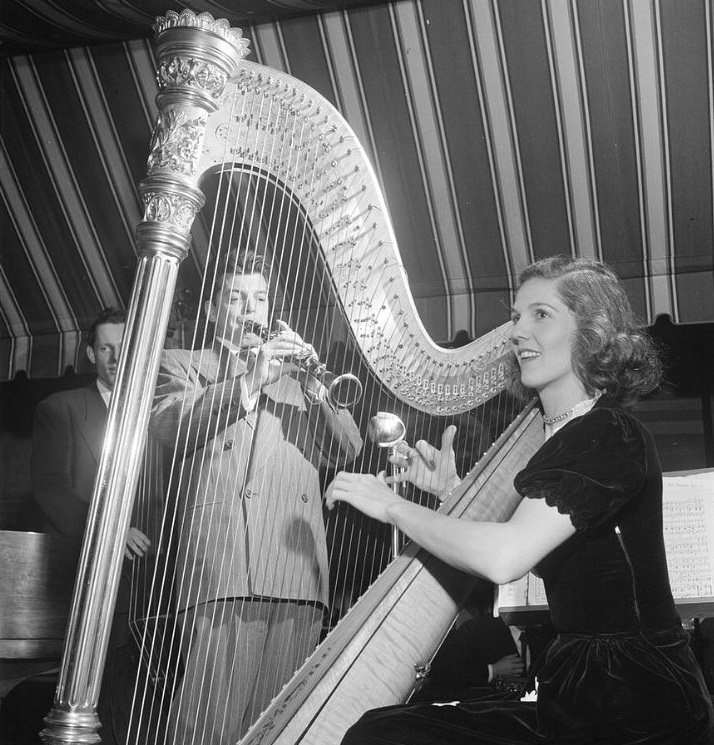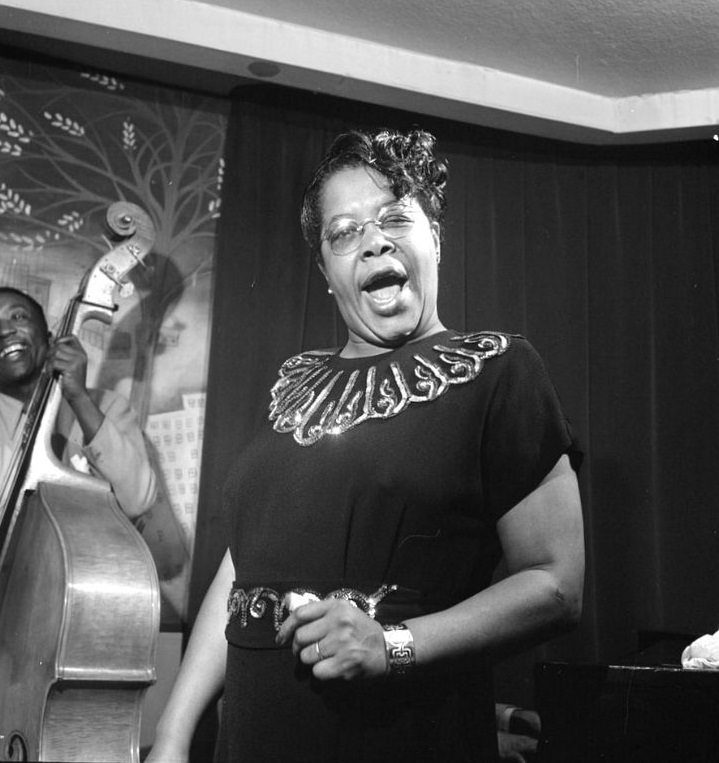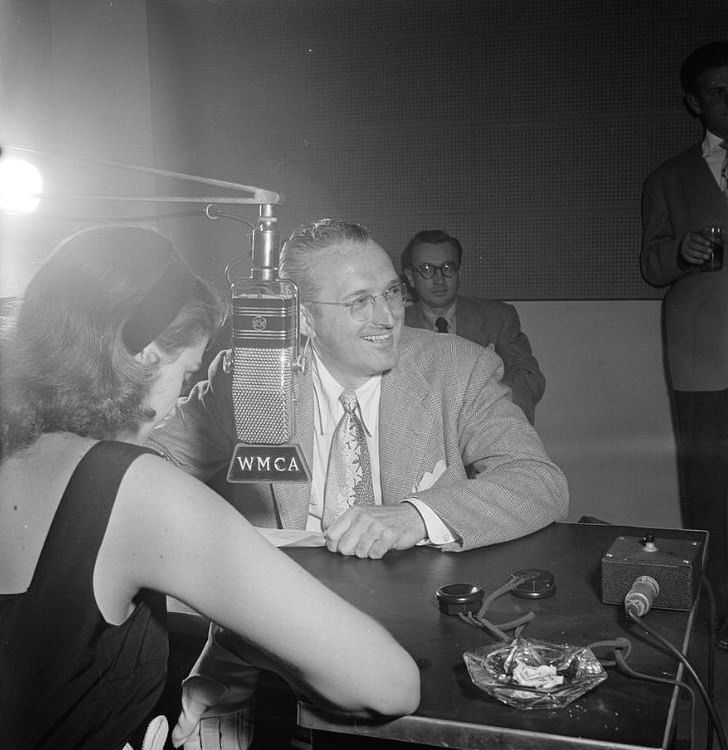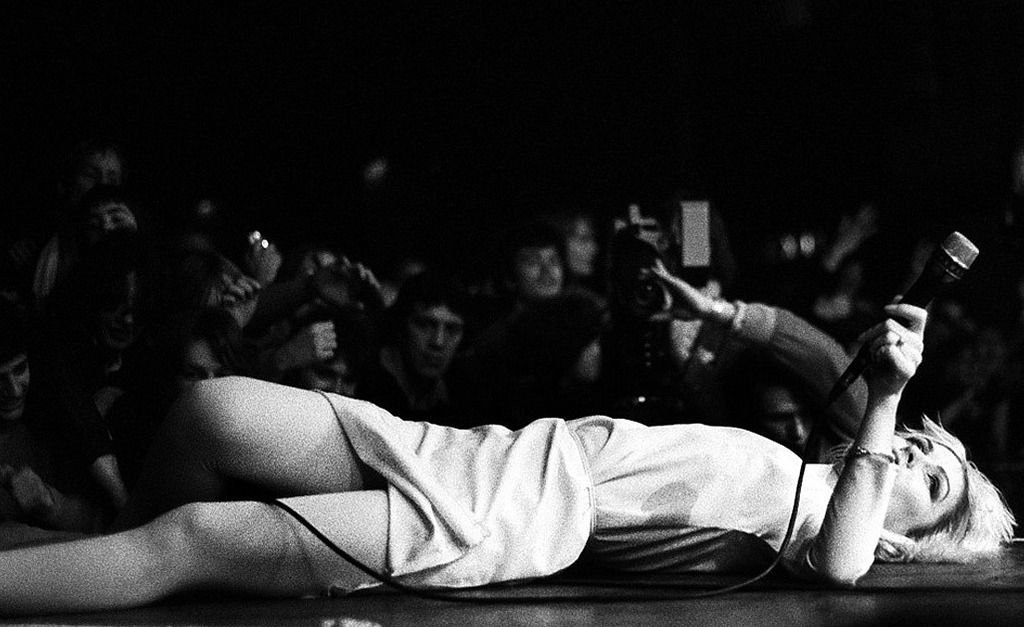
By the mid-20th century, jazz clubs had become something far greater than places to hear music. Tucked into basements and nondescript buildings across New Orleans, Chicago, and New York, they were full-blown cultural engines. Dim lighting, packed rooms, and the constant wail of brass instruments set the tone. The air was heavy — with cigarette smoke, sweat, and anticipation. Every night felt like a collision between art and life.
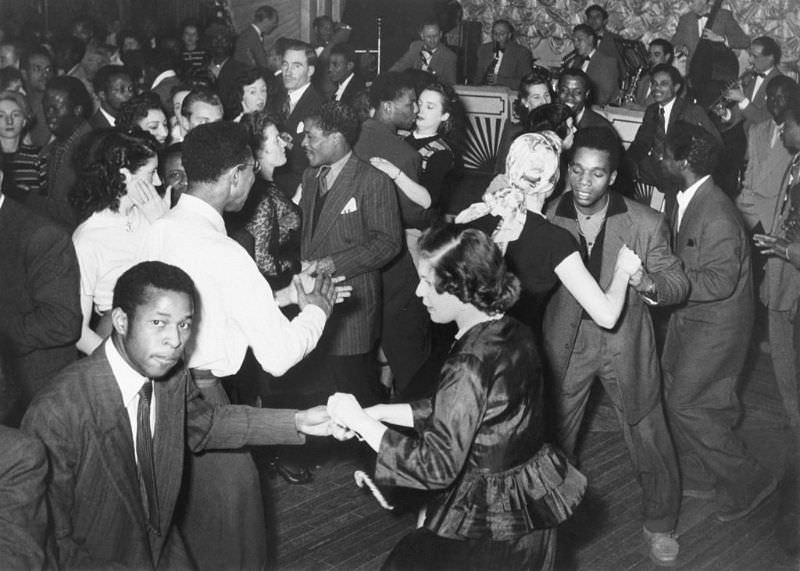
London had its own thriving scene. By 1949, clubs on Windmill Street and Oxford Street were drawing serious crowds. These weren’t casual lounges — they were hubs where musicians pushed the boundaries of what jazz could be, and audiences showed up dressed to match the energy on stage.
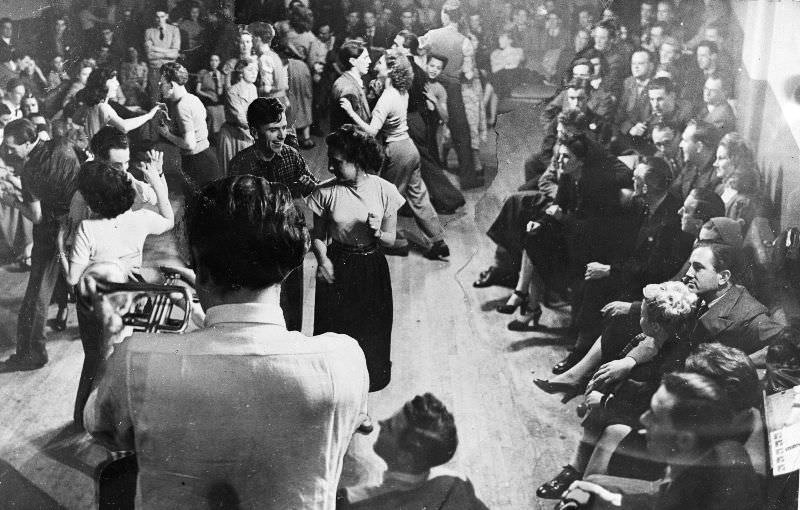
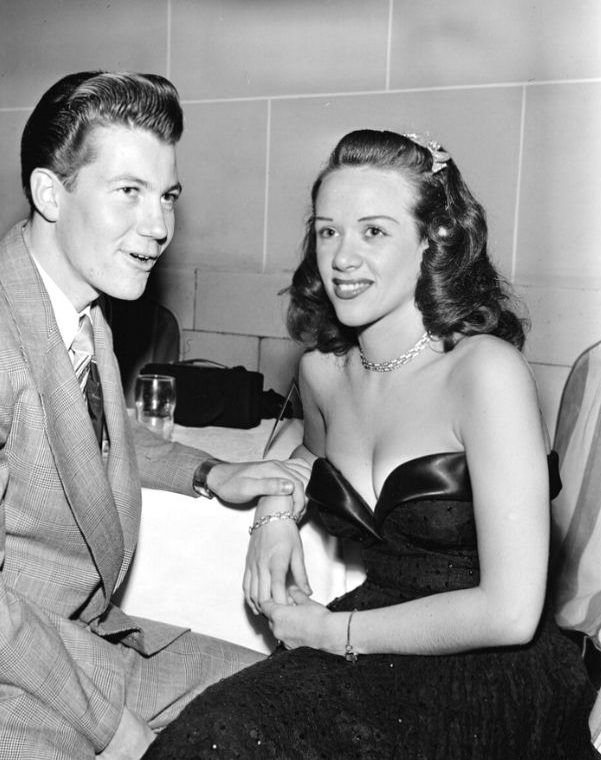
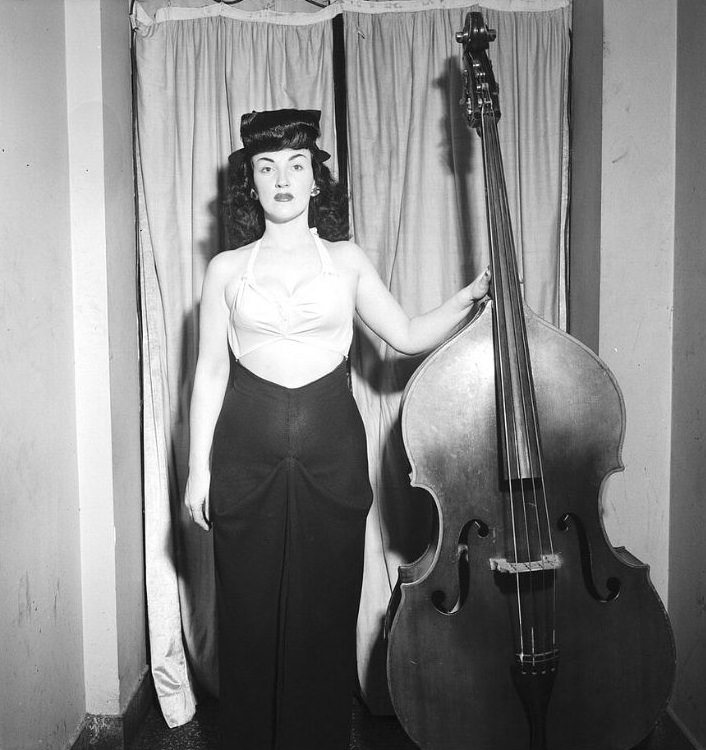
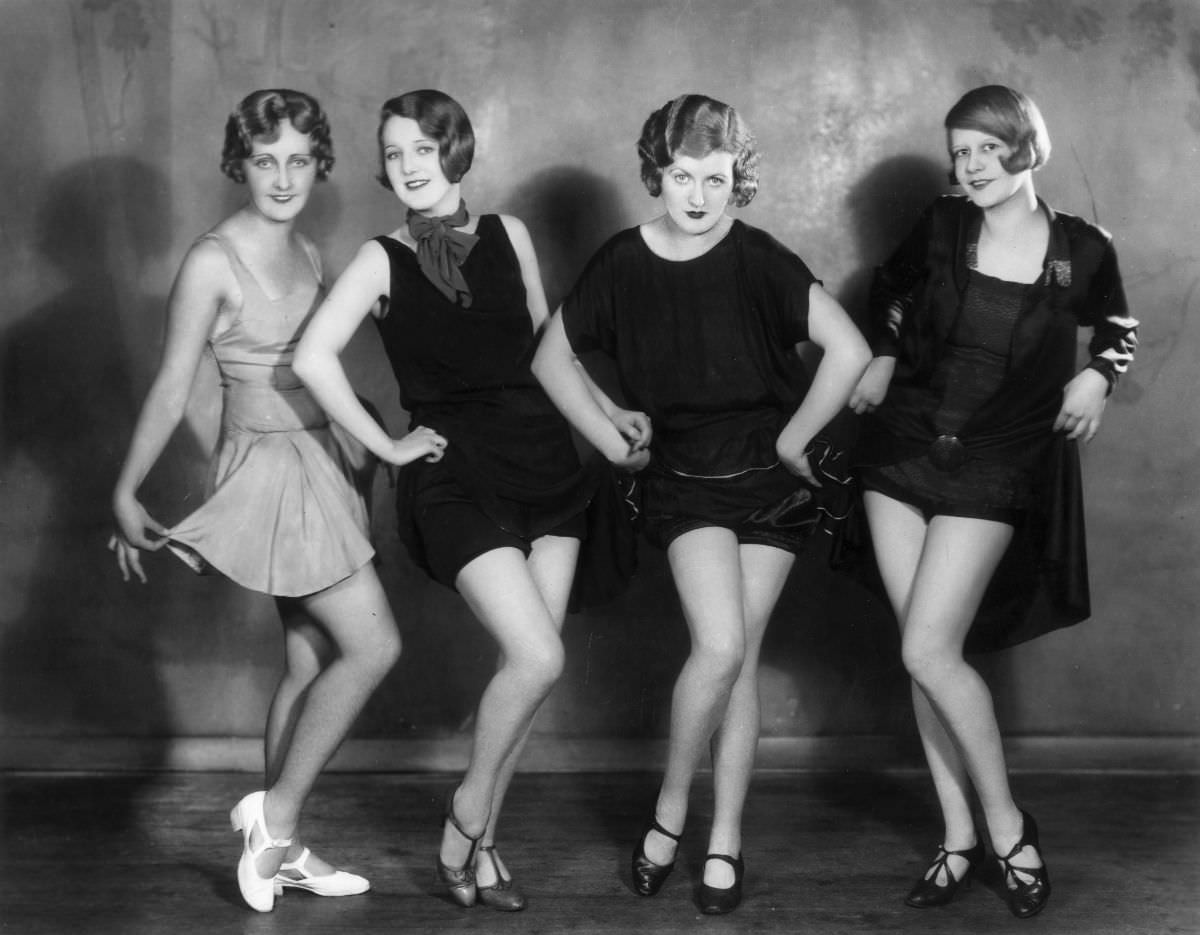
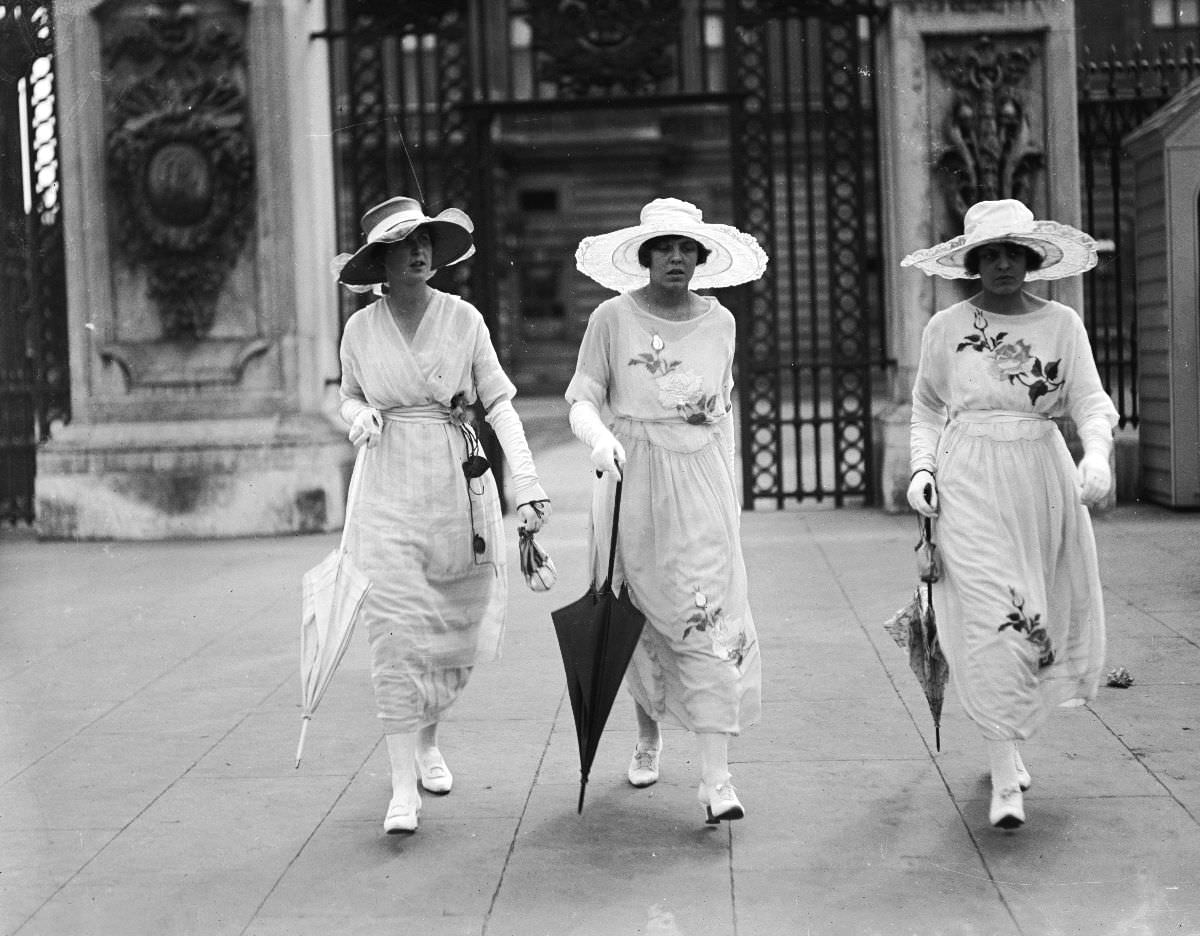
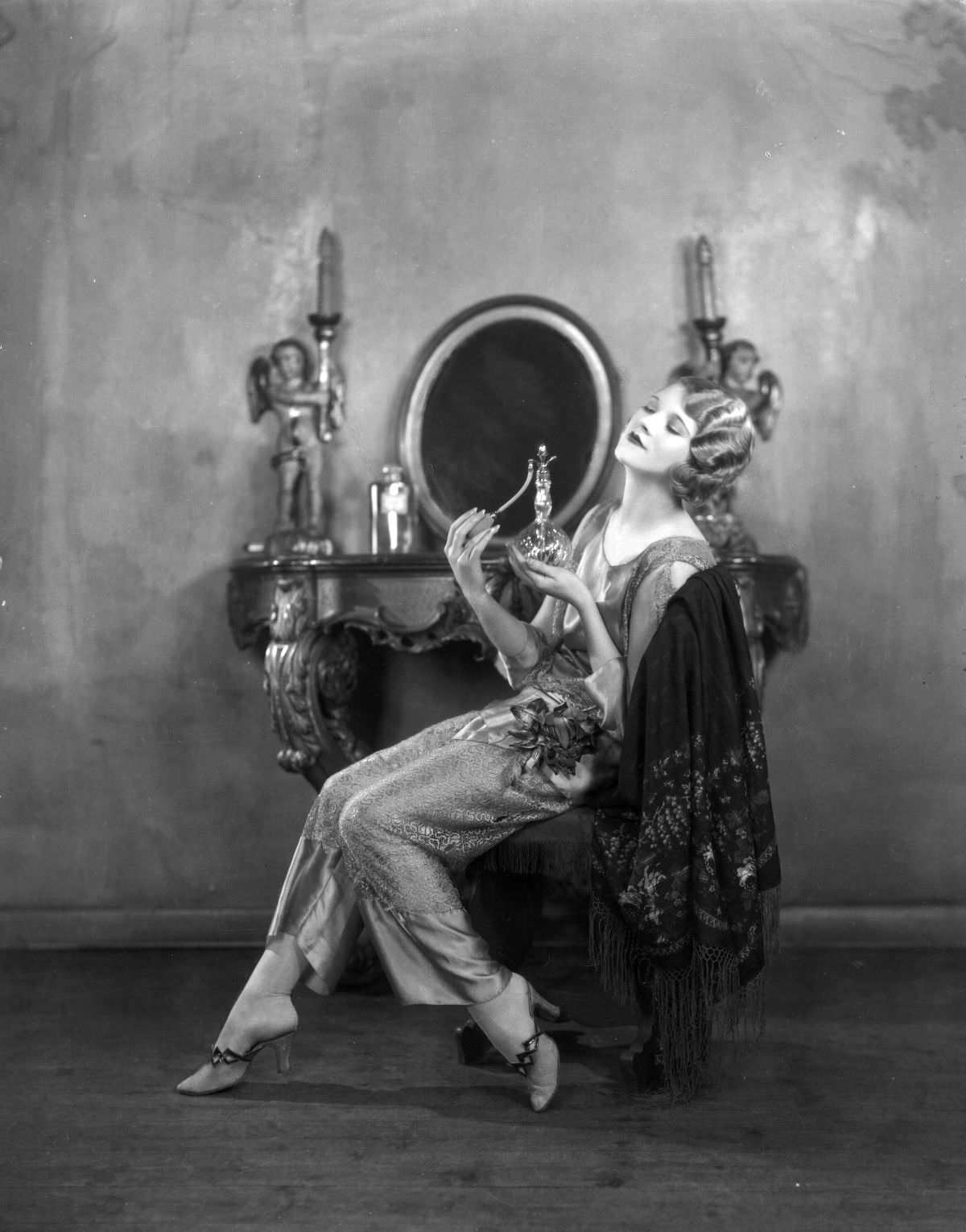
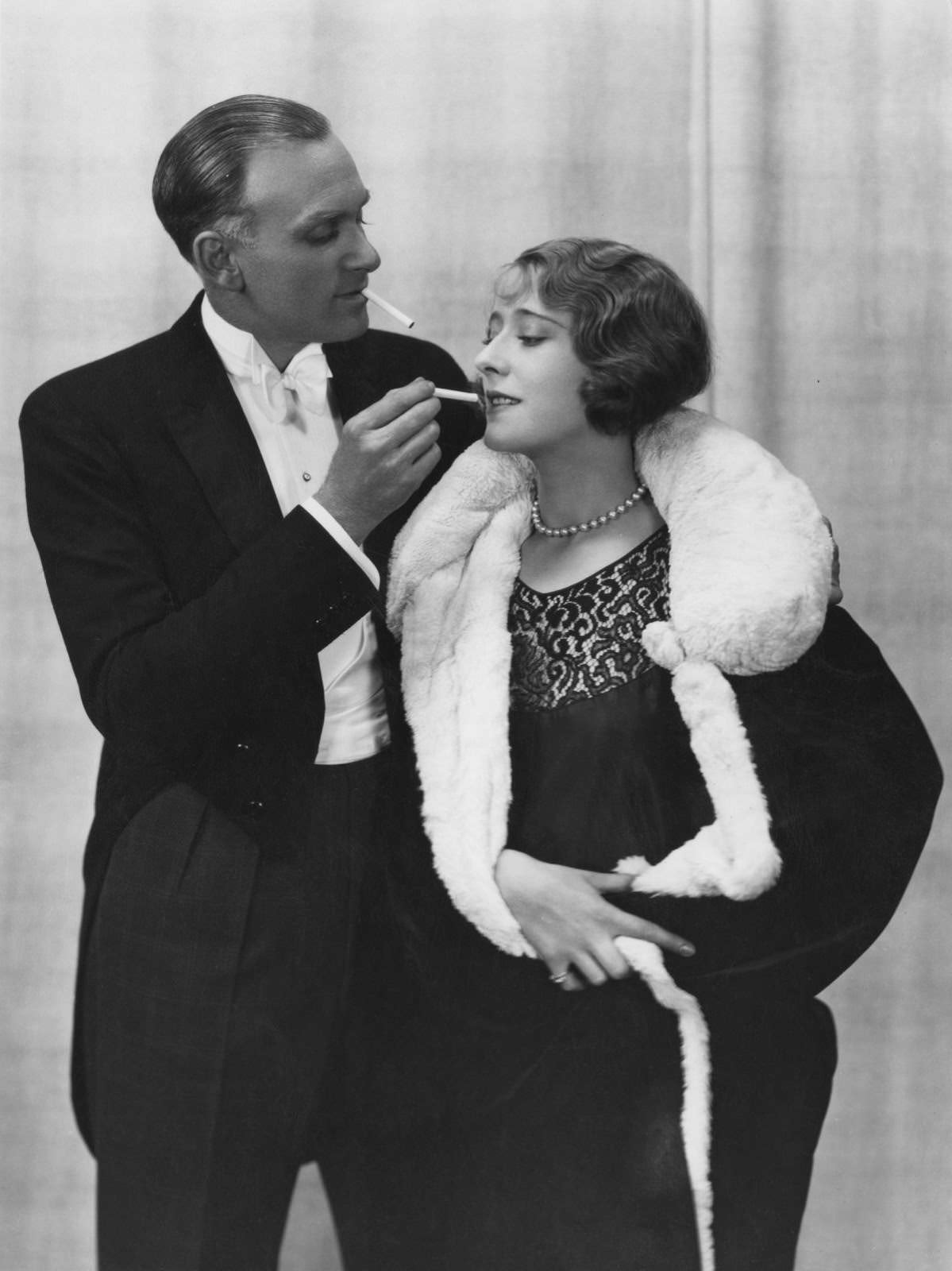
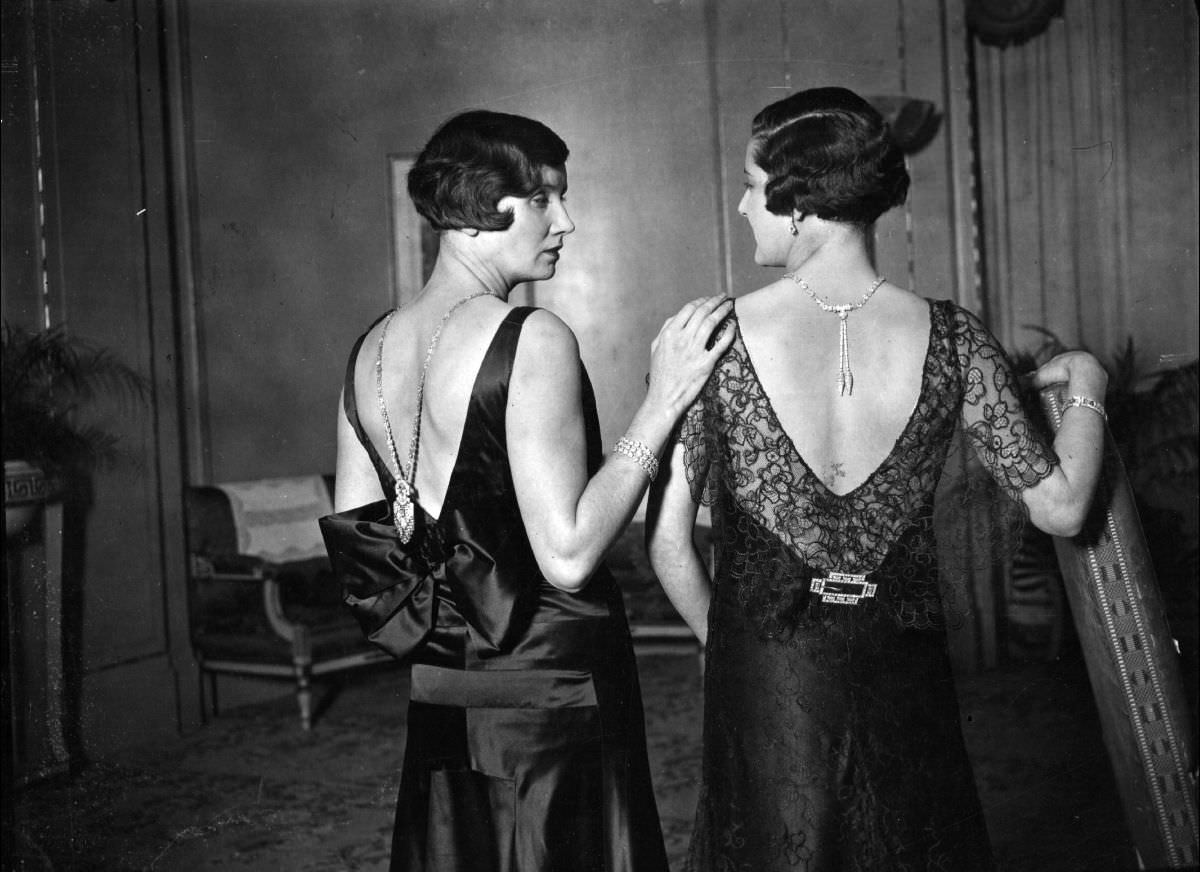
Fashion in these spaces was never an afterthought. Men arrived in sharp, well-fitted suits, often topped with a fedora tilted just so. Women wore flapper-inspired dresses, bold lipstick, and hairstyles that deliberately broke from convention. Clothing was a statement — a quiet act of defiance against the rigidity of mainstream society. Every outfit communicated membership in something bigger than the individual.
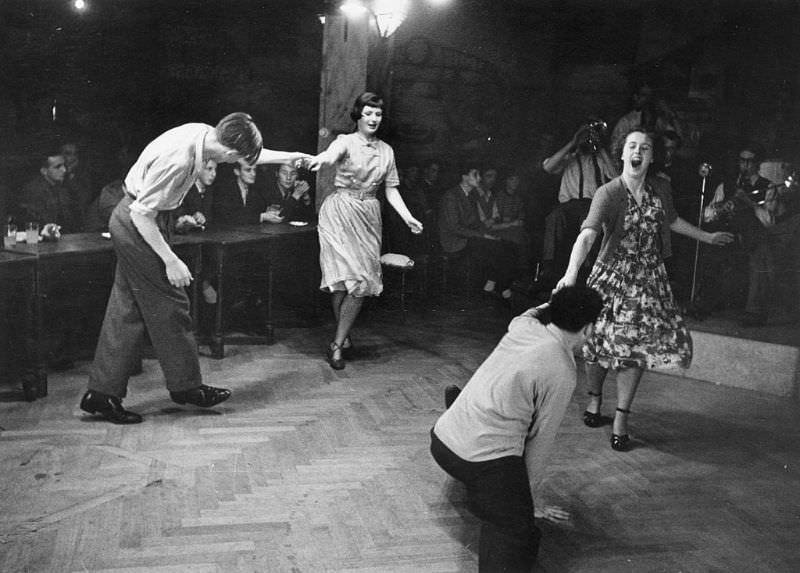
Paris carried its own distinct jazz identity. The Club du Vieux Colombier in Saint-Germain-des-Prés was a magnet for artists, intellectuals, and musicians who gathered to improvise — both musically and socially. The French jazz scene absorbed American influences and filtered them through a Parisian sensibility, producing something entirely its own.
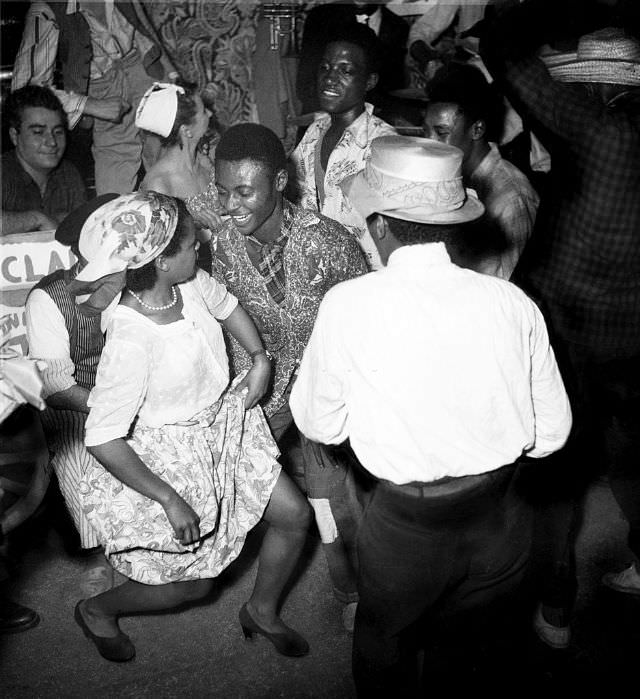
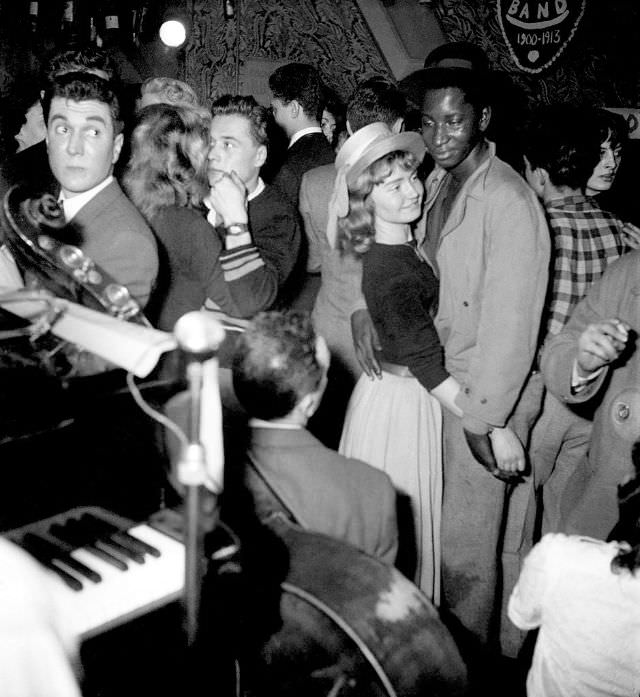
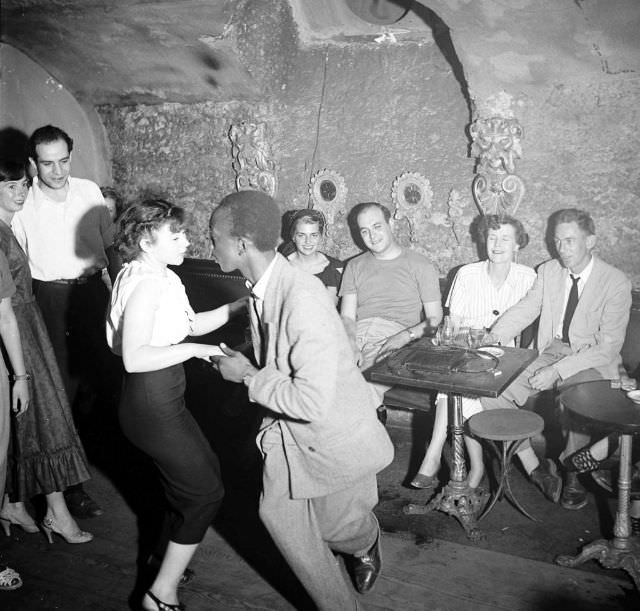
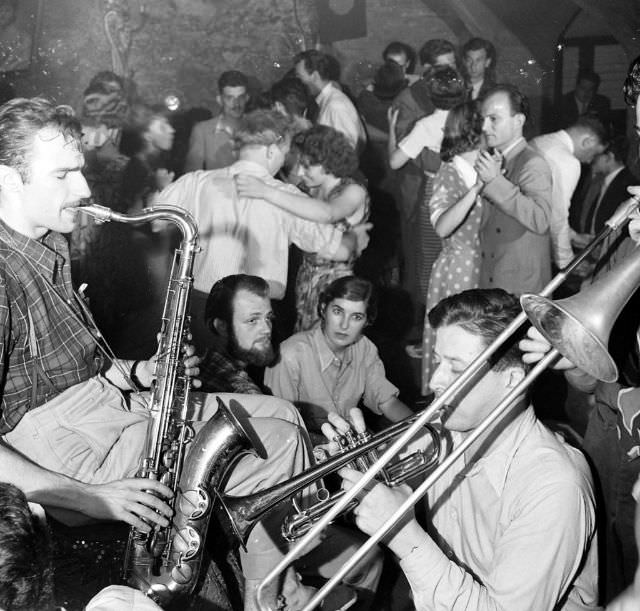
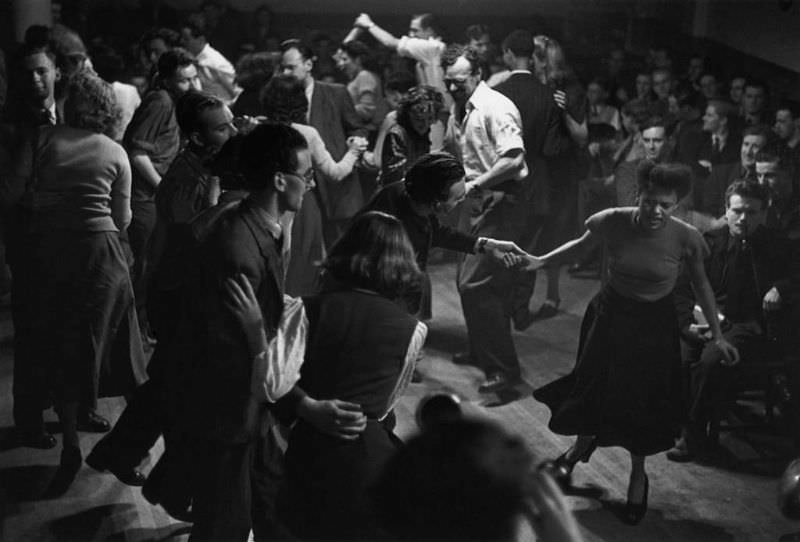
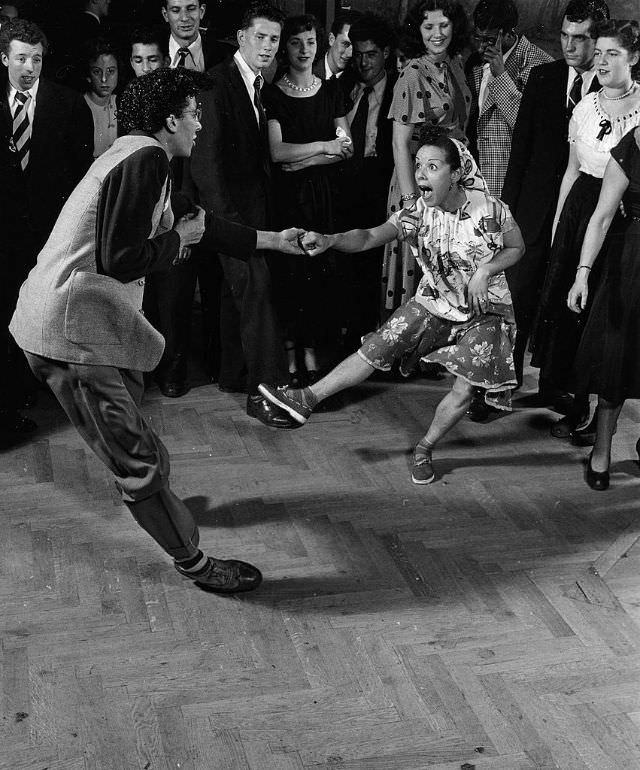
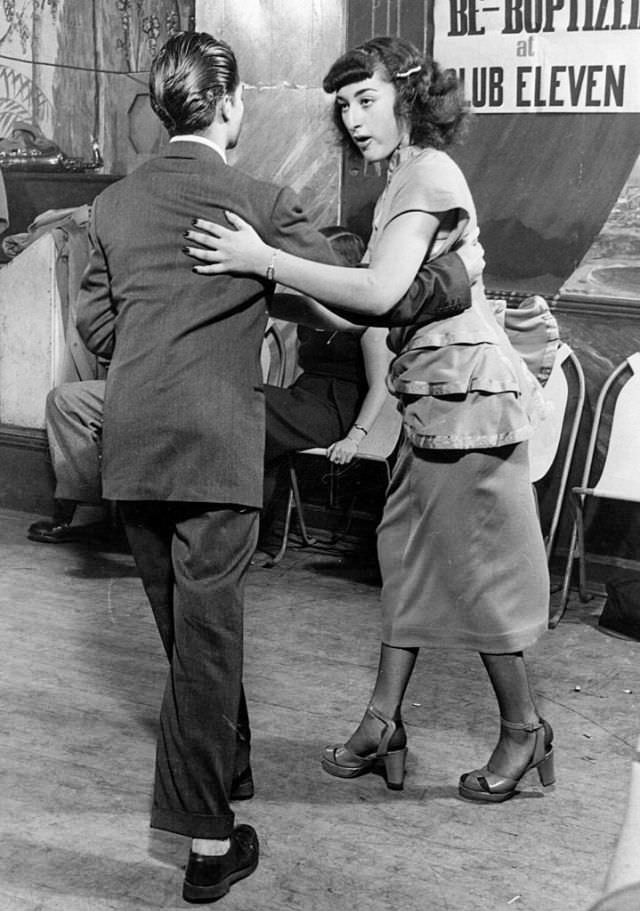
Bebop was one of jazz’s most exciting evolutions, and the dancing that came with it was just as electric. Club Eleven in London became a landmark venue for bebop in 1949. Dancers threw themselves into fast, complex movements that mirrored the rapid tempos and unpredictable chord changes of the music. The Feldman Club drew similar crowds, where the floor was rarely still.
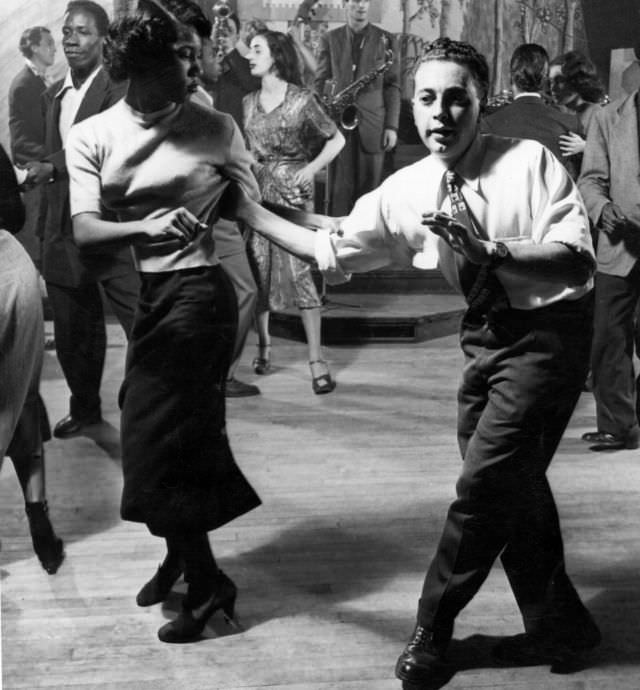
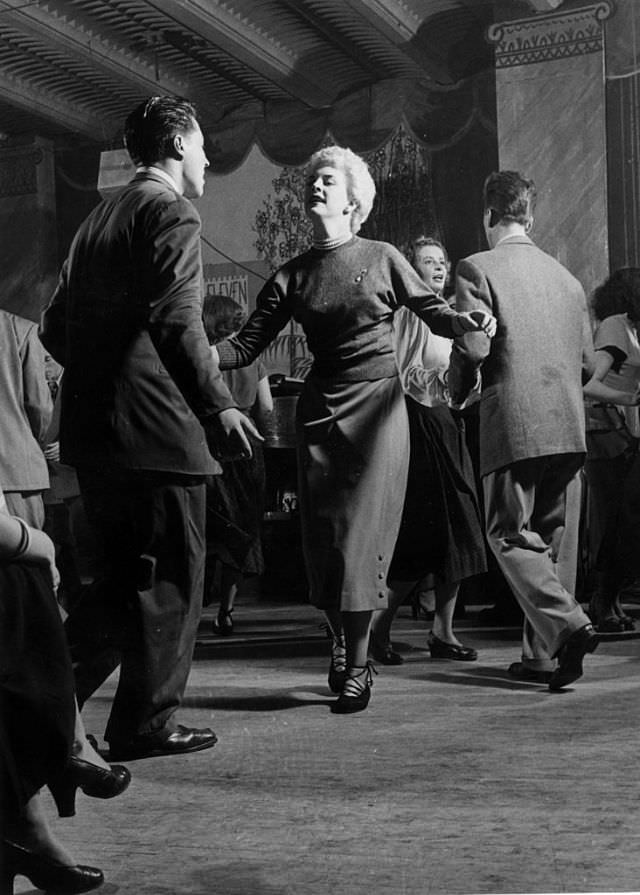
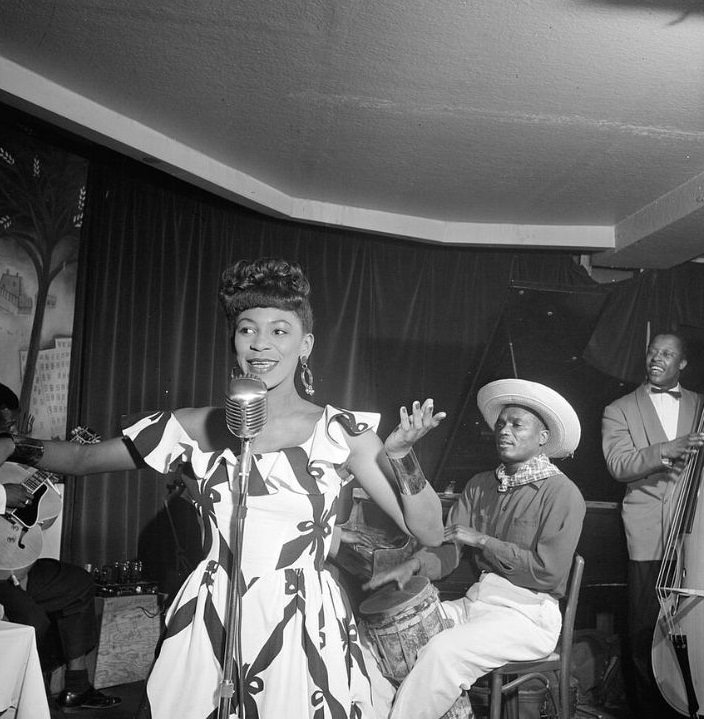
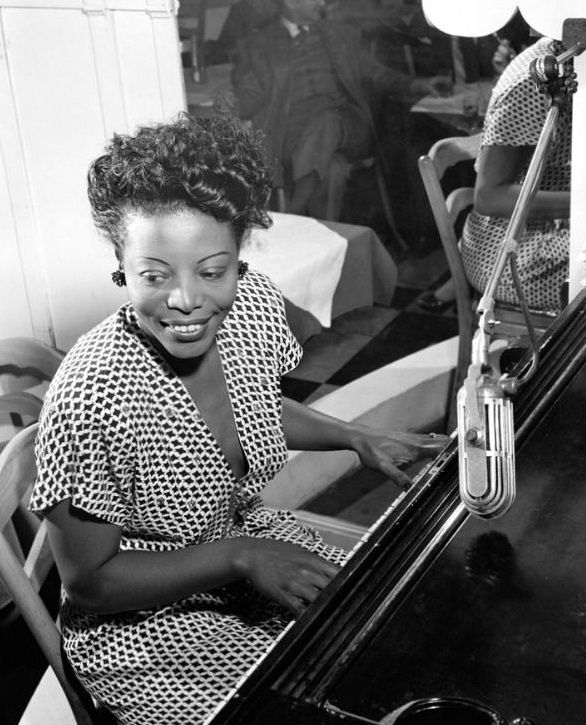
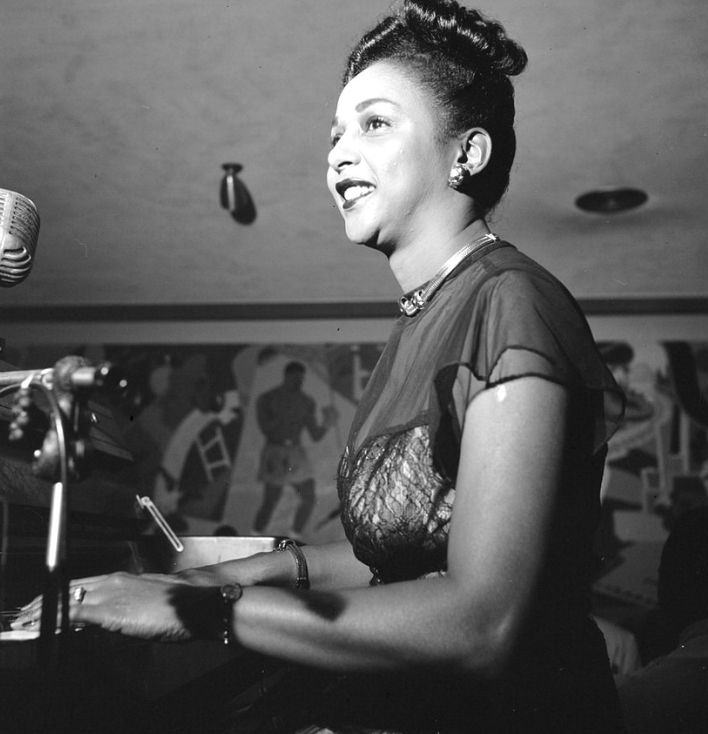
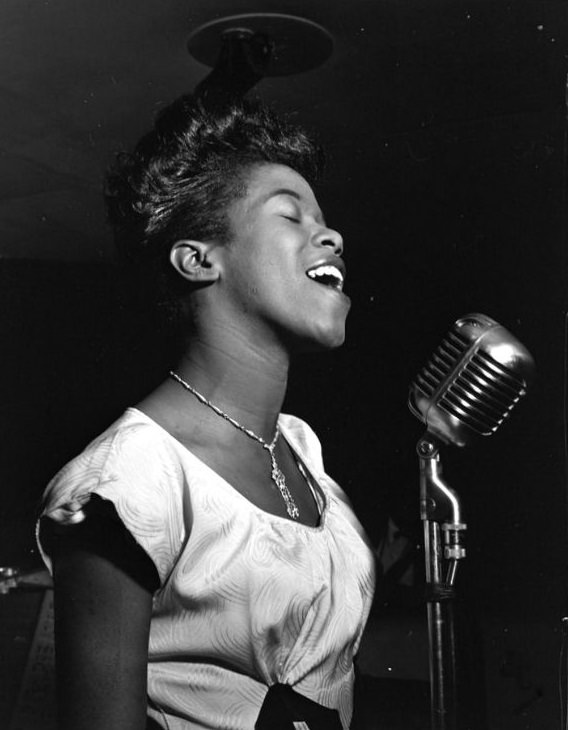
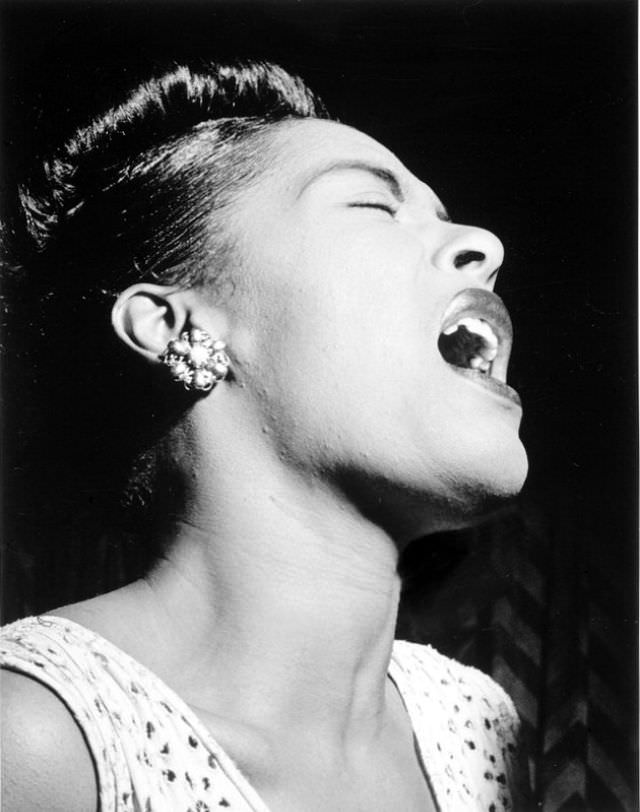
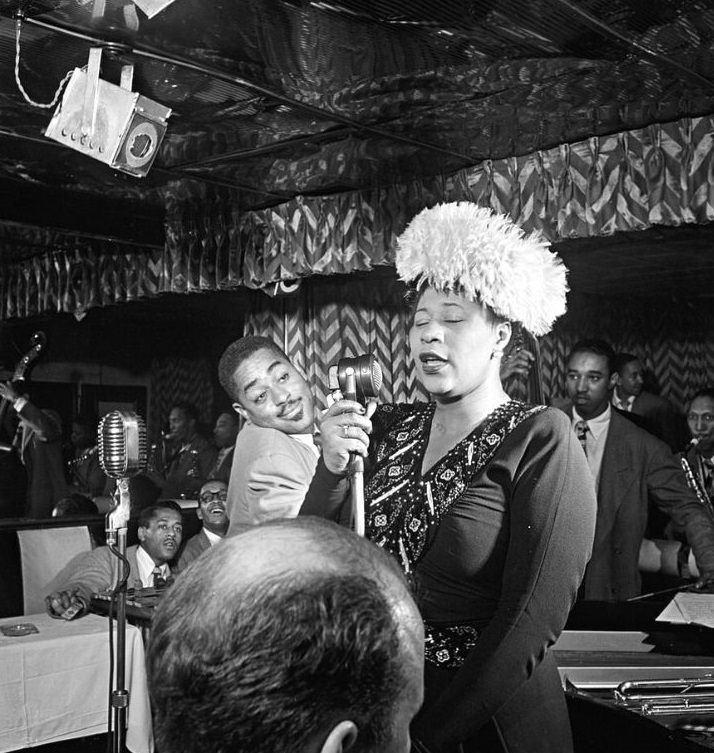
Back in New York, clubs like the Downbeat, the Village Vanguard, and Café Society were producing some of the most legendary performances ever captured on film. Billie Holiday performed at the Downbeat in February 1947, delivering the kind of raw, aching vocals that made silence feel impossible. Ella Fitzgerald, Dizzy Gillespie, and Ray Brown shared a stage at the same venue just months later — a lineup that represented the full force of jazz’s golden era.
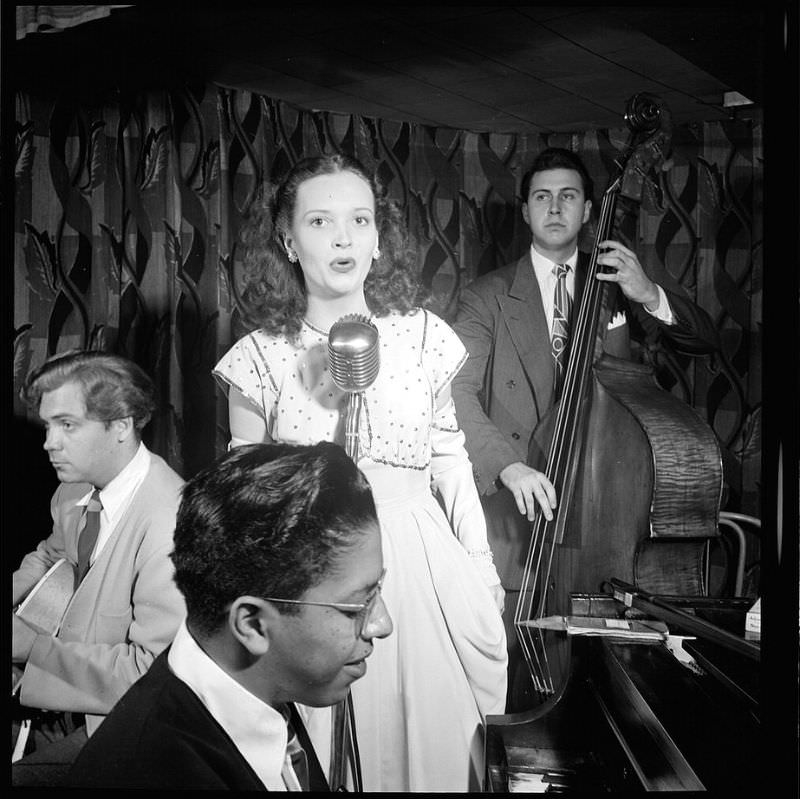
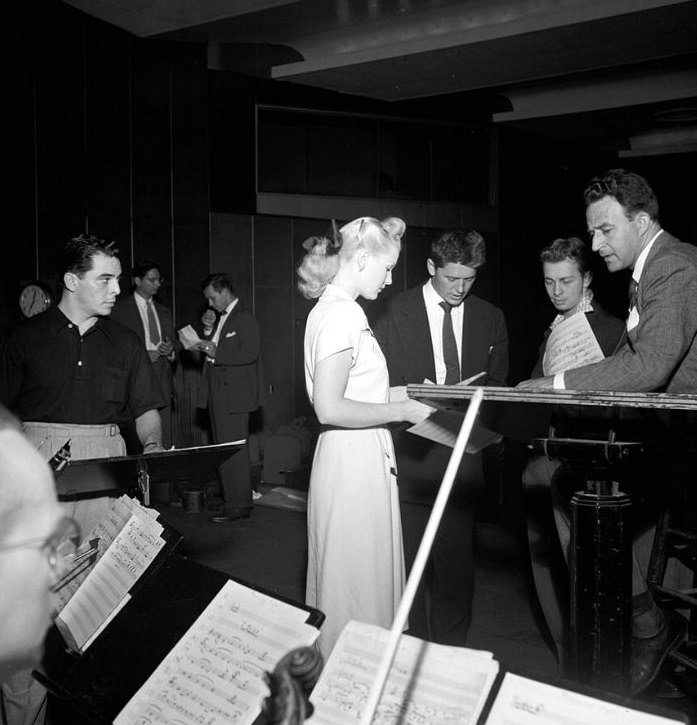
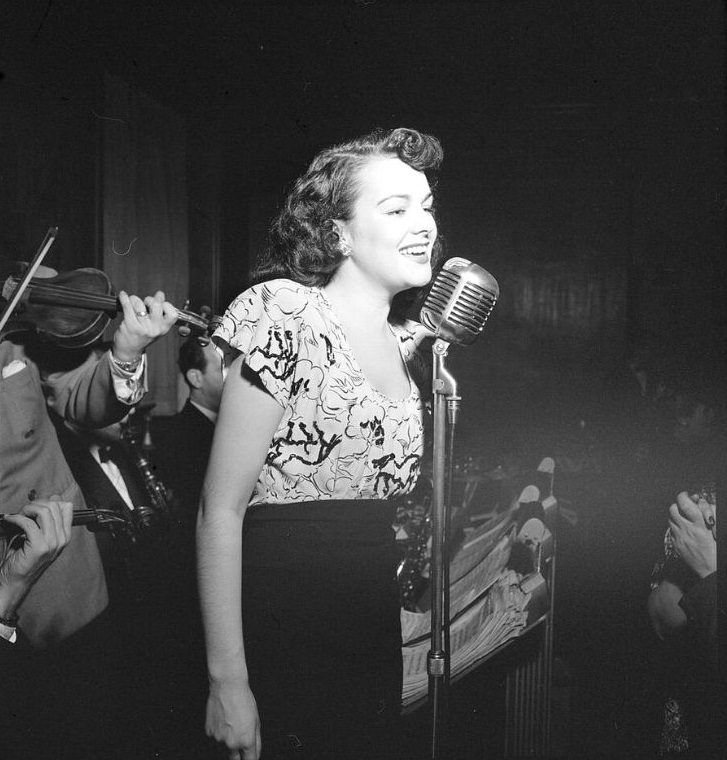
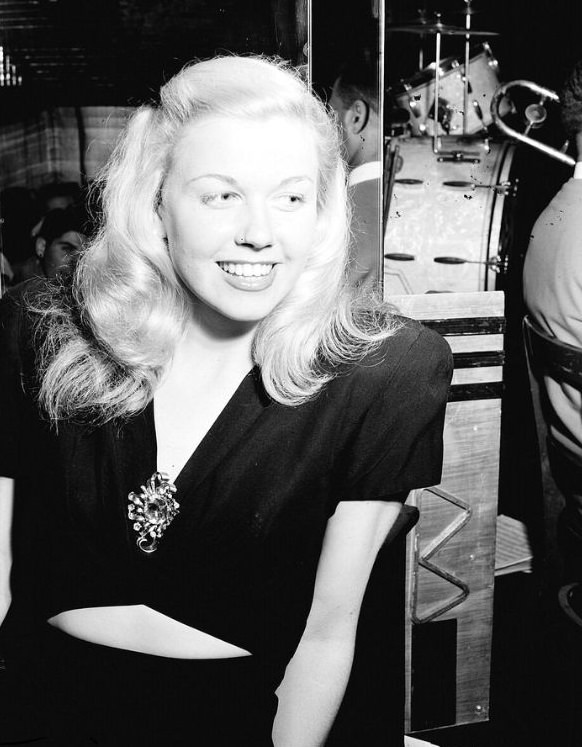
Doris Day appeared at the Aquarium in New York in July 1946, early in her career and already commanding attention. These clubs regularly featured performers at various stages — some already famous, others on the verge of becoming household names.
Jazz clubs were also among the few spaces in mid-century America where racial segregation was openly challenged. These venues drew people from different backgrounds to the same room, united by music. Conversations started at corner tables crossed lines that the rest of society enforced strictly. The clubs didn’t just host music — they hosted a different set of rules.