
In 1970, Jayne Kennedy made history by becoming the first African-American woman ever crowned Miss Ohio. That title was just the beginning. Over the next two decades, she built a career that spanned modeling, acting, and television broadcasting — breaking barriers in each field she entered. Her face was insured for $1 million, a testament to how recognizable and bankable she had become at the height of her fame.
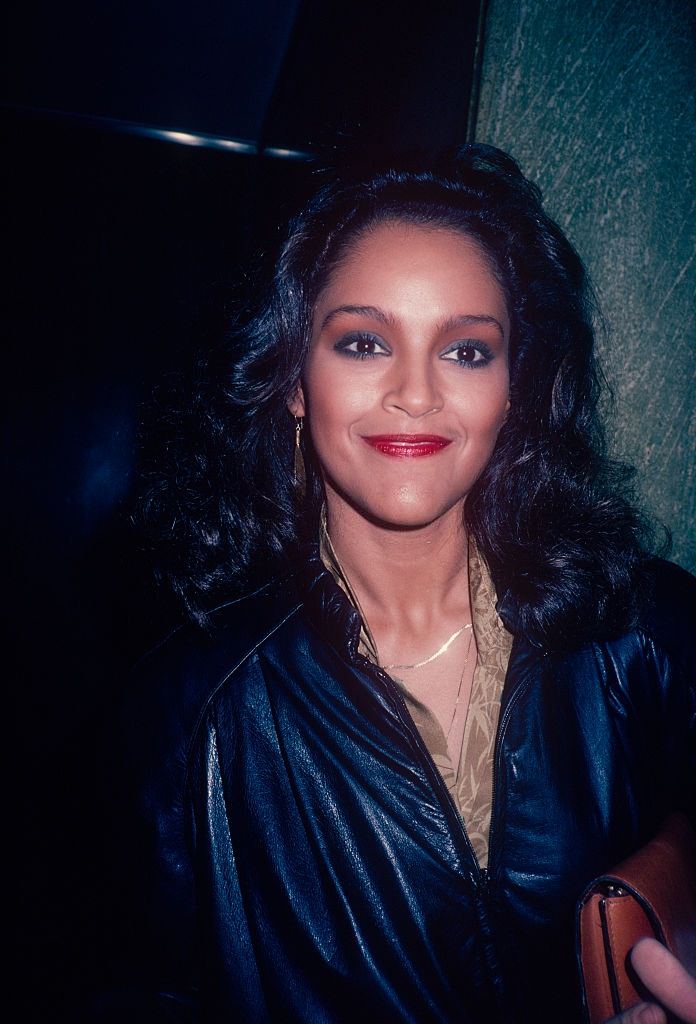
After winning the Miss Ohio title, Kennedy competed in the Miss USA pageant, where she finished as fourth runner-up. Even in the early years of her public life, she was moving in influential circles and rubbing shoulders with rising stars of the era.
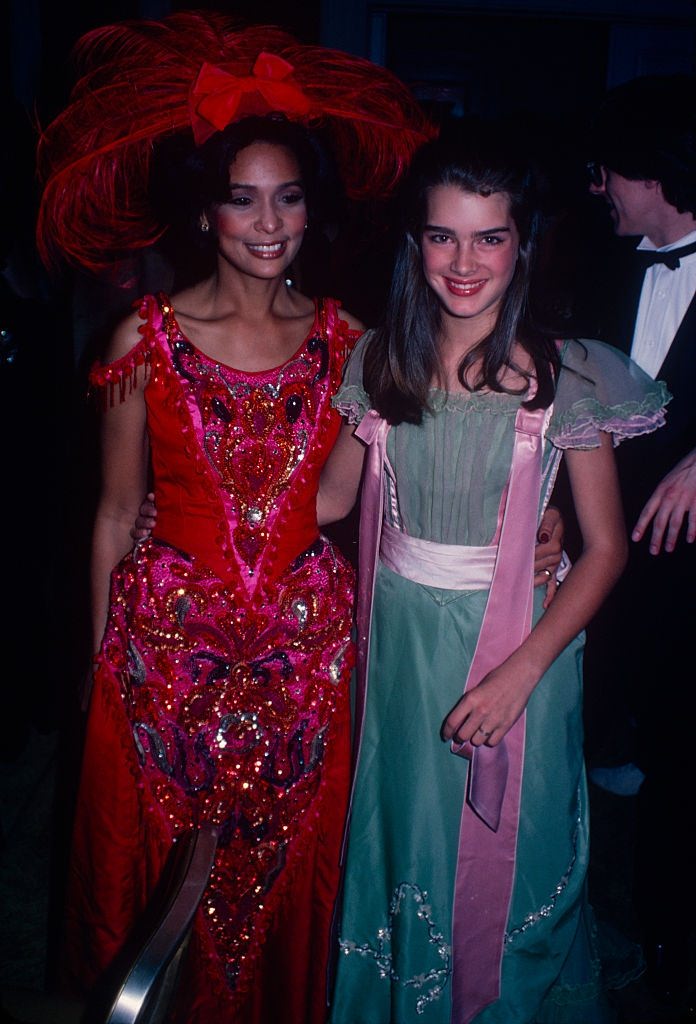
Kennedy quickly transitioned from pageants to entertainment. She made her acting debut in the 1973 B-movie ‘Group Marriage’ and continued appearing in a string of similar films throughout the mid-1970s. At the same time, she began landing spots on popular television series, including ‘Ironside,’ ‘Banacek,’ ‘The Rockford Files,’ and ‘Wonder Woman.’ Her screen presence was undeniable, and producers kept calling.
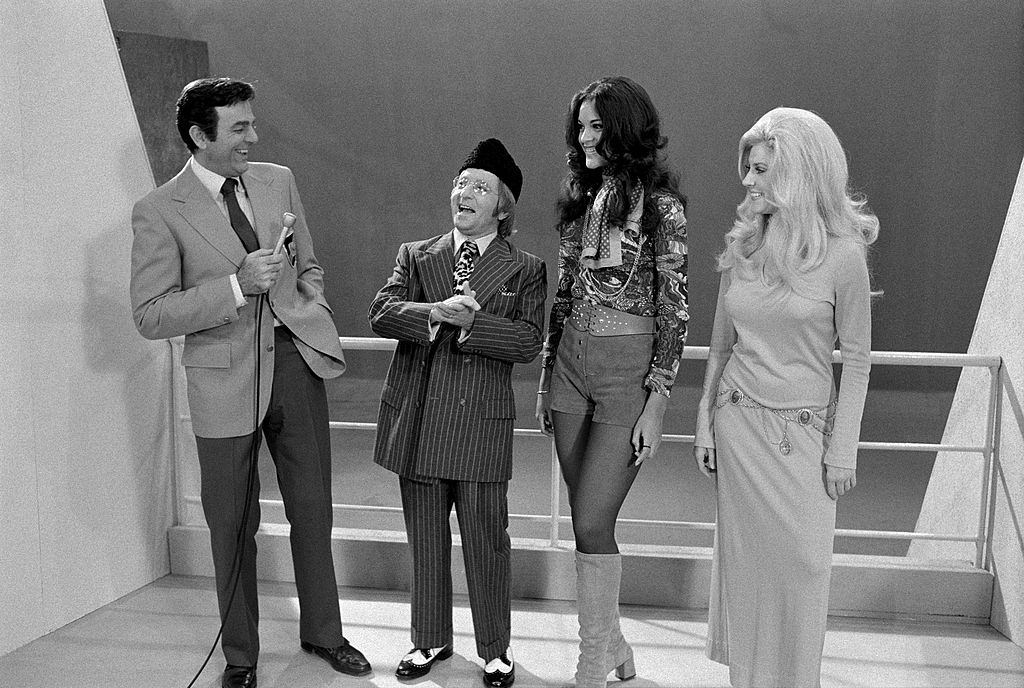
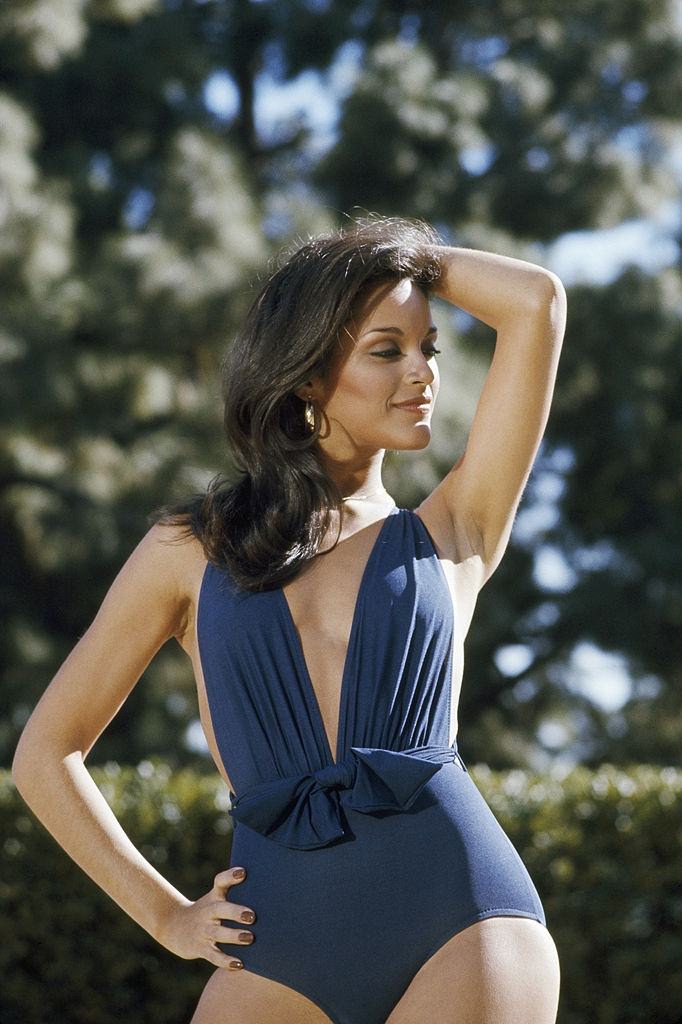
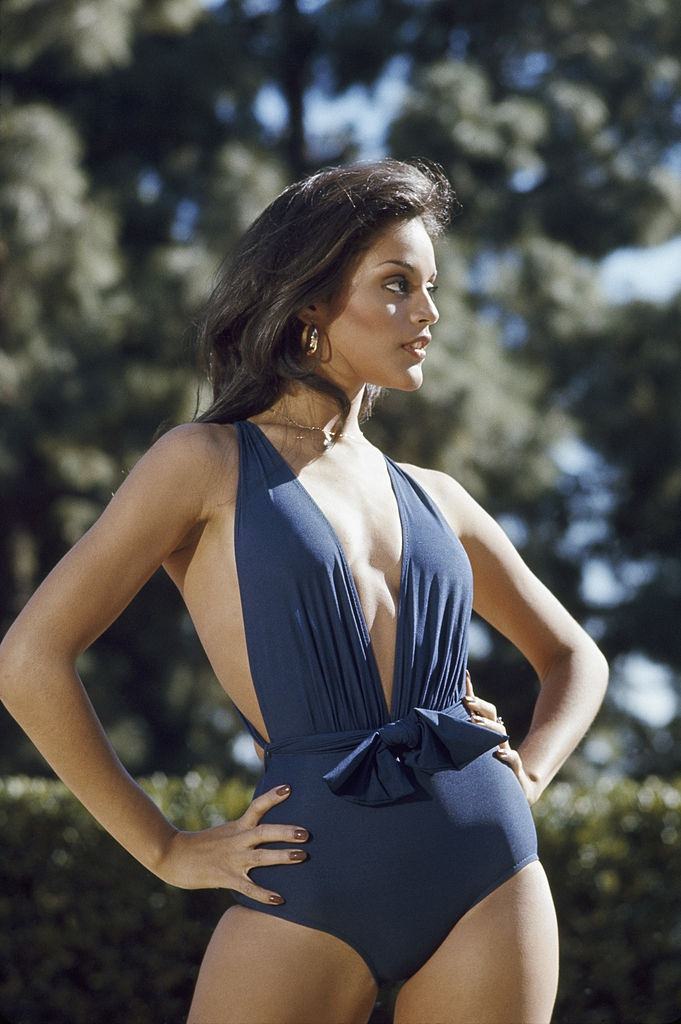
By 1977, Kennedy was a fixture on the Hollywood social scene. She attended high-profile events and was photographed constantly, her image appearing in magazines and on television with remarkable regularity. That year, she attended the 10th Annual NAACP Image Awards — one of many public appearances that marked her growing status as a cultural figure.
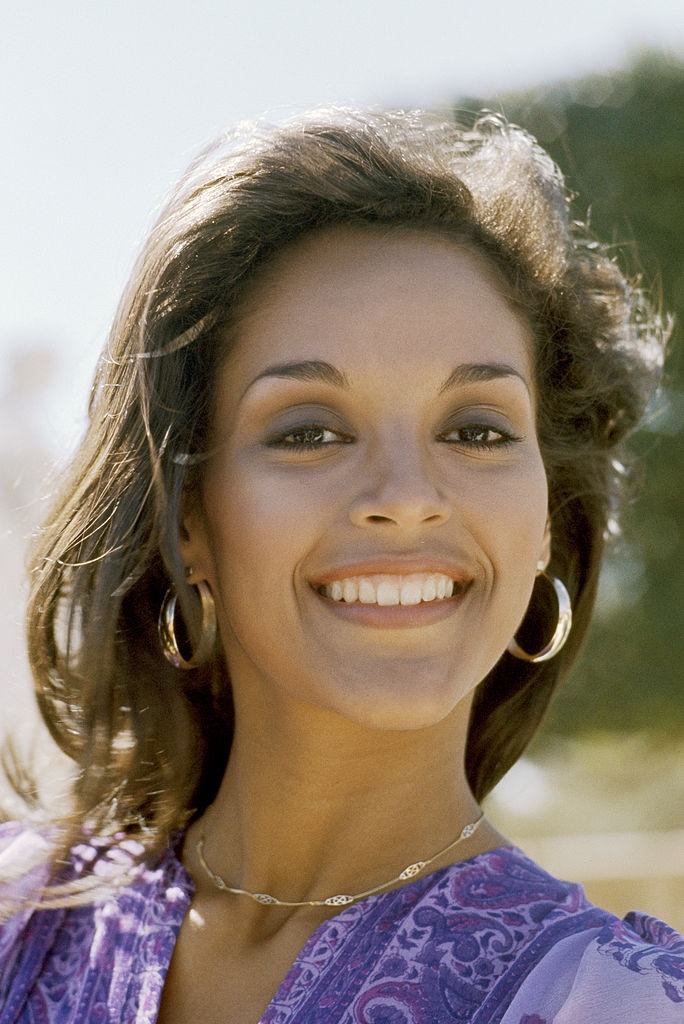
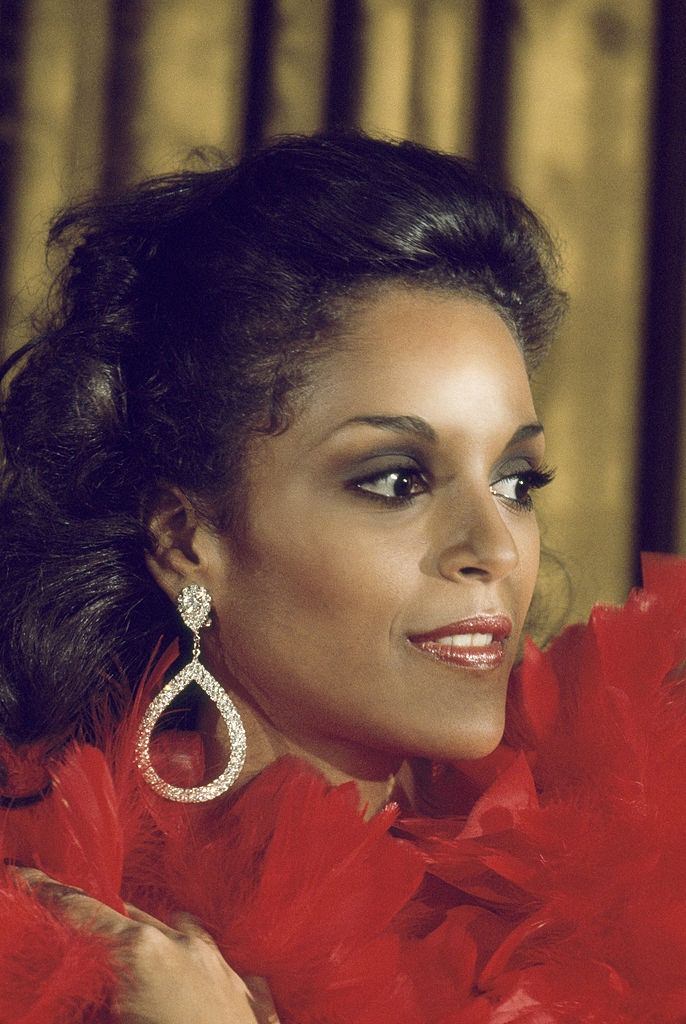
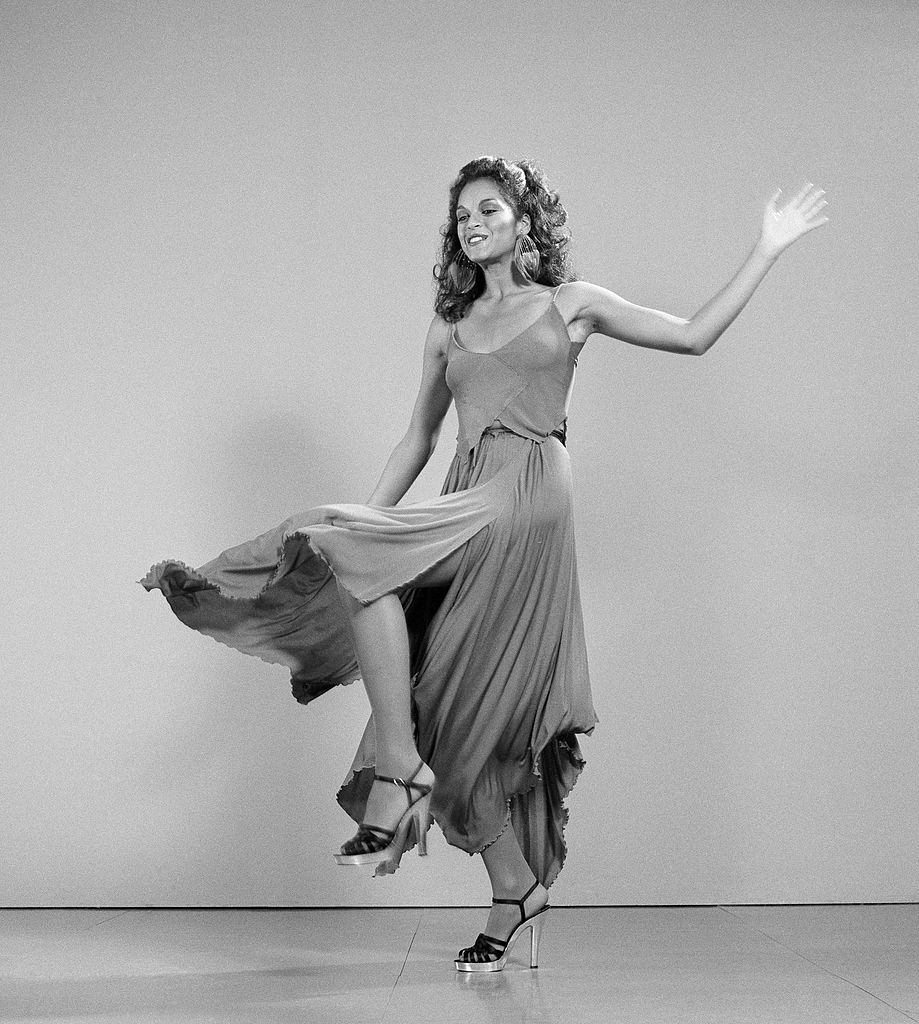
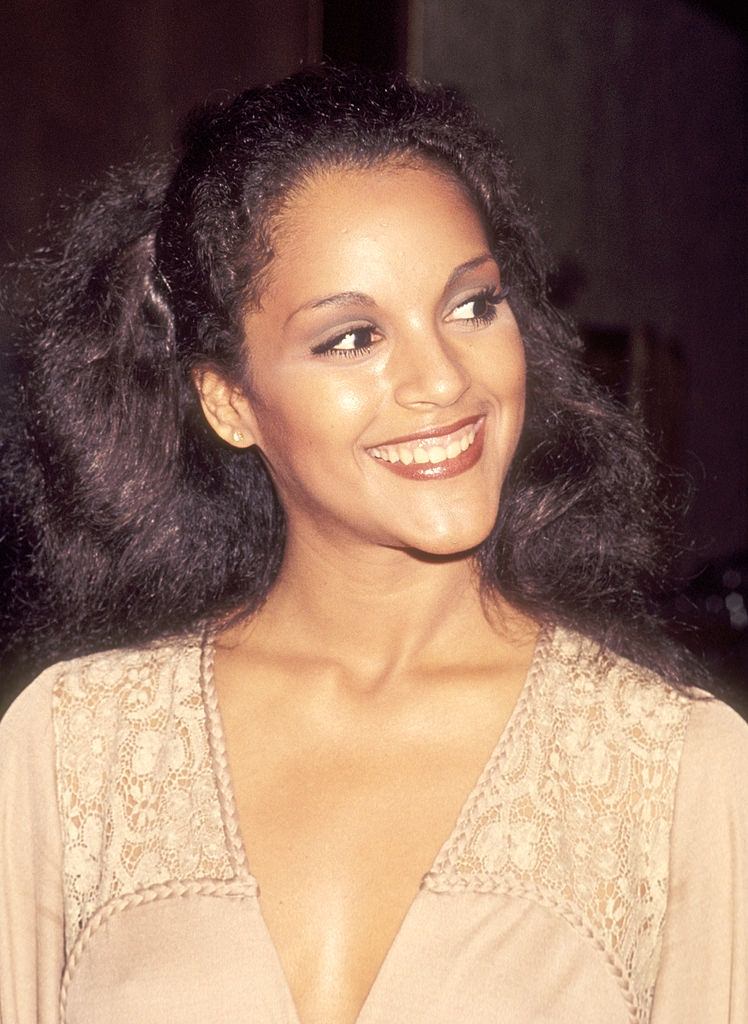
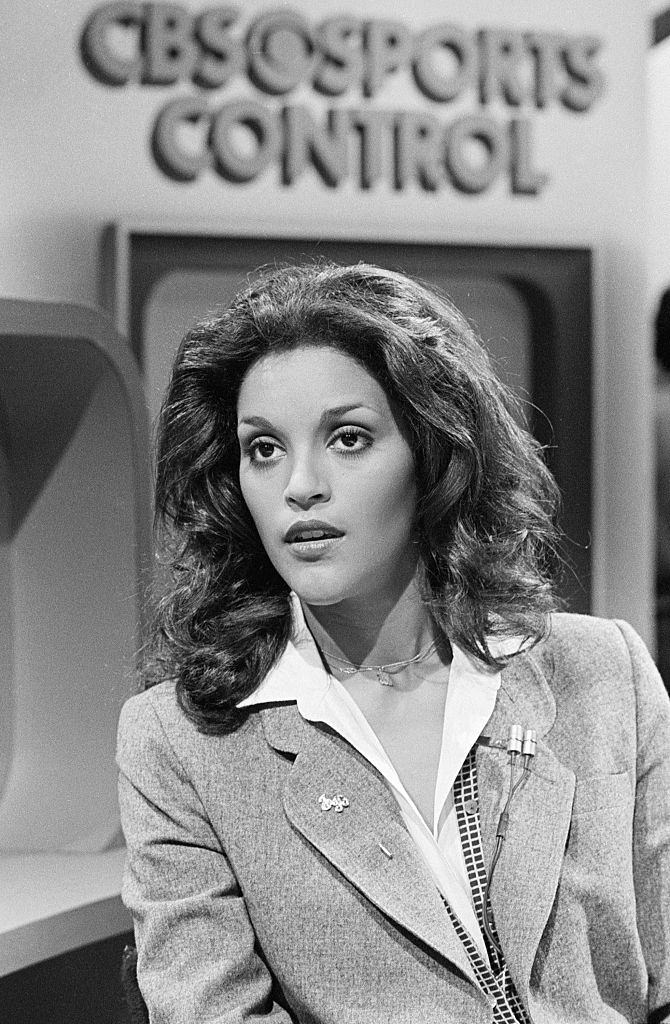
In 1978, Kennedy stepped into a role that few women had occupied before her — network sports anchor. At a time when television networks were just beginning to place women in front-of-camera sports roles, Kennedy became one of the first female network sports anchors in the country. She joined the cast of CBS’s ‘The NFL Today,’ a high-visibility assignment that put her in millions of living rooms every Sunday during football season. The network’s motivation was partly ratings-driven, but Kennedy’s competence and charisma made her far more than a novelty.
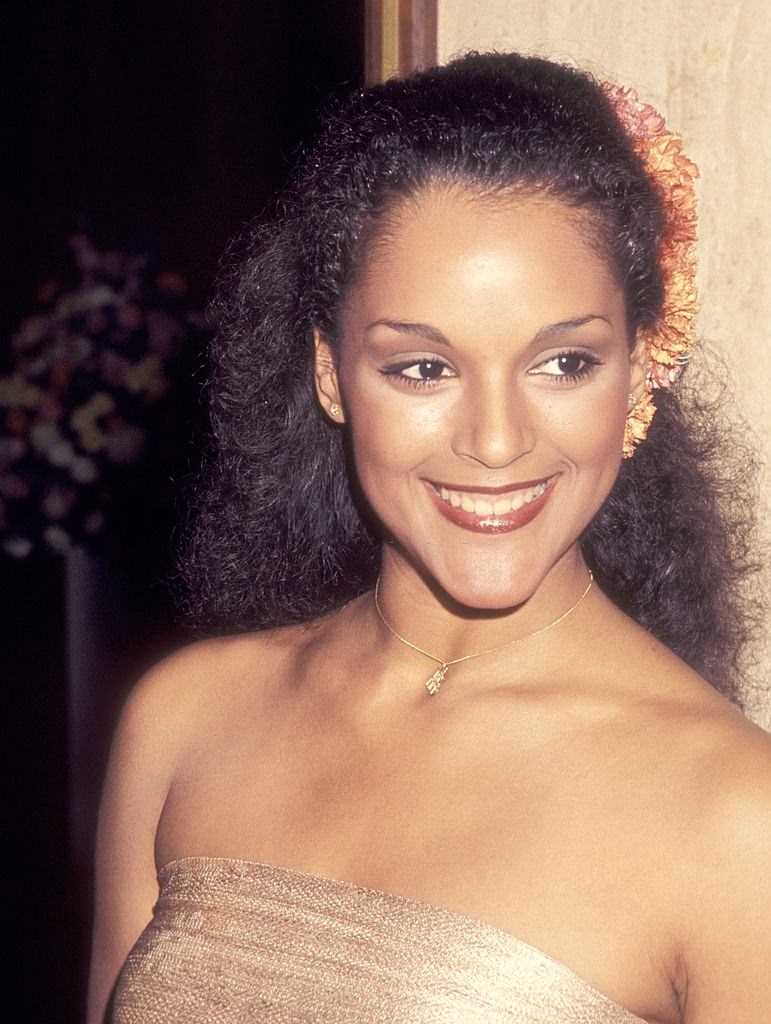
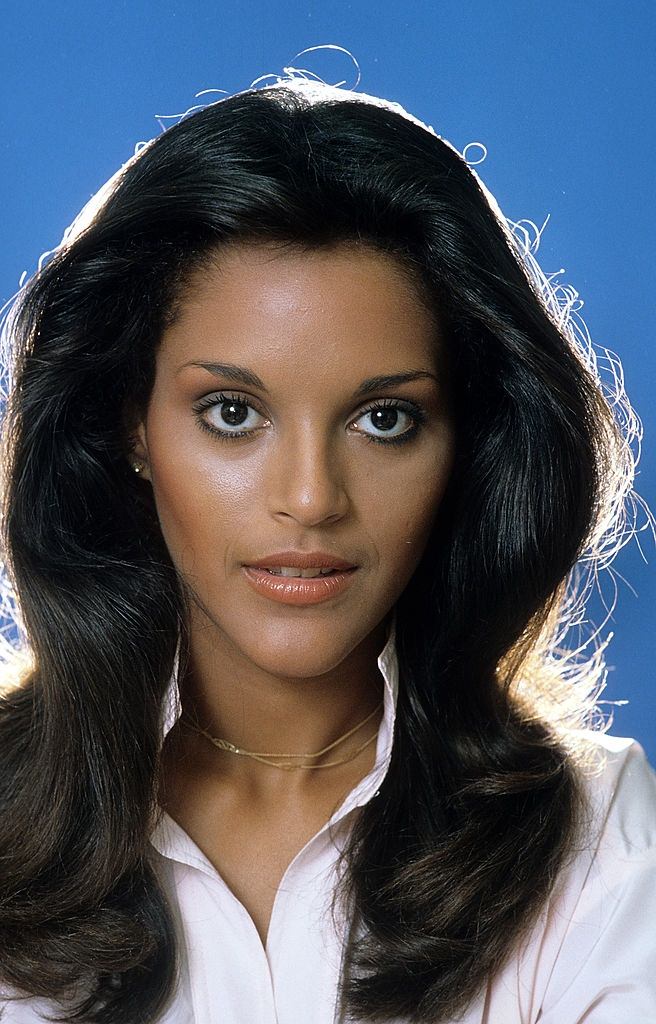
Outside of broadcasting, Kennedy also traveled with comedian Bob Hope on his overseas tours to entertain American troops in Southeast Asia near the end of the Vietnam War. These were not glamorous assignments — they required travel to active conflict zones — but Kennedy made the trips, bringing a piece of home to soldiers stationed abroad.
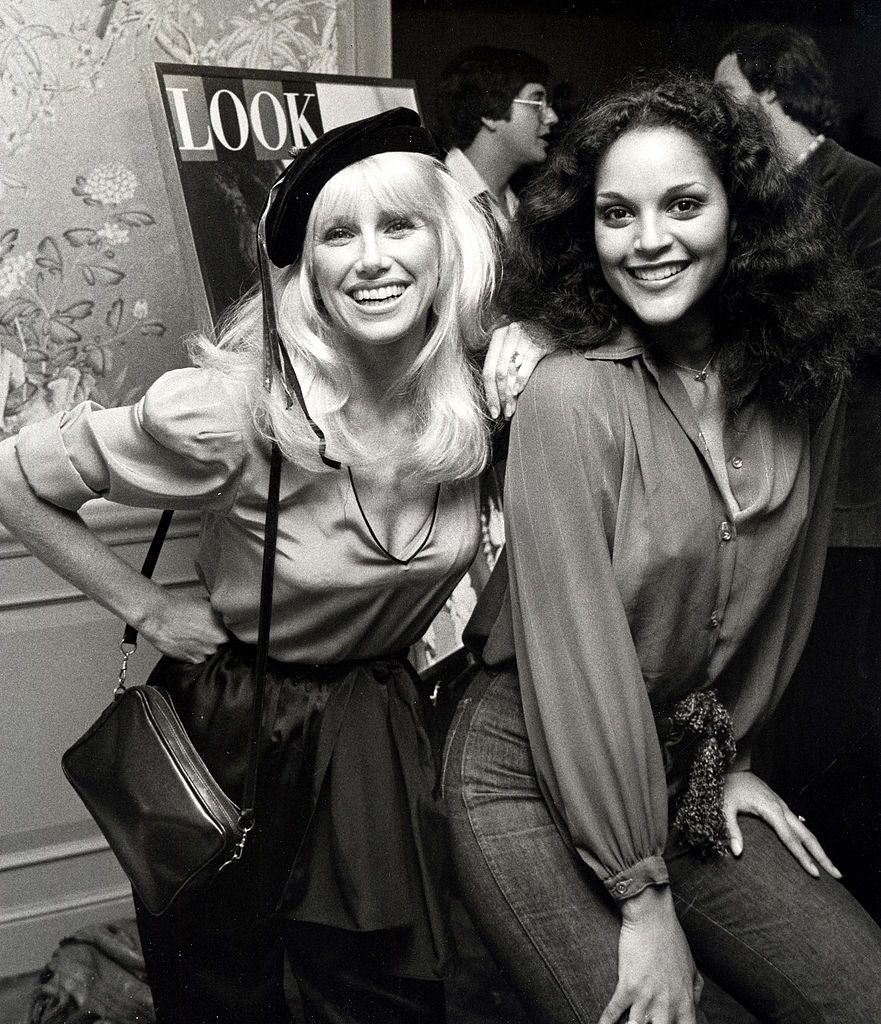
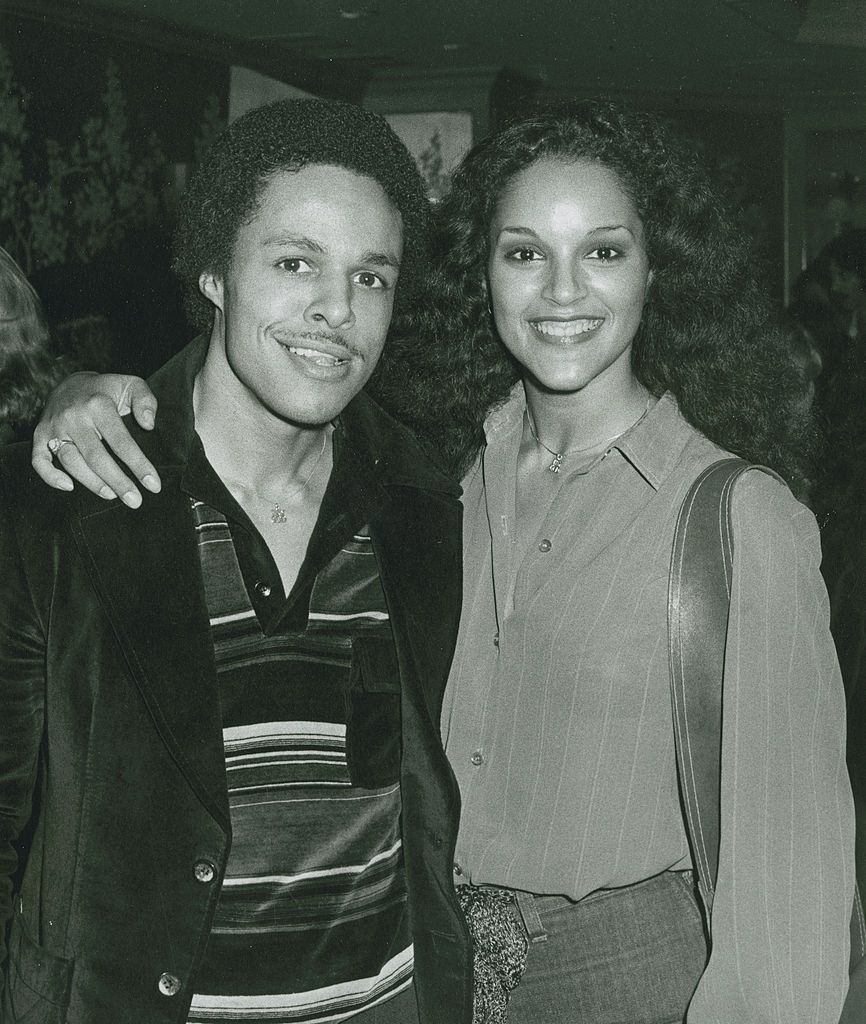
Kennedy’s personal life was just as eventful as her career. Early in her modeling days, she met DJ Leon Isaac and the two married, eventually relocating to Los Angeles together. The marriage lasted eleven years before ending in divorce. Three years later, she married actor Bill Overton, and the couple went on to have four children together.
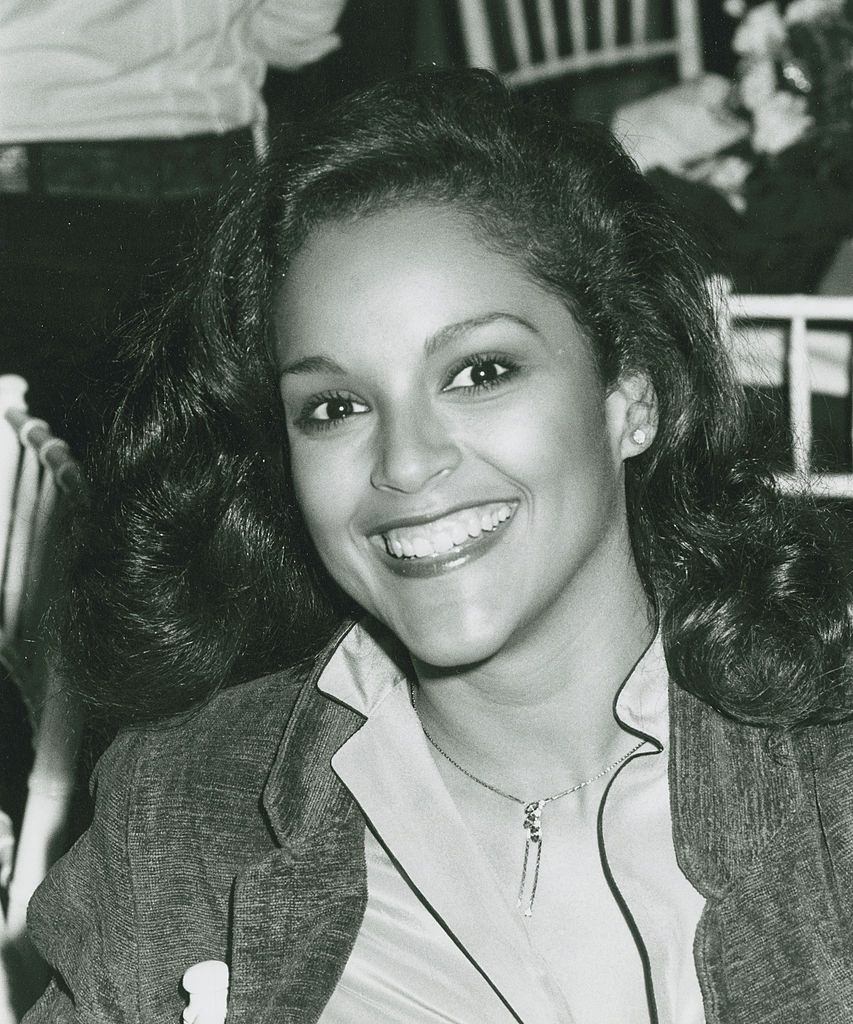
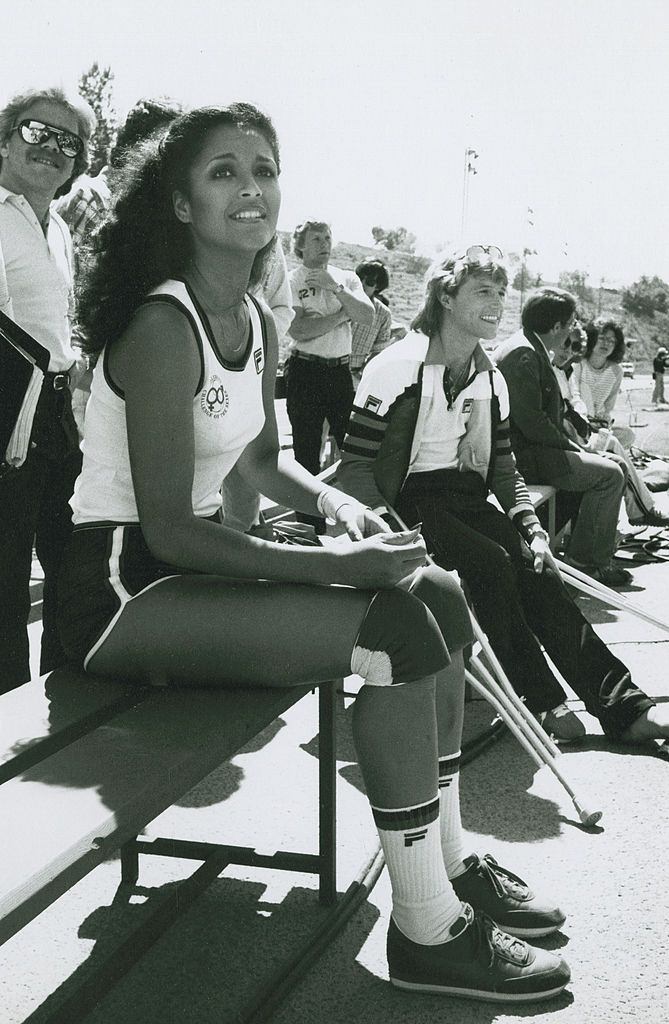
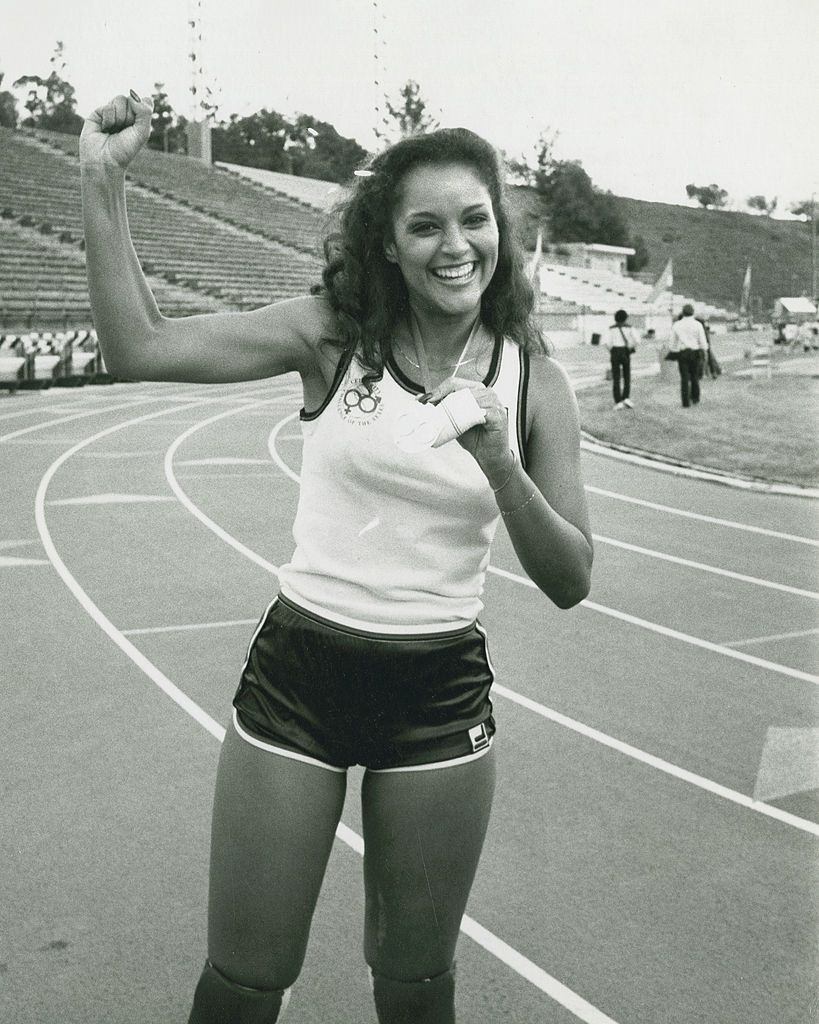
The early 1980s brought a new chapter. Kennedy joined the celebrity fitness wave and released a workout video titled ‘Love Your Body,’ which became a top seller. Her athleticism and on-screen energy made it a natural fit — she wasn’t simply cashing in on a trend, she was one of the faces defining it. Around the same time, she was a regular presence at major industry events, from film festivals to Emmy Awards ceremonies.
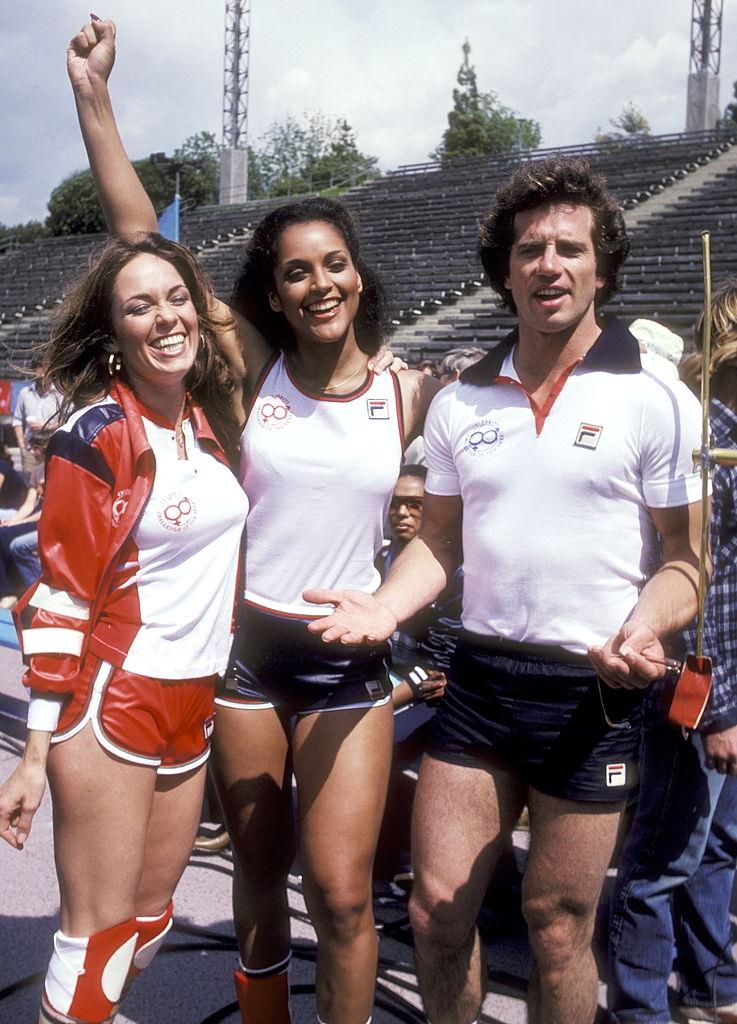
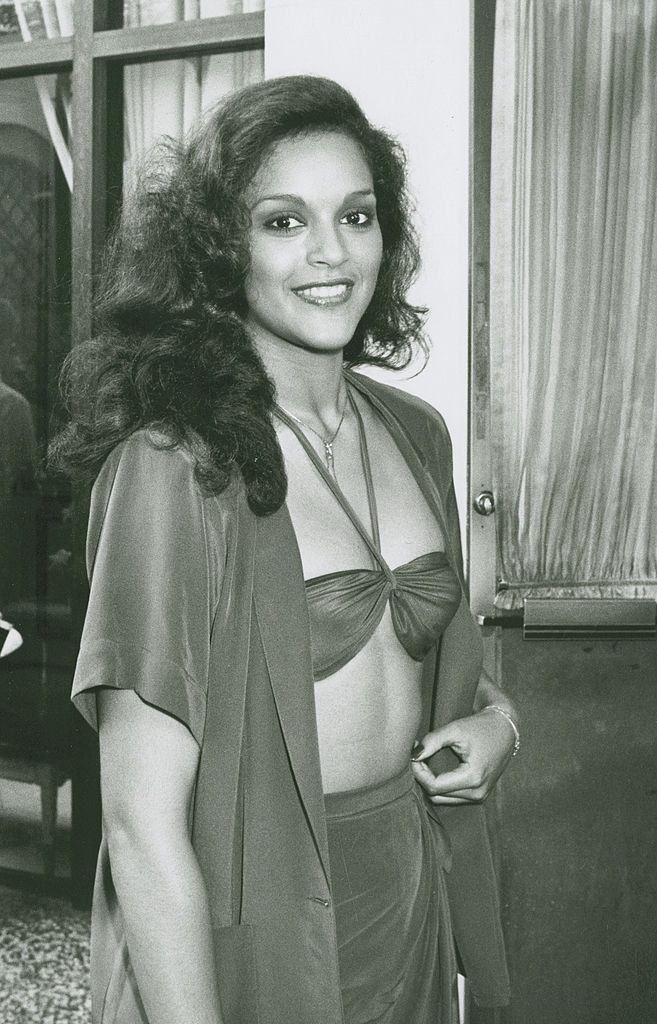
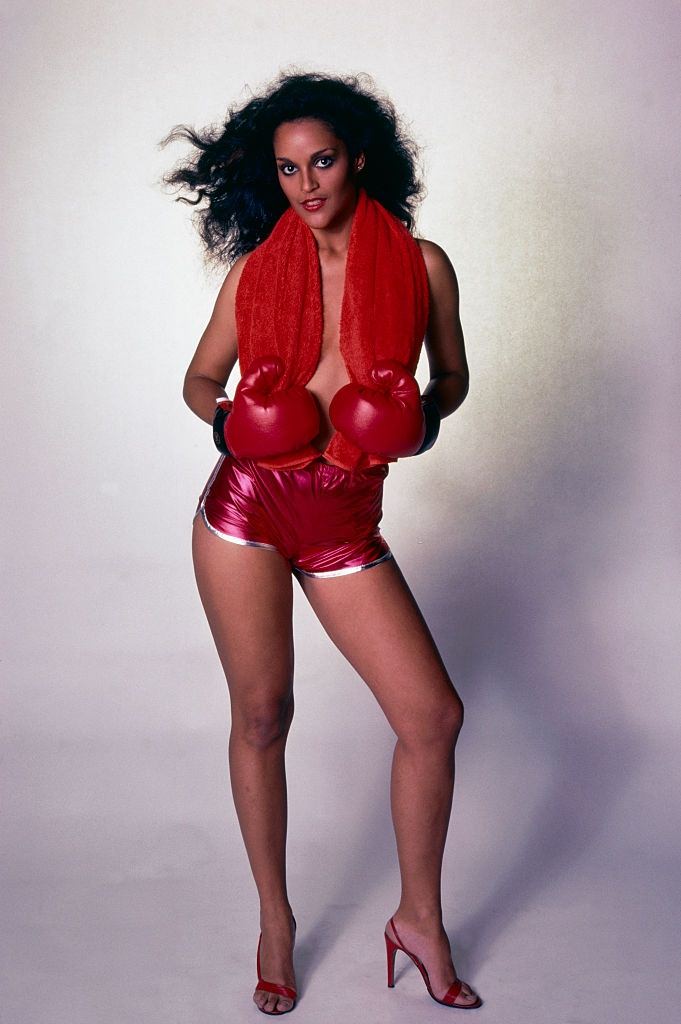
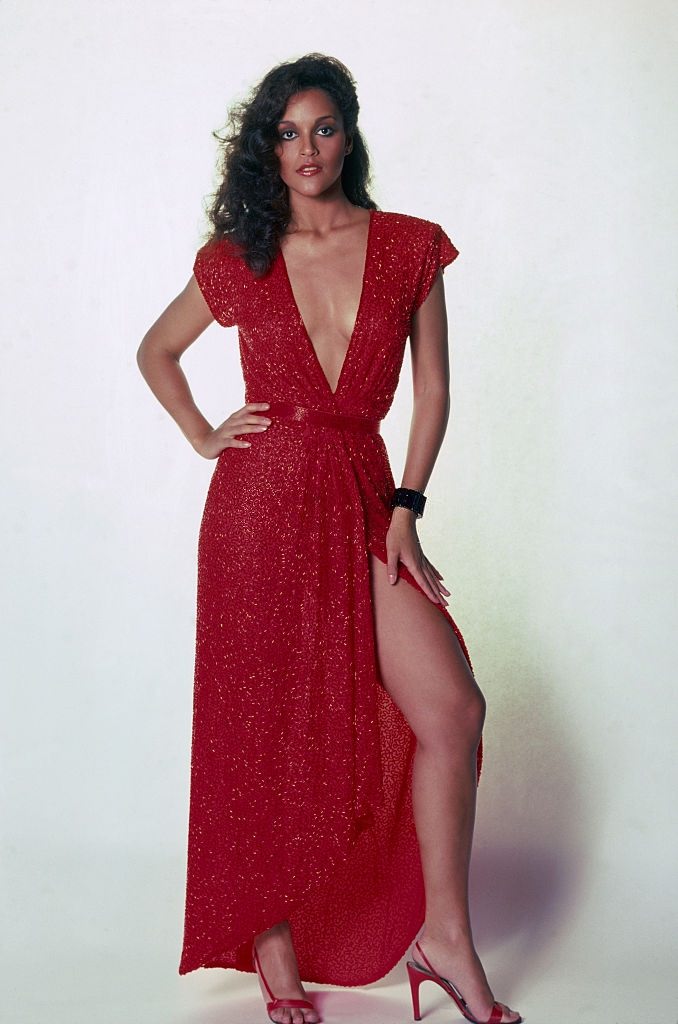
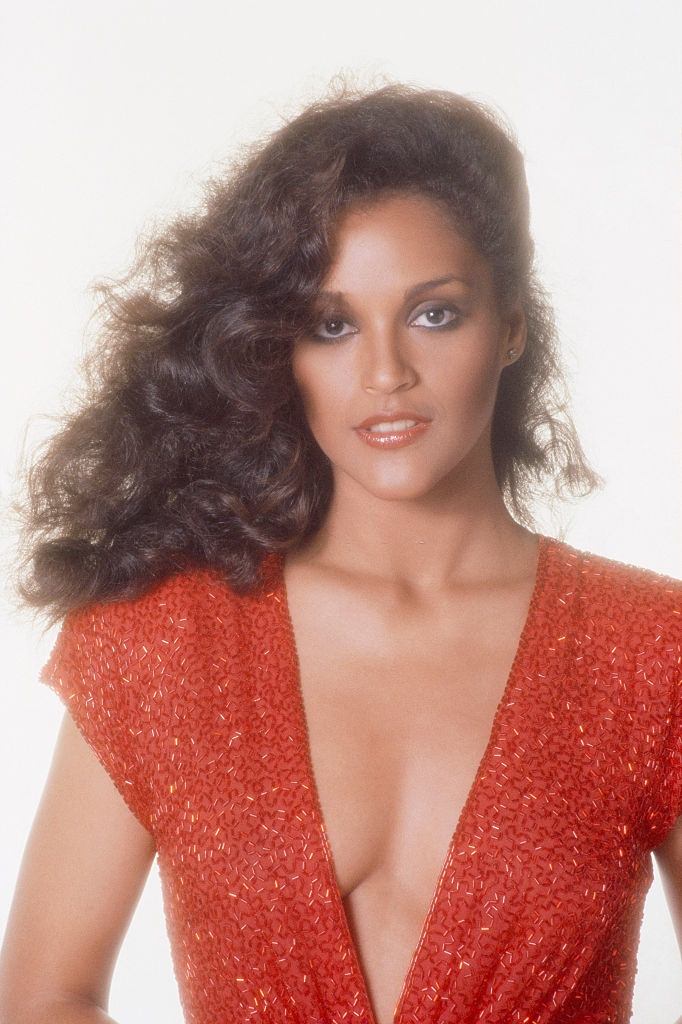
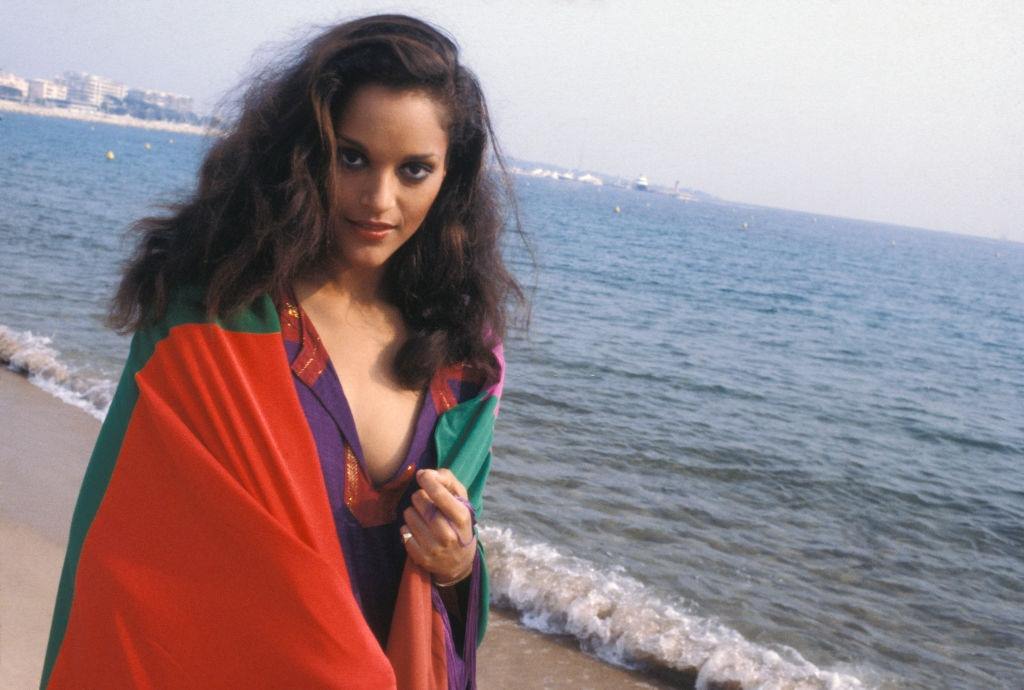
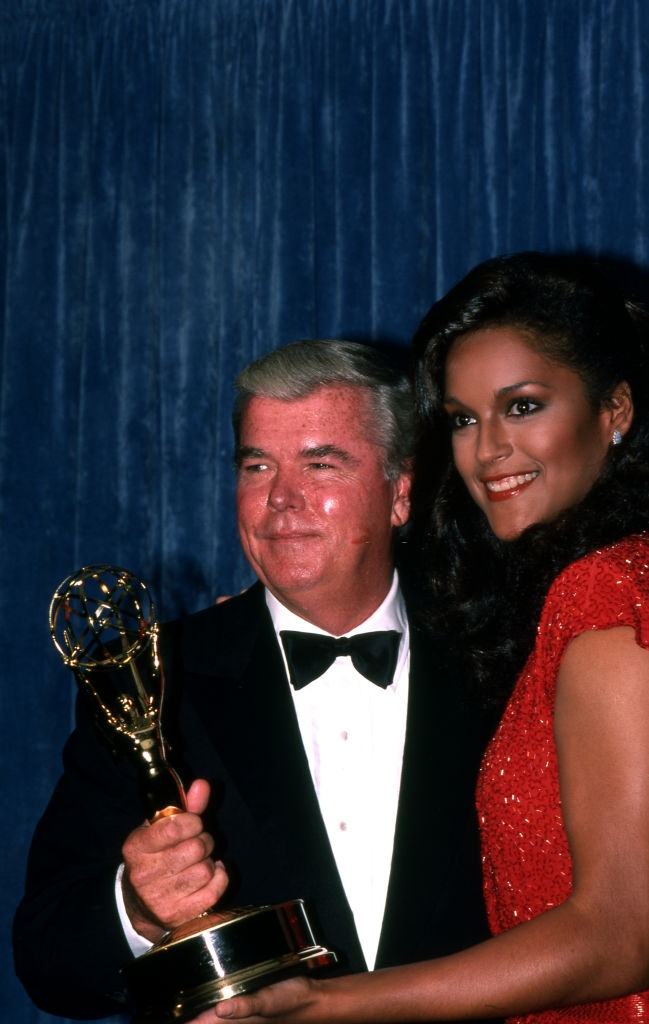
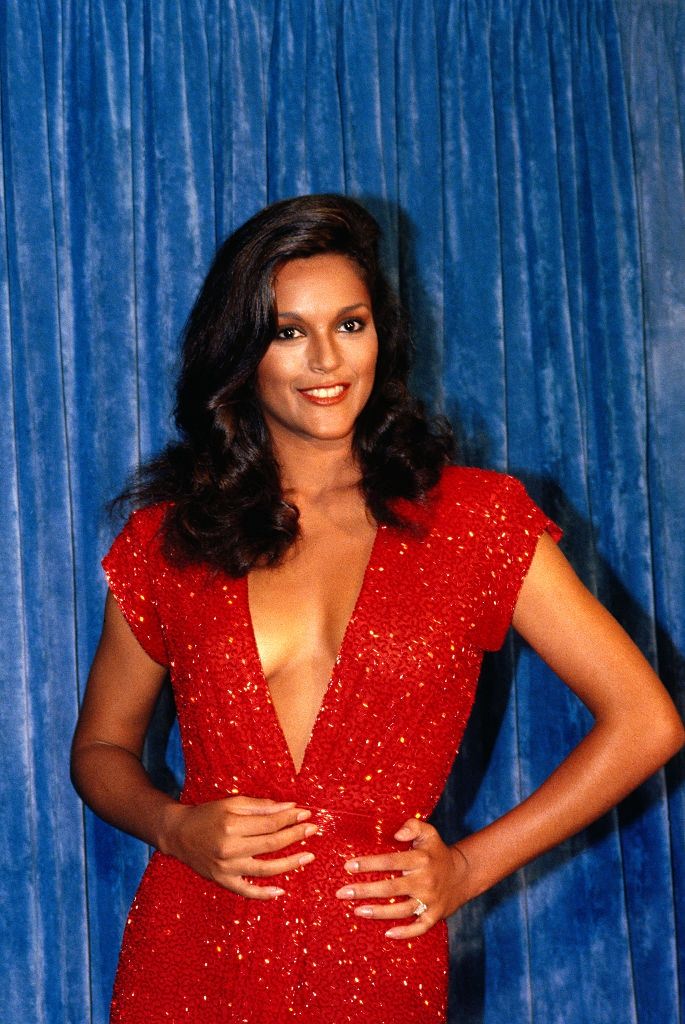
Kennedy’s health became a major challenge in her later career years. She suffered from endometriosis, a painful condition involving uterine tissue, for an extended period. The condition required surgery and significantly disrupted her professional life. She stepped away from the spotlight to recover and to raise her children, a decision that effectively ended her run as a mainstream entertainment figure.
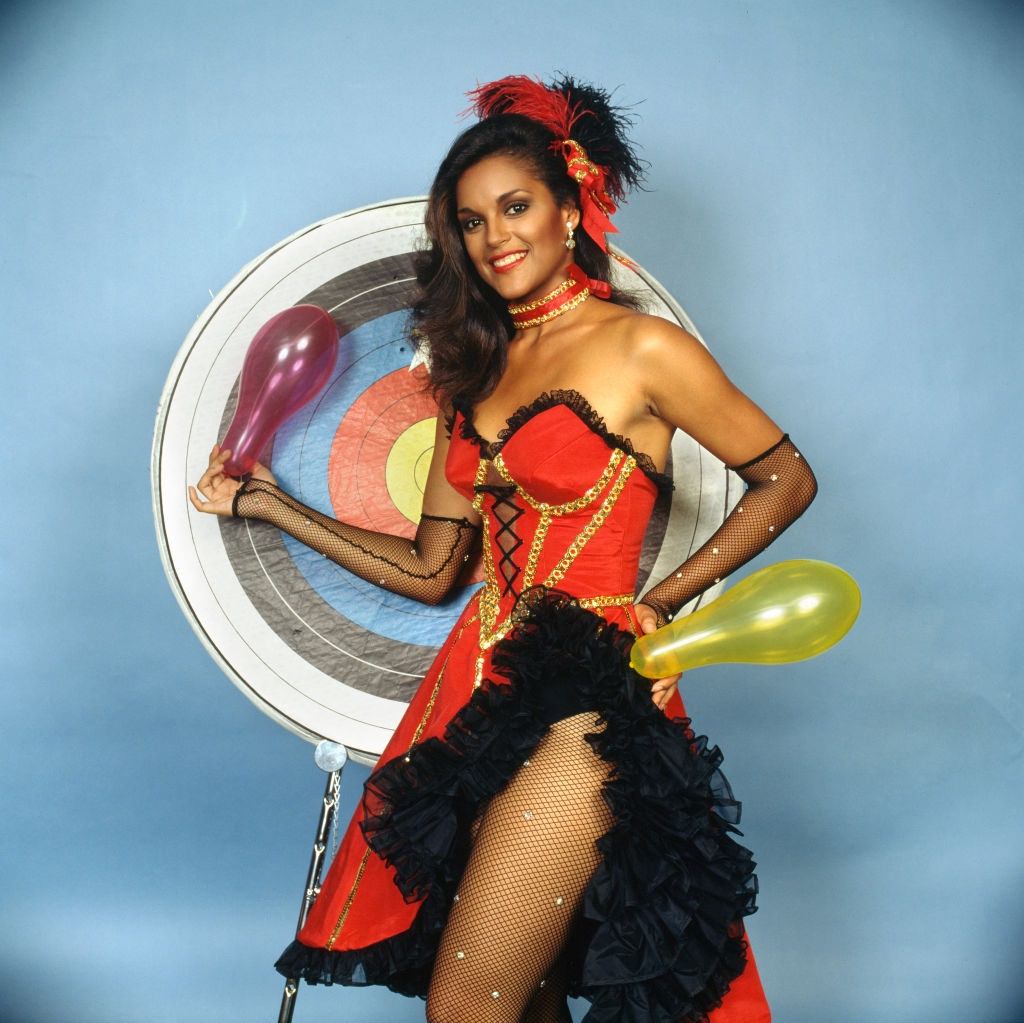
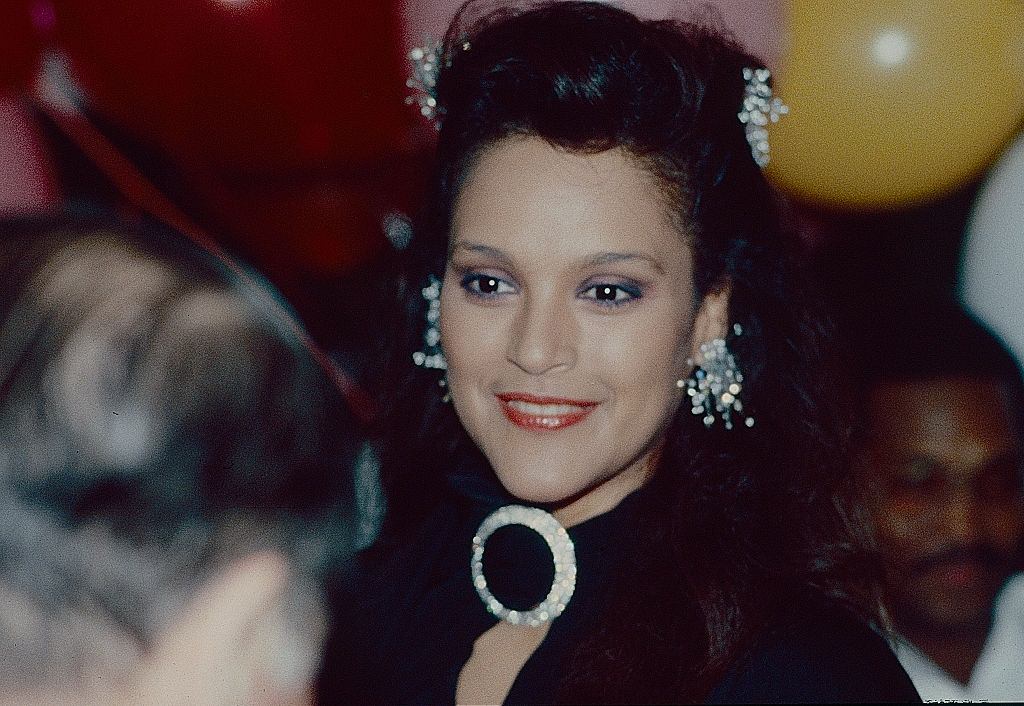
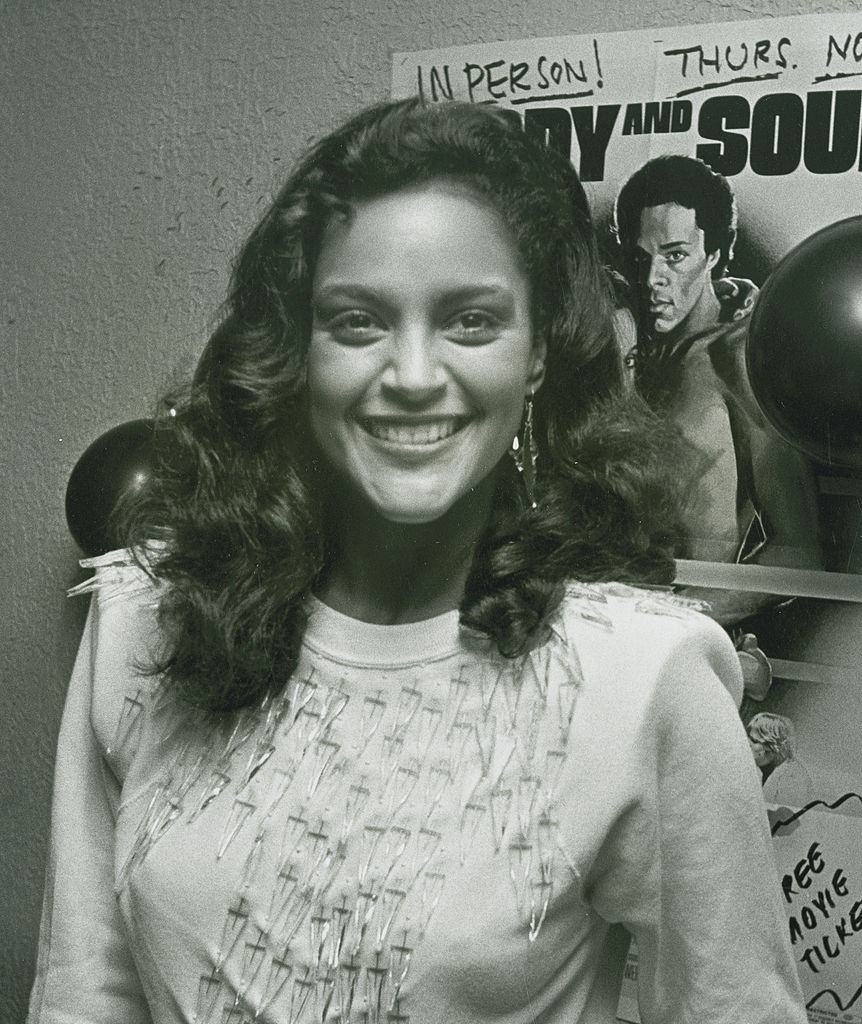
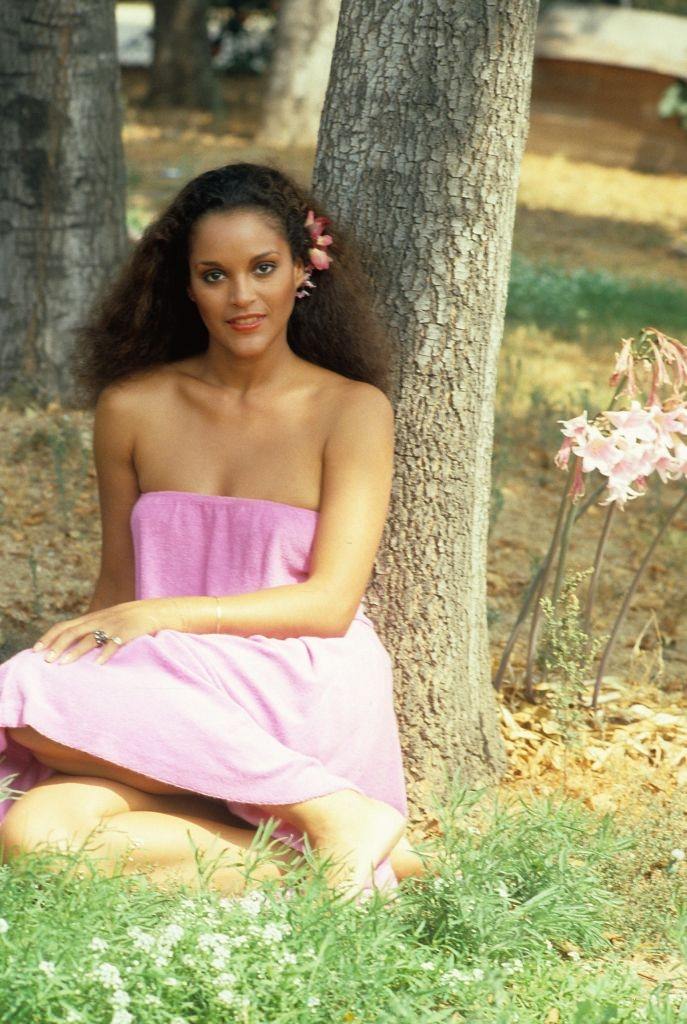
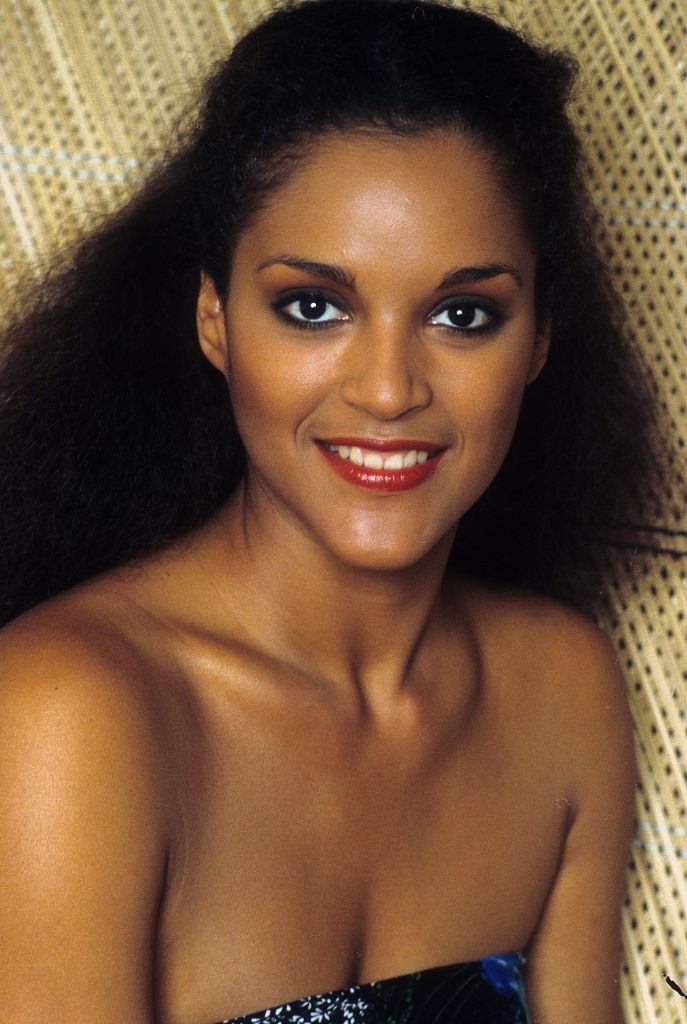
Photos from 1982 capture Kennedy and Leon Isaac together at public events, still very much part of the entertainment world’s orbit before their eventual divorce. That same year, she was also photographed with Bill Overton at The Limelight in Atlanta — a moment that foreshadowed the next chapter of her personal life.
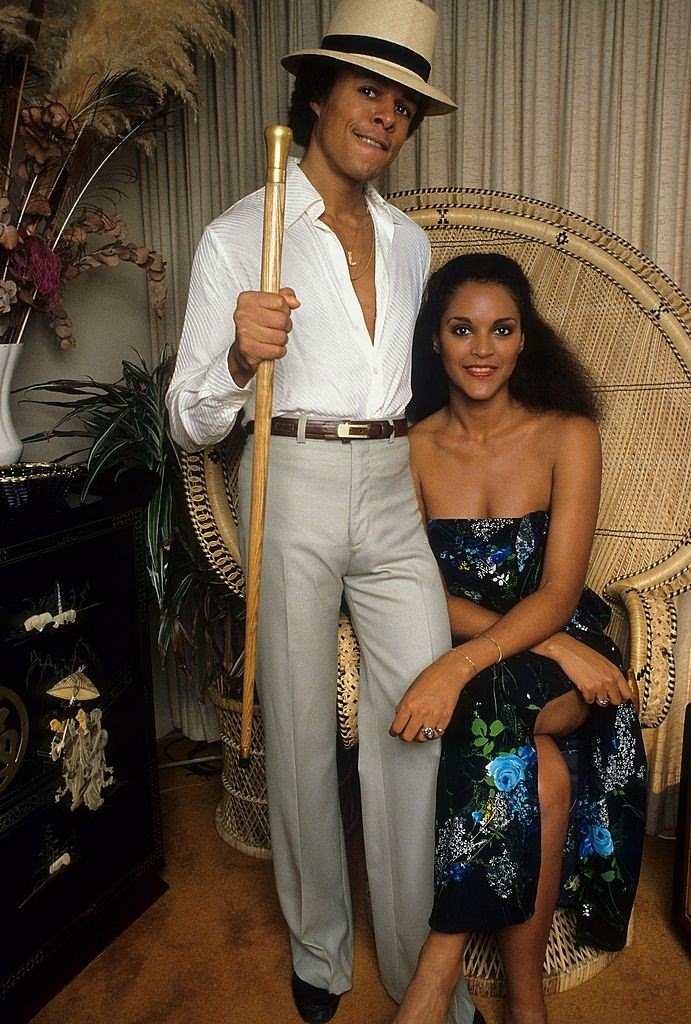
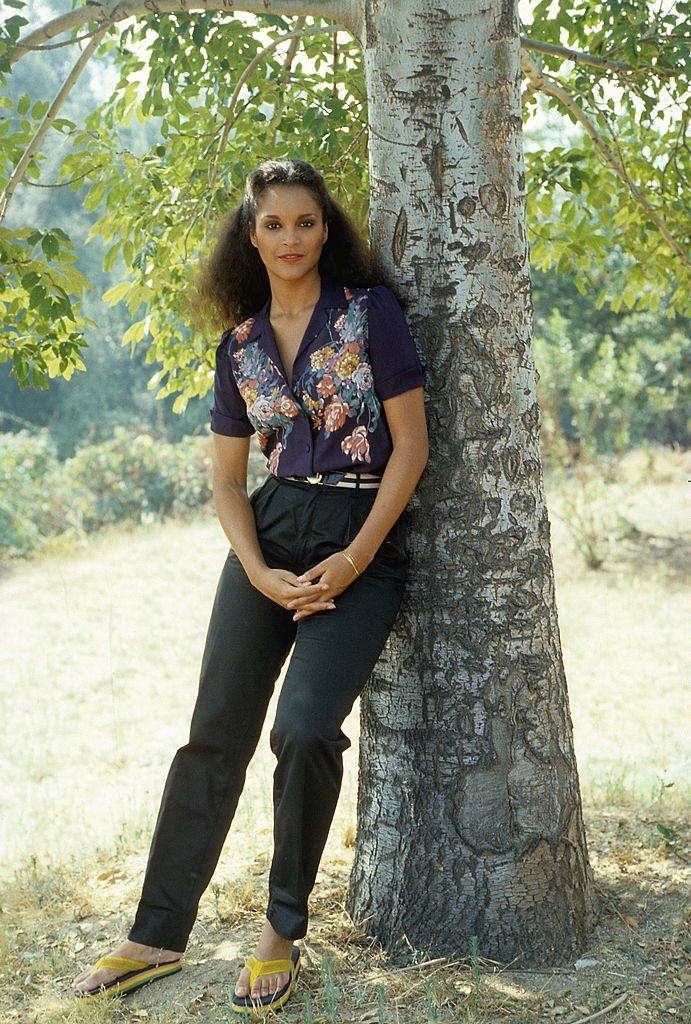
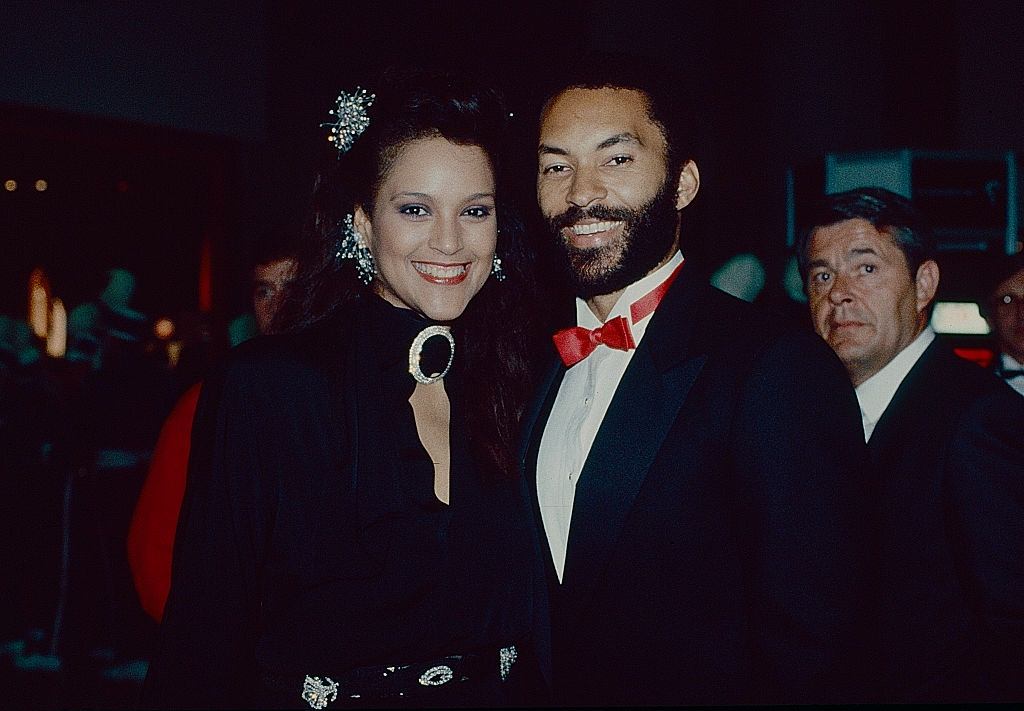
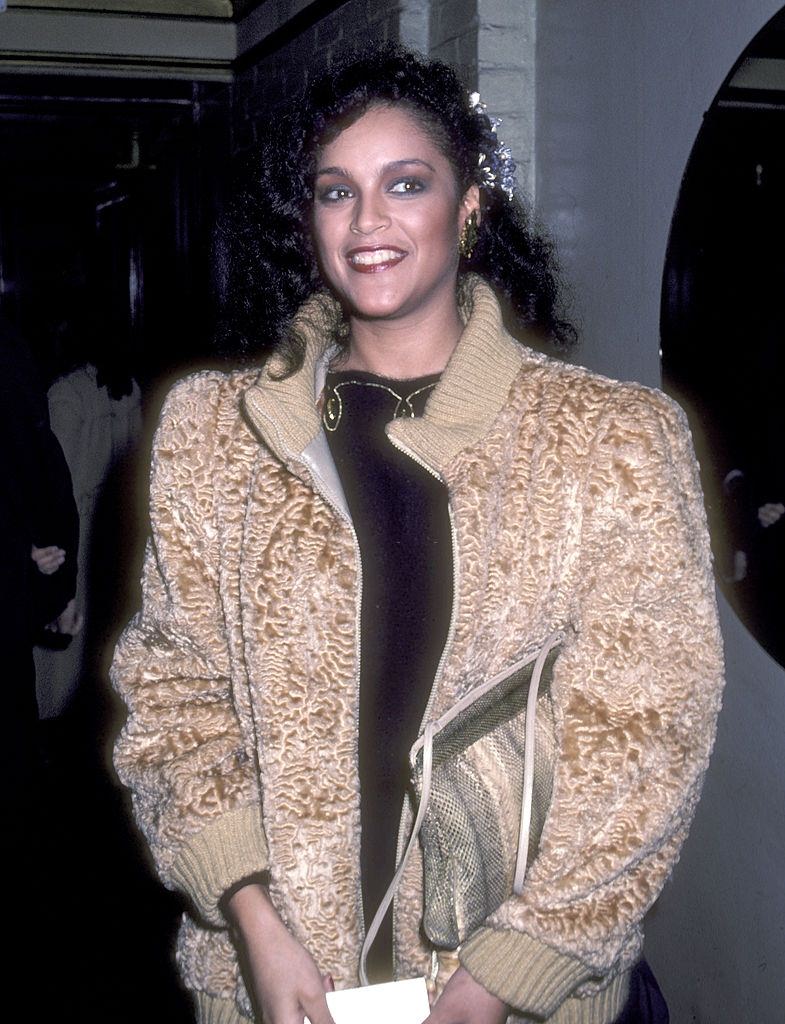
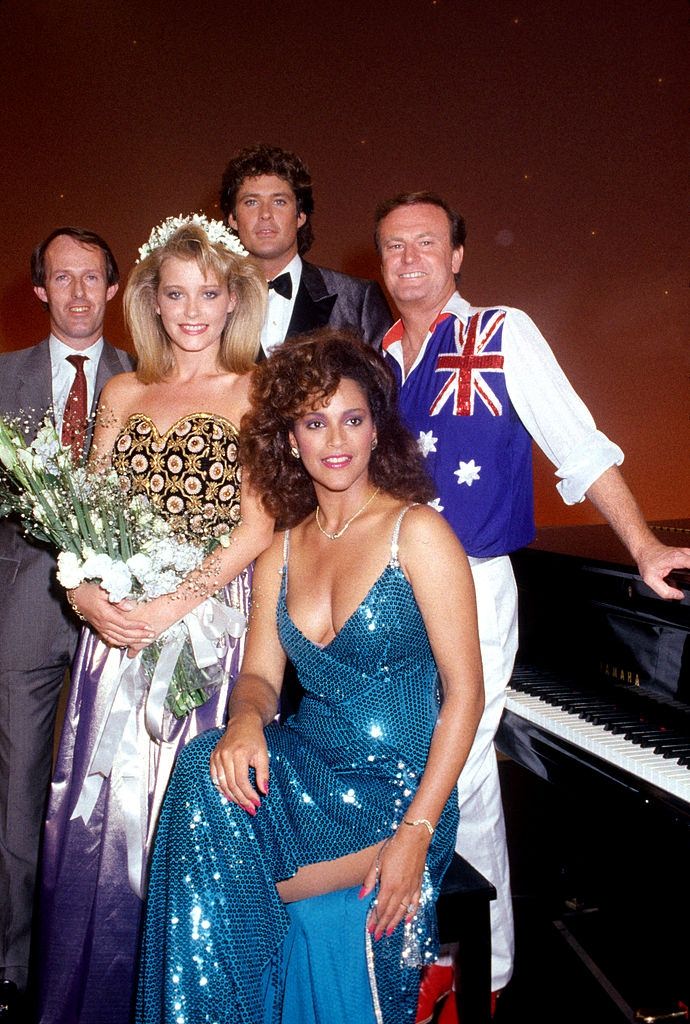
By the mid-1980s, Kennedy was still appearing at public events, though less frequently than during her prime television years. She was photographed at ‘The Love Boat’ season wrap party in 1985 and attended events in Sydney, Australia, alongside David Hasselhoff and Peter Allen. Her presence at these events showed she remained a recognized name in entertainment circles even as her on-screen work slowed.
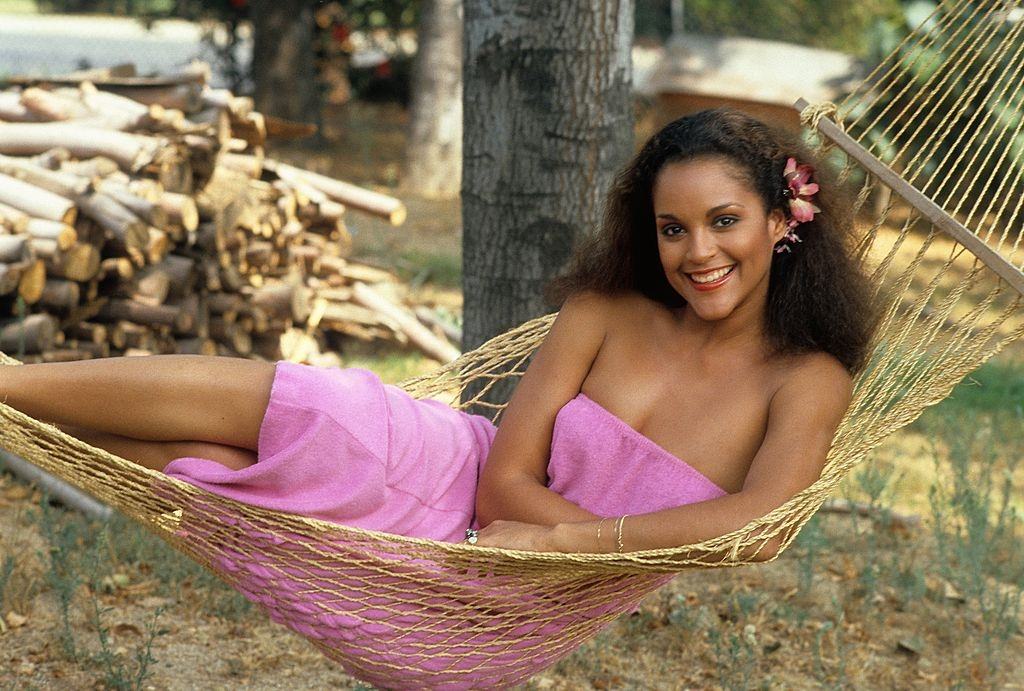
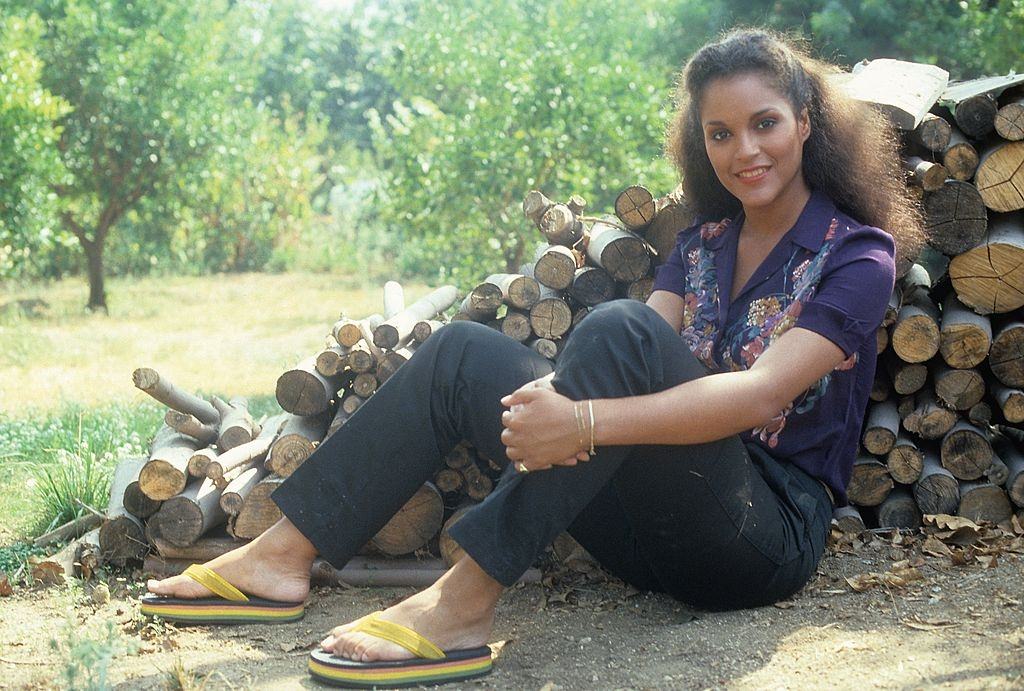
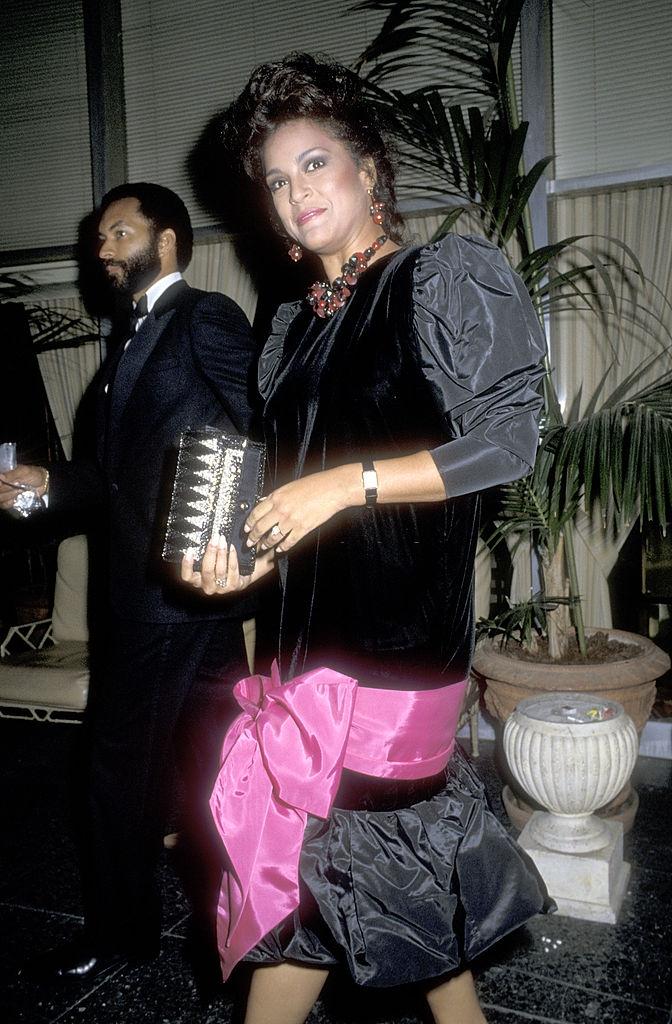
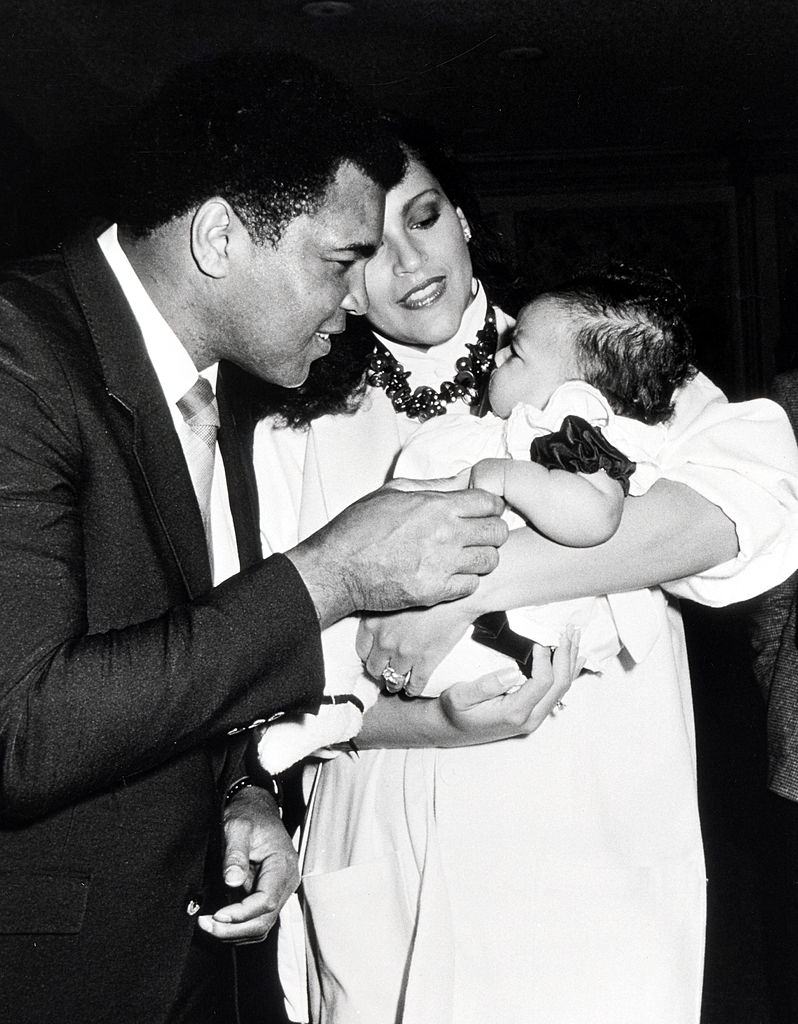
In 1986, Kennedy was photographed alongside Muhammad Ali at a press conference for the Children’s Peace Foundation — a sign of the charity work she had increasingly embraced. She devoted time to organizations including the National Lung Association and the Sickle Cell Anemia Foundation, channeling her public profile toward causes that mattered to her.
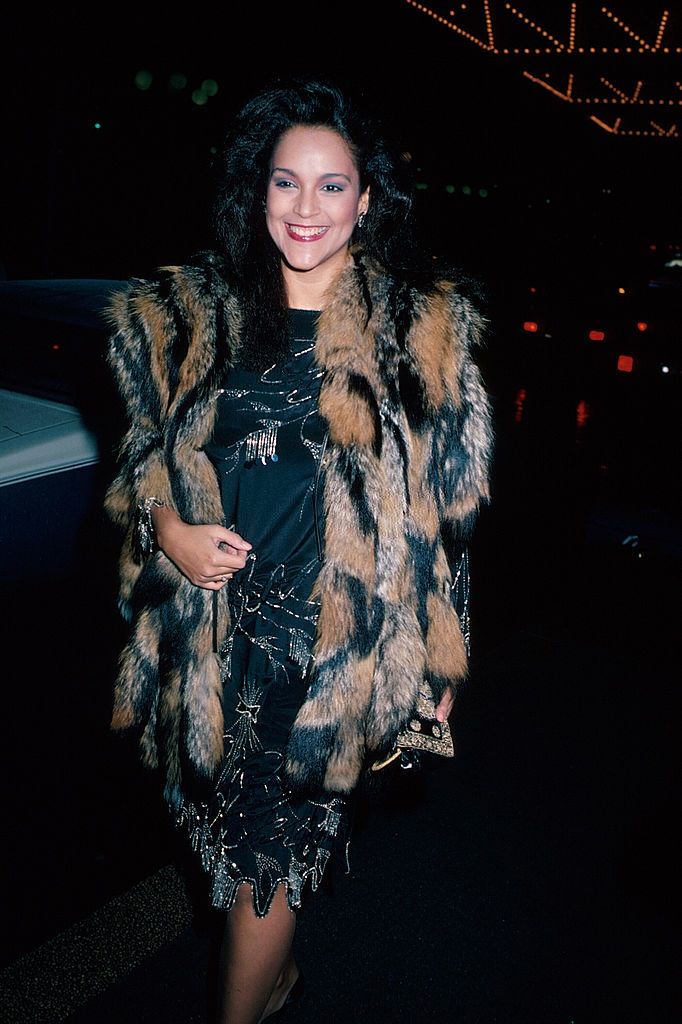
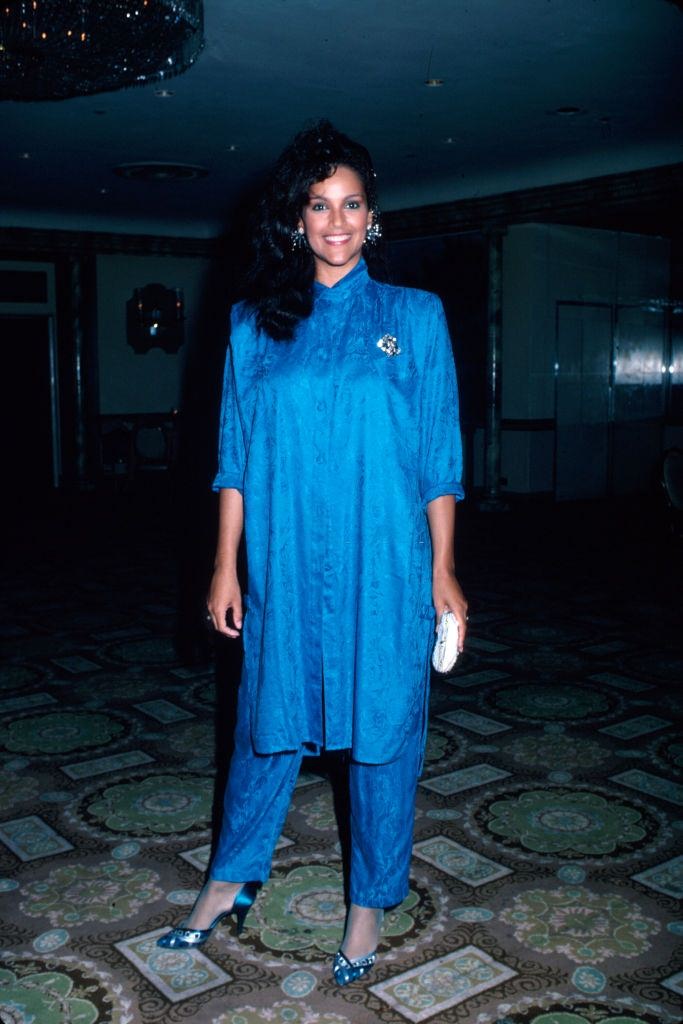
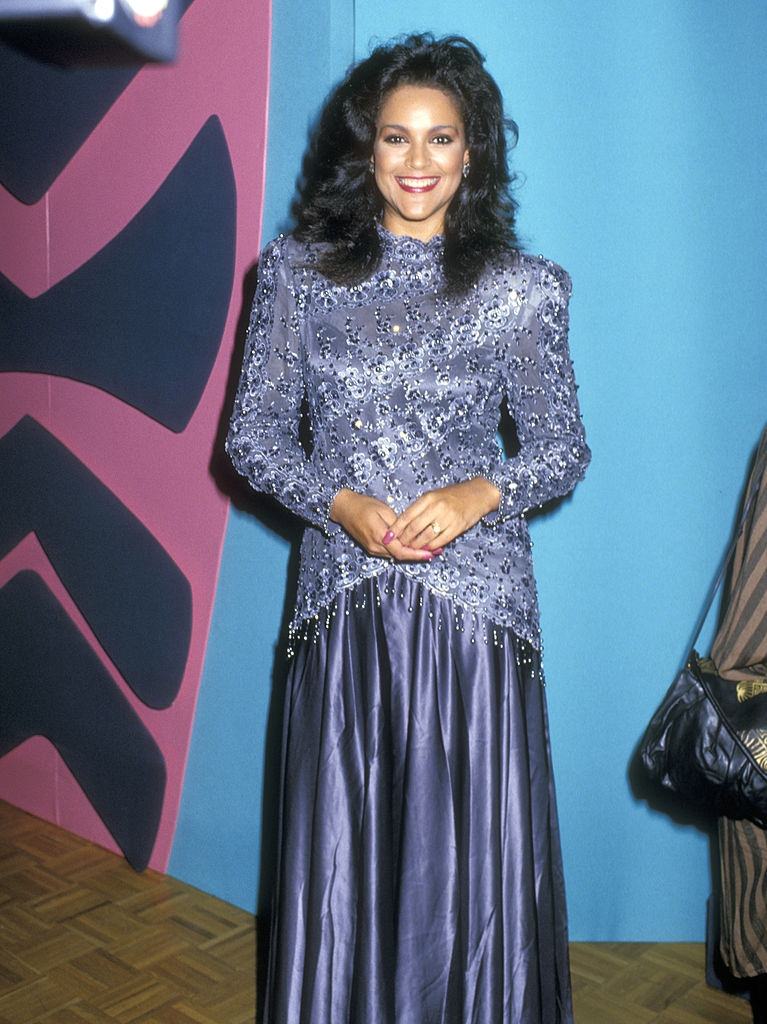
Kennedy was recognized at the 1987 Communications Excellence to Black Audiences (CEBA) Awards — an acknowledgment of her contributions to Black representation in media during a period when those opportunities were scarce. By 1990, she was still making appearances on the awards circuit, attending the 38th Annual BMI Pop Awards at the Beverly Wilshire Hotel.
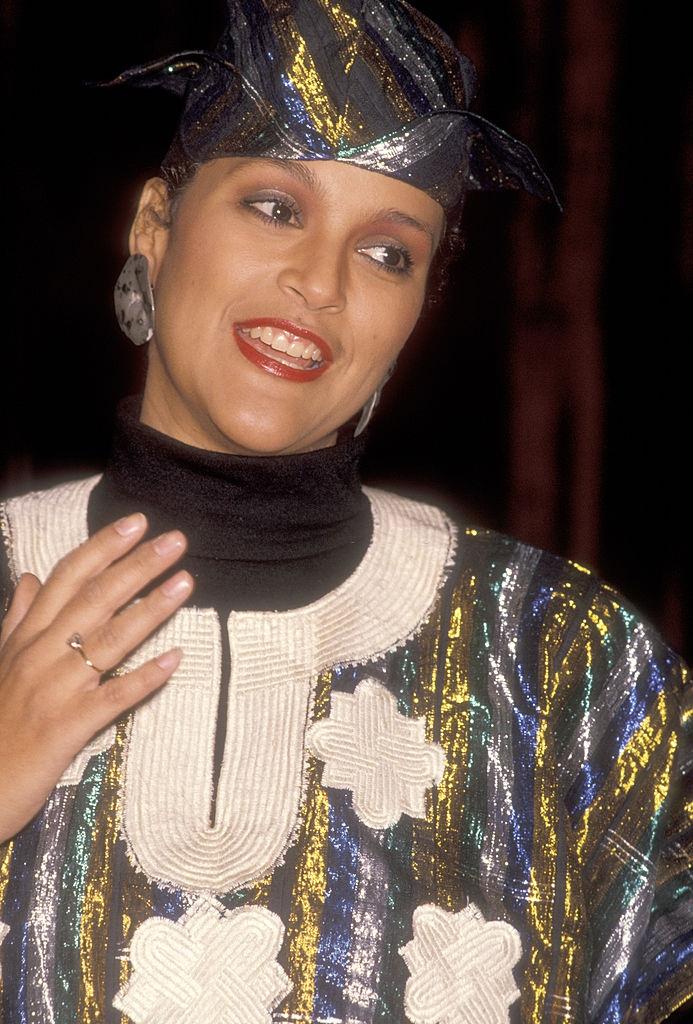
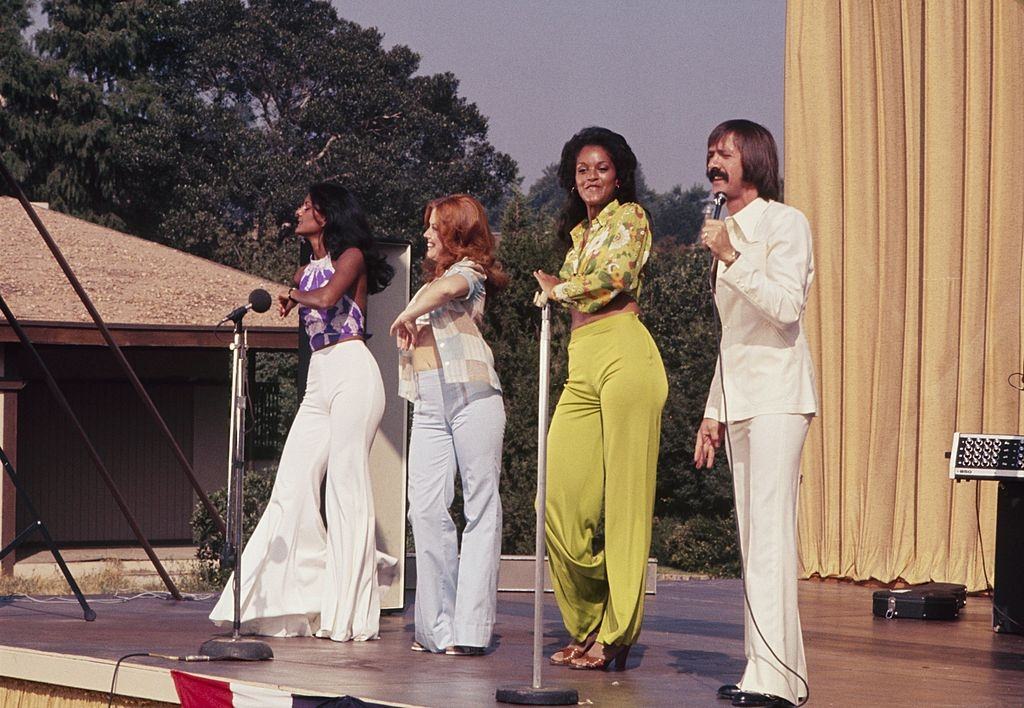
In the years that followed, Kennedy shifted her focus entirely toward family, community work, and writing her memoirs. The photo below, taken in 1975, offers a glimpse of an earlier, less-heralded phase of her career — before the NFL Today desk, before the fitness video, before the NAACP podium. It’s a reminder of just how long and varied her journey through public life truly was.

naturally beautiful.