On March 10, 1969, James Earl Ray stood in a Memphis, Tennessee courtroom and pleaded guilty to the murder of Dr. Martin Luther King Jr. The judge sentenced him to 99 years in prison. By pleading guilty, Ray avoided execution in the electric chair. It was a brief legal proceeding for a crime that had shaken the entire country.
King had been one of the most prominent figures of the American civil rights movement. He led nonviolent campaigns against racial segregation and inequality, drawing enormous crowds across the country.
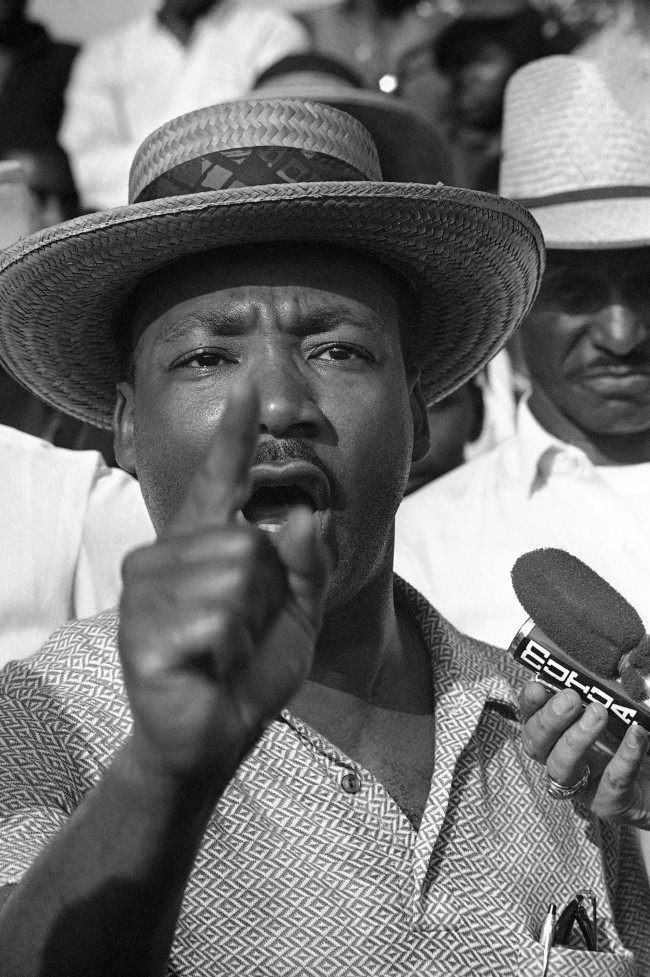
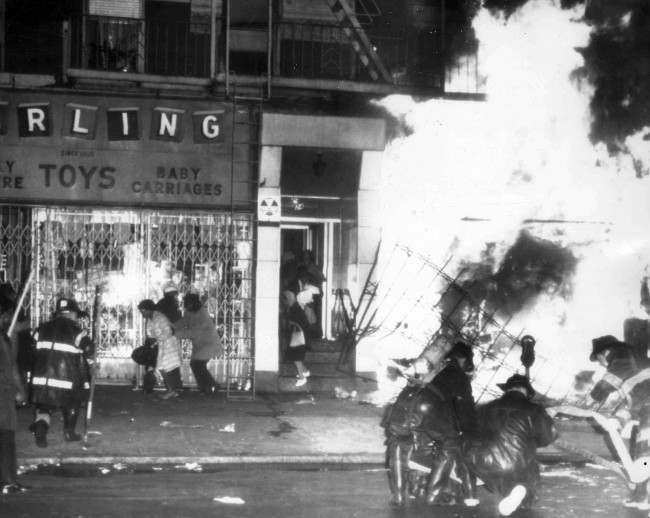
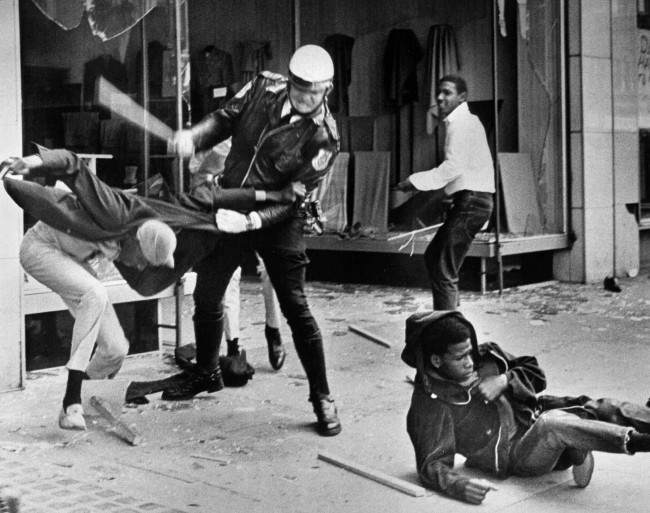
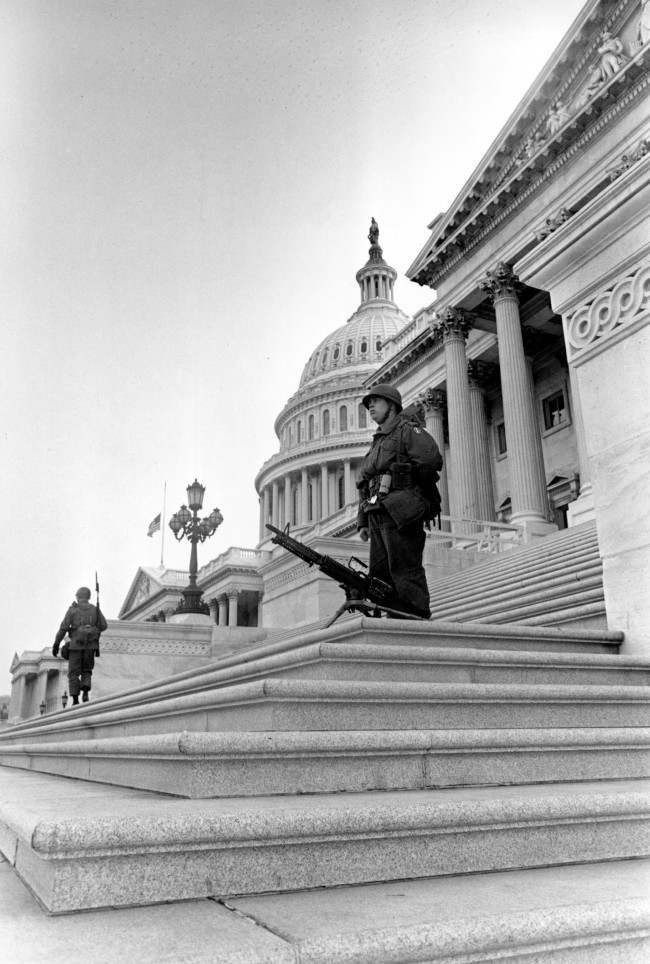
On April 4, 1968, King was in Memphis to support a strike by Black sanitation workers. While standing on the second-floor balcony of the Lorraine Motel that evening, he was struck by a single rifle bullet and killed. The news of his death spread quickly, and within hours, cities across the United States erupted.
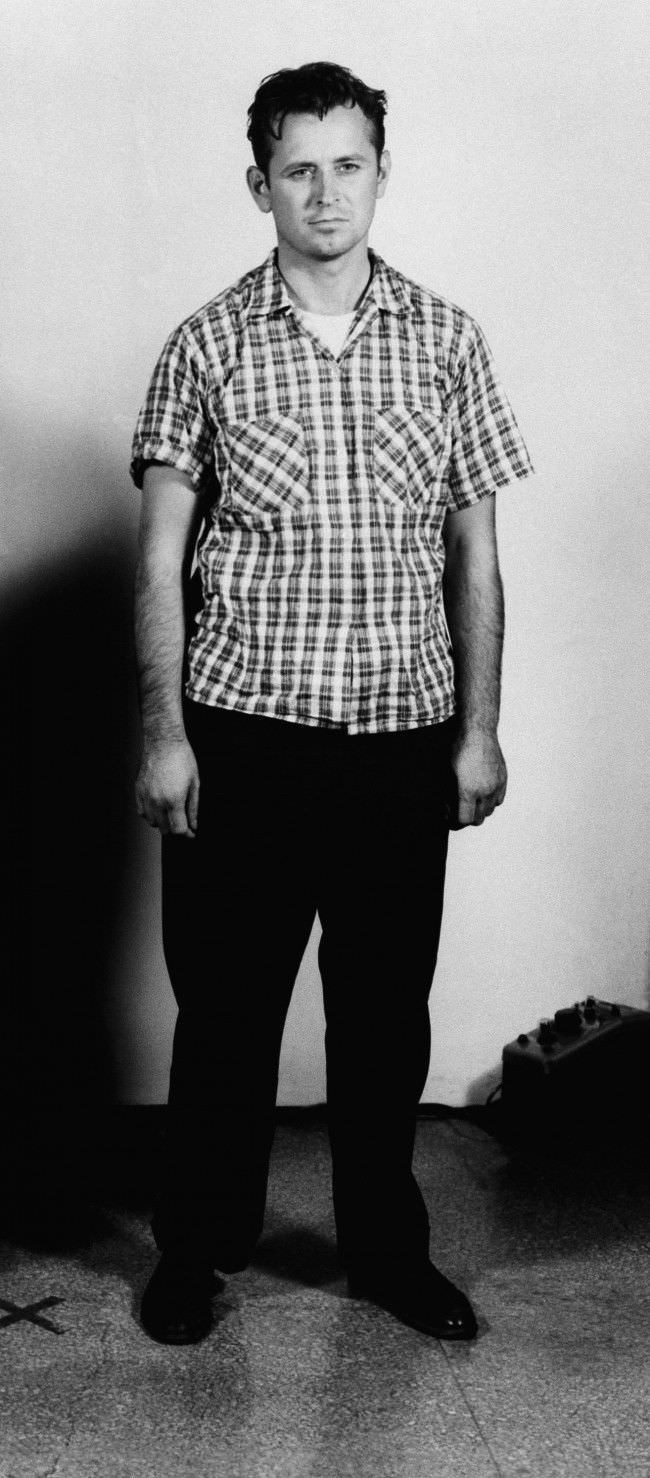
James Earl Ray was no stranger to law enforcement. He had a lengthy criminal record that included armed robbery. In April 1967, he escaped from the Missouri State Penitentiary, where he was serving a 20-year sentence. After his escape, he moved frequently, living under assumed identities while plotting the assassination.
The Lorraine Motel became the center of a massive investigation. Investigators found a rifle nearby, and fingerprints on the weapon matched James Earl Ray. Eyewitness accounts also placed him in the area at the time of the shooting.
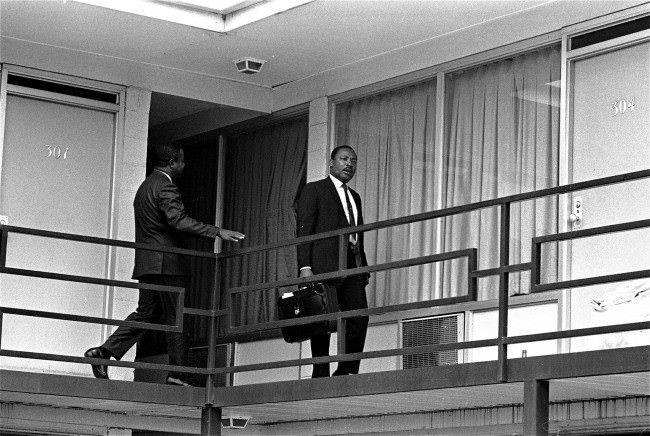
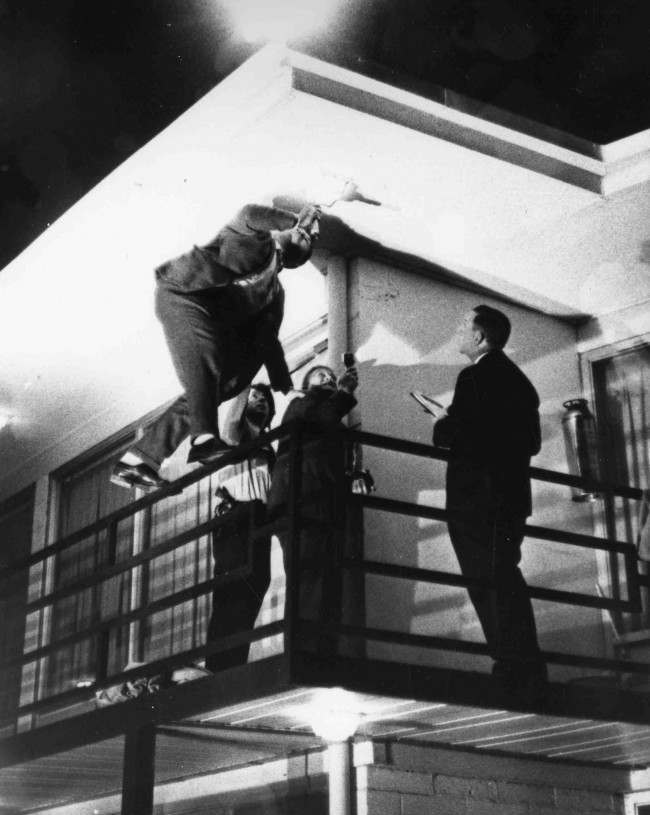
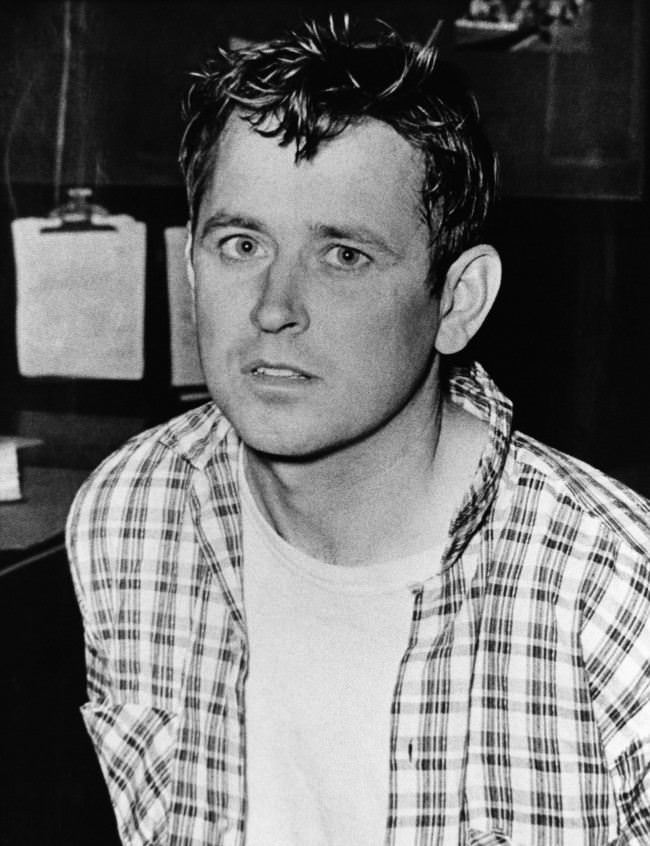
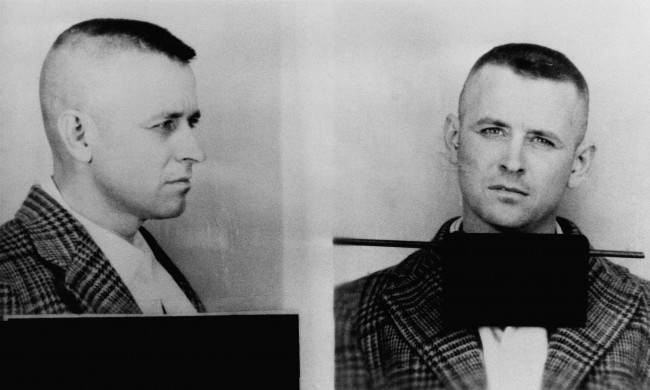
Authorities launched a global manhunt. The FBI circulated Ray’s photograph widely as they traced his movements across multiple countries.
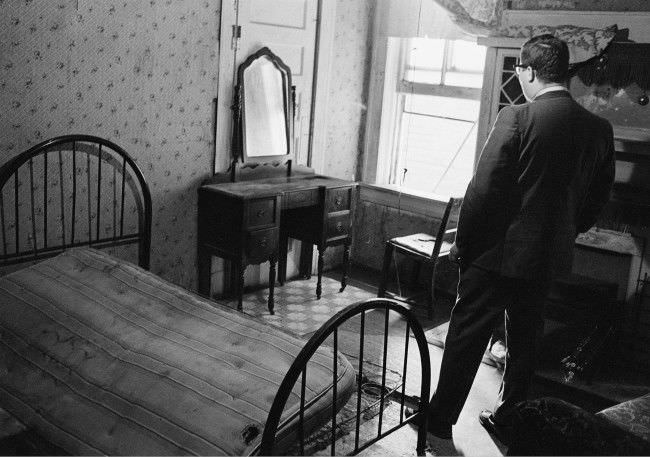
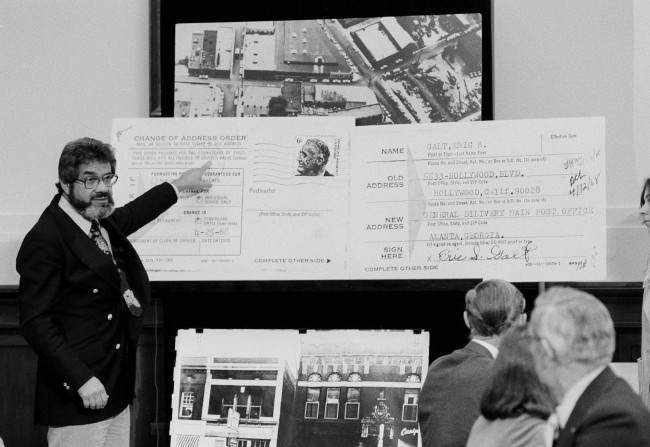
Investigators pieced together Ray’s escape route through physical evidence left at various locations. Items found near his lodging in London helped confirm his presence in England.
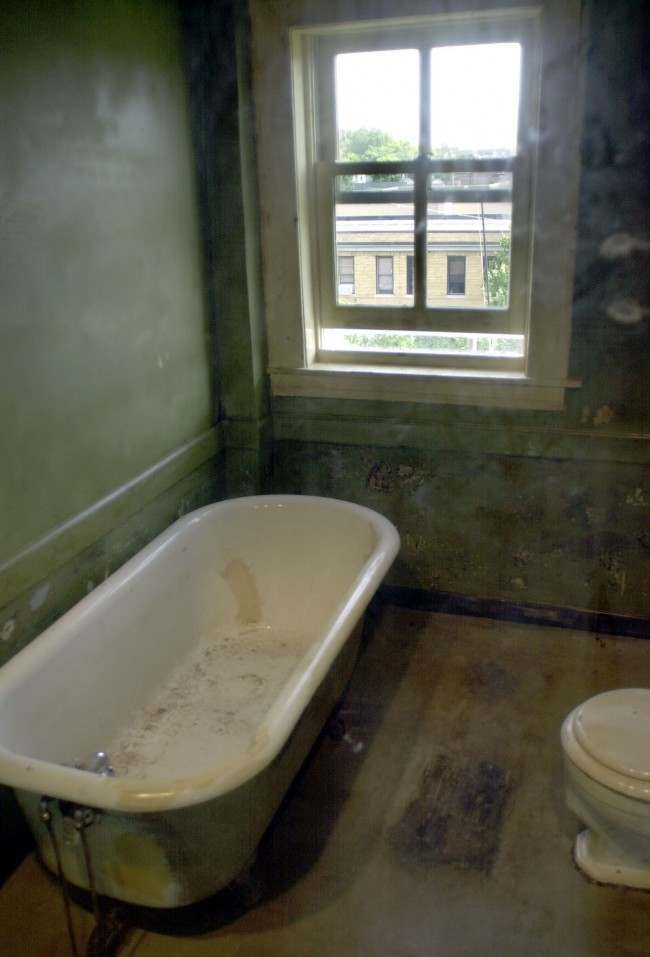
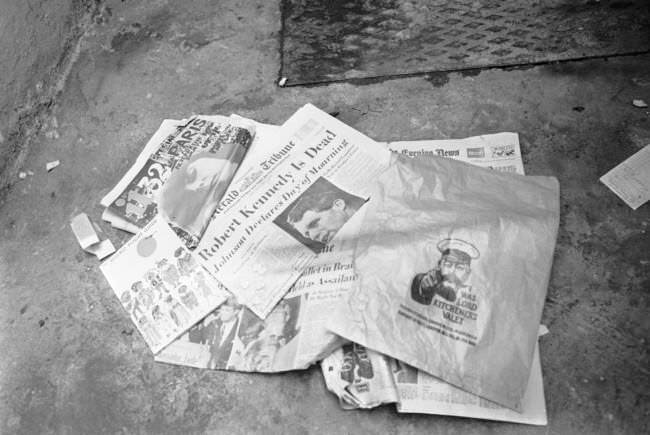
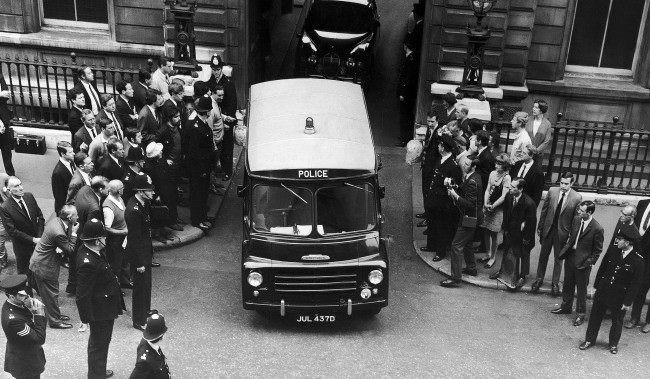
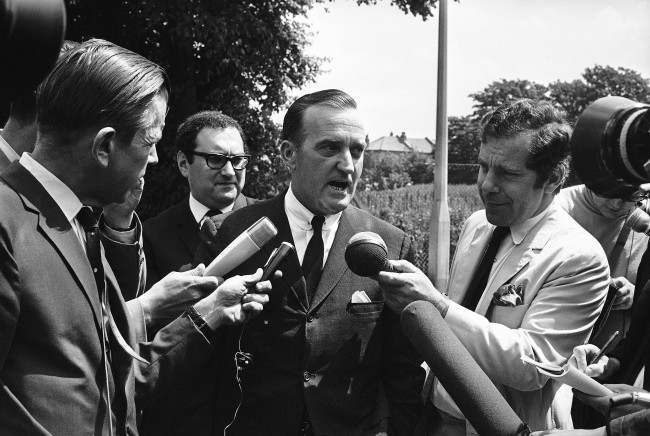
Ray was captured on June 8, 1968, at Heathrow Airport in London, England. He had been traveling under the false name Ramon George Sneyd and was attempting to board a flight out of the country. British authorities arrested him and began the extradition process to return him to the United States.

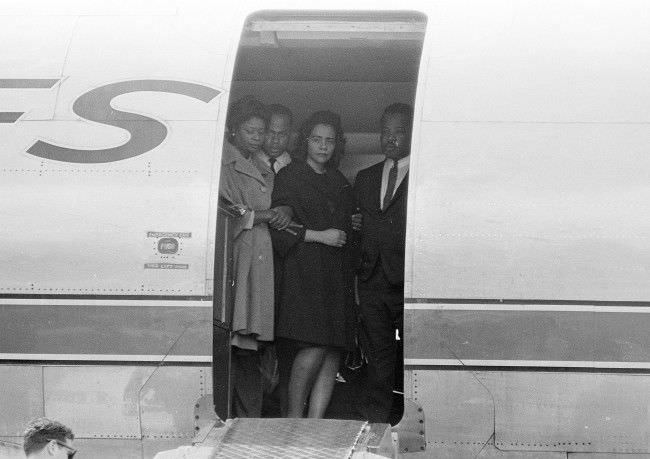
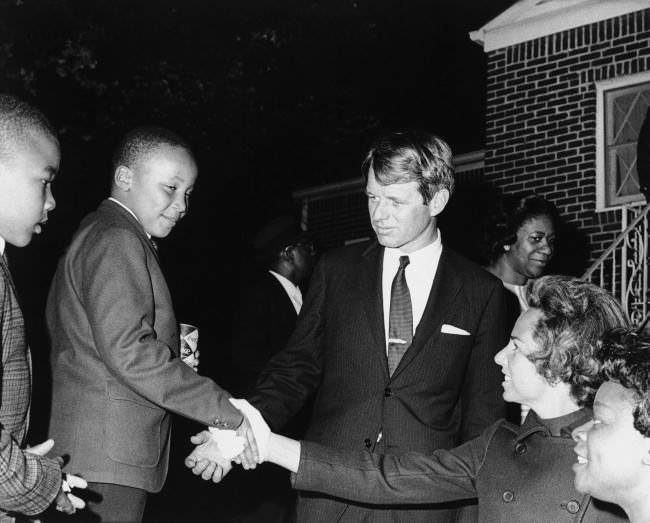
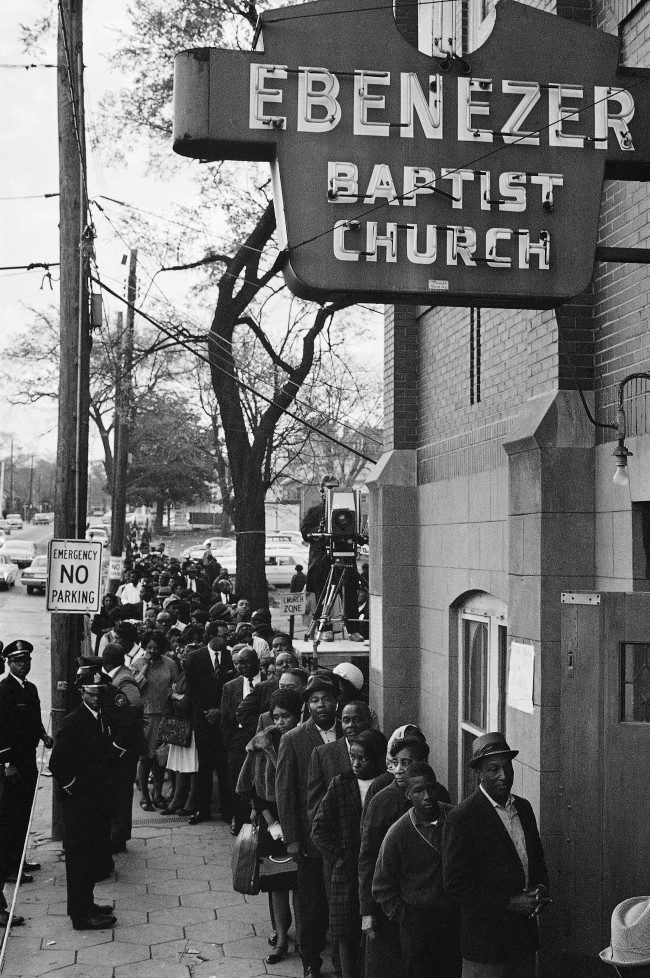
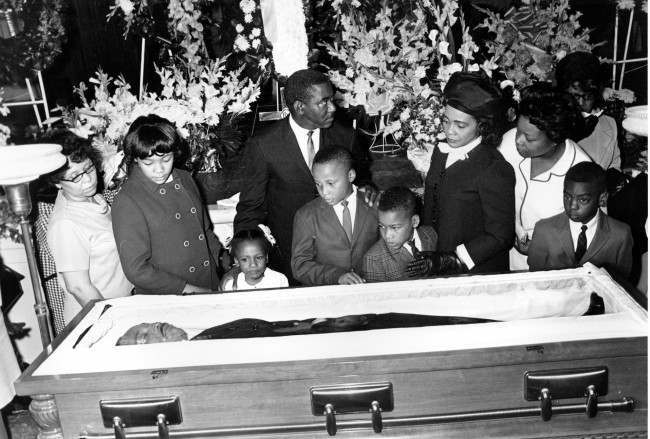
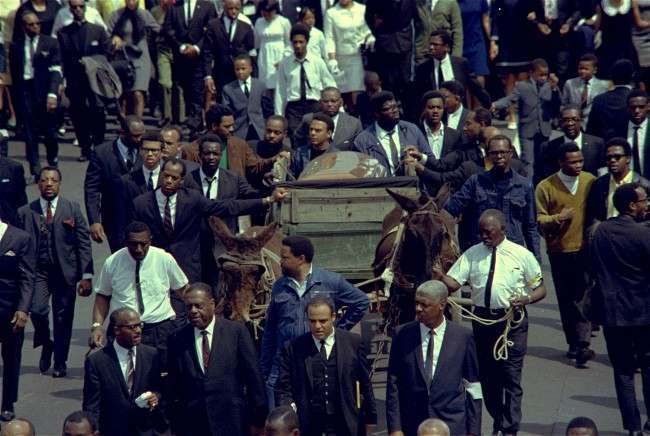
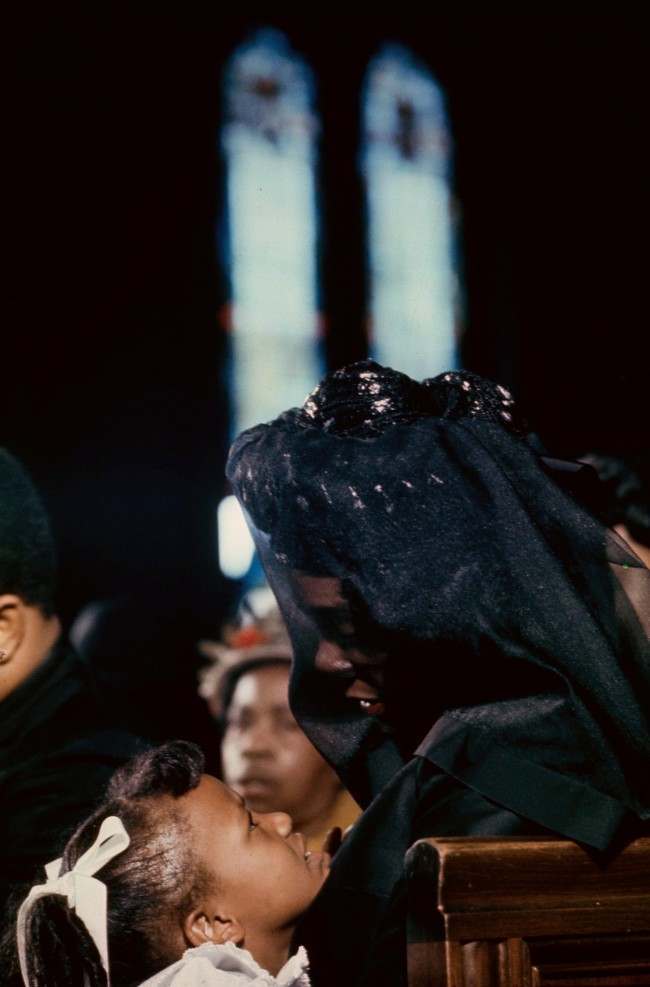
Back in the United States, King’s family and supporters mourned publicly. Coretta Scott King, his widow, traveled to Memphis to accompany her husband’s body home to Atlanta. Thousands of people lined the streets and waited outside Ebenezer Baptist Church to pay their respects.
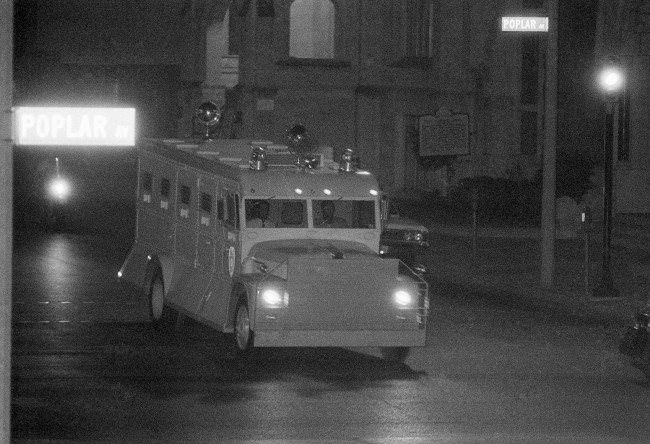
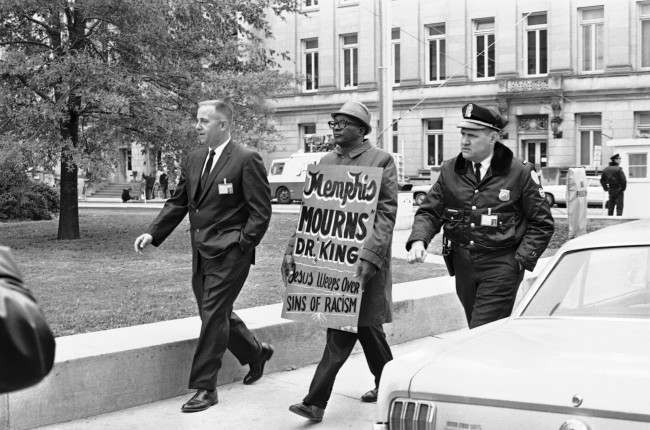
As Ray awaited trial in Memphis, protests formed outside the jail. Many people demanded justice, while others questioned whether the full truth about the assassination was being told.
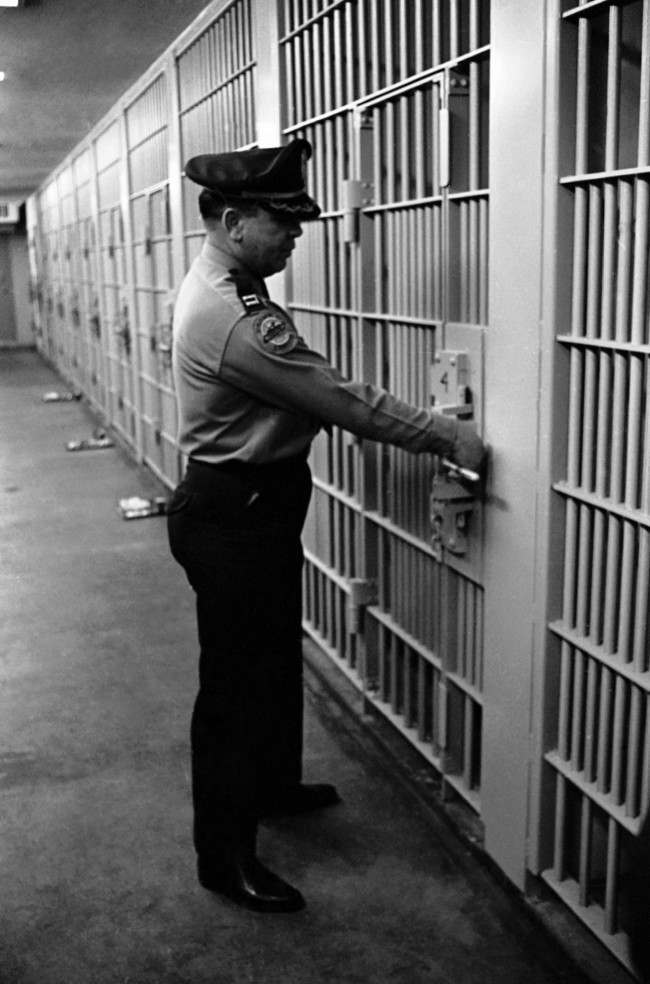
When Ray entered his guilty plea on March 10, 1969, the trial itself lasted only a single day. The evidence against him — fingerprints, eyewitness testimony, and ballistic evidence — left little room for legal dispute. Ray was transported to the Tennessee State Prison in Nashville to begin serving his sentence.
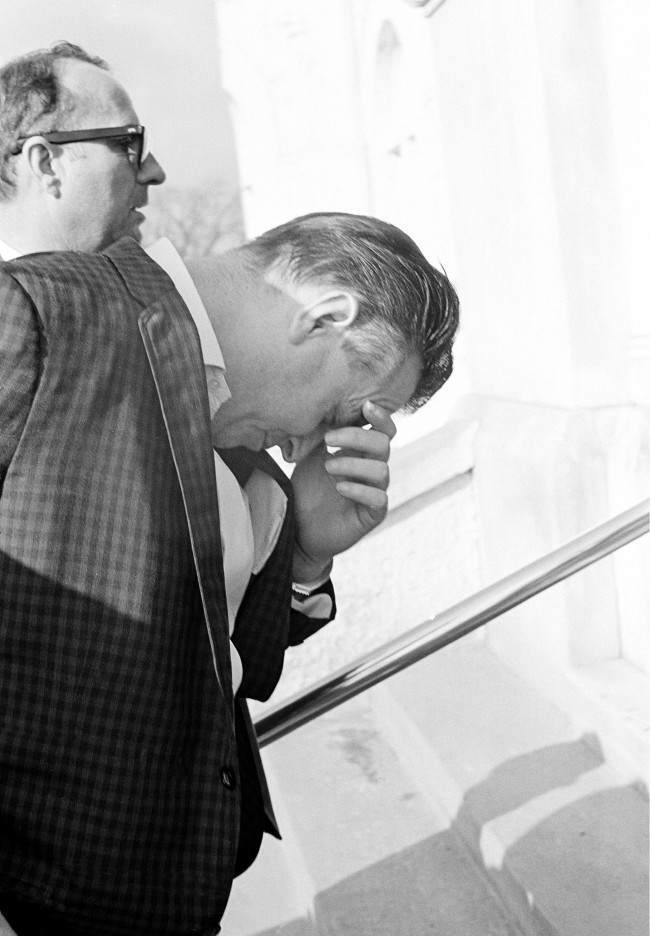
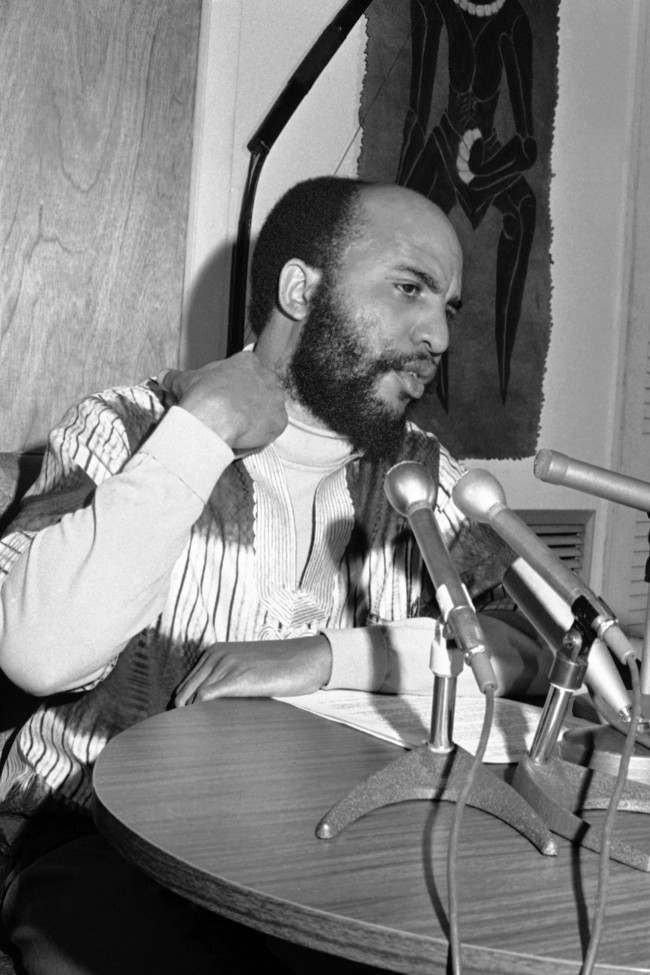
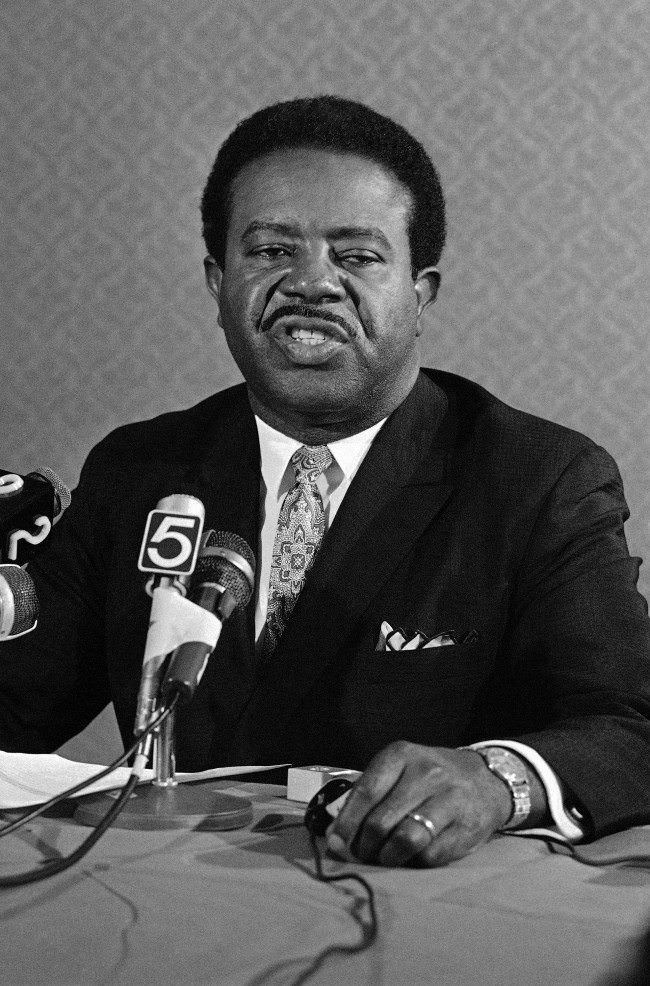
Ray’s guilty plea did not settle the debate over what truly happened. Civil rights leaders and ministers questioned whether a single man had acted alone. Rev. Ralph David Abernathy, who had been with King the night he was shot, said that Ray’s admission of guilt only deepened his belief that a larger conspiracy was at work. Rev. James Bevel went further, publicly stating that Ray was not the actual killer.
Ray himself reversed course almost immediately after pleading guilty. He claimed he had been manipulated by a man he called “Raoul,” who he said was the real organizer of the assassination. Ray argued he had been set up as a scapegoat. His story shifted over the years, and he was never able to provide solid evidence to support it. Courts repeatedly denied his requests for a new trial.
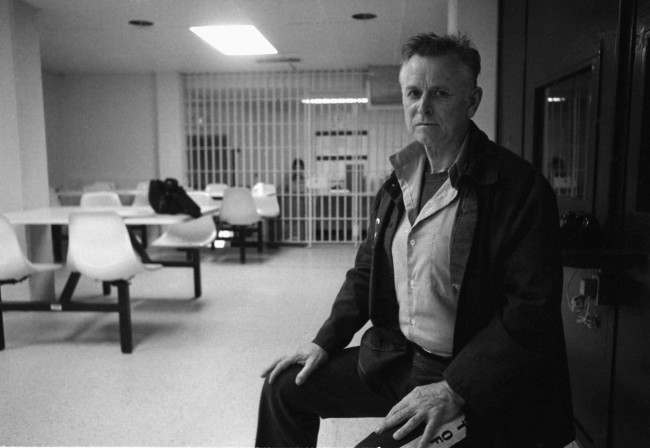
In 1974, Ray appeared in federal court in Memphis in connection with ongoing legal proceedings. He showed little visible remorse during these appearances.
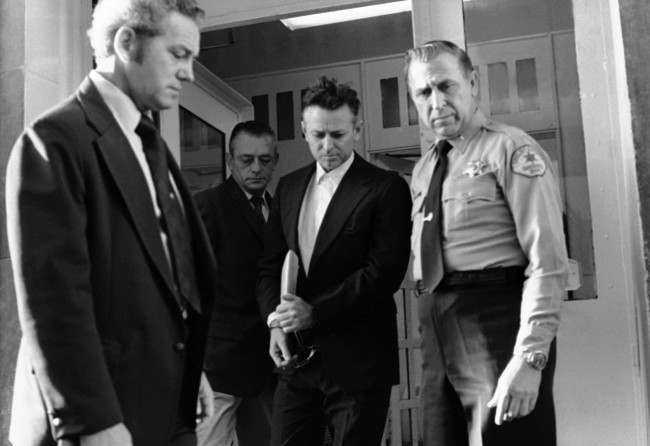
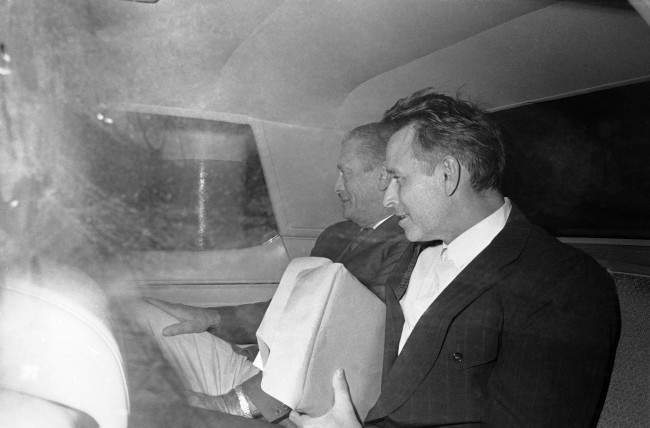
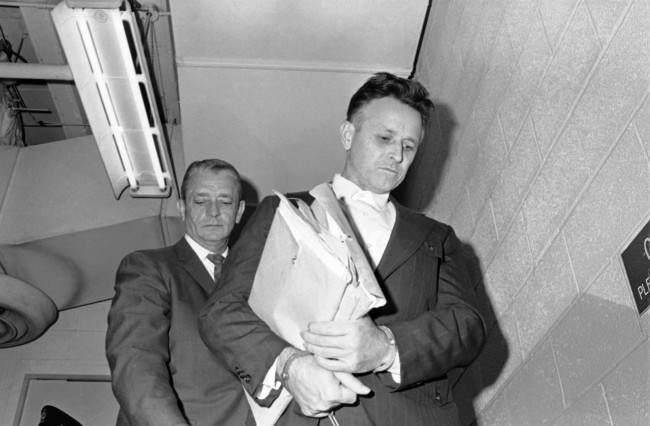
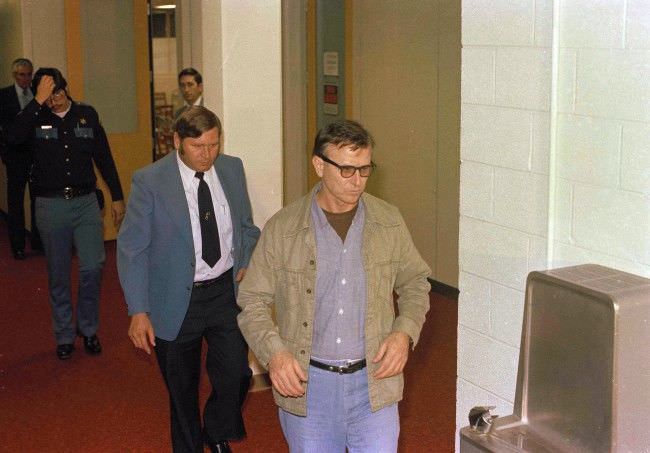
In June 1977, Ray escaped from Brushy Mountain State Prison in Petros, Tennessee, along with five other inmates. The escape triggered an intense search across rugged mountain terrain. Armed guards and tracking teams were deployed across the area. Ray was recaptured within 54 hours, just a few miles from the prison.
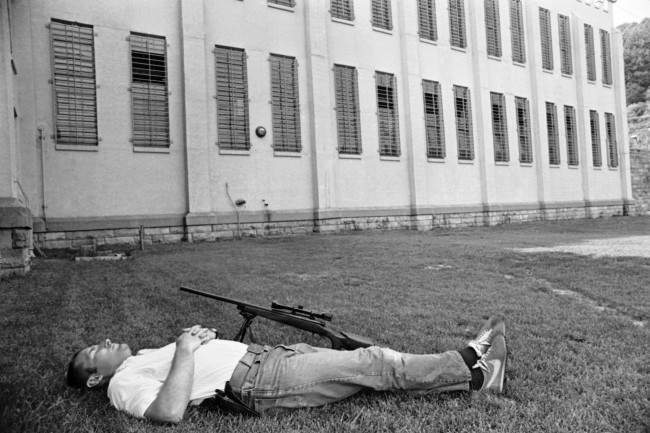
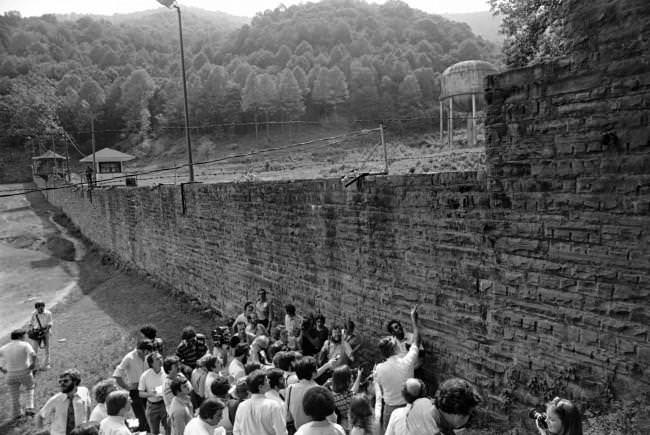
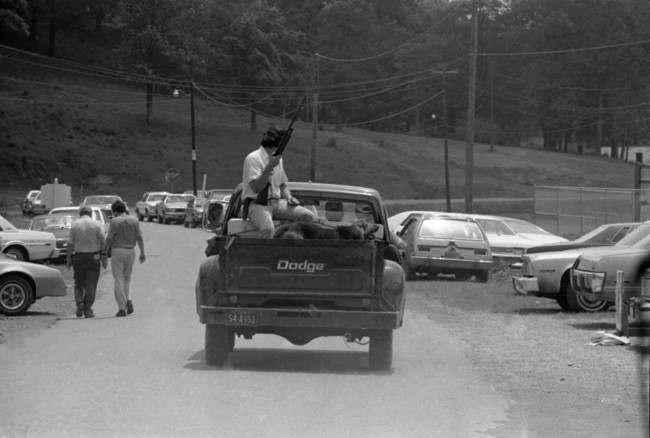
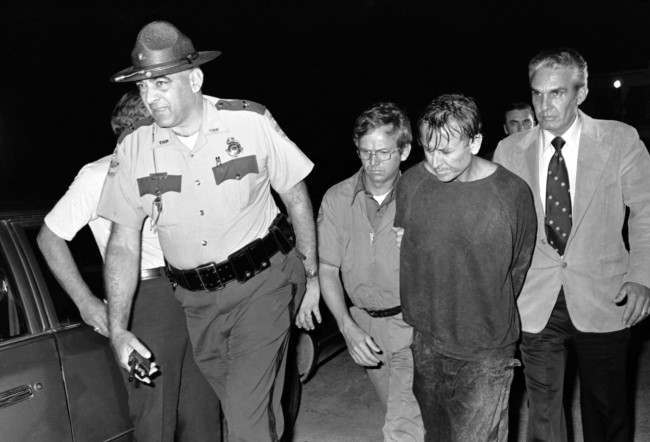
Ray faced a separate trial for the escape itself. The proceedings took place in Wartburg, Tennessee, and added additional years to his sentence.
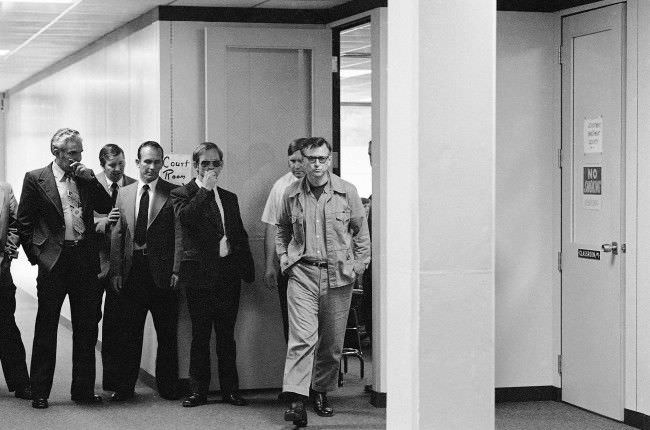
Attorney Mark Lane took on Ray’s case and argued aggressively that his client had been framed. Lane used documents and witness testimony to push the conspiracy theory before courts and congressional investigators.
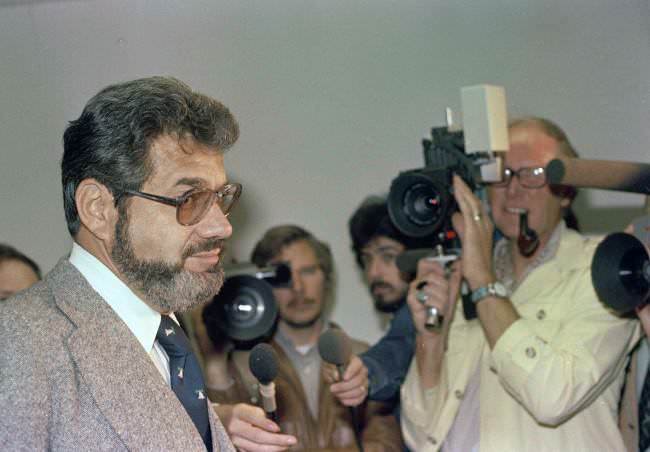
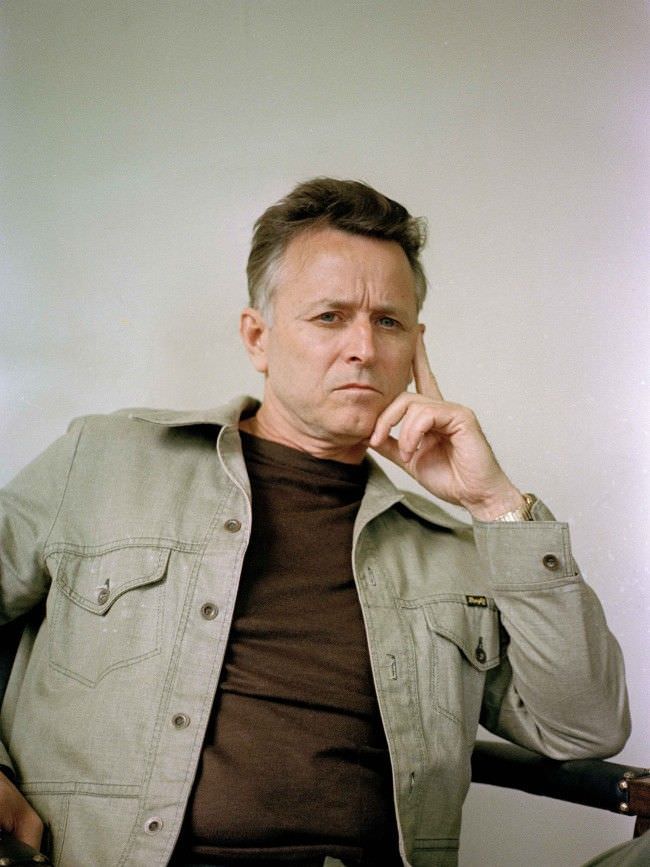
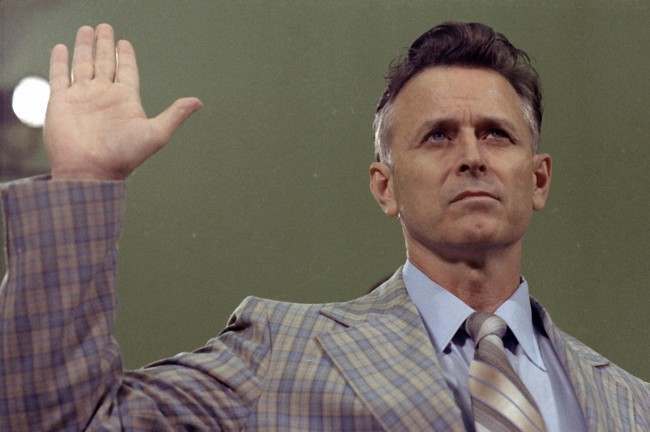
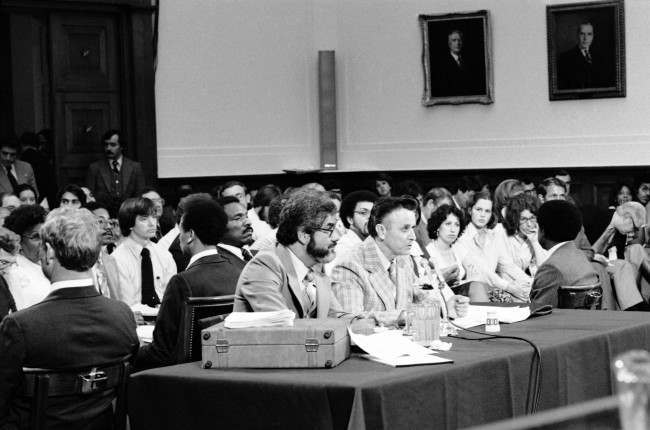
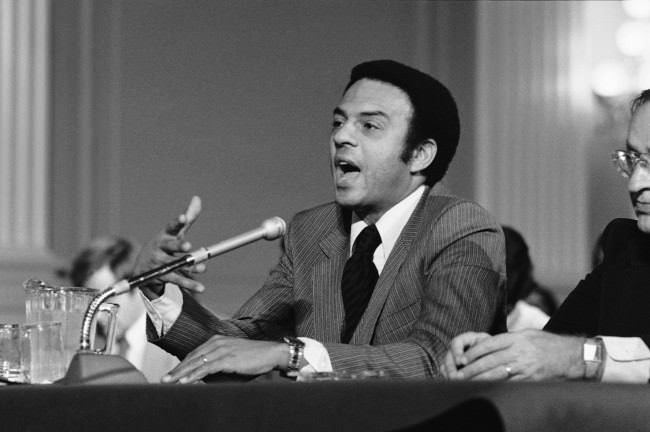
In 1978, the U.S. House Select Committee on Assassinations held hearings that examined the King murder alongside the assassination of President John F. Kennedy. Ray testified under oath before the committee, sitting alongside attorney Mark Lane. U.N. Ambassador Andrew Young also appeared, stating he had no evidence of FBI involvement in King’s death. The committee ultimately concluded that a conspiracy was likely in King’s assassination, though it could not identify who else was responsible beyond Ray.
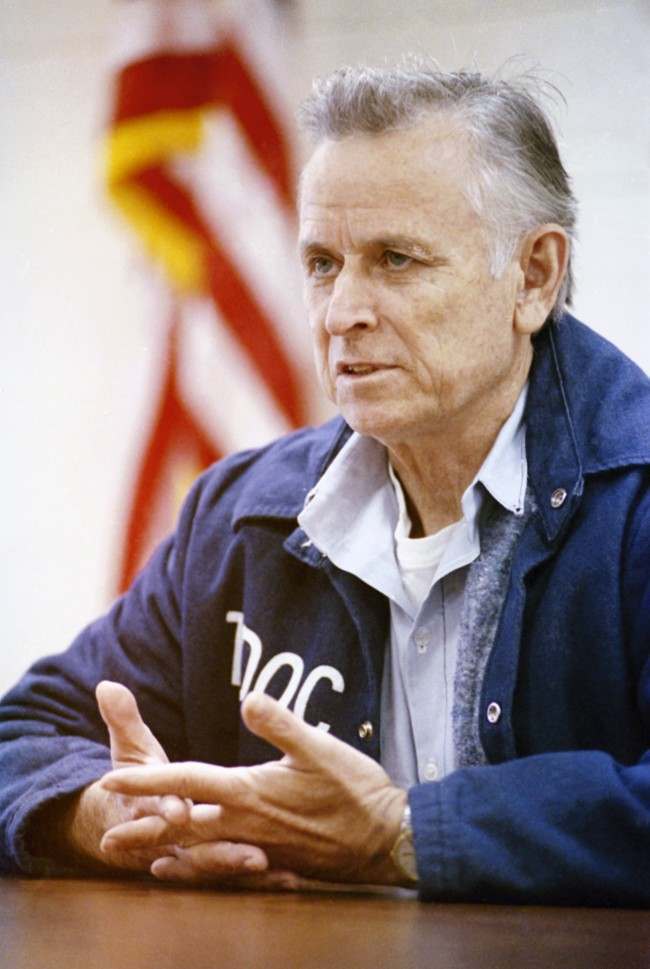
Ray continued to give interviews from prison throughout the 1980s and 1990s, repeating his claims of innocence. No investigation produced evidence that corroborated the existence of “Raoul” or any organized plot beyond Ray’s own actions. His health declined significantly in his later years due to liver disease. James Earl Ray died in prison on April 23, 1998, at the age of 70, still serving his sentence.