In the mid-1950s, Jaguar was on a winning streak at the world’s most grueling racetracks. The D-Type had claimed multiple Le Mans victories and established itself as one of the fastest cars of its generation. When Jaguar engineers turned their attention to a road-going version of that racer, the result was the XKSS — a car that carried all the performance of the D-Type but was trimmed just enough to make it street-legal.
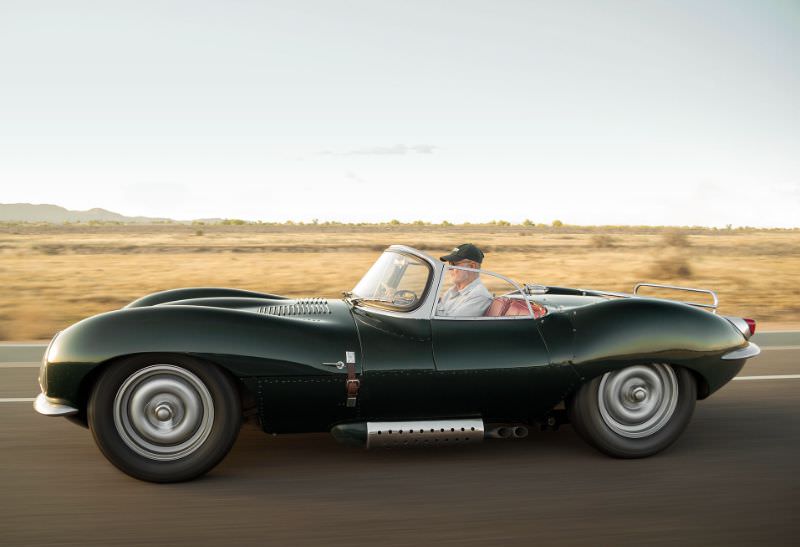
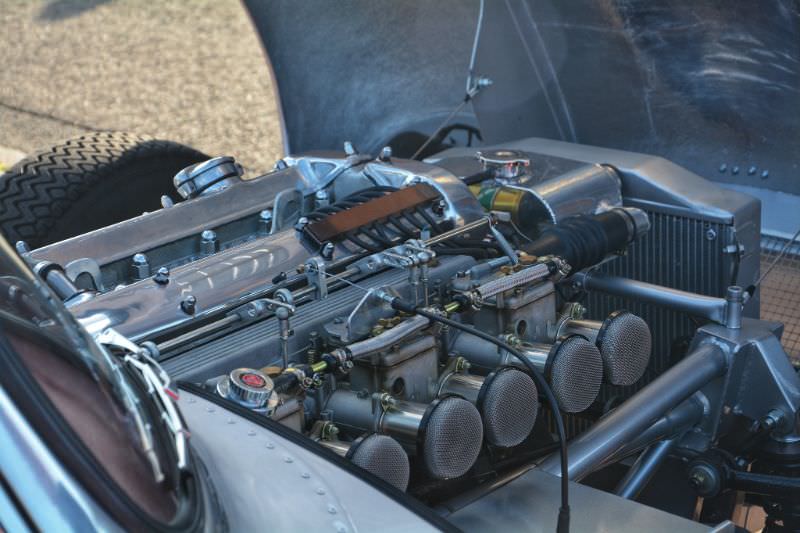
The changes from the D-Type were minimal by design. Jaguar added a passenger-side door, a full-width windscreen, a rudimentary folding hood, and a small luggage rack behind the cockpit. The car still used the same 3.4-litre straight-six engine and aerodynamic aluminum bodywork. Jaguar wasn’t building a grand tourer — it was building a race car you could drive to work.
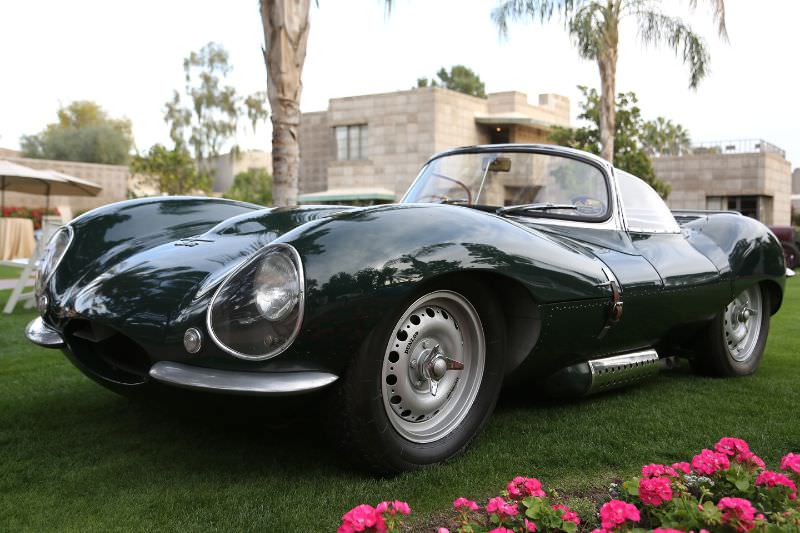
By early 1957, Jaguar’s Browns Lane factory in Coventry had completed 16 of the planned 25 XKSSs. Nearly all of those cars had already been shipped to North America, where demand for high-performance British sports cars was strong. The remaining nine were on the factory floor, in various stages of completion, all of them destined for American buyers.
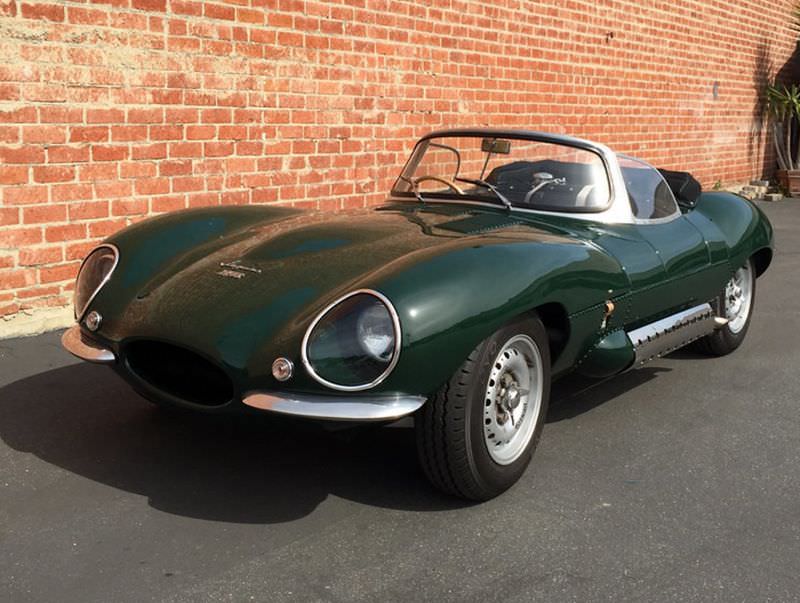
On the night of February 12, 1957, a fire broke out at the Browns Lane plant. It tore through the factory and destroyed all nine unfinished XKSS bodies. The blaze also damaged tooling, components, and other vehicles in production. When morning came, Jaguar had lost nearly a third of its planned XKSS run in a single night.
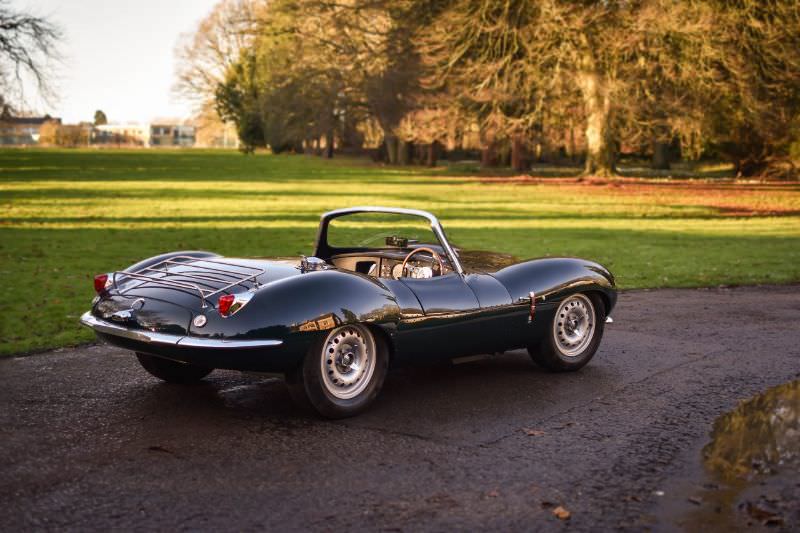
Jaguar made the decision not to restart XKSS production. The tooling needed to rebuild those nine cars was gone, and the company had other priorities. The 16 surviving cars were scattered across North America, largely in private hands. For decades, the XKSS remained one of the rarest and most sought-after sports cars ever built.
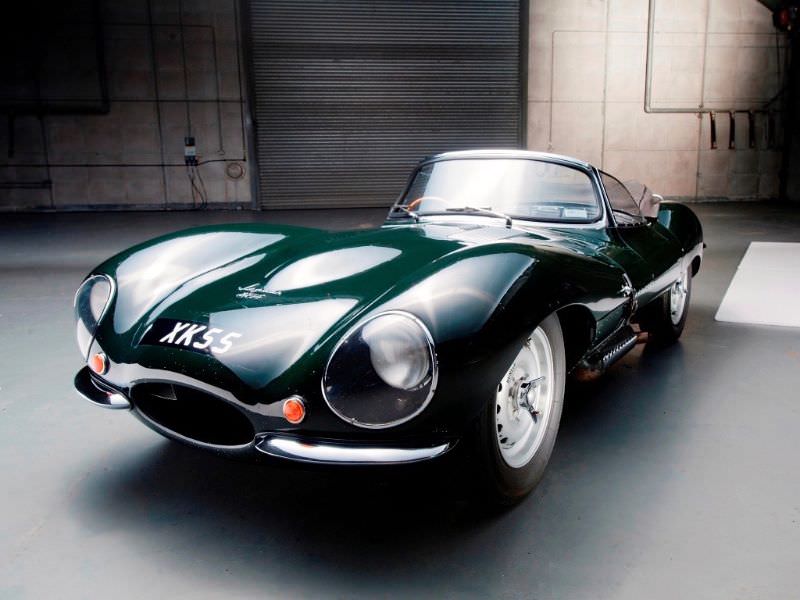
Famous owners added to the car’s mystique. Actor Steve McQueen purchased an XKSS in 1958 and drove it regularly on the streets of Hollywood. His ownership brought the car widespread public attention and cemented its status as a symbol of speed and cool. McQueen kept the car for years, and it remained one of the most talked-about pieces of his personal collection.
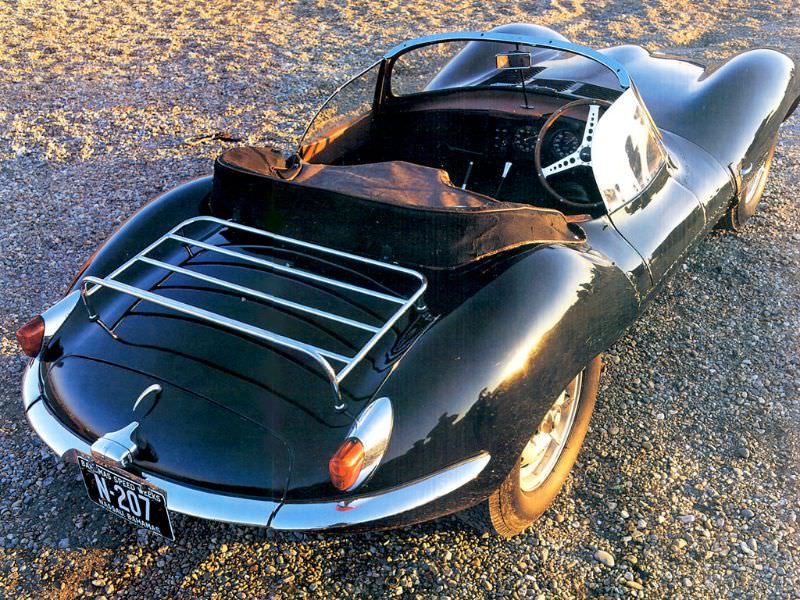
The surviving 16 cars changed hands over the decades, each sale setting new records at auction. Their rarity, racing heritage, and connection to the D-Type made them permanent fixtures in collector car culture. Restoration of original XKSSs became a specialty in itself, with experts dedicating years to sourcing correct period components.
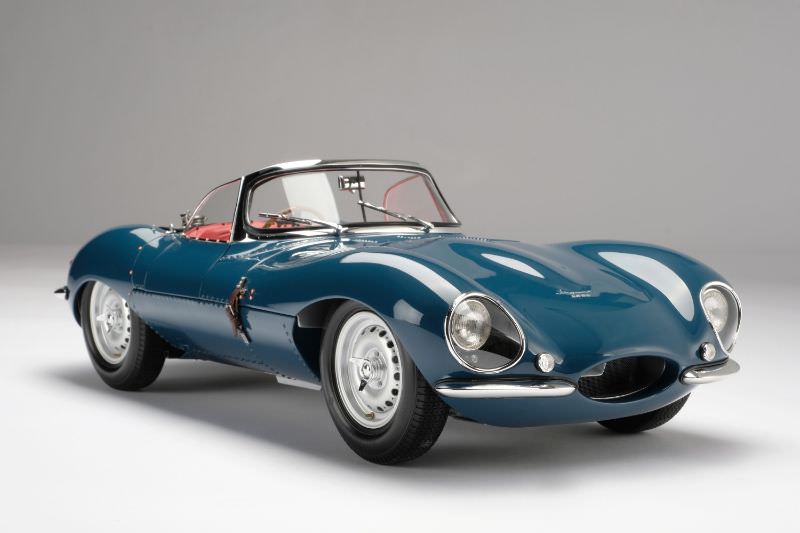
In March 2016, Jaguar made an announcement that sent shockwaves through the classic car world. The company declared it would complete the original production run by building the nine cars destroyed in the 1957 fire. These would not be replicas or tributes — Jaguar called them “continuation” cars, built to the exact original specifications using period-correct materials and techniques.
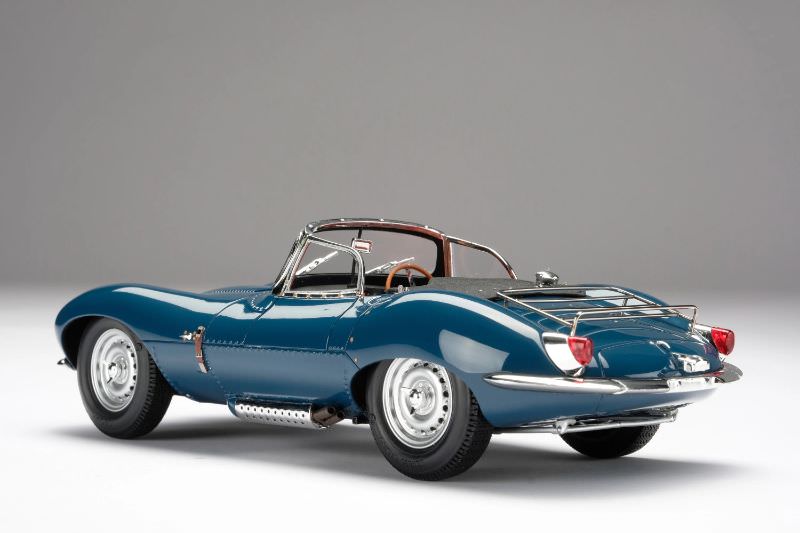
Each of the nine continuation XKSSs was assigned the chassis number of one of the cars lost in the fire. That decision gave every new car a direct historical identity tied to a specific vehicle that never made it out of Browns Lane in 1957. Jaguar’s heritage division led the project, drawing on original factory drawings and engineering records.
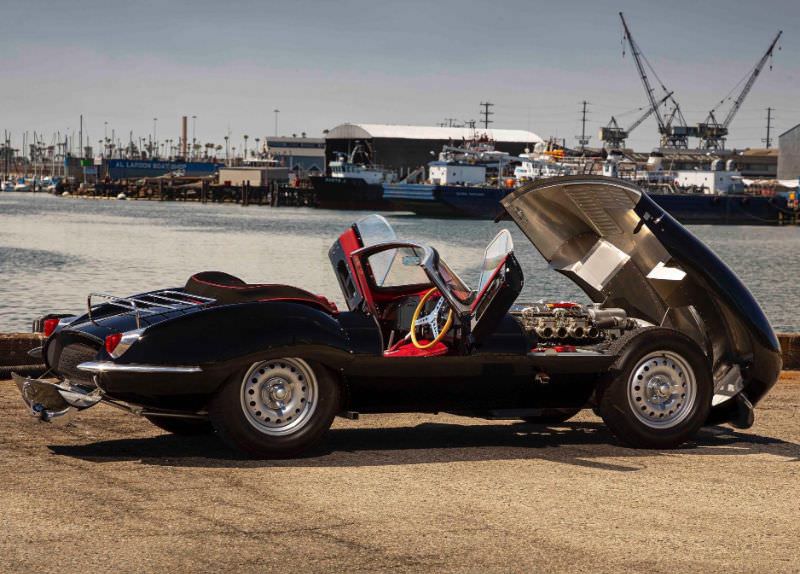
Craftsmen hand-formed the aluminum bodywork using the same methods used in the 1950s. The 3.4-litre XK engine was rebuilt to original specification. Every detail — the instruments, the switchgear, the leather trim — matched what a buyer in 1957 would have received. The process was painstaking and deliberate, with skilled workers completing each car by hand over an extended period.
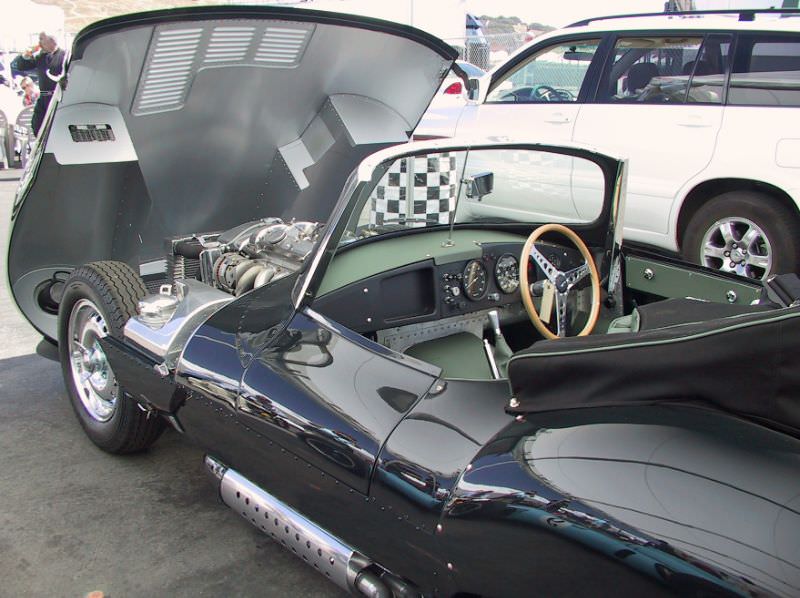
The price for a continuation XKSS was set at more than £1 million each. All nine were pre-sold before the first car was completed. The buyers understood exactly what they were getting — a car that occupied a unique space between original artifact and new manufacture, authenticated by Jaguar itself and carrying a legitimate place in the production record.
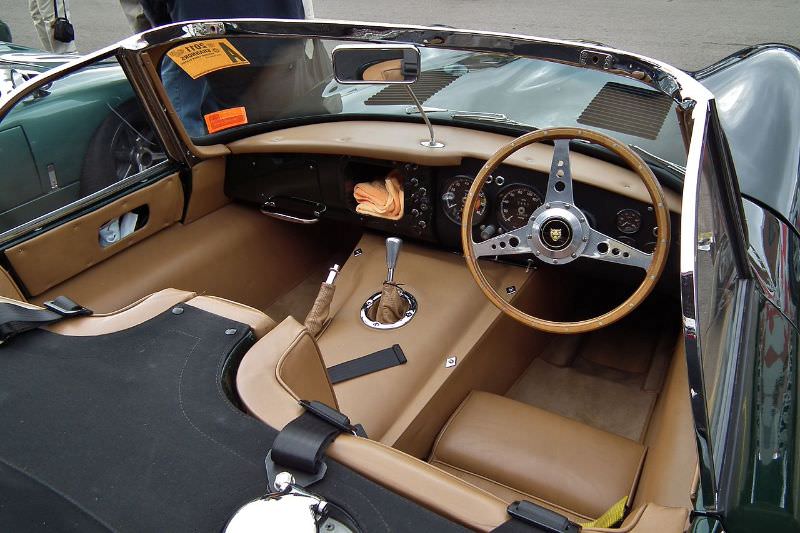
The finished continuation cars were unveiled to the public in 2017. Photographs showed them indistinguishable from the surviving originals in almost every visible detail. Jaguar displayed one at the Pebble Beach Concours d’Elegance, where it drew crowds of collectors and historians who examined every inch of the bodywork and interior.
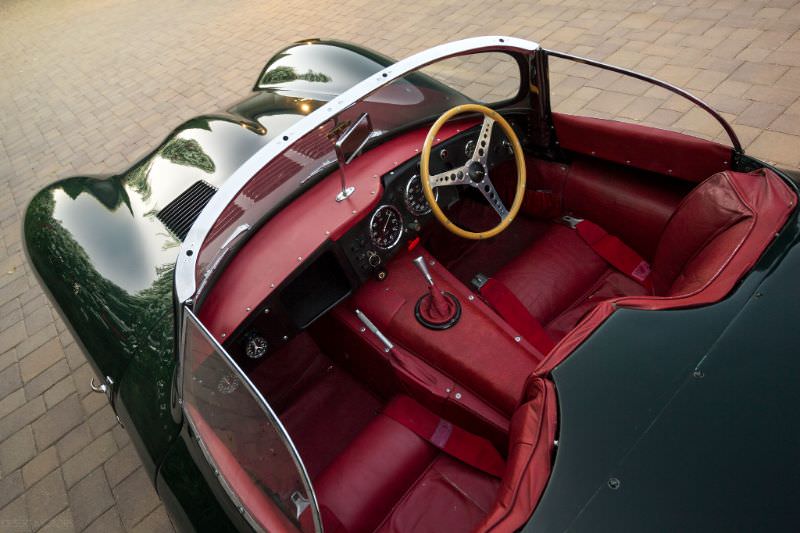
The XKSS sits at a very specific moment in automotive history — the brief window when pure racing machinery was being adapted for public roads with almost no compromise. Cars from that era were loud, demanding, and completely unforgiving. They required the driver to be engaged at all times. The XKSS offered no power steering, no ABS, and minimal weather protection.
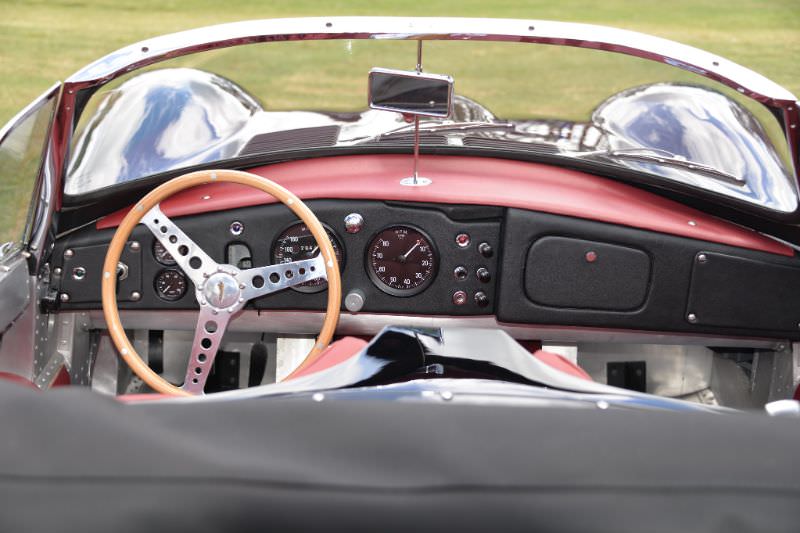
That rawness is precisely what drives its appeal among serious collectors. The original 16 cars and the nine continuations represent a total production run of 25 vehicles — a number so small that the XKSS will always occupy rare air in the collector market. Original examples have sold at auction for well over $15 million, and those prices have shown no sign of retreating.
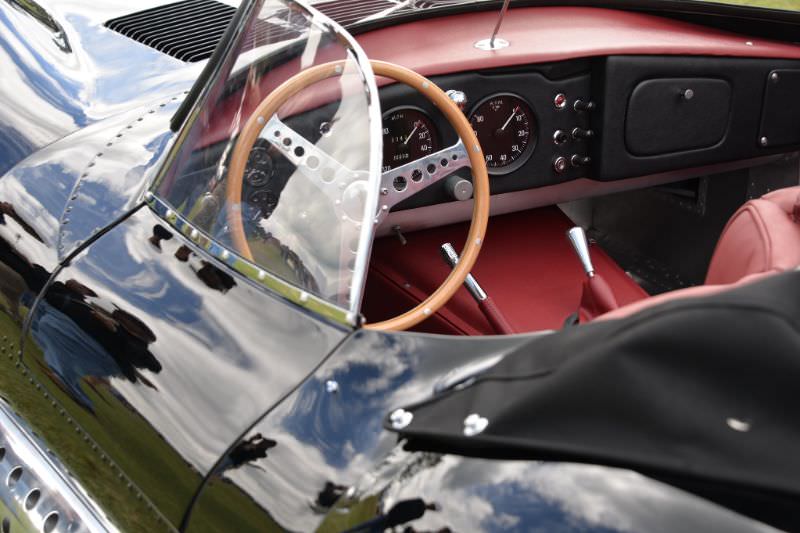
The XKSS project also set a precedent for how manufacturers could revisit interrupted histories. Jaguar’s decision to treat the continuation cars as genuine completions of the original run — rather than commemorative editions — was a deliberate and significant distinction. The nine continuation cars were numbered, documented, and delivered as if 60 years had simply not passed.