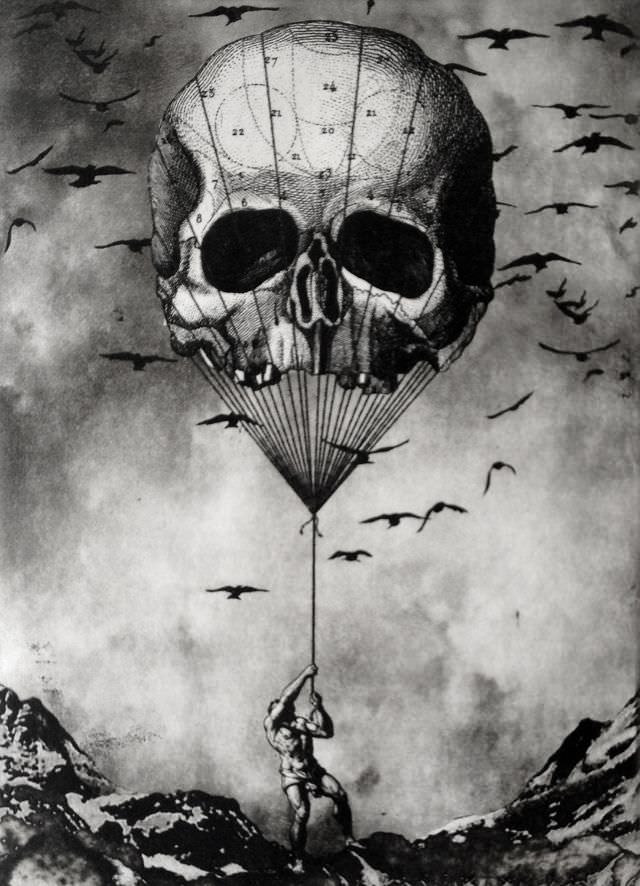
Jaco Putker is a contemporary artist and printmaker based in The Hague, The Netherlands. His work occupies a strange and magnetic space — part fairy tale, part fever dream — where whimsical animals, mysterious figures, and otherworldly scenes share the same frame. Putker has exhibited globally, from Tokyo to Chicago, and from China to Britain, collecting numerous awards along the way.
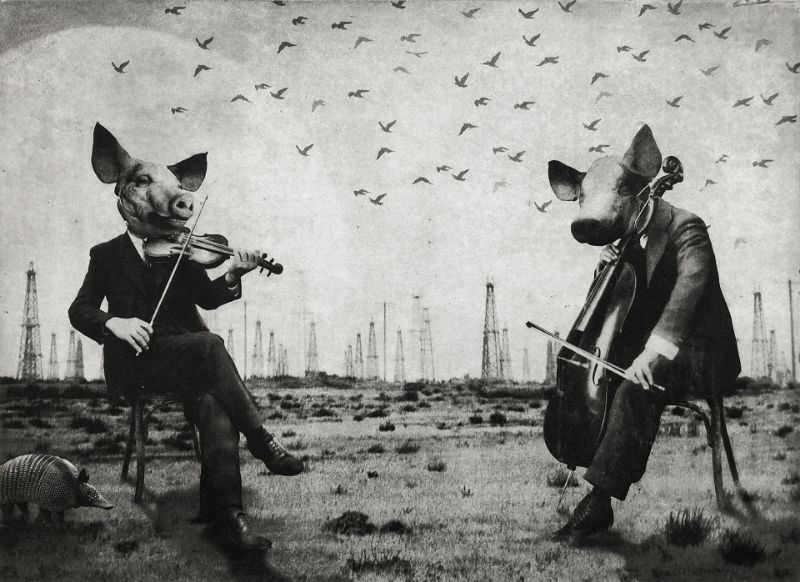
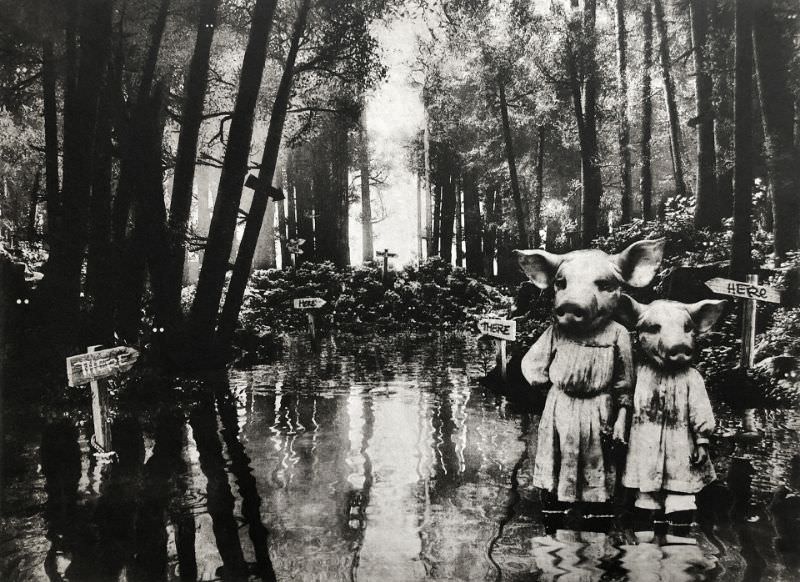
His medium of choice is photopolymer etching, also known as solar plate etching. Unlike traditional acid-based printmaking, this non-toxic technique uses light-sensitive polymer plates to achieve photorealistic detail. The result is imagery of striking precision — fine lines, rich textures, and deep tonal contrasts that pull the viewer in close. Two pieces from his “Pig Suite” series showcase exactly this kind of intricate, fable-like storytelling.
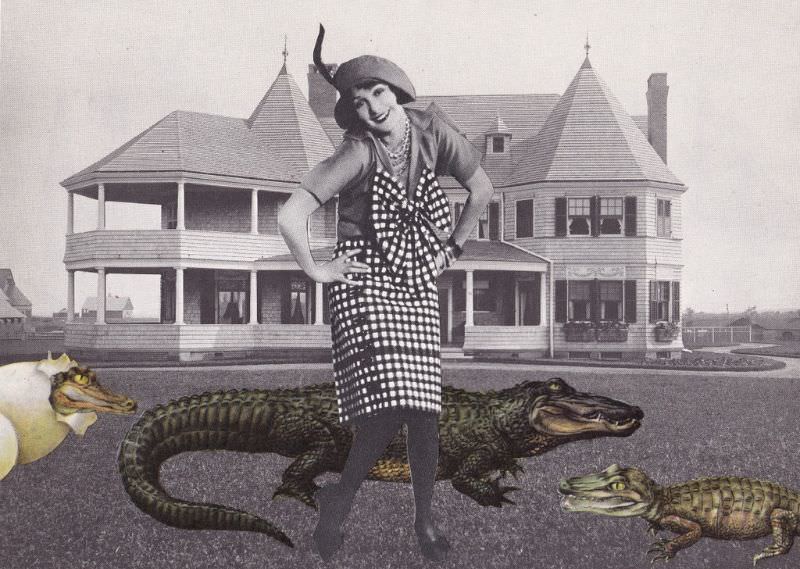
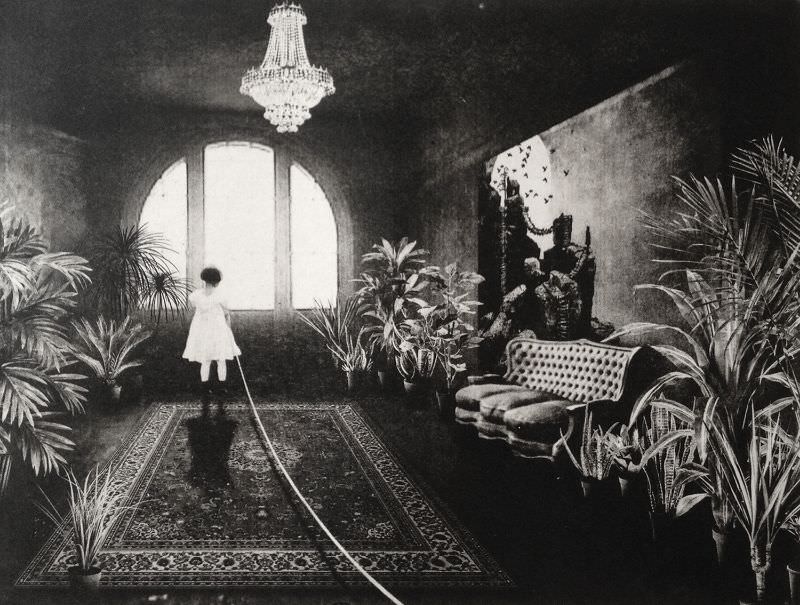
Putker’s “Interior” series places viewers inside rooms that feel both familiar and unsettling. Everyday objects and spaces are rendered with quiet tension, as though something just happened — or is about to. The domestic becomes strange. These interiors don’t explain themselves; they wait for the viewer to fill in the story.
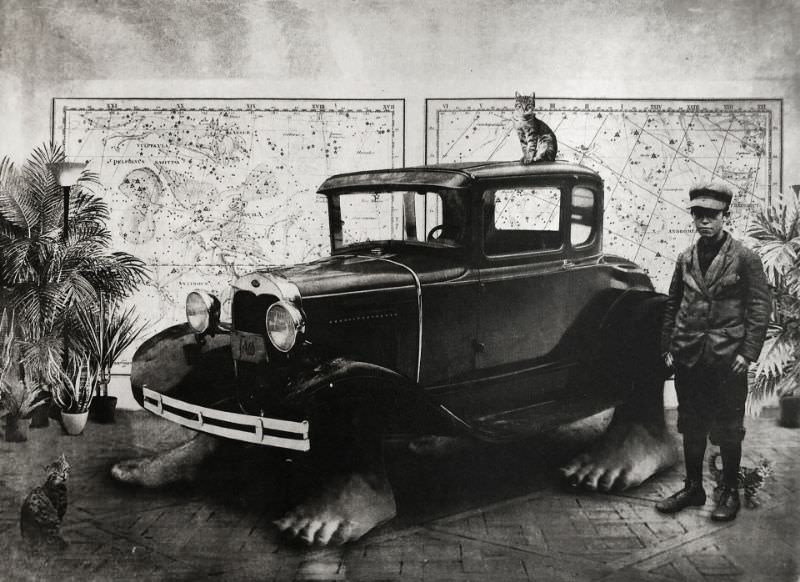
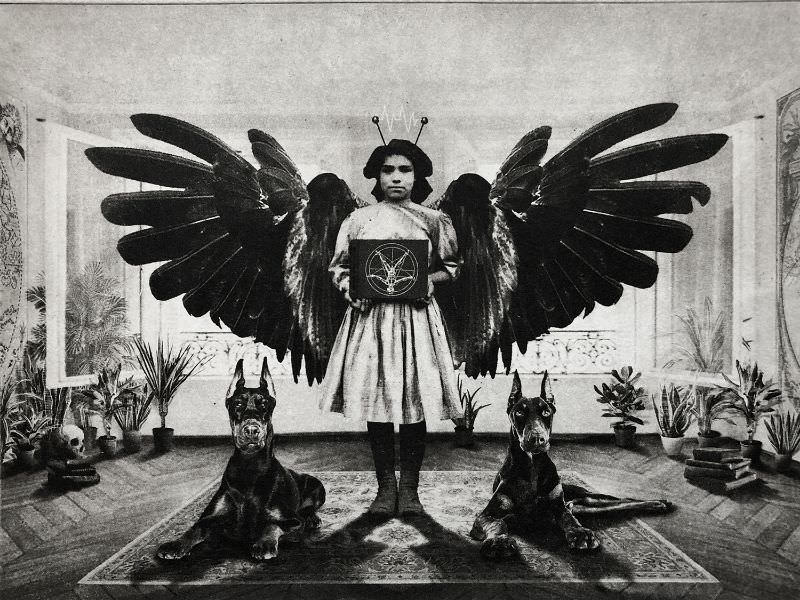
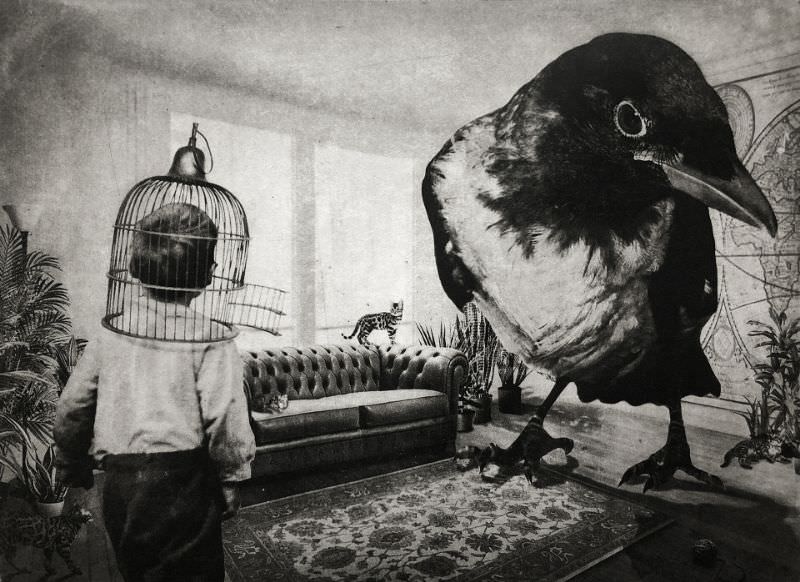
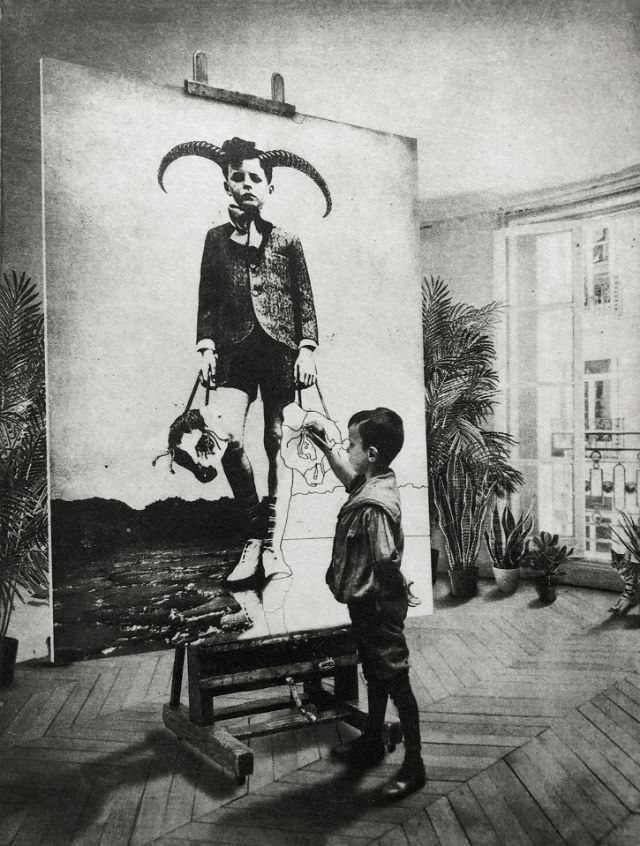
This is central to how Putker approaches his audience. He does not assign fixed meaning to his work. Instead, he invites free association — each viewer brings their own experiences and reads the image through their own lens. His etchings function like illustrations for fables that were never written, springing to life only in the mind of the person looking at them. “The Plagiarist” below is a fitting example of a title that raises more questions than it answers.
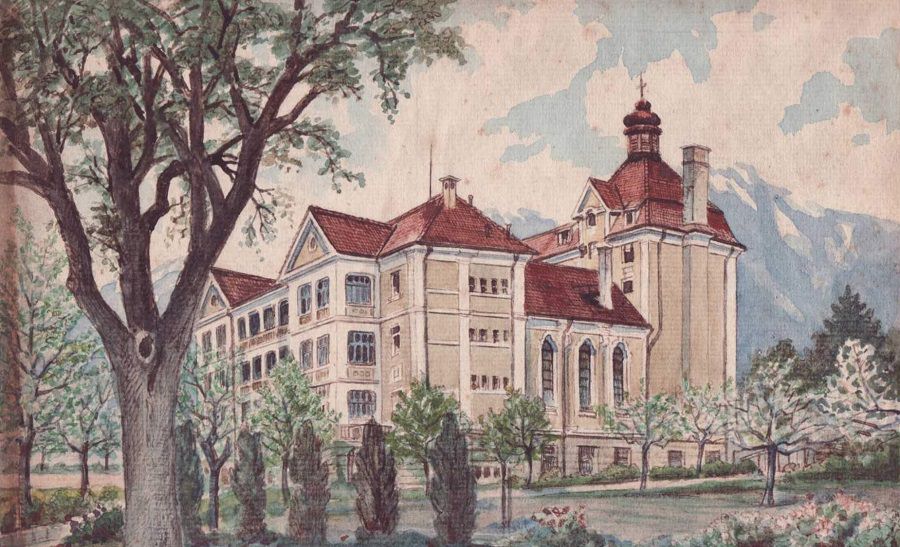
His “Exterior” series moves the drama outdoors. Houses migrate. Lakes reflect the unknown. Nature asserts itself with quiet authority. These works carry the same atmosphere of displacement and wonder found in his interiors, but set against open skies and landscapes that feel vast and indifferent.
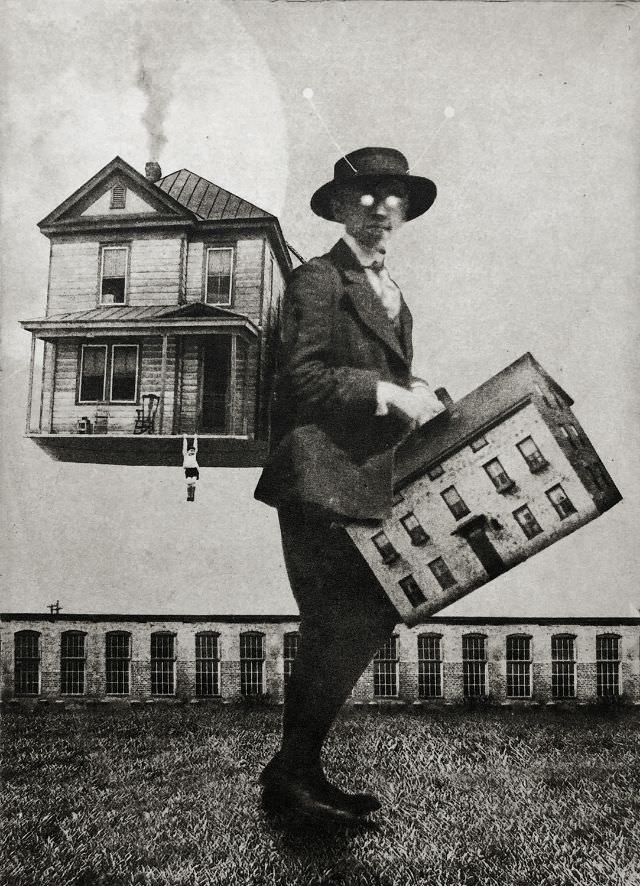
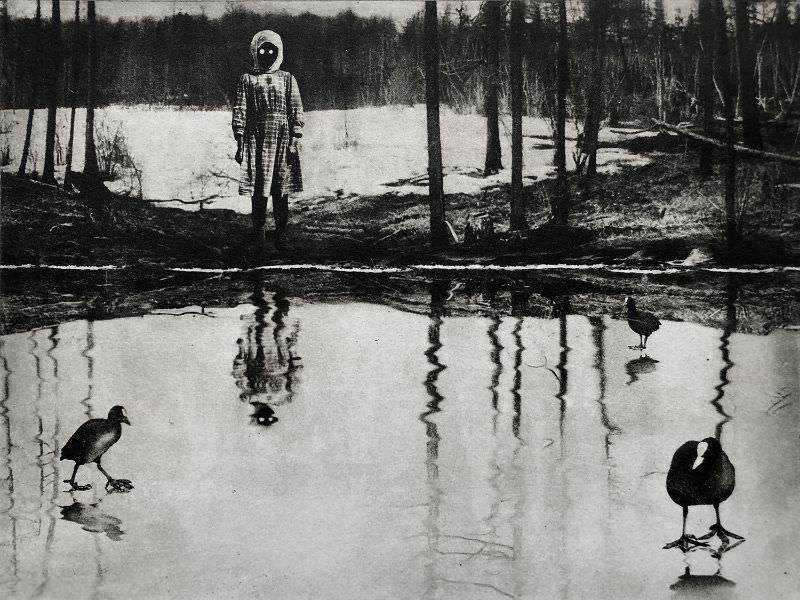
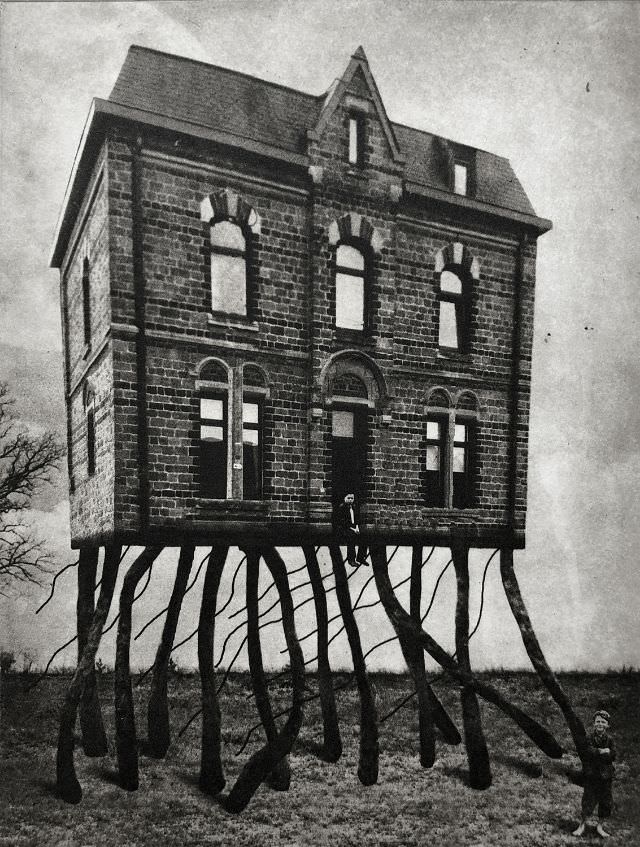
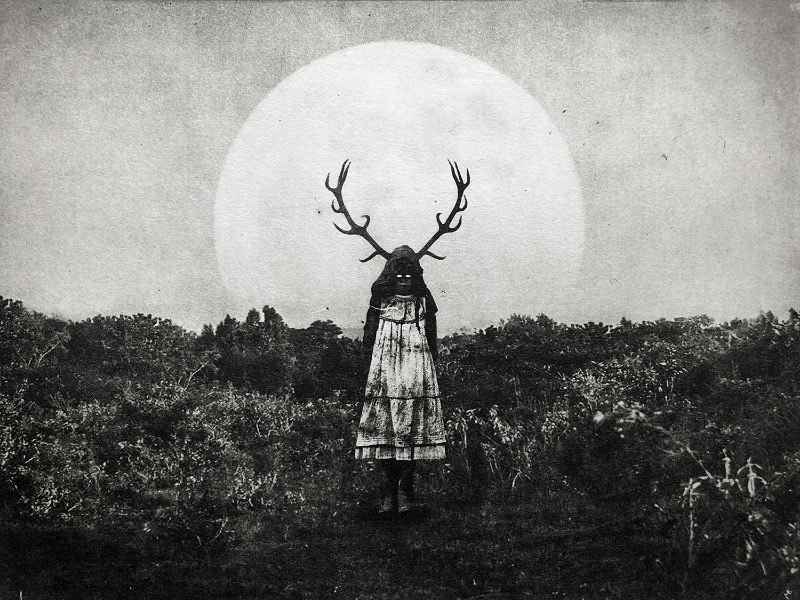
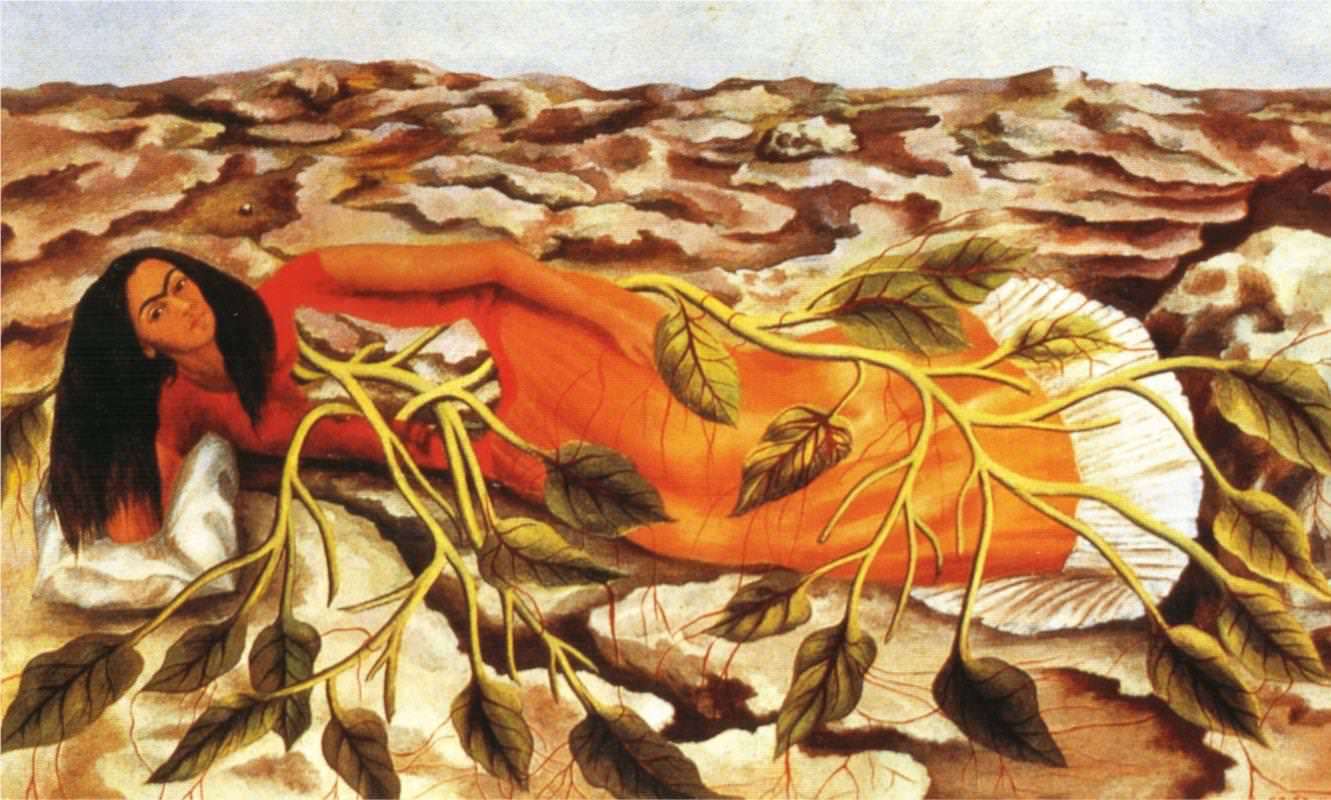
When asked about his influences, Putker points not to a single artist or movement but to nature itself. He is drawn to its perfection, its self-reliance, and its dual capacity for both creation and destruction. Nature, he believes, affects nearly every human being at a deep level — and that shared sensitivity is exactly what he taps into. Series like “The Estates” and “The Grounds” reflect this pull toward the natural world.
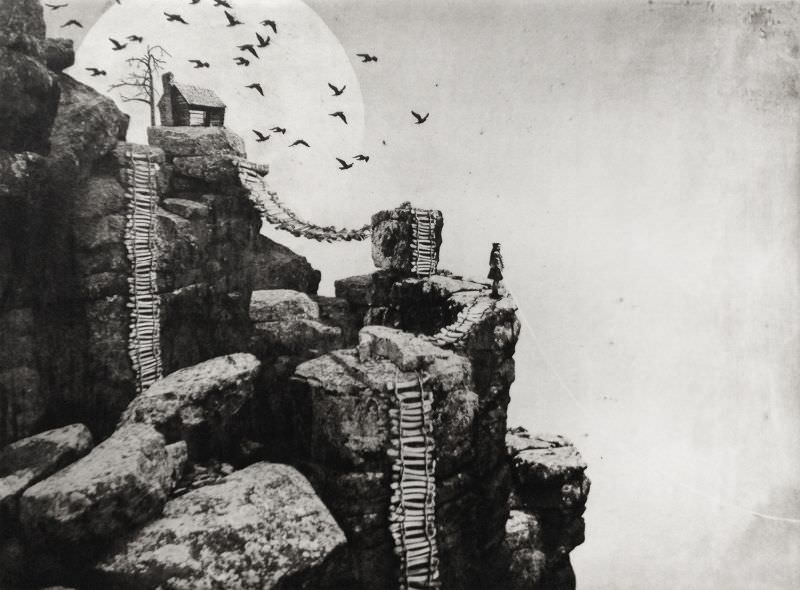
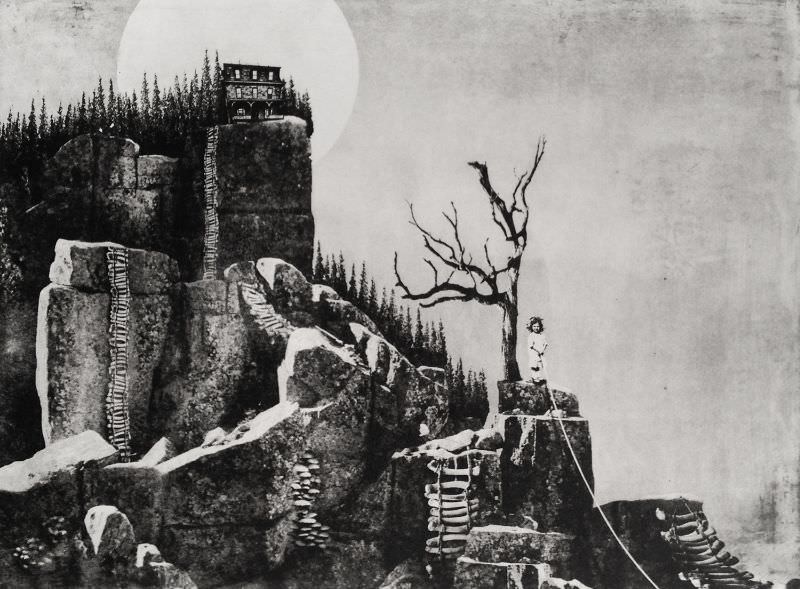
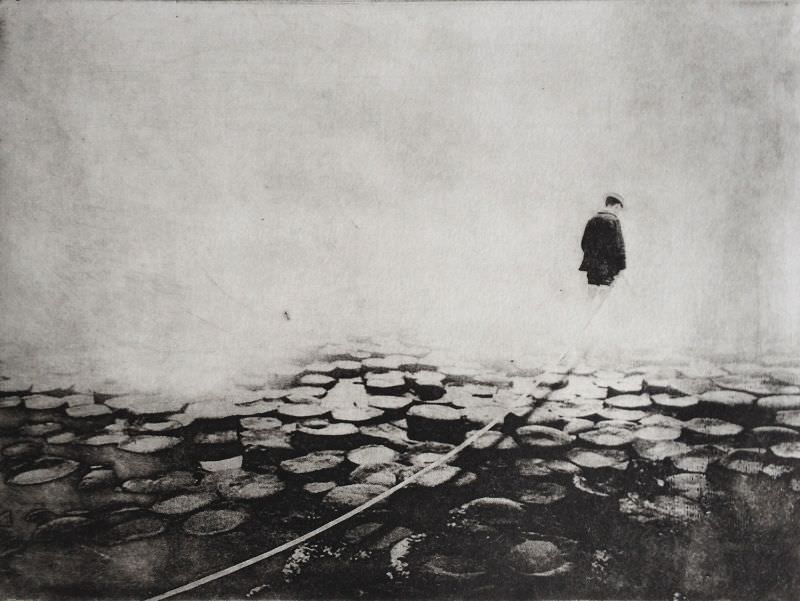
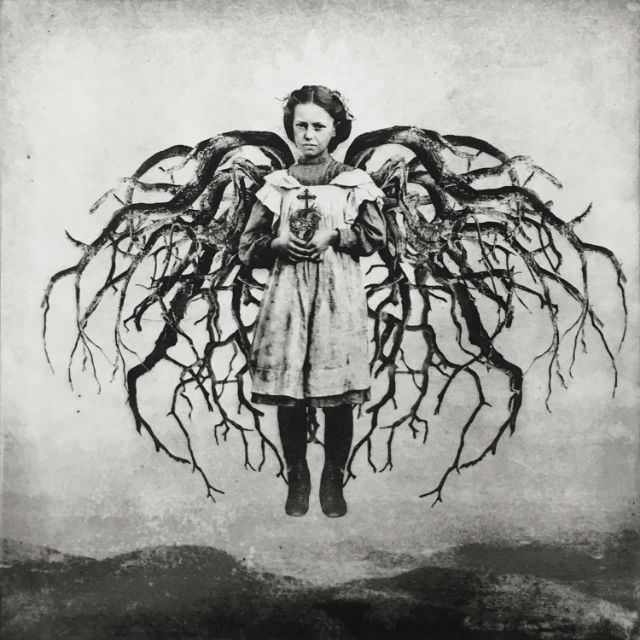
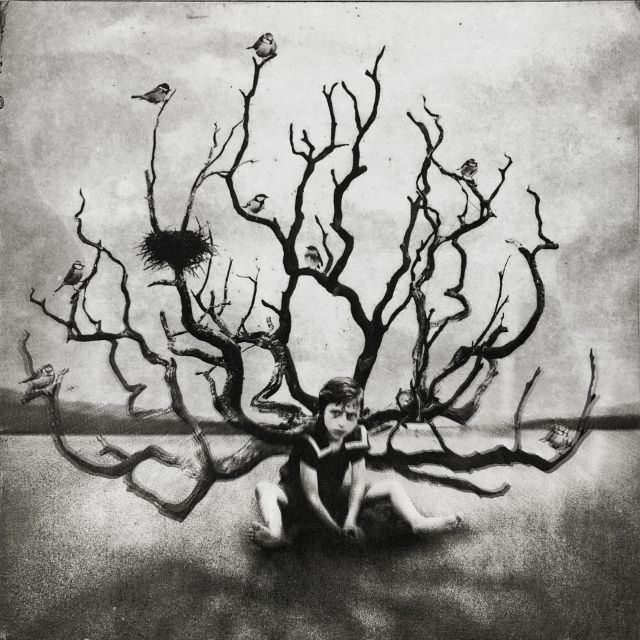
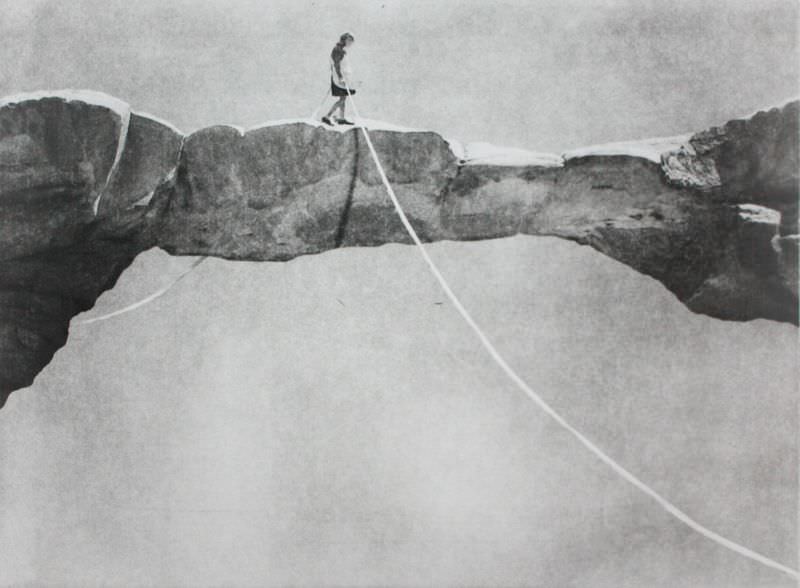
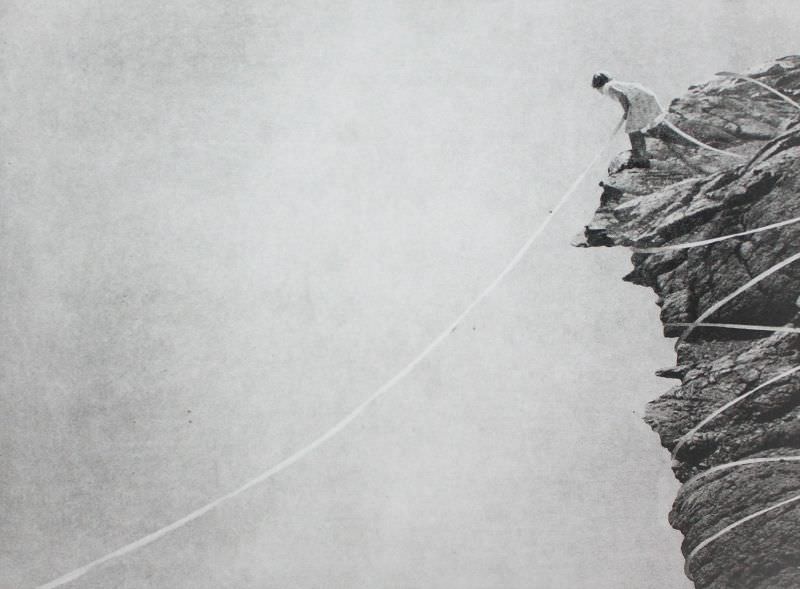
Children appear throughout Putker’s work as recurring figures — curious, unguarded, and often placed in situations that blend innocence with the uncanny. Boys and girls encounter masks, ants, mushrooms, chameleons, and creatures from the woods. These scenes feel rooted in childhood wonder, yet carry an undercurrent that is distinctly adult in its complexity.
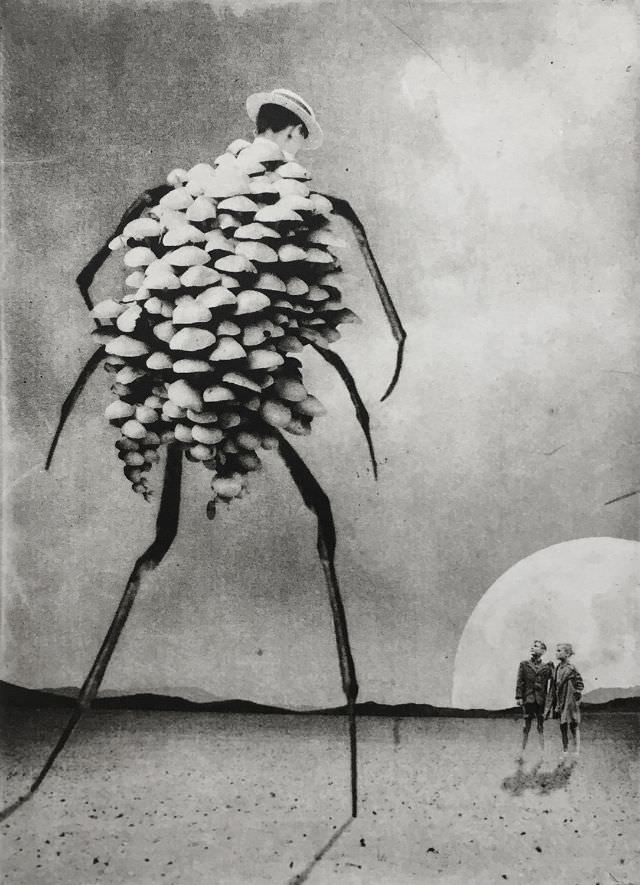
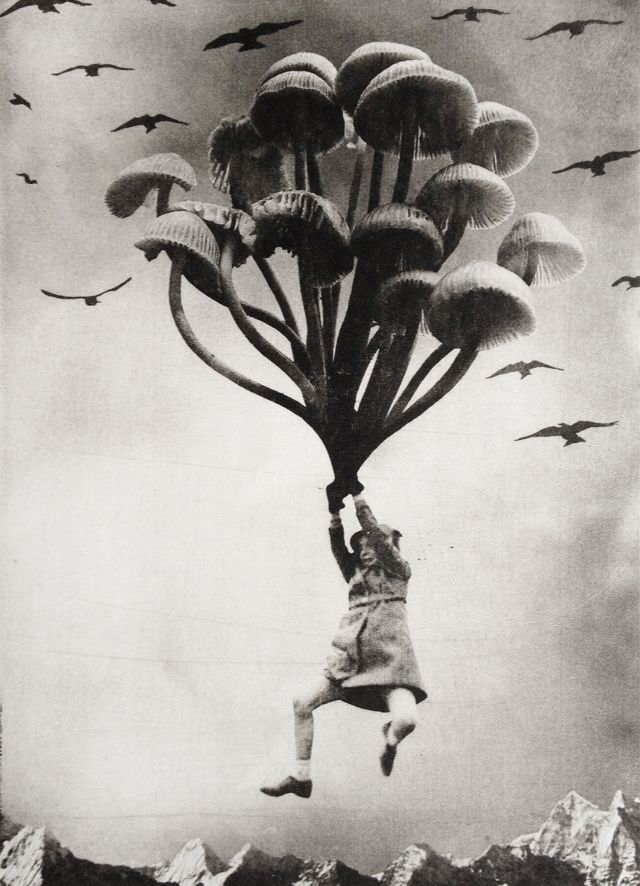
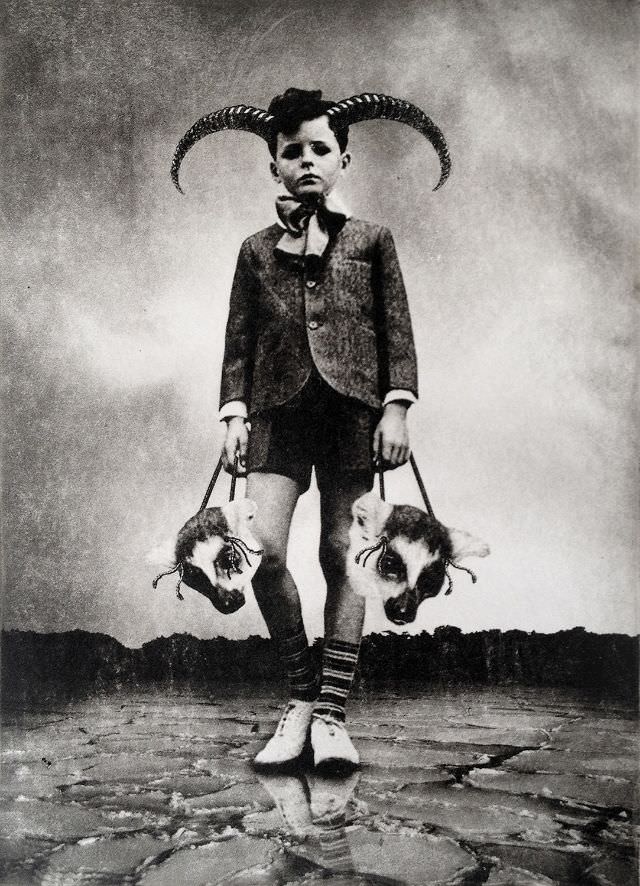
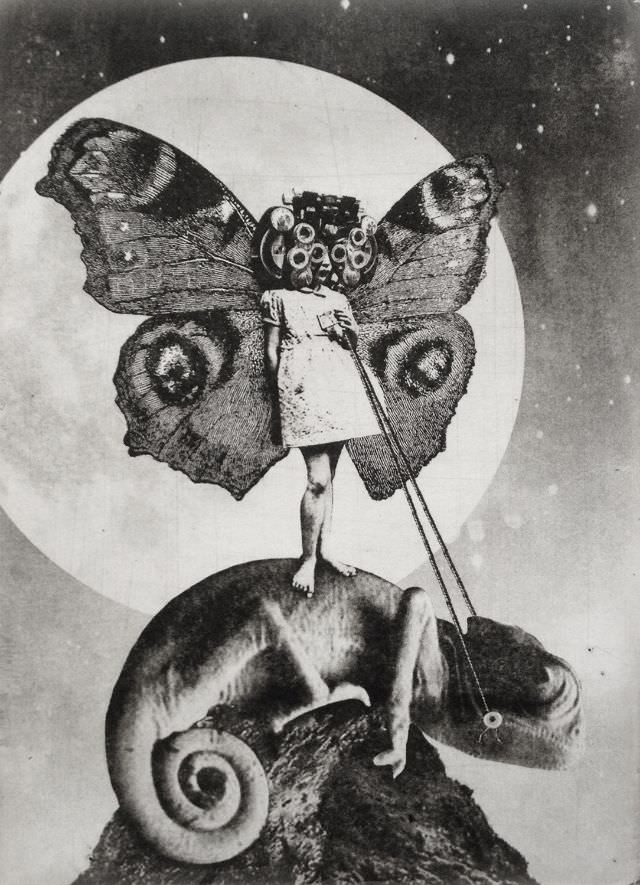
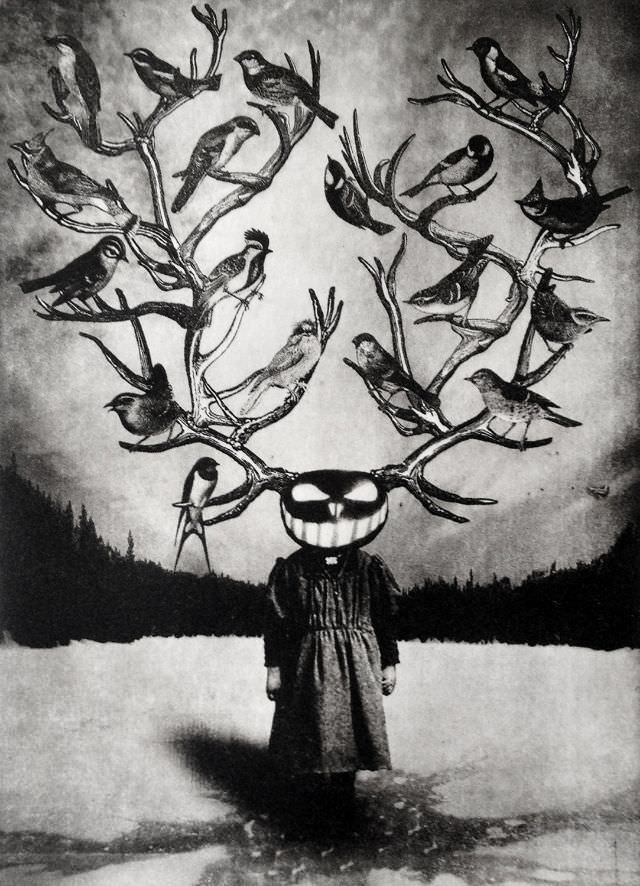
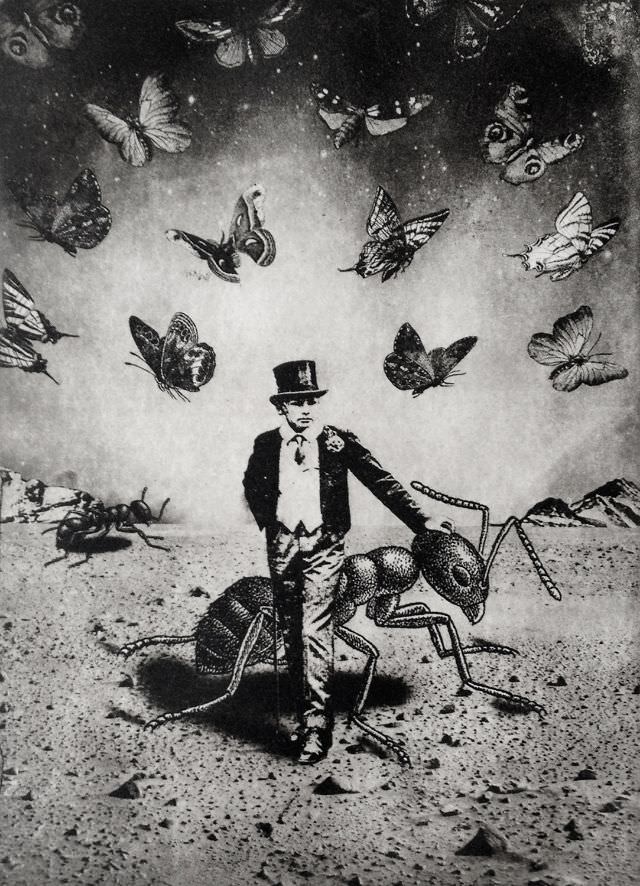
Putker blends digital processes with traditional printmaking at every stage. This hybrid approach gives him precise control over composition while preserving the tactile, handmade quality that etching demands. The final prints carry both the clarity of digital construction and the warmth of ink on paper — a balance that defines his visual style across every series.