Iceland in the 1930s was a land shaped by hard work, raw geography, and deep tradition. With just over 100,000 people scattered across a volcanic island, daily life revolved around fishing, farming, and surviving the long, dark winters. These photographs offer a rare window into that world — one that was already beginning to change, but still firmly rooted in centuries-old ways of living.
Most Icelanders lived in rural areas, many in turf houses — structures built from blocks of earth and grass that held warmth against the brutal cold. Families were often large and lived close together out of necessity. Farms sat far from any town, and neighbors could be miles apart. The isolation wasn’t just geographic; it was a way of life that shaped how communities worked and how families depended on one another.
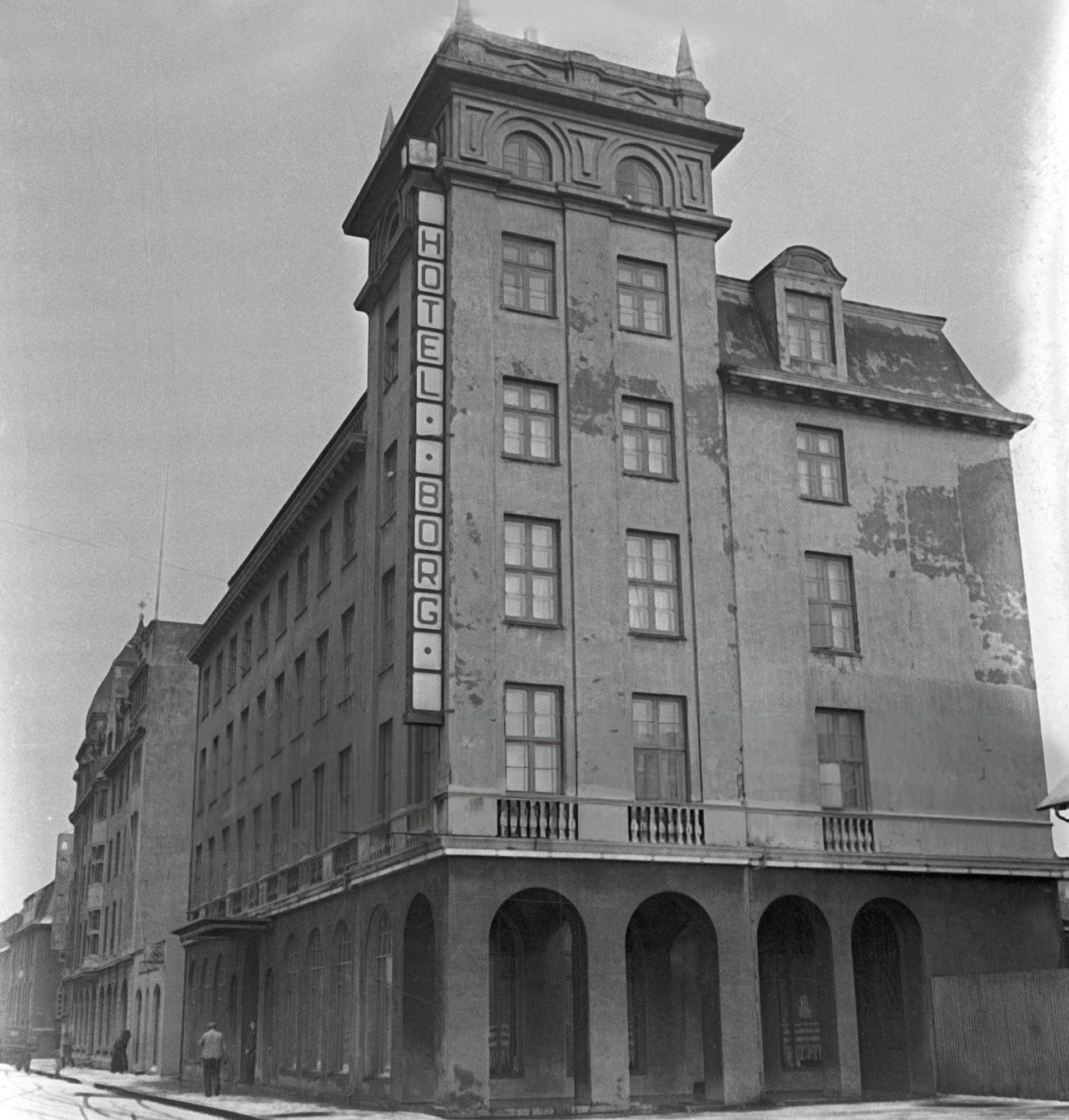
Reykjavik, the capital, was growing but still modest by European standards. Hotel Borg, which opened in 1930, stood as one of the most stylish buildings in the city — a sign that the capital was reaching for something more modern even as the rest of the country moved at a much slower pace.
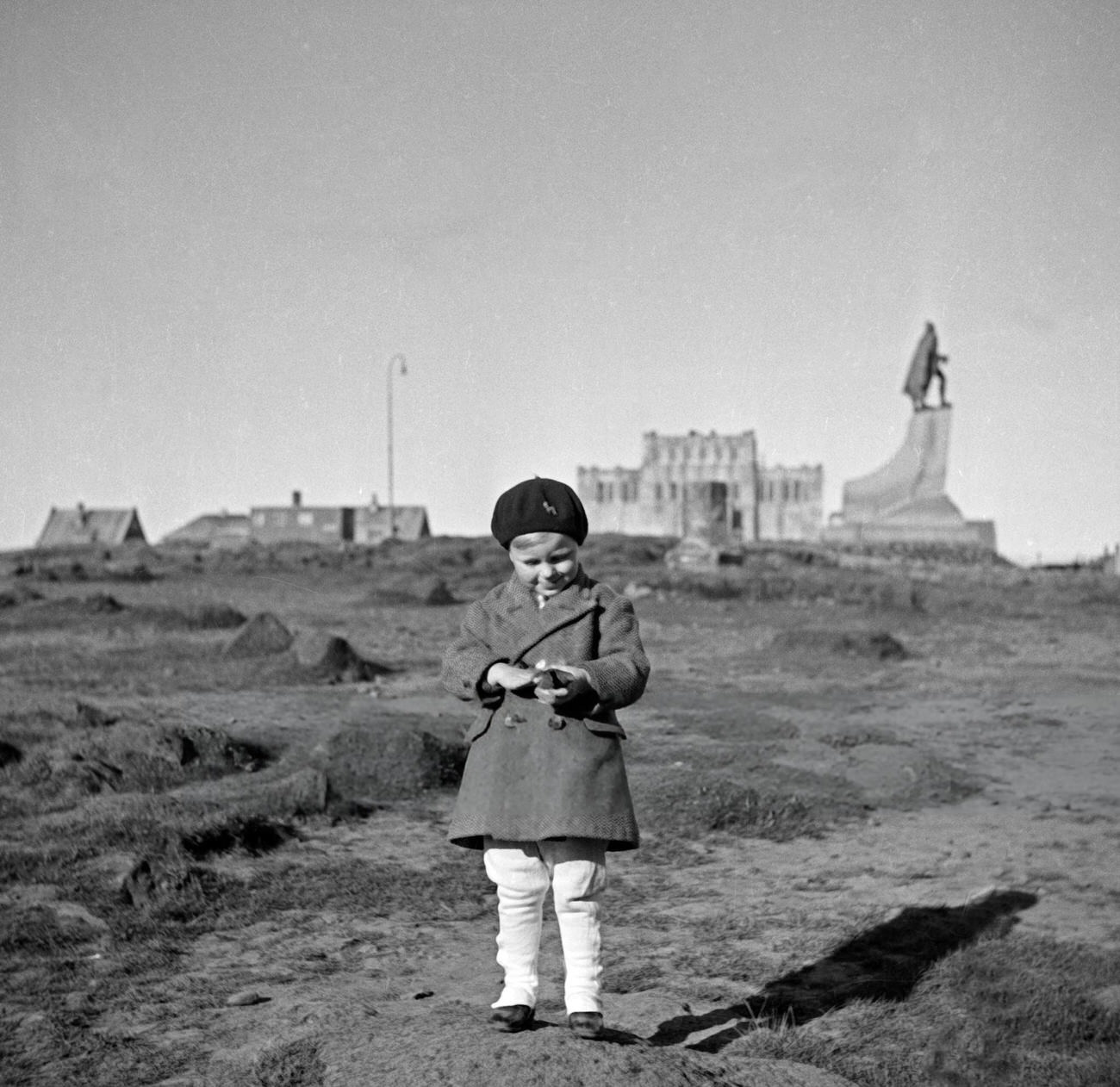
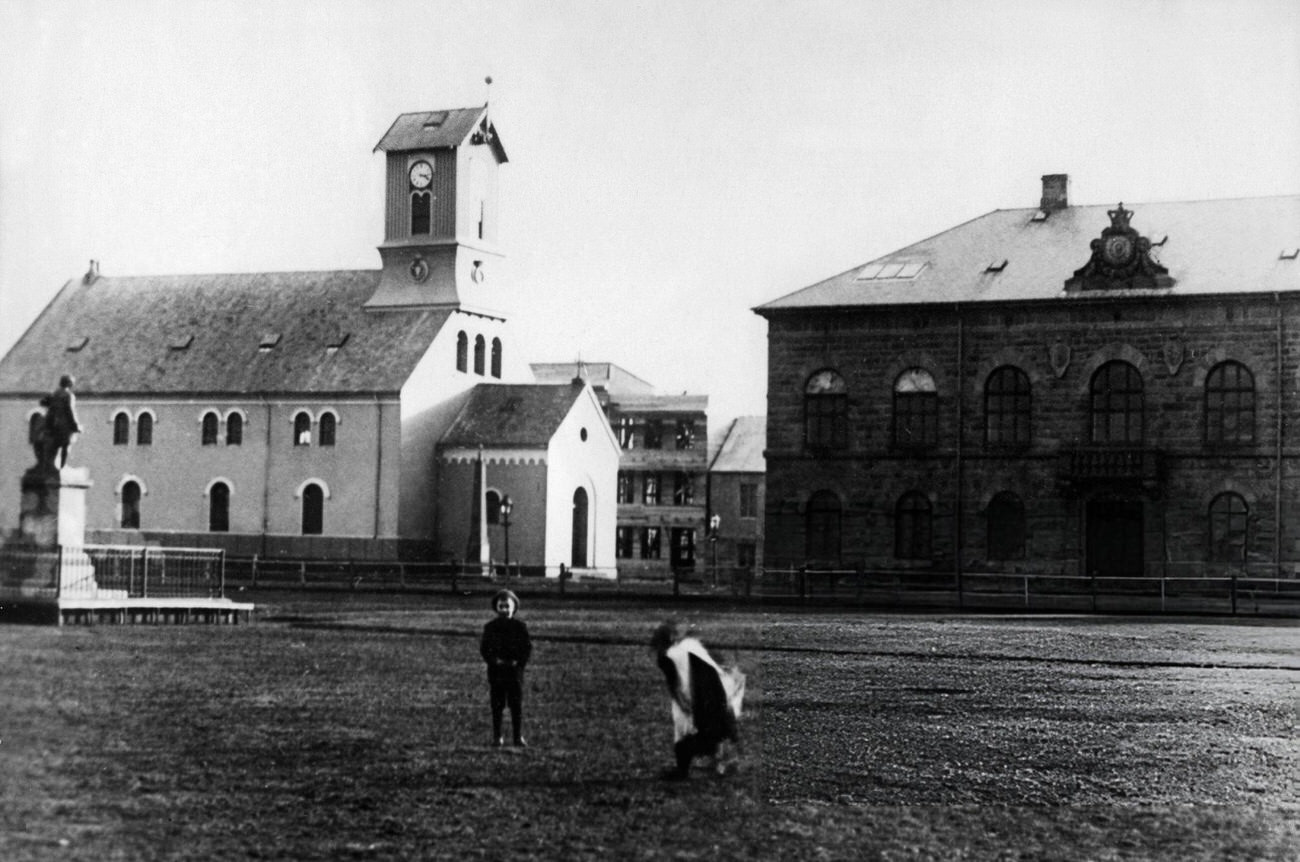
Reykjavik’s streets held monuments that connected the city to Iceland’s deep Norse history. The statue of Ingolfur Arnarson, considered the first permanent settler of Iceland, stood as a proud landmark in the capital.
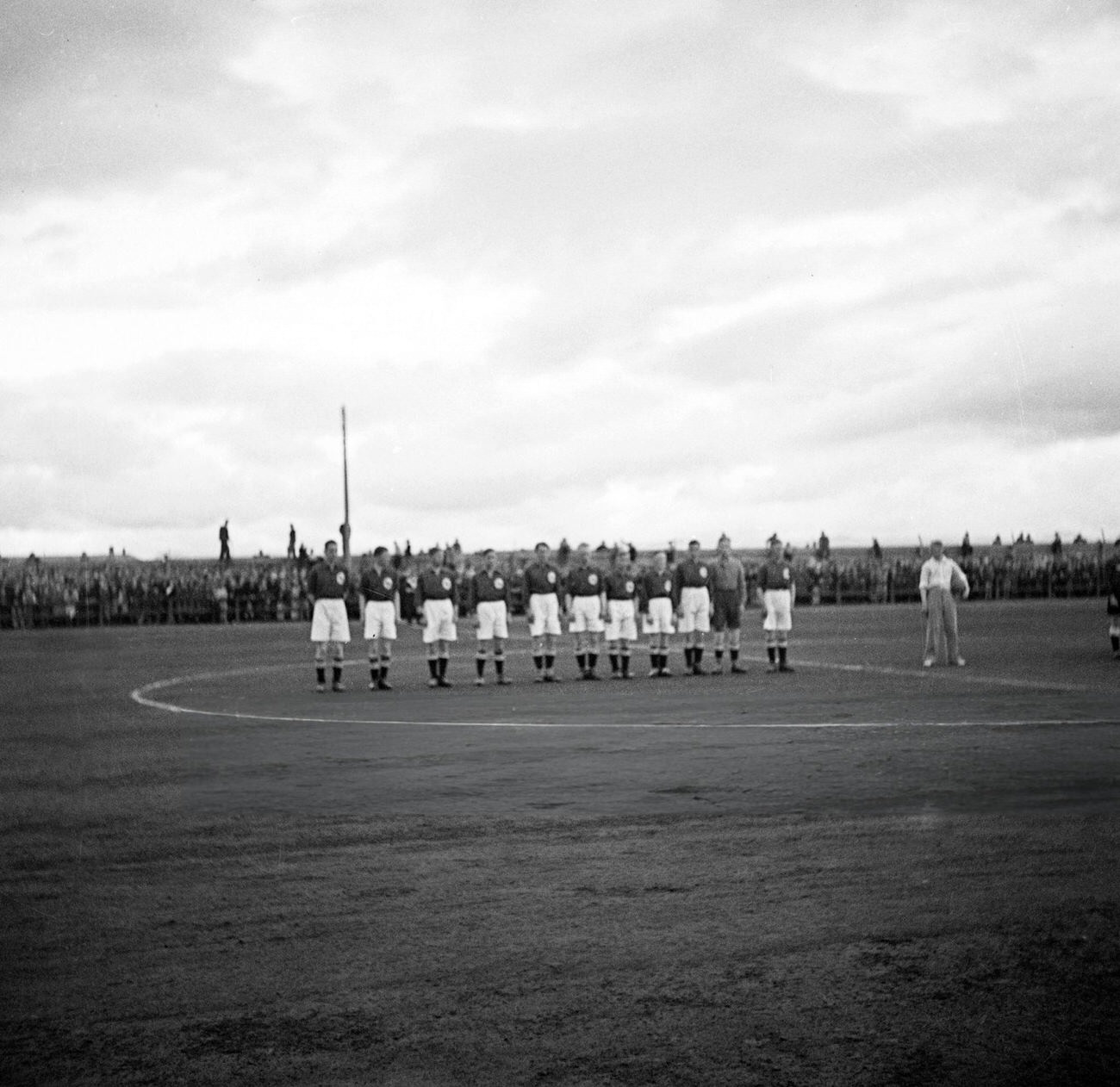
Despite the hardships of the era, Icelanders still made time for sport and community. Football was gaining popularity across the country during this period.
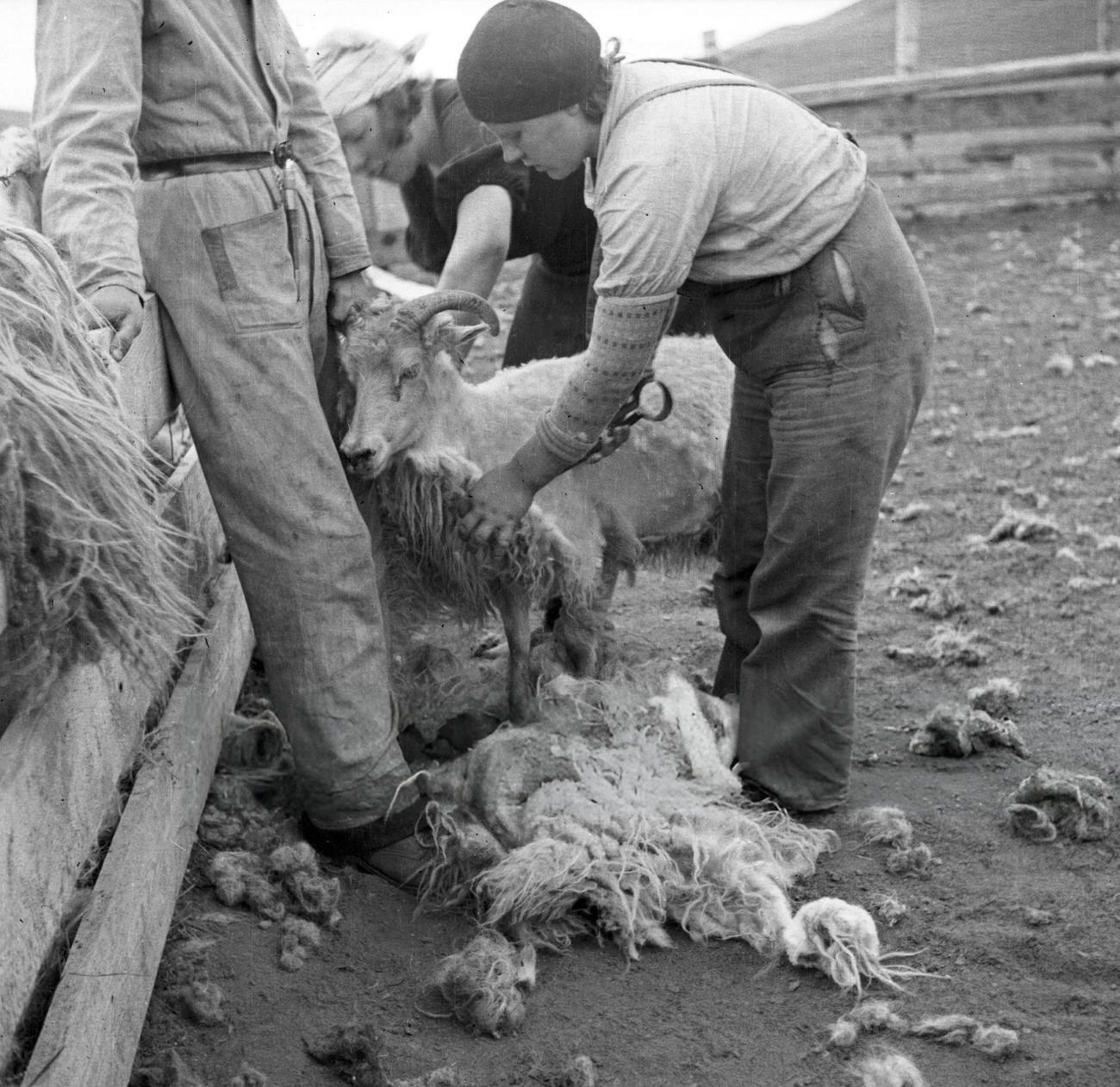
Sheep farming was central to Iceland’s rural economy. Farmers raised sheep for both wool and meat, and the annual sheep roundup — called réttir — was one of the most important events of the agricultural calendar. The wool was used to make clothing that kept families warm through the harsh winters. Summers were short, and every warm day counted.
Iceland’s dramatic landscape also drew curious visitors from abroad. Travel to the island was an adventure in itself — rough roads, unpredictable weather, and few established routes made any journey an undertaking.
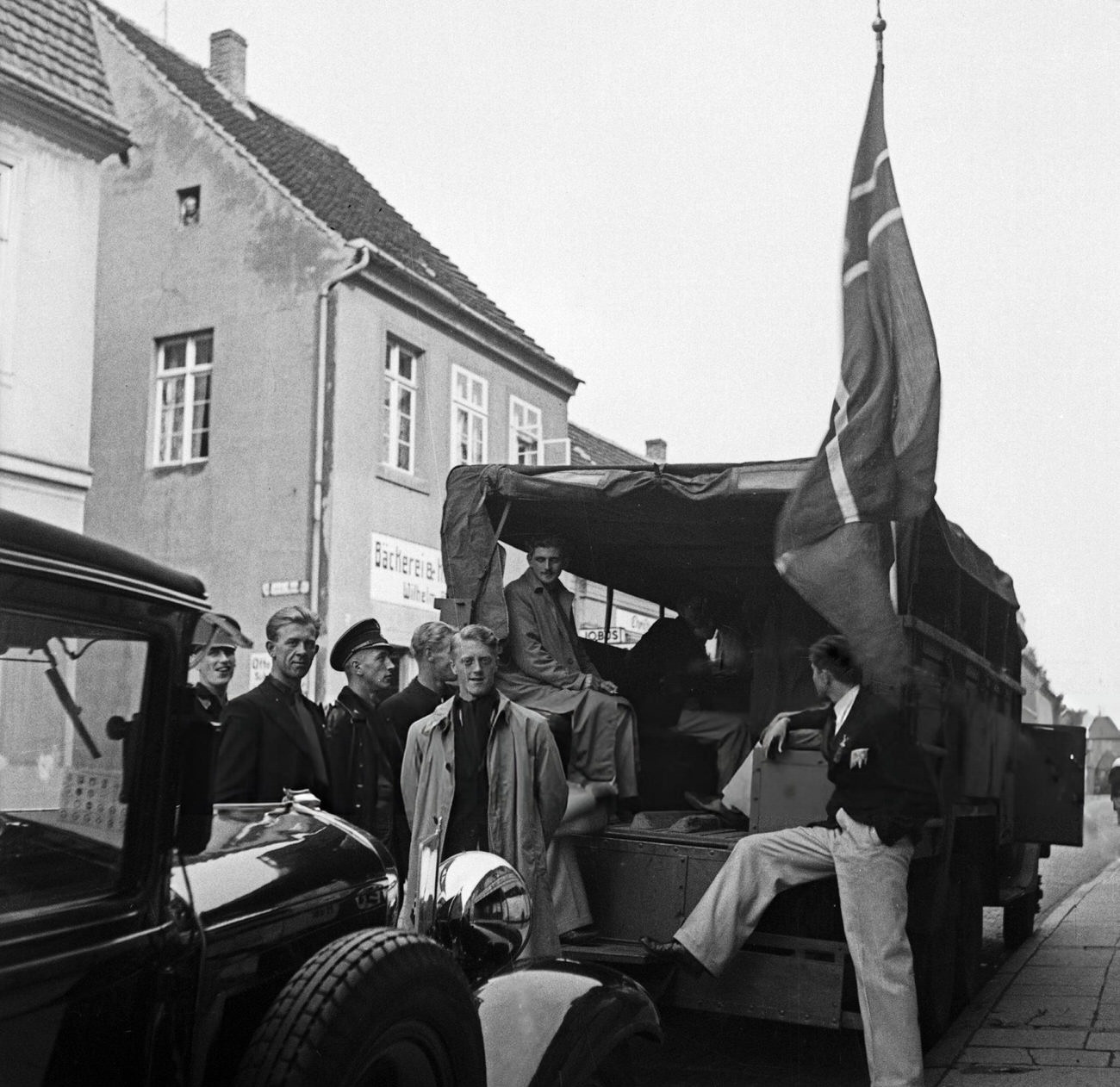
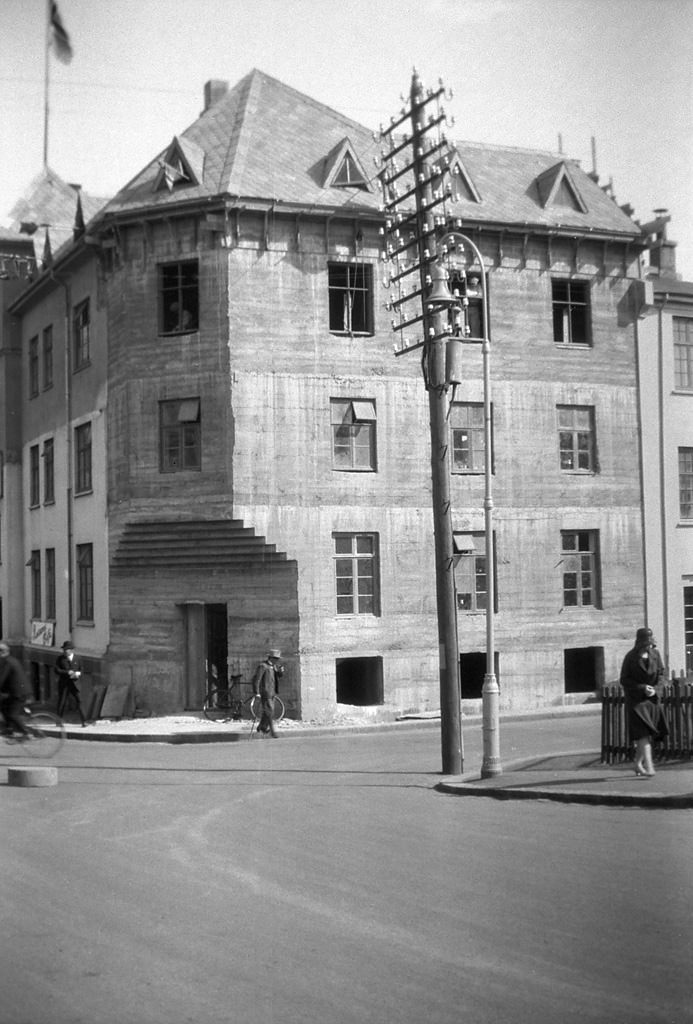
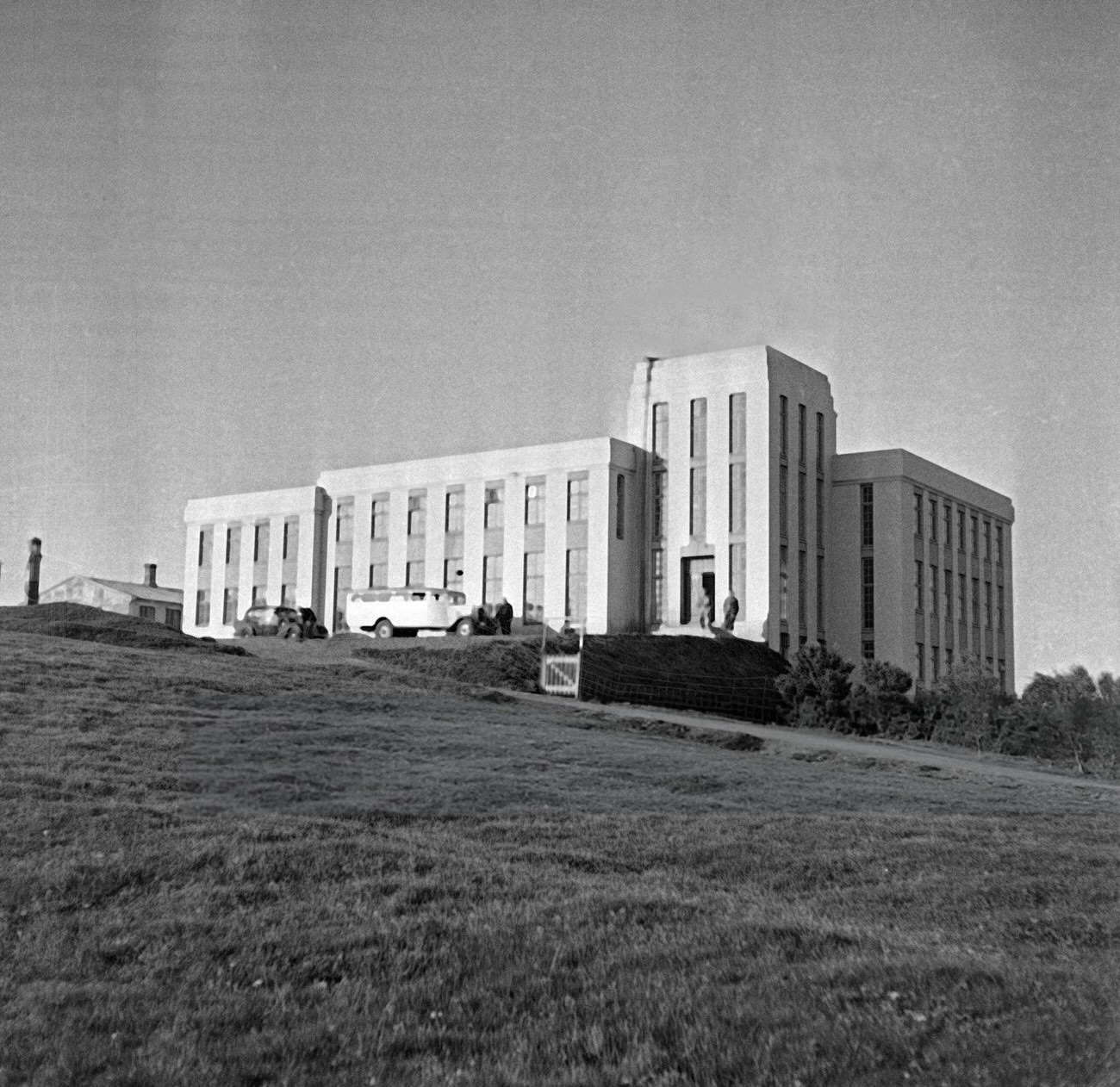
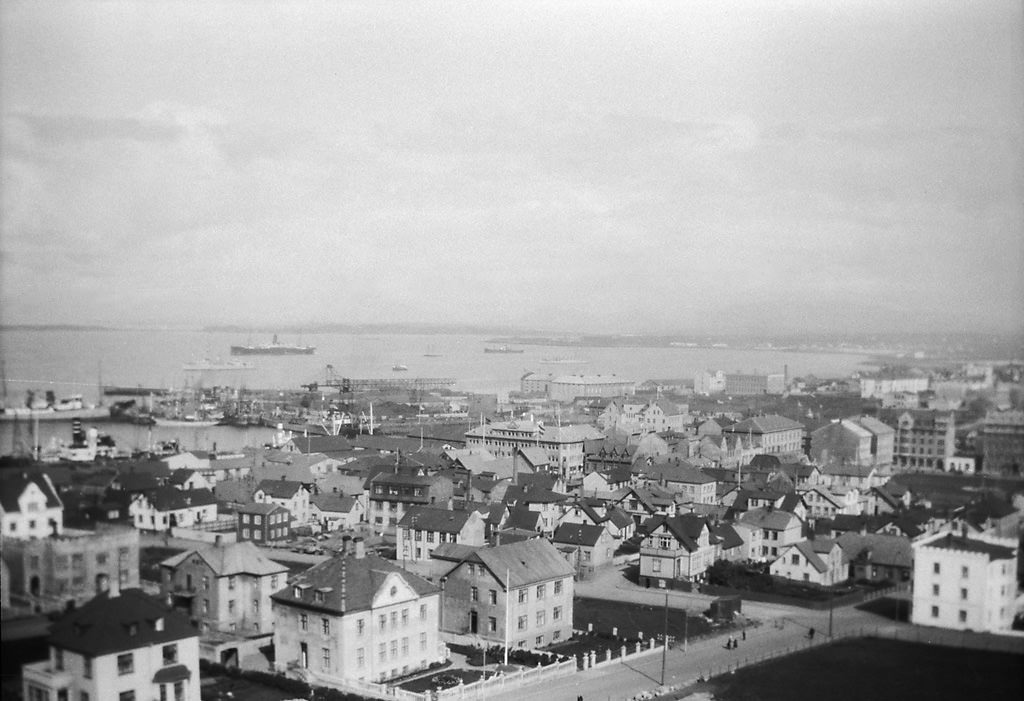
New construction in Reykjavik during the 1930s reflected a shift toward concrete and modern architectural styles, replacing the older wooden structures that had defined the city’s earlier decades.
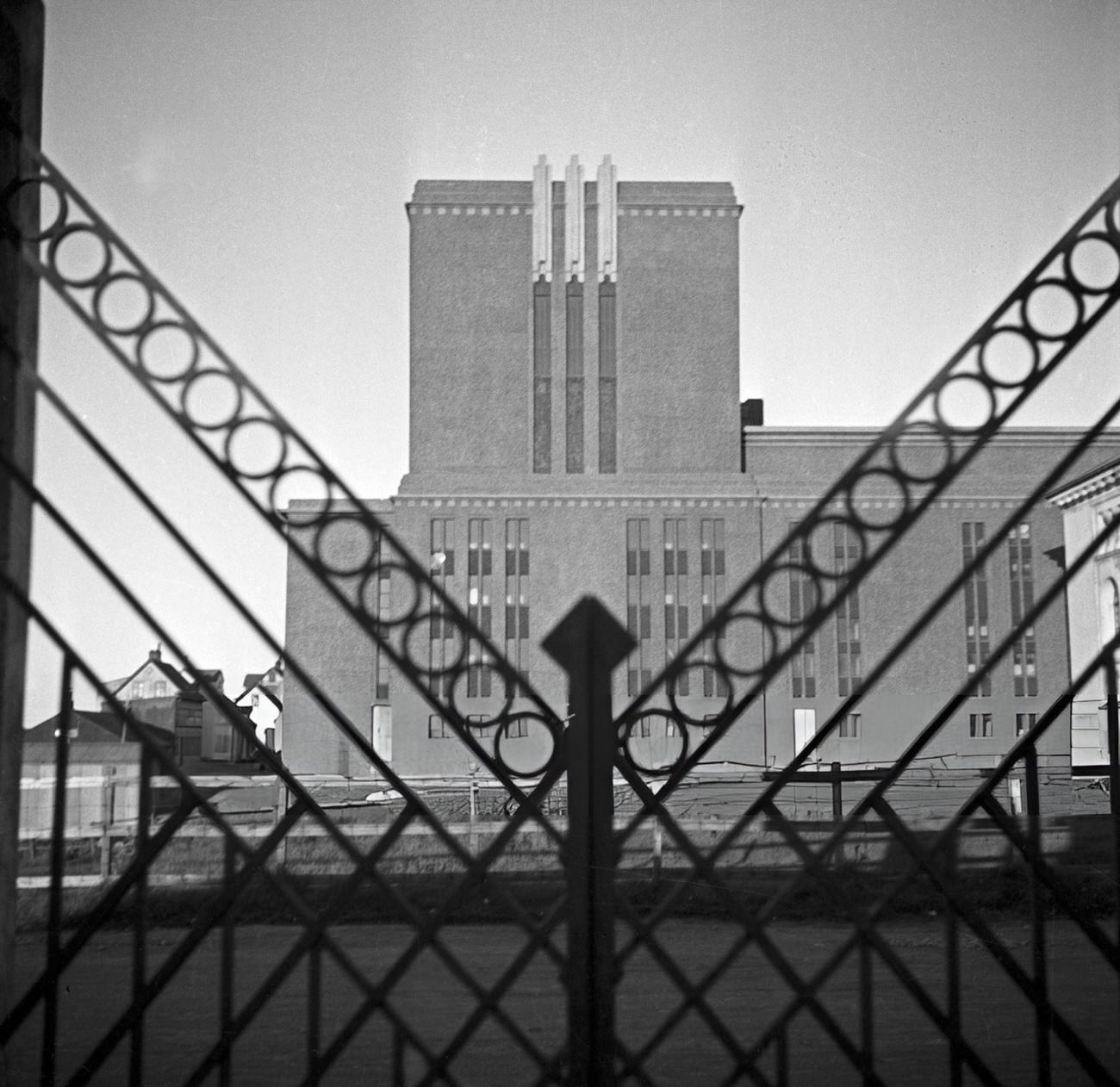
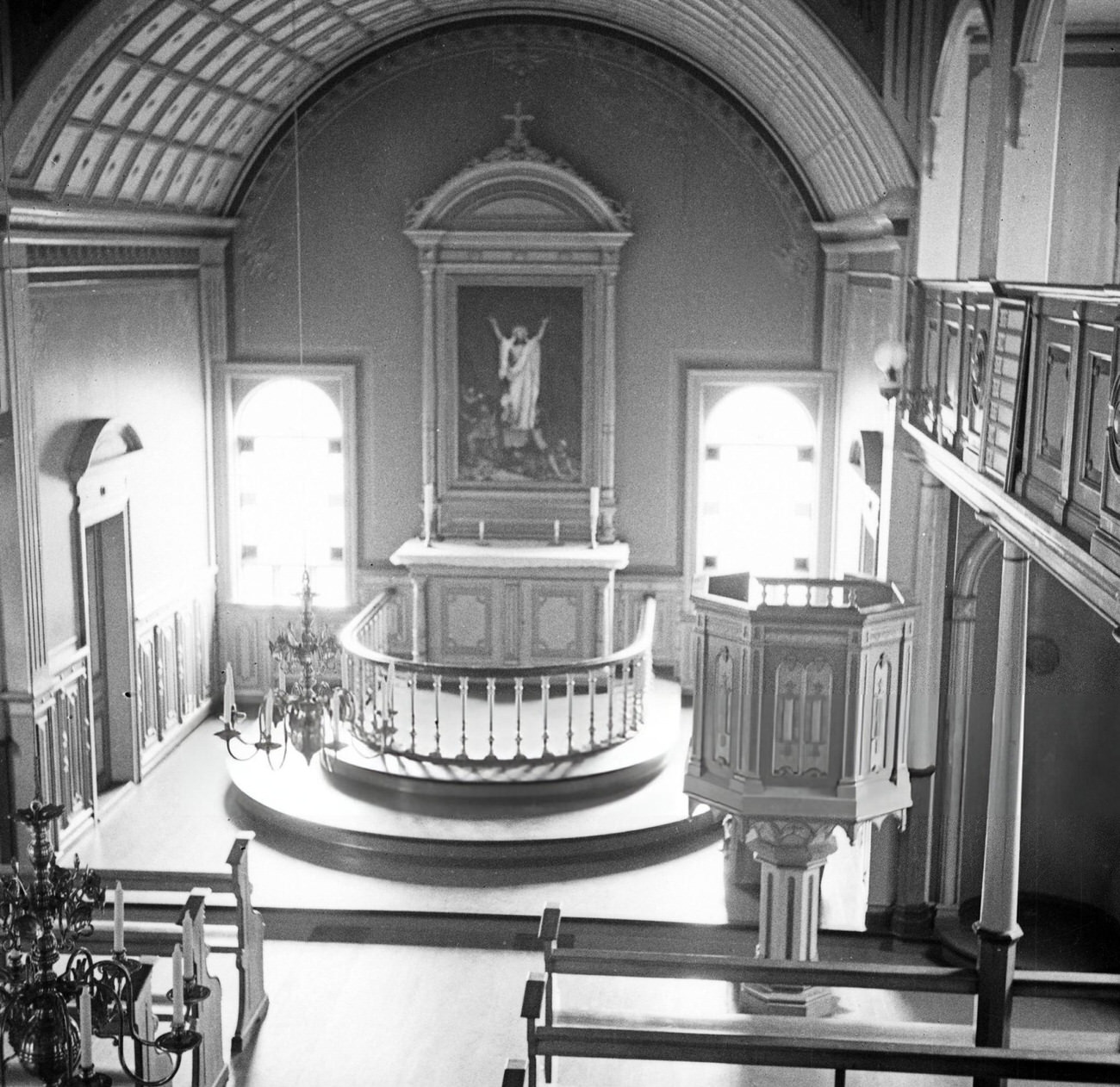
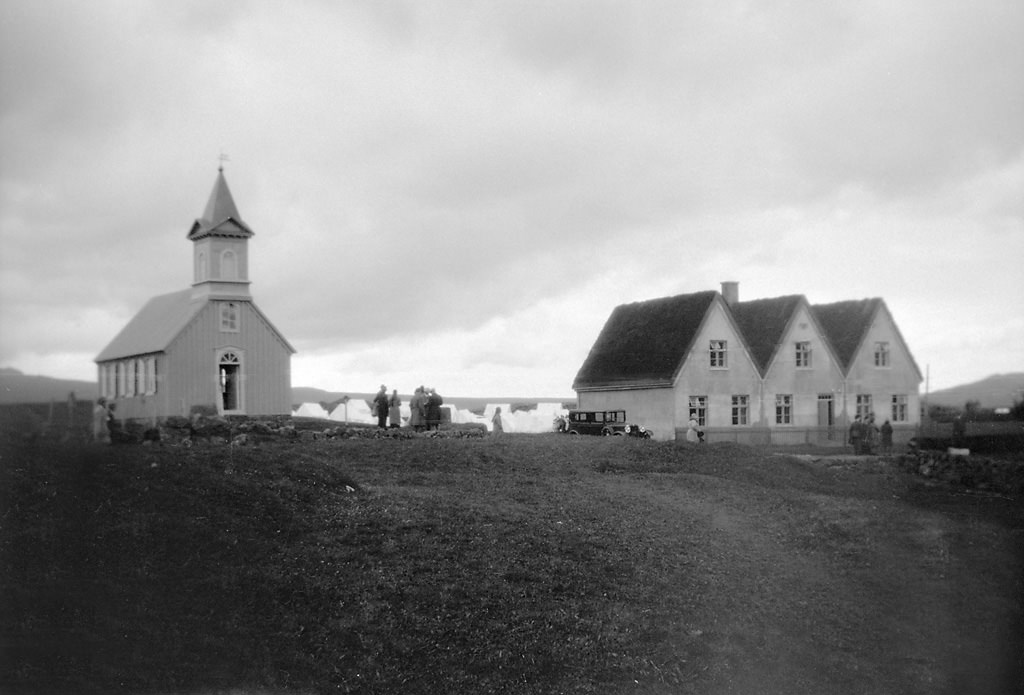
The Lutheran church played a central role in Icelandic life. Churches served as gathering places for communities spread across vast distances. Sunday services were one of the few regular occasions when people from isolated farms came together.
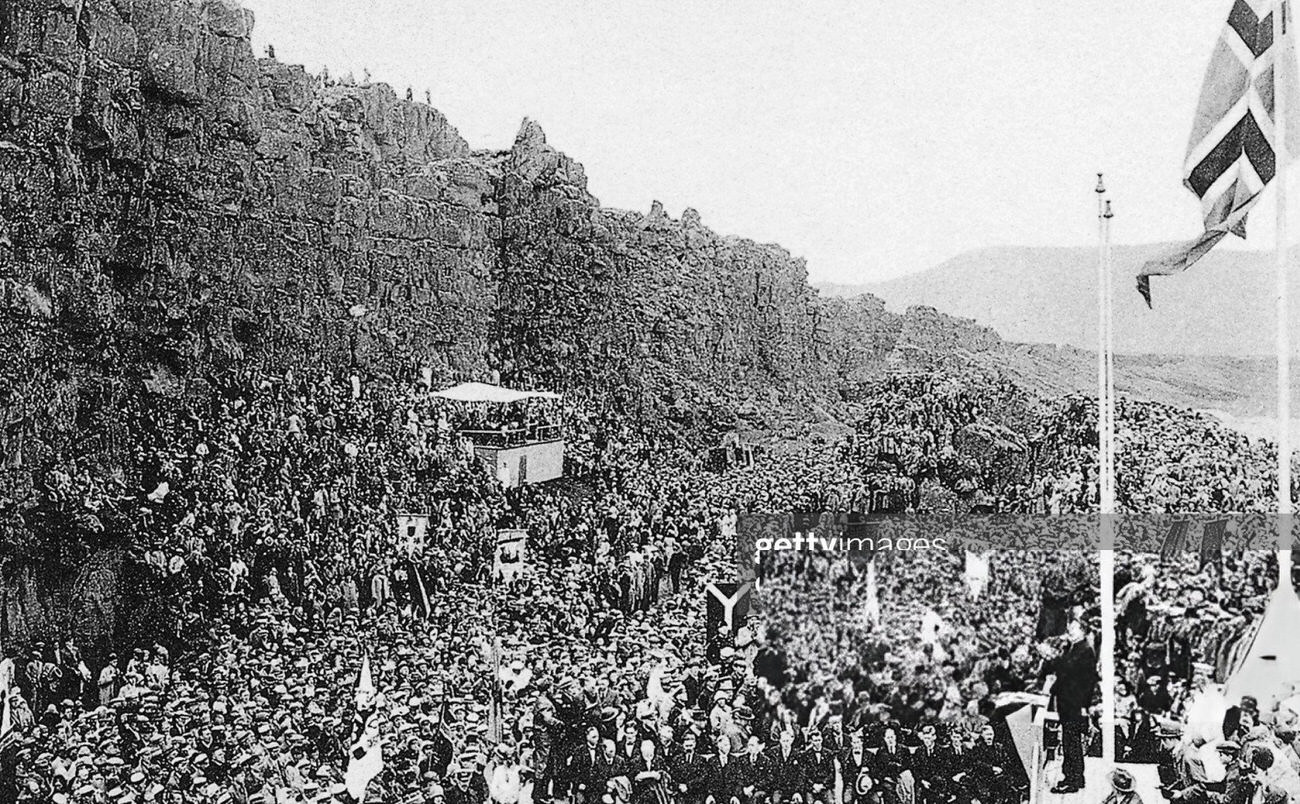
The year 1930 was a milestone for Iceland. The Althing — Iceland’s parliament and one of the oldest in the world — celebrated its 1,000th anniversary. The event drew international attention and was a moment of great national pride. Prime Minister Tryggvi Þórhallsson addressed the assembly, marking the occasion with a formal speech at a ceremony that acknowledged Iceland’s long history of democratic governance.
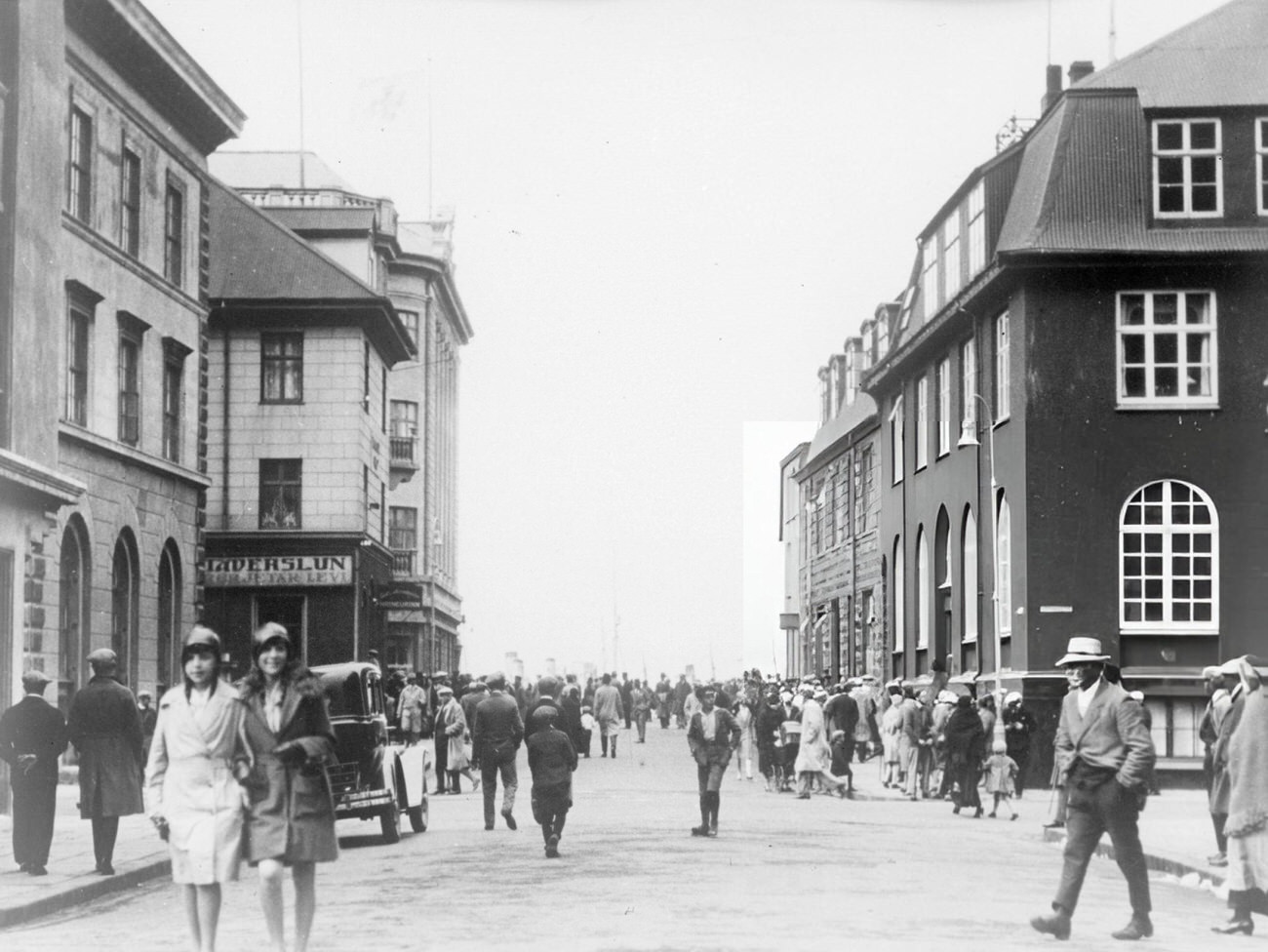
That same year, Reykjavik celebrated its 100th anniversary as an officially chartered town. The main street was decorated for the occasion, reflecting a city proud of its growth and its place in Icelandic history.
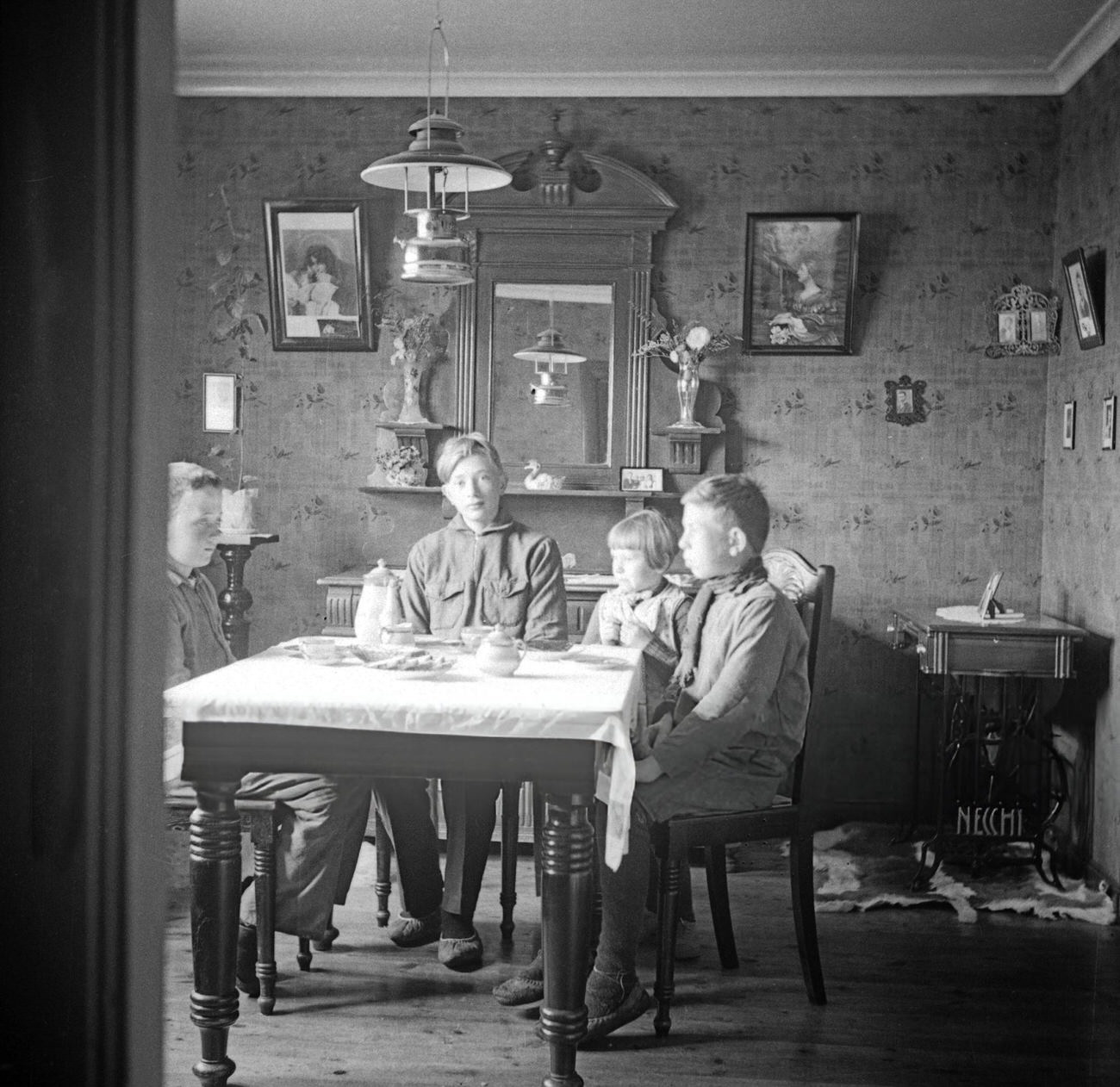
Family life in rural Iceland was defined by proximity — to the land, to livestock, and to one another. Mothers and children spent much of the year indoors during winter months, while summers brought long days of outdoor work.
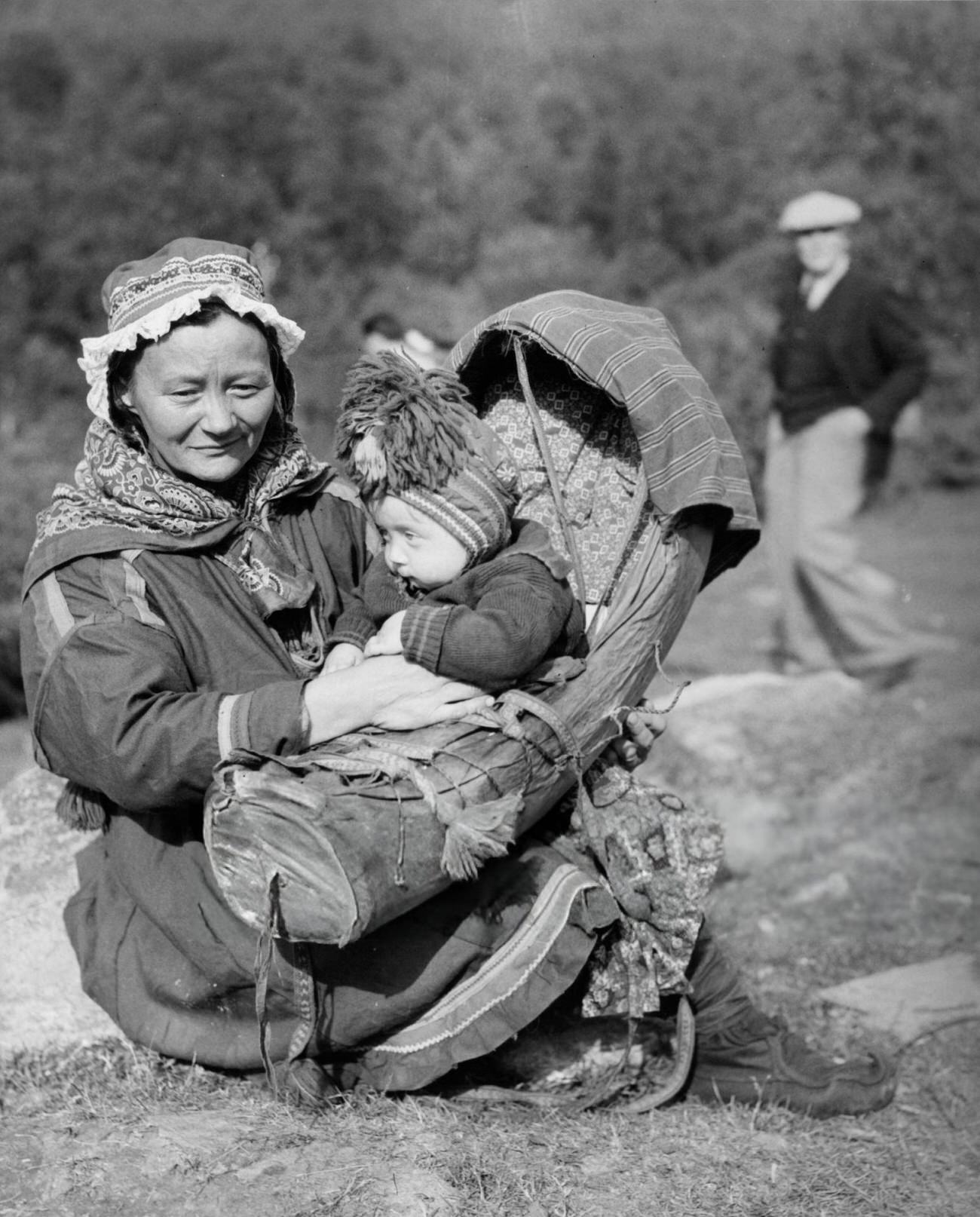
In Reykjavik, rows of modest houses lined the streets, many made from corrugated iron and painted in bright colors — a distinctive feature of Icelandic urban architecture that developed partly due to the scarcity of timber on the island.
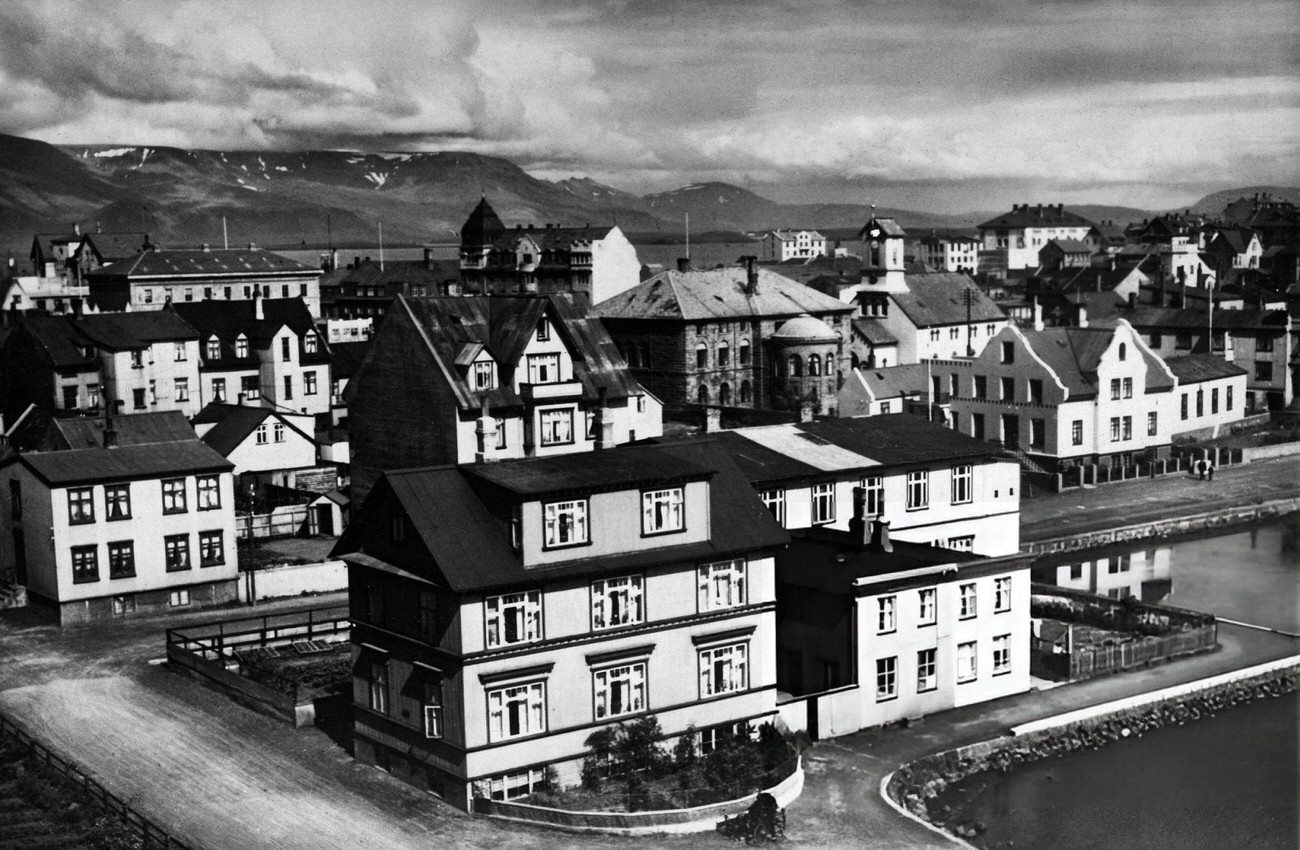
Iceland’s sturdy native ponies were highly valued beyond the island’s borders. In 1930, Alfred Wegener’s German expedition to Greenland brought Icelandic ponies along to serve as pack animals during the grueling polar crossing.
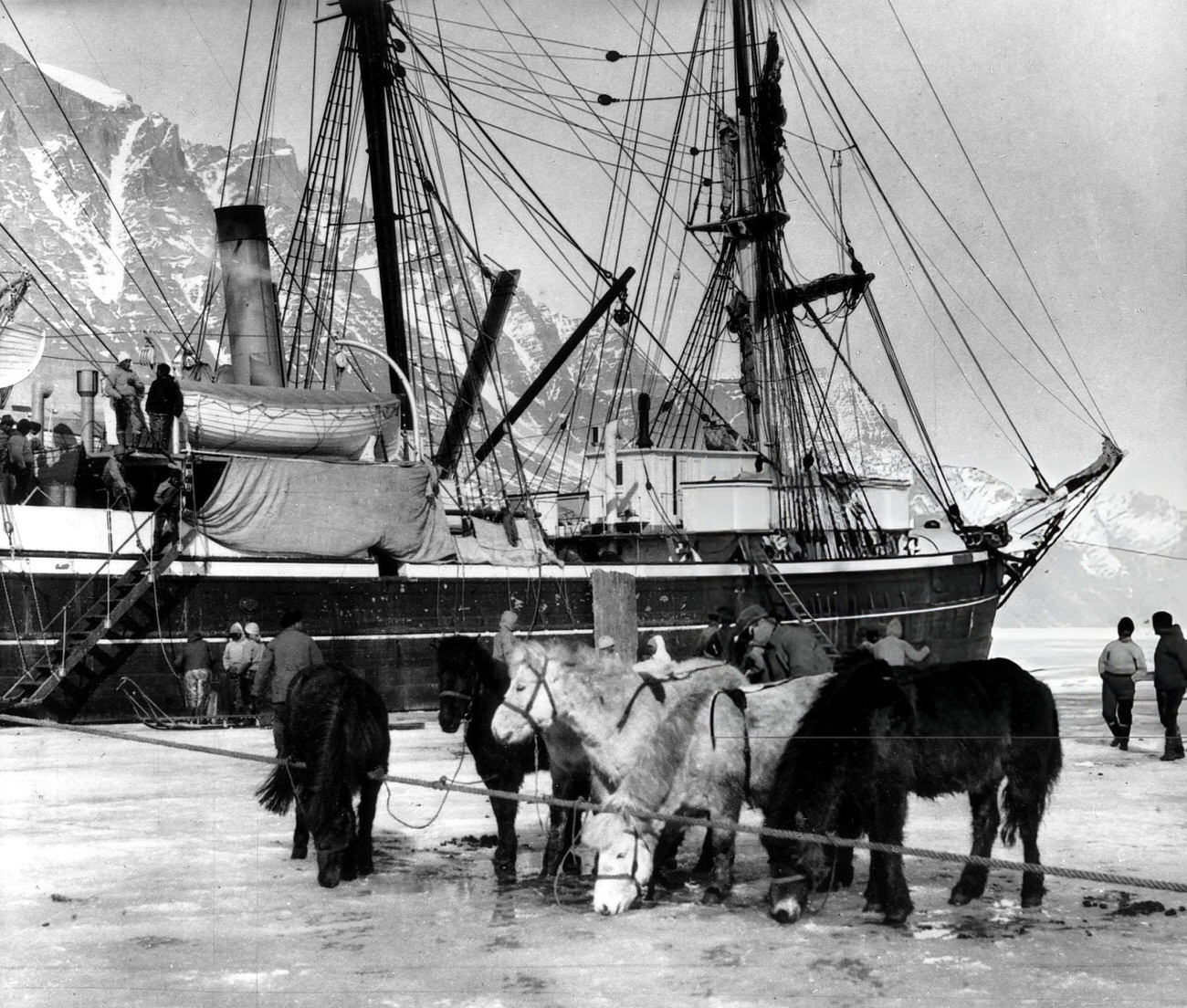
The harbor was the lifeblood of Reykjavik. Fishing boats came and went with catches of cod and herring that kept the economy running. Fish was both a staple food and Iceland’s most important export. The trade kept families fed and the country financially afloat during a decade that brought global economic hardship.
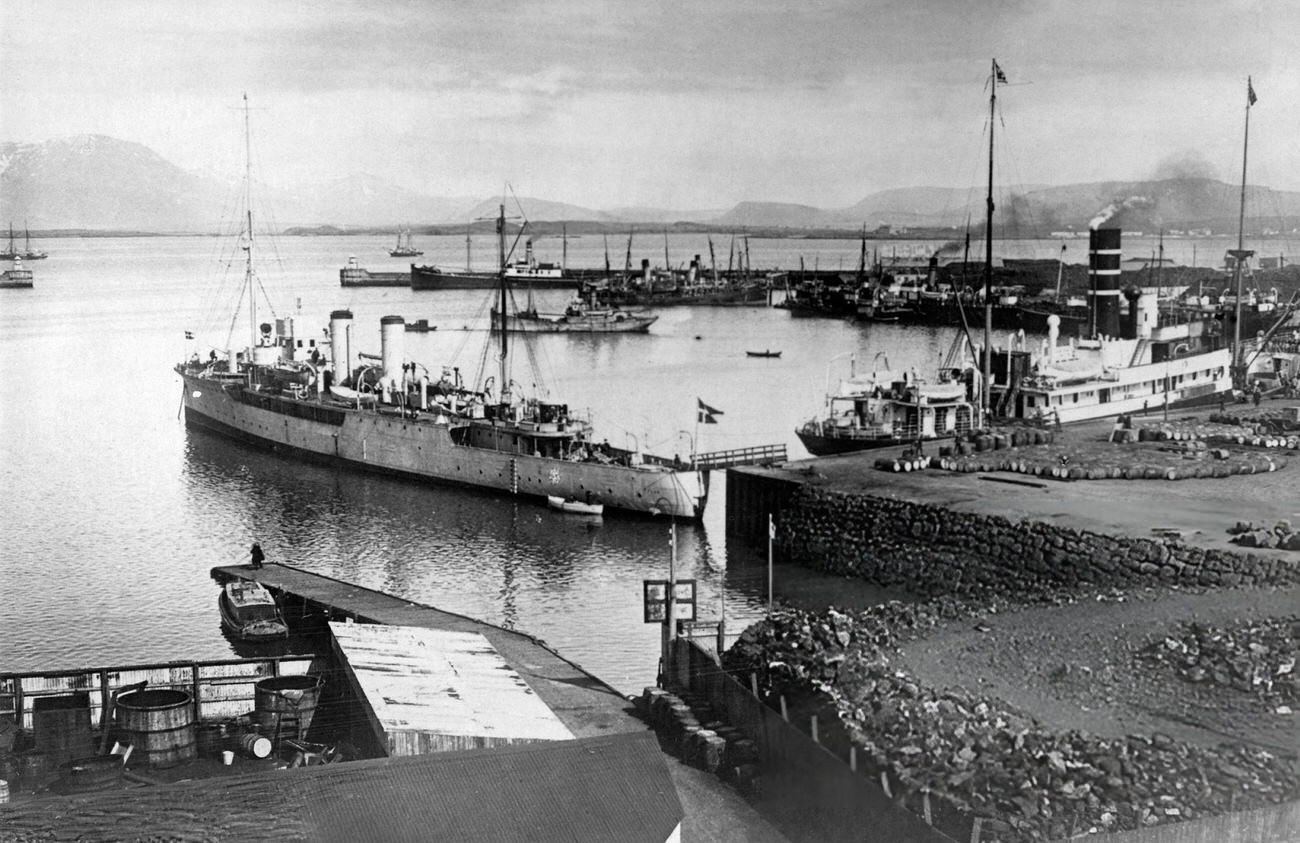
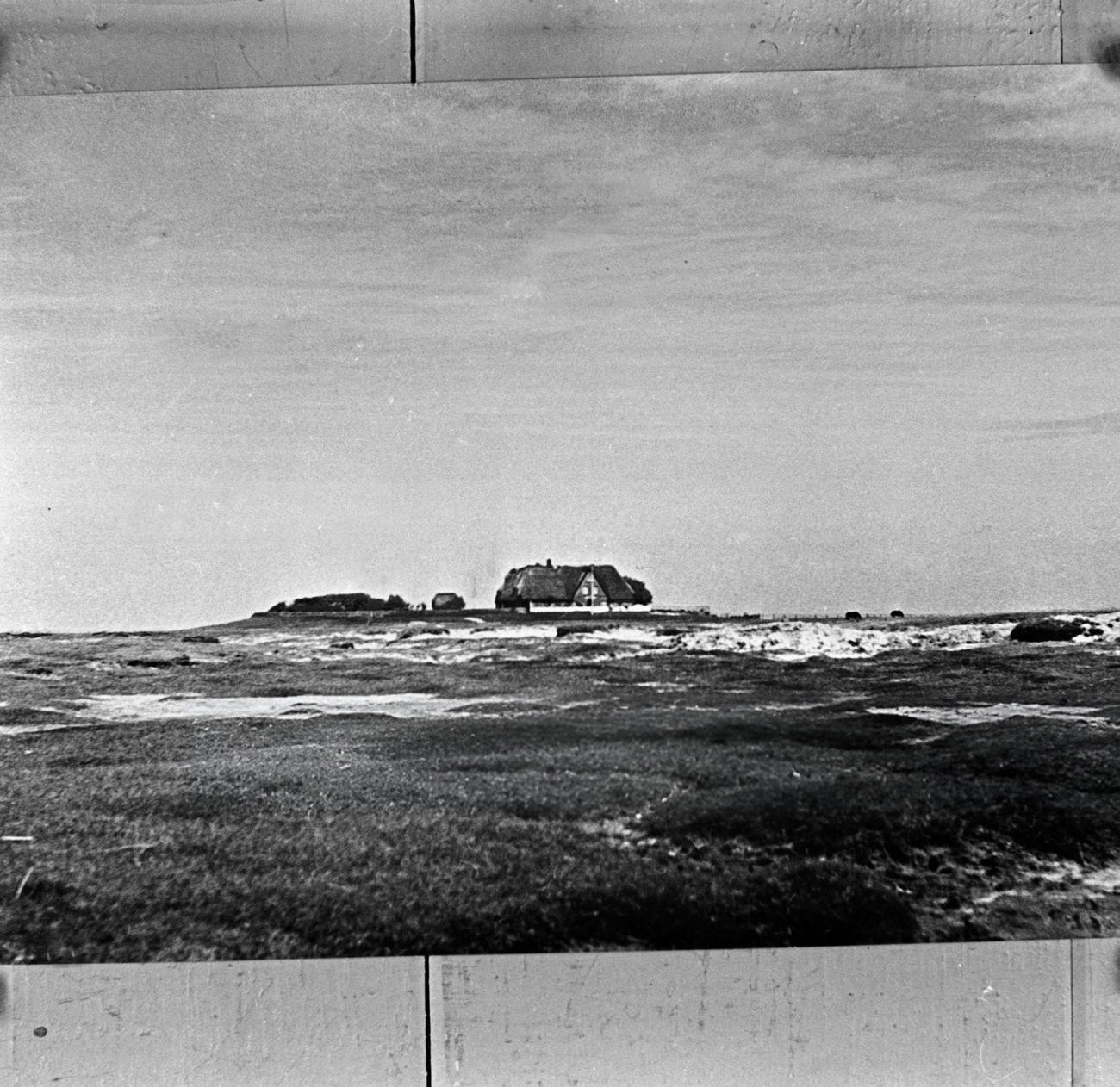
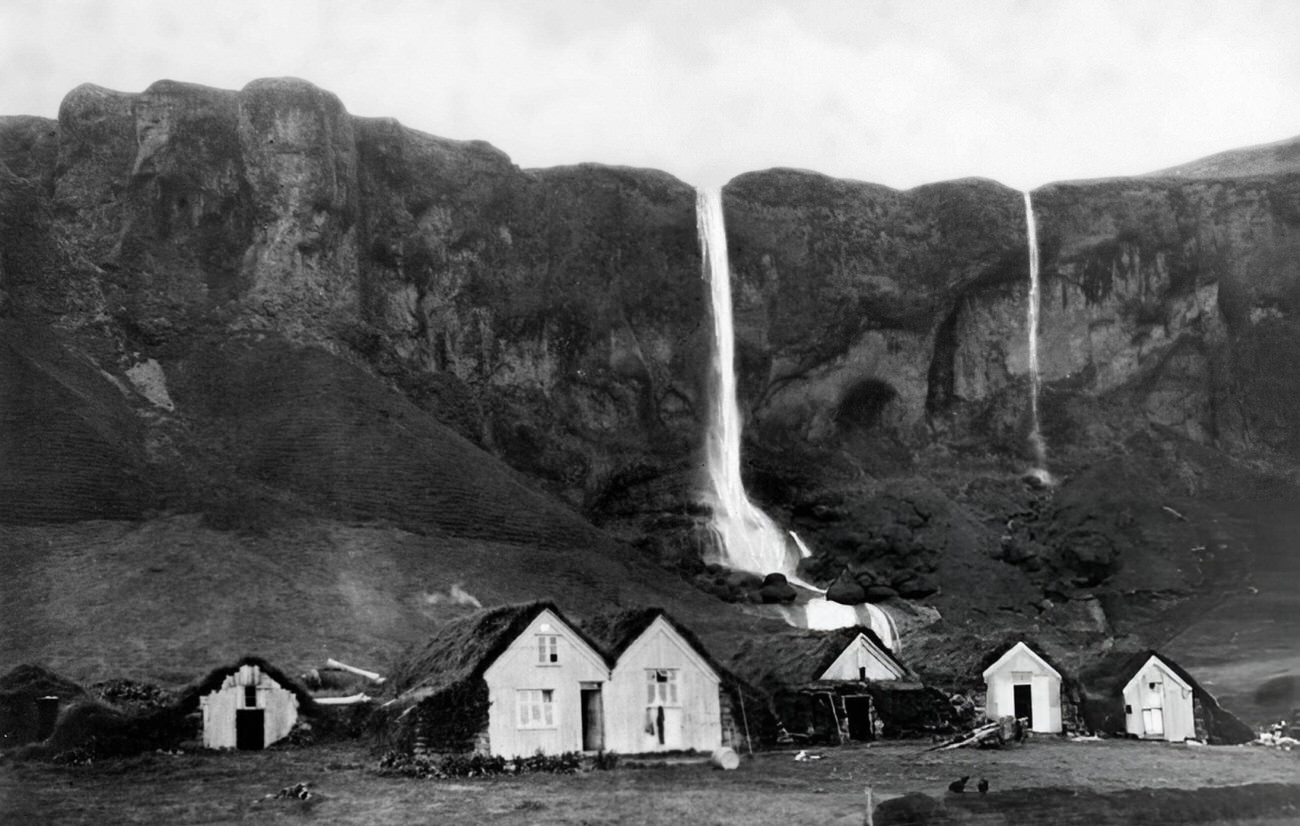
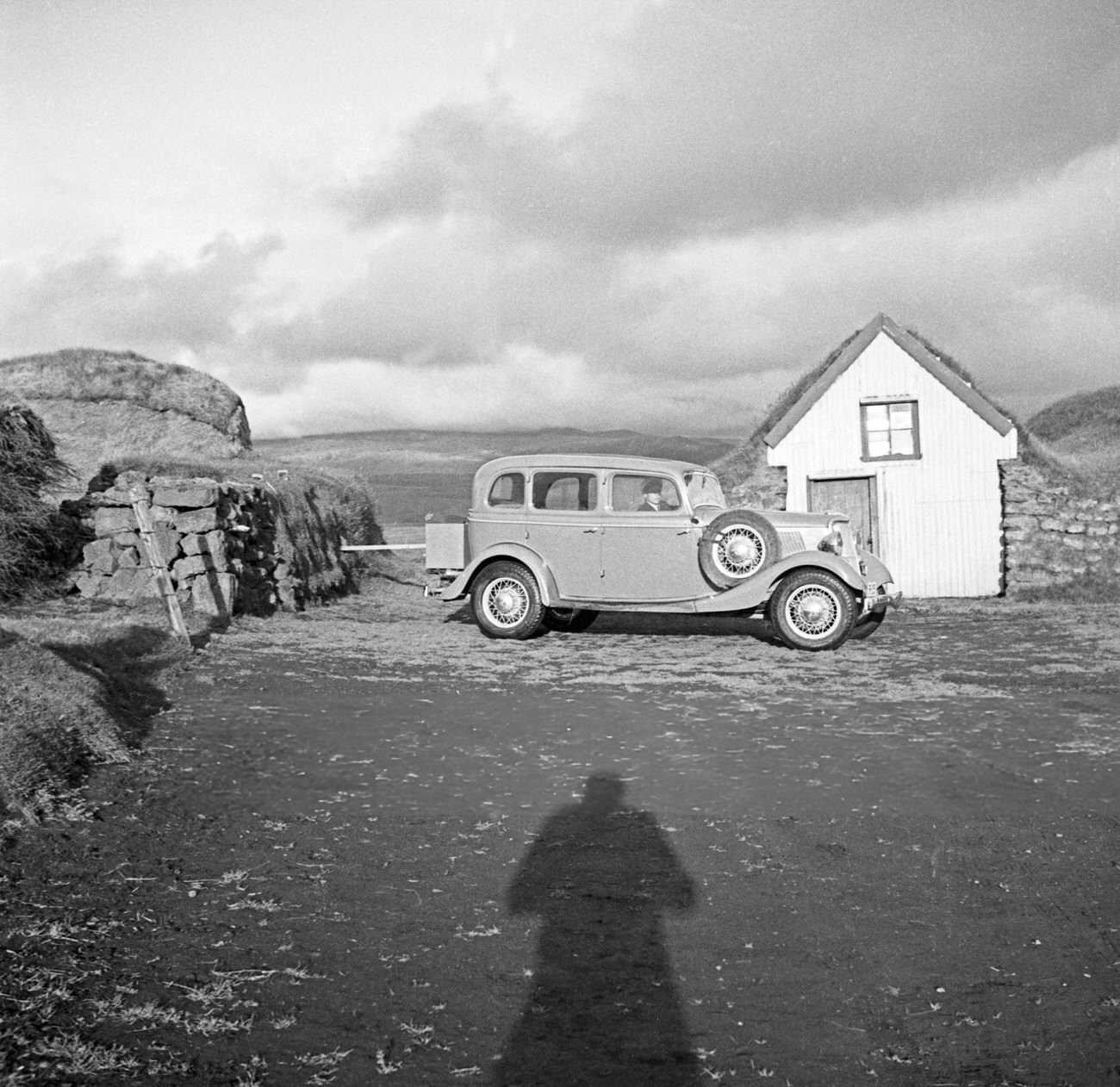
Traditional Icelandic farmhouses were built low to the ground, often with turf roofs and small windows to minimize heat loss. These structures blended into the landscape so naturally that they could easily be mistaken for hillocks from a distance.
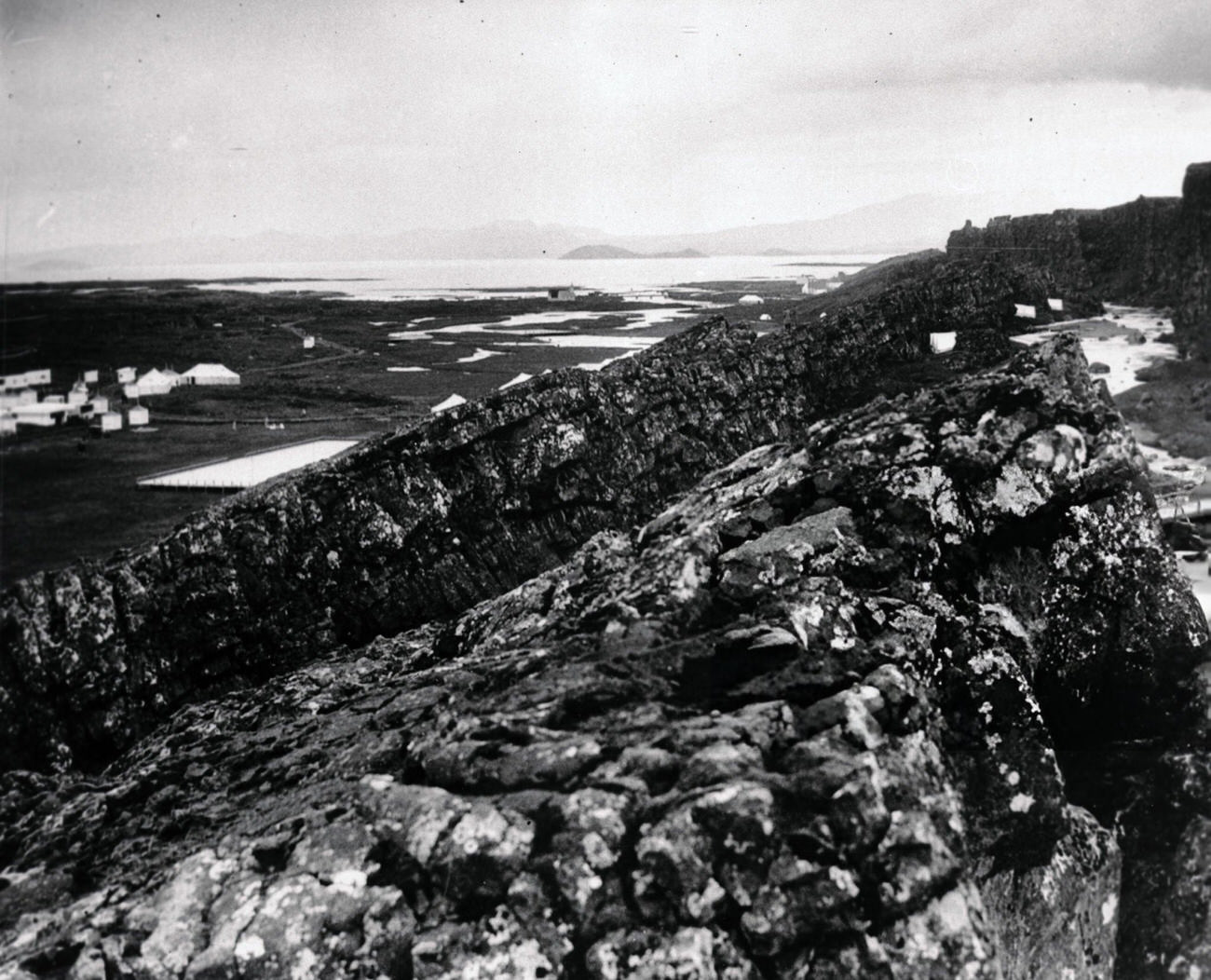
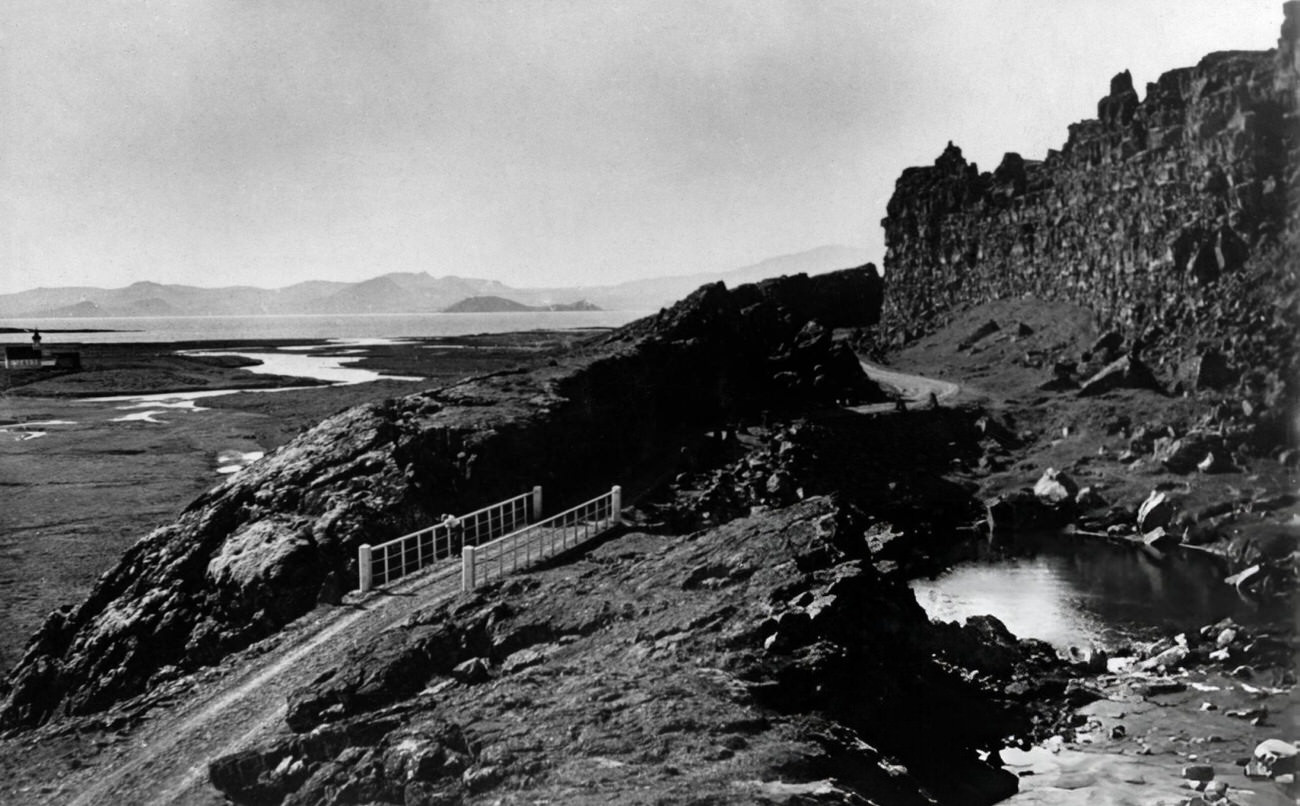
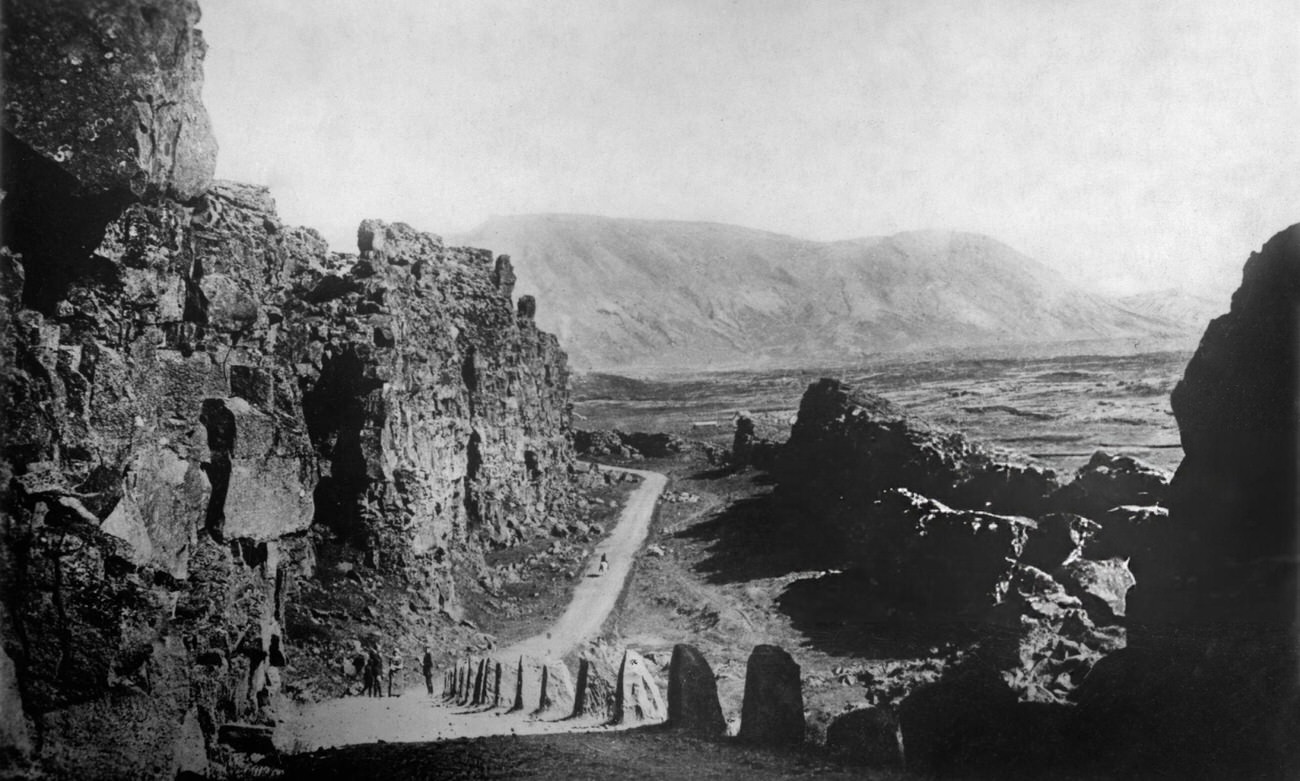
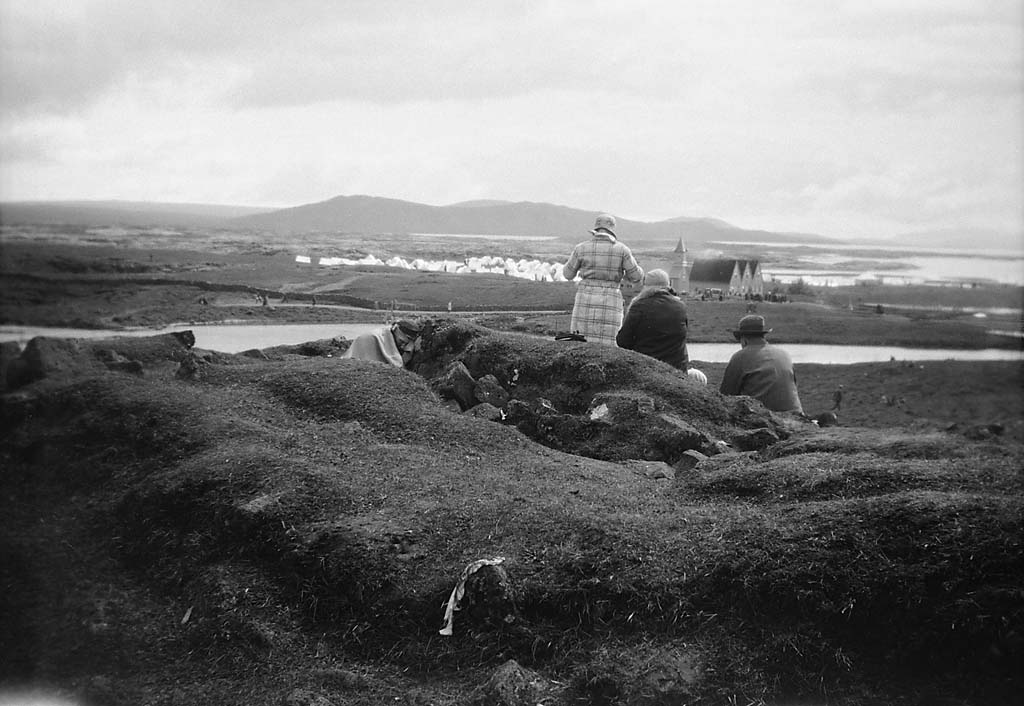
Þingvellir — or Thingvellir — held enormous significance for all Icelanders. It was the site where the Althing originally convened in 930 AD, set within a dramatic rift valley where the North American and Eurasian tectonic plates pull apart. The landscape there was unlike anywhere else in the country.
Inside Icelandic homes, interiors were functional and carefully arranged. Furniture was simple but well-kept. Evenings were spent reading, knitting, or gathering around whatever warmth the household could generate through the long winter months.
Cars were a rare sight in 1930s Iceland, but they were slowly making their way onto the island’s rough roads. Where horses had long been the primary means of getting around, motor vehicles were beginning to change how people moved across the country — though the roads themselves were still far from reliable.
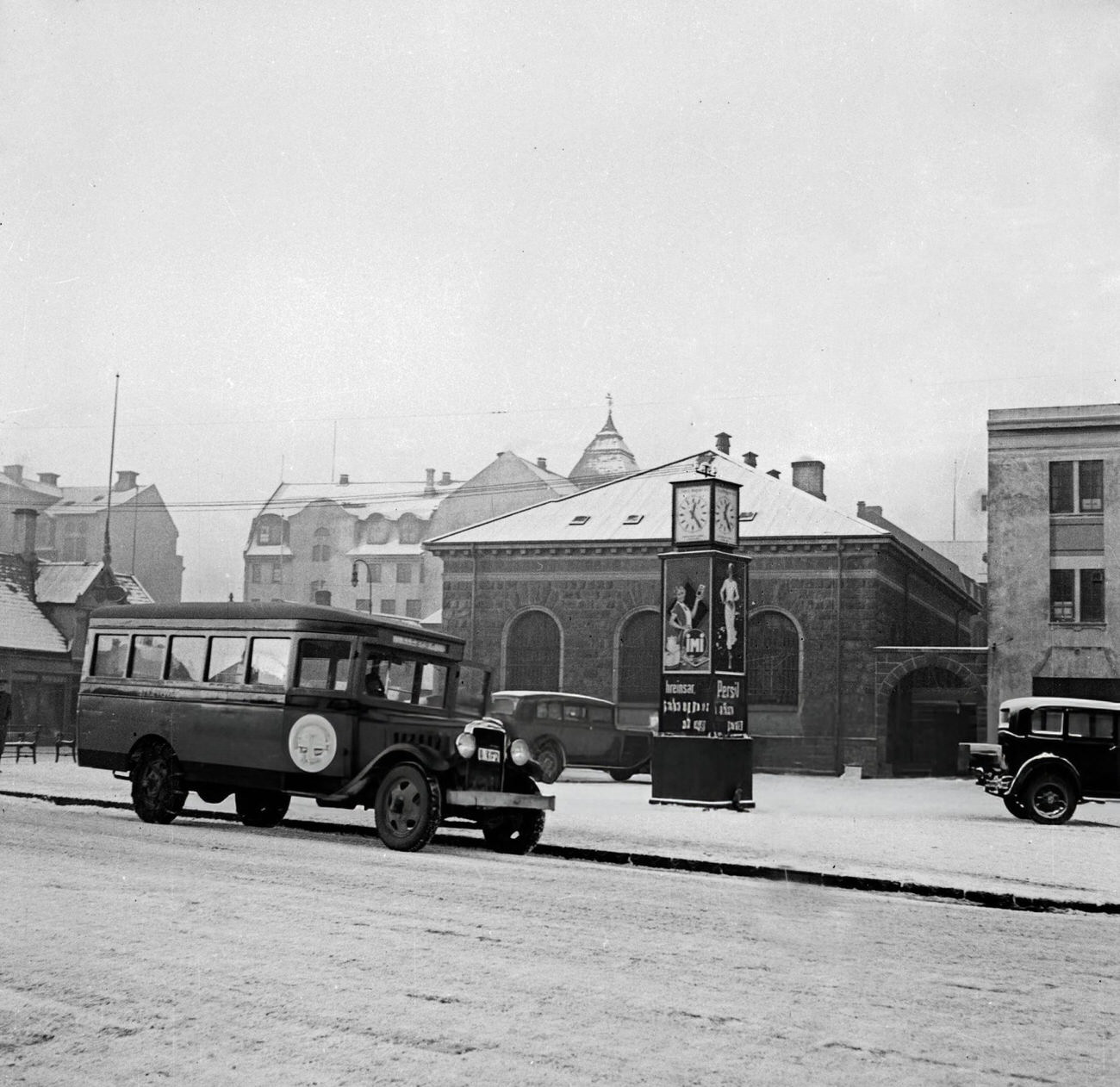
Consumer goods and advertising were beginning to appear in Icelandic towns during the 1930s, reflecting modest but real connections to broader European markets.
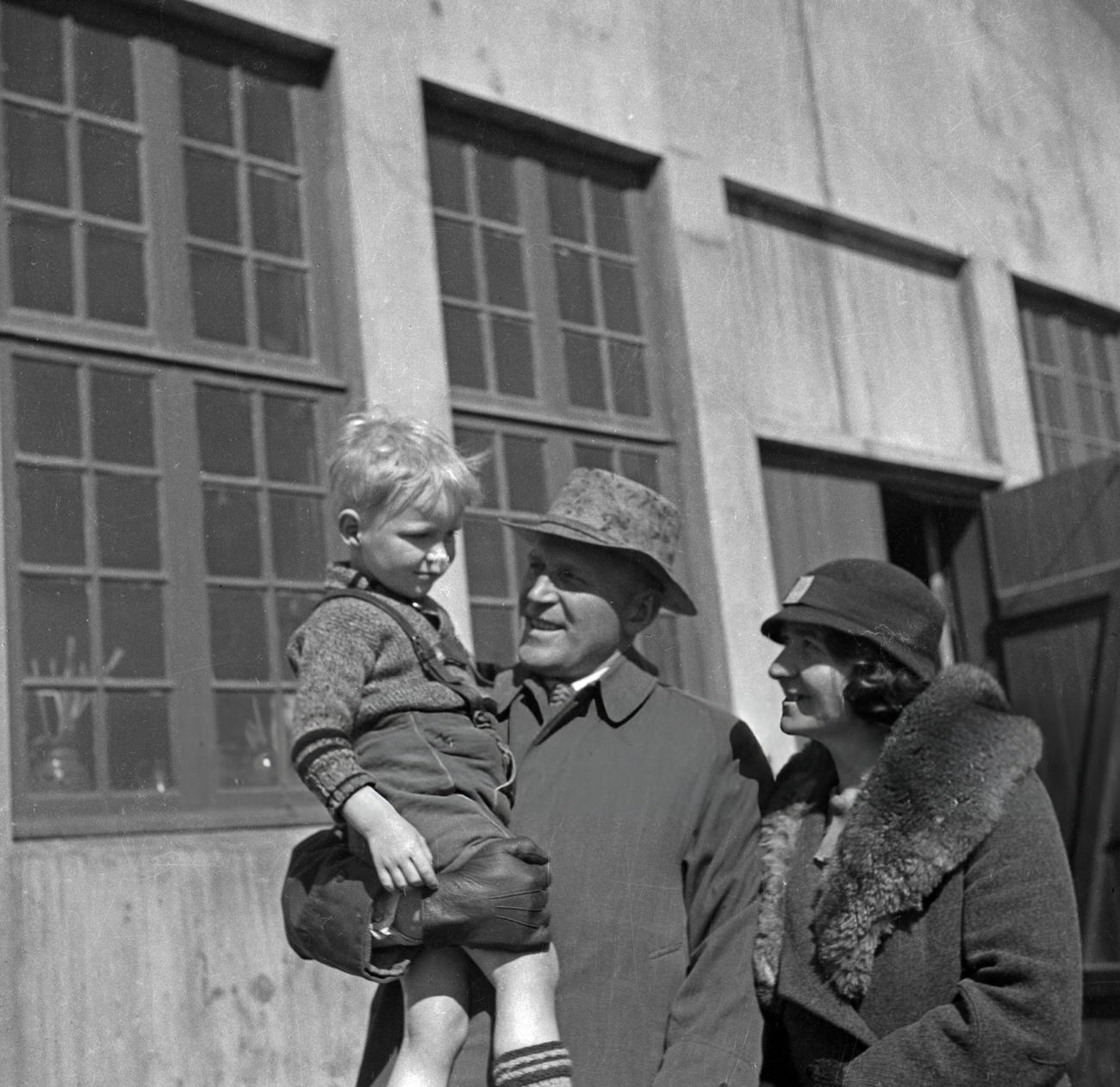
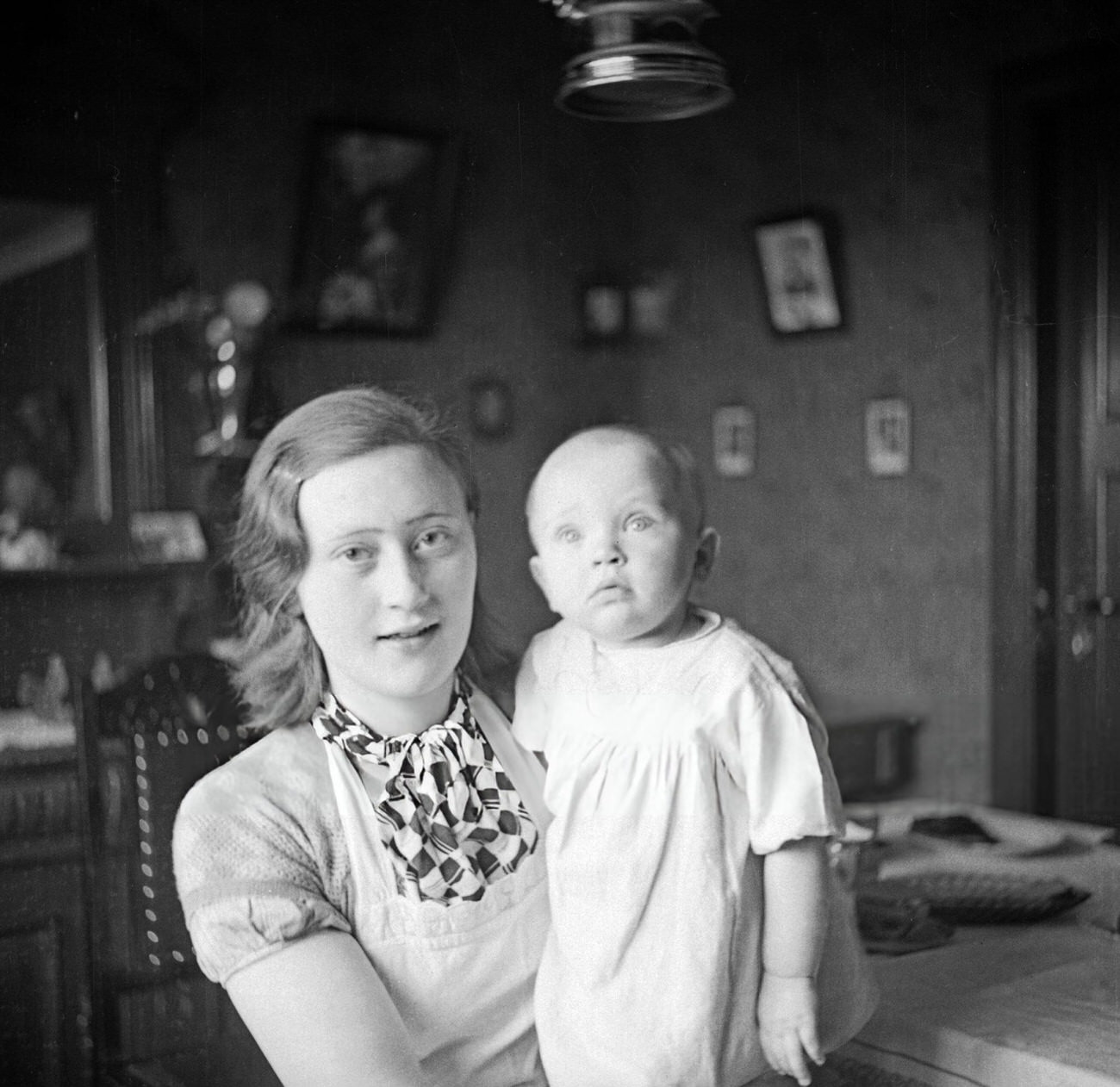
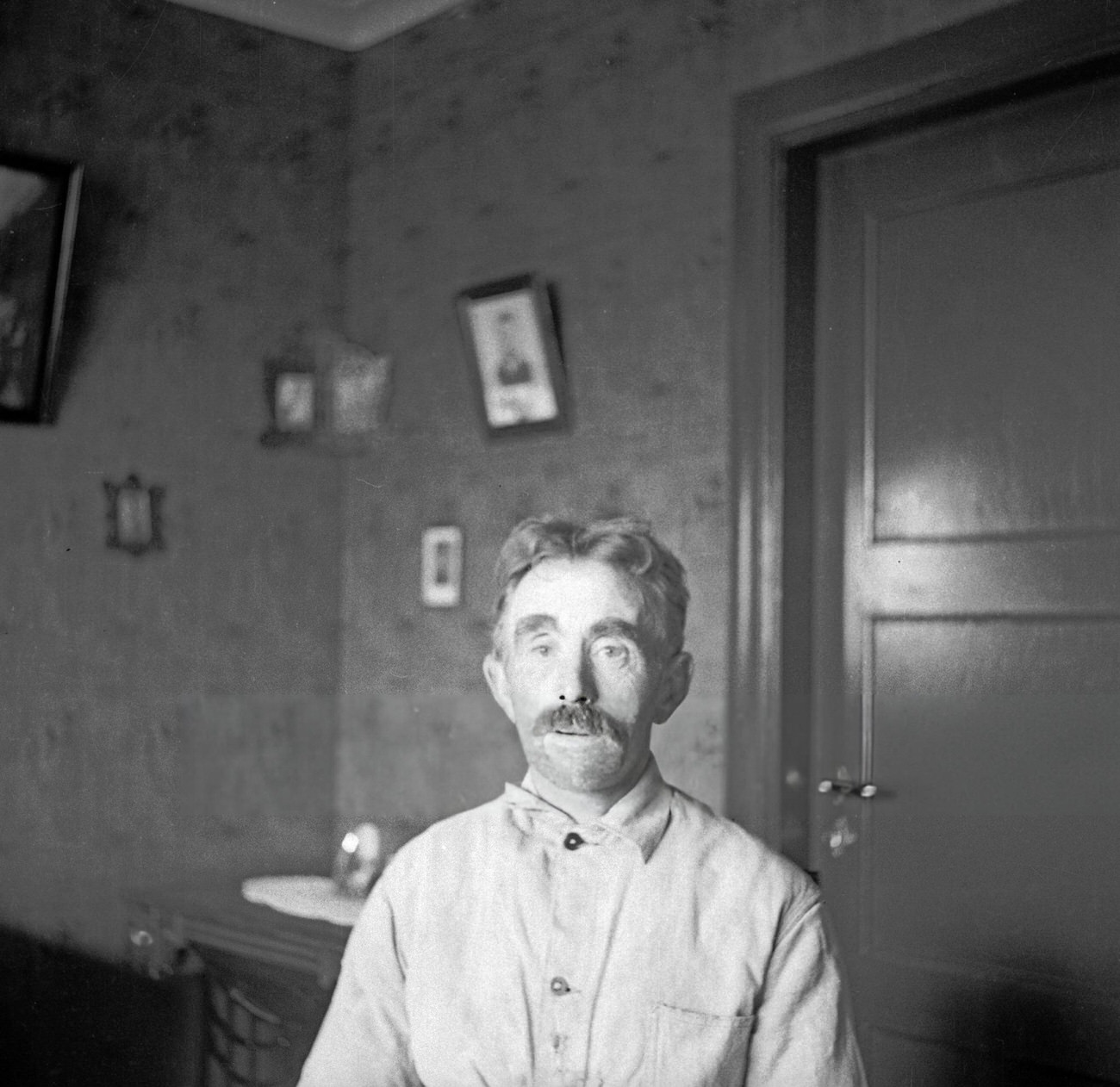
Family portraits from the era show Icelanders dressed in their best clothing — wool garments that were both practical and a reflection of local craftsmanship. Photography itself was still a notable occasion for most families.
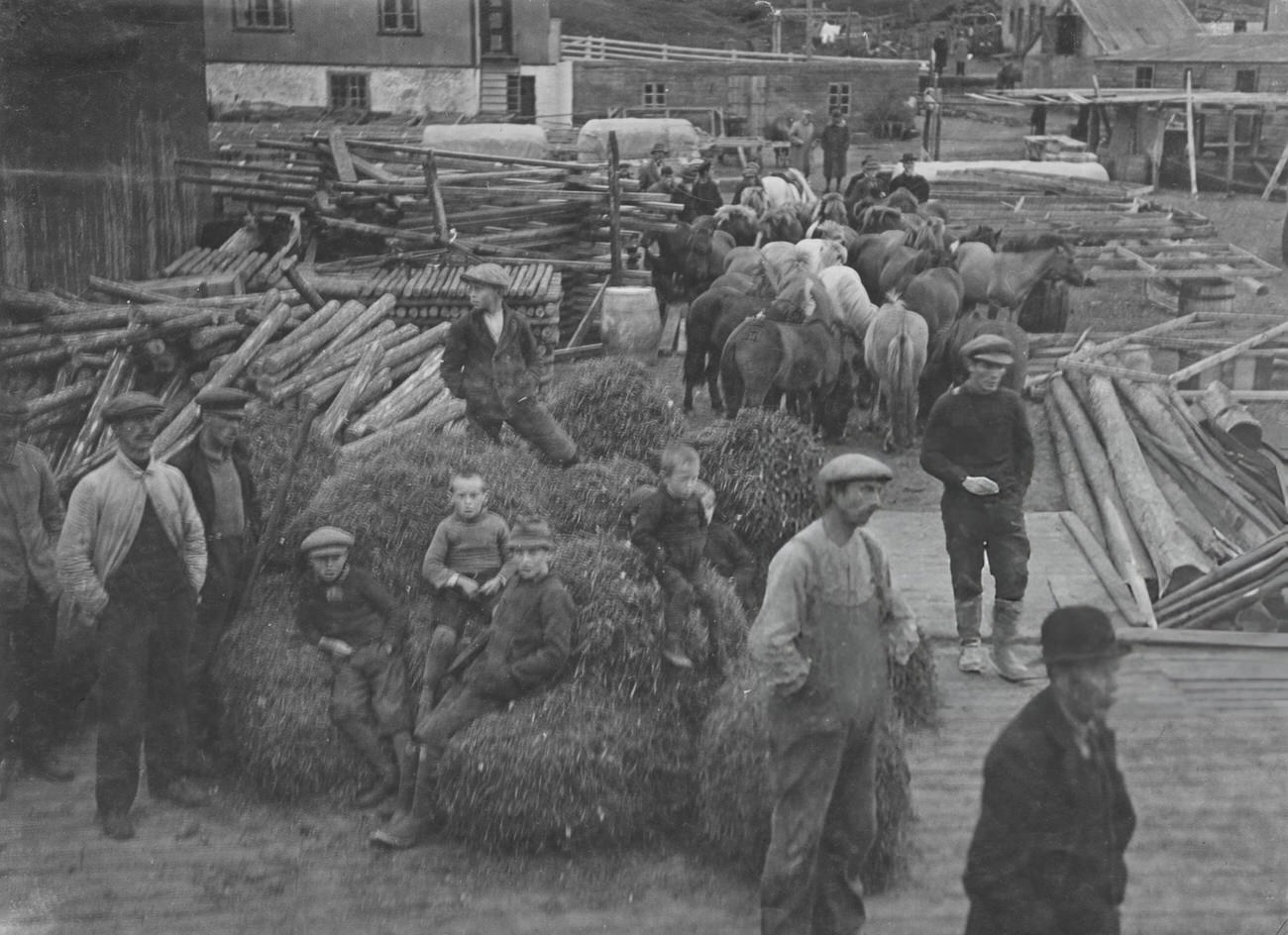
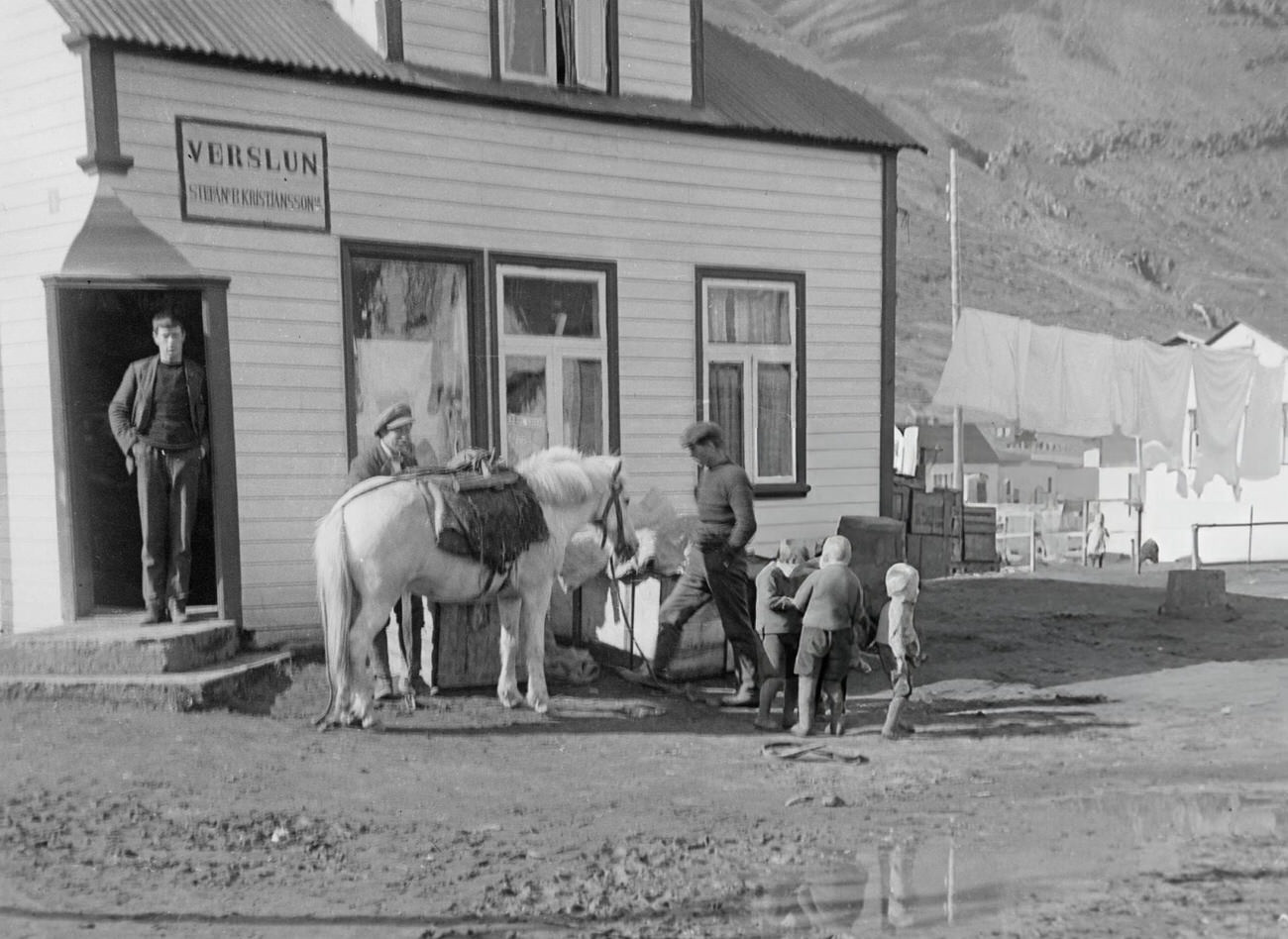
The Icelandic horse — a distinct and ancient breed — was central to rural life. At the quayside in Eskifjörður, horses were as common a sight as fishing boats. They were used for transport, farm work, and herding, and remained indispensable well into the decade.
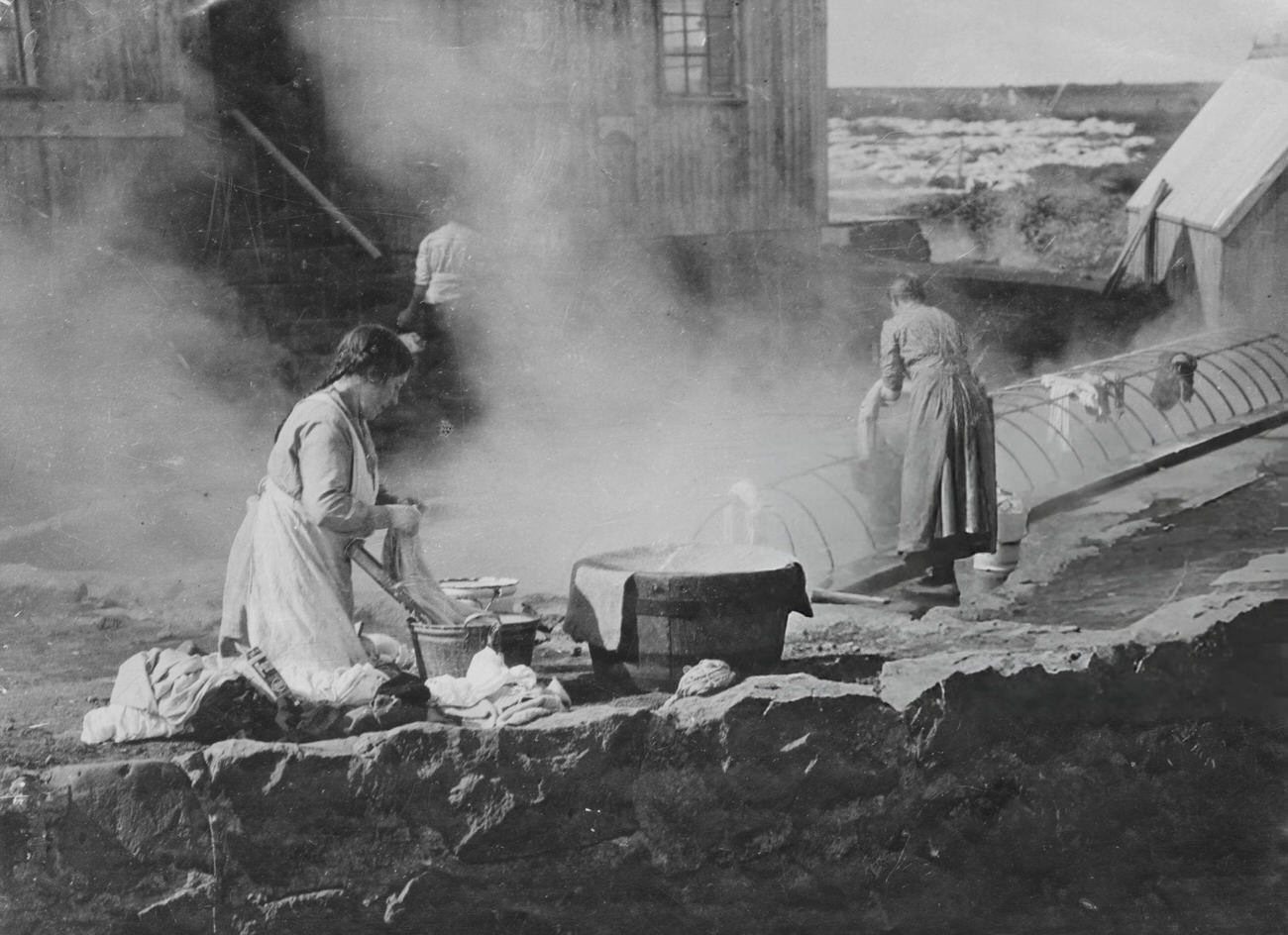
Iceland’s geothermal landscape provided practical benefits that few other countries could match. Women in Reykjavik used naturally heated hot springs to launder clothes — a tradition that made use of the island’s volcanic heat long before modern geothermal energy systems were ever built.
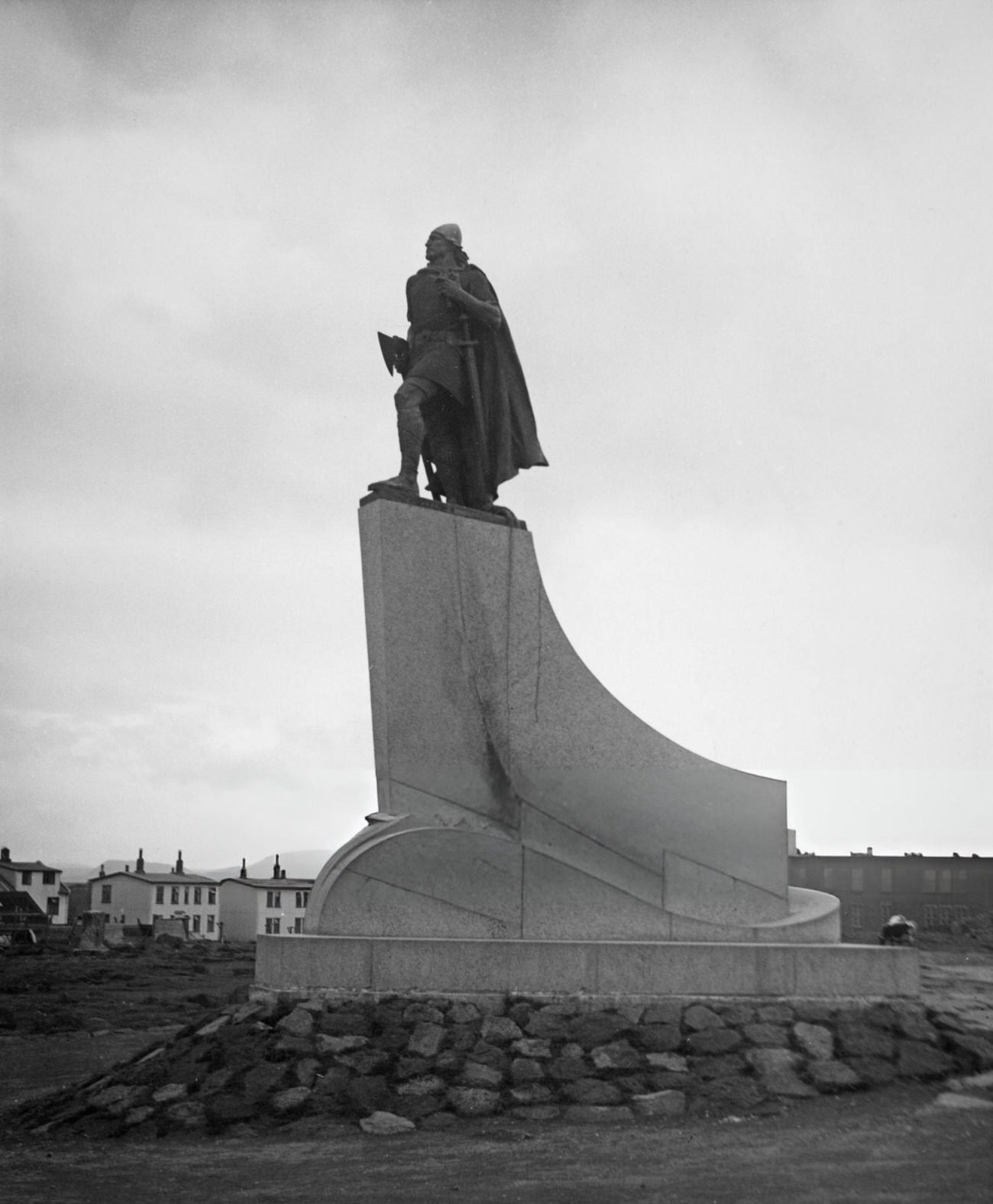
In 1932, a memorial to Leif Eriksson stood in Reykjavik as a tribute to the Norse explorer believed to have reached North America centuries before Columbus. The monument reflected Iceland’s pride in its Viking heritage and its place in the story of Atlantic exploration.
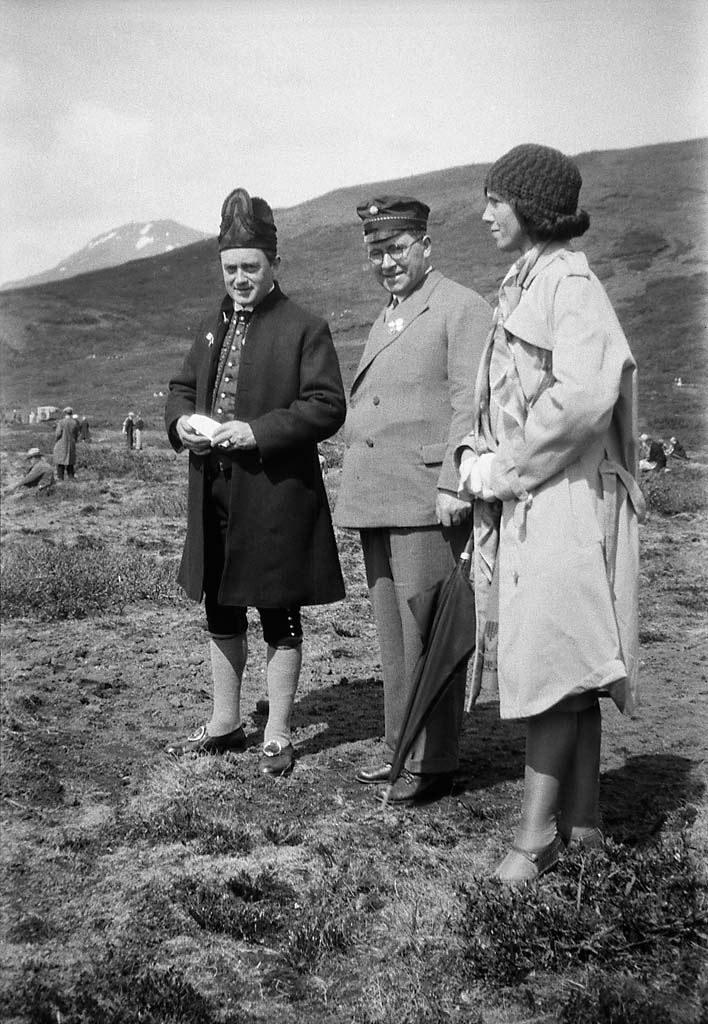
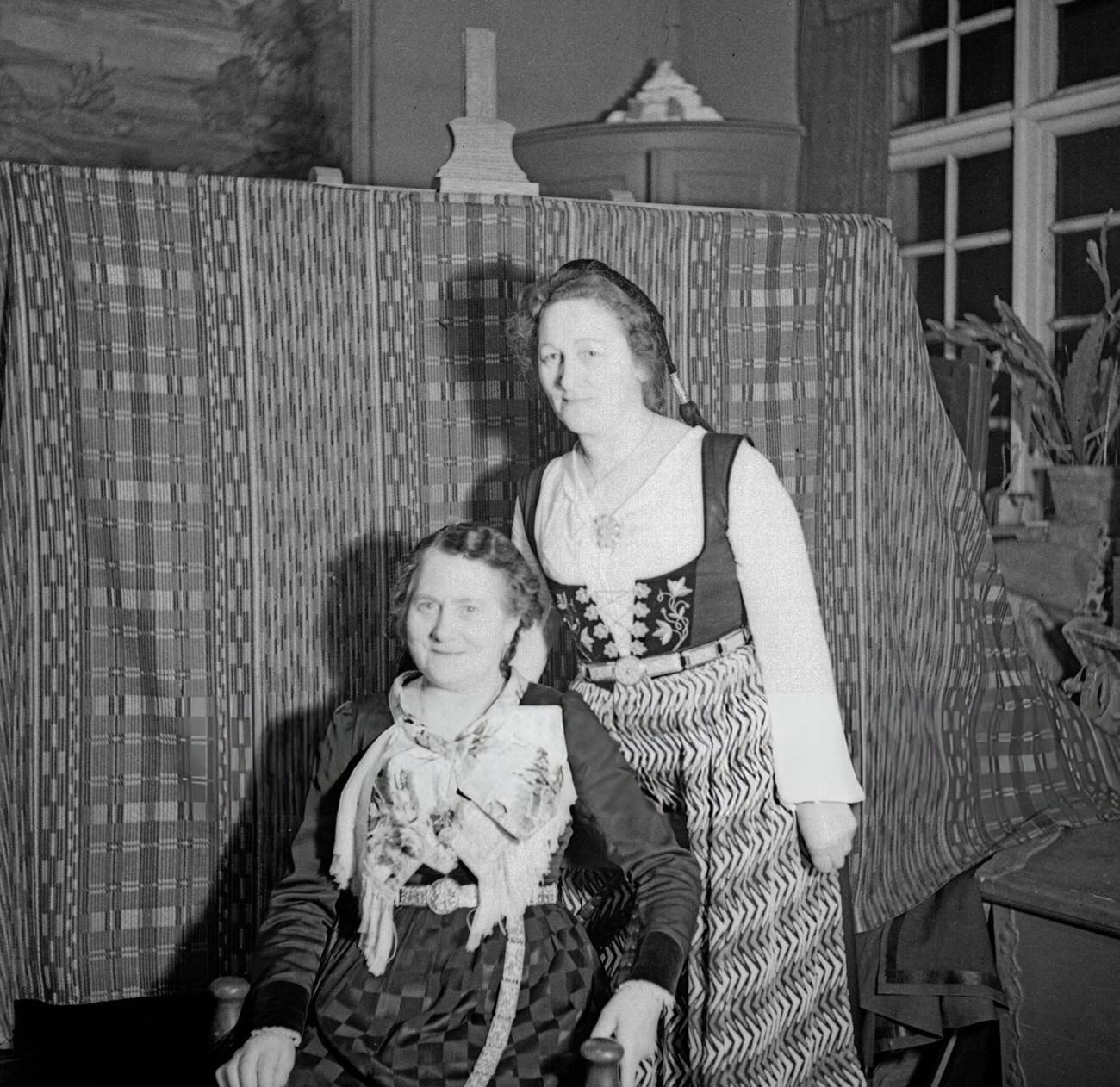
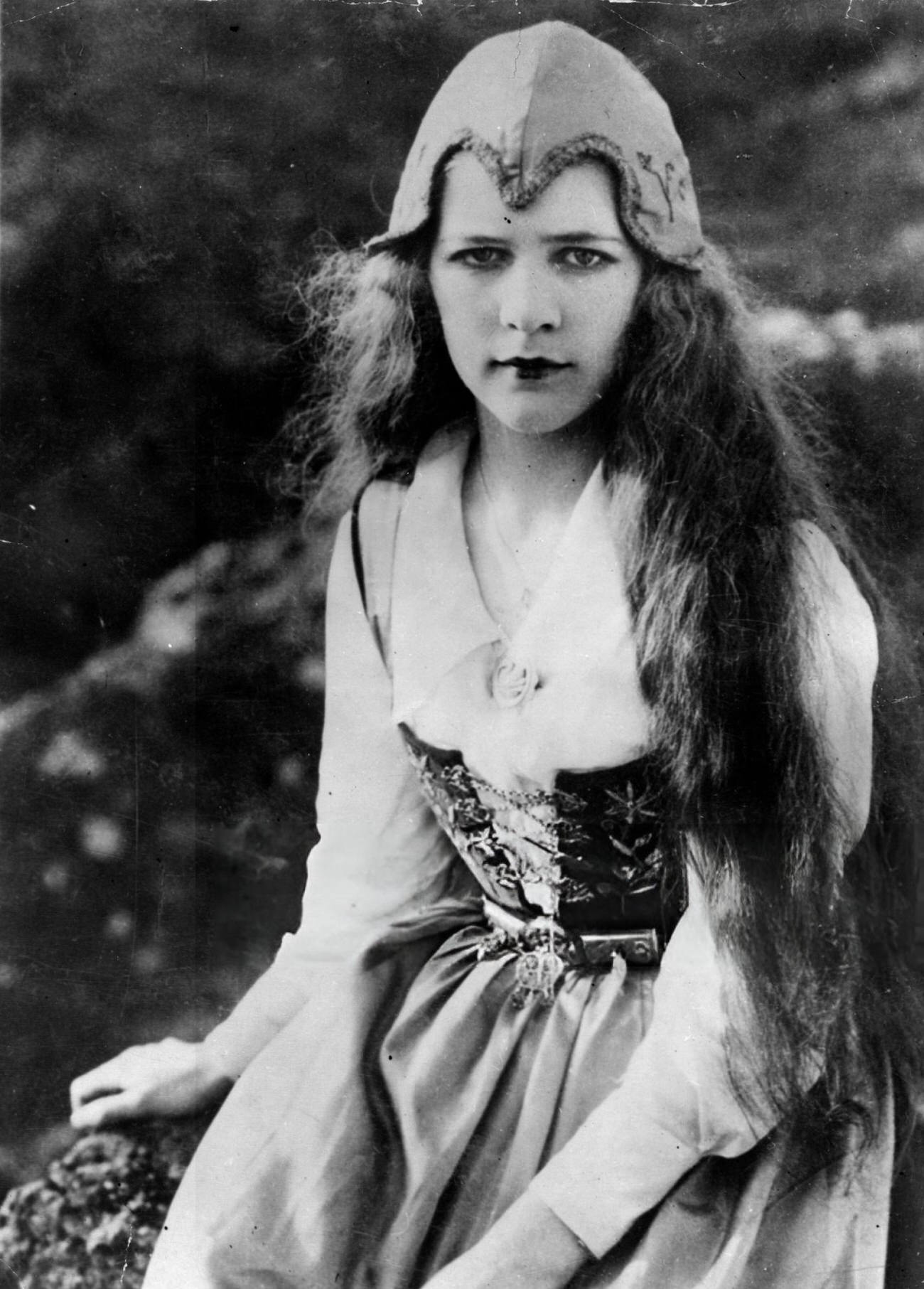
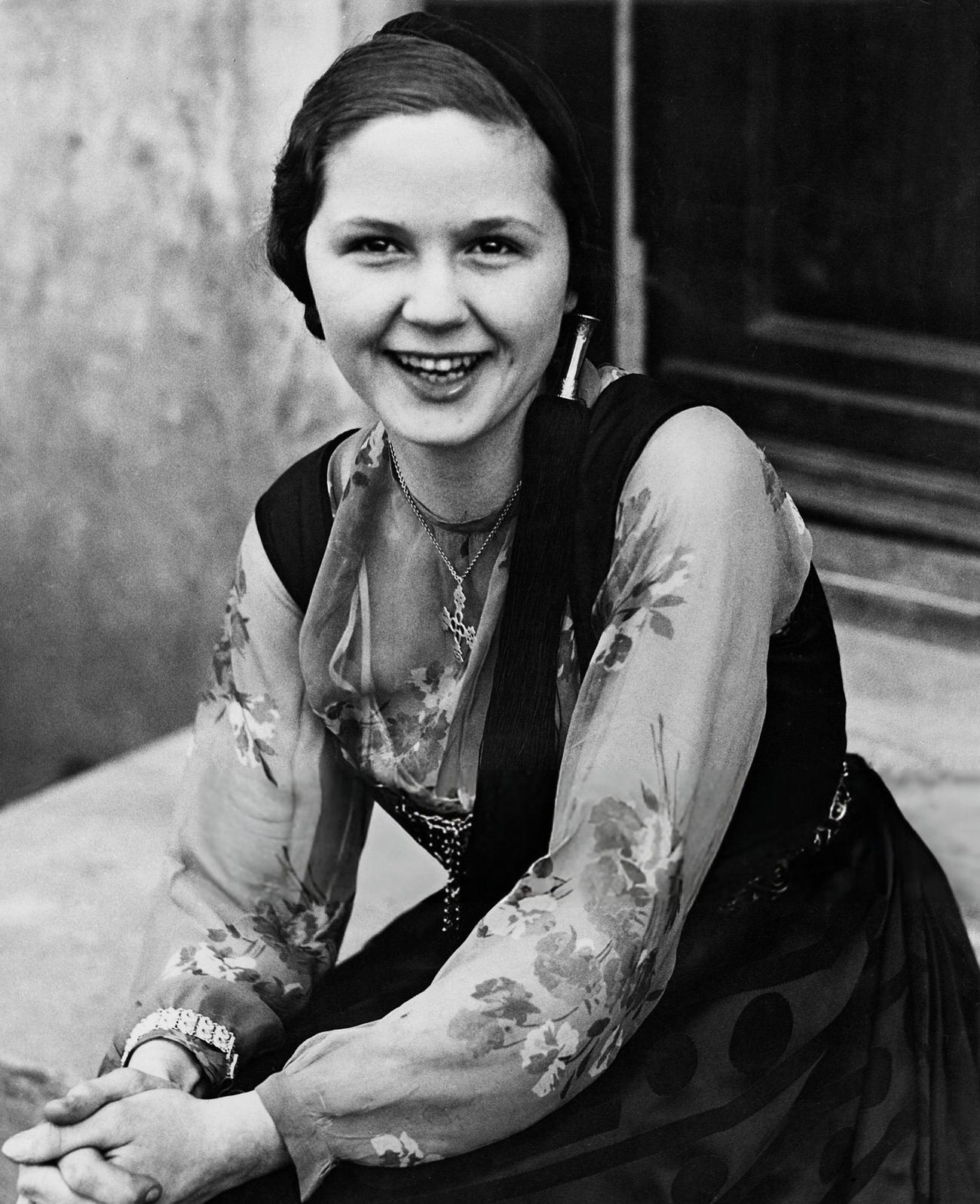
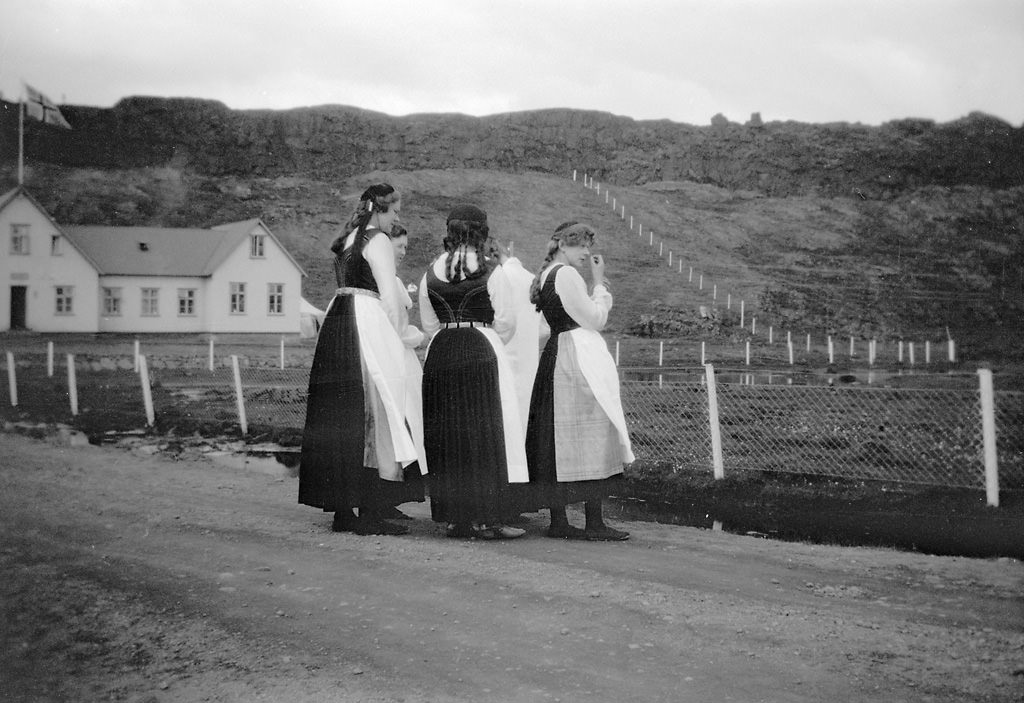
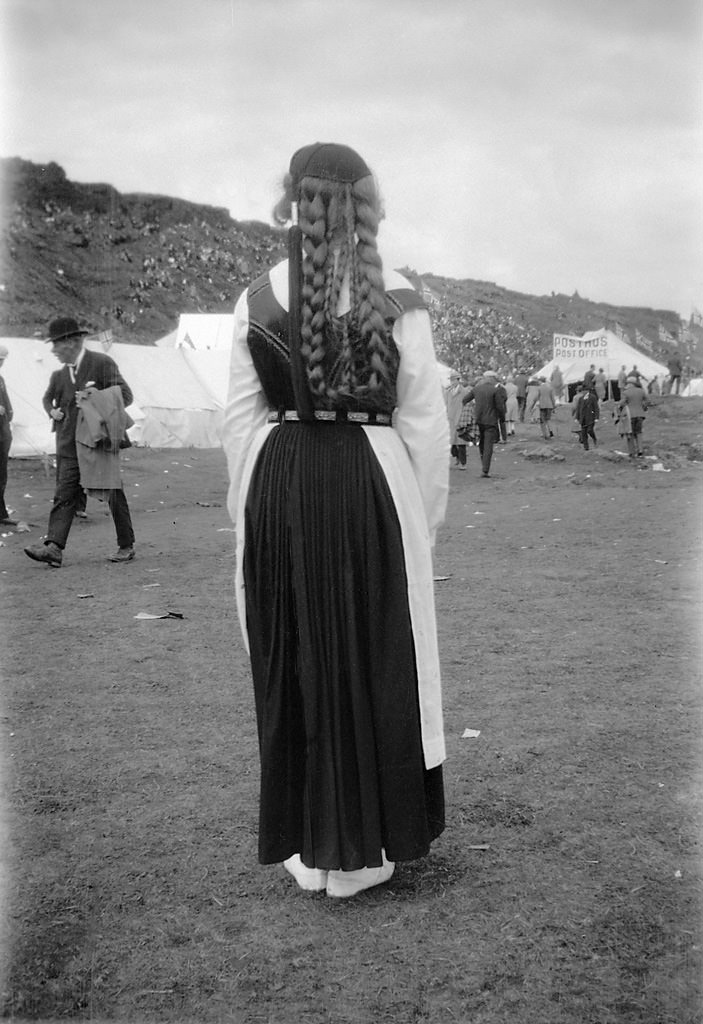
Traditional Icelandic dress — called þjóðbúningurinn — was worn with pride, particularly by young women during celebrations and cultural events. The costume typically included an embroidered bodice, a long skirt, and a distinctive headdress.
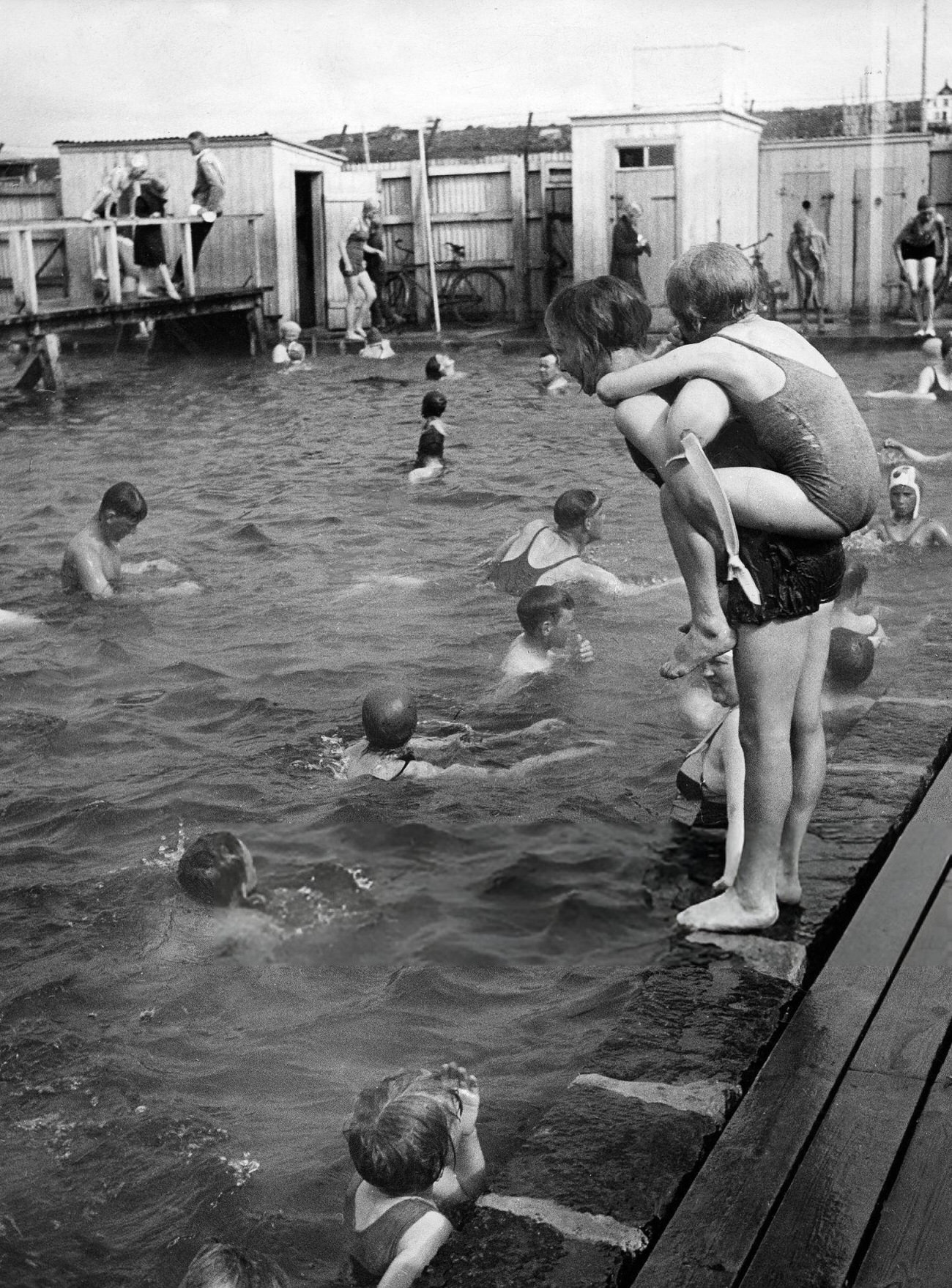
Reykjavik had a public swimming bath by the mid-1930s, fed by geothermal water. Swimming pools heated by volcanic springs became a defining feature of Icelandic public life — a place where people gathered not just for exercise but for conversation and community.
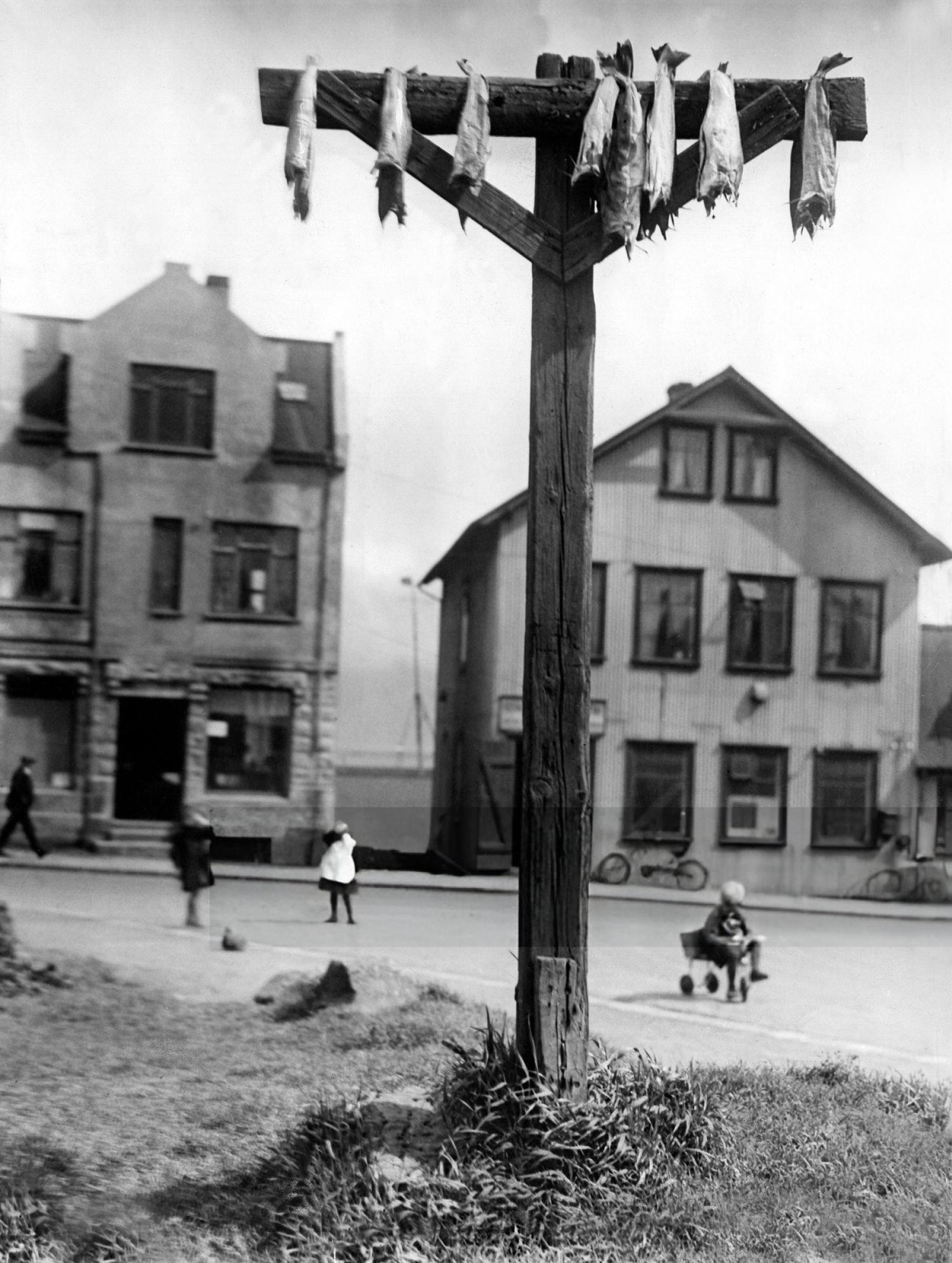
Fish drying was a common sight across Icelandic towns. Cod hung on wooden racks to dry in the open air — producing stockfish, which was an important export product. The practice required little equipment but careful timing, relying on Iceland’s cold, dry winds to do most of the work.
Reykjavik Cathedral and the University of Iceland were landmarks that anchored the capital’s civic identity. The statue of Danish sculptor Bertel Thorvaldsen, whose mother was Icelandic, stood nearby as a symbol of cultural connection between Iceland and the broader Nordic world.
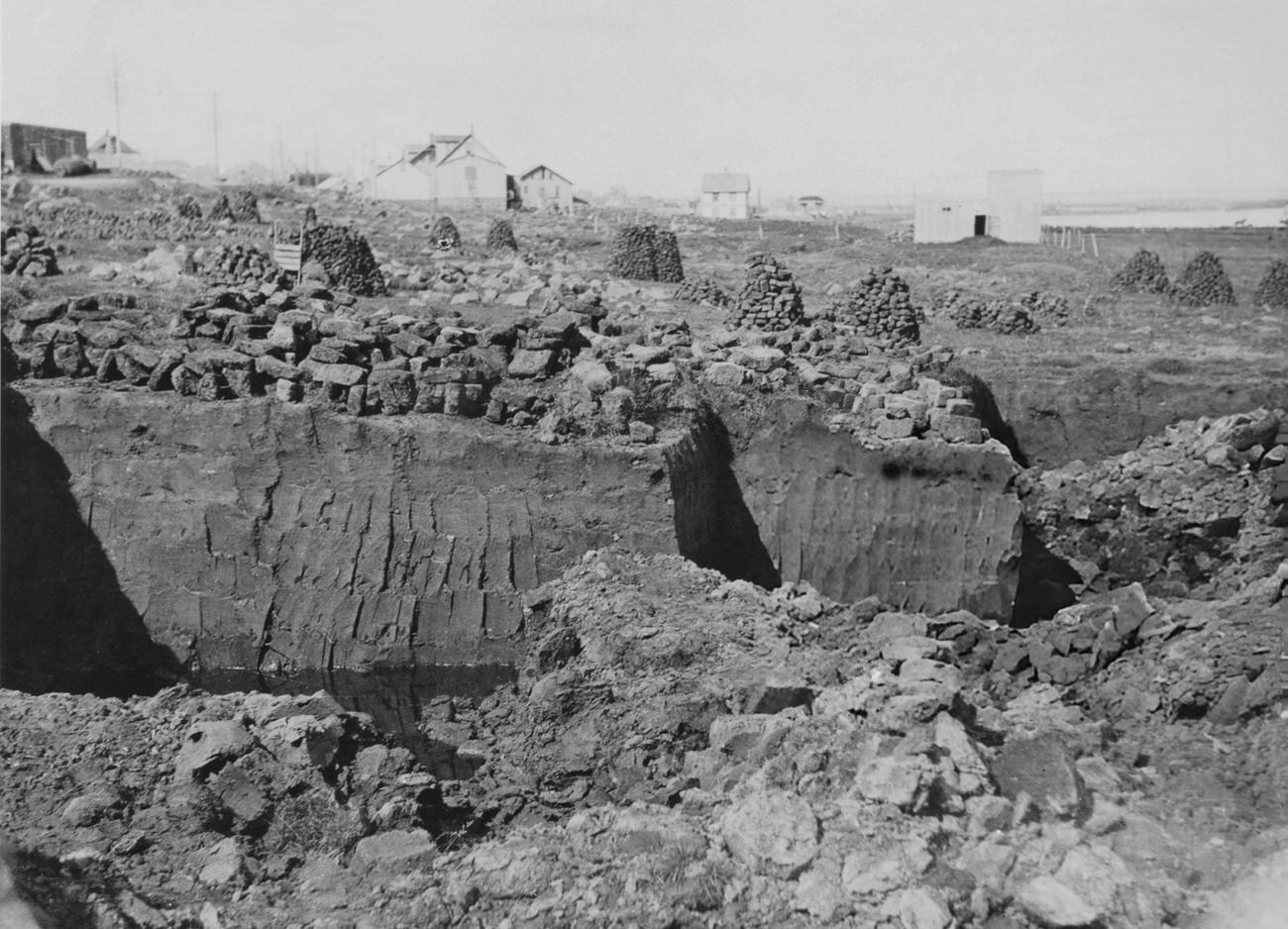
Peat was cut and stacked across the Icelandic countryside for use as fuel. With no forests to speak of, Icelanders relied on peat bogs as a source of heating material. Cutting peat was labor-intensive seasonal work, and the stacks left drying in the fields were a familiar part of the rural landscape.
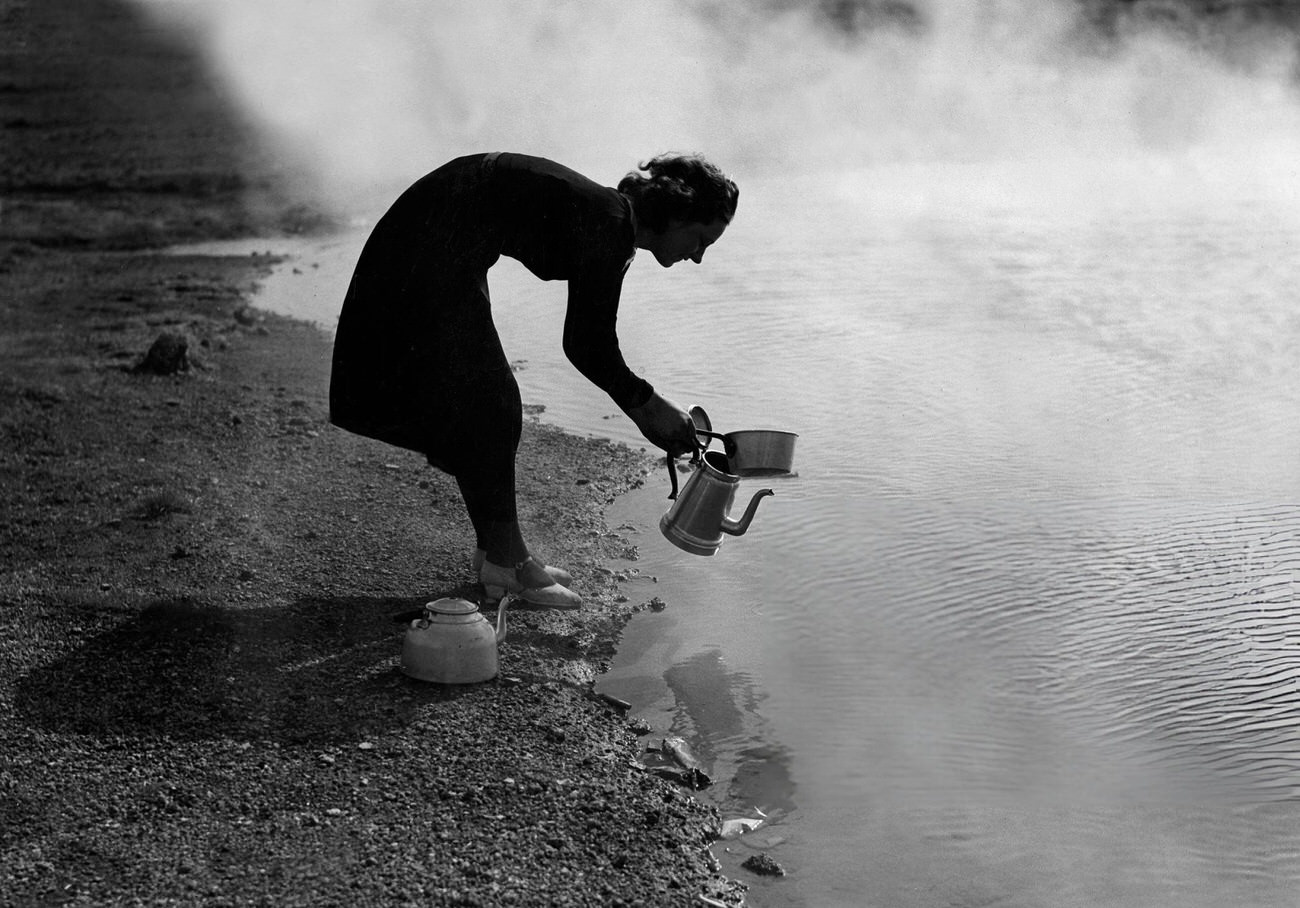
The island’s geothermal activity was woven into the rhythms of daily life. Women collected hot water directly from geysers and natural vents — a routine task that required nothing more than a bucket and knowledge of where to find the right spot.
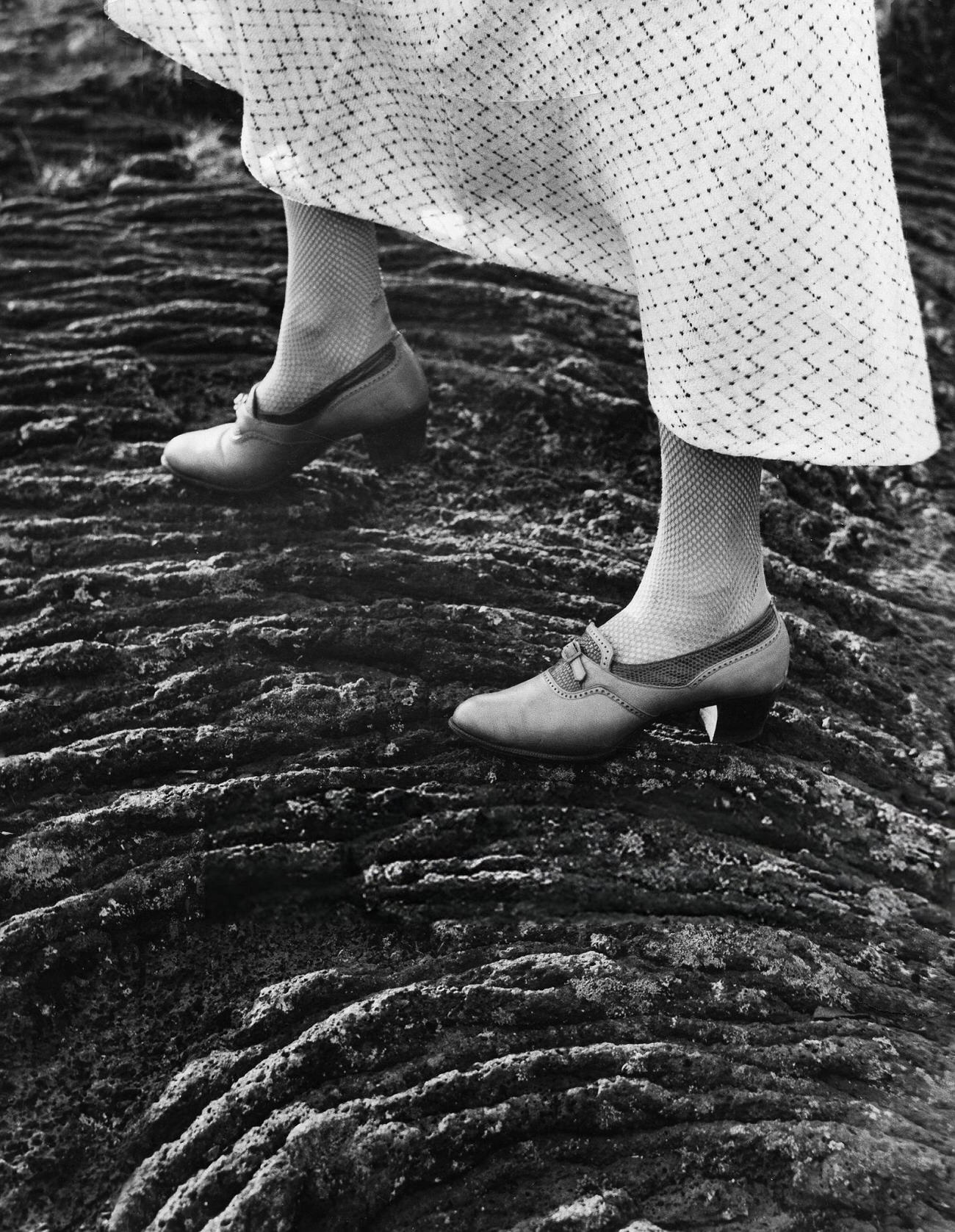
Iceland’s volcanic terrain made for striking and sometimes strange landscapes. Fields of cooled lava, called hraun, stretched across parts of the island. Walking across them was part of ordinary life for many Icelanders.
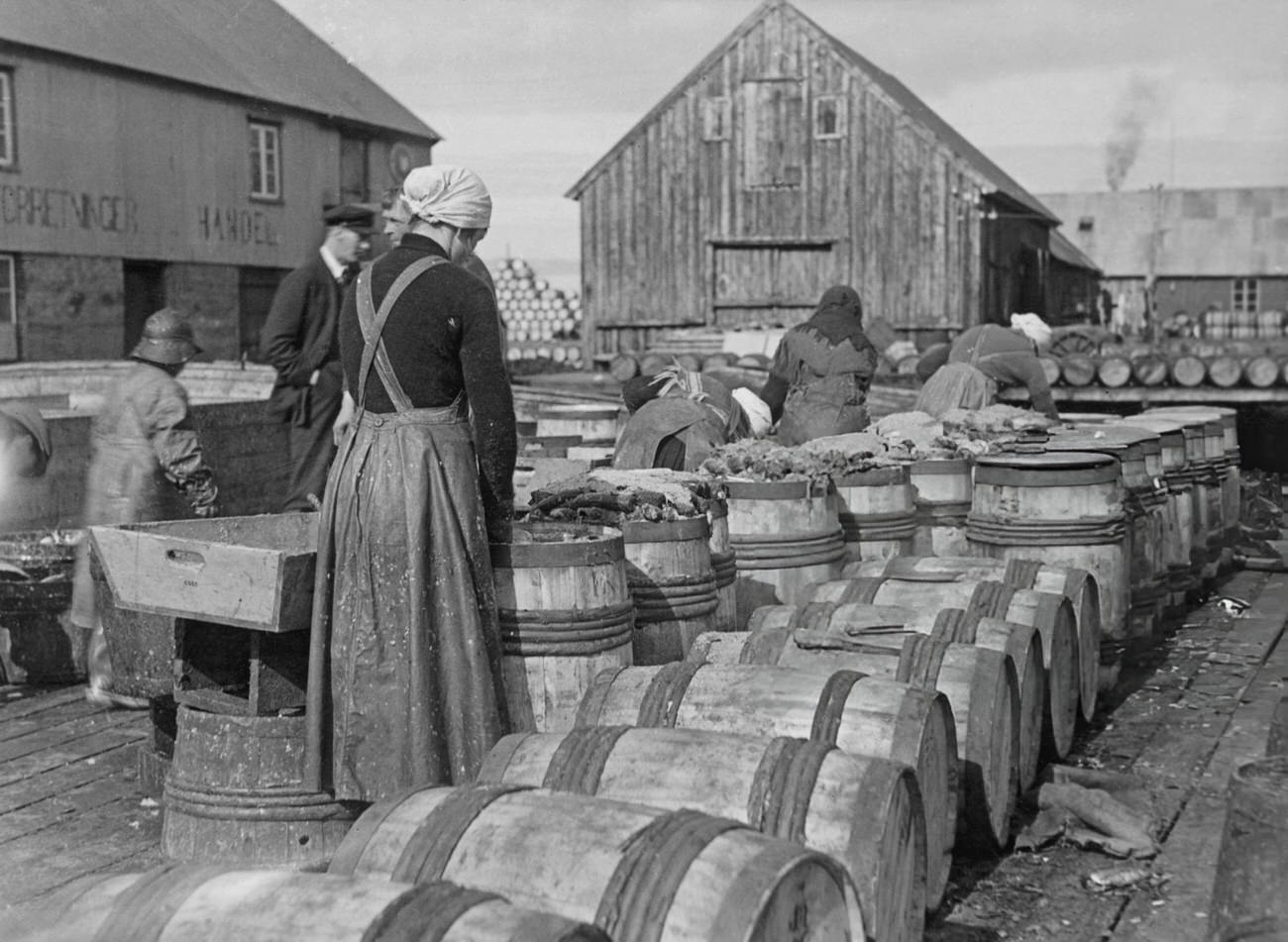
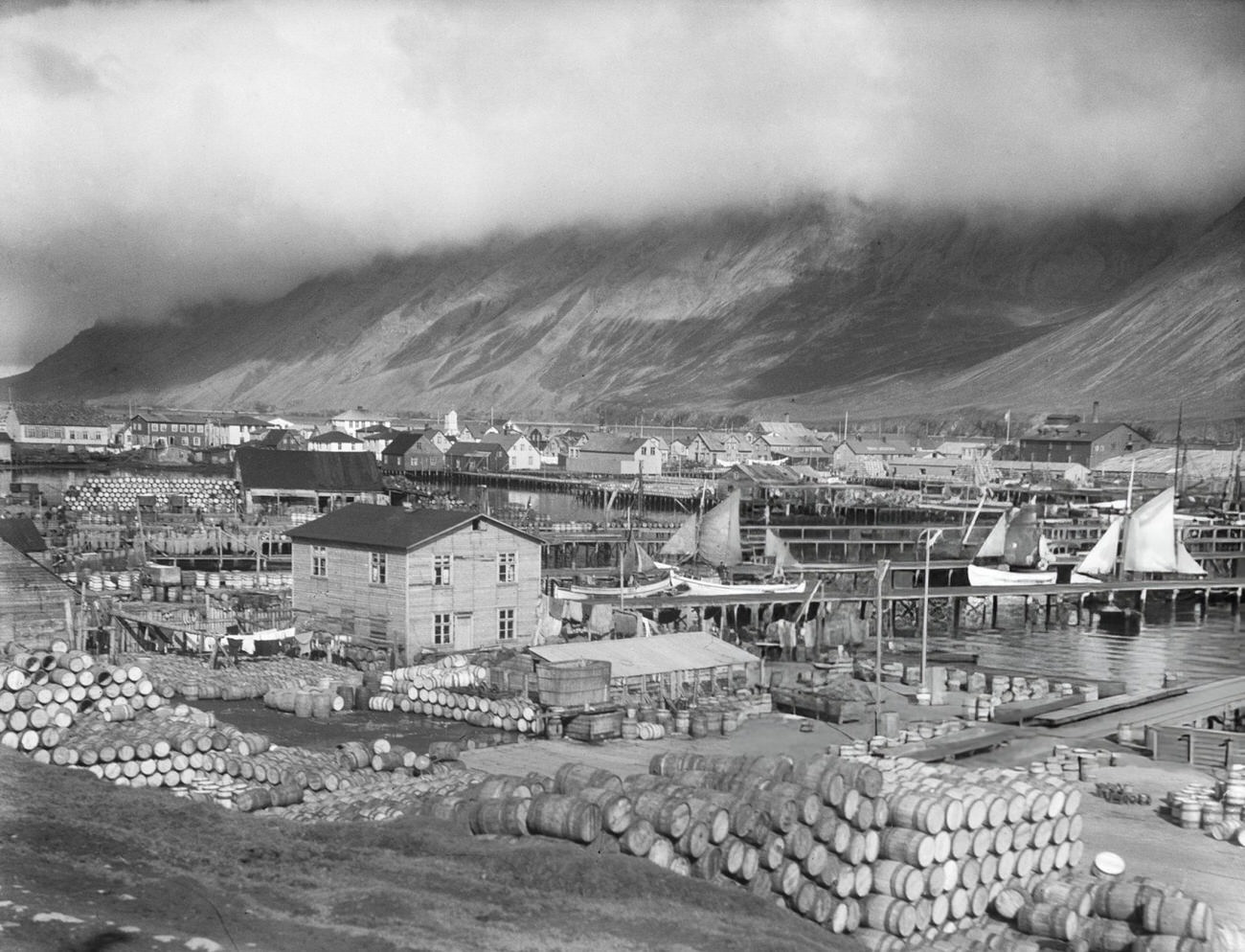
Siglufjörður, a small town in northern Iceland, was one of the most important herring fishing centers in the world during the 1930s. Massive seasonal catches brought hundreds of workers to the town each summer, many of them women who cleaned and processed the fish by hand at open-air stations along the docks.
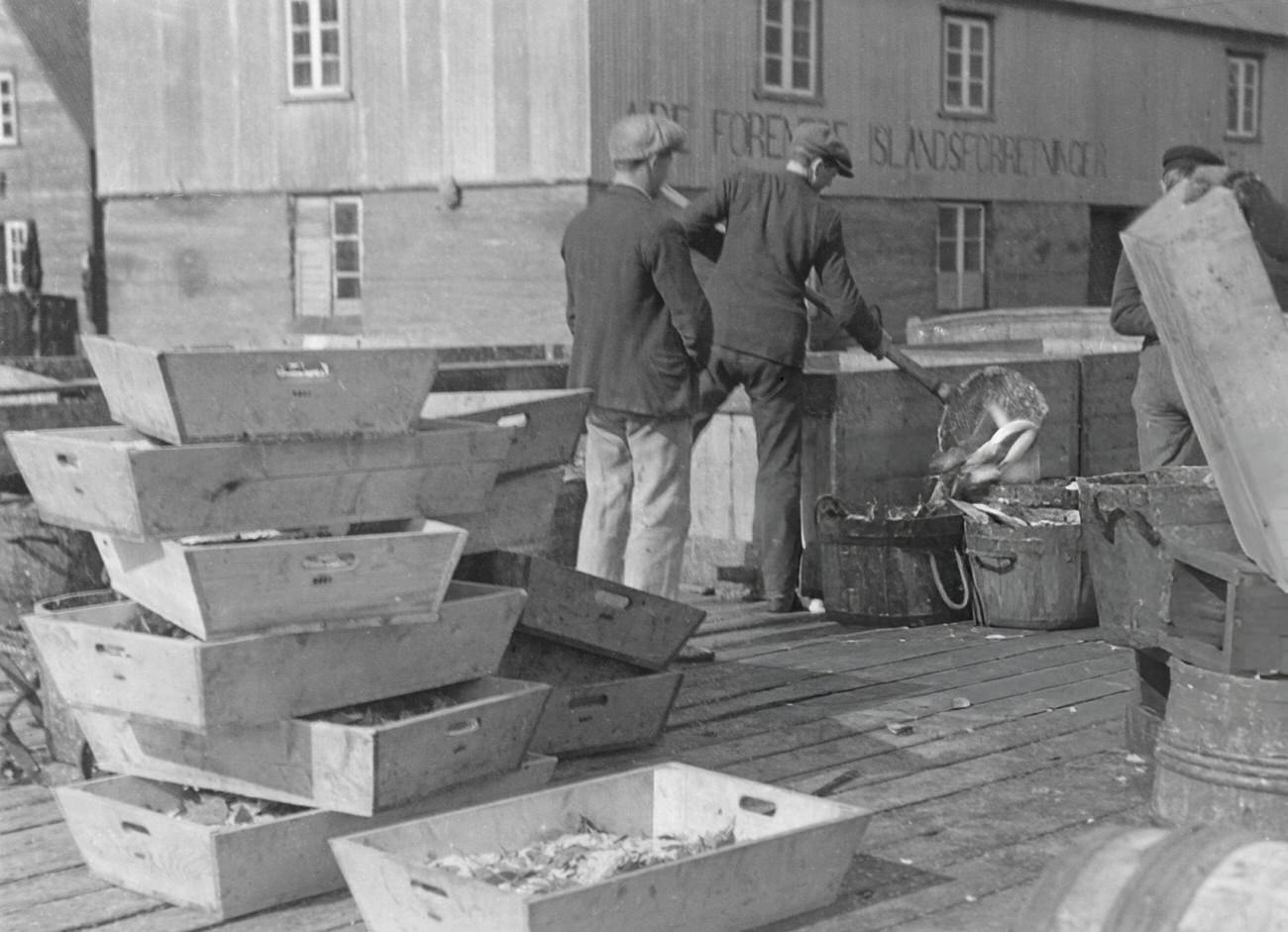
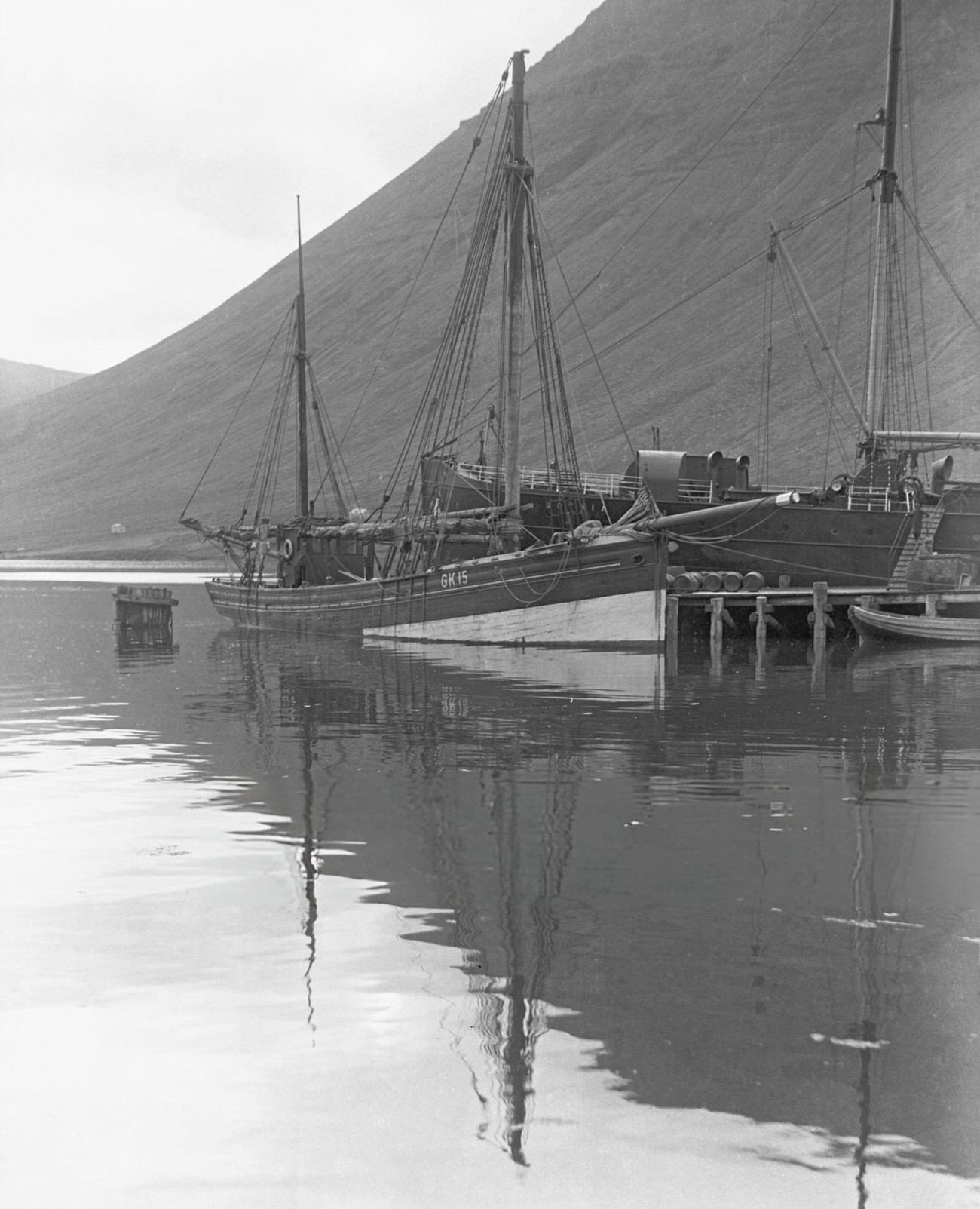
Iceland’s fjords were home to some of the country’s most active fishing harbors. Ísafjörður, tucked deep into the Westfjords, was one of the largest fishing towns outside of Reykjavik — its harbor crowded with boats during the fishing season.
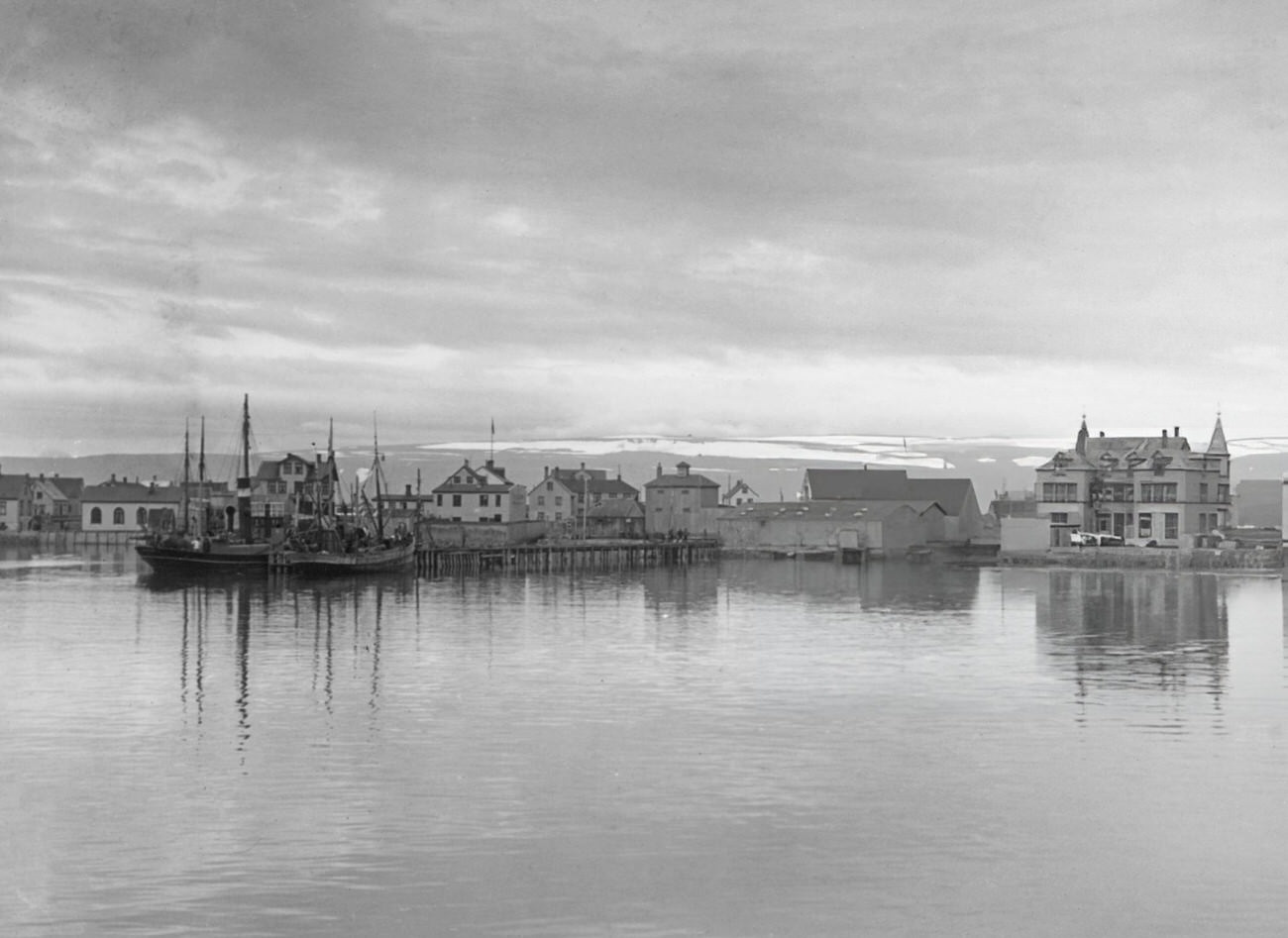
In Reykjavik, milk was still delivered by horse and cart in 1935. The sight of a horse pulling a delivery wagon through the city’s streets was entirely normal — evidence of how slowly motorized transport was replacing animal-powered methods even in the capital.
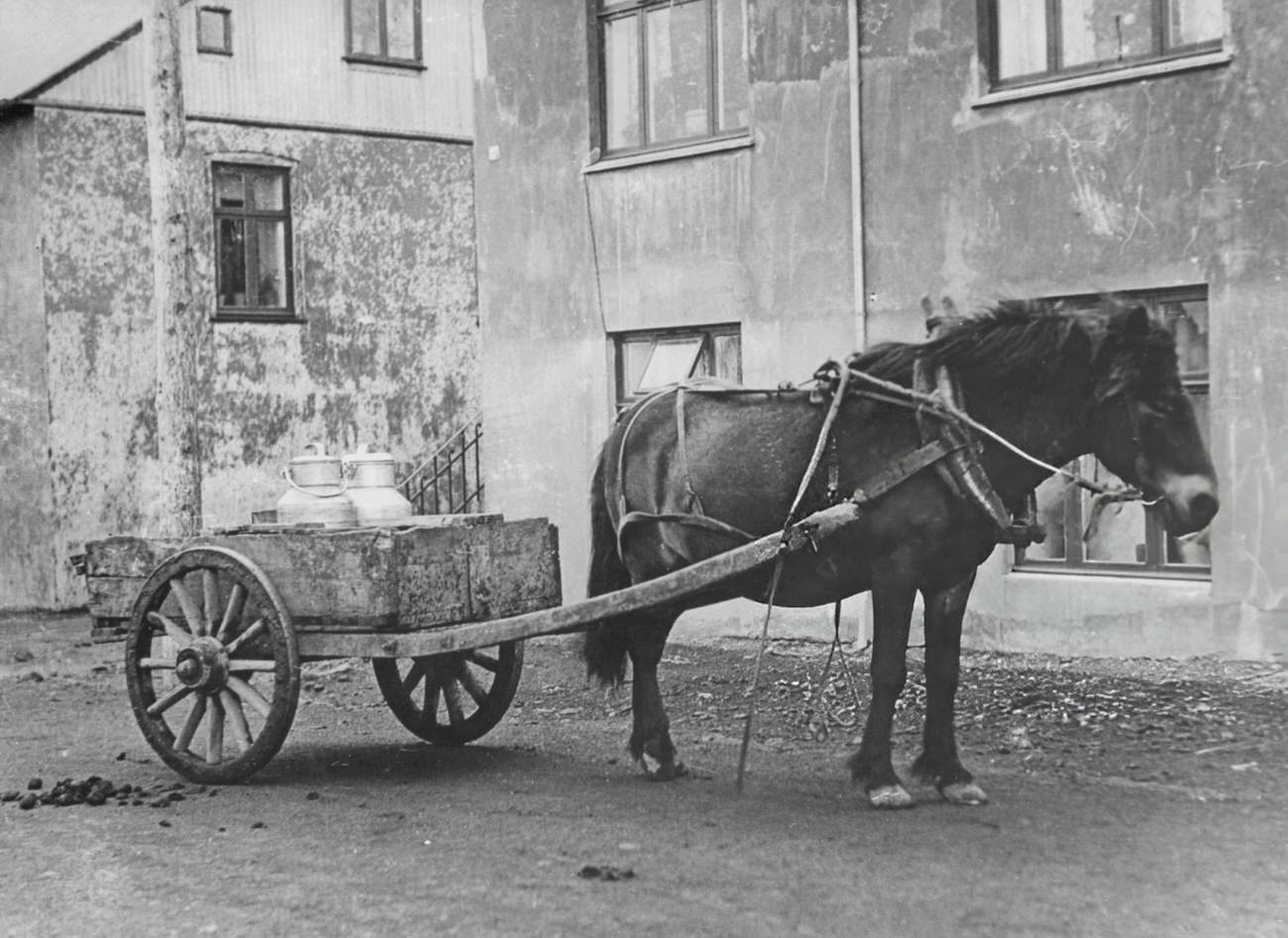
The herring processing factories in Siglufjörður operated at a relentless pace during the summer months. Workers processed enormous quantities of fish, which were then salted, barreled, and shipped to markets across Europe.
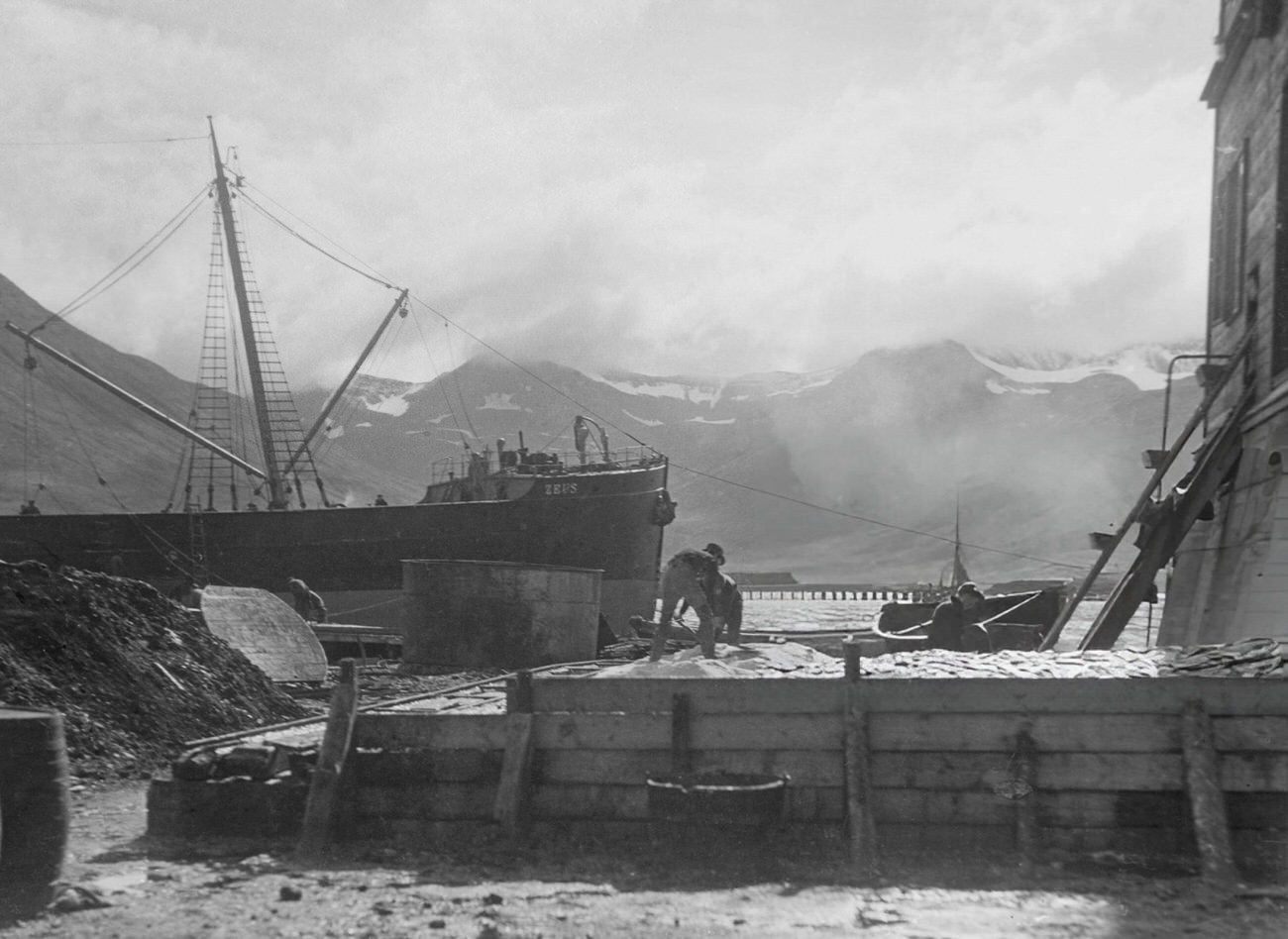
Packing herring into barrels was one of the primary jobs for women in Siglufjörður during the fishing season. Teams of women worked side by side along the quay, filling and sealing barrel after barrel in a process that was fast, physical, and highly organized.
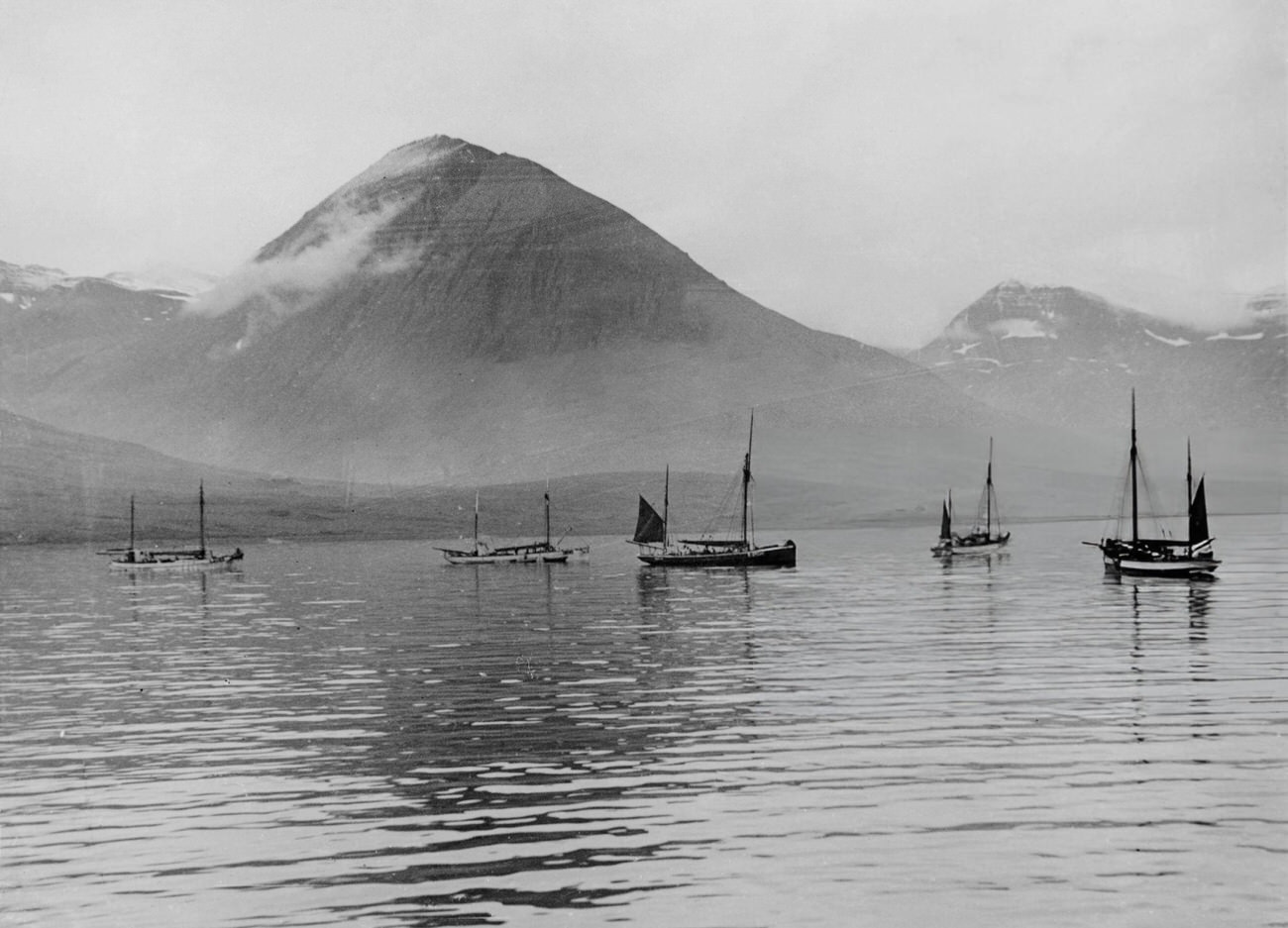
From above, the scale of Siglufjörður’s herring industry was clear. The harbor and its processing sites stretched along the waterfront, packed with boats, barrels, and workers during peak season. At its height, the town’s herring trade made it one of the busiest fishing ports in the North Atlantic.
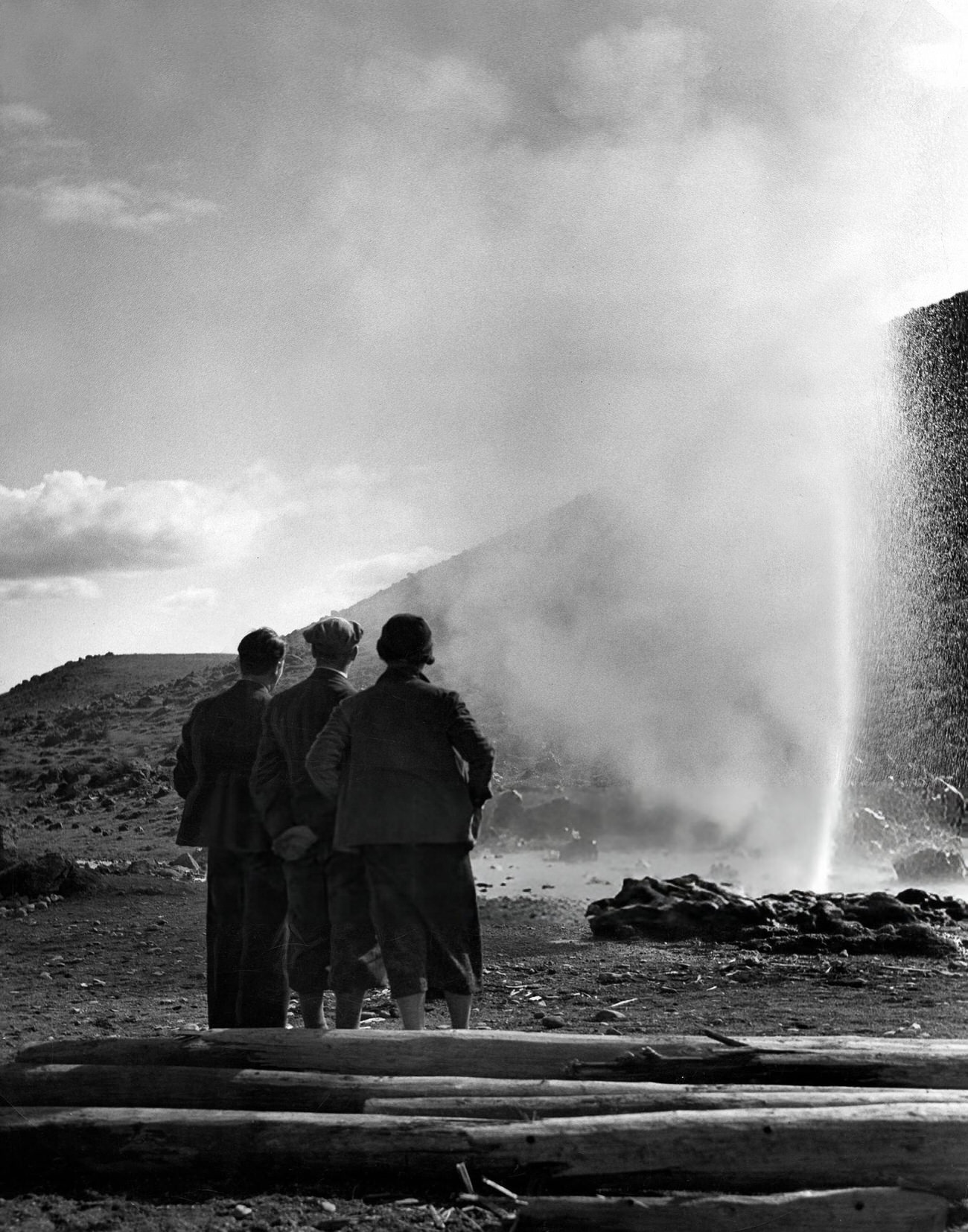
Iceland’s geysers attracted scientific curiosity and tourist interest alike. The Grýla geyser, photographed in 1934, was one of many geothermal features that made the island a destination for explorers and researchers from across Europe.
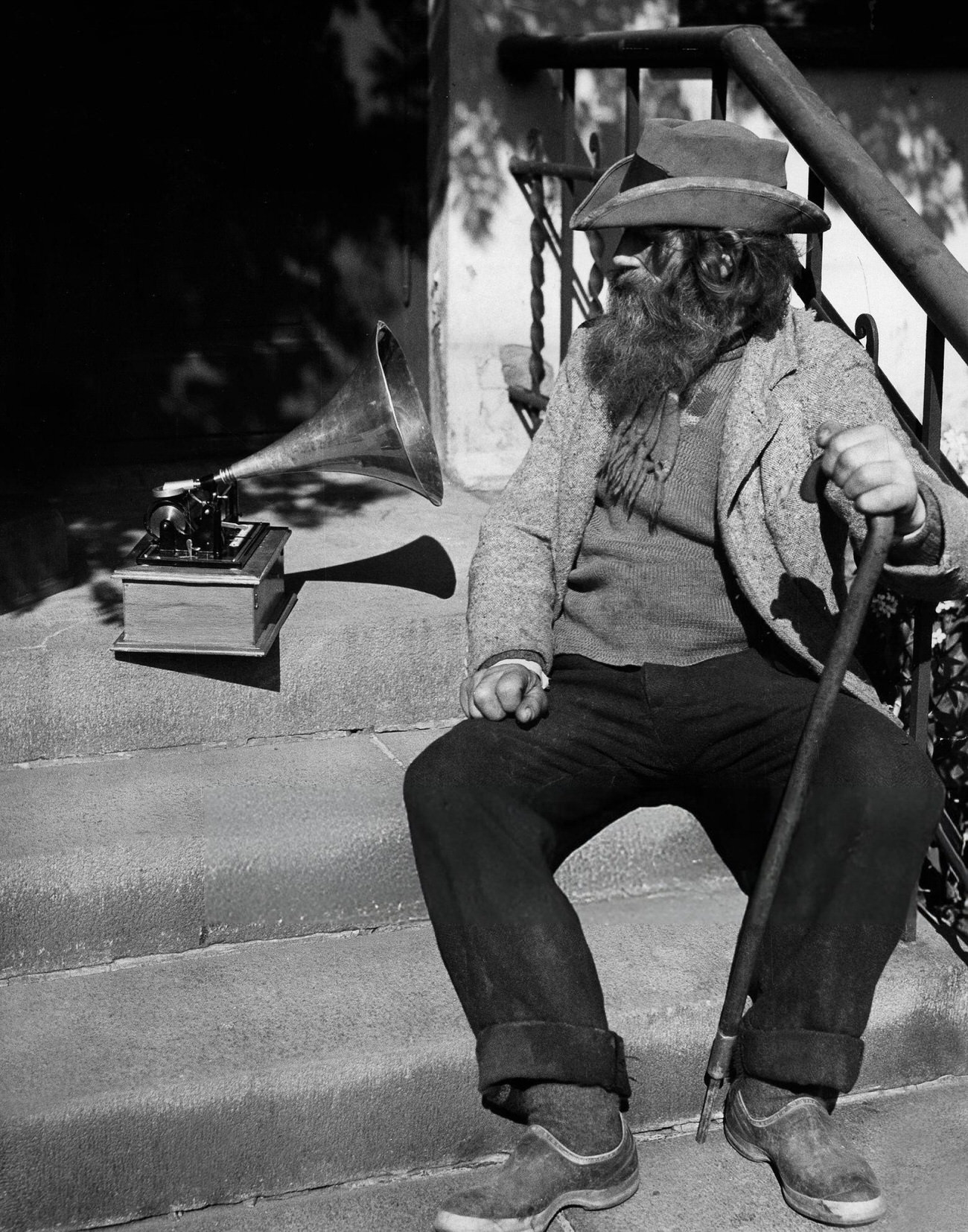
By the mid-1930s, radios were beginning to appear in Reykjavik homes and businesses. For many older Icelanders, the radio represented an extraordinary shift — connecting the island to a wider world of news, music, and broadcasts in a way that had never before been possible.
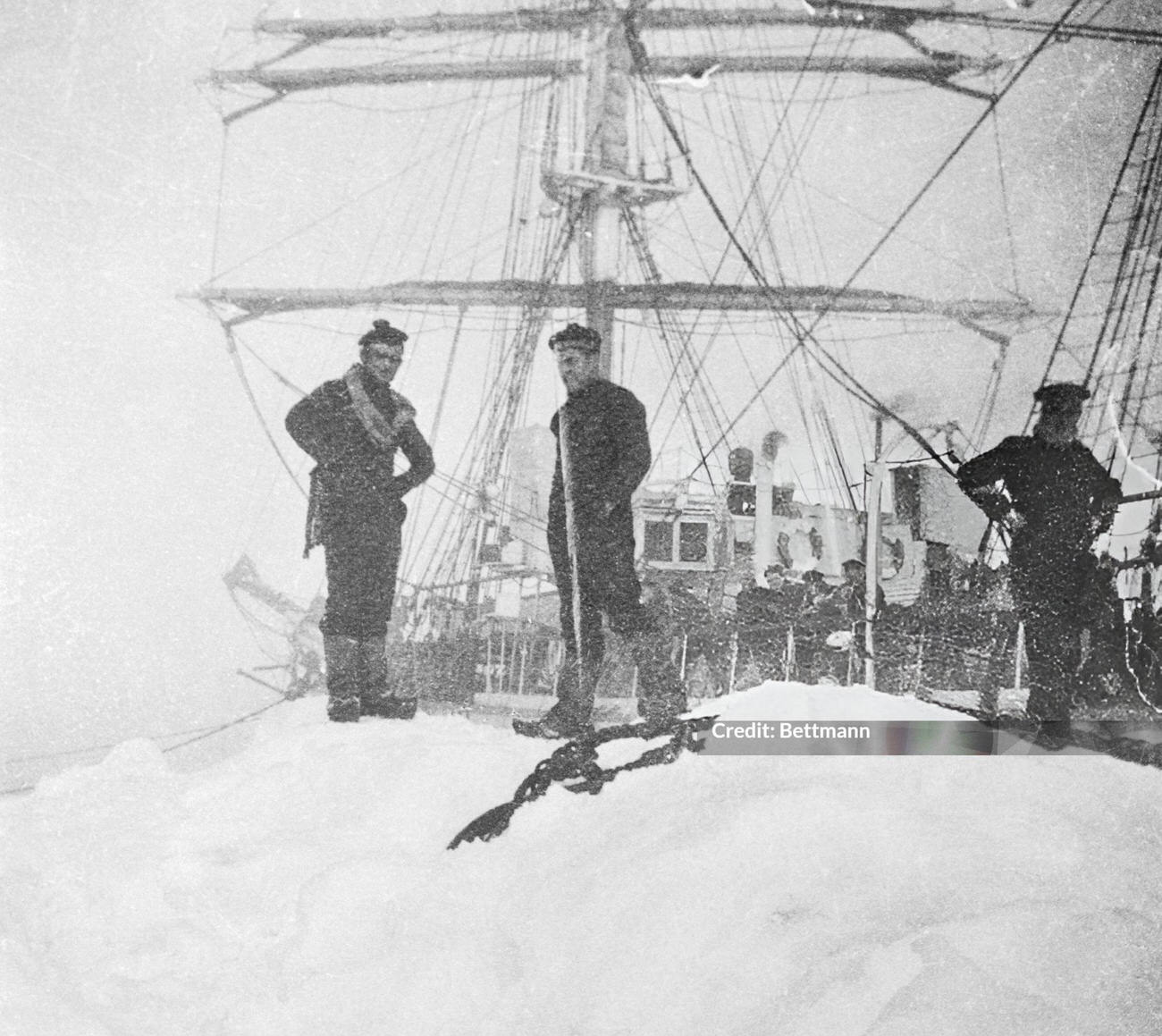
Iceland’s remote position in the North Atlantic made it a staging ground for polar and Arctic exploration. The French expedition led by Dr. Jean-Baptiste Charcot used Iceland as a base while conducting scientific work across Iceland, Greenland, and Spitsbergen.
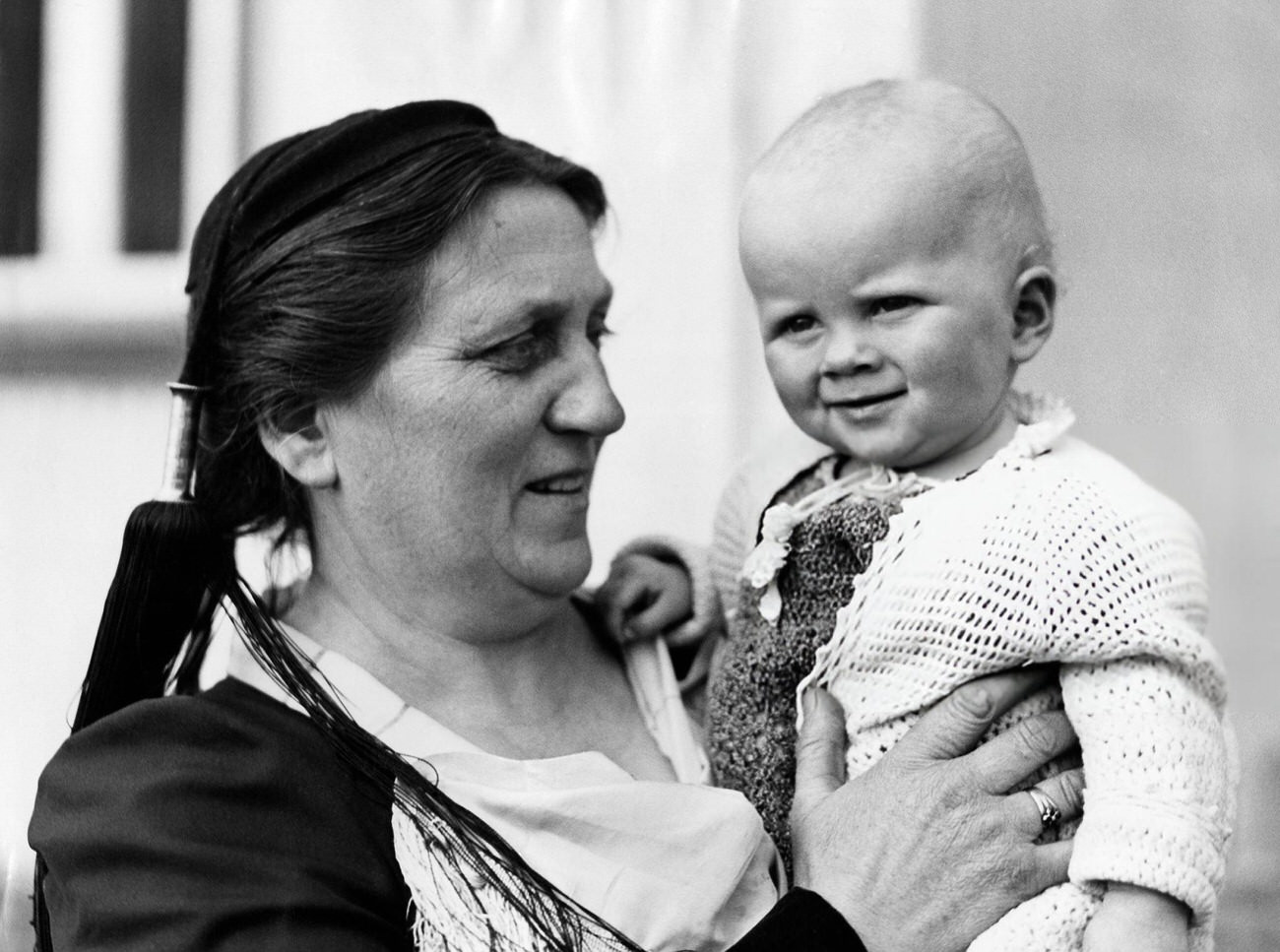
Women were not absent from Icelandic public life. Guðrún Lárusdóttir served as a member of parliament — one of the early female politicians in the Althing. Her presence in the legislature reflected Iceland’s relatively progressive stance on women’s participation in political life for the era.
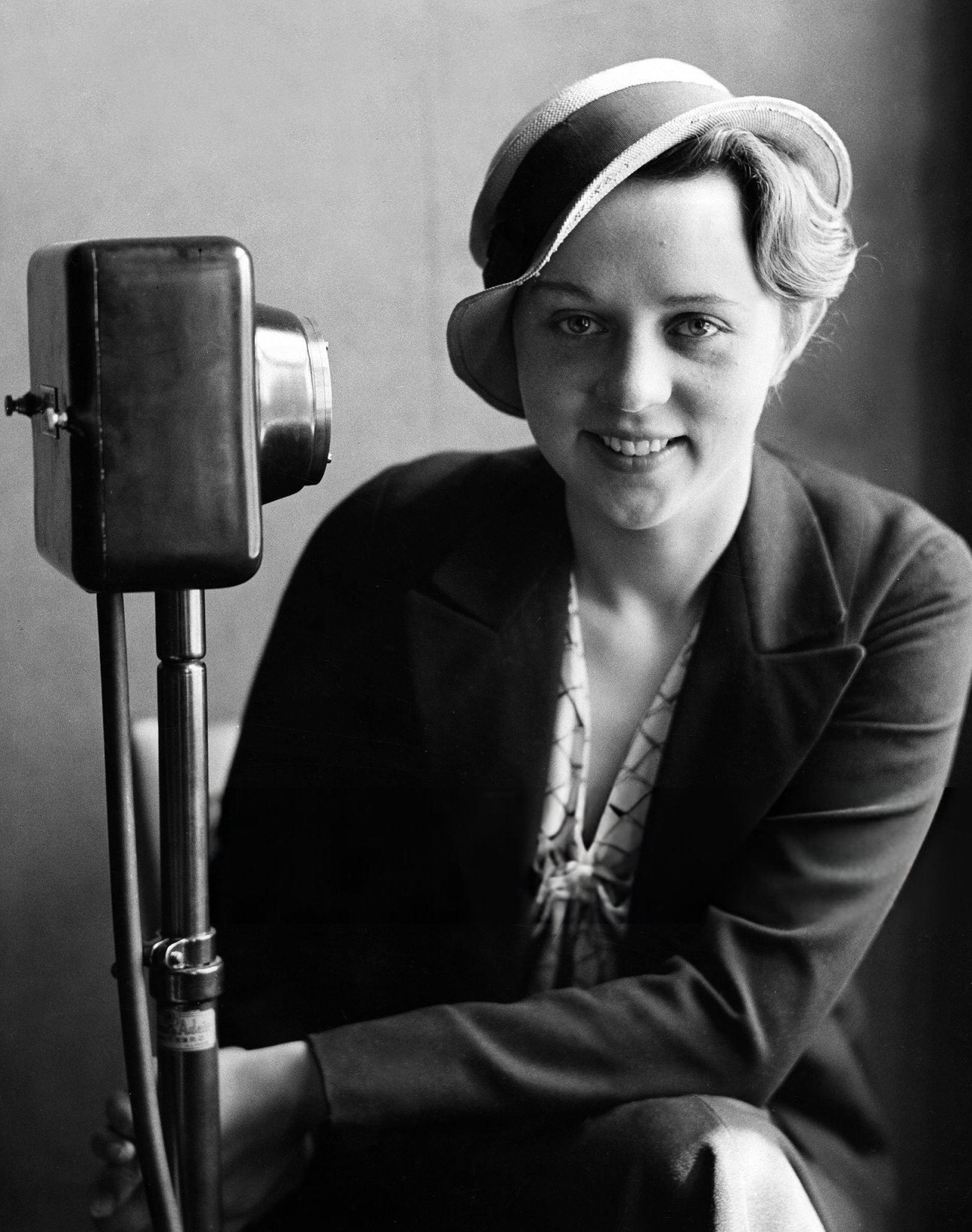
Radio broadcasting in Iceland was still in its early years in 1934. Sigrun Ögmundsdóttir worked as a radio moderator in Reykjavik — a role that placed her at the center of one of the most significant new media developments of the decade.
Traditional dress continued to be worn by Icelandic women at cultural events and celebrations throughout the 1930s. The costumes were intricate, carefully made, and passed down through families as markers of identity and heritage.
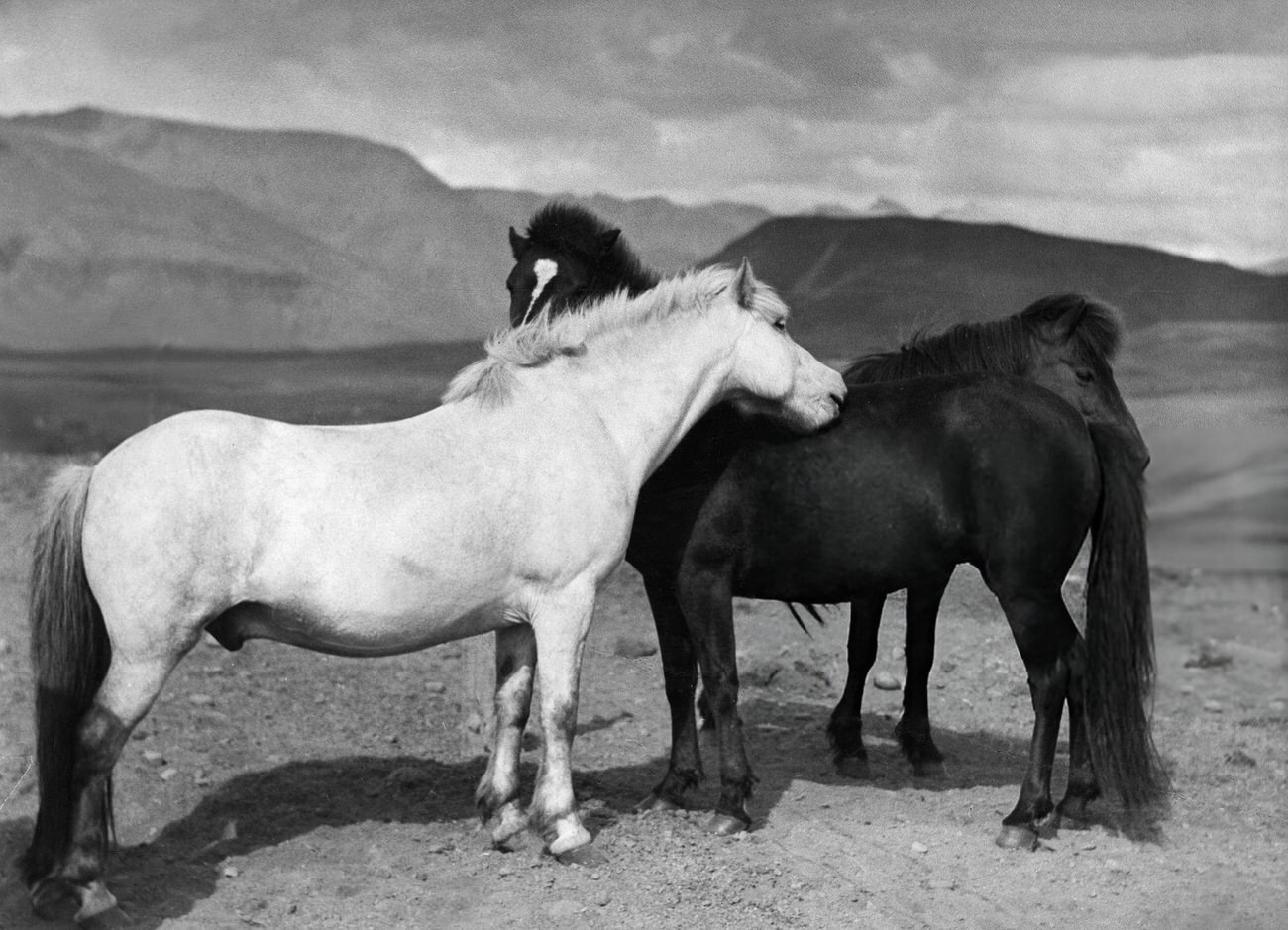
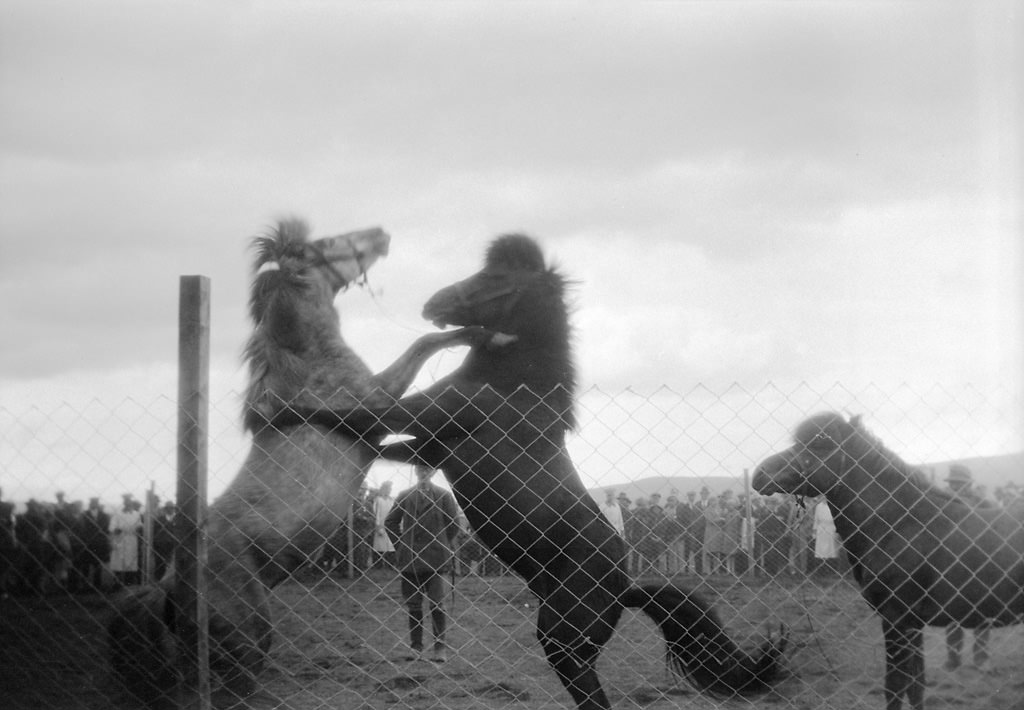
The Icelandic horse breed is one of the purest in the world. For over a thousand years, no other horse breeds were allowed to be imported to Iceland — preserving a lineage that traces back to the horses brought by Norse settlers. These ponies were strong, sure-footed, and essential to life across the island.
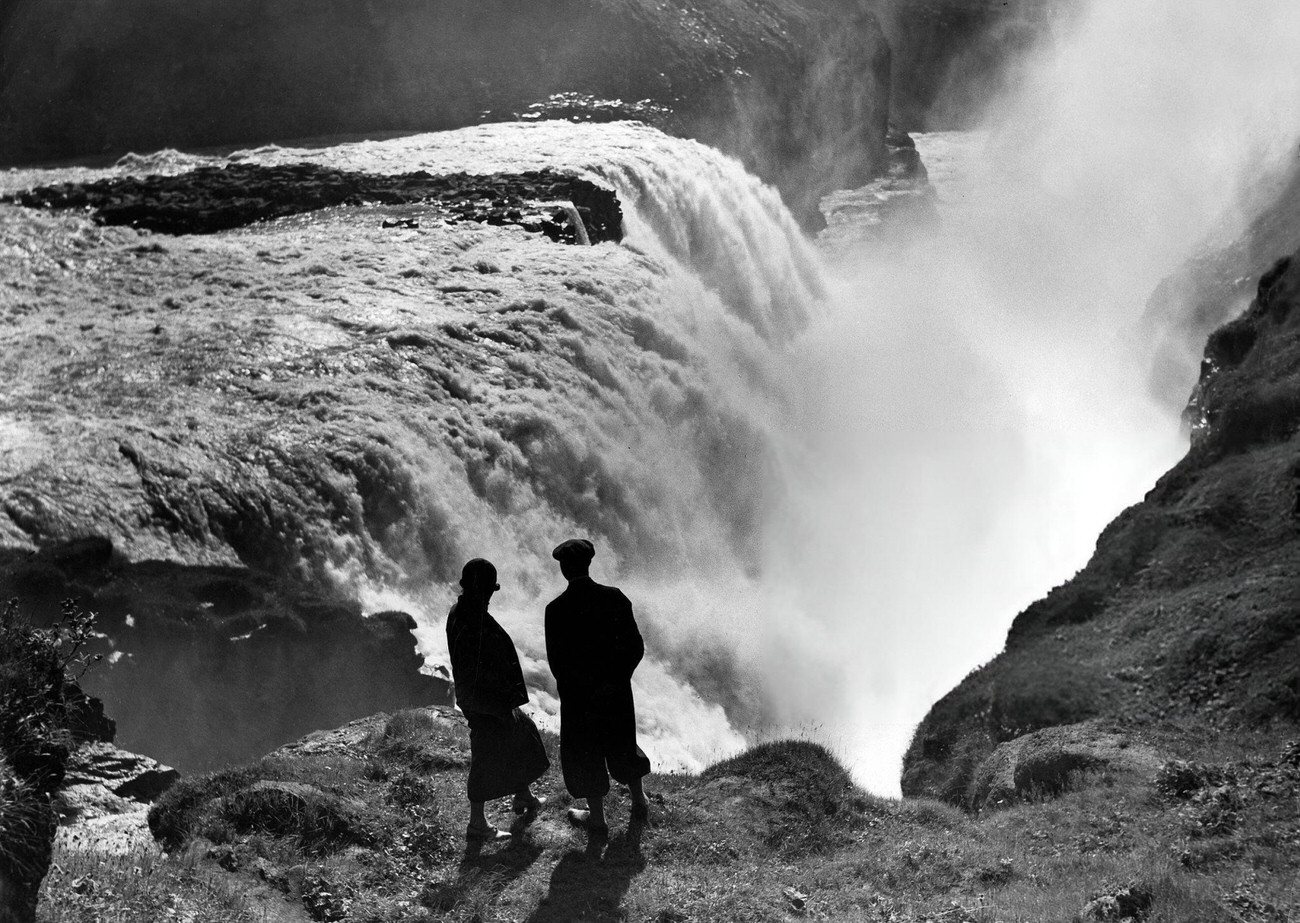
Gullfoss — the Golden Falls — was one of Iceland’s most spectacular natural landmarks. The massive two-tiered waterfall on the Hvítá river drew visitors who made the long journey across rough terrain to witness it. In the 1930s, there were already debates about harnessing it for hydroelectric power, though those plans were ultimately abandoned.
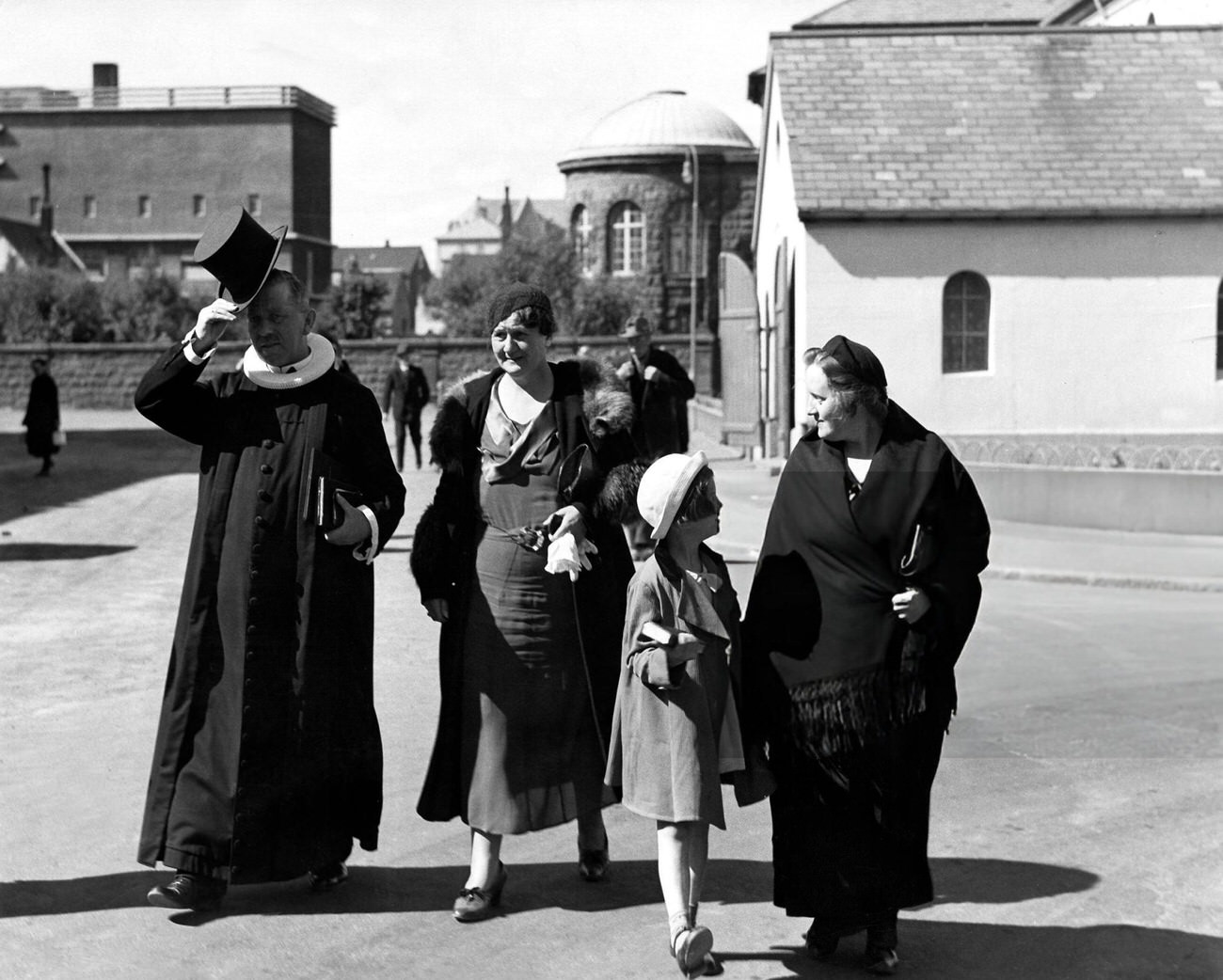
The Lutheran church remained a pillar of Icelandic society throughout the 1930s. Pastors dressed in traditional attire that had changed little over the centuries, presiding over congregations in both city churches and remote rural parishes.
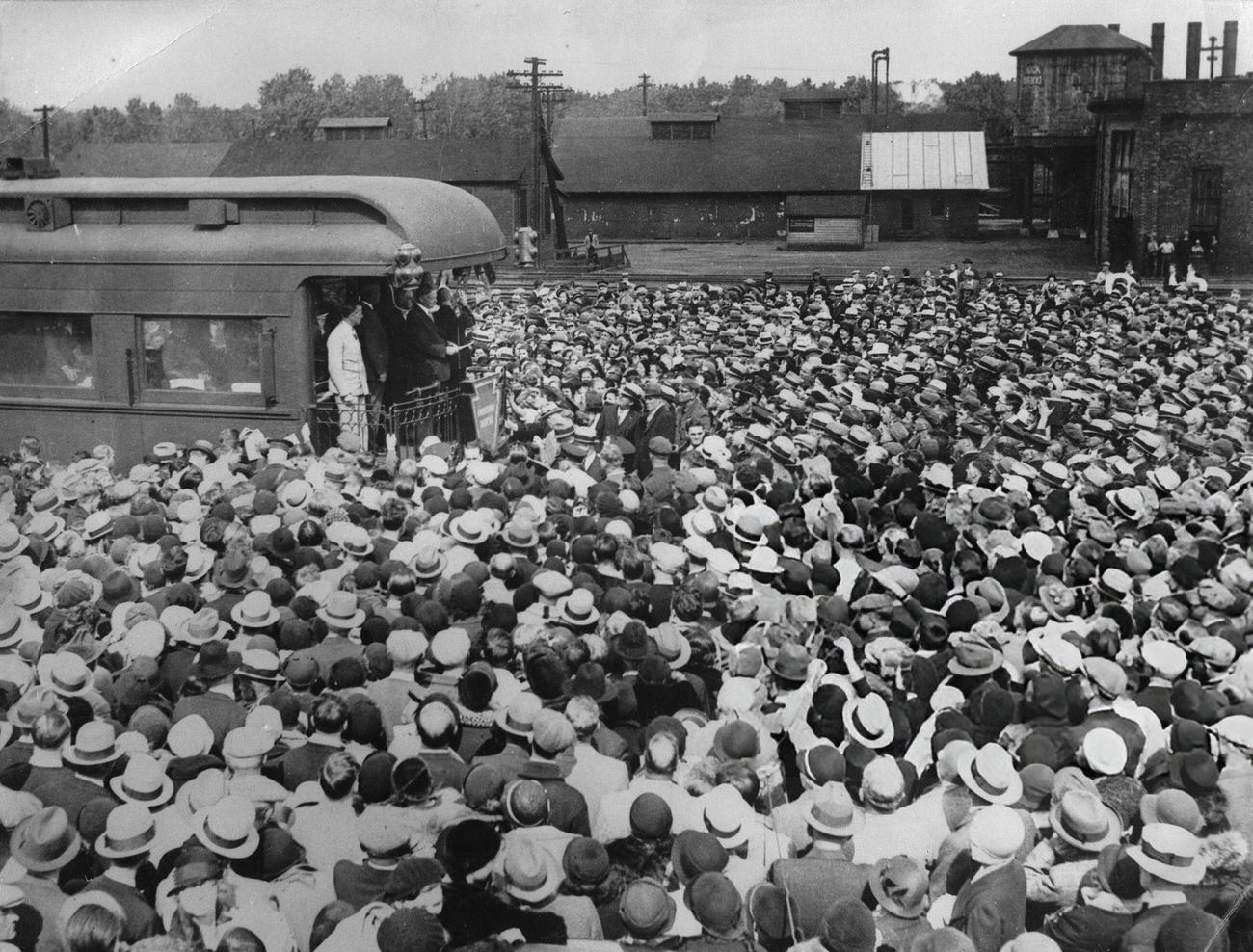
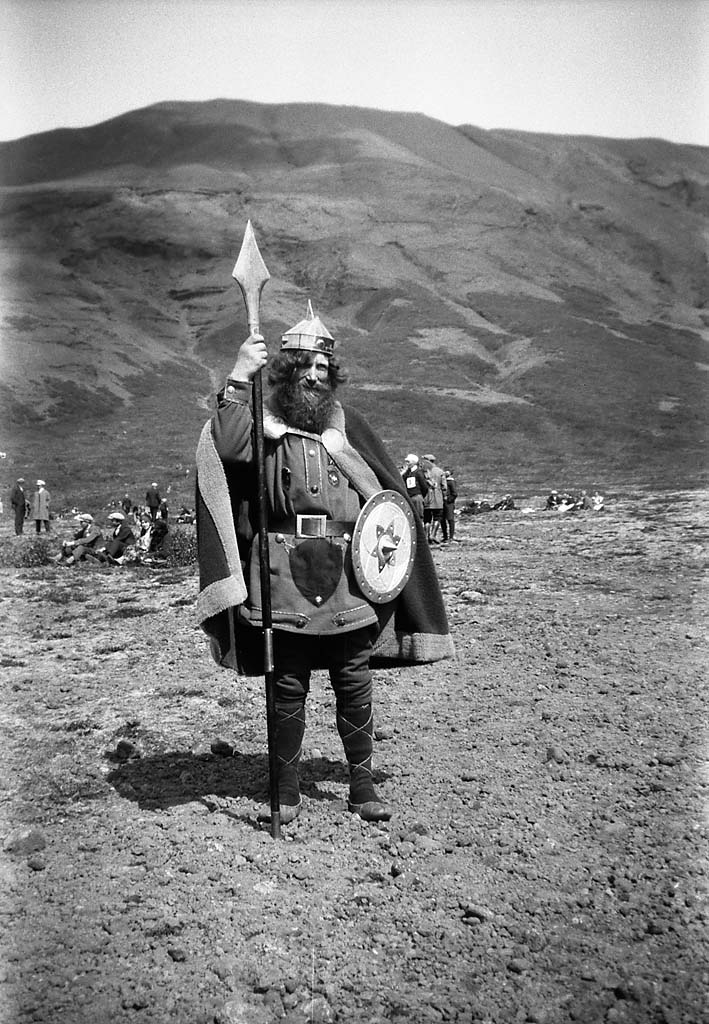
Þingvellir drew crowds not just for its history but for its symbolic power. Women gathered at the site during the 1930 millennial celebrations and other national events, connecting to a landscape that had served as Iceland’s political and spiritual center for a thousand years.
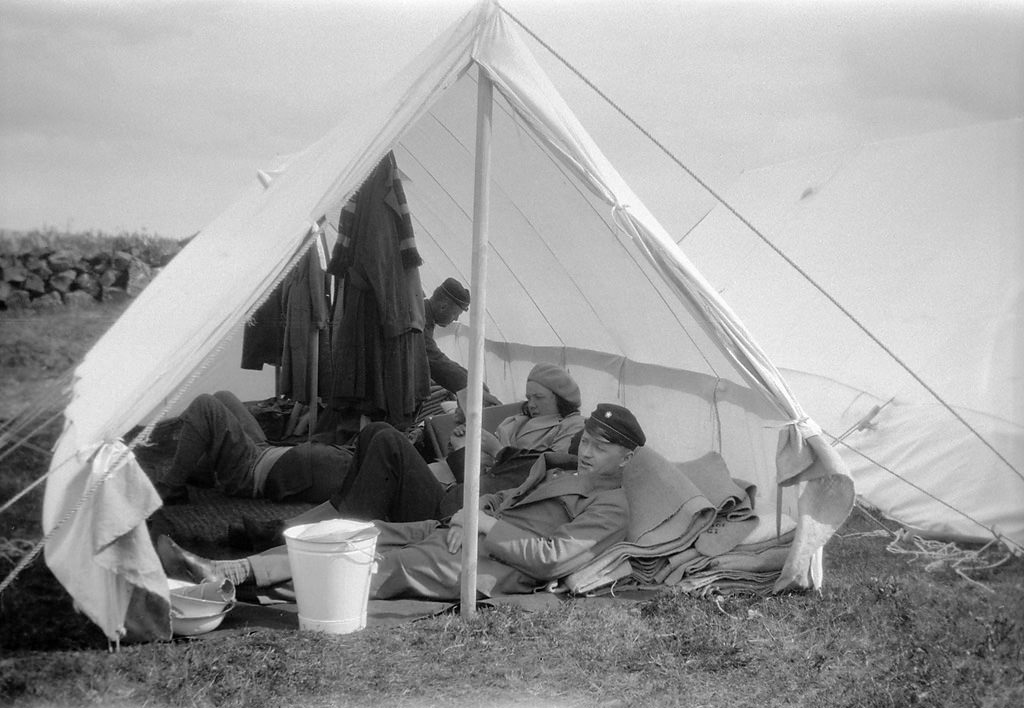
The 1930 millennial anniversary at Þingvellir brought students and visitors from across Iceland and beyond. Tents were set up across the site to accommodate the crowds — a temporary village erected on one of the most historically significant plains in the Nordic world.
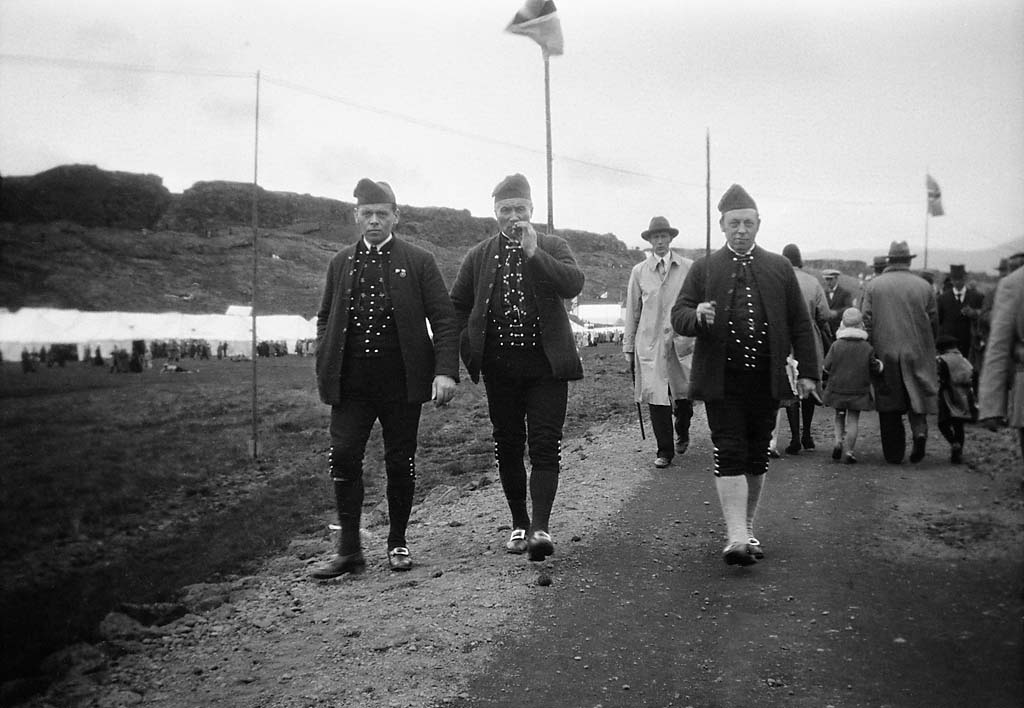
The anniversary celebrations at Þingvellir drew international attention. Delegates from the Faroe Islands — historically and culturally connected to Iceland — were among those who attended the milestone event, underscoring the pan-Nordic significance of the occasion.
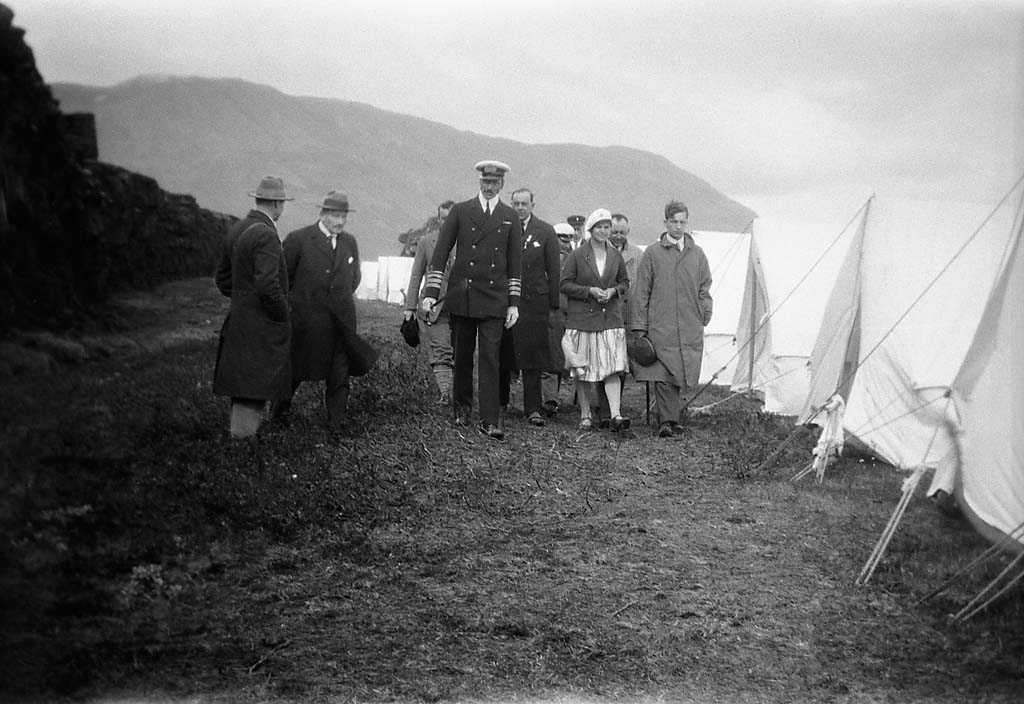
King Christian X of Denmark visited the student camp at Þingvellir during the 1930 millennial celebrations. At the time, Iceland was still in a union with Denmark, and the king’s presence carried both symbolic and political weight for a nation increasingly aware of its own distinct identity.
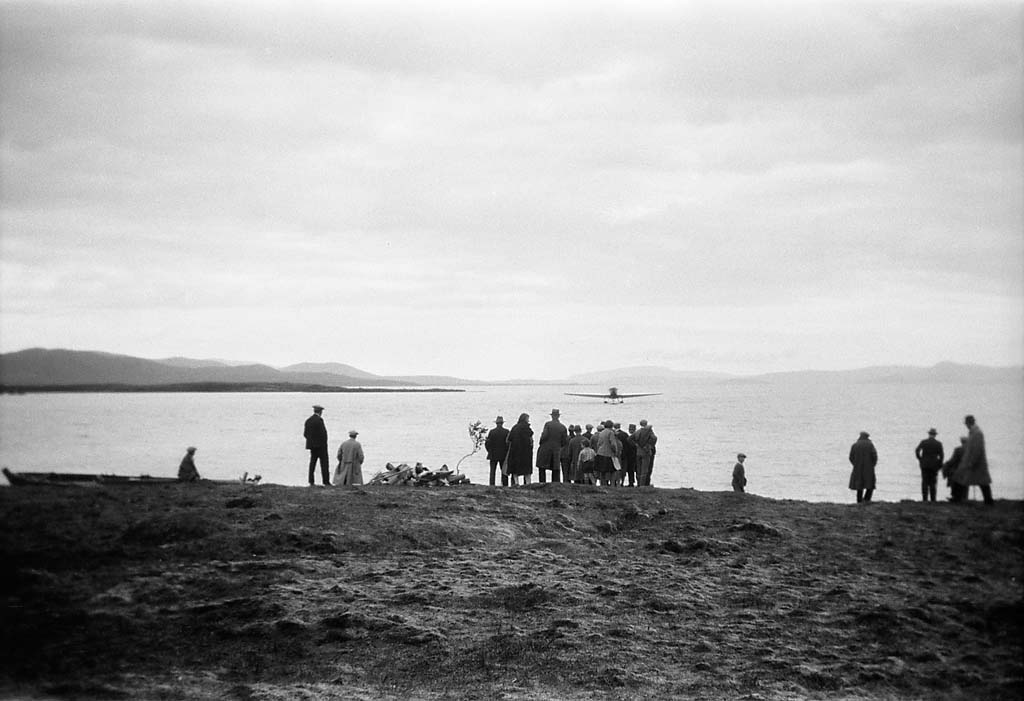
Aviation was beginning to reach even Iceland by the 1930s. A plane landing near Lake Þingvallavatn at Þingvellir was a striking sight — a reminder that the age of modern transport was slowly making even the most remote corners of the island more accessible.
Reykjavik in the 1930s was a city in transition. Streets that had once been unpaved were being improved. New buildings went up alongside older wooden and corrugated iron structures. The capital was home to government institutions, businesses, schools, and a growing population drawn in from the countryside.
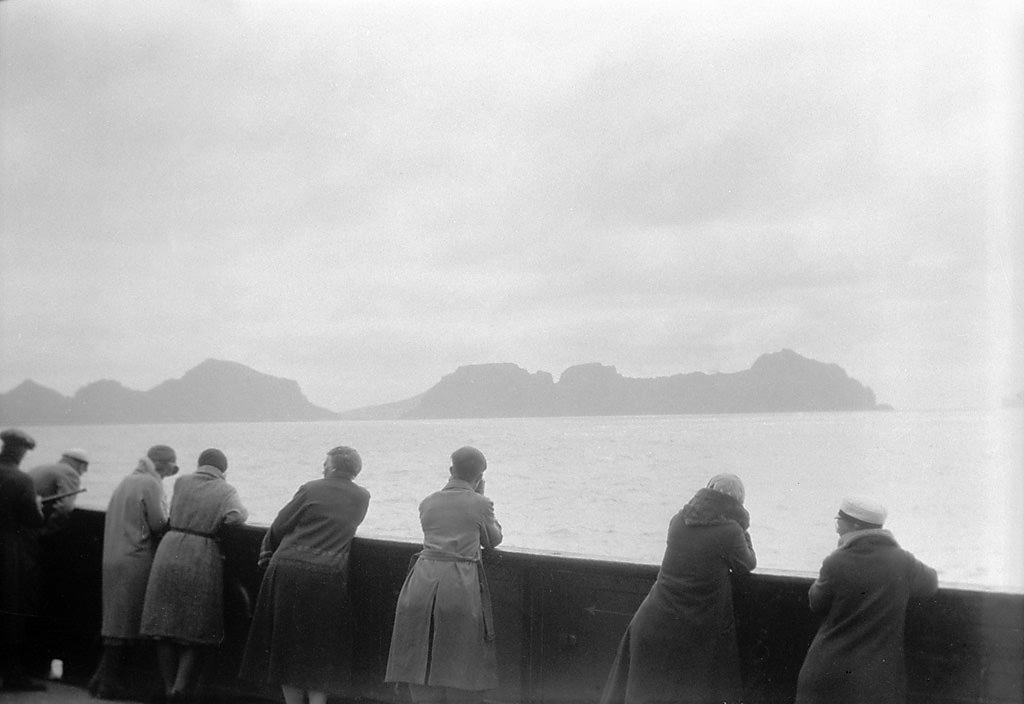
The Vestmannaeyjar — or Westman Islands — sit just off Iceland’s southern coast and were home to one of the country’s most active fishing communities. The islands’ residents lived in tight-knit proximity, with the sea defining nearly every aspect of daily existence.
The Salvation Army established a presence in Reykjavik during this period, providing social support in a city that was rapidly urbanizing. Their building stood as one of the many institutions taking root in the Icelandic capital during the interwar years.