Husum sits on the western coast of Schleswig-Holstein in Northern Germany, facing the North Sea. Known as “The Gray Town by the Sea” — a nickname drawn from the writings of local author Theodor Storm — the town in the 1960s was a place defined by routine, community, and the pull of the tides. Life here moved at a slower pace than in Germany’s larger cities, and that was very much the point.
The town’s population was small and tightly knit. Cobblestone streets wound past brick houses, and landmarks like Husum Castle and St. Mary’s Church gave the place a sense of historical weight. The 1966 photographs collected here capture the town at a specific moment — before modernization erased many of its older features.
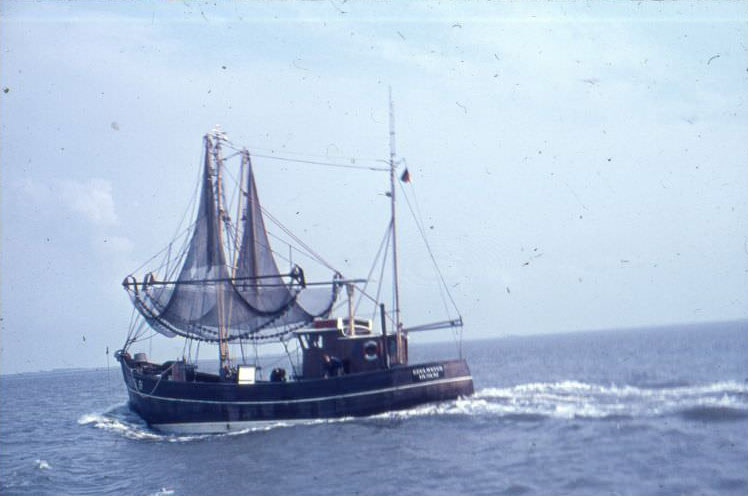
The town center in 1966 still bore the compact, pedestrian character of earlier decades. Shops, civic buildings, and gathering spaces were all within walking distance of each other. Neighborhoods like Neustadt, south of the Schloßstraße intersection, showed the residential texture of everyday Husum — modest buildings lining quiet streets.
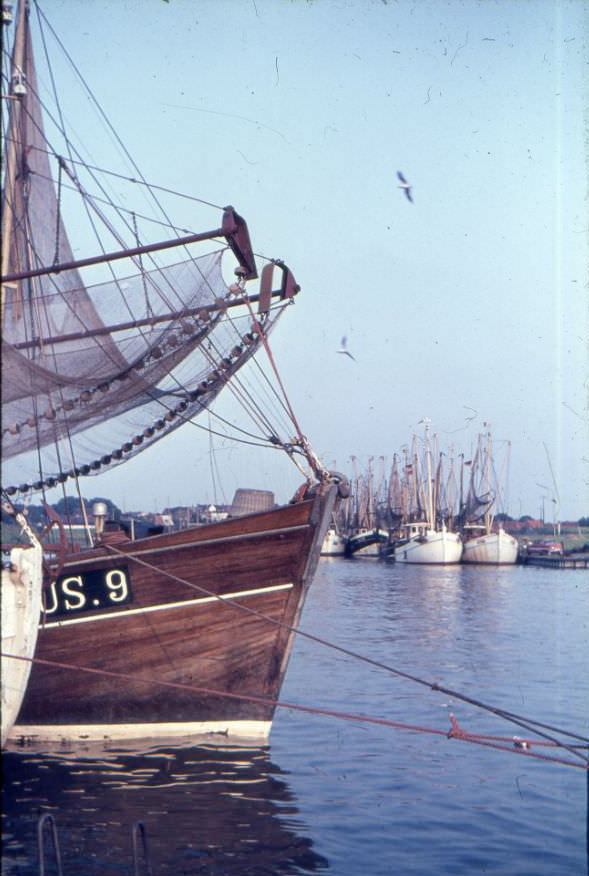
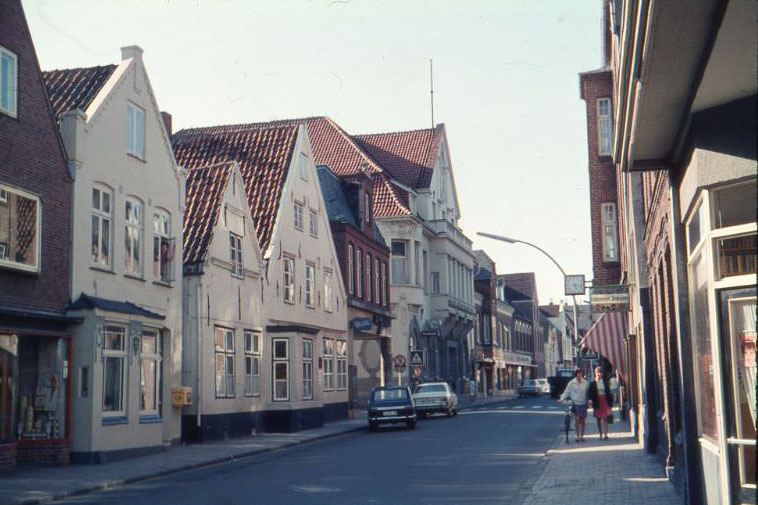
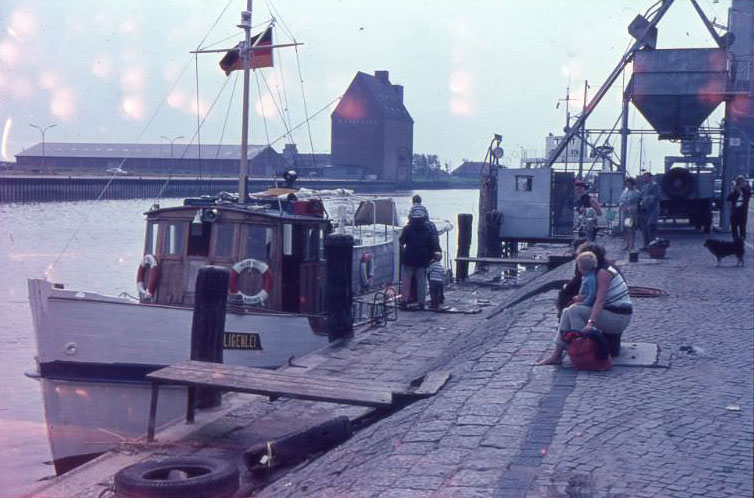
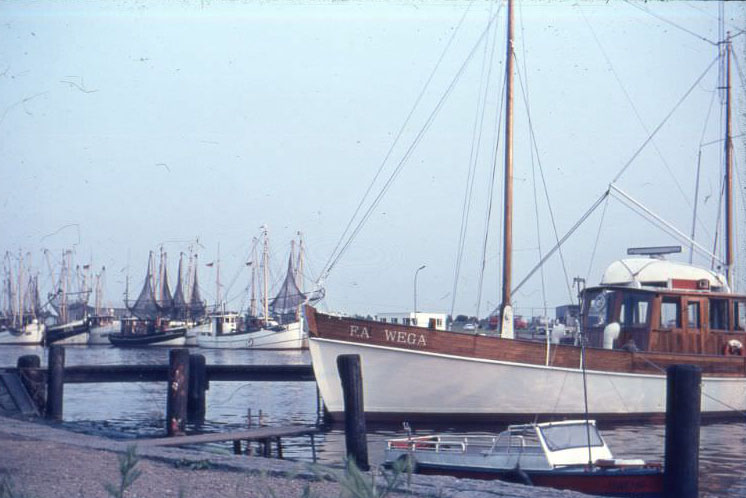
Husum’s port was one of its most active arteries. The North Sea fishing industry kept the harbor busy, with boats coming in regularly carrying fresh catches that supplied local markets and nearby restaurants. Beyond fishing, the port also served as a transit point — ferries like the “Hilligenlei” made regular runs out to the North Frisian island of Langeness, connecting isolated island communities to the mainland.
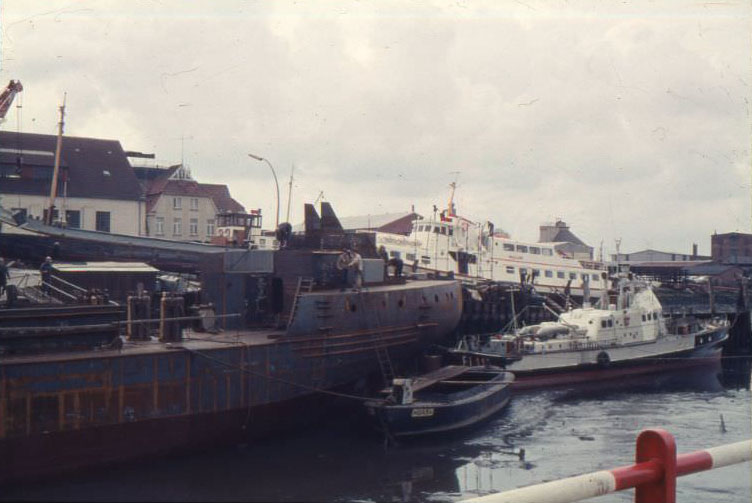
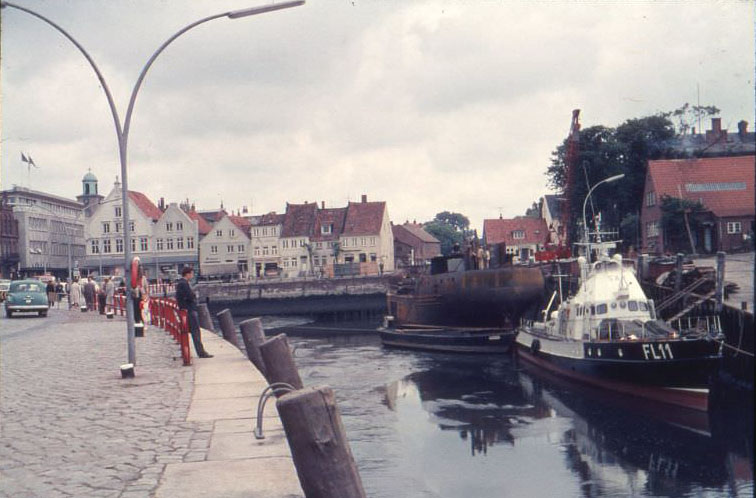
The Husum Shipyard was another engine of local industry. In 1966, it was actively producing working vessels, including Air Traffic Control Boat FL11 — a craft built specifically for maritime navigation support. The shipyard provided skilled employment for local workers and kept Husum connected to Germany’s broader maritime economy.
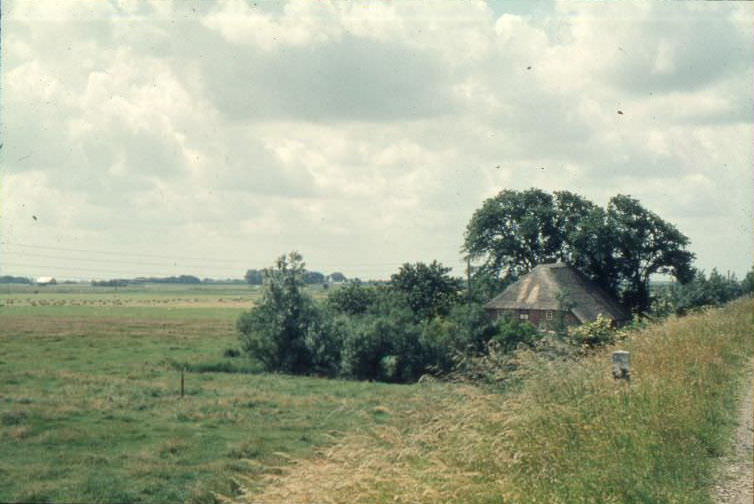
Outside the town, the surrounding Eiderstedt peninsula was agricultural land. Farmers grew grain and raised livestock across flat, wind-swept fields. The Roter Haubarg — a distinctive traditional farmhouse on Eiderstedt — represented the architectural style that had defined rural life in the region for centuries. These large, round-thatched structures housed both people and animals under one roof, a practical design built for the harsh North Sea climate.
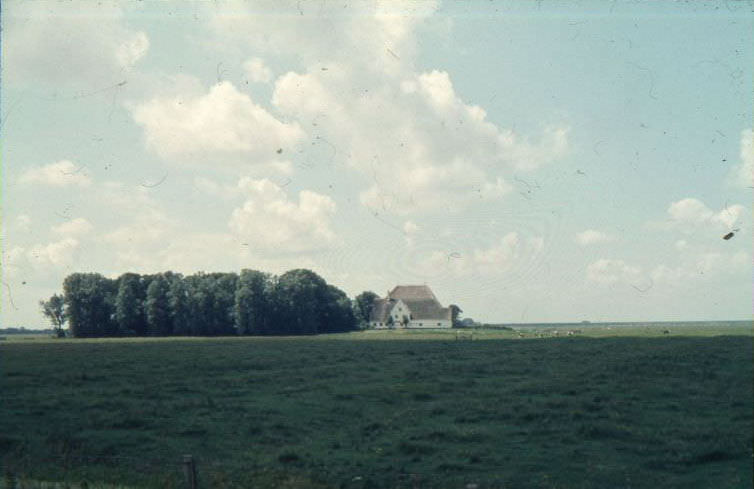
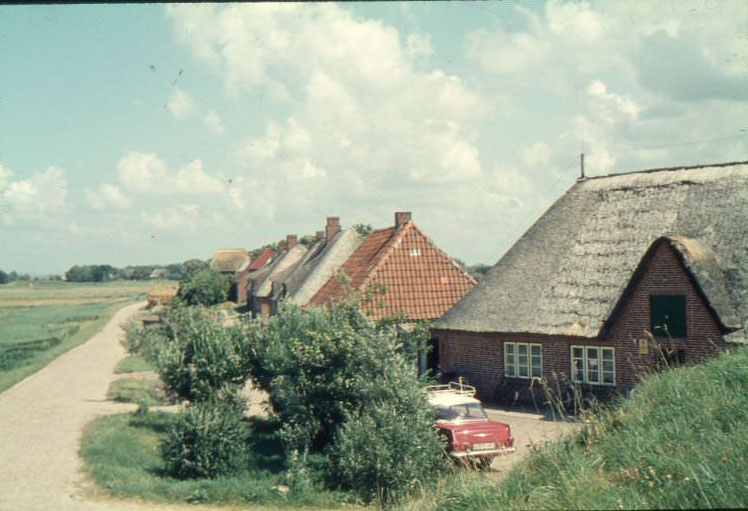
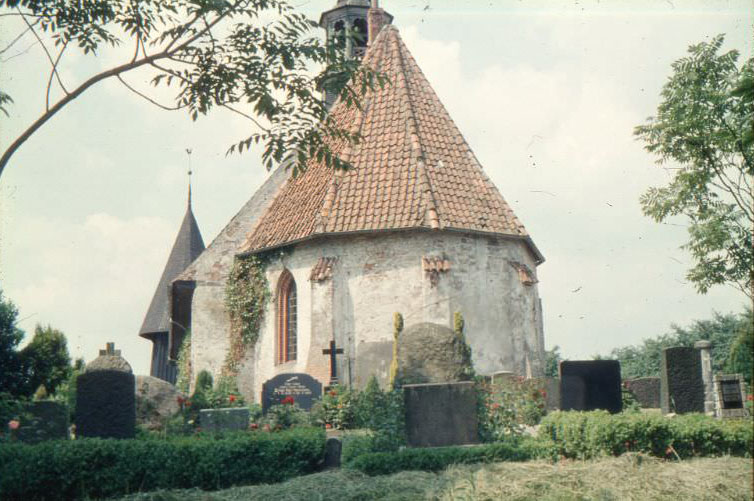
The villages surrounding Husum each had their own identity. Simonsberg was a quiet rural settlement with a single main street, and Koldenbüttel was home to the medieval St. Leonhard Church — a stone structure that had stood for centuries in the flat Schleswig-Holstein landscape. These communities operated largely independently, with their own churches, farms, and social rhythms.
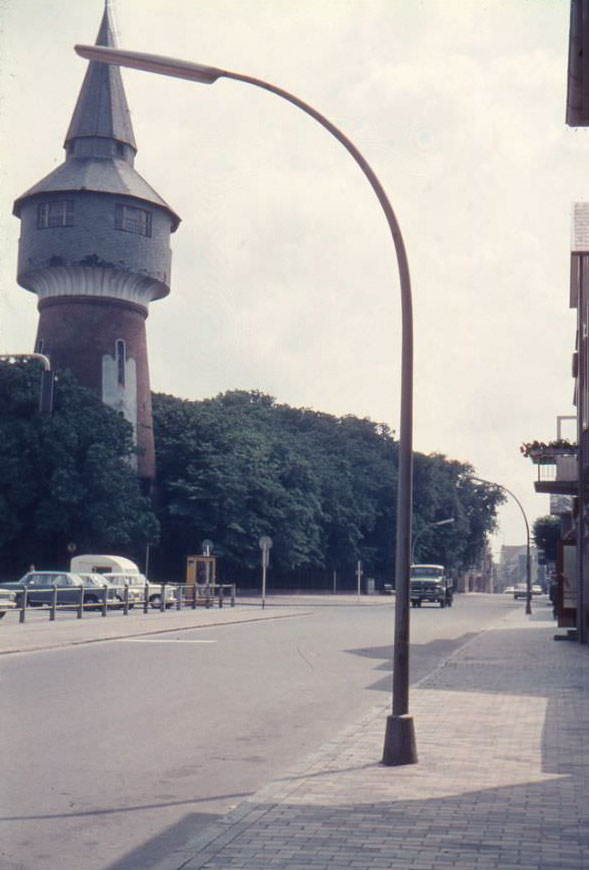
Back in Husum itself, the Schlosspark held one of the town’s most recognizable structures — the Wasserturm, or water tower, standing at the corner of Marktstraße and Parkstraße. The park around it was also the site of the annual Crocus Blossom Festival, when thousands of purple crocuses bloomed each spring, drawing visitors from across the region. Tourism was growing in the 1960s, and this seasonal event was one of its biggest draws. The Storm House museum, dedicated to Theodor Storm, added a literary dimension to what the town offered outsiders.