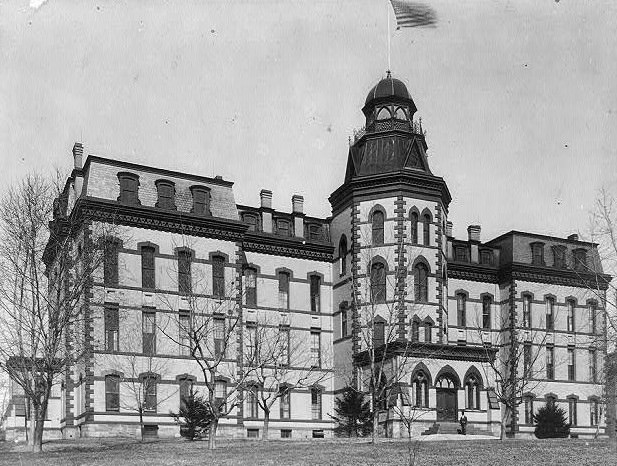
In March 1867, members of the First Congregational Church in Washington, D.C., met to plan a theological seminary for freed slaves. They soon expanded their vision into a comprehensive university that welcomed students regardless of race or gender. The founders named the school after General Oliver Otis Howard, a Union Army general who led the federal Freedmen's Bureau. Classes began in a rented frame building on Florida Avenue with just five students enrolled in a normal and preparatory department. By the turn of the twentieth century, the campus had expanded across several city blocks, featuring grand brick structures that housed lecture halls, science laboratories, and administrative offices.
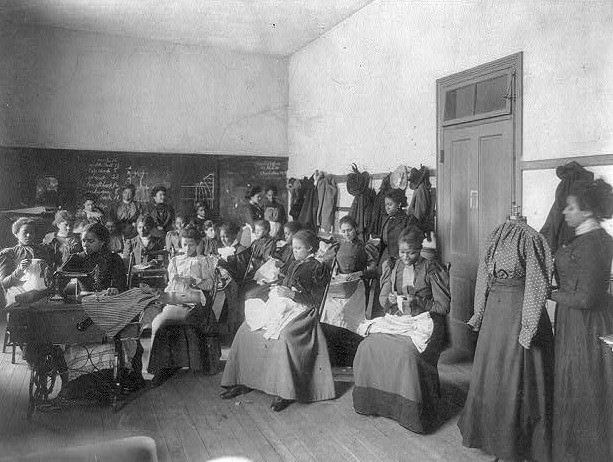
Students arrived from across the United States to pursue higher education during a period of strict racial segregation across the country. The university offered rigorous academic tracks alongside practical trade instruction to prepare graduates for immediate employment. Young women learned advanced tailoring, garment construction, and domestic science in specialized sewing classrooms. Instructors required students to master hand-stitching techniques and operate foot-powered sewing machines with precision. These vocational classes provided essential economic skills for women entering the workforce as professional seamstress instructors, dressmakers, and independent business owners in urban centers.
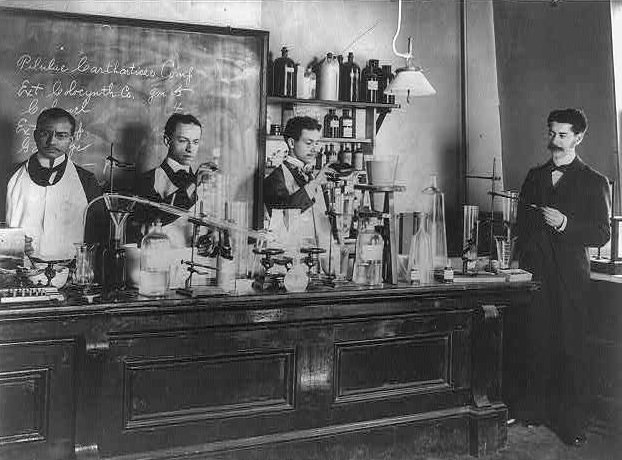
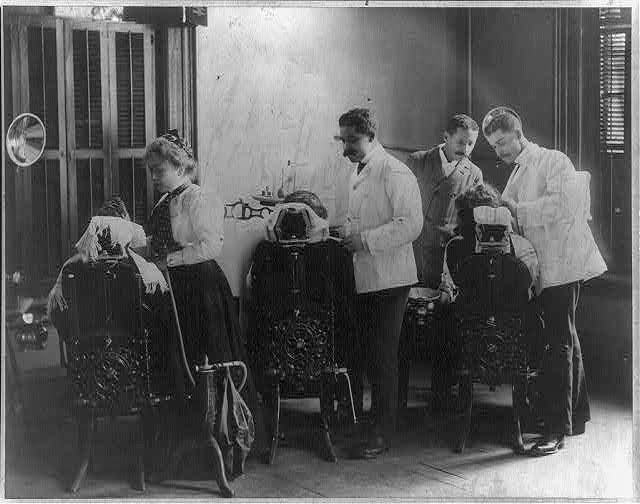
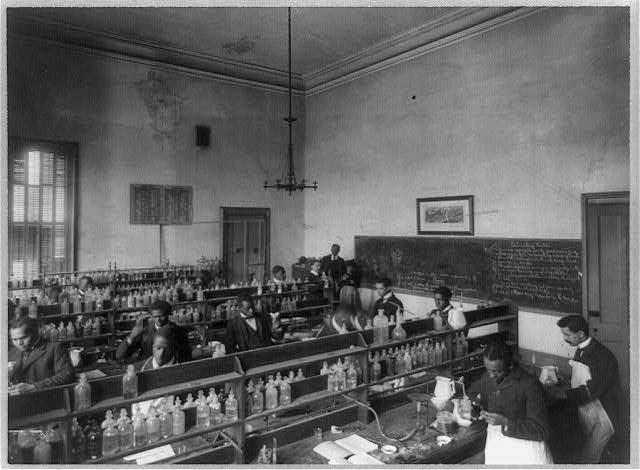
Higher education at the institution extended far beyond basic trades into advanced scientific and medical fields. The pharmaceutical laboratory trained men and women in chemistry, botany, and the precise compounding of medicines. Students measured liquids in glass beakers and studied chemical reactions at heavy wooden workbenches lined with reagent bottles. Nearby, the dentistry clinic served patients from the local Washington community while giving students vital hands-on clinical experience. Student dentists extracted teeth, filled cavities, and fitted dentures under the direct supervision of licensed dental practitioners.
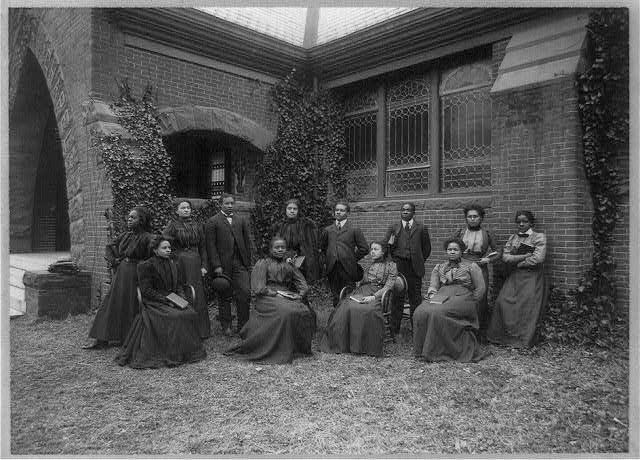
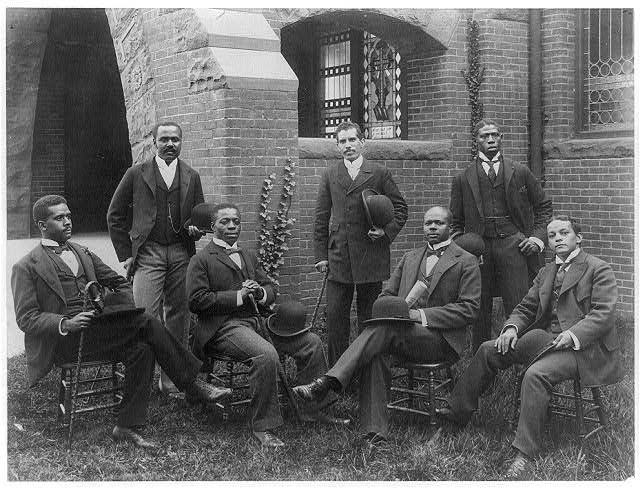
Training future educators formed a core mission of the campus from its earliest decades. The normal department operated a practice school where student teachers managed actual classrooms filled with local children. Normal school trainees learned lesson planning, classroom management, and child psychology before earning their diplomas and teaching certificates. Group photographs from this era capture rows of serious students posing outside brick academic halls. Young men wore stiff collars and dark wool suits, while female students dressed in high-collared white blouses and long dark skirts.
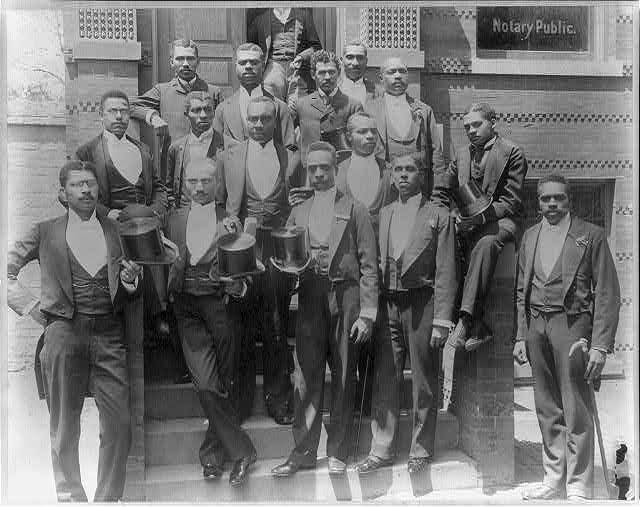
Professional degrees attracted ambitious scholars aiming to break barriers in law and science. The law graduating class of the early 1900s included men who would soon argue civil rights cases and practice before municipal and federal courts. They studied torts, contracts, and constitutional law inside crowded campus study rooms lined with leather-bound books. Science majors spent long hours conducting experiments in the chemistry laboratory. Researchers analyzed organic compounds and tested mineral solutions over Bunsen burners, building a strong foundation for future industrial and academic careers.
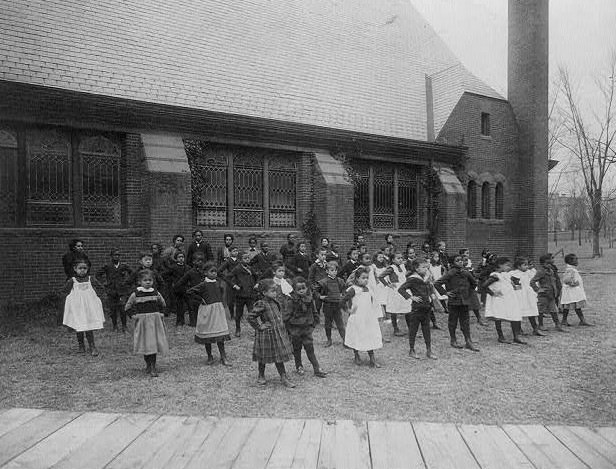
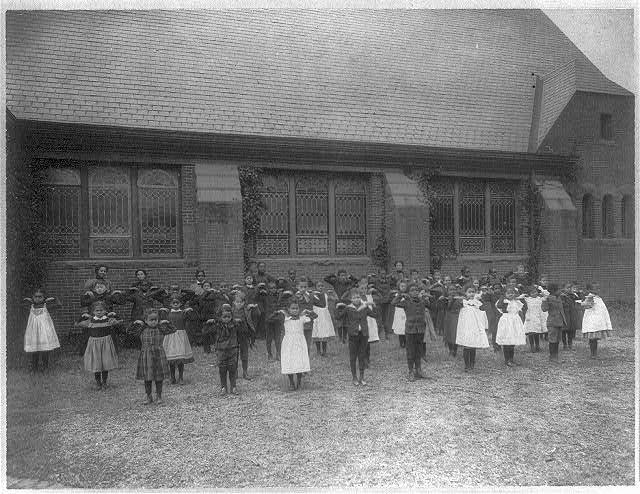
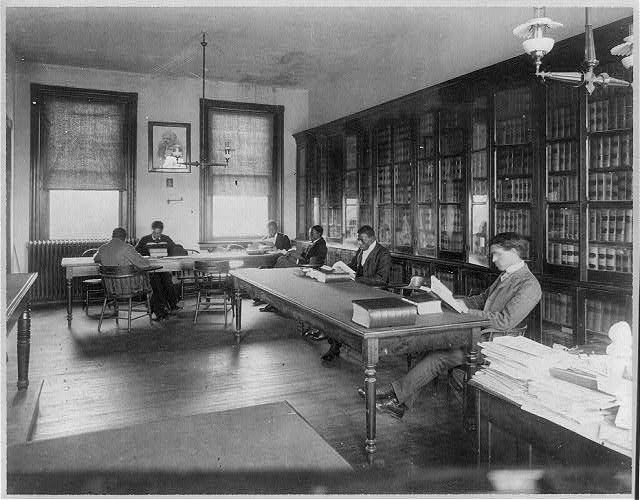
Campus life also included younger children attending the university's preparatory and elementary programs. Elementary school students participated in morning exercise routines on the grassy campus lawns under the watchful eyes of instructors. Physical education teachers led the children through calisthenics and marching drills to encourage health and discipline. Older students spent their free hours consulting dense legal texts in the university law library. Rows of heavy oak tables filled the reading room as scholars researched legal precedents and drafted briefs under gas-lit chandeliers.
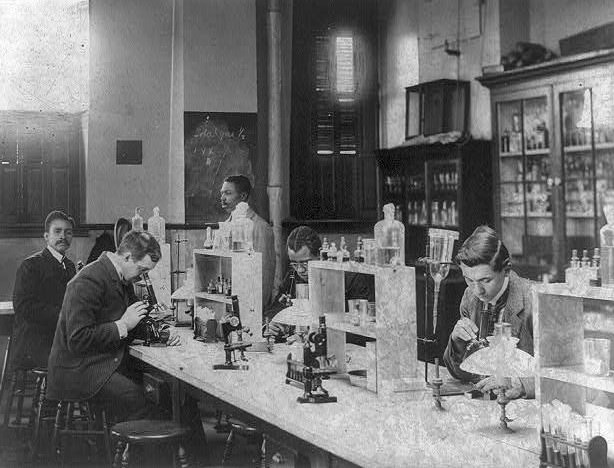
Academic buildings hummed with activity from early morning until late evening. The elementary practice school enrolled neighborhood children for foundational primary education. Teachers used blackboards and alphabet charts to teach reading, spelling, and arithmetic. Advanced science students entered the bacteriology laboratory to study microscopic organisms through brass microscopes. Students stained glass slides with chemical dyes and identified pathogens under high magnification, completing advanced coursework that matched any major university in the nation by 1910.