
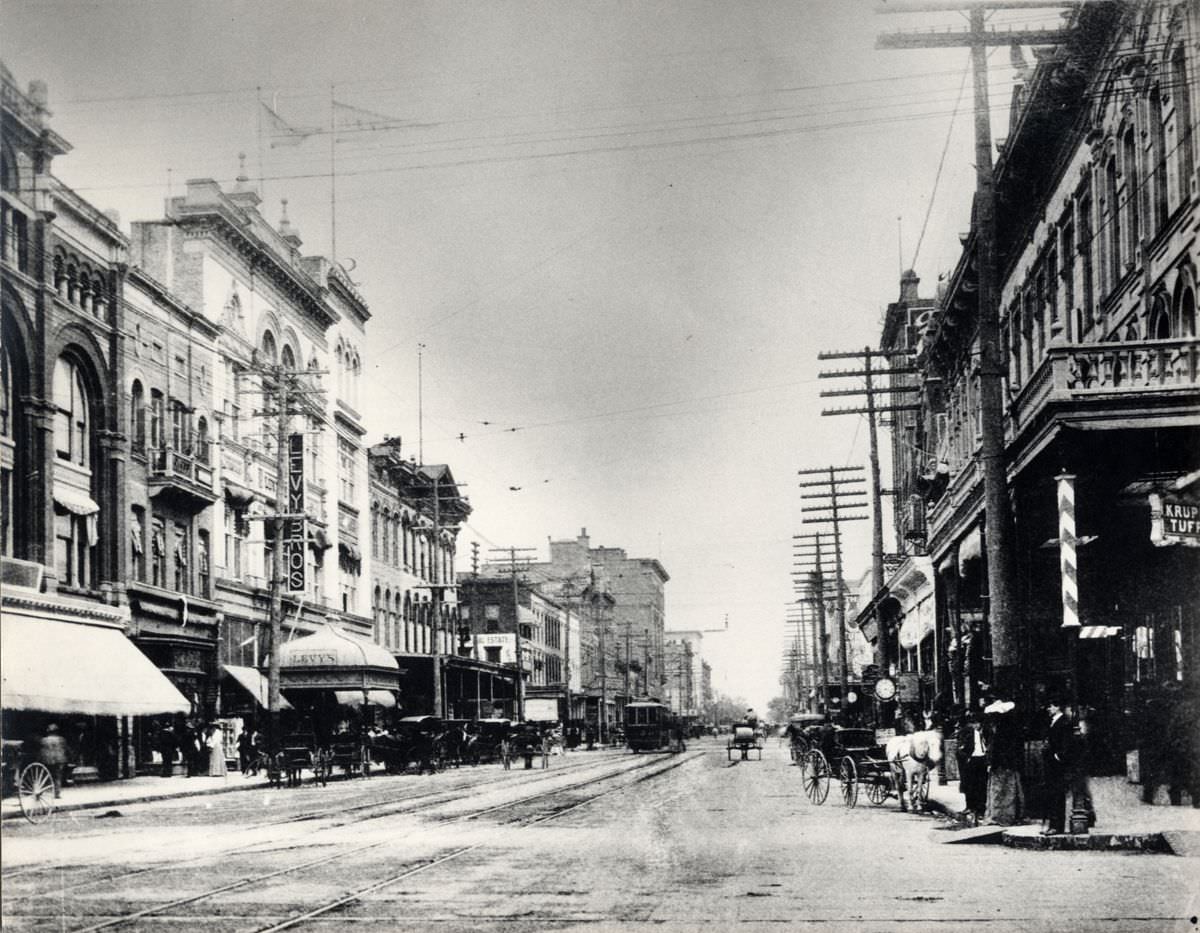
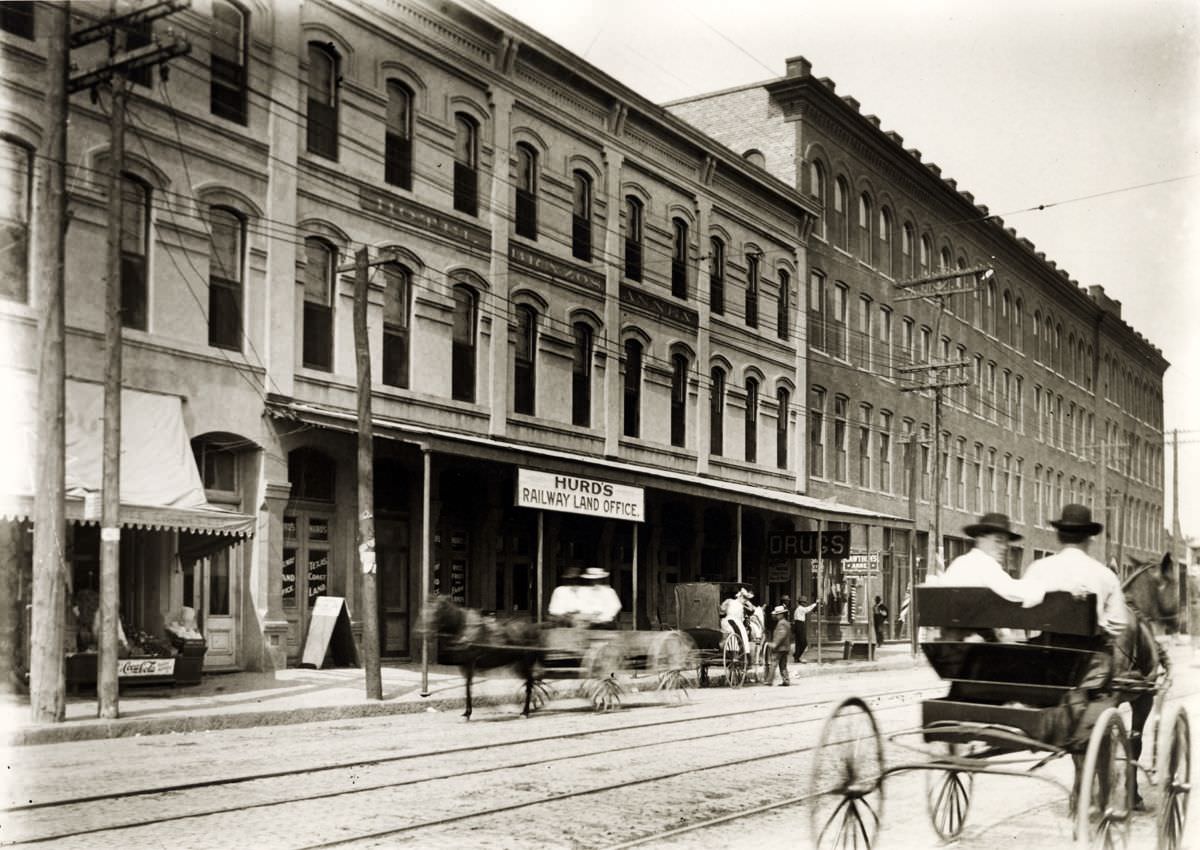
At the start of the 1900s, Houston was a city on the move. Its streets were a mix of dirt roads and new paved corridors, its skyline dotted with brick storefronts and grand civic buildings. Horse-drawn buggies shared the roads with early electric streetcars. The population was growing fast, and so was the city’s ambition. What Houston looked like in that first decade offers a vivid window into a place transforming itself in real time.
The 1900 Galveston Hurricane set the tone for the entire decade. The storm was the deadliest natural disaster in U.S. history, killing an estimated 8,000 people on the island city just 50 miles southeast of Houston. The destruction of Galveston’s port and business district pushed investors and residents to look inland. Houston, seen as safer and more stable, absorbed much of that energy. Money, labor, and ambition poured into the city in the storm’s wake.
By 1901, Houston’s future was forever altered by an event that happened 85 miles to the east. The discovery of oil at Spindletop near Beaumont on January 10, 1901 sent shockwaves through the regional economy. Houston didn’t sit on the oil field itself, but its railroads and developing port made it the natural center of the industry. Oil companies set up offices in the city. Refiners, shippers, and financiers followed. The decade of the 1900s planted the seeds of what Houston would eventually become.
Cotton had long been Houston’s economic backbone, and the Cotton Exchange building stood as a symbol of that commerce. Bales of cotton moved through the city’s rail lines and into markets across the country. The Exchange gave merchants, traders, and brokers a central place to conduct business, and it remained one of the most important structures in the city during these years.
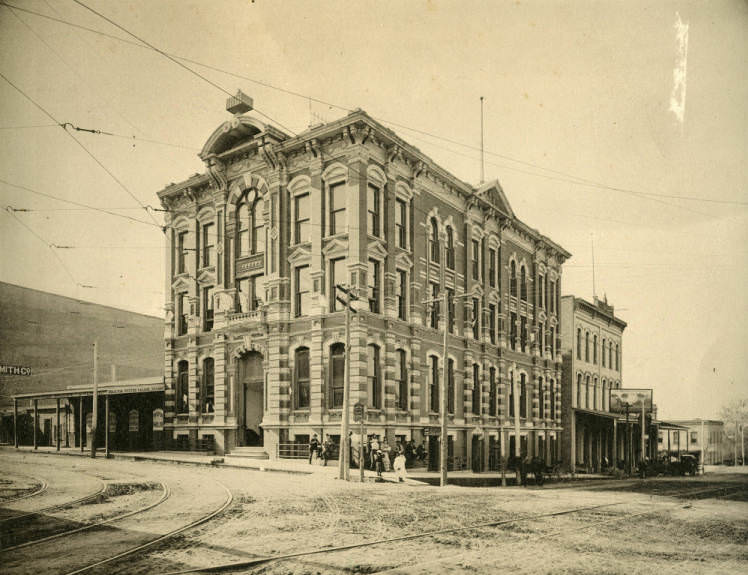
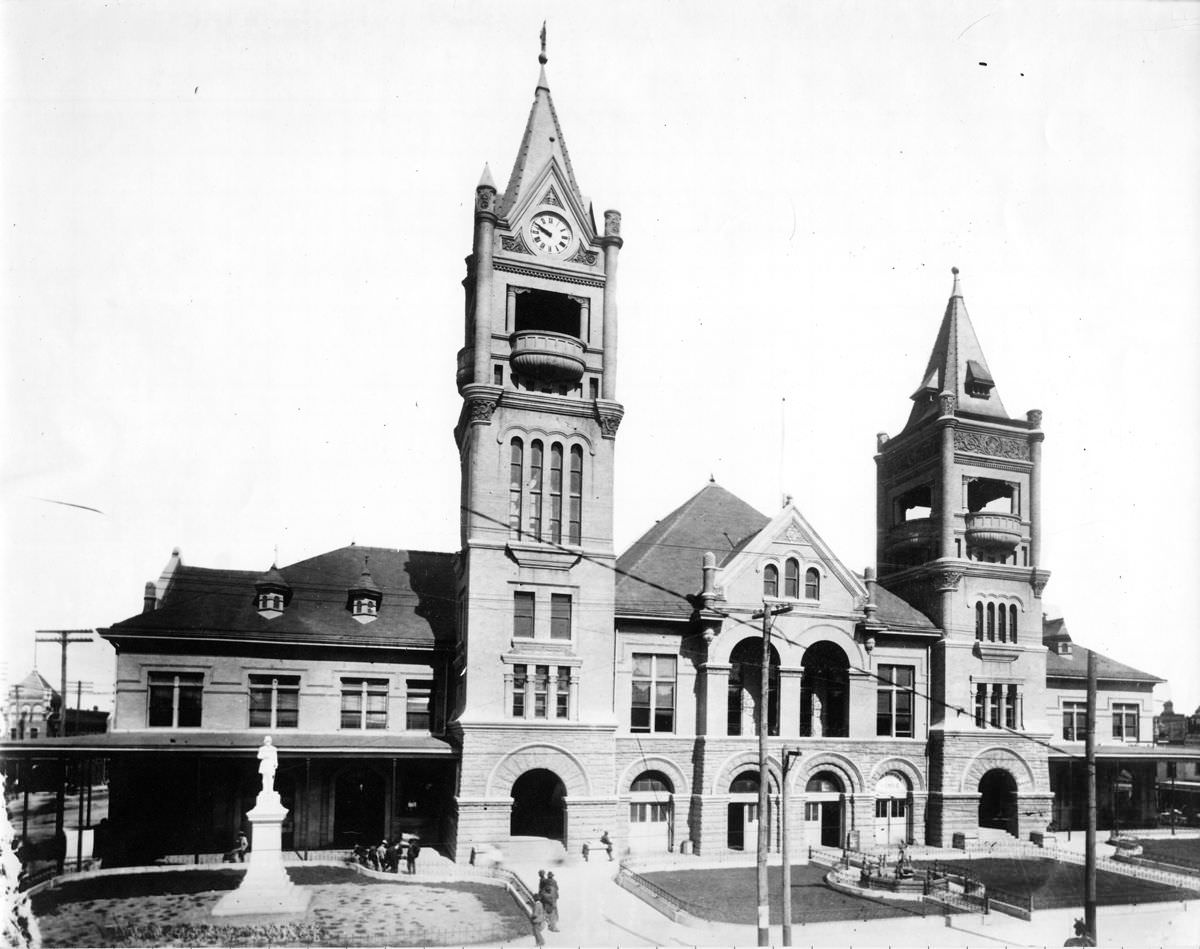
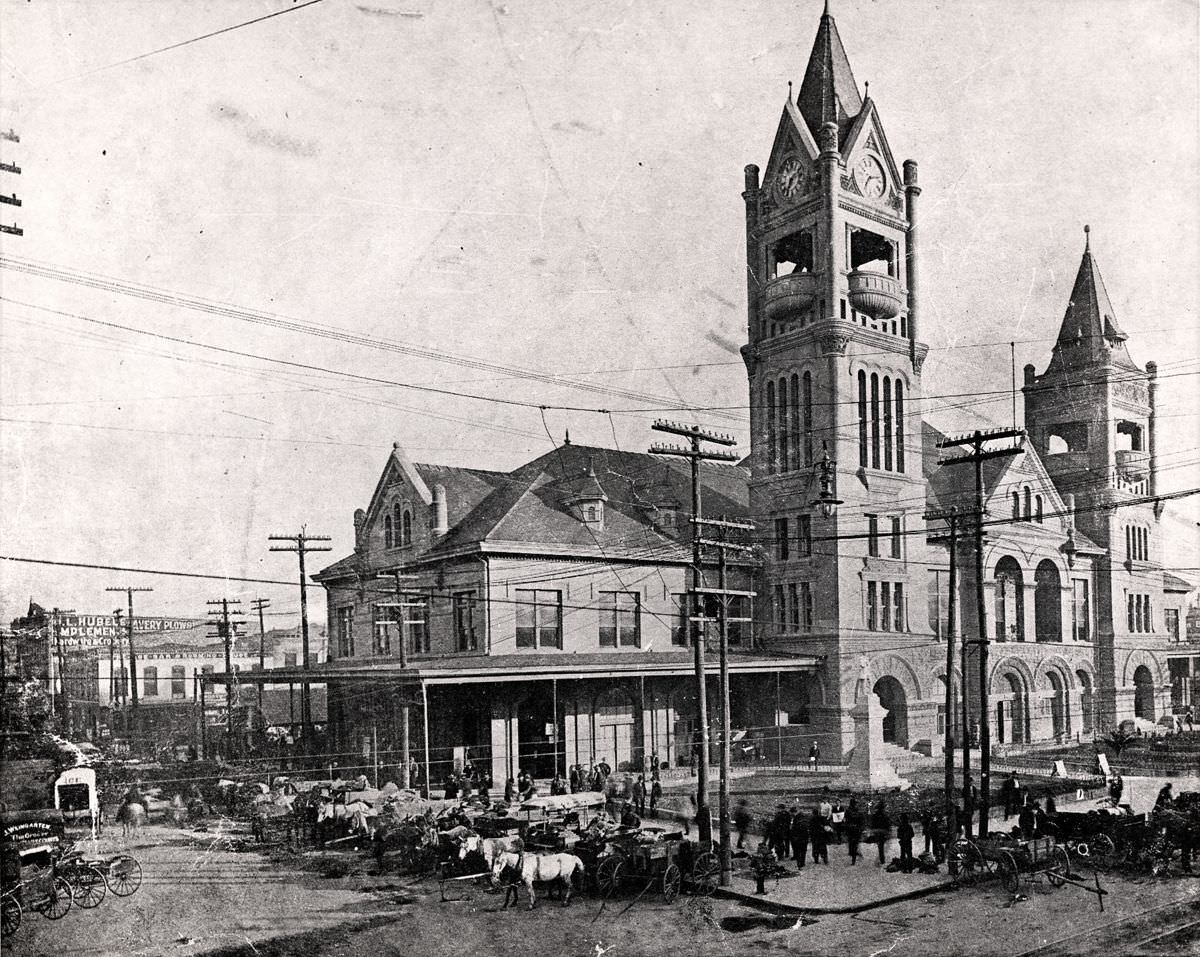
The railroad was the lifeblood of early Houston. Grand Central Station served as the city’s primary rail hub, connecting Houston to markets and cities across Texas and beyond. The depot bustled with passengers, freight workers, and vendors. Goods coming in and out of the city moved through its platforms daily. For many arriving in Houston for the first time, Grand Central Station was their introduction to the city.
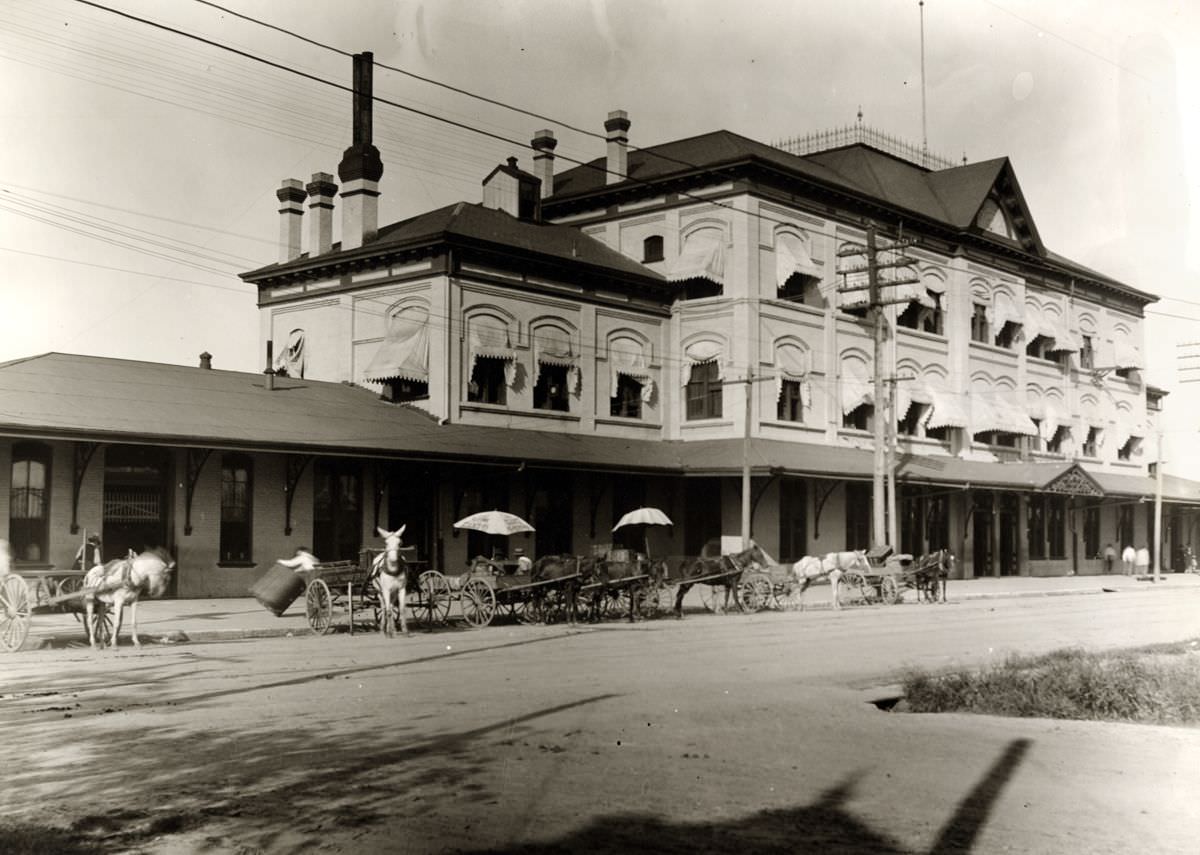
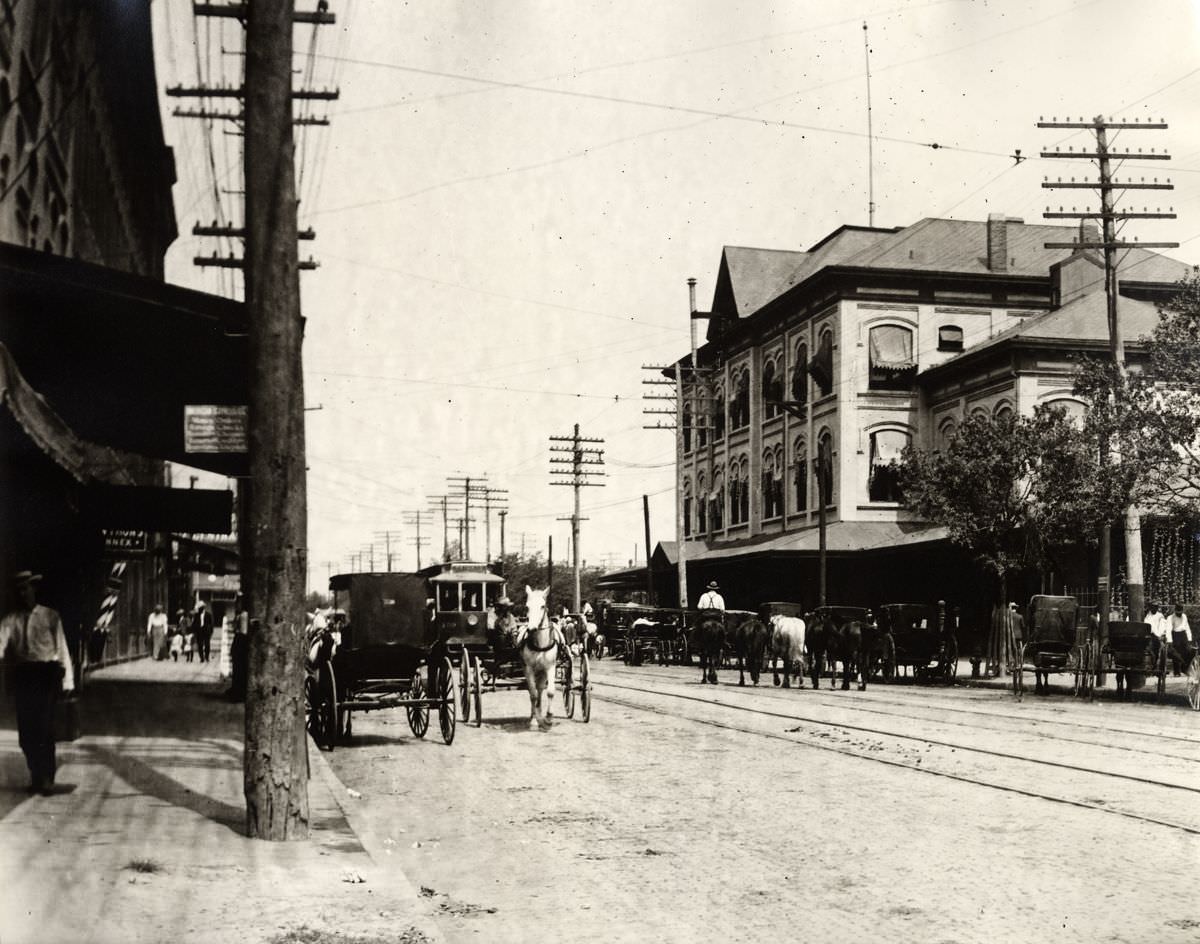
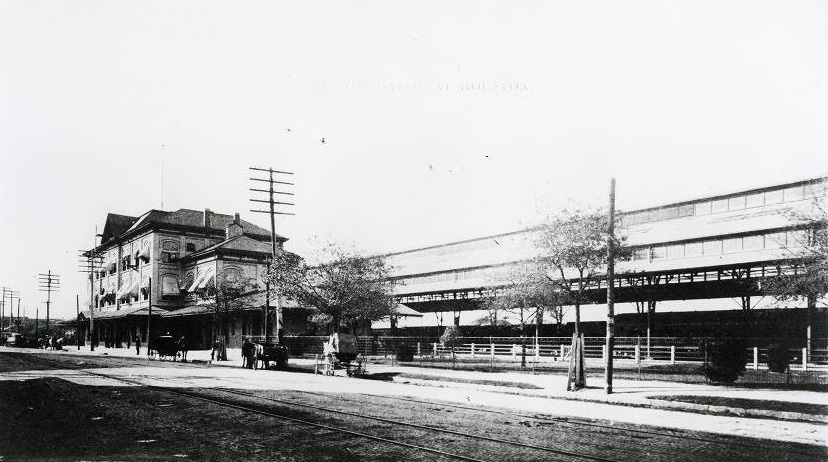
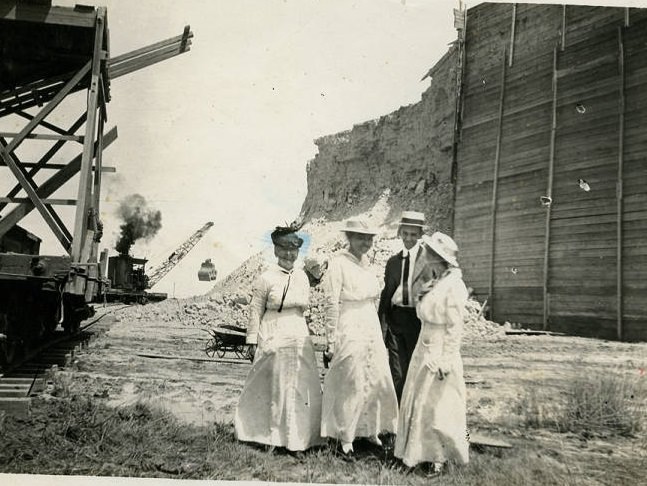
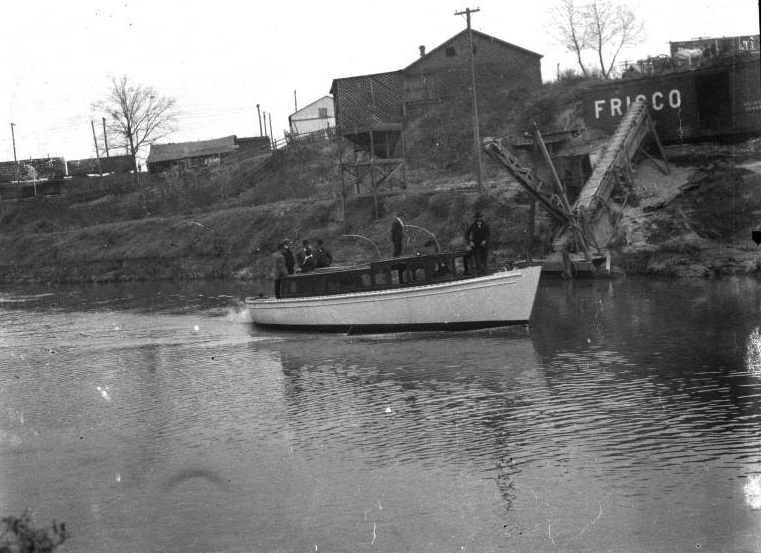
Buffalo Bayou ran through the heart of the city and played a central role in Houston’s development. Efforts to deepen and widen it into a navigable ship channel were already underway by the early 1900s. The goal was to give Houston a direct water route to the Gulf of Mexico, which would make it a major port city. While the large-scale dredging wouldn’t be completed until 1914, the planning and early work began in earnest during this decade.
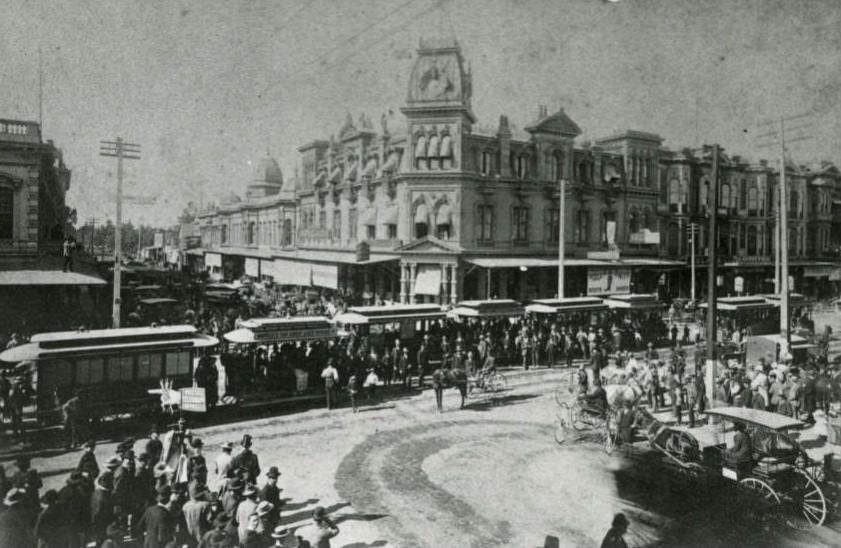
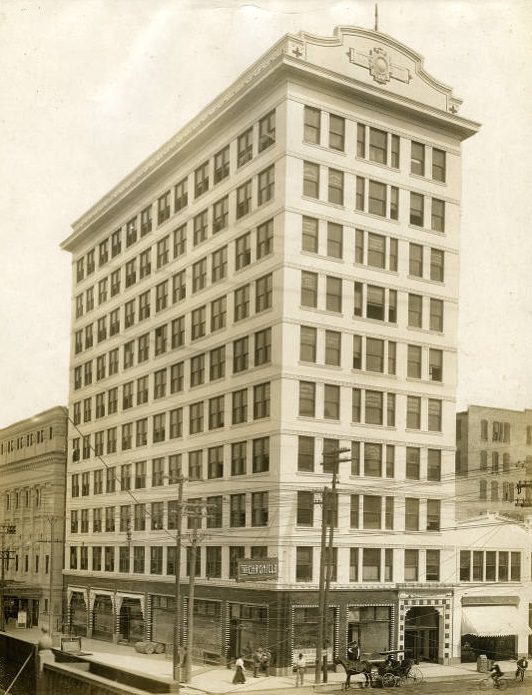
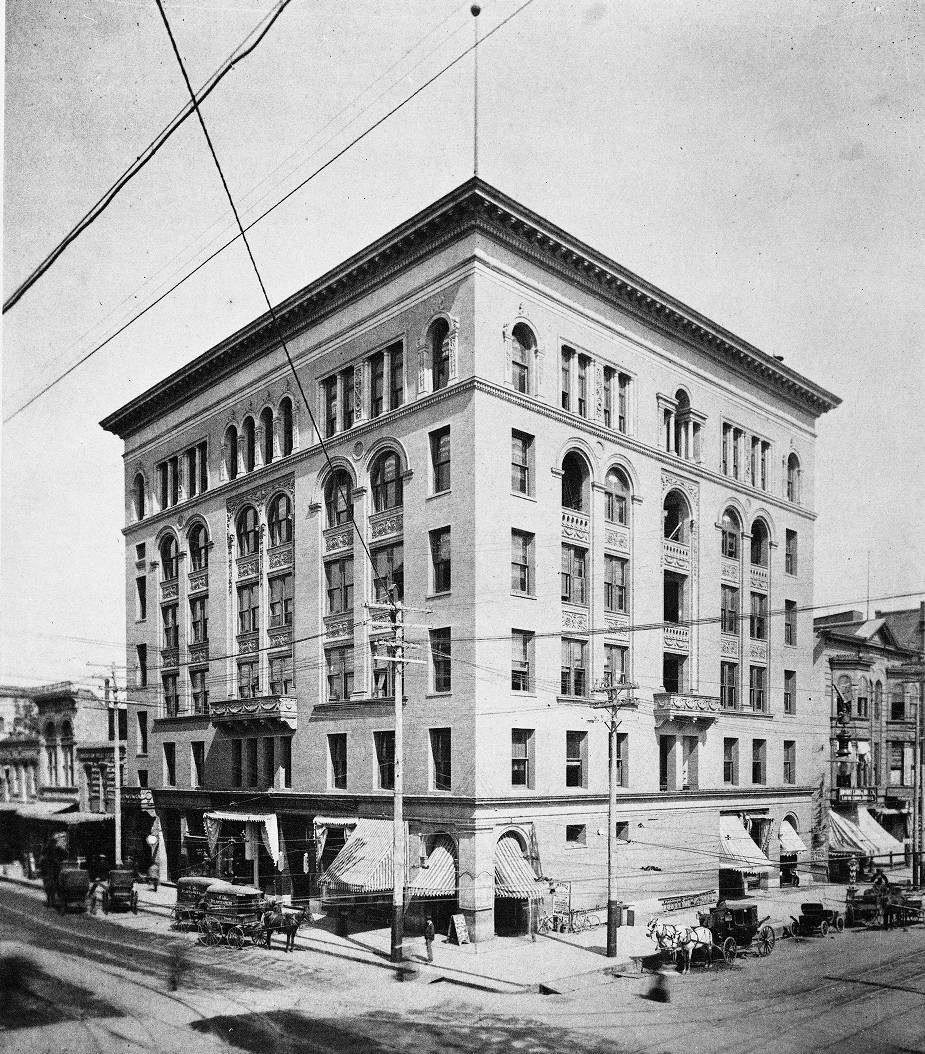
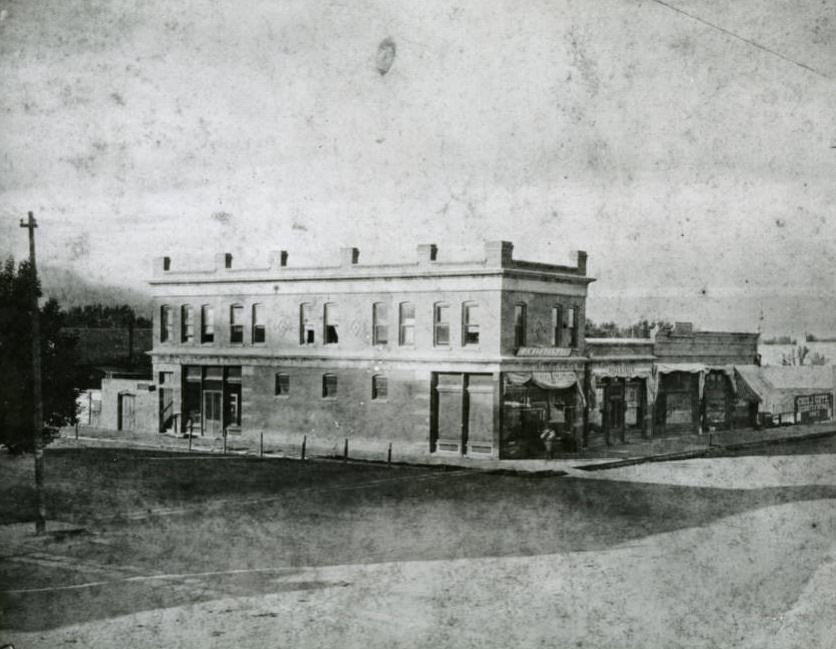
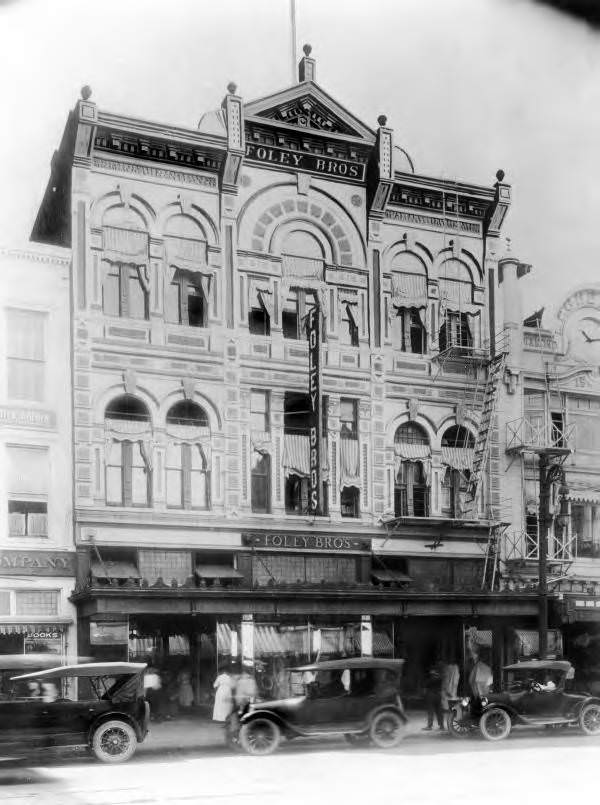
The city’s commercial district on Main Street was dense with activity. Retail shops, banks, and office buildings lined the corridor. Foley Brothers was already a fixture on Main Street, drawing shoppers from across the region. The Union National Bank and the First National Bank both represented the growing financial sector that the oil and cotton industries demanded. The Binz Building and the Chronicle Building added to a skyline that was rising block by block.
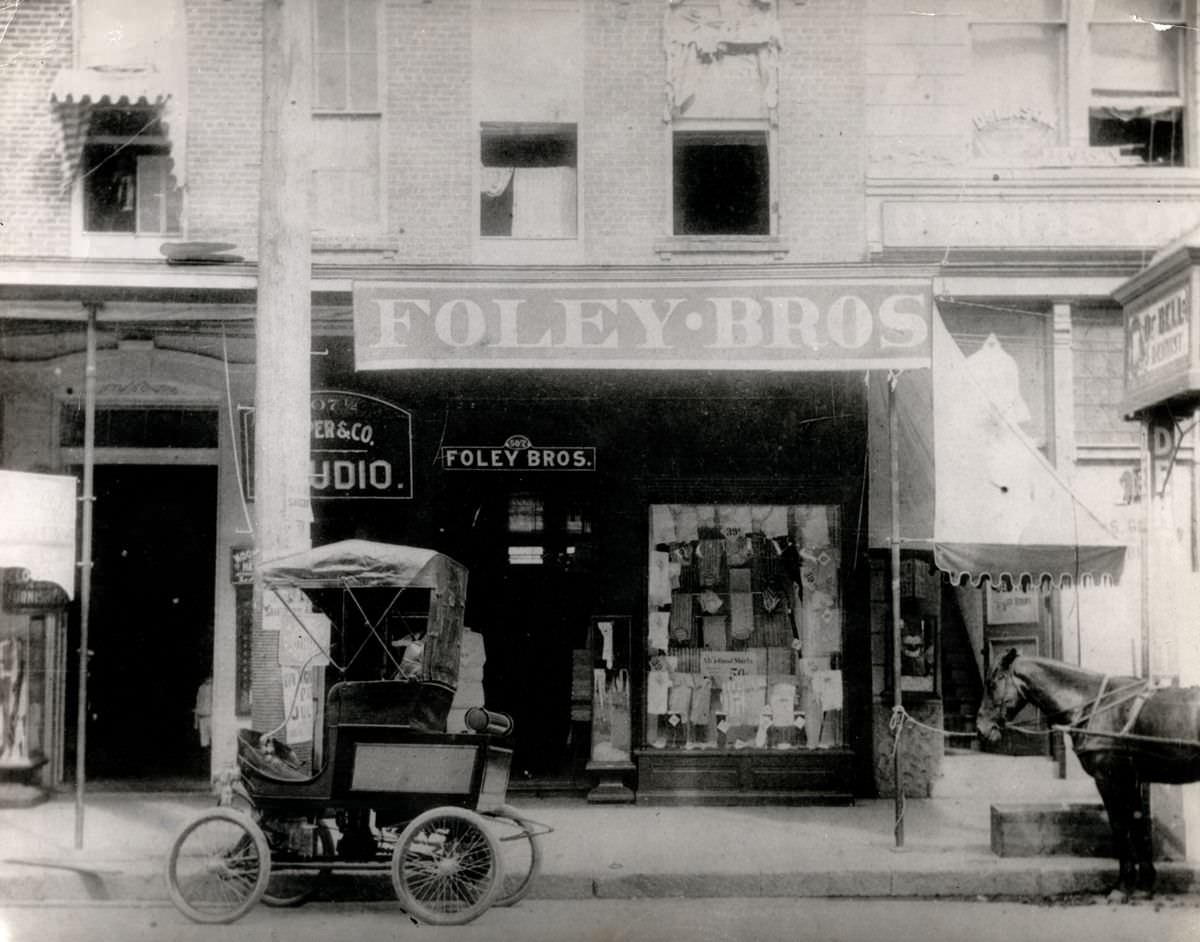
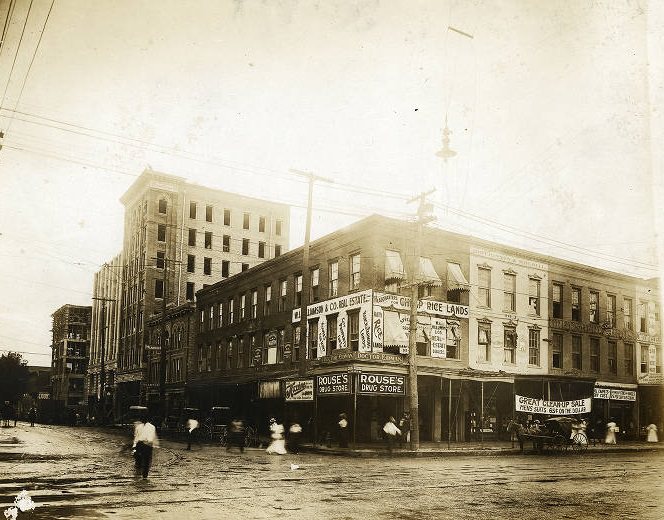
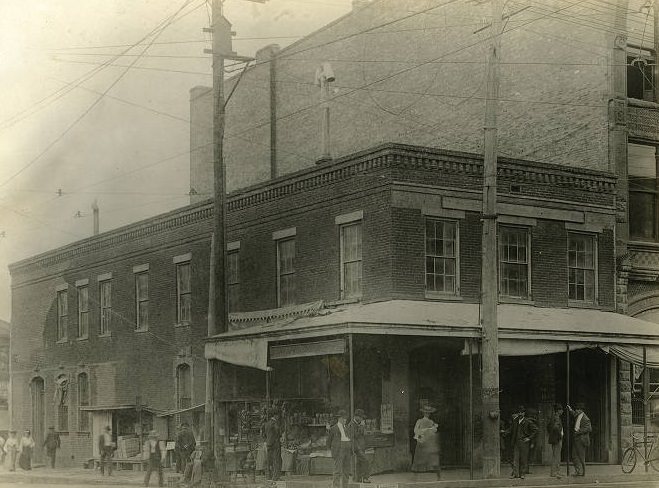
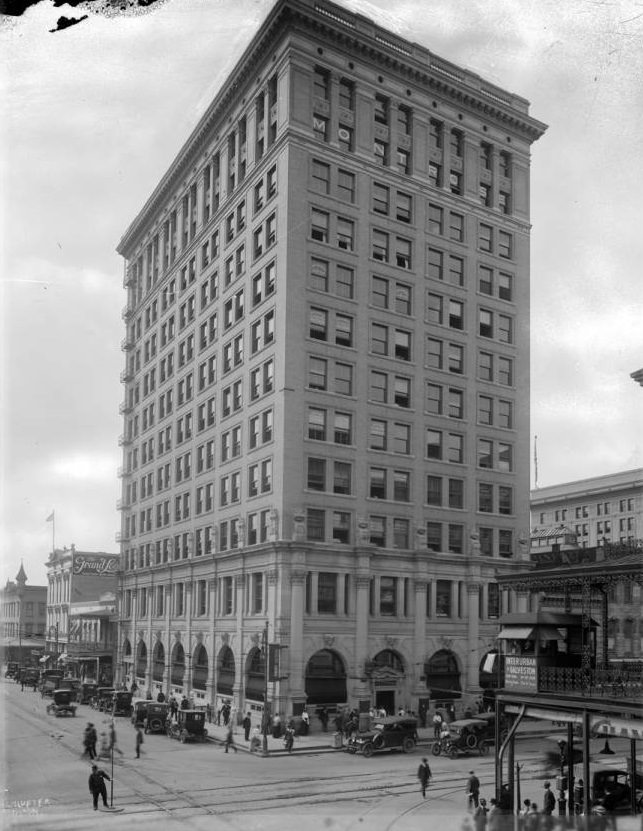
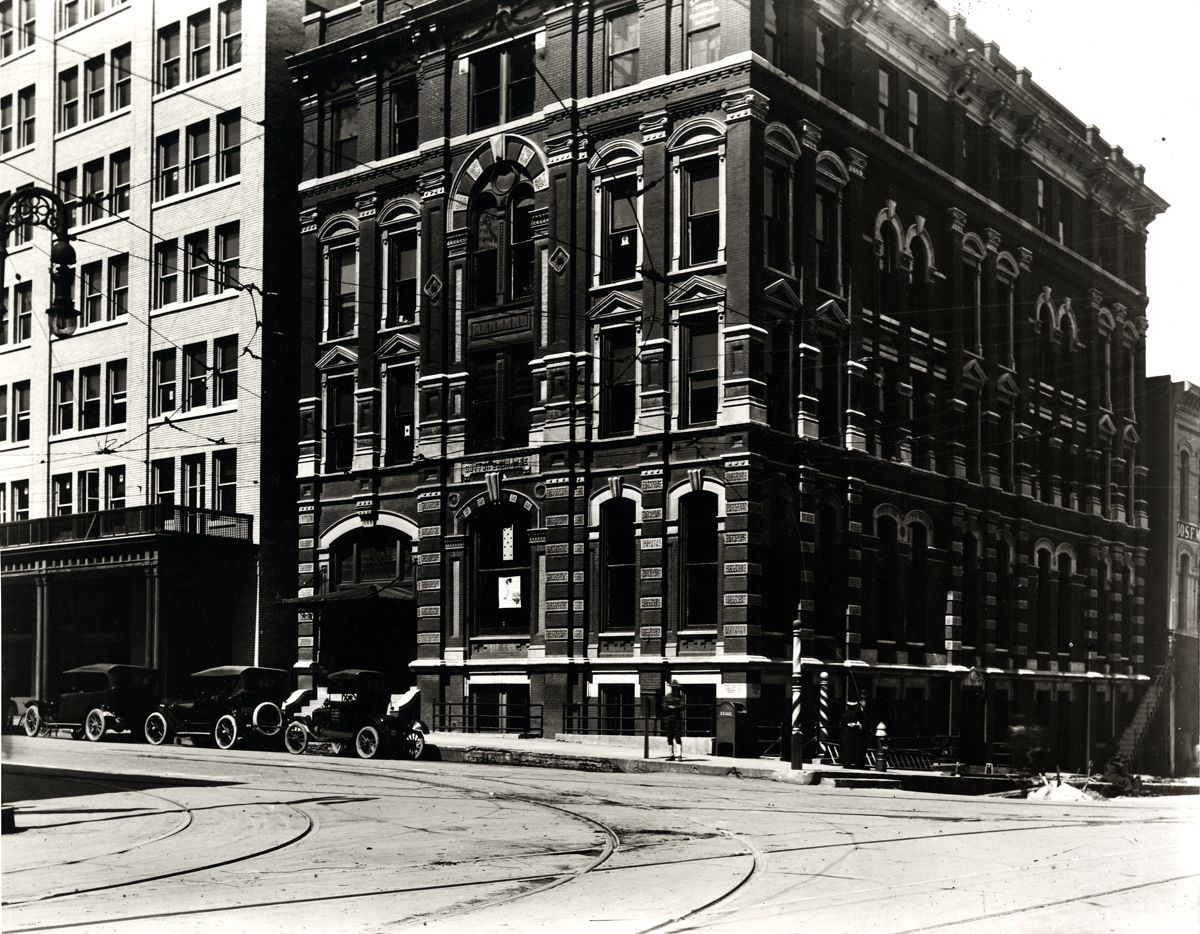
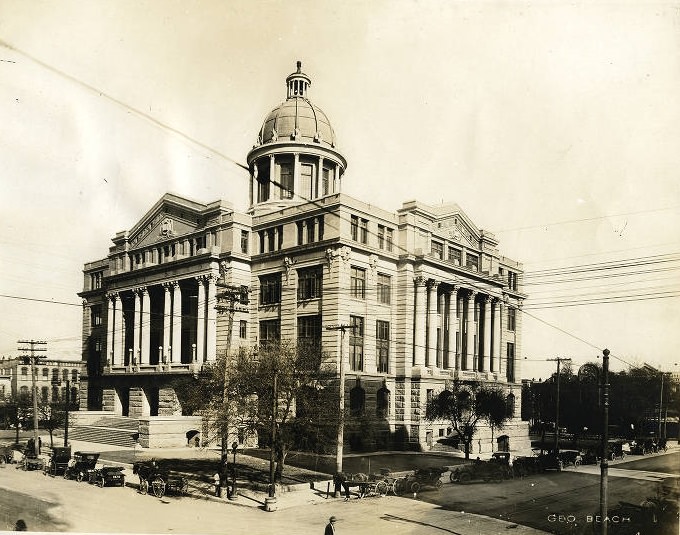
City government was also asserting itself. The City Hall and Market House, designed by architect George E. Dickey, was one of the most prominent civic buildings in Houston during this period. It served dual purposes — housing municipal government functions while also operating as a public market. The new Harris County Courthouse similarly showed the city’s investment in civic infrastructure, and early photographs of it show both horse-drawn buggies and early automobiles parked outside, a snapshot of a city caught between two eras.
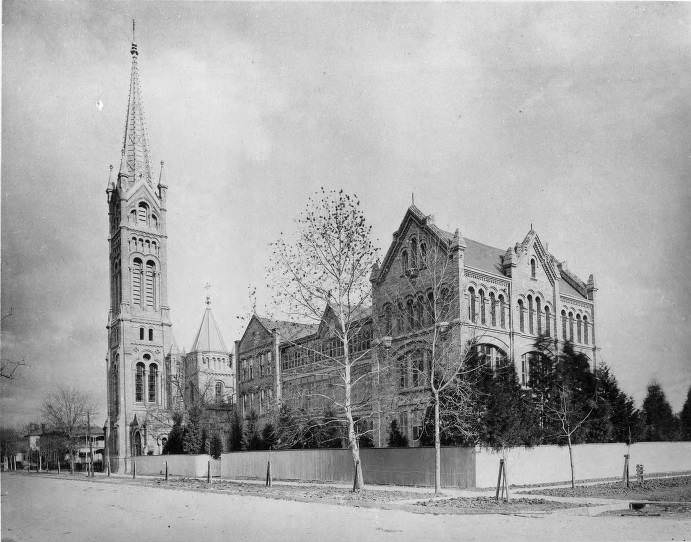
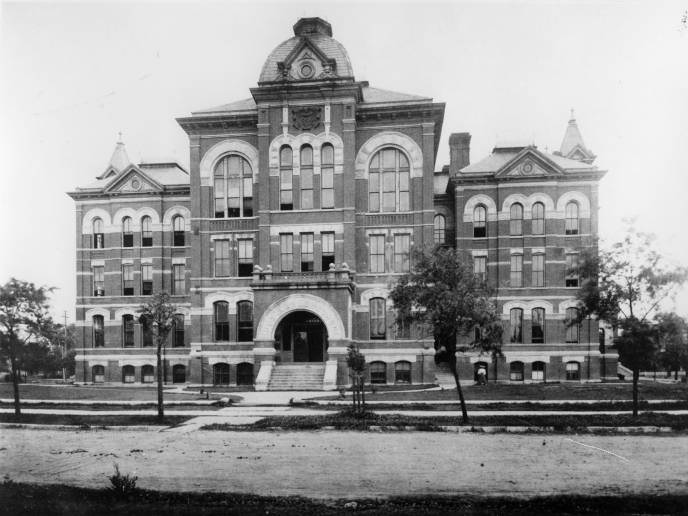
Religious and educational institutions were also expanding. Annunciation Catholic Church stood as one of the city’s oldest houses of worship. St. Mary’s Seminary opened its doors to train clergy. Houston High School educated the children of a growing city. These institutions reflected a community that was not just building an economy but also building the social structures to support long-term growth.
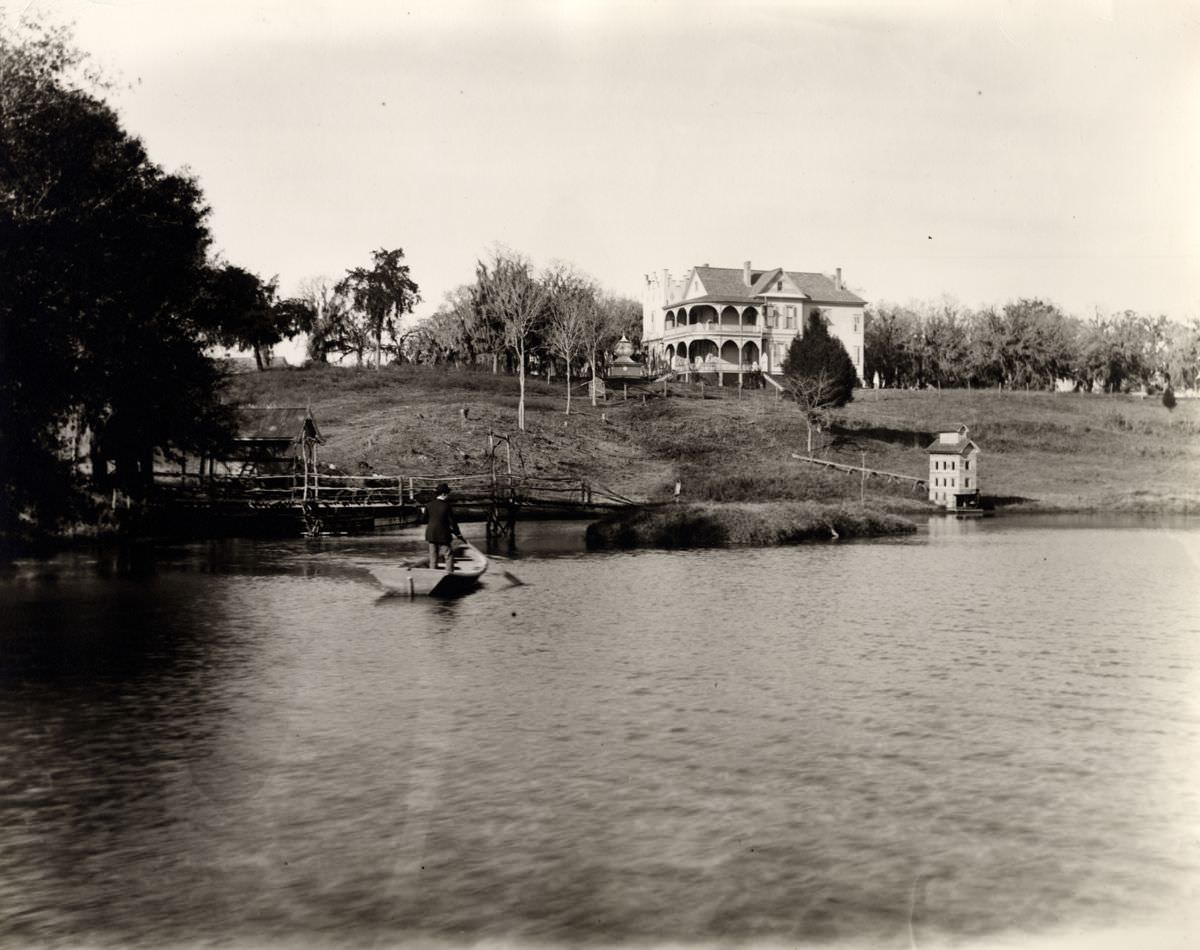
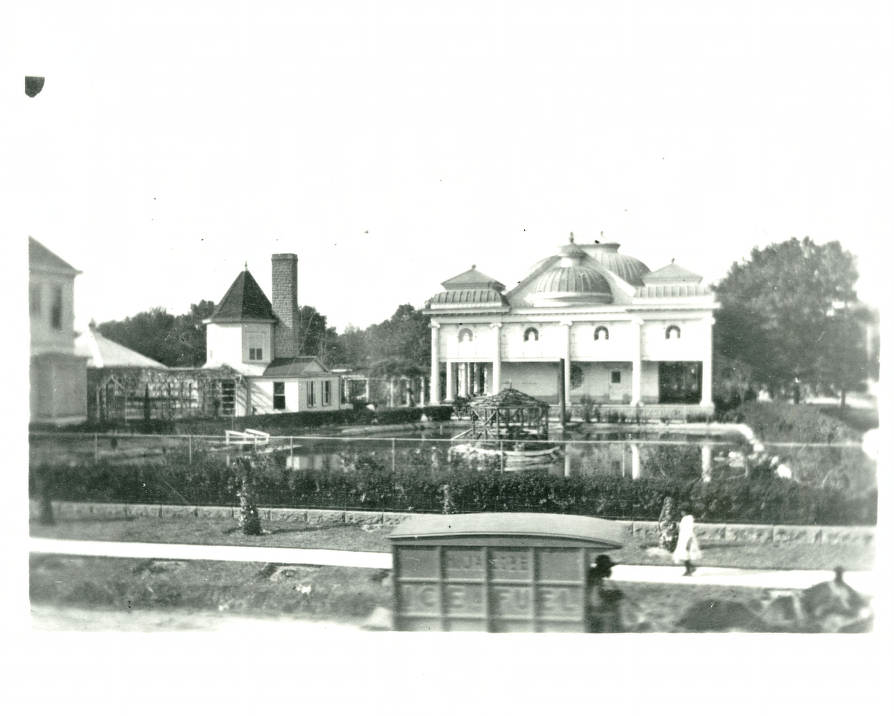
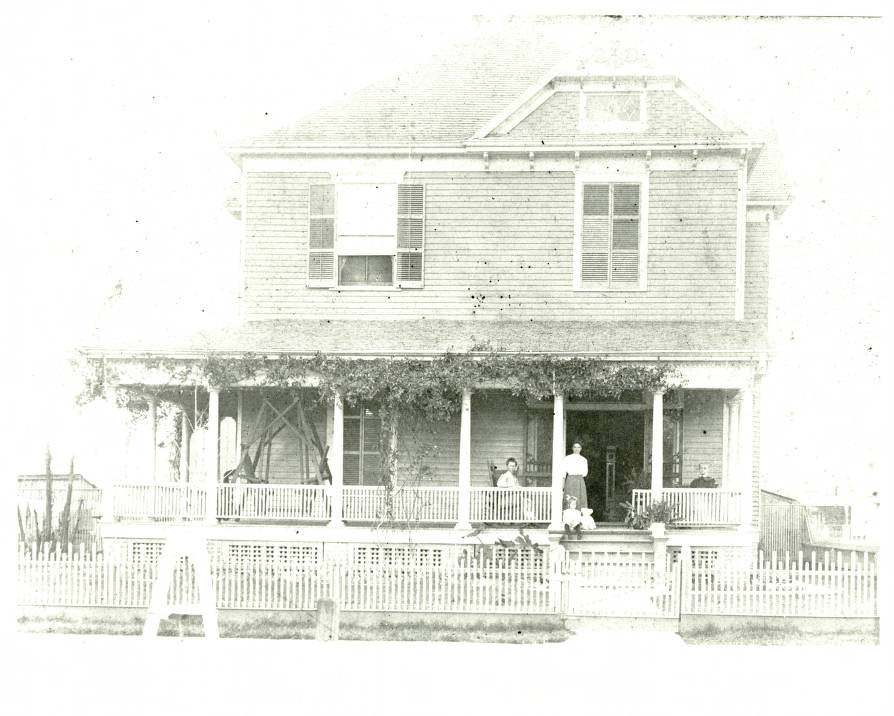
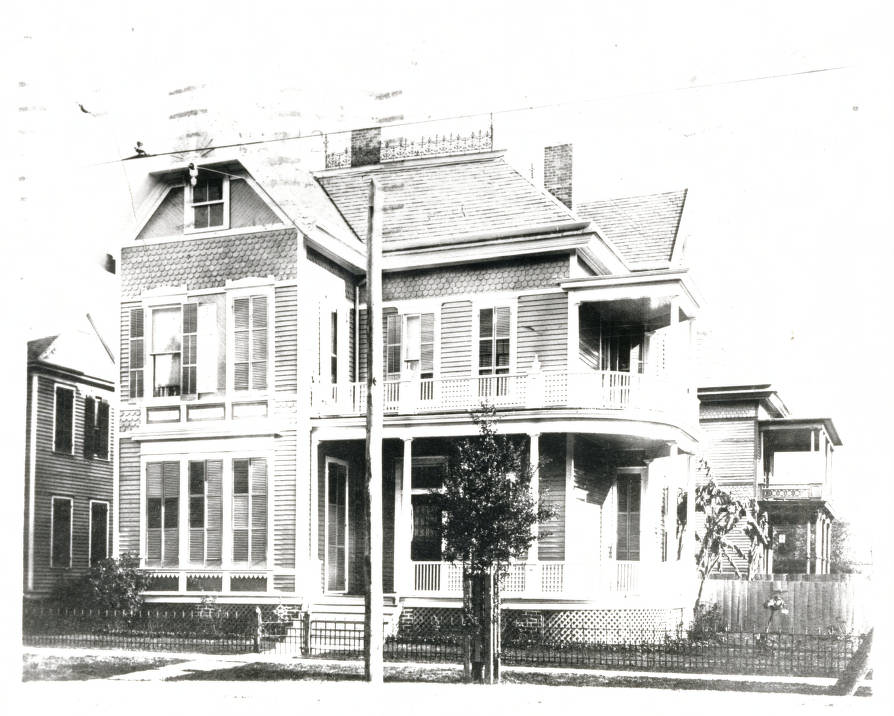
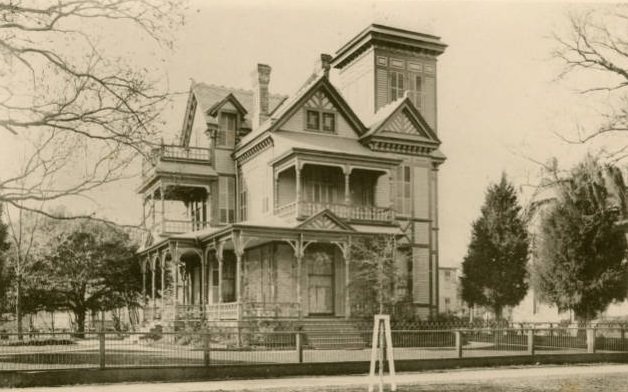
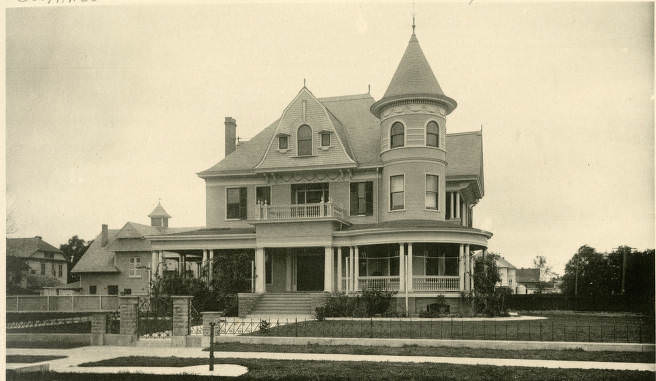
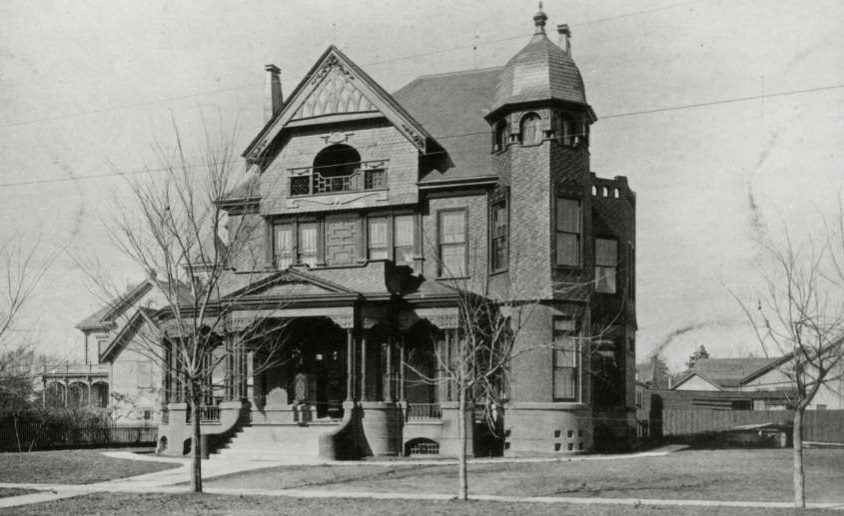
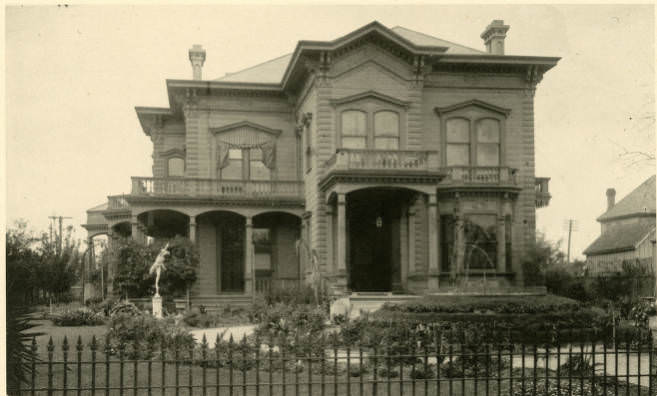
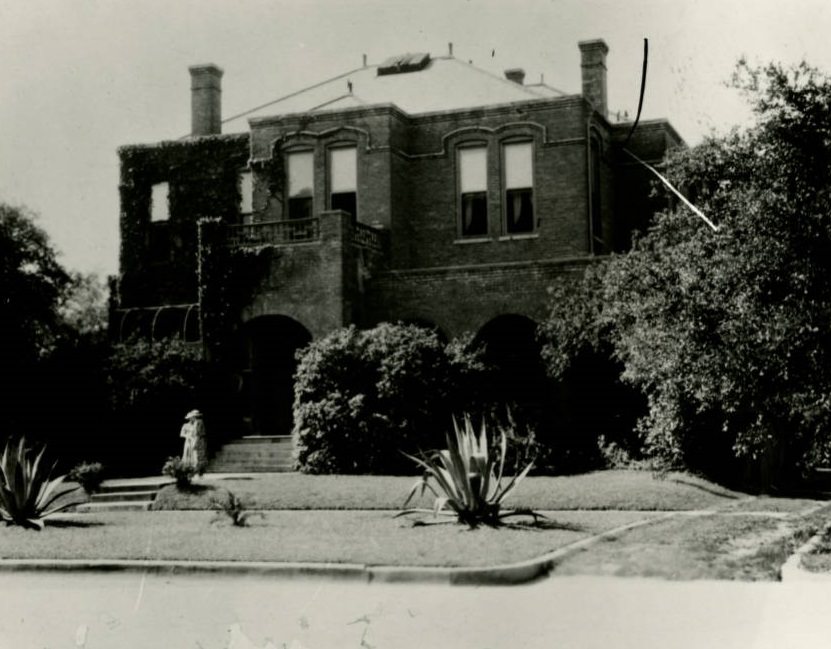
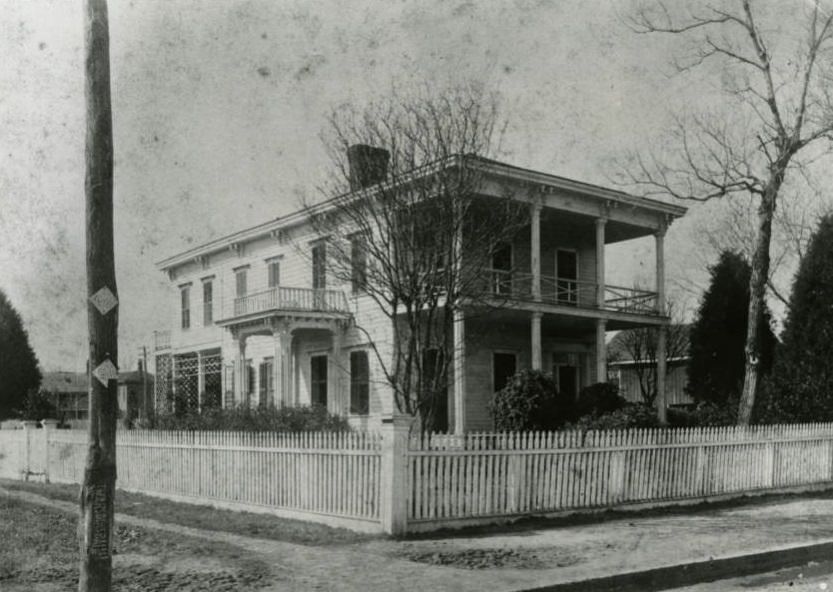
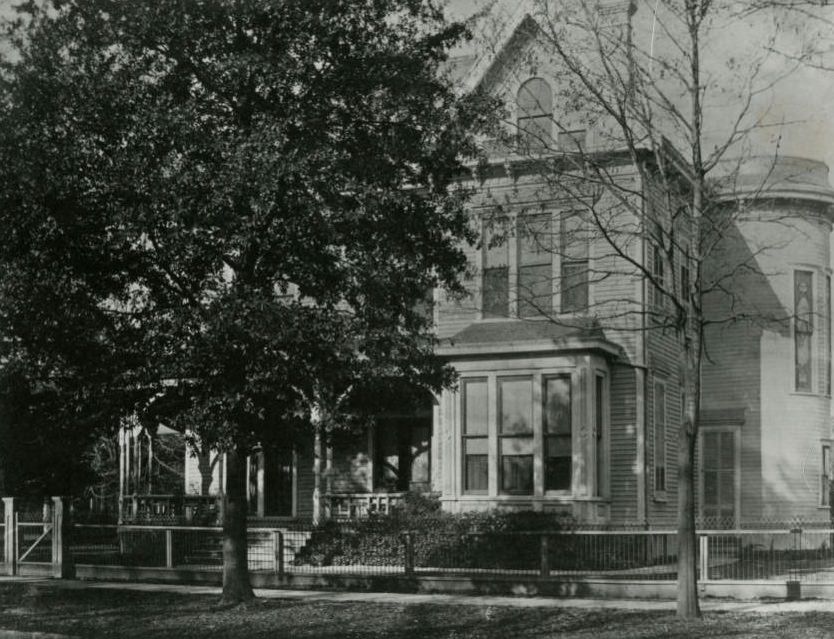
Wealthy Houstonians built impressive homes with elaborate gardens in the neighborhoods surrounding downtown. Families like the Masterons, the Richardsons, and the Rockwells constructed large Victorian and Colonial Revival-style houses that reflected their status and the city’s prosperity. These residences stood in sharp contrast to the working-class neighborhoods nearby, where modest homes and small businesses defined daily life.
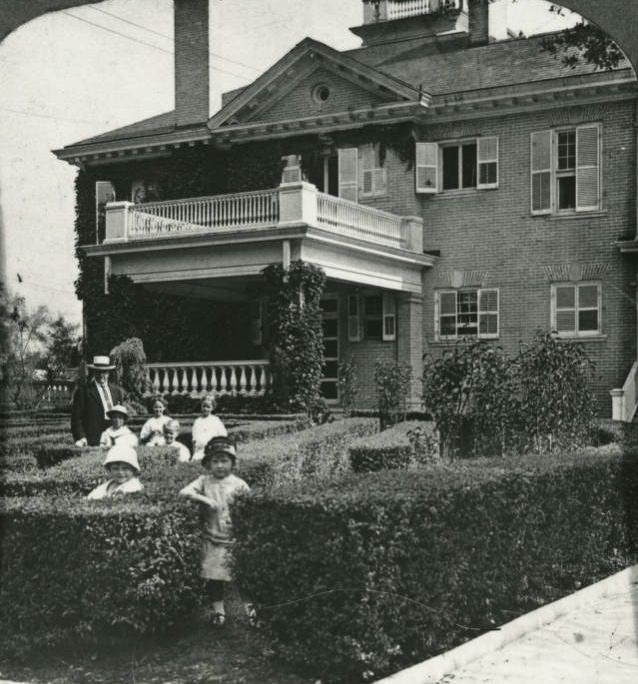
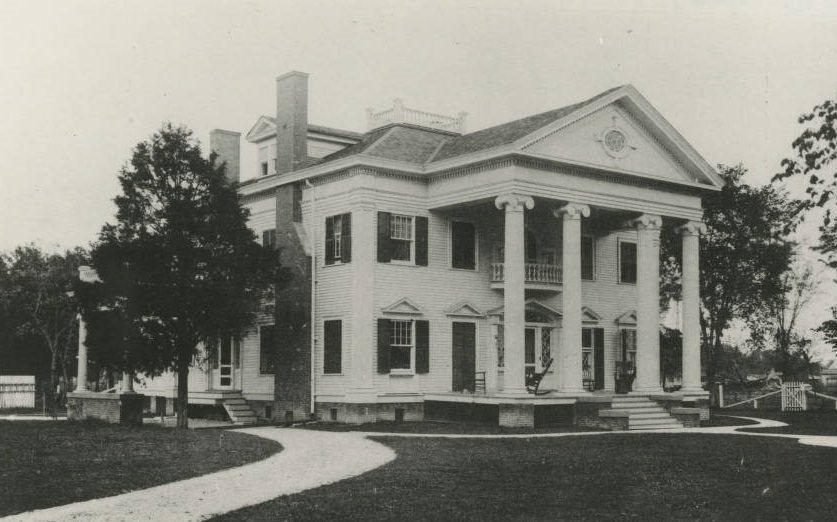
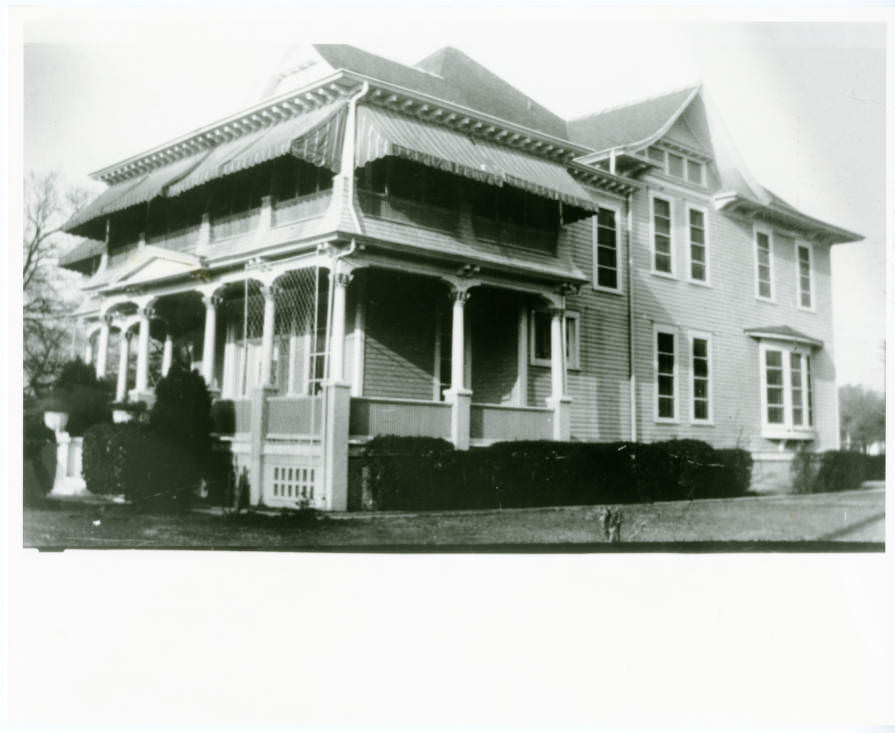
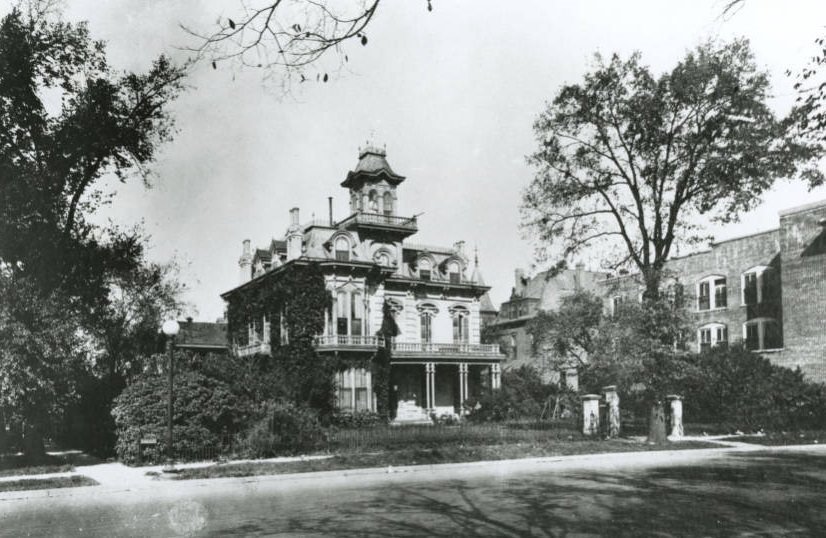
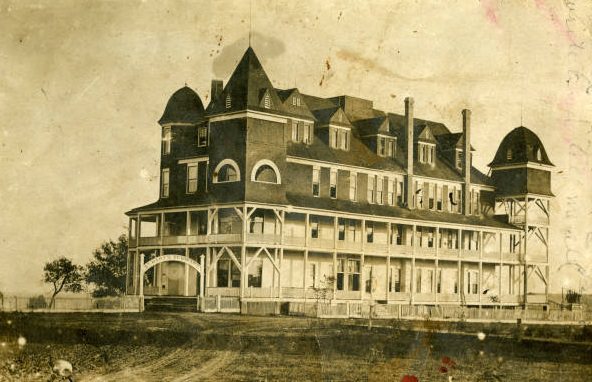
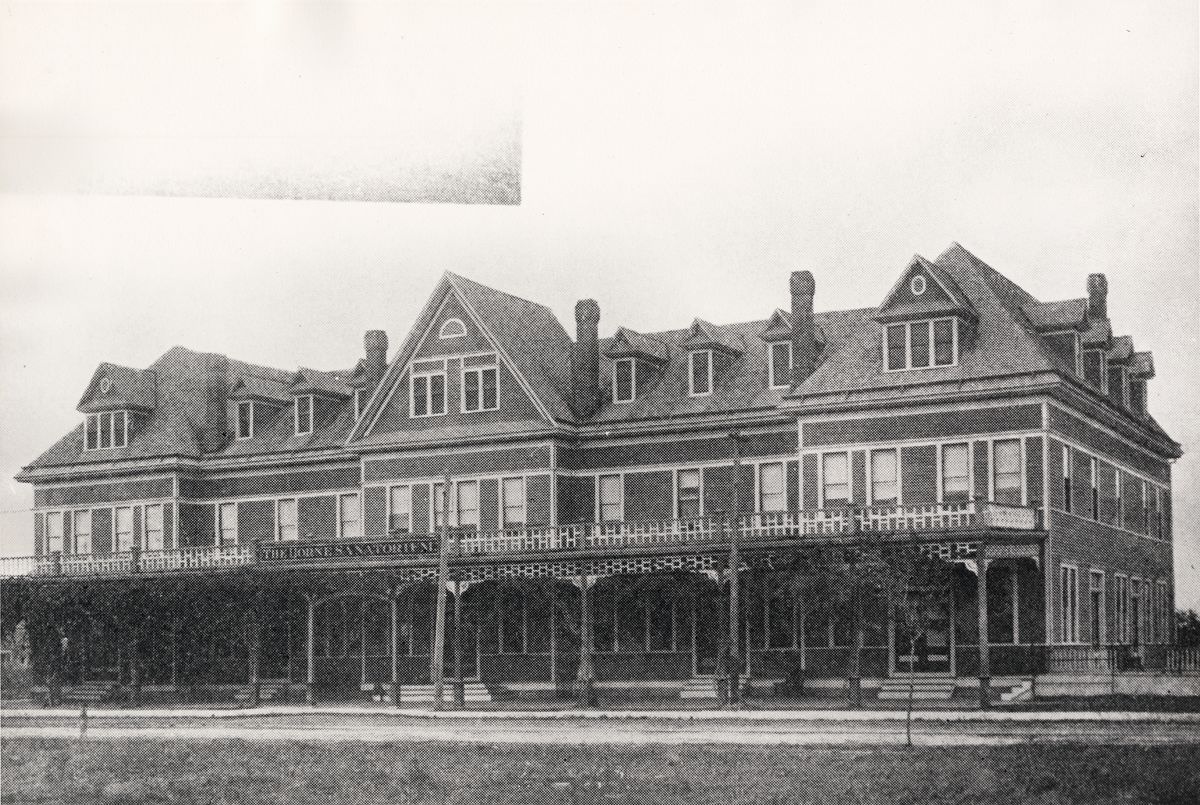
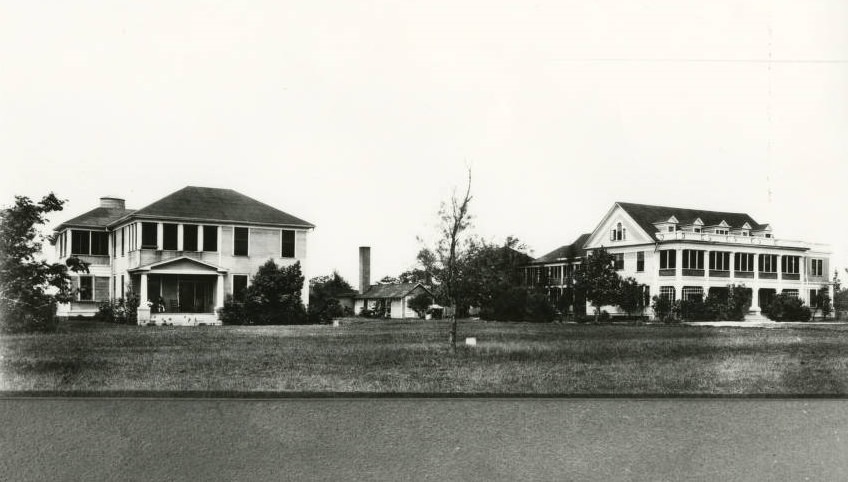
The Heights neighborhood, just north of downtown, had its own character. The Heights Hotel — later converted into the Horne Sanatorium — was a landmark in that community. Houston also had dedicated medical facilities like the Greenwood Sanitarium for Nervous and Mental Diseases, reflecting the era’s approach to psychiatric care.
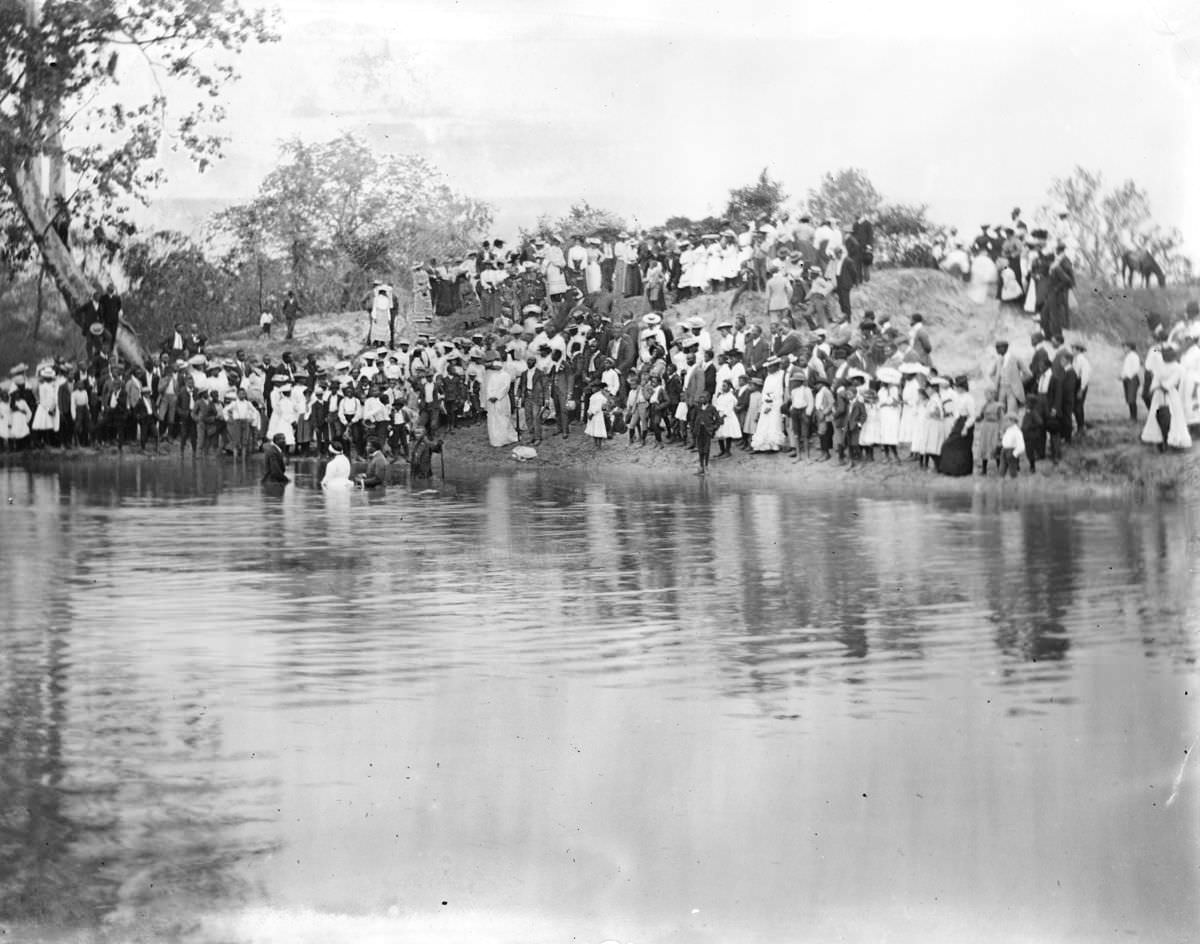
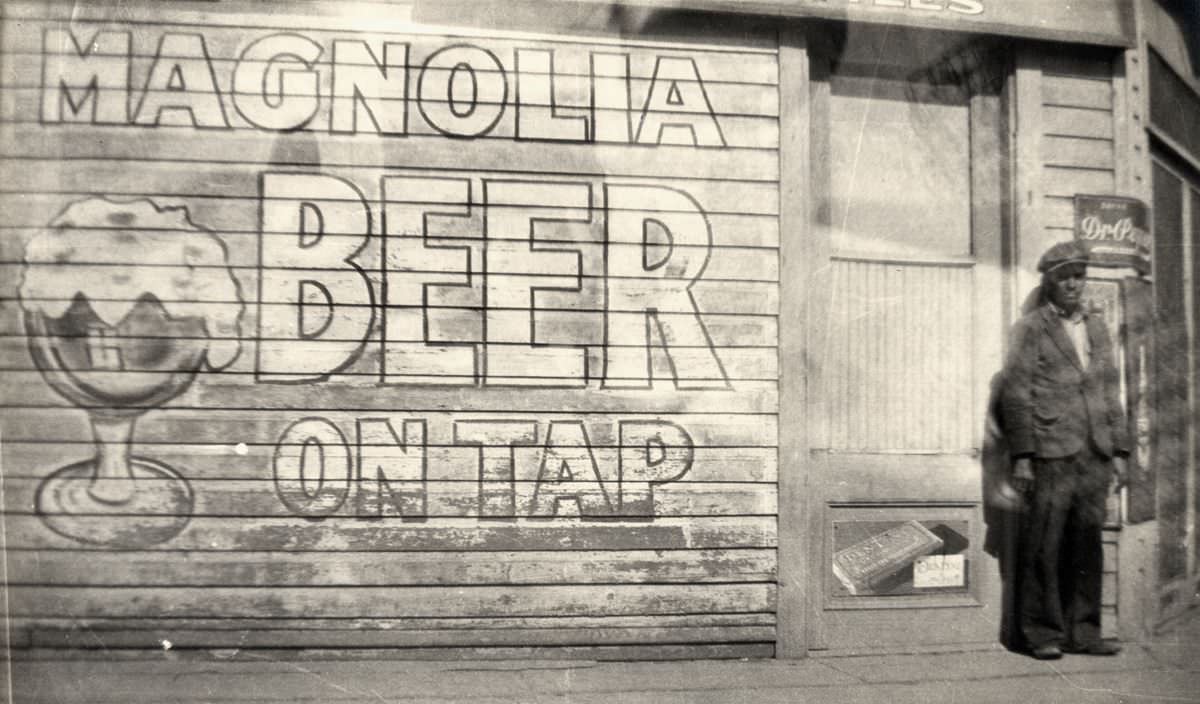
Everyday life in Houston during this decade was rich with detail. A baptism ceremony along Buffalo Bayou drew a crowd of African American spectators in 1900. Local advertising promoted Magnolia Beer on tap at establishments around the city. Nick D’Amico’s grocery served the immigrant community. The Fisher Electric Railway carried passengers through city streets. These scenes reveal a city that was diverse, busy, and very much alive at the neighborhood level.
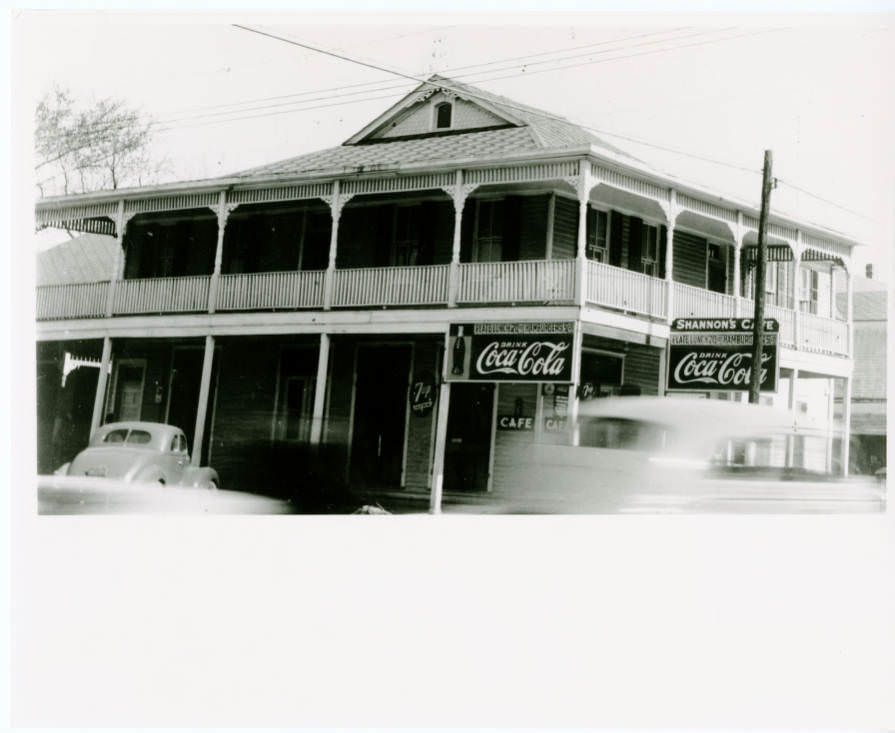
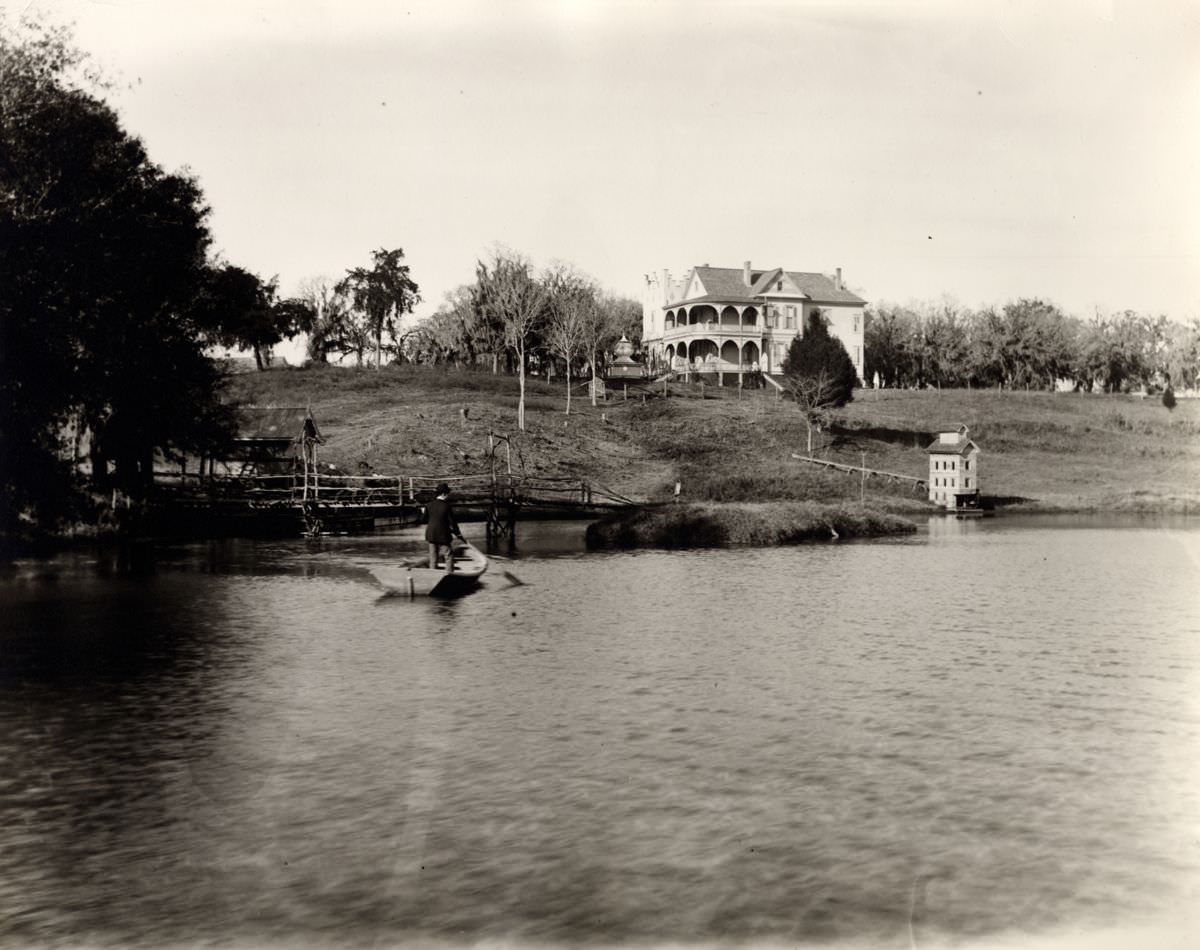
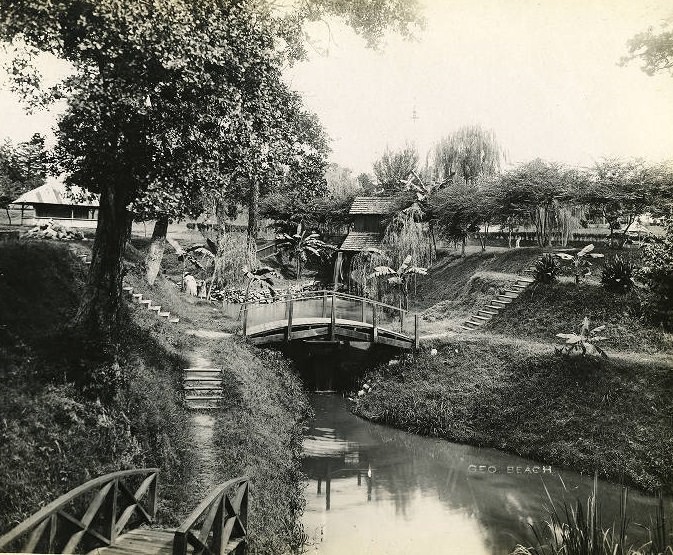
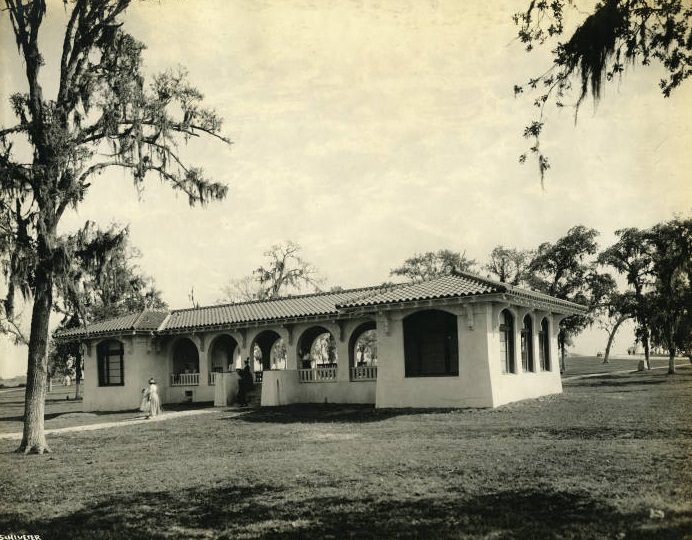
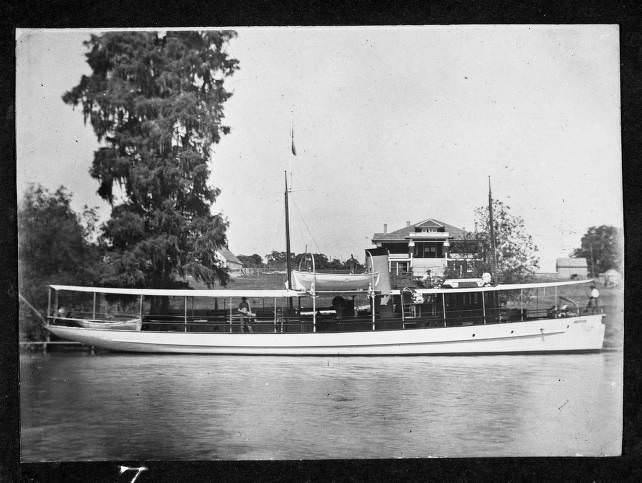
Recreation and leisure were also part of the picture. Vicks Park offered green space along Buffalo Bayou. The Houston Golf Club operated on land that would later become the Rice Institute campus. The Kirby Natatorium included a ballroom where residents gathered for social events. The city’s wealthier residents owned yachts that floated in the bayou, and the Brazos Hotel Annex catered to business travelers and visitors.
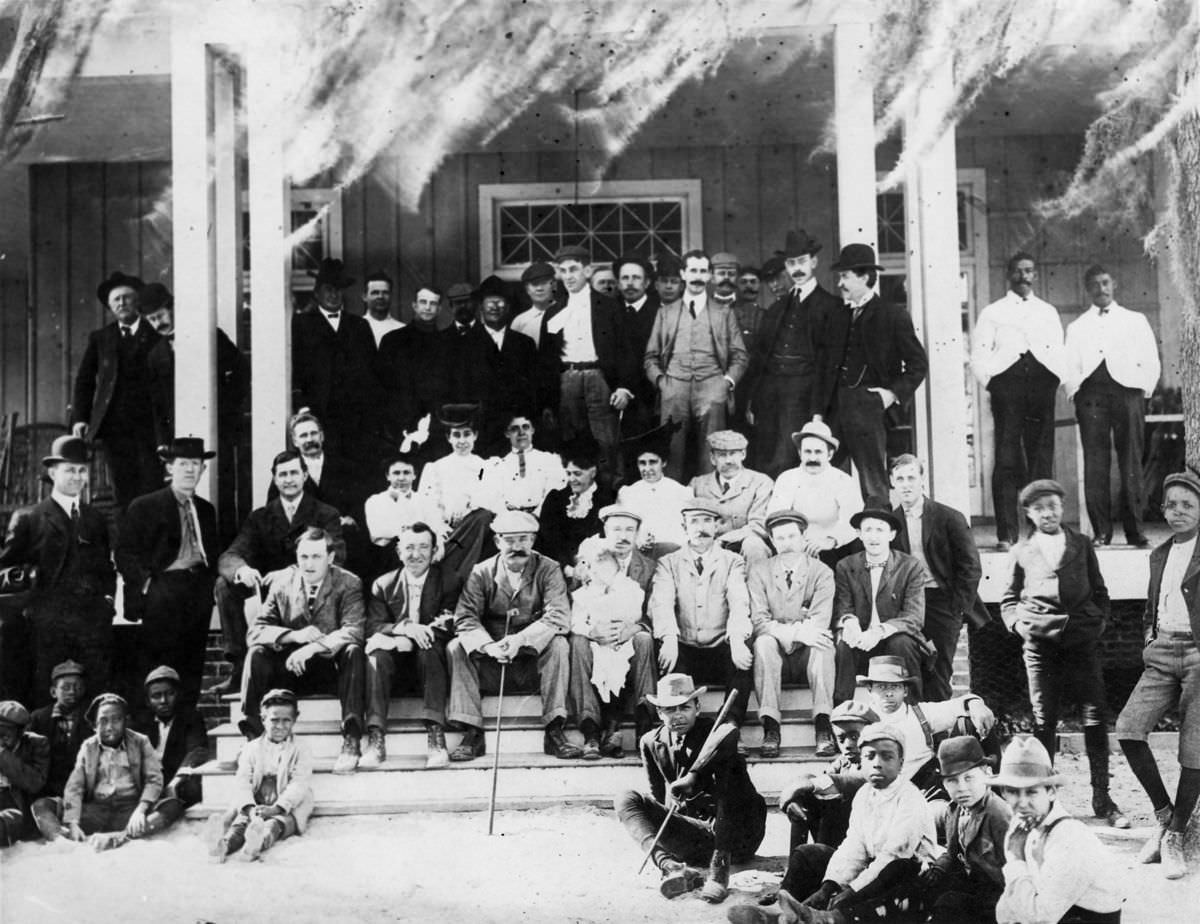
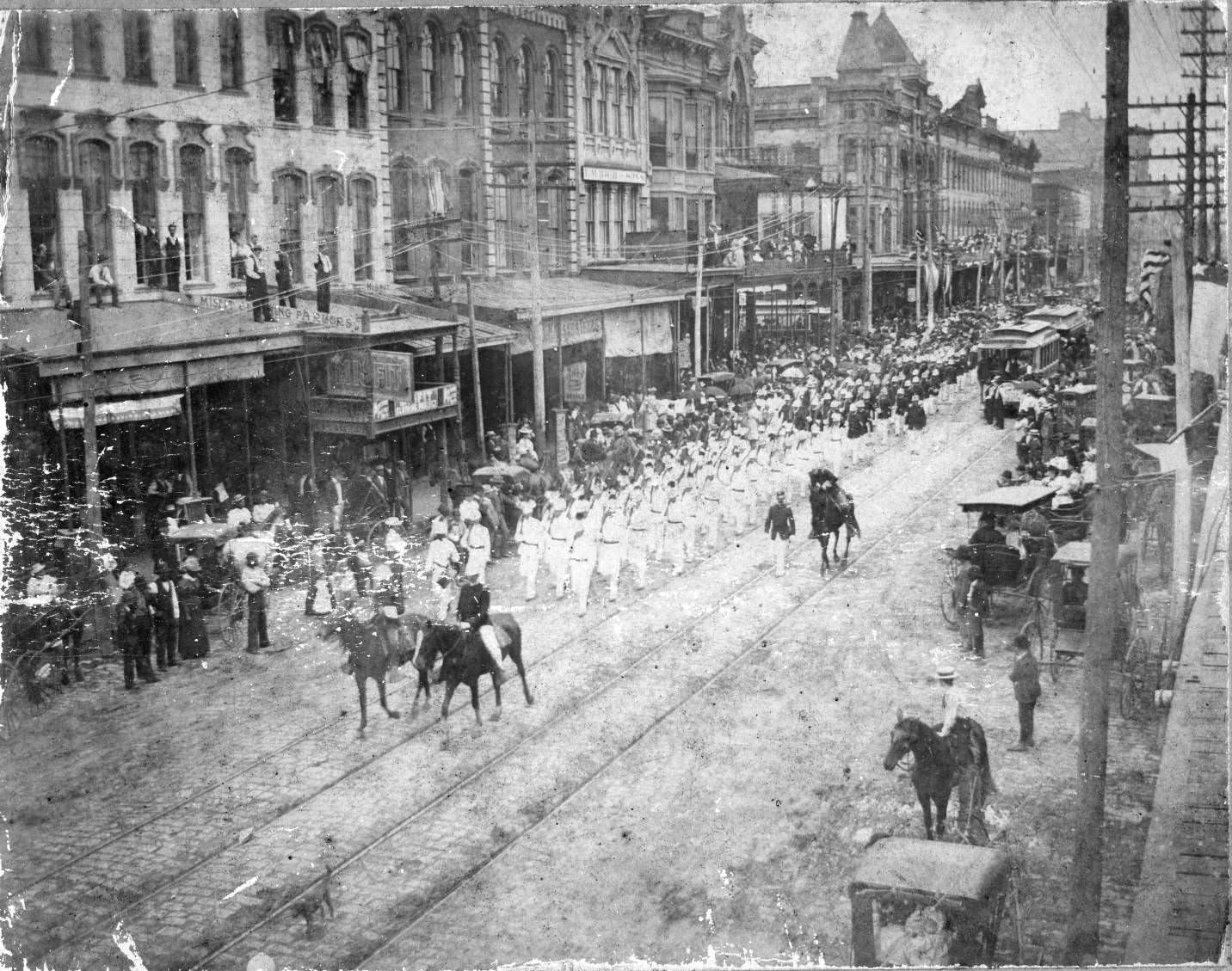
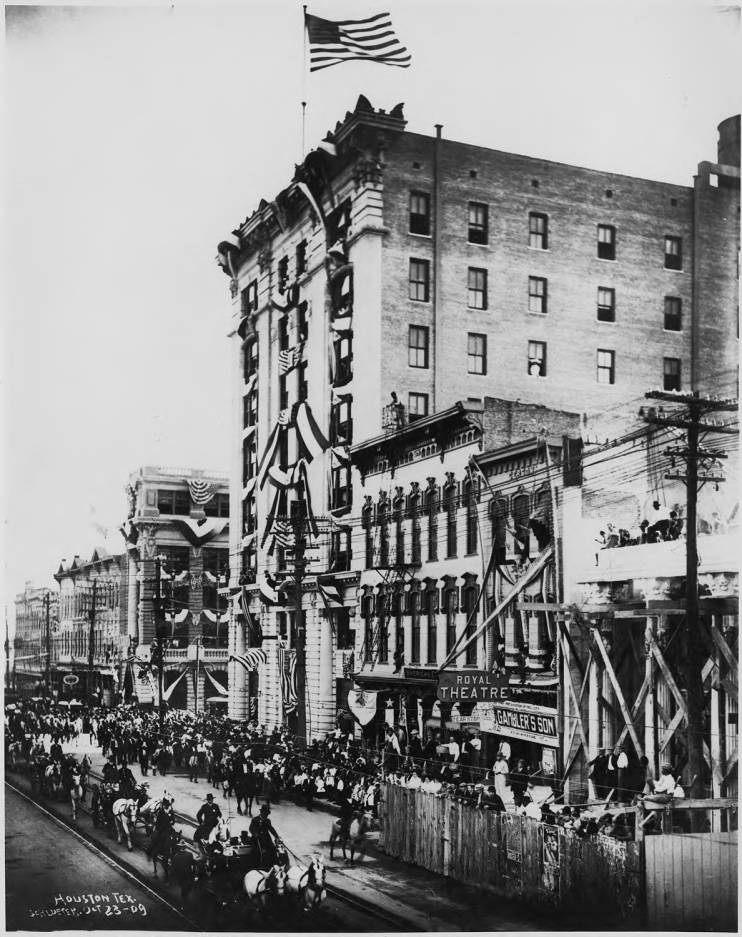
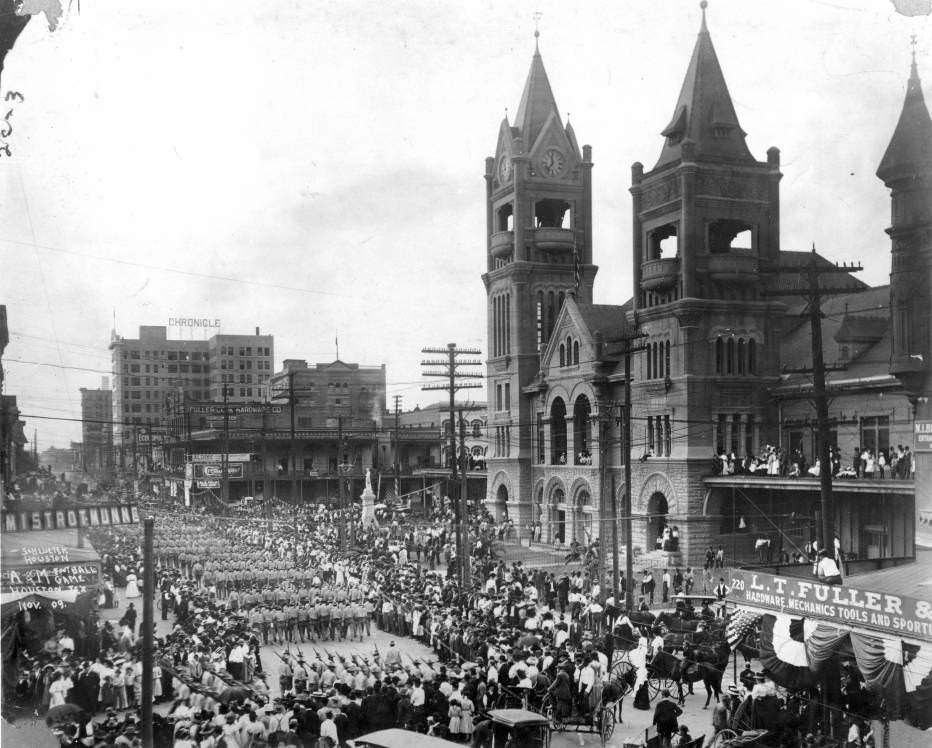
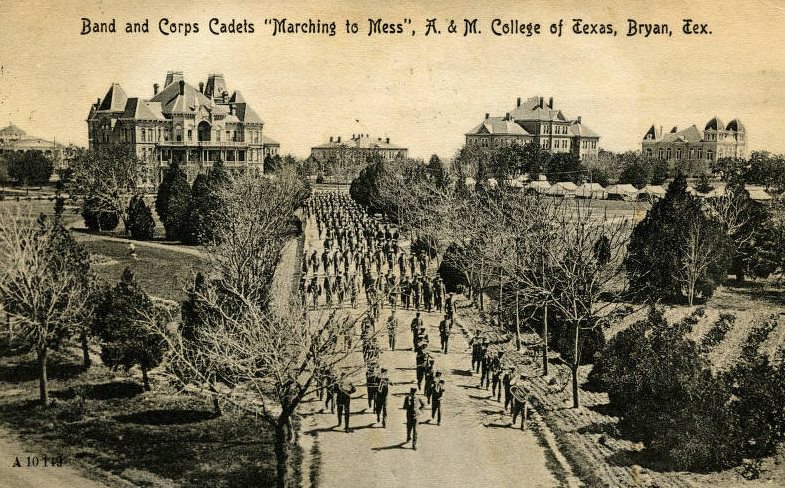
The decade closed with a high-profile moment: the visit of President William Howard Taft to Houston on October 23, 1909. Crowds lined the streets for the parade, and the Texas A&M Corps of Cadets marched through the city the following month. These events underscored Houston’s growing stature — a city confident enough in its own identity to host the President of the United States and celebrate its institutions in the open air of its streets.
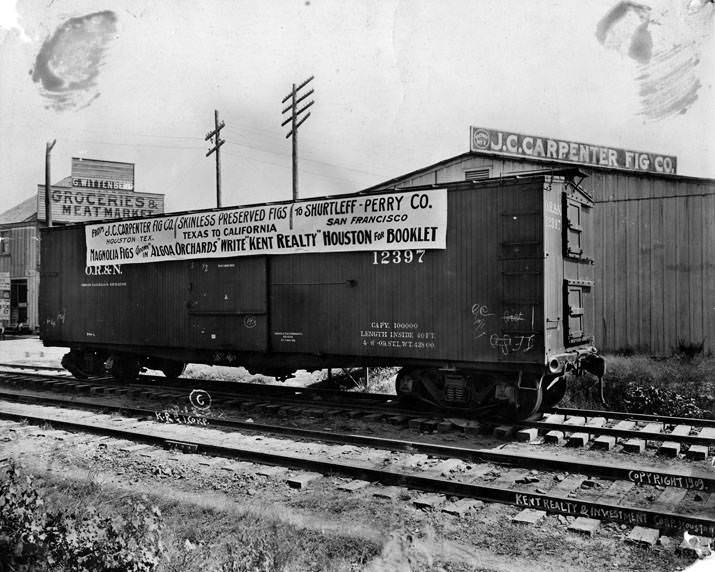
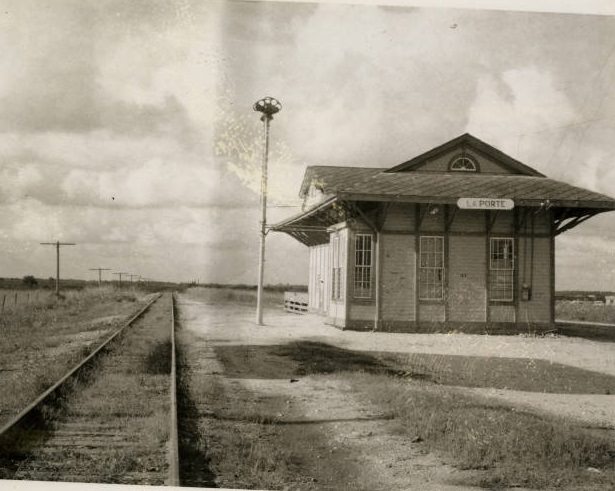
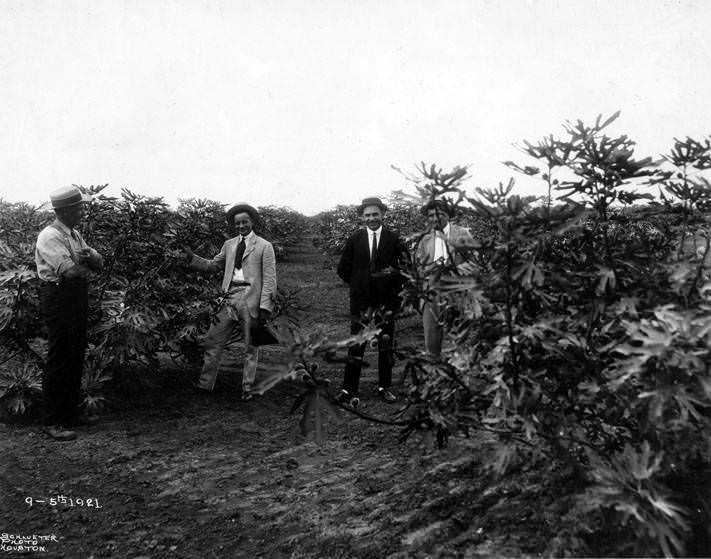
Agriculture still played a role in the regional economy. The J.C. Carpenter Fig Company shipped figs by rail freight car, and men were photographed working in fig orchards outside the city. The La Porte Depot connected outlying communities to Houston’s rail network. Old structures like the Park Mill in Sam Houston City Park and the San Jacinto Battle Grounds Recreation House reminded residents of the city’s deeper history even as they built its future.
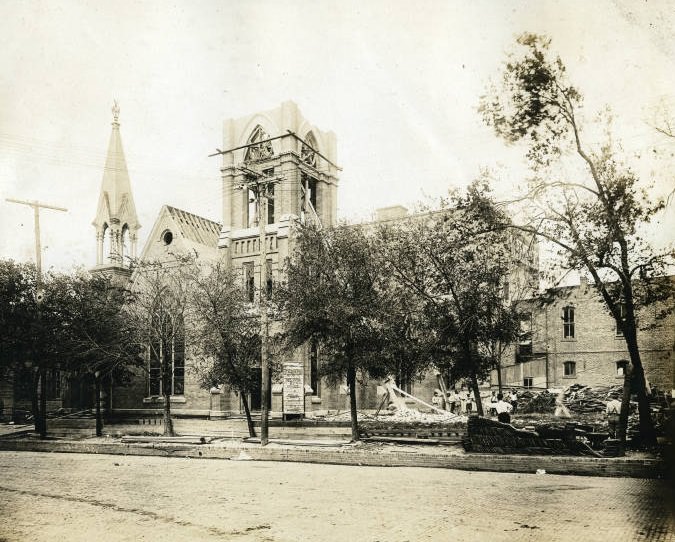
The physical transformation of the city was constant. Old buildings came down to make way for new ones — the Shearn M.E. Church was demolished to build the Chronicle Building. The Max Urwitz home was cleared for the Stewart Building. The Chronicle Building itself rose as a symbol of Houston’s media and commercial growth. Each demolition and each new structure told the same story: Houston was not standing still.
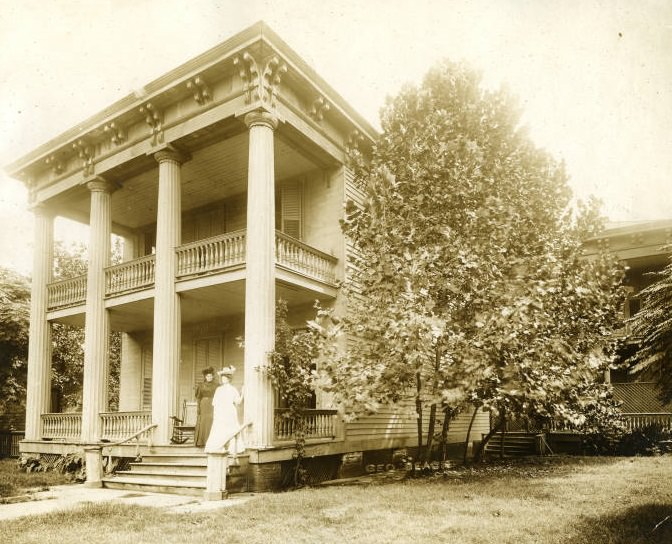
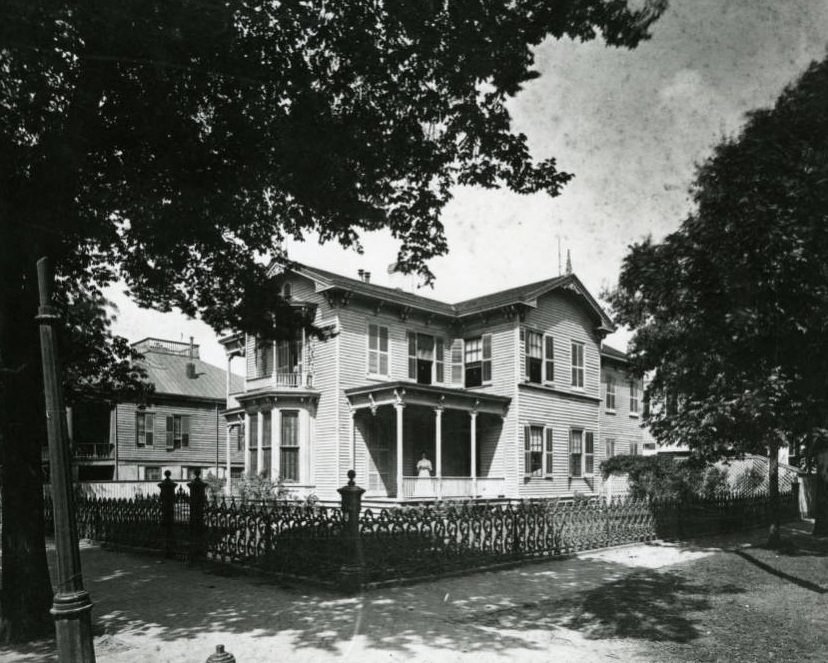
Residential life outside the wealthiest neighborhoods had its own texture. Families kept gardens and, in some cases, livestock. A photograph from 1908 shows a woman known as “Auntie” Jordan with a milk cow at the Frank Lee Berry house — a reminder that urban and rural life still overlapped at the edges of the city. Modest homes with well-kept yards filled entire neighborhoods across Houston, and the people who lived in them were building lives just as the city itself was being built around them.





little heavy on the address-free residential photos
Very cool. I love all the pictures of Grand Central Depot especially
The La Porte Depot is still there. Just before you get to Sylva Beach
I can remember what the 20th century looked like. I feel like it was only 25 years ago.