Pia Zadora was born Pia Alfreda Schipani in 1954, and by the early 1980s she had already lived through more public highs and lows than most performers see in a lifetime. Her career began on Broadway before she landed a childhood role in the cult oddity “Santa Claus Conquers the Martians” in 1964. It was a strange beginning, but it was only a preview of the contradictions that would define her public life.

Her adult film career shifted into high gear with “Butterfly” in 1981. The film made her a household name almost overnight — but for complicated reasons. Her performance earned her a Golden Globe Award for New Star of the Year and a Golden Raspberry Award for Worst Actress in the same sweep. Few entertainers have ever split critical opinion so sharply, or so publicly.

Rather than stay in a film world that had treated her unpredictably, Zadora turned to music. By 1983, she had released several albums, moving toward popular standards backed by full symphonic orchestras. The shift showed range and seriousness as an artist, even as her pop culture reputation remained a target for easy jokes.

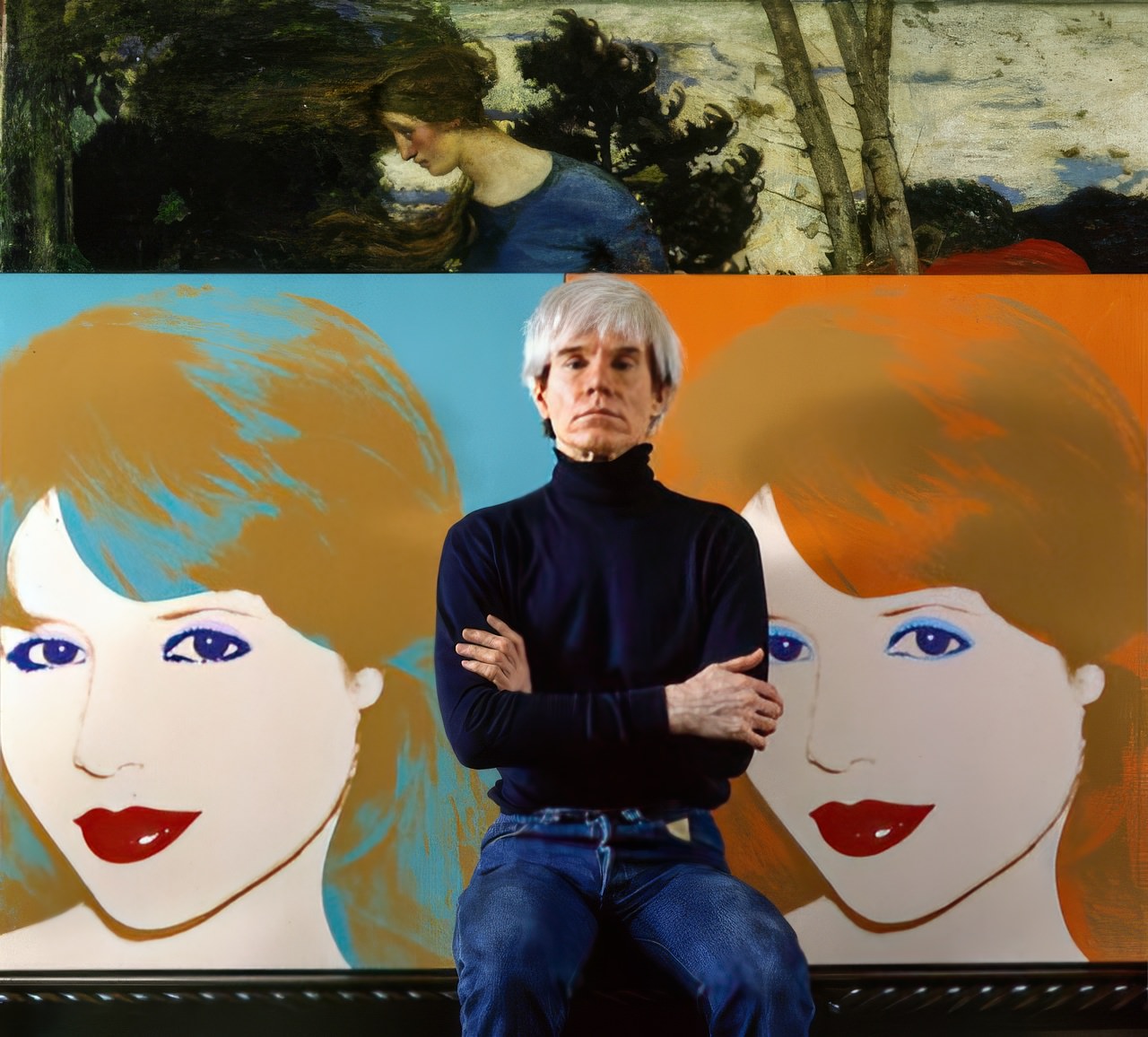
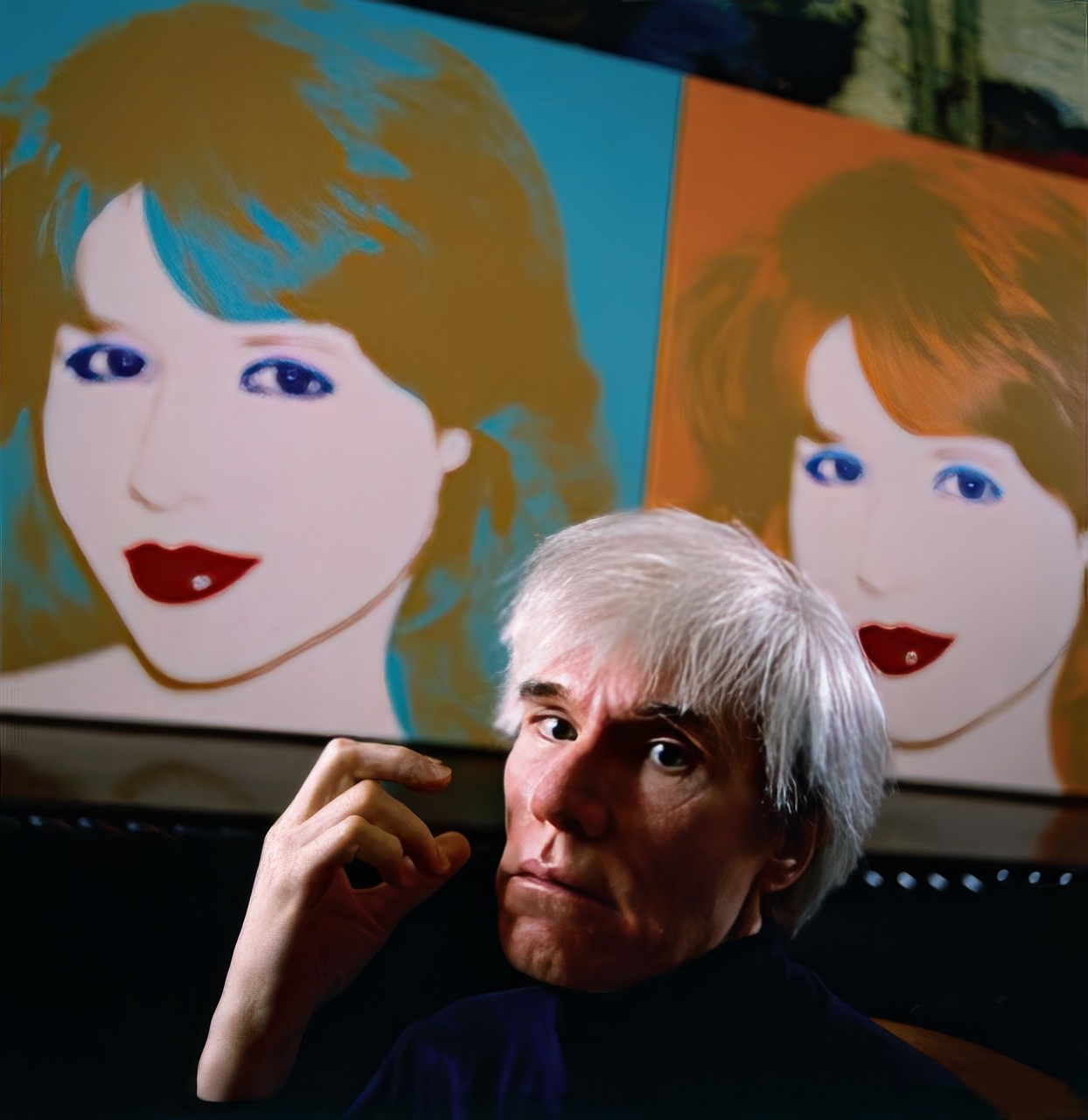
Andy Warhol, by that same year, was one of the most recognized artists on the planet. His work through the 1960s and 1970s had permanently changed how people thought about art, celebrity, and mass culture. He treated commercial imagery and famous faces as raw material, elevating them and questioning them at the same time.

The Factory — Warhol’s New York studio — was unlike any other creative space of its time. Its silver-lined walls and open-door atmosphere attracted artists, musicians, filmmakers, and celebrities constantly. It was part workshop, part social hub, and entirely Warhol’s domain. Whoever passed through its doors became, in some way, part of his ongoing study of fame.

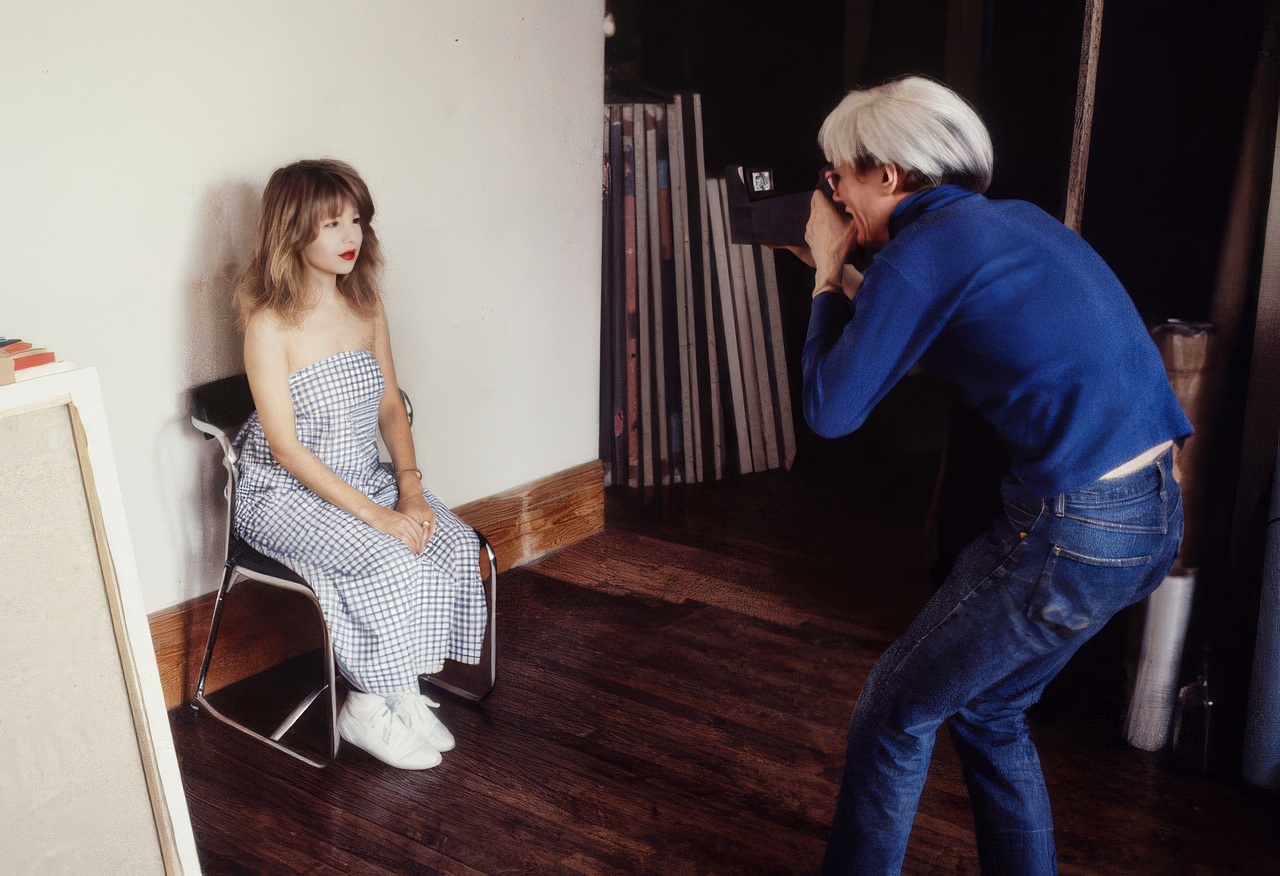
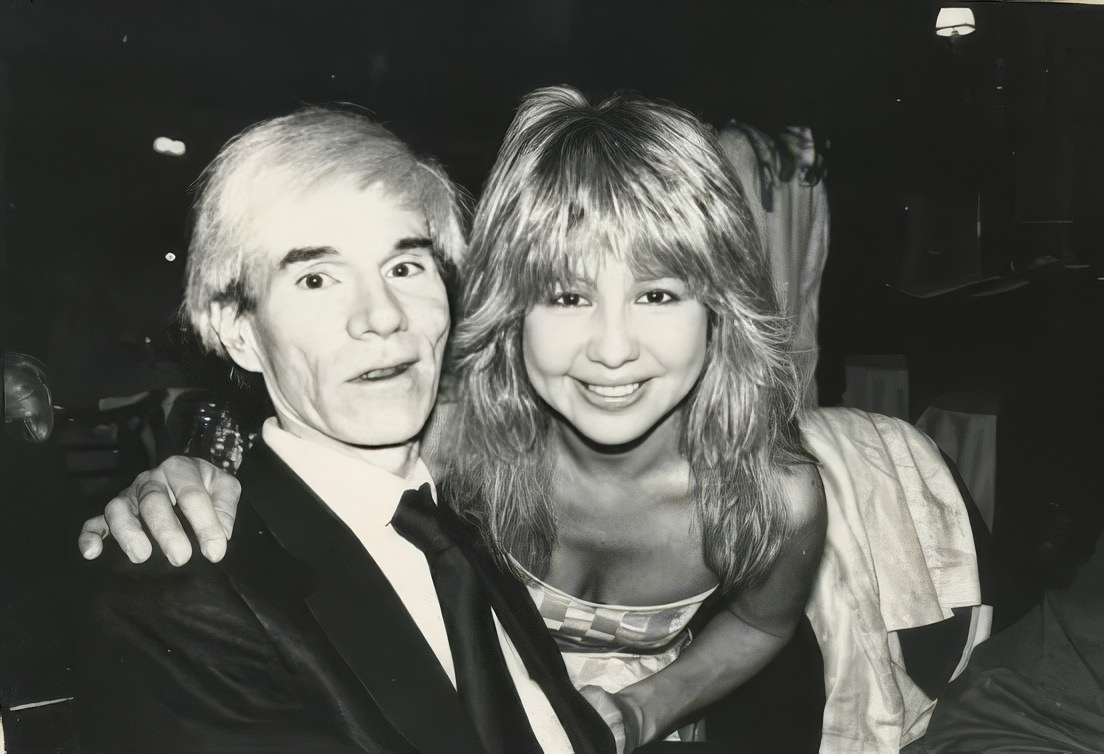
Zadora’s arrival at The Factory in 1983 fit naturally into Warhol’s world. She was someone who had been built up, torn down, and reinvented — exactly the kind of figure his work had always gravitated toward. Warhol was not interested in people who moved through fame cleanly. He was drawn to the complicated ones, the ones the public couldn’t quite agree on.

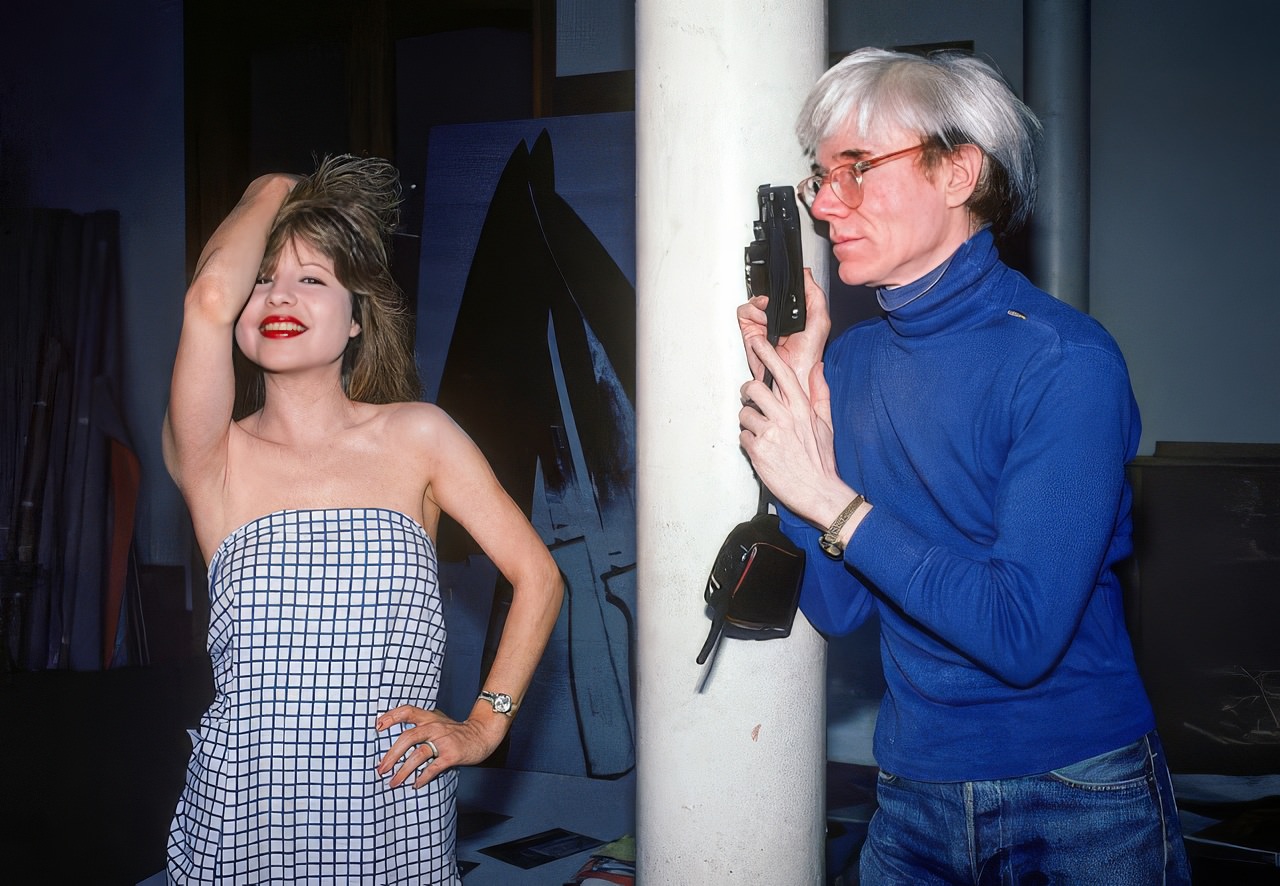
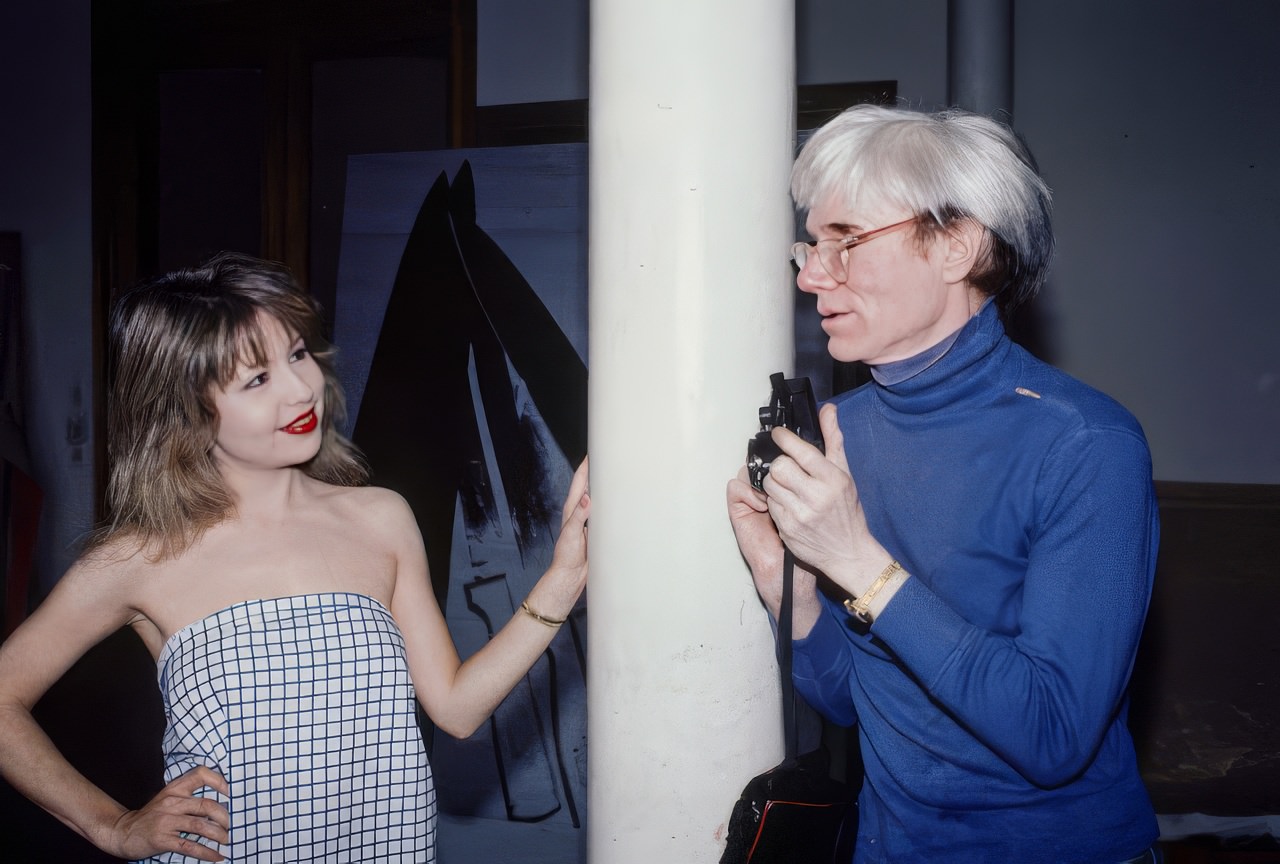
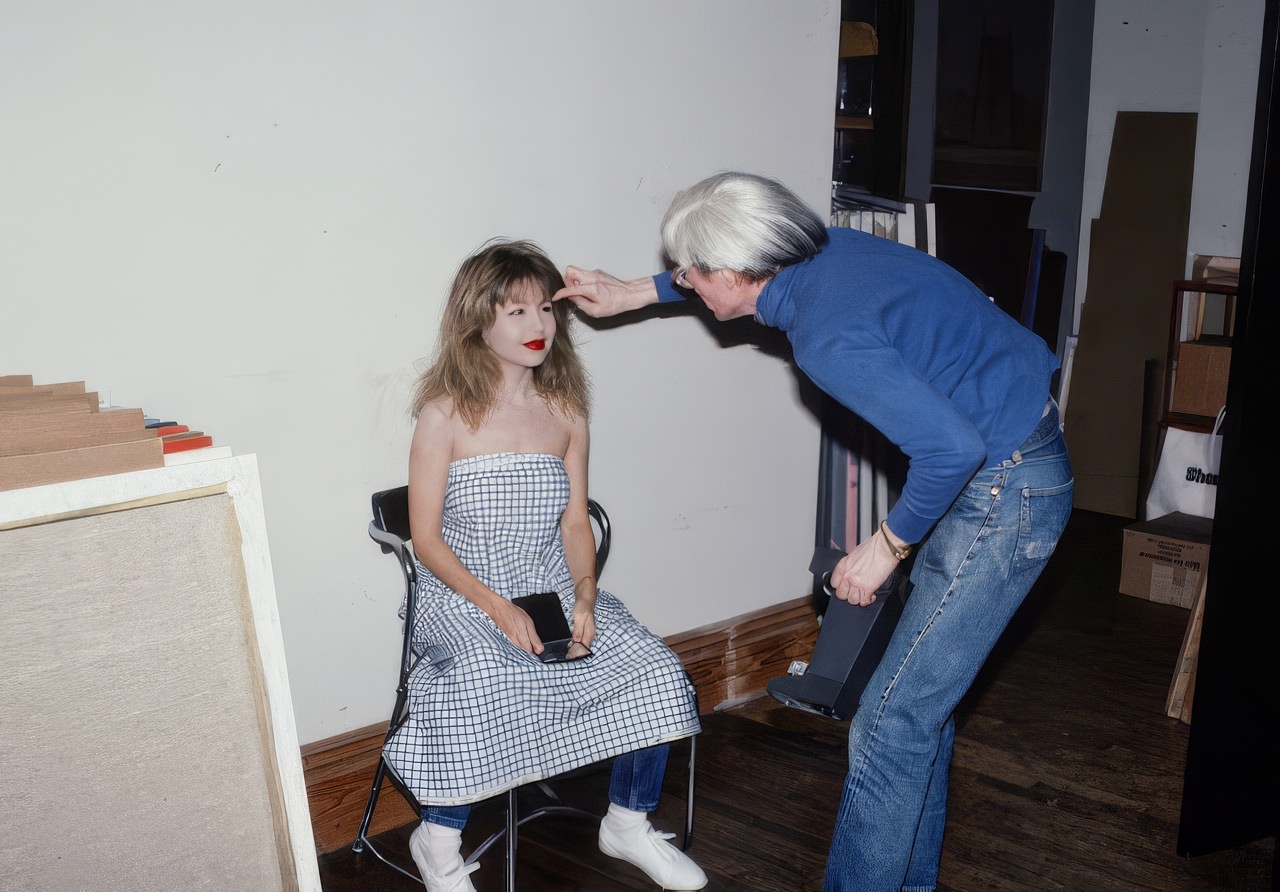
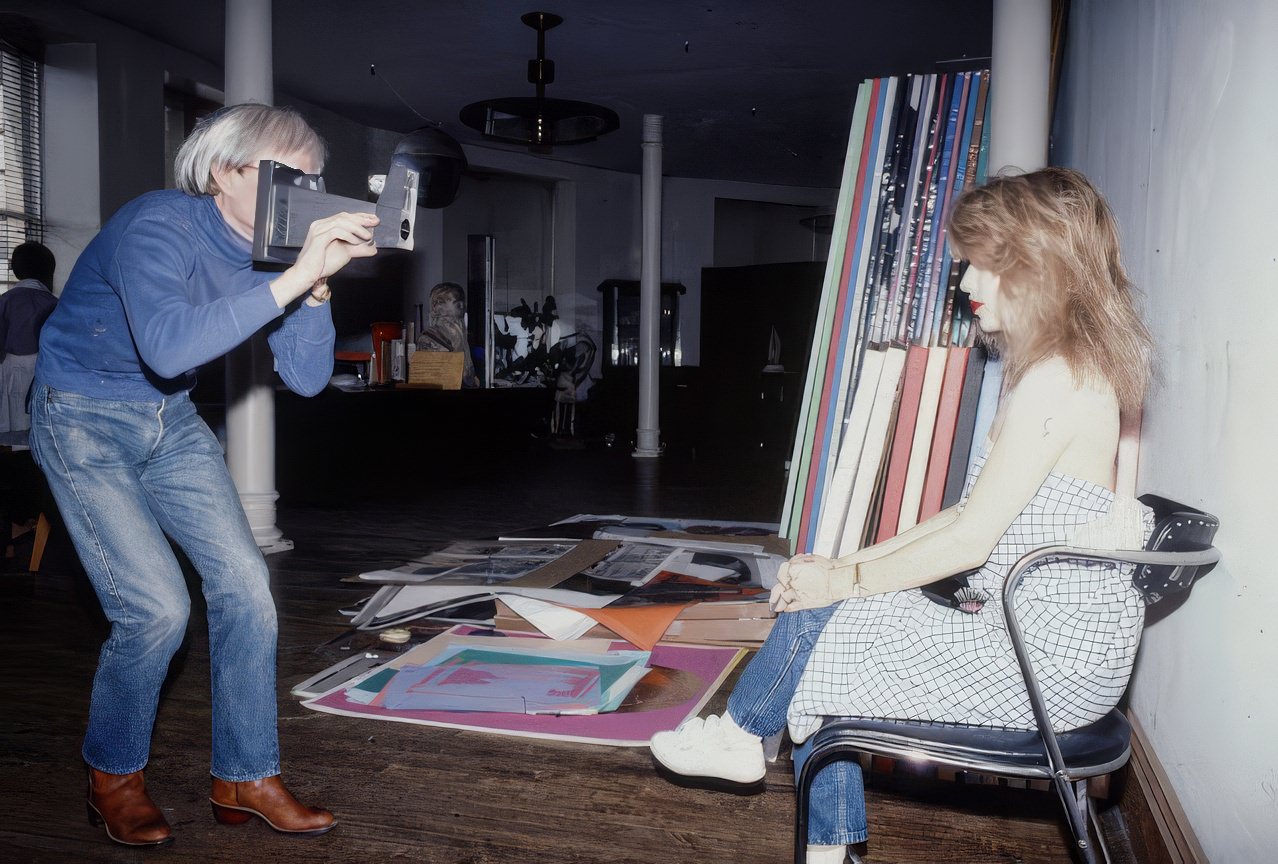
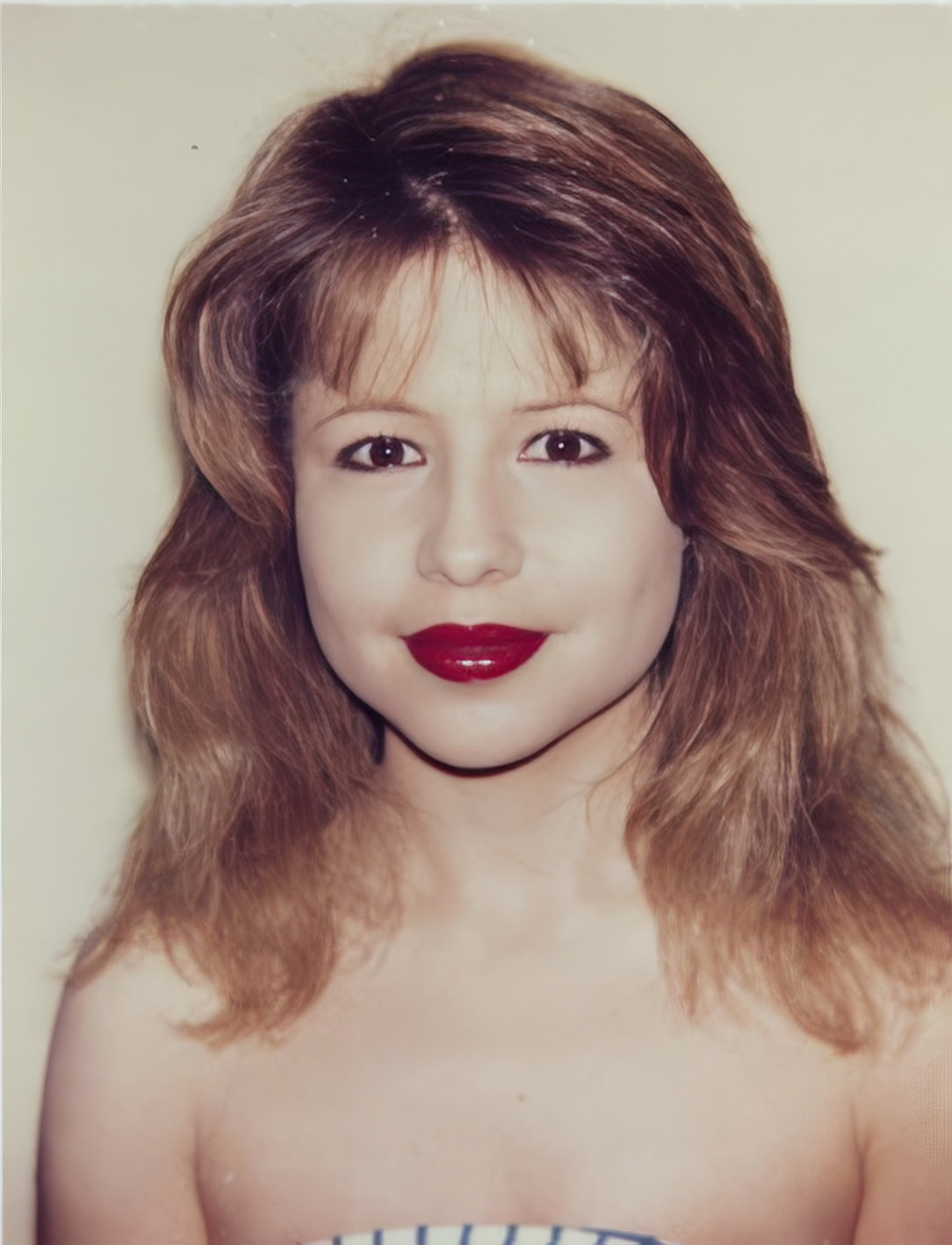
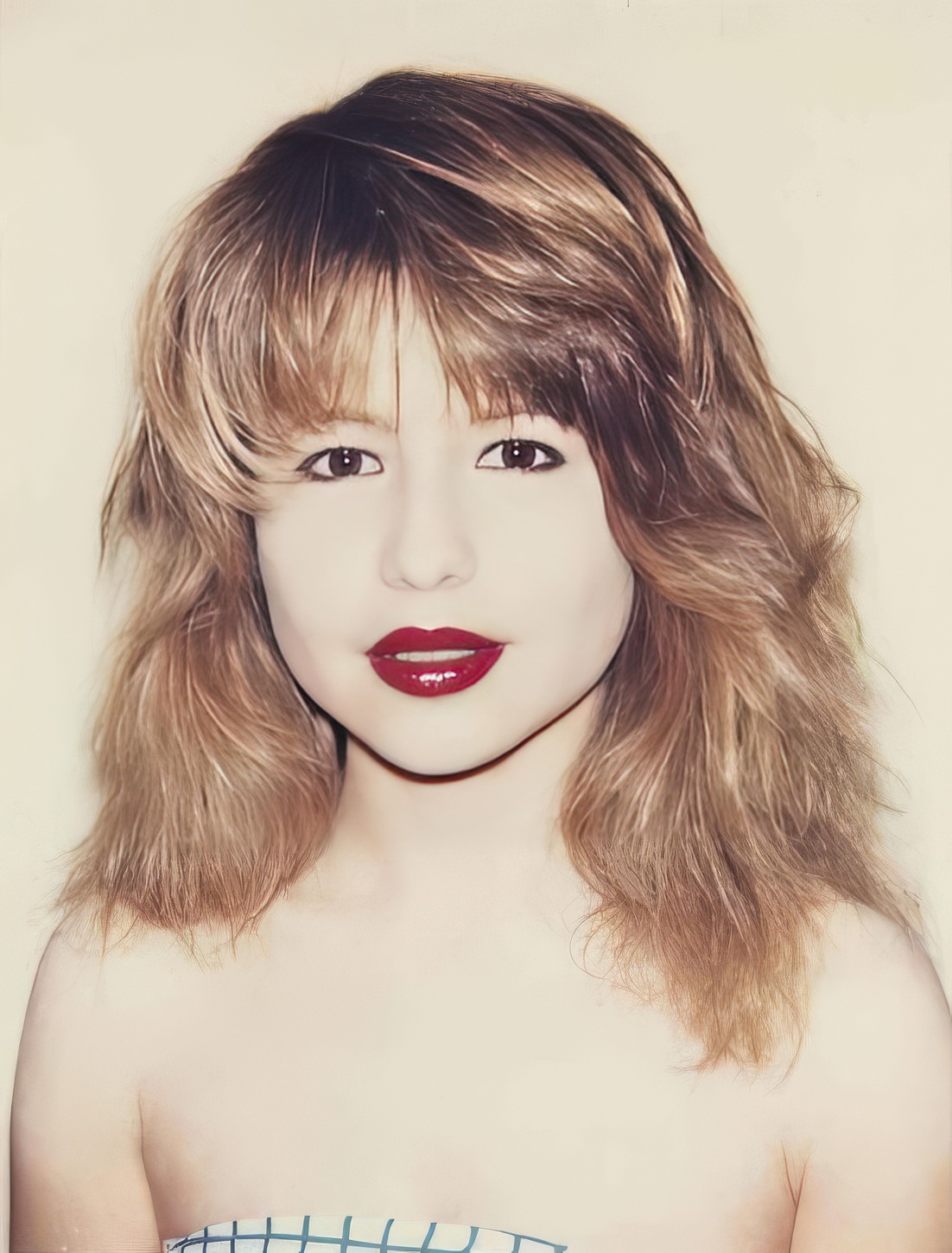
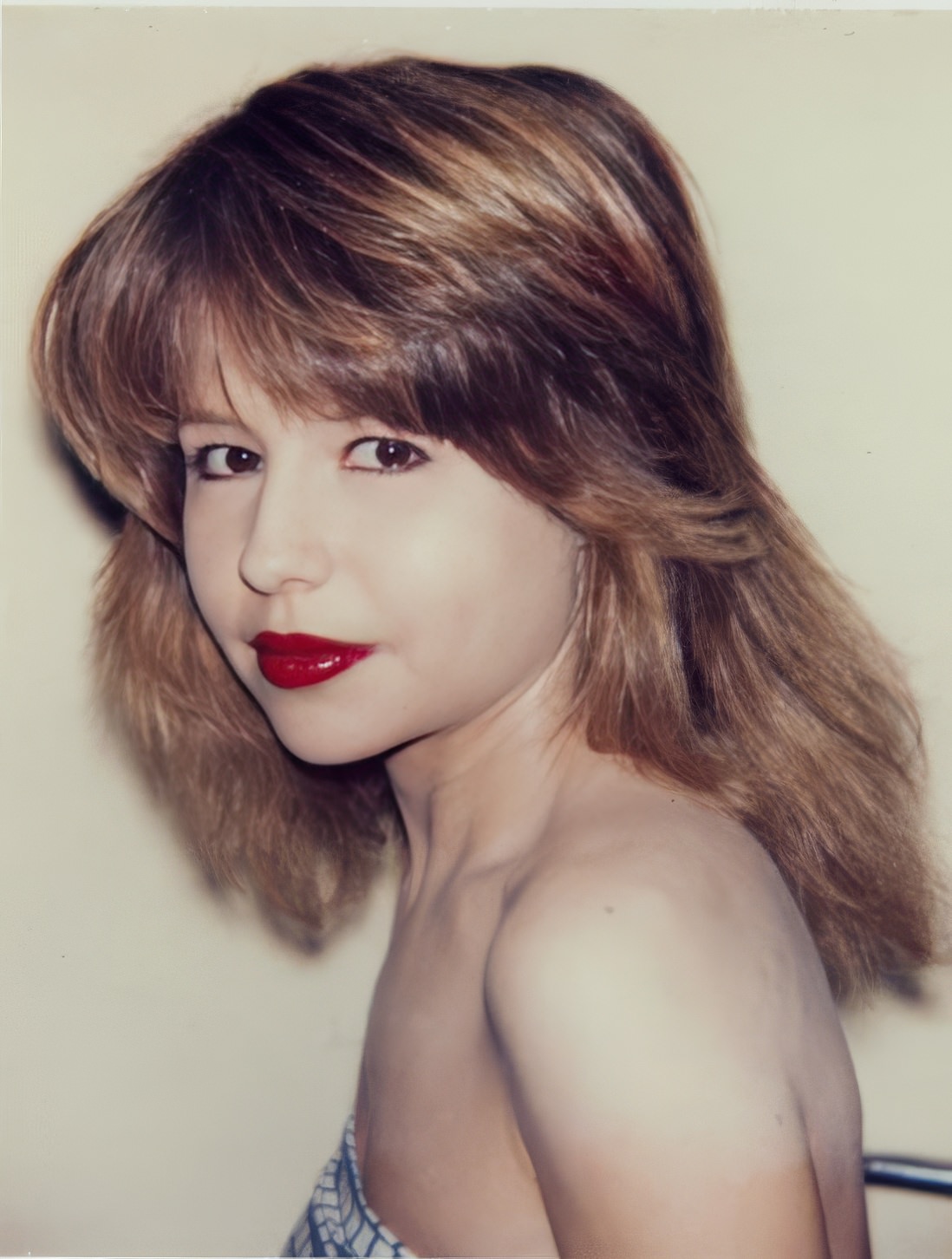
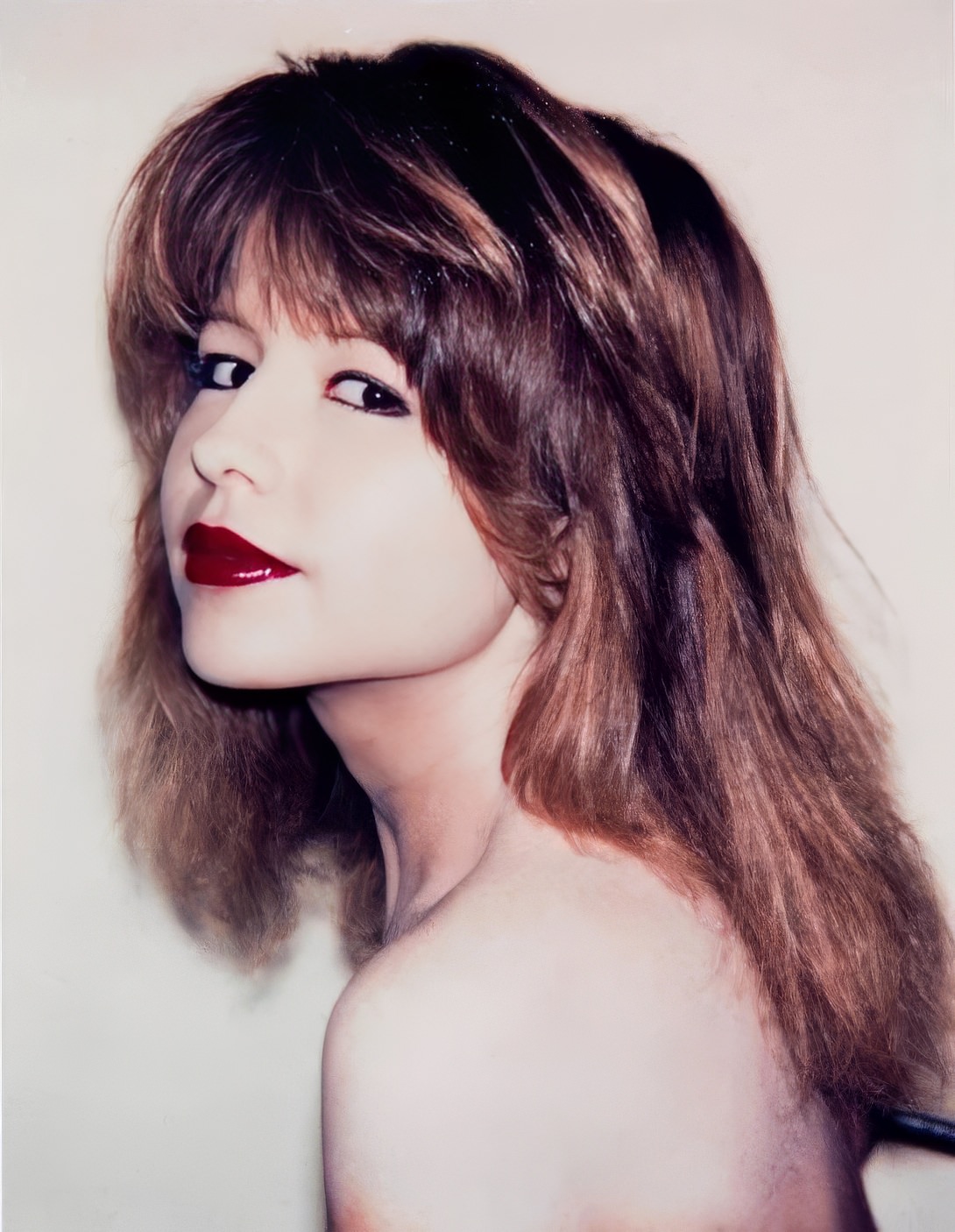
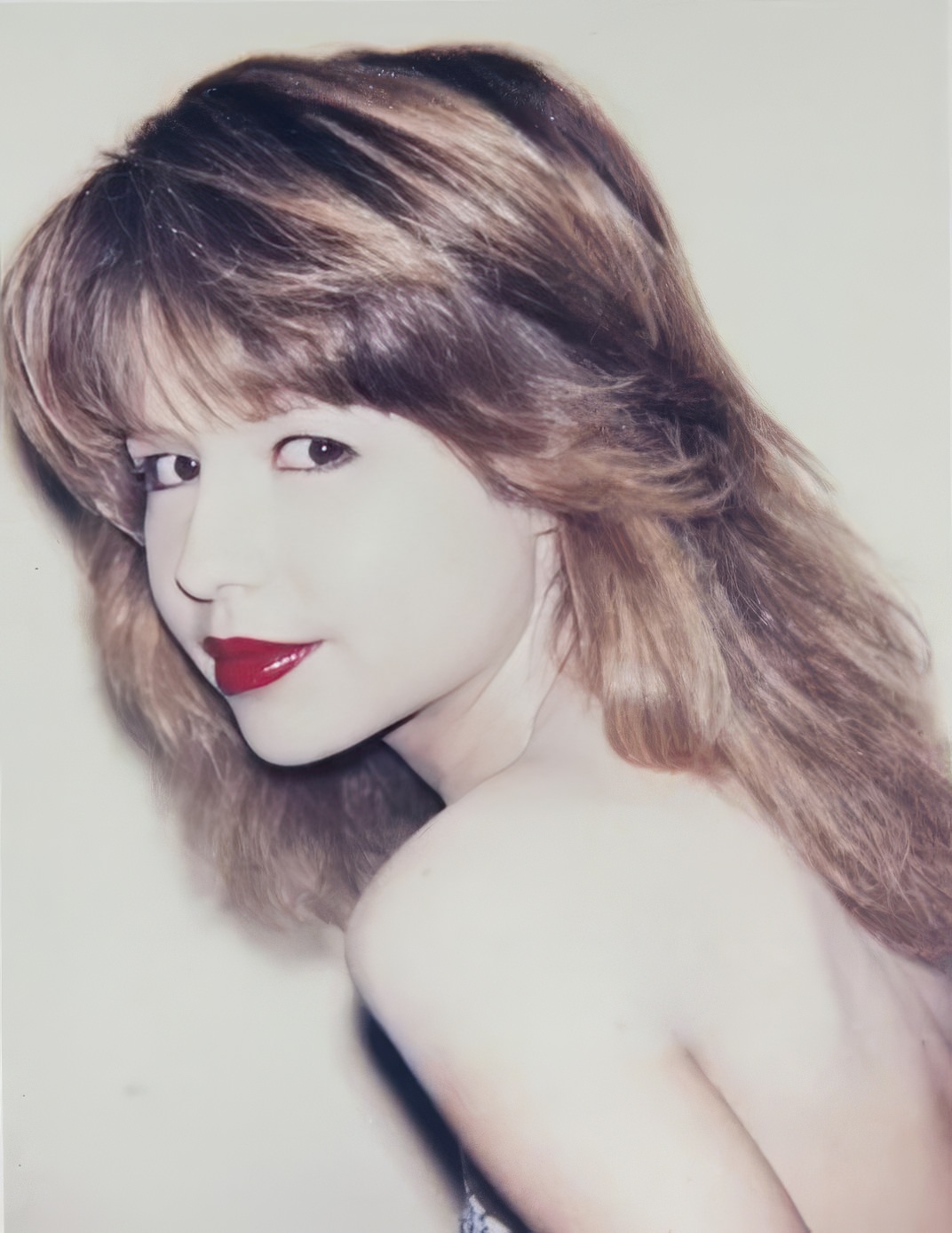
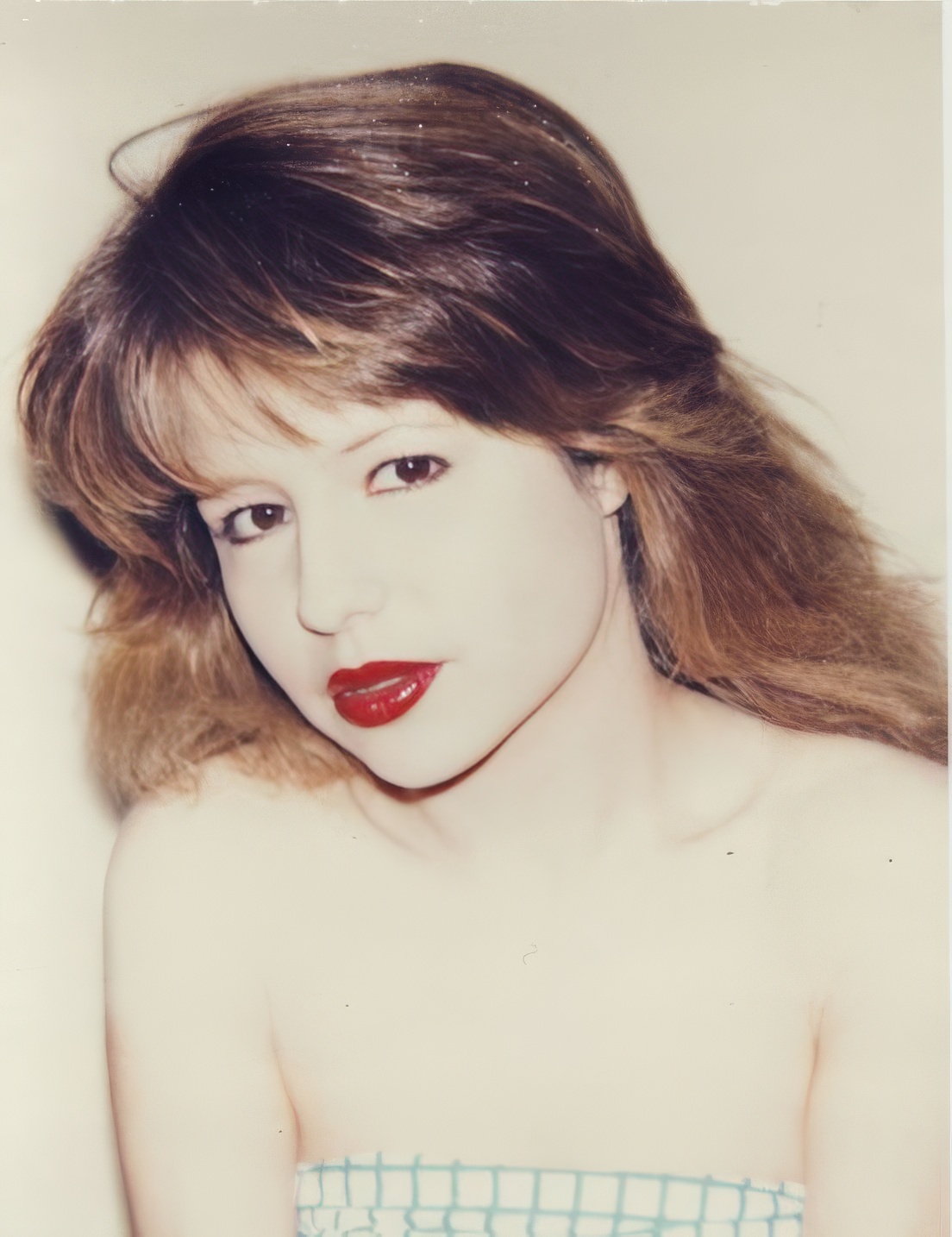
The photoshoot that followed was bold and direct. Warhol’s approach behind the lens mirrored his approach to all his work — he observed closely, kept things candid, and let the subject carry the weight of meaning. He wasn’t trying to flatter Zadora or expose her. He was documenting her as a product of the culture they both inhabited.

The images captured during the session carry the look and feel of Warhol’s broader visual style. Strong contrasts, an unflinching directness, and a sense that every frame is aware of its own artifice. These were not casual snapshots. They were deliberate compositions by a man who understood exactly what he was saying with a camera.

For Zadora, being photographed by Warhol at The Factory carried real weight. It placed her inside one of the defining cultural spaces of the 20th century, alongside a roster of figures — from Mick Jagger to Marilyn Monroe to Edie Sedgwick — who had sat for Warhol and become part of his artistic record.

Warhol’s fascination with Zadora was not accidental. She represented something specific about the 1980s — an era of excess, reinvention, and media spectacle. The decade rewarded visibility above almost everything else, and Zadora, for all her mixed reviews, was never invisible.

The Factory itself was the perfect setting for a session like this. Its reputation as a meeting point between high art and popular culture made it the right place to photograph someone like Zadora, who lived exactly on that border. Warhol had built the space to collapse those distinctions, and this shoot did exactly that.

Warhol kept detailed diaries throughout the later part of his life, and his entries from this period show a man still deeply engaged with the pulse of New York’s social and creative scene. He was photographing constantly, cataloguing the world around him with the same obsessive energy he brought to his paintings and prints.

The 1983 session with Zadora sits within a larger body of photographic work that Warhol produced throughout his career. He used photography not just as a tool for reference or documentation, but as a medium in its own right — one that could freeze a moment in the ongoing spectacle of celebrity and turn it into something permanent.

Together, Warhol and Zadora made for an unlikely but fitting pairing. One was the architect of pop art’s most enduring vocabulary. The other was a performer who had absorbed more public scrutiny than most people ever face. The photographs from their Factory session document a specific moment in 1980s American culture — unfiltered, direct, and entirely of its time.