Hong Kong in the 1950s and 1960s was a city in motion. It was rebuilding after World War II, absorbing massive waves of people fleeing political upheaval in mainland China, and pressing old traditions up against new ones. Streets were packed. Buildings were rising. And through all of it, one photographer was watching.
Fan Ho arrived in Hong Kong from Shanghai in 1949 and began documenting the city with a quiet, careful eye. His work was never about spectacle. It was about the ordinary — the way light fell across a narrow alley, the posture of a man walking alone, the geometry of scaffolding against an open sky. His camera turned street corners into poetry.
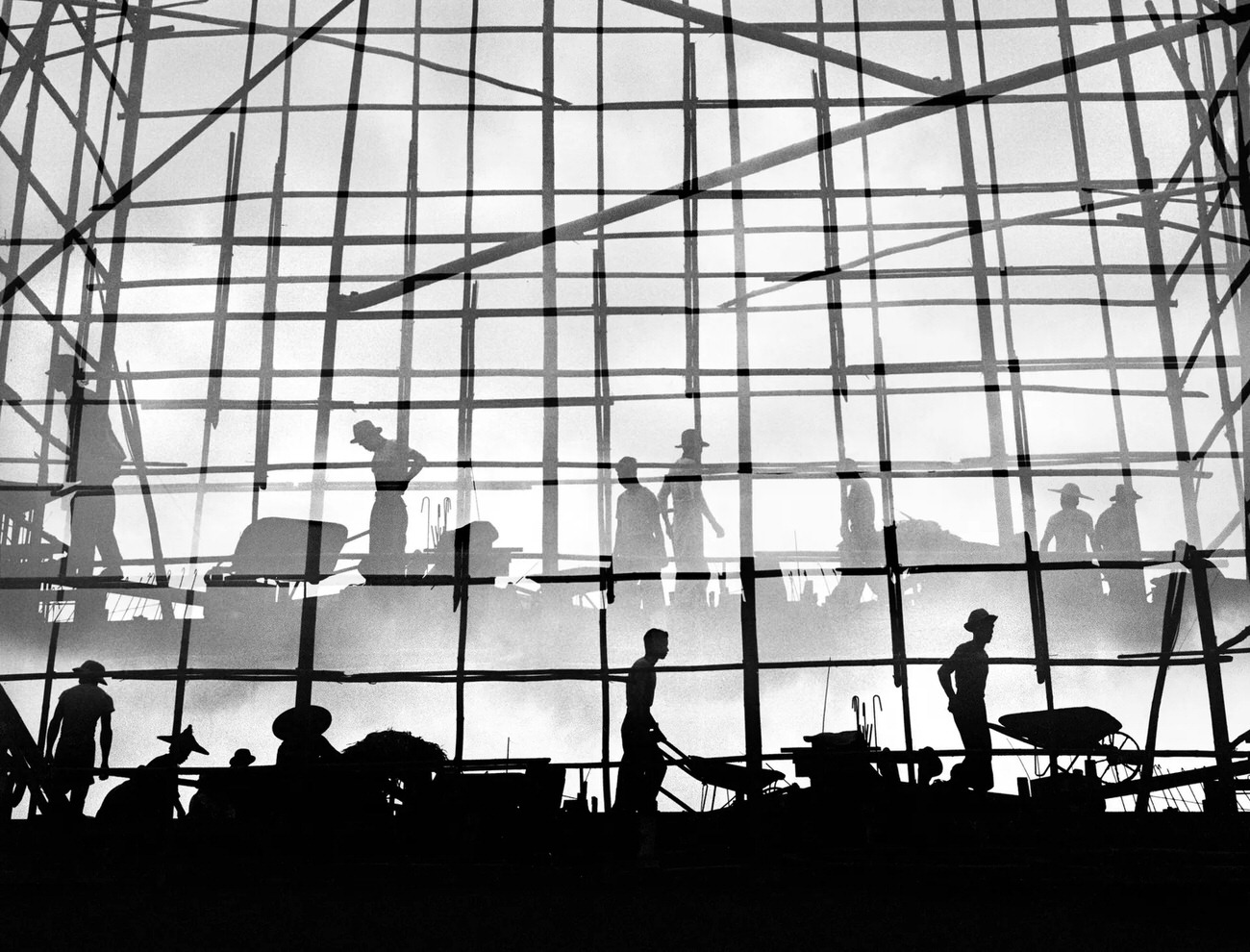
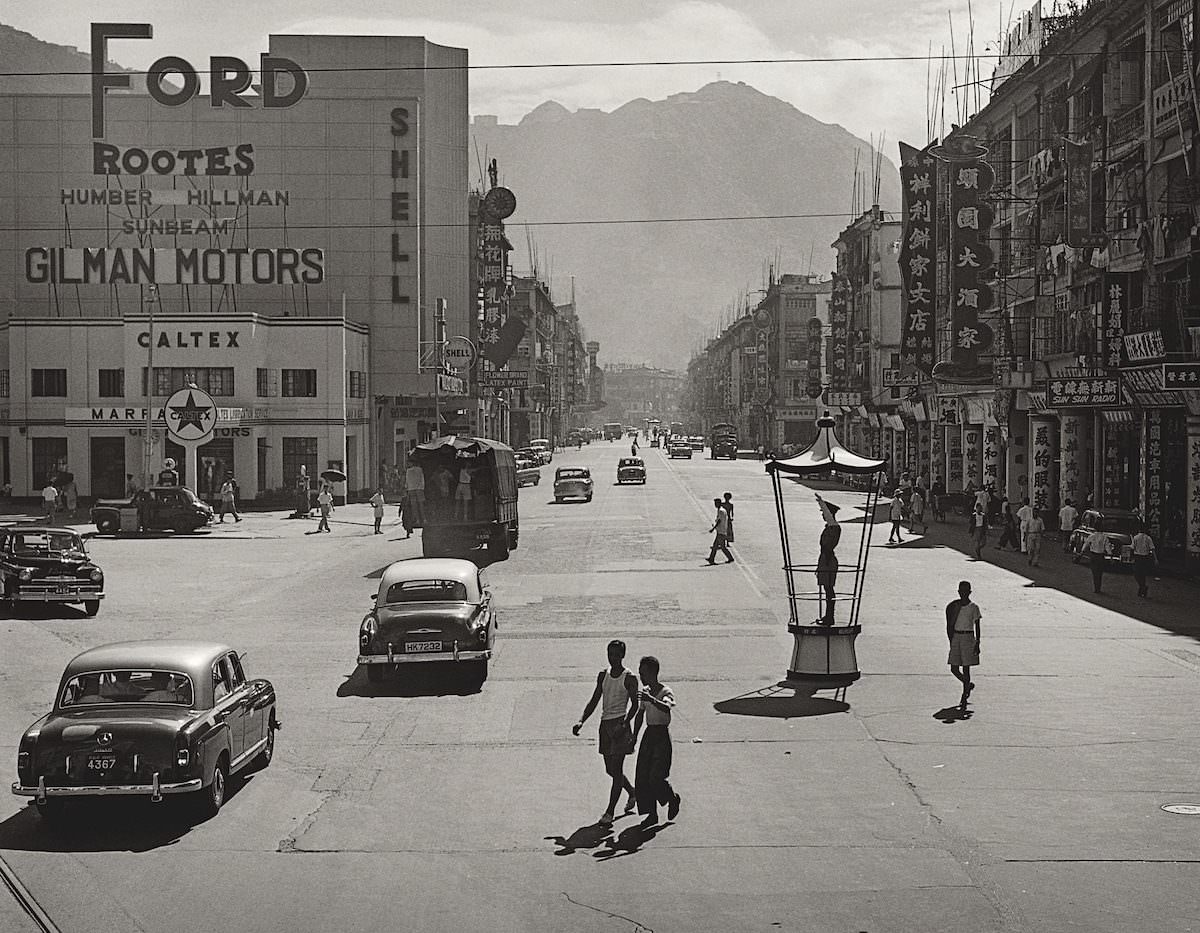
The construction boom of the 1950s transformed Hong Kong’s skyline rapidly. Older colonial-era structures stood beside rising concrete towers, and the streets below remained dense with foot traffic, vendors, and noise. Fan Ho photographed this tension between old and new constantly — finding drama not in the grand architectural scale, but in the shadows and angles the buildings cast on the people beneath them.
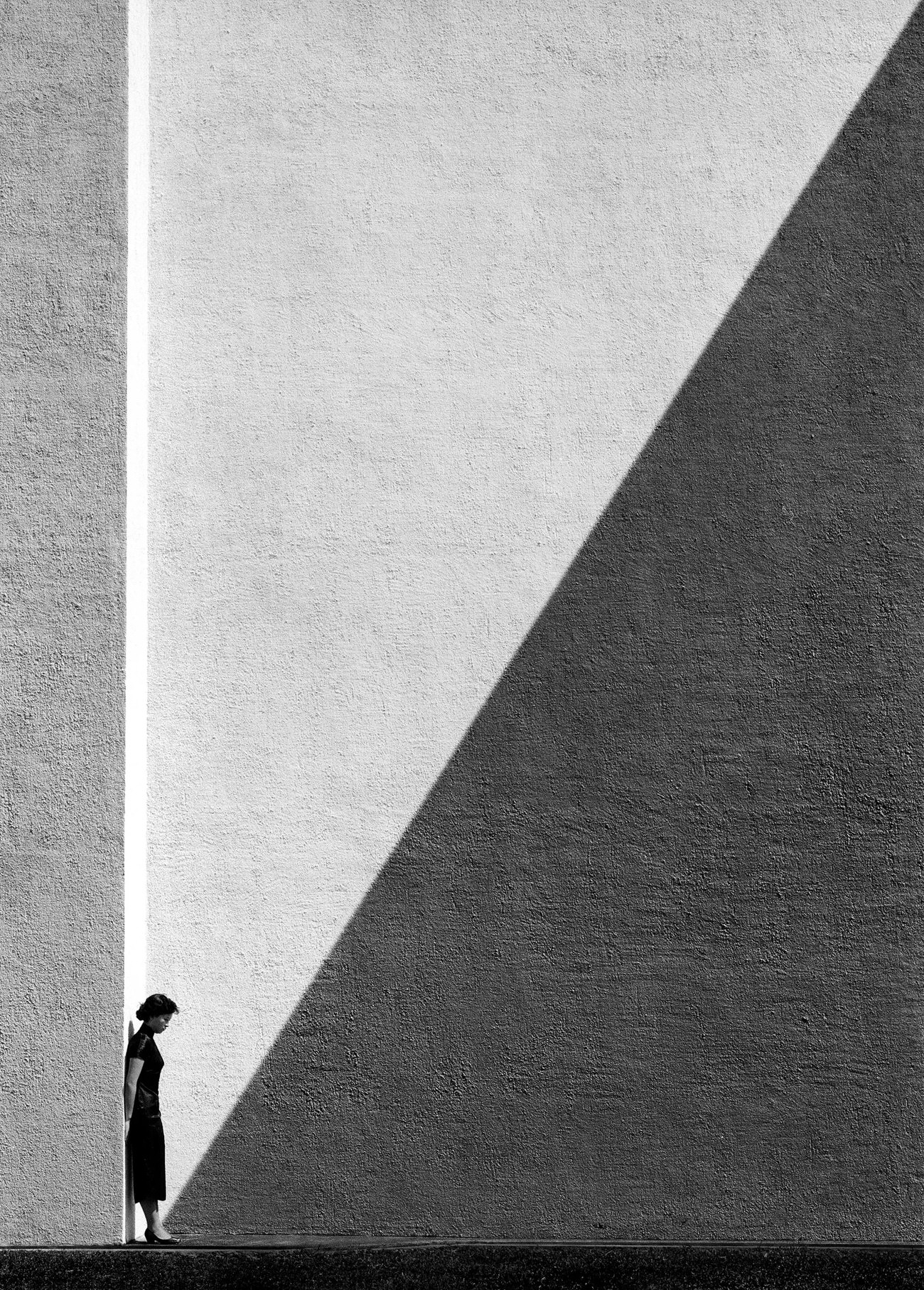
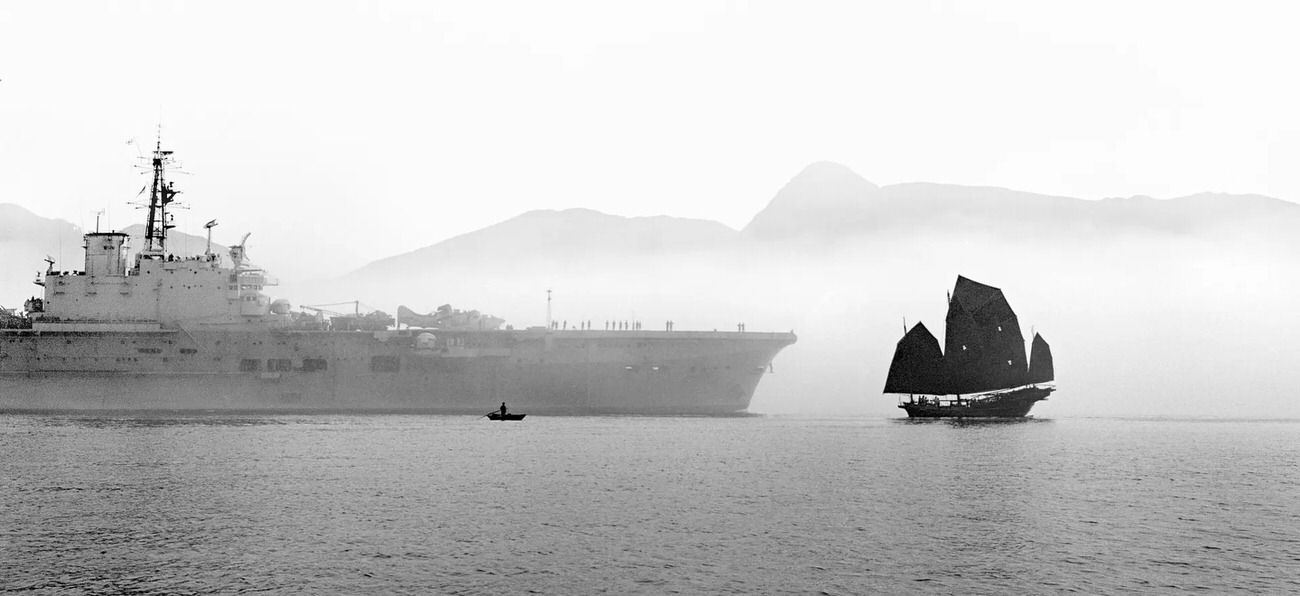
Hong Kong was never simply one thing. Western clothing, Western films, and Western music filtered into daily life while families still observed Lunar New Year, burned incense at temples, and bought produce from open-air stalls unchanged for generations. Fan Ho captured both worlds — sometimes within a single frame.
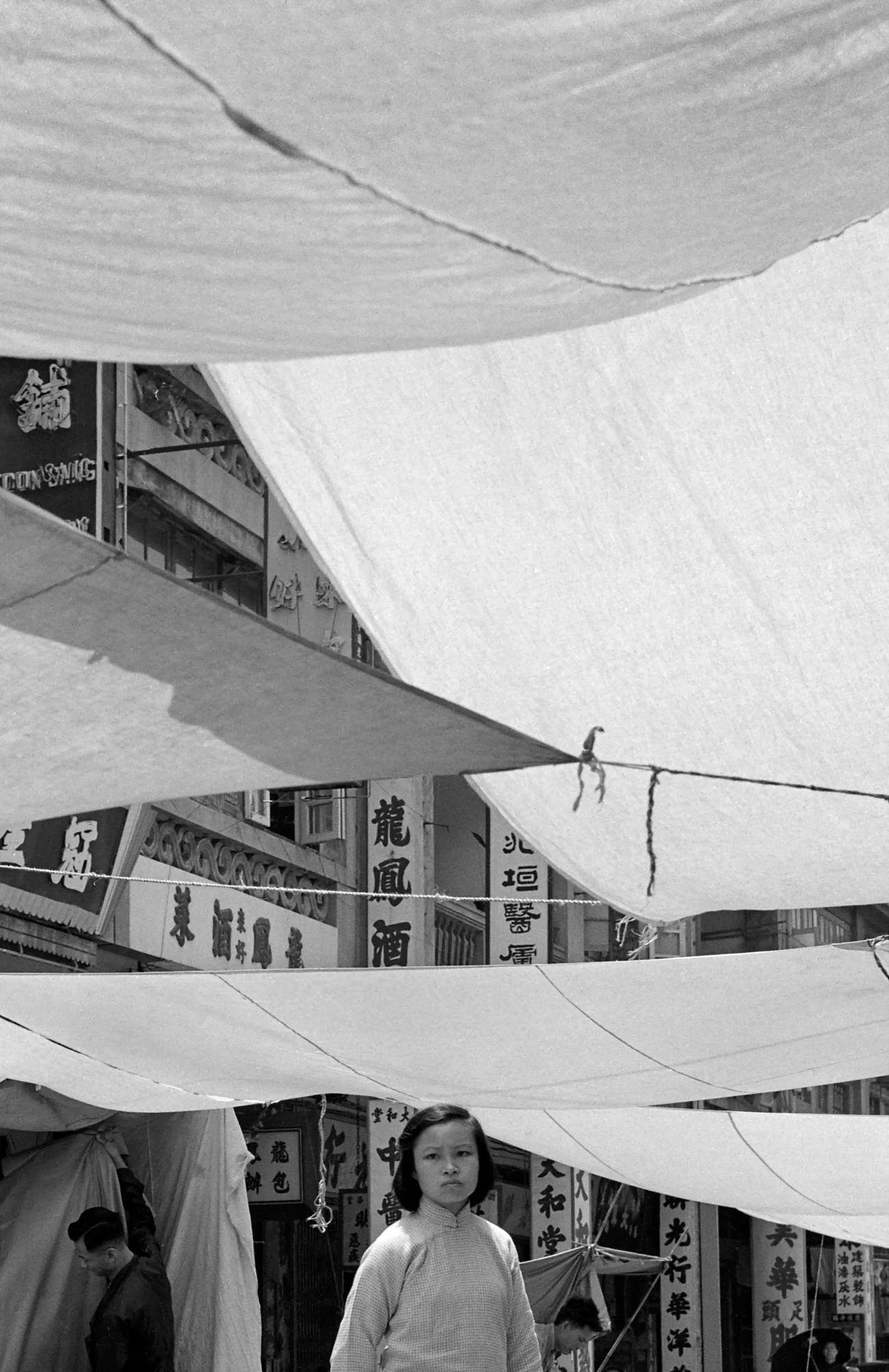
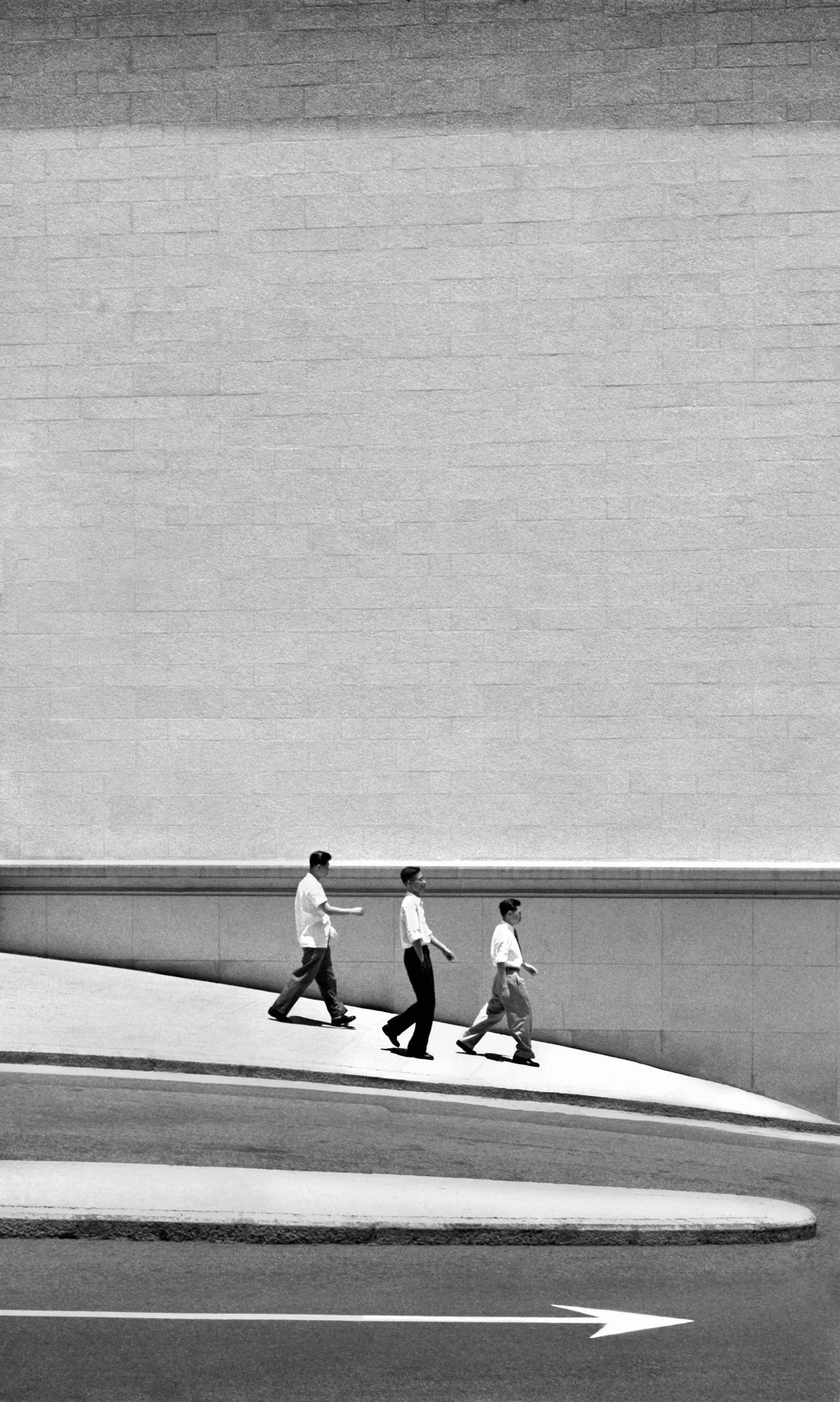
The streets were his studio. Fan Ho rarely staged his subjects. He moved through markets, alleyways, and harbor fronts, waiting for the right slice of light or movement. His photographs of pedestrians show people absorbed in their own lives — unaware of the camera, and because of that, completely honest.
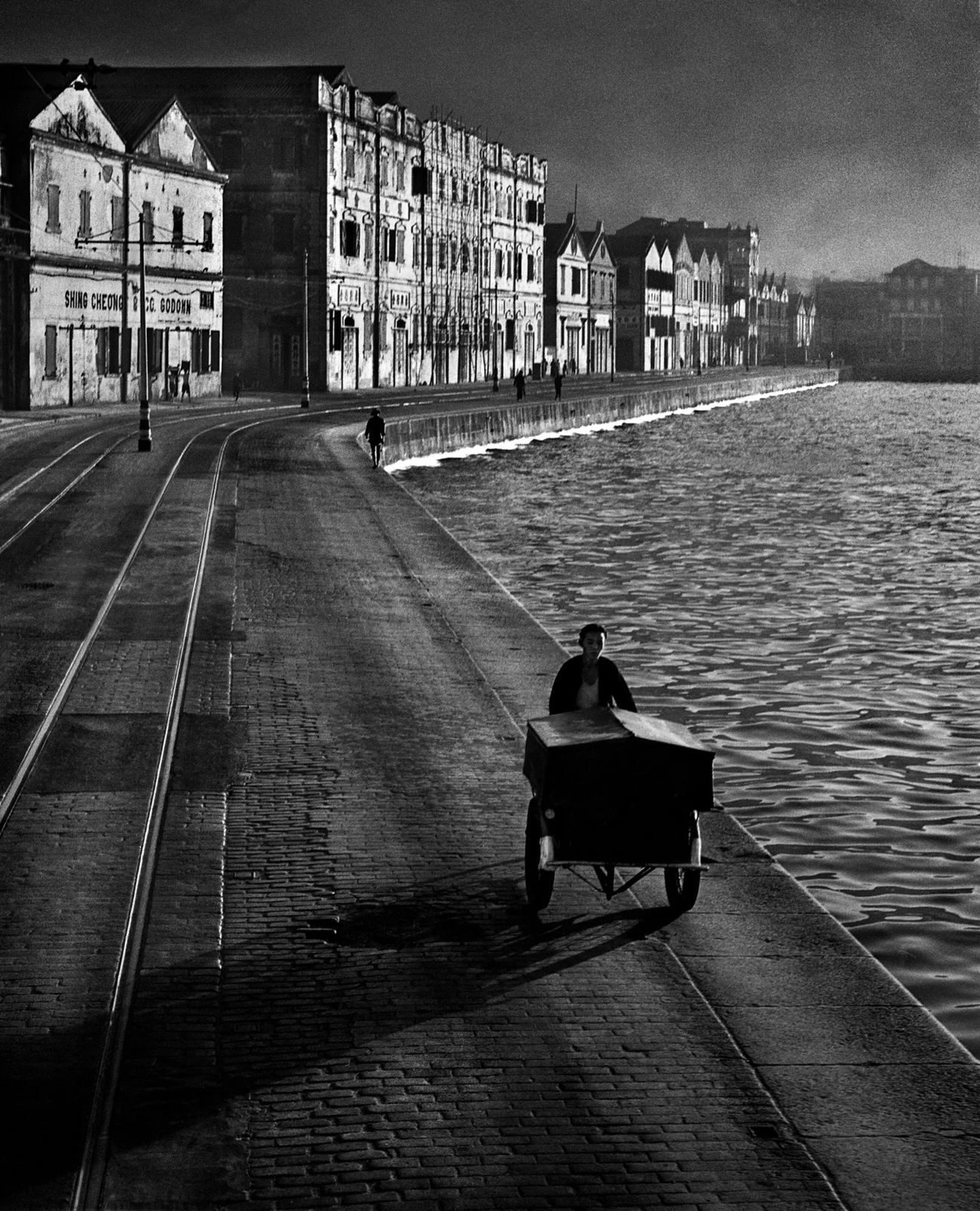
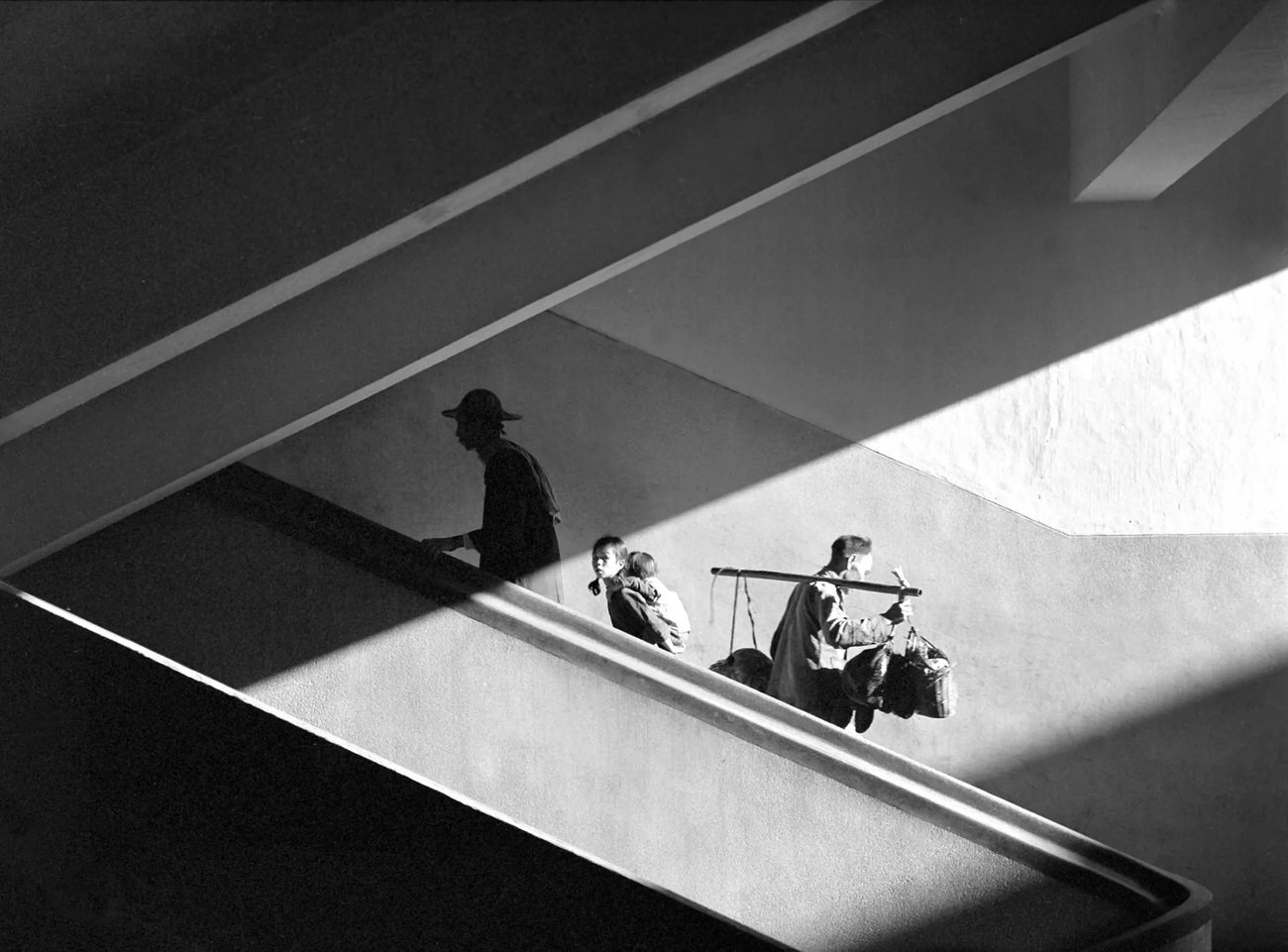
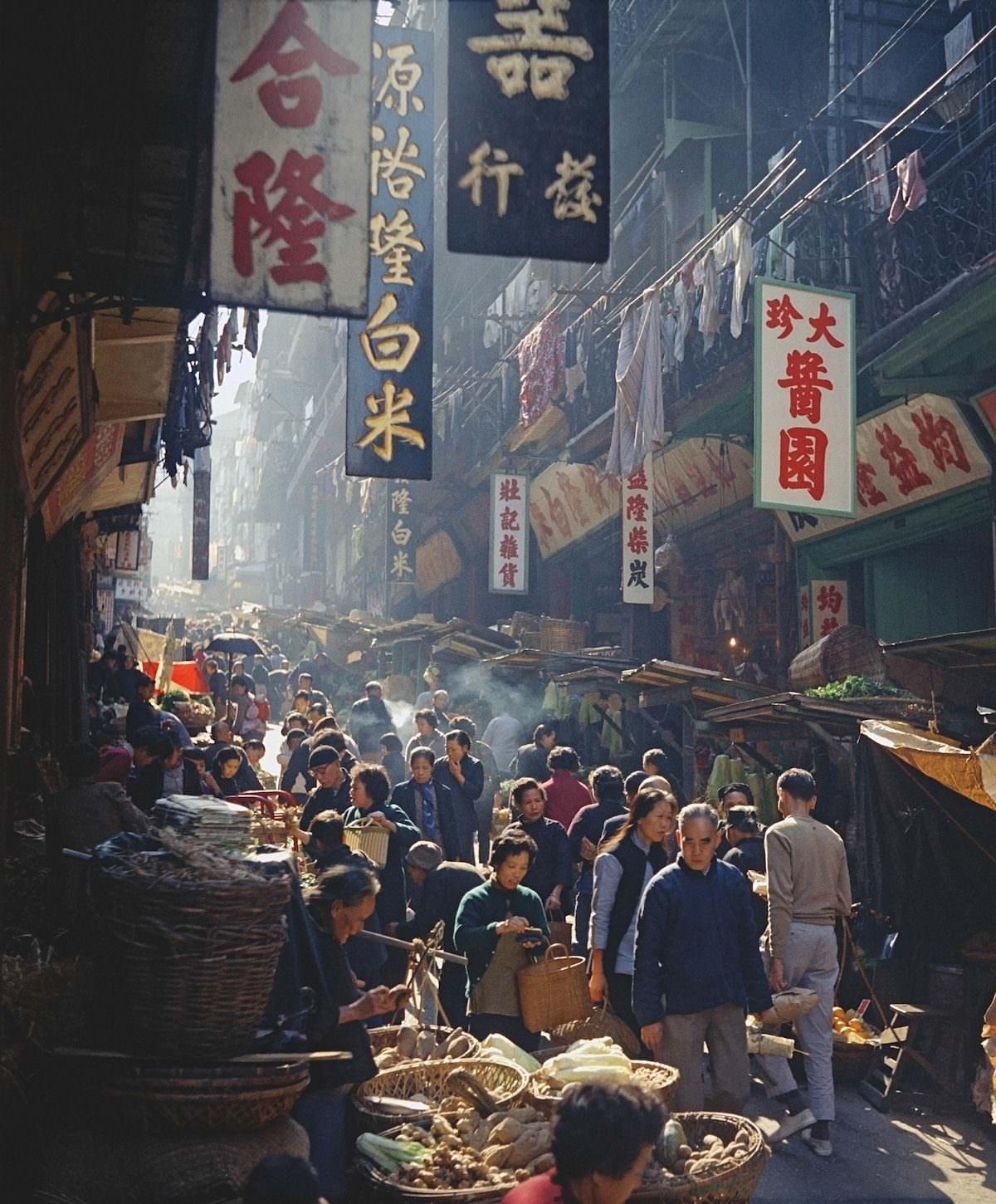
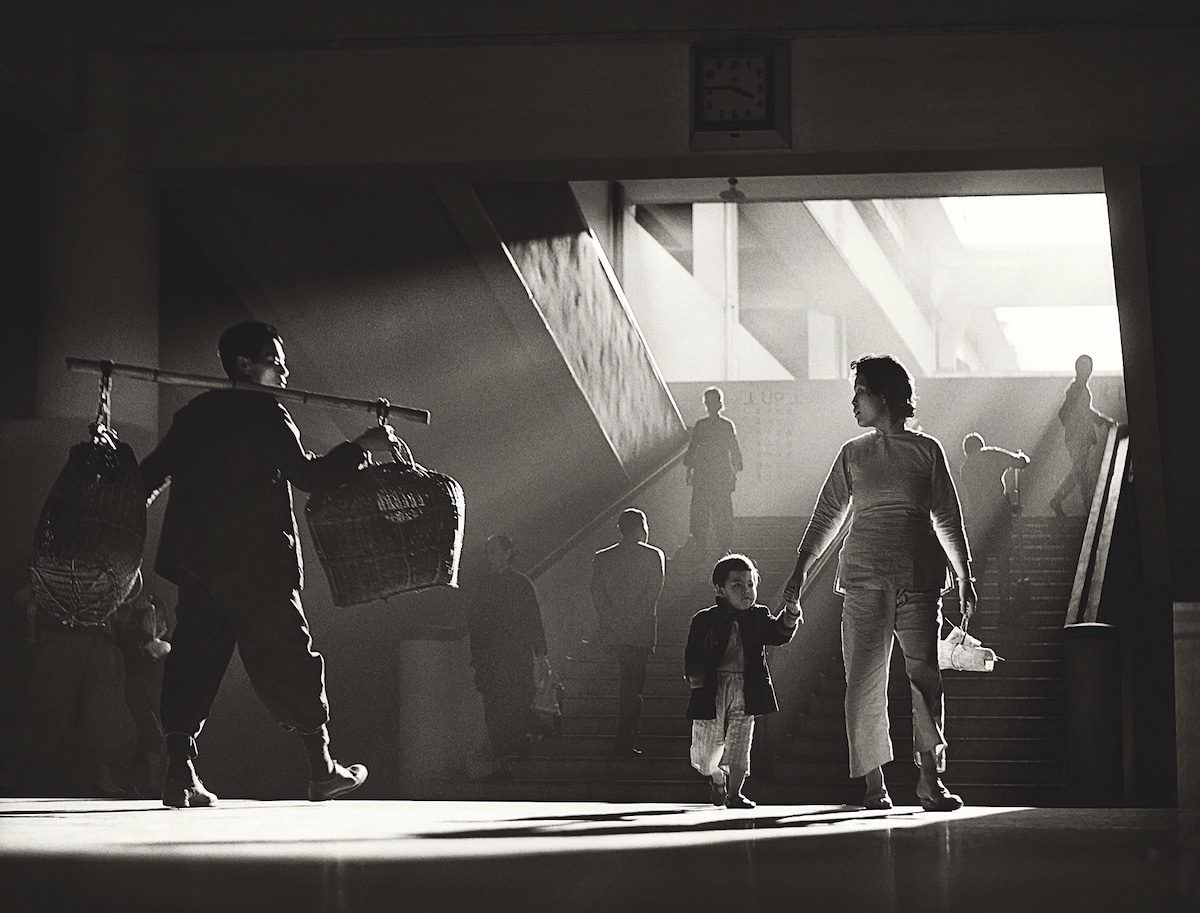
Light was Fan Ho’s most deliberate tool. He used it the way a painter uses brushstrokes — to direct attention, to suggest mood, to carve shapes out of smoke and fog. Hong Kong’s dense urban fabric gave him natural tunnels of light and darkness that he exploited with great skill.
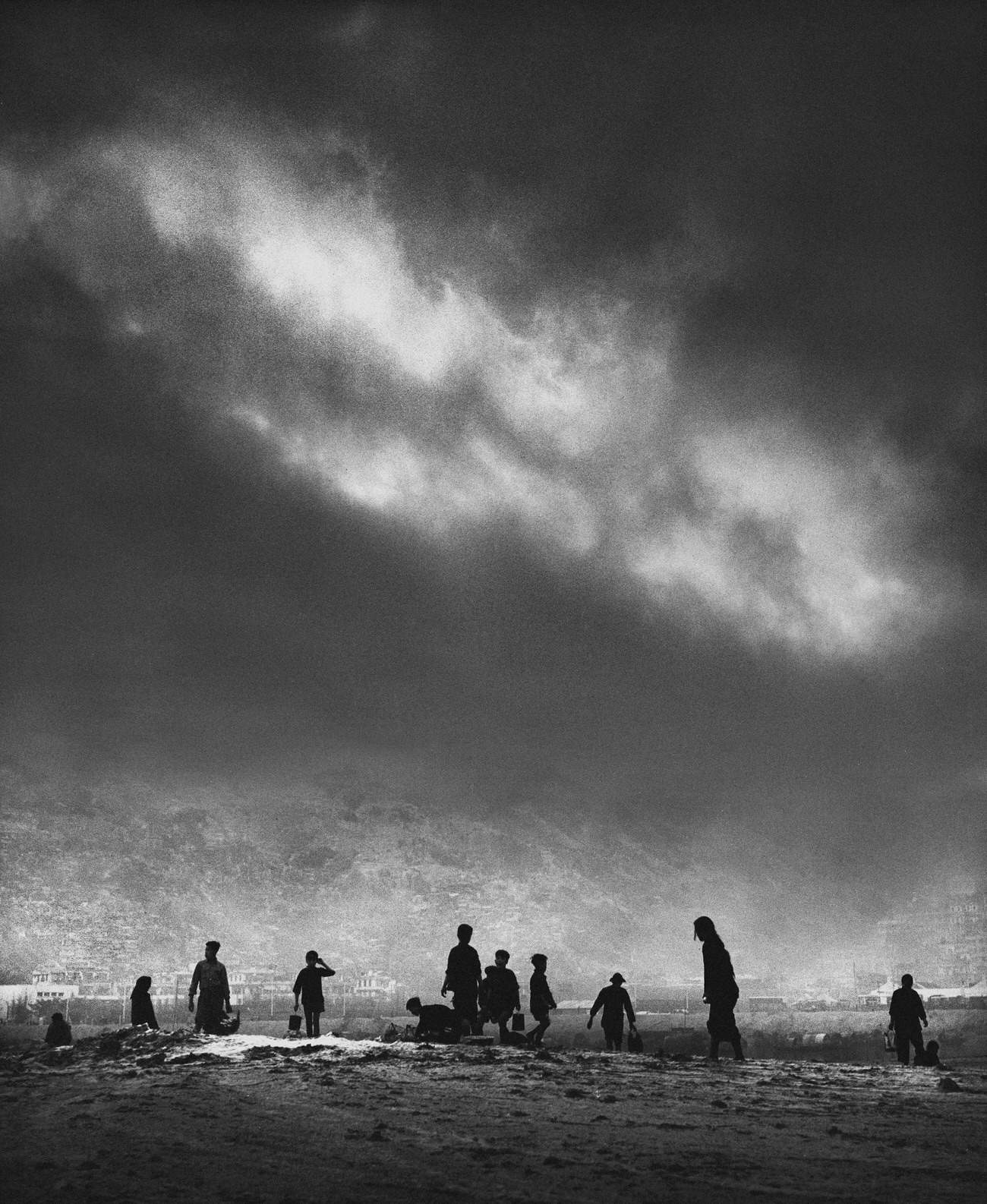
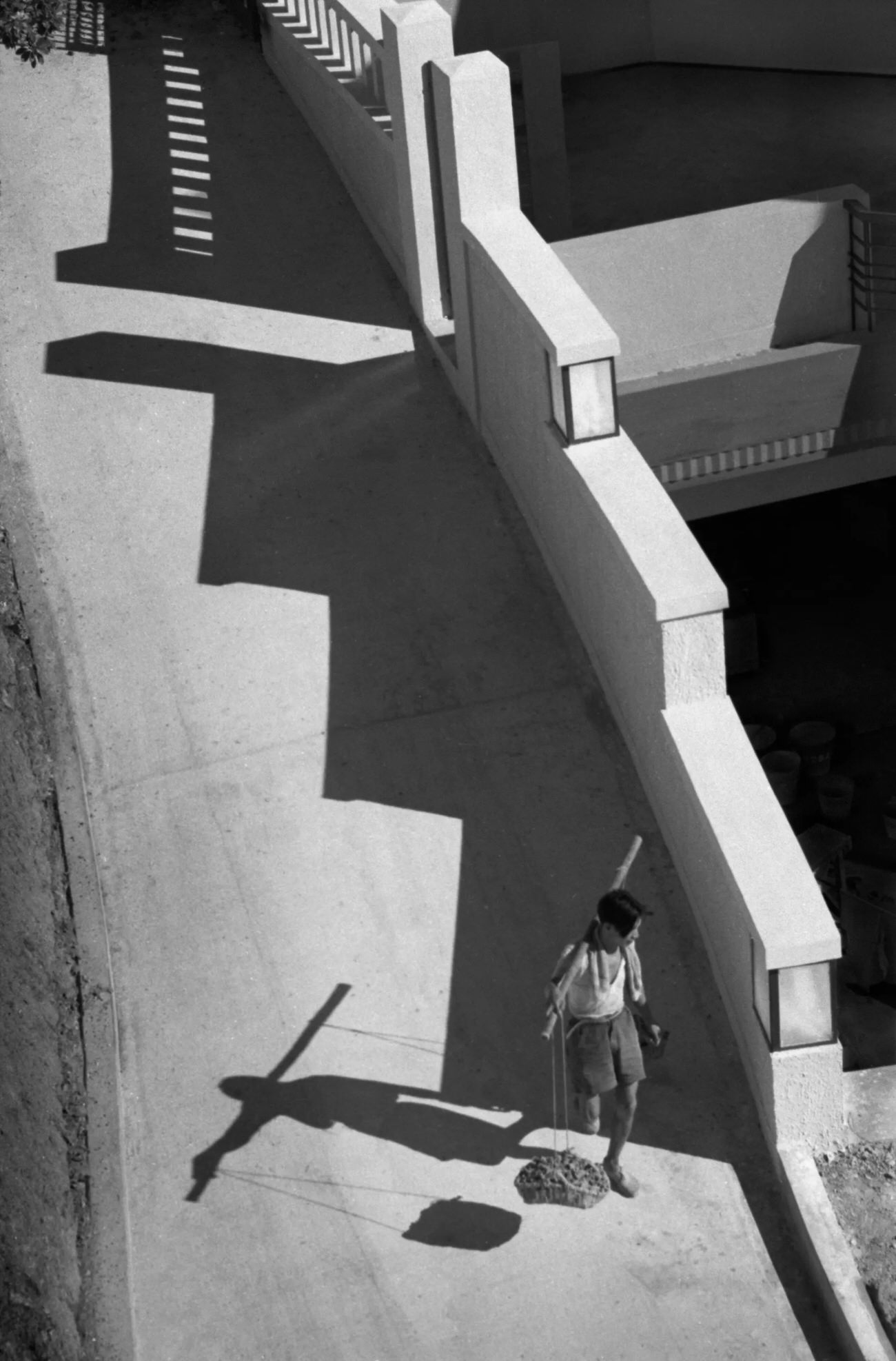
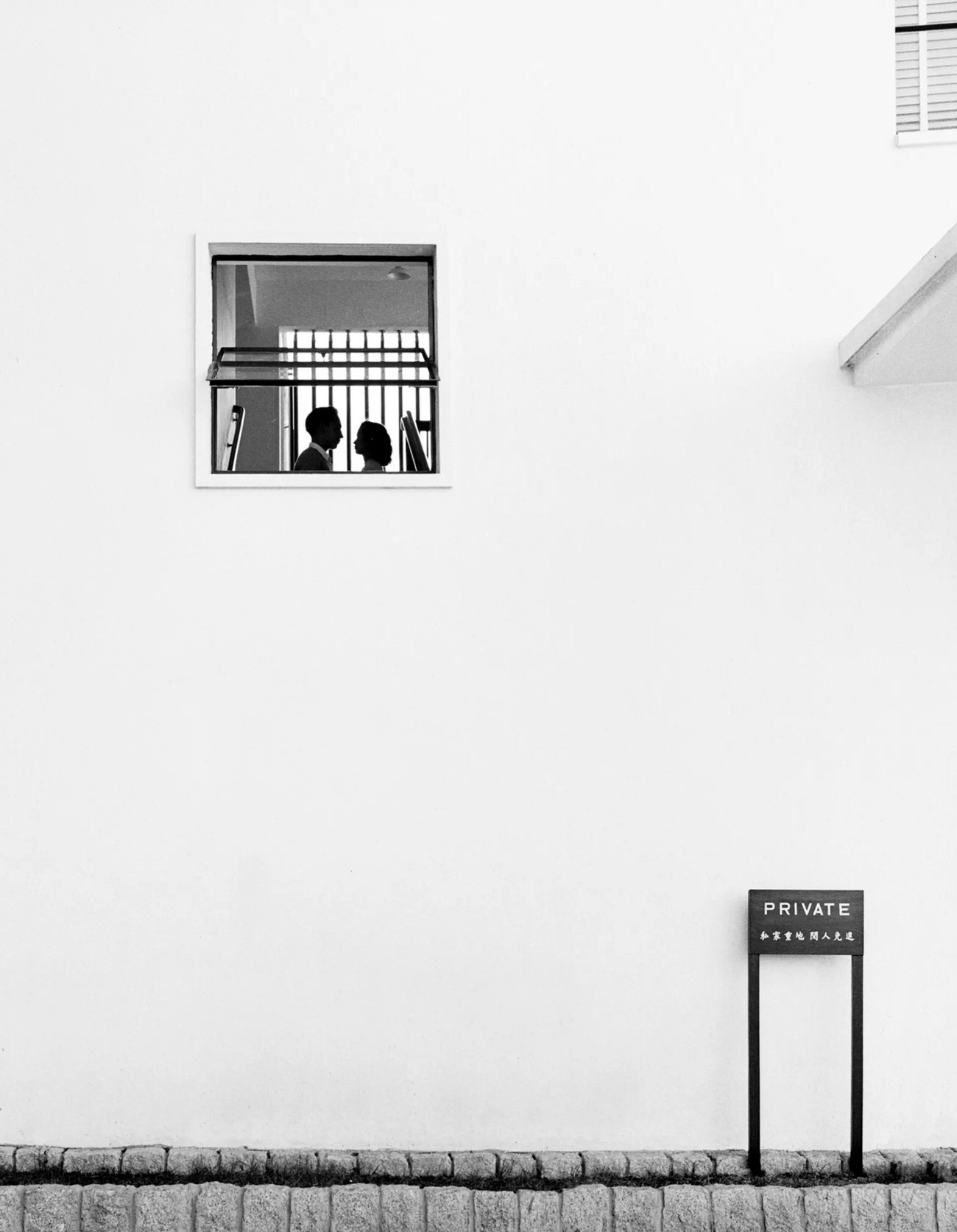
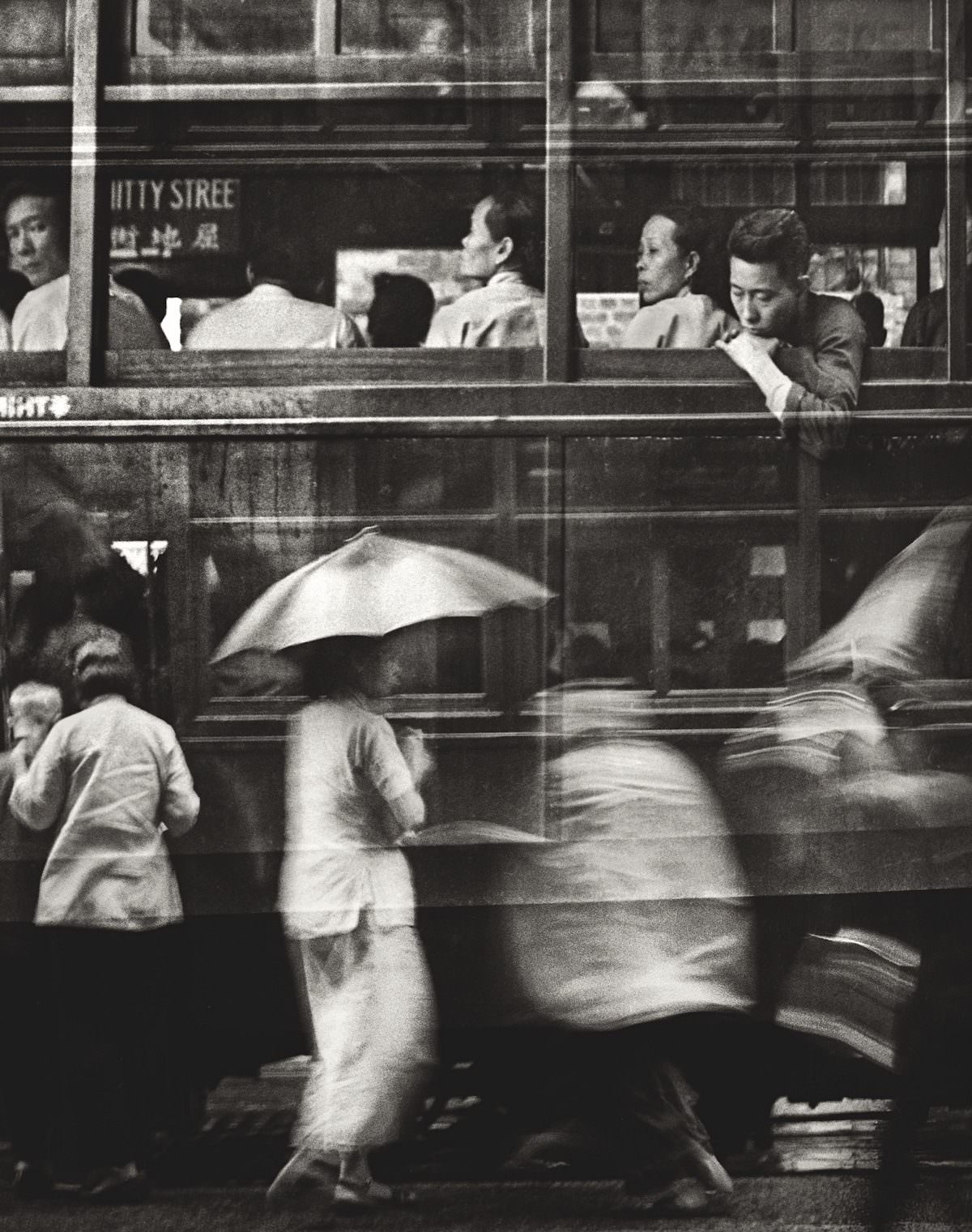
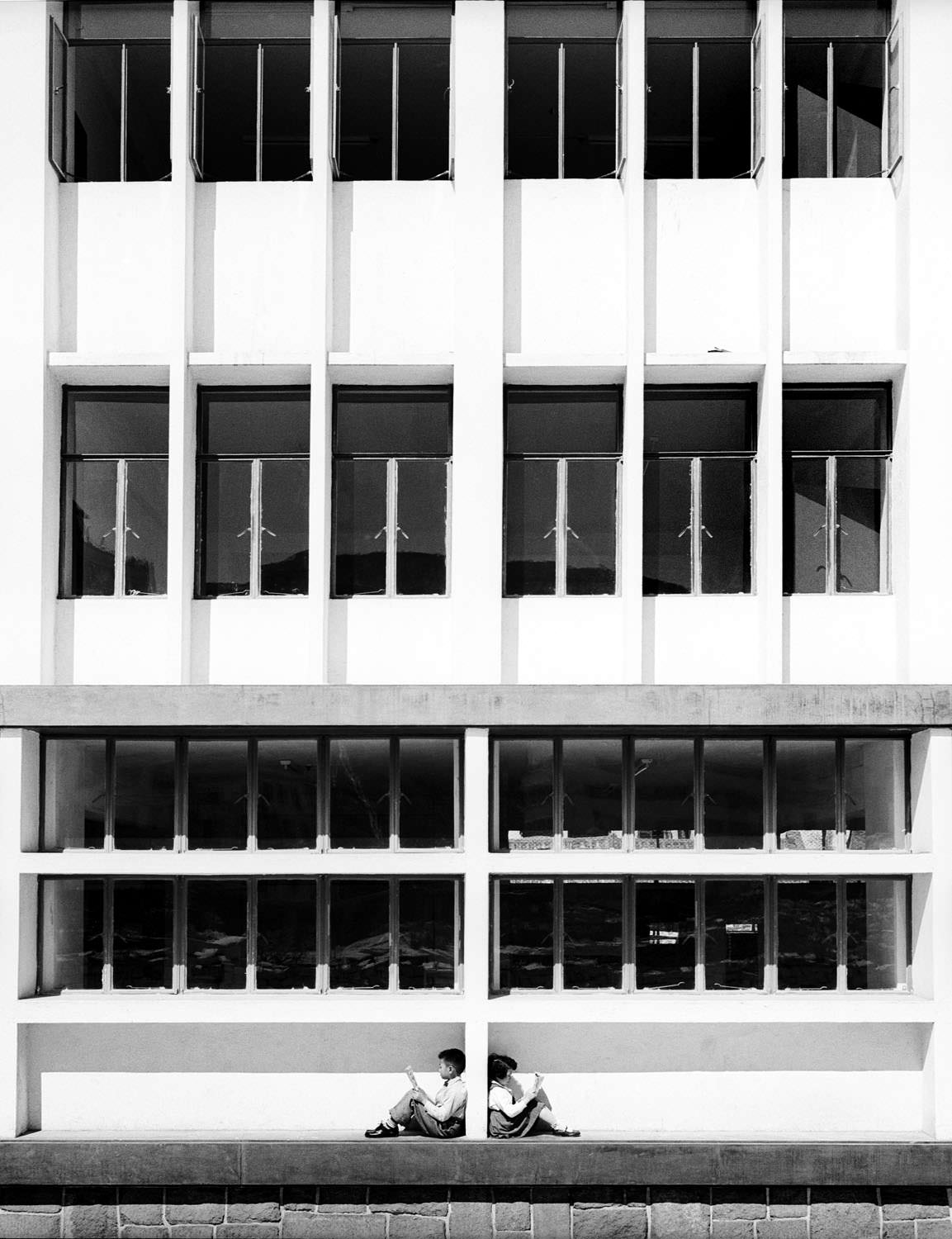
Fan Ho was drawn to solitude within the crowd. Hong Kong was one of the most densely populated places on earth during this period, yet he often found individuals caught in a private moment — reading, resting, staring into the middle distance. These images carry real emotional weight precisely because they are so specific.
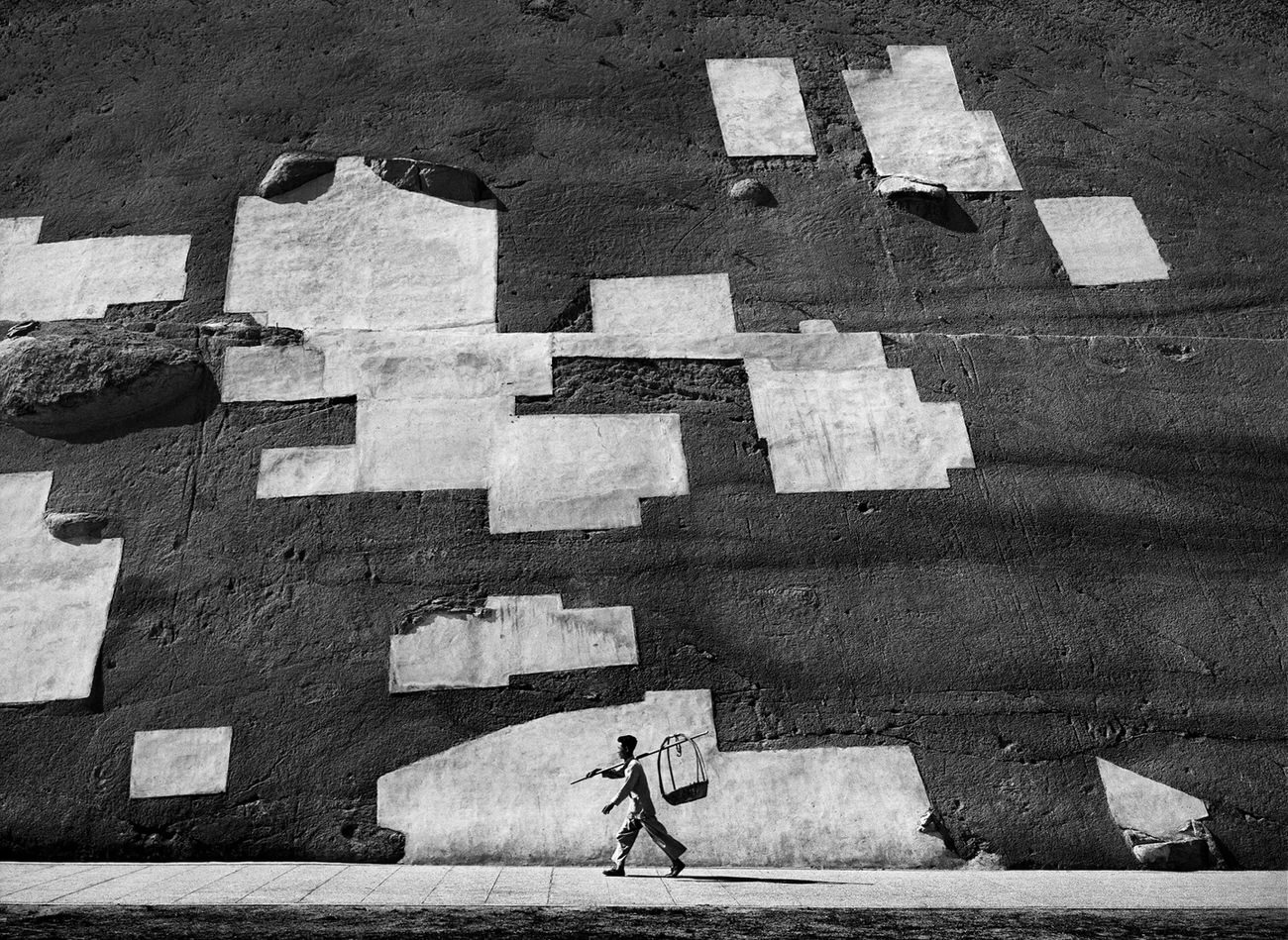
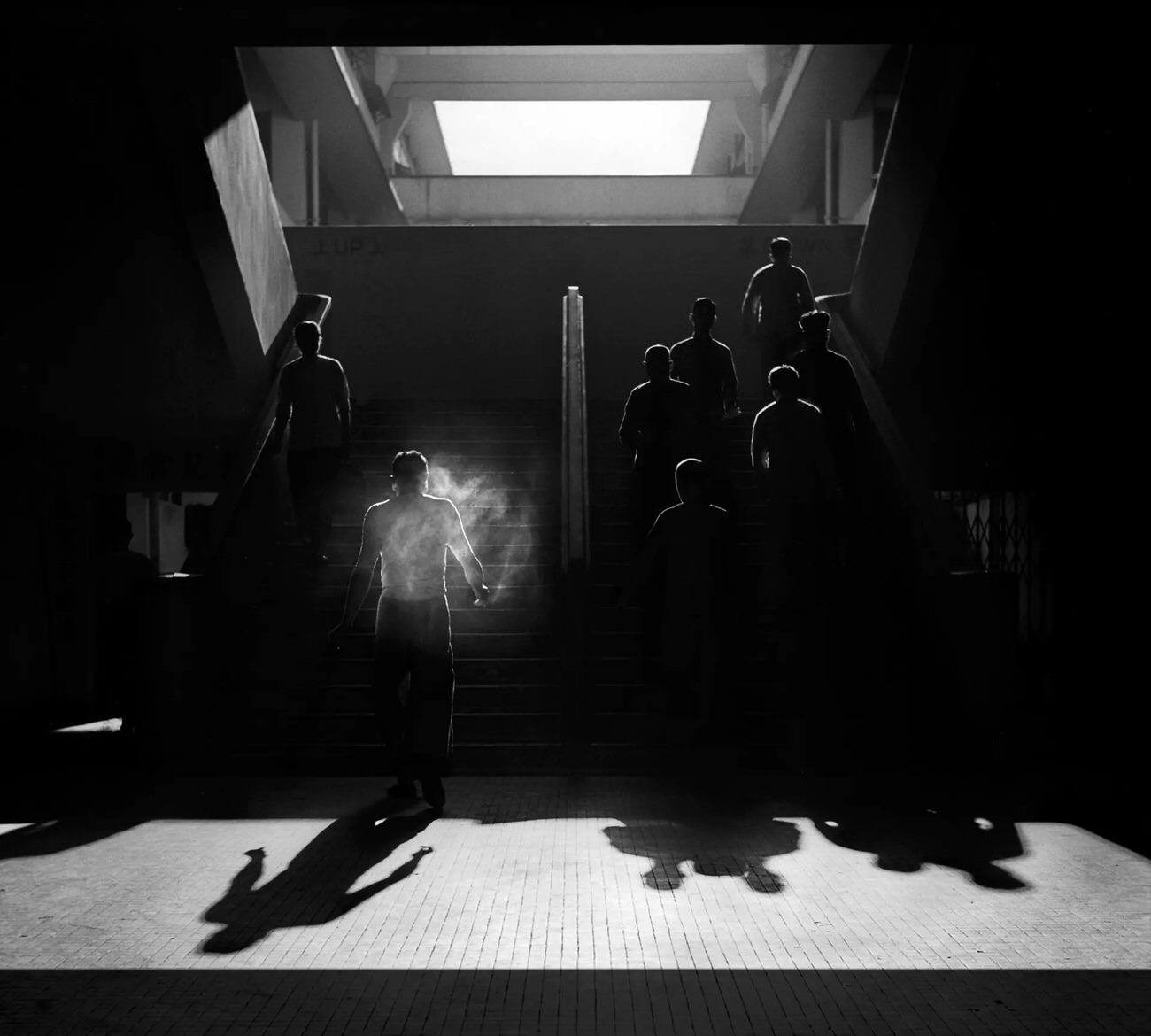
Hong Kong’s waterways were as busy as its streets. The harbor and its surrounding channels were full of sampans, fishing boats, and working vessels. Entire families lived on these boats, and Fan Ho photographed their world with the same sensitivity he brought to life on land.
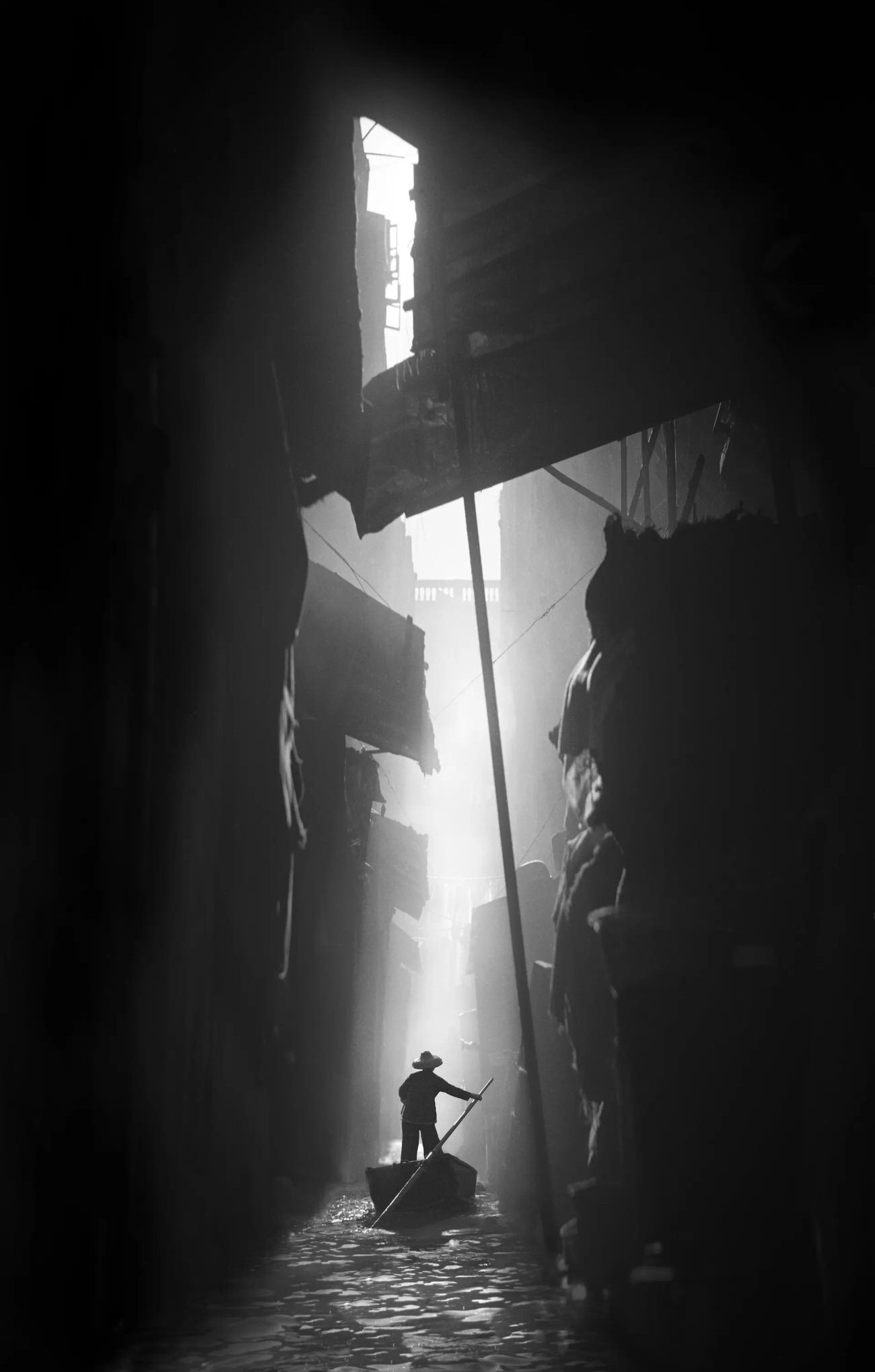
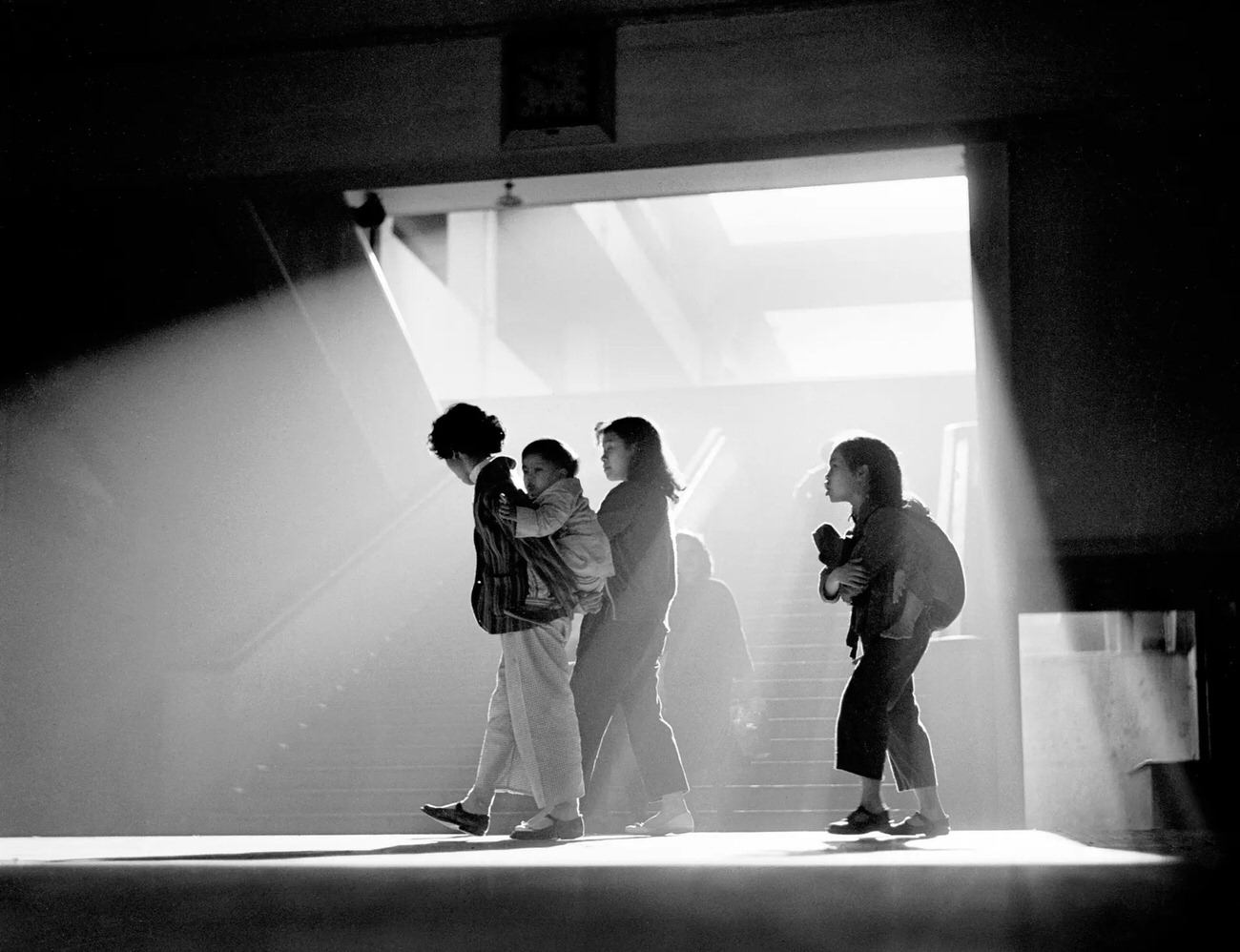
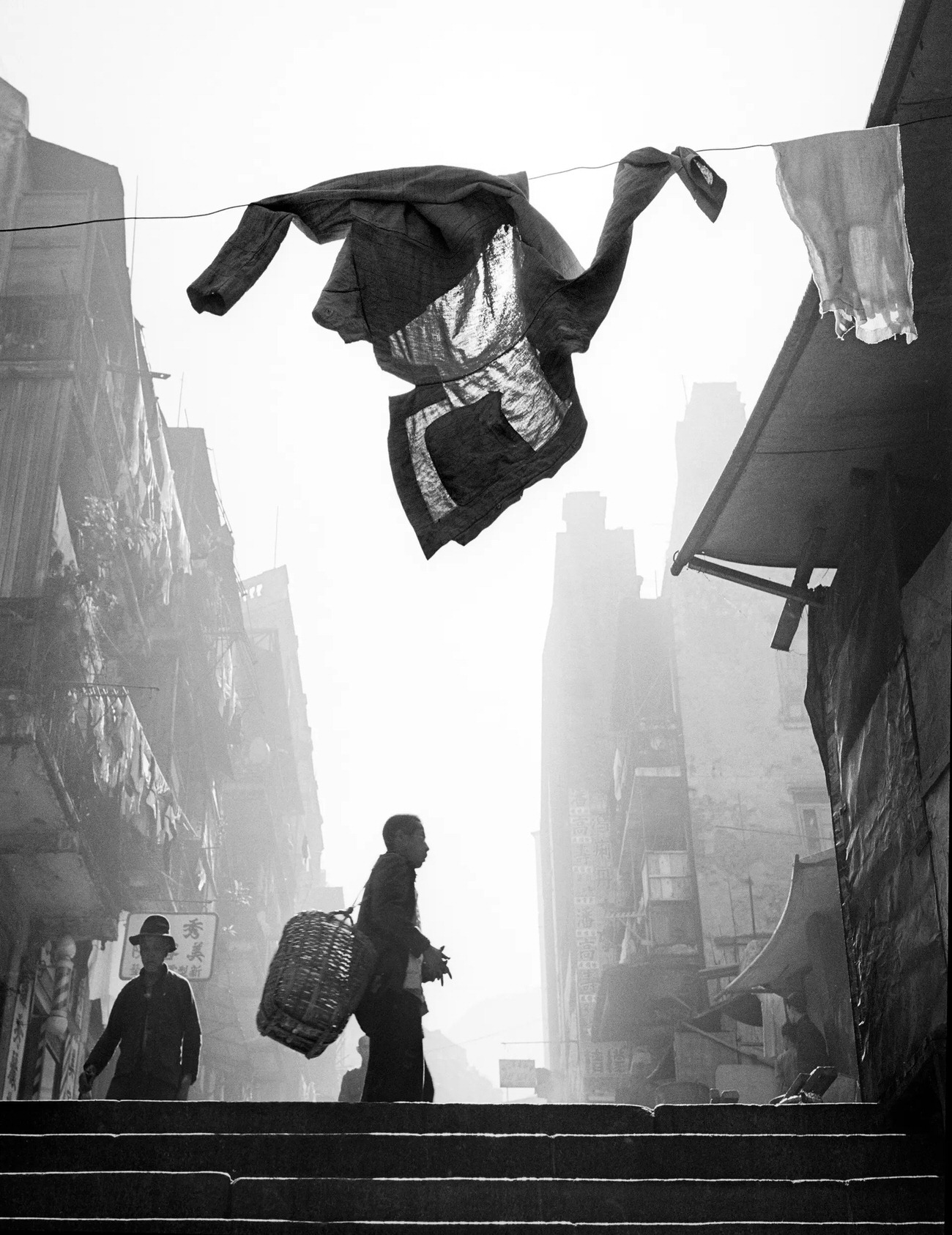
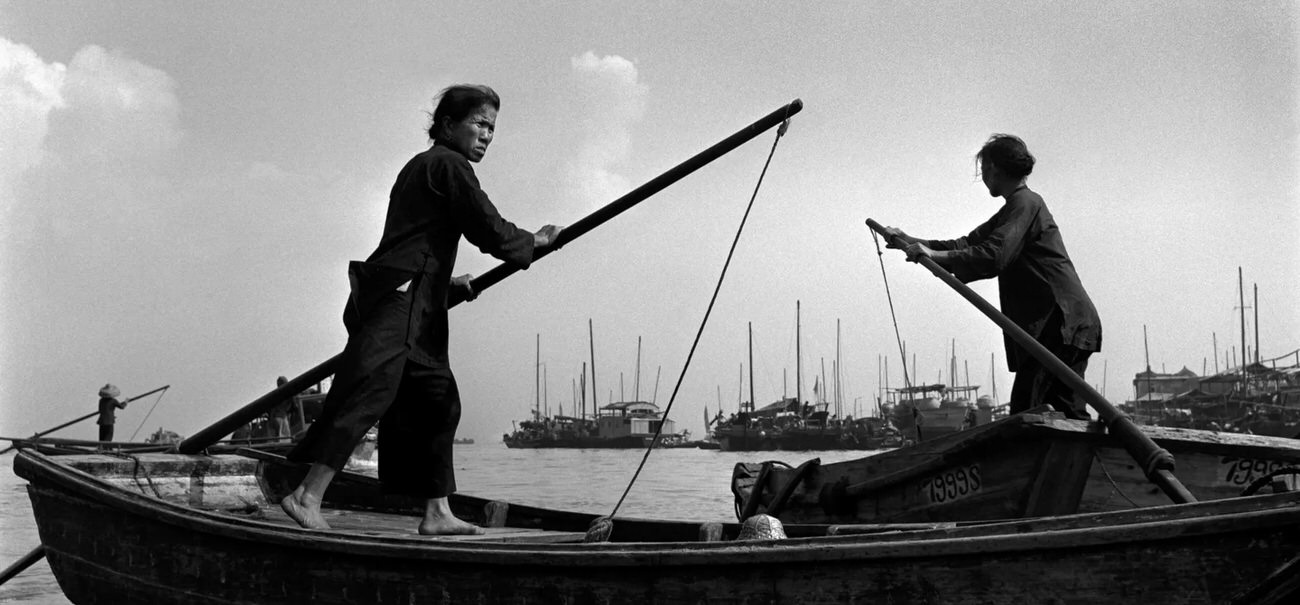
The markets of Hong Kong were sensory overload. Hawkers lined every sidewalk, selling fresh produce, dried goods, live animals, and handmade items. The noise, the color, the crush of bodies — Fan Ho rendered all of it in black and white, and somehow made it feel even more alive.
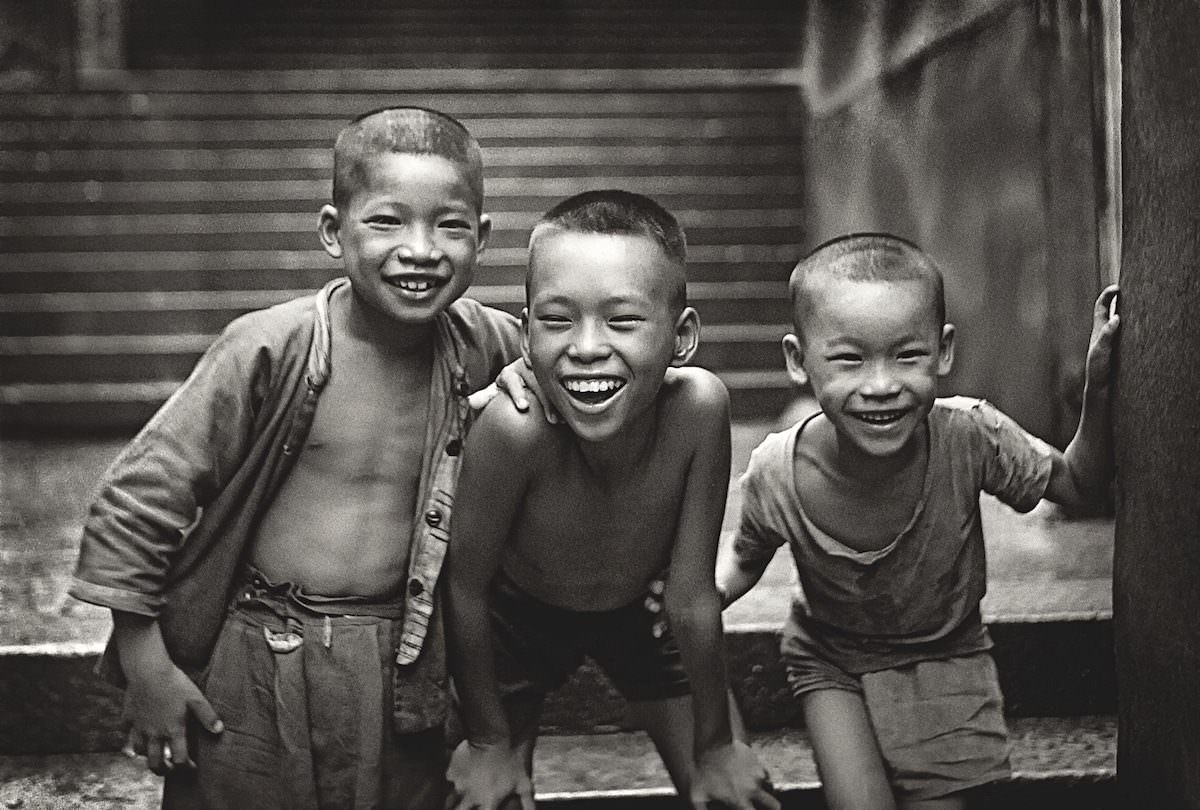
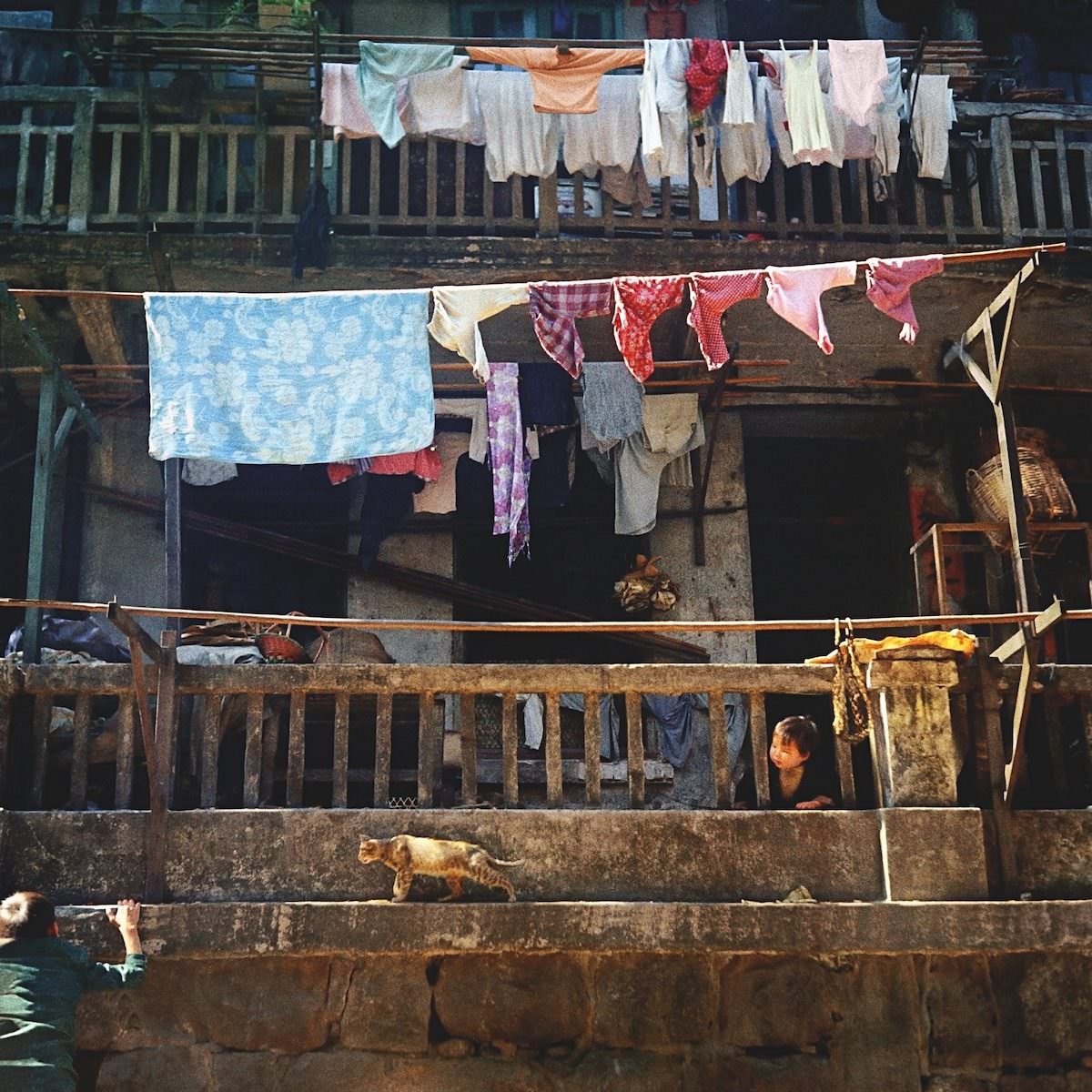
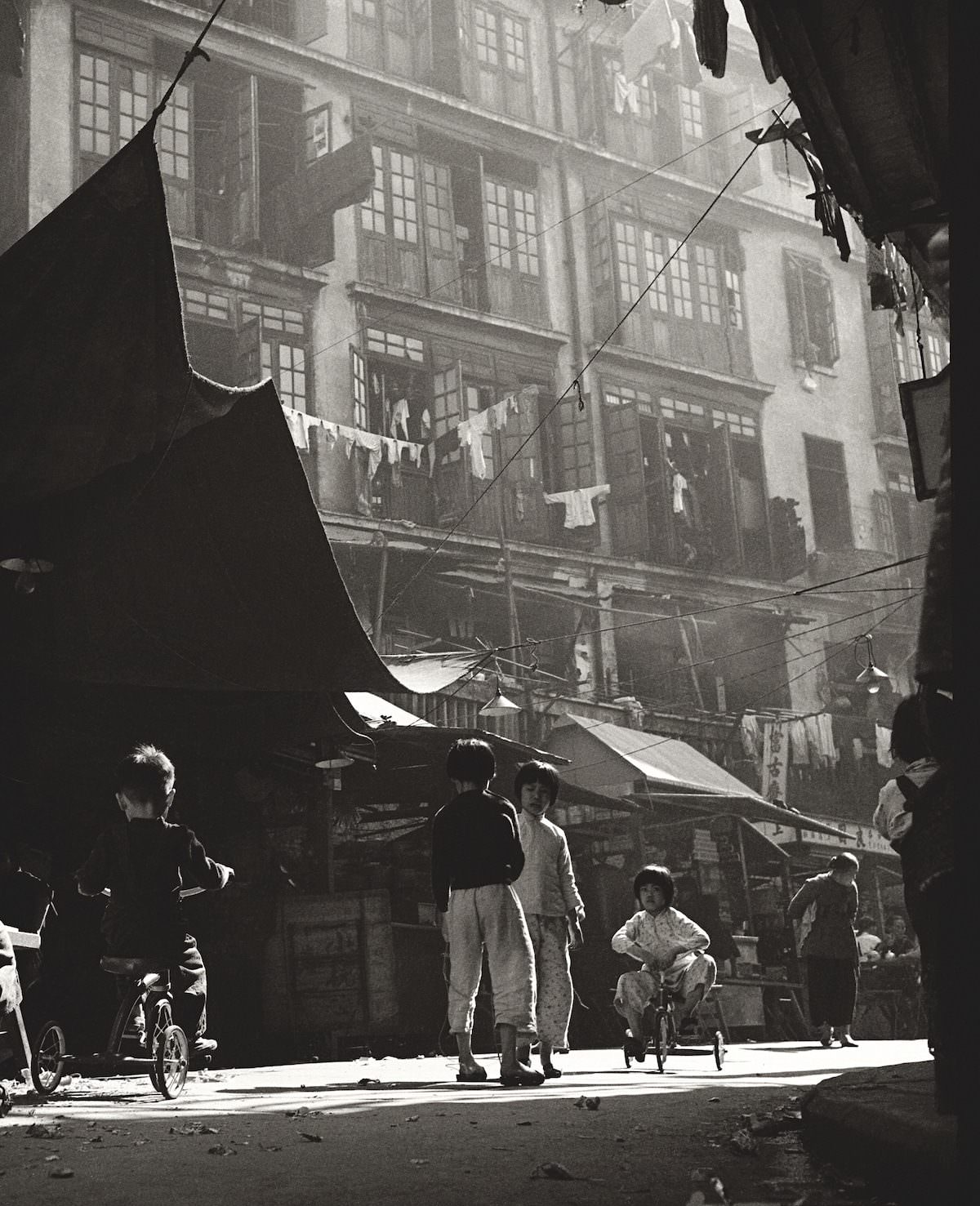
Children appear throughout Fan Ho’s work, and they bring an unguarded energy to every frame. Whether chasing a cat, waiting by a doorway, or huddled together in a narrow lane, they embody a side of Hong Kong that official records rarely preserved.
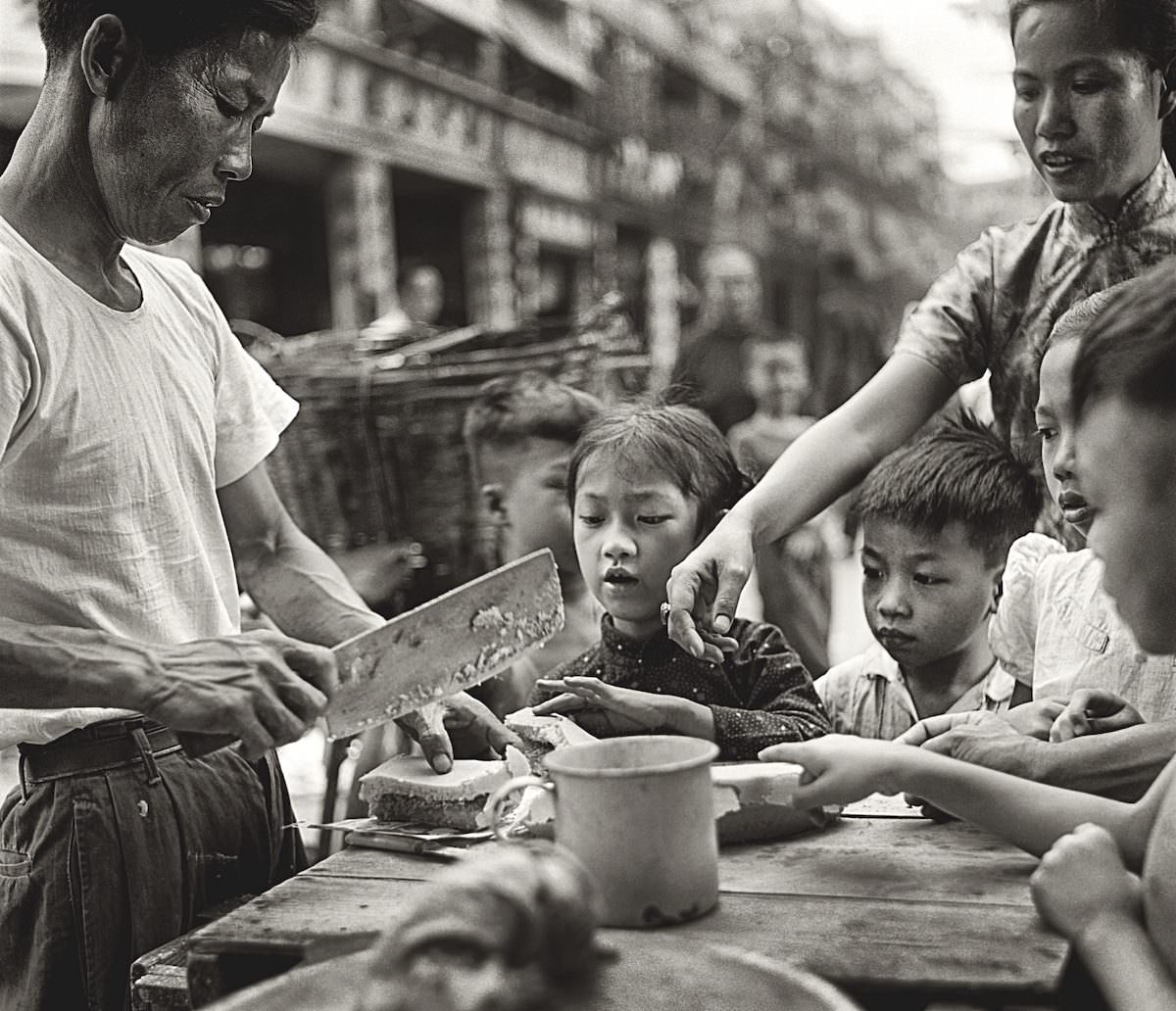
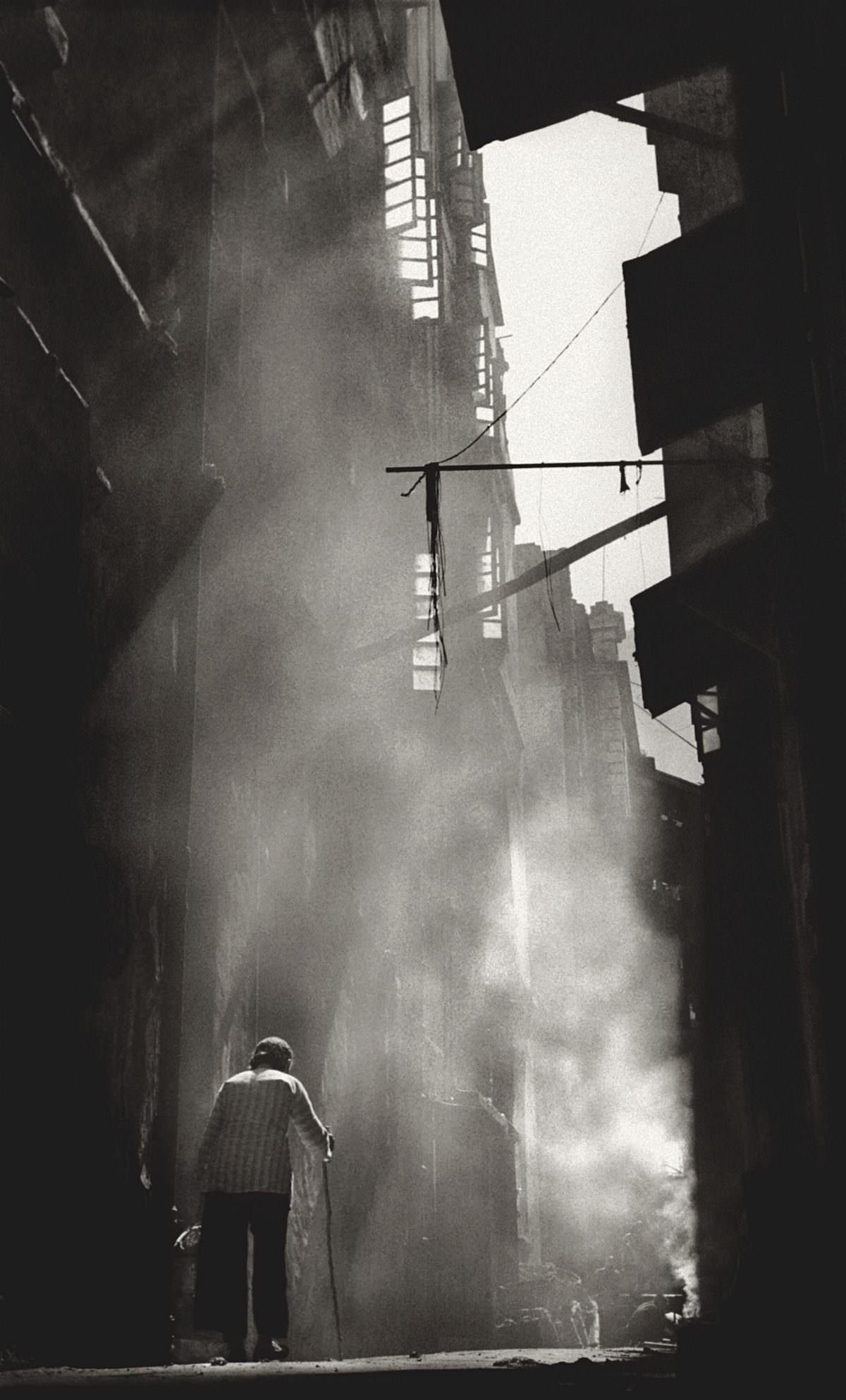
The alleyways of Hong Kong were a world unto themselves. Away from the main streets, life slowed slightly. Laundry hung between windows. An elderly man shaved a customer on the sidewalk. A woman cooked over a flame in a space no larger than a closet. Fan Ho entered these spaces not as an outsider, but as someone who understood them from the inside.
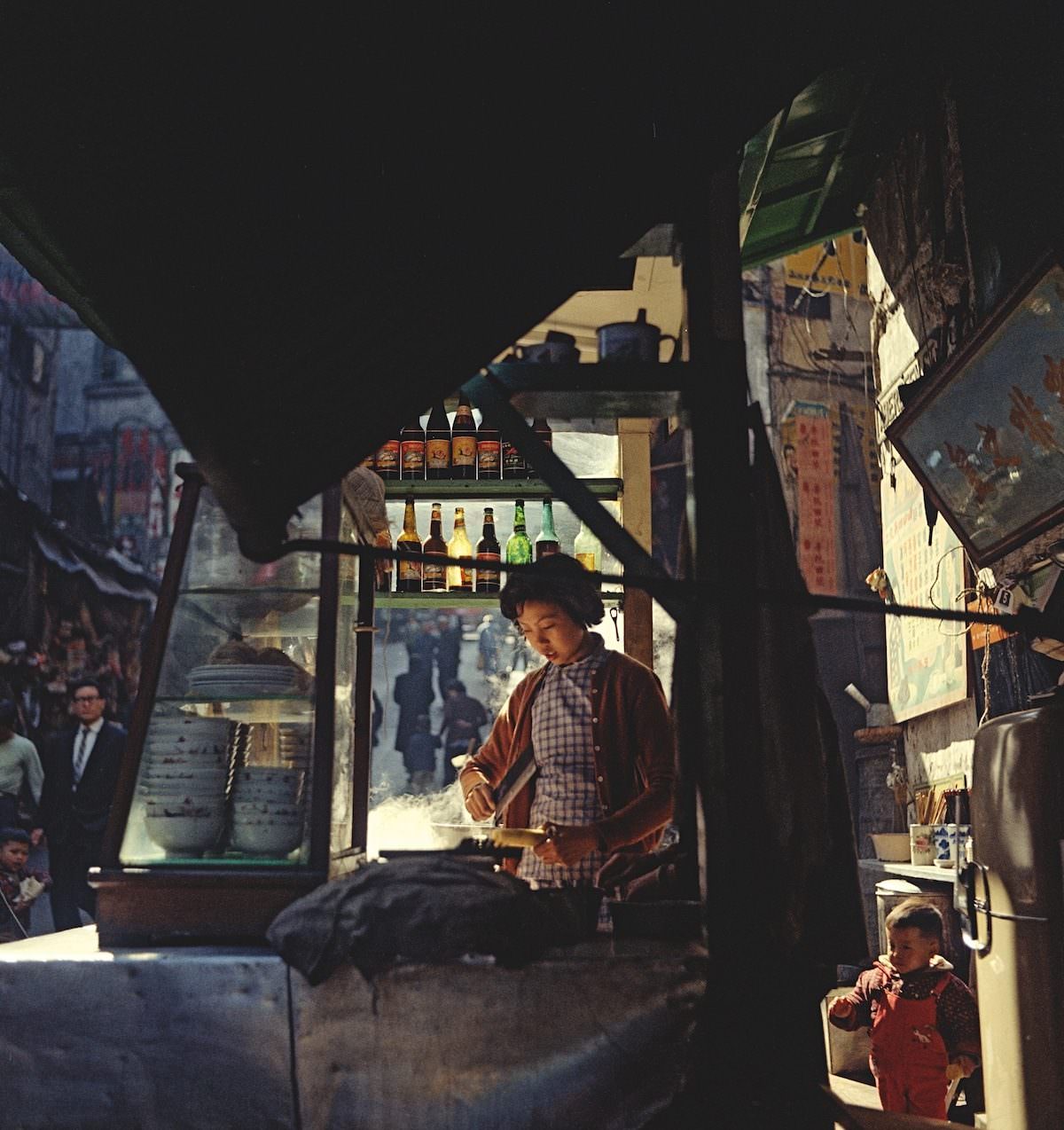
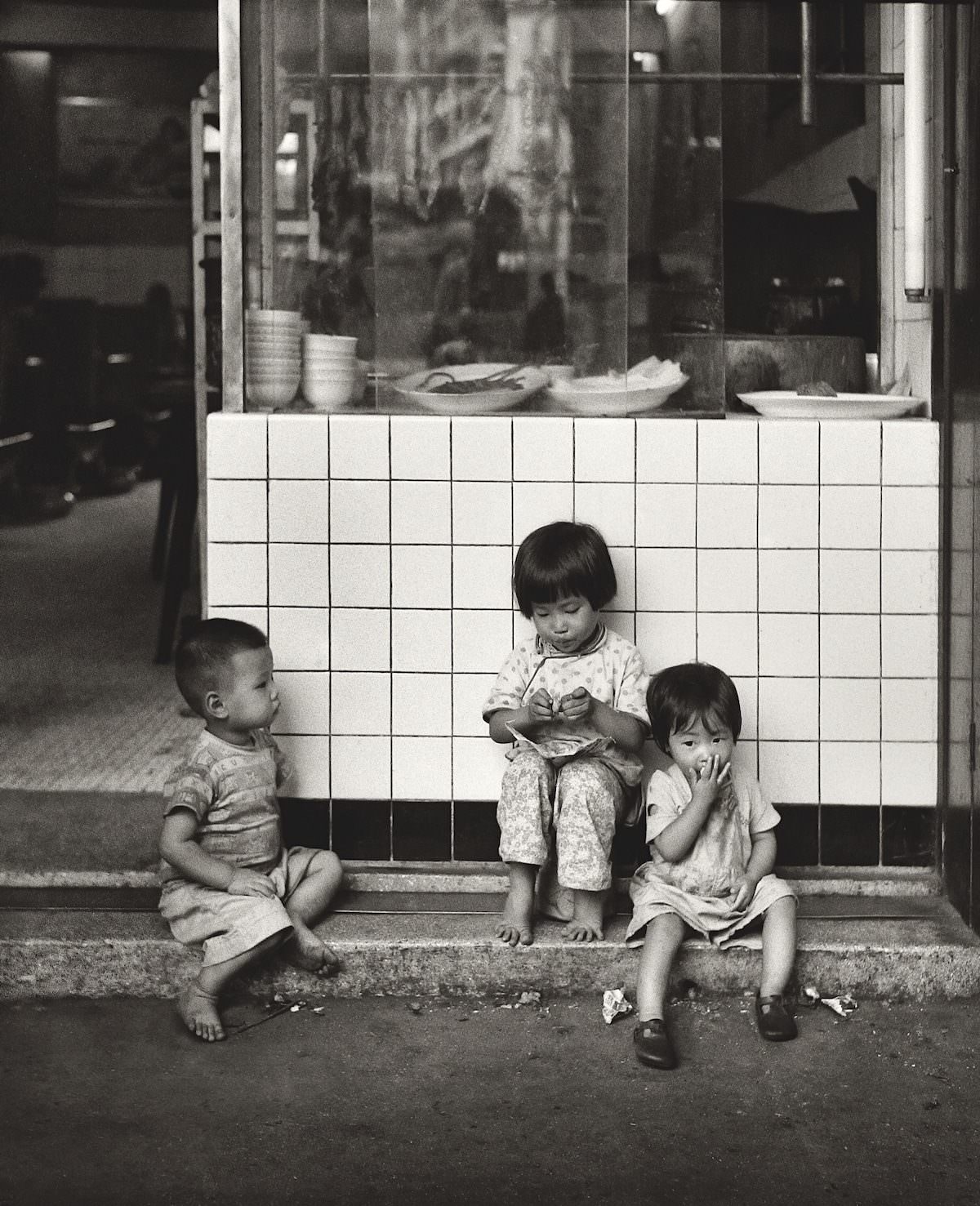
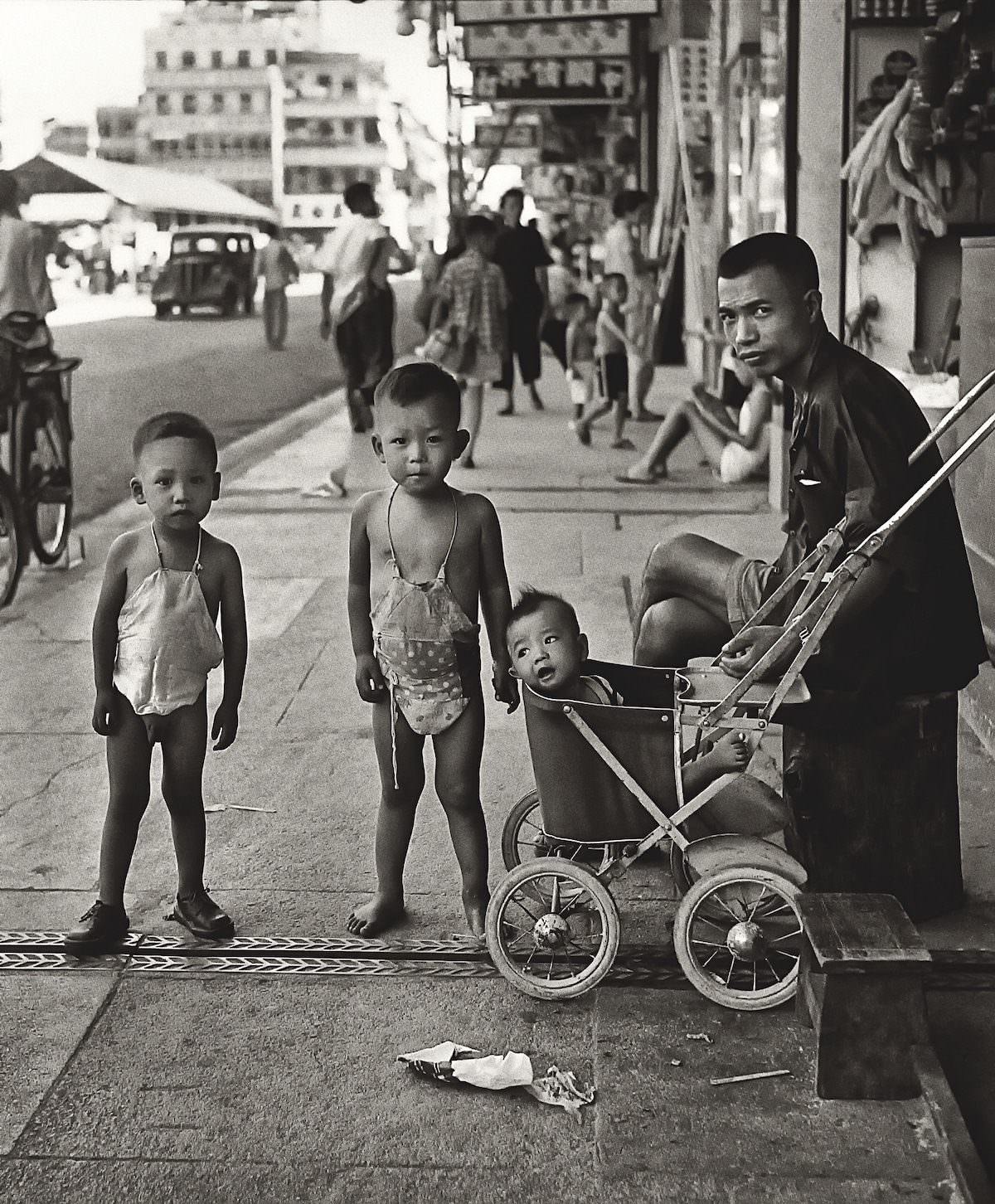
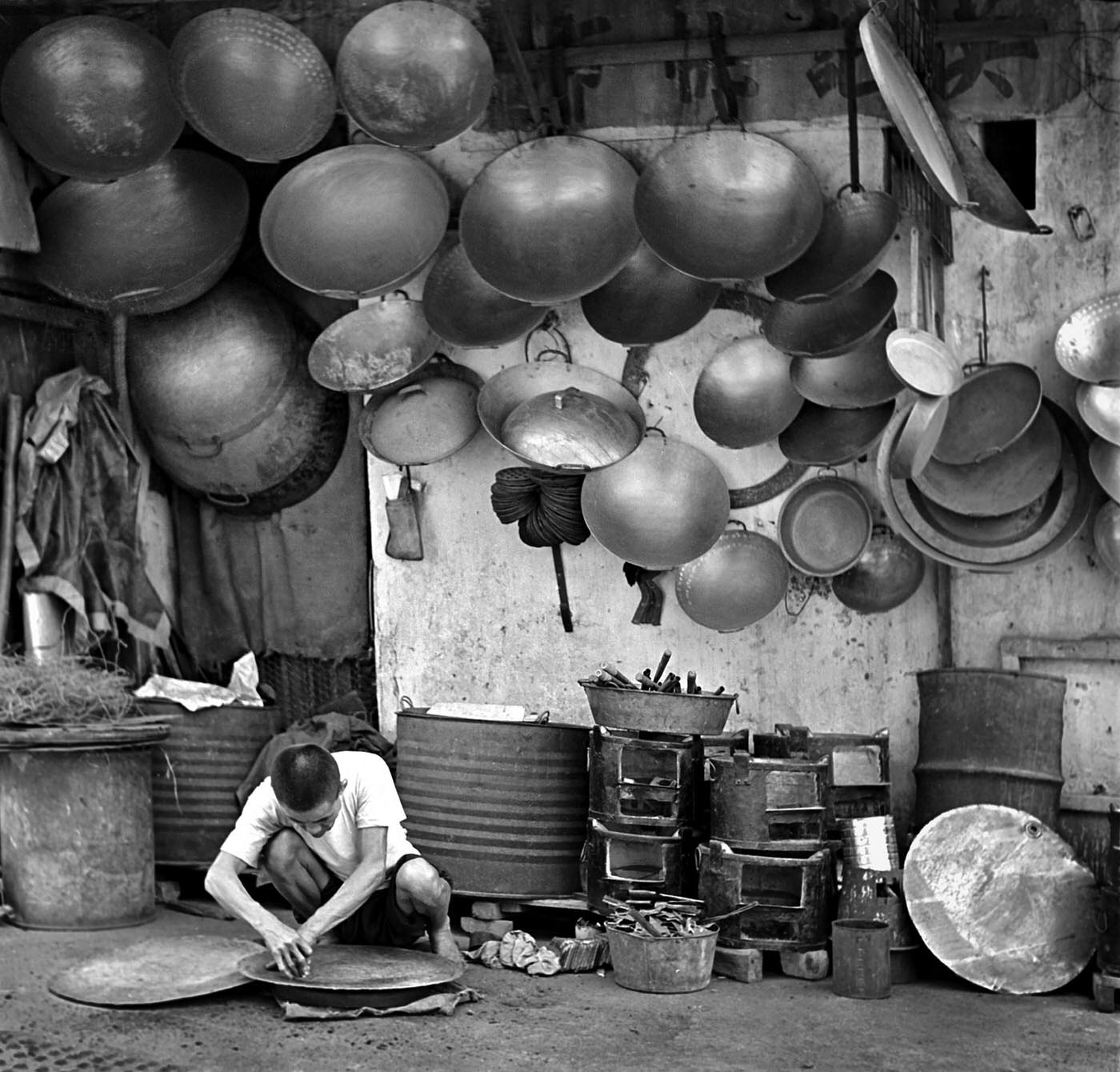
Trade skills passed between generations on open streets. Fan Ho photographed craftsmen at work in public spaces — cobblers, barbers, wok makers — men whose trades were as much a part of the city’s fabric as the buildings themselves.
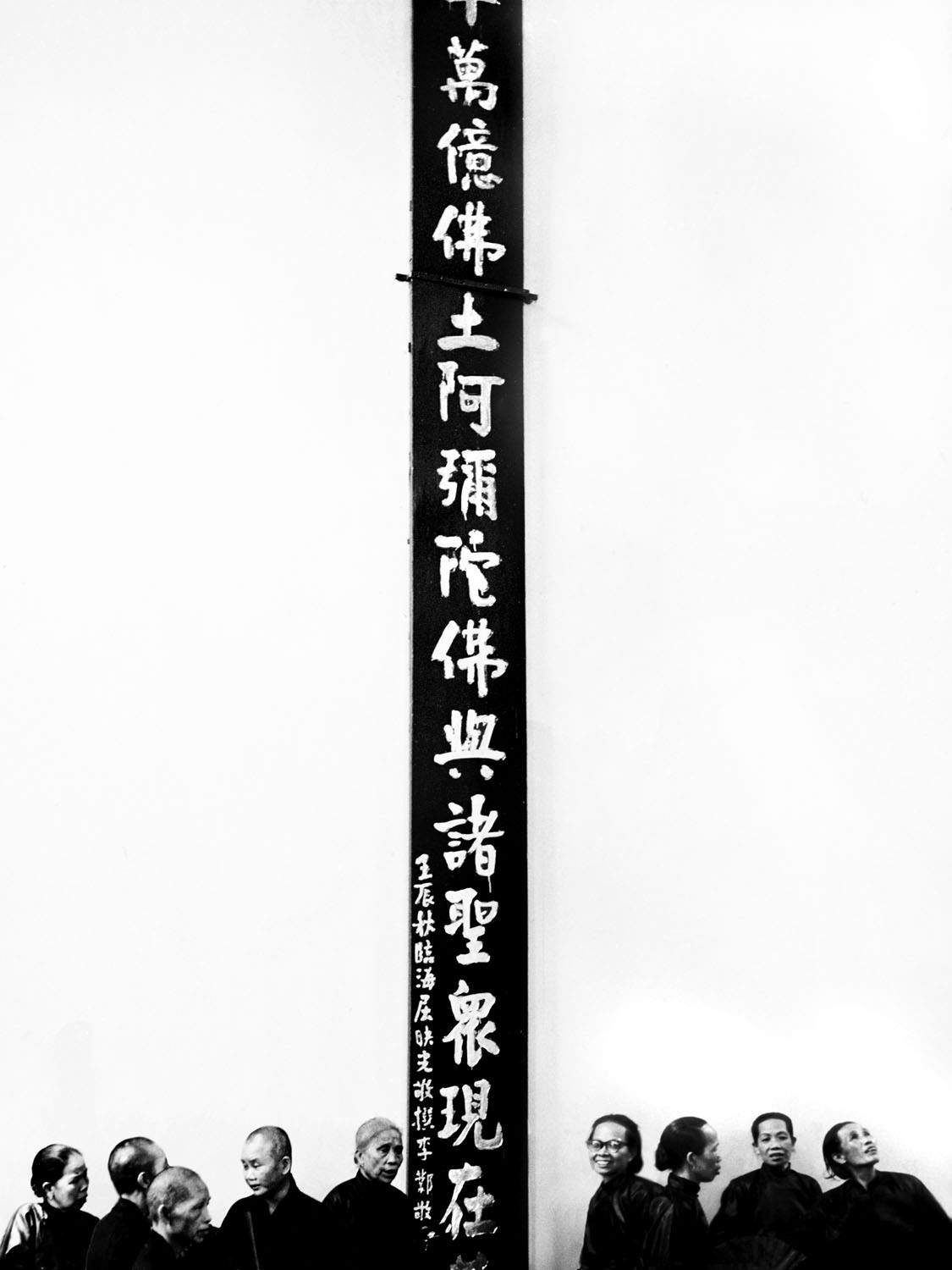
Religious life remained central for many in Hong Kong. Buddhist temples drew worshippers daily — not just for major festivals, but for quiet personal rituals. Fan Ho photographed inside these spaces, capturing the smoke of incense and the stillness of devotion against the constant roar of the city outside.
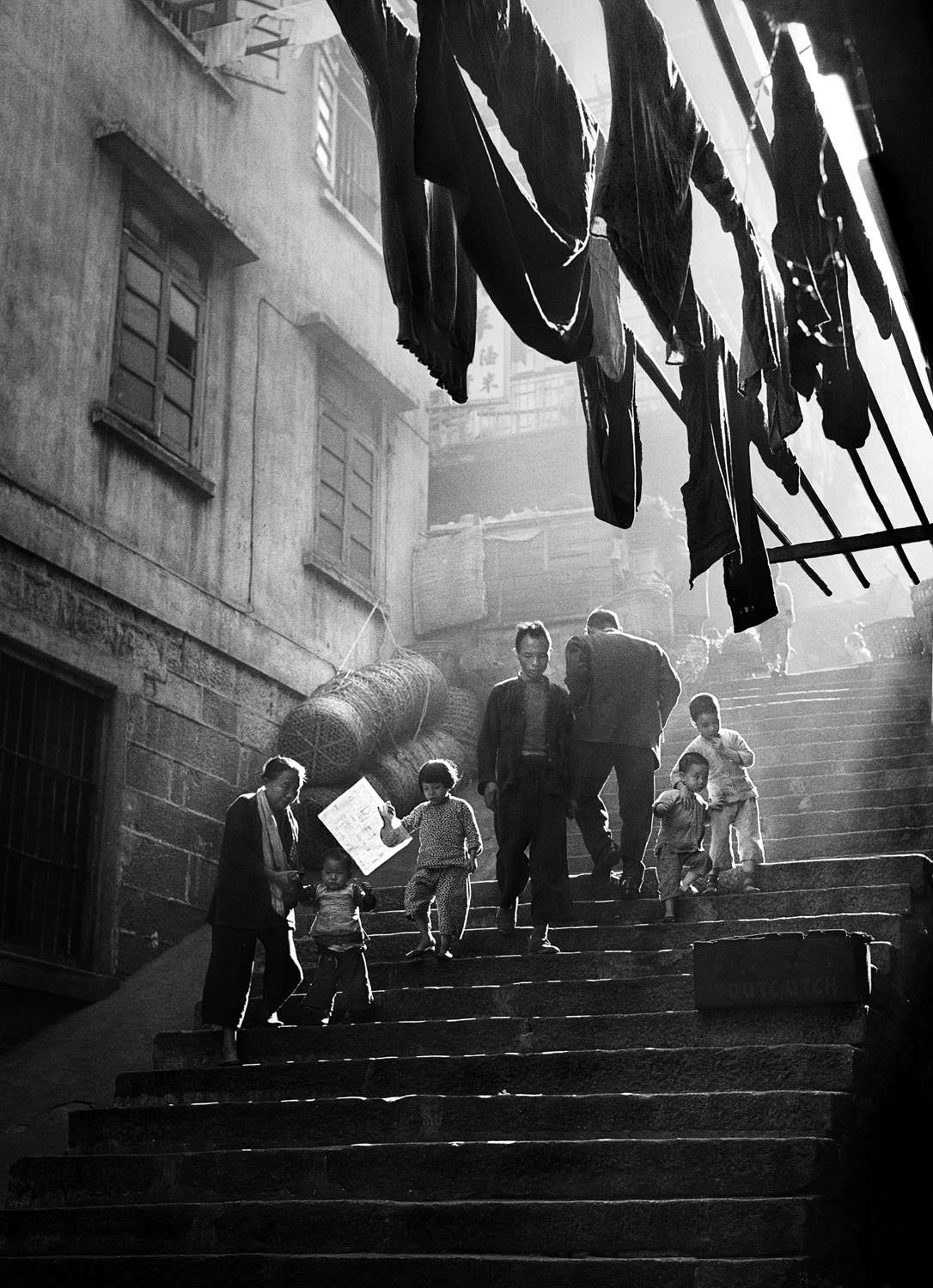
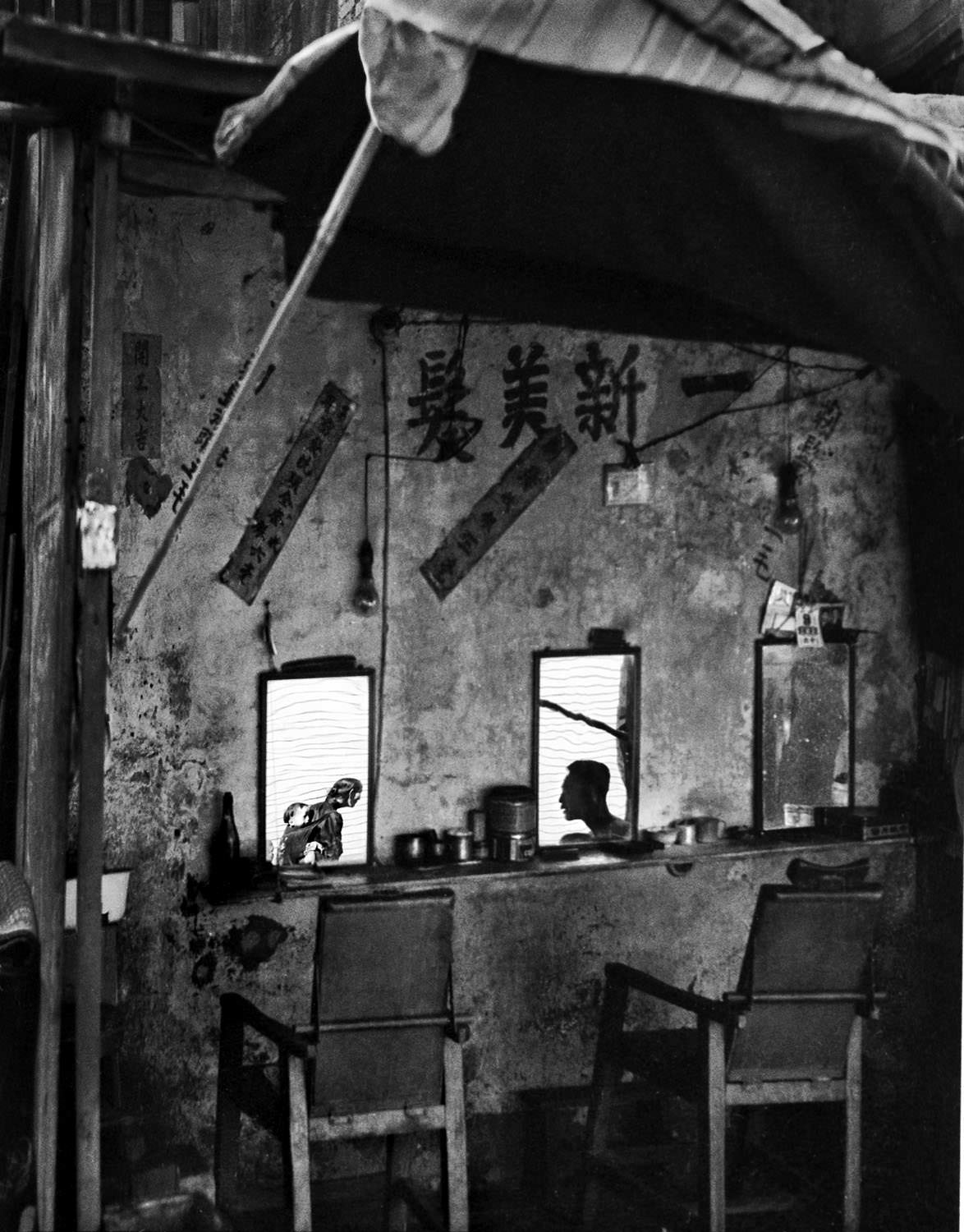
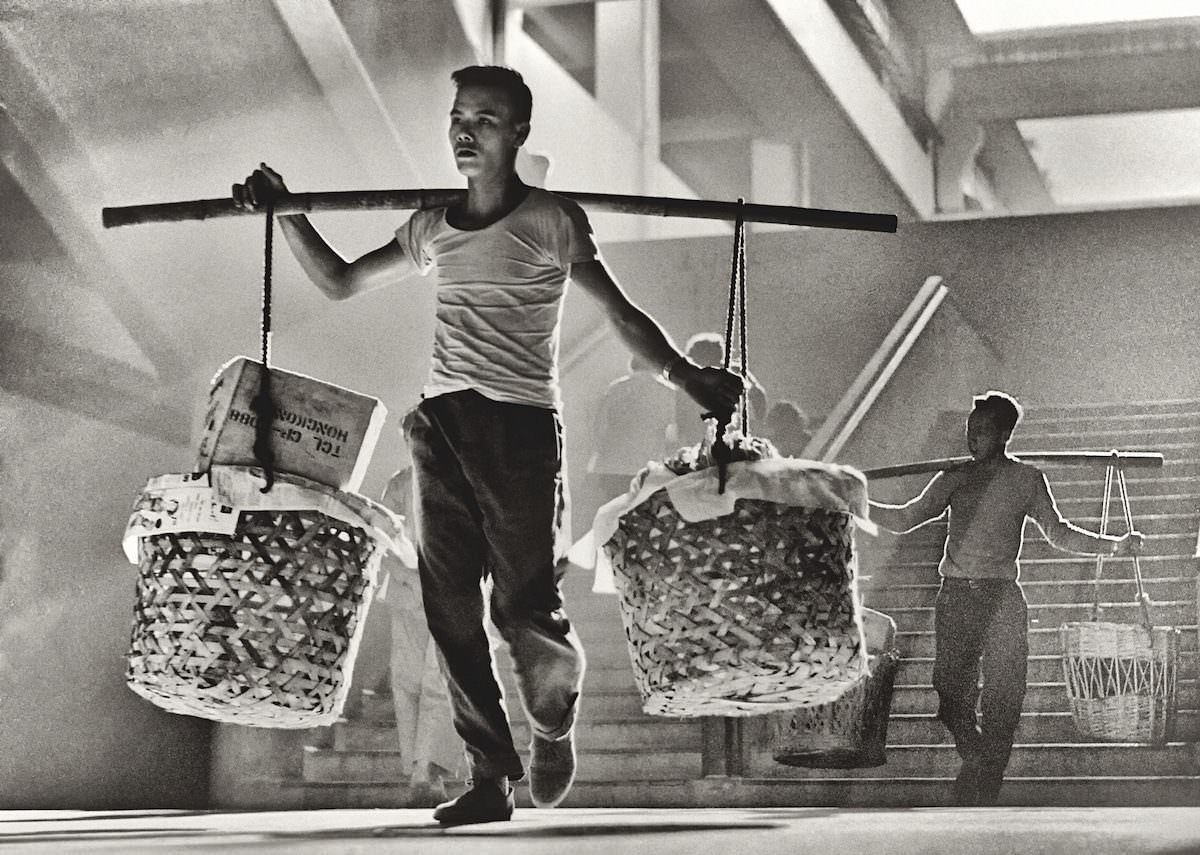
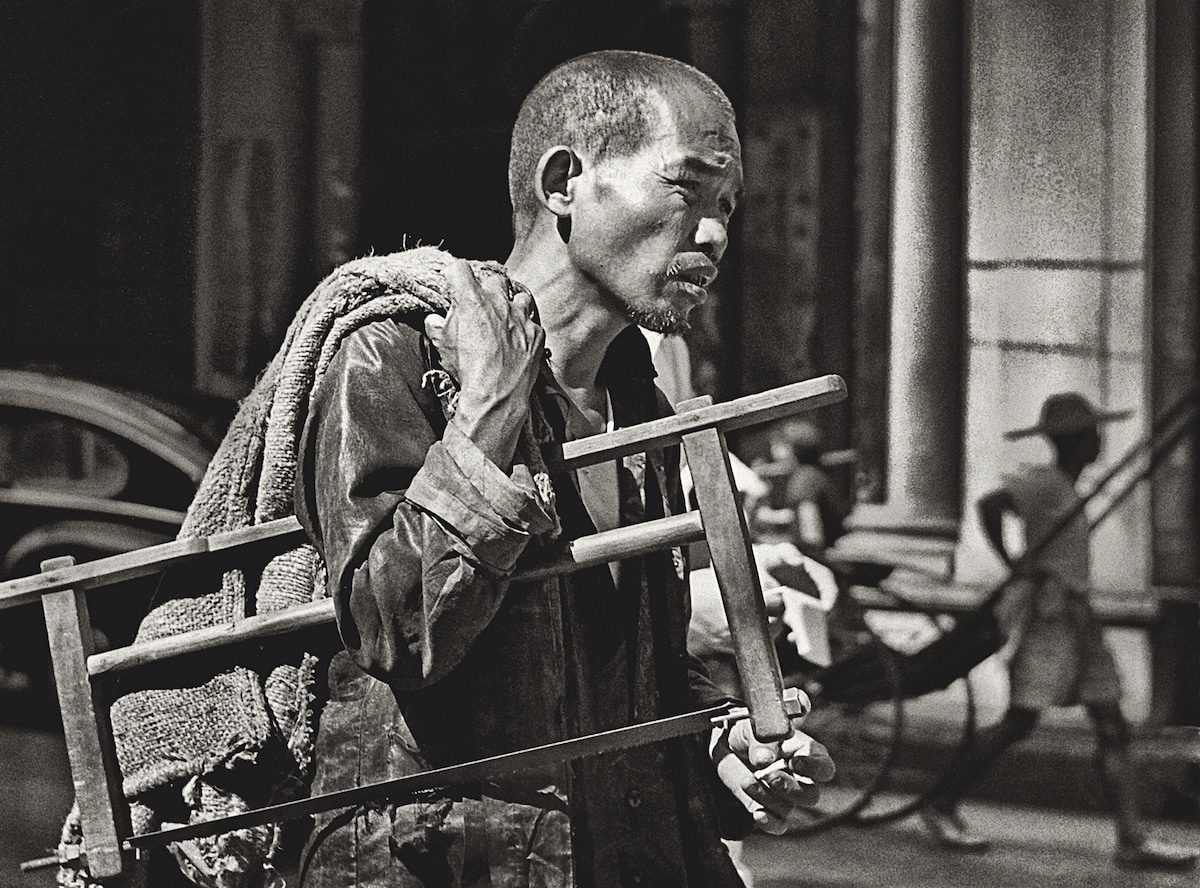
By the 1960s, Hong Kong’s working population was larger and more diverse than ever. Fan Ho documented this workforce not through statistics but through faces and hands — the barber on the pavement, the woman balancing loads on a bamboo pole, the laborer navigating a half-built stairwell.
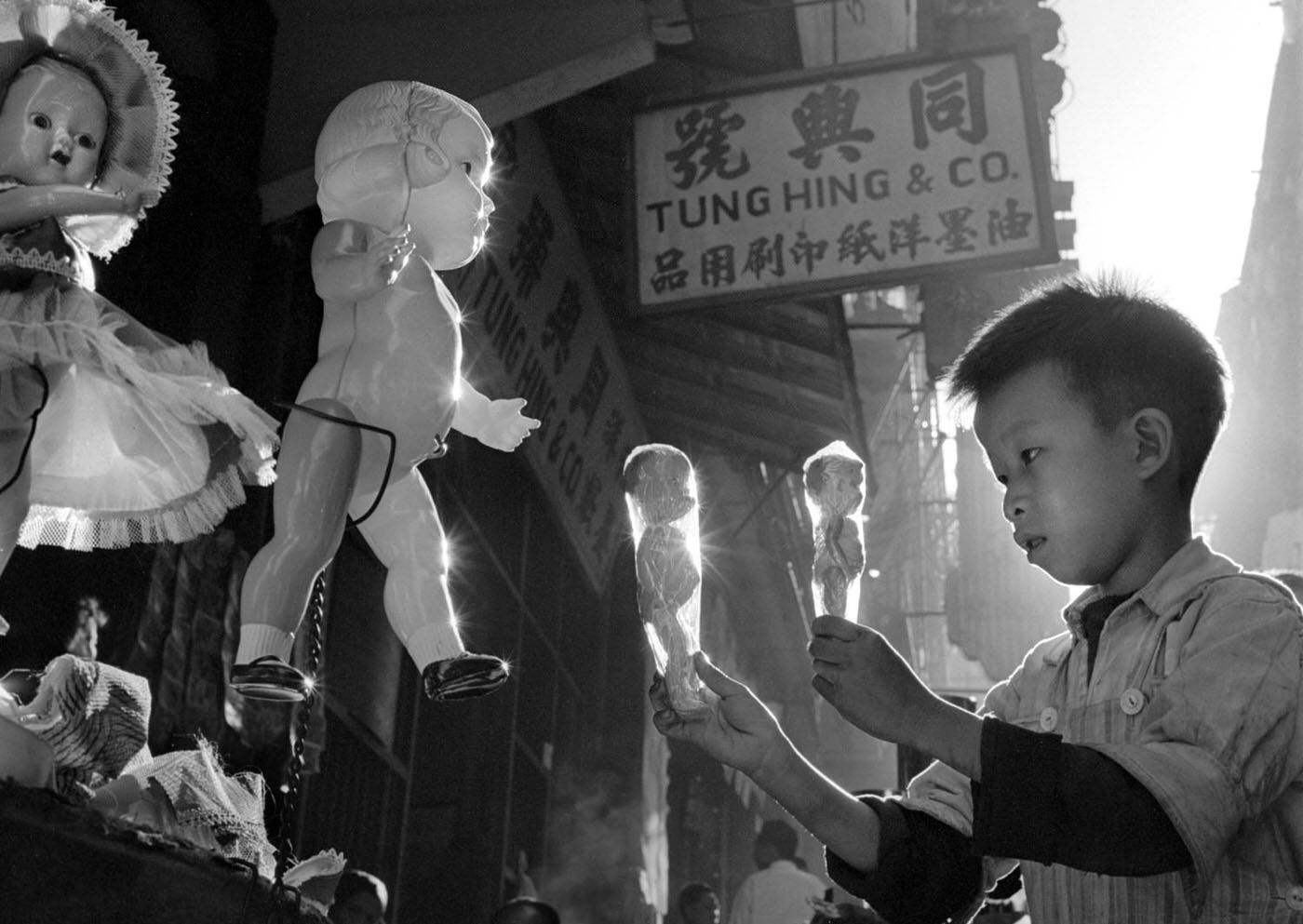
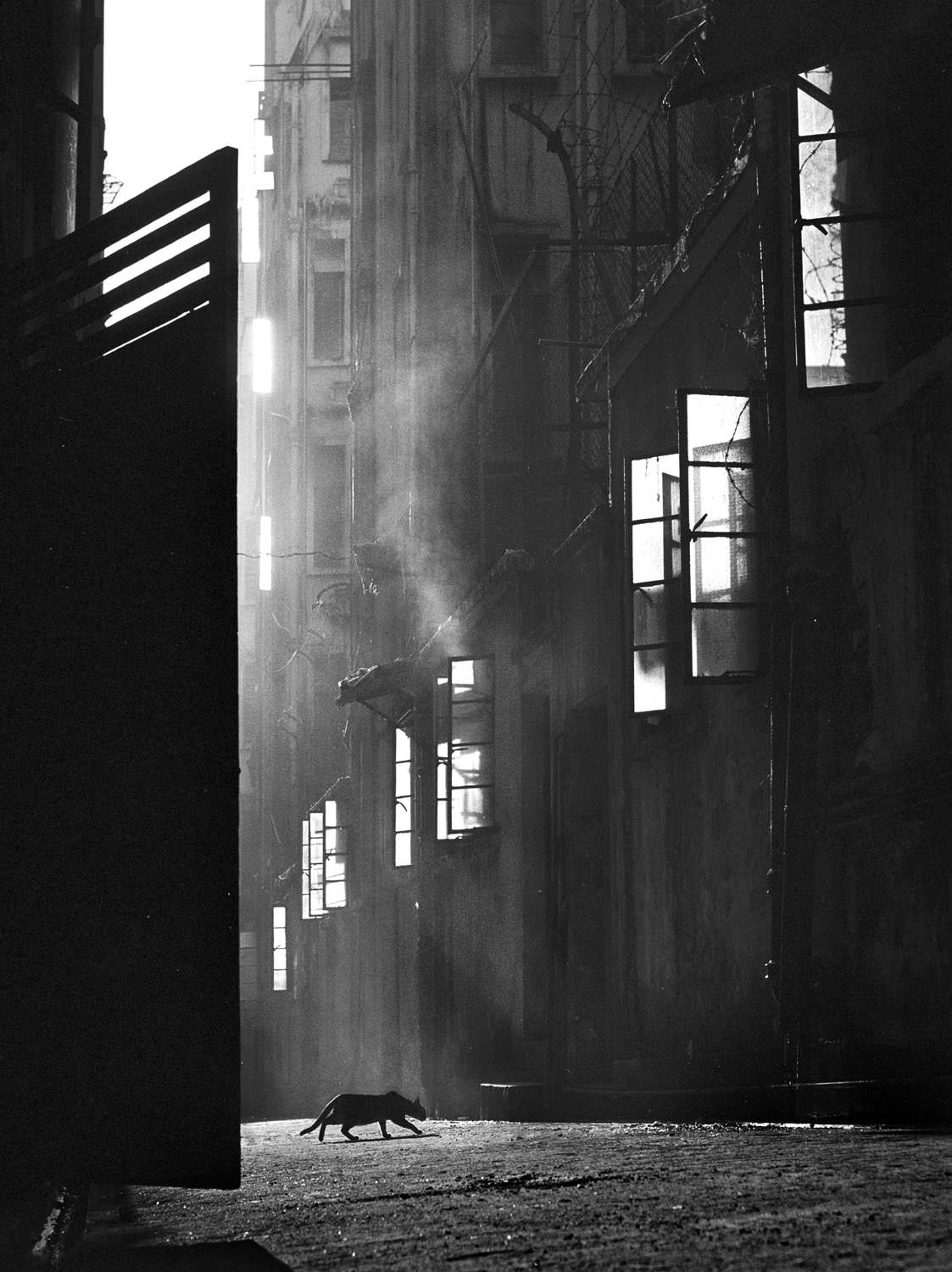
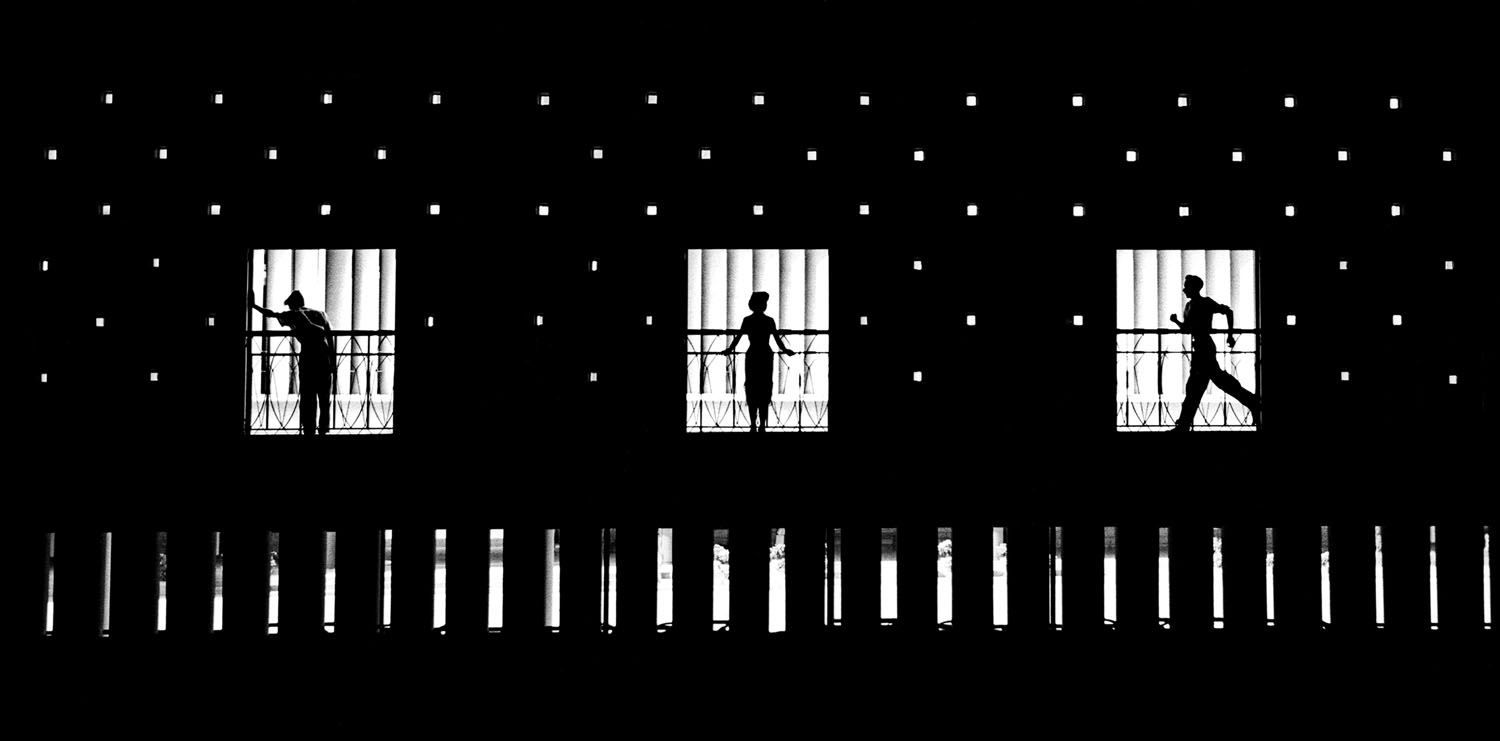
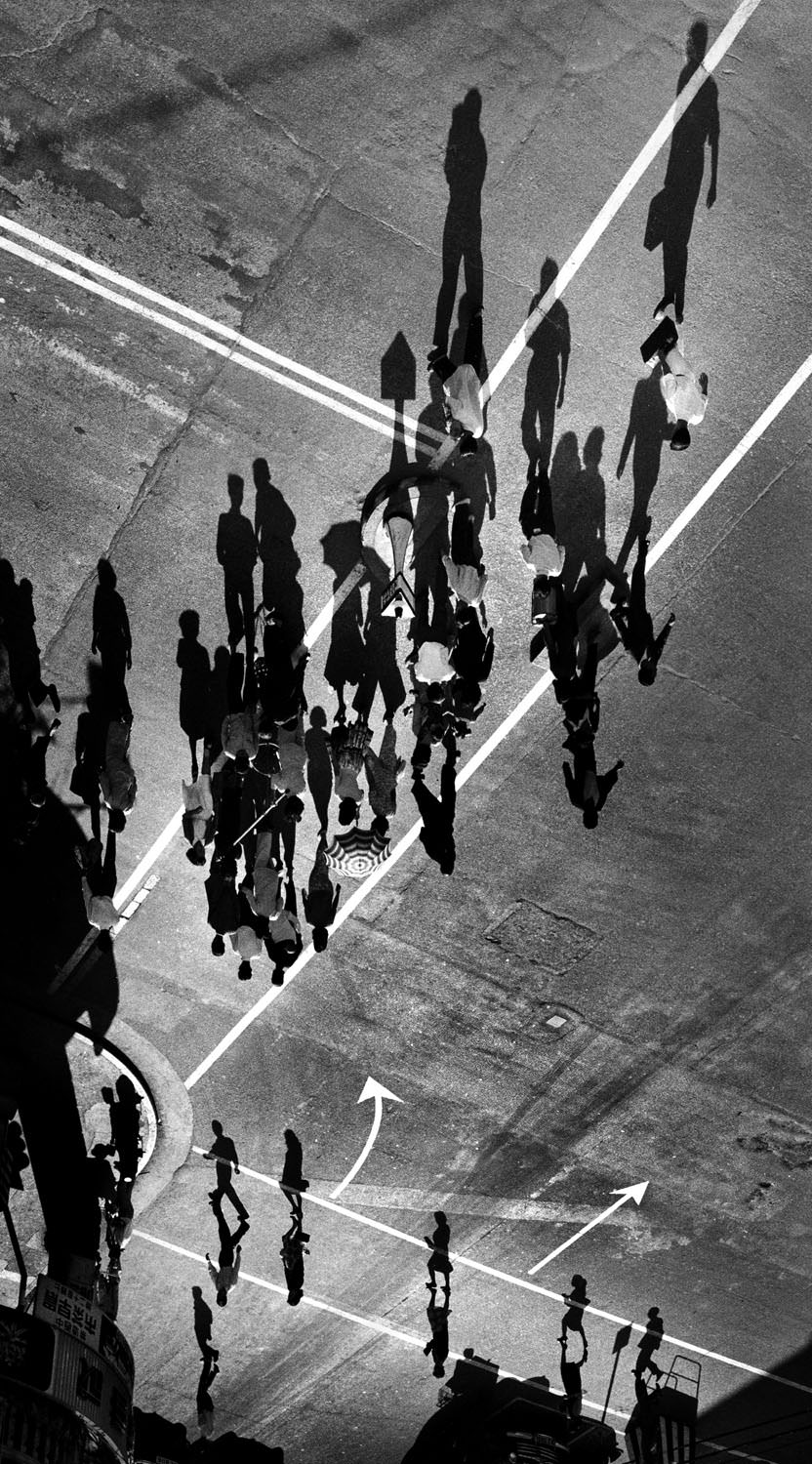
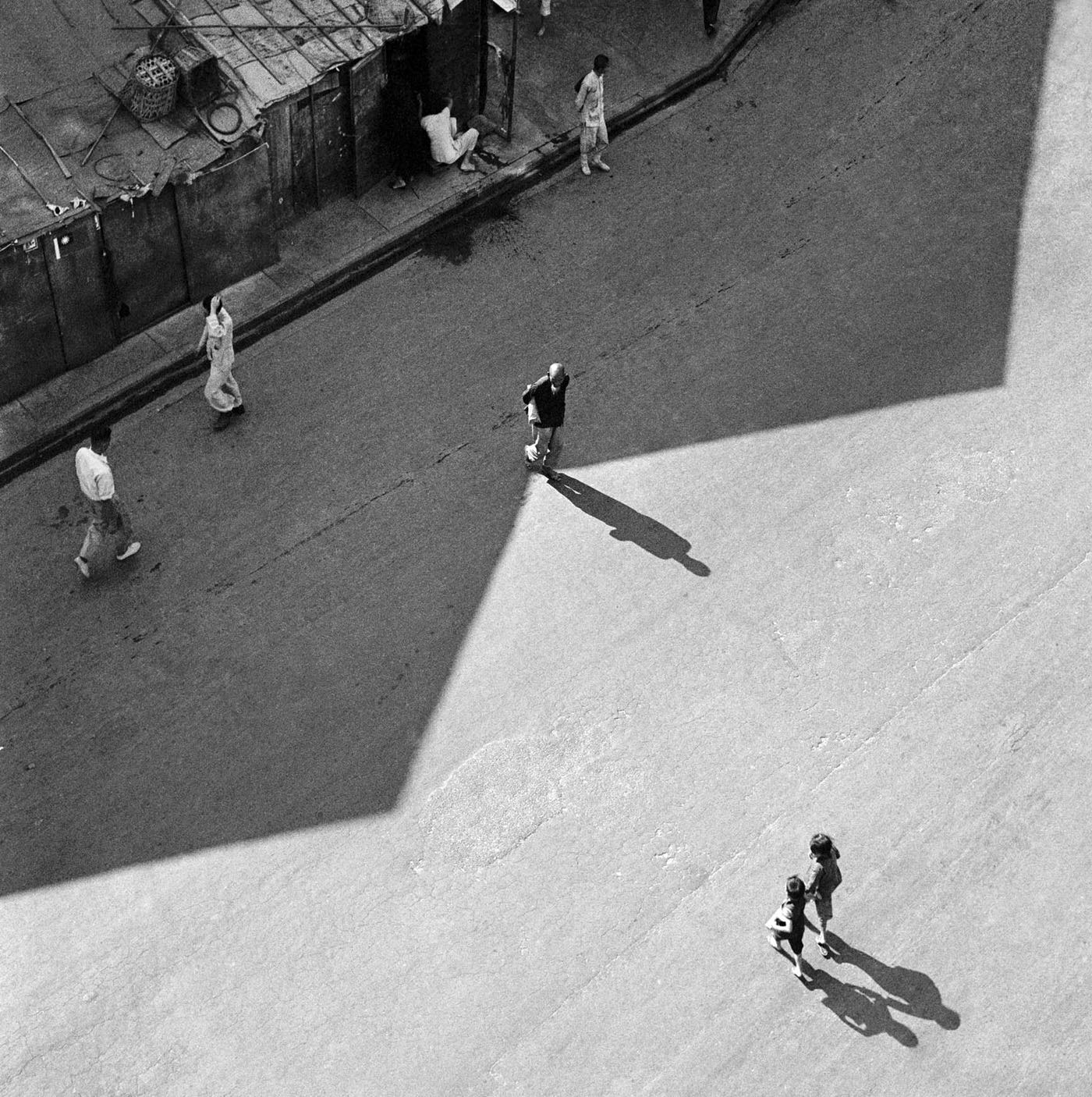
Fan Ho’s compositional instincts were unusually strong. He used reflections, silhouettes, and unusual angles to turn familiar scenes into something stranger and more striking. A puddle becomes a second sky. A shadow becomes the main subject. The city is constantly reframed.
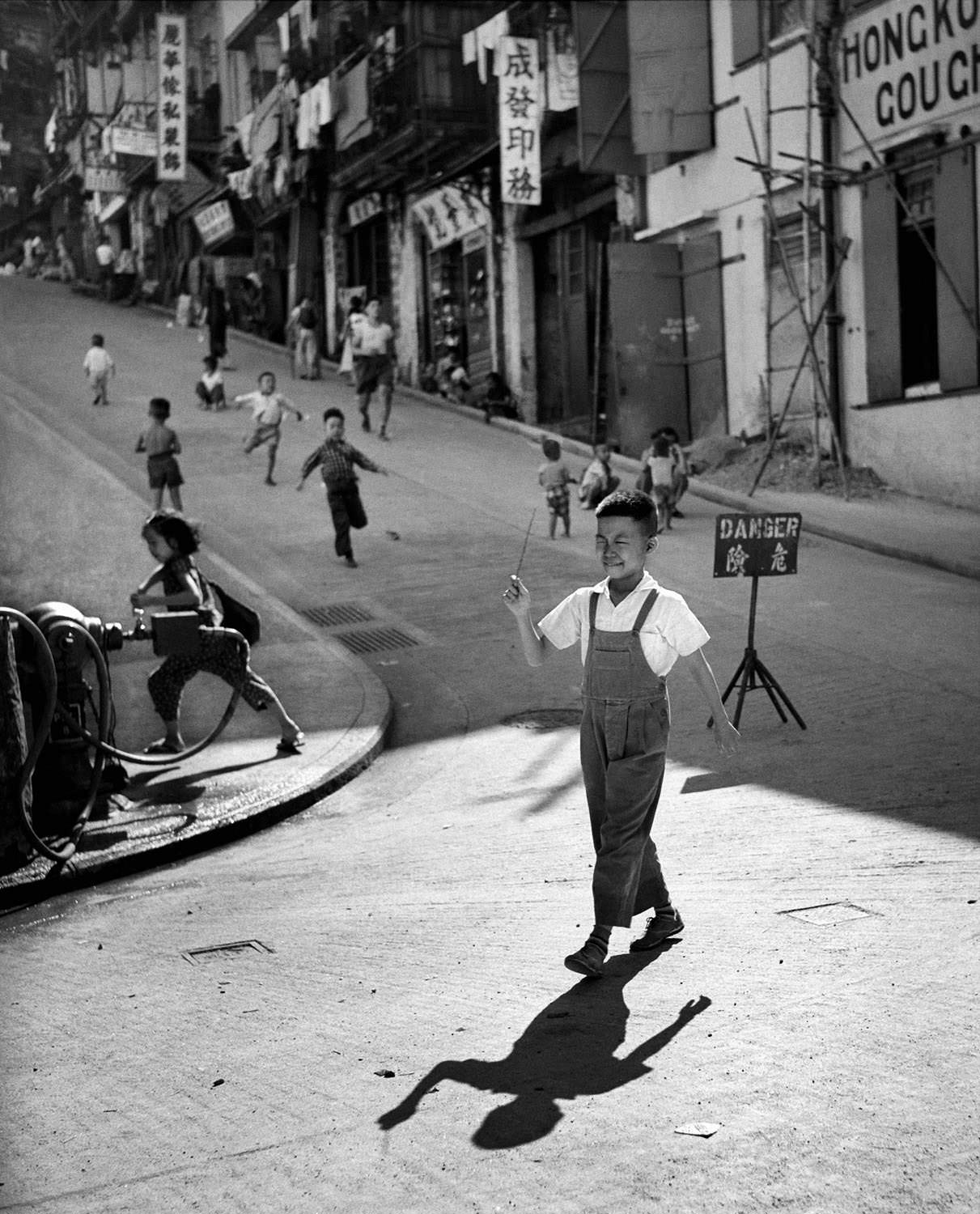
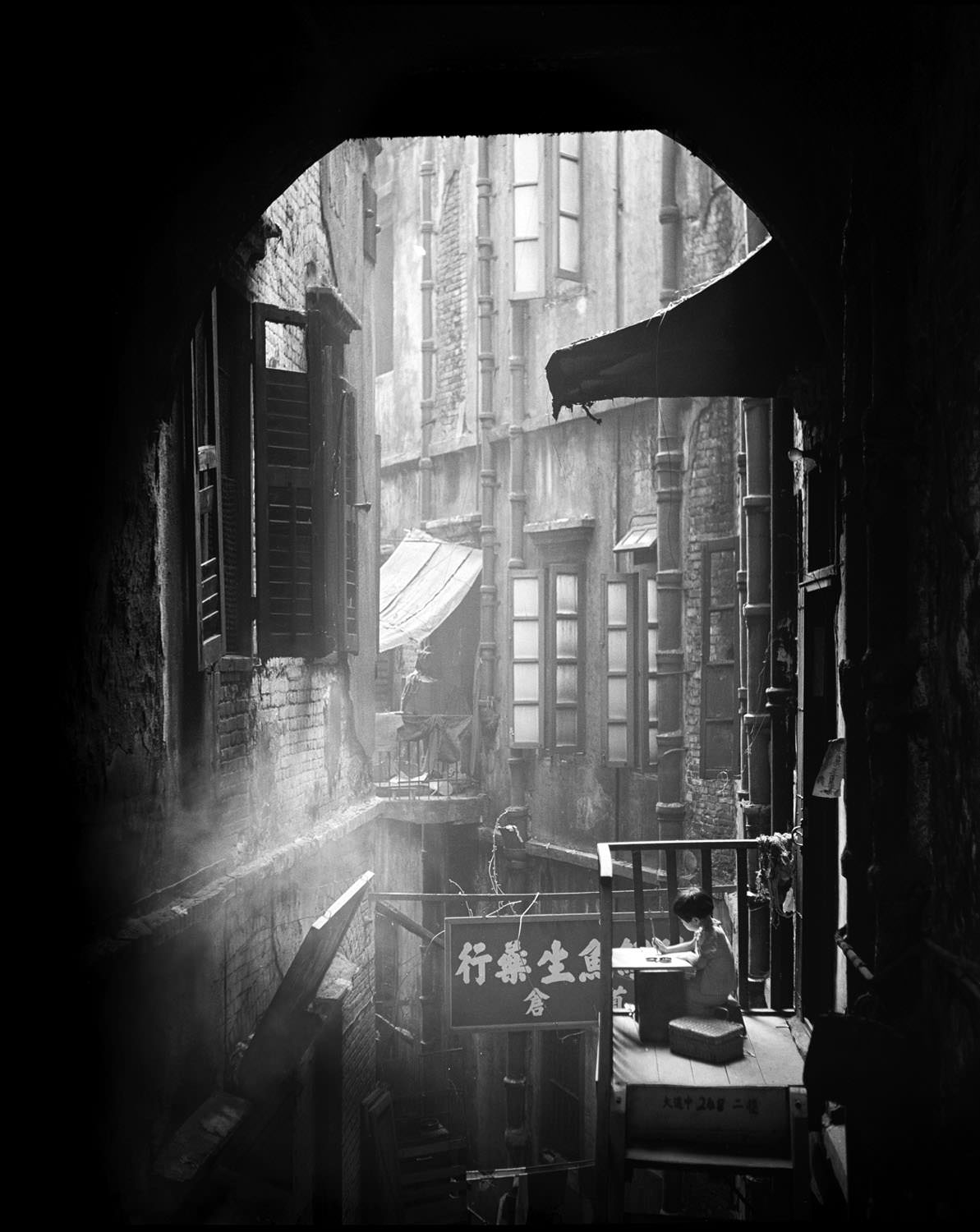
Fan Ho shot Hong Kong during two of its most compressed and consequential decades — years when the city was remaking itself under enormous pressure. His photographs do not editorialize. They simply look. And in looking so carefully, they preserve a version of Hong Kong that no longer exists, fixed in silver halide and light.