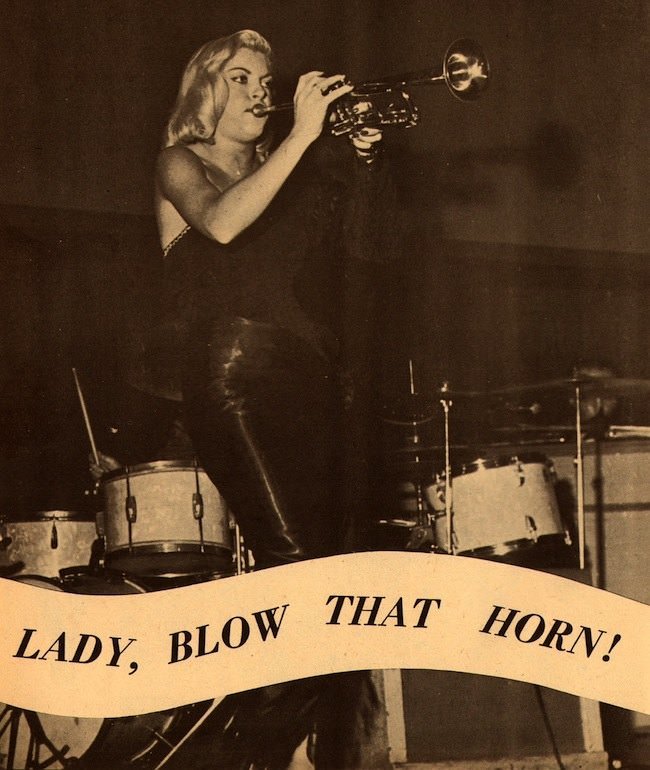
Pin-up magazines in the 1950s followed a simple formula: glamorous models, professional lighting, and total silence. The women in those pages existed purely as visual subjects — no personality, no voice, no context beyond how they looked.
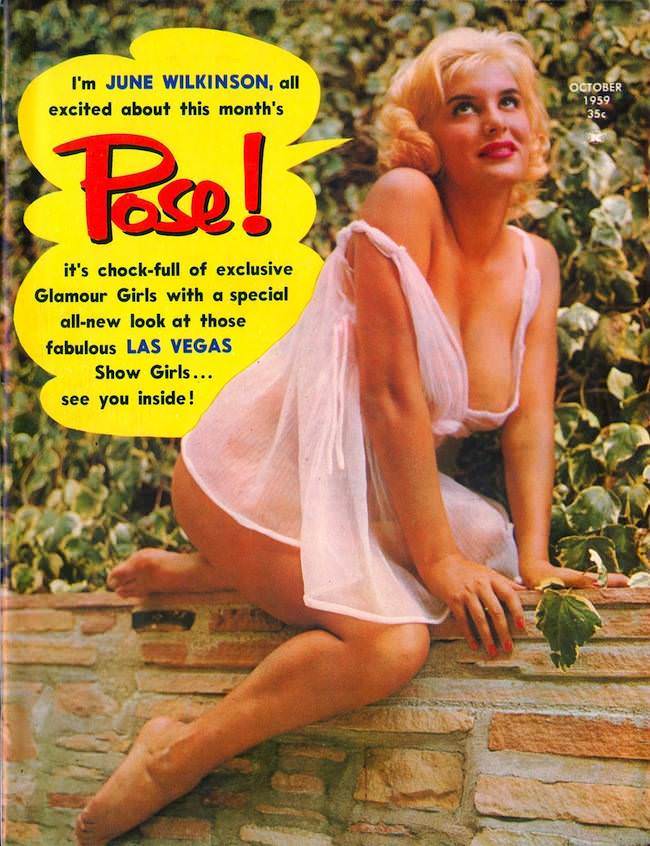
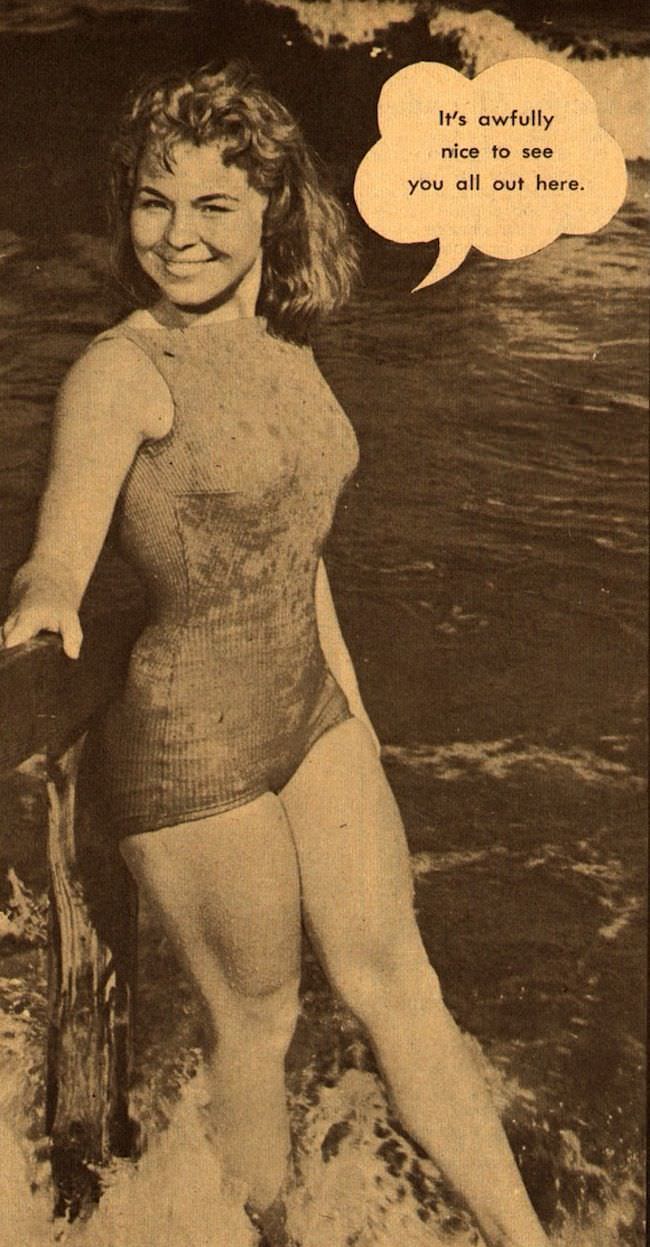
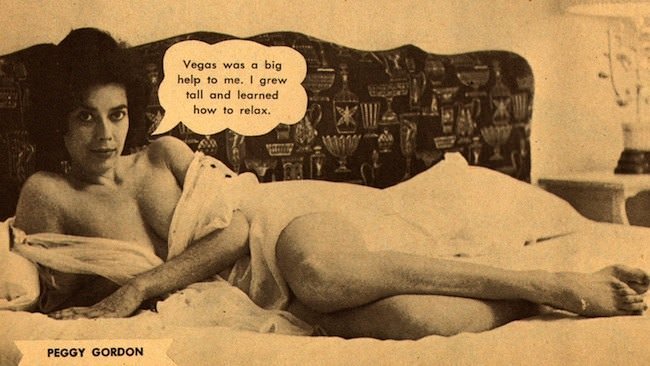
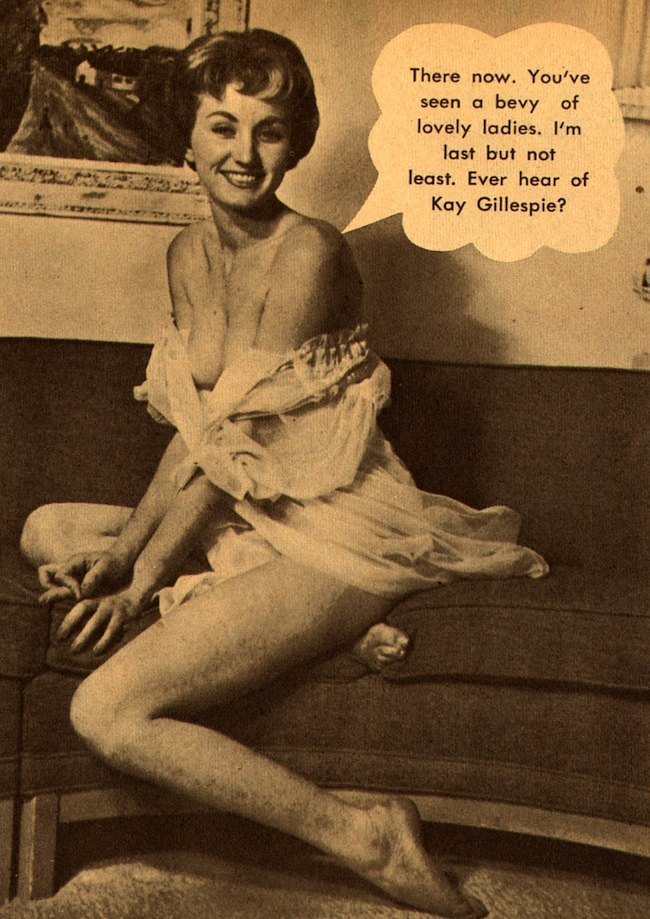
Pose magazine broke that formula in 1959. The editors began adding speech bubbles directly onto their pin-up photos, letting the models say something — sometimes flirty, sometimes dry, sometimes just plain strange.
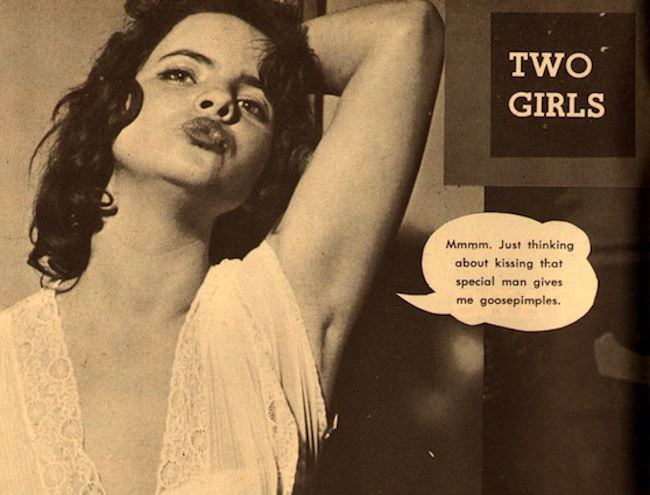
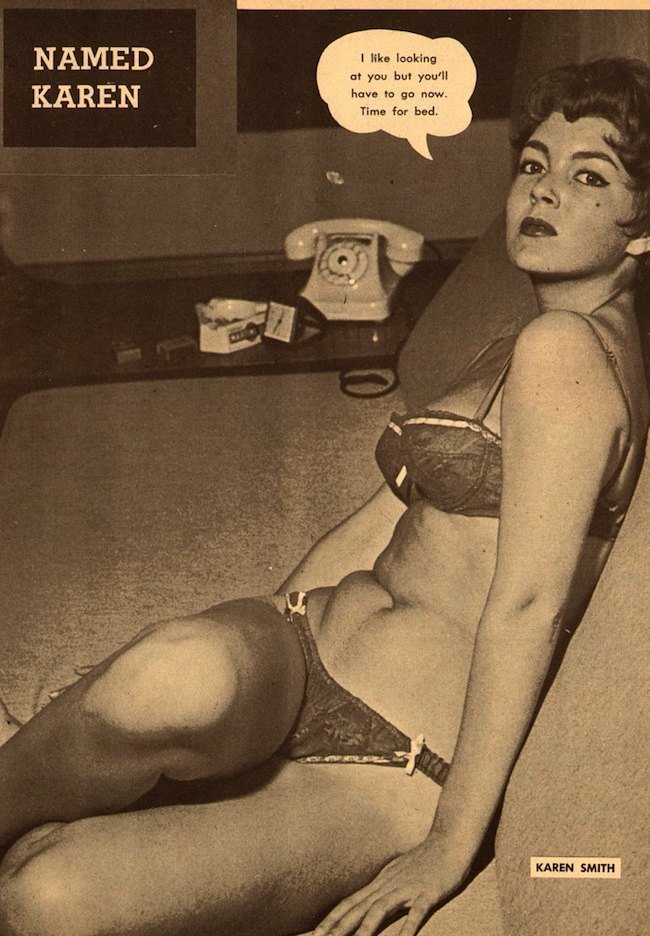
The effect was immediate. A model who once just posed now had a quip to deliver. Readers weren’t just looking at someone — they were in on a joke with her.
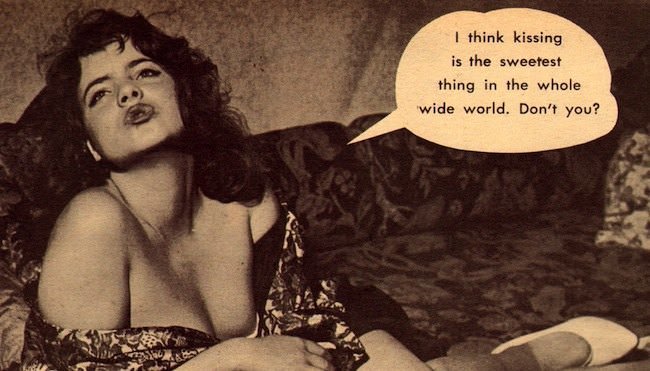
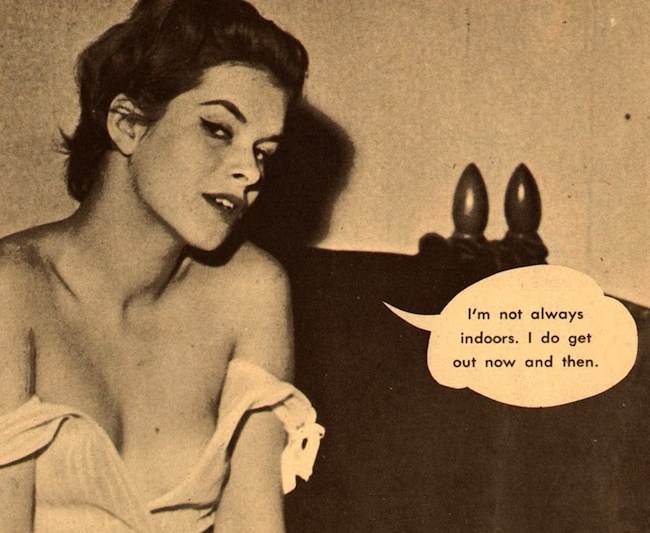
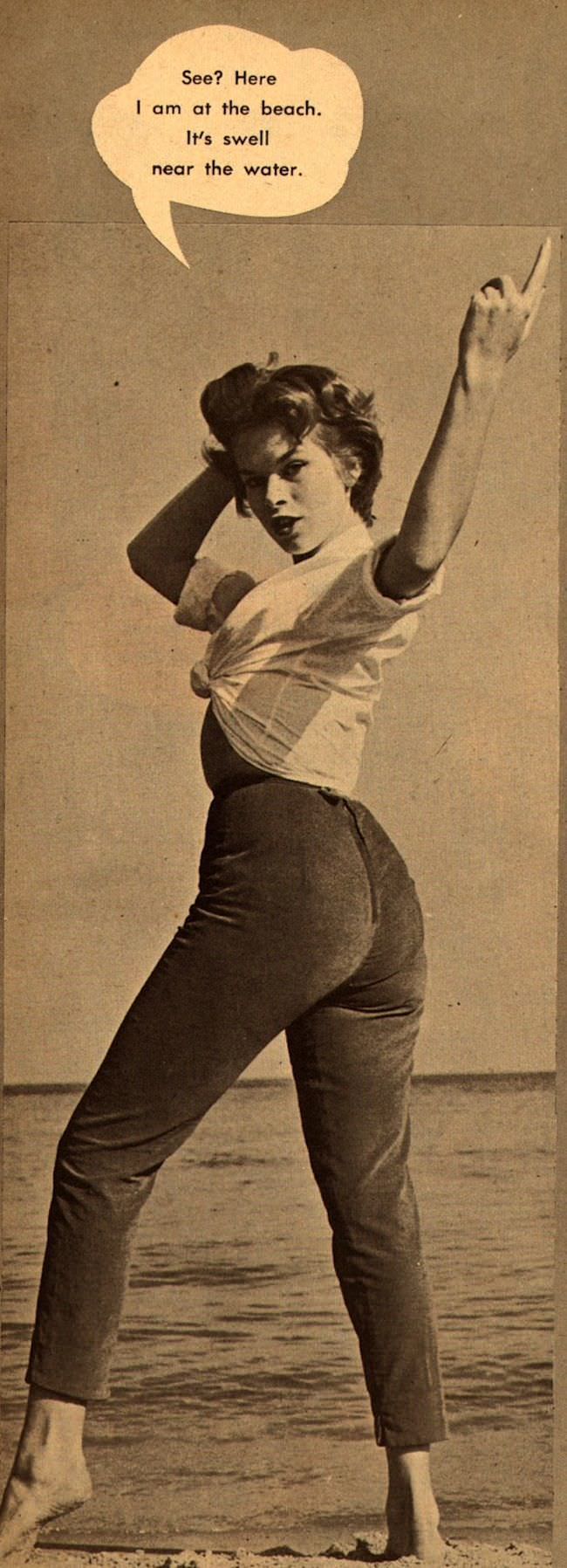
The speech bubbles ranged from deadpan observations to sharp one-liners. Some commented on the scene directly. Others were deliberately absurd, which was exactly the point.
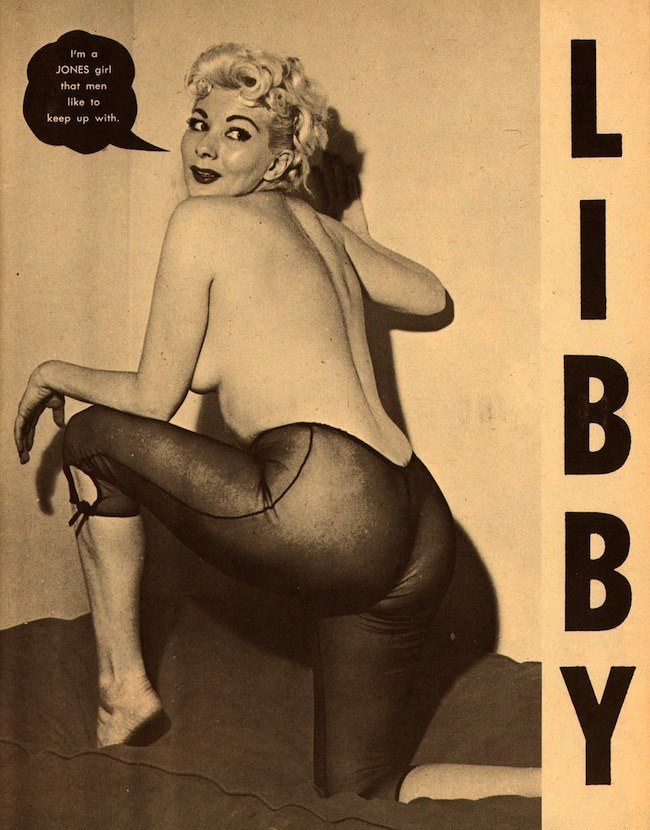
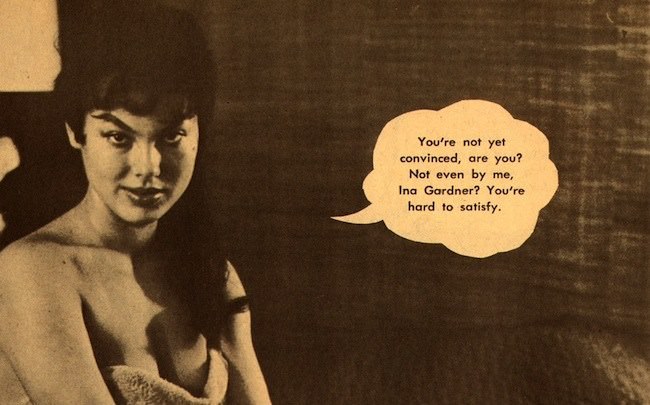
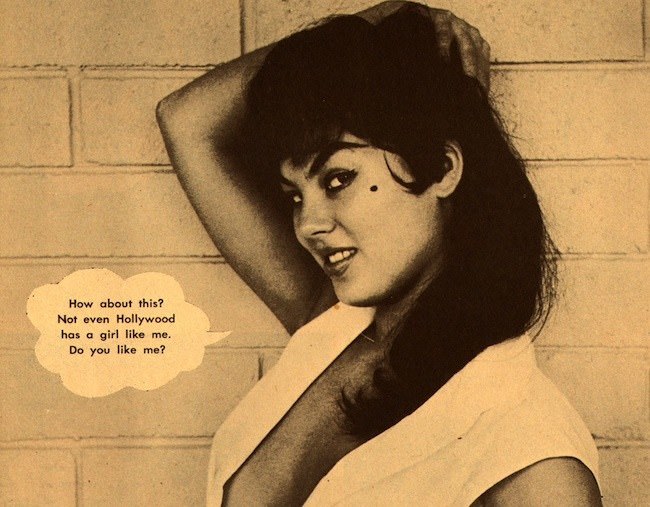
The humor was often self-aware. Lines played off the obvious nature of the poses themselves, winking at the reader rather than pretending the whole setup was serious.
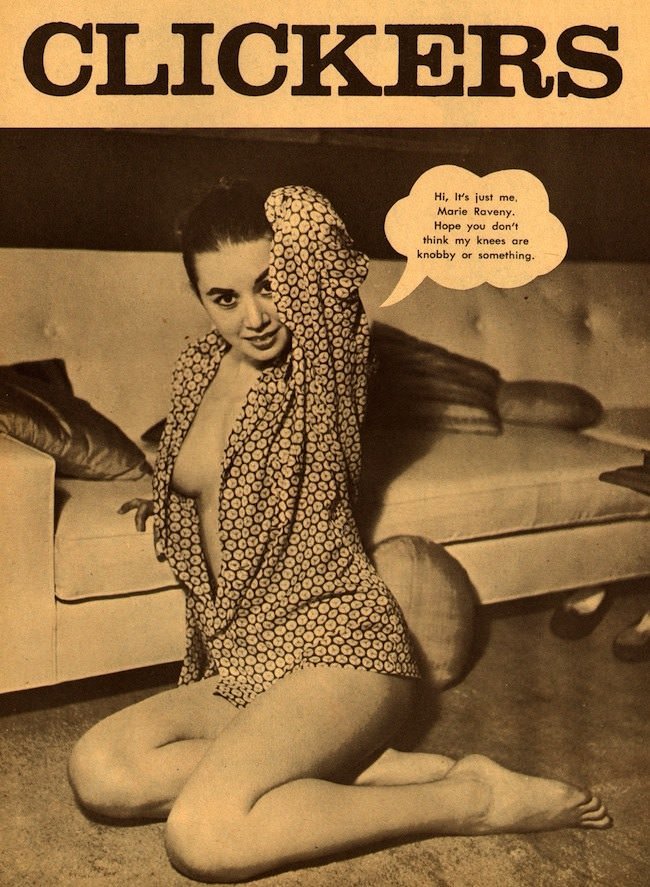
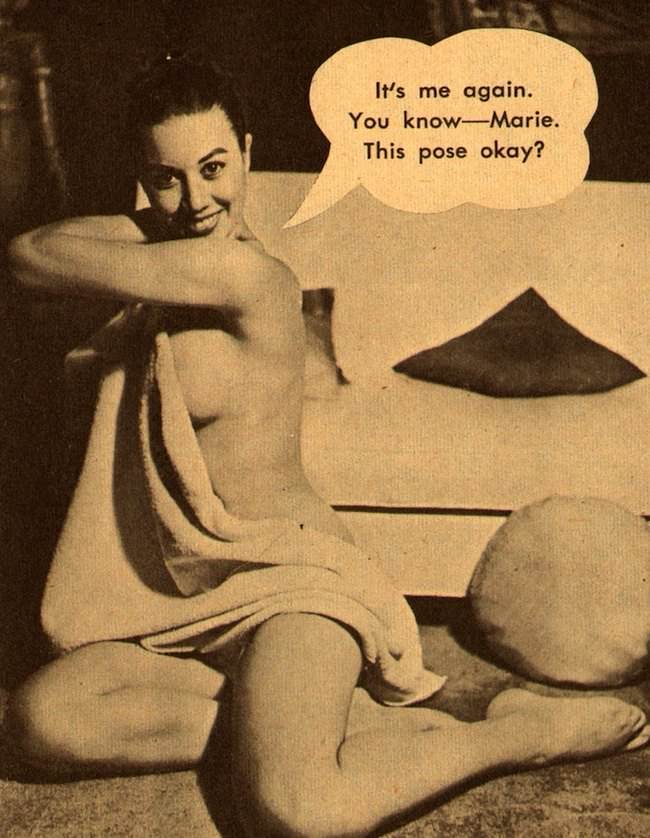
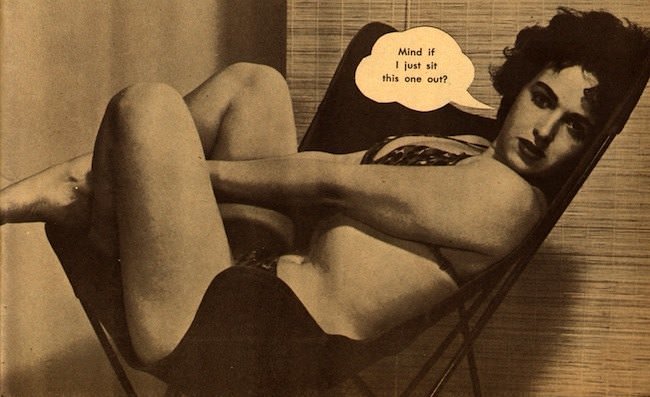
Some captions leaned into full narrative territory, turning a single photo into a small story. That shift — from static image to implied scene — was a genuinely new editorial move for this type of publication.
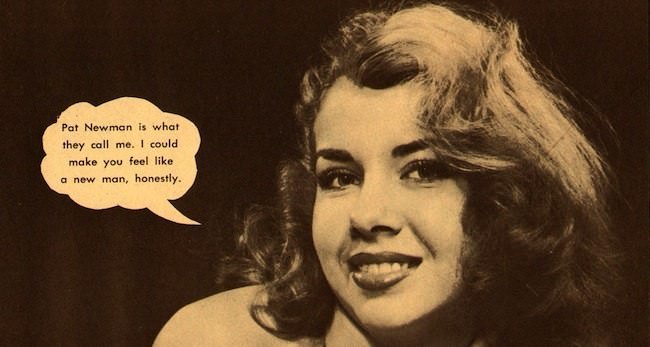
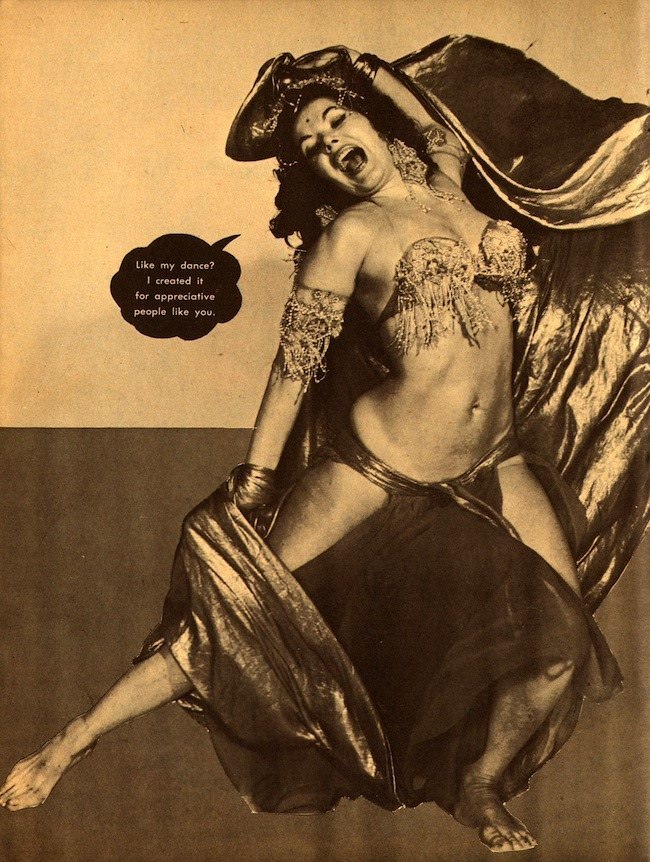
Other bubbles were just fast and punchy, built for a quick laugh on the turn of a page.
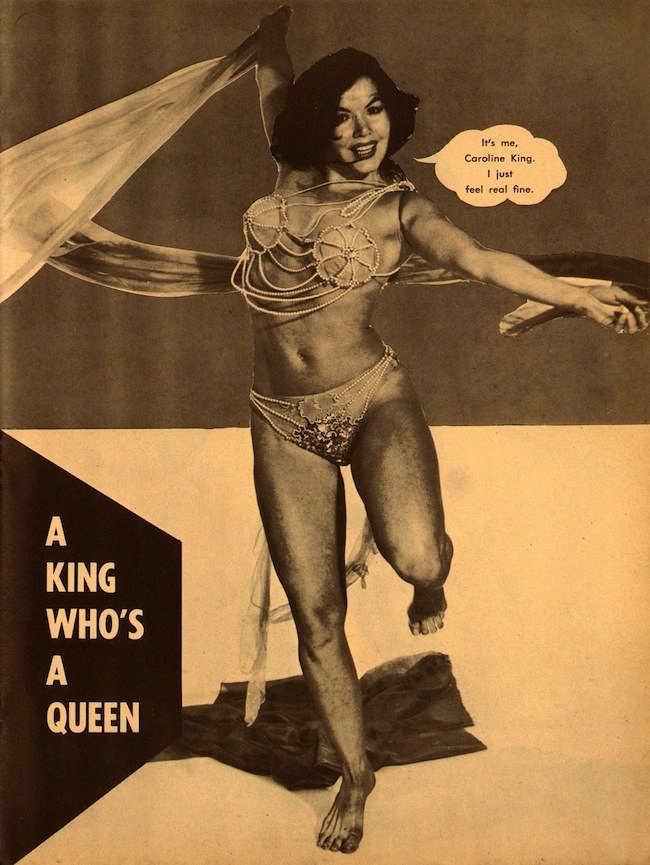
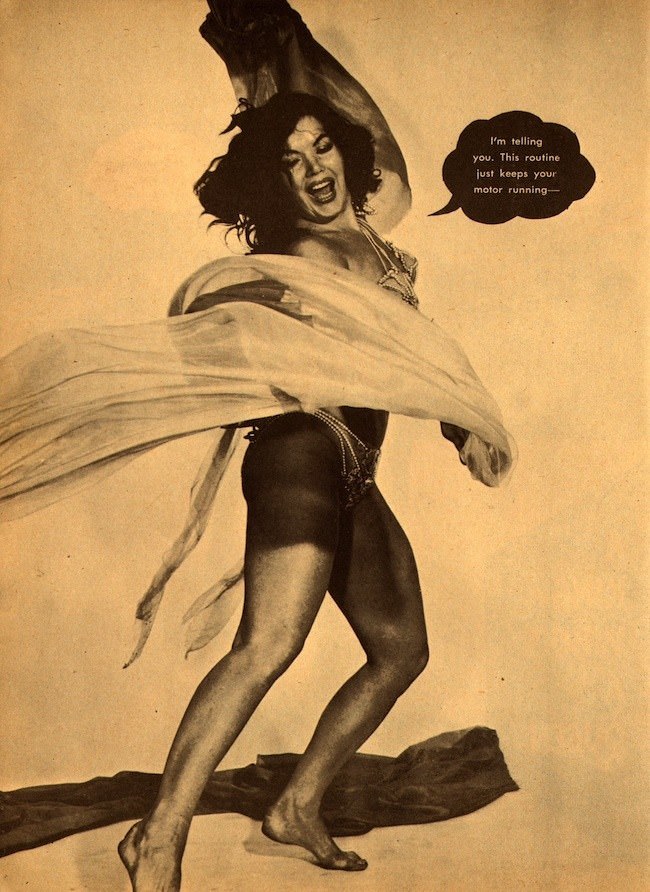
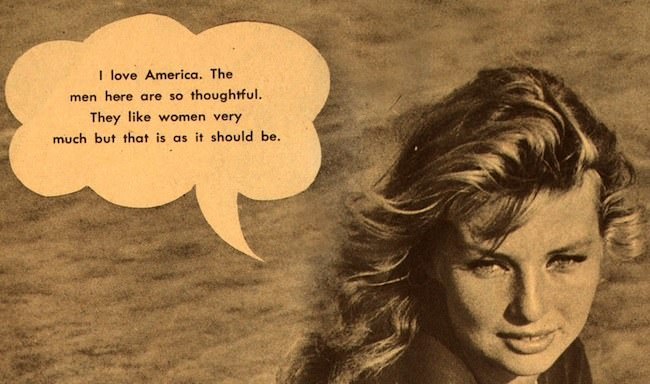
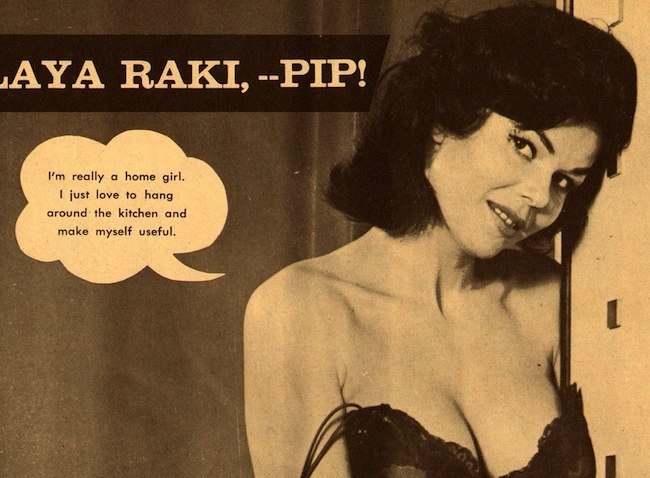
Whether the models themselves had any input into the lines is unknown, but the words on the page gave them a presence that pure photography never had. Each bubble reframed the image around her perspective, not the viewer’s.