Before the smartphone, before the flip phone, there was the car phone. Bolted into trunks and mounted near dashboards, these early devices were marvels of their time — and a privilege reserved almost entirely for the rich and powerful. Tracing their story from the 1940s through the 1980s reveals just how long it took to make a phone call truly mobile.
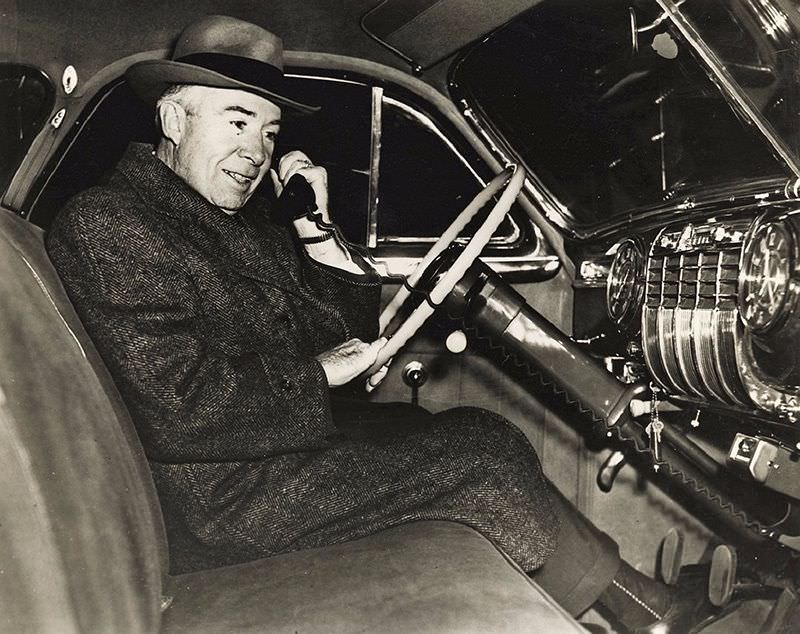
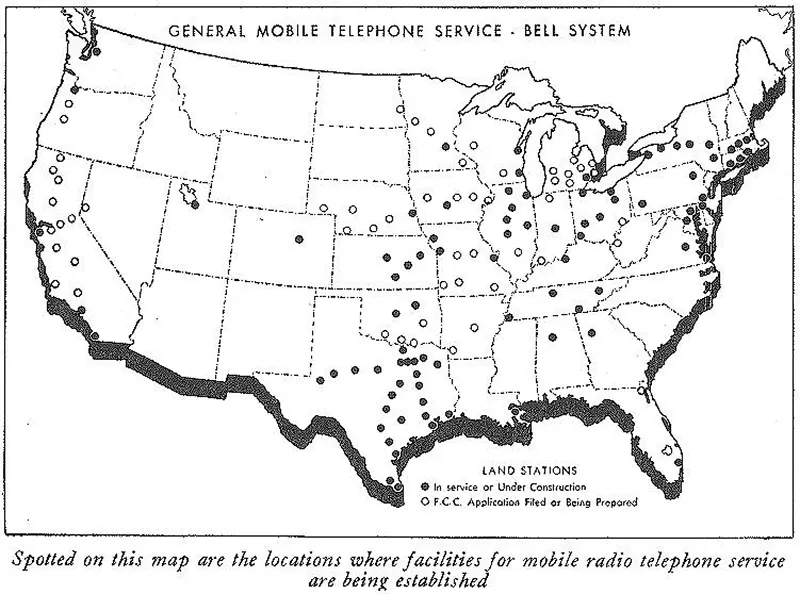
In 1946, the Bell System launched the first commercial mobile telephone service in St. Louis, Missouri. The system ran on VHF (Very High Frequency) radio and could handle only a handful of simultaneous calls across an entire service area. To make a call, a user picked up the handset and waited for an operator to connect them manually. The radio transmitter and receiver sat in the car’s trunk, while the handset was mounted within reach of the driver. The equipment was large, expensive, and beyond the budget of ordinary Americans.
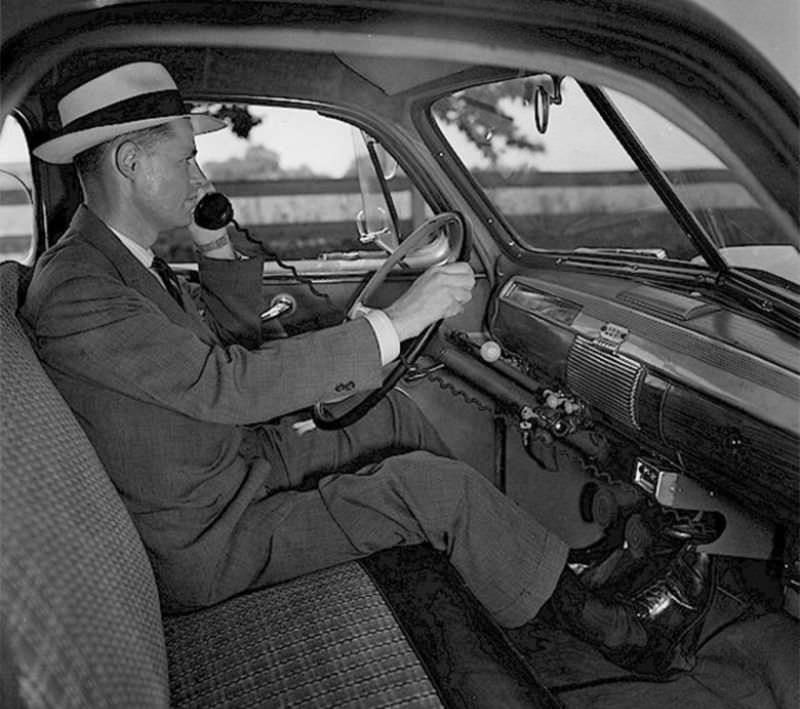
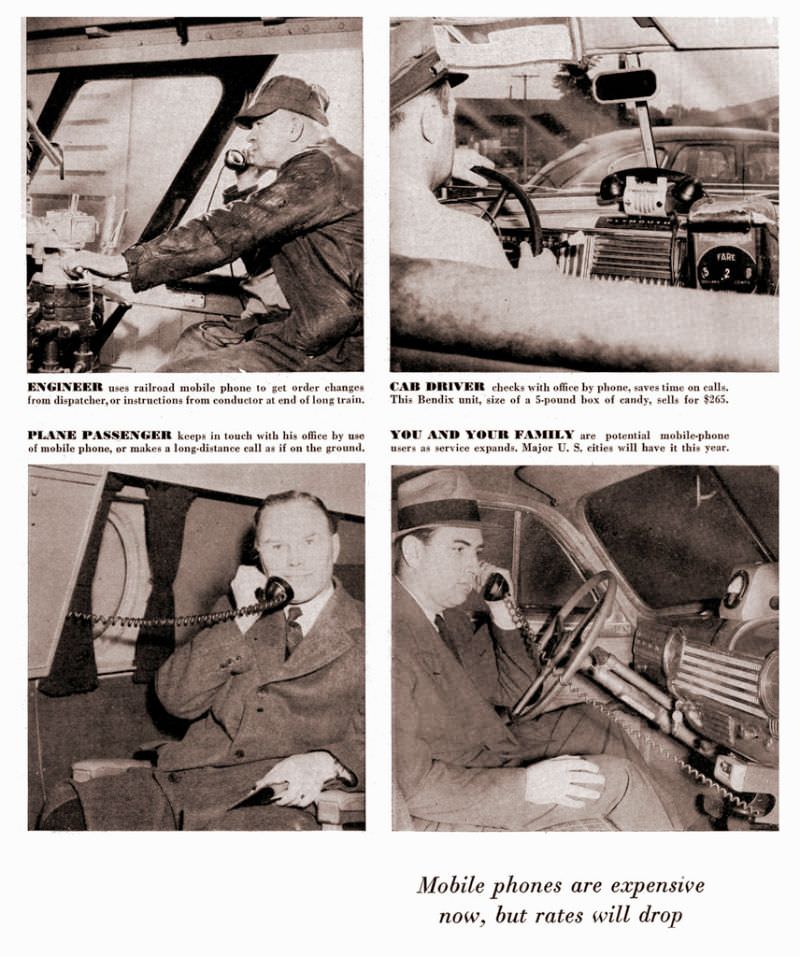
By the late 1940s, the novelty of a telephone inside a car was enough to draw a crowd. The very idea of placing a call from a moving vehicle struck most people as something out of a science fiction story. Early adopters were typically government officials, executives, and the wealthy — the only people who could afford both the hardware and the steep service fees.
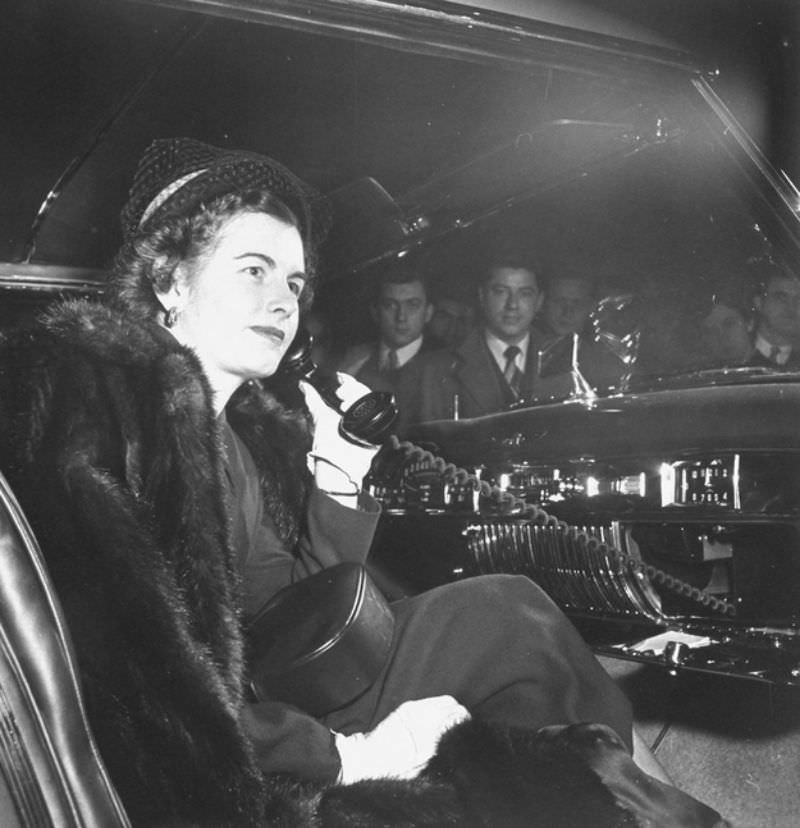
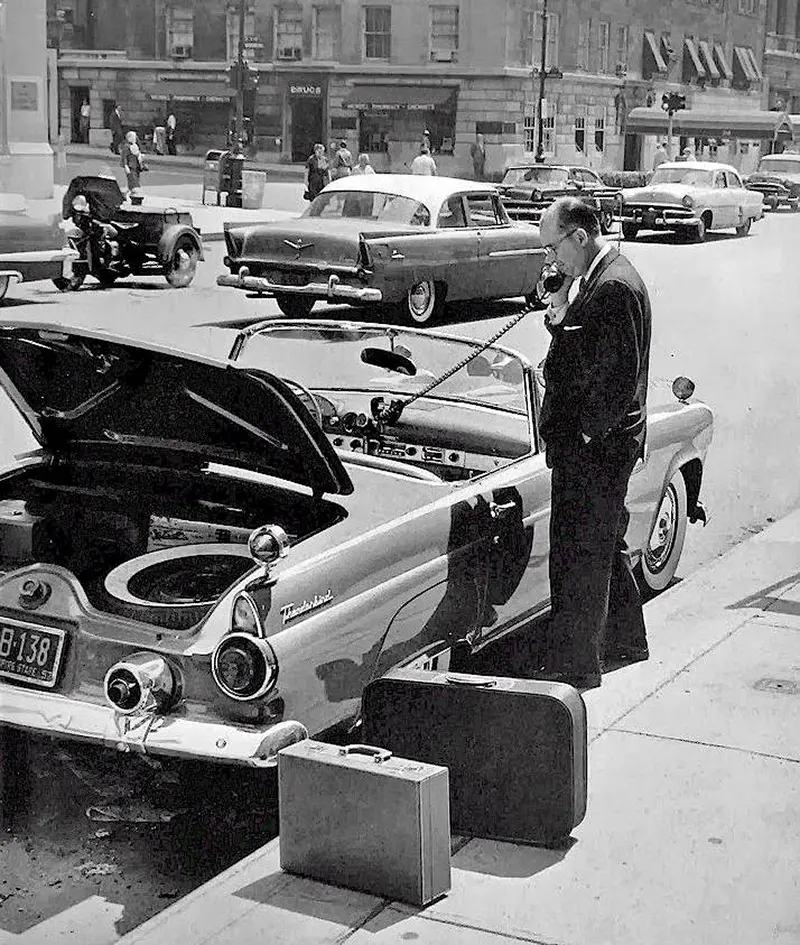
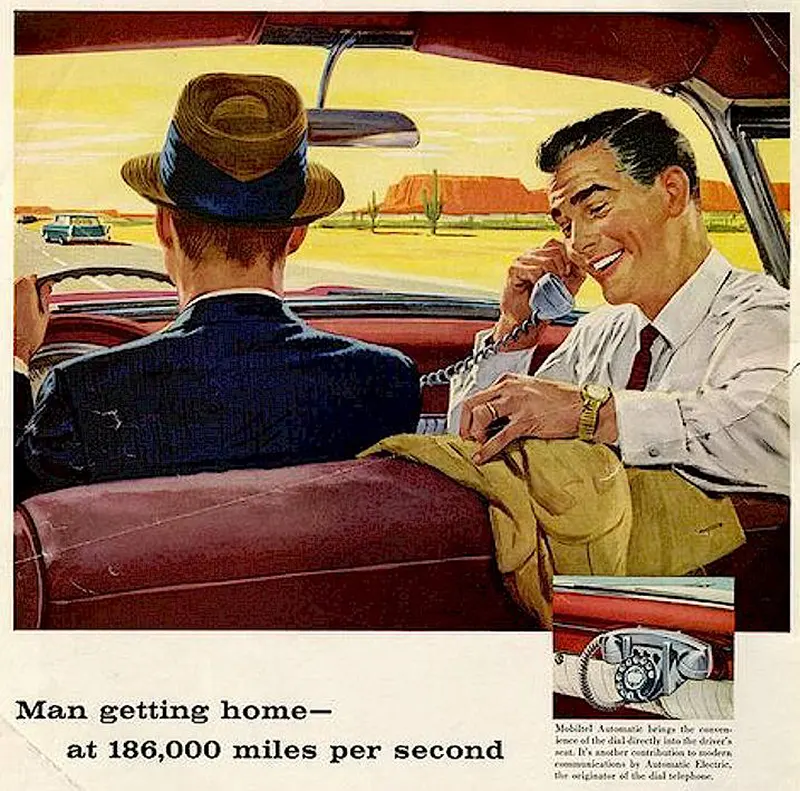
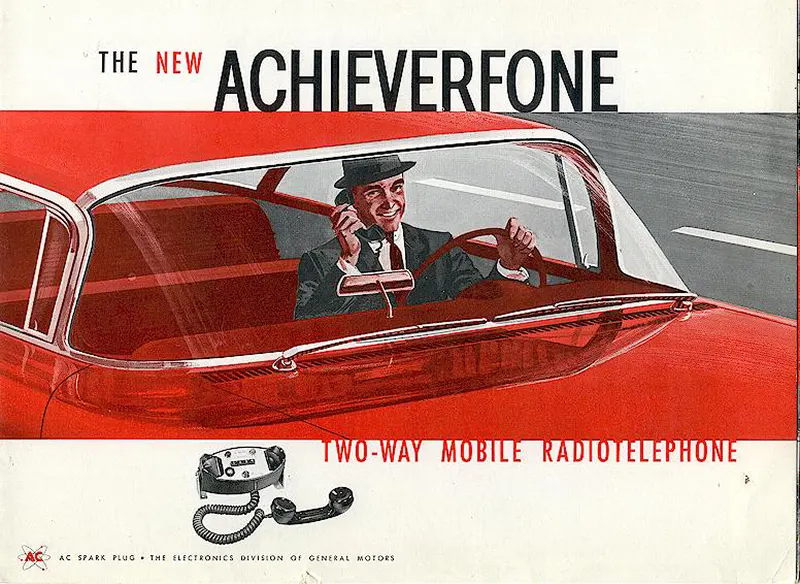
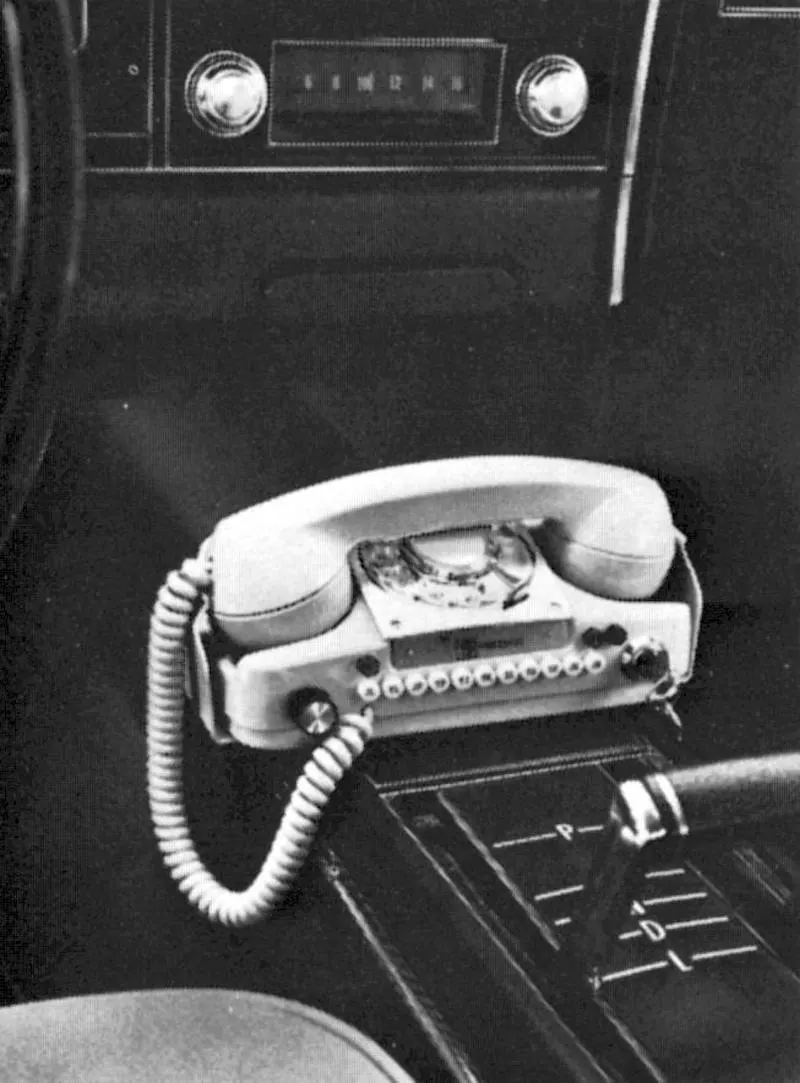
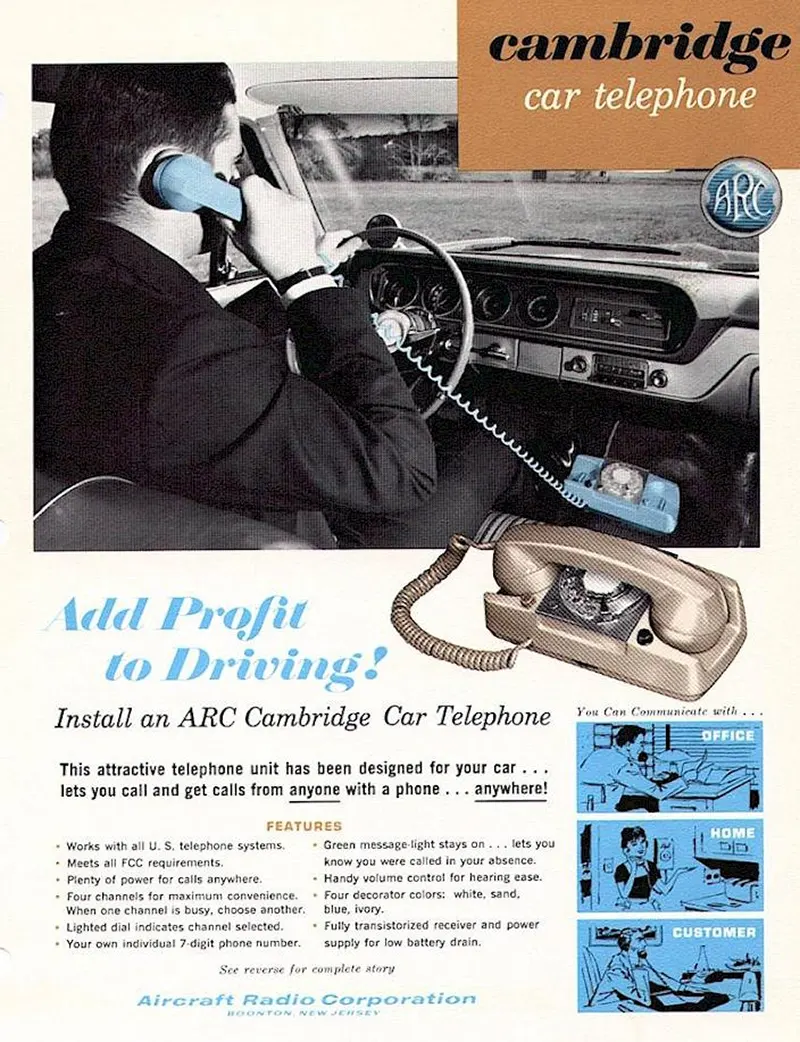
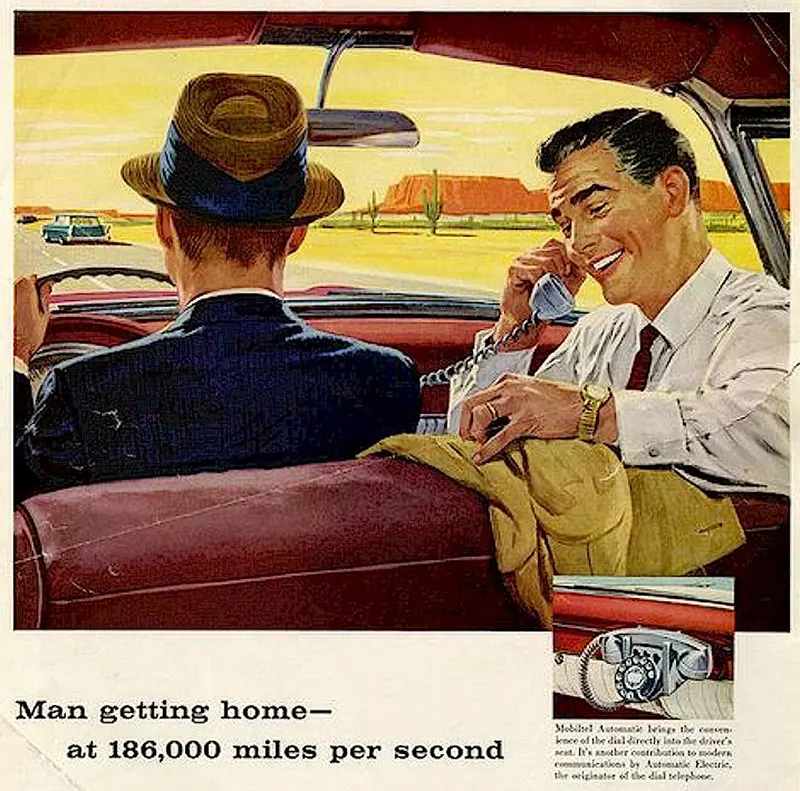
The 1950s brought modest but steady improvements. Car phone installations became a little more refined, and automakers occasionally showcased the technology as a premium feature. The handset design grew more familiar — closer in look to a standard telephone receiver — though the underlying radio equipment remained bulky and trunk-bound.
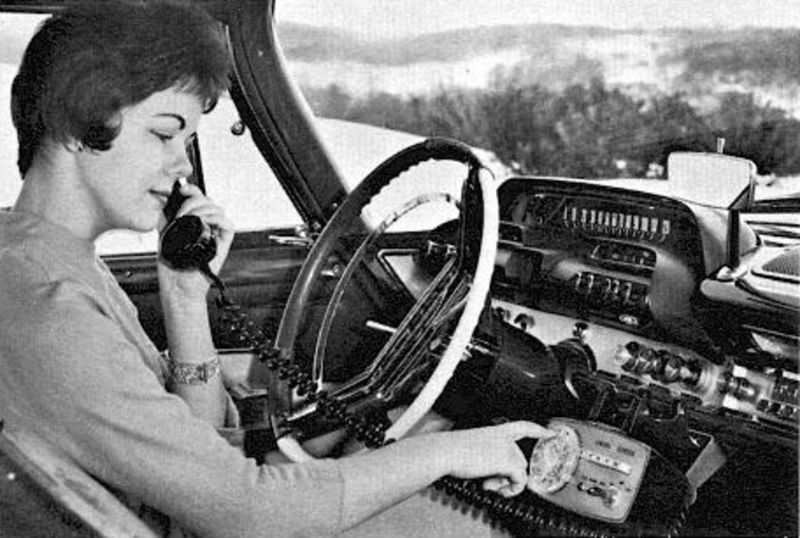
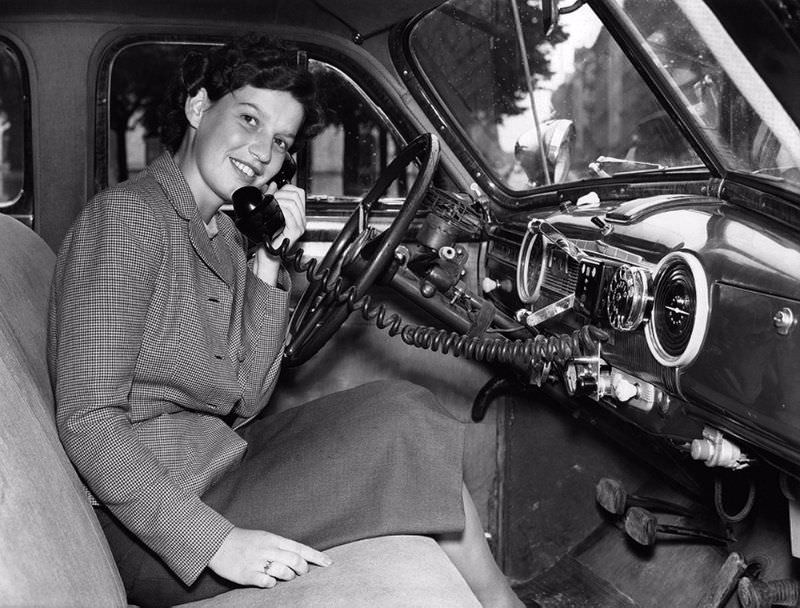
Through the early and mid-1950s, car phones remained a clear status symbol. Using one in public — or being photographed doing so — signaled wealth and influence. The technology was still far from practical for everyday use, but that exclusivity was part of the appeal.
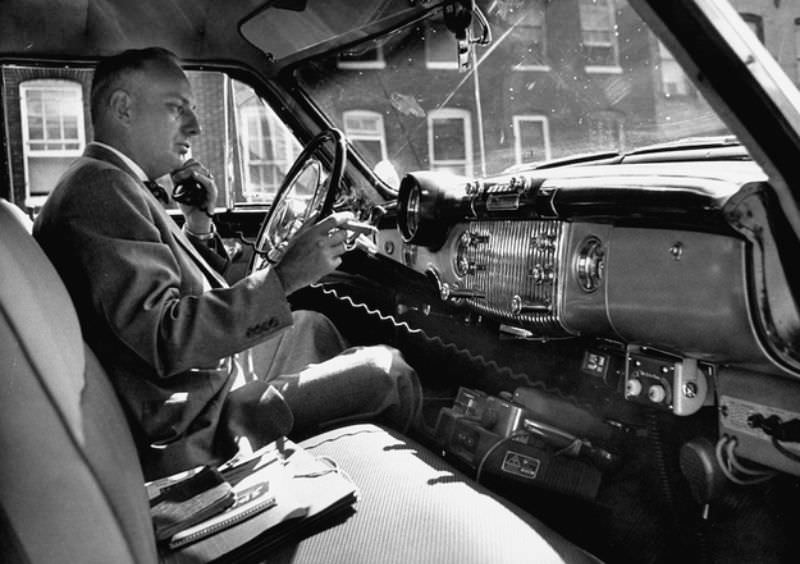
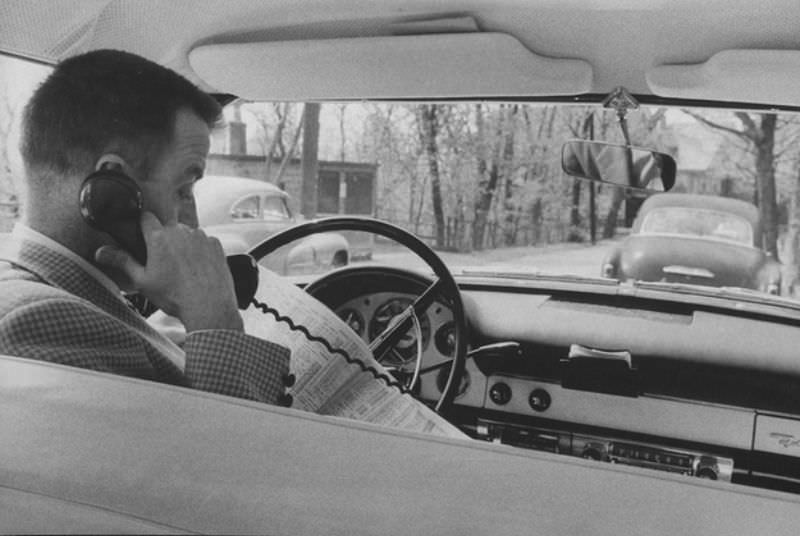
A major leap forward came in 1964 with the introduction of the Improved Mobile Telephone Service, or IMTS. This new system eliminated the need for a manual operator connection — users could dial directly, just as they would from a home telephone. IMTS also increased the number of calls the network could carry at once. Even so, the cost of equipment and monthly service kept car phones firmly out of reach for most people.
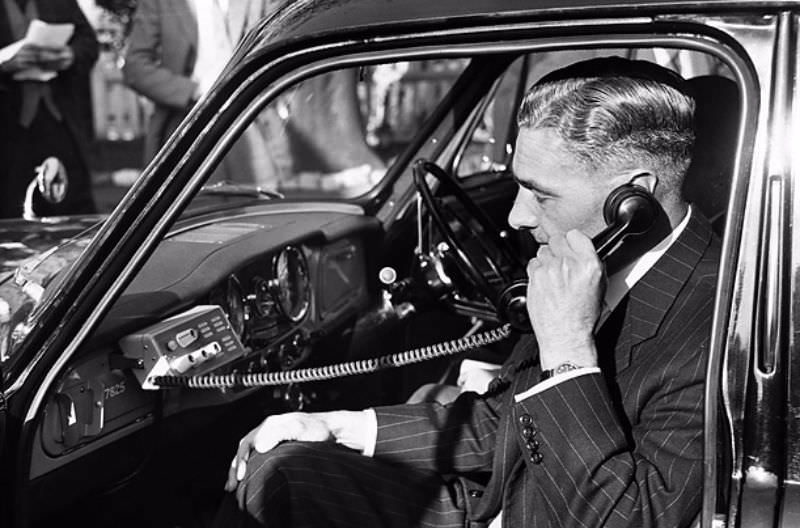
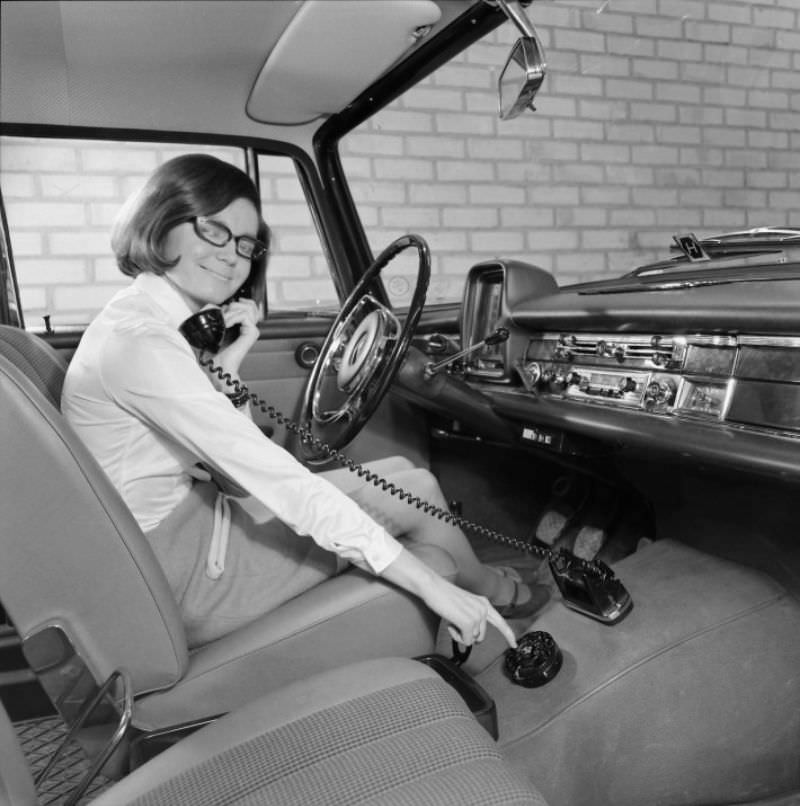
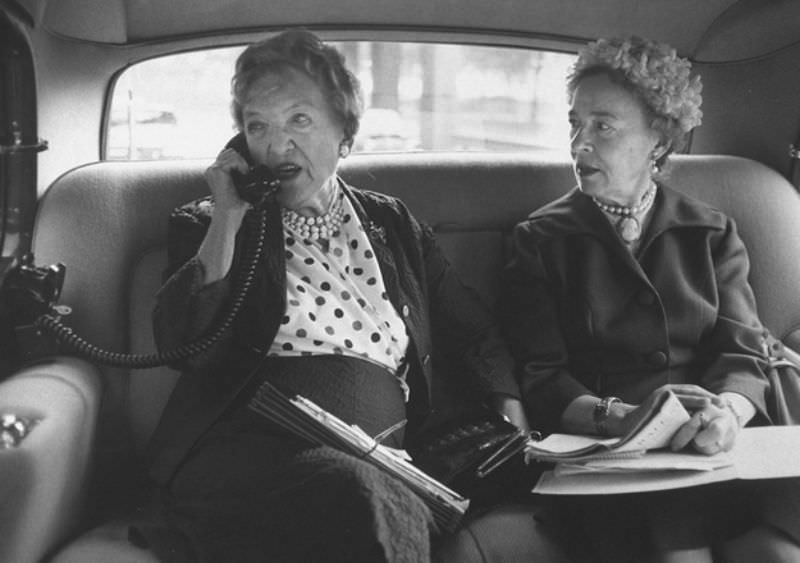
The 1970s are when the real transformation began. Bell Labs, AT&T’s research arm, developed the concept of a cellular network — dividing a service area into many small zones called cells, each with its own base station. When a caller moved from one cell to another, the network handed off the call automatically. This approach multiplied the number of users a network could support, breaking through the hard ceiling that had limited mobile telephony for decades.
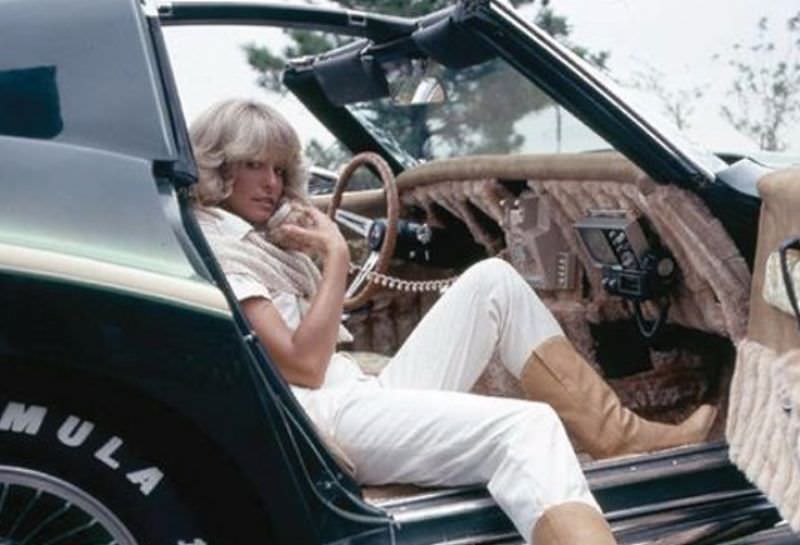
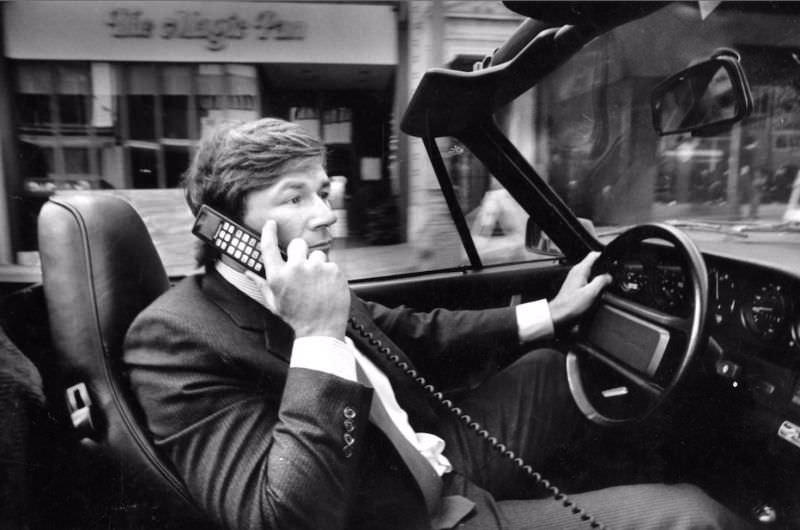
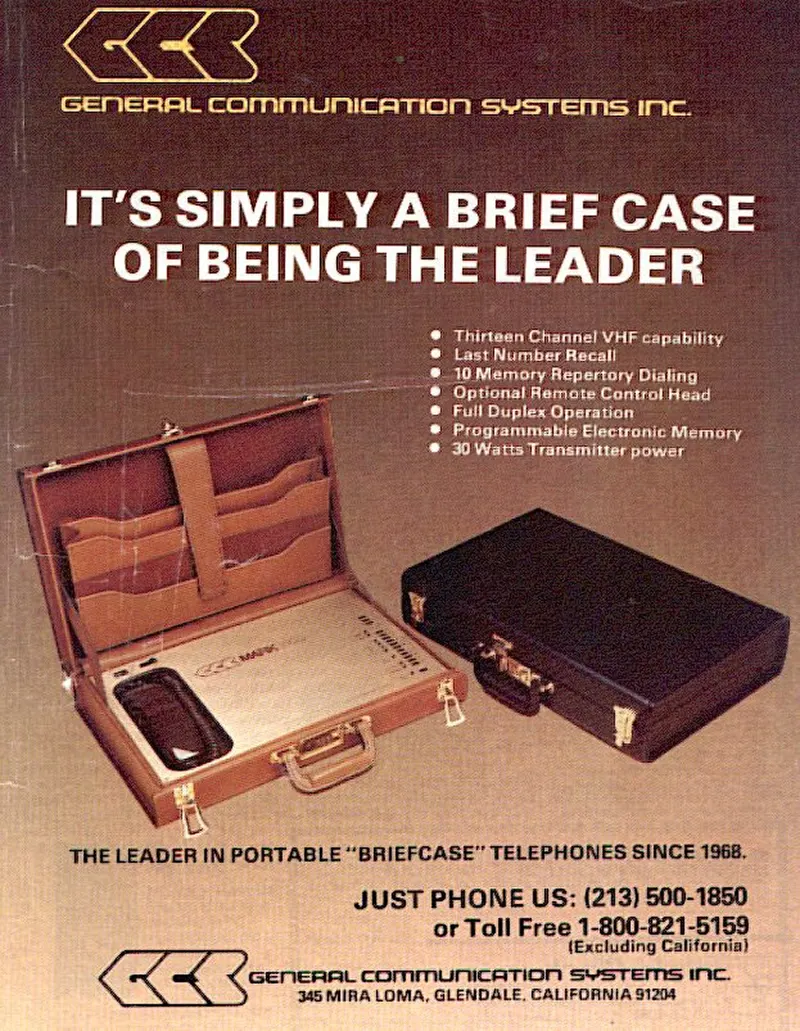
Trial cellular systems launched in select U.S. cities in the late 1970s, proving the technology worked at scale. Then in 1983, Ameritech Mobile Communications switched on the first commercial cellular network in the United States, launching it in Chicago. The era of the operator-assisted, one-call-at-a-time car phone was over. In its place was a system that, within a few years, would begin reaching millions of people.