In the 1950s, Greenwich Village was unlike anywhere else in New York City. Rents were low, the streets were narrow and walkable, and the neighborhood drew in anyone who didn’t quite belong somewhere else. Artists, writers, musicians, and free thinkers packed its blocks. What they built together was one of the most creatively charged communities in American history. These vintage photographs capture it at its peak.
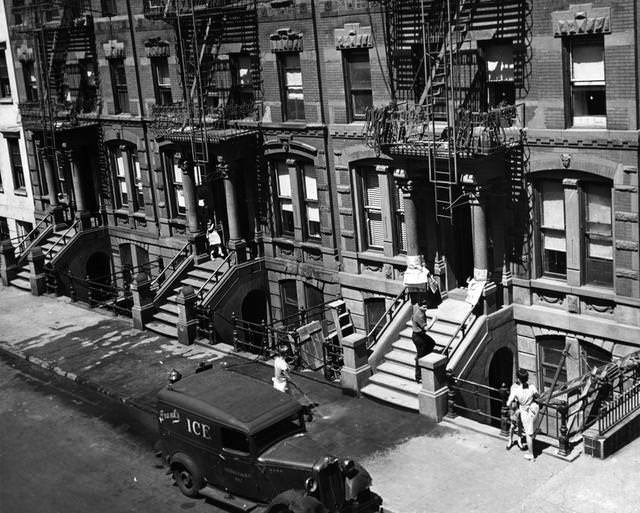
The streets of the Village had a rhythm all their own. Daily life played out on sidewalks and stoops. Neighbors knew each other. The neighborhood was compact enough that a walk to the corner could turn into an hour-long conversation. Affordable rents kept the community stable, drawing in people who prized expression over income. That economic reality shaped everything — who lived there, what they made, and how they spent their time.
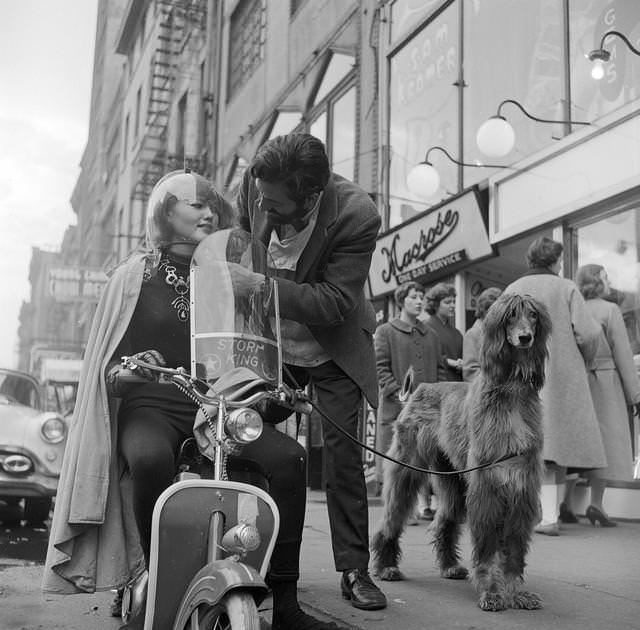
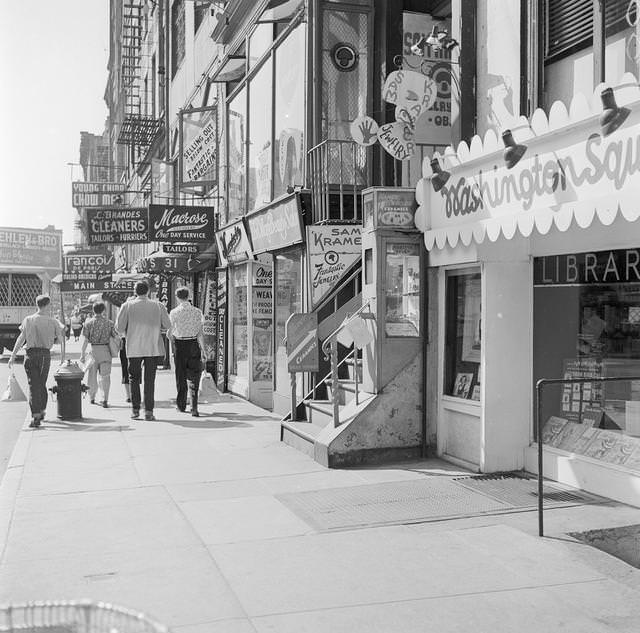
Characters like jeweler Sam Kramer were fixtures of Village street life. Kramer was known for his surrealist, other-worldly jewelry designs and his flair for the theatrical. His presence on a Village sidewalk — helping someone with a motorbike helmet — was entirely normal. The neighborhood celebrated eccentricity rather than tolerating it. Washington Square Park sat at the heart of it all, a public stage where people gathered, argued, performed, and simply watched the world go by.
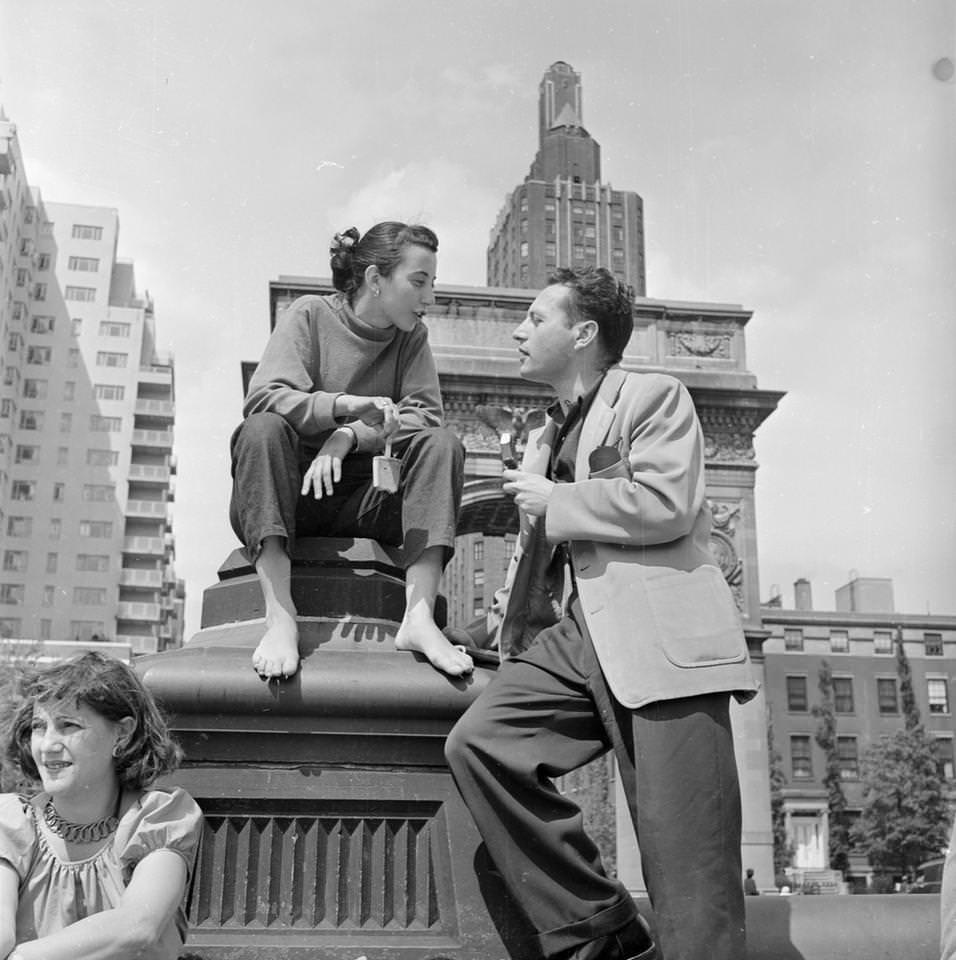
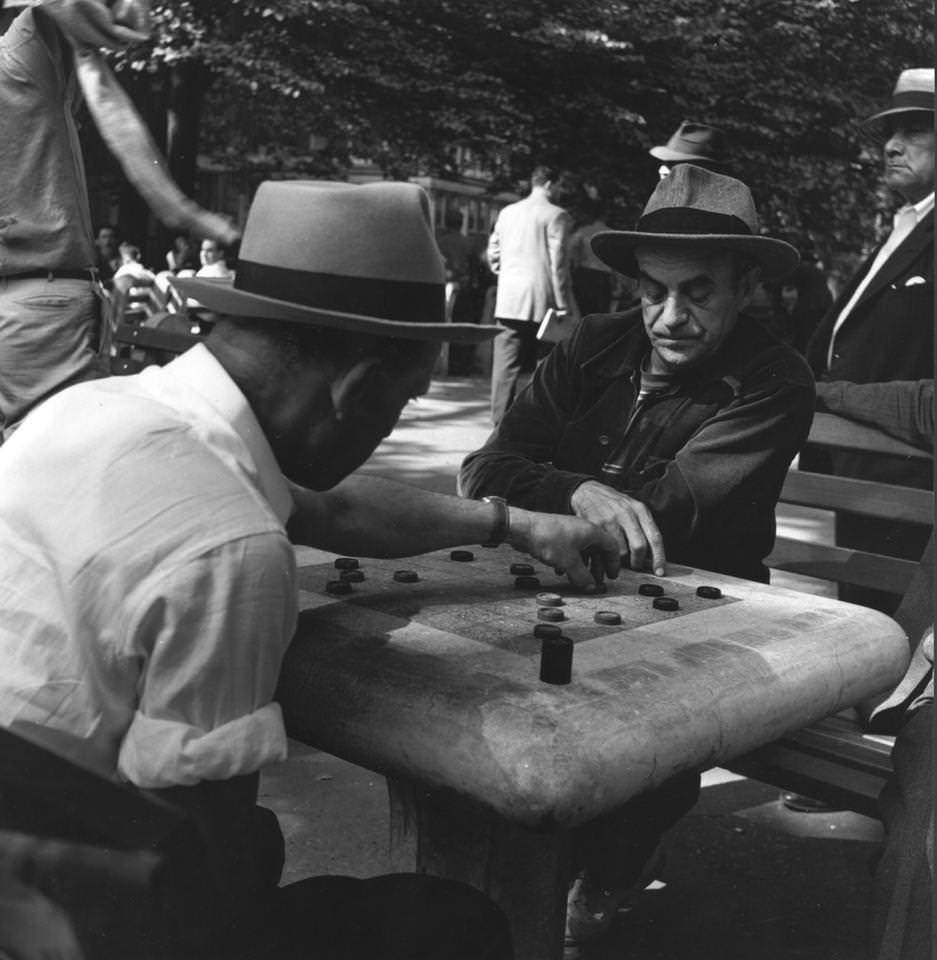
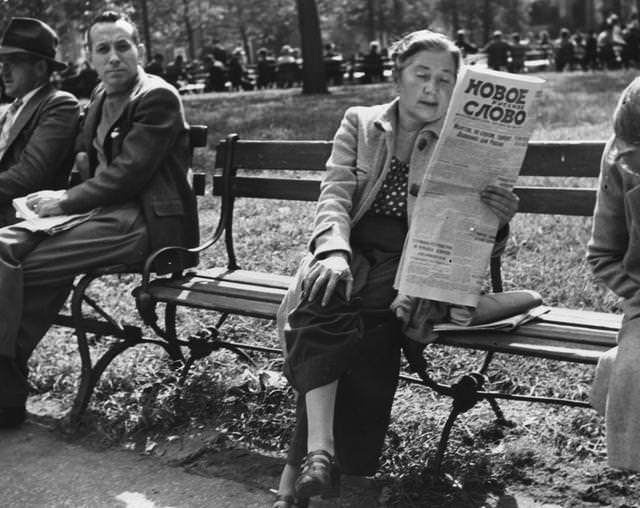
Washington Square was a democratic space. Young couples talked for hours on its benches. Older men played checkers under the trees. Families, students, drifters, and intellectuals all shared the same patch of ground. The park was a place where social barriers softened. No one needed money to be there, and no one was turned away.
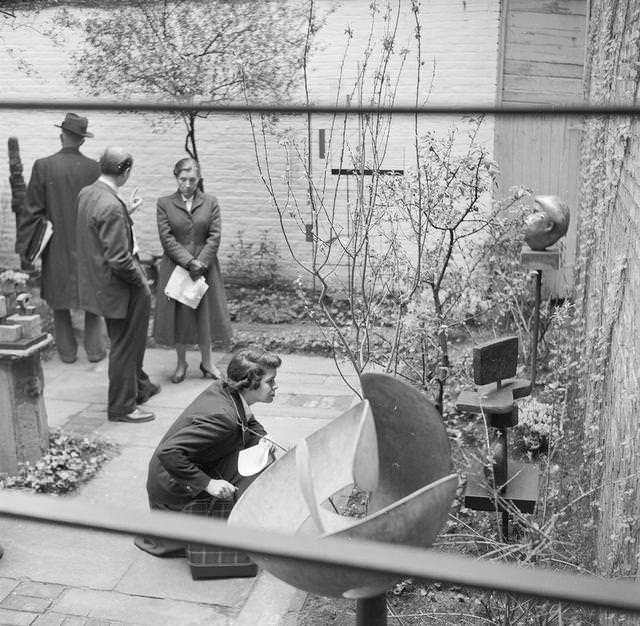
Art spilled out of studios and into everyday spaces. Backyard gardens became impromptu galleries. Small storefronts hung canvases in their windows. Abstract Expressionism — the bold, gestural painting style that was reshaping the art world — had deep roots in the Village. Artists like Franz Kline and Willem de Kooning worked in studios just blocks apart. The neighborhood gave emerging artists an audience and a peer group, both of which were hard to find anywhere else in the city.
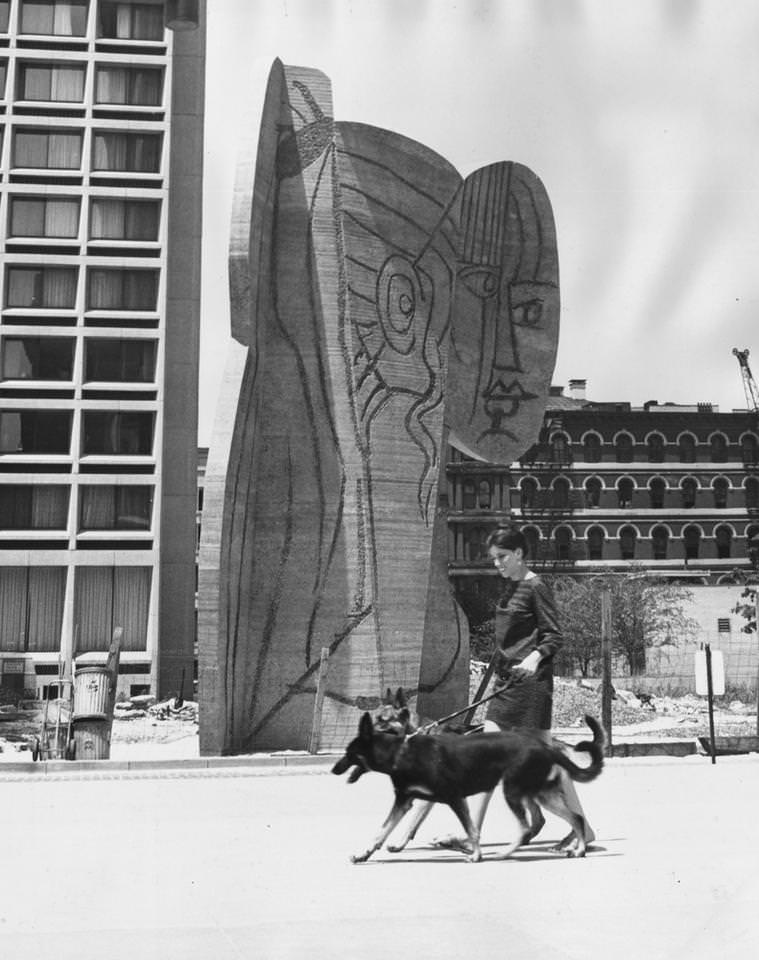
The folk music scene was equally vital. Musicians gathered in coffeehouses and small clubs, playing for audiences who listened closely and talked back loudly. These weren’t passive crowds. Folk music in the Village carried a political charge — songs about civil rights, nuclear anxiety, and labor struggles. Ramblin’ Jack Elliott was one of the performers who brought that energy to Washington Square, where outdoor performances drew large, enthusiastic crowds.
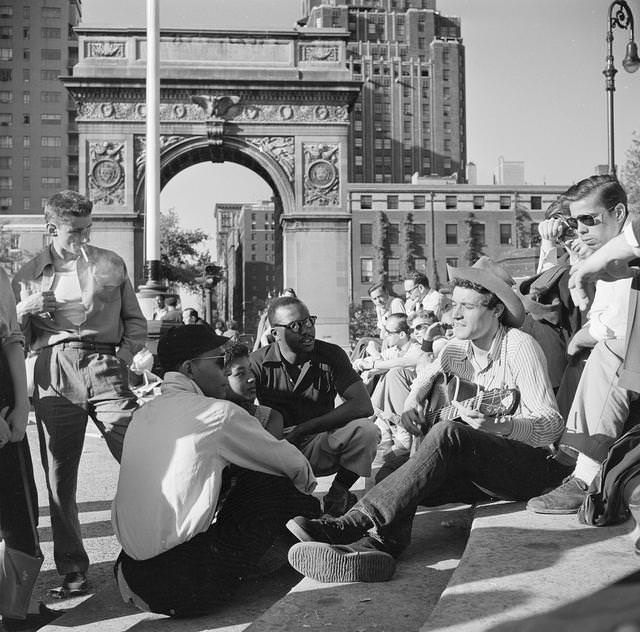
The Village’s reputation reached far beyond New York. Tourists came specifically to see the neighborhood — its shops, its cafes, its residents. By the mid-1950s, guided walking tours offered visitors a look at a community that newspapers and magazines had already made famous. Commerce Street, Eighth Street, and the blocks surrounding Washington Square North were all landmarks in their own right.
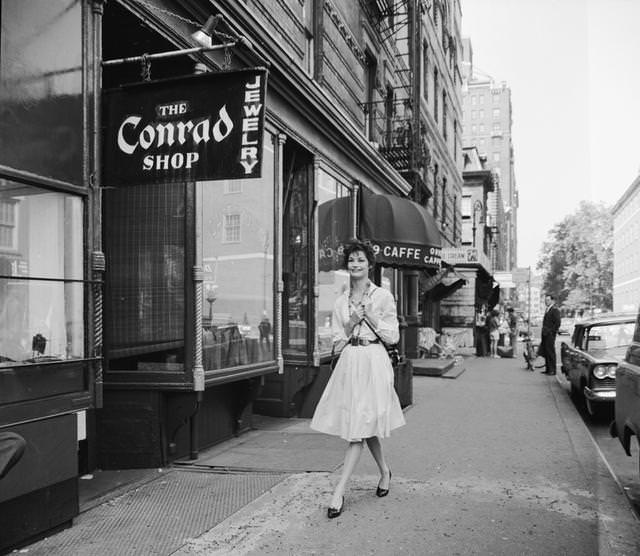
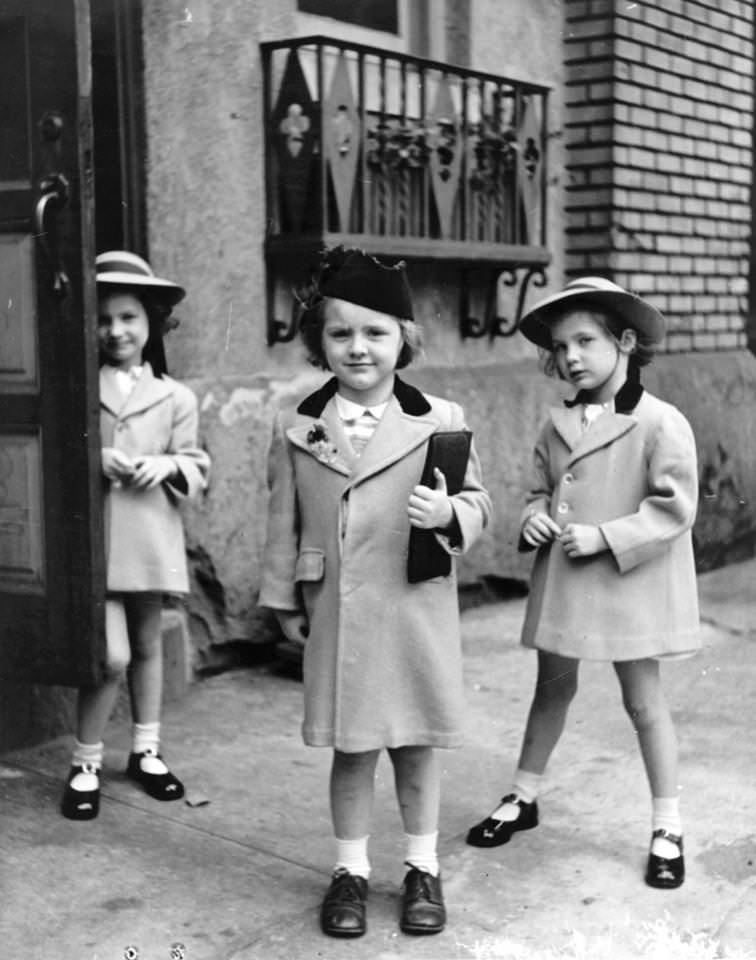
Children grew up in the middle of all of it. The Village was a real residential neighborhood, not just an artistic enclave. Families lived on streets like Commerce alongside painters and poets. Kids played outside while their neighbors debated literature in coffeehouses a few doors down. That mix of ordinary domestic life and radical creative energy gave the Village its particular texture.
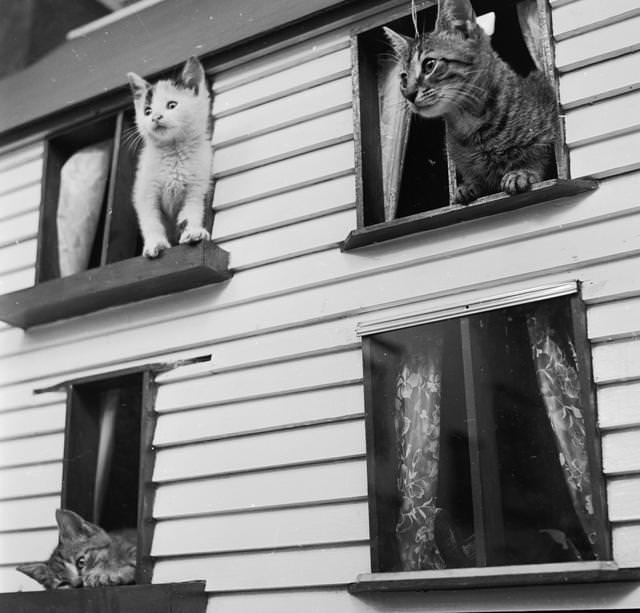
The Beat Generation found a natural home in the Village. Jack Kerouac, Allen Ginsberg, and William S. Burroughs all moved through its social circles. They read at coffeehouses, argued in bars, and wrote in cheap rented rooms. Their work — raw, confessional, and deeply at odds with mainstream American values — was shaped by the neighborhood around them. The coffeehouses where they gathered were not just social spaces. They were working environments, places where ideas were tested in front of an audience before they ever reached the page. Eighth Street, one of the Village’s main thoroughfares, was lined with bookshops, record stores, and cafes that fed that culture daily.
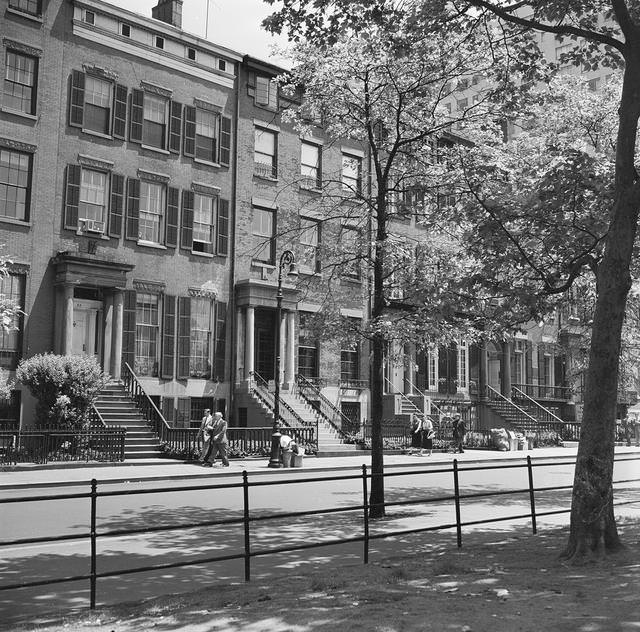
Washington Square North’s elegant row houses dated back to the 19th century. Henry James had set his novella Washington Square in these very blocks, and the literary connection gave the area an added layer of prestige. By the 1950s, those same buildings housed a new generation of writers and thinkers. The park below them served as a living room for the entire neighborhood — a place to read, rest, and watch.
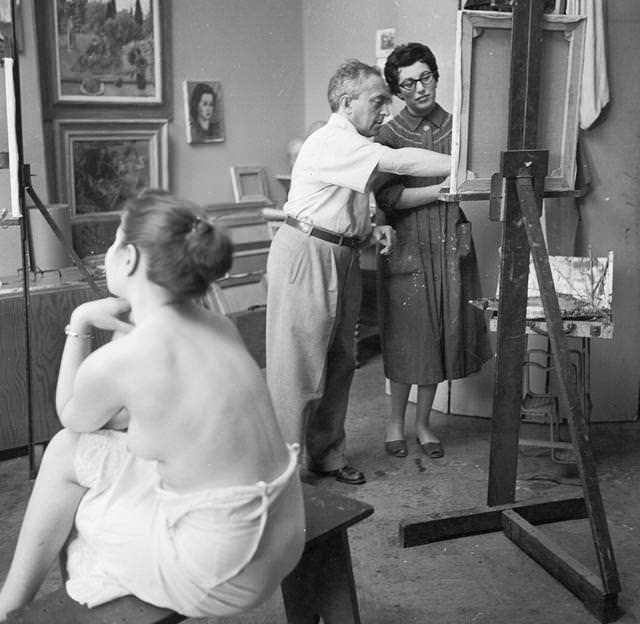
Studios across the neighborhood hummed with work. Artists like Moses Sawyer taught life drawing to students in rooms crowded with canvases and light. Instruction happened informally alongside formal classes. The Village’s art world was porous — a beginner could find a mentor, a working artist could find a critic, and everyone could find an argument worth having.
What these photographs show, taken together, is a neighborhood operating at full intensity. The Village in the 1950s was not a background — it was the thing itself. Every street corner, park bench, studio, and coffeehouse was part of a community that had made a deliberate choice to live differently. The people in these images weren’t performing bohemianism for a camera. They were just living their lives, in one of the most remarkable urban communities the 20th century produced.