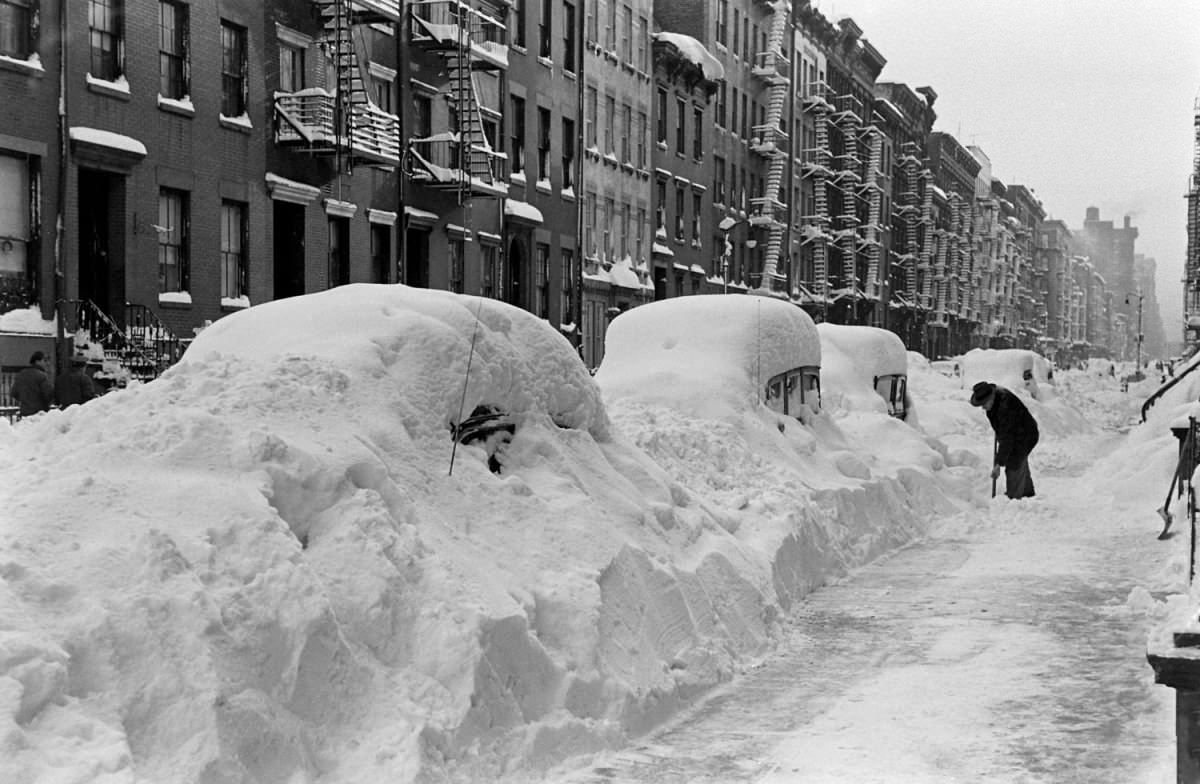
On Christmas Day 1947, New York City’s Weather Bureau issued its forecast for the following day: rain, with a chance of a little snow. It was one of the most consequential miscalculations in the city’s history. The next morning, December 26th, snow began falling across all five boroughs. It didn’t stop for more than 24 hours.
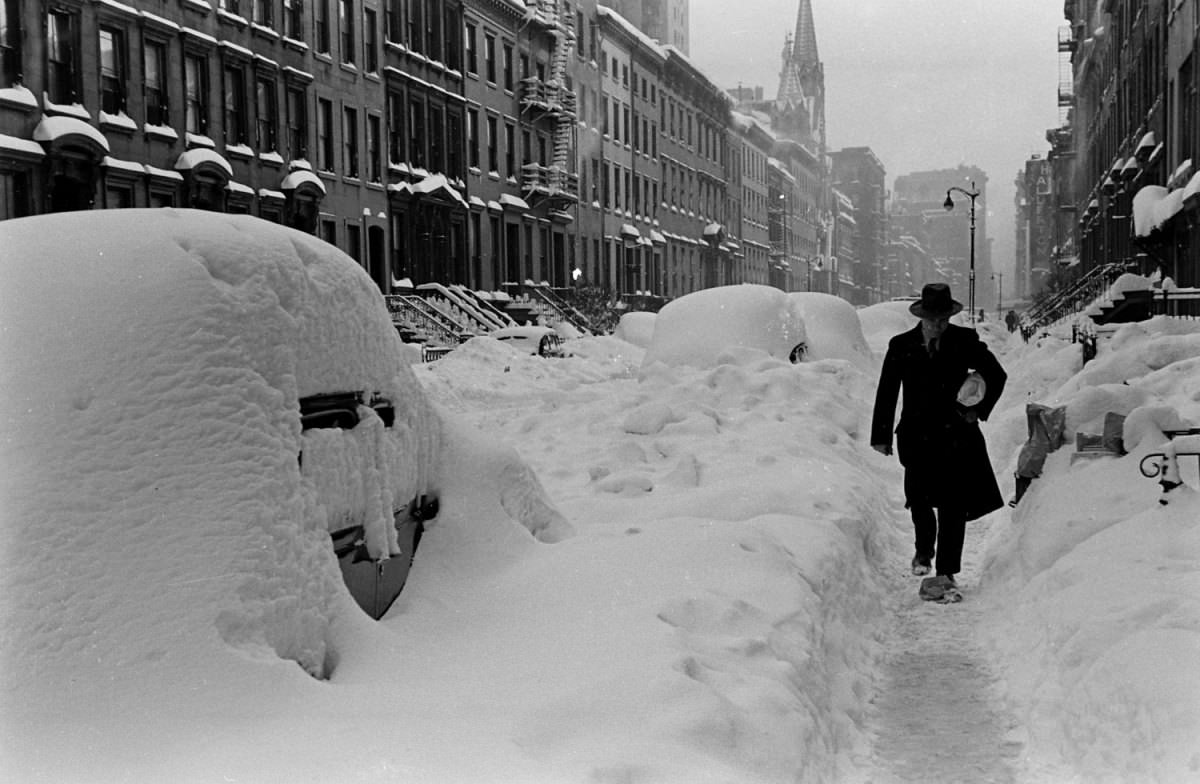
What started as a gentle snowfall in the early morning hours quickly turned into a full blizzard. Winds picked up, visibility dropped to near zero, and snow accumulated faster than anyone had prepared for. By the time the storm ended, Central Park had recorded 26.4 inches — 67 centimeters — of snow. That was the highest single-storm snowfall total ever recorded in New York City at the time, a record that would stand for decades.
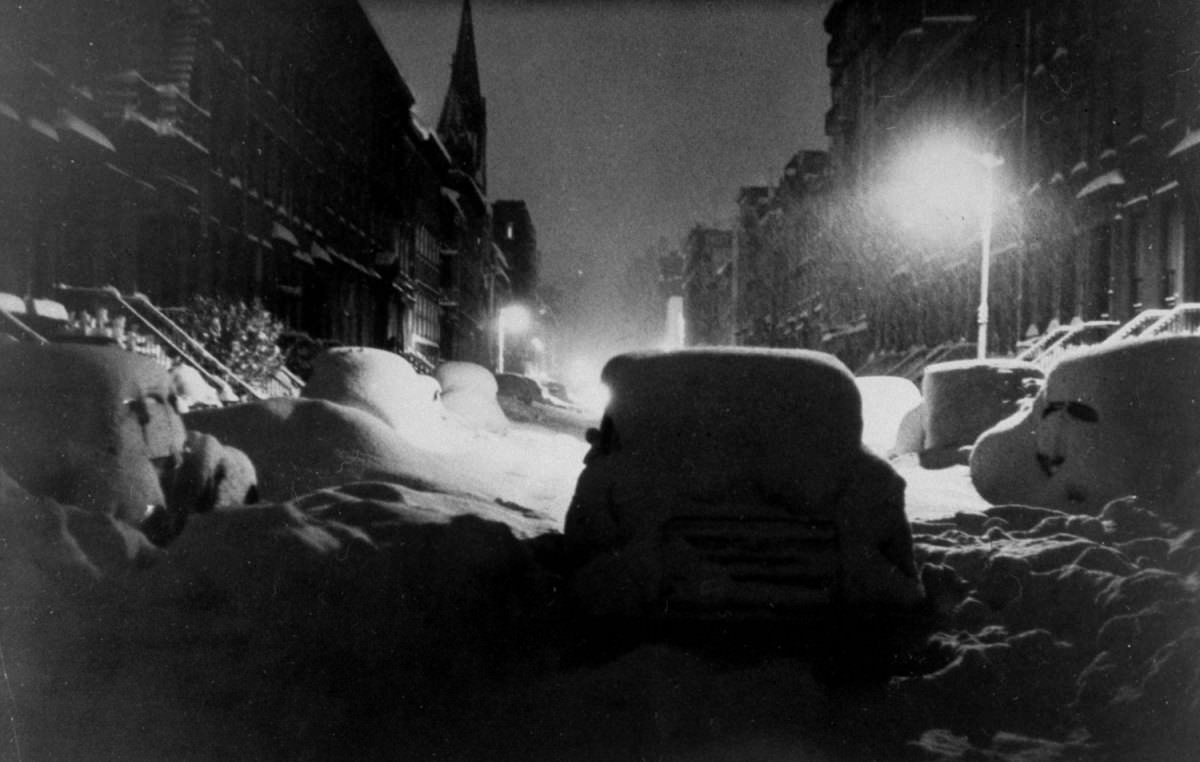
Because the forecast had called for rain, the city was caught completely off guard. Snow removal crews and equipment were not on standby. Residents hadn’t stocked up on food or supplies. Nobody expected to be snowed in the day after Christmas.
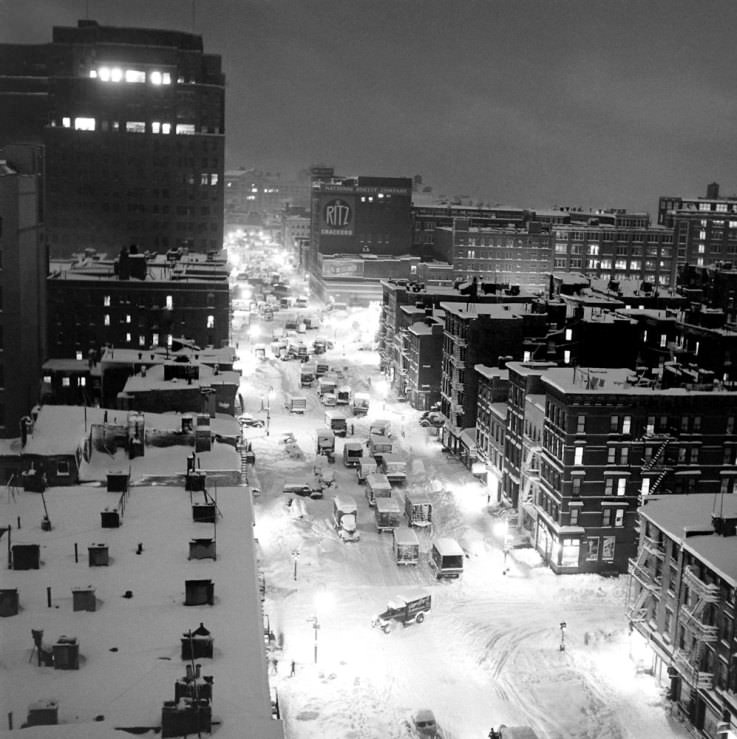
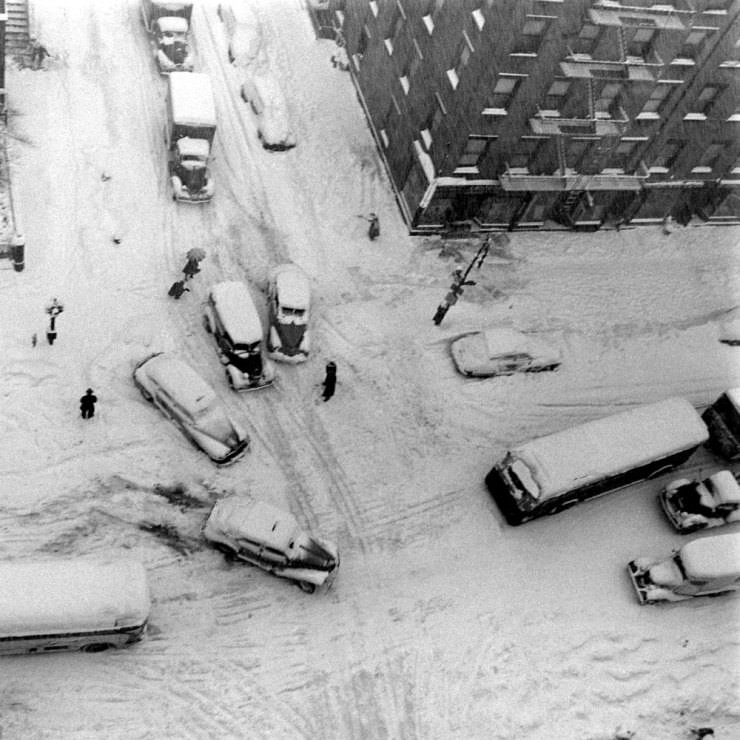
The snow buried cars up to their rooftops on city streets. Buses ground to a halt and were simply abandoned where they stopped. The elevated train lines — normally dependable during winter weather — suffered frozen switches and power outages. Even the subway, which runs mostly underground, had above-ground sections that became unmanageable. The entire transportation network of the most densely populated city in the United States had collapsed.
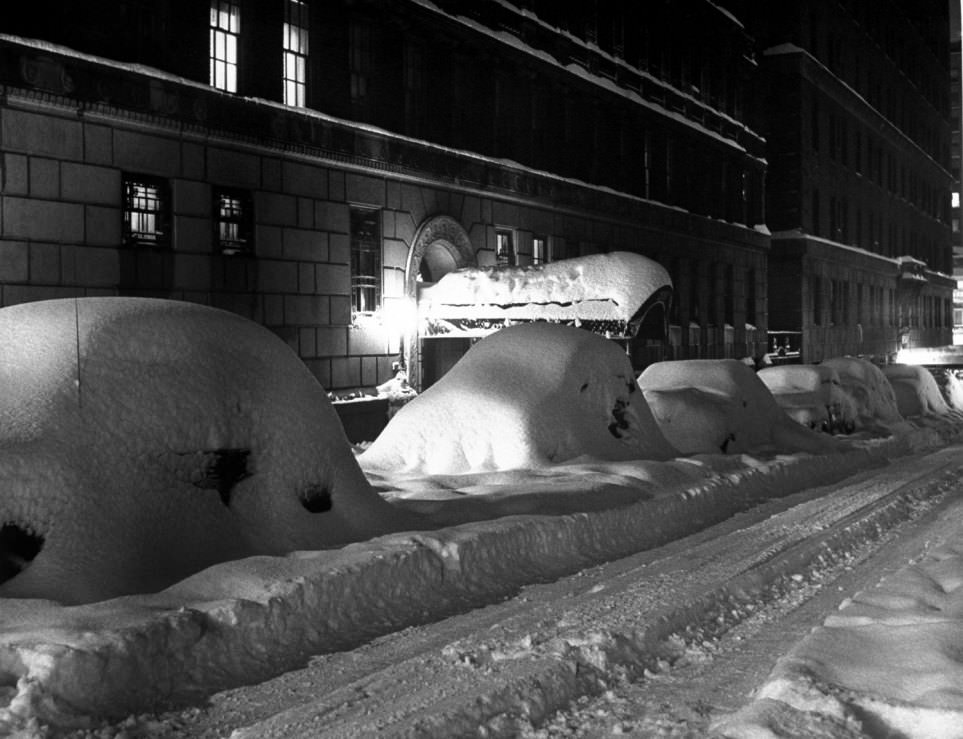
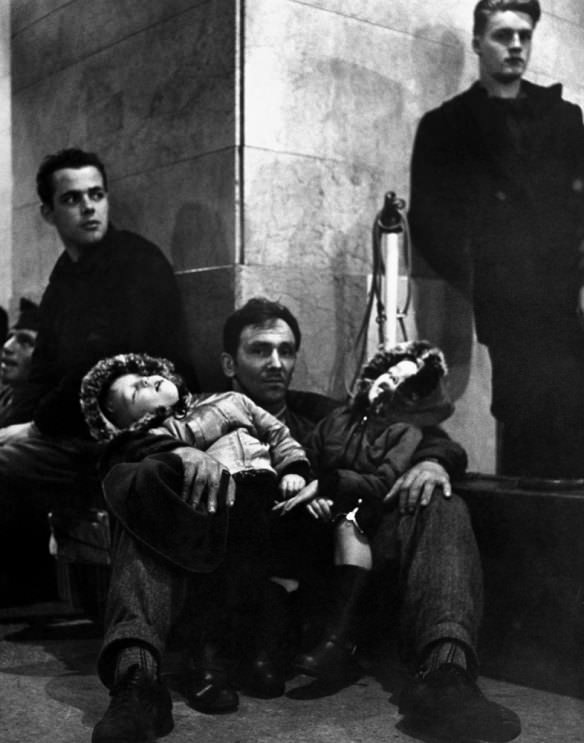
Thousands of New Yorkers who had gone to work on December 26th found themselves stranded. With no trains running and streets impassable, commuters spent the night sleeping in offices, hotel lobbies, and train stations. Stores ran out of food within hours. This was long before cell phones or the internet — many people had no way to reach their families or find out if loved ones were safe.
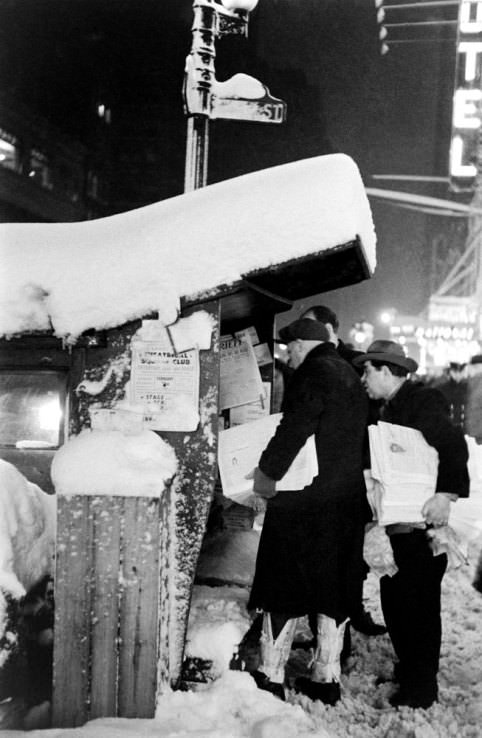
The snow was so deep and heavy that even walking down a sidewalk was a serious challenge. Drifts piled up against building entrances, sealing doors shut. Streets that were usually packed with cars and pedestrians sat completely empty and silent under thick walls of white.
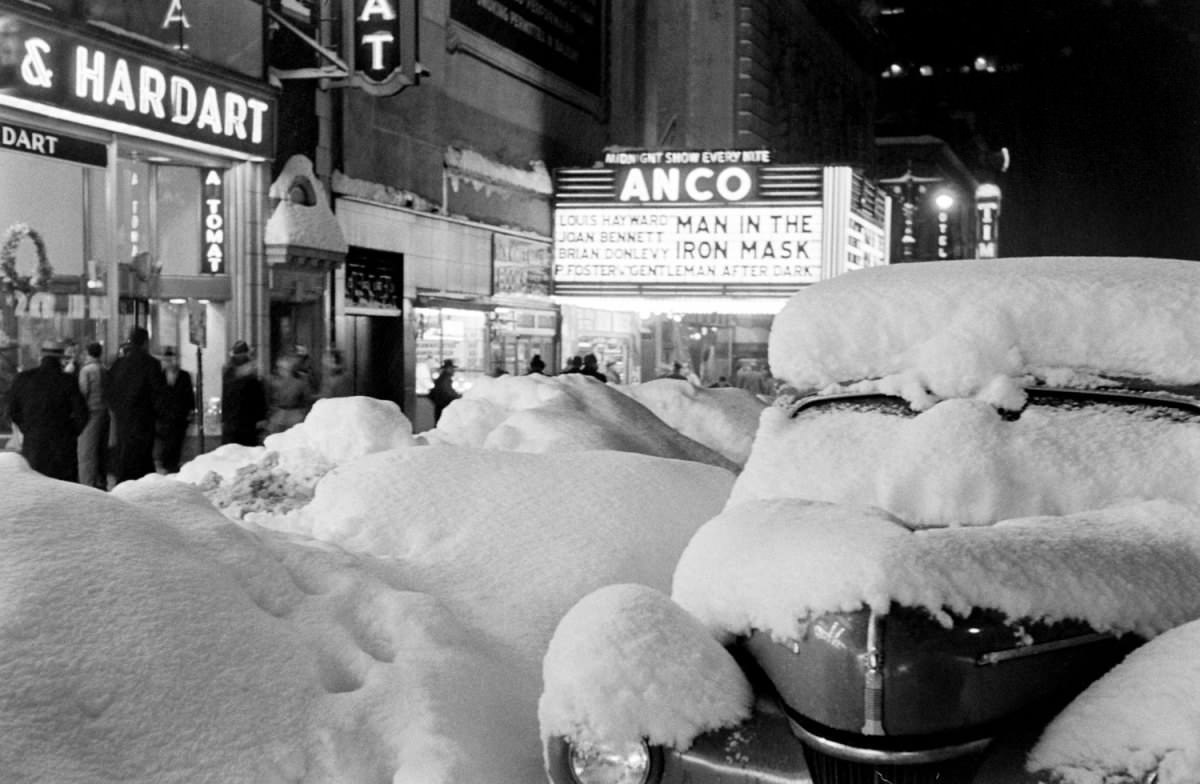
The human cost of the blizzard was severe. At least 77 people died as a direct result of the storm. Some suffered fatal heart attacks while shoveling snow. Others were killed in traffic accidents caused by the near-zero visibility and ice-covered roads. Still others died from exposure after being stranded in the cold. Buildings collapsed under the enormous weight of accumulated snow, adding to the property damage that spread across all five boroughs.
Essential services broke down across the city. Food deliveries couldn’t get through to stores or homes. Hospitals were dangerously short-staffed because workers couldn’t travel. Ambulances and fire trucks struggled to force their way through streets that hadn’t been plowed. In some neighborhoods, emergency vehicles simply couldn’t reach people who needed help.
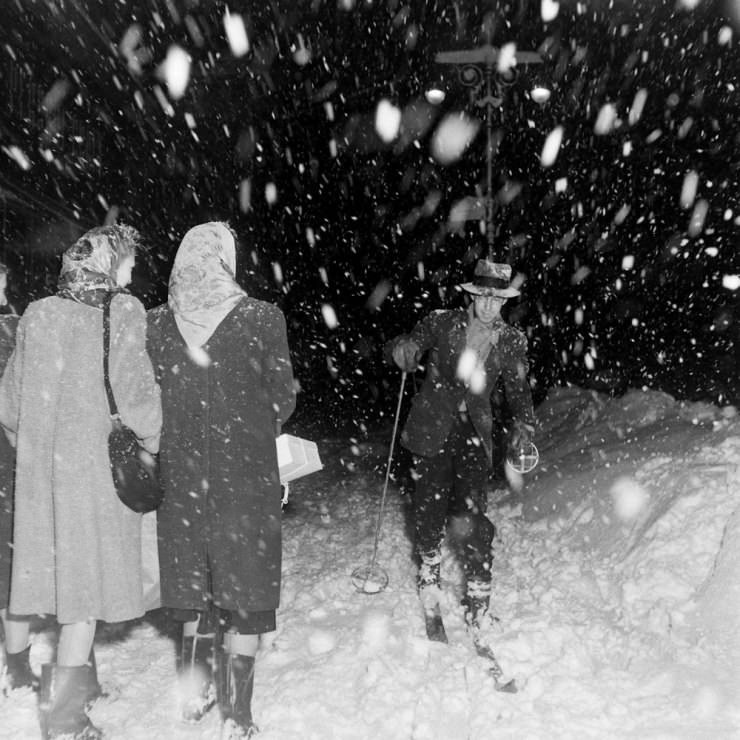
The city deployed thousands of workers to begin digging out. Crews worked around the clock on the major roads, but the sheer volume of snow made progress slow. Clearing even a single block was a massive physical job. Some areas outside Manhattan received even more snow than the official Central Park total, making recovery in those neighborhoods even harder.
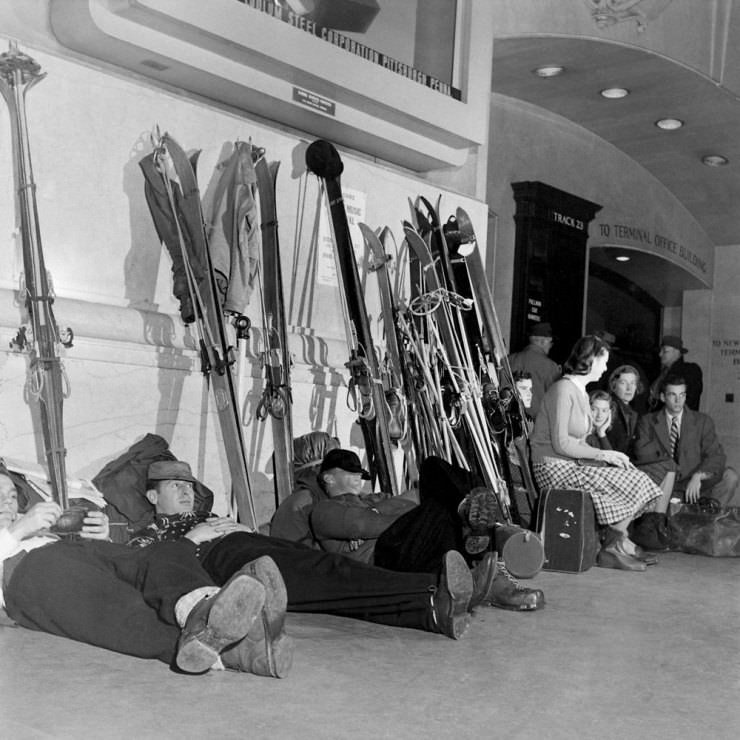
Ordinary New Yorkers took matters into their own hands. Neighbors gathered in the streets with shovels and cleared paths together. People shared whatever food they had on hand. The shared struggle created a rare moment of community in a city not always known for it — though the hard reality was that for many, especially the elderly and those living alone, the storm was simply dangerous.
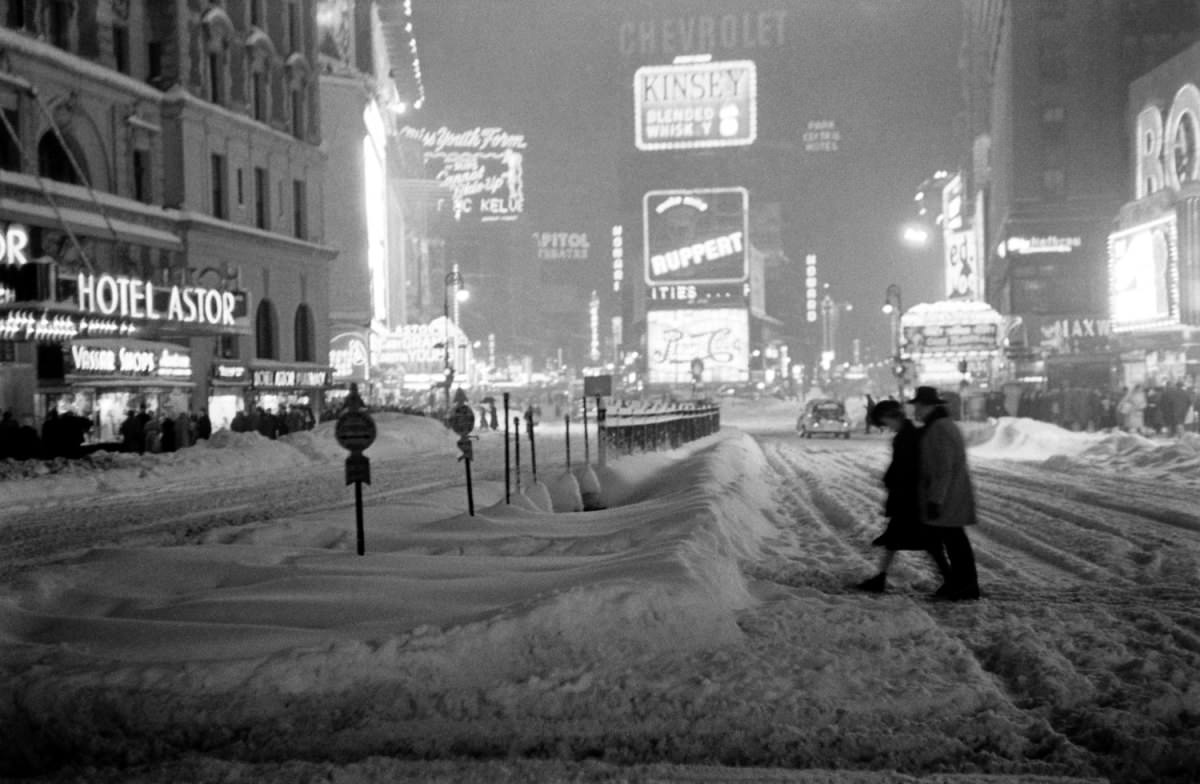
It took days before the major streets were passable again. Side streets and residential blocks took even longer. The economic damage was substantial — businesses stayed shuttered, deliveries were halted, and the cost of the cleanup operation ran into the millions.
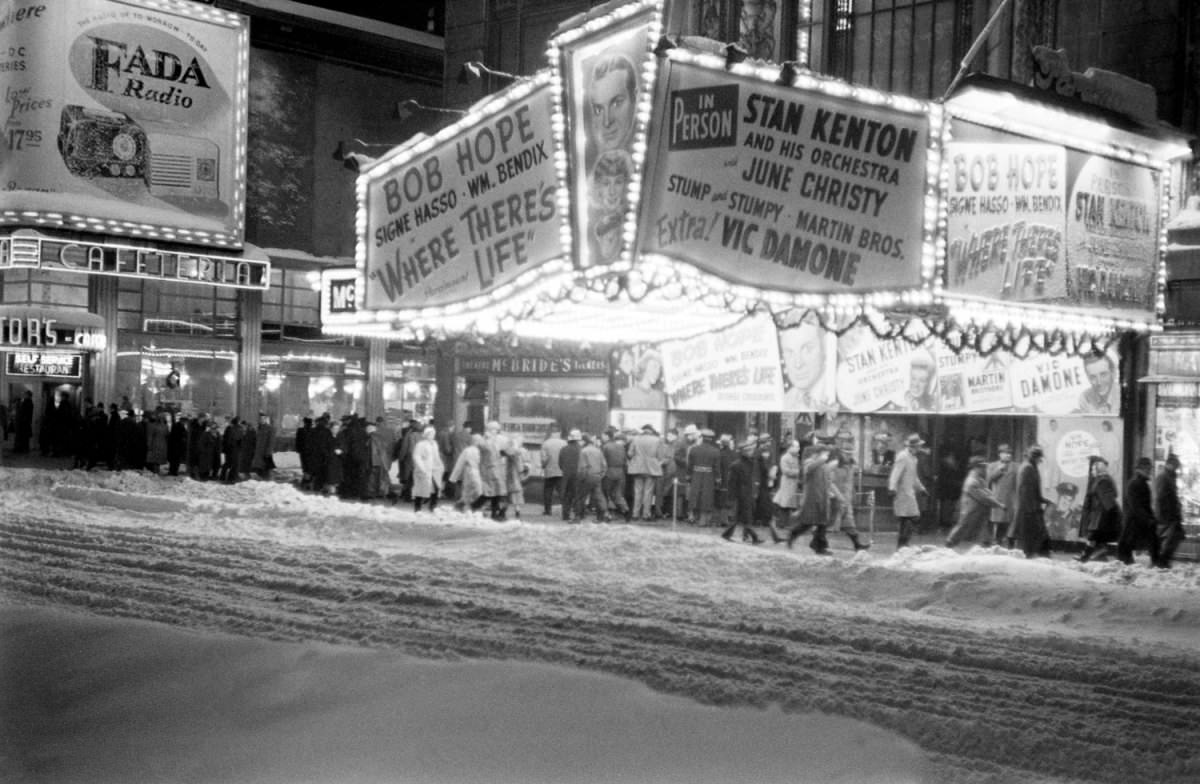
The Weather Bureau came under sharp public criticism in the days that followed. Forecasters had predicted only a few inches of mixed rain and snow — a far cry from the 26-inch catastrophe that actually arrived. The failure triggered formal scrutiny of the bureau’s forecasting methods and fueled serious investment in improving the technology and science behind weather prediction.
The December 1947 blizzard remains one of the defining weather events in New York City’s history. The storm dumped more snow in a single day than the city had ever recorded, overwhelmed every system designed to keep it functioning, and killed dozens of its residents — all because a forecast called for rain.