Genevieve Naylor began her professional life behind the lens in 1937, working as a photojournalist at a time when very few women held that role. Her early work was serious and wide-ranging. Photos she took appeared in major publications like Time, Fortune, and Life — three of the most widely read magazines in the United States at the time. She had a sharp eye for composition and a natural ability to capture a moment with clarity and purpose.
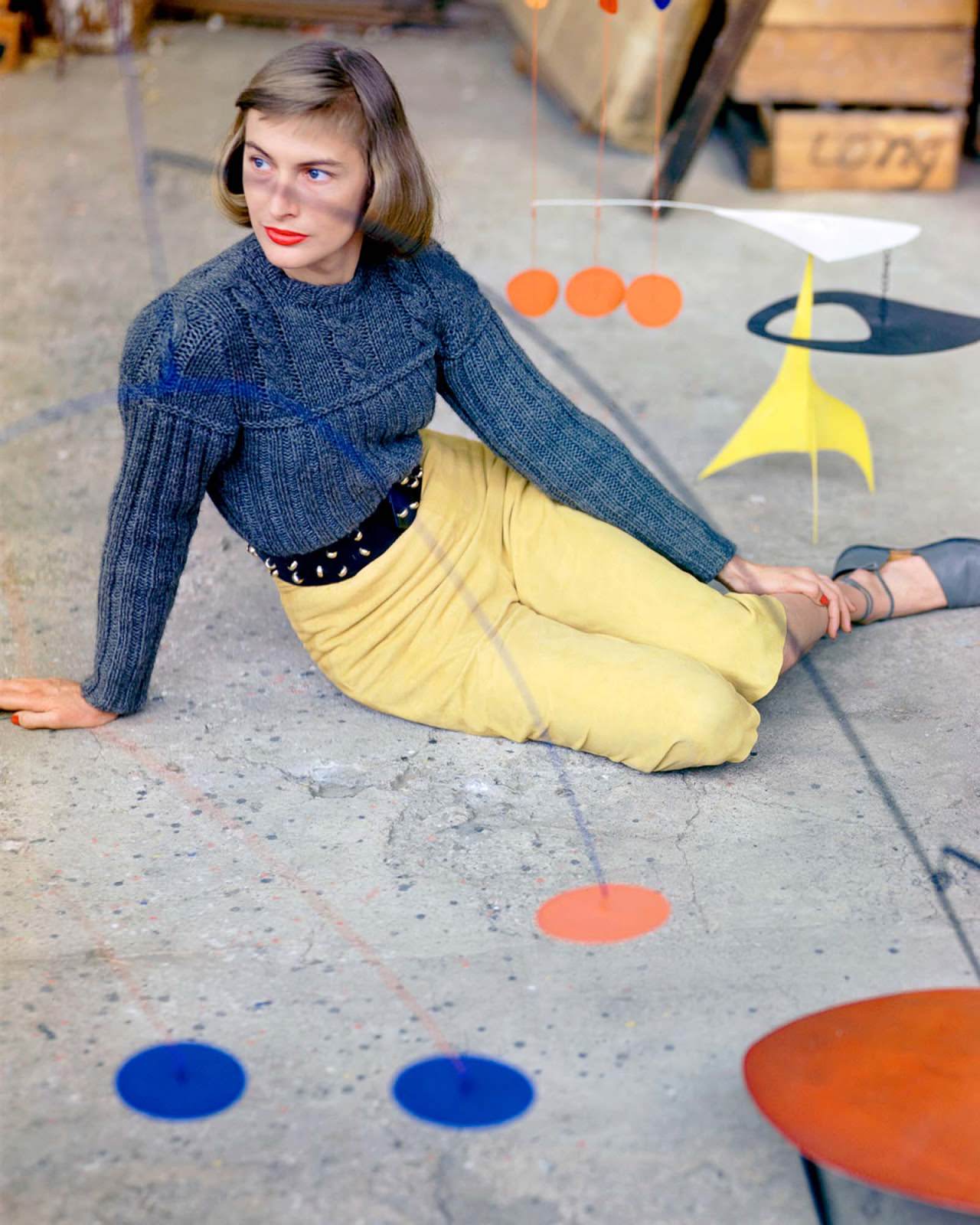
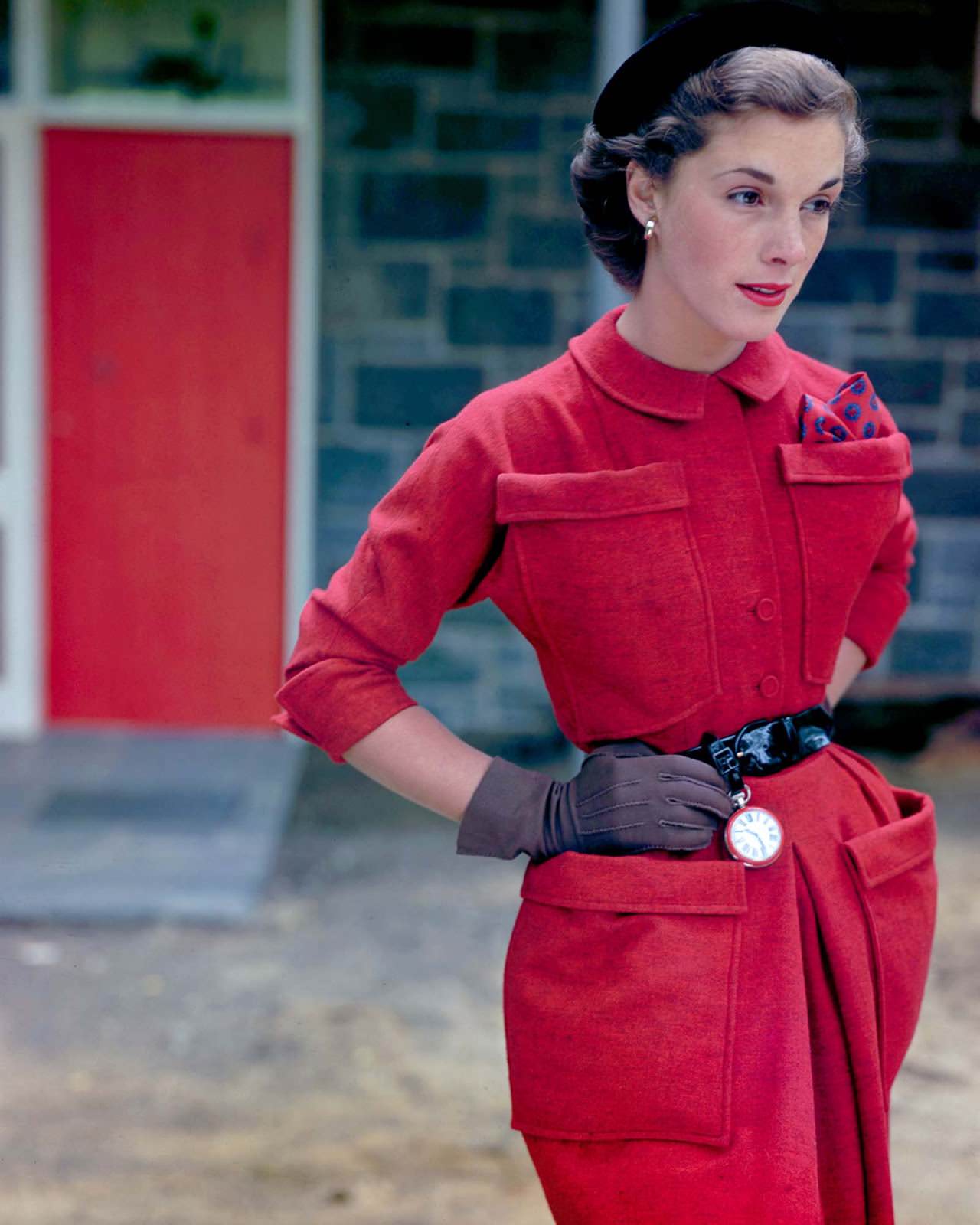
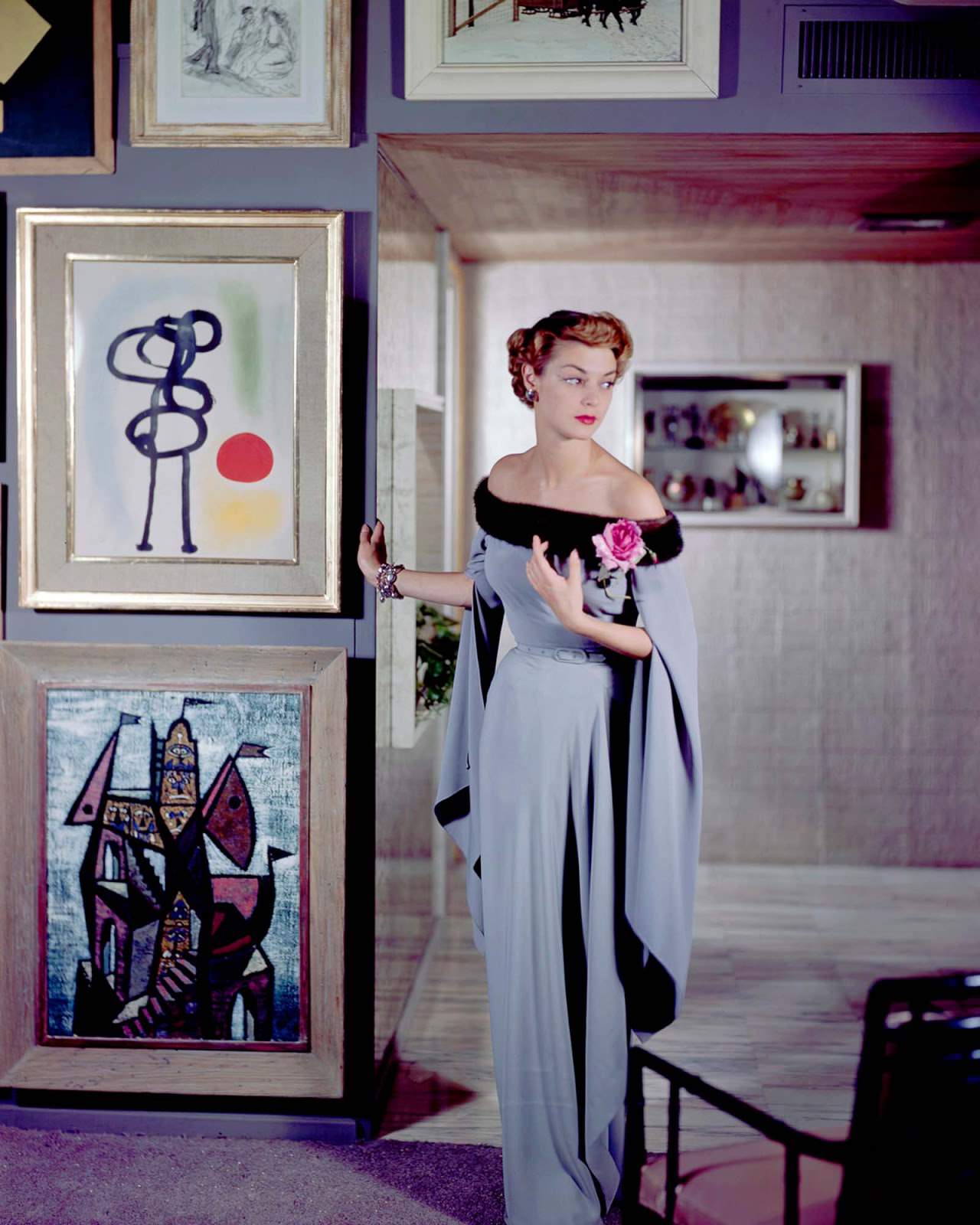
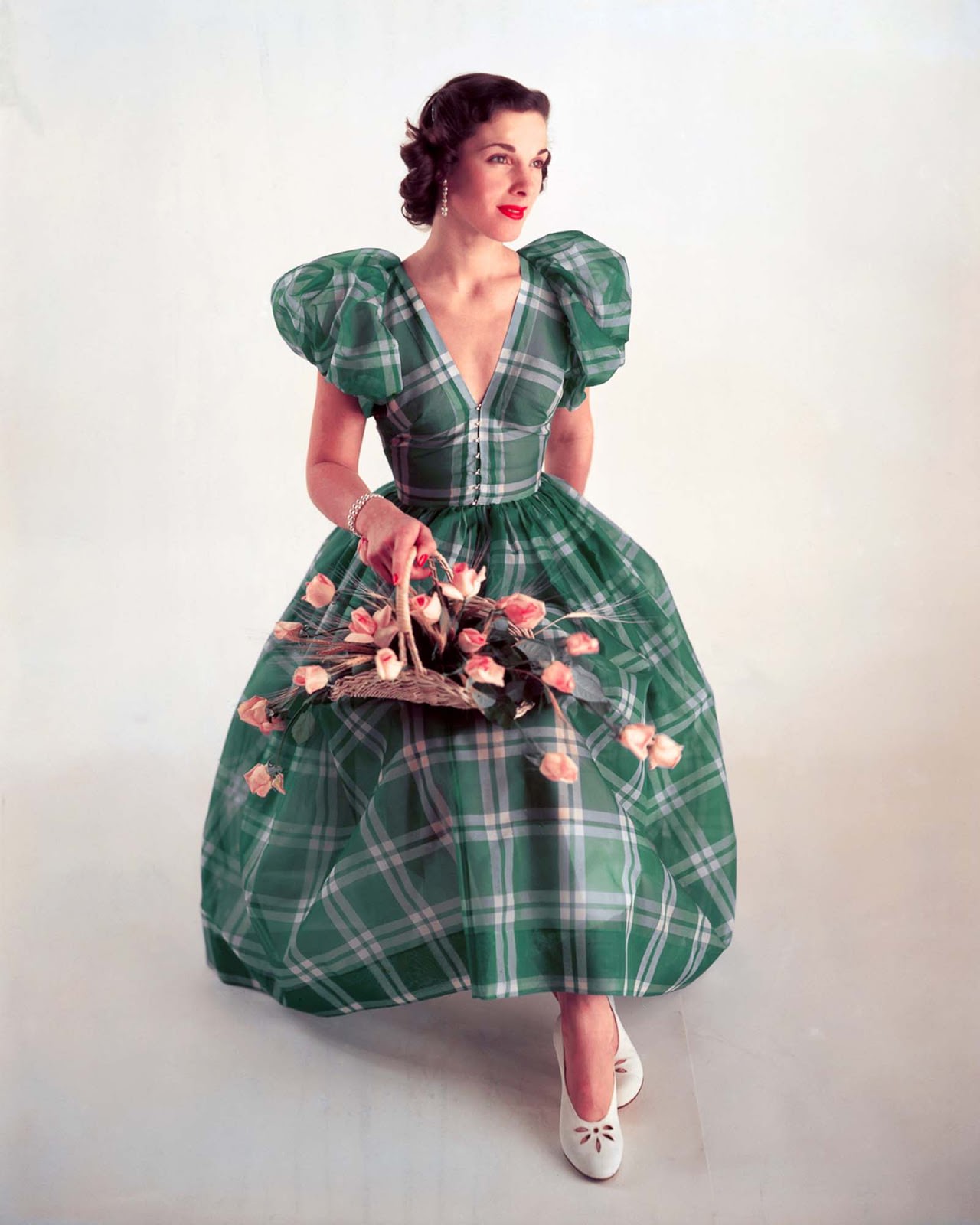
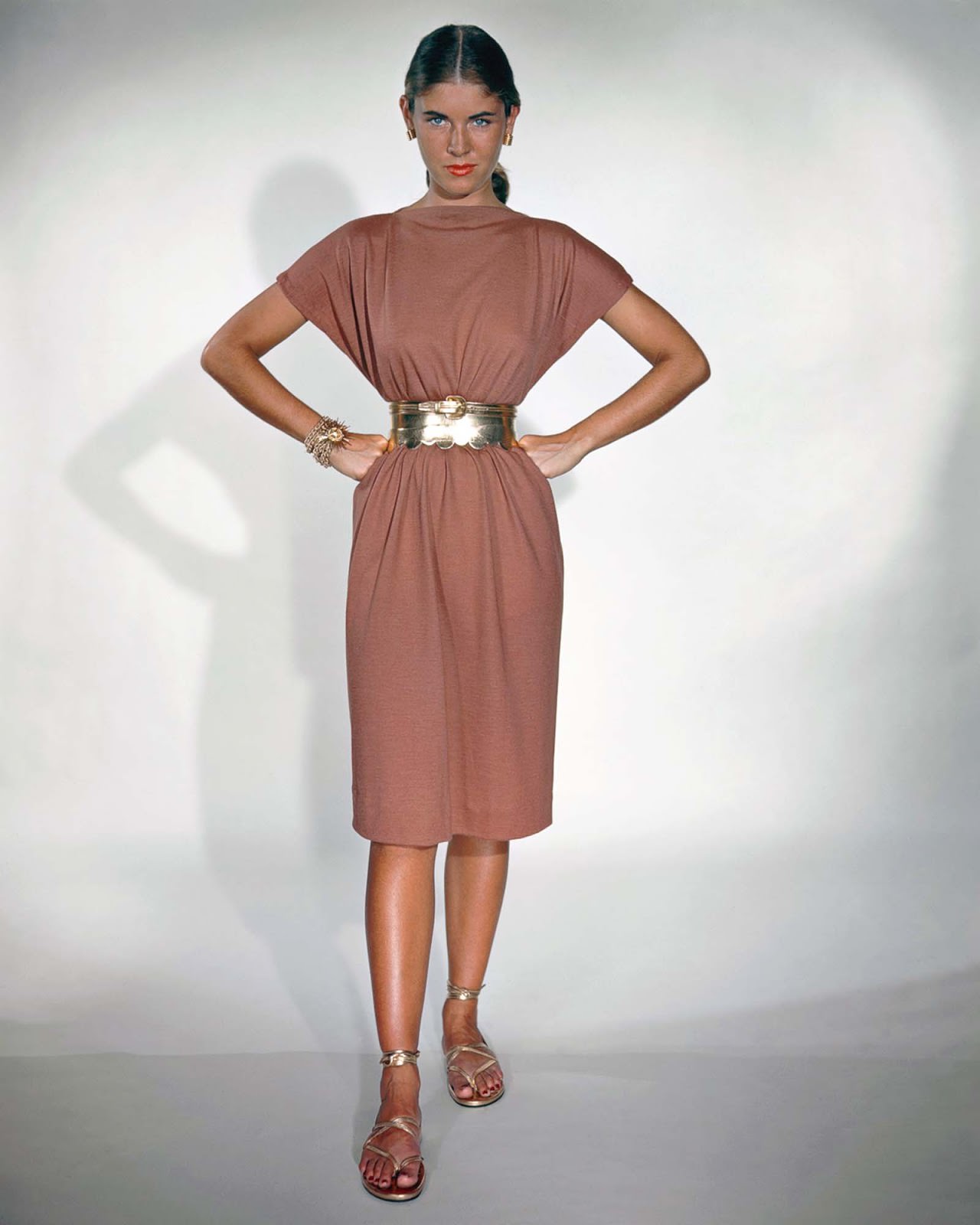
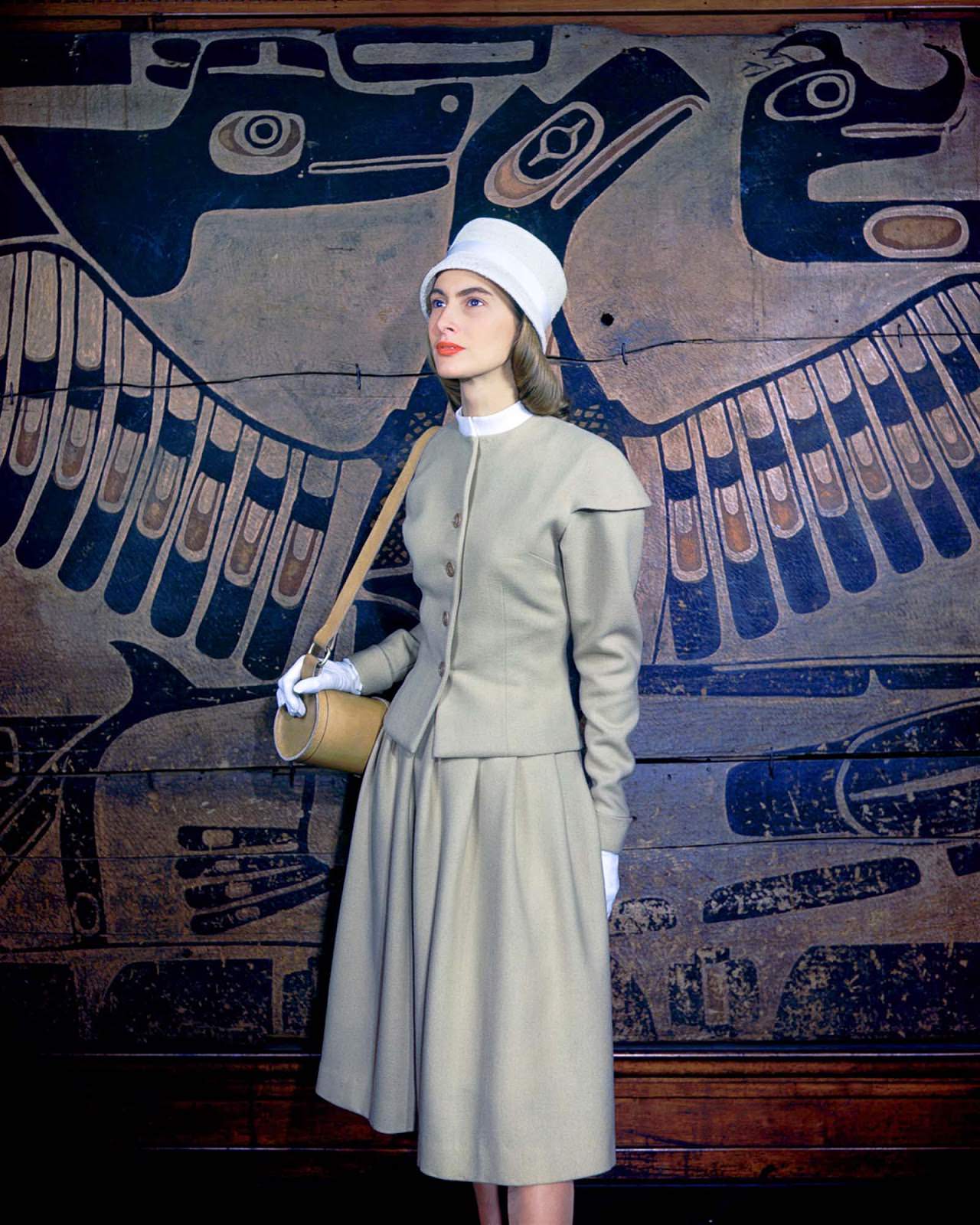
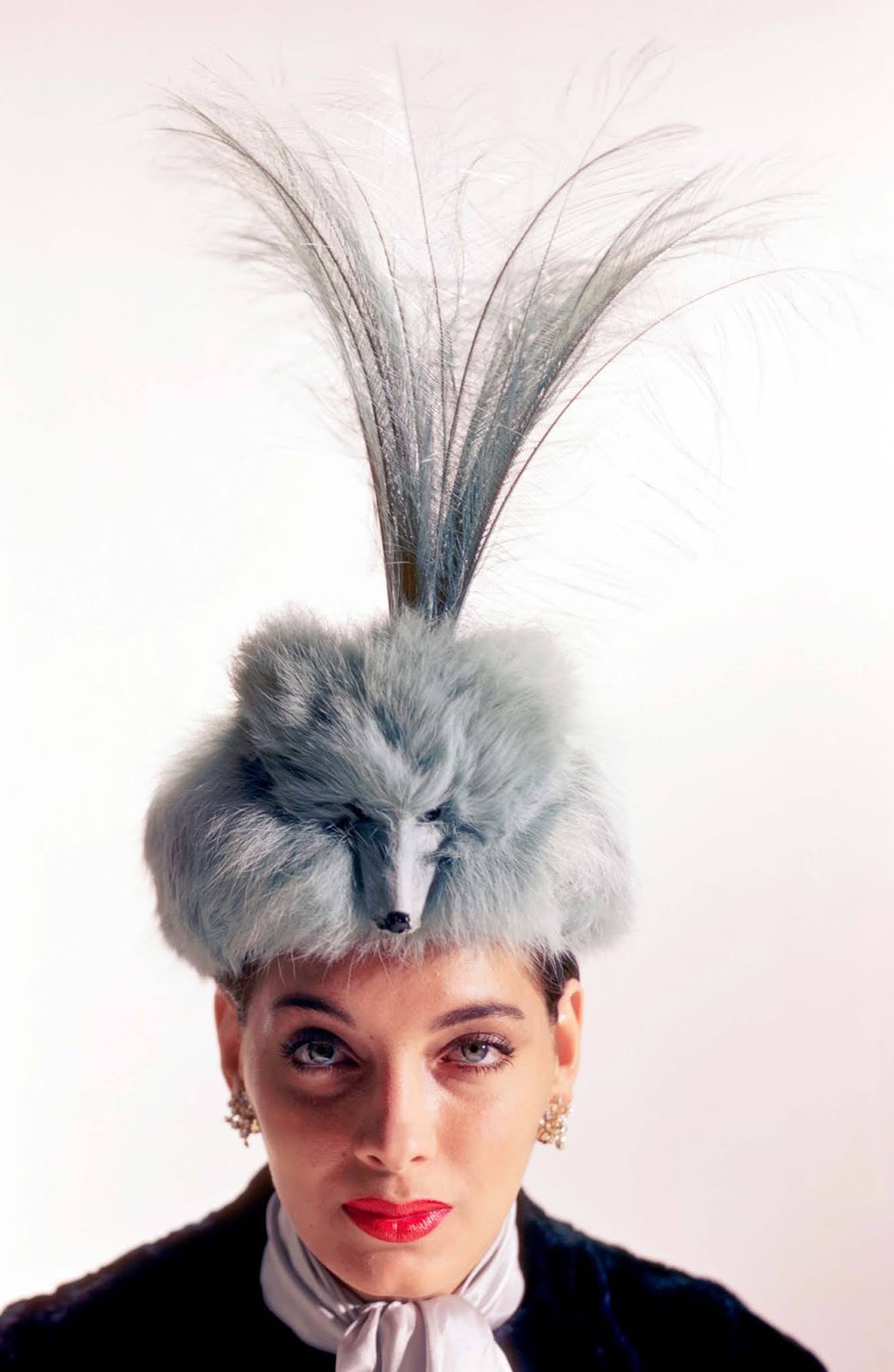
After establishing herself in photojournalism, Naylor made a deliberate shift toward fashion photography. This move brought her work to a new audience and placed her images inside some of the most glamorous publications of the era. Her photographs of actresses and fashion models appeared in Vogue, Harper’s Bazaar, Good Housekeeping, McCall’s, and Cosmopolitan. These were not small appearances — her work was a regular feature in magazines that set the visual standard for American style in the 1950s.
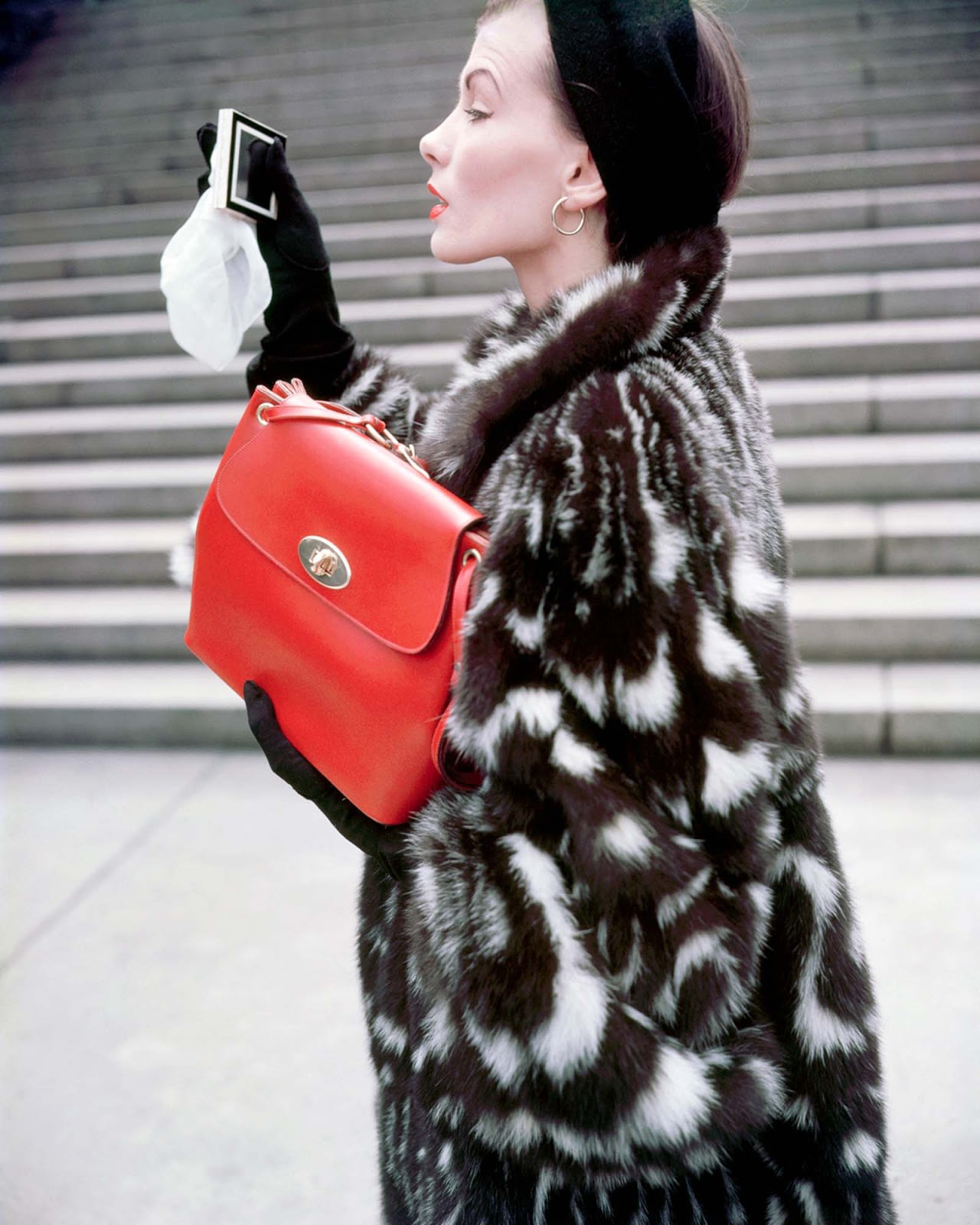
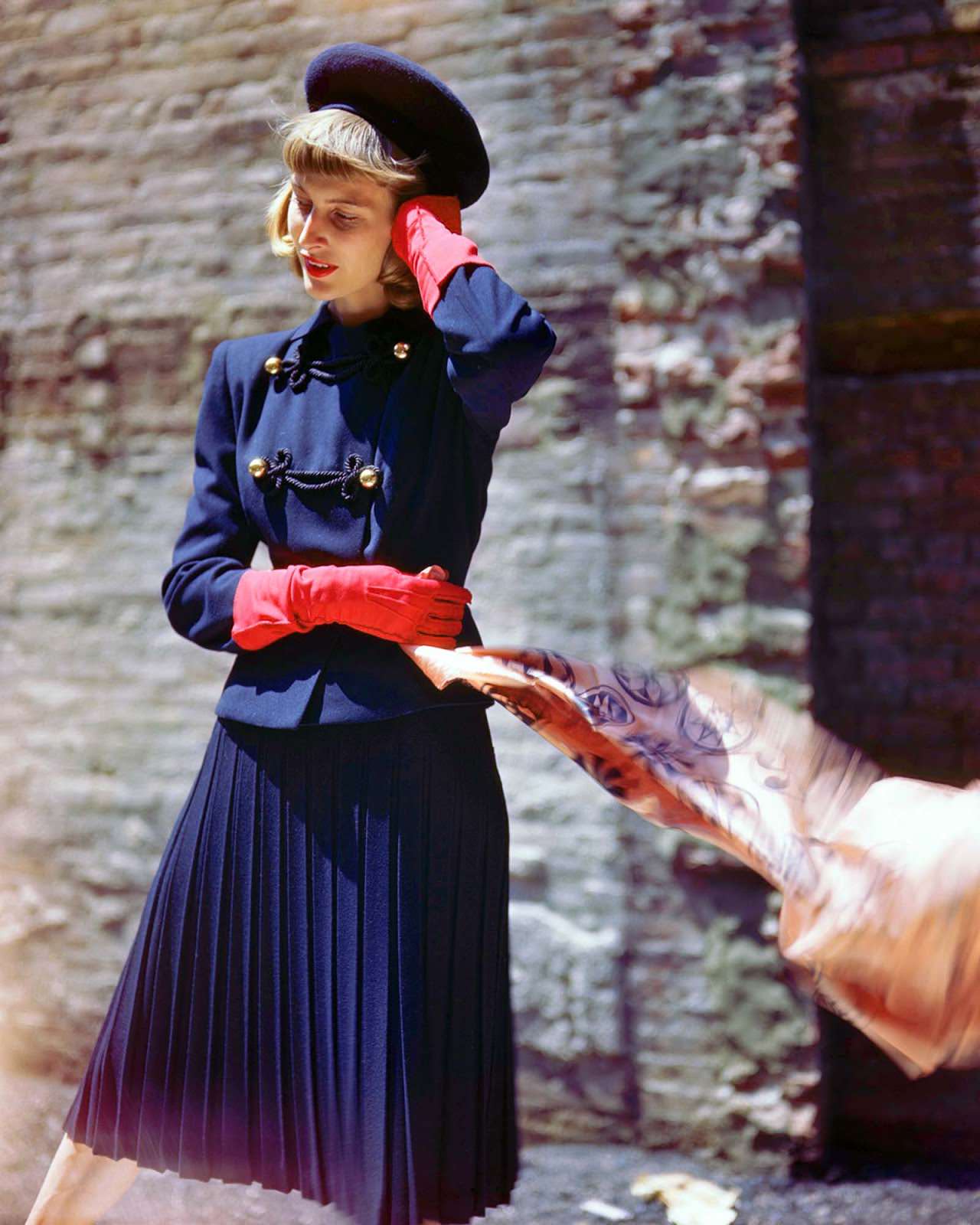
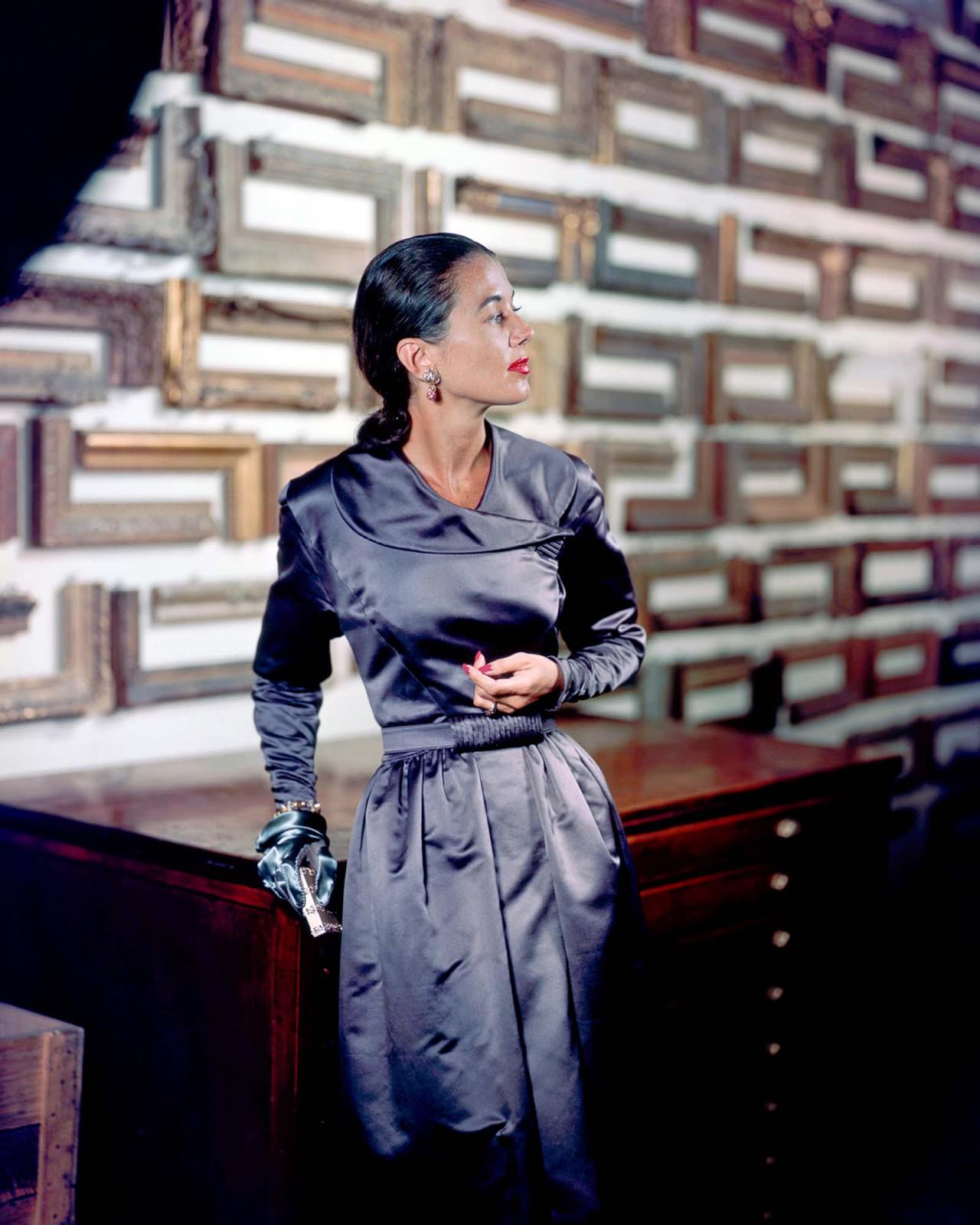
The 1950s were a defining decade for American fashion. Silhouettes were structured. Fabrics were rich. Women’s clothing emphasized the waist, and elegance was the dominant ideal. Naylor worked within this world with a photographer’s instinct for light and pose, producing images that felt both polished and alive.
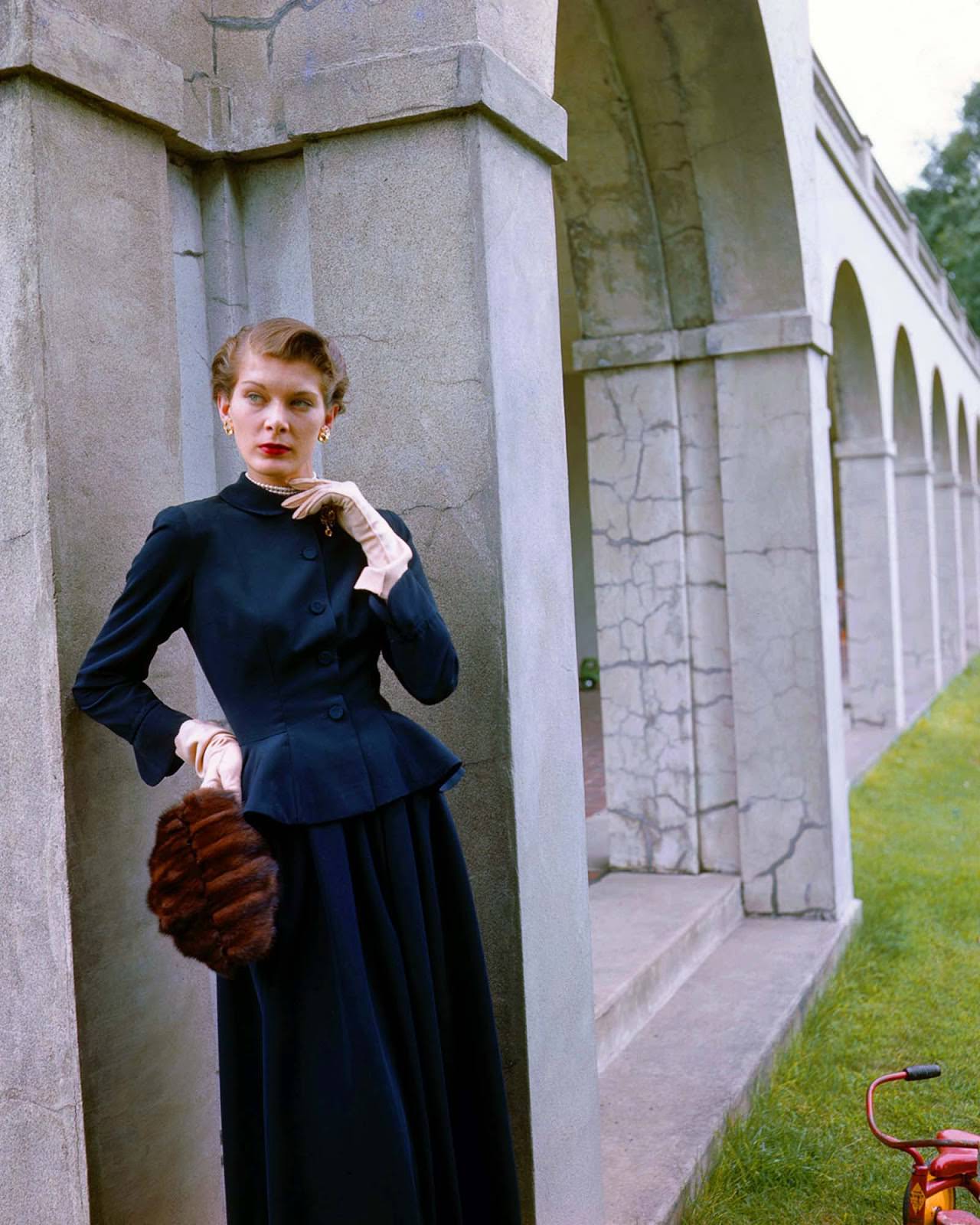
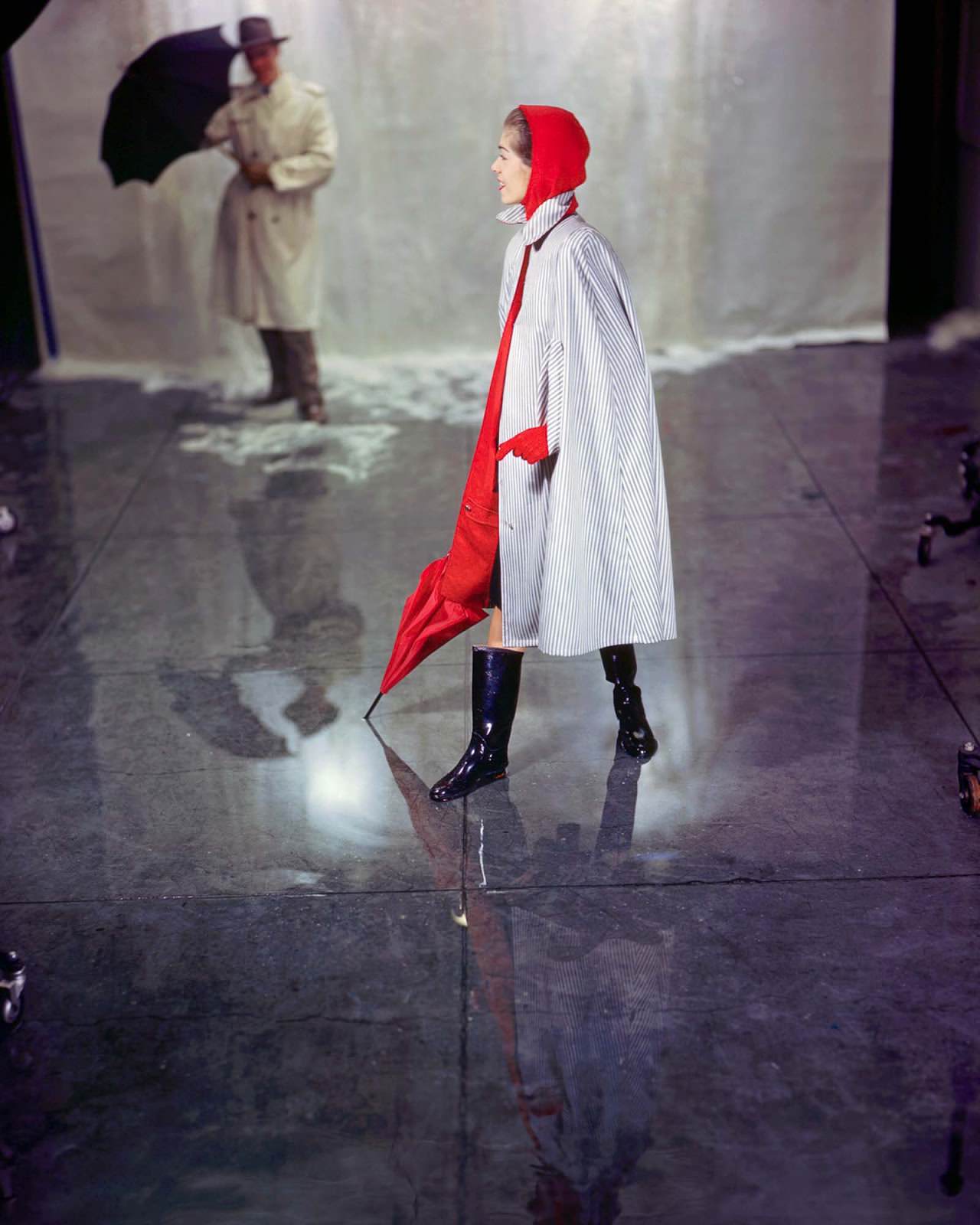
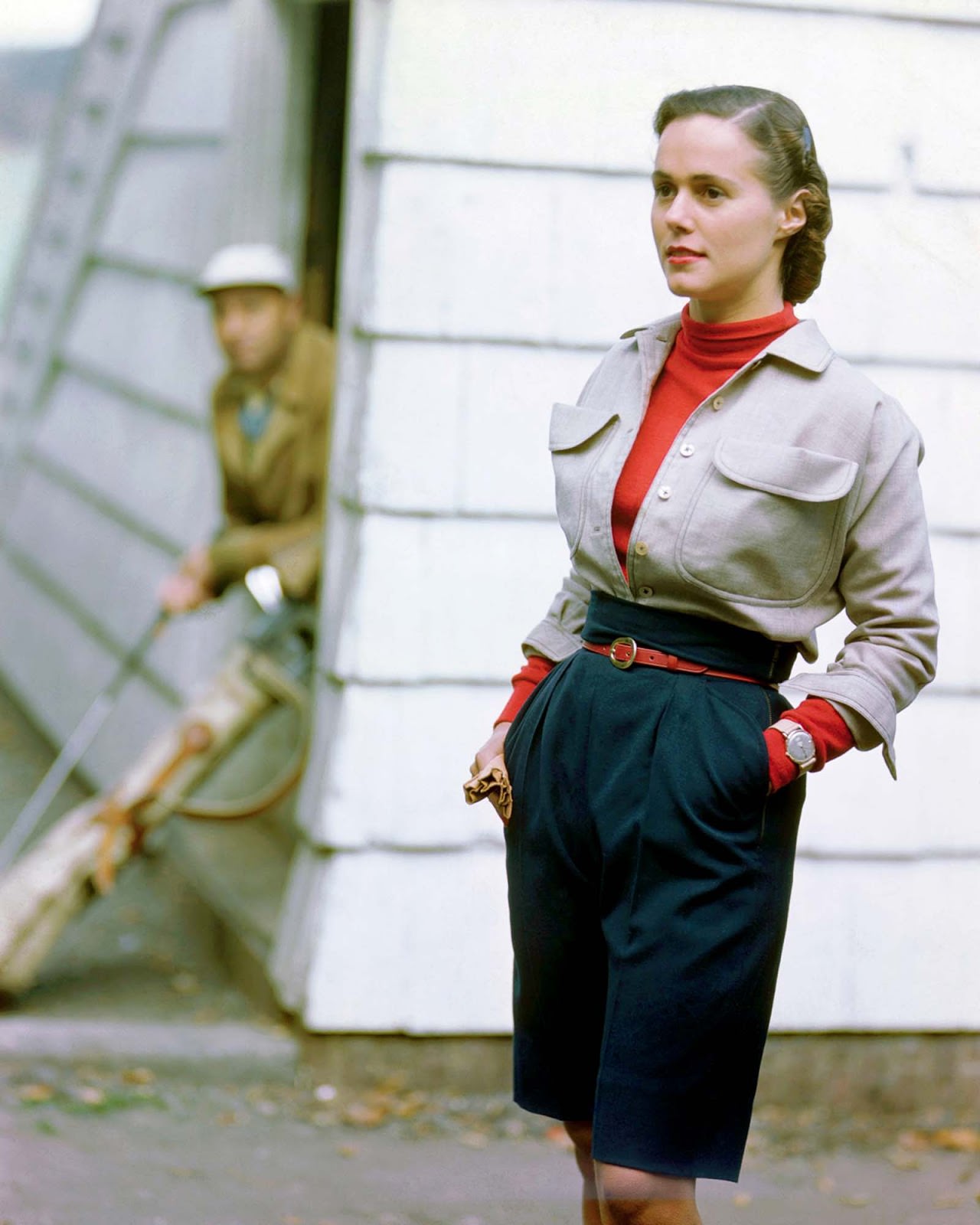
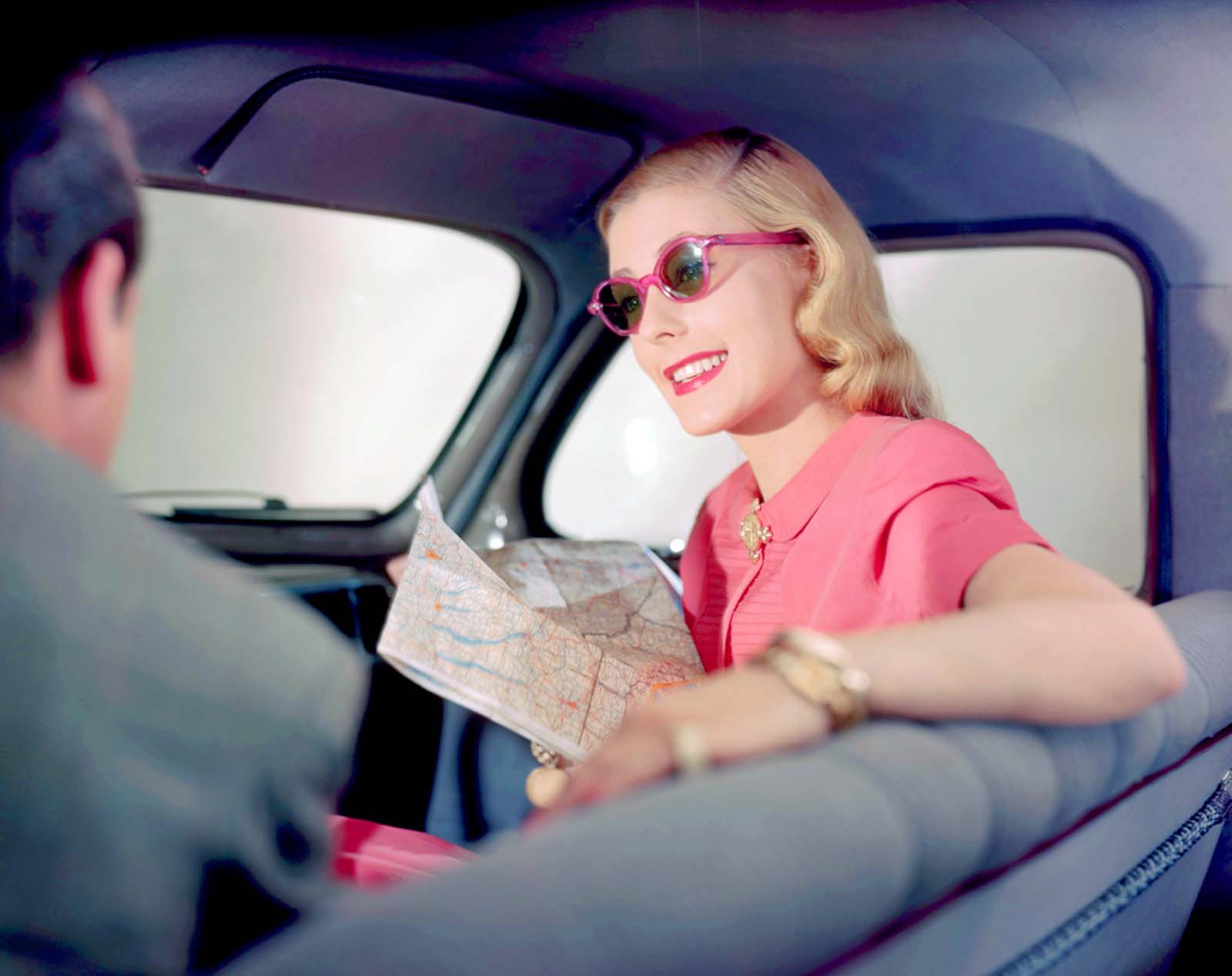
What set Naylor apart was the range she brought to her subjects. She photographed models in studio settings and on location, in formal wear and casual dress. Her background in photojournalism gave her a documentary instinct — an ability to make a staged scene feel natural and uncontrived.
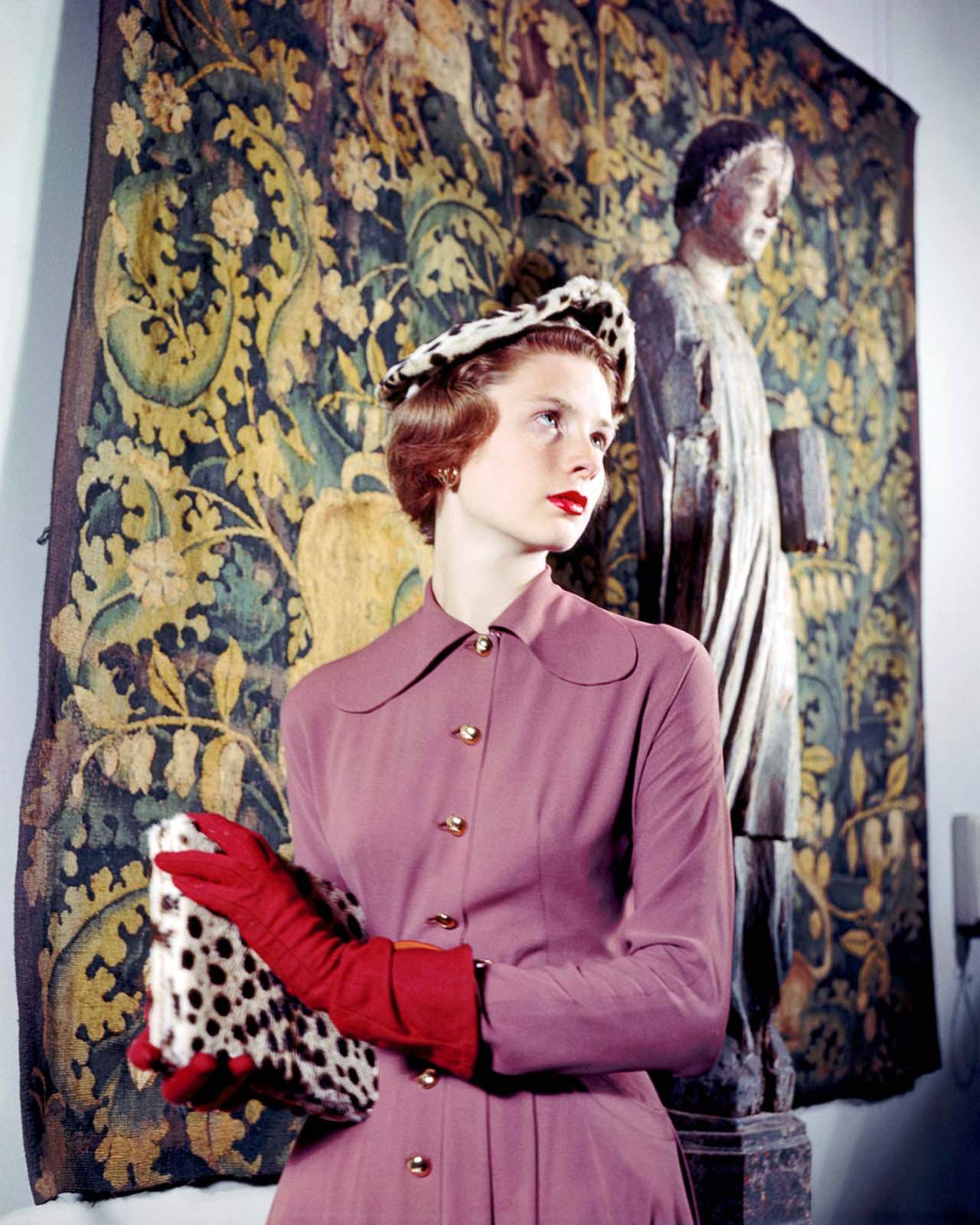
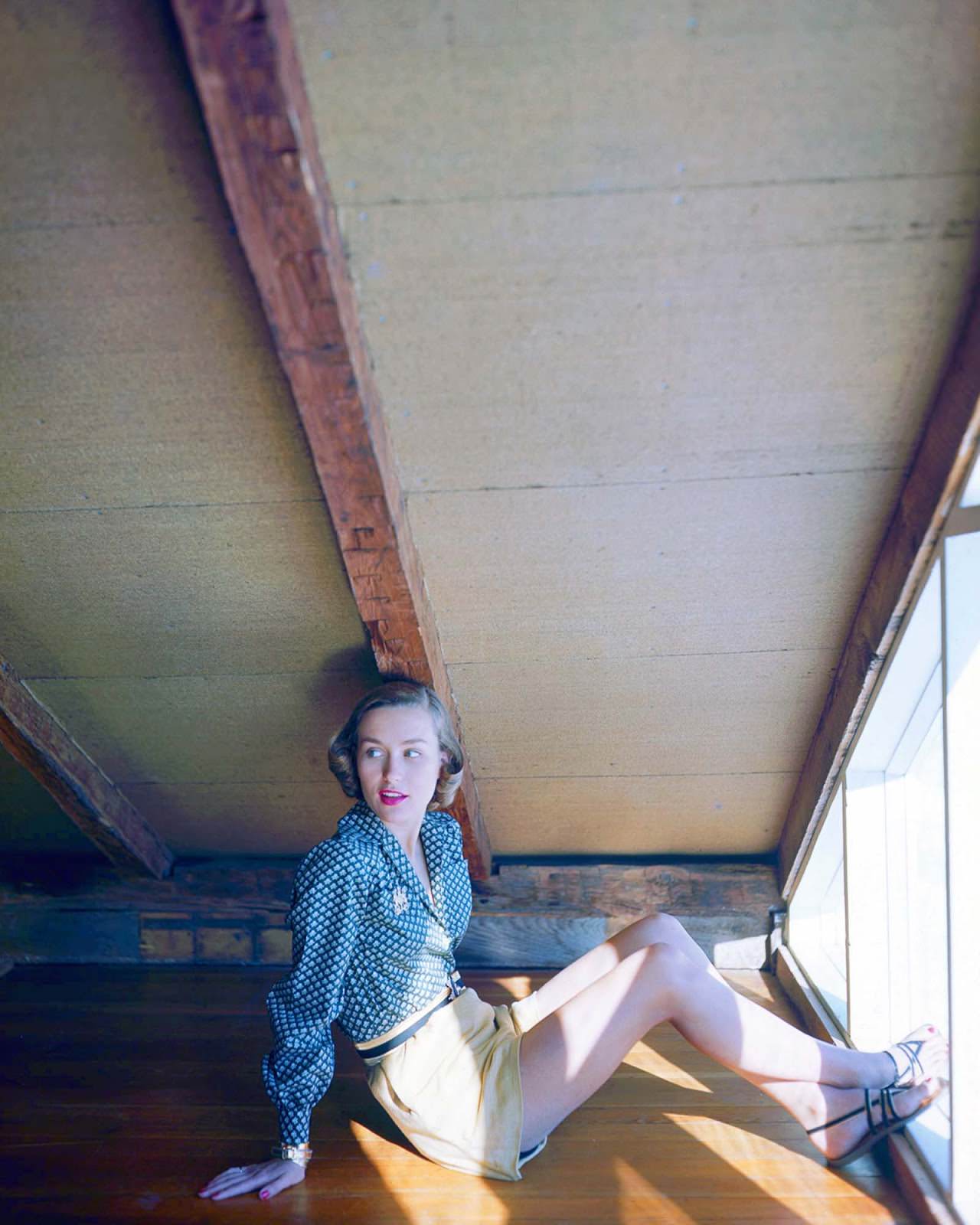
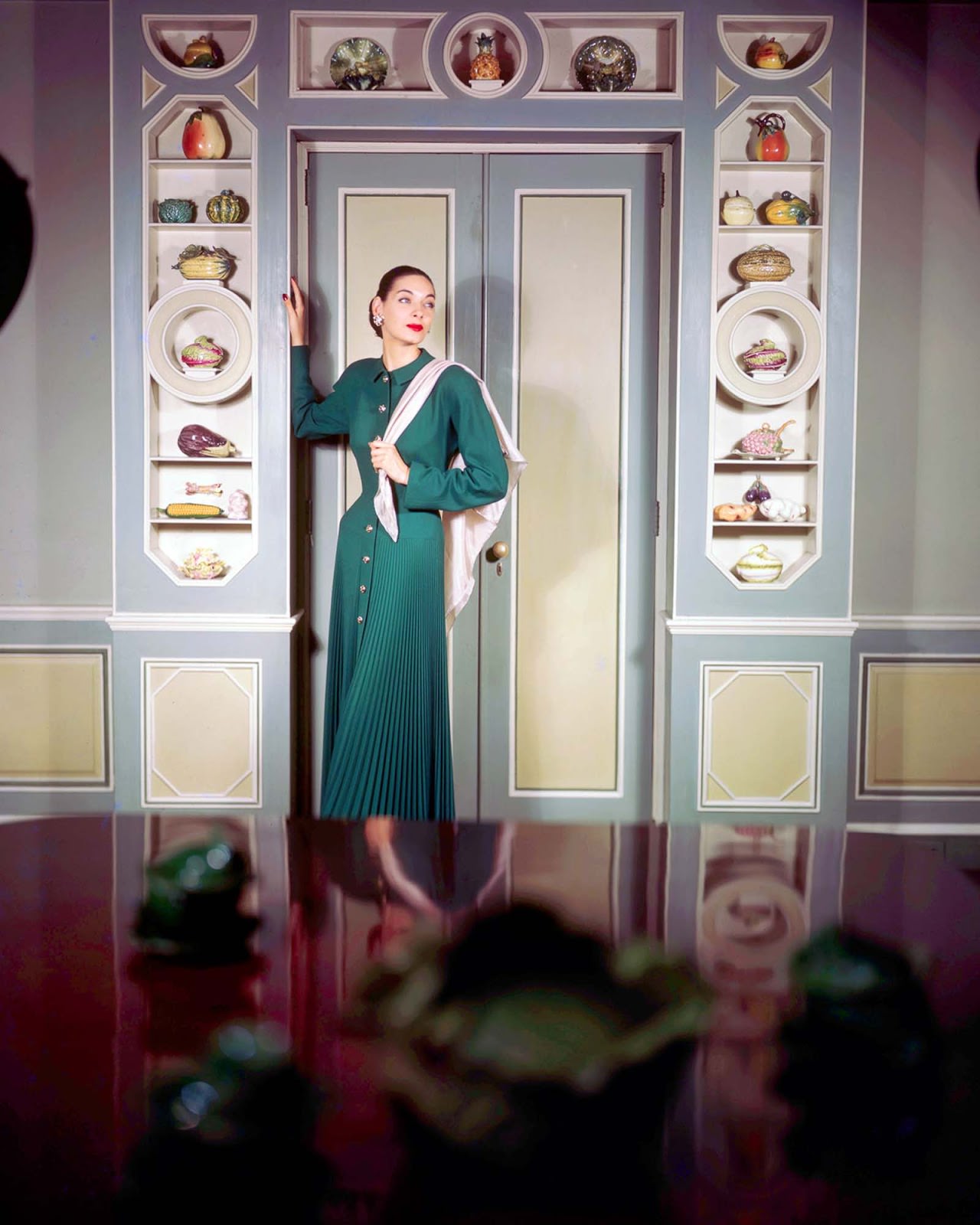
The magazines that published her work were highly competitive. Vogue and Harper’s Bazaar in particular employed some of the most respected photographers in the world. Getting consistent placement in those publications was a mark of serious professional standing, and Naylor held that standing throughout the decade.
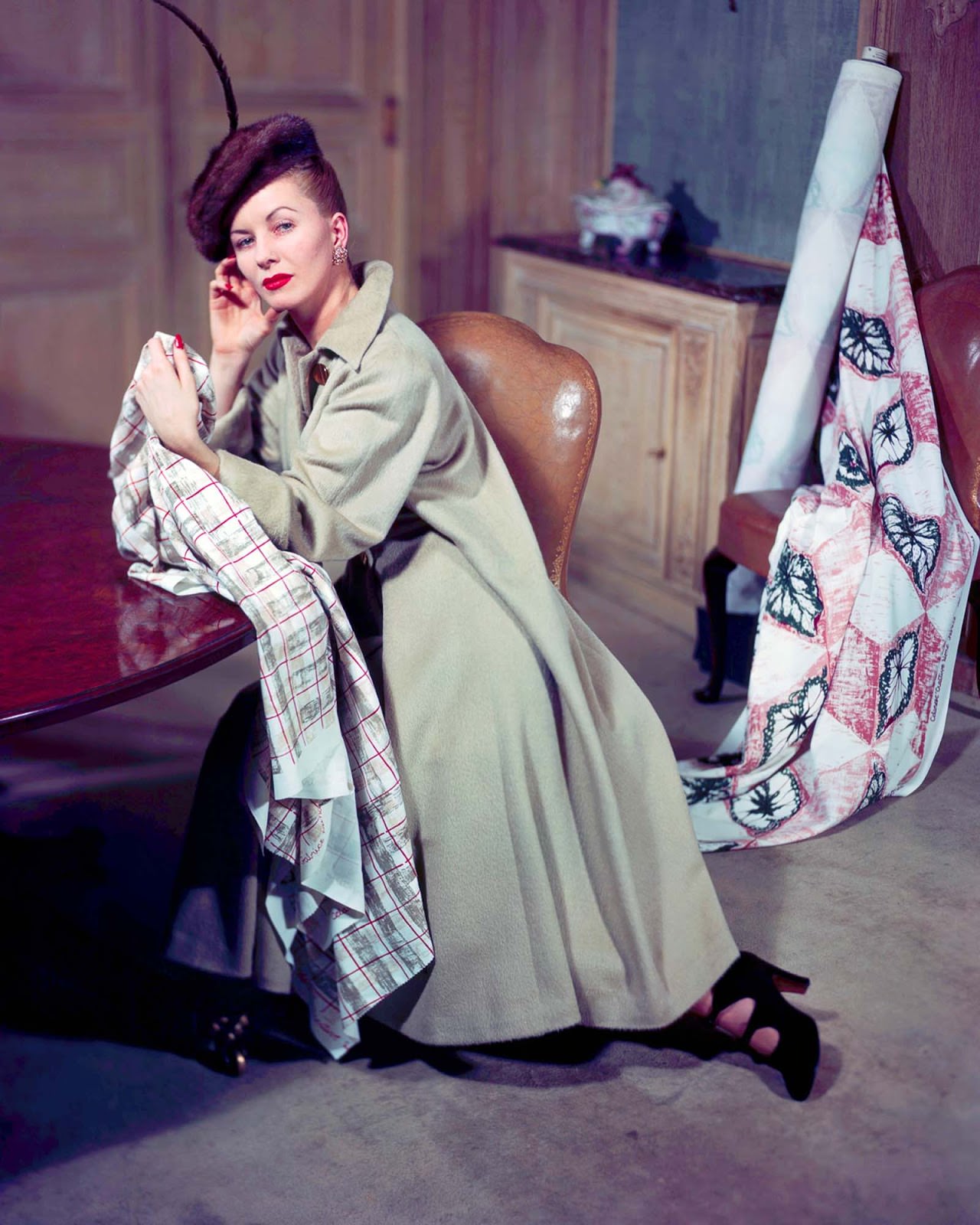
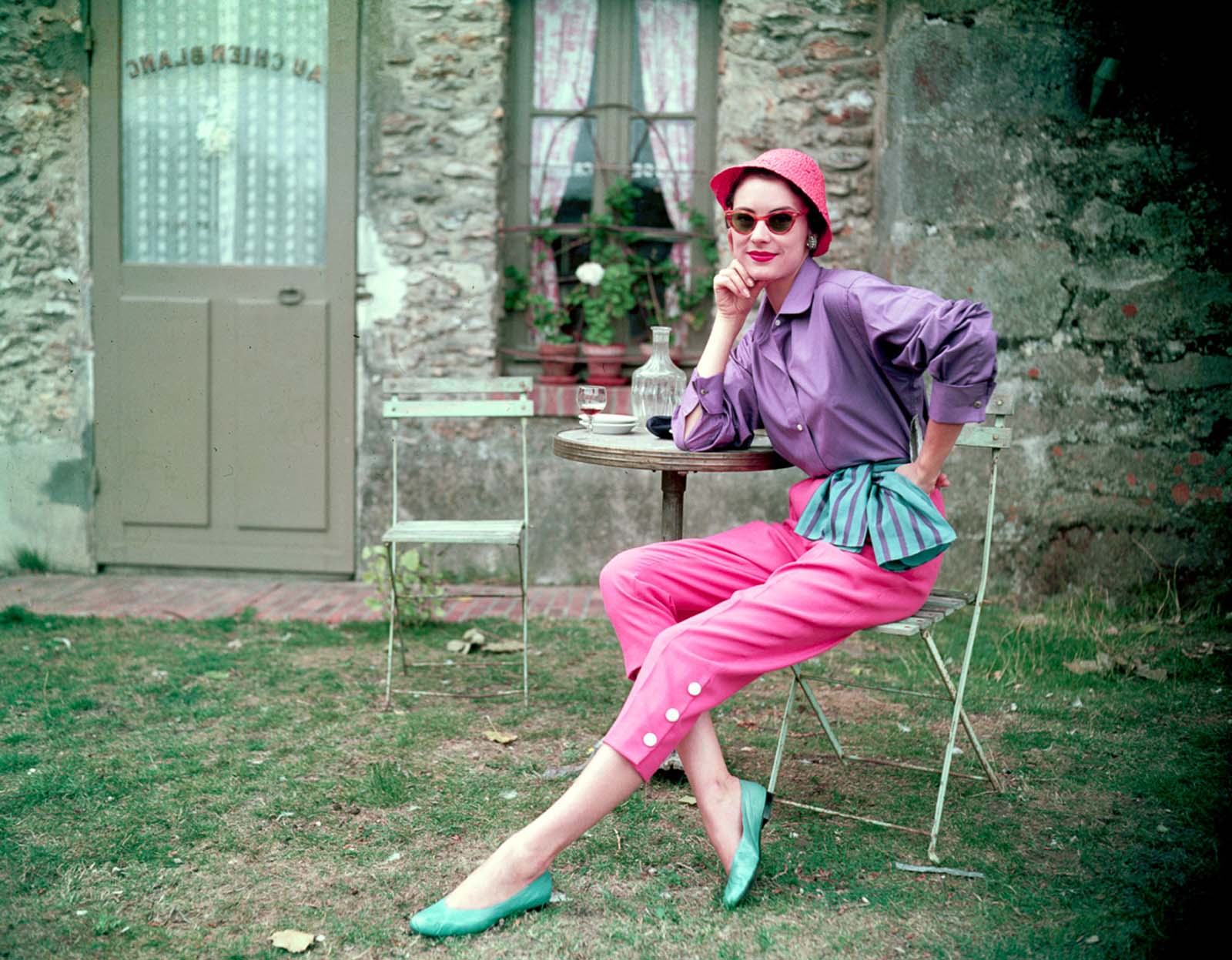
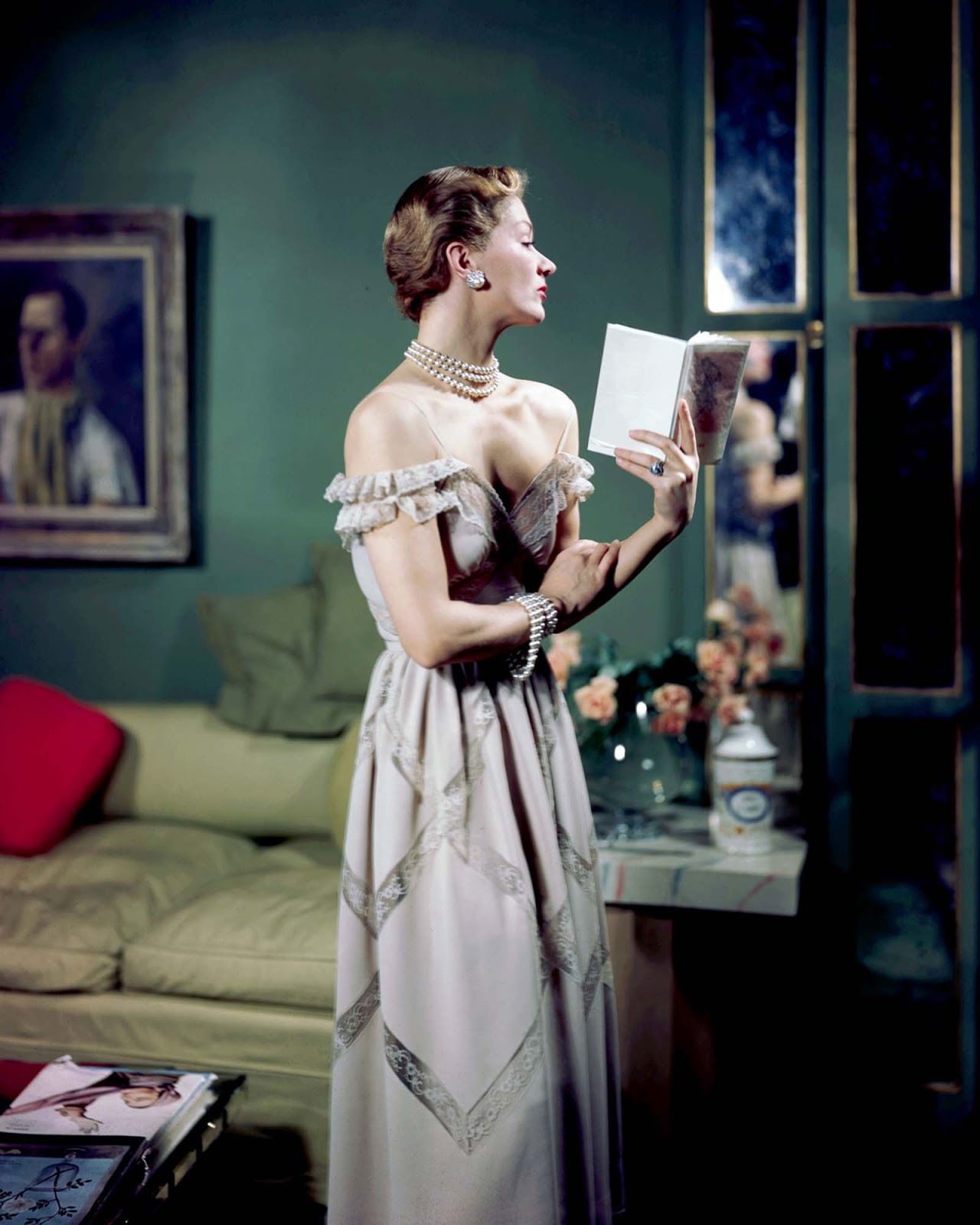
Her portraits of actresses added another dimension to her body of work. Fashion photography in the 1950s often overlapped with celebrity culture, and Naylor moved comfortably between both worlds. The women she photographed projected confidence, and her framing consistently honored that presence.
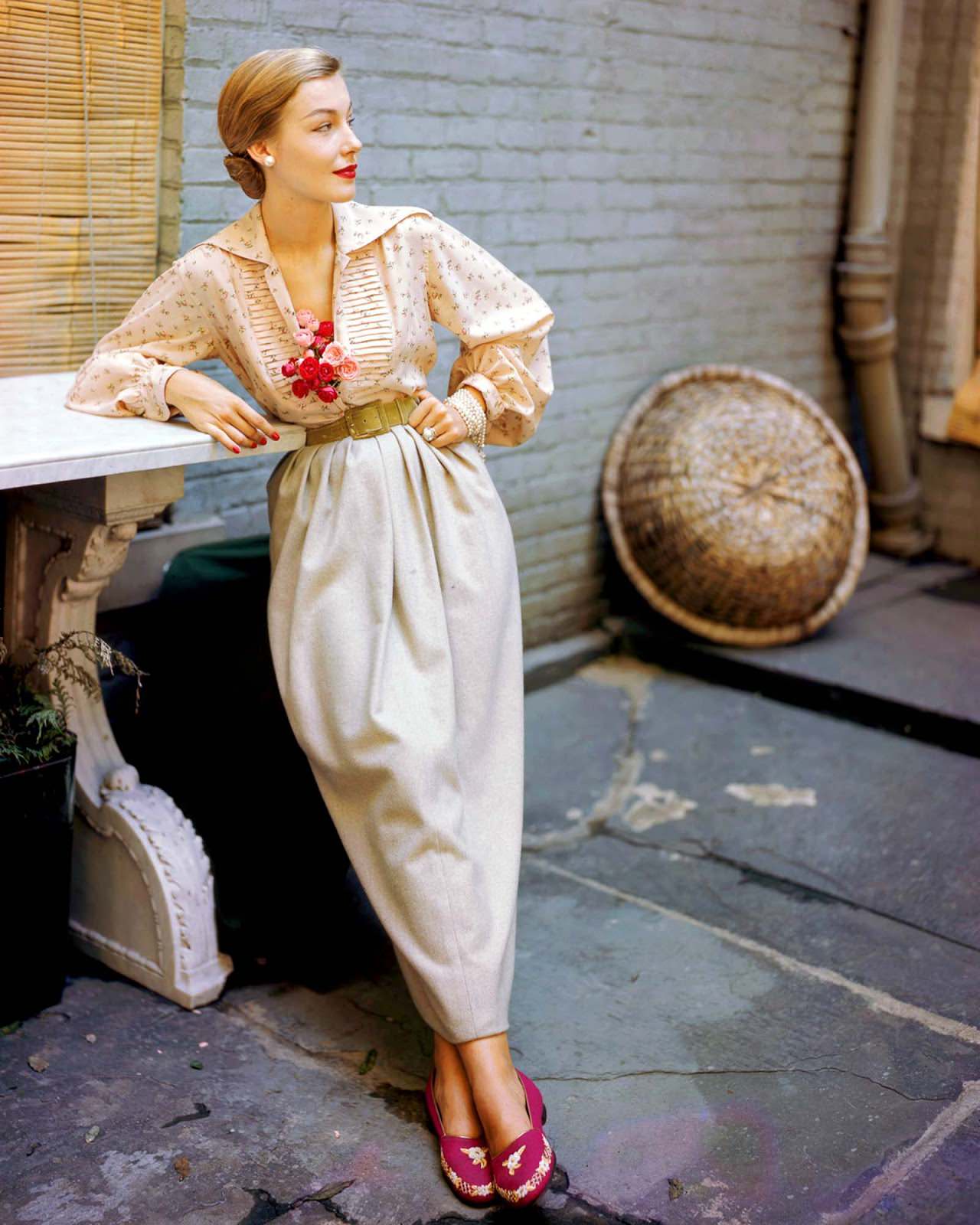
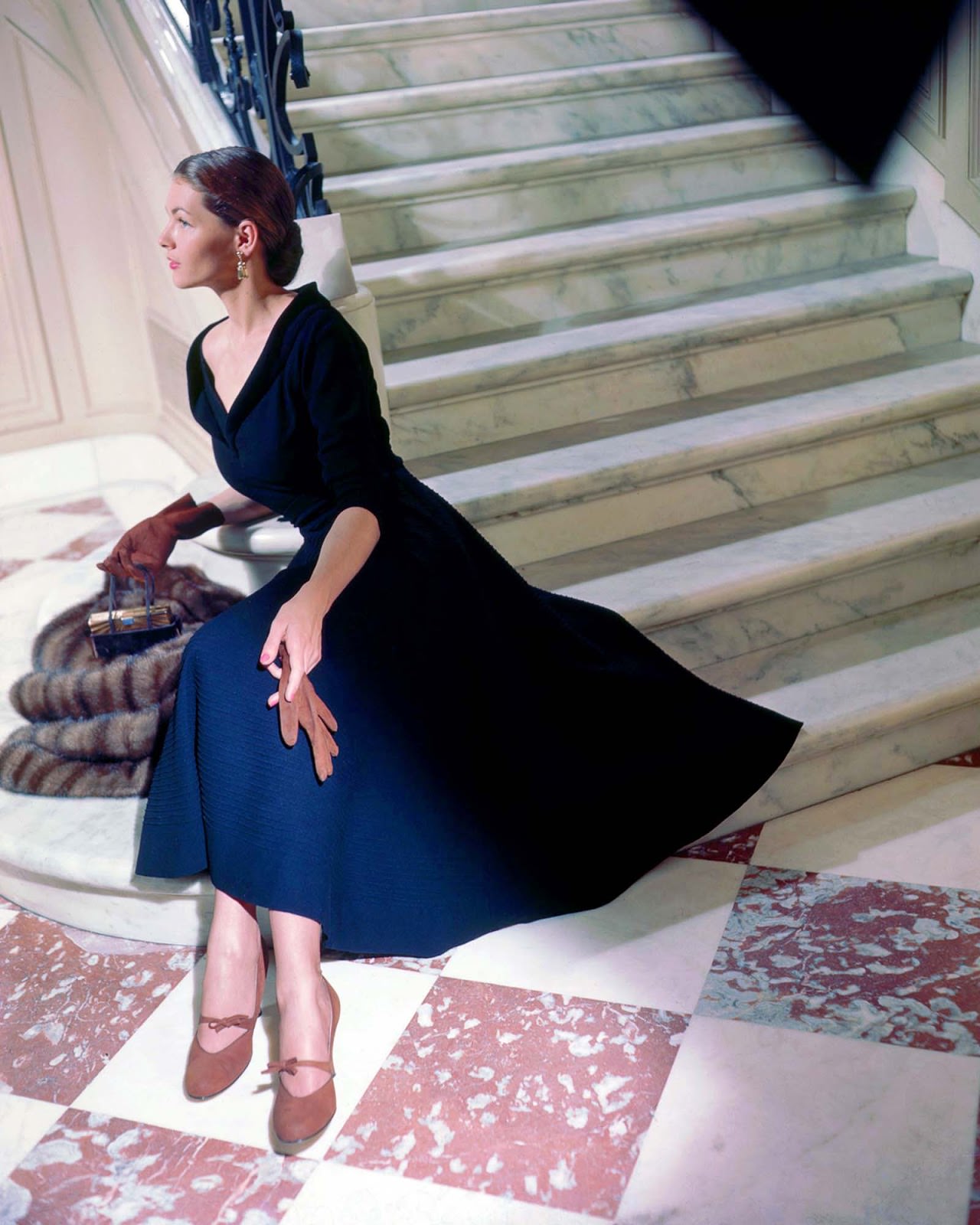
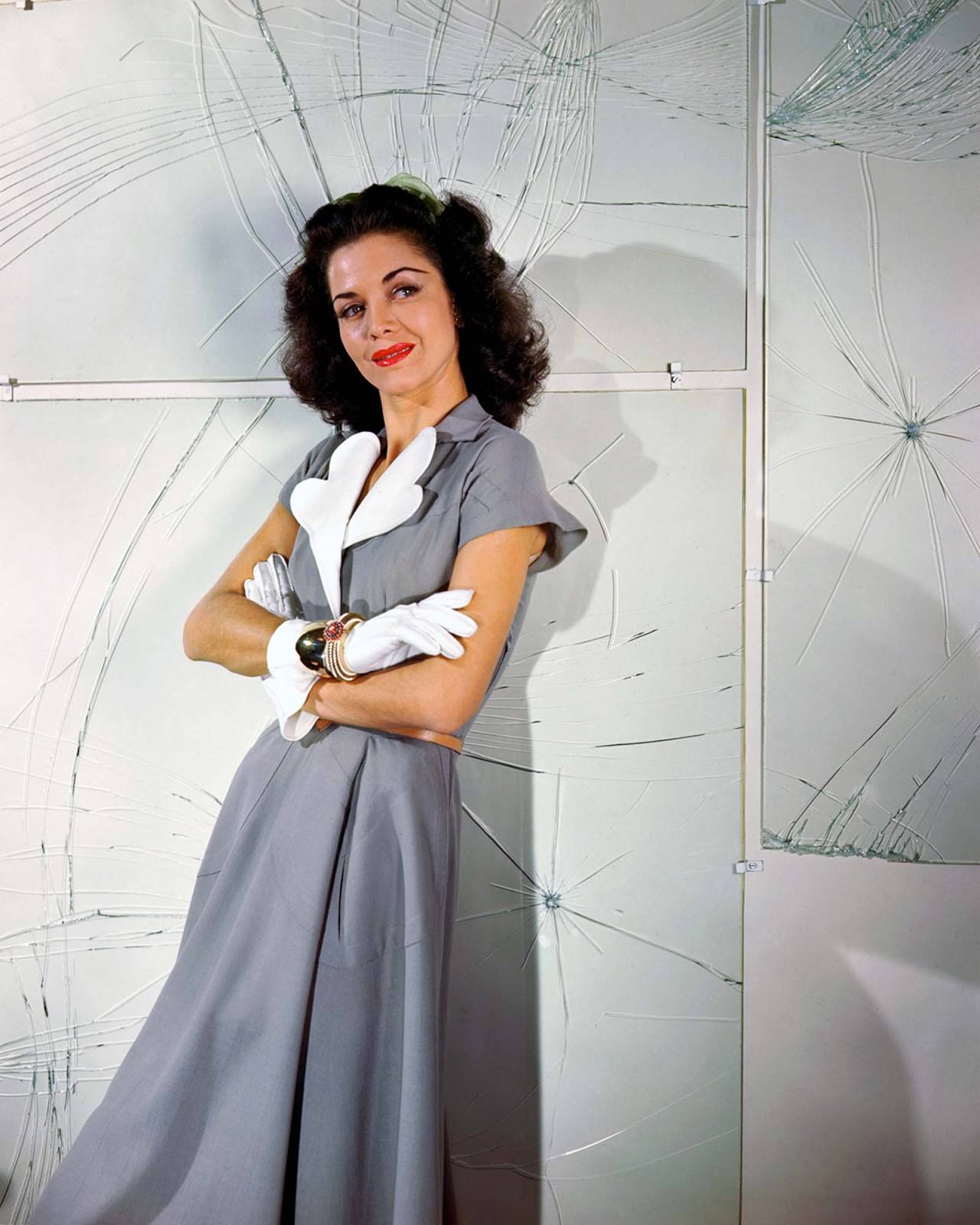
Looking at her photographs today, the technical skill is immediately apparent. The lighting is controlled but not rigid. The compositions are balanced without feeling static. Each image tells you exactly what it needs to — no more, no less.
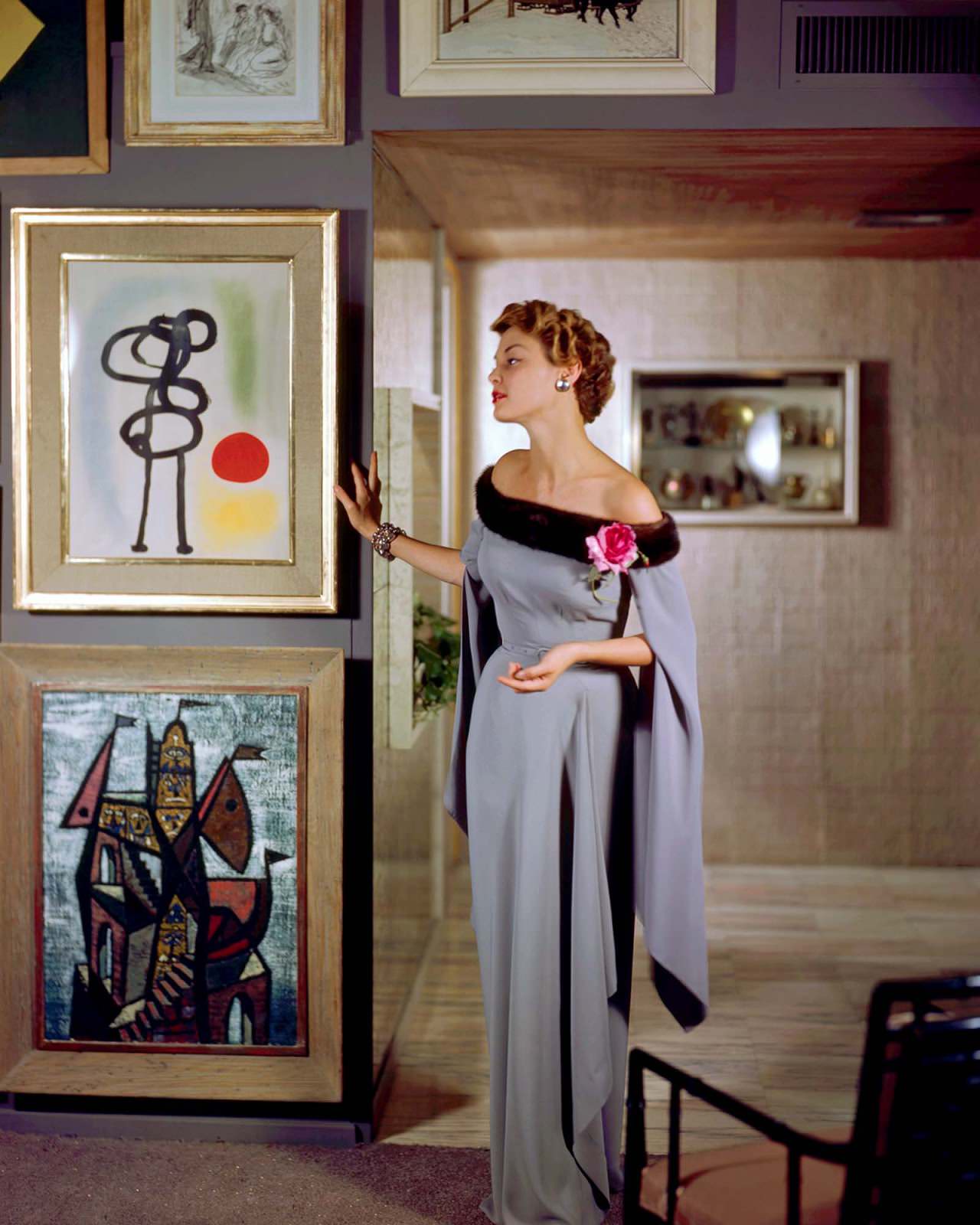
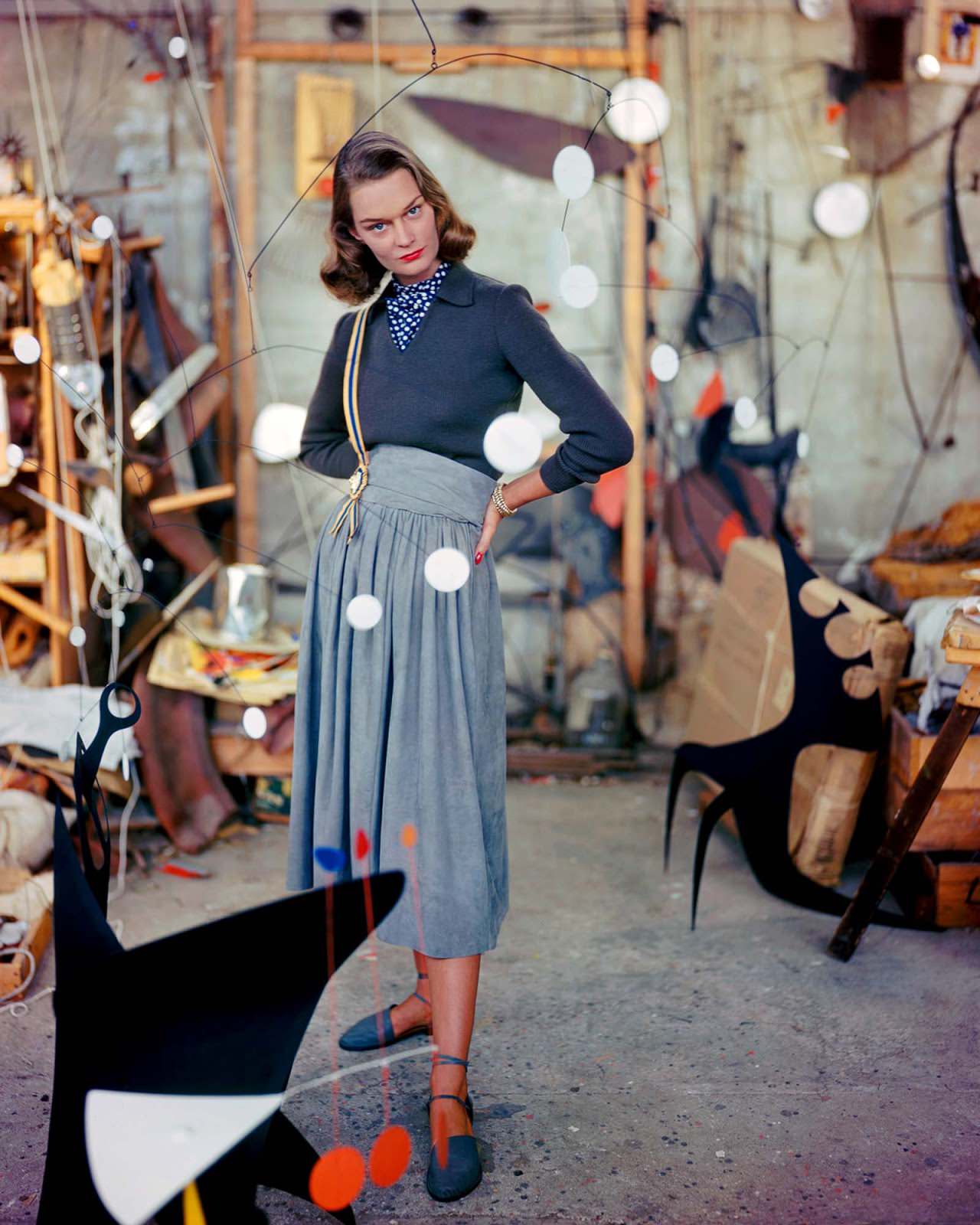
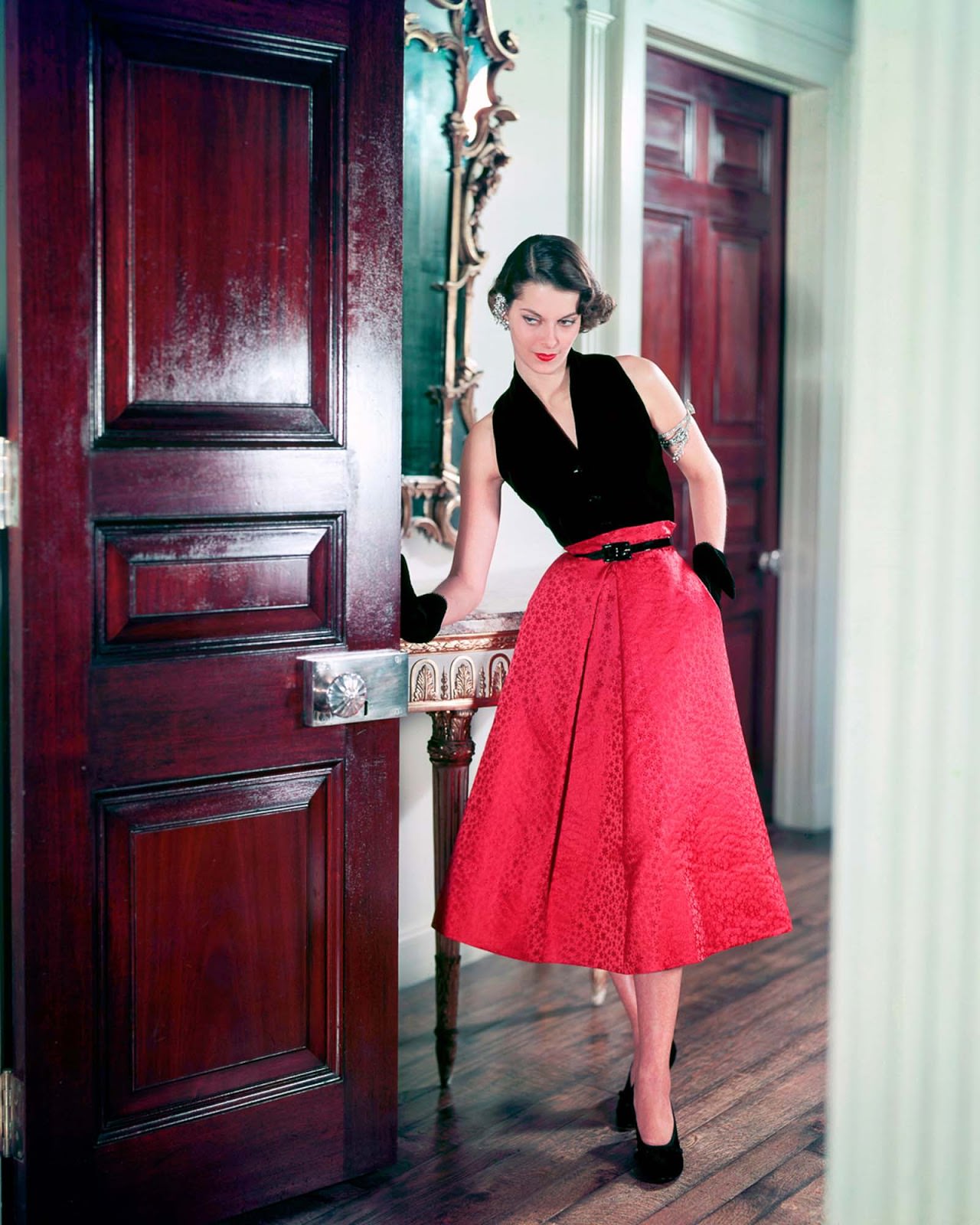
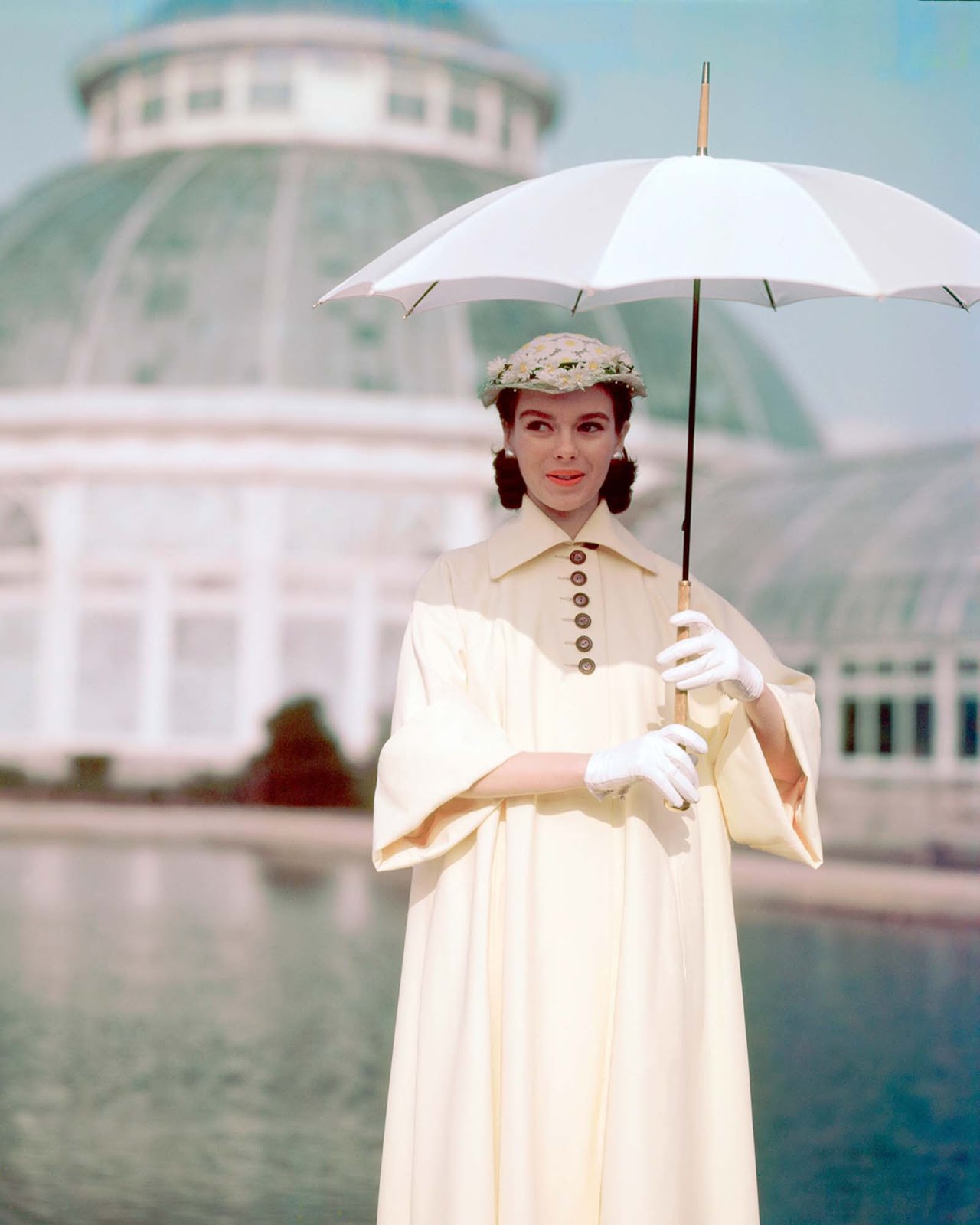
Naylor’s career path — from hard news photography to the glossy pages of fashion — was not common at the time. Most photographers stayed in one lane. Her ability to excel in both fields speaks to the depth of her technical training and her adaptability as a visual storyteller.
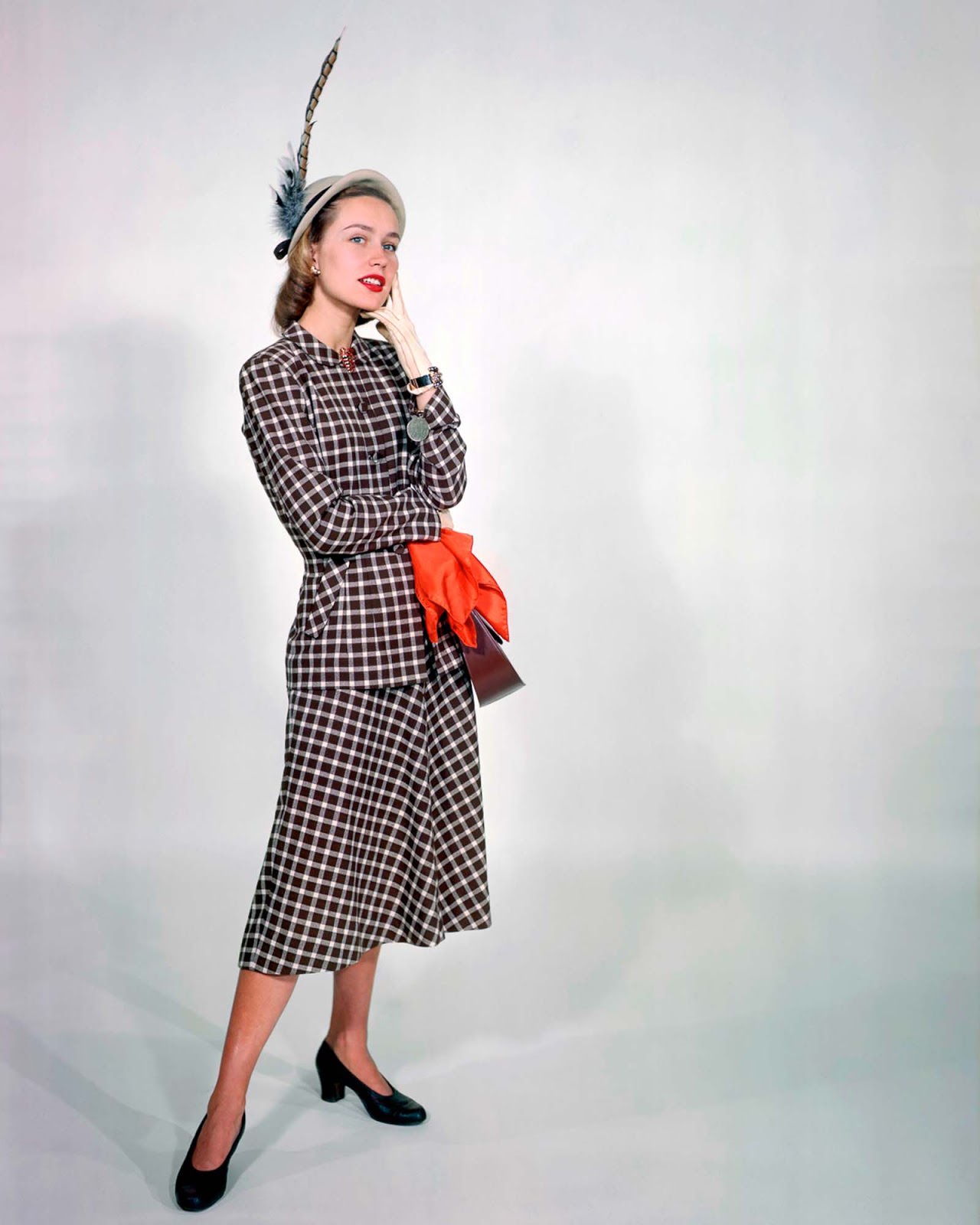
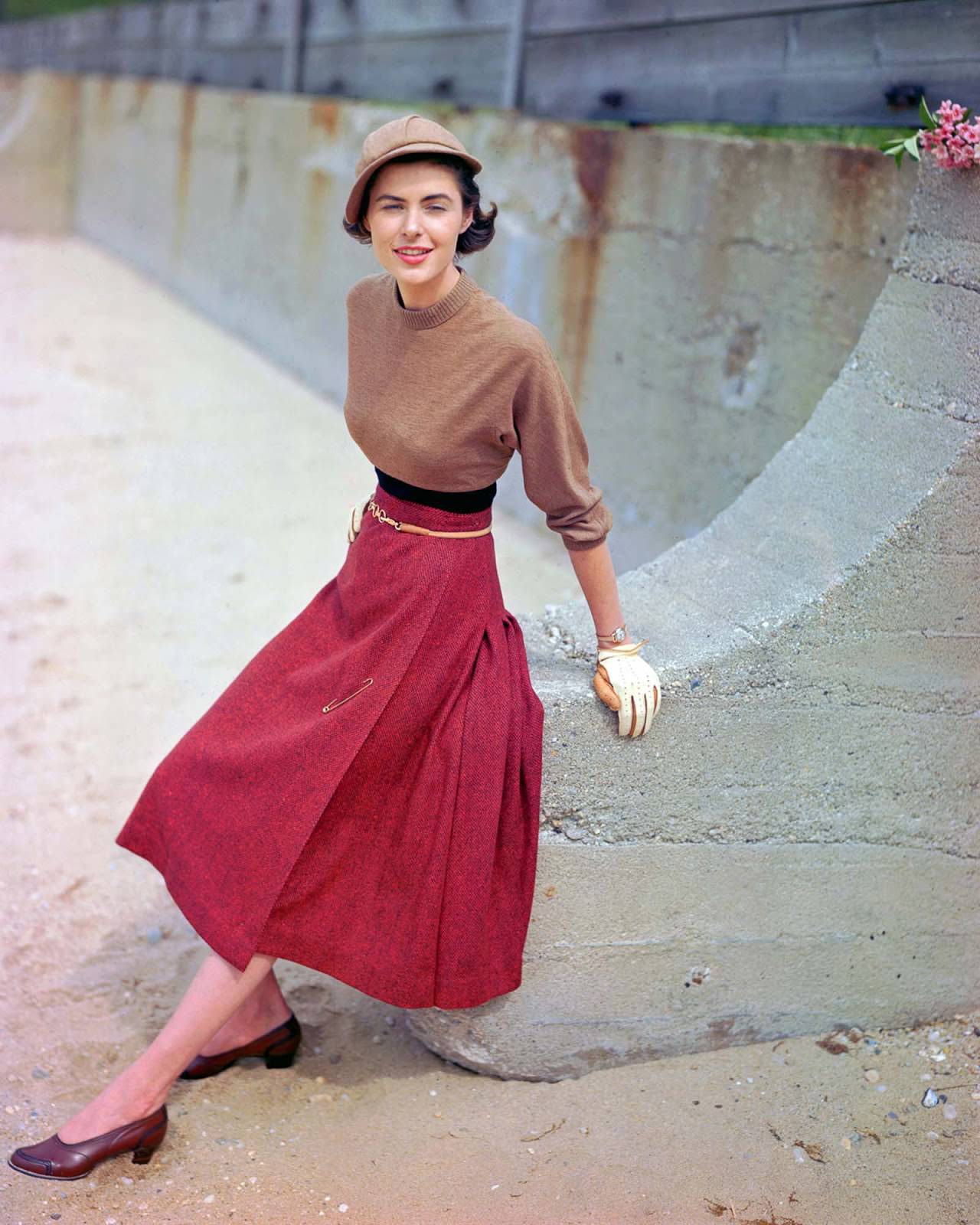
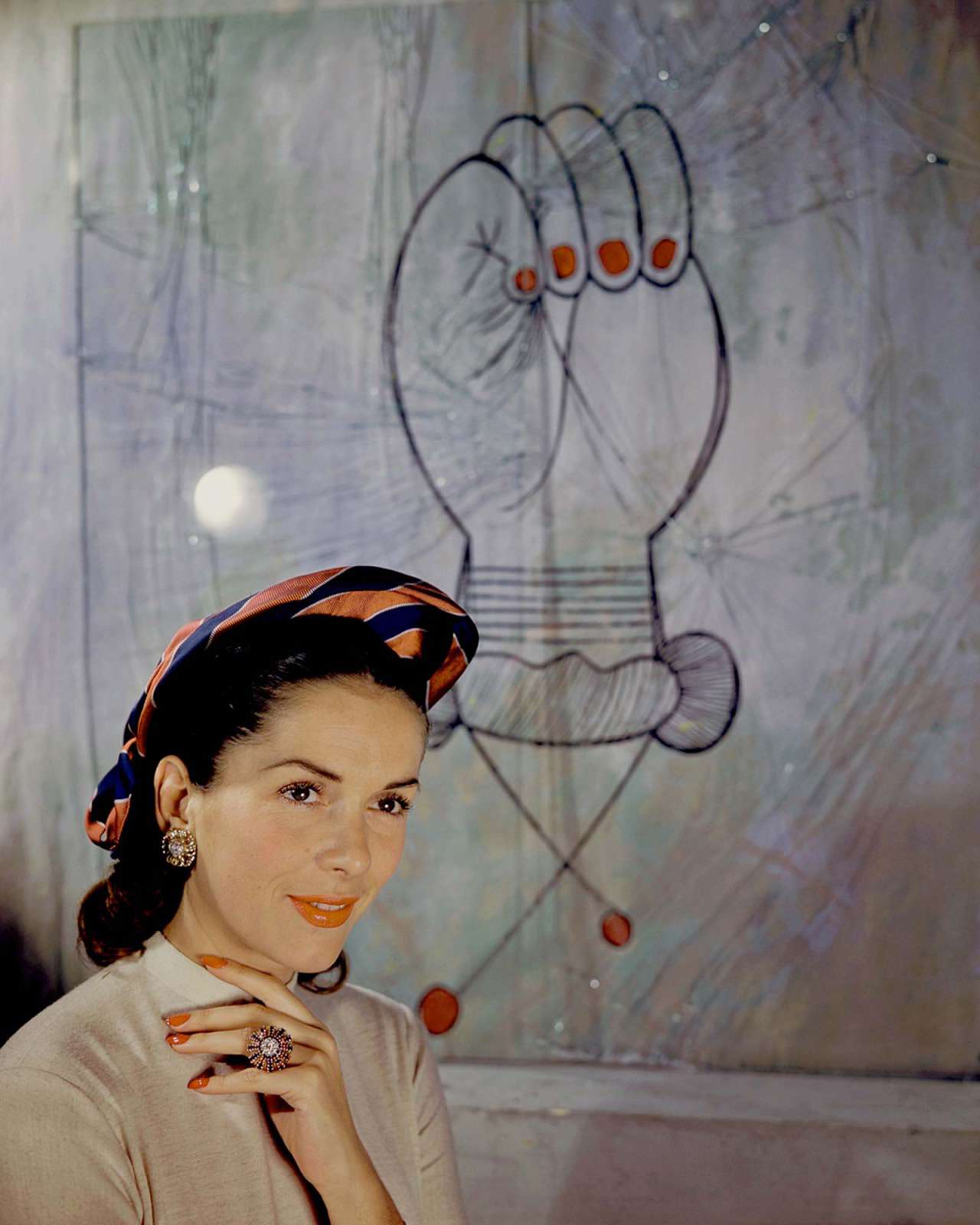
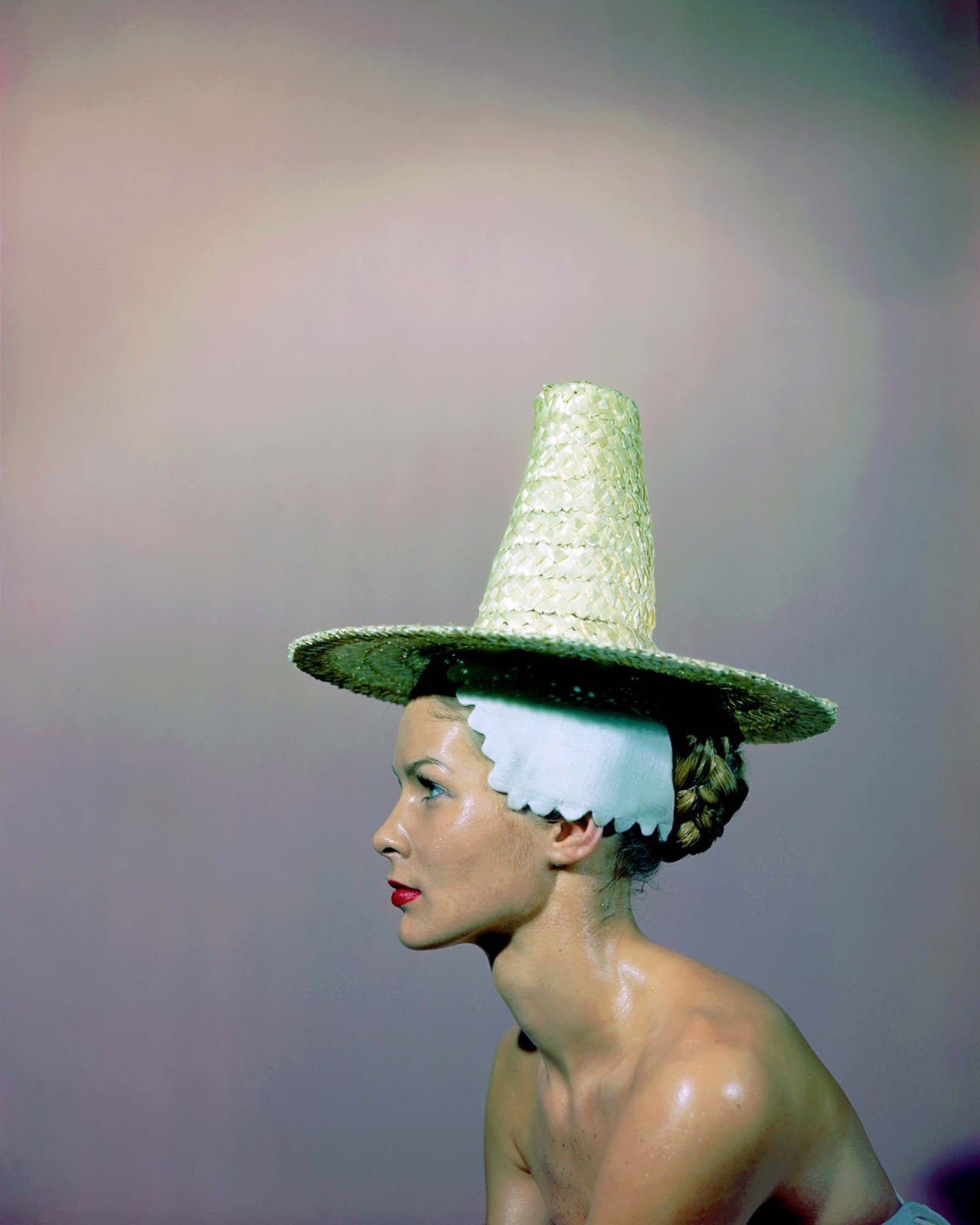
The sheer volume of magazines that carried her work throughout the 1950s reflects just how in-demand she was. From Good Housekeeping’s wholesome domestic aesthetic to Cosmopolitan’s bolder sensibility, Naylor adjusted her approach to suit each publication’s identity while keeping her own photographic voice intact.
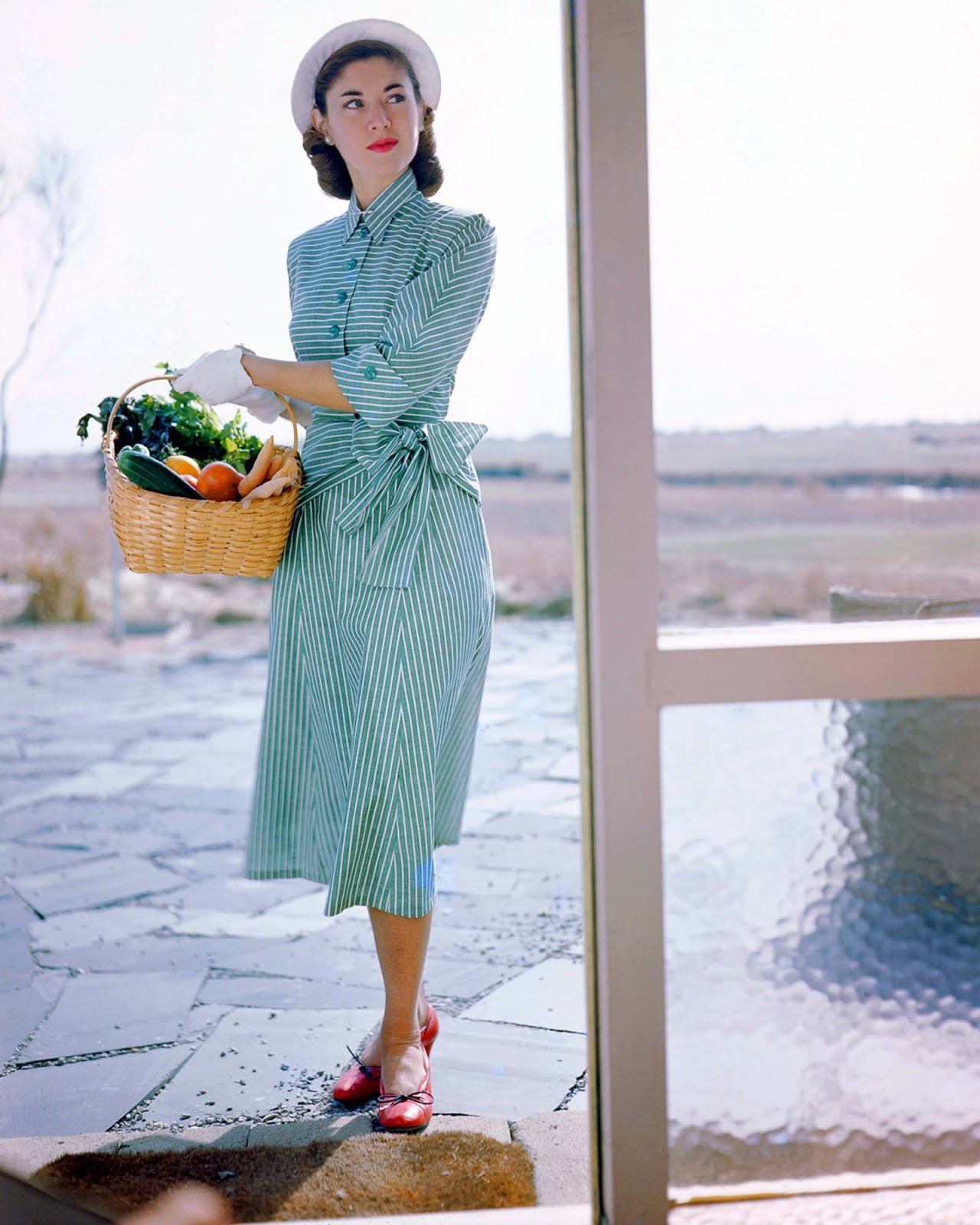
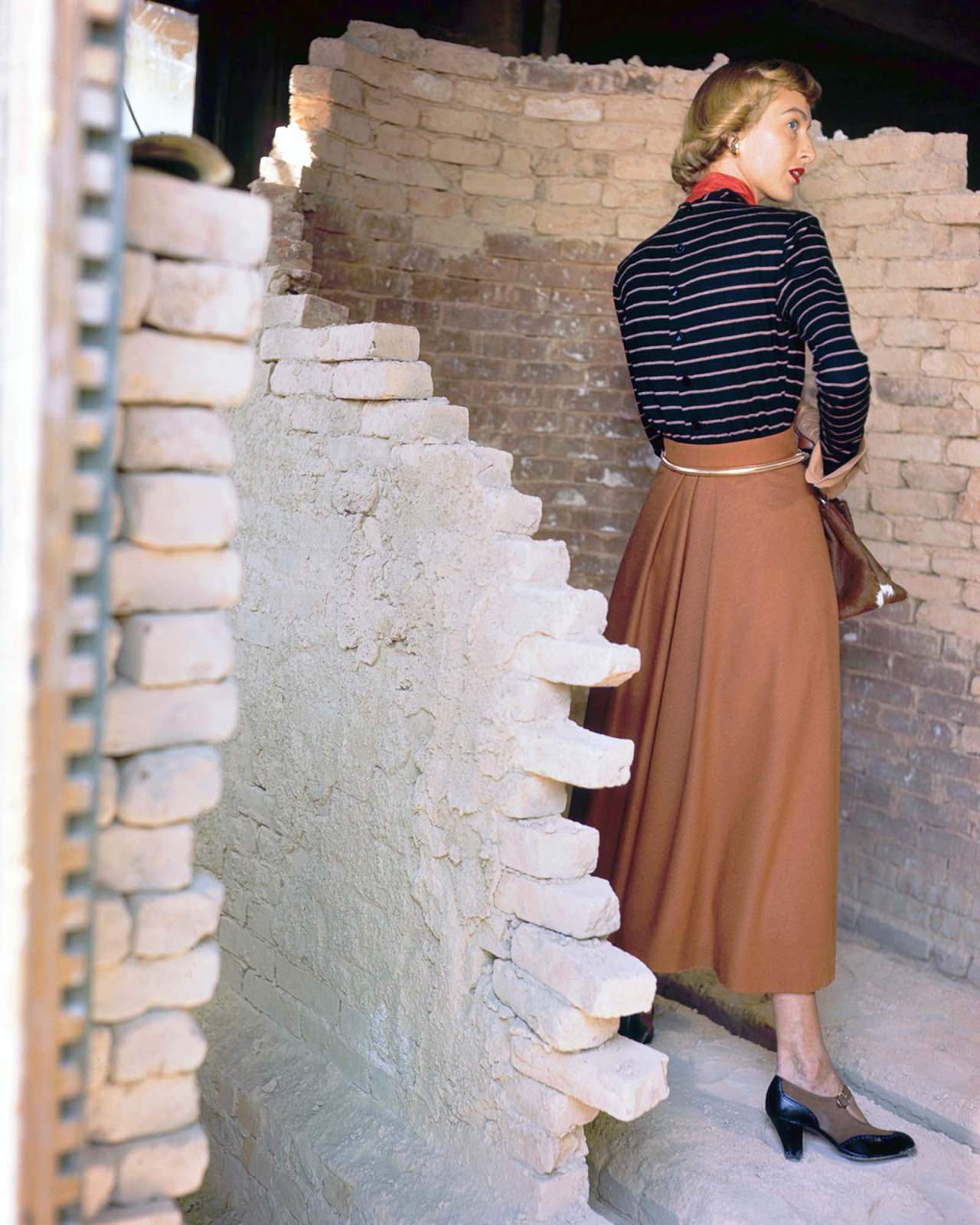
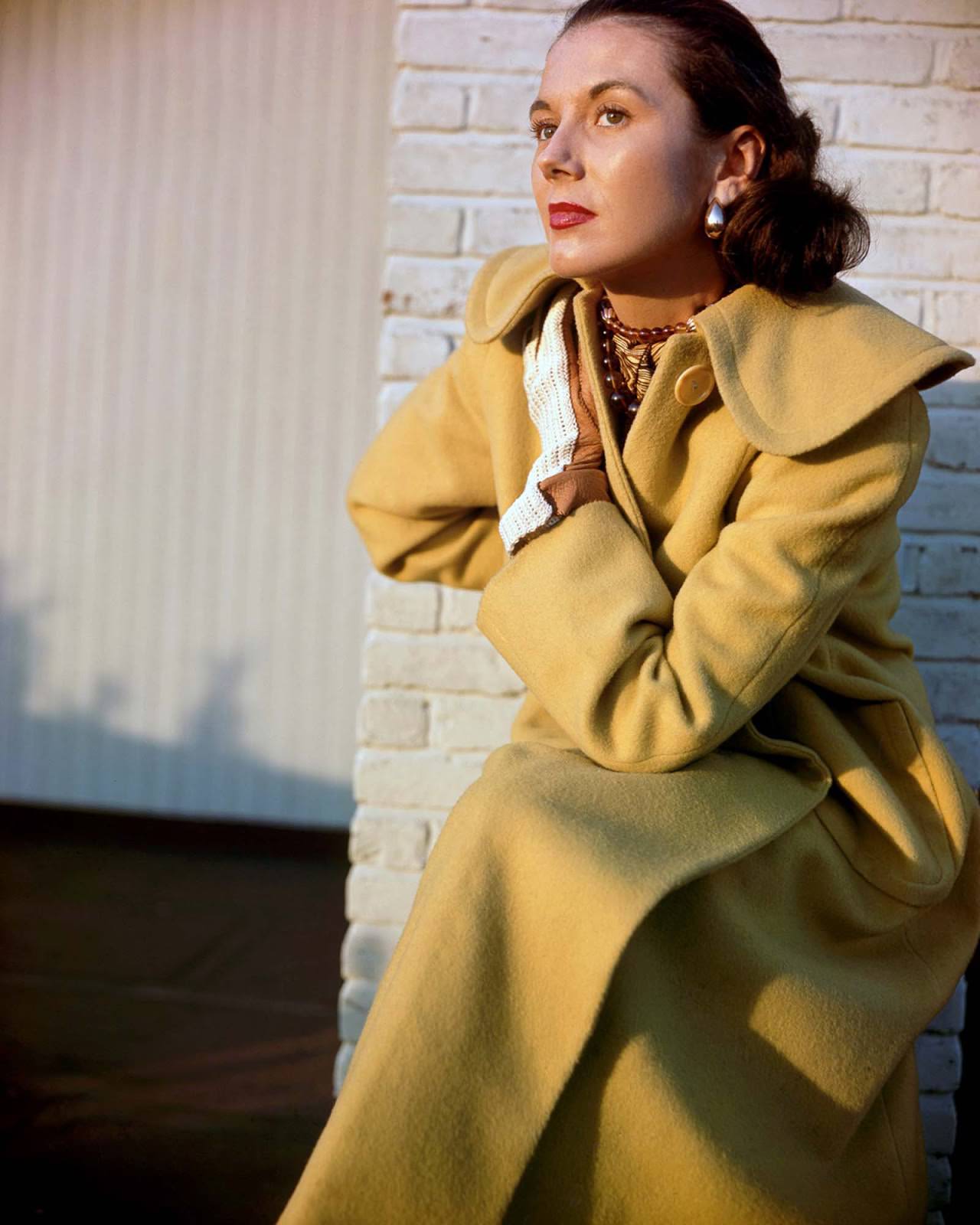
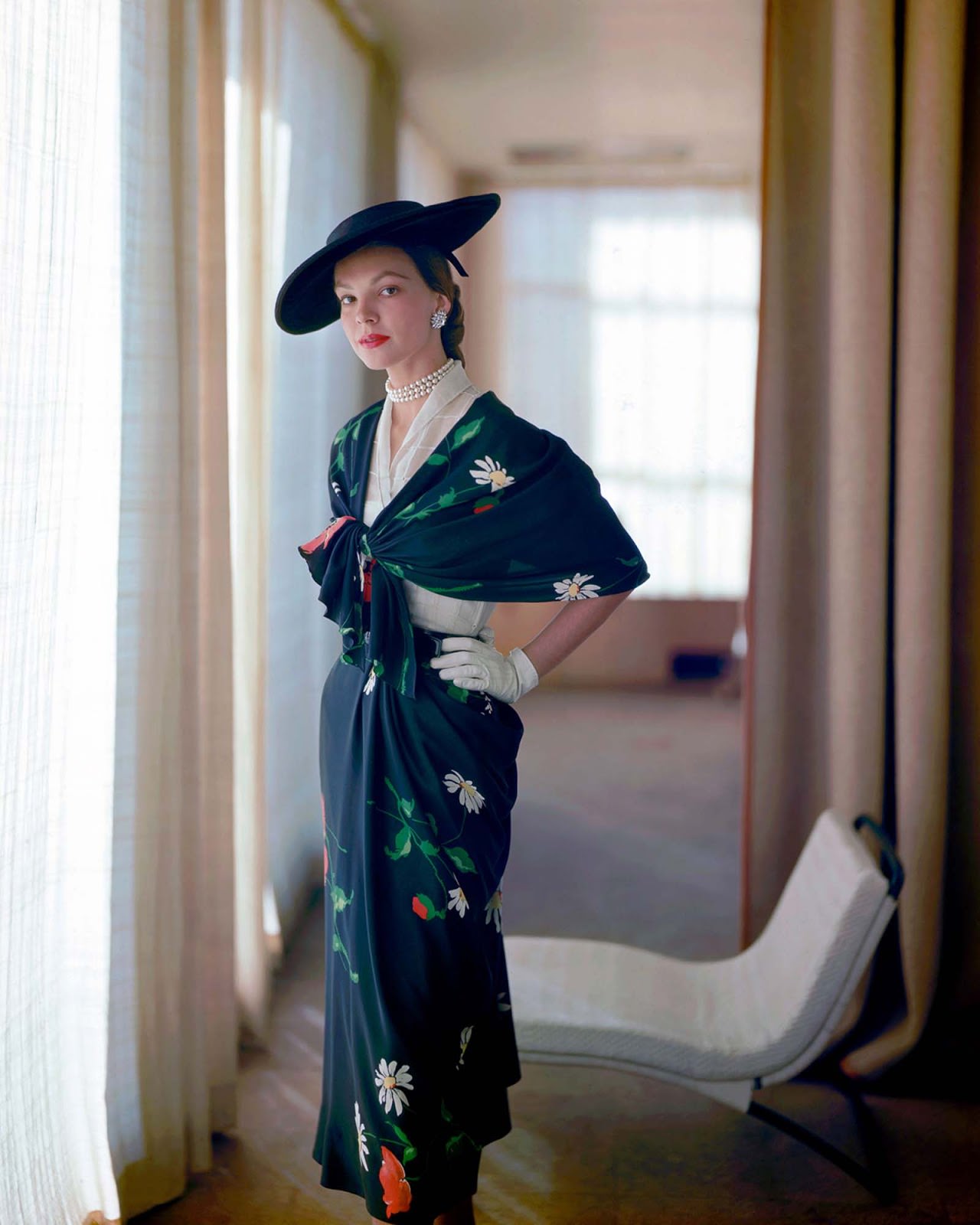
She started her career in an era when cameras were heavy, film was expensive, and every shot required careful planning. There was no digital preview, no instant feedback. The discipline that shaped her photojournalism years carried directly into her fashion work, where precision and preparation were equally important.
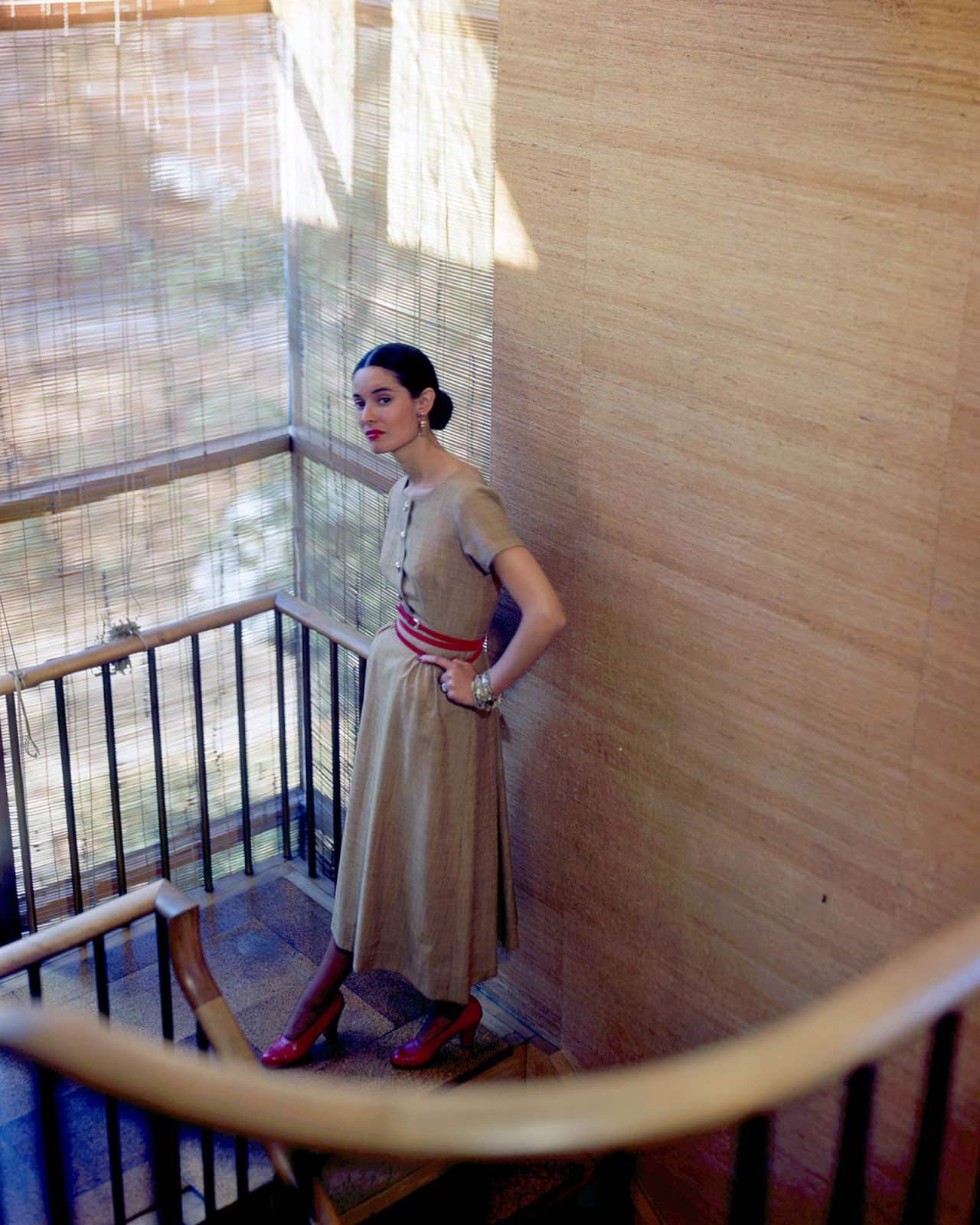
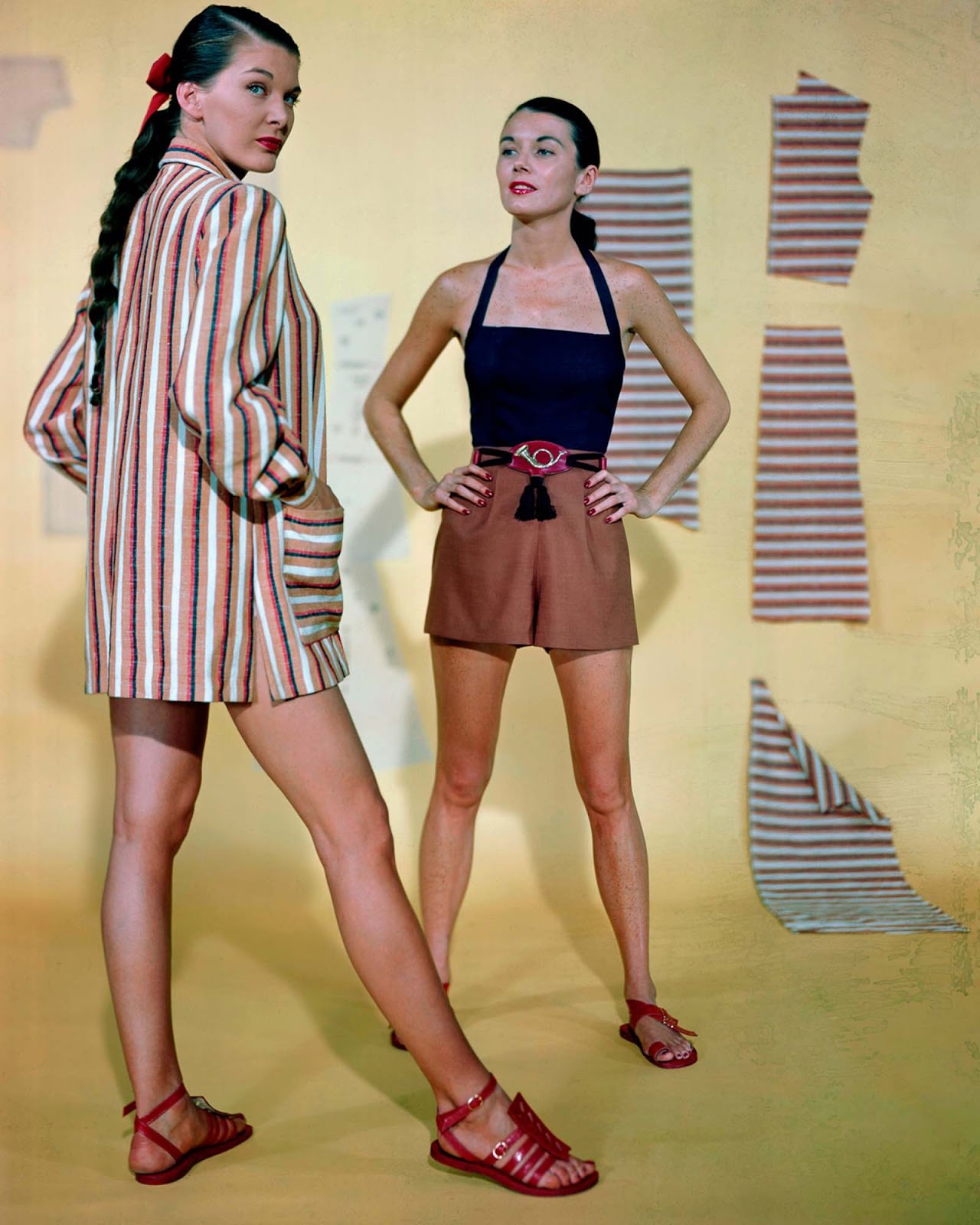
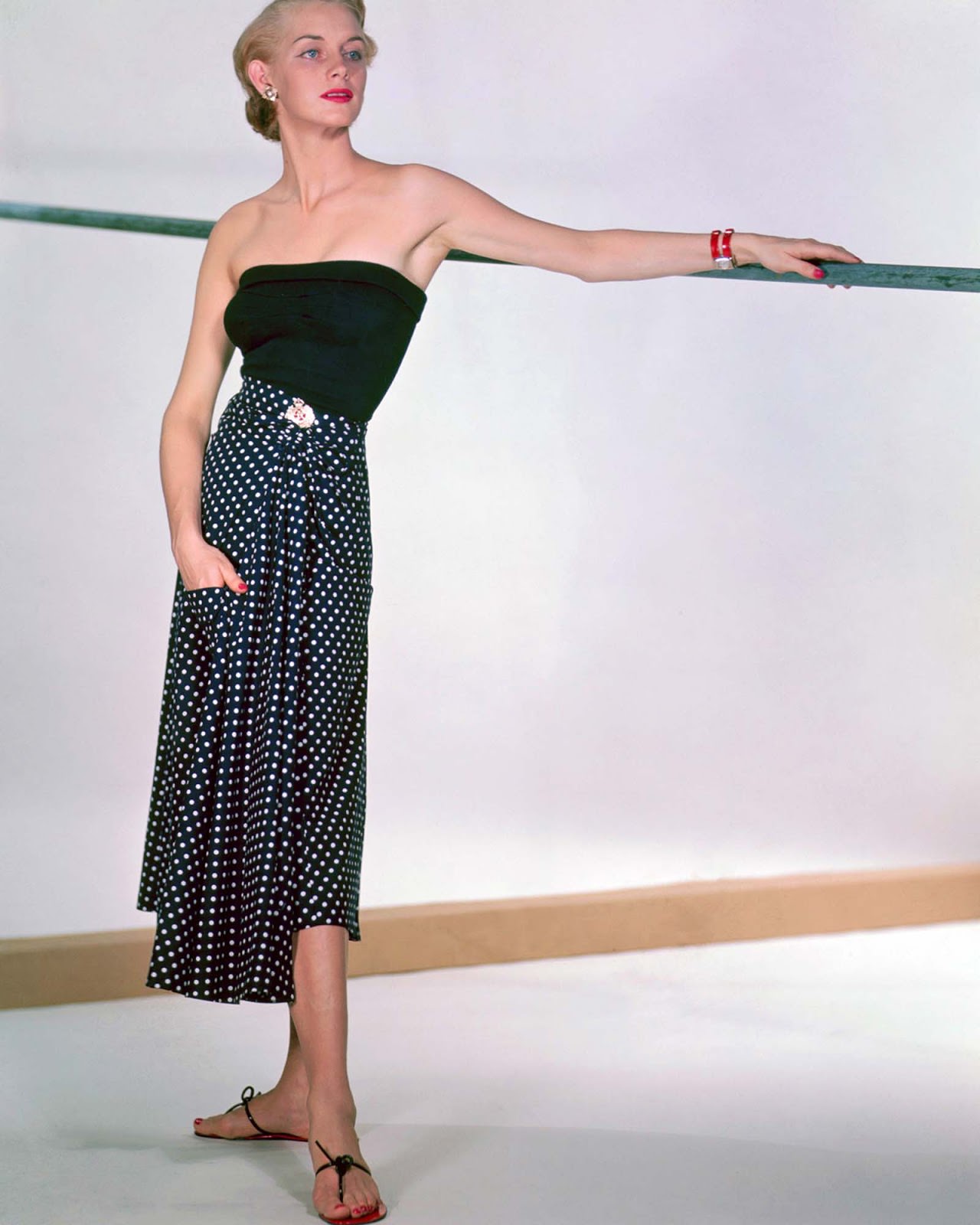
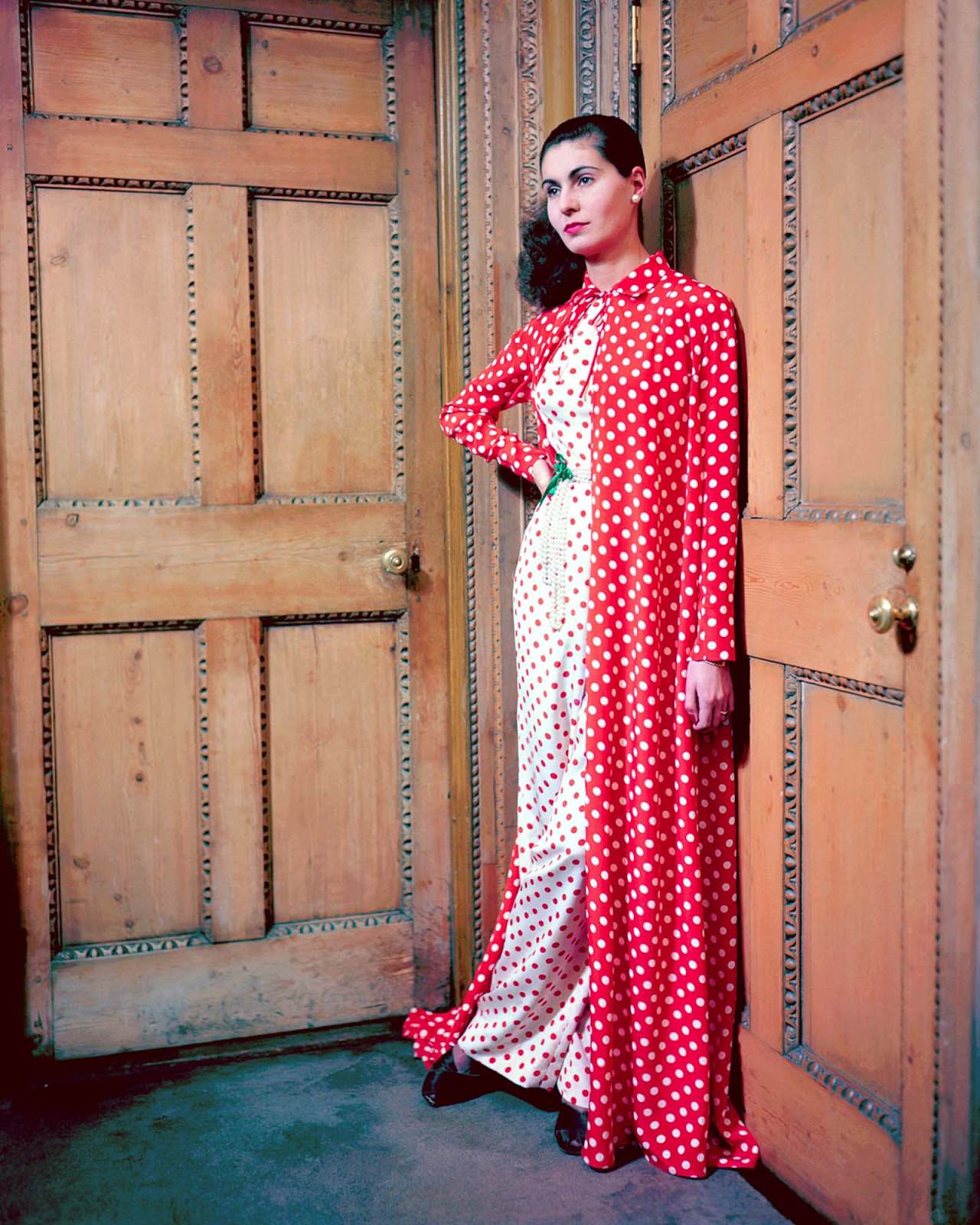
The gallery of photographs collected here represents Naylor’s 1950s fashion work in full form. The range of settings, poses, garments, and moods across these images shows a photographer who was never content to repeat herself. Each shot reflects a fresh approach to the same core challenge: making clothing and the people wearing it look extraordinary on a printed page.