Geisha are traditional Japanese female entertainers whose roots trace back to the mid-1700s. Trained in music, dance, and conversation, they were recognized artists — not to be confused with the Oiran, who were figures in Japan’s sex trade. Geisha set fashion trends and commanded respect as cultural performers. Their look was unmistakable: white face makeup, elaborately styled hair, and flowing silk kimonos.
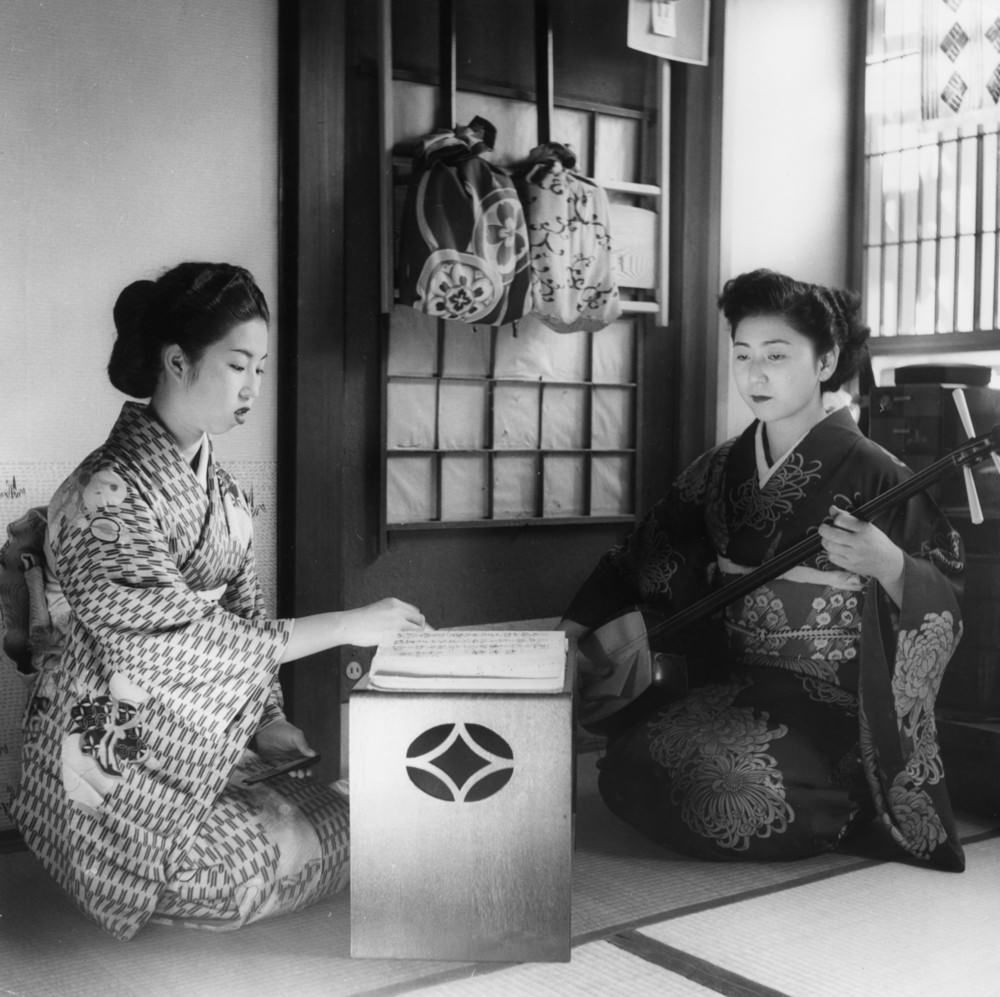
The samisen — a three-stringed instrument — was central to a geisha’s musical training. Hours of practice were required to master it. Geisha began their training young, studying under experienced teachers who oversaw every detail of their development in the arts.
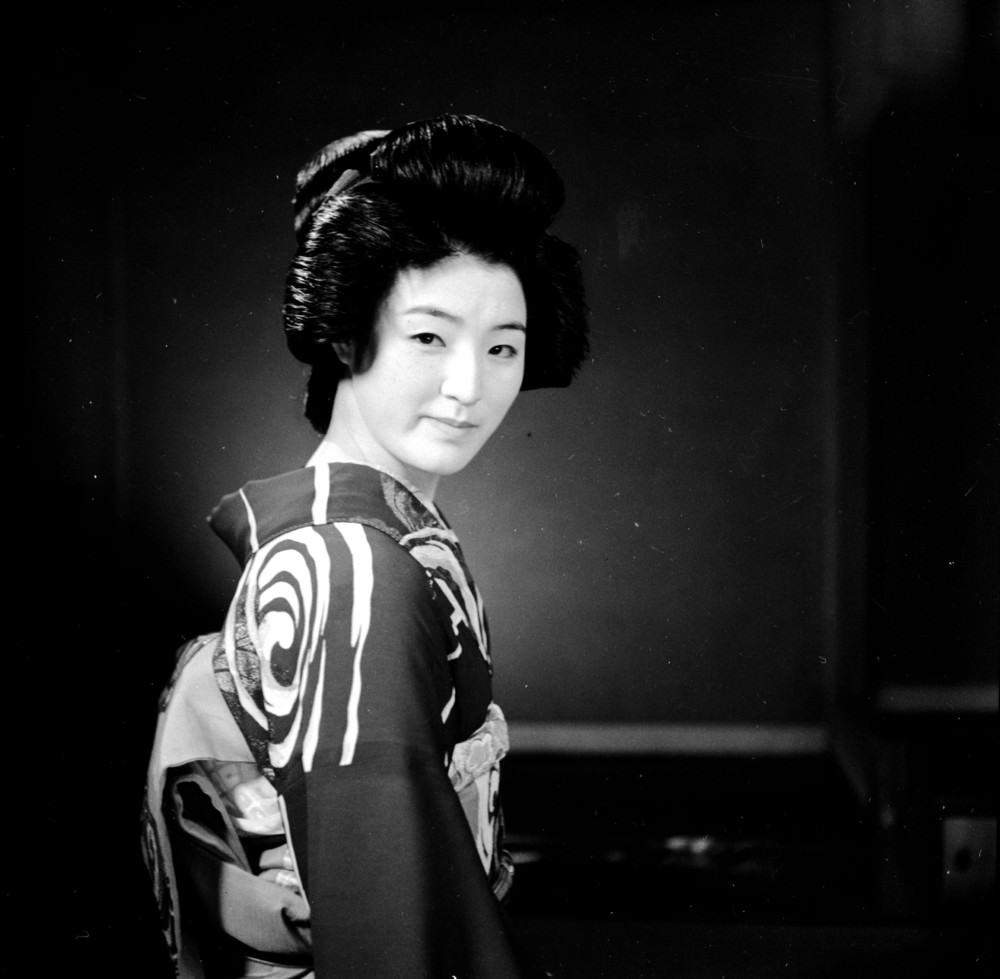
The kimono was far more than clothing — its fabric, color, and draping all communicated a geisha’s status and occasion. Dressing properly took considerable time and skill. The 1950s found Japan rebuilding after World War II, and traditional customs like these stood in sharp contrast to the wave of modern, Western influences reshaping everyday life.
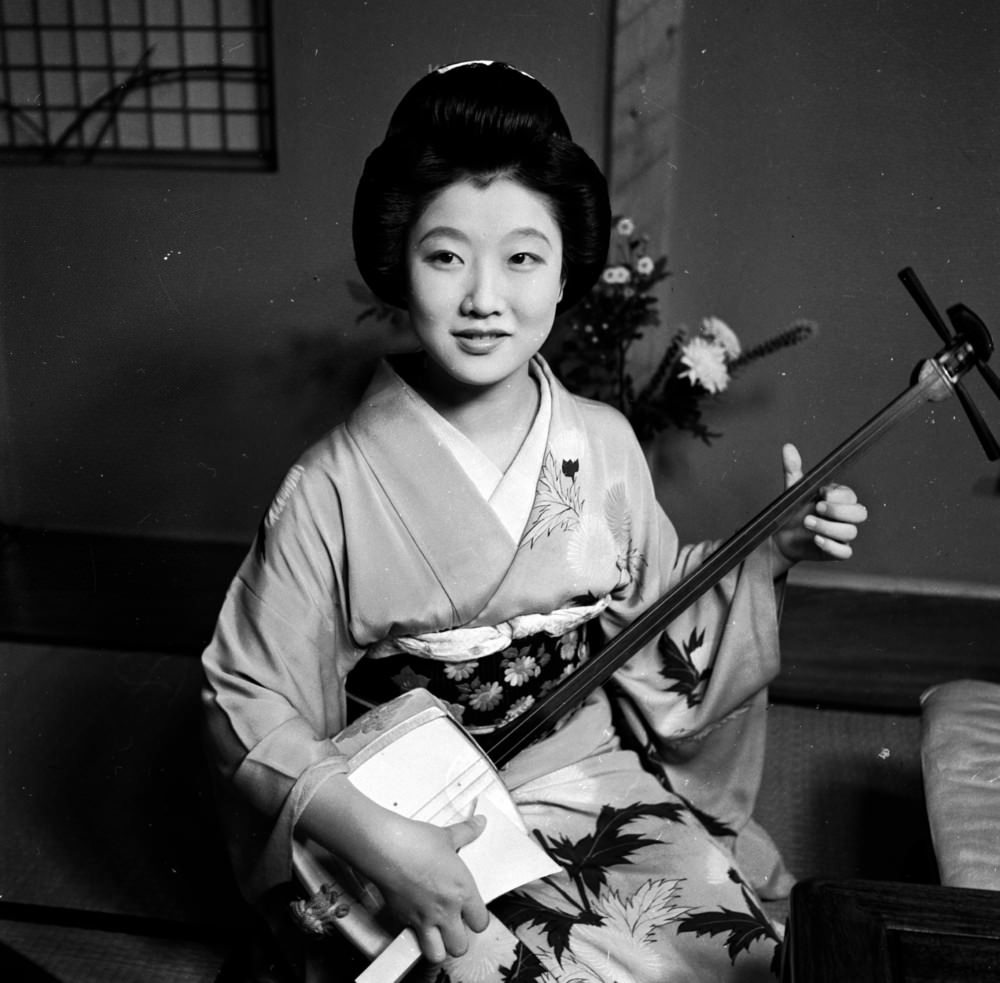
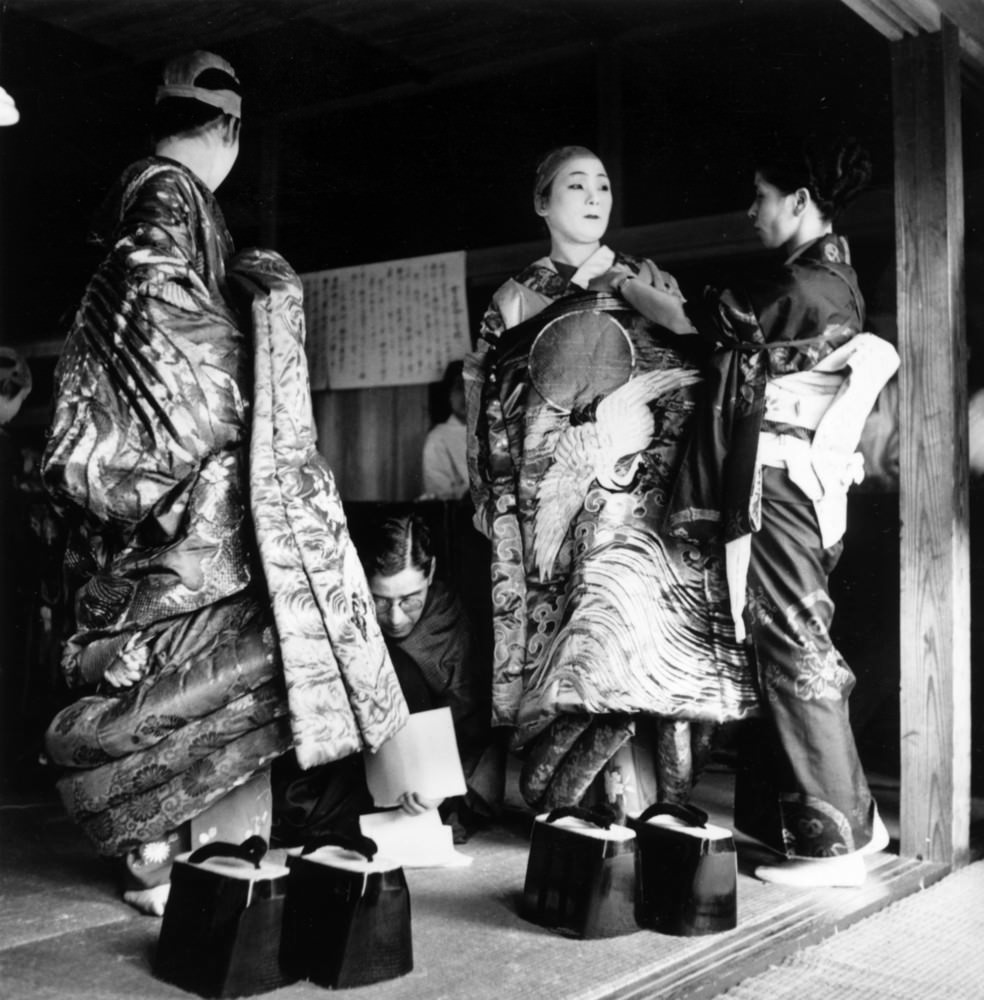
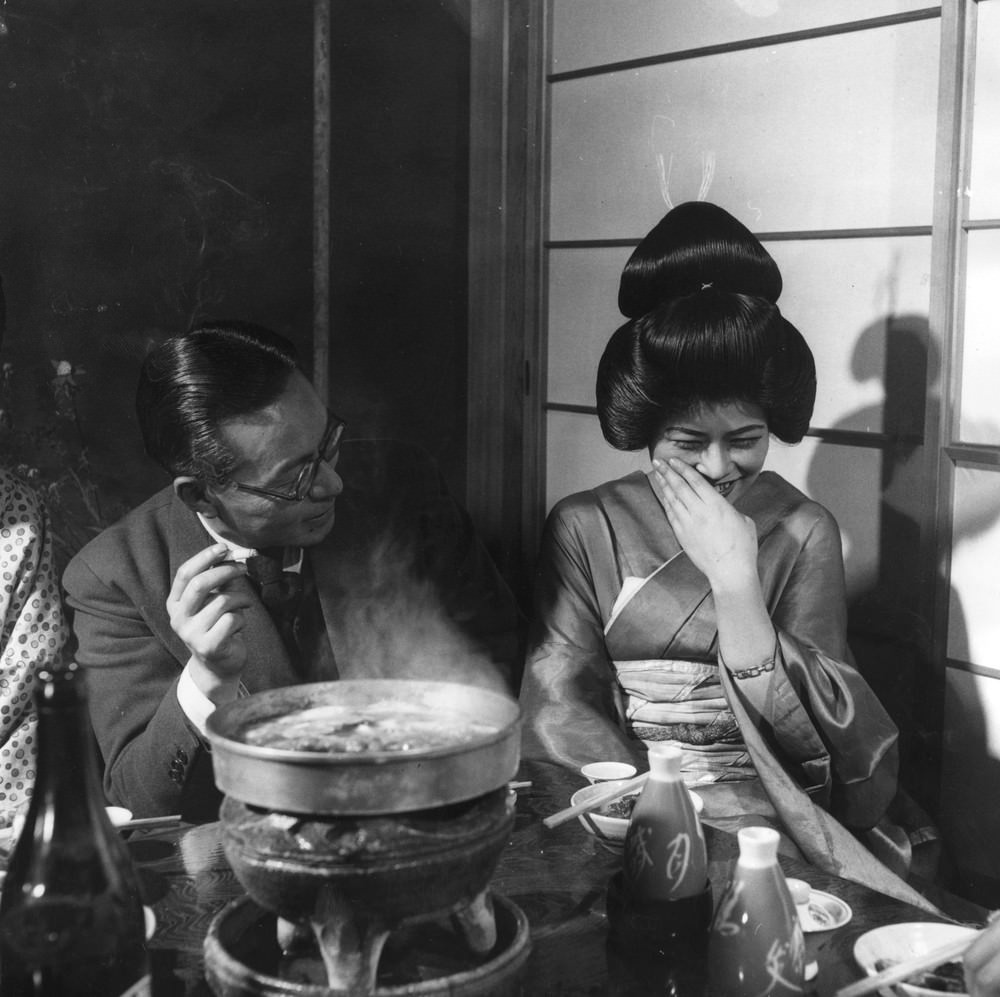
Behind the polished public image was a demanding daily routine. Wigs were a practical part of the geisha’s appearance, worn to achieve the precise hairstyles required for performance without the time needed to set natural hair each day.
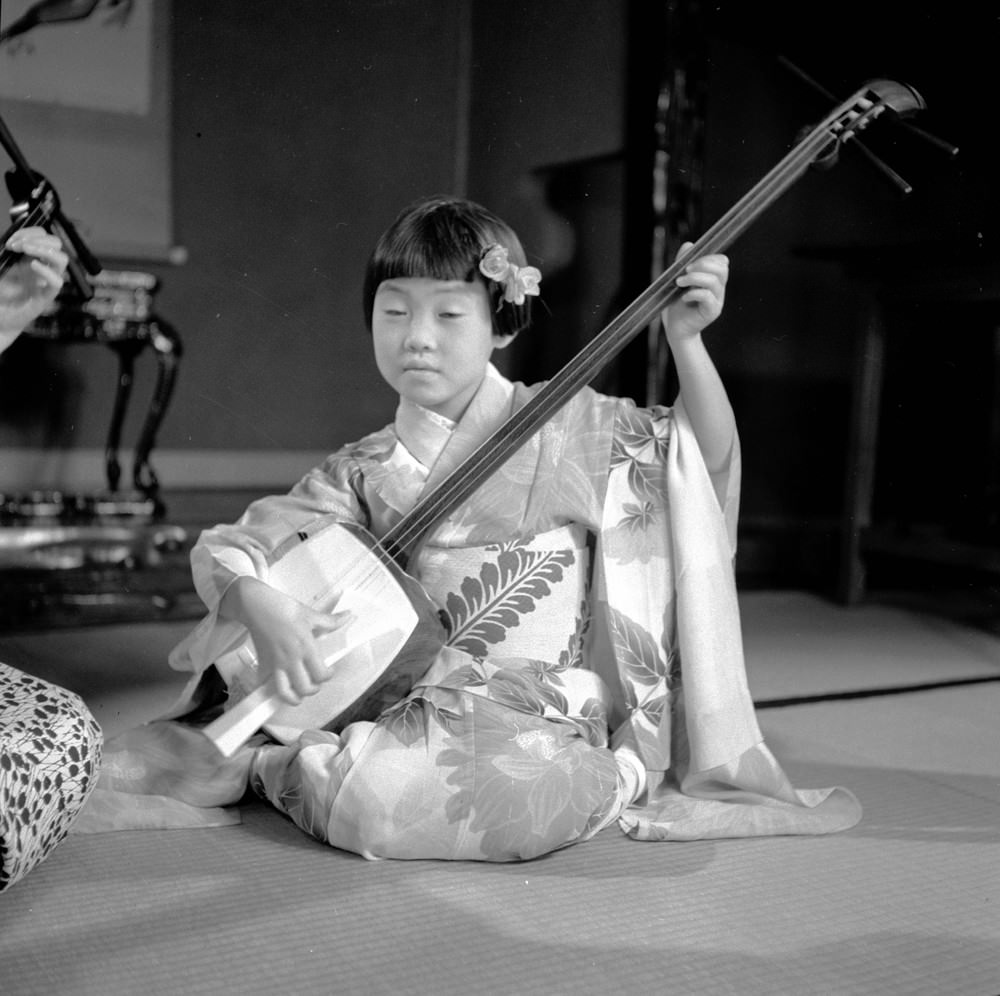
Training often began in childhood. Young girls learning the samisen in full kimono were a common sight in geisha districts, their lessons laying the groundwork for years of performance ahead.
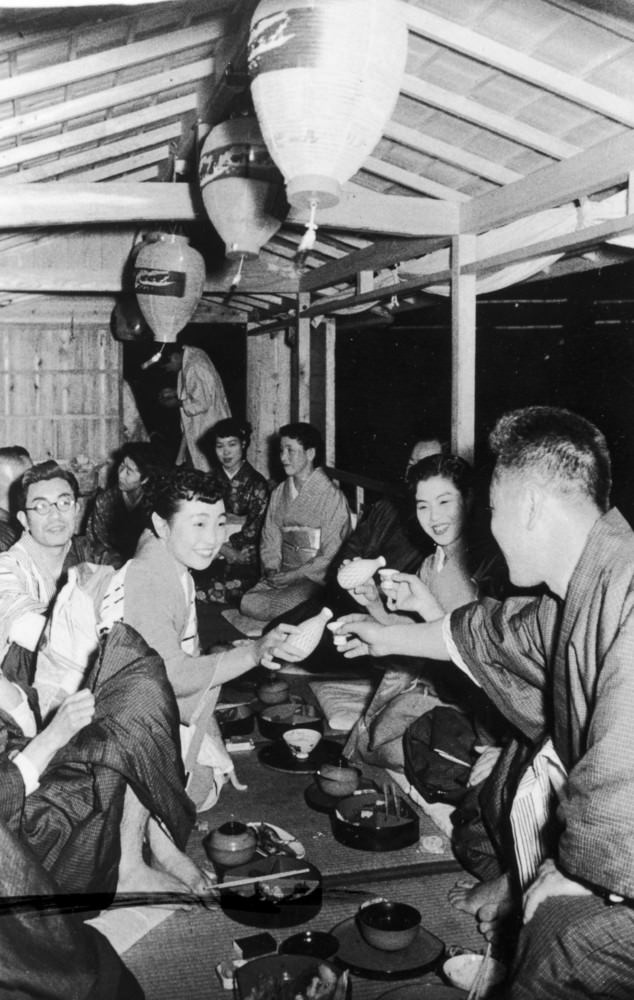
Geisha worked in a range of settings — from intimate teahouses to outdoor gatherings. Serving tea on a boat along the Nagara River was one of the more scenic ways they hosted guests, blending hospitality with the natural surroundings of the Japanese countryside.
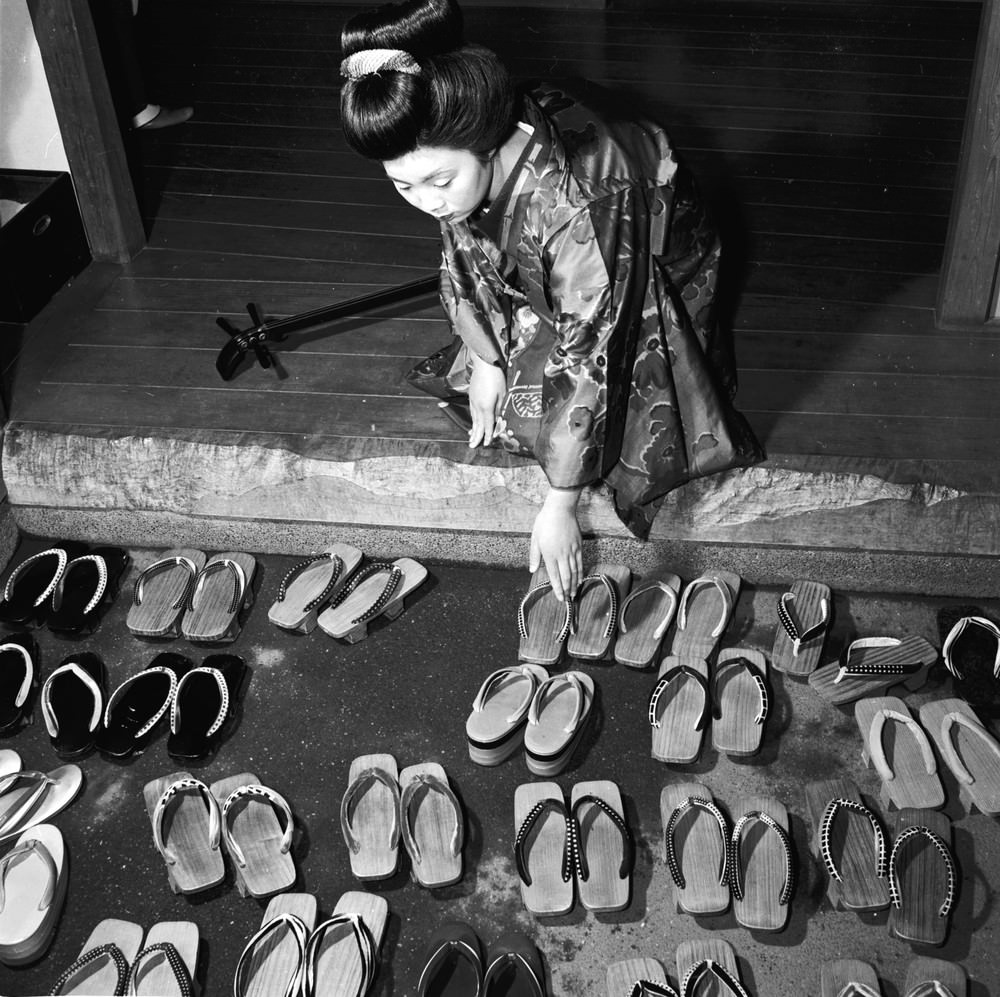
Every element of a geisha’s presentation was deliberate, right down to her footwear. Wooden sandals called geta or zori completed the traditional outfit and required their own practiced way of walking.
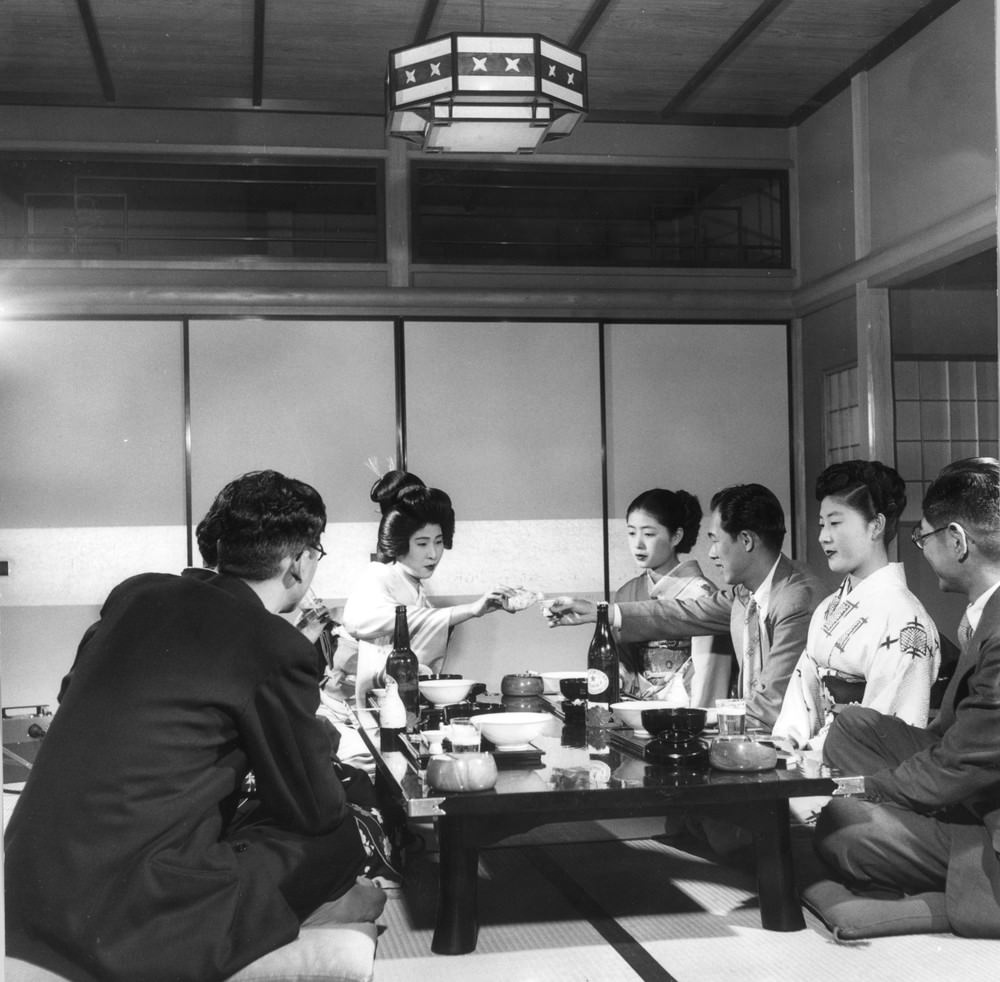
Entertaining guests — typically wealthy men — was the core of a geisha’s professional life. They kept conversations lively, performed music, and ensured every gathering ran smoothly.
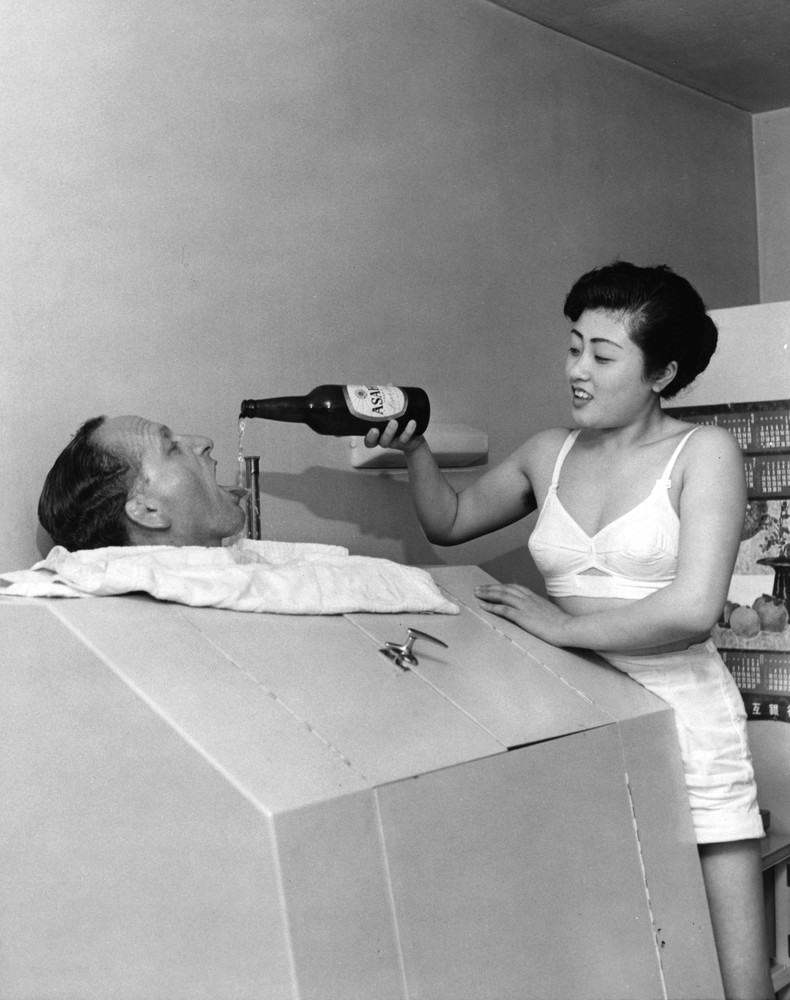
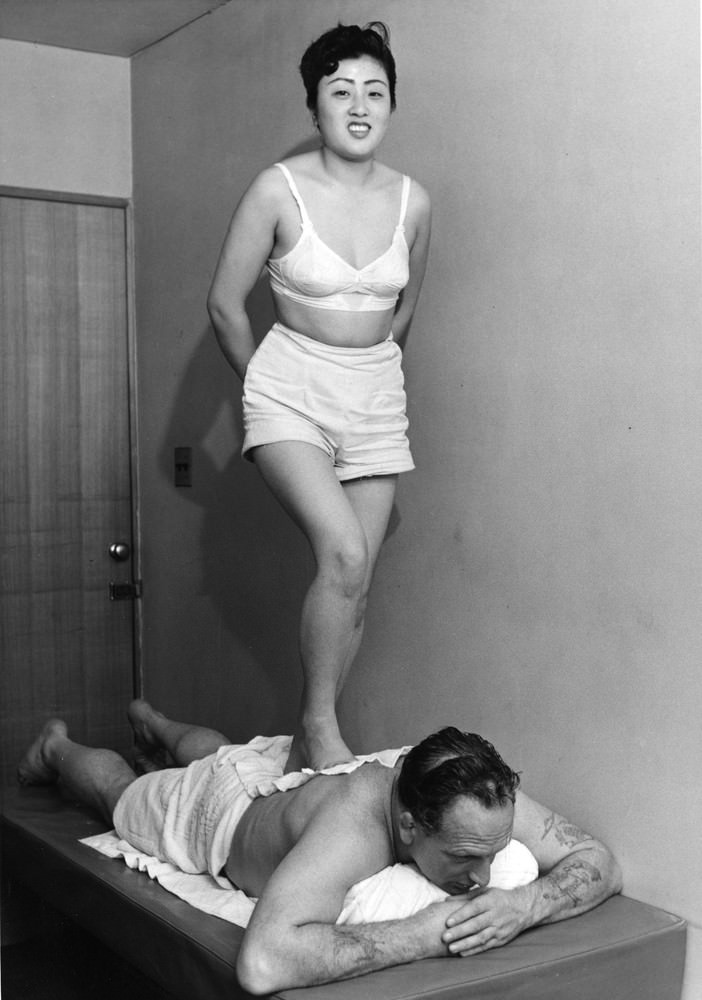
By the 1950s, Western visitors to Japan were increasingly curious about geisha culture. Interactions between foreign guests and geisha became more common as postwar Japan opened up to international contact.
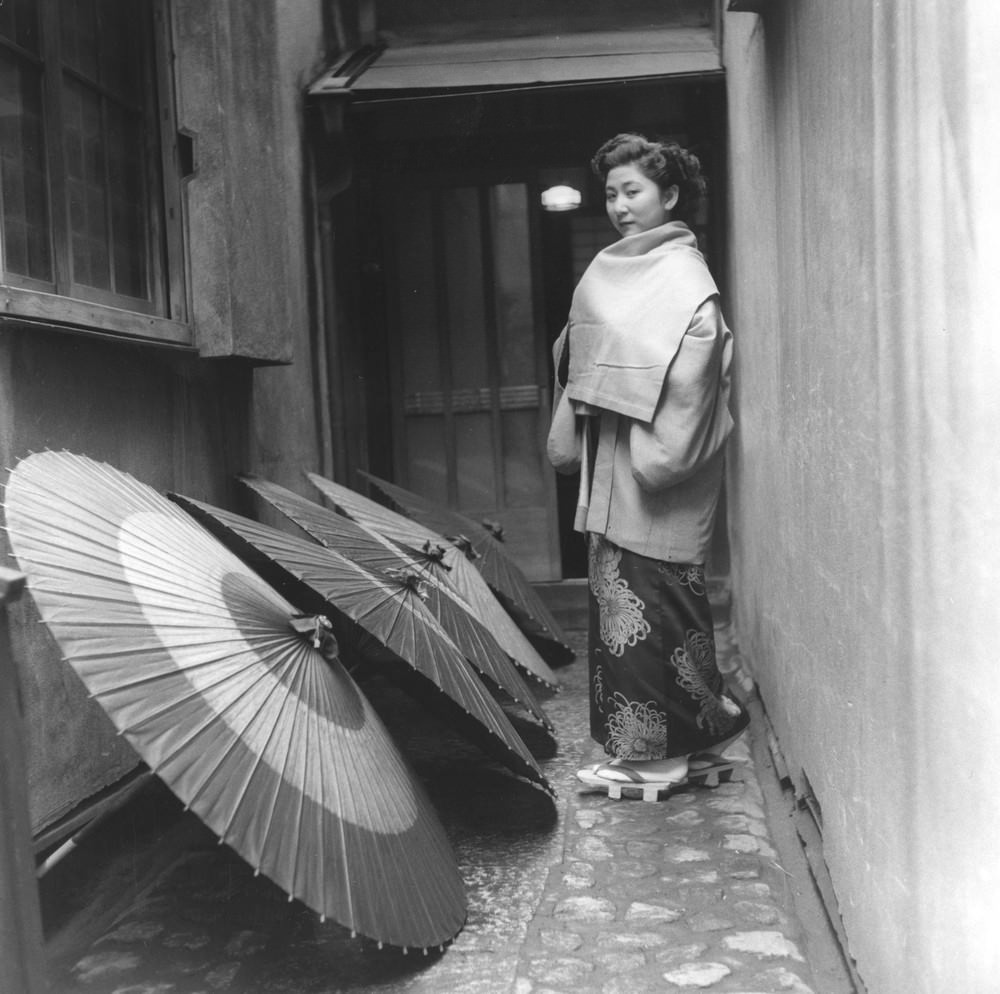
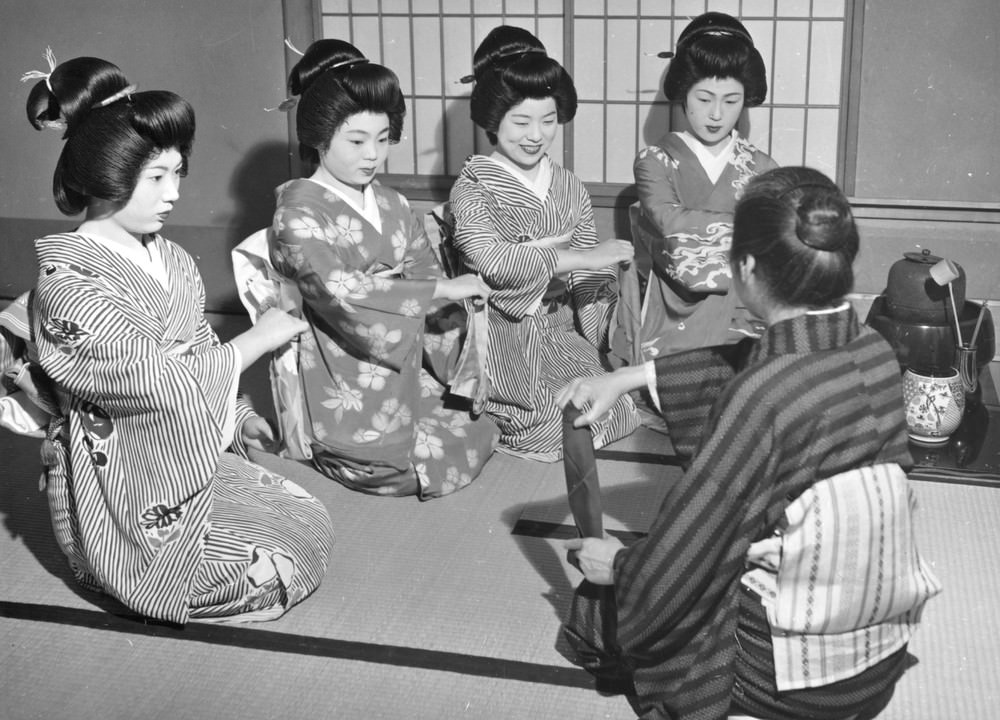
Formal instruction never truly ended for a geisha. Teachers, known as okasan, remained strict guides throughout a geisha’s career, correcting technique and upholding the standards of the tradition.
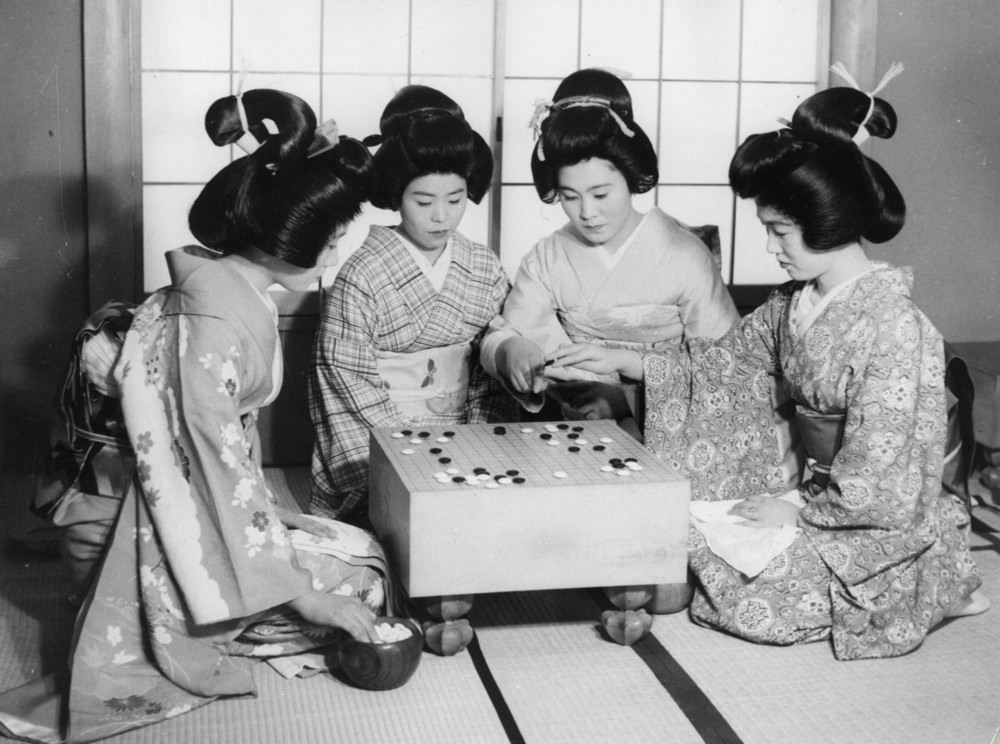
Not every moment was performance. Geisha also spent leisure time together, and photographs from 1957 show them playing Go — a complex Japanese strategy board game — offering a candid look at life away from the formal entertaining room.