
in

Vintage Photos of Factories and Small Shops of Leeds in the 1970s

Leeds in the 1970s was a working city in the fullest sense. Brick factories lined the streets across almost every district, and inside them, thousands of people turned out textiles, metal parts, and machinery every day. Engineering workshops and clothing manufacturers employed entire neighborhoods, and the rhythm of shift work set the pace of daily life.

Around 1973, Peter Mitchell took a job driving a lorry for Sun Electrical. His routes took him across Leeds, delivering heaters, fridges, and other electrical goods to factories, homes, and small businesses. That access gave him an unusually close view of the city’s industrial interior — loading bays, factory entrances, and the workers who kept everything moving.
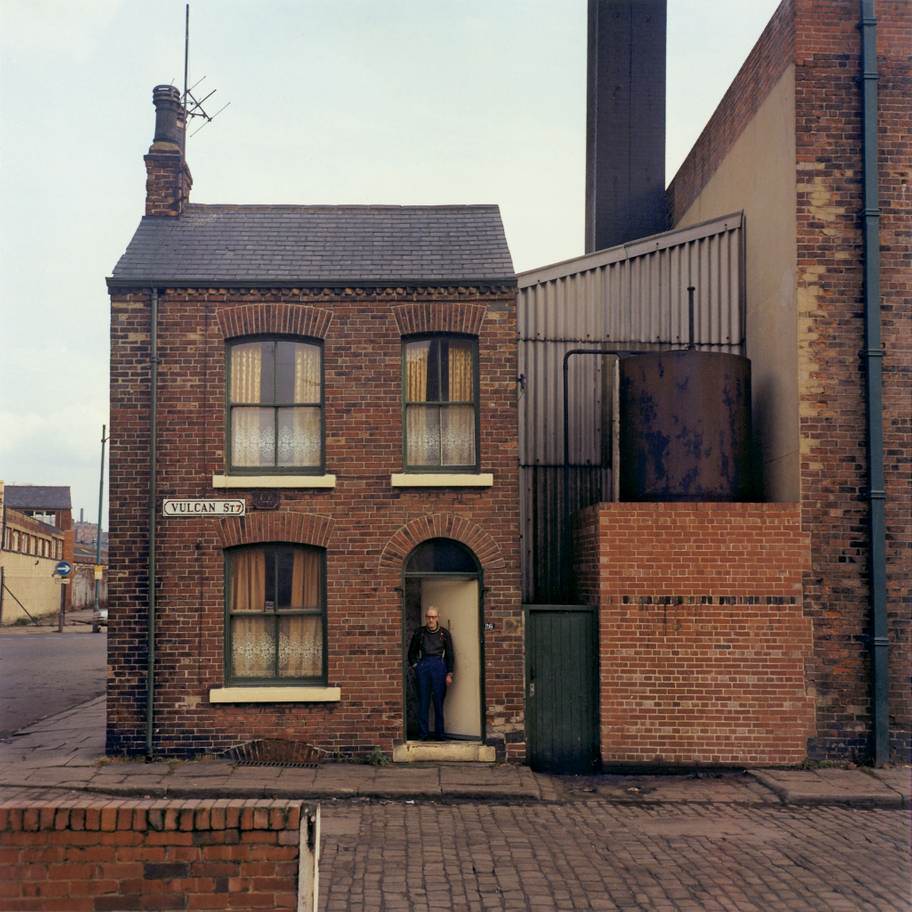
Eric Massheder, dripping-refinery worker, Vulcan Street, spring 1975.

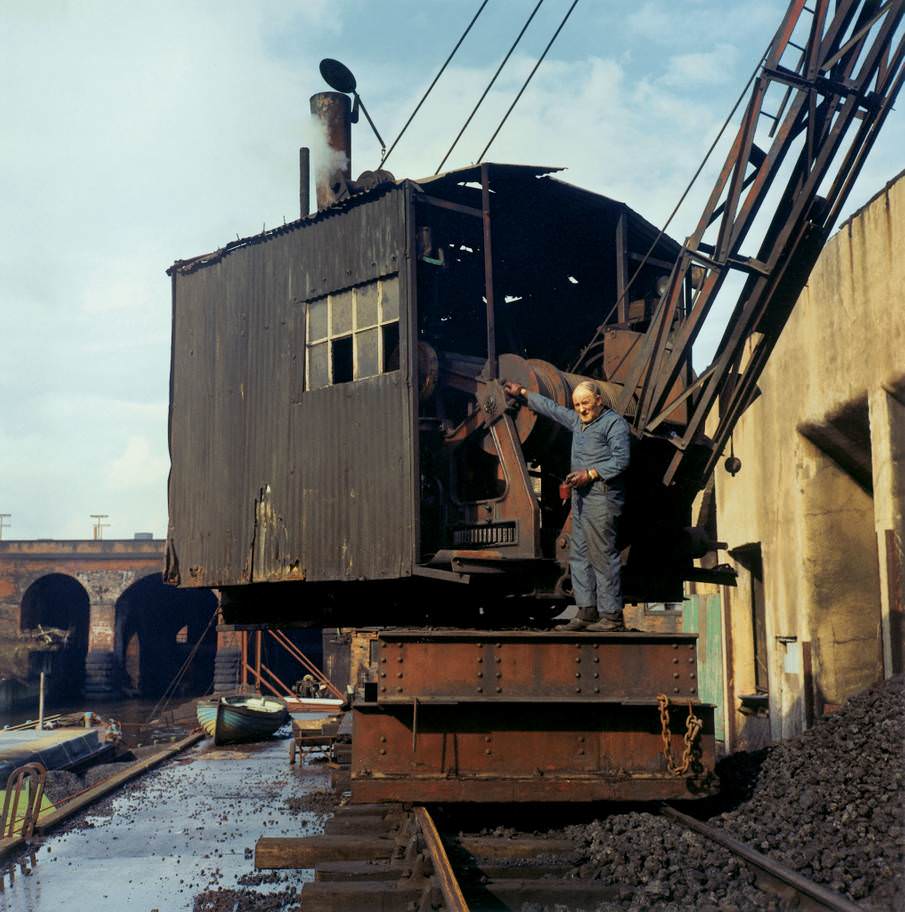
Heavy industry demanded specialized labor. Refinery workers, concrete plant operators, and equipment drivers each filled roles that kept large-scale production running. These weren’t distant, anonymous operations — they were staffed by named individuals with specific jobs, working in specific places.
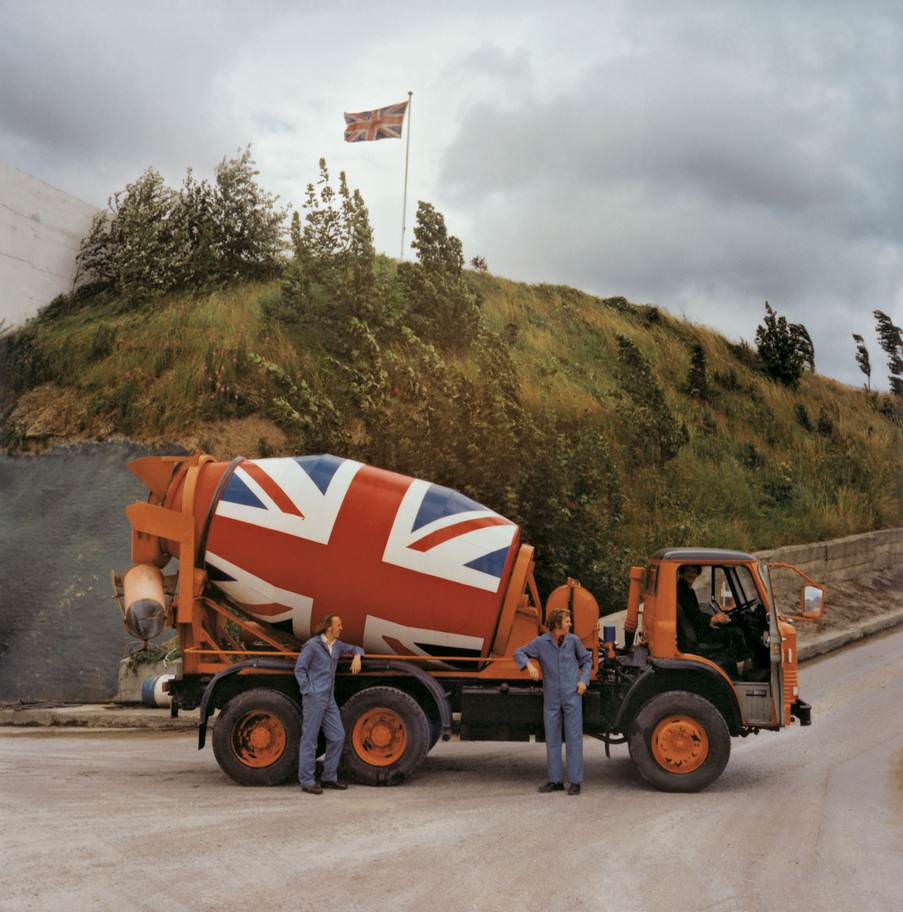
Ready Mixed Concrete Ltd, Elland Road, summer 1977.
Mr Pearson, steam-grab driver, Victoria Bridge, spring 1974.

Away from the large plants, Leeds neighborhoods were held together by small, independently owned shops. Corner grocers, butchers, bakers, and hardware stores served residents who often knew the owners by name. These businesses were not quaint extras — they were essential to daily life in working-class areas throughout the city.
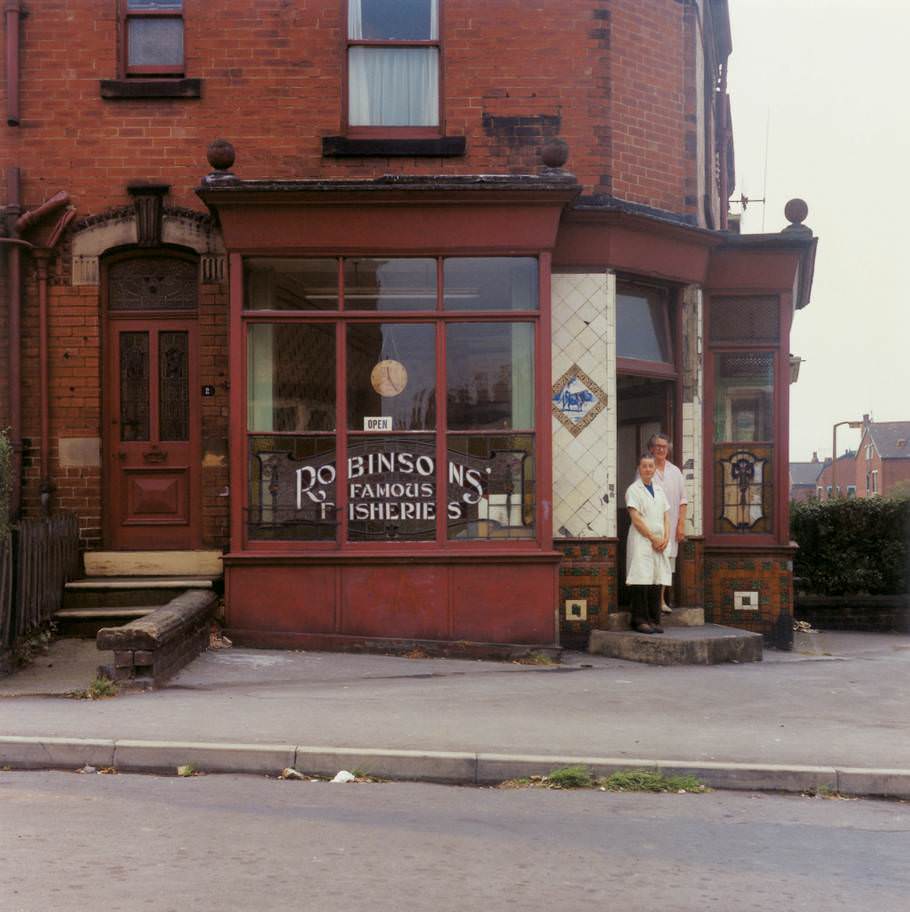
Mrs Collins and Mrs Clayton, Robinsons' Famous Fisheries, Beck Road, summer 1974.
Mrs Collins and Mrs Clayton, Robinsons’ Famous Fisheries, Beck Road, summer 1974.
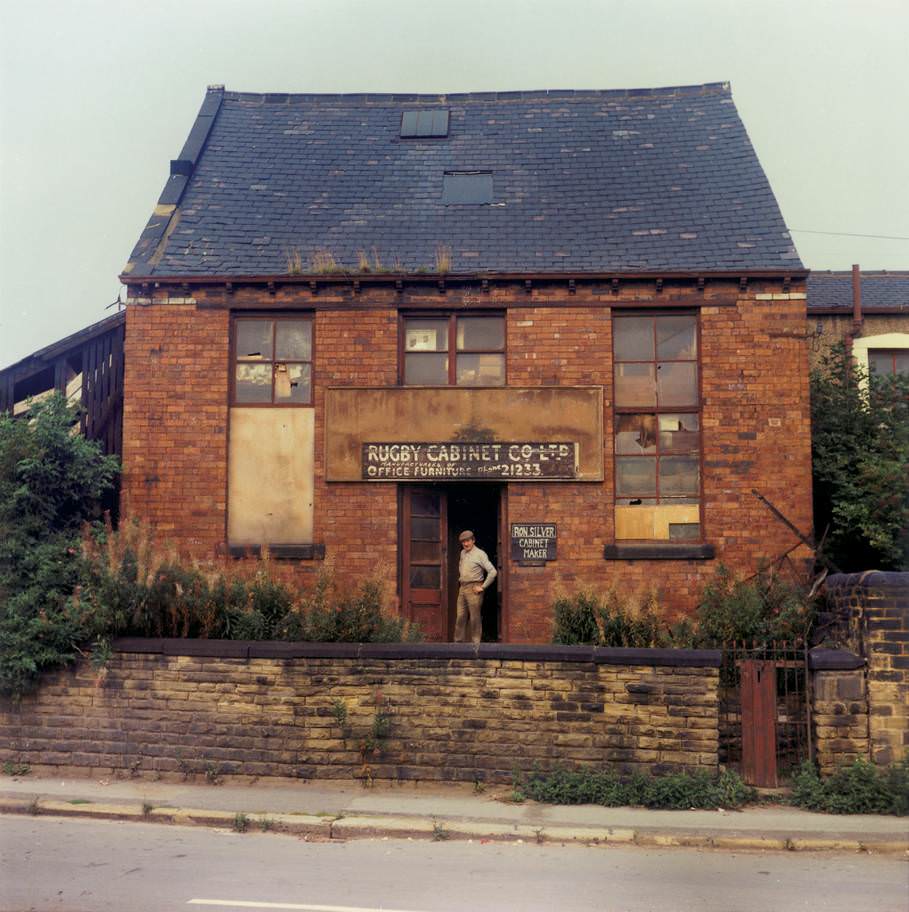
Mr Reuben, Rugby Cabinet Co Ltd, Lucas Court, summer 1974.

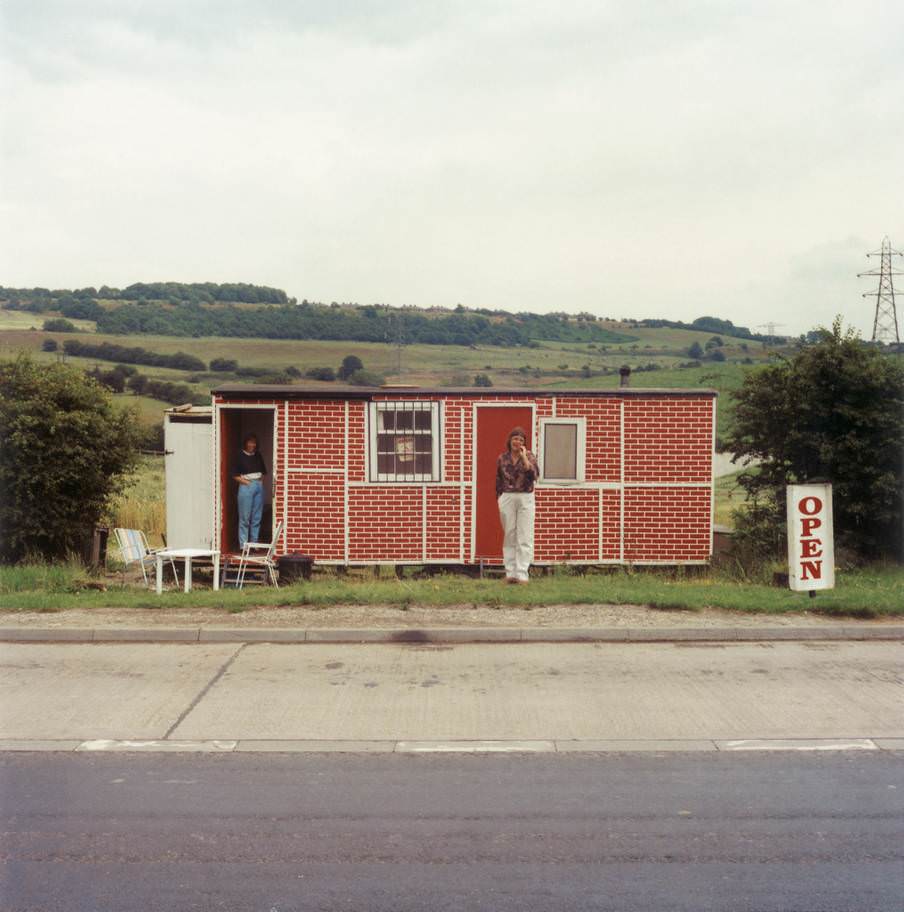
Cafes and small traders also occupied this world. A roadside cabin cafe on Upper Wortley Road, a local fishery on Beck Road, a cabinet maker tucked into a courtyard — each one represented a distinct slice of how Leeds people worked and spent their money.
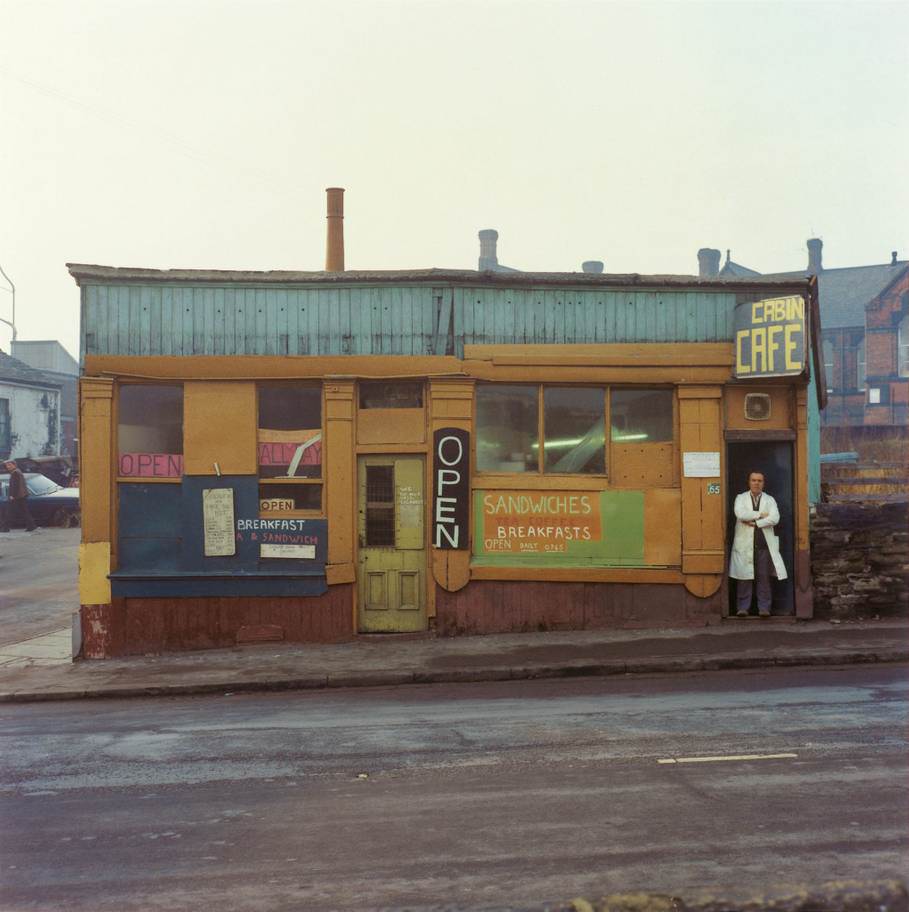
Mr Gower, Cabin Cafe, Upper Wortley Road, winter 1975.
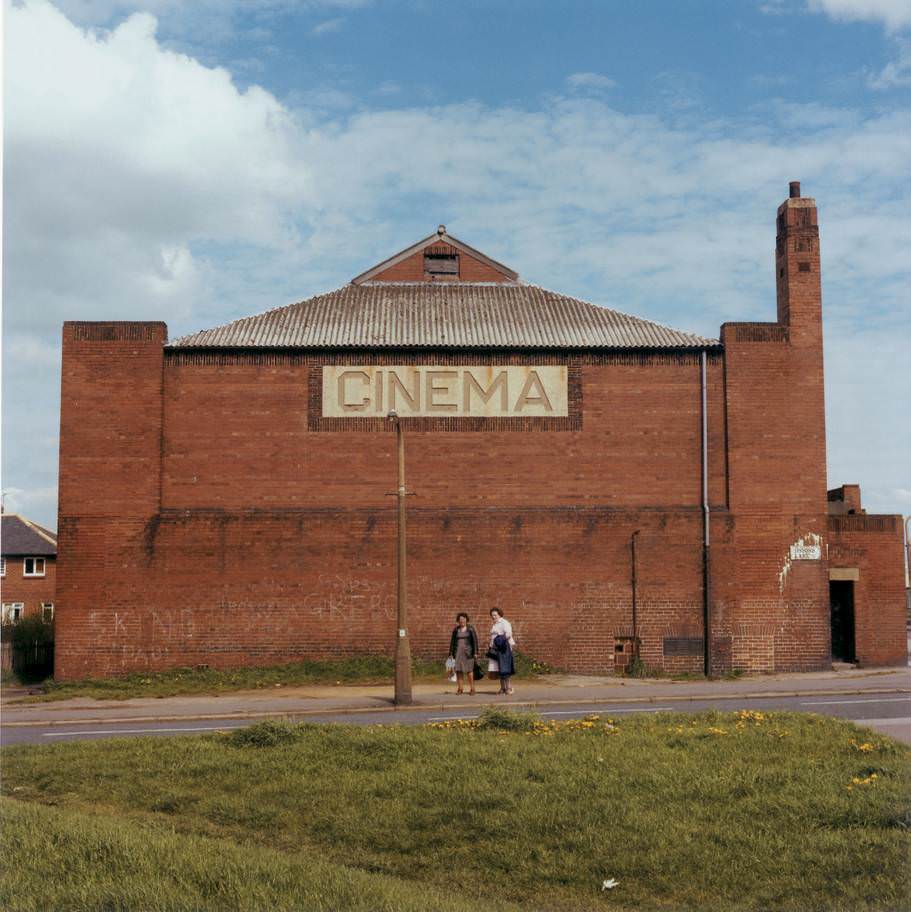
Tivoli Cinema, Sissons Lane, summer 1976.

Plumbers’ merchants and trade suppliers bridged the gap between industry and the local community, stocking the materials that kept both factories and homes functional.
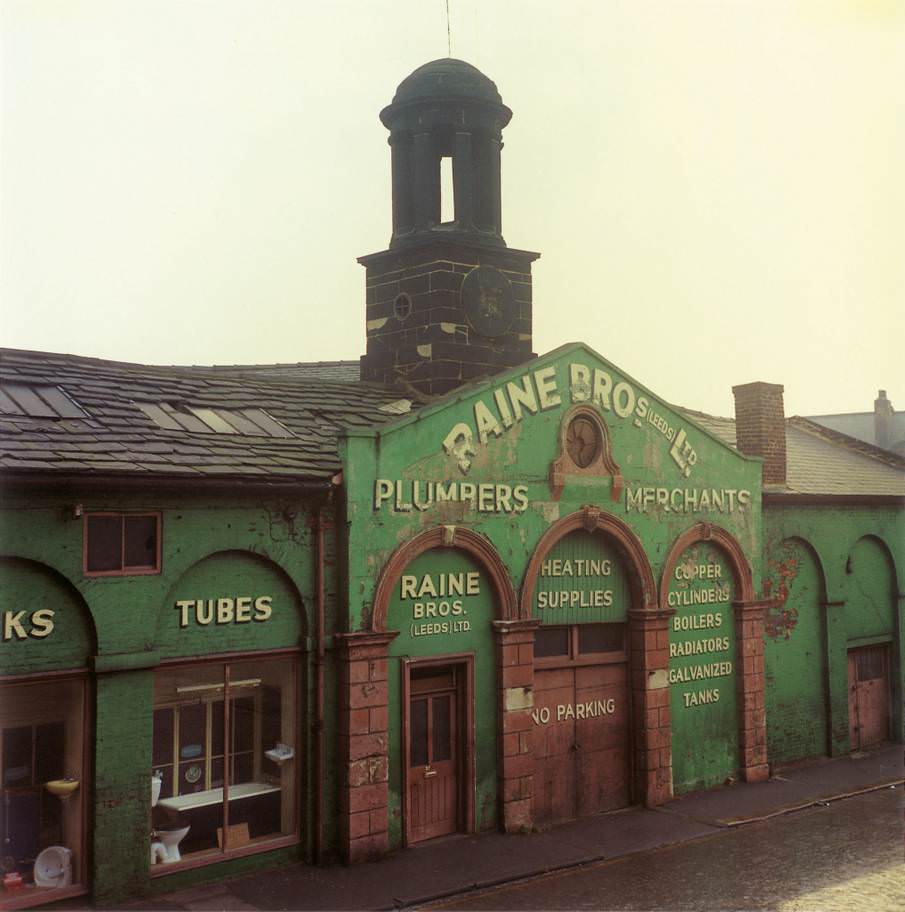
Raine Bros Ltd, plumbers' merchants, Crown Street, spring 1974.
Raine Bros Ltd, plumbers’ merchants, Crown Street, spring 1974.

Quarry Hill Flats loomed over the east side of the city. By the late 1970s, the estate was already being stripped back. Mitchell noted that the Kitson House telephone was the only one on the entire estate — a detail that captures just how isolated residents had become.
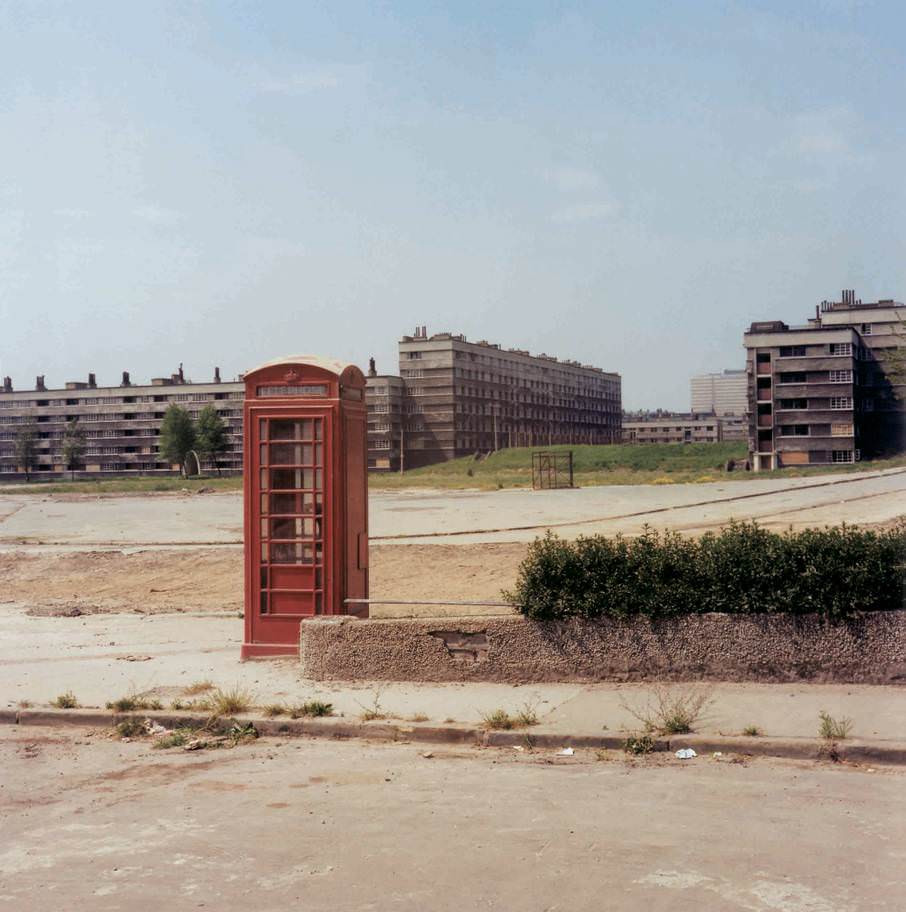
View to the West, Quarry Hill Flats, summer 1977. 'The Kitson House telephone was the only one on the estate,' says Mitchell.
View to the West, Quarry Hill Flats, summer 1977. ‘The Kitson House telephone was the only one on the estate,’ says Mitchell.
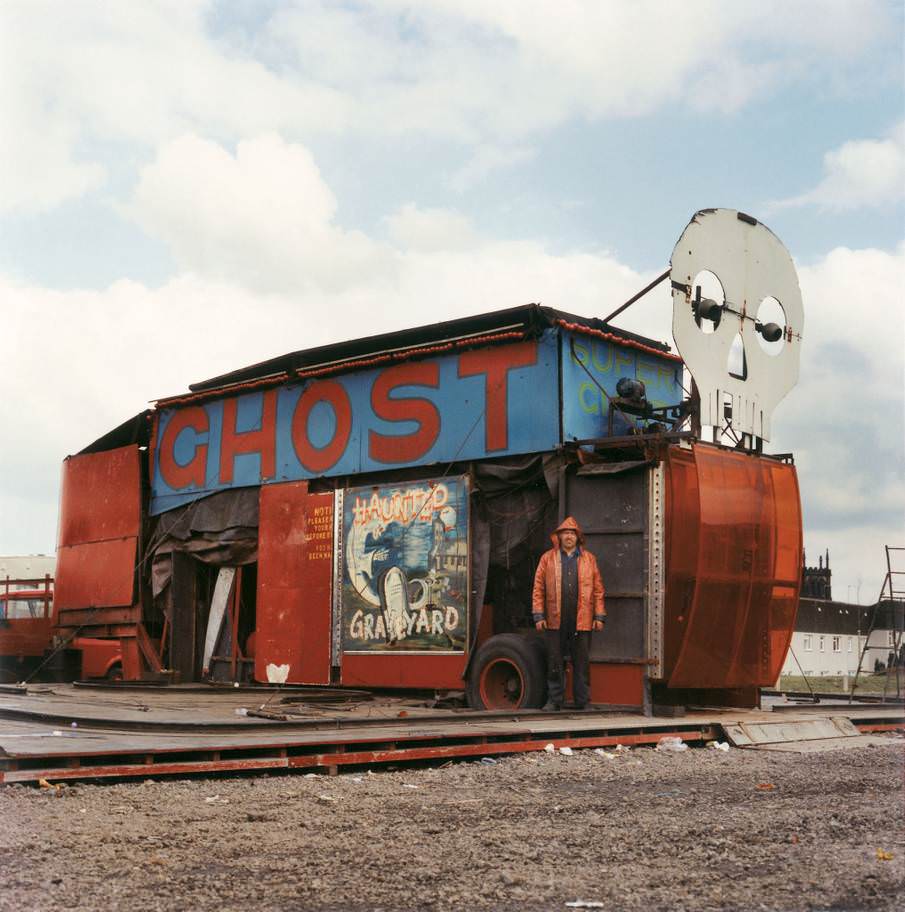
Francis Gavan, ghost-train ride, Woodhouse Moor, spring 1986. 'Francis built this apparition himself and was stuck in Leeds for the next three days with a broken generator.'
Francis Gavan, ghost-train ride, Woodhouse Moor, spring 1986. ‘Francis built this apparition himself and was stuck in Leeds for the next three days with a broken generator.’
Elaine Whitehead & Linda, Red Brick Cafe, Dewsbury Road, summer 1992. 'Sandwiched between the tarmac and the sky, and with those red bricks, Elaine's cafe is so Leeds.'
Elaine Whitehead & Linda, Red Brick Cafe, Dewsbury Road, summer 1992. ‘Sandwiched between the tarmac and the sky, and with those red bricks, Elaine’s cafe is so Leeds.’

The demolition of Quarry Hill Flats in 1978 marked a visible turning point. Foreman Noel gathered his demolition crew at the last standing arch and had them pose for a photograph — a deliberate act of marking the moment before it disappeared.
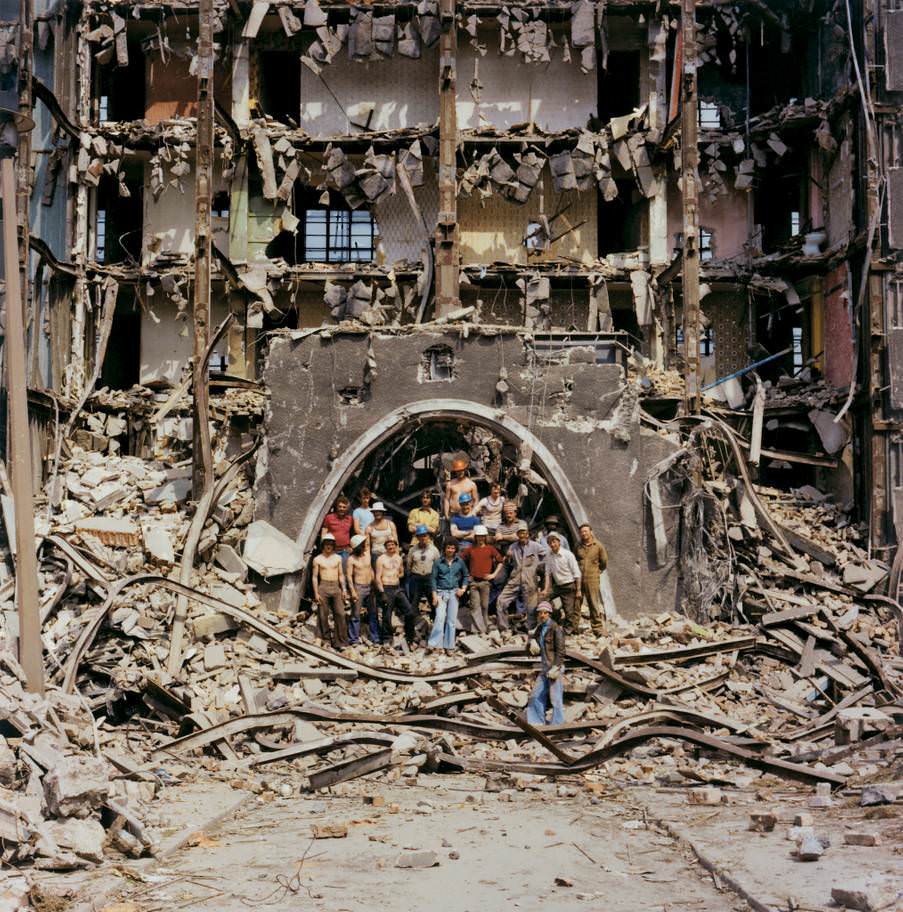

Noel and his lads, demolition men, Quarry Hill Flats, summer 1978. 'The last arch of Quarry Hill. Noel, with a real sense of occasion, got his men to pose for posterity.'
Noel and his lads, demolition men, Quarry Hill Flats, summer 1978. ‘The last arch of Quarry Hill. Noel, with a real sense of occasion, got his men to pose for posterity.’
Enjoyed this post? Get new ones in your inbox.
Avatar of Kevin Clark

Written by Kevin Clark

Kevin Clark is a historian and writer who is passionate about sharing the stories and significance behind historical photos. He loves to explore hidden histories and cultural contexts behind the images, providing a unique insight into the past.

Leave a Reply

Your email address will not be published. Required fields are marked *