
Released in 1953, From Here to Eternity is a romantic drama based on James Jones’s best-selling novel of the same name. The story is set in Hawaii in the months before the Japanese attack on Pearl Harbor and follows the lives of U.S. Army soldiers stationed at Schofield Barracks. Three separate but connected plot lines run through the film, painting a detailed picture of peacetime military life — its tensions, relationships, and moral conflicts.
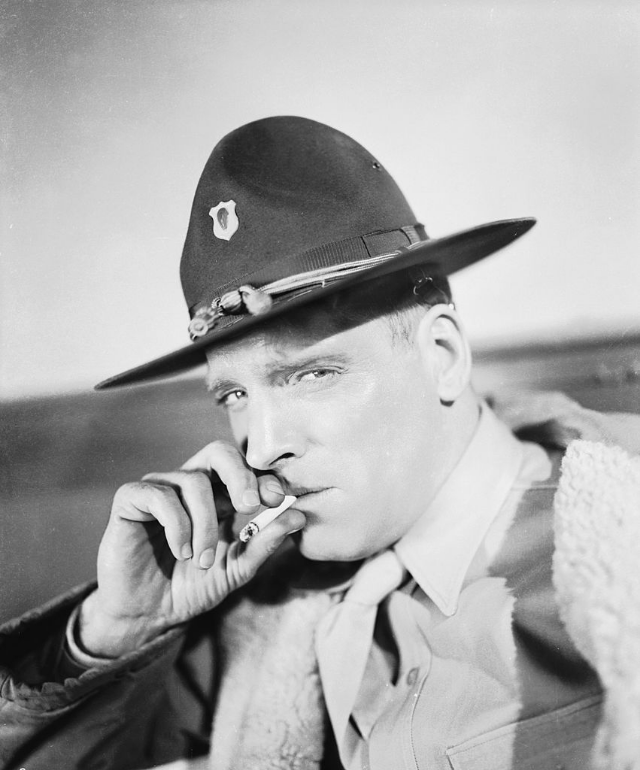
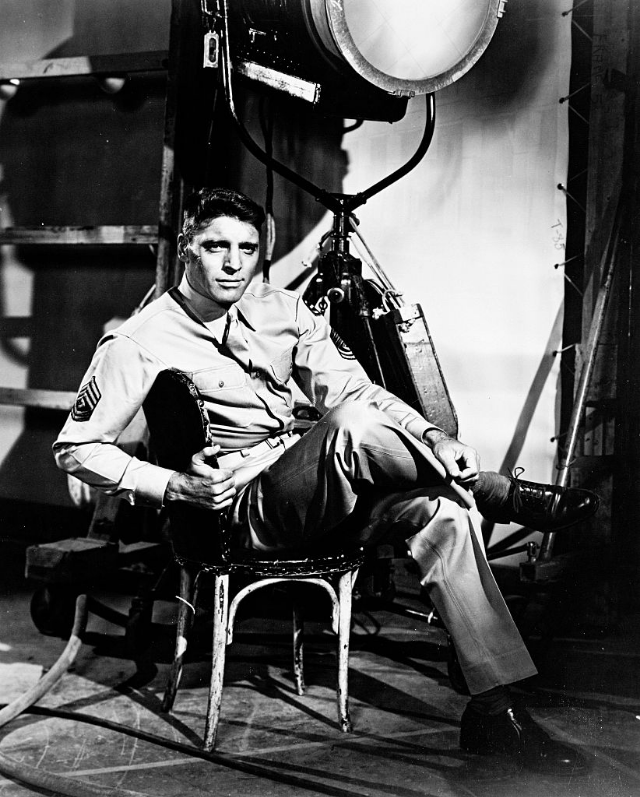
Burt Lancaster took on the role of First Sergeant Milton Warden, a career soldier navigating duty and personal temptation. His commanding screen presence made Warden one of the film’s most memorable characters. Lancaster brought a physical intensity to the role that suited the character’s military authority perfectly.
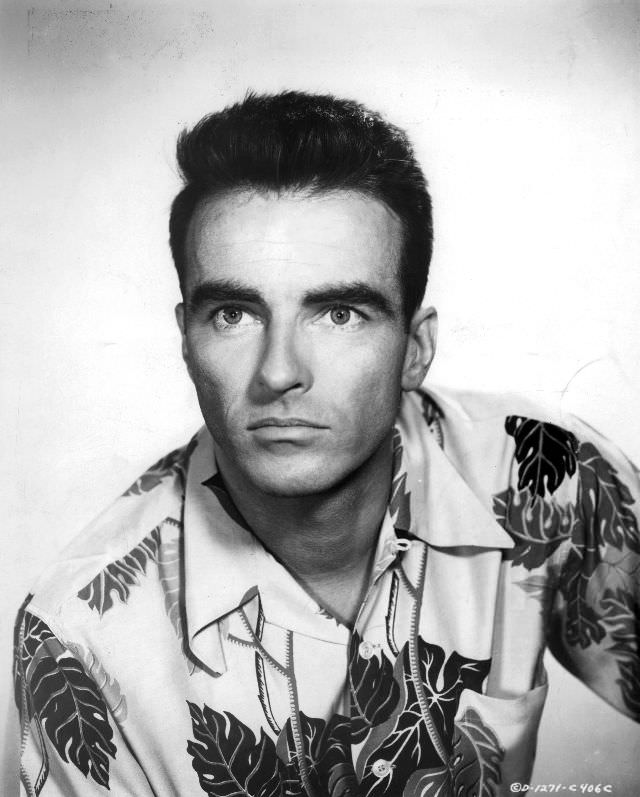
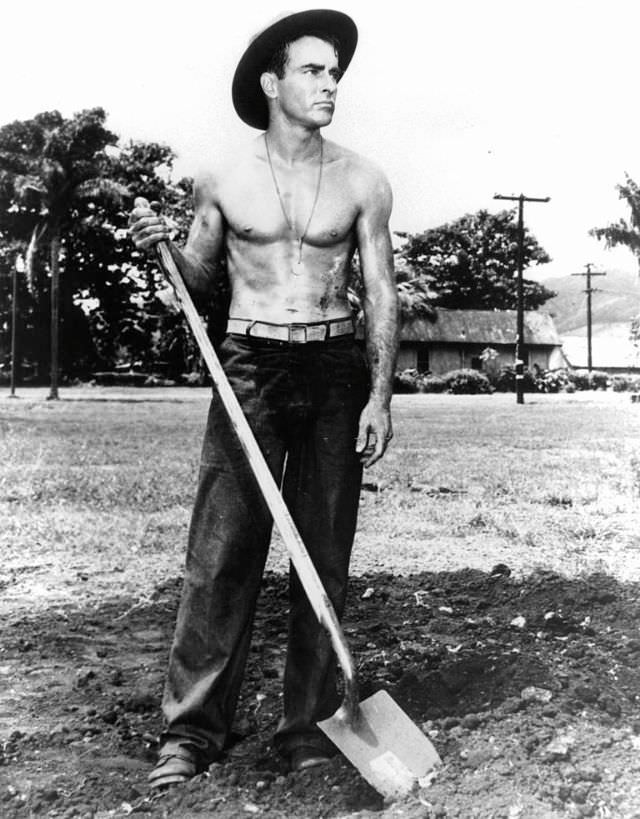
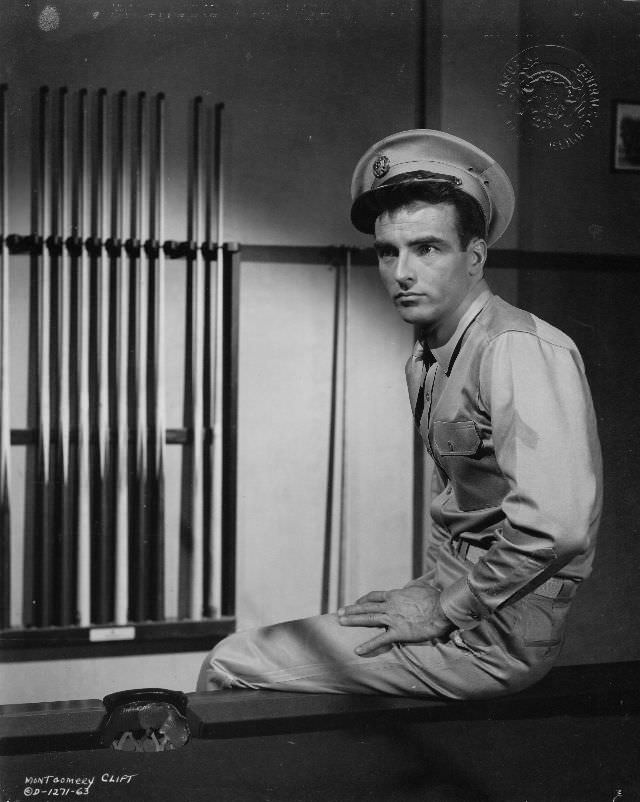
Montgomery Clift played Private Robert E. Lee Prewitt, a former boxer and bugler who refuses to fight for his company’s team after a previous boxing match left his opponent blind. His refusal puts him at odds with his superiors and sets much of the film’s conflict in motion. Clift’s performance was praised for its emotional depth and restraint.
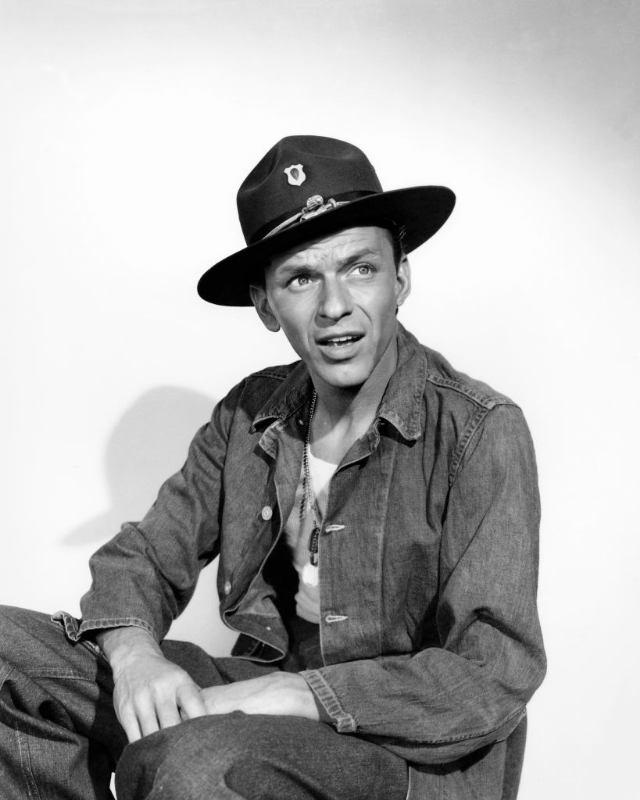
Frank Sinatra was widely considered a career risk when he was cast as Private Angelo Maggio, Prewitt’s scrappy and loyal friend. The role turned out to be a career-defining moment. Sinatra fought hard to land the part and delivered a raw, unguarded performance that earned him an Academy Award for Best Supporting Actor.
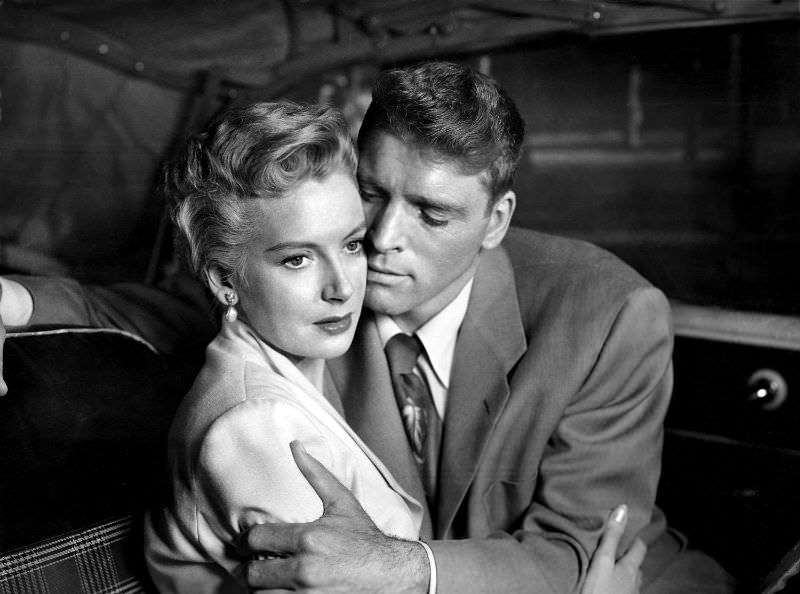
Deborah Kerr played Karen Holmes, the wife of Lancaster’s commanding officer, and the two characters begin a secret affair. Kerr had previously been cast in more refined, ladylike roles, so her performance here surprised audiences. The chemistry between her and Lancaster became the film’s most talked-about element.
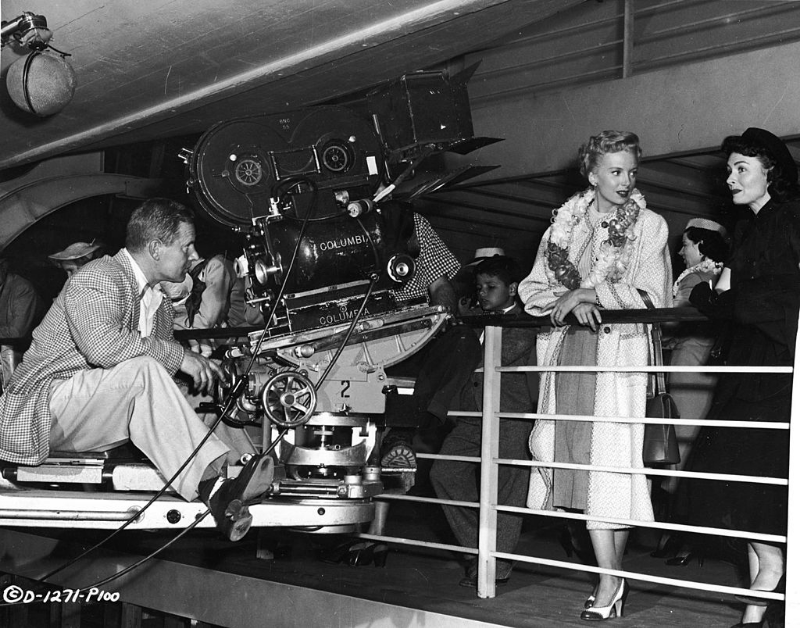
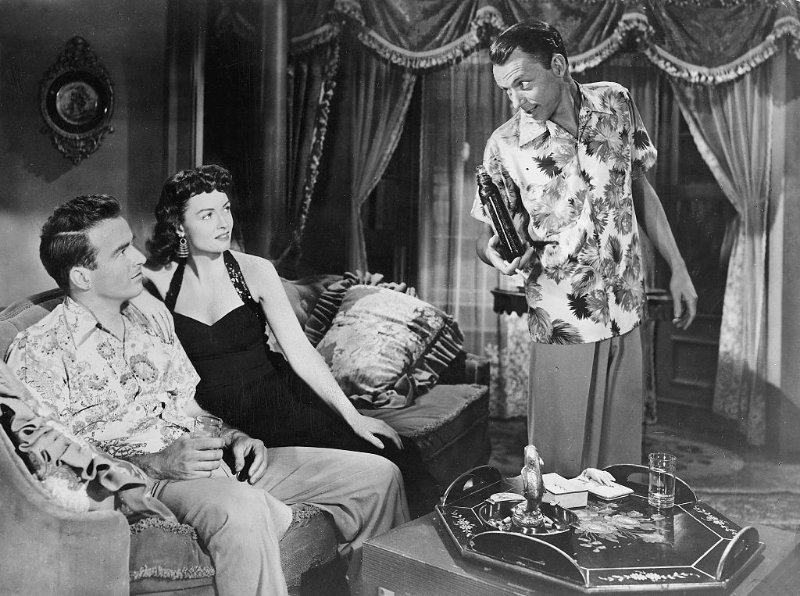
Donna Reed played Alma, a hostess at a private club — a role that was significantly softened from the novel’s original portrayal of the character as a prostitute. The Production Code Office, which enforced Hollywood’s content standards at the time, required that change. Despite the diluted version of the character, Reed won the Academy Award for Best Supporting Actress.
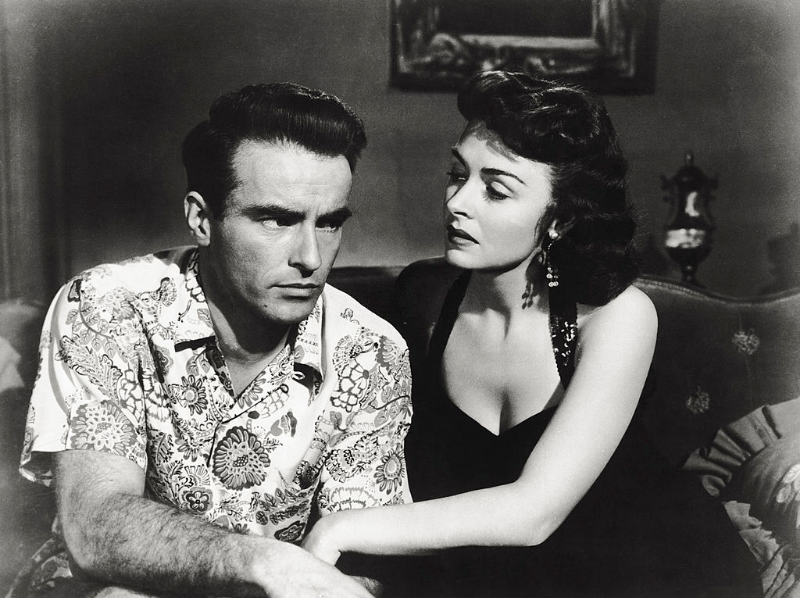
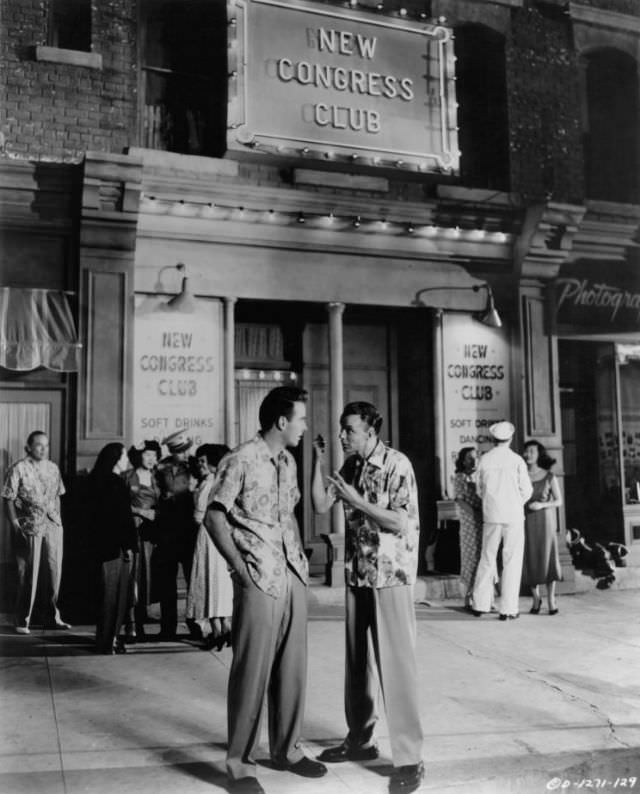
The on-screen friendship between Clift and Sinatra as Prewitt and Maggio gave the film some of its most emotionally charged moments. Off camera, the two actors genuinely got along. Clift, known for his method acting approach, reportedly helped Sinatra loosen up and find his character’s emotional core.
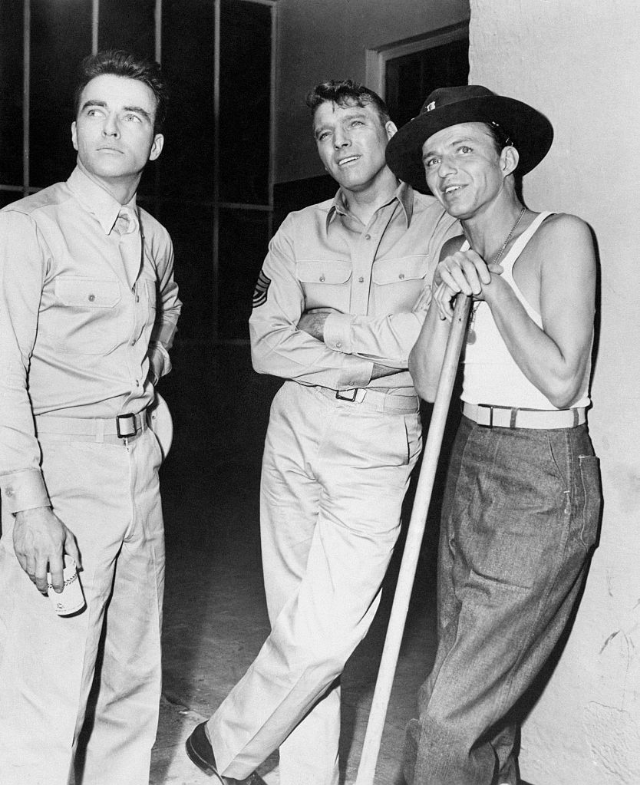
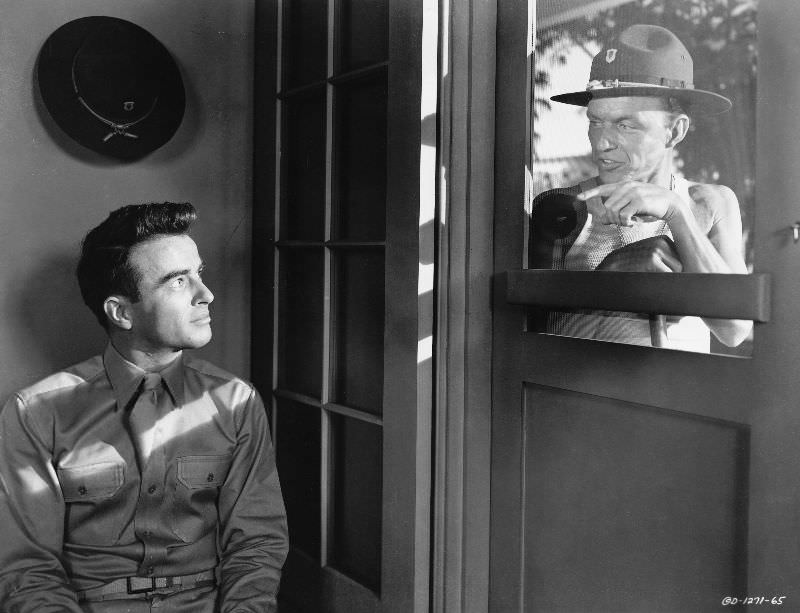
The film was directed by Fred Zinnemann, who kept a tight control over tone and pacing throughout production. He insisted on shooting parts of the film on location in Hawaii to give it an authentic feel. The combination of real locations, strong performances, and a morally complex script set it apart from typical Hollywood war films of the era.
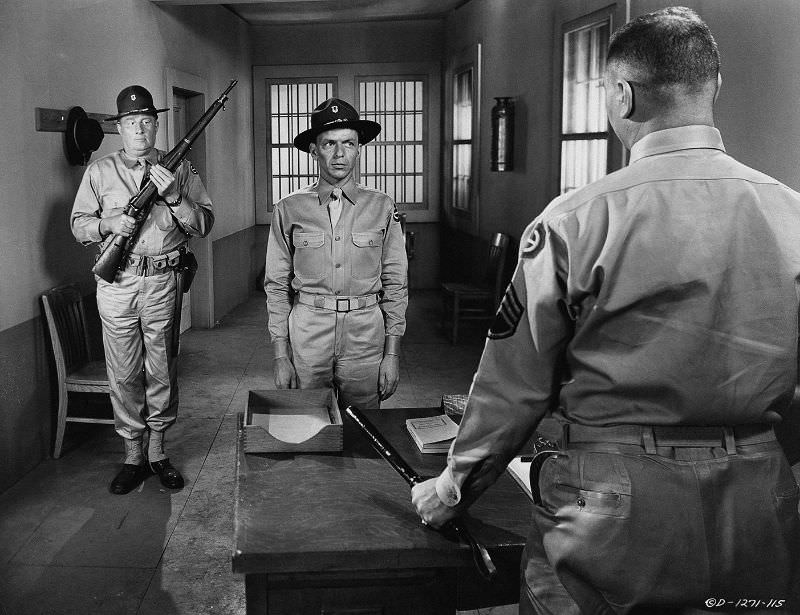
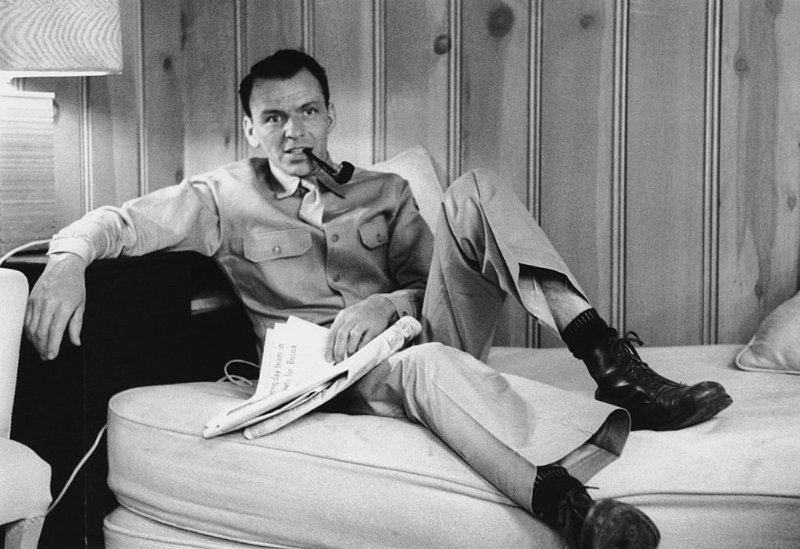
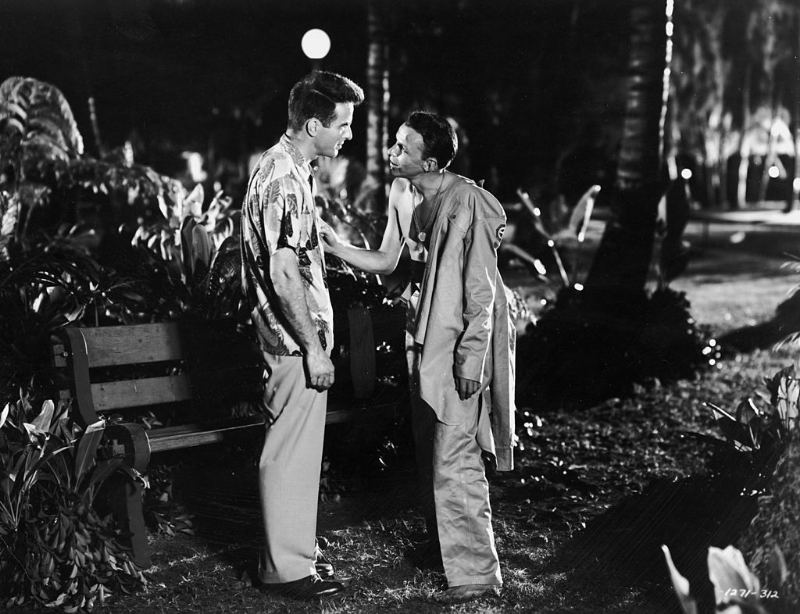
The film drew serious backlash from the U.S. military. The Army was displeased with how its institution was portrayed, and the Navy went further — banning the film outright, calling it a discredit to the armed services. Several of the novel’s most critical plot points about military corruption and abuse were either toned down or removed entirely to satisfy the Army and the Production Code Office.

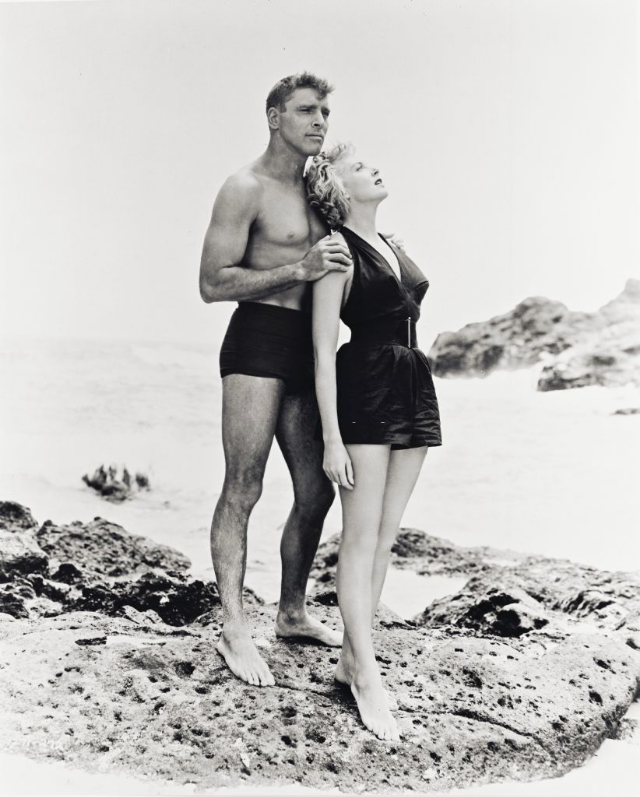
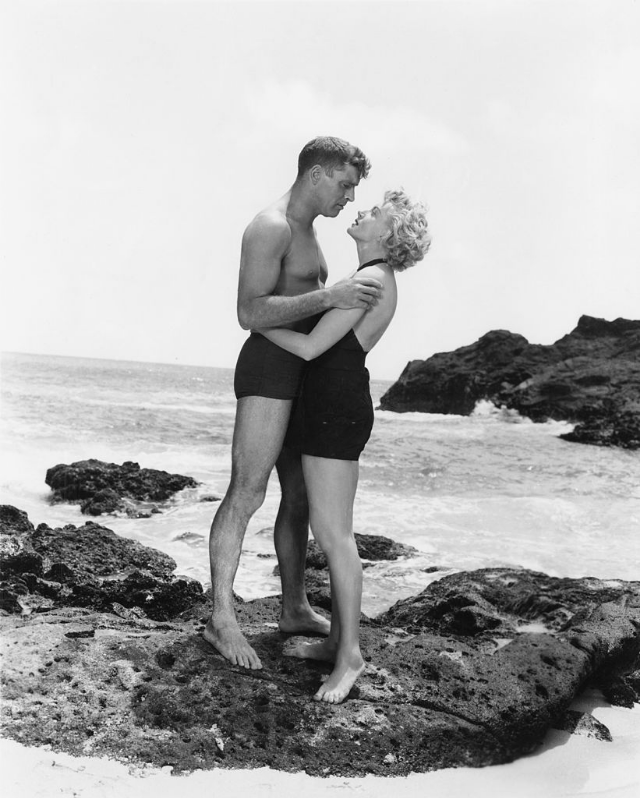
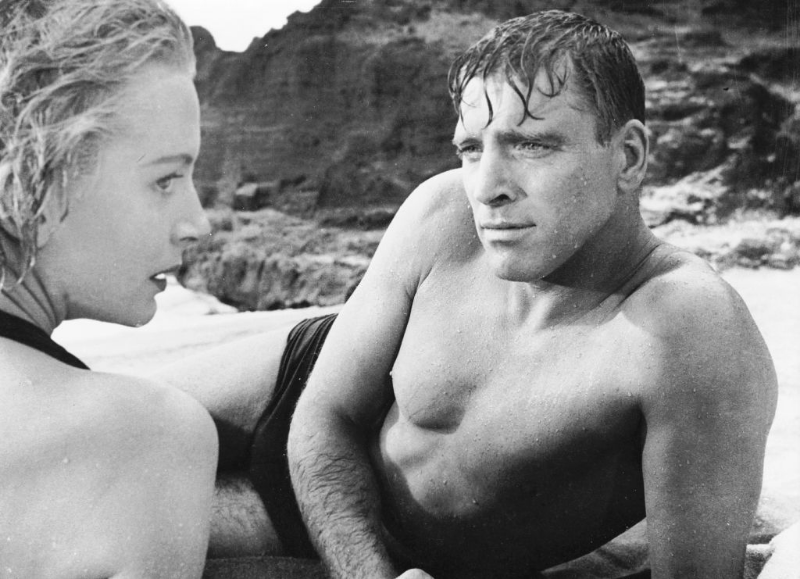
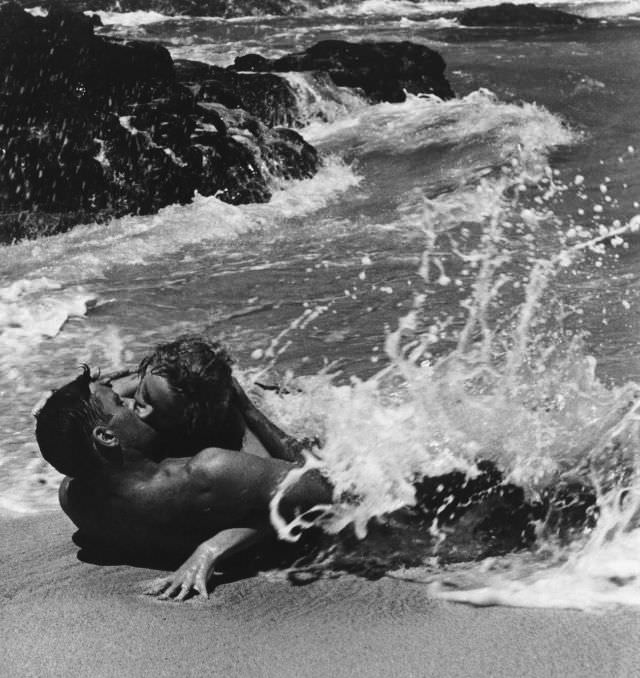
No scene from the film generated more controversy than the beach kiss between Lancaster and Kerr. Shot at Halona Cove on the island of Oahu, the scene shows the two lying together on the sand as waves wash over them. The Motion Picture Association of America flagged it as too erotic. It became one of the most iconic scenes in Hollywood history.
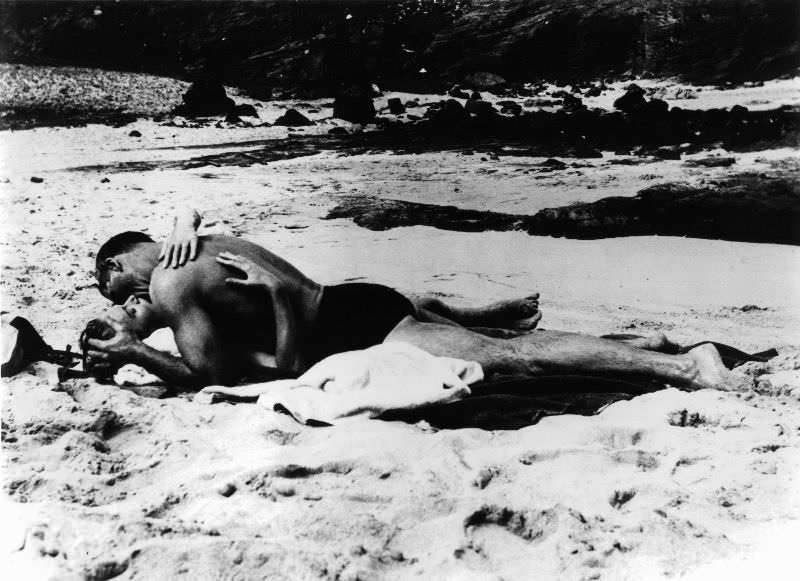
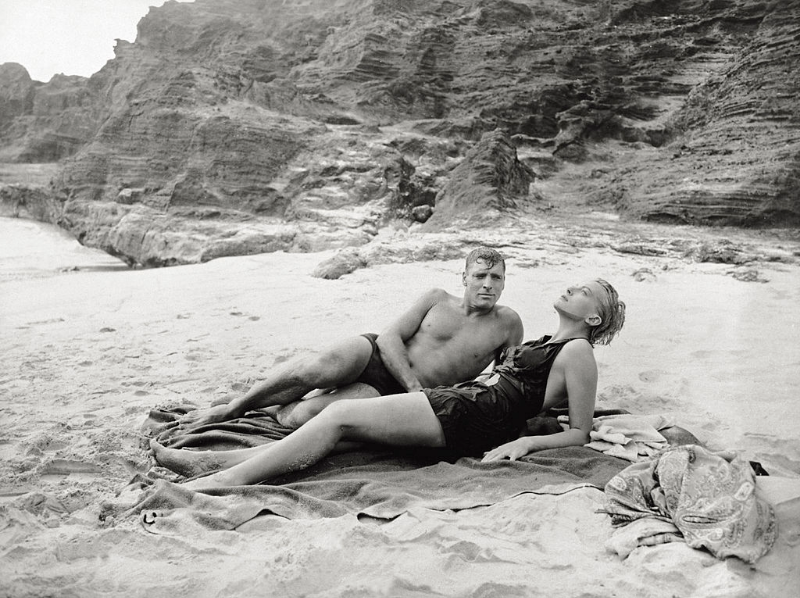
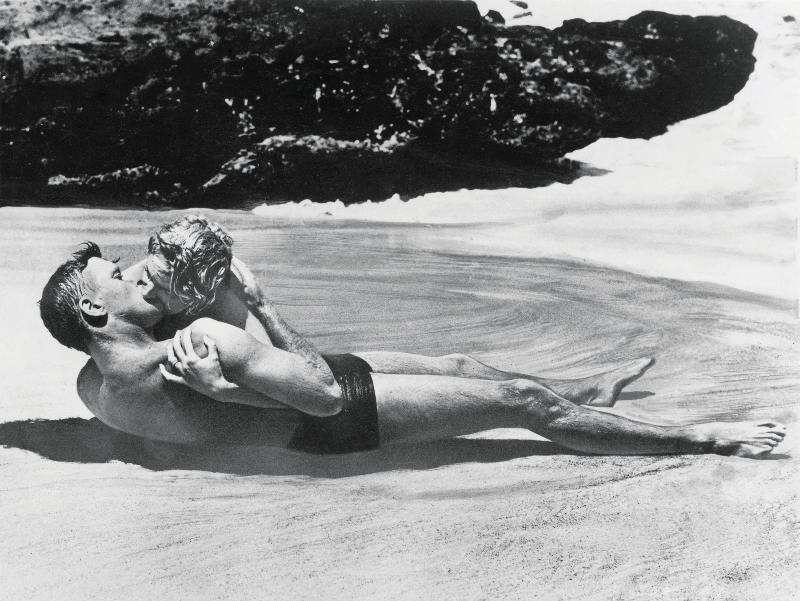
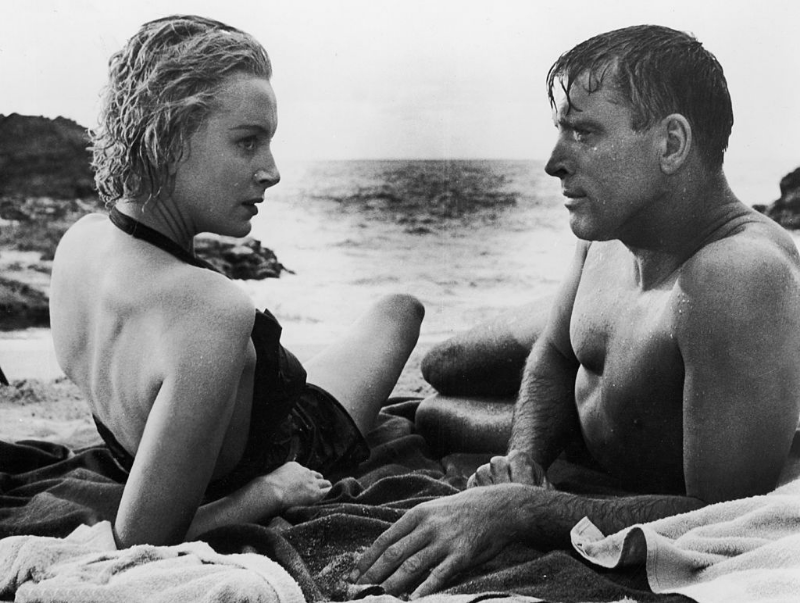
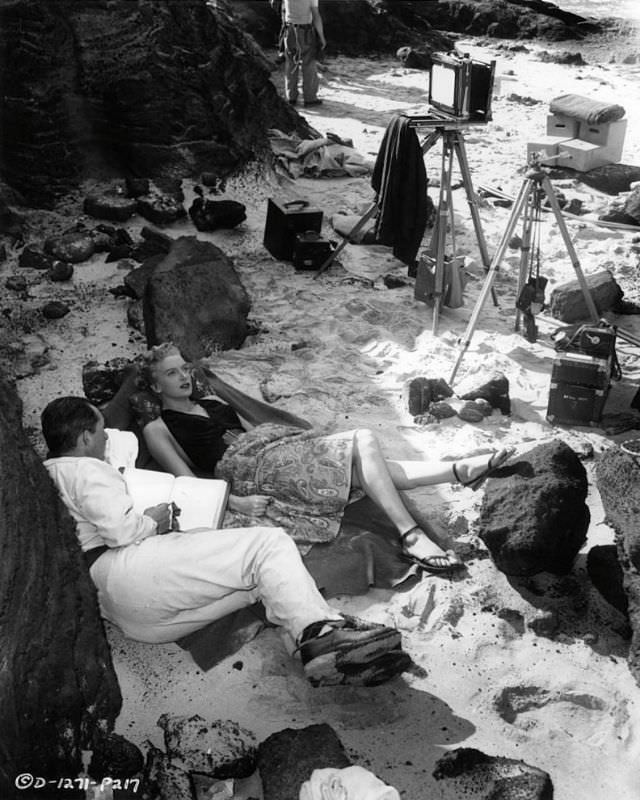
Behind the scenes, dialogue director Jus Addiss worked closely with the cast to keep performances grounded and consistent with the script’s tone. Preparation was detailed and methodical, particularly for the more emotionally demanding scenes.

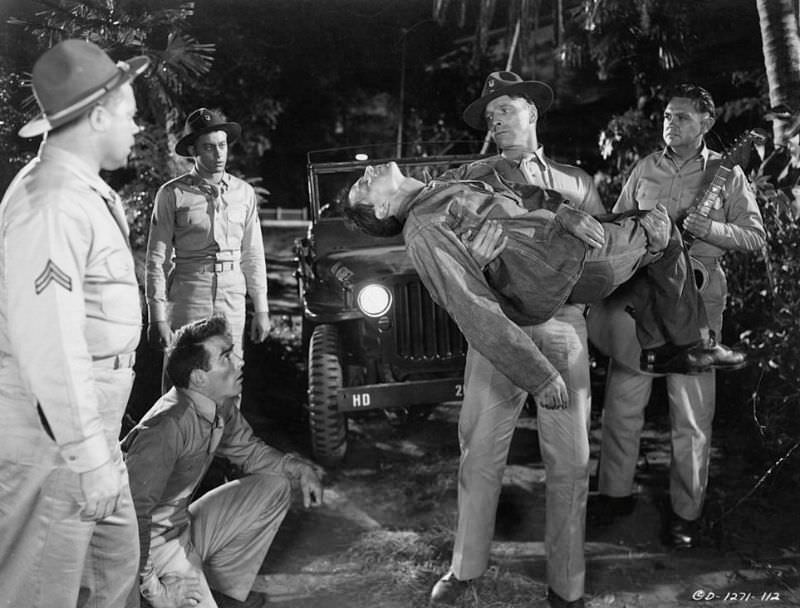
Montgomery Clift’s character Prewitt was a skilled bugler, and Clift put genuine effort into learning the instrument for the role. His trumpet scenes carry a quiet intensity that fits Prewitt’s stubborn pride. Clift was known for fully immersing himself in his characters, and this performance was no exception.
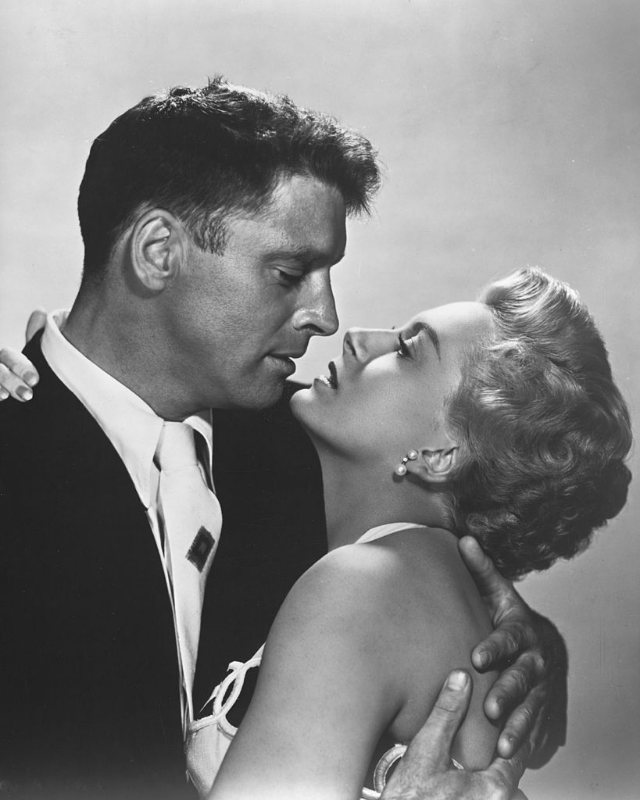
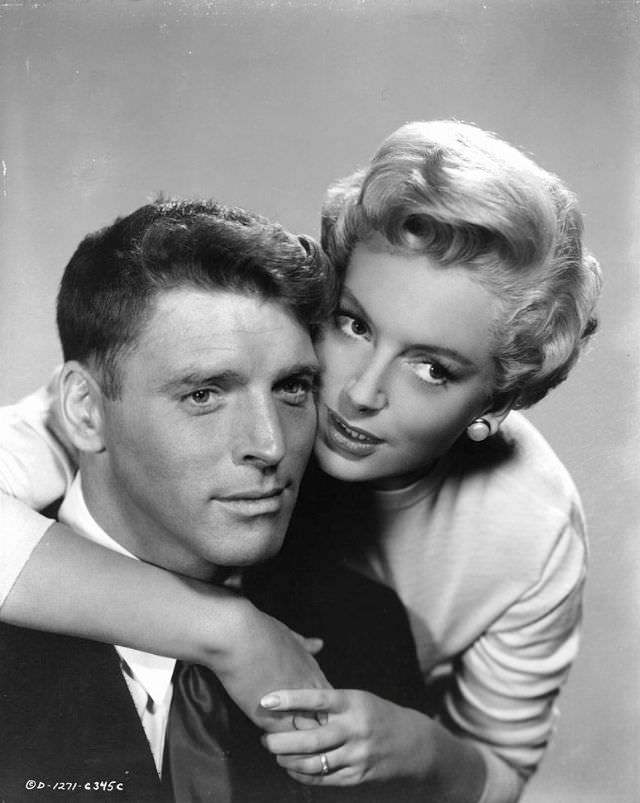
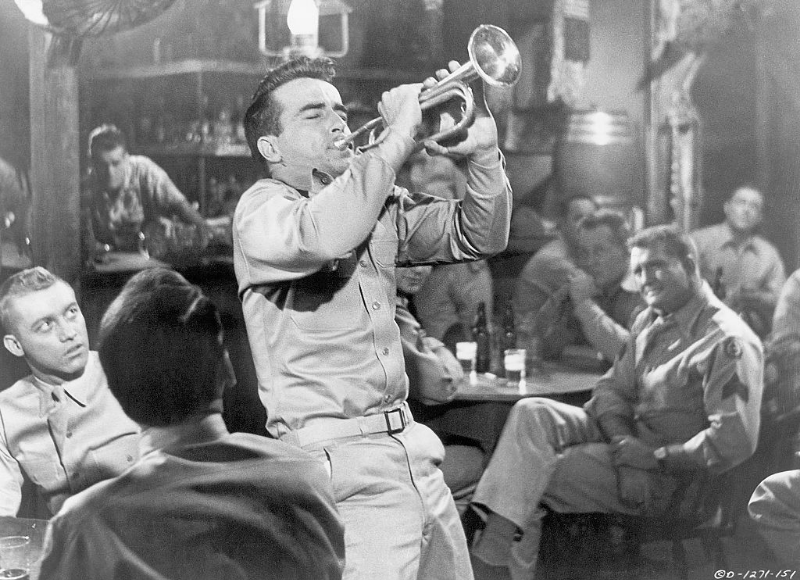
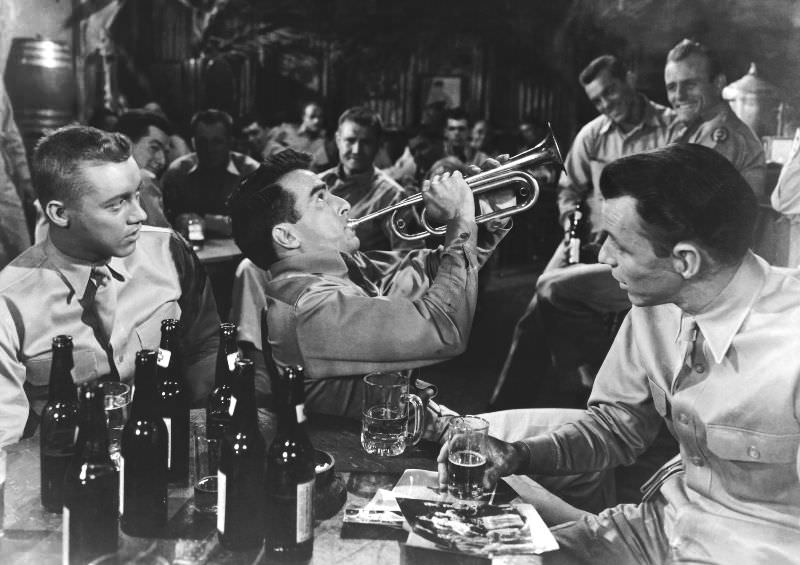
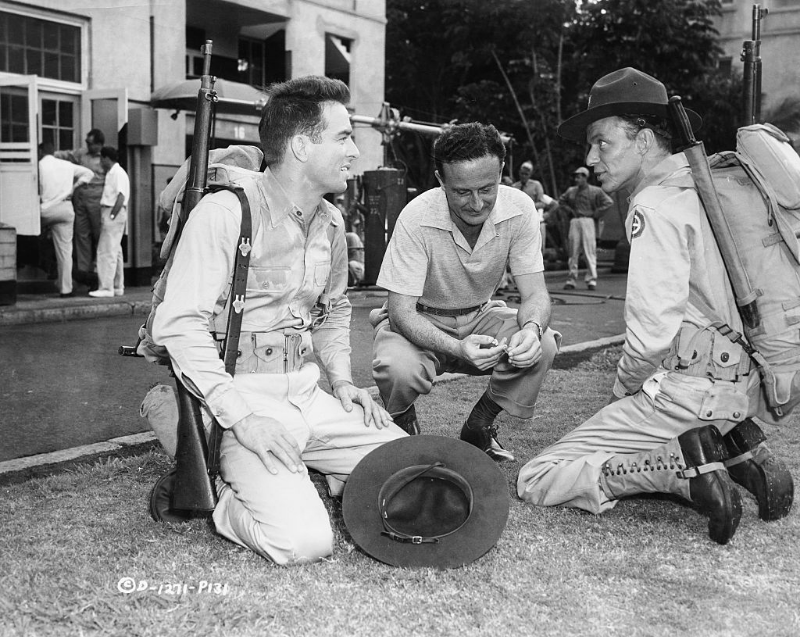
Director Fred Zinnemann guided his cast with precision throughout the shoot. Seen here working directly with Clift and Sinatra on set, Zinnemann’s approach kept performances focused and grounded in the reality of military life rather than Hollywood glamour.
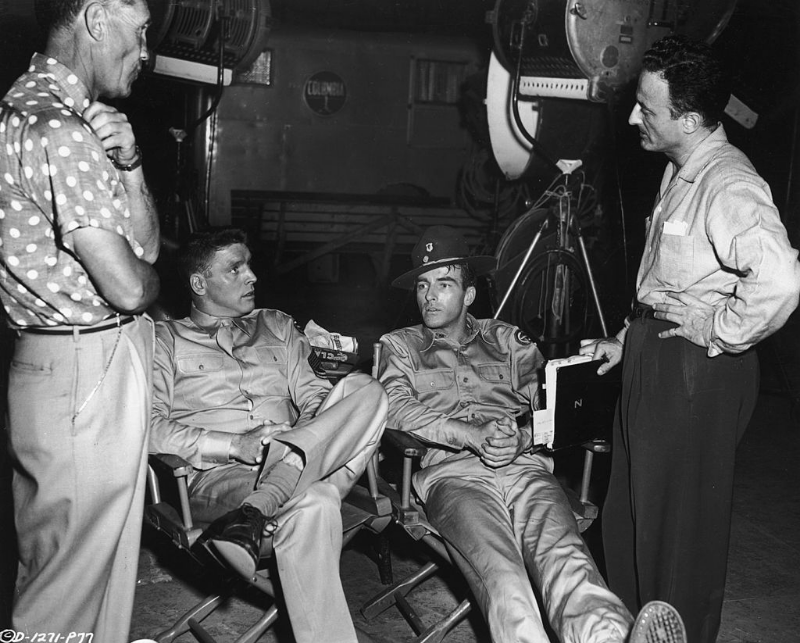
Technical advisor Mushy Callahan — a former junior welterweight boxing champion — was brought on set to ensure the film’s fight sequences were authentic. He worked directly with Lancaster and Clift between scenes, alongside Zinnemann, to fine-tune the physical choreography of the boxing sequences.
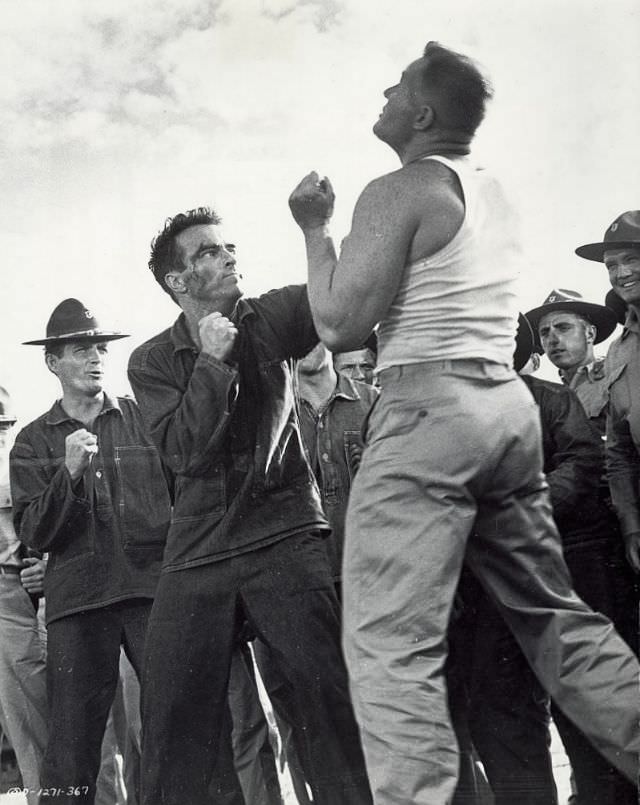
Ernest Borgnine played the brutal stockade sergeant Fatso Judson, one of the film’s central antagonists. His scenes opposite Lancaster and Sinatra carry real menace. The film’s climactic confrontations stem directly from Judson’s cruelty toward Maggio while in the stockade.
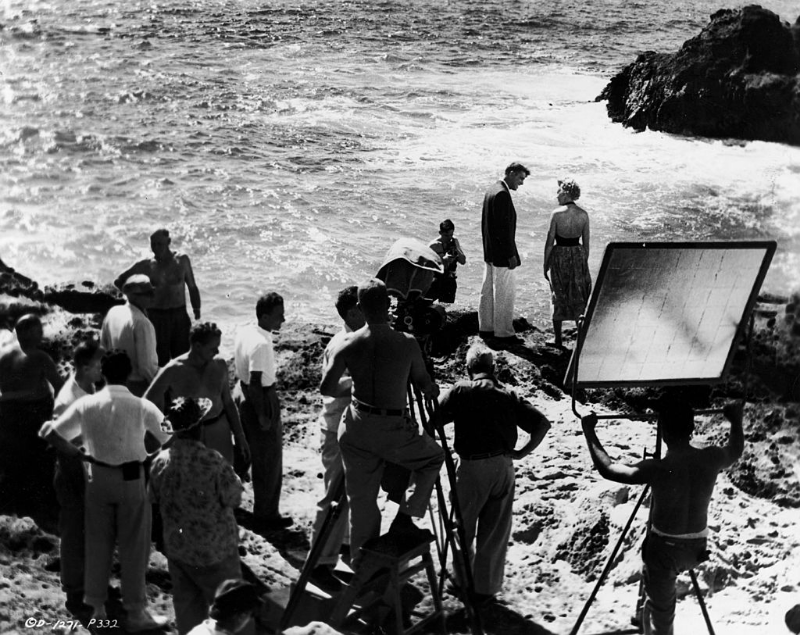
Despite military opposition and content restrictions, From Here to Eternity earned 13 Academy Award nominations and won 8, including Best Picture, Best Director, Best Screenplay, and Best Sound Recording. The beach scenes required the full production crew to be on location at Halona Cove, creating a sharp contrast between the romance on screen and the logistical operation happening just off camera.
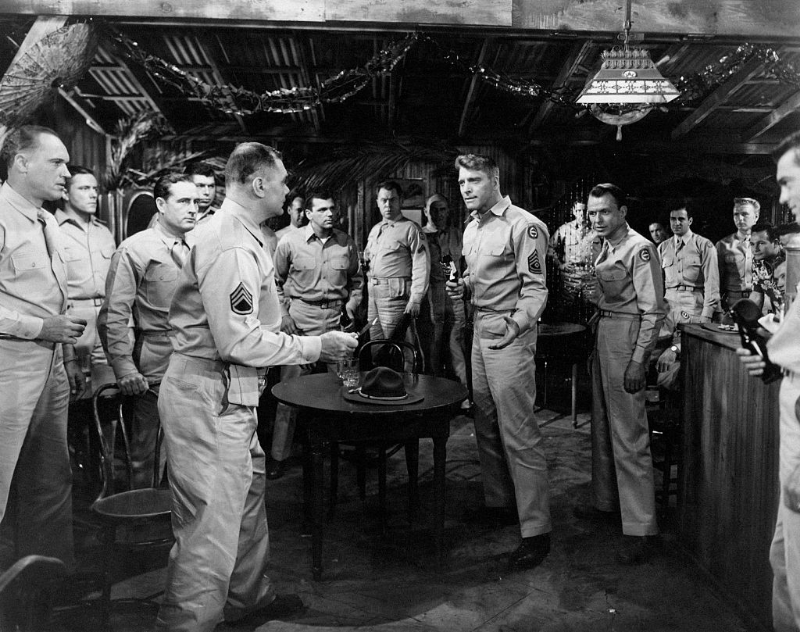

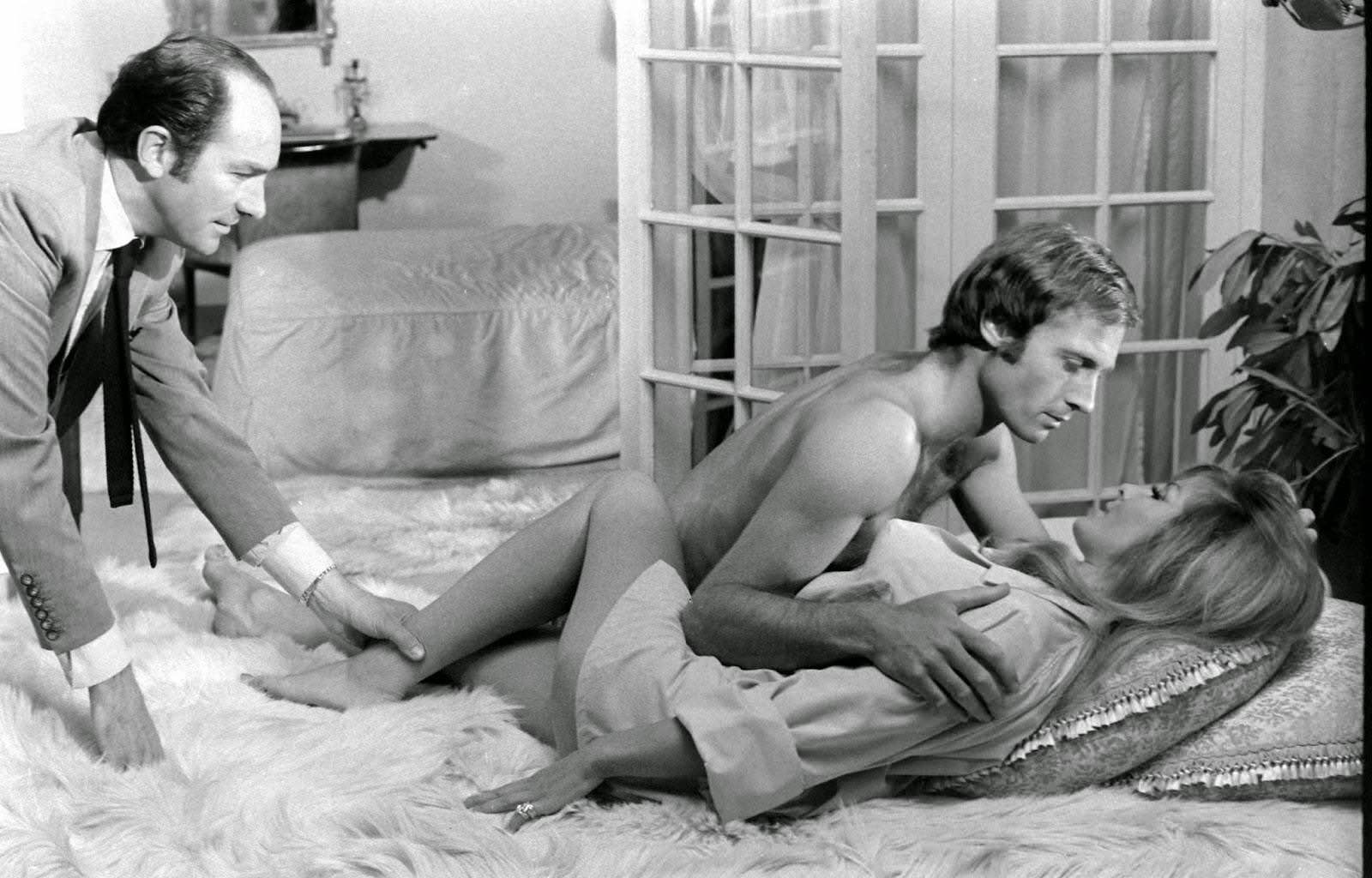

I viewed this film some time ago, partly due to its iconic status and also because it’s often cited as one of the greatest war movies. However, in my opinion, it’s more of a military life movie than a war film. Despite its merits, I found the story underwhelming. Later, I discovered that the movie deviated significantly from the original novel, likely due to directives from the US Army. The book contained numerous instances of sexual content, including prostitution, homosexuality, infidelity, and STDs. The Army also toned down the portrayal of brutality (which still exists in the military today).
This movie is undoubtedly one of the greatest ever made, deserving all the accolades it received and more. Deborah Kerr gave an excellent performance, while Donna Reed was superb. If you don’t despise Ernest Borgnine by the end of the film, you weren’t paying attention. The book, which is six times better than the movie, is often cited as the most accurate portrayal of Army life before WWII/Pearl Harbor. It highlights the fact that having an affair with someone else’s wife, particularly an officer’s, could land you in federal prison. Furthermore, advancement in the Army depended on favoritism rather than merit, which could be obtained by making the commanding officer look good, such as through boxing. The book and movie both toned down the physical violence significantly. I highly recommend both the film and the book.
I loved the movie, I must say that I absolutely detested Frank Sinatra’s performance in it.
Great book and a great movie. The movie earned a total of 8 Academy Awards with Frank Sinatra taking one home for Best Supporting Actor.
Is 1953 in the movie title? Also, what makes a a digital image on the internet “rare”? It’s digital and can be duplicated infinitely. Rarity doesn’t exist anymore.