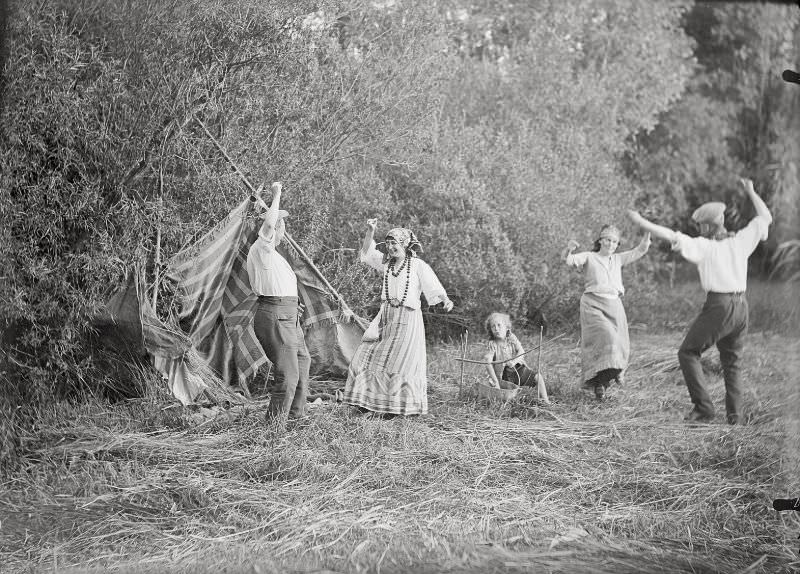
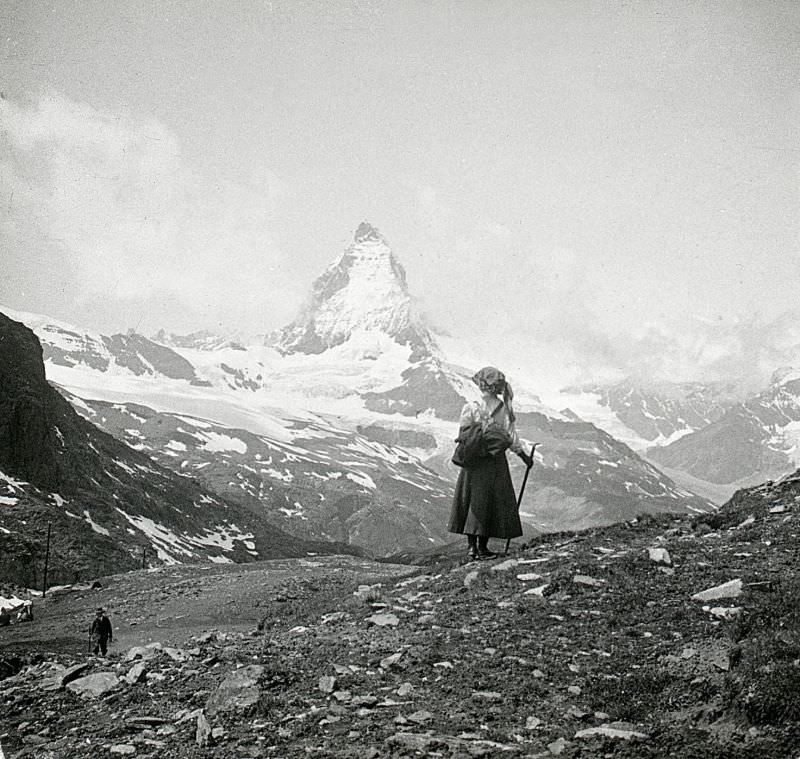
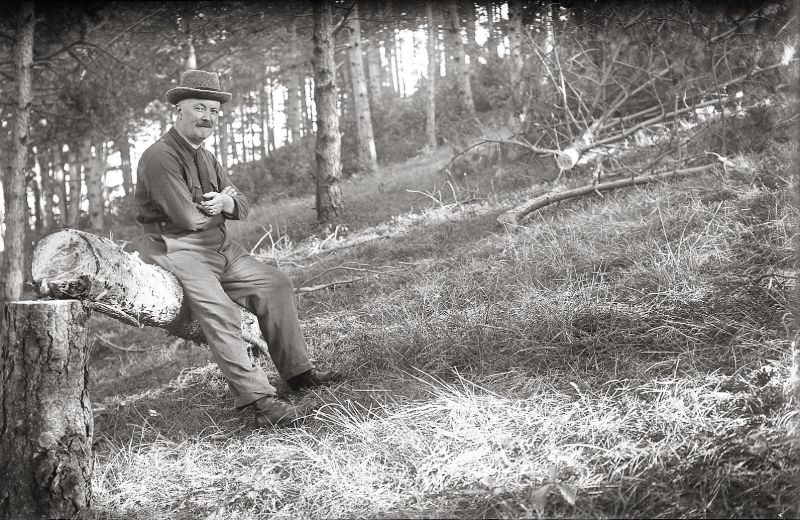
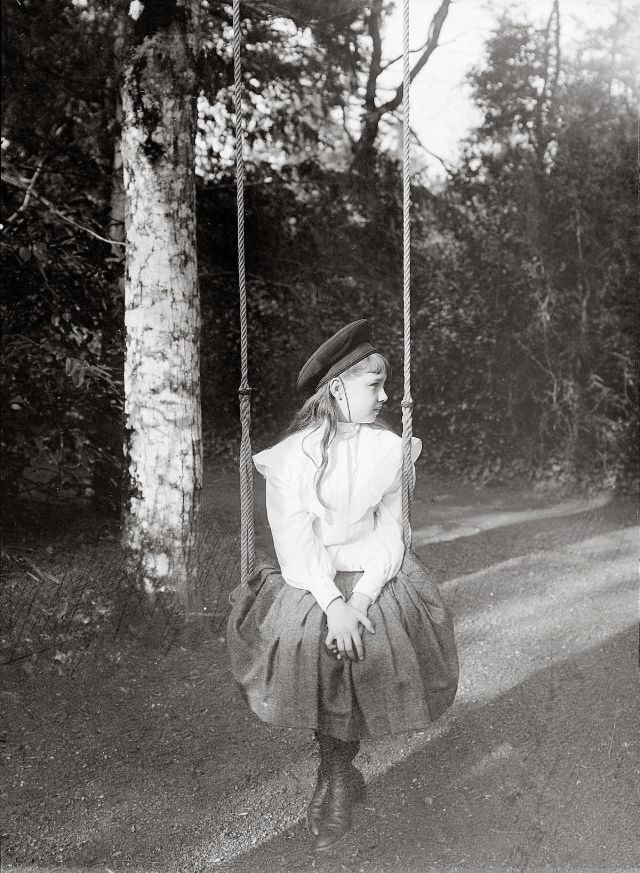
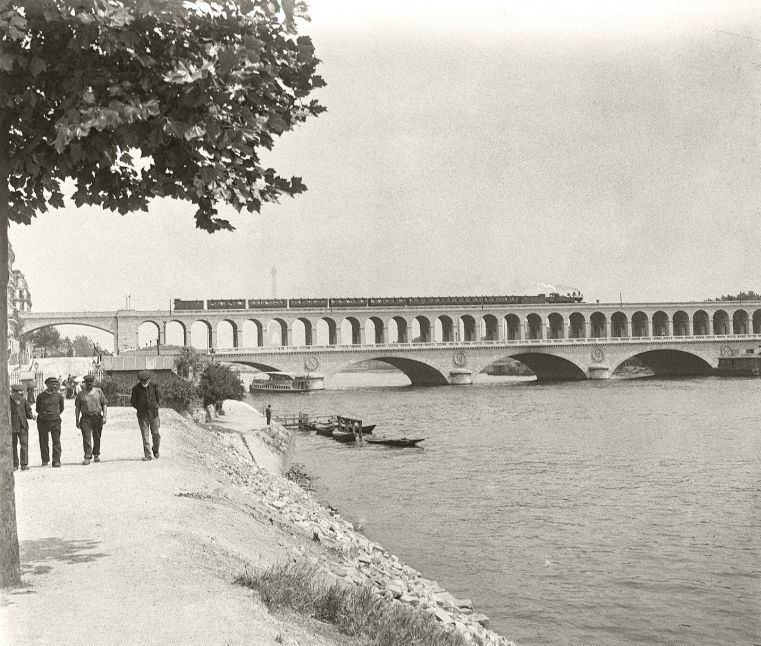
France in the early twentieth century was a country caught between old traditions and rapid change. Two world wars reshaped the nation, but between those conflicts, ordinary French people still gathered in gardens, sailed along rugged coastlines, and strolled through city parks. The photographs collected here capture that world — not the grand political events, but the everyday rhythms of French life from around 1900 to the end of World War I and just beyond.
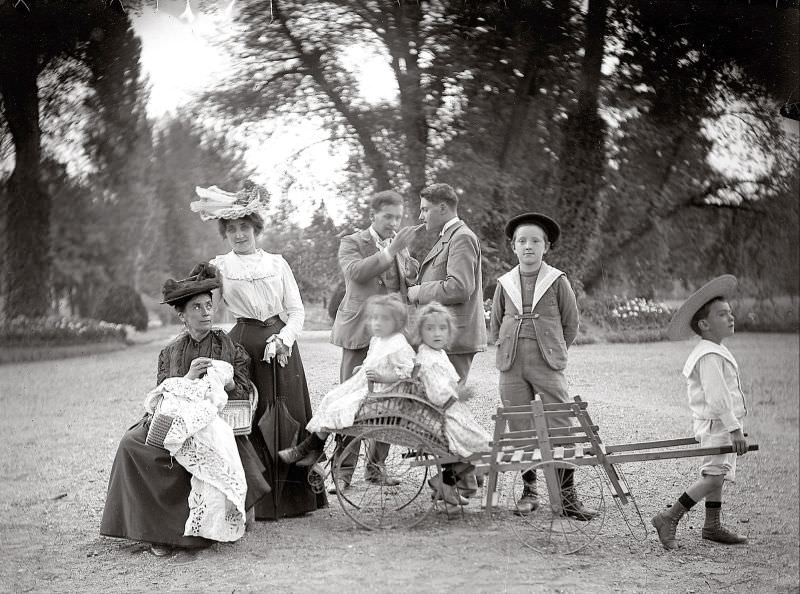
Family life anchored French society at the turn of the century. Multiple generations often lived close together or shared the same household, and children grew up surrounded by grandparents, aunts, and uncles. Paris was the beating heart of the country — home to its politics, its culture, and its ambitions. At the same time, life in the French capital in 1900 still moved at a pace shaped by horses, hand labor, and neighborhood routines.
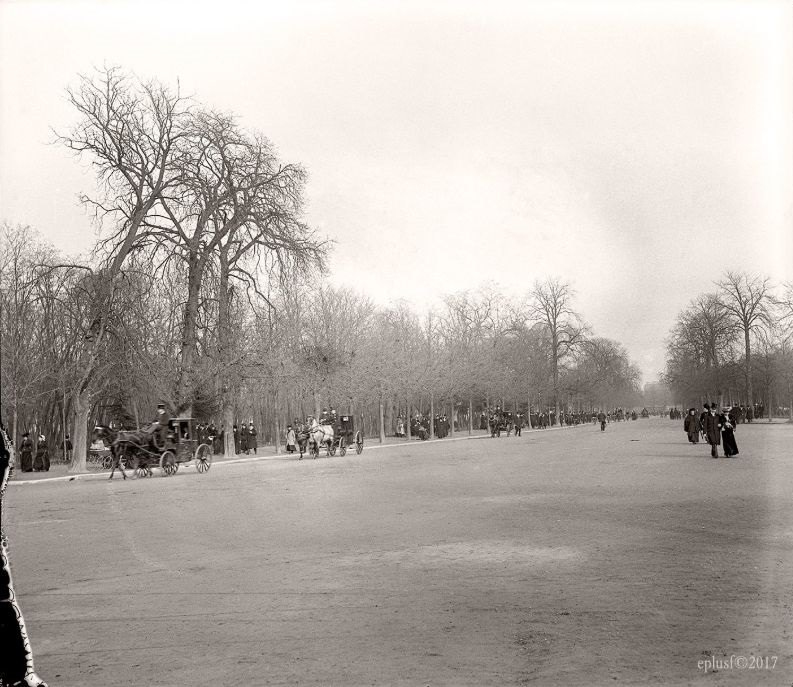
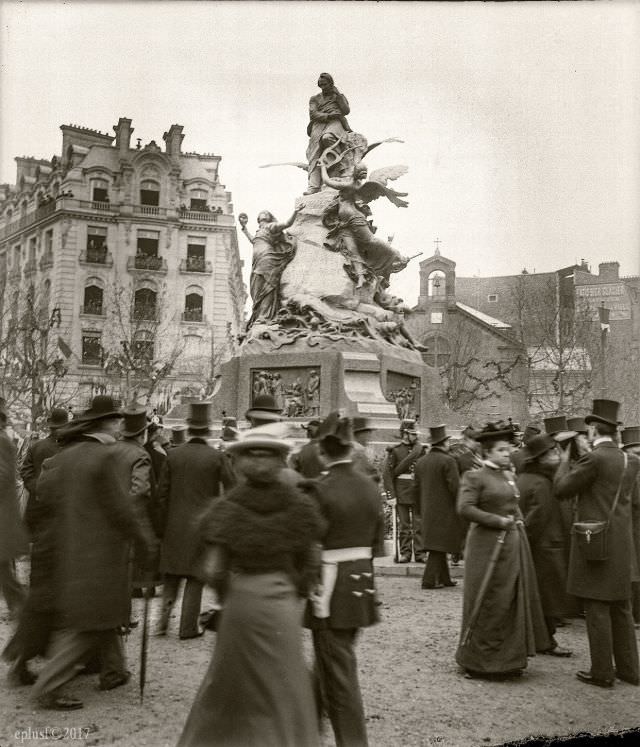
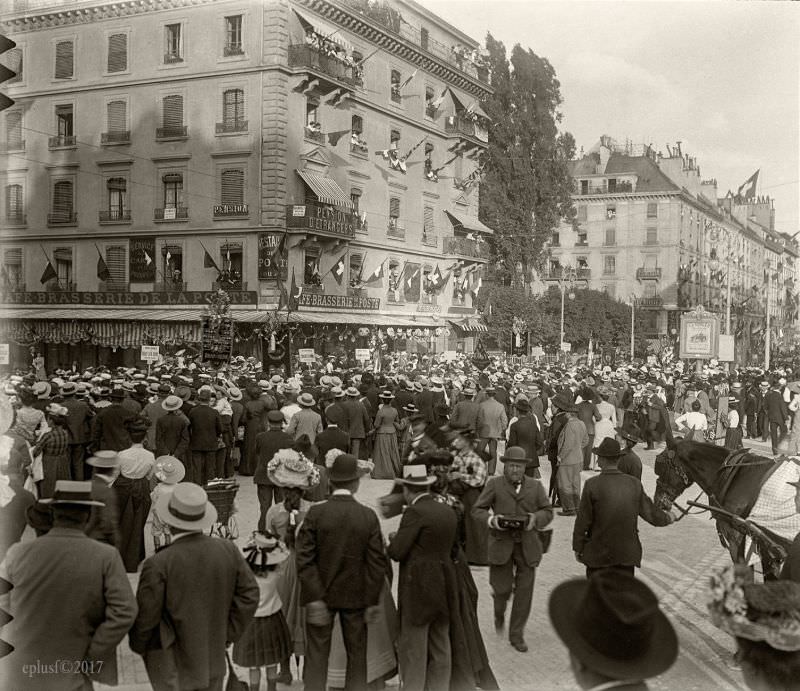
The avenues of Paris in 1900 were lined with carriages and well-dressed pedestrians. The city’s parks, landmarks, and wide boulevards made it one of the most admired capitals in the world. That same year, Paris hosted the Universal Exhibition, drawing visitors from across the globe to marvel at new technology and grand architecture.
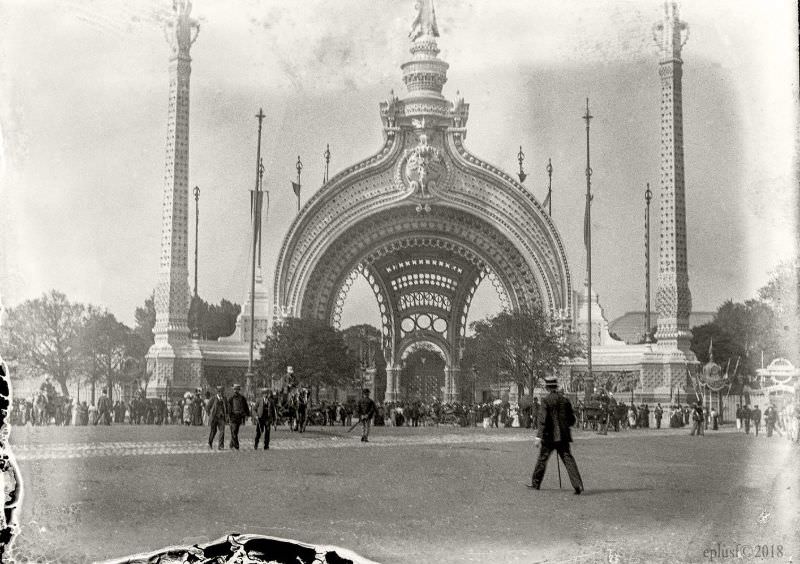
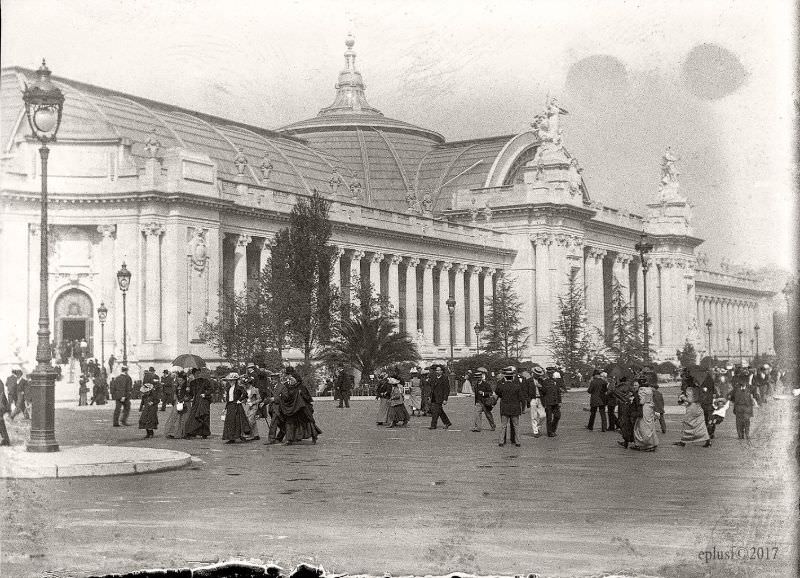
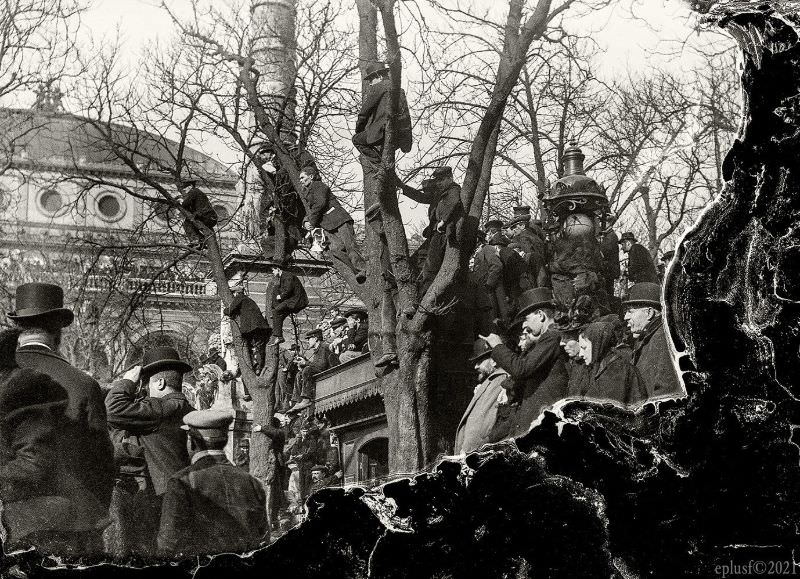
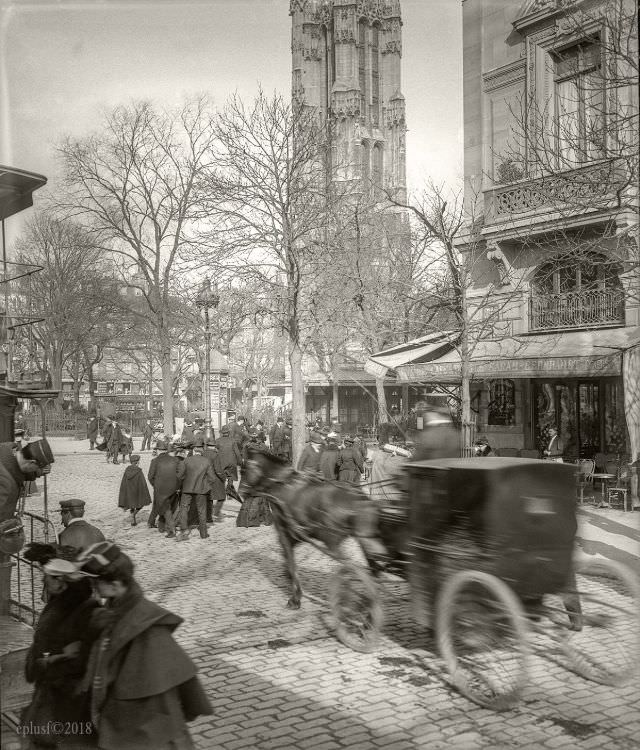
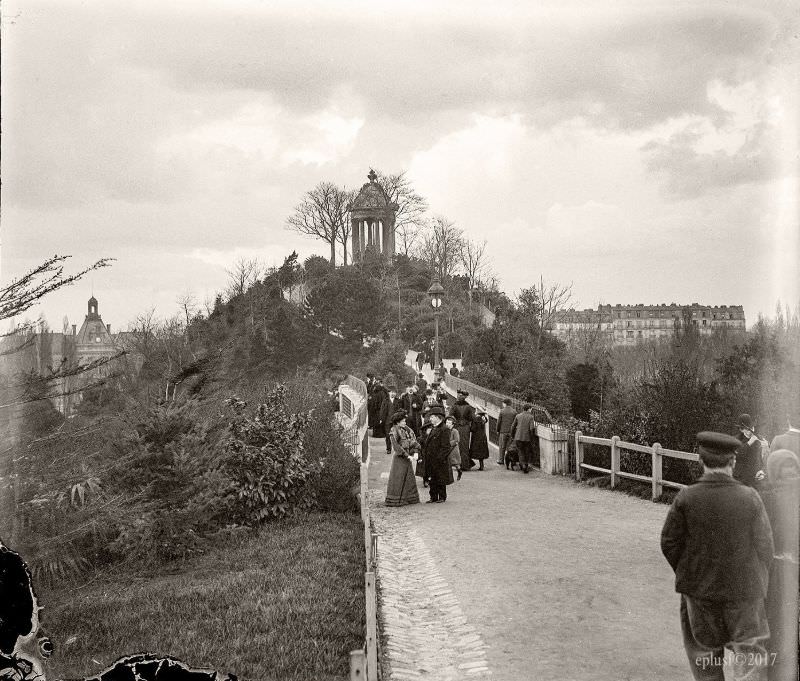
The Universal Exhibition of 1900 produced some of Paris’s most iconic buildings, including the Grand Palais. Structures like the Tour Saint-Jacques and the Place du Châtelet had stood for centuries, while newer landmarks were being added to the city’s already-rich skyline. The Parc des Buttes Chaumont offered Parisians green space within the city, a place to walk, rest, and watch the hours pass.
France’s political landscape in the early 1900s leaned left. The government was a coalition of centrists and socialists, and it pushed through significant reforms. Laws were passed guaranteeing freedom of religion and separating church from state. All government funding of churches was abolished, and religious buildings were brought under state ownership. These were sweeping changes in a country where the Catholic Church had long held enormous influence.
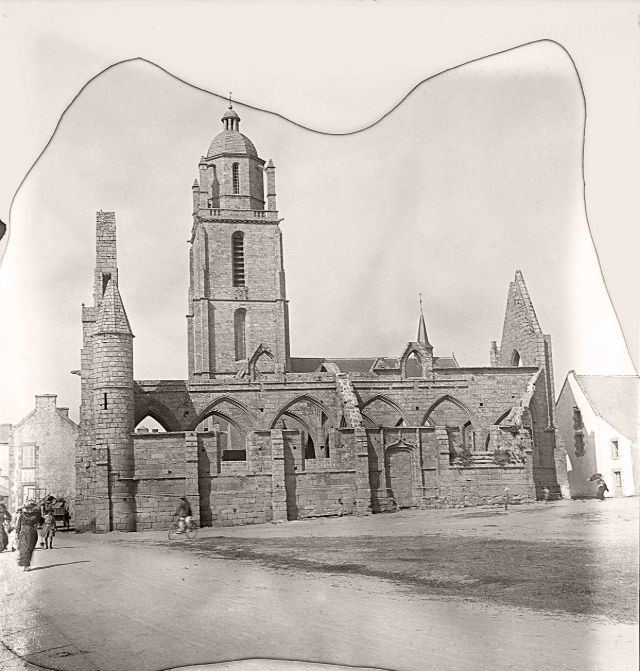
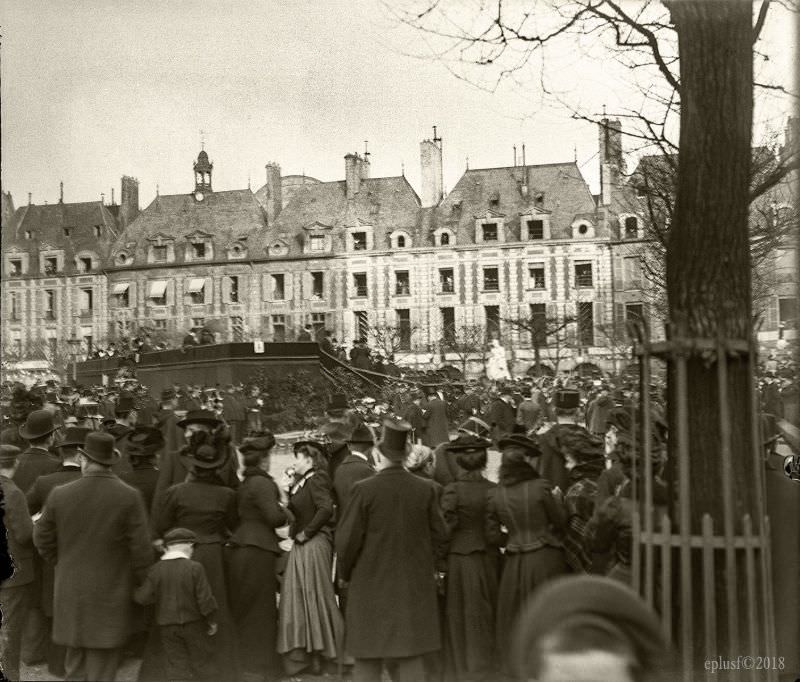
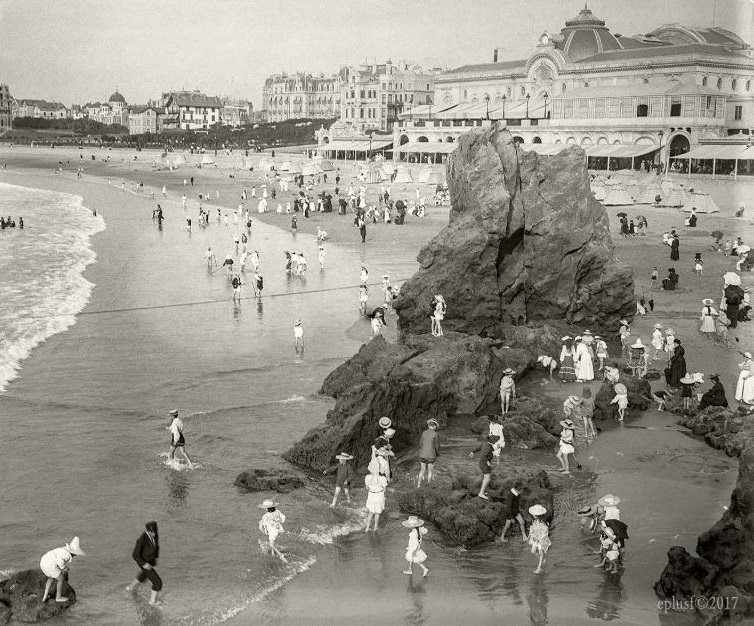
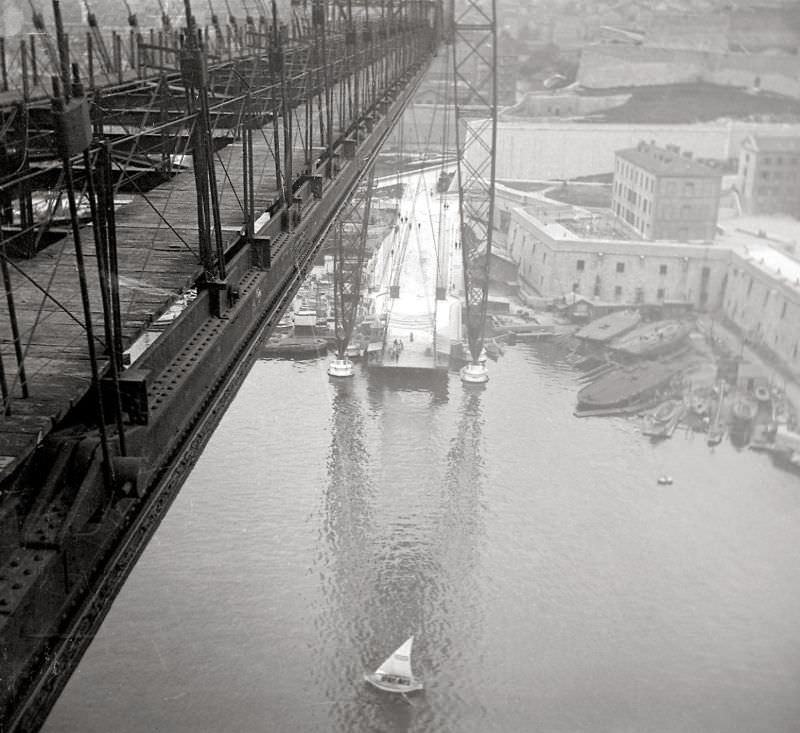
Beyond Paris, France’s cities and provinces had their own distinct characters. Marseille’s shipbuilding yards hummed with industrial activity. The port at Cannes drew a wealthier crowd. Biarritz, on the Atlantic coast near the Spanish border, had become a fashionable resort town with grand villas and wide beaches.
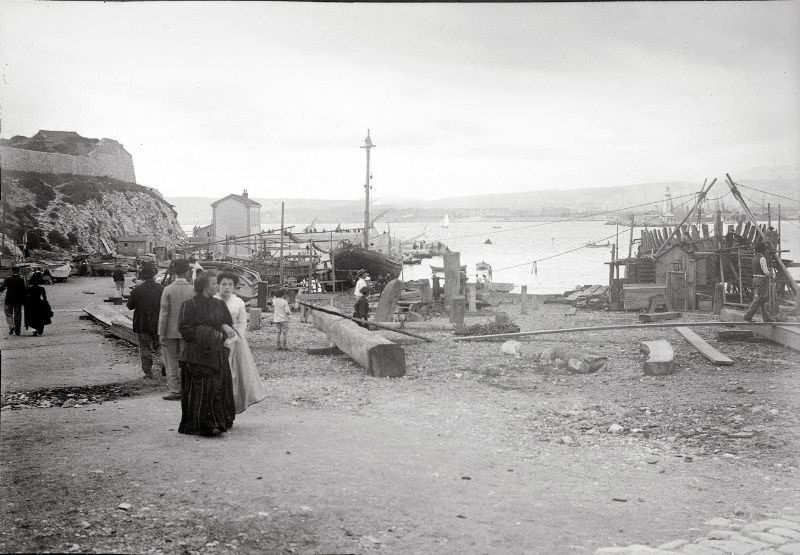
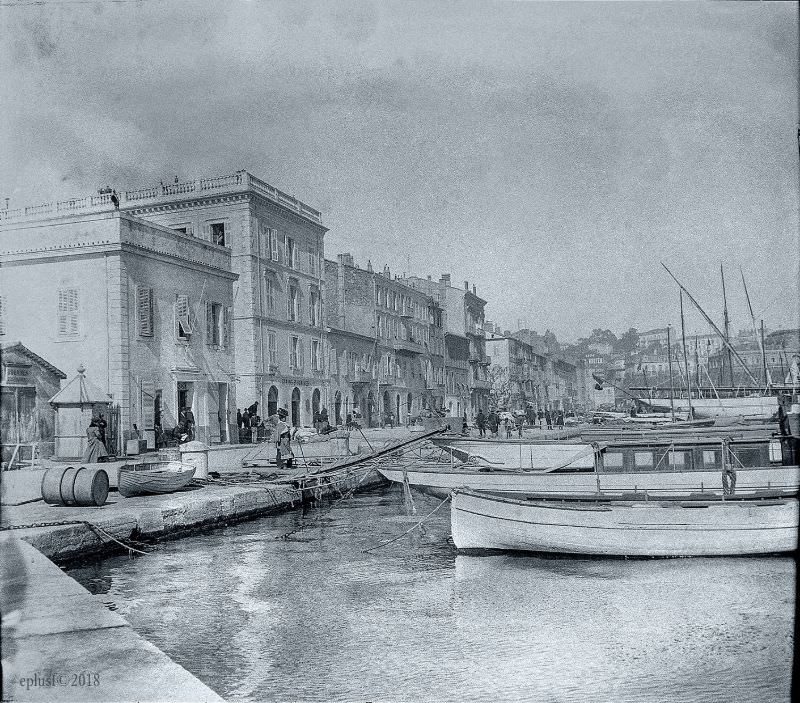
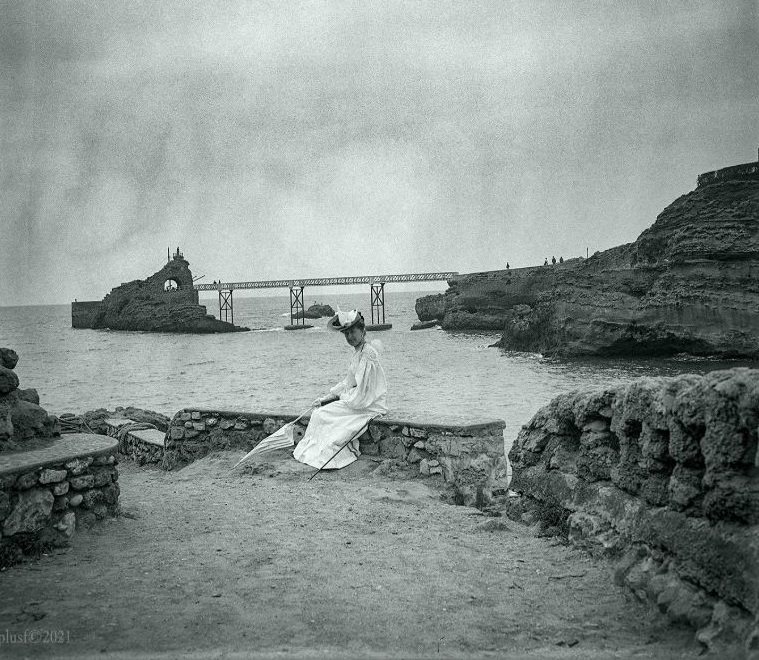
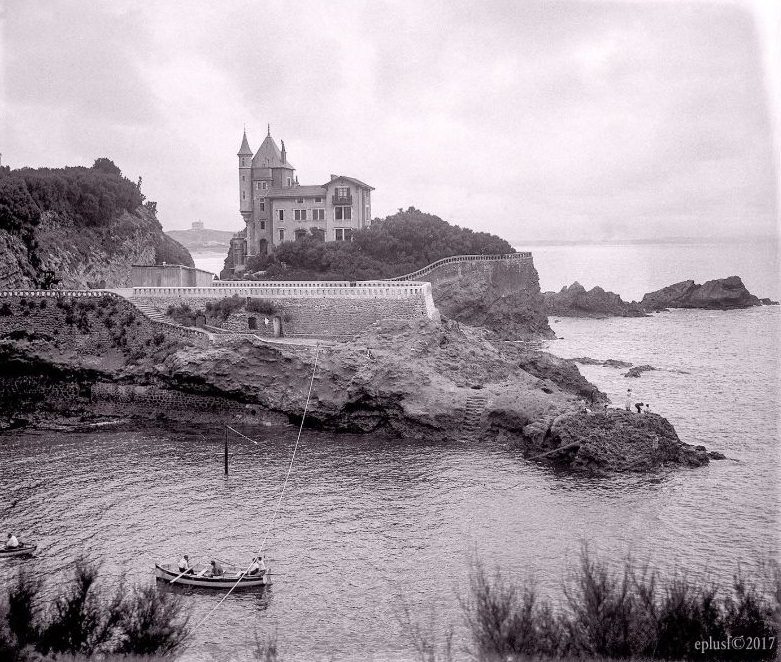
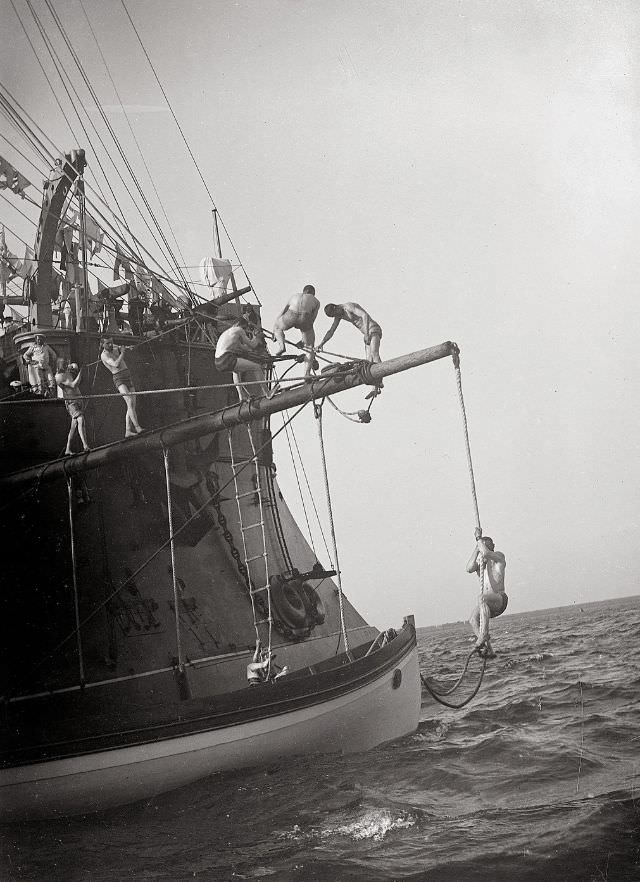
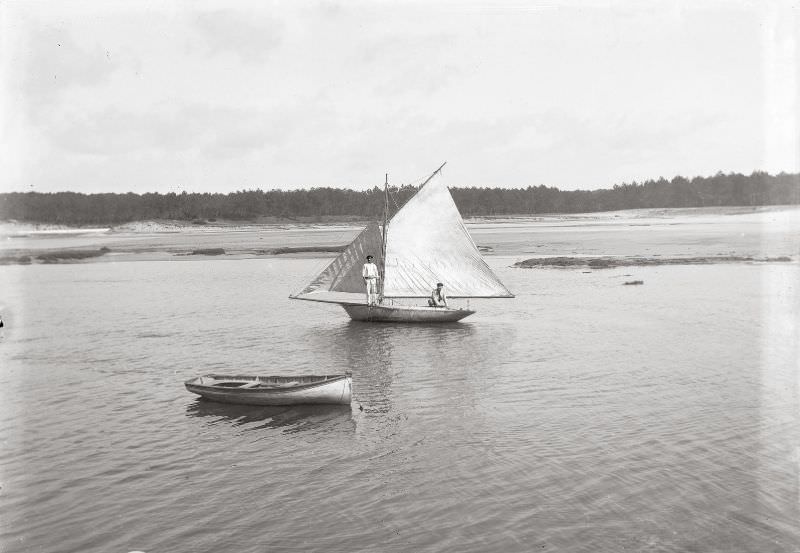
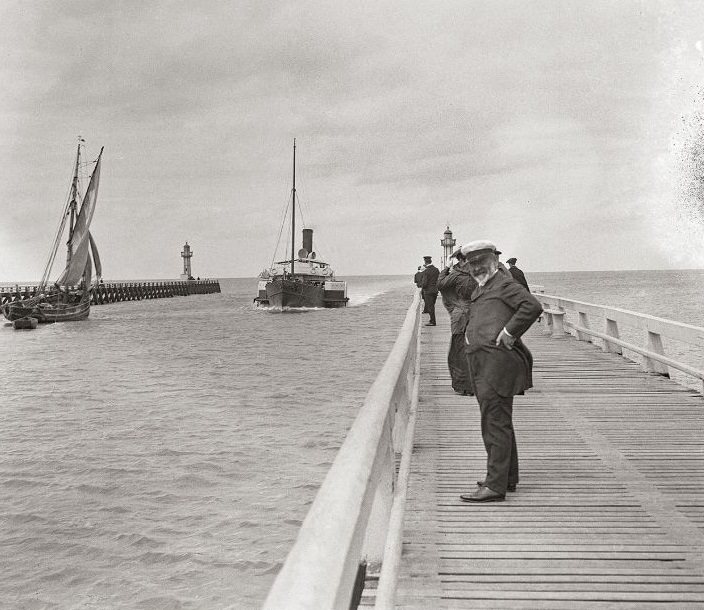
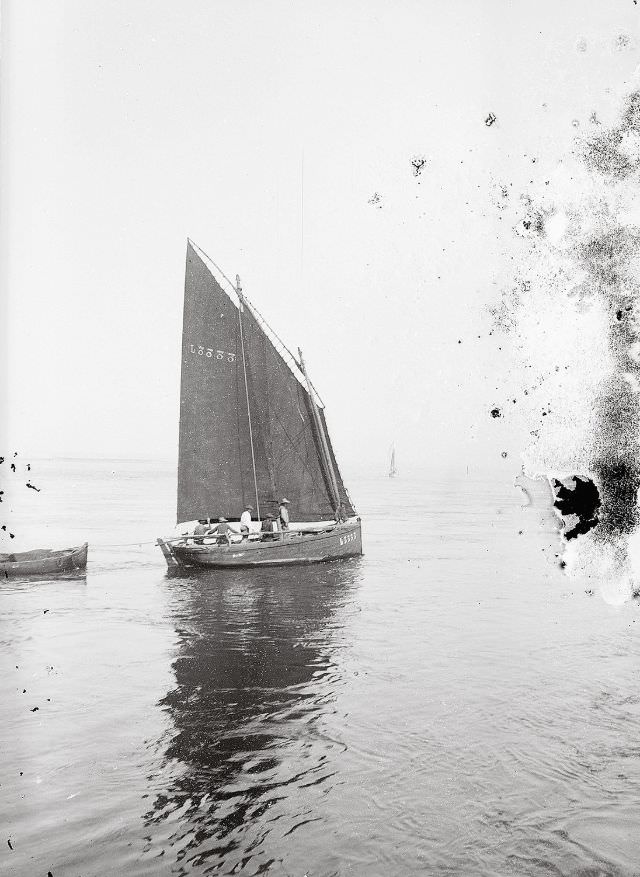
The sea was central to life along France’s long coastline. Sailors, fishermen, and merchants depended on the Atlantic and the Mediterranean. At Saint-Malo, a fortified port city in Brittany, traditional sailing vessels called bisquines raced in regattas. These flat-bottomed boats with large rigs were built for fishing the treacherous waters off the Normandy and Breton coasts, but they also competed with fierce local pride.
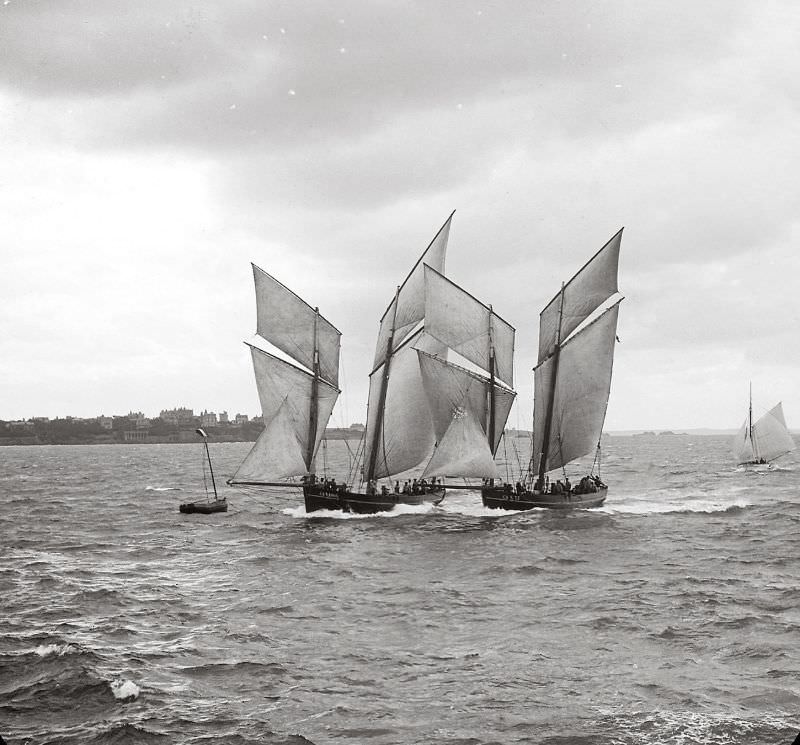
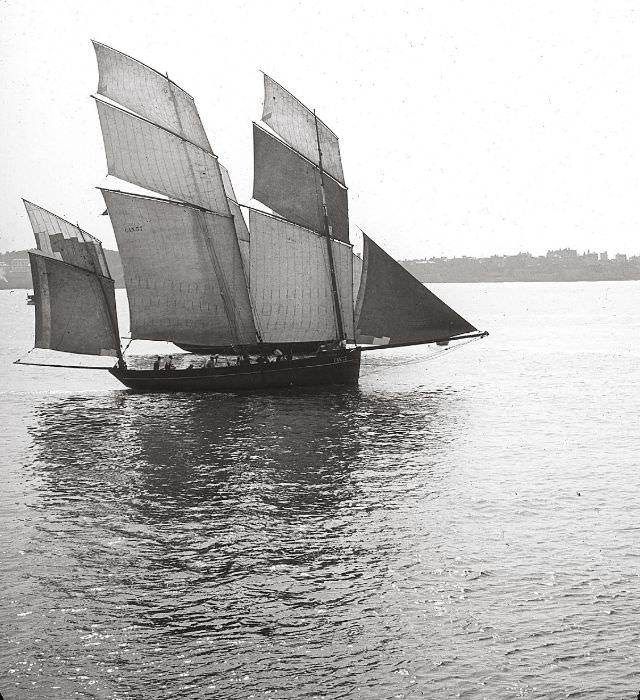
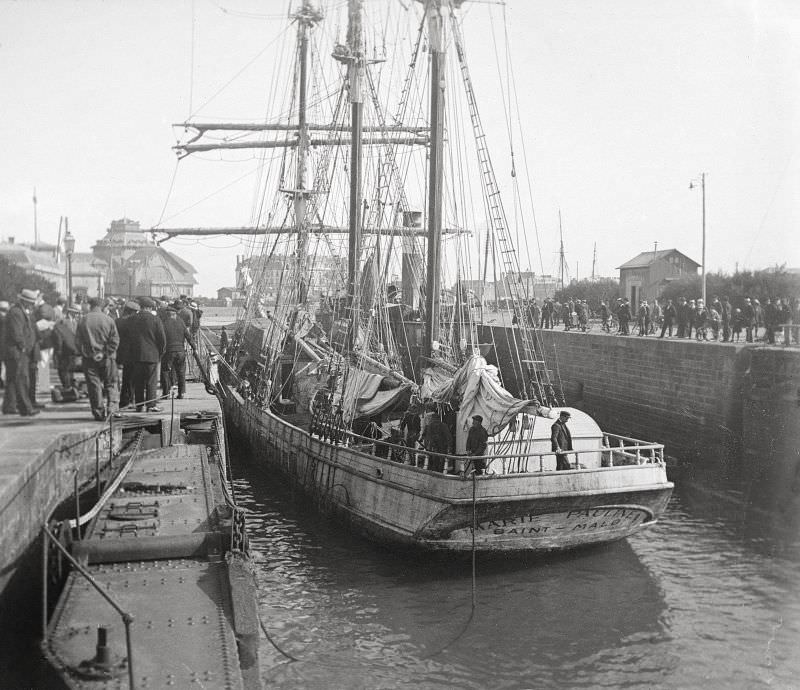
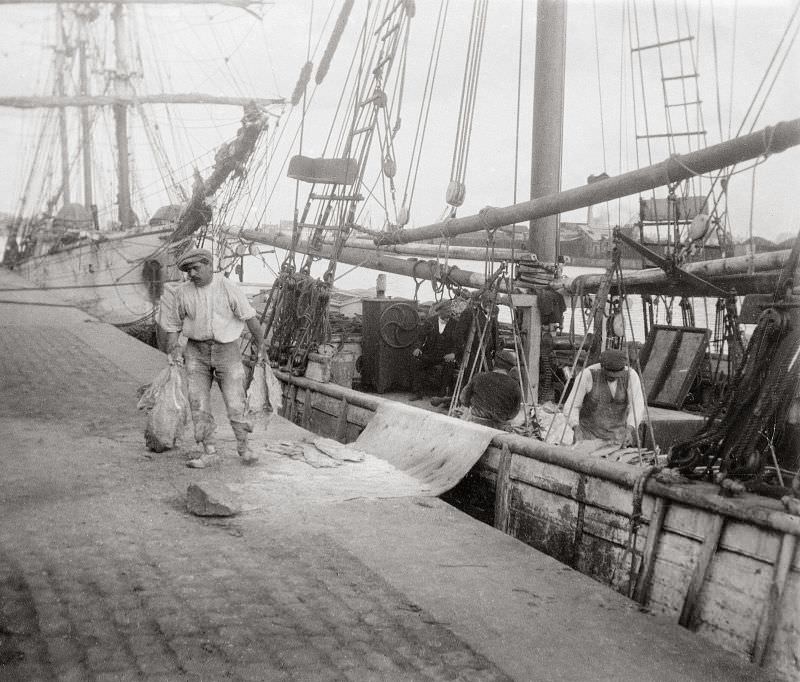
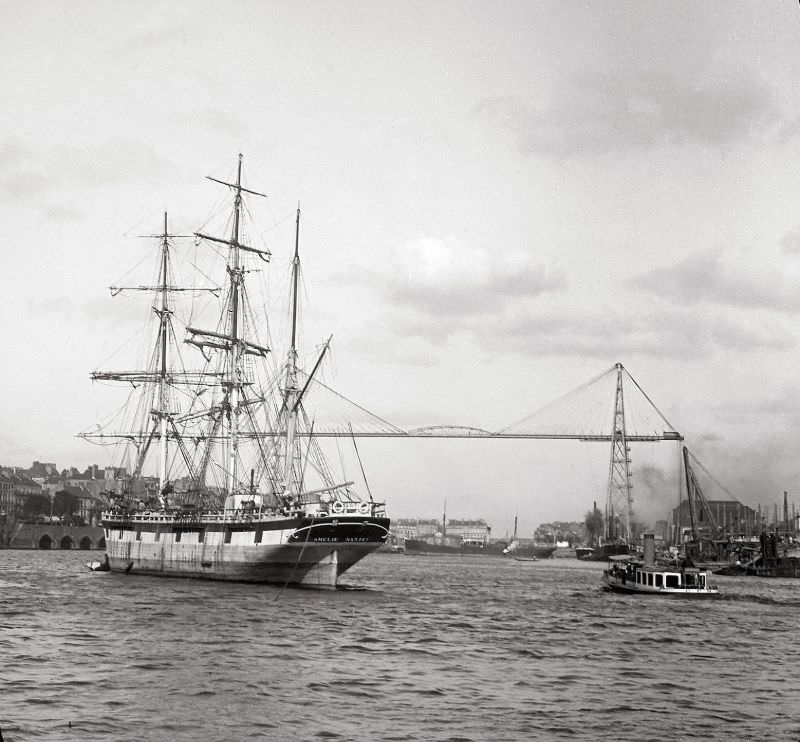
Nantes, further south on the Loire estuary, was another major port. Large three-masted ships anchored in its harbor, carrying goods between France and the wider world. In Roscoff and along the Brittany coast, smaller boats ferried people and cargo between islands and the mainland. The sea shaped the economy, the calendar, and the identity of these communities.
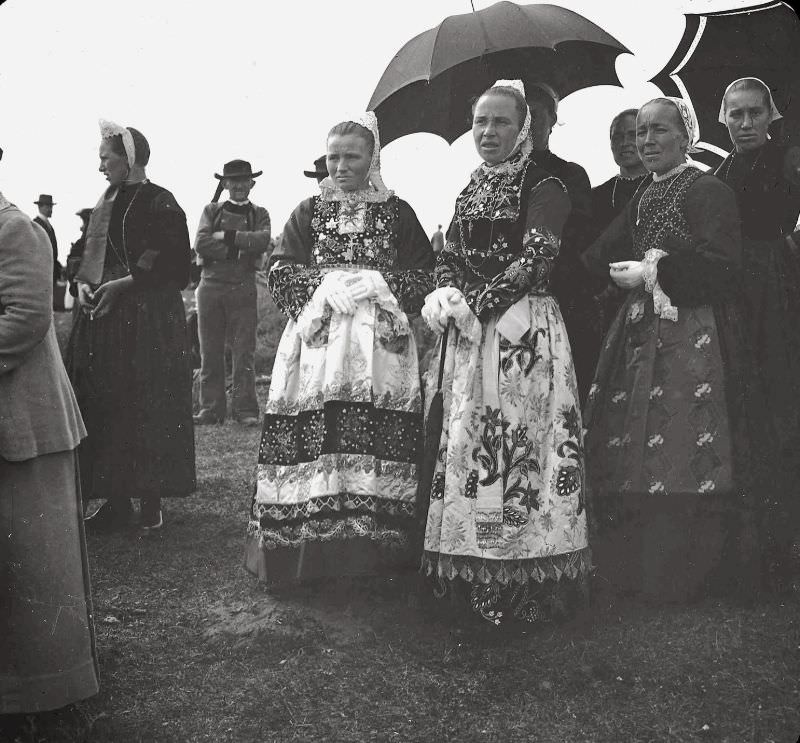
Brittany was also a region where old customs held firm. Women attended religious pilgrimages dressed in traditional costumes — embroidered aprons, lace headdresses, and dark woolen skirts that had changed little in generations. The pilgrimage to Sainte-Anne-la-Palud for the feast of the Cinquantenaire drew large crowds and kept regional identity alive at a time when French central government was actively pushing a more unified national culture.
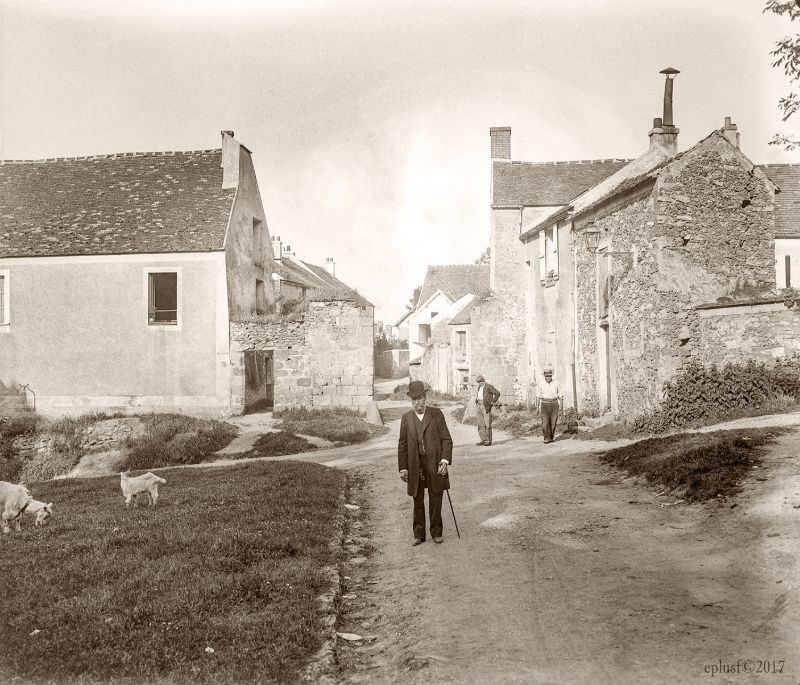
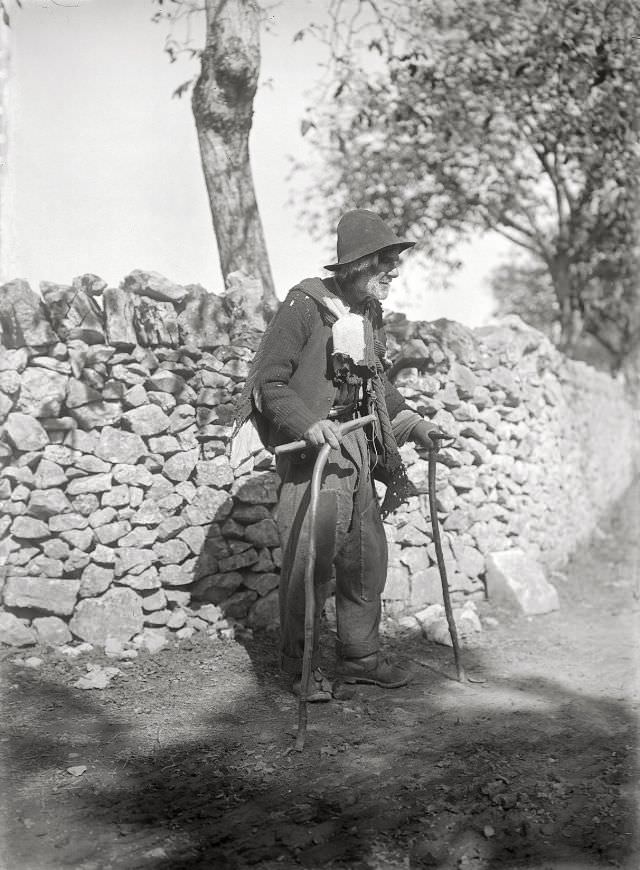
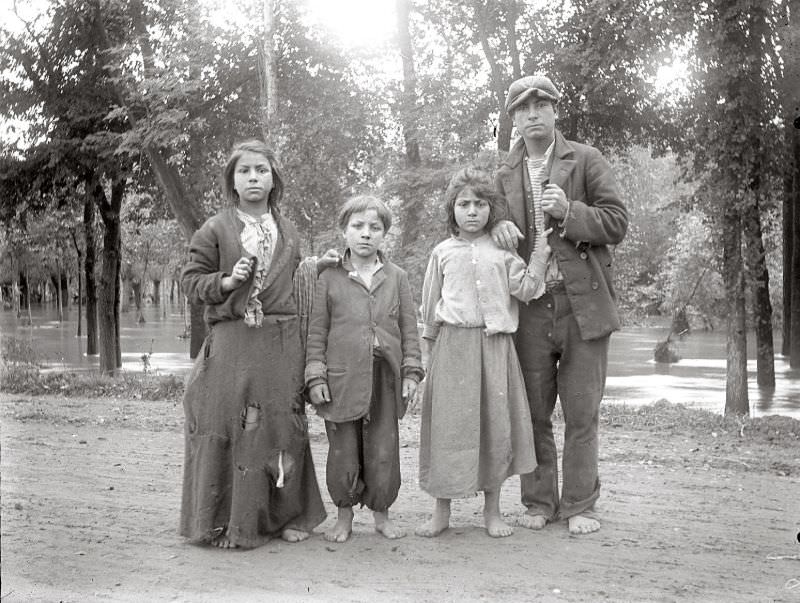
Not everyone in early twentieth-century France lived comfortably. Poverty was visible and widespread, especially in rural areas and among those without steady work. In Brittany and other parts of the countryside, some people were genuinely destitute — homeless, dressed in rags, their children barefoot. These photographs do not soften that reality.
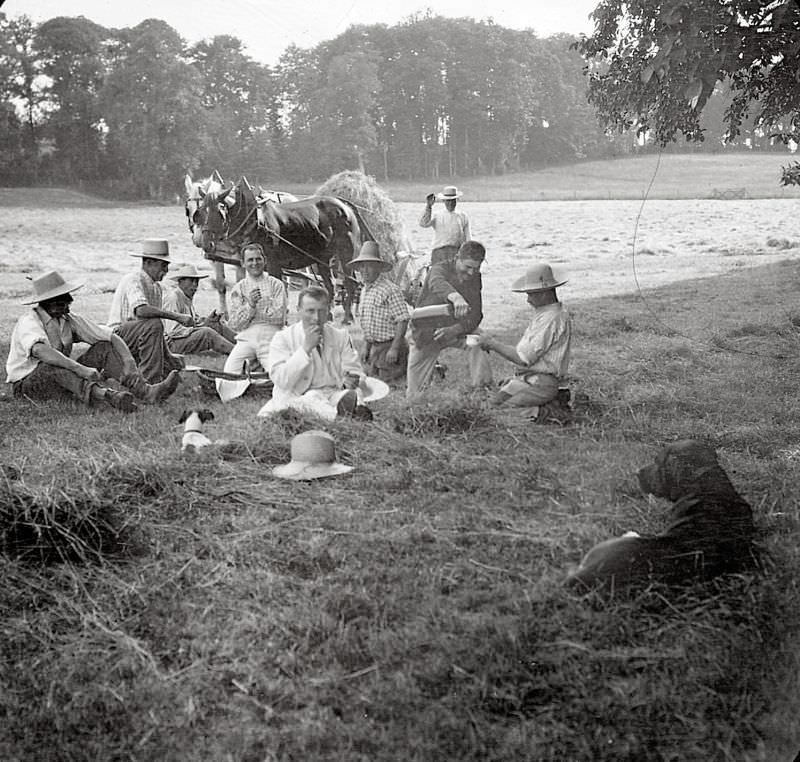
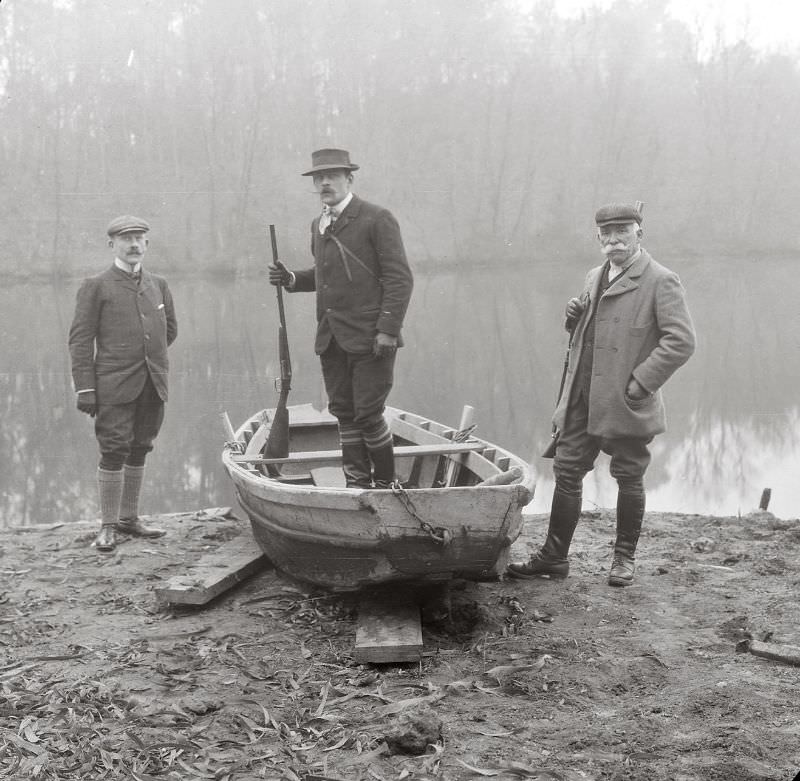
Rural laborers worked the land through every season. In the Mayenne region, farm workers paused for a midday snack — bread, perhaps some cheese — before returning to the field. Hunters gathered at the ponds of the Gironde. Washerwomen bent over riverbanks doing laundry by hand, the same way it had been done for centuries before industrialization brought new tools to some parts of the country.
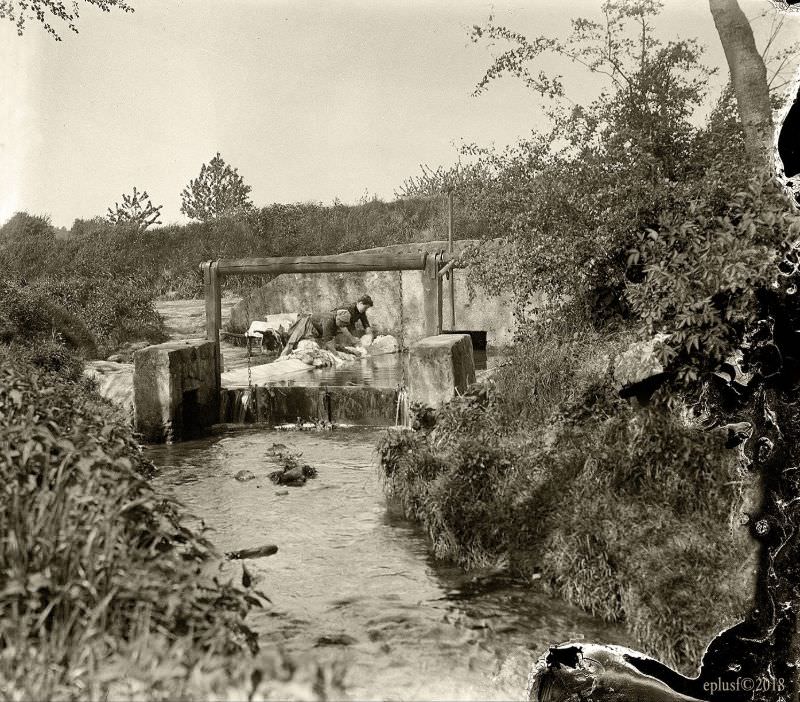
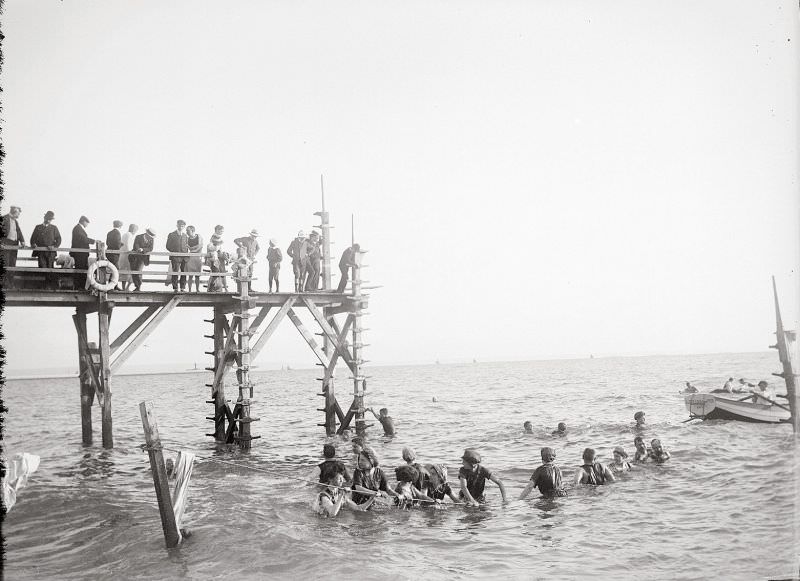
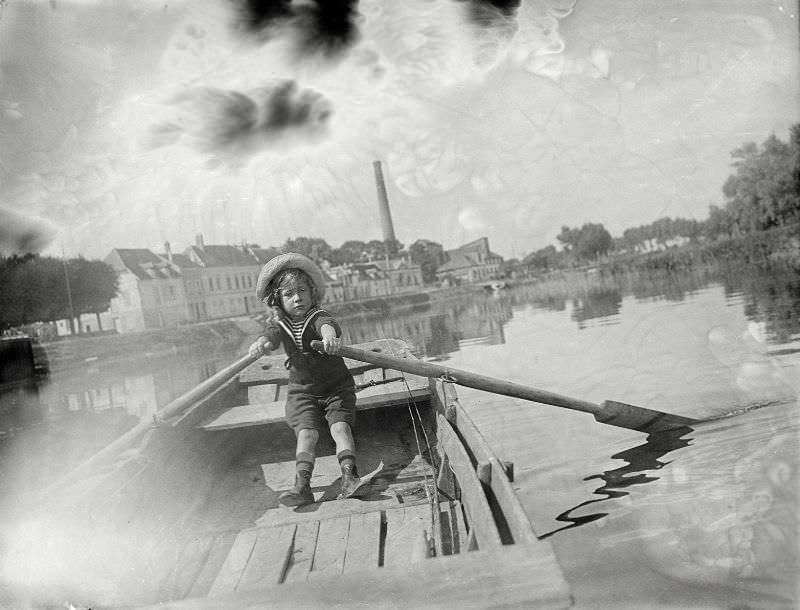
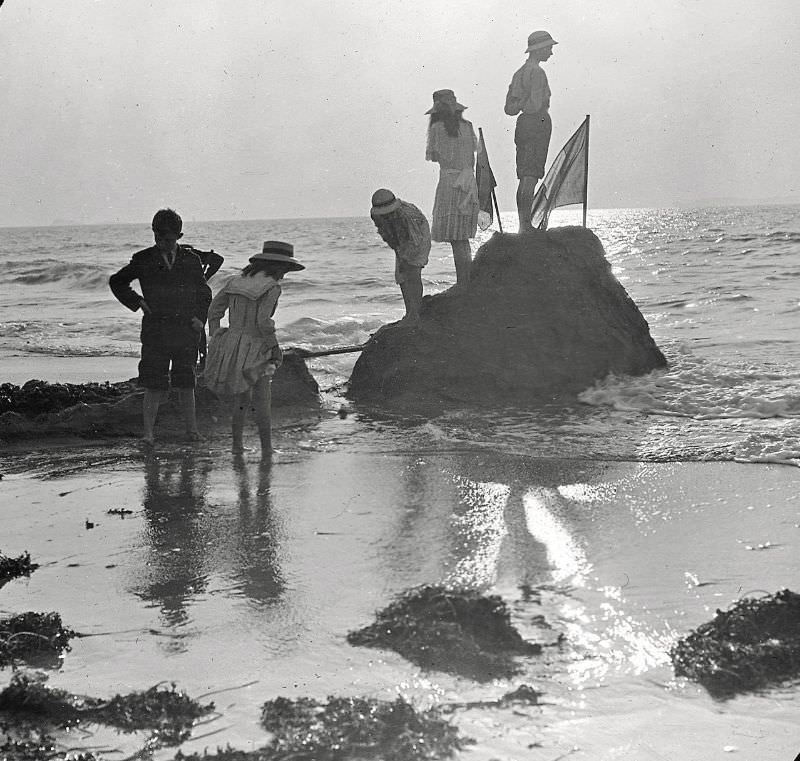
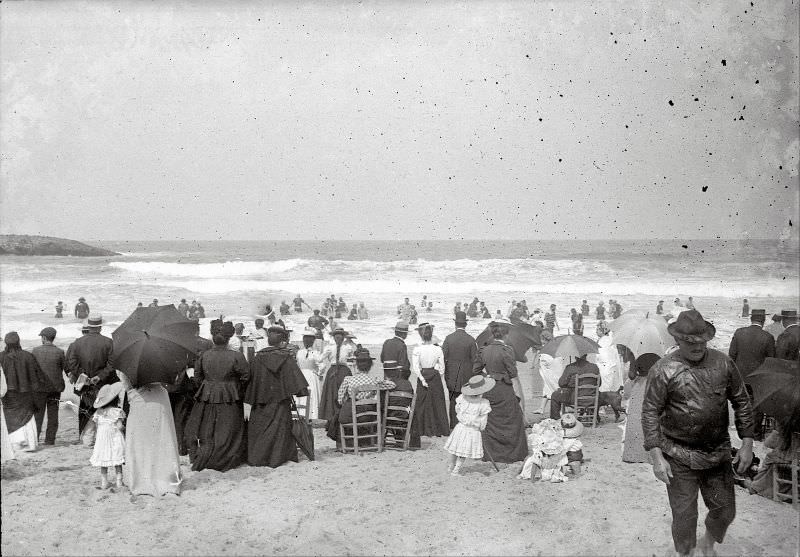
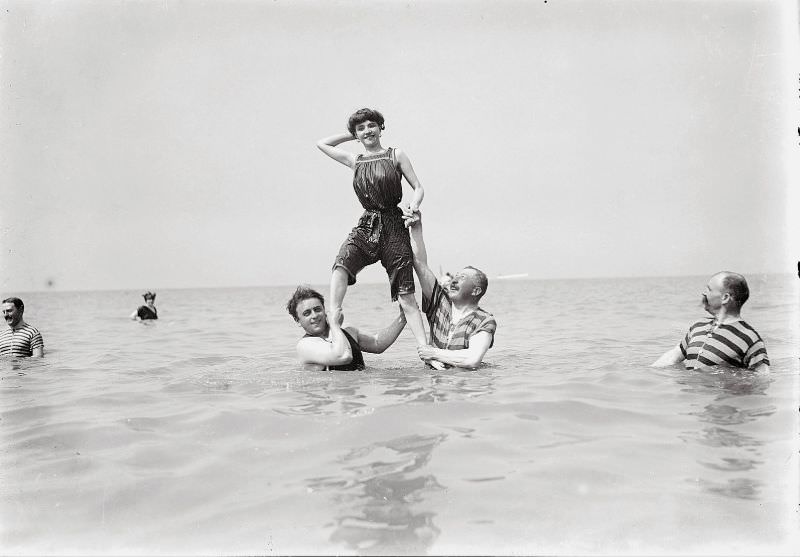
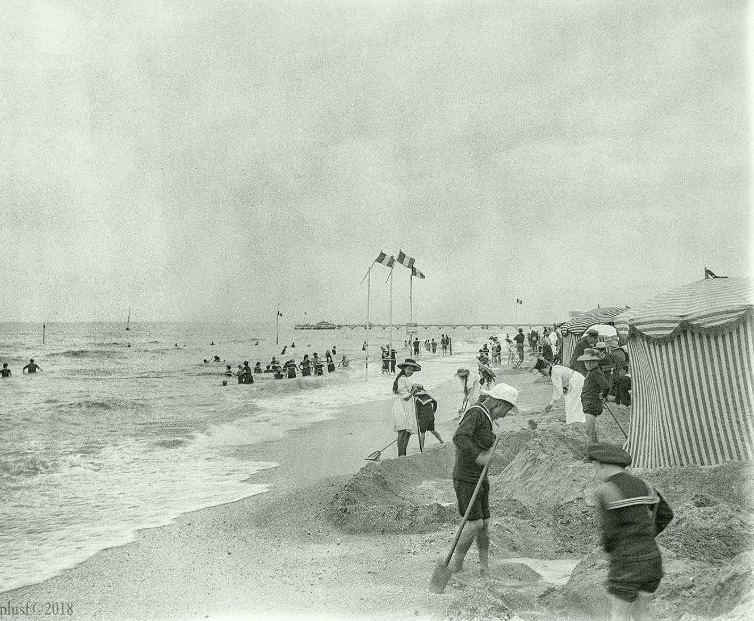
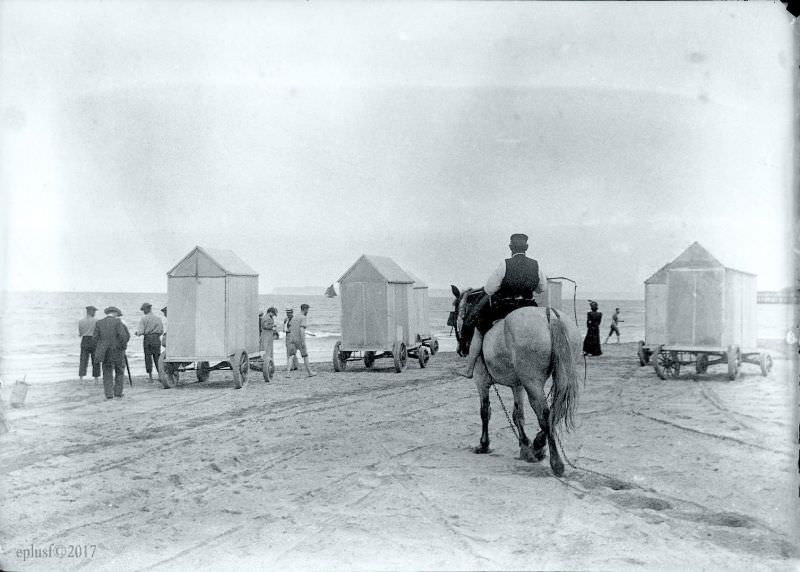
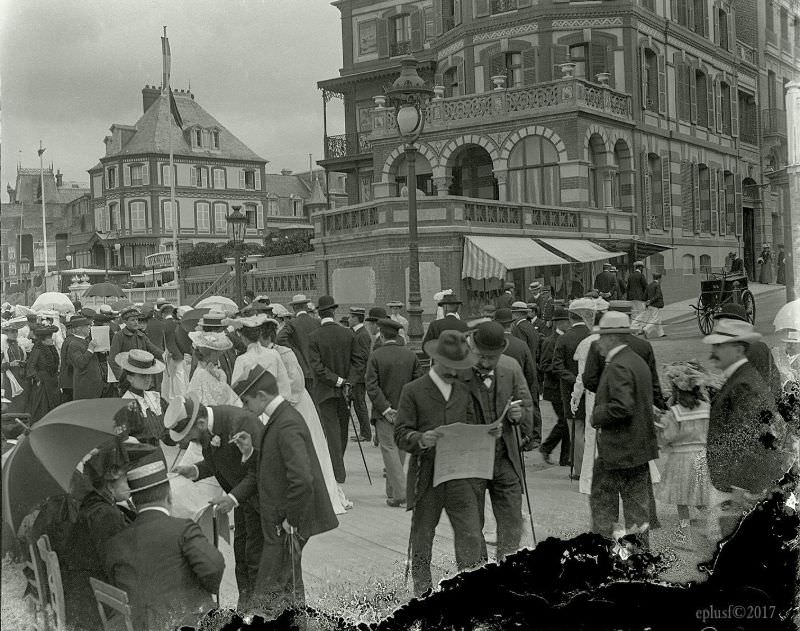
Leisure, where it existed, was simple. Sundays brought families to the beach. Swimmers gathered in rivers and at coastal spots. A walk across a suspension bridge, a boat trip on a calm river, or an afternoon in a park — these were the pleasures available to ordinary people. The beaches at Trouville and Deauville on the Normandy coast drew crowds from Paris, who arrived by train to spend the day by the sea.
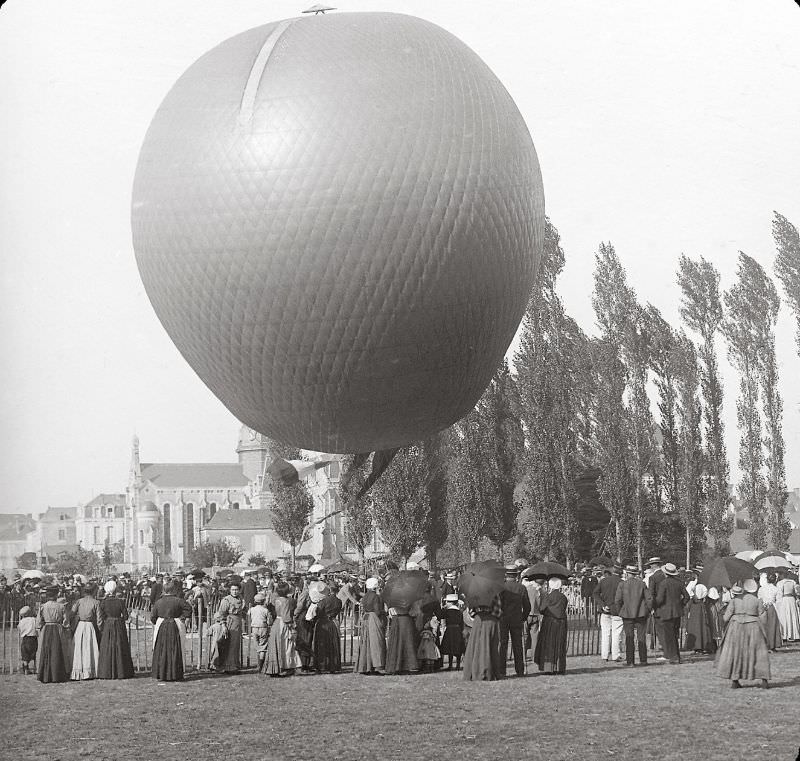
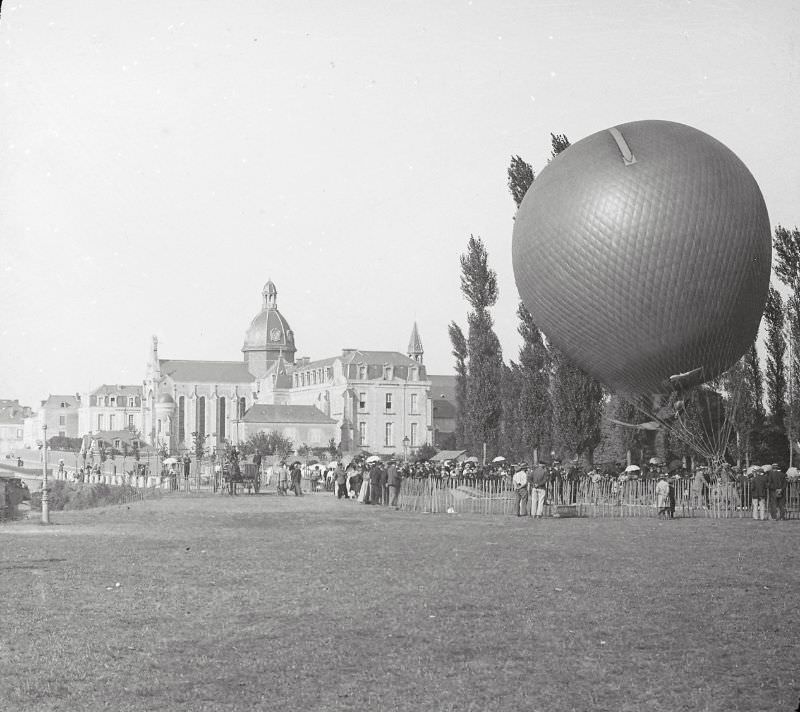
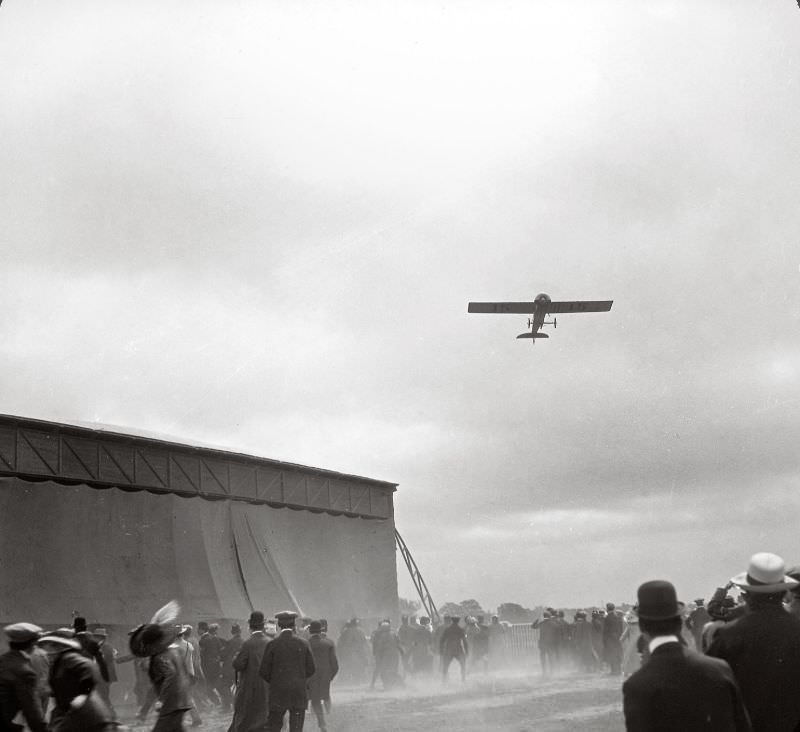
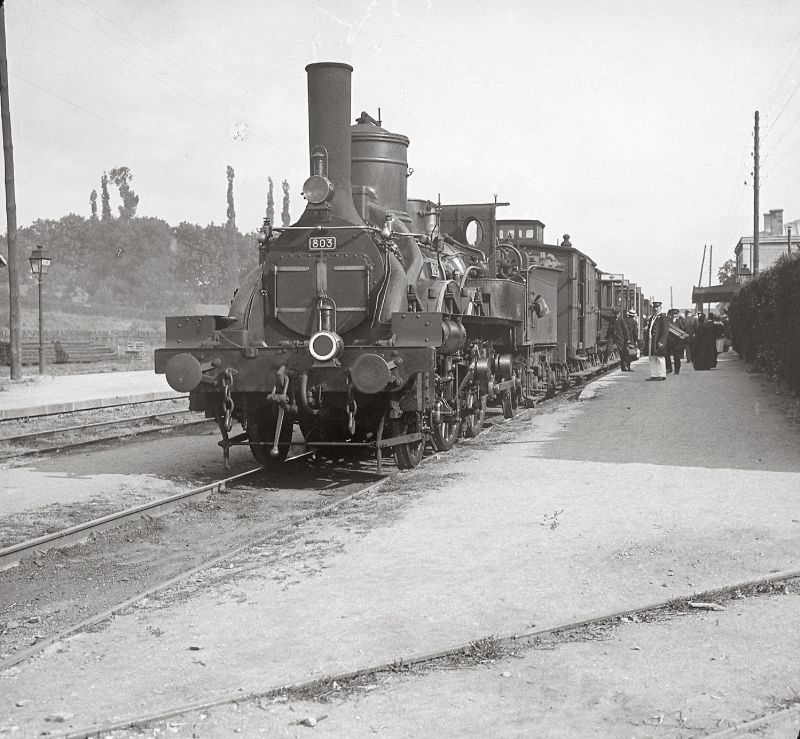
Technology was also beginning to change French life. Hot air balloons drew large crowds at provincial rallies. By 1912, aviation had advanced enough that circuit races for aircraft were held at Angers. The train connected towns and cities that had once been isolated from each other, making it possible for people to travel, trade, and communicate across the country far more easily than before.
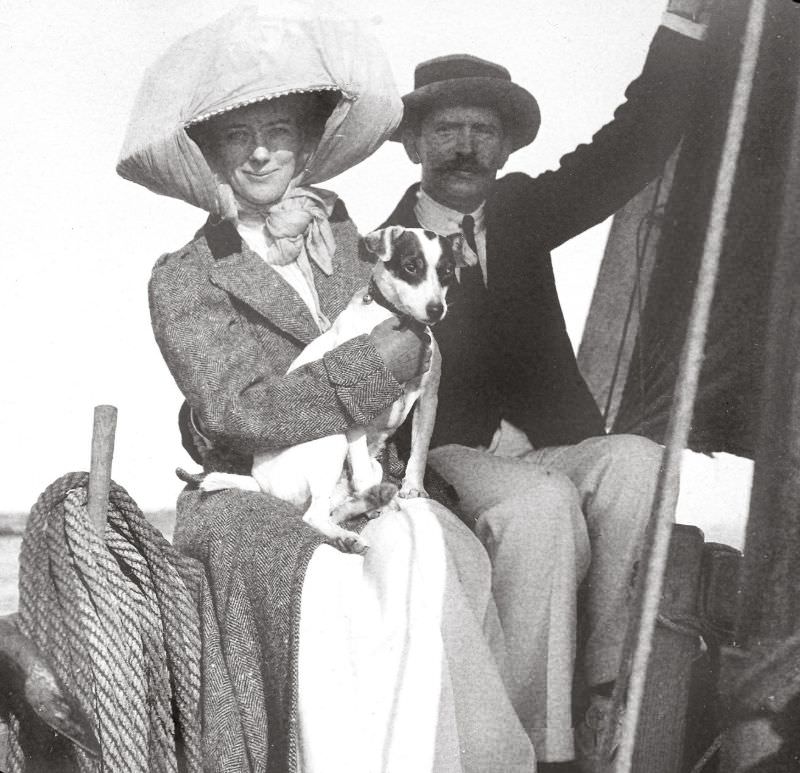
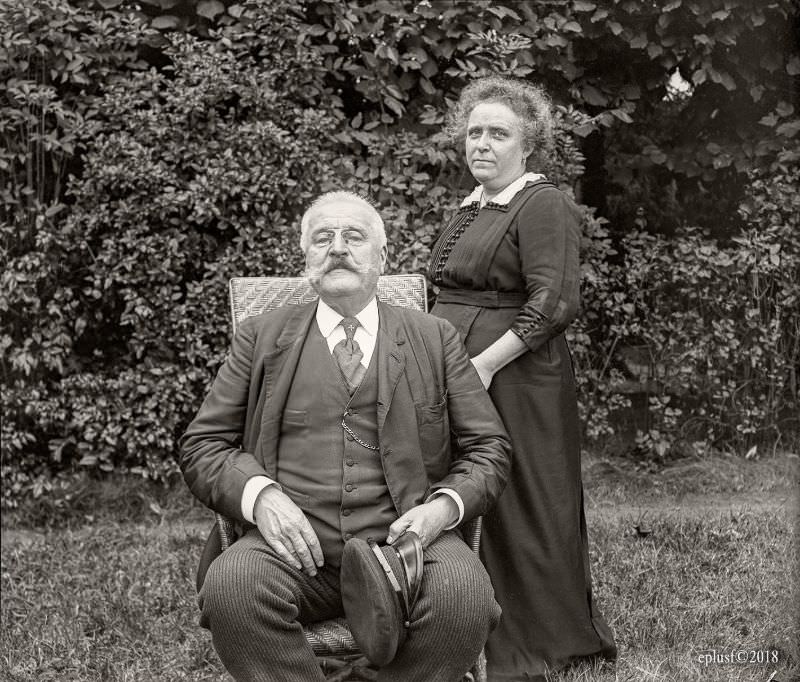
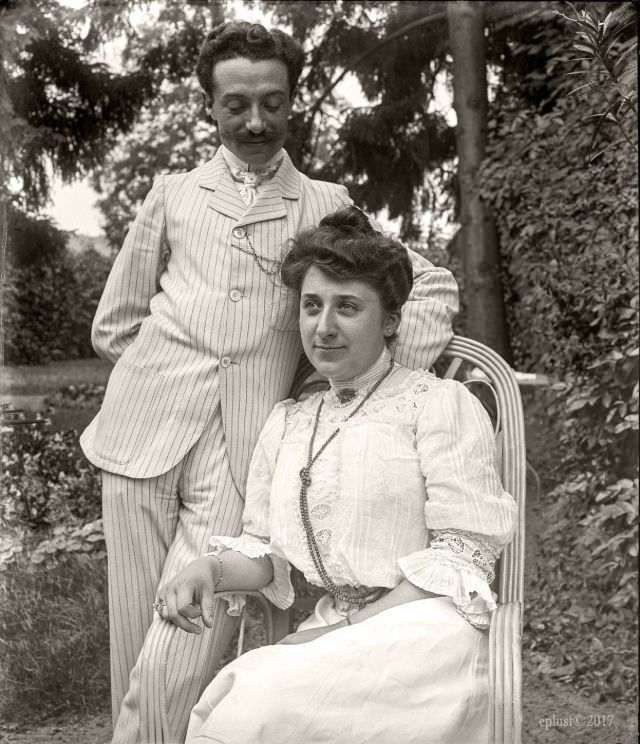
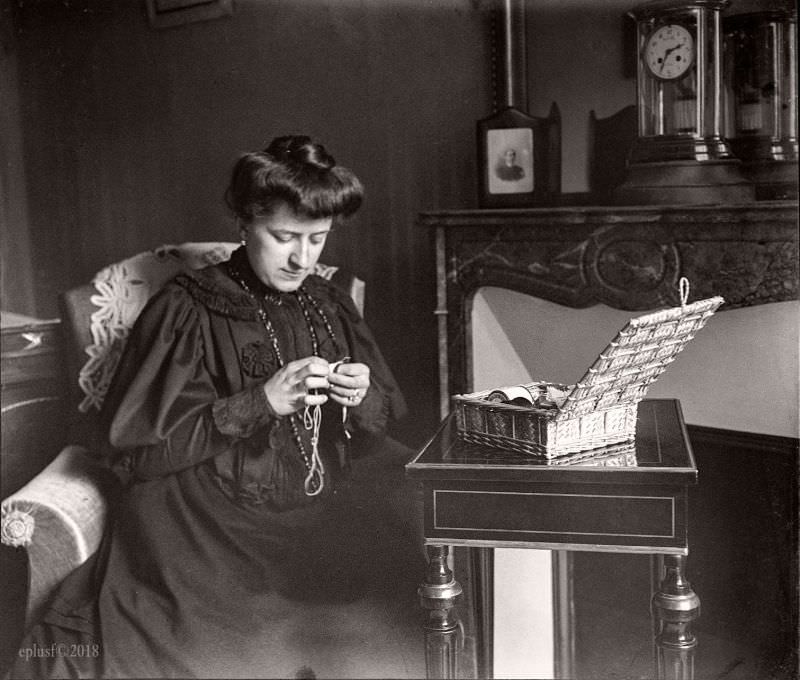
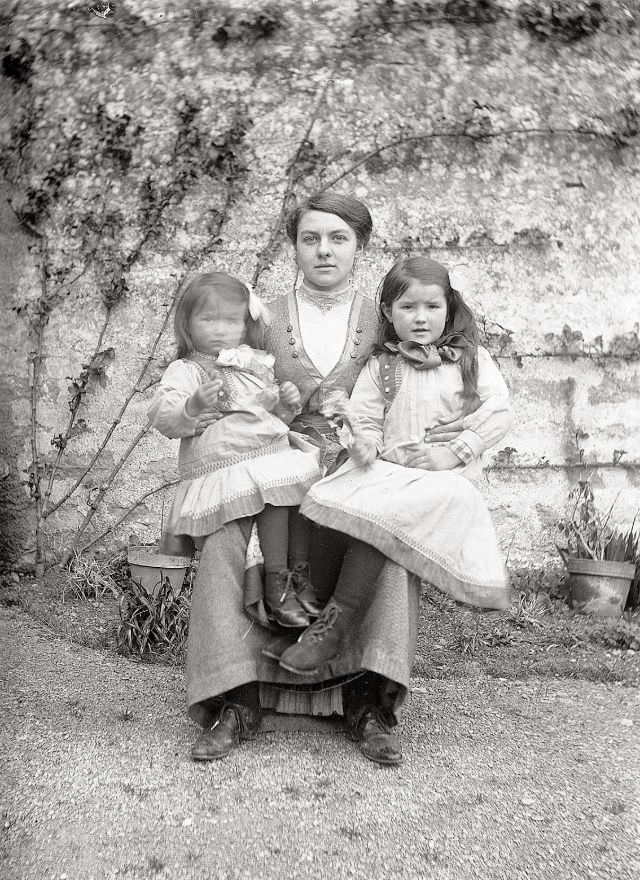
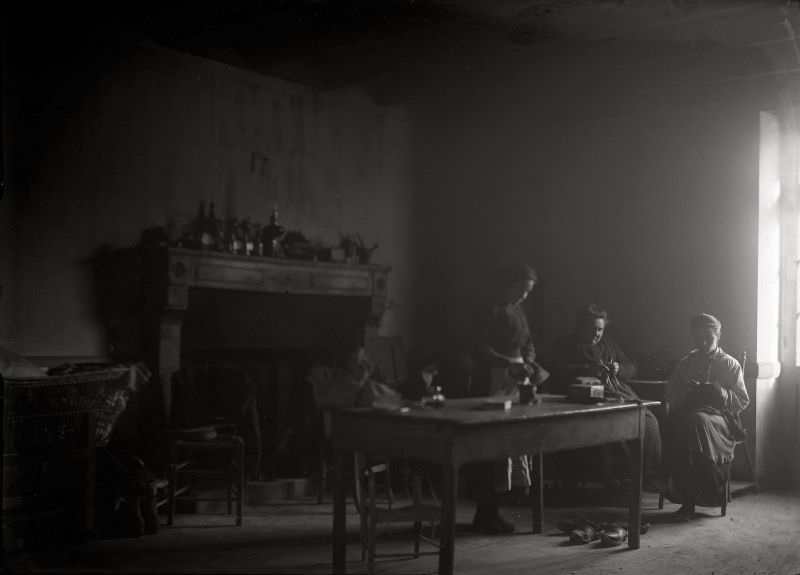
Portrait photography was common by 1900, and families across France sat for formal pictures. These images were treasured keepsakes — records of people at a particular moment in their lives. Some names have survived alongside the photographs: Gustave and Jeanne, Madeleine and Emilien, young Yvonne, and Suzanne caught in a quiet moment at her sewing.
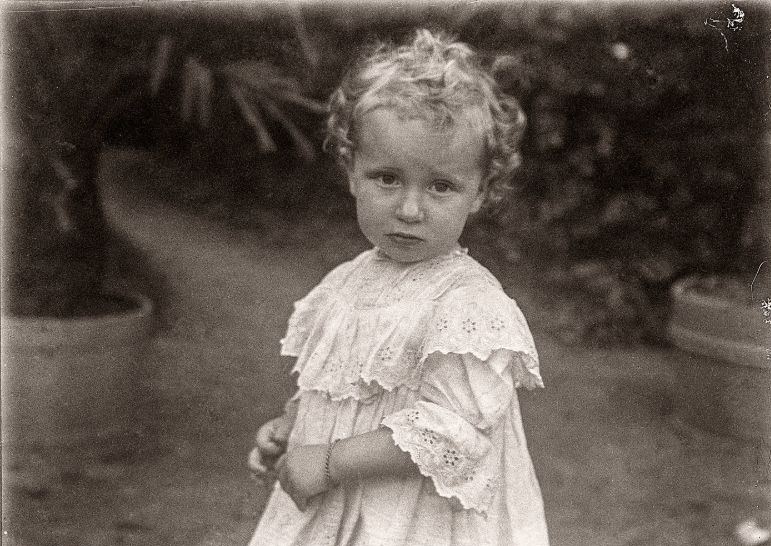
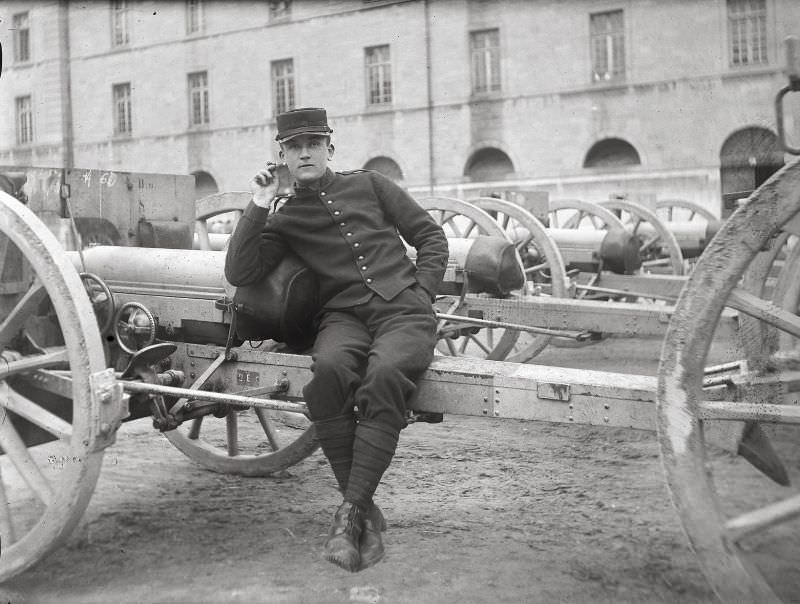
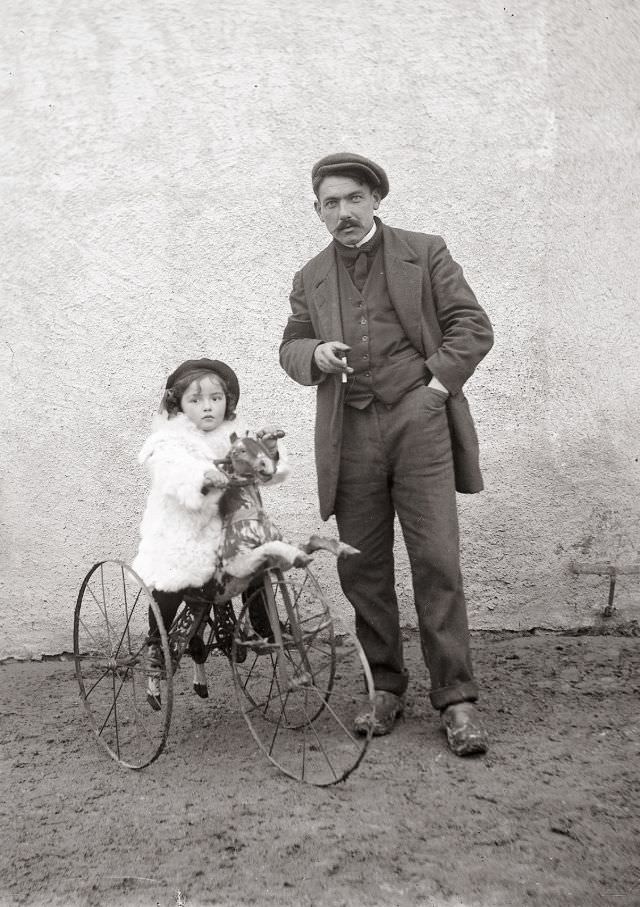
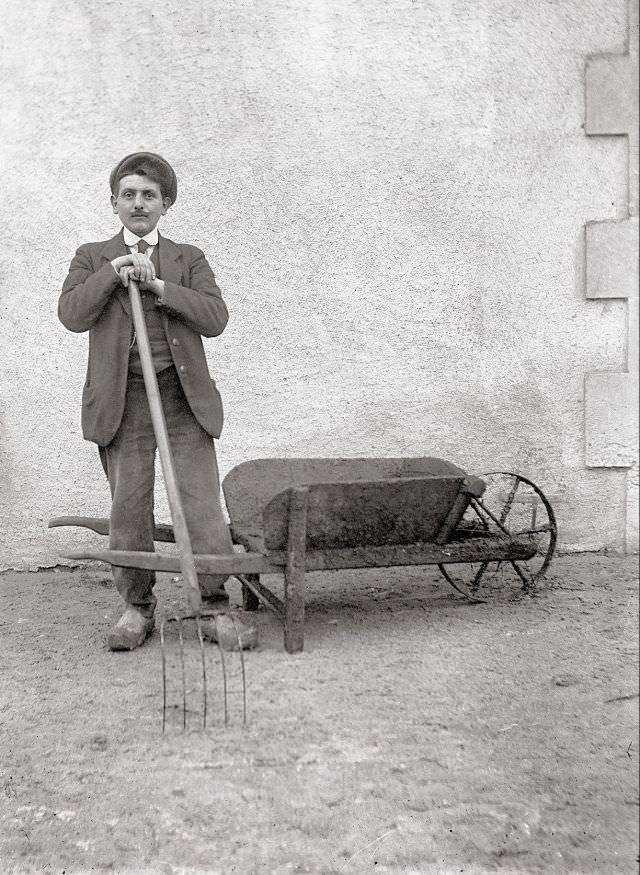
By 1914, the world these photographs document was about to break apart. World War I pulled France into four years of brutal conflict. Young men who had posed in front of barracks were sent to the front. Soldiers gathered in shattered towns like Soissons, a city in northern France that was heavily damaged during the fighting. The Pierron family photographs — taken in December 1918 and early that same year — show civilians going about daily life even as the war approached its end, children playing, women with their daughters, men working with simple farm tools.
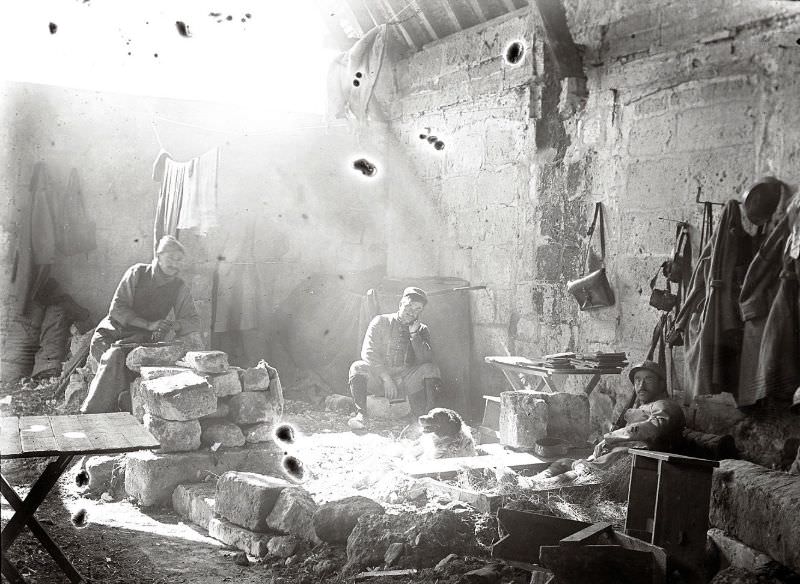
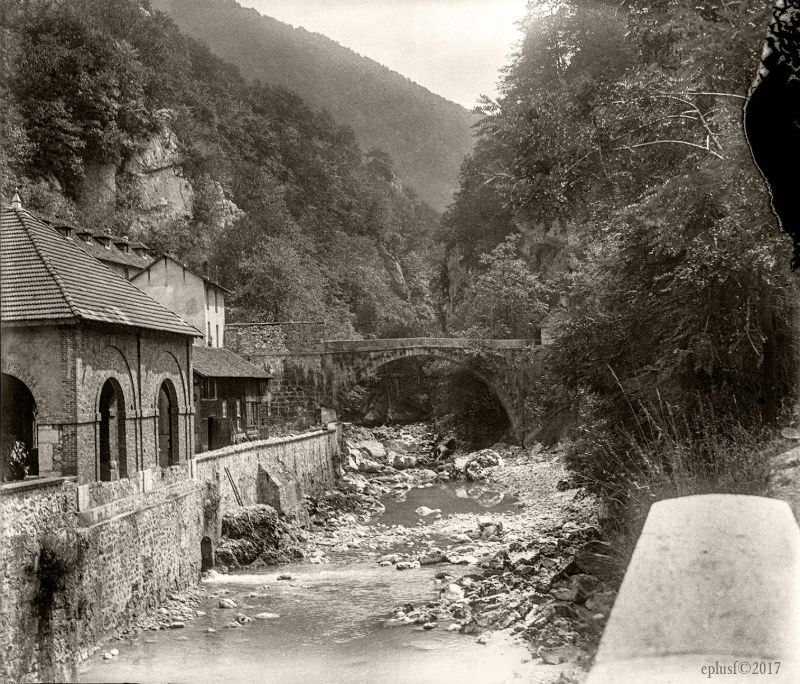
As the war ended in November 1918, France began the long process of returning to normal life. A photograph taken in Marseille in May 1918 shows the familiar shade under a bridge. A kitchen break in January 1919 captures soldiers or workers pausing for a meal. A walk through the gorges of Ballandaz in 1919 speaks to the quiet pleasure of simply being somewhere peaceful again.
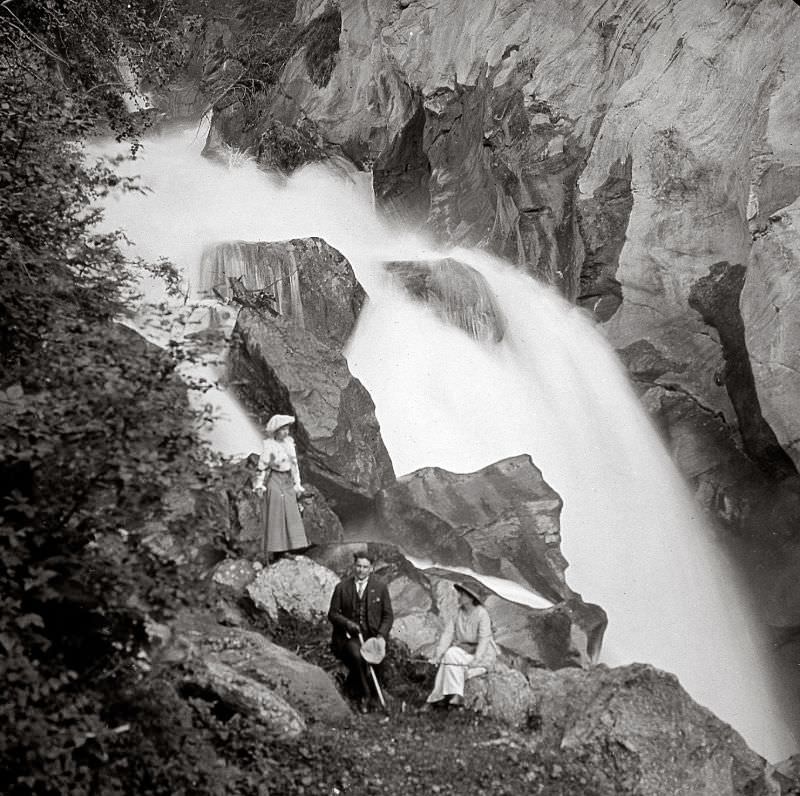
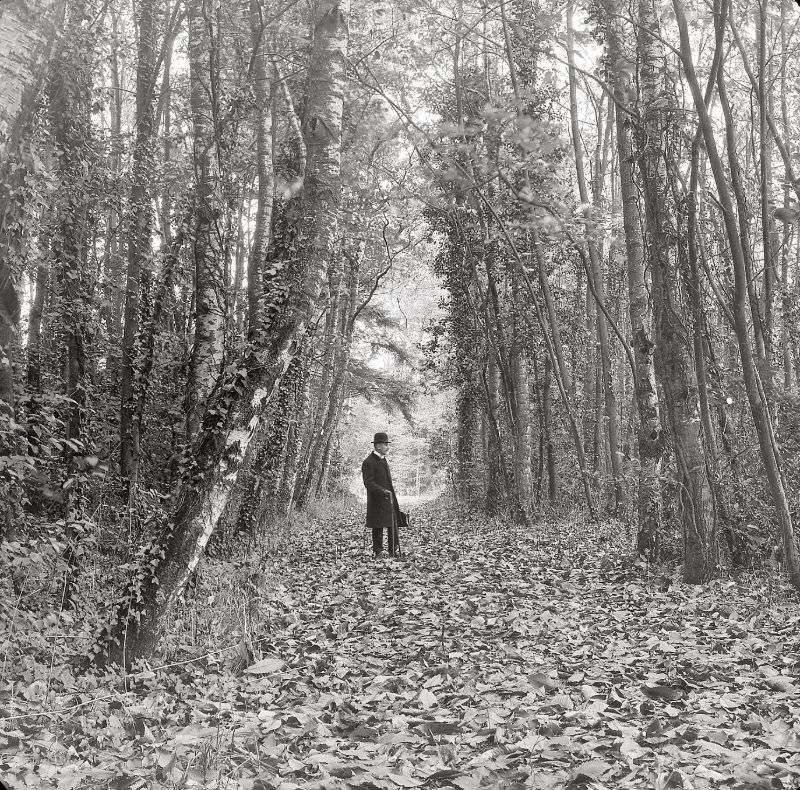
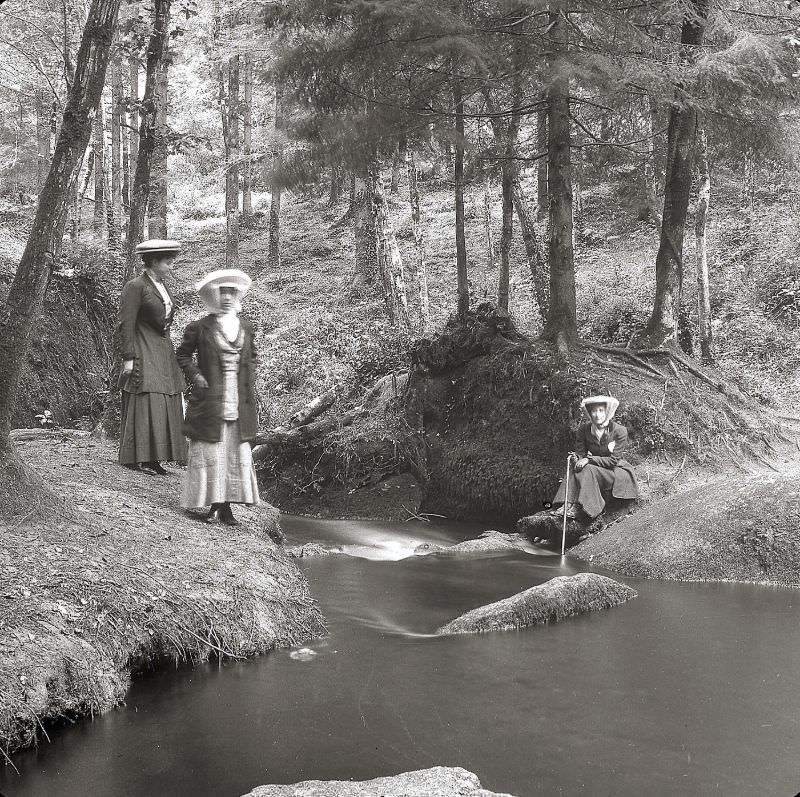
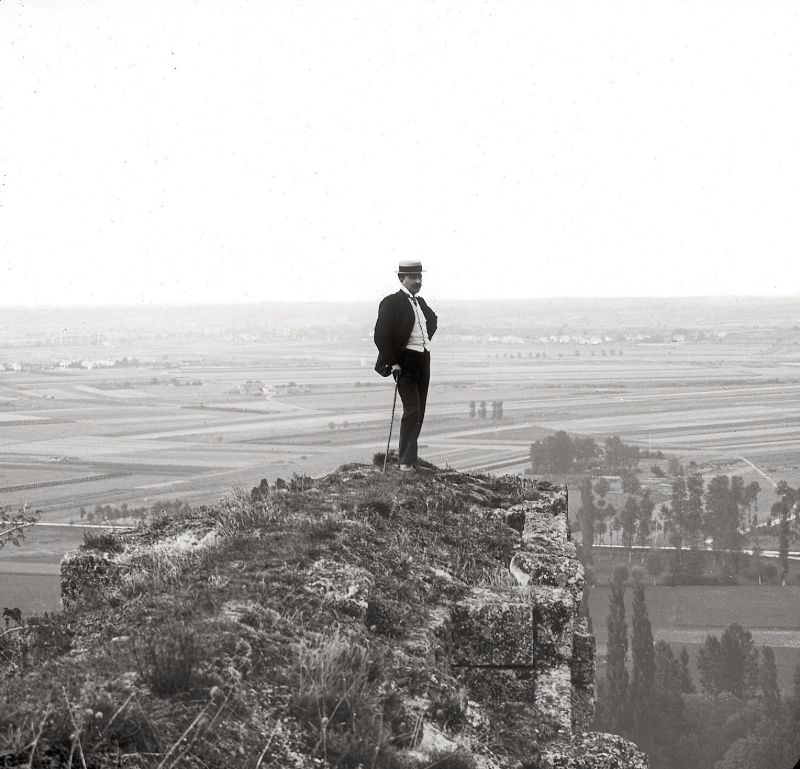
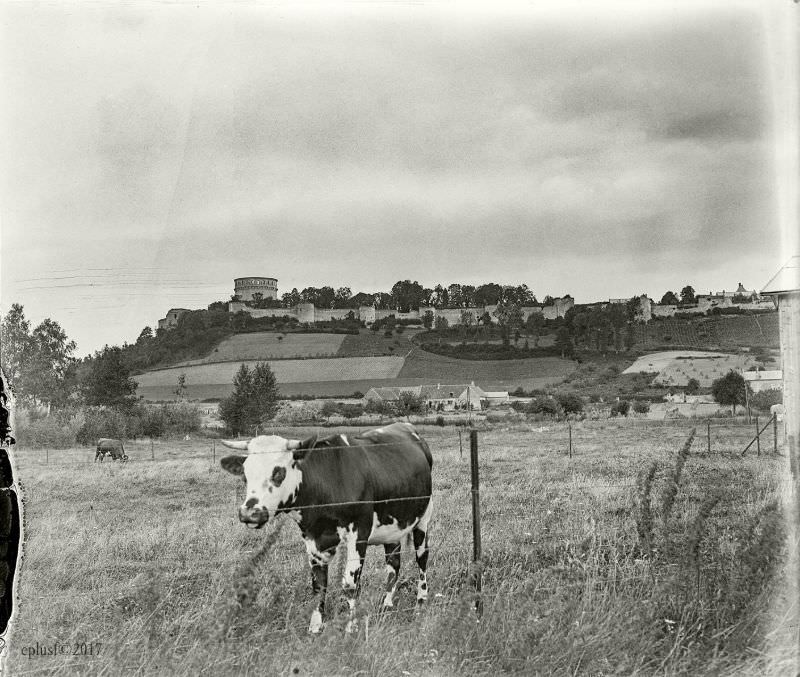
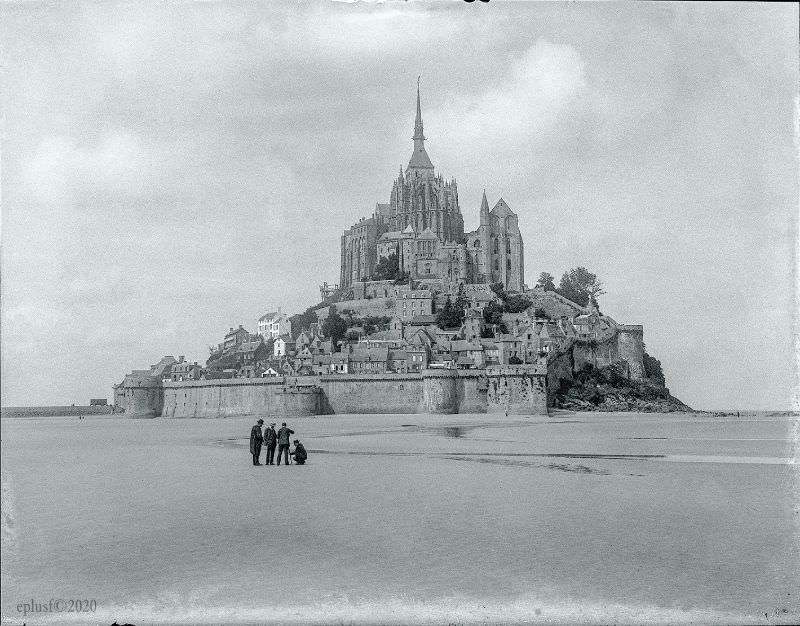
France’s landscapes, from the forests of Huelgoat in Brittany to the ruins of medieval châteaux in Touraine and Picardy, remained largely unchanged by the political storms of the era. Mont-Saint-Michel rose from the tidal flats of Normandy as it had for centuries. The Chartreuse desert in the Alps offered a different kind of silence — remote, forested, and far from the noise of industrial France.
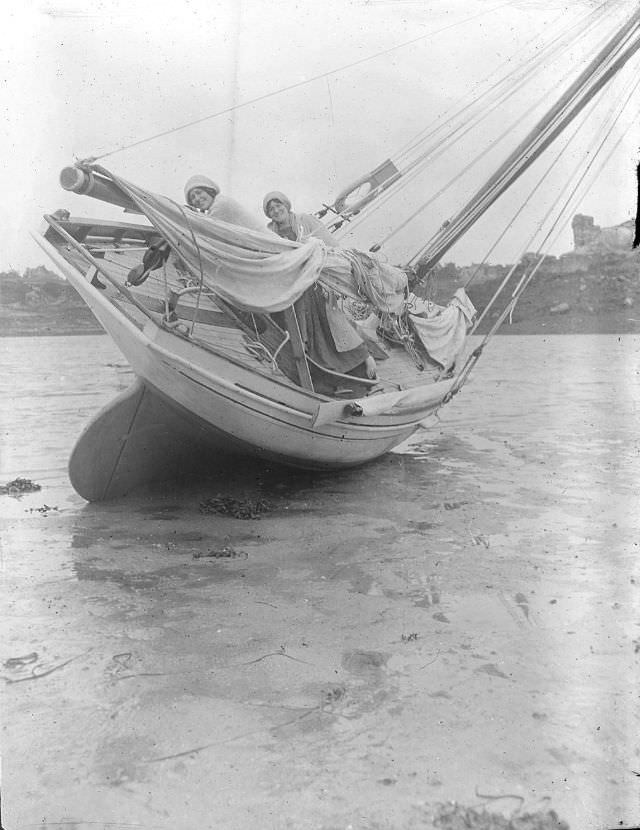
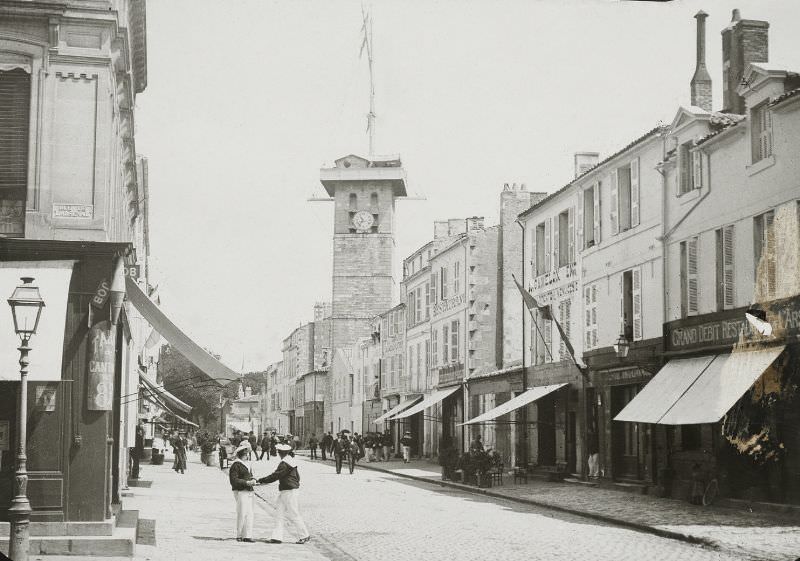
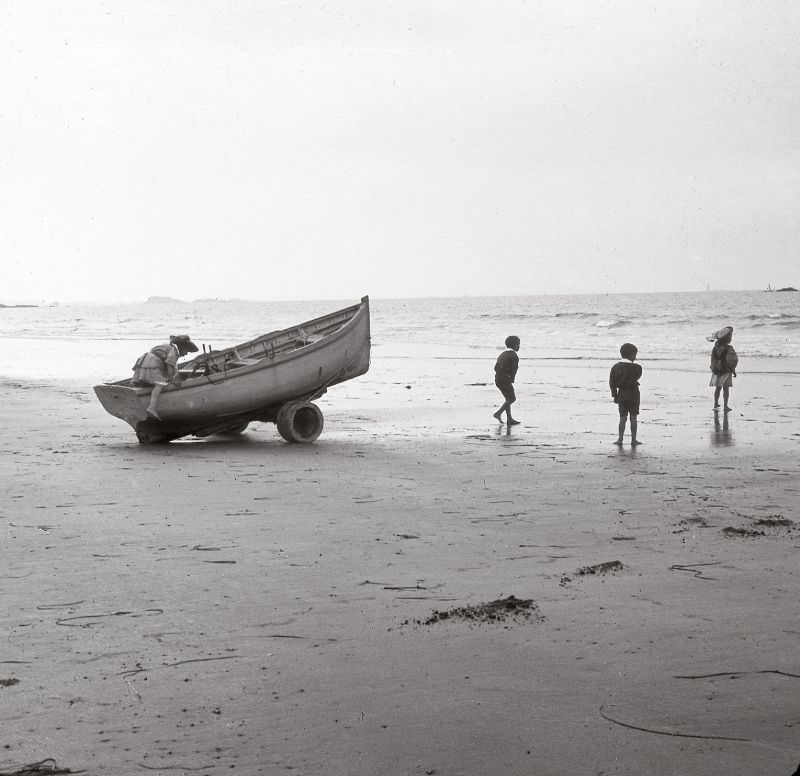
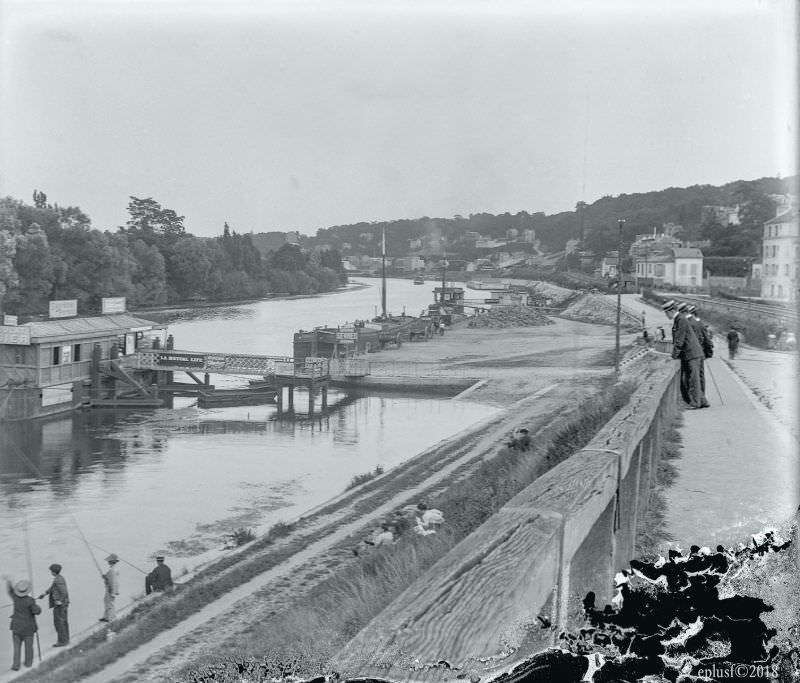
The remaining photographs fill in the broader picture of a country in motion — sailors on the streets of Rochefort, a suspension bridge crossing at Tonnay-Charente, a beaching on the Île de Bréhat, the Sèvres pier along the Seine, and the Auteuil viaduct in Paris. Each image captures a specific moment, a specific place, and a specific group of people navigating the decades that would define modern France.