By April 1941, Ford Motor Company was the last major American automaker without a union contract. General Motors and Chrysler had already recognized the United Auto Workers (UAW), but Henry Ford refused to follow. Inside his plants, workers endured long hours, repetitive labor, and constant surveillance by the Ford Service Department — an internal security force with a reputation for intimidating and roughing up employees. Dissatisfaction had been building for years.
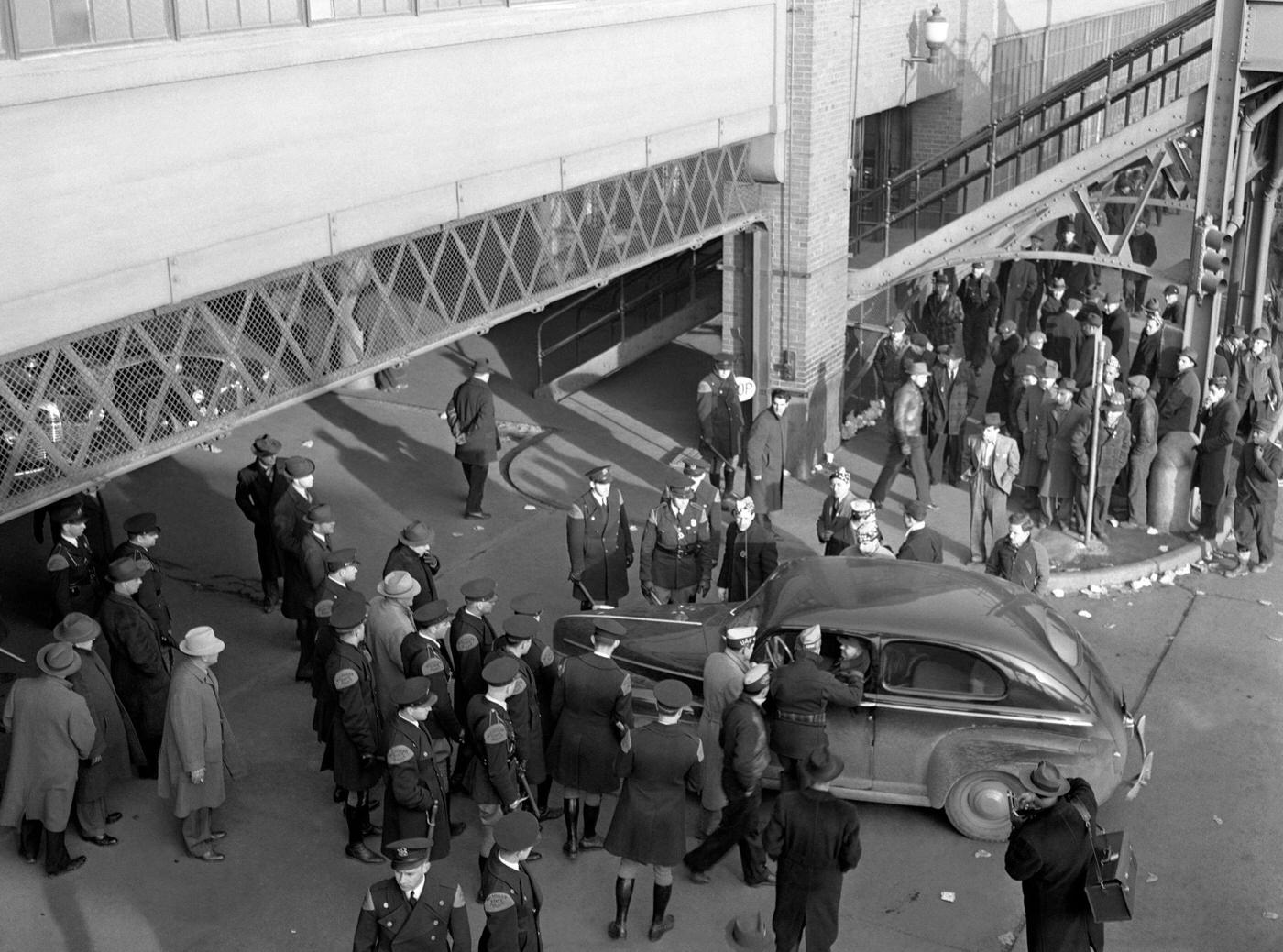
The breaking point came when Ford fired eight workers at the River Rouge plant in Dearborn, Michigan. The UAW called an immediate strike. More than 85,000 workers walked off the job, shutting down production at one of the largest industrial complexes in the world. Michigan state police were deployed to manage the crowds as the situation grew tense.
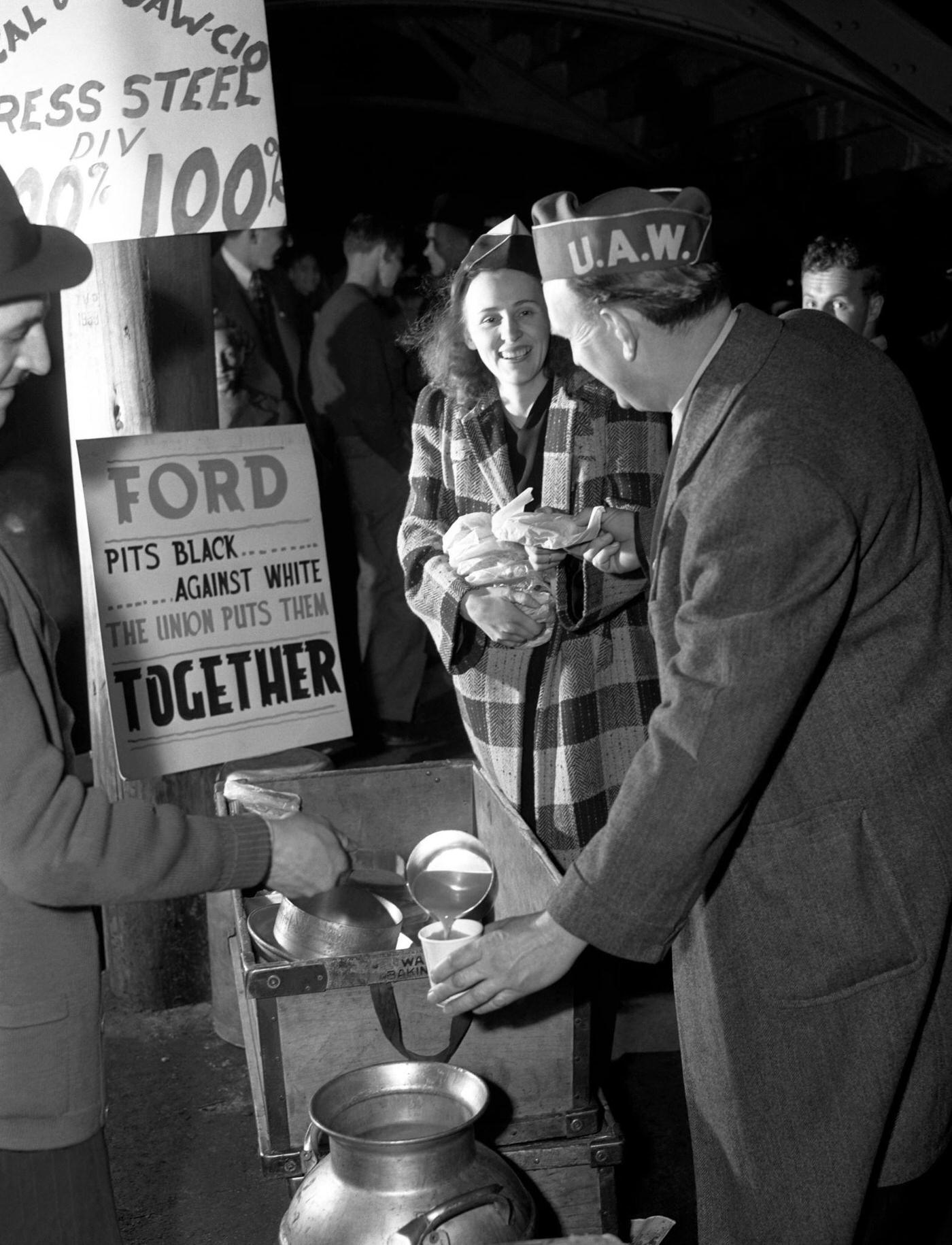
Strikers organized quickly. UAW members set up food and coffee stations near the plant gates to sustain workers on the picket lines through long days and nights.
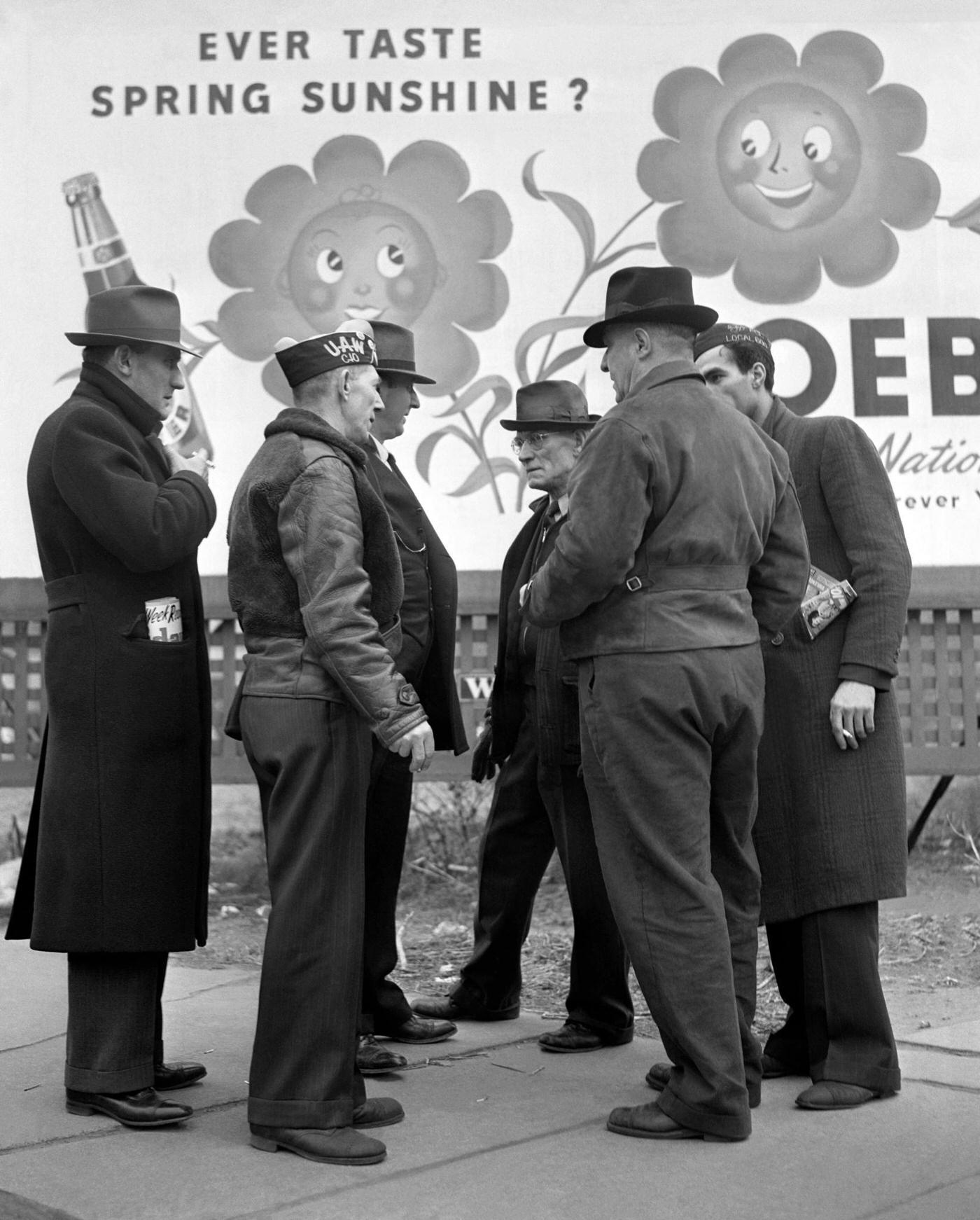
Union organizers held regular meetings to coordinate their demands and keep members informed. The UAW sought recognition as the sole bargaining agent for Ford employees, reinstatement of the fired workers, and a formal labor contract.
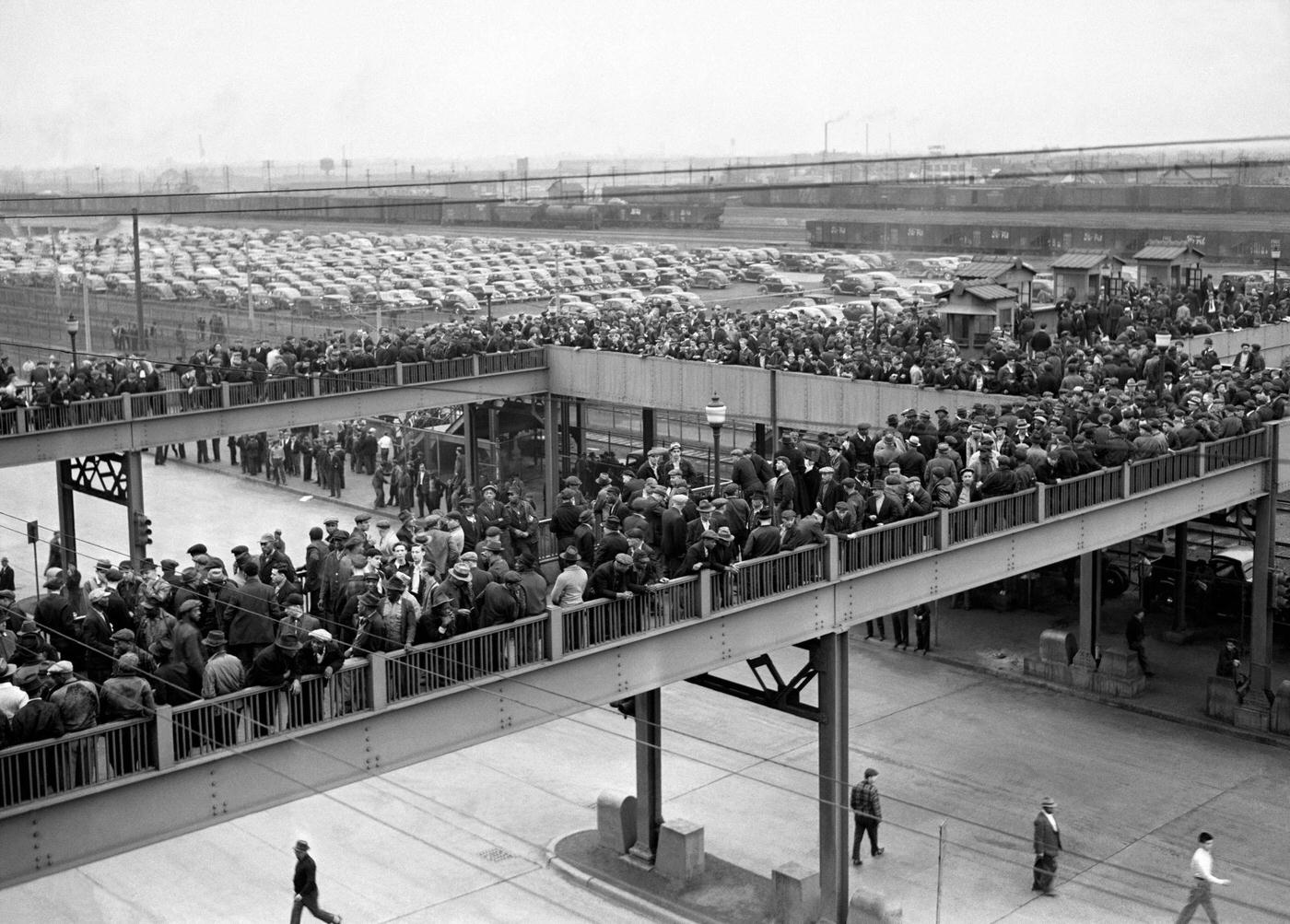
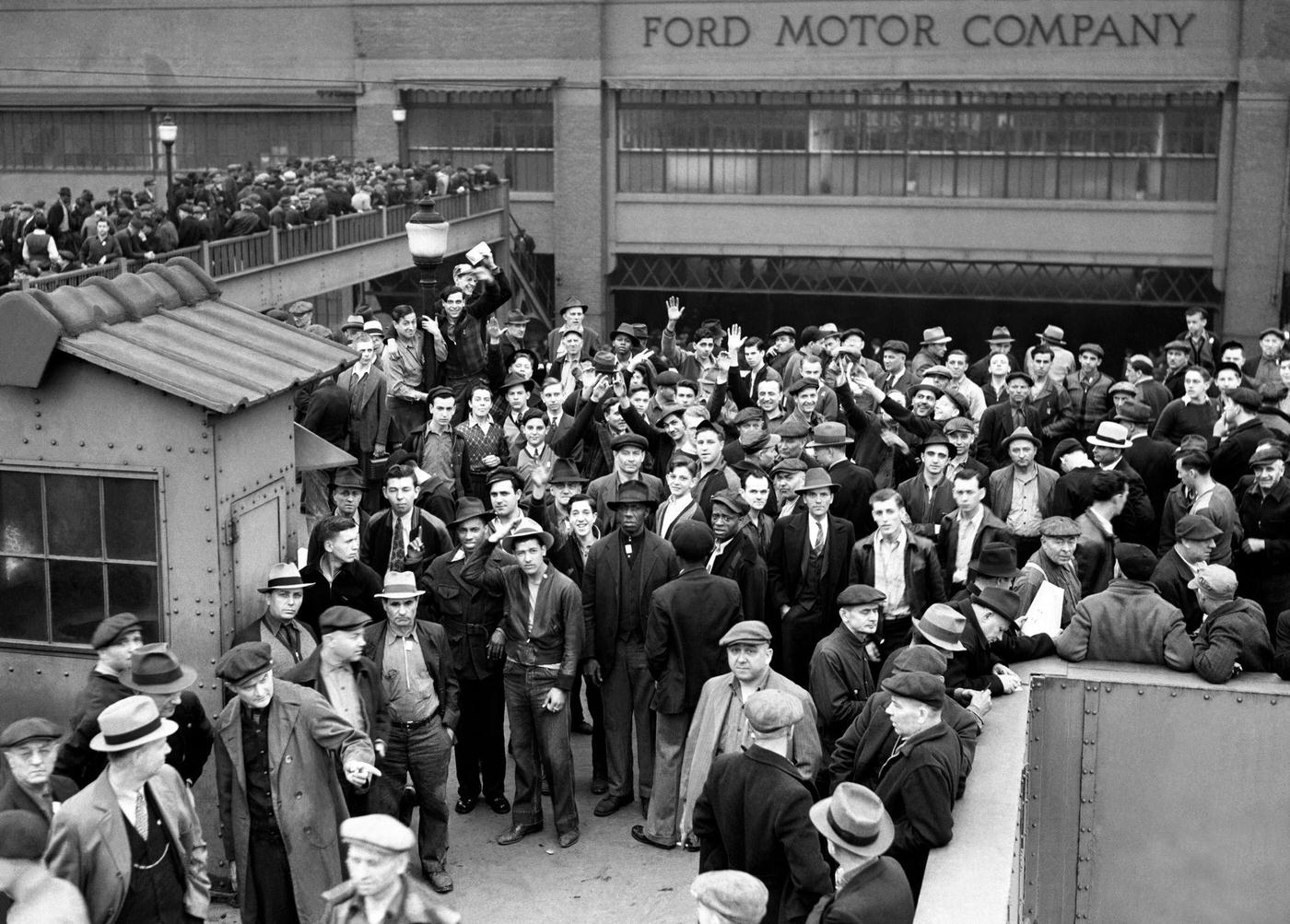
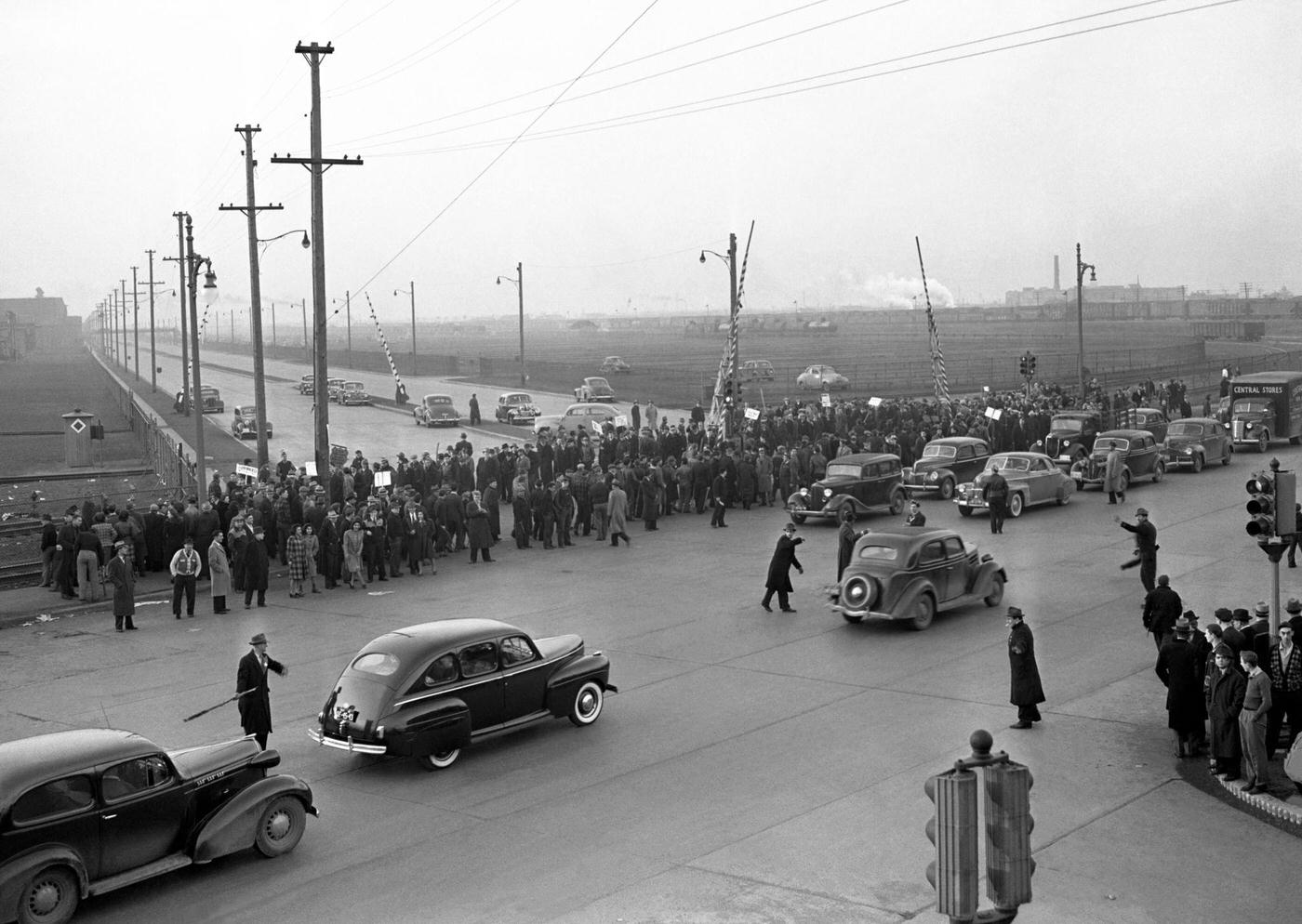
Thousands of workers and supporters gathered outside the River Rouge gates throughout the strike. The sheer size of the crowds made clear that this was not a fringe movement — it represented the overwhelming majority of Ford’s workforce.
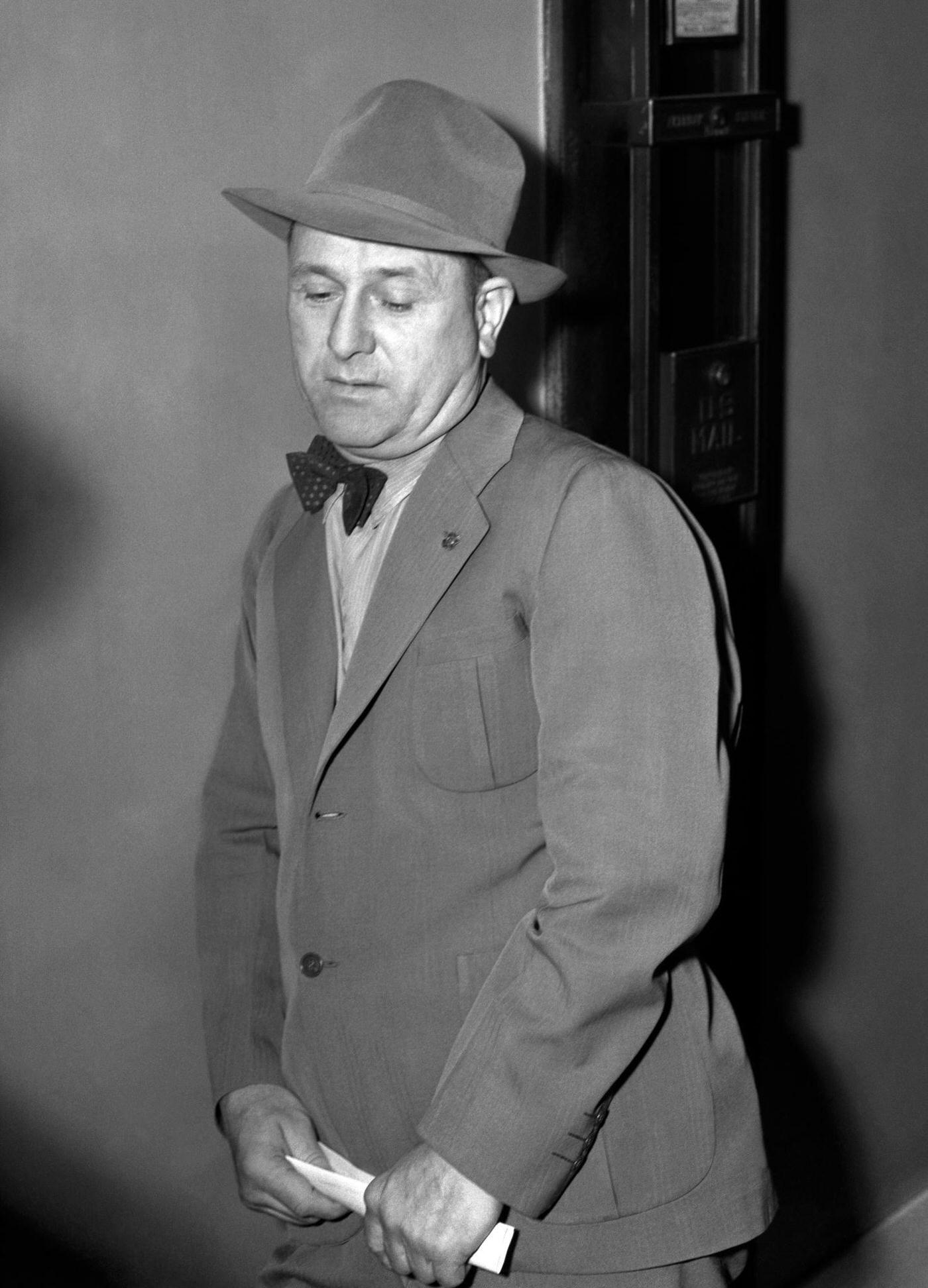
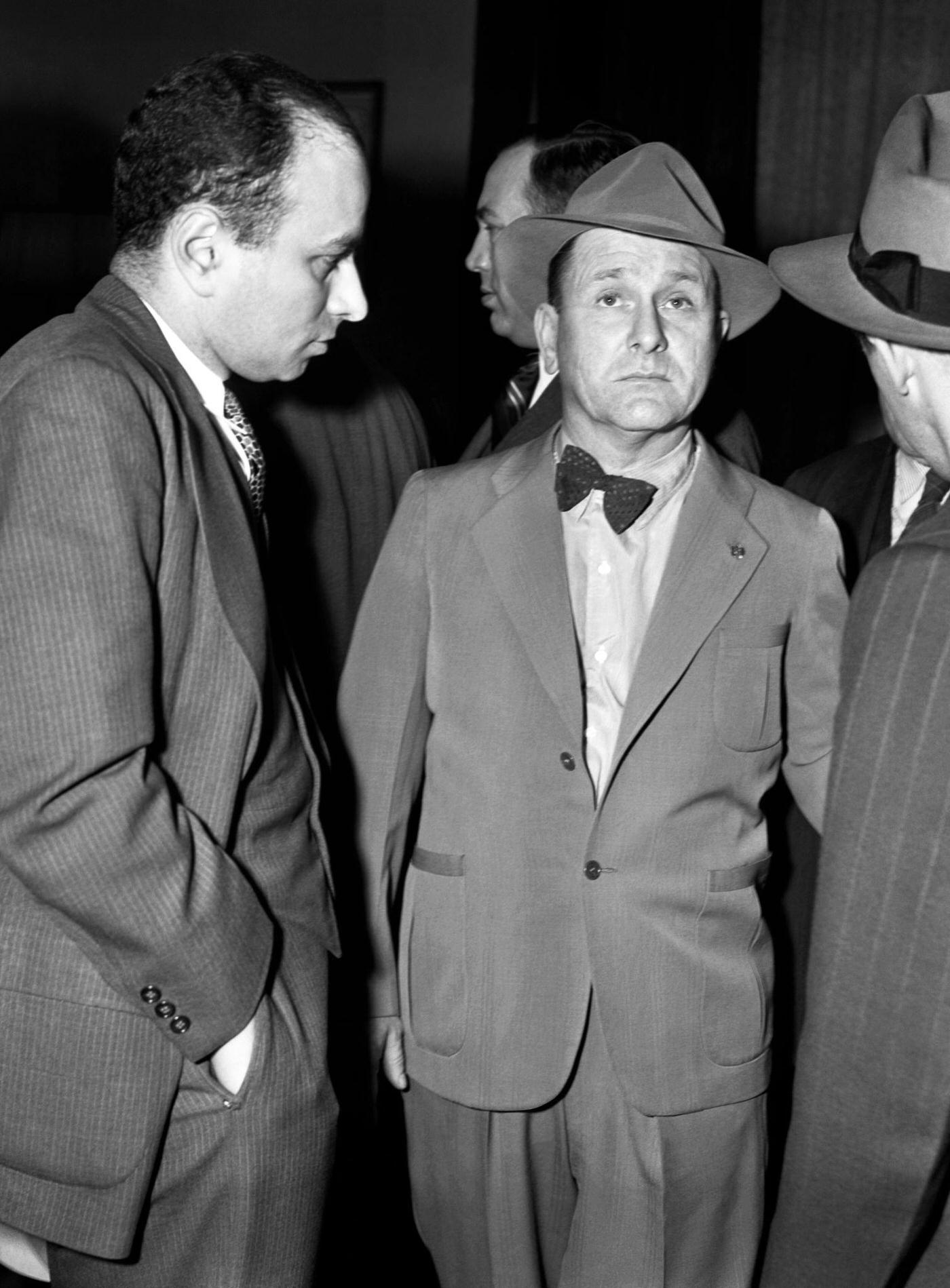
At the center of Ford’s resistance to the union stood Harry Bennett, the head of the Ford Service Department. Bennett had run the department for nearly two decades, and his men were known for using physical force against union organizers. He became one of the most recognizable — and controversial — faces of the strike.
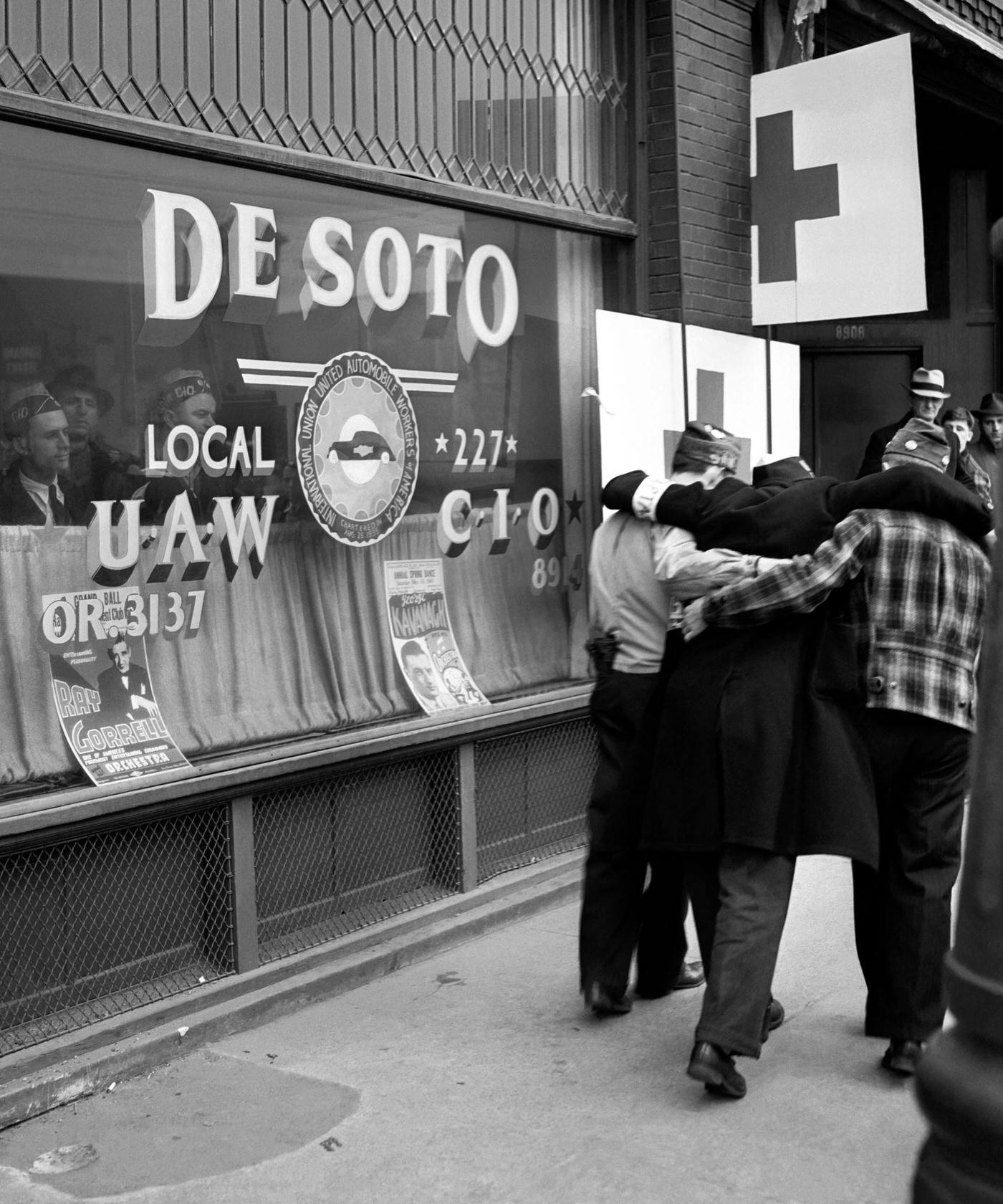
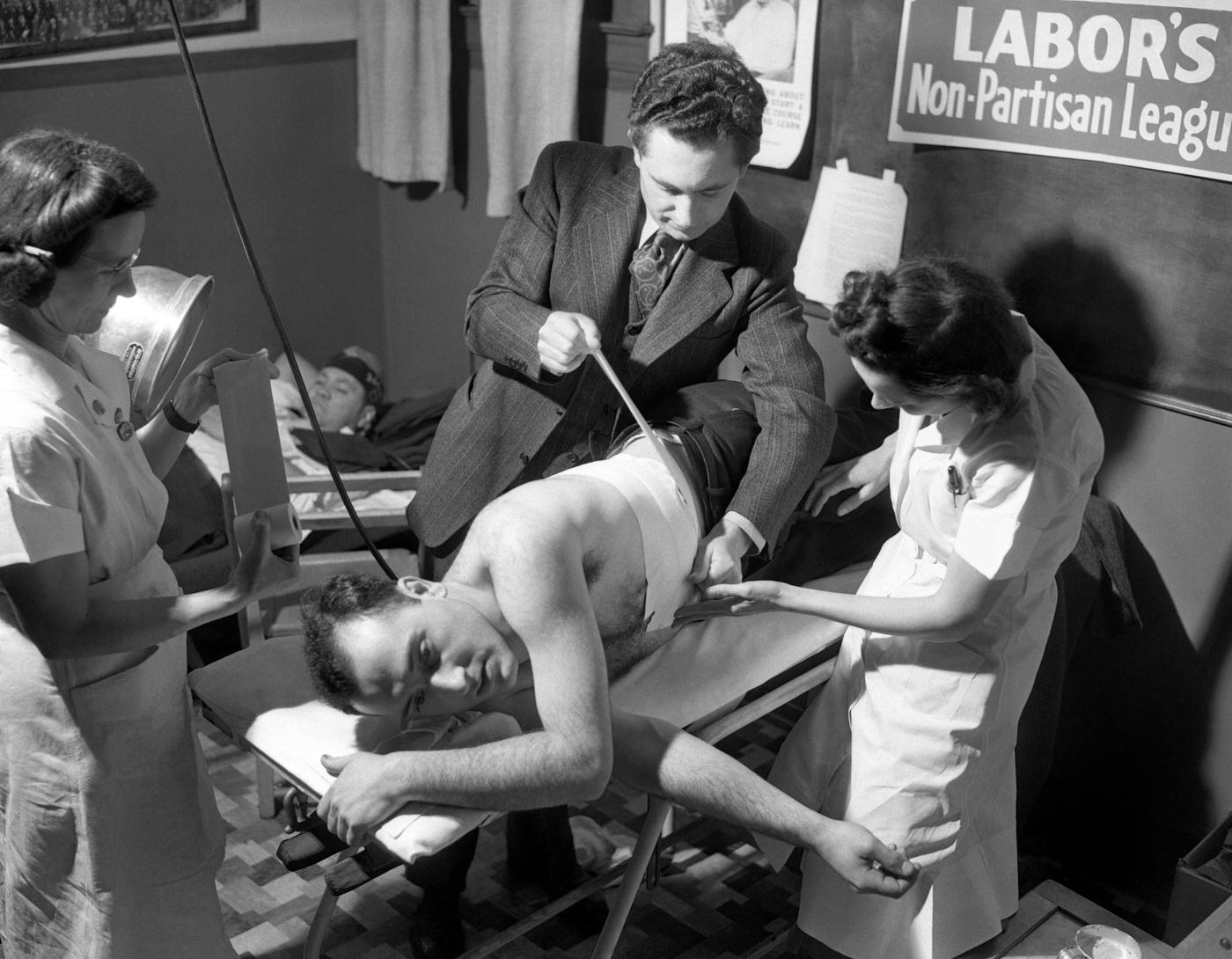
The strike was not entirely peaceful. Riots broke out during the dispute, and a number of people were injured. Some were carried directly to the De Soto local UAW headquarters for treatment.
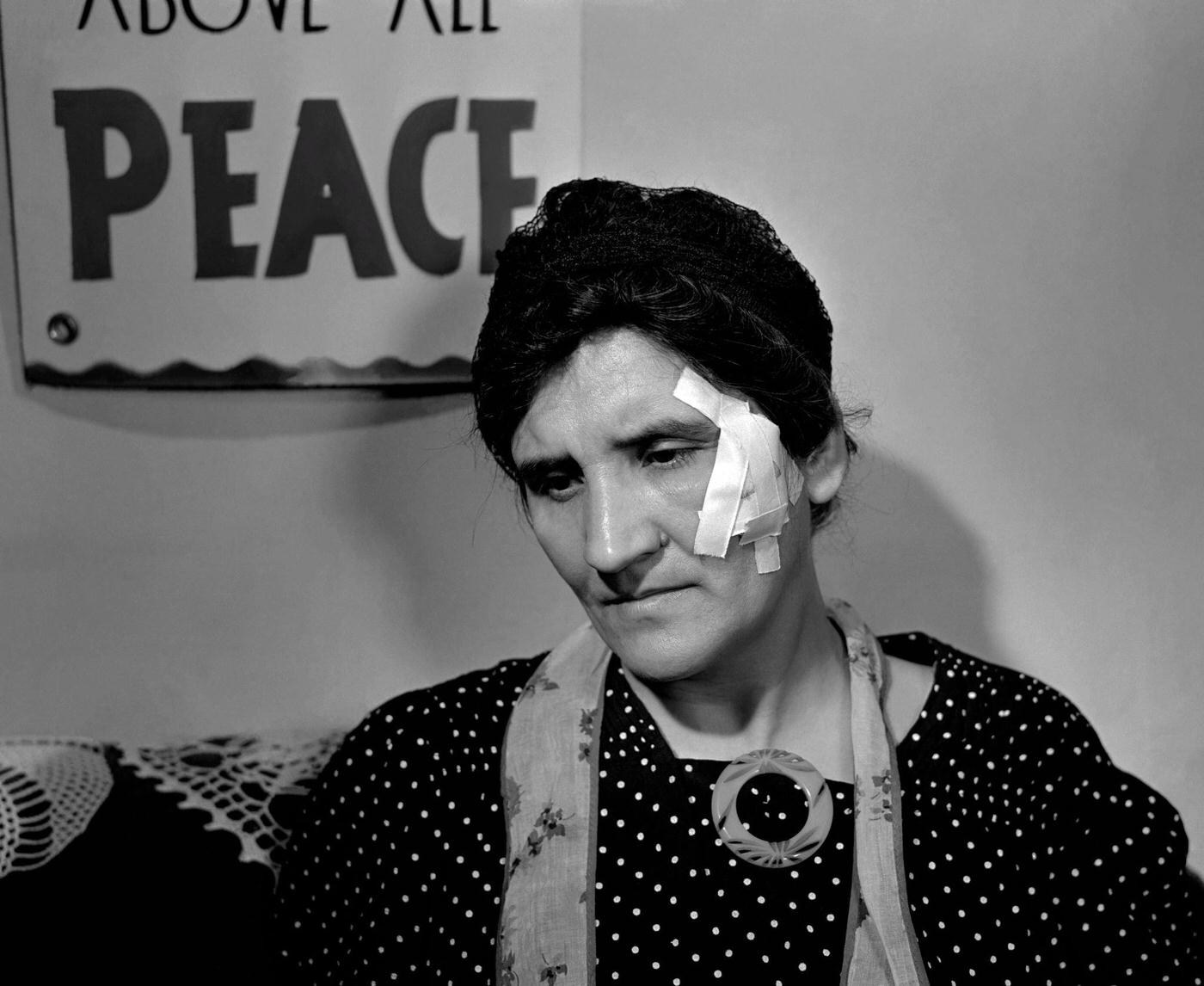
The violence touched strikers and bystanders alike. One woman, photographed sitting beneath a sign reading “Above All Peace,” had been injured during the unrest — a striking image that captured the contradiction between the strikers’ goals and the chaos that had erupted around them.
The crowds at River Rouge swelled as the days passed. Workers packed the streets and sidewalks around the plant, creating a visible blockade that made it nearly impossible for production to resume.
Bennett remained a constant presence during the standoff, representing Ford’s position even as pressure mounted from all sides. With the United States moving closer to entering World War II, the federal government needed Ford’s industrial capacity for military vehicle production — making a prolonged strike a national concern, not just a labor dispute.
Injuries from the riots required medical attention on the spot. One photograph from April 9, 1941 shows a man having his side taped after being hurt during the unrest, a reminder that the fight for a union contract came with a real physical cost for many workers.
As negotiations progressed into the second week, individual workers continued to walk the picket line. By April 11, the strike was in its final days. Henry Ford, pressured by his wife Clara and by President Roosevelt, agreed to negotiate in earnest.
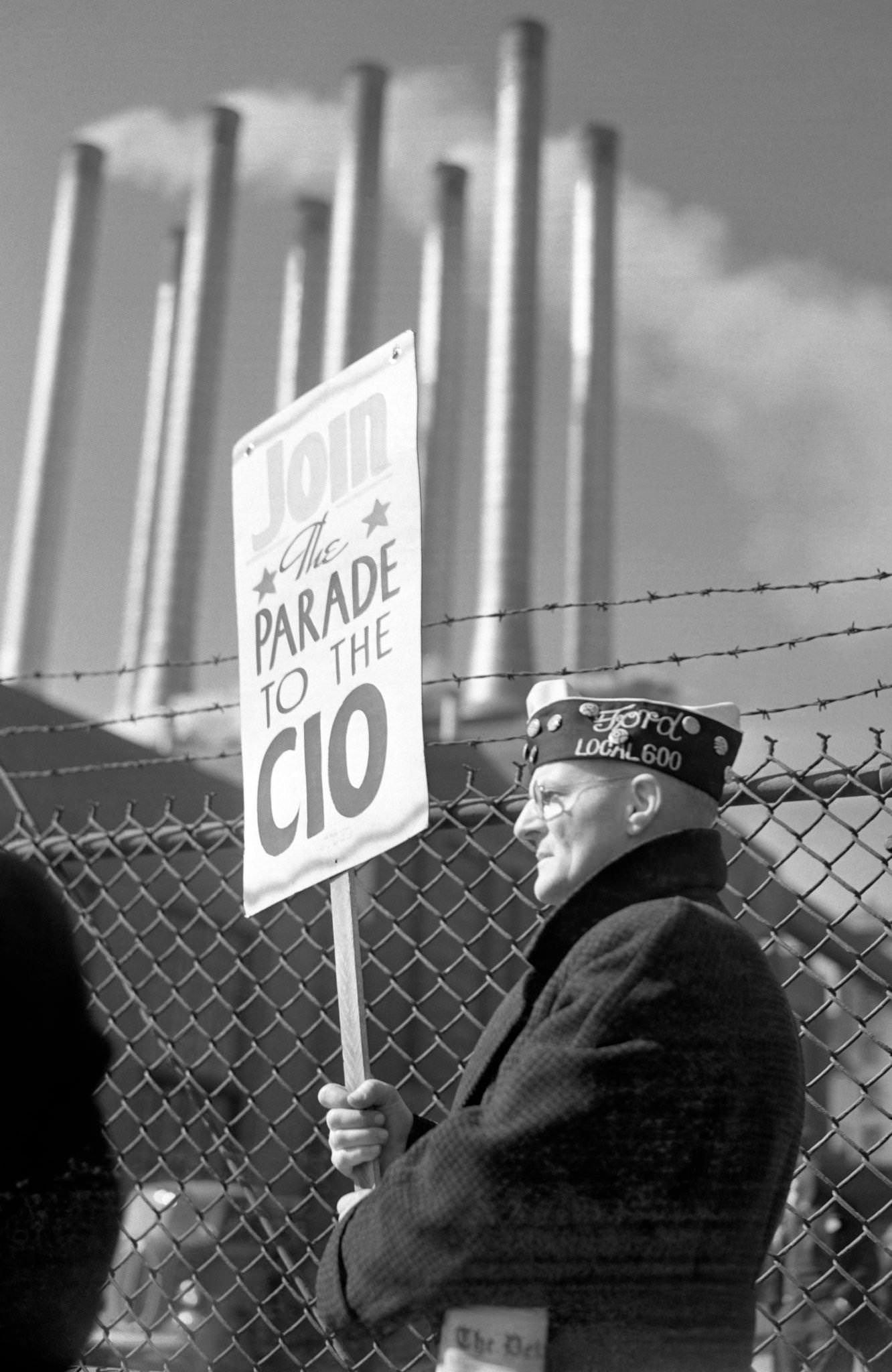
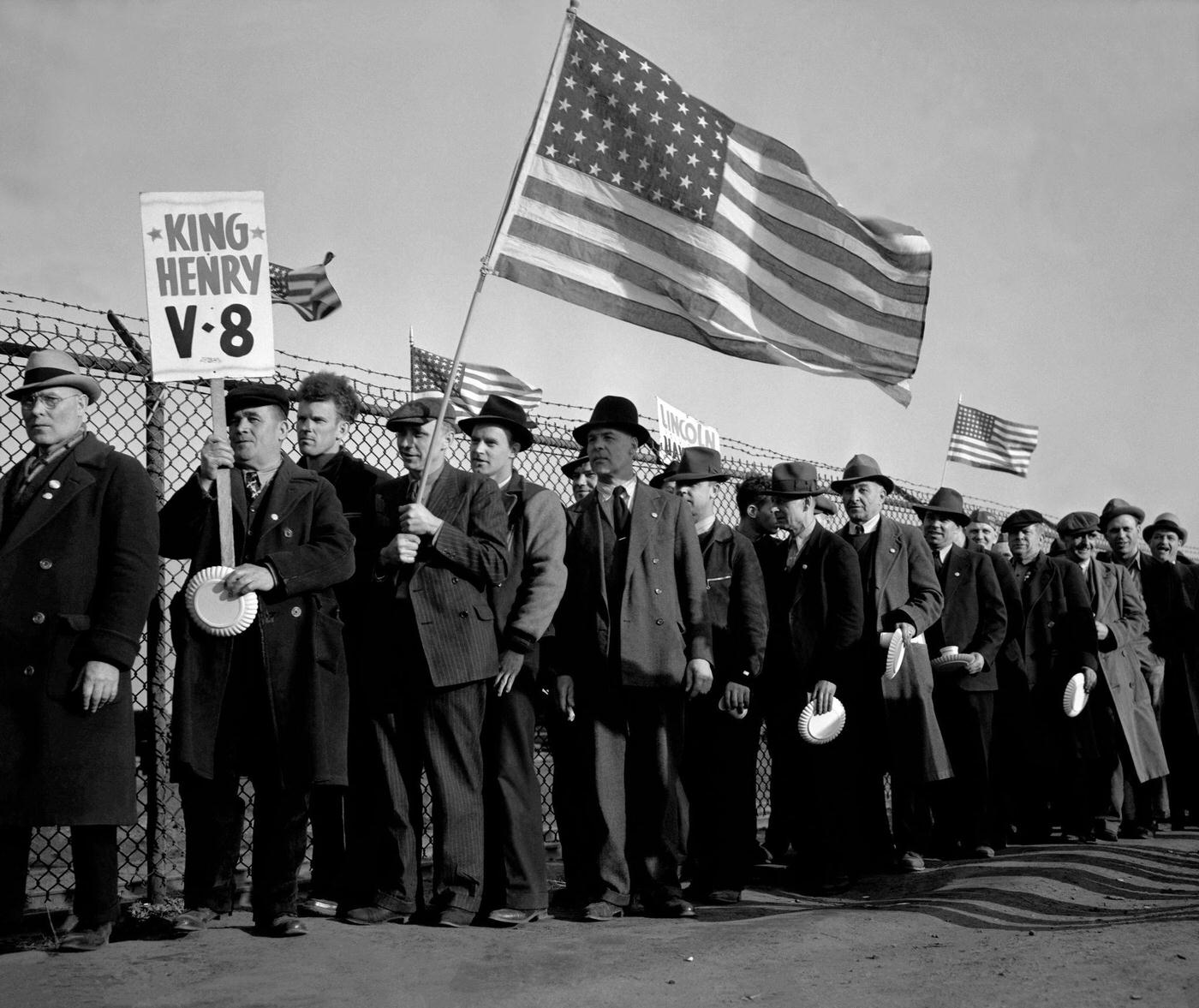
On that same day, workers carried American flags near the River Rouge plant — a deliberate display of patriotism that reinforced the argument that fair labor conditions were a fundamentally American cause.
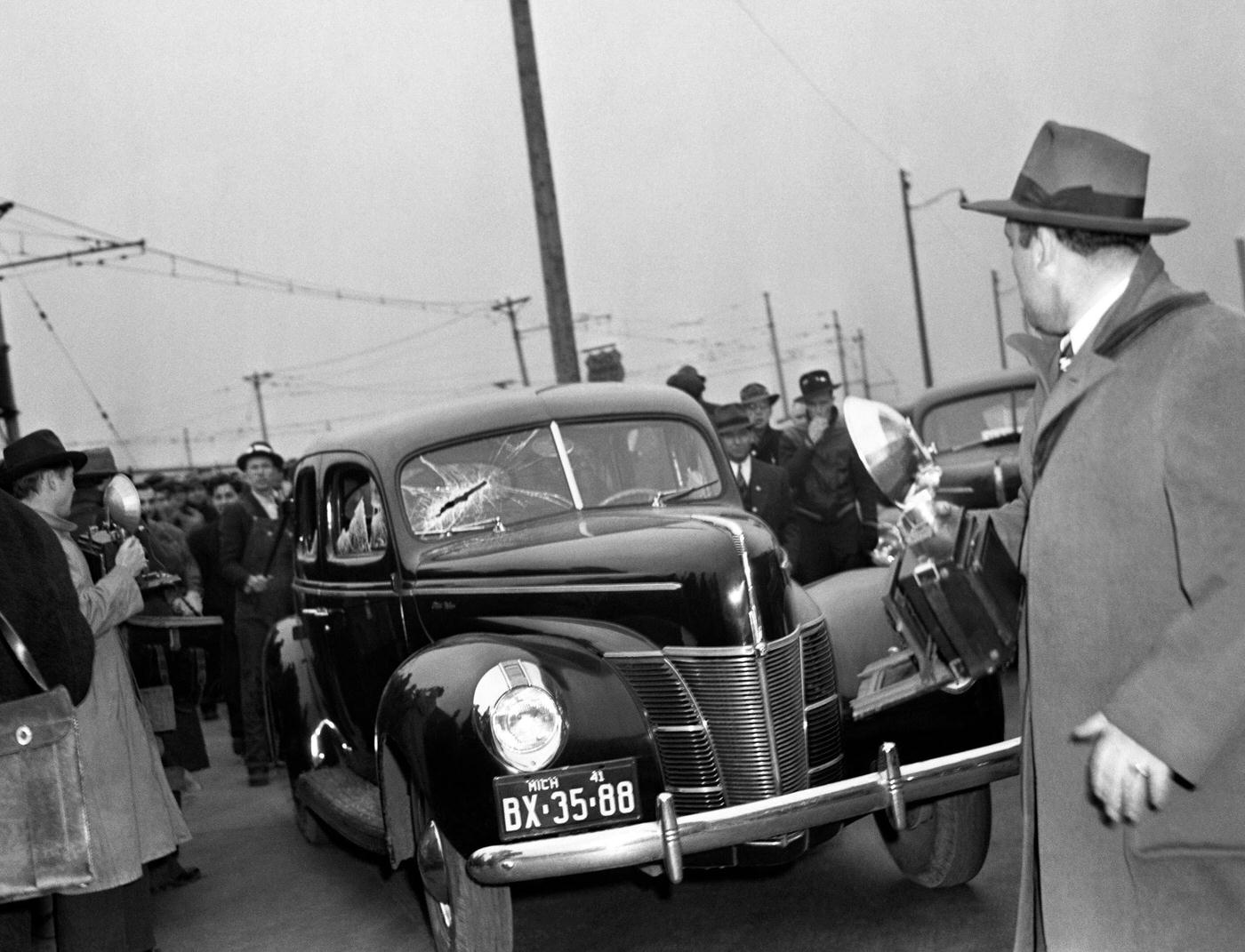
Not everyone sided with the strikers. On April 11, state police took a non-striker into custody after he and a companion struck picketers who stopped their car and smashed its windows. Tensions between strikers and those who refused to join them added another layer of conflict to an already volatile scene. Ford ultimately signed a contract with the UAW — one that not only recognized the union but gave workers better terms than either General Motors or Chrysler employees had received.