Flight attendant uniforms have never stood still. In the 1930s and 1940s, airline hostesses wore military-cut skirt suits in muted colors, paired with white gloves and matching caps. The look was neat, structured, and deliberately understated. By the 1950s and 1960s, that restraint gave way to something far more expressive — bouffant hairstyles, pillbox hats, and bold mod silhouettes signaled that the airline industry was ready to make a statement through fashion.
Then came the 1970s. Bright colors, psychedelic prints, short skirts, and go-go boots defined the decade’s air travel aesthetic. Airlines treated their cabin crews as walking advertisements for the brand, and the competition between carriers to have the most striking uniform was fierce. The photos below capture that energy perfectly — all taken in 1972, they show flight attendants from major airlines across four continents, each dressed in a look that reflects both their airline’s identity and the broader spirit of the era.
Pan American World Airways — better known as Pan-Am — was one of the most recognized airlines on earth in the early 1970s. Its flight attendants projected a polished, international image that matched the airline’s reputation as America’s premier global carrier.
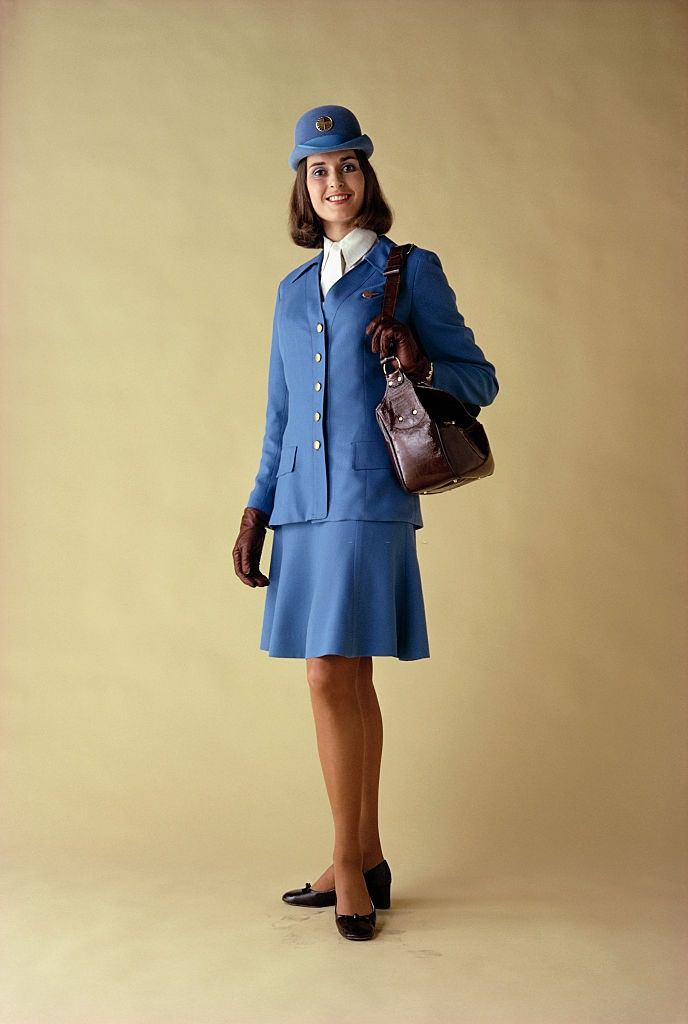
Across the Atlantic, British Overseas Airways Corporation — BOAC — outfitted its cabin crew in uniforms that carried a distinctly British sensibility. The airline, which would later merge to become British Airways in 1974, maintained a composed and tailored look even as the decade leaned toward more daring fashion choices.
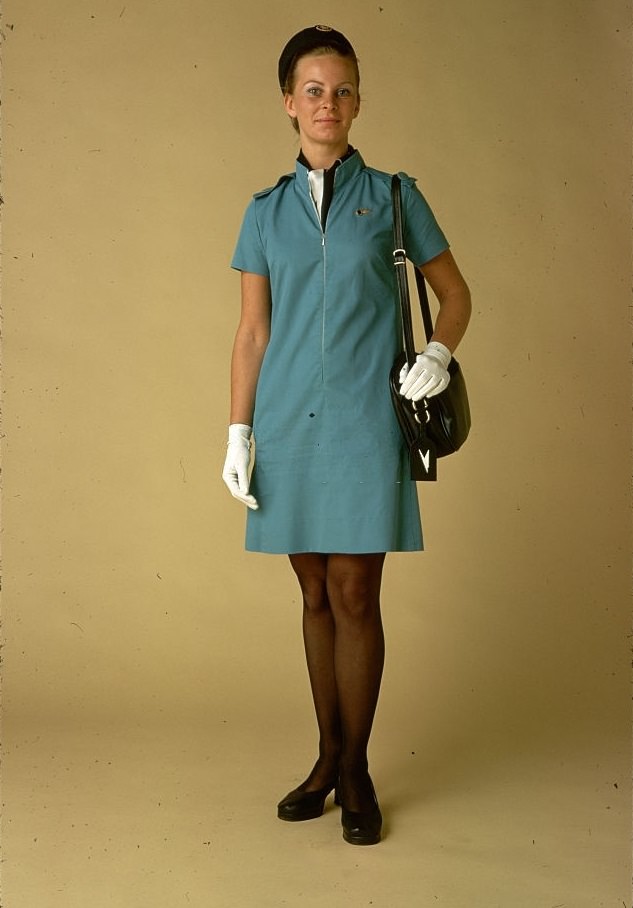
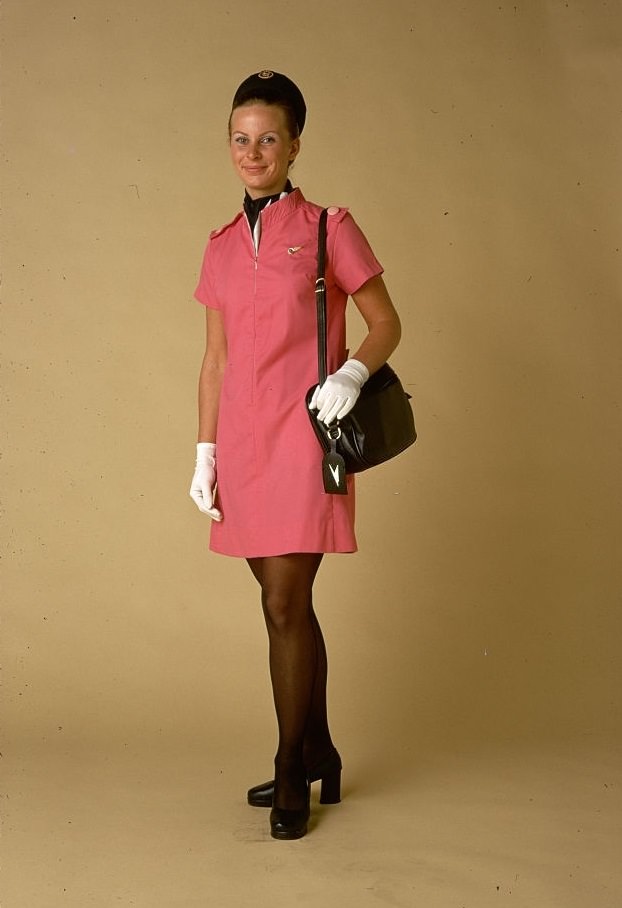
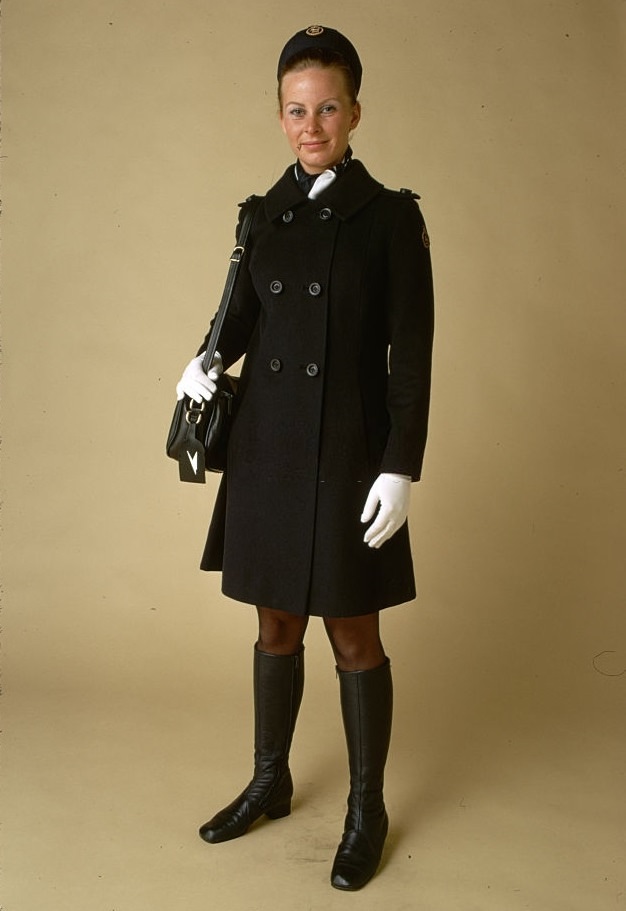
Ireland’s national carrier, Aer Lingus, took a different approach. The airline leaned into its Irish identity with a shade of green that became instantly recognizable. The uniform was clean and smart, grounding the attendant’s look in national pride rather than high fashion extravagance.
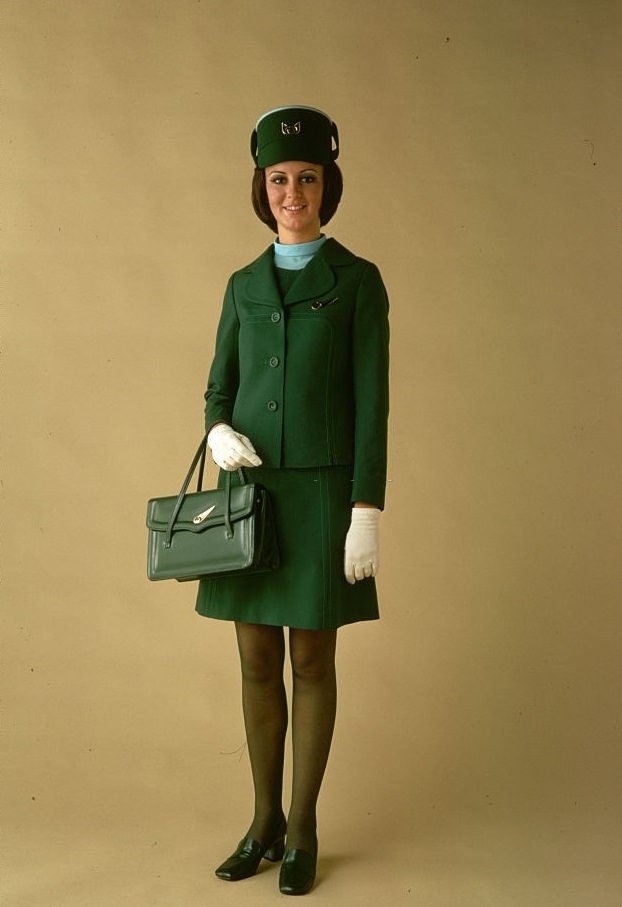
Scandinavian Airlines System, known as SAS, served Denmark, Norway, and Sweden jointly. The airline’s uniform choices in this period reflected the Scandinavian design ethos — functional, clean-lined, and quietly stylish without being loud.
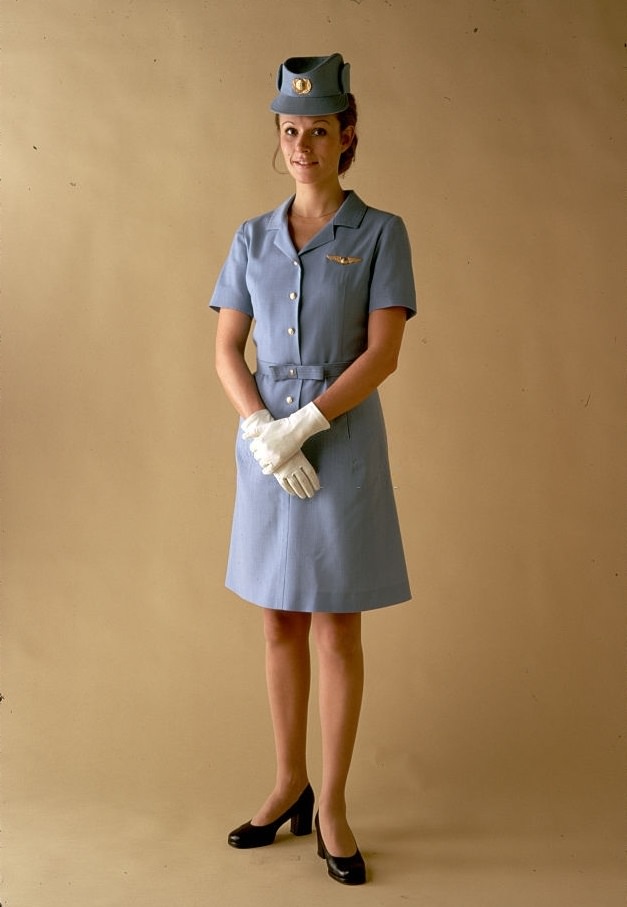
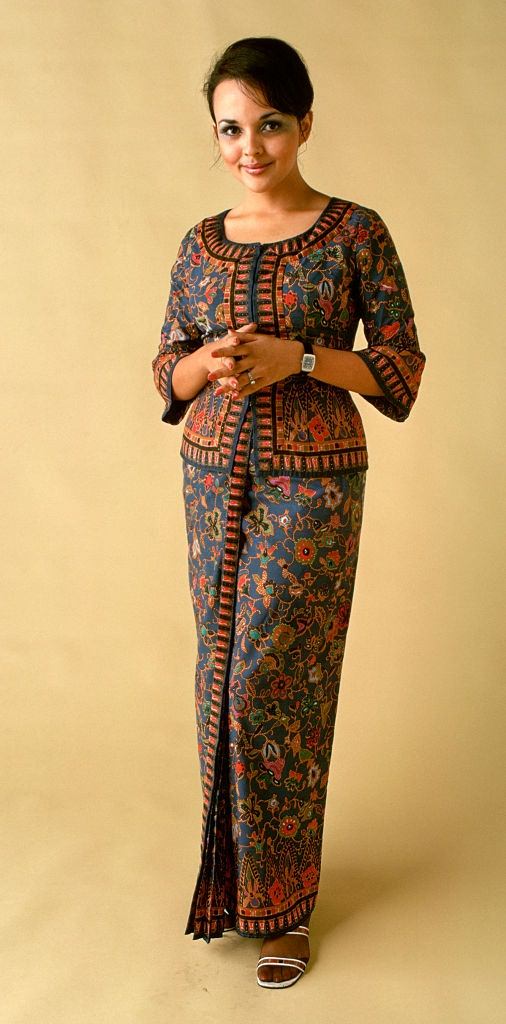
Singapore Airlines debuted its now-famous “Singapore Girl” image in 1972 — the very year these photos were taken. The airline introduced the sarong kebaya uniform, a form-fitting traditional garment designed by French couturier Pierre Balmain. It became one of the most iconic airline uniforms ever created, and it remains in use today with only minor modifications.
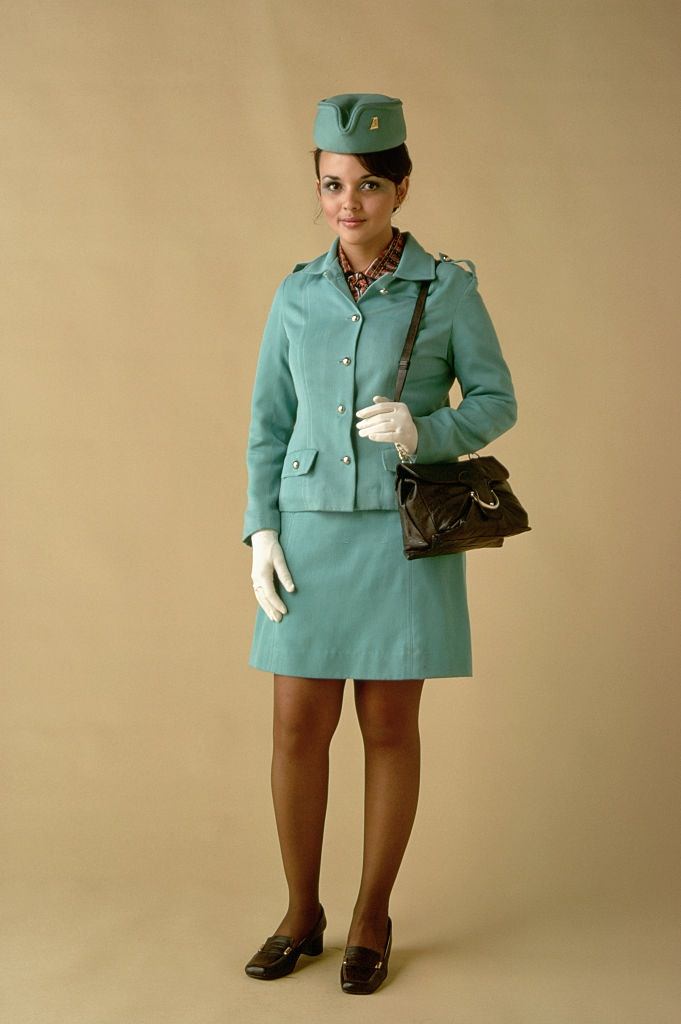
Air France brought its own sense of Parisian style to the cabin. French fashion was dominant globally in the early 1970s, and the airline’s uniforms reflected that status. Chic cuts and careful color coordination made the Air France look one of the most admired in the industry.
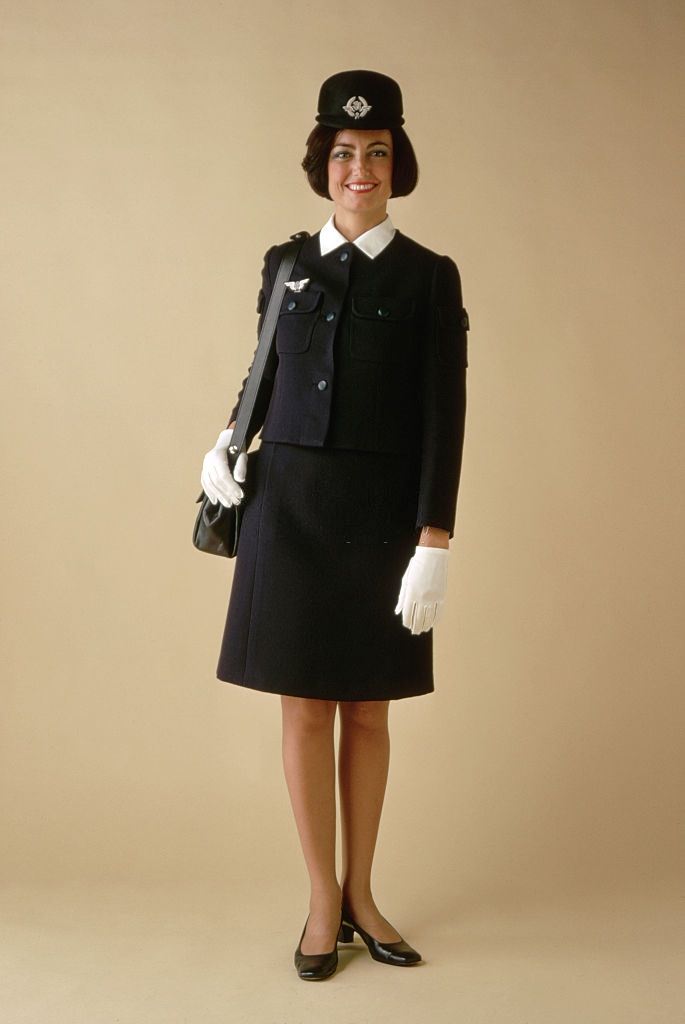
Pan-Am’s fleet covered routes across six continents, and its attendants were trained to a high standard of service. The airline’s uniform evolved through this period, but always maintained the polished, world-ready look that Pan-Am’s brand demanded.
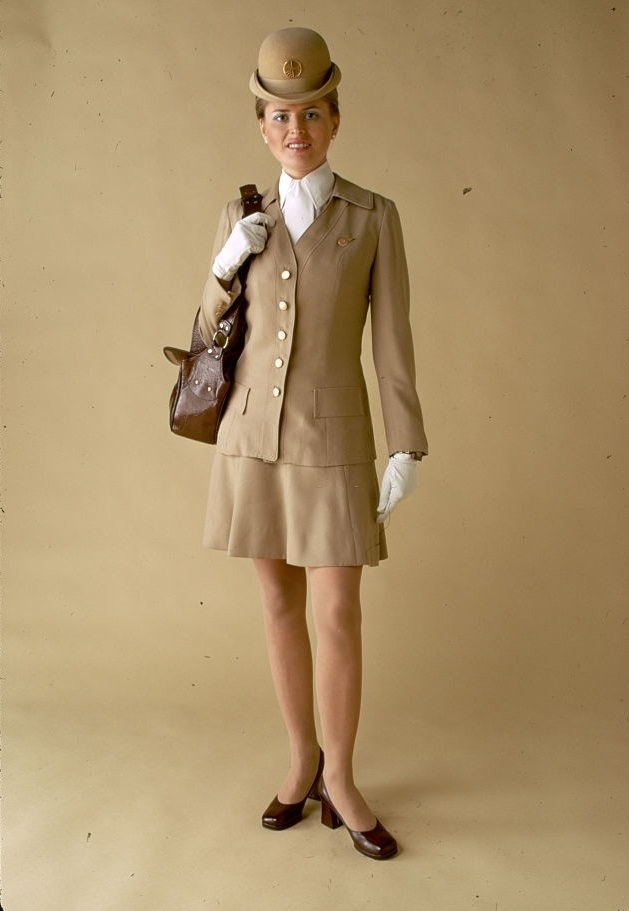
Japan Airlines dressed its cabin crew in a way that balanced Western uniform conventions with subtle Japanese aesthetic influences. The airline was expanding aggressively on transpacific routes in the early 1970s, and its attendants were central to the experience it offered international passengers.
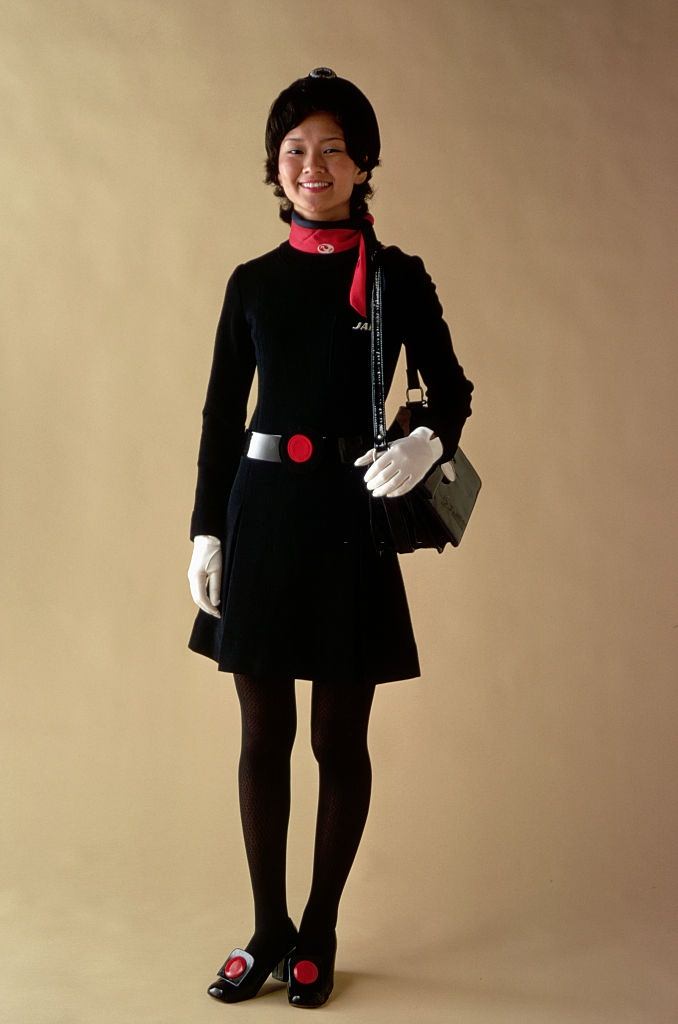
Germany’s Lufthansa presented a sharp, professional uniform that matched the airline’s reputation for precision and reliability. The look was structured and serious — a contrast to some of the more playful designs seen elsewhere in the decade.
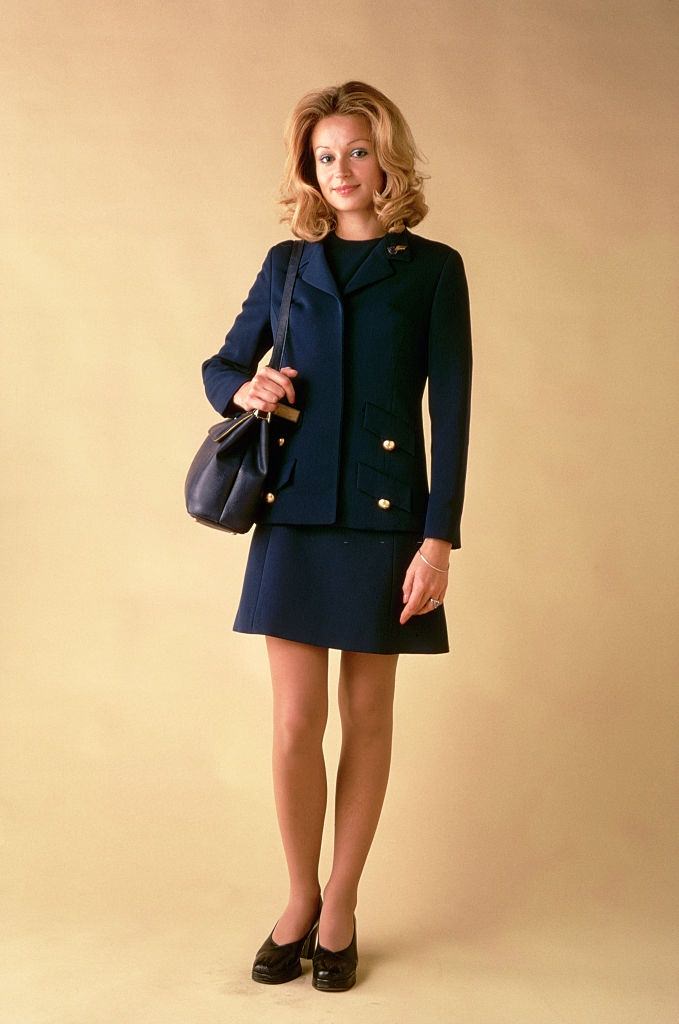
Pan-Am appears multiple times in this 1972 collection, a reflection of just how large the airline’s operation was. With one of the biggest international route networks in the world at the time, Pan-Am employed thousands of flight attendants across dozens of countries.
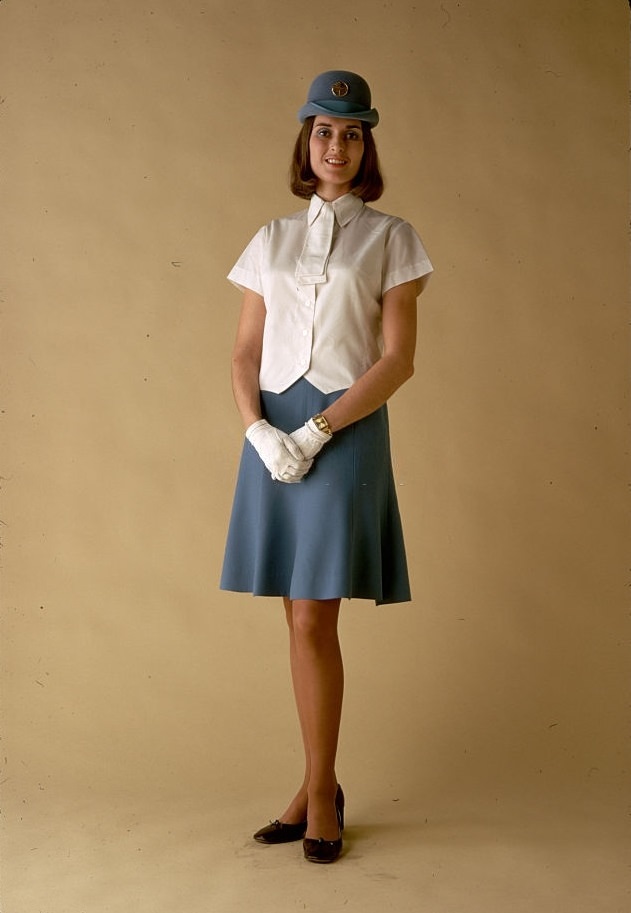
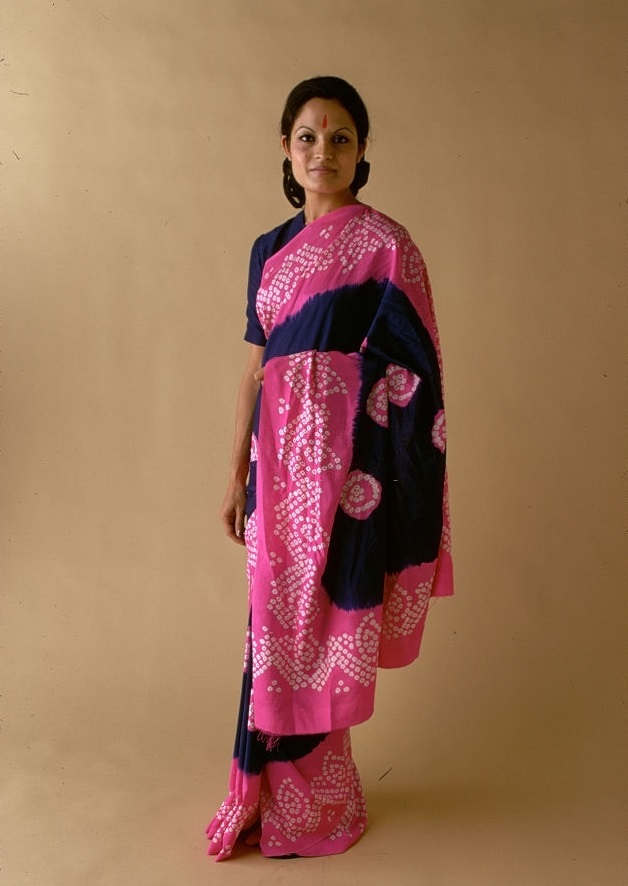
Air India’s uniform in this period drew directly from Indian textile and clothing traditions. The sari worn by Air India’s cabin crew became a signature look — elegant, culturally rooted, and immediately distinguishable from every other airline uniform in the sky.
Singapore Airlines’ sarong kebaya came in different colors to indicate rank among cabin crew. The design was deliberate — Pierre Balmain spent considerable time crafting a garment that was both practical for in-flight service and visually striking to passengers boarding for the first time.
Another look from Pan-Am’s 1972 roster shows the consistency the airline maintained in its presentation. Despite operating across wildly different climates and destinations, the airline kept its uniform standards uniform — a deliberate choice that reinforced brand identity on every route.
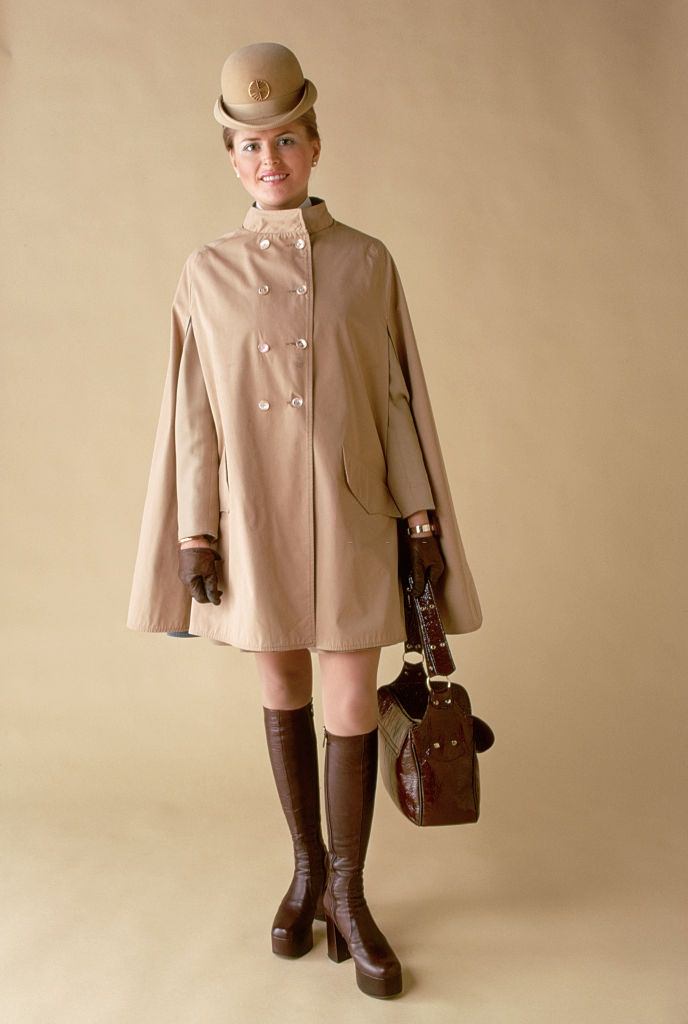
BOAC’s various uniform styles in 1972 show that even within a single airline, there was room for variation. Different routes, seasons, and roles within the cabin crew hierarchy sometimes called for different elements of the overall uniform.
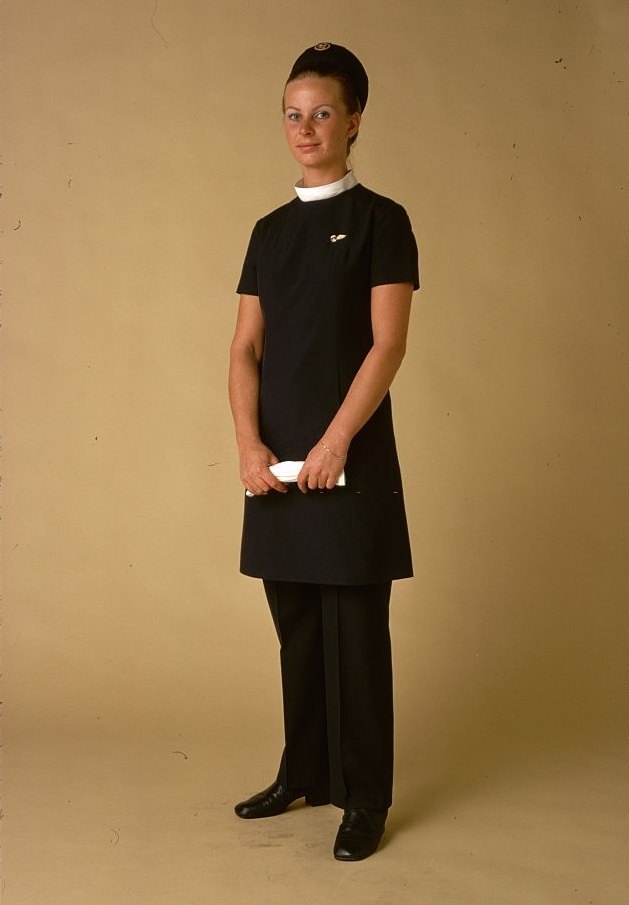
Iceland Airways — later renamed Icelandair — operated transatlantic routes that were popular with budget-conscious travelers in the early 1970s. The airline’s uniform reflected its northern roots, favoring cool, clean tones and practical styling suited to long-haul flying.
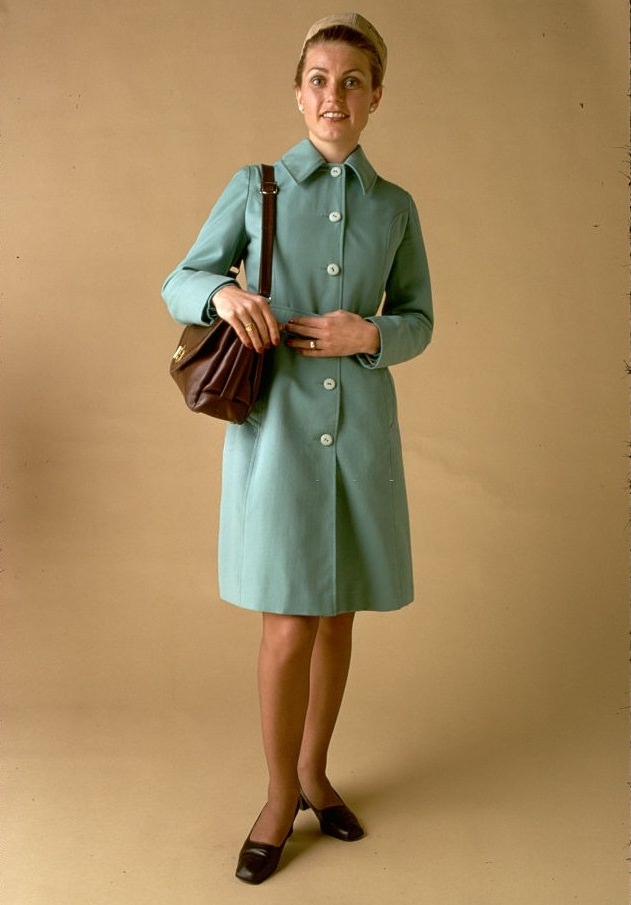
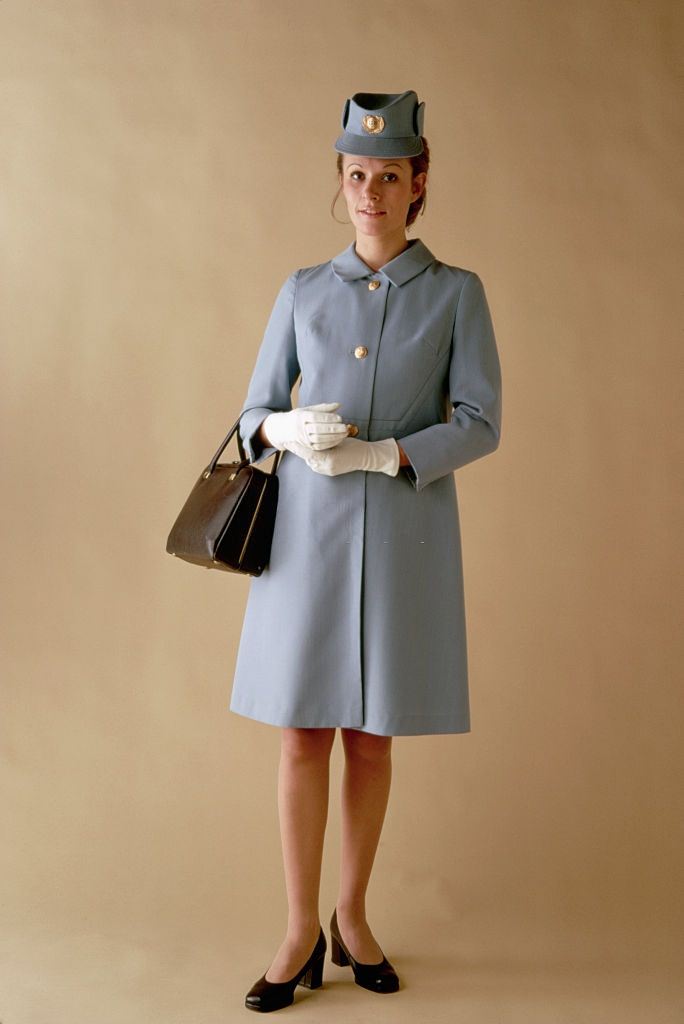
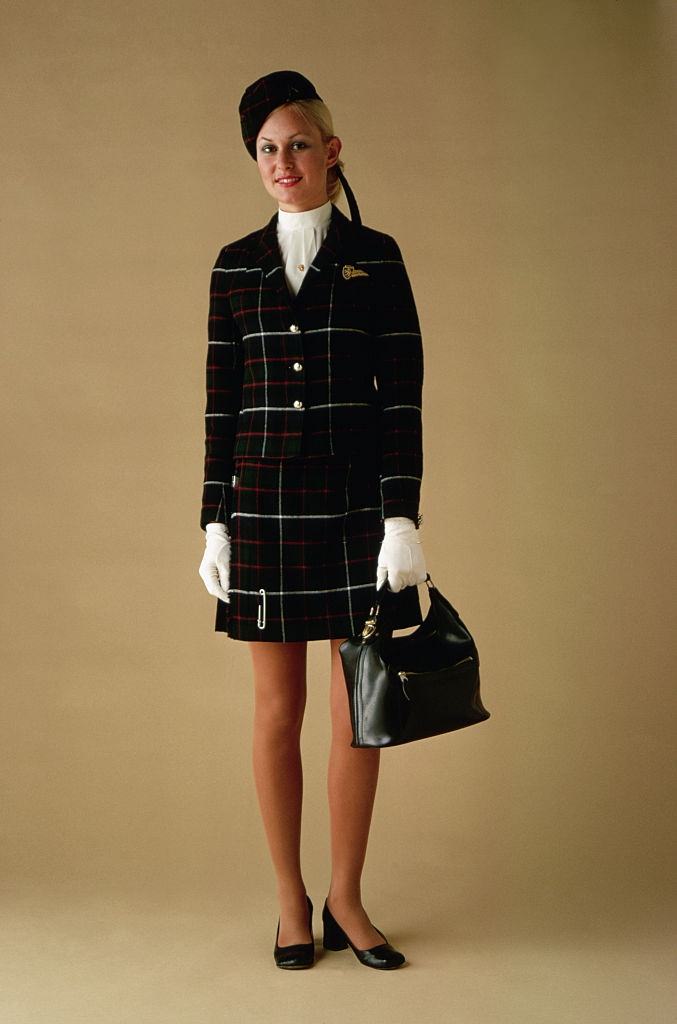
Caledonian Airlines was a Scottish charter carrier that gained a strong following in the early 1970s before eventually merging with British Caledonian Airways. Its cabin crew uniforms carried a distinctly Scottish character, sometimes incorporating tartan elements that set the airline apart from its more corporate-looking competitors.