In the 1950s, American car design was all about excess — sweeping tail fins, acres of chrome, and engines built for show as much as speed. Amid that culture, one independent designer quietly built something that went against nearly every trend of the decade. His name was Bill Flajole, and his creation was the Flajole Forerunner.
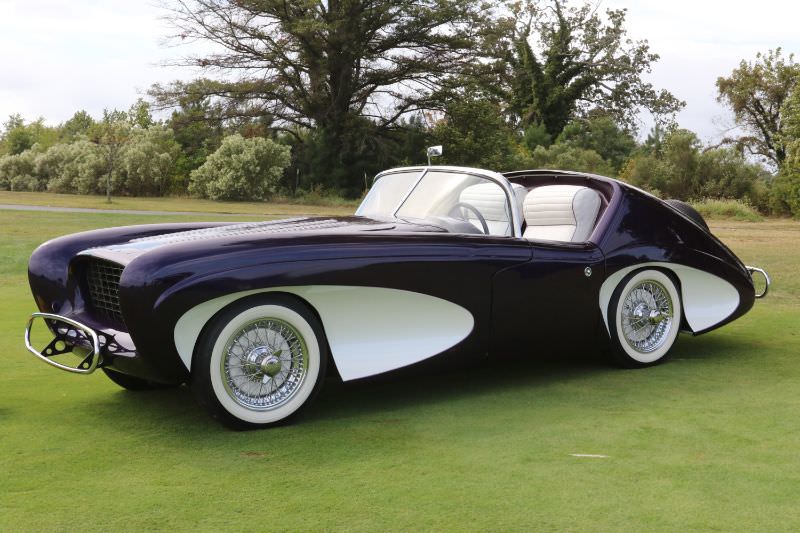
Flajole worked outside the major automakers. He wasn’t tied to a studio at General Motors or Ford, which gave him the freedom to design on his own terms. His goal was straightforward: build a car that was compact, practical, and aerodynamic without sacrificing style. The result was a vehicle that looked like nothing else on American roads at the time.
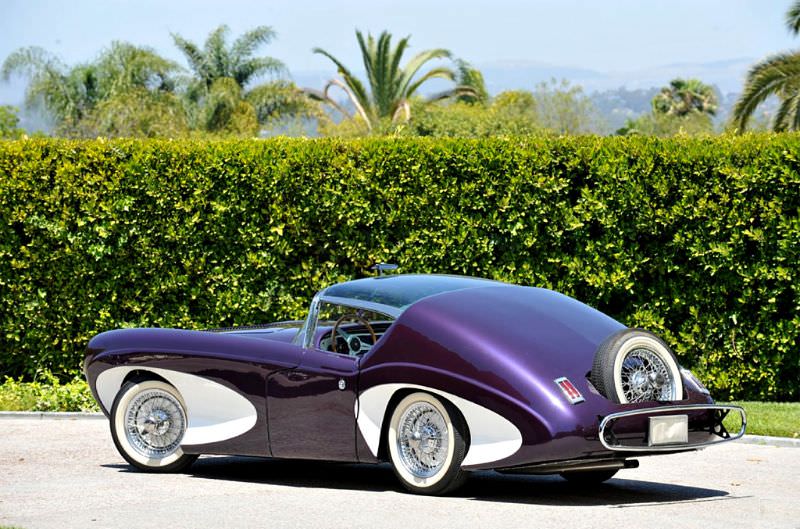
The Forerunner’s body was sleek and low-slung. Its one-piece windshield curved up into the roofline in a single smooth arc — a design feature that most production cars wouldn’t adopt for years. Every surface was shaped with airflow in mind, which was a sharp contrast to the boxy, decorative styling that dominated showroom floors.
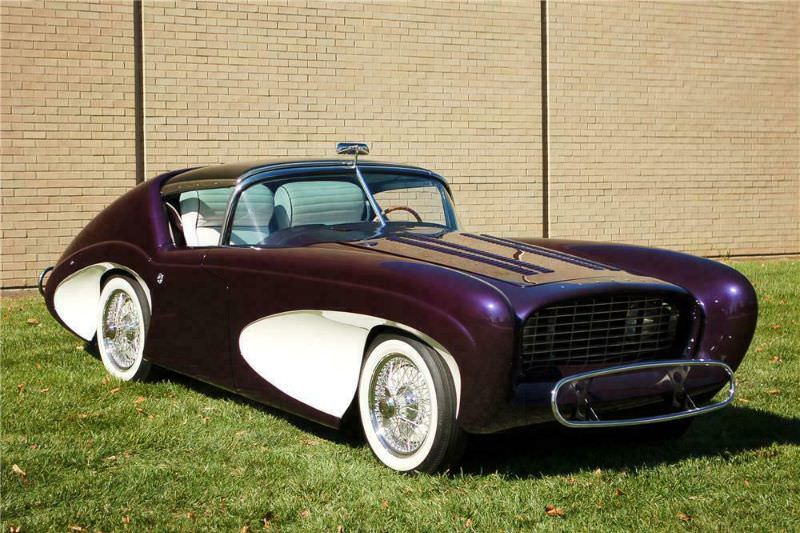
One of the most striking mechanical choices was the doors. Rather than swinging outward on hinges, the Forerunner’s doors slid forward into the front fenders. This made getting in and out of the car far easier, especially in tight parking spaces. In the mid-1950s, sliding doors on a personal automobile were essentially unheard of.
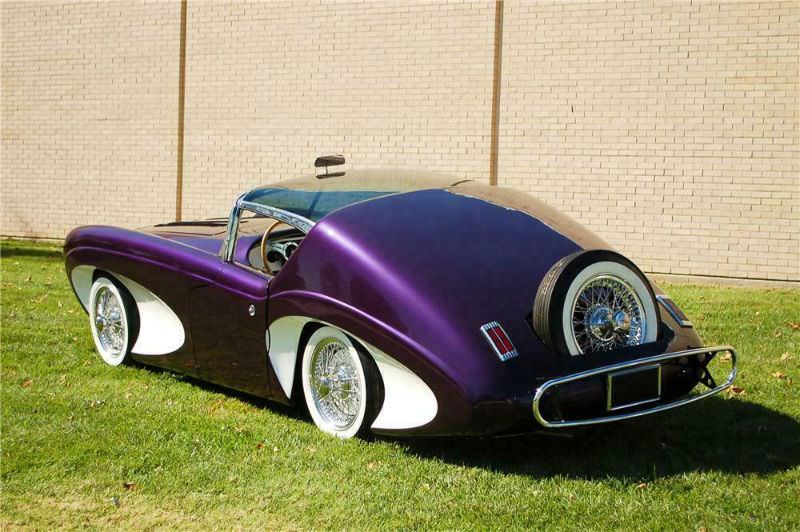
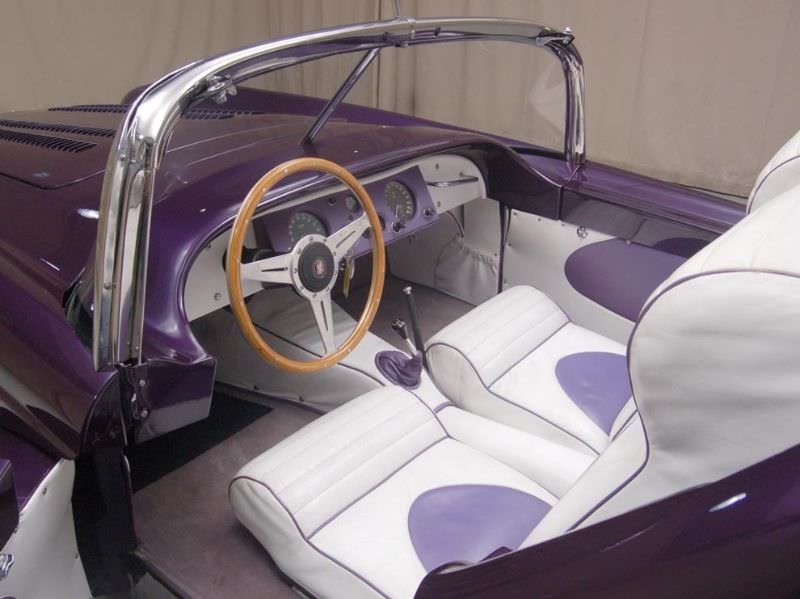
Safety was built into the Forerunner from the ground up, which set it apart from virtually every other car of the era. Flajole incorporated a built-in roll bar into the structure — a feature that provided crucial protection if the car flipped. He also fitted the interior with seat belts, which were not a standard feature on American cars in the 1950s. Padded surfaces throughout the cabin were added to reduce injuries during a crash.
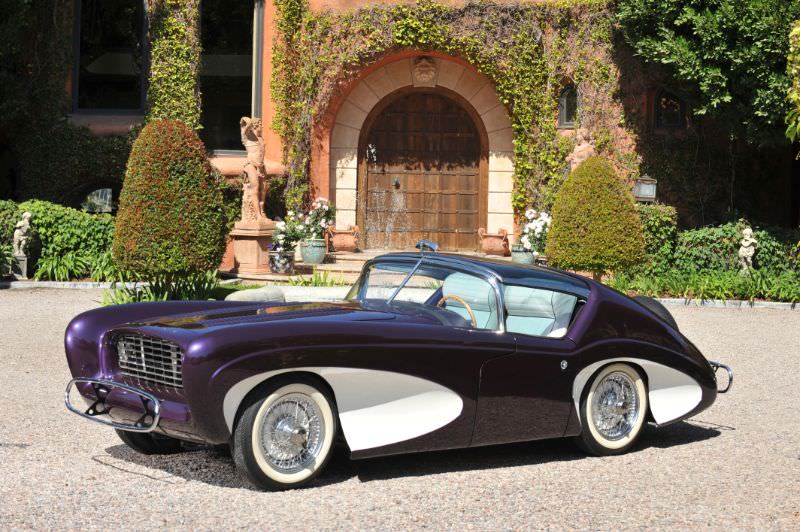
These were not cosmetic choices. Each safety element addressed a real problem that the auto industry largely ignored at the time. The National Highway Traffic Safety Administration wouldn’t mandate seat belts in new cars until 1968, more than a decade after the Forerunner was built with them already installed.
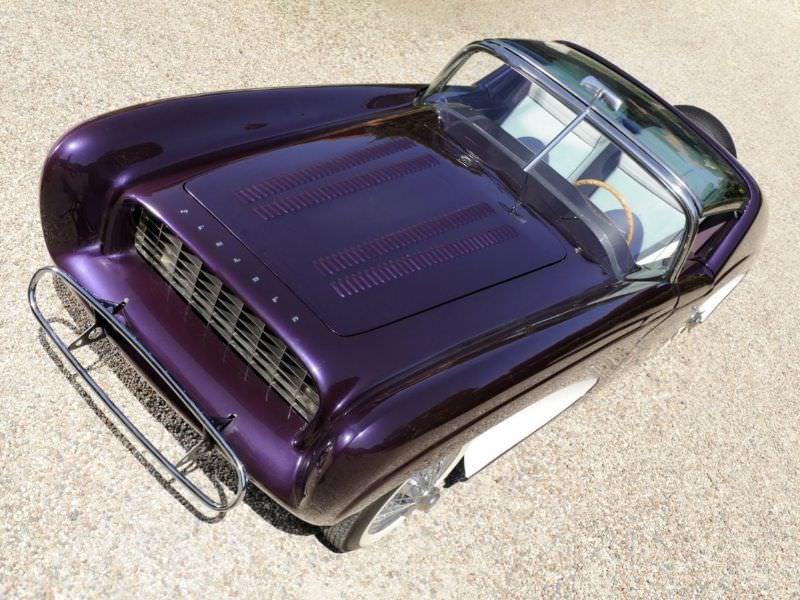
The interior carried the same forward-thinking attitude. Bucket seats replaced the wide bench seats common in 1950s cars, and a floor-mounted gear shift gave the driver a more direct, precise connection to the transmission. Both features are standard today but were considered unconventional at the time.
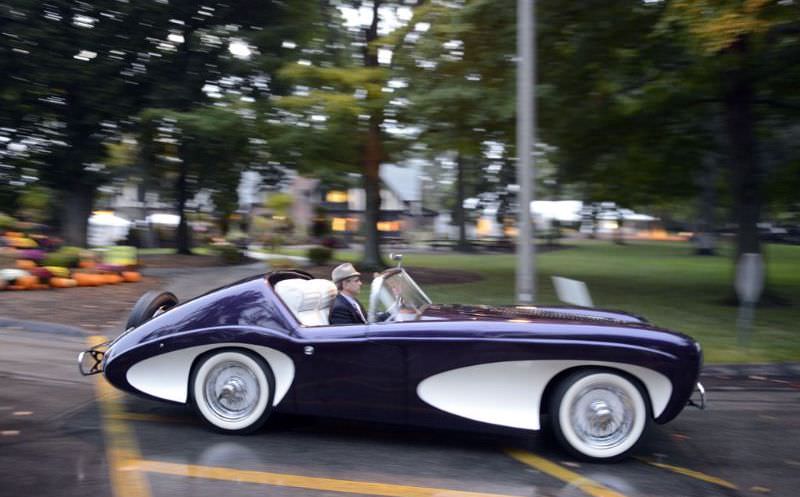
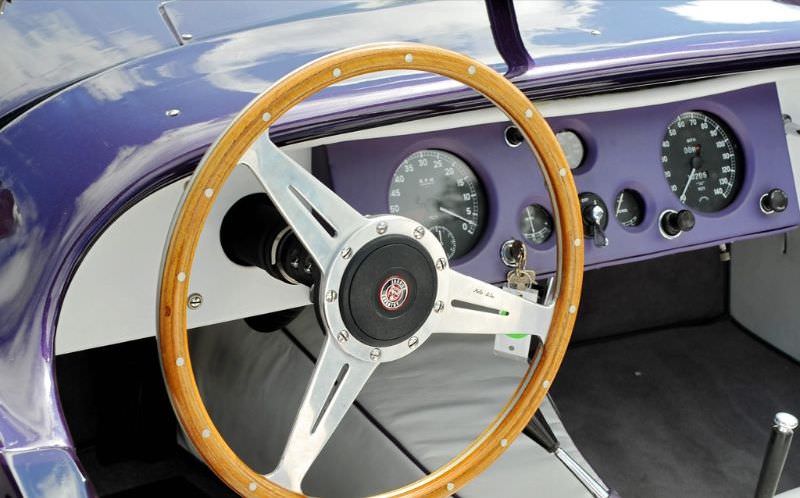
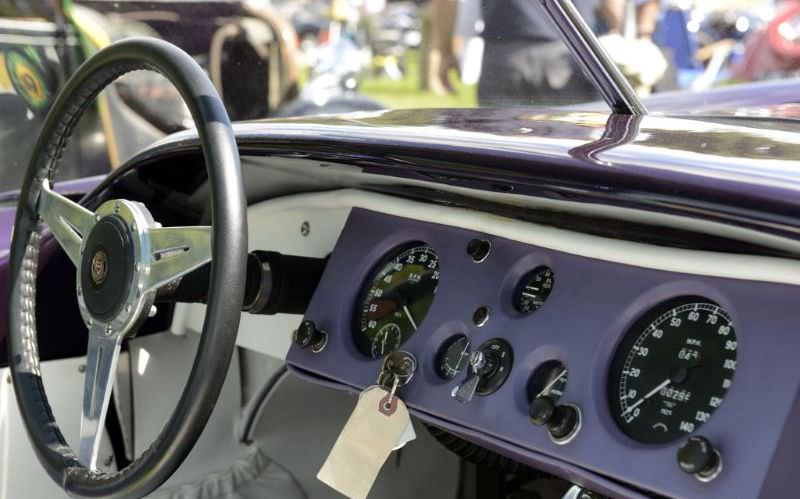
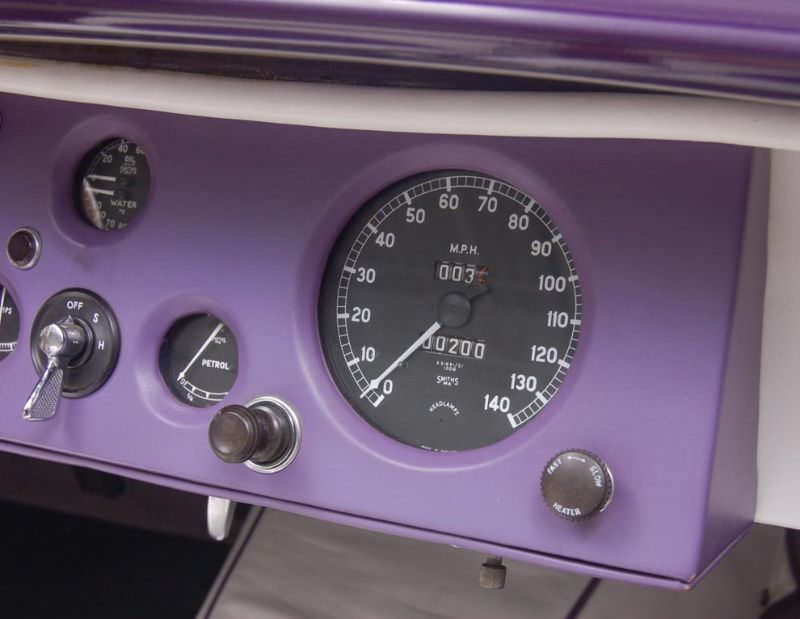
The dashboard took its cues from aircraft cockpit design. Gauges and controls were grouped logically around the driver, organized for function rather than decoration. Where most 1950s dashboards were wide, chrome-heavy panels built for visual impact, the Forerunner’s cockpit was built around the person doing the driving.
Despite everything Flajole accomplished with this design, the Forerunner never went into mass production. The American auto market in the 1950s was controlled by a handful of enormous manufacturers, and there was little room for an independent designer to break through without serious financial backing and industry connections.
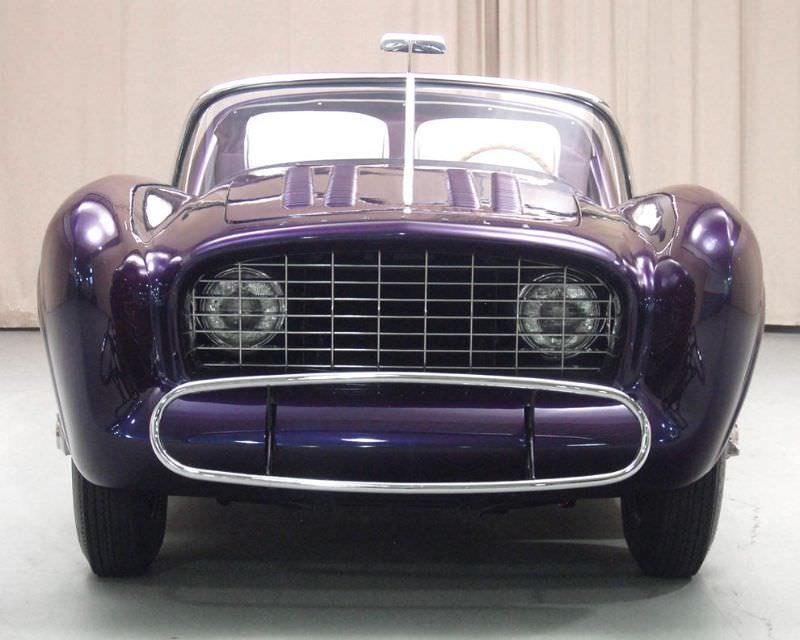
The timing also worked against it. American consumers in the postwar boom years wanted large, powerful cars. Compact and practical weren’t selling points — they were liabilities. The Forerunner’s size and restraint made it a tough pitch in a market that equated bigger with better.
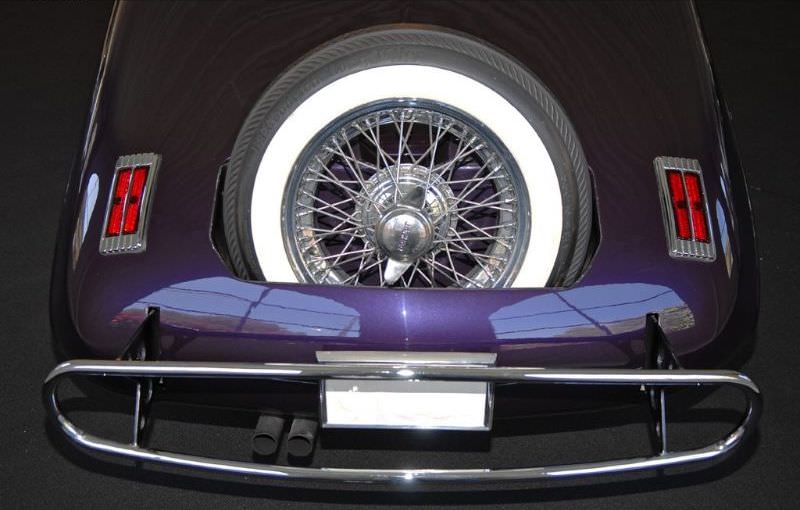
Bill Flajole’s background made him the right person to design such a car, even if the era made it nearly impossible to produce it. He had spent years studying automotive form and function, and the Forerunner reflected a designer who understood engineering as well as aesthetics. He wasn’t just sketching a fantasy — he was solving real problems.
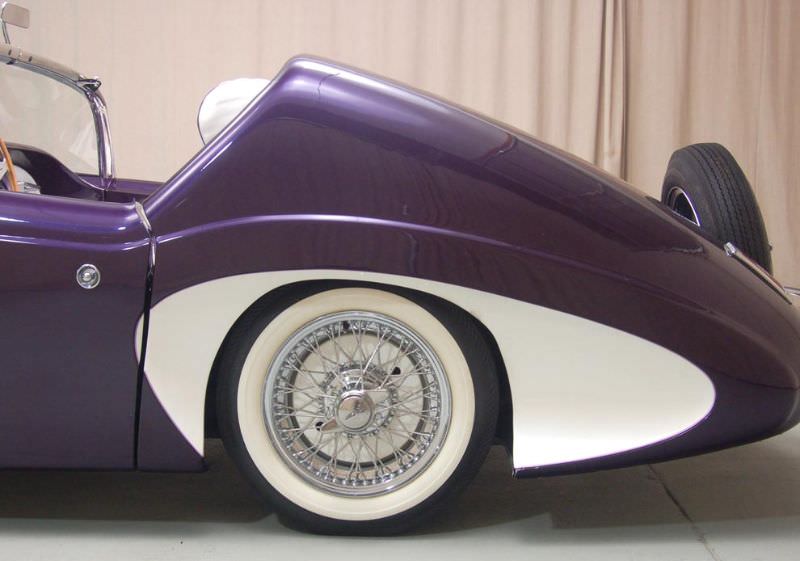
The car stood as a working concept — a physical argument for what personal transportation could look like if designers prioritized the driver’s safety and convenience over sheer size and showmanship. That argument took decades to win in the mainstream market.
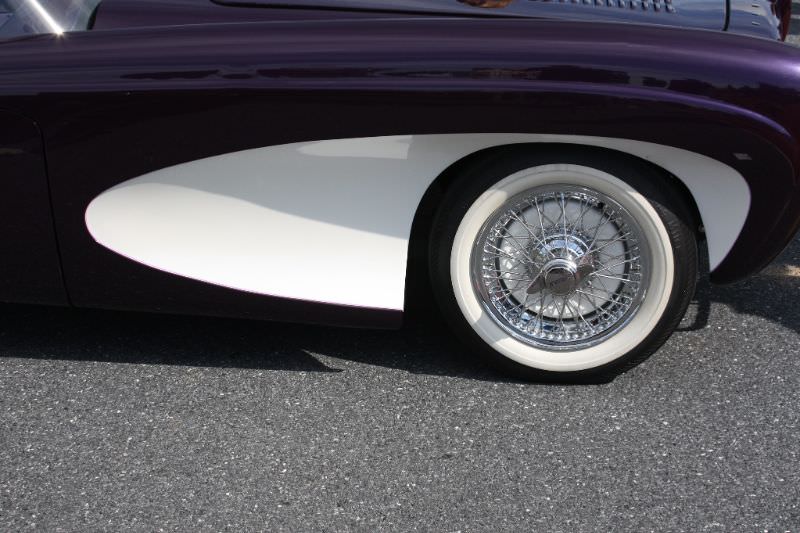
Very few examples of the Forerunner were built, and its public exposure was limited. It appeared at auto shows and drew attention from enthusiasts and designers, but it never captured the kind of widespread press that concept cars from the major manufacturers routinely received. Flajole operated without the marketing engine that GM’s Motorama shows or Ford’s design department could generate.
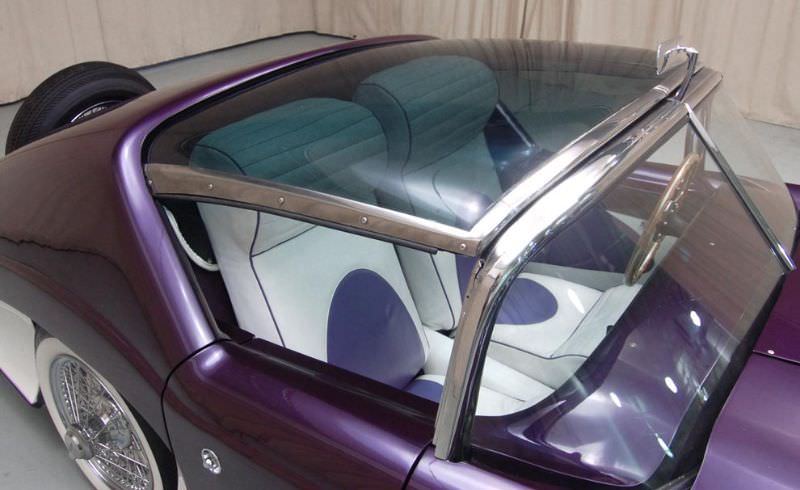
The Forerunner’s aerodynamic profile, curved windshield, and driver-focused cockpit were ideas that the industry eventually absorbed, though rarely with direct credit to Flajole’s work. The car existed at the intersection of safety engineering and industrial design at a moment when neither discipline was being taken seriously enough by the people running American automakers.
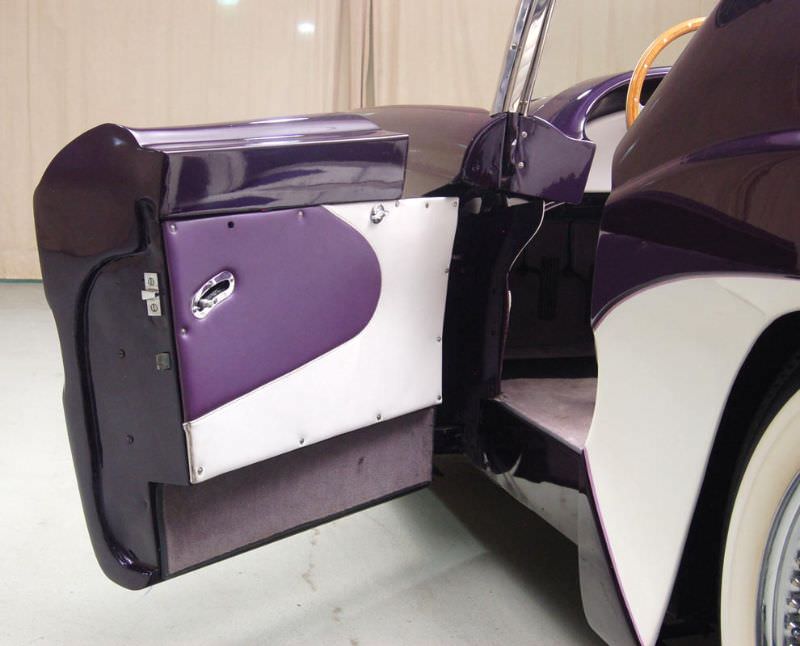
What makes the Forerunner historically significant is the precision of its vision. Flajole didn’t just produce a quirky one-off — he designed a car that identified specific failures in contemporary automotive thinking and addressed them with concrete solutions. Sliding doors for easier access. A roll bar for structural safety. Seat belts to keep occupants in their seats. Padded interiors to absorb impact.
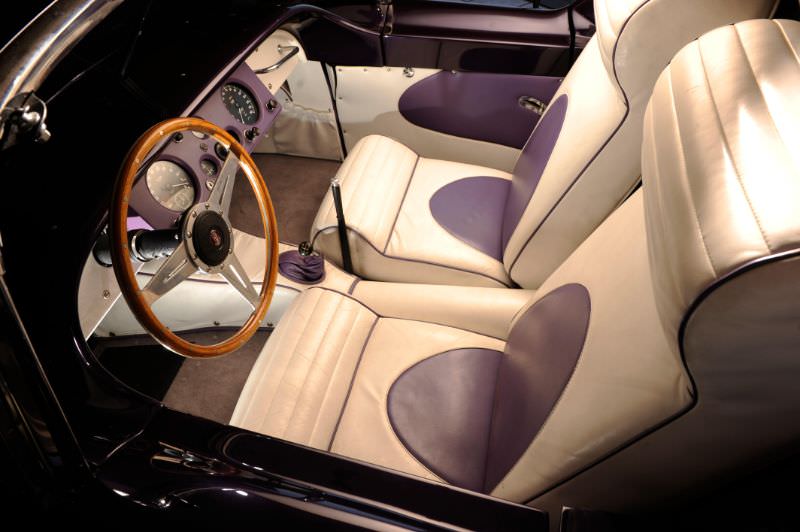
Each of those features eventually became either standard equipment or federal regulation. That the Forerunner had them all in the mid-1950s puts it well ahead of the industry’s own timeline.
Today, the Forerunner occupies a niche but respected place in automotive history. Collectors and historians treat it as a document of what independent design looked like outside the corporate system — raw, purposeful, and unburdened by marketing concerns.
Flajole continued to work in automotive design after the Forerunner. He contributed to other projects throughout his career, but the Forerunner remains the work most closely tied to his name. It was the clearest statement of his design philosophy: that a car should be built around the people inside it, not the trends surrounding it.
The 1950s produced no shortage of bold automotive concepts, but most of them chased fantasy — rocket shapes, impractical fins, and gadgets built for spectacle. The Forerunner did something harder. It chased usefulness, and it did so with a design that was still genuinely beautiful.
Bill Flajole built a car that the market wasn’t ready for. The specifications were real, the safety features were functional, and the engineering was sound. The Flajole Forerunner didn’t fail because it was flawed — it arrived in a decade that hadn’t yet learned to ask for what it needed.