Hey There! Before You Go. 😧
Get the best vintage content straight into your inbox!

Don't worry, we don't spam

The Dawn of the Computer Age: A Journey Through the First Generation

The first generation of computers, which emerged in the mid-20th century, laid the foundation for the digital age. These massive machines relied on vacuum tubes to process information and punched cards for input and output. Built by teams of scientists, engineers, and mathematicians, they were used for scientific research, military calculations, and industrial applications. The images below trace that remarkable era, from the earliest room-filling machines to the institutions and people who made them work.
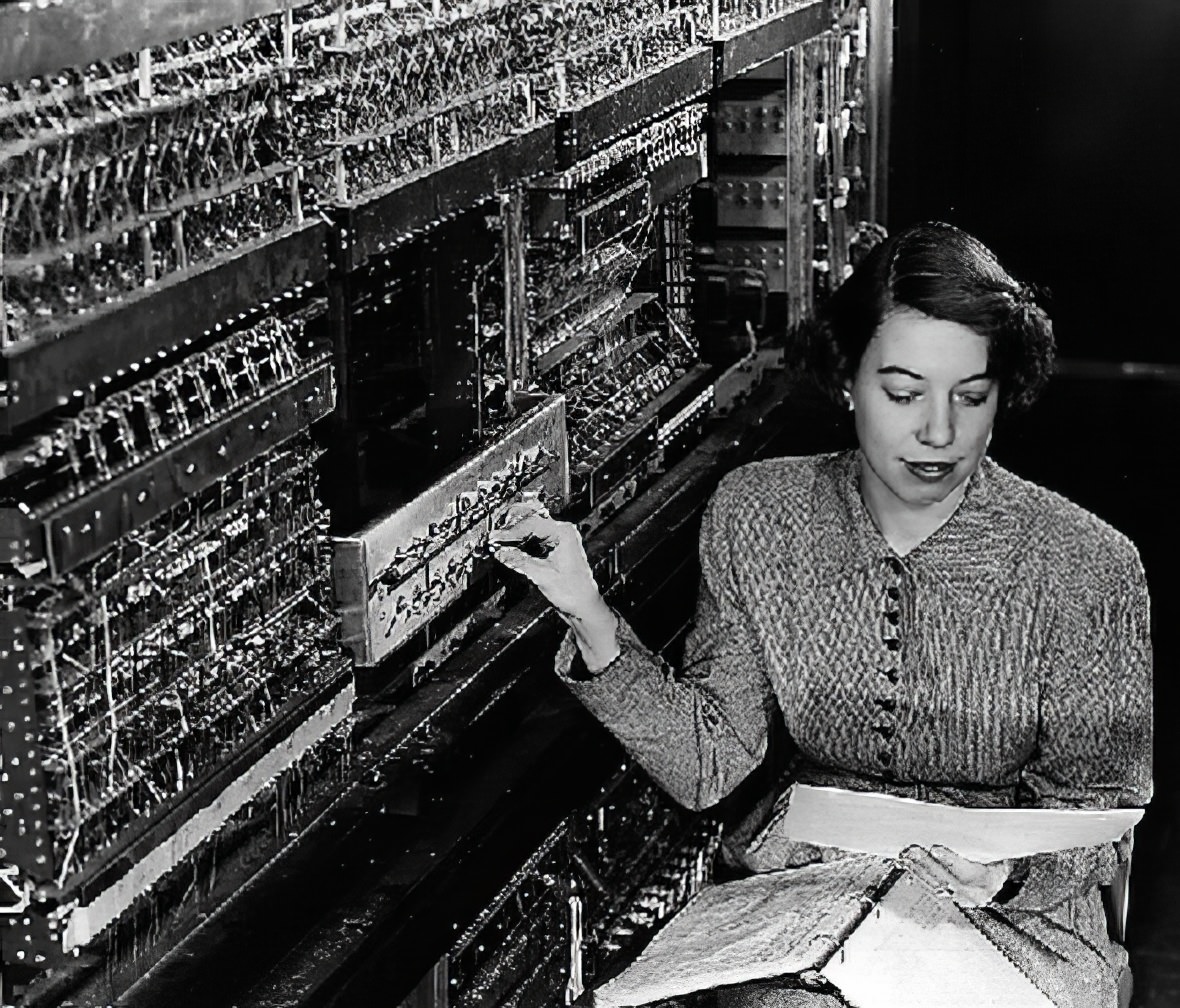
AVIDAC, Argonne's first digital computer, began operation in January 1953.
AVIDAC, Argonne’s first digital computer, began operation in January 1953.

It was built by the Physics Division for $250,000. Pictured is pioneer Argonne computer scientist Jean F. Hall.
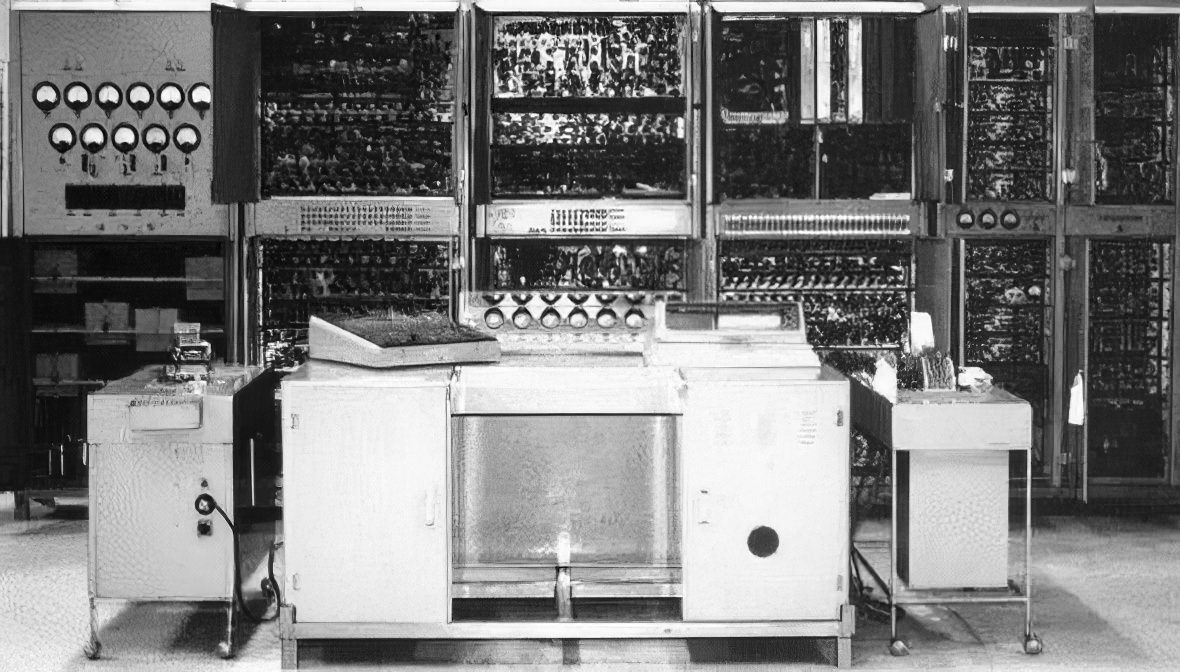
The CSIRAC was Australia's first computer. The name stands for CSIR originally stood for "Council for Scientific and Industrial Research."
The CSIRAC was Australia’s first computer. The name stands for CSIR originally stood for “Council for Scientific and Industrial Research.”

This name was in effect from 1926 to 1949.
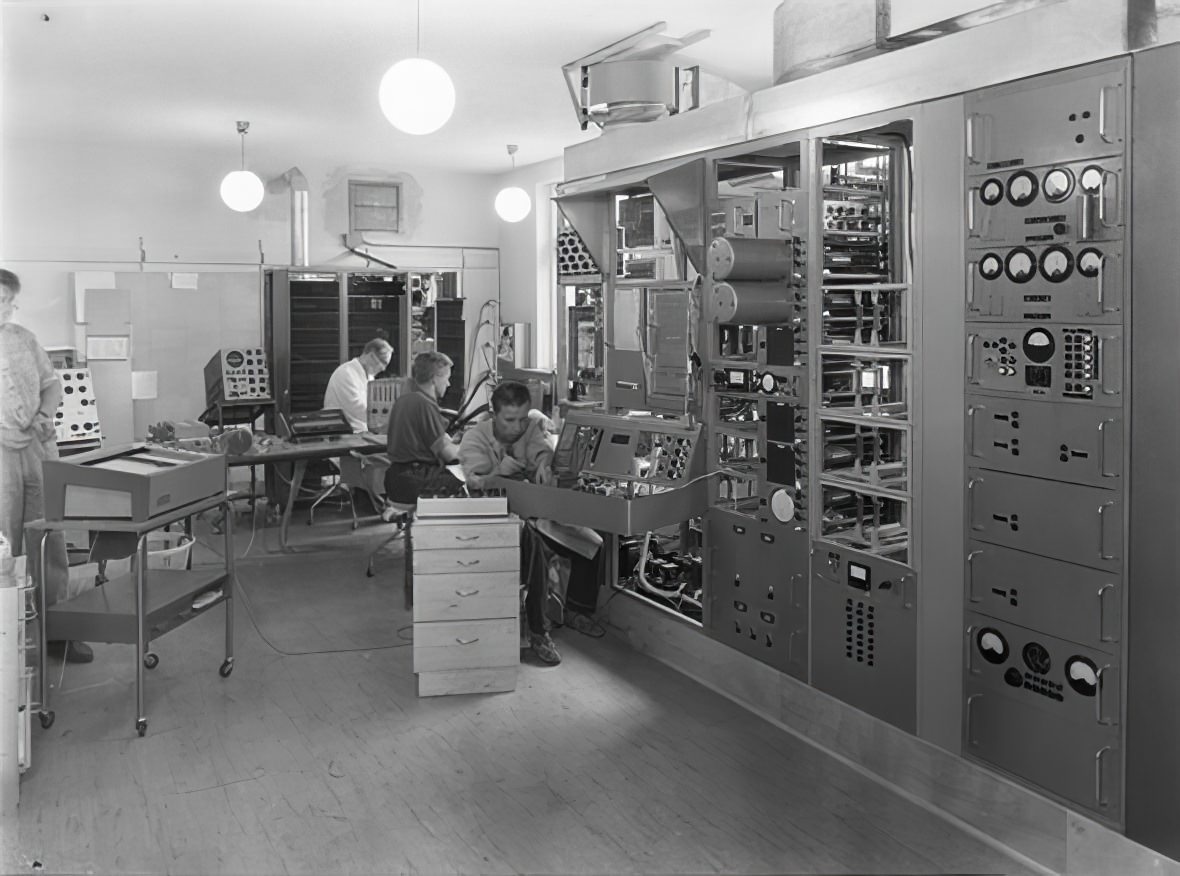
The computer history at NTNU is much older than the computer departments. The very first computer at NTNU was called DIANA, or DIfferential ANAlysator. This was an analog electronic computer built by Jens Glad Balchen and the Division of Cybernetics in the years between 1952 and 1955.
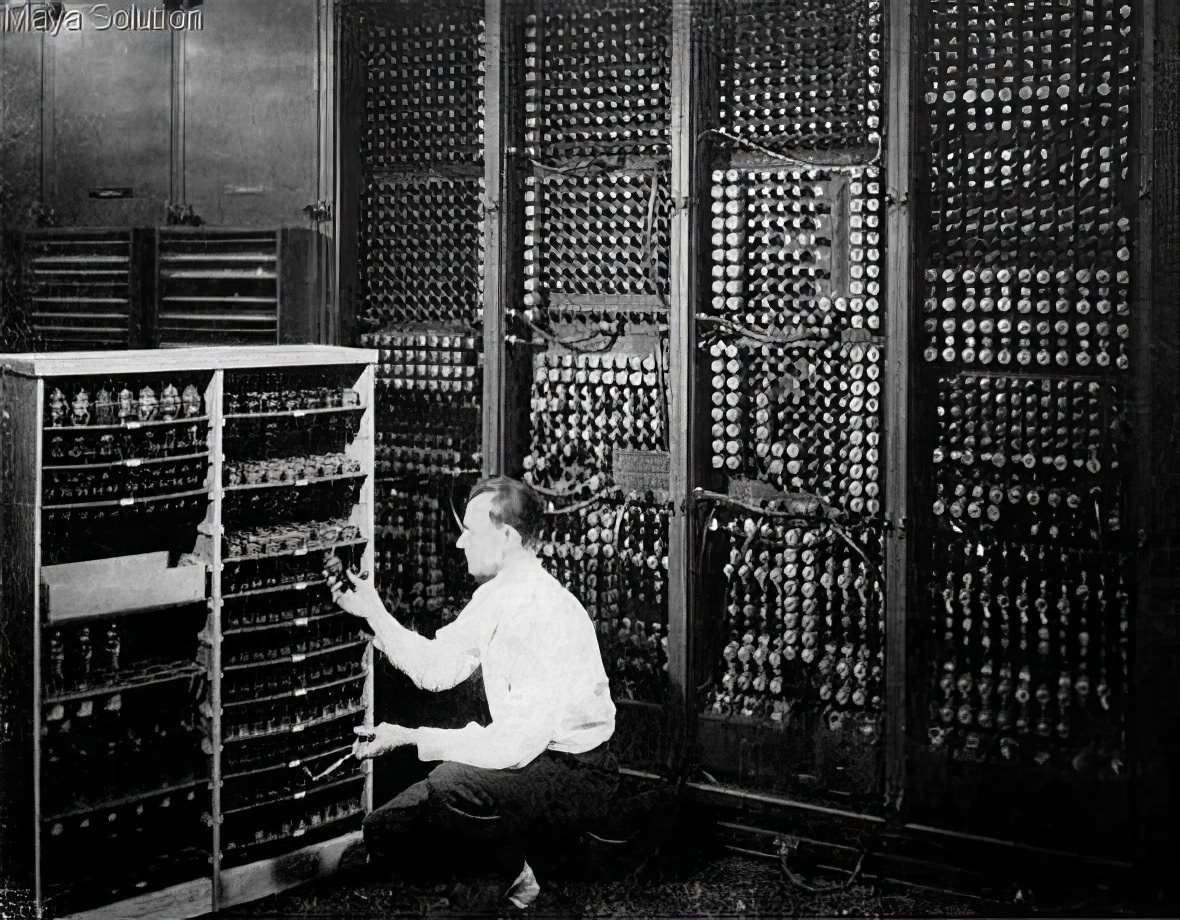
A press conference for what is considered the first computer, the Electronic Numerical Integrator and Calculator (ENIAC), was held at the University of Pennsylvania on February 1, 1946.

The machine (shown here with a technician) took up an entire room, weighed 30 tons, and used more than 18,000 vacuum tubes to perform functions such as counting to 5,000 in one second.
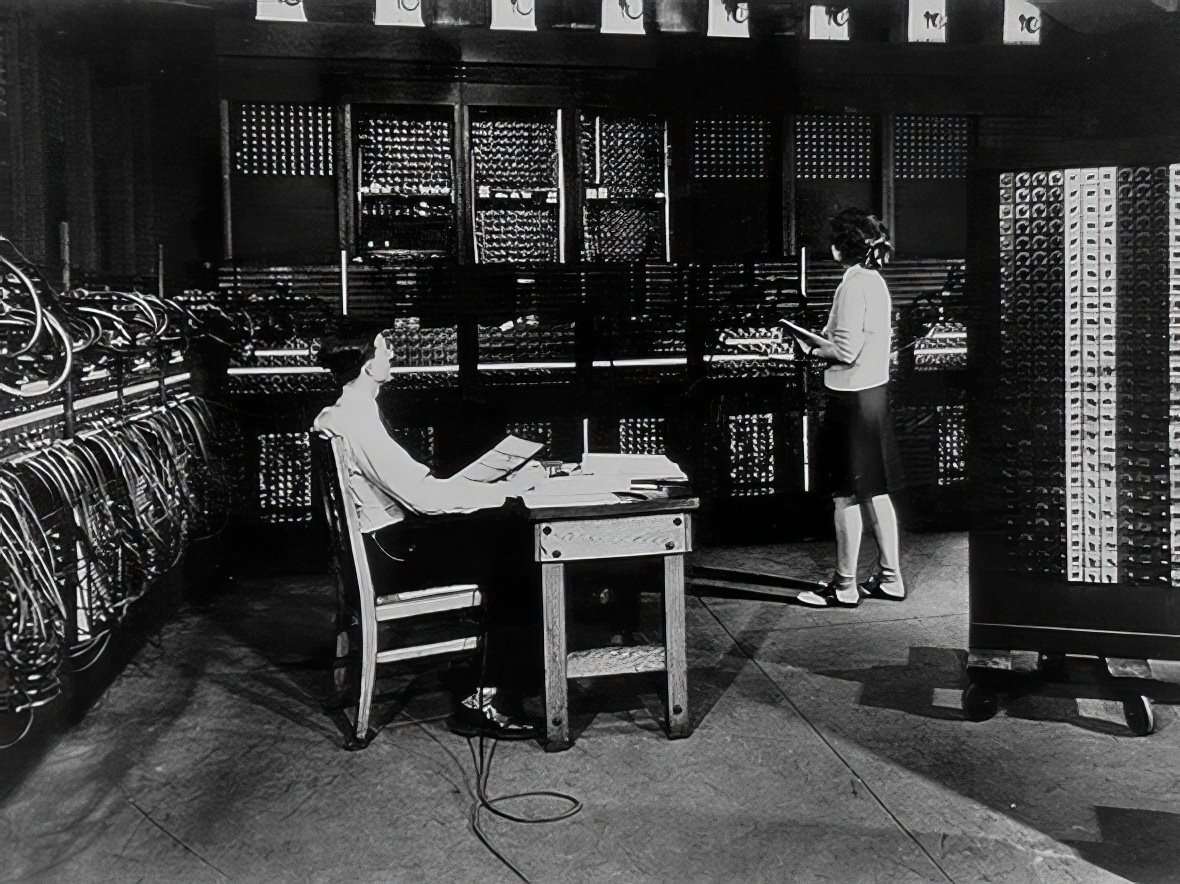
ENIAC, costing $450,000, was designed by the U.S. Army during World War II to make artillery calculations.

The development of ENIAC paved the way for modern computer technology — but even today’s average calculator possesses more computing power than ENIAC did.
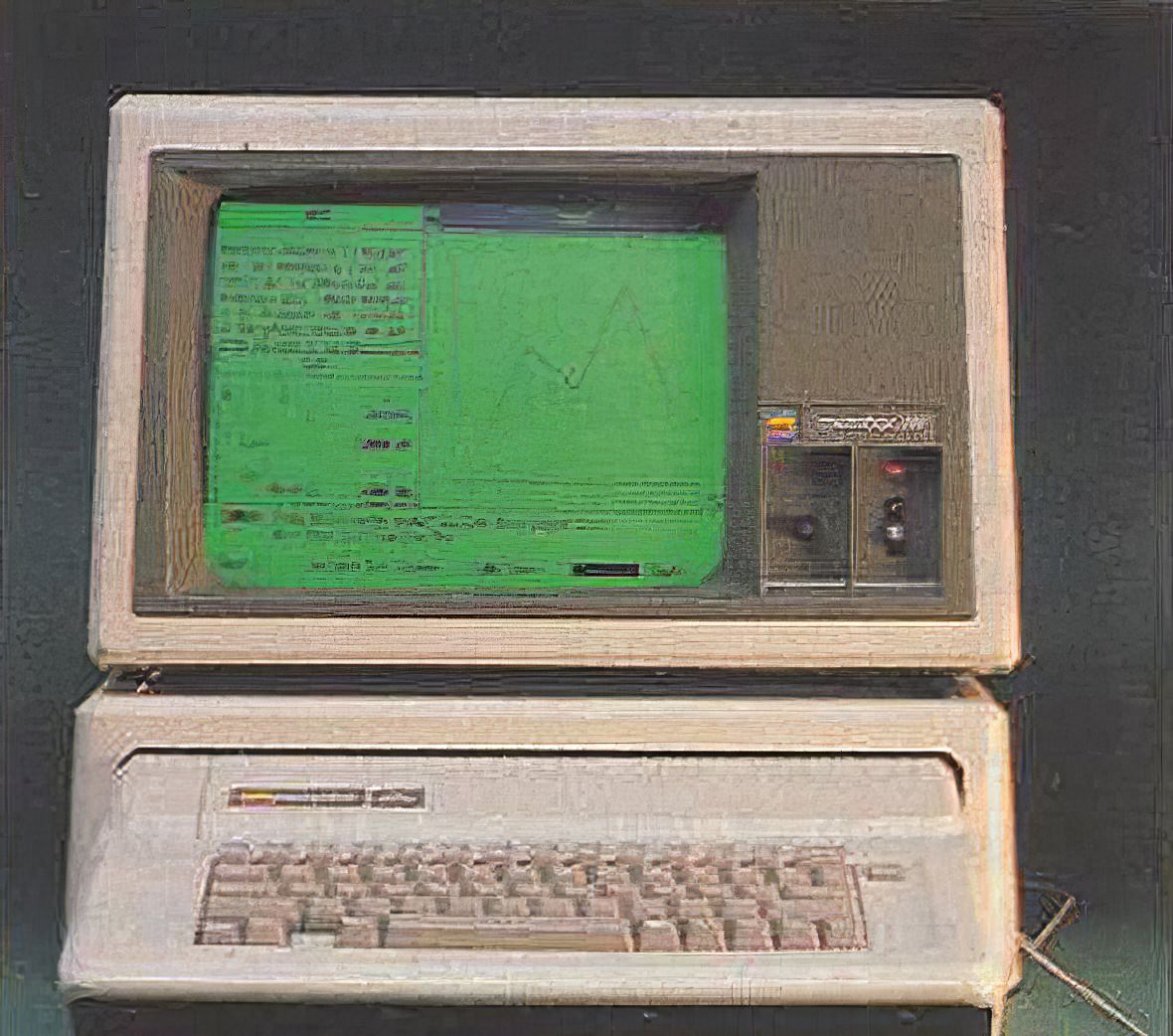
First ever apple computer running windows.

This is an Apple II with a monochrome screen and PC emulator hardware installed. The board was called the 88 Card, “the only fully functional 8088 processor for the Apple II personal computer.”
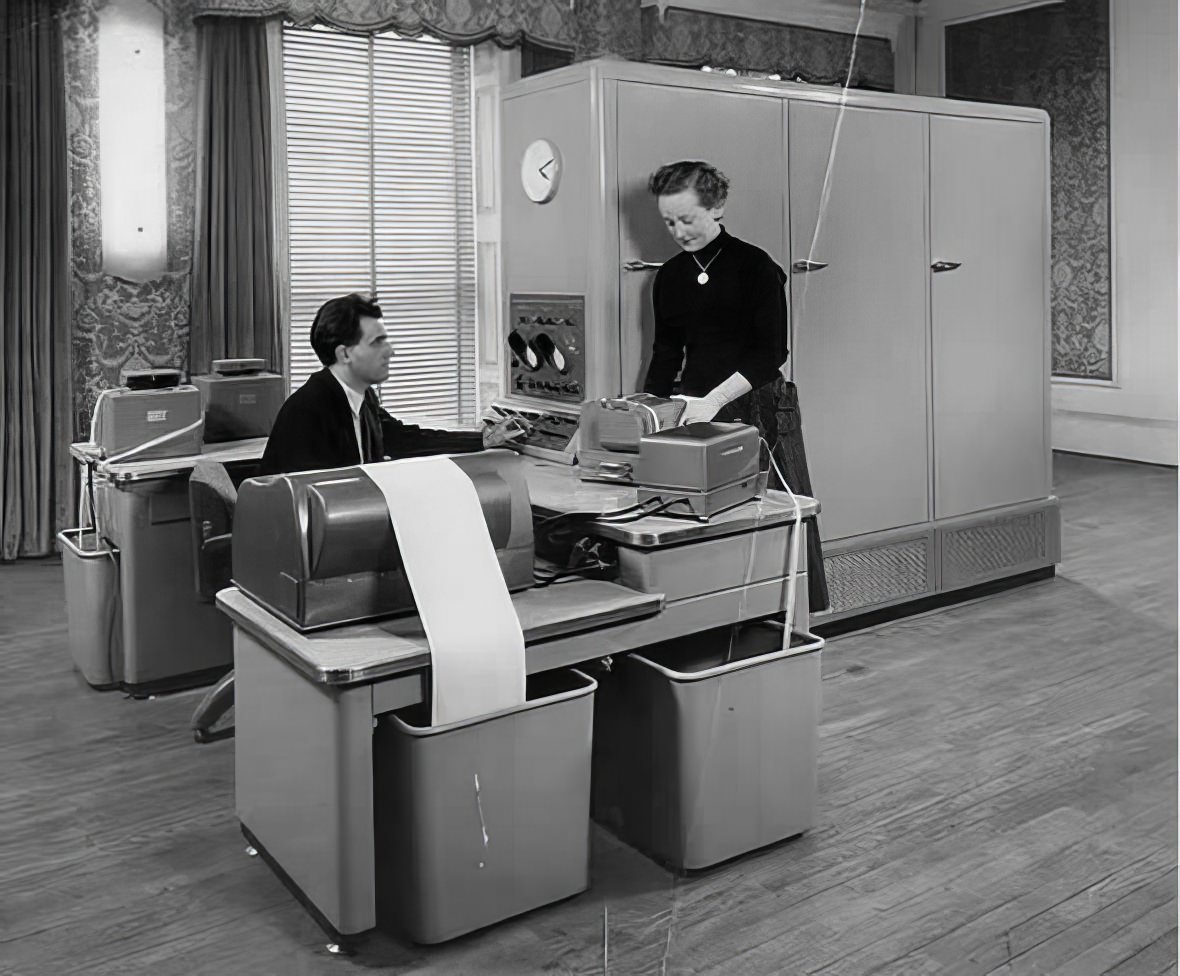
A man and woman working at a Ferranti Pegasus computer. This computer was a classic 1950s/1960s mainframe installation, taking up the majority of space in a room.
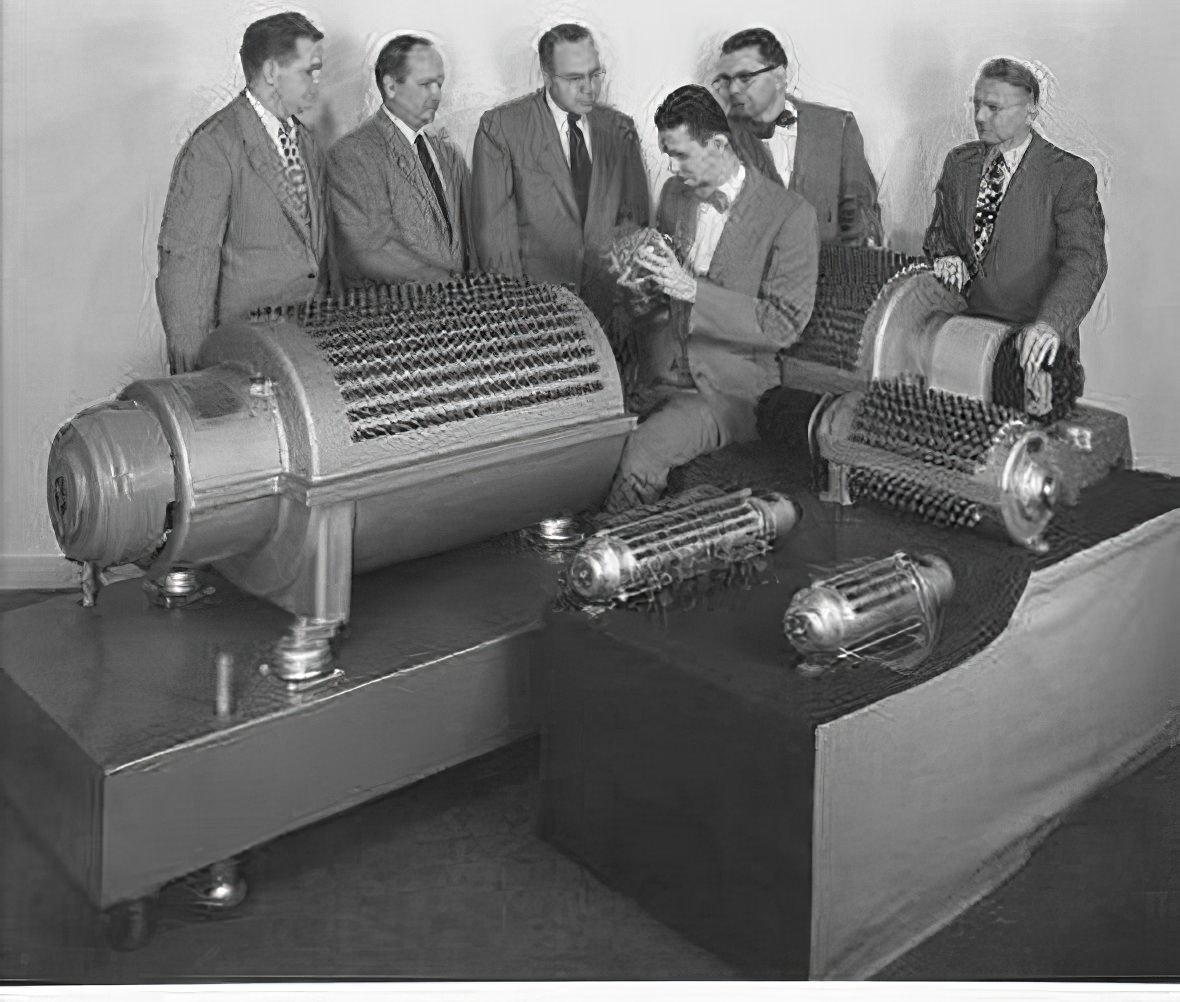
First hard disk. The rotating drum technology allowed ERA to deliver the world's first production stored-program computer (ATLAS – ERA 1101) to a customer site in October 1950.
First hard disk. The rotating drum technology allowed ERA to deliver the world’s first production stored-program computer (ATLAS – ERA 1101) to a customer site in October 1950.

The engineers making the installation delivery to the National Security Agency predecessor were Frank Mullaney and Jack Hill. As shown in the photo below, these drum products came in various sizes. They were first used in several classified processors, then in the early 1100 computer series and the UNIVAC SS-80 and SS-90 computers. Dr. Cohen and Sid Rubens are credited with patenting the rotating magnetic drum. The drum development engineers and management shown in this early 1950s photo, left to right, are: William Keye, Arnold Hendrickson, Robert Perking, Frank Mullaney, Dr. Arnold Cohen, and John ‘Jack’ Hill.
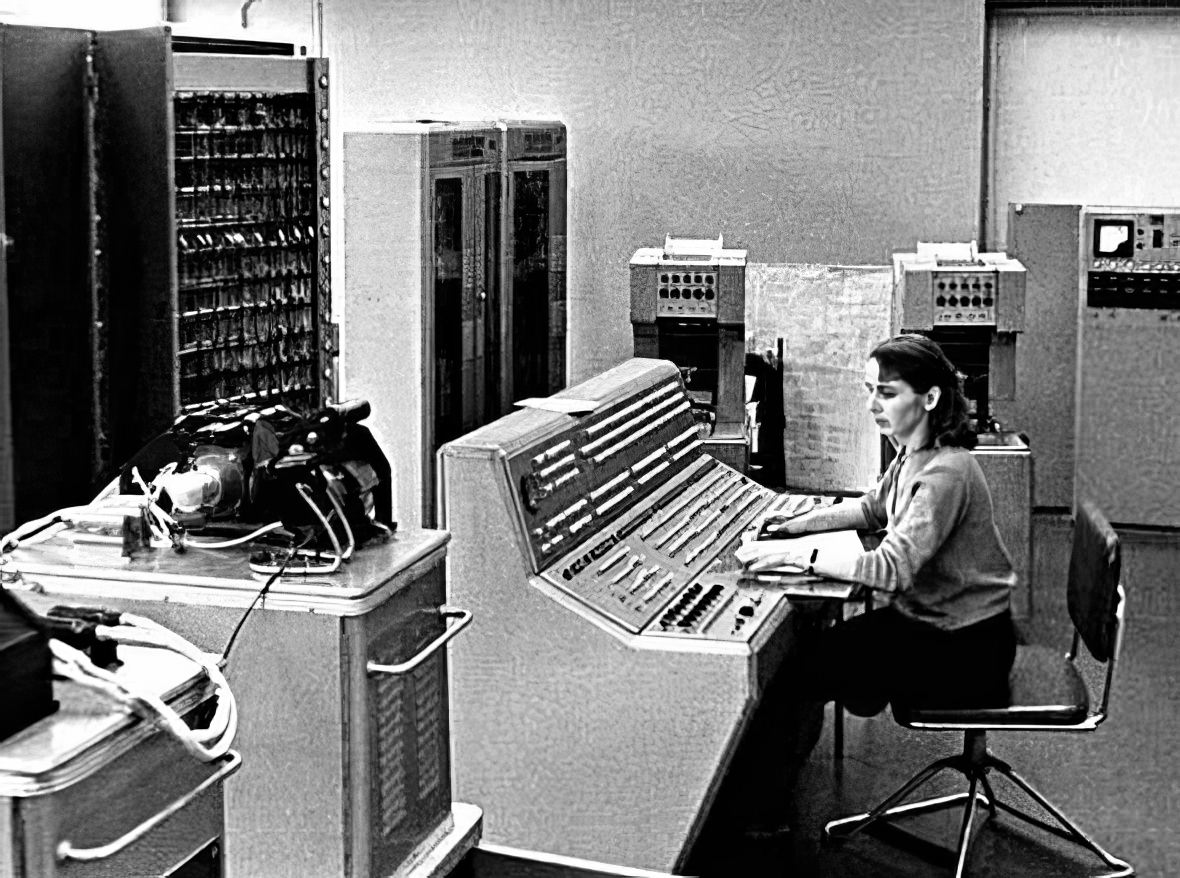
The first ever computer in Latvia was developed and made at the start-up Institute of Electronics and Computer Science in early sixties.

No computers were made industrially in the USSR at that time. Therefore, the successful completion of that project certainly represented a significant achievement. Built on a large number of vacuum tubes, the computer worked well and was used for supporting research activities for several years, until it became possible to replace it with a more powerful industrially made computer.
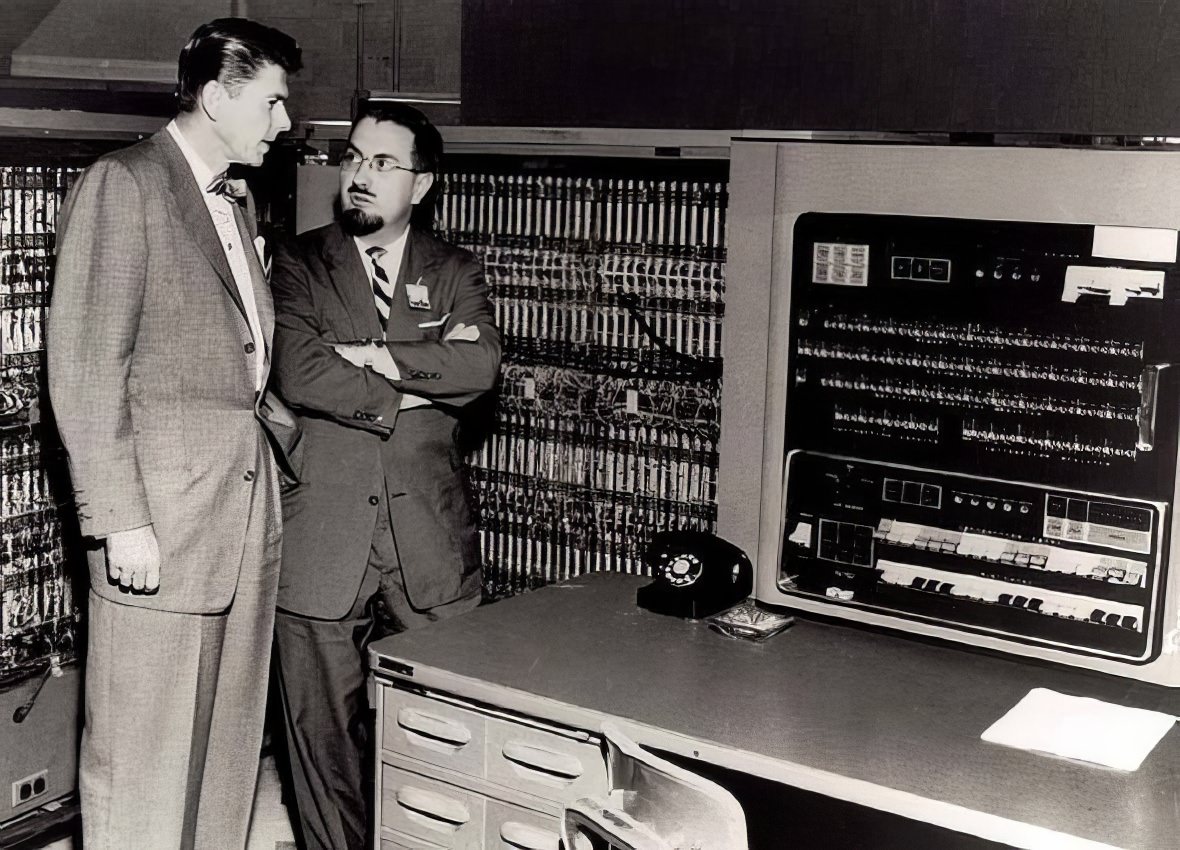
IBM 701. IBM's first computer. Introduced in 1952, the 701 was designed for scientific work and research, which later led to the development of the high-level FORTRAN language.
IBM 701. IBM’s first computer. Introduced in 1952, the 701 was designed for scientific work and research, which later led to the development of the high-level FORTRAN language.

Nineteen machines were built, a record volume for such a machine in that era. Its internal memory contained 2,048 36-bit words of electrostatic memory and 8,192 words of magnetic drum memory (see early memories). It used magnetic tapes for storage and was one of the first machines to use plastic-based tapes instead of metal tapes. See IBM 650 and IBM 1401. At General Electric’s Aircraft Jet Engine Plant in Evendale, Ohio, this 1954 photo shows GE manager Herbert Grosch explaining the 701 to Ronald Reagan. Reagan was a TV personality for GE at the time.
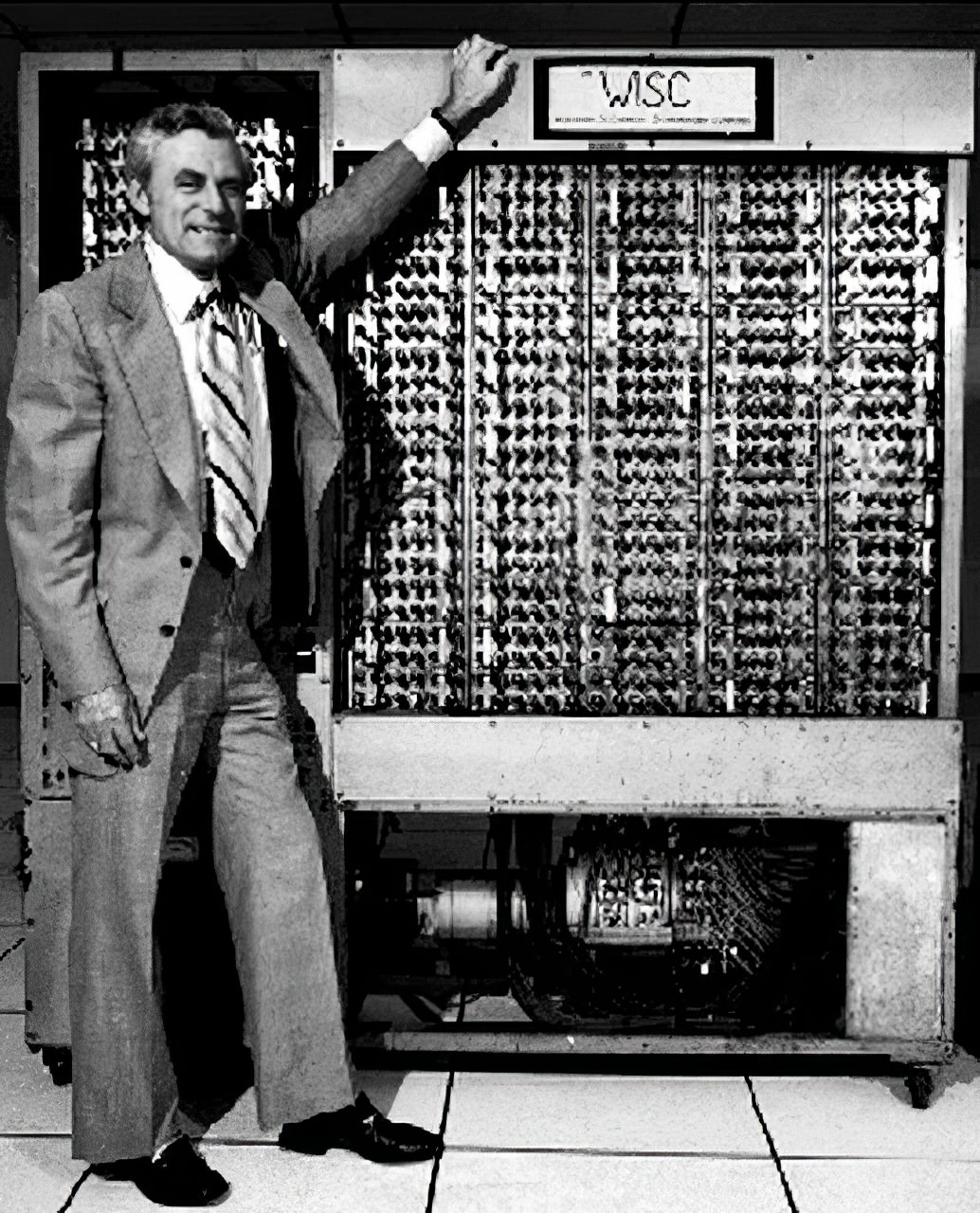
Amdahl Corporation, Sunnyvale, CA. A computer manufacturer founded in 1970 by Dr. Gene Amdahl, chief architect of the IBM System/360.

In 1975, Amdahl installed its first IBM-compatible mainframe, the 470/V6. In 1979, Amdahl left the company he founded to form Trilogy, which tried without success to make the world’s largest chip based on wafer scale integration.

The Dawn of the Computer Age: A Journey Through the First Generation
Enjoyed this post? Get new ones in your inbox.

Leave a Comment

Your email address will not be published. Required fields are marked *

Share this Post 🥺

Please take a moment to share this content. Your support is greatly appreciated! 🙌🙏

Share this Post 🥺

Please take a moment to share this content. Your support is greatly appreciated! 🙌🙏
Scroll to Top
 
Hey Friend, Before You Go.. Please like & follow for more interesting content