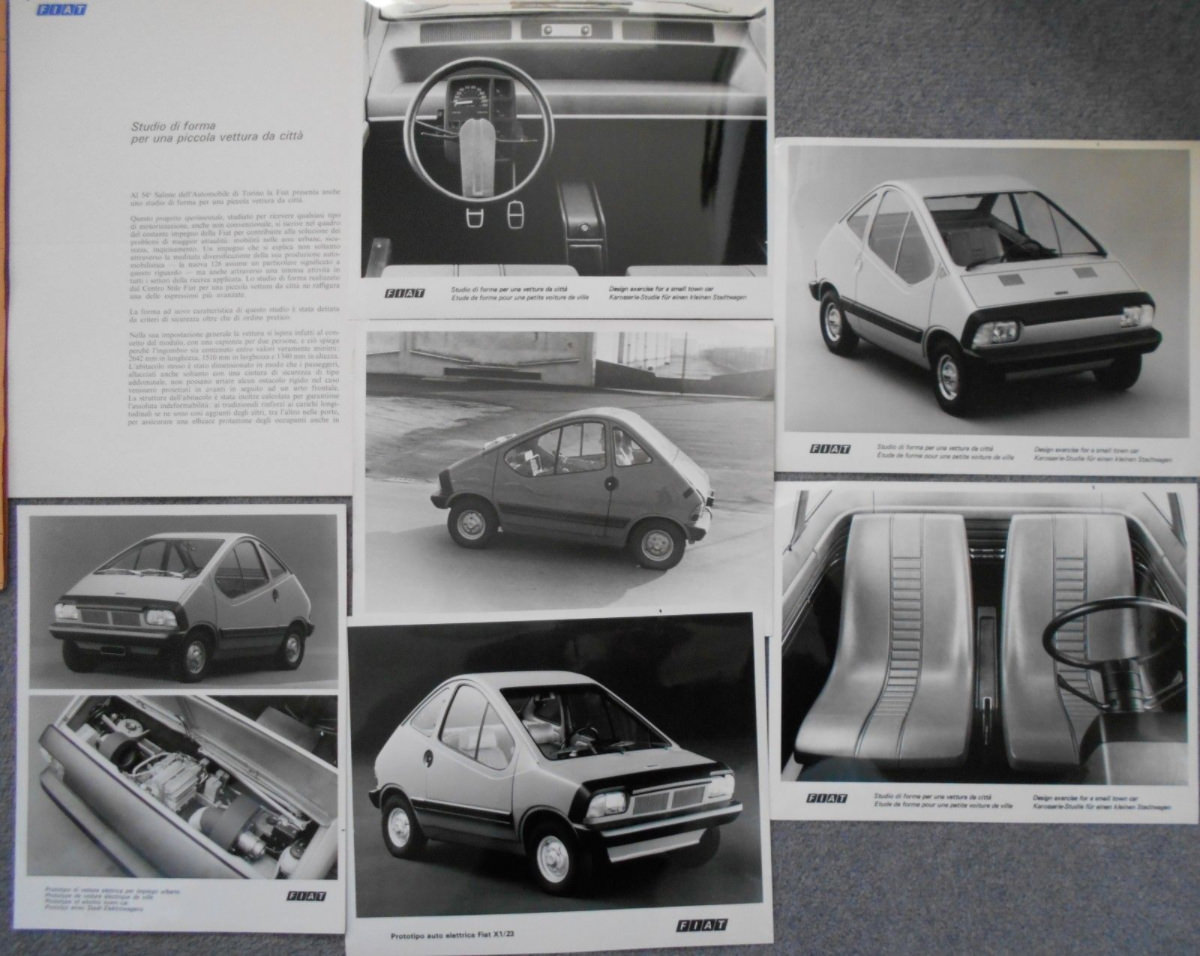
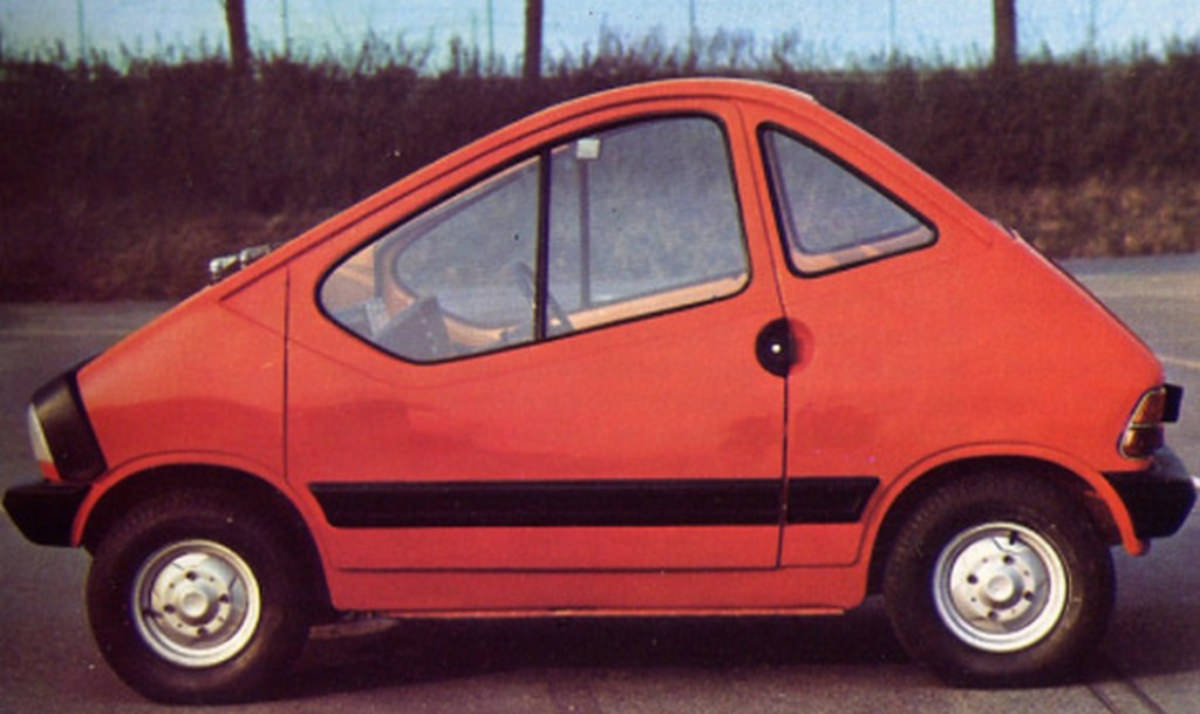
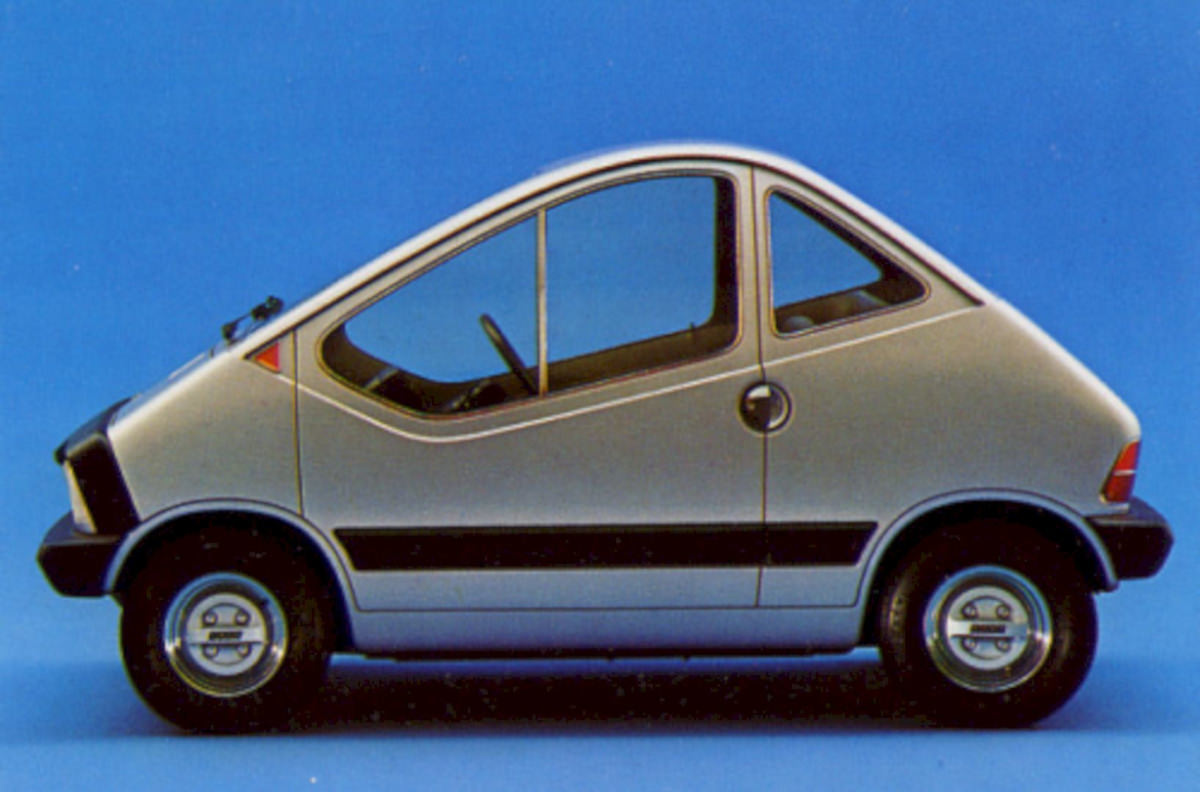
In 1972, Fiat pulled back the curtain on one of the strangest concept cars ever to come out of Italy. The X1/23 debuted at the Turin Motor Show that year — a tiny two-seat city car so small it looked built for children. That comparison isn’t far off. Fiat sized the car using measurements that matched a child’s scale, and the finished product was only 2.64 meters (8.66 feet) long.
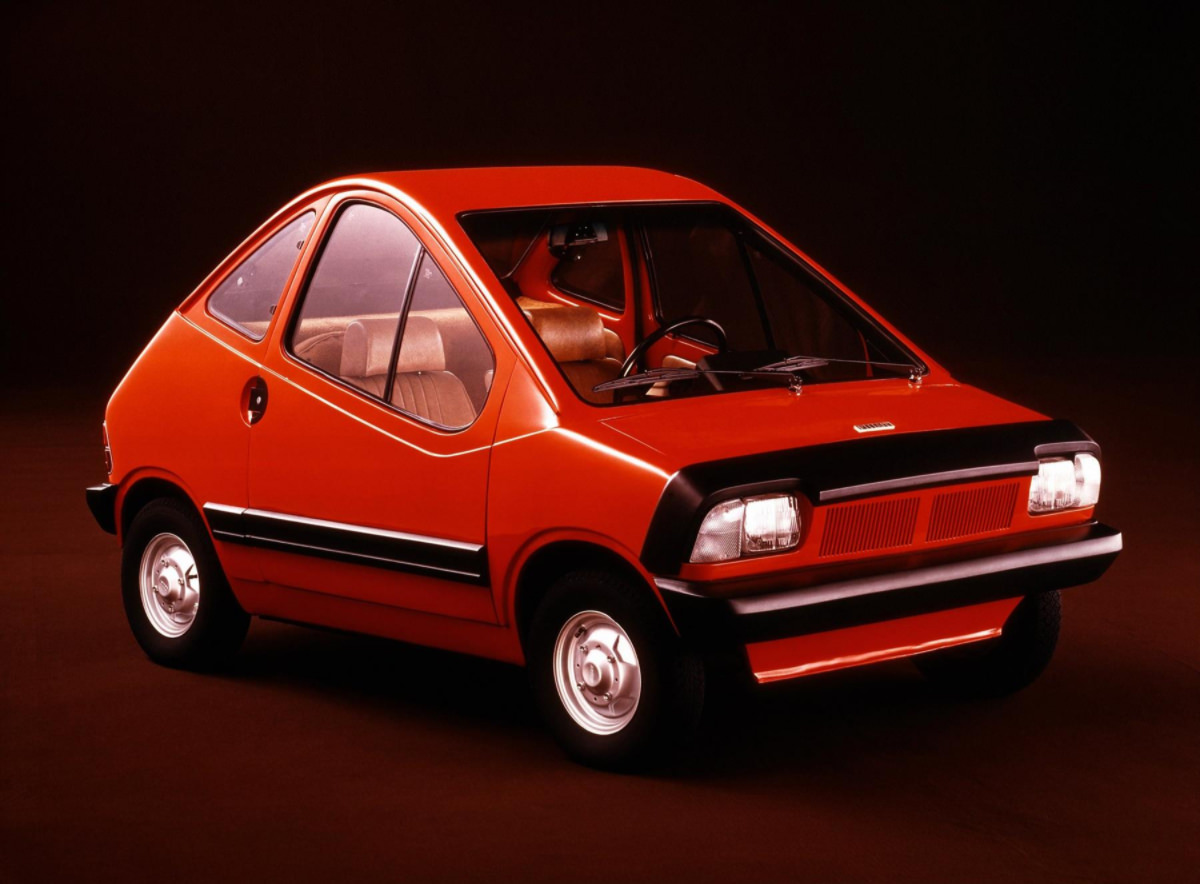
To put that length in perspective, the Fiat 124 sedan of the same era measured 4.03 meters (13.22 feet). The X1/23 was more than a meter and a half shorter — roughly a third of the 124’s length. It was genuinely compact in a way that no other Fiat production car of the period came close to matching.
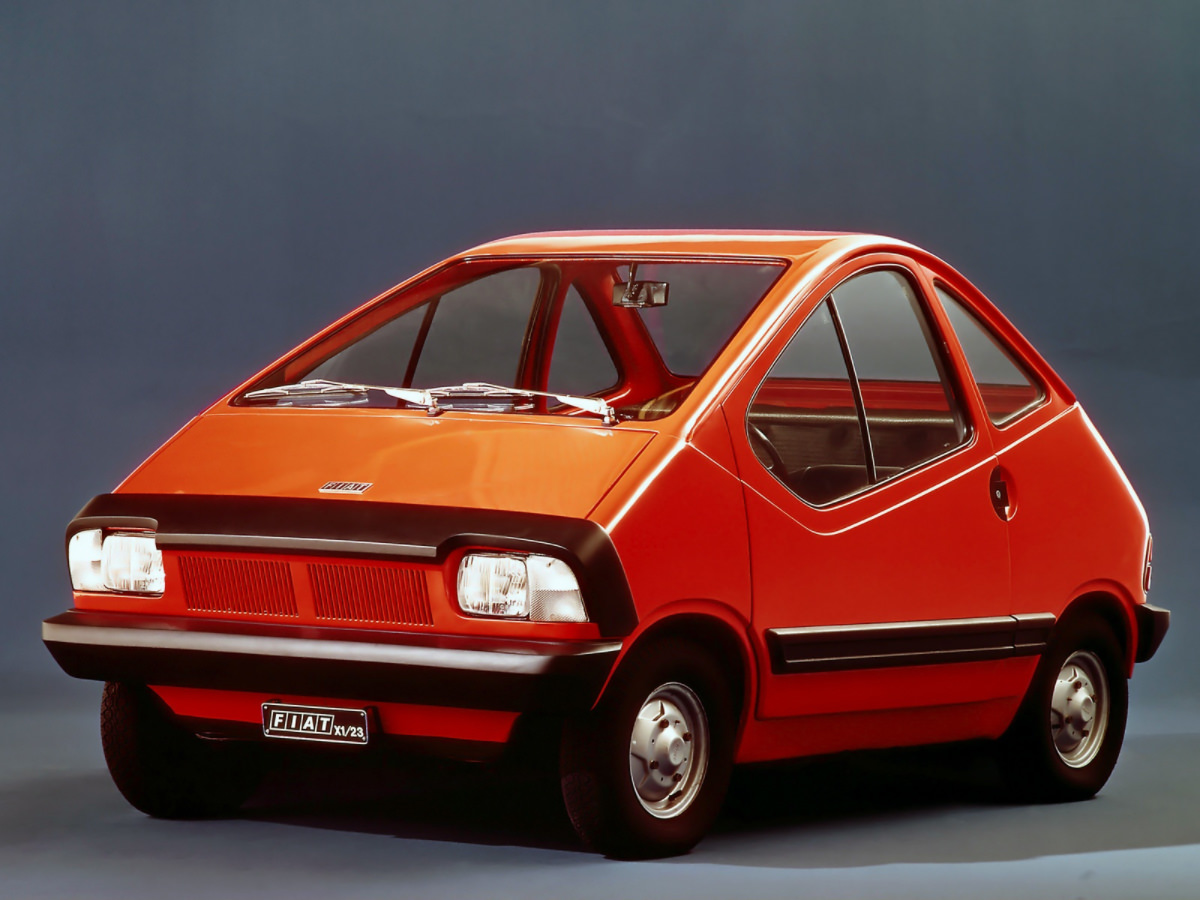
The car was designed entirely in-house by Centro Stile Fiat, the company’s own design department. Its shape was clean and functional, built around the idea of urban transportation for two people. Nothing about the X1/23 was designed for highway driving or long road trips. It was a city car through and through.
By 1976, Fiat had evolved the X1/23 into a fully electric vehicle. Power came from a 14-kilowatt electric motor that drove the front wheels. The batteries sat at the rear of the car, helping balance the weight. The X1/23 also featured regenerative braking, which fed energy back into the battery every time the driver slowed down — a feature that remains standard in electric vehicles today.
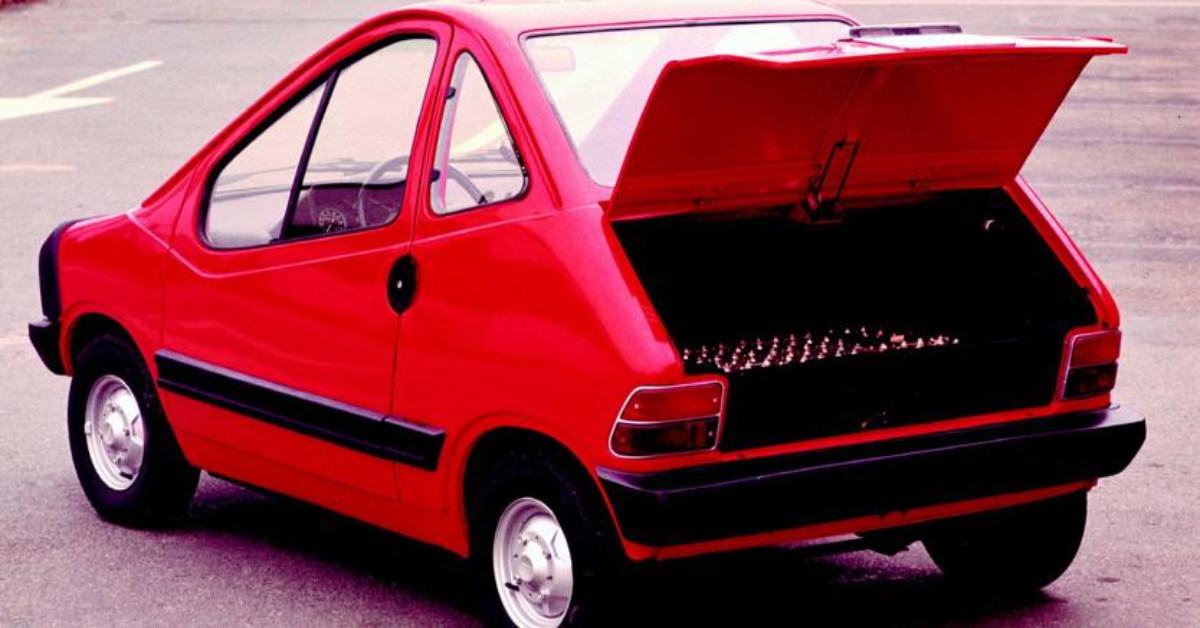
Despite its tiny footprint, the X1/23 was not light. The car weighed 820 kg (1,810 lb) in total. Of that, 166 kg (366 lb) came from the battery pack alone — a significant portion of the overall weight for a car this size. Battery technology in the early 1970s was heavy and energy-dense compared to the rest of the vehicle.
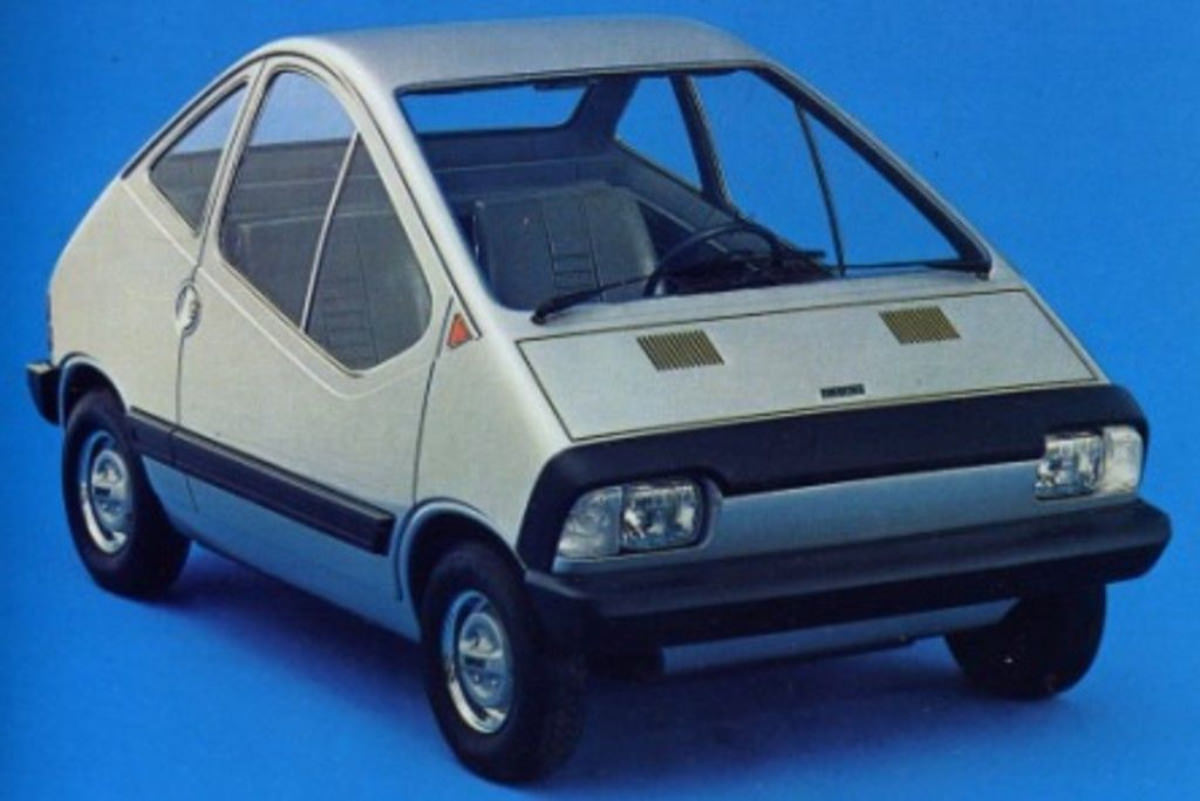
The performance figures were modest but practical for city use. The X1/23 had a top speed of 45 mph (72.4 km/h) and a range of approximately 50 miles (80.5 km) on a full charge. For daily urban commuting in the mid-1970s, those numbers were more than enough.
Electric vehicles were almost unheard of in Europe at the time. Most drivers had never seen one on the road, and the concept of a battery-powered car felt distant from everyday life. When Fiat introduced the X1/23, the idea of owning a car with near-zero fuel costs and minimal mechanical upkeep genuinely surprised people.
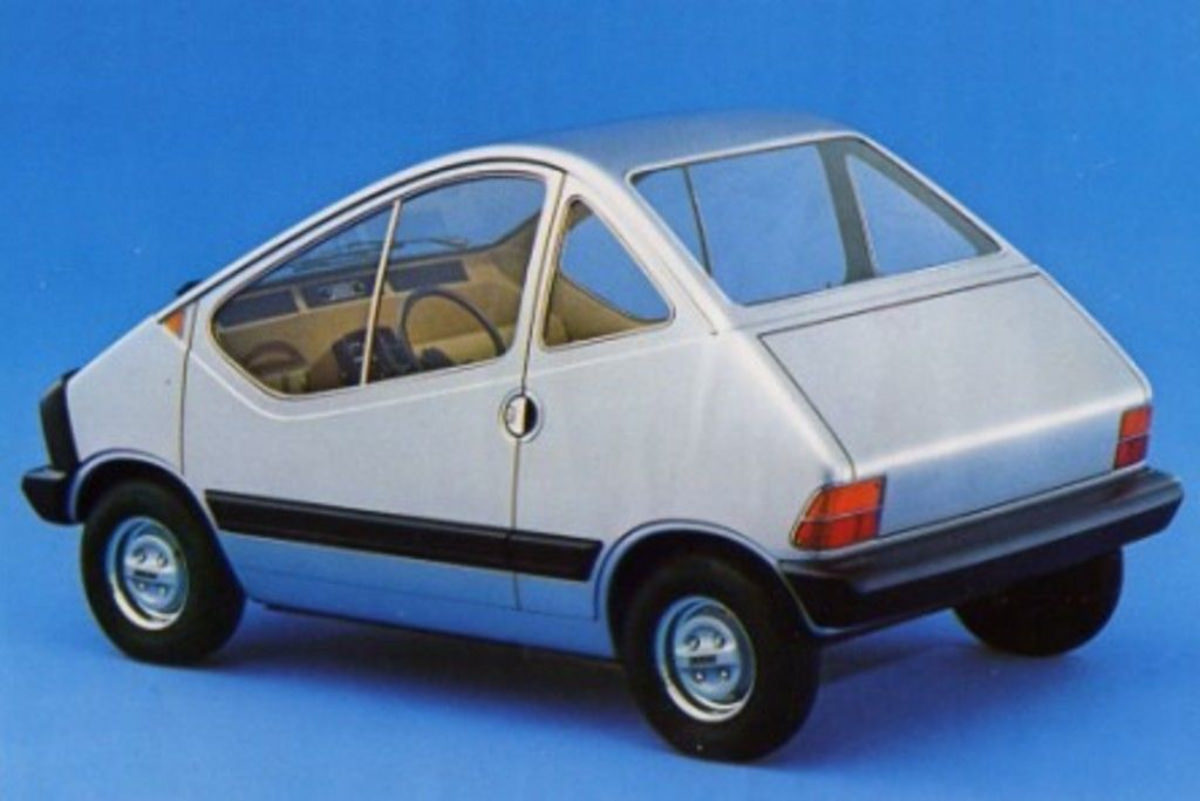
The X1/23 never entered mass production, but it represented serious engineering work rather than a simple styling exercise. Fiat was exploring real questions about urban mobility, energy use, and vehicle size at a time when the 1973 oil crisis was making those questions urgent across the entire automotive industry.
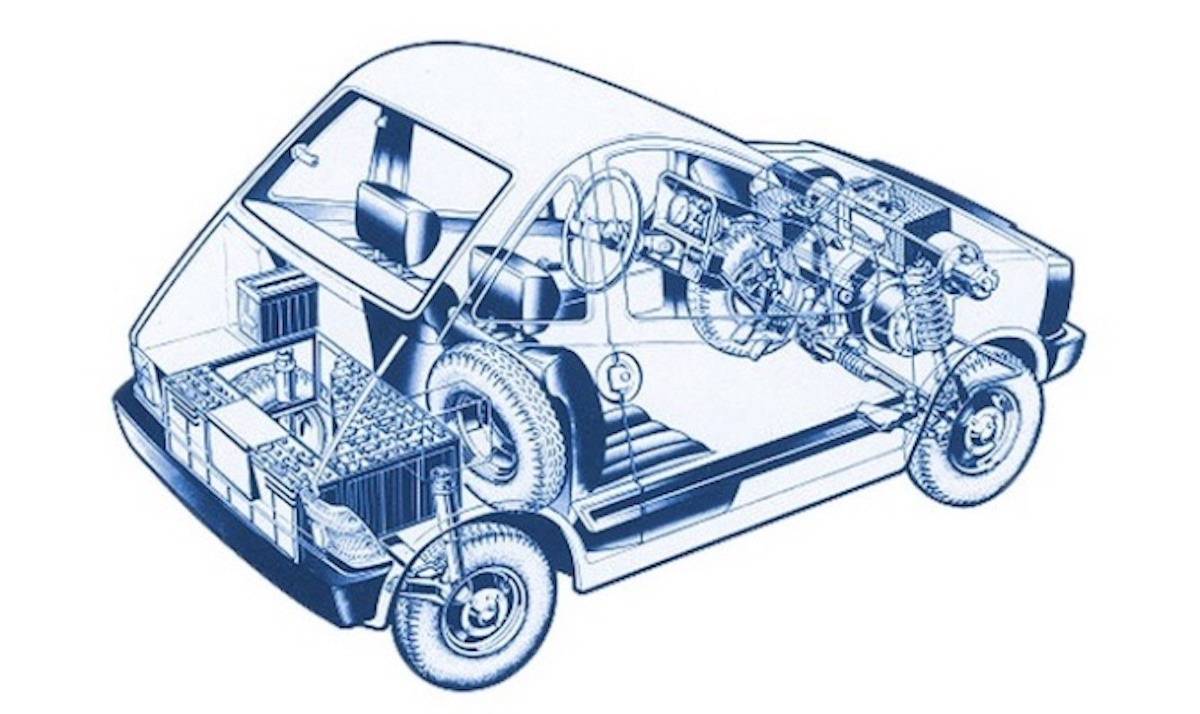
The car’s front-wheel-drive electric layout, regenerative braking system, and rear-mounted battery pack were all deliberate engineering choices. Each one addressed a specific challenge — traction, efficiency, and weight distribution — in a package smaller than almost anything else on European roads at the time.
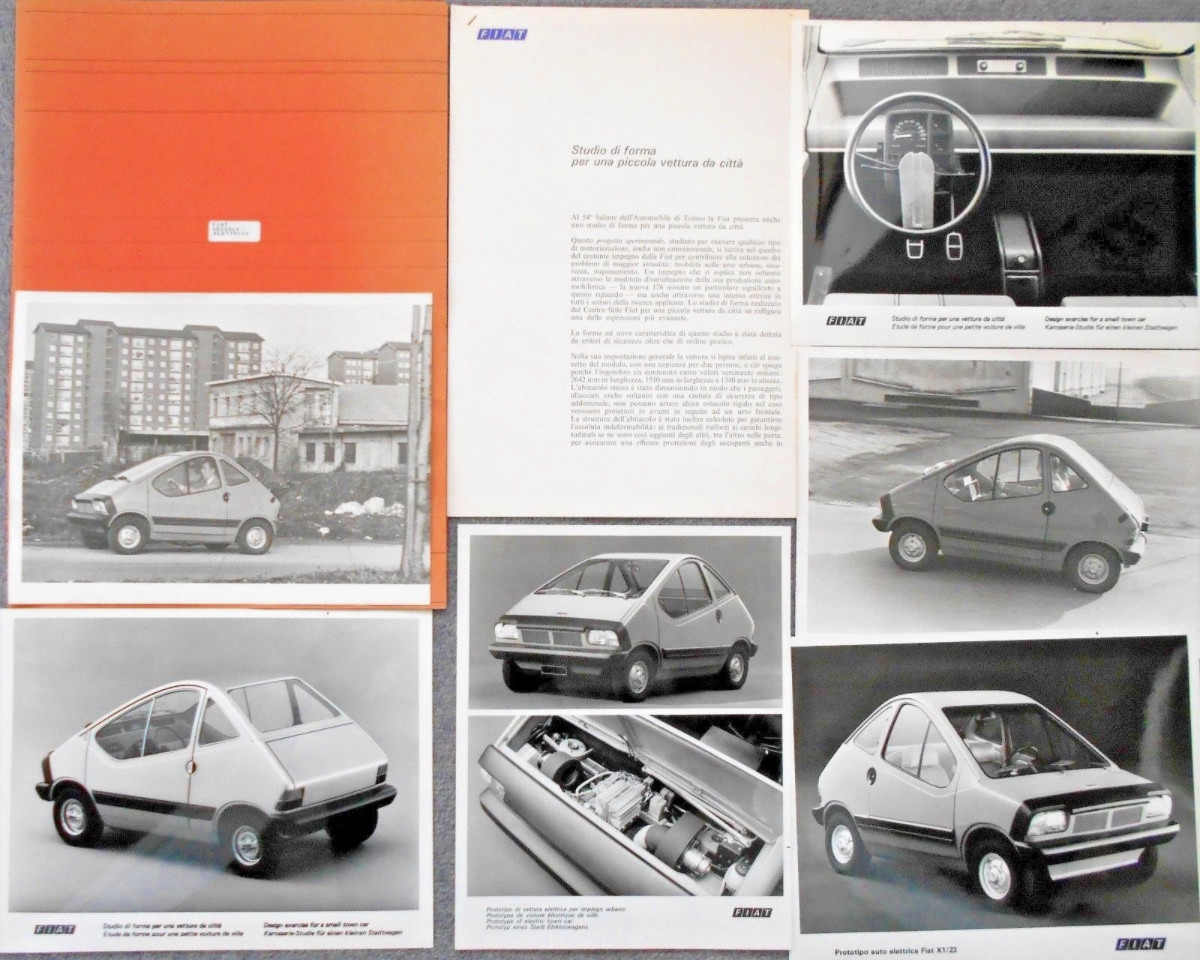
The Fiat X1/23 remains one of the earliest serious attempts by a major European automaker to build a purpose-designed electric city car. Its proportions were radical, its technology was ahead of widespread adoption, and its ambition was clear from the moment it rolled onto the Turin show floor in 1972.