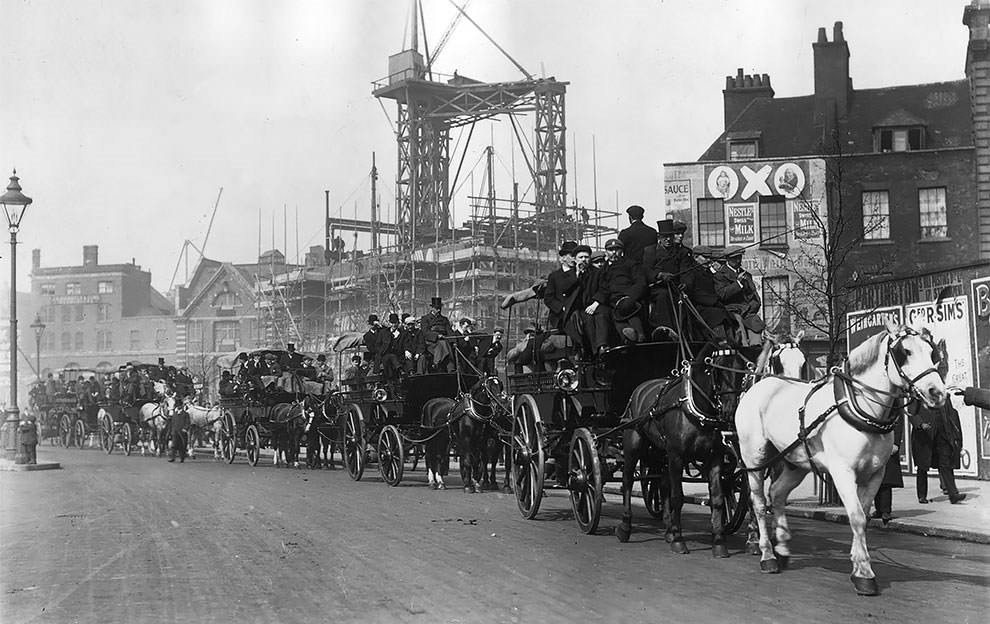
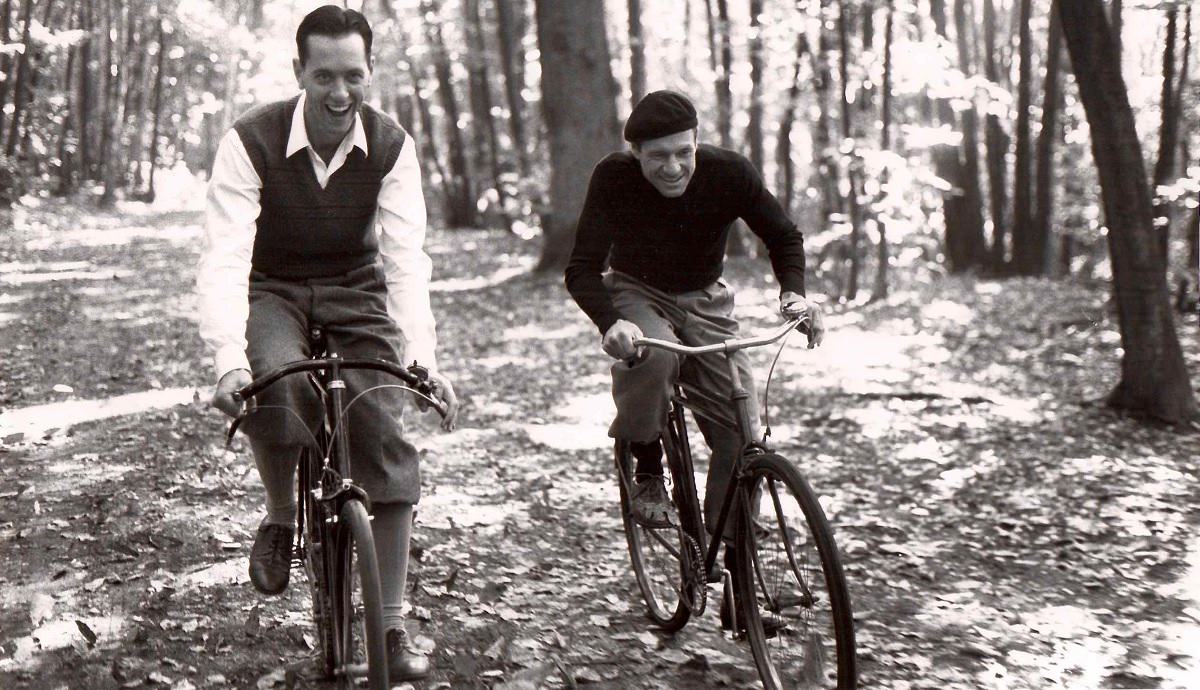
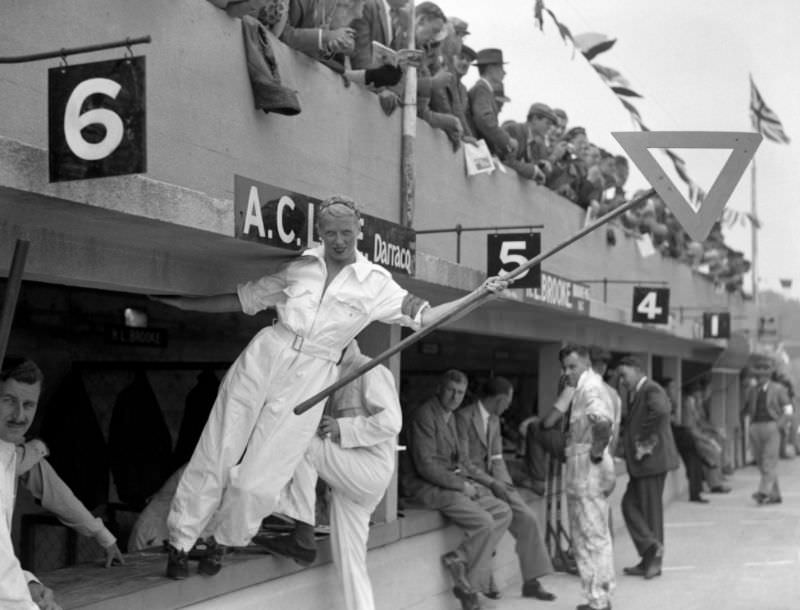
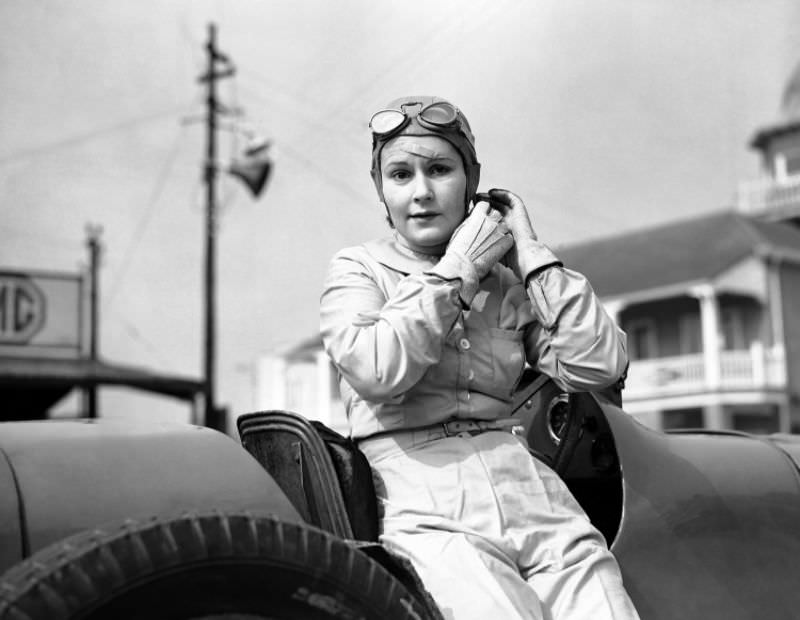
The Brooklands Automobile Racing Club was founded in December 1906, and from the start, women were barred from competing. That rule was lifted in 1908, opening the door just a crack. By 1920, female drivers were permitted to race — both in women-only events and alongside men in mixed races. But the real turning point came in 1933, when the Royal Automobile Club granted female racers equal rights to compete in Open meetings at Brooklands on the same terms as men. The 1930s became the defining decade for women in British motorsport, and the faces that filled the pit lanes and tore around the banked track made history.
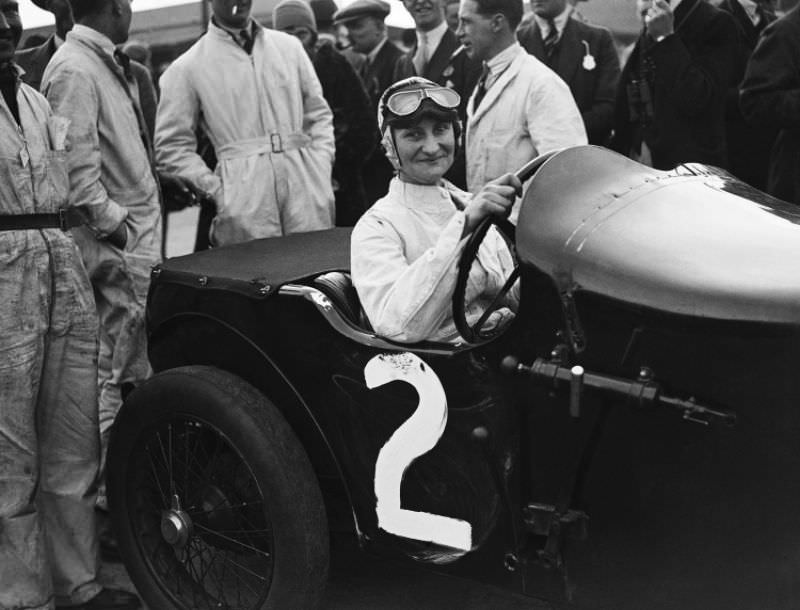
Elsie Wisdom was one of the most recognizable women at Brooklands. Known by her nickname ‘Bill,’ she was a fierce and consistent competitor who earned real respect at the track. She was also a skilled motorcycle racer, adding to her reputation as one of the most versatile drivers of her era.
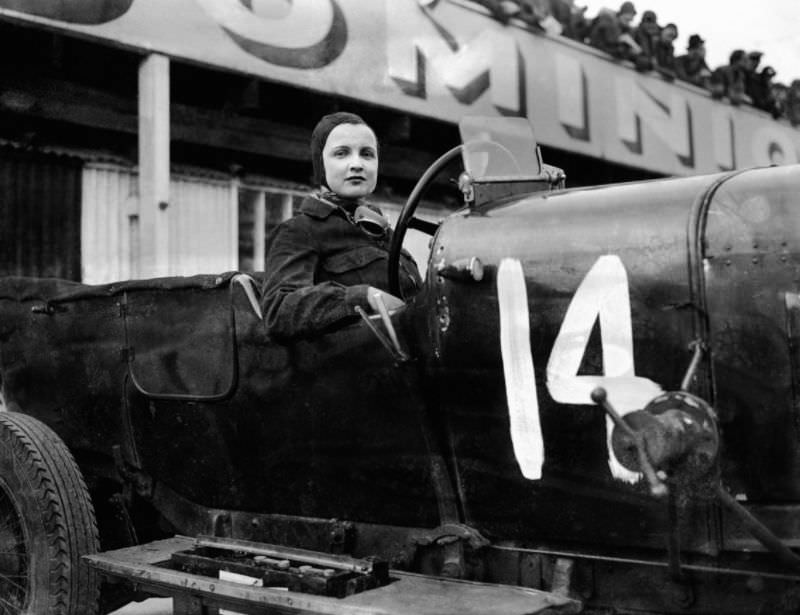
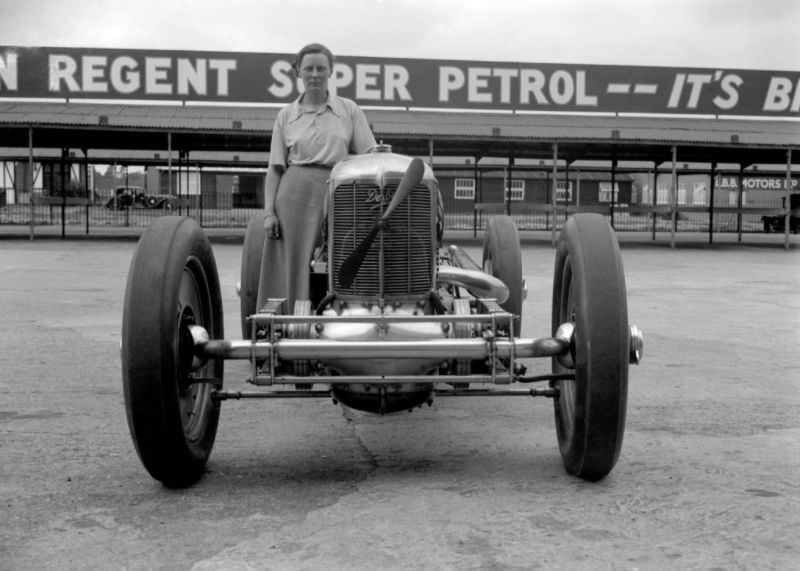
Kay Petre was arguably the most famous female driver of the Brooklands era. Standing just under five feet tall, she piloted some of the most powerful cars on the circuit, including a 10.5-litre V12 Delage. She set the women’s outer circuit lap record at Brooklands at 134.75 mph, a number that turned heads across the racing world. Her fearlessness behind the wheel made her a central figure throughout the decade.
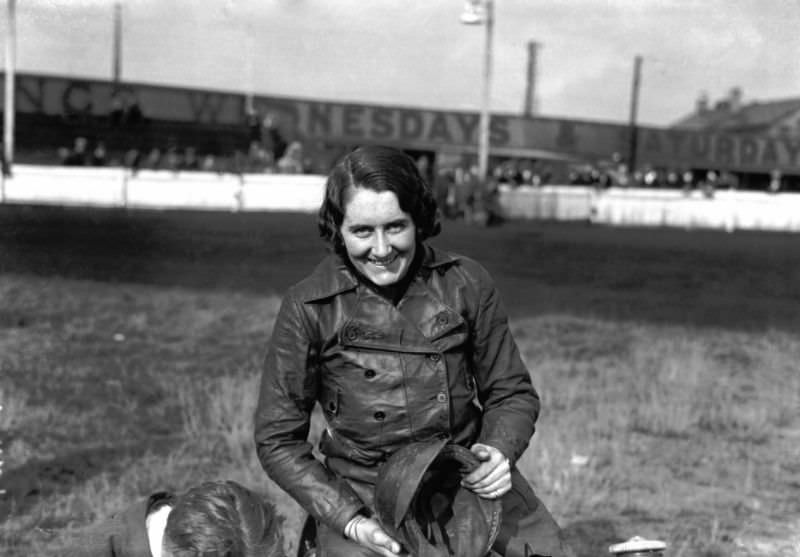
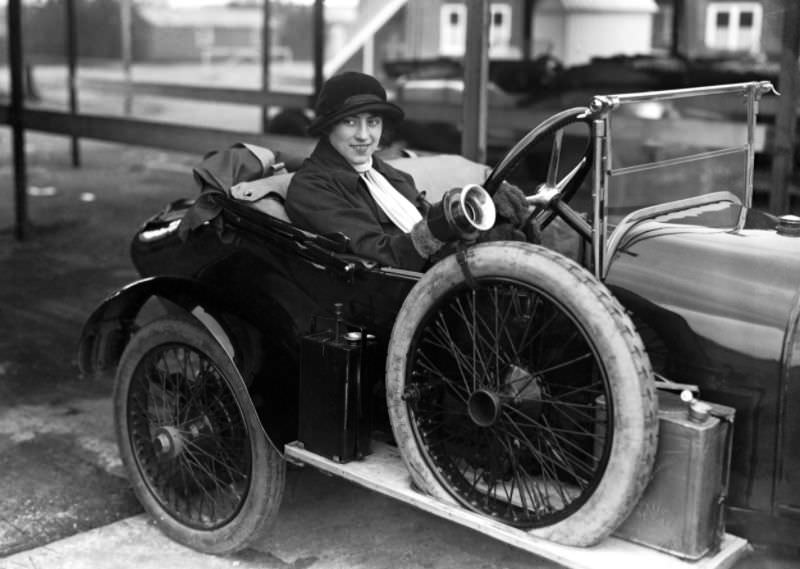
Fay Taylour and Violet Cordery each brought their own strengths to the sport. Cordery had already built a reputation for long-distance endurance driving, completing remarkable mileage records in the late 1920s. By 1930, both women were well-established figures in British motorsport circles. Behind every successful driver, though, there were people working in the paddock who rarely made headlines.
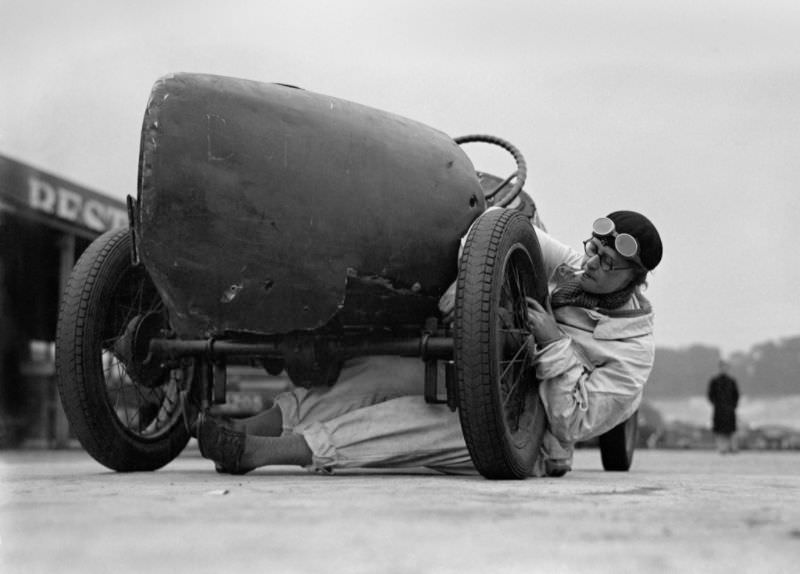
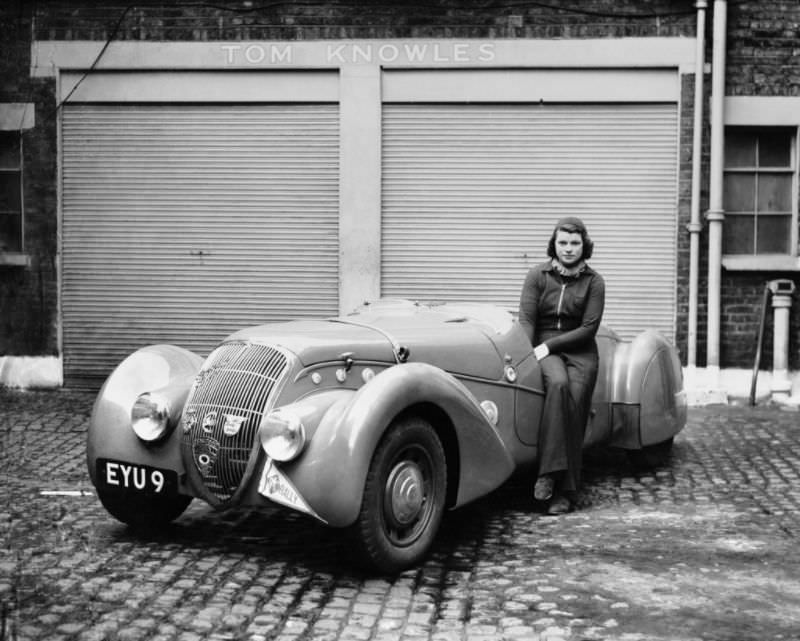
Women at Brooklands were not only behind the wheel. Miss J. Alwynne worked as a motor mechanic at the circuit in 1931, a role that was just as unconventional for a woman at the time as racing itself. Meanwhile, other women were preparing their own cars for competition, getting hands-on with the machinery in ways that challenged every expectation of the era.
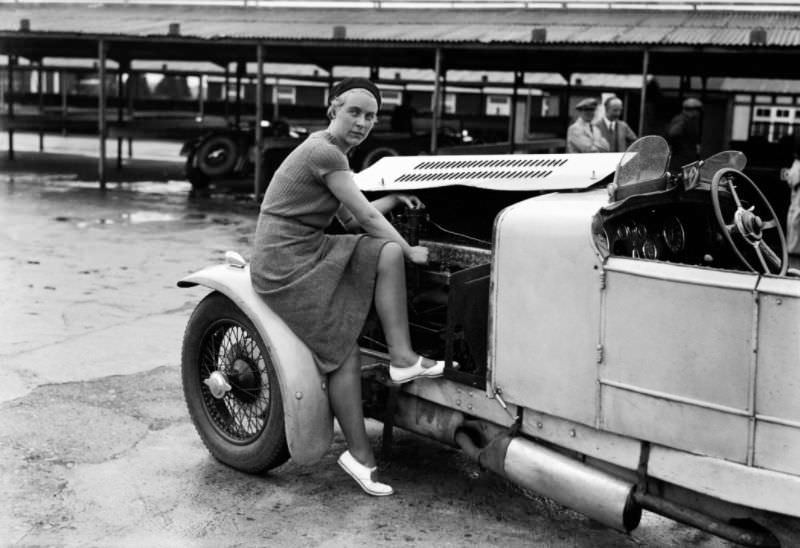
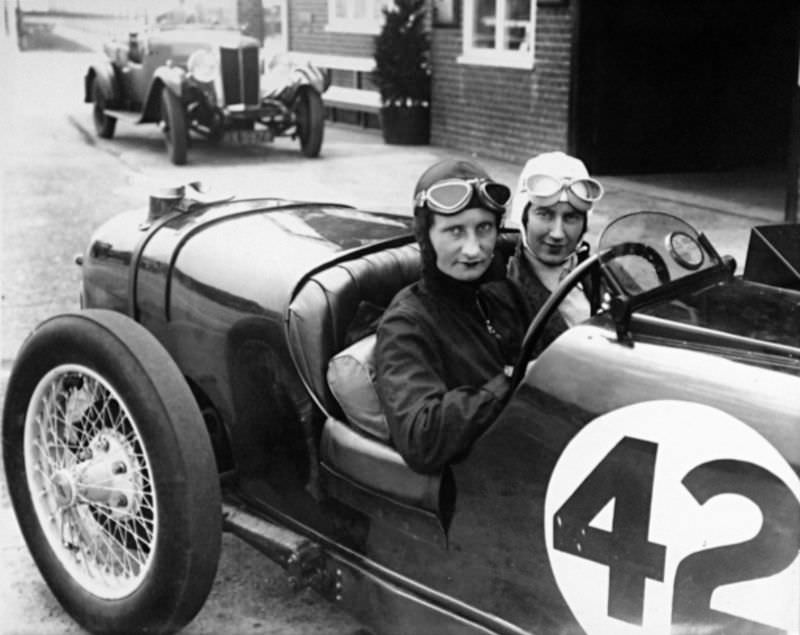
Elsie Wisdom and Joan Richmond were frequently photographed together at Brooklands, and for good reason — they were teammates and friends who often competed alongside each other. Richmond was a young but serious driver who would go on to take part in one of the most celebrated all-female racing entries of the decade.
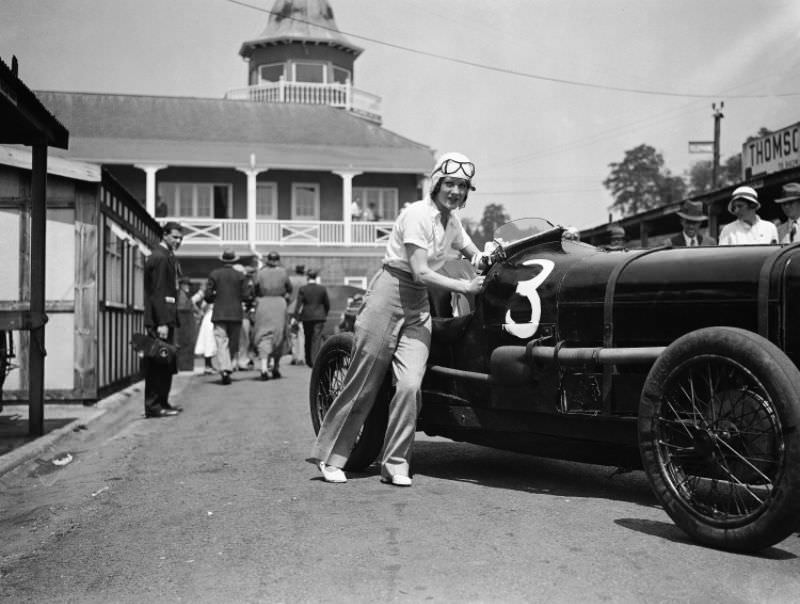
The summer of 1933 was a milestone moment. With equal rights now formally granted by the Royal Automobile Club, women at Brooklands were competing in Open meetings on the same footing as any male driver. Paddy Naismith was among those pushing forward — literally and figuratively — in that landmark year. That same spirit carried into 1934, when one of the most famous moments in women’s motorsport history took shape at Le Mans.
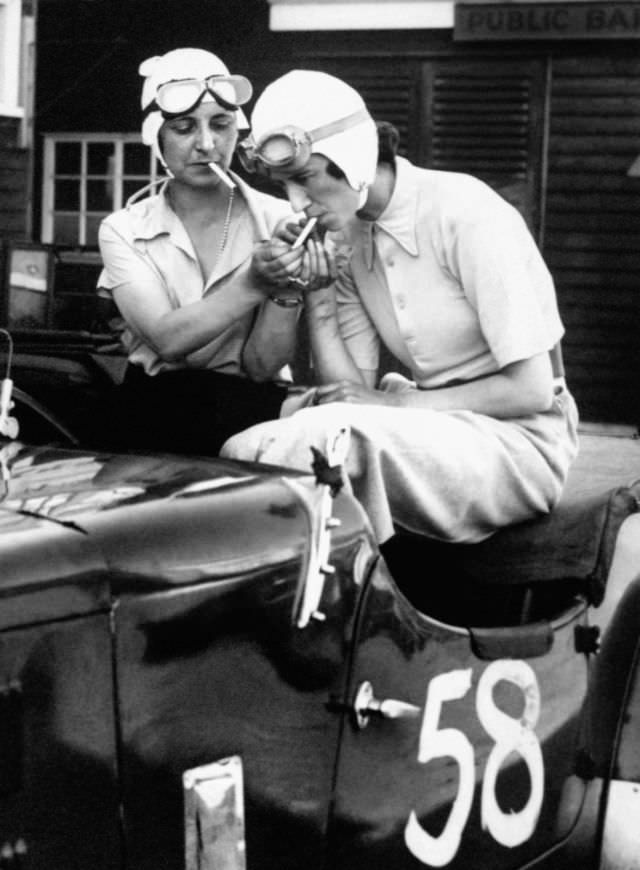
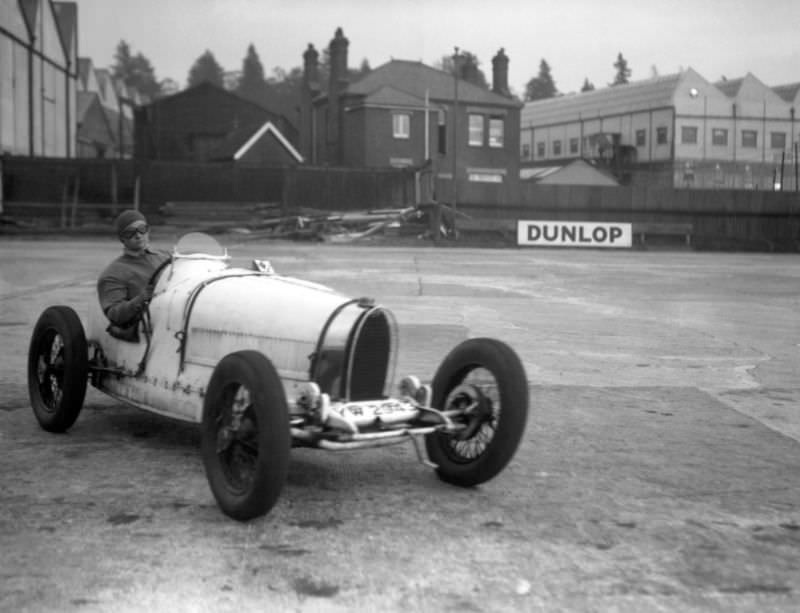
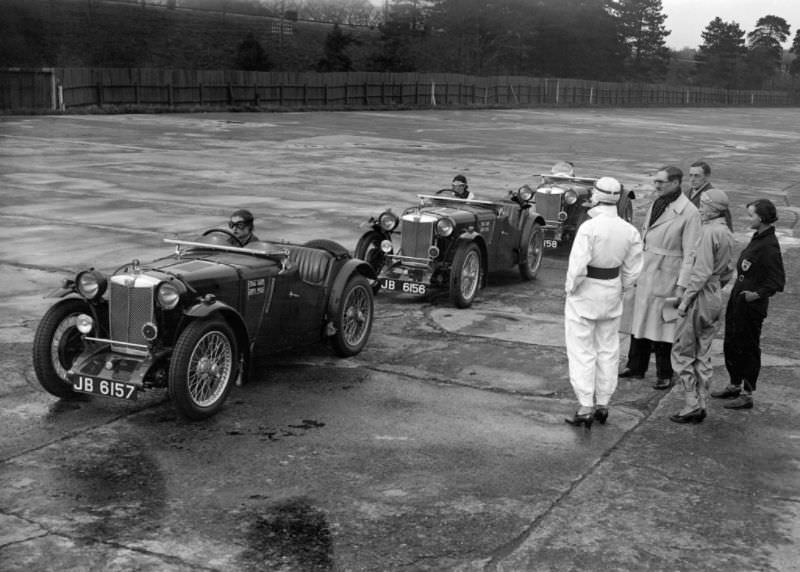
Land speed record breaker George Eyston entered three MG racing cars at Le Mans in 1934, with all-female crews behind the wheel. The cars were nicknamed the ‘Dancing Daughters’ after a popular variety act of the time. Car 54 was driven by Margaret Allen and Coleen Eaton. Car 55 by Doreen Evans and Barbara Skinner. Car 56 by Joan Richmond and a co-driver listed only as Miss Jo. It was a bold and widely noticed entry that put female racing talent on an international stage.
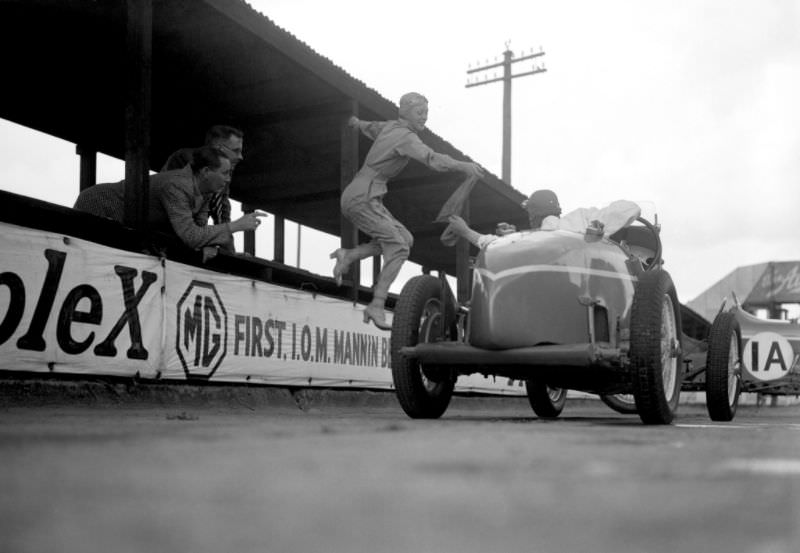
Back at Brooklands in 1935, Gwenda Stewart was setting her own records. She held the women’s Class H flying mile record and was a dominant presence on the circuit throughout the mid-1930s. Doreen Evans was equally active during this period, competing in relay races and endurance events with the kind of stamina that defined the best drivers of the era.
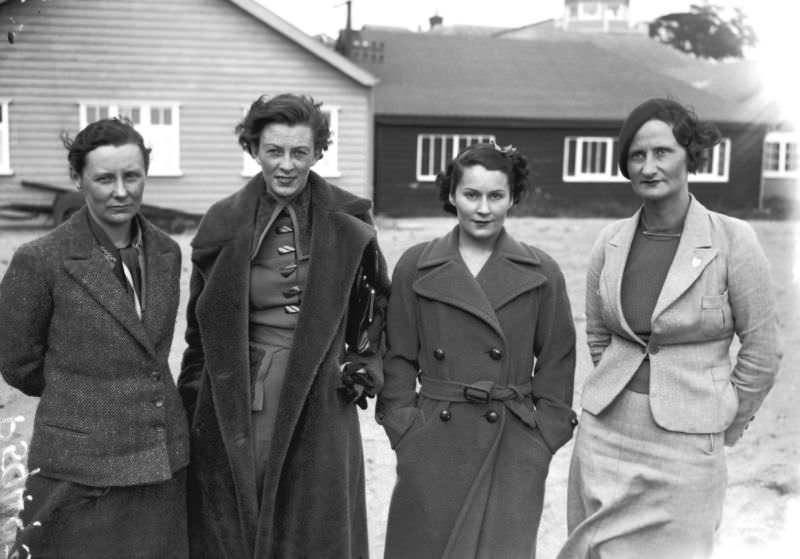
By September 1935, four of the most prominent female drivers at Brooklands — Gwenda Stewart, Doreen Evans, Kay Petre, and Elsie Wisdom — were photographed together, a snapshot of the tight-knit community that had formed around women’s racing at the circuit. These were not casual enthusiasts; they were serious, skilled competitors with records and race wins to their names.
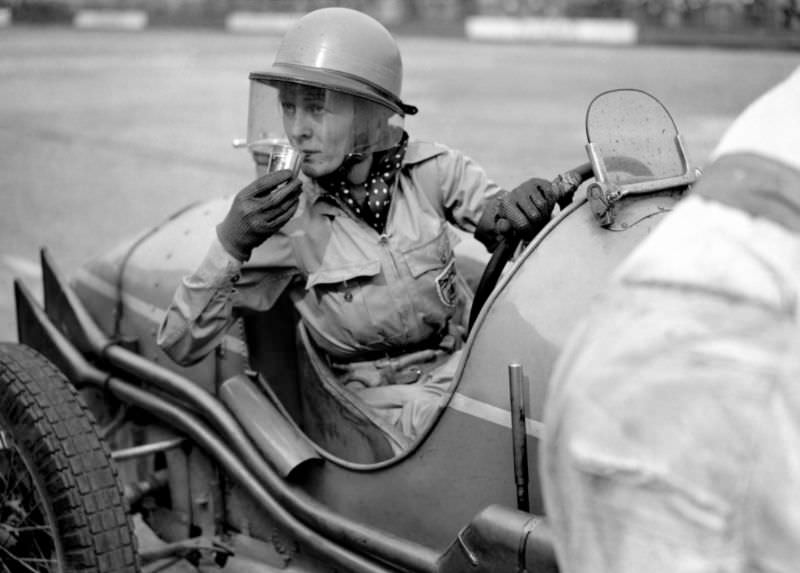
Race days at Brooklands were long and physically demanding. Between heats and events, drivers grabbed whatever rest and refreshment they could in the paddock. By 1937, the circuit was still drawing a full field of female competitors, with mechanics and pit crew working alongside them to keep cars race-ready.
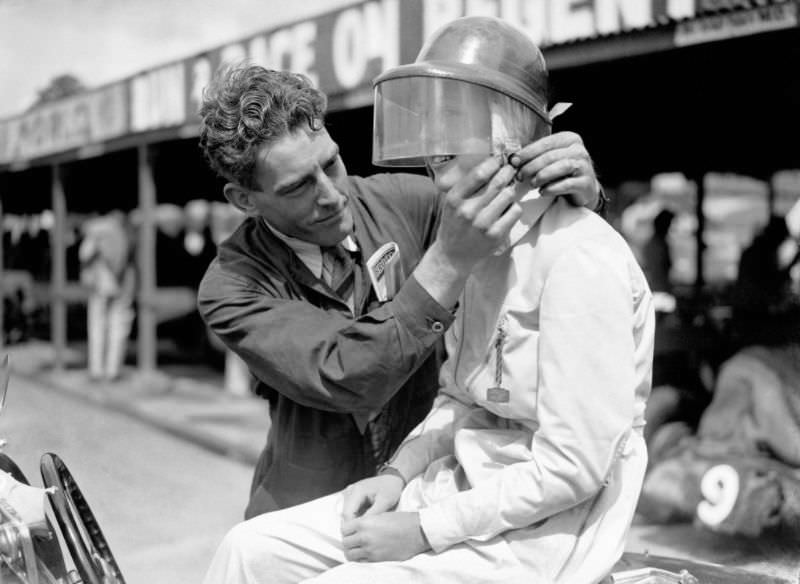
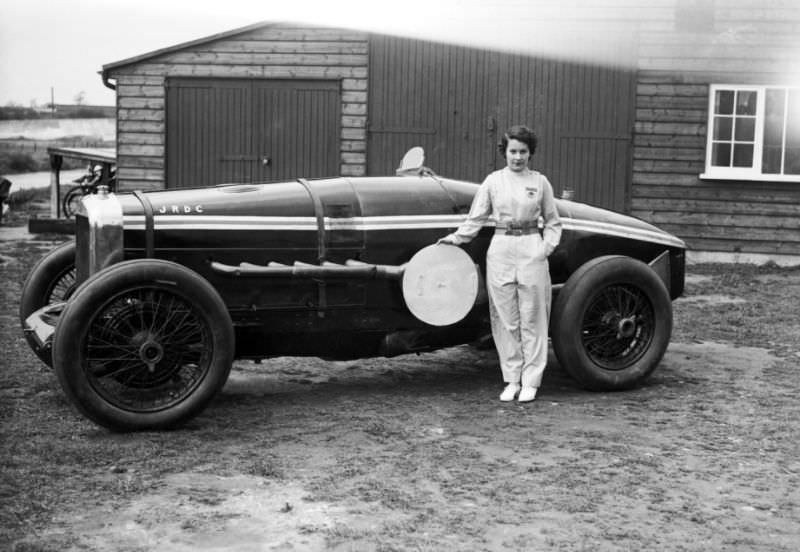
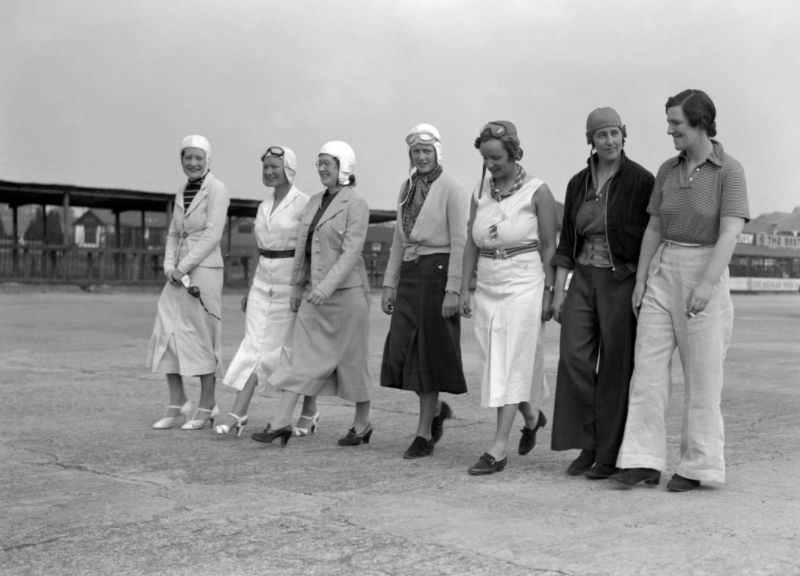
By 1937, the women competing at Brooklands represented a broad range of experience, from veterans like Kay Petre with her formidable Delage to newer faces joining the circuit. The paddock had become a genuinely mixed environment where female drivers, mechanics, and pit crew were an ordinary part of race day. The 1938 season continued in the same vein, with women competing and working in the pits during major events like the JCC 200 Mile Race.
The 1939 season would prove to be the last. With World War II on the horizon, the days of racing at Brooklands were numbered. Germany invaded Poland in September 1939, and the circuit was requisitioned for the war effort. The Brooklands Automobile Racing Club never resumed operations after the war ended. The track had been too heavily damaged during wartime use, and the cost of restoring it proved too great. The Club merged with the Junior Car Club, eventually changing its name to the British Automobile Racing Club and relocating to the Goodwood Circuit in 1949.