In 1949, LIFE Magazine sent photographer Loomis Dean out with a specific assignment: document women on motorcycles. It sounds simple enough today, but at the time it was a remarkable thing to point a camera at. Women riding motorcycles were a rare sight on American roads, and seeing them featured in a major national publication was rarer still.
The postwar United States had very firm ideas about what women were supposed to do and where they were supposed to be. The 1940s and early 1950s pushed a strong domestic ideal — women as wives, mothers, and homemakers. Riding a motorcycle didn’t fit that picture at all. Motorcycles belonged to men, to speed, to the open road. These women claimed all of that for themselves anyway.
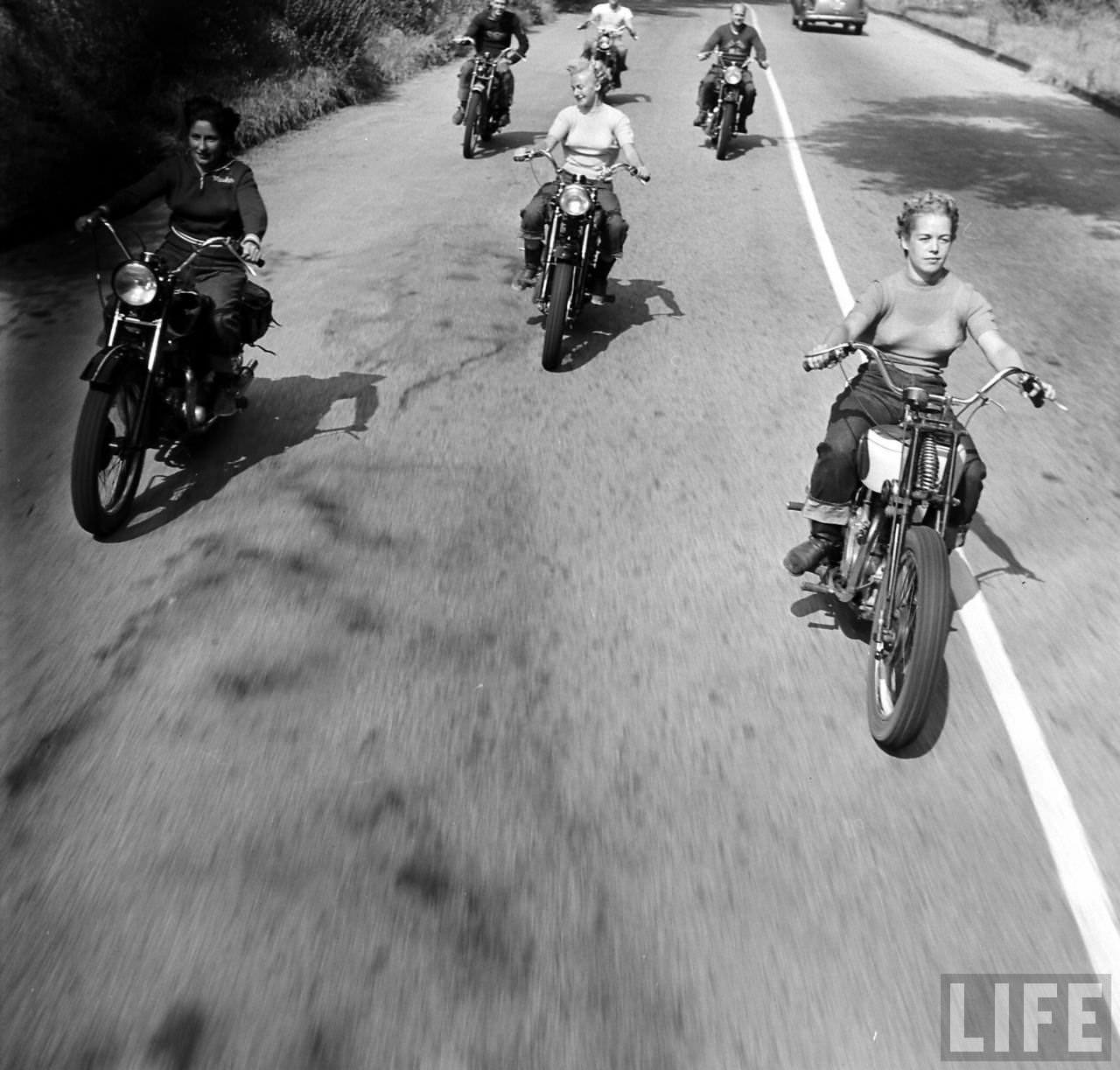
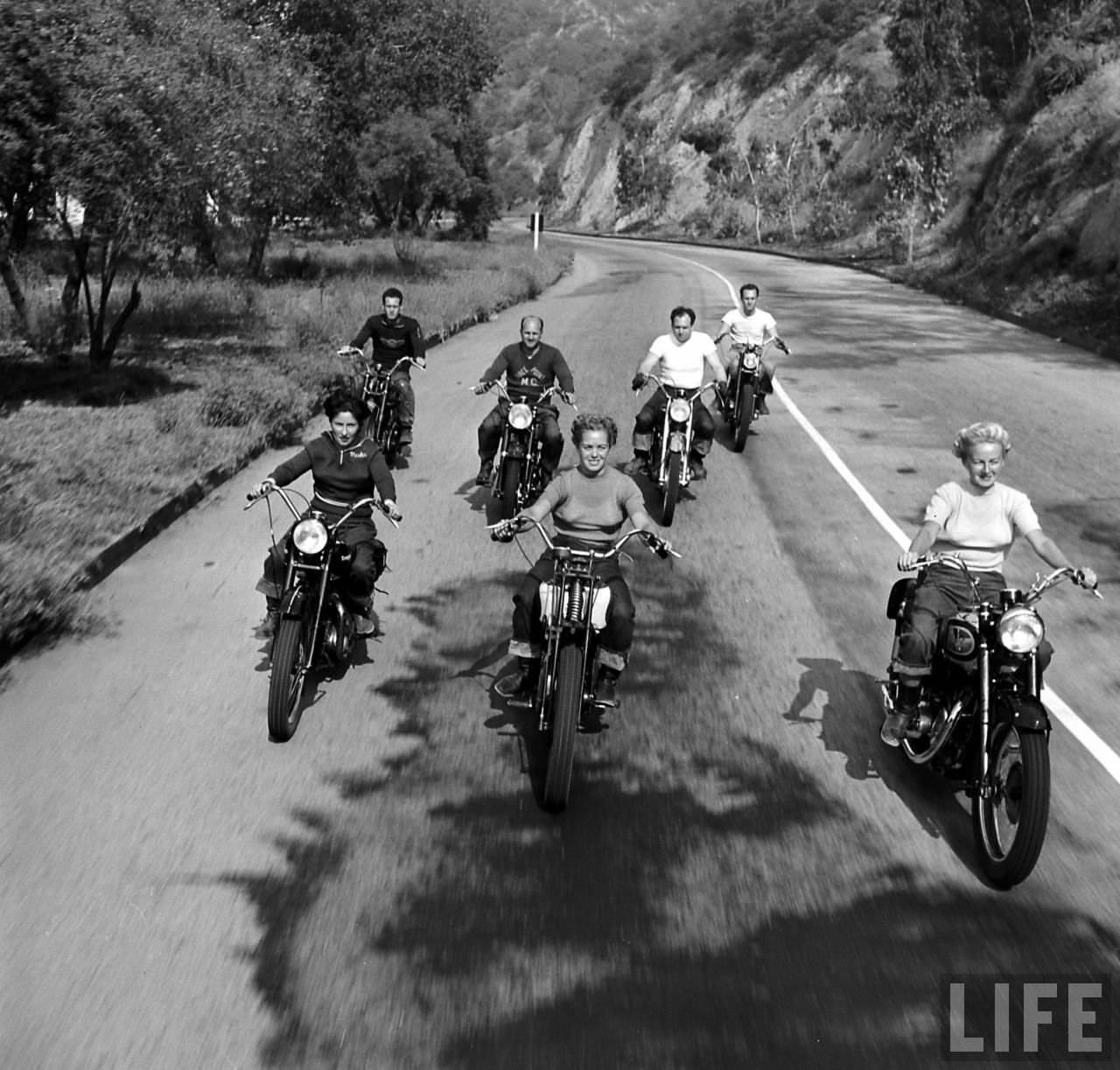
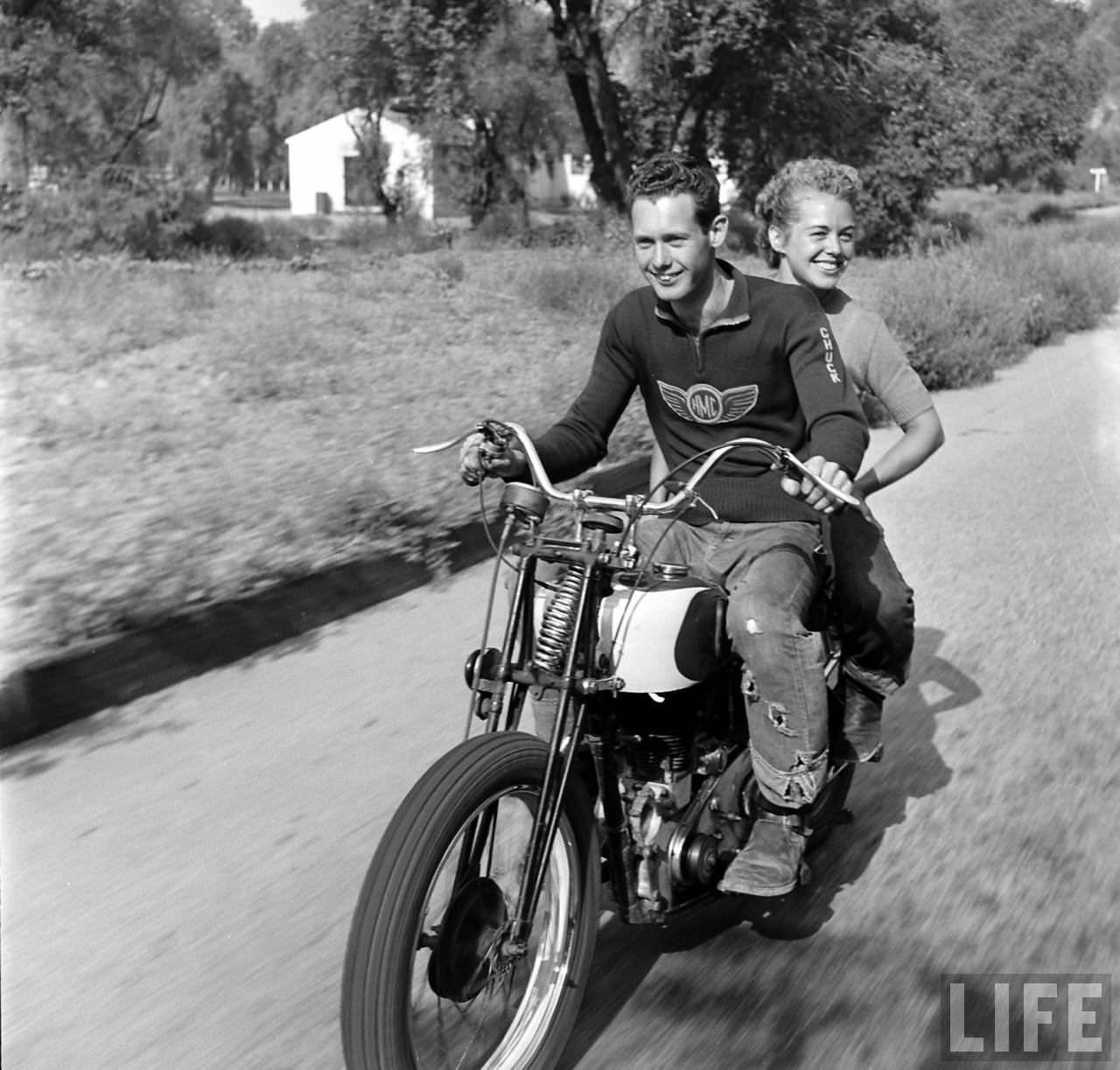
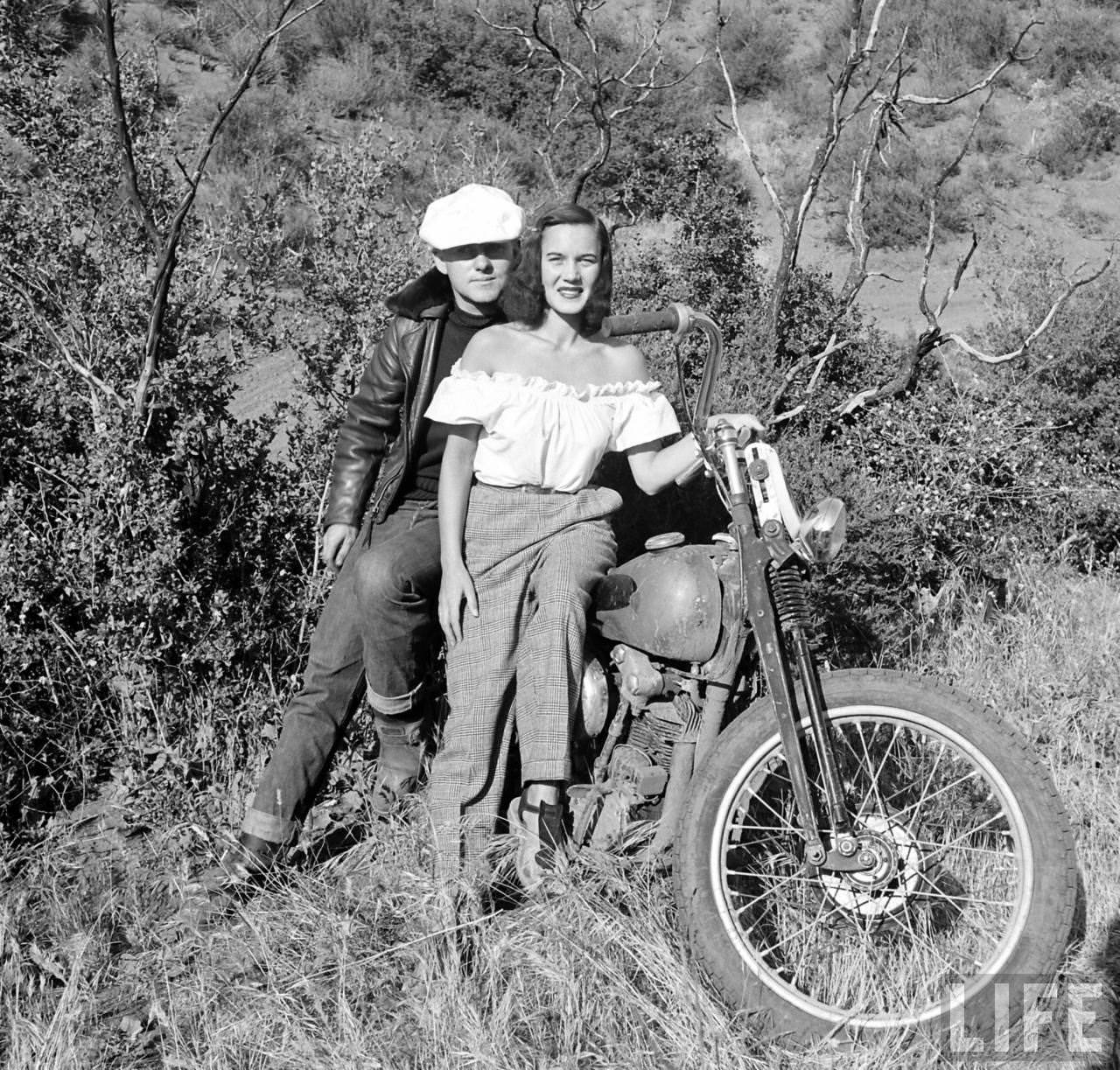
Dean’s photos show the women fully geared up — leather jackets, helmets, and sunglasses. They aren’t posed stiffly for the camera. They’re caught mid-ride, laughing, moving, alive with the experience. The gear itself was a statement. This was serious riding, not a novelty.
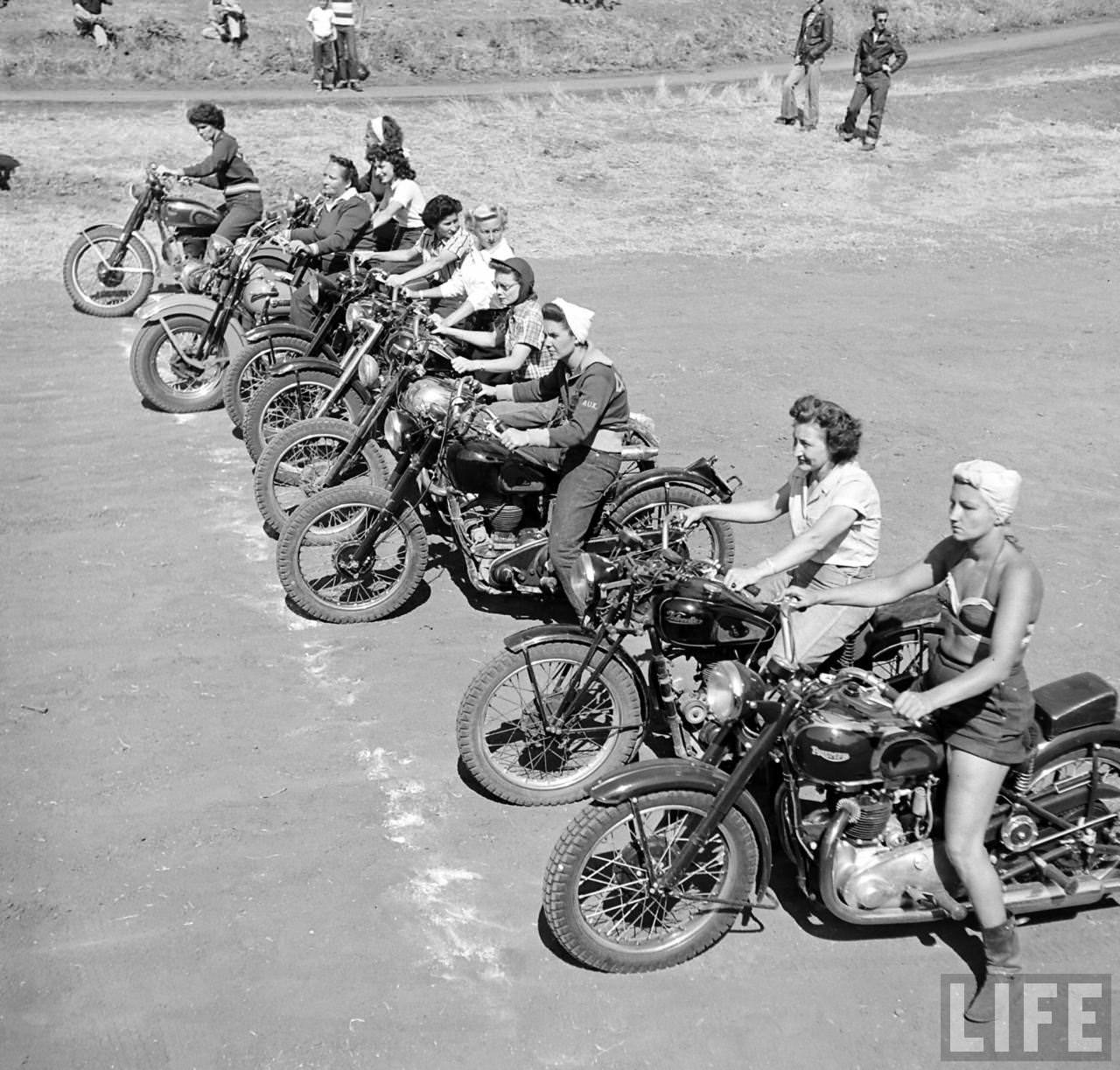
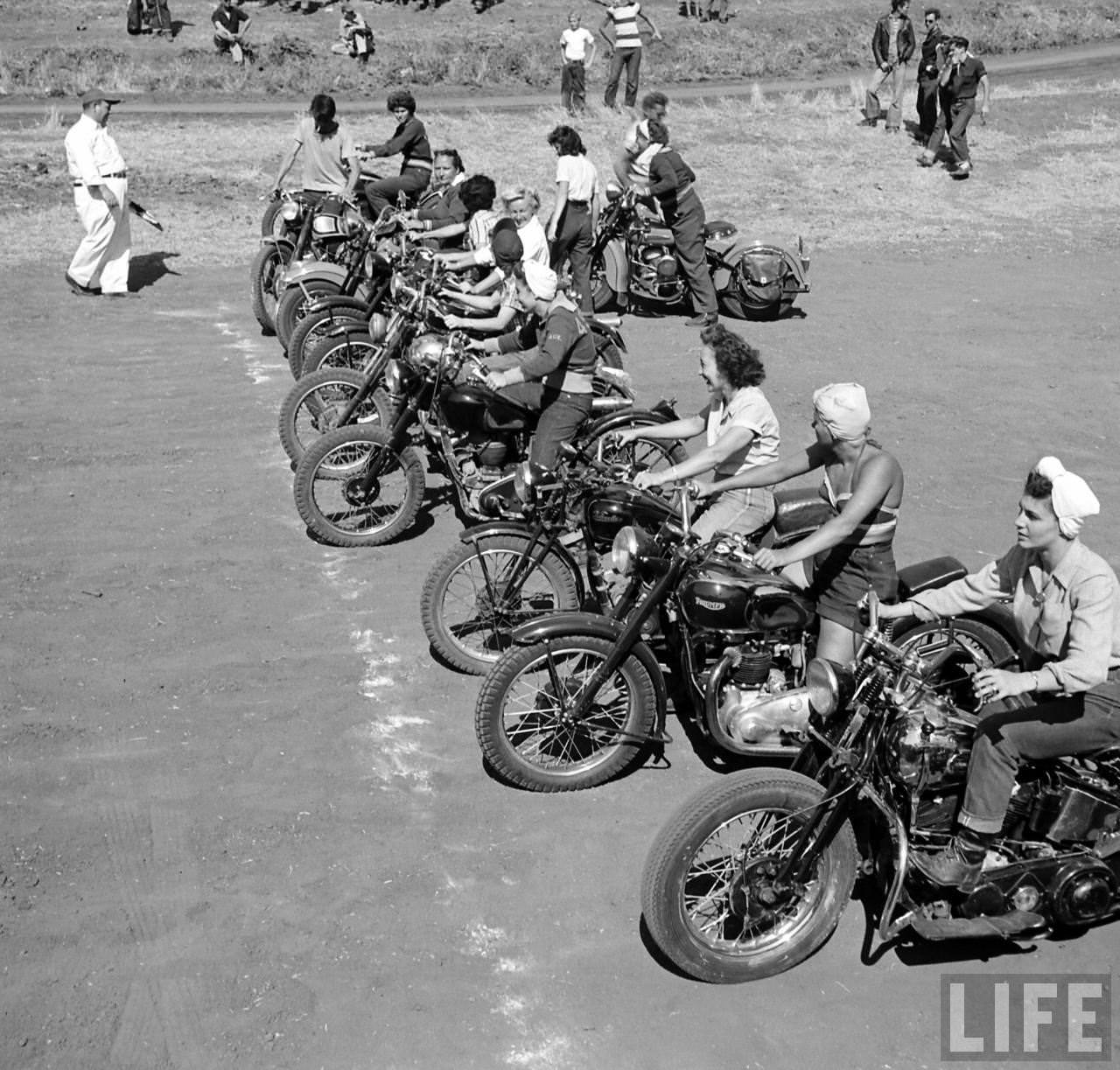
What makes these photographs stand out as historical documents is their specificity. These aren’t generic images of women being daring. They are precise records of real women who chose to ride at a time when that choice came with social pushback. Employment and education options for women were still heavily restricted in this era. Riding a motorcycle was one of the few spaces where a woman could operate entirely on her own terms.
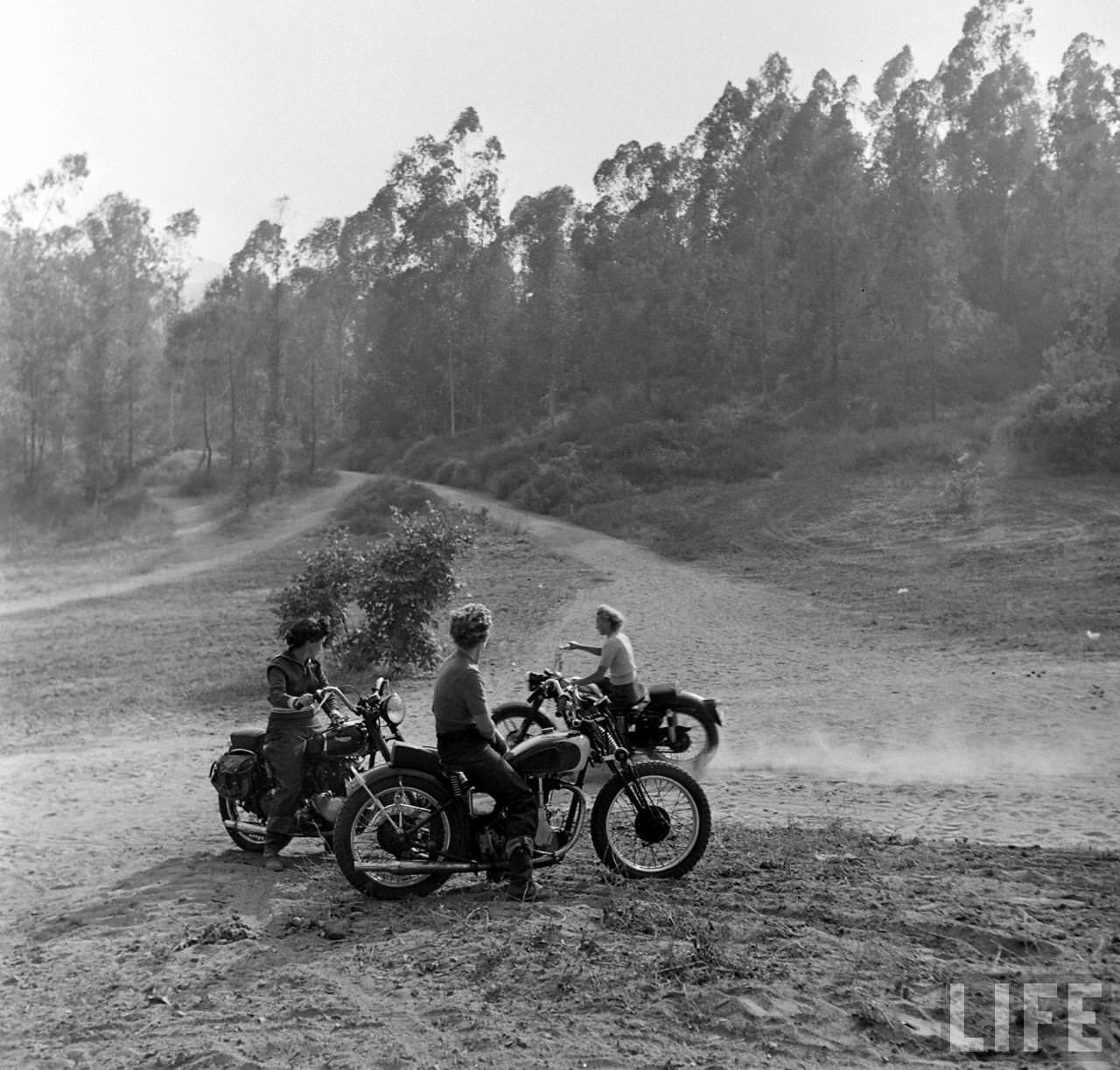
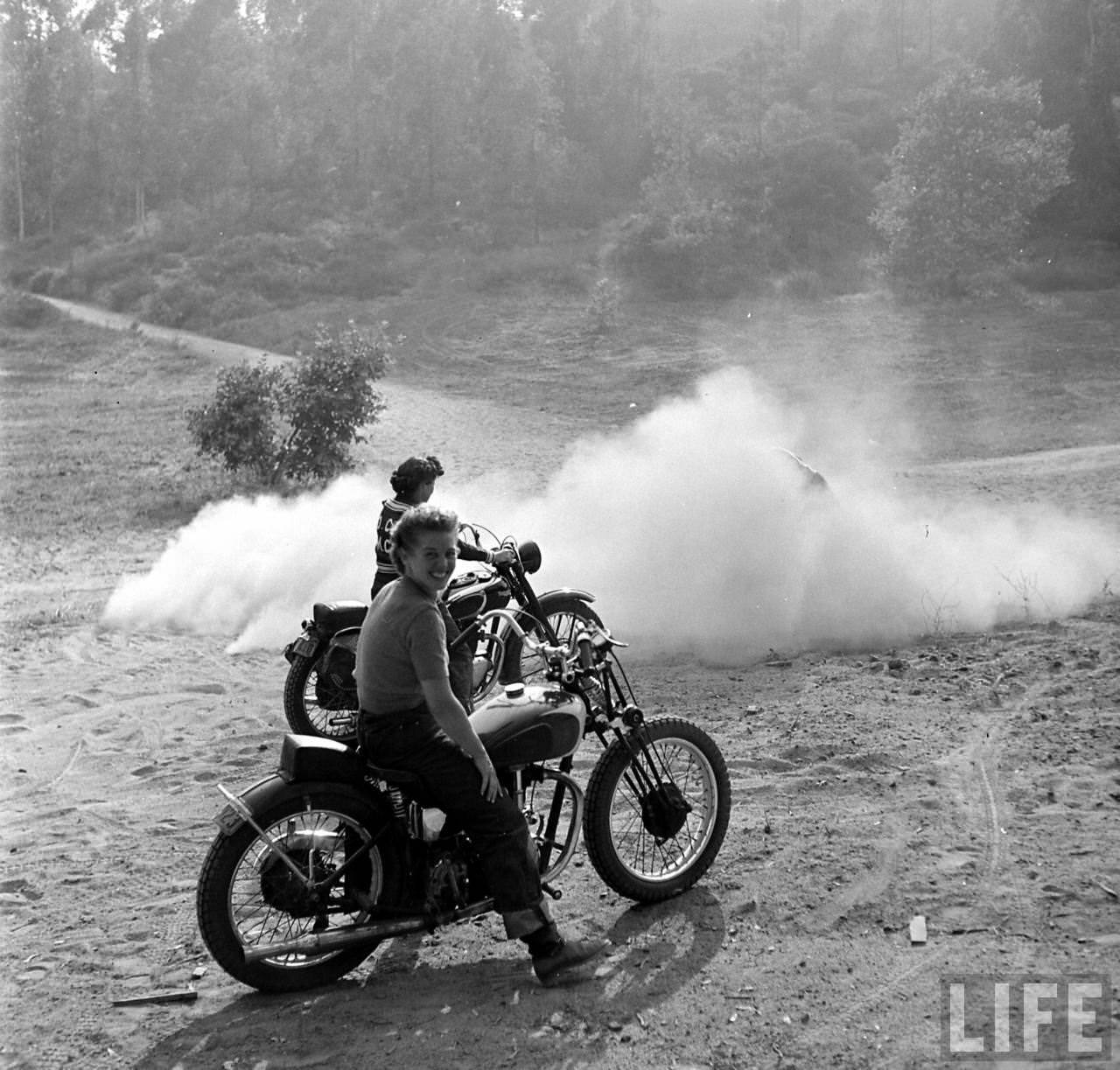
Motorcycling in 1949 carried a rebellious edge. The year before, the Hollister, California motorcycle rally had made national news and painted riders as outlaws. For women to enter that space, they were pushing against two sets of expectations at once — the public’s fear of motorcycle culture and society’s rigid gender roles.
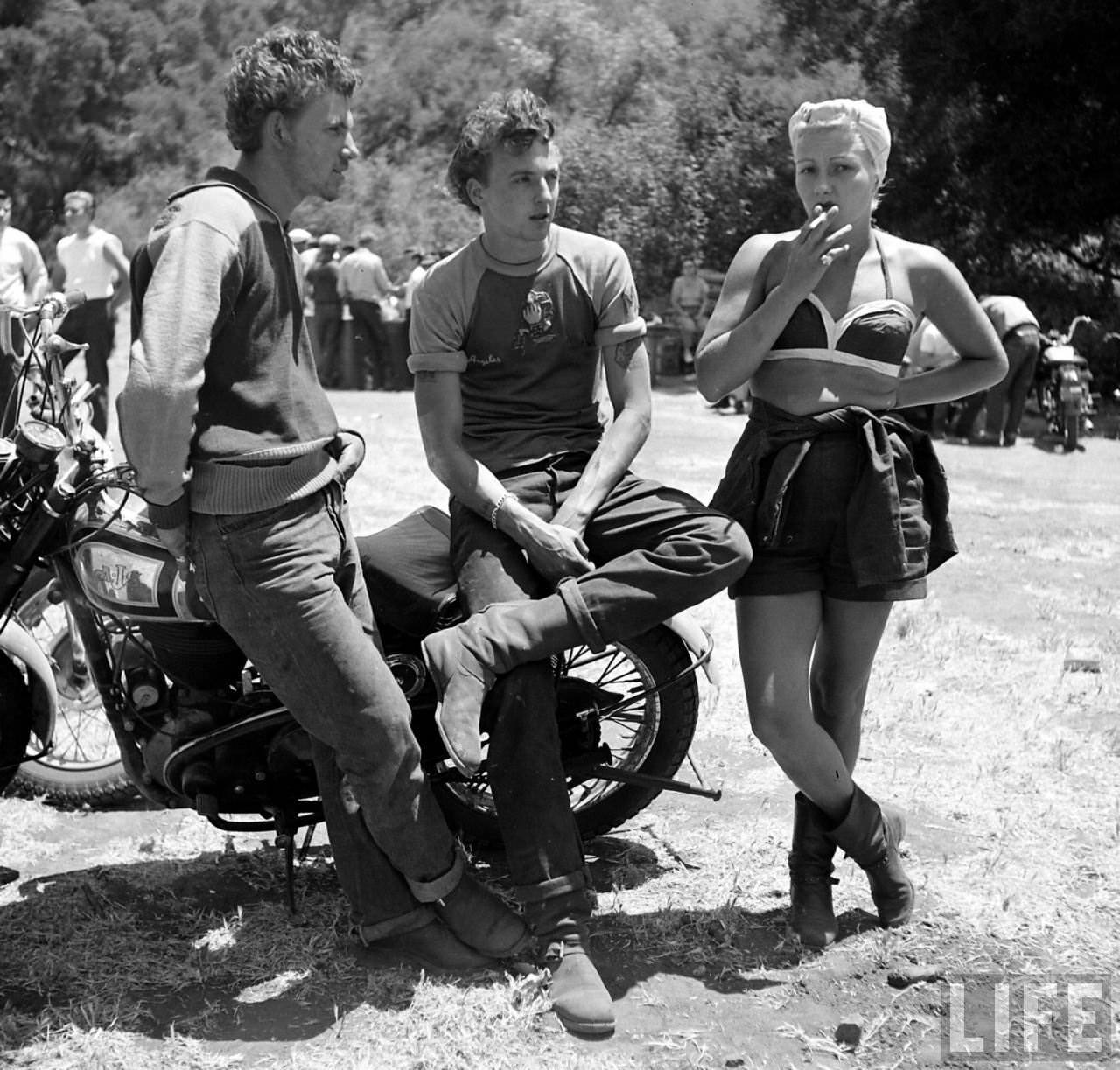
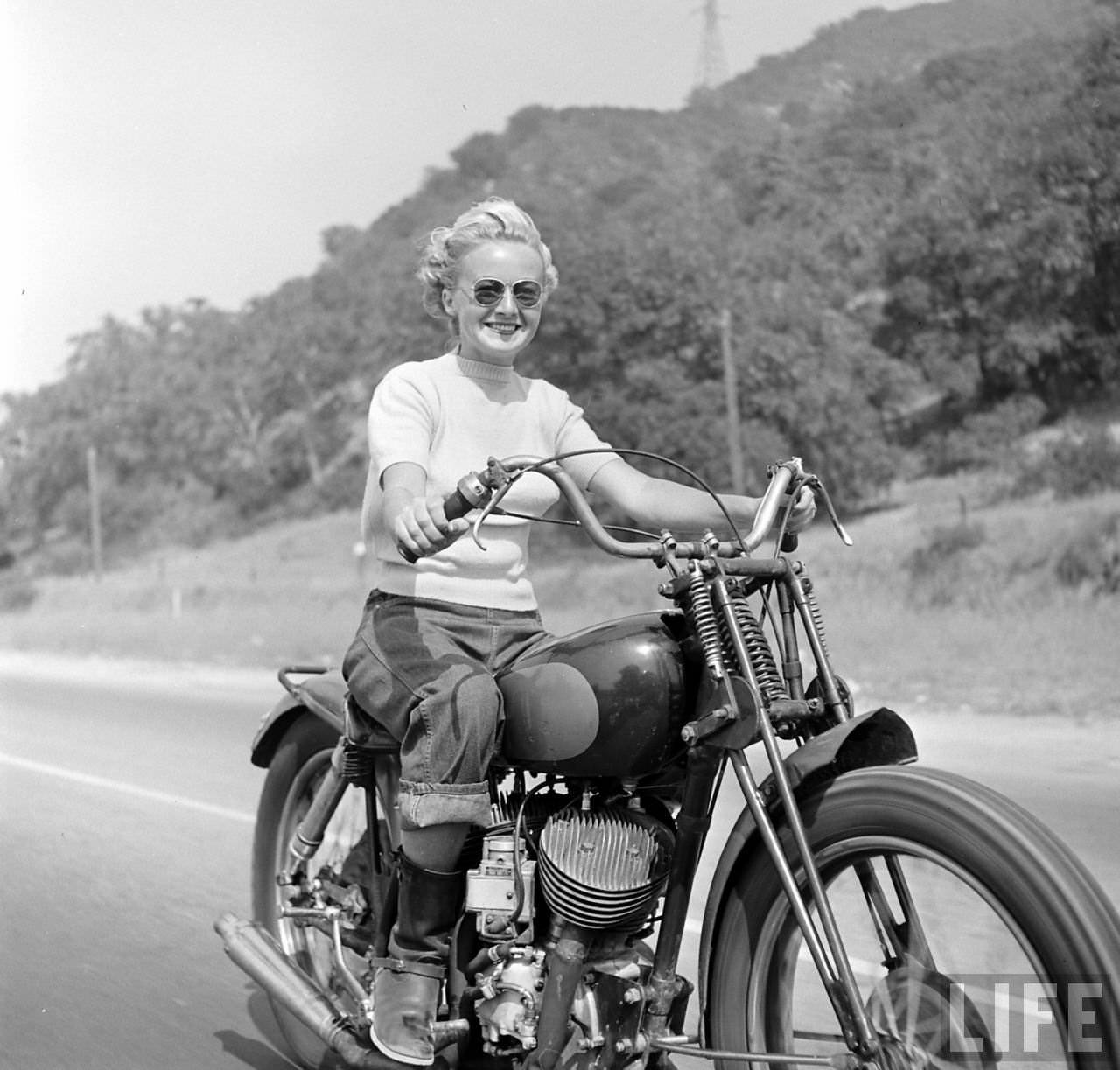
LIFE’s decision to publish these images matters just as much as the images themselves. The magazine reached millions of American households every week. Putting female motorcyclists in front of that audience — presented not as curiosities but as confident riders — was a deliberate editorial choice.
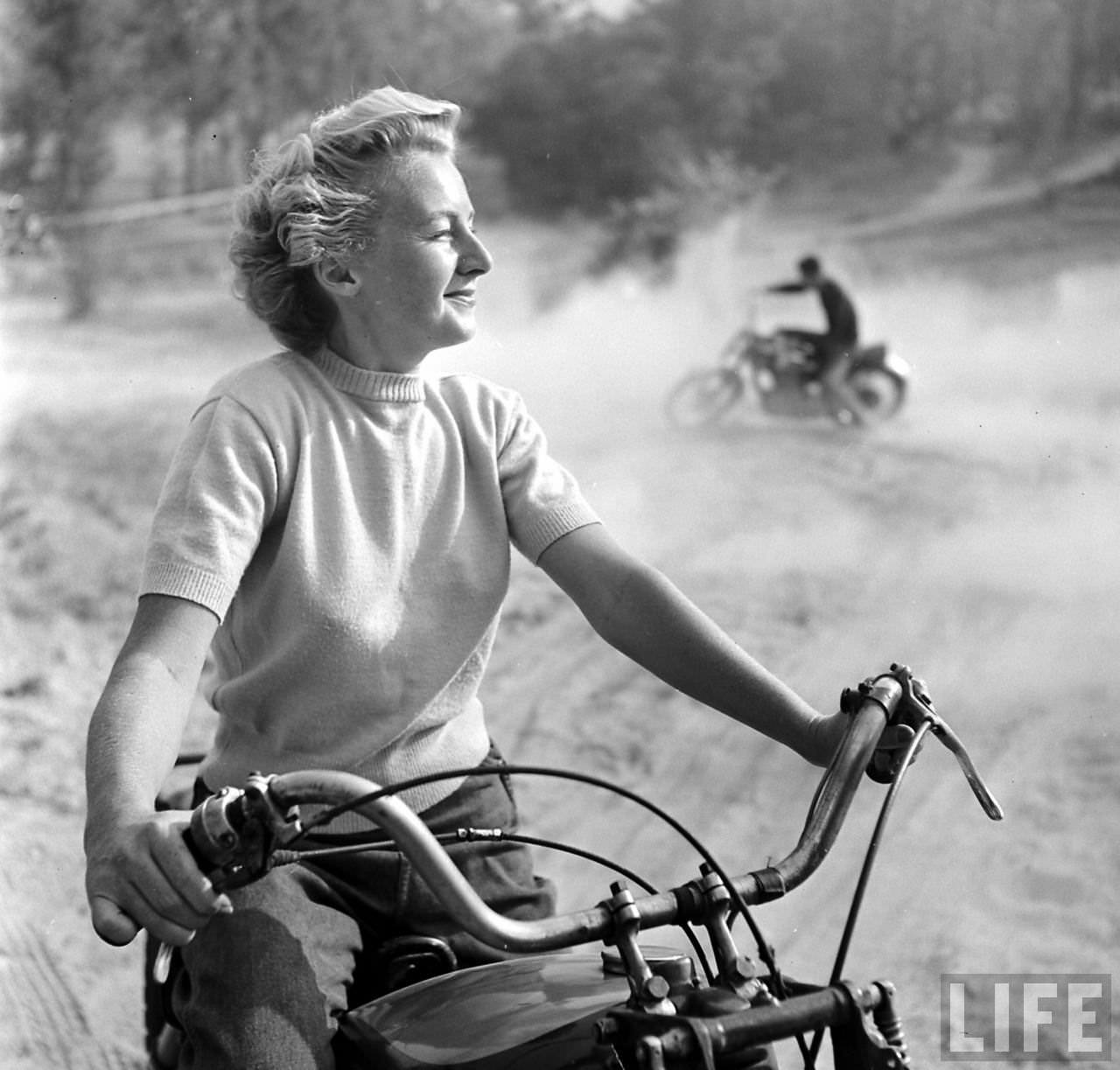
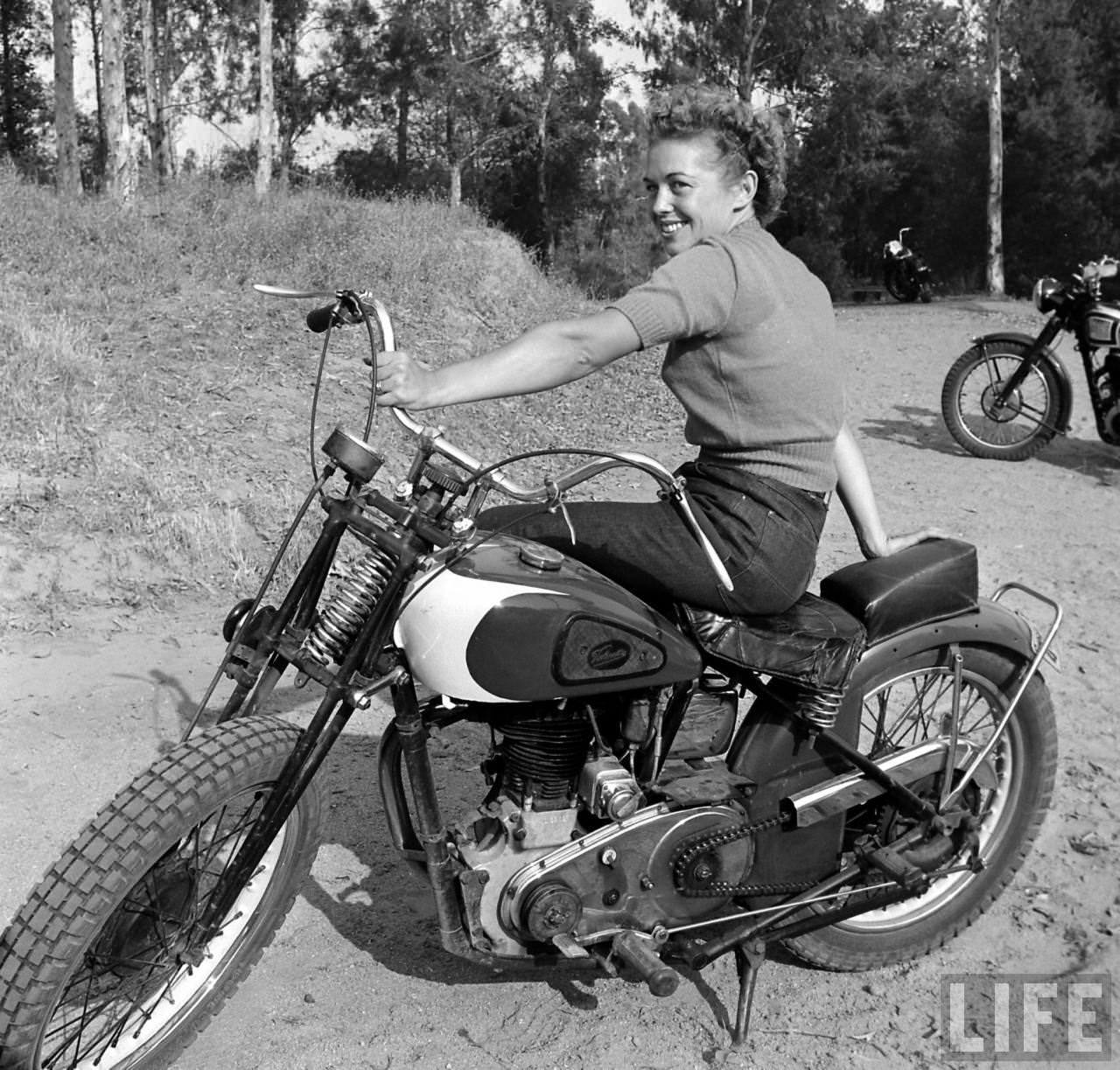
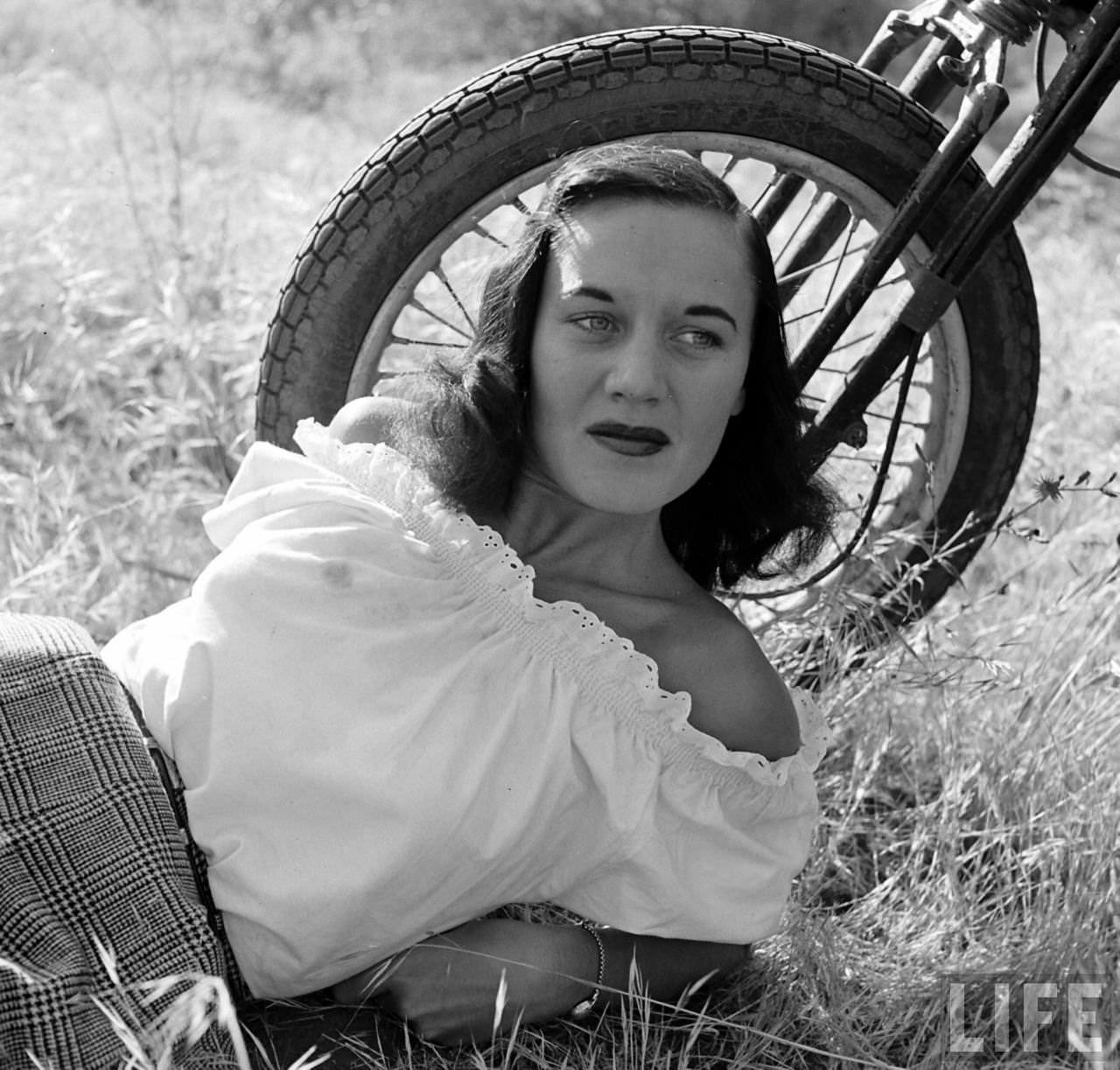
Loomis Dean had a talent for capturing people in unguarded moments. His work for LIFE spanned decades and covered everything from celebrity portraits to war photography. But this particular assignment gave him something different — everyday women doing something society told them they shouldn’t, and doing it with obvious joy.
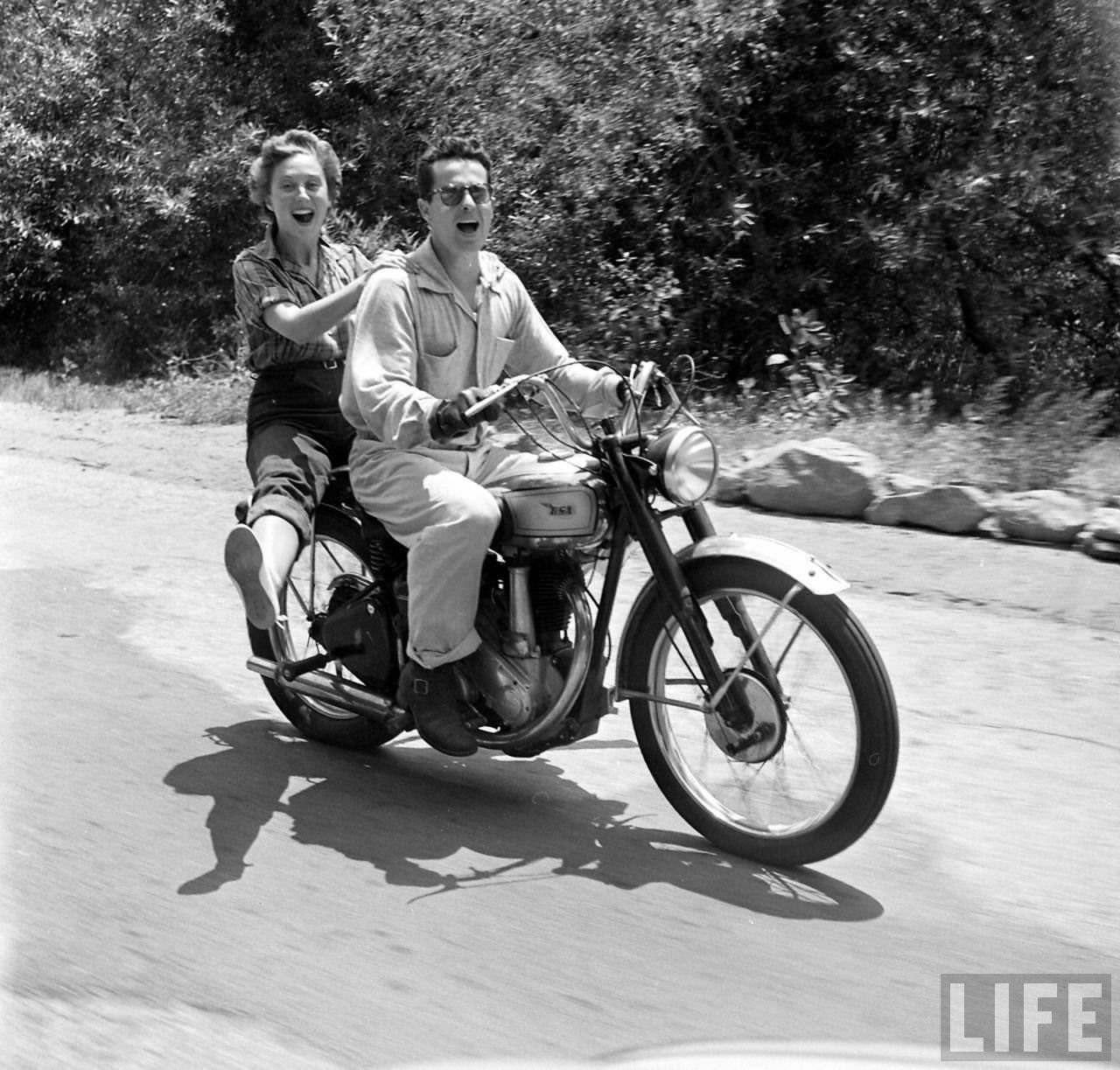
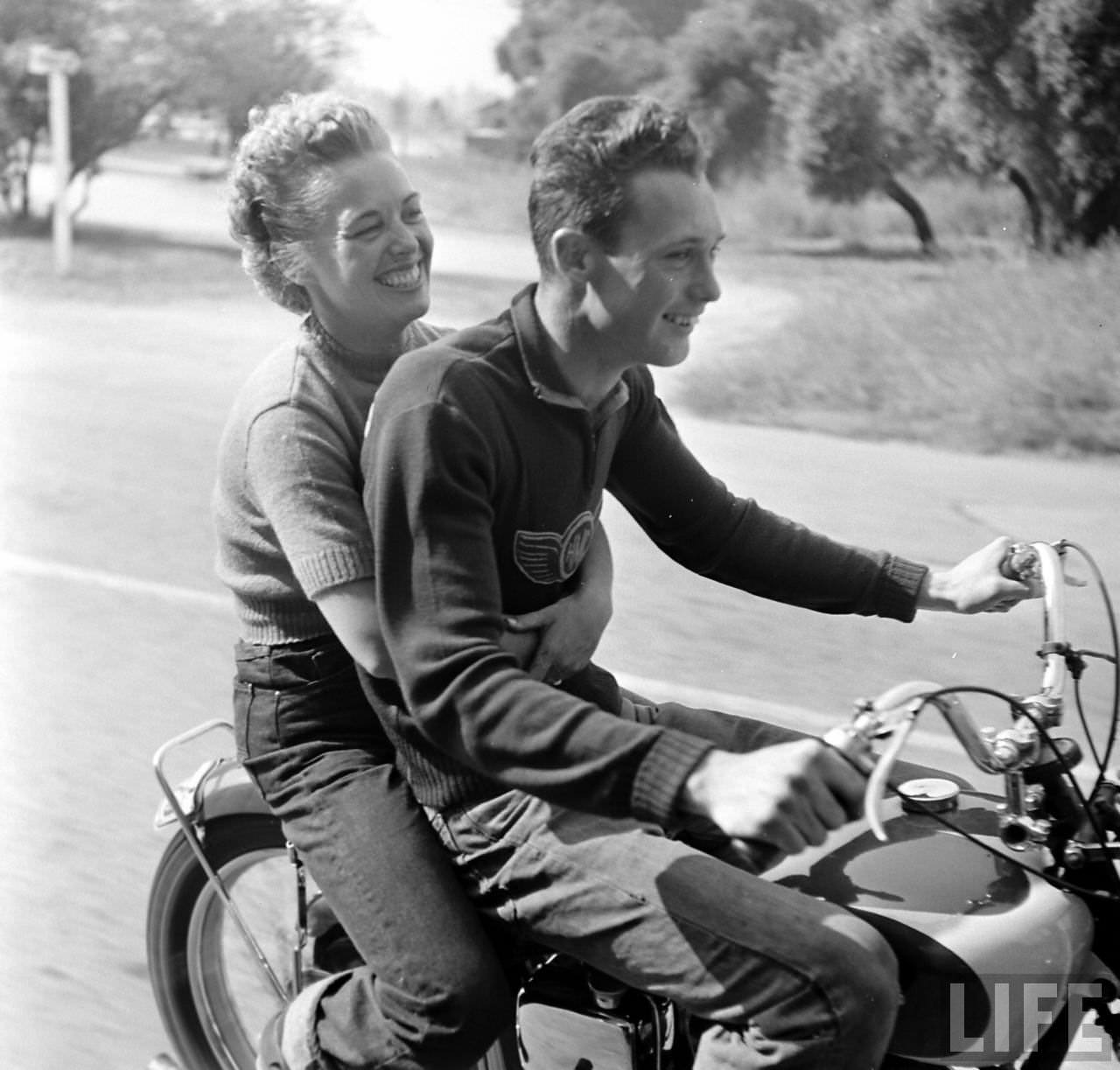
The smiles in these photos are not performative. They read as genuine — the kind that come from speed, wind, and the satisfaction of being exactly where you want to be. These women knew what they were doing was unusual. The grins suggest they didn’t mind at all.
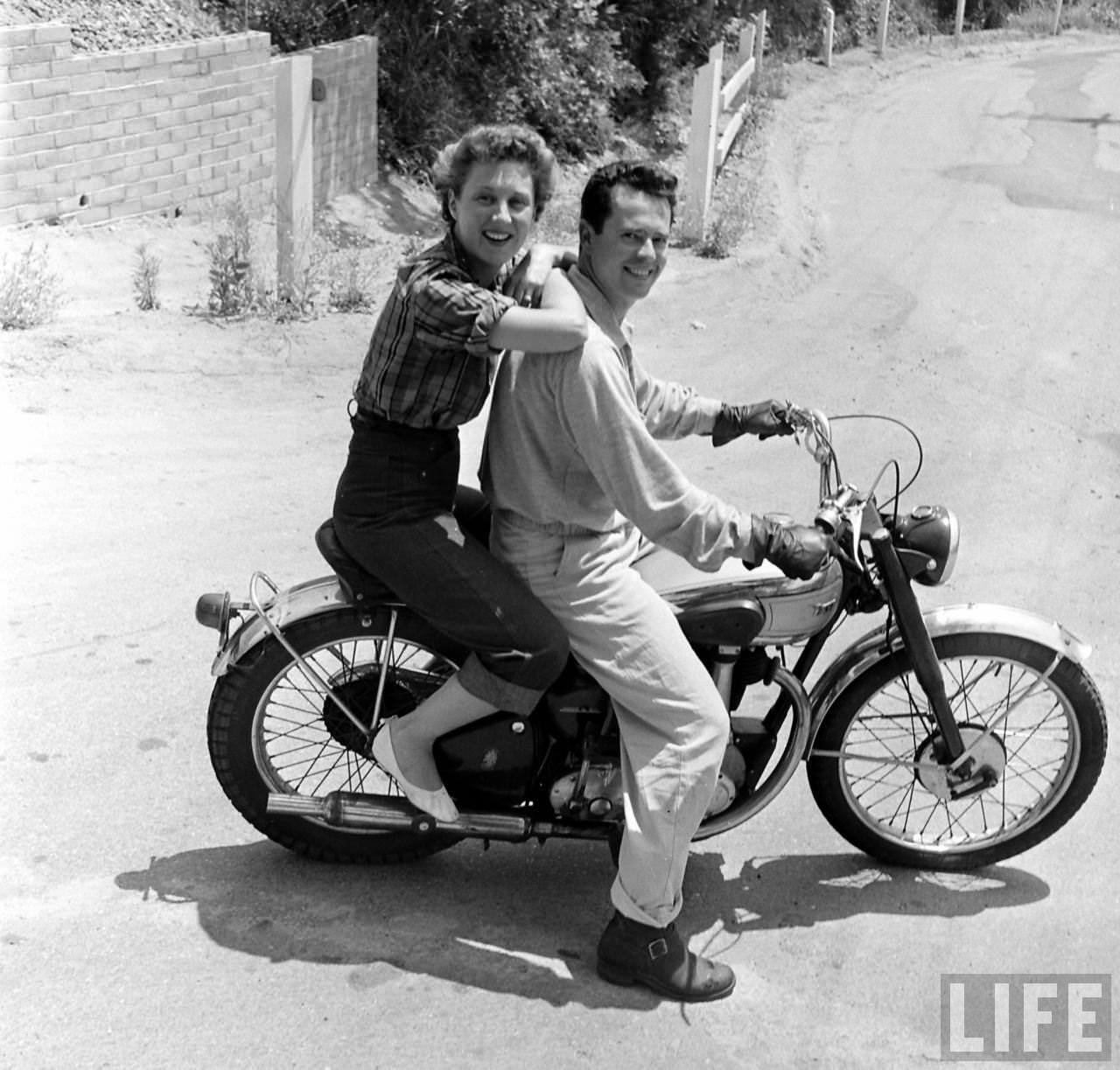
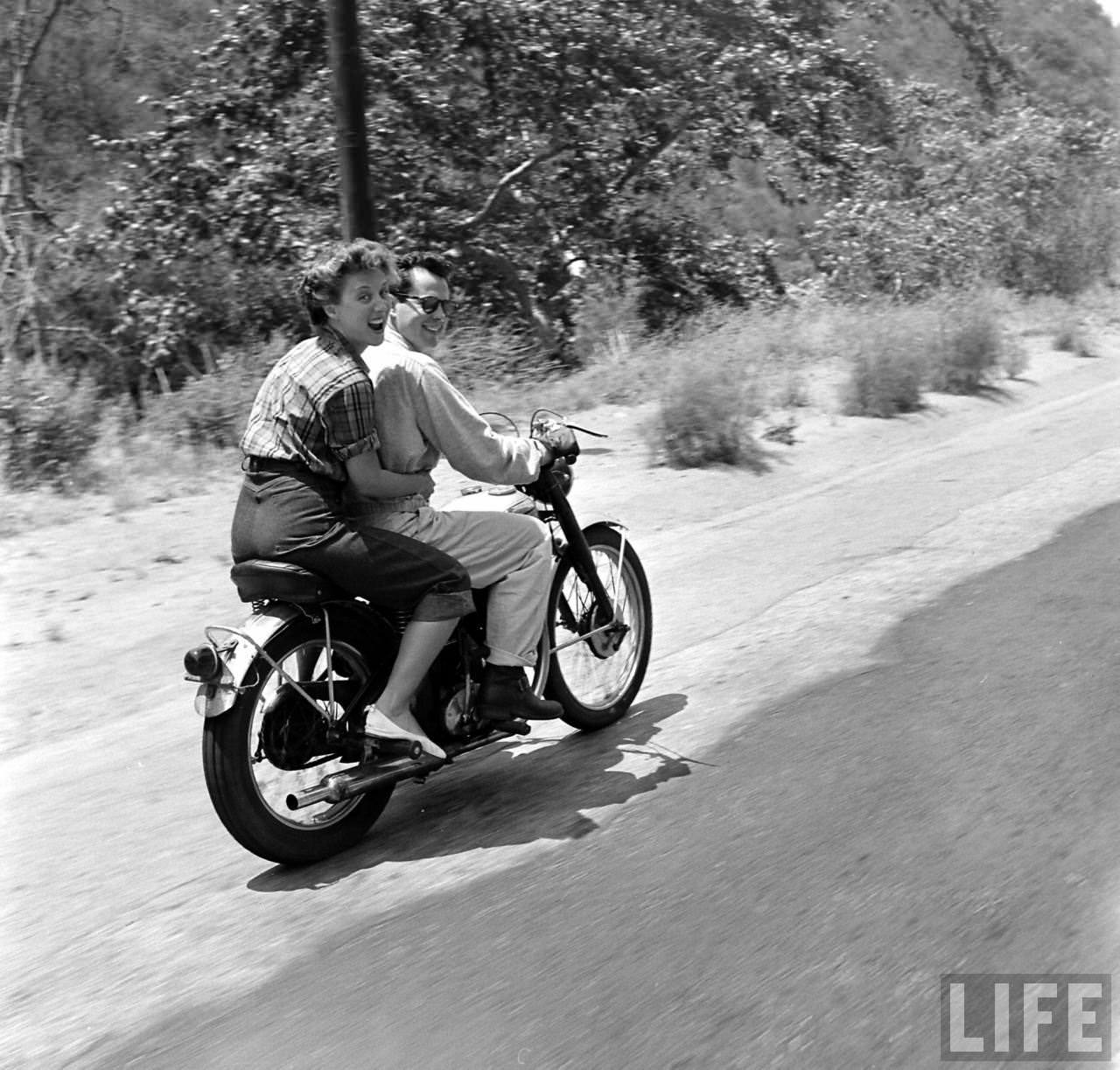
As a historical record, Dean’s 1949 photographs are a precise snapshot of a crack forming in postwar American gender norms. The women in these frames weren’t waiting for permission. They geared up, kicked the engines over, and rode.