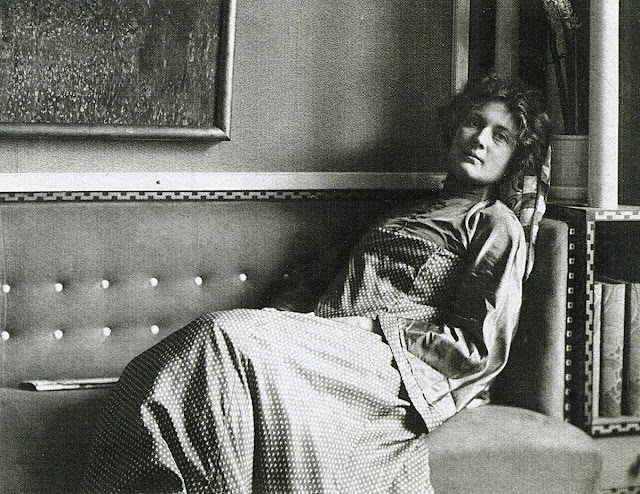
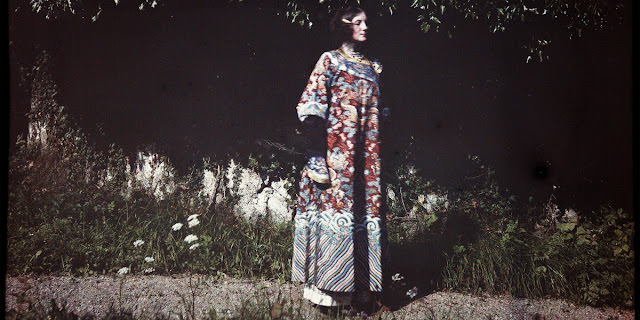
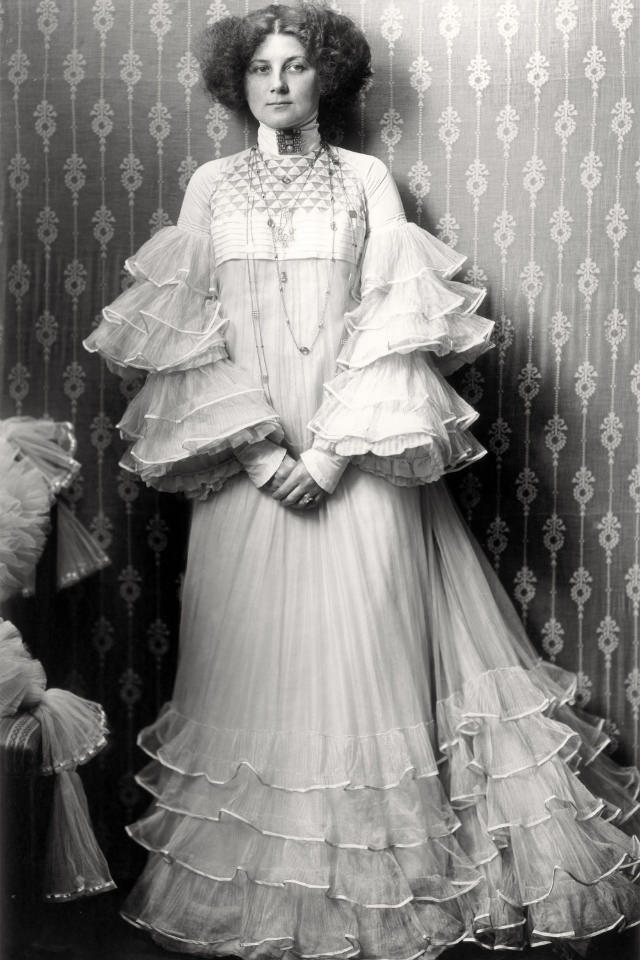
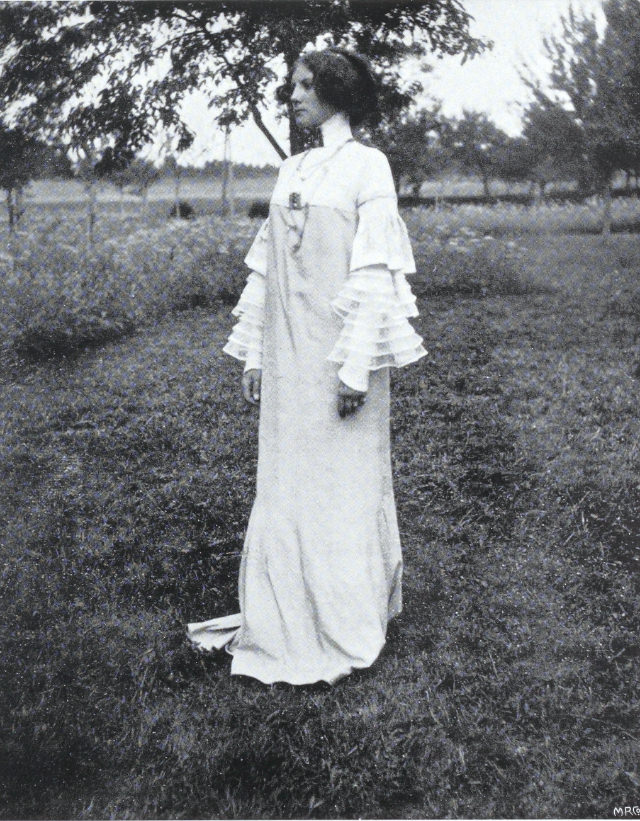
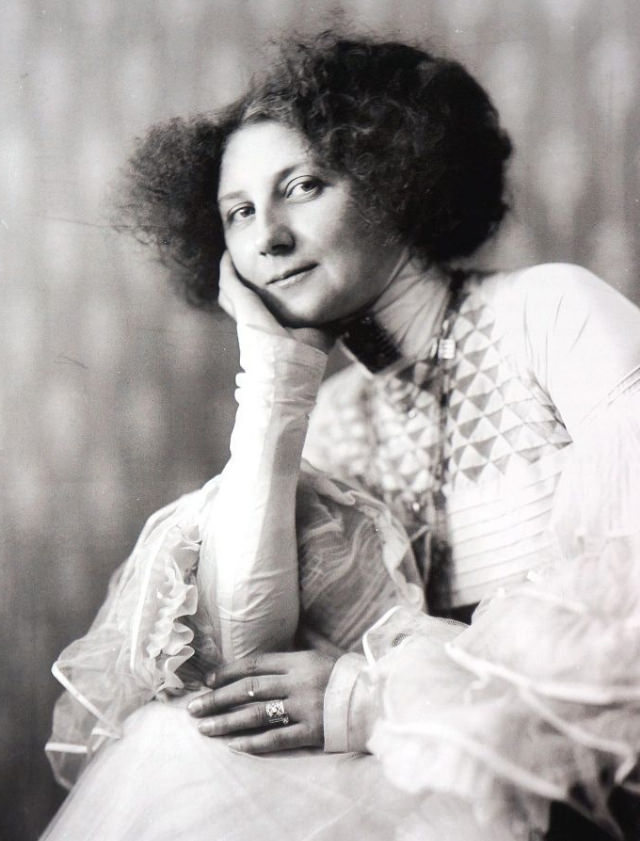
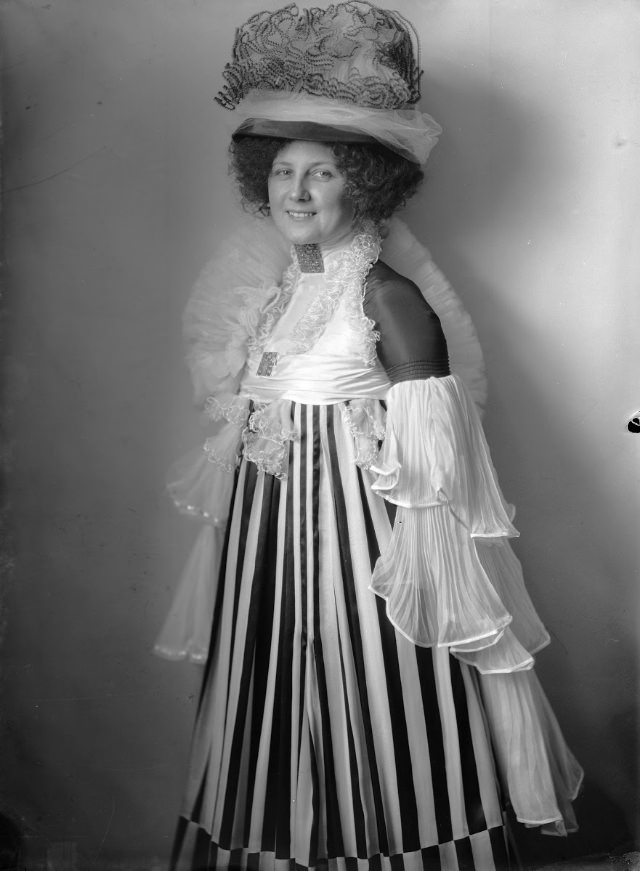
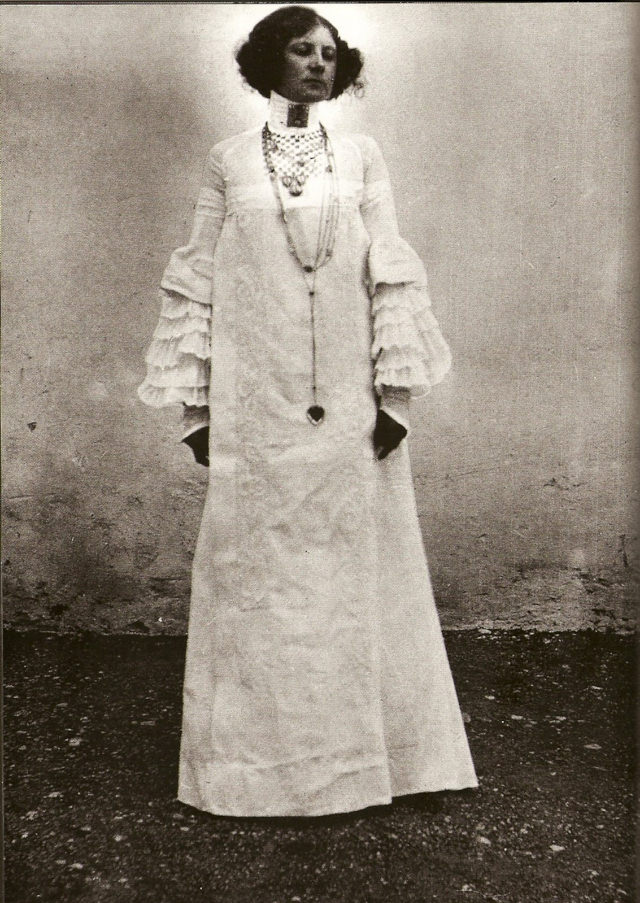
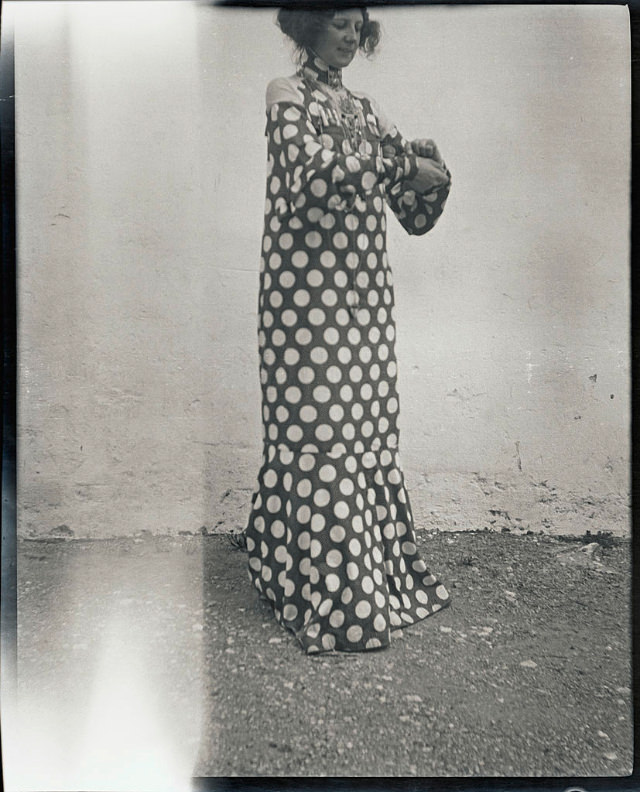
Emilie Flöge was born on August 30, 1874, in Vienna, Austria. She grew up in a bourgeois family, which provided her a comfortable upbringing. Her family environment was conducive to artistic and intellectual pursuits, which played a significant role in shaping her future career in fashion.
In the late 1890s, Emilie Flöge began her journey in the fashion industry. Initially, she gained experience by working in her sister’s dressmaking shop. This early exposure to the world of fashion design and tailoring laid the foundation for her future endeavors in the industry.
Emilie Flöge formed a significant personal and professional relationship with the renowned Austrian painter Gustav Klimt. Their relationship began around 1891. Klimt not only influenced her work but also often featured her in his paintings. This association with Klimt brought Flöge into the limelight in Viennese artistic circles.
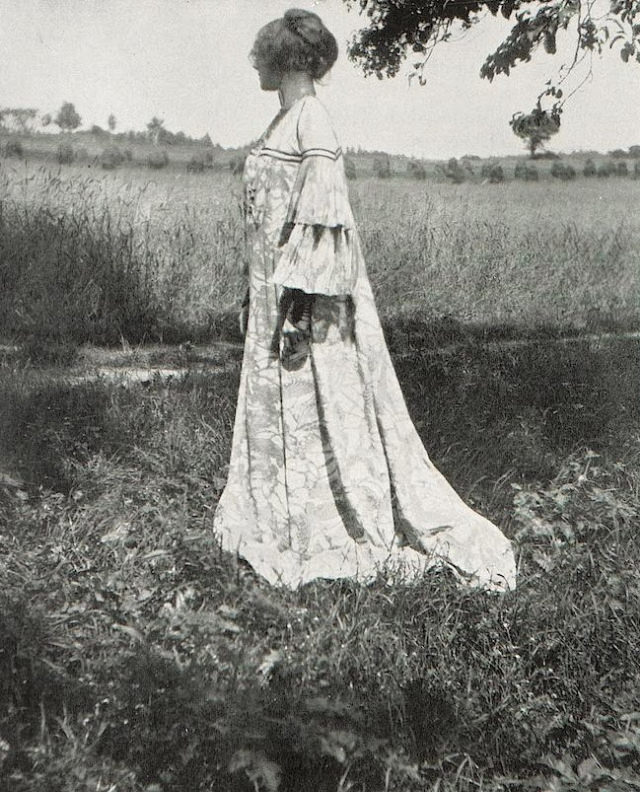
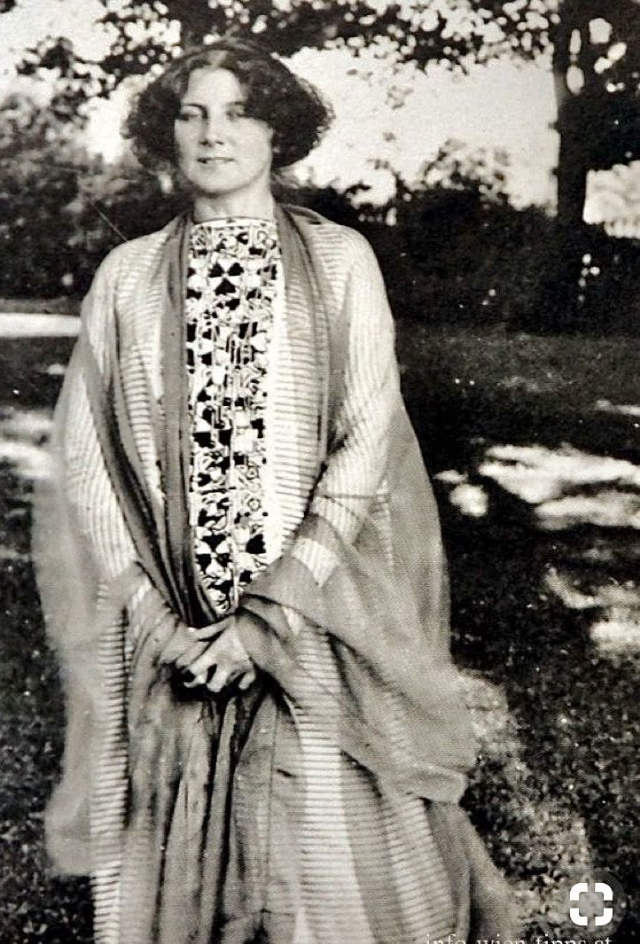
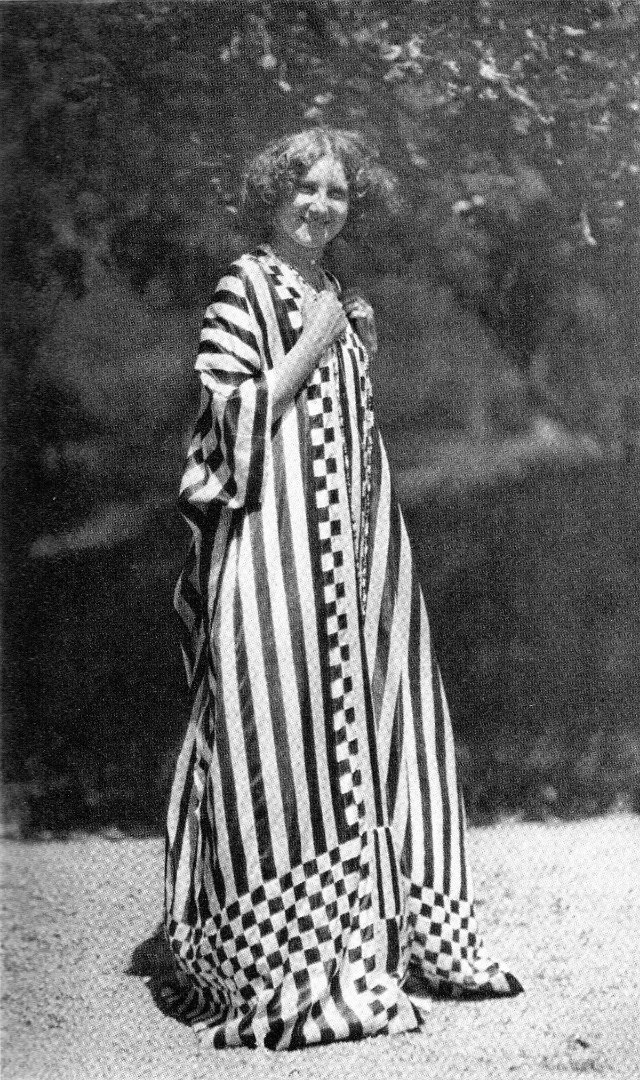
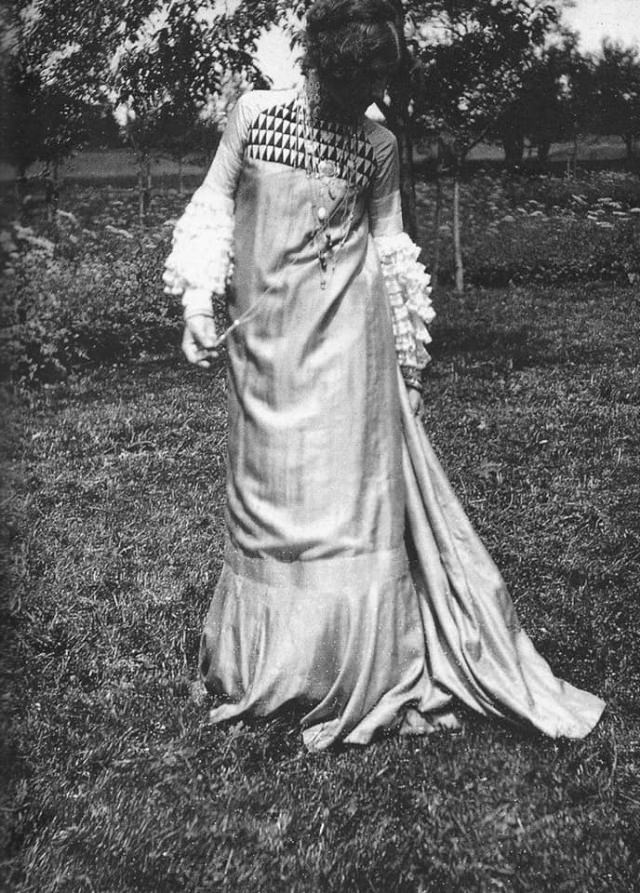
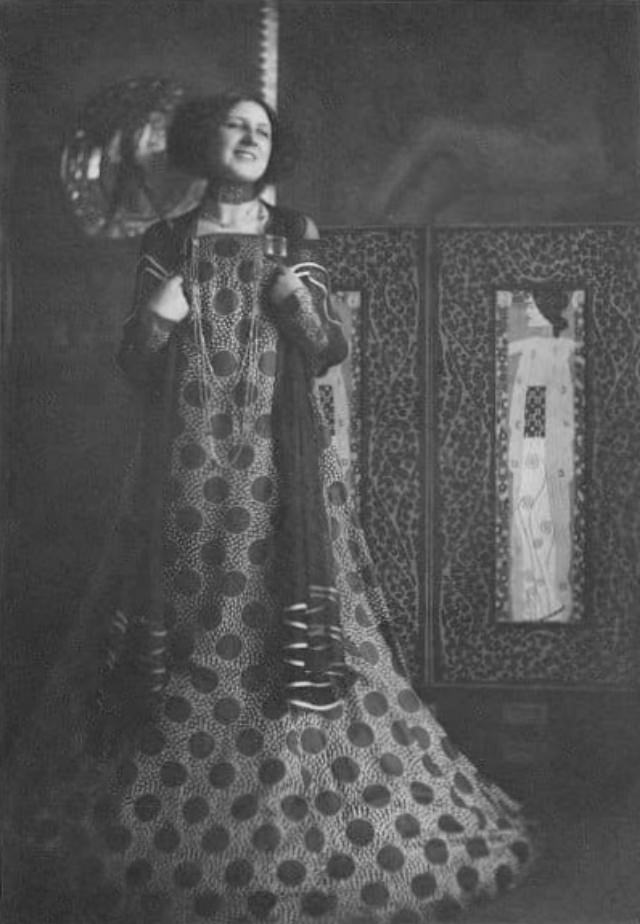
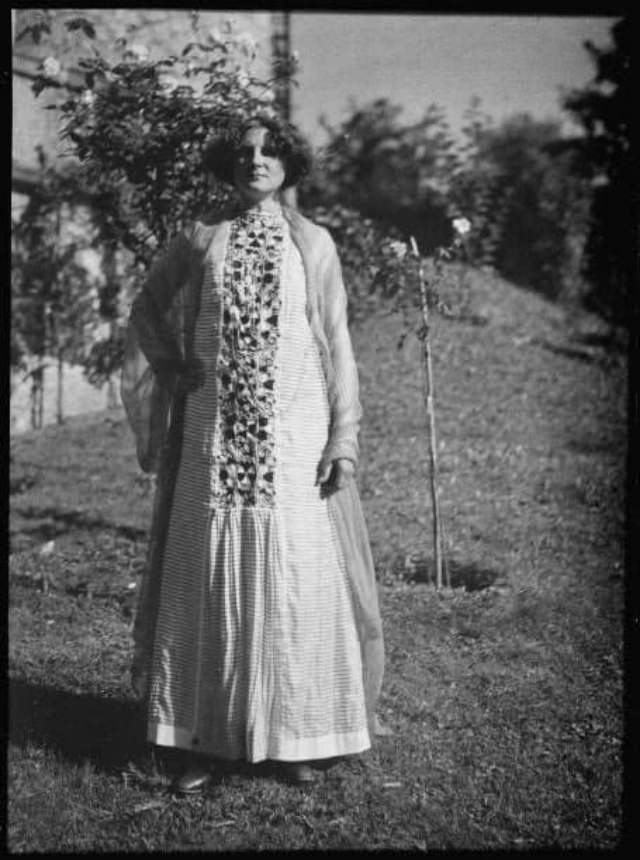
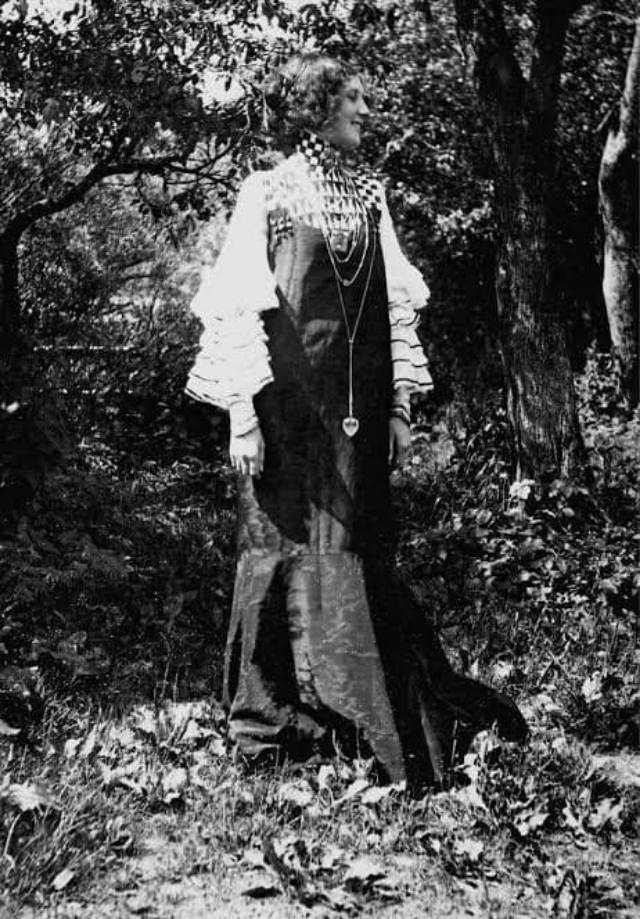
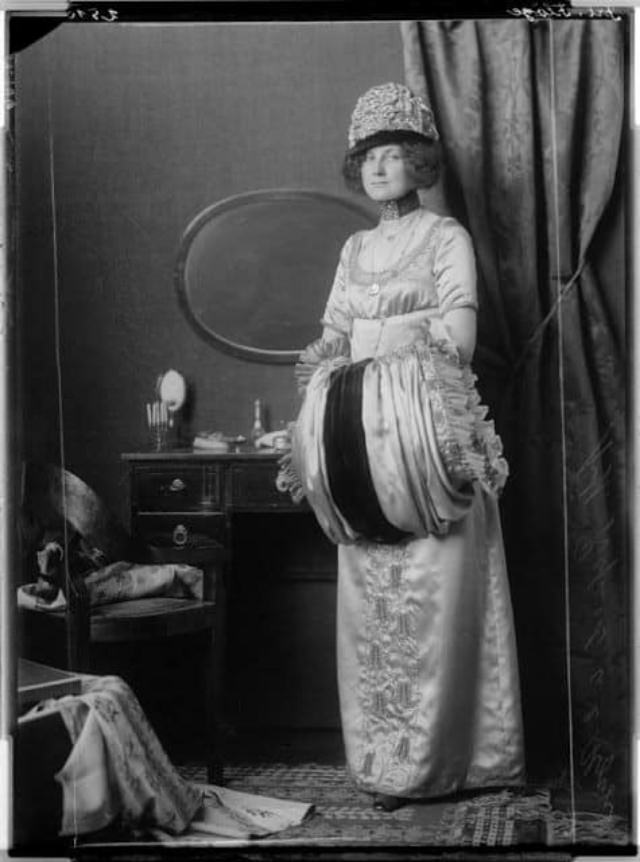
In 1904, Emilie Flöge, along with her sisters, founded the Schwestern Flöge fashion salon in Vienna. This establishment quickly became a hub for avant-garde fashion and was frequented by the Viennese elite. The salon showcased Flöge’s innovative designs, which were characterized by their departure from the traditional, restrictive women’s fashion of the time.
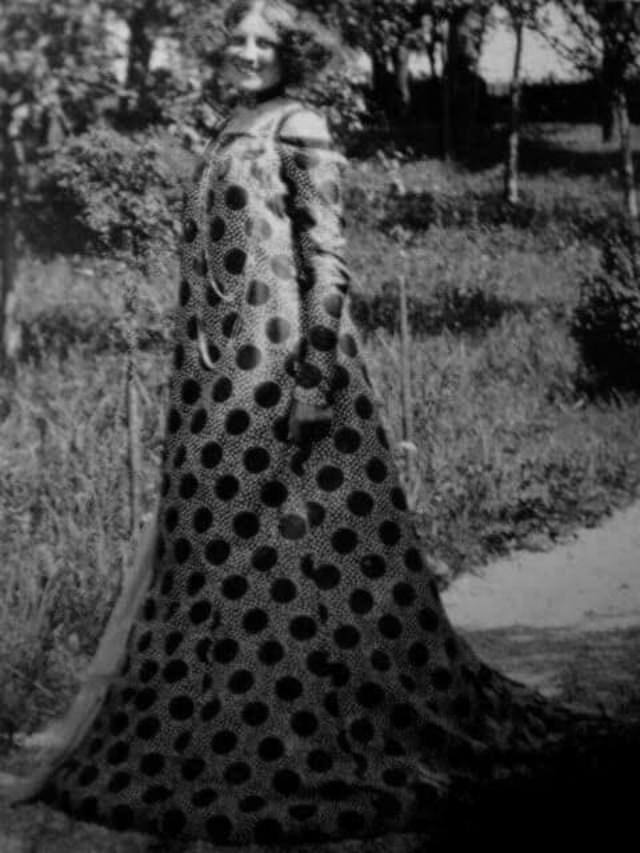
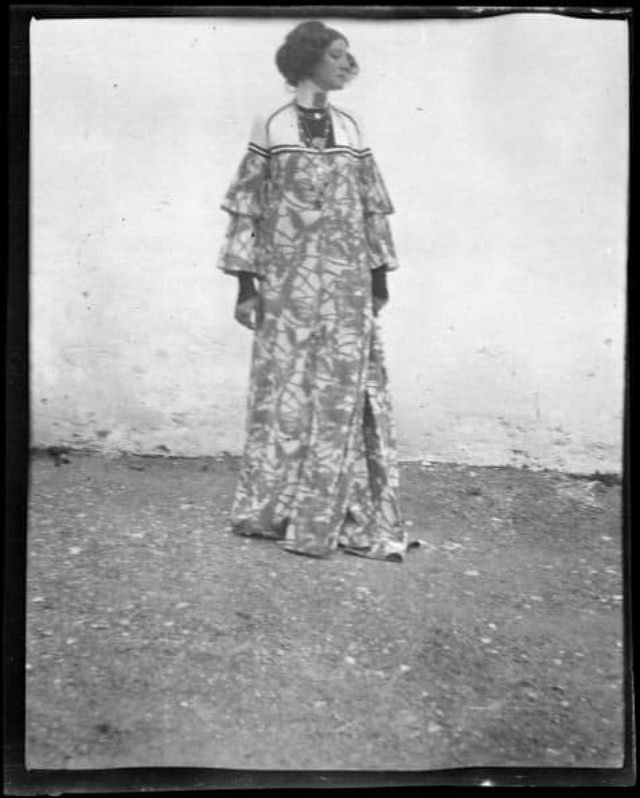
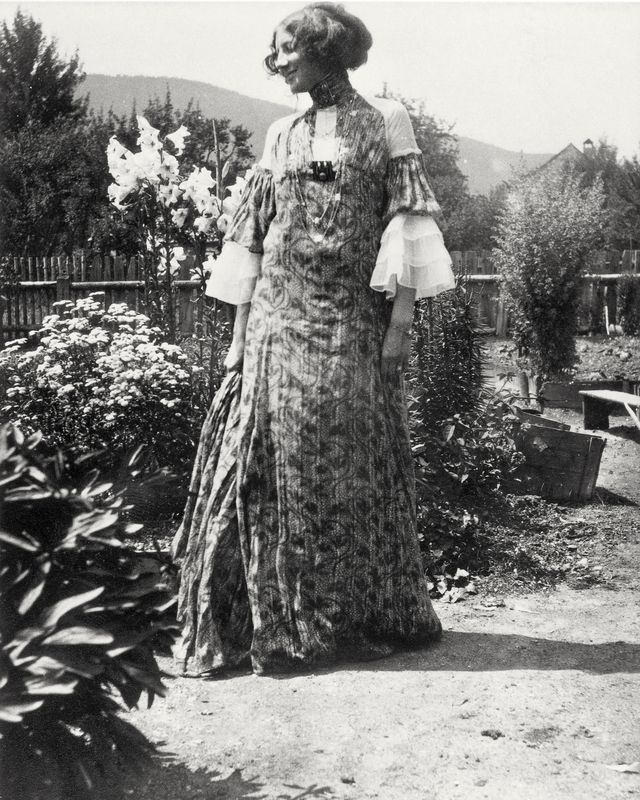
Emilie Flöge was a prominent figure in the Reform Dress Movement, which advocated for more comfortable and practical clothing for women. She rejected corsets and tight-fitting garments, favoring loose, flowing dresses that allowed greater freedom of movement. Her designs were often inspired by the Arts and Crafts Movement and were ahead of their time in promoting comfort and functionality in women’s wear.
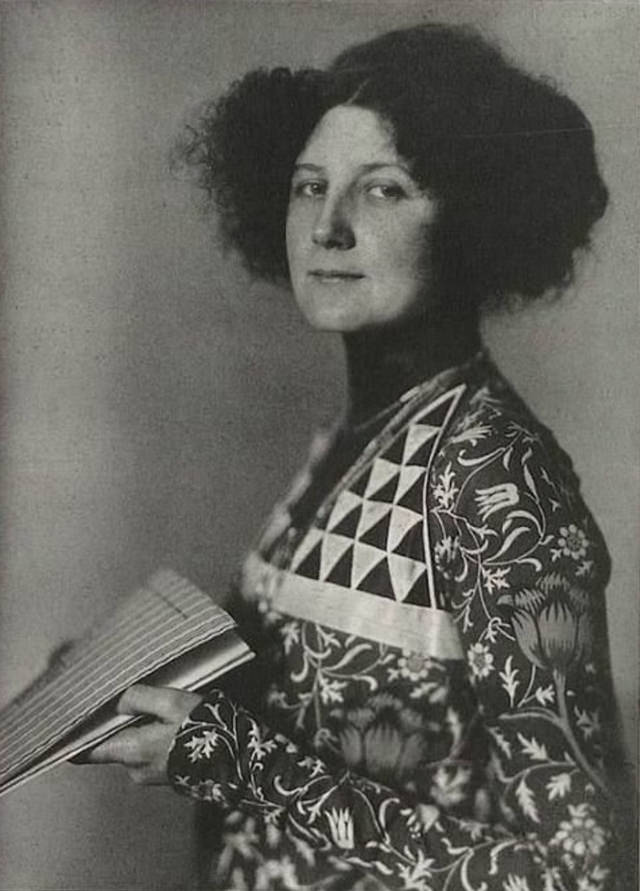
Flöge’s work was heavily influenced by the Art Nouveau movement, and she often collaborated with artists of the Vienna Secession, an art movement led by Gustav Klimt. These collaborations were mutually influential, as Flöge’s designs reflected the artistic styles of the era, and in turn, her fashion sensibilities were echoed in the artworks of her contemporaries.