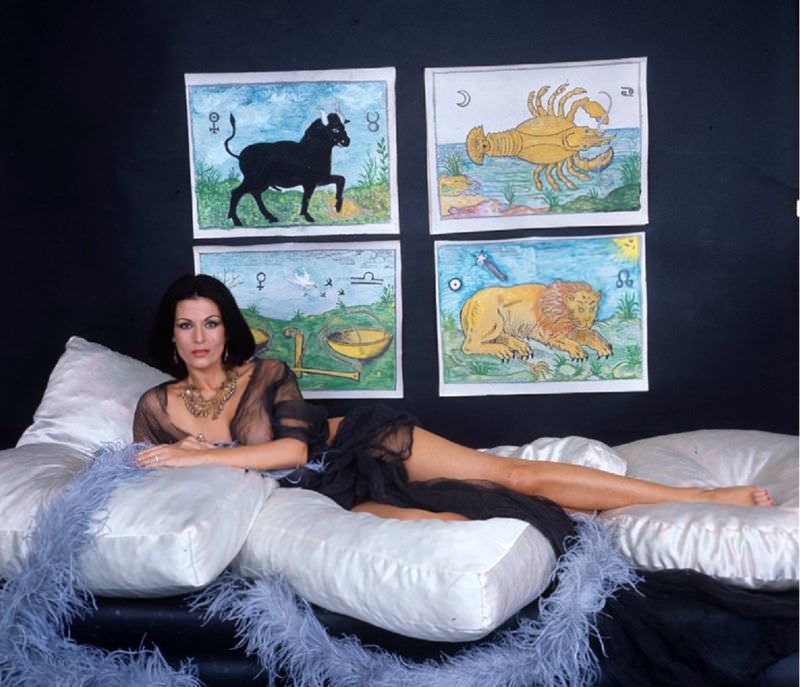
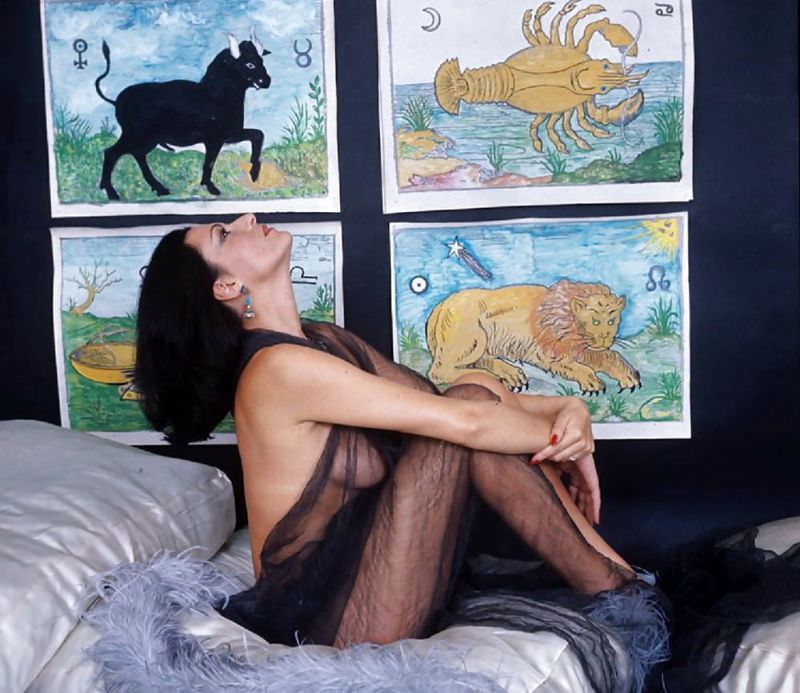
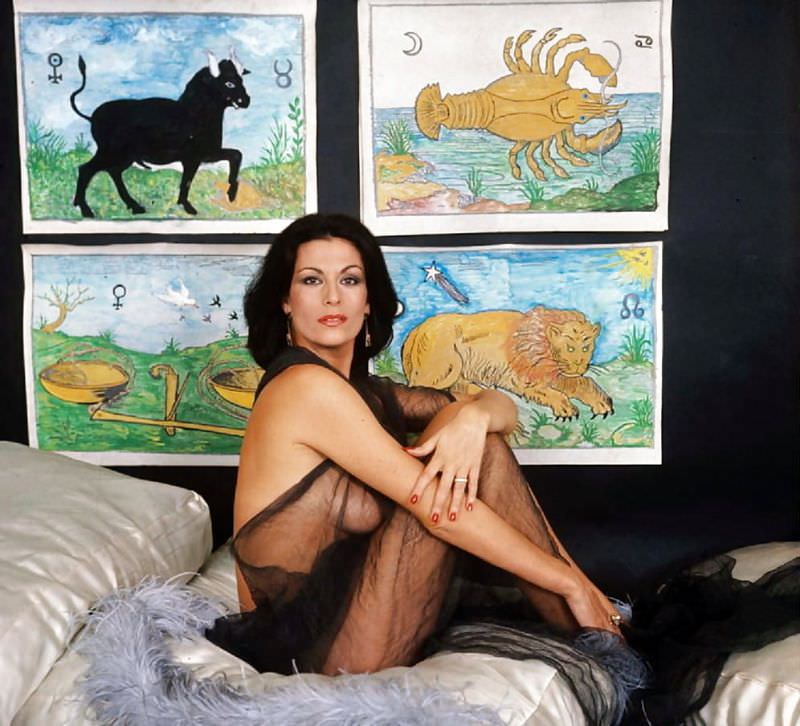
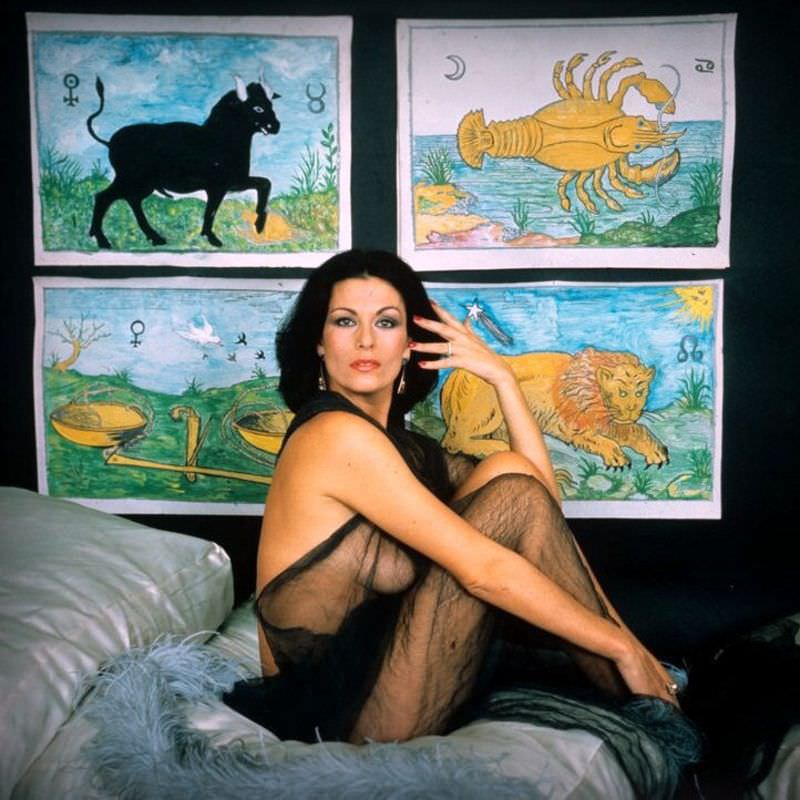
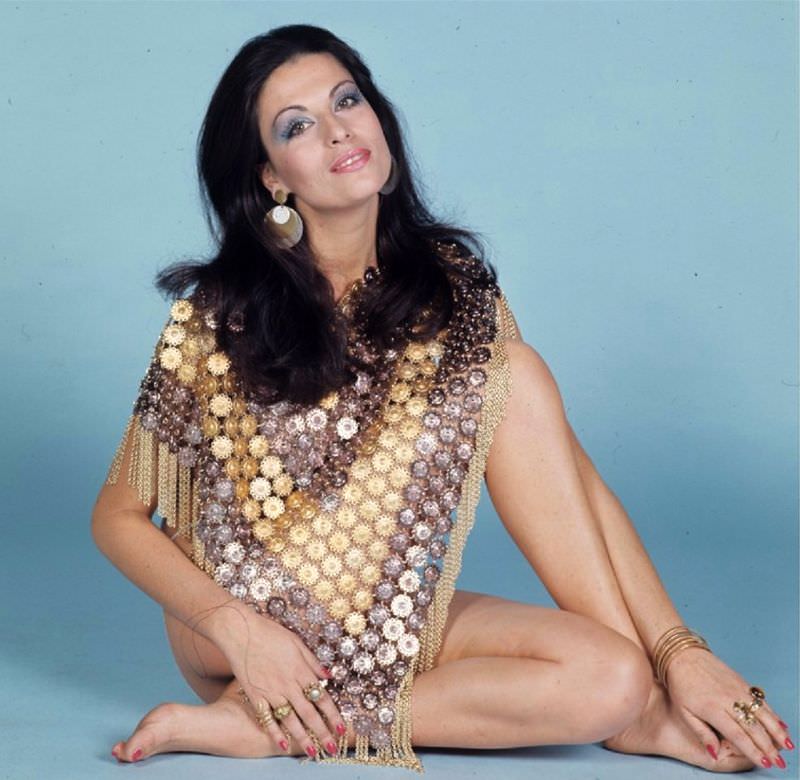
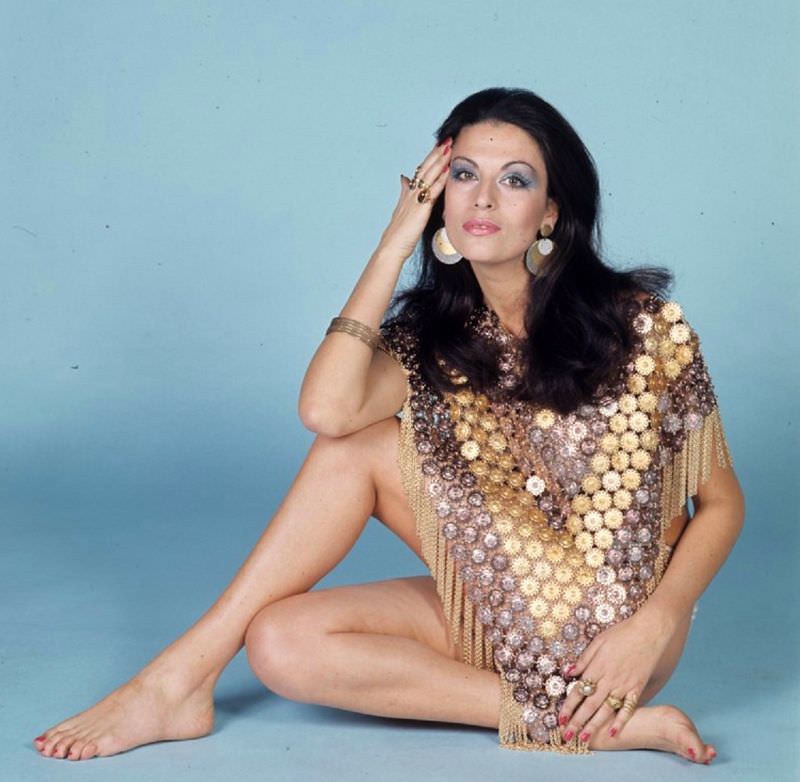
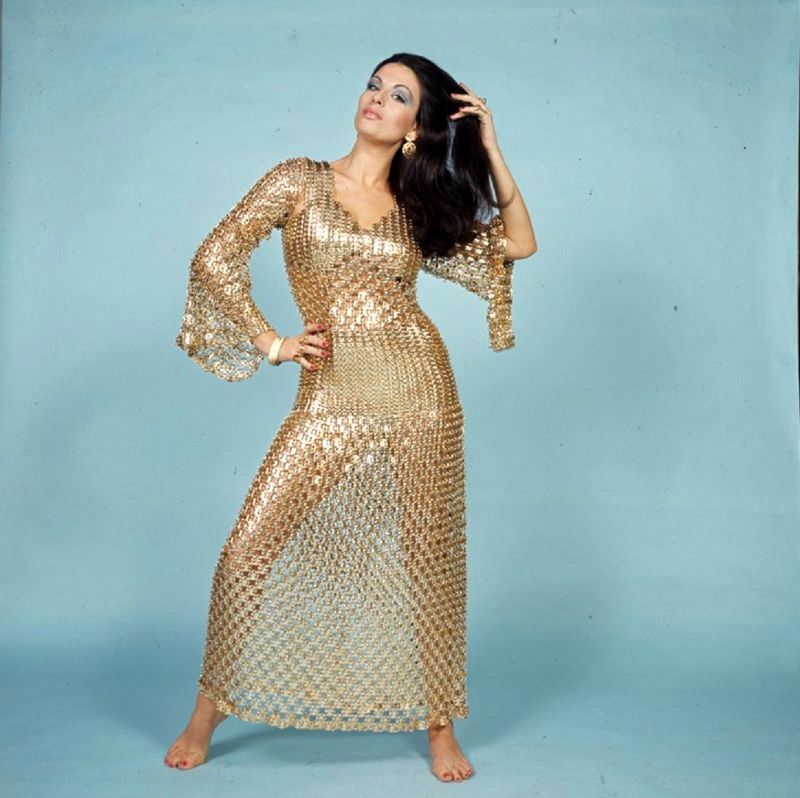
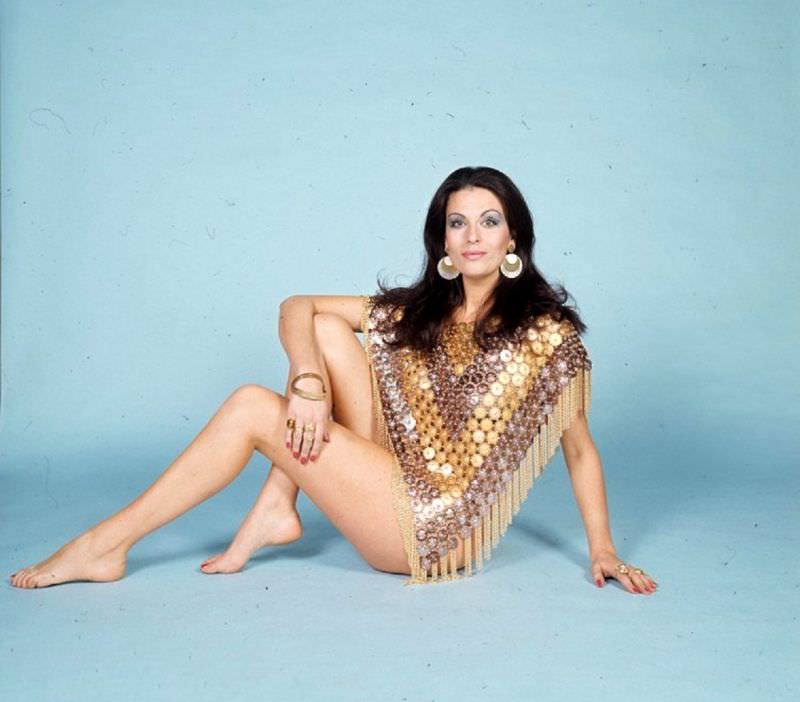
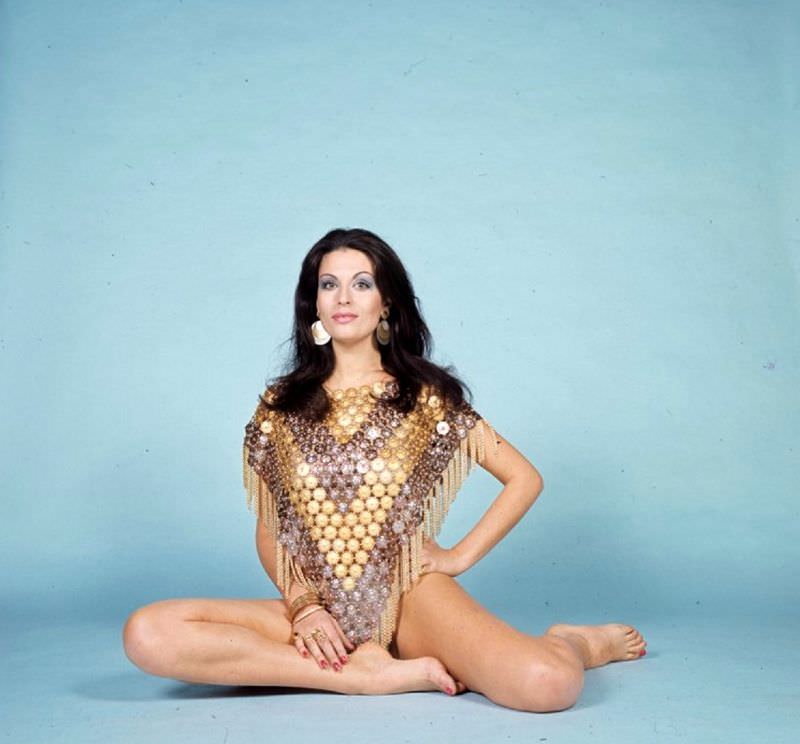
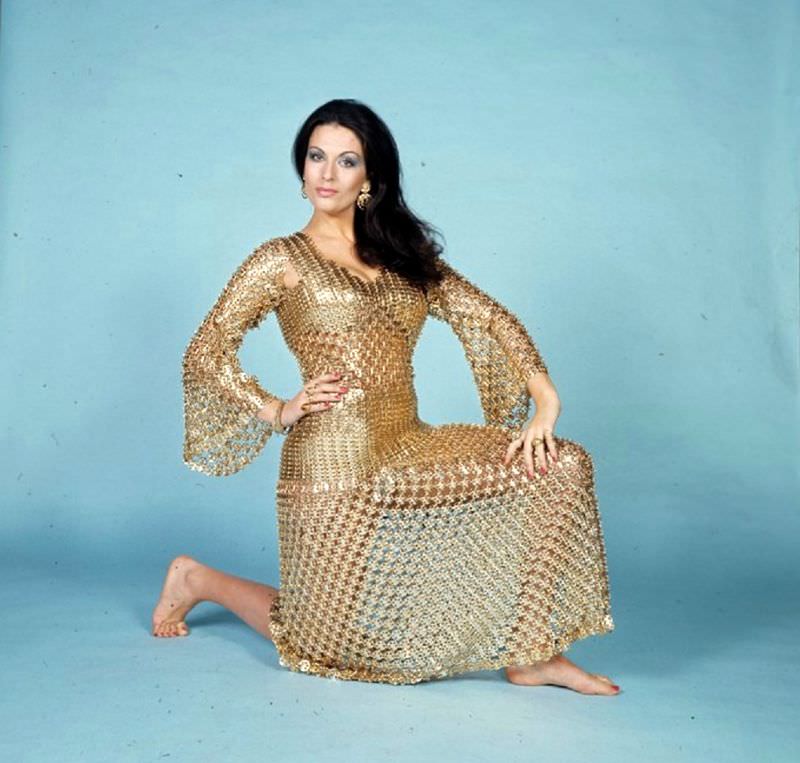
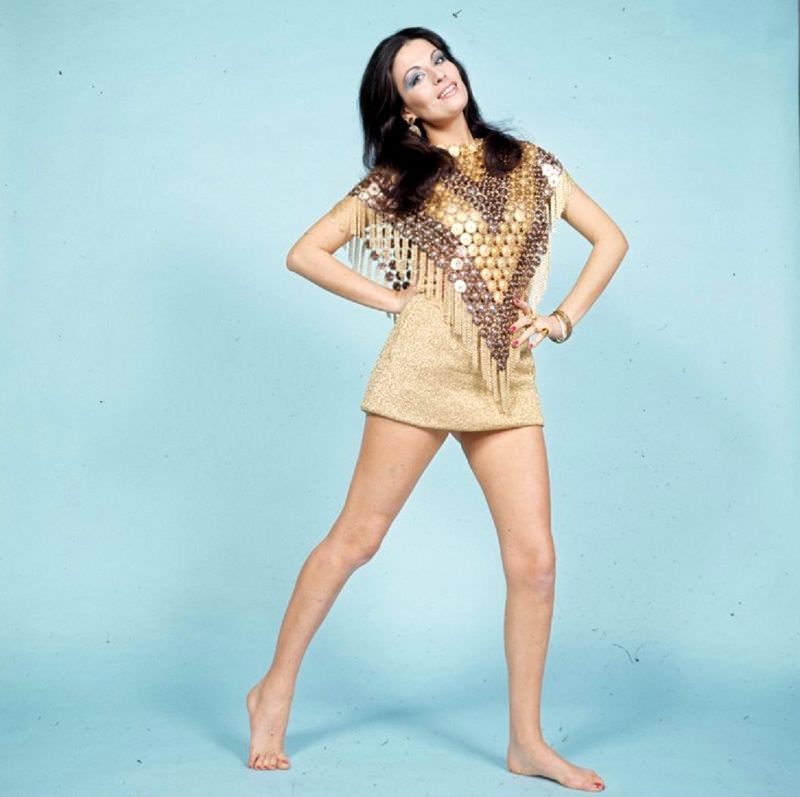
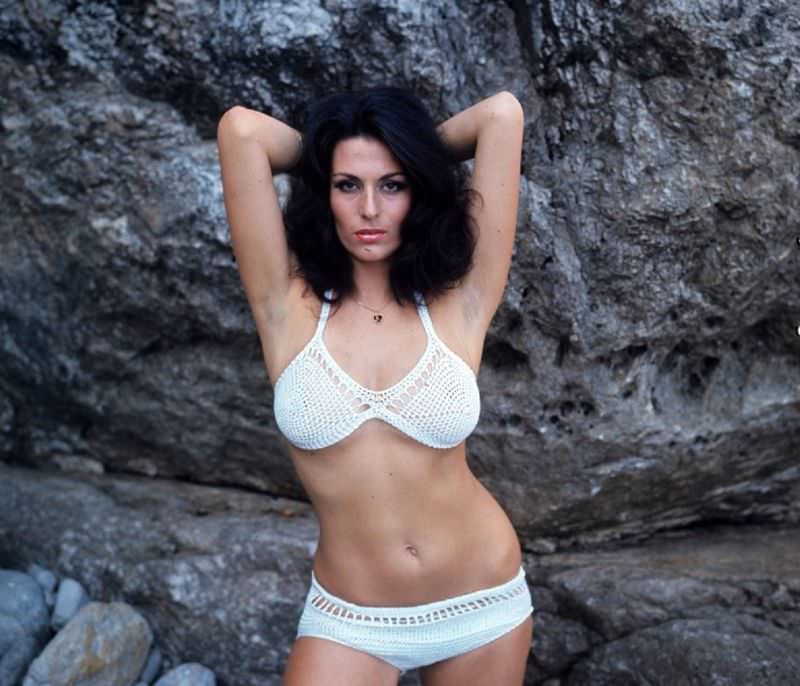
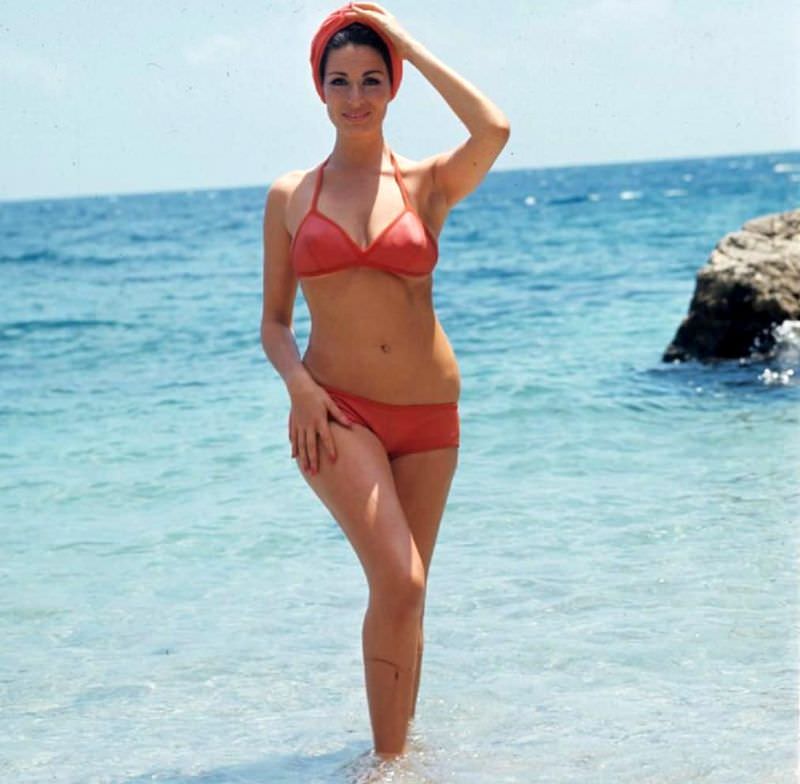
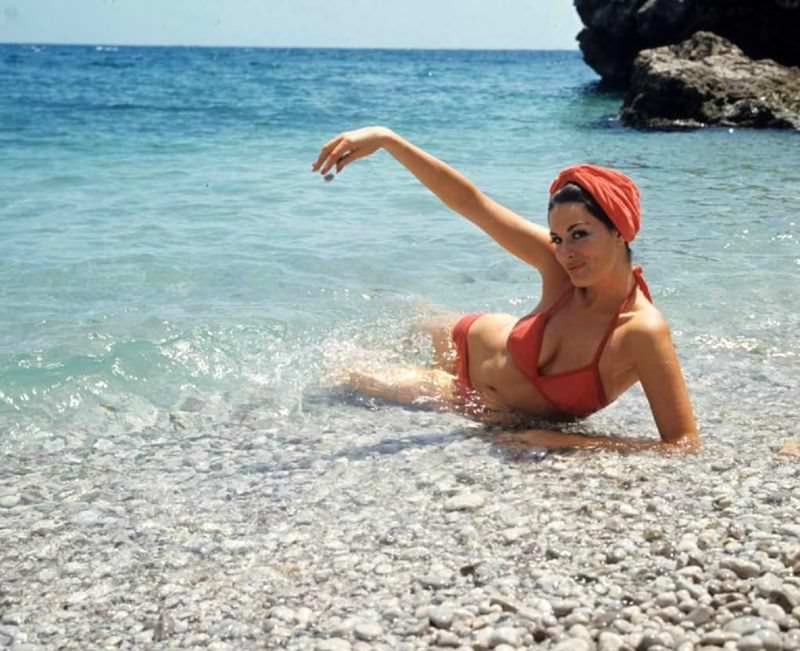
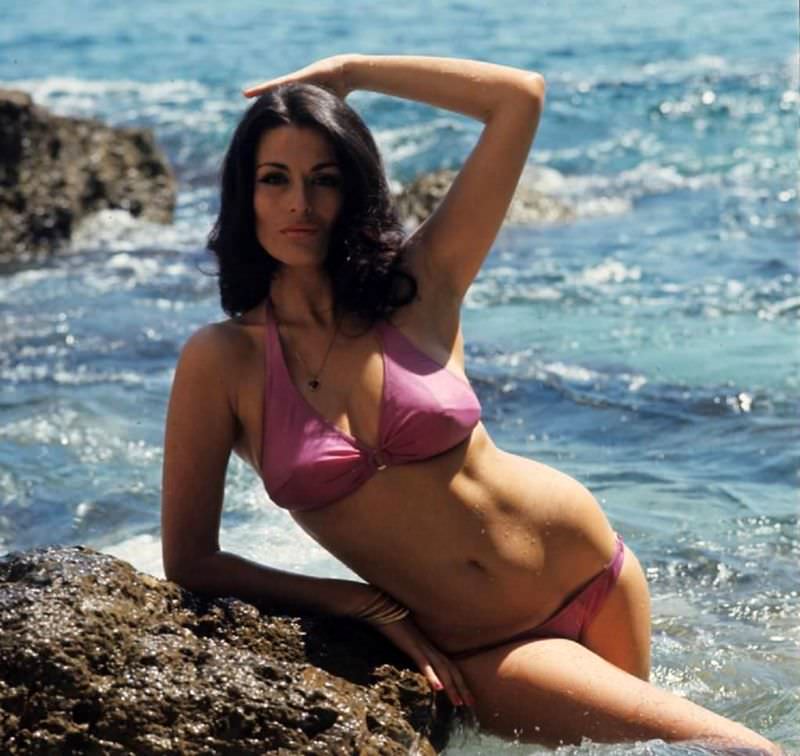
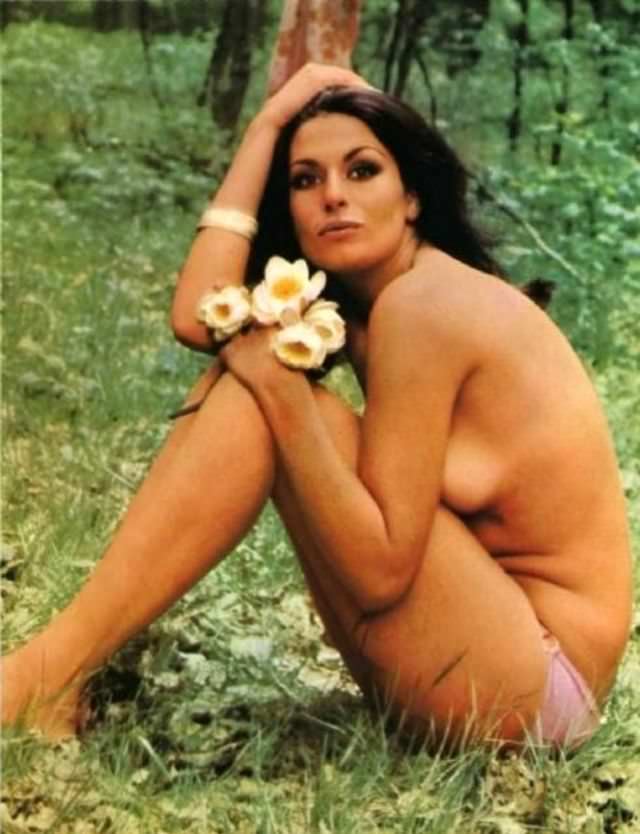
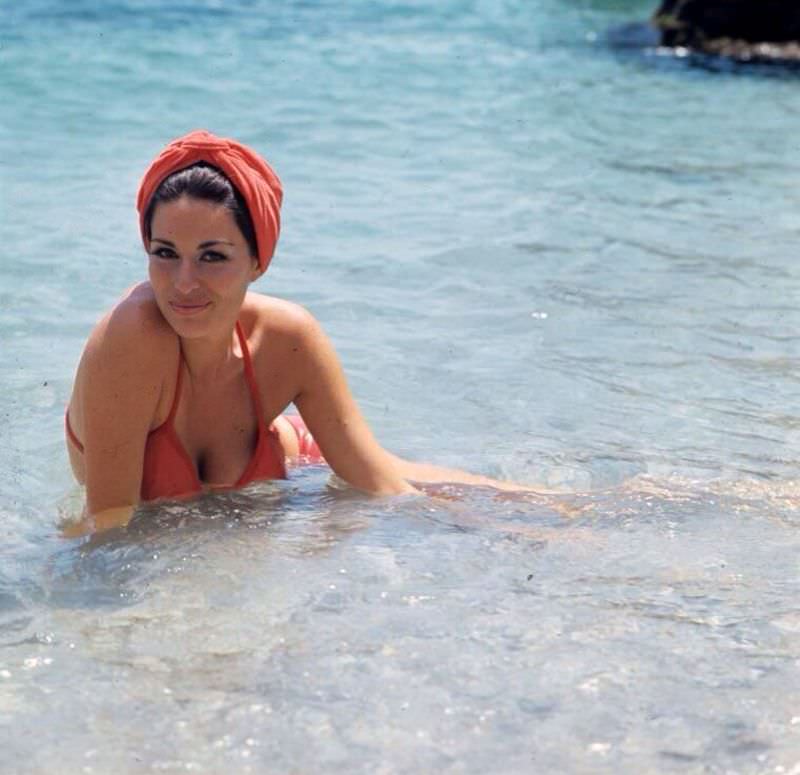
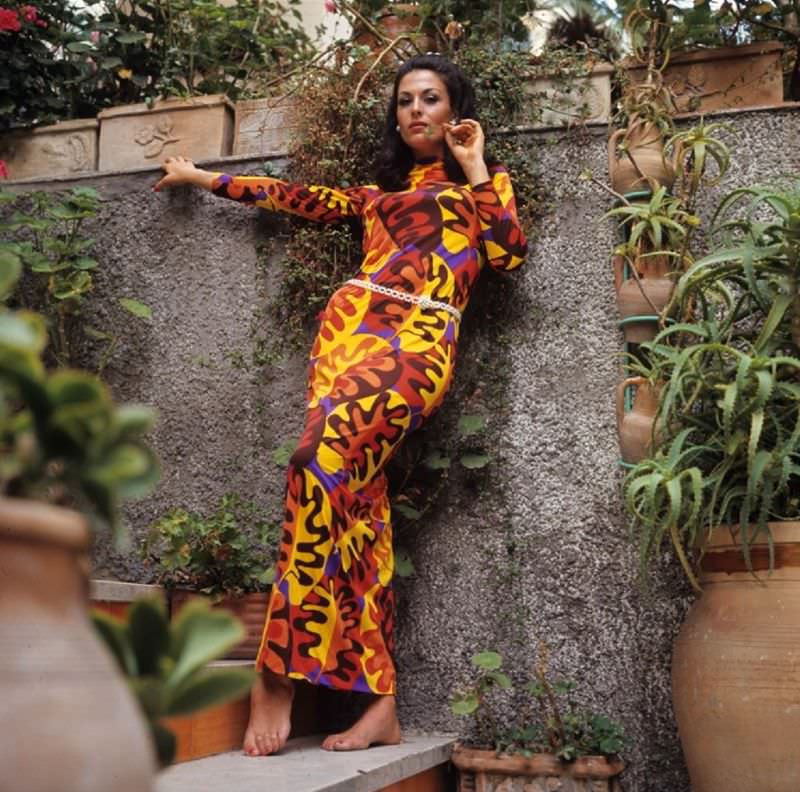
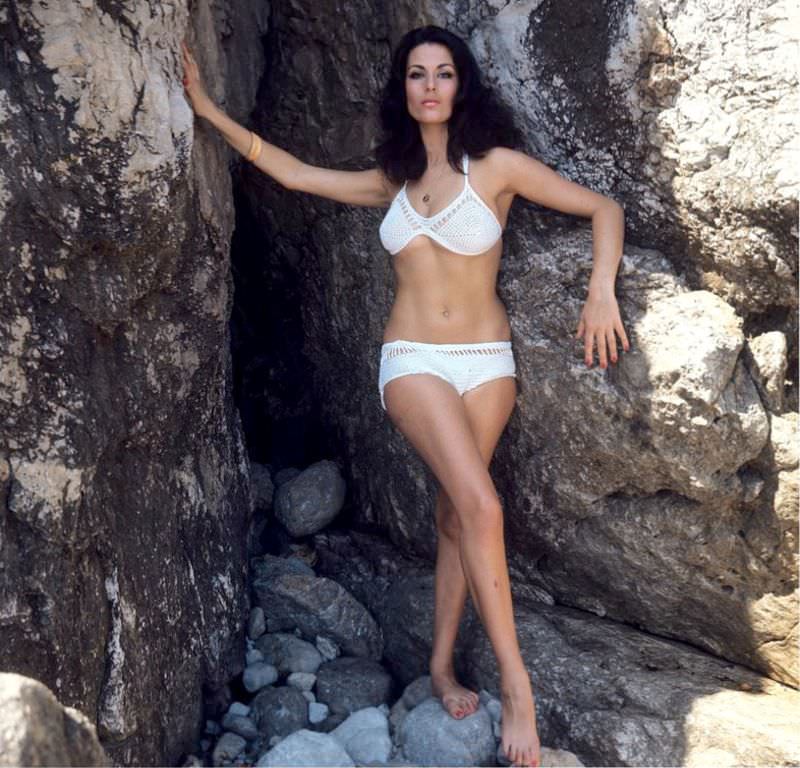
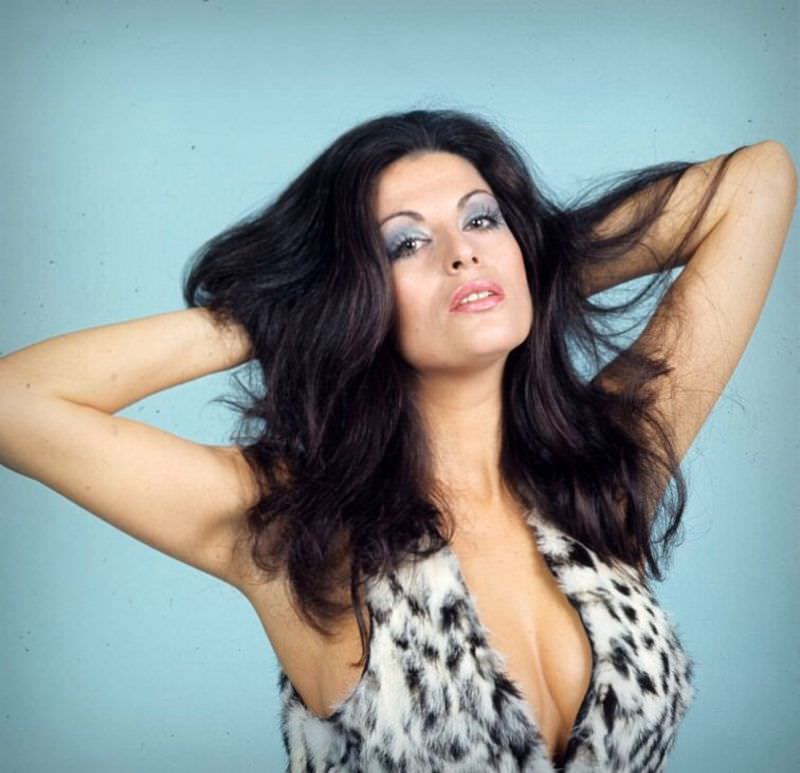
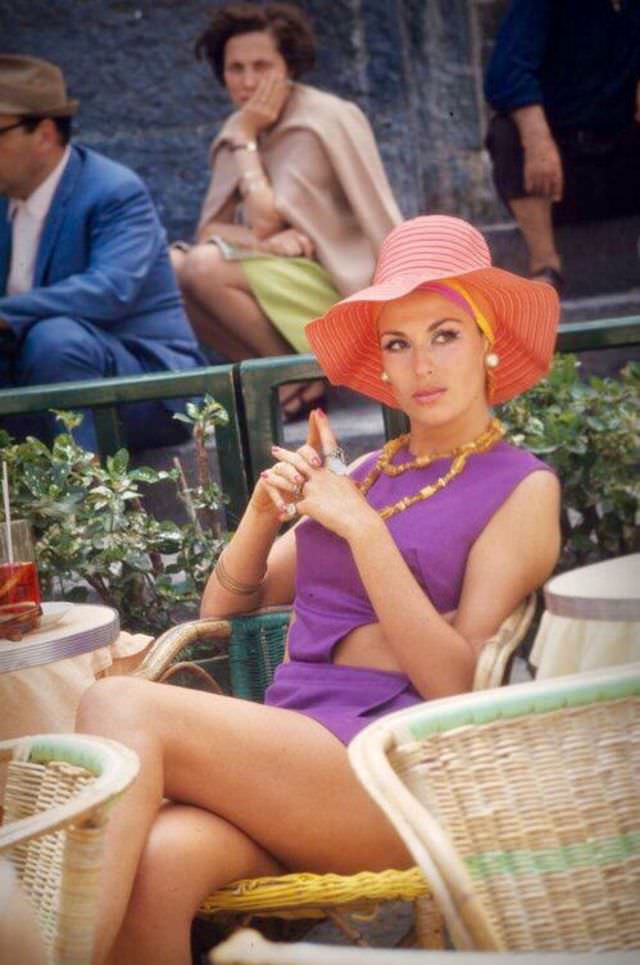
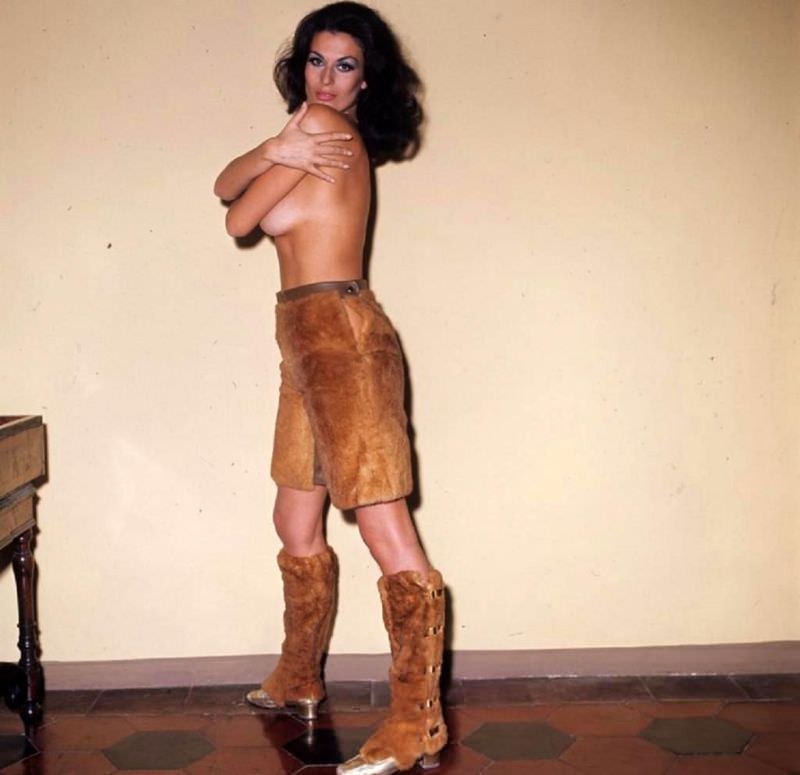
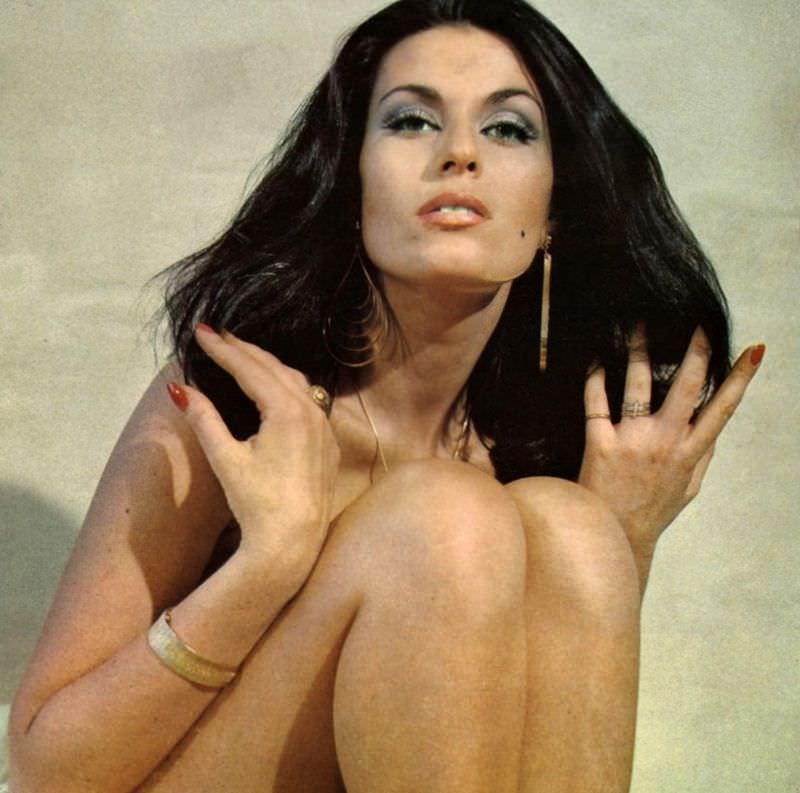
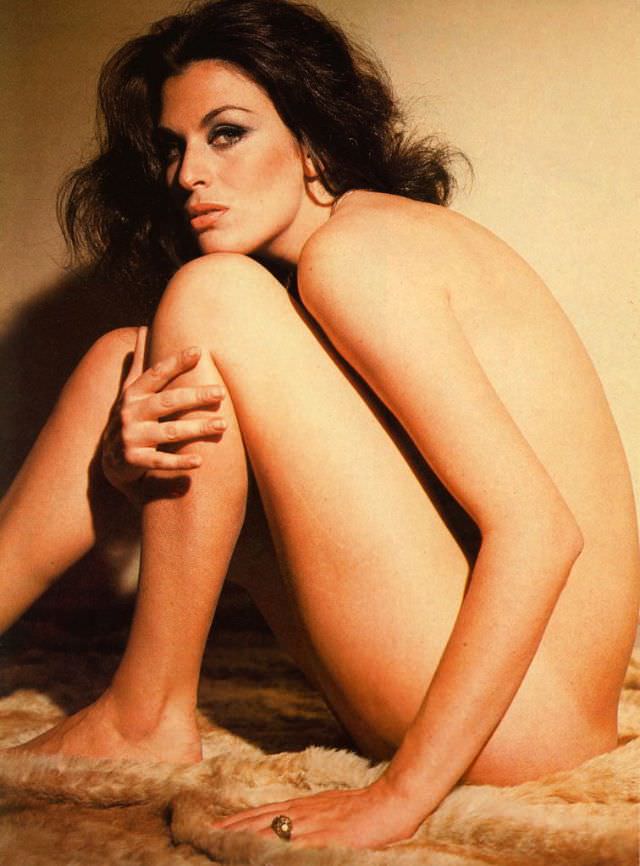
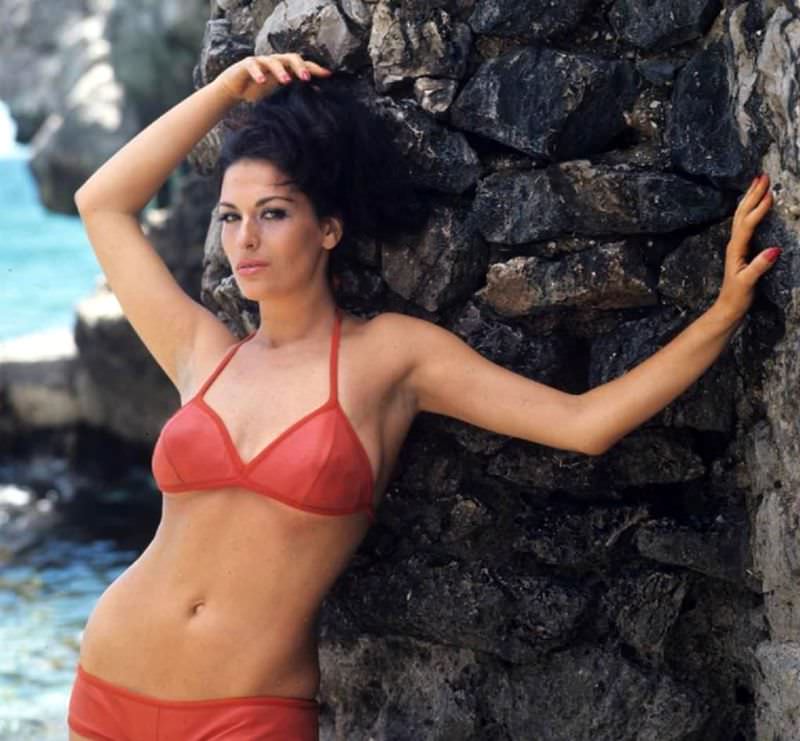
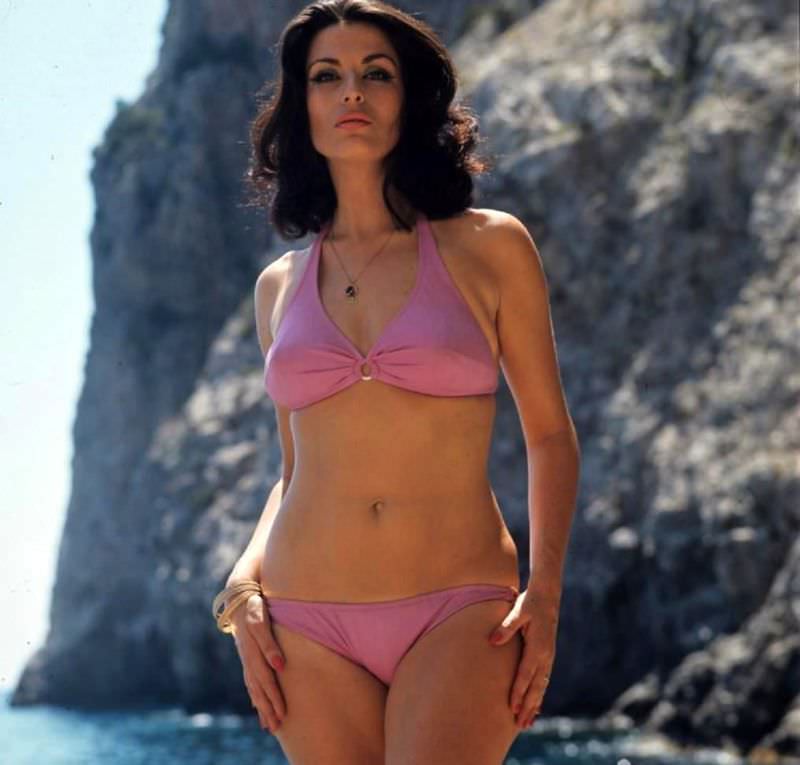
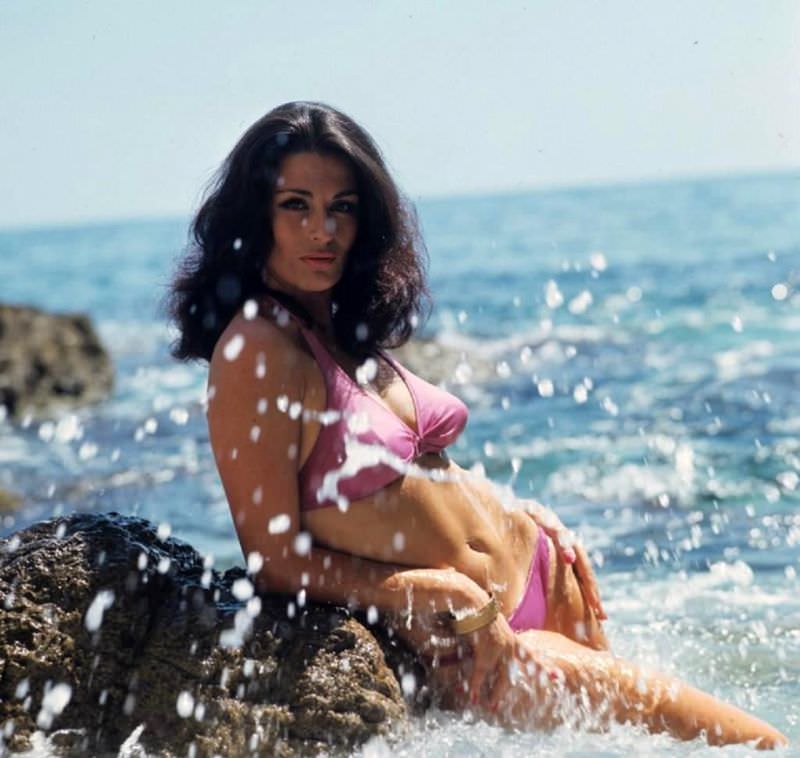
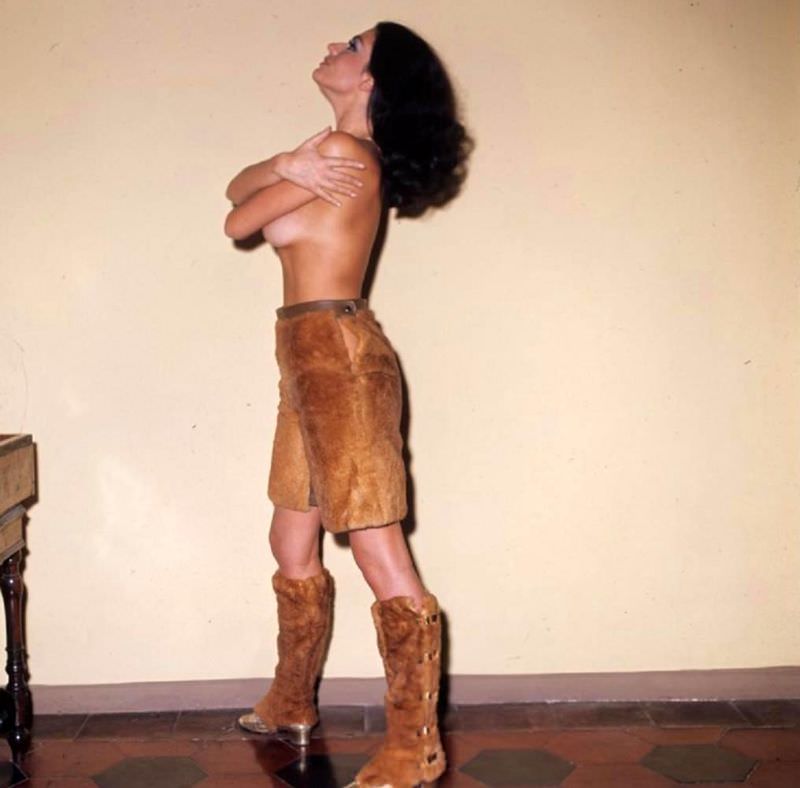
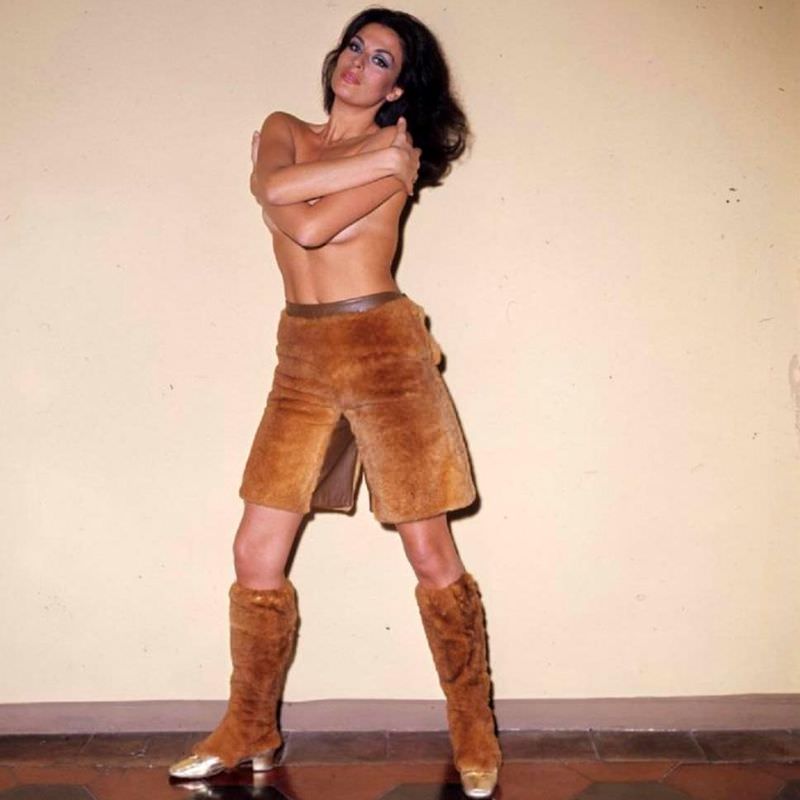
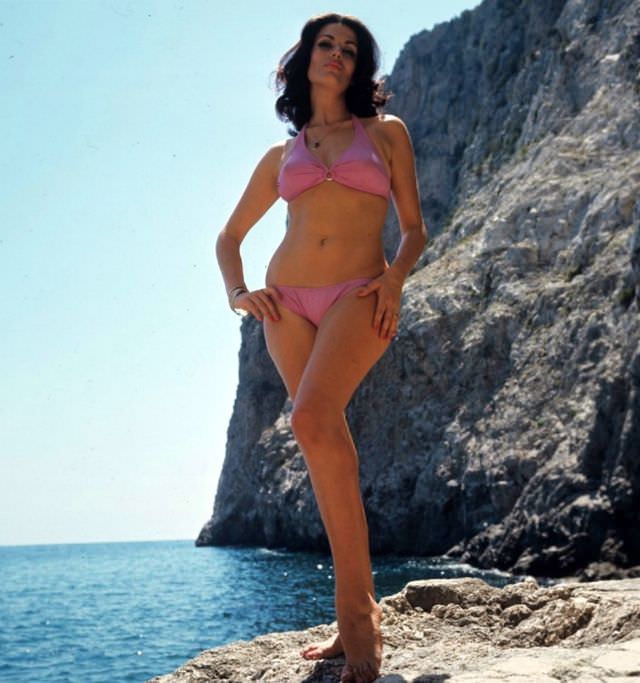
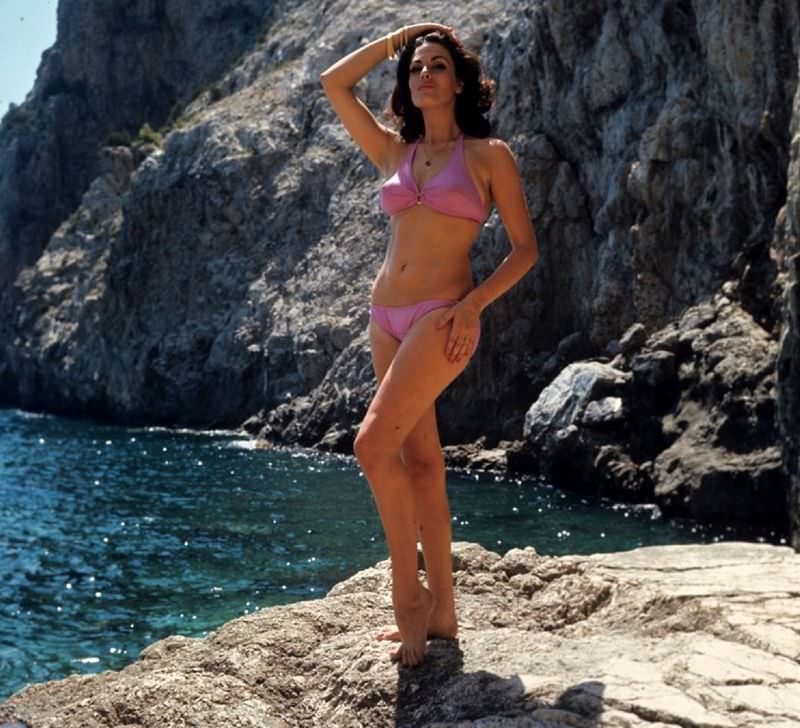
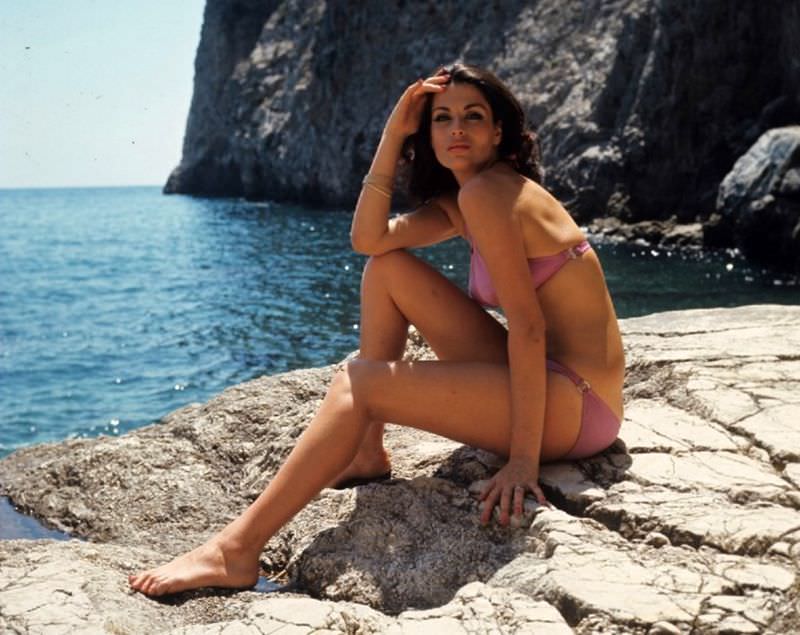
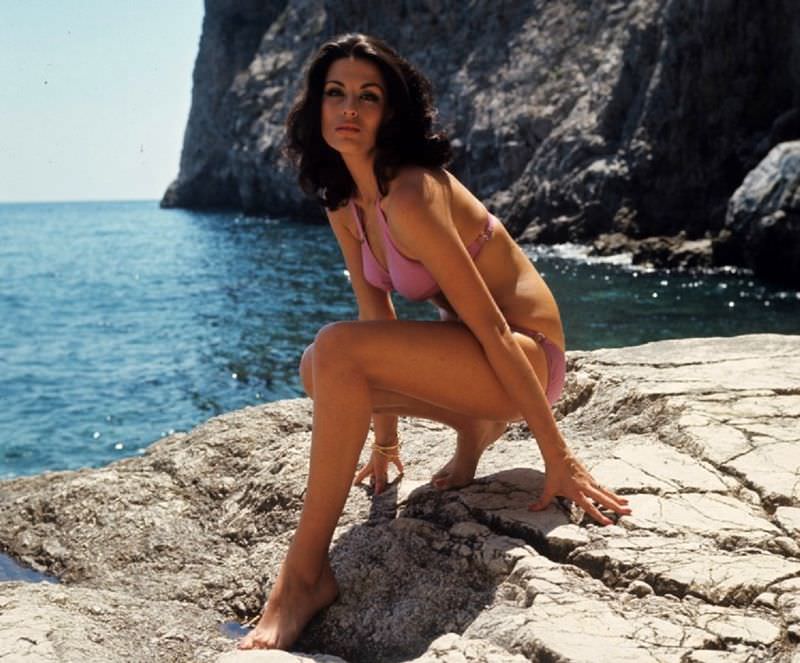
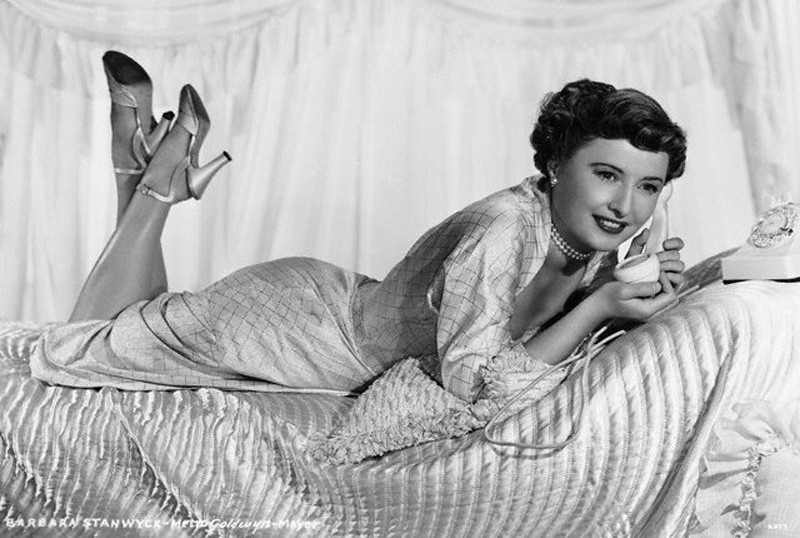
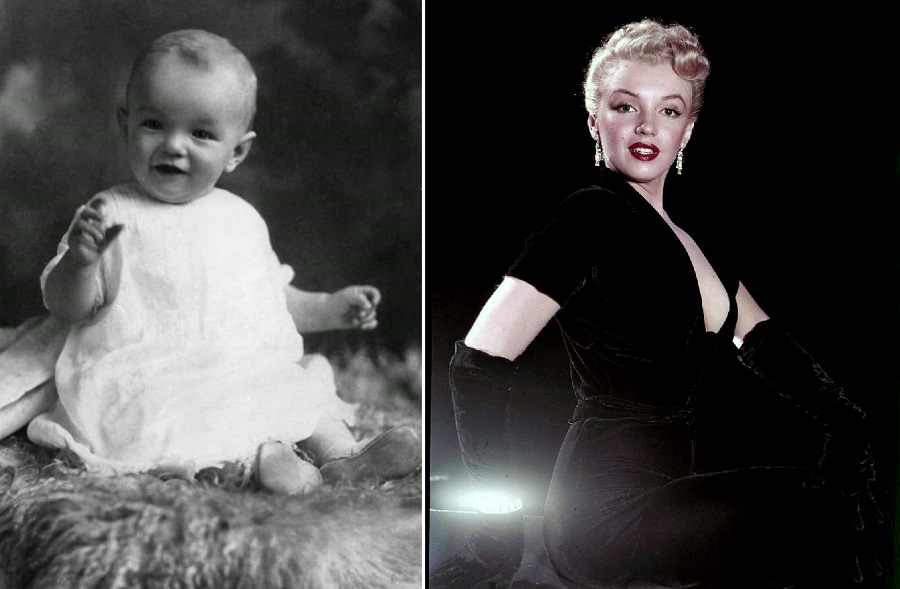
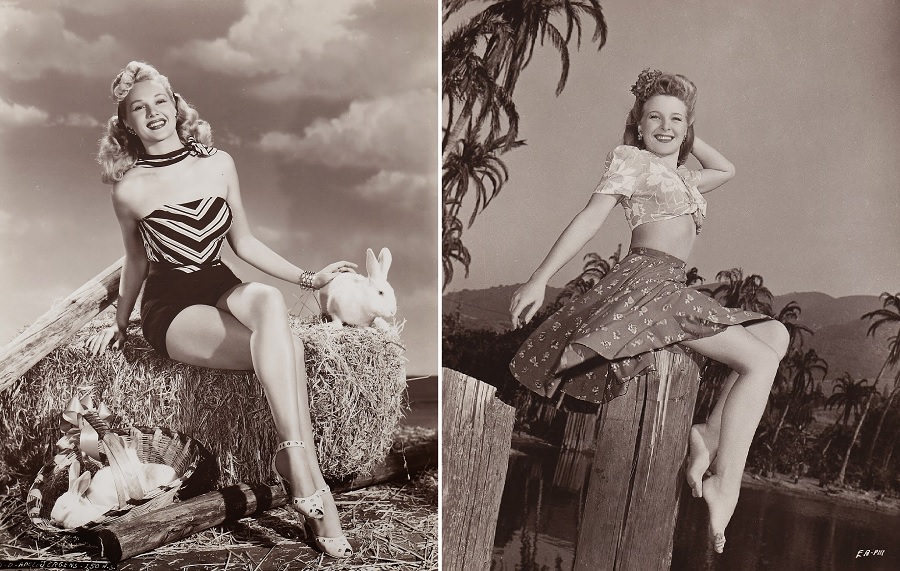
Élizabeth Teissier built one of the most unusual careers in 20th-century France. She began as a model and actress, rubbed shoulders with the biggest names in French fashion and film, and then reinvented herself as one of Europe’s most recognized — and most debated — astrologers. Her story spans haute couture runways, Hollywood-adjacent film sets, prime-time television, and a doctoral controversy that rattled the French academic world.
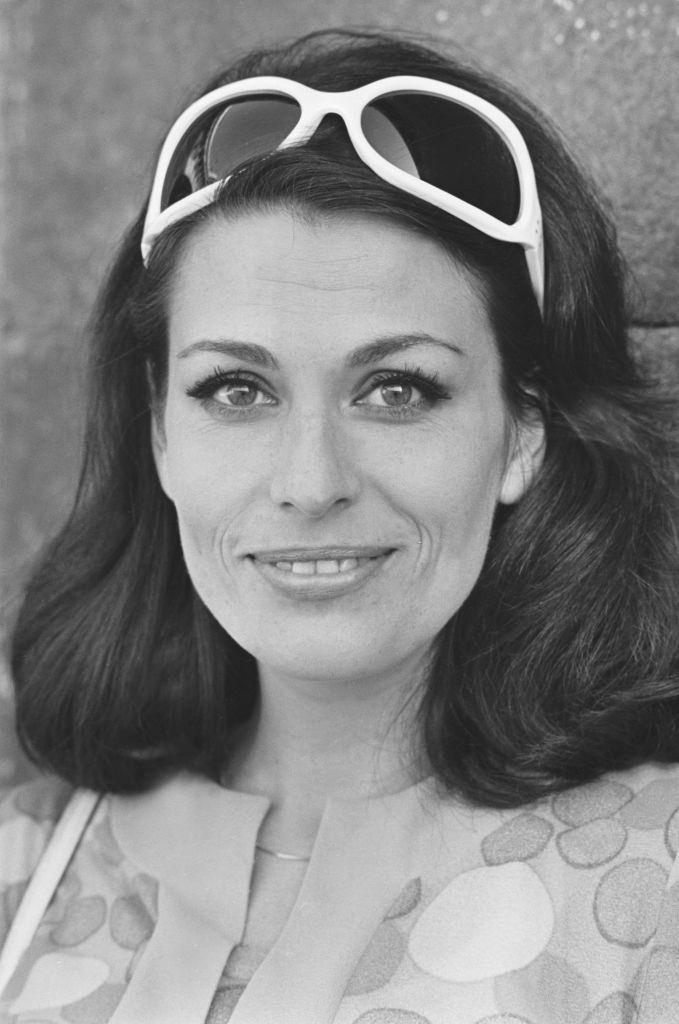
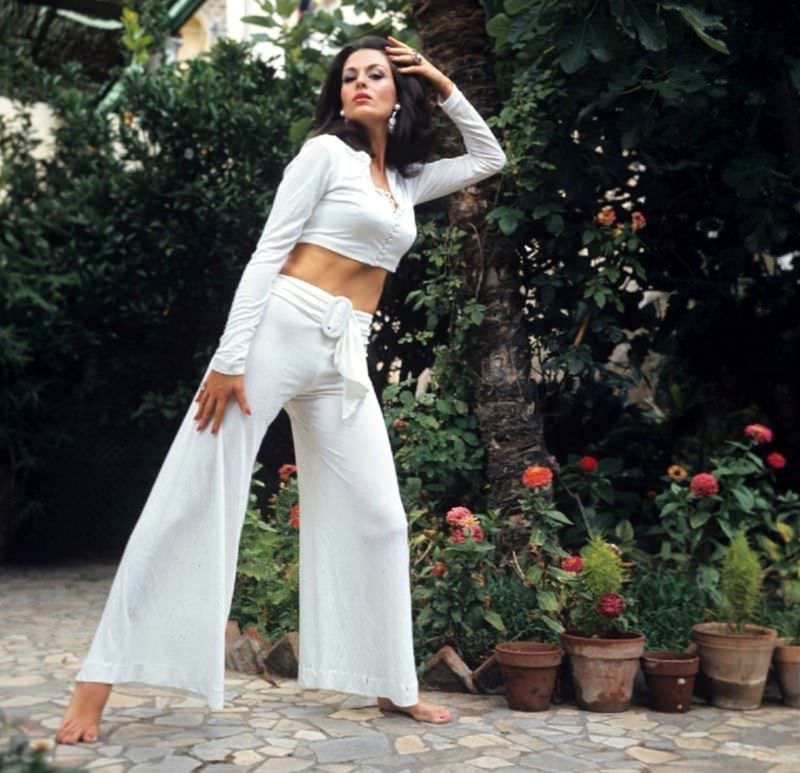
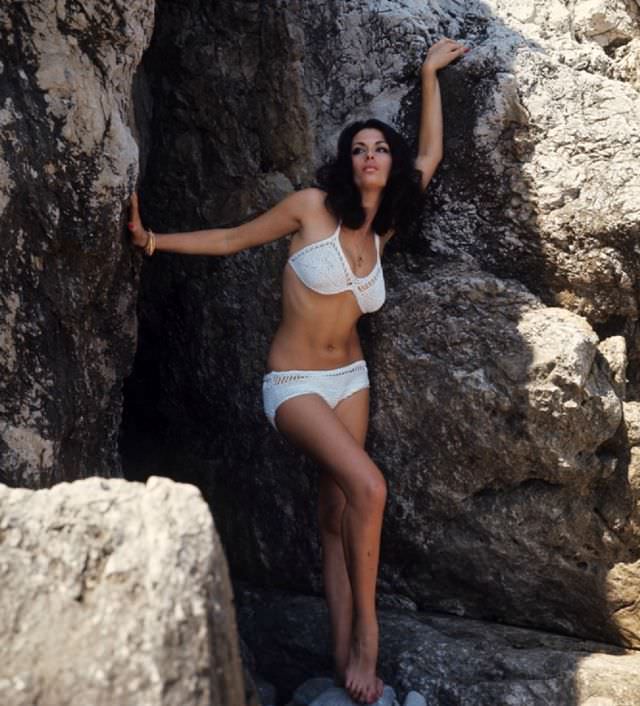
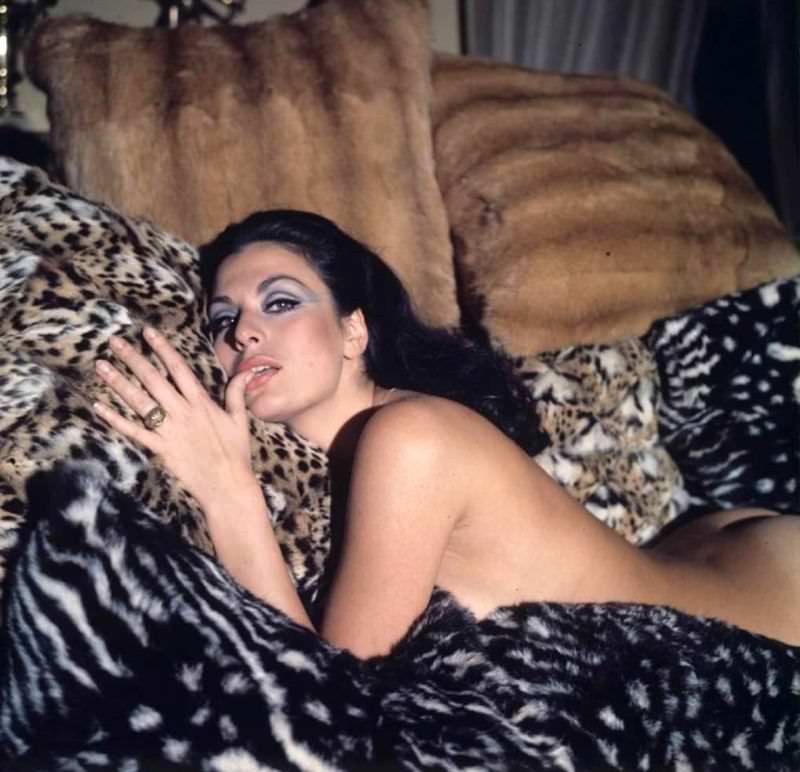
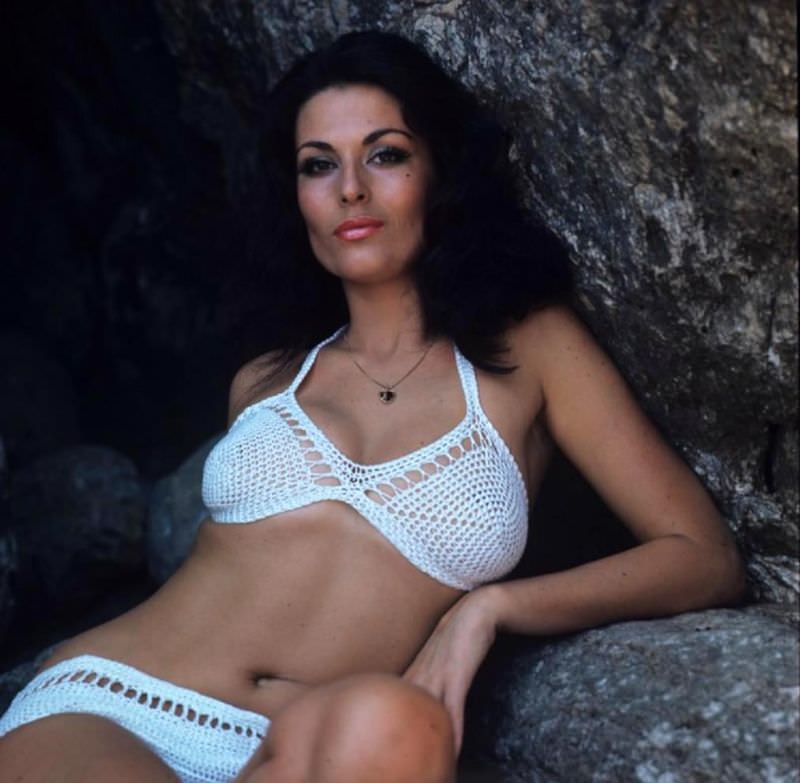
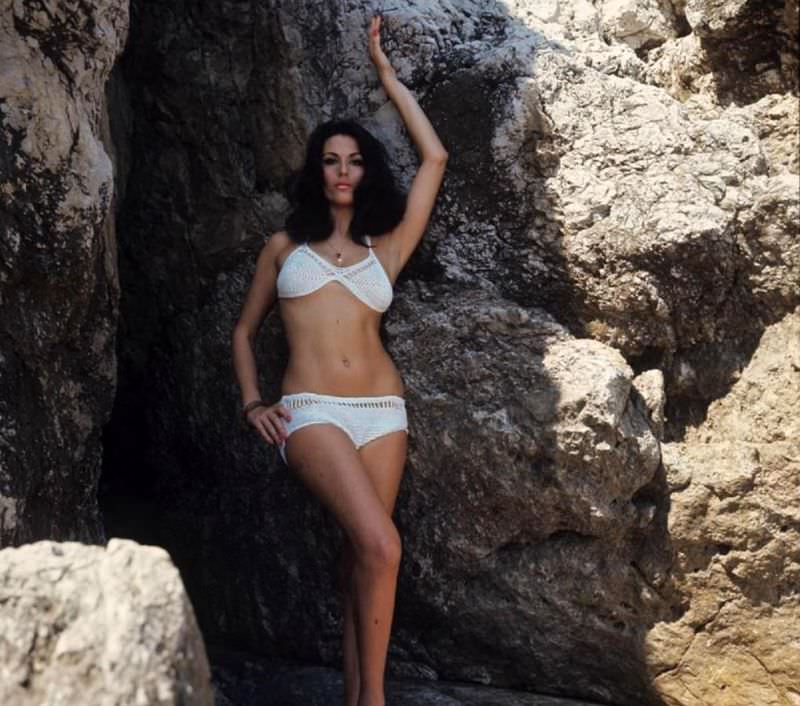
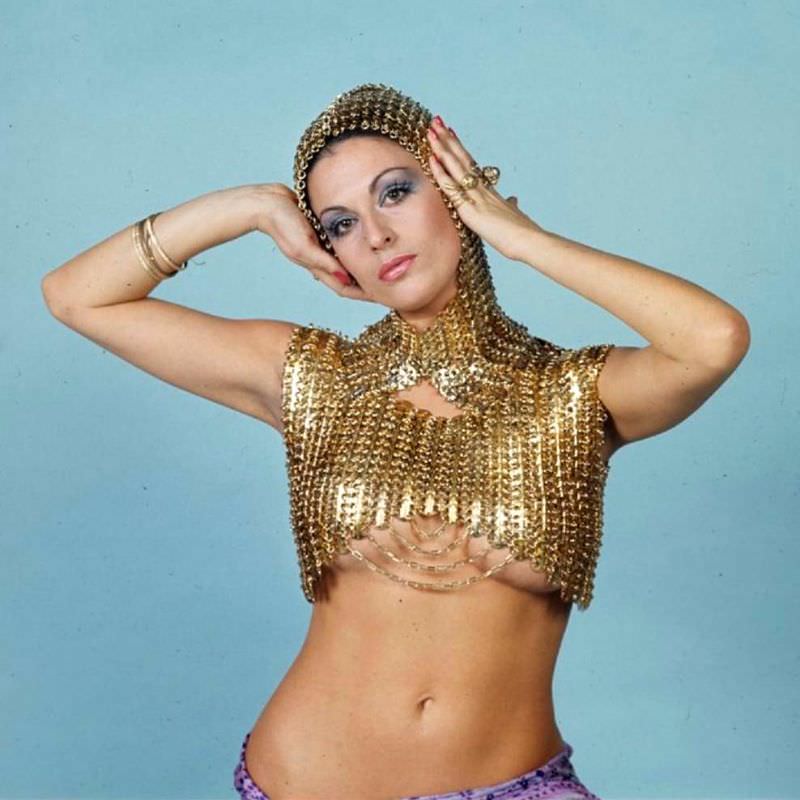
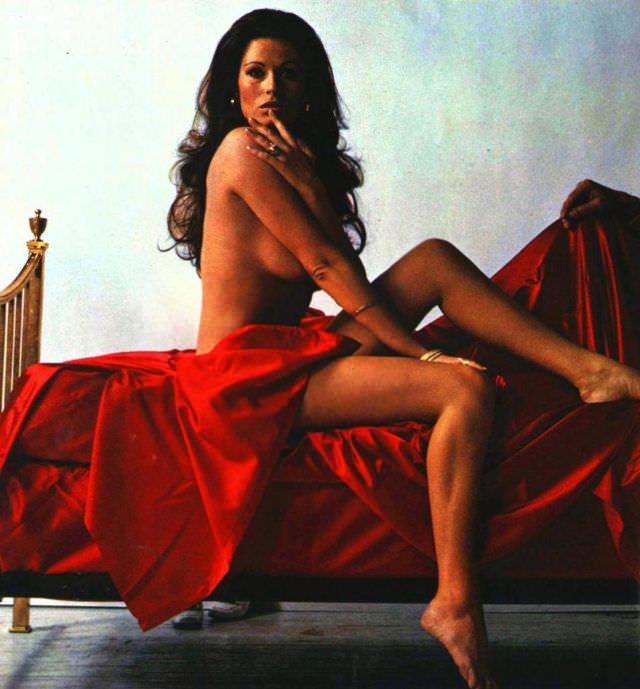
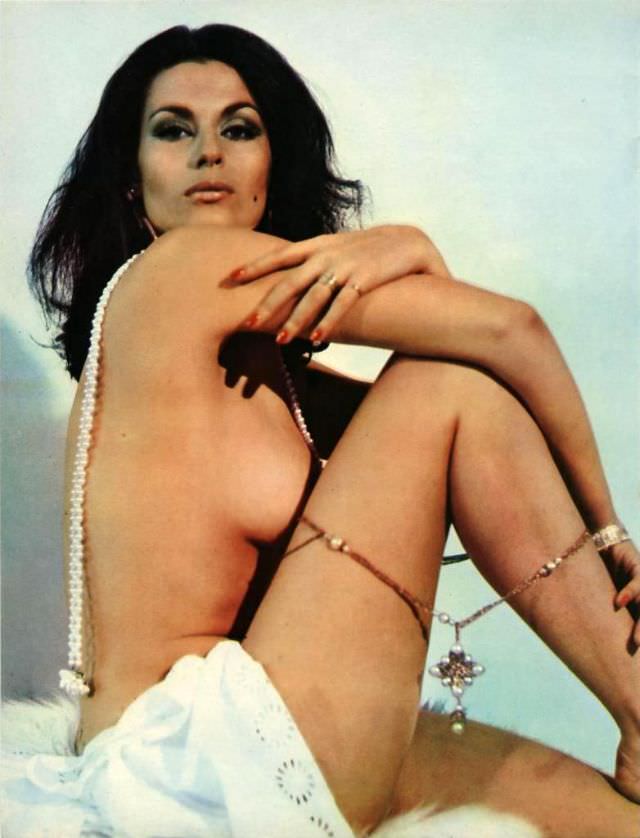
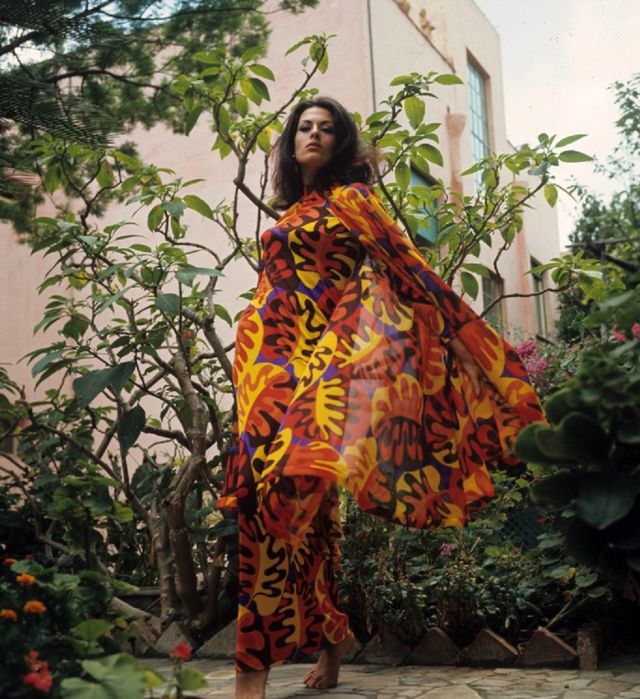
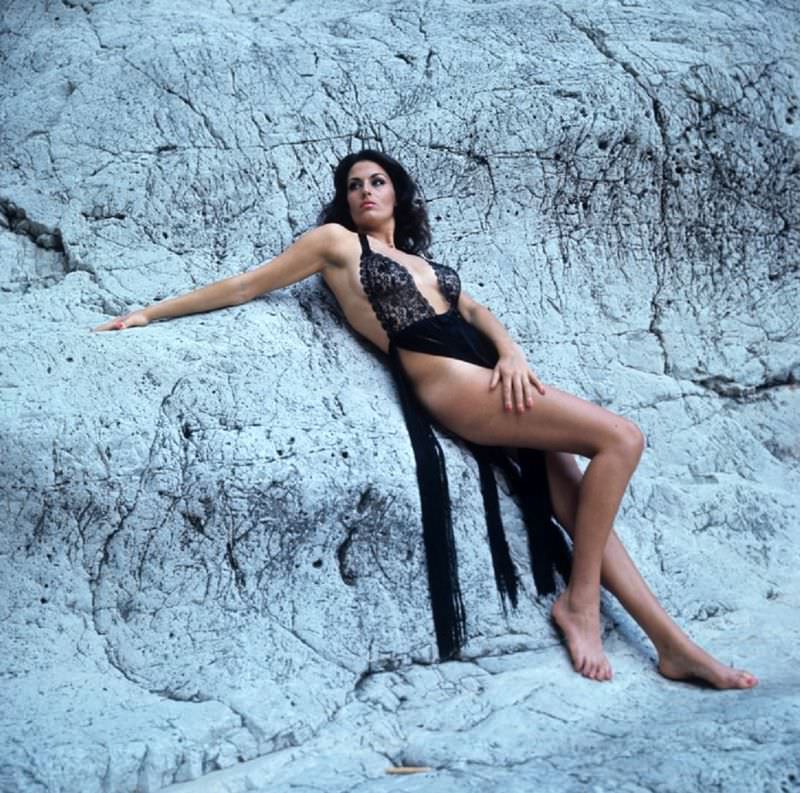
Teissier launched her professional life in the world of modeling. She worked directly for Coco Chanel, one of the most iconic names in French fashion history. That association alone placed her at the center of Paris’s elite style scene during the mid-1960s. At the same time, she stepped in front of the camera for film roles, appearing in 12 movies between 1966 and 1975.
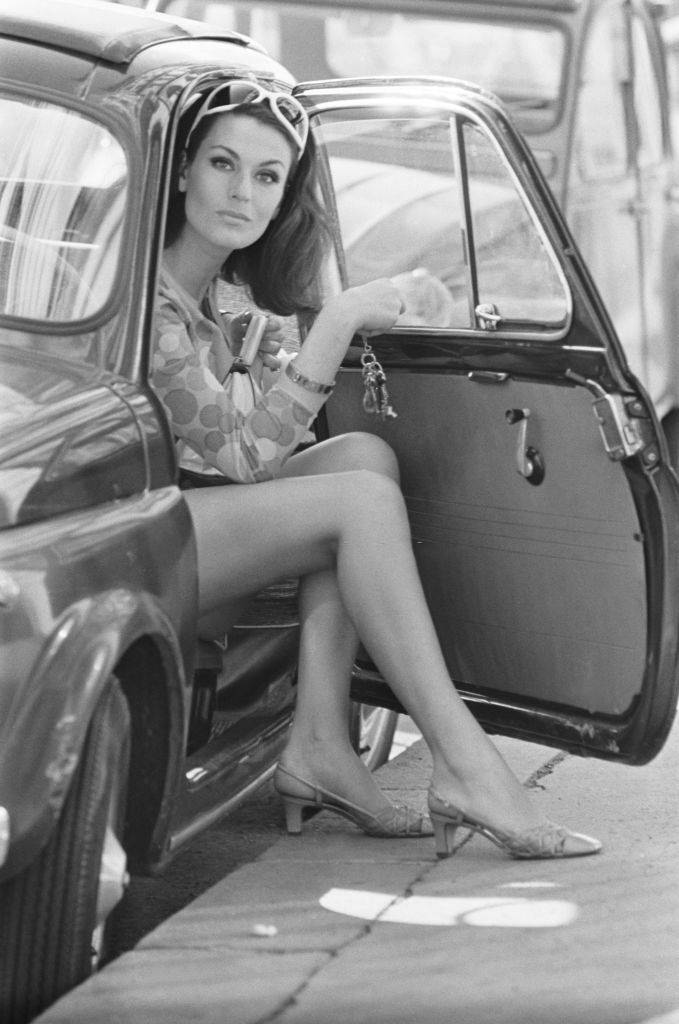
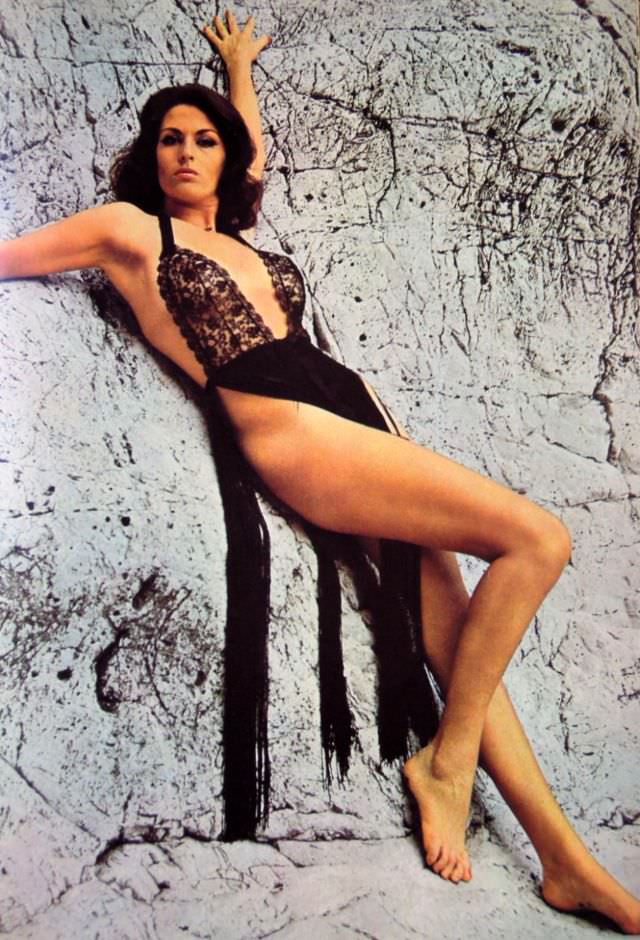
Most of her film work fell within the soft erotic genre that was popular in French cinema at the time. Her most notable screen credit came from an entirely different kind of production — Sydney Pollack’s 1969 American comedy-drama Castle Keep. Pollack was a serious filmmaker, and Teissier’s appearance in that film gave her an international profile that her other work had not.
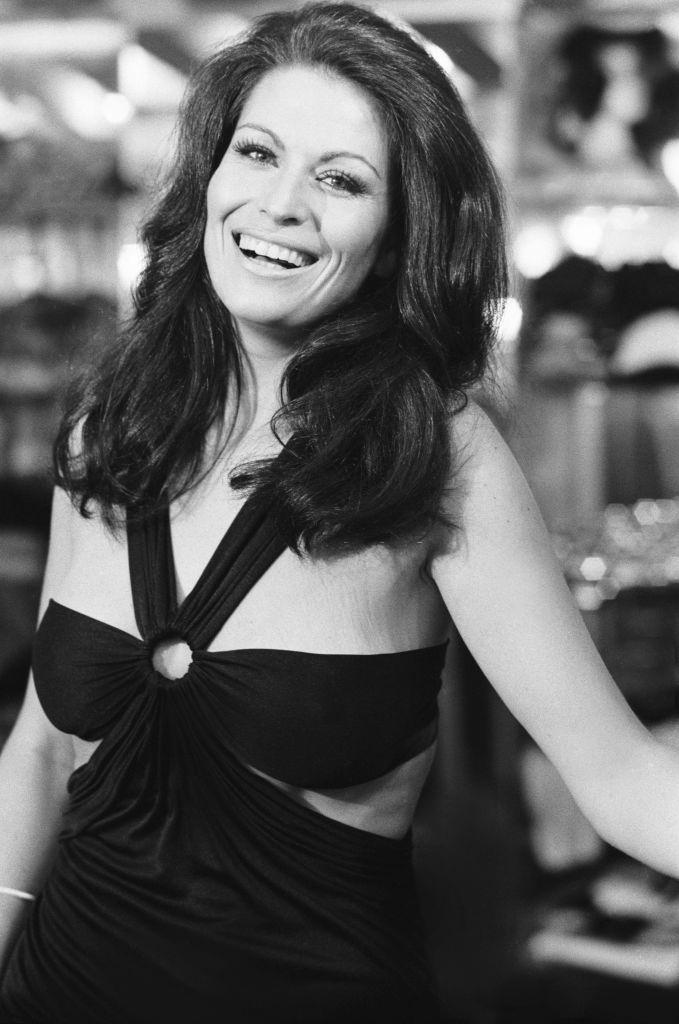
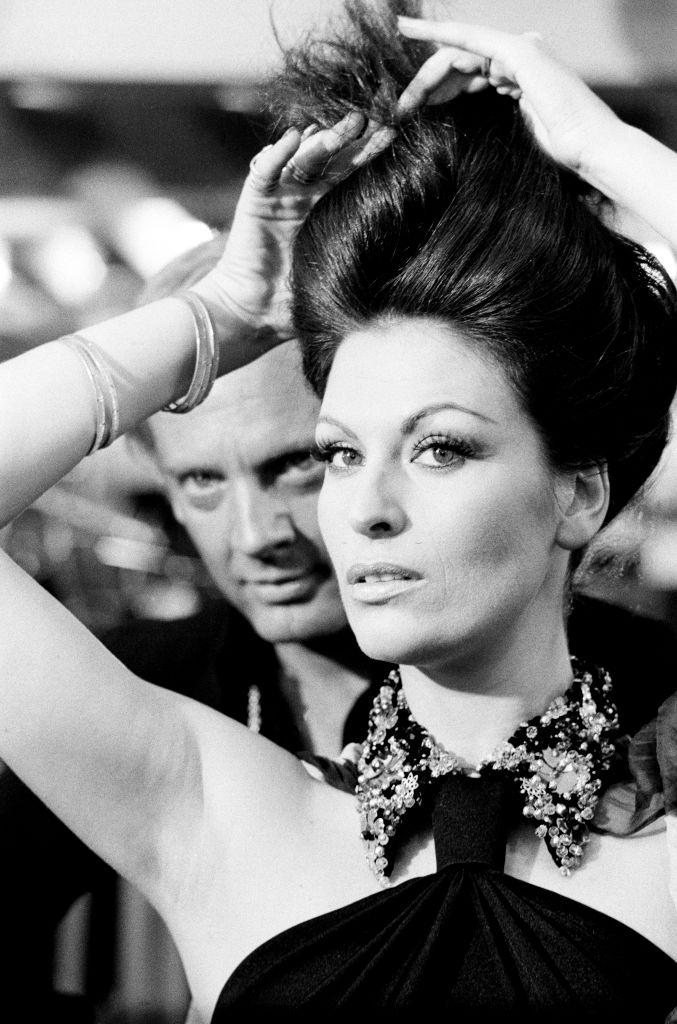
While her modeling and acting career was still active, Teissier began exploring a field that would define the rest of her public life. In 1968, she started studying astrology under Henri Joseph Gouchon, a well-known figure in French astrological circles. Gouchon was a serious practitioner, and studying under him gave Teissier a structured foundation in the subject. By the mid-1970s, astrology had fully taken over as her primary focus.
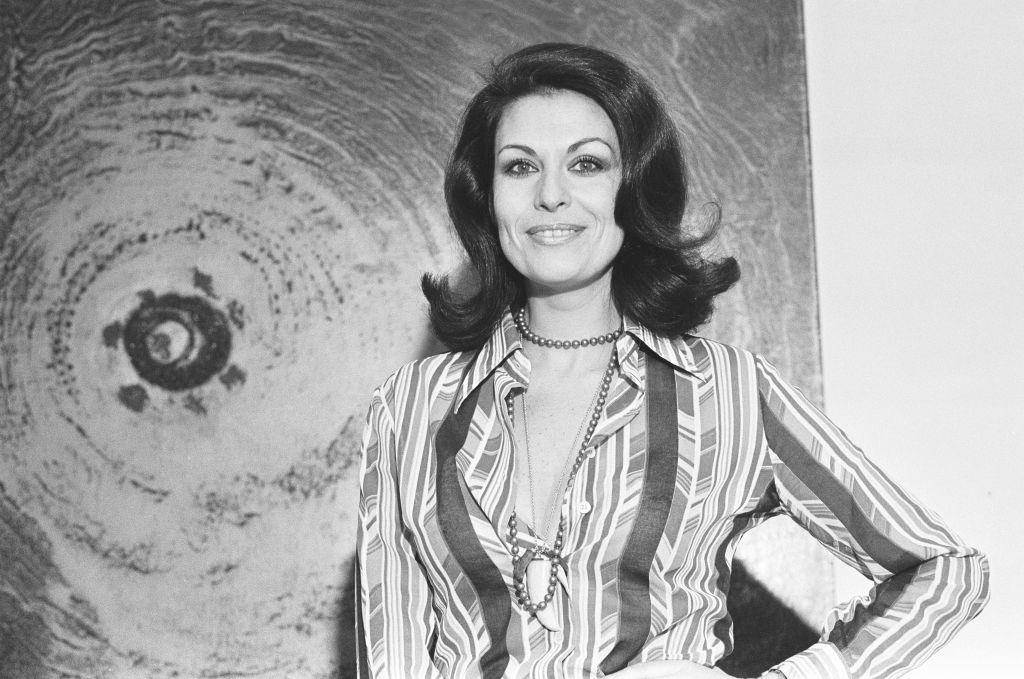
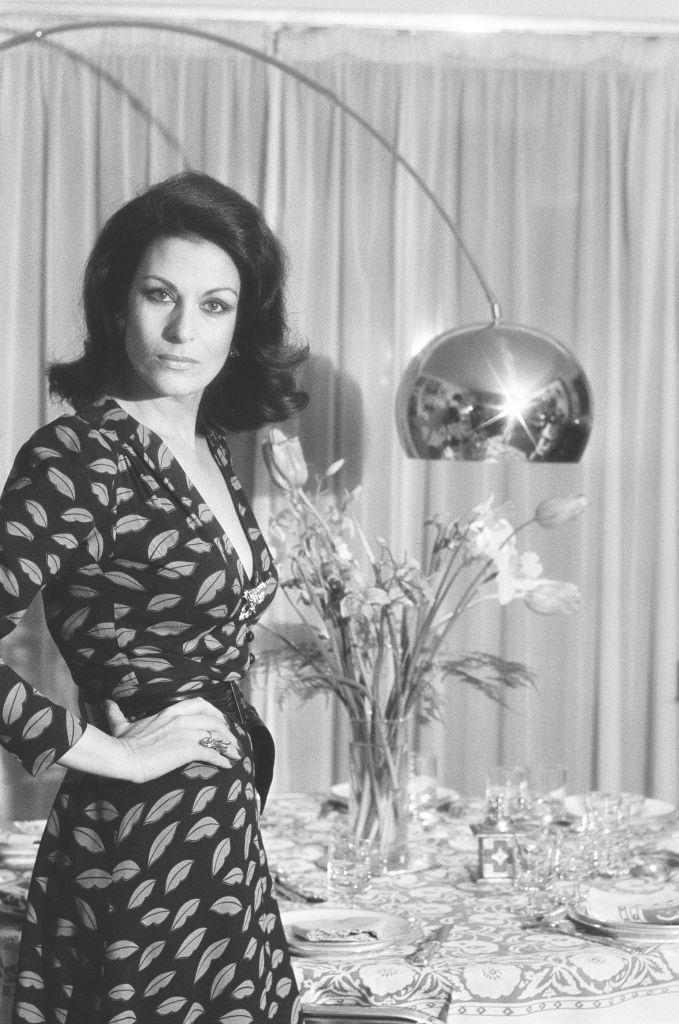
In 1975, a French television channel broadcast her daily horoscope on Antenne 2, giving her a national audience. She also launched the Astro Show television program in Germany, expanding her reach beyond France. These platforms turned her into a household name across Western Europe. She followed up her television presence with several books on astrology, building out her profile as both a media personality and a written authority on the subject.
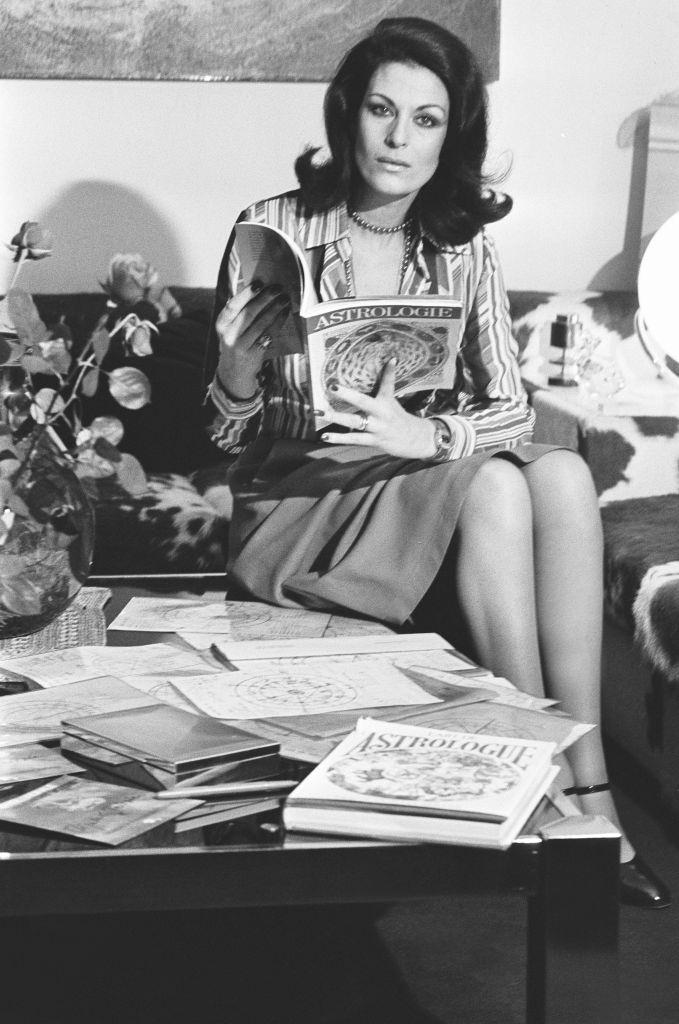
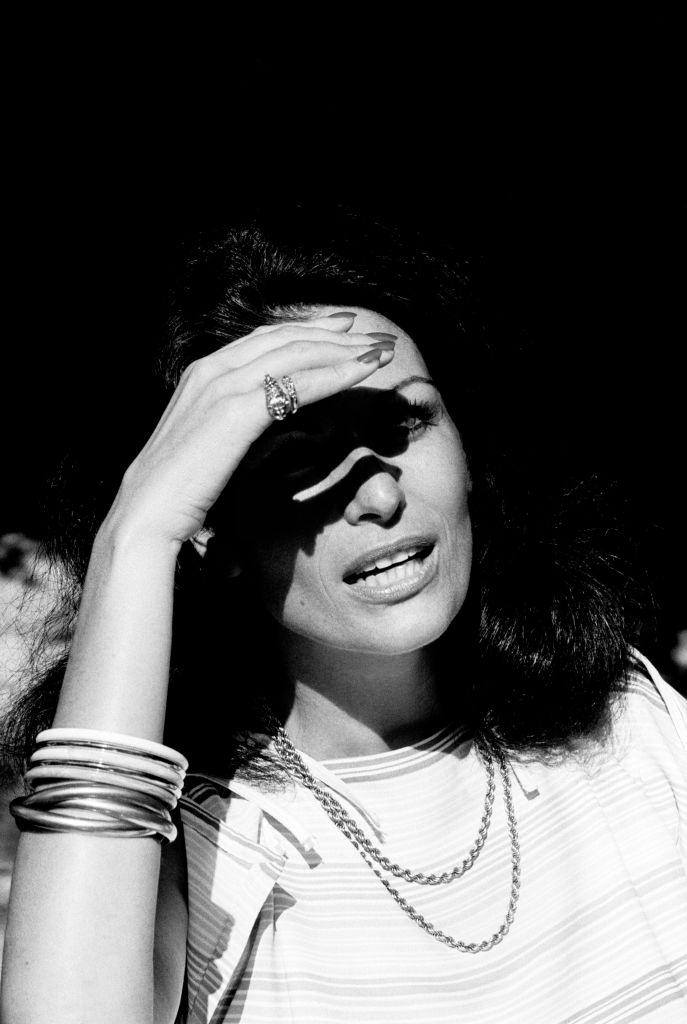
Among her clients was former French President François Mitterrand. His consultation with Teissier became one of the more striking footnotes of his presidency, drawing attention to how seriously some political figures took astrological guidance during that era.
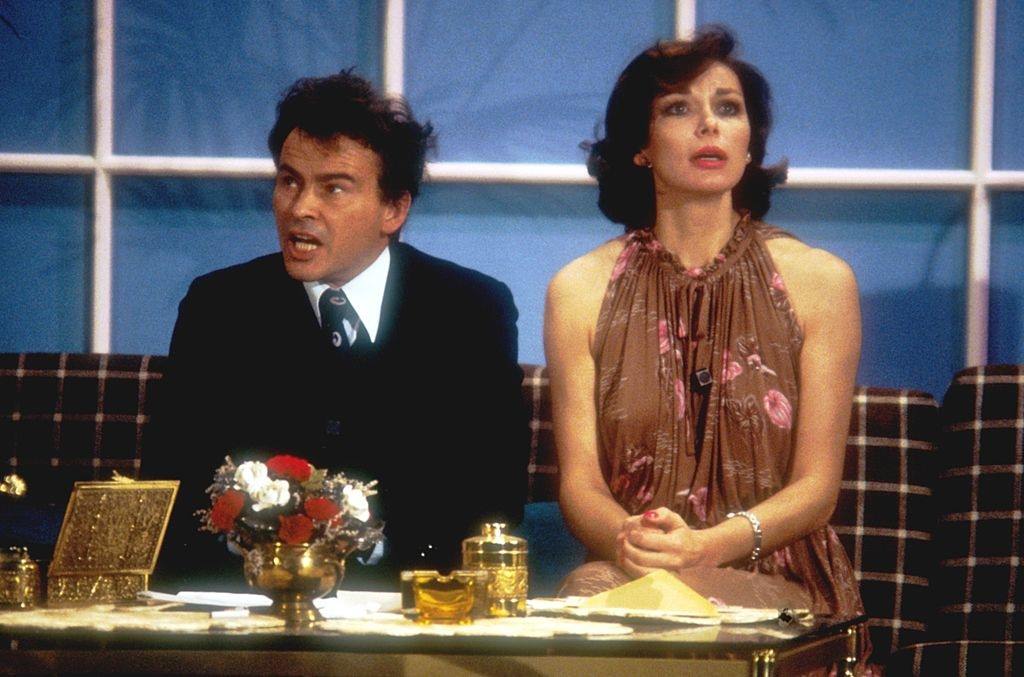
Teissier has always been a bold advocate for astrology’s legitimacy. She has argued publicly and in print that astrology deserves recognition as a serious discipline, and that the scientific establishment has actively worked to suppress it. In a September 2007 interview with the Swiss daily newspaper Le Matin, she stated, “In an astrological chart, you can find out if you are predisposed to cancer.” That kind of claim kept her in the public eye and kept critics sharp.
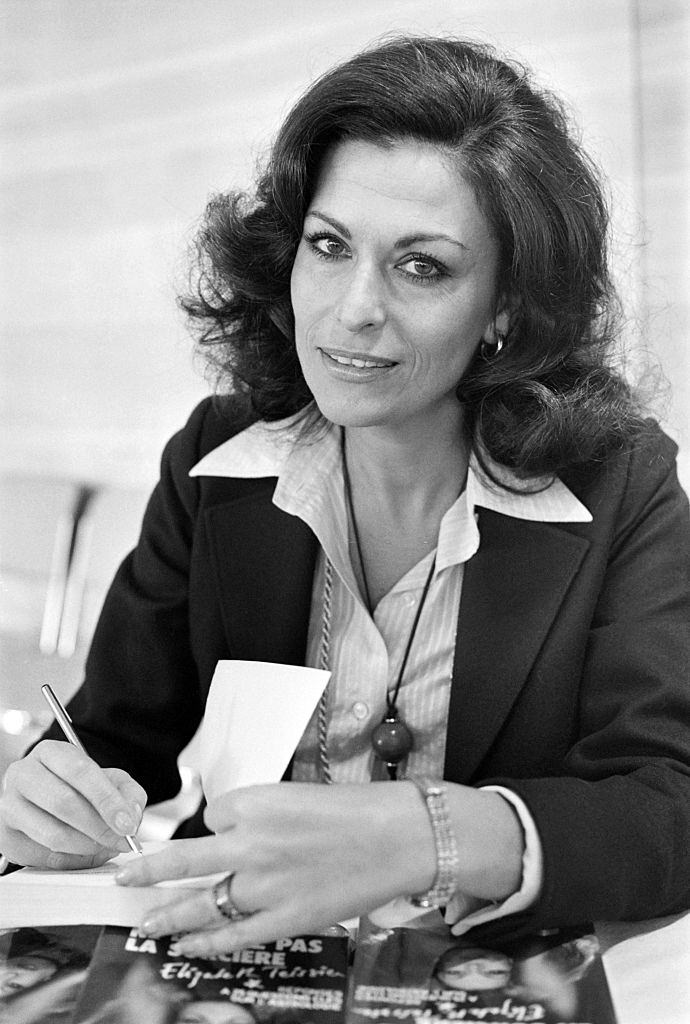
The biggest controversy of her career arrived when she was awarded a Doctorate in Sociology from the University of Paris V — the Sorbonne — for a thesis arguing that astrology had been unfairly suppressed by science. The academic response was sharp and immediate. Scientists and scholars criticized the thesis for failing to meet the standards expected of doctoral research in any scientific field and for not functioning within the boundaries of sociology as a discipline. The university and the jury that approved the degree faced heavy criticism, though Teissier also had supporters who defended the work.
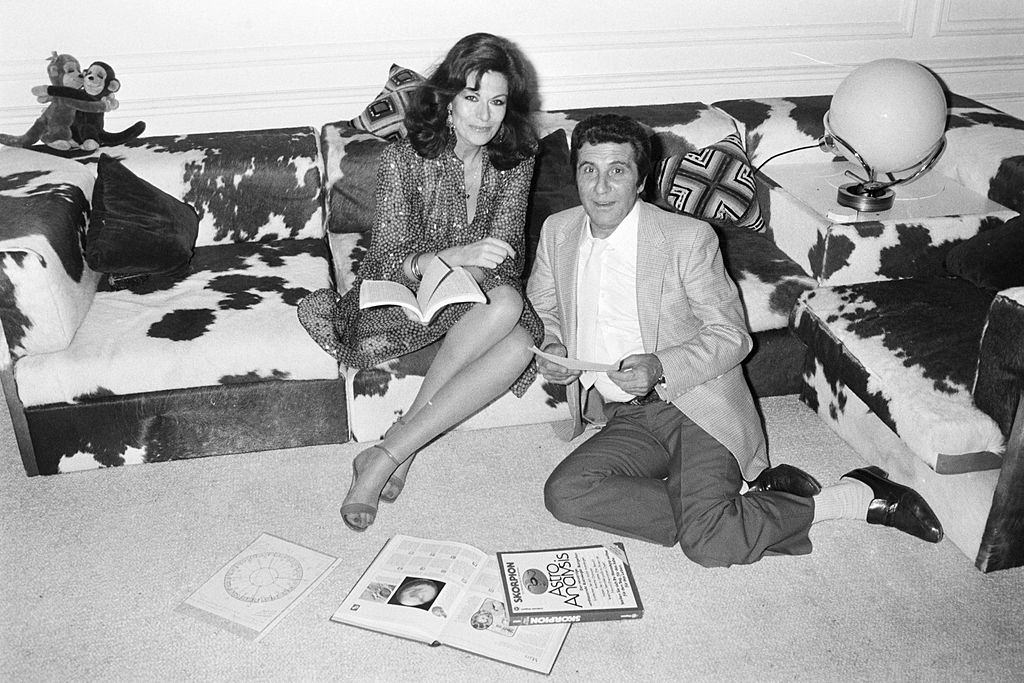
Teissier has claimed that her astrological predictions carry a success rate of 80 to 90 percent. A formal experiment was conducted comparing her predictions against common sense and random chance. The results showed no evidence that she possessed any special predictive ability beyond what chance alone would produce. Despite that, her public following remained strong throughout the decades.