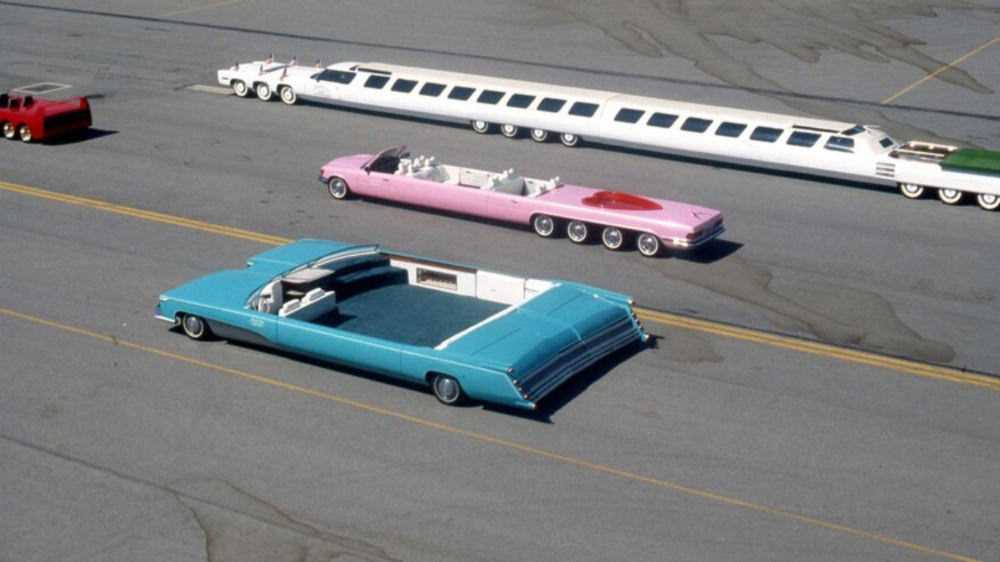
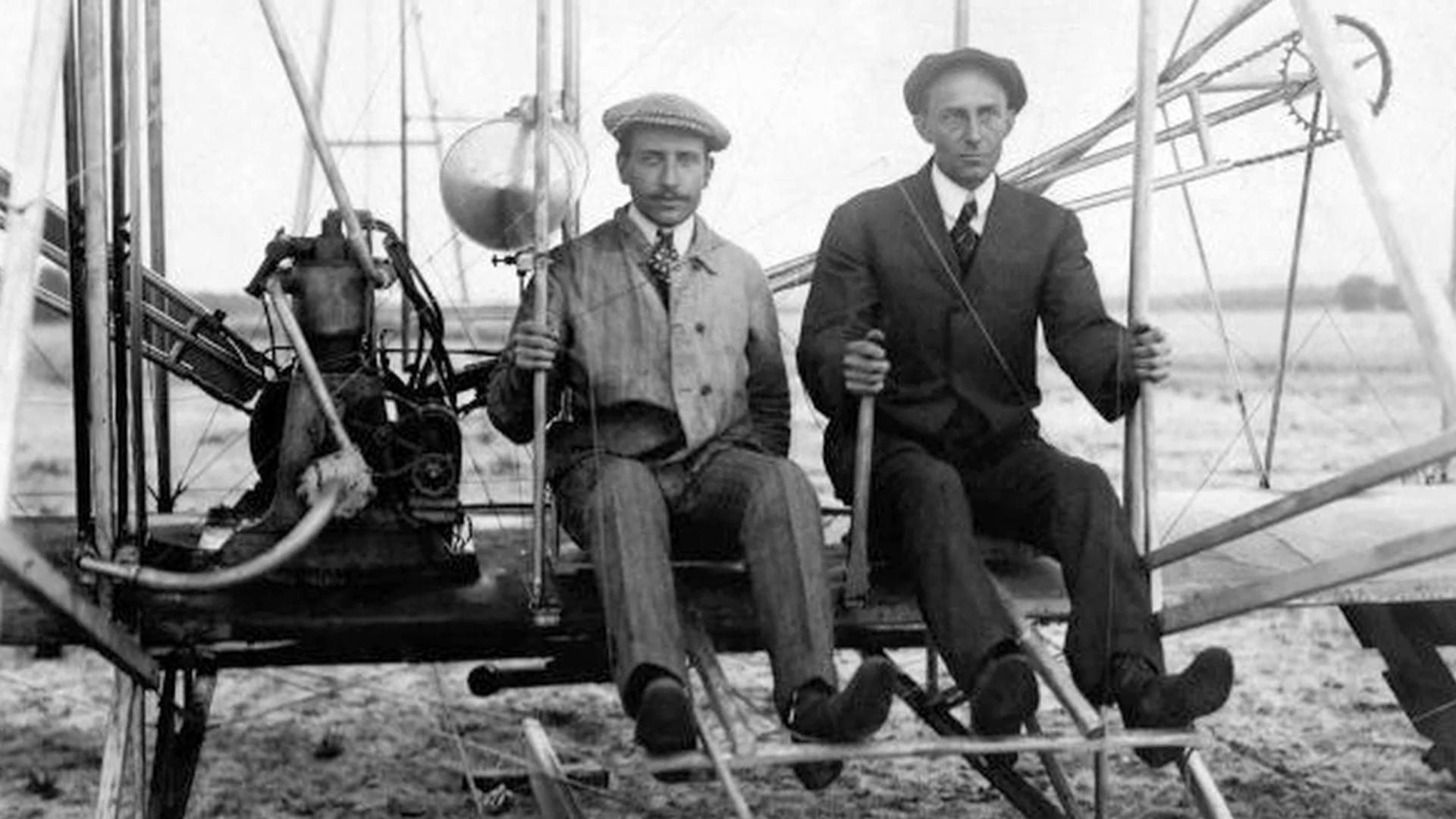
Most people have never heard the name Jay Ohrberg. But if you’ve watched movies or TV shows since the 1970s, you’ve almost certainly seen his work. Ohrberg was a custom car builder based in California who made a career out of pushing vehicles far beyond what anyone thought was practical — or even possible. He earned the title “King of Show Cars” after more than 100 of his creations appeared in Hollywood productions. His cars weren’t just built for screens, though. Many were made purely to shock audiences at car shows across the country.
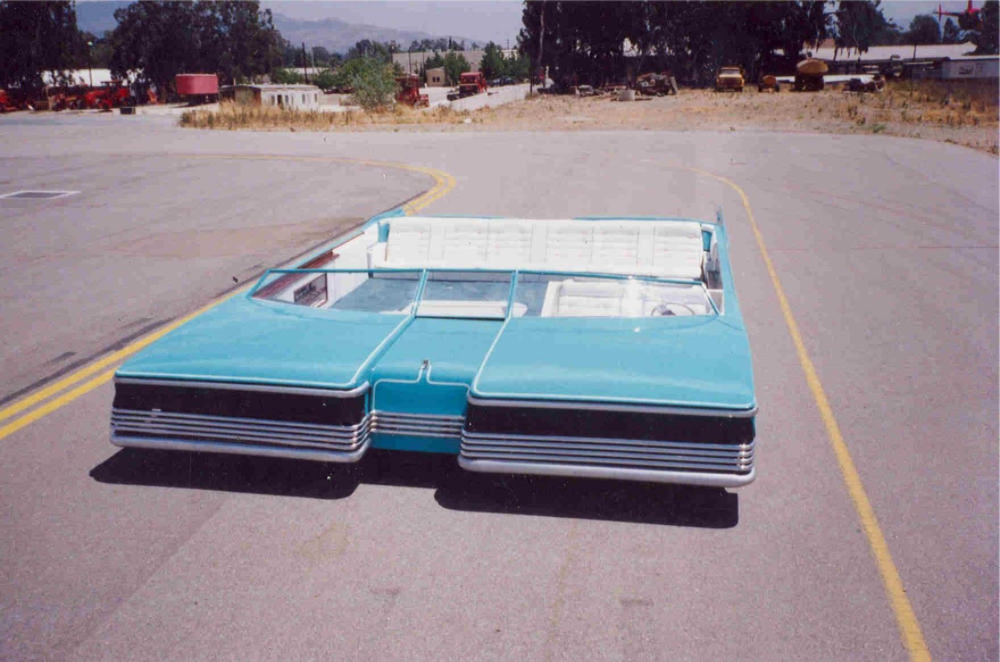
Among all of Ohrberg’s wild builds, the double-wide limousine stands out as one of his most outrageous. The concept was simple in theory: take the idea of a stretch limousine and widen it to a scale that made no practical sense whatsoever. The result was a vehicle that stretched 30 feet in length and spanned the width of 2.5 standard cars side by side. It was enormous by any measure, and it was built to turn heads — not to shuttle anyone to a red carpet event.
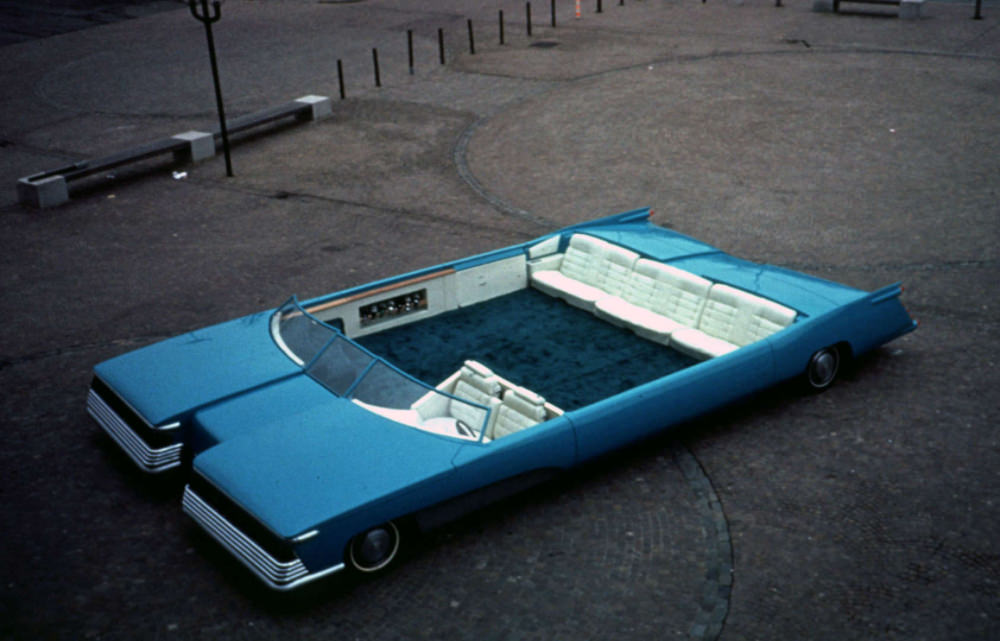
Under the hood — or more accurately, under two hoods — the limousine ran on a pair of Cadillac front-wheel-drive engines. One engine powered each half of the car. That dual-engine setup wasn’t just a showpiece detail. It was a mechanical necessity, given the sheer mass and width of the vehicle. Each side of the car also rode on eight wheels, meaning the full build rolled on sixteen wheels in total. The chassis had to be engineered to handle a footprint that dwarfed almost anything else on the road.
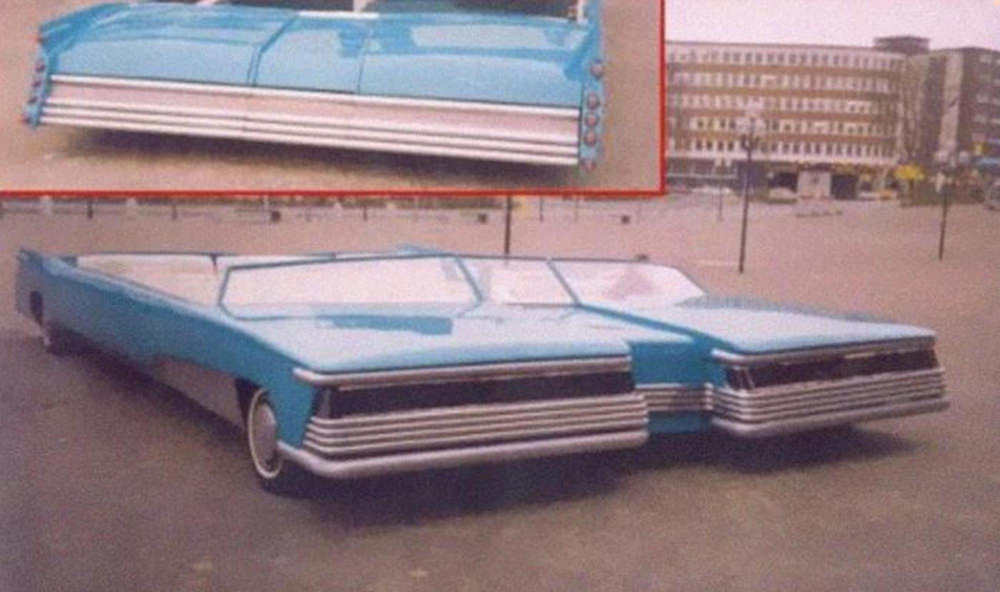
Getting the car from one show to the next was a major logistical challenge. The double-wide limo was far too wide to be transported in one piece. It had to be split down the middle and broken into two separate halves for every move between venues. This wasn’t just a matter of unhooking a few bolts. It required a deliberate disassembly process each time the car needed to travel. Once at a new location, crews would reassemble the two halves back into the full, jaw-dropping display piece.
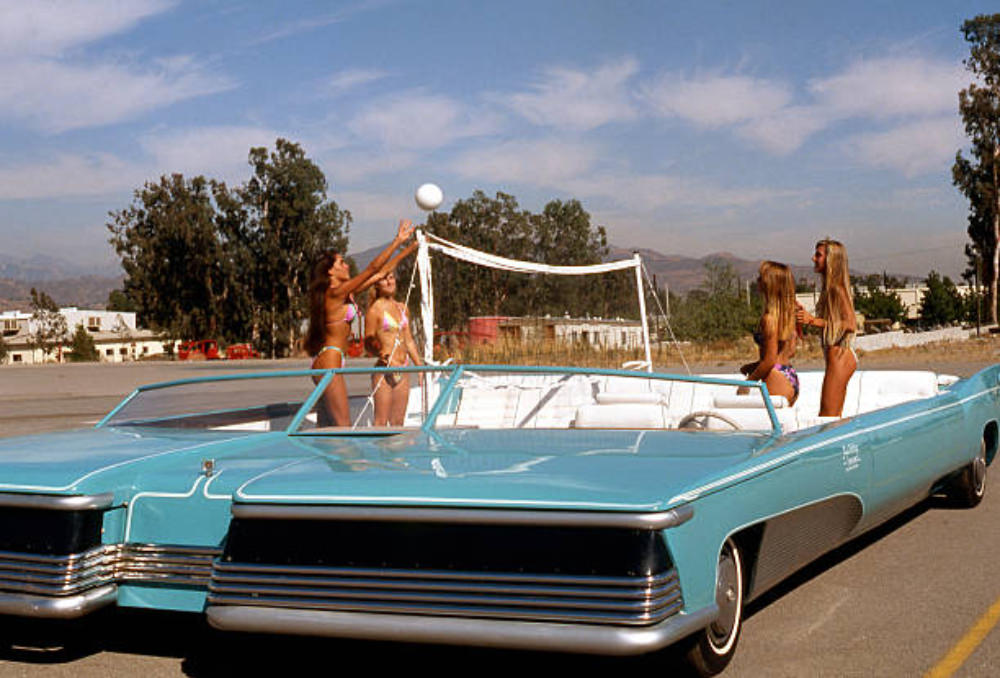
What made the design especially clever was that each half of the limousine was independently drivable. When split apart, both sections could be driven on their own under engine power. This made moving each half to and from transport vehicles far more practical than hauling a completely dead chassis. It also meant that during disassembly, the car never had to be lifted by a crane or dragged onto a flatbed without any ability to steer or maneuver.
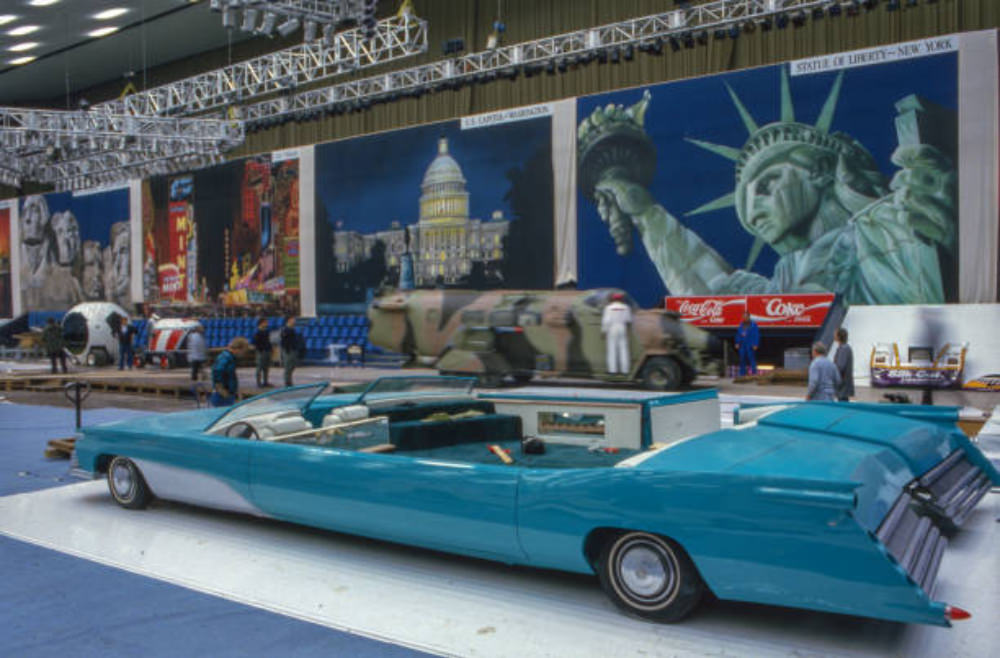
The double-wide limo fit squarely into the 1980s car show culture that Ohrberg thrived in. That era had a genuine appetite for record-breaking, boundary-ignoring custom vehicles. Shows drew large crowds specifically to see builds that had no business existing in the real world. Ohrberg understood this audience completely. He didn’t build cars to solve transportation problems. He built them to make people stop, stare, and wonder how anyone had the nerve to actually put something like that together. The double-wide limousine did exactly that.